A game-changer for any game is its atmosphere. How it can make you forget you have a controller in your hands and suck you into its world, make you believe in its world, or even scare you. There are many memorable worlds that have been created such as Fallout 3, Silent Hill, and Metro. These games have tons of atmosphere that suck you in and make you fear or delight in the next step that’s coming.
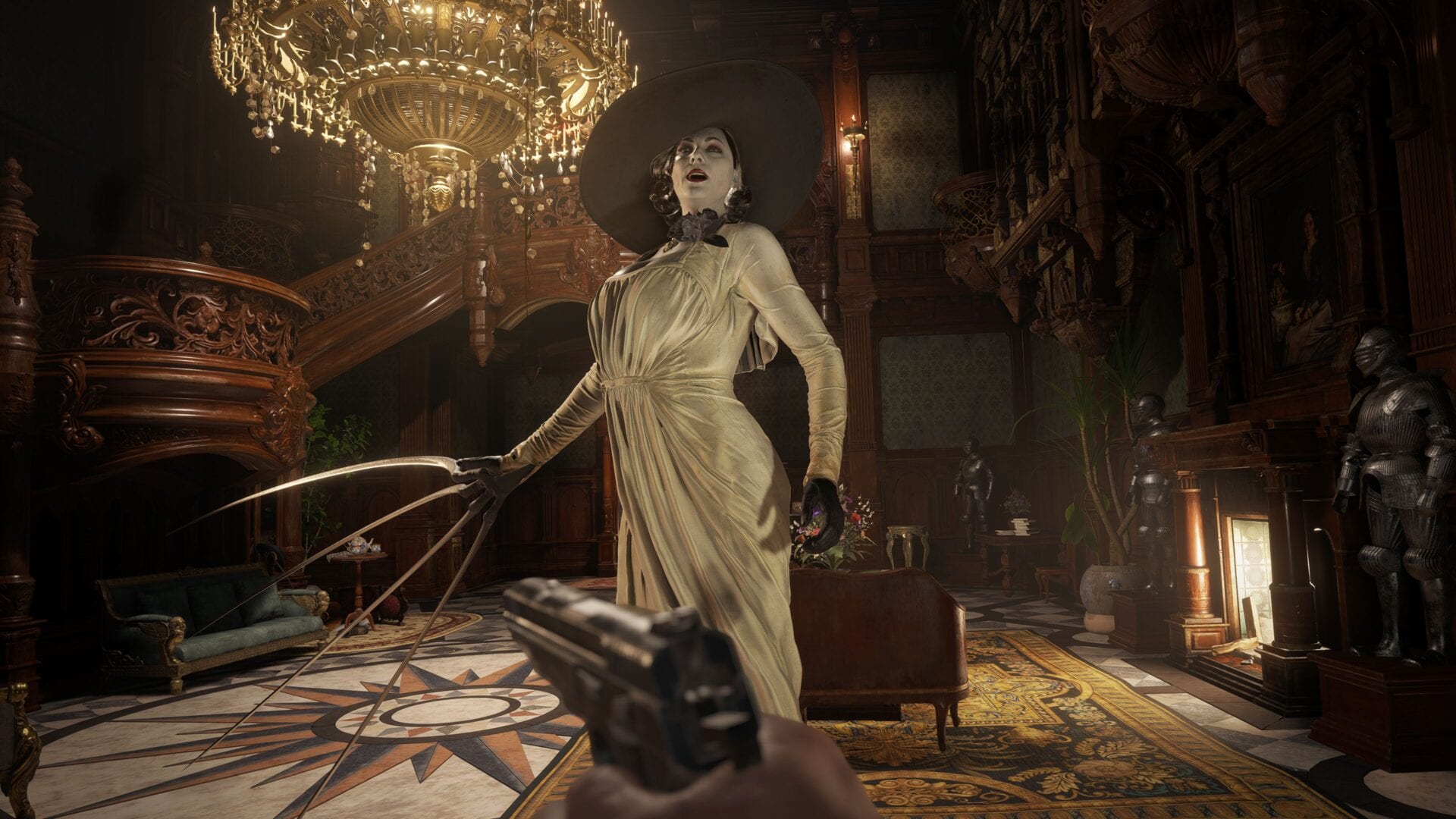
Resident Evil Village brings back the fear factor and not just the action. While VII was more scare than action, I feel Village really balanced the two well. The entire world of Village just feels like absolute terror. Each level has a tense atmosphere of dread, death, and like you just want to get the hell out. There were many games that created convincing worlds, but Village did it the best.
A game-changer for any game is its atmosphere. How it can make you forget you have a controller in your hands and suck you into its world, make you believe in its world, or even scare you. There are many memorable worlds that have been created such as Fallout 3, Silent Hill, and Metro. These games have tons of atmosphere that suck you in and make you fear or delight in the next step that’s coming.
Resident Evil Village brings back the fear factor and not just the action. While VII was more scare than action, I feel Village really balanced the two well. The entire world of Village just feels like absolute terror. Each level has a tense atmosphere of dread, death, and like you just want to get the hell out. There were many games that created convincing worlds, but Village did it the best.
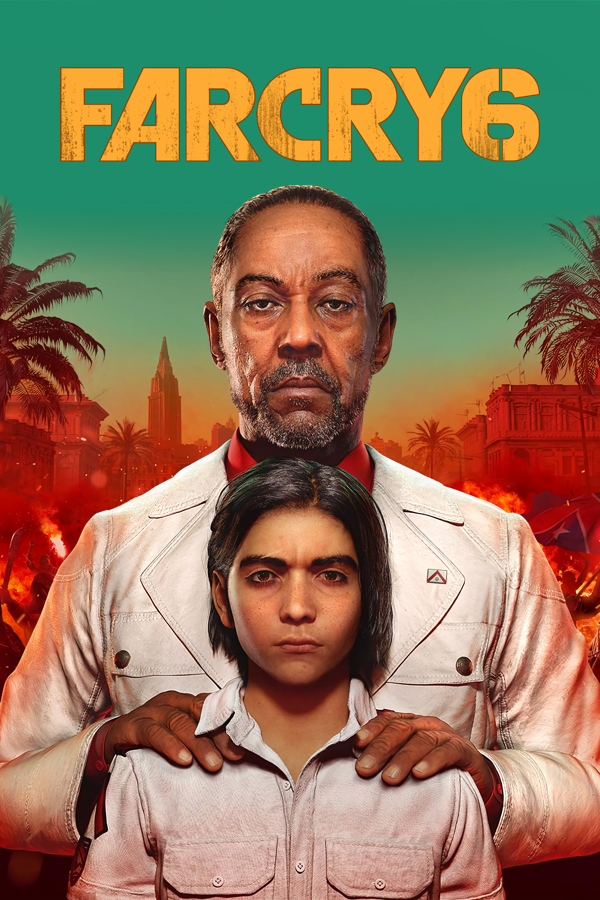
A brand new category was introduced this year. Sequels need to take accountability for not evolving or changing anything. Sometimes you don’t fix what’s not broken, but you still need to add something. There are plenty of sequels released year after year that doesn’t change enough to justify the cost or just exist.
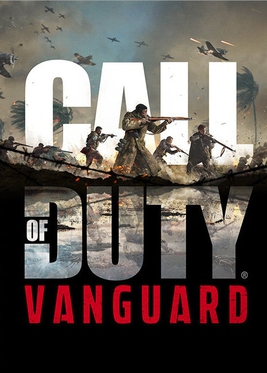
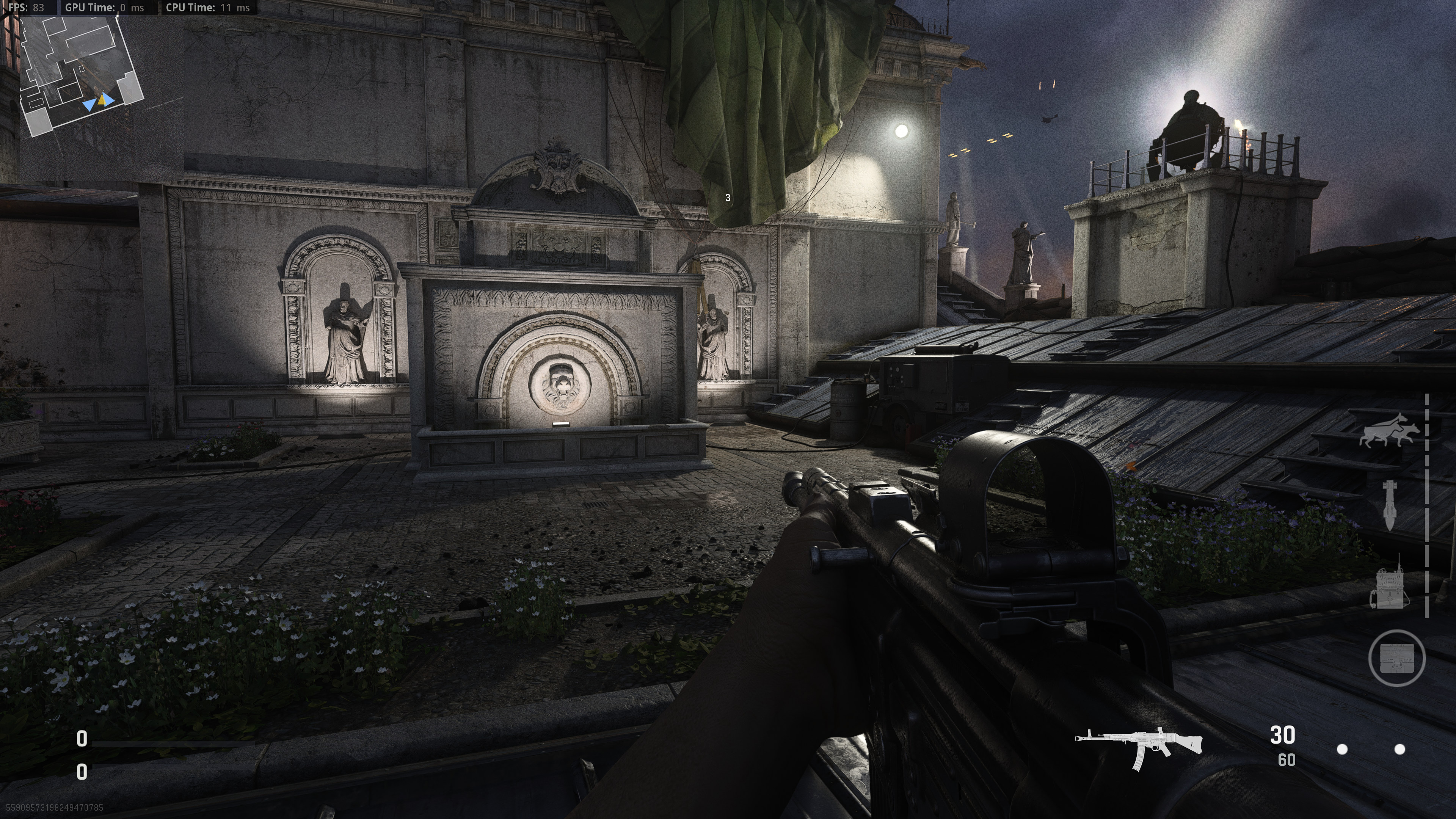
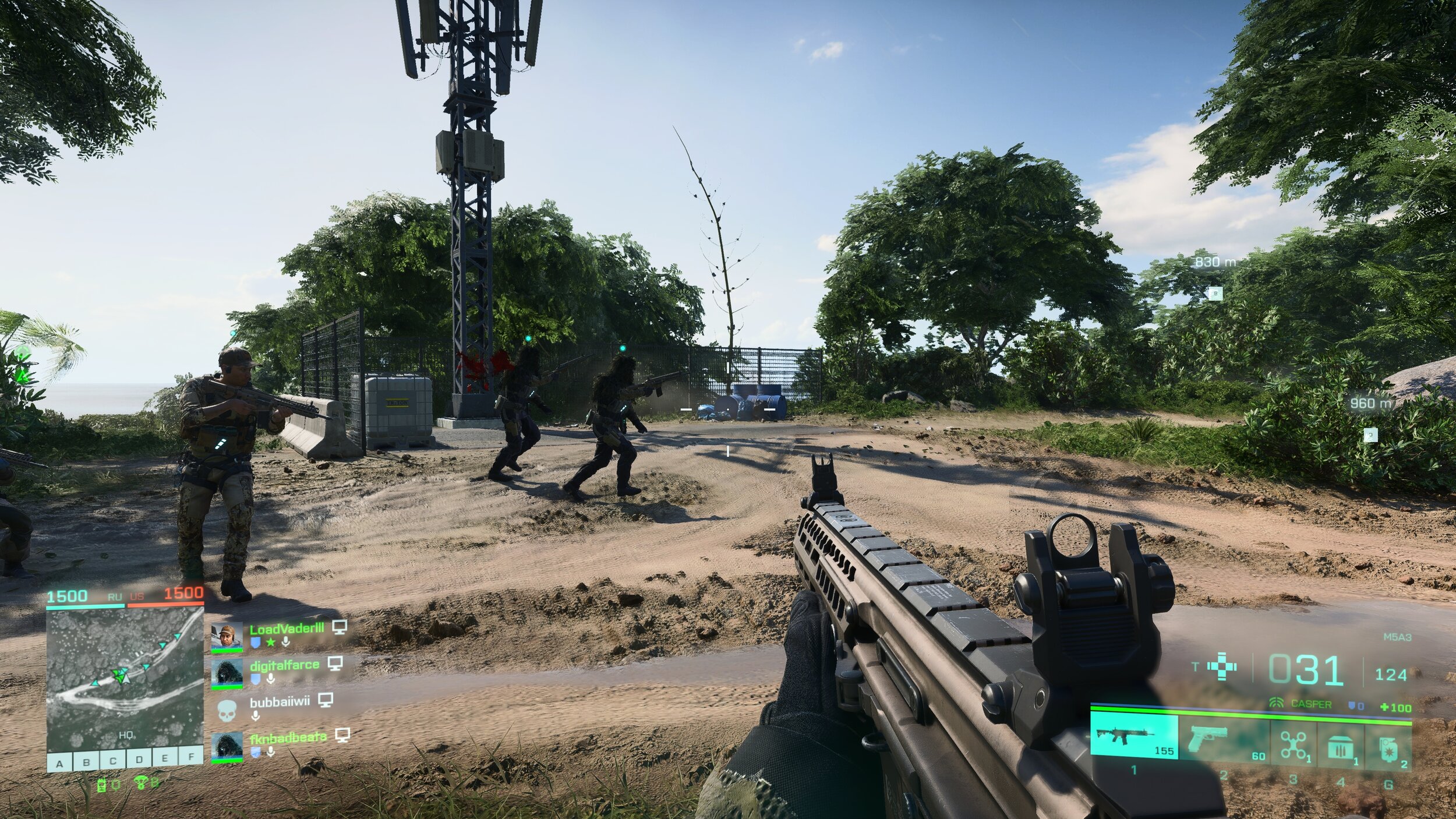
While Modern Warfare 2019 was a fantastic game and brought the series back to its roots it quickly slid downhill and doesn’t seem to be stopping. Battlefield was successful and bringing the series back to the past, but Call of Duty: WWII was mediocre, and Vanguard doesn’t seem to be much better. While the story campaign is entertaining yet forgettable, I remember the campaign from Modern Warfare 2019 and played through it twice. It was very entertaining and well done. The multiplayer in Vanguard is the most disappointing part. Copied and pasted from the last two entries while shoving some Overwatch stuff in like Plays-of-the-Game and points for voting on the MVP. While the game looks fantastic and plays well we still get ho-hum maps, and lame Zombies mode that takes the best parts out, and just one of the worst games in the series in a long while.
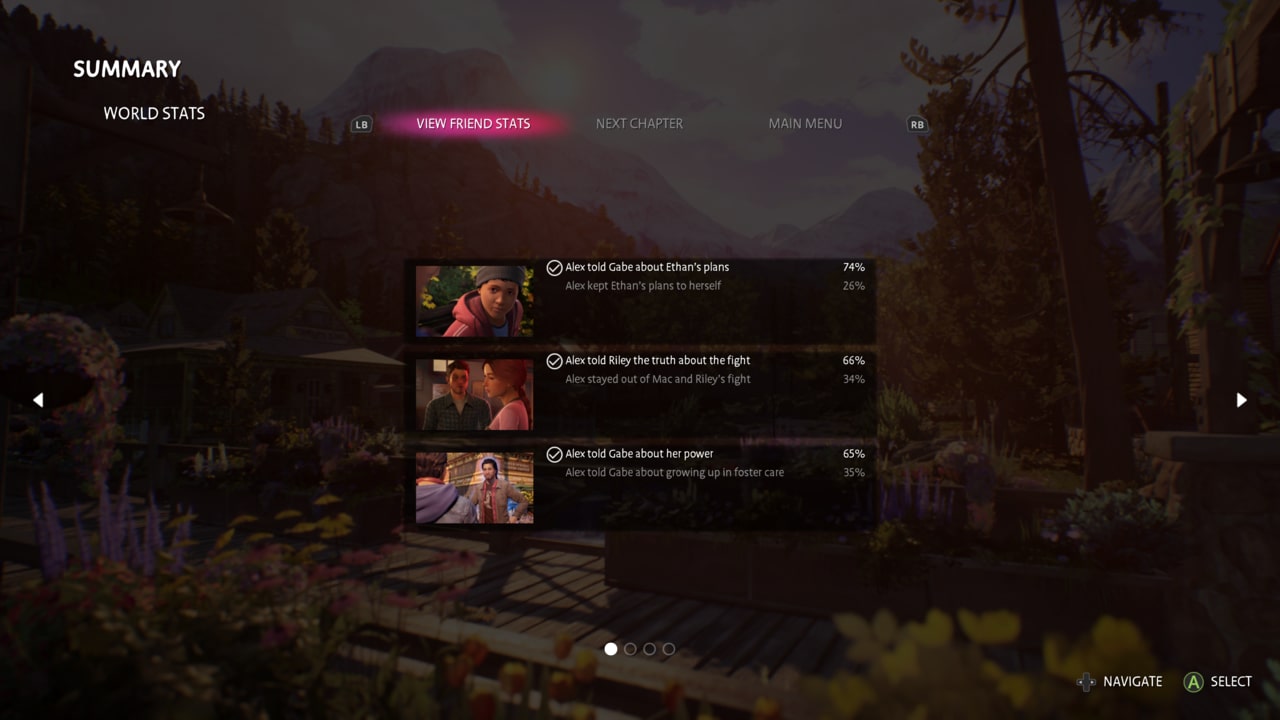
Life is Strange is one of my favorite games of all time. It just captured the small-town teenage adventure that a lot of us can reminisce about. It was one of the few games that I played that were so emotional and really made you feel for the world and characters you were in. The series keeps trying to capture that lightning in a bottle and doesn’t quite do it as the first game did. That magic is hard to reproduce, but True Colors is still quite an emotional game with great characters.
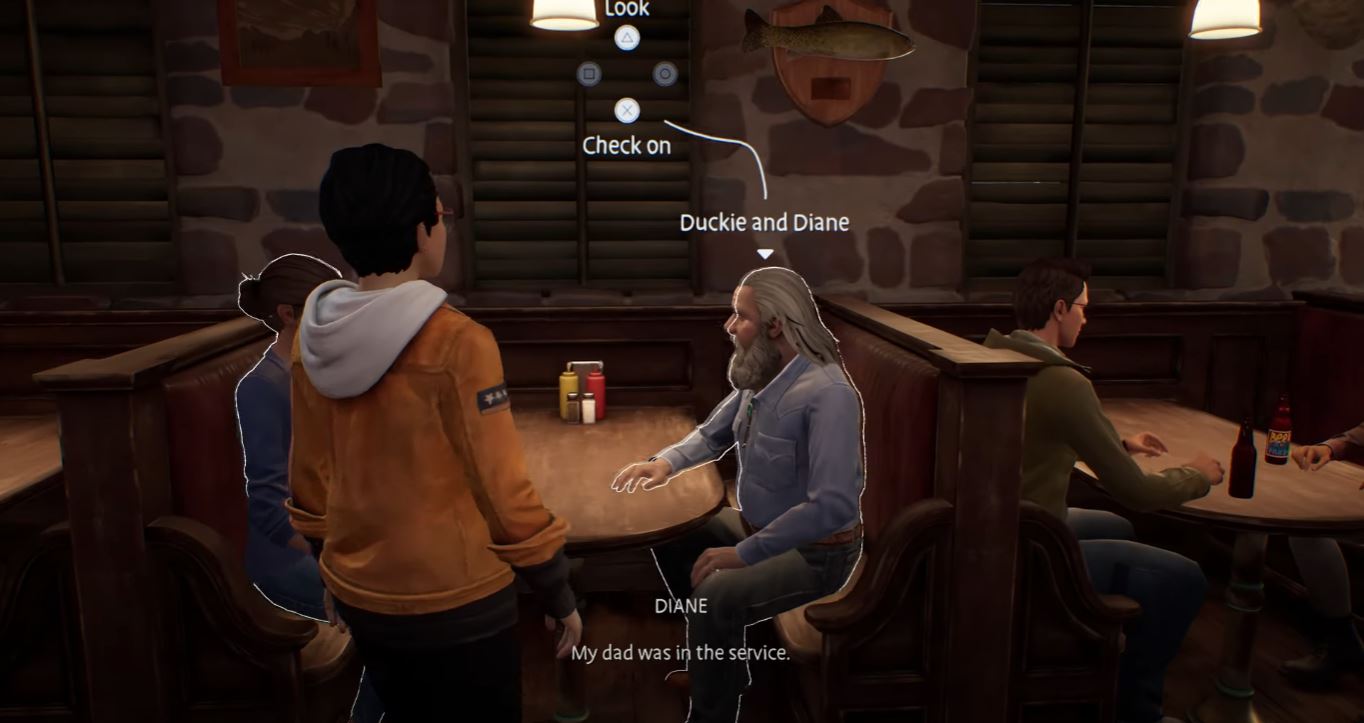
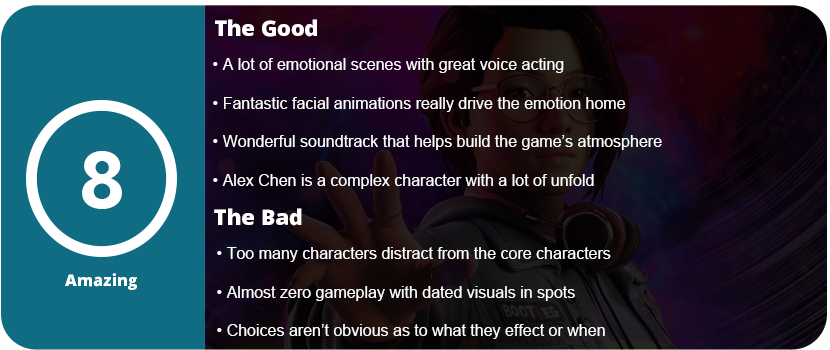
You play Alex Chen, a young woman who is leaving foster care for a small town in Colorado called Haven. Not only is there a town mystery to solve, but you are also trying to find a purpose and reason to stay. You end up living with your brother, Gabe, and slowly start unlocking your past and the mystery of the town. That’s as far as I want to go with the story; anything else will literally spoil the game, as there are quite a few big twists and turns, and even just revealing certain things that happen is surprising and unexpected. What I will say is that the story focuses a bit too much on this town mystery and less on your personal feelings with those around you, despite Alex’s “power” involving raw emotion. When I first started the game, I will admit that Deck Nine has a great way to get to the point of how the main character feels about the world around them. When you open your phone, you can read text messages and bulletin posts that help explain what’s going on outside of Alex’s life. I recommend reading these texts at the very beginning of the game because she ends up blocking some people, and after reading this long thread, it kind of helps you see more of what Alex is feeling in her life.
The first chapter is slow to build, much slower than in previous games, and the story doesn’t really pick up until right at the end of Chapter 1. The game also doesn’t have much gameplay. You do get to control Alex in certain areas to “explore,” which only consists of hearing her internal dialog and commenting on things you can look at. I don’t feel this really adds to anything; it just feels like an excuse to make this a game and not an interactive movie. This is a serious issue with adventure games these days. There are no puzzles, no real exploration, just lame gameplay excuses to make you feel like you’re controlling anything. I understand this is so it doesn’t scare off casual gamers, but adventure games are known for their puzzles. The only gameplay in here is a certain scene where you are doing a LARP (live-action role play) that the town takes part in, and the game kind of has a light make-believe RPG thing going on. There are things to “collect,” like looking at certain objects, interacting with things that can be missed, and listening to people’s internal dialogue with Alex’s powers.
There are major choices to be made in the game, and that’s the true core of Life is Strange. These choices are pretty tough and really change the outcome of the story, but there aren’t as many in True Colors as in previous entries. There are only a few major choices where the game pauses and lets you choose. Other things are dialog options, but I never could really tell if these made a change or not, and that’s a real weakness with this game. You could argue it’s so organic that you don’t notice, and maybe that’s better? I’m not quite sure, but I know only the major choices I made were obvious in their effect. I also found that there may be too many characters in this game, and we aren’t given enough time with any of them. Even Alex’s love interest, while touching and emotional, feels shallow and one-note. There isn’t enough time spent with this person to establish this connection. It’s more in line with just a few actions that took place, and suddenly they love each other? It doesn’t feel super organic, and Alex’s other friends aren’t allowed any insight into their past, like with Cloe or Max in the first game. I cared a lot about Alex, but not too much about anyone else because of these factors.
The game isn’t impressive to look at on a technical level; there are some last-gen textures here and there, but the lighting is great, and the facial animations are fantastic. The characters’ emotions really come across thanks to the details put into the facial animations. While the game looks miles better than previous entries, it still feels like parts are older than others. The music is fantastic as always and carries the Life is Strange atmosphere from previous entries. It’s good enough to listen to outside of the game, and I still listen to the first game’s OST all the time. The music plays in just the right moments, really helps carry the emotional scenes through to the end, and adds an extra punch to the gut.
With that said, True Colors does what previous games did well, but it doesn’t quite capture the magic of the first game. There are too many characters, and this brings the focus away from the core characters, and we don’t get enough insight into their past to care about them much. Alex’s love interest feels shallow and underdeveloped, and the mystery of the town itself also brings the focus away from helping the characters grow. I feel there are just too many distractions in the story to make it feel as wholesome as the first game. The visuals, while looking great in spots, feel dated, but the facial animations are fantastic. The music is amazing and helps Life is Strange establish an atmosphere all on its own, but I also feel the choices aren’t as obvious in this game. What’s here is a great game with some seriously emotional scenes that are well done, but don’t come in expecting out-of-this-world storytelling like the first game.
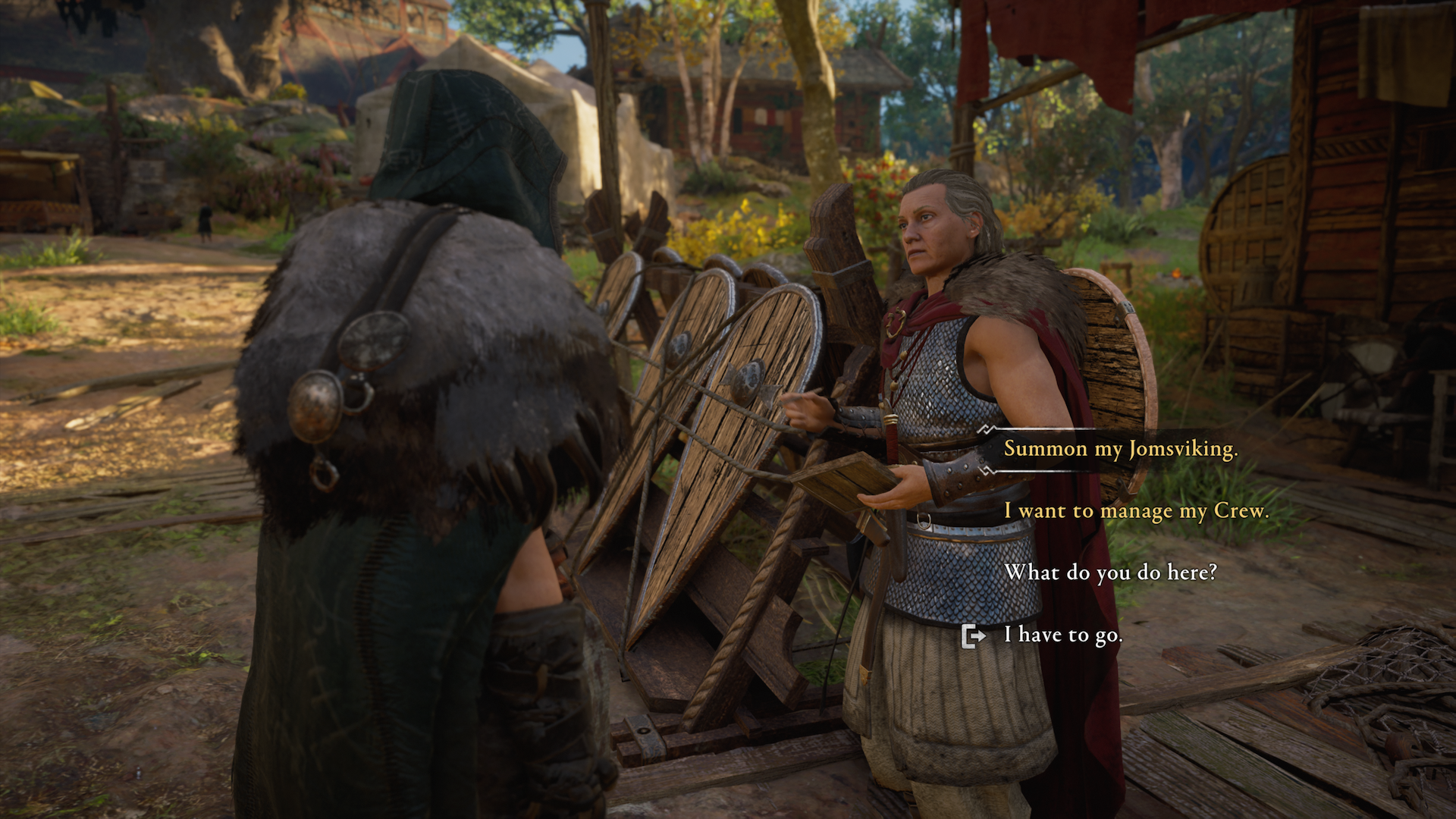
Oh boy, right when you think Assassin’s Creed can’t get any bigger or better. Valhalla is by far the best game in the series, but it does still have many problems that have plagued the series in the last few entries. Over the 70 hours I spent in the game, I felt satisfied and had a lot of fun in the game, and never was it boring, but there are parts that still feel like a chore, and the game is still very bloated despite the fat trimming from Odyssey.
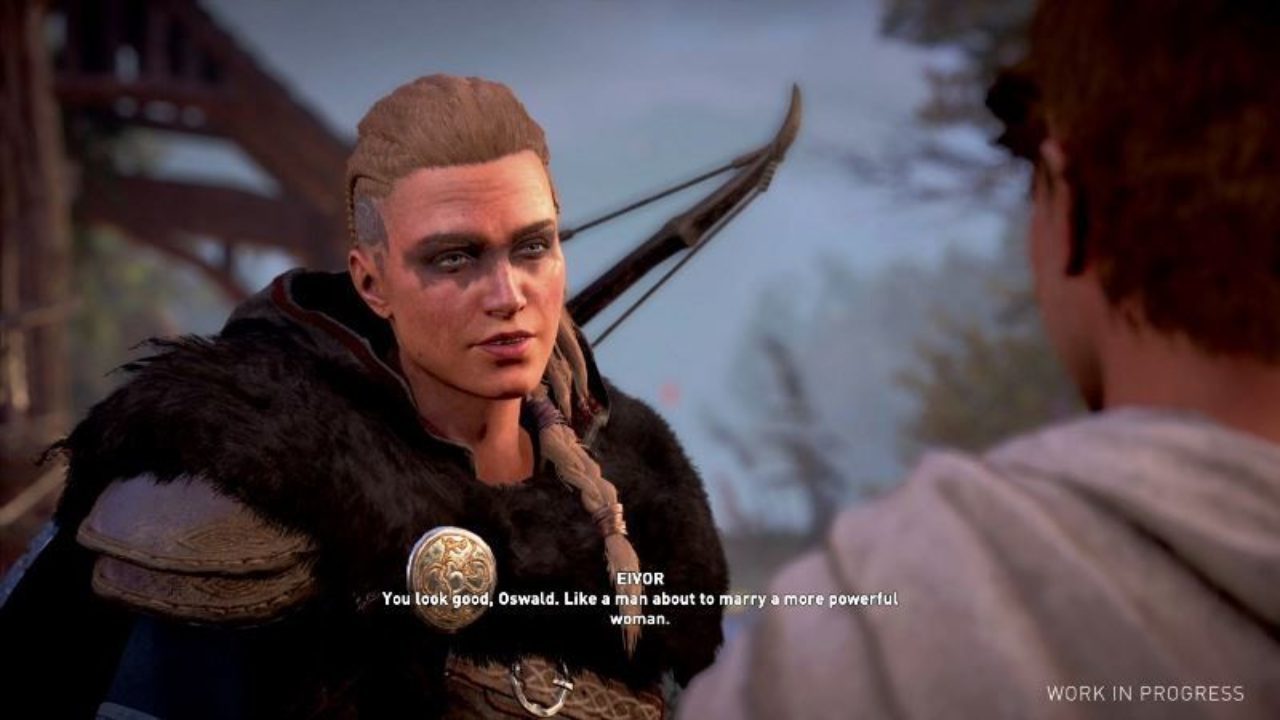
If you couldn’t guess already, Valhalla is set around when the Vikings invaded England and tried to take down the Anglo-Saxons and their Christian faith. The game thankfully has unique characters again, interesting dialog, and a plot to actually care about, well, minus the real-world stuff with Layla. You play as either a male or female Eivor who is your hero in this game and is set to build up the village of Ravensthorpe, stop The Order of the Ancients, as well as a plot revolving around your brother Sigurd being sucked into the Christian craziness as he thinks he’s a god.
The main gameplay loop in Valhalla is an alliance map that allows you to pledge yourself to territories throughout England to gain their trust to eventually take down the evil King Alfred. There are about a dozen territories to conquer, but each has a mini-subplot in which you have to deal with that kingdom’s troubles. The characters are rather interesting, and I grew to care about them thanks to the sharper writing over Odyssey’s dull cookie-cutter banter and annoying accents. Getting to pledge to these kingdoms usually ends in storming a keep or castle and putting that king back in power or helping him hold it. One plot involved a murder mystery, and another involved a king’s son who didn’t want to step up to the throne. Some of the kings are dying, and you must secure the throne. It may sound repetitive, but actually, with each area being different with a unique plot, I always looked forward to the next one.
Of course, while that’s the larger scope of the objective of this game, and it’s a welcome new breath of fresh air for the series, you also have the smaller gameplay loops within, such as, of course, the RPG elements that have been scaled back and also seem pointless. Now instead of actual levels, you have a power level that increases and gives you two skill points every time you level up. There is a new skill tree or web that gives you stat increases and unlocks some new abilities, but the auto-assign works just fine here as the level cap is 340, and by the time you get there, you will have unlocked pretty much every important skill. On top of this, the loot system is now in favor of unique armor, weapons, and abilities that must be found in the world and are hidden. While this does feel more Assassin’s Creed-like, it’s still a chore to go around finding these dozens of armors and weapons throughout the world. They usually aren’t too hard to find, and some of them can be fun, like the Assassins of Bureus that are back.
The only way to do other things like customize your ship, upgrade your armor and weapons, etc. is to find chests throughout the world called wealth, and these give you supplies to upgrade your own village. You use this to unlock new facilities. This can also feel like a grind, but over the first twenty hours, you will eventually unlock all the important buildings. Traveling around England is mostly done by horseback and sailing on rivers; more on that later. Just like any AC game, exploring the world is a lot of fun. The world is about one-third the size of Odyssey, so it’s less overwhelming, but still too big, honestly. AC worlds have become too large and bloated for their own good, and it just ends up being mostly padding and filler; however, completing the main story and finding all of the Order members isn’t as much of a chore as in Odyssey. Sure, there are power levels set in each area, but I was able to complete these underpowered if I kept my armor and weapons upgraded. Thankfully, that’s what’s great about the armor and weapons being unique. You can technically stick with the default stuff and just upgrade it over time and ignore everything in the game. Even upgrading your village is mostly optional.
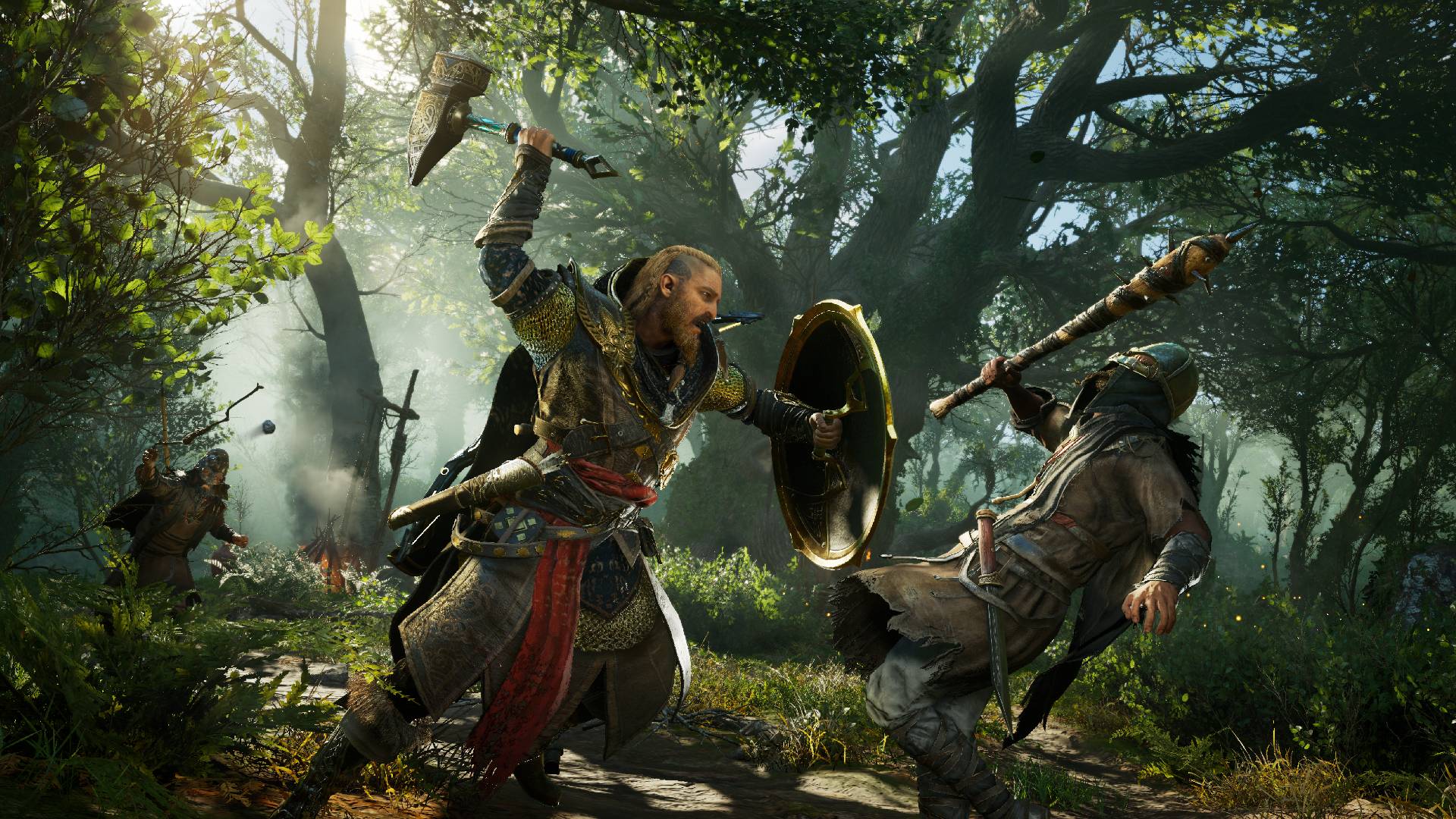
When it comes to combat, the game shines and feels great. The combat system is the same as Odyssey, but tweaked and feels better this time around with some brutal combat. Beheadings, slicing off arms, exploding bodies, etc. While the death animations get old fast, each weapon has a few unique ones of its own. At least you get the hidden blade in this game and can one-hit assassinate guards regardless of power level. This is a huge positive change, as stealth in Odyseey took a back seat. Any guard that is more powerful gets a quick-time event that determines whether you can one-hit kill them or not. This can also be turned off in the options, so every enemy is a one-hit kill, just like the good ‘ol Assassin’s Creed game should be. This allows the satisfying leapfrogging and double assassinations of enemies around camps and makes clearing some out faster.
Finally, sailing has taken a backseat, and ship battles are now gone. Instead, you get river raids, which allow you to sail around the rivers and basically raid villages for wealth that is used to upgrade your village. Again, these are completely optional. They are fun for a while and are fairly easy to get some resources for. There are various other activities in the world, like aligning runes, stacking stones, and mysteries, which are mini-side events that happen in the world that can be completed in seconds or minutes, and they can be pretty entertaining. They also give you XP, so it’s a great way to level up if you want to complete the Order story tree. Over time, you will naturally level up by completing territory pledges in the game to around level 280, which is recommended for the ending. After this, up to 340 is optional to complete the order tree, as there is one Zealot that is level 340, and I was able to beat him at 315 with ease by the end of the game.
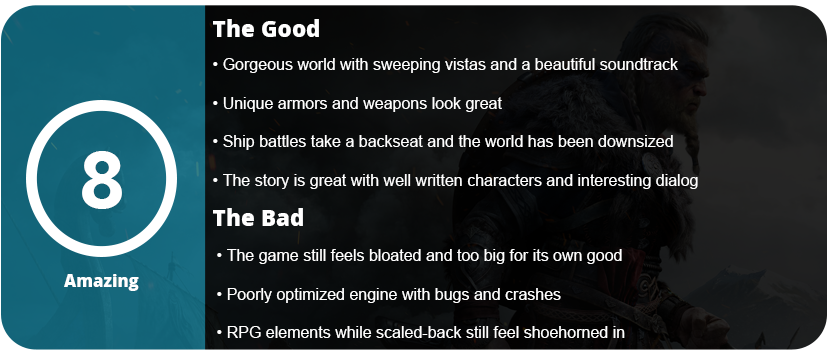
The game itself looks fantastic, despite the Anvil engine being poorly optimized and requiring too high system requirements for what is seen. There’s no ray-tracing or DLSS, and yet the game requires a 3000 series Nvidia GPU? It looks slightly better than Odyssey, so I don’t understand this. On my overclocked 2080, I still had FPS drops on the Very High settings. On my 1660ti, I had to keep everything around high and still dropped below 30 FPS in some areas. It’s just an engine that needs an overhaul and needs to run better. I also ran into crashes and glitches, even almost a year after release. Despite all of this, the game’s art style captures medieval England, and each area looks beautiful with sweeping vistas and mountains. The soundtrack is also one of the best in the series to date, and I regularly listen to it outside of the game. It’s just amazing and well put together.
This game won’t change your mind if you hate Assassin’s Creed, but if you’ve been on the fence for a while, I suggest jumping in here. It strips down the RPG elements a lot and feels more like a traditional AC game, just bigger, with most things being optional. I had a lot of fun hunting down the Order members and finding gear and weapons. However, the real-world stuff with Layla just needs to go. Outside of the beginning scene, you only go back towards the end of the game, and it’s just so uninteresting, and there’s so little of this that you forget what happened in the previous game. The endings that involve “ancient high-tech” and the Animus should just go away, as we only care about the historical parts of the game. I even noticed that the scenes with Layla look extremely dated, like they were made a decade ago with the last low-resolution textures that should be on an Xbox 360 with lower poly models and worse lighting effects. It seemed tacked on or just planned years ahead of time, and they clipped it into this game to make it fit the story.
Overall, Valhalla is a fun game and a well-made AC game. It does feel bloated with too much optional stuff to find around the world, but it’s just optional, and you aren’t forced to find it like in Odyssey. I was able to complete both main storylines easily, and the RPG elements scale nicely with the story and can even be turned off. The game looks and sounds amazing despite the poorly optimized engine, and the story was actually good with well-written dialog and characters I cared about. There were even unique assassinations! However, the series still needs to scale back and just go back to the way AC was in the past. One single story had a beginning and an end, with some optional content thrown in. It takes 50 hours just to complete the main story after completing all pledges, and then another 20 hours to level up enough to finish the Order storyline. Over 100 hours in to actually get 100% completion, possibly even 120, and that doesn’t include the DLC that can take 15-20 hours to easily 100% those! It’s stupidly bloated and feels insane, but thankfully, it’s just optional. AC in general just doesn’t have an interesting gameplay loop for grinding, and it was never supposed to be an RPG. These elements feel shoehorned in as an excuse to make the world bigger and extend gameplay time. The series has never needed any of these.
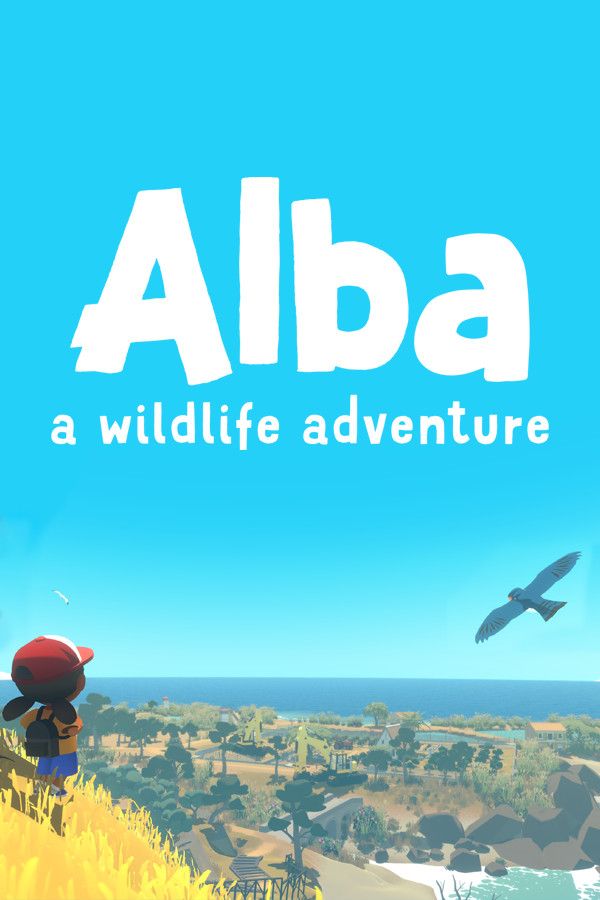
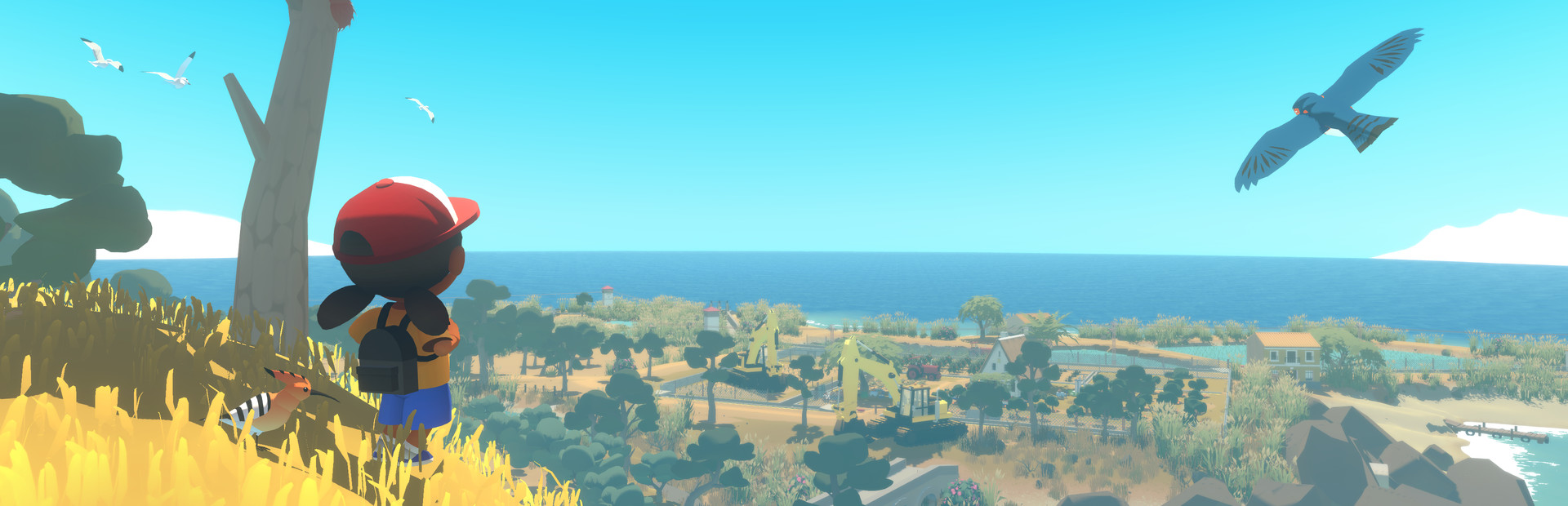
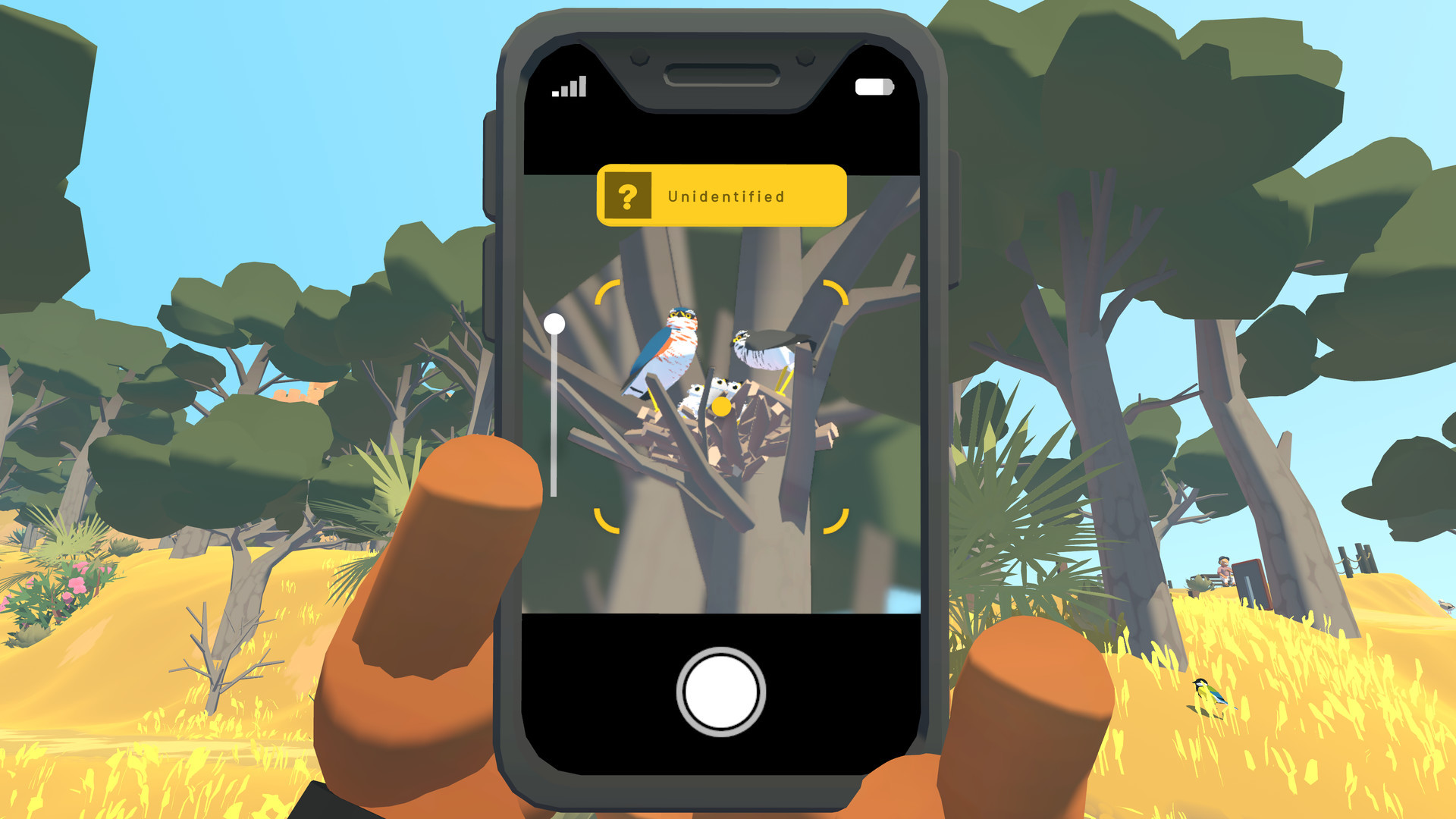
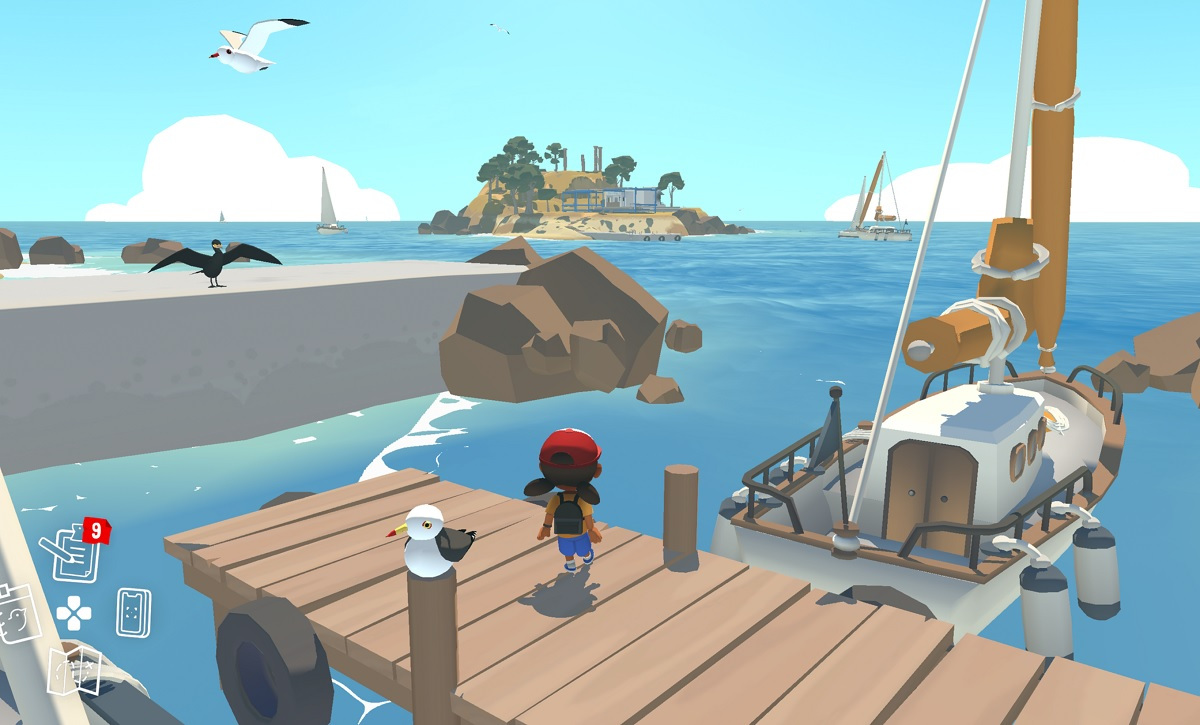
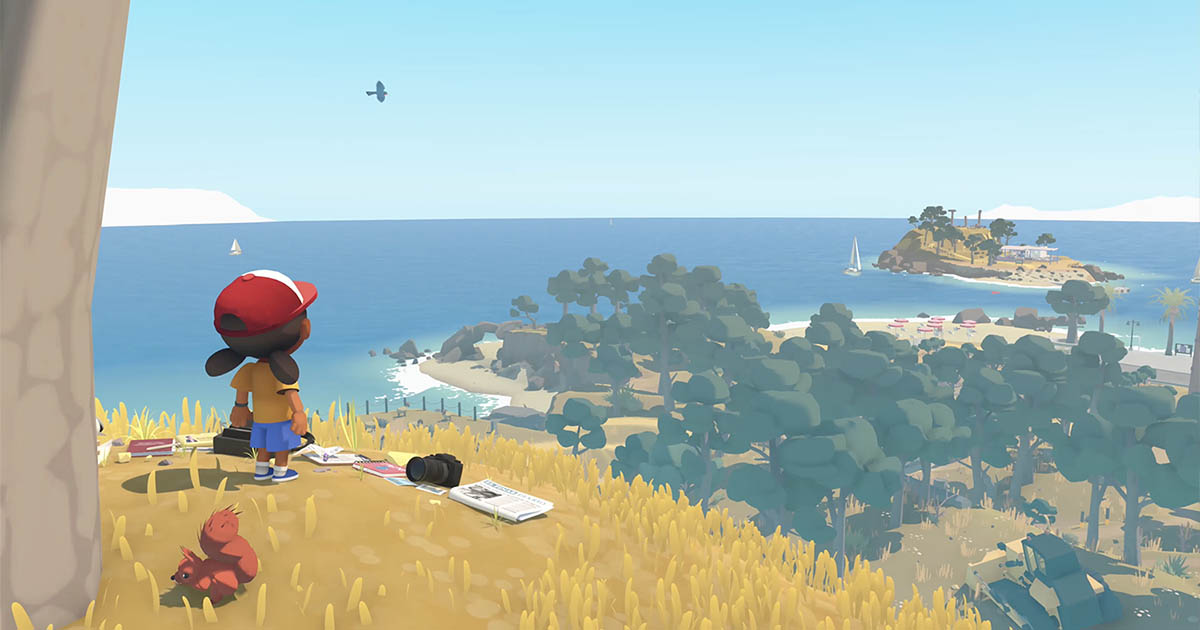
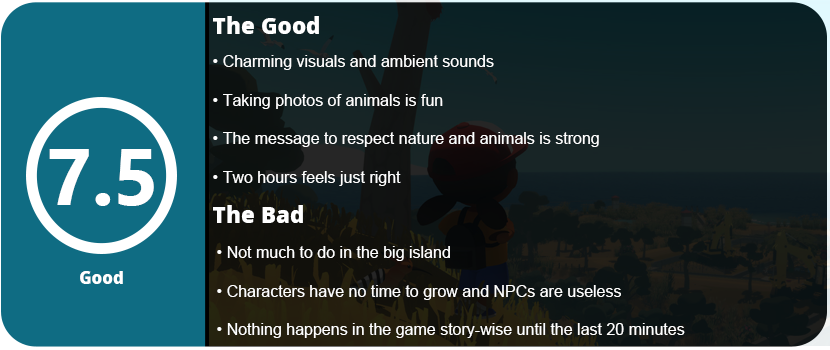
UsTwo’s next game is a small adventure game where you play as a girl named Alba, who is trying to save the local wildlife reserve from corporate hotel moguls. You run around the island trying to gain 50 signatures on a petition to give to the mayor in hopes it will stop the construction. The main gameplay loop of the game is taking photos of 62 different animals on the island via your phone and scanning them with an app. Other objectives include picking up trash, restoring birdhouses and feeders, and rescuing animals from toxic chemicals.
The island is broken up into small areas, so it’s easier to navigate and find where you need to go. Side quests have a green arrow, and the main objectives have gold ones on the map. The entire game is broken up into three days, and you will complete most of the game within two hours fairly easily. Sadly, most of the game is running back and forth between areas with very little to actually do. Picking up trash and fixing items is about all there is to do here. You can also replace photos on info boards, but most everything is done during the main story, as you will come across every area at some point. You can talk to most of the townsfolk, but they have nothing important to say except to waste your time as per NPC regulations. They don’t even offer side quests, which feel odd.
I did enjoy taking photos of the animals, as tracking them was a lot of fun, but sometimes there is just one bird you can’t find somewhere to complete a side objective, and it’s quite irritating and frustrating. While the idea of respecting nature and animals is a great message to get across in a game, I felt nothing for the characters as there wasn’t enough time to do any world-building. For most of the game, you’re just trying to get the 50 signatures, and nothing really happens until the last 20 minutes of the game. For such a large island, I felt there could have been more to do with maybe some mini-games or more side objectives. Even adding more animals that aren’t 90% birds would have been nice as well. Animals are categorized as rarities, but I don’t see how this has any bearing as there’s no point or rating system for finding these animals. Hell, there isn’t even an achievement for finding all the animals in the game!
The game at least looks really pretty, and the low-poly art style with bright, vivid colors is great. The game has good lighting effects, and the sound effects of animals everywhere are a nice touch. Alba controls well as she runs around the island, and I didn’t run into any bugs or crashes of any kind. However, on my iPhone 12 Pro Max, I still ran into frequent slowdowns, especially when zooming in on the phone. This phone is more than capable of running this game at 60FPS, but it needs better optimization. You will end up seeing what the entire game offers in the first 30 minutes of the game, but that’s not to say this game is boring. Two hours is probably just the right length, to be honest, as any more would overstay its welcome due to the lack of things to do. I highly recommend this game to young players for the message it delivers and to any gamer for just a relaxing and chill game.
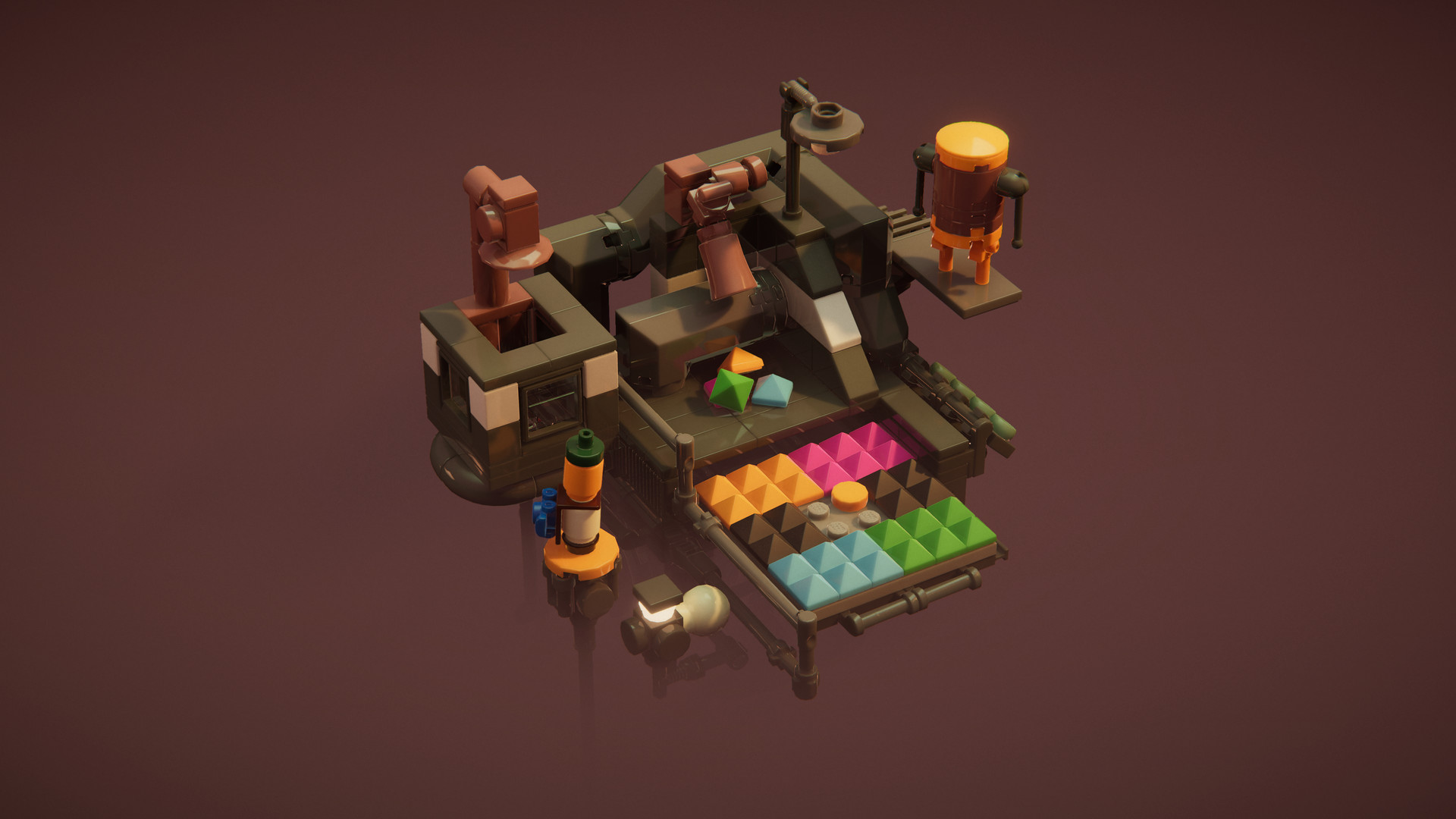
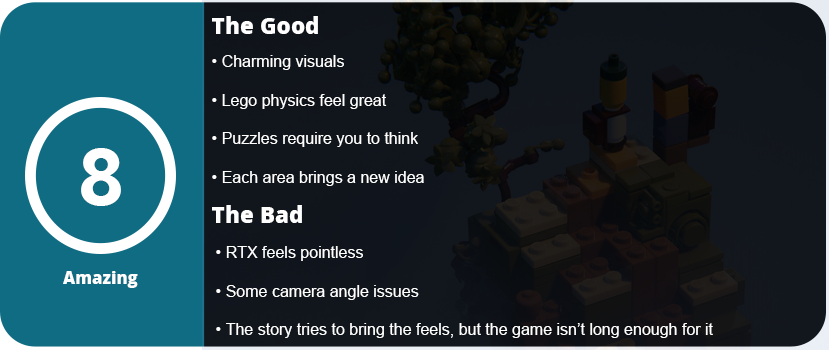
When I first saw Builder’s Journey, the first thing that popped into my mind was Monument Valley. It looks similar with a bright and colorful art style, no voice acting, and a story told through actions. It features small, spinnable tower-like levels that only take a couple of minutes to solve. The game is imaginative and a nice departure from the typical movie license LEGO games we get from Traveler’s Tales. It’s relaxing, fun, and feels like you’re using Legos to get around these levels to reach your destination.
You play as a boy and his father, who are essentially trying to take down some evil company the dad works for. The game is so short that there isn’t time for a feel-good story or emotions to set in, but the game at least tries. You pick up Lego pieces and set them down on the round pegs like you would in real life. You hold the pick-up button to let go, and that’s about it. You can spin the level a little bit, but the great thing about this game is that there’s no preset design you need to follow. You get a few pieces, and the puzzle is to figure out how to put them together with the limited pegs in the level to get your characters across. Each character has two orange platform pieces that you use for them to hop around on. Sometimes you need to build something, but the game gets tough towards the end.
Puzzles towards the end involve two screens in which you need to either place blocks a certain way or get blocks to the other screen in a certain way. Each area has maybe five puzzles before the next idea is brought in. One idea is using race track-type pieces with curves and straights to get across on a roller skate. Another idea is using blocks to grow more if you put them down. It’s all very imaginative, and it never gets boring or old. The game has a “just one more puzzle” feel to it. You get breaks in between with a scripted puzzle that just requires putting a few pieces together, but it’s a nice break. I did have issues placing and dropping blocks as the camera would be at a weird angle. The blocks do snap over the pegs they need to go in, but sometimes I just couldn’t get them positioned right, which required fiddly placement.
There were a few occasions in which where to go in the level wasn’t obvious or my character wouldn’t start hopping across the level because a certain block was too high or too far away, and I couldn’t figure out which one. The levels that take this kind of trial and error are frustrating and ruin the pacing, but thankfully there were only a few. I also feel that this game could have been made without the Lego branding. While it feels and looks charming, generic blocks would have worked just as well too. There’s nothing that the Lego branding brings to this game to make it feel unique.
That’s basically it for the entire game. It ends in 90 minutes, as it was originally designed for iOS devices with 5–10 minute pick-up-and-play sessions. There is an RTX option for PC, which is super weird for this kind of game, and it looks okay, but why cut your frames in half for a game like this? There are only a few levels that use light that uses RTX, so it feels kind of pointless. Other than that, the game looks great, and the physics are also good. I highly recommend this game if you want a zen-like, relaxing puzzle game to kill a couple of hours. It’s not memorable, but it sure is fun.
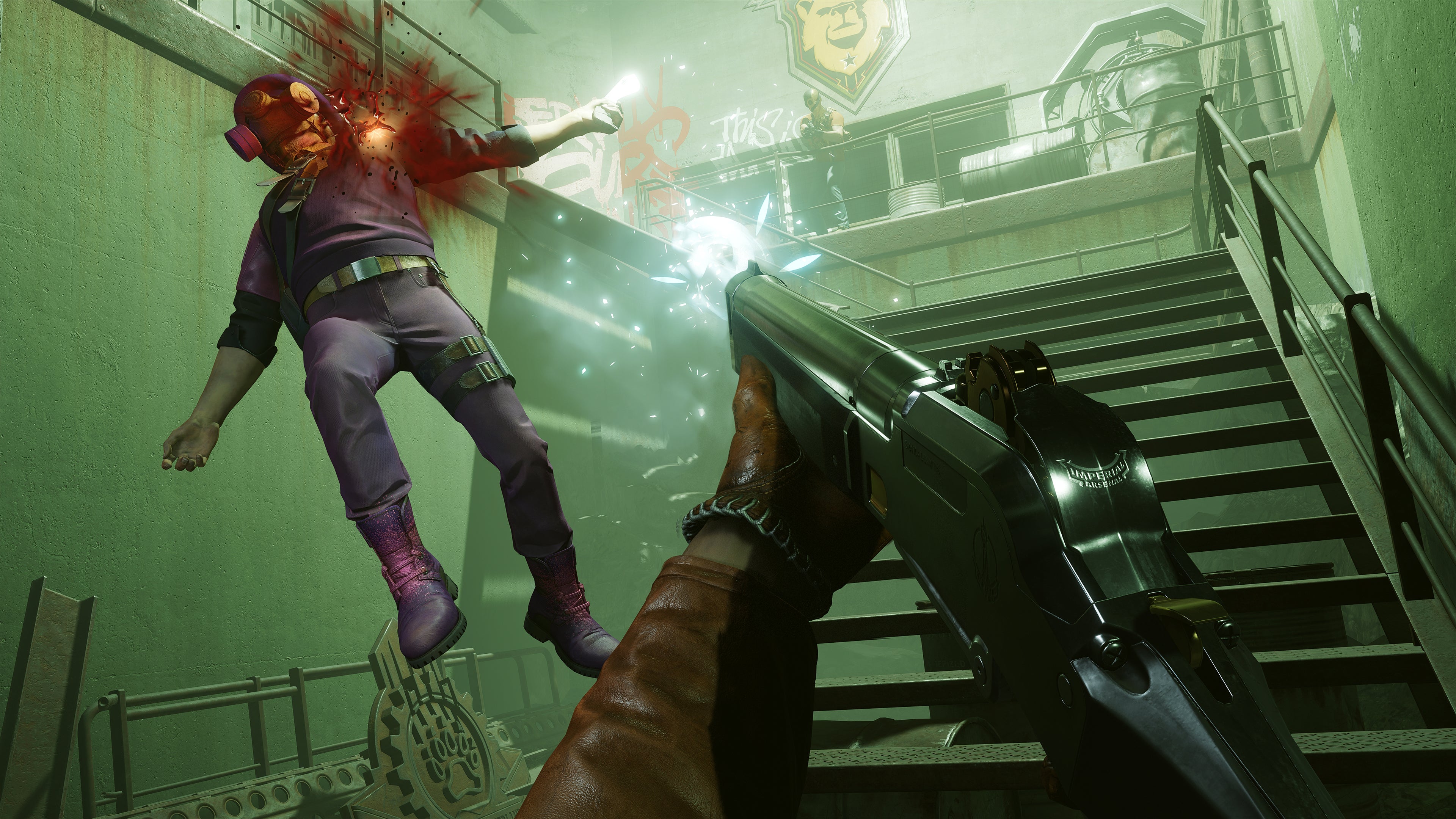
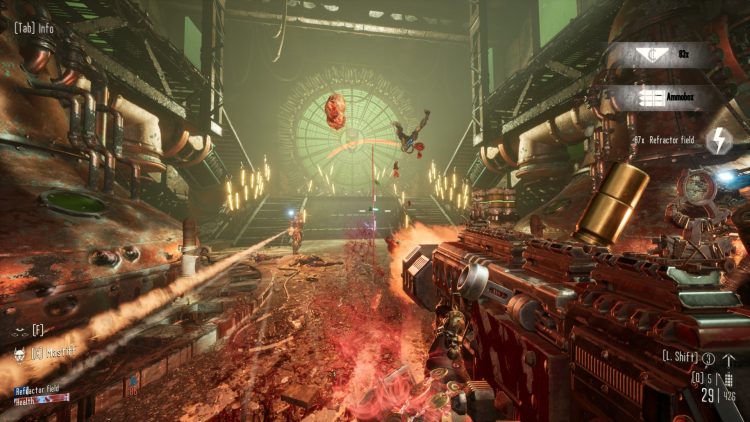
I love the Warhammer series a lot. My first introduction was a small figure I was given as a gift in junior high back in 2003. I had a friend who was really into the series, painted the figures, and was all in. My parents couldn’t afford the figures, so I turned to video games. My first experience was Dawn of War. One of the best RTS games ever made. Then…that was it. I then played Dawn of War II and then Space Marine, but was still fascinated by the lore, art style, and designs. This comes across well in Hired Gun. The game is oozing with style and tons of steampunk design. Weird mutilated bodies everywhere that are full of strange tech, gross underground sewers, and tons of violence and gore. The game looks amazing, but that’s probably the best thing about the game.
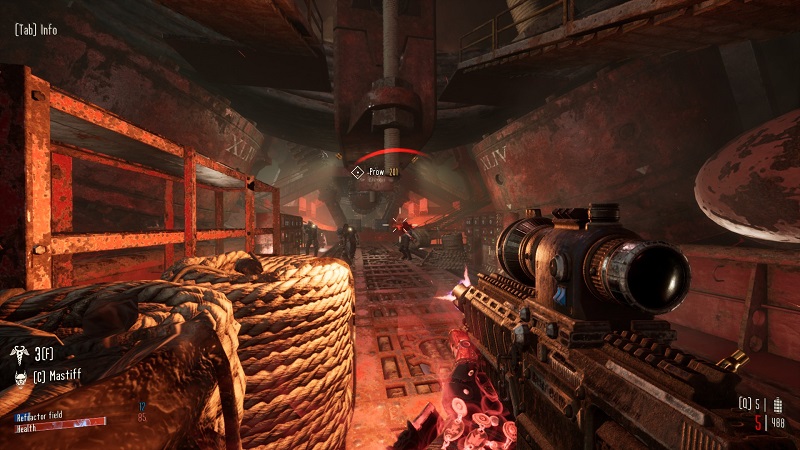
It was advertised as Doom set in the Warhammer universe, but it is not. When you start the game, you pick your avatar and difficulty, and you are off with just a revolver. Right away, you take in the amazing art and visual design the series is known for. Then, within a few minutes, you can start shooting and moving, and that’s when everything falls apart. At first, the gunplay seemed fun. It’s fast-paced and punchy, and the guns feel pretty good to shoot. Then, at the end of the first level, you are already tired of it because there’s nothing else to do. Every single level is a shoot of everything that moves through poorly designed levels. Now the art is nice, but the actual design and layout of the levels are terrible. Tons of endless corridors to nowhere, hidden treasure chests that are not interesting enough to find, credits, and places to jump around and wall run on. Yes, it’s fast-paced and feels pretty good, but it’s so boring.
Another issue I have is that enemies spawn at random places, and there’s no pattern. You run around an arena, shooting everything in sight, and when you go to pick something up, an enemy drops another, shooting you from behind, even though everyone came out of the same door on the opposite side of the room. It can lead to cheap deaths as you get a shield to protect your health, and you can buy stims to revive you if you die. There are grenades that can clear crowds, but overall, the layout of the levels just doesn’t help. I can jump around everywhere, but what’s the point if everyone spawns randomly?
Some levels mix up arenas where you are locked in a room and heavy metal music plays until everything is dead, and then there are just endless linear hallways where you mow down more enemies. Enemies splatter and gib in Unreal Tournament-style glory, but they are not interesting to look at or fight. Everything dies in a few hits, and each weapon seemed to do the same damage except for when it came to distance. The game shoehorns an RPG system into the game that feels completely pointless and useless. There are charms, armor, tokens, and various other bits that can be collected, but they can’t be equipped until your next mission. So, why bother with an RPG system if it can only be accessed between missions? Once you finish a mission, you’re rated (who cares?). You can then complete side missions for greater challenges and better loot, but no thank you. The main missions are drab enough as they are.
Once you complete a mission, you can choose what loot to keep, and the rest is sold. Once you arrive at the main hub, there are various vendors that allow you to buy and sell weapons, as well as bionics for you and your dog. Yes, you get a dog companion that attacks you, but that’s it. The bionics are bought with credits, and you can acquire various powers that kind of help a bit, but mostly you’ll just shoot everything. This is the main gameplay loop. Shoot everything through levels with nothing in between, fight an occasional boss, and build up your arsenal and bionics. The gameplay itself isn’t just boring; so is the story. Now, I’m no Warhammer guru, but with previous games, you kind of get some lore thrown at your real quick to understand your surroundings, but here you just fight this gang and that gang and work for this person. There’s no context. The voice acting is okay, but there’s no reason to care.
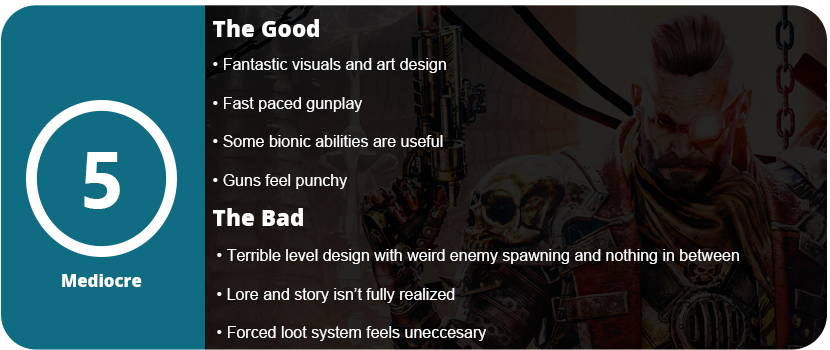
Overall, Necromunda had potential, but it was squandered with a forced loot system, a boring story and gameplay loop, and terribly designed levels. I love the visuals and the lore behind the series, but this game just doesn’t do it justice. If it were a straight-up linear corridor shooter with more thought put into the weapons, enemies, and level design, it would have been better. Also, the whole looter shooter thing needs to stop at some point. No one can get it right, and it’s widely overused. Sometimes less is more, and Necromunda proves that.
I will come right out and admit that I never finished Resident Evil 7. The game was just scary for me, but I plan to go through it now that I have finished the game. Resident Evil Village is the direct sequel to RE7, where you play Ethan Winters trying to save his daughter Rose, who was taken by Mother Miranda. You end up in a strange village full of new evil villains and a bunch of places to explore.
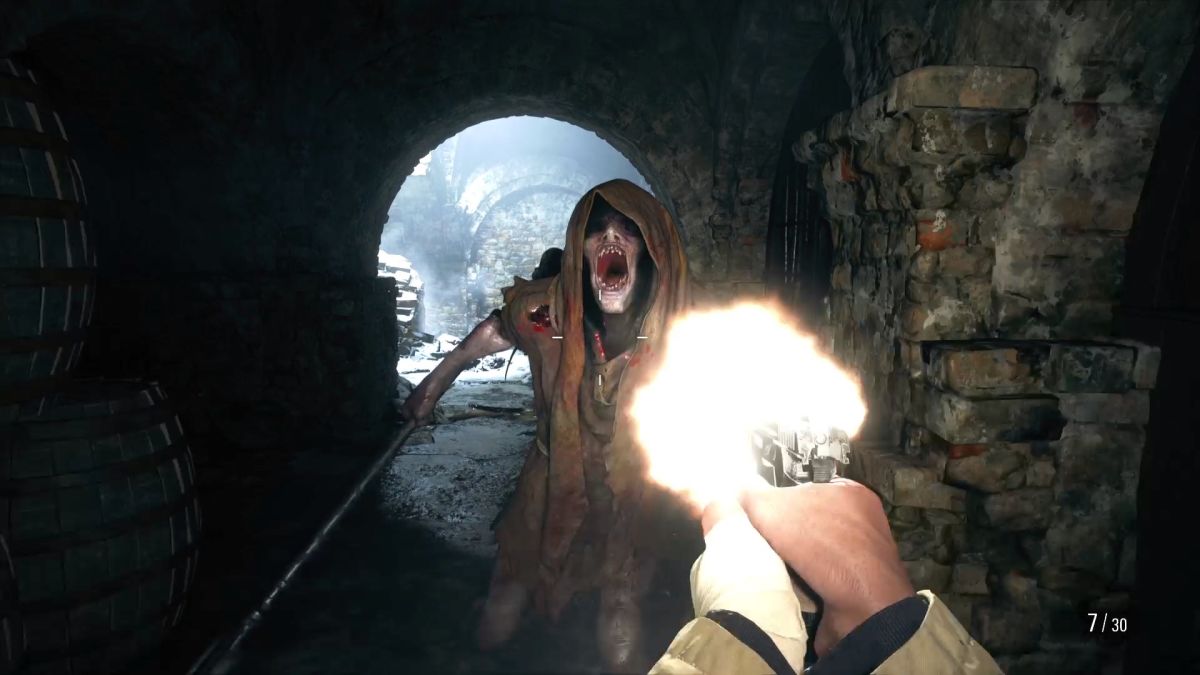
The entire game is played in the first person again, and the game’s settings and scare factor are set right off the bat. You end up in a seemingly abandoned village, and eventually you end up running away from Lycans. I don’t want to spoil too much of the story by giving away details about each area, but I will describe them. You spend a good bit of time inside the village, acquiring your first couple of weapons and learning the layout and controls. As you meet villagers and try to escape the Lycans, you end up in Lady Dimitriscu’s castle, one of the only areas that have been shown in great lengths for months leading up to the game’s release. This is where you learn to explore, solve a few puzzles, and understand that the entire game revolves around exploring an area and acquiring a key or item that unlocks the next part. This may involve a mini-boss or the onslaught of enemies.
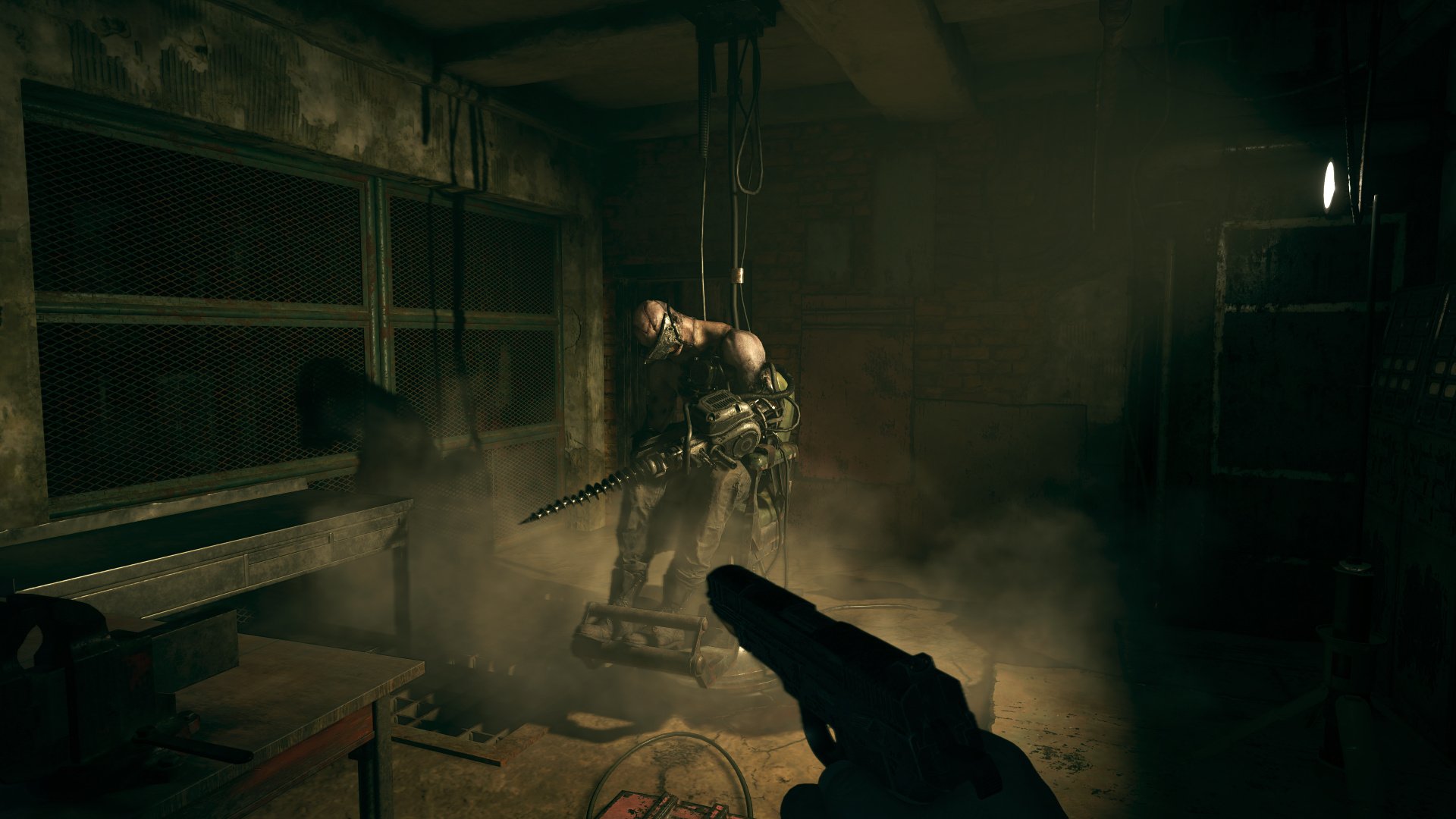
Lady D’s castle has her three daughters chasing you, and they end up becoming mini-bosses. Lady D stalks you through the castle eventually, like Mr. X or Nemesis in previous games. If you spend too much time in one room, she will come through the door in her 9′ glorious beauty. She’s a fantastic character, as all of them in this game are, but sadly, there are only two cutscenes with her, and you don’t get to know her well enough before you finish her off and move on to the next area. There are three more areas that end up being the boss’s lairs. A marsh, a machine factory, and an old mansion. Each area is unique and a blast to explore, but the scare factor in this game is kind of weak. The game gets scary only in certain areas, and the majority of the game is just an eerie atmosphere, but not so creepy. Sadly, a lot of the environment is static and enemies don’t respawn, so the game feels tenser in some areas, especially with a lot of enemies around.
There’s a lot of action in this game, and it ramps up as the game moves on. Just like in Resident Evil 4, you can expand your cache storage and buy weapons from The Duke. He sets up shop in each area you explore and has a central hub that you eventually get to. There are many weapons to buy, some of which are upgraded over others. You buy things with Lei, of which the majority are acquired by selling crystals, gems, and various rare treasures. Large enemies, bosses, and mini-bosses all drop these crystals. You can buy upgrades for weapons as well as parts, just like in RE4. Duke has some limited ammo and explosives you can buy, but you can also craft items by finding parts laying around everywhere. This includes crafting ammo, explosives, and health. At some points, you must make every shot count, but I never ran out of ammo completely and got myself into a bad situation.
One issue I did have with the game was the confusing level design. You have to backtrack a lot, and in some areas, I ran around for 20 or more minutes trying to remember my way back to a particular area because I found the key to move on from there. It got frustrating, and the machine factory is an absolute chore to navigate. Nothing but endless hallways and dead-end rooms. Once you do find the key or door you need, it’s rather satisfying, and there’s a constant sense of progression throughout the whole game. Bosses aren’t very hard, but they just require you to stay on your toes and learn their patterns, and you must aim carefully.
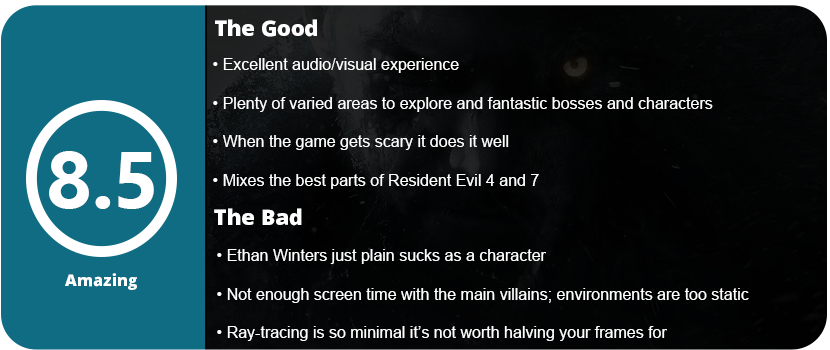
The visuals in RE8 are pretty damn good, and they look great on PC. Sadly, the ray-tracing effects are minimal and not worth the halved frame rate even on my RTX 2080 in 1440p. I noticed no difference with it on or off. The lighting looks great, the textures are well detailed, and it runs well on any system. However, as I mentioned earlier, the environment is very static, and there’s not much interaction or dynamic things to look at. The game is also very linear, despite the areas being quite large to explore. It’s just a bunch of twisting hallways, and the village isn’t all that big. There are some extra things you can do, like shoot all the bobblehead goats, find all the treasures, and defeat optional mini-bosses for treasures, but most people will probably look past all of this. The sound design is amazing, with some really creepy sounds that are both loud and quaint. Being in the large mansion and anticipating something coming around in dead silence was great, and Lady D’s castle is haunting. You expect something to come around every corner.
Resident Evil Village is an evolution of the series, mixing RE4’s gameplay and RE7’s first-person shooter goodness. I do have to say that Ethan Winters stinks as a character, and I hate him. He’s horribly written, and I wanted to spend more time with the main villains, but alas, here we are. It’s sad we don’t get to see more of Lady D or anyone else, for that matter, except when you have short encounters with them in their respective areas. RE8 is a lot more accessible than RE7, and many people will probably finish this game. The difficulty is just right; it looks and sounds good, and it’s just a blast to play through. The scare factor is all over the place, the main areas can be labyrinthine in design, and the extra modes after you finish have varied mileage.
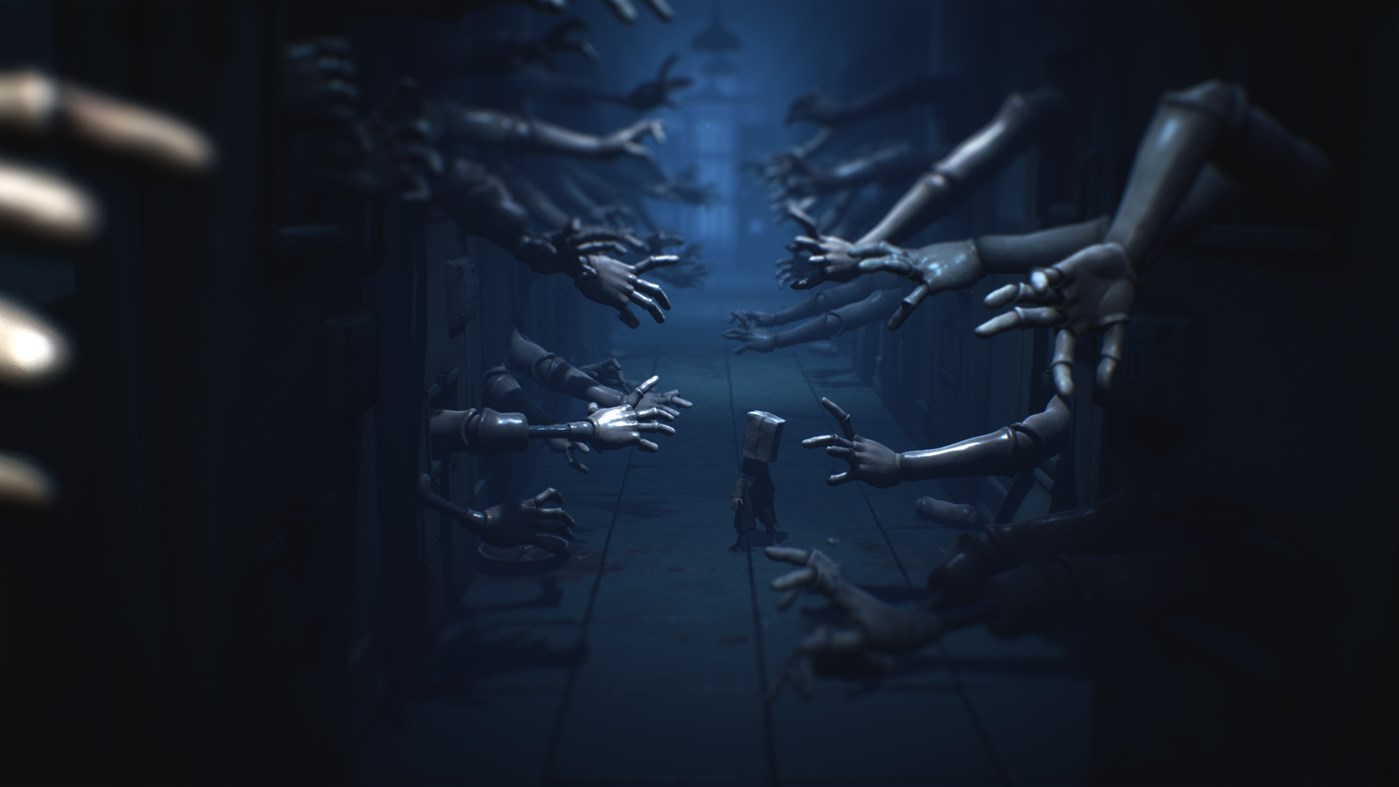
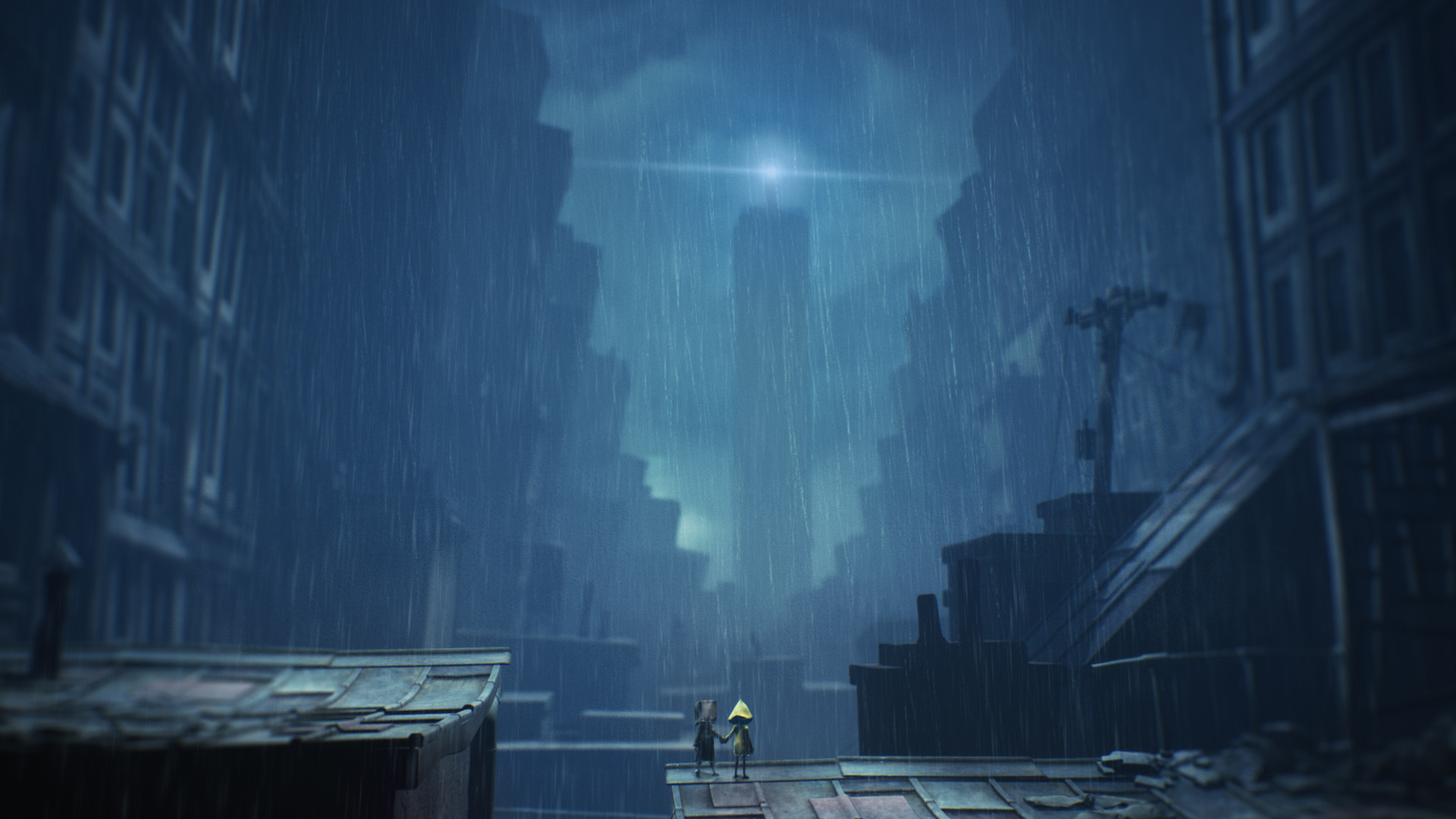
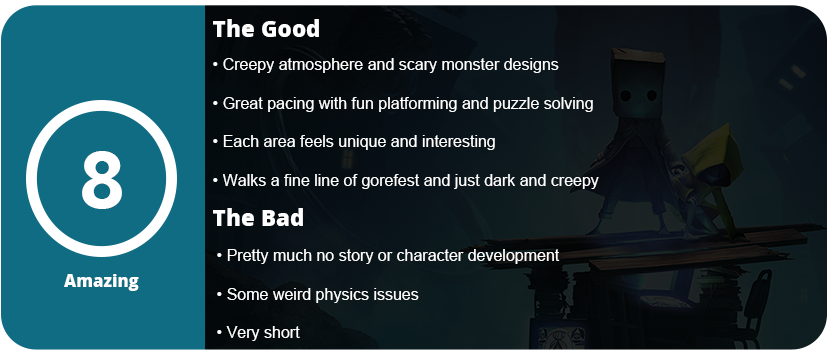
Little Nightmares was a creepy platformer with a minimal story and narrative. The game was mostly all about atmosphere and puzzle-solving. These games cropped up after Limbo was a smash hit, and games like Inside also followed. The only downside to these games is that they tend to not shape any kind of narrative or world-building. There are a lot of interesting things to look at, and clearly, the setting you are in is a curious thing to want to know about. Little Nightmares II puts you in the shoes of a paper bag-wearing kid who is running from something, but you never know what. Throughout the entire game, you go from location to location, not knowing what your end goal is, and even after finishing the game, I wasn’t quite sure what to make of everything.
The game starts out by giving you simple controls such as jumping and picking up objects using the physics engine. You won’t be doing this very often except to use weapons occasionally and throw an object at a button to open a door. The atmosphere sets in right away with your character running through a forest, trying to avoid bear traps, and traversing fallen bridges. Once you get to a certain area, you meet your first main monster, and then you are introduced to combat. I really don’t want to call it that, as all you do is pick up an ax and swing it, but it’s completely based on physics. Usually, you will use an ax to break down walls, but you will use it to fight enemies at the school level, and it’s all about timing. The ax is very heavy, and your character can’t move it very fast, but it works.
The first area is rather short but pretty cinematic, and things will slow down greatly as the game goes on. After a few areas, you will notice the game adds a lot of puzzle-solving, most of which don’t require much thinking. There are a few physics-based puzzles, and halfway through, you meet a companion that requires some puzzle-solving with two people, but the ease of the puzzles is to keep the pace going. You don’t want to spend too long in any one area. I felt the chase from enemies and puzzle-solving were well balanced. Several screens will go by of just platforming, maybe just empty screens of scene-setting, but I do want to talk about these monsters. The game is very creepy, and the main monsters basically chase you throughout the entire area you are in. The school has a teacher that can stretch her neck out and chase you through vents and under tables. The hospital has a doctor who can walk on ceilings. They show up in some scenes, but not every area has you killing this main villain; the most important part for you is escaping.
There is some frustration with the game, and that’s a lot of trial and error. Some scenes wanted to get across the screen via a certain path, but I got caught by the villain numerous times before figuring out how to do it. There were also control issues with climbing things in which my character got stuck, or I didn’t understand that jumping across a ravine to hang on to my character’s hand was going to be an issue. In several areas, I had to restart the screen over and over until I walked across that beam just right or didn’t get caught. Thankfully, you just restarted that screen, and it helps keep the pace going. I just wish there was more story to be told or something else to hold on to rather than the next creepy monster or setting.
The game looks great visually, with a lot of nice art, but technically, it’s not super impressive. Textures look muddy up close, and some objects don’t have the highest poly count. The animations are great, however, and the controls are good; there’s just that annoyance with the game’s physics. It’s also pretty short, as it can be finished in about 5 hours, and I honestly wanted more. The creature designs are so fantastically creepy and unique, and the game skims the line between gory and just plain dark and creepy. It’s never a gorefest, but it feels like it could be. There are animal guts, but not humans; there are body parts everywhere, but they’re mannequins. It’s a fun line to walk down, and it’s done just right here.






















































 thebinarymessiah.com
good