• About
    • BinaryMessiah
    • Game Collection -BinaryMessiah-
  • Guides
  • Blogs
    • FAQs/Walkthroughs
      • Mortal Kombat (Vita)
      • Mortal Kombat: Deception/Unchained
      • Syphon Filter: Dark Mirror
      • Syphon Filter: Logan’s Shadow
  • Games
    • PC Reviews
      • Mac
      • Steam Deck Verification
        • Steam Deck Verified
        • Steam Deck Playable
        • Steam Deck Unsupported
        • Steam Deck Unknown
    • Microsoft Consoles
      • Xbox One
      • Xbox Series X|S
    • Nintendo Consoles
      • Switch
    • Sony Consoles
      • PlayStation 5
      • PlayStation 4
    • Mobile Reviews
      • Android
      • iOS
    • Retro Consoles
      • Nintendo
        • Game Boy
        • Game Boy Color
        • Nintendo 64
        • Game Boy Advance
        • DS
        • 3DS
        • Super Nintendo
        • Gamecube
        • Wii
        • Wii U
      • Sony
        • PlayStation (PS1)
        • PlayStation 2
        • PlayStation 3
        • PSP
        • PlayStation Vita
      • Sega
        • Sega Master System
        • Sega Genesis
        • Sega 32X
        • Sega CD
        • Sega Saturn
        • Sega Dreamcast
        • Game Gear
      • Microsoft
        • Xbox
        • Xbox 360
      • SNK
        • Neo Geo Pocket
        • Neo Geo Pocket Color
      • NEC
        • TurboGrafx-16/PC Engine
        • TurboGrafx-CD/PC Engine CD
      • Nokia
        • N-Gage
      • Bandai
        • WonderSwan
        • WonderSwan Color
  • Game of the Year Awards
    • 2025
    • 2024
    • 2023
    • 2022
    • 2021
    • 2020
    • 2019
    • 2018
    • 2017
    • 2016
    • 2015
    • 2014
    • 2013
    • 2012
    • 2011
    • 2010
    • Retrospective Round-Up
      • Retrospective: 2009
      • Retrospective: 2008
      • Retrospective: 2007
  • Gadgets
    • Reviews
  • Comics
    • Avatar Press
    • Boom! Studios
    • Dark Horse
    • DC
    • Dynamite
    • IDW Publishing
    • Image
    • Markosia Publishing
    • Marvel
  • Book Reviews
  • Interviews

Ao Oni – 16 Years Later

Posted by BinaryMessiah on 06/29/2024
Posted in: PC Reviews. Leave a comment

Publisher: noprops

Developer: noprops

Release Date: 11/2008


Available Exclusively On


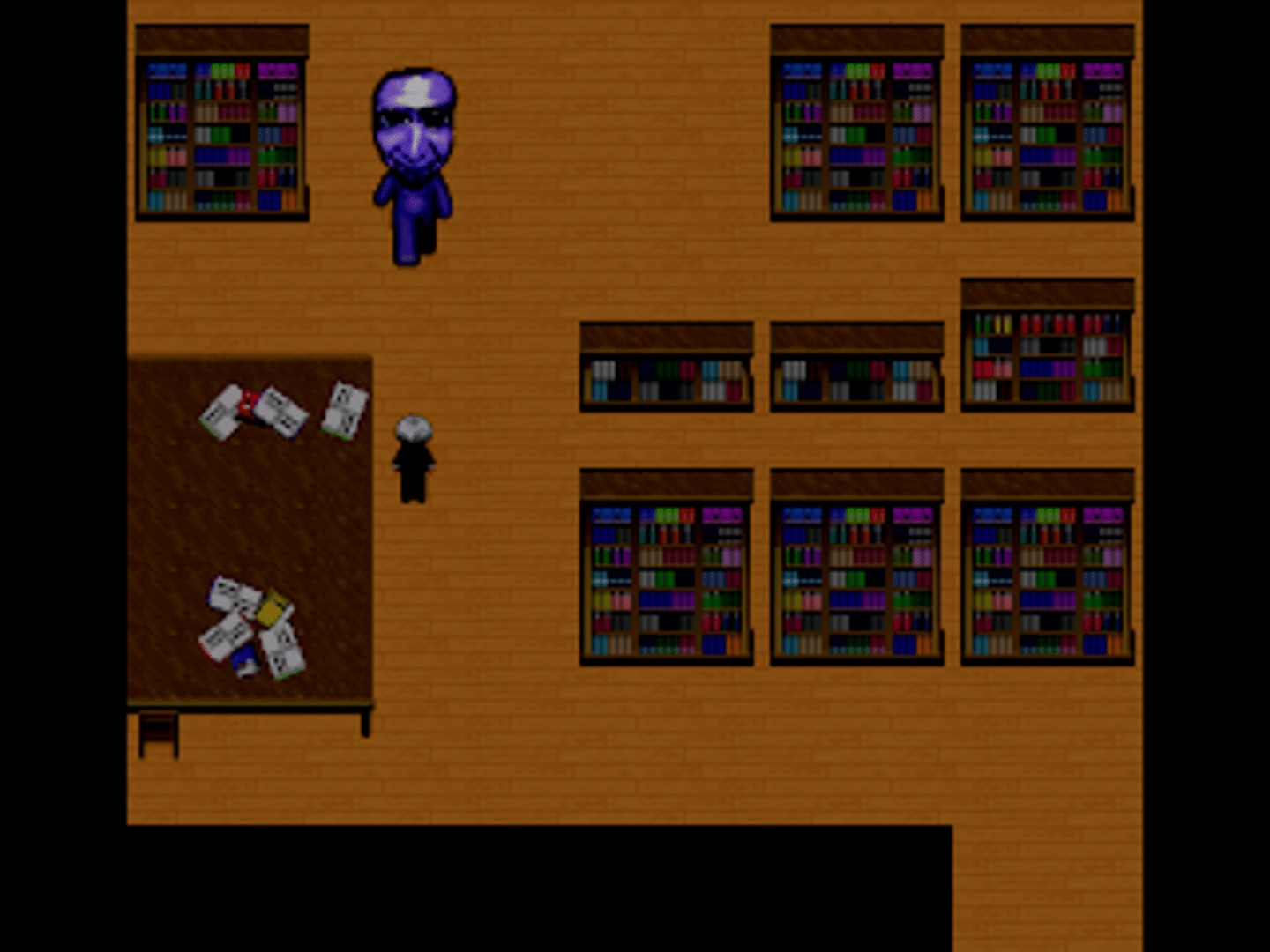
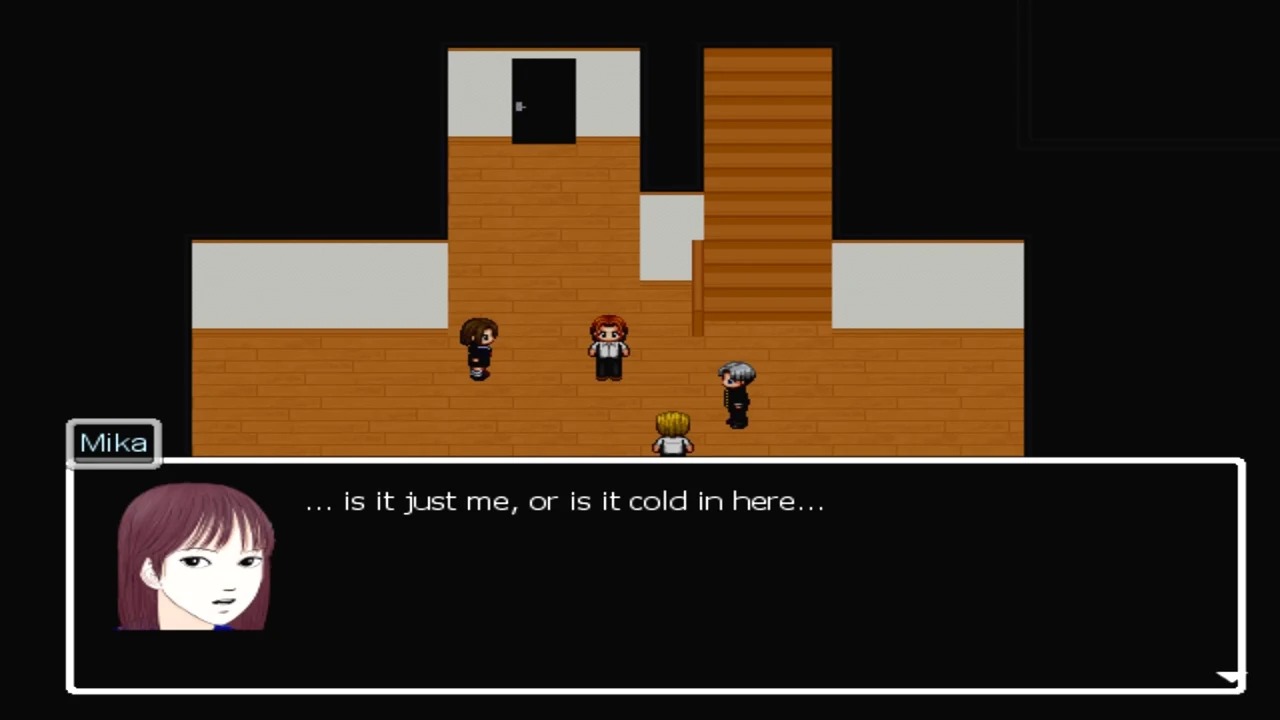
I’m not quite sure what to make of this game. It’s barely even that. Until recently, I had never heard of Ao Oni, despite it having a huge cult following and inspiring novels, manga, and shows. The game’s history and follow-up seem more interesting than the game itself. While this was made in RPGMaker XP, there is a surprisingly haunting atmosphere present, and the infamous demon himself is unique and original.

You play the role of Hiroshi, a boy who investigates a haunted mansion with his friends, and suddenly everyone starts disappearing. This was a popular manga trope back in the day. A bunch of generic, run-of-the-mill teens enter a house, school, or building, and you start investigating a series of labrynthine hallways and rooms that lead nowhere, solve puzzles, and find objects. Corpse Party reminds me of this game quite a bit, as it’s in the same vein. The game’s demons aren’t exactly spot-on. I can’t expect much from a small group of developers. The visuals are very basic and rudimentary. Even for an RPGMaker game. There is no backstory for any character in the game. There’s nothing to read or learn about what is going on. This game has a raw and pure atmosphere.

The game’s most tense moments occur during triggered chase events. The Ao Oni will chase you for a beneficial 10 seconds and stop. Usually, when you pick up an object, it can advance you to another part of the mansion. There are few scripted events. These typically occur when you encounter another character and initiate a brief dialogue sequence. Why the Ao Oni and haunting don’t have more backstory is beyond me. There’s a serious missed opportunity here. The game’s music helps contribute to the atmosphere—or lack thereof. Some rooms are dead silent, adding to the tension, and while the same audio tracks play throughout the entirety of the game, they are tense and help add to what is going on. 

These types of games often feature puzzles that are rather obtuse. I highly recommend playing with a guide the first time around. You can finish the entire game in less than two hours. There is a lot of effort involved in pressing Enter on every object. Most rooms are barren, and the few that aren’t have interactive objects. You may need to move aside a bookcase or an odd-looking block at times. Once you solve the puzzles, you’ll find their clever design surprising for such a limited game engine.

Overall, Ao Oni’s legacy is more intriguing than the game itself. The goofy-looking purple demons aren’t really that scary, but the atmosphere and music in the game are haunting and well done. I wish there was more story to the game, as we have zero reason to care for anyone here. Despite the puzzles’ obscure nature necessitating a guide to alleviate frustration, a guide enhances the enjoyment of the game.

Reviewed On

Keyboard & Mouse

Share this:

  • Email a link to a friend (Opens in new window) Email
  • Share on Tumblr
  • Tweet
  • Share on Reddit (Opens in new window) Reddit
Like Loading...

Still Wakes the Deep

Posted by BinaryMessiah on 06/24/2024
Posted in: Microsoft Consoles, PC Reviews, PlayStation 5, Sony Consoles, Steam Deck Playable, Steam Deck Verification, Xbox Series X|S. Leave a comment

Publisher: Secret Mode

Developer: The Chinese Room

Release Date: 06/18/2024


Available On


Megalophobia. Thalassophobia. Claustrophbia. These are three things I am afraid of, and all of them are present in this game. You play Caz McCleary, an oil rig worker. The Scottish oil rig began operations in the mid-1970s. The game starts out just fine, with everything being peachy. You explore your cabin and get a phone call from your boss to report to his office. We also come across a less than pleasant letter from Caz’s wife. There are problems back home, and the story only touches on this every so often. 

As you arrive at Rennick’s office, you learn about the game’s little mechanics. You can grip and hold on to ledges and ladders, press buttons, and break open locks and vents. Outside of interacting with objects, there isn’t much gameplay. There aren’t even any puzzles here. The stealth sections when you are hiding from monsters and the scripted events are the biggest gameplay elements. The game is well-paced, and I didn’t want to put it down. There is a good balance between running around, climbing things, and hiding from monsters. There are primary areas where you can conceal yourself, such as vents, holes, and various containers. To send the monster running in the opposite direction, you can throw objects, and any form of running or walking will alert the monster. These monsters are truly amazing, and the entire entity you encounter is a blob of flesh with twisted faces and limbs protruding everywhere. There are multiple monsters, each with their own unique appearance.

Most of the game has you just going from goal to goal, climbing around on monkey bars, ladders, opening doors, popping vents, flipping switches, and answering phones. A couple of times I had to grab a fire extinguisher, put out a small fire, or turn on a heater to warm up. This experience goes far beyond the typical walking simulator that The Chinese Room is known for. There are numerous ambient sound effects and moments of terror, which extend beyond just the presence of monsters. Being stuck on a crumbling hunk of steel in the middle of the ocean will terrify anyone. At times, the prospect of climbing around on the rig and even swimming in tight spaces during floods can evoke a sense of panic. The lighting effects also help, with your flashlight not reaching the surface of the water and barely lighting up small crawl spaces.

The story, sadly, doesn’t really go anywhere. Caz’s backstory remains largely unexplored, focusing only on domestic issues, and the presence of side characters is insufficient to pique our interest. Caz has a lot of inner dialogue, but it’s mostly just cussing at himself and situations. The game’s opening effectively established a potential deeper narrative. The voice-acting is great, and I really wanted more from this game. The game never touches on the origins of this monster and its existence, which I find intriguing. I enjoy games with a lot of scripted events and cinematics, and I don’t mind the lack of traditional gameplay. But I need something else for the payoff, and that’s usually a story. The visuals are excellent, utilizing Unreal Engine 5 to its fullest potential, but they fall short of making this game something I will remember for a long time or want to revisit. There are no collectibles or ways to explore. This is a very linear game, and you can only go down one path.

Overall, Still Wakes the Deep is fun, but it lasts with a very tense and terrifying atmosphere, from the monsters to the closed-in spaces and lack of hope. The exploration of Caz’s backstory falls short, leaving us uncertain about the nature of the monster and its purpose. The stealth sections don’t overstay their welcome, but the lack of traditional gameplay may turn a lot of players away. The visuals are fantastic, with lumen lighting effects, great water effects, and creepy sound effects.

Reviewed On

Keyboard & Mouse


Share this:

  • Email a link to a friend (Opens in new window) Email
  • Share on Tumblr
  • Tweet
  • Share on Reddit (Opens in new window) Reddit
Like Loading...

Hollow Cocoon

Posted by BinaryMessiah on 06/23/2024
Posted in: PC Reviews, Steam Deck Verification, Steam Deck Verified. Leave a comment

Publisher: Nayuta Studio

Developer: Nayuta Studio

Release Date: 12/06/2023


Available Exclusively On


Indie horror games that draw inspiration from Japanese mythical lore are gaining popularity, and while I appreciate this trend, many of them tend to lack uniqueness. The last game I played of this ilk was Ikai, which was mediocre and mostly forgettable. These games are usually filled with good monsters and a great atmosphere, but the puzzles are obtuse, and where to find items ends up becoming a frustrating affair as you’re trying to hide and run from the main monster.

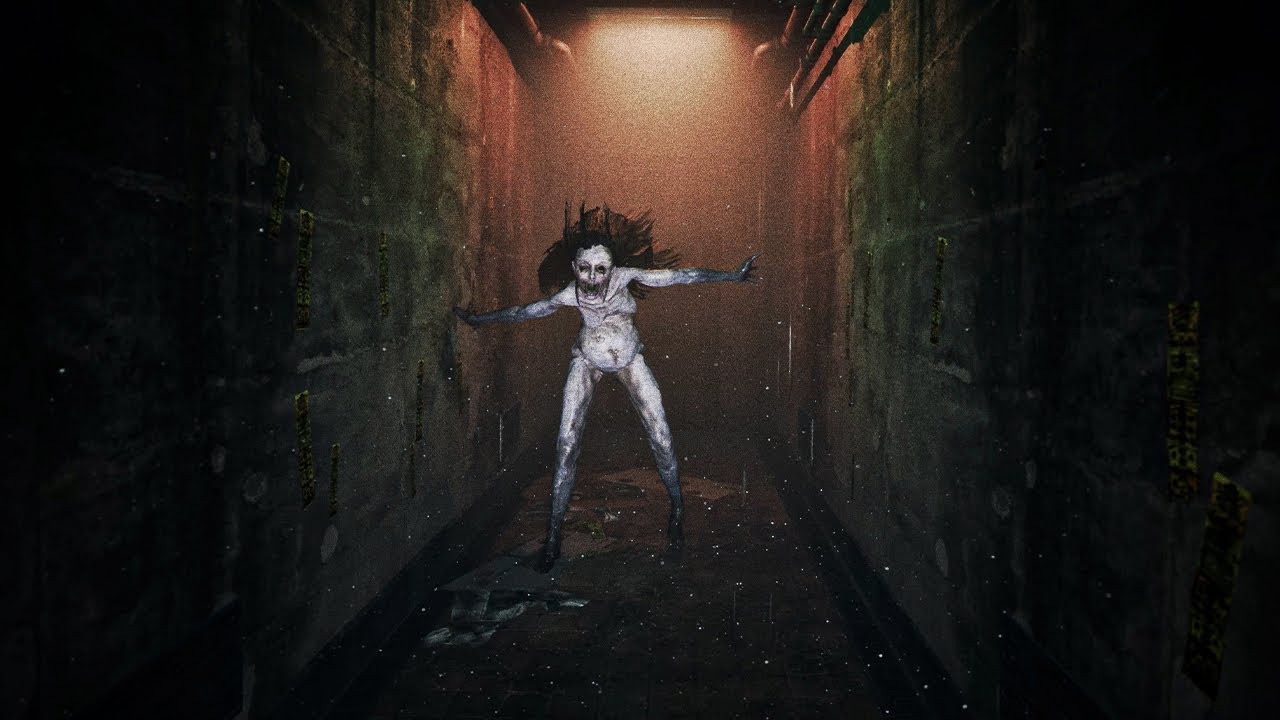
Hollow Cocoon is no exception. Assuming the role of a man whose grandmother is ailing in the hospital, you find yourself spending the night at her silkworm farm, only to uncover the presence of an evil entity. This monster isn’t super scary. It’s a typical long-haired Japanese girl with a scary face and a peculiar body type. The atmosphere is very tense, as sneaking around and hiding at intervals is better than the monster always being present. There are areas in which she won’t come out, and you do get a long period of time before she stalks you again. When you run away and hide (there are two different types of hiding spots), music will play, and you can hear her stalking around. After a few seconds, she will go away, usually spawning in a different part of the house. 

The obtuse puzzles start right from the beginning. While some puzzles may seem obvious, the task of finding objects can be particularly challenging. You can see the large interactive icons from a few feet away, but you must thoroughly inspect every room to ensure you collect everything. The second half of the game is full of key hunting, and there are very few puzzles. Thankfully, the layout of the mansion facilitates easy landmark recall, and the inclusion of a map in the larger mansion area greatly aids navigation. There is no combat in this game, either. The game only provides you with healing pills when the monster attacks you.

You can collect material to read to help give details on the story, and there are 10 yen pieces used to play UFO pachinko-type games to unlock different endings. There is some bonus content, such as unlocks to dress up the monster in new playthroughs, but unless you really love this game, I don’t see any reason to go back through. Sadly, the story isn’t captivating enough to be memorable and isn’t any different from other short indie horror games in this same setting. Outside of the slightly better visuals and level design, nothing stands out.

Overall, Hollow Cocoon is just average, but I appreciate the tense atmosphere, maps, and mostly excellent level design. I also like how you get breaks from the monster throughout the game and can explore some areas with freedom. I also appreciate the Japanese voice-acting, but other than that, you will forget this game and move on.

Reviewed On

Keyboard & Mouse


Share this:

  • Email a link to a friend (Opens in new window) Email
  • Share on Tumblr
  • Tweet
  • Share on Reddit (Opens in new window) Reddit
Like Loading...

1000xResist

Posted by BinaryMessiah on 06/18/2024
Posted in: Nintendo Consoles, PC Reviews, Steam Deck Playable, Steam Deck Verification, Switch. Leave a comment

Publisher: Fellow Traveler

Developer: Sunset Visitor

Release Date: 05/09/2024


Available On

I absolutely love walking simulators and adventure games. Any day, I will choose a game with a fantastic story over anything else. The complex story and moral choices in 1000xResist initially drew my attention, but ultimately, it left me with a walking simulator filled with anime tropes and more questions than answers. This game swiftly teaches you that there are no definitive answers or absolutes. The game begins with a reasonable number of questions, but towards the end, only a few remain. What remained for me was a game I will soon forget.

You play a character named Watcher. She is one of the Six Sisters, who are part of some sort of post-apocalyptic society or group. The environment is very sterile and too perfect. It almost feels like a starship or something else. The game thrusts you into an unknown part of this timeline. It is up to you to unravel and follow the linear path that the game leads you on. There are a few instances where you have more control over Watcher, specifically when you explore the “center” and engage in conversations with people. This ends up feeling like a chore because you have to do it multiple times, and only yesterday (as of this writing) did the developers patch in a map. There is almost no gameplay. If you consider zipping around the sky on some flying orbs as gameplay, you shouldn’t expect much more. You will likely navigate through thousands of lines of spoken dialogue. The voice-over is decent, if mundane. Even side characters and NPCs speak in every scene.


The pacing is the only thing the game has going for it. While the first few chapters feel repetitive, as you commune with various sisters, you go from location to location, simply walking around in small rooms and engaging in dialogue. This will bore anyone who isn’t an adventure game fan. The story is hard enough to follow, and when you try to make sense of it all, you get more characters to trust you. The game advances when you talk to the correct person. At times, the game presents this as a task, while at others, it becomes more evident.

This game defies easy description or explanation. At times, the dialogue and story can be quite poignant, touching on topics such as adolescence and parental conflict and separation. Additionally, the game heavily references the COVID-19 pandemic, with characters donning masks and discussing a disease that could potentially wipe out humanity. Honestly. I can’t even tell you if that’s exactly what the story is about, as it’s so vague all the time. We don’t get any true, hard facts on what’s going on in this world. The “Allmother” named Iris serves as the foundation for these Six Sisters, who have the ability to replicate themselves. It’s just a bunch of confusing threads that don’t really lead anywhere.

I had a strong desire to enjoy this game. The narrative exhibits promise, featuring numerous characters on the verge of likability or memorability, yet it succumbs to the anime conventions of guiding you through a perpetually perplexing plot, only to leave you feeling let down at the conclusion. At times, the narrative excels, presenting you with a flurry of answers towards the conclusion. This can be satisfying and memorable, but 1000xResist just refuses to give in. I just wanted the game to end, but it goes on for 10–12 hours even if you read all of the dialog and skip most of the voice lines. The choices don’t really matter until the very end of the game, and even then, you aren’t sure if there were choices earlier that mattered. 

1000xResist is hard to recommend, even to anime lovers. The animations, visuals, and everything else are fairly generic, forgettable, and mostly dull. The game’s overuse of bloom and lack of lip-syncing during dialog gives it a cheap, low-budget feel, which is normally acceptable if executed well. The game drags the player along for so long that, in the end, you expect a massive pay-off but end up with a fizzle and sputter. I can’t really recommend this game to anyone outside of die-hard adventure game fans.

Reviewed On


Share this:

  • Email a link to a friend (Opens in new window) Email
  • Share on Tumblr
  • Tweet
  • Share on Reddit (Opens in new window) Reddit
Like Loading...

Indika

Posted by BinaryMessiah on 06/17/2024
Posted in: Microsoft Consoles, PC Reviews, PlayStation 5, Sony Consoles, Steam Deck Verification, Steam Deck Verified, Xbox Series X|S. Leave a comment

Publisher: 11-bit Studios

Developer: Odd Meter

Release Date: 05/02/2024


Available On


I wouldn’t call Indika a surreal game. Stepping into this adventure, I got a sense of the game being a bit odd, but it’s a lot more normal than initially perceived. You play the role of Indika, a nun who hears the devil in her head. One of the numerous 8-bit mini-games, where you collect coins, introduces the game to you. These 8-bit mini-games tell the story of Indika’s childhood and who she was before she became a nun. You can complete mundane tasks in the game, such as filling a barrel with water by going back and forth from the well, but you can’t run. The game’s narrative and experience require this, which may annoy some players. In her convent, Indika faces bullying and lacks acceptance. Indika’s hallucinations also contribute to this situation. I also want to stress that this is not a horror game. With its various locales and settings, the atmosphere is so well done, and the narrative is spot-on.

The majority of Indika’s adventure involves her leaving the confines of her convent to deliver a letter to the main overseeing body. The story unfolds during the harsh industrial revolution in Russia. Indika encounters a young man who has escaped from prison, and they both attempt to reach the capital and enter this building, although their motivations differ. Along the way, you will discover puzzles, but mostly you are walking and listening to dialogue. This is mostly a walking simulator, after all, but a very well done one. The most challenging parts of the game are the 8-bit mini-games that require platforming and precision. 

The atmosphere in Indika is just so well done. The girl’s mental state is enigmatic; we struggle to understand her thoughts; she appears solitary despite her lack of conversation, and she yearns for a companion. However, her religious beliefs and temptations, as per the voice of the devil within her mind, persistently pull her in. Many times, the young man disappears, and Indika accepts this, believing she will never see him again, only to later encounter him and experience conflicting emotions. She yearns for feelings, yet she is hesitant to commit to them in the long run. It’s a fascinating dilemma that most adventure games tend to forget. If we are to engage in this amount of walking, we should either establish a deeper connection with these characters or observe their degree of isolation.

Puzzles range from moving objects with cranes or machines to climbing an elevator shaft in a specific way. There are collectibles spread out that give you more coins or points. These tend to be religious iconographies. The devil tears Indika’s world in half in a few instances, prompting her to pray. This is part of the puzzle-solving process. Praying restores the world to its normal state, while not praying allows you to navigate through a divided world. Regrettably, we only get to explore this puzzle-solving system a few times, despite its intriguing nature. Despite no combat in this game, despite needing to run from a couple of creatures, but everything is always changing, and the game never gets boring. The oddball fisheye camera angle or sudden cut to another scene makes the game feel almost avant-garde. 

The visuals are fantastic, and Indika’s habit physics are realistic. The melting snow on the ground looks incredibly convincing, and I almost felt every single setting that I walked into. There are moments of claustrophobia, pain, fear, and a severe cold. Odd Meter has done an excellent job of making you feel all of these things just by walking through most environments. Overall, Indika is one of the best walking simulators I have ever played, and it’s a shame it only lasts for a few hours. For once, I wanted a game like this to go on longer, unlike borefests like Everyone’s Gone to the Rapture or The Vanishing of Ethan Carter.

Reviewed On

Keyboard & Mouse


Share this:

  • Email a link to a friend (Opens in new window) Email
  • Share on Tumblr
  • Tweet
  • Share on Reddit (Opens in new window) Reddit
Like Loading...

I live under your house

Posted by BinaryMessiah on 06/14/2024
Posted in: PC Reviews, Steam Deck Playable, Steam Deck Verification. Leave a comment

Publisher: SpoocleMacBoogle

Developer: SpoocleMacBoogle

Release Date: 10/31/2022


Available Exclusively On


Indie horror games with PS1-style graphics are becoming abundant these days, and some don’t have any substance or meaning. The game I live under your house begins with the player traversing underground tunnels as a mysterious creature—or person. The mystery character’s thoughts drive the narrative. A green filter surrounds the entire game, giving it the appearance of an original GameBoy LCD.

The low resolution/low polygonal visuals and short draw distance help to add dread and tension without having to actually create it. You invade the house you are living in, but I can’t spoil anything. Let’s just say the ambient music and sound effects add a lot of tension. There are no jump scares or cheap thrills here. The game doesn’t need it. The game’s haunting visuals and atmosphere leave you yearning for more dialogue. Whenever the character speaks, I just hold my breath, expecting something to happen. Each chapter only takes a few minutes to complete, but each location you end up at is just as intense as the last.

I will talk about the story DLC. It’s only $1 and is much better than the main game. It adds two new chapters to the game and seriously increases the sense of claustraphobia. There are fewer 2D dialogue-heavy scenes and more 3D exploration. The DLC is short but also incredibly intense and answers a lot of questions from the base game. The DLC chapters have better writing and storytelling, so you get a better idea of your surroundings, and the severe sense of dread the main character is feeling comes across strongly.

Overall, I live under your house is a very short but intense horror game with PS1-style visuals, haunting ambient music, and atmosphere. There are some disturbing images and scenes that can really get under your skin. This is a perfect game to play with all of the lights off and headphones on.

Reviewed On


Share this:

  • Email a link to a friend (Opens in new window) Email
  • Share on Tumblr
  • Tweet
  • Share on Reddit (Opens in new window) Reddit
Like Loading...

Alan Wake II: Night Springs

Posted by BinaryMessiah on 06/12/2024
Posted in: DLC, Microsoft Consoles, PC Reviews, PlayStation 5, Sony Consoles, Xbox Series X|S. 1 Comment

Publisher: Epic Games

Developer: Remedy Entertainment

Release Date: 07/06/2024

Available On


The original Alan Wake DLC wasn’t anything special. It felt forced, with more questions than answers. I was hoping the original game would let us play episodes of Night Springs. This is a fictional TV show that plays on TVs in the game and is reminiscent of The Twilight Zone. Night Springs takes Alan’s writing and adds a silly or strange twist. This is a three-part mini-episodic DLC, with each episode taking less than an hour to complete. Mr. Door hosts the series, the only live-action component of the DLC, and that’s fine.

In the episode, you play the cheery waitress working at the Oh Dear Diner. This is an action-oriented episode where you’re blowing enemies left and right. You get a rifle, a shotgun, and seemingly unlimited ammo, but that’s okay. These episodes are all about having fun over being serious and focusing on survival. You are chasing down Alan’s fictional brother in this story, and I won’t get into any more details. This episode is entertaining and doesn’t take itself too seriously. It’s a fantastic way to open the DLC.

In the second episode, you play Jesse from Control. If you haven’t played Alan Wake II before, there’s a connection between the two games, though I won’t reveal how. This is more horror-focused, with a small stealth section in Coffee World. It’s entertaining, but not quite as much as the first episode. It’s pleasing to see more of the two game worlds connecting, however. There are a couple of thought-provoking puzzles that require math and may upset some people, but they really do make you think.

The third episode is a fictional superhero parody in which you play the role of Sheriff Breaker. Here, the game breaks the fourth wall, and you are talking to the game director himself, Sam Lake, who has become a bit of a celebrity lately. This is the most “Alan Wake“-type episode of time travel and dimensional shifting. It’s the most thought-provoking episode, but it does consist of a single puzzle that I found completely confusing and difficult to understand, but not as challenging as episode 2’s puzzles.

Night Springs is both a fun distraction and an intriguing dive back into the game. It doesn’t take itself too seriously, and we finally get to play an episode of the TV show. I would have preferred a slightly longer duration for each episode. Consider extending each episode to 2-3 hours, incorporating more action and shooting. What’s here is a lot of fun, but only those who really love the world and story of Alan Wake II will find interest.

Reviewed On

Keyboard & Mouse


Share this:

  • Email a link to a friend (Opens in new window) Email
  • Share on Tumblr
  • Tweet
  • Share on Reddit (Opens in new window) Reddit
Like Loading...

The Dream Machine – 7 Years Later

Posted by BinaryMessiah on 06/04/2024
Posted in: Mac, PC Reviews, Steam Deck Playable, Steam Deck Verification. Leave a comment

Publisher: Cockroach Inc.

Developer: Cockroach Inc.

Release Date: 05/11/2017


Available On


Surrealism is something that The Dream Machine does well. The Dream Machine masterfully crafts an otherworldly art style that is both familiar and dream-like. It’s the best part about the game, which also took 7 years to make. The first two chapters were released all the way back in 2010—14 years ago. It took 7 years to develop the following 4 chapters. This game might hold the record for the longest time between episodic content. Imagine having to wait nearly three years for a single chapter. The longest gap was in getting the final chapter out the door. While this was only a two-man team behind the game, I can’t fault it too much for its release schedule. Regrettably, akin to numerous point-and-click experiences, the game is rife with incomprehensible puzzles and ambiguous objectives that impede its progress throughout.

I highly recommend playing this for the first time with a guide. There are just too many obscure objectives you need to complete to get through the game without hours of backtracking and guessing. There are some context clues, such as when you solve a physical puzzle together, Victor will indicate if it was successful or not. However, the game heavily relies on gathering items, determining their direction, and determining if they are related. The game’s premise is about a single couple expecting their first child and renting a new apartment in a new town—a fresh start. They end up discovering a strange secret their building holds, and Victor is now transcending reality and entering dreams.

Through each chapter, you will enter another tenant’s dream, and some of the puzzles are about how to get to these tenants. You travel between areas, examine everything you can, and figure out which items go where and who to talk to. Towards the end of the game, you end up entangled in dialog trees that are required to trigger certain events. In this game, talking and exhausting all dialog options is a must, or you will end up stuck, not knowing where to go. It could simply be a dialog option you forgot to click on. Certain items in this game don’t function as they would in the real world due to its abstract logic. This can lead to serious frustration and roadblocks along the way, but I always play point-and-click adventure titles with guides first, and then if I like the story enough, I will go back through it again alone. While some are fun to figure out by yourself, others, like this game, can be a convoluted mess. Clicking on everything and guessing with so many areas and objects is just a recipe for disaster.

The visuals, ambient music, and sound are what really kept me playing. While the story itself is a theoretical tale of dreams, life, death, and rebirth, the surreal visuals that move from recognizeable everyday objects and locations to pure dream-like states of pure consciousness are a treat to look at. The hand-modeled backgrounds made out of real-world objects are a joy to look at. The music is haunting and mesmerizing, and it will occasionally invoke feelings of nostalgia for a long-distant memory as a child and innocent years of a simpler time. Each location effectively balances the game’s light and dark elements.

The overall story isn’t anything that will stick with you, but it’s still well done, has a conclusive ending, and is thought-provoking for at least a little bit. The game’s visuals will remain in my memory far longer than any character names or the story itself. The Dream Machine demonstrates a clear dedication to both visual arts and sound design. While there are better adventure titles out there, gameplay-wise, there’s no denying that this is a game that every fan of the genre needs to experience.

Reviewed On

Keyboard & Mouse


Share this:

  • Email a link to a friend (Opens in new window) Email
  • Share on Tumblr
  • Tweet
  • Share on Reddit (Opens in new window) Reddit
Like Loading...

Valve Steam Deck OLED

Posted by BinaryMessiah on 06/01/2024
Posted in: Hardware, Linux, PC Reviews. Leave a comment

I didn’t think Valve would be pushing out a new hardware interface about a year after its release. The Steam Deck jump-started an entirely new category of hardware: handheld gaming PCs. This puts pressure on the gaming laptop market and is a great fit for desktop PC users or console owners who don’t want to invest in PC gaming. Valve took a huge page out of Nintendo’s book and listened to users. One of the most requested items was an OLED display. It’s also nearly half an inch bigger than the original LCD model. It makes a huge difference and makes games pop and come to life.

The OLED model has the same unboxing experience as the LCD model. It ships in its own carrying case inside a discreet cardboard box. You get a charger and a cleaning cloth with it. The case (at least for the 1TB model) is of higher quality than the LCD case. There is now a velcro strap that goes over the zipper to keep you from accidentally forgetting if the case is zipped and having the deck fall out. I have seen many photos on Reddit of this exact accident. Outside of that, unless you already own the original model, there won’t be much left to notice. However, having owned the original 512GB model, the deck is much lighter, and the shell itself feels more solid, almost like it’s been shot with a higher-quality or thicker plastic. There’s no squeaking or flex when you twist the system this time around.

The system doesn’t seem any thinner, but that’s okay. It does feel much lighter. The analog stick bases are now black instead of white, and the power button is orange. Other than that, there is little difference physically between the systems. The touchpads, however, are leaps and bounds better and are one of the best improvements to the system. Outside of the chipset shrink and better battery life, the OLED is quieter, which I assume is a better fan. The system also has a 90-Hz display, which is a huge deal. On top of that, the display has awesome HDR. The new screen pretty much checks all the boxes; however, only the higher-end 1TB model has better anti-glare etched glass. This increase in the 60-Hz LCD display puts it closer to its other Windows-based competitors. While not the top dog, the OLED display itself makes it the nicest-looking handheld gaming PC out there. 

Don’t let the fact that there is an increase in performance confuse you. There may be negligible increases due to better thermal handling and cooling, but you won’t get huge leaps and gains. The compromise mostly focused on better battery life, which is one of the biggest complaints about the deck. The alleged 25% increase puts it closer to its competitors. The 50-watt battery helps quite a bit, as does the addition of WiFi 6E and Bluetooth 5.3. I do notice longer battery life when doing every task, from gaming to just using desktop mode.

I also want to mention that the Deck OLED itself is just built better internally. I removed the rear plate to replace it with a transparent one, and everything seemed better built. The touchpad unit is no longer so sensitive that it never feels the same again once removed. My last Steam Deck had to be repaired due to a faulty solder joint on a ribbon cable and the touchpads not working correctly, despite everything being put back correctly. I’m also happy to see just how sturdy and well-engineered everything is inside.

Outside of the actual hardware itself, how are the games? Well, since I last reviewed the Steam Deck, the OS has come a long way. Thanks to Valve’s custom chipset, they can squeeze every drop of power out of it with their custom drivers. Games run better and better every month, and games that don’t push the Deck to its limits run beautifully at 90hz. That extra boost in refresh rate really shines, allows for more responsive controls, and lets the OLED pop. The HDR is especially brilliant, with games like Tetris Connected looking stunning at 90 Hz and with HDR enabled. The screen alone can be a system seller for Valve, as people have turned the deck away for just not having an OLED panel after Nintendo spoiled everyone. The Switch OLED also doesn’t have HDR or run at 90 Hz, so it’s the best handheld display on the market right now.

What’s more to say? The Steam Deck OLED is a fascinating and wonderful piece of tech that feels as premium as The Big 3’s systems. There are downsides to being a Linux system on the software side (mostly compatibility), but there are no hardware limitations or performance overhead due to Windows 11 sucking up precious bandwidth. The OS is fully customizable thanks to third-party plugins like Decky Loader, and you can even dual-boot into Windows if you want.

Share this:

  • Email a link to a friend (Opens in new window) Email
  • Share on Tumblr
  • Tweet
  • Share on Reddit (Opens in new window) Reddit
Like Loading...

I Have No Mouth, and I Must Scream – 29 Years Later

Posted by BinaryMessiah on 05/27/2024
Posted in: iOS, Linux, Mac, Mobile Reviews, PC Reviews. Leave a comment

Publisher: The Dreamers Guild

Developers: Nightdive Studios

Release Date: 10/31/1995


Available On


A game based on the short story by Harlan Ellison sees a group of five people trapped inside some sort of digital hellscape. They have been there for over 100 years and want to escape; however, the all-powerful and overseeing AI called AM is trying to stop them. The short tales of these five individuals, with almost no backstory, thrust us directly into their lives. We don’t understand their motivations for being here, and we barely get to know who or what AM is. I Have No Mouth is another adventure title from Cyberdreams that focuses more on the atmosphere, art, and voice acting than on gameplay.

I Have No Mouth is jam-packed with puzzles, items for your inventory, and a variety of ways to utilize them. I recommend following a guide to a T to get an idea of how the game plays out first, but even with the guide, I was confused and lost. Each scenario has multiple endings, and getting the totem at the end of each scenario requires a perfect playthrough. These roadblocks will either just end the scenario, resulting in that character not being able to act in the final scene, or end the entire game. This will necessitate constant trial and error and backtracking, which can be incredibly frustrating. Who would want to do this? This open-endedness is the wrong way to get different endings.

Even within each scenario, combining objects and using them in the correct order is mostly impossible without a guide. Unless you spend dozens of hours trying things in different ways, you will never get far. Some puzzles are extremely obtuse, and even with a guide, I constantly reminded myself that I would never have guessed to solve them. Using certain objects in a particular manner simply doesn’t make sense. You can’t use a cloth as a blindfold to bypass a specific character. How would I have known that? Adventure games from the early to mid-1990s faced numerous issues, which are evident in I Have No Mouth.

If you do use a guide, the scenarios are quite interesting and play a part in the morality and perspective of both good and bad people. The artwork and music are amazing, with a lot of detail put into the atmosphere. Each scenario looks and feels different, but I wanted to know more about AM and why these characters are here. There’s not much of an explanation for any of this. Each scenario is also very short. You can complete the entire game with a guide in less than 2 hours. I also feel that for the amount of trial and error the game has, there are too many actions you can use. Swallow, give, take, push, use, talk to, walk to—it’s just way too much. It becomes tedious to use nearly every command on each object. It’s simply not fun at all.

Overall, I Have No Mouth is an interesting spin on moral choices, but there’s no overarching story here to keep you wanting more. The characters also have no backstory, and I wanted to know more about AM and what this hellscape is all about. The game has way too many actions, trial-and-error roadblock endings, and just a bad case of 90’s adventure qualms. I Have No Mouth is largely overrated as a game, and there are other adventure titles that offer more striking visuals. If you need to use a guide just to finish the game, then you know there’s a problem. Good voice acting and music aside, there’s just too much that will make a player quit early on.

Reviewed On

Keyboard & Mouse


Share this:

  • Email a link to a friend (Opens in new window) Email
  • Share on Tumblr
  • Tweet
  • Share on Reddit (Opens in new window) Reddit
Like Loading...

Posts navigation

← Older Entries
Newer Entries →
    • Reddit
    • Instagram
    • Bluesky
  • Follow on WordPress.com
    1. BinaryMessiah's avatar
      BinaryMessiah on Rengoku II: The Stairway to H.E.A.V.E.N. – 19 Years Later01/25/2026

      Yeah, it's pretty damn awful. Notoriously one of the worst games on the PSP. A 4 was actually being generous.…

    2. Unknown's avatar
      Anonymous on Rengoku II: The Stairway to H.E.A.V.E.N. – 19 Years Later01/24/2026

      No idea about this game, its not that bad its a 6.5 not a 4....

    3. BinaryMessiah's avatar
      BinaryMessiah on Lonewolf12/10/2025

      Yep! The fact that I forgot about this game until you made a comment proves that.

    4. Unknown's avatar
      Anonymous on Lonewolf12/10/2025

      completely forgetable?

    5. Unknown's avatar
      Anonymous on Dark Seed II – 29 Years Later11/30/2025

      Thats nice, now its 30 years full.

  • https://www.heavensgate.com/
Blog at WordPress.com.
  • Subscribe Subscribed
    • thebinarymessiah.com
    • Join 207 other subscribers
    • Already have a WordPress.com account? Log in now.
    • thebinarymessiah.com
    • Subscribe Subscribed
    • Sign up
    • Log in
    • Report this content
    • View site in Reader
    • Manage subscriptions
    • Collapse this bar
 

Loading Comments...
 

    %d