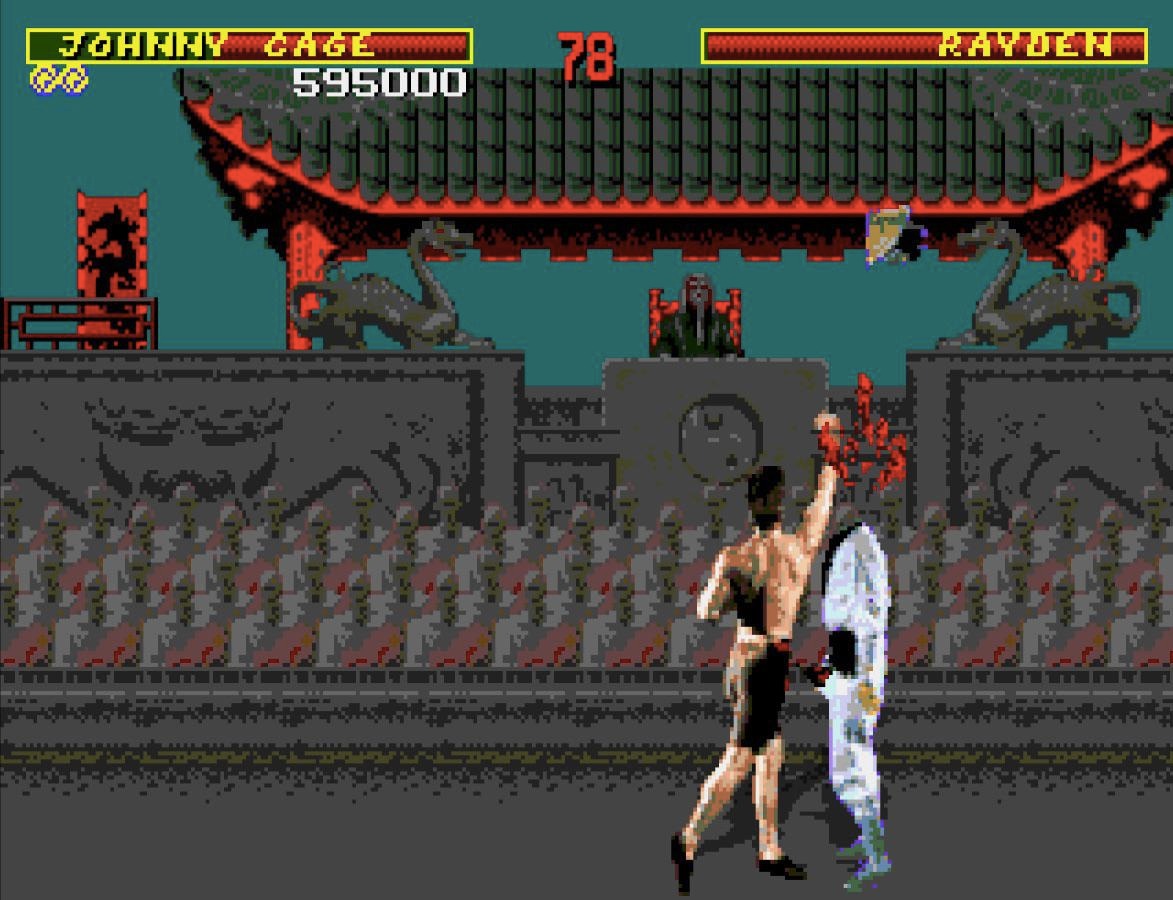
A lot of us became gamers at an early age, and our taste in what we play now is often unknowingly guided by our parents and social friends. What my kids grow up with today is a stark difference from what I grew up with 25 years ago. I started playing video games unbeknownst to myself at the ripe age of 2 at a cousin’s house when Mortal Kombat was played on the Sega Genesis back in 1992. I have very fuzzy and blurry snippets of Scorpion’s Fatality and seeing this shocking gore that you could control. I was fascinated by the character designs, music, and being able to do things on the TV with a controller. I wanted my own Genesis so badly, but I grew up poor.
My experience is that of a gamer whose parents didn’t have a lot of money, and most of my games were rentals. I usually only had games for myself during Christmas and my birthday, as they are three days apart. This made Christmas time incredibly special to me, as it was the one time of the year I would get games I could call my own. I was always very careful as to what I put on my list, as I knew my parents would go for the cheaper games first. Sometimes I would leave off the cheaper older games in favor of the newer ones. I also never had the latest consoles when they were released. I usually didn’t get one until 3–4 years into the console cycle or when the first significant price drop occurred.
I was one of those kids who never played mainstream games. I didn’t play any Zelda games on my N64, despite having one for a few years. I never played any Mario Party games; I was obsessed with Pokemon, but I never had a Game Boy to play it when I was actually into Pokemon. I missed out on a lot of games people grew up with.
1992-1994
Sega Genesis
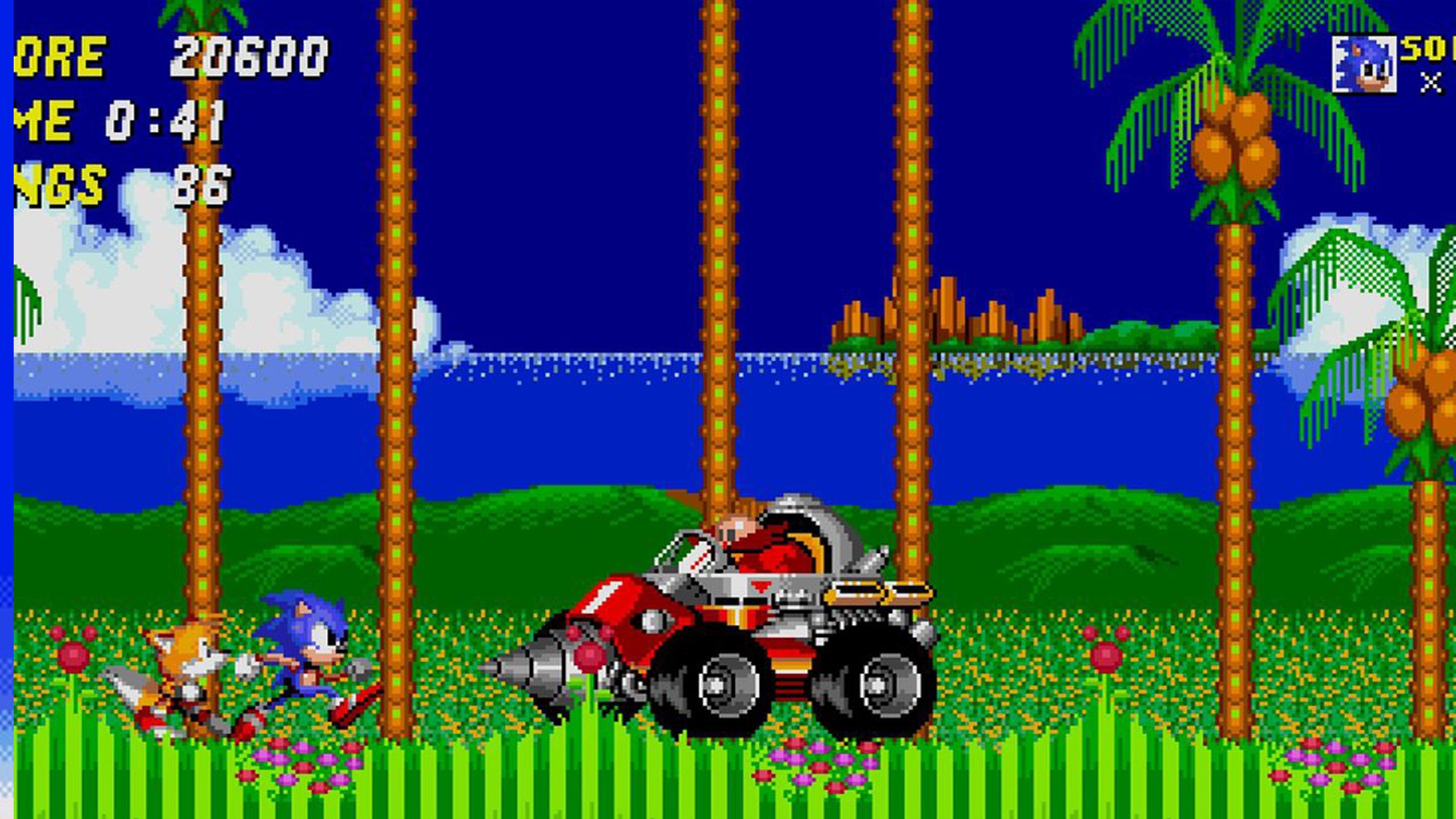
This was the first video game system I ever received. After being obsessed with my cousin’s that he had rented, I had to have my own. I had just turned three years old, and I was ready for my first video game console. My mom had bought a brand new Sega Genesis Sonic the Hedgehog 2 bundle from Circuit City, and I remember it died a few days later. Sonic kept freezing constantly, and my mother wasn’t sure what was causing this, so she had it swapped at the store. I remember going with her during this time.
Mortal Kombat
This game remains my favorite video game series of all time. The gameplay wasn’t as fast-paced as Street Fighter II, but it was more grounded, had incredibly memorable characters, and had some fantastic music on the Genesis that I still listen to to this day. It took me years before I figured out how to do a Fatality or learn the blood code, but I played this on repeat for quite a while along with Sonic 2.
Sonic the Hedgehog 2
I never got around to the first game until much later, but this came bundled with my Genesis on Christmas of 1992. The game had just been released a month prior, and the bundle set was hot off the press, and I had one. The color graphics, fast-paced gameplay, and incredible music are things I still love to this day, and no other Sonic game has impressed me as much since. I struggled to ever get past The Chemical Plant Zone, but I still kept playing over and over because of just how fun it was to play and experience.
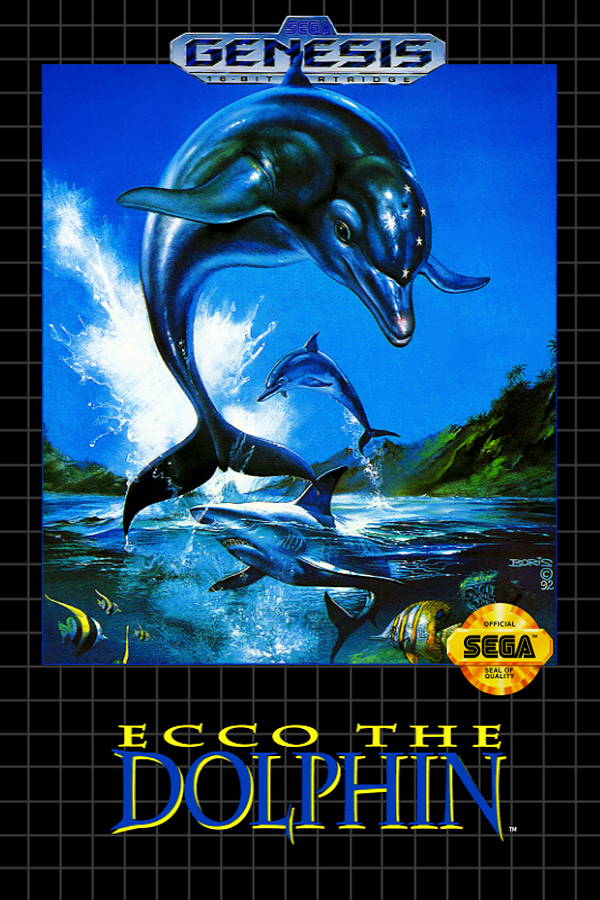
Ecco the Dolphin
I know that same cousin had this game, but I don’t recall ever owning it. Maybe I did at some point. I only remember jumping up out of the water too high, and all of the fish in the ocean would get sucked up, and it scared me to death as a kid. I was around 3 or 4 when I got around to this game, and I would run up and shut off the Genesis, and my mom said I would cry. I had a major fear of underwater levels for years because of this. I would have had my younger sister beat those levels for me. My digital thalassophobia was very real up until I was a young adult. I never understood how to play this game, and I never got very far. I mostly just swam around and messed about.
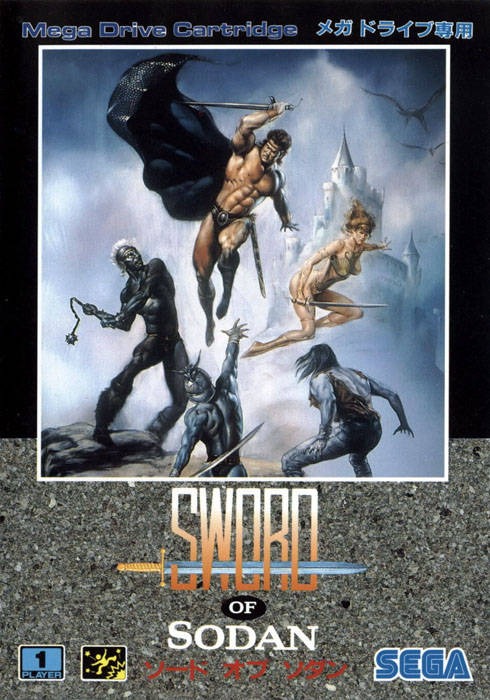
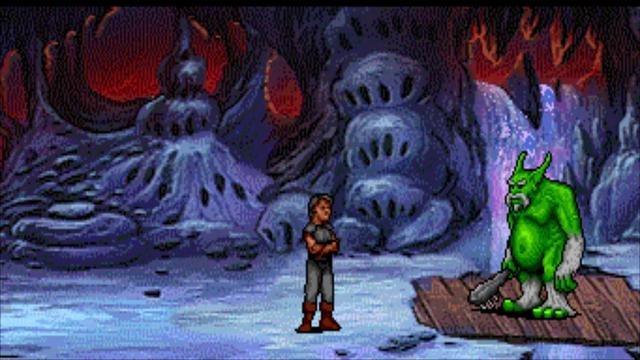
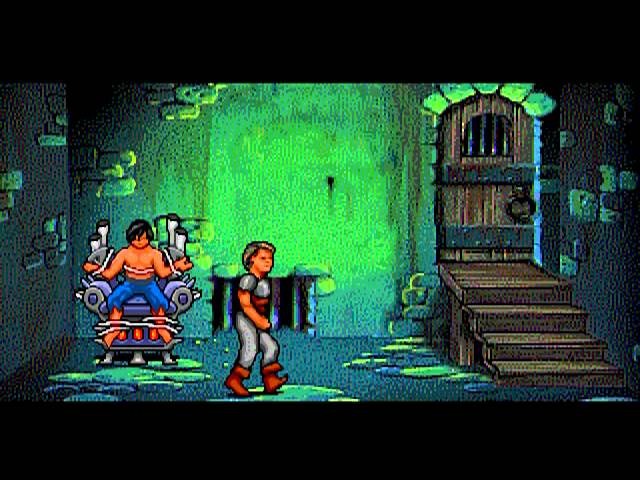
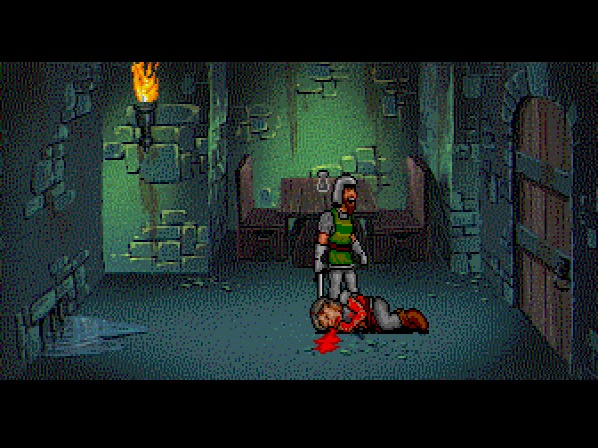
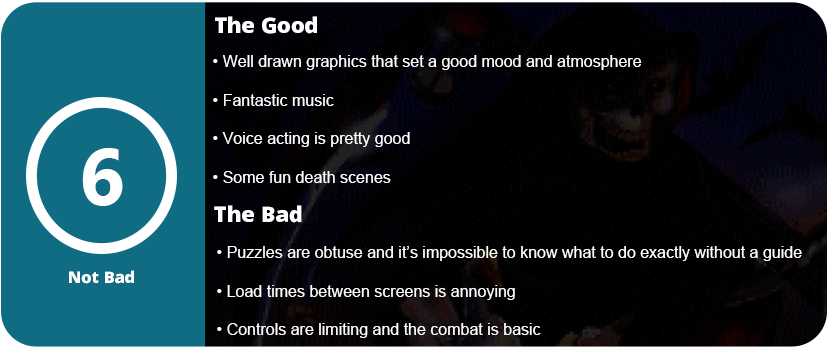
Sword of Sodan
My parents would often buy the occasional game at pawn shops, and this was a random pick-up my dad brought home from work one day. He would stop buying from local pawn shops and see what games we could both be interested in. Later on in my teens, I realized this was a highly criticized game, but you can’t deny the atmosphere and dark tone the game had. Sure, the controls were bad and the animations were awful, but the sound effects were pretty eerie. It was also insanely hard. The potion combining was something my dad and I experimented with, and we wrote down every single combo in the game on a notepad. I did eventually finish this game one single time.
The Sega Channel
My mom had picked this up from the local TV service provider, and I was so jazzed. Free games and new ones every week?! This was like a dream come true, but sadly short-lived. I believe I had it for maybe a month during a trial period, and it would end up being too expensive for my parents in the end. I do remember discovering the new games that refreshed one week and hugging my mom, thanking her for the new games, not realizing she didn’t do this at all. I can’t recall a single game I played on that service.
Aladdin
I can’t remember when I got around to this. There was a local grocery store called Smith’s nearby (it’s still there to this day in Casper, Wyoming), and they had a rental section we went to for years for movies and games. Everything came in clear clamshells! I remember the game feeling just like the movie but being incredibly hard. I could never get past the magic carpet ride section through the cave.
The Lion King
I fondly remember the startup song of the game, and this one was also insanely hard. I never got past the level with the giraffes. It looked fantastic and had great animation, but why were these games so stupidly hard?
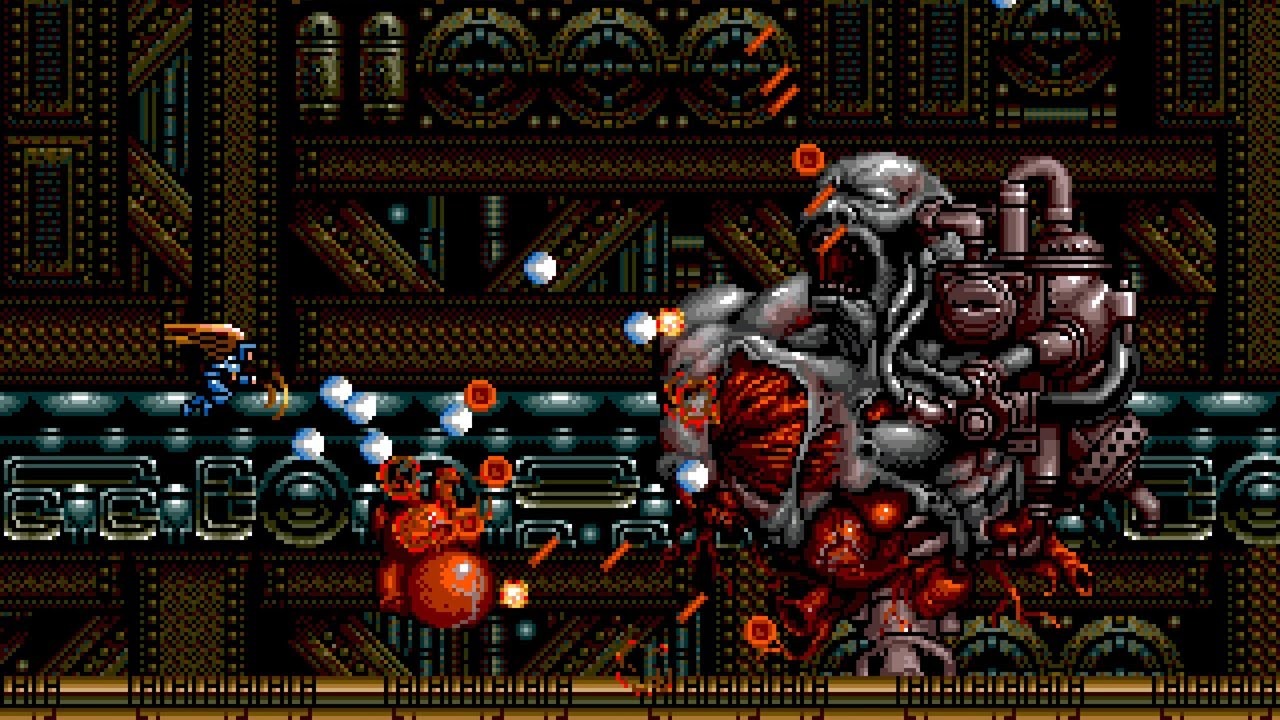
Wings of Wor
Another game brought home from a pawn shop by my parents I played this game for a bit, but remember, it was really hard, and I never got past the first stage. For years, I could never figure out what this game was until I saw a video on YouTube in my teen years. It’s very dark and has great animation and music, but it was another game added to the list that I gave up on.
1995-1999
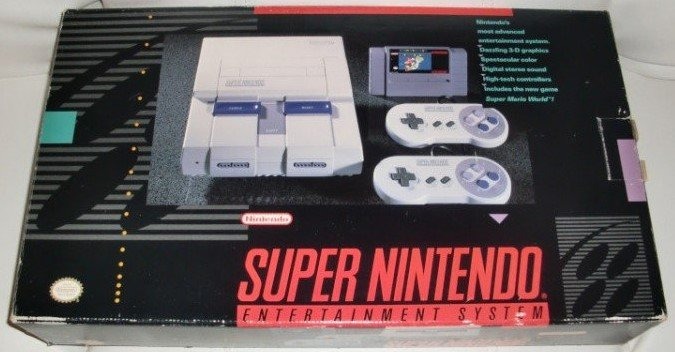
Super Nintendo
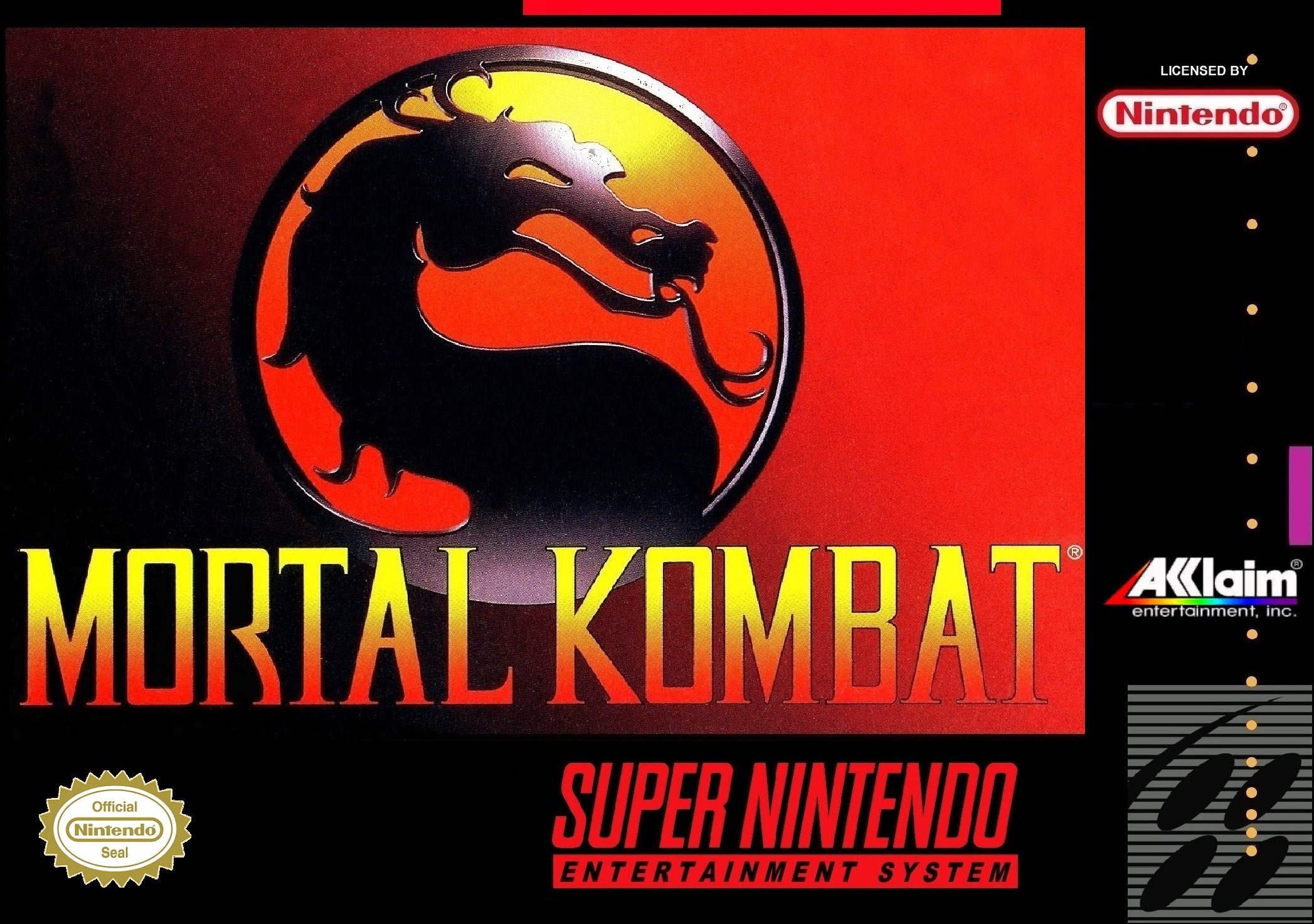
I recall getting a SNES for Christmas in 1995. I had my Genesis for a few years, and it was time to move on. I got Mortal Kombat, Math Blaster, and Stunt Race FX with it, and of course, the system was used.
Mortal Kombat
I remember being really disappointed with this game. I didn’t realize the game was censored, and I hated the blood being replaced with gray sweat. I did like being able to automatically do the The Pit stage Fatality by just uppercutting the character, but everything else sucked. The music was worse, and it just didn’t feel the same.
Math Blaster
At this point, my mom wanted me to use gaming for learning since we didn’t have a PC. Math Blaster was actually gifted by a family friend. I had a lot of fun with this, but I remember the platforming section being really tough. It got a lot of play from myself and my sister.
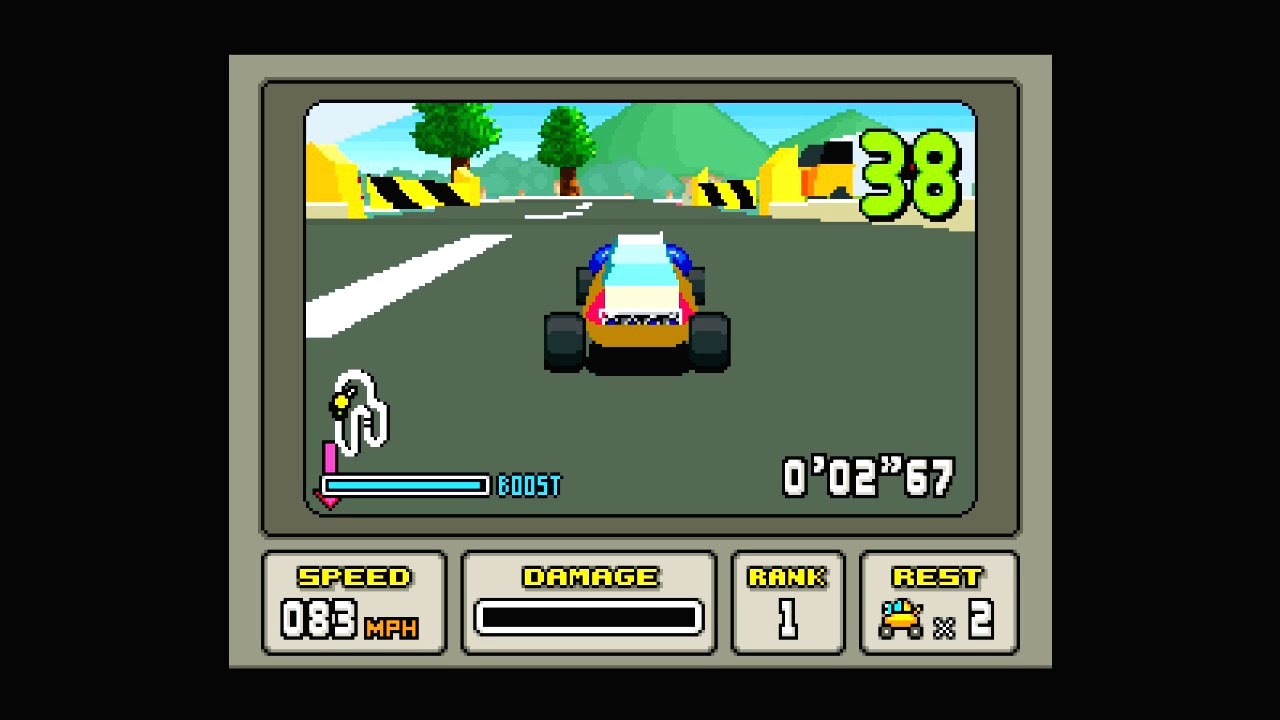
Stunt Race FX
I never realized that my SNES was actually rendering a 3D game at the time, but this game blew my mind. All 5 frames per second. Even back then, I remember the game playing very slowly, but the track design was neat, the cars really captured my attention with their goofy eyes, and the music was really catchy. My sister and I played this to death.
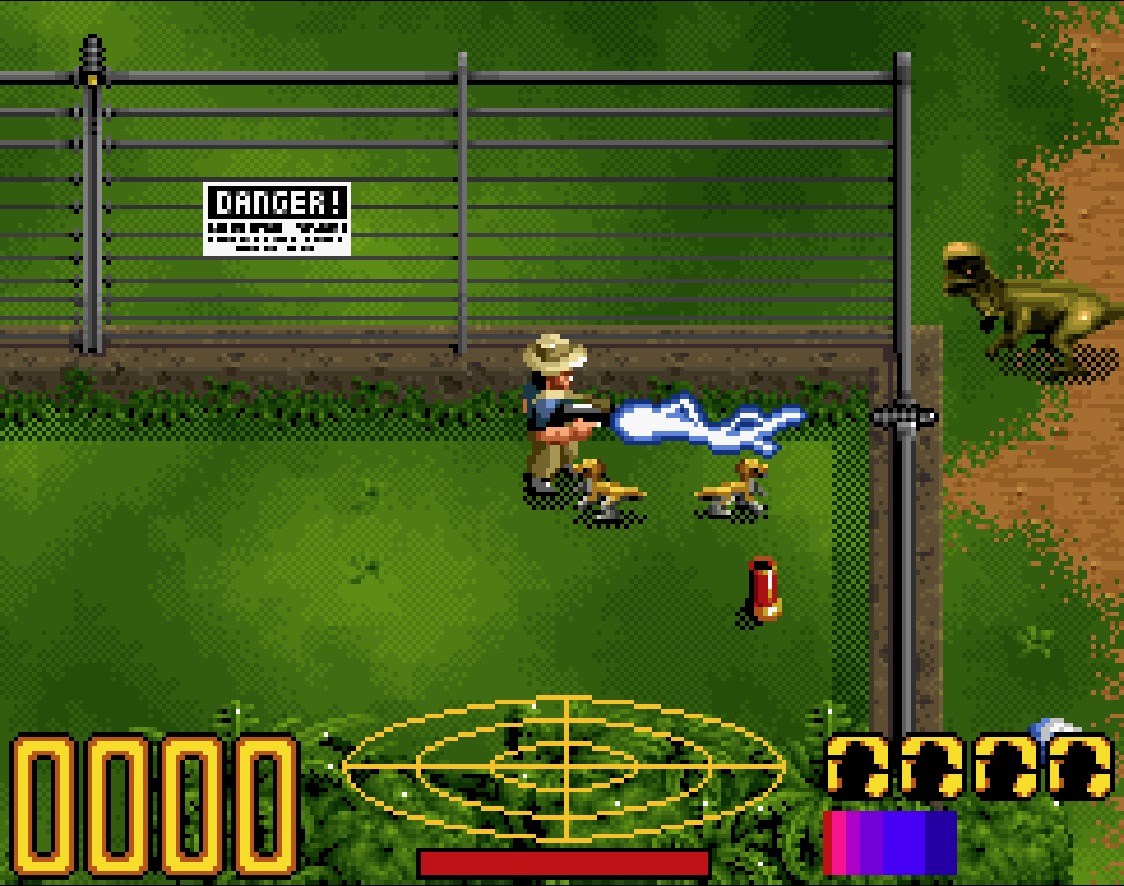
Jurassic Park
This was a rental, and I hated it. This was probably the first first-person game I ever played, and it was a confusing mess. My mom took it back the next day.
Bust-A-Move
A game my parents picked up from a pawn shop My mom used to call it bubbles,” and we were all hooked. We would have the team finish the 100 levels by writing down each password. I finally finished the 100th level, beating the grim reaper, and I remember how excited we all were. It’s still one of my mom’s favorite games to this day.
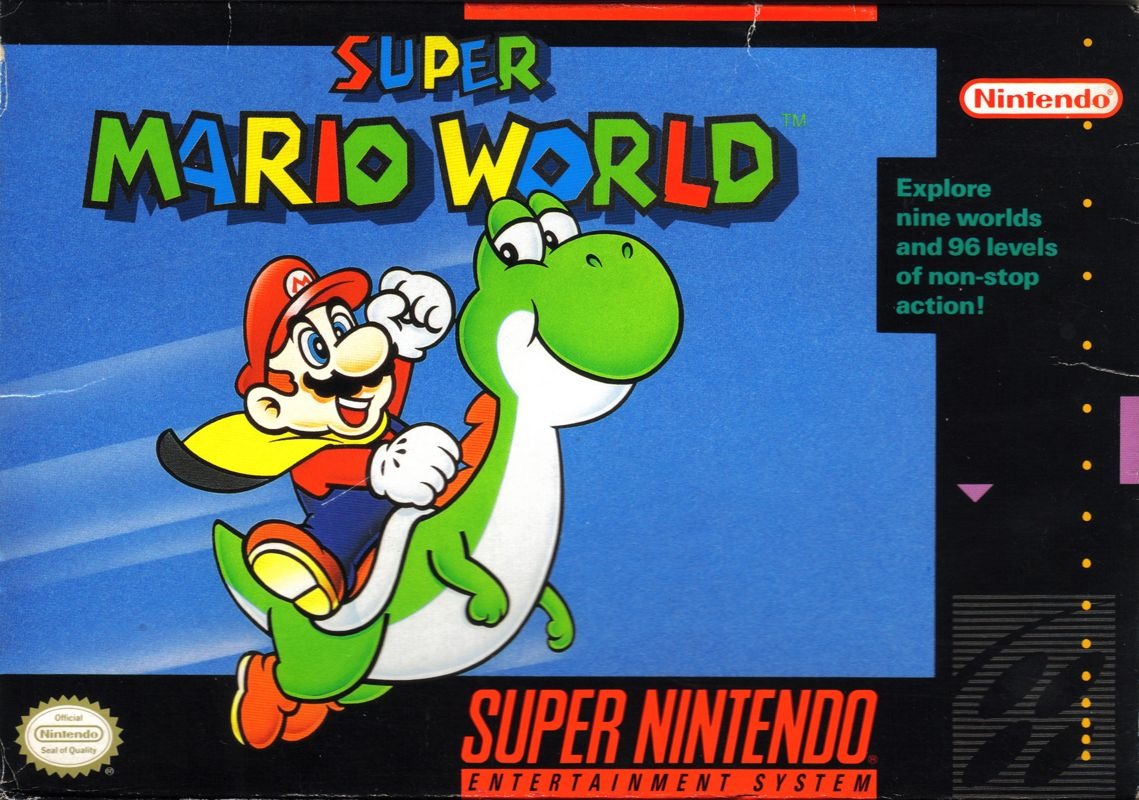
Super Mario World
This was also a rental, and my sister and I were hooked on this game, but it was too long to finish in just three days. We weren’t very good at it and never got too far, but I just remember how fluid the controls were, the colorful visuals, and the catchy music.
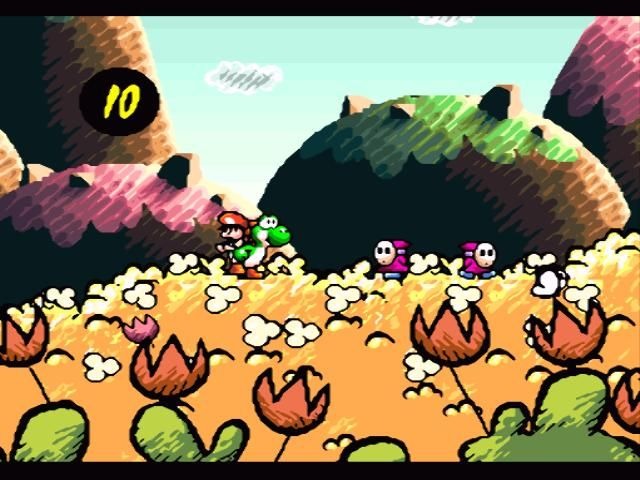
Super Mario World 2: Yoshi’s Island
This was a rental for my sister. She loved how cute Yoshi was, and I just remember how blown away we were by the visuals and art style. It was really hard for us, and we never finished it, but it remains my sister’s favorite platformer to this day.
Mortal Kombat II
I was lucky enough to play MKII on the SNES, the best 16-bit version. The game blew me away, as I never got a chance to play the arcade game. My parents never took us anywhere with arcades, as they were always working and, on their down time, wanted to stay home. I remember seeing posters for this everywhere and having to get my hands on them. When the price came down, we eventually got a used copy. I played it regularly for months and eventually finished it. I remember our landlord’s teenage son coming by during a maintenance repair, and he saw me playing it. I remember him pulling off fatalities, and it blew me away. Little did I know, he probably had a strategy guide or was looking up the codes online. We didn’t have a computer yet.
Boogerman: A Pick and Flick Adventure
Boogerman stood out for obvious reasons. A seven- or eight-year-old can’t resist! This was a rental, and even my mother thought it was hilarious. The weird-looking super-hero and green backdrop cover really got my attention. When I got home with it, I remembered the farts, booger slinging, and throwing toilet plungers. Sadly, I didn’t make it out of the sewer stage before calling it quits.
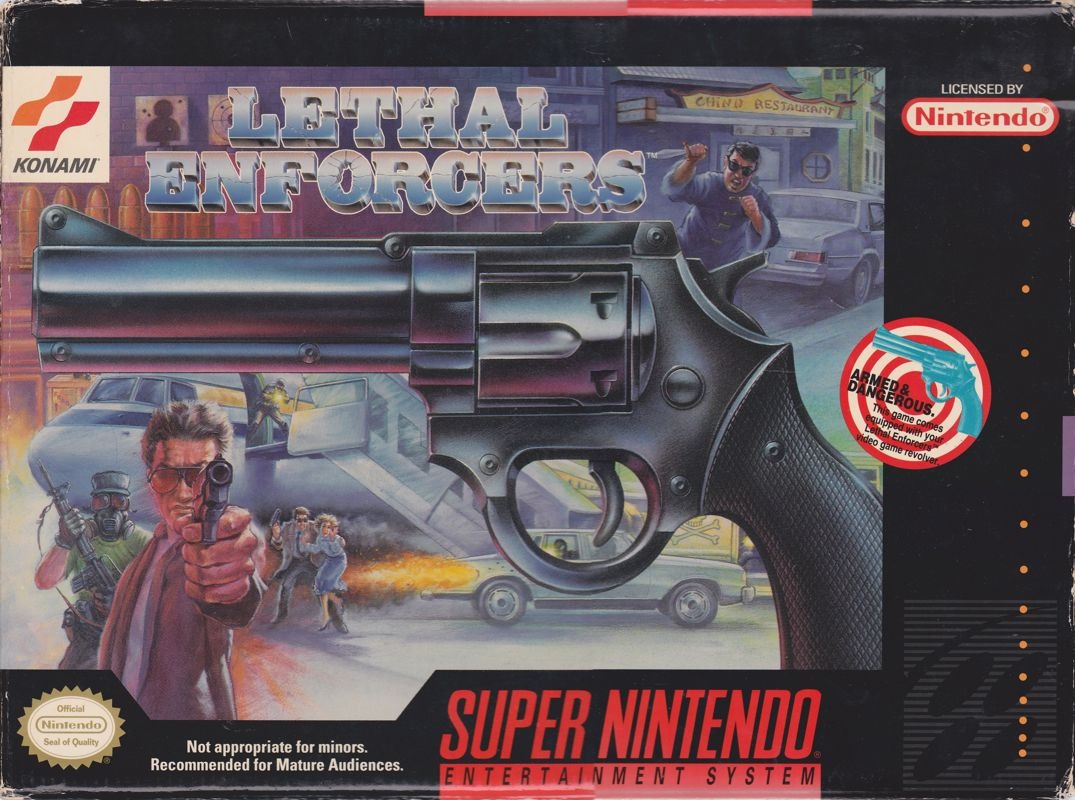
Lethal Enforcers
This was one of the last SNES games I remember playing. This was another pawn shop pick-up from my dad, and sadly, we couldn’t afford the light gun, so we mastered this game on the controller. The game was well made and had great replay value.
GameBoy
Tetris
Ah, yes. Good ‘ol Tetris. Everyone who owned a Game Boy had this game, as it was a pack-in title. I got a used Game Boy for my seventh or eighth birthday, and I remember the battery cover was slightly melted by a cigarette burn. I honestly don’t remember ever loving the Game Boy itself, but I loved Tetris. This was a system I wasn’t terribly interested in, as the Game Boy Color was already out and my parents couldn’t afford to buy games for it. I didn’t realize how vast the library was until I was much older.
Arcade Classic 3: Galaga/Galaxian
This was a thrift store find, and I remember playing it quite a bit. It was an addictive arcade game and my first exposure to Galaga and Galaxian. It’s not the best version and is rather plain, but I spent many hours on it as a kid. Especially since this was the only other cartridge I ever owned besides Tetris.
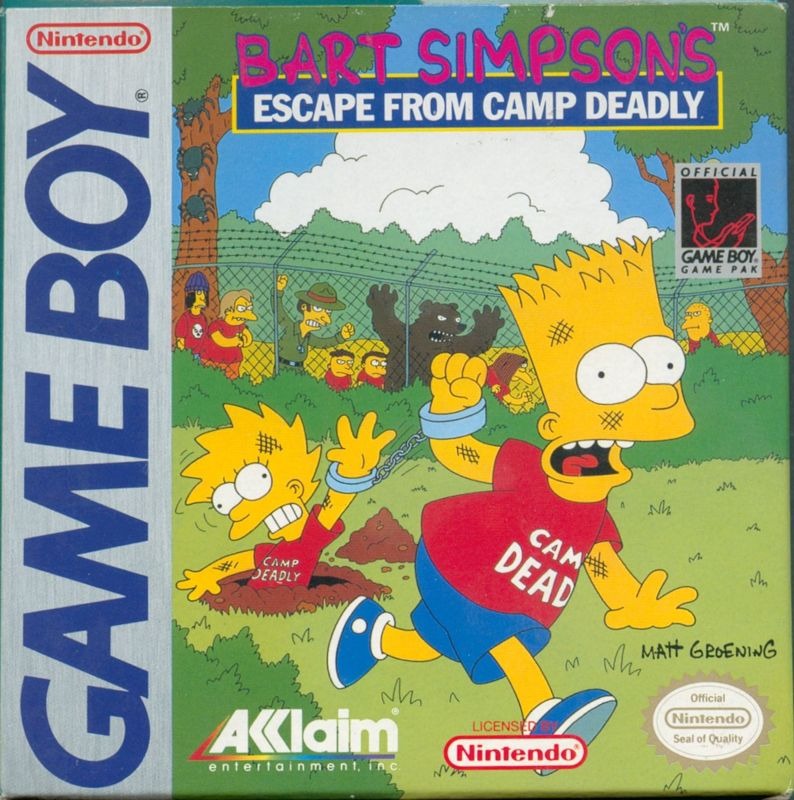
Bart Simpson’s Escape from Camp Deadly
I only remember this game due to the traumatic memory attached to it. This was at a dentist office where they had Gameboys you could play to stay distracted. I remember the game being in the prize drawer, and I grabbed it, and the dentist snatched it out of my hand and yelled at me. I remember crying and running, terrified. Why would you put it in there?!
PlayStation
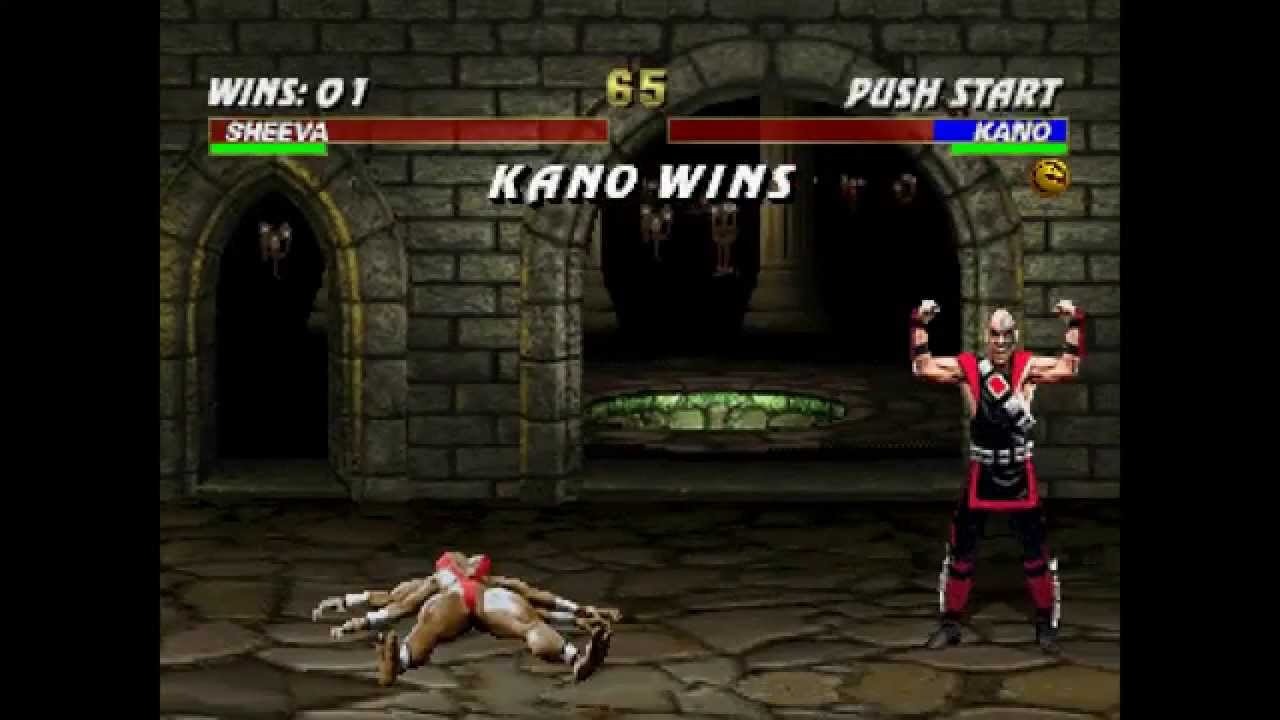
Mortal Kombat 3
This was the game I got with my PS1 for Christmas in 1997 or 1998. I got a used PS1 that my parents picked up from a pawn shop, and it came with a Crash Bandicoot demo disc. I don’t remember playing MK3 all that much, but it was the long box version.
Syphon Filter
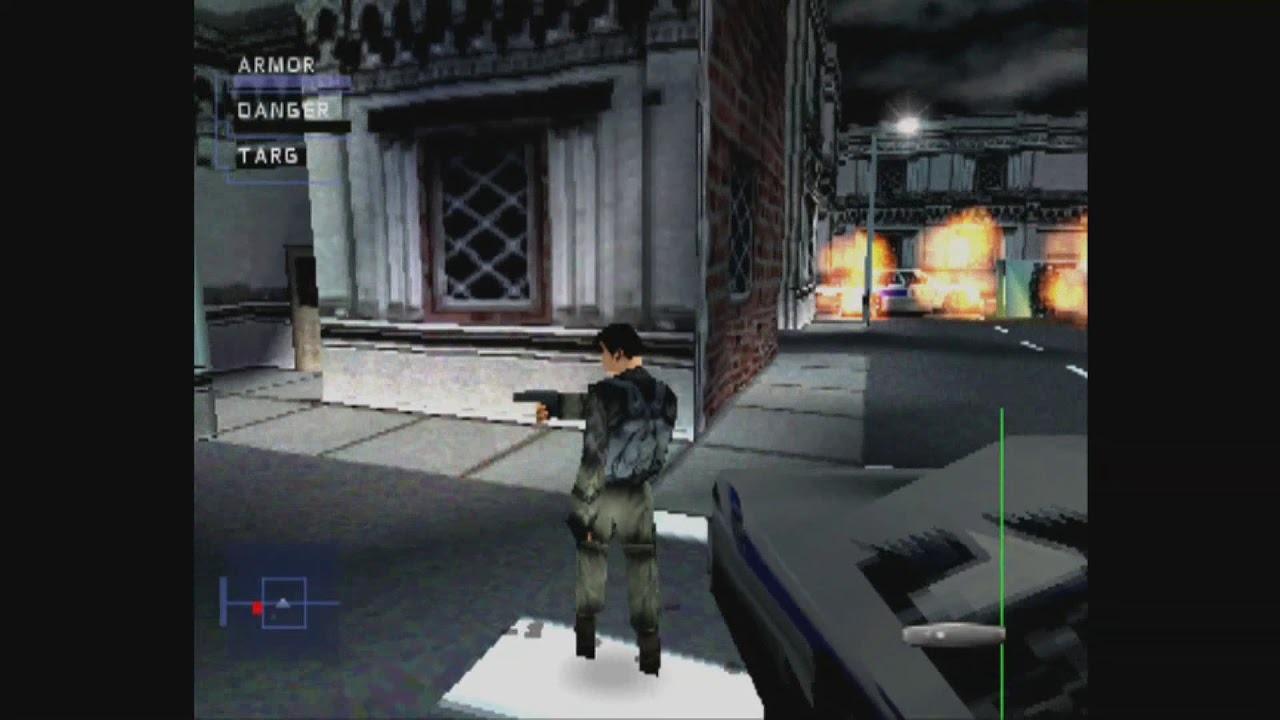
This was the first 3D action game I had ever played. It was incredibly confusing when I first rented it from a local grocery store in Casper, Wyoming, called Smith’s (which is still there to this day). I rented a lot of my games from here, as my family just couldn’t afford the $50 a pop. My late stepfather actually got into this with me as well, and over time we learned how to play it and eventually memorized every single enemy placement, weapon creation, and speed run. It’s the single most-replayed PS1 game for me.
Silent Hill
Funny enough, I accidentally rented this because I couldn’t remember the name of Syphon Filter. The cover looked close enough, and when I got it home, I realized it was not it, but the atmosphere, story, and overall creep factor intrigued me. There was absolutely no way I would have finished this as a kid with the insanely obtuse puzzles. Once I got maybe 30 minutes in and found the skinless dogs in the back alley, I screamed and turned the PS1 off. The game was quickly restored.
Mortal Kombat 4
This was one of the few new games I got as a kid. We picked this up from Wal-Mart after realizing we couldn’t burn PS1 games straight from a disc and play them. After some Googling (which was very lean back in the day), we realized you needed a mod chip, which was never going to happen.
Gran Turismo/Gran Turismo 2
These two games made me appreciate and like cars. No, I’m not a car enthusiast, but because of this game, I would identify cars by just their tail lights in the dark. I loved the zen-like feel of the endurance races and just tuning and learning about cars.
Final Fantasy VIII
This was the first ever Final Fantasy game I played. I completely missed out on VII as it didn’t appeal to me at the time (and I also didn’t have the patience). I didn’t end up actually finishing this game completely until a couple of years ago. I never made it past the second disc.
Spyro the Dragon/Spyro 2: Ripto’s Rage!
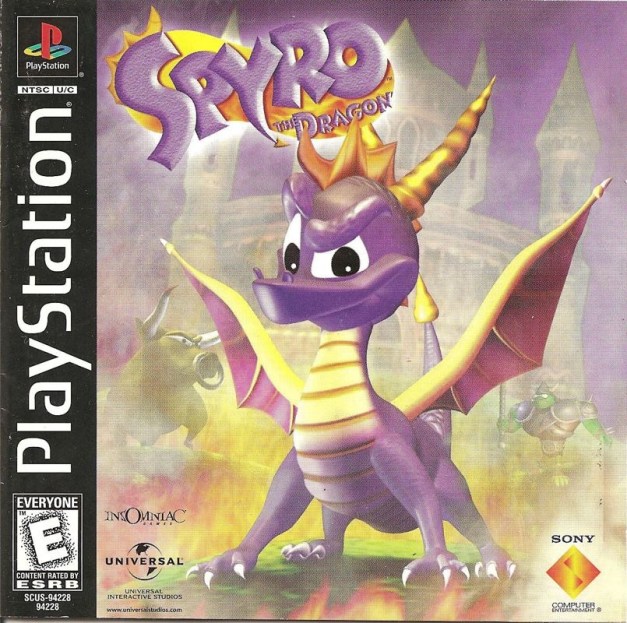
This was one of my most played PS1 games, but I never owned it! It was a frequent rental for my sister and me, and we just loved collecting gems and running around the levels. I don’t think we ever actually completed it.
Nintendo 64
Mortal Kombat Trilogy
I got this one after getting a PS2, but it was one of my most played discs. It was a lot of fun, and I had the N64 cart for the longest time and played that to death as well.
Top Gear Rally
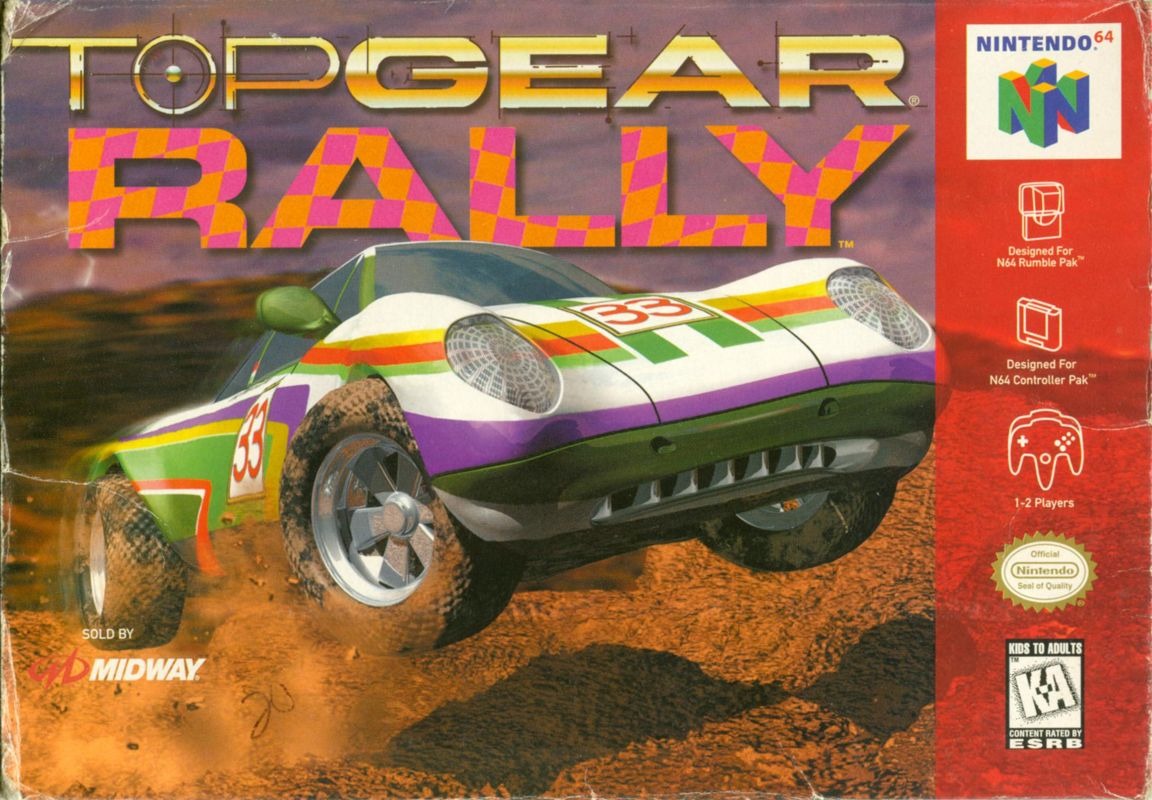
Top Gear was one of the only racing games I played on the N64, and it was a blast. My dad and I played this a lot, and it was a great Christmas gift. I wound up playing this instead of GoldenEye 007, which was returned to the pawn shop my parents bought it from.
Pokemon Stadium
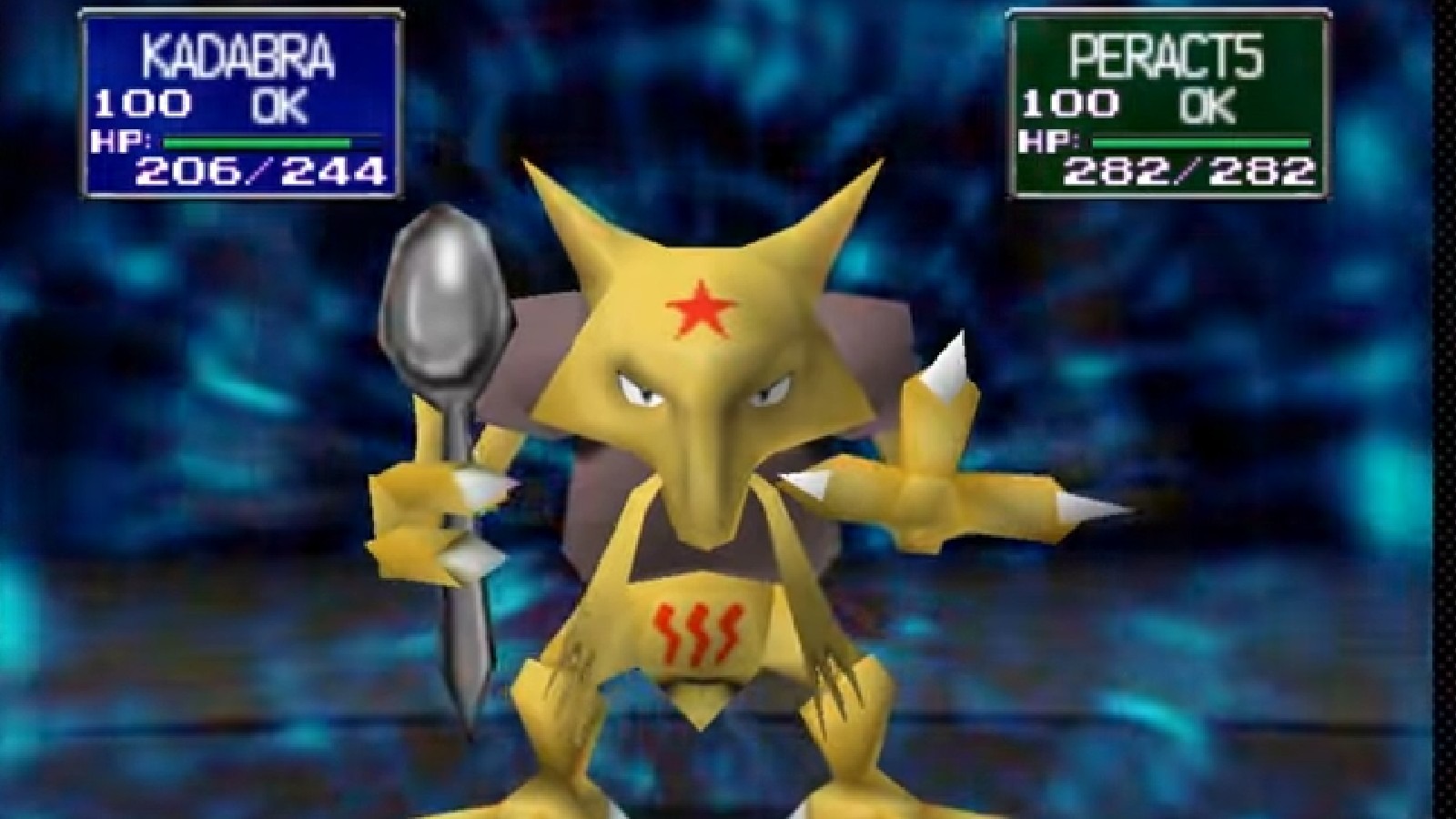
I played this during my short tenure, being obsessed with everything Pokemon. I traded the cards at school, watched the show and movies, and sadly, only ever played this Pokemon game. I didn’t have a Game Boy at the time, so I never got a chance to play the RPGs.
2000-2004
PlayStation
Tony Hawk’s Pro Skater 2
I spent more time in this game than in the first. I never owned it, but it was a frequent rental, and I always saved my best replays to my memory card. I completed this game all the way through each time I rented it.
Syphon Filter 2
I had very fond memories of this game. It was a frequent rental for my dad and me. When we were finally ready to purchase the game, we were on the way to a game store in our local mall. On the way, we had the “birds and the bees” talk. I then remember seeing the game in the display case. It was on his 41st birthday as well. We played this game to death, memorizing every enemy and weapon placement.
Syphon Filter 3
This was the first PlayStation 2 game I ever owned. It’s not a PS2 game. I hear you cry out. Well, my parents could afford to buy a used PS2 when they dropped to $200, but they couldn’t afford a PS2 game to go along with it. I do remember being in Wal-Mart one day, and my dad stopped me and pointed at a display case. I turned around, and Syphon Filter 3 was sitting there in its shiny wrapping. We, of course, had no idea it had come out yet, which was a surprise.
PlayStation 2
Jak II
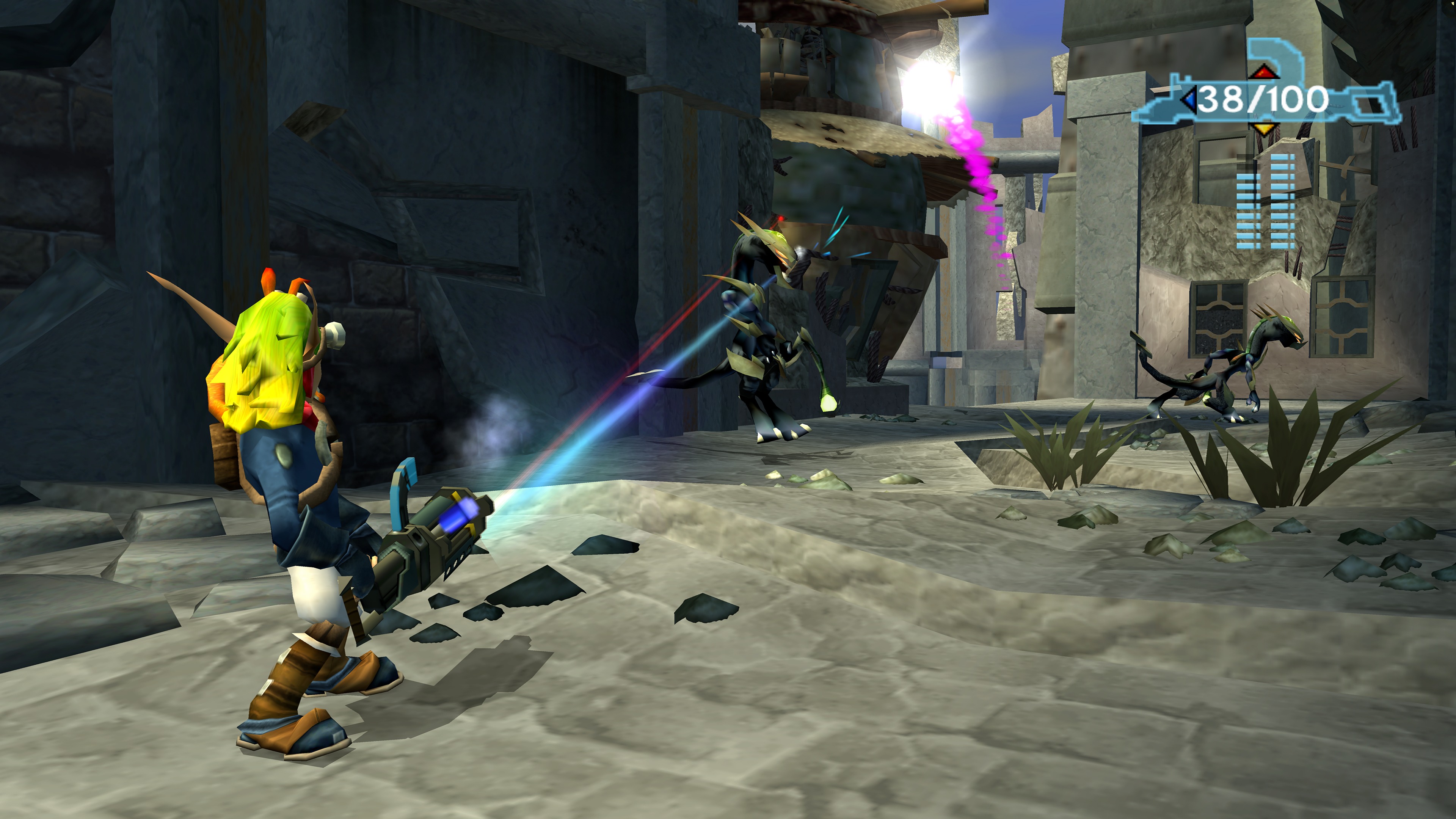
I never really cared for collect-a-thon games, even as a kid. I couldn’t get into games like Banjo-Kazooie because of this, and that was why I didn’t care for the first Jak game. Jak II was more action-oriented and had a pretty entertaining story. I rented this and finished it over the weekend.
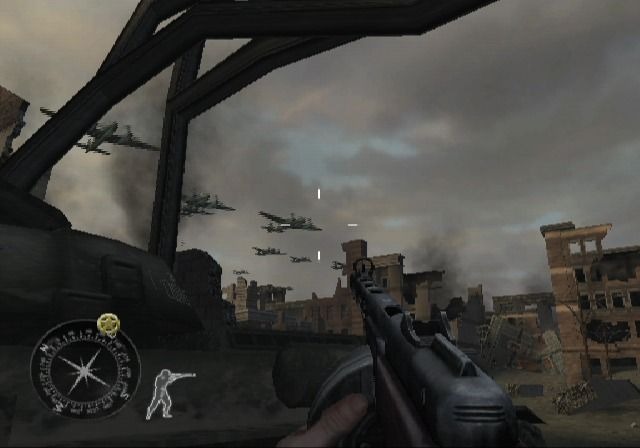
Medal of Honor: Frontline
This was my first experience with a cinematic FPS. I missed out on Allied Assault as I didn’t have a gaming PC, and this was a weekend rental for me. The opening Normandy Beach sequence still stands out in my head today. I wish I had a good sound system as a kid because it blew me away. One of my top gaming childhood memories.
Prince of Persia: The Sands of Time
This game really blew me away. It was a weekend rental and was one of the first ever experiences in an action-adventure game. There was nothing like it at the time, and it paved the way for the genre. I remember asking for it for Christmas the year it was released and never getting it.
Gran Turismo 3: A-Spec
After my obsession with the first two games, it was time to get back onto the saddle. I didn’t end up getting this game until after the Greatest Hits version was released and it was discounted to $20. I played this game to death. Easily close to 100 hours were put into this game. It looks fantastic even to this day.
Dragon Quest VIII: Journey of the Cursed King
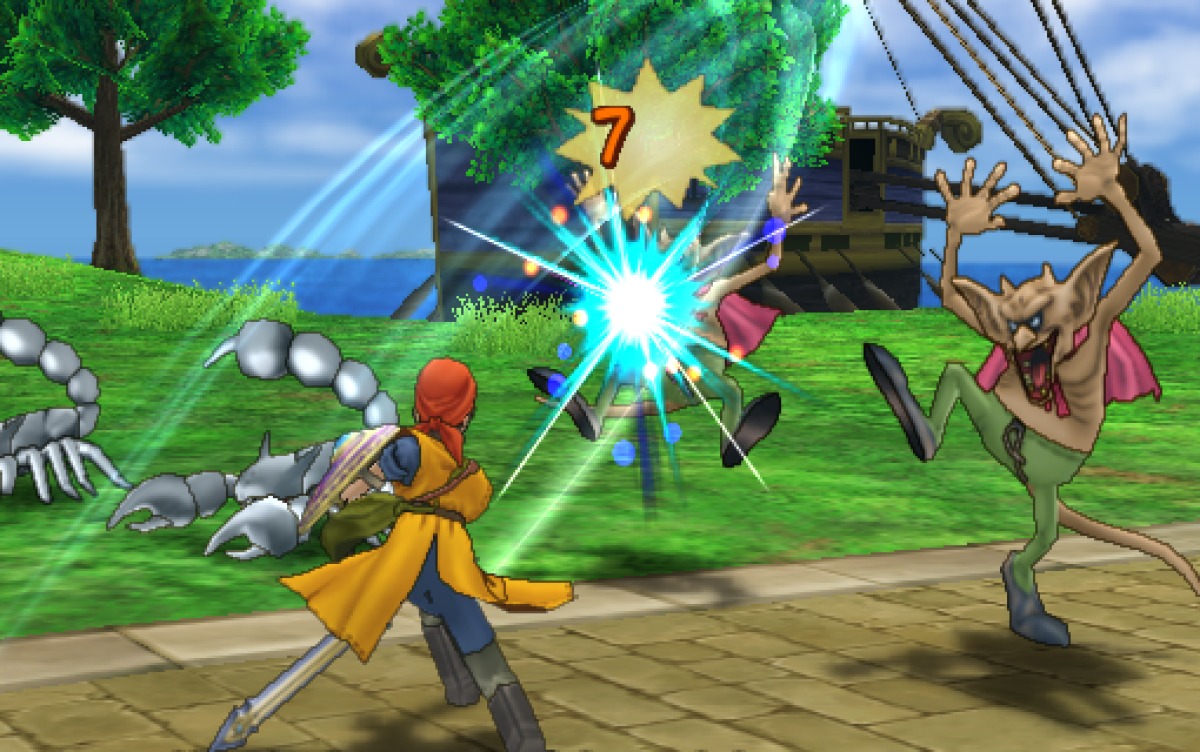
I picked this up brand new from K-Mart. I remember playing the demo on my sister’s copy of Final Fantasy XII and loving the characters and setting. I never actually finished this game, as I didn’t realize it took nearly 100 hours to complete, and I got stuck on some sort of royal king-type boss in some ruins. I still want to finish this game one day.
Mortal Kombat: Deadly Alliance
I honestly lost track of the MK series for a while. After MK4, I had no idea what was going on with it. One day I saw a TV commercial for the game, and my mom got it for me for my 12th birthday that year, along with a T-shirt. I can thank this game and the “Immortal” music video by Adema for getting me further into rock music.
Mortal Kombat: Deception
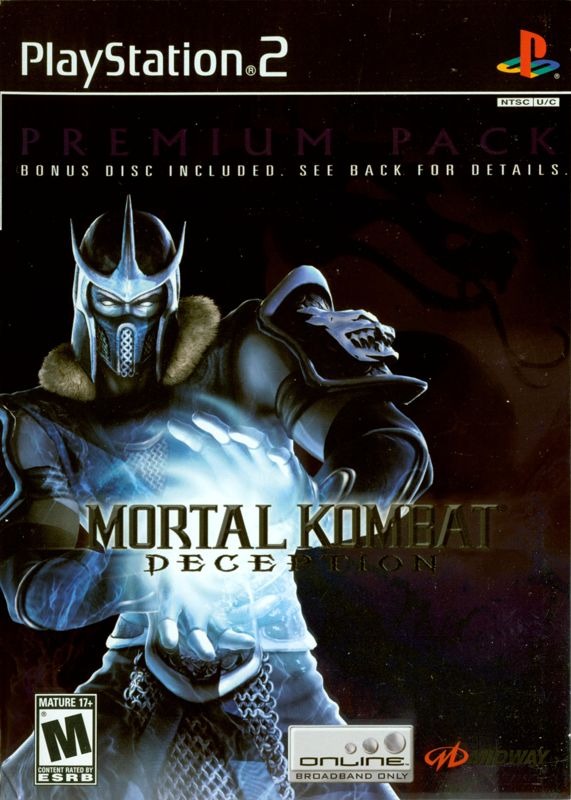
This was the first video game I had ever pre-ordered! I remember being obsessed with preview content for this game and getting so excited for its release. Especially knowing there was online play. I loved the arena death traps, and the extra content was insane. I spent dozens of hours in this game, and it’s still the best 3D Mortal Kombat game to date.
Grand Theft Auto III
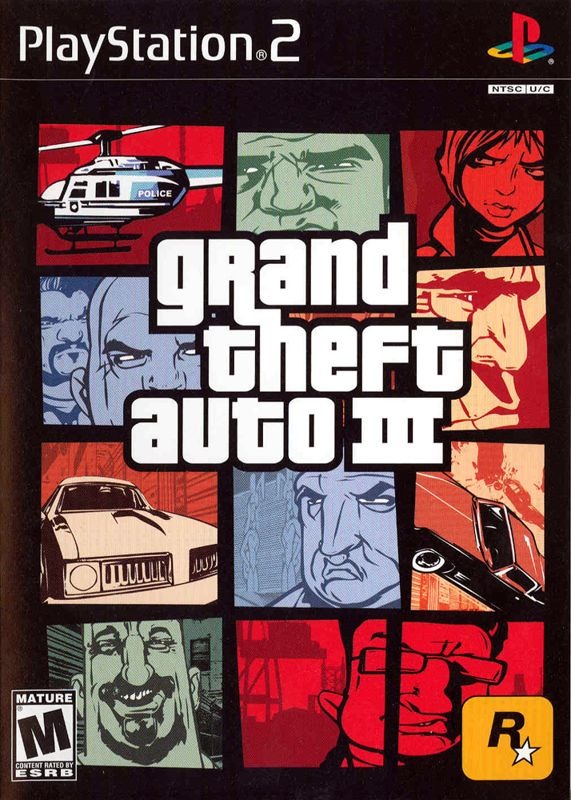
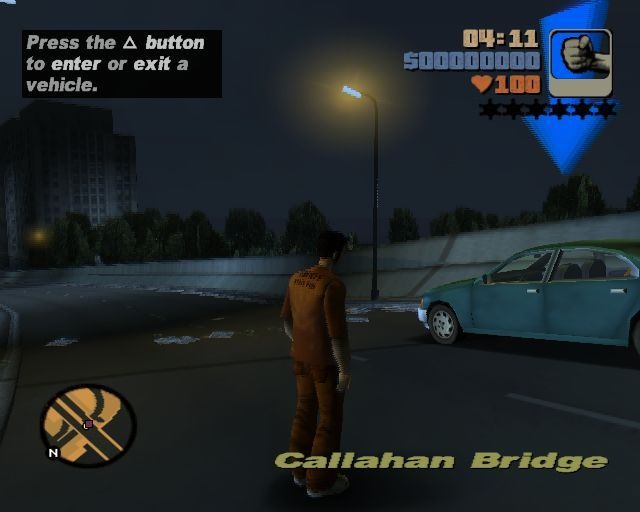
I remember seeing a neighbor kid playing this game, and I was so jealous that my parents couldn’t afford a PS2 yet. I was blown away by the visuals and the open-ended gameplay. When I did finally get a hold of this game, I never finished the story mode. I was too busy having fun to cause destruction.
Tony Hawk’s Pro Skater 3
I spent so many hours in this game. A neighborhood kid had a PS2 before I did, and I spent the night staying up all night trying to do the best line in the game. I borrowed it when I got my PS2, and I played this game over and over again. It’s still the best game in the series to date.
Kingdom Hearts
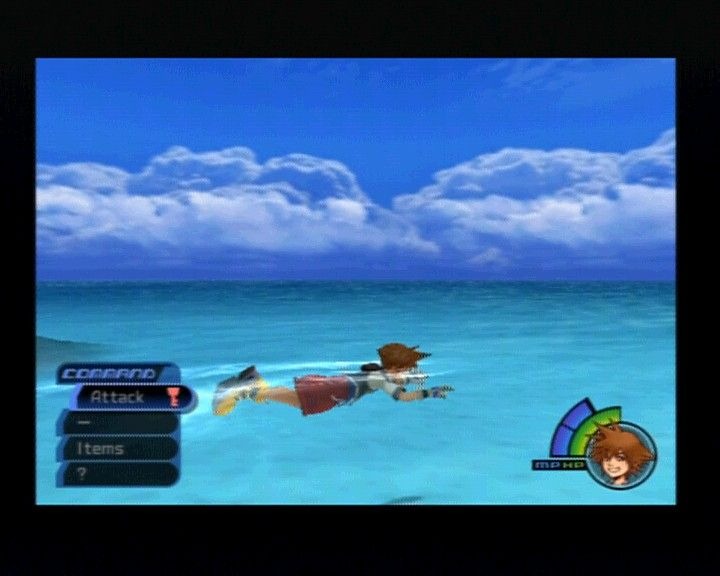
I sadly didn’t get to experience this game until it was a Greatest Hits title, but I did get it brand new and took it home in its shiny cellophane glory. Sadly, the game was too hard for me, and I couldn’t get past the Oogie Boogie boss fight. I plan to finish the latest remaster one day.
The Lord of the Rings: Two Towers/Return of the King
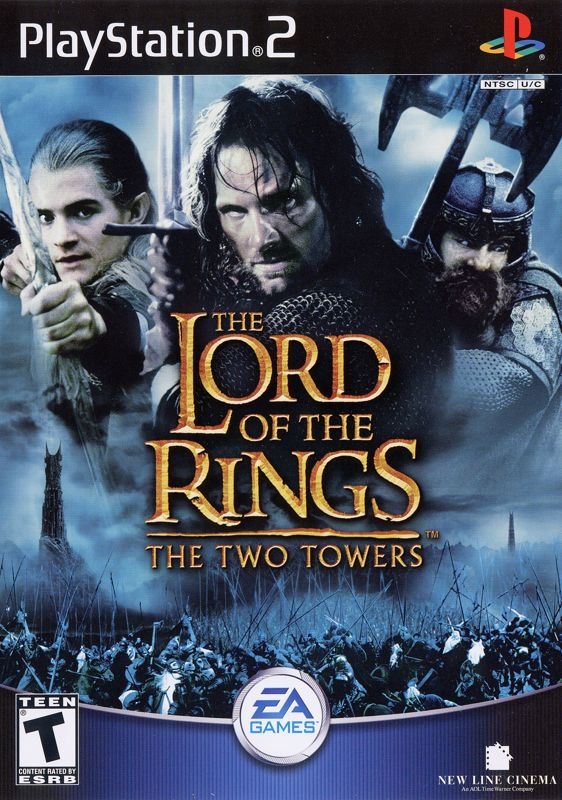
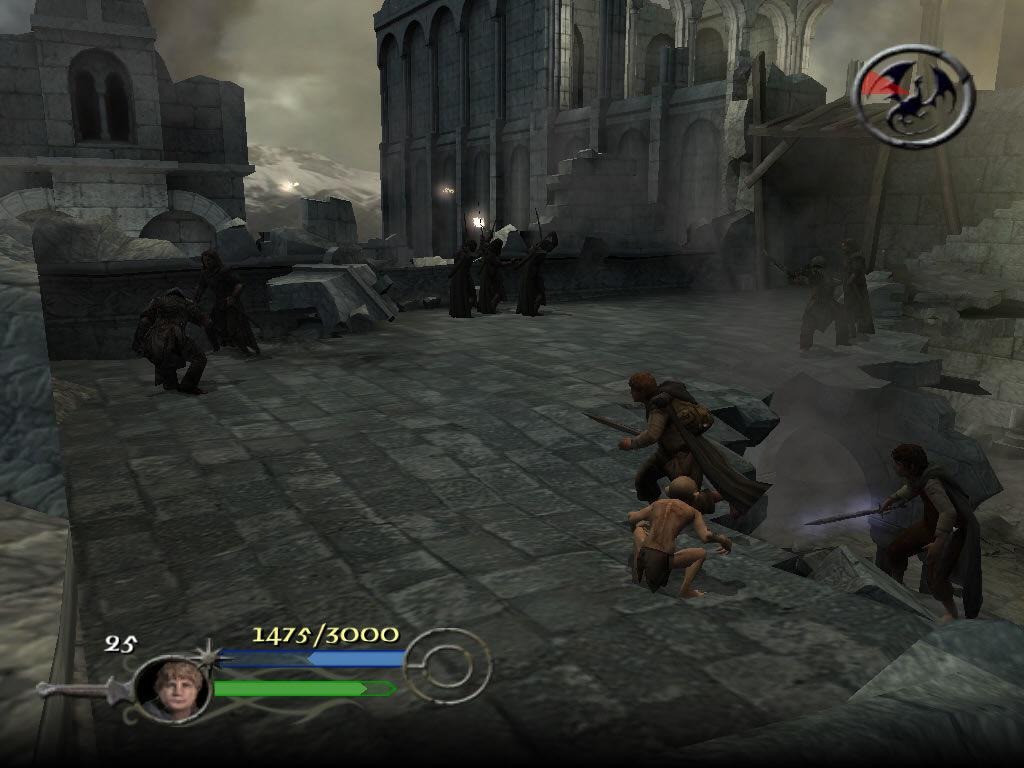
My grandmother took me to see both of these movies on my 12th and 13th birthdays, respectively. I was then in love with the games. They felt just like the movies and were incredibly entertaining, with decent replay value. I only ever finished Return of the King and plan to replay it at some point. It’s been too long.
Killzone
This game made my Christmas of 2004 perfect. I remember hearing all about the “Halo Killer” news leading up to its launch, and being a PS2 fanboy, I had to have it. Being as young as I was, I didn’t know any better about the slowdown and lower visual fidelity. It still looked amazing to me, and I played the campaign twice over that weekend.
SOCOM: U.S. Navy SEALs
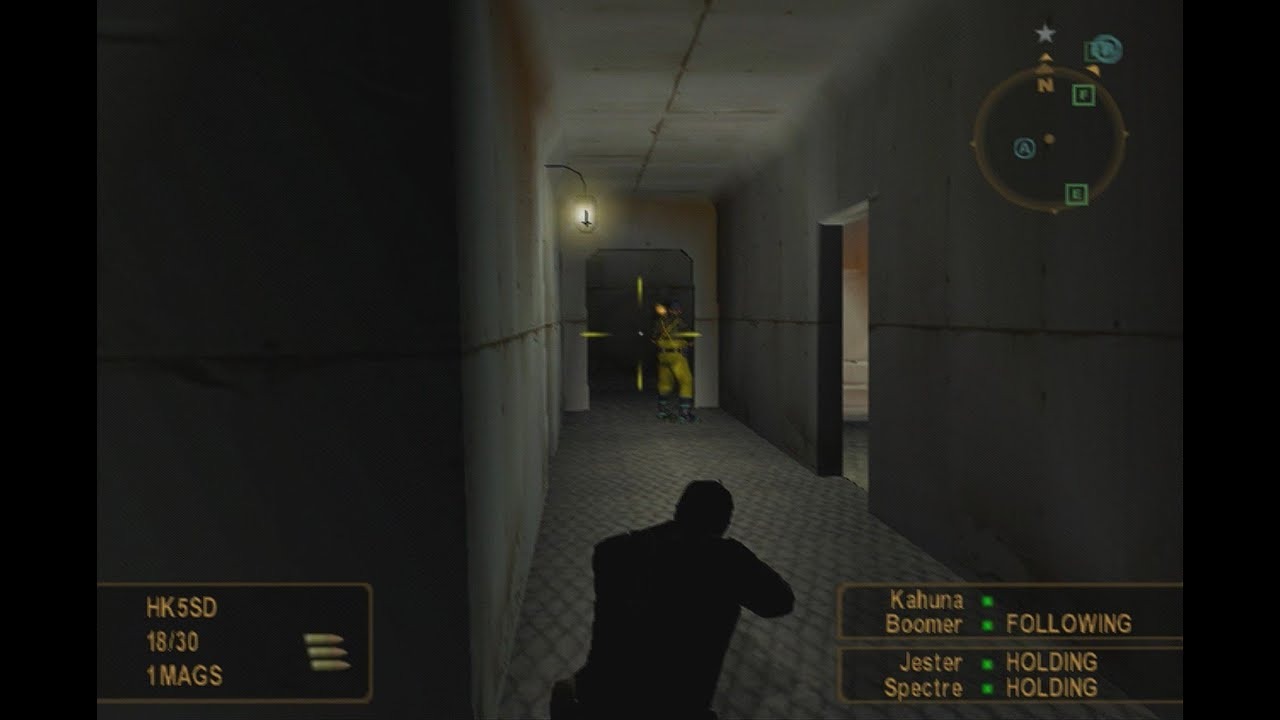
This was the first online PS2 game I ever played. My parents were finally able to get me a network adapter as there was a deep discount at Best Buy. I bought this game off of a kid at school for $10 and was obsessed with the online mode. I never even finished the campaign. Sadly, I couldn’t get into the second game at all and plan to play through the series at some point.
Burnout 3: Takedown
This game was another addition to Killzone for Christmas 2004. I couldn’t stop playing this game, but I remember never going online or finishing the campaign. I mostly loved Crash Mode, and it still remains one of my favorite arcade races to date.
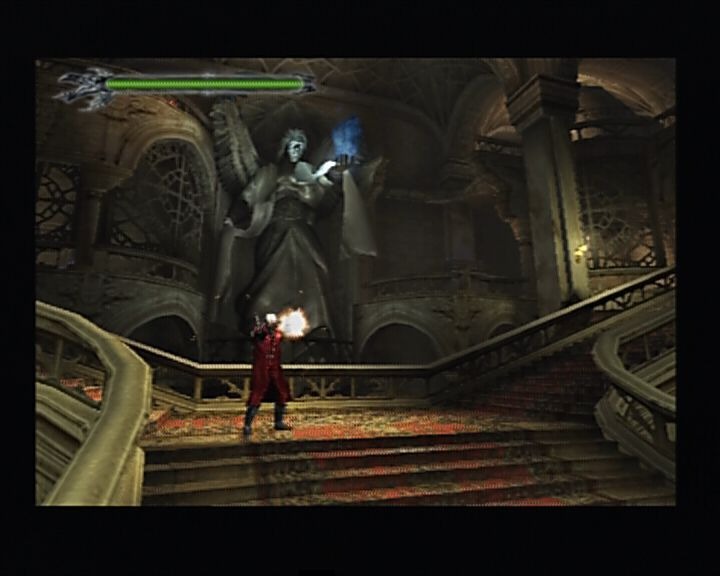
Devil May Cry
I picked this up at a bargain bin price at Game Crazy one day. I never got into the series despite hearing about it, and I felt the game was mostly decent as a teen, but something about it never clicked with me. I do remember finishing the game and being more impressed with DMC3, despite never finishing that game either. I plan to replay this in the more recent HD Collection at some point.
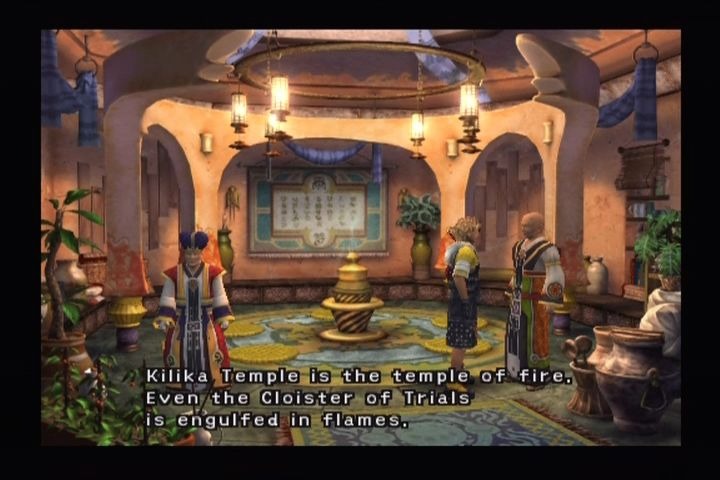
Final Fantasy X
Oh man, this game gave me so much trouble growing up. I first played it as a rental and didn’t realize how long the game would be. Sadly, the disc was heavily scratched, and I couldn’t get past the cutscene that showed the first boss on the ship. I eventually picked it up as a bargain bin purchase and played the hell out of it. I did beat the game after losing my first save once, and I remember getting lost in the story, lore, and characters. I spent over 50 hours trying to finish this game, and it wound up being the first Final Fantasy game I ever finished.
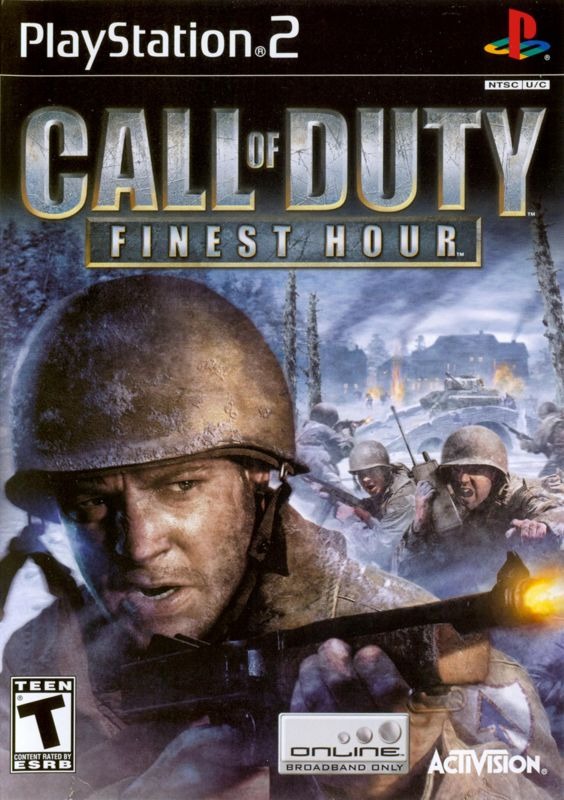
Call of Duty: Finest Hour
This was another game that helped make Christmas 2004 one of the most memorable. I got a lot of new PS2 games, and that was really rare. I remember watching a lot of preview content leading up to the release and always thought the campaign was forgettable, but the online deathmatch mode is something I played quite a bit. It even lasted longer than Killzone for me.
Spider-Man 2
I picked this up after loving the movie, and I spent all of my allowance on it. This game blew me away. It was the first open-world Spider-Man game, and it was just so good to swing around and be Spidey. I played through the story mode twice and still love this game to this day.
2005-2006
PlayStation 2
Area 51
I remember following this in gaming magazines, demo discs, and on the internet. I played the demo several times and just loved the atmosphere, and the guns felt great to use. I picked it up brand new with all of my allowance in tow and played the campaign a couple of times.
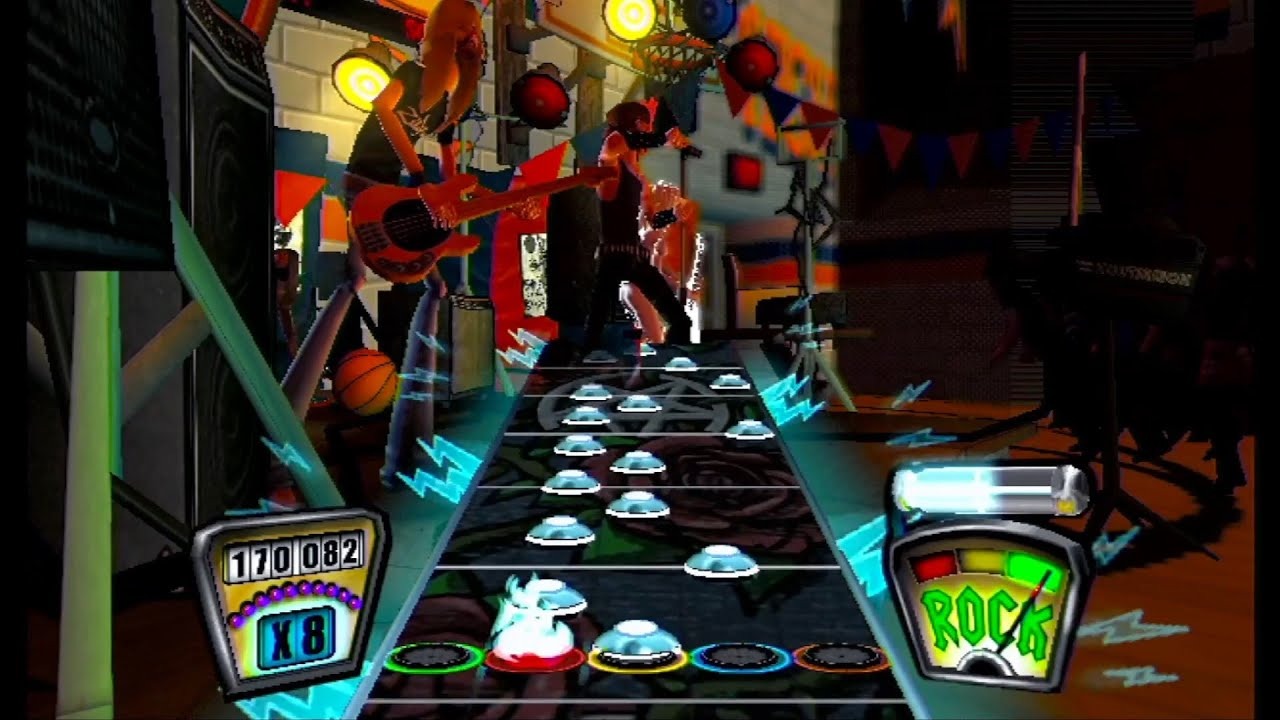
Guitar Hero/Guitar Hero II
I was obsessed with this game for a long time. The series in general is fair. I bought every game when it came out up until the third game, and then the series got too stale for me. I had cousins come over just to play the first one, and I loved it so much that it prompted me to want to play a real guitar.
Resident Evil 4
This was one of the few games I was jealous the PS2 never got—until it did! My sister pre-ordered the premium edition, and she was so scared of the game that she gave it to me. The game was just so good and somehow holds up well today. The PS2 version was a graphical downgrade over the GameCube version, but I was happy.
Grand Theft Auto: San Andreas
I was finally able to pick this up used after every media outlet I followed was flooded with content for the entire year. It was one of the games everyone was constantly talking about. I wasn’t into it as much as GTA 3, and I never finished the story mode, but I remember having a lot of fun nonetheless.
Shadow of the Colossus
This was one of the last PS2 games I ever received as a gift. I got it for my 15th birthday and just loved it so much. I played the demo and was hooked. Despite finishing the game and loving every minute of it, I remember the controls being very frustrating and never really understanding the story that much.
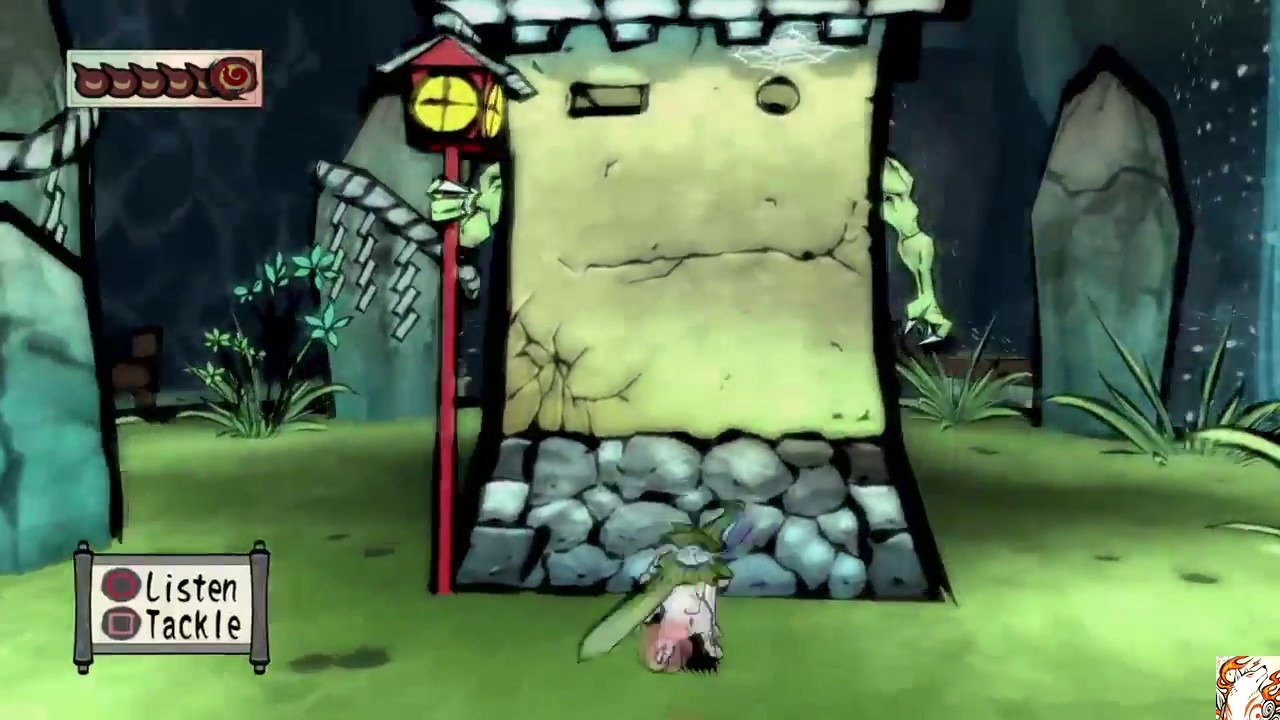
Okami
I got this on Christmas of 2005. I followed the game in magazines and news outlets online for such a long time and was so excited for the Celestial Brush mechanic. The game was much longer than I anticipated, but I did eventually finish it. It was incredibly memorable.
God of War
This was one of the last games I saved up for with an allowance. I played the demo, and I don’t quite remember ever being as impressed with a game as I was with this one. This game was special, and I played the story mode twice before putting it down. This series remains one of my favorites to date.
Xbox 360
Tom Clancy’s Ghost Recon: Advanced Warfighter
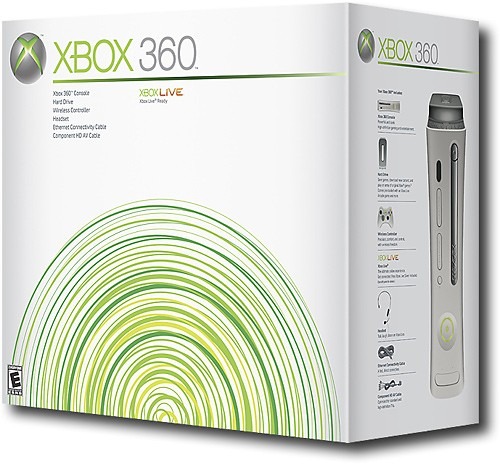
This was one of the last games I ever got as a Christmas gift before I was working and buying my own things. I got money for my birthday this year, and I knew I had an Xbox 360. That was also the very last console I ever received as a gift from my parents. I wound up measuring the wrapped box, weighing it, and figuring it was a 360. I took my allowance and went to Game Crazy secretly (I was driving with a permit at the time) and bought this and Gears of War. I hid them in my drawer, and a couple of days after Christmas, I pretended I went out and got them. This was one of the best Xbox 360 games I ever played.
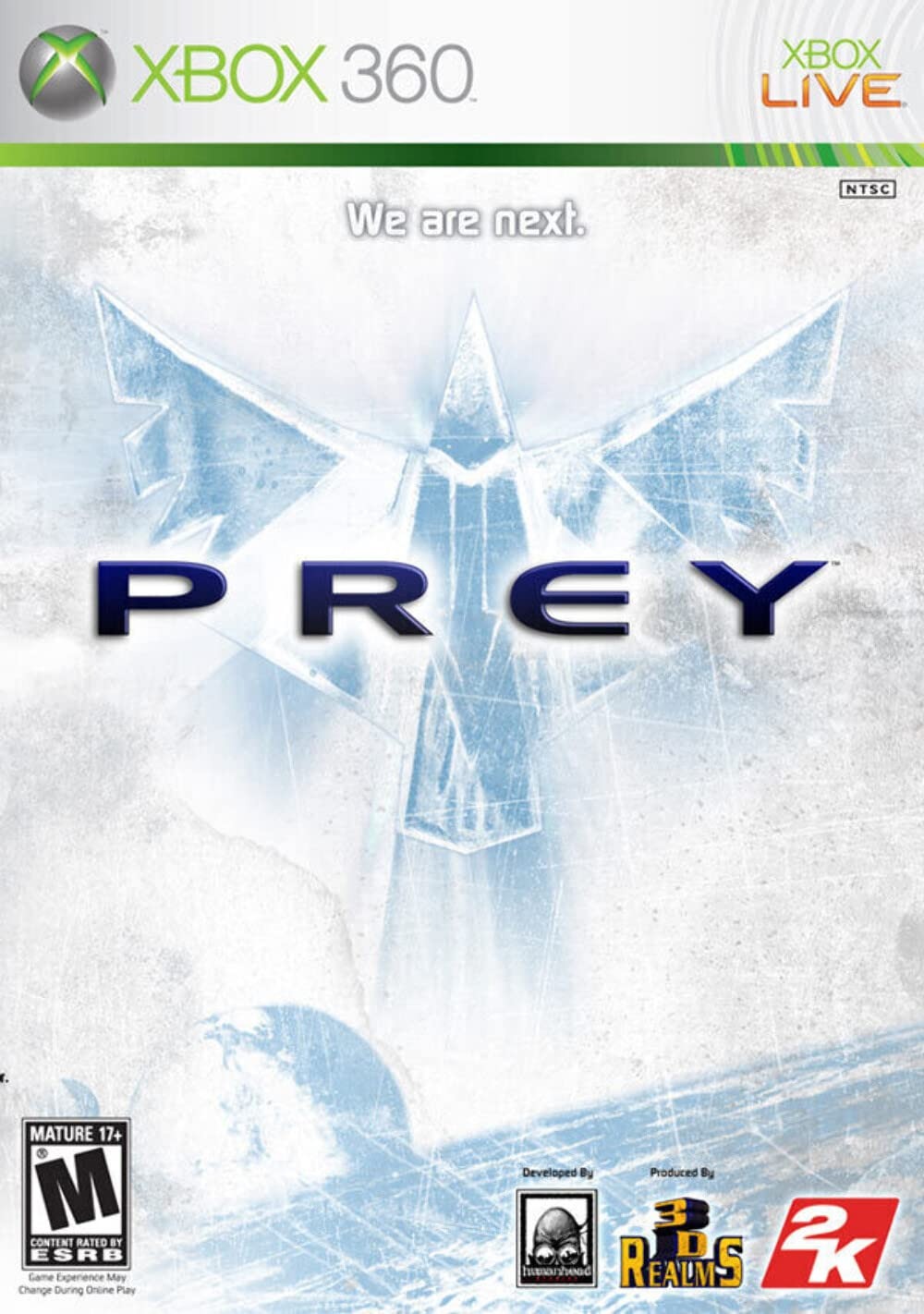
Prey
Christmas 2006. What a year! I got the last console I’d ever receive as a gift from my parents, and this was the one game they gifted me with it. I played through the entire campaign in a couple of days and loved it so much. It still remains one of my favorite shooters to date.
Gears of War
Same story as above. This game was one of the most special I ever played growing up. It was the first game that really showed what a next-generation game could look like. It was the first game that looked like what we would be seeing today. The controls, fidelity, story, scope, and raw gameplay. It still remains one of the best shooters ever made, with a wonderfully crafted story. I probably played the campaign 2-3 times before putting it down.
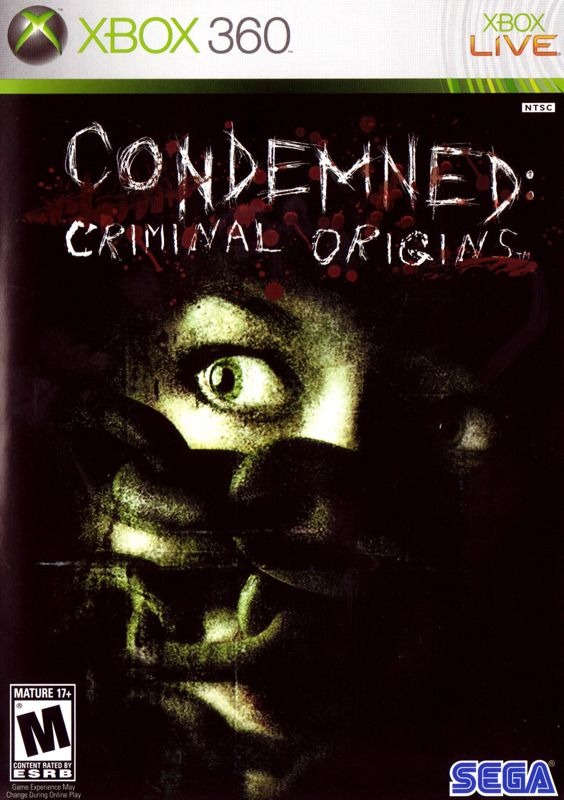
Condemned: Criminal Origins
Again, the same story as above; however, this was a GameFly rental that I timed with Christmas. I remember seeing the tech demo at E3 the previous year, and this was one of the most memorable games of my childhood. The game was insanely scary, and the camera work along with the brutal first-person combat was on another level. These four Xbox 360 games were some of the most memorable gaming moments for me.
Nintendo DS
Metroid Prime: Hunters
This was, sadly, one of the only DS games I ever played in my late teens. I saved up my allowance and finally got a used red DS on eBay for $100. I walked over to my local Game Crazy and picked this up, but I never finished it. I had the PSP at this point, so the DS felt underwhelming in its early stages. I actually got rid of my DS a few months later, and I didn’t get one again until much later.
PSP
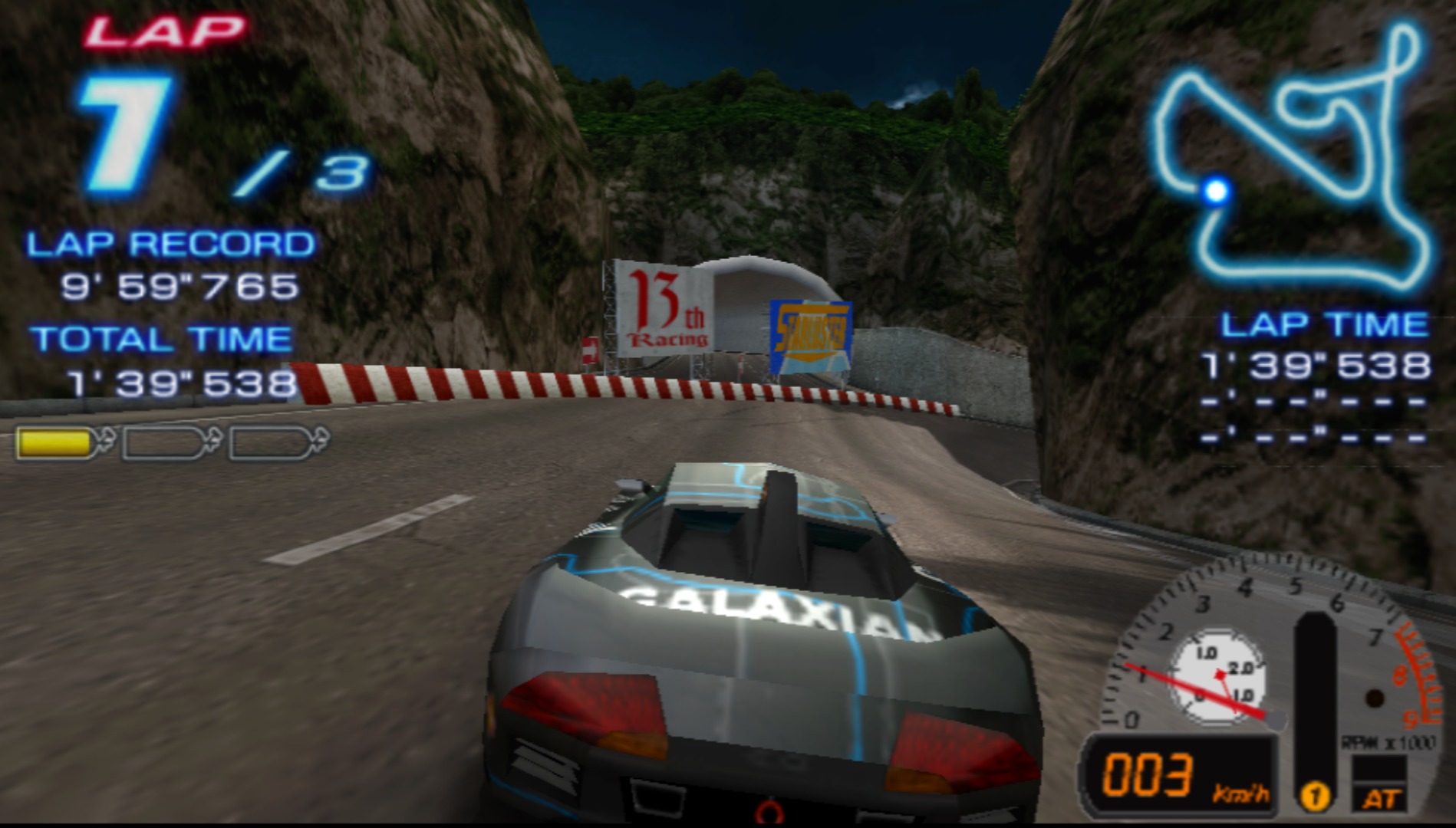
Ridge Racer
The PSP was probably one of the biggest moments of my childhood. I had just turned 15 and saved up all of my allowance for six months, starting the previous fall. I remember when the PSP was revealed and losing my absolute mind. I remember doing so much research and talking in forums about it. I remember not being able to really sleep the night before launch as my local Game Crazy didn’t have enough pre-orders to do a midnight launch. My mom drove me there, and I remember being a single penny short on my purchase. I was going to have to run to the car and lose my place in line, but someone behind me gave the cashier the penny. I took the system home, ripped it open, and popped in the Ridge Racer. I was blown away by the visuals and locked myself in my room for days playing through this game. It was the only PSP game I owned until I started working a couple of years later. I wound up hacking the PSP and just downloading ISO files and renting games as well.
Syphon Filter: Dark Mirror
This was the second PSP game I ever pre-ordered. I cleaned the bathroom at my aunt’s driving school, which she taught at, for a few weeks to make up for this. I wrote an entire walkthrough of the game as well. Being a diehard Syphon Filter fan, it was a dream come true that a sequel finally got released.
Tony Hawk’s Underground 2 Remix
While this was the tail end of Tony Hawk’s Pro Skater goodness, I was ecstatic that we got a game on the PSP. I didn’t have enough money to pre-order it, but when it finally dropped in price and I saw a used copy at my local Game Crazy, I snagged it and played it for weeks on end.
Coded Arms
I was skeptical about this game due to the PSP’s controls and wound up not picking it up or pre-ordering it. For $40, I wanted to save my money for something else. It was a decent, if generic, shooter, but controlled well and made a big splash when it was released as the first FPS on the system.
Burnout Legends
It was an absolute gem of a game. I never thought the sense of speed would be nailed on such a small screen. This was one of those games that showed off the power of the PSP and was a thrill to play.
Daxter
This was one of those games I rented, as I knew it would be very short and I would finish it in a day. It was a lot of fun, and it was nice to see Daxter get on his own adventure.
And that concludes my childhood gaming. A year after I got my Xbox 360, I started working, and my parents stopped buying me games and consoles. I was on my own with that. This is also when I started my retro game collection, buying my first few PS1 games. While there were many more games I played as a child, these were the most memorable and stood out the most to me. Right around 17 is when I started working, stopped getting allowance, and for only two more years would I receive games from my parents during Christmas time, but I won’t count those as I could have bought them on my own regardless. I continue to grow my gaming memories to this day, and while they may never be as magical as the innocence of your childhood when all you had to worry about was your game time, I will be gaming for as long as I can.
























































































 thebinarymessiah.com
Try multiplayer. A lot of fun !