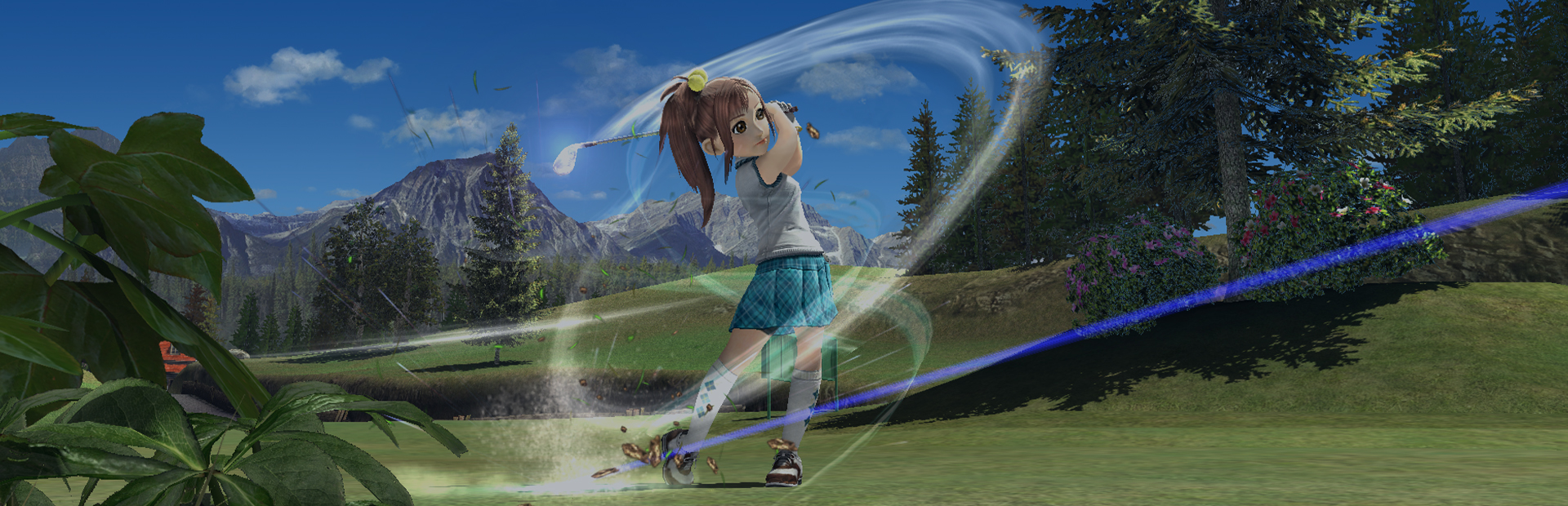
Hot Shots Golf has always been a solid golf series for PlayStation owners since the wee days of the PS1. While it provides cartoony visuals, the game is as close to a real golf simulator as you can get. The game has easy controls, fun gameplay, and amazing original courses.
World Invitational doesn’t deviate too far from the already familiar formula. You can create a character and customize every aspect, from hair decorations to shoes. Unlocking new items requires meeting certain conditions during the career mode, and it gives you something to do and shoot for. Once you get out onto the course, things are still quite familiar, and you start to realize why this is the best golf game on the Vita.
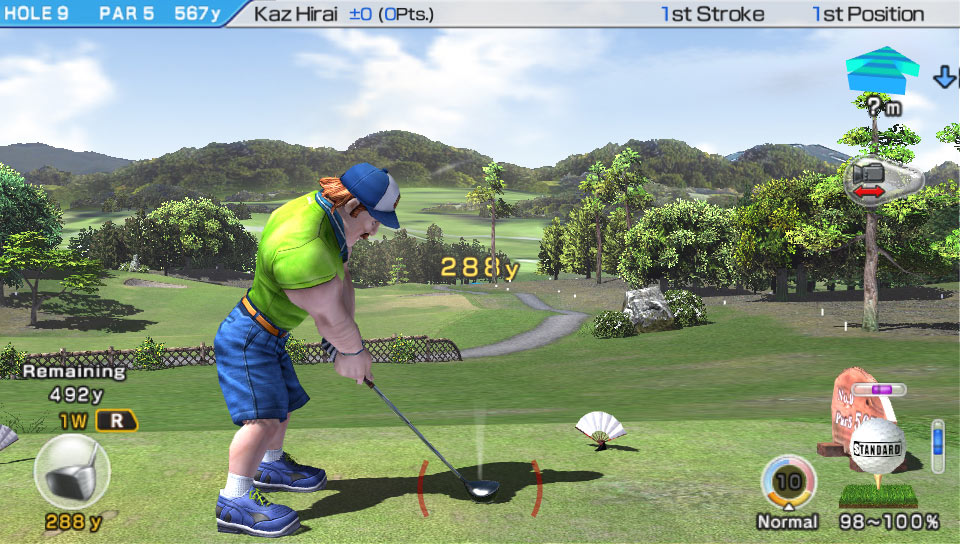
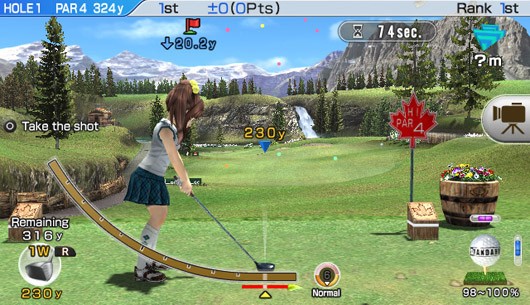
The standard golf game affair is here, from zooming to the hole, seeing wind speed, checking your lie, and even changing your swing and clubs. Controls are very easy, and the swing meter is actually customizable. There are several different types of players. You have unlocked swing meters, which is strange, but my favorite is the three-step meter. Setting your power and then your accuracy is the easiest way to go. I found that this game has an overly sensitive swing meter, no matter which you use, and it’s very hard to get a perfect swing, more so than most golf games. Courses are also very difficult right off the bat, with crazy doglegs, narrow greens, and crazy wind conditions. This is actually the hardest Hot Shots golf game I have played, and it will turn casual players off due to the difficulty.
The game is also grinding heavy, and unlocking items takes forever. I actually couldn’t advance very far in my career because of the difficulty, and unlocking new clubs and earning enough coins just becomes discouraging. There’s no way to restart holes or courses, as you have to quit and go back in, which is a huge downer. I would start out poorly, and by the 5th hole, I would want to restart, but you have to lose all your progress. This grind-heavy playstyle is just a huge turn-off, and acquiring trophies in the game is nigh impossible without having a high-level character.
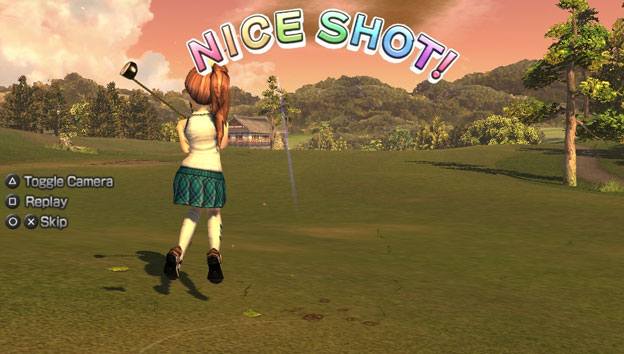
The graphics are amazing, with awesome ball physics, beautiful lighting, and great models. All this is nothing if you get frustrated early on in the game, and it’s not just me. I had a friend buy the game shortly after me, and even playing online is quite hard, and we quickly got frustrated with the game. Occasionally I would go back and try again, but getting to the 15th hole and screwing up big time sucks as you have to quit and start over. There’s no point in finishing because you know you’re going to lose. If you could restart holes, this would alleviate the majority of the frustration in the game.
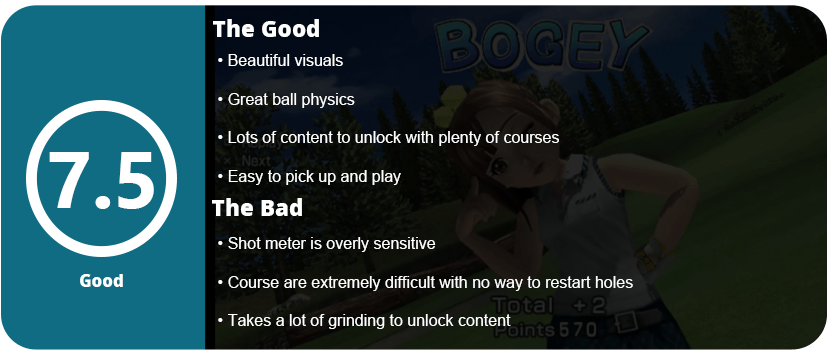
As it is, the game is nice to look at, easy, and fun to play. Grinding to unlock new items, upgrade your character, and not being able to restart holes makes this quite a frustrating game. The overly sensitive shot meter takes away from pure skill, and the courses are extremely hard to play right from the start. I can only recommend this to hardcore golf players, despite the audience this series normally aims for.
Highly ambitious open-world RPGs don’t really exist on handhelds. There just hasn’t been the technology to support them. Porting an open Wii game over to the 3DS was a bold move, and nothing has really been done before. Using the more advanced CPU in the New 3DS, Xenoblade Chronicles shines and becomes a nearly perfect port.
The game has actually quite an entertaining and deep story—definitely something you will want to stick through and see to the end. The story of the Xenoblade Chronicles starts off by showing the battle between Mechonis and Bionis, two gods fighting for all eternity. They continue to fight until Bionis cuts off Mechonis’ left hand, and then both of their swords pierce each other at the same time. Over time, life flourished on top of these gods, but the battle waged between Mechonis and Bionis would be continued by their progeny, Bionis’ Homs and Mechonis’ Mechon.
Eons later, in Sword Valley, the Homs army is fighting off a Mechon invasion. The Homs are quickly losing ground and are forced to retreat to Colony 6, where they will put up a last stand. Dunban, the current wielder of the legendary Monado, decides to ignore orders and engages the Mechon forces with Dickson and Mumkhar. Mumkhar runs away and plans to return after Dickson and Dunban have died to collect the Monado; however, he is killed by the Mechon after running into their base. With the Monado, the only weapon that can pierce Mechon armor, Dunban and Dickson are able to push back and destroy all the Mechon, leaving the Homs victorious and earning Dunban the title of “Hero of the Homs.” Unfortunately, Dunban was not able to fully control the Monado, and after the battle, he was unable to use his right arm and almost died from his injuries.
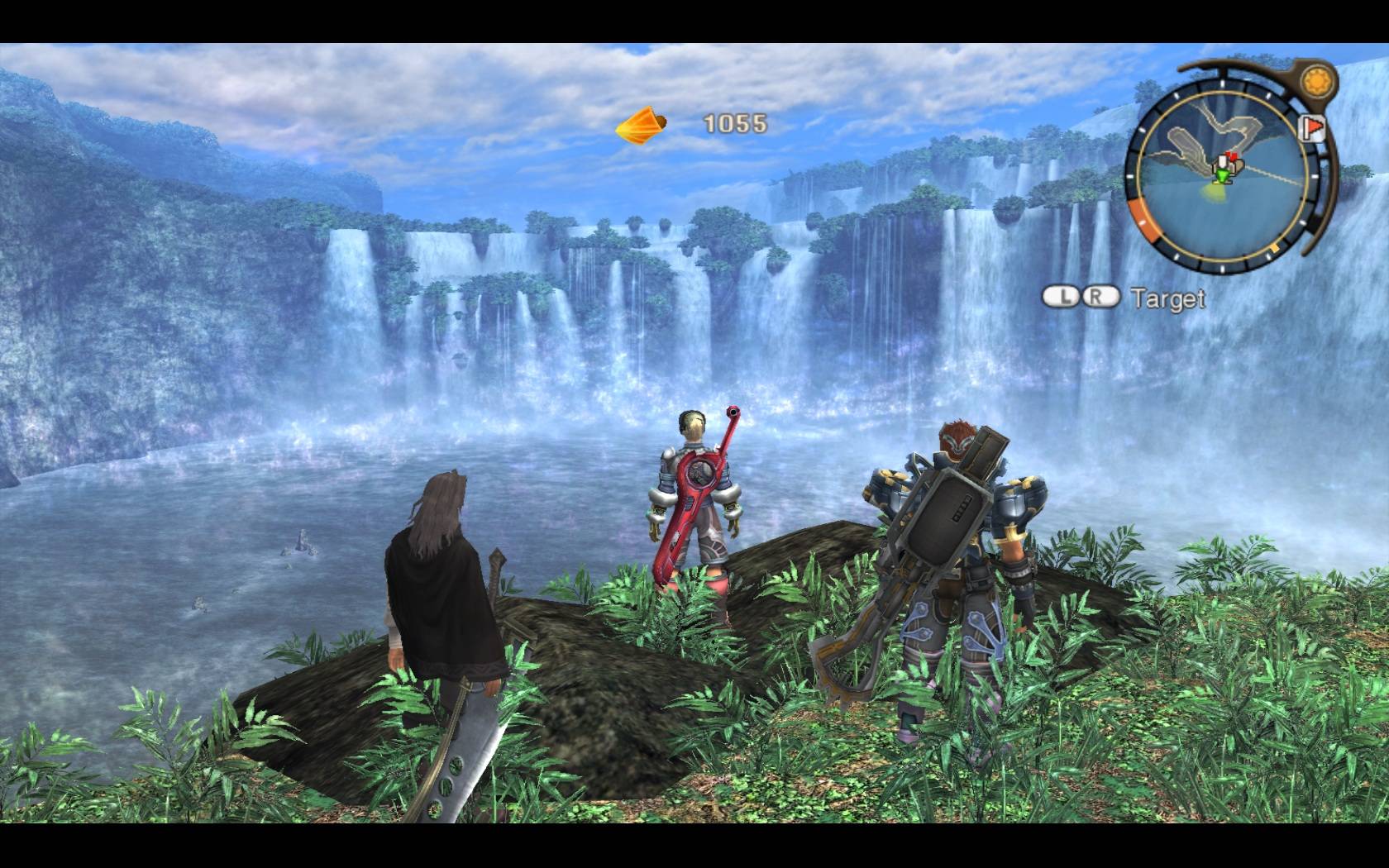
The story just gets deeper and more involved as it goes on, and it’s fantastic. Outside of the story, this is an open-world RPG that allows you to traverse massive areas around Bionis. These massive areas have stunning vistas and can sometimes take up to 10 minutes just to walk across from end to end, and again, that’s just one area out of dozens. One of the game’s biggest downfalls is that there’s not much to do or see in the massive areas. In towns, you can pick up side quests; however, these suffer from standard JRPG tropes and become almost too monotonous and repetitive to do them all. There are spots where you can get to know your characters better, but you have to meet weird conditions to do so. There are items to pick up all over the place to sell, and that’s about it. I loved these open areas, but they were so boring to traverse through. There are enemies spread all over the place, and that’s when combat comes in.
The game has quite a unique combat system that revolves around executing set moves in a strategic way. You can control any one character at a time, and executing moves that range from passive to defensive to offensive is key to winning boss fights. This is one tough game, and I have had it for nearly a year and still haven’t beaten it. The game requires an insane amount of grinding and finding skill books to level up your powers. Characters learn moves through combat, and you can level them up, but each skill has a cap, and you have to increase that by buying books at certain stores to make them more powerful. Nowhere in the game does it explain this, and I learned the hard way later on. Finding these stores is nearly impossible on your own and requires internet research. This type of JRPG is just frustrating and annoying and makes the game less enjoyable.
While the combat system is fun and fast-paced, it just feels limited in scope. You have to balance out your party members, or you will die often. You need a healer and at least one power-heavy character, or you will be annihilated. However, you can’t just spam moves and win, as you need to hit enemies from certain angles. There are linked chain attacks, but the monado is your secret weapon. You can use the power to protect allies from main attacks, and most of all, you can predict when an enemy will use a powerful attack, and it will tell you who it will hit and how much time you have. It’s then your job to warn that character or use the Manado to protect them. The downside to this is that it messes with the flow of the battle as it stops everything dead, shows you the attack in slow motion, then goes back to the battle. The battles got interrupted over a dozen times, and it drove me insane as I had a good flow going and the controls would get yanked from me.
Battles also tend to drag out, as this isn’t an easy game. Some monsters will actually be 10x your level and show red health bars, so you know to stay away and come back much later in the game. This is just a hardcore RPG through and through, and you must devote several dozen hours of your time to finish this game as it is quite long. This isn’t exactly designed for handheld gaming sessions, but most fans of the genre will appreciate what is being done here.
Actually knowing where to go is also not a problem, as you always have a quest arrow, and if you hit a level wall, you can backtrack and grind, which is the worst part of the game. Outside of all that, the graphics are quite nice, with huge draw distances and lots of detail, but everything was just ported over and smushed down rather than being remastered. The game has muddy, ugly textures that are some of the worst I have ever seen, and the character models are just so bad. From a distance, when you’re playing normally, you won’t notice, but during cut scenes, the ugliness ensues, and it’s cringe-worthy. There are some nice street pass options that will transfer items to your collection, and you can save anywhere, which is another plus.
Overall, Xenoblade Chronicles 3D is a game that is too ambitious for its own good, as you can clearly tell. From beautiful open vistas with nothing to do with them to heavy-level grinding and slightly clunky combat that is a bit too involved for this type of game, The game is butt ugly up close, and the added 3D effect is completely useless and doesn’t work with the game at all. The story and characters are pretty amazing, but the length and investment in this game are so over the top for a handheld that only hardcore JRPG fans will carve out time for it.
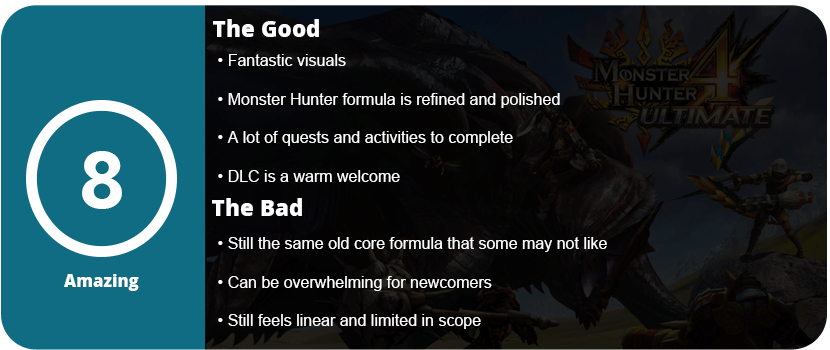
Monster hunting games have always been a niche genre. Running around linear levels with limited combat gameplay to take down ferocious monsters is just tough. I could almost say it’s as hard as a roguelike game without the rogue. Monster Hunter has been a very difficult game to get into for the common gamer. It’s hard, has a very high learning curve, and takes a lot of grinding to get the better gear to defeat a tough monster. Monster Hunter 4 is the first game in the series where it feels more accessible, fine-tuned, and fun while still keeping what made the series so tough.
I have played previous games in the series, but not for very long as they were cumbersome, somewhat clunky, and not quite enjoyable. Monster Hunter 4 has finally started to get the formula down. Right off the bat, the game has a much easier tutorial and feels more cinematic thanks to the added combat elements and new locations. You aren’t just stuck in one area, like in MH3, but get to travel to new towns and even fight on ships.
I found the combat to be much better, which is what kept the series down for so long. Animations are cleaner, interruptible, and more varied, and it’s now easier to dodge and move around. However, without the Circle Pad Pro or New 3DS, you’re still controlling the camera with one button, and that is why the PSP versions put me off. Thankfully, I played with a new 3DS XL, so I didn’t have that issue. Being able to control the camera is just amazing and makes the game more enjoyable. Circling monsters and keeping track of the environment has never been easier, and I felt like I was better at the game and learned quicker.
The whole point of Monster Hunter is simple: kill monsters, gather their parts, and use those parts to create better armor and weapons. Missions are dealt out in ranks, starting with one-star missions. There are also guild missions you can complete with friends or players online. This is the first handheld Monster Hunter that’s truly online, and I had a blast. The game uses StreetPass features by transferring guild cards to one another that have quests and acquiring items. It adds to the longevity of the game, including the frequently updated and free DLC.
The game’s combat isn’t much different from previous games. You have a light and heavy attack button, but the added aerial combat is great. You can jump from walls or heights to try and take down enemies with heavy attacks. This isn’t just a hack and slashes either, as you have to carefully plan your items and how you use them, and taking down the main monsters isn’t a breeze. Each level is divided up into sections, and each section has items unique to it, so there’s a pattern and you can start to remember where certain resources are. The main monster will randomly show up, and that’s what your main target is.
There are so many awesome items in Monster Hunter to help you take down this monster, but you have to learn their weaknesses, strengths, attacks, and how much health they have. Items range from various traps such as electrical, fire, bombs, and snares. There are health items and various other drinks for environments that drain your stamina, etc. Some monsters are small and fast and require a different weapon, while others are big and slow and can take massive damage. It’s so satisfying to take down the main monster that you just want to go back and fight it again as you learn new things about it.
The downside to all this is that it requires a lot of time investment, as you may have to play the same areas multiple times to gather enough materials to make the next-best weapon and armor set. Thankfully, there are various buffs you can acquire, such as eating from the feline chef who can make you food. This can give you temporary stamina or health increases, attack power, and even defense. There are a lot of strategies involved in combat, so it’s smart to play around and experiment. Sticking to just one method will get you nowhere in this series.
Outside of fighting, you can visit a store, blacksmith, customize the felines that fight alongside you, and do various other activities. There’s a lot of meat packed into this game for a handheld title, so you won’t get bored anytime soon. Thankfully, this game is more accessible, and while not easier, it is more manageable and easier to chew. There are still issues with the game that persist over the years, including the same UI, multi-part levels, weapons, and even some recycled monsters. The core game has actually never changed, but thankfully this version has enough newness and polish to not consider it a rehash of previous titles.
The visuals in the game are some of the best you will see on the 3DS, despite the muddy textures. However, even as refined as this title is, it is still not for everyone. I only recommend this to hardcore gamers who are into roguelikes or games that you grind into. It can still feel overwhelming and too much for the average gamer today, but if you give it time, you will have dozens of hours of amazing gameplay that you can’t get in any other handheld title.
I’m a huge fan of high-end gaming mice, and I’ve had them all. I usually buy a new one every 8–10 months because the technology is changing and getting better so quickly. Recently, I switched from Razer to Logitech because Razer’s software is just plain awful. I don’t know if it’s the software causing it, but all of their wireless mice lag like crazy, and they haven’t changed up their software in years. I switched to the G700S, which was an amazing mouse, but it didn’t have great battery life and was lacking flair.
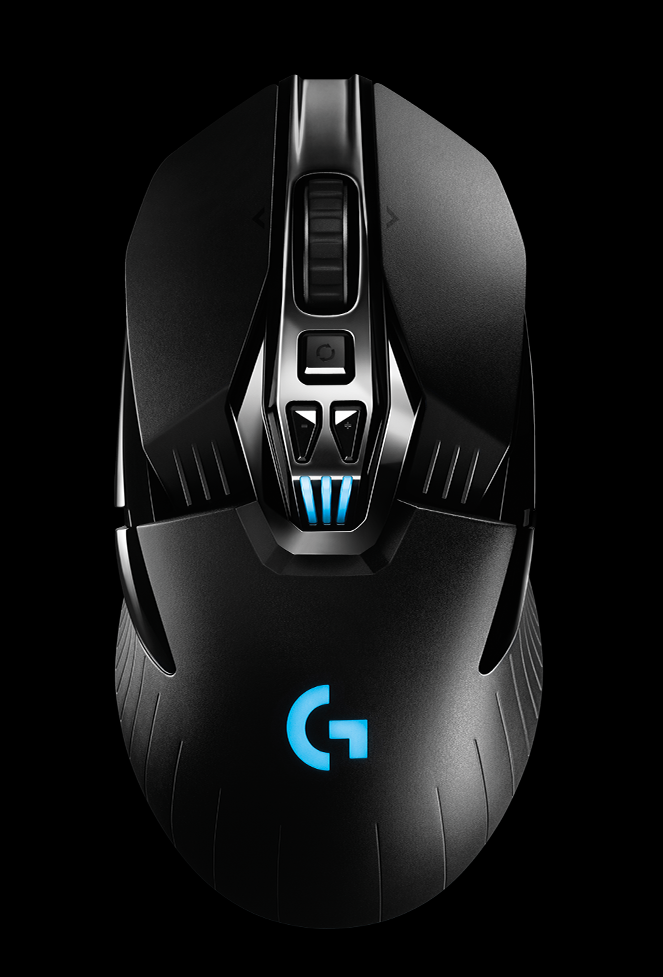
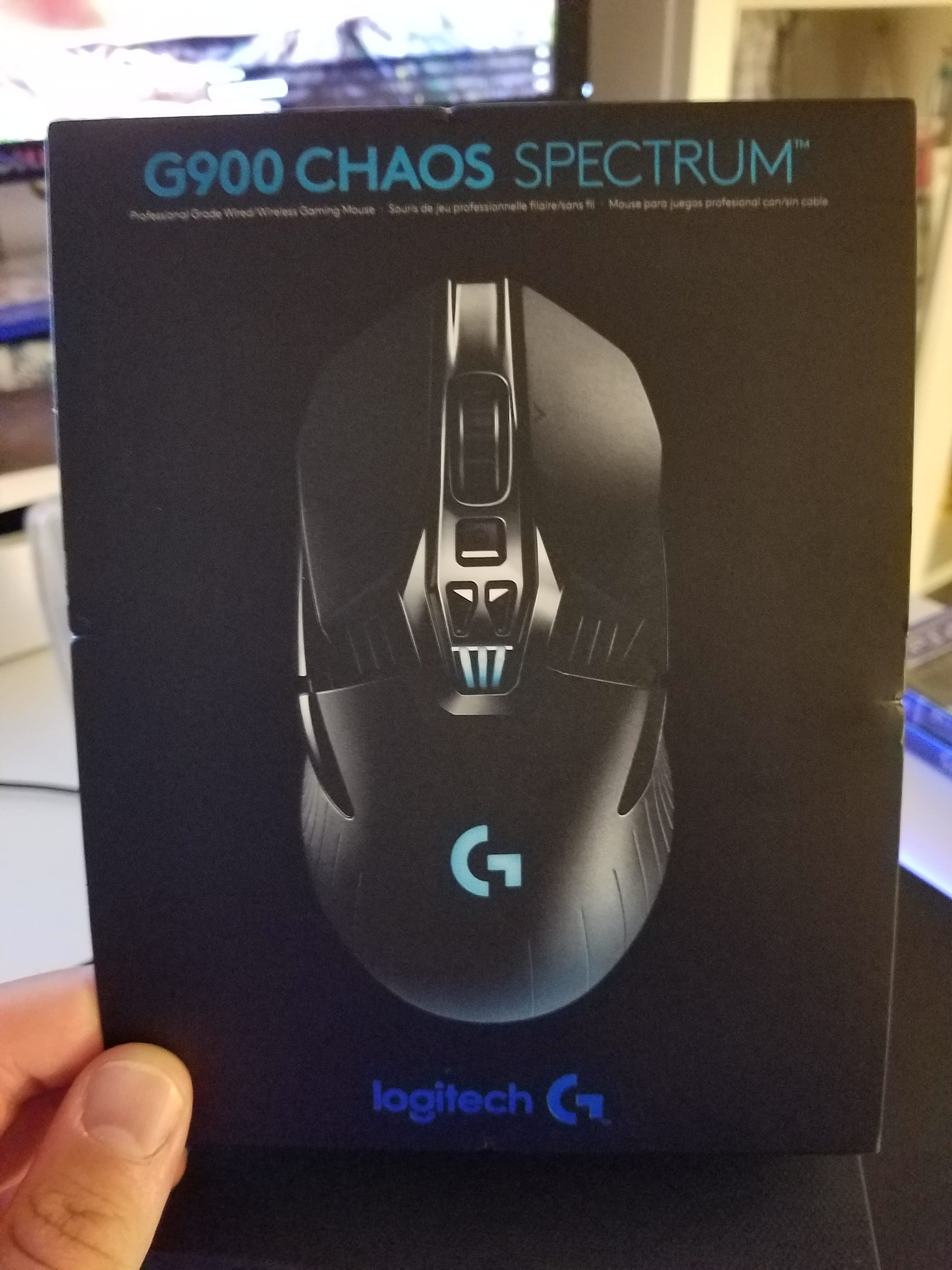
Here comes the G900 Spectrum Chaos. This is the best mouse I’ve ever had, and not just recently, but I would choose this over all my current mice that I own. It’s ultra-light, looks fantastic, and has some of the best software and hardware I’ve seen or used.
When you open the box, you know you’re in for something great, as it comes in a hard cardboard clamshell with great texture. It sits in a plastic case, which has a cool design and is so minimal and sleek. Lift up the inner plastic insert, and you have a quick guide, a USB cable, and a little plastic box with your wireless receiver and extra buttons inside. This is an ambidextrous mouse similar to the Razer Ouroborus, but it forgoes any side anti-drag fins, and that’s okay.
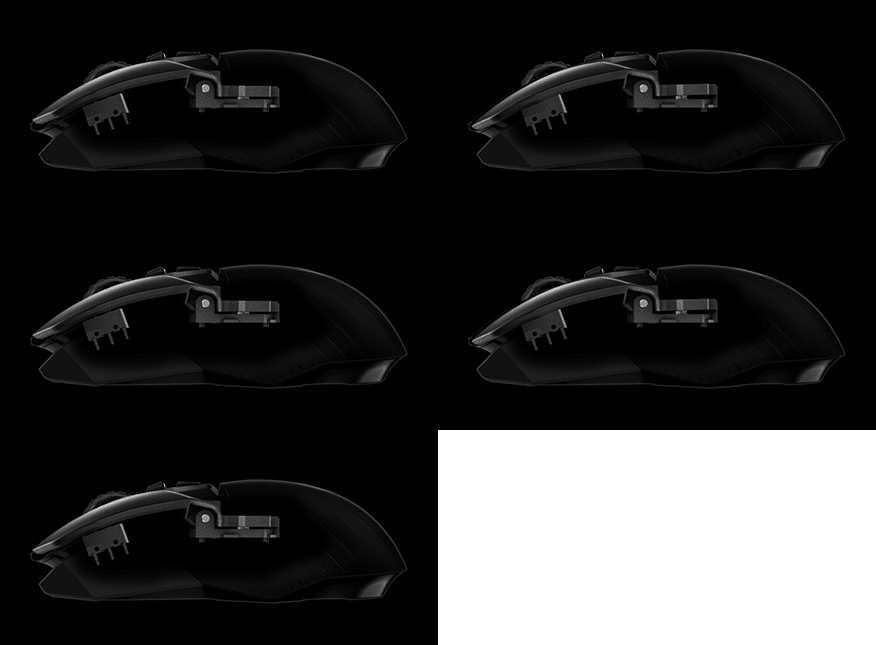
I did have one issue, and that was how to set up the mouse for wired and wireless use. There’s a wireless receiver, but the tiny part comes out of a larger piece that has a USB mini-D on the other end. I tried plugging the mini receiver piece directly into the computer and plugging the mouse in, but that didn’t work. It turns out you have to plug the whole receiver piece into the cable and then unplug that to charge the mouse. It’s actually better as the receiver is closer to the mouse, and there’s one other feature for this: So you can take your mouse with you and your laptop on the fly. Just remove the tiny piece from the larger piece, and you’re done. The battery is no longer an AA rechargeable Sanyo Eneloop like the G700s, which lasted 8 hours at best. This is a no-removable proprietary battery that can last over 30 hours depending on your settings and weighs in at 700 mAh, which is quite large for such a small piece of hardware. Gone is the heavy mouse scroll wheel, yet you still have the free scroll option. This is the lightest mouse I have ever used, but it just works and feels great. The new buttons are also pivot buttons, as you aren’t bending the plastic to press an actuator. Instead, the buttons sit freely and pivot back and forth, meaning ultra-light presses will click the buttons.
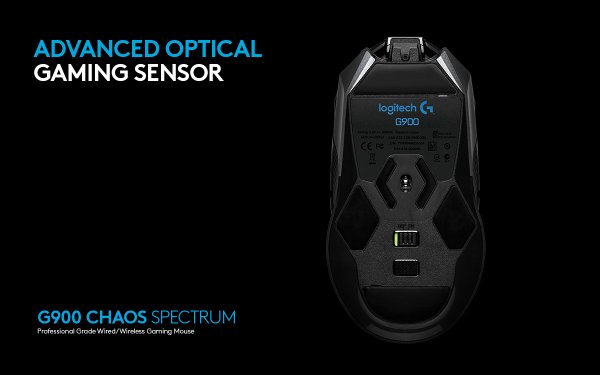
The mouse uses the PMW3366 sensor, which is the fastest and most advanced sensor ever created. This mouse can also track at 300 inches per second and has zero smoothing and zero pixel rounding. You can’t get a faster mouse. I also have to note that in 2016, even on lower-end mice, there’s no lag. Any PC gamer using lag as an excuse to not use wireless mice is stuck in 2000. It just doesn’t exist these days, so ignore anyone who tells you this.
This is the longest I’ve ever seen a wireless mouse last. The most I previously had was a battery that lasted 12 hours, but this is just amazing. Especially since this is the first mouse with 12,000 DPI tracking and dual sensors. The amount of precision this mouse wields is just insane, and most gamers won’t even use all that. This is the most advanced laser technology for mice ever created, so why do you need it? It’s aimed at professional gamers, but everyday gamers will find it useful as well. Think of the mice as a controller. You need to not think about it or know it’s in your hand.
The mouse has two buttons on each side, but it’s only designed to use two at once, but you can use all four despite how awkward it will be. They feel great and are long, so you can hit them from any angle. There are two DPI buttons below the scroll wheel, but you can program these for anything. The lack of buttons leads to a sleek and minimalistic design, and I like that. I’m not really a macro guy, so this works for me. The mouse, given its name, has three LED lights for the battery indicator and profile selection, as well as a Logitech G logo on the palm rest that lights up. It can glow the entire color spectrum, just one color, or you can turn it off. Having it on eats batteries, but if you are at home, this is no issue.
The battery life is just fantastic. I can actually use this from morning until night and still have a charge. With my other mice, I would have to charge them 3–4 times a day. With lighting all the way up, a polling rate of 1000 Hz, and using the sensor tracker, I get 22 hours. That’s damn impressive, if you think about it. I am highly impressed with their mouse pad tracker, as it’s so much better than Razer’s. You actually have to calibrate the mouse by moving it around your pad, and it detects what material and color it is as well as other variables. Razer’s tracking tech never worked and was awful and useless.
The software is your typical Logitech flair, but this mouse can track heat maps and just feels overall more fluid and tighter than the G700s software version. The mouse is fully customizable on the software side, and you can tailor this mouse to do exactly what you want.
Before I end this review, I want to show you what this mouse was like playing some games and how it compared to my other mice. Was I better in the game or worse? Let’s see!
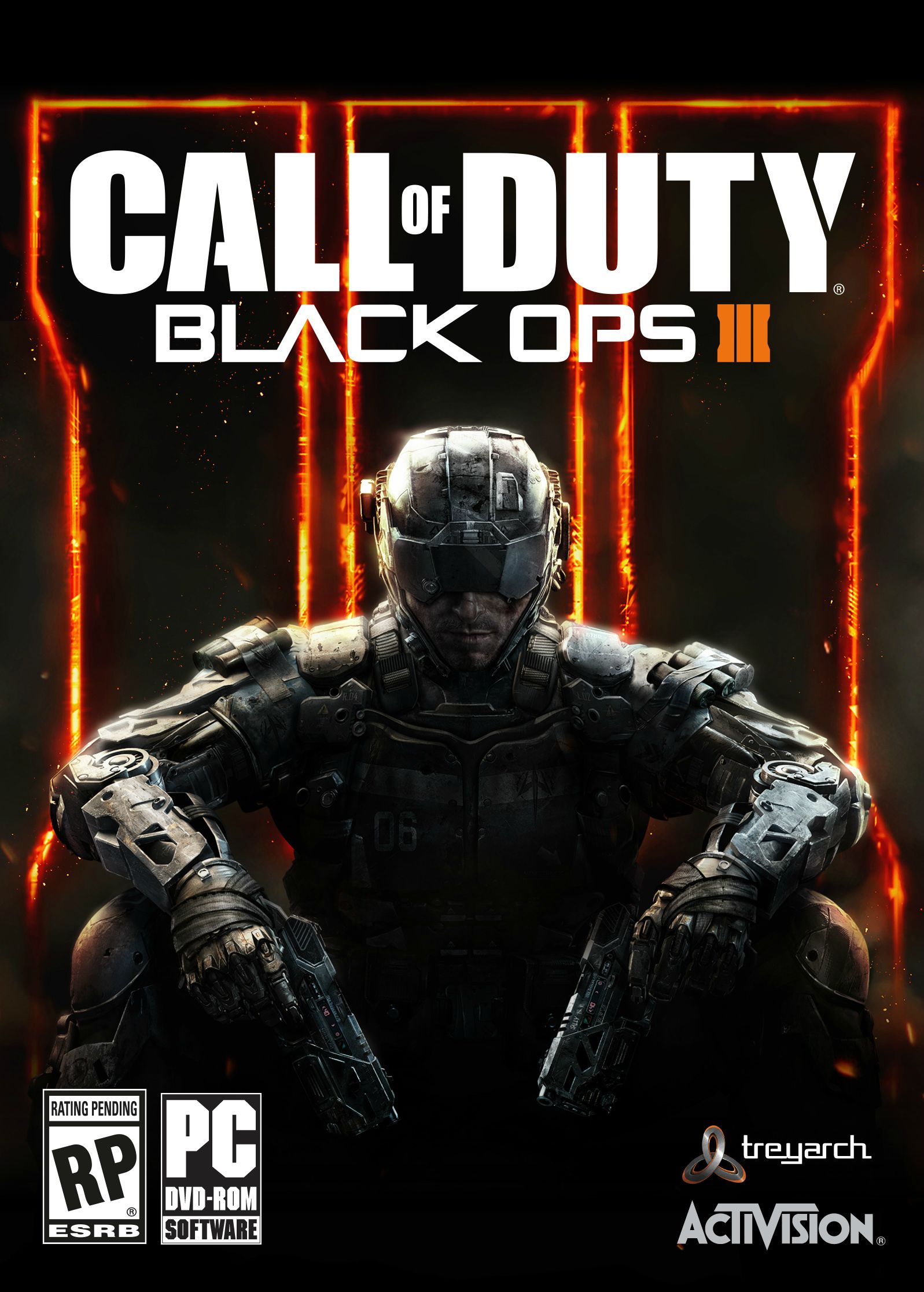
Call of Duty: Black Ops III
I was actually better in this game. The aiming is just so much more precise, and I mean that you feel like you’re almost pointing with your finger. It’s not just about how fast your mouse moves around like other mice; it’s about actual, real precision. I was able to stop enemies on a dime, and it felt good. I was able to use my default preferred DPI setting of 2750, and it felt perfect. There was no need to adjust in-game settings or DPI. This mouse is a perfect fit for this game.
Overwatch
My shooting skills improved slightly in Overwatch. There’s not as big of a difference as in Black Ops III, but it was there. I found I was able to track fast-moving players better, and my kill ratio went up slightly due to this. This mouse will definitely benefit competitive shooter players.
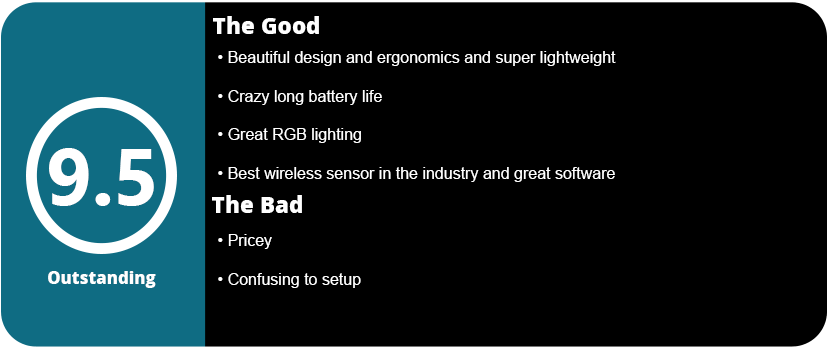
Overall, the G900 is probably the best mouse ever invented, and while it doesn’t cater to every type of gamer, it gets all the important stuff right. A highly advanced sensor, great wireless tech that doesn’t cut out or time out, a beautiful design, and, best of all, a long battery life.
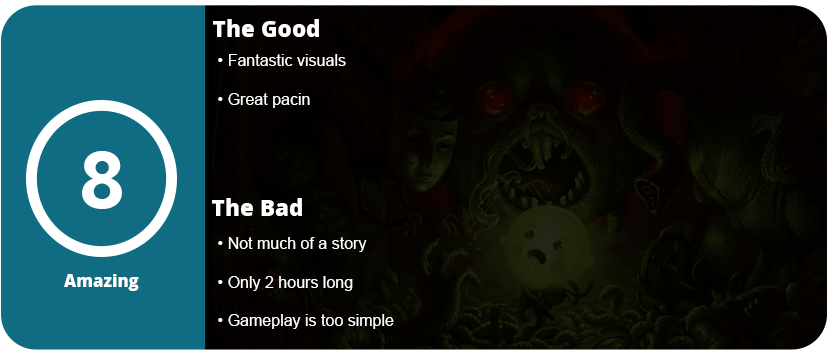
Adventure games are always hit or miss, as they have many classics to live up to. There are the occasional crazy and interesting adventure games like Neverending Nightmares that are quite fascinating. Bulb Boy is one such game where you play as a, well, bulb boy who must defeat a monster to save his grandfather. There’s not much of a story here, as it’s all about atmosphere and visuals. The game is rather short, and it’s not the most cerebral adventure game out there, but it’s worth a purchase.
Like in a typical adventure game, you can tap on areas for the character to move to and examine items. Bulb Boy is very straight-to-the point so there’s not much exploring here. There’s only so much to click on and very little inventory. The game has bosses on each stage that you must defeat, but the puzzles are very easy and not really puzzles. You find an object, and it can only go in one direction, as there’s no backtracking or exploring involved. I would love to see this universe expand, as Bulb Boy is grotesque, beautiful, and full of atmosphere. It’s a horror adventure with a cartoon flair, guts, and everything disgusting all over the screen.
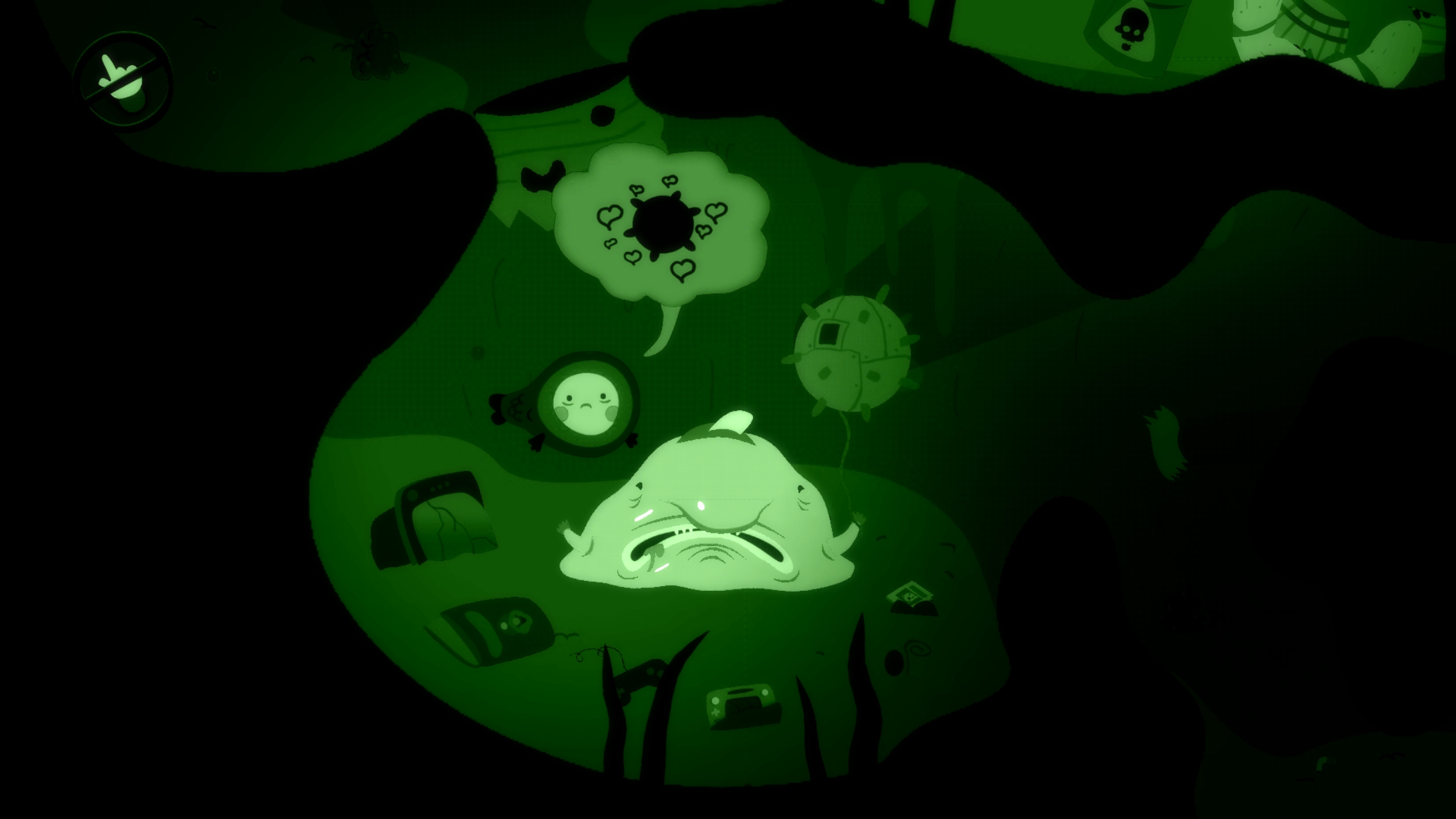
There’s a lot of green in this game, and the cut-out art style is just fantastic. I enjoyed playing through the whole game, despite only taking a couple of hours. Bulb Boy’s death animations are brutal, there’s a lot of variety, and the game has a nice, quick pace to it. Some of my favorite things about this game are the extreme closeups of areas, as they show the sickly detail of everything around this character. It’s nightmarish for sure and definitely one of the most artistic games this year.
It’s a crying shame that this is an indie game and won’t get much attention. I hope for a sequel that’s more expanded, but we’ll see. In the meantime, just feast your eyes on the beautiful art, despite how straightforward and simple the gameplay is.
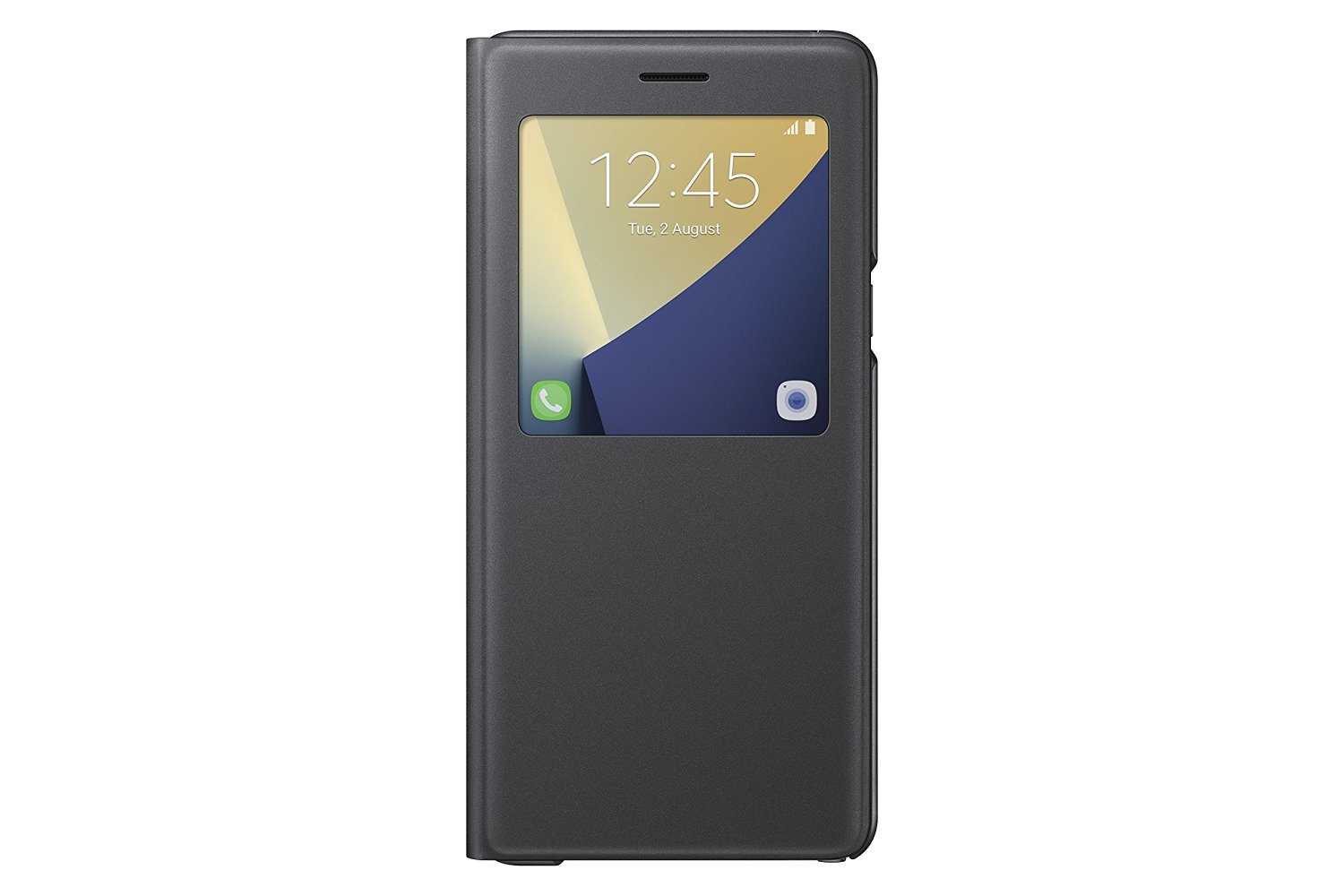
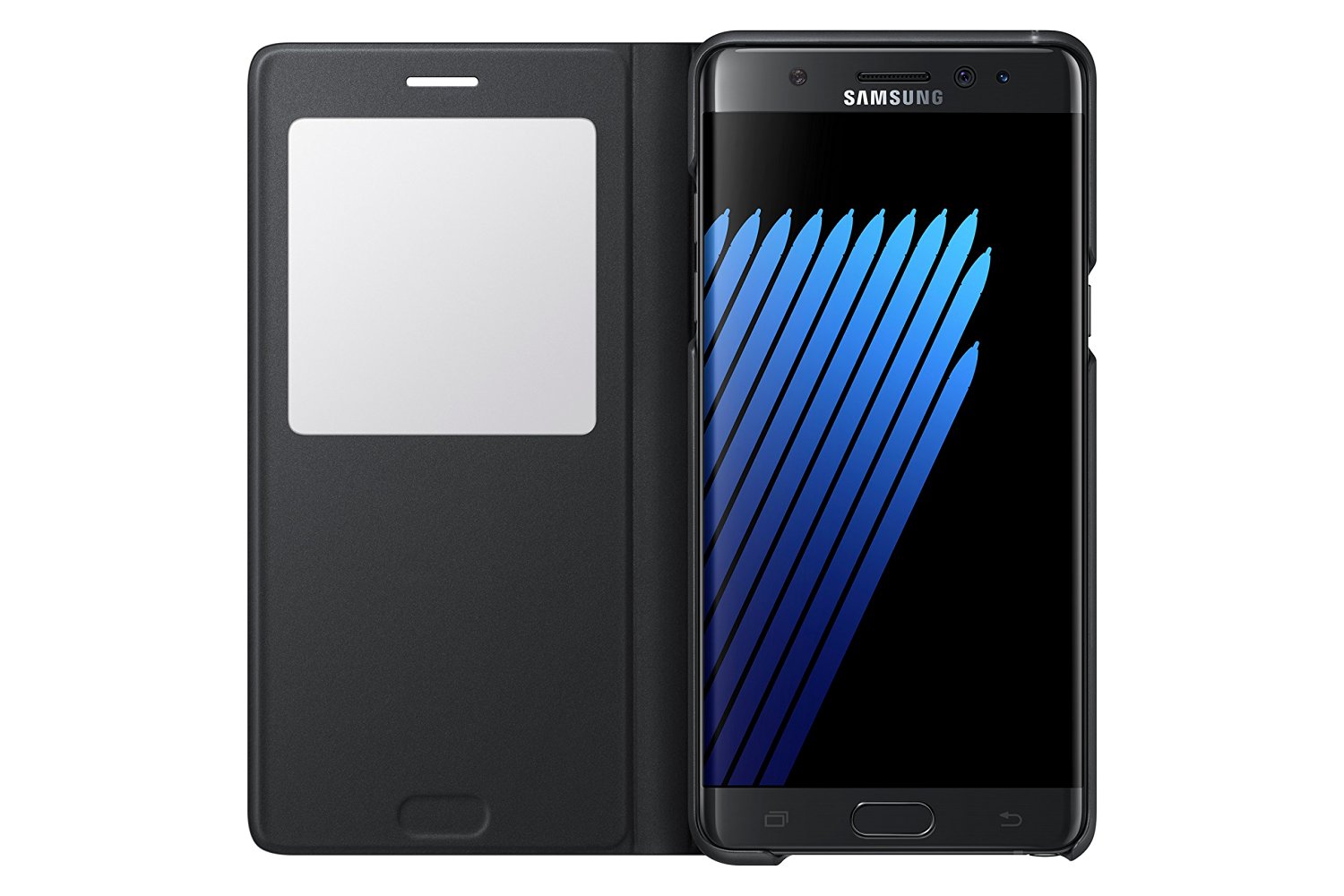
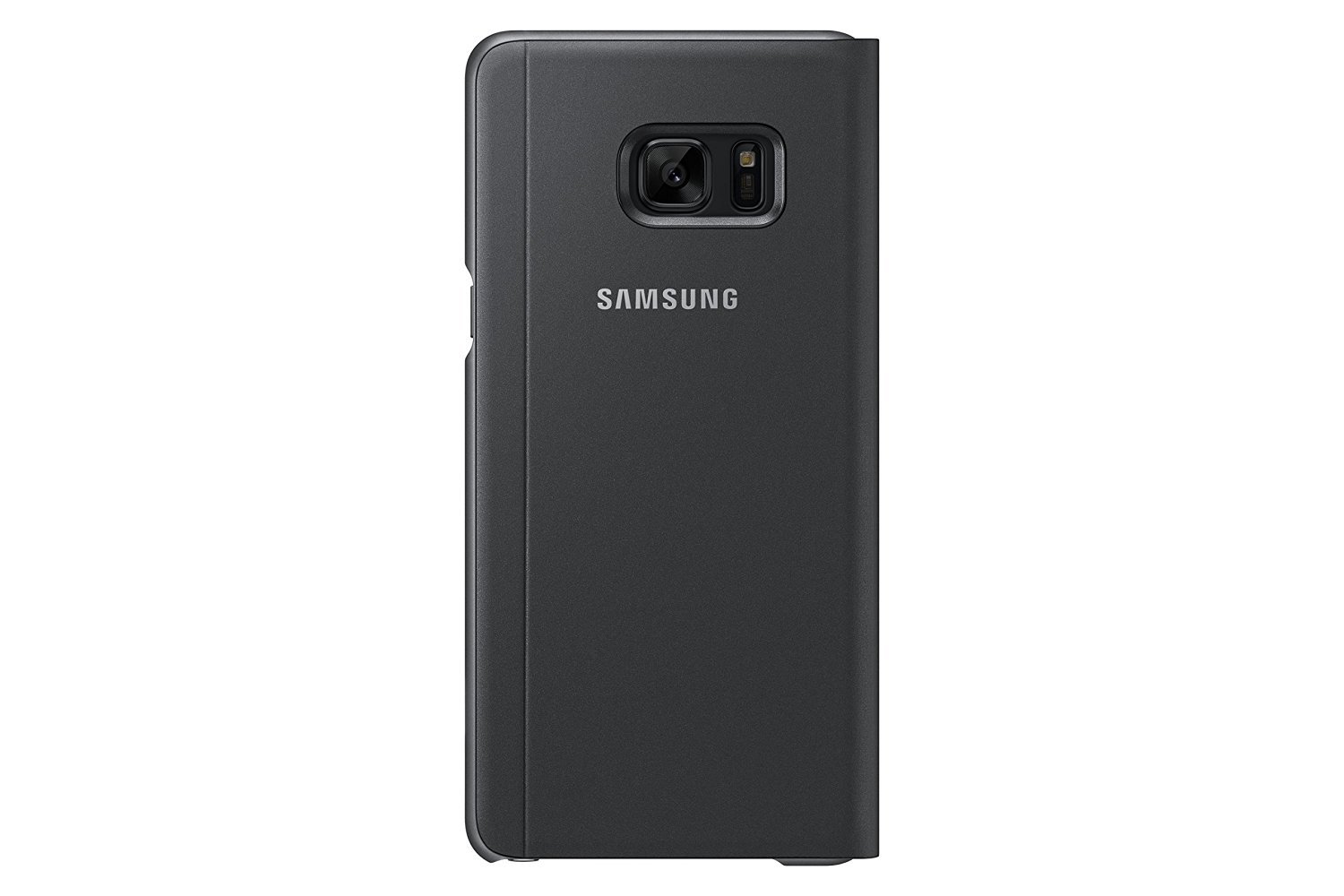
I reviewed both the S-View case and LED wallet case, and both offered something unique, but neither really was something to write home about. With the third, and final, official Samsung case for the Note7, we will see if this is your best bet.
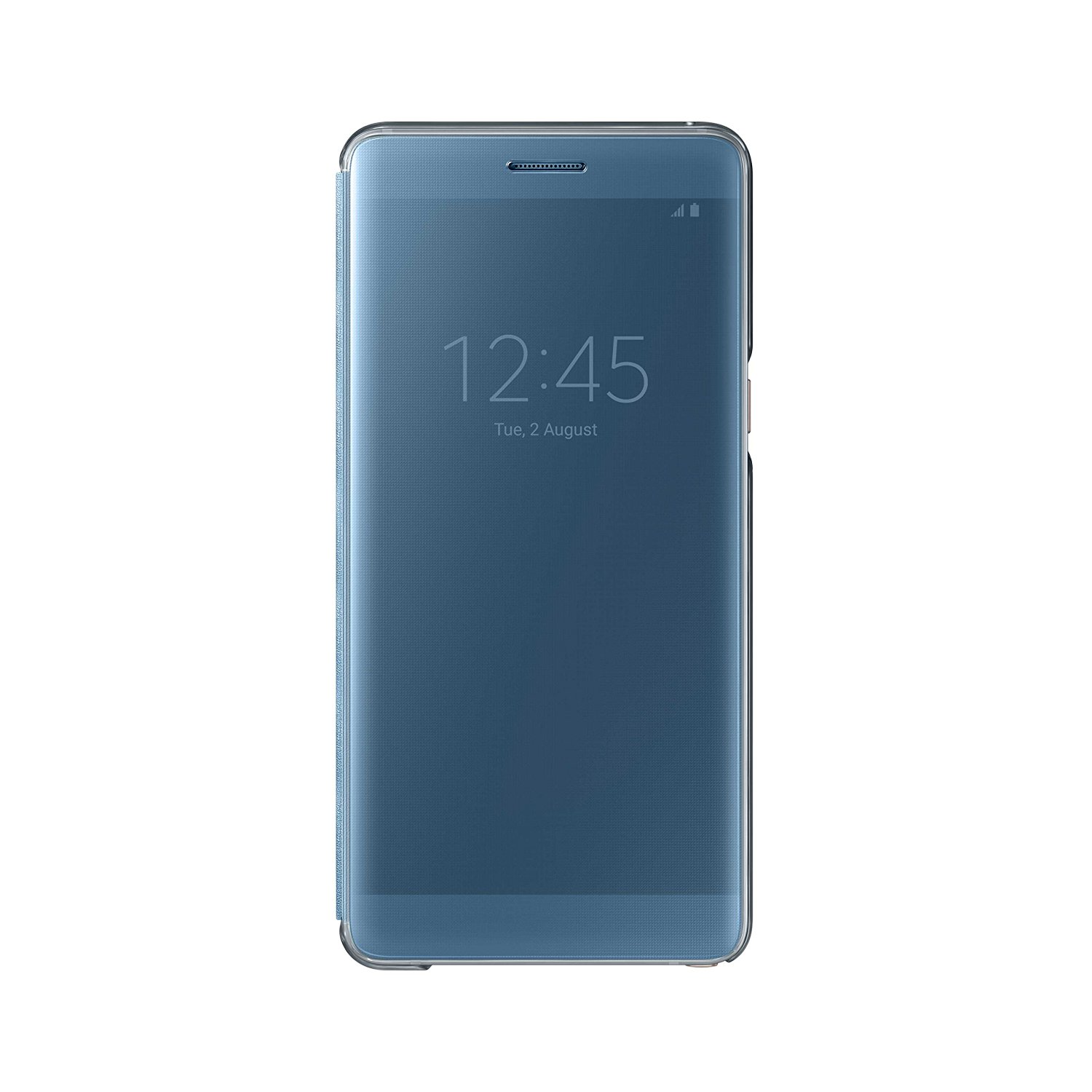
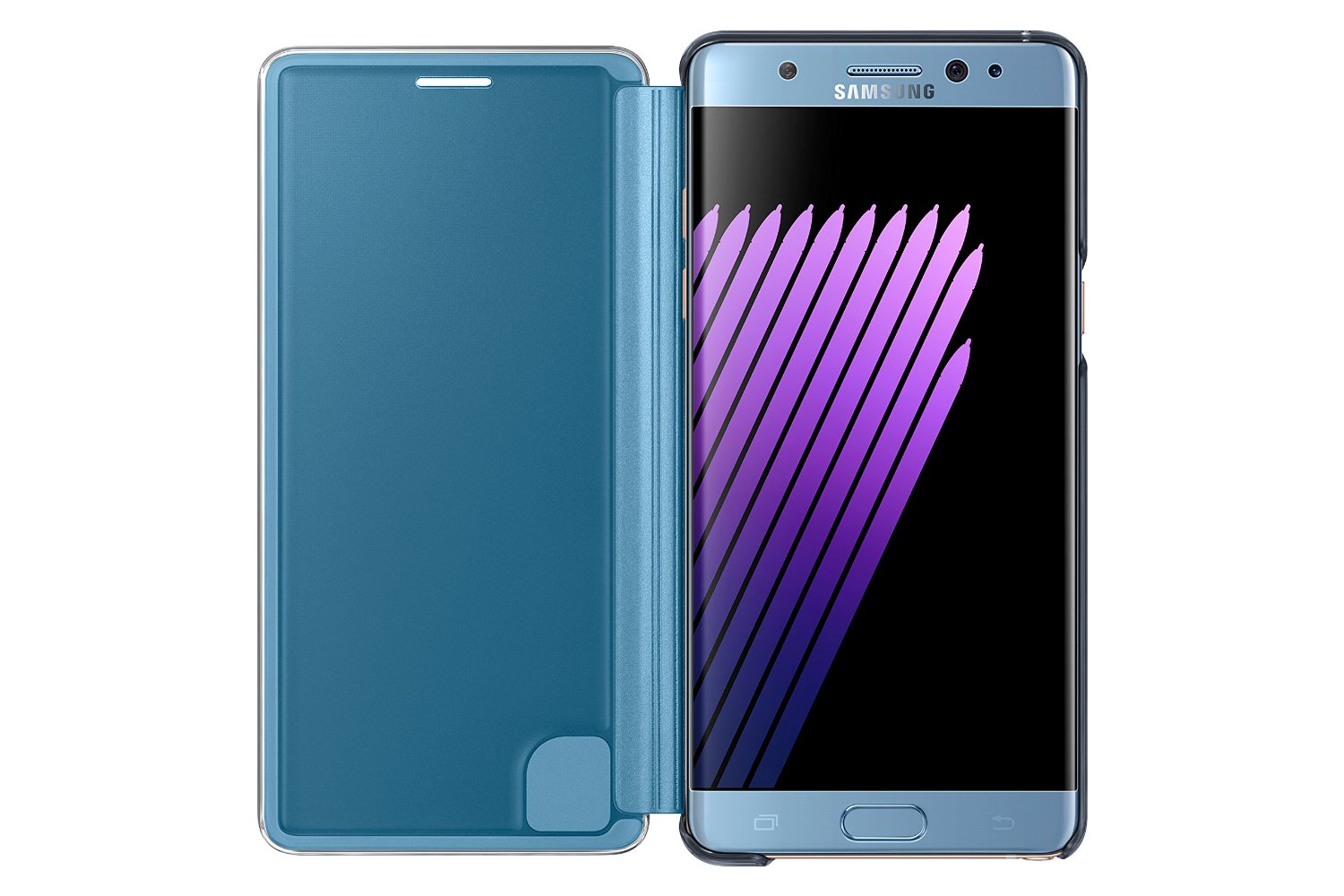
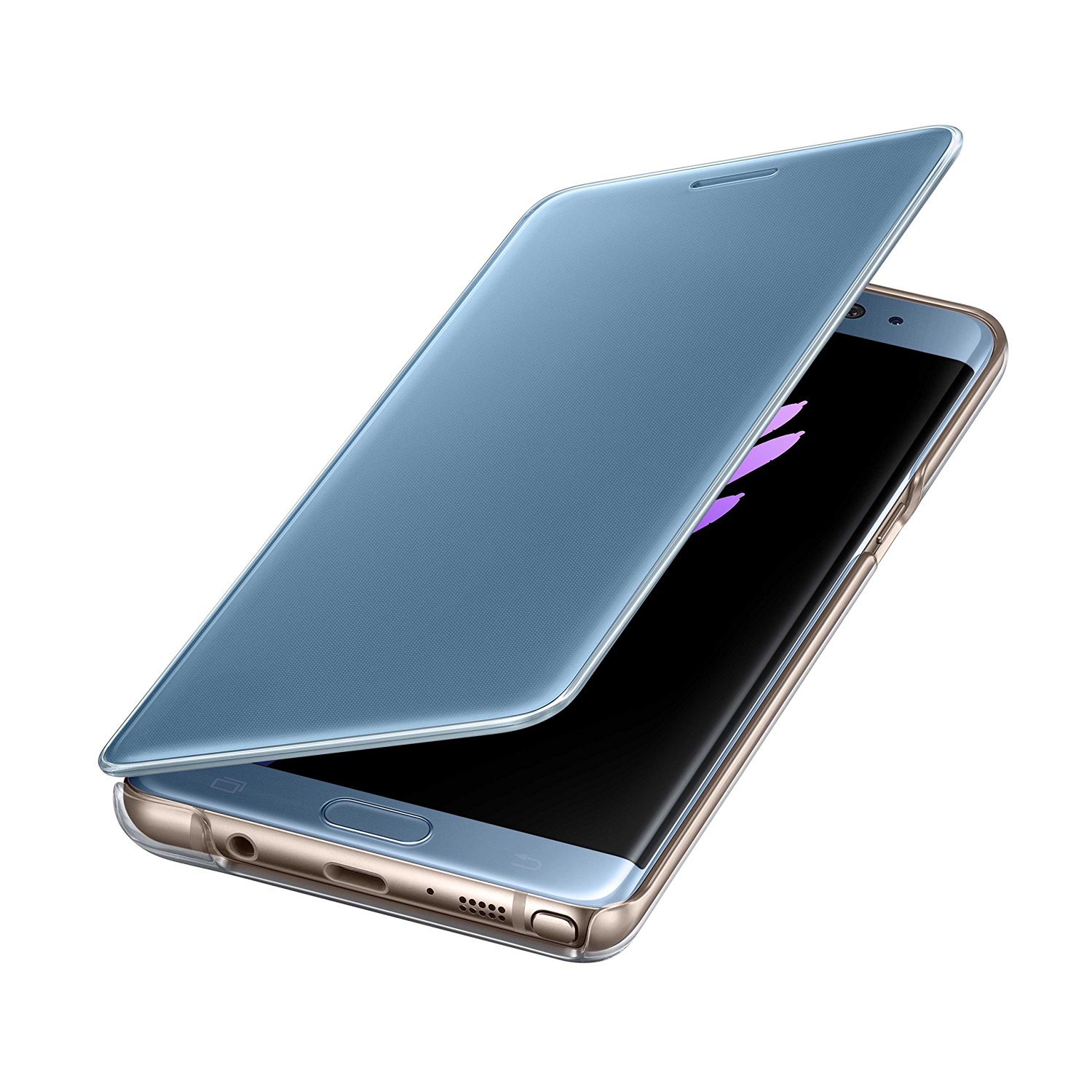
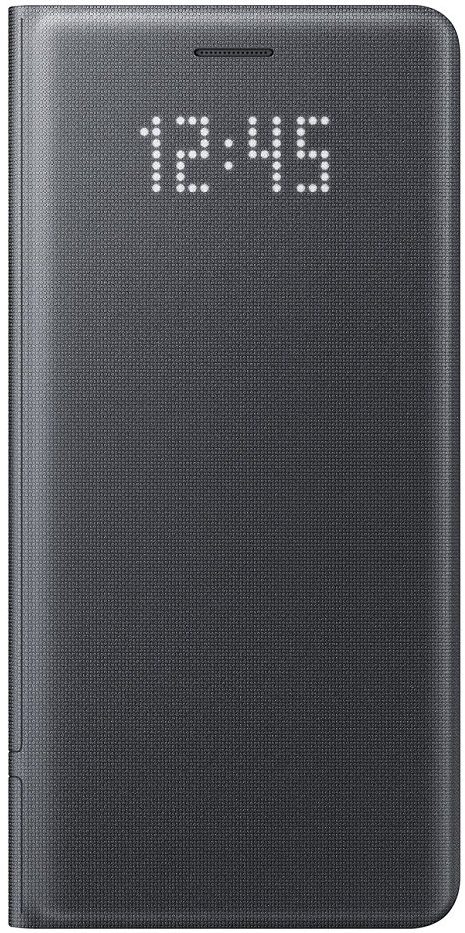
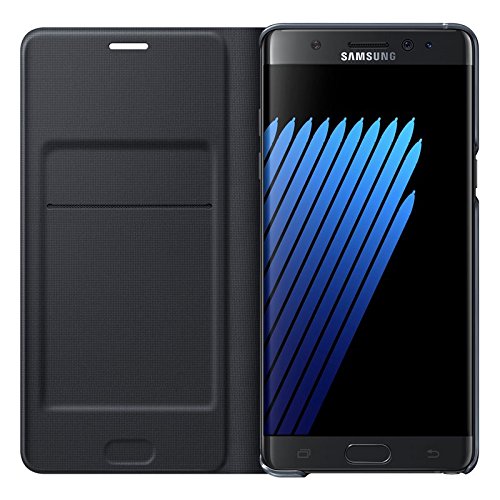
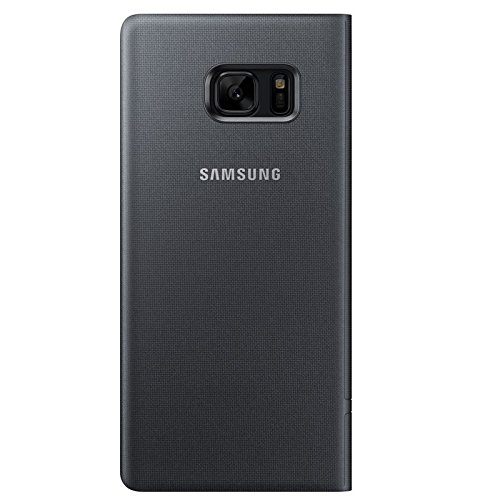
I actually opted to order online this time instead of inside T-Mobile, so I got the same color case as my phone, Coral Blue, and mad does it make a difference? Just being able to match your phone color really shows how great a case can look. The Clear View case is kind of the other two cases combined into one. It’s hard plastic all the way around, so it does provide better protection than the other two, and its door is heavier, so it stays closed more often. It fits firmly around the phone and has transparent edges, like the LED wallet, which looks great.
The front cover is translucent, allowing you to use the always-off display and a full-screen view. You can control calls, see incoming messages, and more with this case, so it’s fully functional. The only downside is that you can use the actual phone with the cover closed, and you have to still open it to see messages in apps, but this is kind of expected. Most standard features use the always-on display, such as phone calls. Most of the screen is black, with only the buttons lit, saving battery power. The case also feels slick and smooth and looks fantastic on my phone.
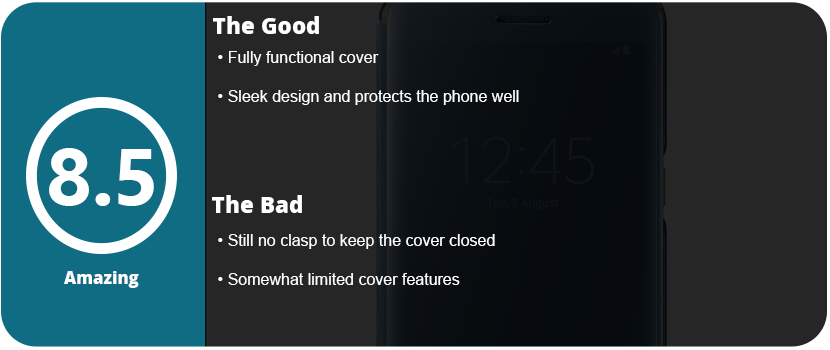
What keeps this case from being perfect is the lack of a clasp to keep that damn front cover closed. This won’t protect your phone if it falls face-first with the cover open, so it’s a gamble. As it is, though, it’s the best case of the three, and this is the one I recommend the most as it’s fully functional, provides better protection, and just looks better.
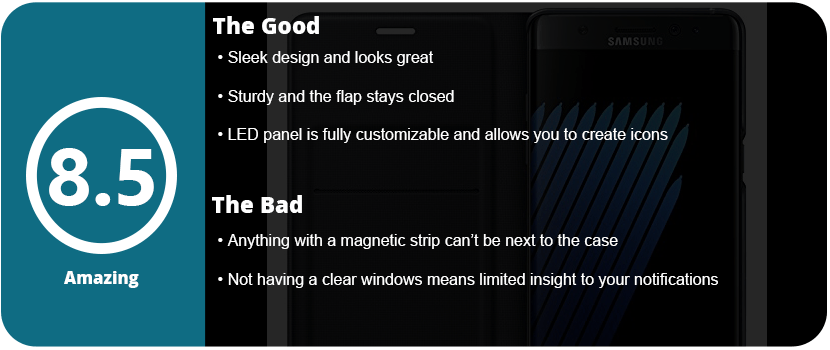
I recently reviewed the S-View case for the Note 7, and it didn’t turn out too well. I then turned to the LED wallet case, as it looked more sturdy and had a unique LED grid on the front cover that no other case I have seen has. What’s awesome about this case is that the LED functionality isn’t battery-powered, but it uses the NFC on your phone to run and takes less than 1% of the battery per hour to operate.
Samsung didn’t stop there, as there are software features that tie into this LED cover. For starters, the case itself is sleeker and better-looking than the S-View cover. It has a nice fabric feel to it, and the sides around the edge of the phone are transparent, so you can see the beautiful edge of your phone (especially the coral blue). The flap of the case has more weight to it, so it doesn’t just pop open even when laying flat, which is what mainly sold me on this case. It feels more sturdy, and a drop should survive in this thing.
Software-wise, the case allows you to see the time on the front as well as notification pictures. These LED (or 8-bit) pictures can be set to certain contacts, or you can draw your own with the S-Pen. Yes, this was a wonderful feature that tied other features of the phone into the case, which was great. Lastly, you can set icons for each and every app you have, which is very convenient. Now, unlike the S-View, you can’t directly see who’s calling or what the notification is. The LED panel is touch-sensitive, so you can swipe to answer or reject calls, and you can talk with the cover closed. These minor gripes don’t really concern me, as I knew what I was getting into when buying the case: There’s no window. You also can’t put credit cards in this wallet, as the magnet will wipe your strip. All you can put in are punch cards, driver’s licenses, and club cards that don’t have magnetic strips. That’s no big deal to me, as I like carrying my wallet and don’t plan to use this pocket anytime soon.
Overall, the LED wallet is so awesome that it turns heads and looks stylish and unique at the same time while protecting your large investment. I am planning on eventually picking up Samsung’s third case, the Clear View, to see which of the three is the best.
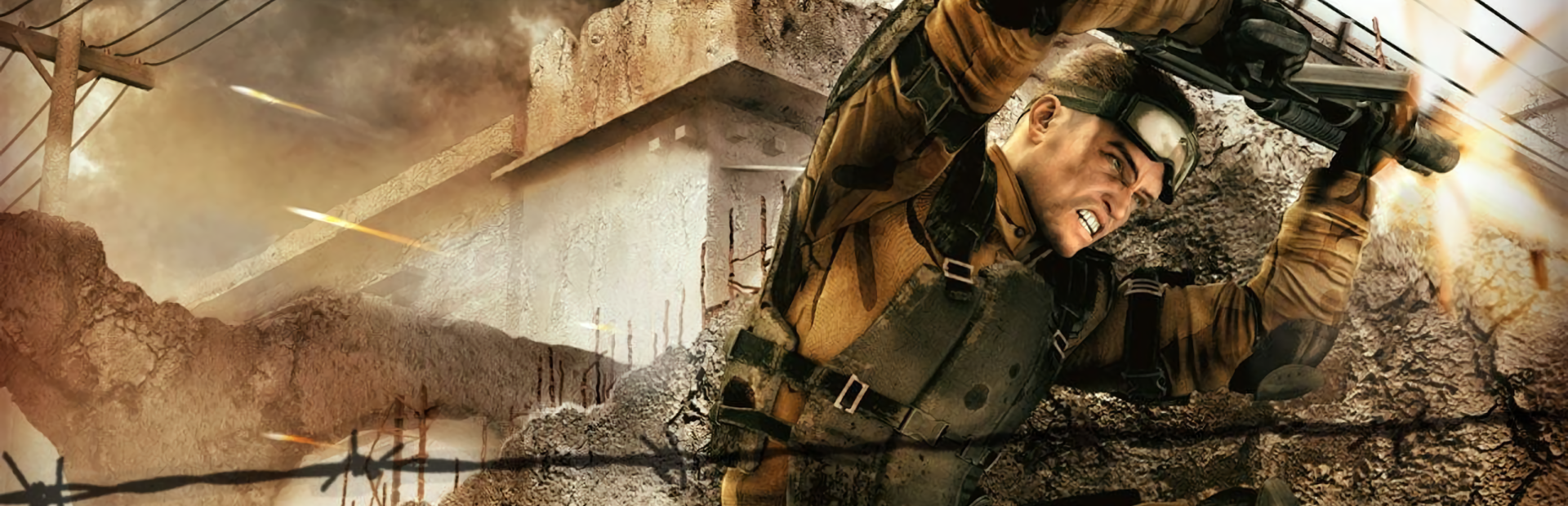
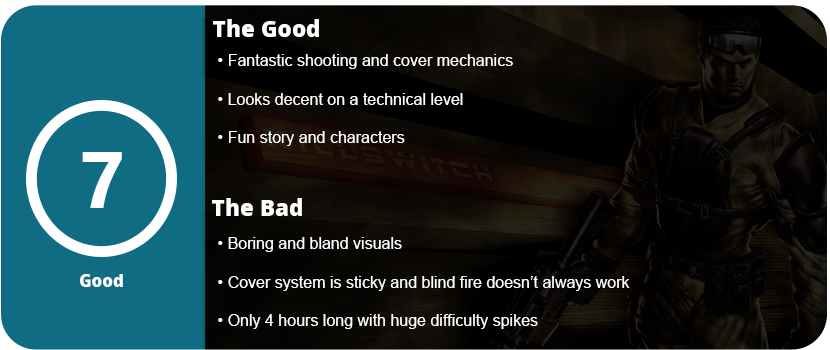
Cover-based third-person shooters weren’t really a thing until the last console generation. Third-person shooters took quite a while to evolve into something truly stunning, and the best example of this is Gears of War, which is third-person shooting perfected. Kill Switch was actually a sleeper hit back in the day and was widely talked about due to the great shooting and cover mechanics.
Kill Switch has a story that sees a male protagonist (I can’t even remember his name; the story is so lame) trying to stop a dude named Archer from launching a nuke. In the process, you are trying to recover your memory of your wife being murdered by him. I don’t even know. The game is so short that it doesn’t allow any type of story to evolve, let alone a bad one. The story is completely forgettable, and I skipped all the dialog towards the end because it was a confusing mess.
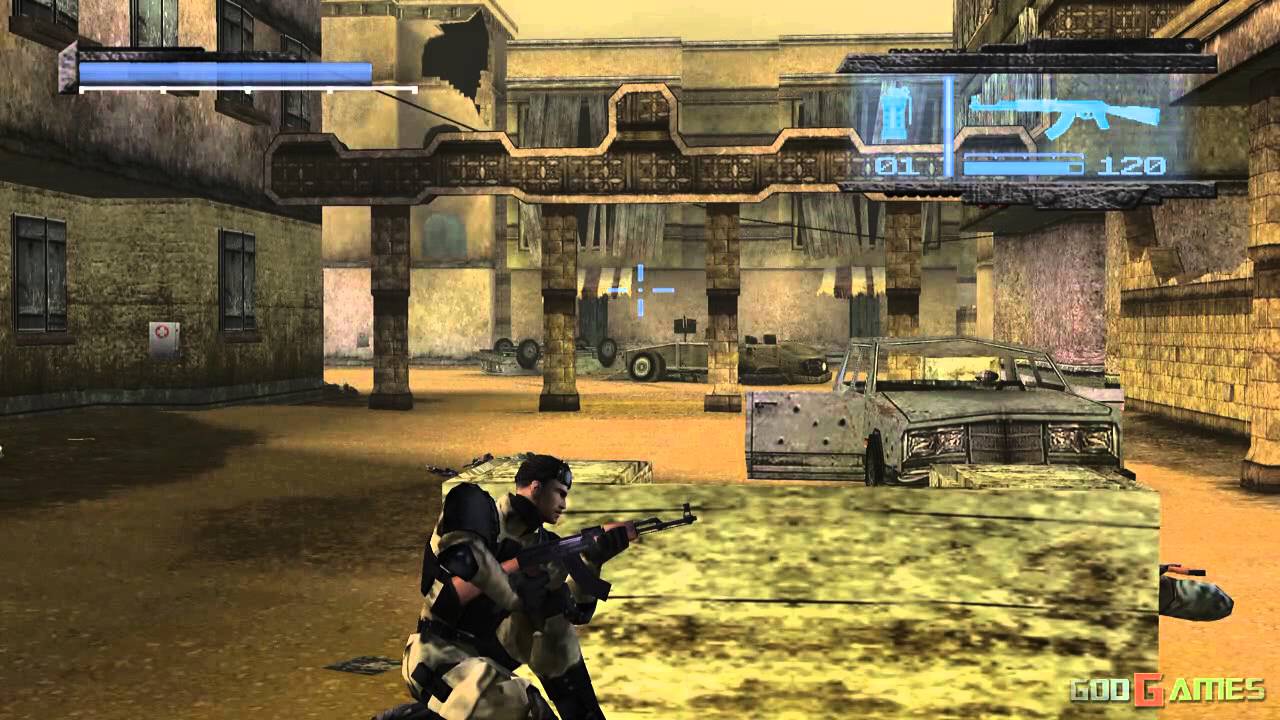
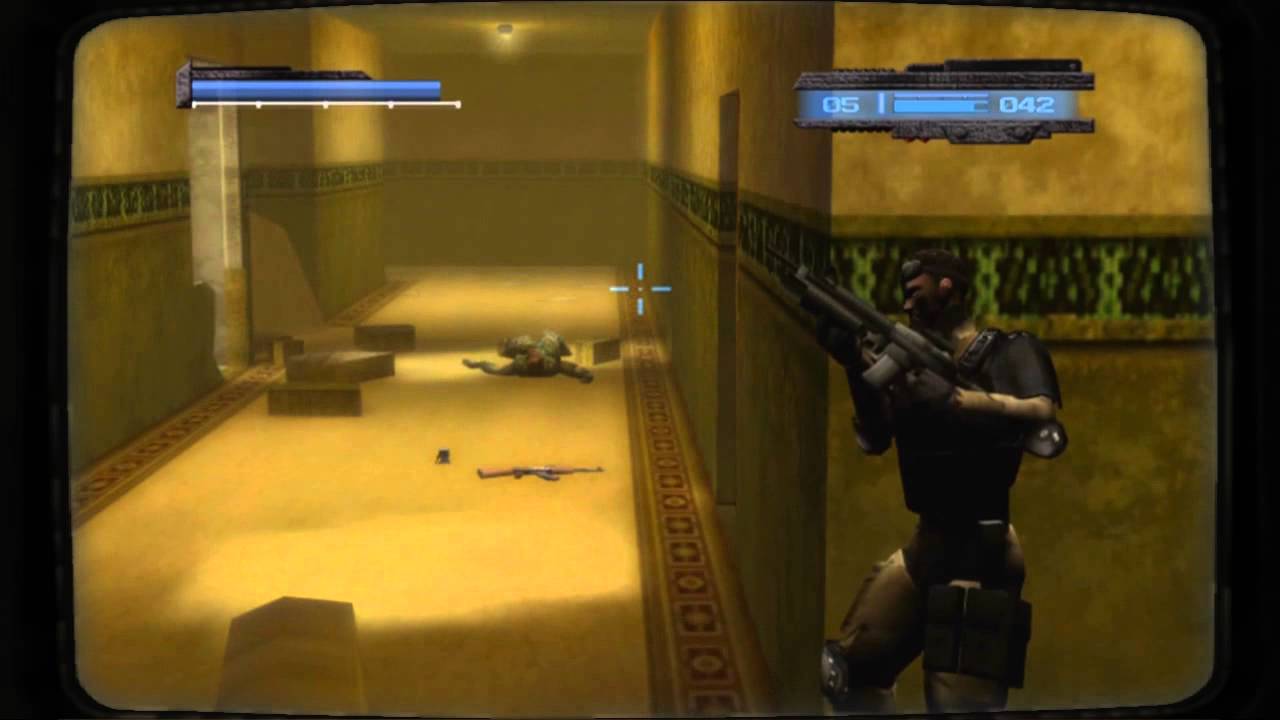
The gameplay is where it’s at here. The controls are simple, and the game is run-and-gun at its finest for the time. Holding R allows you to buckle against a wall or obstacle, and you can blind fire over it, or you can pop up and shoot more accurately. I found that blind firing doesn’t quite work well if the obstacle is higher than you can raise your gun. Most of the time, it did not work, so I stuck to pop-up shooting. You can throw grenades and flashbangs, as well as dodge rolling and melee attacks. It’s a pretty standard affair, but at the time, it was done so well that there was nothing like it.
I have to say the level design is just plain bad and boring. Every level is a stereotypical military base with boring blank walls, stairs, and rooms. There is absolutely nothing to look at here, despite the game being technically quite good-looking. The textures are sharp, the models are nicely made, and the animations are pretty good. It just goes to show that you are literally just coming into this game for the shooting, and that’s it.
Maybe it’s a good thing this game is so short. Clocking in at about 4 hours if you don’t die a thousand times over trying to get through the hordes of enemies. There were issues with major difficulty spikes and draw distance. I would have a guy shooting at me accurately beyond where I could see, even with a sniper rifle. The weapons are nothing to write home about either, just your typical military machine guns and your token shotgun.
Overall, Kill Switch is worth a buy for its great gameplay that is fun and addicting. Just don’t expect a story or anything nice to look at. Is there a reason for there to be a sequel? Well, the story somehow manages to say that it hasn’t ended yet, but Kill Switch has no relevance today with better cover shooters like Gears of War. If it were rebooted into something fantastic, that’s another story, but I honestly can’t see that happening. Kill Switch belongs in 2003 and should stay there—nice and snug.
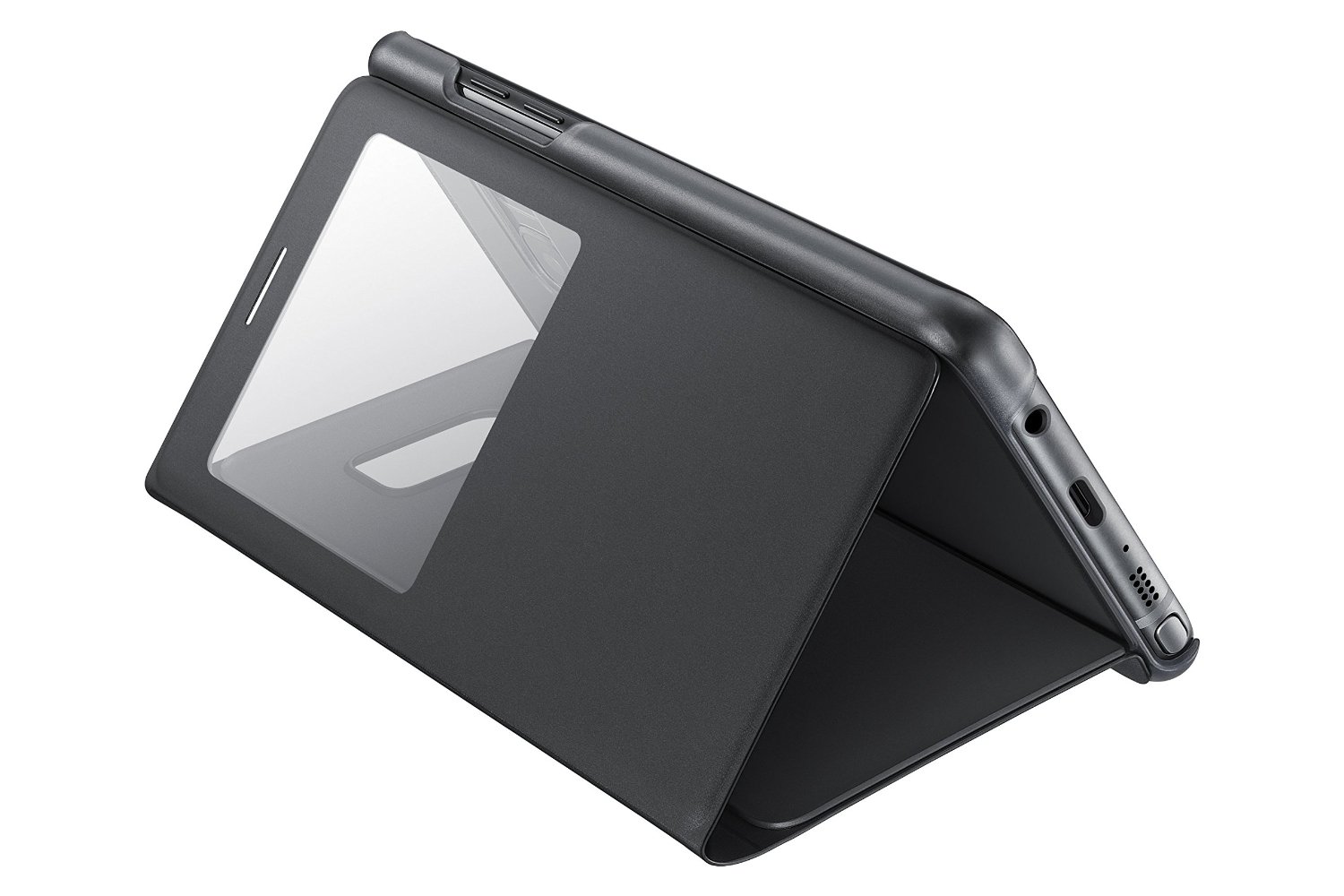
Official cases by phone manufacturers are sometimes the best bet, and Samsung always pushes the bar when it comes to accessories. They may be pricey, but they offer unique experiences you can’t get from third parties. Samsung has had a line of unique cases for some time, and the S-View cover makes a comeback with the Note 7. The case is new and improved over previous versions, but it’s still not quite the perfect case.
The case has a hardback that the phone snaps into and translucent edges that protect the aluminum sides of the phone. Right off the bat, I didn’t quite like this, as you can’t see the color of the phone inside as the edges are nearly black, blocking out the color. This won’t be a big deal to some, but I love the look of the rose gold edges on my coral blue Note 7, and it’s a must. The material is nice and feels good in your hand, but when you flip the cover over, that’s when things go downhill.
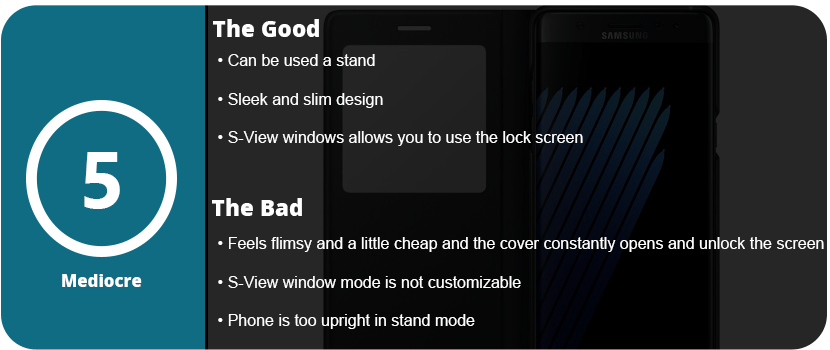
There isn’t a magnetic clasp or any way to keep the cover from flapping open constantly, and it feels cheap. The window is just a square piece of plastic, and after so many months, it could easily be scratched up to the point of not being able to see through it. The volume buttons were nicely labeled on the spine, and they pressed easily enough; however, the case just didn’t feel solid enough.
I did some drop tests on it, and it did protect the phone, but if it lands just right and that front flap opens, the screen is shattered. It felt like it wouldn’t protect the phone and was kind of flimsy. The actual use of the S-View window is nice, as you can access everything you normally would on your lock screen, but you must open the cover to actually see the apps, which was a bit annoying. You also can’t customize what’s seen on the window with just two icons you can switch out.
Overall, the S-View cover can’t only be recommended to people who don’t really worry about protecting their phone or already like the S-View cover. I returned this to T-Mobile and got the LED wallet cover instead, which is much better. If there was some way to keep that flap closed, I could see this being better. The only upside is that you can use the phone as a stand, but I felt the phone was too upright and was only ideal when laying down.
Surreal adventure games are the next generation of the adventure genre, and if they are done right, they can be quite memorable and mesmerizing. Journey was one of the first of this kind of new adventure title. With minimal UI, gameplay, controls, and story, you are swept through a linear journey of emotions, visual beauty, and auditory bliss. Some of the people from Journey are back at it again with Abzu, an underwater cinematic adventure.
You play as a character that swims around the ocean, exploring and trying to stop some sort of mechanical infestation from destroying all ocean life. The story plays out similar to Journey, in which you figure out what’s going on contextually as you progress through the game via images and scenes. If you played Journey, then you know what to expect with Abzu. What this game does differently is that it focuses more on an exploration of this beautiful world than pushing the player through a short journey and telling a quick story.
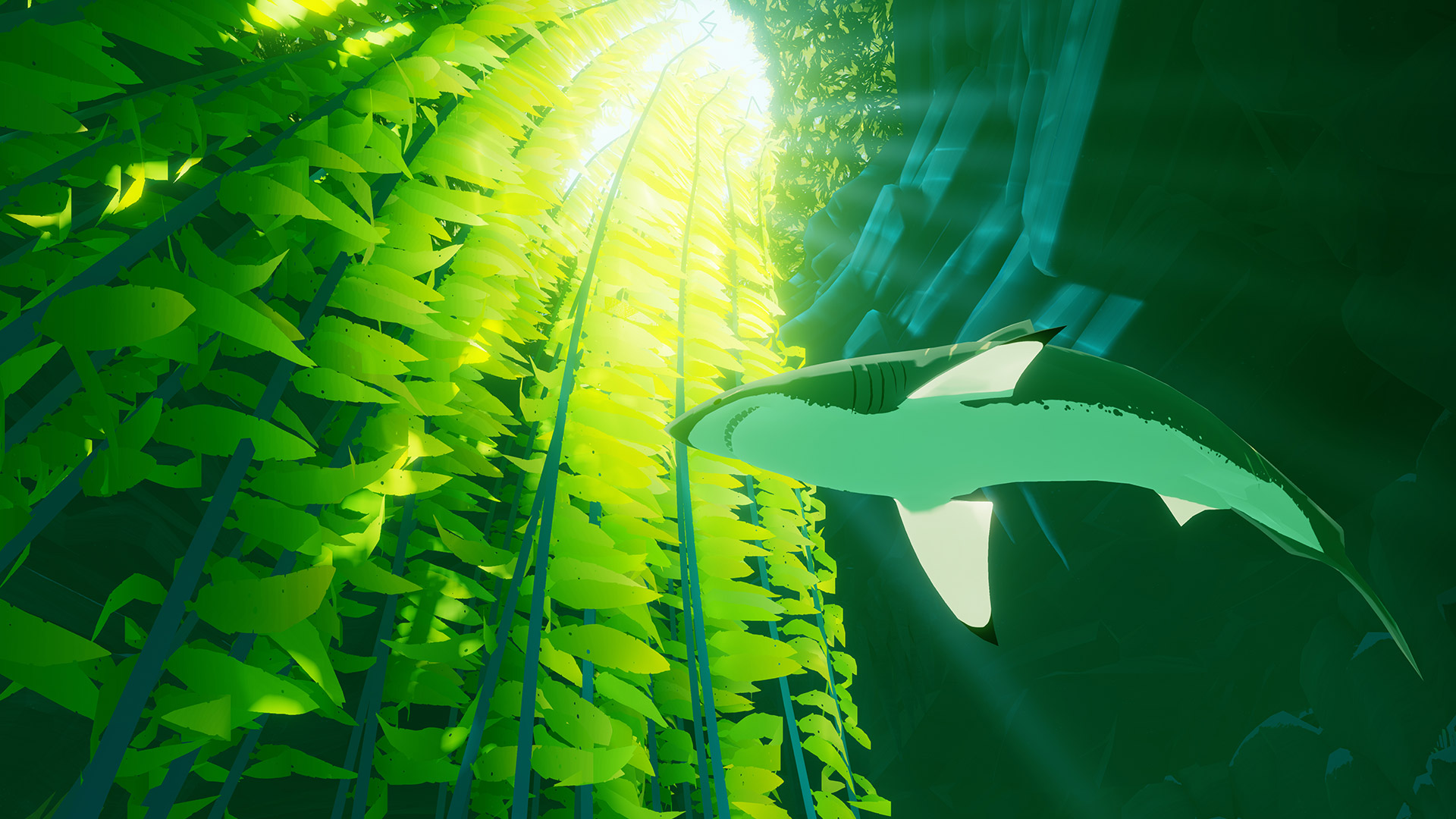
Right off the bat, you will notice how gorgeous this game is. Using Unreal Engine 4, Abzu is bursting at the seams with color and saturated with detail. As you push through each large exploration area (there are about a dozen), your main purpose is to find hidden shells, activate various switches to open doors, and activate little pools that will add various new creatures to the game. While I mainly feel this was filler content to extend the game another hour, it forces you to explore the ocean floor and look around a bit. Seeing all sorts of marine life and plant matter float around you is just amazing. This game really makes you feel like you’re swimming in the ocean and exploring what’s under the sea.
The game’s pacing is similar to Journey, with an explorative area and then a cinematic on-rails section that shows off the visuals that this game nails. Having your character leap out of the water to a stunning vista or romp around with whales in the murky depths is something not seen in any other game. Not a single area is the same, and I never saw the same sea creature twice. It’s the little things that count in games like this, and the amount of detail packed in Abzu is triple that of Journey, and I loved every second of it.
Now, that’s not to say that exploring these cinematic moments is the best thing for this type of game. I thought Journey’s pacing was spot on, but Abzu feels like a bumpy roller coaster with these cinematic scenes spread too far apart. There are only so many switches, chains, and doorways I can go through before I want something else. When you give the player very little to do, you have to rely on the senses and visuals to keep the player entertained. I feel this could have been an underwater journey if the pacing was a little better.
Overall, Abzu is a fantastic adventure game, and any fan of Journey must own it. The visuals are absolutely stunning, and Austin Wintory is back with another beautiful soundtrack—one of the best this year. It’s just a shame that the game suffers from poor pacing and exploration elements that are just there to force the player to look at everything. I feel like I’m getting my face rubbed in beauty rather than being allowed to soak it in as it passes by me.














































 thebinarymessiah.com
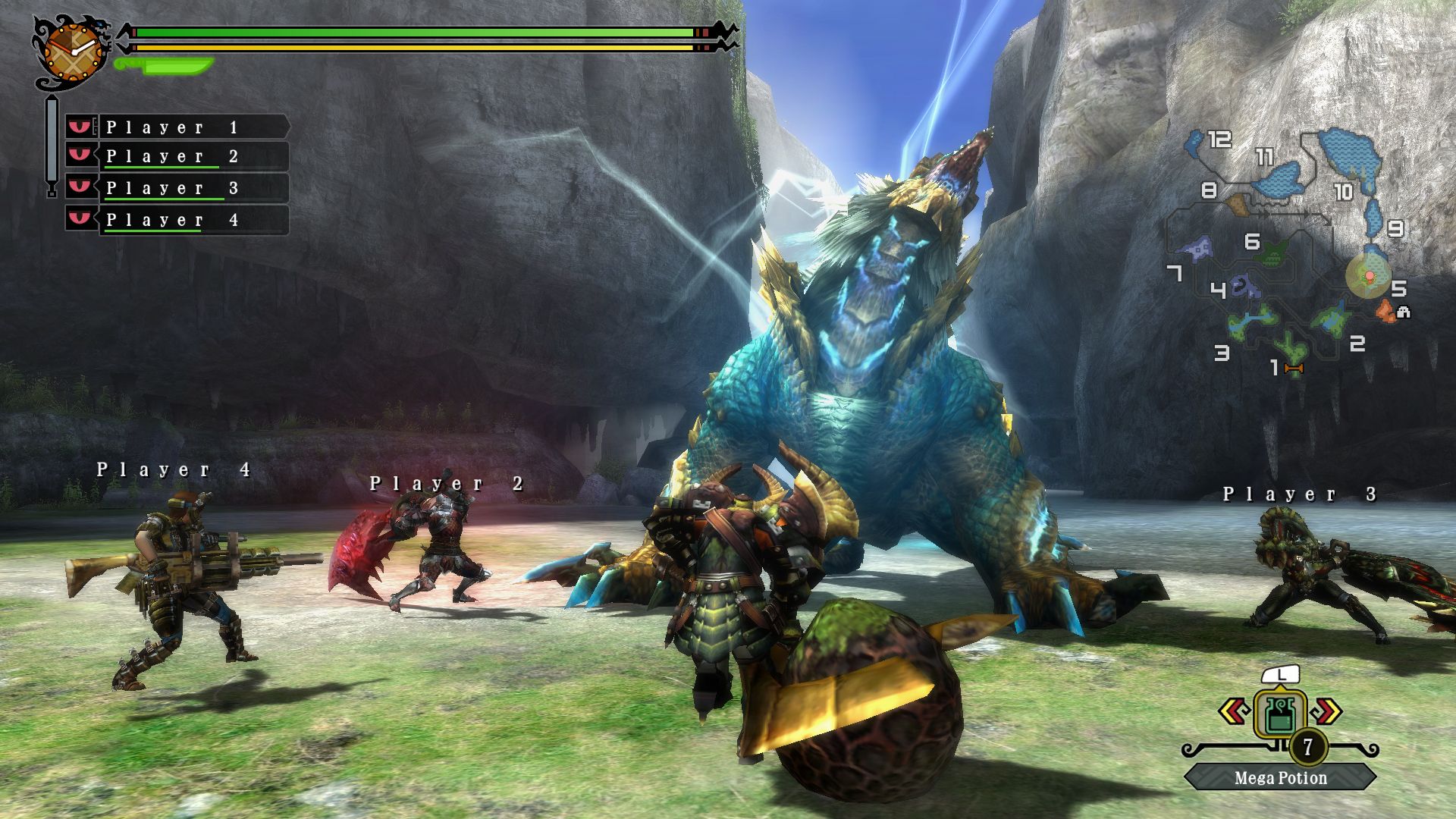
Try multiplayer. A lot of fun !