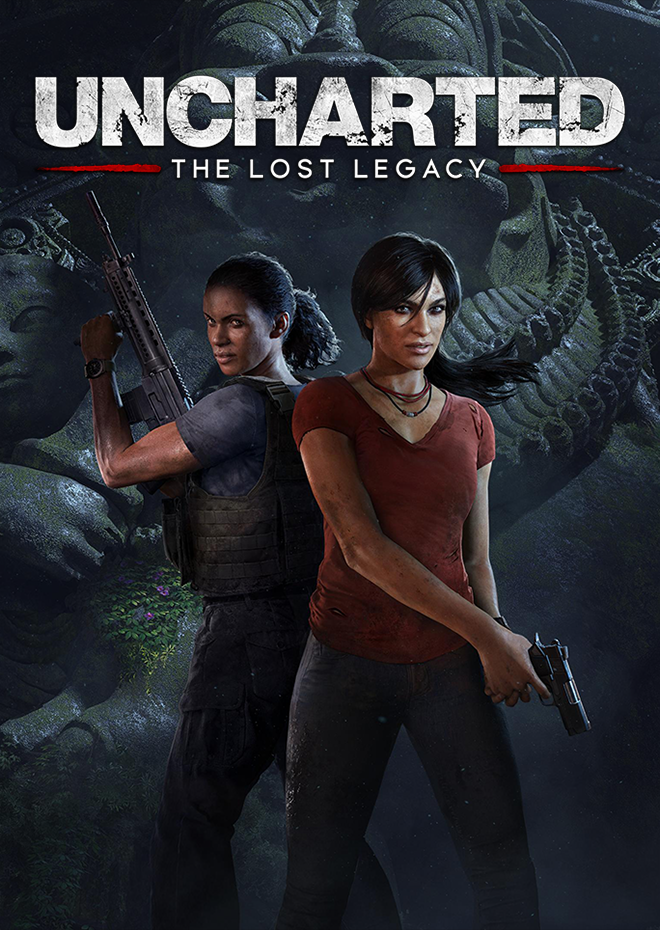
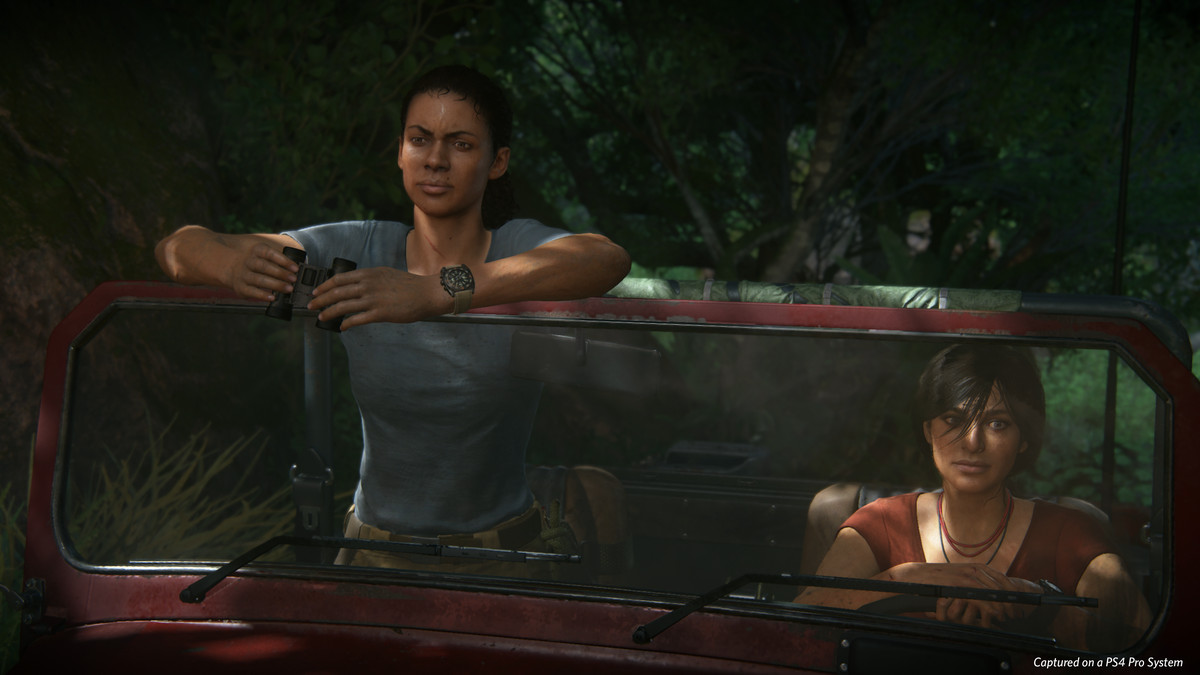
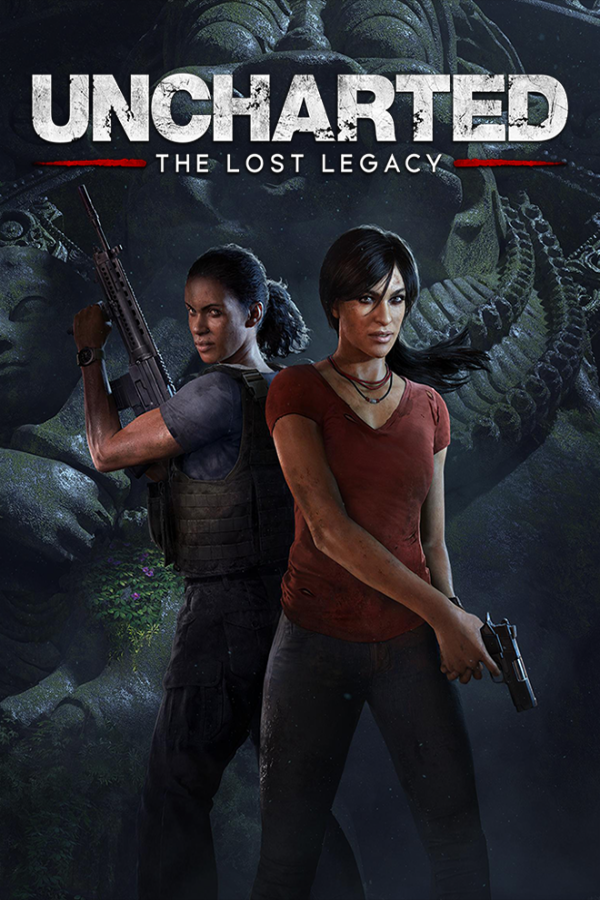
Naughty Dog knows how to work magic, as every game in the series just pushes the boundaries of each system and what games can do visually. Lost Legacy takes what Uncharted 4 did and turns it up a notch or two with exciting action, fantastic animations and voice acting, and great characters, plus the visuals are some of the best ever made, period.
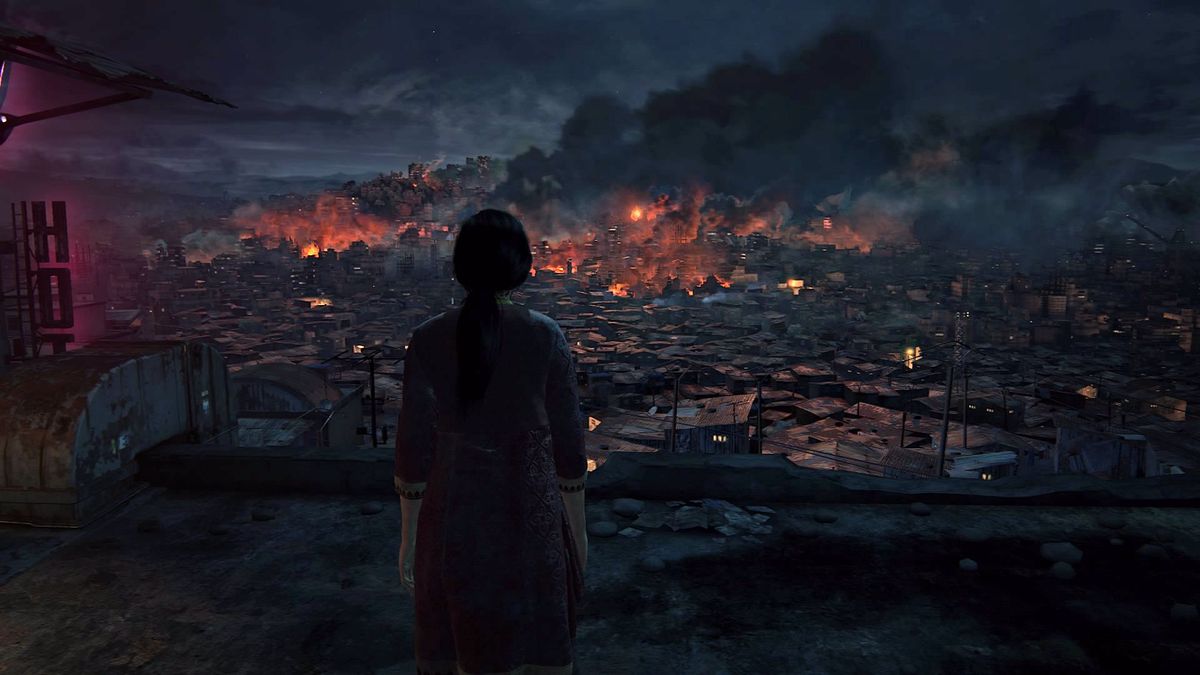
The game follows two female protagonists, Cloe Frazer and Nadine Fisher, whom you already know from Uncharted 2 and 4. The game starts out a little more subtle than in other Uncharted games, where Drake is in some life-threatening situation that you have to bail out of. They take the storytelling approach, as this was a very entertaining and beautiful opening, and they slowly introduced the characters while ramping up the action. It’s one of my favorite uncharted openings, for sure.
During the nine chapters you play through, you can collect treasure, photo spots, and optional dialog, but it’s not very interesting. A lot of stuff from Uncharted is recycled, like the open driving area, shooting, weapons, and gameplay, so this actually just feels like an expansion rather than a sequel. One part of the game I did not like was the open driving area, where you have to activate three different levers to open a new area. It felt tedious and was mostly filler. The entire game is filled with fluff, like an area where you enter a cave, get stuck, and climb back out to go around the other way. It’s nearly a 10-minute gameplay session, and I just felt like it was there to extend game time.
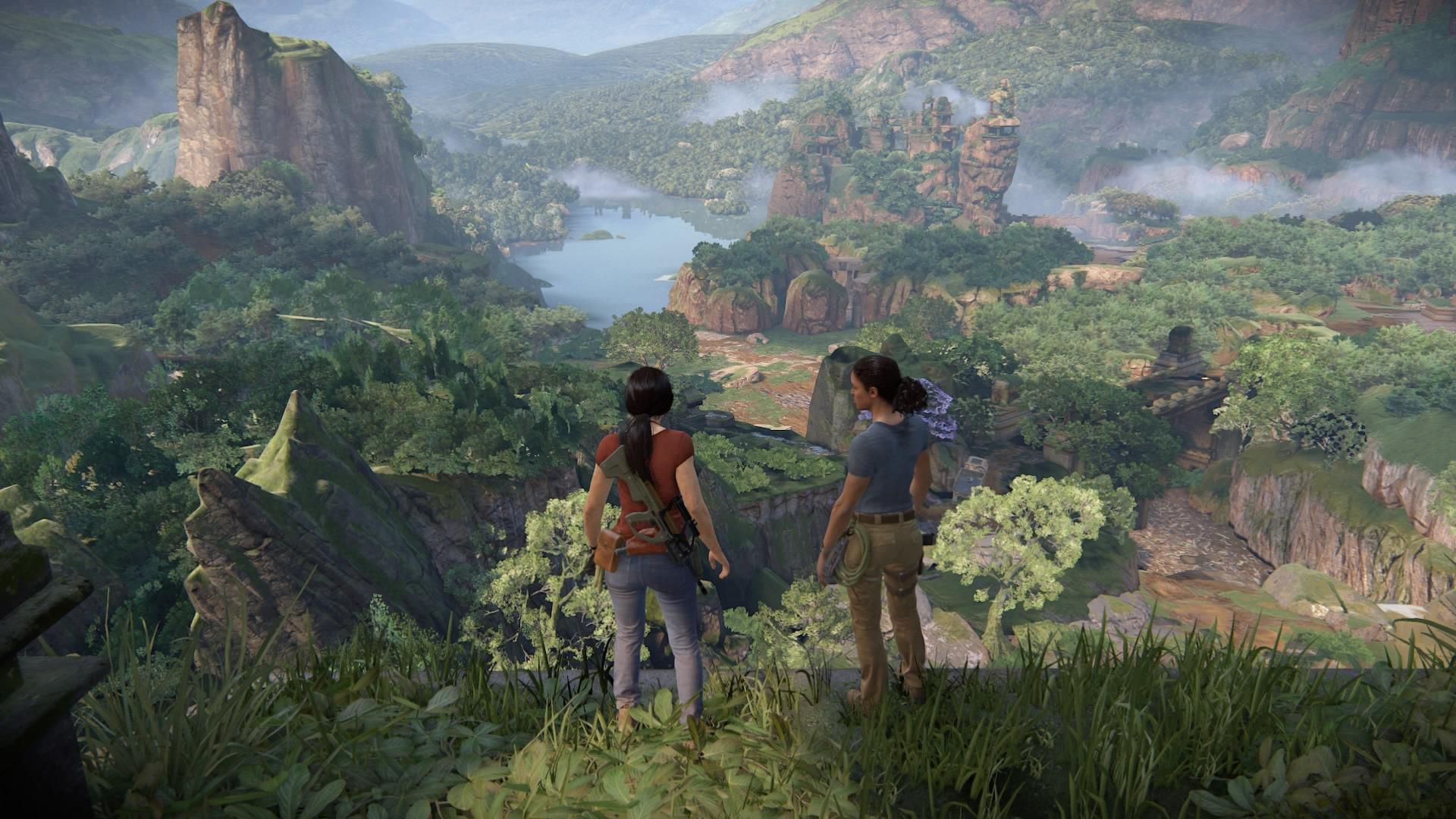
The game is mostly set in the jungle, which I wish would have been in some more urban areas, like in the first chapter. The jungles got a little old with just rocks and green everywhere, as we’ve seen this so many times in previous games. I wanted the variety like in Uncharted 3 and 4. I also felt the puzzles were too easy, and I still cannot get adjusted to Uncharted’s shooting to this day. It’s always slippery and somehow awkward, like there’s something off about it all.
Outside of the campaign, there’s a mission mode and collectibles, but the game may only be worth one more playthrough just to see the visuals and combat again. Outside of that, there’s not much reason to go back. Overall, Lost Legacy is a must-play for Uncharted fans, and it’s just one more game that proves the PS4 is the clear winner of this generation of consoles.
What is an action game? Any game with action can be considered, but in my opinion, these are action/adventure games or games that are cinematic and full of flash and adrenaline-packed adventure.
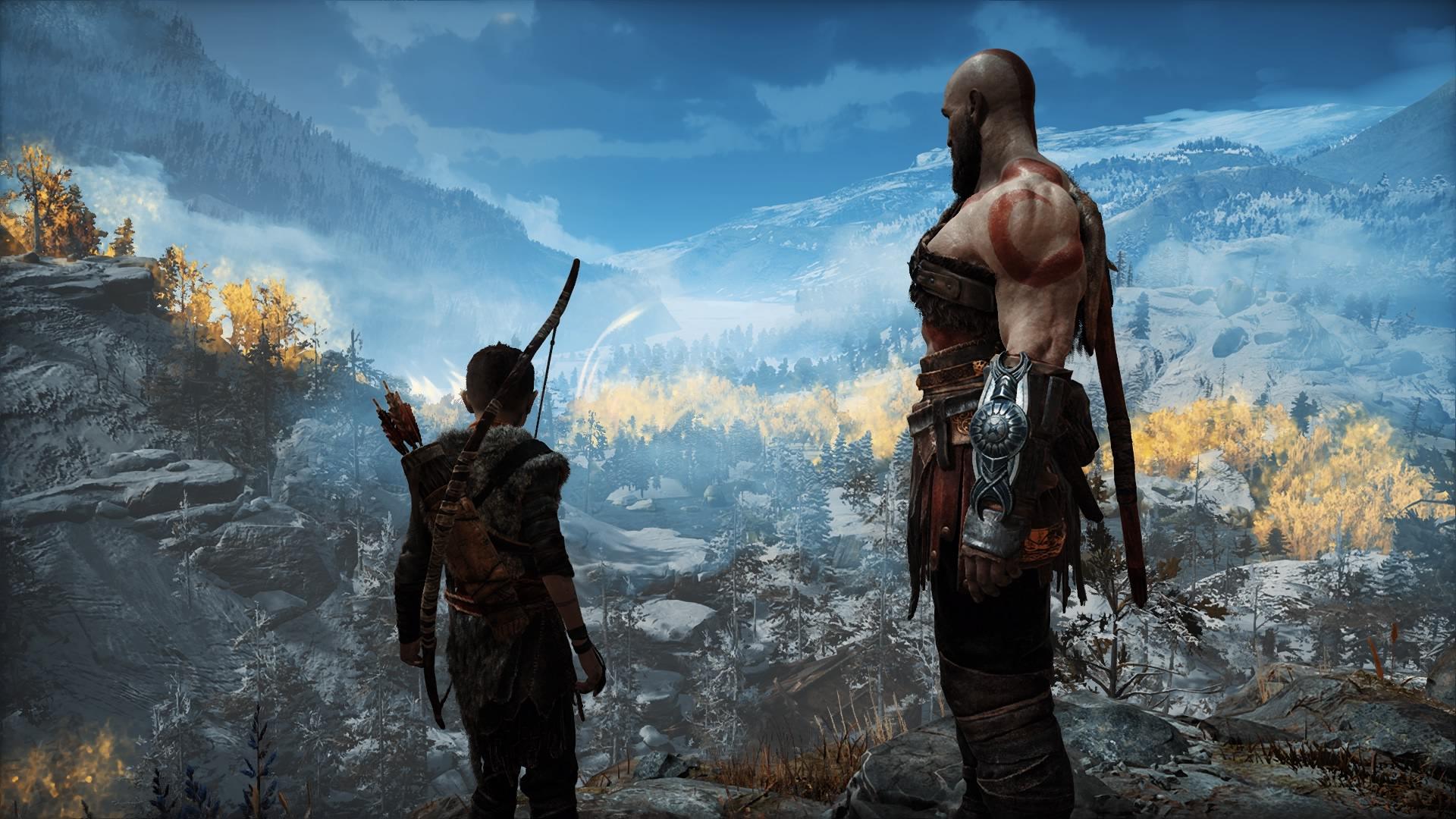
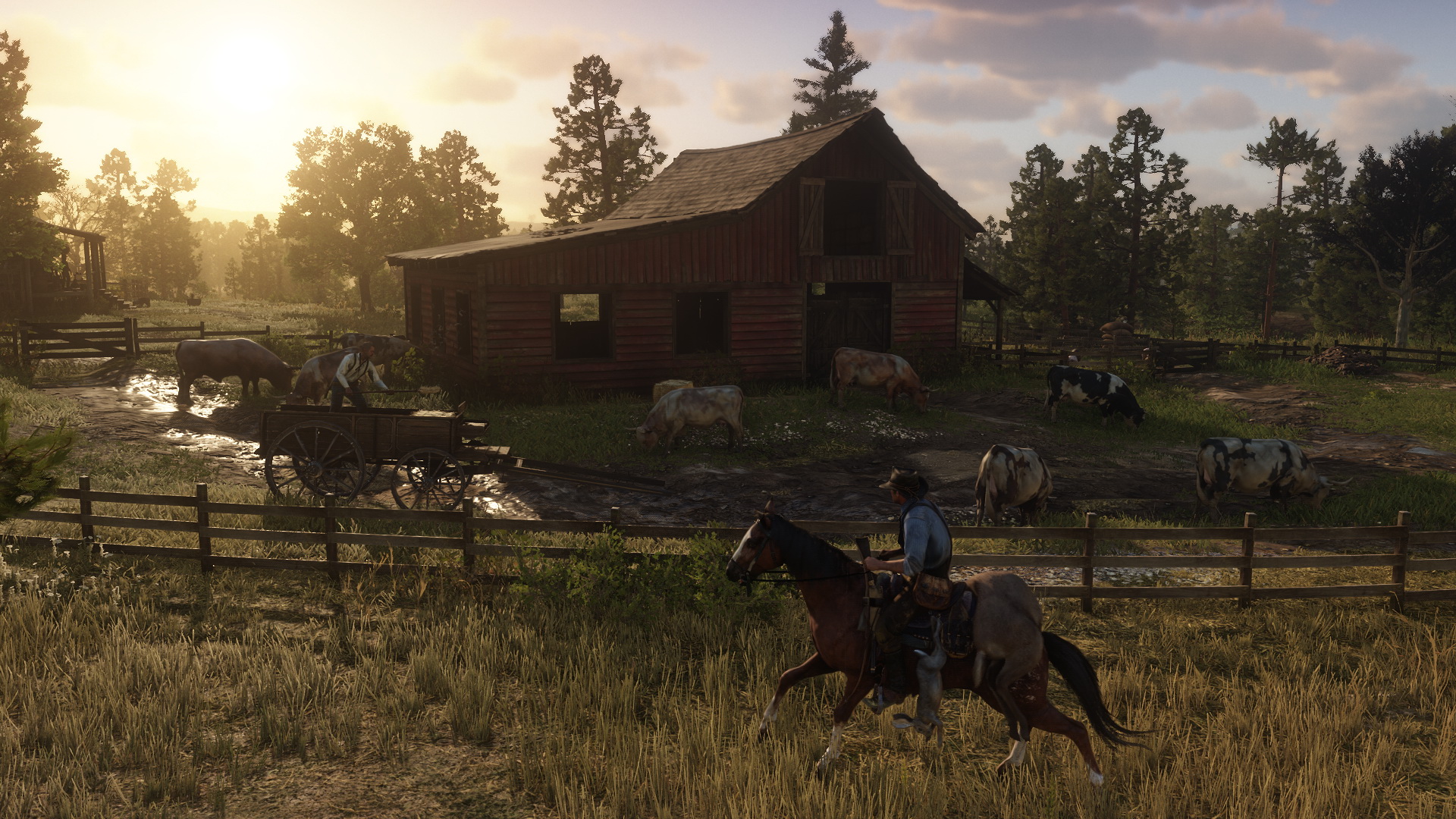
God of War almost got overtaken by RDR2 on this one, but the combat system in God of War revolutionizes its own genre and just feels astoundingly perfect and insanely intuitive yet also very deep. The scripted scenes are also out of the world and the best ever seen in a game, you can’t beat the action here.
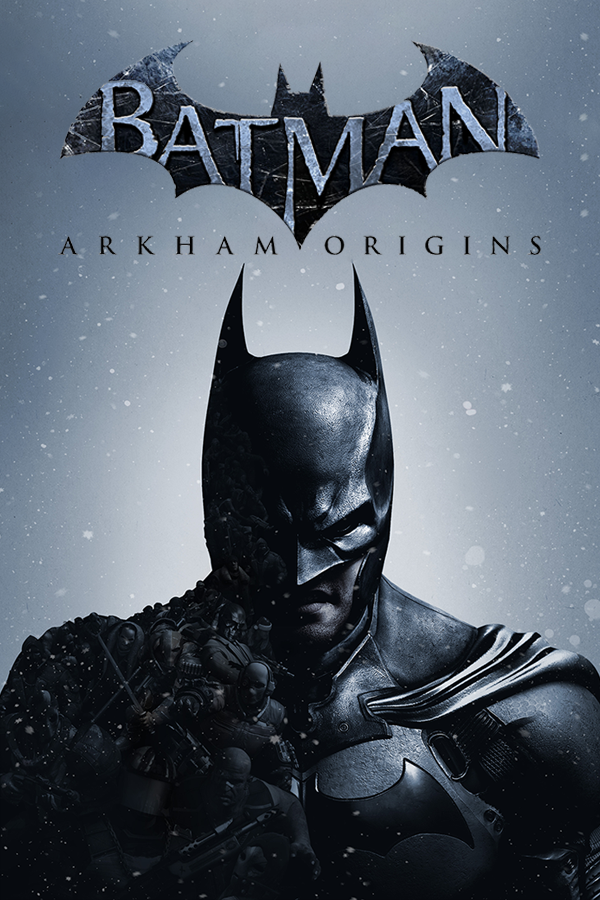
The Batman Arkham series is probably the best superhero video game series ever created. Arkham Asylum really paved new ground for action games in general, from the narrative, combat, and puzzle-solving aspects to even stealth mechanics. Arkham City built an open world on top of this with crazy Riddler puzzles, many side missions, and a deeper, more exciting world to explore, so where could the game go from there? A prequel, of course, and after the Arkham City series, fatigue started to settle in as it was a long, tough game.
So, here we are with Arkham Origins, the Batman game no one wanted or asked for. It’s also not developed by Rocksteady, so a lot of people became wary of the game, including the original voice actors being replaced by younger-sounding ones. This game is set only a couple of years after Batman becomes who he is and hasn’t met The Joker yet. The Gotham PD has labeled him as a wanted criminal, and Bruce Wayne is young and full of anger. It’s nice to see Batman become a little more flawed and feel more fragile than before, but it doesn’t last long, and I really wanted more depth for these younger characters.
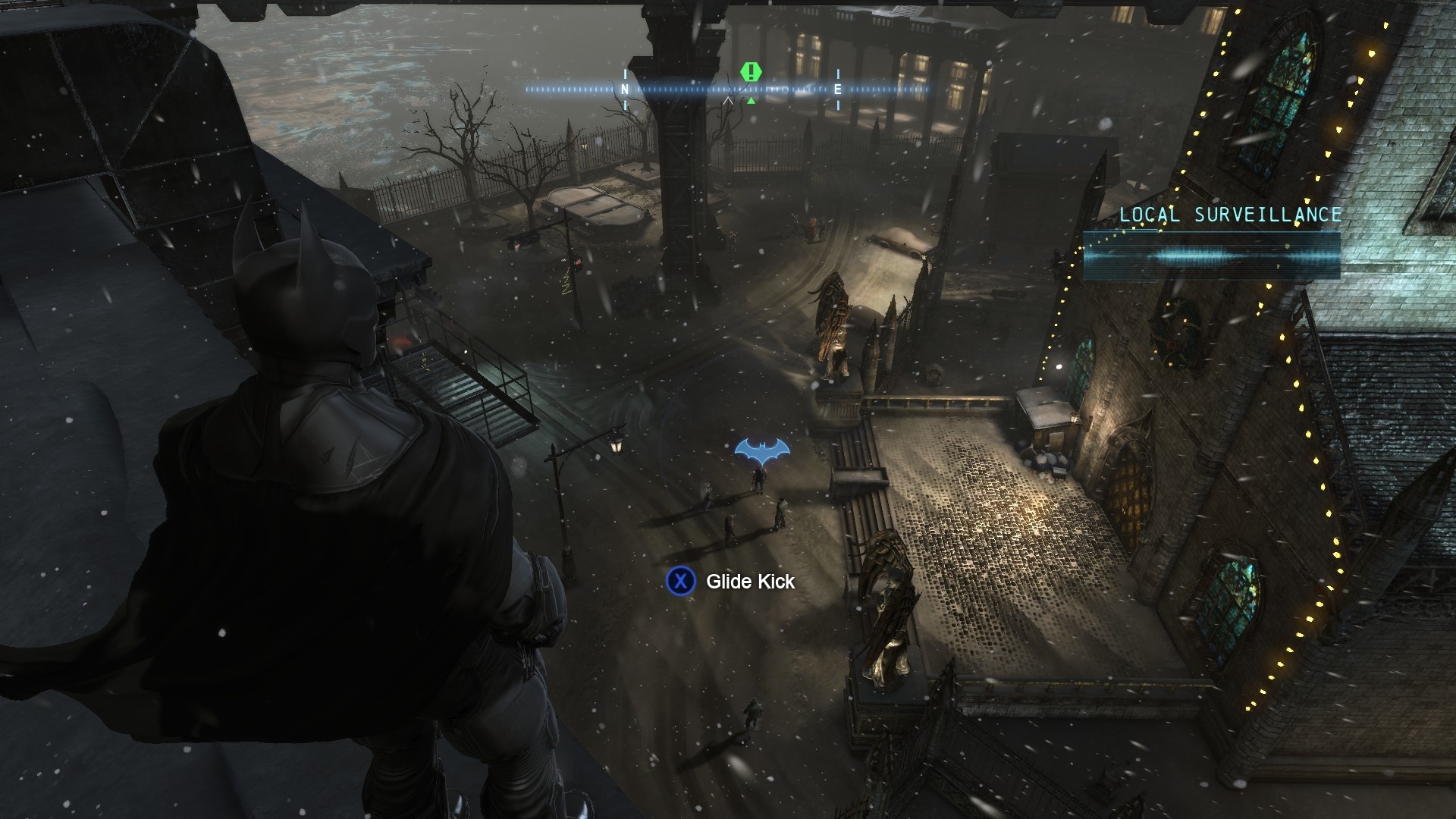
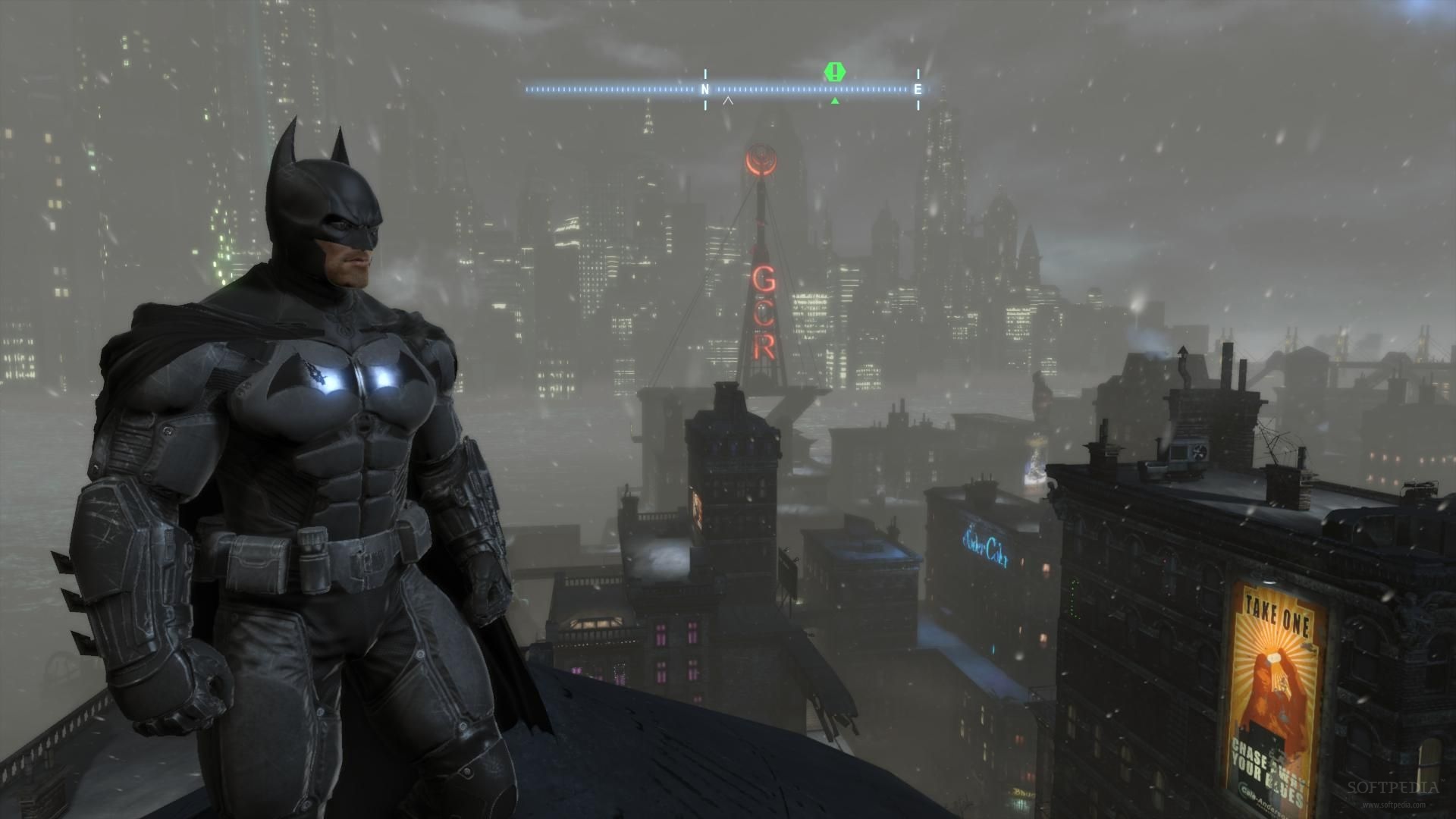
Origins is kind of open-world and is more like a snippet copied and pasted straight out of City, which I felt was too safe. The world is devoid of life, kind of boring to explore, and there’s not much to do outside of a few side missions and solving tower puzzles to unlock fast travel locations, which is also kind of pointless. The meat of the game is the story missions, and they are quite a bit of fun here and there. As I stated earlier, the game plays too safe, so the memorable cinematic moments from previous games are pretty much gone. You literally go from one room to the next, jumping around, beating up bad guys, doing the occasionally flawed stealth mission, and then having a boss fight.
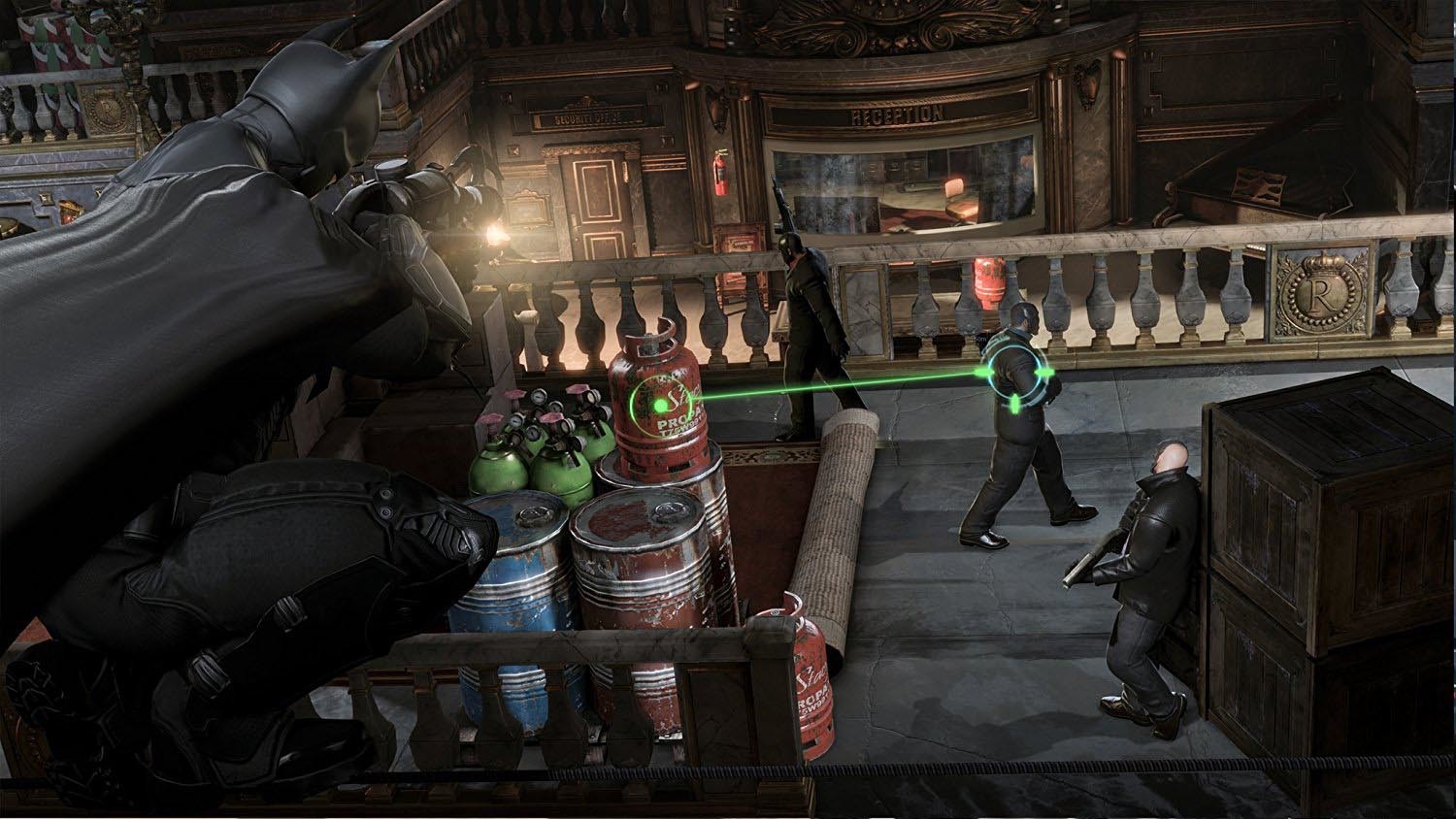
The combat system is really starting to feel stale here; while it’s really good, bouncing from baddie to baddie and stringing up combos and doing instant counters, it just feels too repetitive. You can use your gadgets to get an advantage, but just mashing the attack button and countering works just fine, so the gadgets felt kind of useless, and I never felt in such dire straits that I was clinging to pixels of health and barely getting out of fights. The stealth areas also feel stale as swinging around the tops of gargoyles and waiting for the right moment to swoop in on an enemy, take them down, and scramble back up is a tiring formula, and again, using Bat gadgets felt kind of useless as no matter what you use, the enemies are alerted and their patrol patterns are disrupted, making it a cat and mouse game of open opportunities.
I also felt the stealth arenas just weren’t set up as nicely as previous games and lacked something unique about each area. Even the level design is kind of whatever, with recycled content from previous games and absolutely nothing new to make this game stand out from the rest. I lost interest in finding data packs in each level, and the overall atmosphere of the game just feels dusty and dried out here.
Let’s talk about bugs and glitches. Even after all this time, there are bugs that caused my PC to completely crash, requiring a hard reset, texture glitches that require game configuration file edits, and FPS drops out the wazoo even on a top-of-the-line PC. It’s unacceptable, and the game almost became unplayable. The game also looks dated using City’s engine, but somehow not as good-looking. Textures are blurry in spots, and the animations are a little wonky here and there. The entire game just doesn’t feel as polished as the last two.
That’s not to say Origins is a bad game; it’s just unnecessary. Stuck between console generation cycles and being released too soon after City was just a huge mistake. The story is interesting enough to keep playing, but it doesn’t stand out and just feels like a massive expansion to City rather than a prequel.
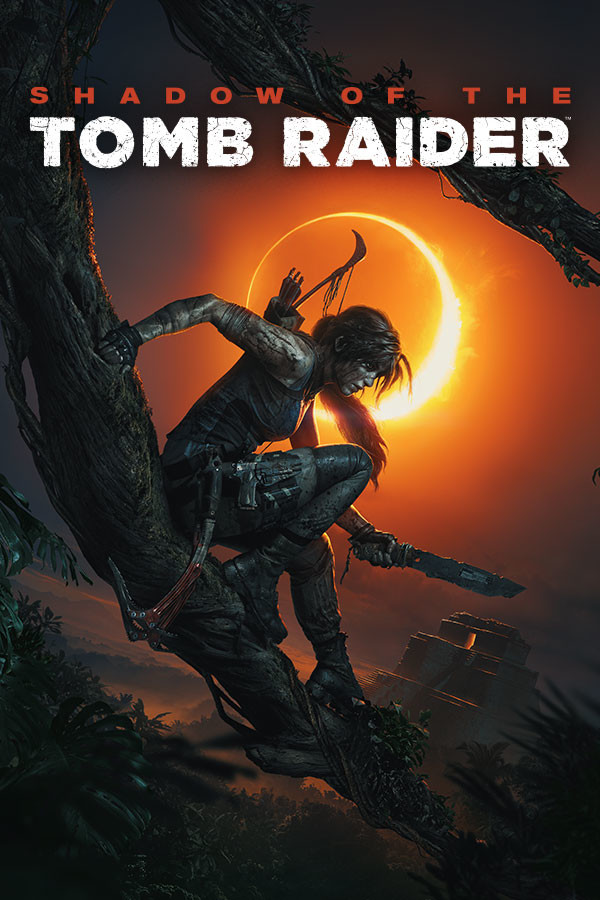
Lara Croft’s adventure since 2013 has been amazing. The reboot was one of the best in the game industry in the last decade, and it turned a sexy heroine full of corny stories and janky gameplay into an open-world, complex trilogy. Shadow of the Tomb Raider continues Lara’s saga against Trinity and Doctor Dominguez, who are trying to basically destroy the world.
The game opens up with an epic prologue, just like the last two games, and we see how hardened Lara has become since the last game. The entire game is about Lara and Jonah trying to find something called the Box, which is a Mayan object that can stop the world from ending. It’s a little more complicated than that, but the story is much better than Rise’s story. At least we get more glimpses of Lara’s past and some advancements in her character, like we saw in the first game.
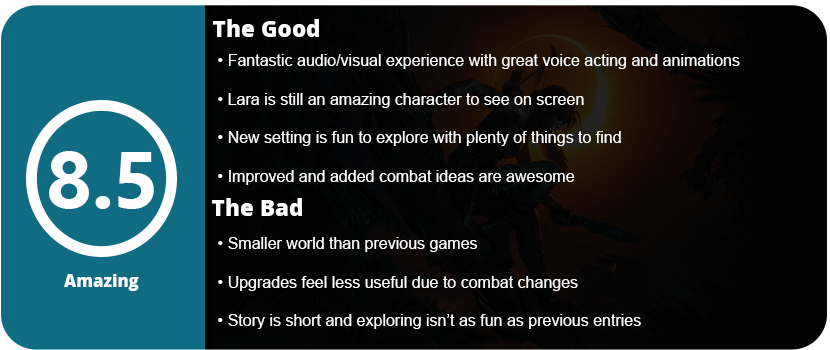
However, I feel the story is a little more unbelievable than the first game. Instead of just trying to survive and escape an island, she’s doing some crazy Hollywood stunts that are totally unbelievable, like running along with debris in a flood. It made me shake my head, but I kept pushing on as it was exciting but felt like a total departure from the first game’s atmosphere and ideas. The world also isn’t large and open like in the last two games. Instead, it’s broken up into smaller parts that can be easily traveled to, with the largest part being Paititi City, which is a pain to navigate, to be honest. I didn’t like this change very much, and as I played through the first third of the game, I was waiting for it to open up into the big open world like the last two games. It just felt more cramped and claustrophobic. I also got bored exploring some of these areas, trying to find all the secrets. It’s just not as exciting or varied as the last games.
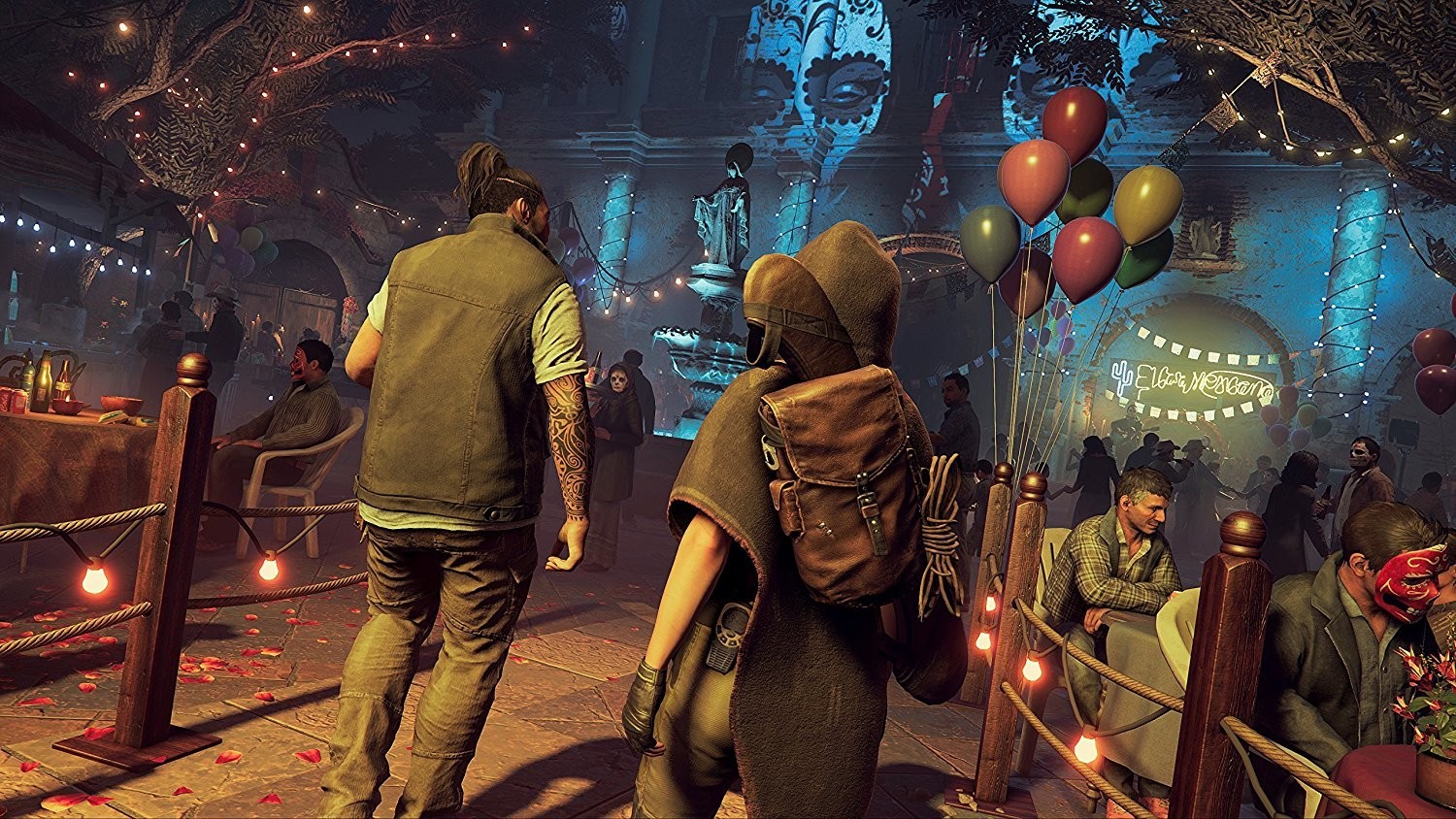
That’s not to say the world here is bad. The new jungle theme is a nice departure, feels organic, is highly detailed, and features some new combat ideas. Lara is in full commando mode, as she can cover herself in mud, hide in trees and vines along walls, and take people down. She looks badass doing it, and the combat is much more refined here, but some of the other ideas from the last games almost feel pointless here. All of her upgrades and crafting don’t really fit in here much, as the game’s focus isn’t so much on survival. There are various upgrades for different ammo types, longer breathing, and not having to press the action button when she does long jumps. Some upgrades are repeats, and I never used any of the special ammo as there isn’t as much combat in this game as the previous two; it’s mostly restricted to the story missions. You can craft outfit pieces that grant different passive abilities, but again, these felt pointless as there isn’t much combat in the game and it’s highly focused on stealth.
The story itself is quite short at about 4-5 hours if you skip all the side stuff. It also didn’t feel as epic or as impactful as the last two games. While Rise’s written story was pretty bland, it had some great gameplay set-pieces throughout the entire story, and this game only has a few. I don’t want to bash on the game, making it sound awful, but it’s just trying to evolve while towing stuff from the first game with it, and it feels like extra baggage. I really enjoyed Shadow and wanted to get all the side stuff. I had fun solving the puzzles and climbing around the gorgeous areas, but it just didn’t have as big of an impact on me as the first game did. I loved seeing Lara again, as her character is fantastic, but it’s all more of the same and feels very safe.
As it stands, Shadow of the Tomb Raider is a safe sequel that’s shorter and tries to cut corners and do less while dragging to gameplay ideas for a larger-than-life world with it that just doesn’t fit in. The combat has been greatly improved, but there isn’t much of it, the story is short despite being a better story than the last game, and the large open world is basically gone. What we get is a mix of the last two games, with some new ideas here for a new game. It’s the culmination of the best that all three had to offer, but just not enough of it. The graphics are out of this world amazing, with beautiful animations and voice work, but it’s just not enough to make it the king of the action-adventure genre again.
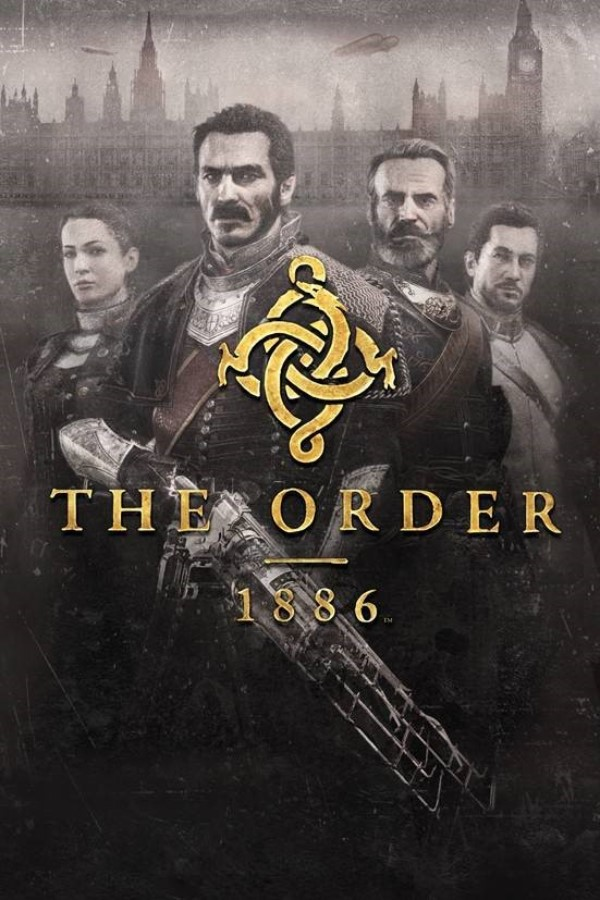
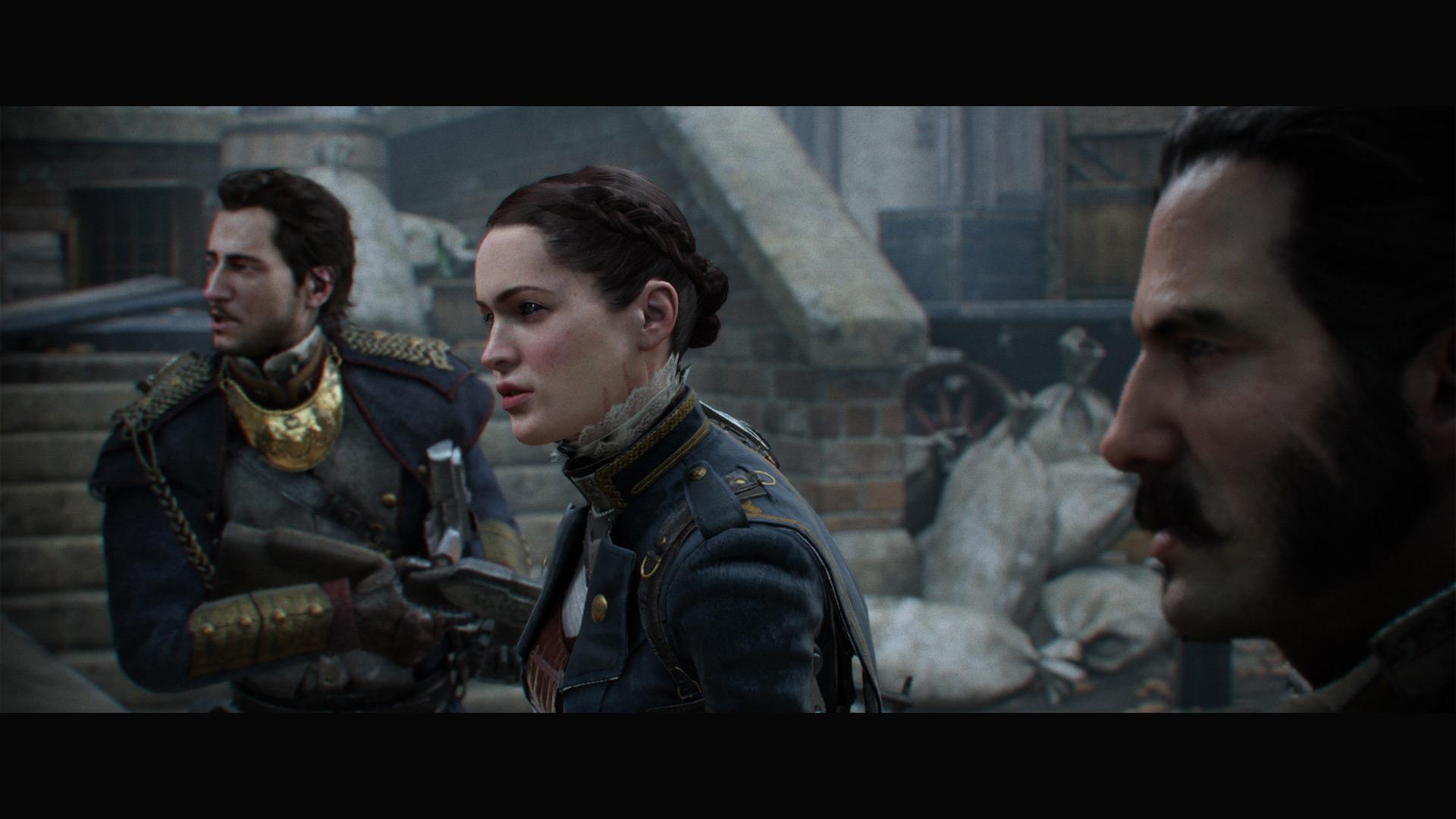
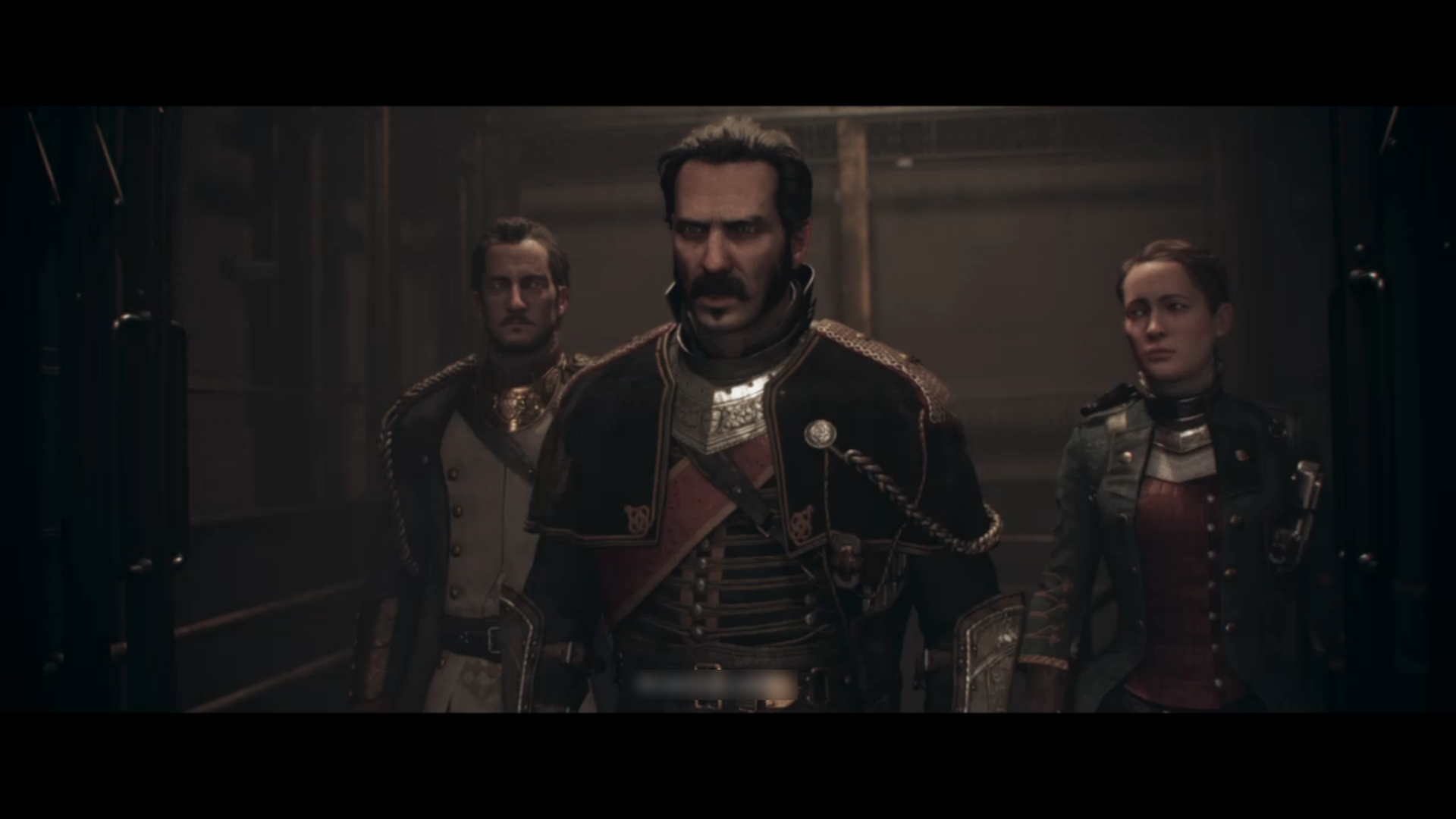
Ready at Dawn has had an amazing track record on the PSP with Daxter and both God of War games on that system. When everyone heard they were working on a new IP for the PS4, it got everyone’s ears buzzing. A historical third-person shooter set in 1880s London was just too good to be true. What came to fruition was a storytelling experiment that went well or badly, depending on your viewpoint.
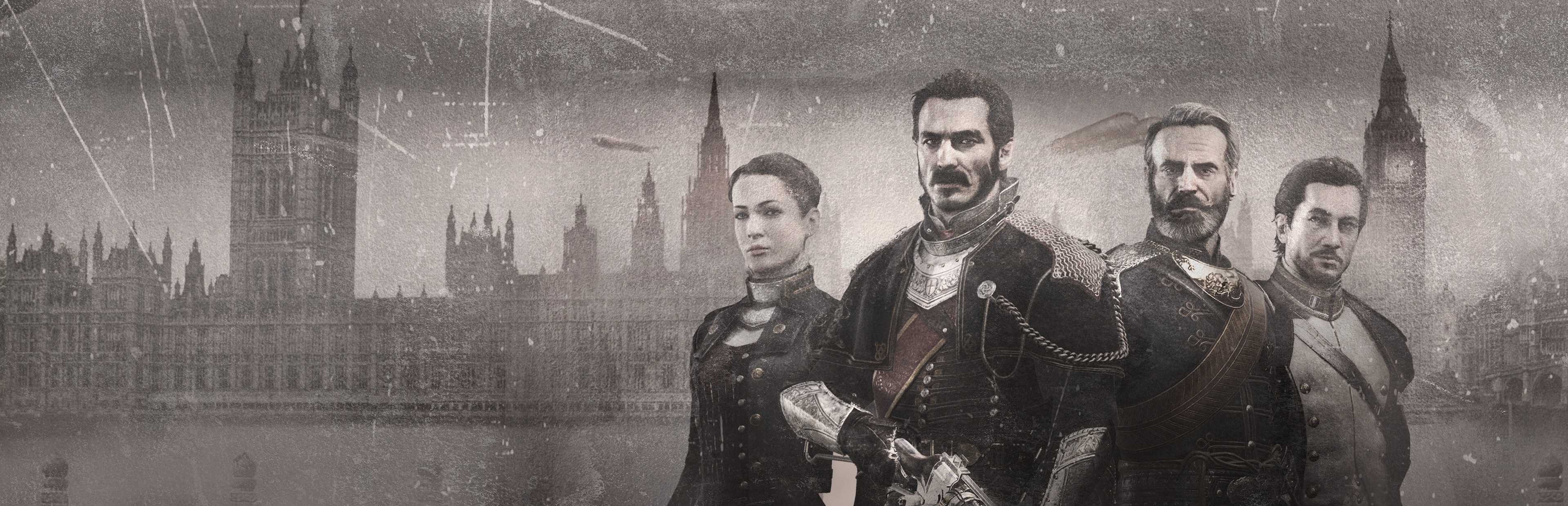
The Order is an interesting game in the PS4’s life cycle as it was the first major first-party exclusive to be released after the launch of the system. It was highly anticipated, it was heavily pre-ordered, and everyone was salivating for a next-gen PS4 outing. What was made was a well-told story about Lycans and a secret order, with some interesting gameplay ideas thrown in.
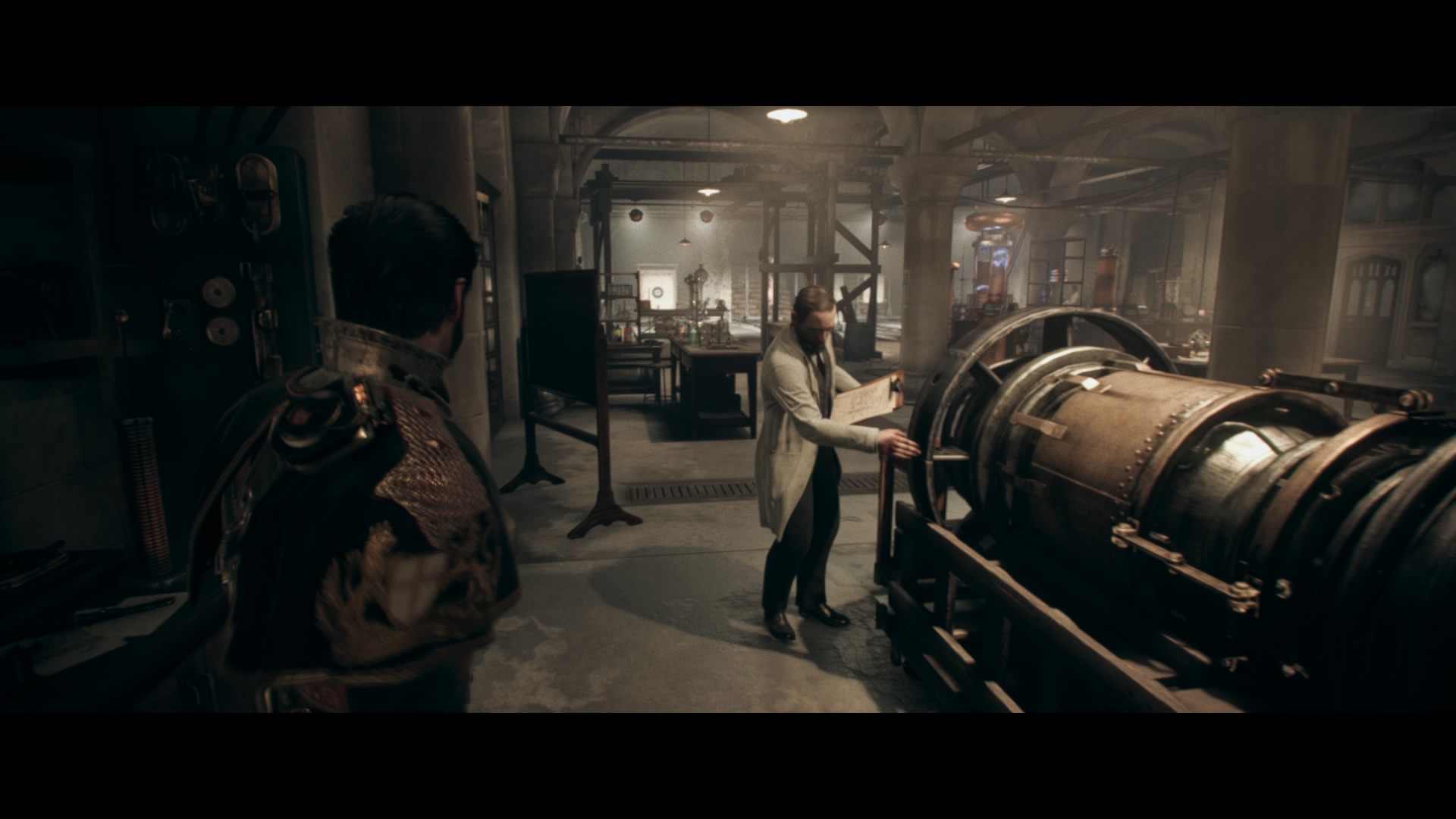
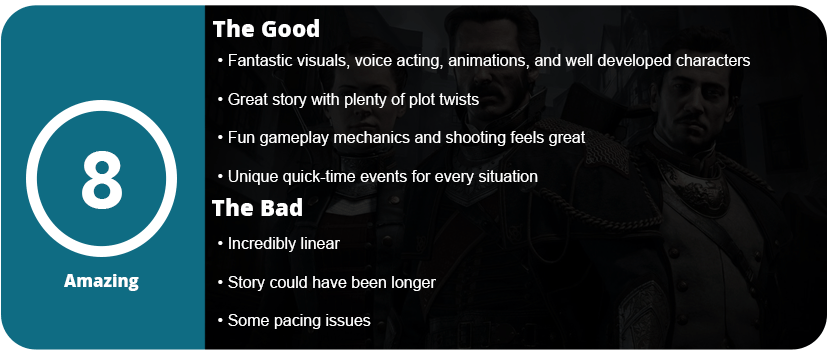
You play Grayson Galahad, a Knight of the Order charged with treason and crime untold. The story starts at the end and picks up at the beginning to wrap back around to the end. There are a lot of plot twists, amazing characters, excellent acting, and fantastic voice work to enjoy during this 6-hour campaign. Once I got ahold of Grayson, I started slowly walking around linear hallways, picking up photos and enjoying the scenery. A few seconds later I was presented with quick-time events, another walking session, and more quick-time events. After this, it was another long cutscene before I got control of Grayson again. During the first 30 minutes, I figured this was a build-up for something tense or to slowly eek out gameplay for the player, but it continues throughout the entire game, and that’s not necessarily a bad thing.
The Order has many QTE sections and story segments, but there are a few lengthy shooting sessions as well. The game does have intense action, great shooting mechanics, a good cover system, and everything you would expect from a top-notch shooter. I don’t quite understand the hate for this game, as there are much slower games that do the same, such as Heavy Rain, where the entire game is a QTE fest. I understand that taking action away from the players can annoy them, but then I felt the game was rather well-paced. There were even some one-on-one Lycan knife fights and some pretty fun QTE events, and they all felt unique and applicable to the story and events taking place.
Throughout the game, there are intense action sequences and slower stealth sections, which all felt fun, and I had a blast through the entire game. The story kept me hooked until the very end; there were always plot twists, and I honestly sat and played through the entire game in two days, and most other AAA blockbusters can’t even get me to do that. The storytelling in The Order is really well done, and the entire visual presentation, atmosphere, and character development are great. While not groundbreaking, it’s nice to see in a sea of games that can’t even get one interesting character across.
In a time of impatient click-bait, instant gratification-seeking Call of Duty, and the Fortnite generation, a game like The Order would have received critical acclaim just 10 years ago, or if it was PC exclusive. PC games are released like this every day, and gamers eat them up, but this is a strange playstyle and something new for console gamers, I feel. I praise Ready at Dawn for trying something new and not following the continuing boring trends that are killing the game industry like a sickening plague. While The Order isn’t perfect, I didn’t run into any major issues that made the game less enjoyable. The story was a tad rushed in spots, and I would have liked it more drawn out, but what is here is actually quite good.
The game looks amazing and is still one of the best-looking games ever made. This game makes me proud to be a PS4 owner, and you don’t get unique narratives like this on other consoles. The PS4 continues to impress me and make me regret this generation of consoles just a little less with games like The Order.
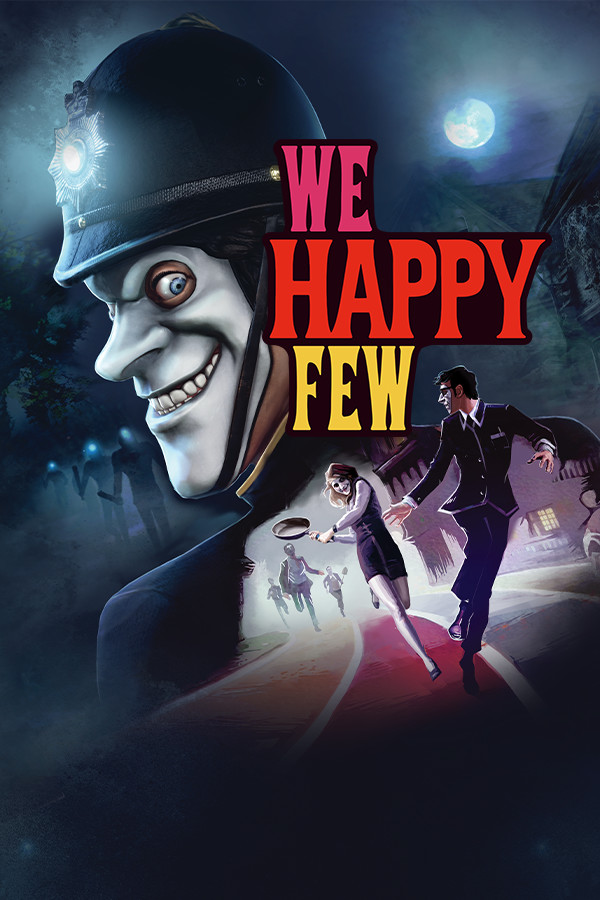
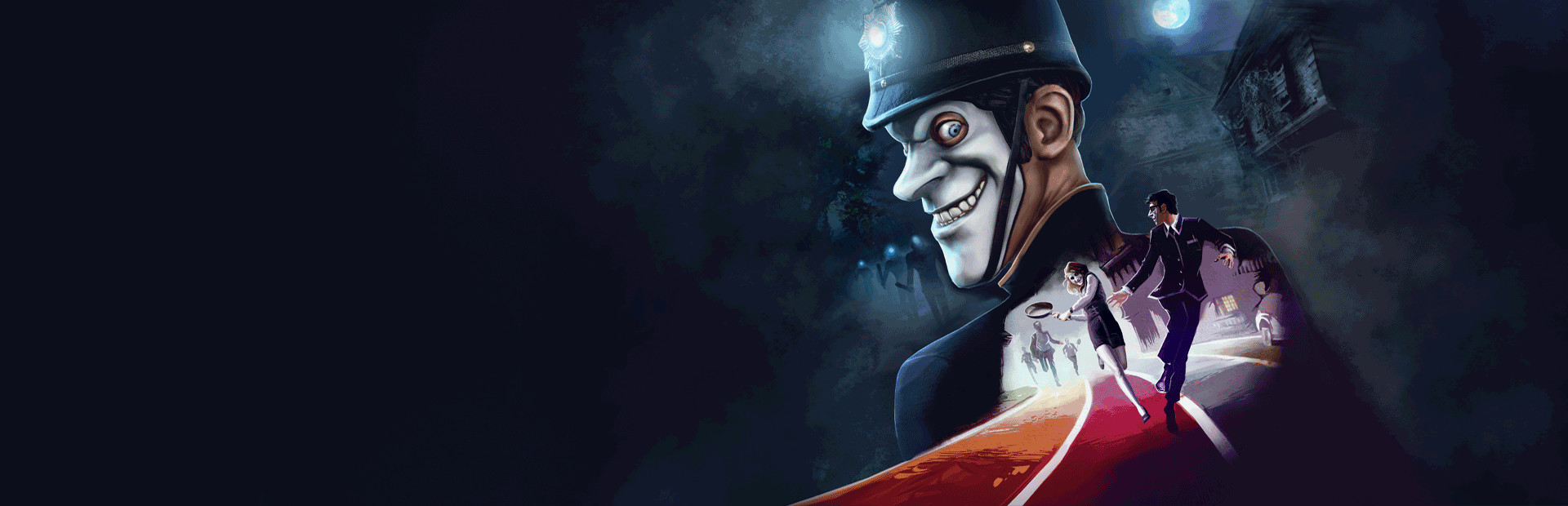
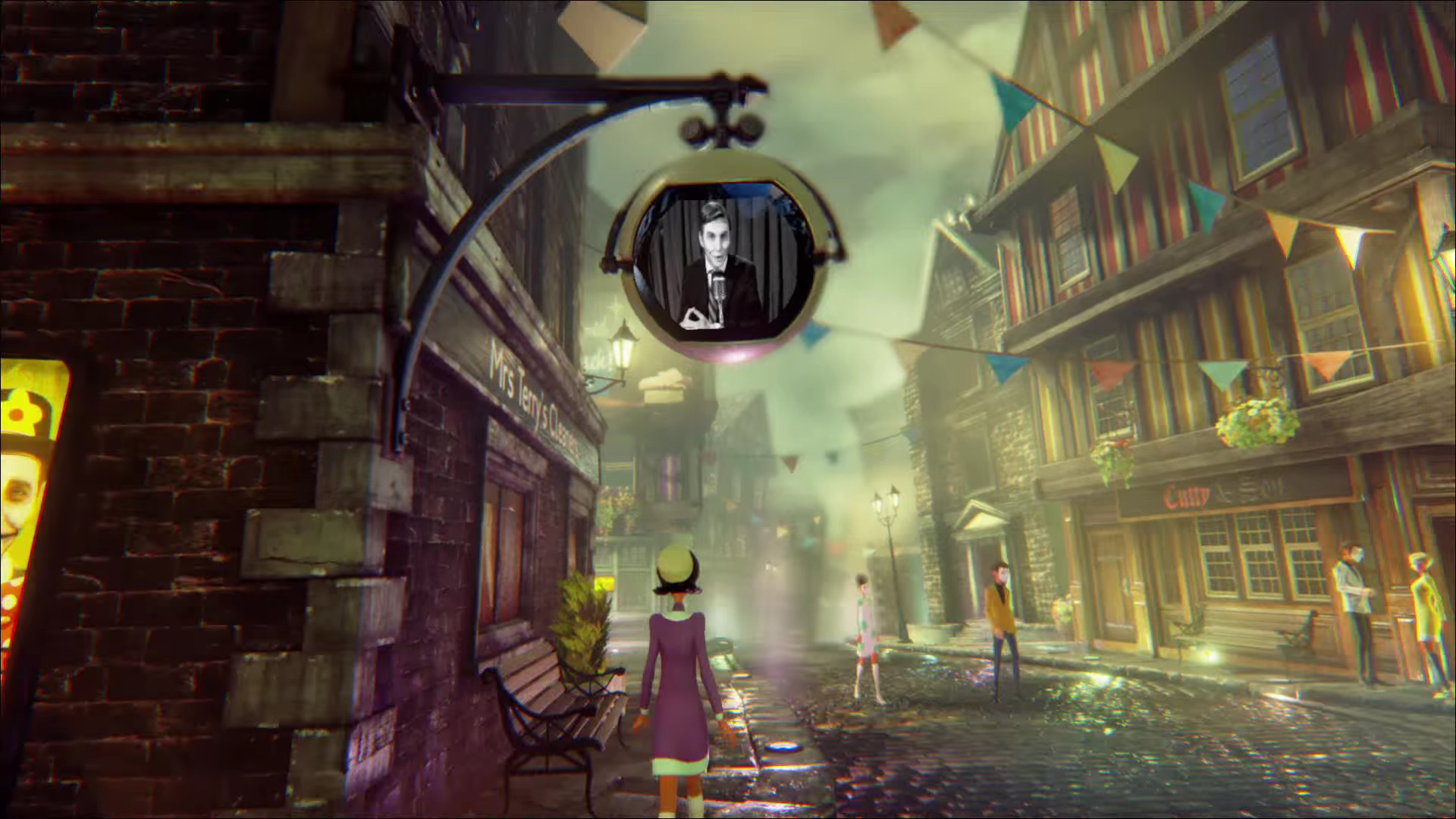
We Happy Few is a stealth action game in the vein of BioShock. The premise is actually really interesting and fresh. The game takes place post-World War II, in which the Nazis won the war and took over Britain. The citizens must take a drug called Joy that makes them see everything for what it isn’t: a cheery, delightful, and stress-free world. You play Arthur Hastings, who is a reporter who decides not to take his joy one day. People quickly catch on and start chasing you, and this is when the game starts kicking in.
We Happy Few isn’t exactly an open-world game, but there are large areas you can explore and various missions to partake in. Outside of the main quests, there are side quests. There are also two types of areas to explore. The first is outside the cities where downers are kept, and you must make sure you look trashy like they do and are off your joy. Just make sure you don’t take anything from them or run, and you should be fine. When you are in the cities, you don’t really have to take Joy, but you can’t run, jump, sneak, or do anything crazy, or everyone will catch on. It’s not as simple as this, though, as there are a lot of variables in the stealth mechanics that make the game very frustrating. There are various gadgets that can sniff you out and detect you are off your joy, and doctors roam the streets sniffing you out. You also can’t run and sneak around here either, or you will be swarmed and killed. There is also a curfew, so being out at night is a huge disadvantage, as everyone will come after you and kill you.
Sadly, other variables make this further compounded with frustrations, as you can’t skip time at night and can only do this sleeping in your own bed in your secret hideout in each area. Not to mention this is kind of a survival game with crafting involved, so many mission items must be crafted or obtained elsewhere, and it can seriously halt progress. Combat kind of takes a backseat, as you are really at a disadvantage here, as most of the time you are overwhelmed with too many people to handle. Sneaking around is a must, and being able to see footsteps through walls helps, but sometimes the game is just so overwhelmingly repetitive and has flawed AI that I died dozens of times throughout the game trying to figure everything out.
There are plenty of gadgets to craft to help you out, including weapons, distractors, healing items, and buffs, but most ingredients needed for healing are really rare, and you won’t find better blueprints until late in the game. I mainly relied on sneaking up behind people and choking them out or distracting them with glass bottles. If you get caught, you can run and hide in various places until the enemies lose interest, but sometimes this doesn’t always work. Some enemies won’t go back to their patrols, and I was stuck darting out and hiding somewhere else. I felt no matter what I did, I was always too hindered by the game’s mechanics, felt suffocated, and was always frustrated. The game rarely felt fun.
If I died, there would be weird checkpoint placements, sometimes putting me several objectives behind and requiring long stretches of repetitive nonsense. Sometimes I would be put back at night and would have to run through enemies to get to where I needed to be. I appreciate the number of gadgets and ways to sneak around objectives, but sometimes the easiest was always the quickest way through by just running through everything.
Once again, combat consists of just swinging things around and blocking until the enemy dies. It’s clunky and not very fun, but it works in a pinch. As you progress, you can level your character and add new skills and abilities, which wound up being really helpful, but then I would always have more materials to craft for things I couldn’t make than ones for blueprints I had. I was always overburdened, throwing stuff out that I could never use.
The story is enough to push me through the frustrations; the dialog was witty and the voice acting was superb, but I just felt there was something missing. There just wasn’t enough of it between long stretches of repetitive gameplay to make it worthwhile in the end. It’s a very interesting world, and I felt it got lost in the survival stealth aspect of the game. I wanted to explore more freely, but I was on a time limit; I couldn’t run and climb where I wanted, and doing anything besides being a good citizen got me caught and took five minutes to become not wanted.
Artistically, the game shines and has great-looking art and designs that look similar to BioShock, but it’s technically dated. The game looks almost last-gen and is poorly optimized, with framerate dropping below 60FPS on an overclocked GTX 1070. It’s not going to make your GPU sweat; it just confuses your drivers.
Overall, We Happy Few is a great idea that isn’t executed as smoothly as it could have been. The story, dialog, atmosphere, and characters are there, but they are held back by repetitive gameplay, boring exploration, and pointless side quests.
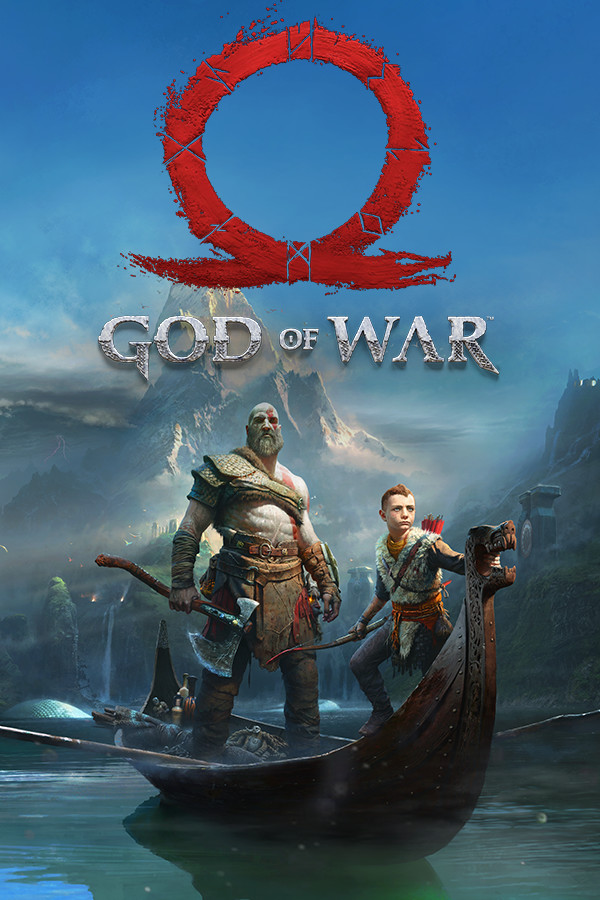
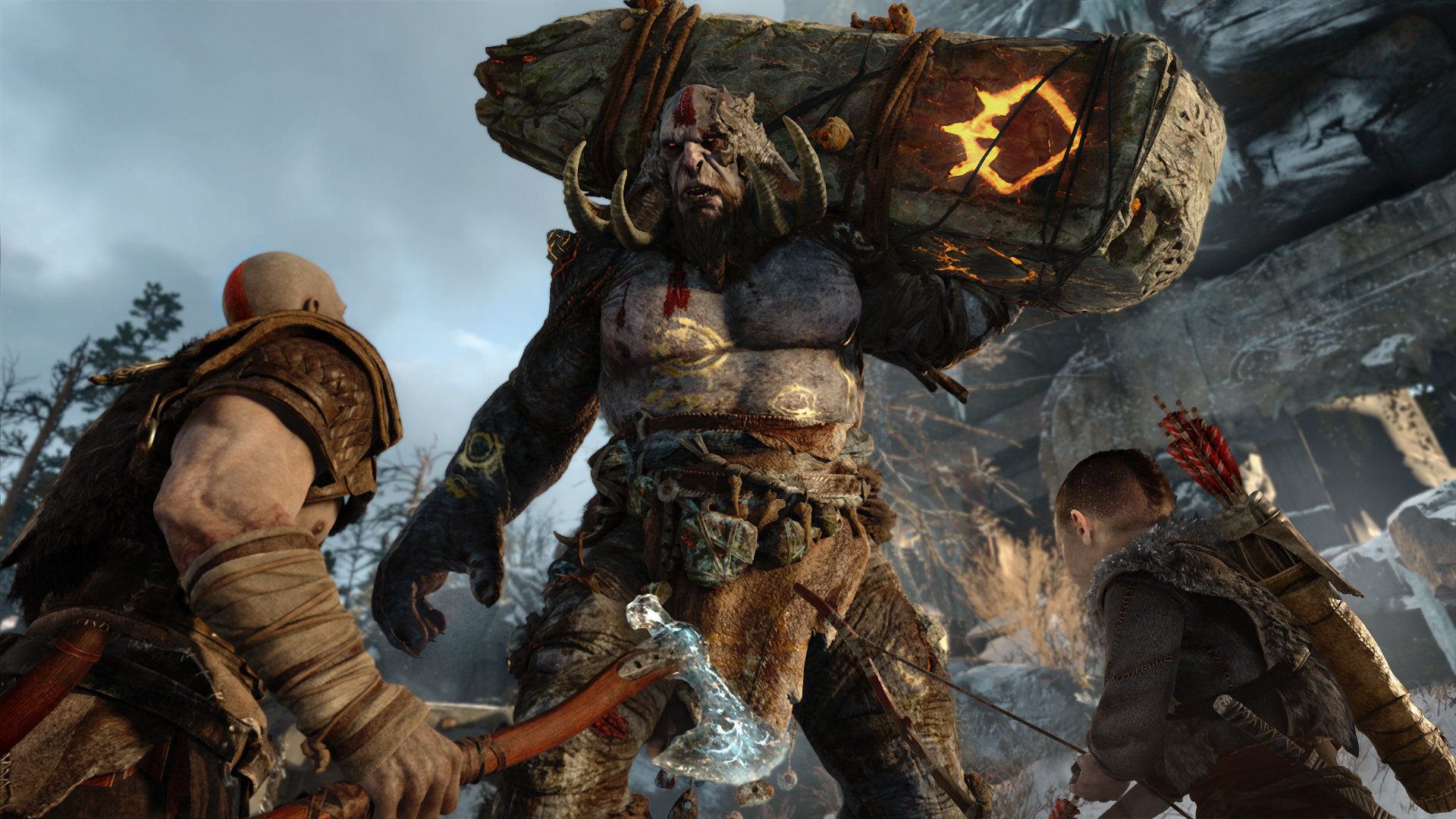
When you think PlayStation, you usually think God of War or Kratos. God of War was a game-changer back in 2005 with cinematic fluid combat, memorable characters, and intricate level design, as well as the birth of quick-time events. 13 years later, the entire game is reinvented, not just to change the way we play as Kratos but to reinvent the action-adventure genre itself.
I really want to go into detail about the story, but it would contain so many spoilers that I have to refrain. For starters, you do play as Kratos, but as an aged man, a father, now living in an entirely new world set in Norse mythology. Yes, the Greek myth of God of War is now done, and we get a whole new set of gods and enemies and a beautiful new world. Kratos is living humbly as a woodsman with his family until his wife dies, and he and his son, Atreus, must venture to the highest mountain of Midgard to spread her ashes. It feels like the most humble story and a stark contrast from past games, with Kratos’ rage and anger tearing down gods and endless Olympians.
I can’t stress enough just how well developed his character and personality are. Being revoiced by Christopher Judge, who is best known as Teal’c (Tee-ULK) from the Stargate SG-1 TV series, he has a more calming, aged, and tired look to him. He is extremely wise, quiet, reserved, and has learned all these years to control himself; however, he still struggles. Santa Monica Studios did an astounding job of developing his character and Atreus’. I was fully immersed throughout the entire game and loved hearing Judge’s voice on screen, soaking in every cutscene and spoken line of dialog. It’s one of the most well-written characters and scripts in gaming history and goes from a simple story to blowing up into the expected epic mess that Kratos usually gets into. The story does end on a cliffhanger, and there are a lot of unanswered questions, but fans will know that means more is coming, and more is better.
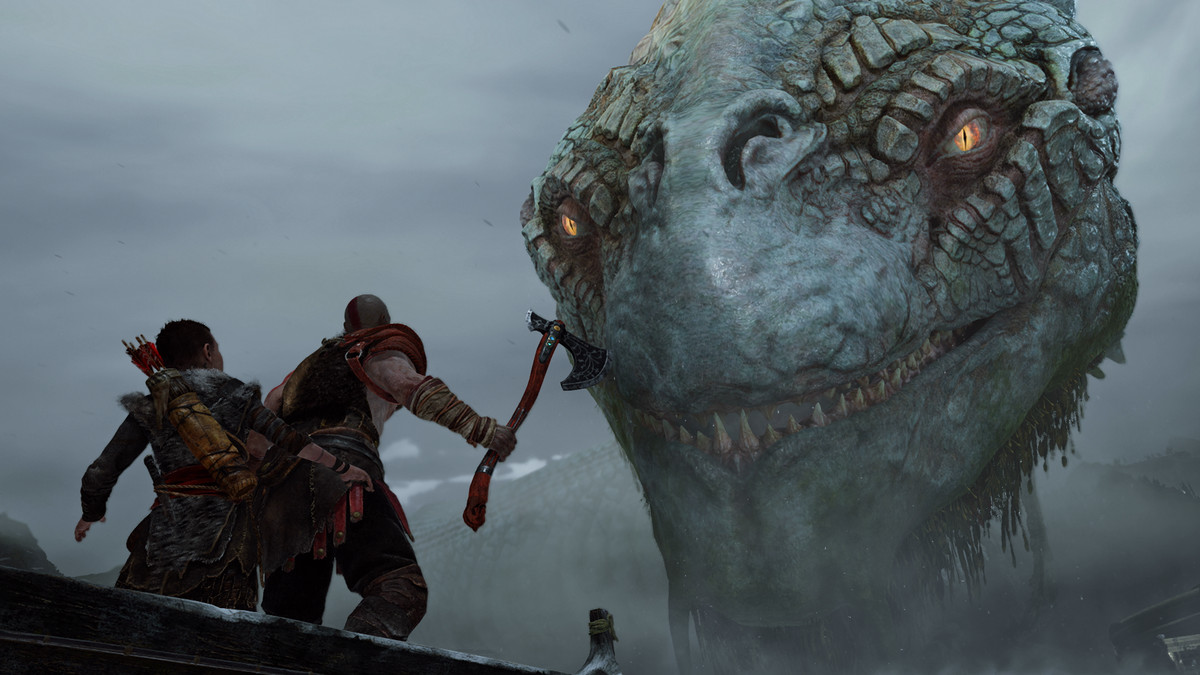
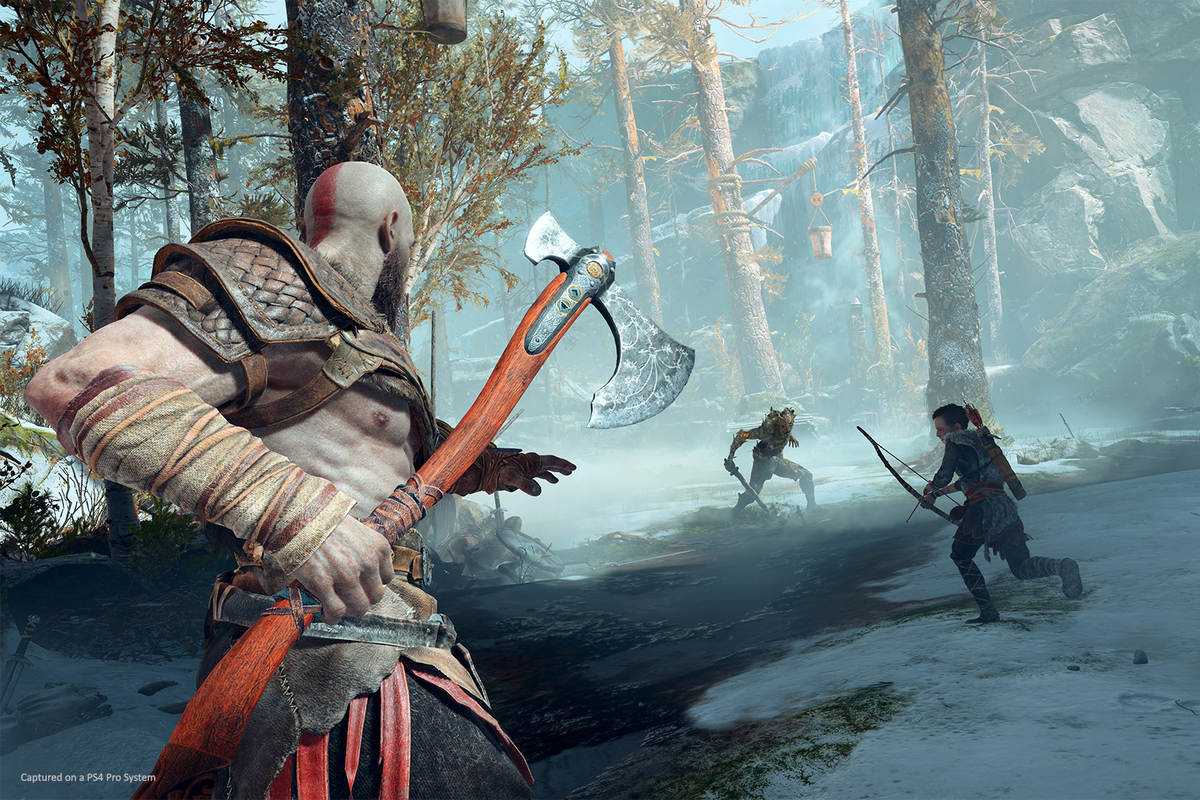
The next thing you think of when you hear God of War is the amazing and well-made combat. It is one of the top five best action-adventure combat systems ever created and has just improved over time. Santa Monica Studio not only reinvented God of War’s combat but also action-adventure combat itself. Instead of using a cut camera like in previous games, we are now behind Kratos from an over-the-shoulder perspective with similar combat mechanics to past games. Some would say this seems impossible, but they pulled it off. Light and heavy attacks are now mapped to the R1 and R2 buttons, with your Leviathan Axe being used to solve puzzles as well. This is another amazing twist to the weapons in God of War; they aren’t just for chopping off heads. The Leviathan Axe is an amazing tool that is powerful, used as a ranged weapon, and for various other reasons. The main attraction of the axe is that it can be thrown and returned to the player anywhere in the world. The Triangle button is permanently mapped to just returning the axe, which is an interesting game mechanic never seen before.
I can’t go into further detail about weapons as it’s actually a huge story spoiler, but the combat feels very familiar to past games while also feeling fresh and new. I can’t think of the combat being done any other way. On top of chopping off heads, the magic system was reinvented with new enchantments and rune stones that you can collect around the world. These can be socketed to armor and weapons and add various moves to certain button combinations for each weapon. These are keys to surviving in battle, and without them, you just wouldn’t be able to finish the game. I always changed them up and upgraded them, as there’s a huge variety of magic moves in this game.
Epic cinematic kills are also back, but less quick-time event-heavy. While I did miss them, I understand why they were excluded. It does get repetitive, and you constantly relied on seeing that circle button pop up to gain health, magic, or experience orbs, but the animations went from awe-inspiring to shrug-inducing very quickly. The game does harken back to the first God of War in the sense that the game isn’t heavy on epic giant bosses. There are a few, and they are scripted, beautifully animated, and jaw-droppingly epic to see. You still feel like you are taking down these giant creatures, but in a different way. There are larger, smaller enemies like trolls and elemental golems that can be defeated similarly to past games, but it’s changed just enough to feel new and different. The combat is still cinematic, epic, and enjoyable, with awesome slow-down and gore everywhere.
Atreus himself is also a great combat tool, as he’s a companion that actually works and never gets in the way. He’s mapped to the square button, and you can use him no matter what Kratos is doing, and that includes death kills, being knocked down, etc. He shoots various types of arrows that can stun enemies and bring their stun meter up. Unlike past games, you can’t just deal so much damage, and then the kill button appears exactly the same for every enemy. You need to use various attacks to bring that meter up, and it’s difficult on tougher bosses. It keeps you from relying on quick-time events, like in past games. The well-invented and amazing enemies also help, as each one stands out and is unique, and you will learn what moves work with what enemy.
If the combat wasn’t enough to hook you, then the world will. The third major part of God of War is exploration and puzzle-solving, which make up over half of the gameplay. They took the secret chests of past games and blew them up tenfold with various types of chests, from simple small treasure chests full of Hacksilver (currency) to actual puzzle boxes where you have to hit various bells with runes to match the box. These can get tricky and require using all of your skills to solve them. God of War is also an open world. Yes, an open world. Midgard contains several realms you can explore, two of which are only for trials and challenges, but Midgard itself is a giant lake with various islands full of puzzle goodness and amazing challenges that will keep you hooked for dozens of hours. There are so many tasks in God of War that it really feels like an awesome open-world RPG, thanks to a leveling system and a brand new upgrade and crafting system.
The last part of God of War goes from using red orbs to upgrade things to finding various items in the game like any RPG and using them to craft and upgrade armor, weapons, enchantments, and even Atreus bow and his armor. There are certain armor sets that require various items from certain realms, and this can be a challenge, but it’s possible I actually finished the story before reaching the max level and acquiring the best armor. That’s all reserved for the bigger challenges seen elsewhere in Midgard.
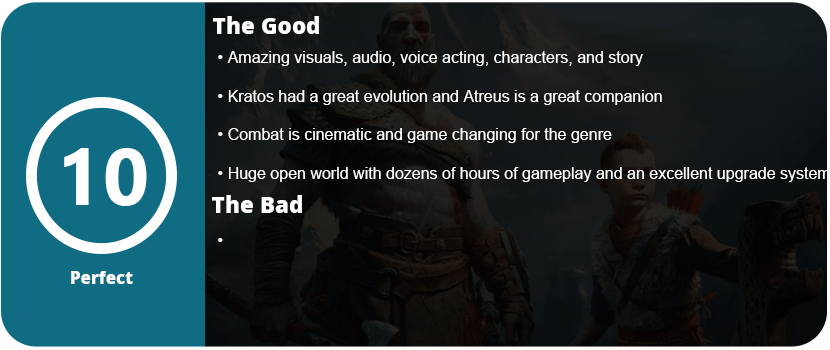
Overall, God of War is the single best game to be released this entire console generation cycle. This is what we needed more of from every console maker. It took Sony too long as it was, but here we have it. The game is literally perfect, and I can’t think of any flaws in God of War that are detrimental to the overall game. I could say the game is too hard in spots, but that’s because I ventured too far too early and needed to come back later. I could say there are a lot of hidden items and they are hard to find, but I need to explore more and look more carefully. I could say that the story is too short and the lower amount of epic bosses is what made God of Warand hurts the game, but it just doesn’t. God of War is the best game I have played in the past 10 years, and many other developers need to take note.
Note: The game plays best on the PS4 Pro. It looks really awful on the standard PS4, but the Pro is running in 4K checkerboard, and the textures and added effects are well worth a purchase just for this game.
What is an action game? Any game with action can be considered, but in my opinion, these are action/adventure games or games that are cinematic and full of flash and adrenaline-packed adventure.
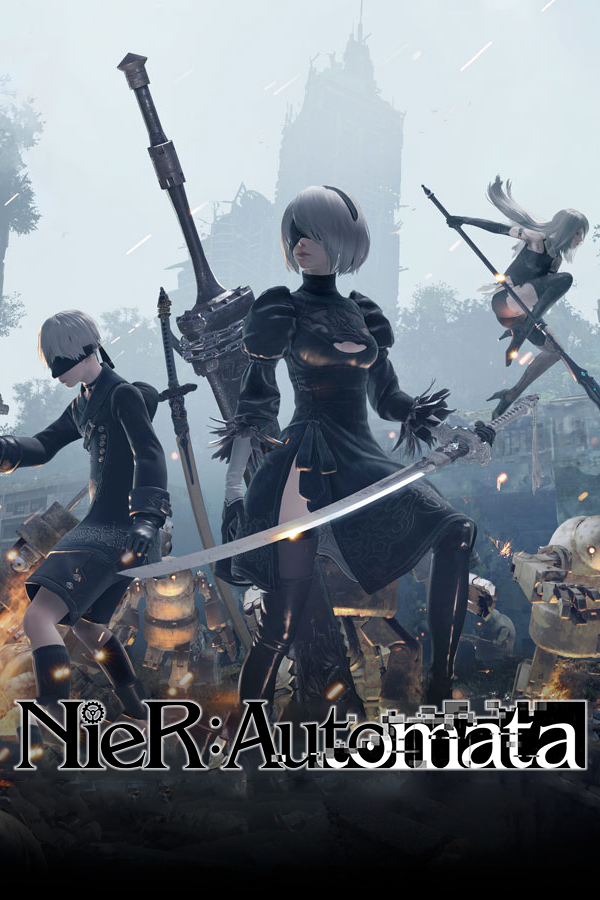
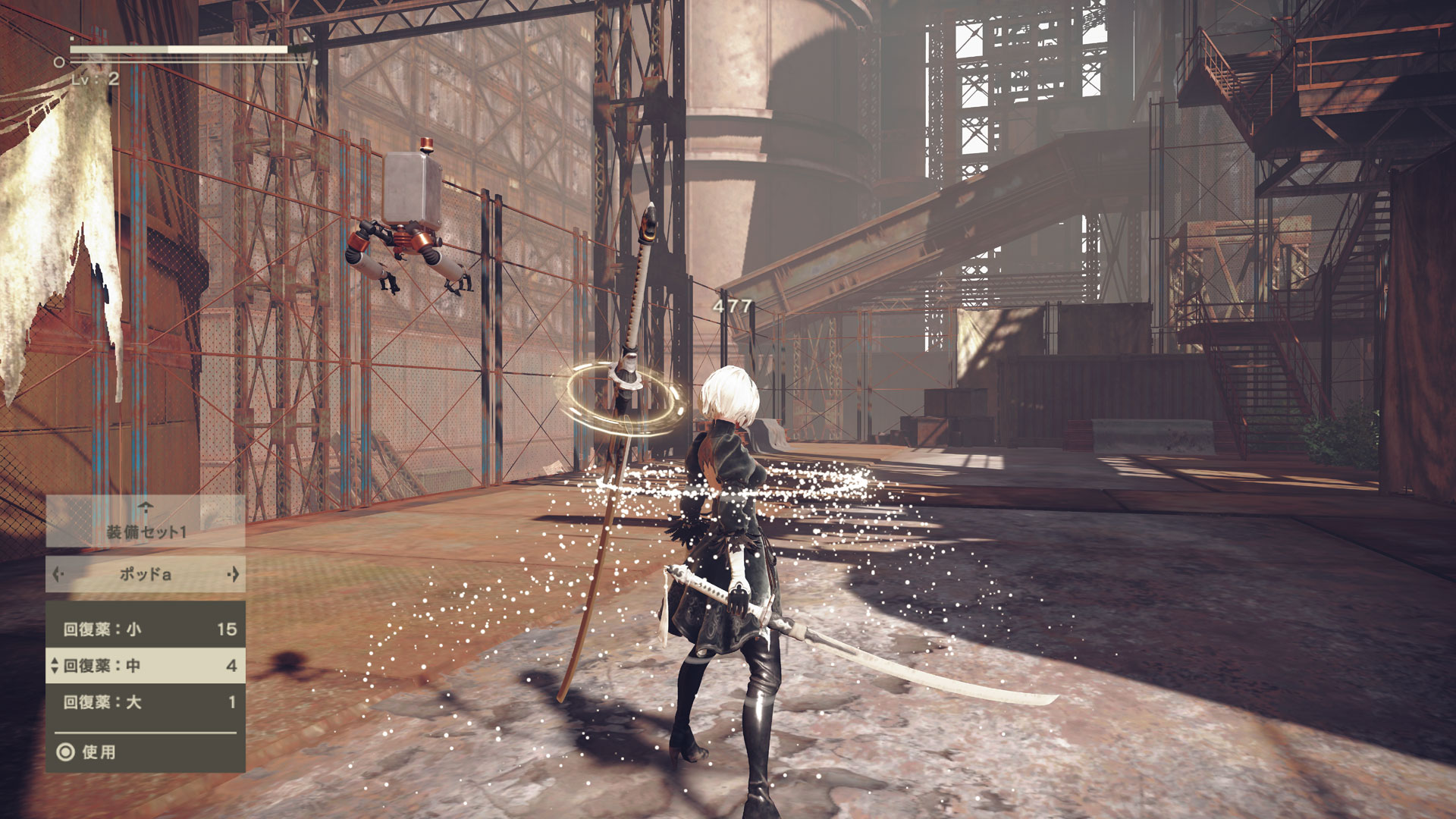
Nier: Automata
NieR was the best action game this year because it was something new and fresh. While it wasn’t the most technically impressive game out there, the action was phenomenal with fast-moving characters and fluid combat against interesting enemies. It’s a weird one-of-a-kind game that we rarely get to see.
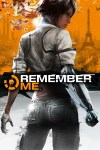
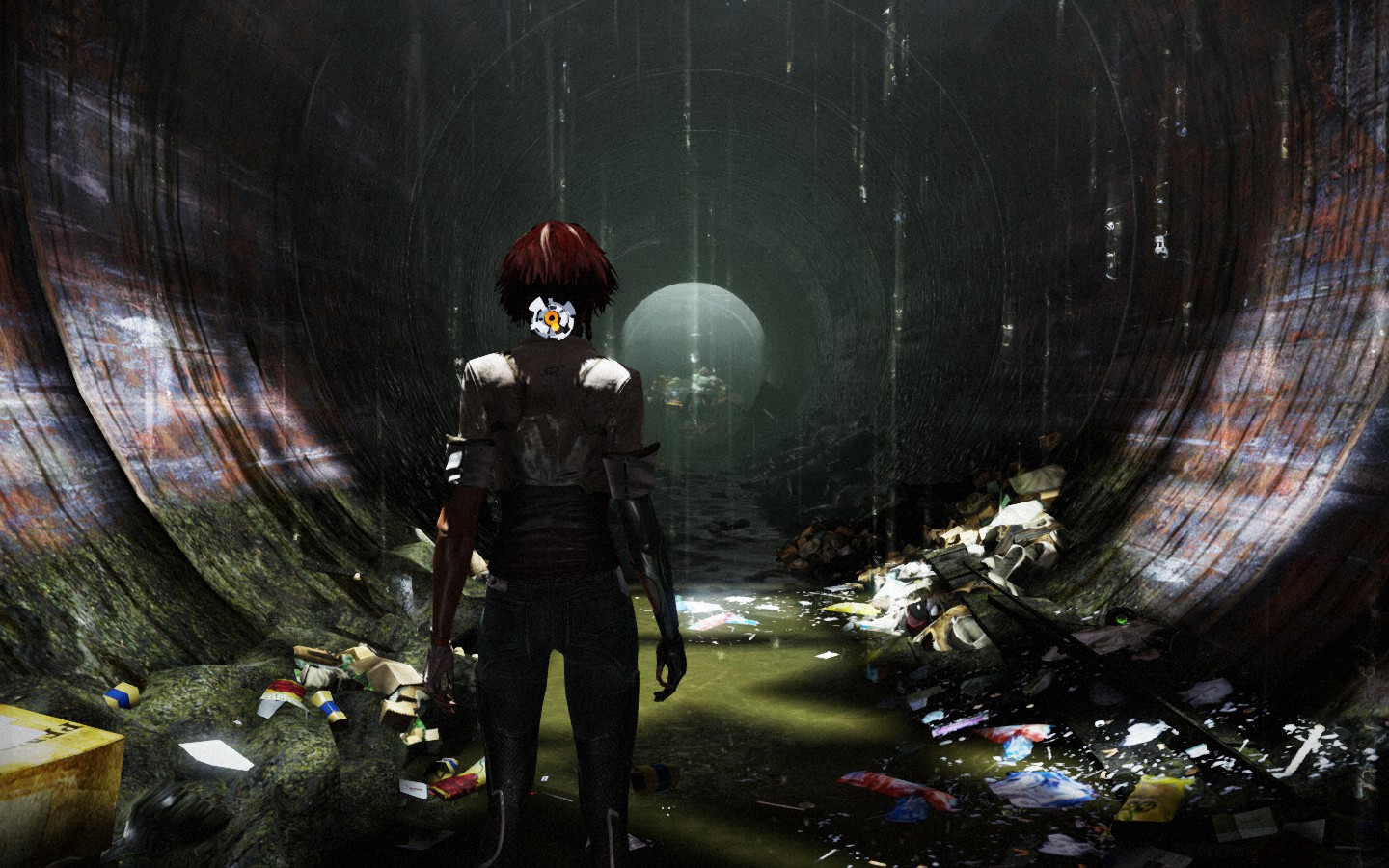
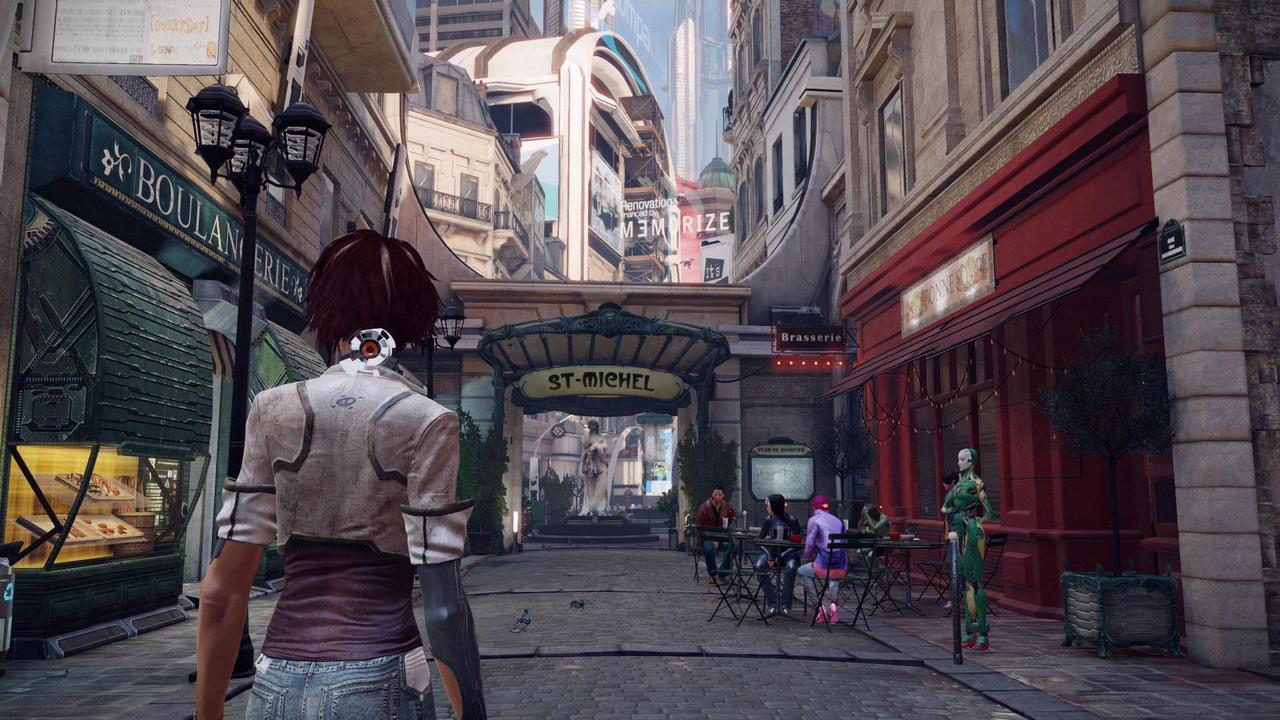
Remember Me is a brand new IP from Capcom. I always welcome new IPs because you never know when you’re going to get the next Assassin’s Creed. Once I started to remember me, I instantly fell in love with it. The art style is fantastic, the story is engaging, and the characters are memorable. This will be a game I talk about for years to come—at least the story anyway.
You are Nilin, a memory hunter fighting against M3morize. M3morize is a corporation that invented technology to let you forget any memory you want and gain memories. As you can tell, this leads to civil war because everyone eventually becomes Leapers, who are completely corrupted and bereft of memories. It turns out that there is some sort of new world order to wipe out everyone’s memories and make them all mindless soldiers. That’s the gist of it, and if I say any more, I will give too much away. The story is fascinating and really plays well with the art style and atmosphere.
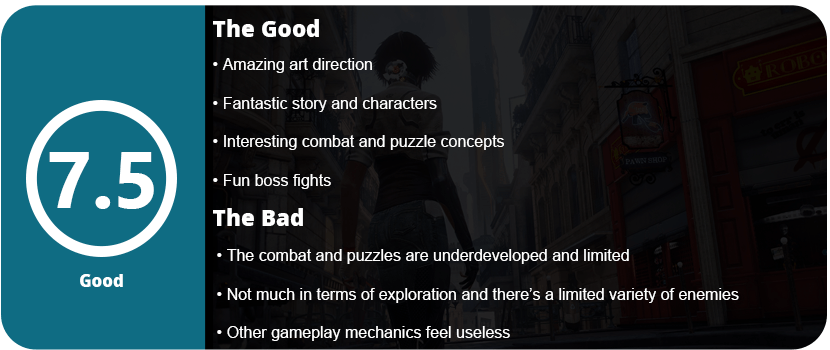
The problem with new IPs is that the developers concentrate on just one aspect of the game, and the rest gets left behind. This is apparent in Assassin’s Creed 1 after playing AC3. You can see the difference. Remember Me has an amazing story and characters, but the gameplay is just lacking; it just feels useless and unnecessary. The tools you have to play don’t really mean anything in this game, but that doesn’t mean it’s bad. The first thing is the combat system. While it’s unique, it is very limited and actually holds the player back. Nilin has four different combos she can do over the course of the game. You fill these combos with two different attack buttons called presses. These presses can increase your health, decrease S-Pressen cooldown timers, give you more powerful attacks, and cause a chain reaction. This seems really interesting—gaining health during combat? It’s more frustrating and limited than you think. With just four combo chains, you have to memorize all four of them and also remember what presses are in each one. I had one as a focused cool-down combo, then one for health, and the third was for power. The further in the combo the pressen, the bigger the effect. With just four combos, combat gets really repetitive and super boring; it just never picks up.
Once you unlock S-Pressens, things get a tad bit interesting, but only during boss fights. These are powers that can let you attack really fast, stun everyone, place a bomb, and even turn invisible and get a one-hit-kill on an enemy. You can use two different ones on robot enemies that will attack you. These S-Pressens are key to winning tougher battles later in the game. That’s all there is to combat, and it is so limiting and repetitive. I actually only kept going because of the story.
Another part of the game that is never fully developed are the puzzles. There are only four in the entire game. These allow you to remix people’s memories to make them think something happened in a different way. You watch a cutscene and then rewind it, looking for glitches that can change the scene. You have to set off the right glitches to change the memory. The problem is that there are no multiple outcomes. You just keep retrying until you get it right; there’s no fun in that. If I mess with someone’s memory, let me decide how it goes. I also wish there were more of them. There are also memory puzzles that you interact with in the world. They are usually really easy, and the answer is given to you after just a minute. I hate how these things were so underdeveloped; they are great concepts. There are a couple of move-the-stuff puzzles using your arm’s special powers, but I felt these were useless. You unlock a gun-type thing that can blast enemies and move things. Why do I need to unlock this throughout the game? Honestly, the moving and blasting open doors just felt like pointless filler.
Lastly, the exploration is very linear. The controls respond well, but the best part is just viewing everything. You get taken from the slums to the richest areas of the city. The journey is fascinating and breathtaking. Remember Me feels like a mix of Mirror’s Edge, Steven Spielberg’s A.I., and Blade Runner. I ate it up, and the characters are very memorable. I just wish it had better gameplay to complement it.
After you finish the game, you will be talking about the amazing story for a while. While none of these mechanics are bad, they are just underdeveloped and feel like they need more work. The combat is interesting but very limited and repetitive; the same five enemies repeat often; and the puzzles are underdeveloped. I hope Remember Me comes back because I love Nilin and her journey through this breathtaking world, which just gives us better tools to explore it.
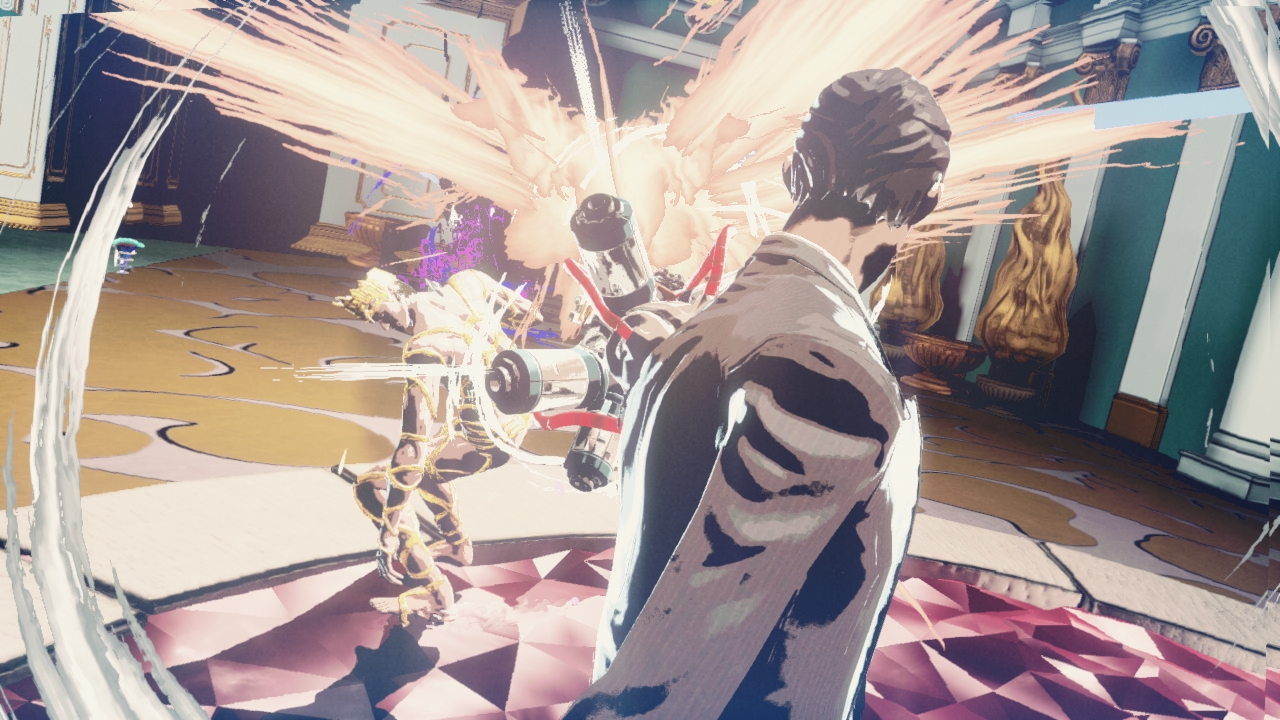
Suda 51 is known for his crazy art style and weird games. He’s pretty much the Quintin Tarantino of the video game industry. You may know his other games, such as Killer 7, No More Heroes, Lollipop Chainsaw, and Shadows of the Damned. His latest work isn’t his best or his weirdest. Honestly, the game is very short and lacking in every department. Let’s start with the story. You play a hitman named Mondo, who works for a hire-to-kill agency and takes on different people. The goal for this is never explained, and honestly, the story makes zero sense. There’s no wrap-up, no climax, no real anything. You just run around killing people with no real purpose. There’s something about a guy named David who killed Mondo’s mom, and then something about taking back the moon from him. I can’t tell you any more than that because there isn’t anything else. The story could have been interesting, but it seriously stinks.
Suda 51 is known for having fun and flashy combat. The combat here is very flashy but very shallow and dull. You just mash square and dodge around a lot to hopefully trigger a slow-mo event where you mash the attack button and can do extra damage. Mondo also has a gun arm called the Musselback. There are 4 different weapons you can unlock through gigolo missions (more on that later), but I honestly never used any of them except the default machine gun attachment. Your arm works off of the blood that you gain from killing things, and this also fuels your blood drive. Holding R1 and pressing square allows you to instantly kill enemies that aren’t immortal or shielded. All of this sounds fun and dandy, and it may look awesome, but there’s nothing else to it. Upgrades are bare bones and only let you auto-heal and manual heal while giving you only 5 new attacks, which end up being useless. The combat is seriously flawed and simple.
Outside of that, there’s nothing else to do. The missions are varied, and the best part of the game is the boss fights and the visuals. The game has Suda 51’s signature art style, similar to Killer 7, but it’s technically dated like all his other games. The textures are blurry and ugly, and it just lacks any technical flair. Other than the main 12-chapter story, you can unlock side missions that are timed with various objectives, or gigolo missions. These are basically dating mini-games where you have to stare down at a woman’s body without her noticing. Once your “guts” are full, you can offer gifts to win her heart. Before you cry foul, there is a purpose: to unlock the Musselback attachments. However, doing these side missions that you unlock will feel pointless because, after you beat the short 5-hour story, you won’t want to come back. The enemies repeat often, there are very few set pieces in the game, you won’t care about the characters, and the story is confusing and non-existent.
Overall, Killer is Dead is Suda 51’s weakest game. It has the sexual spice, the visual flair, and the weirdness, but not in the good way that it has been put to use before. The combat is bland and shallow, the story stinks, the characters are lame, and there’s no reason to go back. That’s not to say it isn’t worth playing through. Only fans of Suda 51 will really get the game’s concept or general design and appreciate it from an artistic standpoint, but the average gamer will think it’s a load of garbage.











































 thebinarymessiah.com
Try multiplayer. A lot of fun !