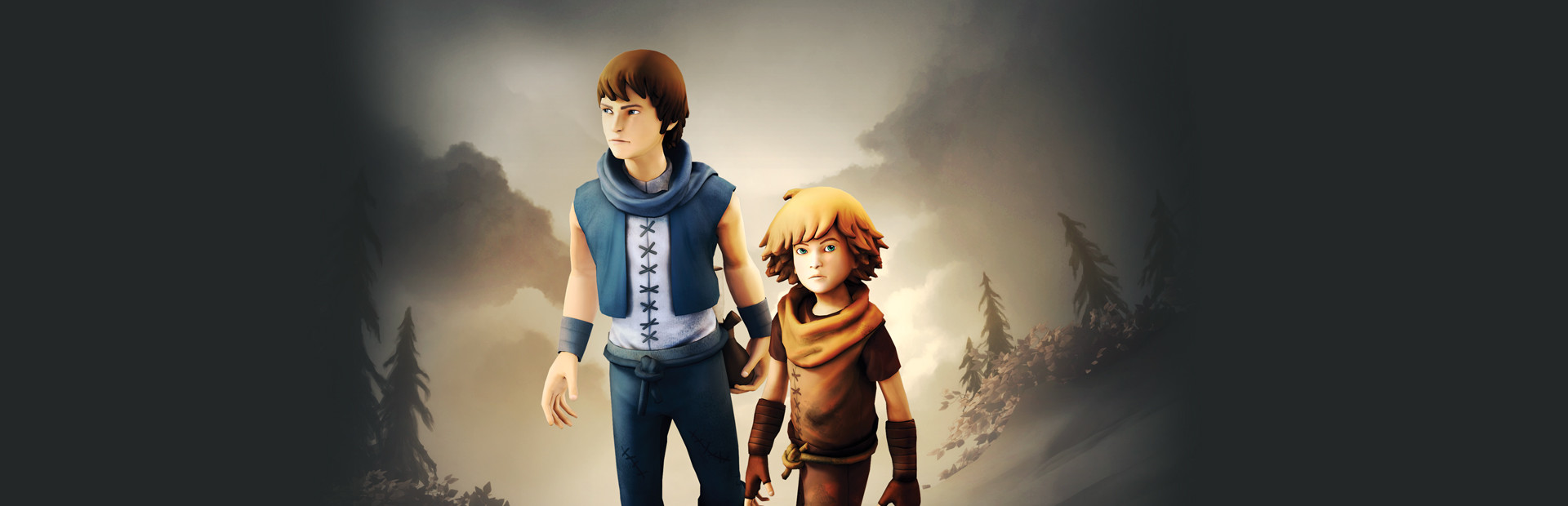
Brothers is about two boys who travel across their land to find a magic sap from a very special tree. They need this sap to heal their father, who has come down with a life-threatening illness. That’s pretty much all there is to the story. However, that’s not the touching part. Brothers don’t really start hitting your feelings until the end. Brothers have a unique gameplay mechanic where you control each brother with an analog stick. It takes some getting used to, and you never completely get used to it, but using both brothers at the same time is a unique way to play a game.
The game consists of simple puzzles. They aren’t complicated and don’t take much thinking to figure out. Some puzzles only certain brothers can solve. There may be a gate that the smaller brother can squeeze through so he can lower a bridge for the bigger brother. Sometimes they have to work side by side, such as in the water. The smaller brother can’t swim, so he needs to hold onto the older brother. The only other buttons you use are the triggers. One was assigned to each brother for grabbing stuff.
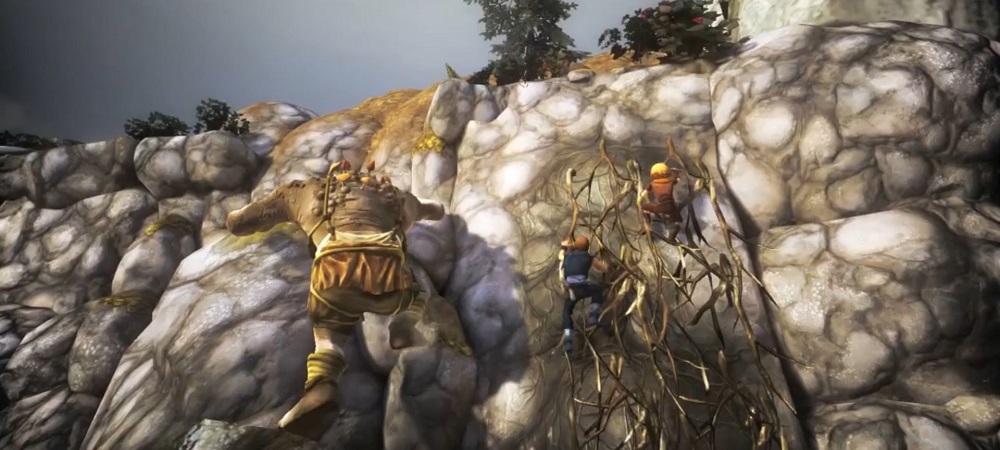
There are some boss fights in the game that are a lot of fun. One early on consists of fighting a troll. The little brother needs to lure him into a cage while the older brother closes it with a lever nearby. There’s only one way in, so the little brother has to slip through bars to escape. It’s moments like this that make Brothers shine and make you smile. Later on, in the game, it gets darker and grimmer. Puzzles involve dismembering the dead corpses of giants. The gameplay ideas change throughout the game, like when they have a rope tied to each other and you use it to swing each other around cliffs. The game feels like a grand adventure, but it’s short-lived. You can beat it in 4 short hours, wanting so much more.
The game looks really good; while not technically impressive, the art style is great, and the game has many beautiful vistas. The story lacks any depth, but it’s the adventure that counts here. If you have a free evening of gaming, Brothers is one of the best indie games you can buy this year.
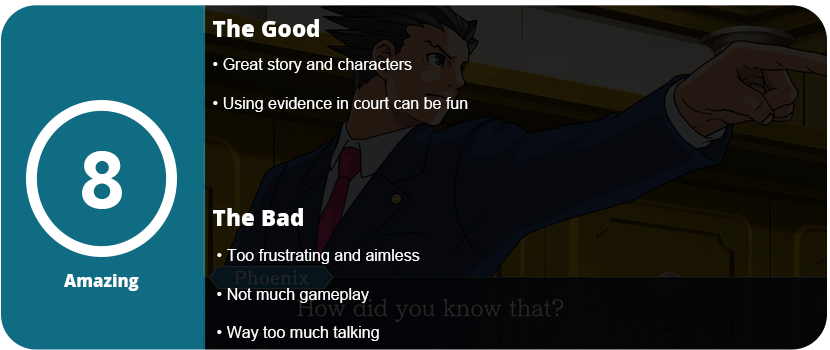
For almost 10 years, I have been dodging Phoenix Wright, but I can’t fight it any longer. I know all about the characters and what the game is like, but I had no clue that the story was this deep and interesting. Honestly, Phoenix Wright’s biggest flaw is the lack of gameplay, frustrating puzzles, and sometimes no clues on what to do. Despite that, you are going to play this mainly for the story and characters.
Phoenix Wright is a new attorney straight out of law school. You start out with your first trial and get the trial contradiction puzzles nailed down first. You are presented with a court record that keeps track of all the evidence. Witnesses will take the stand, and you need to press each sentence in their testimony to point out inaccuracies. Wright and the prosecutor will go back and forth with the judge, and once you’ve pressed every statement, you need to find the contradictions. This is where things get frustrating. Sometimes it’s pretty obvious, and it feels good to nail their false statements, but 60% of the time I had no idea what to do. Most of the statements would be very vague and do not give you many clues as to what evidence can catch them in their lies. However, each case and witness vary. Sometimes testimonies will be restarted, and you need to find new contradictions. It sounds confusing, but it is both fun and frustrating at the same time.
Once you finish a trial or are on a new day, you need to investigate. This is the other half of the game. You go from place to place, examining the area for clues, talking to witnesses, and sometimes showing them stuff to get things out of them. This can also be frustrating because you won’t have any idea where to go or what to show. On top of all this aimless frustration, there’s hardly any gameplay. You are reading about 80% of the time, and the gameplay just consists of selecting things. Later on, you use the mic a bit, but other than that, it’s mainly just a point-and-click adventure at heart.
That’s not to say any of the games aren’t fun. The story and characters are gripping, and the five cases you end up solving are very interesting. Each case will take about 2–3 hours to complete, so there’s quite a bit of playtime here. I just wish they weren’t all played out the same way. Do a trial, investigate, do a trial, investigate, talk, talk, talk, examine, show some evidence, and talk some more. Point-and-click adventure fans will love this game, but if you want action, you’re out of luck. The trials tend to get heated, and it’s pretty fun to watch everything unfold. The stories have twisting endings and will leave you hanging all the time, but you won’t want to stop playing.
Ace Attorney is a fun adventure game with great characters and stories, but there’s very little gameplay. What’s here is the frustrating puzzle of finding contradictions between witnesses’ testimonies and your evidence. Outside of that, you will wander aimlessly during investigations, trying to figure out what to do and where to go. Phoenix Wright is a great step in the right direction for the DS, but it needs more to make it truly amazing.
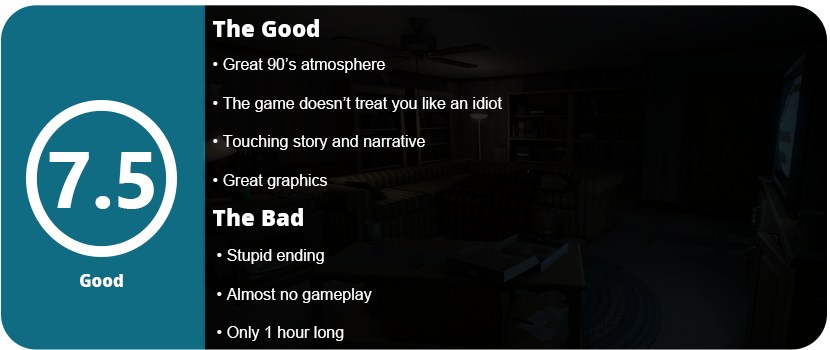
It goes to show that a smaller focus can create a great story and atmosphere. You don’t need a multi-million-dollar budget to create something great. Gone Home starts out oddly because you are given no direction, but after about 15 minutes, you realize what you are supposed to do. You arrive home from a school trip, and no one is home. You find a note on the front door from your little sister, Sam, that says she’s gone and won’t come back. With the dark atmosphere of lightning and rain, you expect this to be a murder mystery. In fact, that feeling changes throughout the game.
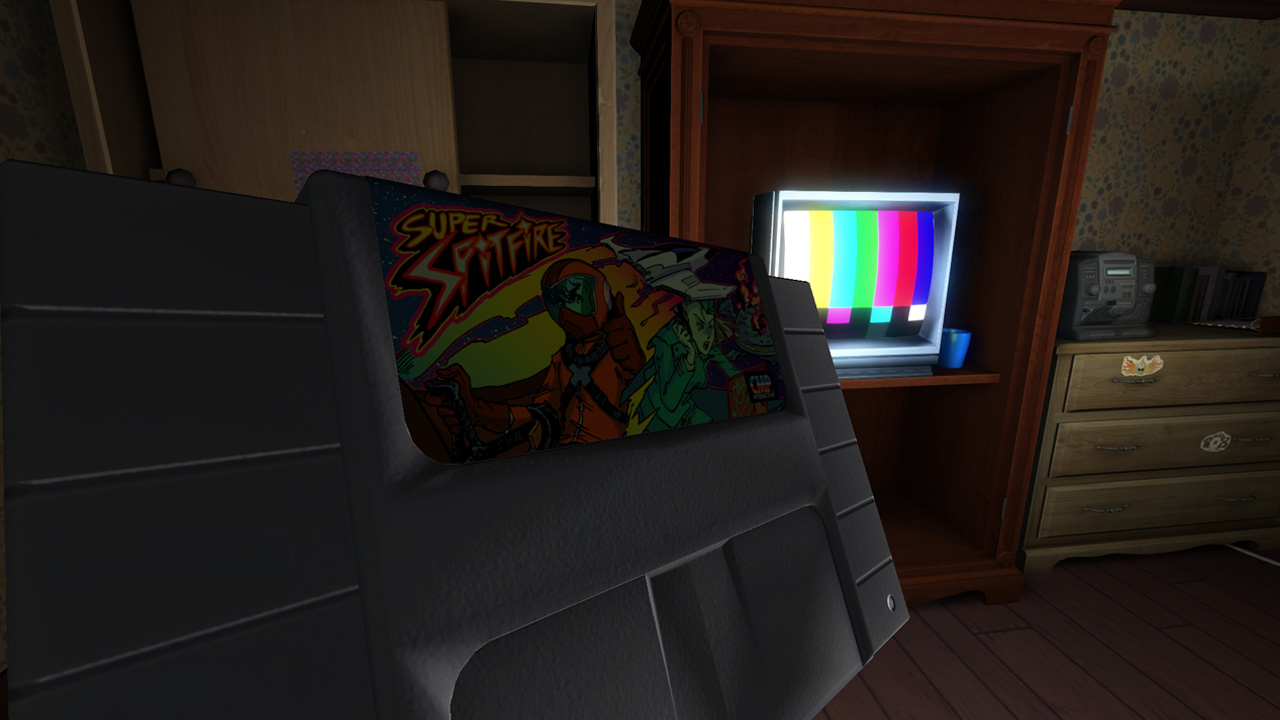
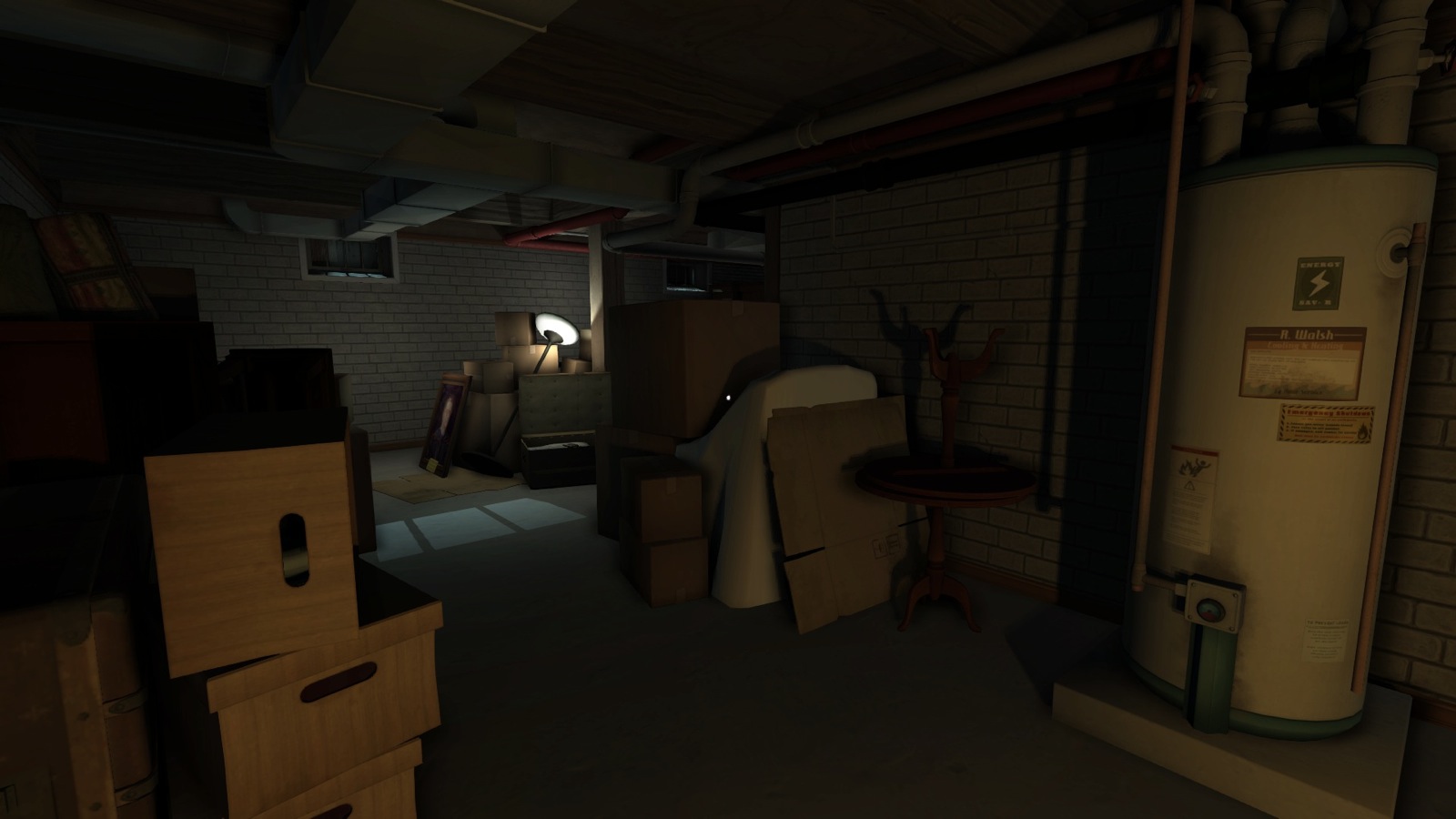
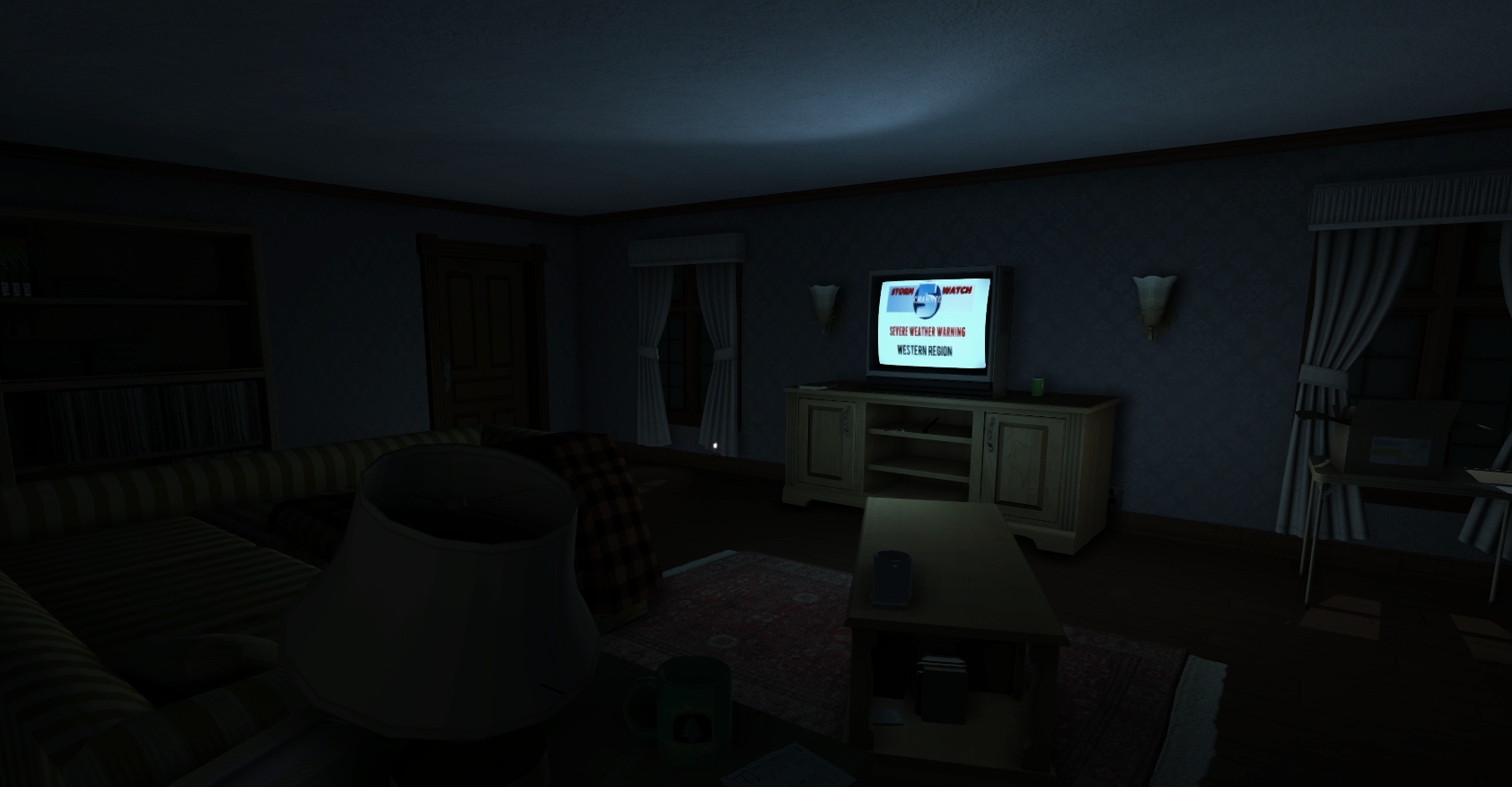
Once you find the key and go inside, you just wander around, examining everything. There are letters to read and interesting objects to look at. After a while, you start finding key items that activate journals narrated by your sister. The home itself is a great recreation of a ’90s home. It actually brought back a lot of childhood memories with CRT TVs, cassettes, VHS tapes, and various items from the 90s. It gave me a warm feeling, and I felt at home in this house, but I wasn’t sure what was going to happen. Was it haunted? Was there a murderer in the house? I went on to read more letters and items to see that the mom was a park ranger and the dad was a tried and failed author and magazine writer. I later discovered a few locked areas and three different cabinets that had lock combos on them.
Honestly, you don’t need a walkthrough for this game. It’s all pretty easy to figure out. I just went from room to room looking at everything and realizing that this lesbian relationship with Sam and her friend Lonnie is actually pretty heartbreaking. You see signs throughout the house that it’s a bit of a broken home, and Sam is a problem child. Little things like good report cards from you and then disciplinary notices from the school for Sam. It all brought back memories for me from my school days and my childhood. Anyone who grew up in the 90s will feel the same way. As I reached the end of the game, I was pretty emotionally stirred up. I couldn’t wait for the end.
Once I got to the final room and saw the ending, I was really disappointed. I felt the entire 1-hour journey was for nothing. Sure, the story was sad and will tug at your heartstrings, but the ending was predictable and lame. There are signs everywhere of Sam studying the occult and various things about the house being haunted, but nothing ever happened. I was never spooked; there was no murder; it was just a few journals narrated by a gay sister, and that’s it. 90% of gamers will find this game extremely boring, and even if you don’t, it’s not worth $20. You get about an hour of gameplay with a lame ending. I expected the sister to have committed suicide and you would find her body upstairs, something like that, but no, just a lame ending.
The game has decent graphics, but nothing too impressive. There’s a lot of attention to detail everywhere to create this great 90’s atmosphere, but you still need a pretty powerful rig to run it due to the complex lighting effects. As it is, Gone Home is a great narrative and a trip down memory lane, but the ending and lack of gameplay are disappointing.
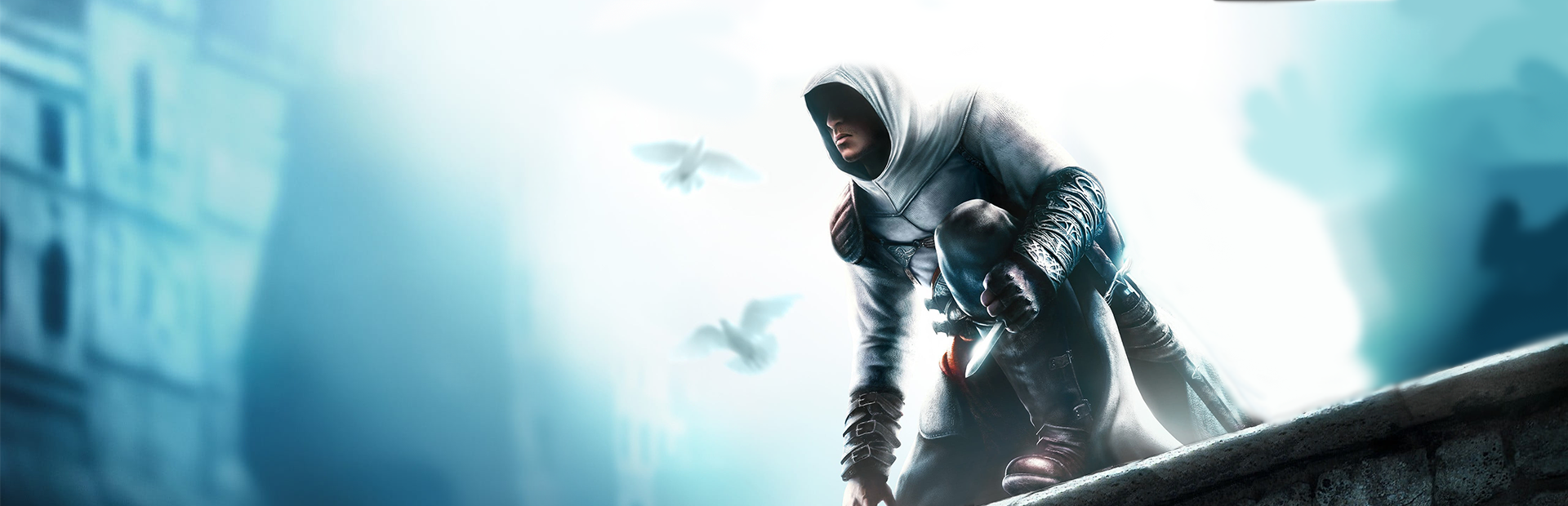
Nothing is true. Everything is permitted. This is a saying heard throughout Assassin’s Creed, and it really sticks with you. So does the thick plot that has come to take the game industry by storm, as well as one of the greatest game characters of all time: Altair. The plot is actually weird at first because it’s a sci-fi story. You are actually Desmond Miles, captured by modern-world Templars. They stick you in an animus and use your DNA to access your ancestor’s memories to find the Piece of Eden, which can be used to control people’s minds. That one ancestor is Altair, set during the crusades. The second story is of Altair, who ends up losing his rank and status among the Assassin Brotherhood by failing a mission due to his eagerness and stupidity. Your master, Al Mualim, sends on special missions to assassinate key leaders throughout the holy land (Acre, Jerusalem, and Damascus) to keep them from taking the Piece of Eden and using it to win the war.
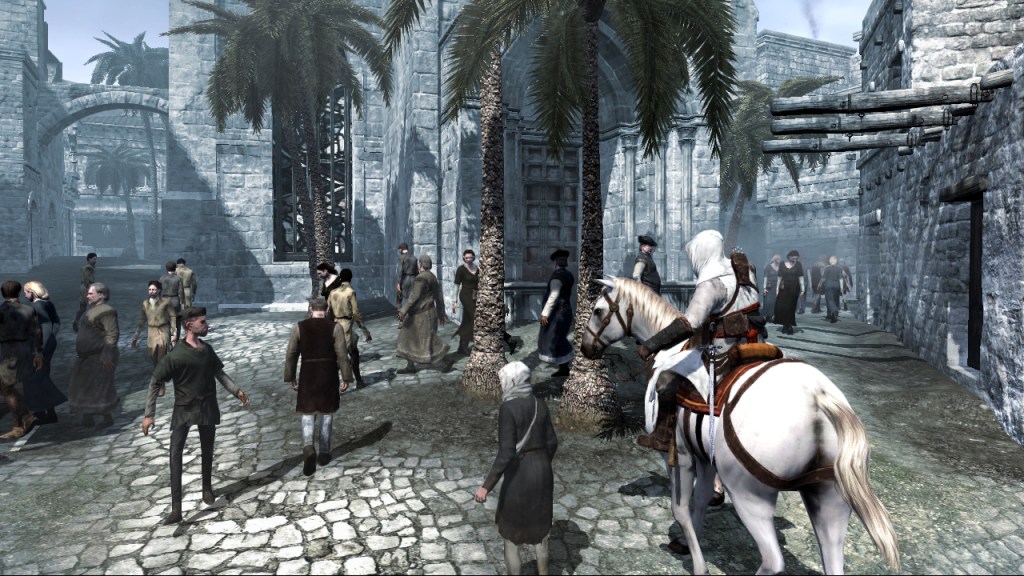
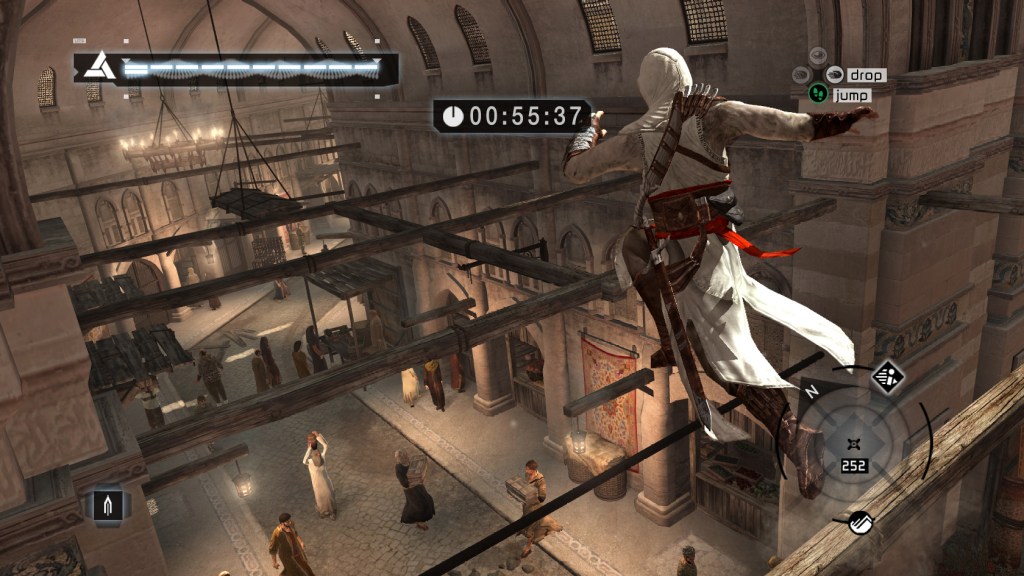
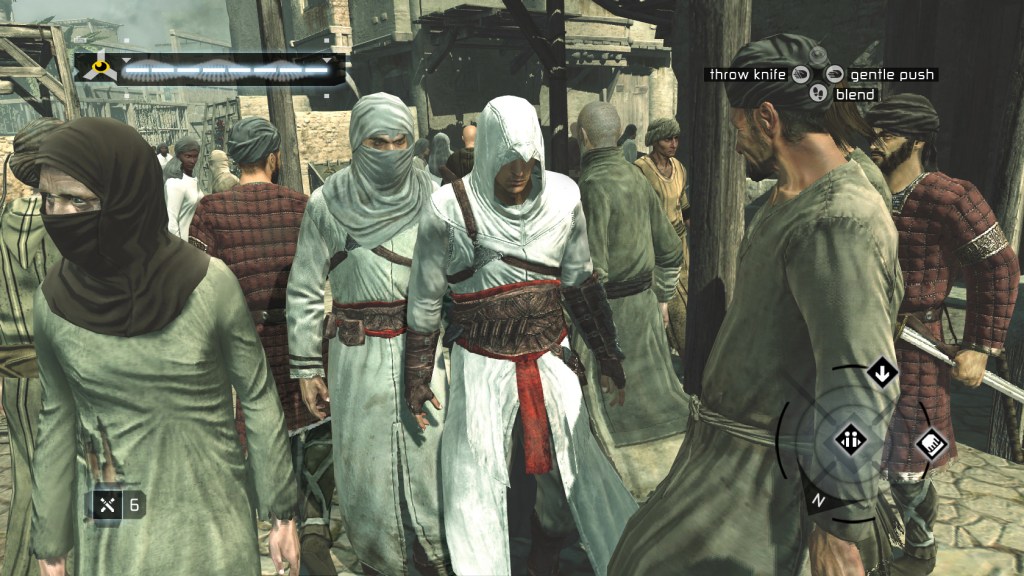
As you can see, the plot is very interesting, with a lot of twists. How is the game, though? You have a huge open world that is full of side missions and hundreds of buildings to climb. Assassin’s Creed has a parkour climbing system as well as a puppeteering system. You control each of Altair’s limbs in two different states. The “socially acceptable” state allows you to use eagle vision, which can show enemies and key targets. You can gently push people away from you, and this is key because if you’re running around the city knocking people over, the guards will come after you, and towards the end of the game, everyone is highly suspicious of you, and just a few people knocked over will have the entire guard on your tail. The third thing is obviously combated, but if you hold down the run button, you start climbing buildings, grabbing people to toss them, and jumping around.
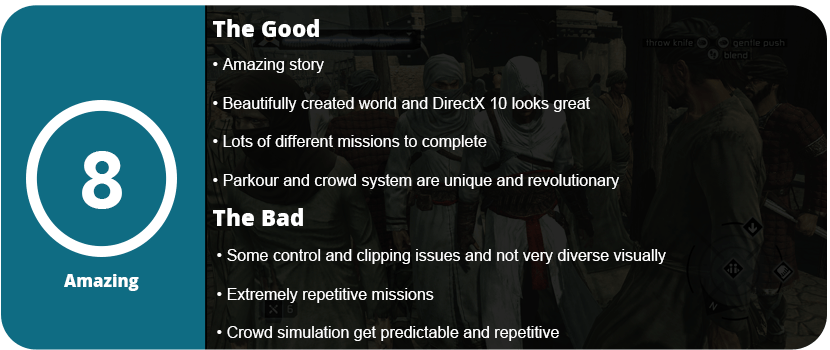
Assassin’s Creedreally tried to introduce crowd psychology into the game, and it works here but does feel limited. If you climb buildings, people will react by stopping, staring, and saying things accordingly. If you use ladders, people don’t mind so much. While using rooftops is faster and keeps you away from most guards, you must watch out for guards on rooftops who will shoot you with arrows if you don’t get down, kill them, or move away quickly. The climbing works well enough, but there are some control issues, clipping issues, and other issues with the camera. When Altair is facing a different way than the camera, he will jump in his direction instead of the way you’re telling him to. Also, if you run around a pole or near a crate, he’ll start climbing it instead of just jumping over or going around. This can get downright frustrating when you are running away from a dozen guards and trying to find a hiding spot.
The game also introduces anonymity via a symbol near your health bar, which stays white when no one suspects you but will turn yellow when you are watched and flash red when guards are on you. When it does this, get away quickly or kill whoever is watching you. Don’t just kill out in the open, or people will run around screaming and calling guards. Get away from dead bodies quickly because guards will come by and try to find out who killed them, or citizens will give you away. If you are caught, you need to kill all guards after you or hide. To do this, you must break their line of sight, and the symbol will flash yellow. When it does find a hiding spot quickly, it turns red again. You can hide on benches between people, on stacks of hay, in groups of monks praying, or on draped boxes on rooftops. Stay there for a few seconds, and you will be anonymous again. You can avoid all this chaos by just jogging, staying calm, not flailing around and jumping around like a monkey in crowded areas, etc.
This whole crowd system is really something else and works well, but it feels repetitive and predictable because of the recycled sayings and animations, and it always happens the same way. The combat is the same way because, while you can gain new abilities, it feels like a counter-festival. You can attack with a sword or short sword and throw daggers, but most guards always block, so you just stand there with the block button held down and wait for someone to attack and then counter, which is usually an instant kill. This gets repetitive, and the combat isn’t as deep as it could be since combos are limited and animations are repeated often. It does control well and feels smooth, so I guess that’s better than broken.
The most repetitive thing and the game’s biggest flaw are the constantly repeated missions that repeat dozens and dozens of times. You can save citizens, do some time-trial flag gathering missions, escort missions, assassination missions (probably the most fun), interrogation, eavesdropping, pickpocketing, and climbing tall buildings to find viewpoints to put more missions on your map in that area. Sure, they are fun at first, but after you have saved the 30th citizen or climbed the 50th building, it gets old, and you just want it to end. Some more mission diversity would have been nice.
While it’s cool to be an assassin, sneaking up behind a guard and shoving a punch dagger in his gut and then running away while he falls to the ground without anyone suspecting otherwise is satisfying, and you must look good doing it too. Assassin’s Creed looks amazing, even today, and the PC version sports DirectX 10 graphics with some slightly higher resolution textures. The game looks a lot better than console versions and is well worth another play-through just for that alone. While the graphics are amazing technically and artistically, the game feels very Middle Eastern, with a great soundtrack to support that and voice acting, and the whole game feels true to its time. The architecture is great, as are the clothing, lifestyles, and jobs people do in the game, but it all kind of looks the same with a lot of grays, browns, and whites.
Overall, Assassin’s Creed is an amazing experience with a story you will talk about long after you finish the game, great crowd simulation, and the true feeling of being an assassin. If there was some more mission diversity, visual diversity, and smoother controls, the game would be perfect. This is a game you cannot miss, and every gaming fan should play it.
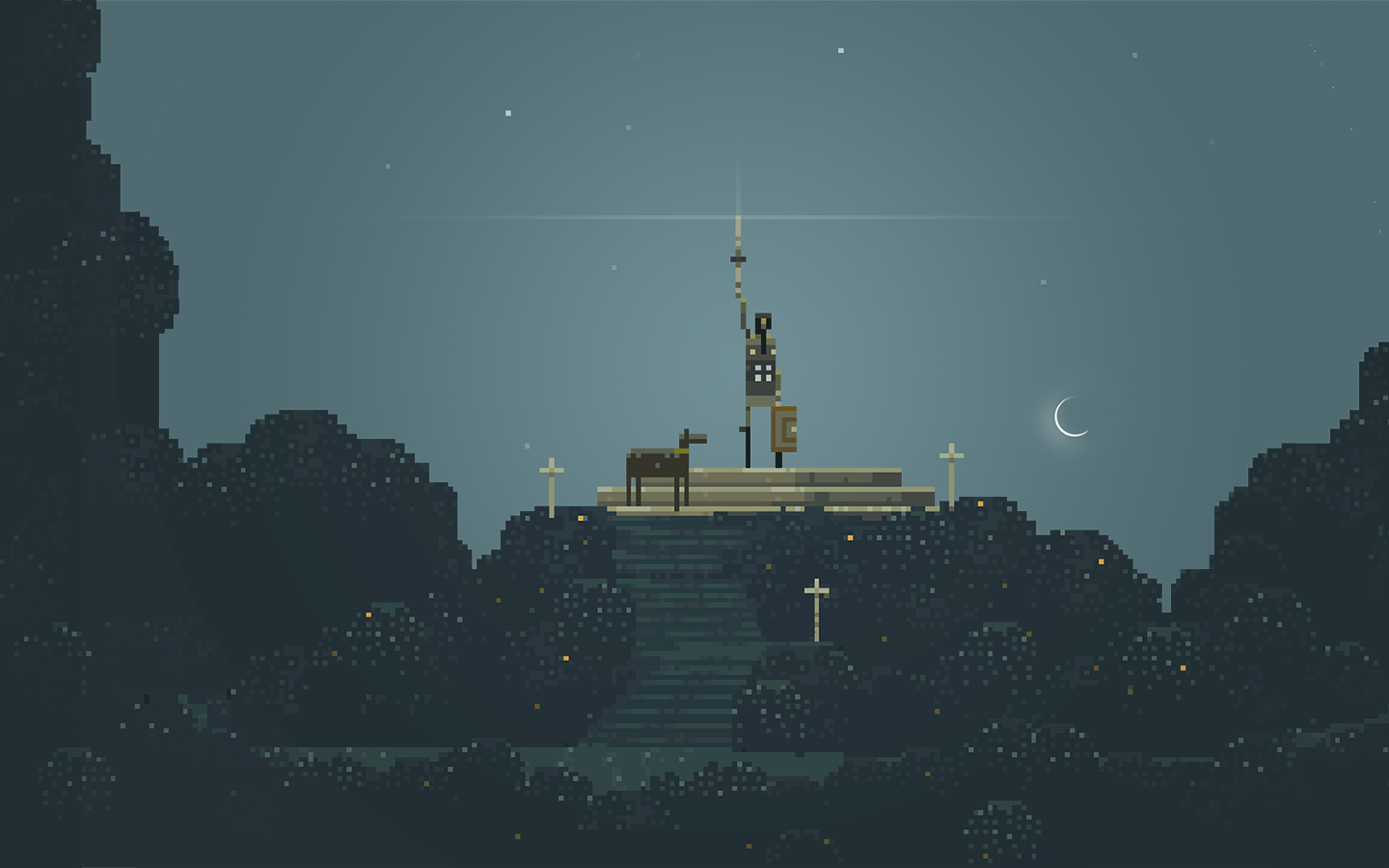
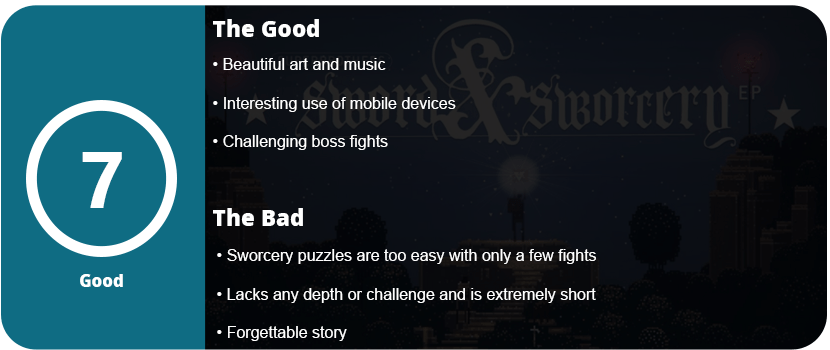
This game made a huge splash in the indie scene thanks to its rocking soundtrack and unique take on mobile games. I have to say that Superbrothers uses tablets and phones unlike any other mobile game out there. It is a breath of fresh air, but in the end, it is way too short and just leaves a feeling of emptiness, like there is no point in playing it.
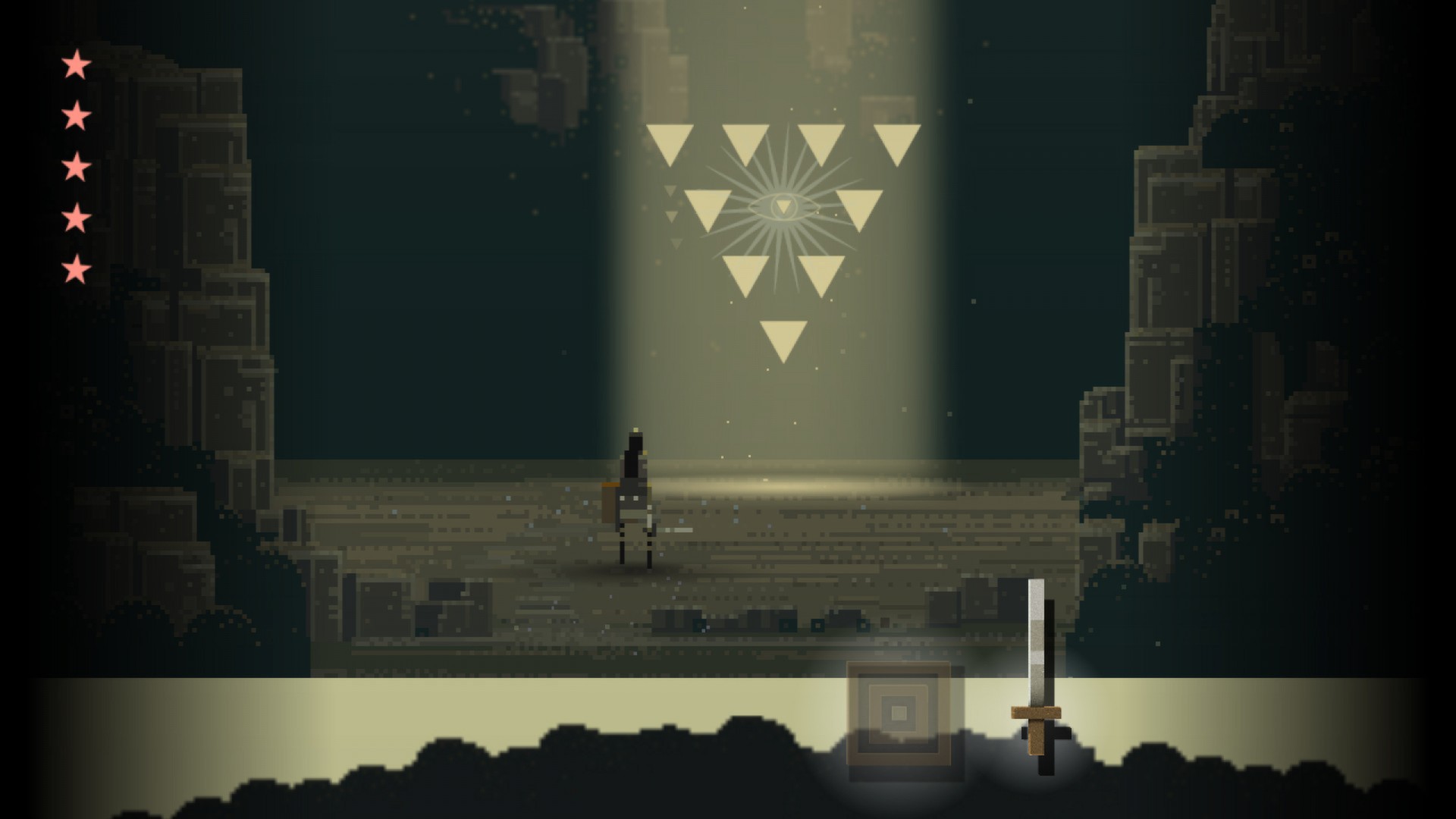
You play as a man or boy who is on a quest to destroy an evil being at the top of a mountain called Mingi Taw. You come across a magic tome and must find three triangles to make a trifecta. The story is pretty thin, and there really isn’t much of one there. It’s all about adventure, music, and unique art styles. You tap along this countryside during the first half, trying to find your way to a cliffside. After you play for a bit, you get a sword and shield and fight your first monster. If you turn your phone or tablet sideways to fight, you can block an attack, but it’s very simple and not very complicated. There are only a few fights in the entire game. The bulk of the game is made up of using your swoony powers to solve little puzzles, but these feel easy and slightly uninspired.
You hold down on your character to enter this mode. You then have to figure out what to tap in order to get the little sprite out of the ground. You need these to advance to the next stage. Sometimes things have to be tapped in order, but it’s not all that hard to figure out. One interesting concept is that you need to find two of these triangles during the bright and dark phases of the moon—in real-time. You will have to come back when the phases of the moon are just right, and the game will tell you when. Or you can just cheat and advance your calendar on your device. If you do this, the developers are on to you, and they only give you a 99% completion rating for cheating. This is a pretty interesting idea, as no other mobile game has done this, but it’s not very significant and feels like a cheap way to extend the game’s length.
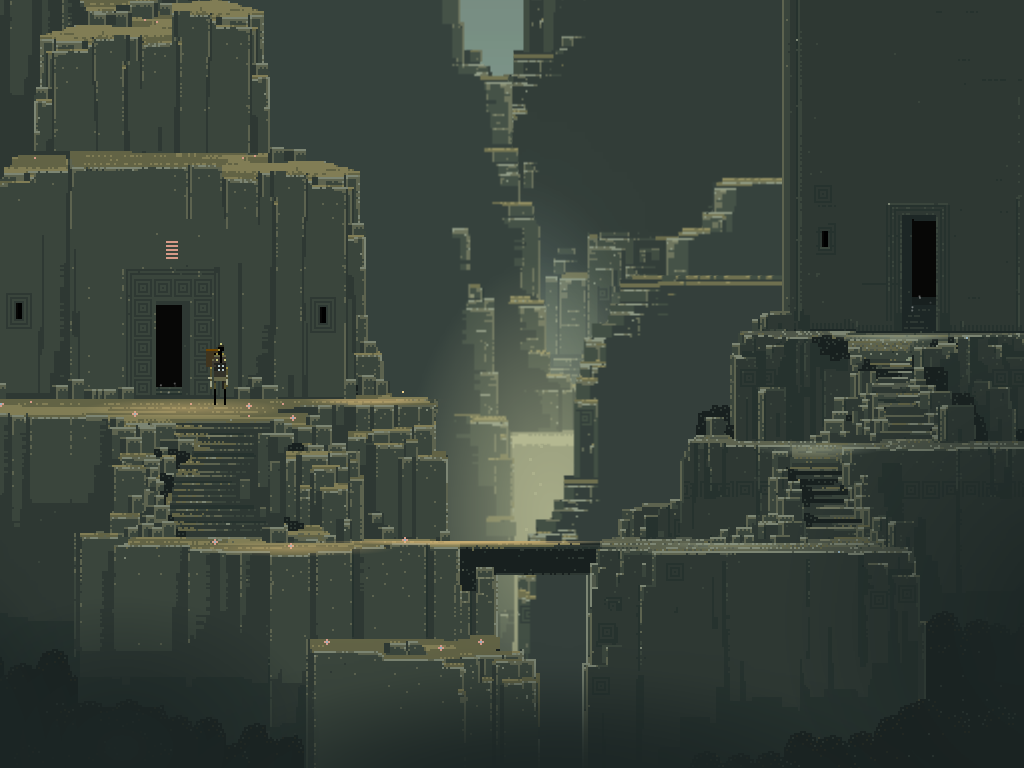
The only challenging part of the game was the three major boss fights and figuring out where to go. There are almost no hints; sometimes I wandered around forever, not knowing what to do. The boss fights require precise reaction times for dodging and attacking and can get pretty tough. You can beat the game in a few short hours if you cheat, but when I finished the game, there was no attachment. The characters are just there, and there’s not much of a story to get attached to. The music is great, but only during certain scenes or events. I honestly just feel this game is really overrated; it’s good, but not that good. I personally loved the 8-bit retro art style, and it’s beautifully done. I just wish there was better gameplay to go with it.
In the end, this is just an odd game that you play for the hell of it. It’s a unique mobile game, yet everything in it feels unnecessary, and in the end, you wonder why you played it. There’s nothing here that will keep you talking about it years later; it’s really short and lacks any challenge or depth. I just like that it took a different approach to game design, and that is greatly respected.
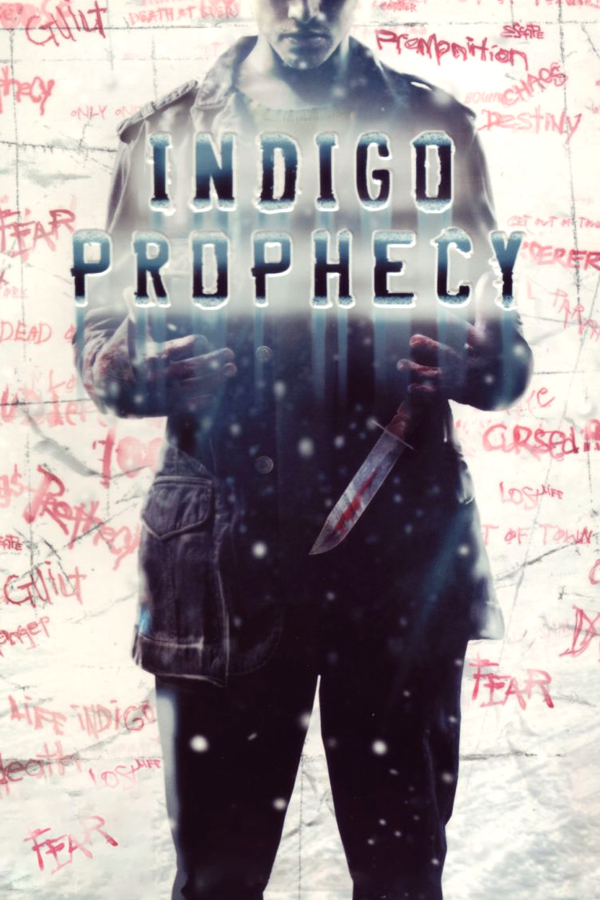
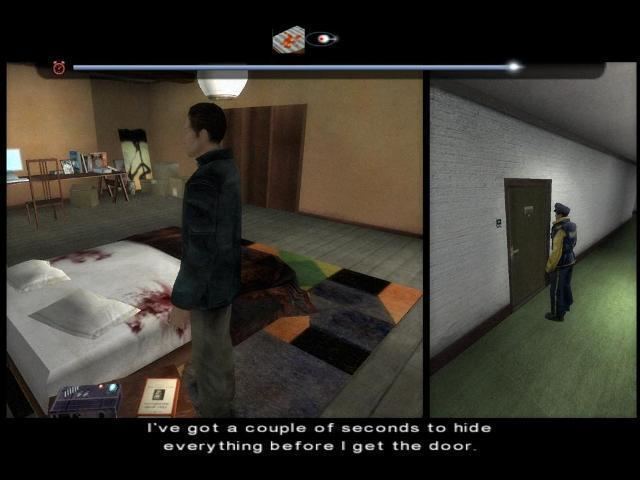
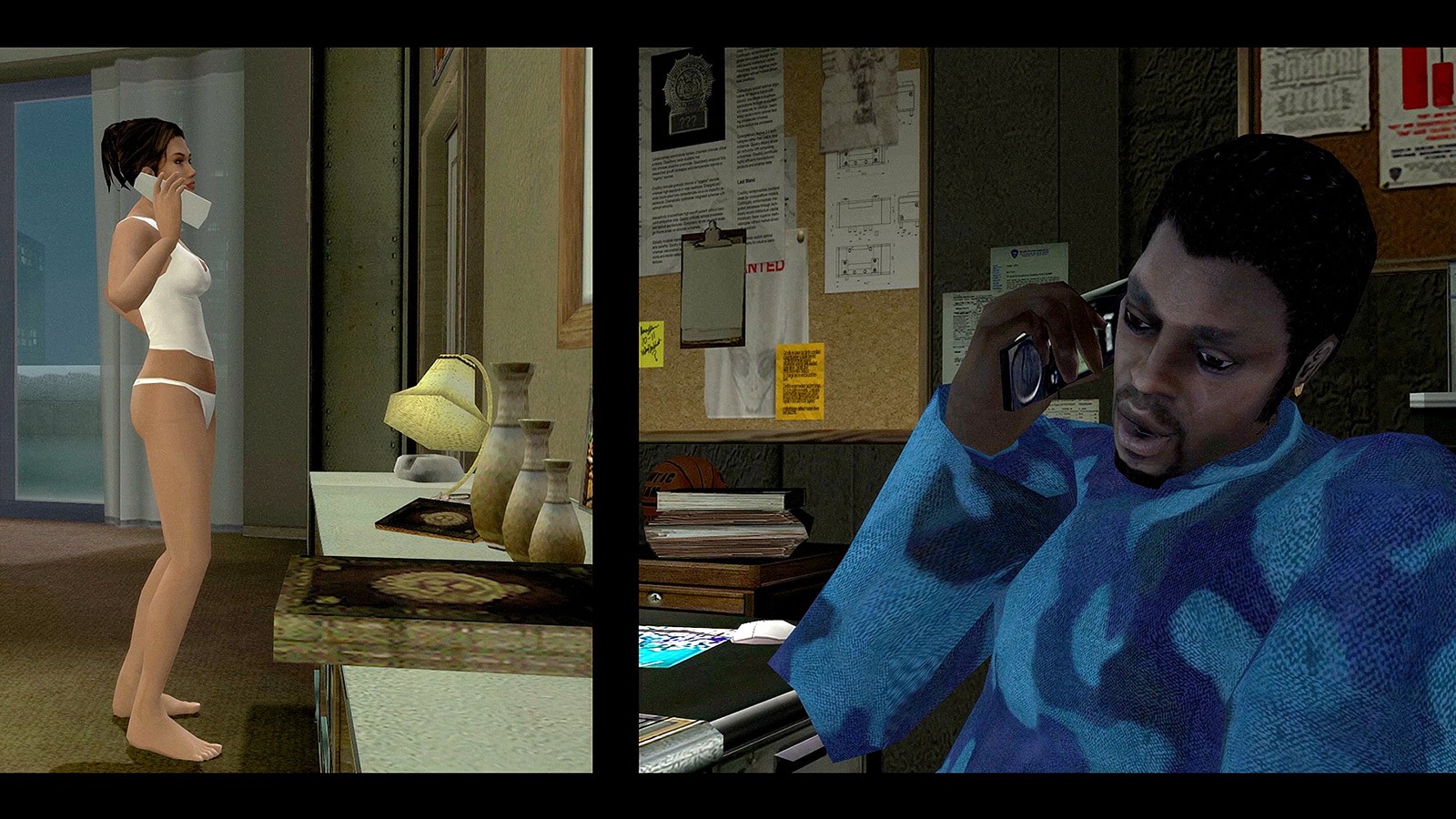
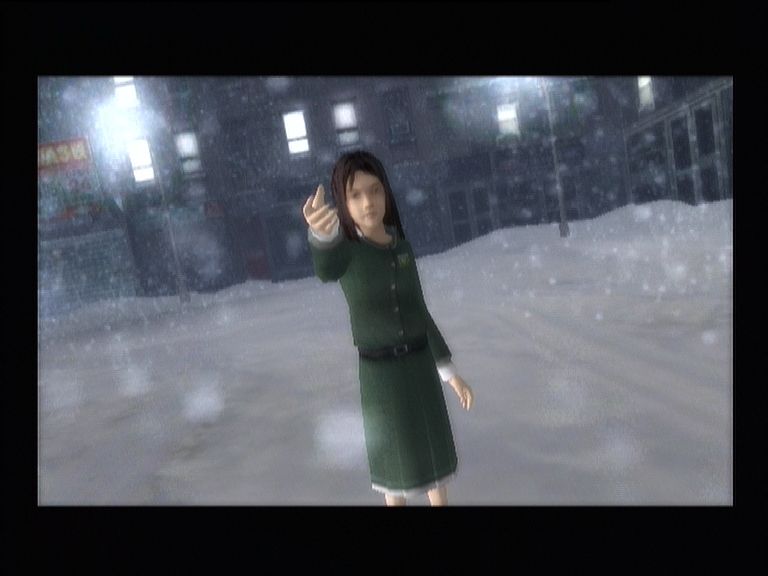
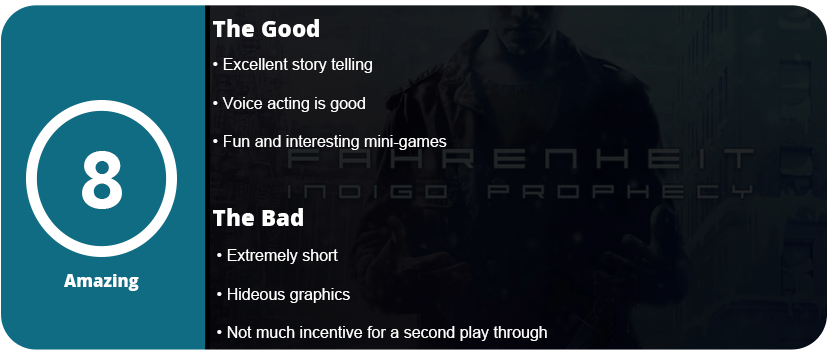
Games these days lack much of a story, and thankfully Indigo Prophecy takes up some of that slack. About 80% of Indigo Prophecy is just storytelling with excellent voice acting. The majority of the game has you walking around places looking for clues to solve simple puzzles. This is done with the thumbstick moving, so it makes you feel like you’re “really picking objects up.” A good example is when you have to sit down: you just push the right thumbstick down (an icon will appear on the top of the screen to show what you are going to do and what move to make). The other half of the game is made up of mini-games with the timed thumb stick moving (think of Simon Says) and L+R alternations. Yeah, it doesn’t sound exciting, but it really works, and these ideas are implemented well with the ideas attached to them.
On the story side, it’s very complex and well-executed. You play Lucas Kane, who is convicted of a murder he didn’t commit. You play as the two cops investigating the crime as well. The whole purpose of the game is the idea of playing chess against yourself. You can decide how the game is played out, and actions you take early on will affect things later on. You really notice this too, because later on, you’ll say, “Oh man, I shouldn’t have done that earlier!” The game’s pace flows smoothly, and everything eventually comes together.
Between each scene in the game, you can choose which character you’ll play next, and this also determines the outcome. Some parts are also timed, so you have a certain amount of time to hide, collect, and hide evidence. If you miss one piece of evidence and someone comes to ask you questions, they’ll see it and get suspicious. This, in turn, raises their suspicion meter, and you must make the right choices so you don’t get busted. You also have a mental health gauge that lets you know how your character is feeling. Your choices will determine whether or not they become happier or more and more depressed, leaning toward suicide. You can do things like go to the bathroom, drink something, or even just make the right choice in a conversation to raise or lower this gauge. This plays a key role in certain scenes because some choices will completely drain your meter, so you end up turning yourself in. The game is constantly changing from Lucas’ childhood flashbacks, and the three separate characters keep things interesting.
Thankfully, you can beat the game in about 6–8 hours, so you won’t get too bored with these concepts. For a short time, they work well and will keep you hooked until the very end. The great storytelling and excellent voice acting keep you hooked. Now, a huge downside is that the game is hideous. The animations are stiff, and the textures are flat, dull, muddy, and just downright ugly. The game looks like a PS2 launch title; that’s how bad it looks. I played the PS2 version back when it came out, and that version had some slowdown, but the Xbox version is just as ugly. There are some extras here, such as making videos, galleries, and a soundtrack (which is really good). You can unlock these by finding bonus cards in the game, but don’t worry—one playthrough and you’ll get more points than you need to unlock everything. I highly suggest IP if you really want a good story. I also suggest picking this up at a game store because you can get it for less than $10 now!!! Xbox Originals charges you $15, so be warned!!
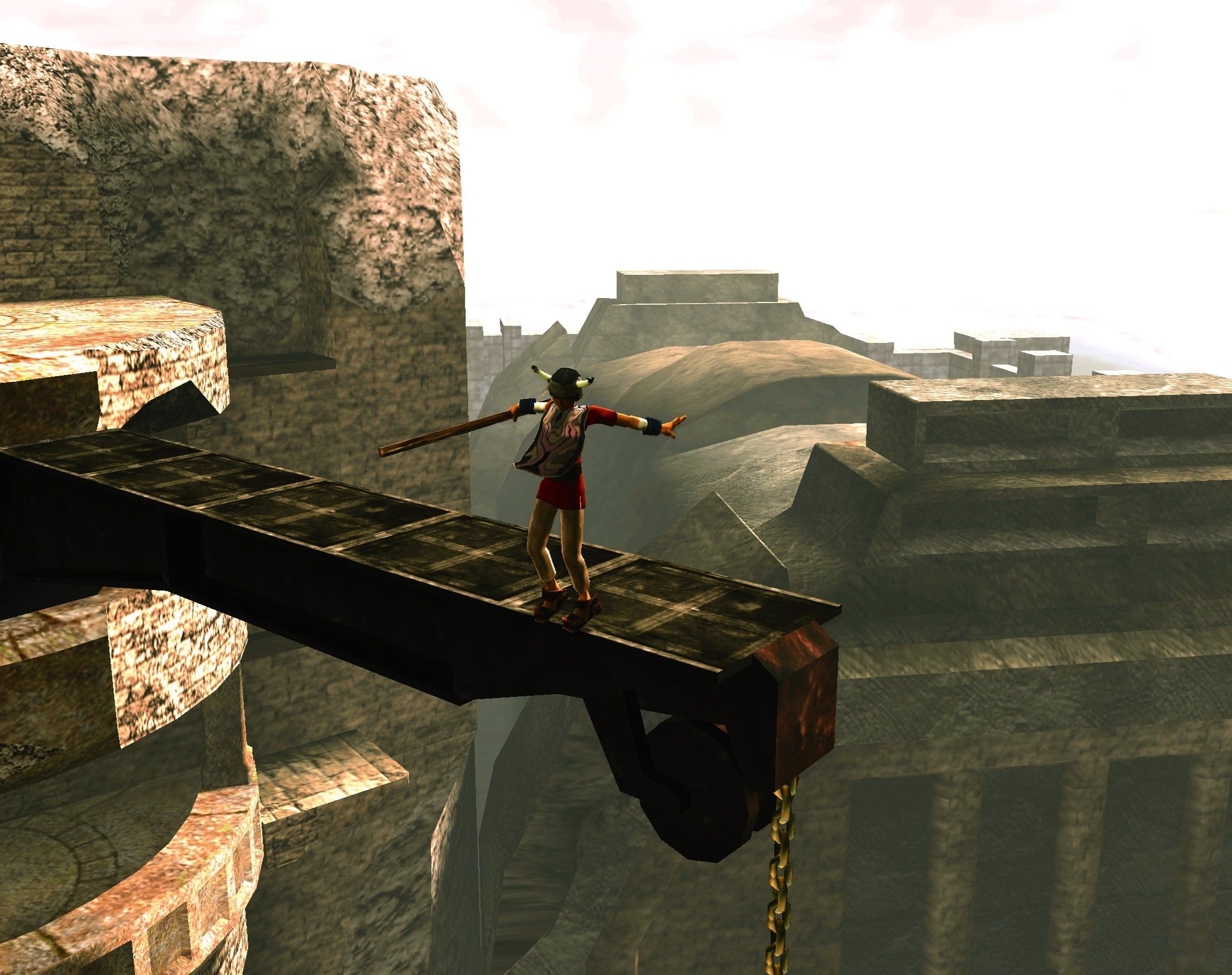
Ico is probably one of the most forgotten games in history. Being one of the first graphical powerhouses for the PS2, it proved that you don’t need a complex story and characters to have a good game. All you know is that you are a boy named Ico who is trying to save a girl named Yorda from her evil mother and escape from the castle. You enter as a captured prisoner because you have horns. You then escape and find Yorda along the way. What made Ico such a big deal was that you led her around manually by holding R1. This forced you to become attached to her, and they rarely spoke.
This game was way ahead of its time. That’s probably why people passed it by for Jak & Daxter and other PS2 games at the time. The game consists of some pretty cleverly designed puzzles that involve pulling switches, climbing, cutting ropes, and swinging on chains. You also push and pull on the occasional block. The level design is really well done, but there were a few obscure puzzles, like jumping off of a chain to knock a bridge down. This is completely against the game’s mechanics, so you would never know to do this. Leading Yorda around sounds annoying, but it prevents you from having to rely on the already shoddy AI. The game mechanics work well enough in design, but they are sloppy and frustrating to deal with.
When you jump, Ico tends to clip into ledges and ladders, making you have to slightly adjust him until he latches on. If you press the analog stick just slightly and jump, he will jump 20 feet, causing you to jump off ledges or fall to your death. There’s just so much bad collision detection, and the animations are janky and not well done. When you drag Yorda around, her arm looks like a flopping noodle that can go through her body. I know this was originally designed for PS1 before the game jumped ship to PS2, but still. There are other mechanics, like setting your sword down to pick up a giant stick, lighting it on fire, then setting off a bomb. Sometimes you have to toss these before they blow you up. Fun game mechanics and all, but they repeated through the entire game, making you grateful for the short length (just about 4 hours).
A lot of times I didn’t know where to go because the middle of the game has two areas that are identical but just slightly different. The constant backtracking can confuse you, requiring a walkthrough. There are no boss battles to speak of except the final boss, but the combat is so frustrating and annoying. Ico swings his sword around aimlessly, and you can’t move while doing so. The AI jumps away as soon as you run after it, so if you get stuck in a three-hit combo, you get knocked down, and Yorda gets dragged away. You can’t die in this game during combat, but if Yorda gets dragged underground, you’re done. You can pull her out of the hole, but sometimes a shadow creature will hit you and knock you back, and then you have to suffer the long animation of getting up. A lot of games had these animations (The Mark of Kri), and I don’t know why. It breaks the fluidity of everything. Once you get the hidden mace in the game, combat is really easy, but you still get annoyed by the creatures constantly backing up when you approach.
The graphics look great with the new HD upgrade, but even back then, they were amazing. A lot of textures have been slightly upscaled, and some bloom and HDR have been added for better lighting. You can still notice the game’s age during up-close shots of areas. Textures are muddy and so blurry that they don’t even look like what they are representing. The main thing is that you can pan the camera around more now that the resolution has been bumped up, making navigation easier. This is how you do HD upgrades, right?
Overall, Ico is a great game, but the dated mechanics really show their age. If you can look past all this, you are in for a great, albeit short, game, but don’t expect engaging characters or a complex story. There are four cutscenes in the whole game, but this is about the journey and not the story.
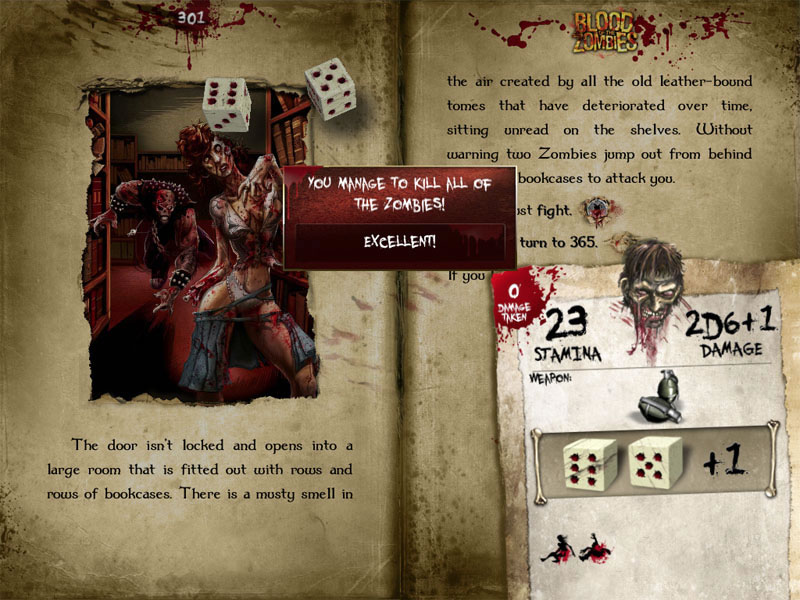
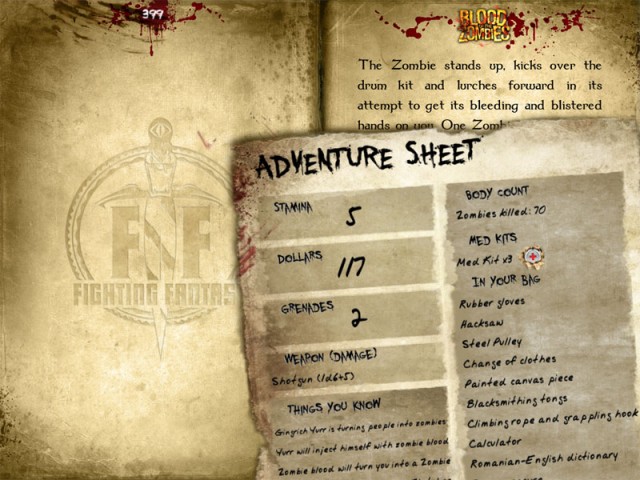
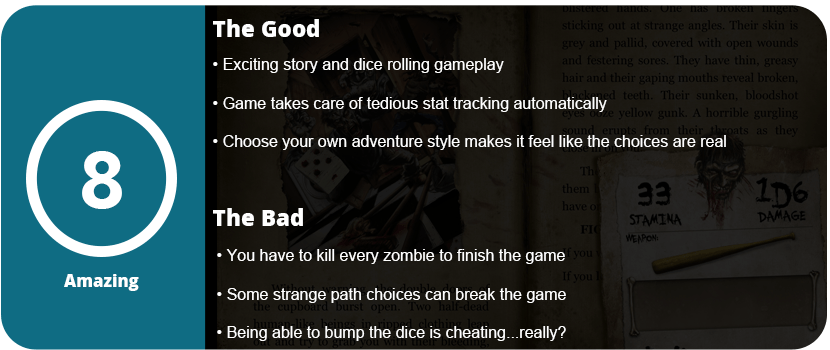
I never really heard of Ian Livingstone’s Fighting Fantasy novels. I just ran across this on Google Play one day and was instantly immersed. This is a text-based adventure with some RPG elements thrown in. Think of this as a pick-your-own adventure with dice. Thankfully, the game handles most of the tedious work for you, like keeping track of items, stamina, and other stats. The story is really intriguing because of how mysterious the whole setting is. You play as a man who is captured and taken to a secluded castle. You later find out that people are being turned into zombies to become part of some crazy guy’s personal army. These aren’t just regular zombies and are a bit smart, as you will find out in the story.
When you get to a certain spot, you can choose to go in different directions; however, some have consequences and rewards. I found that going into a bedroom scored me a few medkits, some items, and maybe a weapon. Some paths lead to dead ends, and you have to restart at your last bookmark. This is very exciting, and I couldn’t put the game down. There are a lot of key items in this game, probably too many, and this is one fatal flaw the game has. I didn’t buy a steel pulley at the very beginning of the story, and it was a key item I needed. Near the end, I had to restart the entire book, which was very tedious and frustrating. I even tried other paths, but they all led to this path.
When you run into zombies, you have to fight. You can either use your weapon or a grenade. You roll the dice, and if you don’t like the roll, you can shake the device until you get the role you want. Some may consider this cheating, but if this feature wasn’t here, you would restart constantly. Some fights required a certain number or higher to defeat the enemy, and some scenes require you to roll to determine whether you survive said event. This is also exciting and makes things tense. However, there is one main issue that almost completely ruins the game. You have to kill all the zombies in order to finish the story. I got to the very end, and it said I didn’t kill them all, and my adventure is over. Huge bummer, and I felt like the book was a waste of time. I went back through them again and just couldn’t figure out how to kill them all. This was a huge mistake on the author’s part.
Other than that, the story is great, but I wish there were more characters. The art is excellent, and the dice-rolling gameplay is exciting and can get tense. I did find the music to repeat through the whole book and get annoying. I will check out more Fighting Fantasy novels, and hopefully I won’t run into an issue where I can’t finish it.
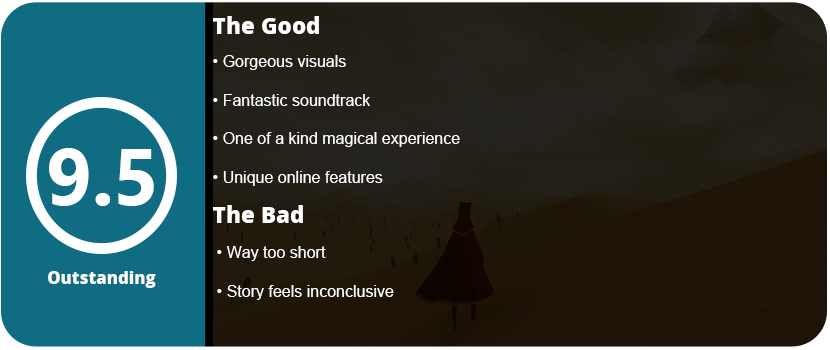
Everyone is so used to games with explosions, gore, death, and spoken dialog that we have lost touch with what games are truly designed for. There have been very few games that tell a story as a book or painting would, with no words and nothing but pictures. The only game that I feel comes close to Journey is Shadow of the Colossus. Games have the advantage of adding music and sound that are missing from books and paintings. Music and sound can trigger emotions in humans that no other type of stimuli can. Journey is one such game that uses only visual cues and sound to deliver a sad tale and a magical experience.
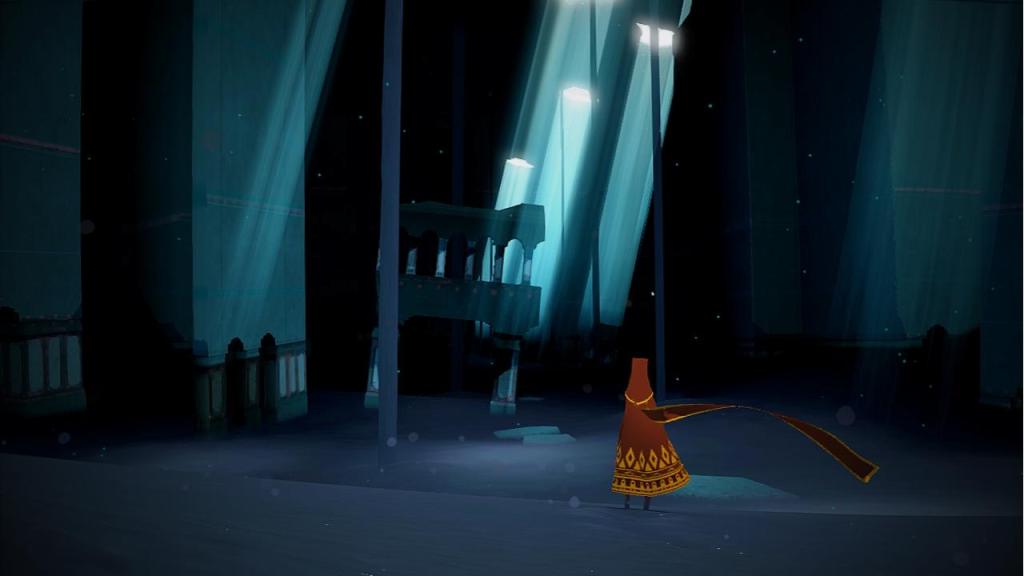
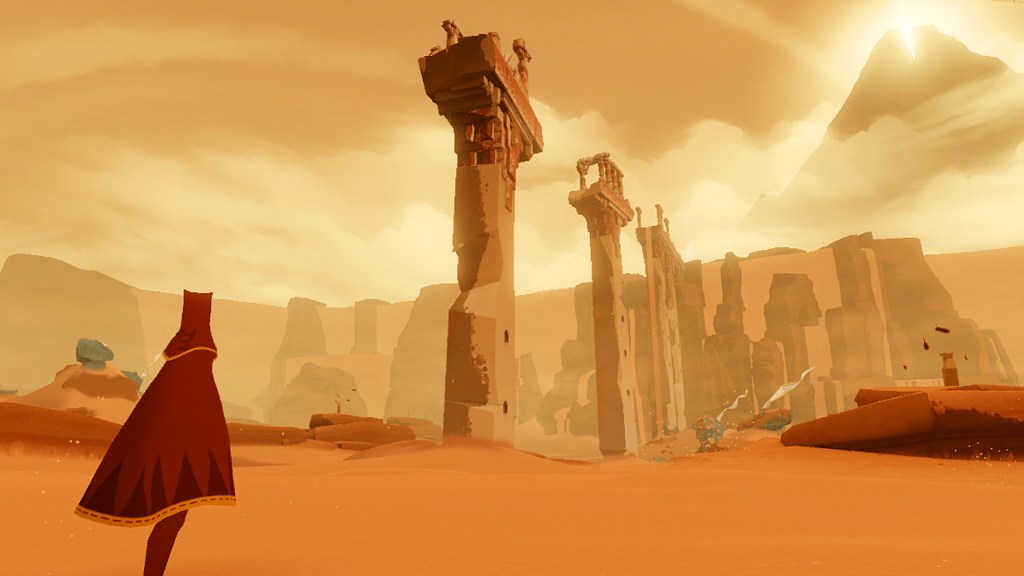
This game is like no other; you don’t mess with options, controls, settings, or anything like that. You just start the game, and bam, you’re there. You just wonder; there is no compass, no mini-map, and no annoying narrator to tell you where to go. Just go and trust your instincts and senses. As you wander around the desert, you will naturally go where you see something of interest. This vast desert looks endless, like the Sahara, and feels that way. You only have one ability, and that is to glide, but the length of your scarf determines how long you can jump and glide. This is your only ability. The Wanderer will hop up on small ledges automatically, but during your first level, you will just go. That’s all there is to this game. Just…go. When you do get to the end of the area, you are told a sad story using hieroglyphs. Like a book, you figure out what is happening and going on in this story.
Once you get the hang of everything in the first level, you just keep going. The music in Journey helps deliver the emotions and senses that drive the spiritualism of the game. The music is touching and one of the best-orchestrated game soundtracks I have heard since The Elder Scrolls. The music is magical and just hits home and delivers all the emotion of the game. The best parts of the game are when you are sliding down the sand, having the music kick up to a climax, and letting the visual experience just soak in. Nothing can express this more than watching a magical world come to life in 1080p. This is really one of the most beautiful games I have ever seen.
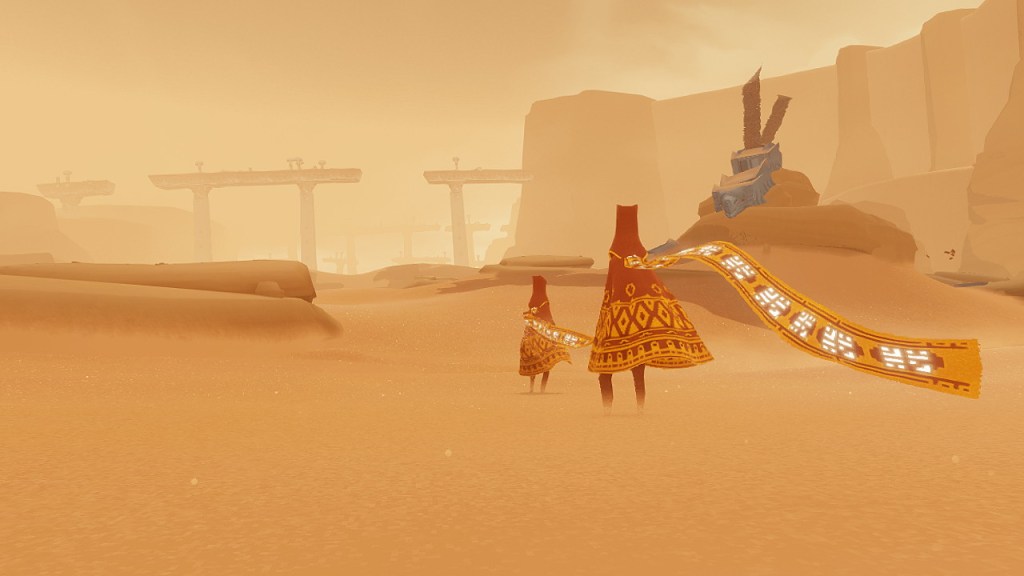
There are a few gameplay elements, like finding secrets here and there and power-ups, but Journey has been one of the most interesting uses of online play since Demon’s Souls. You will sometimes run into another Wanderer, just like you, but there is no other way to communicate other than the echolocation you use to bring fabric to life in the game. You use this to help each other out, and because of the lack of human interaction, it forces gamers to actually help and experience this touching story with each other. No mics, no text chat; there isn’t even a name above the character; they just appear. If you spot a rare white-cloak player, they will probably help you find all the secrets in the game. My second favorite moment is when you are running away from the giant monster thing that flies in the air and targets you. The dark atmosphere, foreboding sound effects, and care for The Wanderer just add so much tension. I never felt so scared for a character in a game when running from a boss.
The graphics are also technically impressive, pushing the PS3 to its limits. Journey uses a very technically advanced sand displacement technology that no other developer has used. Naughty Dog actually asked that game company for help on how they did the sand displacement for use in Uncharted 3. Naughty Dog needed to use this technology without degrading graphics quality or using up all CPU resources on just the sand. The lighting effects are also amazing and some of the best I have seen on consoles. This game almost looks like a DirectX 11 game on PC with advanced lighting techniques. The game is just gorgeous and has to be played to be understood.
The only issue with Journey is that you can beat it in less than 2 hours. Sure, there is a boss that you run from at the end, and you can die, but the game is just way too short. This, of course, allows you to go back and experience the game again and find the secrets, but I would have loved to see this as a 4+ hour adventure. I have never played a game that drew me into the world as much as Journey, but it wasn’t just the atmosphere. The fact that you are completely disconnected from the world means that you have to use your own imagination to help paint the rest of the picture. I hope that game company has more under its belt for Journey, and if this is it, it will go down in history.
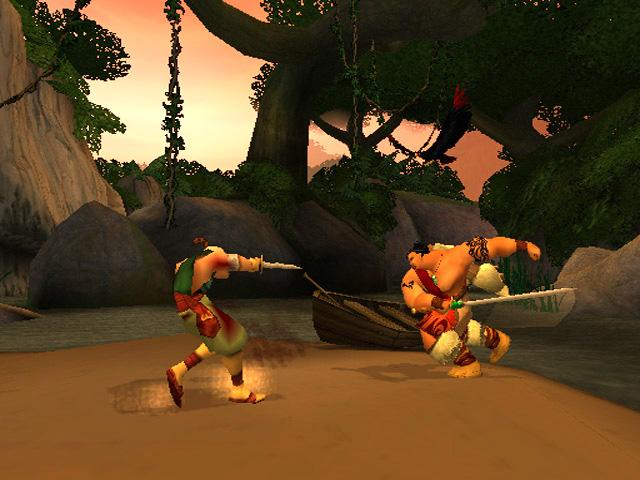
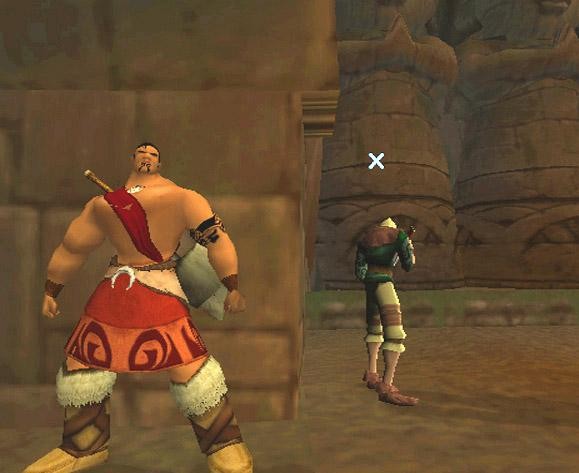
The Mark of Kri is a curse passed down from generation to generation, and each firstborn child bears the mark on their skin. There are six at all times, but some crazy guy wants to kill off the curse or something like that. The story isn’t explained very well and is not very interesting. The Mark of Kri’s strong points are its stealth, but it has sluggish combat and camera issues galore. It may have been pretty good ten years ago, but not today.
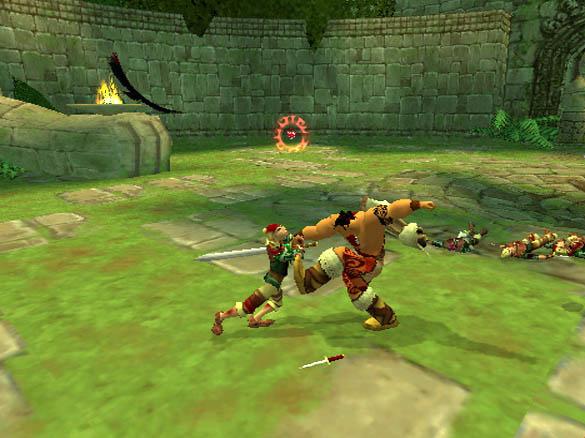
The game is very linear, with usually only one pathway to follow. You have a bird that is your companion that you can send off to certain points to scout ahead for you. This is mandatory; otherwise, you will be fighting off tons of guys all the time and dying. Once you use Kuzu to scout ahead, you can plan an attack. Use stealth by sneaking up, buckling against walls, or dropping down on enemies. You use the right analog stick to sweep a beam around that assigns a face button to an enemy; that’s their attack button. You can stealth kill two enemies by starting the attack on one and then pressing the buttons shown above the second enemy. Sometimes you need to distract guards by shooting bells with your arrow, scaring animals, and other things. This is pretty fun, and finding the right path through enemies can be fun. It is the actual combat that is sluggish and troublesome.
The right analog stick should have been used for camera control in this game because it gets lost all the time. It never focuses on enemies like it should, and it takes forever to sweep around. The combat is okay when there are just a few enemies, but later on, in the game, 15+ enemies will surround you. You get better weapons like the axe that can lock on up to nine enemies, but this whole lock-on business just doesn’t work. I would rather control the camera and have a more fluid combat system that way. The reason why I died so much was that Rau would stop and rub his head, trip constantly, bang his weapon off of stone walls, and get it stuck in wood, and this was frustrating. In the meantime, you are being hit and dying while all the unnecessary animations are playing out. Once you get surrounded or trapped, you’re dead. Backing out is impossible because once you unblock, you get bombarded by attacks.
If that isn’t enough, the save system is annoying. There are no save points, just save scrolls. You have to find these, and they don’t carry over to the next level. The same goes for max health upgrades. You will end up using your save scrolls or squandering them because you want to save a hard part. Another issue was using the bow. Aiming at enemies takes forever because you have to wander around the enemy until you get a lock on, and if the enemy is too high up, you have to fiddle with it until you hit the enemy. Not fun.
The graphics are just average, even for back then. The game is only 6 levels long and can be beaten in about 4–5 hours. The story is underdeveloped due to its short length, and you won’t care about any of the characters. The combat has sluggish controls, and the whole sweeping lock-on system is a terrible idea and doesn’t work right. The camera has a lot of issues, and the list goes on. For just a couple of dollars, this is a decent stealth game, but be wary of all the problems.
















































 thebinarymessiah.com
Try multiplayer. A lot of fun !