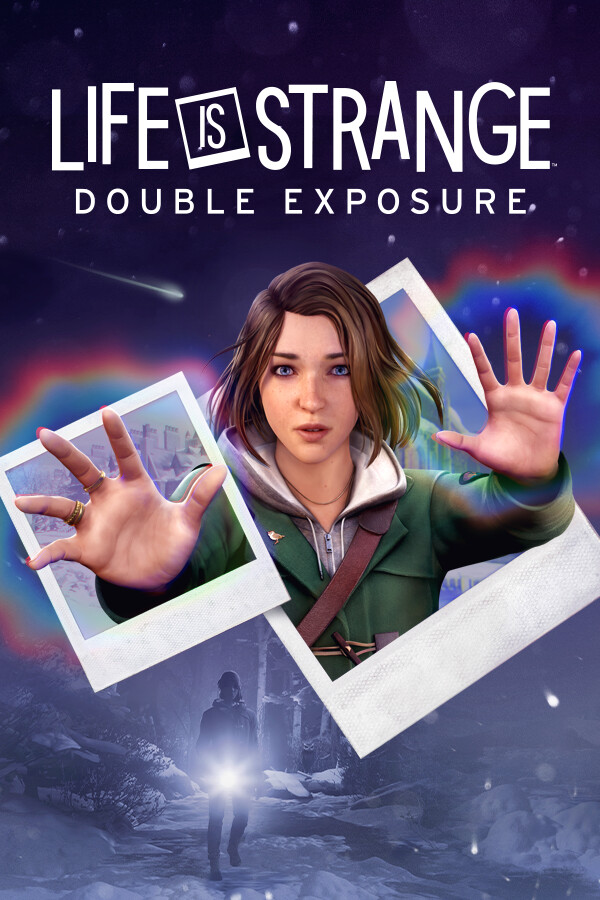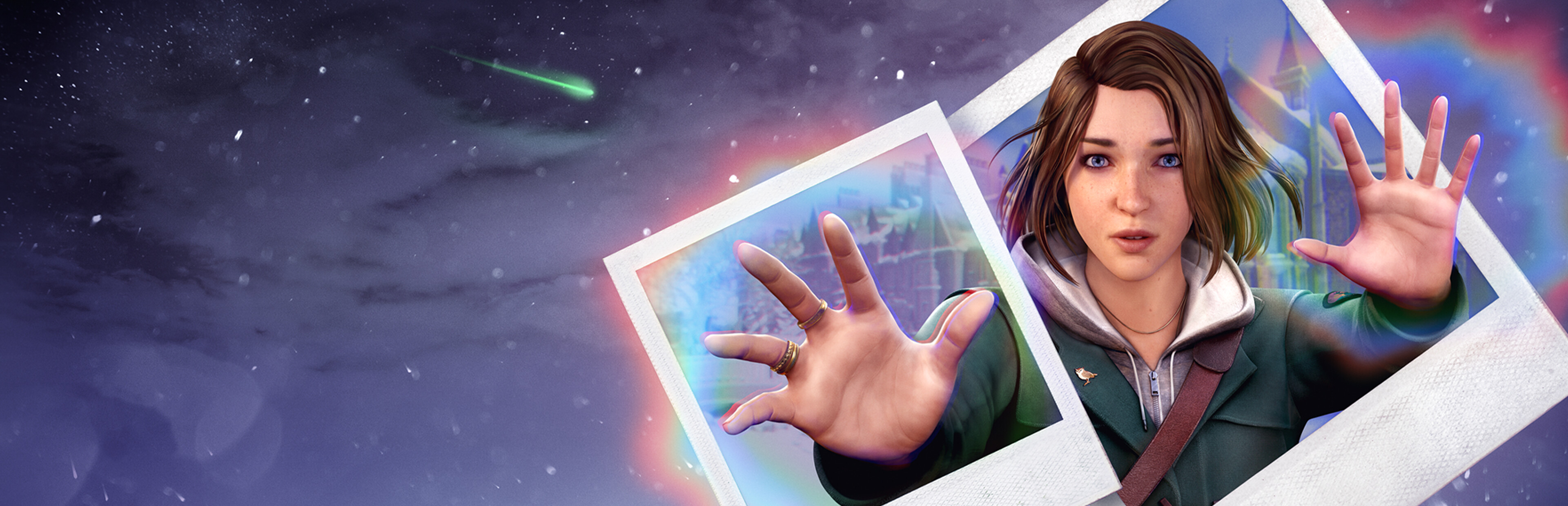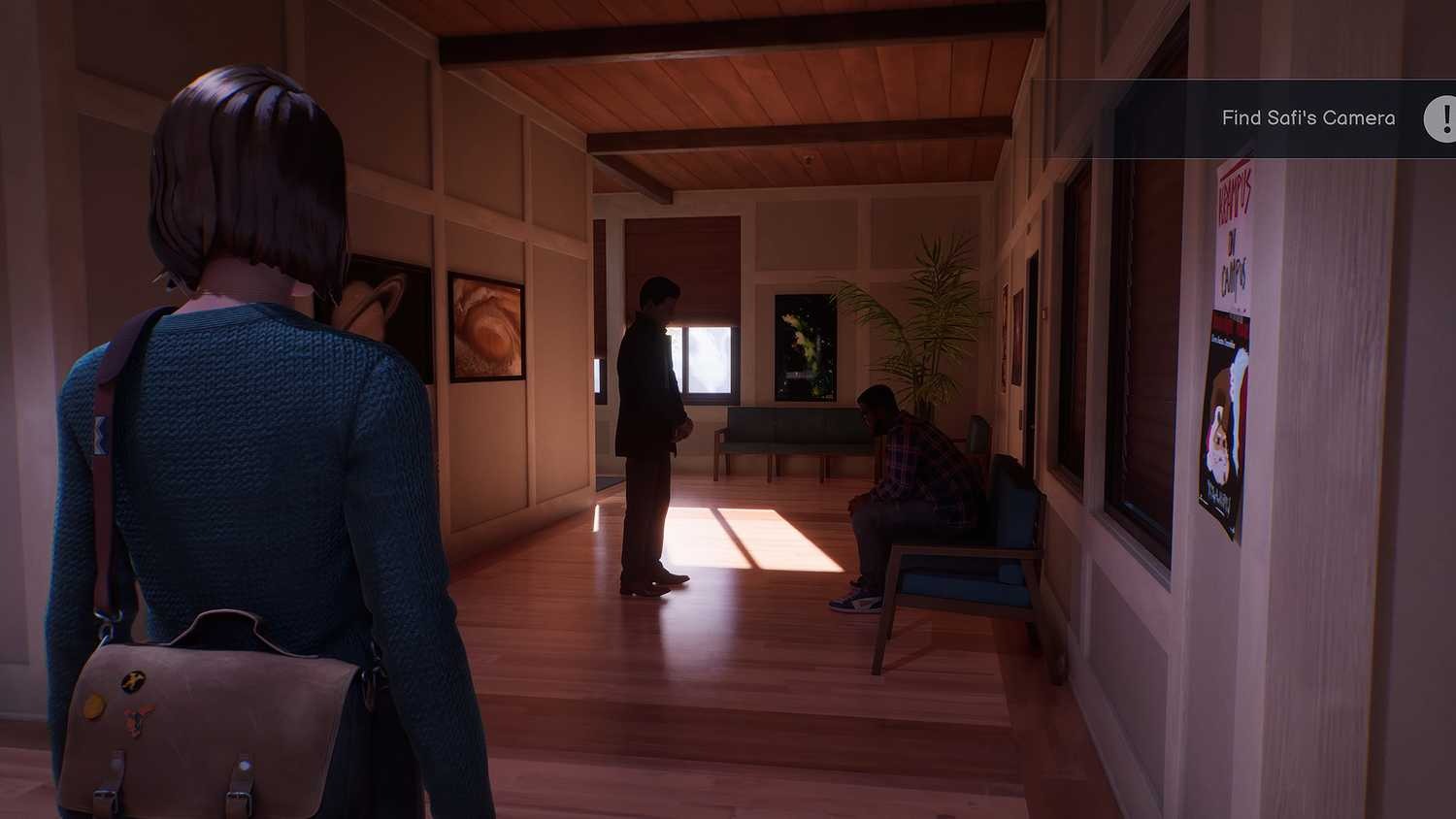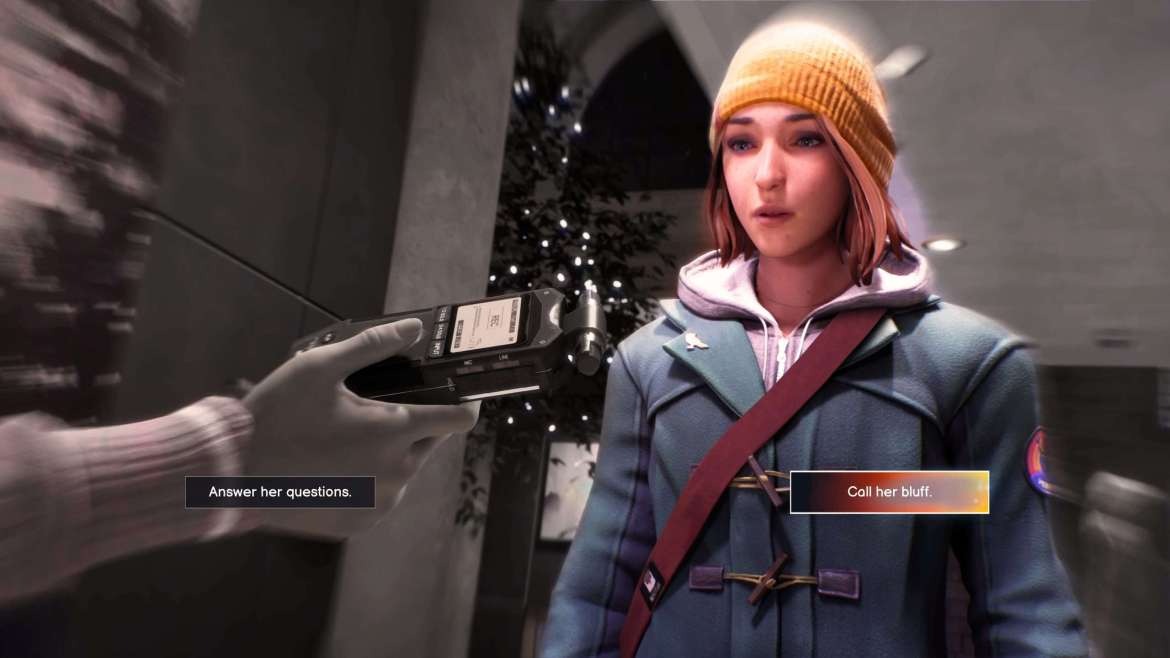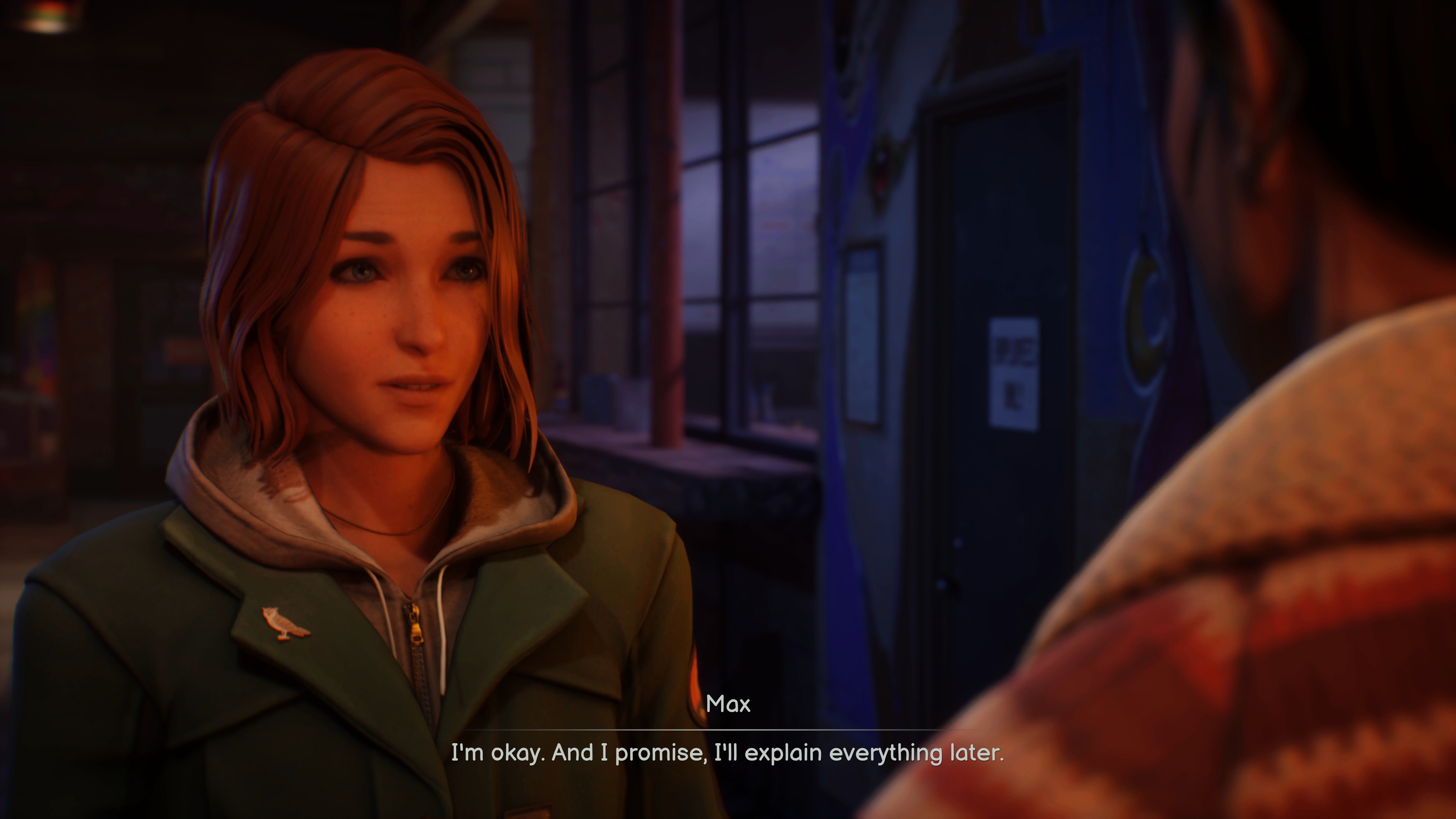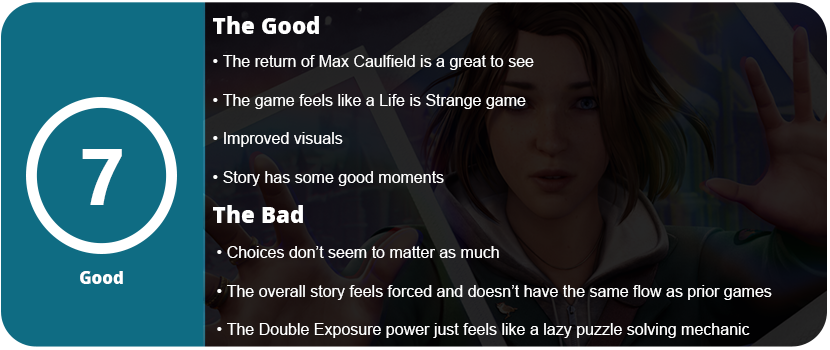
Max! Max, you’re back! It’s so good to see Max Caulfield again. This time as a grown adult. Our Max is all grown up. Well, that’s what I wanted to say, but a few hours into the game, you will realize that while Max is back, everything surrounding her return isn’t. This is a very forced game that didn’t need to get made. While all of us are curious as to what happened to Max as she grew up, we didn’t want a repeat of the original game. Deck Nine nailed the feeling of the first game. While we’re not in the same time period (late 2000s), we are in modern times, but with new friends and foes. The atmosphere of Life is Strange is here. The surreal soundtrack, being able to interact with various objects and hear Max’s inner monologue, important choices, well-made characters, etc. It’s all here, but in a very basic package to tie it all up.
Here’s the thing: Double Exposure literally tries to repeat the original game and story. It feels very forced and eye-rolling towards the end and isn’t believable one bit. Cloe has been replaced with Safi. She’s a hotheaded character similar to Cloe, but she also has a soft side. She’s goofy and has a good sense of humor, but you can clearly see this is a Cloe replacement or clone. Then you have Lucas, who is a Mark clone, etc. There’s a pattern here. He’s another creepy teacher who has a secret that rocks the whole story. It’s predictable, which is a shame. Instead of putting Max in a new situation with her old powers, she somehow has new powers. The power of Double Exposure. She can now hop timelines. It’s pretty silly and less grounded than the original game. While having powers is silly anyways, the first game being so grounded made it believable rather than a hokey superhero wannabe story. Treading the same ground just feels wrong.
Thankfully, the characters are interesting, but not as memorable as the original cast. They all have character, flaws, good and bad traits, and are not super stereotyped. Gameplay-wise, nothing has really changed. I would go as far as to say there is less gameplay here than in the original game, and that game was already lacking any. The locales are also not very interesting and are constantly repeated. There are too many mundane indoor environments, such as the Turtle bar, the school, Max’s apartment, etc. There aren’t any outdoor locations with sweeping vistas or more interesting indoor areas. You will spend up to 10 hours in these same locations over and over again. Max is now an urbexer (Urban explorer) so why don’t we get to see some cool abandoned buildings like during the intro sequence? The game just jumps straight into Max trying to save the planet, so we don’t get time to be with her and her friends living normal lives for a bit. That’s what made the first game so great.
Gameplay involves switching back and forth between timelines to solve puzzles, but this is just an excuse to extend gameplay. There are set nodes that sparkle, and you can jump between the Dead and Living worlds (one of the characters in the game dies, and you are trying to save her and stop it). You can pulse your power to see objects placed in the other timeline in real time before switching to it, but it doesn’t add anything interesting. There’s of course the usual collectible hunt, but that’s about it. Choices in the game are fewer and don’t have the mega impact that they did in the original. Story-changing sequences don’t come by often. Maybe once a chapter or none in some of them.
At least the visuals are improved. The facial expressions are great, and there’s a lot of detail in everything while still looking like a Life is Strange game. The upgraded visual quality helps go a long way, but sadly this was wasted on so few areas to explore. The ending is also rushed and feels inconclusive and too predictable. When the credits rolled, I just felt like the entire game was just not necessary. It didn’t add any value to the original game. Fans should definitely play, but you do need to play the original to appreciate what is here. Max recaps the original game throughout the story, but not in detail, so a lot is missing. There are a lot of references to the original that new players won’t understand. Some scenes in the ending aren’t explained at all, but are direct references to the original game such as when Mark strapped Max into the chair. For a cheap purchase you will have a fun couple of evening with the game, but don’t expect anything groundbreaking.
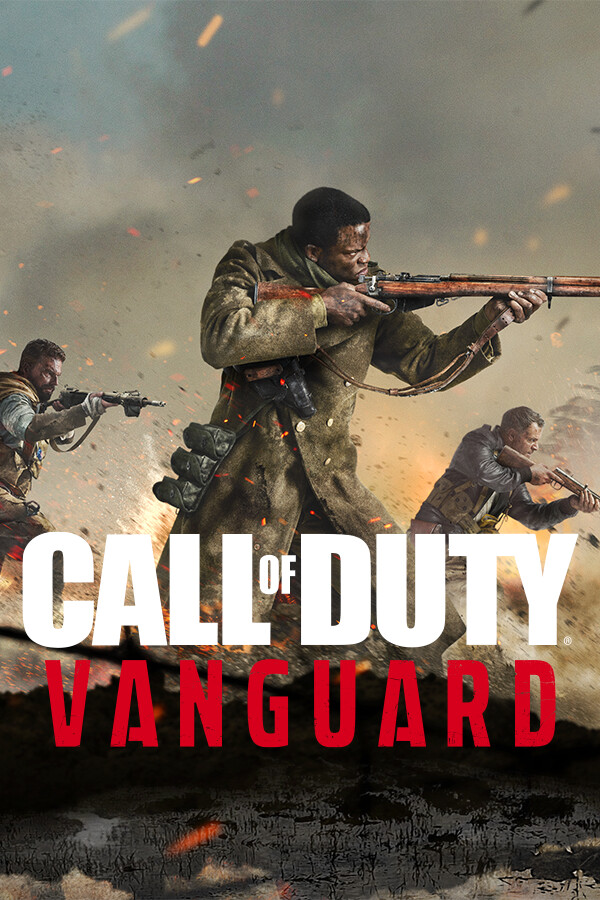
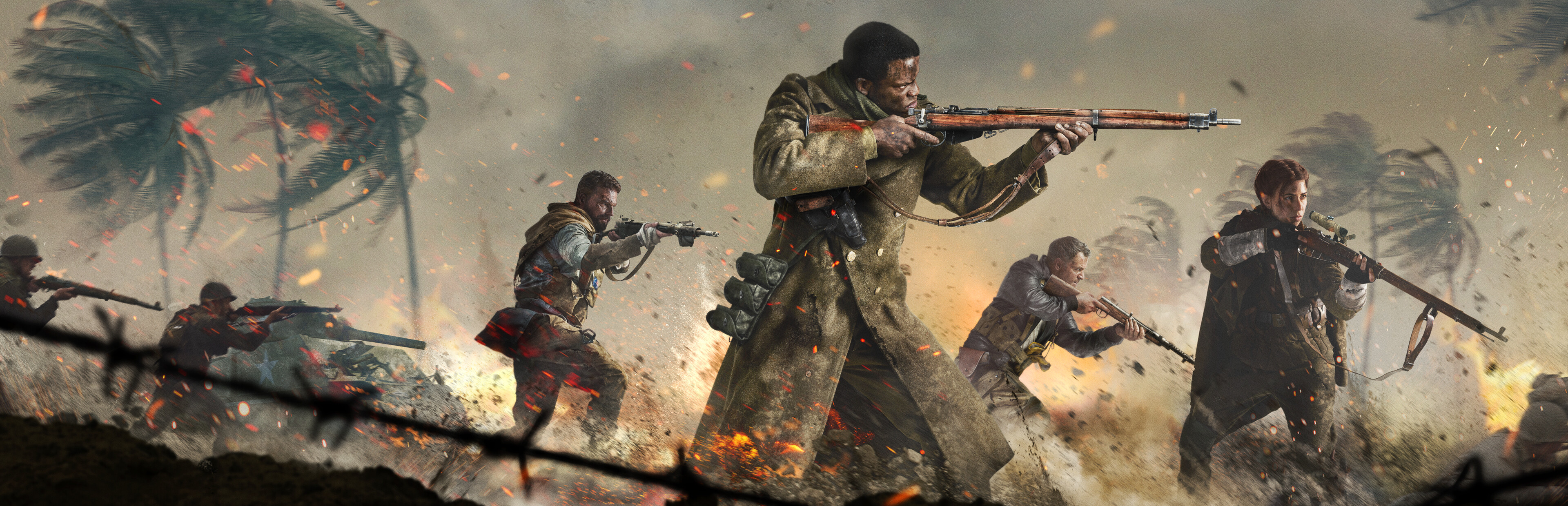
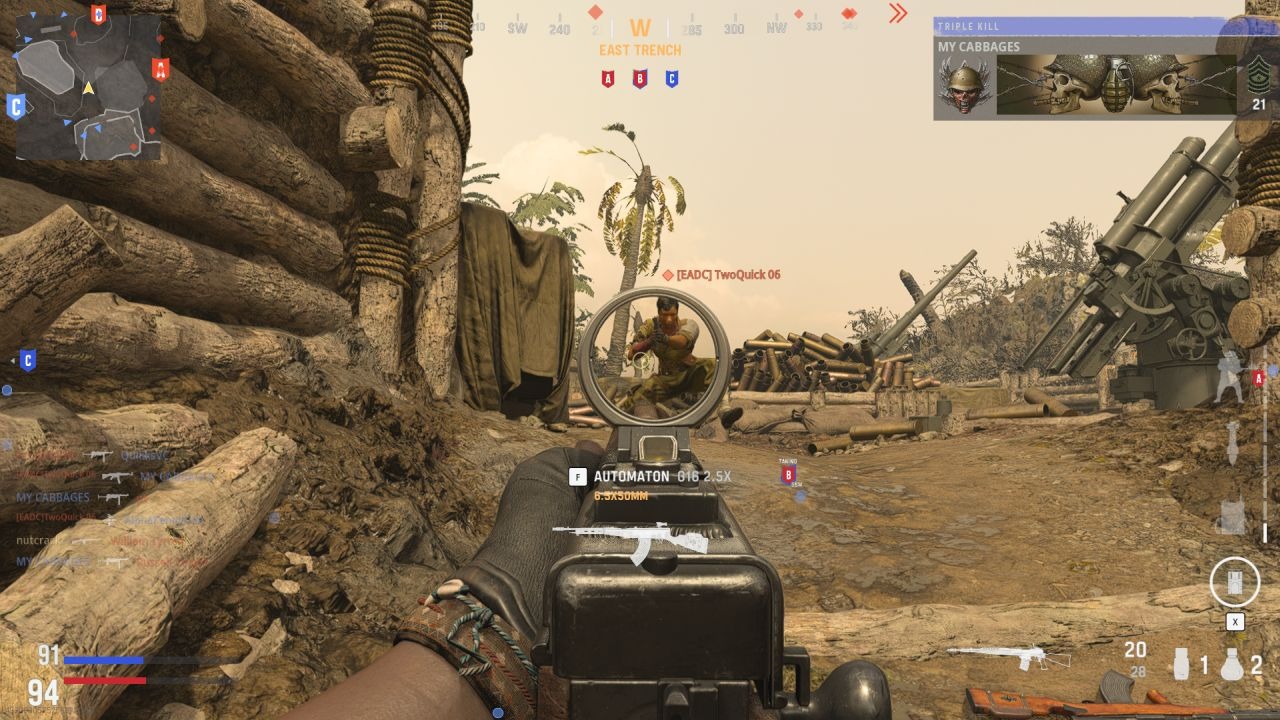
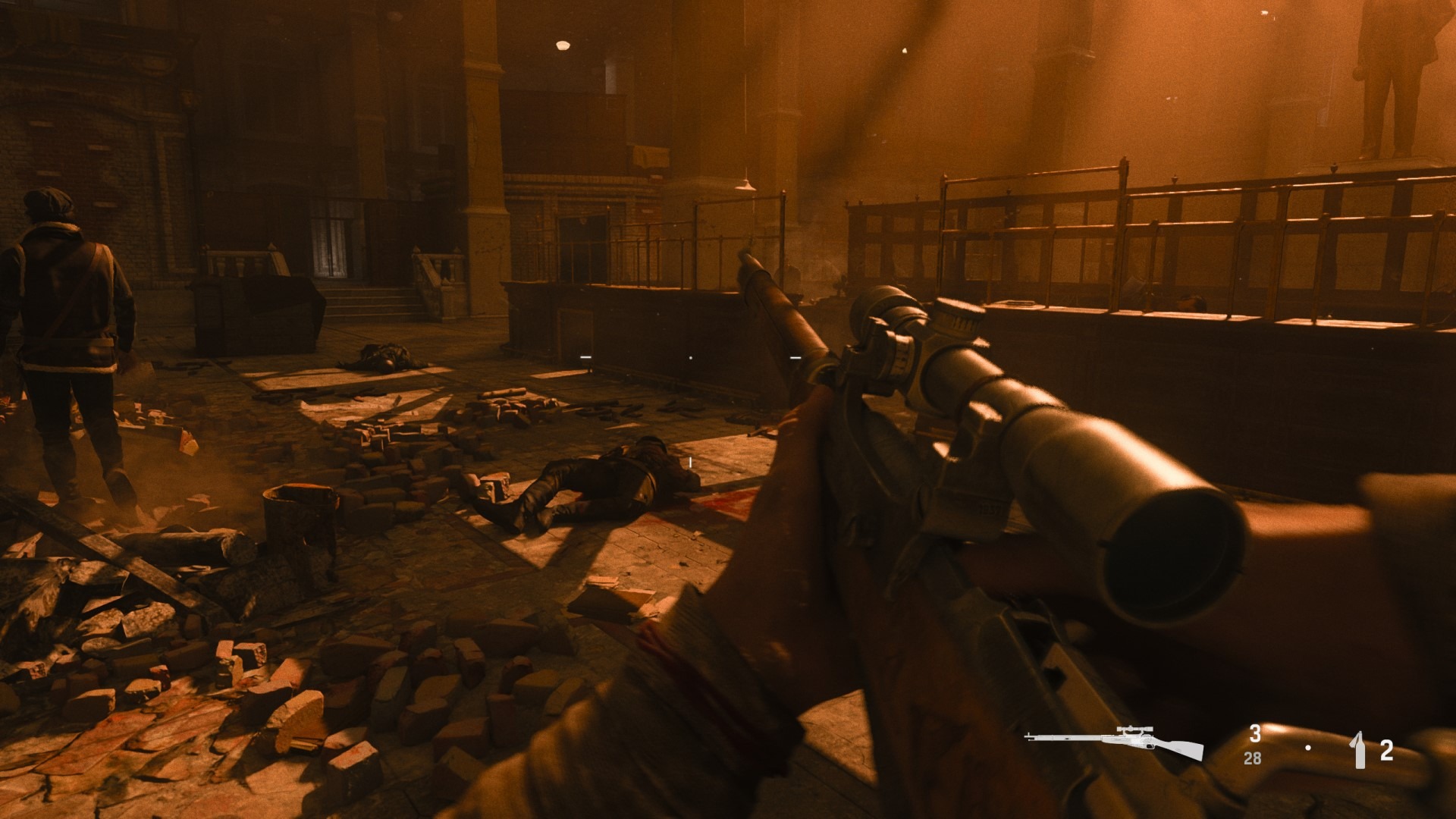
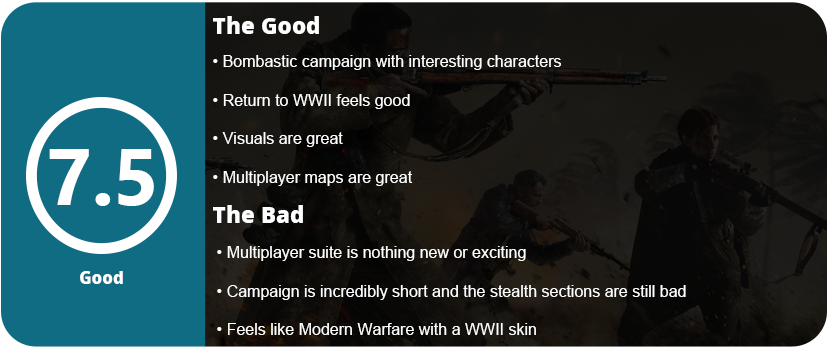
Oh boy, it’s another Call of Duty release. I completely disregarded it due to its brief campaign and my lack of interest in the Zombies mode. Four years passed, and here we are. I was in the mood for an FPS game that wouldn’t take up a lot of time, and I’m glad I played it. Starting with the campaign, this is one of the most entertaining in the series, and it’s a crying shame it’s so short. Activision has the budget and talent to make a good long 8-10 hour campaign, but instead we’re stuck with 9 short missions clocking in at around 4 hours. The characters are fun, the writing is tight and interesting, and the Nazi villains are fun to see on screen. You play as a team of allied soldiers who are captured by the Nazis while trying to find documentation on plans for Project Phoenix. The Nazi plan to stay alive after Adolf Hitler had allegedly committed suicide. It’s an interesting point during the war that isn’t talked about or used in WWII games much. The main antagonists are two SS officers who torture and kidnap an Australian, an American, a Russian, and a British soldier who were on the operation to steal the documents.
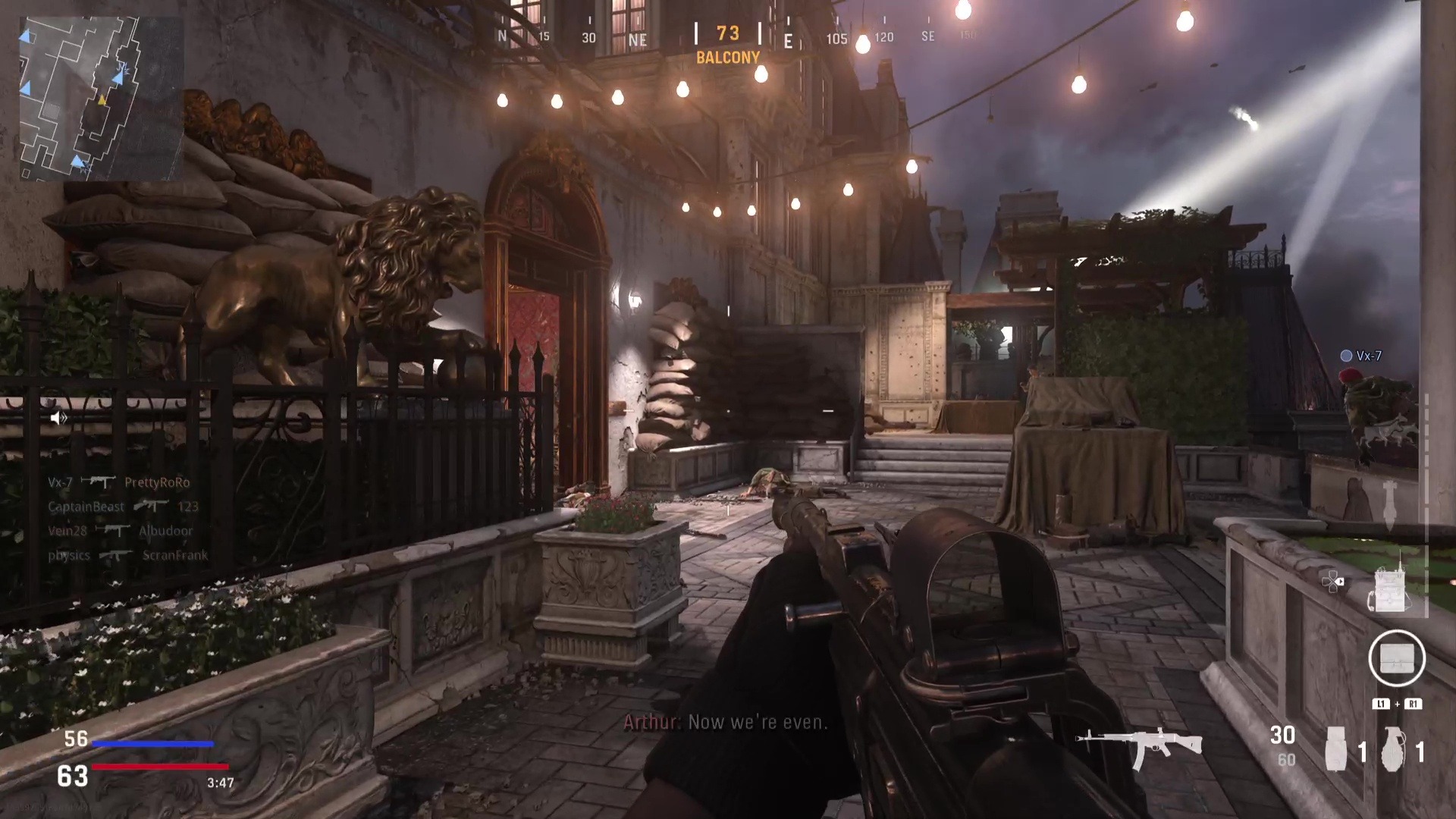
The game opens up with a train mission. It’s as bombastic and fun as any Call of Duty mission. The game feels immediately familiar…too familiar. It has the exact feeling of Modern Warfare. The speed, the momentum, and everything about what gives modern Call of Duty its identity are here, both for better and for worse. It feels a bit odd while holding WWII guns to be reloading them like a modern rifle. Slapping a clip off the top of a Browning. Everything feels like it’s in fast forward. I would have liked a slower, more deliberate feeling to this game, as we are returning to the series’ roots after all, but that’s too much to ask. It feels odd hopping around walls like it’s Assassin’s Creed as the Russian sniper Lady Nightingale. I feel like a WWII shooter needs a bit more finesse and a slower approach. The game doesn’t feel like Modern Warfare when it’s dressed in a WWII setting.
I don’t like stealth in Call of Duty, and it’s just as broken here. Running around and hiding in vents and under tables just slows the game way down. A high-octane shooter like this does not need any stealth. It’s easier to just shoot everyone in sight. The only reason to actually use the stealth is when it’s required or for achievements. Enemy placement is not right for stealth combat, and patrol patterns seem random. Enemies will also stay in an alerted state once seen, so it’s just pointless. The stealth takedowns are pretty cool to see, though. One new gameplay mechanic not seen in a Call of Duty is flying planes as the American. It’s fun; it doesn’t last long (only a single mission), but the preflight check and taking off just feel cool. There are no other vehicles to drive or even ride on in this game, which is kind of odd.
Outside of the campaign are multiplayer and Zombies. I’m not a Zombies expert, but I do know that this is a return to form with no story or weird map puzzles like in the Black Ops series. Some may like this, and some may hate it. I personally do not care either way. I tried Zombies for a couple of hours, and it was…fine. Multiplayer is the best part of the game, but it’s subject to the usual Call of Duty nonsense. The maps are at least really good, and the way the weapons fire makes it a bit different than modern games. They are less accurate and, of course, less modern, so you don’t get all these crazy attachments for the guns. I won’t bother going into detail on maps or anything, as, sadly, the game is mostly dead. I made it into a couple of matches, but that was after sitting for 20+ minutes waiting for enough people to join.
With that, this game is best played as a super cheap discount for the campaign and maybe some multiplayer with friends, but don’t expect much playtime out of this. I really wanted the campaign to be longer. There’s a lot here that works with interesting characters and a great script, but it’s just cut so short. The authentic WWII weapons feel good, and anyone who is a veteran of past WWII shooters will instantly recognize all of these weapons. Zombies mode is fun, but a drastic change from Black Ops Zombies, which some people may not like, but as it stands, this is a modern Call of Duty game. All that will be left one day is just the campaign and offline multiplayer. What’s here is entertaining for an afternoon of fun, but that’s it.
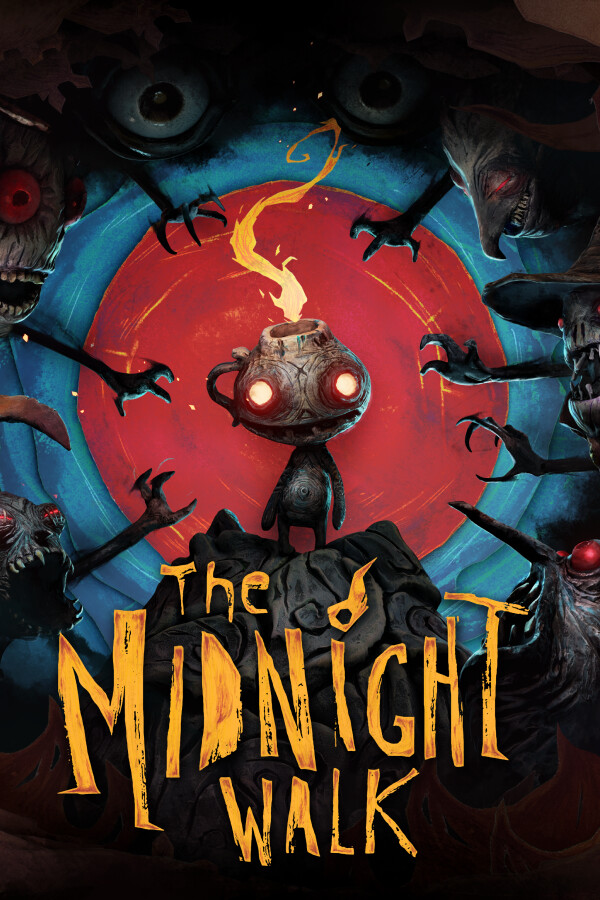
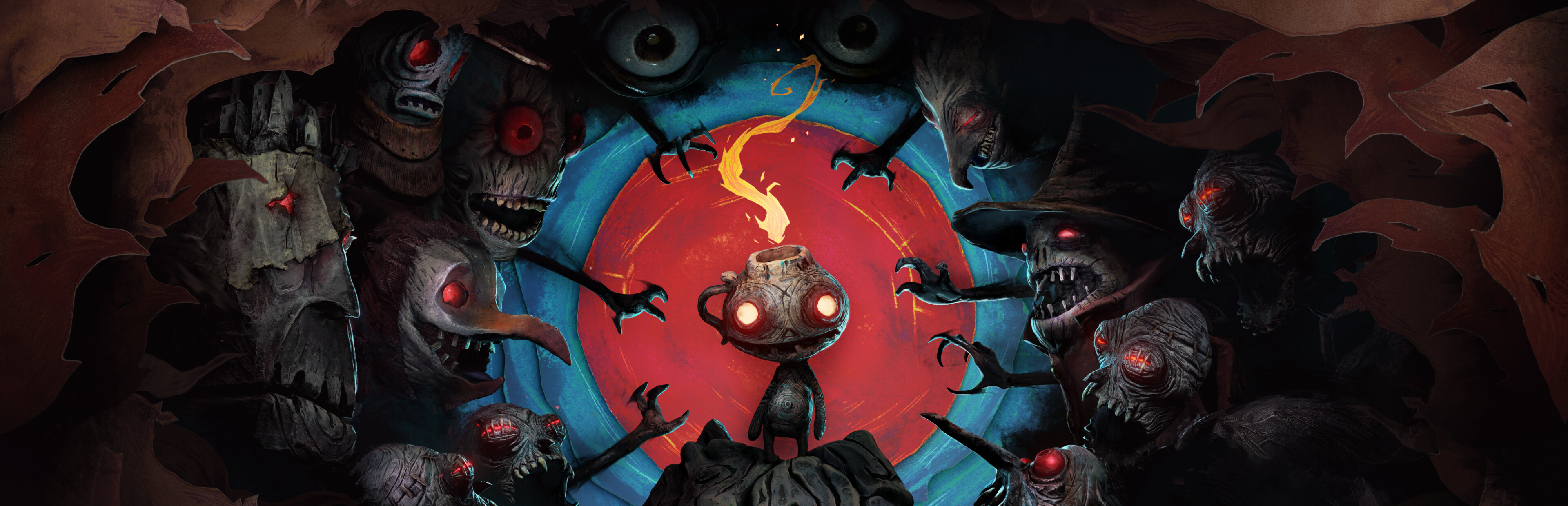
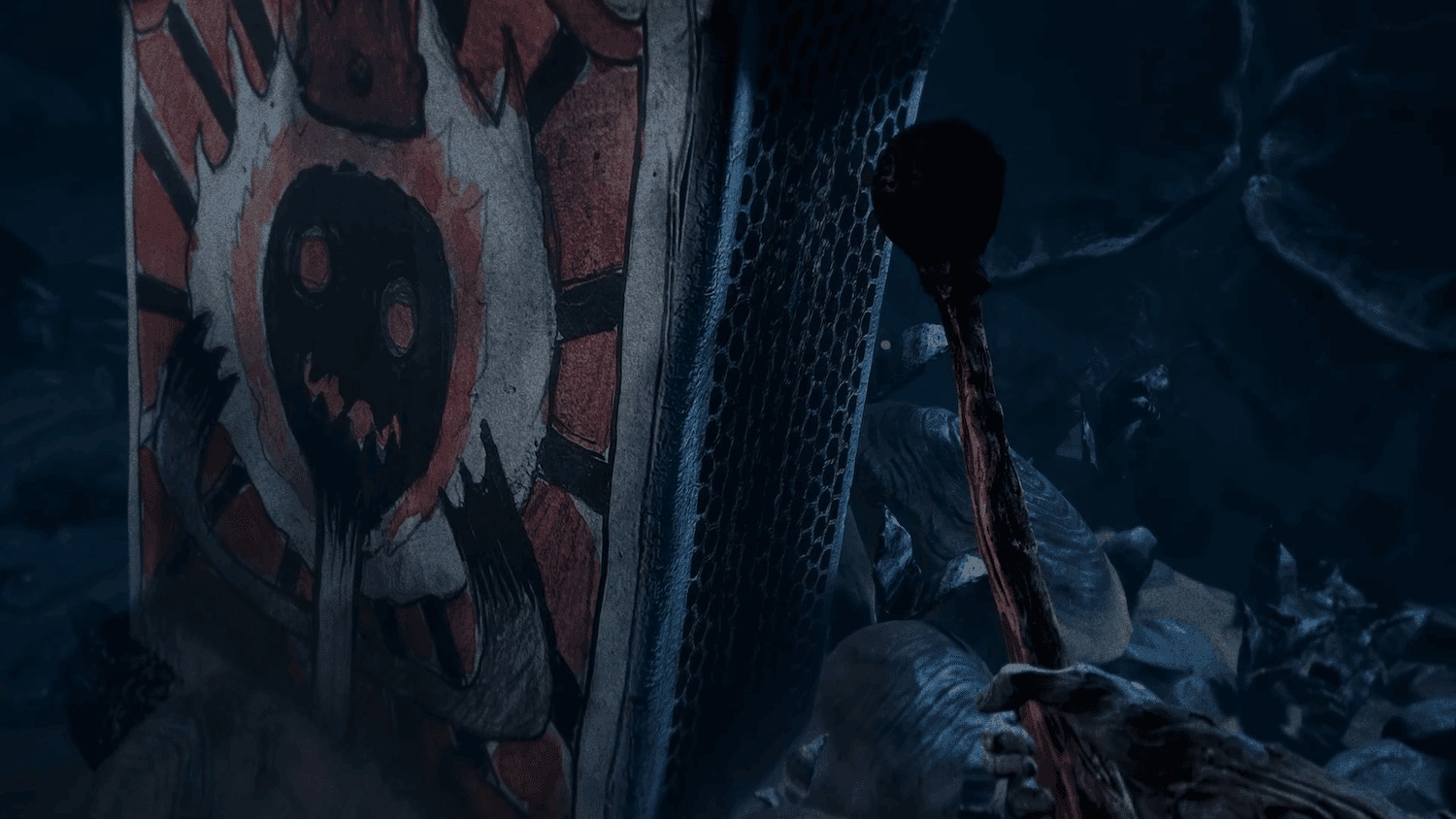
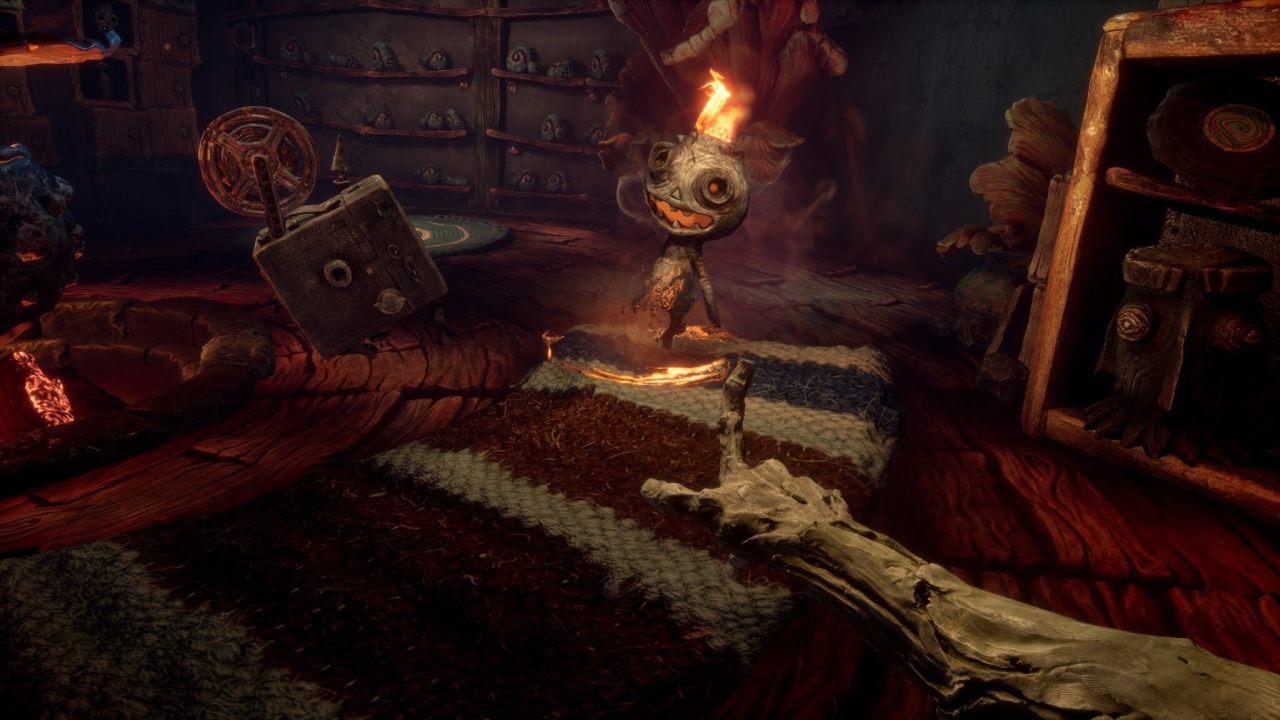
Stop-motion animation is fantastic. I love it. It was made famous by The Nightmare Before Christmas and Disney, but there’s also a lot of bad stop motion. Robot Chicken was a comedy TV show that did it with a tongue-in-cheek flair. The Midnight Walk is utterly gorgeous to look at. Easily one of the most artistically stunning games released this year. It would be a disservice to call this a “Nightmare Before Christmas clone,” as it has clear inspirations with a Burton flair but also includes the studio’s own touch seen in their last game, Lost in Random. The dark is very dark. So much so that it’s suffocating, but this is intended. The Midnight Walk is a road that creatures travel down trying to reach the light. You are the “Burnt One” who befriends a little creature called Potboy, and with flame in hand, you embark on a journey full of short stories to help those trapped forever walking the midnight walk.
The game is designed with VR in mind, but you can totally enjoy this without it and still get the full experience. The first-person view is really interesting, as you can experience everything up close and in detail. The game is very linear, but I won’t fault the game too much for that. For this art style everything needs to be scripted and tailored in a way to get the most enjoyment. Every creature is hand sculpted and animated by hand. The handmade animations play at a lower frame rate than everything else around them, but it works here. These “lower framed animations” are centerpieces, but don’t overstay their welcome. There’s so much visual eye candy going on here, from incredibly disturbing scenes like The Dark popping up with just two eyes and everything else being pitch black. The effect is incredibly effective and doesn’t just look like a pair of generic eyes. The screen shakes, the eyes blink and move around, and they look menacing. They are larger than you, and you feel the darkness that these eyes represent.
There are many stealth sections in the game, but they aren’t awful. You don’t need to try too hard. There are closets you can hide in as well as other hidey-holes, but once the creature passes, you can just run to the next area. The creatures are frightening. While they still have a cartoony whimsy to them, they are still scary. There aren’t many of them in the game, but they are used sparingly without overstaying their welcome or getting boring. There are four short stories in this game that are sandwiched with a prologue and epilogue episode. The game is narrated by a gravelly British voice that is usually typical with these types of games, but it works. Outside of finding collectibles and solving simple puzzles, there’s not much gameplay, though.
You do get a single “weapon” called a Matchlock. It’s very underutilized. It holds three matches and isn’t used as a weapon. It’s used to solve puzzles similar to the Portal Gun. You can light candles from a distance or other items from a distance, but you can also hold matches by hand and do most of what the Matchlock can do that way. There are unlimited matches when you find a matchbox, which are pretty much everywhere. The fire element in general is just not used enough here, and it’s a fun gameplay element. Potboy also feels a bit underwhelming gameplay-wise. You can order him around to go through pipes, stand on switches, and light things, which also makes holding matches redundant too. There are three different ways to light things, so puzzles feel really simple and bare-bones. It’s the only weak part of the game. The whole fire thing feels like it should be expanded more.
The game is never boring, thankfully. I was entertained the entire time. Even when I felt the puzzles didn’t challenge me and there wasn’t any combat, I was entertained with great storytelling, voice acting, and pure visual eye candy that doesn’t come around very often these days. I wanted to see what was around every corner. The sense of discovery and wonder is done well in this game. The game’s pacing is also perfect. The weaker sections don’t linger too long, and you will be greeted with a new character or enemy fairly frequently. Sadly, the game is really short. You can finish this in about 4 hours, and I wanted to see more. I really hope we get more in this world and setting.
Overall, The Midnight Walk is one of the most artistically stunning games I have ever played. The dark world that never lets up is just fascinating to explore. The creature designs and the mix of stop-motion work masterfully here. The voice acting is top-notch, and Potboy is a cute and wonderful companion full of whimsy and character. I just wish the matchlock gun and the fire elements were better utilized here. With stronger puzzles and maybe some actual combat, a sequel could be even better. Don’t let that stop you from picking this game up. There’s so much here to take in visually that you won’t mind the weaker areas.
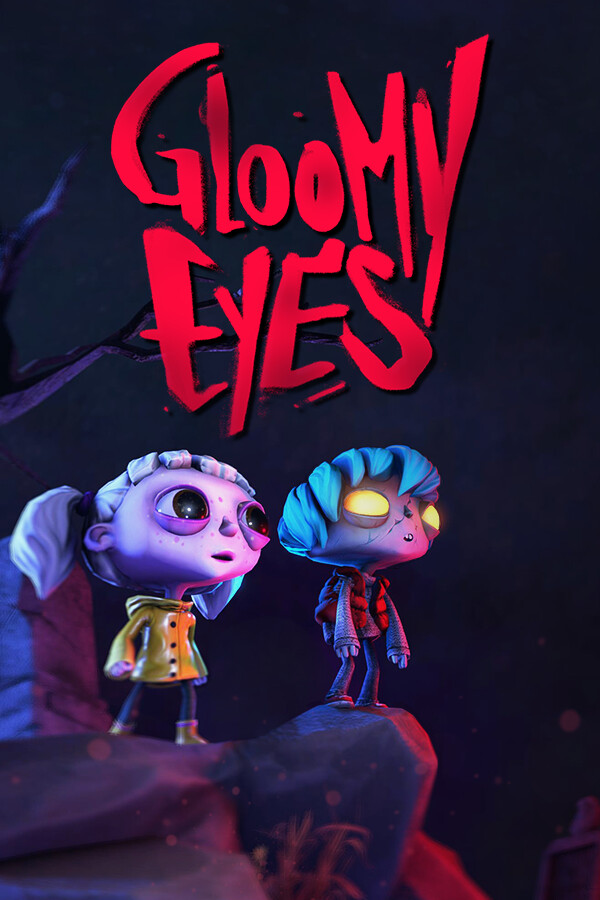
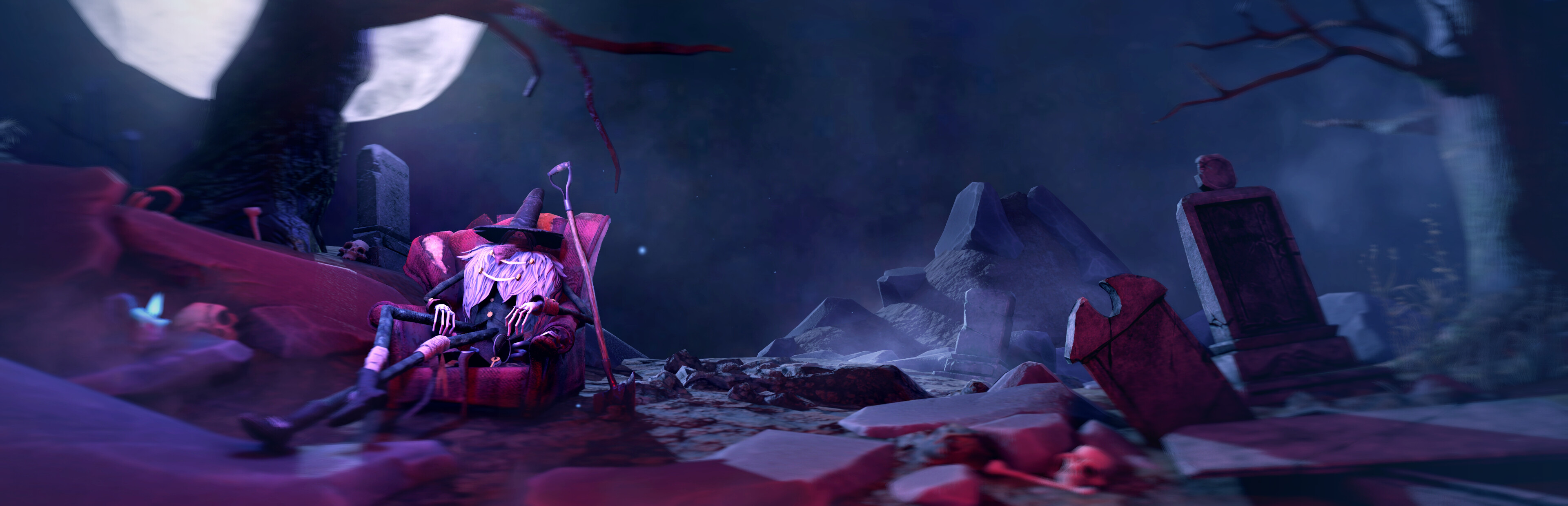
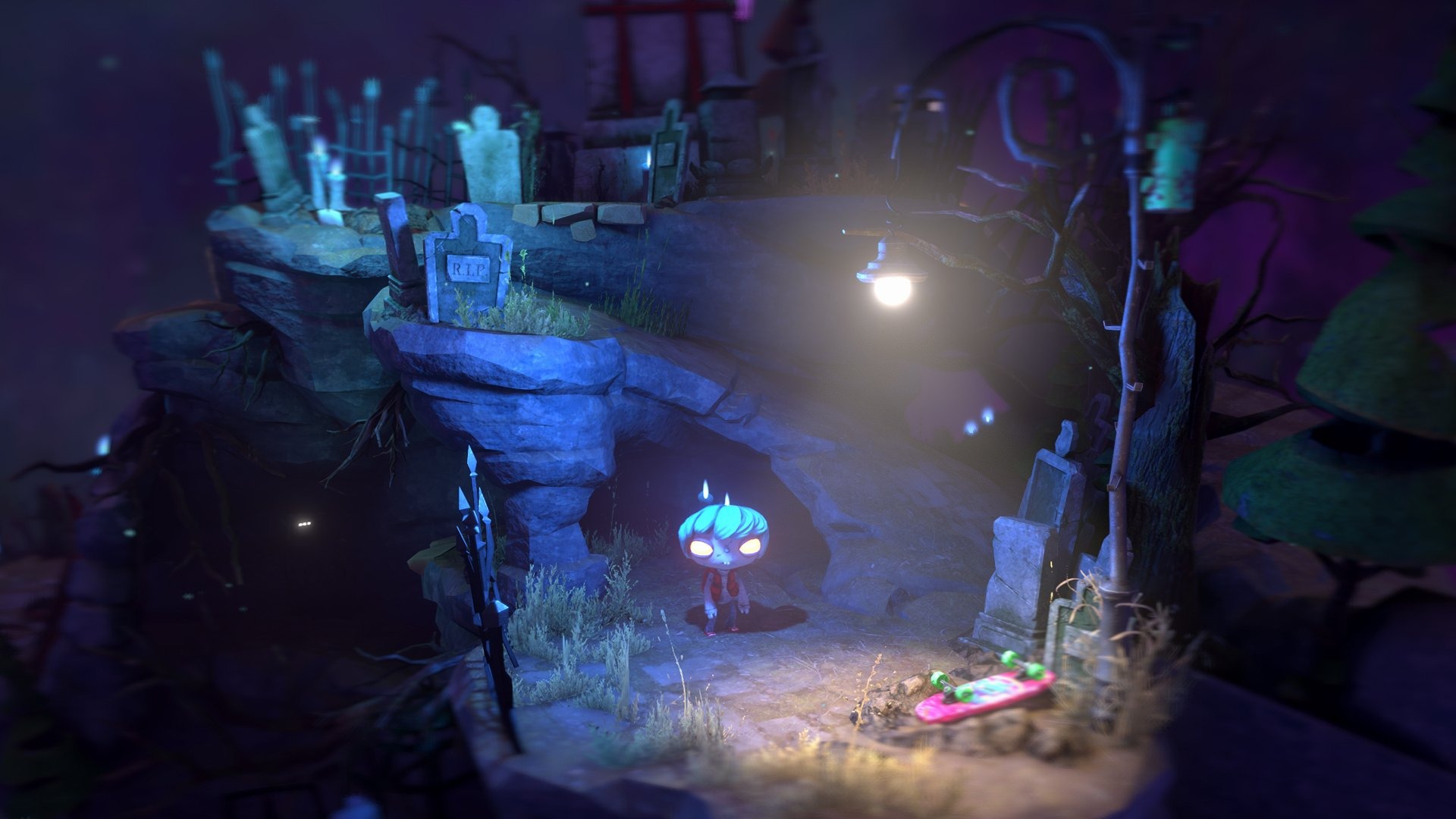
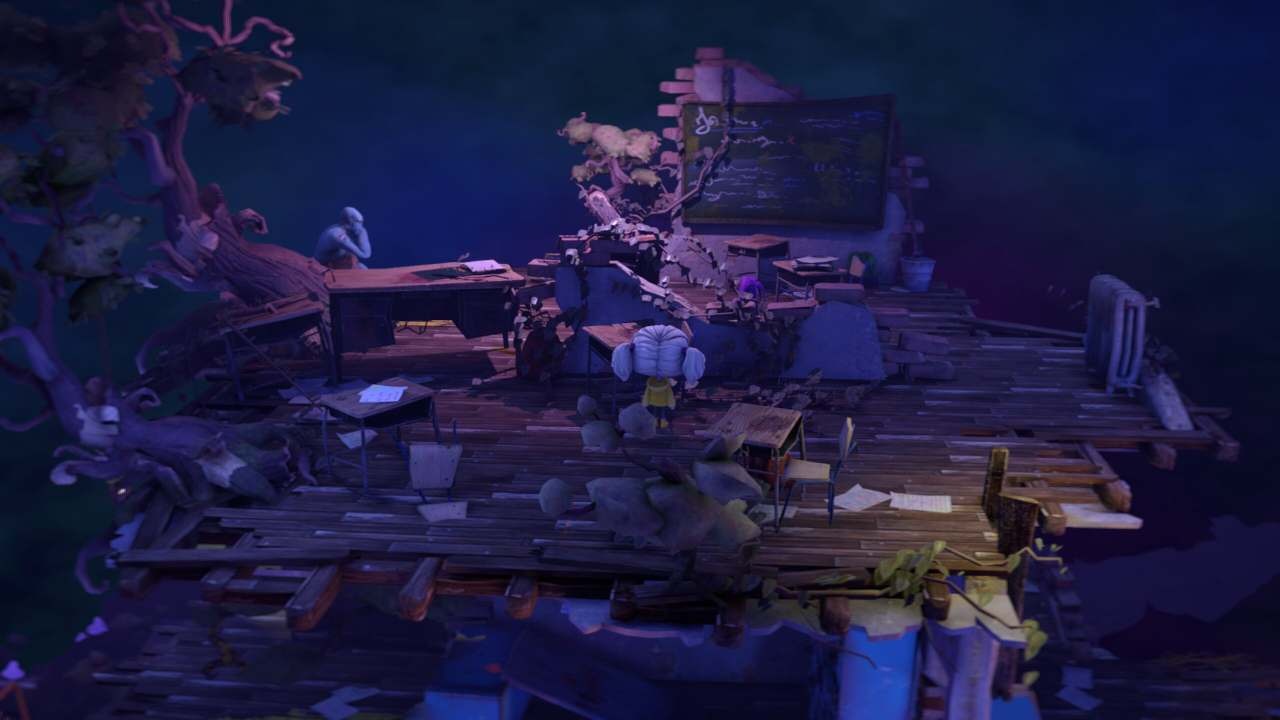
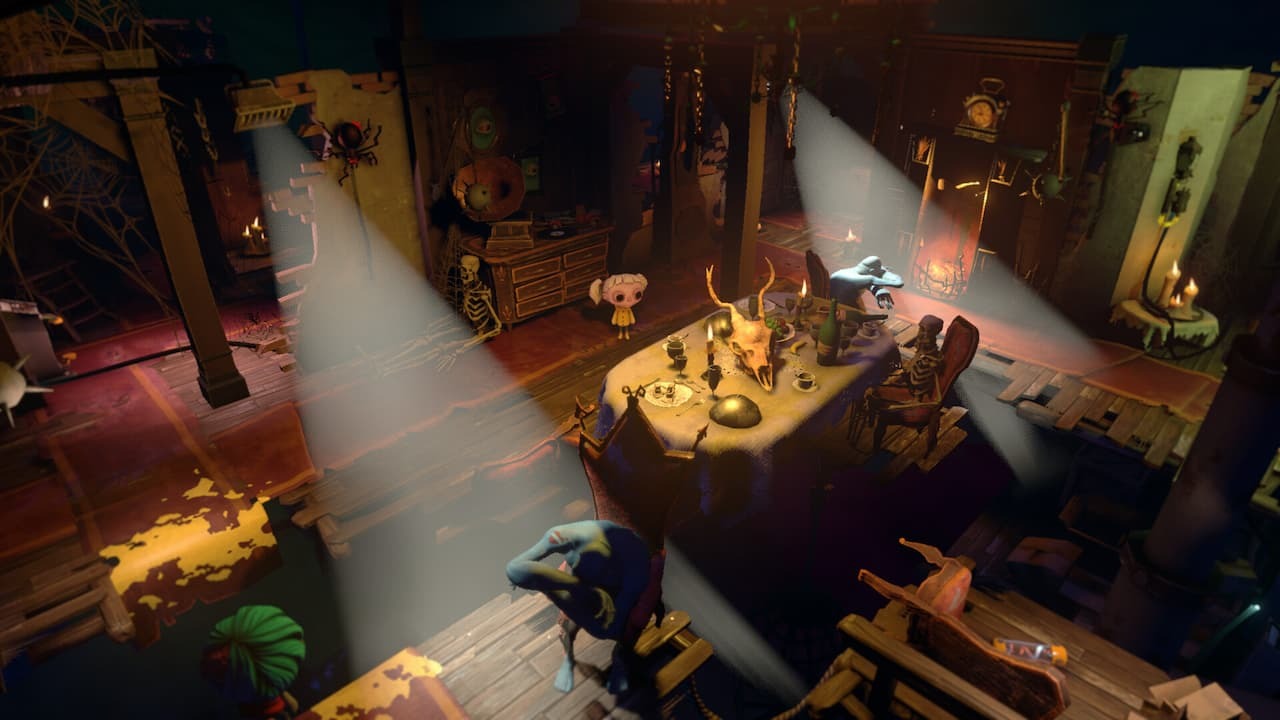
The premise of Gloomy Eyes is intriguing. It takes a post-apocalyptic zombie setting and adds a twist. Humans are living among zombies, but they are hated and are considered vile. A girl, Nena, finds a zombie boy her age who is tame and wants to integrate back into society. In the end, they are kids and just want to do kid things together, but her evil uncle, The Priest, has blocked out the sun so he can use zombies for slave labor. Nena and the zombie boy Gloomy explore levels and solve puzzles to navigate their way around to find the sun and stop her evil uncle.
The only voice is the narrator, The Gravekeeper. You can swap between Nena and Gloomy, as each has different ways of interacting with objects. Nena is the only one who can push buttons, pull levers, climb ladders and vines, and insert items into slots such as fuses. Gloomy can toss objects and push objects. Don’t think this makes Gloomy useless, as they are both needed for other reasons. Gloomy can go near zombies, while he can’t go into bright lights. Nena can’t go near zombies, or she will be eaten. A lot of levels have multiple mini-puzzles to get to certain areas. One level has you assembling a boat, and each piece is a small puzzle within the level. You need to push and pull objects, turn lights on and off, and throw bricks at generators or signs to block light. There are some stealth areas in which you need to snag keys off of the backs of enemies. They walk a single patrol route and have flashlights or trap guns. These areas aren’t very hard.
Some of the puzzles only seem challenging because of the camera. It’s not always positioned in your favor. I wouldn’t see certain paths and get stuck because I couldn’t figure out what to do, only to realize there was a hallway or door hidden because I couldn’t turn the camera enough. It’s not a big issue and rarely happened, but I still want to mention it. The levels are varied and get switched up a lot. You also have the entire game sandwiched with solo scripted levels to give your brain a break from the 10 or so levels of straight puzzles. The levels become multi-puzzle right in the middle of the game. I never got bored, and while the narrative won’t keep you going, the variety in puzzles and level design will.
The visuals are very charming and have a Tim Burton vibe mixed with Psychonauts. It’s a very 90s Halloween vibe, and I really like it. The cheesy haunted mansion level notwithstanding. The character designs for Nena and Gloomy aren’t anything special, if not a bit grotesque in a bad way. The bug eyes and large heads didn’t do anything for me, but the overall charm and atmosphere of the game reminded me of PS2 era games, so I stuck with it. The story won’t do much for people either, but it is charming in a way. Nena is incredibly lonely and wants this zombie boy to be her best friend and will do anything to make that happen. It has a predictable ending, but the story is there to glue the puzzles together and string you along. The boss fights (there are a total of two) are Mario 3D esque being very easy and simple.
Overall, Gloomy Eyes is a charming little puzzler that will entertain you for an evening. The charming visuals, soft narration, and varied level design will keep you going. The music isn’t anything special, We have all heard this stuff before. It’s the typical mysterious Halloween music with xylophones and triangles. You’ll know what I’m talking about when you hear it. It does give me a sense of nostalgia for early PS2 games with that Halloween vibe, and I quite liked it. If you want a fun puzzle game and love Tim Burton or Psychonauts, then give this a try.
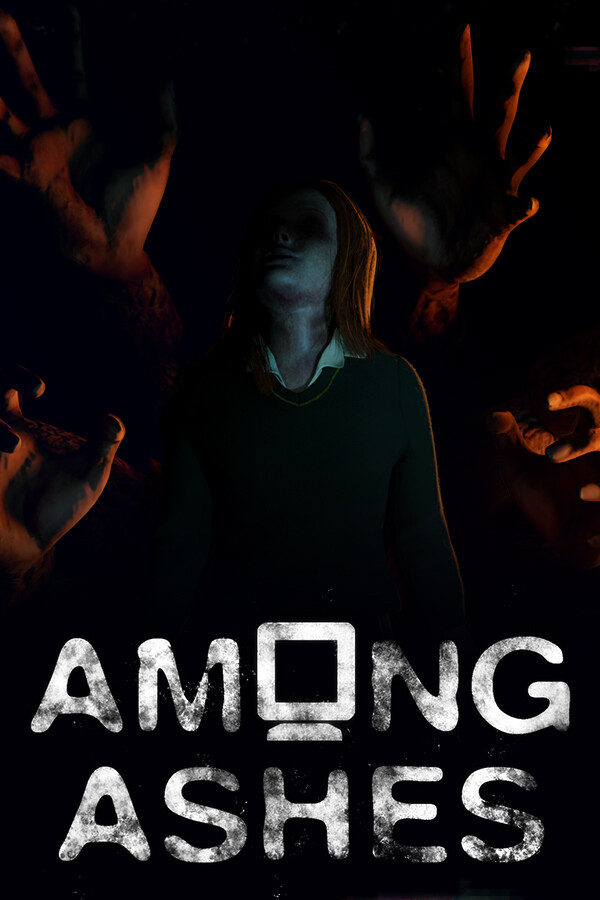
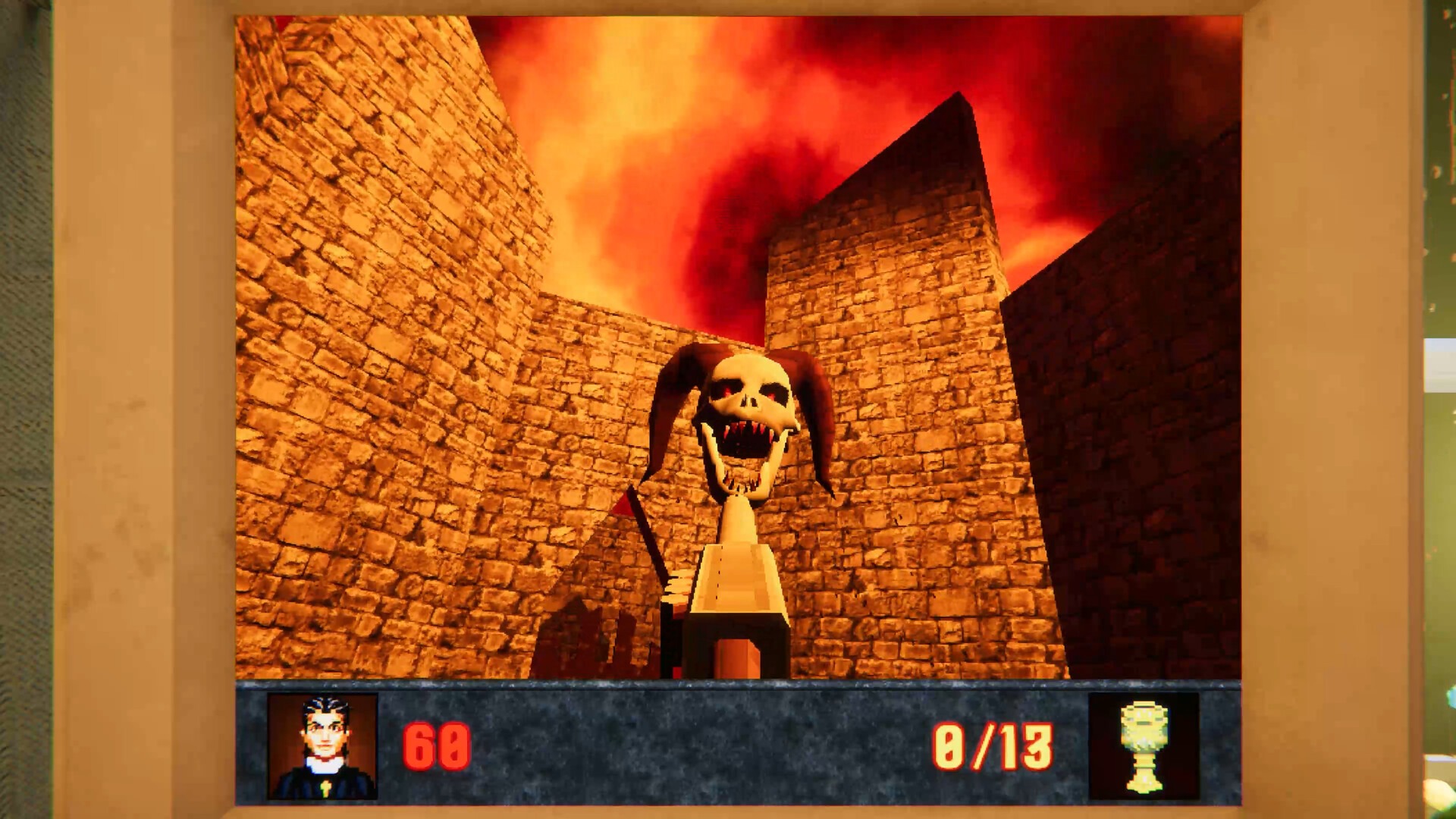
The concept of a video game taking over real life isn’t just a metaphor. There have been numerous instances where excessive gameplay has resulted in fatalities. But what about a game literally invading the real world? Is it actually real or a hallucination of the main character? Among Ashes explores this idea of a late 90s to early 2000s setting of a real game taking over the protagonist’s life. You play as a nameless gamer who ends up playing some indie game that his friend found and sends you the link over MSN Messenger (it’s MSN; it even has the same chimes and sounds). You can use the computer with a Windows 98 style setup. It’s not super interactive, but you can click links that open a web browser to a forum. The game inside the game is called Night Call. It’s a lost game from a developer that ends up putting it on this horror fan forum. You, of course, play this game along with your friend, and every so often you will go back and forth on the messenger talking about events in the game and what’s happening in real life.
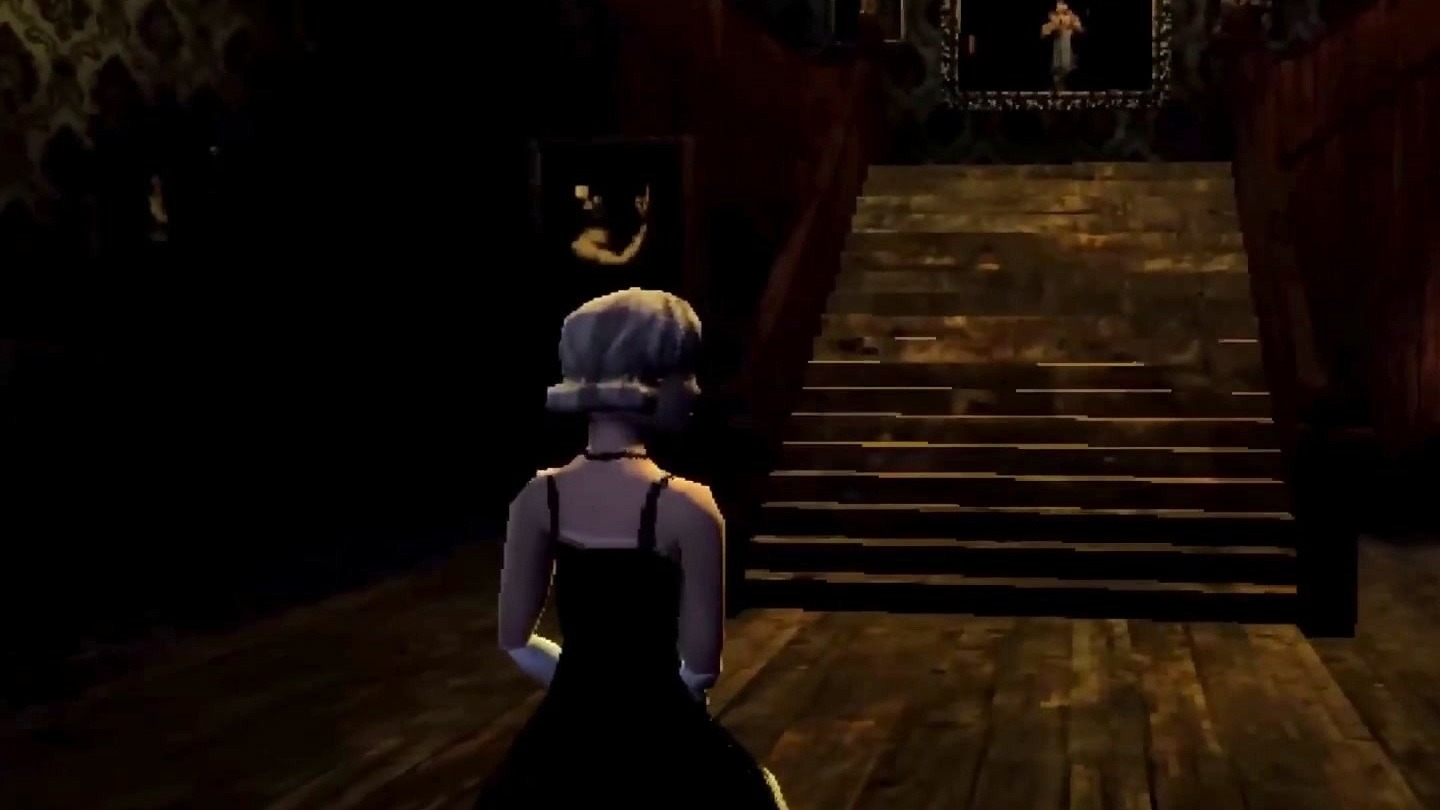
Among Ashes is a melding of genres. It starts out as a Resident Evil clone with PS1 style graphics in a first-person perspective. You arrive at a mansion and are greeted by the maid. You make your way upstairs to talk to the resident doctor about reports of a woman screaming. Of course, this leads to puzzles, wandering around aimlessly with no direction, and combat. Combat consists of beating enemies over the head with a baton. You can block, which helps, but you also get a shotgun and revolver at certain points. It’s best to save the ammo for when you are surrounded by enemies, but I also recommend playing with a guide. There is a hedge maze that’s incredibly confusing to navigate, enemies respawn (they don’t die permanently), and there are typical lock puzzles, math puzzles, gathering hints puzzles, switch flipping puzzles, and so on. There are even a few chase scenes and a maze-like cave system with an enemy chasing you towards the end, and you have to flip switches and open gates. It’s frustrating and doesn’t add the right kind of tension to the game.
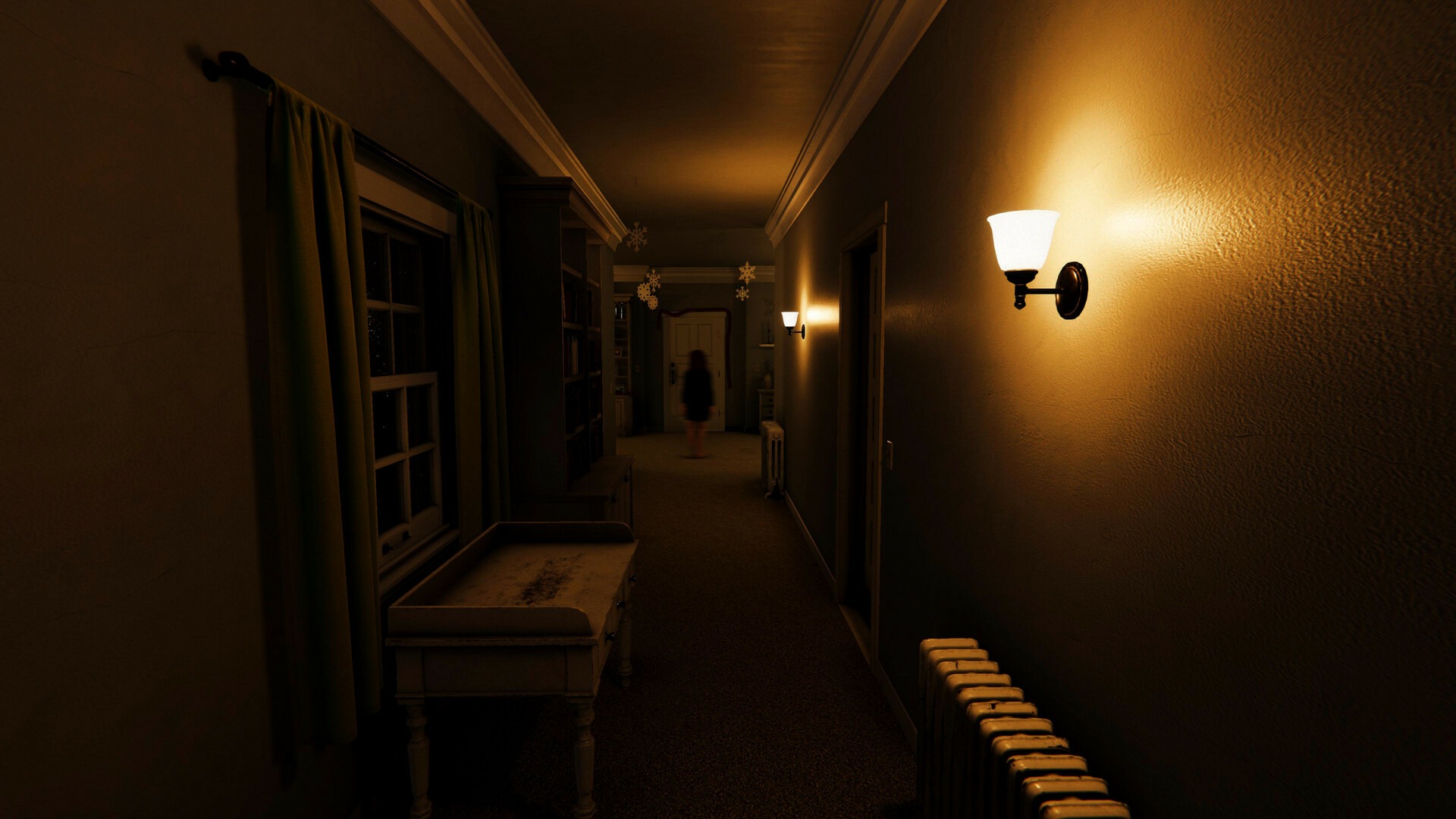
There are a couple of other game types thrown in here. There’s a game within the game of Night Call that’s for the Commodore 64. It’s an 8-bit action game that is required to play to advance the story. It’s not good, it’s repetitive, and it can get really hard sometimes. You only get three hits and you’re dead, and enemies can swarm you. There’s also an FPS Doom clone you can play inside the game, which is pretty bad, but it gets the point across. I will say that the game nails tension and atmosphere, and the monster designs are pretty insane. I love the scares here too. There are a couple of jump scares and just subtle scares, such as a monster staring at you through a gate. Not every scare is in your face. Some can be missed if you aren’t paying attention.
When you get up from your computer in the real world, it almost feels like a breath of fresh air, but things get crazy here too. Objects appear, things become rearranged, and you are very quiet. It was also refreshing when your friend would IM you, as the game feels very isolated, which is a good thing that it nails. I felt very alone, and any sign or hint of another person was so relieving despite how brief it was. The last act of the game falls into the usual indie horror trope of doing crazy things like constantly changing rooms, teleporting you to different locations, recycling older locations, etc. At least, the story maintains coherence throughout and doesn’t deviate significantly towards the conclusion.
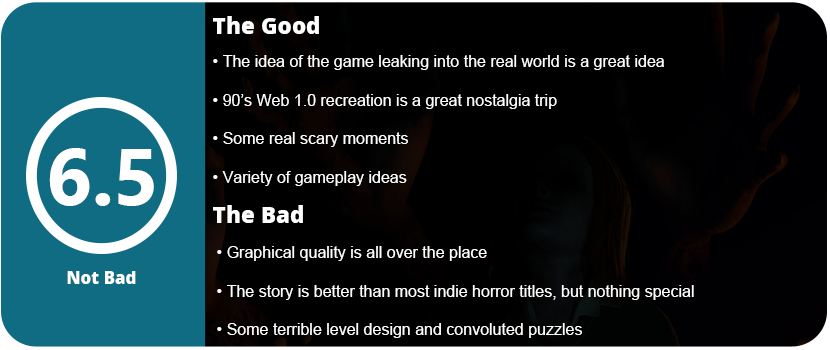
Outside of the great atmosphere and tension, the game just lacks in the actual gameplay department. It’s not fun to play, and the mechanics, while trying to be purposefully bad to fit the type of game it’s trying to emulate, just aren’t done well. Respawning enemies, confusing mazes, obtuse puzzles, and weird boss fights that don’t feel good are all over the place. I liked the story; the Web 1.0 feeling on the PC is nailed perfectly, and the tension is there. I just wish this was wrapped up into an actual fun game to play. Thankfully, it’s over in 3-4 hours.
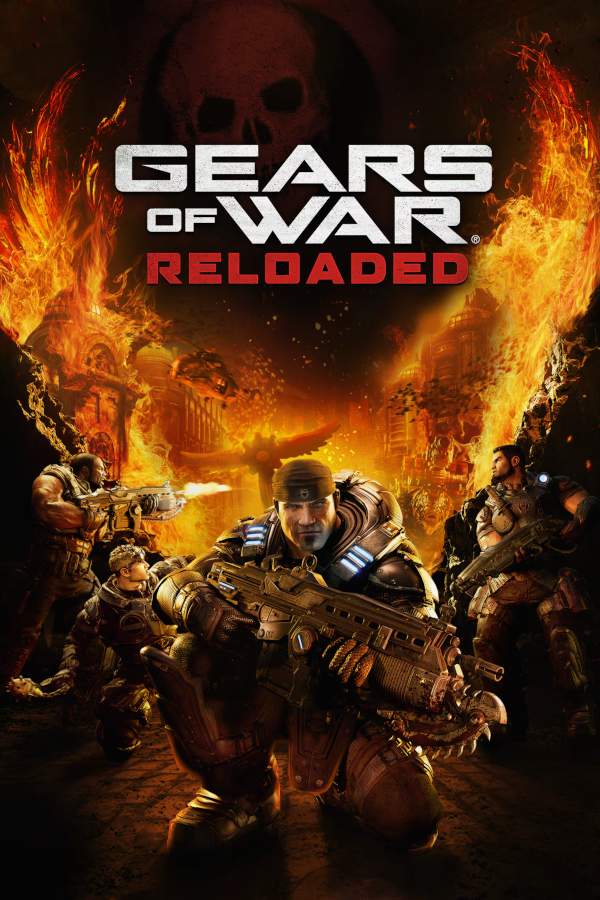
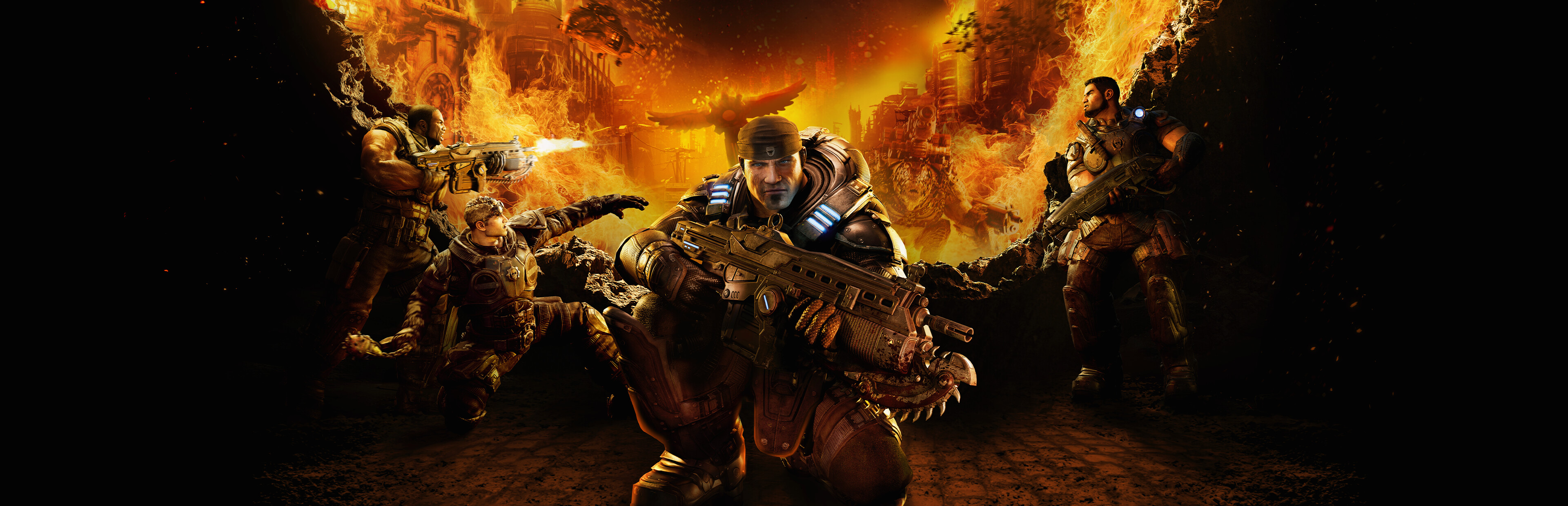
As much as I love Gears of War, and for how iconic and revolutionary it was at the time, it doesn’t need three remasters. Yes, that’s right. It was already remastered before with the 2015 Ultimate Edition release. It was originally released on PC for the first time under the Games for Windows banner and featured DirectX 10 updated visuals and a brand-new chapter in Act IV that involved taking down a Brumak. The Ultimate Edition was already disappointing to some, but having the game further remastered was still nice, and I ate it up. Here we are a decade later, and the impossible has happened. Gears of War is now on PlayStation. This is the second most coveted Xbox franchise next to Halo. How could this possibly be? What kind of timeline have we jumped to? Well, if Xbox’s current downfall isn’t enough to spell it out, then I will. Microsoft is losing money on their GamePass feature as well as the Activision buyout and needs to desperately get their games on more systems. That’s okay, as the PS5 Pro version is the best console version.
With the shock aside, at least the price tag is nice. For $40 you get a remaster and a full multiplayer suite. For those who never played Gears of War, they are in for a real treat. For me, this is the fifth playthrough (twice on Xbox 360, once on PC, once on Xbox One S, and once on Xbox One X for the Ultimate Edition). The Ultimate Edition is also currently broken on PC and the original release has long since been taken down. So, outside of Xbox, this is the best offer for PC and PS5 players. The campaign is still fantastic despite how short it is, and its age is showing. Shooters back in the mid-2000s were still maturing, and we were still in the linear hallway shooter phase. The game still looks fantastic, and while nearly every game that used Unreal Engine 3 of the era was compared to Gears of War, it was the granddaddy of “grey and brown” games. This was on purpose. You are thrust in the middle of a war on a fictional planet called Sera (Earth is never mentioned), and a new beast called the Locust has emerged, committing full-blown genocide. It’s up to Marcus Fenix and the four-man Delta Squad to deliver a lightmass bomb to destroy their tunnels and stop them for good.
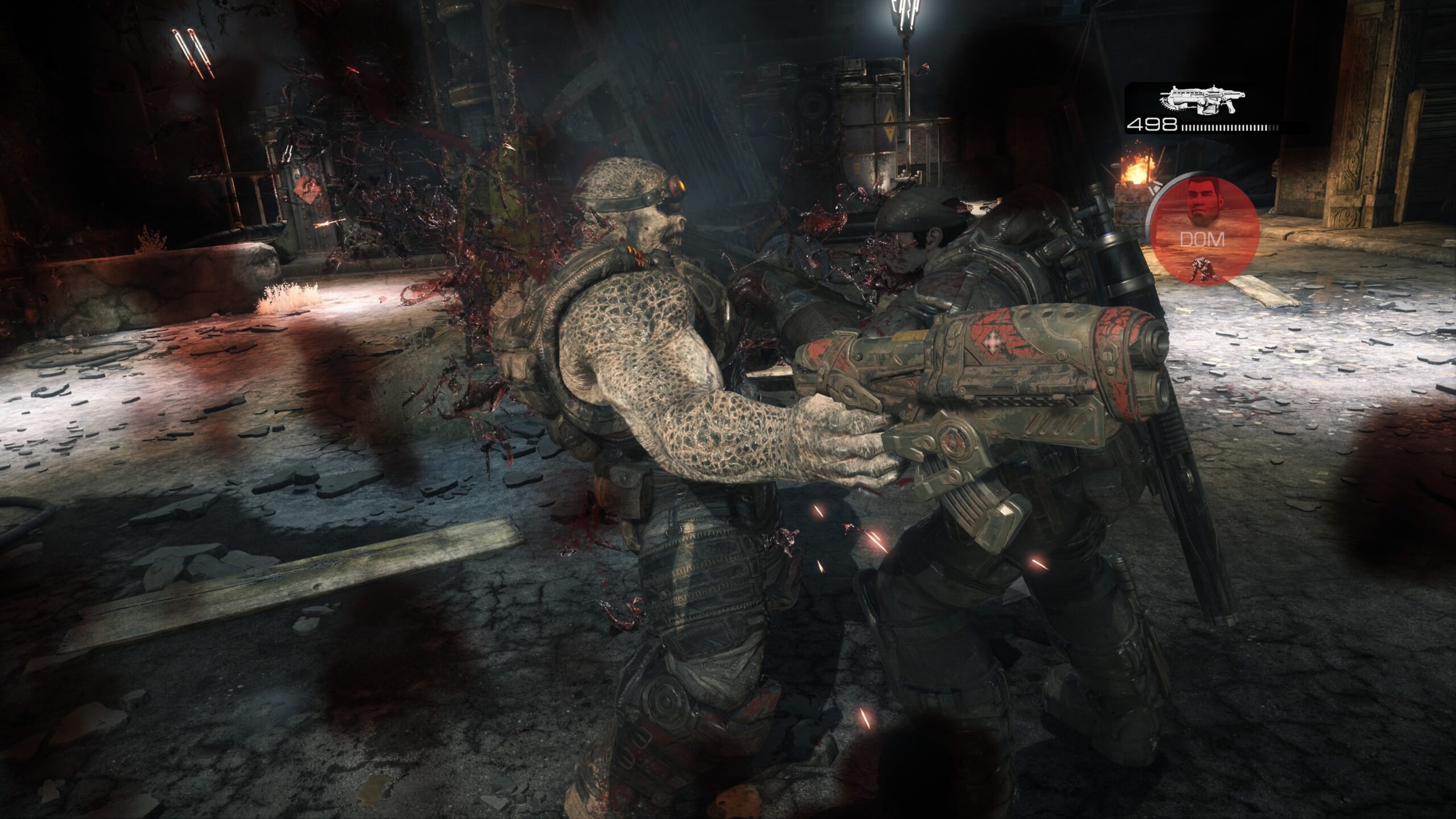
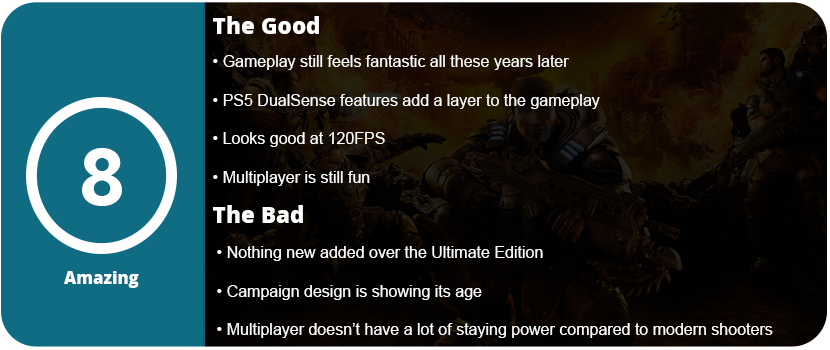
Gears of War was applauded back in the day for its fantastic cover system and level design. Marcus snaps into cover with ease. He can switch covers close to each other, roll out of cover, and use the Roadie Run feature, which brings the camera down near his legs while he crouch sprints for a cinematic effect. Gears of War was all about feeling like a movie. The over-the-shoulder camera perspective was heavily inspired by Resident Evil 4, and it works well here. When you aim your gun, the camera zooms closer, right up to Marcus’ face. It was something that was never seen before at the time of release. Gears also pioneered the Active Reload mechanic in which you need to press the reload button at the right time, and any bullets reloaded in that clip do extra damage. You will eventually have muscle memory of this feature and rarely ever miss. If you do, the gun will jam, and you will need to wait a few seconds before firing or switching weapons. It’s an awesome feature.
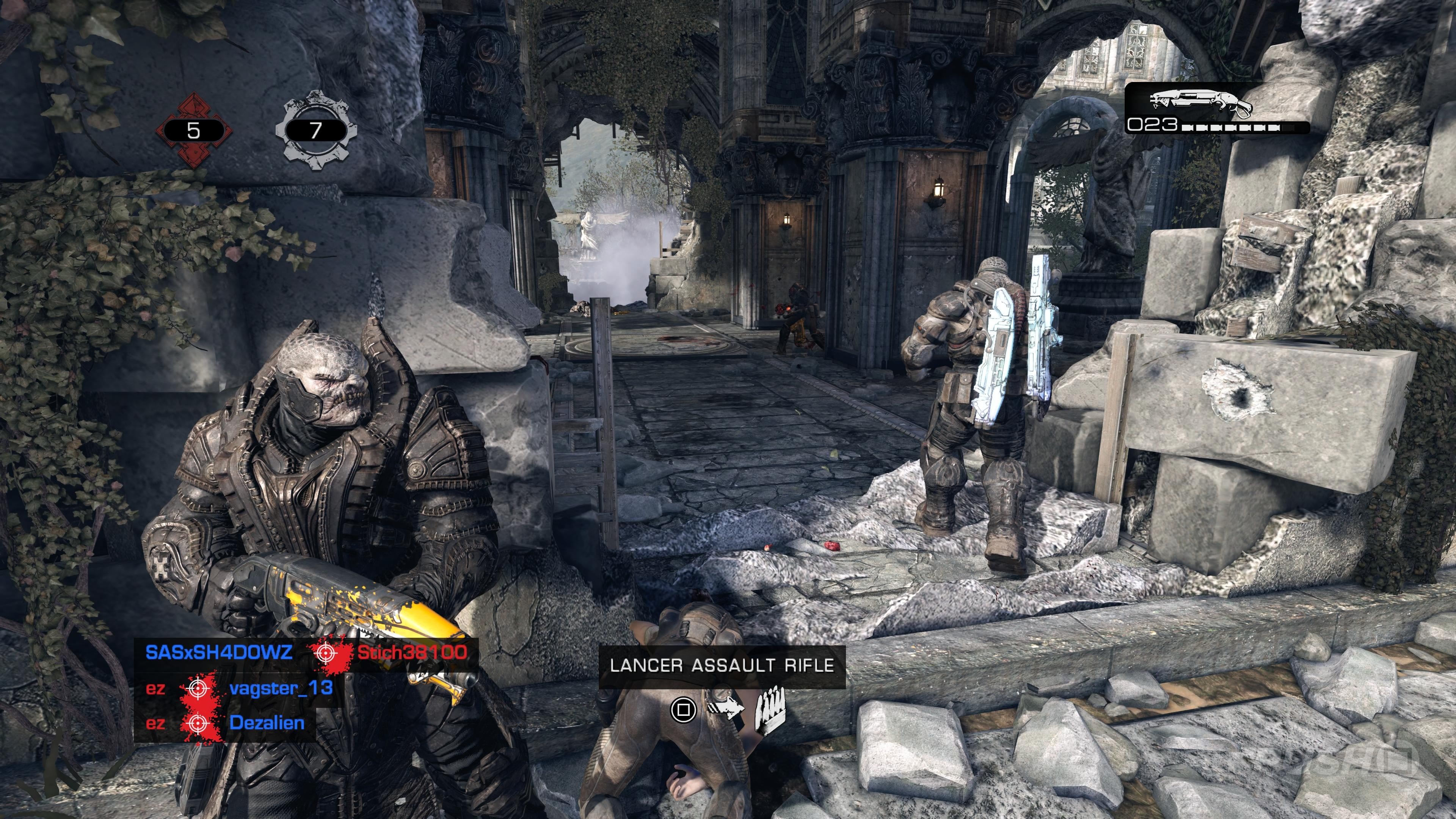
Gears‘ weapons are also well designed and perfectly balanced. The default Lancer Assault Rifle, an iconic weapon now, shoots large clips, has surprisingly good accuracy, and has a chainsaw mounted on the bottom. You can rev this up and saw an enemy in half. Even 19 years later this never gets old. The gib system is satisfying, with enemies exploding into chunks from grenades or getting sawed in half. One other feature that was well regarded was the sound effects. Gears of War has a distinct sound system and has never been replicated. The crunchy sounds of the guns, the reaction of enemies getting hit (which was a big deal) from enemies getting gibbed by grenades, or the subtle sound effect of “one more hit and you’re dead, so get into cover.” Gears of War took a page from Halo and featured a recovery system for health. A red Gears logo slowly appears in the center of the screen as you get hit. On higher difficulties (I cleared this on Hard, but not the hardest), it requires patience, careful flanking of enemies, and using the right weapons. The PS5 DualSense adds a layer to that crunchiness of the weapons. The adaptive triggers and vibration work wonders allowing to now actually “feel” how the weapons should be. This can’t be experienced on Xbox.
The level design requires you to flank enemies and close emergence holes. Tossing a chain grenade into a hole will close it up and stop respawning. They don’t infinitely respawn, but only killing two that crawled is better than waiting for all six. The Locusts are formidable foes and well designed. Not only do they look menacing, but each one has a design language that tells you how to approach them. Enemies can wear helmets, meaning headshots won’t work right away, and the Theron Guard have full armor, which takes longer to take down. The bigger Boomers have Boomshot grenade launchers and are bullet sponges. Then there are the occasional enemies like the Wretches, which are small ape-like creatures that come in swarms. There are Berserkers, which can only be taken down by a Hammer of Dawn, which is a satellite-guided laser. It’s freaking cool despite only being used three times in the game. The Berserker can’t see but can hear you, so you need to guide it around with sound to knock walls down to open up the roof for the satellite to triangulate. It’s neat.
The downside to Gears of War, and the aging part, is not only how linear it is, but also how sparse the story is and how little is explained. While the game is greatly expanded upon in the sequels, and especially the novels, it just feels like it’s over too soon. You want to get to know Delta Squad more. Their personalities are great and well written. Marcus has a dark past (why was he in prison at the beginning of the game?). Dom is trying to find his missing wife but is only mentioned a couple of times. Cole is an ex-football player, but his past isn’t talked about at all, and neither is Baird, who is the nerdy smart guy of the squad. It makes sense that in the heat of this war, going point to point with no breathing room means there’s no time to get to know anyone. Thankfully, this was changed in later sequels, but it’s just odd that this isn’t a remaster of the entire trilogy. The banter between the squad is great, and many new players will want to know more.
There are also some other things that didn’t age well, like some of the clutter in the levels. There are random chairs, stoves, and home appliances kind of haphazardly strewn about in ways that make no sense. The entire game is built like a video game and not like a world people would live in. Some areas just don’t make any sense. I don’t feel like I’m fighting in a city but a video game level. Despite how much Gears wanted to be taken seriously, its world-building is really lacking. Thankfully, the campaign is less than 6 hours long, and you can play with a buddy in co-op; that’s always fun. Just don’t give up on the series yet if you have never played it before. There is more to come. There also aren’t a whole lot of weapons in this game. The arsenal is small, and you will mostly stick to a couple of guns. I also hate how useless the Boltok pistol feels in this game. It’s the only weapon with no feedback when it hits enemies, and the snub pistol is pretty much MIA after the first act.
The multiplayer suite is…fine. I was never a fan of Gears multiplayer. I feel the gameplay doesn’t translate well when fighting against others. There are also some of the better modes from later games missing like Horde. Many will get frustrated with cheap deaths like the rolling shotgun blast. It does feel like an old-school shooter with regular modes that are missing in most of today’s games, so some players will find this refreshing in a world of Call of Dutys and Fortnites. This is an unnecessary remaster to begin with. The game runs smoothly on PS5 Pro at 120 FPS with no dips. The game uses the Pro’s PSSR and there are enhanced textures and lighting. It looks pretty much identical to the PC version. At least, I couldn’t tell the difference. If you’re new to the series or are a hardcore fan, I would say the low price is worth it. While the campaign will only last an evening, the multiplayer may be enough for people to keep coming back.
Open-world games have become stale and boring. It appears that developers are merely creating open worlds without any enjoyable activities within them. Mafia’s open world is deceptive but beautiful, refreshing but also sort of pointless. Mafia tries to go back to its roots, literally, by bringing us to the times before the Italian mafia came to the USA. The Old Country subtitle is exactly that. This is a prequel to the original game before any family made it to Empire Bay. We play as Enzo Favara. An orphan miner who has been enslaved by a mafia family to work until he seems like he will die. The first chapter of the game introduces us to various characters, combat, and essentially a tutorial area. You will notice the game is very cinematic, with a lot of dialogue and cut scenes and scripted gameplay.
I hope you like scripted events because they are everywhere and there are a lot of them, and it’s mostly that. I personally felt this was refreshing. There was less emphasis on pointless mind numbing fetch missions. However, the game was clearly incomplete and cut off at some point during development. The open world is nothing but a tease and a backdrop to go from mission to mission. There’s nothing here. The world is literally empty of anything to do outside of a few missions, like finding new upgrades and upgrade statues. You can listen to dialogue with characters while riding in cars or on horses to missions, but after that you can just skip to the destination. This is one of the most pointless open worlds in any modern game. There’s no traffic, no people, and no real towns outside the main town, San Celeste. I honestly didn’t mind this. I was just surprised at how this game didn’t really need an open world. This is a shame because the first generation of cars around is really cool, and the horse back riding works well too.
With that said, the main attraction is the characters, and it’s some of the best this year. Every character is full of life, and I really wanted to know more about them all thanks to the tight writing and amazing script. Enzo is a great character to get behind. He’s humble, not perfect, but very loyal. His love interest ends up being the Don’s daughter, Isabella. She’s a great character to get behind too and ends up becoming the most important character in the game without giving spoilers away. The game’s story flows similarly to other mob stories such as The Godfather and The Sopranos. There’s a similar ebb and flow to everything and constant danger always being present and around every corner. Some might say that Mafia doesn’t tread new ground, but that’s okay. There are some stereotypical setups, like two rival mobs needing to make amends, love interests getting put on the back seat, the Don’s blood relative being a total douche nozzle (Cesare), and so on.
The gameplay features some excellent gunplay. There aren’t many guns in the game, but you will constantly swap between them based on your situation. Additionally, the game includes effective stealth mechanics. You can hold two weapons at a time and always have a knife on hand. The knife is a more fleshed-out mechanic than in most games, as knife fights are a big part of the combat. Boss fights consist of one-on-one knife duels similar to a sword fight. You can parry, break blocks, and do heavy and light attacks. It seems simple at first and feels more like a whack-a-mole style system, but there are enough moves here that require you to use quick reflexes. When a red flash appears, you can dodge and then counterattack. Regular attacks can be parried, and of course you can slash to your heart’s content. It’s not overused and is mainly reserved for boss fights, so I never got tired of them. In the middle of the fight, a scripted cinematic will play out too. The main focus of the combat in this game is shooting.
Shooting feels really good, which it didn’t in previous Mafia games. You can hide behind cover and blind fire as well as pop out and shoot enemies. It’s best to go for headshots here, as only a few shots will kill you. You can hold up to two bandages to heal, and you will chew through these fast. Weapons like revolvers, shotguns, and rifles are all on board, so nothing fancy or crazy. You can toss molotovs and grenades too. Once an enemy is down, you can loot their body for cash and ammo. Stealth gameplay works here because enemy placement isn’t random and you can track patrol patterns. Many areas can be done without killing anyone, but the added addition of throwing your knife is a great feature. Only a specific type of knife can be thrown. When you select your arsenal layout, you can choose different knives that deteriorate slower than others. A thrown knife must be recovered, or you lose it for that mission. You can use sharpening stones to bring your deterioration bar back up. You also use your knife for opening doors, locks, and boxes full of loot, so you need to use it wisely.
There are some minor RPG elements here. You can’t level up or anything, but you can equip charms that add passive abilities such as carrying more ammo, reducing knife deterioration rates, making your footsteps less obvious, etc. You can equip up to six, but four need to be unlocked by buying slots at the store. There is only one store in the game, and you must drive there each time, which I find frustrating. Here you can unlock weapons, clothing, and customization items for your cars. I find this all pointless, as the story missions give you weapons when they are needed, and driving cars has a minimal impact on gameplay. One of the biggest gripes I have is that the story introduces these open-world concepts to you, but you can’t drive around except during a few missions. This means you can only visit the store a few times during the game, and once the story is over, there’s no point in continuing unless you want to get every achievement in the game.
Despite the open-world portion of the game feeling half-baked, I enjoyed my 12 hours with Mafia. This may seem too short for some, but the story was satisfying, and I felt like I could go back and get the few collectibles that were left at a later time. For anyone wanting an authentic Mafia experience, they will be disappointed in everything but the story. The combat has undergone significant enhancements, and the visuals are outstanding. I also loved the authentic voice acting for the characters. They have weight and authenticity behind their roles. We don’t get video game stories like this very often anymore.
We have a lot of post-apocalyptic games right now. A lot of them are what the world is like shortly after the apocalypse. Usually a few years or decades. Horizon is one that shows what the world could be like thousands of years after one, and this fascinates me even more. Zero Dawn was a hard game to get into. It was slow to start, even slower to get good, and the combat just wasn’t all that great, including the stealth. Aloy is a fantastic main protagonist and one of Sony’s best in years. She’s strong, not cliche or stereotypical, and has a striking design. Sadly, she was the only memorable character in Zero Dawn. Forbidden West tries to remedy a lot of this by giving us a bolder and grander adventure and more refined mechanics, but does it succeed?
The game doesn’t exactly expect you to have played the first game and catches you up on the story so far, and kind of does throughout the entire game. Zero Dawn’s story only got interesting during the last few missions of the game, and it kind of exposition dumped on you during a few long cutscenes. It was interesting, but not very nuanced. Here, the story is kind of retold as you continue your adventure to stop Sylens and the Hephaestus AI from destroying the world. The game does start slow…again. You end up dealing with another warring tribe before getting to the heart of the story and saving the planet. Honestly, I lost interest in the game for a couple of years because of this. I put around 8 hours into the game, mostly trying to explore and get into the game mechanics again, but it just dragged. I highly recommend just doing the story before doing any side content, as you really need more of the special gear and higher-tier armor and weapons. You will constantly hit blocks, and it will frustrate you early on. The story itself takes around 20-25 hours to complete. By the end you will be around level 30 or so and have really good gear.
I don’t want to spoil much of the story, but your main goal is to help the GAIA AI to take back control of the various terraforming systems that Zero Dawn launched as the end is nigh. There are a few small plot twists, some new factions, and a great buildup to a pretty damn good story by the end of it all. There’s a lot of science fiction thrown in, and it talks about interstellar travel and whatnot, and I was hooked. There aren’t choices in the game like in most action games, but you do get dialog trees that let you optionally listen to more exposition and backstory. There’s a lot of this, by the way. Just metric tons of optional dialogue, audio recordings, and texts. They really wanted to sell this story and flesh it out as much as possible, and they did a pretty good job. It’s very believable and feels grounded and almost like it can happen. There are moments that got intense in the story where you weren’t sure how Aloy and her companions would get out of hairy situations. I really like what they did here, and there’s potential to now expand on this even further and branch off into other subgenres.
The writing is much better this time around with less cringy dialogue and corny lines; however, the character design is still generic. All of Aloy’s allies are either just generic characters or have good writing and personality, but their looks are generic. For example, Alva is a great character in writing, but she still looks generic. Varl and Zo are forgettable, and Erand is a stereotypical biker personality who discovers he likes drinking and “Death Metal”. All of the miscellaneous characters who give side quests and errands are pretty generic. I just didn’t care for most of them. Some other characters are more decent, like Kotallo, who is missing an arm and is battling his honor. They have some great personality, and I could get behind them. It’s better, but not quite there yet.
With the story out of the way, let’s dive into the combat. I still don’t love it. You’ll be dodging and rolling out of the way of these machine creatures. I feel there’s too much focus on ranged combat when most of the machines attack you up close. There is less stealth in this game and more up-close melee, but you still only have heavy and light melee attacks. If you sneak around, you can do a stealth kill, but you need to be at or above the area’s level to do instant kills. Humans are always instant kills, but machines not so much. There are many ranged weapons at your disposal that can set tripwire traps, semi-automatic arrows, long-range arrows, bomb slings, javelins, etc. These can all be equipped with coils that inflict various elemental ailments, such as corrosion to eat away at armor. The quickest way to take a machine down is to use your Focus to highlight weak spots and target those. You can slow down time (and this meter increases with various stat boosts), but I never felt in control of fights. Boss fights require tons of health potions and either having the right weapons or blasting them with everything you have. You can craft more ammo in the weapon wheel too.
Stealth still consists of hiding in tall grass, and you can use combat augments from the upgrade tree like an invisibility cloak. The upgrade tree now has more branches on the tree, such as trapper, hunter, infiltrator, warrior, etc. While enemy placement is a bit better this time around, I still found stalking around massive camps to be nearly impossible. When you get seen, the enemy and nearby enemies are on alert, and it takes forever for them to go back to patrol. With the heavier focus on direct combat, it was easier to just wipe everyone out. Find a heavy weapon and you can take out an entire camp with it. Combat does feel improved with a couple more weapon types, but melee fighting is still limited, and combat just isn’t my favorite in this series. I prefer exploring more than anything.
And with that, exploring is abundant here. The map is massive, too massive. It’s a truncated version of the West of the US. The Pacific Northwest (Washington, Oregon), Nevada desert, San Francisco coastlines (Northern California), and Las Vegas. They took all of these biomes and shrunk them down onto a single map. What’s here is a lot of nothing. While there are tons of side quests, errands, missions, and things to find, Forbidden West falls into the same tired trappings of modern open-world games. Too much bloat and not enough focus on what’s interesting. Everything outside of the main story is just for getting the platinum trophy. The side quests are given by companions, so those are more story related, but everything else is just filler to extend game time. I did like doing the Tallneck missions. These are one of the few less generic-looking machines in the game, but there are only five, with one being part of a main mission. These reveal more of the world and reveal large landmarks in an area, but there’s still some fog of war.
Traversing this larger map requires you to have a mount. I forwent them in the last game, as it wasn’t a very big map, but here they’re a must. You can bypass most machine herds and get to where you need to go, plus you can now fly on winged machines this time around, but not until the last act of the game. This makes doing side content so much easier, and you can pretty much avoid all herds this way. However, I do have a problem with platforming in this game. This game is just way too context sensitive, and that’s another problem with modern gaming right now. These large AAA games are so context heavy that it can make things feel sluggish and cause many glitches. Jumping and climbing in Horizon is not great. Animations are too long; Aloy will jump when not told, and she won’t grab onto ledges despite jumping right towards them; she will just fall through ropes and other objects. A lot of long platforming segments required many restarts just because something went wrong. You have to be lined up perfectly, or things won’t connect. I fell through objects and got stuck; she would swing half her body through a wall, and I would jump right past a pole or beam for no reason and then land it the next time around. It sucks.
And with that we can talk about visuals. Forbidden West is still one of the best-looking games of all time. The visuals are stunning, and even in performance mode, they look great. I played in balanced mode with 120 Hz turned on, and it was the best way to go. There is so much detail everywhere, from small facilities that look like they were abandoned for thousands of years to lush forests and dry deserts. There’s so much detail everywhere, including the new large underwater areas. While I still feel parts of the game feel generic, like the overall futuristic look of the game. It’s a lot of shiny metal, smooth gel like metal, white, gold, triangles, etc.; it feels like stuff that’s been done to death in games like Deus Ex: Mankind Divided, Mass Effect: Andromeda, Echo, etc. It was fine the first time around, but this futuristic style is getting old. We need a refresh. I also don’t care for the machine designs. They look like generic Transformer animals. Even the tribal armor all looks generic and the same after a while.
Despite all of that, the game has a fascinating story, a large beautiful world to explore, and some decent gameplay loops of side content. I just wish the combat was tighter and the platforming didn’t suck. The writing is better, and some of the main characters are better, but most of the other characters you run into are forgettable and generic.
I’m not really a co-op person. I do not consider myself a person who typically engages in cooperative gaming. I was raised among friends who did not share a strong interest in video games, and when they did, it was not in the genres I preferred. I have always been inclined towards single-player experiences. It Takes Two is the first co-op-only game that has motivated me to seek out a partner for gameplay, even though it took me four years to complete it. I was always a single-player kid. It Takes Two is the first co-op-only game that has pushed me to find someone to play multiplayer games with, even if it took me four years to finally finish. I started the game out with my wife and finished it off with my youngest sister. Couch co-op is something that builds bonds and memories, and this is one of those games. The story takes a backseat to fantastic gameplay that is always changing with incredible level design.
The story is the worst part of the game, and not for the reason you think. It’s poorly written. Painfully written. The idea itself is fine on paper. You are a married couple (Cody and May) going through a borderline divorce when your child gets the troubling news and uses her handmade dolls to act out her parents getting along again. Both of you drift off to sleep, finding yourself in a world akin to Pixar’s, where everything is grandiose and seemingly insignificant details are conspiring against you. One of the most annoying characters ever conceived in pixels is a therapist in the shape of a book called Dr. Hakim, who is a racist Mexican stereotype. His dialog is cringy and awful, and he’s just so incredibly annoying. Whenever he was on screen, my wife would use her phone, or my sister would walk away. I also don’t like how Cody and May’s relationship seemingly never evolves despite these harrowing acts they go through. Each level should typically show some change in their relationship, and relying on a monkey-in-the-middle remediator is quite frustrating. This is one of my least favorite video game stories ever. It’s just incredibly horrid.
Outside of that, the game is a delight to play. Each level is unique and full of charm, such as the garden level with enemies that are different flora and the attic level, which has you walking and bouncing on instruments that make real sounds. Each level gives Cody and May a unique ability they must use to puzzle-solve and use for combat. Not every level has combat, but every one has a lot of platforming and puzzle solving. The first level’s vacuum cleaner, for example, is a delight, and another level uses a honey cannon backpack. The game is played in split-screen, so you must work together to solve everything. In some areas, one character is needed to get through. The puzzles constantly change, and each ability is used to its fullest.
There are some mini-games spread out throughout the game that are more like “toys” and don’t really do anything. They are marked with a tambourine floating above them. Some range from getting points by shooting cannons at blocks to long jumps off of swings to a chess game. They are interesting but slow the game and have no rewards. These are good ideas, but the winner should get a reward, like a damage boost. Most of the time we would just play once for a couple of minutes and move on.
Combat, on the other hand, is really annoying and not excellent. Balancing is an issue here. Occasionally, an excessive number of enemies will attack you, resulting in both of you dying and necessitating a restart of the area. If one player dies, they can revive by mashing a button, but if both die, it’s over. We died more in combat than any other time, and everything is too chaotic to monitor your life meter. I would get pummeled and wailed on as a passive ability character waiting for my partner to take out the baddies or expose the weak point of an enemy or boss while smaller enemies just annihilated us. This problem isn’t a skill issue either. Additionally, the absence of a lock-on button increases frustration during gameplay.
The visuals themselves are fantastic. Each level feels unique while grounded in realism. The unique dreamlike and cartoonish visuals provide a Pixar vibe, and they are a sight to behold. The explosion of everything, from everyday objects to skyscraper-sized buildings, is truly captivating. However, some levels, like the dream level at the midway point, seem overly lengthy. There is a hub area, and you branch off to different sub-levels, but it seems to go on forever. Then, later on, I felt like a single character’s ability was underutilized. The attic level had me barely doing anything for my partner. The balancing in this game is significantly flawed, but it can be overlooked.
Overall, It Takes Two is a must-play for anyone remotely interested in co-op games. The story, characters, and writing are both awful and rote, but the gameplay is why you will stay. The visuals are incredibly charming and imaginative, and the combat requires each player to assist each other at every single turn and puzzle. Combat is too simple and chaotic to be very fun or engaging, but there’s not a lot of it. The game is a pretty decent length, clocking in at 8 hours or so.
The idea of robots taking over humans has been an age-long discussion, but what if they were designed to help us instead, no matter the cost? That’s the idea that The Fall presents to players. You play as a pilot who has crash-landed on a planet, but the AI known as A.R.I.D. (autonomous robotic interface device) activates and uses an advanced smart suit to essentially control the pilot’s body while searching for medical attention. The pilot lands on a derelict planet run by an AI called the Caretaker, who is examining and studying ARID for unknown reasons. Excellent writing and voice acting bring the story to life, despite its short length. There is not a single wasted line of dialogue or moment. This is an incredible premise and idea that I want to see more of. The Fall is a Metroidvania-lite, but with its own identity. The genre has seen little of this type of game today, especially with the explosion of indie games being produced.
Despite its simplicity, the game boasts a surprisingly complex control layout. You can walk around in a 2D plane, but jumping and combat are limited. You must use the flashlight on your pistol or light the path ahead, as the game is very dark and is mostly underground. When you shine your light over objects, a context piece of text will appear describing it or allowing you to interact with it. The majority of the game is puzzle-based, relying on an inventory system to combine and interact with the right object. The Caretaker’s testing center is the longest section of the game. Many puzzles are actually quite fun and clever, but a few can take a weird obtuse angle and make little sense in terms of how they are solved.
Combat in The Fall is crunchy and powerful but very limited. Other androids will attempt to attack you, but their actions are very limited and occur only during scripted events. You can hide behind cover and pop out to deliver a headshot. You must switch to the laser sight for better accuracy. You can sneak up behind enemies to kill them, or you can advance on them while they take cover. The shots are impactful and crunchy. The combat doesn’t overstay its welcome and is used at the right times. Of course, you can’t use your gun for the first third of the game, as abilities need to be unlocked, such as faster fire rates, the gun itself, and other suit abilities.
The game is tedious because it has a lot of backtracking, so you’ll often go from one end of a level to the other. I understand that this is part of a Metroidvania, but you aren’t going back to a level once you are upgraded and can access new parts of a level. You often find yourself running back and forth to collect parts of a puzzle, hoping you have the correct piece, only to discover that you either don’t or that it belongs to another puzzle located elsewhere. It’s not game-breaking, but it does get old pretty quickly. Once you have read all the text and discovered every part of the level, the adventure part of the game kind of disappears, and all that’s left is the tedious process of solving puzzles and running around.
The atmosphere and graphics are fantastic even today. The game has a surreal feeling of almost transporting you to the world thanks to its great sound design and visuals. While there is a lot going on in the foreground, most of the atmospheric stuff comes from what’s happening in the background. A lot of the background stuff can give you a visual cue as to what’s going on just from one glance. You can see a massive cave and the exterior of a spaceship through the windows, among other things. The few occasions where there is spoken dialogue are excellent, and the excellent writing keeps you captivated with every word.
Overall, The Fall is a fantastic atmospheric Metroidvania-lite that features great writing and tense gameplay, including gun sections that do not overstay their welcome. ARID is a wonderful character despite being a programmed robot, and the ending of the game is well worth your time. This game was one of the few indie titles that contributed to the “indie revolution” of the early 2010s and played a significant role in establishing the Wii U eShop as a prominent platform for indie games.
Yeah, it's pretty damn awful. Notoriously one of the worst games on the PSP. A 4 was actually being generous.…