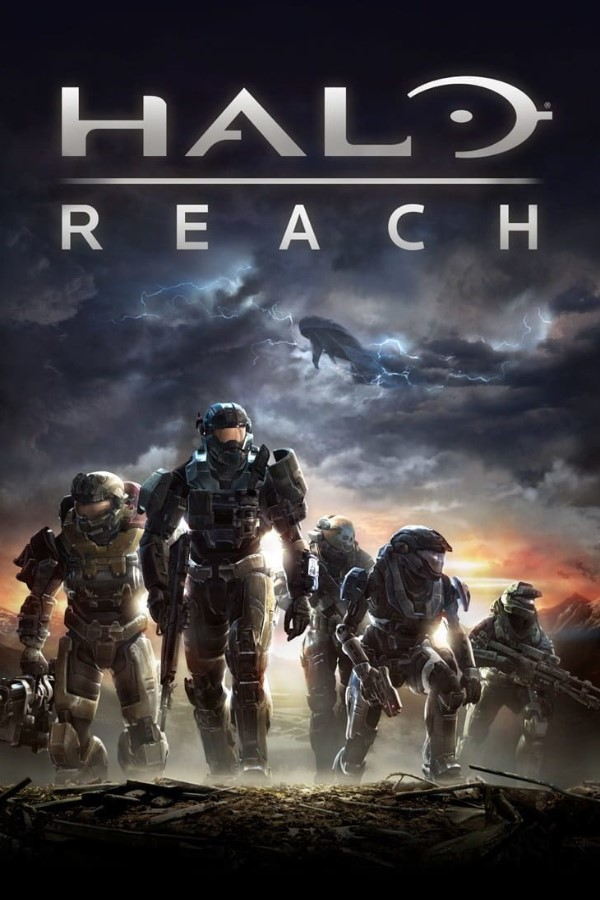
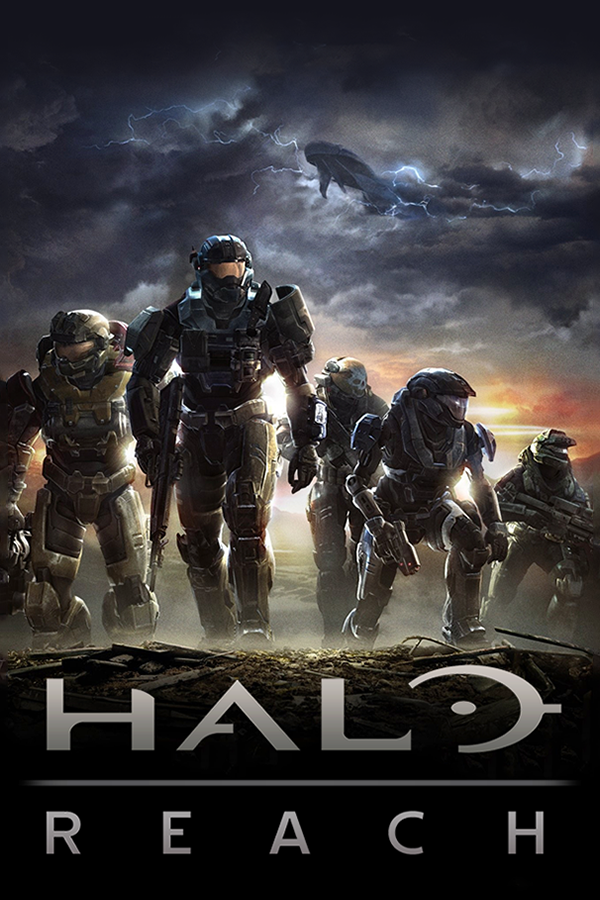
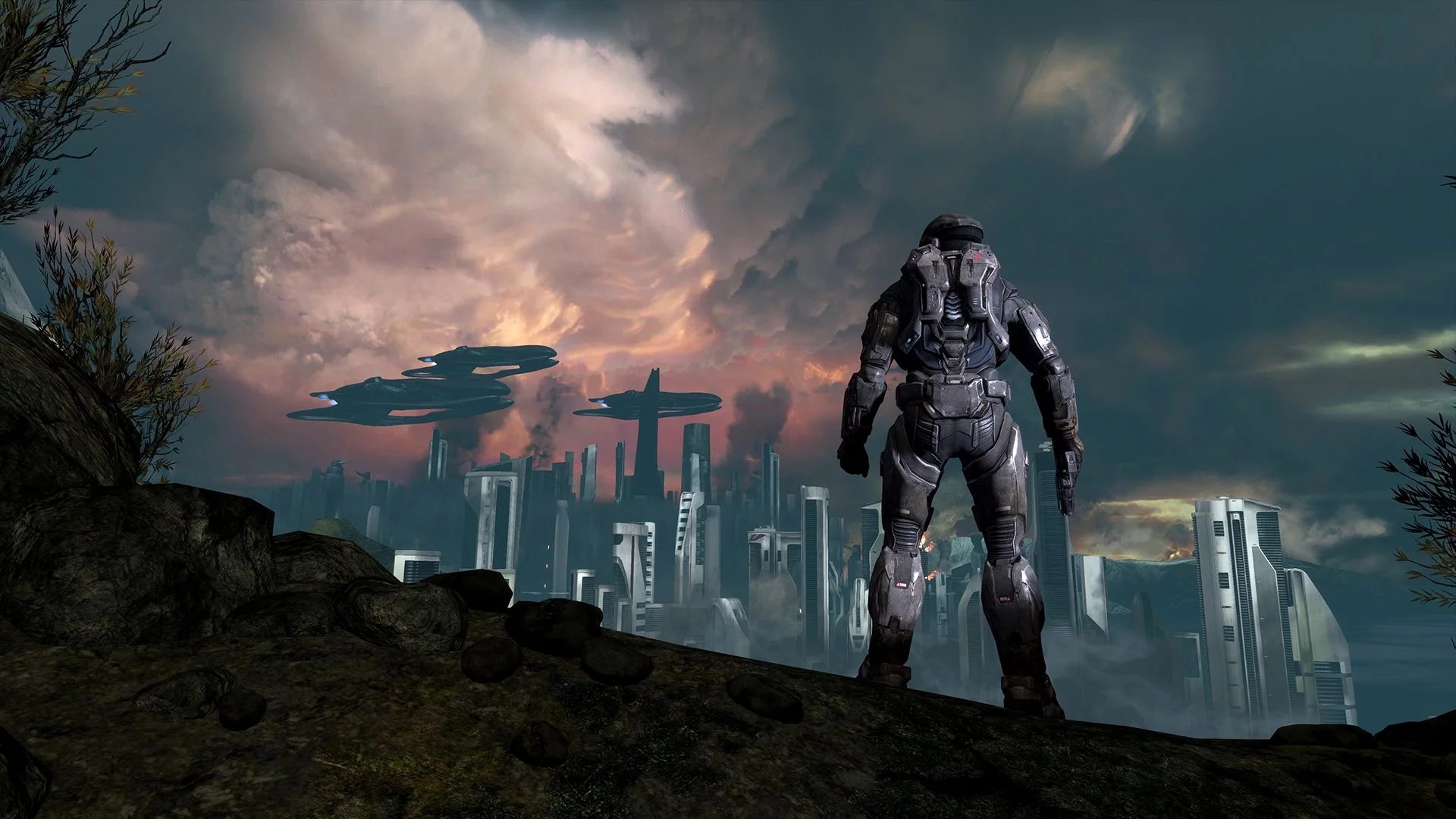
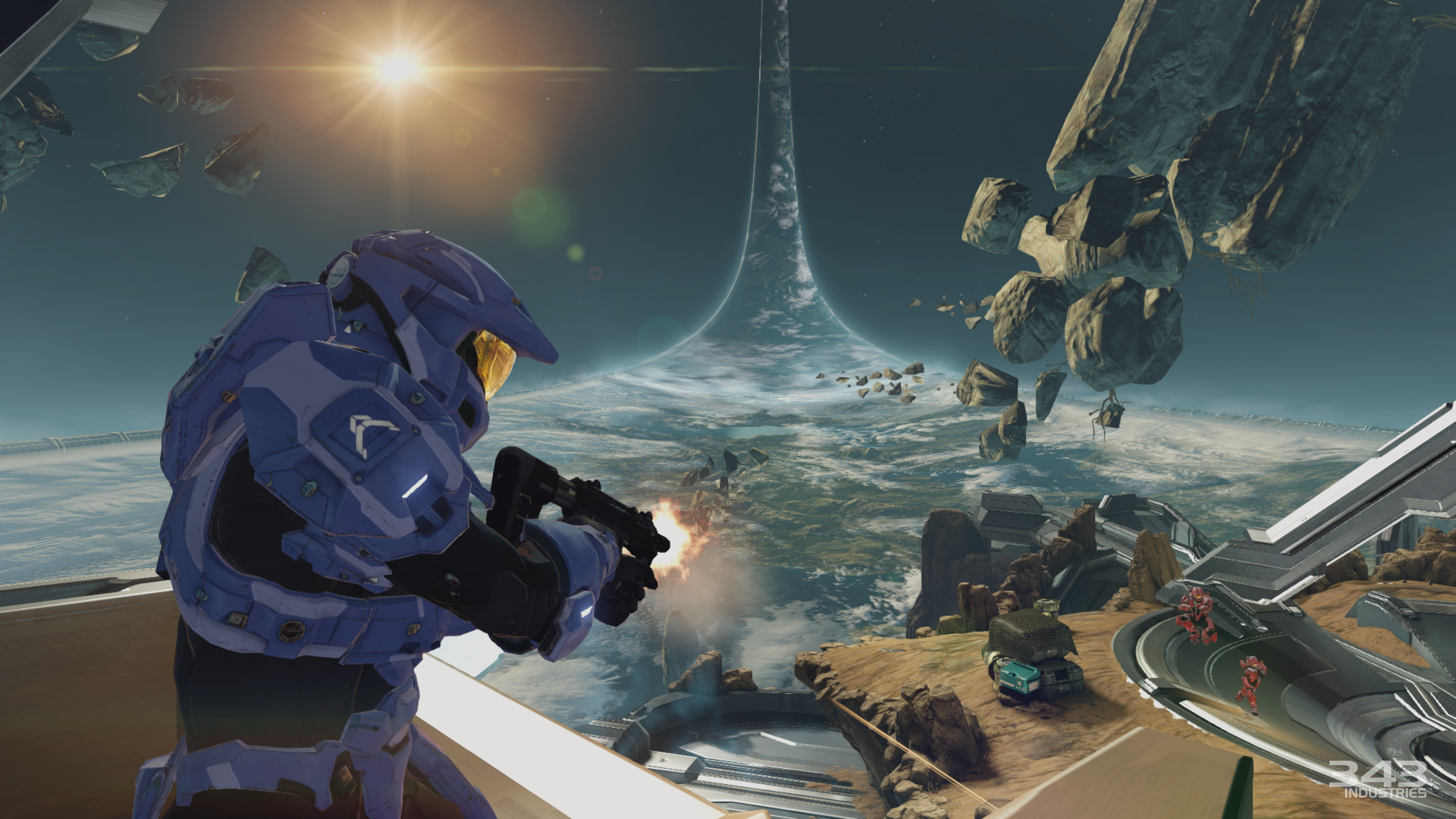
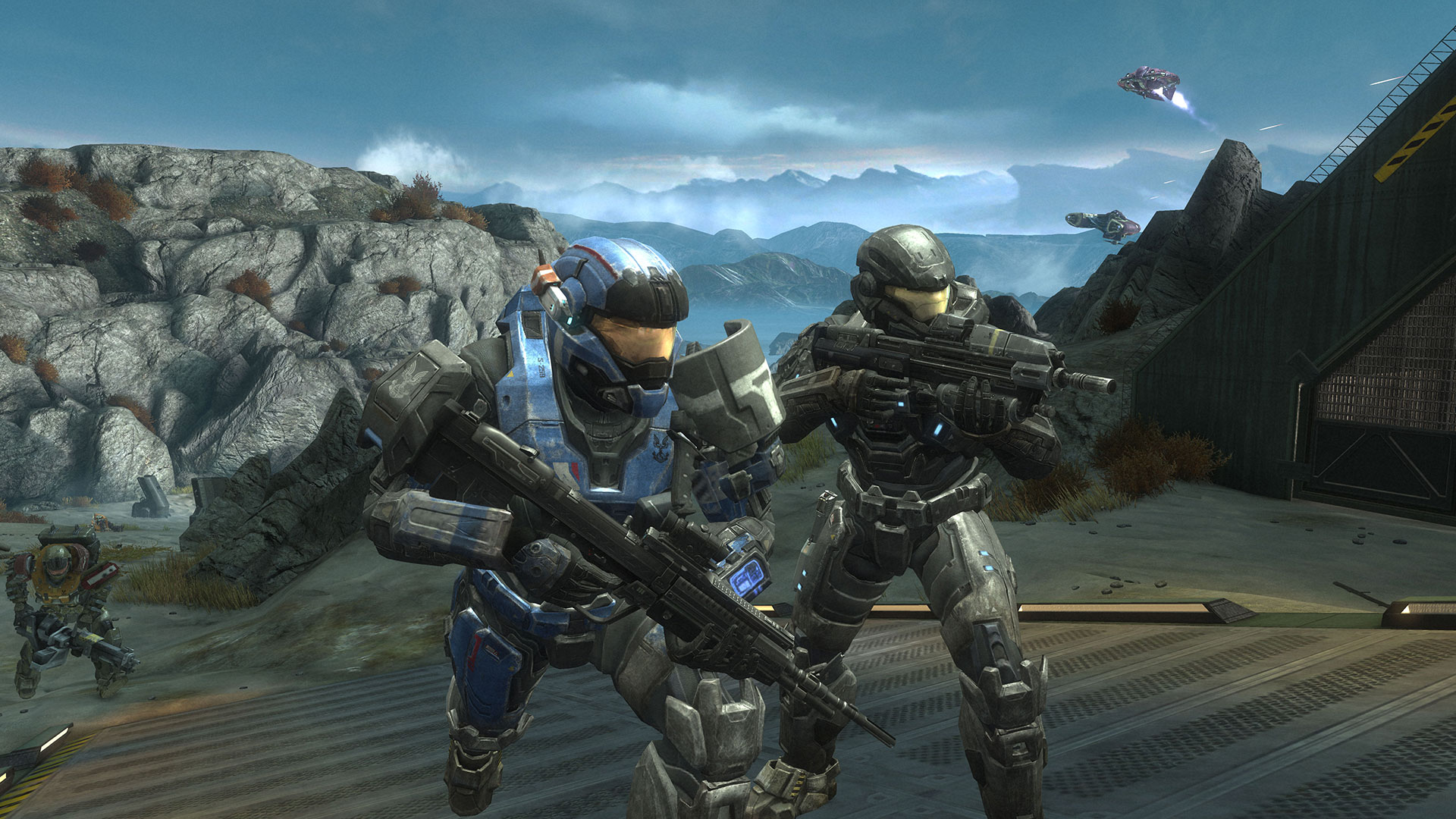
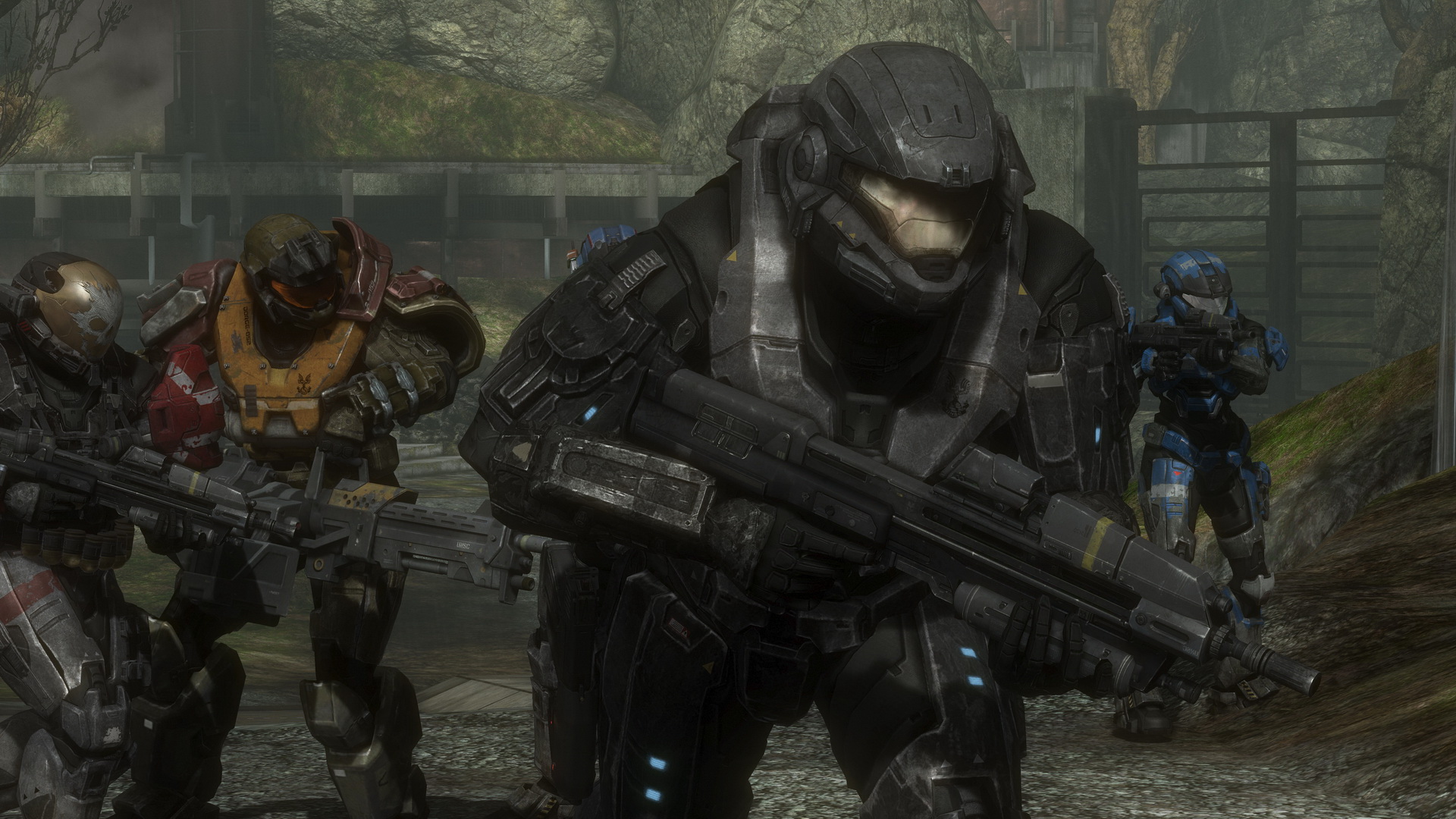
It was a brave move to move the Halo franchise away from Master Chief’s point of view. After the success of ODST, Bungie continued this move with a prequel to the original game and how Cortana was discovered. You play as a ragtag team of elite soldiers, and you play as the Noble Six. The funny thing about Noble Six is that he is basically a nobody, and you witness the deaths and heroisms of your fellow squadmates and search for the last hope of humanity.
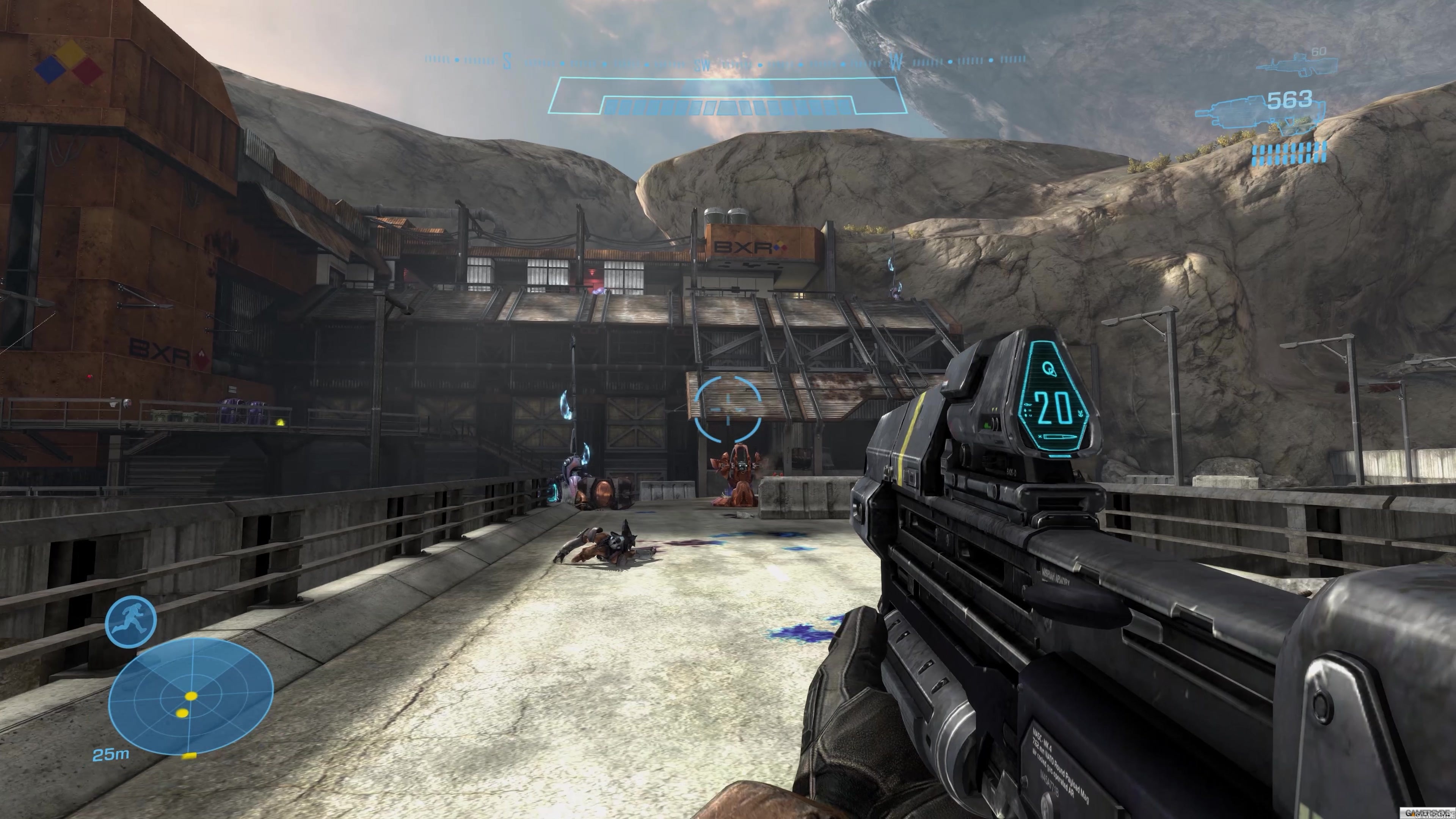
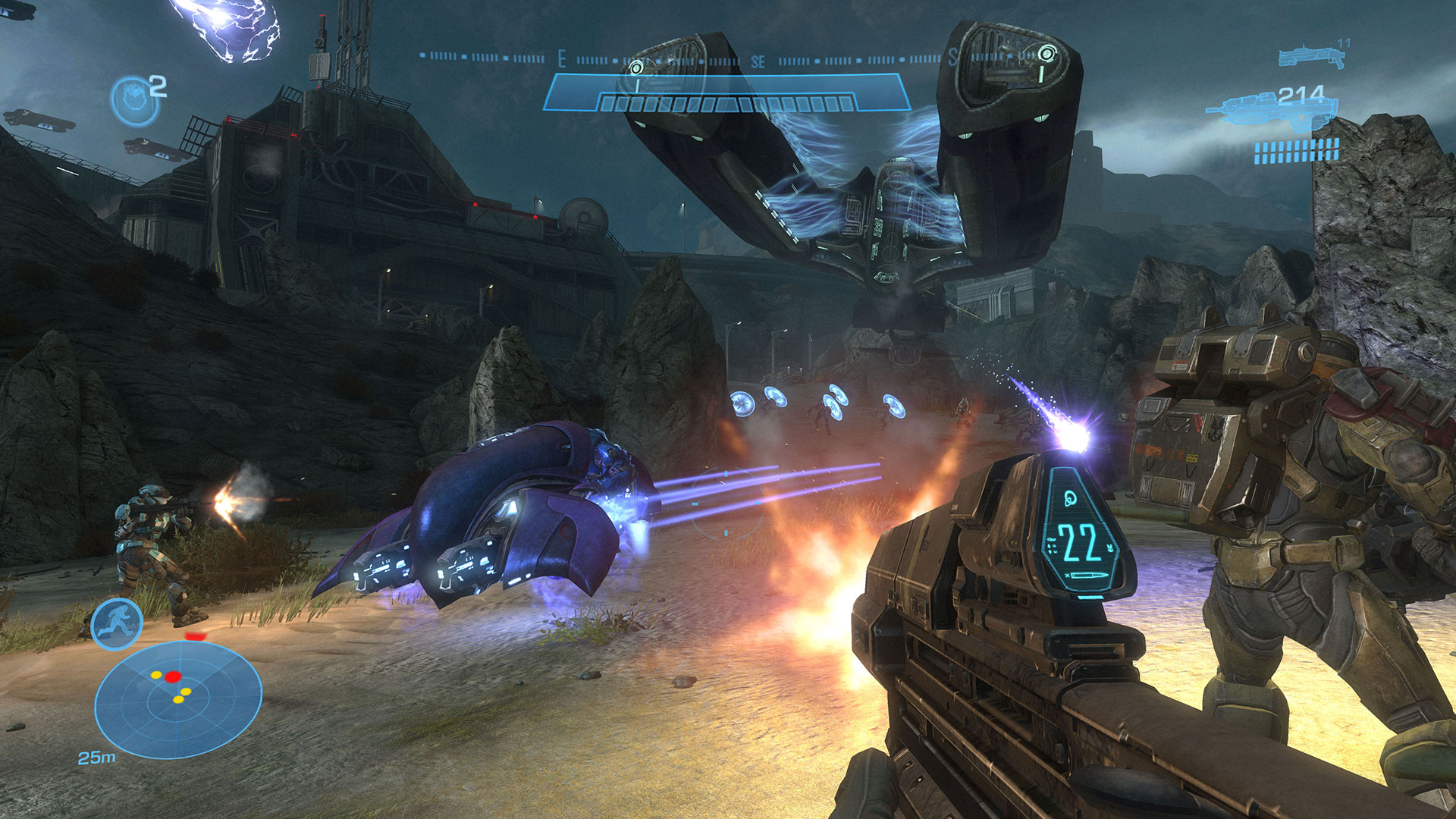
The game plays and feels exactly like Halo 3, which is a good thing. The game has many of the same weapons and power-ups as Halo 3 as well. The game has a decent length of nine levels, and the progression is well done. Each level takes place in a new area, so I never felt bored like I did in ODST. From outdoor areas with sweeping vistas to tight and controlled corridors, The game is fast-paced, hectic, and a lot of fun. I felt it was less difficult than previous games and much more balanced. I was able to quickly get a feel for my favorite weapons and the ebb and flow of the gunplay and enemies.
Again, the same enemies in Halo 3 exist here, and with the introduction of the Brutes from Halo 3, they make for a formidable foe and some of the toughest in the game. There are a few flying creatures, and I found there was less vehicle combat in this game than in any others in the series. Most of the game is on foot, and there’s nothing wrong with that. Most objectives will require you to activate or defend something, and this was typical for FPS games back in the day, but it never felt old. Halo has this magical formula of great AI, enemy balance, and knowing when and where to use each weapon. You know what situations call for which weapons, and when you see the weapon, you go for it, and when the situation flips, you know when to drop it and go for another. I know in tight corridors I want a shotgun, so I drop the pistol and pick up an energy rifle, as a scoped weapon is useless. When I run out of ammo, I know there is an alien equivalent lying around, which is great.
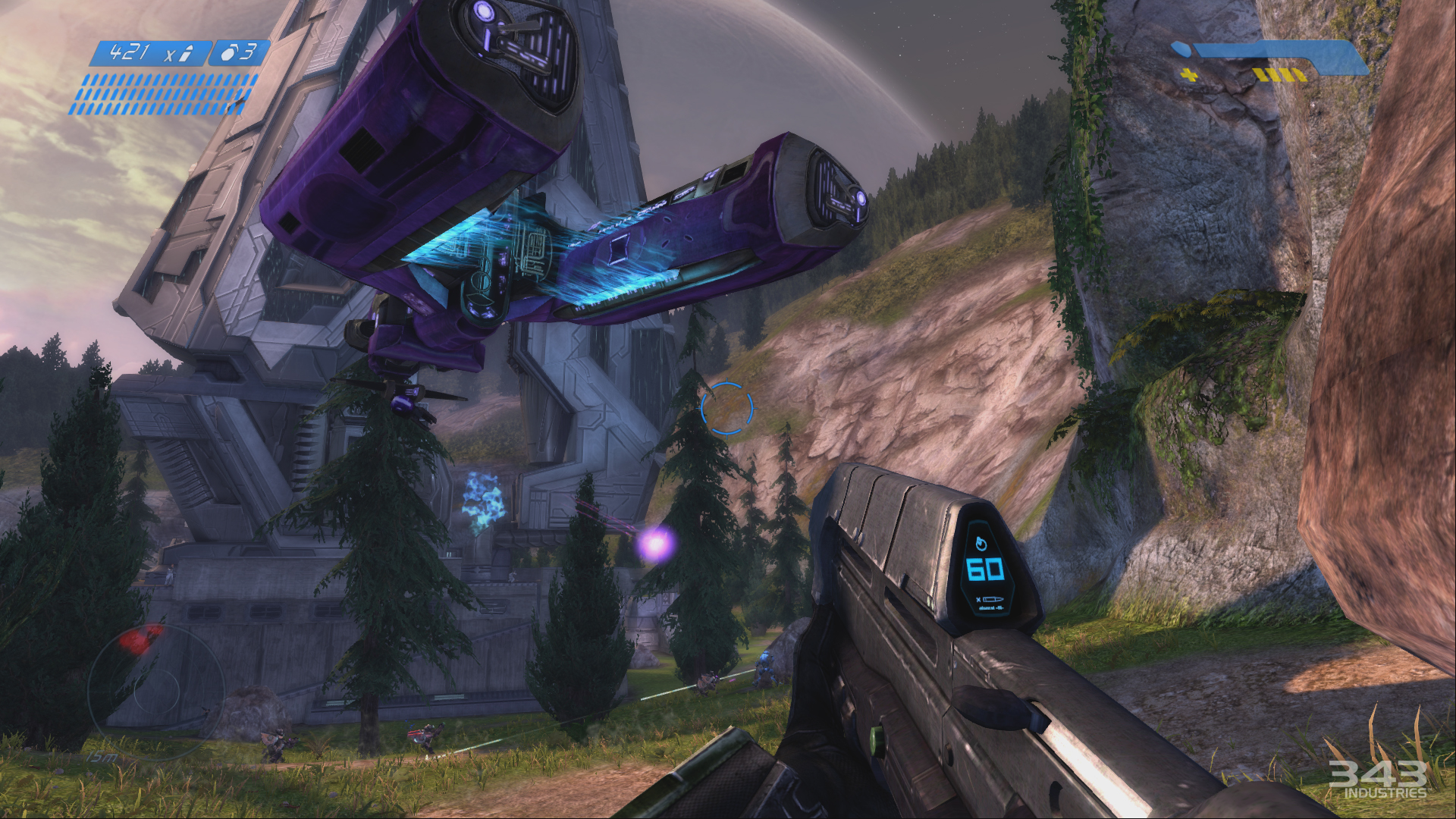
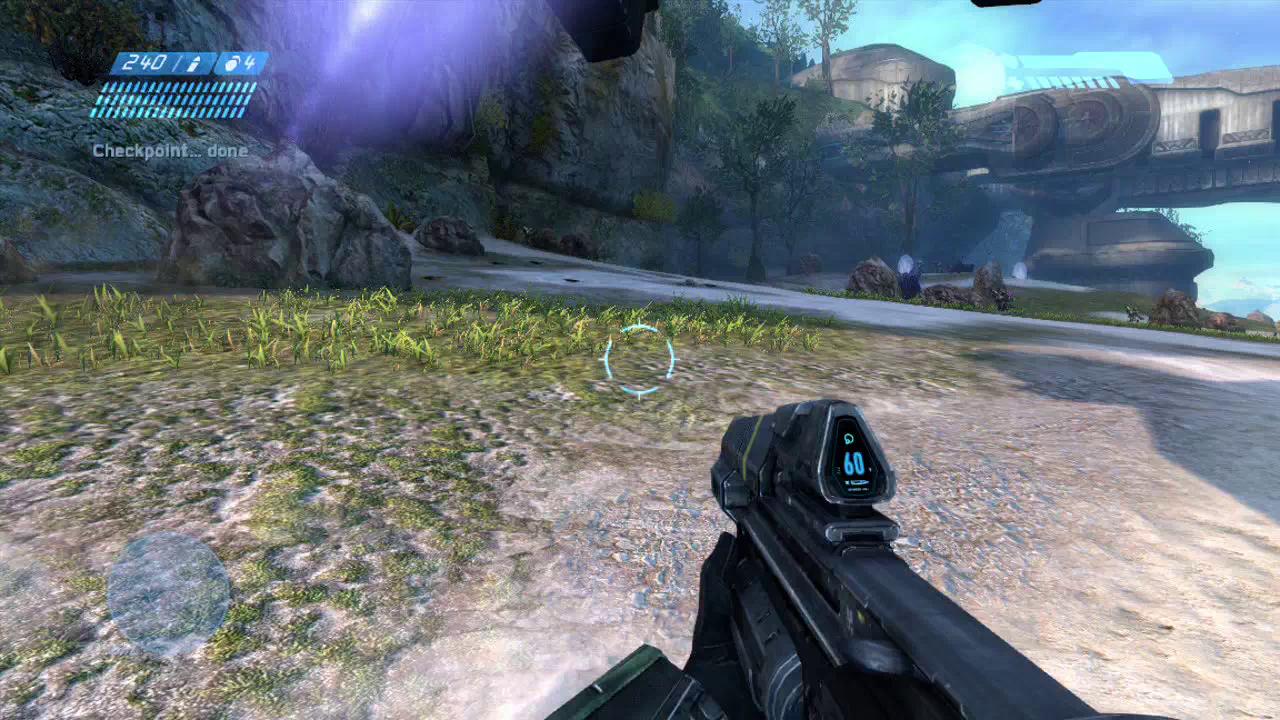
Reach just really isn’t much different than Halo 3 or any game before or after it. It’s a solid game with one of the better campaigns in the series, and the multiplayer is rock solid. With this being a spin-off, you’re expected to see asset flips and familiar gameplay, but the shift from Master Chief is what makes it feel a little fresh. With the update for The Master Chief Collection, the game has better visuals, runs at 60+ FPS, and supports ultrawide screens, mice, keyboards, and current-generation hardware. It looks dated, but clean, and feels like a modern shooter does on a PC. I didn’t run into any crashes or major glitches, so it’s a solid port.
I don’t have much else to say other than that it’s a good Halo game. The ending is solid, albeit sad, and sets you up for the main trilogy. I loved Halo 3, so being able to get back into that era of Halo was great, and the upgrades make this a no-brainer for any Halo or FPS fan. If you don’t like Halo, this game will not change your mind at all, as it’s about as rudimentary for the series as it gets, and the story is a little on the light side compared to other games in the series. I didn’t care for any of the characters, and if you aren’t familiar with the future timeline, it won’t make much sense to you.
Reissue of games has been a hit or miss affair for the last 10 years with some doing a decent job to others completely remaking the game from the ground up. While remakes are more highly regarded than straight-up HD ports or touch-ups, it’s still a great way for a new generation of gamers to experience a classic.
Resident Evil 2
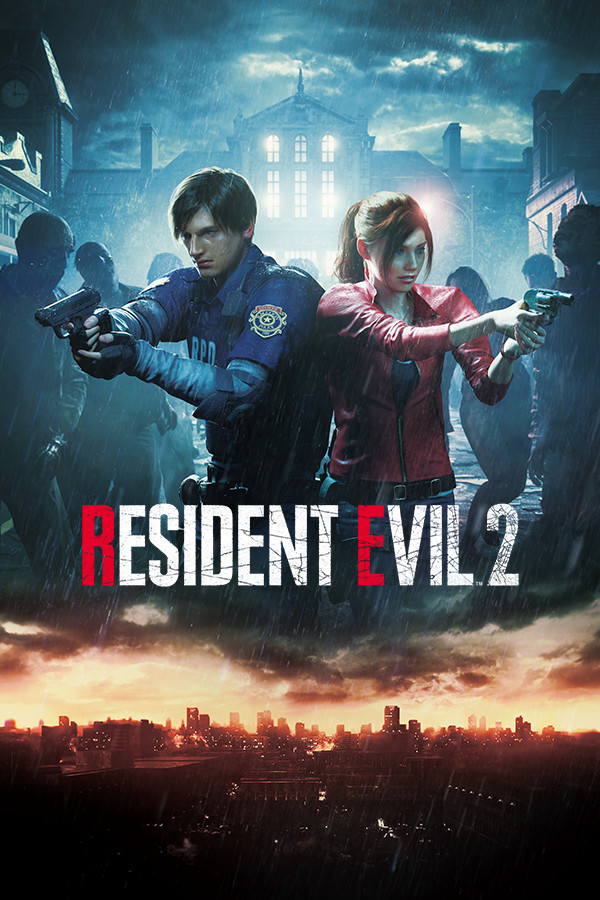
Reissues, HD remasters, remakes, whatever you want to call them, they have been part of our lives for the last 10 years and now we are thankfully leaning more towards remakes of our beloved games. Resident Evil 2 does this better than the rest due to the love and care put into the game. It’s not just a lazily updated game to run on current consoles, but a total from-the-ground-up remake of the game with features to enhance that game for current-generation systems.
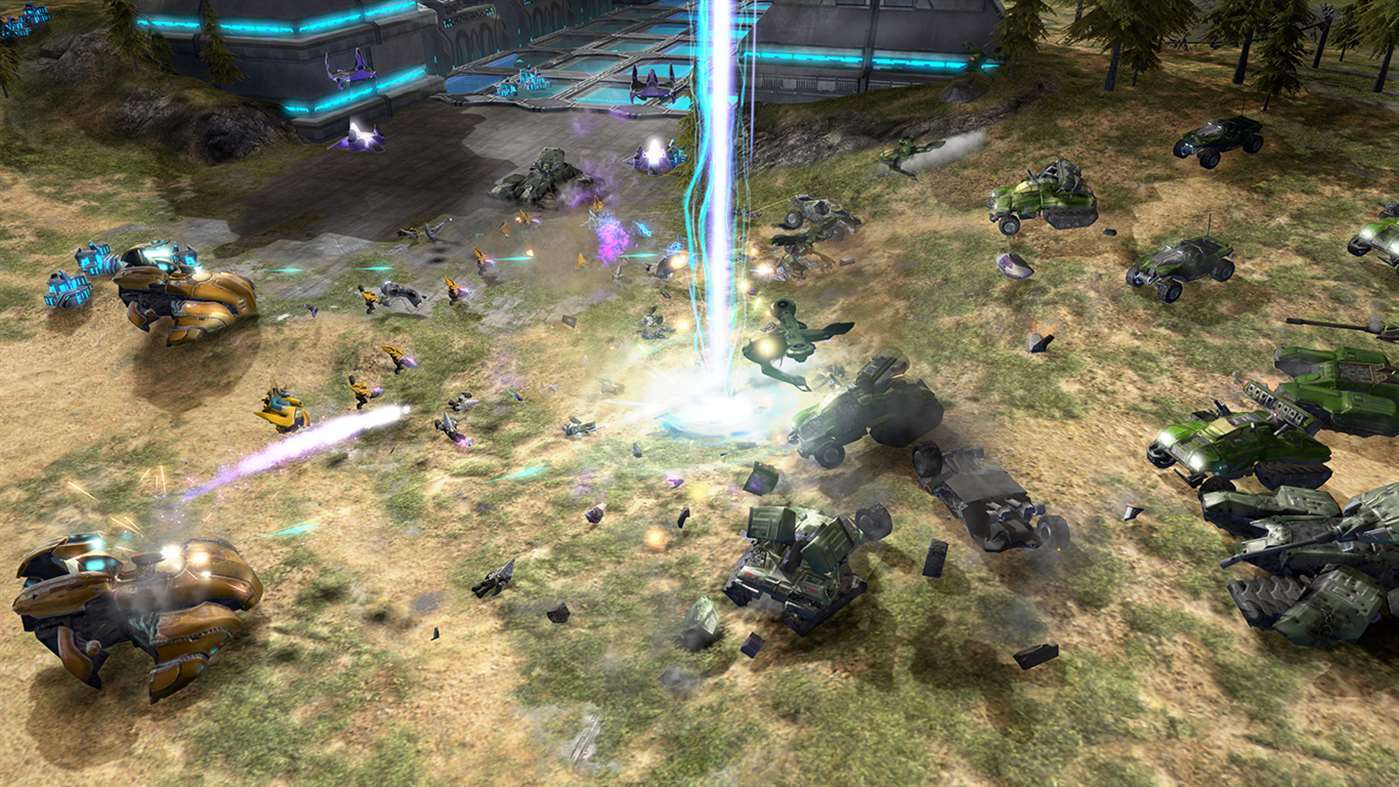
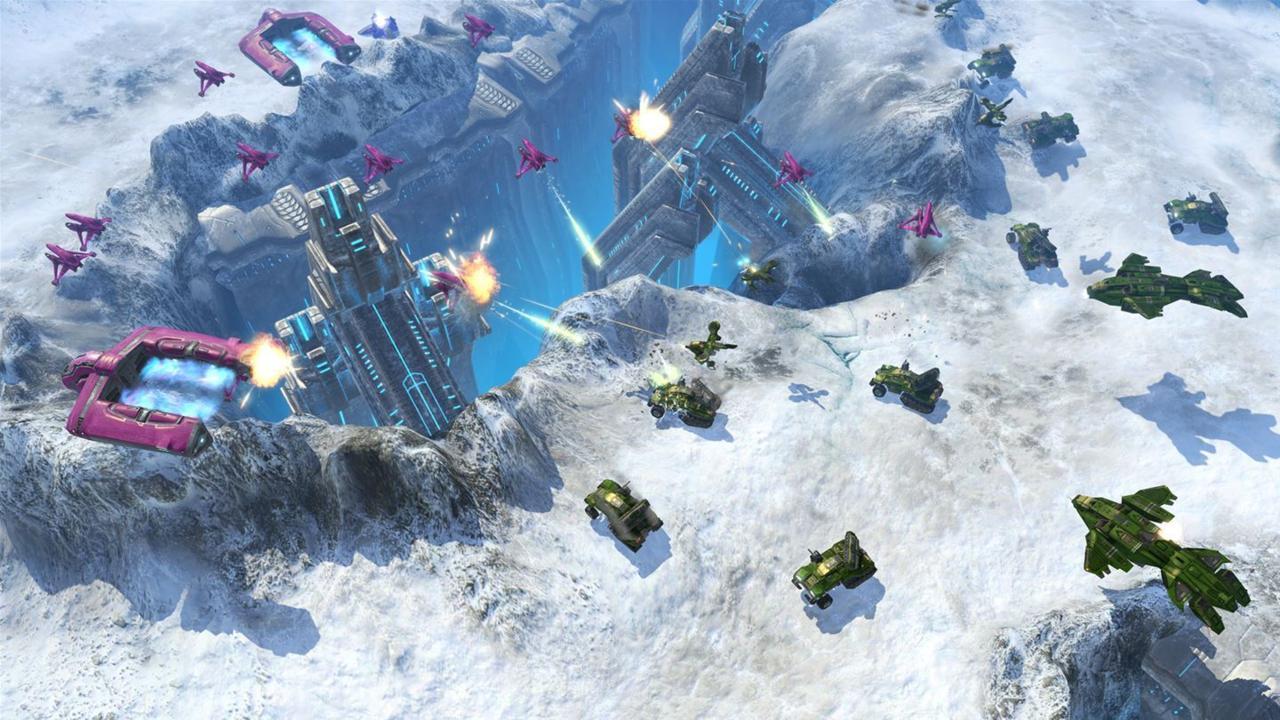
You would never think of Halo and real-time strategy; the two might not mix all that well. Halo Wars was a huge deal when it was first released, as it was a huge risk. It was the first time anyone but Bungie touched the Halo franchise, and many were skeptical. To my own surprise, the game checks most of the good RTS games off the list, but being the first time in this category, it does have its issues.
The first issue is the story. The 15 missions are accompanied by pretty pre-rendered cutscenes we have grown to love from the series, with great voice acting and stellar music. You play as Sgt. Forge, who is assigned to the Spirit of Fire and must destroy an ancient world that is full of an unstoppable army built by an ancient race. The Covenant wants these weapons, and they capture a human scientist named Anders, as the machines can only be activated by human touch. It’s not the best story, and it really fills a minute gap in the Halo timeline and doesn’t really mean all that much.
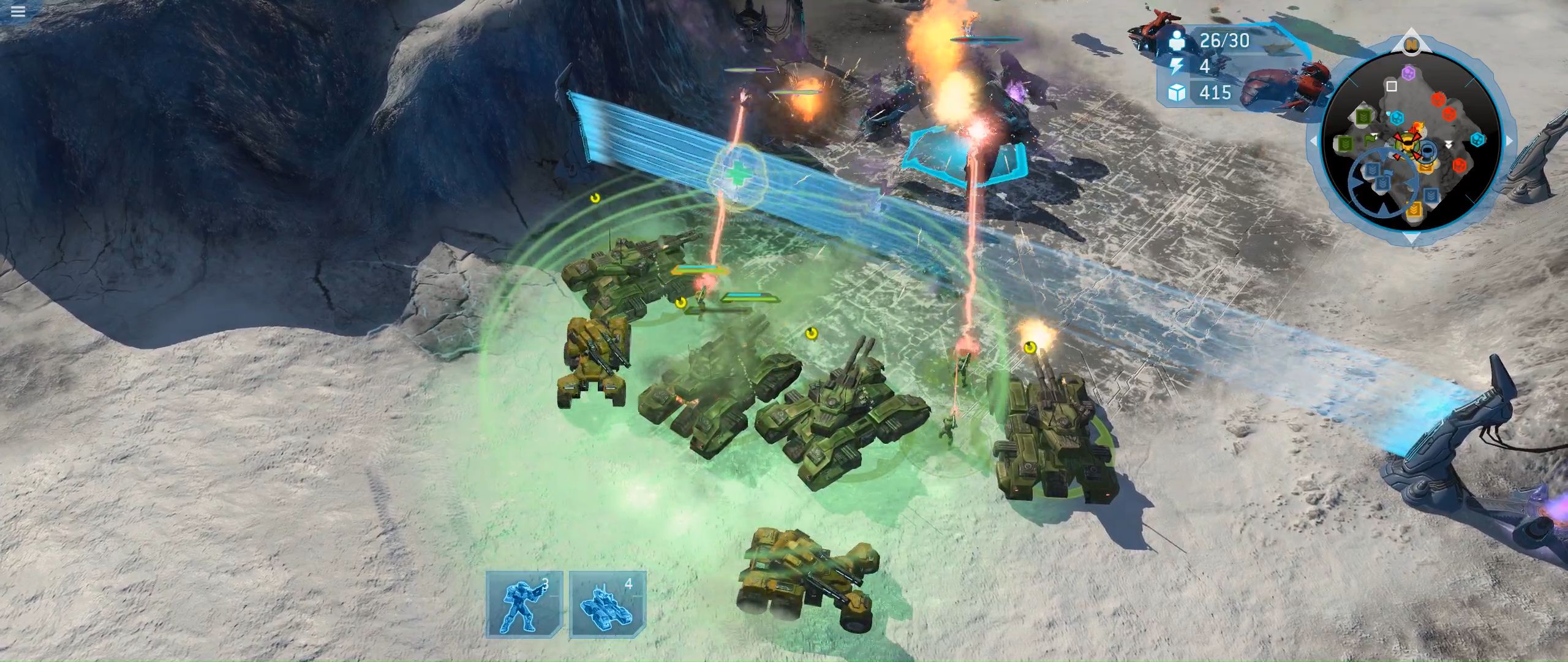
When it comes to actually playing the game, you are greeted with RTS basics, and I mean the minimum basics, as the game never moves on past that. Most RTS games require you to find and acquire resources to build an army to defeat the enemy. Halo Wars has only one resource, and this is in the form of generic supplies. You can find crates along the ground, but you must build supply pads on your base, and this is the first thing you do on every single mission. Second, your base has limited slots for buildings, and this is where the game breaks down a little. I would have 3–4 supply pads upgraded to advanced ones, and it still takes forever to get enough resources to steadily upgrade all my buildings and troops. A solid 25–30 minutes is needed just to maintain an army to defeat most enemies on a map and even longer to get all the upgrades.
It’s a frustrating battle of nursing your resources, with most time spent waiting for them to accumulate, which is not fun and quite boring. Nearly every mission where I was given a base had my guys just standing there for 20 minutes so I could research as much as possible for only what I needed for that map. The armory is used to research technology only, and this comes in the form of +10 to population, Spirit of Fire strikes, more troops per unit, etc. After you acquire all the research here, which is only a couple of tiers, the building is useless, and you can recycle it and build another supply pad. The barracks are used for only two ground troops and for researching their upgrades. The Air Depot has three different air types, and the Vehicle Depot has a few things as well. It’s very basic, with only the core Halo units you have seen in the console games. It covers every discipline well, and they all do their job fine, but some units require over a thousand supplies, and this can take up to 1-2 minutes to accumulate just for one unit. So instead of being able to send out drones to acquire a mass amount of supplies, everything is essentially rigged to a timer, which makes things not very fun.
The population cap is 40, and that’s not many troops considering some larger units can take up to six population slots. Once you get them out and fighting, it looks pretty awesome and feels just like a Halo game with familiar enemies and sounds. The Spirit of Fire attacks can give you a leg up, but they don’t feel as powerful as they should. A MAC attack or carpet bomb, even fully upgraded, may do 1/8 to 1/4 damage to an enemy base. You would expect for the long cooldown time that you can wipe out all of or most of a base and larger enemy units. It’s so incredibly unbalanced and frustrating that I always felt I never had an advantage, no matter how well I played. Even when you get multiple bases, it doesn’t help outside of giving you quicker access to troops and more supply pads. With the pop cap at 40, you would think more bases would mean a larger population increase.
Missions are at least varied, with some escorts, defense, offense, and various others. One frustrating mission had me on a ship fending off a flood with a timed sweep that killed everything in sight. It took almost 45 minutes just to clear everything off the ship. Another mission had me station vehicles at five different spots to blow open a large base shield. I had to constantly go back and forth, defending them and clearing spots to put them down. There are not enough troops to leave with each vehicle due to the low population cap. Every troop is essential.
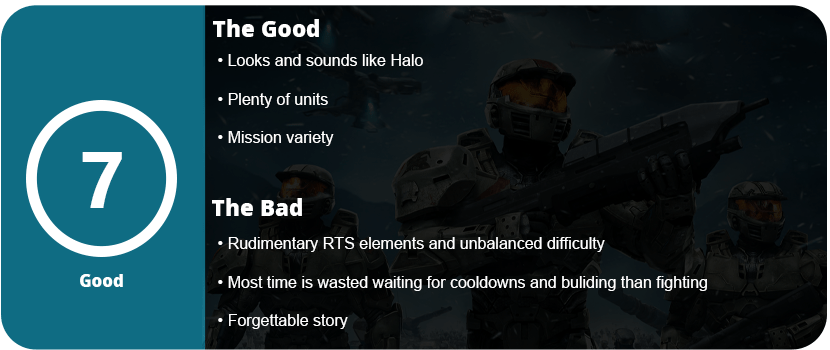
With all that said, Halo Wars has the units, looks, and sound down for a great RTS game, but it’s so rudimentary, unbalanced, and boring, with the majority of your time spent waiting for things to build and cool down. There’s a lot of mission variety, but it won’t matter as the rest of the game plagues these missions. The story is also nothing memorable and doesn’t mean much in the Halo universe. I really can’t recommend this to RTS fans or Halo fans unless you’re curious.
Oh, Halo, I have a love-hate relationship with you. Back when Halo was released, I didn’t really think much of it. I saw the box in game stores, but I never actually heard much about it. It wasn’t until Halo 2 that the series really took off and was talked about by everyone who loved it and hated it. I just so happened to be someone who hated it, even though I didn’t play it. It looked like a generic sci-fi shooter with boring guns and boring enemies. For years, I refused to even accept Halo as a good game series. I finally sat down with the first game on PC back in 2007 and felt it was like a chore. The game was overly difficult and ugly, and I didn’t get the game at all. I washed my hands of it and was done.
Later that year, I borrowed an Xbox from a cousin (the original) and rented Halo 2 from the video store (back when that was still a thing) and actually started to like it. The game felt more balanced, more cohesive, and had a more interesting story. However, I still hadn’t even touched the multiplayer, as I didn’t have Xbox LIVE. I wouldn’t experience Halo multiplayer until Halo 3. After playing through every Halo game, I started to feel fatigued by the series. ODST and Reach were extremely boring and didn’t do much outside of the story and presentation. However, I would still go back to playing Halo 2 and 3, but I swore never to touch Halo 1 again. Now, 8 years later, I’ve played through Halo 1 and like it a little more; however, it still feels like a chore.
You play as Master Chief, a Spartan in the Earth Defense Corps who just so happens to get stuck as the savior of Earth. You fight some Covenant, an alien race hellbent on capturing Halo, and then some Flood, a super-weapon species designed to wipe out all life in the galaxy. You spend almost the entire game on the Halo Ring, which is a giant ring-shaped artificial planet that looks like Earth. Later, you run into an AI called The Librarian, whose function is to destroy all life in the galaxy to wipe out The Flood, so they starve to death. Of course, Master Chief and his AI partner Cortana must not have that. The story is quite interesting; however, it doesn’t really explore much of the Halo universe, and I wanted more.
Halo’s famous for its balanced gunplay and enemy AI. While there are only about 10 different enemy types in the game, Halo was one of the only FPS games at the time to force you to change up your tactics, weapons you use, and how you approach each firefight. Despite popular belief, Halo is not a run-and-gun type of game at all. If you run out into the open, you will die almost immediately. Halo is also the father of the regenerating shield, which is a core gameplay element of the game. Without it, the number of enemies you have to kill and scenarios would not be possible, as you would die and never make it through the game. Despite the shield recharging so slowly, it makes you stop and think before you step out again and lose your health.
The guns are also very memorable and iconic in Halo. The needle is a weapon that fires pink shards at the enemy, and they home in. After a few seconds, the shards explode, causing damage. The assault rifle is probably the most iconic weapon, as it’s the standard and most basic weapon in the game. Aside from plasma and standard weapons, you can also drive vehicles. This is actually where I had a huge issue and still do: the vehicles controlling garbage. The Ghost, Banshee, and Warthog are floaty, not very responsive, and counter-intuitive to what the game wants these vehicles to do. I also don’t like how you can’t drive and shoot the Warthog at the same time; it makes you too vulnerable.
The one thing Halo has always had a problem with is the repetitive hallways and the extreme linearity. Nearly every level had you backtrack back to the beginning once you got all the way through, and this got frustrating and tiresome toward the end of the game. The core game is also just repetition, but that’s expected of any shooter. Shooting the same enemies over and over in different variations just gets old, and some people may not be able to tolerate it. Despite this, and like I mentioned earlier, Halo combats this by making you think before you run out into the open.
Outside of the shooting, the game just feels strange as a whole. It feels dated still despite the update; however, it does help tremendously and makes the game more enjoyable. The new graphical update is more than an update. It’s completely redone, and switching from remastered to classic graphics on the fly makes you realize just how old this game is. We’re talking Quake 3/Source Engine graphics here. After playing the updated version, I could never go back. The game just looks way too ugly compared to others, which makes it much less enjoyable. In fact, the updated graphics actually help make the game easier to play with better lighting and more detailed environments. I found the original Halo way too dark in most areas, and it was always hard to see.
When it comes to multiplayer, it also suffers from feeling old. While the maps are remastered, the gameplay just feels a little old and not as fast or deep as the newer games; however, there is a charm to the age. The game is very simple, there’s not much to the multiplayer, and the maps are also not as complicated as newer ones. Fans of the original game will love being able to finally play the original online, like it was intended to be.
Overall, Halo: CE Anniversary is a fantastic update and probably about as good as the original game can get without changing any major gameplay elements. On the Xbox One, the game runs at 1080p and 60 FPS, which looks fantastic, and it also has the menus of The Master Chief Collection’s, which is an upgrade over the Xbox 360 version. If anyone couldn’t stand the original, they may find it more appealing now, but expect the overall gameplay and design of the game to not have changed.
I’ve finally done it. I know I have all three current-generation gaming systems. What’s the positive side to that? Being able to enjoy each console’s strengths and exclusives. The bad side? I play more games than I can in a week. Why did I wait so long for the Xbox One? Its game exclusivity release windows were far and few between, and it didn’t offer anything the PS4 couldn’t… well, that anyone cares about anyway. There are a lot of nice features on the Xbox One that no other system has, but are they what sells the console? At this point, Microsoft doesn’t really have anything to sell the Xbox One outside of its already built-up user base as well as its three trump cards: Halo, Forza Motorsport, and Rare. While Microsoft used Killer Instinct, Forza 5, and Halo 5 to get people excited about the launch, Microsoft’s launch was very weak outside of a few strong games.
Let’s face it, the look and design of a console can really matter. Just look at the Atari Jaguar with the CD add-on—it looks like a toilet. The original Xbox was geared towards PC gamers who were already used to bulky cases. While it wasn’t as sleek as the PS2 or cute as the GameCube, the monster box meant power—and power it had. Being the first system to have an online infrastructure and have a built-in HDD, the Xbox shipped with an 8GB HDD, but Xbox LIVE wasn’t up and running until long after the console’s release. Then a little game called Halo swept the gaming and entertainment industries by storm, and Halo 2 helped kickstart and raise the bar for first-person online gaming. It was massively successful and even made Nintendo and Sony rush for a proprietary FPS. Sony made Killzone (stank), and Nintendo made Metroid Prime (awesome). However, neither garnered the attention that Halo could, and Killzone was quickly forgotten. What else made the Xbox so successful? It’s hardware. It had a whopping 733 MHz CPU based on Intel’s Pentium III Coppermine chipset and a 233 MHz GPU made by Nvidia. This meant off-the-shelf parts and was easily programmable, similar to a PC. While the PS2 was extremely difficult to develop, the Xbox had great-looking games from the start. From Halo, Forza Motorsport, Blinx, and Fable, the Xbox had a great lineup, but it quickly died out towards the end of its life cycle. The Xbox showed its age and games; we’re looking better on the PS2 for some reason (God of War, Shadow of the Colossus), and Microsoft quickly lost interest from Japanese developers, so the PS2 made waves.
With that little history bit, the Xbox 360 had a year’s head start and was powerful, but met the same fate as its little brother. Great games from the start, but many exclusives jumped ship, and Microsoft lost steam once the PS3 sales were climbing. While still a good system, it doesn’t have the exclusives it did five years ago and isn’t as unique as it was at launch.
Out of the Box
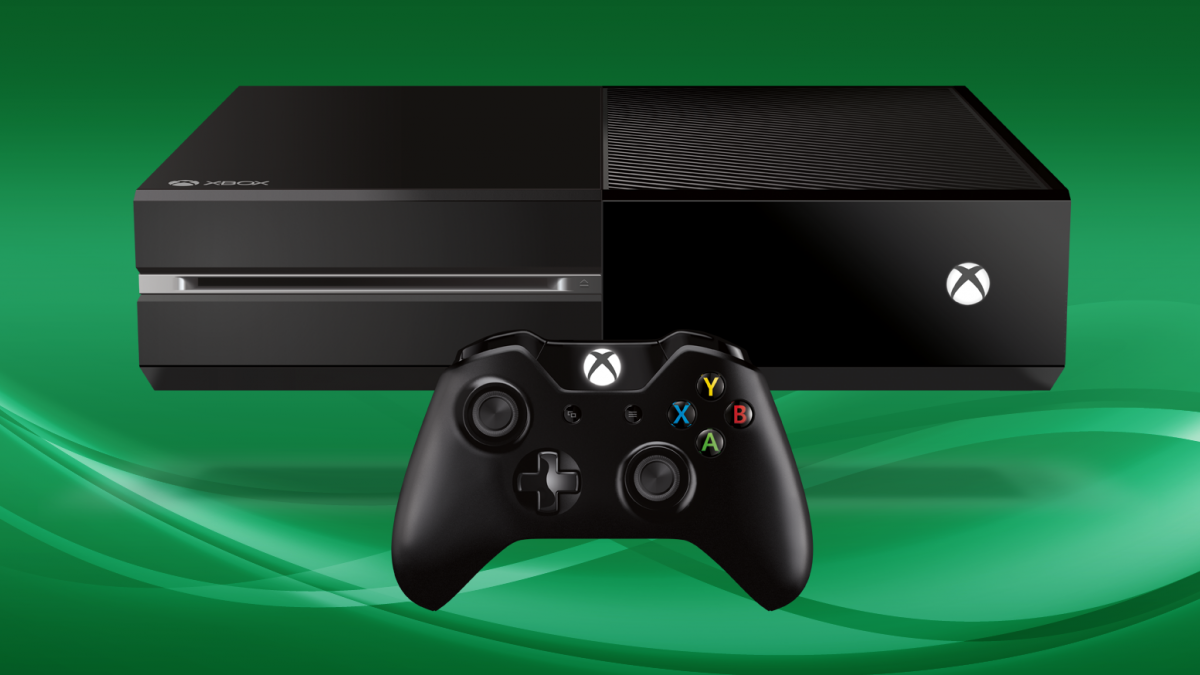
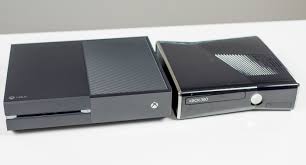
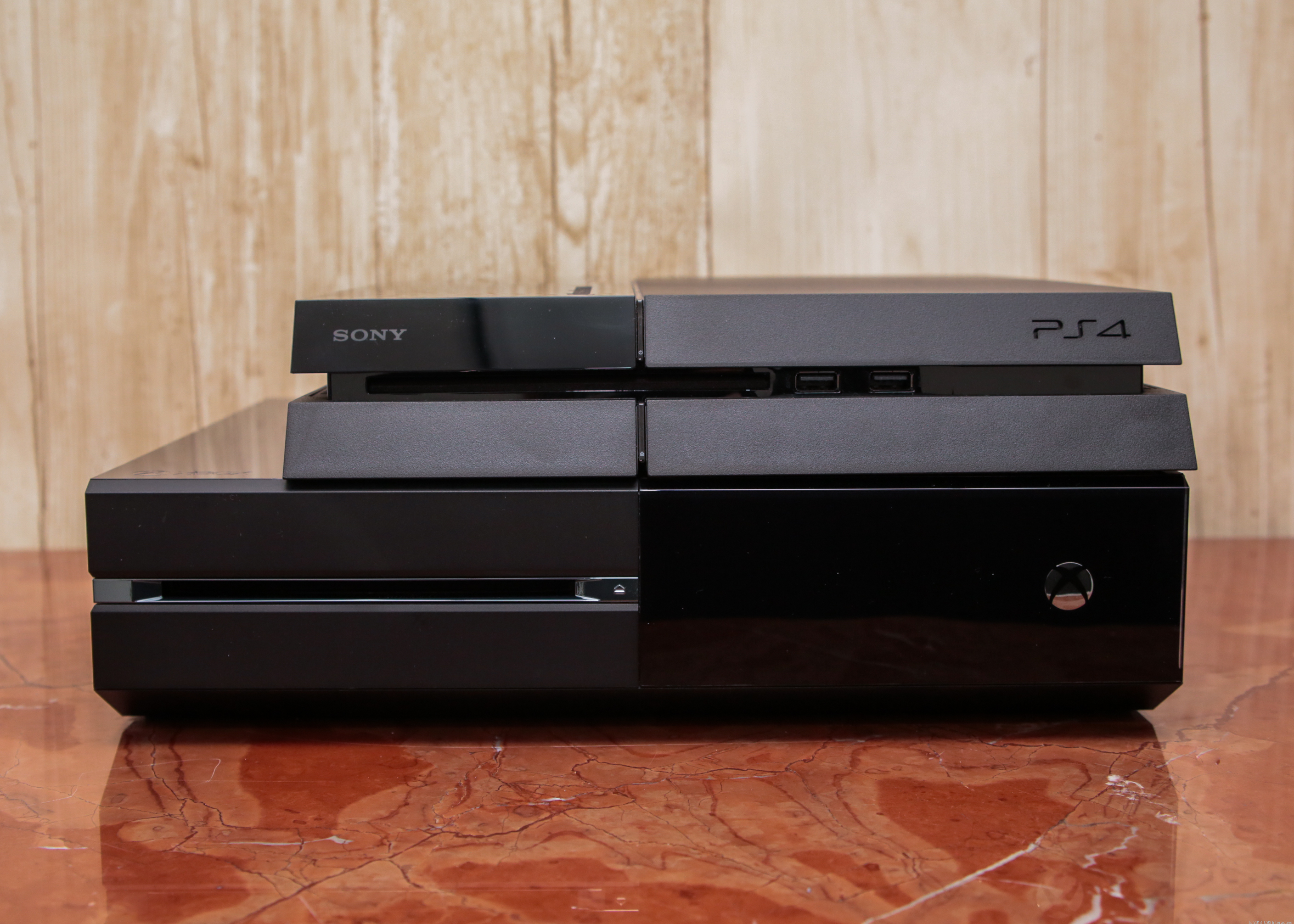
The Xbox One takes the original design and the Xbox 360 S design and smashes them together. You have the sleek box shape of the 360 S and the hard lines of the original system. The Xbox One is huge, bigger than the PS4, and somehow less powerful. More on that later. The Xbox One logo on the front brings subtle attraction along with the glossy panels and chrome disc drive bezel. The box is sleek and Microsoft’s best-looking one yet. It’s also surprisingly light for the size of the system.
Under the Hood
The Xbox One is actually a little weaker than the PS4. I know fanboys are going to scream and have a tantrum, but the numbers and facts don’t lie. Sure, it’s powerful, but not as much as you’d like to think. While the Xbox One and PS4 both have an 8-core AMD CPU that is similar to that in phones, the Xbox One is clocked at 1.75 GHz, while the PS4 is clocked at 1.6 GHz. Yeah, go ahead and laugh, but the GPU is probably more important on consoles than you think. While the Xbox One has an 853 MHz AMD GPU, the PS4 has an 800 MHz one but has more compute units. The PS4 has 18 while the Xbox One has 12, meaning the PS4 can outperform the Xbox One with this. To make it easier, the Xbox One has a GPU equivalent to an AMD 7790 or Nvidia GTX 650 Ti. The PS4 has a GPU equivalent to an AMD 7890 or Nvidia GTX 670. While those GPUs have now been left in the dust, the PS4 and Xbox One are stuck with them. Sadly, this means lower resolution on Xbox One, and due to only having 8GB of DDR3 RAM, loading times could be much longer towards the end of the life cycle over the PS4, which has 8GB of GDDR5 RAM. The Xbox One also has three USB 3.0 ports; one is cleverly hidden on the left side rather than being in the front. I also have to commend Microsoft for making this the very first console to have 5 GHz WiFi, which is a huge win over any other console for download speeds. I could download a 62GB digital game five times faster than I could on another console. I love this.
GUI
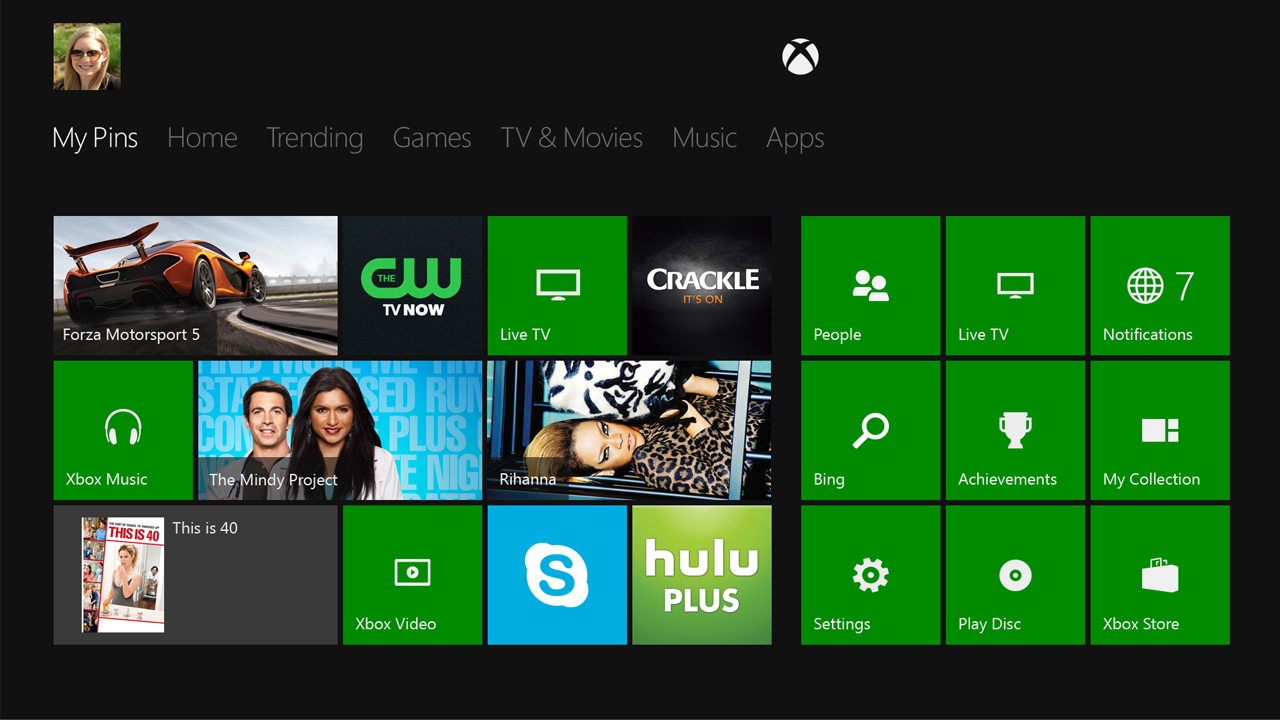
I hate to say this, but…Xbox One looks too much like Windows 8. I know. I know. Go ahead and say it. It is the most difficult system I have ever had to navigate. For starters, I couldn’t find the system settings. Why is it an app? Why is everything an app? I like apps on consoles, but everything on the Xbox One is an app, and it relies on the internet more than any other console. If you pin your favorite stuff to your home area, you can’t use it when you are offline. It doesn’t end there; I couldn’t find anything in the game store. Yeah, that’s probably important, right? The game store looks empty and completely unintuitive. There’s a small featured section as well as Top Paid, Free, Newest Games, etc. However, I could not find the Games with Gold section anywhere except at the home dash in a featured box. That’s completely ridiculous. I still don’t know what’s for sale for gold members, and I can’t find it. This is the worst game store setup I have ever seen.
Functionality
Let’s talk about some of the Xbox One’s exclusive features. Microsoft is seriously trying to push the set-top box thing; however, this is probably only something that less than 10% of users will use, mainly sports fans. The Xbox One does feature a TV-Out HDMI option, so you can plug in your HD set-top box or even another console. While plugging in consoles isn’t recommended due to lag, it’s an option for people short on ports. Hell, you can play Killzone via the Snap app on your PS4 while someone is playing Halo right next to you. God forbid. There are features in the system to set up your TV and sound system to use voice commands via the Kinect, but only users who bought the launch consoles will have a Kinect. I feel many people from here on out will never see this feature happen.
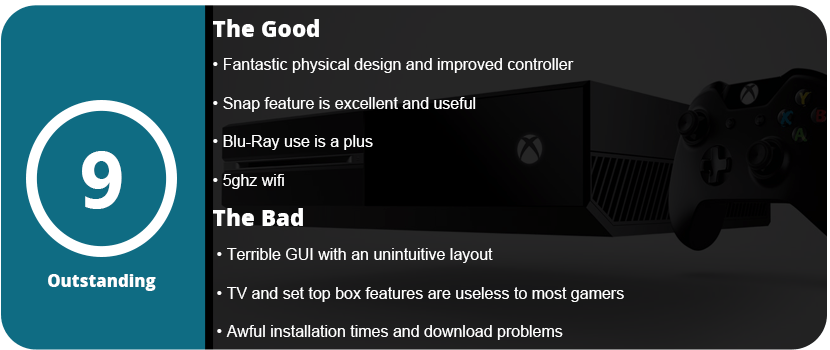
Another function is the Snap app. This is actually really nice, as it cuts out a quarter of the screen for using other apps on the Xbox One. This includes TV, walkthroughs, web browsing, the media player—you name it. This comes in handy for people who love to multi-task, but I noticed some slowdowns when playing graphics-heavy games. Another feature that is new to Xbox is Blu-ray. Yeah, Sony fans are saying “Ha ha,” but it’s a smart choice. Games are just too big for dual-layer DVDs these days, so with their own high-capacity media disc being burned out by Blu-Ray, Microsoft didn’t have a choice. This means you no longer need a separate Blu-ray player or PlayStation 3 or 4 to play Blu-ray movies.
Another small feature is the Xbox One Smartglass app, which you can use with your phone or tablet. The layout is pretty much the same as the Xbox One itself, was responsive, and worked well as something that can be used to control your console. This is great for watching videos or listening to music, so you don’t have to keep turning on your controller.
Outside of these features, I did find something disturbing that is probably the Xbox One’s most fatal flaw. Slow install times off discs. The PS4 takes less than a minute, and you can play the full game right away. For some reason, Microsoft thought it was cute that you could play what’s installed, but that’s literal. I booted up Killer Instinct, and all characters were locked until the game finished installing. Wonderful, so now I can stare at the menus for 3 hours while the game installs. Oh yeah, another thing: games are fully downloaded from Xbox LIVE rather than installed off the disc. This is one of the dumbest things I have ever had to deal with. I booted up the Xbox for the first time at 5 p.m. on a Saturday, and I left Killer Instinct installing all day; it took forever. The trick is to disconnect from Xbox LIVE before installing, so it only takes roughly 15 minutes. Connect again to download the current update. Even if you have a fast connection, the games take forever to install, as they need to be downloaded and then installed rather than doing both at the same time, like on PS4. One positive thing came out of this, and that’s being able to play digital downloads while you wait, which is something that can’t be done on PS4.
I won’t talk about the controller much, as I already did an extensive review on that, but I will say that the controller is amazing and is an evolution of the Xbox 360 controller. I also want to mention the DVR and capture features that the Xbox One has. The Xbox can snap moments when you unlock achievements, and even the father of the achievement system has evolved. They are more informative when they pop up, no longer leaving you puzzled as to what caused the achievement to unlock. Outside of the name, a description of the feat will also appear.
The Games
It all boils down to the games, right? I played Forza 5, Killer Instinct, and Halo: The Master Chief Collection, and I was seriously impressed. Microsoft actually released better-looking games at launch than Sony. Forza 5 and Ryse: Son of Rome are truly impressive launch titles. They look absolutely amazing and wipe the floor visually over any PS4 launch title, even Killzone: Shadowfall. Games played just like you expected they would; however, Microsoft has a trump card that will come in handy towards the middle of the Xbox One’s life cycle, and that’s cloud computing. This allows AI and even graphical features to be processed on the Xbox One, which is a super powerful tool that no other competitor has. Forza’s Drivitar AI is computed on a server rather than inside the Xbox One. While this feature is slow to start, it’s sure to bring some impressive stuff to Xbox One later on.
Xbox One for All and All for One
The Xbox One isn’t a perfect system and has many flaws in its GUI and various functionalities, but it’s a great system and a worthy successor to the Xbox 360. While it lacks the exclusives that the Wii U and PS4 have, it will grow in time and hopefully carve its own unique experience that previous consoles from Microsoft failed to do. If Microsoft can keep exclusives exclusive to Xbox One forever, it will help a lot. If they can help grow the system over time, like they did with Xbox 360, it will help quite a bit. It’s impressive to see where Xbox One is now after the disastrous launch and reveal two years ago. Xbox One is well worth a purchase for the handful of excellent exclusives available right now.
Reissue and HD collections are becoming a normal thing now, but they are a good thing. We can play our favorite games with better graphics, added content, and with nearly every bug fixed. This year was the best for reissues and shows how older games are turning into almost completely new ones. A lot of time and effort is going into them thanks to their popularity.
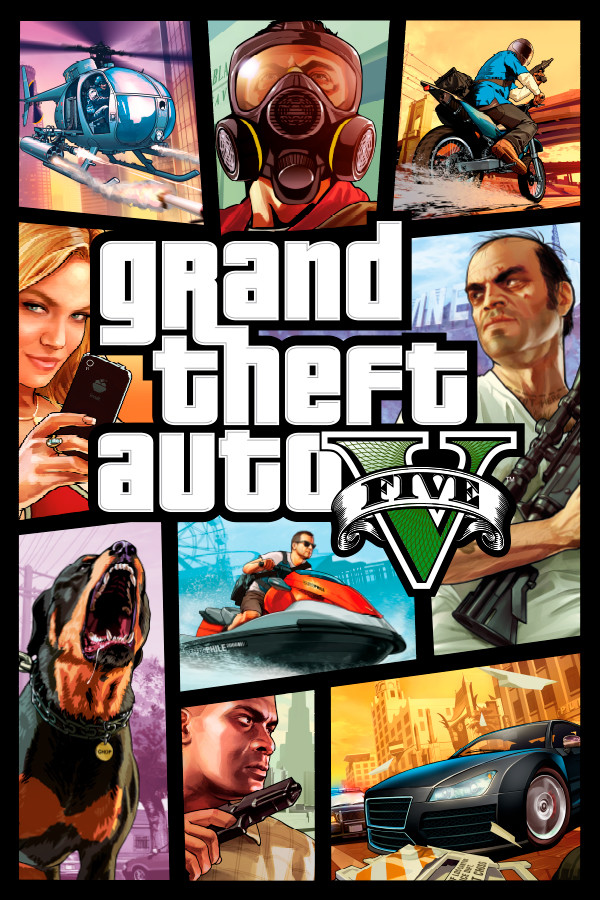
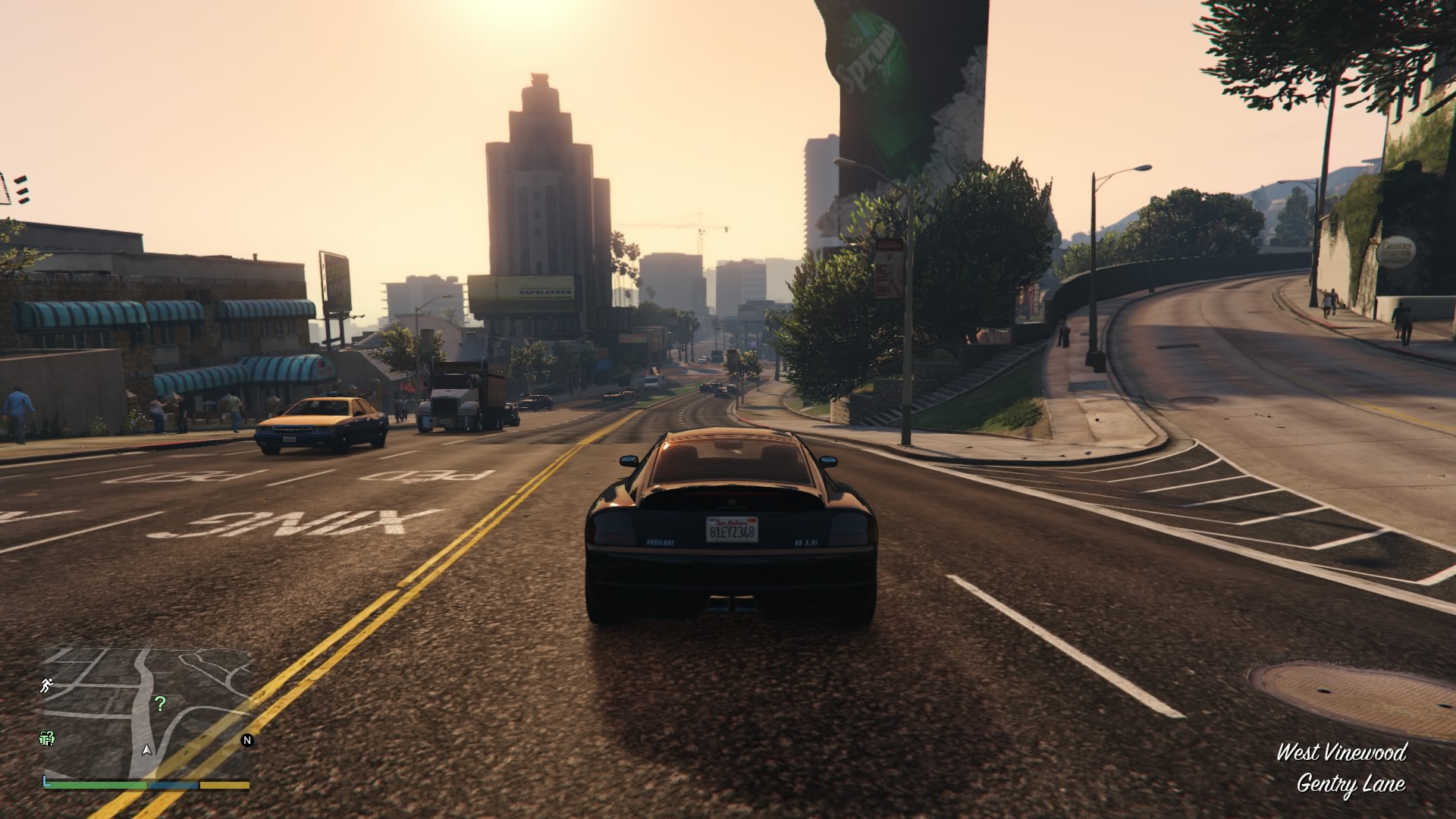
Grand Theft Auto V was already a fantastic game but suffered from the lack of power of last generation consoles. GTA V isn’t just a simple sloppy port. The game is completely transformed with next-generation technology, added content, and better multiplayer. There is even a first-person mode added. This helps immerse the player even more into this realistic world and shows how reissues are done right.
Shooters probably take the most flak from gamers and tend to be the most hated. Most gamers don’t like shooters due to their true-to-life reenactments, or just killing people with guns doesn’t sit well with most. No doubt shooters helped push consoles graphics-wise, and have some great stories to tell, and excellent cinematic moments.
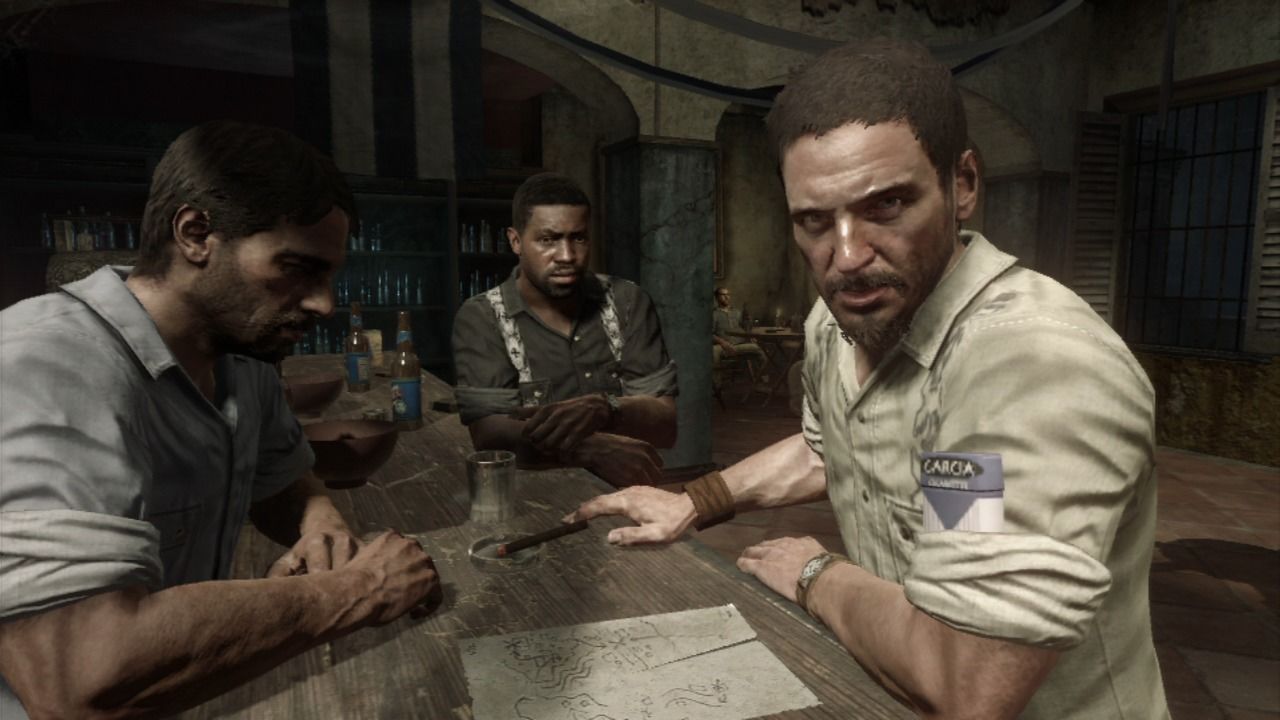
Black Ops not only has astounding multiplayer, but the single-player campaign is probably one of the best this year when it comes to shooters. Most shooters have shallow stories, but Black Ops‘ Vietnam/Cold War story is gripping, with some of the best set pieces seen in shooters. Excellent graphics, memorable characters, and awesome weapons make this a winner.
Multiplayer really defines most genres these days and is usually what keeps people coming back to games. A good multiplayer game usually consists of leaderboards, stat tracking, a reward system, and lots of maps, customization options, and just super fun addictive gameplay.
Modern Warfare redefined the FPS multiplayer scene and Black Ops perfects it with Wager matches, tons of customization options, perks, ranks, and well-made maps. Nothing can really hold a light to Black Ops, and to me is probably one of the best FPS multiplayer games of the decade.
Halo. That word is loved and hated by many, but Halo did help define the FPS genre and FPS multiplayer for consoles. If it weren’t for Halo, we wouldn’t have to regenerate health or have solid FPS multiplayer, but Reach perfects the Halo multiplayer in many ways, but before we get there, let’s dive into the single-player campaign.
Reach has you playing as the generic Noble 6, who is part of other numbered Noble team members. You can create your character this time around and swap out different armor parts, but you have to advance your rank and earn credits through multiplayer and playing the campaign. This is more of a gimmick and doesn’t do anything other than add filler to the already-bloated series. After the disappointing ODST, we get another campaign with more nobodies instead of a master chief. The game is set before the first one, so you are experiencing the first contact with the Covenant. You are just hopping around Reach trying to save the planet only to realize you can’t, and then you have to use desperate measures to save the human race, but the story doesn’t get interesting until the final cutscene (surprised?) and it’s a shocker.
The game is pretty much another recycling of the same Covenant aliens with better graphics. The same grunts, elites, brutes, and even vehicles—you name it. Is it ever exciting? Maybe in the very beginning because it’s been a while since the last Halo, but after the first couple of chapters, you just want the game to end already. The game just adds everything we’ve seen since 2001 and even takes away dual-wielding, which is good or bad depending on how you look at it. There are maybe one or two new weapons and vehicles, but everything’s been recycled so much I can’t tell! They couldn’t even add an iron sight option since the left trigger is no longer used for a second weapon. C’mon!
Other than that, the mission structure is the same. Kill this wave, press this button, defend this place, backtrack, and re-kill Covenant that suddenly appeared again. It goes on for ten chapters! There are a couple of space flight missions that are kind of fun, but it’s not enough to keep you from yawning at the rehashed crap. Sure, the campaign is solid and challenging, but it’s not as spectacular as, say, Halo 2. At least the flood is absent, which is a godsend!
But after slogging through the campaign, you’re going to come back for multiplayer, right? Right. Which is the best the series has, with tons of modes and playlists, all the modes we’ve grown to love, and a mix of favorite maps from past Halo campaigns? I’m not a Halo multiplayer vet, so I can’t tell you every tiny change, but I know enough that saving every match, sharing with friends, picking through their highlights, and so on is a lot of fun, and the Forge mode has been re-done to be a little more intuitive, but it’s still no LittleBigPlanet, or say, TimeSplitters. The new daily challenges are the biggest incentive to come back since they advance your rank. They change daily and are a lot of fun to aim for, but the only thing you can do is unlock stuff in the armory with this, and that’s not too exciting on its own, but it’s better than nothing.
Reach is also the best-looking game, but it still doesn’t look up to par, and this is sad for Microsoft’s flagship series. The game looks good technically, but artistically, it’s kind of bland. But there are a lot more open environments and not too many indoor ones, so there’s a lot more to look at this time around. All the same, sounds are recycled as well, so you know what to expect in that department. With a so-so story, characters you can’t get attached to, and a great multiplayer suite, maybe Reach should have been multiplayer only? Sure, no one would miss the campaign, but it’s there. If you want to play through it again, go online and play it co-op, even if you have to, or try the hardest difficulty. Actually, scratch that, it’s almost impossible.









































 thebinarymessiah.com
Try multiplayer. A lot of fun !