Graphics are great in games, but some just strive to be artistically beautiful rather than push your hardware to the limits. There were quite a few beautiful games in the indie department this year, but still a smaller amount than last year. These games look like moving paintings or drawings. These are the most beautiful of them all.
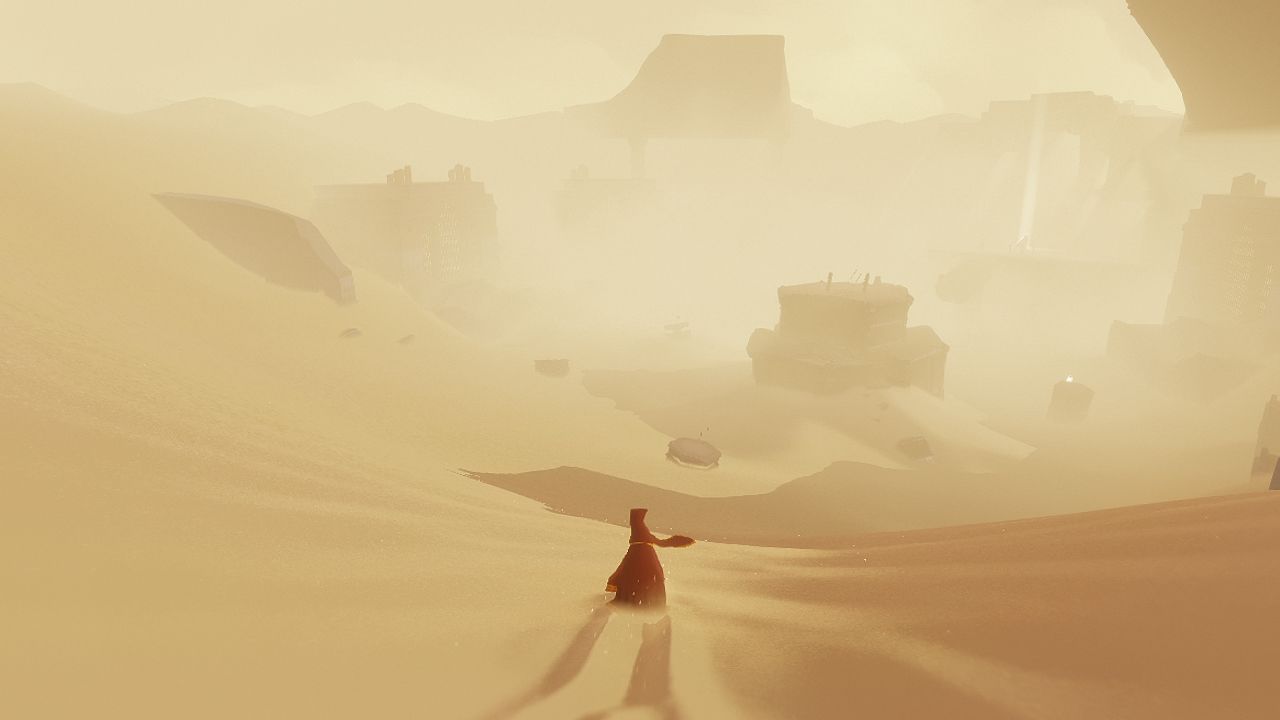
Journey’s art style just breathes artistic flow and imagination. Despite the brown color palette the overall design choices, effects, and visual representation of everything you see are just fantastic. Combined with a beautiful score, Journey is a one of a kind game that AAA titles can’t seem to provide.
Storytelling in games is probably the most important thing. Even if your game has good graphics if there’s nothing to follow why bother? There a few great games with good stories, but most of them were the endings to long-running series. These were the best of the bunch.
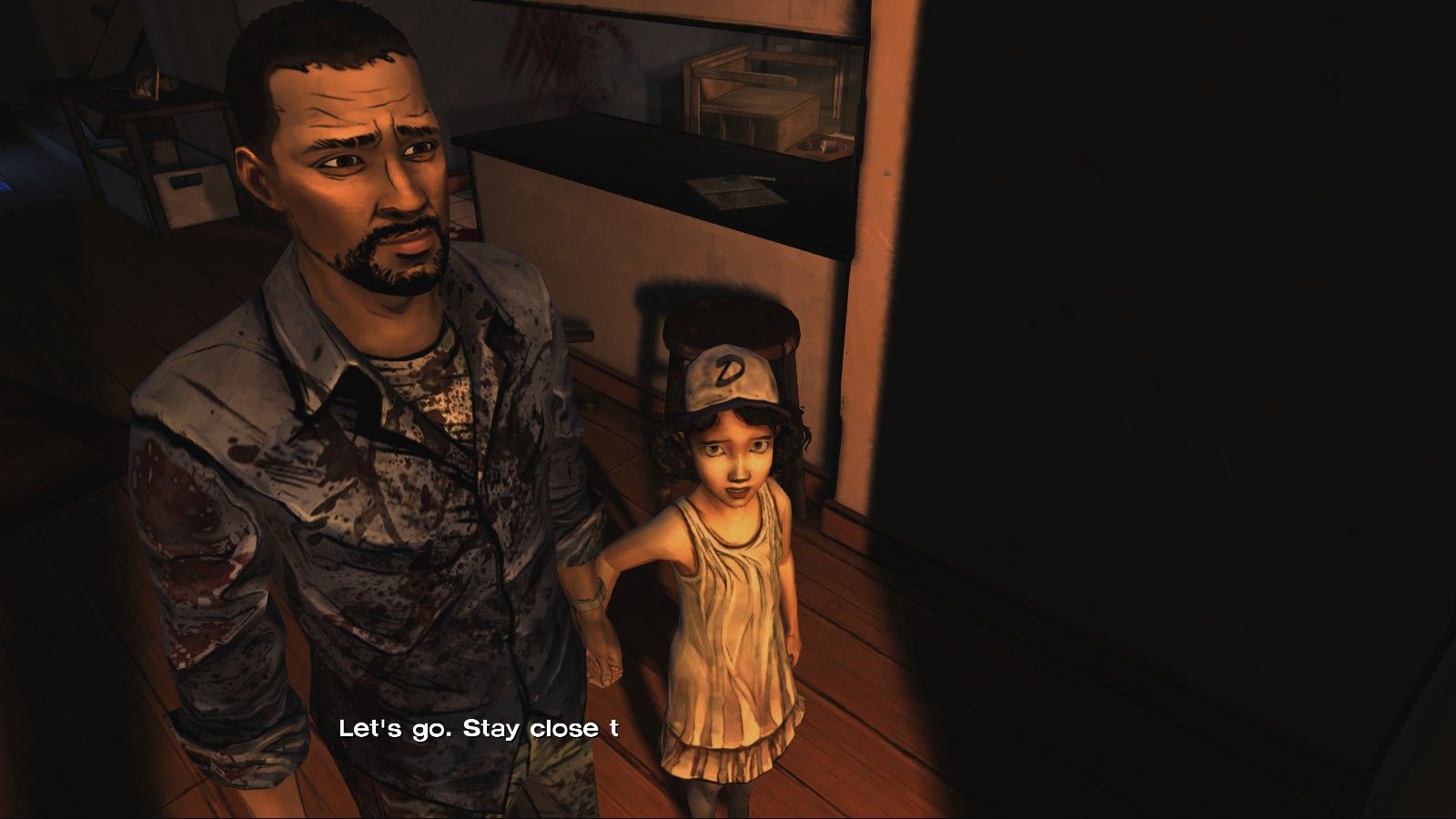
A great story isn’t just about plot twists or mystery. Being in suspense and actually giving you the option to make those twists and turns is revolutionary. The Walking Dead has a story that will tug at your heartstrings and even make you shed a tear or two. Being in total control also gives you multiple possibilities throughout the whole series. This is by far the best story this year, and I can’t wait for Season 2.
The best sound design consists of effects, music, voice acting, variety, and overall immersion accomplished through sounds. Ambiance has a huge factor as well. A lot of games these days sound really good, but the best will give you total immersion with background noises and little effects that don’t have to be there, but they are because the developers care that much.
The sound design in AC3 is just fantastic. The various accents, different languages used, the sound effects used in the Frontier such as the wind during snowstorms, the sounds of wildlife, then the bustling city sounds in the cities. The naval battles just pack a punch in your ears. The cannon fire, the various ship crew yelling things at each other, the sounds of the ocean. There is so much variety there and it is so crisp and clear. This is the best sounding game this year.
The atmosphere in a game is the overall immersion you get. You have to believe you are in the game and that the whole world is real, but also feel a part of it. There were a lot of games that pulled off some great atmosphere this year, so this category was tough. Most of the atmosphere this year was focused on realistic or futuristic settings. These were the best of them all.
Assassin’s Creed III really showed off the American Revolution and colonial times. The game really made you feel like you were there. The Frontier, Boston, and New York were both well designed as well as the costumes, accents, objects, and even the hunting! You just felt like you took a trip to the past. This was a tough choice over The Walking Dead, hell, all the games in this category were hard to choose from. This won due to the attention to detail and mainly because it is a setting and time period rarely explored in games.
The Best Music award goes to a game that delivers emotion, atmosphere, and tension through the game’s soundtrack. Whether it be orchestral, licensed, or anything else it must feel just right. There weren’t many games with great soundtracks this year, but there were a few. These were the best, but only one comes out on top.
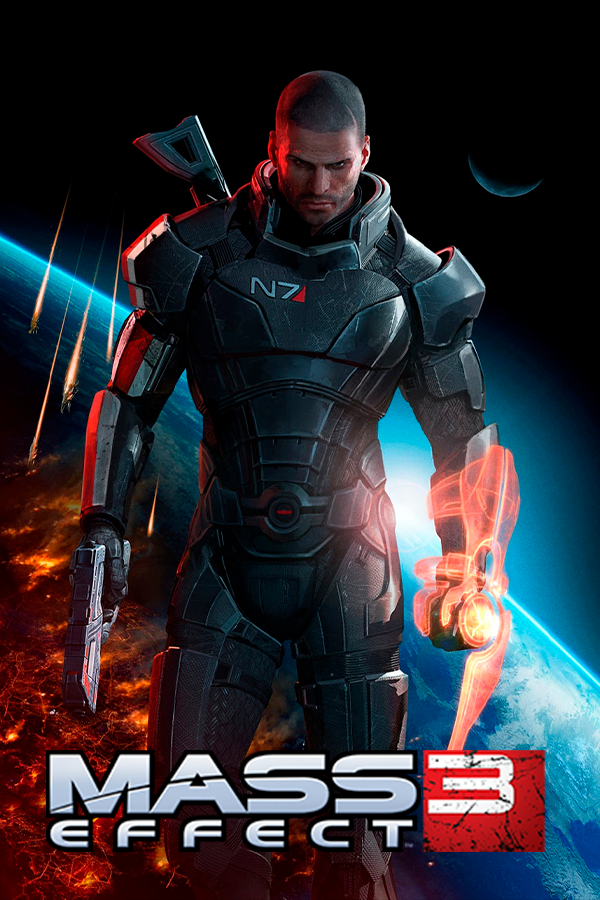
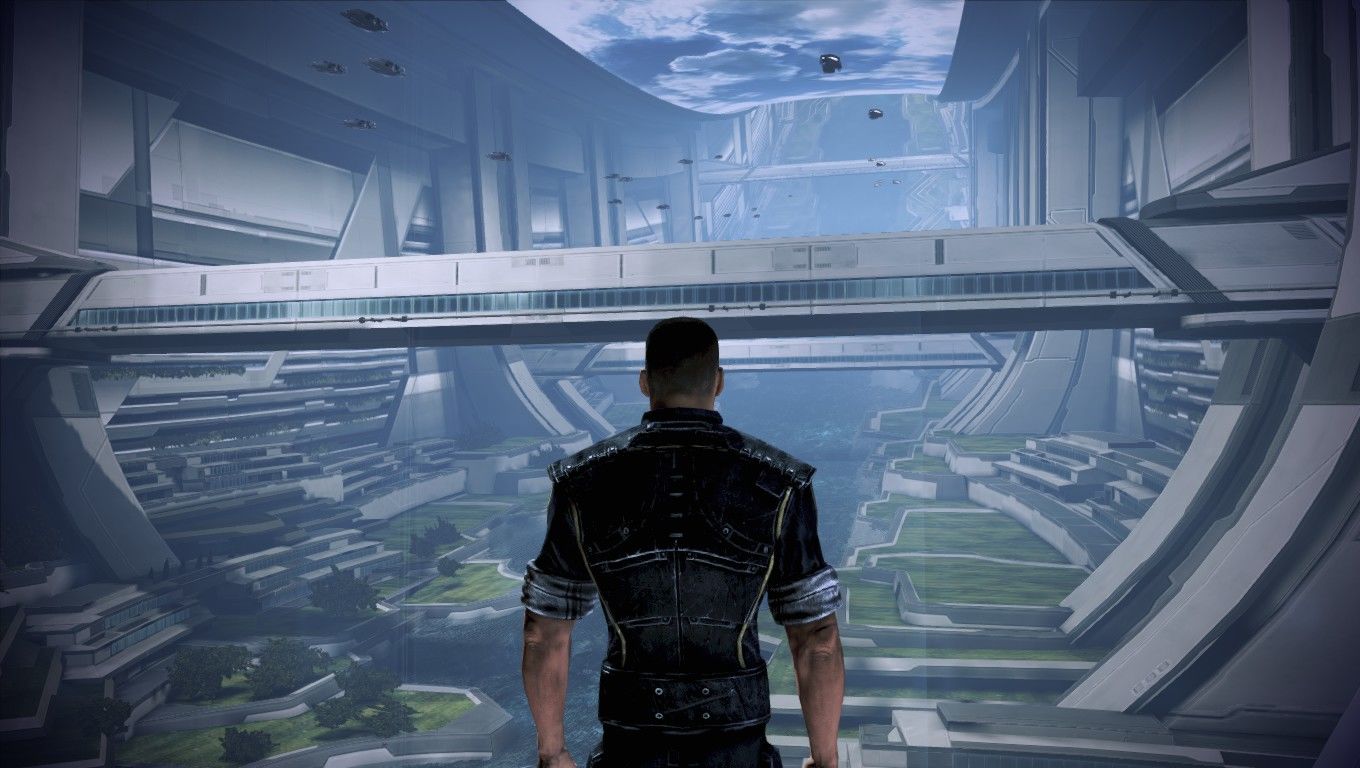
Journey comes out on top because of how rich and powerful the score is. It reminds me a lot of Skyrim, and hey, it was up for a Grammy! Journey is not only a very unique game, but the soundtrack pulls you in and provides feelings and emotions on top of the visual experience. Mass Effect 3 was very close, but the epic space battle music doesn’t compare to this masterpiece.
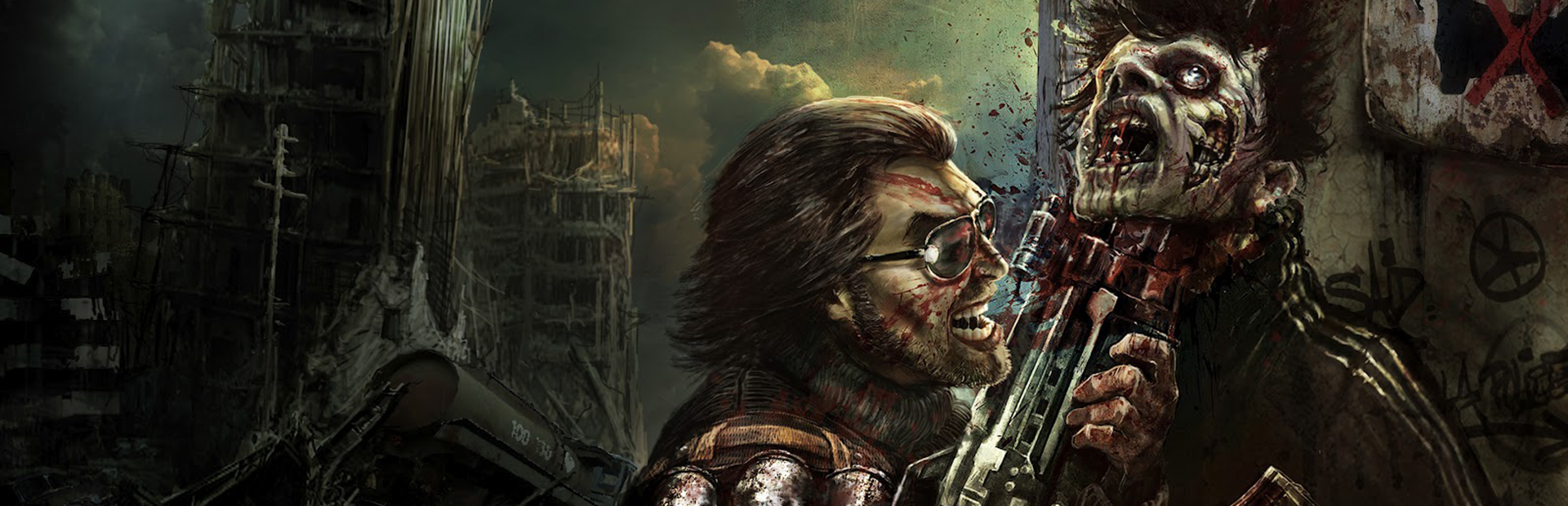
Zombie shooters are very popular these days, but surprisingly, not a lot is bad. Dead Nation is a top-down shooter that has you blasting zombies away as a lone survivor during a zombie apocalypse. The story isn’t anything original, but the action will test your endurance with waves that come in the hundreds.
All your weapons are equipped with a flashlight, and this is the only thing that allows you to see what’s coming up to you. Zombies range in different sizes as well as really large ones that can kill you in a couple of hits and take a lot of bullets. The levels are very linear, with rubble blocking your way, but the whole point is to score high and get as much gold as you can to upgrade your weapons. You can find this in containers, on the backs of cars, and even in large chests. You will need to upgrade your weapons often, or you will never make it through the game. There are a lot of upgrades, and you won’t buy them all in one playthrough.
The levels are broken up into checkpoints, and in these safe areas, you can upgrade your weapons and swap armor that you find. You can upgrade the ammo capacity, clip capacity, damage, reload speed, firing rate, and other things. Each upgrade costs more, but it is necessary to upgrade as much as you can. You have items that you can throw, such as dynamite, grenades, flares, molotovs, and mines. The zombies become attracted to bright lights and loud noises, so these items can give you a lot of breathing room. Even shooting cars that have alarms can wipe out dozens in an instant. The same goes for barrels and other items that explode.
Enemies get tougher as you go on, but there are also “arenas” on some levels that can be really tough. Hitting a switch to wait for an elevator or a large bridge to expand can be very noisy, so you will have hordes on you while you wait. These can be the toughest areas because you need to use your weapons wisely. Use your rifle to pick off zombies when the numbers are low. Use your shotgun when you have zombies filtering through a choke point. The blade launcher will slice through enemies until it hits a wall, which can take out entire hordes. The game is extremely fun, with lots of gore and great graphics that make the whole game tense.
Of course, this game was designed with co-op in mind, which is the most fun and the easiest. Going through solo is really tough, and levels tend to stretch a bit too long. Dying really stinks because you can very easily get set back to the last checkpoint, meaning you have to fight through the same hordes over again to get to where you died. This is probably the worst thing about the game, but once you play enough, you will get good and learn what weapons are best to use.
Overall, Dead Nation is a fun PSN game that will give you a few hours of tense zombie shooting. This game will really test your endurance because it never lets up. Once you think you are safe, hordes of zombies come at you from all directions. Grab a friend and play this during a long night, and you are bound to have a lot of fun.
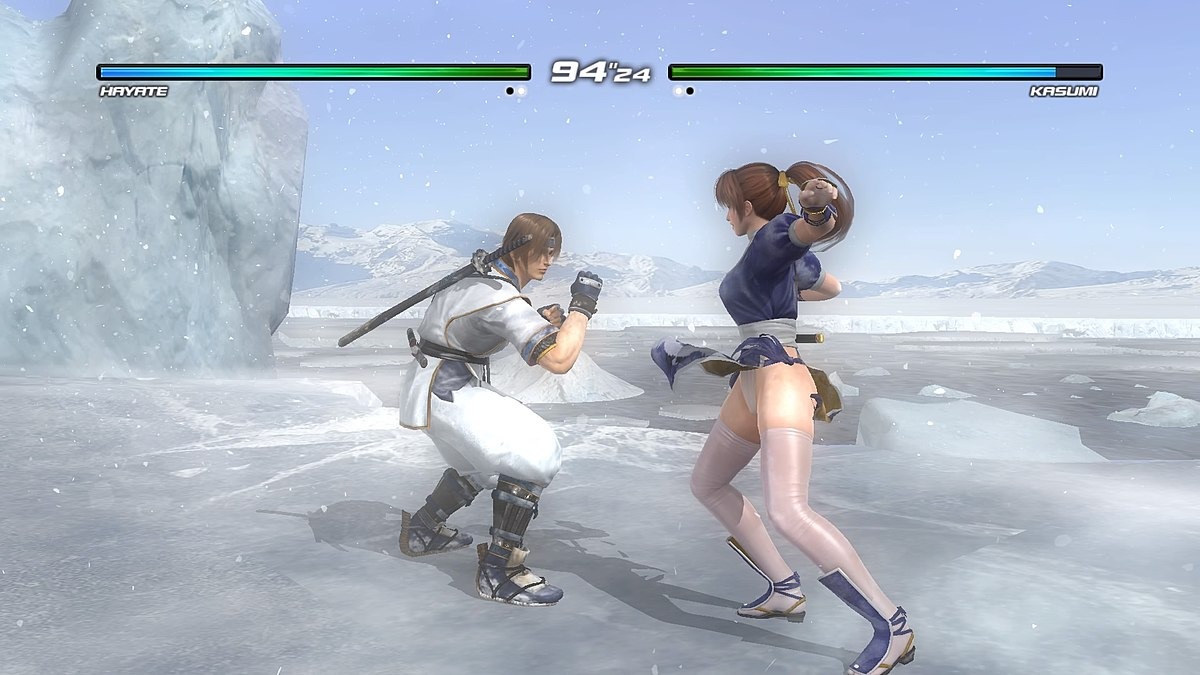
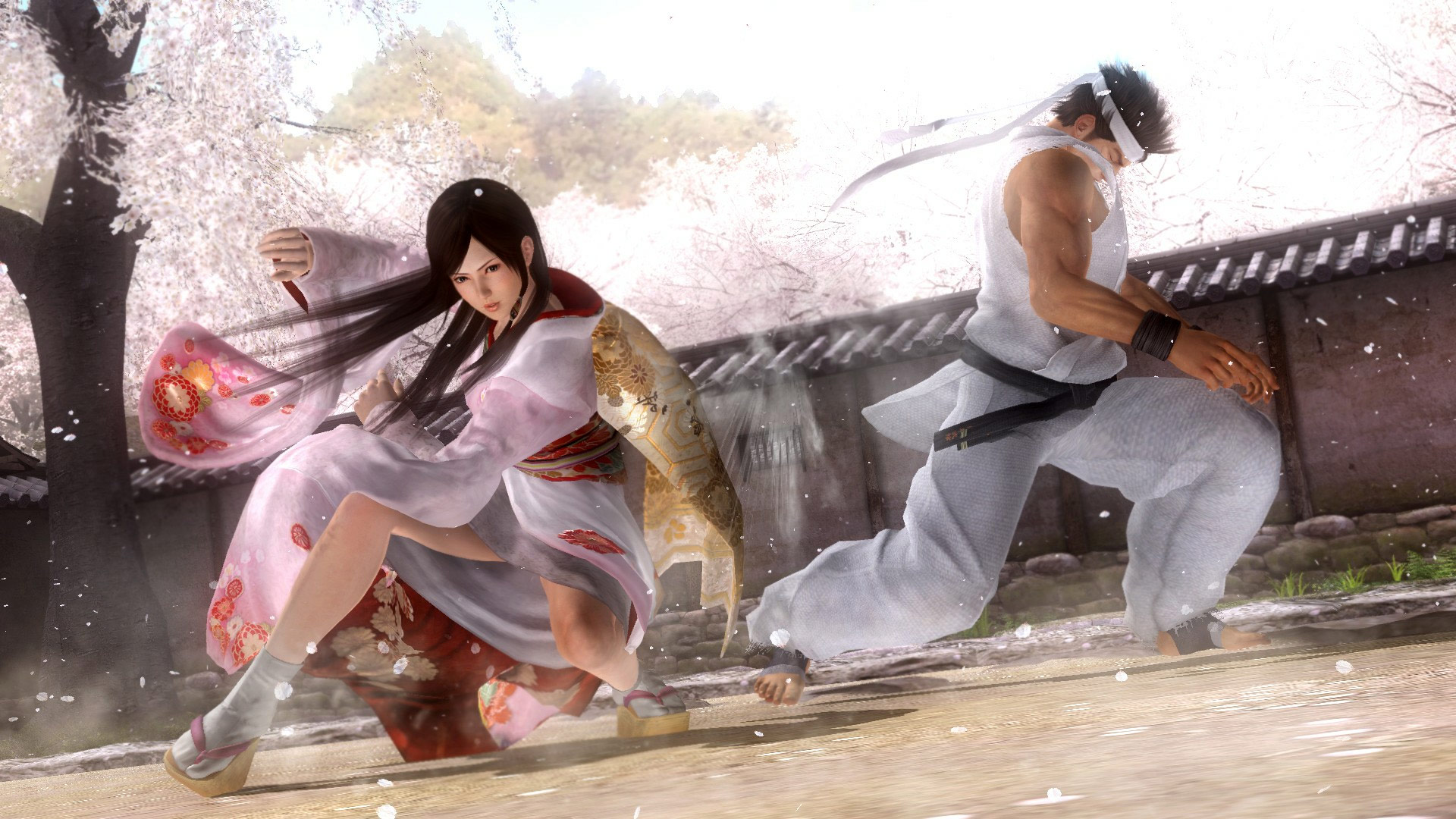
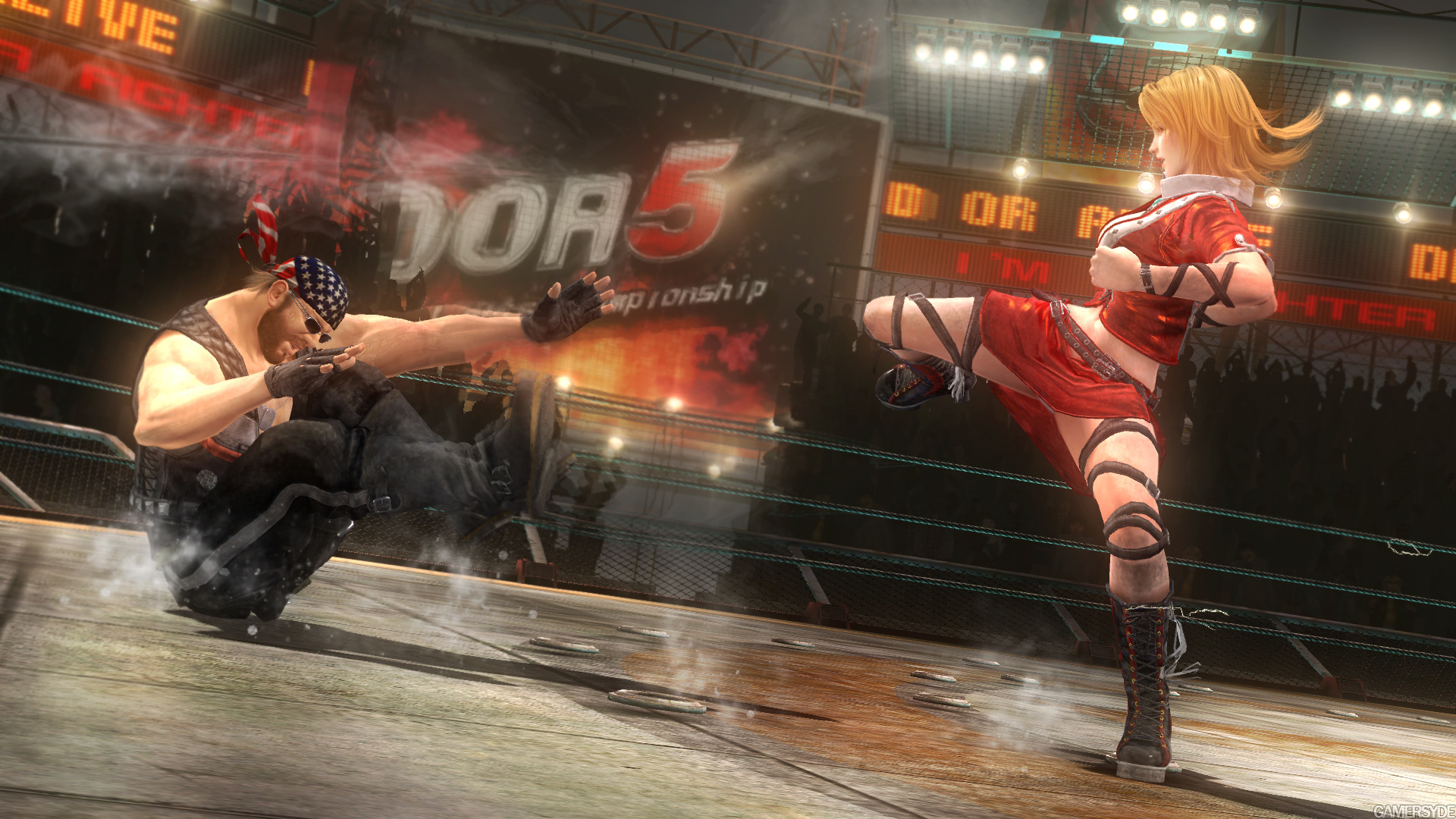
Dead or Alive is one of the longest-running fighting games, dating back to the PS1 era. It is also one of the fighting games that probably adds the least amount of features or changes through each sequel. DoA 5 doesn’t really add much, so fans of DoA 4 will be a little disappointed here. The fighting system is nearly unchanged, and all you will notice from the beginning is a new story and a graphical upgrade. The game looks pretty good, and there’s a long 65-mission story, but is it worth the $60 purchase if you are just happy with DoA Dimensions or DoA 4?
The only new additions to the fighting system are the Cliffhangers and the Critical System. Both are underwhelming and just add to the already complicated fight system. However, it is more enjoyable to button mash than other fight games that rely on things like jump canceling, jump this, cancel that, etc. DoA is based around a triangle fight system that is based on holds and counter-attacks. This means you have to be quick and read your opponent’s moves; most fighting games aren’t like that. This is also a problem because predicting moves is very hard in this game, and having counters and holds for high, low, and mid strikes is just ridiculous and creates a very high learning curve that will turn most new players away.
The critical system allows you to do extra damage when the word pops up on the screen; when it turns red, you can do even more damage, but the timing for this is a serious pain. You spend more time trying to read and predict all this stuff than just button mashing, which is a lot more fun. Some fighting games are more fun when learning the moves and the fighting system (Mortal Kombat, Marvel vs. Capcom), but Dead or Alive isn’t. You have to focus less on the fight and more on the animations and things that pop up on the screen. I spent hours trying to learn all this, but in the end, I just resorted back to button mashing, which I felt more confident in.
Cliffhangers are cinematic events in which you power blow (a super-powerful charged attack) into a certain danger zone and a quick-time event comes up. This was fun, but it is hard to figure out the special Danger Zone in most stages and leads right back to that issue where you are distracted from the actual fight. DoA 5 just adds too many distractions, but for people who don’t mind (probably hardcore fans), then you may like these new ideas. Despite all of this, the fighting system is very fun and fluid and is all martial arts, with no fancy fireballs or magic attacks.
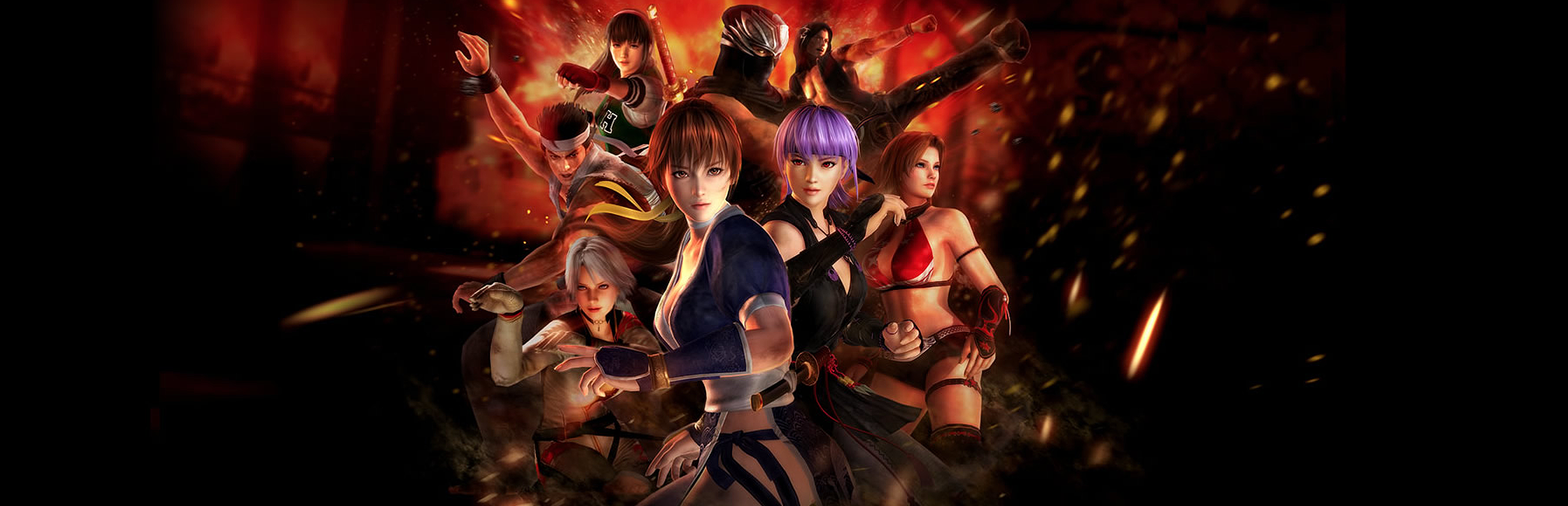
The story mode is back and is pretty well developed, but it is confusing for newcomers. You had to have played past story modes because they pick up after each other. Kasumi is just trying to stop Alpha 152 again, and the Mugen Tenshin clan (Ayane, Ryu Hayabusa, and Hayate) are after her. In the meantime, Zack is trying to recruit people for Dead or Alive 5, and most people will find the story mostly uninteresting. It is better than most fighting game stories, though. The graphics look great and pretty much push the consoles to their limits. There is a new dirt and sweat feature added to characters, but you can only guess why. Dead or Alive is 70% female fighters with large breasts that jiggle with every move in very little clothing. This isn’t a bad thing because most of the characters are well known and very well developed, with unique personalities. One of the features in every Dead or Alive release, for me, are the new costumes I can unlock in the game because they are so well done and make the women look even more beautiful.
The story mode also has bonus missions, but after halfway through, they start becoming impossibly difficult. Dead or Alive isn’t really a combo type of game, but pulling off 7 and 10-hit combos can be a serious chore. Online modes are fun as always, but most players will get discouraged by the good long-time fighters. This just proves that you must master the triangle system because once you get locked into a combo, you’re stuck. Health bars deplete quickly in this game, so fights can last only a minute or two.
Overall, DoA 5 doesn’t bring much to the table to call this a true sequel—graphical upgrades, a new story, and just a couple of new additions to the fighting system—but they hamper it down. There are also no new characters, just a few cameos from Virtua Fighter. Plus, the stages are actually pretty boring. Construction site, a street, and a Japanese house. Yawn. DoA 5 is solid and fun, but wait for a price drop.
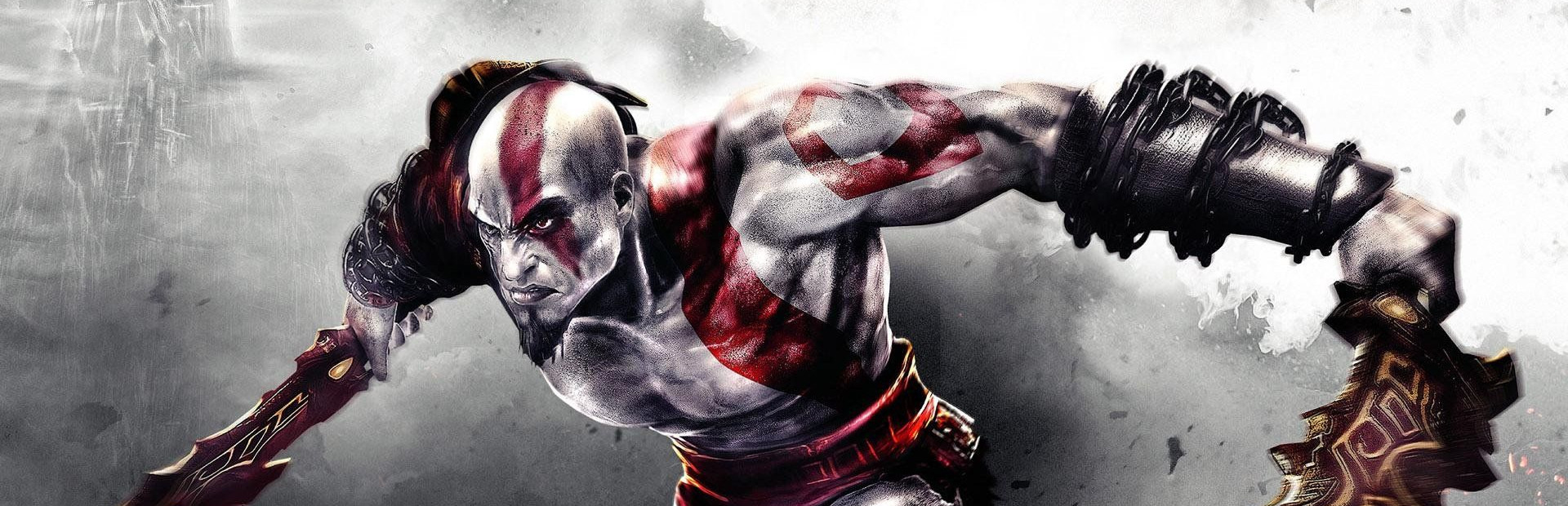
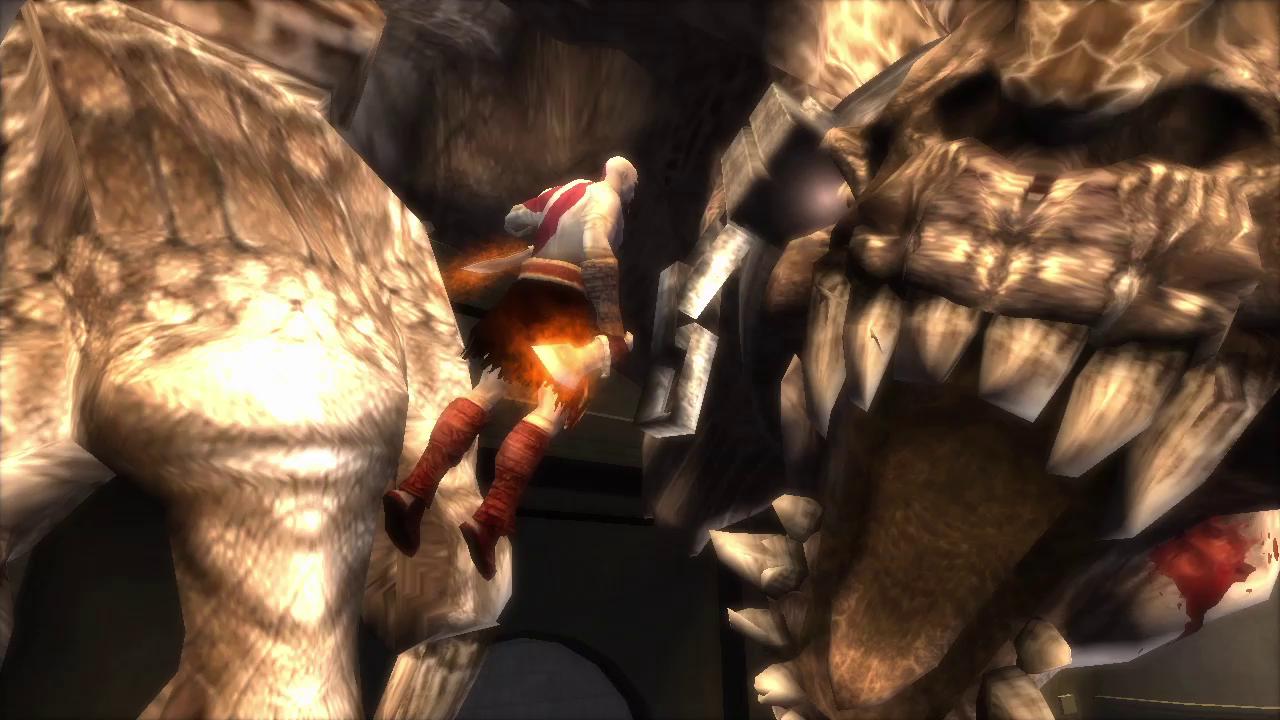
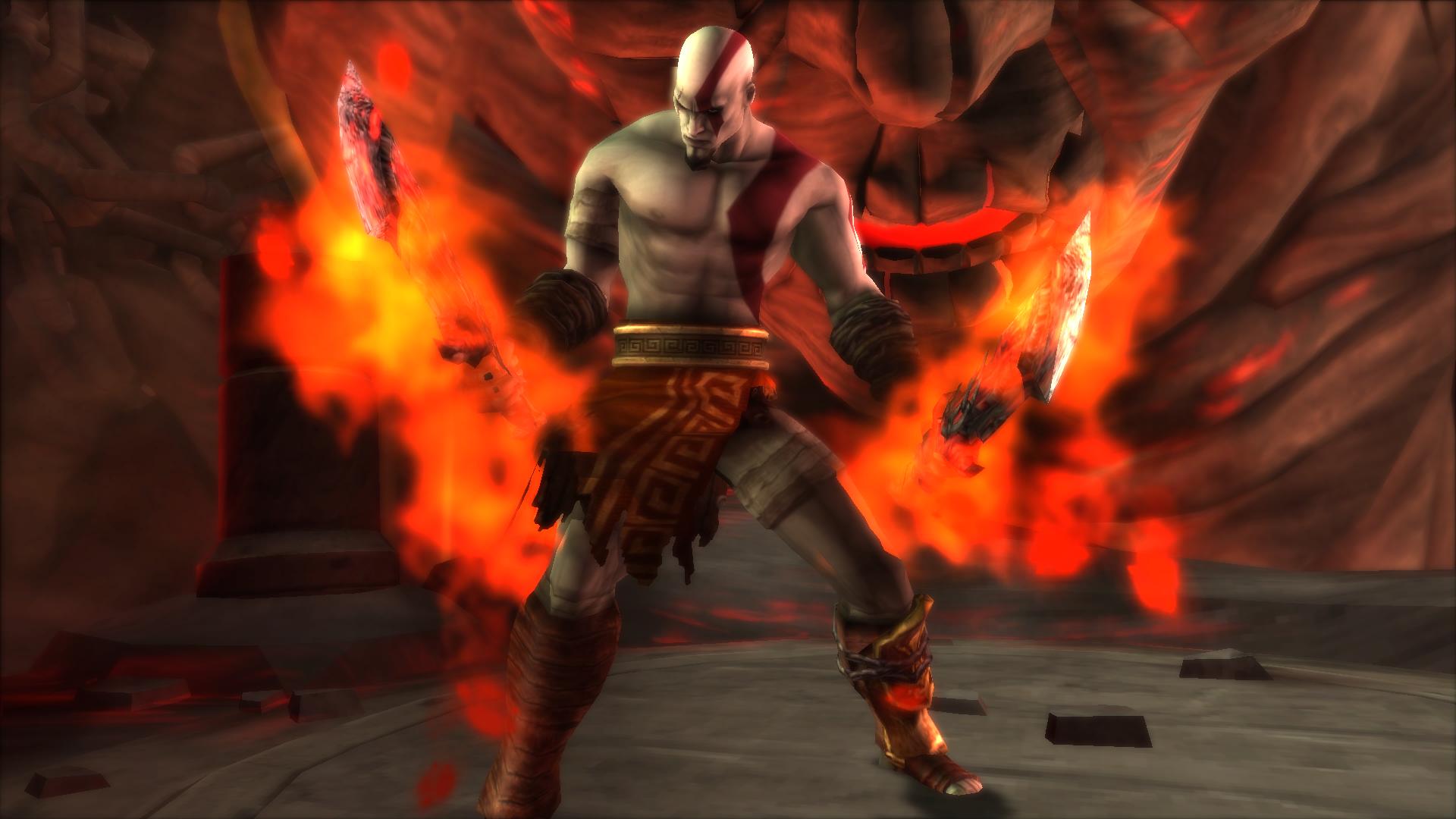
God of War is one of the best action-adventure games ever made. It pioneered everything we see in the genre today, and there are dozens of copycats. God of War helped pave the way for cinematic gameplay and pretty much made quick-time events an everyday thing in games. God of War also has one of the best combat systems ever created, as well as memorable mythology and one of the most recognized characters to date. Origins Collection puts two of the PSP’s best titles on one Blu-ray disc. These are remastered in 1080p HD and look great. While each has its own issues, this is well worth a purchase for any God of War fan.
This was the first-ever portable God of War game, and it blew everyone’s expectations out of the water. Not only for the game itself but also for the PSP. No one knew the system could pull off this great technical feat. You can read my review on Olympus for the PSP itself and a more in-depth look, but after playing it again on the PS3, I noticed that, compared to Ghost of Sparta, it doesn’t stack up. Even after playing God of War III, I notice a lot of things that annoy me in Olympus.
Firstly, the game lacks the huge epic set pieces of the console games, as well as a lack of bosses. Sure, there are a few memorable moments in Olympus, but there are only three boss fights, and they aren’t that amazing. The first boss feels pretty boring compared to other first bosses in the series, and the locales are pretty generic for a God of War game. Olympus stuck to the basics of God of War and kind of played it safe. There are some interesting magic items, like being able to reflect projectiles and Efreet. The combat system is almost exactly like the first game, which isn’t a bad thing, but longtime fans will be disappointed about this.
Secondly, the game is super short. You can beat it in about 4 hours, which is two long sit-downs. The story isn’t as detailed or in-depth as other games in the series. Kratos is just trying to find his daughter Calliope while still seeking revenge on the gods. Overall, Chains of Olympus is a warm-up for the more epic Ghost of Sparta.
This is more like it. More bosses, more memorable moments, and completely different locales. There’s even a whole new gameplay element here, which is Thera’s Bane. Like in God of War III, you have a red meter that sets your blades on fire for extra damage and makes you invincible to some attacks. Right from the start, the game feels like a better, heavier God of War game than Olympus. Olympus started off kind of weak, but Sparta throws you right into the water (literally) with a pretty epic boss fight against a Scylla. The game has more puzzles, and the boss fights are pretty epic. The final boss against the God of Death, Thanatos, is pretty epic because you fight with a certain someone.
The story is even more memorable because you are searching for your brother Deimos while still seeking revenge on the gods. There are some memorable moments here that top even some of the console games in the series, like giving King Midas a beatdown. The new magic items, however, aren’t as interesting as I had hoped this time around. Boreas’ Wind freezes enemies, but I rarely use it. The Eye of Atlantis felt kind of weak and didn’t do as much damage as hoped, even when fully leveled up.
Overall, Ghost of Sparta is much better, with memorable moments involving more enemies, longer gameplay (about 6 hours), and more bosses. The fight system is tweaked to feel different from Olympus. The game even looks better because Sony finally unlocked the full 333 MHz of the PSP processor, so Ready at Dawn was able to push the system to its full limits. Ghost of Sparta is a memorable God of War game and will probably become a fan favorite.
Overall, the entire collection is excellent and well put together. I was disappointed in not seeing any extra features exclusive to this collection, but each game has a Challenge of the Gods that will keep fans busy for a while. With full trophy support for each game, you are bound to have a couple dozen hours of fun here.
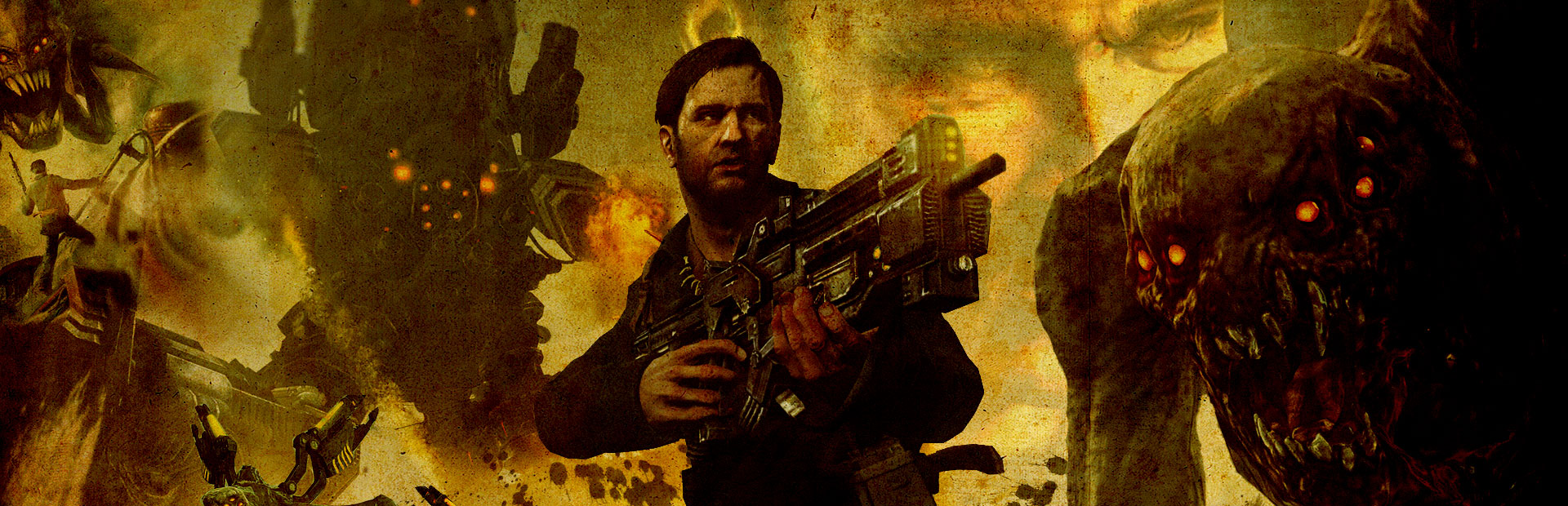
I still remember when Resistance: Fall of Man (known as I-8 back then) was shown at E3 2005 and was amazed at how good it looked. When I picked it up about 4 years later, it looked like crap, was ridiculously hard, and had ho-hum multiplayer. I never finished it and skipped the second game. The third game has a new protagonist, Joe Capelli, and has a more organic fluid campaign reminiscent of Half-Life 2 than Resistance. You go from the east coast to New York to destroy the tower that the Chimera have built to freeze the Earth over. This is the last shot to save humanity, but in the meantime, you get to meet some new and old (Chimera) faces.
The game is still too familiar to me and will be for Resistance vets. No matter how many times you re-create Chimera they are still the same and it’s pretty old by now. The same tactics work, most of the same guns are still here (Bullseye, Rossmore Shotgun, Auger, Deadeye, etc.) plus a few new ones. The Cryo gun is fun, but most of the weapons are the same, and the same problems are still present in the game. There isn’t enough ammo that you can hold for each gun so you have to constantly swap weapons even if the situation doesn’t call for it. There is no regenerating shield (there’s a reason why Bungie invented it for Halo), and health packs are scarce even on normal difficulty. The game is extremely tough because it feels built for co-op because dozens of Chimera will come after you and you will die with just a few hits. This means taking 20 steps forward only to find a horde and get pushed back 50 steps. Thankfully, you can level up your weapons just by using them, and useful things happen, like your shotgun spits out incendiary shells, your Deadeye will highlight heads, and your revolver will cause more damage.
Despite the ridiculously difficult campaign, there are some great cinematic moments, but they are far and few between. The first third of the game is nicely paced, with varied environments ranging from a forest to a train ride to the snowy streets of New York, but after you get near the tower, it’s the same Chimera bases and architecture that we’ve seen three times already (if you count the PSP’s Resistance:Retribution, which was equally as difficult). The game gets even more difficult, and the story becomes less interesting. The characters are pretty shallow, and there’s not too much delivery in the story despite a few odd twists, plus a disappointing ending that makes you feel like the developers gave you the middle finger for sticking with the series for 6 years.
There’s multiplayer here if you really need to keep playing, but one playthrough was enough for me. Resistance 3 has some amazing visuals, despite some ugly textures here and there, and will satisfy fans with a difficult and challenging campaign. FPS players used to Call of Duty and Halo will probably hate this game (and the series), so only hardcore FPS fans should take the path of Resistance.
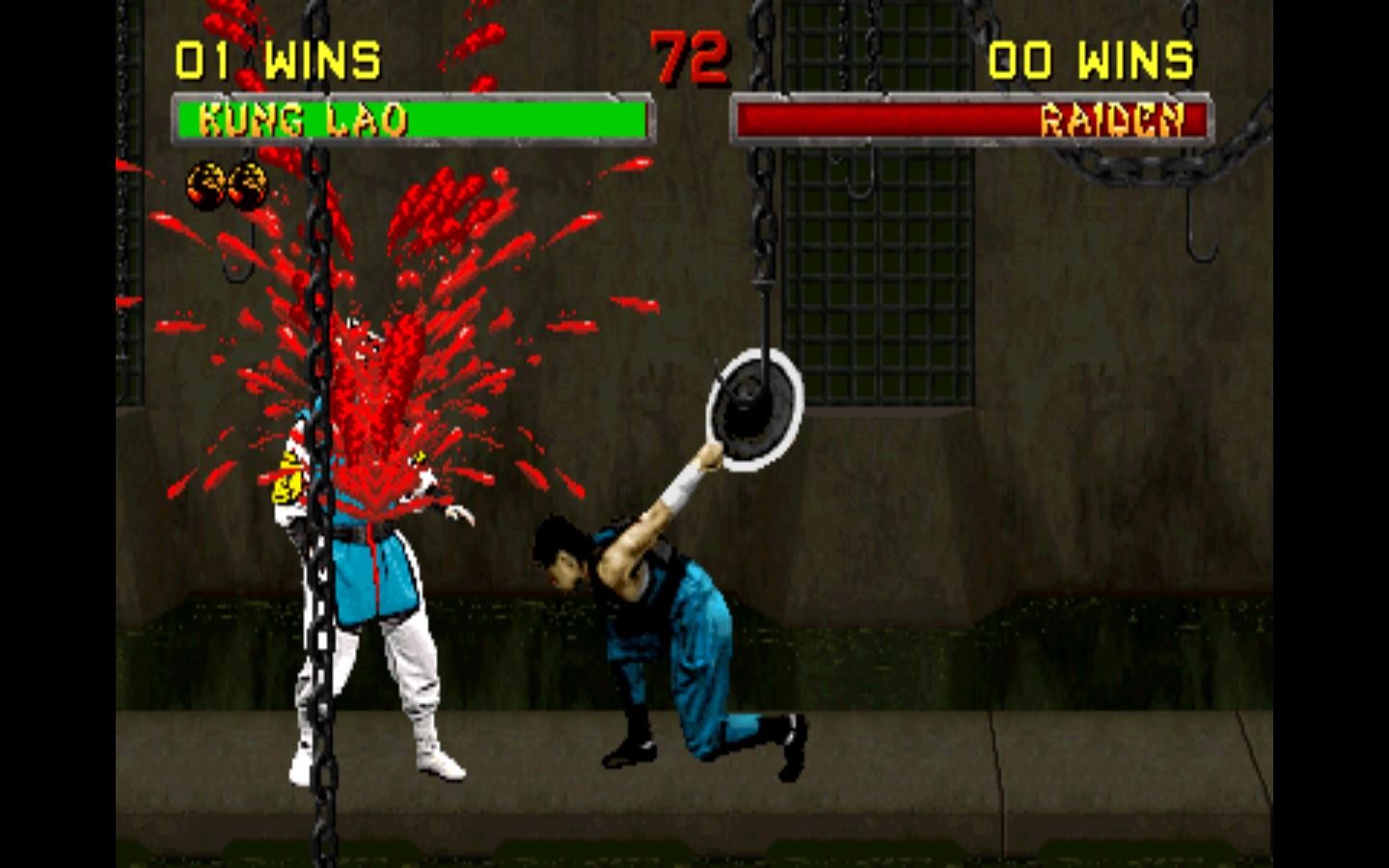
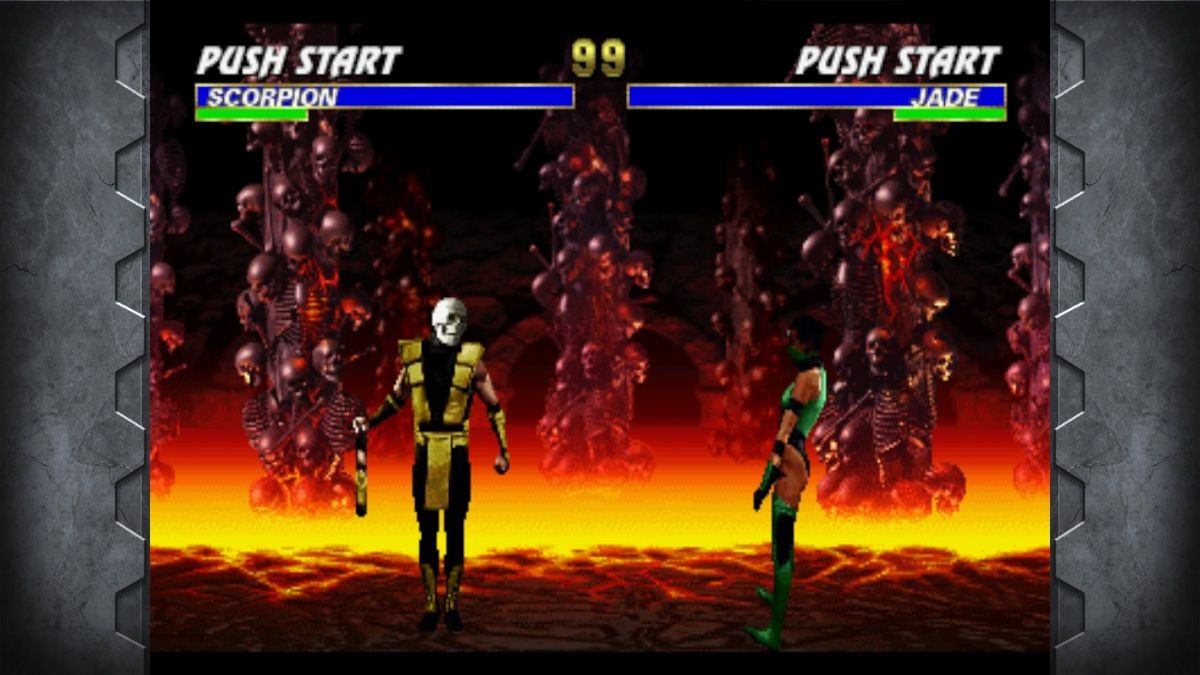
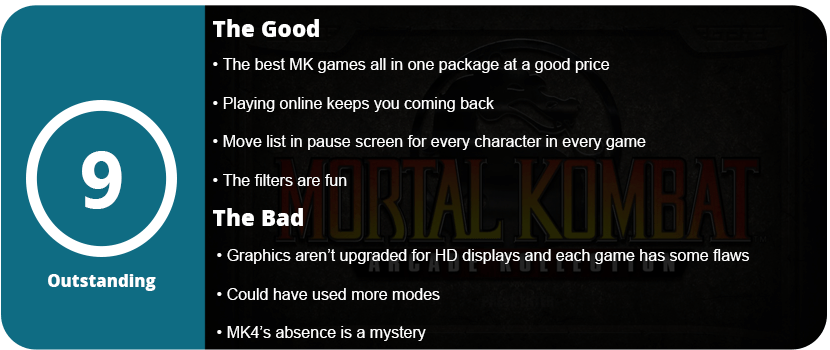
The first three MK games saw dozens of ports over the years, and not all were very good. The latest port of the three is all packed into one tight collection, and they are perfect arcade ports. I won’t go into each game in detail, but it’s great to see the progression over the three, and they all have their strengths and weaknesses. People who are used to the new fighters with tons of combos won’t like the first two as much because combos weren’t implemented until MK3. The first two are just spamming special moves and getting someone stuck in high-punch spam. The good old sweep and uppercut move worked, and the feeling of nostalgia came back.
While each game has great “alities” and characters, each game suffers from some visual quality because these are arcade ports. You can turn on various filters, but overall, don’t expect the games to look amazing. MK1, for example, is very pixelated, but what can you expect? Each game has online play, and that is what will keep you coming back. The CPU is cheap when fighting solo, and I always hated MK’s AI system, with MK2 being the worst. I also loved how all the “-alities” and special moves are on the pause screen, which prevents you from having to have an FAQ near you.
Arcade Kollection could have used more features, such as being able to play Test-Your-Might mini-games separately from MK1, throwing in the great Puzzle Kombat, and maybe even adding some more online modes. Including the Mortal Kombat Trilogy would have been nice, despite it never being in arcades. I’m also not sure why MK4 wasn’t included because it was the last arcade MK game. What is here is excellent, but only hardcore MK fans will really appreciate this collection.








































 thebinarymessiah.com
Try multiplayer. A lot of fun !