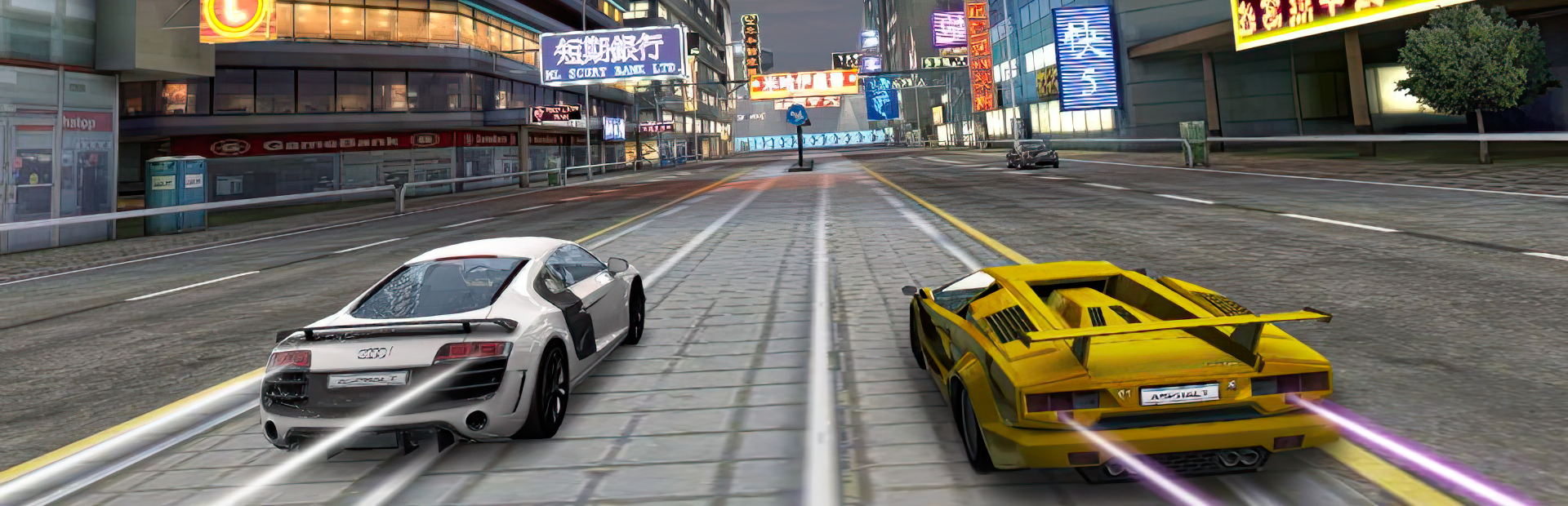
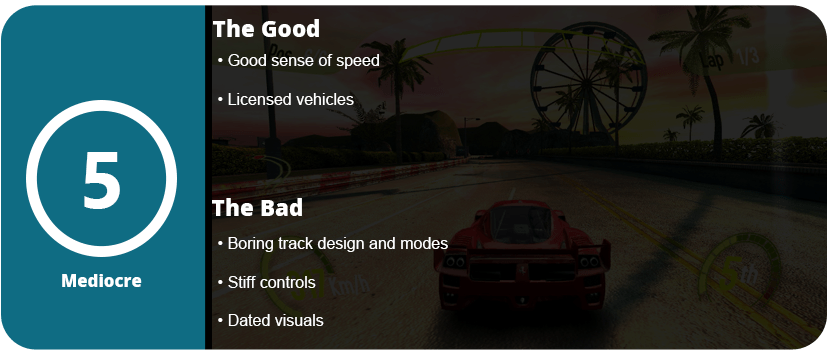
Gameloft and I don’t really get along. They used to release good Java mobile games back in the day, but after smartphones took off, they released nothing but free-to-play or pay-to-win garbage. Sadly, this leaked over to handhelds a few times, and the Vita was no exception. Injection is a dumbed-down port of Asphalt 6: Adrenaline for mobile phones. A mobile game directly ported to a handheld isn’t the best of ideas, and this game proves why.
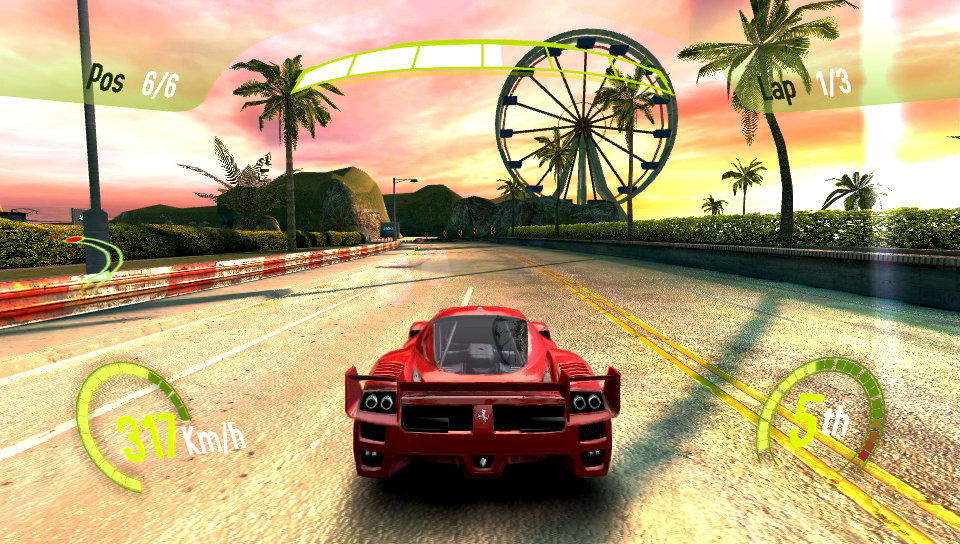
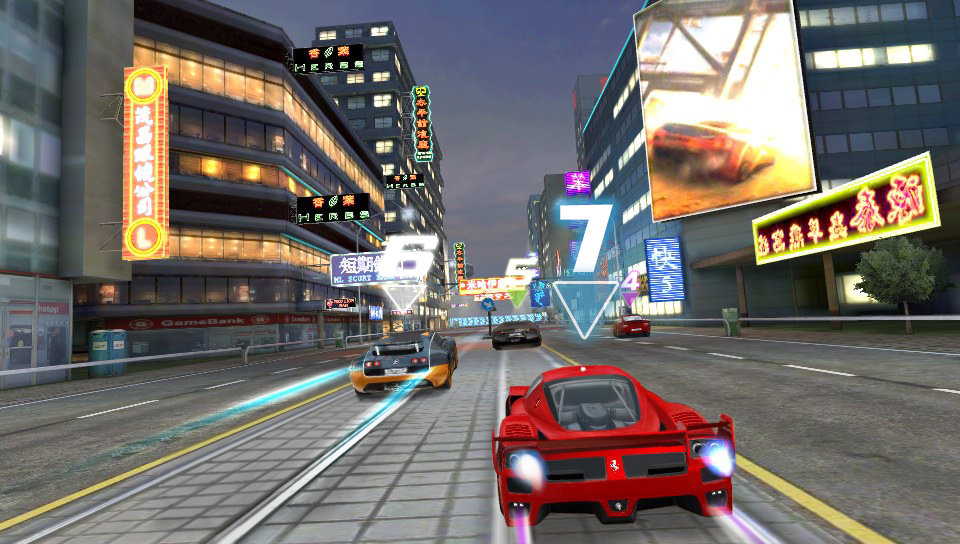
With all of the pay-to-win aspects taken out of Asphalt, this is a rare opportunity to see how the game would play if all microtransactions and other cancer-riddled stuff were stripped out. On the surface, it’s a reasonably accessible and playable racing game with licensed cars, more like a low-budget PS2 title. The tracks are boring but work, with boost icons and jumps. The purpose of the game is to boost your way through the track as much as you can and take shortcuts. Once you fill your boost meter, you can go into adrenaline mode, which allows you to easily knock cars off the road in Burnout style and zoom ahead. I found the cars to all pretty much handle the same; drifting is awful, and the whole game feels stiff and poorly made.
That’s not to say there’s zero fun in the game; it does work and is a nice mindless racer for fans of the series or anyone wanting a bargain bin racer on the Vita. Gameloft is not a genius when it comes to handhelds, as they don’t work like mobile phones. Outside of career mode, you can race with other people (no one was even playing during launch, don’t worry), and there are typical event types to participate in, such as elimination, time trials, and various others that have been done to death.
Injection is ugly, stiff, boring, and a slightly upgraded port of a mobile game that was already over a year old before the Vita was released. If you have exhausted all your other racing options on Vita, then go for this dead last.
I love Super Monkey Ball. I remember playing this back on the PS2 and having a blast being OCD about collecting every banana in every stage. The GameBoy Advance version was probably my favorite of them all, but when I found out there was one for Vita, I was quite intrigued.
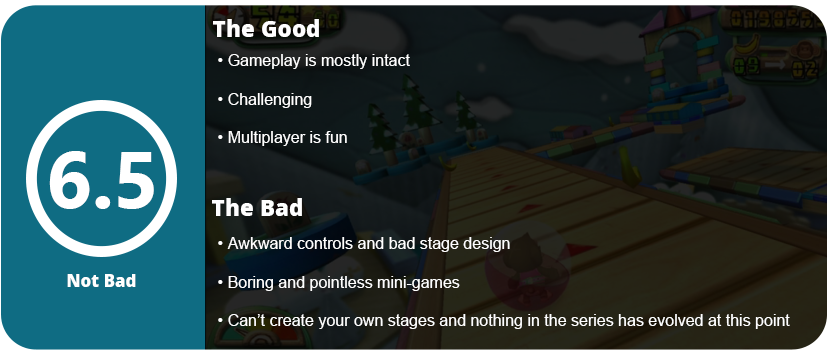
Sadly, the fun didn’t last long. For starters, the game hasn’t evolved one bit, with the same tiled, textured levels and blurry backgrounds. While the game looks decent on Vita, it looks quite boring and bland. Outside of that, the controls feel somewhat off, and the gyroscope and thumbstick controls just don’t feel right. Even though the D-Pad controls on Super Monkey Ball Jr. worked well on a 16-bit handheld system, what happened? When using the thumbstick, the levels move around so fast and are so jumpy that it was nauseating just to get through a level. On top of that, the levels may seem challenging, but they just aren’t that well designed. It almost feels as if they were randomly generated and slapped into the game. You get 60 seconds to complete each level and get higher scores by collecting all the bananas, or you can be brave and find a shortcut on some levels and jump down to the goal.
On top of all this, the mini-games are bland and boring and make no sense, and then the course editor doesn’t actually let you save courses and create your own from scratch, so it feels pointless. Multiplayer is fun as always, but playing by yourself should always be enjoyable. I’m not sure if I’m just burned out on SMB’s overall design, which has stayed the same for nearly 2 decades, or if this is just a not-so-great version.
Banana Splitz could have been a definitive version of the series, culminating nearly two decades of SMB into one fantastic game or rebooting the series into something different. The game is somewhat enjoyable, but it always feels like something is missing or wrong with the game. The series is really stale at this point, and unless something drastically changes, I won’t be rolling around Sega’s classic series again.
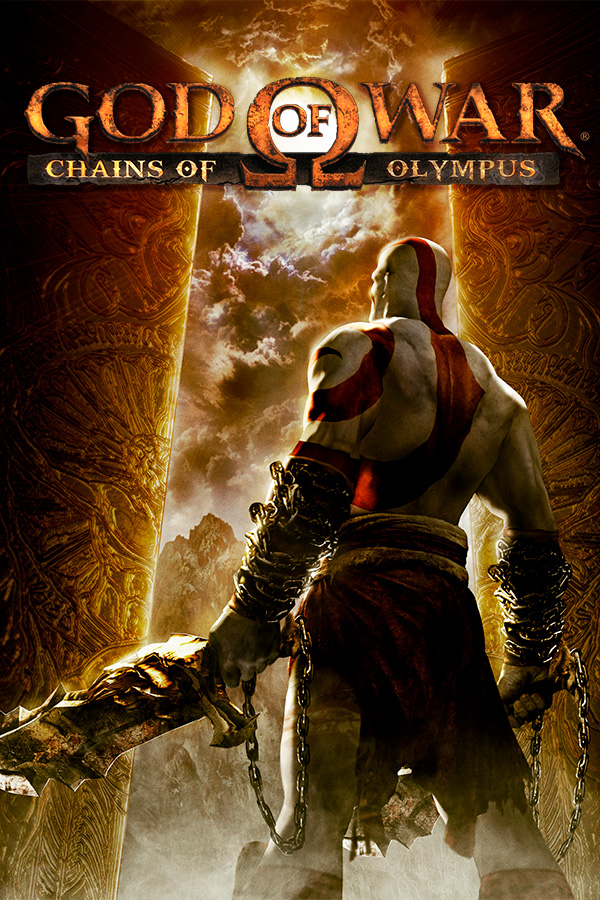
Chains of Olympus was probably the single biggest PSP release during the entire console’s life cycle. It was one of the first games everyone wanted for the system, and Ready at Dawn delivered a God of War experience just like the console version, with no cut corners.
The game takes place between the first two games, with Kratos continuing his journey to rid every god of Olympus and his quest to kill Zeus. He finds himself discovering more nightmares of his past, his daughter, and various new gods not seen in previous games. The story is just fine and feels just like a God of War game, but it’s very short and can be finished in less than 4 hours.
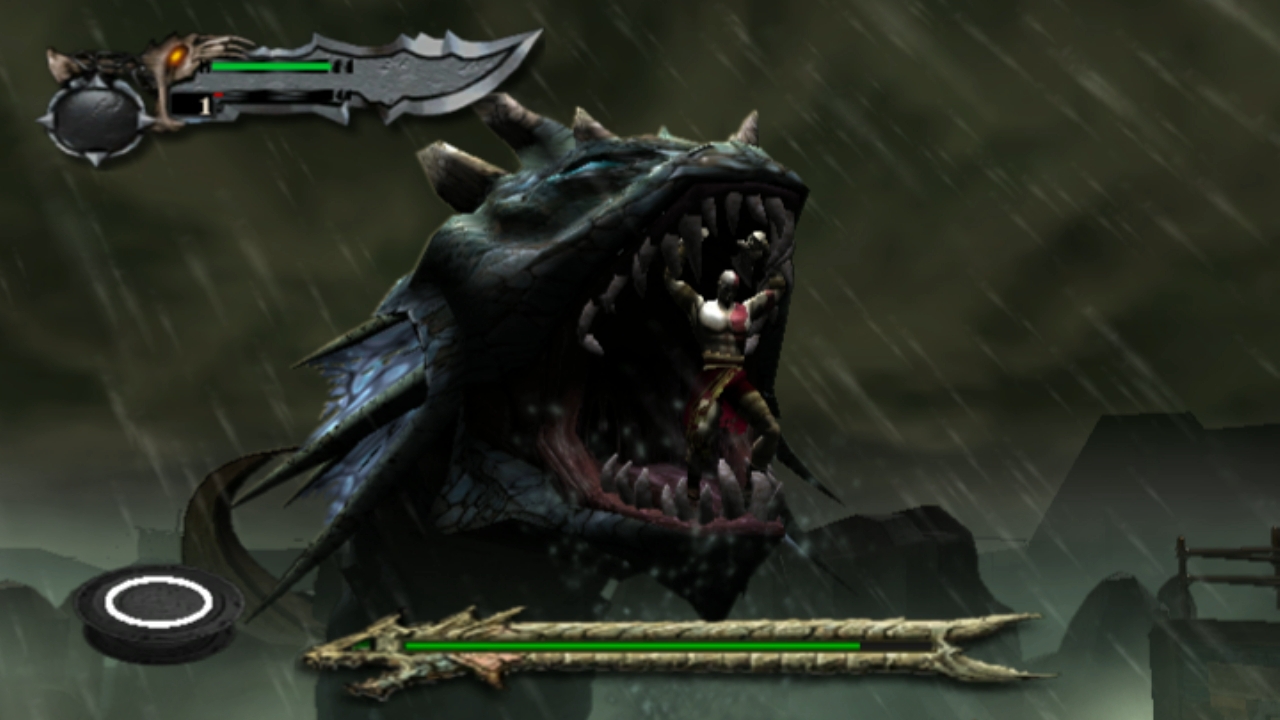
I remember starting up this game for the first time and seeing half of Kratos’ face in the main menu, just like in previous games, and pressing that new game button. The game starts with you at the Battle of Attica, fighting off a giant basilisk sent to destroy the city by the Persians. I knew the game would have an epic first boss fight and a giant city to fight in, as the previous games did as well. You also have to remember that this was released two years after God of War II, so there wasn’t much else to go off of at the time. Thankfully, this game carved its own path in the God of War series, and later games actually borrowed things from this game.
Surprisingly, the controls work out just fine with the handheld version. Pressing the shoulder buttons and moving the analog nub allow you to dodge. The combat and animations are gorgeous, and the game runs at 30FPS most of the time. Very rarely did it ever drop below that, and sometimes it even went up to 60 FPS in smaller areas. Everything about this game is so familiar yet somehow slightly evolved from GoWII. The moves are more fluid, and upgrades are a bit different as well. New magic items and a brand new weapon are introduced as well.
The Gauntlet of Zeus is a giant fist that brings slower, more powerful hits; sadly, due to its short length, only one extra weapon was introduced. Efreet is the new AOE magic attack that uses fire damage; Light of Dawn is a long-range magic attack; and Charon’s Wrath stuns enemies. Kratos also gets a shield in the game, allowing new counter-attacks and throwing back projectiles at enemies. The whole combat system as a whole feels new and enhanced enough to make this feel like a sequel rather than a spin-off.
Just like in previous games, you can upgrade your magic and health with hidden Phoenix Feather and Gorgon Eye chests, as well as using red orbs to upgrade items. Most of the hidden chests are easy to find if you explore all areas and pay attention to breakable walls and side paths. The best part about this game is the new enemies and bosses, which is what makes God of War so epic to begin with.
After beating the Basilisk, you will come across a few other bosses, but they aren’t large epic enemies like previous games; they are smaller and more challenging combat-wise, which is fine for the story that it delivers. I don’t want to spoil the game and tell you all the bosses right here, but the final boss proved quite a challenge and will test your reflexes for sure.
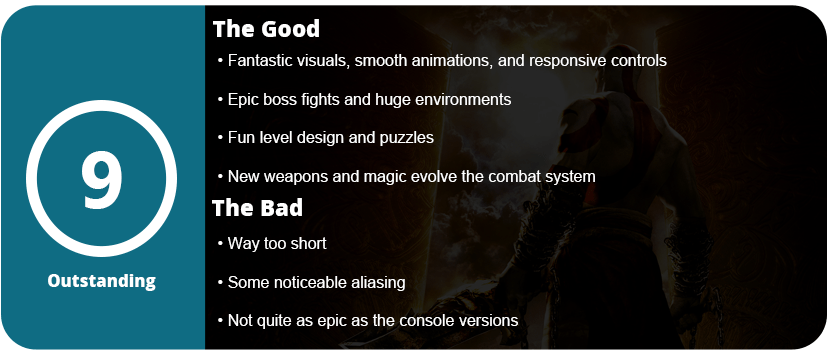
The environments are also amazing, as with any God of War game, with huge set pieces, massive buildings, giant statues, and various background stuff going on. Chains of Olympus was the best-looking handheld game ever released at the time and stunned everyone. It sold more PSP systems, which was good and was the main reason why most people bought a PSP. The lighting effects and textures look great and are a step up from God of War II. There is some noticeable aliasing and audio compression, but overall, the game seems impossibly good on the small system. This was also the first PSP game to use the full 333 MHz of the CPU and required an update before playing.
Overall, Chains of Olympus is a milestone and a pinnacle game in the handheld market and shows just how much of a powerhouse Sony’s handheld was back in the day. Sadly, we never got a new God of War on Vita, but this game is playable on that system as a PSP download.
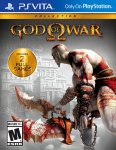
Kratos and God of War are PlayStation icons and symbols of what the system can offer. This game was the biggest hit in 2005, and I went nuts for it like everyone else. It reinvented the action-adventure genre like no one else had with epic boss fights, cinematic combat, and insane-level design. We finally get all of this in portable form on the Vita. While it isn’t the most ideal version, it’s still plenty of fun.
God of War is really starting to show its age and flaws these days; that is really clear. It was a new idea, however well executed, but still had some issues. The game isn’t quite as epic as I remember, thanks to the newer games in the series being insanely huge. There are only two big boss fights in this game, and I could swear there were more. The game is brutal in spots but still rewarding, with many secrets and areas to explore.
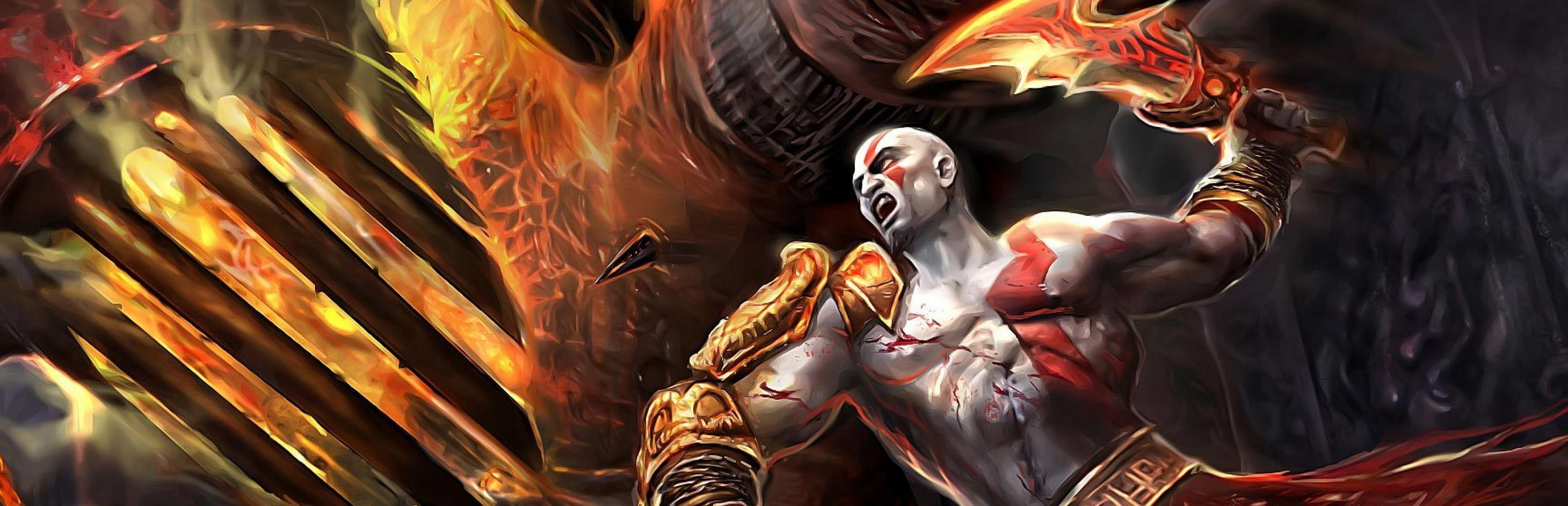
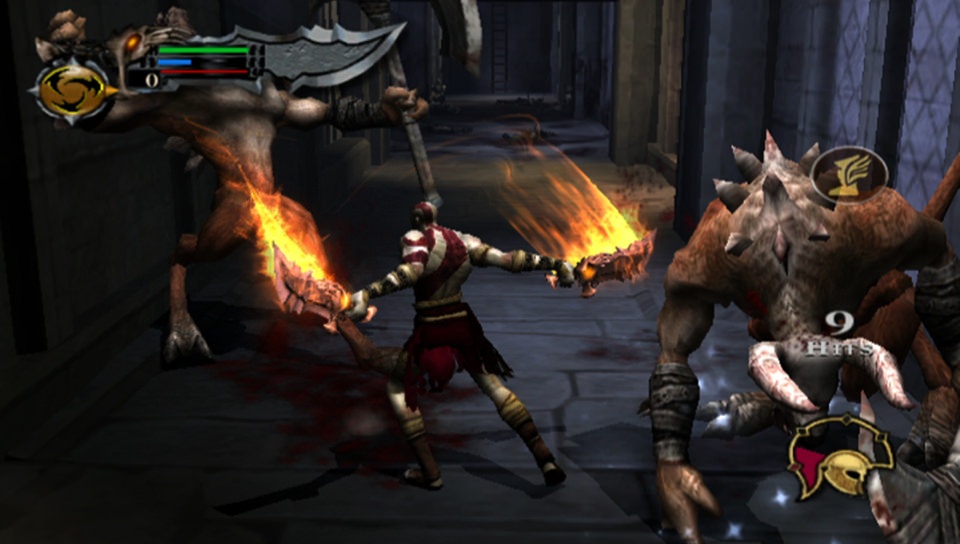
You play as Kratos, a Spartan general who cried out for Ares to save him and defeat his enemies, but this all came at a huge price. I won’t spoil more of the story if you have never played this series, but longtime fans know it already. The game has amazing combat, which is what was praised so much 13 years ago. Using the Blades of Chaos, Kratos can swing and spin them around with amazing animations and kill hordes of enemies. I’m not kidding about hordes; there are some scenes where you must defeat nearly a hundred enemies, which is brutal.
The enemy variety is also great, as there are small, easy enemies to huge, lumbering cyclops that take many hits to kill. God of War is famous for quick-time event kills. After so much damage is taken, the enemies will display the circle button above their heads. This initiates a quick-time button pressing, which will give you health orbs. Each enemy has its own unique animation. Each enemy is also a challenge on their own, as some are dangerous on hordes while others are not so much alone. The level design is fantastic, and the enemy placement is cleverly laid out to offer a challenge every step of the way.
The series is also famous for the magic powers you acquire that are different with every game. You get four, which become very useful for various enemies. Poseidon’s Rage is great for clearing hordes of weaker enemies, as it’s an AOE attack. Zeus’ Fury is the only long-range weapon you get for picking off ranged enemies. Souls of Hades is like a shield, and Medusa’s Gaze is great for larger single enemies to turn them to stone. On top of the Blades of Chaos, you also get Artemis’ Blade, which is a powerful short-range heavy weapon, but once the Blades were fully upgraded, I honestly never really used it.
Outside of combat, there are puzzles that will sometimes slow you down. Most consist of pressing switches in order, climbing puzzles, or jigsaws. Pandora’s Temple is a giant puzzle within itself that takes up a third of the game near the middle. I just can’t stress enough how hard this game can be. Some spots had me restarting dozens of times until I got it right, and this included platforming sections. The first game’s Hell area is notorious for being brutally difficult. Having to balance on long spinning logs covered in blades and then climb spinning spiked towers that stretch on forever is daunting, but rewarding when you do complete it.
Overall, God of War is still a blast to play 13 years later and is as polished as I remember. Outside of hardware limitations at the time, Sony did an amazing job creating what they did. There are some cheap deaths, unbalanced difficulty in spots, and the quick-time events do get repetitive, but it’s minor issues that can’t really bring the game down even today.
The Vita version is the only way to play this game in portable form, and it’s not the most ideal version. The PS3 version runs at a smooth 60FPS, but the Vita cleans up the visuals a little and does have some FPS drops when a lot of enemies are on screen, but it’s not often. I’m sad to see this game doesn’t hit 60FPS, which it does even on PS2 sometimes, which keeps this game from getting a perfect score.
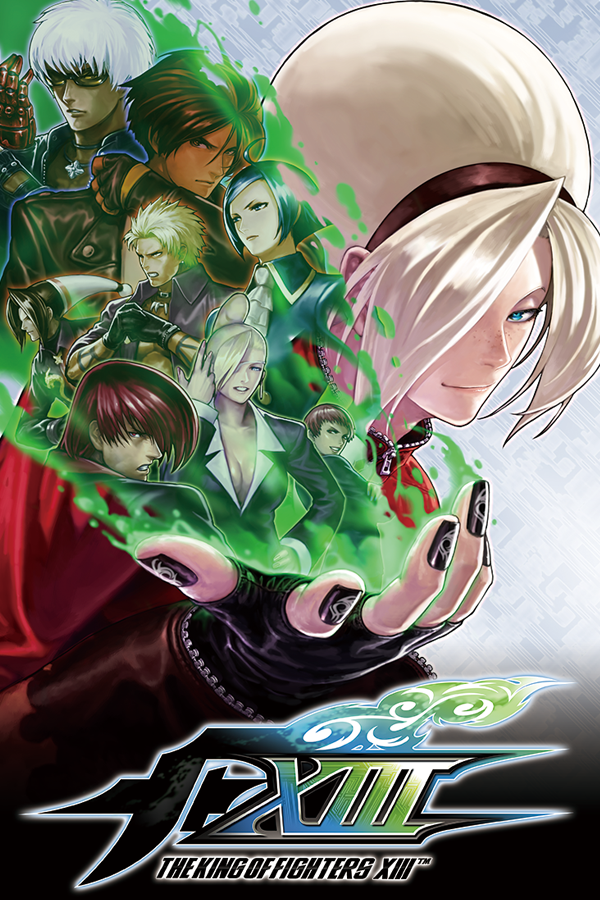
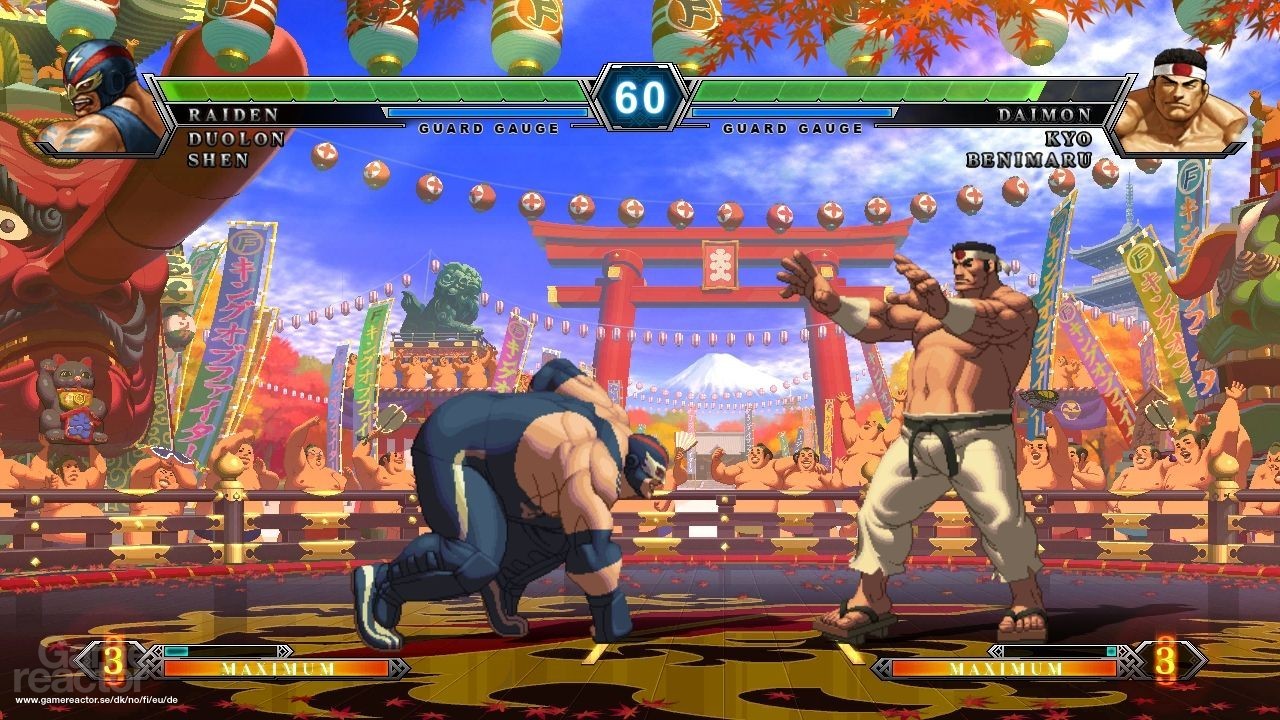
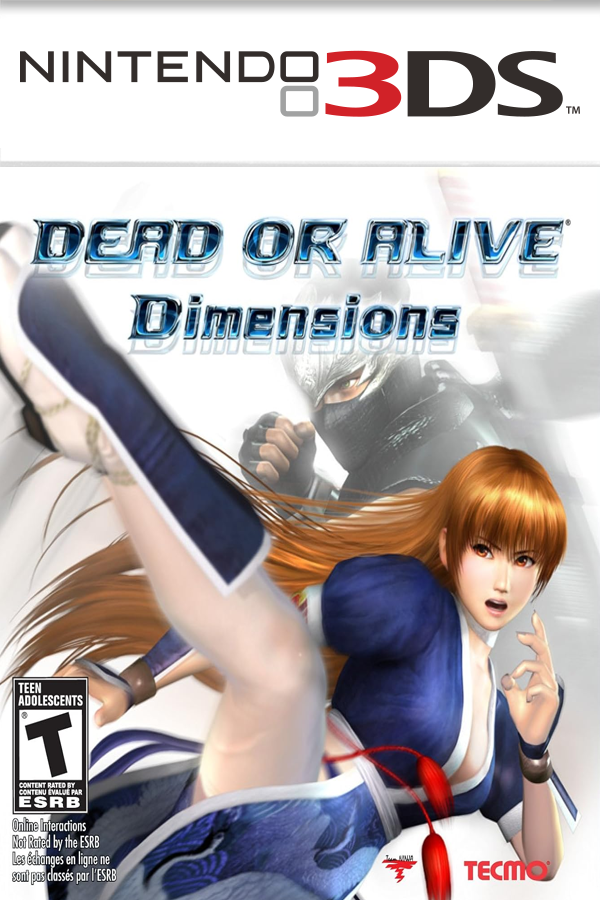
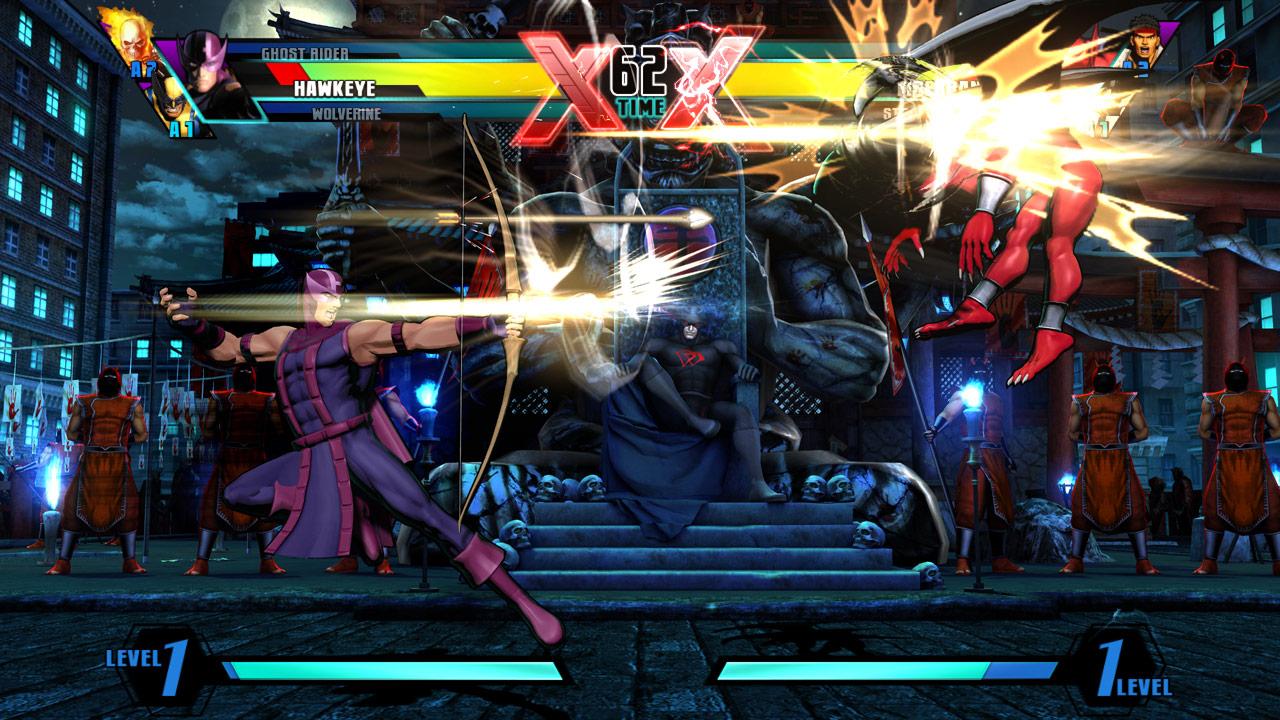
This was a strong year in fighters with lots of great comebacks. What makes the top fighter stand apart is a great cast of characters, smooth and responsive controls, but most of all a great fighting system. Stories tend to take the back seat in fighting games, but online multiplayer is also important.
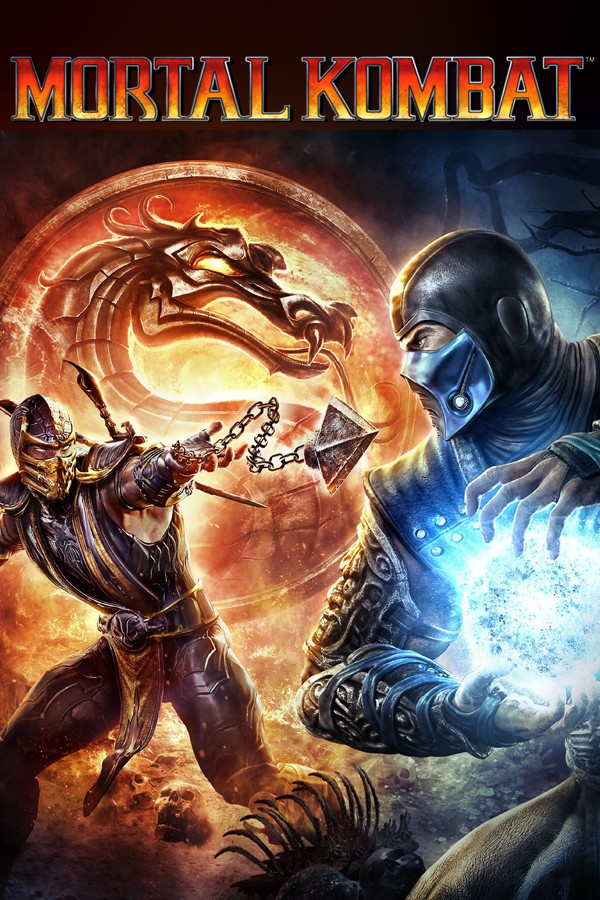
Before you go off saying this won because I’m a die-hard MK fan stop right there. There have been past MK games that didn’t deserve the best fighting game. It wins this year because it is true fan service and brings the series back to its roots. This year saw a lot of remakes, but Mortal Kombat gives us great visuals, all the characters we loved from past games and brings it back its 2D roots which are when the game was strongest. Smooth and responsive controls as well as the great fighting system we grew to love, and a bevy of fun modes are what makes Mortal Kombat come out on top.























 thebinarymessiah.com
Try multiplayer. A lot of fun !