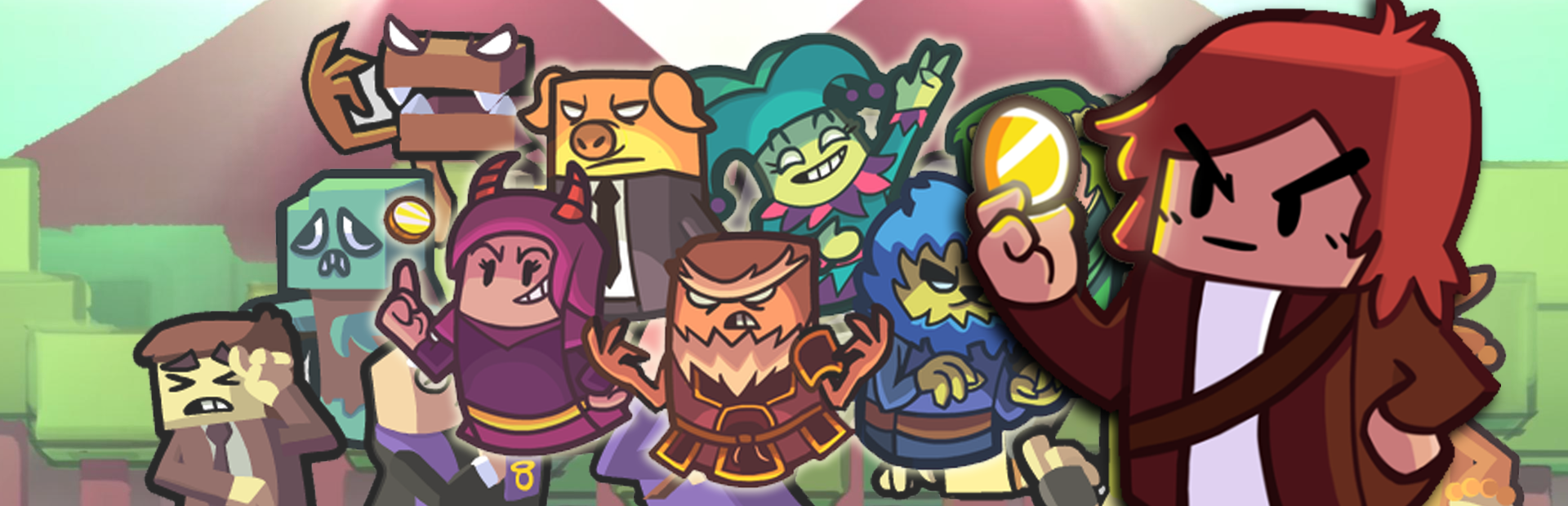
Rogue-likes are becoming very popular these days. They are simple and quick challenges with lots of replay value, almost like back in the day. You usually have a simple RPG system, combat, and a basic level design. Once you die in the game, you start all over again, usually in randomly generated dungeons. Rogue-likes are extremely addictive due to their fast-paced nature, but they also have a niche fan base due to their brutal difficulty. Coin Crypt takes this concept with a simple UI, 8-bit block graphics similar to Minecraft, as well as an interesting currency system.
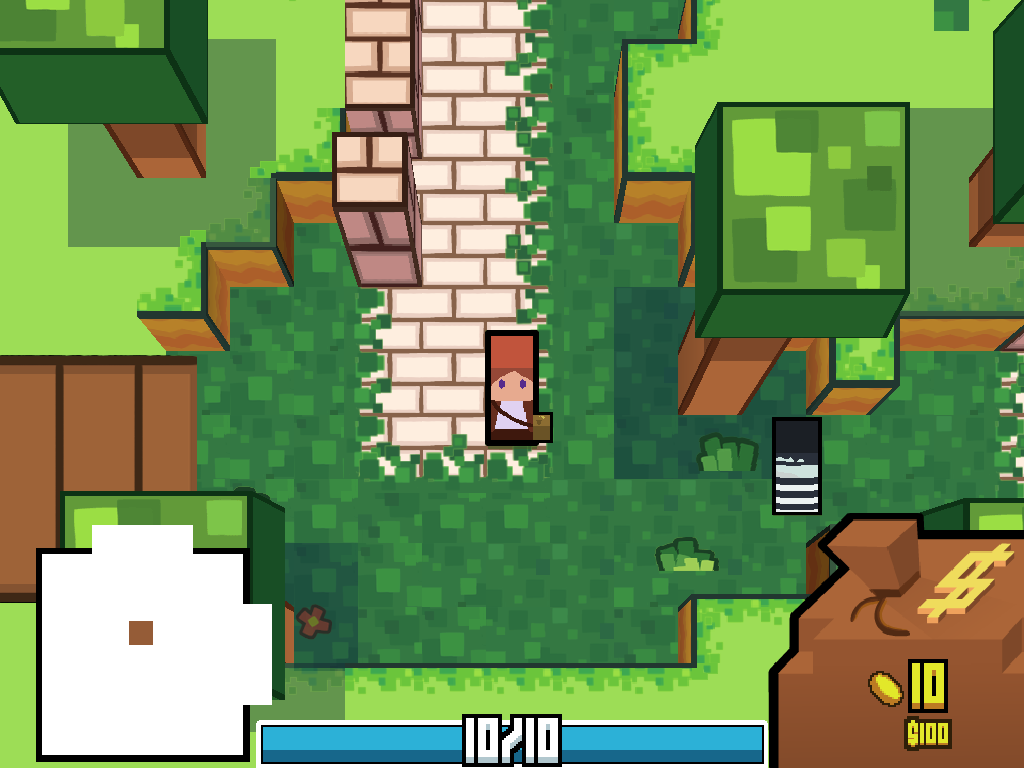
In my first playthrough, I didn’t know what to do; there’s no tutorial—you just go. I ran into a baddie and fought him. Your character is holding out a giant hand, and in it is a coin that represents a combat move: attack, defend, magic, heal, etc. Holding down the button the coin represents while pressing RT to execute is quite satisfying. After I beat my first baddie, I ran around buying coins from coin banks to continue my journey. I then ran into a boss right away and lost due to his higher HP and attack strength.
My second play-through was a little more successful; I wound up filling my bag full of coins and got out of the dungeon with 220 coins richer. These coins can be applied to buying new characters, and then it’s back at it again. While Coin Crypt is fun to burn away an evening of gaming, I found it tiresome and too simple in the end. It didn’t have a unique style to it like Rogue Legacy or even mobile games like Tallowmere and Mage Gauntlet. The Minecraft art style has been done so many times that it’s there now just to attract fans of that game.
Overall, Coin Crypt is a fun rogue-like for people who love quick yet challenging games but don’t expect much more than a neat idea that will burn out in an afternoon.
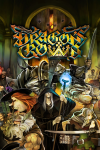
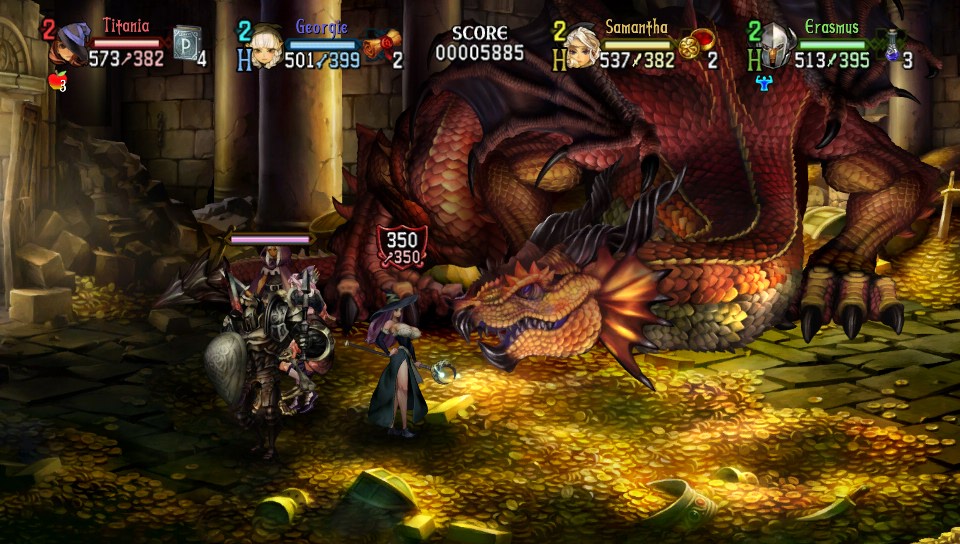
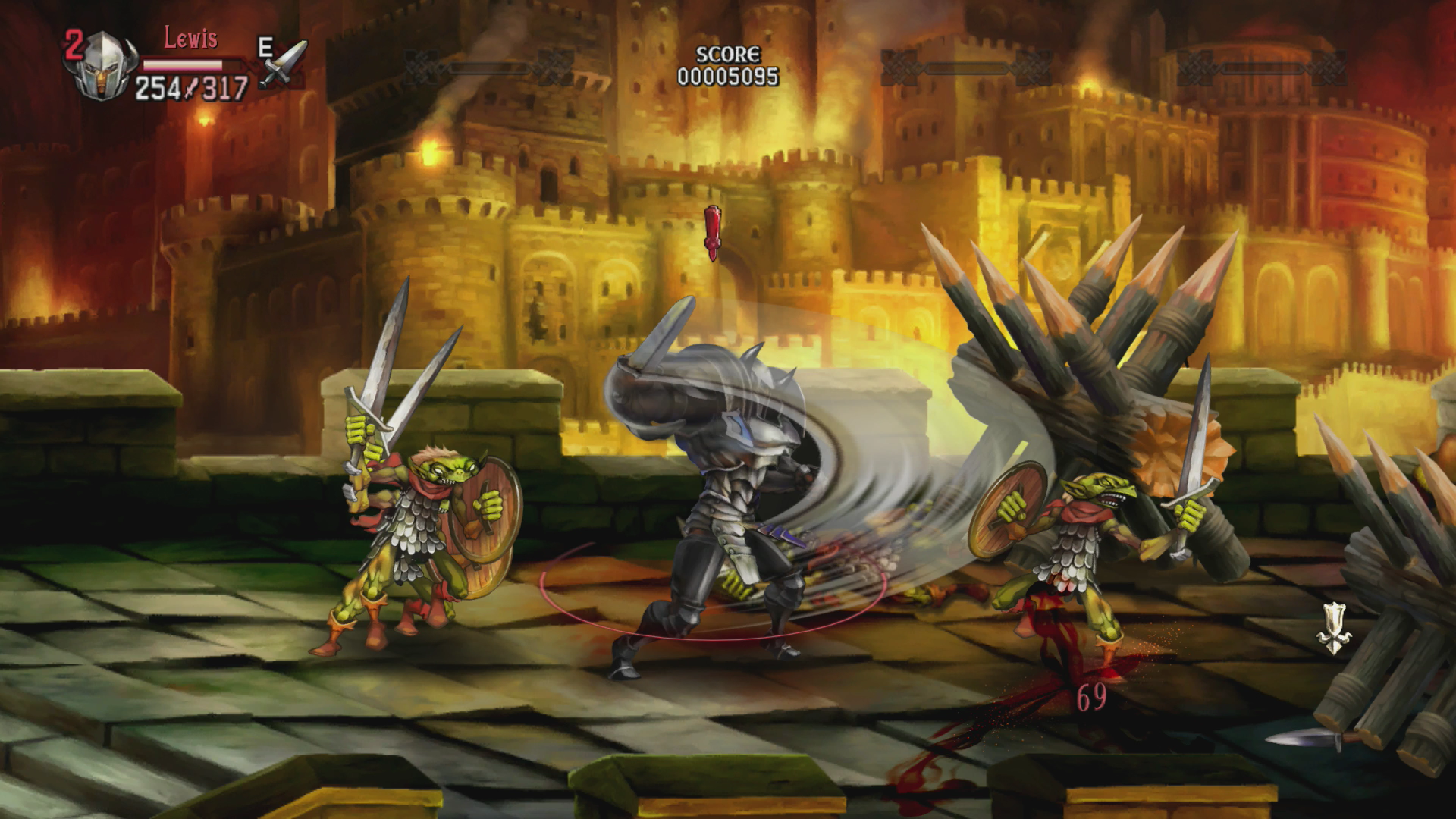
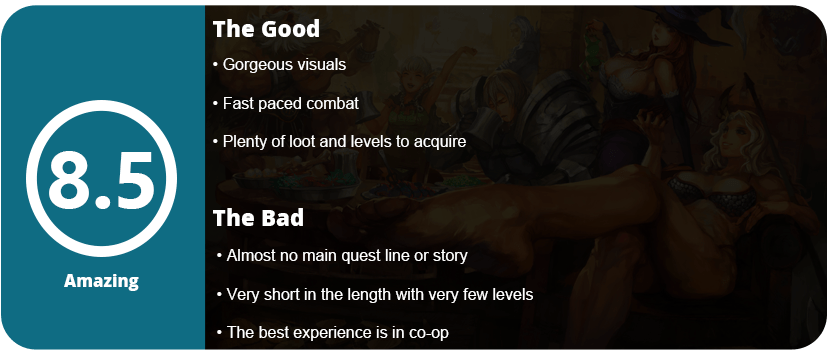
Vanillaware is known for one of the hardest JRPGs on the PS2, Odin Sphere, and I was very excited upon hearing about the spiritual successor to that game. While Dragon’s Crown isn’t nearly as hard as that game (it’s much more forgiving), it still has a lot of challenges that await you. Dragon’s Crown’s biggest disappointment is its short length. There are almost no main quests and mainly side quests (about 50). Once you finish the game, you unlock a hard mode and then an inferno mode. Thankfully, the game can be played with up to four players, so it can be a blast.
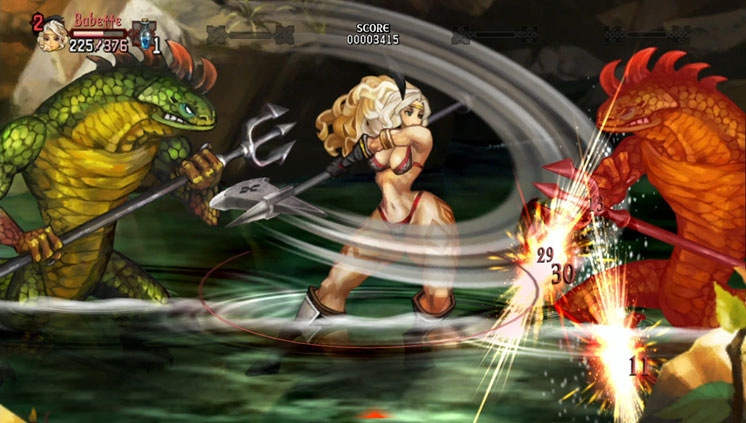
The story is about a crown that has been taken by an ancient dragon. Your job is to return this crown to your kingdom and kill the dragon. The story is very light, and I know there could have been so much more here. But the super short length makes it impossible to write a better story. There are very few cutscenes and not much spoken dialogue (which is only done by a narrator). Once you jump into the game, you can attack, use items, cast spells, and use the right analog stick to move a hand around the screen to collect treasure. You always have a non-fighting thief with you who can pick locks on hidden doors and open chests. Sadly, you can’t change out your equipment during a mission (most levels can be passed in less than 10 minutes). However, at the end of each level is a boss, and they increase in difficulty throughout all 8 levels or so. Each level has two bosses at different levels for various players.
Once you finish a mission, you can return to town to appraise your items, bury or resurrect bones you find in levels for new AI partners, level up, acquire new quests, and buy runes. Runes are found throughout levels in pairs, which need to be matched with runes in your possession. These add various buffs to your party, which can turn the tide of a battle. Outside of those main things, there’s not much to do besides hit the level cap. The missions are extremely repetitive since you need to find nine talismans before facing the Ancient Dragon (that’s almost all there is to the entire main quest line), and once you are able to beat the Ancient Dragon (probably when you’re around level 30), you do it all over again on a harder difficulty. It gets kind of boring after a while and extremely tough towards the end. It’s best to go in with actual people since your AI partners can mess things up. Thankfully, unlike Odin Sphere, you have lives and can even pay to keep reviving with your coins. This alleviates some of the frustration.
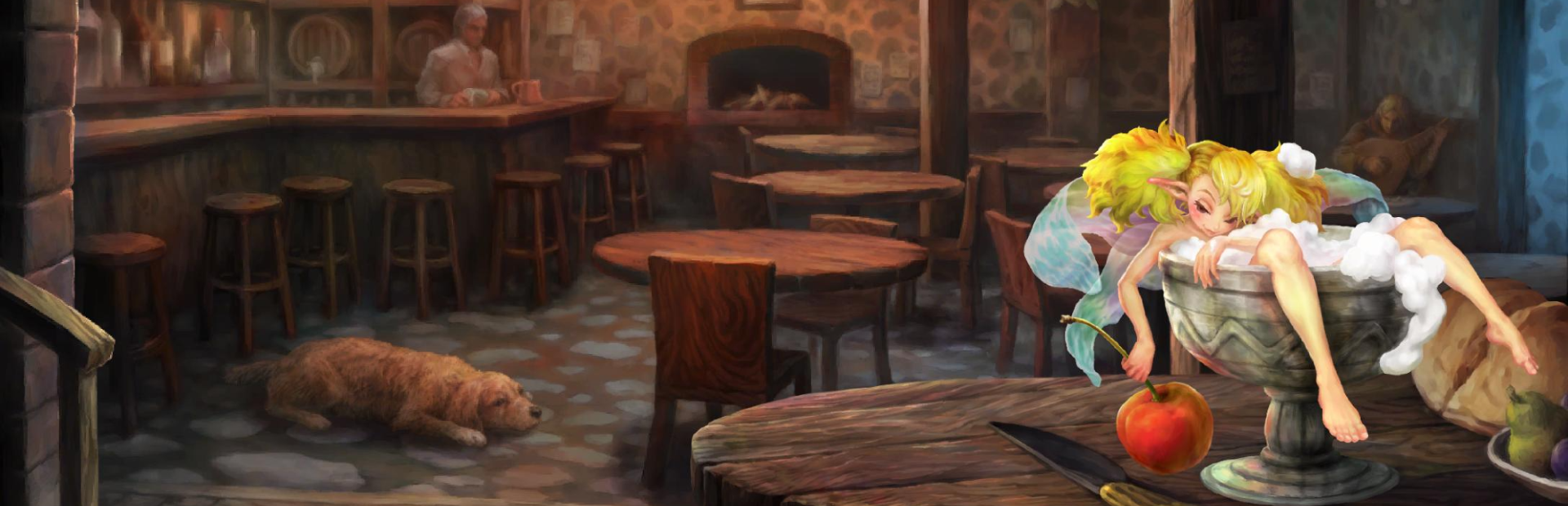
I just wish there was so much more to this game. It feels so small and claustrophobic. The short levels, the nearly non-existent questline, and the story—but at least the characters you pick are fun to use, and the controls work well. The art itself is stunning, with beautiful water-color backdrops and crazy-looking enemies and bosses. This game is mainly designed for fans of the co-op arcade RPGs of yesteryear from Capcom. Not much of a story, but tons of combat, enemies to kill, and levels to acquire. If you want a story-heavy RPG like The Elder Scrolls or Fable, you won’t find that here.
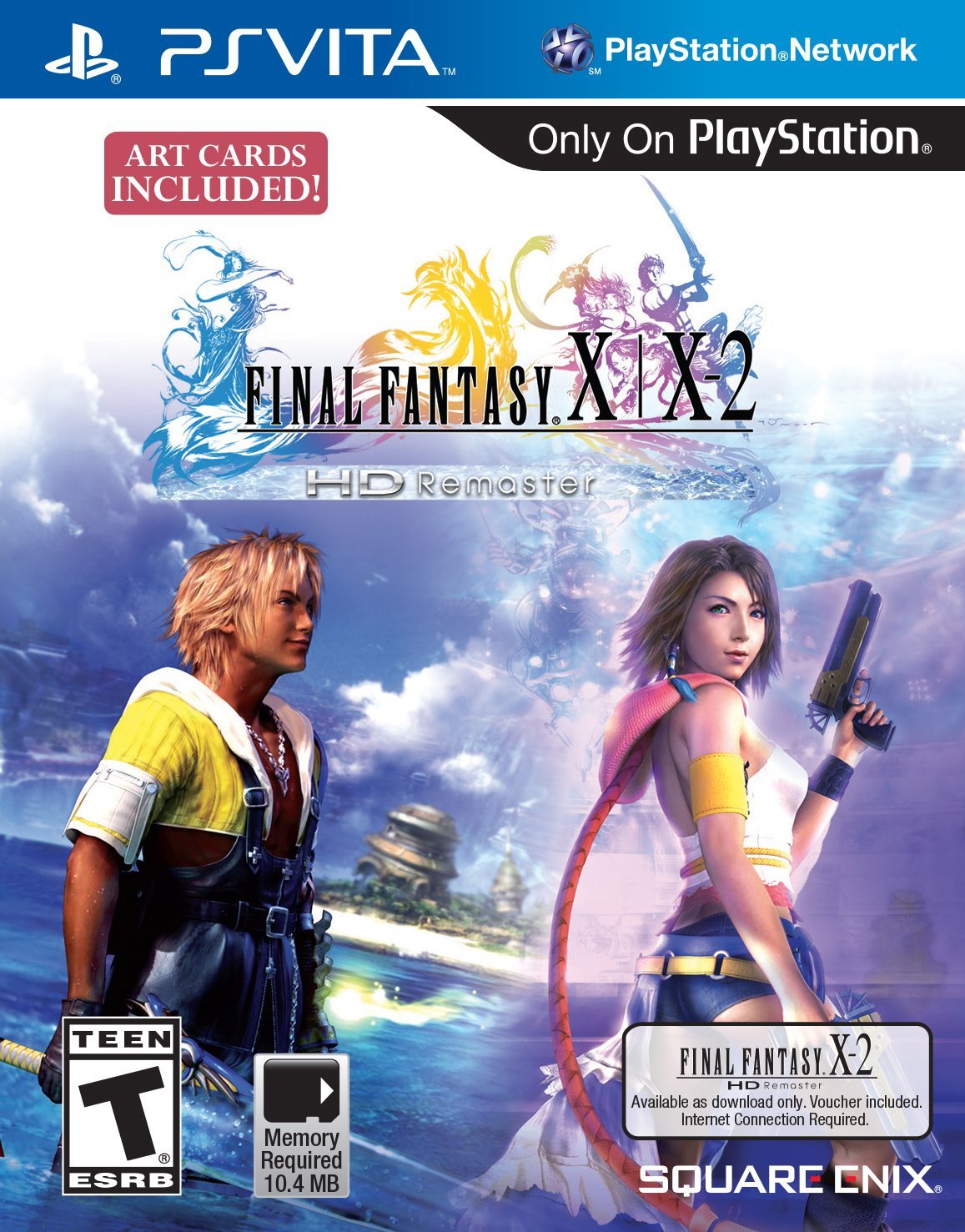
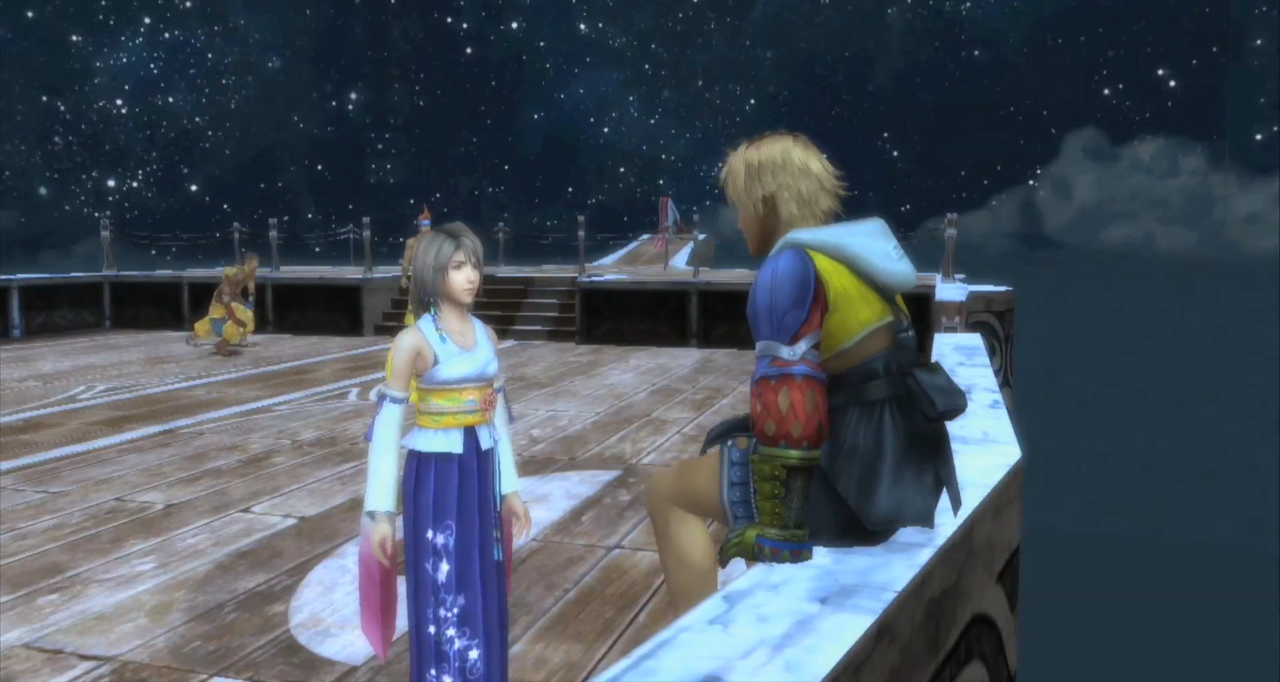
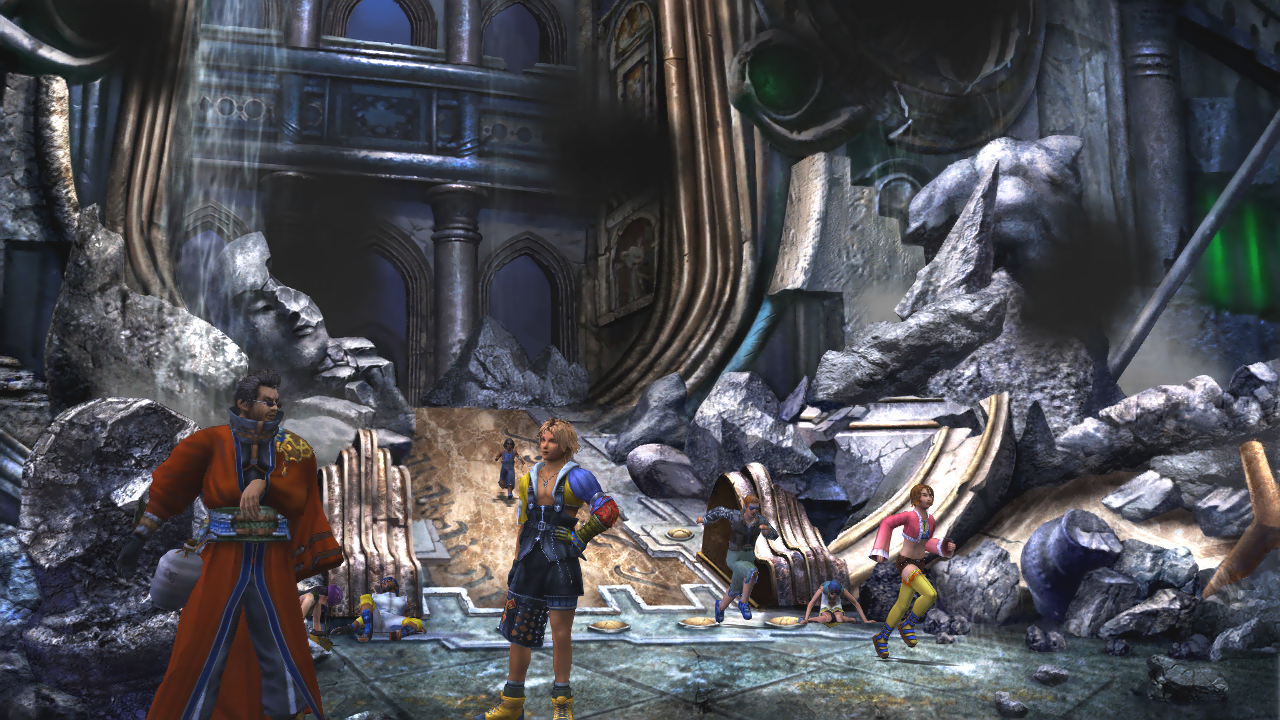
Final Fantasy X was a game in the series that really shifted things around. It broke some common JRPG rules and was a bit all over the place. This was the first JRPG I had ever beaten as a kid, and it was the first Final Fantasy I ever finished. I have a lot of fond memories of this game, and the HD Remaster brought a lot of those back.
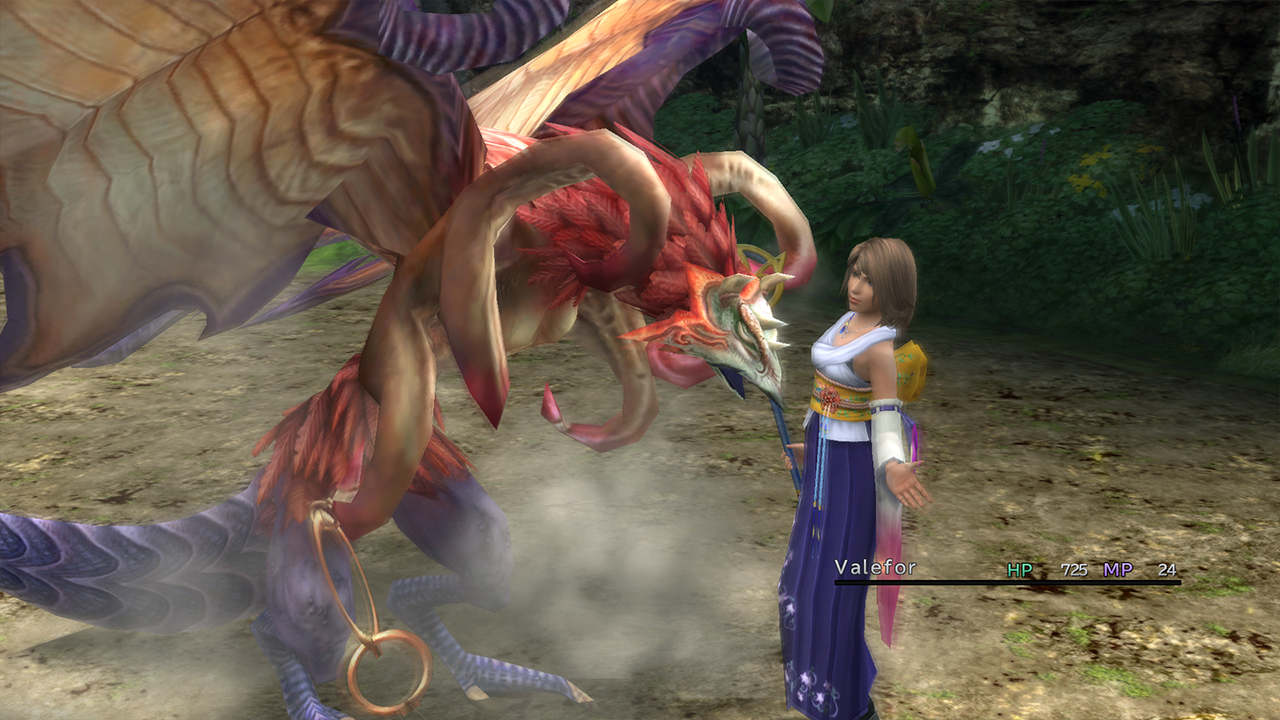
The core game hasn’t really been touched, but US gamers will finally get a taste of the tougher international version, which adds an expert sphere grid and Dark Aeons, which are the toughest enemies in the game (some have millions of HP). Outside of the game, the game is still the same, with great characters that are memorable and beautiful locales. The story is a bit confusing at first, but very original, if not very deep. You play as Tidus, who is a young man sent forward in time hundreds of years into the future. His original home is now a sacred ruin, and a giant being called Sin is destroying humanity. Every 10 years, this sin comes back, and the calm ends. Another summoner must go on a pilgrimage to gather all the Aeons and take down Sin for another 10-year Calm. Your goal is to put a stop to this cycle. You gather your crew along the way to level up and put an end to all this nonsense.
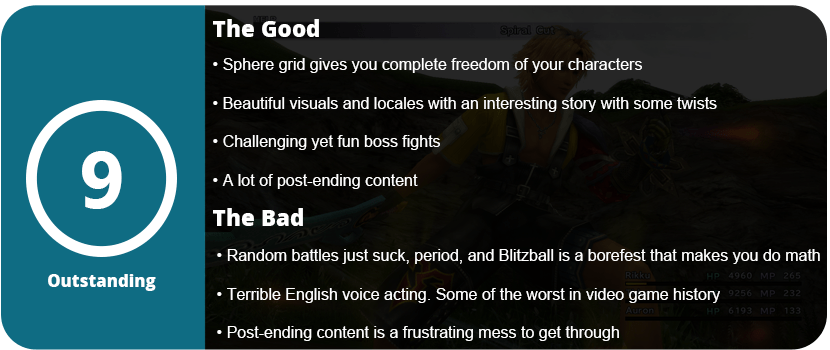
Before you jump into this game, you must have a mindset from when the PS2 first launched. This game was fantastic back in the day and still holds up well. Most JRPG gamers will be thrown off by the Sphere Grid. There is no traditional leveling up where you gain levels. Instead, you acquire AP and get sphere points, which allow you to freely upgrade various attributes and skills for each character. The expert sphere grid allows you to use keys to go off your path and learn other abilities from other characters. This is a lot of fun and gives you total freedom over your character.
Outside of the sphere grid is the obvious combat. Yes, there are random battles, and some areas are so bad that you hit one every 2–3 seconds—literally. A maximum of three characters can battle at once with the freedom to swap out. It’s the usual JRPG turn-based battle system, but there are overdrives that are crucial to winning boss fights. Characters learn new drives as they battle. Aeons are also essential, but only Yuna can send them in. They are large, heavy hitters that will take away massive damage and can also be overdriven, which is probably the #1 technique for winning tougher boss fights. Like any other JRPG, learning enemies’ weaknesses and battling with magic is a must. Some bosses nearly turn into puzzles where you must cast Reflect on them so their healing spell bounces off of them onto you. Some bosses will cast status ailments that can cripple your entire party. If you don’t grind a bit and stay ahead of the game, you will struggle.
Outside of battle, there are the Cloister of Trials, which are a huge pain and aren’t fun at all. These are puzzles in which you place various spheres to unlock doors. Another huge pain is the Blitzball mini-game. This isn’t fun at all and requires math to actually play. It’s stiff, shallow, and just plain boring. I hated it as a kid, and I hate it even now that I know math better. It’s all nearly luck-based and a roll of the dice. You have almost no control over characters.
FFX is also full of pre-final boss content, but there are a lot of requirements to get this stuff. Ultimate weapons are a must-have to do more than the 9,999 HP damage limit. However, they require you to be in certain areas, acquire certain other items, or even get through harder areas that require getting through other areas just to get to that area. Sounds confusing? It is. I spent a good 15 hours just trying to figure all this out and could get only one optional Aeon (Yojimbo). Anima is another optional Aeon but requires getting through a tough boss with the three weakest characters (Tidus, Rikku, and Wakka) and then getting all the destruction spheres in every trial. It’s a huge pain, requires a lot of running around and backtracking, and can make you frustrated. You can also monster hunt, but this requires training a Chocobo (which is tough as nails to get through), and then capturing the toughest monsters in the game easily requires ultimate weapons, which require more backtracking. It’s a frustrating mess but also somehow extremely satisfying once you do it.
With the main game out of the way, let’s talk about visuals. The HD upgrade isn’t exactly what you think. Most of the game has been remodeled, and all the main characters are completely redone; however, many monsters and NPCs just had a few passes of texture filtering, and that’s it. It really looks ugly in spots, but it’s not so bad if you’ve played the game before. I just wish the Japanese voice track was on here since the English voice acting is so terrible and embarrassing to listen to.
Note: Shame on you, James Arnold Taylor, for your terrible voice acting in Tidus. You’ve done better! Like Ratchet from Ratchet & Clank, Gabriel Logan from the PSP Syphon Filters, and even Marty McFly from the Back to the Future adventure games!
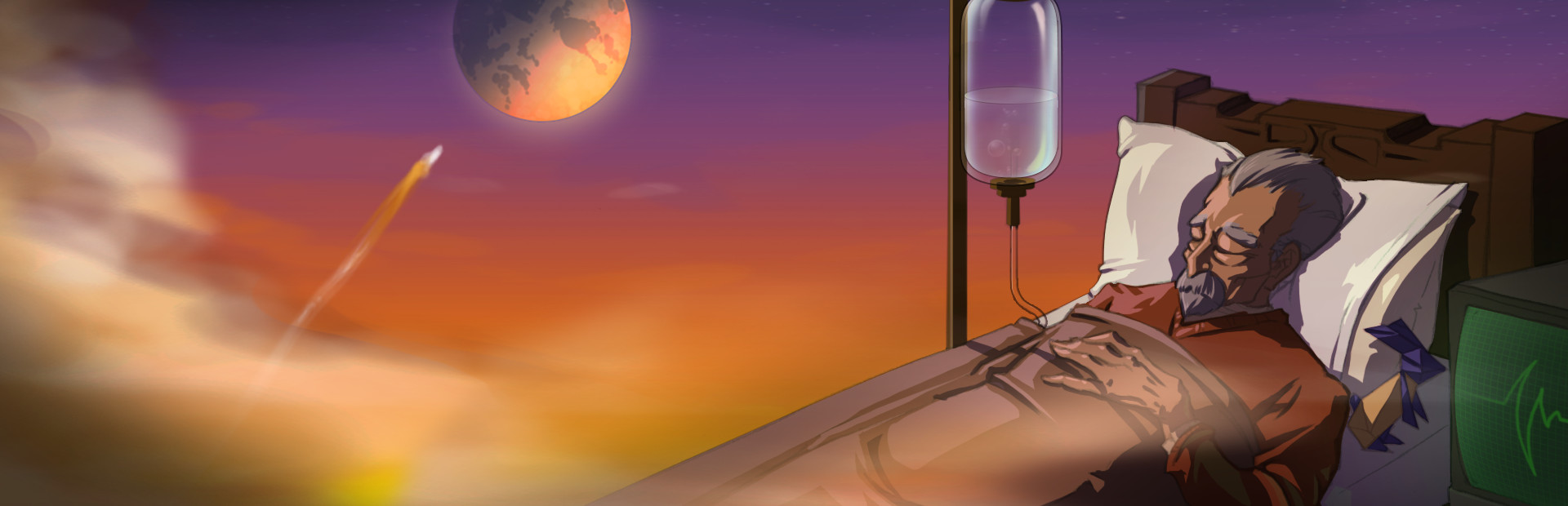
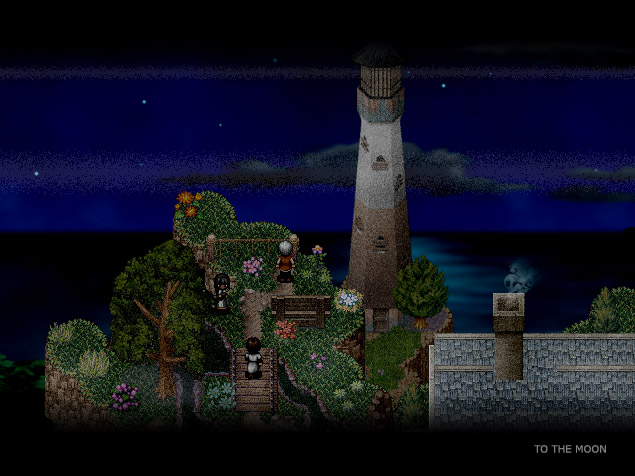
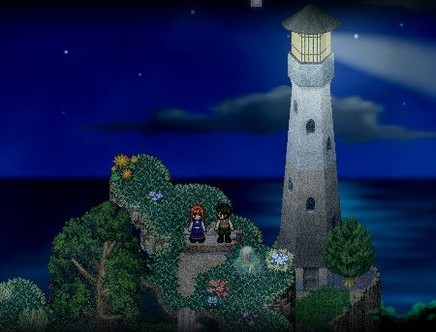
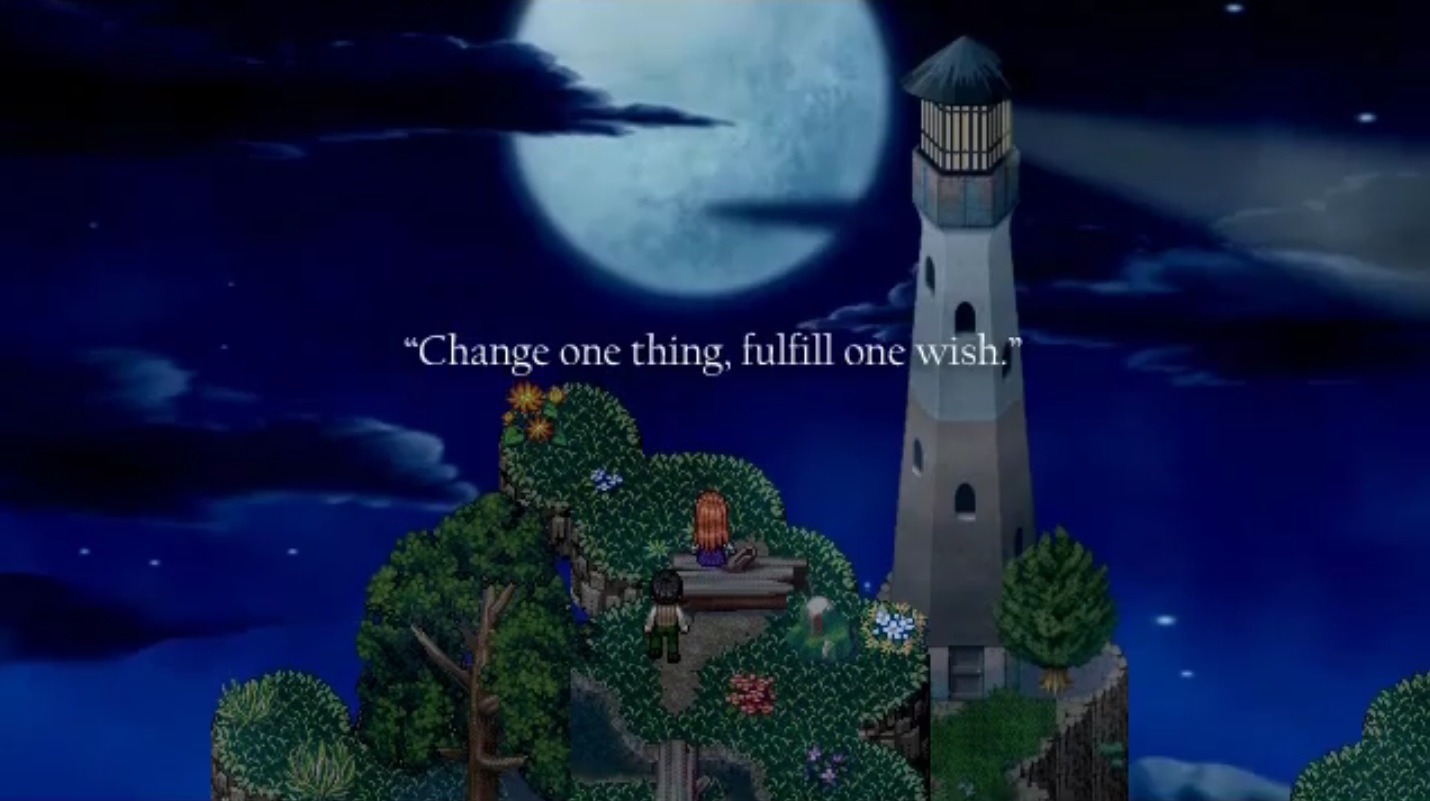
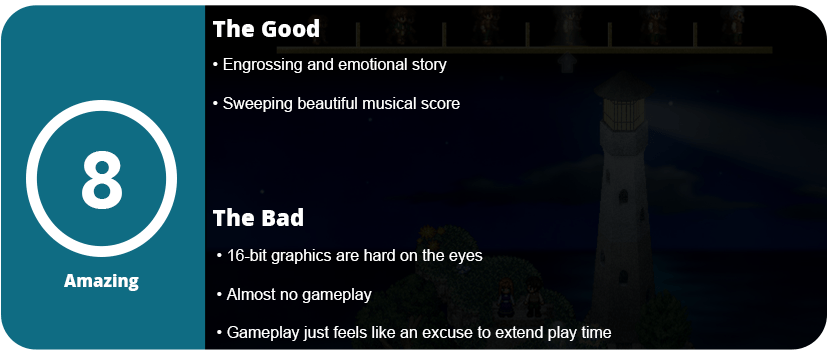
To the Moon is a 2D, 16-bit adventure game that follows two scientists who are fulfilling a dying man’s last wish. They use a strange computer to go into his memories to find the link that will allow him to go to the moon. To the Moon has a heartwarming story with a beautiful, sweeping musical score, but lacks any type of real gameplay.
The game is broken up into three acts, and during the first two, you are walking around John’s memories and have to find five memory links to unlock the shield surrounding time-jumping mementos. As you go further into John’s past, you find out why he doesn’t know why he wants to go to the moon. There is some memory block, and you have to find out what it is and remove it. Finding these memory links only takes a few seconds because you just click on the few items in the small area. Once you remove the shield, you play a little puzzle game, then move on to the next memory. This all just seems like an excuse to add gameplay to an otherwise visual-only adventure.
Through Act 2, you get to interact with two different mini-games, which are Whac-a-Mole and a zombie shooting section, and each is uninspired and pretty lame. The visuals are, like I said, 16-bit and pretty average. There’s nothing special here, visual-wise, and don’t even expect voice acting. The second-best thing about the story is the sweeping musical score. This score is beautiful and one of the best ones I have ever heard. I really wish that this game could have been more, but I understand most indie developers have small budgets.
Overall, To the Moon has a story that will tug at your heartstrings, as well as the music, but the gameplay feels like an excuse to extend the 1-hour story to barely four hours. If the gameplay was a little more engaging, I wouldn’t complain about it so much, but as it is, stay for the story and you will be entertained.
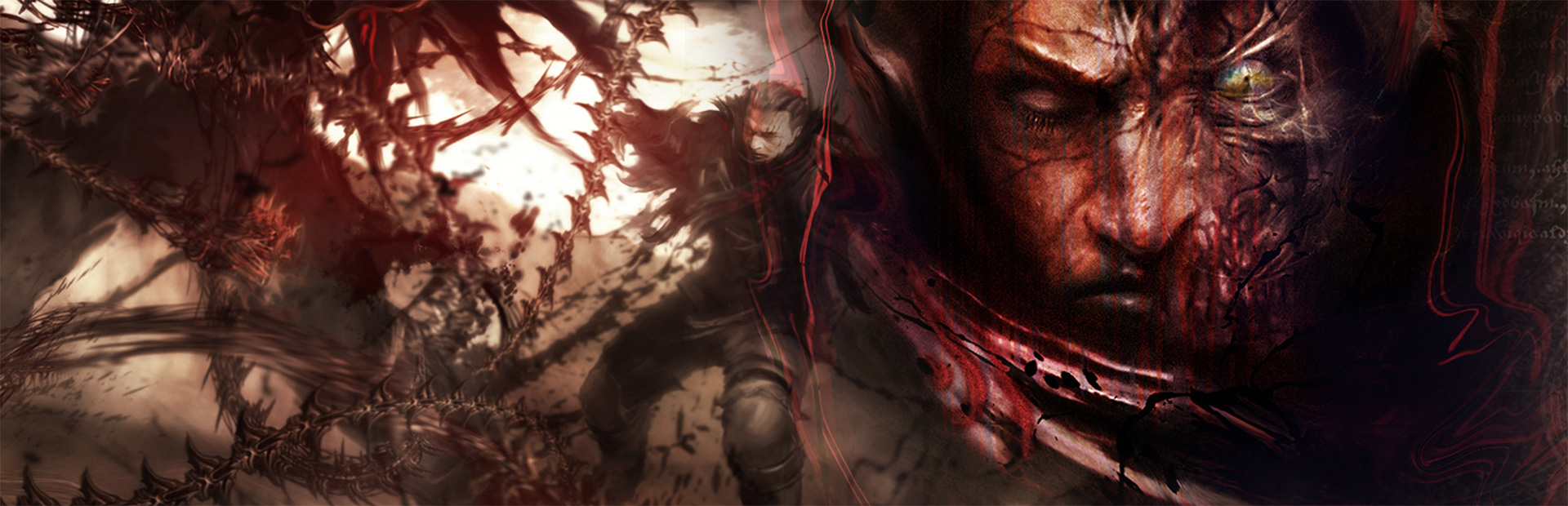
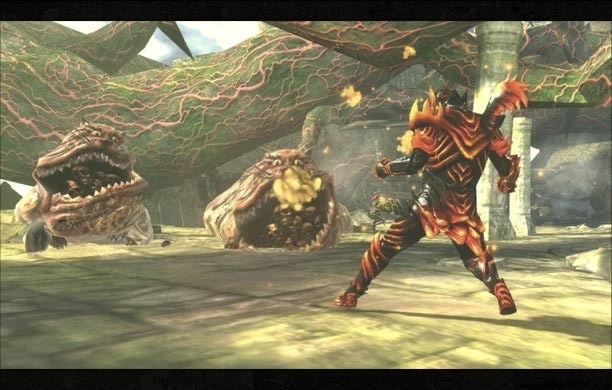
Soul Sacrifice is one of those games that looks cool, but when you start playing, you will be completely lost for a while. The game starts out with you being captured and put into a cage with bones everywhere. A book wakes you up and starts talking to you. It’s the journal of a mad sorcerer, and he later explains that you need to stop this powerful sorcerer, but in the meantime, you need to level up, gather strong weapons, and learn about his past. The story never really pans out, and it is just stretched so thin that you lose track of what’s going on. The presentation is interesting, with literal storybook pages and an ominous narrator, but I would have liked something more.
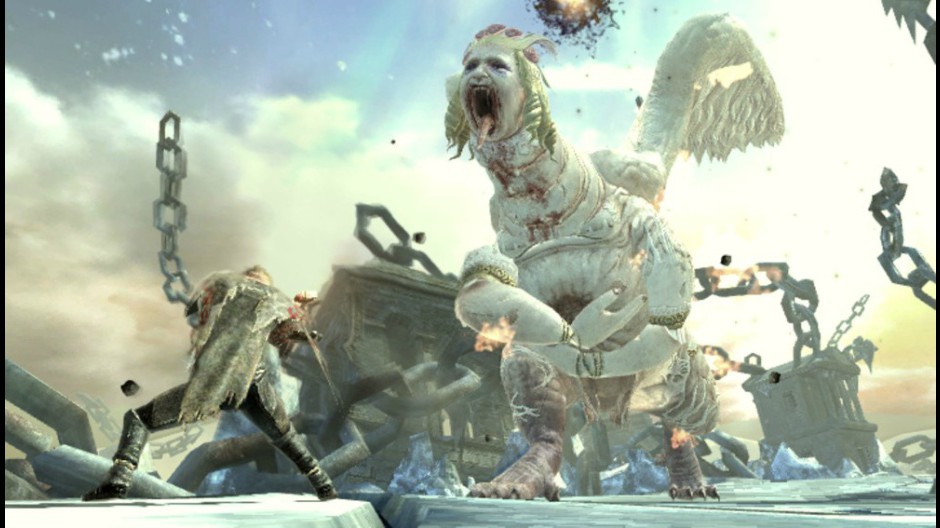
You basically just select a mission, and it will tell you what you’re supposed to kill. There is tons of fantastic and memorable lore wrapped around every enemy and battlefield. These stories read out like Grimm’s Fairy Tales, and I was really hooked and couldn’t wait to read the next one. The enemy designs are really neat and unique, as well as the bosses. You can customize your character’s looks, albeit not by much, and then it’s off to equip your weapons. Weapons are arranged in several categories: armor, arm, blood, power, shield, etc. You get weapons for defeating monsters, and they are awarded to you. These weapons can be combined with dupes to give you a higher cast count, or they can be fused into new weapons. This is a great idea if the game doesn’t constantly throw crappy weapons at you. Halfway through the game, I was still dying several times per boss because I just couldn’t get any powerful weapons. It’s like they all did very little damage. Some bosses and enemies are weaker to certain elements and types. Some bosses you can’t get up close to at all, so you need powerful projectile weapons. If you don’t know that going in, you have to restart and re-equip. This trial and error is frustrating and one of Soul Sacrifice’s many flaws.
If that wasn’t enough, you are limited by how much you can use each item. You can equip up to six different weapons for each match. Some can be passive for healing, but if you run out of casts, you break your weapon, and it’s gone forever. You have to use a special vision mode to find hidden regen points for your weapons, but they are limited. Several times I ran out of casts for all my weapons and had to restart because I couldn’t beat the boss. Thankfully, a special sacrifice power allows you to do massive damage, but at the cost of sacrificing something. One power lets you burn everything around you, but your skin becomes burned and your defense is halved. To get rid of these conditions, you need Librom’s tears, and these are only granted every so often by exiting the book and checking his eye. A neat idea, but frustrating nonetheless.
That’s the combat, and that is the sole focus of the game. It’s great and fun at first, but very frustrating and monotonous early on. You just fight the same types of battles over and over again, and you have the same enemies as well. The only thing keeping you going is to see more of the story. I honestly got tired of the side quests and just stuck with the story to get it over with. Another major part of the game is leveling up your health or magic. You can sacrifice or save enemies after they fall by holding L or R. This is a unique idea, but you can be stunned and killed while doing it. Your teammate can fall, and you have to resurrect them or sacrifice them for a boost. Once you do this, you need Librom’s tears to bring them back. They can revive you, thankfully, but many times they died right when I did, or vice versa. There’s also an online co-op to solve this issue, which really helps, but most people aren’t going to do this.
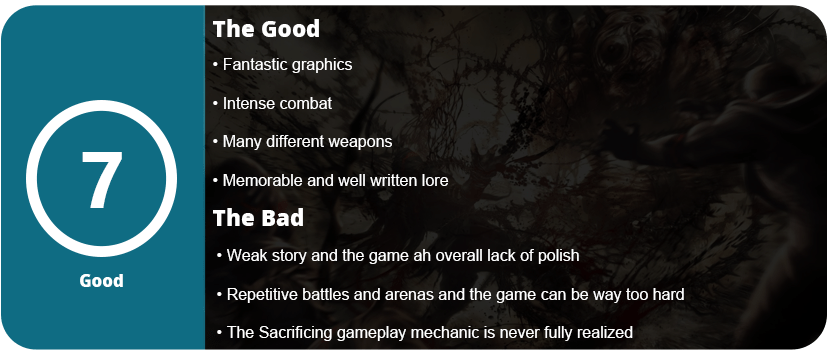
As it is, Soul Sacrifice suffers from constant repetition and a lack of polish. Not having powerful enough weapons, lackluster customization features, and a weak story kind of hurt this game. The graphics are fantastic, but that isn’t what makes a game good. I was hoping for more variety and more of a cinematic story, not a menu-driven battle selector. If this game had more variety and something else besides killing the same enemies forever, it would have been one of Vita’s best games.
Forget about the last Shadowrun FPS. That game was a disaster. This HD remake of Shadowrun Returns with a great story, but the combat is lacking just a bit. You are basically a runner who watches a tape of your best friend before he dies. You suddenly become his insurance collector, and you need to find his killer. The story is pretty engaging, and I was sucked in from the beginning. You basically just follow mission after mission, unraveling this mystery.
Of course, you get to pick your class at the beginning. Go from ranged weapons to melee to magic. There’s also a fourth decking ability that makes you stronger during hacking battles. Once you complete some missions, you get to The Union, which is your underground hideout. You can buy weapons, cybernetic enhancements, magic, first aid, weapons, and various other things. Make sure you take plenty of health with you and stock up on the latest before the next mission. Usually, you have to hire out mercenaries to help you in a fight. I found the majority of the story fairly challenging, but later on, it got downright unfair. The biggest issue is the unfair savings system. The game is autosave only. The game will only save at the beginning of each level, so if you die, it’s game over. This is so infuriating towards the end when you have really long and tough fights.
The combat is fairly decent. You can select between ammo types (or magic types), special powers, and items. With this variety, you are sure to win battles. I was just so upset at how often I missed. I could be at point-blank range, and I would miss three times in a row. The accuracy and rate at which you hit enemies seem completely random, and I hated that. Decking battles are interesting but boring because they aren’t as deep as regular combat and there are only a few types of enemies. Once you complete the mission in the hacking area, you have to run all the way back to the opening. If no one’s out there defending you, the enemies shoot up your body, and you can die. That’s really frustrating, and it drove me nuts.
I also wish there was more exploration, but you’re stuck where the missions take you. Sure, there are a couple of side missions, but you can’t explore anywhere. This is a really interesting world with interesting characters, but you’re limited to where the story takes you. That will turn a lot of RPG fans away, but the entertaining combat and story should keep you for a while. I also wish there were more powerful weapons and armor in the game. Even when I was almost done, the same armor from 10 missions ago was still the best. The game is pretty unbalanced, but some may overlook it. The graphics are decent, but nothing special. They won’t make your system sweat.
In the end, Shadowrun is a fun RPG for fans of Fallout and earlier top-down RPGs. The story is great and is a fun murder mystery, but the combat feels too thin, and decking just isn’t fun. The real deal-breaker here is the unfair and punishing save system, and some may quite early on because of it. If you can stomach the unbalanced gameplay and save system, you will be in for a great story.
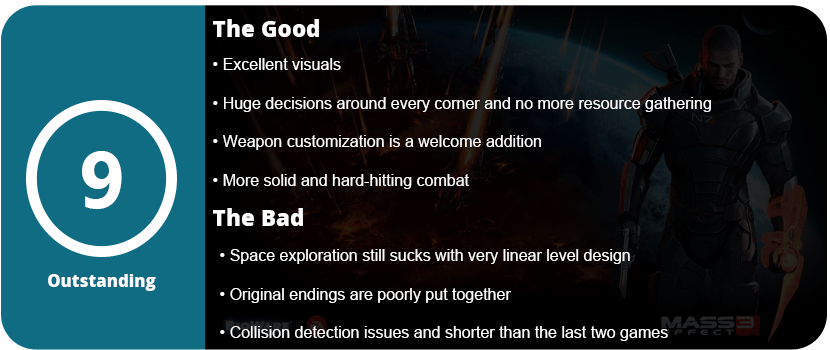
Mass Effect made such a huge impact on me and the gaming world that no one probably expected. To create such a vast universe of fans of Star Wars is just incredible. BioWare pulled it off, and each game is very memorable. Mass Effect 3 pulls all the punches this time around and is the epic climax to the Reaper invasion that is sent to wipe out all organic life in the galaxy. Of course, Commander Shepard is supposed to fix this along with his or her recruits that you brought along throughout the series. Never before has a game spread so much across a trilogy. I have never kept a game save so sacred as I have my Mass Effect save because every choice you make carries heavily throughout the whole series.
It was obvious in ME2 how choices carried over, but ME3 is huge. Main characters will die; some that died in the last games will have an impact on how ME3 turns out. Instead of going around recruiting people like in the last two games, you are recruiting entire war assets for the War on the Reapers. You are trying to bring whole nations together and making huge decisions that will impact the galaxy for the rest of time. Things like whether or not you should cure the Krogan genophage, help the Council, help Cerberus, or just say screw it and make everyone’s lives hell. You have choices here, and they will make you think a lot. Never before as a shooter have I cared about seeing certain races die or get hit. Seeing the Turian homeworld Palaven get creamed left me feeling sad and determined to make choices that helped them. In this game, some civilizations actually get wiped out due to your choices. Some are just as subtle as helping someone out on the Citadel with a side mission that decides whether the Elcor, Hanar, Batarian, and Volus survive or not. This game is so big and bold.
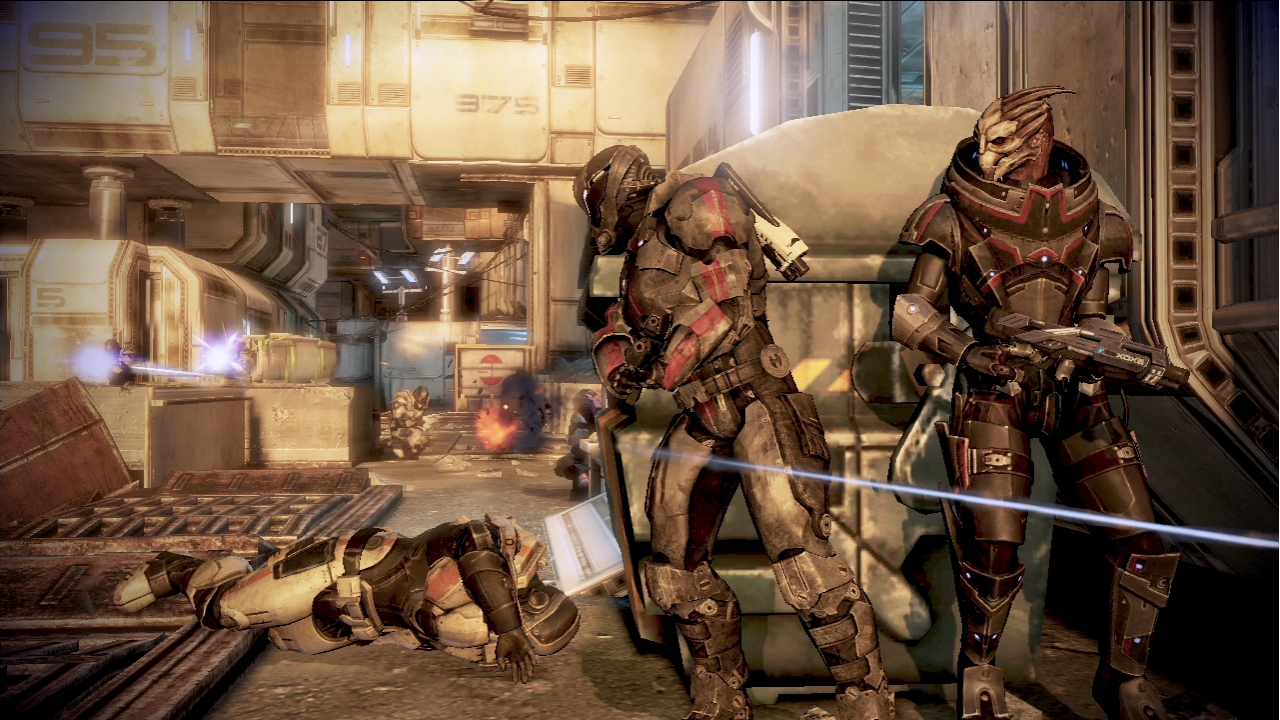
Aside from the obvious story, the gameplay has improved a lot. The action and shooting are more refined and feel better. There are whole new weapons, a cover system, as well as a dodge and roll mechanic that comes in handy. Everything just feels tight, and weapons hit heavy. Speaking of weapons, you can now customize them by adding mods to improve damage, stability, accuracy, and even clip capacity. You can now buy mods through shops on the Citadel in Normandy instead of running around on every planet trying to get what you need. You can also buy armor and have more customization options for your character, which is very welcome. You also can’t carry every weapon with you anymore. I guess the goal was to balance the game more. Each weapon you have will add weight, which can be reduced by upgrading weapons. Carrying every weapon with you will slow you down and reduce the recharge speed of biotic powers, so choose carefully.
The overall structure of the game is just more streamlined, less messy, and less annoying. Small side missions are usually stuck in the Citadel, where you have to find an item for someone during space exploration. Exploration in space still isn’t fun, but it’s a lot better than scanning every damn planet for resources. They have completely scrapped this time around, so everything is just bought with credits, which is how it originally should have been. You can still scan, but you do it on the map, and EDI will tell you if she finds something. Certain planets will have a war asset or an item someone on the Citadel is looking for. If you scan too much, the reapers will come after you, and you have to high-tail it out of the system before they catch you and come back after a mission has been completed.
Almost everything you do in this game is big, and I can’t think of any mission that felt small, like in the last two games. ME3 is just huge in scope, and there are some memorable and impressive moments. The story is very cerebral, but here’s the catch: If you have never played a Mass Effect game before, go back to the first one and start from the beginning. You just won’t appreciate every decision if you jump right in. The comic that explains the last two games isn’t enough and doesn’t do this excellent and amazing sci-fi series justice. Only fans who have played through the last two will appreciate this game and truly feel that every decision is personal.
The controversy about the endings is understandable. I got to use the Extended Cut DLC while playing this, and after some research, the ending would stink without it. Without any spoilers, the ending gives you three choices at the end this time around instead of two. The choices are explained more, and there are some extra shots stuck in the endings to make more sense of it all. The original endings were just sloppy and, to be honest, lazily put together. BioWare did everyone a service by offering these endings for free.
Overall, Mass Effect 3 looks amazing, plays well, and has some of the most memorable choices I have ever had to make in a game. This is about all life as we know it, not just some city or civilization. This is about all organic and synthetic life, and what ME has done for the gaming world is a huge feat that I haven’t seen since Star Wars. This is a true sci-fi masterpiece that all fans of the genre will love. If I did have any complaints, it would be the original endings, and there are some issues like collision detection and linearity; the game feels shorter than the last two games; and the space exploration pretty much stinks. These are minor, though, and don’t really bring it down much.
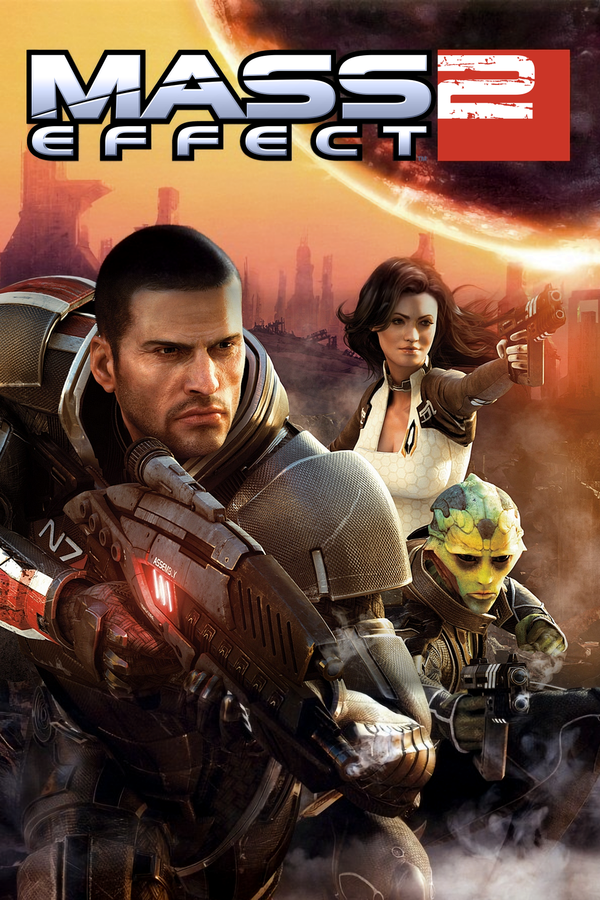
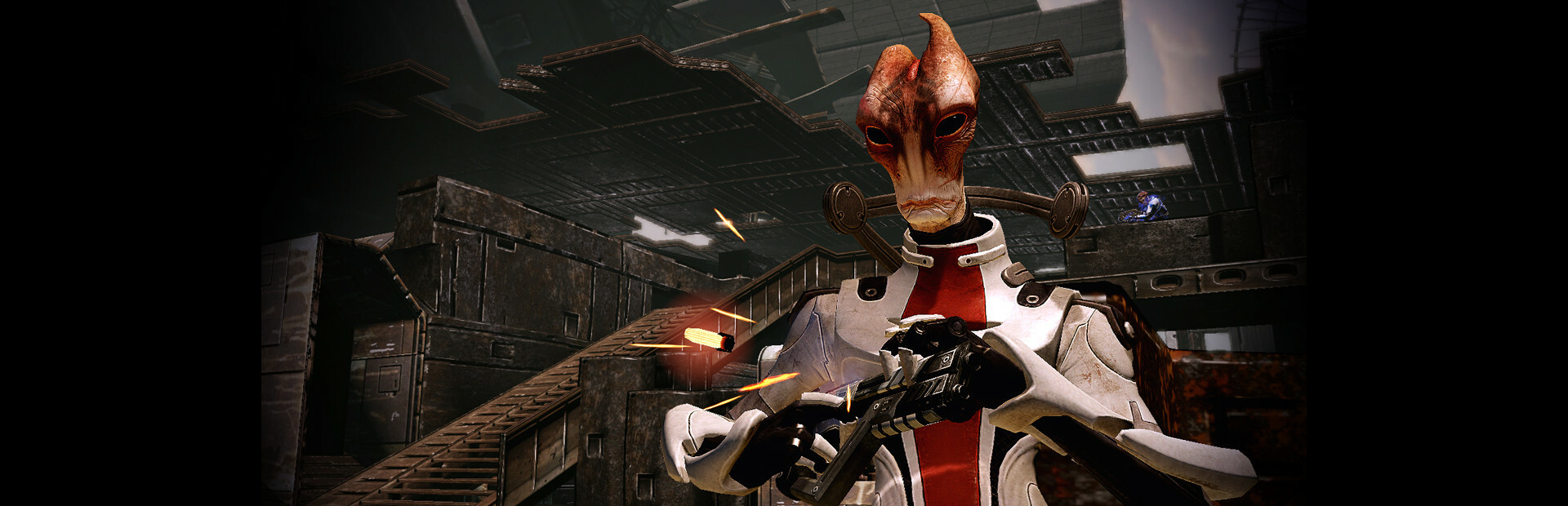
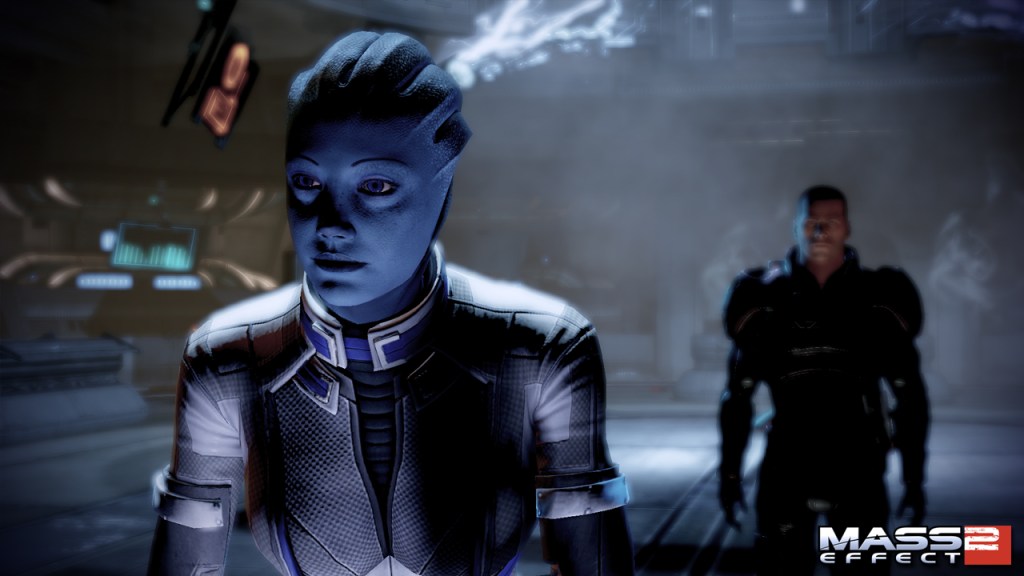
BioWare has to be some of the most talented beings on the face of the planet because these guys can just pull whole new cultures, religions, and universes out of their asses like it was yesterday’s dinner. Mass Effect has a rich, amazing universe attached to it with believable races, characters, religions, and cultures, and it feels like a whole alternate universe that could exist. Mass Effect 2 expands on this for fans of the original (yeah, don’t play it unless you played the first, seriously). Not only is this just a direct sequel, but all your actions from the original game affect the outcome of this one. Mass Effect 2 has Command Shepard being remade as a machine almost after the Normandy gets destroyed by collectors. Cerberus fixes you up for 2 years, and now you have to rebuild your team, find your previous ones, and stop the Collectors from destroying the human race and working with the Reapers.
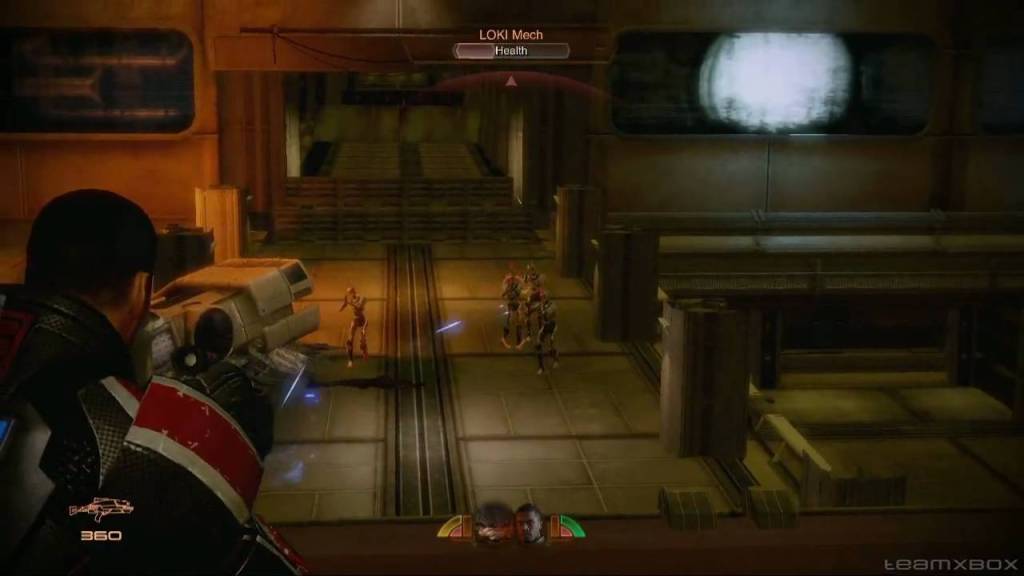
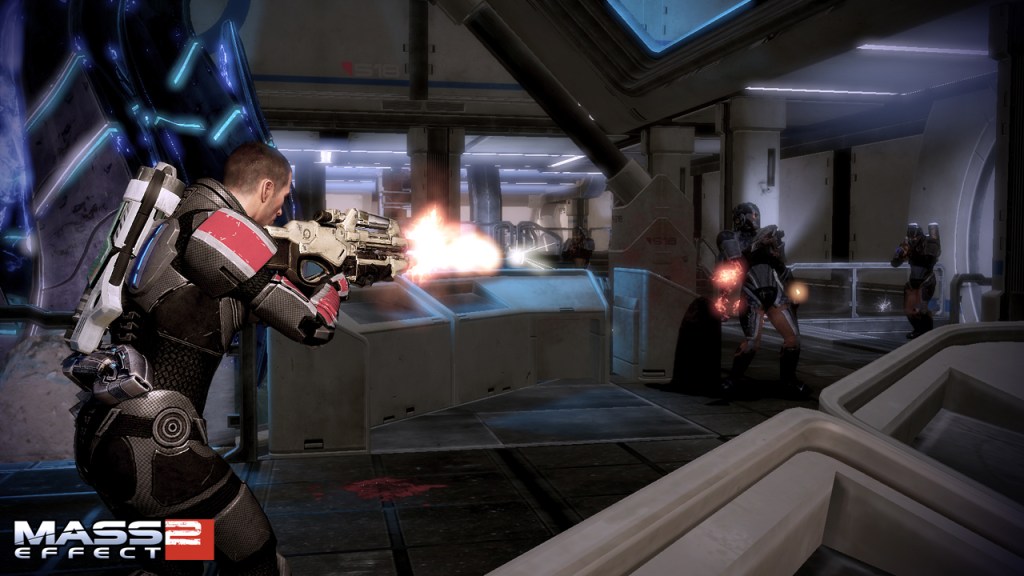
Mass Effect 2 has so many changes that were much-needed, and the game just feels tighter, more fluent, and action-packed. The action is the keyword here since a lot of the mundane RPG elements were stripped. To get an idea of what was improved, I’ll start with squad management. Instead of finding armor for each type of race and maintaining every stat of that armor and the character, you no longer manage your team’s armor, just yours. You also no longer have to go find armor like the original. Armor can be bought from world markets, and you equip each piece in your cabin on the Normandy 2. You can even change the color and scheme of the armor as well as your casual clothes. This is great, and I love it because micromanaging armor in the first game was a real pain. The same goes for weapons. You no longer have to find and add each element to every weapon, like ammo types and add-ons, because those are now gone as well. Instead, you find weapons during missions or in markets. You can equip them via a loadout, and the same goes for your squad.
Let’s talk about the radial menus here. You get three ammo types: cryo, incinerate, and disruptor. Each can be used for certain enemies. Your powers are activated here too, but you can now map them to buttons. When shooting weapons, you no longer have a “heat gauge” but actual ammo. The weapons draw heat to a “clip,” which is discharged once it gets too hot. If you run out of these clips, your weapons won’t fire, thus solving that annoying heat meter crap from the first game. This helps the game feel like a solid shooter instead of a game that doesn’t know if it’s an action game or a straight RPG.
The shooting and fighting in the game are now really solid, and you just feel so powerful with all these guns at your disposal. You can upgrade everything (including your ship, and this has outcomes during the last mission) by finding research projects while on missions. This solves all the RPG elements from the last game, so it feels like a solid shooter. Don’t get too upset; there are still RPG elements, but they are only for upgrading your teammates and yourself. Instead of upgrading every single element, such as each ammo type and every biotic type, you only have about 4–6 traits to upgrade. This includes your main character’s ability, biotic or ammo types, and any other special skill. Each one can be upgraded up to level 4, and after that, you get a choice between two special bonus perks. This makes the leveling feel more solid, fluid, and resourceful.
Another great improvement is the galaxy map navigation. No longer are you just a cursor floating around the map, but you actually move your ship. When you are outside solar systems traveling in dead space on the map, you use fuel, but the biggest improvement is no more excavating resources via the stupid rover vehicle. In fact, all vehicle control has been stripped from the game. Instead, you use a scanner on unexplored planets, and when the controller vibrates, you will see your meter spike over a certain gauge. This will be one of the five resources used to upgrade things in the game. While it sounds more repetitive, it’s nice to break up the action of the game and get some downtime.
If those don’t sound like enough of an improvement, how about the story? The story is still as epic and emotionally engrossing as the first, if not more so. There are a couple of new races added, such as the vorcha, drell, and batarians. There are new characters that you can recruit, and they are all as loveable and memorable as in the first game. Of course, all your old pals return, but my favorite part about the game, which isn’t in any other, is how your original save carries over.
If you had a relationship with a previous mate, you will see that in the game, saving and killing certain characters from the past will pop up in the sequel, reflecting certain outcomes of missions. If you chose the renegade or paragon path, it will reflect off your character with red scars and reddened eyes if you were a badass. You truly feel like you were dead for two years, and all your choices in the past came back to haunt you. It’s a mind-trip, and it really makes you that much more involved in the story. Every choice you make during dialogs affects what you do, and BioWare is the master of this.
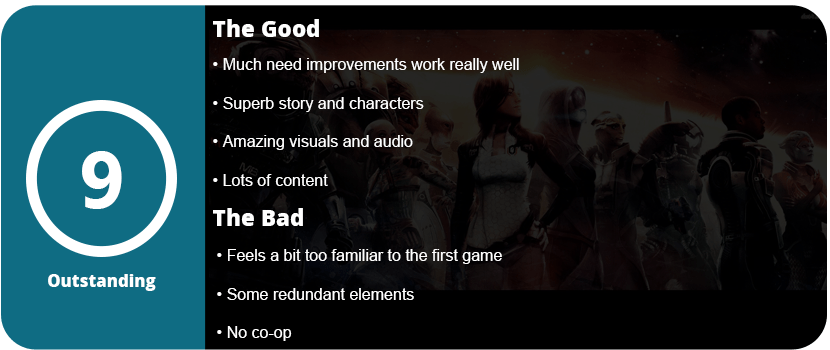
The only reason why this one scores lower than the original is that most of this has been seen in the original and isn’t anything new for fans of Mass Effect. The new additions just keep the score really high but don’t give us that new feeling. With improved graphics and the same amazing voice acting, Mass Effect 2 will keep fans busy for a good 25–30 hours, but watch what you do because it will affect your outcome in Mass Effect 3.
BUYING A NEW COPY: This will grant you access to a free content update that’s normally $15 for free. This includes a new character, Zaeed, and two other missions that involve the crash of Normandy. While this update is not worth $15, buying a new copy makes you feel like you’re truly getting your money’s worth.
The splashing of waves, the grass between your toes, the ash in your eyes, and Dunmer at your feet. Ah, it’s nice to be back in Morrowind! I was surprised when I found out Dragonborn took place on Solstheim, which is a volcanic island just off the coast of Morrowind. You arrive there due to a strange, occult thing happening. People are building relics in their sleep—basically, sleepwalking and building. You ask around about a guy named Miraak, and people say he sounds familiar, but they can’t quite remember. As you ask around in the main city, Raven Rock, you will be greeted by Devin Mallory’s brother and various other people who are very interesting to talk to.
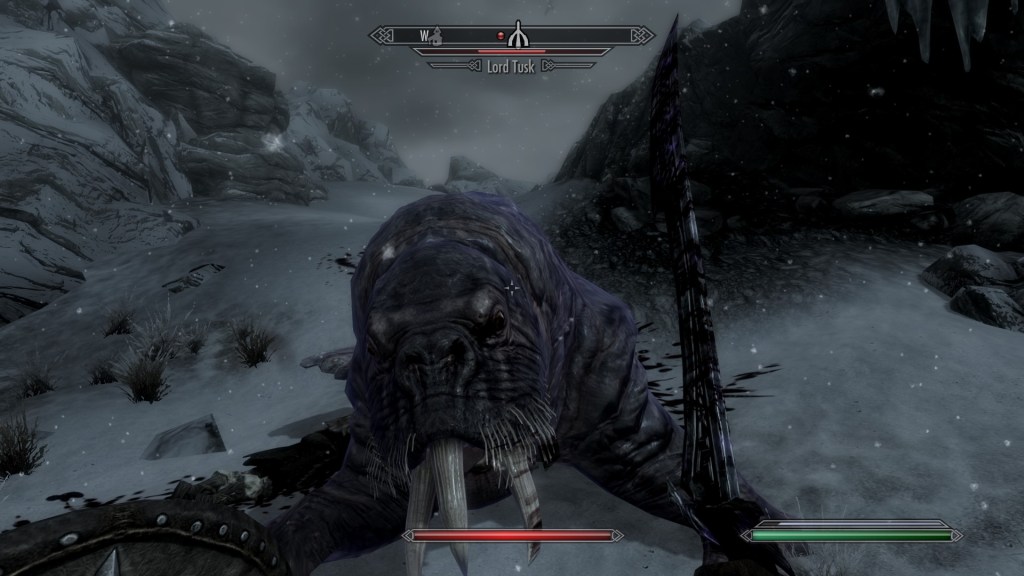
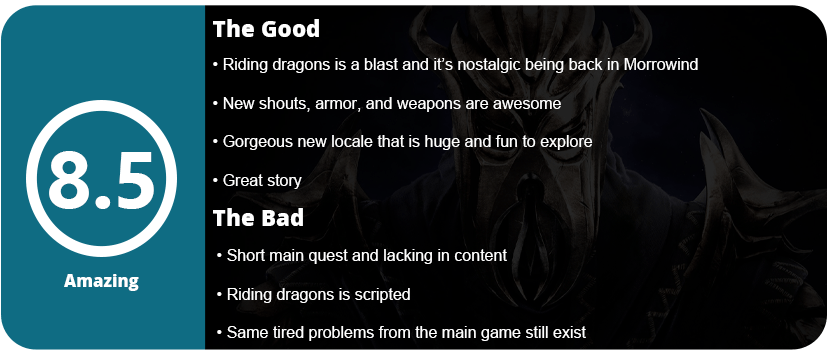
I first have to mention that Dragonborn has some of the best art in any Elder Scrolls game. When you start getting the Black Books and travel to Apocrypha (Hermaes Mora’s territory), you will be stunned. It’s very Lovecraftian with the Lurker and Seeker enemies. There are strange tunnels that move, walls made of sticks, floors covered in paper with arcane writing, and strange magic and objects. I loved these areas and enjoyed them immensely. However, the main quest line is super short; there are more side quests here, which is good, I guess. The final fight with Miraak (not a spoiler, it’s obvious) is very challenging, and you get to ride freaking dragons! This is probably the most powerful thing added to an Elder Scrolls game. I love the new shouts, such as Bend Will. This will make enemies fight alongside you. The new Bonemold and Chitin armor looks awesome, as do some new weapons. There’s quite a bit here, a nice chunk of the game, and a great final goodbye to Skyrim.
Many of the quests are more puzzle-related and quite challenging. It was nice to be really challenged by exploration in Dragonborn. One final quest has you finding cubes in an old Dwemer ruin. You have to place them in a certain order and run around finding them to open up new parts. The enemies are challenging, and I found it all quite fun. There’s plenty of Morrowind lore here for longtime fans and newcomers who don’t know much about it.
I warn you, though, that you need to be at least level 20 to start this. I came in at level 7 and got my butt handed to me by the Ash Spawn, the first enemies you will encounter. I died in just one hit, so be careful. I also hated how there was no place to train for smithing, and there was only one major town. At least you can fast travel to and from Skyrim via the map and not by boat every time. I was also upset that you didn’t get to ride dragons until the final quest, and it’s very brief. Also, be warned: Miraak will steal all your dragon souls if you kill dragons in Solstheim. He’s a real bastard.
Overall, Dragonborn is a solid and final DLC for Skyrim. It is much better than Dawnguard in the sense that the story is more interesting, but there aren’t two sides to play. Being able to ride dragons is a major addition to the game; the enemies are interesting and challenging; the art looks fantastic; and the lore is great.
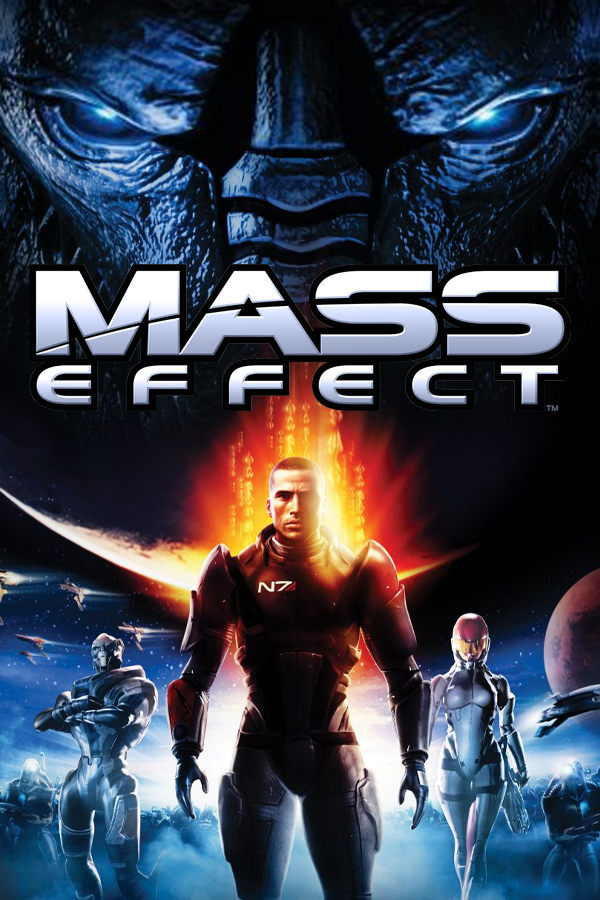
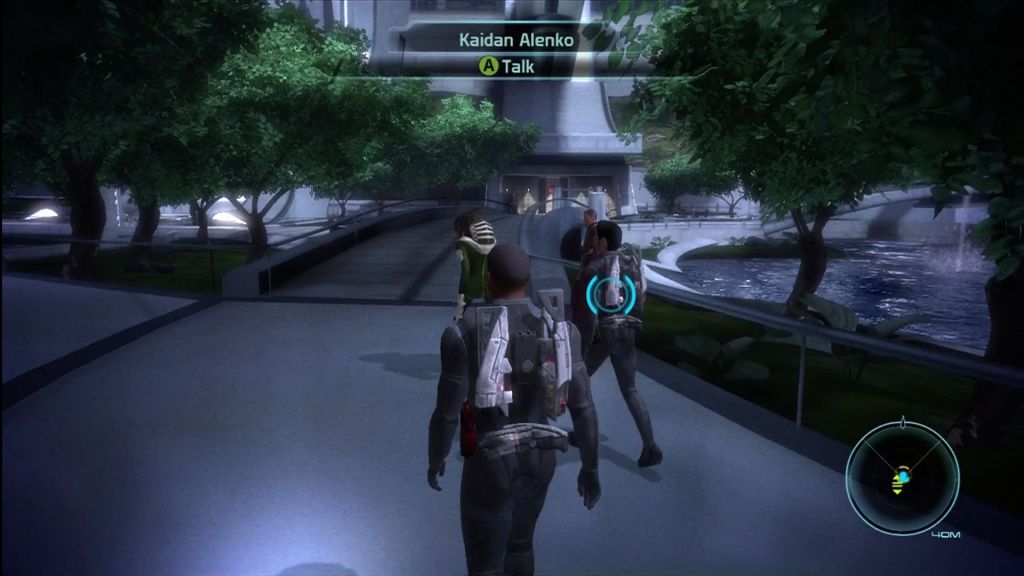
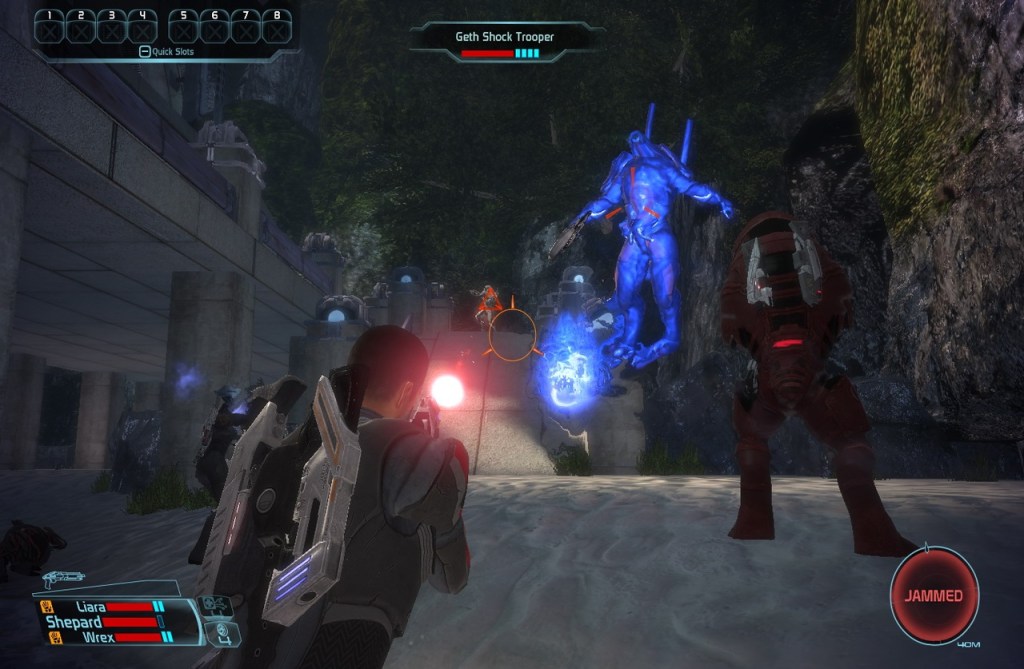
Where should I begin? Well, let’s start with the story. You play (put the first name here) Shepard, who is a US Navy Alliance officer and tries to work his or her rank up the galactic ladder. A Turian named Saren tries to unleash a supposed extinct alien race that’s older than time itself. Can you stop him in time while uncovering the past? With that out of the way, let’s start with the presentation. Mass Effect has some of the best graphics, sound, voice acting, and production values of any game I’ve ever seen next to Gears of War (courtesy of Microsoft’s bank account). The game is packed with tons of extremely detailed textures and models, remarkable never-before-seen character animations, and BioWare’s next-gen dialog engine.
Just like any BioWare game (KotOR, Jade Empire), you decide the fate of the game through your interactions with people. You can intimidate them, charm them, or just plain use force. With the dozens of alien races and characters you’ll encounter, there are limitless possibilities. The game has third-person gunplay mixed with role-playing elements. You can upgrade your character through an easy-to-use upgrade menu, where you can upgrade tons of stats and attributes. You also have powers that you can use. Along with you are two other squad members of your choosing, and you can give them simple orders. You can hack objects to obtain new weapon upgrades, different types of ammo, and even more armor. There are even a few vehicle sessions as well, and this helps mix up the gameplay.
You travel around by using the mass effect relay system, which can shoot you throughout the galaxy. You can travel to different worlds to collect different types of resources, complete side missions, and more. While all this is wonderful, the game does have some major issues. The frame rate can never keep up. It’s always skipping and chugging, and there’s a constant texture pop-up as well. There are also random load times every so often. The game is also very short for BioWare standards, ending in about 15-20 hours, and with all side missions (about a dozen), maybe 25–30. While there is no co-op or online play, the game is still fun, very cinematic, and a wonderful masterpiece.










































 thebinarymessiah.com
Super, thank you