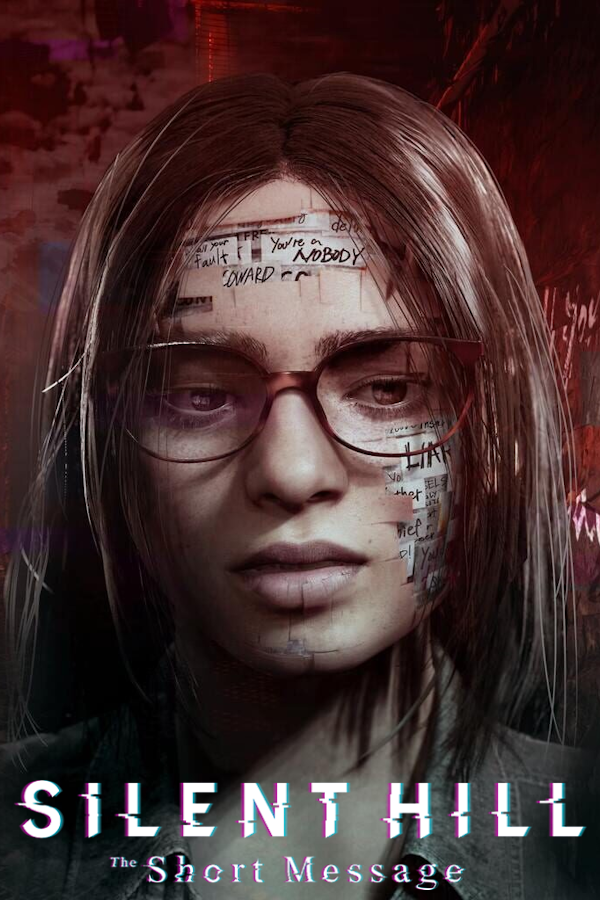
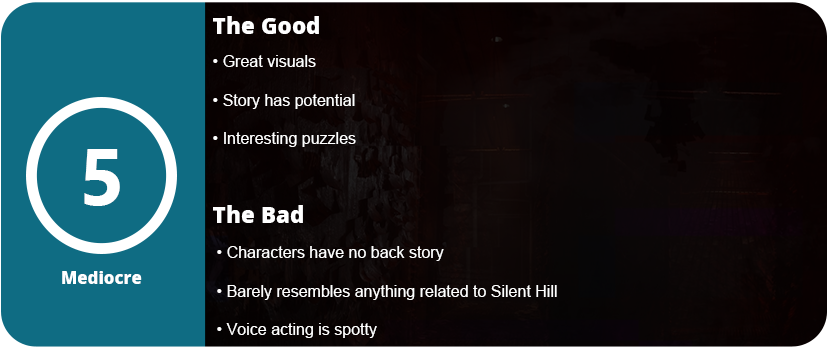
Short stories in the Silent Hill universe aren’t unheard of. Many people are unaware of their existence, except for the most dedicated fans. The comics and graphic novels on Game Boy Advance and PSP are not quite there, but they are interesting side stories. Silent Hill is more than just a town. It’s an experience. This version is set in Germany. You play as a teen named Anita who is inside an abandoned apartment complex exploring her past and trying to find her friend Maya. Silent Hill games usually explore the real world and then the “Otherworld.” In this game, if you can even call it that, there are clear inspirations taken from Silent Hill: Shattered Memories. This is the first SH game to be set in first person and the second to use a smartphone as a main gameplay device.
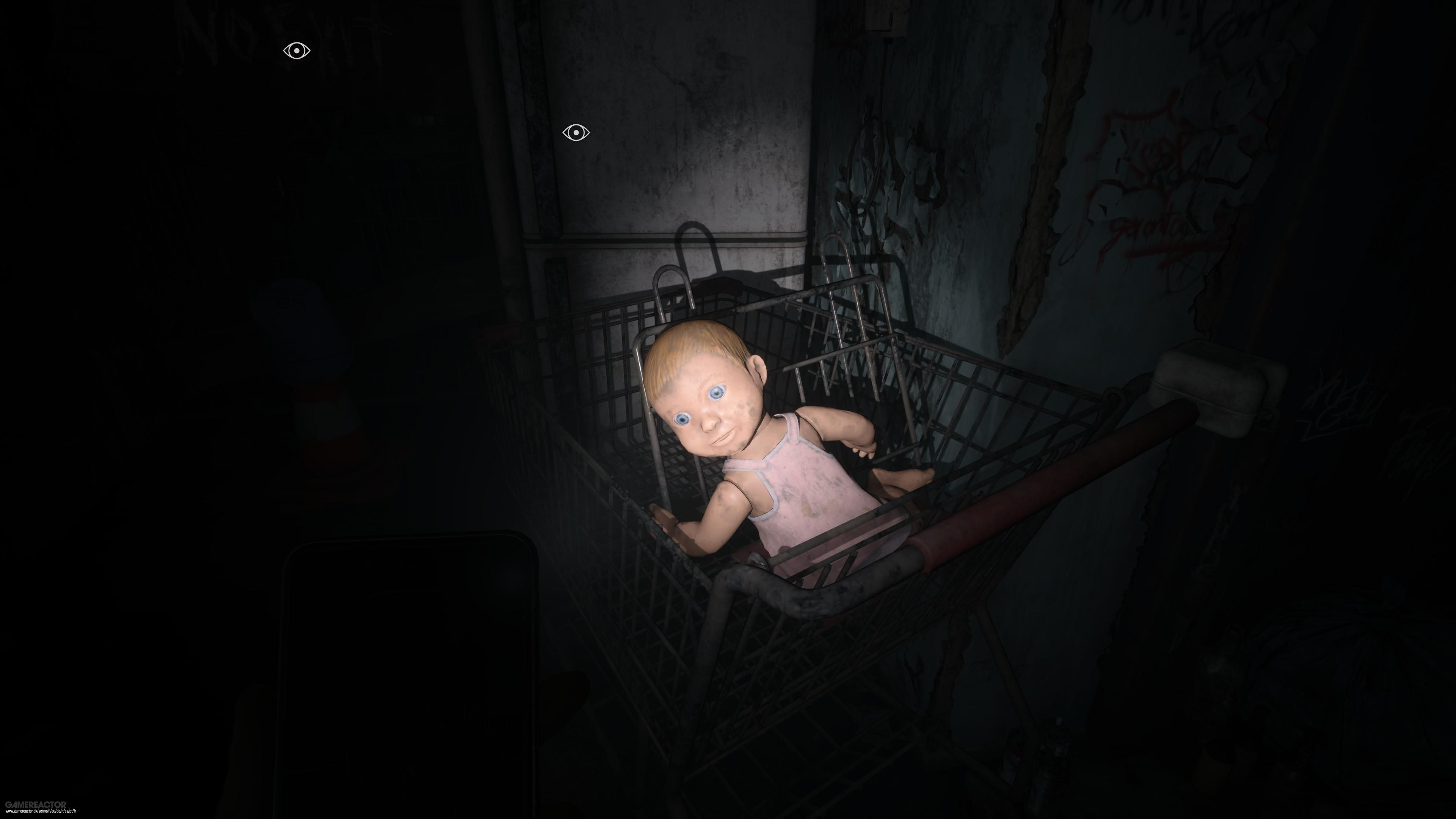
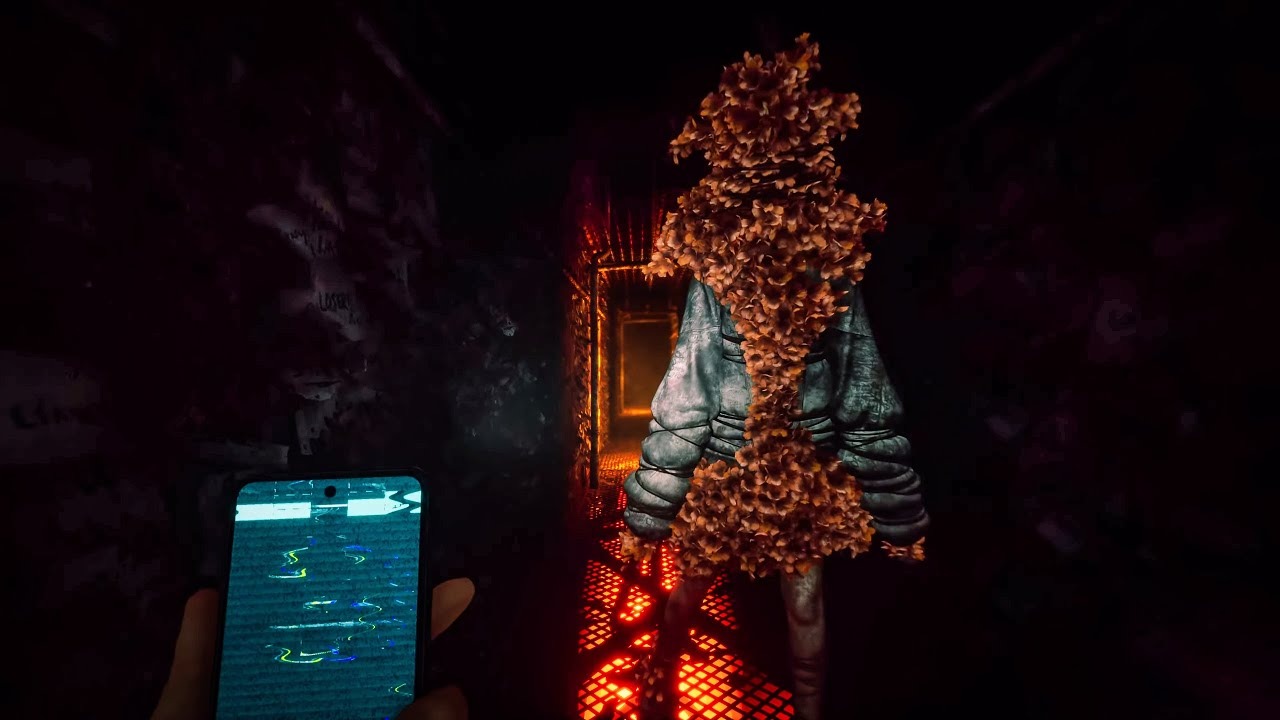
Your phone is used for its flashlight. It’s not as extensive as Shattered Memories with apps and features. Every so often your friends will text you, and you just press X to reply. The game is incredibly linear with only one clear path forward. The apartment complex is dark and dirty and does a good job of creating a horror atmosphere, but this isn’t Silent Hill. The series is never stuck inside of a building through the entire game. In fact, the only “outside” you encounter is going onto the roof and balcony a few times. This is by far the least interactive game in the series outside of the graphic novels. You will walk around examining objects, triggering cut scenes, and then entering the “Otherworld” apartment complex, which involves an annoying chase sequence from a monster. The only way you would know that the game is connected to Silent Hill is the monster track in the background and the orange hellish metal design everywhere during the chase scenes, and a single mention of the game in a note on a table. You need to run through a maze of doors and hallways to escape. They aren’t fun and have no combat.
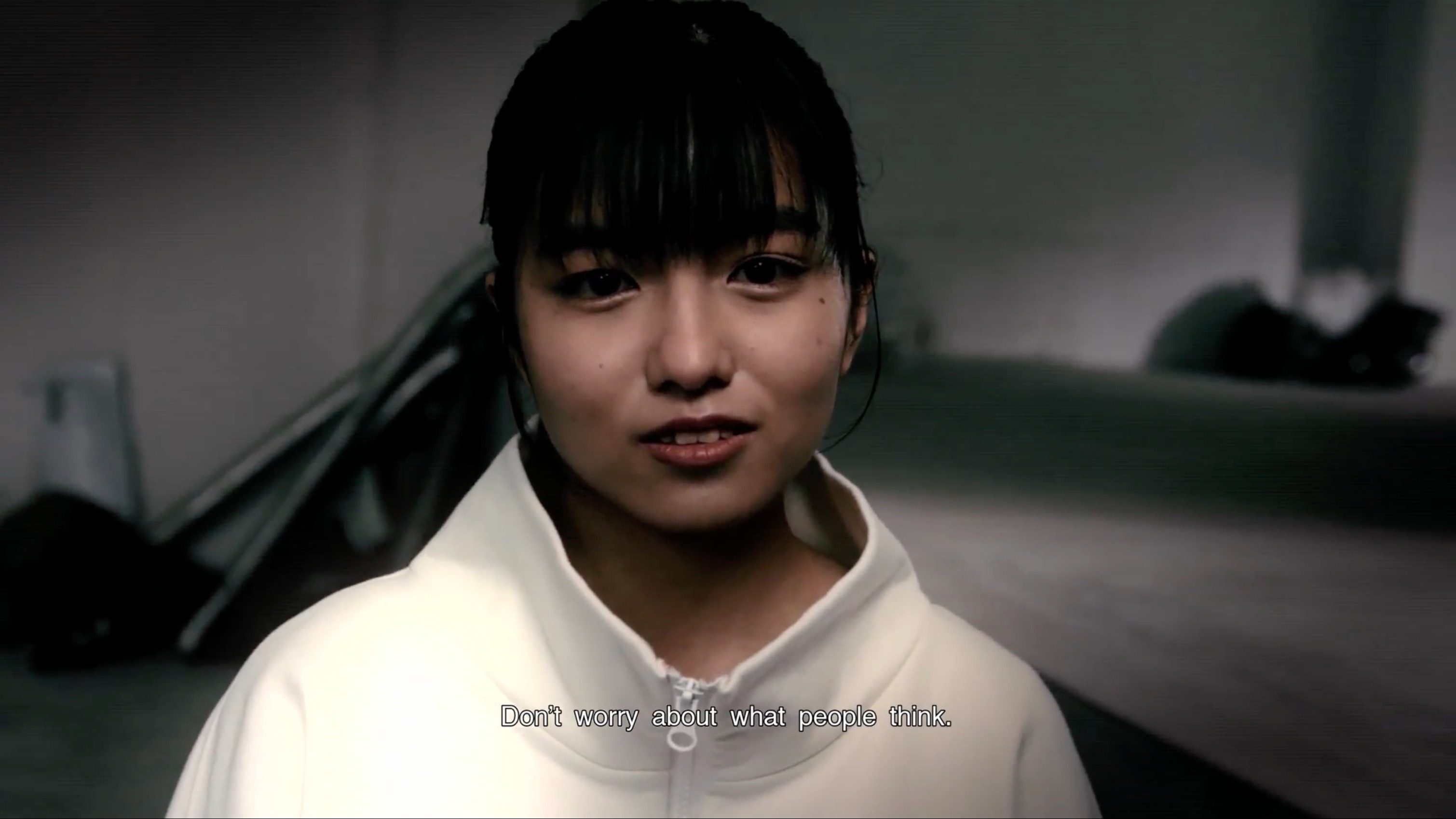
There are a couple of puzzles in the game that are actually pretty good, but it’s the only gameplay in the entire game that’s interactive. The most jarring element here is the inconsistent visual design. Anita’s model is incredibly rough and ugly. She looks worse than the rest of the game, and then there are the live-action cut scenes of a Japanese girl (Maya) talking to you in flashbacks. Sadly, the scenes were obviously shot in Japanese, but there’s only an English dub available. The actual story and message of suicide and bullying are interesting. There’s something here. Anita will walk through rooms full of sticky notes everywhere that have hateful words. We get flashbacks of her cutting her wrists, etc. These darker elements are what make Silent Hill so great. The exploration of the darkest parts of the human psyche, but instead of going with that, The Short Message drops the ball every time it picks it up. Exploring the apartment complex doesn’t bring about any scares. Lights turn off, bulbs pop, there’s weird noises, and that’s about it. The monster chasing you is the only monster in the entire game and you rarely get to see it.
What’s left is a three-hour slog through what feels like a tech demo or proof of concept. Clearly Konami didn’t like it enough to make it into a full game. Hexadrive has some good ideas here, and I wouldn’t mind seeing that they could do with a full Silent Hill game. With the series making a full return, we need more developers on board now that Team Silent has been disbanded. I recommend playing this only if you’re a Silent Hill completionist and hardcore fan, but otherwise there’s not much here for anyone else.
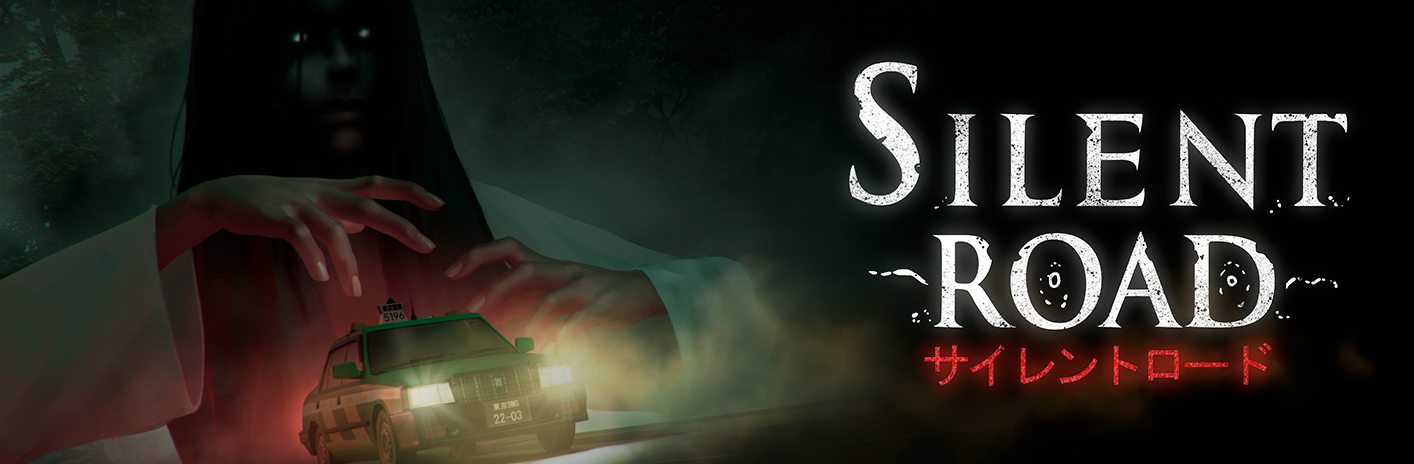
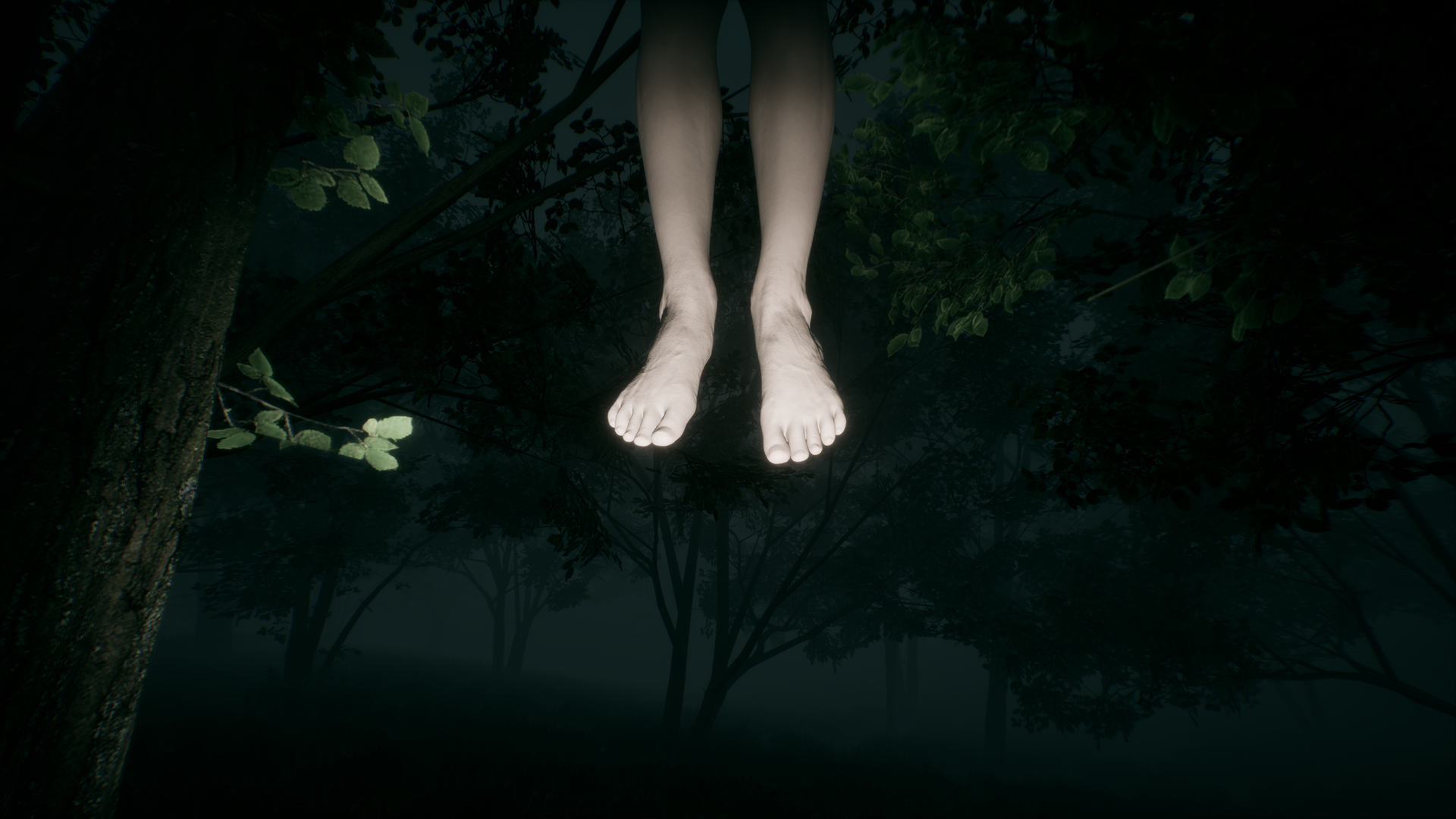
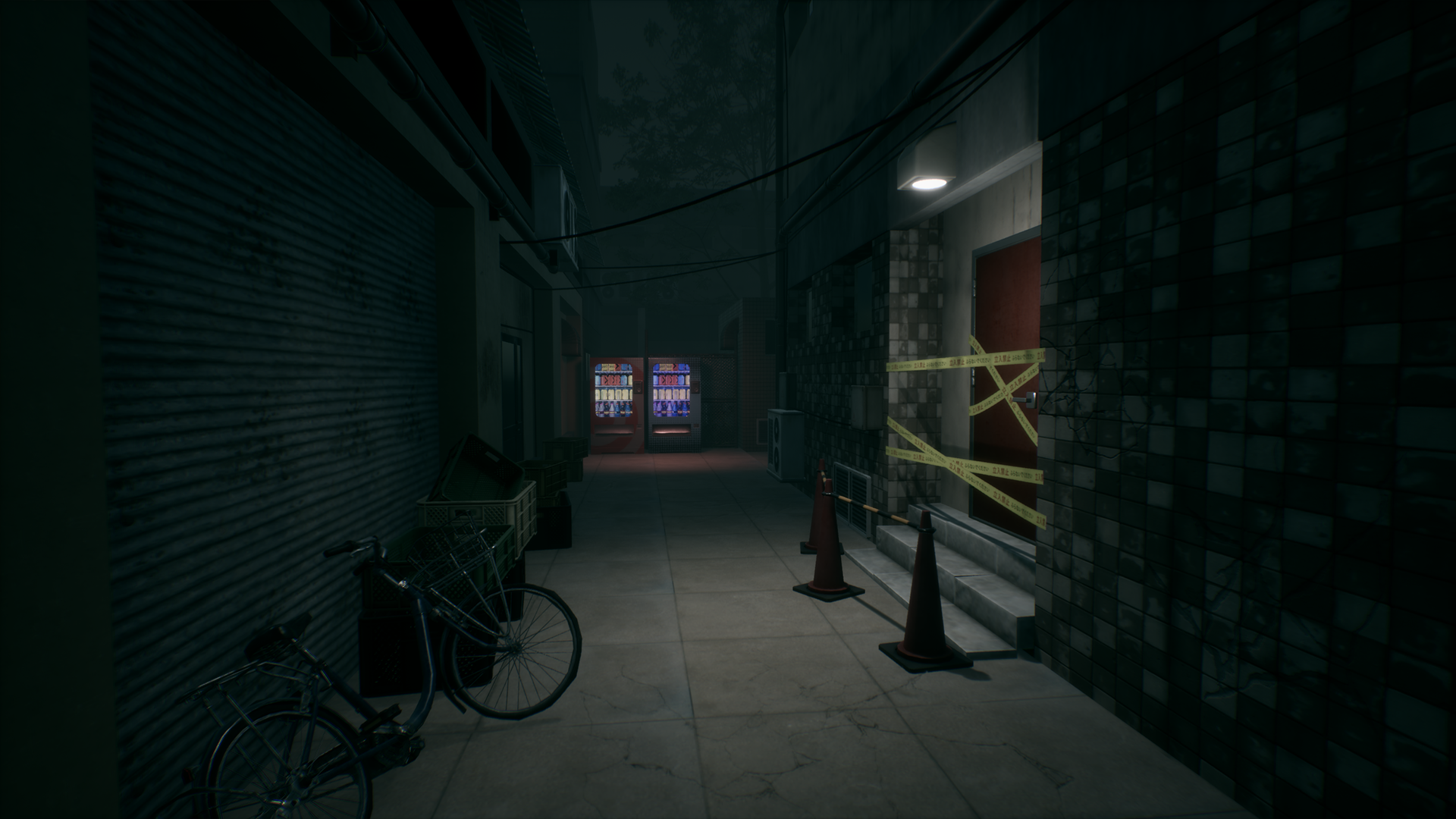
Psychological horror games need to be done right. Psychological horror games don’t solely depend on jump scares and cheesy trends to captivate players. Endflame may not have an extensive catalogue, but it’s a strong one. With their last release, Ikai, they proved they can capture that special niche of Japanese horror, diving into folktales and lore from that region. They have the pedigree for horror. That’s why I think Silent Road is not just familiar in name but speaks for what the game is. A journey on a road that’s silent literally or figuratively? There’s only one way to find out.
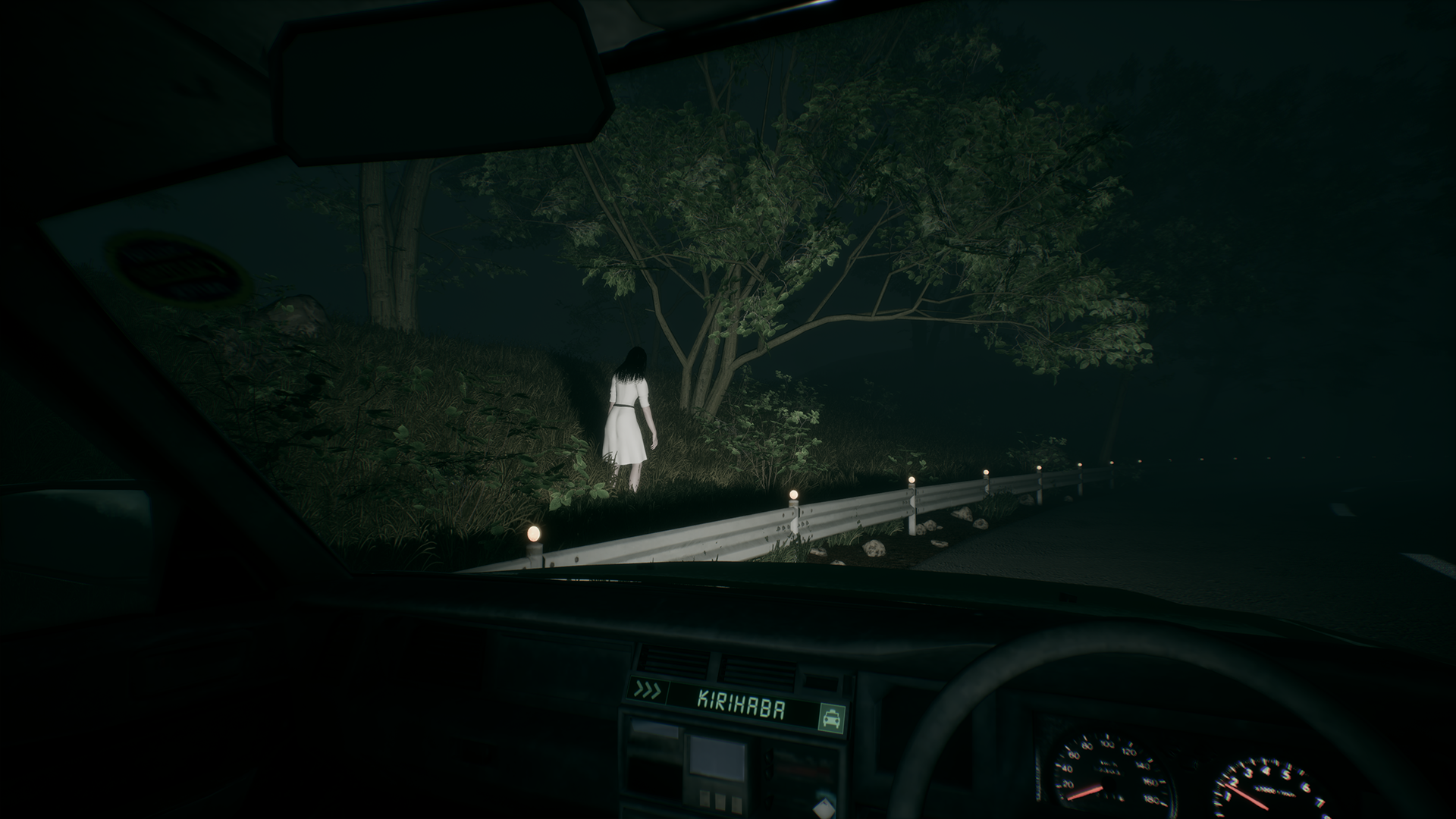
Looking at the trailer and various screenshots, you can see the clear influence of past horror games related to Japanese folklore. Fatal Frame and Silent Hill will immediately come to mind. The intense density of the forests of that region invokes many local and famous folktales, including the Aokigahara Forest, or “Suicide Forest.” Particularly the forests of Silent Hill 2, Fatal Frame II: Crimson Butterfly, Kuon, and even Siren come to mind. If you are a fan or even familiar with those games, then this might be something worth checking out. What kind of scares Endflame has in store for us will need to be seen, but after talking with them, it seems they are up to the task of slowly feeding players intense moments and building up to larger scares that pay off.
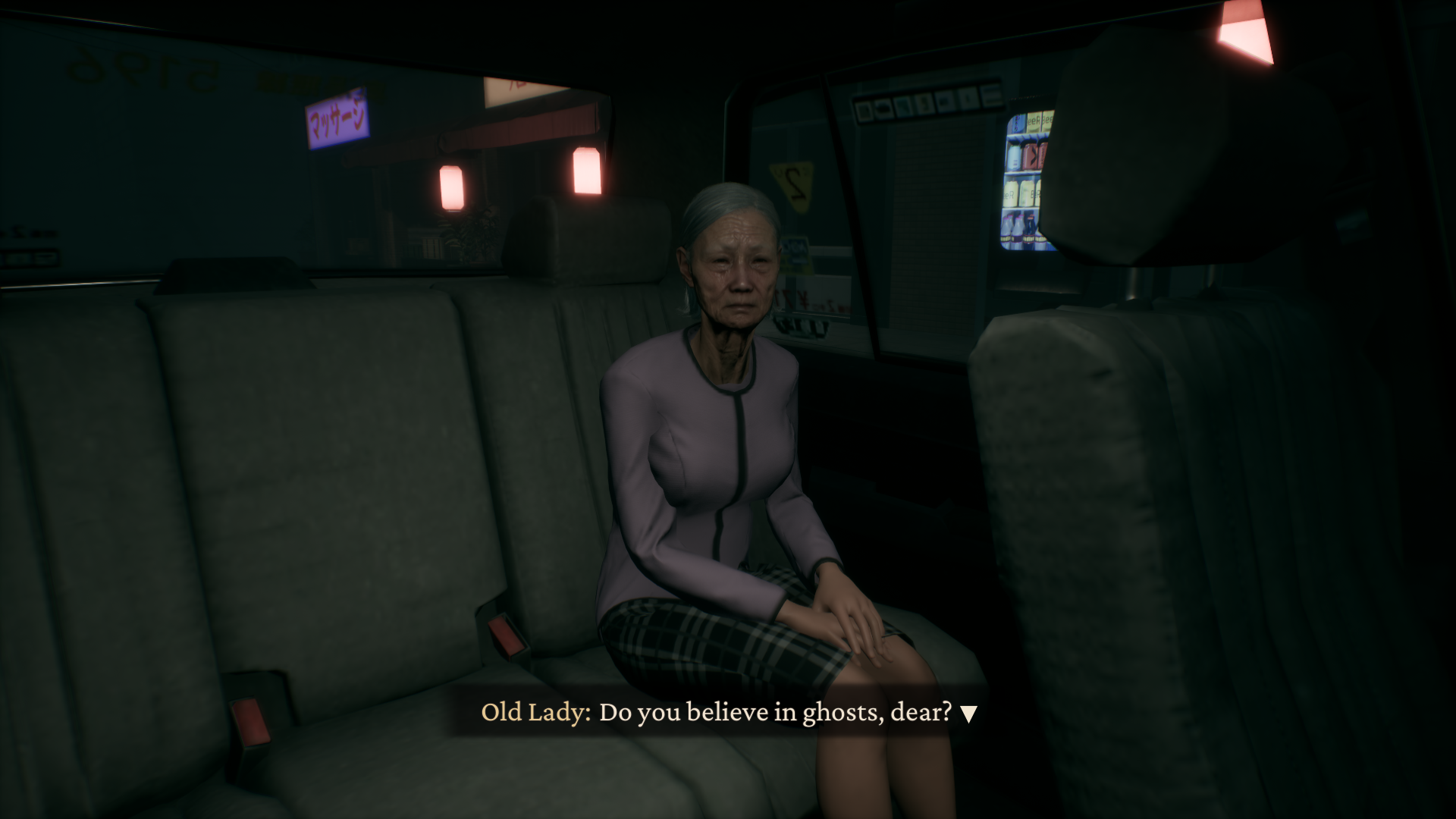
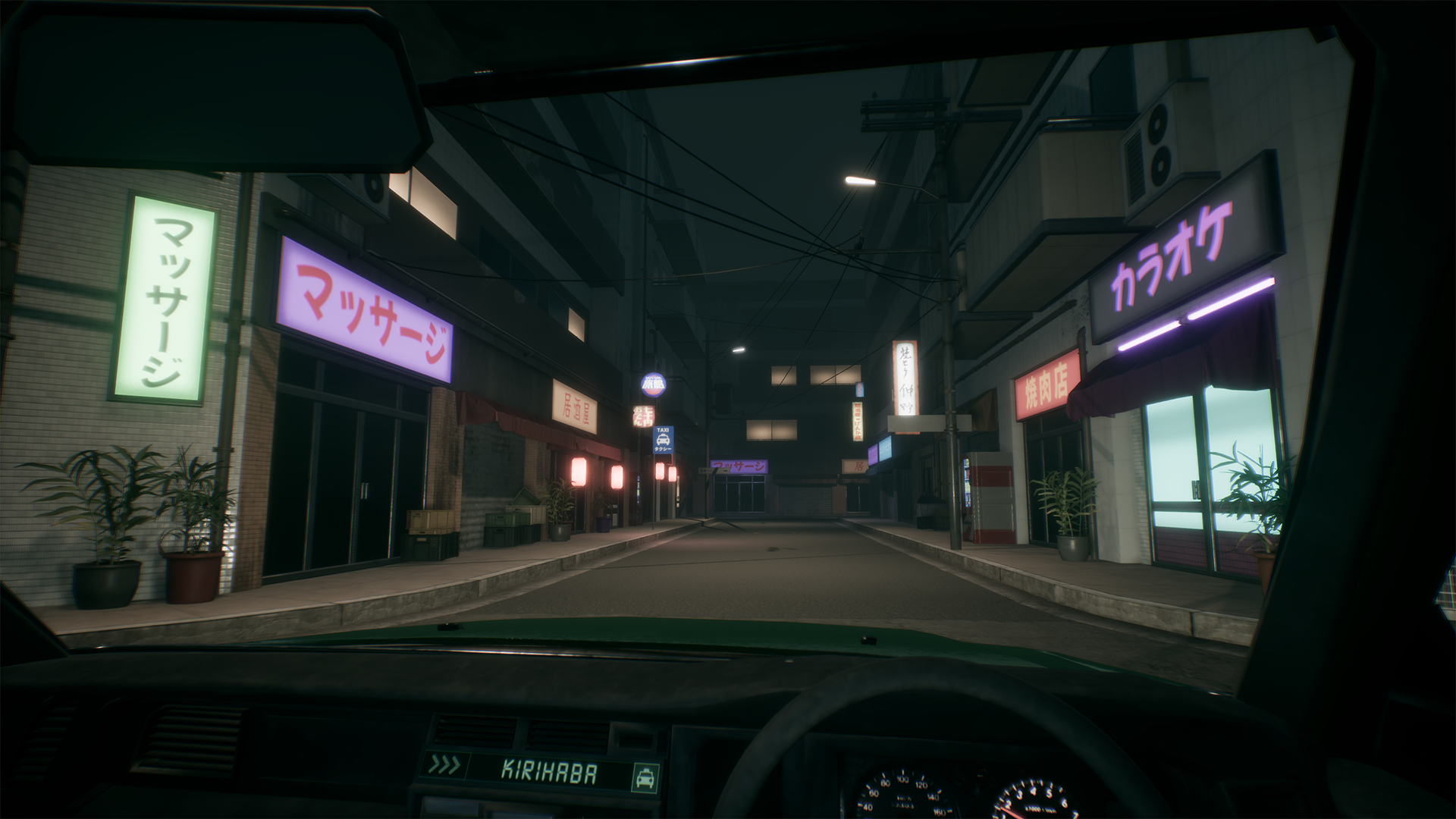
I talked with Endflame to pick their brains and get an idea of what we can expect from Silent Road. How does it compare to other games, and what makes it stand out from the ever-increasing indie horror scene? On top of that, how does it compare to their previous games, and what can we expect that’s different? The taxi mechanic is striking, as this is something that’s not really focused on as a main gameplay idea in horror games. The short stories you get from passengers are what can stick with players long after the credits roll. Check out the trailer below to get an idea of what to expect before diving into the interview.
Has any traditional Japanese folklore influenced Silent Road?
Yes, in fact, the narrative and setting are inspired by the legends surrounding Aokigahara, which is commonly known as Japan’s “suicide forest.” While the region in our game is fictional, it draws heavily from the eerie stories and lingering spirits associated with Aokigahara. We love Japanese horror, and our debut game Ikai explored yokai stories in a feudal setting. This time, we wanted to surprise players with a new angle while keeping the atmosphere they love, with a modern world haunted by the ancient legends of a forest marked by death.
As a fan of Ikai myself (I bought my copy for Switch from Best Buy on day one!), what have you learned from the feedback of that game that helped in Silent Road’s development?
Thanks for being such a loyal fan!
Player feedback from Ikai taught us what resonated most: atmosphere, memorable scenarios, and a strong creepy tone, so we’re bringing back all of that into Silent Road.
On the other hand, players also made us realize that some jump scares became predictable once they got familiar with the mechanics, which reduced the fear factor. Because of that, we’re focusing on adding more varied and unpredictable dynamics to the gameplay, with distinct twists so every ride or quest feels uniquely frightening in its own way.
What would you say sets Silent Road apart from other indie horror games of the same genre?
The Japanese theme and taxi-based gameplay are the key features that set Silent Roadapart. Very few games have explored these ideas separately, and even fewer have combined them. We feel they complement each other perfectly and let us create situations that wouldn’t be possible within the limitations of more conventional settings. You never know what might unfold beyond the windshield… but dangers can also be sitting in the back of your taxi.
Has the recent rise in Analog Horror influenced the game’s development in any way?
To a certain extent, yes. Analog Horror doesn’t rely on hyperrealistic graphics to be scary or appealing, unlike big productions. We can’t compete on that graphical level, but we can create strong experiences built on interesting ideas, atmosphere, and our own aesthetic approach.
You’ve stated that games such as Silent Hill and Fatal Frame were big influences on Silent Road. Are there any retro classics that influence the game as well, such as Sweet Home or Clock Tower, for example?
Yes, there are. Clock Tower, as you mentioned, is one of them, and Forbidden Siren [Forbidden Siren is what Siren is called in PAL regions ed.] is another major reference for us. Even though we’re not aiming for similar gameplay, Forbidden Sirenhas that creepy, quiet atmosphere and classic J-horror look that we love.
Has there been any other inspiration from other Japanese horror sources, like Junji Ito or anime or manga? When I see that Silent Road will feature short stories from drivers, the short story horror anime Yamishibai comes to mind.
We’re actually driving the story toward a single overarching plot, presented through the different perspectives of the passengers. We’re aiming for storytelling with varied points of view and personalities, which is why we added passengers as a core element. Silent Road features characters with distinct mindsets that can shift the player’s perception of events and help them form their own interpretation.
Even though it wasn’t an initial reference, I’d say the structure is closer to Death Parade, where each character has their own story linked to the main plot, guided by a central “conductor” figure who shapes the narrative.
Music and ambience play a huge role in horror titles and can drive a lot of the emotion. What can we expect from Silent Road in that aspect?
As we did with Ikai, we are paying special attention to music, but especially to sound. We learned that a strong soundscape is key to establishing a creepy tone both in the environment and in gameplay scenes.
How dark can we expect Silent Road to go? The darker the better, I say. Will there be gore or anything super graphic? Most horror fans love this stuff if it’s done well and makes sense for the story.
Silent Road is leaning more toward psychological tension, with a strong build-up driven by the stories and unsettling situations that definitely go dark. There will also be some consciously placed jump scares woven into that build-up. We feel this game is better suited to psychological horror with very dark backstories rather than graphic gore. As you said, gore needs to serve the story to work, and here it doesn’t feel necessary.
Can we expect Silent Road to be released on other platforms, such as Switch 2?
We’d love to bring Silent Roadto as many players as possible, just like we did with our previous titles. For now, we are keeping the scope small to guarantee the game’s completion. We’ll evaluate additional platforms and future opportunities as the game takes shape.
Will Silent Road be Steam Deck verified?
We are developing the game to run smoothly on Steam Deck, but verification is handled by Valve. That said, we are actively working to meet all requirements, although the actual verification process remains outside of our control.
DunkeyKong asks if the game will feature a fuel system for the taxi and if we can pet cats? That’s a big thing right now!
The game won’t have a fuel system. The main reason is that it would shift the gameplay toward management mechanics, and we don’t want players to be distracted by fuel interfering with our story plans. As for cats, I’m afraid we won’t have any, but if we did, we wouldn’t hesitate to add a petting feature!
Very interesting indeed! A preview will be incoming in the future, so look forward to that. Thank you to Endflame for taking the time to answer these questions and help connect some emotion to the game and get us excited for what’s to come. There’s no current release date, and the only confirmed platform is PC for now. If their release of Ikai is any indicator, we should hopefully see a console release and, mostly, a physical release eventually.
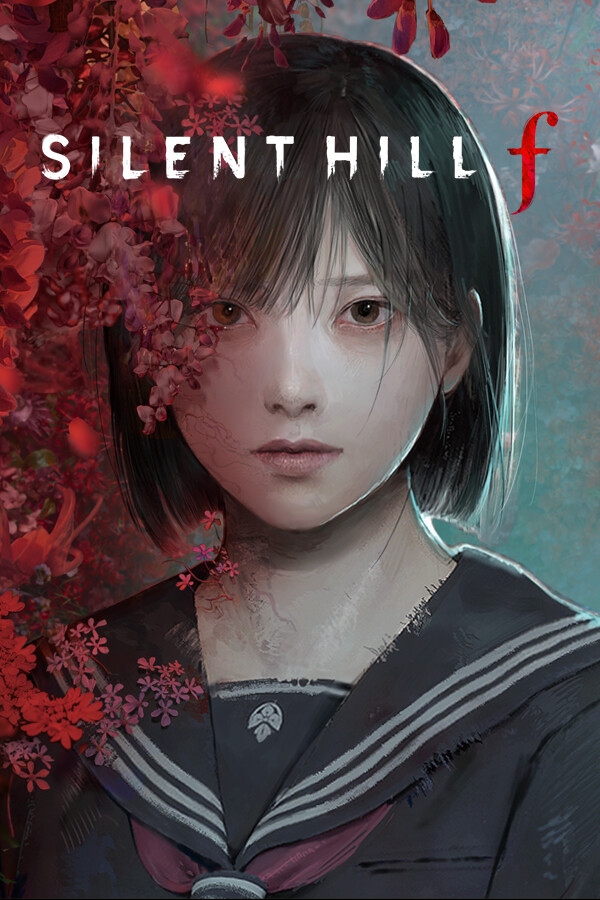
Well, we finally made it to another Silent Hill release. This time it’s excellent. I will start off right away with that. After the utter disappointment of Downpour, the last mainline game in the series, everyone thought the series was dead. After the failure of resurrecting the series with the abysmally boring dungeon crawler Book of Memories for Vita and the terrible HD remaster of SH2 and SH3, it felt that Konami was done with the series. Downpour had some good elements, but it was a terrible game to play. With the huge success of the SH2 remake from Bloober Team, it feels like Konami is going full steam ahead with the series once again. For those who don’t know, the “f” moniker at the end means “forte” to contrast the “Silent” part of the title. While it’s not clear if this is a mainline title or not, as this is the first game not set in the titular town on the East Coast of the US.
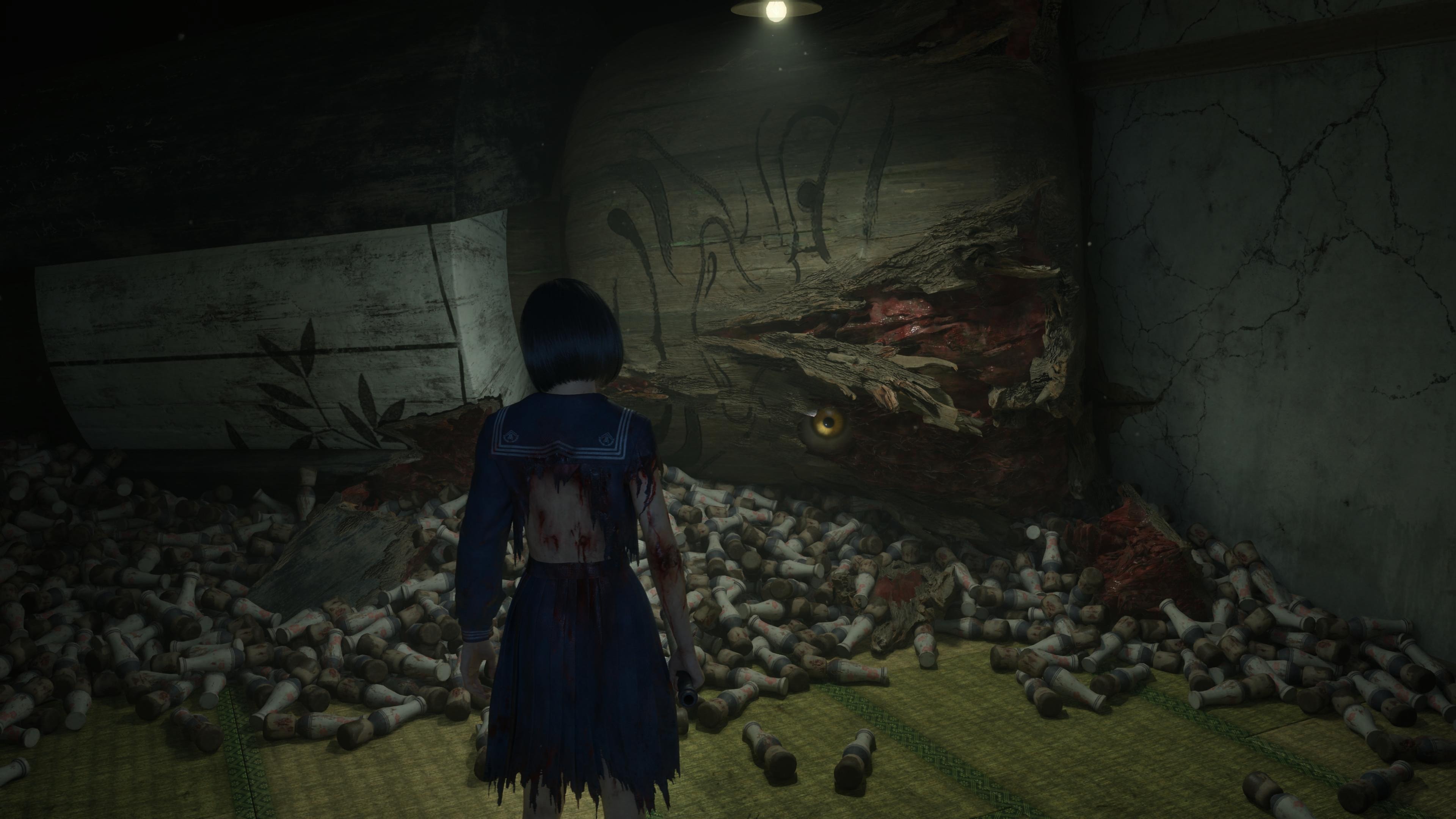
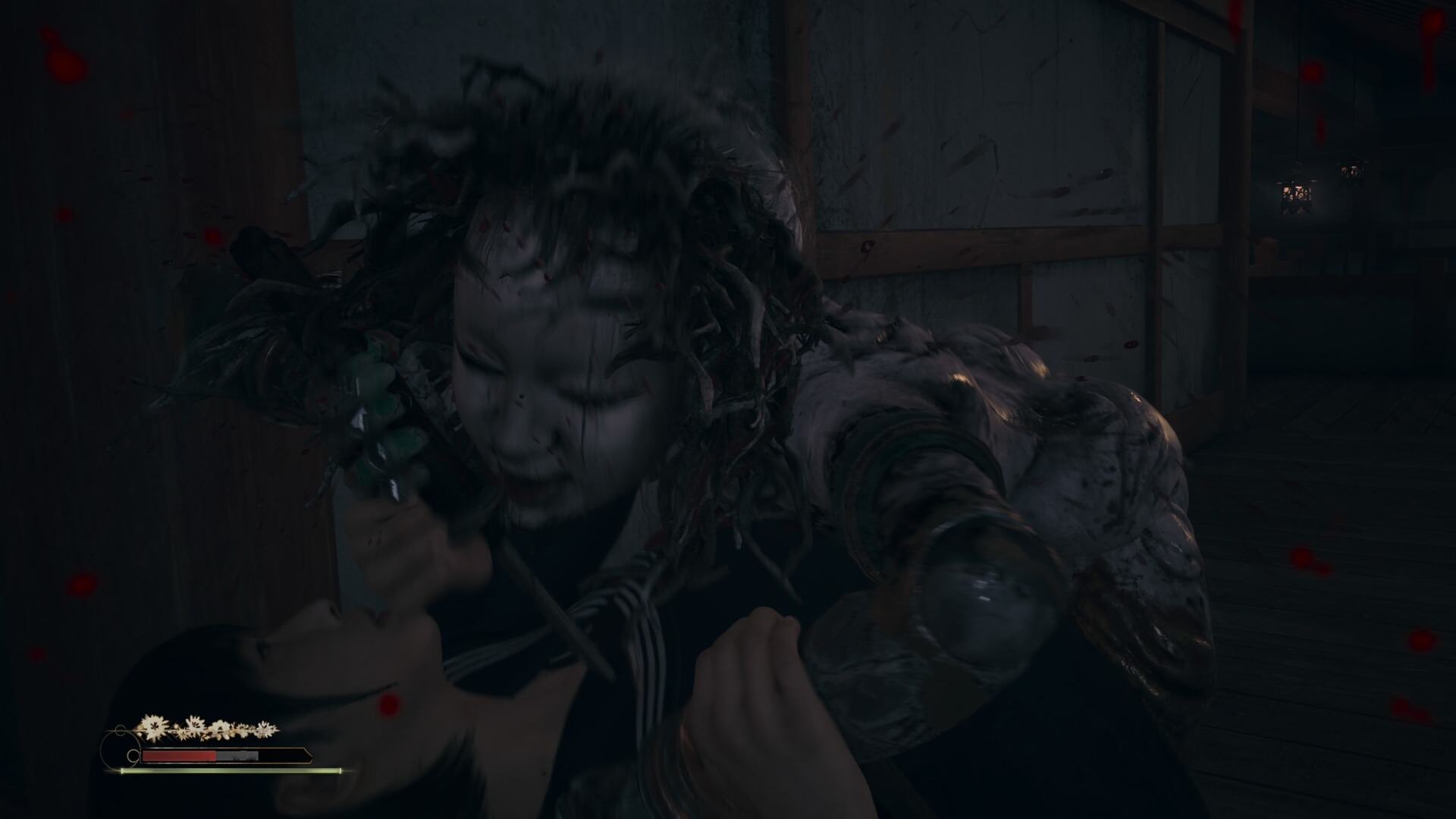
SHF is set in post-World War II Japan. Hinako Shimizu is your leading lady this time around. A shy high school student who has a disturbing and dysfunctional family and ends up getting trapped in what seems to be monsters and red fungus and spider lilies taking over the town. Hinako relies on red capsules to stave off headaches. As you play through the game, Hinako is seemingly teleporting to a Shrine world, when passing out, and the real world, which is the town of Ebisugaoka. This is a small town, similar to Silent Hill itself, that’s full of lower-class citizens who rely on living off the land. The game strays far from the Western horror we have seen in the series and relies more on Eastern horror and Japanese folklore. It’s hard to get used to, but the themes and Silent Hill DNA are all here. The enemies move like mannequins; they look grotesque and horrific, the music by Akira Yamaoka is absolutely fantastic and takes the usual Silent Hill music we are used to and adds an Eastern flair during the fog world (real world). The music here is somehow darker and scarier than it’s ever been. There’s more emphasis on unease and disturbance. The soundtrack is full of out-of-tune instruments, wailing cries and hymns, and screeching string instruments, all mixed with traditional Japanese folk music. It’s a nice twist on the soundtrack while keeping it sounding familiar. Kensuke Inage composed the Shrine world pieces, and they contrast well with Akira’s music. He is mostly known for composing music for Musou and fighting games of various franchises.
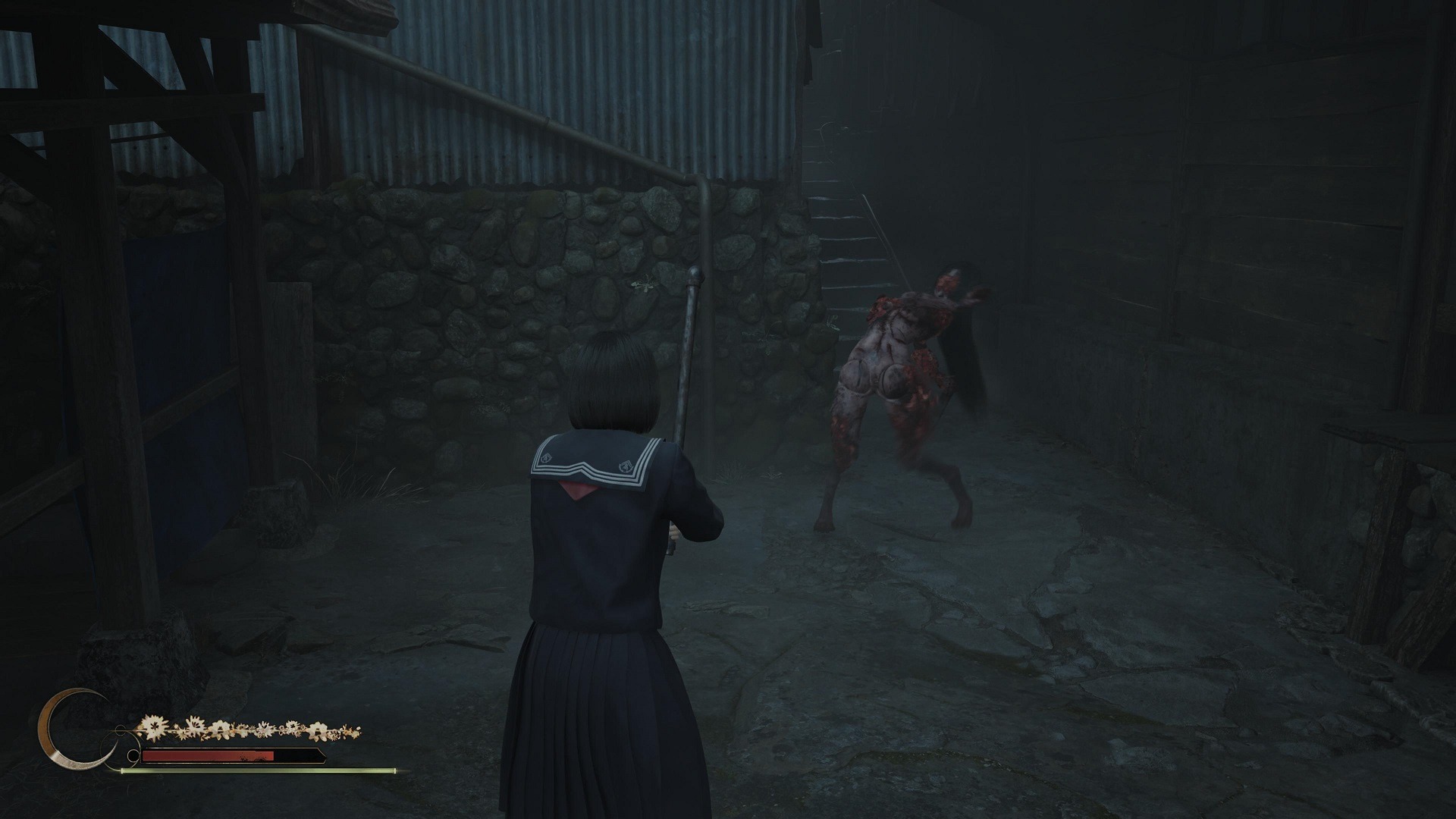
With that said, Hinako controls really well, and she should. She is small and lightweight and can run around with ease. Combat is the best the series has had so far. While it’s simple, it is hard to master. You can dodge in this game, and that’s the hard part. Enemies will flash red, and for a split second you can press the heavy attack button to do a powerful attack and stun them for a perfect dodge. Hinako also has a focus meter that she can charge up, but this uses focus energy. If you get attacked while trying to charge your focus, it will take a portion of the bar away, and you need to use various items to restore this. You also need to manage a stamina meter used for sprinting, dodging, and attacking. If you run out, Hinako will run out of breath and will pause for a few seconds to recover. They took a page from the Silent Hill: Origins book, and weapons now have durability. It works much better here, as you can carry up to 3 weapons and repair them with toolkits. There’s light, medium, and heavy durability. Weapons like kitchen knives are fast, while crowbars and lead pipes are normal speed. Axes are slow and do massive damage. There are no firearms in this game. The combat is raw and visceral, and it feels like Hinako is just doing what she can to survive. She’s not a warrior. You need to manage these systems, heal, and store meters while fighting off enemies, like the series’ staple. Run. Run like hell if you can.
You can upgrade by using money from selling items at save shrines. You can exchange some healing items or find valuables hidden everywhere. You also need an Ema board to upgrade your character. You can upgrade your life, stamina, and focus meter as well as your passive ability size. You can equip up to three Omamori, which are found throughout the game. These add passive abilities like extra health, stamina, easier-to-do perfect dodges, refilling life upon death, allowing you to run a little faster, etc. This is a great way to add some depth to the combat system without it feeling like a full-fledged RPG or something more complicated than it needs to be. If you want an easier time, you are encouraged to explore and find extra keys or go where you might be scared too.
Shrine worlds have specific weapons that don’t have durability. I don’t want to spoil the story, but about halfway through, Hinako gets a very powerful weapon in the Shrine world. However, in the Fog World, she’s very vulnerable, and while enemies are easier to fight, she is weaker. In between fighting, you need to use your map like the traditional way. Blocked doors are scribbled out, open doorways and pathways have arrows, and objectives are circled. It’s a great map system and has worked well throughout the series. You won’t get lost like in older titles, and there are clear objectives. Puzzle difficulty is still here, and they become harder with more vague hints the higher you go. The puzzles are great and require full manipulation of objects and deciphering clues logically. The harder puzzles are in the Shrine world, as well as more combat. In the Fog World, you are trying to avoid combat and get to the next objective as quickly as you can.
The game’s story was written by Ryukishi07, whose pen name is famous for the When They Cry manga series. That series is known for intense drama, pain, and suffering. This clearly is translated into the story of Silent Hill f. While the series continues the tradition of needing some player interpretation, it’s a bit more structured. The series continues to deal with mental health and disturbing moments of human nature. There are some really dark scenes in this game, and as the story crescendos into madness, the player is left to interpret the goings-on more and more, which is fine by me. This is also the longest game in the series. I did a full collectible playthrough, and it took me 22 hours to finish. Even if you blasted through the game, you are still looking at a near 20 hour game. There’s a lot to see here, and the visuals are absolutely stunning. The game does use Unreal Engine 5, so there are some technical hiccups here and there, but on my playthrough they weren’t too noticeable. The game captures the essence of Silent Hill, and we can finally say that AAA survival horror is back.
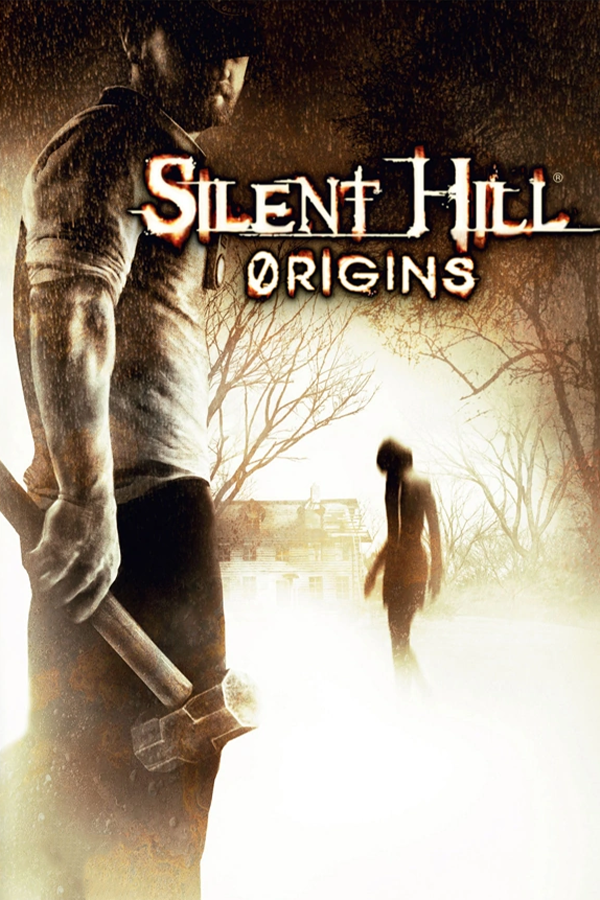
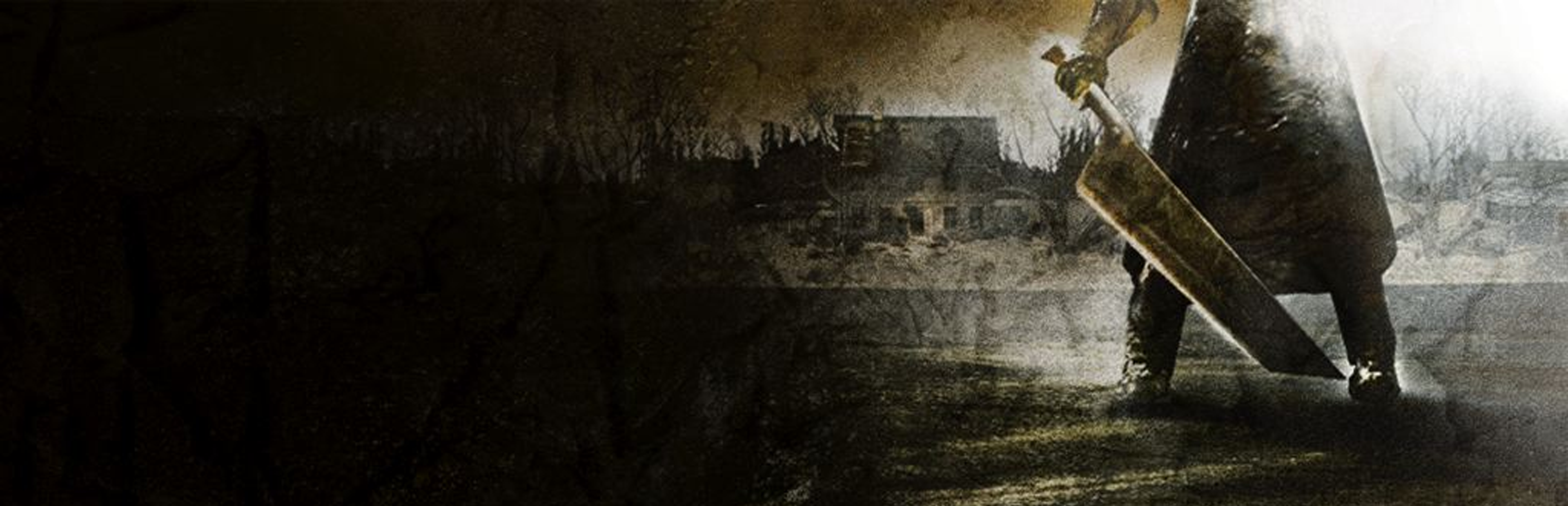
Silent Hill was nearing the end of its life back in the mid-2000s. The series peaked with Silent Hill 3, and it seemed that Konami and Team Silent just struggled afterwards. While Origins was supposed to bring the series back to its roots and feel similar to Silent Hill 2, it was the first Western-developed game in the series, which was done by the now-defunct studio Climax Group. The game went through development hell, being cancelled as a clone of Resident Evil 4 and then rebuilt within less than a year to feel more like the first two games in the series. Climax Group succeeded in capturing the haunting and surreal atmosphere of Silent Hill, including some great new monster designs, but faltered in many other areas.
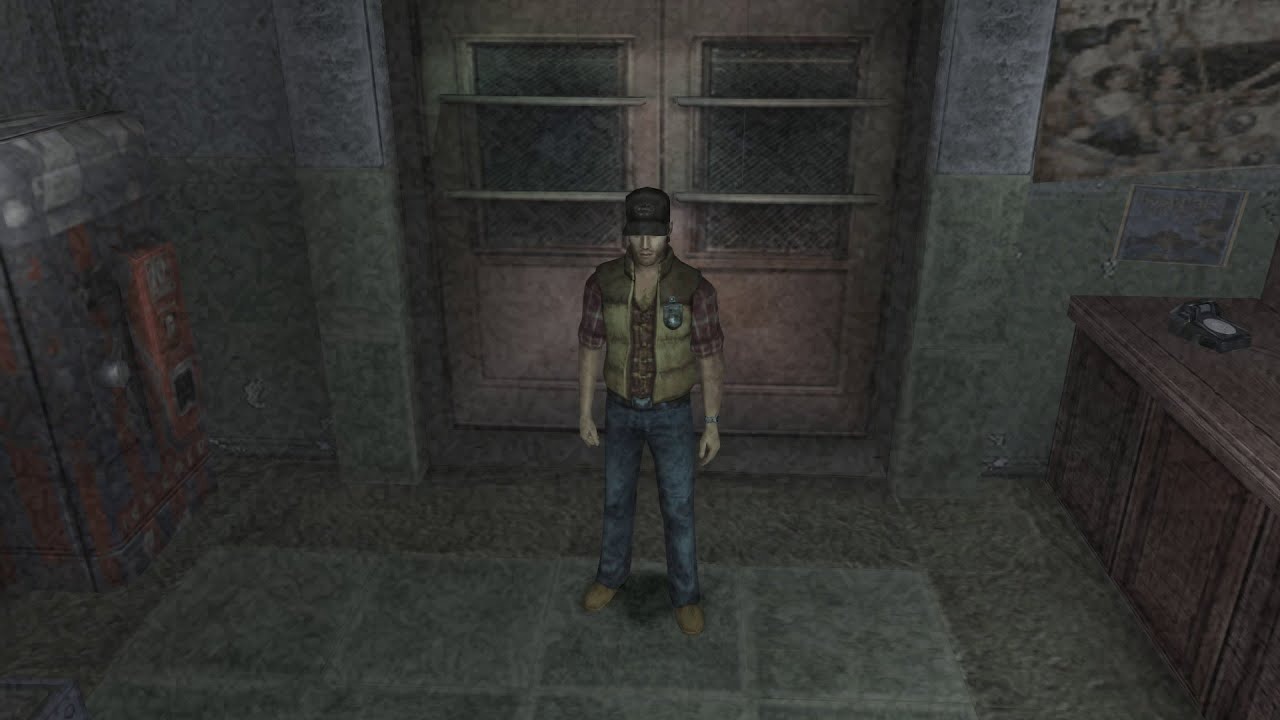
You play as Travis Grady. A truck driver who is passing through Silent Hill hits a girl in the middle of the foggy road. As you get out, you end up rescuing a girl from a burning house only to realize you were trapped in an occult scheme and needed to save her from being sacrificed to a god. Sadly, the story is very vague, and there isn’t much in terms of explanation. There are only a few pre-rendered cutscenes, and in-game cutscenes are very sparse and don’t explain much. This tale could have been fleshed out more if Climax had more time on the game. The story is mostly forgettable despite having the ingredients for something outstanding, such as returning characters. This release is supposed to be a prequel to the original game, after all.
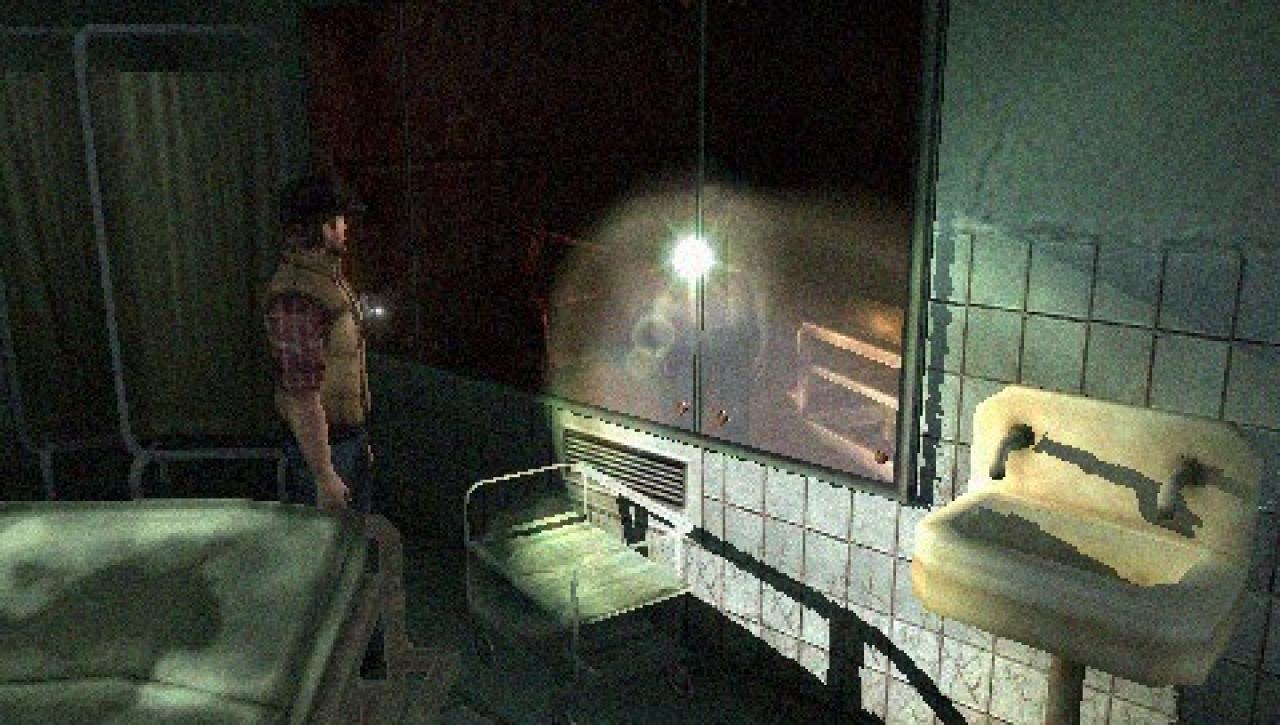
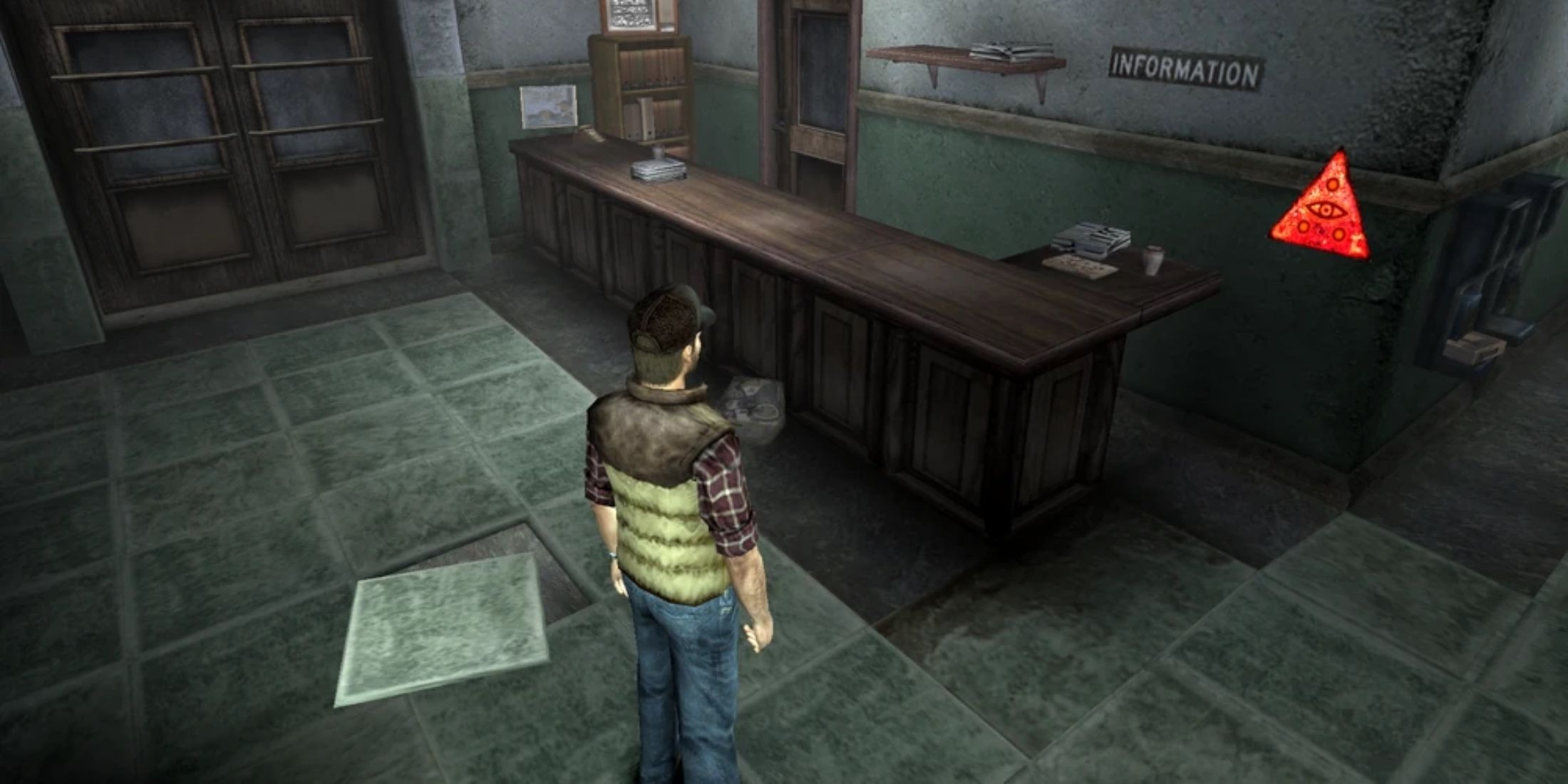
Disappointing story aside, the game at least looks and feels like classic Silent Hill. With fixed camera angles due to the lack of a second analog stick, Origins lets you flip the camera behind Travis with the L button and lock on to enemies with the R button. The controls work surprisingly well despite some weird camera quirks, like when the camera flips around and you’re pressing the analog stick in one direction, it will flip the controls on you, making you change the direction you are pressing. Small rooms can feel cramped, and enemies can be off camera and hard to see, including items. Origins has many melee weapons because Climax thought it was a good idea to focus on more combat than exploration with this game. It just doesn’t work well. To compensate for missing items, Travis will look at objects of interest, but it doesn’t work out super well most of the time, as he will also look at doors, which is useless. At least there are frequent save icons (red triangles) because this is a portable game after all. You need to be able to save often.
The lock-on mechanic makes shooting easy, but ammo is scarce and should be saved for bosses or when you’re outnumbered. Melee weapons are breakable. This feature makes the game insanely frustrating. Rather than relying on a single, well-balanced weapon as in Silent Hill 2, you must scour the town, searching for as many melee weapons as possible to pack. All of these weapons have varying durability, and some heavy weapons can be smashed and are only usable once. You will end up with enough weapons to pack into a small U-Haul. For example, you are carrying around IV poles, filing cabinets, and weight sets. It makes no sense and is insanely silly. I can understand wandering around the town for consumables like health drinks, first aid kits, and the ever-rare ampoules, but Climax screwed up twice and added a stamina system. This doesn’t do anything except make you run slower every 10–15 seconds, and it’s insanely annoying. You have to use energy drinks to recover right away or stop and let Travis catch his breath. This can be annoying when running from enemies.
I also found the number of enemies you encountered and the level of difficulty to be frustrating. Sure, in Silent Hill, it is recommended to run from most enemies when able, but there are just way too many, and Climax opted to make them more aggressive, like in the first game. They will always beeline towards you no matter how far away you are and won’t stop chasing you. This leads to enemies mobbing you with four to five straightjackets on your tail. If you stop fighting, you are instantly dead. The game becomes progressively more difficult and unbalanced as it progresses, making it harder to reserve many of the big items for boss fights. At least the monster designs are cool and in line with the previous design DNA of the series. The game introduces new adversaries such as the Remnant, a formless entity with only a metal cage encircling their chest, and the Two-Back, a hideous mass of flesh. These are inventive enemies, but they just aren’t fair to fight.
Puzzles are in line with previous titles in that they are pretty tough and require quite a bit of thinking. You usually find a manual or instructions and must flip switches or place objects in a certain order. Some puzzles are quite challenging, including one that necessitates the use of algebra. You will definitely need a walkthrough for the first playthrough and put puzzles on the easiest difficulty, but it’s debatable whether or not this game is worth revisiting. Navigating the world is similar to previous games, with a large map that has red lines for areas you have visited. You can try doors, and if they are locked, they will get a red squiggle, and windows that open get a red line. Important items are marked on the map, and objectives are circled. It’s a little cryptic on where to go sometimes, and with a lot of enemies around, and some areas where they respawn, it can be maddening. There’s also a new element thrown in that lets you transport to the Other World via mirrors and is required to solve puzzles. The Other World has more powerful monsters; they are more aggressive, and everything is rearranged with new areas opening up and others being blocked. The Other World looks wonderful and captures the look and horror of previous games.
I really wanted this game to be better. I was sucked into the world and atmosphere of the game. The haunting music is just as excellent as previous titles, with Akira Yamaoka returning to do the music. The industrial and surreal soundtrack will invigorate your senses. The game also looks wonderful on the PSP, being one of the most impressive games in its entire library, but it’s not a super fun game to play. If the combat were better, I could forgive the harder puzzles and the shortcomings of the story and lack of more interesting events. You primarily move from one area to another, battling a boss and various enemies, only to repeat the process. The areas aren’t super interesting in and of themselves, as they have already been seen. There’s a hospital, an apartment complex, a motel, and a theater. The most captivating part of these areas was the Other World versions. I liked that there were some Easter eggs thrown in, such as multiple endings, extra options for a new game, and little tidbits like gory scenes, but it’s just not worth it. The game is mostly enjoyable on the easiest difficulties to counterbalance the poorly thought-out combat. At least the game isn’t too long, running at around 6 hours or so with a walkthrough.
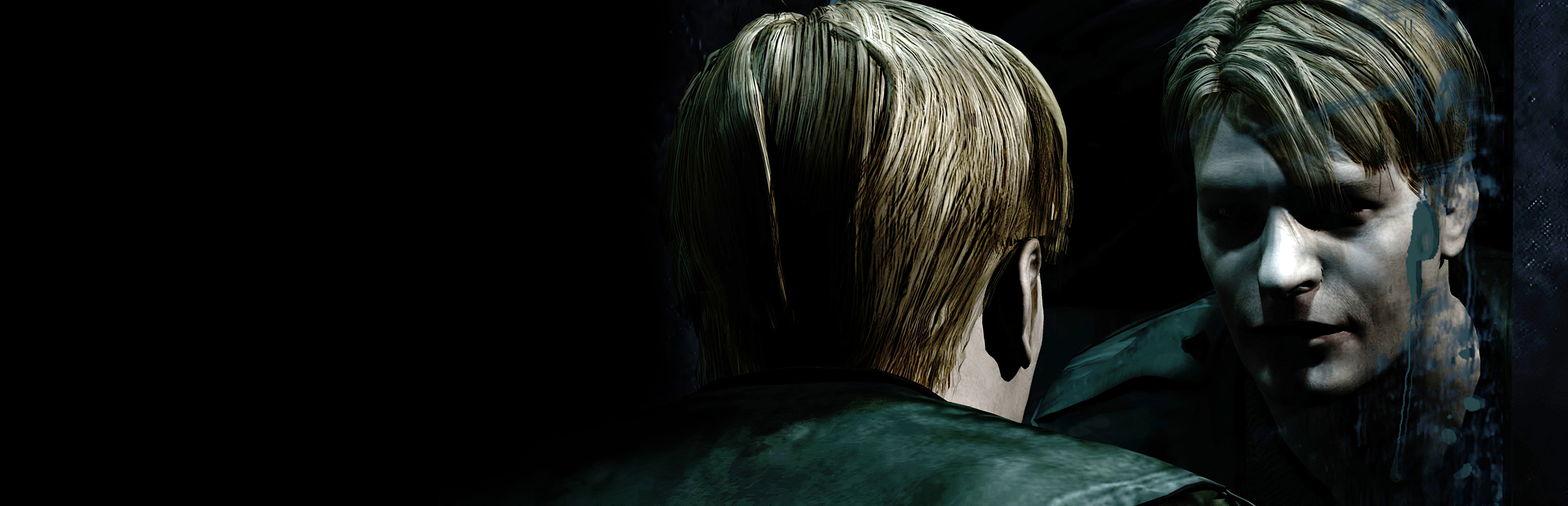
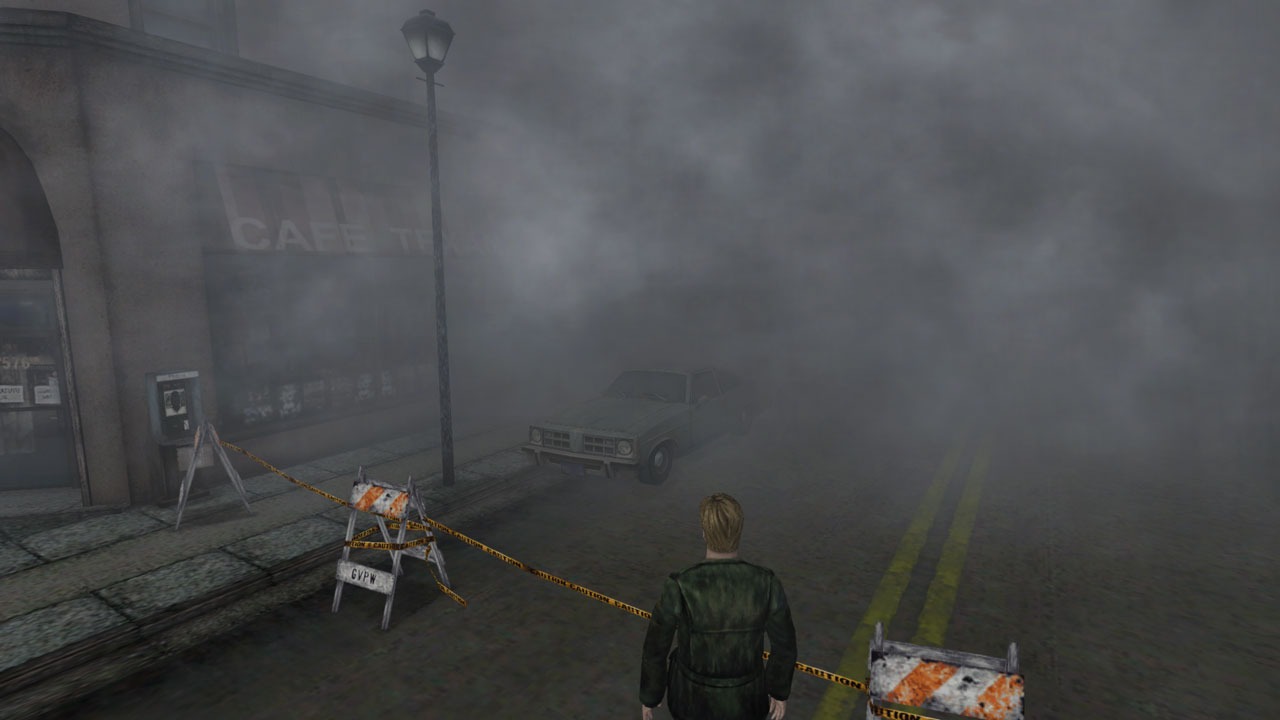
Silent Hill 2 is considered one of the best horror titles ever made. This is my second playthrough of the game. I first played this on PC as well almost 20 years ago. I was a teenager, and I can’t even remember if I finished the game. Silent Hill 2 differs significantly from its original PS1 title. The game focuses more on atmosphere, surrealism, and how things affect people mentally. You follow a man named James Sunderland, who is searching for his wife Maria in the town of Silent Hill, Maine. The story is a little disjointed and doesn’t always make sense, but I think that’s intentional. The game focuses on themes and characters that have no connection to James. Are they manifestations of the town’s pain in human form? There isn’t much exploration of these people’s back stories, despite their frequent appearance. Despite the lack of a third act or a definitive ending will be on the player to make of it what they will. The story is open for interpretation, but remains interesting.
I like how more straight-forward this game is. While the map is an essential tool for figuring out where to go, this series kind of made that a staple. As you progress, your map will mark off areas explored, doors tried, and objects found, aiding in exploration. I still find the puzzles somewhat obtuse, especially on harder difficulties, which make the clues more vague or sometimes nonexistent. For a first-time playthrough, I recommend the easiest combat and puzzle difficulty so you actually finish it. Puzzles involve finding combination locks, and you must either decipher written clues or photos. Some are obvious, while one literally requires you to guess the combination. Finding keys, sometimes through multi-tiered layers of unlocking, is a significant part of advancing through the game. When you receive keys, it’s clear where they lead, and the town map typically circles your next objective. However, navigating inside buildings complicates the process. Most players will tend to become frustrated when they have to attempt every door on the map, especially when there are enemies present. That’s why I recommend starting at the easiest difficulty to gain a better understanding of the game before taking on another challenge. Even starting normal can make the game feel unbearable at first when you don’t know where to go.
Silent Hill 2 improves on the first game’s combat. Auto-aim works much better, but ammo conservation is a must for boss fights. You get a handgun, shotgun, and rifle, as well as three different melee weapons, and that’s it. When you are just fighting one-to-one, you should use your melee weapon, but on the easiest difficulty, ammo is so plentiful that I could use a gun through the last 3/4 of the game once I collected enough. During the first half of the game, you will wander through the main town of Silent Hill, but you should stick to the sidewalks, as this is where all of the items, including health and ammo, are located. You can avoid most enemies by running past them, but the ominous atmosphere compels you to engage in combat. The enemies in the town respawn anyway, so there’s no point. On harder difficulties, the combat is more challenging, but in most areas you won’t face more than two enemies at a time. You must also kick the monster once it’s down, or it won’t completely die and can come back up. Most enemies are slow and easy to learn their patterns from. The game’s final bosses require the rifle, which boasts the rarest ammo count. The shotgun is powerful but slow at close range, and the handgun is your main firearm for the entire game.
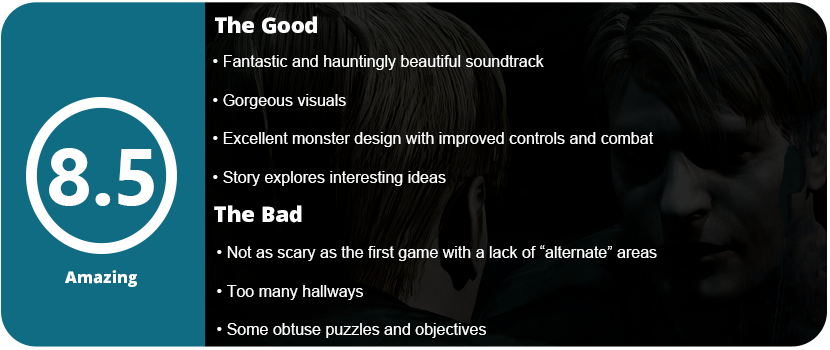
There aren’t any mini-games or side quests here. Basically, you just try to get from A to B alive and watch whatever cutscene you come across. There aren’t any collectibles, either. With a guide, I was able to finish the game in about 4 hours, so it is surprisingly shorter than I remember it being. This was originally a technical showcase for the PS2 during its first year on the market. The fog and lighting effects in this game blew me away when I watched a neighbor play it. If you try to play this game on your own, you may get frustrated early on, turn the game off, and never come back. I highly recommend your first playthrough with a guide. I used the official BradyGames guide for Xbox and had a blast the entire time. I honestly did not want the game to end. I thought the game could tell me more, and I wanted to explore the “alternate” areas from the original title. I never experienced significant frustration with the guide, except for the repetitive nature of the interior locations. The overwhelming number of hallways you traverse gives you a sense of familiarity among them.
With that said, the atmosphere is something I absolutely couldn’t get enough of in this game. The eerie and exquisite soundtrack, the intricate designs of the enemies, and the overall aesthetic appeal of the game captivated me. I was disappointed that we didn’t get to see too much of “alternate” areas, and the boss fights are a bit too straight forward and disappointing, but they look cool. I honestly wish there were more enemy types in this game, but what’s here is still memorable and iconic. The fog that covers everything is now an integral part of the game’s aesthetic, rather than a necessity for these consoles to render the visuals and reduce draw distance. I did become somewhat fatigued by the frequent requirement to traverse narrow hallways, as this game contains an abundance of them. There’s too much focus on item hunting and not enough on exploration. I’m surprised the game wasn’t more combat heavy—at least in certain areas—given how much the combat and controls have improved. The voice-acting was sporadic and inconsistent, as anticipated. The mystery of the endings is my biggest gripe. Interacting with certain objects can lead to unexpected endings. The series’ staple endings are difficult to acquire, and even with a guide, I struggled. Thankfully, this game is worth multiple playthroughs, so you might want to consider it.
Overall, Silent Hill 2 is a fantastic horror title, with the Xbox and PC versions being the superior choices. I played with the Enhanced Edition mod this time around, and it looks as excellent as it will get without an official remaster or remake. It combined the best assets from all versions to make it playable on modern systems equipped with controllers, ultrawide screens, and proper FOV fixes, among other things. The texture work is remarkable, and I loved every second of it. The soundtrack is excellent; I actually listen to it outside of the game. The sound effects are also iconic and haunting themselves. They will stay in your head forever. While the characters themselves may not be particularly intriguing or profound, the town of Silent Hill stands out as a unique character in its own right. With so much to reveal and is concealed, you want to see everything. I would even consider this an unofficial HD remaster. If you haven’t played Silent Hill 2 yet, this is the way to go outside of the Xbox version.
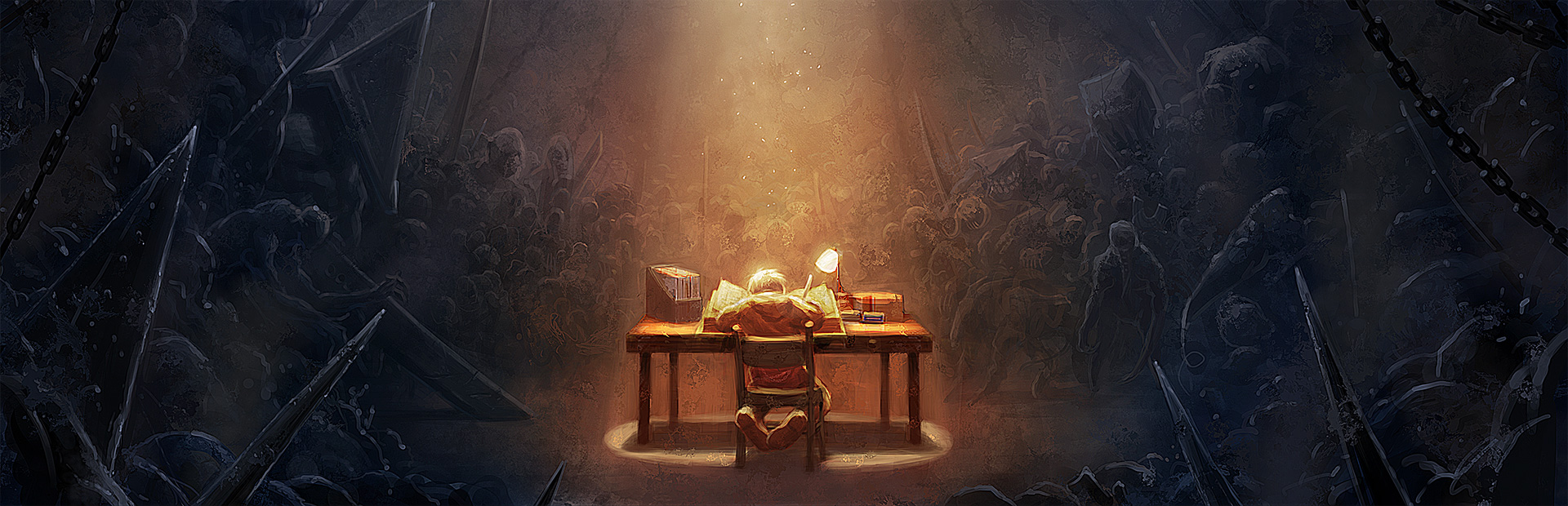
Silent Hill has had a rough patch, and I thought Book of Memories would change this. The game seems really great at first, and I like the idea of the series branching off for the first time into a different genre. The dungeon crawling path works well for the series, but it is poorly executed here. The first few levels are fun, but later on, they repeat the same way over and over again. The game doesn’t feel much like Silent Hill at all except visually, and I promise you there isn’t a single scare in the whole game.
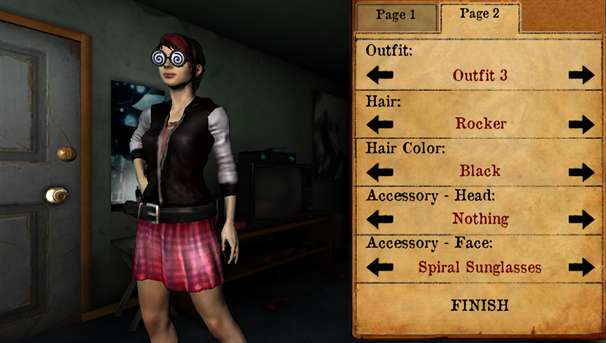
The story is paper-thin, in which a man or woman (you get to create a character with a very weak customizer) gets a strange book for their birthday from the mailman seen in the last terrible game, Downpour. It is full of memories, and you decide to go inside and change them. That is pretty much it. The story is barely delivered through notes and scattered audio clips. Silent Hill is known for good stories that are at least confusing but not boring. This one is boring and uninteresting.
The game has a top-down perspective, and you run around levels, opening rooms and completing challenges to find puzzle pieces. Silent Hill is known for puzzles, but these are pretty lame (more on that later). You are safe in the hallways, and each room is random. That is probably the most fun part of this game. What’s in the next room? Some need keys to open, which are found on red-highlighted objects. When your flashlight is on, these objects you can search through are highlighted, and they contain things like ammo, medkits, weapons, keys, and repair tools.
The whole point of the game is to run around, smacking down everything in sight, but this is where the game mainly fails. The weapons are nods to pretty much everything seen in a past game, like the steel pipe, wood plank, fire axe, revolver, sledgehammer, and a few original weapons. The issue here is that they can break very quickly. This made the game extremely tough because enemies are really hard to take down. Even after leveling myself up a lot, I never did much damage. Using repair tools can come in handy, but they are hard to find, and you can’t hold many of them. You can upgrade your backpack more, but this requires a lot of memory residue, which is also hard to come by. Saving up this currency is even tougher because you will be spending it on medical kits and repair tools 90% of the time. See what I mean? This is all a vicious cycle that never ends.
There are RPG elements that allow you to equip relics that increase stats. Leveling up takes forever and doesn’t seem to do any good. The combat itself is boring and stiff. You just mash an attack button until everything dies. The lock-on button is handy for ranged weapons, but blocking didn’t really do much good for me. I felt the combat system should be more refined and intuitive for a dungeon crawler. Maybe add some spell casting? I can’t tell you how tired I was of the game by Zone 11. I just called it quits. One redeeming quality of the combat is the fun boss fights every three zones. You have to use strategy and discover their weaknesses, but why can’t regular enemies be like this? Most enemies are from previous games, and very few are new. I just felt the developers didn’t know what direction to go in—Silent Hill survival horror or dungeon crawler?
It really shows in all the flaws in the game. The puzzles are the same three that repeat over and over. Event rooms are confusing, with zero clues on what to do. Even the karma bar seems useless because picking up enemies’ blood (depending on whether it is light, blood, or steel) will move your karma bar around. It seems pretty pointless, actually. The only way to really enjoy this game is to co-op with up to four players, because the game is really hard. Not to mention the fact that if you die before saving a spot in each level, you have to do it all over again, which is not fun.
Book of Memories has some nice graphics for the Vita; nothing special though. There are no scares to be had, and the same track loops over and over again. The story is uninteresting, the character creator is weak, the combat difficulty is all over the place, the combat system is boring and stiff, and many other elements wrapped in the game just feel wrong and half-baked. I love the idea of a dungeon crawler in this series, but please pick one side or the other. Also, make it scary next time.
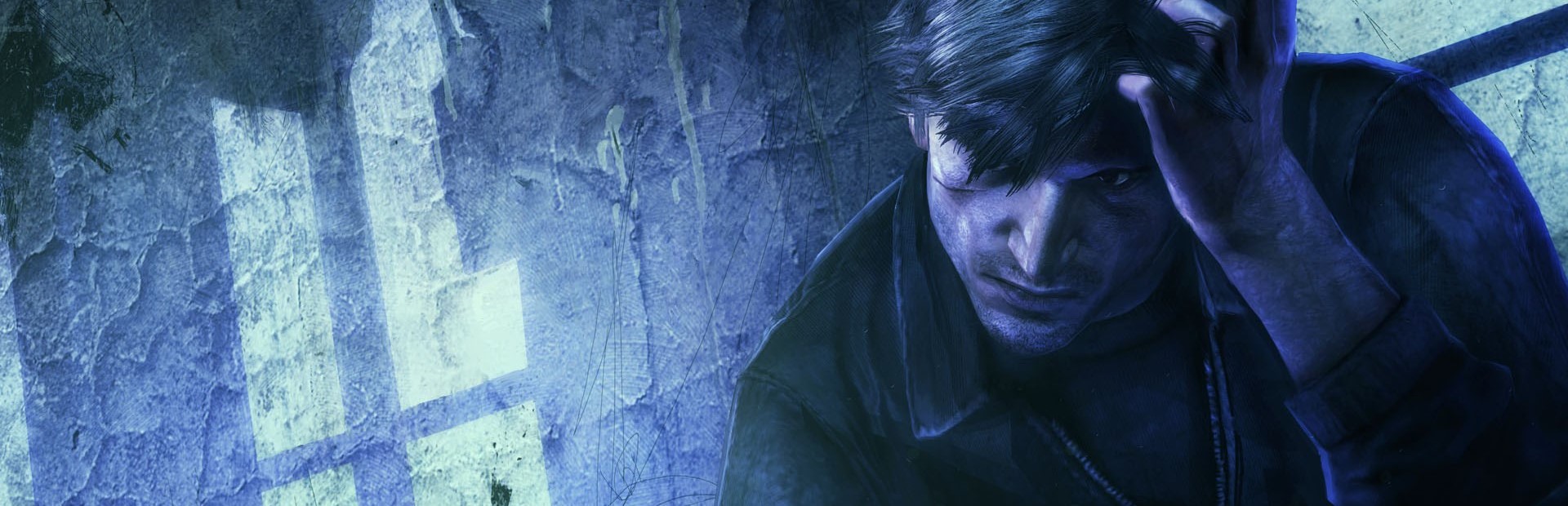
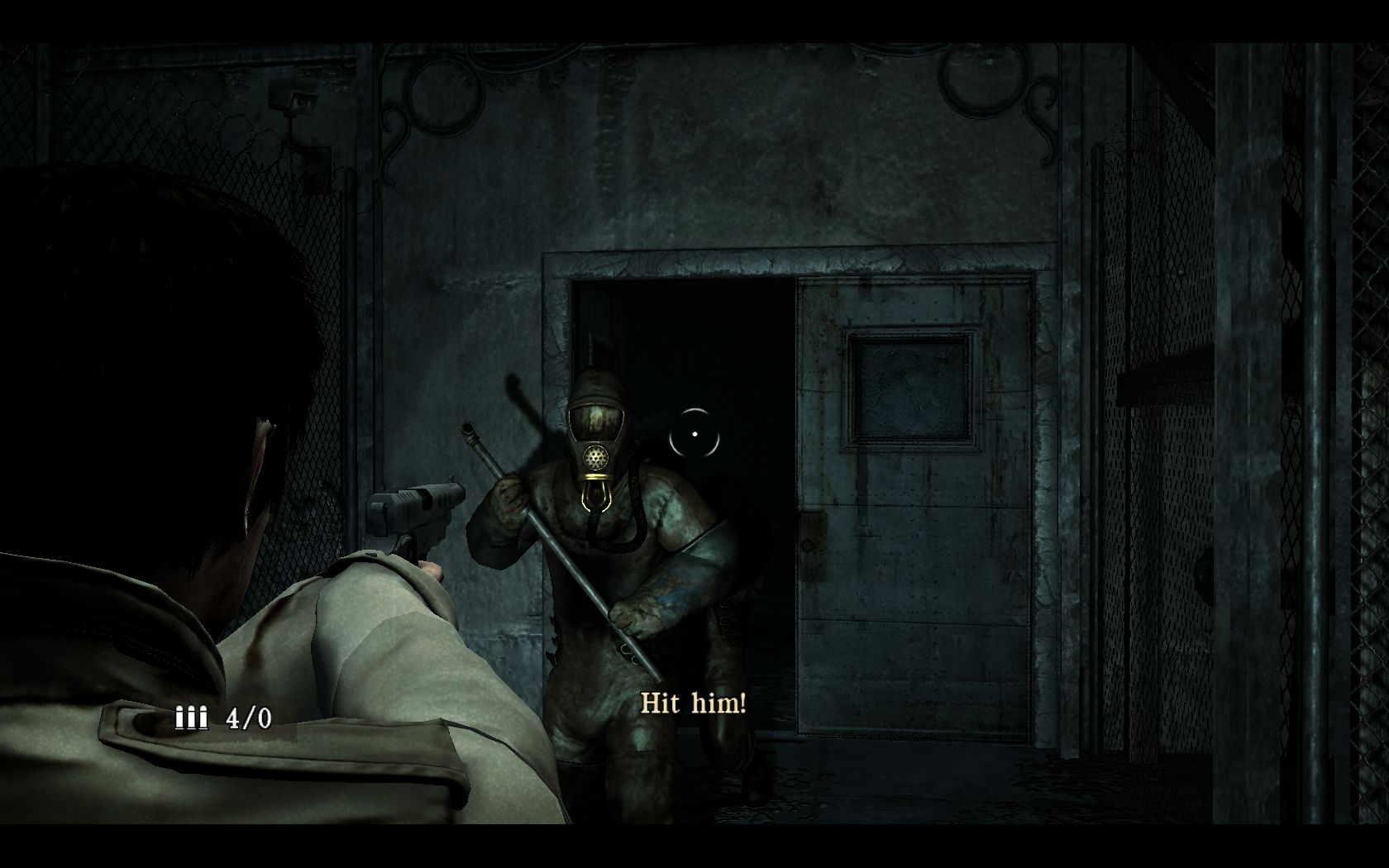
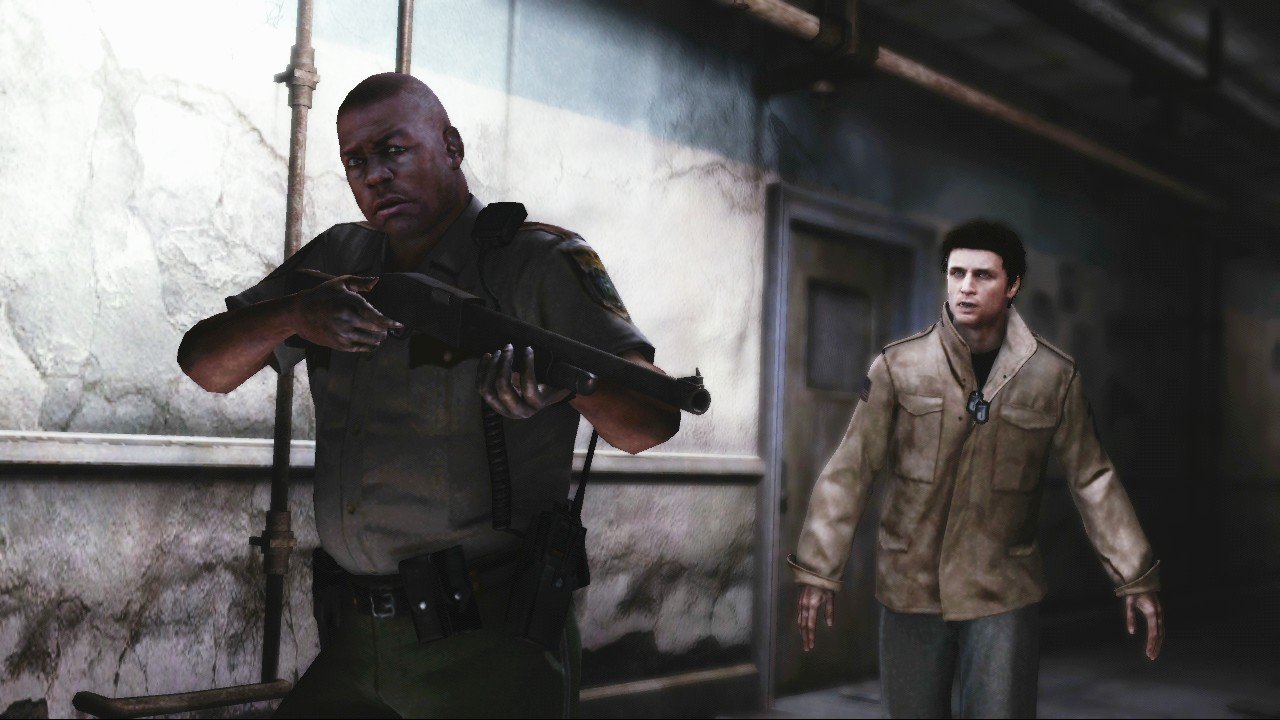
Silent Hill has been one of my favorite series of all time. I remember renting this as a kid and being so scared that I couldn’t finish it. The last great game was Origins, which truly brought the game back to its roots on the PSP and PS2. Homecoming was a surprisingly good entry into the next generation, but Downpour is an utter disaster. The team claimed they were going to bring the series back to its roots and redeem the series. They only made the series worse with so many things going wrong that I can’t believe this game made it onto store shelves. Is there anything good about it? Sure, if you are a hardcore fan, you will probably play it anyway, but it will leave a nasty taste in your mouth. If you have never played the series before, stay far away from this and pick up any other game in the series.
You play as a prisoner named Murphy Pendleton who gets into a shady deal to kill the supposed killer of his son. Murphy has been charged with the murder, but for some reason, he is being transferred. Upon this transfer, the bus crashes, and only you and one female officer survive. So far, the game seems fine. You wander around a bit until you start finding clues on how to progress. Once you get out of the first area and into the “free-roaming world,” that’s when things really fall apart.
Silent Hill is meant to be a linear story where you search a building and figure out what to do. The team tried putting in “side quests” here that are just absurdly cryptic and nearly impossible to solve without some sort of walkthrough. Even with a walkthrough, I gave up on a few because the world you wander around is no fun to navigate! They put a convenient subway system into fast travel, but you need to do one of these hair-brained side quests to unlock the routes! Who’s brilliant idea was that? One side quest called “Shadow Play” has Murphy trying to find several different trinkets in cardboard boxes throughout town. In this huge, confusing mess, how am I supposed to find tiny little trinkets in cardboard boxes? Then you have to figure out where to put them, and then you have to use your UV light to get the shadow they cast just right. Then you use those clues to find a place to get stupid loot like pistol bullets or an axe. Not worth it.
The game is littered with these pointless and meaningless side quests that are nigh impossible to figure out. Even the main parts of the story are hard because these areas are huge, vast, and confusing to navigate; even the traditional Silent Hill map system doesn’t work. In fact, the puzzles are even more confusing and broken. Sometimes they won’t activate or are so cryptic and confusing that you just give up on them. The only fun parts are the Otherworld sections, but even these have their problems.
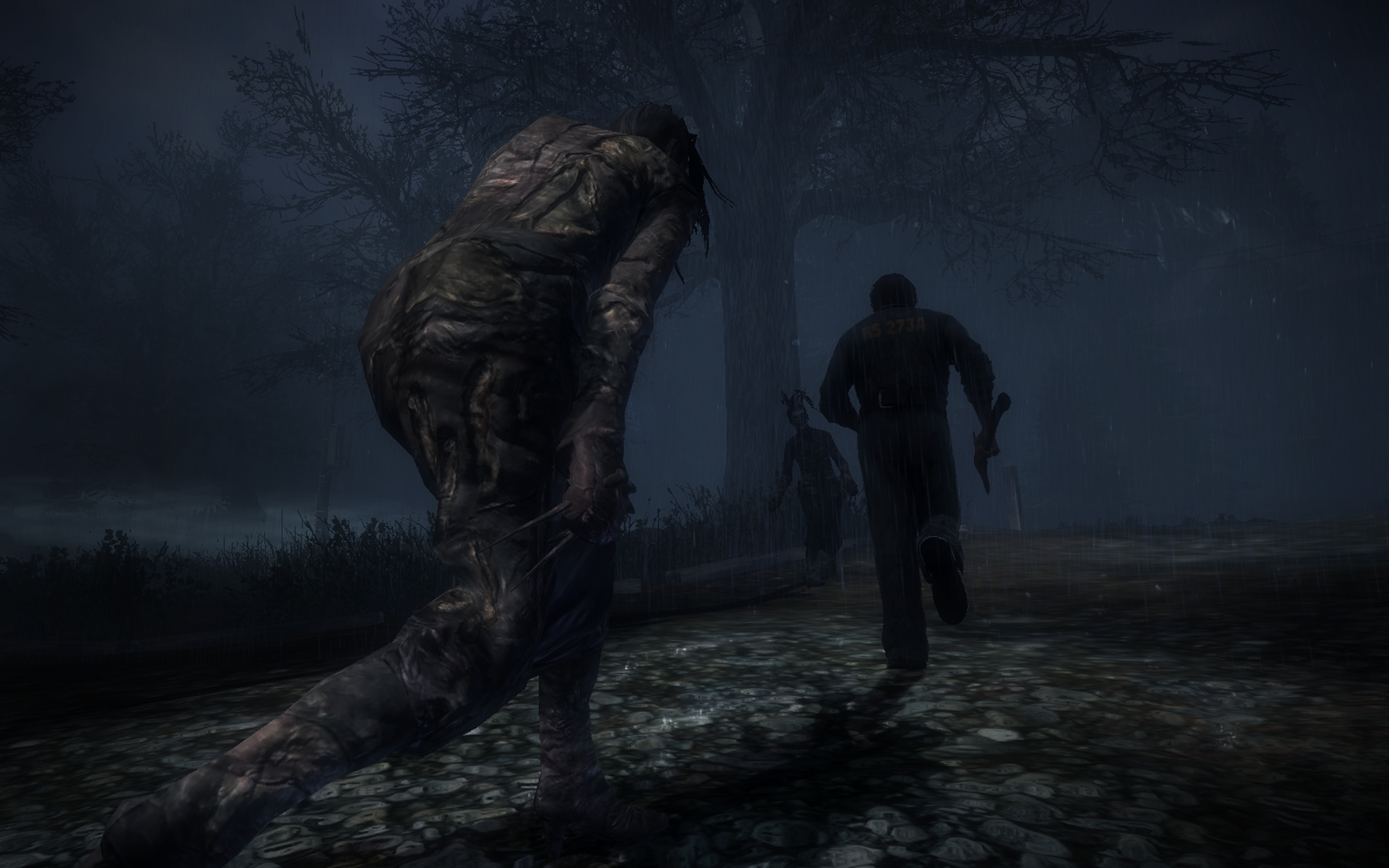
In the Otherworld, you engage in chase sequences running from some sort of void that is never explained. Usually, you are running in labyrinthine paths that are confusing and will make you die often. Solving puzzles in the Otherworld is fun because they are like other Silent Hill games and the only puzzles that are. There’s some interesting art being used here, but in the rest of the game, it is not Silent Hill-ish at all. In fact, I’m ashamed to call this a Silent Hill game.
To make things even worse, the combat is absolutely horrible. It makes exploring Silent Hill harder and makes you want to just quit the game. No matter how much you swing your weapon, you will always have a hard time hitting these boring, non-scary monsters. All four of them. That’s right. There are just four monster types in the whole game. The monsters always move faster than you, and they can block. Their attacks are frustrating, and blocking doesn’t do any good. Once you start swinging after a block, they dodge and just hit you over and over again. The combat is clunky and frustrating, and there are way too many enemies thrown at you at once. It doesn’t help that when it rains, the enemy count is higher, and they are harder to kill and do more damage. Firearms are scarce as they are, but even an axe breaks after a few swings.
It doesn’t help that the game just isn’t scary. There are a few moments that made me jump, but just a few. The enemy designs are stupid and lame (all of them are humanoid), and the atmosphere doesn’t hit home. The legendary music is even missing here with repeated sound effects. The graphics are ugly and outdated; this really looked like a good Xbox 1 game. The story isn’t even that great, with some plot holes and stupid endings. There are framerate issues that abound, and the auto-save is unfair and will drop you back to a spot where you have to do entire levels over again.
Overall, Downpour is a complete disaster, and any Silent Hill fan will act like this game never existed. This is the worst Silent Hill game ever made, and it is just chock full of problems with very few redeeming qualities. The Otherworld parts are fun, but there are only four of them, and they aren’t that long. There’s a cool end boss, but other than that, this is nothing like a Silent Hill game should be.
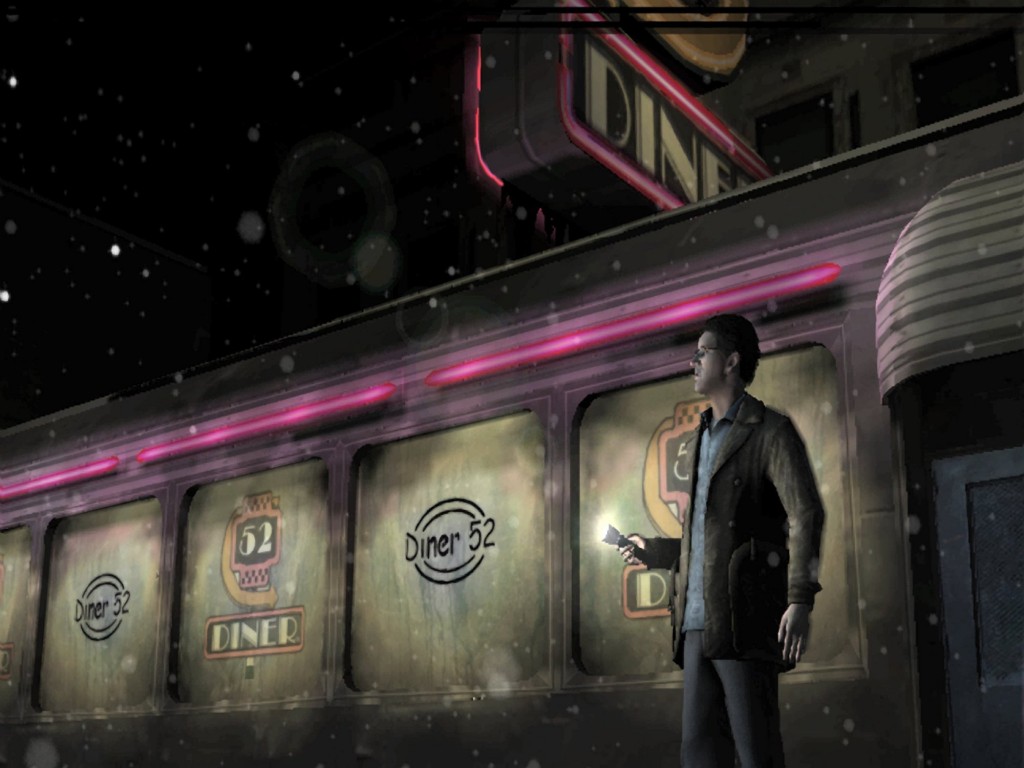
Survival horror is a slowly dying genre, and the king of the genre, Silent Hill, is barely keeping it alive. Shattered Memories is the first American-made Silent Hill, and the whole formula has pretty much changed. Hardcore fans will probably not like this, but the elements that make SH scary are still intact. The game is more about enjoying the experience and less about winning. Puzzles are very simple; there’s no combat, so it’s all about exploration and atmosphere.
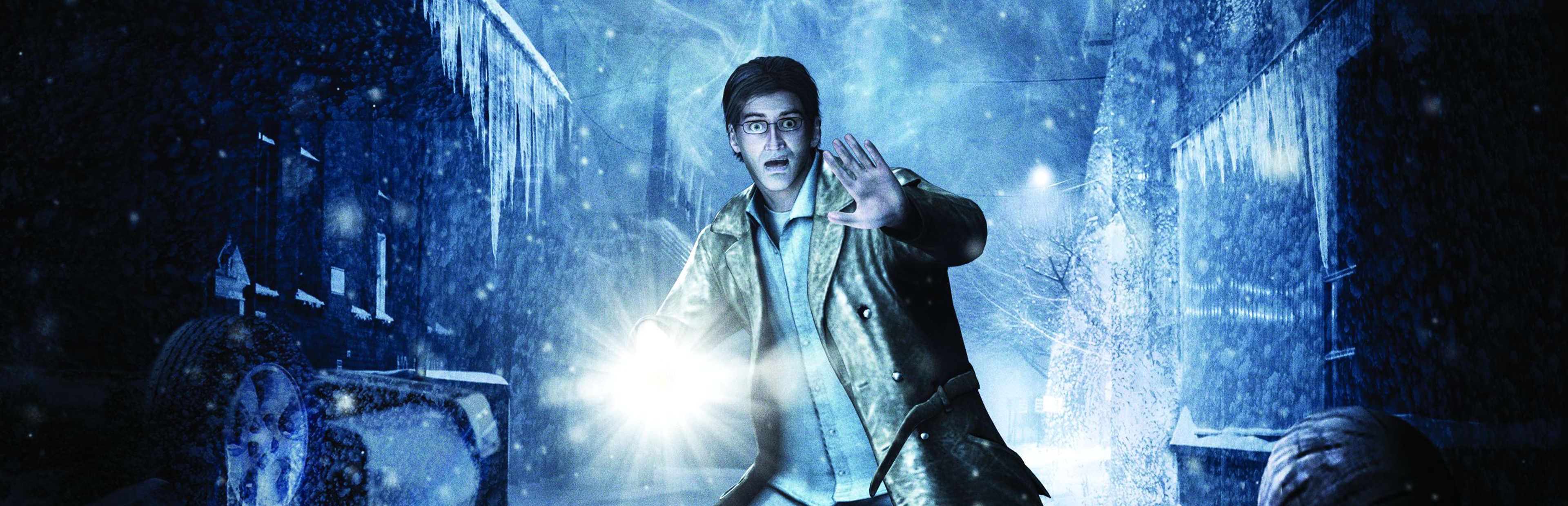
You play Harry Mason, who wakes up from a car crash to look for his daughter Cheryl. He runs into different characters (including a MILF’d-up Cibil), and you run around the town of Toluca to find her. In between sequences, you are in therapy sessions, which consist of mini-games and are pretty neat because they change the outcome of the story and the ending. This is a new element for the SH series, and I hope it comes back in some form.
Once you step into the dark, you run around with your flashlight and are basically trying to find mementos and trigger sequences, such as when the screen gets staticky. This means that there is something nearby that will send you some sort of message on your phone. While these are creepy, you can also snap pictures with your phone camera, and this is usually also worked into puzzles.
When you see a white triangle above something, that means you can interact with it. These can be little micro-puzzles because you use a hand to push and pull things. While this was obviously created for the Wii version, it works great here on the PSP. Most puzzles aren’t nearly as mind-bending as past SH games because most of the time the key is in the same room as the locked door, and clues usually don’t need more decrypting. What may get you there is navigating the nightmare sequences.
Now, these are different from the air raid siren bringing rust that consumers SH in past games. Usually, a scene will trigger something, and ice will start covering the room. As you run around, you must find the X that’s on your map, because it’s usually a puzzle you have to solve to continue. While you run around, scary creatures chase you, and you must knock down objects to block their path and let them know you’ve been there before. Some sequences have you running around hallways and bringing you in circles until you go into the right sequence of doors. These sections can be quite hair-raising because of the music and sounds of the creatures, and if they catch you, you have to shake them off via on-screen prompts.
There are some unique parts of the game that make it cinematic, such as riding in cars in the first person, figuring out how to get out of them, and the first-person swimming sequence at the end of the game. Silent Hill has never been quite so cinematic before, and it’s a great addition. Despite all this, the game has a great twist ending and enough uniquity to keep you busy to the end. However, the departure from traditional Silent Hill elements may make some people hate this game. The game looks amazing on the PSP and really feels like it was built from the ground up for the device. This is a top-notch title for the handheld, and we need more of them.
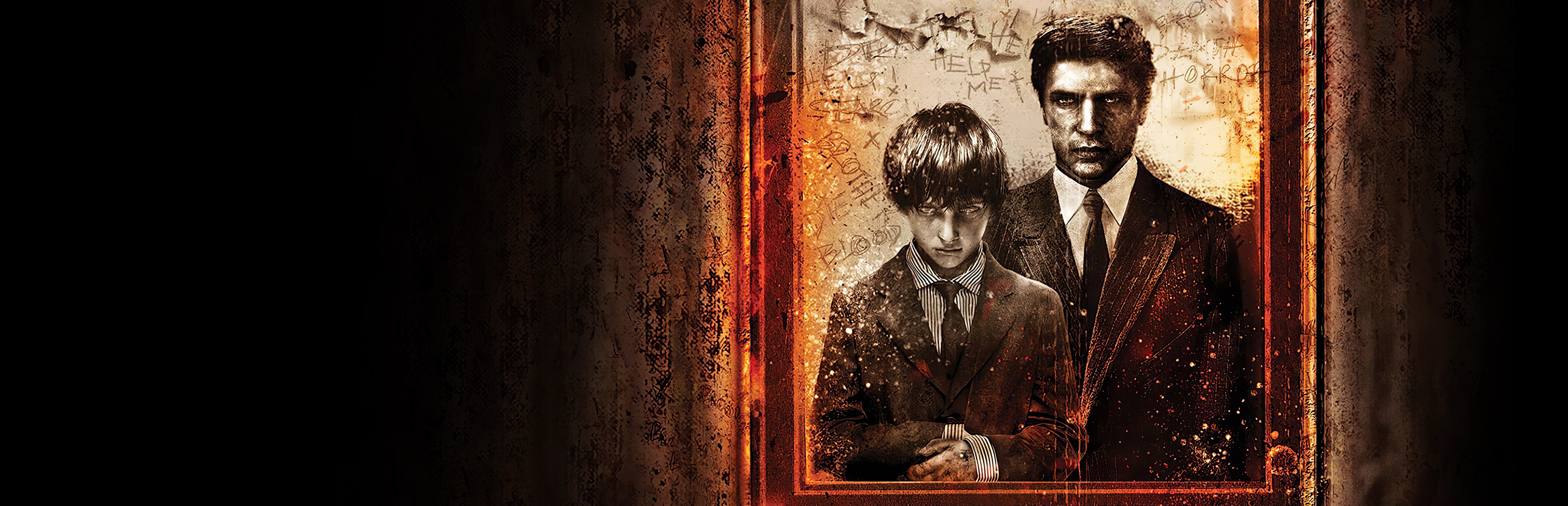
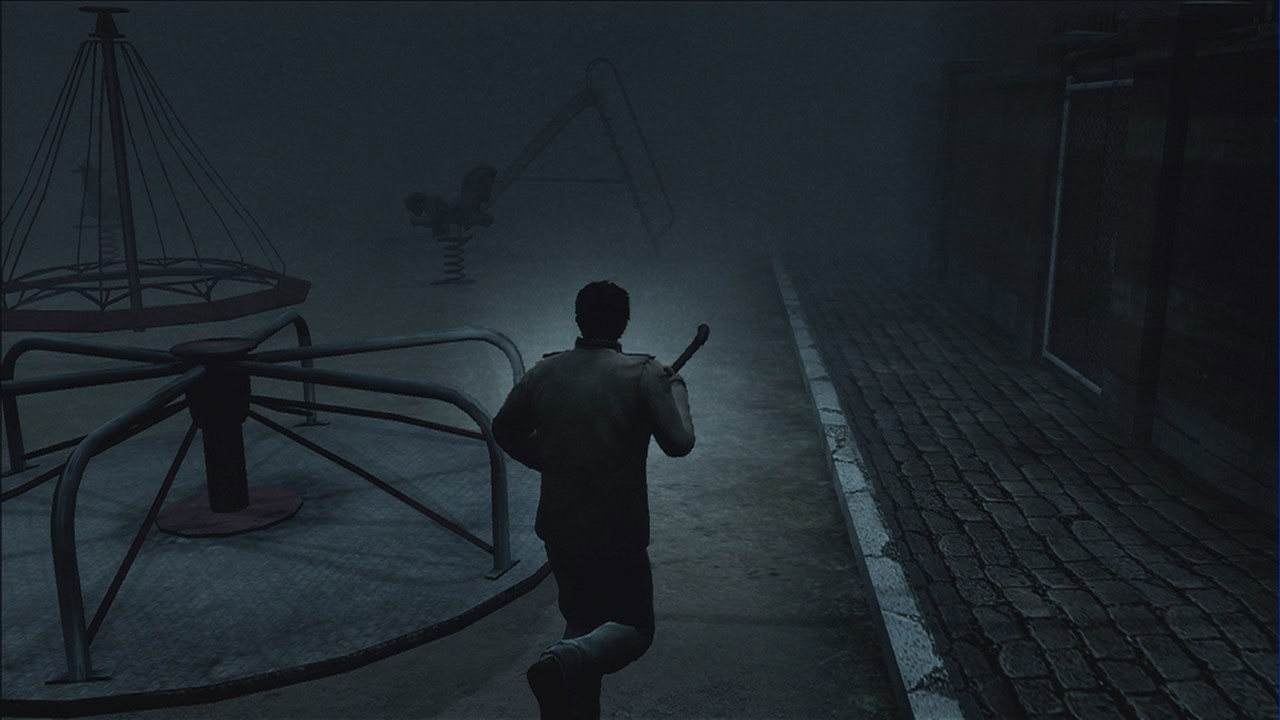
Silent Hill was one of the first survival horror series that was 3D, along with Resident Evil, Clock Tower, Alone in the Dark, and Parasite Eve. While Resident Evil and Silent Hill became more successful, Silent Hill still remains the most frightening survival horror series ever made. Homecoming is no exception, with lots of fog and lighting effects, unbelievably freaky creatures, a great story with lots of plot twists, and a new and improved combat system. I have to first mention that there are so many little things in this game for hardcore SH fans, such as homages to the movie (which most of this game is based on), such as the “Otherworld peeling” effect, barbed wire in the church, ash or snow, the Grand Hotel, and the nurses. There are references everywhere that mention famous horror authors, horror movies, etc. Most people may never find these, but they are there, such as the streets being the last names of famous horror authors.
This is really great, and thankfully Konami kept all of this in mind for fans, but what if you’ve never played an SH game before? Well, then you came in at a great time. Most people’s concern is if the game has the same creepy atmosphere, and it does. There are fewer “out of the closet” scares, however, because the game concentrates more on the sheer atmosphere. Everything is dark and creepy, and we have the same spooky, unnerving sound effects and music that we’ve grown to love. The combat system is what I was mainly concerned about. Gone are the fixed camera angles and tank controls. The game controls very well in a third-person-style action game. You lock on to enemies and use light and heavy attack combos to kill them. This may be very repetitive and simple, but it’s better than being broken. Shooting is easier as well because you know how to control the gun in a Resident Evil 4 way.
Also introduced are button-pressing sequences, and this helps the intensity because if you don’t do this properly, you could die, and the game is totally up to you. Also new is a way to control the outcome of the story. Certain moments in the game require you to make a choice, and this will decide your ending (there are five altogether). There are a lot of weapons to pick up, such as knives, pipes, axes, shotguns, pistols, rifles, etc. There is nothing we haven’t seen in an SH game before, but you have to decide which weapon is best for which enemy.
If you want to go on the story side, it’s good, and it’s here. You are a man named Alex Shepard who comes home from being in a war, and everyone in Sheperd’s Glen is missing (just outside Silent Hill), and his brother Josh is missing. You must find the deep secrets of Silent Hill and why your brother went missing. There are tons of plot twists, and it’s probably one of the better, less confusing stories. The puzzles in Silent Hill are still as weird and confusing as ever. I had to get a FAQ for almost every single one because they require you to write down stuff and rattle off riddles in your head, and, well, they’re still confusing. The game is a bit short, however, and you can beat the game in about 8–10 hours, depending on how you play.
There is plenty of replay value thanks to the multiple endings, different costumes, and new weapons you can find after you beat the game. There are also collectibles to find, such as drawings, photos, and serums, to unlock achievements. The game is just very well put together, but you can tell the developers didn’t do anything risky with the formula. It’s pretty safe and basic, but you’ll want to visit Silent Hill again thanks to the excellent story, voice acting, graphics, atmosphere, new enemies, and button-pressing sequences, not to mention the humongous, disgusting boss fights! If you love survival horror, this is probably the best one of the year so far (Alone in the Dark was almost a disaster).



































 thebinarymessiah.com
Try multiplayer. A lot of fun !