The mobile genre is becoming harder and harder to filter out the awful microtransaction laden garbage, but a few gems still shine through every year. What makes mobile gaming so appealing is the pick-up-and-play and the constantly increasing power of cell phones.
Sky: Children of Light
Created by the minds behind Journey, thatgamecompany really knows how to make minimalist games appealing. With simple controls and fantastic visuals, you play through a community filled adventure with little hand-holding and the ability to explore and sail across the wind. There’s no other experience like it on mobile devices.
Mobile games were stronger than ever this year, and thankfully paid games are slowly making a comeback. There were quite a few heavy hitters this year, and for once, it was actually a tough choice picking the top mobile games this year.
Pocket City
Pocket City is not only the only good city building game ever made for mobile, but it’s a premium game so there are no microtransactions holding the game back. It’s got a great UI, deep gameplay, and any city builder fan must play this as it runs well on any mobile device
Coming from being a dedicated fan of one manufacturer and switching to a new one can be jarring, but sometimes it can bring in a breath of fresh air. Recently I looked at my Note8 thinking about the Note 9 and realized how little of a difference there is between the two, and about $400. Samsung’s phones have gotten more expensive over the years and have become so pricey that I now have to start putting down payments on my upgrades which I never did before. Then after I decide to wait it out for a while along comes OnePlus. I’ve heard of them before, and most of us have, but they were a flash in the pan that didn’t last very long.
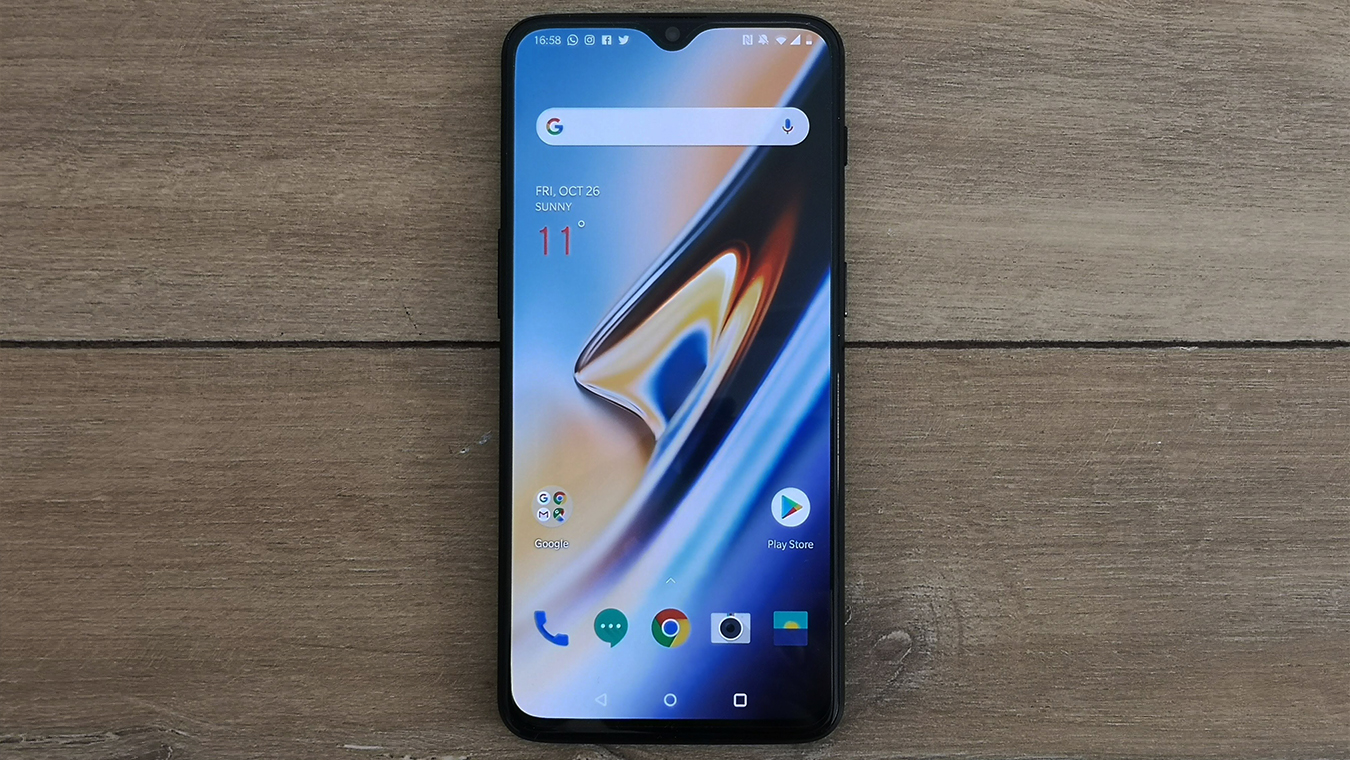
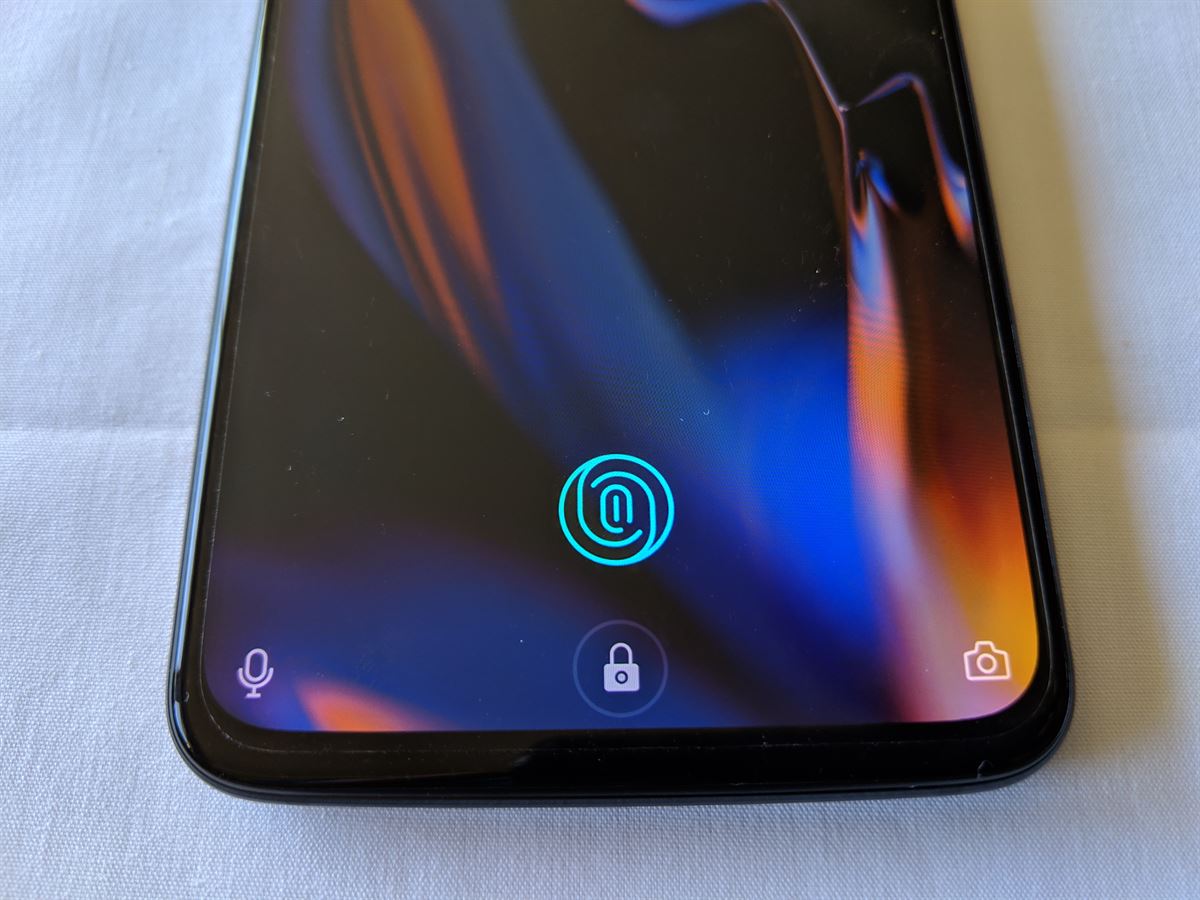
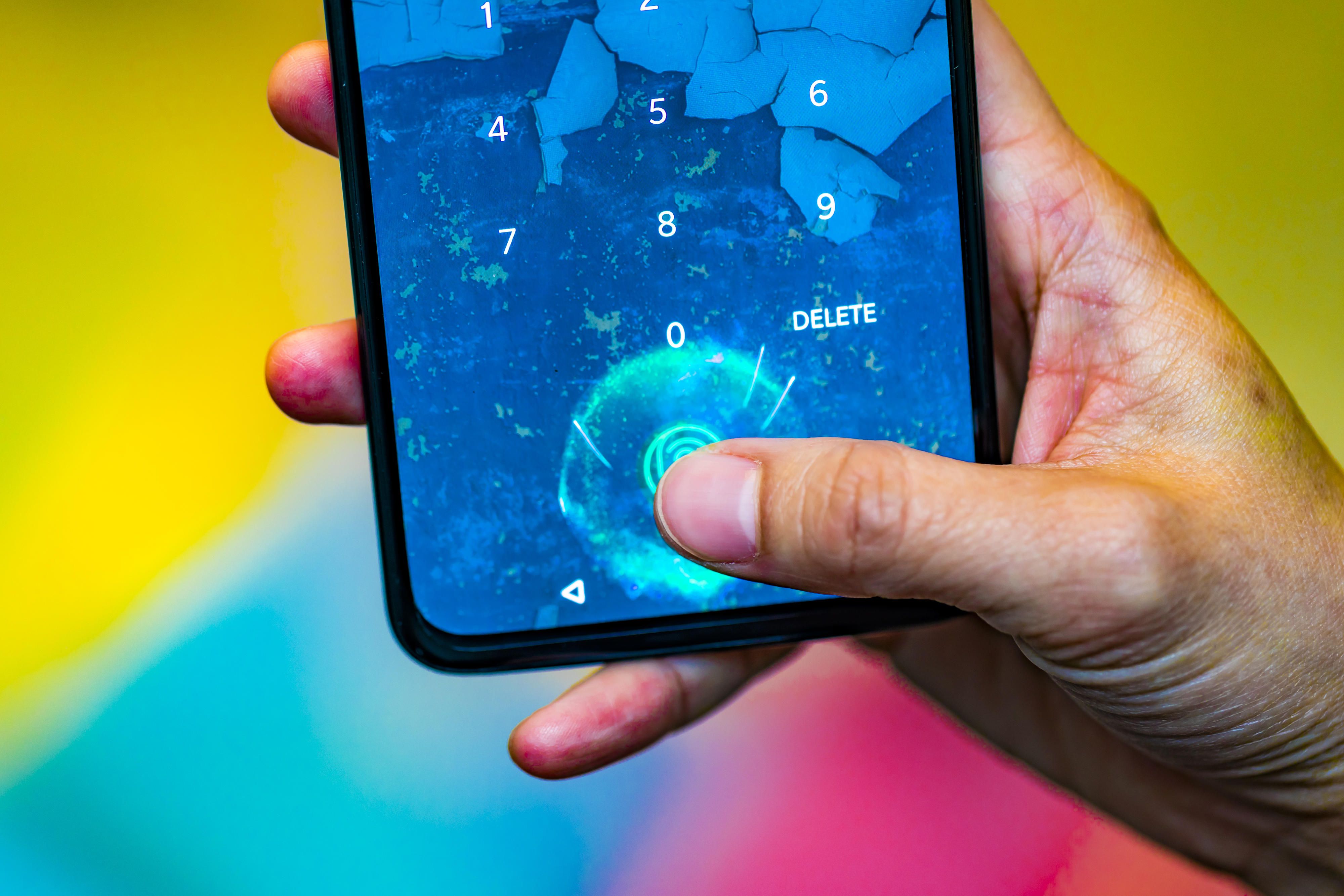
Here we are at the end of 2018 and OnePlus comes out swinging with features that both Samsung and Apple have not done yet or haven’t done right, and that’s what gets you sales. The biggest attraction by far is the on-screen fingerprint sensor and the best screen notch to date, not to mention it’s 1/3 the price of other phones. The same hardware packed into the Note 9 at a fraction of the price? Yes, please!
Looks Matter
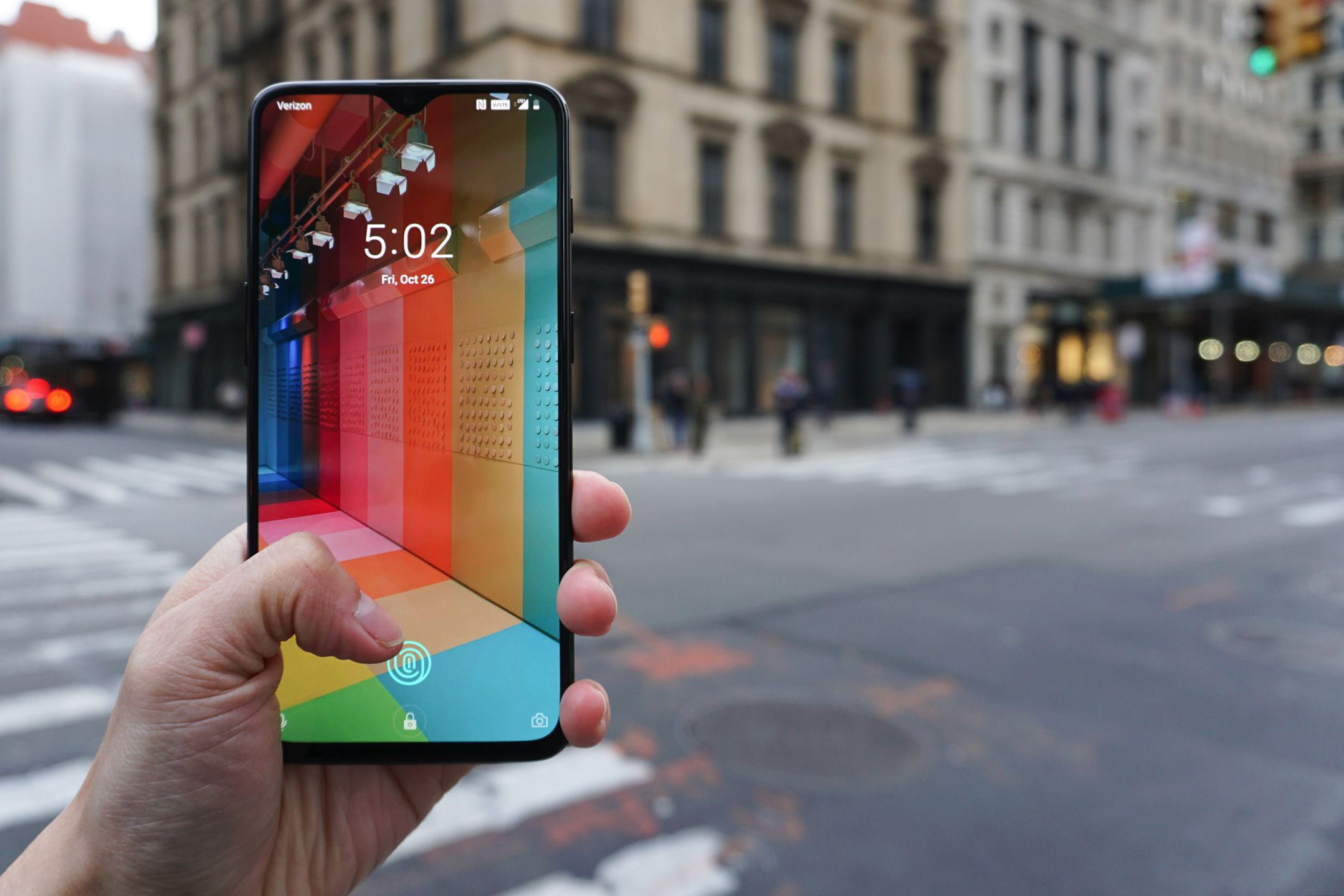
The 6T is a very sexy device and probably one of the nicest I have ever seen. The extreme bezeless display is just amazing to look at and has a look even Samsung can’t get right with their Edge displays. We finally have a phone with about 95% screen, and that’s a big deal. Gone are the days of physical buttons and large bezels for cameras and sensors. OnePlus managed to pack ambient light, a camera, notification LEDs, and everything else into a tiny spot on the front of the phone that is just about the same width as the notification bar. It’s really a sight to behold, and it looks so damn good with the AMOLED display. OnePlus did not cut any corners here, and this is clearly a luxury phone that tops some of the big dogs already.
The entire phone is also made of glass, so it feels high-end and features a volume rocker, a power button, and a volume slider that allows you to physically silence or set your phone on vibrate, and I can’t say how nice this feature is enough. I got so tired of taking my phone out to silence it, and this feels like a great addition. The phone has a USB-C connection, a vertical rear camera, and a flash. It looks sleek, minimal, and attractive at every corner, and it’s still slim with a large 3,700 mAh battery.
Underneath It All
If you go inside the hardware, we have heavy-duty, state-of-the-art hardware that makes this a high-end phone. For starters, the Snapdragon 845 is present with the Adreno 630 GPU for insanely smooth high-end gaming, and thanks to OnePlus’s OxygenOS, the Android experience is buttery smooth, and games never see any slowdown or suffer from poor OS optimization, which is something that Samsung and a lot of other manufacturers suffer from, at least in a small amount. The $580 model also comes with 8GB of RAM, which makes switching apps and loading them lightning fast, and they instantly load. This is also in part due to being the first Android phone to launch with Android Pie 9.0, which has insane optimizations and feels on par with Apple’s iOS, which is well known for being fine-tuned to their hardware.
Gone are the days of 32 and 64GB of storage, so we get 128GB and 256GB options on the 6T, which is more than enough, and the exclusion of an SD card slot is a little disappointing, but OxygenOS has the option of using OTG (on-the-Go) storage built into the OS, so your USB-C flash drives will come in handy there. The phone also has no headphone jack, but at this point, most phones are leaning that way, and it does save space inside the phone. This isn’t a deal-breaker for me at all, as I don’t use headphones with my phone hardly ever. I do have to mention that this phone does not have wireless charging, which was a bummer and probably the biggest disappointment with this phone, but it makes up for it with the fastest charge time I have ever seen. In my first test, my phone was at 30% and charged to 90% in just 30 minutes. I couldn’t believe what I was seeing, so a full charge would be about an hour or less, which is insane. Even on my Note8, a full charge from 0-100 was almost 2 hours on fast charge, and it was a smaller battery. With that said, you have to use OnePlus’s proprietary charger cables and plugs.
The phone features a 16MP+20MP rear camera, a dual-lens camera, and a 16MP front-facing camera, which is kind of unheard of. It can actually shoot 4K at 60 fps, which the Note 9 can do, but only for 5 minutes. The photos are incredibly sharp and vibrant, and I am not disappointed at all with this setup. Camera enthusiasts won’t be disappointed.
A Smooth Ride
There are quite a few options in OxygenOS that just kept impressing me, and this is clearly the most innovative and optimized Android OS variant I have ever used. I actually didn’t need my third-party home launchers for once, which was nice. There are plenty of options to change themes, accent colors, and icon packs, and the Shelf is a great alternative to Samsung’s Edge Bar as you can swipe left and have a whole area full of neatly organized widgets that allow you to add weather, app shortcuts, contacts, and various other things. I use it a lot, and it’s much easier than searching for apps in the drawer.
OnePlus’s Game Mode works well, and while not quite as robust as Samsung’s, it feels more optimized and has some options. Samsung doesn’t like the various ways notifications display and what part of the hardware you actually want optimized, rather than a universal setting. It has more options than features, which is fine with me. OnePlus also added a night mode and a reading mode, which will make apps appear in black and white and change the darkness based on the ambient light.
OnePlus is also the next phone to use something similar to Samsung’s Always On Display, as the 6T has a gorgeous AMOLED screen. However, it utilizes this feature better, as the actual notifications will now pop up with text while the phone is off rather than just an icon, which is really awesome. The ambient display is also not always on to conserve battery life but allows you to tap the screen to show it or when you pick up your phone. These are quality-of-life features that other manufacturers aren’t thinking of.
There are some nice gesture features, such as drawing letters on the screen while it’s off to launch apps, and the navigation bar is fully customizable. You can hide it and even use gestures to navigate the phone, which I am currently using, and it’s incredible. Swipe up on the bottom left corner for back, bottom right for forward, and up in the center for recent apps. It works so well, and I haven’t run into any issues with it.
Overall, the OnePlus 6T is the phone we’ve needed in 2018 when the big guys aren’t innovating anymore. Each year, phones are less and less dissimilar, and the prices are skyrocketing. OnePlus brings us premium luxury features at a budget price, and it knocks every single feature out of the park that it does have. Sure, it’s missing a 3.5mm headphone jack, wireless charging, and a higher resolution screen, but in the end, it doesn’t matter as it does everything else the others are doing better and bringing new things to the table. In-screen fingerprint scanning, ultra-fast charging, a nearly invisible notch, and a gorgeous camera are nothing to scoff at.
Mobile games have been becoming stronger every year as technology improves. From Nvidia releases that are full PC ports to original indie games that tell wonderful stories and have unique gameplay. 2017 was one of the strongest years yet.
Old Man’s Journey
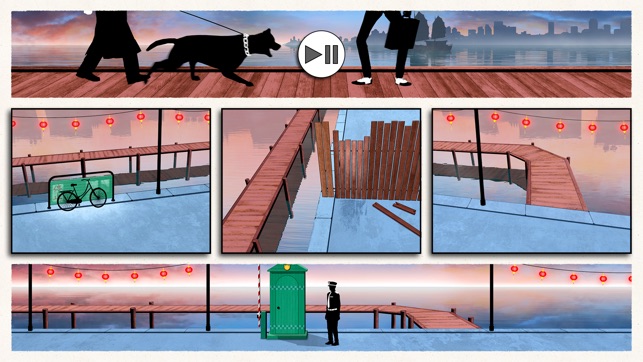
Old Man’s Journey isn’t just a great mobile game, but a game that tells a touching tale and has beautiful visuals to accompany it. There were many great mobile games this year, but this one kept me thinking about it long after I played, and that’s rare on this platform
Monument Valley is one of the most memorable mobile games I have ever played. The game helped show that mobile games have a place with many of the great console games. It was smart, beautiful, unique, and a blast to play. It felt like a mix between Echochrome’s (PSP) gameplay and Journey’s (PS3) art style.
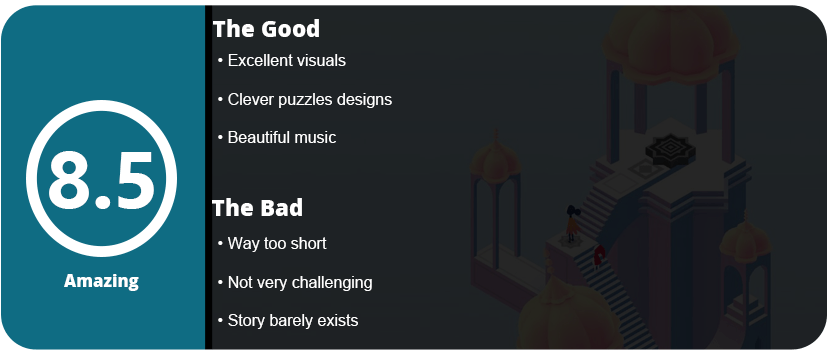
With Monument Valley 2, I got really excited to play this. I expected more and something new at the same time. That’s not entirely what we got. We just got really new. MV2 is an extremely short game and not very challenging. The MC Escher-style puzzles were a breeze to get through, which is a shame, as the first game had a few head-scratchers. Using various switches, you push, pull, spin, and align the various platforms through optical illusions to get the character to the door. At the end of each stage, the player can swipe their finger around to create a star that goes into the heavens; the meaning of this is unknown.
In the first game, we understood it was a journey, but this time around, all I know is that the character is a mother who is seeing her child off for her adventure, and they reunite. That’s it. I like subtle stories, but this one was too subtle. At least a few new elements are thrown in, such as controlling two characters at once, which creates a tad bit more of a challenge.
The game still looks amazing, with gorgeous art direction, music, and heartwarming colors. It’s just a shame it’s in such a short package with no challenge. I still recommend playing this game, but I sure did want many more puzzles than the dozen we got.
Samsung has been one of the top leaders in the mobile department for a long time, and for good reason. They continue to push their products with new ideas and reinvent them. They aren’t scared either, as every 2–3 generations we see an entirely different device. While the Note7 was a fantastic piece of hardware, it was seriously flawed, and the Note8 is already a huge jump forward from that device. It shares similarities with the S8+ that was released earlier this year, and that’s actually a good thing.
You will notice it looks identical to the S8+ outside of the more rectangle edges, and the screen is a smidge bigger. It features the same galaxy black design and gorgeous infinity display. From this point, it seemed not much different than the S8+ I had earlier, so I wasn’t too surprised, but new owners upgrading from older phones will be more amazed.
It’s still quite a beautiful-looking phone. However, the key feature of the Note series is the S-Pen. It hasn’t changed at all from the Note 7, and that’s not a problem at all. It still feels light and easily fits in the hand. The Bixby button is located a little further down, but if you hated it on the S8, you won’t like it here.
Note8 using Live Focus
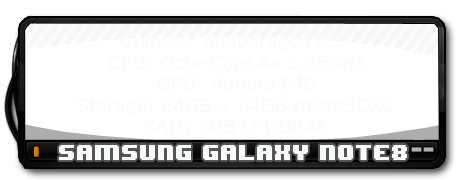
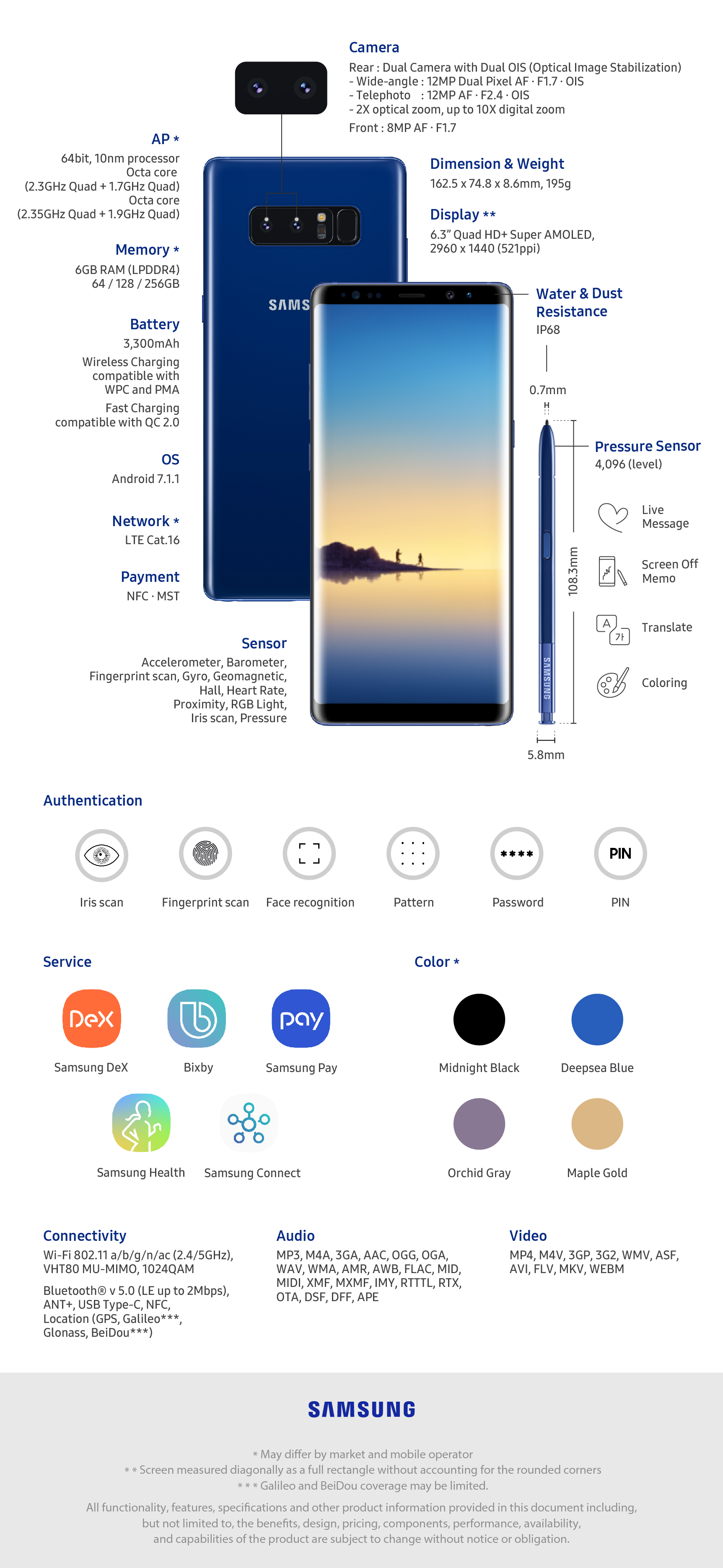
The Note8 does feature the same Snapdragon 835 chipset as the S8, but it has 6GB of RAM instead of 4, so apps do load a bit faster, but the biggest addition to this phone is the camera this time around. It features a 12MP dual-lens setup that allows Bokeh to focus on fantastic-looking images. It’s the first time Samsung has had a dual-camera setup on their phones, and it’s the best smartphone camera around, hands down.
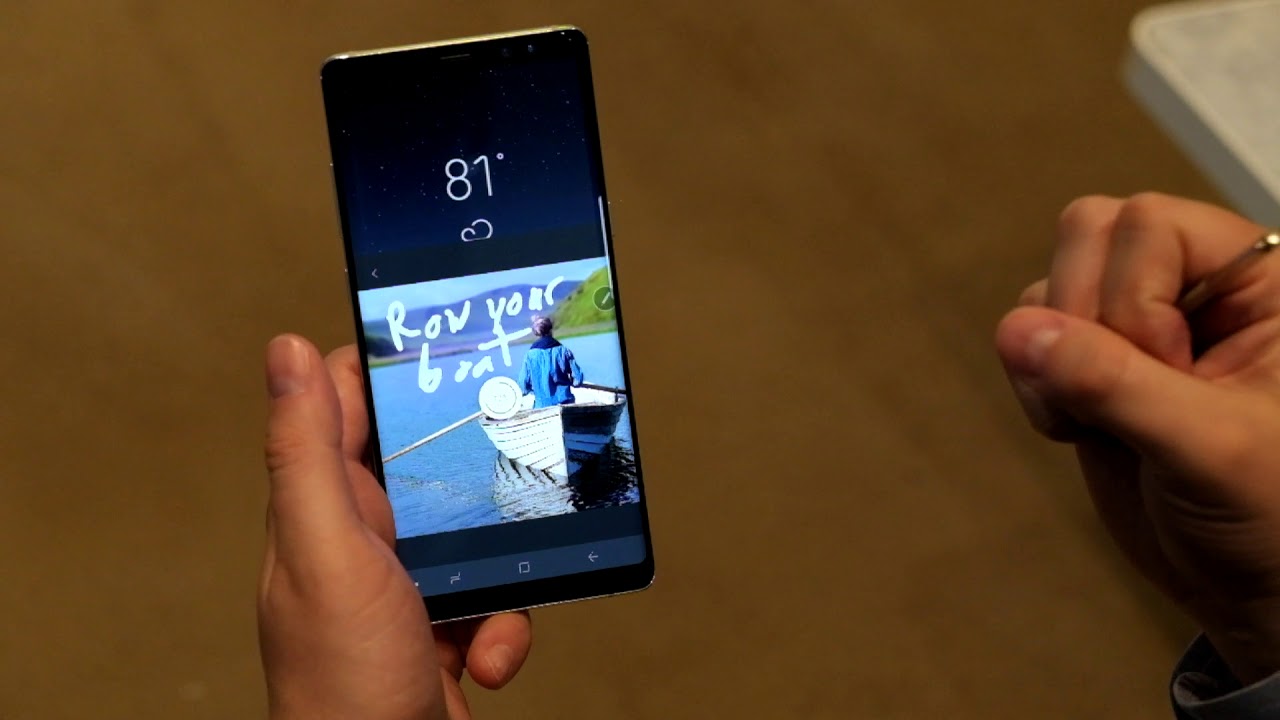
Outside of what we saw with Nougat on the S8+, the UI is the same, and there’s only one extra software feature, and that would be Live Messages using the S-Pen. When you write, you can choose between glowing, sparkly, or other inks that turn into a GIF as you write. It’s a neat feature and a great piece to add to the Note 8’s S-Pen suite. Bixby is also rather used this time around, being a little more of an AI assistant and not an obtuse nuisance. Most people may still prefer OK Google over this, but I liked being able to hold down a physical button and ask Bixby questions. It just seemed faster and more reliable.
The screen is one of the main reasons I stick with Samsung, and they don’t disappoint, with this screen being slightly better than the S8 screens. 4K content looks fantastic at 60FPS on here, and playing games never looked better.
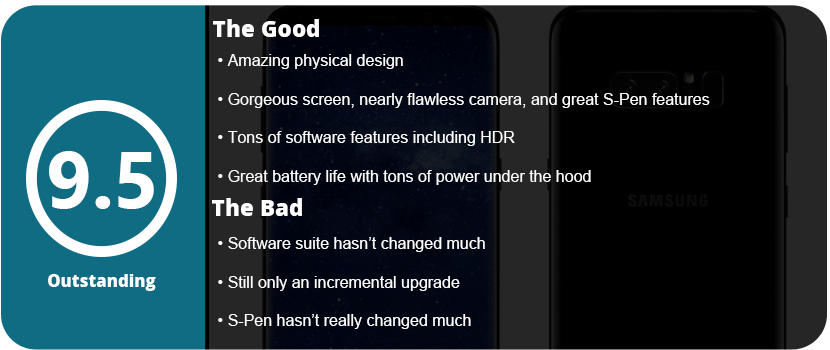
Bottom line: you can’t go wrong with the Note8, especially with the great battery life I have been getting. It has only needed one charge in a single day, even for heavy use. From the camera, screen, S-Pen, larger RAM, and many other features packed in here, the Note8 is a beast of a phone and the best you can get on the market right now.
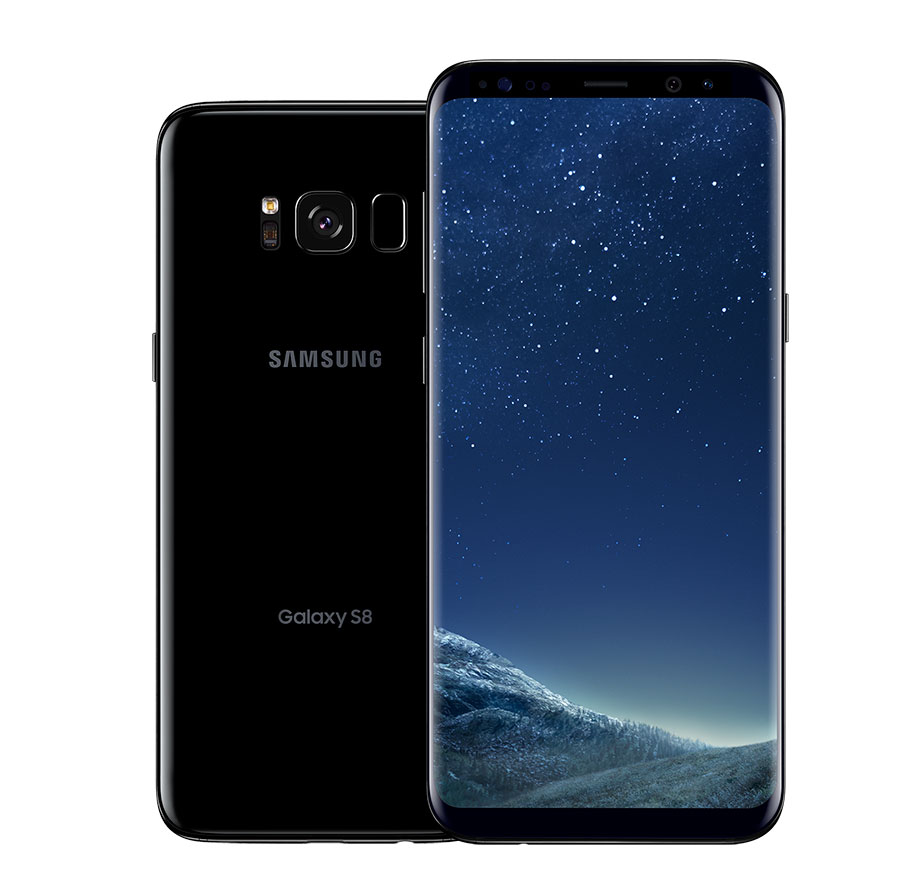
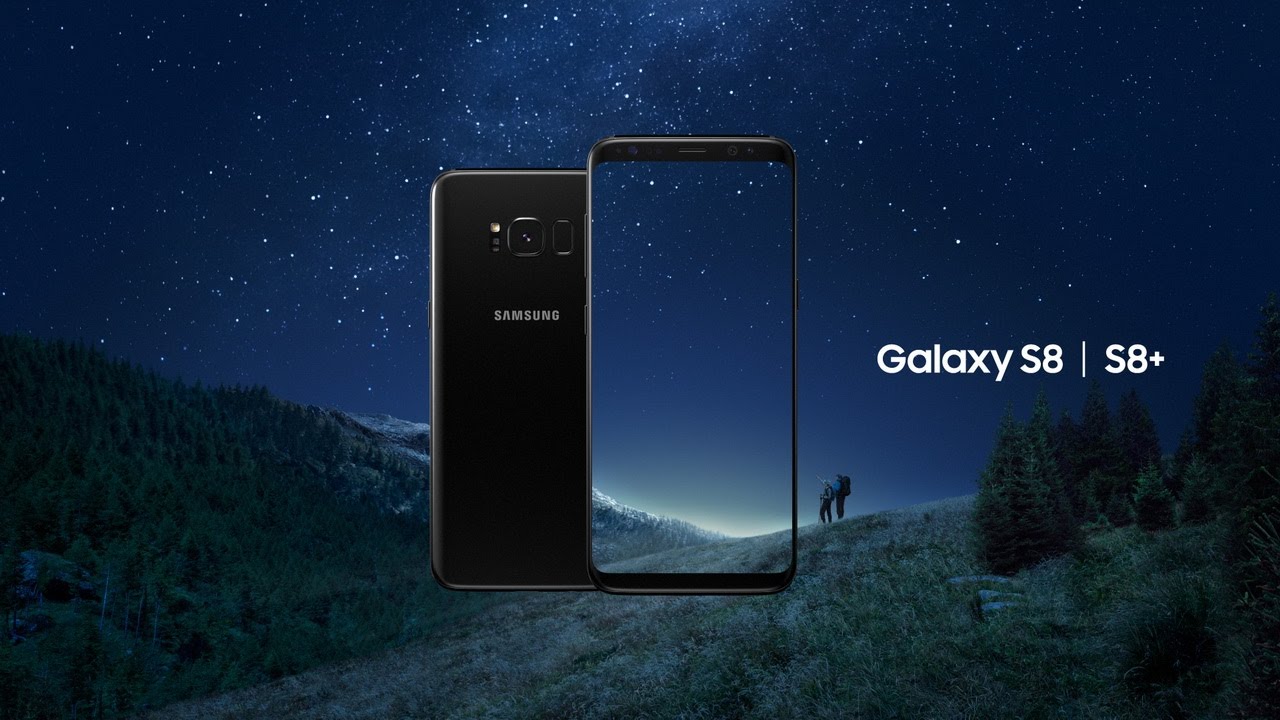
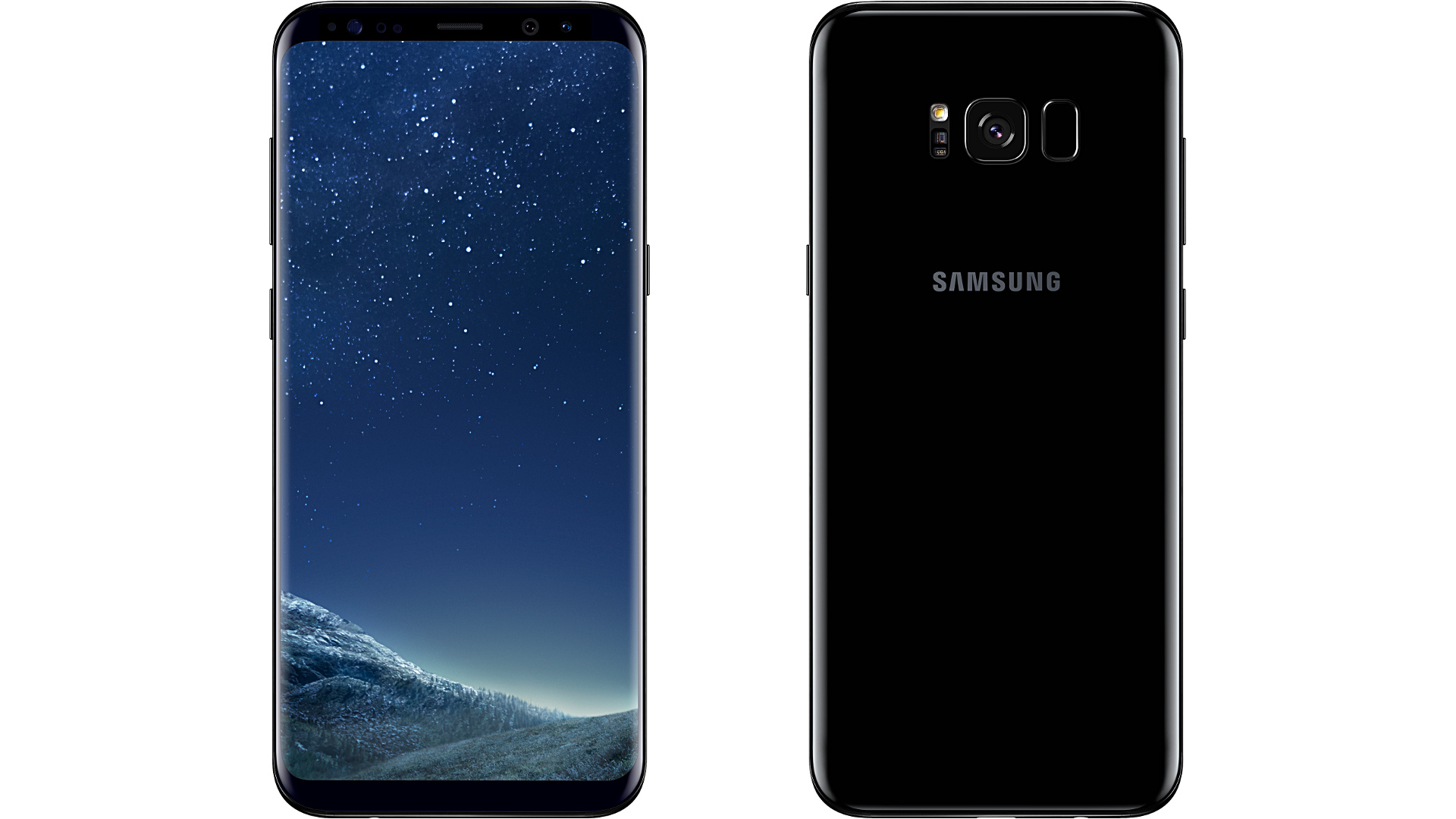
Well, this is a bit awkward. Here we are, barely 6 months after the Note 7 fiasco, and we have the all-new Galaxy S8 series that can be claimed as the final iPhone killer. The Note7 was the biggest cell phone disaster in history, and yet somehow Samsung was able to slingshot around all of this over a corruption scandal, exploding batteries, and a well-thought-out but failed recall. Relying on sales of the S7 and S6 phones, Samsung poured all the Note7 features into the S7 Edge and called it a day. It kept everyone busy while LG and other manufacturers stole the Note 7 market. The Galaxy S8 isn’t just a new and slightly updated Galaxy phone; it’s practically all new in terms of design and hardware. There are more features than the iPhone could ever imagine; it’s sleeker, slimmer, and more robust than the iPhone 7 ever could be. Did Samsung really create such an amazing phone in the span between the S7 and Note 7? Let’s find out.
The Design
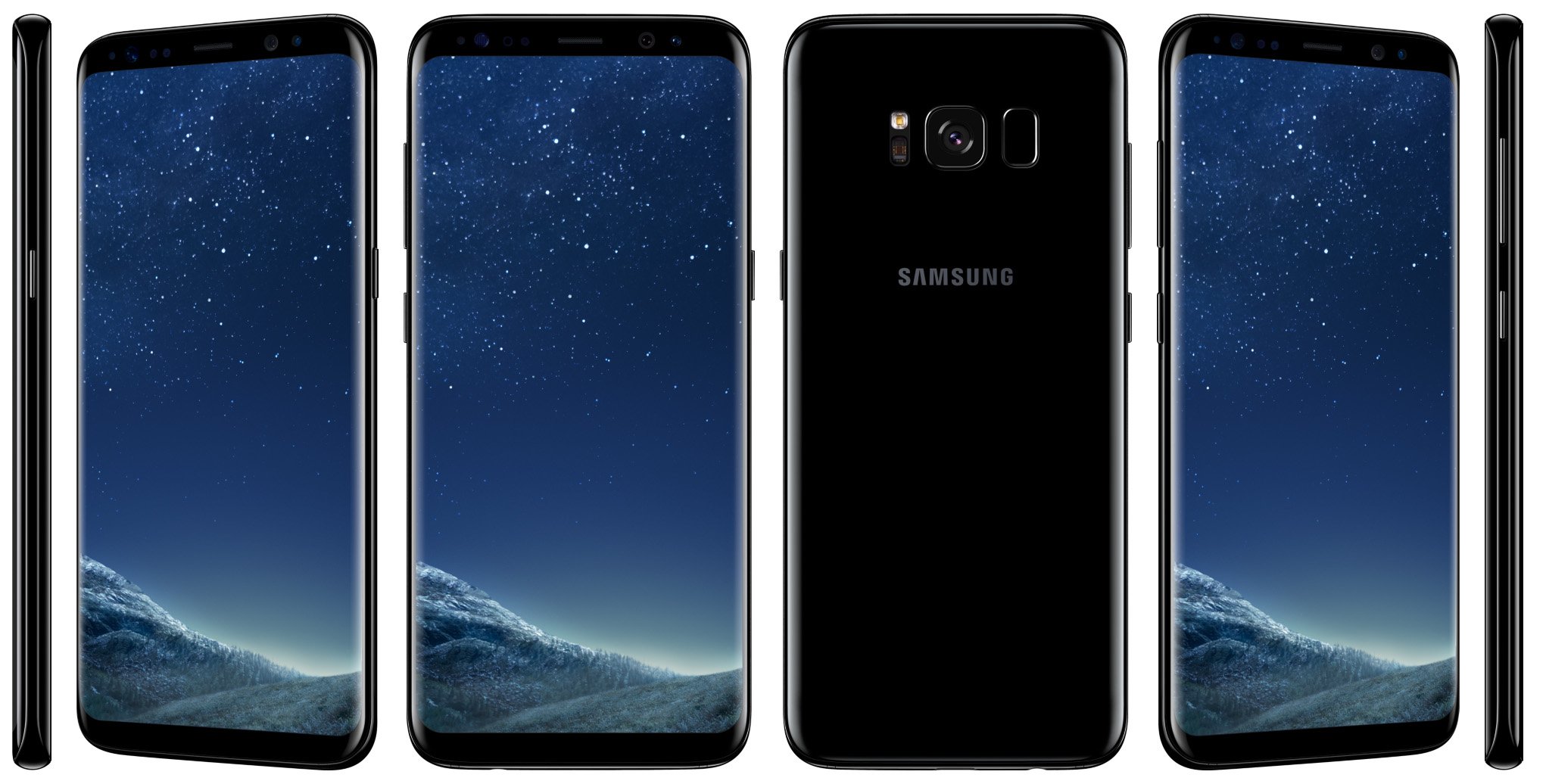
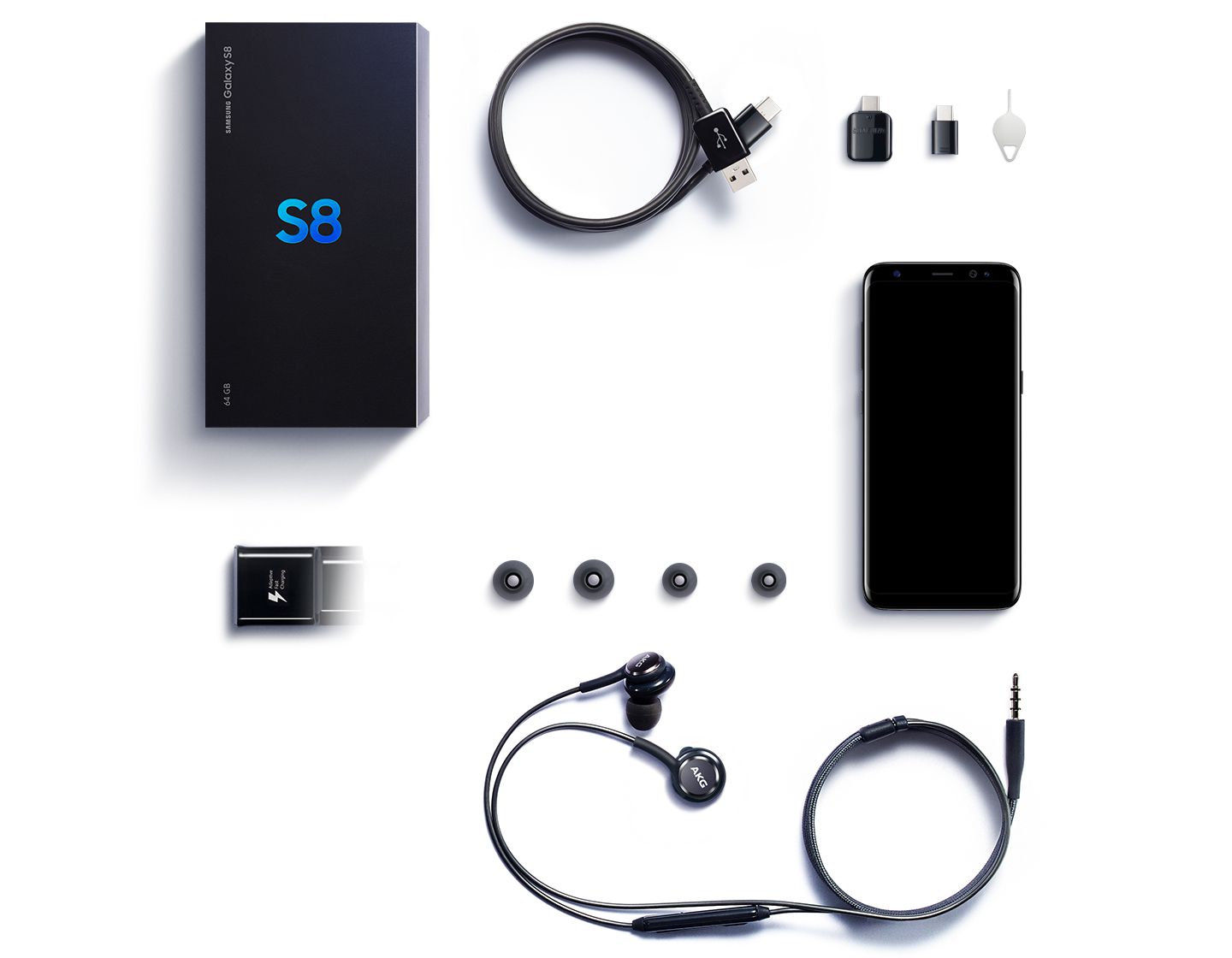
Let’s start with the unboxing of this thing. It’s similar to any recent Samsung box with a SIM tool, instructions, charger, cable, and if you had the Note 7, two converter plugs. When you hold the phone in your hand, it feels heavy but so sleek and beautiful. The Midnight Black color is by far one of the most beautiful phones to ever be made. The entire phone is glass, which is a far cry from the plastic backs and aluminum bodies of the Note 4 and beyond. The entire phone is pitch black, and I mean pure black. It looks like you’re looking into the sky on a clear, dark night. Gone is the front physical button, replaced by a pressure-sensitive home button on the screen. The volume rocker is thinner and sleeker, along with the power button. The new Bixby button (later) is smaller than the power button and underneath the volume rocker, which takes getting used to. There’s a fingerprint sensor on the back next to the camera, as well as a heart rate sensor. Now I have to tell you that the fingerprint scanner feels natural, as your finger is already resting in that area. LG phones have had their scanners on the back for a while now, so it’s nothing new. It’s just a small rectangle in the back and is more responsive than ever.
The camera is virtually flush with the phone this time, and yet Samsung was able to make the phone more powerful. Long gone are the typical Galaxy designs of flat edges and round corners. The entire phone is a seamless piece of glass, and the edges are perfectly rounded and blend in with the edged screen. When I have my phone sitting on a surface, it looks like a beautiful piece of black onyx, as the AMOLED display only turns on the pixels it needs for the Always On Display (introduced in the S7). The phone is as dark as the screen; it’s a seamless color, which is something that’s never been seen on a phone. Sadly, this illusion is broken on other colors of the phone, which is why Midnight Black is my favorite color. The loss of a physical home button and the lack of a front logo allow Samsung to create a much larger screen without making the phone larger in scope. It’s a smart design choice that Apple needs to get on board with.
The Engine
The Galaxy S8 is the first phone to be powered by Snapdragon’s new 835 SoC, an eight-core CPU that isn’t a first for a Samsung phone. 4 cores run at 2.4 GHz, while the other 4 run at 1.9 GHz, allowing for ultra-fast speeds. We get the latest GPU, which is the Adreno 540, allowing for games that would cripple the Note 7 to run at 60 fps. This is an ultra-powerful SoC, and that makes the Galaxy S8 the most powerful smartphone on the market. We still have 4GB of RAM, but this is faster LPDDR4X RAM, which allows for faster bus speeds and loading between apps. The only downside is that Samsung phones are stuck with 64GB of internal ROM, but the upside is that this phone supports up to a 256GB microSD card and has UFS 2.1 ROM, which means lightning-fast read and write speeds.
The Experience
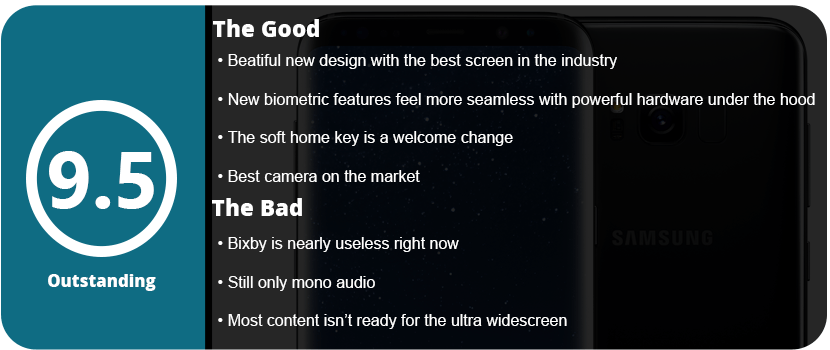
First and foremost, Samsung is the frontrunner in security, and new biometrics have been implemented. While we saw an iris scanner in the Note 7, it was slow, buggy, and made the phone run hot. There was also the issue that it took forever to line up correctly. The new iris scanner is lightning fast, has a brighter red LED light that flashes, and doesn’t slow the phone down. In addition, there’s a new face recognition scanner that works wonders, as nothing shows up on the screen to unlock your phone. When you try to unlock it, the camera recognizes your face instantly and just unlocks it as long as you are looking at your phone. It works well, and Samsung seems to have gotten these biometric scanners down pat this time around.
Along with all these security features is an updated Samsung Pay, which works like you would expect, a new edge screen, and an overall notification setup that is amazing and the least intrusive I have ever seen. Rather than a card that pops down on the drawer or on the screen, a small strip pops up with just the right amount of information. The entire edge of the phone has a rolling color that flashes, and it looks so beautiful and amazing. Samsung seems to roll major gimmicks like palm mute, swipe to capture, and various other gestures as standard features, being more creative and having these gimmicks actually be useful for everyday use. There are still some very minor issues present, however, but they don’t really hold anything back. There is still only one mono speaker, but it does sound a little better than previous phones. With this phone’s 18.5:9 aspect ratio, you’re going to get some stretching in some games and videos. You can make the content full-screen by choice, but ultra-widescreen monitor owners will understand this problem. It’s very minor, but still noticeable.
I hope that the biggest issue with Samsung phones being constantly slowed down over time is eliminated with the more powerful SoC. I have yet to have any slowdown in the three days I have had this phone, and with previous phones, it would start immediately. The last feature I want to discuss is Bixby, as many people are confused as to what it is. This isn’t your average AI that you can use voice commands with. You can’t say “Hello Bixby” and have it search things for you; Google Assistant is still there for that. Bixby is used to exploring the phone’s actual features. It’s just an app that pops up that gives you a summary of your Samsung apps, cards, and highlights, and that’s about it. It’s very basic and not too fancy, but it does do one thing that Google does not, and that’s the Bixby assistant on the camera. Aim it at an object, and Bixby can search on Amazon for the product or similar pictures online. I’m sure this will expand over time, but right now it will be useless for most people.
Overall, the Galaxy S8 is the finest phone I have ever used. Samsung continues to push the boundaries that Apple once did and refuses to do in today’s times. The smartphone business is a vicious one, and you must constantly and always evolve, or you will be left in the dust. I wouldn’t be surprised if Samsung steers toward their own Tizen OS at some point to finally have a proprietary OS that can be tailored to their own hardware, like iOS.
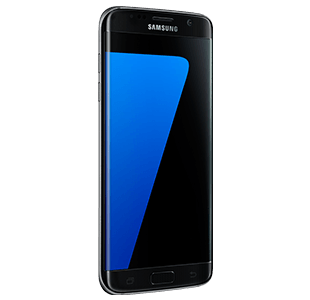
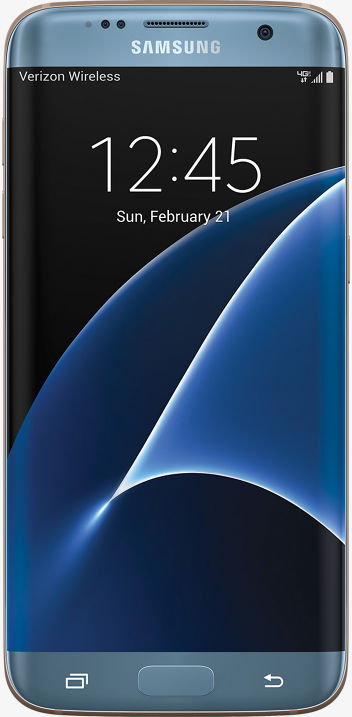
So, this is my fourth Samsung phone, and this company has come a long way. After dealing with the Note 7 disaster, I switched to the LG V20 while awaiting the next Samsung phone, thinking the S7 wasn’t worth it. I recently decided to switch back as the Galaxy S8 is around the corner and the S7 Edge is pretty much the same as the Note7 without the S-Pen and a smidge smaller. The OS is identical, and I really missed the fantastic screen and OS experience from Samsung.
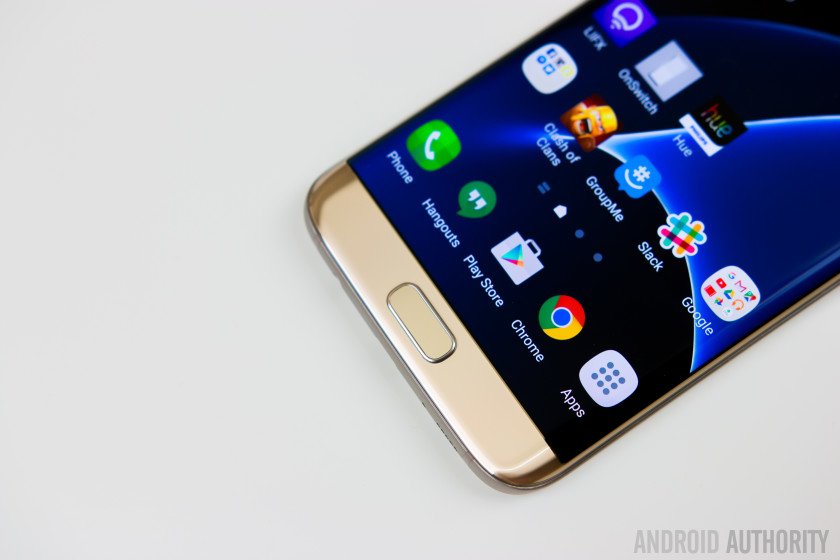
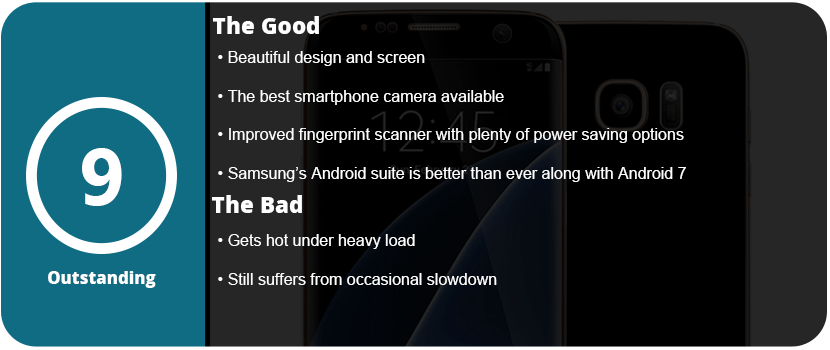
Thankfully, I picked up an S7 Edge after the 7.0 Nougat update, and I have to say it is just a beautiful update to the already great 6.0 that the Note7 shipped with. The S7 Edge has a 2K screen (2560×1440) with a 12MP rear camera and a 5MP front camera. The S7 camera is rated as the best phone camera around, and you can really see just how fantastic it is. The full glass body is sleek and gorgeous and feels great in your hand, and the much-improved fingerprint scanner works great.
The phone has a Snapdragon 820 SoC, which is currently the fastest available for a smartphone and is lightning fast. 4GB of RAM and 32GB of UFS 2.0 memory allow for speedy transfers and writes. The addition of a microSD slot is welcome, and the Adreno 520 GPU allows you to play the latest and greatest games. There’s nothing faster out there right now. However, this phone did tend to run very hot when I did the initial setup. It was so hot it made my hand sweat, but after this setup, I have yet to have the phone get that hot again.
The OS experience is wonderful, and Samsung has implemented so many features over the years that it can be overwhelming. From being able to transfer your files from your old phone via WiFi or USB to advanced security features, excellent power-saving technology, and features for gamers, there’s a lot packed into this tiny brick. Samsung’s Game Tools and Game Launcher are awesome to use, and I have been a fan since day one. Being able to launch a game from the Game Launcher allows you to keep your phone at maximum performance, or you can turn it all down for smaller games that aren’t graphics-heavy. Game Tools allows you to customize each game individually if you want as well.
Samsung’s themes and icons are nice to see on the S7 and make the phone feel unique and personable. Samsung is the only phone maker right now that has this feature, but LG is trying to catch up, but their theme updates are slow going. Samsung has other things packed in here, like Samsung Gear, VR, Pay, and many other proprietary apps that are robust and work well with their own products.
I really can’t pick this phone apart from the Note 7, as it’s exactly the same—same button placement and feel, same style, same screen, same everything. If you were screwed by the Note 7, this has all the exact same hardware but in a slightly smaller form factor. It still has some of the same issues that have plagued Samsung smartphones forever, such as the occasional slowdown if you don’t constantly keep up on optimizing your phone, and it does run hot if the CPU is pushed too hard. Hopefully, this eventually goes away with the next phone, and I don’t know if the OS can’t keep up with the CPU or the other way around, but as time goes on, this issue should not exist.
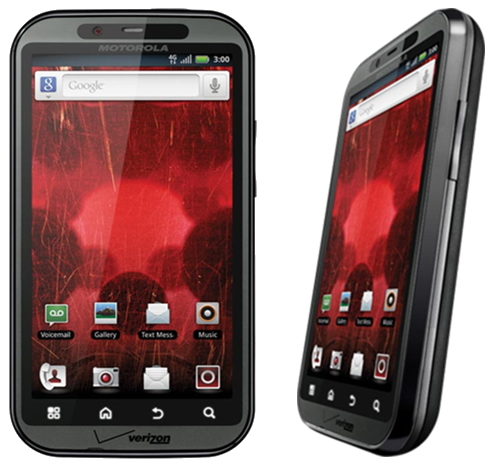
Well, here we are, six years after getting my first Android phone, and the Android environment has grown and changed faster than any other technology I can think of. In the early days of Android, it was obviously trumped by iOS, and rightly so. The operating system didn’t’ do much; it was extremely buggy, very ugly, and not streamlined at all. I remember the early days before Google Play was the Android Store, and it was full of awful apps that either crashed your phone or were spam, and there was no organization whatsoever. Not a single major developer wanted their app in this untrusted “iOS clone,” but I stuck by. It wasn’t just the operating system that was unable to keep up with user demands, but the hardware. Apple perfected its hardware and software with the iPhone 3S, and it hasn’t changed much since. Motorola was one of the best headliners for Android, but their phones were awful and slow, and the custom Android ROM was terribly designed. Trust me, I owned the original Droid and Bionic—the worst phones I have ever had.
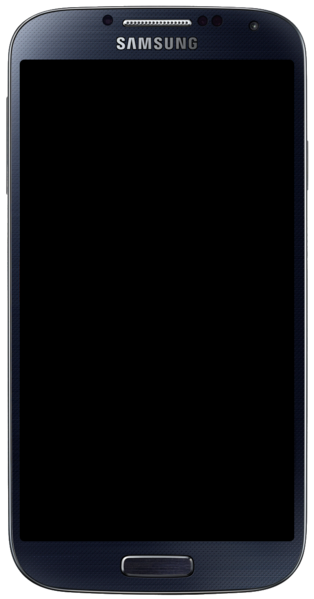
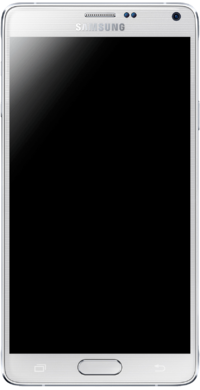
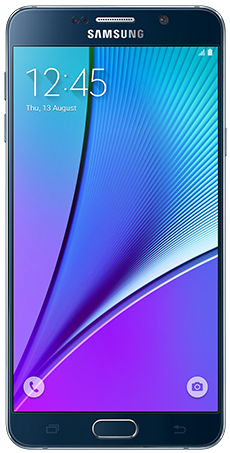
I then switched to Samsung with the release of the Galaxy S4. The issue with Android phones back then was that the manufacturers would master the current OS version and then create the phone around that. Once the new OS was released, the phones were slow, buggy, and unusable. My S4 turned into an overheating paperweight, and I hated it. With the Note 4, it was a little faster and more streamlined with KitKat, but once Lollipop was released, it ruined the entire phone. It became slow, buggy, and also unusable. It wasn’t until the Note5 that Samsung perfected its hardware and got a strong grasp on Android. Google even stopped adding features and released Lollipop as mostly a speed and battery upgrade, and it did wonders.
Motorola Droid Bionic. One of the first phones to have a dual-core CPU and 4G LTE. Hated it right out of the box.
Samsung Galaxy S4. The first step in getting Android phones right, but all the gimmicks drained the battery.
Samsung Galaxy Note 4. A great step in perfecting the phablet, but future Android versions ruined this phone.
Samsung Galaxy Note 5. Nearly perfected. Future updates just made the phone better.
The Looks
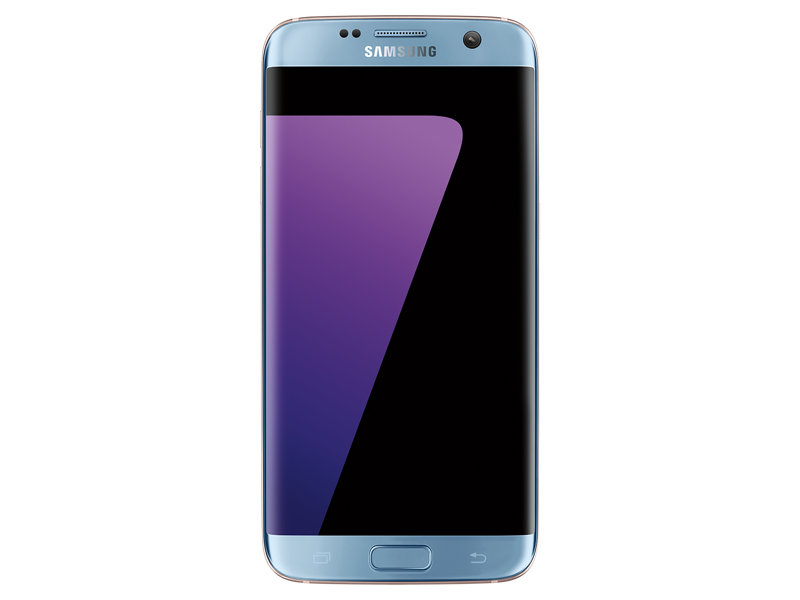
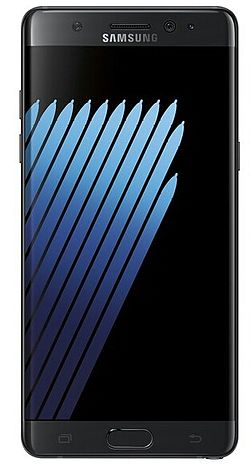
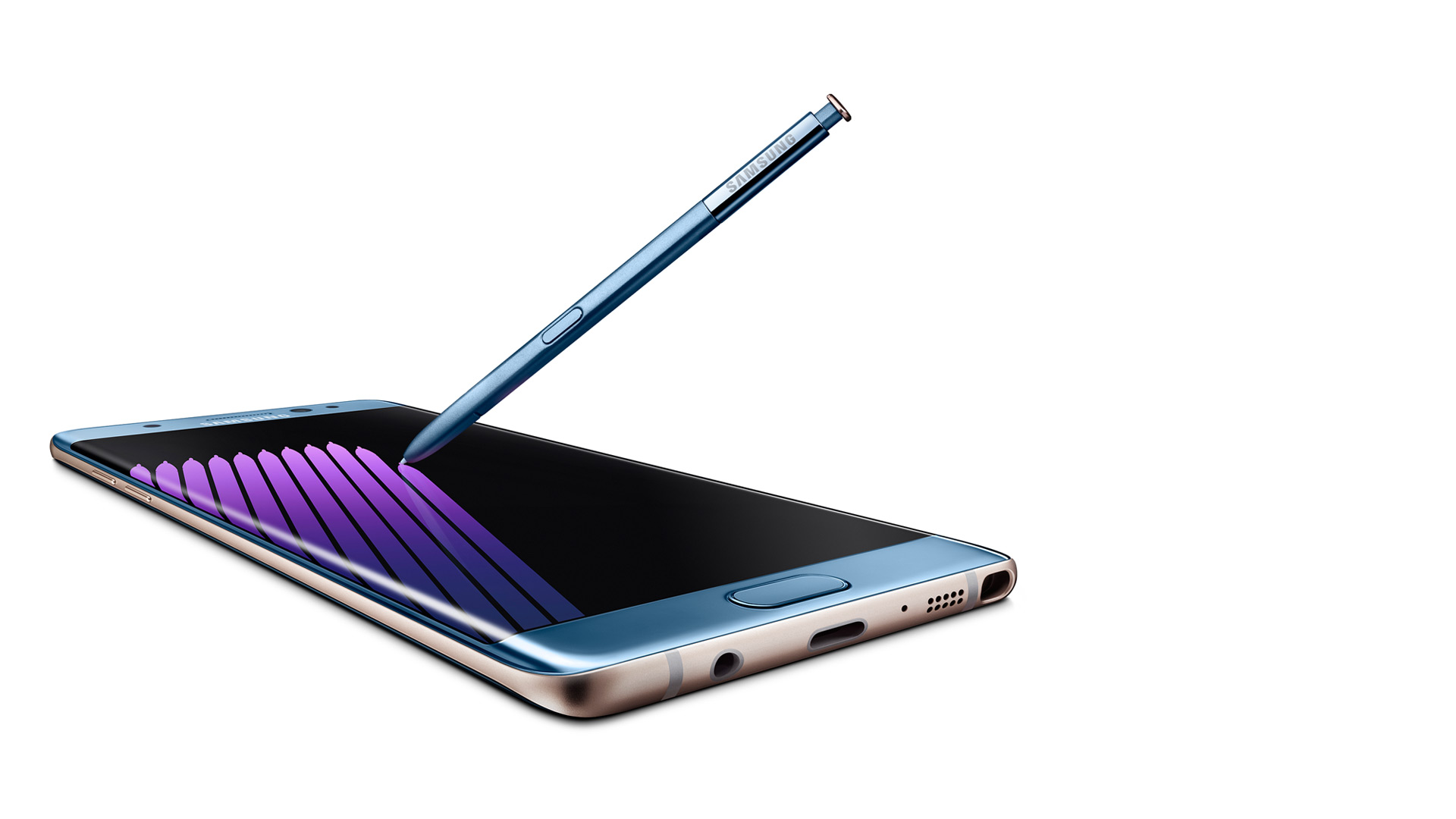
So, here we are in 2016 with a brand new set of Android phones. It’s no longer about being bigger and solely relying on who has the highest screen resolution and best camera. These things are all standard and easy to come by, even on budget devices. Samsung is pushing the envelope with its design. That’s right, we’re over new hardware features so much now that we can worry about how a phone looks. When you whip out a phone, you get judged as much as the car you drive these days. The Note5 was one of the sleekest phones ever released, and the Note7 trumps that. It takes the basic body design of the Note5, slims it down a tad, and adds a curved display. It may not seem like much, but it’s so much more enjoyable to view a curved screen. It creates a much more immersive experience, and it’s easier on the eyes. It’s a true edge-to-edge display and looks better than Samsung’s other flagship S series. The new glass and aluminum body that was carried over from the Note5 is perfected in every single way.
Hardware – External
Outside of the sleek look and colors (which look gorgeous, especially Coral Blue), you will start to notice the actual hardware design features. There are additional round circles at the top, which are the new iris scanner and the physical home button, which have been perfected. Yes, I’m bragging about the home button, which has been a Samsung staple since the first Android smartphone. It’s not a solid piece that clicks down, but it’s softer and rocks with your finger. You can roll your thumb over it, and it forms on your thumb, so it’s a smooth press. It also no longer clicks but just presses and feels “mushy,” which is a good thing. So one thing has been perfected so far.
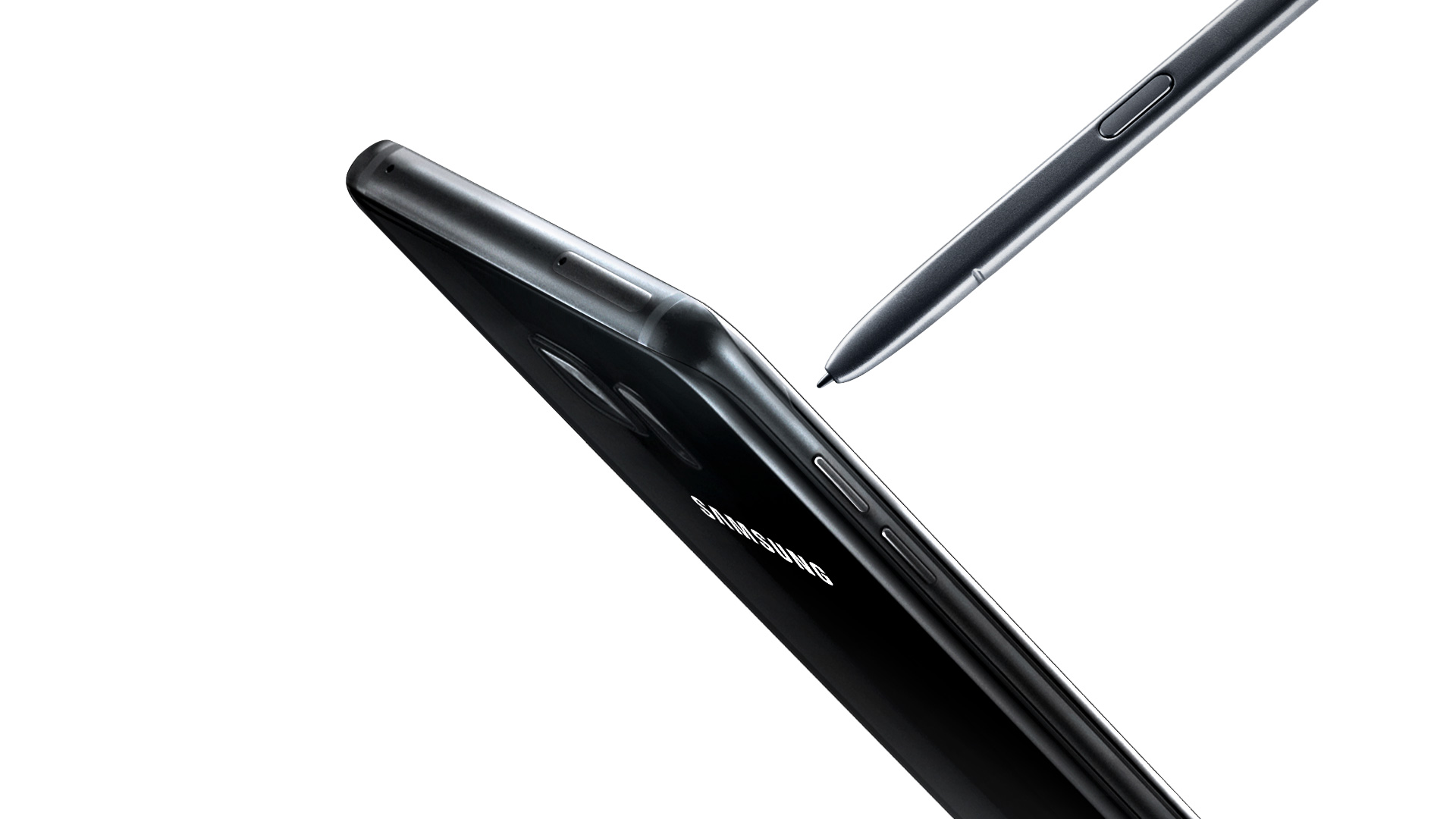
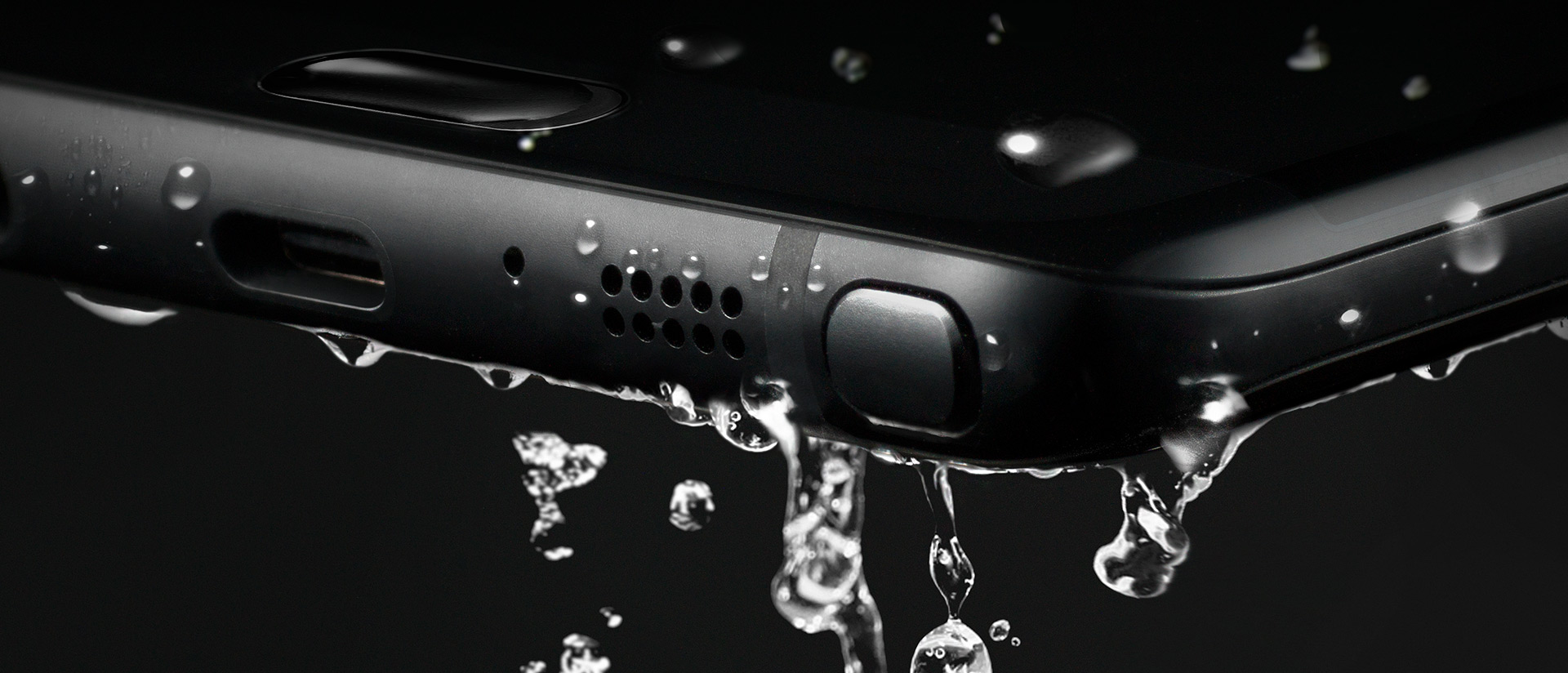
Next, you will notice the usual bottom stuff like the 3.5mm headphone jack, speaker, mic, and S-Pen. This is the same S-Pen used in the Note 5, but more on that later. On the top are your SIM card and microSD card carriage (yes, it’s returned!). and the side features the same power button and separated volume buttons (not a rocker) like the Note5. So, as for the outside of the phone, it’s perfect, and everything fits in your hand just right. Oh yeah, and this phone is water-resistant, meaning you can submerge the phone and it won’t get ruined. It’s not waterproof, as you can’t go a certain depth or have it wet for too long, but a quick dip in a toilet won’t hurt this baby a bit.
Getting Started
As for the setup experience, Samsung has gotten this down pat and it was even easier than with my Note5 last year. Samsung’s new Smart Switch app allows you to plug in a cable to each phone (an OTG adapter is included) and allows you to select what you want to transfer. Files, photos, documents, videos, and apps. You can also select each individual file if it’s to your liking. The downside is that it’s a slow transfer, and impatient people who are excited to mess around with their new phone may bypass this. I chose just a few apps, and it still took 15 minutes to transfer everything. It’s still a great feature and puts your mind at ease about whether you backed everything up or not.
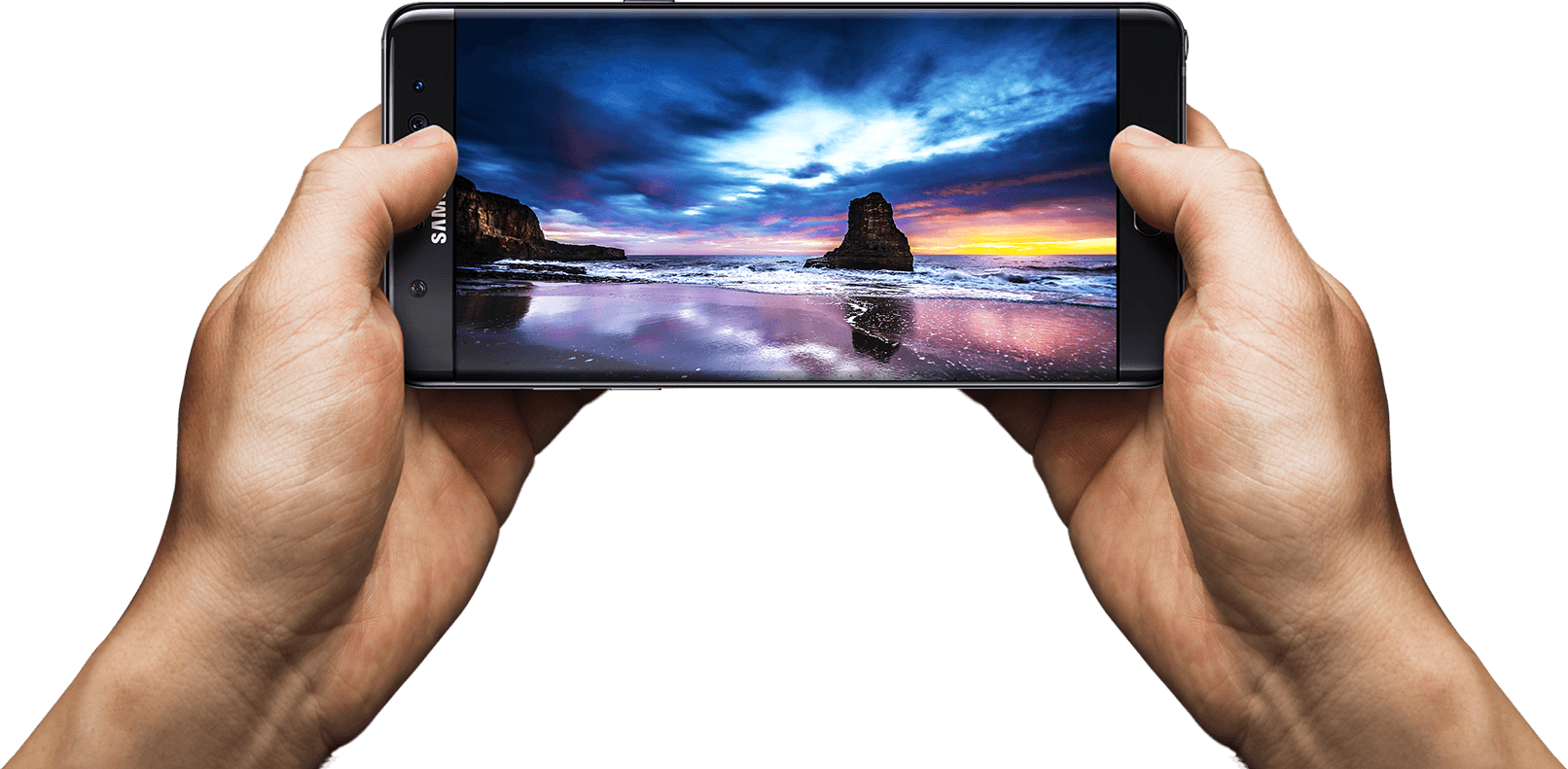
Once the phone was set up and everything transferred, I started to notice how beautiful this screen is. Being QHD (2560×1440) and curved is just mesmerizing. This is the most beautiful smartphone screen I have ever seen. Everything is bright, crisp, and just so true to its real colors. Before I talk about more software features, though, let’s see what’s under the hood.
Hardware — Internal
For the first time in a while, Samsung ditched their own Exonys chipset for a Snapdragon 820 (for North America anyway). It’s a huge difference, as Samsung’s chipsets aren’t really the best, and Snapdragon already has very fast and reliable chipsets. The CPU may have fewer cores and lower clock speeds, but it’s more streamlined, which makes it faster on the software side. The Snapdragon 820 sports 4 cores: 2 running at 2.15 GHz and 2 running at 1.59 GHz. Again, don’t let the low numbers make you think this phone is slow. The GPU is the Adreno 530, which is the latest and greatest for gaming. It sports a whopping 624 MHz clock speed for maximum gaming compared to the Note5’s Mali-T760, which ran at an even 600 MHz. I was able to notice games running at 60 fps, which were done through the software as it was streamlined enough to allow this. Samsung has a great gaming suite (discussed later).
The phone also has Bluetooth 4.1, the latest cellular bands and WiFi, 64GB of internal ROM across the board, and 4GB of LPDDR4 RAM, which is lightning fast and plenty for all your apps. The phone features a snapper from Sony again, which is the new Sony Exmor R IM260, but Samsung’s own front camera, which is their ISOCELL camera, This is the first phone that actually records video in 720p at 240 fps, which looks phenomenal on the screen. If you thought 60FPS at 1080p was amazing (which is standard now), 240FPS is something else.
Write Like a Pro
With that said, let’s get to the S-Pen. It’s not just a copied Note 5 pen with a new color. It looks slightly smaller, and the button is located higher on the pen, like the Note 5. It also has a much finer tip, and this is due to the pressure points being bumped up from 2,056 to 4,096, which is double the sensitivity rate. There’s a huge difference in the way it writes, as it feels like an actual pen on paper. There are also several new software features that make upgrading well worth it. For starters, the screen-off memo has been improved. The phone supports the always-on display, and the AMOLED screen allows the software to control each individual pixel to save battery power. The screen-off memo is now actually truly off, and the pixels turn on as you write, saving power. The Note5 just had a black screen that you wrote on, but the screen was always on.
There’s also a new GIF animation feature that is an upgrade for Smart Select. You can draw a square marquee around a video, record a short GIF, and then later edit it. This is exciting for people who want to send goofy things to their friends. The next brand new feature is the translate button, which allows you to hover over a word, and it will pop up with the translation and audio from Google. This works very fast, but I’d like to see the ability to do more than one word at a time.
Software
There are several other software features that make the Note 7 a perfected Android and Samsung phone. Samsung completely redid their TouchWiz custom ROM, and it looks fantastic. The new pull-down shade, menus, and overall look are gorgeous and complement the curved display and AMOLED screen. I personally don’t like any manufacturer home launchers, but those who hated TouchWiz should take another look. Second, the phone features several new settings, such as a blue light filter if your eyes hurt you when looking at the phone for too long, better WiFi calling, a fingerprint scanner (it’s more accurate), and more accurate smart screen features such as swiping for a screenshot, smart stay, and quick view. The new gaming suite is awesome, and I love it so much.
Gaming Taken Seriously
There are two new tools called Game Tools and Game Launcher. The Game Launcher is a streamlined app that shows all of your games, auto-detects everything (you haven’t had a game that it didn’t detect), and allows you to customize the power-saving features for that game. Already, most games run at 60FPS on the Note 7, but to save power, you can cut it down to 30FPS and even turn off various features of the phone. This is great for lower-end games like Clash of Clans that don’t need to run the phone at maximum capacity. The new Game Tools is a small little red icon (you can move it around) that opens up into a wheel that allows you to take a screenshot, record footage (with audio commentary), turn off notifications, lock the menu and back keys, and minimize the game into a small icon. All these features work smoothly and wonderfully, and I take full advantage of them all the time. I can now record my best hits in Golf Star or make some funny jokes while raiding a village in Clash of Clans and send them to my friends via a Dropbox link.
Biometrics of the Future
I’m saving the best for last; I haven’t forgotten about the iris scanner. Now, this thing works better than I originally thought. The fingerprint scanner in the Note 4 was awful, and I thought the first outing for a new biometric security feature would be the same. I’m dead wrong. The iris scanner works so well that I don’t quite understand how it works. I look at the top portion of the screen, and it just scans my eyes with some sort of night vision camera. Sometimes the iris scanner works faster than the phone can display what’s going on, which isn’t a bad thing. It’s neat, the first of its kind, and a whole new layer of technology. I had someone tell me that it just recognizes the shape of my eyes, but I used three people to unlock my phone, and they couldn’t do it. It can actually read your iris and won’t unlock it for anyone else. This is a wonderful technology, and I feel even more secure knowing that no one will be able to access my phone. Now we just need third-party apps to start implementing it into their software.
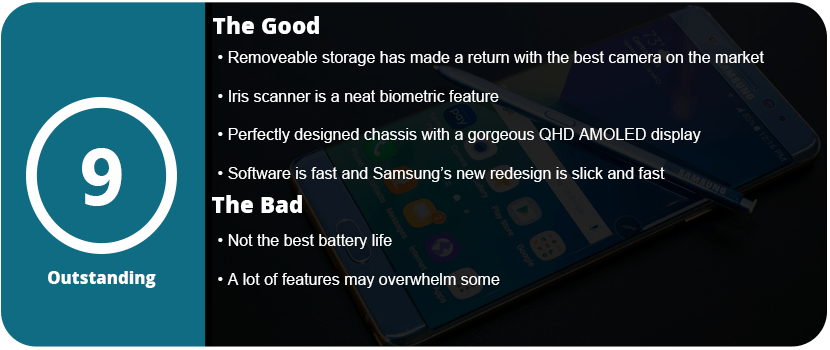
Overall, the Note 7 is a perfect phone. I mean, perfected to a T. I even had a hardcore Apple fanboy comment that Samsung has finally done it and created the perfect phone (he’s currently sweating out the long backorders). From the physical design to the software design, the Note 7 is the pinnacle of smartphone technology. With the return of the microSD card, water resistance, a larger battery, and overall better design, it’s just the perfect phone. It’s fast, powerful, secure, and gorgeous all at once. I know each phone iteration becomes more and more perfect, but the Note5 wasn’t quite perfect, but I can happily say the Note7 is.
Here we are, the fifth and sixth generations of long-running phones, showing just how far technology has come. Phones are probably some of the most advanced pieces of technology on the planet, and each generation shows it. The Samsung Galaxy Note series has been one of the most popular smartphones ever created. The S Pen—its staple feature—and the large, gorgeous screens are what people come to the Note series for. The Note 5 doesn’t disappoint, and it improves immensely on the Note 4 in many ways. What exactly has a year done for the Note series? From the outside, it may not seem like much, but the Note 5 proves that the little things matter the most for a better long-term experience.
Face Lift
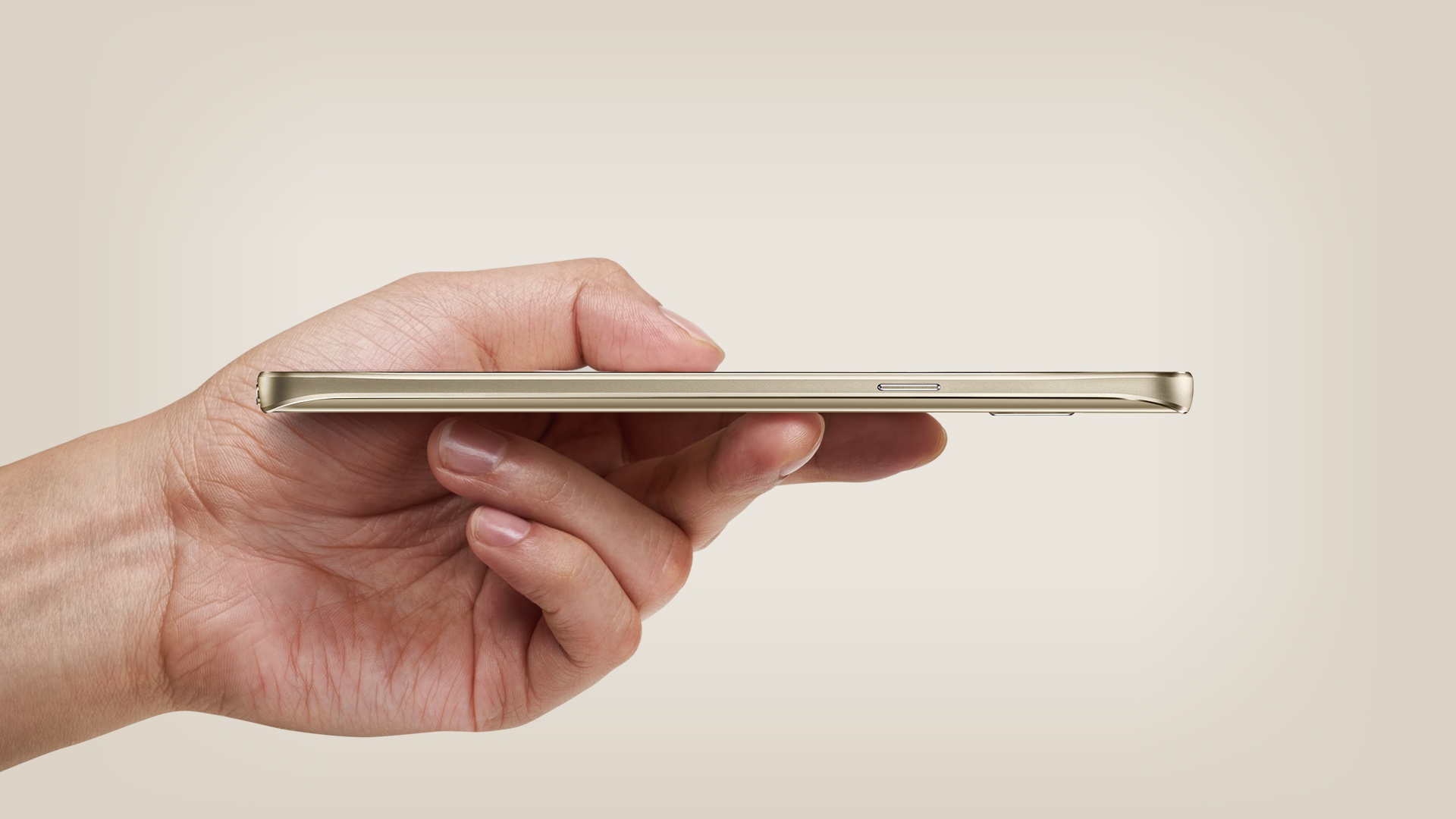
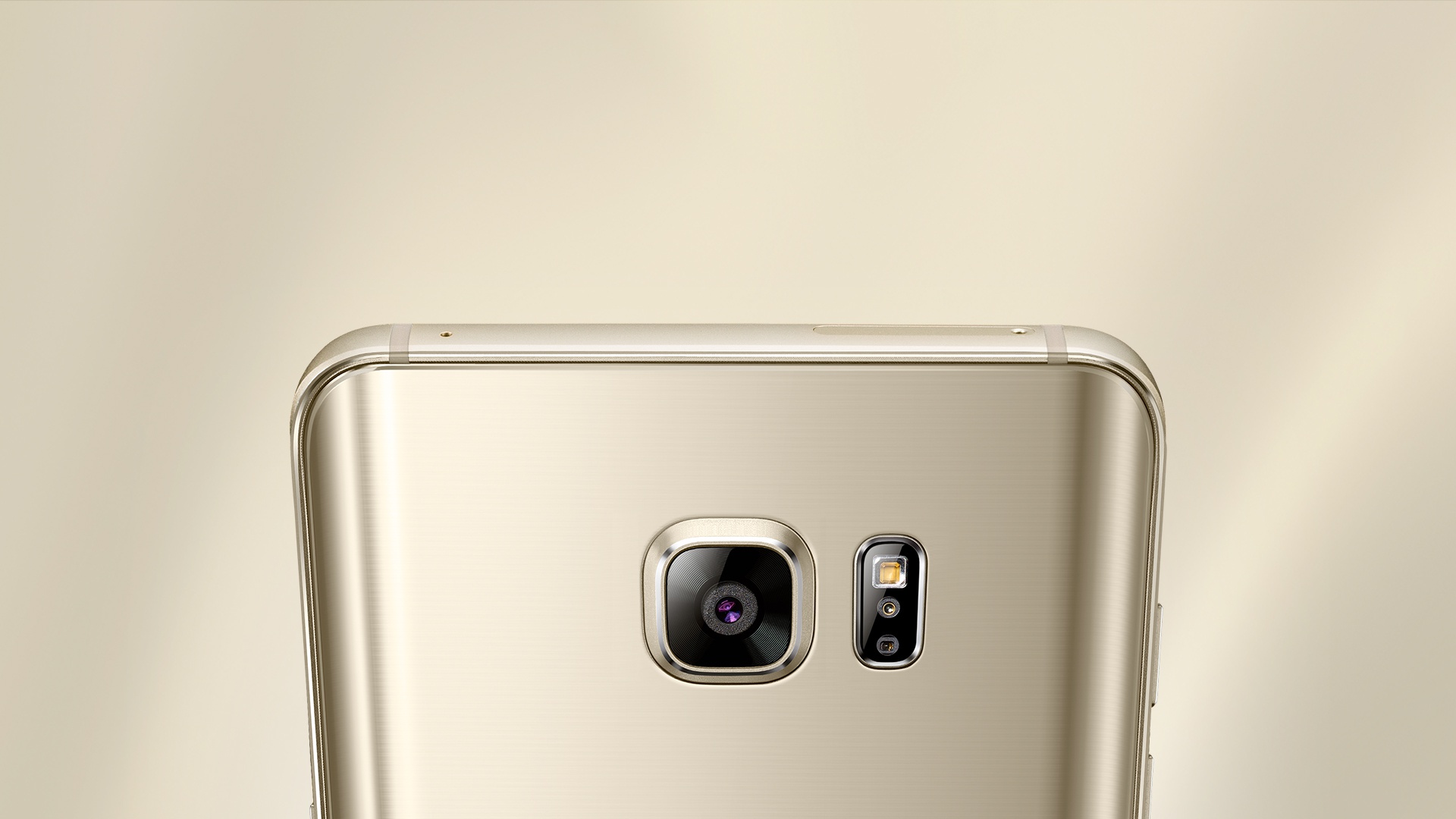
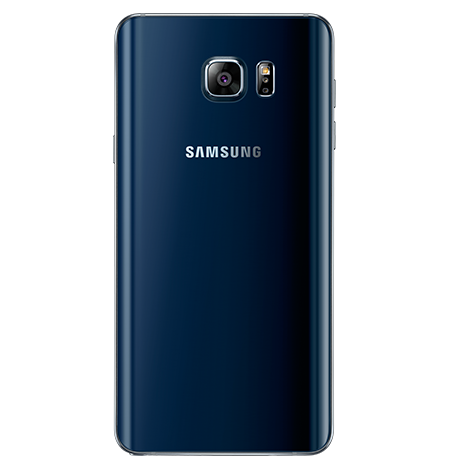
The Note 5 may look nearly the same from the front. The iconic physical home button, the Samsung logo at the top, the round edges, and the chrome speaker at the top all look familiar. The silhouette of the Note series has never changed; one good look at the phone, and you know what it is. However, turn the phone around and on its side, and you will notice a stark difference. No longer does the phone look like cheap plastic and aluminum. The Note 5 now has a glass back with rounded edges and brushed aluminum sides. This makes it one of the sleekest smartphones to ever be created. The top comes out a little and is a tad thicker than the rest of the body. This is so the phone fits better in your hand and looks prettier. The Note 5 is a looker, with the Sapphire Black looking almost navy blue in certain light and being quite eye-catching.
The bottom of Note 5 is also a new change. The speaker is now located next to the S-Pen (with improved quality), and the S-Pen is now completely surrounded by the inside of the phone and clicks out. The power button is smaller and has a more satisfying click to it; the same goes for the volume buttons. For the first time, the volume buttons are no longer rockers. Each button is the size of the power button and is separated. This allows you to easily feel which button you are on. It helps the phone feel less cheap with smaller, more subtle buttons that have a better clicking feeling to them. The Note 5’s screen is also made of Gorilla Glass 4, so it feels sleeker than ever and is less prone to having fingerprints stick to it, which is a first for any smartphone I have used.
Fast Just Got Faster
The Note 4 was an extremely fast phone—the fastest of its generation. The Note 5 is now one of the first octa-core smartphones. What does this mean? Two sets of four cores running at two different speeds for various multi-tasking purposes. While the Note 4 was a quad-core device running at 2.7 GHz, the Note 5 uses Samsung’s own Exynos chipset rather than Qualcomm’s Snapdragon chipset. The 7420 set has a 2.1 GHz quad-core set running alongside a 1.5 GHz quad-core set. The Exynos chipset is also more battery-efficient than the Snapdragon chipsets Samsung has been using for the longest time.
The Note 5 is also the first smartphone to have a whopping 4GB of RAM. This is one of the phone’s secret weapons, as it allows a massive amount of apps to stay loaded into the RAM for ultrafast speeds. The RAM is also LPDDR4, which is the fastest available right now, running at 1600 MHz. Want to put this into perspective? The iPhone 6 Plus has only 1GB of RAM. The Note 5 also switches over from Adreno GPUs to Mali GPUs. The Mali T760 MP8 performs much faster than the Adreno 430 that was in the Note 4. With double the frame rate during benchmark tests and higher clock speeds, the Note 5 is the best choice for gamers who want to run the latest and greatest.
One of the biggest decisions for phone buyers is the camera. Don’t worry. The Note 5 has one of the best cameras on the market. While it’s still 16 MP, it has better technology inside to allow more control and speed. With an exposure of f/1.9, 4K video at 30FPS, 1080p video at 60FPS, and 720p video at 120FPS, video stabilization, auto HDR, manual focus, tracking focus, and various other features, the Note 5 becomes an extremely powerful camera. The Note 5 is also one of the first phones to save in RAW format for complete manual editing in Adobe Lightroom or Photoshop. The Note 5 also has various other features, like video collages and faster editing, thanks to the more powerful hardware. It can’t be said how beautiful the pictures turn out. Even low-light images are pretty impressive for a phone camera.
What about installing apps, downloading, and writing to the internal memory? The Note 5 uses UFS 2.0 flash memory, so read/write speeds are nearly double those of the Note 4. Games load faster, apps install quicker, and everything is just lightning quick. This is honestly the fastest phone I have ever used. Never have I used a phone before where everything just happened instantly or near-instantly. No slowdown, no loading, no freezing. From swiping up on the camera app from the lock screen to taking a photo, it took all of two seconds. Yes, just two.
Benchmarks
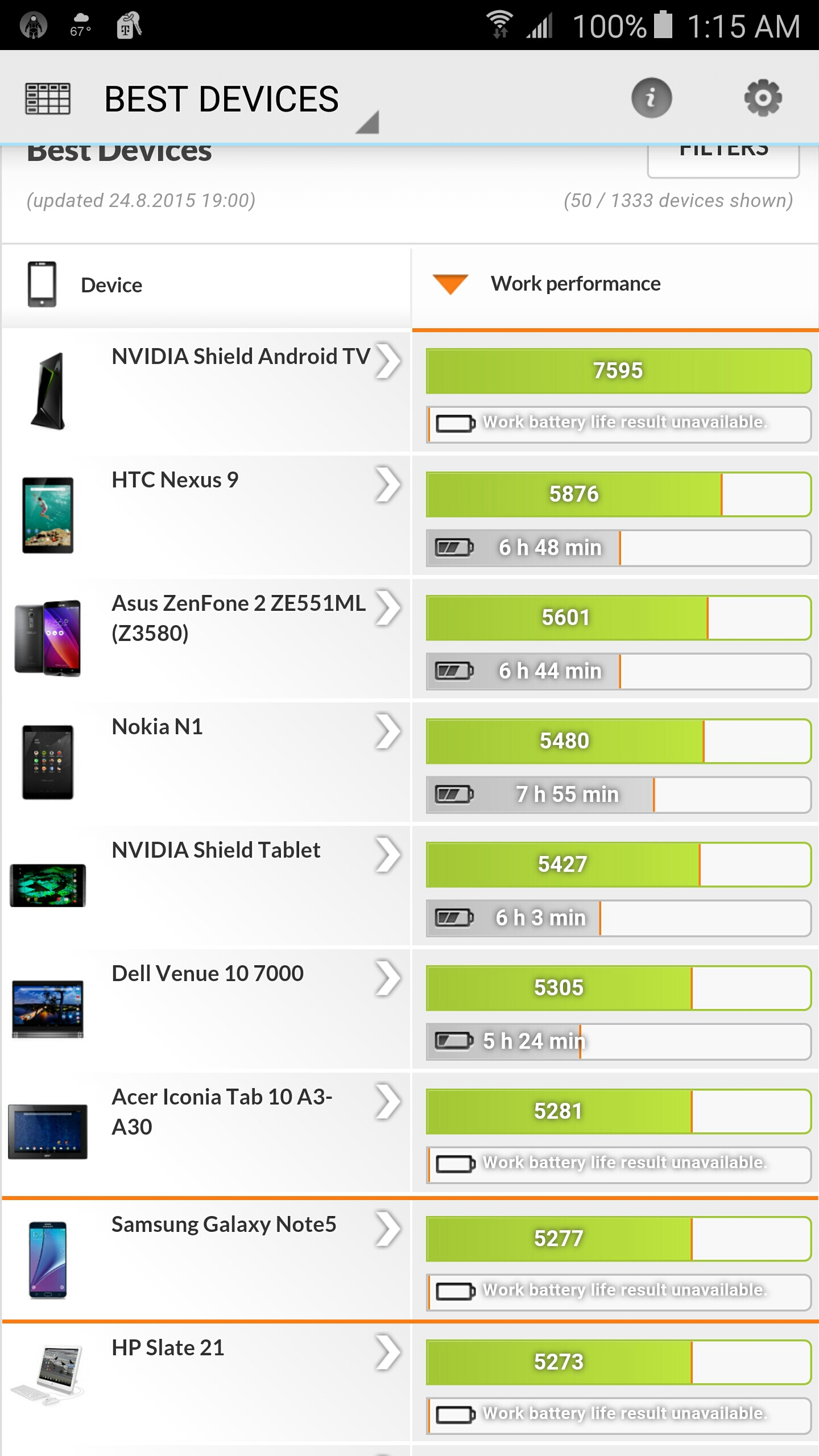
Just like PCs, high-end phones are benchmarked for their performance, from CPU and GPU load to physics tests. 3DMark has extensive benchmarking software just for these reasons and allows you to compare your phone to pretty much every device in existence. The Note 5 stands as the most powerful phone available, with only tablets beating it (which is expected). Below are the various benchmarks, including the brand new Open ES 3.1 and 3.0 graphics tests, which are the most demanding in the world (for phones). Remember, the Slingshot tests are meant to be too powerful for phones to run at a high frame rate. FutureMark benchmarks are designed to be too much for devices to handle to truly push them to their limits.
Open ES 3.1 Slingshot
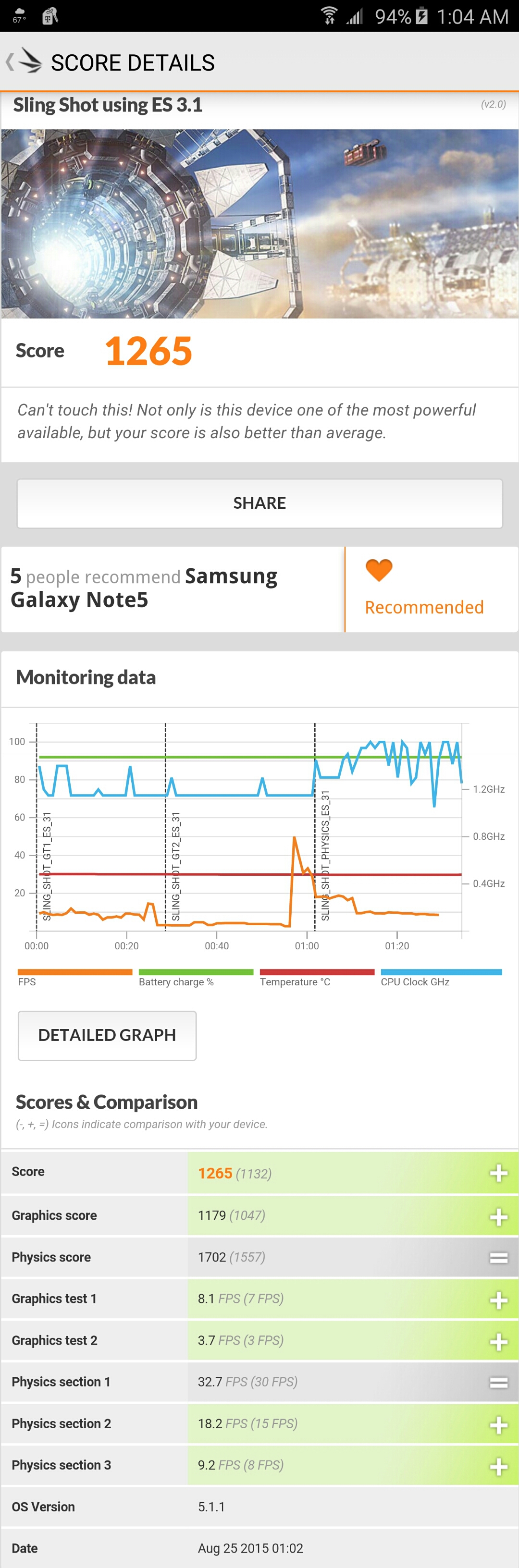
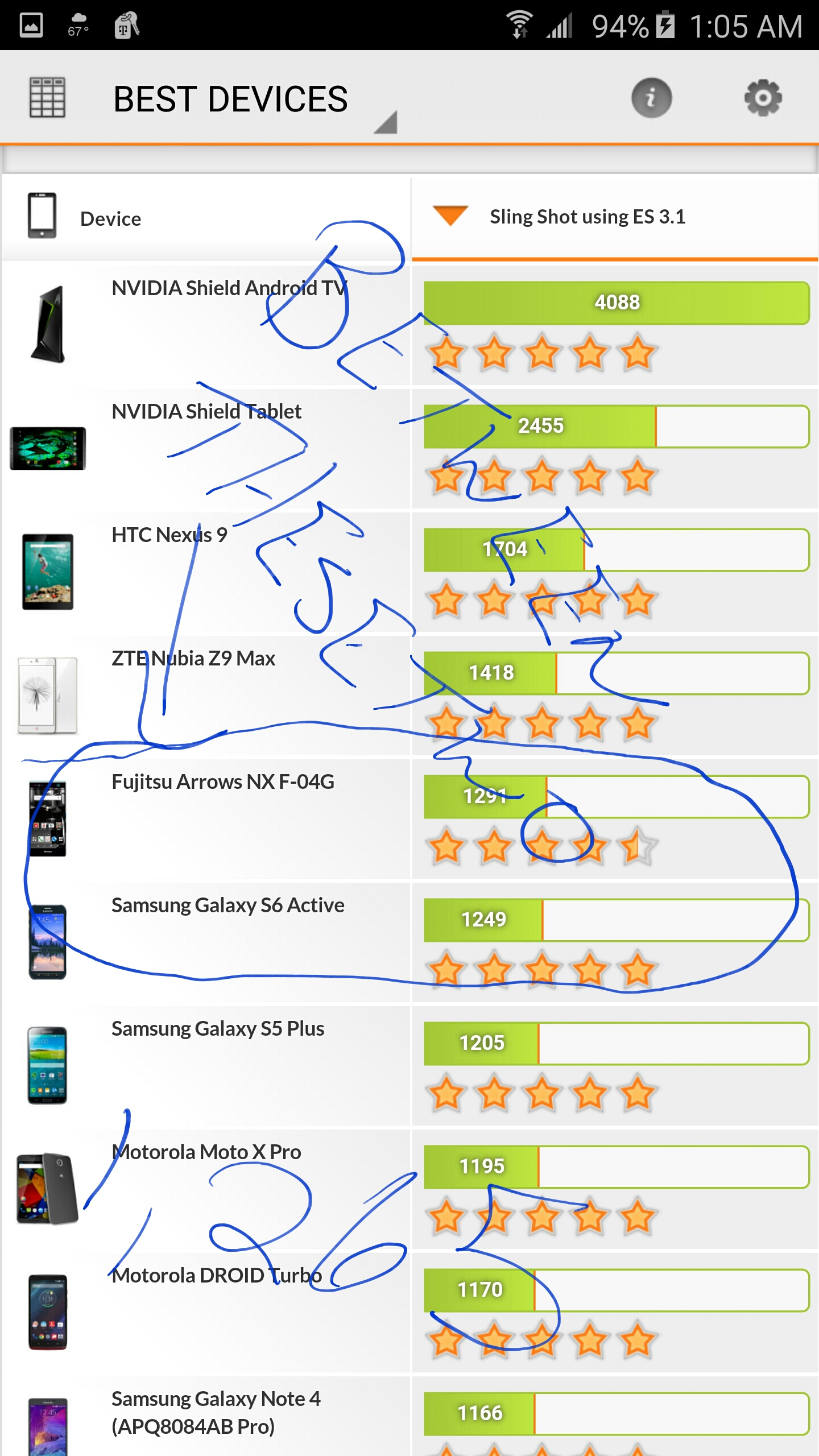
The Slingshot 3.1 benchmark shows that the Galaxy Note 5 is one of the most powerful devices available, with only four tablets outperforming it (the Nvidia Shield TV is at the top of the list). This is extremely impressive and shows that the Note 5 is ready for the latest and greatest in gaming.
The Slingshot 3.1 test includes three: Test 1 uses particles and post-processing effects that are very GPU-intensive. Test 2 consists of volumetric illumination, and then Test 3 is a physics test for the CPU. All of this is rendered in 1440p, which is higher than your standard 1080p, which is quite impressive. The iPhone 6 Plus, in comparison, is about 70 down the list with a score below 1,000.
IceStorm Unlimited
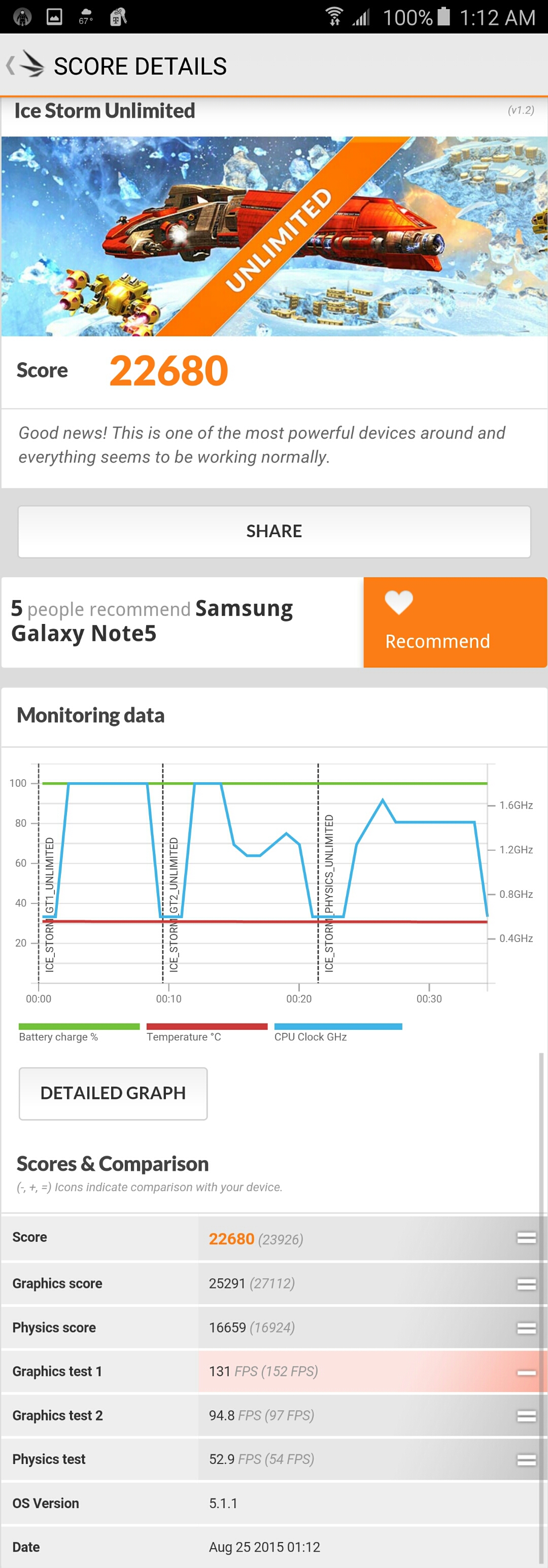
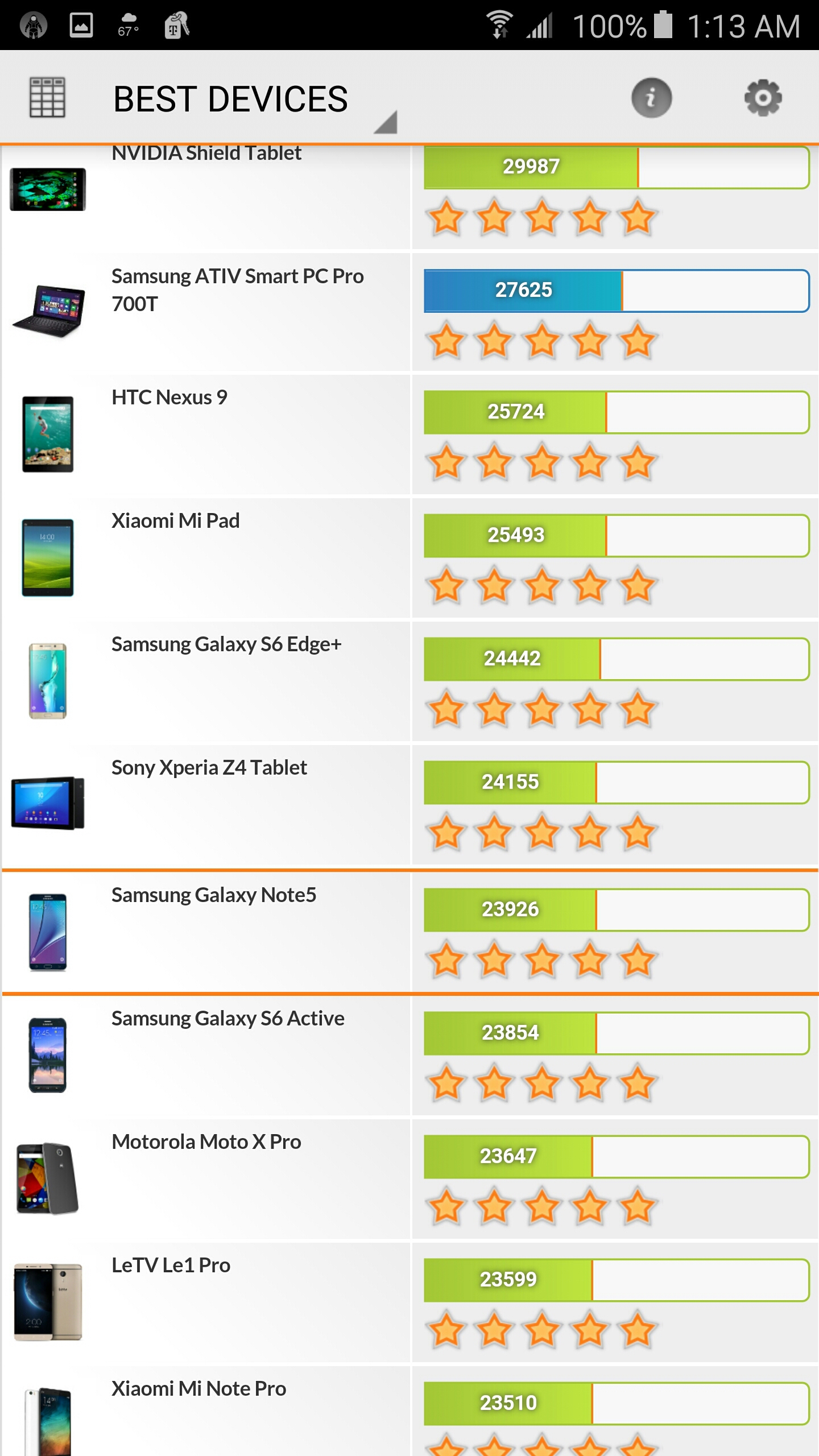
IceStorm Unlimited shows the Note 5 is extremely powerful when it comes to Open ES 2.0 rendering at 720p. IceStorm is a benchmark that can give a more even and balanced test over nearly every device that has been released in the past 3 years. The Note 5 actually outperforms some tablets and laptops, which is extremely impressive. The IceStorm Unlimited test consists of three: Test 1 stresses the GPU with vertices, while Test 2 uses a lot of pixels on the screen. Test 3 is a physics test to stress the CPU. The iPhone 6 Plus is about 100 down the list, with a score of around 17,000.
PCMark
PCMark is actually a benchmark for everyday use of the phone, including video streaming, read/write access speed, web browsing, photo editing, and typing. This benchmark shows that the Galaxy Note 5 outperforms tablets and laptops, which is once again very impressive. The buttery smooth operation of the Note 5 just can’t be stressed enough. This is the fastest and smoothest phone I have ever used, and that’s not just because the phone is new. The PCMark app is not available for the iPhone, so a comparison can’t be done.
The S-Pen
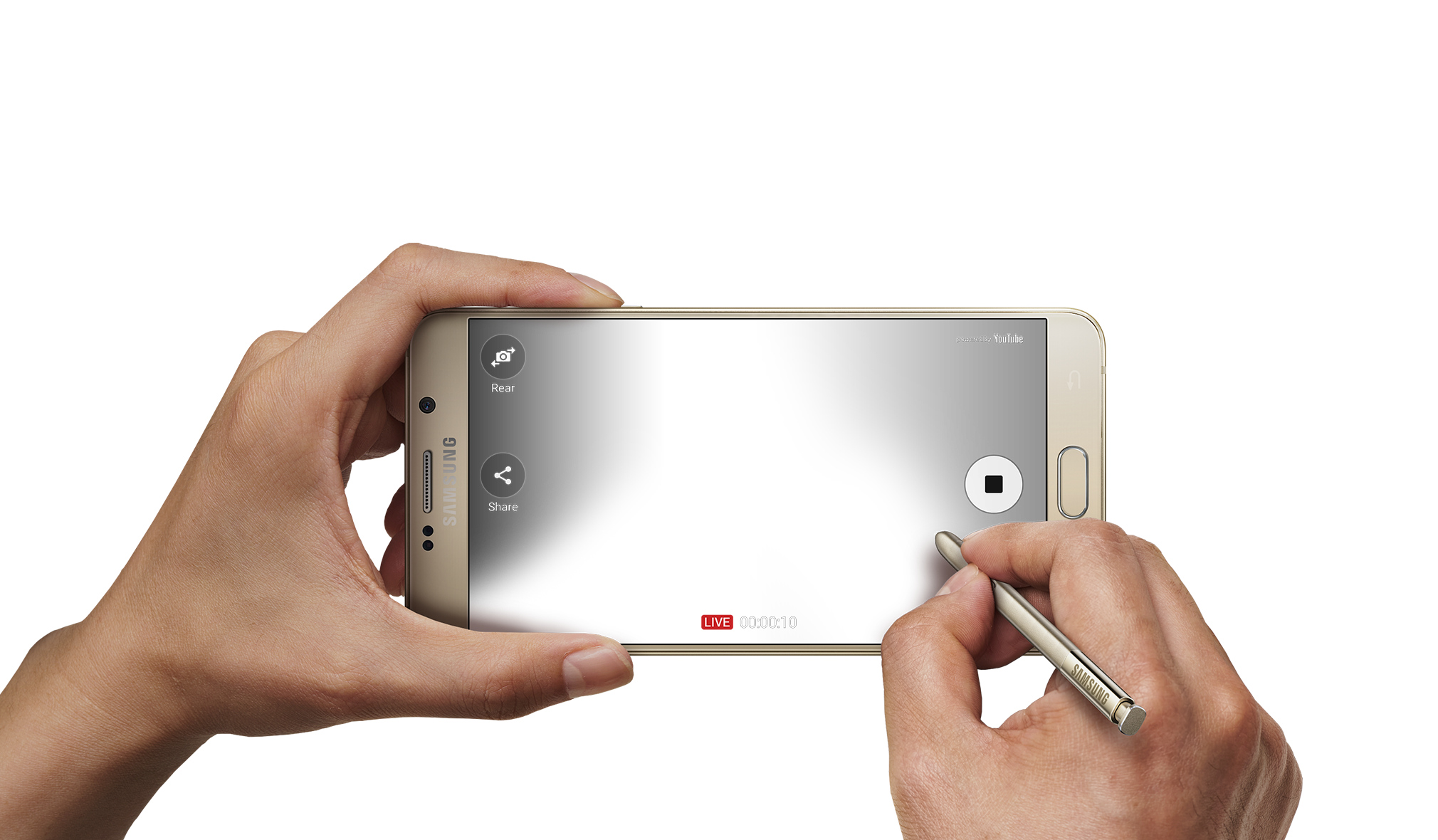
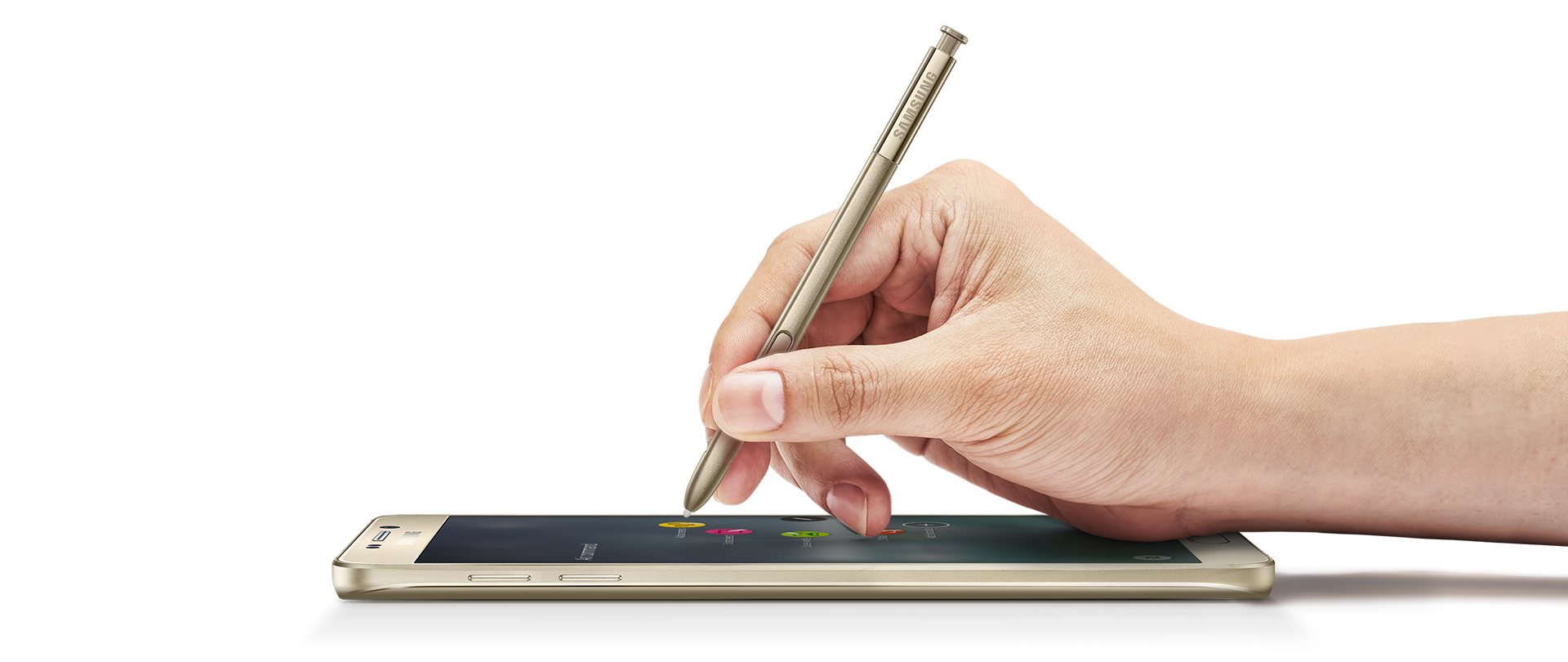
Samsung continues to improve on the iconic S-Pen that the Note series is famous for. How could they improve on the excellent Note 4 S-Pen? Well, they found a way by making the S-Pen more sturdy using thicker plastic, making it less like a toothpick. The button is much smaller but more responsive, and the pen also has a new metallic look. Ideally, the best thing would be to make it out of metal, but maybe another time. For now, we have a fantastic new pen that is more responsive and sensitive than ever before. The bottom of the pen clicks in (think a clicky pen), so it lays flush with the phone.
What’s a stylus without good software? The S-Pen software suite has actually been improved in many ways I didn’t think would happen. My favorite new feature is the lock screen writing. Just eject the pen and start writing on the black screen with white ink. You can save your note or delete it to go straight to the standard lock screen. This is great for taking quick notes when launching the suite isn’t an option.
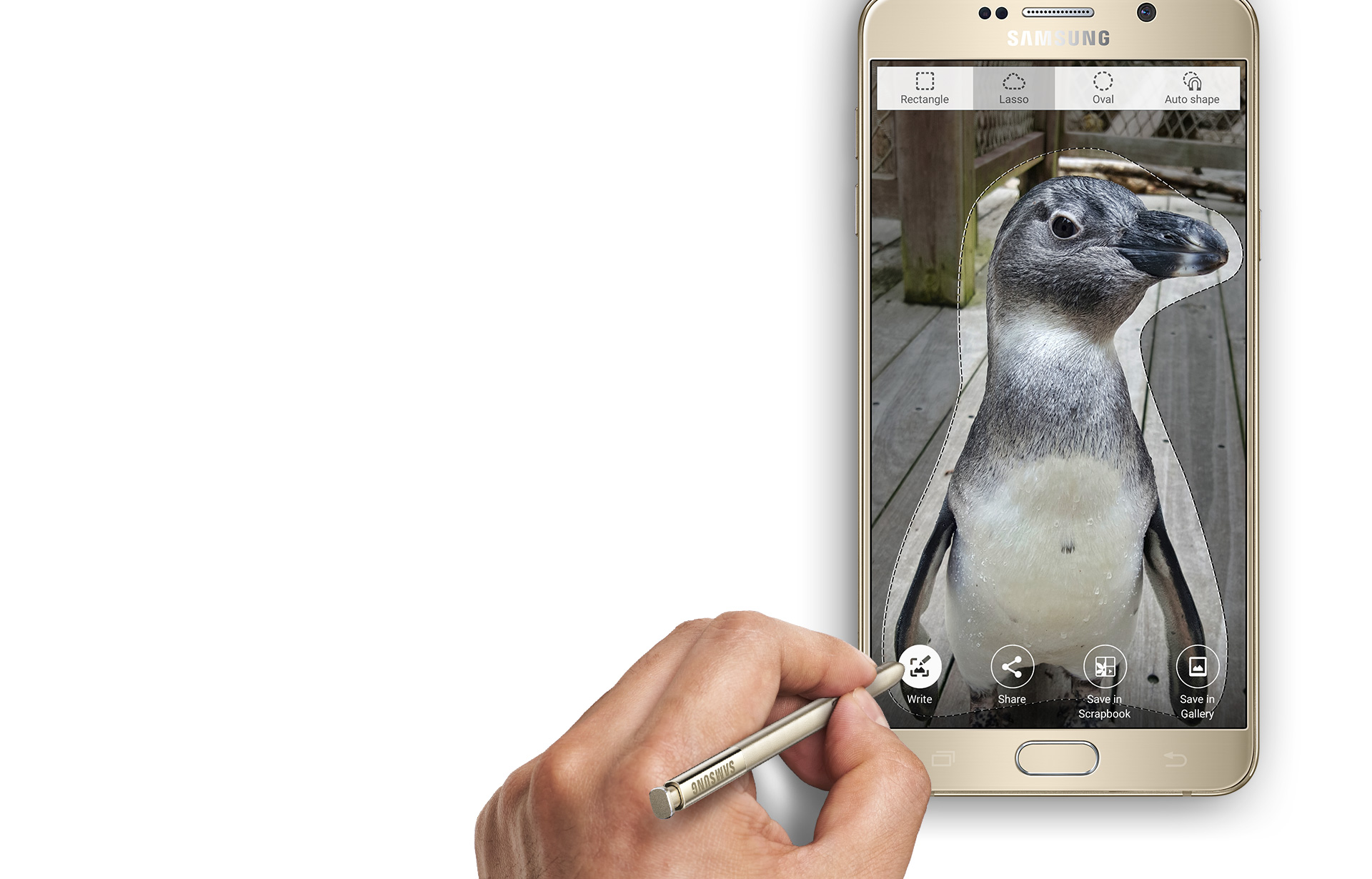
Outside of the lock screenwriting is a more advanced and much faster suite of options. The usual four apps are back that we are familiar with, but with new features. The most notable is the scrolling capture in the screen capture app. This allows you to save large sections of text or an entire webpage. However, a huge feature has been removed, and I don’t understand why. The smart select does not detect what kind of content you are selecting anymore and rather just lets you save the content as an image. Why this was taken out is unknown, but it’s a slight setback that may annoy some people.
Air Command now lets you add two of your own shortcuts to the list of four, which is a nice touch. The air command icon is also always on screen, so you don’t always have to click the pen button. Thanks to the buttery smooth operation speeds, everything comes up instantly with no lag, and my S-Pen experience has never been better. I would have liked to see more features or a new Air Command app, but don’t fix it if it ain’t broke.
A Bigger Bite of Lollipop
Android 5.0 Lollipop has been around for a while, but 5.01 broke the Note 4. The Note 5 uses 5.1.1, and I couldn’t be happier. Lollipop is just a fantastically streamlined OS and is Google’s best yet. The Samsung skin on top of Lollipop is actually better as well, with their awful TouchWiz home launcher being redone and improved. Samsung now offers themes that change everything on the phone and can be quite fun. Even if you use a third-party home launcher, anything system-wise will be changed via the theme. This is a nice step up and makes it that much easier to customize your phone, which has always been a pain up until now.
One of my favorite additions to Lollipop was the lock screen notifications. No longer do you have to unlock your phone or swipe your drawer down. Just swipe away on the lock screen or double tap to open the notification in the app. The same goes for when you are using your phone; you now get a nice pop-up at the top of your screen instead of the entire notification scrolling in the home bar at the top. Outside of this, Samsung toned down the various hand-waving gestures you can do. They are no longer the front-running features like when the Galaxy S4 was released. Using your hand to hang up, put someone on hold, and various other features using the Smart Stay are now on the back burner, and that’s a good thing. These features no longer drain your battery, but if you don’t mind pressing one extra button, you can just turn them off.
One major addition to the Note series that is built-in is the Samsung SideSync app. This allows you to mirror your phone on your computer and easily transfer files back and forth. I used it a lot on my Note 4, and it works great with the Note 5. Samsung is one of the first phone makers to have good-working proprietary software to use your phone on your computer.
Thanks to the faster-running software, tapping to pay has never been easier. I could never get it to really work on the Note 4 due to the Lollipop update slowing the phone down. However, Samsung Pay and Google Wallet are both available to use for tap-to-pay. It’s never been easier; just link your bank accounts or cards, set a pin, tap your phone to the card reader, and you’re done. Naysayers and paranoid users aside, tap-to-pay is the future of electronic payments. However, I still suggest carrying your cards with you in case it somehow doesn’t work.
Sacrifices Must Be Made
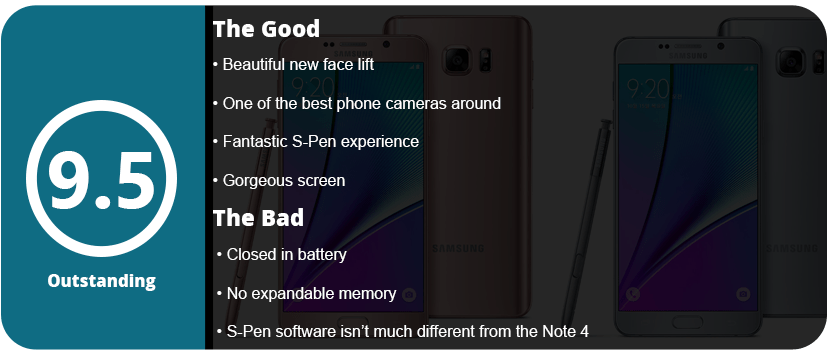
The Note 5 isn’t perfect; there were a few key design choices that Samsung had to sacrifice. One of those is the battery and expandable memory. To make the Note 5 look as sleek as it does, it had to enclose the battery, which means expandable memory as well. The Note 5 also has a slightly smaller battery over the Note 4, at 3000 mAh, despite being a little thicker. However, Samsung has its power management down pretty well, so the battery won’t drain as fast as you think if you optimize your phone correctly. The Note 5 comes in 32GB and 64GB variants, and I highly recommend the 64GB. This has been the biggest gripe over the phone, but honestly, you can transfer your files to a computer or use cloud storage. These are probably the biggest hits to the phone, but after using it for some time, it feels less of a deal.
The Little Things Matter
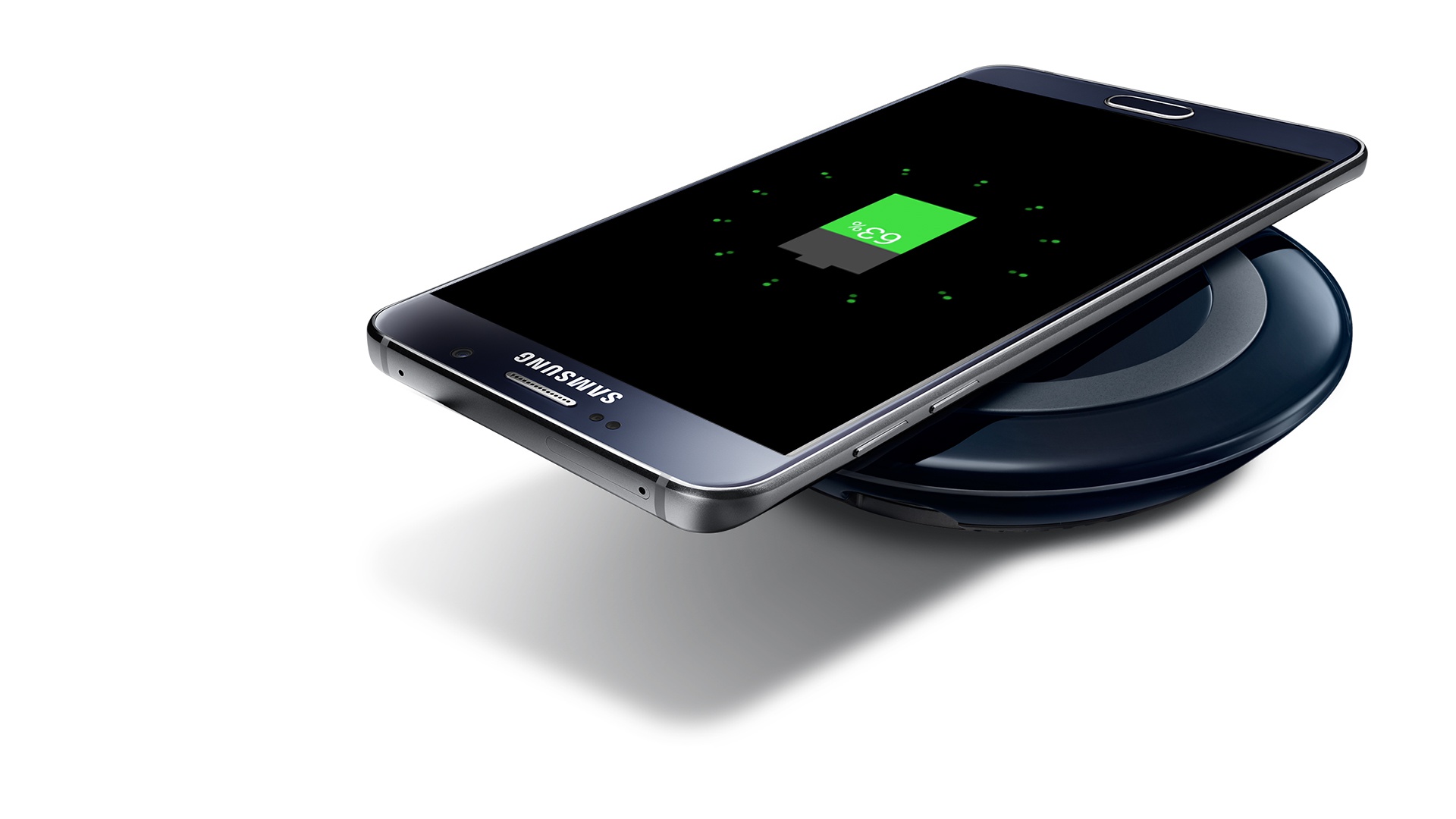
Wireless charging is another huge addition to the Note series. Using a Qi wireless charger allows you to charge your phone without the cables, and it charges just as fast. While wireless chargers are a little expensive right now, they’re worth the investment.
I can’t stress enough how much these little changes make the phone feel better. The new buttons, glass back, better S-Pen, and overall design tweaks really mean a lot once you have the phone in your hand. The Note 5 represents subtly and elegance and proves that you don’t need a rebooted design to make a phone have a huge impact on the market. Sometimes a minor adjustment can make that much of a difference. However, the question comes to mind: were there so many little adjustments that Samsung really felt the smaller battery and lack of expandable storage were worth it? Only the sales will tell. I, for one, think they are, and maybe the Note 6 will have expandable memory again. Could this be a field test to see just how much people care about expandable memory? Who knows, but there are other solutions available that are easy, from cloud storage to portable hard drives and even your computer.
As it stands, the Galaxy Note 5 is truly a beautiful piece of hardware and proves that the evolution of phones is heading in an all-new direction. With phones becoming and replacing computers more and more, a fast OS and operating speeds are becoming paramount—maybe even the most important thing a phone can have.











































 thebinarymessiah.com
Try multiplayer. A lot of fun !