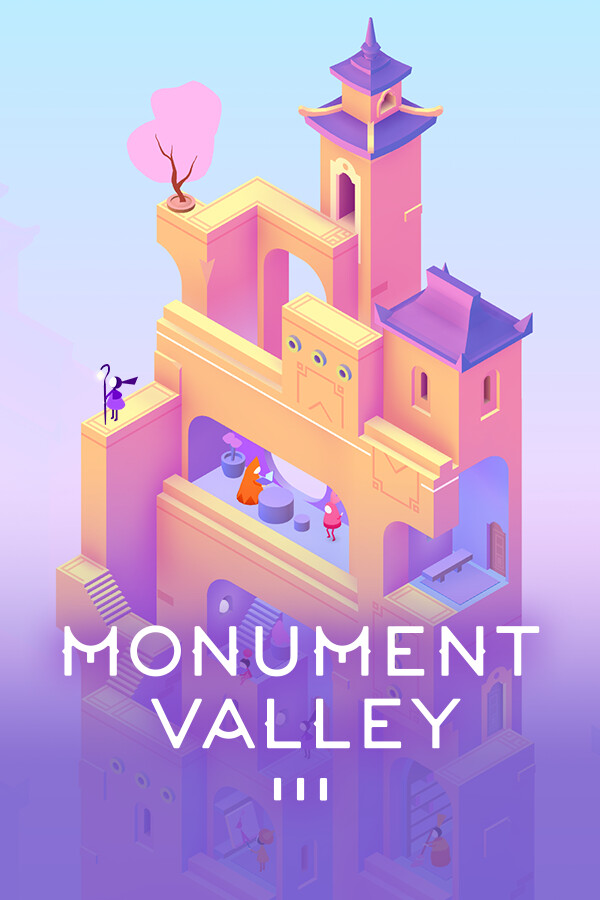
Monument Valley played a pivotal role in shaping the mobile gaming scene by demonstrating the feasibility of console-like experiences on mobile devices. With the flood of microtransaction-heavy free-to-play schlop on the app stores, Monument Valley was a beacon of hope for those who wanted to play single-player games on their phones. The MC Escher-like level design and clever puzzles were adored the world over, and USTWO was considered a pioneer of single-player mobile gaming. The second game was more of the same, which everyone wanted, but the third game here is still more of the same. That’s also what we want, but we want something longer than two hours. With the series venturing into console and PC territory, the short length isn’t as forgiving.
The overall game is exactly the same as before. If you play all three of these games back-to-back, you could be forgiven for thinking they were the same game or DLC of the first. There’s not much new here outside of a more streamlined and cohesive narrative. While it’s more visually presented with a girl named Noor trying to restore a lighthouse to a tribe that lives in the ocean (or that’s how I interpreted it), there’s nothing crazy storywise and never has been with the series. A lot of emotions are invoked through the fantastic soundtrack and visuals. The bright colors and the continuation of the MC escher style puzzles with perspective and illusions at play make this series one of my favorites of all time, right next to echochrome.
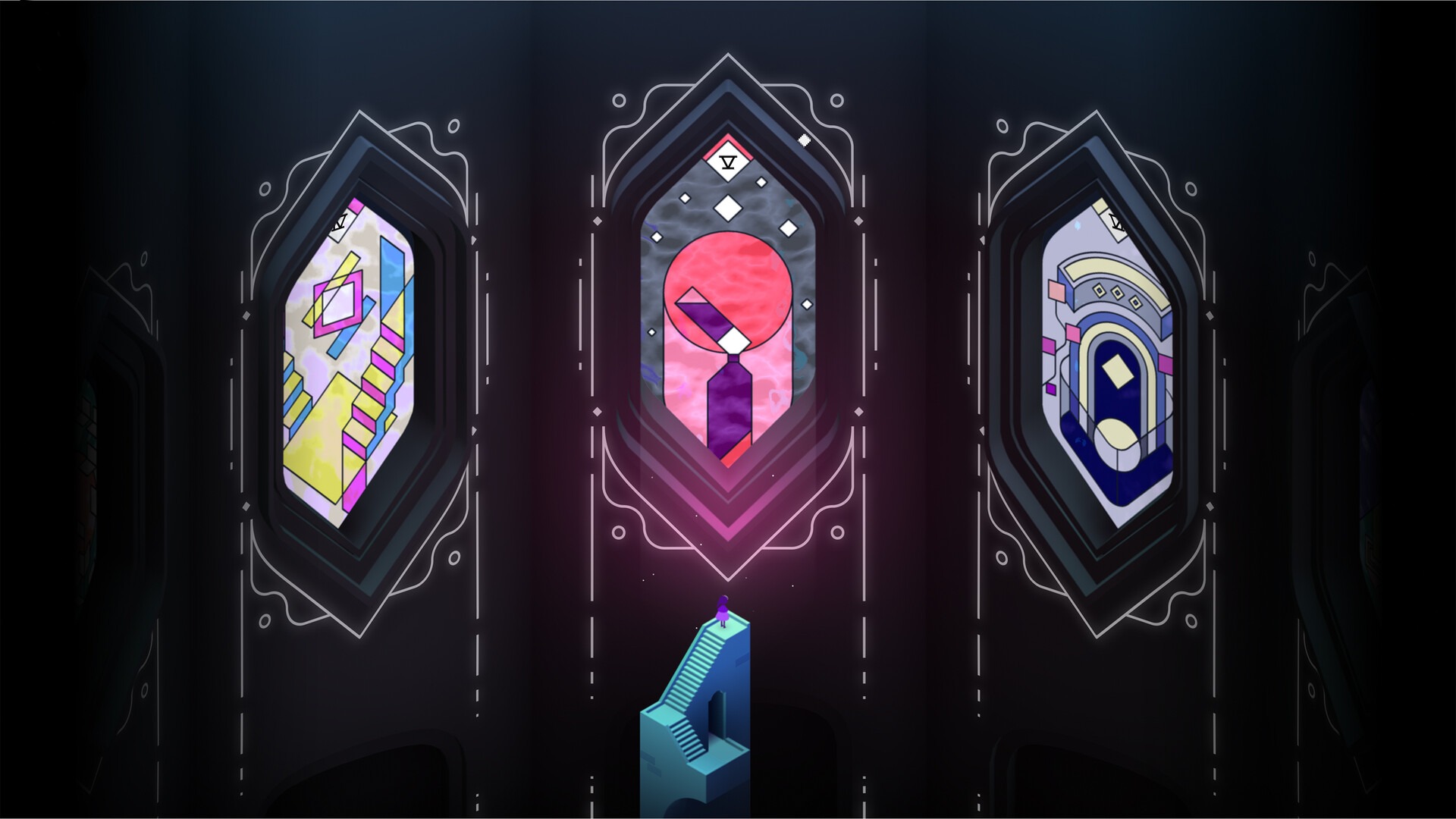
The game is easy to understand thanks to visual context. Parts of the level that can be manipulated are represented with hollow pips similar to a Lego block. You can move these freely while Noor is on them, and it’s required to solve some puzzles. You can’t always expect to just move a piece and command Noor to walk to the exit. Some pieces are moved with a spinner, and these can not be moved while Noor is on one of them. These are some of the harder puzzles, and they really require you to look outside of the box and take perspective into mind at all times. There’s a new gameplay mechanic here of being able to command a boat (it’s a leaf bug with an eye on its sail that blinks). It’s such a fantastic design. These may require moving a character back and forth between platforms to solve a puzzle. Another puzzle-solving element is a growing tree and having the leaves appear on different parts of a platform. These are subtle gameplay ideas, but they are new and welcome.
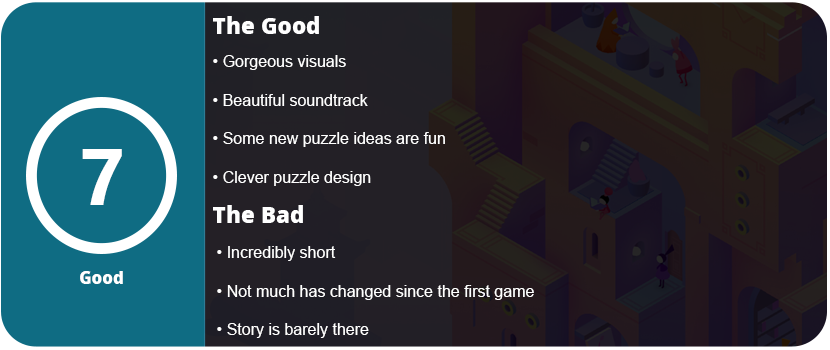
With all that said, the game is still just way too short. There are only 11 levels, and you can finish the game in a single sitting. I wanted more. I have always wanted more from this series. They are spread so far apart that when they come, you cherish them like an expensive sweet. The soundtrack is ethereal and beautiful, the visuals pop on OLED displays, and the level design is like no other. These games are well worth a playthroughif you love puzzle games. Just don’t expect a lot.
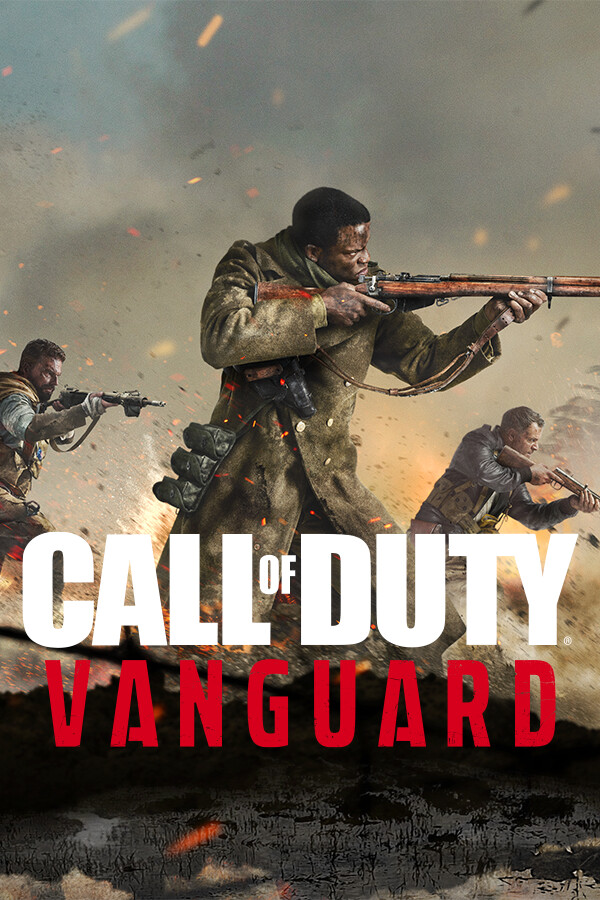
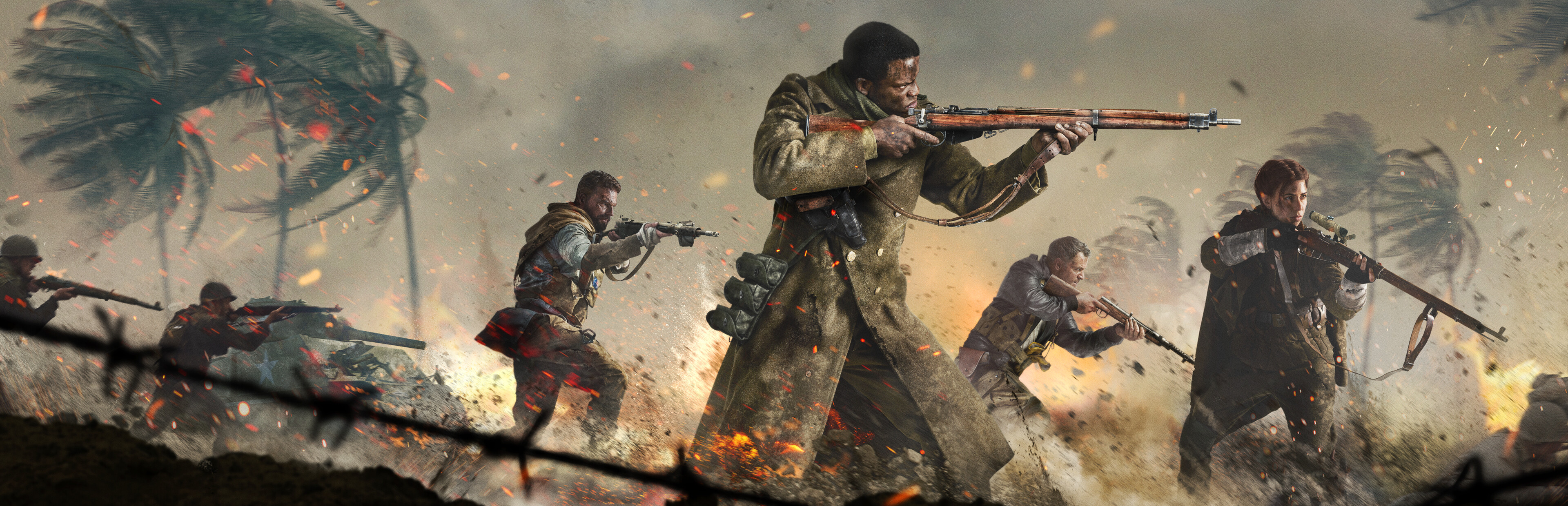
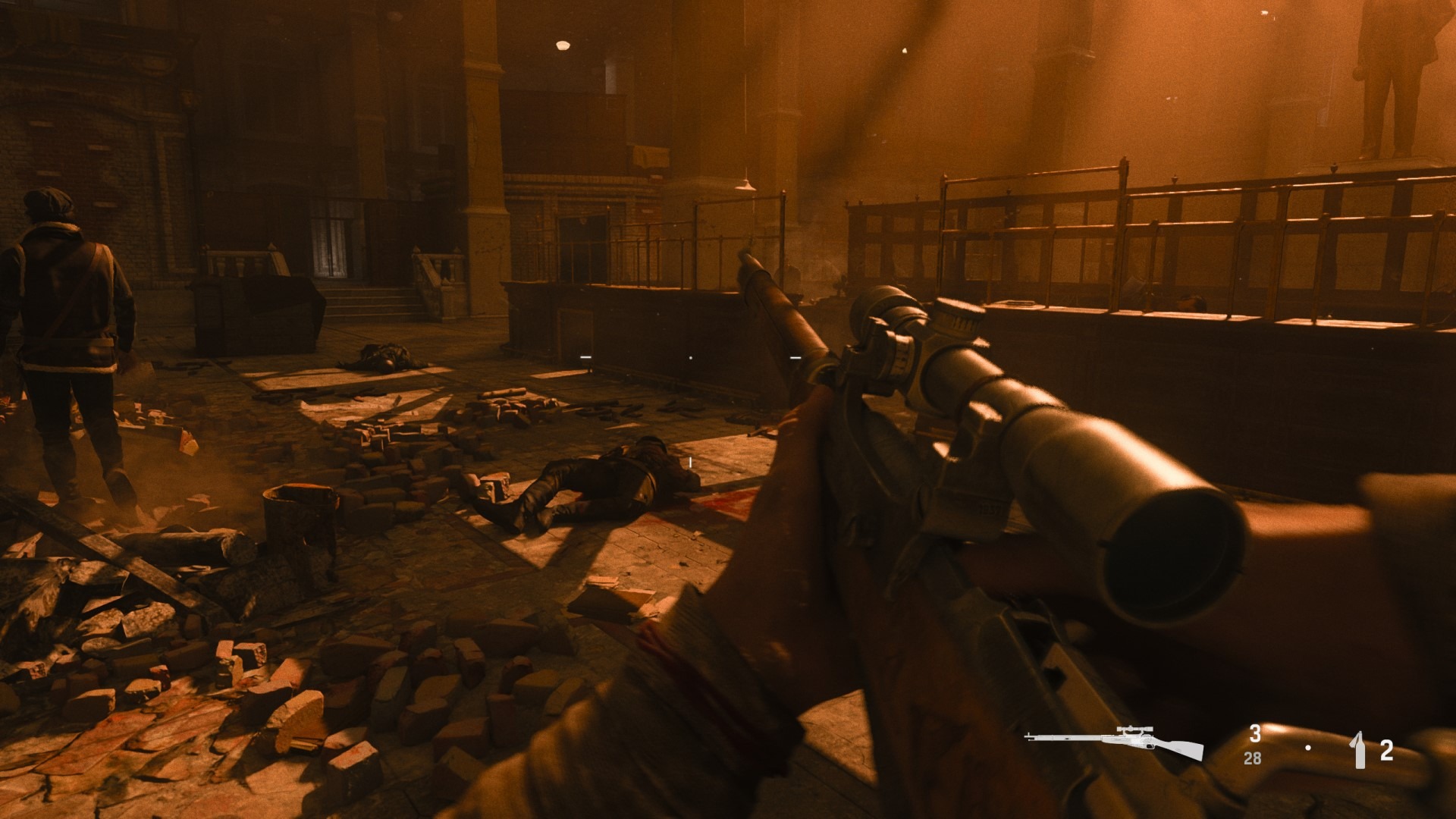
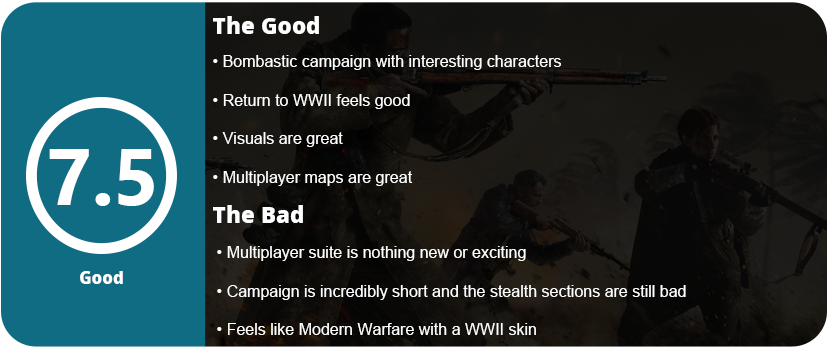
Oh boy, it’s another Call of Duty release. I completely disregarded it due to its brief campaign and my lack of interest in the Zombies mode. Four years passed, and here we are. I was in the mood for an FPS game that wouldn’t take up a lot of time, and I’m glad I played it. Starting with the campaign, this is one of the most entertaining in the series, and it’s a crying shame it’s so short. Activision has the budget and talent to make a good long 8-10 hour campaign, but instead we’re stuck with 9 short missions clocking in at around 4 hours. The characters are fun, the writing is tight and interesting, and the Nazi villains are fun to see on screen. You play as a team of allied soldiers who are captured by the Nazis while trying to find documentation on plans for Project Phoenix. The Nazi plan to stay alive after Adolf Hitler had allegedly committed suicide. It’s an interesting point during the war that isn’t talked about or used in WWII games much. The main antagonists are two SS officers who torture and kidnap an Australian, an American, a Russian, and a British soldier who were on the operation to steal the documents.
The game opens up with a train mission. It’s as bombastic and fun as any Call of Duty mission. The game feels immediately familiar…too familiar. It has the exact feeling of Modern Warfare. The speed, the momentum, and everything about what gives modern Call of Duty its identity are here, both for better and for worse. It feels a bit odd while holding WWII guns to be reloading them like a modern rifle. Slapping a clip off the top of a Browning. Everything feels like it’s in fast forward. I would have liked a slower, more deliberate feeling to this game, as we are returning to the series’ roots after all, but that’s too much to ask. It feels odd hopping around walls like it’s Assassin’s Creed as the Russian sniper Lady Nightingale. I feel like a WWII shooter needs a bit more finesse and a slower approach. The game doesn’t feel like Modern Warfare when it’s dressed in a WWII setting.
I don’t like stealth in Call of Duty, and it’s just as broken here. Running around and hiding in vents and under tables just slows the game way down. A high-octane shooter like this does not need any stealth. It’s easier to just shoot everyone in sight. The only reason to actually use the stealth is when it’s required or for achievements. Enemy placement is not right for stealth combat, and patrol patterns seem random. Enemies will also stay in an alerted state once seen, so it’s just pointless. The stealth takedowns are pretty cool to see, though. One new gameplay mechanic not seen in a Call of Duty is flying planes as the American. It’s fun; it doesn’t last long (only a single mission), but the preflight check and taking off just feel cool. There are no other vehicles to drive or even ride on in this game, which is kind of odd.
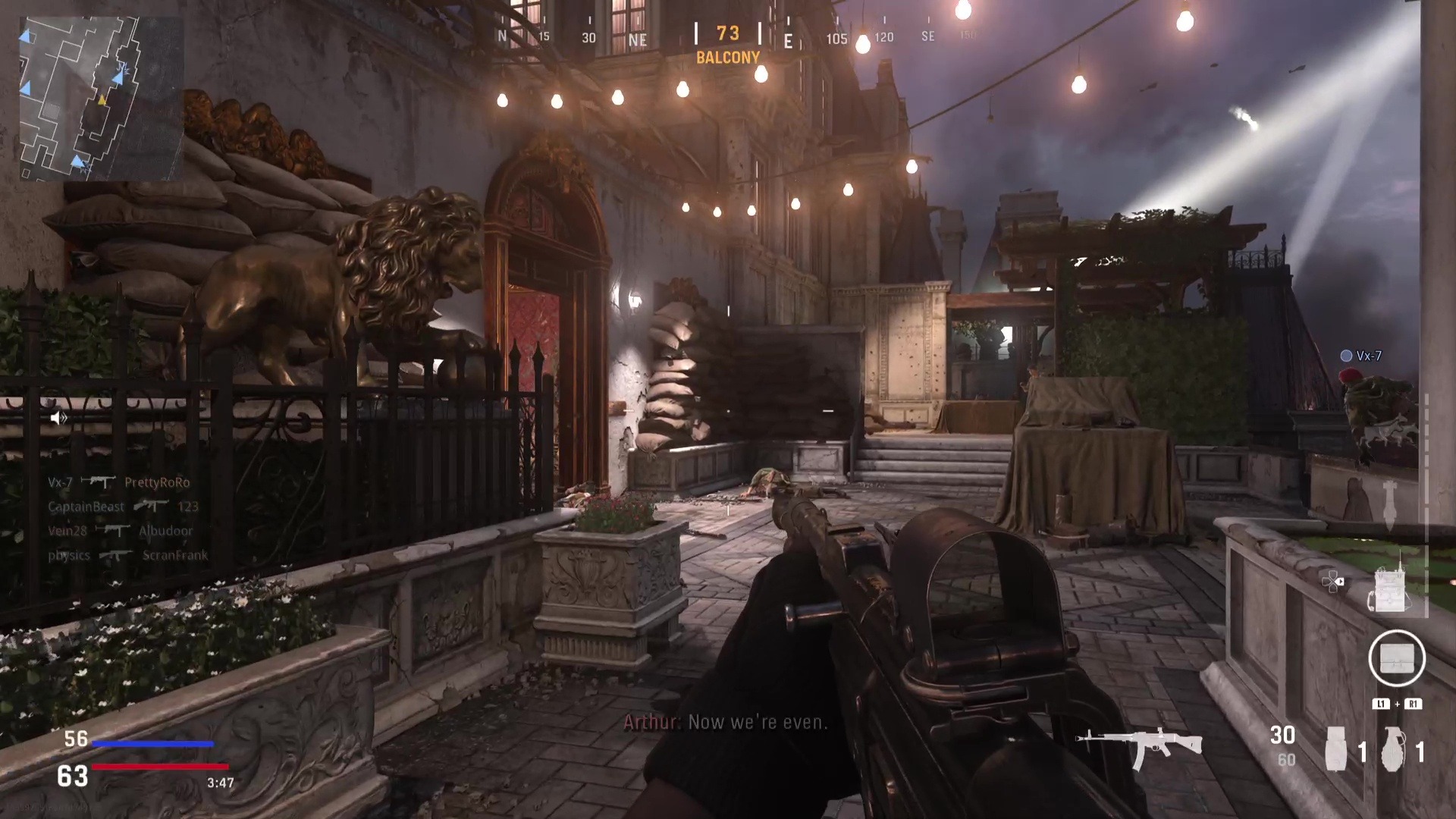
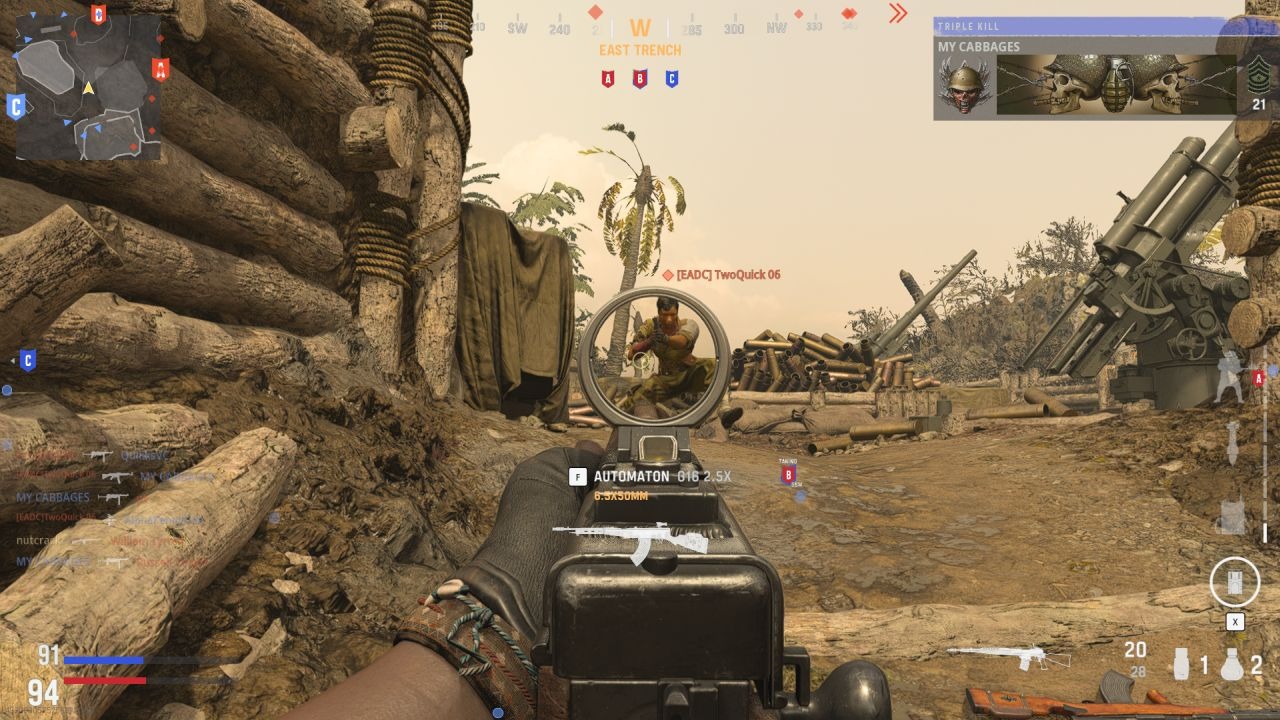
Outside of the campaign are multiplayer and Zombies. I’m not a Zombies expert, but I do know that this is a return to form with no story or weird map puzzles like in the Black Ops series. Some may like this, and some may hate it. I personally do not care either way. I tried Zombies for a couple of hours, and it was…fine. Multiplayer is the best part of the game, but it’s subject to the usual Call of Duty nonsense. The maps are at least really good, and the way the weapons fire makes it a bit different than modern games. They are less accurate and, of course, less modern, so you don’t get all these crazy attachments for the guns. I won’t bother going into detail on maps or anything, as, sadly, the game is mostly dead. I made it into a couple of matches, but that was after sitting for 20+ minutes waiting for enough people to join.
With that, this game is best played as a super cheap discount for the campaign and maybe some multiplayer with friends, but don’t expect much playtime out of this. I really wanted the campaign to be longer. There’s a lot here that works with interesting characters and a great script, but it’s just cut so short. The authentic WWII weapons feel good, and anyone who is a veteran of past WWII shooters will instantly recognize all of these weapons. Zombies mode is fun, but a drastic change from Black Ops Zombies, which some people may not like, but as it stands, this is a modern Call of Duty game. All that will be left one day is just the campaign and offline multiplayer. What’s here is entertaining for an afternoon of fun, but that’s it.
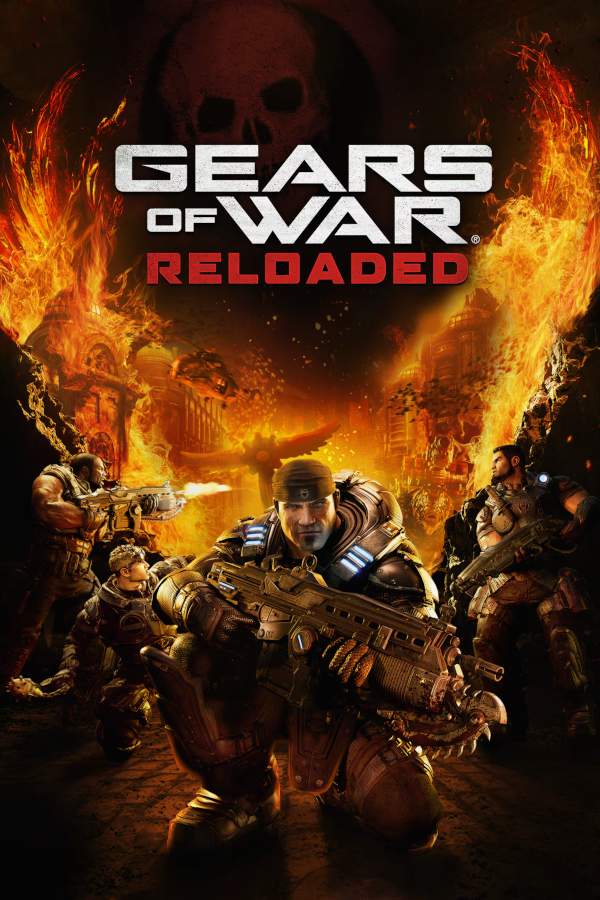
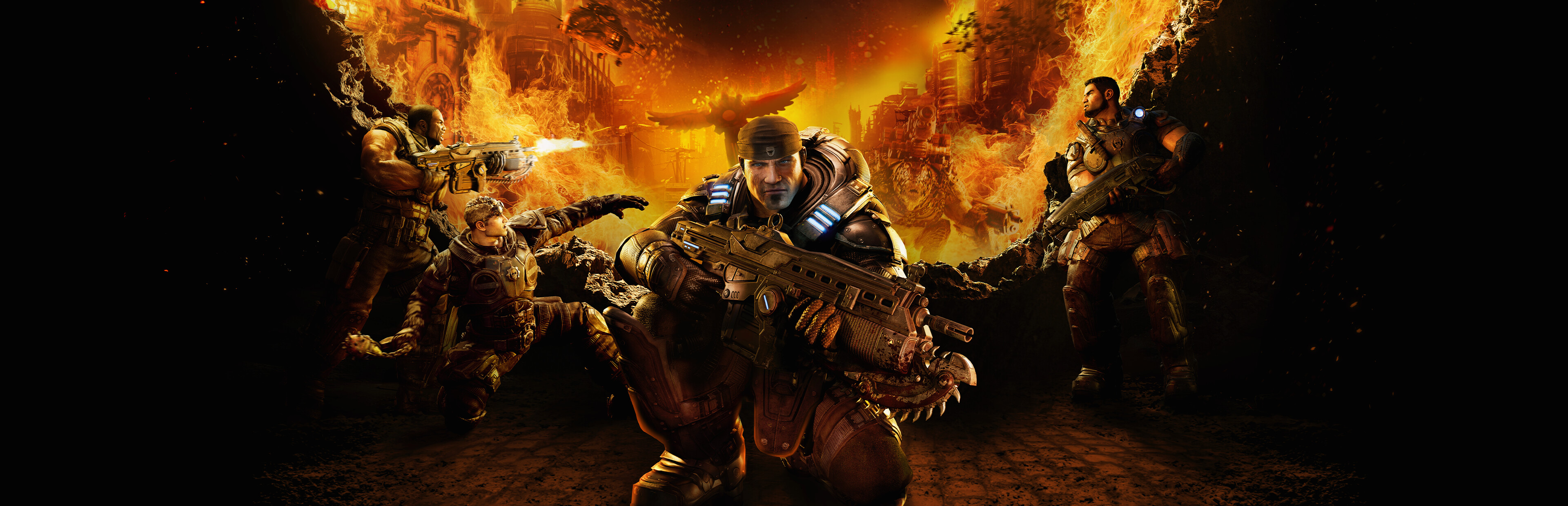
As much as I love Gears of War, and for how iconic and revolutionary it was at the time, it doesn’t need three remasters. Yes, that’s right. It was already remastered before with the 2015 Ultimate Edition release. It was originally released on PC for the first time under the Games for Windows banner and featured DirectX 10 updated visuals and a brand-new chapter in Act IV that involved taking down a Brumak. The Ultimate Edition was already disappointing to some, but having the game further remastered was still nice, and I ate it up. Here we are a decade later, and the impossible has happened. Gears of War is now on PlayStation. This is the second most coveted Xbox franchise next to Halo. How could this possibly be? What kind of timeline have we jumped to? Well, if Xbox’s current downfall isn’t enough to spell it out, then I will. Microsoft is losing money on their GamePass feature as well as the Activision buyout and needs to desperately get their games on more systems. That’s okay, as the PS5 Pro version is the best console version.
With the shock aside, at least the price tag is nice. For $40 you get a remaster and a full multiplayer suite. For those who never played Gears of War, they are in for a real treat. For me, this is the fifth playthrough (twice on Xbox 360, once on PC, once on Xbox One S, and once on Xbox One X for the Ultimate Edition). The Ultimate Edition is also currently broken on PC and the original release has long since been taken down. So, outside of Xbox, this is the best offer for PC and PS5 players. The campaign is still fantastic despite how short it is, and its age is showing. Shooters back in the mid-2000s were still maturing, and we were still in the linear hallway shooter phase. The game still looks fantastic, and while nearly every game that used Unreal Engine 3 of the era was compared to Gears of War, it was the granddaddy of “grey and brown” games. This was on purpose. You are thrust in the middle of a war on a fictional planet called Sera (Earth is never mentioned), and a new beast called the Locust has emerged, committing full-blown genocide. It’s up to Marcus Fenix and the four-man Delta Squad to deliver a lightmass bomb to destroy their tunnels and stop them for good.
Gears of War was applauded back in the day for its fantastic cover system and level design. Marcus snaps into cover with ease. He can switch covers close to each other, roll out of cover, and use the Roadie Run feature, which brings the camera down near his legs while he crouch sprints for a cinematic effect. Gears of War was all about feeling like a movie. The over-the-shoulder camera perspective was heavily inspired by Resident Evil 4, and it works well here. When you aim your gun, the camera zooms closer, right up to Marcus’ face. It was something that was never seen before at the time of release. Gears also pioneered the Active Reload mechanic in which you need to press the reload button at the right time, and any bullets reloaded in that clip do extra damage. You will eventually have muscle memory of this feature and rarely ever miss. If you do, the gun will jam, and you will need to wait a few seconds before firing or switching weapons. It’s an awesome feature.
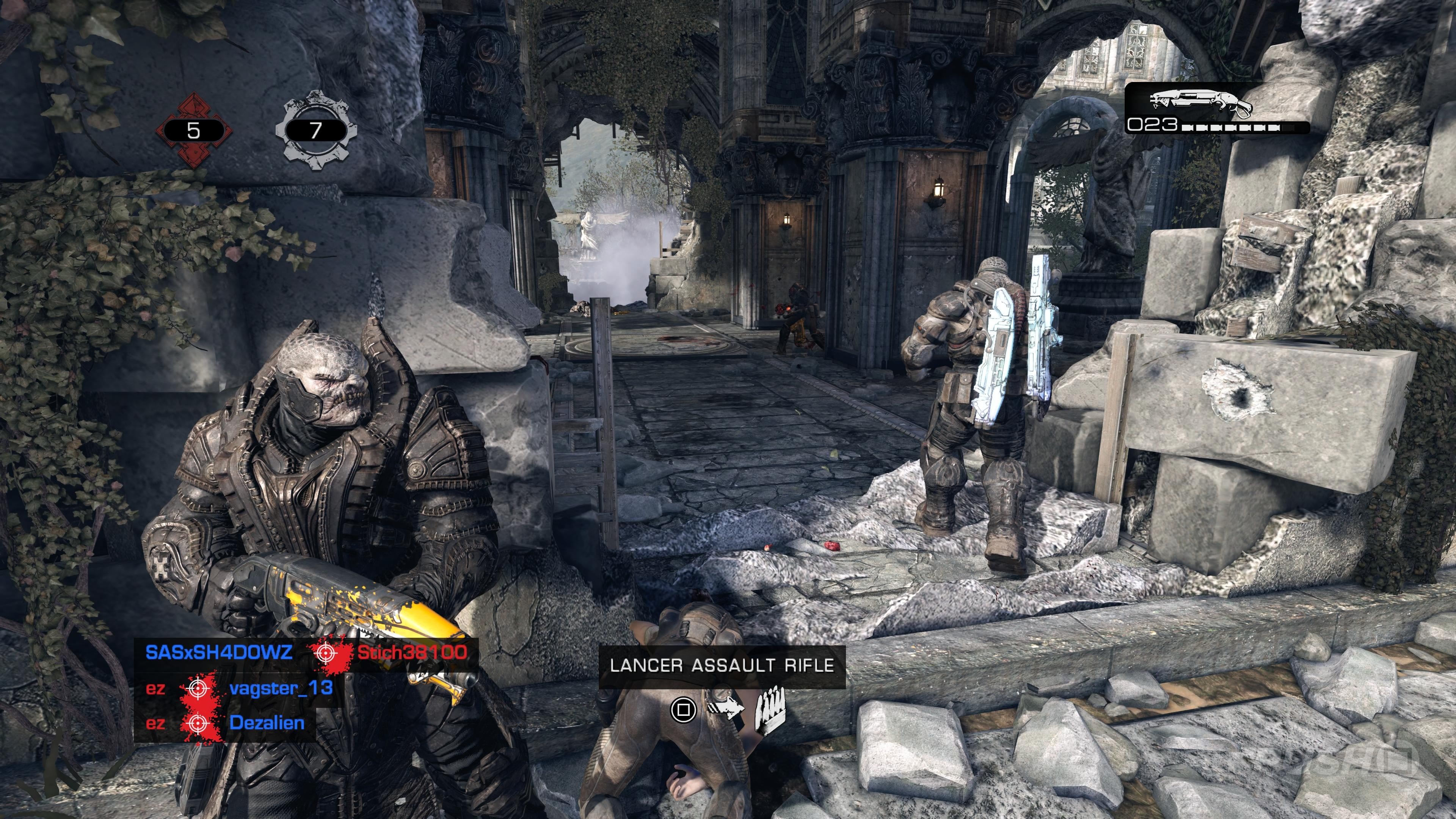
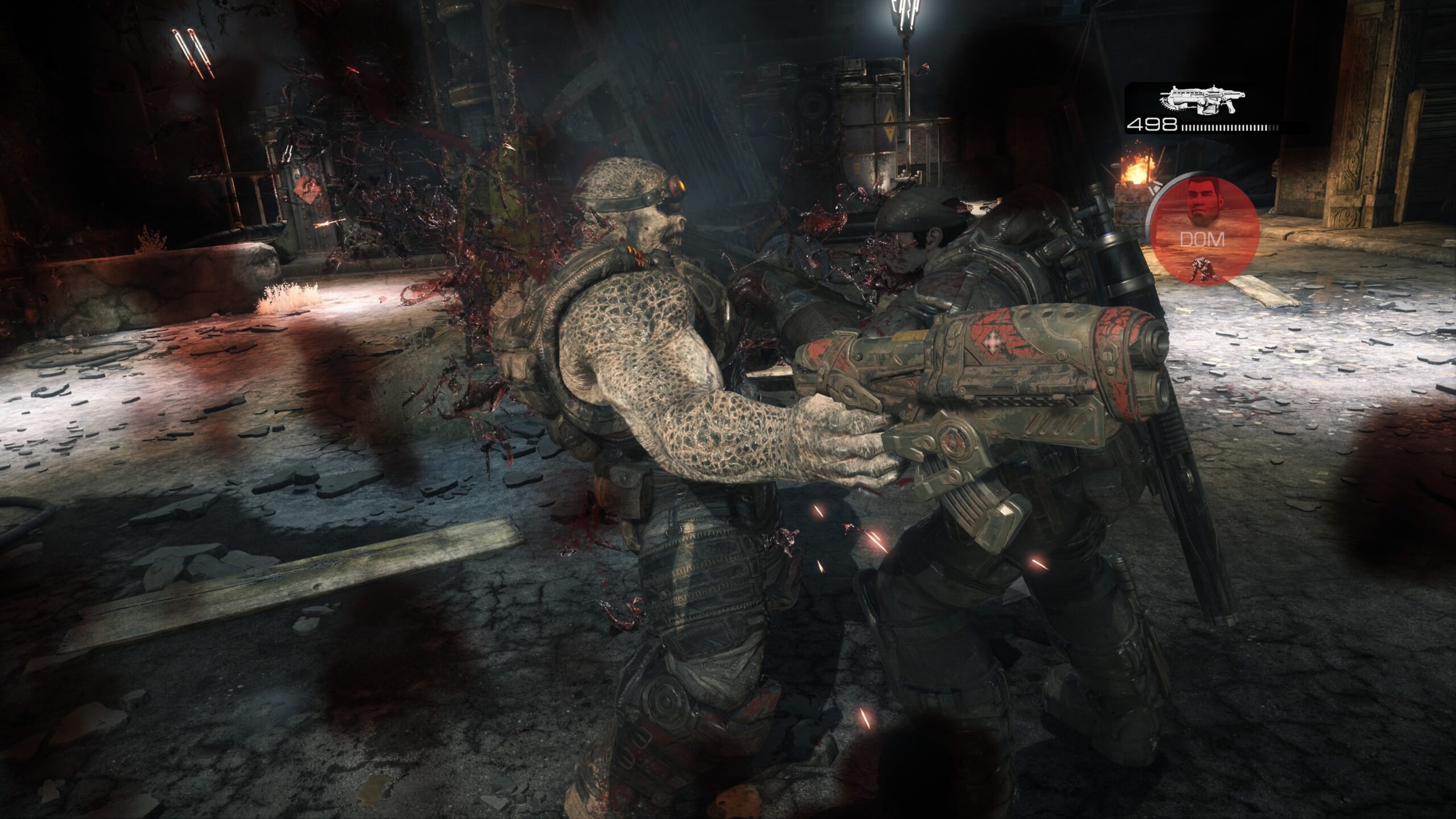
Gears‘ weapons are also well designed and perfectly balanced. The default Lancer Assault Rifle, an iconic weapon now, shoots large clips, has surprisingly good accuracy, and has a chainsaw mounted on the bottom. You can rev this up and saw an enemy in half. Even 19 years later this never gets old. The gib system is satisfying, with enemies exploding into chunks from grenades or getting sawed in half. One other feature that was well regarded was the sound effects. Gears of War has a distinct sound system and has never been replicated. The crunchy sounds of the guns, the reaction of enemies getting hit (which was a big deal) from enemies getting gibbed by grenades, or the subtle sound effect of “one more hit and you’re dead, so get into cover.” Gears of War took a page from Halo and featured a recovery system for health. A red Gears logo slowly appears in the center of the screen as you get hit. On higher difficulties (I cleared this on Hard, but not the hardest), it requires patience, careful flanking of enemies, and using the right weapons. The PS5 DualSense adds a layer to that crunchiness of the weapons. The adaptive triggers and vibration work wonders allowing to now actually “feel” how the weapons should be. This can’t be experienced on Xbox.
The level design requires you to flank enemies and close emergence holes. Tossing a chain grenade into a hole will close it up and stop respawning. They don’t infinitely respawn, but only killing two that crawled is better than waiting for all six. The Locusts are formidable foes and well designed. Not only do they look menacing, but each one has a design language that tells you how to approach them. Enemies can wear helmets, meaning headshots won’t work right away, and the Theron Guard have full armor, which takes longer to take down. The bigger Boomers have Boomshot grenade launchers and are bullet sponges. Then there are the occasional enemies like the Wretches, which are small ape-like creatures that come in swarms. There are Berserkers, which can only be taken down by a Hammer of Dawn, which is a satellite-guided laser. It’s freaking cool despite only being used three times in the game. The Berserker can’t see but can hear you, so you need to guide it around with sound to knock walls down to open up the roof for the satellite to triangulate. It’s neat.
The downside to Gears of War, and the aging part, is not only how linear it is, but also how sparse the story is and how little is explained. While the game is greatly expanded upon in the sequels, and especially the novels, it just feels like it’s over too soon. You want to get to know Delta Squad more. Their personalities are great and well written. Marcus has a dark past (why was he in prison at the beginning of the game?). Dom is trying to find his missing wife but is only mentioned a couple of times. Cole is an ex-football player, but his past isn’t talked about at all, and neither is Baird, who is the nerdy smart guy of the squad. It makes sense that in the heat of this war, going point to point with no breathing room means there’s no time to get to know anyone. Thankfully, this was changed in later sequels, but it’s just odd that this isn’t a remaster of the entire trilogy. The banter between the squad is great, and many new players will want to know more.
There are also some other things that didn’t age well, like some of the clutter in the levels. There are random chairs, stoves, and home appliances kind of haphazardly strewn about in ways that make no sense. The entire game is built like a video game and not like a world people would live in. Some areas just don’t make any sense. I don’t feel like I’m fighting in a city but a video game level. Despite how much Gears wanted to be taken seriously, its world-building is really lacking. Thankfully, the campaign is less than 6 hours long, and you can play with a buddy in co-op; that’s always fun. Just don’t give up on the series yet if you have never played it before. There is more to come. There also aren’t a whole lot of weapons in this game. The arsenal is small, and you will mostly stick to a couple of guns. I also hate how useless the Boltok pistol feels in this game. It’s the only weapon with no feedback when it hits enemies, and the snub pistol is pretty much MIA after the first act.
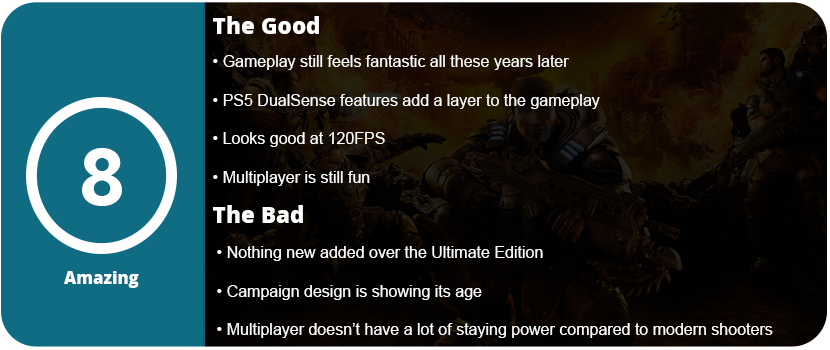
The multiplayer suite is…fine. I was never a fan of Gears multiplayer. I feel the gameplay doesn’t translate well when fighting against others. There are also some of the better modes from later games missing like Horde. Many will get frustrated with cheap deaths like the rolling shotgun blast. It does feel like an old-school shooter with regular modes that are missing in most of today’s games, so some players will find this refreshing in a world of Call of Dutys and Fortnites. This is an unnecessary remaster to begin with. The game runs smoothly on PS5 Pro at 120 FPS with no dips. The game uses the Pro’s PSSR and there are enhanced textures and lighting. It looks pretty much identical to the PC version. At least, I couldn’t tell the difference. If you’re new to the series or are a hardcore fan, I would say the low price is worth it. While the campaign will only last an evening, the multiplayer may be enough for people to keep coming back.
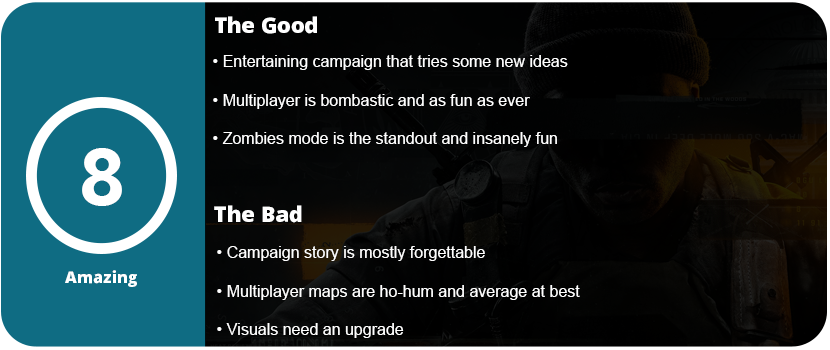
Call of Duty has culminated in becoming a standard yearly event with the series alternating between Black Ops and the mainline Modern Warfare series. While some entries try to incorporate new ideas into each new game in the series, more obvious now than ever, it needs a long break and has to go back to the drawing board. While they are all entertaining in different ways, they are trying to please everyone rather than a select crowd. Bloated multiplayer modes, mediocre maps, and entertaining albeit short and contrived campaigns are keeping the series back.
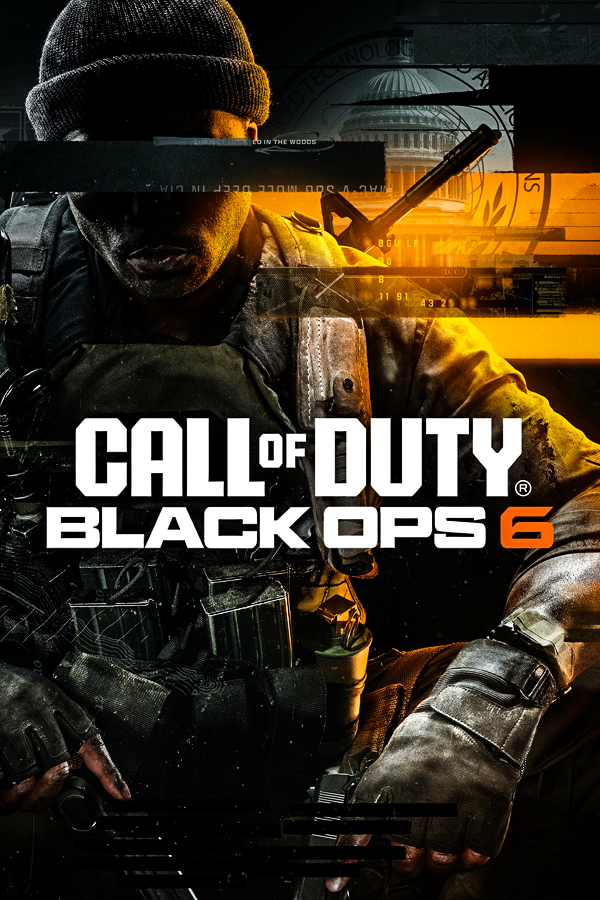
Black Ops 6 has a pretty entertaining campaign. Although it surpasses Black Ops III in terms of gameplay, it maintains the innovative concepts from Cold War, a feature I truly appreciated. The story itself is fun, but nothing memorable or anything well written. This won’t be winning anyone over in that department. This is the first Black Ops game to pick up the story from the second game, which is the only one to actually matter. It also incorporates events from Cold War, and it’s pretty cool to see characters like Frank Woods return. Those games came out so long ago that the new generation of gamers probably won’t even know or care, but fans of the series will.
There is a main hub area that all the characters hang out in. This is a house in the woods and eventually plays a role as a level itself towards the end of the campaign. Treyarch tried making something out of this house by adding an in-depth puzzle that incorporates running around the house and finding clues. I find it ironic that the core gameplay of this game requires players to not think, but wants them to think critically and solve puzzles. Call of Duty has always been the opposite of thinking or lack thereof. The reward is pretty decent, but I won’t spoil it, and the puzzle itself takes the entirety of the campaign to solve. I found the whole unlocking of benches kind of unnecessary for how short the game is. You can buy benches to upgrade weapons, such as more ammo and health, or increase melee damage. I really wouldn’t have noticed if I had never used them here. These are unlocked with the cash you find in the game.
There is also a large open map that is a new experiment for the series. It’s not like the terrible levels from Modern Warfare III that copy the Warzone maps. You get a vehicle that is stocked with ammo, and you can go around completing side objectives for more XP, such as clearing out camps or saving scouts. You can then fast travel back to the truck via the map and go back to the main campsite to swap weapons and get more ammo and equipment. It was a refreshing change of pace, and that’s kind of the pattern I was seeing with this campaign. There are more options for pacing, rather than relying solely on mounted vehicle segments to change the pace. This time around, the design of a few stealth missions has improved. I felt I could get through them without having to be perfect with my route. I could jump into the water and swim close to the objective, get out, kill a few enemies, and kind of worm my way to where I needed. The stealth missions are also not stealthy all the way through like in Modern Warfare II and become a chore. At a certain point in the game, it might be acceptable to go guns blazing.
There was also a reconnaissance level that involved a political party for Bill Clinton, which was cool. It felt fresh, broke up the pace of constant shooting, and helped slow things down so we could see the story build more. What I wasn’t a fan of was the Zombies mode-inspired level in which you become intoxicated with a hallucinogen, and you must find four key cards and fight four zombie bosses. The level felt cramped, reminiscent of an office building, and it was not particularly enjoyable. Hey, you can’t win them all. At least they tried something different. It also felt completely out of place compared to the grounded realism of the main story.
The overall feeling and gunplay have minor tweaks and adjustments, but it mostly feels the same as Cold War or any other Call of Duty game. Sadly, these games are conjoining and starting to all feel the same outside of features and modes. The gunplay is still top-notch and hasn’t been beaten yet by any other AAA arcade-style first-person shooter. It feels good, and the weapons have a good amount of weight and realism to them. The details on the weapons, from dangling keychains and decals to smoke blowing around from the barrel when you run to shell casings dropping on the ground, are all things most players will take for granted, but these minor details are something the series doesn’t get enough credit for. I also didn’t find too many bugs outside of some post-launch crashes. I ran into an issue where I had to turn off my overclocking on my GPU because it would crash the game every 10–15 minutes or in specific areas. By now, most patches have addressed these issues.
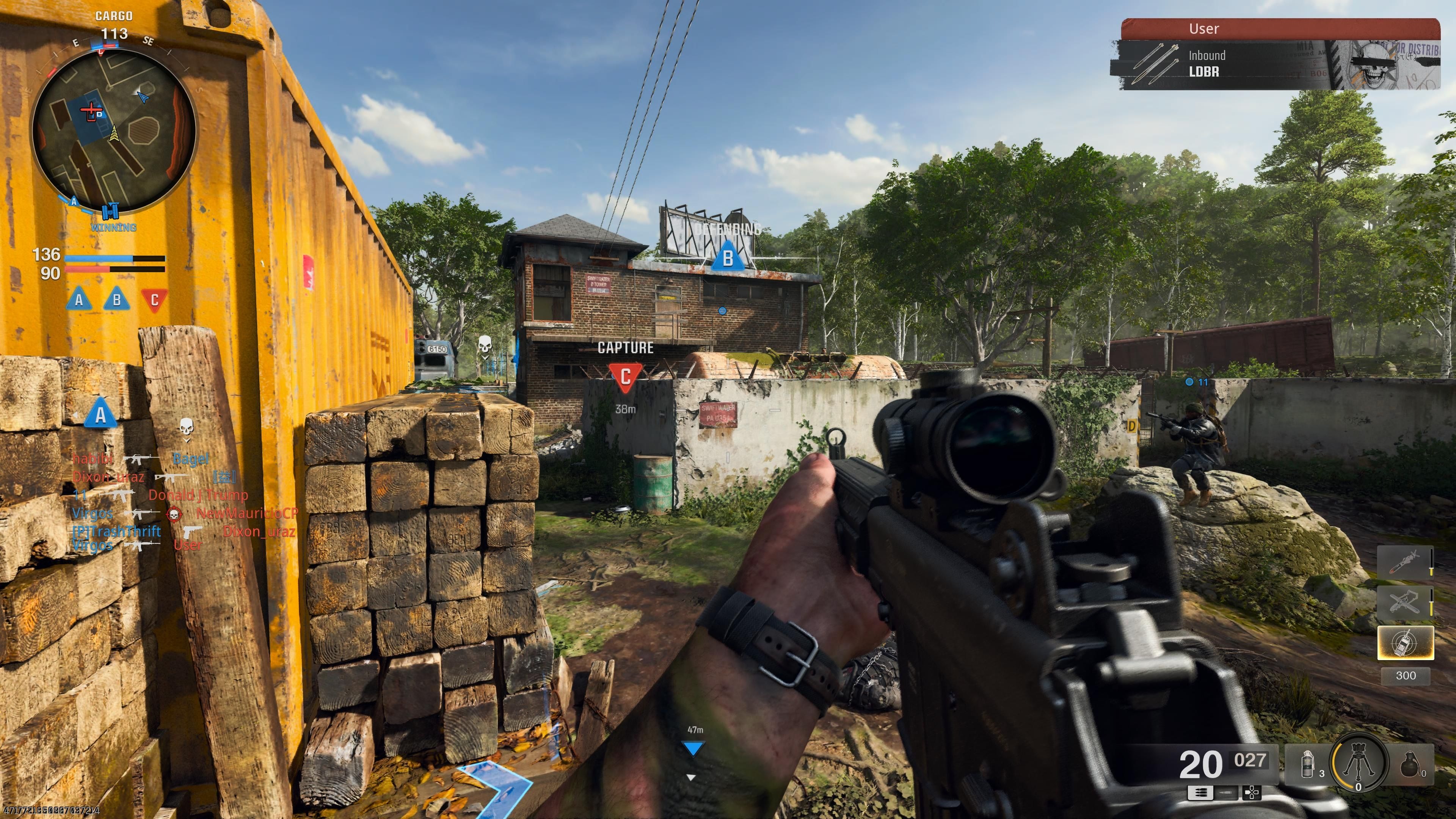
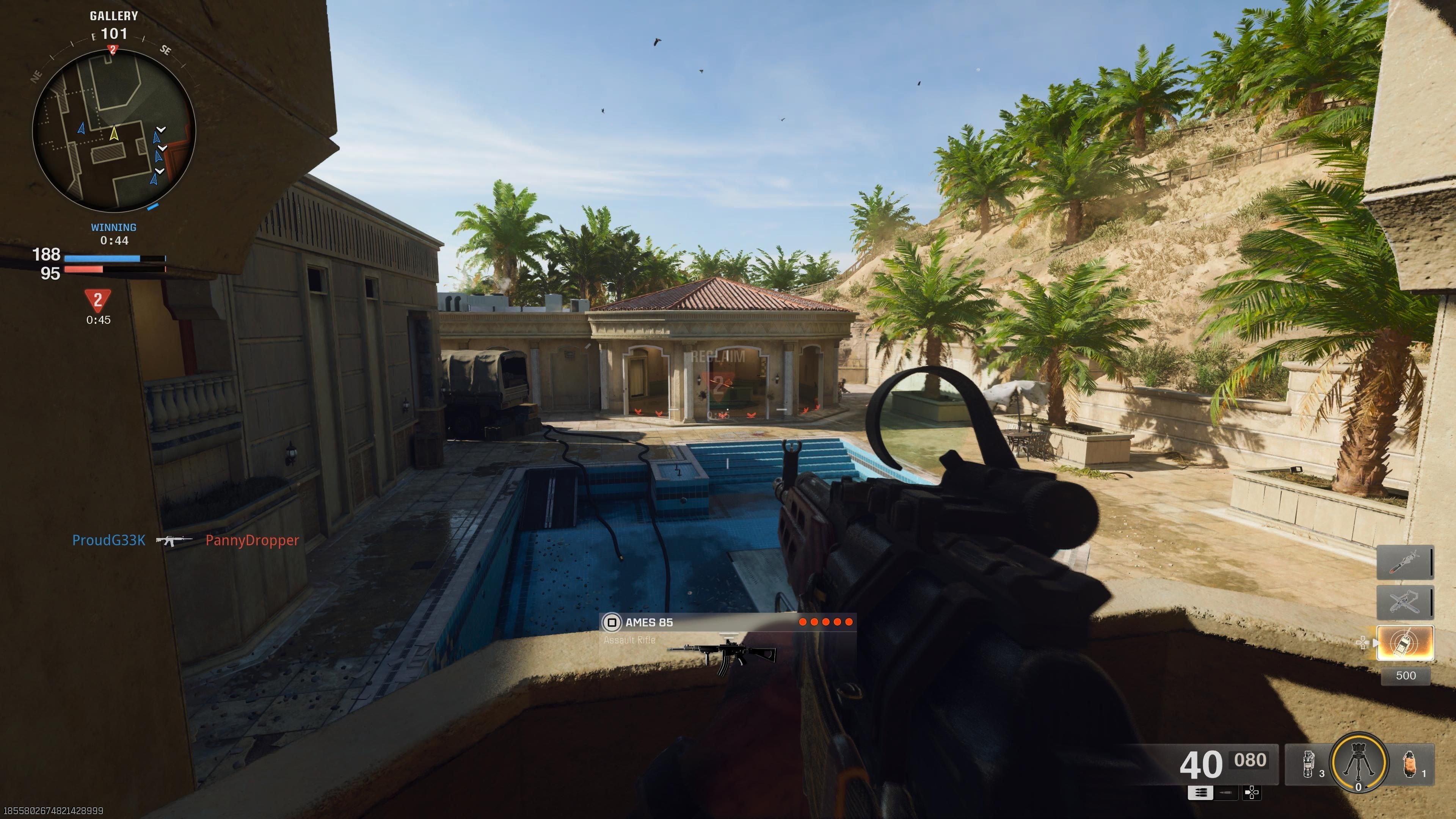
As for the multiplayer mode, there isn’t much to talk about if you already are familiar with the series. The typical modes are all here, from Team Deathmatch to Hardpoint. I actually love Call of Duty’s multiplayer mode, and I have my favorite mode types. I always rotate Team Deathmatch and Kill Confirmed. I might throw a Hardpoint in there sometimes, but it’s the maps that always make or break the game, and Black Ops 6 maps aren’t amazing like Modern Warfare (2019), but they’re not nearly as bad as Modern Warfare III or Cold War’s maps. They all feel fairly generic, and I’m tired of the constant cop-out of using stripped-down campaign maps to make multiplayer ones. Let’s make unique maps that work just for multiplayer for once, please.
Of course the returning Zombies mode is the only reason why a lot of people will buy this game. This is the most robust mode, and it feels unique to Black Ops. There are a bunch of new additions, such as the Gumball perks that allow you to equip a specific gum pack, and then you can randomly get a ball from a machine on the map. There are also Cola cans that give you perks such as superpowered melee attacks, but these can stack. On top of that, there’s the usual overly grind-heavy weapon progression system. I honestly hate this so much in the entire series. I can never stay invested long enough to unlock a good amount of items, as the XP grind is unfair and needs to really change. While the skins and other cosmetic items look great, to actually get them is another story. This is for people who only play the game online and can put 6–10 hours a day into it to actually unlock things and feel like they are making progress.
The same goes for the monetization system of weapon packs, blueprints, operators, and cosmetics. I want to be able to use these cool-looking items by unlocking them by playing, not paying money. I’m guilty of buying the odd pack here and there, but the insanity of the Battle Pass on top of buying $15-20 item packs is absurd and needs to really change. There is so much to the multiplayer mode that is locked away behind a paywall. While you can still enjoy the game itself without paying anything, you never feel like you are making progress and get stuck with the same basic weapon sets for dozens of hours that most people will not want anything to do with. Additionally, the inconvenient launcher system necessitates launching the most recent Call of Duty in order to access modes from earlier games. We need to overhaul and change the entire Call of Duty ecosystem. The ecosystem is experiencing a state of bloating and internal degradation.
With that said, the visuals and audio in the game are fine. The graphics aren’t terrible, but they also need an update as they are starting to feel a bit dated. This is in part due to still needing to be playable on 15-year-old hardware and scale accordingly. Call of Duty needs to abandon previous-generation consoles, or the series will seriously fall behind. While the graphics don’t look awful, you can tell they are dated. There’s no ray tracing, no advanced lighting effects, and the textures up close look a bit grainy and blurry. I also think that the series needs a gameplay overhaul. While the gunplay feels good and has a fun factor to it, how many times do we need to play the game like this? Let’s try to make Black Ops feel a bit different from the mainline series again. Black Ops 6 is probably the best game in the series to date, but the short campaign (about 4 hours) and the uninspired maps might put a lot of people off for the high price tag.
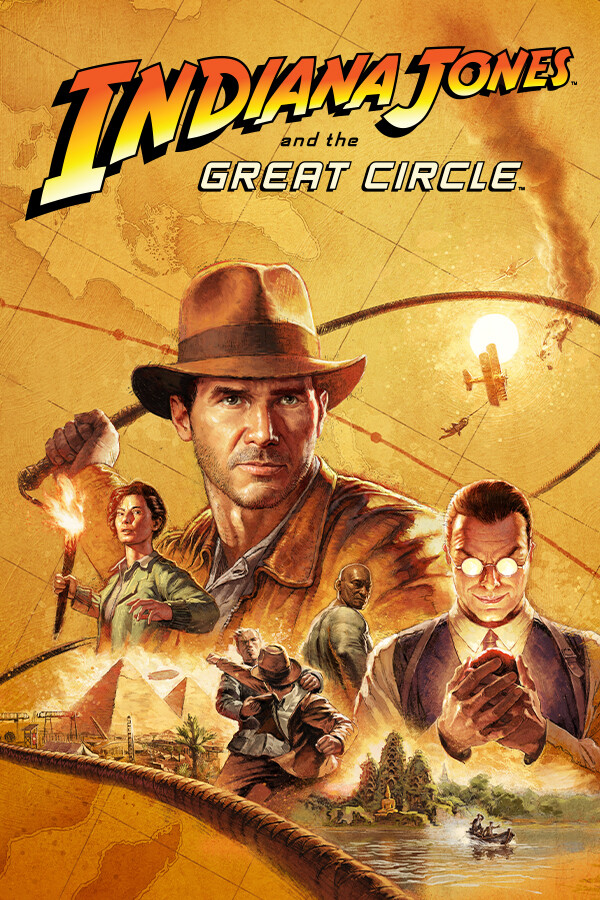
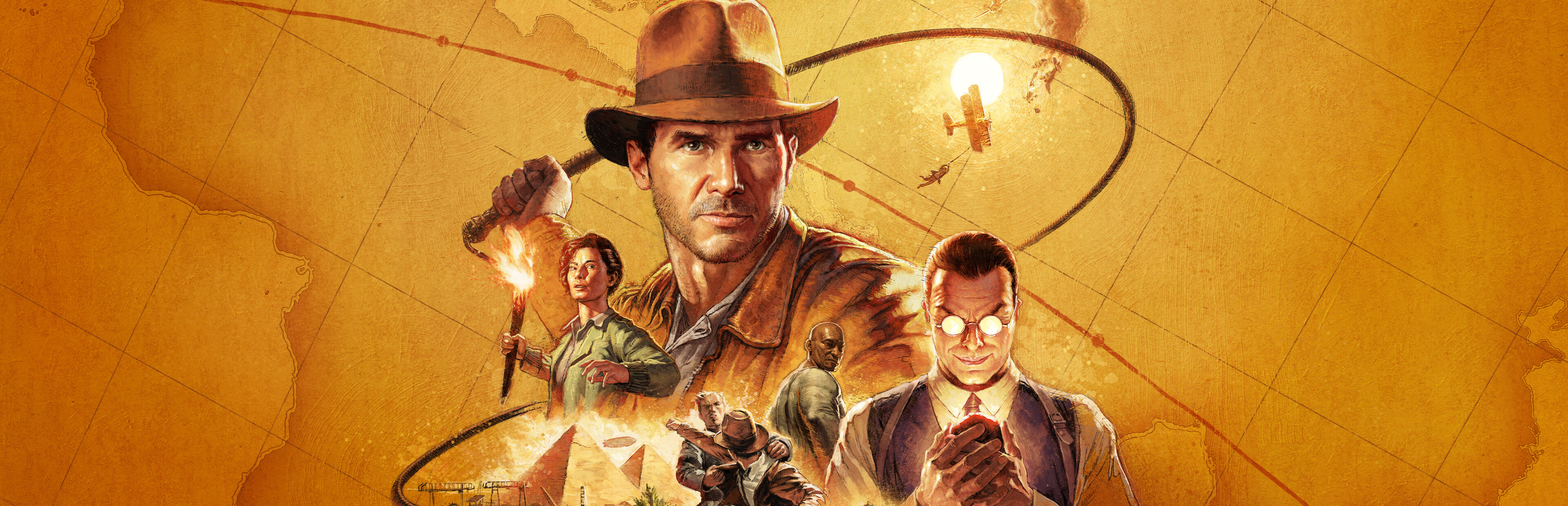
When you think of Tomb Raider, Uncharted, or most treasure hunters, you think of Indiana Jones. Harrison Ford’s iconic character is considered the grandfather of all video-game spelunkers. It’s only puzzling when you realize nearly every Indiana Jones game was mediocre to terrible at best, and none got the fancy high-budget treatment that his copycats did. Thanks to MachineGames, who are masterclasses; with their pedigree being in the recent Wolfenstein reboots, there’s no one else more qualified for a WWII-set adventure title in the first person.
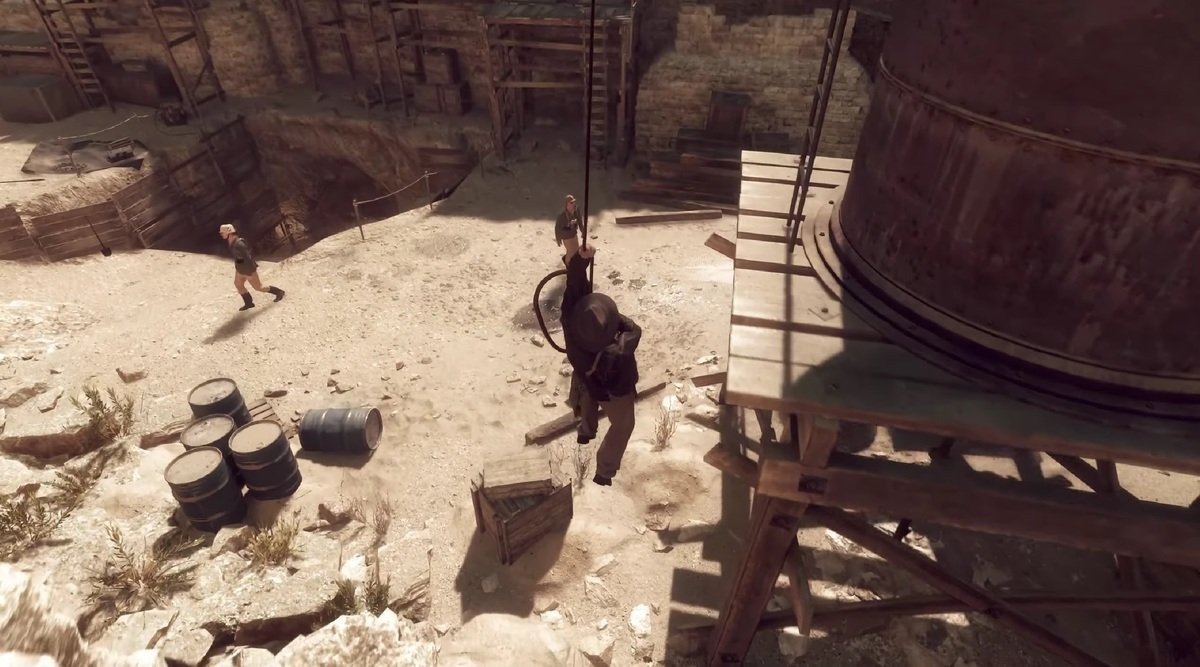
The Great Circle focuses on major monument sites like the Sphinx and Machu Picchu that hold a stone that, when combined with the rest, can allow instantaneous travel. This seems a bit far-fetched for a series so grounded in reality, but MachineGames pulled it off. The game starts out very serious and realistic in tone. You get to play the opening sequence based on one of the scenes from an Indy movie, Raiders of the Lost Ark. This is your basic tutorial on how to play the game and what to expect gameplay-wise. This platforming and climbing is mostly played in first person, but it’s used sparingly and works well for the character. The titular action hero is also voiced and acted by Troy Baker, of Joel from The Last of Us fame, and you would swear Indy’s voice is actually Ford’s or some sort of AI. He does a fantastic job getting all of Ford’s mannerisms and quips just right. MachineGames, in turn, did a stand-up job with his facial animations and expressions. The digital form embodies the essence of Indy.
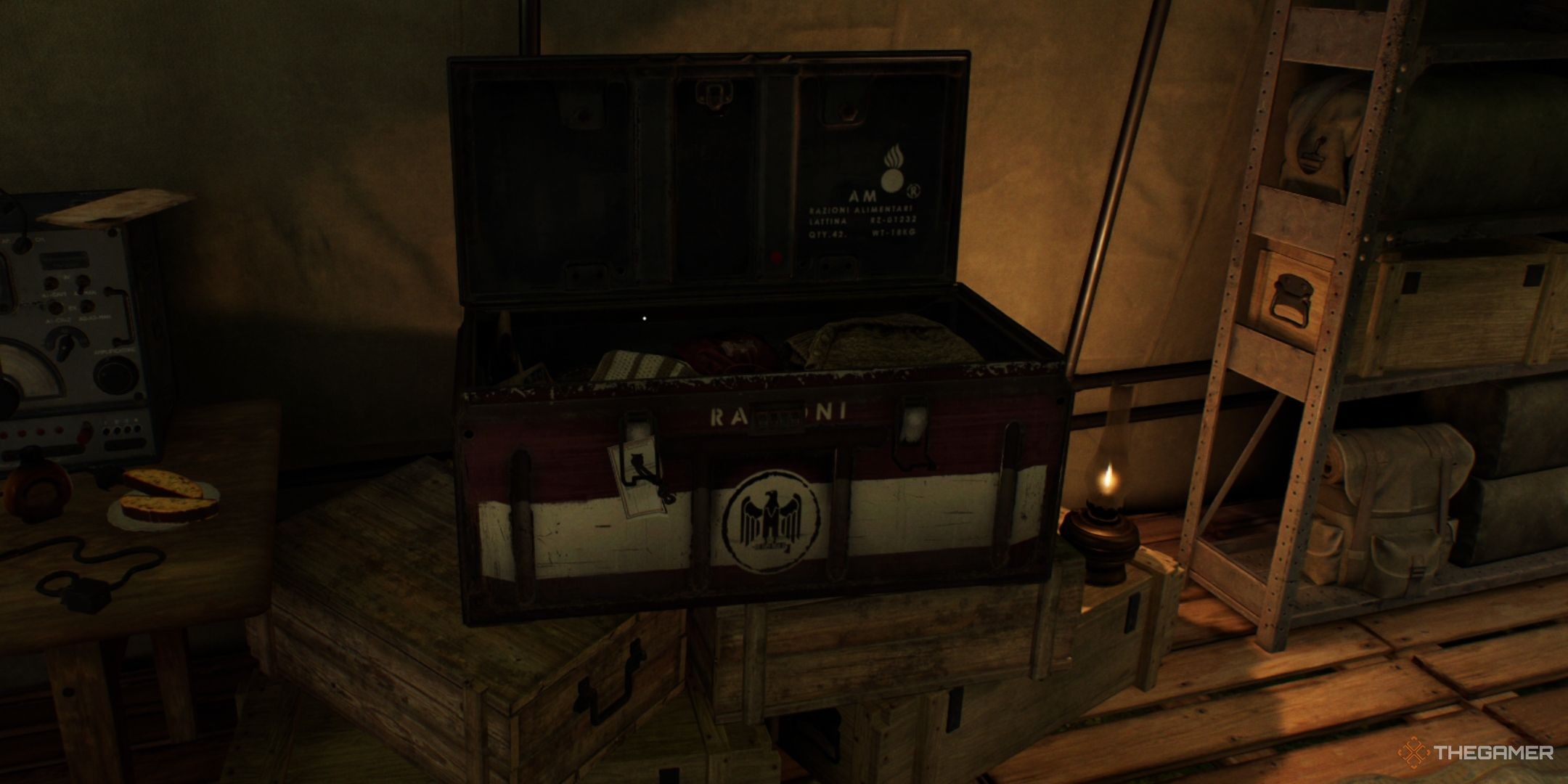
I greatly appreciate the gameplay loop here, as it breaks up quite a bit and never feels stale. The first two “maps” of the game are large and open and give you side quests on top of the main adventure. You can ignore these, but they provide you with Adventure Points, which you can use to unlock abilities from the Travel Books you acquire. They also hold a lot of fun adventuring, great scripted events, and puzzles. Running around the map can unlock fast travel points, but don’t worry. These maps are significantly smaller than those found in games like Grand Theft Auto or Assassin’s Creed. You can easily run from one side to the other in a couple of minutes. The challenge here is that the Nazis have camps and barricades set up all over the maps. As long as you maintain your disguise, you can access some restricted areas and avoid others. Usually the disguise is similar to the local flavor of the working class. Indy will auto-equip disguises as needed, such as his iconic leather jacket, hat, and trousers, when you get to a tomb. You can easily get away with a lot, and thankfully the enemy AI can’t detect you from miles away. The yellow alert symbol above their heads is fairly generous and gives players plenty of time to hide and move out of the way.
Most restricted areas are fairly large and open, and your objective has multiple ways of entry. Either go in bashing everyone down or shoot your way through, but realize that some early areas don’t really have guns, and you will run out of bullets quickly. Sometimes it’s better to not be seen, as you can be greatly outnumbered. The main combat mechanic here is melee weapons of everyday use that you can pick up, such as brooms, tire irons, bottles, brushes, batons, frying pans, or anything else you fancy. These have degradation bars and can only be used a few times. Sneaking up behind an enemy and whacking them will get an instant knockout. Guns can also be turned around and used as melee weapons if you want to go a more pacifist route.
If you break your main revolver, you can use repair kits, but bullets are very rare. It’s not recommended to go in guns blazing until later levels when you can pick up a shotgun, sten gun, or other pistols. These also have a single clip, and then you have to discard the weapon. You also can’t carry any weapons up ladders. If you climb out of an area, the weapon stays behind. While you do at least get your revolver at all times as a backup, I rarely used guns. I must commend MachineGames for effectively dissuading players from using guns, despite their potential convenience. I always searched for a melee weapon and sometimes avoided combat in entire areas thanks to the many ways to get to an objective.
I did find navigating the areas a bit annoying, as the menu and inventory system are kind of a mess. All of Indy’s notes are in a notebook, and you hold this in real-time; the navigation icons only appear when the book is out. I had to run around with a book in my hand to see my player icon move in real time on the map. I would have liked an optional compass on the HUD. I also found flipping around to notes for solving puzzles to be a nuisance. The overall design of the menu system is subpar, resulting in a cumbersome experience. Some optional puzzles require you to snap photos for hints, and these documents and photos need to be referenced a lot, so flipping through multiple pages each time is a chore.
Adventuring itself feels grounded and used sparingly, so it feels like a real Indy adventure. You use your whip to pull things down, swing across gaps, and disarm enemies in combat. The whip is slow, and you can’t just run full tilt down a hallway and expect Indy to whip beams and fly across the levels Prince of Persia style. You have to stop and aim at the beam; Indy then whips it, and then you swing across, but Indy’s speed isn’t that of a superhuman adventurer. It feels real and believable. Indy doesn’t climb up his whip against walls quickly either. There’s a weight to his movements ; he’s struggling just a bit and always on the brink of exhaustion. To be honest, it’s a refreshing shift in pace. My favorite parts of the game are the final tombs you explore before the final bosses, as they are full of fun puzzles and scripted events. MachineGames broke up the game by adding three heavily scripted linear levels after the first two open maps. It’s so well paced, and I couldn’t put the game down.
The RPG system seemed a bit forced and unnecessary to me. The Adventure Points rack up, and you will end up with more than you need, but buying more books requires medicine bottles, which must be hunted and searched for in the level. You can use your camera to snap photos when an icon appears for some quick Adventure Points. Then you have coins, which you mostly use to buy the three main gadgets you use throughout the entire game. These gadgets include a camera, a lighter, and a re-breather. These are quite expensive and will require you to go finish side missions and scrounge for money in chests and on shelves. Travel books help you gain stamina, health, and damage while knocking out enemies faster. All three currencies are underutilized. You can also eat pastries to increase your “armor,” use bandages to heal, and eat fruit to increase your stamina “armor,” which just allows your stamina to reduce at a slower rate. Stamina is vital to combat, as fisticuffs is so heavily relied upon.
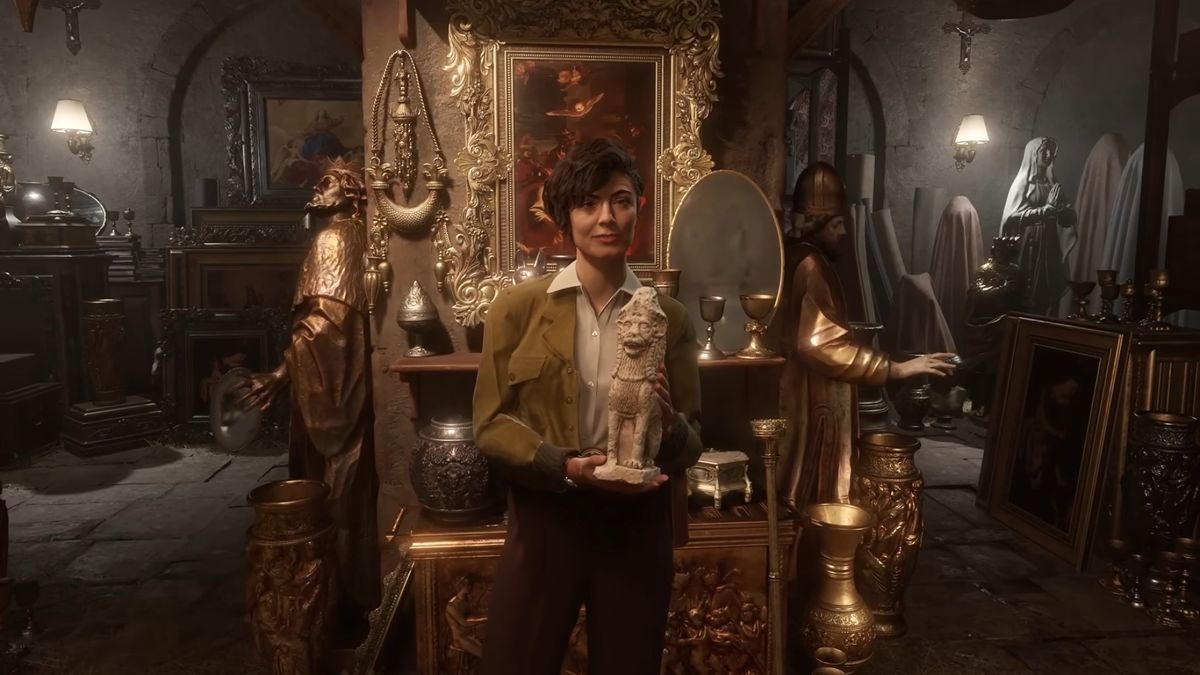
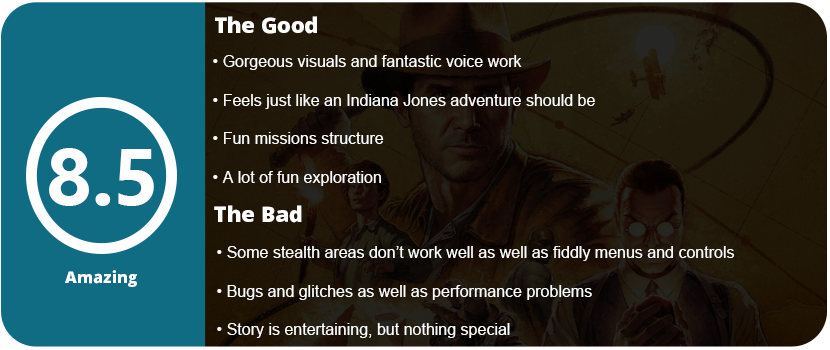
The game itself looks absolutely gorgeous. It is undeniably one of the most visually stunning games to date. The game boasts an extensive range of diverse locales, including a desert, dense jungle, the Vatican, a college, and a snow level. The game is constantly changing things up, and it just never feels boring. The story, while elementary, is captivating enough to keep me going, but the characters feel like they almost stand out but still feel a bit too cliché. The main antagonist, Dr. Voss, has a wonderful personality that you really despise, but there’s something about him that makes him forgettable, as well as your female companion Gina. The overall adventure itself is memorable, however, and I had a blast with the 20 hours I put into this game. I don’t feel the urge to find all the hidden collectibles, as this part of the game felt like a chore. I preferred the scripted events that made me feel like Indy rather than sneaking around collecting things like a Thief game. Overall, I believe this is the finest Indiana Jonesgame ever created, and I look forward to future releases.
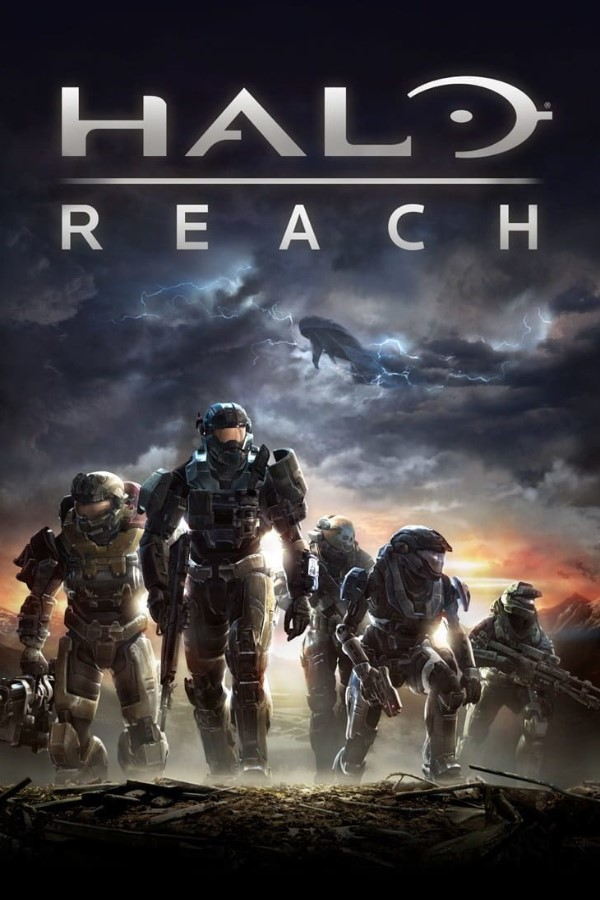
It was a brave move to move the Halo franchise away from Master Chief’s point of view. After the success of ODST, Bungie continued this move with a prequel to the original game and how Cortana was discovered. You play as a ragtag team of elite soldiers, and you play as the Noble Six. The funny thing about Noble Six is that he is basically a nobody, and you witness the deaths and heroisms of your fellow squadmates and search for the last hope of humanity.
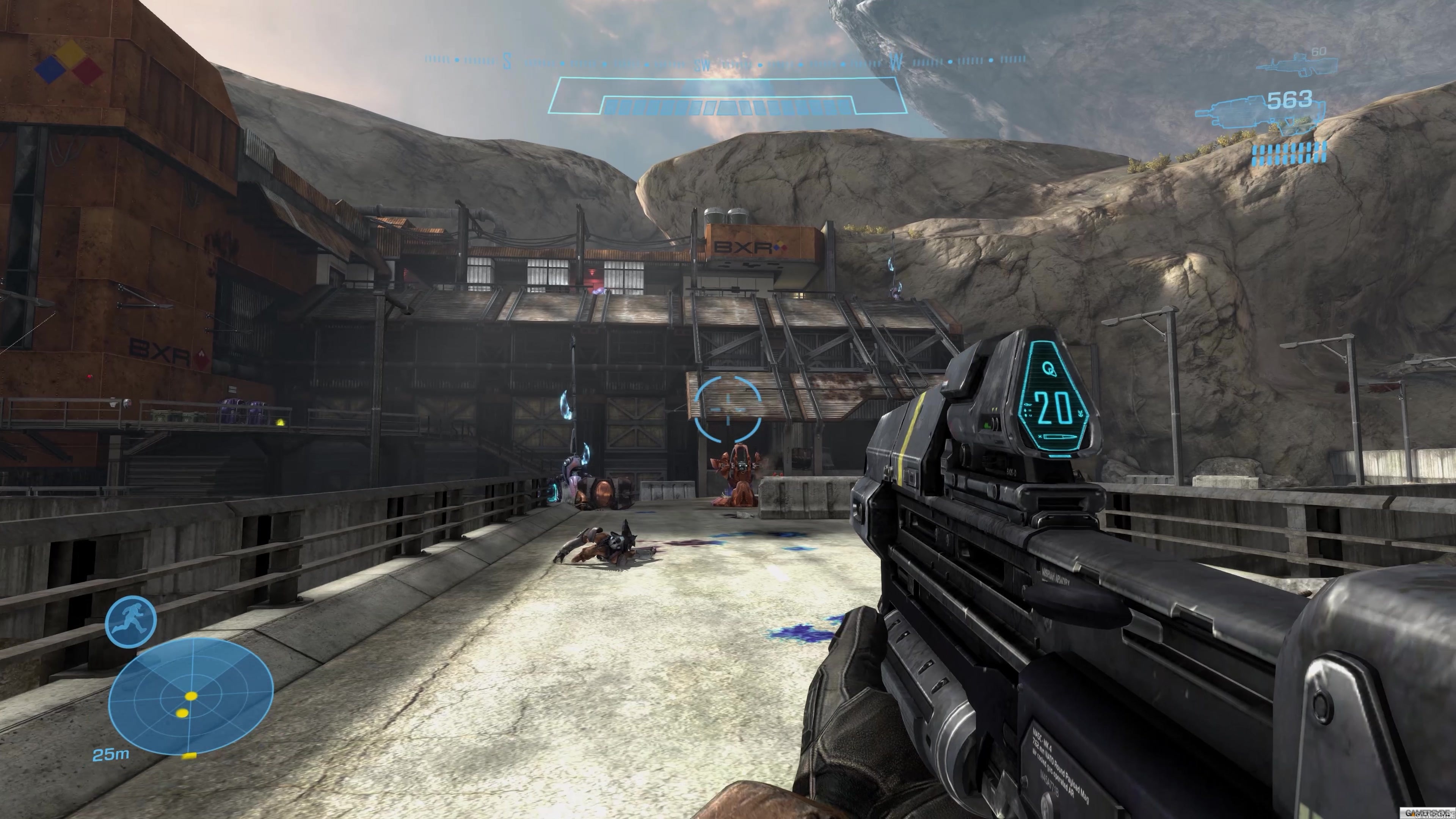
The game plays and feels exactly like Halo 3, which is a good thing. The game has many of the same weapons and power-ups as Halo 3 as well. The game has a decent length of nine levels, and the progression is well done. Each level takes place in a new area, so I never felt bored like I did in ODST. From outdoor areas with sweeping vistas to tight and controlled corridors, The game is fast-paced, hectic, and a lot of fun. I felt it was less difficult than previous games and much more balanced. I was able to quickly get a feel for my favorite weapons and the ebb and flow of the gunplay and enemies.
Again, the same enemies in Halo 3 exist here, and with the introduction of the Brutes from Halo 3, they make for a formidable foe and some of the toughest in the game. There are a few flying creatures, and I found there was less vehicle combat in this game than in any others in the series. Most of the game is on foot, and there’s nothing wrong with that. Most objectives will require you to activate or defend something, and this was typical for FPS games back in the day, but it never felt old. Halo has this magical formula of great AI, enemy balance, and knowing when and where to use each weapon. You know what situations call for which weapons, and when you see the weapon, you go for it, and when the situation flips, you know when to drop it and go for another. I know in tight corridors I want a shotgun, so I drop the pistol and pick up an energy rifle, as a scoped weapon is useless. When I run out of ammo, I know there is an alien equivalent lying around, which is great.
Reach just really isn’t much different than Halo 3 or any game before or after it. It’s a solid game with one of the better campaigns in the series, and the multiplayer is rock solid. With this being a spin-off, you’re expected to see asset flips and familiar gameplay, but the shift from Master Chief is what makes it feel a little fresh. With the update for The Master Chief Collection, the game has better visuals, runs at 60+ FPS, and supports ultrawide screens, mice, keyboards, and current-generation hardware. It looks dated, but clean, and feels like a modern shooter does on a PC. I didn’t run into any crashes or major glitches, so it’s a solid port.
I don’t have much else to say other than that it’s a good Halo game. The ending is solid, albeit sad, and sets you up for the main trilogy. I loved Halo 3, so being able to get back into that era of Halo was great, and the upgrades make this a no-brainer for any Halo or FPS fan. If you don’t like Halo, this game will not change your mind at all, as it’s about as rudimentary for the series as it gets, and the story is a little on the light side compared to other games in the series. I didn’t care for any of the characters, and if you aren’t familiar with the future timeline, it won’t make much sense to you.
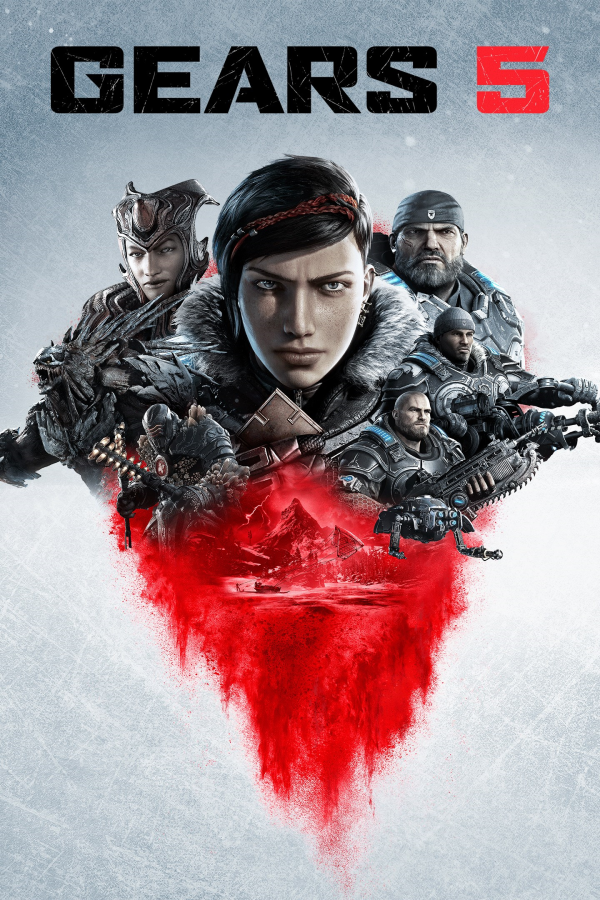
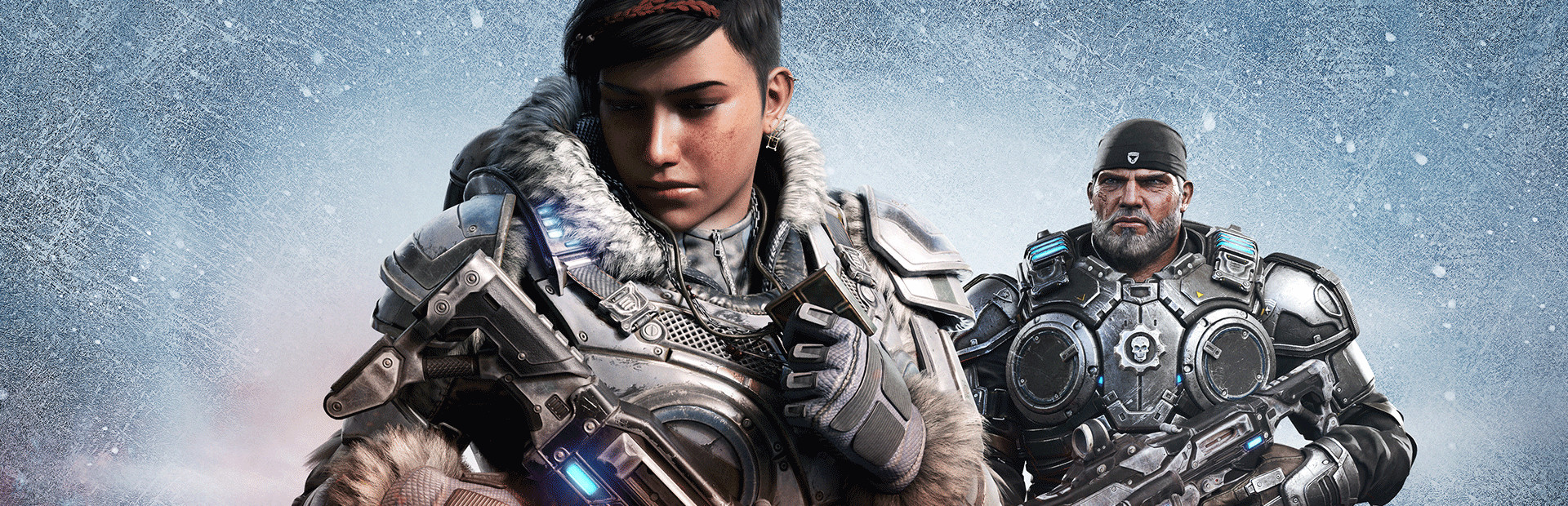
Gears of War has always held a special place in my heart, as it was the first game to introduce me to “next-generation” graphics. You know, shaders, real-time lighting, high-resolution textures, ambient occlusion, all that jazz. It was the first Xbox 360 game I ever played, and I will never forget the first time I played through that game. It’s still one of the best shooters ever made, and nothing will change that. After Gears of War 4, my hopes for the series died a bit, as it had a mediocre campaign and average multiplayer. Gears 5, however, takes the series a step further by adding open-world elements and a rock-solid campaign.
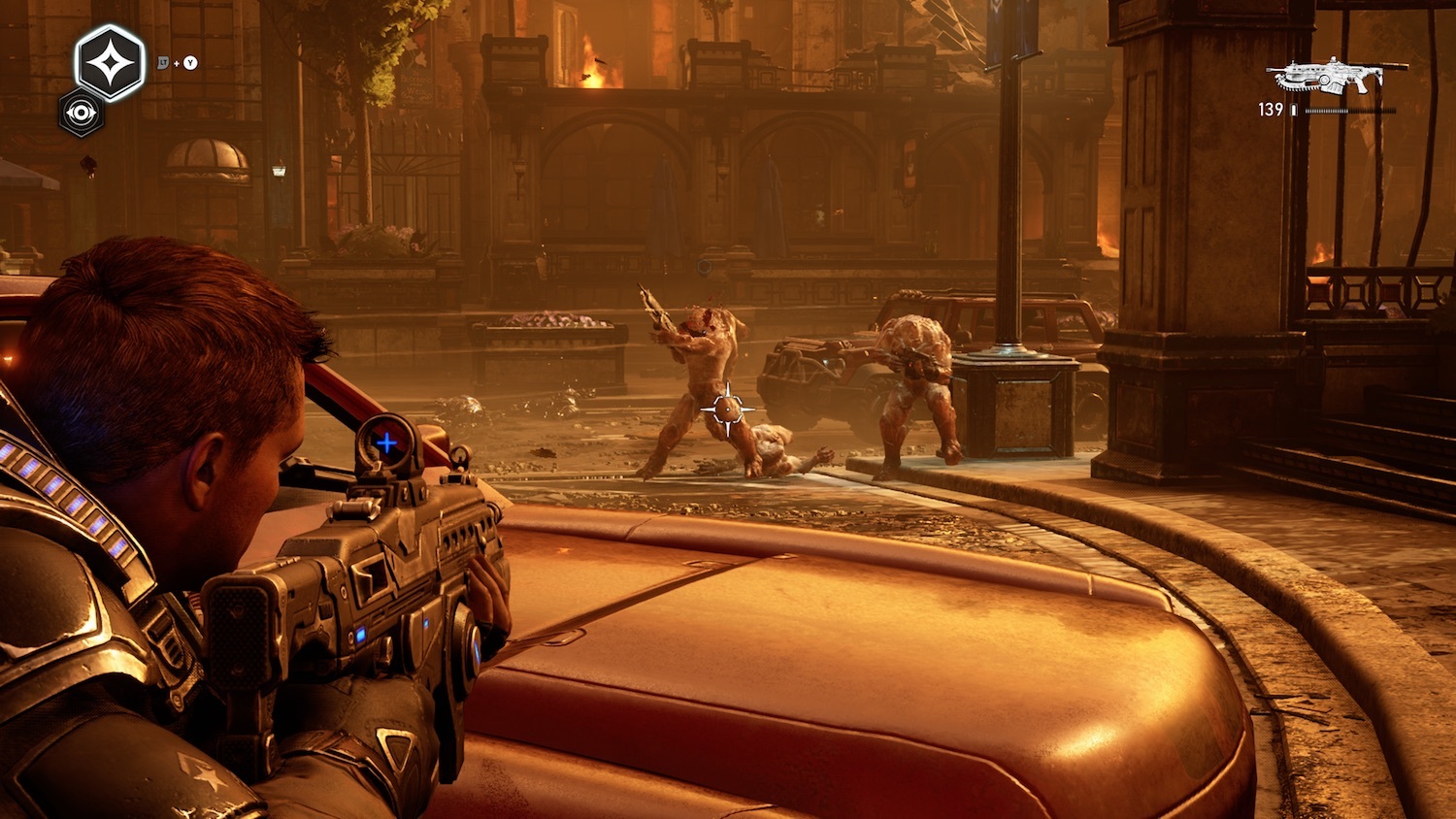
I didn’t mind the new additions to Gears 4; they were just not implemented well enough. The new weapons were lackluster, the older weapons didn’t pack the punch they used to, and the level design was bland and stale. I got tired of playing in the same areas throughout the whole game, and the entire base-building or defense gameplay was just boring to me. Gears 5 strips the base defense gameplay, tunes everything up several notches, and makes what was introduced in Gears 4 really good now. The weapons pack a serious punch, the game is more challenging, the waves of enemies are more balanced, and the entire ebb and flow of the game is like the older ones. I was glued to the game through the entire campaign and didn’t want to stop. Gone are the boring Deebee robots (they’re back as swarms now, but only sparsely) and a larger variety of locust swarms.
Gears 5 starts out like any other Gears game with story elements; it picks up right where Gears 4 left off and has a linear, bombastic level full of scripted events. This is where you get to learn about Jack, who is actually a usable partner now with various abilities that you can upgrade. Things like cloaking, shields, armor, the ability to zap people, and various other abilities. Upgrades are found throughout the game, and I only found a few of Jack’s abilities useful, mainly the armor and shield. Cloaking is useless as the game tries to force stealth for the first time, and it just does not work at all. Sneaking around knifing Locust is fine and all, but their patrol patterns are poorly laid out, and it almost seems random. Never do all the patrols perfectly line up for multiple stealth takedowns. This leads to horrific AI in both enemies and partners. When you’re down but not out, it can take forever to be revived, even if someone is right next to you. I died several times because an AI couldn’t figure out how to climb a ladder as well. Enemy AI will also sometimes get stuck behind walls or just freeze up all together, causing objectives to not clear and having to hunt down where someone got stuck.
It’s not all bad though, as stealth sections only popped up a few times and AI rarely messed up, but when it did, it was the most inconvenient time. Thankfully, the new open-world idea works well, but it’s not what you think. You drive a wind-powered Skiff sled that pulls you around on two separate “open” maps. These maps are just a huge excuse to get upgrades for Jack. Outside of going back and forth to the main objectives, you can stop by and locate 1 out of 3 of something for Jack. These are just various enemy arenas and don’t take long to complete. They’re fun as they vary and are challenging but unnecessary. It’s just an excuse to extend game time. I also don’t understand the complaint about needing to fast-travel between areas. Riding the Skiff is actually fun, and there are some scripted sequences that take place here between the main missions. The maps are not that big, and the two environments are snow and desert. They’re fun, but I wouldn’t miss them if they disappeared in the next game.
That leaves just the campaign itself with well-paced gameplay throughout, and there was never a dull moment. Enemies are better spaced out, and the addition of armored enemies adds to the challenge, as well as Scions and Wardens, which are the big baddie additions of Locust, similar to the larger enemies from the Swarm we got in Gears 4. There are plenty of scripted events, and sadly, the story doesn’t really evolve during these open-world scenes as the game is sandwiched between two large, traditionally linear chapters, and these are more enjoyable than the middle of the game. The story ends on a cliffhanger again, and there are just a few more answers that are given in the traditional Gears way.
That finally leaves multiplayer, which is bigger and better than ever. With the original modes tweaked and fine-tuned, such as Horde and Versus, the new Escape mode sees you escaping from the center of a swarm nest with two other partners, and it’s incredibly hard. You start out with a snub and must fight through waves as you make your way out. It feels more like a reverse Horde mode. In Horde mode, you also play a base defense game like inGears 4, but engineers play larger roles than before. It’s all been tweaked, and I liked it for a while, but I’ve never been the biggest fan of Gears multiplayer. That’s part of why I’m not going super in-depth into it. There are more customization features than ever before with skins and characters and, of course, microtransactions, but it’s all cosmetic. You also get ability cards and a bunch of other stuff I didn’t really care for.
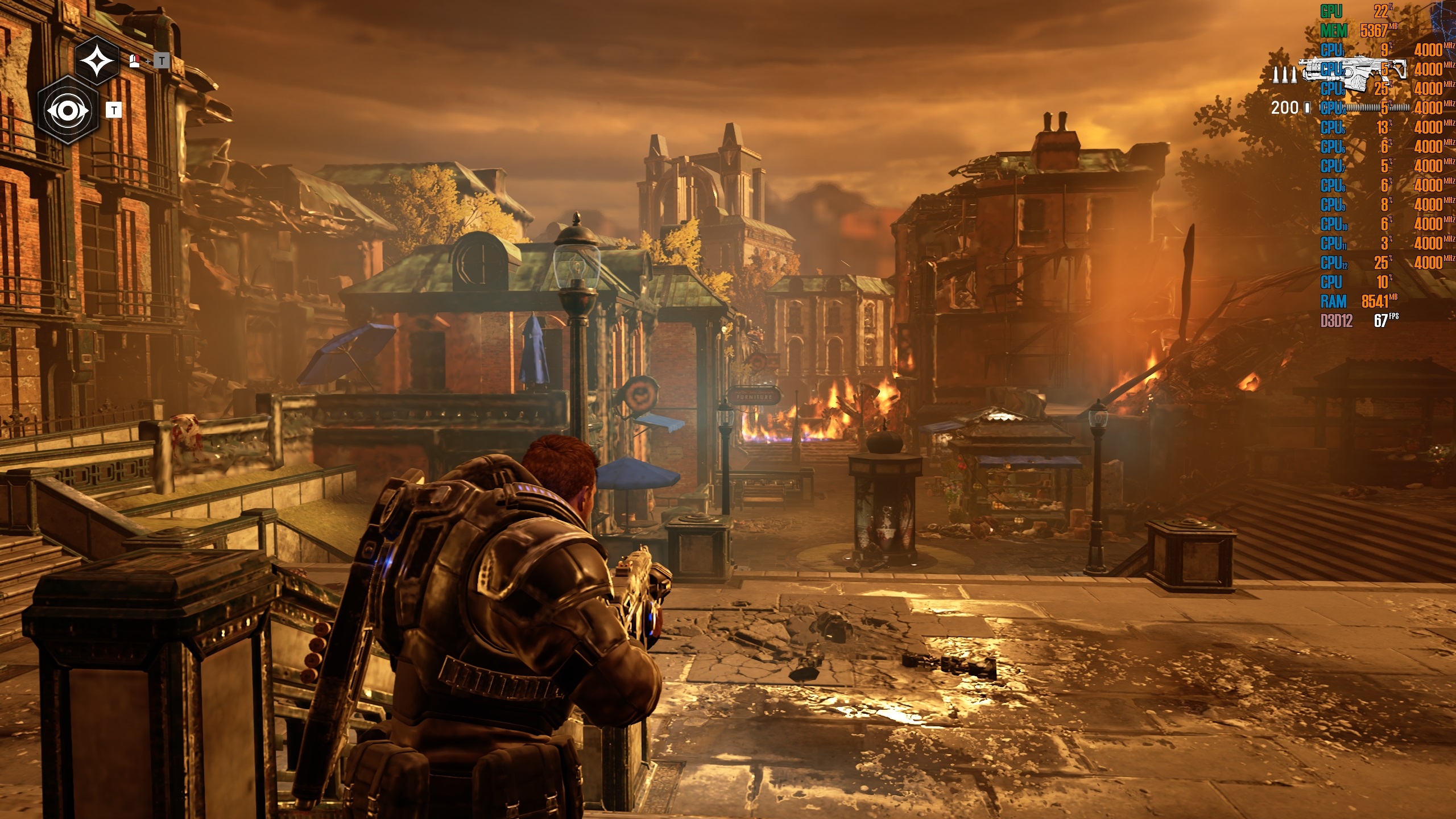
The game looks fantastic and much better than Gears 4 did. The character models are amazing, there are fantastic animations and voice acting, and everything just looks so great, and it runs well—well, at least it did after the first patch. I had constant stuttering and audio glitches for about a week, but it seems fine now. The game is well optimized for PCs, with tons of graphics options and support for ultrawide screens. The game can run on a vast variety of older hardware, which is also a plus.
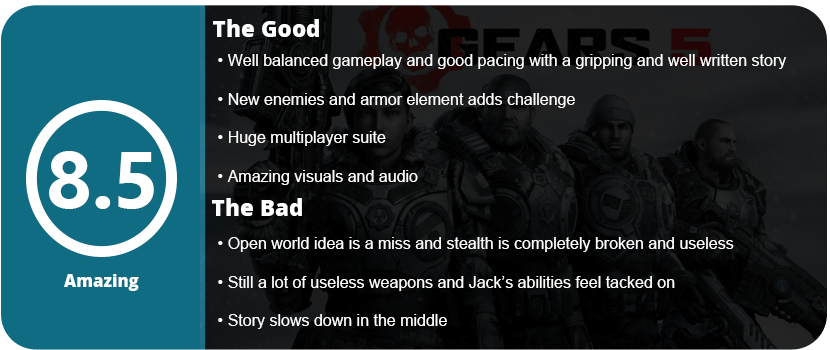
Overall, Gears 5 is what Gears of War 4 should have been. Fantastically balanced gameplay, well-paced, and an open-world concept that seems to be done just right and doesn’t overstay its welcome. The enemies are fun, the new tweaks and additions are a blast, and multiplayer is larger than ever. I just wish they would concentrate on more core Gears gameplay, level design, and story rather than trying bold new ideas. This isn’t the series that really needs that.
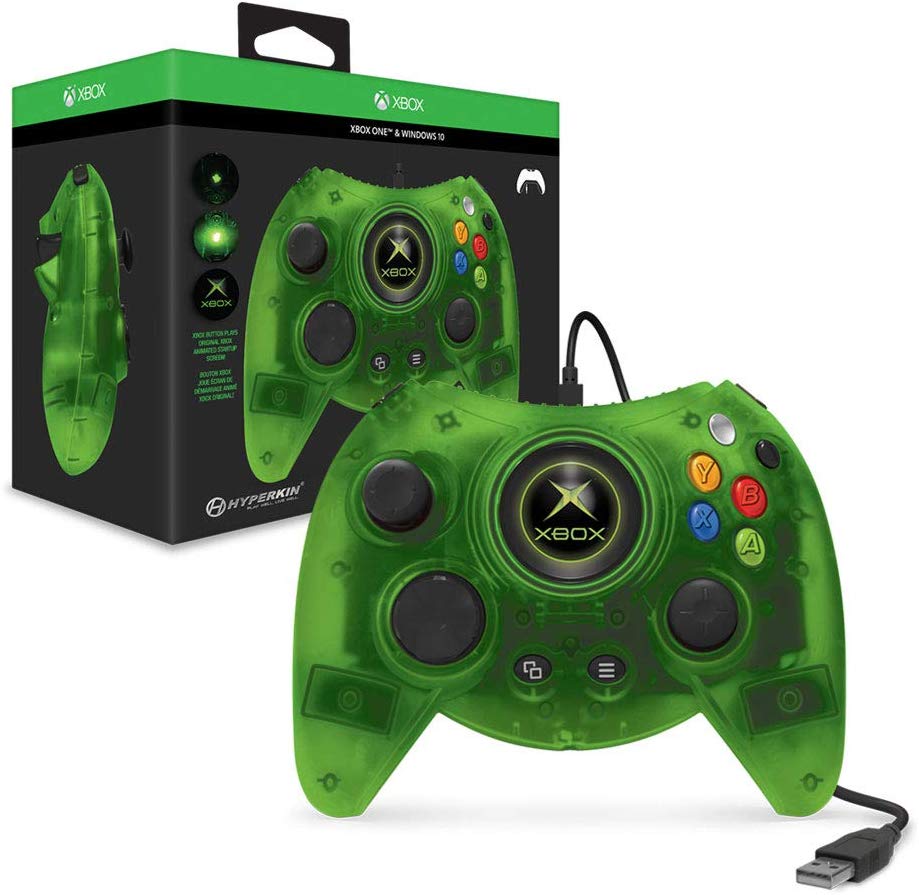
I’m a sucker for awesome game controllers, and when I saw the Duke being announced by Hyperkin, I was both excited and puzzled. Why bring back such a loathed controller, which is considered one of the worst ever made? Who does this appeal to? The few who did like the Duke or people who like collecting weird controllers? The question is that it was neither, as the controller didn’t sell very well and received very little attention. I picked it up only for the retro awesomeness factor and because I have never owned a Duke controller.
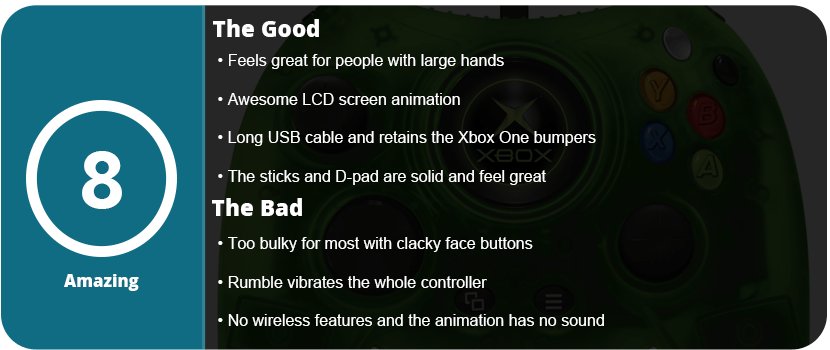
In the box, you get a very long USB cable and the controller itself. Sadly, this is not wireless, and part of this is due to the fact that Microsoft will not release the codes to third-party developers, so Microsoft is the only company with wireless controllers. It’s been this way since the Xbox 360, sadly. Once you do open the box and pick up the controller, you realize just how gaudy this thing is. I have large hands, and it’s almost too big for me. It feels ergonomic, but it’s so bulky and heavy that it’s both satisfying and weird. The face buttons are slanted, and at least the bumpers were retained as small buttons on top, but the black and white buttons also function as bumpers (I mean, the black and white buttons were converted to bumpers on the Xbox 360). The coolest feature is the LCD at the center that plays the original Xbox startup animation and displays the Xbox logo on a crisp, clear LCD. I would have liked the startup sound as well, but I’ll take what I can get. There is no other controller on the market with a built-in LCD like this, and it’s great.
Once you start playing games, I can see the issue of bulkiness making your hands tired, and the controller build is a tad iffy. The controller creaks, and the buttons feel hollow and clack loudly while vibrations rattle the entire controller. It’s both awesome as it makes the controller seem that much more ridiculous and adds to that factor, as well as questioning the build quality. It sure feels solid, like you can knock someone out with it, and the analog sticks and D-Pad are fantastic and feel just like the originals. The back and menu buttons are where they start and select normally, and they feel fine.
Overall, the Duke controller is a strange device, as retro collectors will get a kick out of it, and it has some enjoyability, but new players will balk at the bulkiness, build quality, and overall weird factor this controller brings.
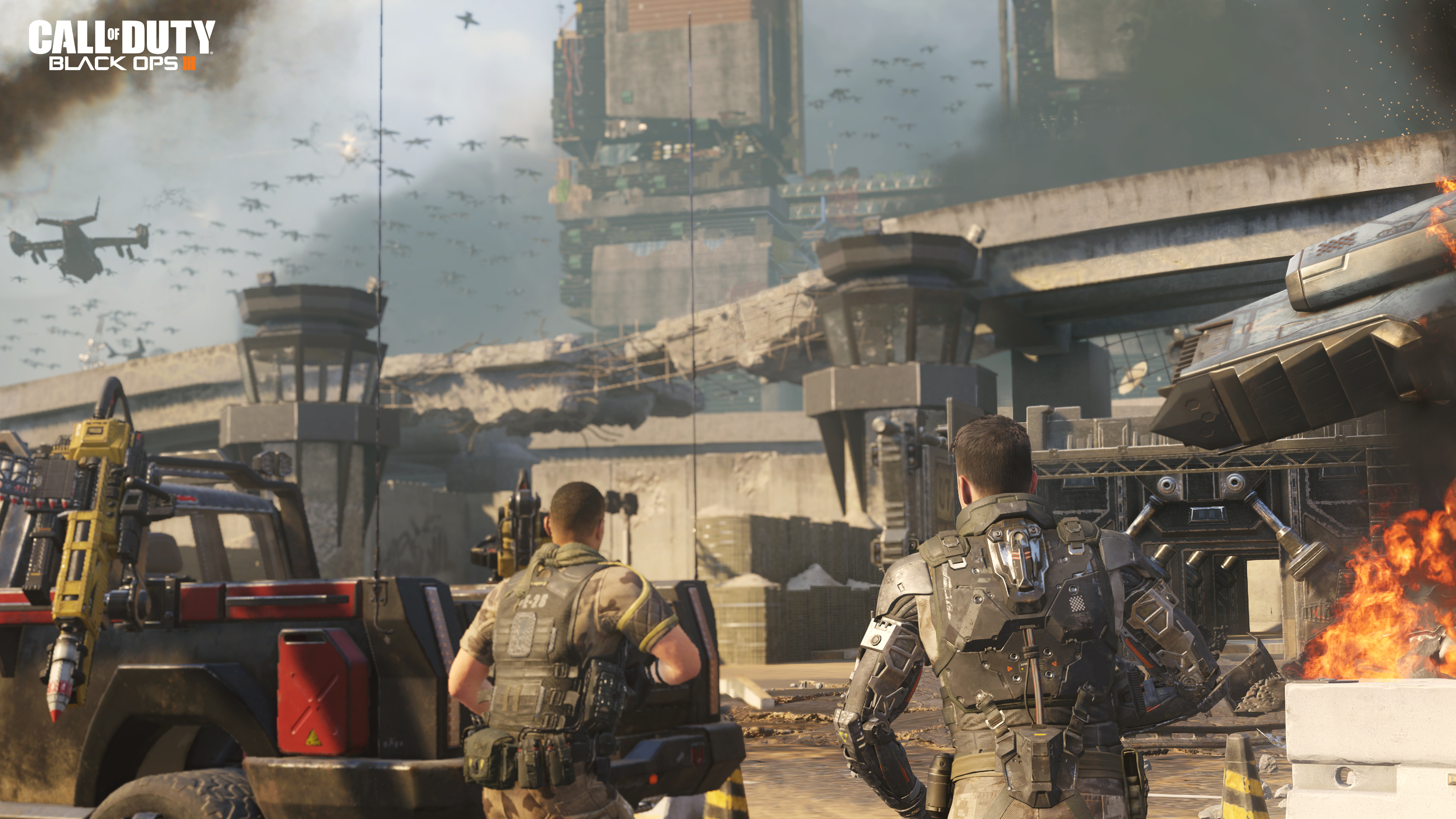
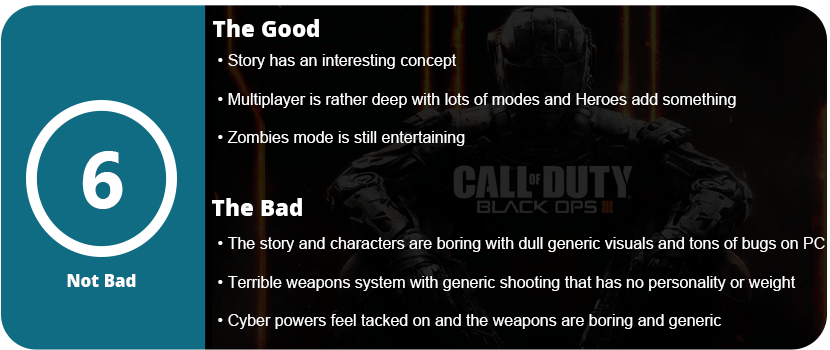
Man, where do I begin? Call of Duty was one of my favorite franchises growing up, and Modern Warfare helped kickstart FPS games into a new cinematic, next-generation universe. That Pripyat level in the first modern war still sticks with me to this day. After MW2, the series took a steep downhill slide and hasn’t stopped since. Here we are with Black Ops III, a futuristic military shooter that is a far cry from what the original Black Ops was, which was absolutely fantastic. You play as a squad of black-ops cybernetic soldiers who are trying to stop an all-powerful AI from destroying the world. See, the whole world is completely infused with technology that can read people’s minds and know our every move. The CIA has several operations around the world to keep this in check, but it all goes wrong one day. The actual concept is interesting and could have gone somewhere, but instead, we dredge through a sewer of boring, mediocre, and lame campaign levels that drag on way too long and overstay their welcome.
The game plays exactly like every other CoD since MW1. You run and gun your way through waves of enemies that are as dumb as dirt, and you face unbalanced difficulty spikes and repeat about a million times. I have to point out that I really hate the new weapon system in this game. You can no longer pick up guns from enemies but instead run into mobile armories where you can swap your loadout. This is a campaign, not multiplayer. I want to pick up weapons from enemies and keep things constantly mixed up. Several times through one level, I would need a shotgun or sniper rifle but was screwed because I couldn’t get to an armory. I can’t predict what’s going to happen next, so this is a huge mistake, and I really hated it.
Second, the enemies are as boring as ever, with generic robots and super soldiers. You get the occasional mobile armor, but that’s about it. It’s so boring that I just shrugged because I knew this was coming from a game like this. I mentioned the terrible weapon systems, but let’s talk about how terrible the actual weapons are. For one, there’s a small amount for a CoD game, and they all feel the same. Sure, you have shotguns, assault rifles, and pistols, but they just feel the same. They seem to have no weight, no bearing, and no personality. It’s futuristic shotgun A and futuristic assault rifle F. There are no real-world weapons anymore, and it’s just a borefest due to a lack of personality. The entire game has zero personality or originality. It all feels like endless metal corridors, hallways, and concrete. At least the first Black Ops felt original and had some personality and weight to it.
To make the game feel more like multiplayer, you get dumped into a central hub after every level and can change your loadout, unlock weapons with fabrication kits, and customize your weapons. There’s a new concept introduced called cybercores, which are powers that you can use against enemies. I found these almost worthless, as the game offers no opportunities to change to the standard CoD gameplay to implement them. It just felt like something tacked on to say, “Hey! We did something different! SEE?!” which I didn’t fall for. The only useful power was stunning multiple robots at once, but that’s about it. For most of the campaign, I forgot these powers were even there. I just ran around shooting everything in sight, like every other COD. I wish the series would stop pretending to be sophisticated and complicated when really it’s a dumbed-down snoozefest with no personality. It has been years since CoD has put its own fingerprint on the FPS genre, and this game doesn’t do it any favors.
I hated the campaign, but the multiplayer was at least fun for a while. It’s still the same old CoD MP that we’ve grown to either somehow tolerate or completely hate. However, Black Ops III is much more grindy than any other CoD game, and I gave up after around level 5. Even in single-player, it takes many levels before you can purchase decent weapons and load-outs. It’s part of the reason why the game gets so boring so quickly; the fast unlocks of the past are gone, and it feels almost free to play, which is a damn shame.
Graphics-wise, it’s nothing impressive except for how powerful of a PC you need to run something that shouldn’t push high-end systems. With the GTX 970, I used to have to turn down settings and still get massive slowdowns. It wasn’t until I used an overclocked 1070 that I got steady FPS with everything maxed out, and even then sometimes the game dropped down to 40 FPS for no apparent reason. The game is poorly optimized, has awful glitches that still exist after all the patches, and just doesn’t look all that original or impressive.
Overall, I can’t really recommend this game except for the hardcore CoD players, and fans of only the older games will hate this. The weapon system stinks, the campaign is boring, lame, tedious, and full of glitches, and the unlocks are a grindfest. There’s so much wrong with Black Ops III that it took me over a year to finish the campaign. It’s just boring and not fun to play, as there are plenty of other great shooters out there. I’d rather play Half-Life 2 for the 20th time or the Crysis trilogy than spend one more minute in this game. Now, that’s not to say I hate it to death, as the multiplayer can be pretty fun with new modes and playable heroes at a little depth, but it’s not enough to save the core gameplay. Zombie Mode is the final saving grace, as it still provides entertainment, but like multiplayer, it will only last so long with boring guns to use and average visuals.
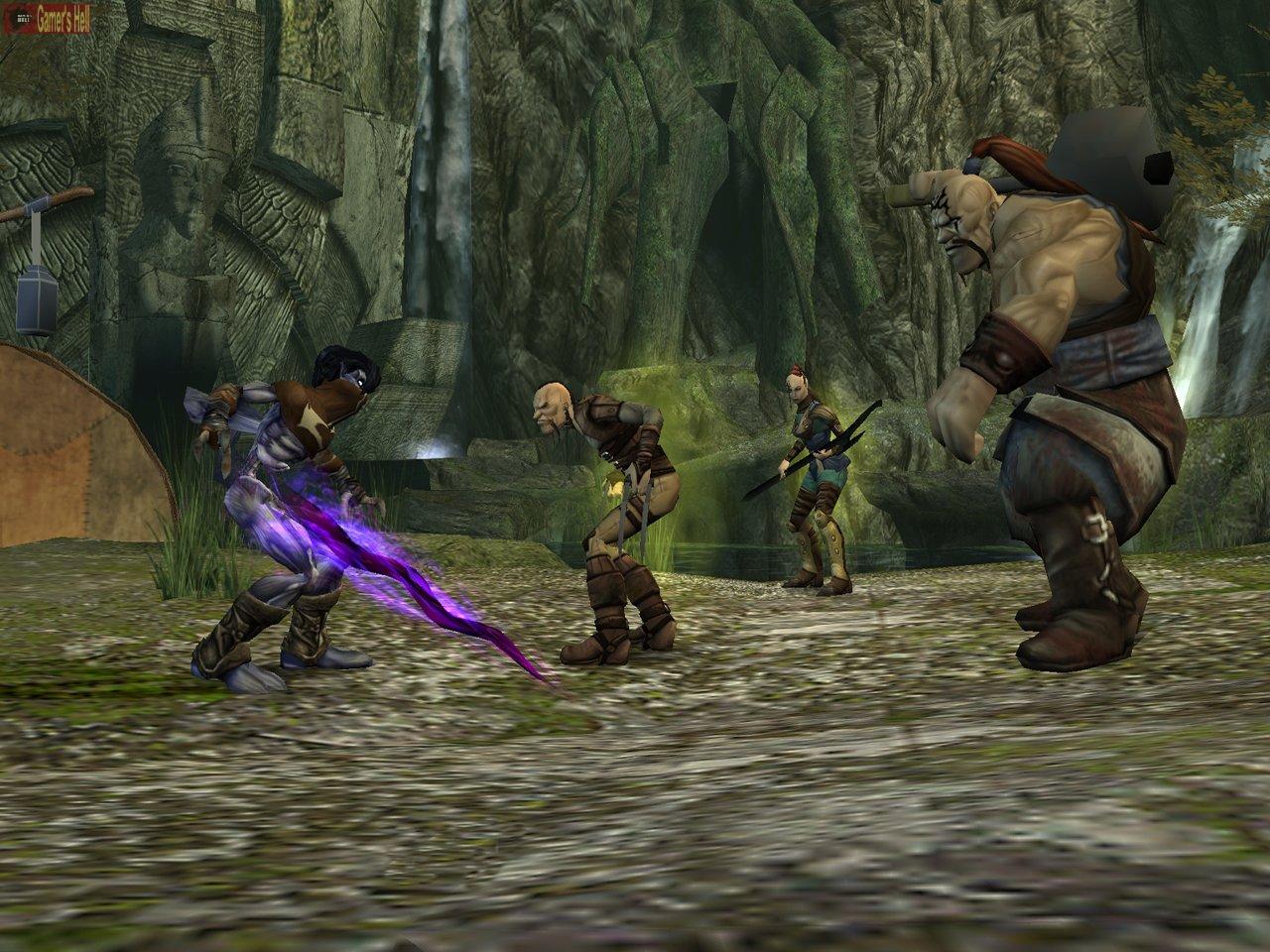
The Legacy of Kain was a very popular series back in the day. Defiance, an epic tale about vampires, is the final entry in the long-running series. You play the vampires Kain and Raziel. You switch between solving puzzles, fighting enemies, and discovering secrets.
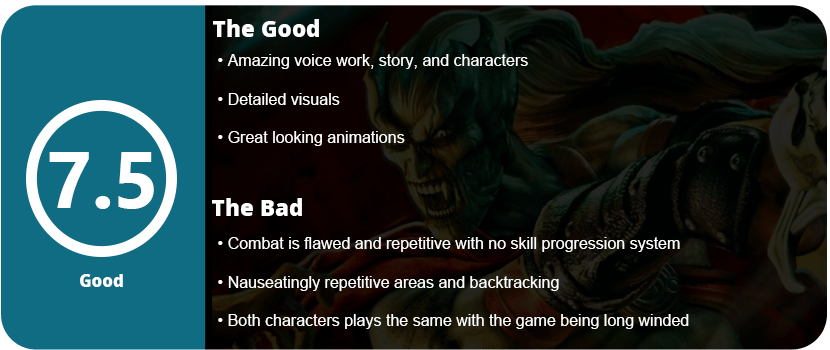
The game is well worth a playthrough, and you don’t have to play the previous games to understand what’s going on. The story is told so well that you get the entire picture by the end of the game, and it feels satisfying. It’s one of the few games back in the day that had a fantastic story that was worth trodding through the mediocre gameplay to see unwind. Playing as Kain is actually a lot easier than Raziel as his sections are shorter, he doesn’t have to do as many puzzles, and he’s more powerful. However, I was seriously disappointed with many aspects of this game as it became frustrating and repetitive long before I reached the end.
For starters, the level design isn’t the best, and there’s more backtracking in this game than I can stand. You don’t just visit the same area twice or even three times, but over half a dozen, and it becomes a drag. Kain’s segments are mostly just combat-oriented, finding balance pieces to acquire one of four sword abilities. Raziel’s segments require him to find seven different swords, and each element temple is exactly the same, just rearranged. You go into the temple, get the new sword, fight a mini-boss, use the new element to unlock a portal, and repeat nearly a dozen times. It’s so tiring and boring that most people won’t finish the game.
It’s not just the temples that repeat, but the rest of the game. You swap between the vampire citadel and a mansion, and both Kain and Raziel revisit it multiple times each. You go through the entire area once and then come back with a new ability to break through some wall that leads to a new area, just to go through it all over again as the other character. I find this level design poor, and some of the levels are confusing and maze-like, and I just didn’t care for it. Raziel has to shift between the Material Realm and Astral Realm several times throughout levels, but you have to find a conduit spot to shift back into the Material Realm. It’s a neat idea, but later you realize this is more of a hindrance and doesn’t really add much to the gameplay. There aren’t any special puzzles that require you to swap between the two to make things really interesting. You just use it to pass through certain doors and for platforming.
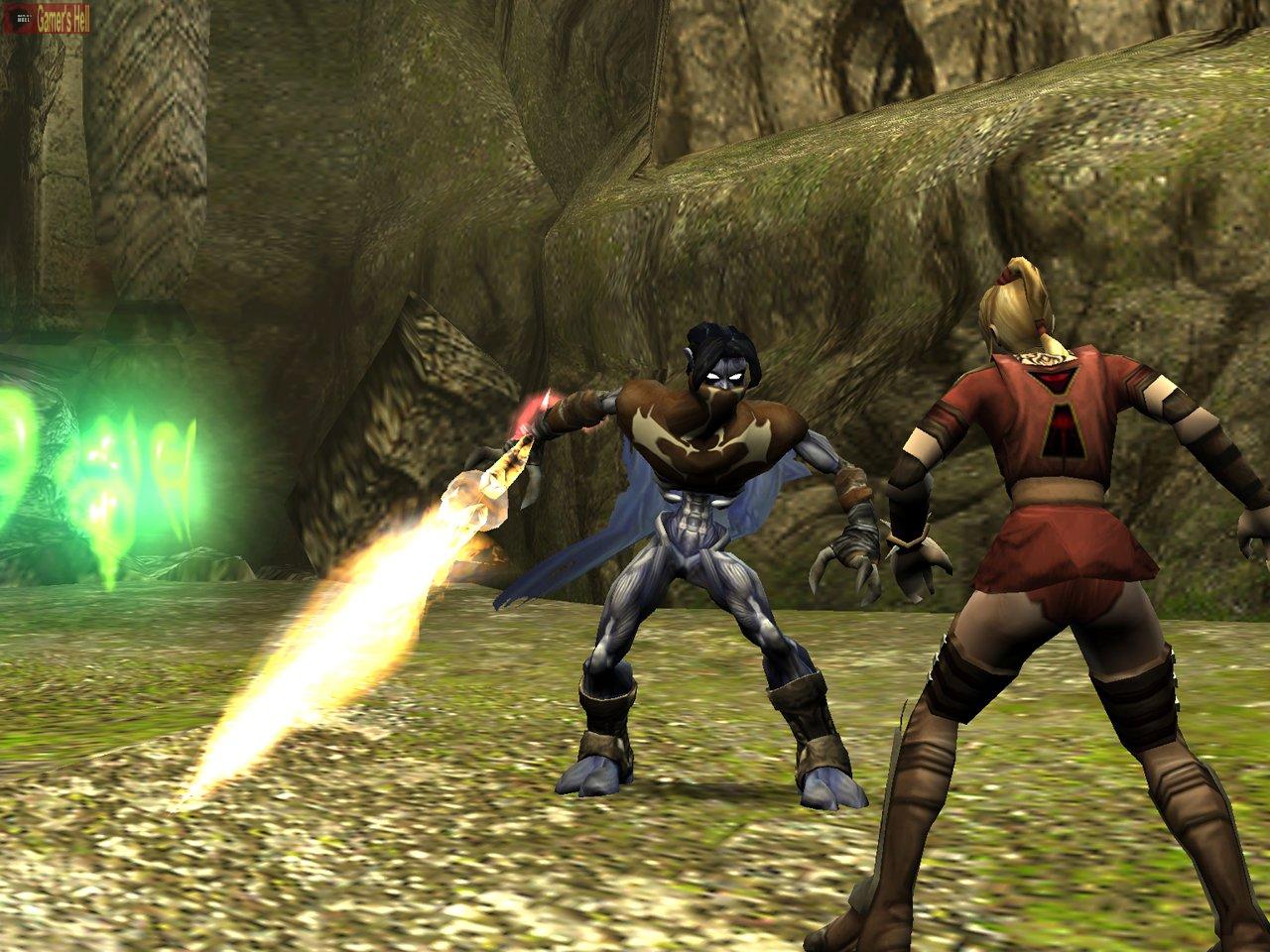
Combat is also full of flaws, with one major one being that Kain and Raziel fight nearly identically, with Kain just being slower than Raziel. Both have telekinesis powers, both use a sword, and both dodge nearly the same. Dodging is one of the biggest problems in the game, as you have to hold down the jump button while moving in a certain direction. Enemies move too fast to have time to hold the button down. Why do you hold a dodge button? It doesn’t help that there are knockback animations, and I absolutely hate these as they make combat a drag. Throw in the fact that you don’t get more powerful throughout the game; each sword element just adds a different power attack when your meter is all the way up. There’s no sense of character progression at all, and this game is long enough (roughly 12 hours) to have that kind of system. You can acquire new special combos, but they are difficult to execute, and most of the time you just button-mash. After about halfway through the game, I just ran past enemies unless I was forced to fight them. There’s no reason to fight these enemies at all except for health (both characters can absorb them to replenish), as there are no skill points or XP to gain.
I will say that the combat animations are fluid, the controls are solid, and everything works. The second biggest issue is the damn camera. It’s a static camera most of the time that spins around, and you can’t control it. A lot of times, objects were blocking the camera during combat, or I would fall and die because I couldn’t judge a jump right. The camera is atrocious and really detracts from the overall experience here.
The puzzles are also a joke, as they are barely puzzles. Just push this block onto that switch, and that’s all you do. There’s no thinking involved at all, like in other games in this genre. Now, it seems I’m ragging on the game, but I did enjoy it despite its many flaws. The voice acting is just fantastic, as are the story and characters; it’s the sole reason why I pushed on. The graphics are somewhat decent, with lots of detail everywhere, but there are games that look much better, especially since 2003 was a time when developers were really pushing these systems.
Once you beat the game, there are zero reasons to go back. There are no alternate endings, no special unlocks, nothing. There is great making-of stuff when you finish, but that’s it. Take it for what it’s worth and definitely pick this game up. It was one I missed growing up as a kid, and I plan to play every game in this series despite all its flaws.

















































 thebinarymessiah.com
Try multiplayer. A lot of fun !