“They actually did it!”, I exclaimed. As soon as I saw the opening scene and played the first 20 minutes of the game, my jaw dropped. I don’t know what happened, but Bloober Team, against all odds, managed to make one of the greatest remakes of all time and put Silent Hill back on the road to recovery. Following the disappointing releases of Downpour and Book of Memories, along with the subpar HD ports of Silent Hill 2 and 3, many people dismissed the series. The previews for Silent Hill 2 were quite unimpressive, giving the impression that Bloober was concealing a potentially terrible game. However, it’s also possible that they were concealing the game’s true quality to surprise everyone. It’s hard to say, but the game is far from lazy.
If you played the original game on either PC, Xbox, or PS2, then you are in for a treat. For those who haven’t: Welcome to Silent Hill. This is undoubtedly one of the most terrifying games I’ve played in recent years, and the utilization of Unreal Engine 5 brought me immense relief. The effects that Bloober used here would not have been possible with UE4. The ray-tracing, lighting effects, fog, and insanely detailed texture work are gorgeous, and I drank in every second of this game. Thank goodness this didn’t come to previous-generation consoles, which would have required UE4. This is truly a next-gen title. A couple of months ago, I had the opportunity to play the fan-made Enhanced Edition for PC, and I can confidently say that Bloober did not opt for a copycat remake. Instead, they infused the game with their unique style, incorporating new areas to enhance gameplay without causing it to feel bloated and monotonous. Bloober has extended some dialogue and cut scenes, resulting in a more organized game overall. I had a blast finding memos, photos, and the new Glimpses to unlock trophies. There is also a New Game+ feature, which is awesome. Although your items don’t carry over, you receive a new chainsaw as a melee weapon and can unlock more endings, including two new ones specifically designed for this game that don’t have trophies attached to them.
The combat and camera are the two biggest deals of the remake. Taking a cue from Resident Evil, they positioned the camera behind James, adding a more cinematic flair that was both much-needed and welcomed. Melee and shooting combat is brand new here, with fantastic enemy designs to kill and squash. The melee combat is punchy, and James delivers his grunts and shouts with a tremendous deal of passion and fervor, resulting in a satisfying experience. The camera will sway and bounce slightly with each swing, and James will hesitate for a split second on the third hit of the combo, committing his entire body to the final swing, creating an impactful crunchy effect. The DualSense controller is essential for this, as it enhances the entire experience, not just during combat. When your radio goes off and an enemy approaches, you can hear it through the controller speaker, and the DualSense vibrates with every crunch, shout, and scream.
The ranged combat is satisfying as well. This game features the same three weapons, and you must use ammo sparingly and wisely. Use melee whenever you can to conserve ammo. You can deal with one or two enemies, but some rooms will throw three or four at you, necessitating shooting. The revolver, rifle, and shotgun all return; ammo for the shotgun and rifle is very rare. Only save them for bosses. You also receive a 2×4 equipped with nails and a lead pipe, which is the only melee weapon available aside from the chainsaw in NG+. My only complaint about the game is that Bloober didn’t incorporate enough weapons in more areas. I would have preferred to see a few more guns, or at the very least, more melee weapons. There’s no upgrade system, but that’s fine, as it’s not needed. Some people may question this. Thankfully, the game provides great feedback when you shoot enemies. For example, hitting a limb will cause them to fall to the ground, and shooting them in the head will cause them to stop in mid-walk. It’s very satisfying, and I have no complaints about the combat system at all.
The game could have potentially deteriorated during the exploration phase. Bloober needed to update how to navigate the game for a modern audience. Silent Hill is known for being cryptic, especially in the puzzle department. There are numerous granular options available for customization. You can customize the combat and puzzle difficulty as well as adjust the HUD as much as you want. The game’s main areas feature a larger central puzzle that players uncover, necessitating the discovery of specific items within that level. Bloober does a competent job guiding the player with lights, blood trails, debris, etc. Additionally, it’s essential to explore each door, as it bears markings identical to the original. This map system has always garnered high esteem and performs exceptionally well here. You won’t get lost easily, and Bloober did a commendable job making every hallway and room stand out. One of the biggest issues with the original game was the abundance of bland-looking rooms and hallways that seemed to always look the same. Bloober added a lot of detail and made every location feel dreadful and haunting. The atmosphere is stunning and truly frightening. I didn’t care for the newly added pushable carts. These never solved any puzzles and felt like pointless filler. When the carts are pushed 6 feet away and into place the handles drop down and lock the cart telling you it’s in the right spot. Climbable areas are marked with white cloth which is a nice touch.
I cannot emphasize enough how significantly Bloober enhanced the atmosphere and feeling of Silent Hill 2. The game features a remastered soundtrack and eerie ambient effects. Upon entering the town for the first time, the majority of players will find it unforgettable. The fog, which is choking and claustrophobic, is accompanied by strange alien sounds that play when enemies are near, random rusty bangs, the scraping of Pyramid Head’s sword on the ground, and fantastic animations of monsters that seem almost human. The distant, dark hallway barely illuminates the contorted bubblehead nurse, who twitches in response to your approach. The flashlight serves as your sole source of hope and comfort. After so long, just stepping back into the foggy town is a sweet reprieve from the cramped and delirious buildings. The Otherworld areas are equally as nightmarish and fear-inducing. You will be on edge during the entire game.
The new voice acting is also phenomenal. While the original voice acting was inconsistent, I was astonished by the exceptional quality of the new rendition. The actors effectively convey every emotion, demonstrating genuine care and commitment to their roles. James sounds sad, lost, and human. Eddie’s actor masterfully portrays his psychosis on the verge of madness. The characters in Silent Hill 2 were few, and their appearances were brief. Some may find this distasteful, as it appears to be a departure from the current practice of creating games with numerous hours of voice acting. The game heavily relies on the players’ interpretation and reading of the memos. The game does not explicitly reveal what is happening to James, what these monsters are, or why Silent Hill is set up the way it is. The town is a character in the game. Silent Hill is known for dabbling in the human psyche and mental psychosis of people.
Silent Hill 2 is a surprising love letter to the series, and I fully endorse Bloober doing more remakes and even a new Silent Hill game. They haven’t had the greatest track record in terms of gameplay. Despite the unfavorable reception of Layers of Fear and Blair Witch, they successfully created a captivating experience here. The new camera and combat are punchy and responsive, the visuals are stunning, the added areas are fun, and I honestly didn’t want the game to end. At the end of the game, I felt empty and immediately started a New Game+, something I never do. As a longtime fan of Silent Hill from my childhood, that first game scared me so much that my mom had to return it to the rental store. I greatly appreciate it and can’t wait to see what the future holds.
Silent Hill 2 is considered one of the best horror titles ever made. This is my second playthrough of the game. I first played this on PC as well almost 20 years ago. I was a teenager, and I can’t even remember if I finished the game. Silent Hill 2 differs significantly from its original PS1 title. The game focuses more on atmosphere, surrealism, and how things affect people mentally. You follow a man named James Sunderland, who is searching for his wife Maria in the town of Silent Hill, Maine. The story is a little disjointed and doesn’t always make sense, but I think that’s intentional. The game focuses on themes and characters that have no connection to James. Are they manifestations of the town’s pain in human form? There isn’t much exploration of these people’s back stories, despite their frequent appearance. Despite the lack of a third act or a definitive ending will be on the player to make of it what they will. The story is open for interpretation, but remains interesting.
I like how more straight-forward this game is. While the map is an essential tool for figuring out where to go, this series kind of made that a staple. As you progress, your map will mark off areas explored, doors tried, and objects found, aiding in exploration. I still find the puzzles somewhat obtuse, especially on harder difficulties, which make the clues more vague or sometimes nonexistent. For a first-time playthrough, I recommend the easiest combat and puzzle difficulty so you actually finish it. Puzzles involve finding combination locks, and you must either decipher written clues or photos. Some are obvious, while one literally requires you to guess the combination. Finding keys, sometimes through multi-tiered layers of unlocking, is a significant part of advancing through the game. When you receive keys, it’s clear where they lead, and the town map typically circles your next objective. However, navigating inside buildings complicates the process. Most players will tend to become frustrated when they have to attempt every door on the map, especially when there are enemies present. That’s why I recommend starting at the easiest difficulty to gain a better understanding of the game before taking on another challenge. Even starting normal can make the game feel unbearable at first when you don’t know where to go.
Silent Hill 2 improves on the first game’s combat. Auto-aim works much better, but ammo conservation is a must for boss fights. You get a handgun, shotgun, and rifle, as well as three different melee weapons, and that’s it. When you are just fighting one-to-one, you should use your melee weapon, but on the easiest difficulty, ammo is so plentiful that I could use a gun through the last 3/4 of the game once I collected enough. During the first half of the game, you will wander through the main town of Silent Hill, but you should stick to the sidewalks, as this is where all of the items, including health and ammo, are located. You can avoid most enemies by running past them, but the ominous atmosphere compels you to engage in combat. The enemies in the town respawn anyway, so there’s no point. On harder difficulties, the combat is more challenging, but in most areas you won’t face more than two enemies at a time. You must also kick the monster once it’s down, or it won’t completely die and can come back up. Most enemies are slow and easy to learn their patterns from. The game’s final bosses require the rifle, which boasts the rarest ammo count. The shotgun is powerful but slow at close range, and the handgun is your main firearm for the entire game.
There aren’t any mini-games or side quests here. Basically, you just try to get from A to B alive and watch whatever cutscene you come across. There aren’t any collectibles, either. With a guide, I was able to finish the game in about 4 hours, so it is surprisingly shorter than I remember it being. This was originally a technical showcase for the PS2 during its first year on the market. The fog and lighting effects in this game blew me away when I watched a neighbor play it. If you try to play this game on your own, you may get frustrated early on, turn the game off, and never come back. I highly recommend your first playthrough with a guide. I used the official BradyGames guide for Xbox and had a blast the entire time. I honestly did not want the game to end. I thought the game could tell me more, and I wanted to explore the “alternate” areas from the original title. I never experienced significant frustration with the guide, except for the repetitive nature of the interior locations. The overwhelming number of hallways you traverse gives you a sense of familiarity among them.
With that said, the atmosphere is something I absolutely couldn’t get enough of in this game. The eerie and exquisite soundtrack, the intricate designs of the enemies, and the overall aesthetic appeal of the game captivated me. I was disappointed that we didn’t get to see too much of “alternate” areas, and the boss fights are a bit too straight forward and disappointing, but they look cool. I honestly wish there were more enemy types in this game, but what’s here is still memorable and iconic. The fog that covers everything is now an integral part of the game’s aesthetic, rather than a necessity for these consoles to render the visuals and reduce draw distance. I did become somewhat fatigued by the frequent requirement to traverse narrow hallways, as this game contains an abundance of them. There’s too much focus on item hunting and not enough on exploration. I’m surprised the game wasn’t more combat heavy—at least in certain areas—given how much the combat and controls have improved. The voice-acting was sporadic and inconsistent, as anticipated. The mystery of the endings is my biggest gripe. Interacting with certain objects can lead to unexpected endings. The series’ staple endings are difficult to acquire, and even with a guide, I struggled. Thankfully, this game is worth multiple playthroughs, so you might want to consider it.
Overall, Silent Hill 2 is a fantastic horror title, with the Xbox and PC versions being the superior choices. I played with the Enhanced Edition mod this time around, and it looks as excellent as it will get without an official remaster or remake. It combined the best assets from all versions to make it playable on modern systems equipped with controllers, ultrawide screens, and proper FOV fixes, among other things. The texture work is remarkable, and I loved every second of it. The soundtrack is excellent; I actually listen to it outside of the game. The sound effects are also iconic and haunting themselves. They will stay in your head forever. While the characters themselves may not be particularly intriguing or profound, the town of Silent Hill stands out as a unique character in its own right. With so much to reveal and is concealed, you want to see everything. I would even consider this an unofficial HD remaster. If you haven’t played Silent Hill 2 yet, this is the way to go outside of the Xbox version.
In my never-ending pursuit to find the best horror games that feel truly scary or are reminiscent of the 90’s and early 2000’s horror but actually play well, I took upon myself to gather up all modern horror games that are worth playing. What defines a horror video game? Most people typically assume that there are simple answers, such as ghosts, zombies, space, or any other single word category. While it’s difficult to pin down and categorize horror into a single genre, or even sub-genres, what makes horror games keep us up at night is the fear of the unknown. We can characterize this as a basic uncertainty, ranging from the unknown lurking around every corner to the never ending pursuit of the antagonist. Humans have harbored fear of the unknown since ancient times, and video games can provide us with a glimpse into this terrifying realm. Games can give us a glimpse into this abyss. While some gamers may not consider Doom a scary game, its release likely frightened many kids and adults, and it may still do so today. Everyone’s fear is a scale or spectrum. There’s not one set number you can place. P.T. was one of the scariest things I ever experienced, and some people laughed the entire time. Some may consider this just a coping mechanism, and others may be able to easily overcome their own fears.
Rather than doing this chronologically, I have broken this series up into multiple categories. These games may also fall into other categories, and some may think a single game feels like something else to them while playing it. Horror has also made a comeback over the last five years. Just looking on SteamDB shows that indie horror titles are at an all-time high; however, there is also an onslaught of utter garbage in every storefront.
I hope to sort these out, as good modern indie horror is hard to come by. It’s like sorting through the bargain bin at Wal-Mart. Do you really need to play Hitler: BDSM Bunker or another “creepy” Hentai game only to discover it’s complete garbage? While a lot of these games play off of current memes and satirize political issues, they aren’t “real” games. For every 10 P.T. clones, there’s a single good survival horror out there trying to be something different. For every 20 Five Nights at Freddy’s or Poppy Playtime clones there’s a hidden gem of a text adventure buried under the heaping steaming pile of crap.
My reading of “From Ants to Zombies” by Alexander Chatziioannou inspired this entire idea. It completely transformed my viewpoint and understanding of horror games. What I won’t include are obvious AAA titles from the Resident Evil series or games like P.T. We all know them; everyone has played one of these, and you already know if you love them or hate them. I won’t incorporate any Early Access games or titles released before 2014, unless they belong to a series that has seen a release within the past decade. I will also not include remakes or remasters such as the most recent Dead Rising, Silent Hill 2, or Dead Space games, for example. I wanted to mostly highlight indie horror and games that may have had a larger budget but were easily overlooked or forgotten.
I will break this series up into 10 categories as follows:
New Retro: These are games that try to bring back the feeling and nostalgia or horror games from the 90’s and early 2000’s. PS1 and Nintendo 64 style graphics, older visual effects, maybe even older play styles like tank controls. This category will be last as to highlight the future of horror gaming.
Psychological: This is one of the most common categories in horror. These games usually play a lot of tricks on the mind, have heavy use of music, ambiance, jump scares, or heavily use the story is scare the player.
Zombies, Ghosts, and Creatures, Oh My!: These games are usually considered not as scary to some, but usually still have creepy monster design or mostly use monsters to terrify the player.
Space: Space is a great factor of “Fear of the Unknown”. Games set in space or use the vast void or outer space to scare us.
Relentless Pursuer: Games that constantly keep you on your toes with antagonists that just won’t let off. These games aren’t as popular as they once were.
Fear of the Abyss: These games use phobias to usually scare the player. This doesn’t completely excludes space, but mostly includes games that take place in the ocean.
Eldritch: Lovecraftian horror is the easiest way to describe this, however this can also describe games with entire art style devoted to bio-mechanism, gross organics monsters throughout, and overall giving a feeling of uneasiness or a larger than life monster or being that you can’t ever see, but it lets you know it’s there.
Survival Horror: The most popular genre and what most people think of when they think of horror games. These usually have the player using resource management to survive whatever baddies that come at you. These are also more on the atmospheric side.
Boomer Shooter Nightmares: There has been a huge surge of Boomer Shooters in the ire of Doom in the last five years. While Doom itself doesn’t make the list there are so many great indie shooters out there that it needed its own category.
Errant Children: This category includes both protagonist and antagonistic children in the game. These are very uncommon, and have mostly dropped out of favor over the last decade, but a few still exist.
Beyond Hanwell (2024) Platforms: WIN, PS5, XSX
Explore the world beyond Hanwell in London’s Westminster, immersing yourself in a rich atmosphere. Enjoy a dual control melee combat system, scavenging scarce weapons and ammo, and creatively using the environment to eliminate anomalies. Enjoy non-linear open gameplay with no HUD, and explore unique locations with different creatures and boss fights. Enjoy satisfying combat encounters with a dual button combat system and punchy gunplay. The game doesn’t dive too heavily in the story department, but if you just want to fight creepy enemies and be drenched in terror then look no further.
The Bridge Curse 2: The Extrication (2024) Platforms: WIN, PS5, PS4, XB1, XSX, NSW
The Bridge Curse 2: The Extrication is a first-person survival horror adventure set in Taiwan’s haunting Wen Hua University. The film club recruits new members to shoot a viral horror film, but the line between fiction and reality blurs. The game follows four distinct characters: Sue Lian, a news reporter, and three university students. Players must use stealth, tactics, and sacred objects to escape the relentless hunters. They must navigate through the haunting beauty of Wen Hua, scouting for clues and essential items to unlock the mysteries. The game also features mind-bending puzzles and a sinister conspiracy. The Bridge Curse 2 builds upon its predecessor’s success, allowing players to explore the haunting campus and uncover hidden truths. The first game is interesting, but not essential to enjoy this one.
Chila’s Art Series (2018) Platforms: WIN
Chilla’s Art LLC is a Japanese indie game production team consisting of two brothers, with the older brother handling 3D-related tasks and the younger brother programming. The third brother joined the company on April 1, 2023, and is primarily responsible for the development of “Night Security.” The company’s name comes from the Japanese word for chinchilla, and its mascot character is a purple chinchilla named Chiramaru. The team was influenced by indie horror games like Detention, DreadOut, Witch Hunt, Home Sweet Home, and Granny. Their latest release is a remake of The Bathhouse with better controls, graphics, and overall just a better game. There are quite a few games in the series and almost all of them are solid titles that only take a few hours to finish. These are great games to purchase on sale (they are usually a few dollars a piece) and spend a night with the lights off and enjoy Asian horror tales while looking behind your back.
Ghostwire: Tokyo (2022) Platforms: WIN, PS5, XSX
Ghostwire: Tokyo is a thrilling game where players must face the unknown, uncover the truth, and save the city from supernatural forces. The game features a haunted Tokyo, with iconic landmarks like Shibuya Crossing and Tokyo Tower. Players must use upgradeable elemental powers and ghost-hunting skills to combat the supernatural threat and save their family. The game also allows players to ascend to the skyline and discover new missions. The game gets repetitive after awhile, but there are some real cool ideas in here and the game feels like a spooky haunted house with some tense atmosphere and fun scripted moments.
Maid of Sker (2020) Platforms: WIN, PS5, PS4, XB1, XSX, NSW, AND
Maid of Sker is a first-person survival horror set in a remote hotel with a macabre history inspired by Welsh folklore. Players use stealth tactics against AI enemies and a family empire driven by torture, slavery, and piracy. The game does little to surprise players, but the atmosphere, freaky monster designs, and overall tense horror stealth is enough to keep you glued to your seat. Don’t expect stellar writing outside of a mostly predictable story, but just come for the scares and haunts.
Outlast II (2017) Platforms: WIN, PS4, XB1, NSW
Outlast 2 is the sequel to the popular survival horror game Outlast, set in a different universe with different characters and settings. The game follows Blake Langermann and his wife, Lynn, as they investigate the murder of Jane Doe in the Arizona desert. They must uncover the deep secrets of human mind and corruption, leading them to the Arizona desert and the tribulations of the end of times. This is one of the scariest series I have ever played. I have yet to finish either game just because of how creepy the monster designs are, and how intense the stealth sequences are. The atmosphere is insanely haunting and makes your skin crawl.
In my never-ending pursuit to find the best horror games that feel truly scary or are reminiscent of the 90’s and early 2000’s horror but actually play well, I took upon myself to gather up all modern horror games that are worth playing. What defines a horror video game? Most people typically assume that there are simple answers, such as ghosts, zombies, space, or any other single word category. While it’s difficult to pin down and categorize horror into a single genre, or even sub-genres, what makes horror games keep us up at night is the fear of the unknown. We can characterize this as a basic uncertainty, ranging from the unknown lurking around every corner to the never ending pursuit of the antagonist. Humans have harbored fear of the unknown since ancient times, and video games can provide us with a glimpse into this terrifying realm. Games can give us a glimpse into this abyss. While some gamers may not consider Doom a scary game, its release likely frightened many kids and adults, and it may still do so today. Everyone’s fear is a scale or spectrum. There’s not one set number you can place. P.T. was one of the scariest things I ever experienced, and some people laughed the entire time. Some may consider this just a coping mechanism, and others may be able to easily overcome their own fears.
Rather than doing this chronologically, I have broken this series up into multiple categories. These games may also fall into other categories, and some may think a single game feels like something else to them while playing it. Horror has also made a comeback over the last five years. Just looking on SteamDB shows that indie horror titles are at an all-time high; however, there is also an onslaught of utter garbage in every storefront.
I hope to sort these out, as good modern indie horror is hard to come by. It’s like sorting through the bargain bin at Wal-Mart. Do you really need to play Hitler: BDSM Bunker or another “creepy” Hentai game only to discover it’s complete garbage? While a lot of these games play off of current memes and satirize political issues, they aren’t “real” games. For every 10 P.T. clones, there’s a single good survival horror out there trying to be something different. For every 20 Five Nights at Freddy’s or Poppy Playtime clones there’s a hidden gem of a text adventure buried under the heaping steaming pile of crap.
My reading of “From Ants to Zombies” by Alexander Chatziioannou inspired this entire idea. It completely transformed my viewpoint and understanding of horror games. What I won’t include are obvious AAA titles from the Resident Evil series or games like P.T. We all know them; everyone has played one of these, and you already know if you love them or hate them. I won’t incorporate any Early Access games or titles released before 2014, unless they belong to a series that has seen a release within the past decade. I will also not include remakes or remasters such as the most recent Dead Rising, Silent Hill 2, or Dead Space games, for example. I wanted to mostly highlight indie horror and games that may have had a larger budget but were easily overlooked or forgotten.
I will break this series up into 10 categories as follows:
New Retro: These are games that try to bring back the feeling and nostalgia or horror games from the 90’s and early 2000’s. PS1 and Nintendo 64 style graphics, older visual effects, maybe even older play styles like tank controls. This category will be last as to highlight the future of horror gaming.
Psychological: This is one of the most common categories in horror. These games usually play a lot of tricks on the mind, have heavy use of music, ambiance, jump scares, or heavily use the story is scare the player.
Zombies, Ghosts, and Creatures, Oh My!: These games are usually considered not as scary to some, but usually still have creepy monster design or mostly use monsters to terrify the player.
Space: Space is a great factor of “Fear of the Unknown”. Games set in space or use the vast void or outer space to scare us.
Relentless Pursuer: Games that constantly keep you on your toes with antagonists that just won’t let off. These games aren’t as popular as they once were.
Fear of the Abyss: These games use phobias to usually scare the player. This doesn’t completely excludes space, but mostly includes games that take place in the ocean.
Eldritch: Lovecraftian horror is the easiest way to describe this, however this can also describe games with entire art style devoted to bio-mechanism, gross organics monsters throughout, and overall giving a feeling of uneasiness or a larger than life monster or being that you can’t ever see, but it lets you know it’s there.
Survival Horror: The most popular genre and what most people think of when they think of horror games. These usually have the player using resource management to survive whatever baddies that come at you. These are also more on the atmospheric side.
Boomer Shooter Nightmares: There has been a huge surge of Boomer Shooters in the ire of Doom in the last five years. While Doom itself doesn’t make the list there are so many great indie shooters out there that it needed its own category.
Errant Children: This category includes both protagonist and antagonistic children in the game. These are very uncommon, and have mostly dropped out of favor over the last decade, but a few still exist.
Flathead (2024) Platforms: WIN
Flathead is a thrilling game of over or under, set in a dark machine with various gadgets. Players must save points to escape before the terror approaches. The game offers strategic gambles with various tools and strategies, increasing odds and accumulating points. The game also features a gritty analog horror aesthetic. While the game is short lived the constant fear of having to look behind you with an ever present entity is just on another level scary.
Lethal Company (2023) Platforms: WIN
As a contracted worker for the Company, collect scrap from abandoned moons to meet profit quotas. Use the cash to travel to new moons with higher risks or buy fancy suits. Explore nature and rummage through derelict, steel, and concrete underbellies. Guide crewmates using radar, remote access, and tools from the Company store. Communicate with crewmates to carry valuables and avoid leaving anyone behind at night. While the game did go viral for goofy antics that players experienced, the game can be genuinely terrifying when taken seriously. There’s always something chasing you and having to rely on your team mates to guide you through the area safely adds to the tension.
My Friendly Neighborhood (2023) Platforms: WIN
The Friendly Neighborhood, a beloved Saturday morning puppet show, has been a source of entertainment for years. However, as interest waned, the studio closed, leading to a decline in toy sales and niche fandoms. Years later, the studio returns to broadcasting old episodes, but the puppets are eating each other. Handyman Gordon is sent to investigate, finding the neighborhood has become less welcoming. A mix of action and adventure, is perfect for horror fans looking for a different experience. This is a horror version of Sesame Street, make no qualms about it. Somebody was seriously sacred of giant puppets on the dev team, but the game also has real tension and dread. Despite the goofy puppets their animations, attitude, voice acting, and overall demeanor are insanely scary and I had to stop playing the game for awhile just because of how intense the chases in the game are and the ever present puppet stalkers.
Killer Frequency (2023) Platforms: WIN, PS5, PS4, NSW, XB1, XSX
In 1987, former radio DJ Forrest Nash is live on air in small-town Gallows Creek, USA, where every call is life or death. As the only person in town who can run a phone line, Nash must solve puzzles to save callers from a mysterious killer. The horror comedy features a unique 1st person narrative, branching dialogues, and a retro slasher setting, with a fully voiced cast and an original 80’s soundtrack.
Madison (2023) Platforms: WIN, PS5, PS4, NSW, XB1, XSX
MADiSON is a first-person horror game with a compelling narrative. Luca must endure brutal torture from MADiSON, a demon, to complete a sinister ritual. Each character has a unique story, and players must navigate through the game using an instant camera, manual photos, and interaction with entities.
Bendy and the Ink Machine (2017) Bendy and the Dark Revival (2022) Platforms: WIN, MAC, PS5, PS4, NSW, XB1, XSX, AND, IOS
Bendy and the Dark Revival is a first-person horror game, set in a creepy animation studio. Players navigate through ink-tainted enemies, puzzles, and the Ink Demon, seeking their way back to the real world.
Until Dawn (2015) Platforms: WIN, PS5, PS4
The game features eight friends returning to an isolated mountain retreat where two of their group members disappeared a year prior. Players control a group of unique characters, portrayed by an all-star cast, and decide their fate through their choices. The game uses cutting-edge visual technology to bring the nightmare to life, leaving players breathless with every step. I did not include the recent remake that just came out due to it’s lower quality and many issues.
I finally made it around to the last of the trilogy. This latest entry is a huge step up for the series, but if you zoom out and look at the game in comparison to others at the beginning of this generation, it still feels and plays dated. Right off the bat, the game is a massive boost in visual fidelity. The game boasts improved textures, models, and lighting, all of which contribute to its impressive visual appeal, particularly considering its modest budget. The game also has a more cohesive timeline to play through rather than a few random set pieces. There are eight acts in this game, so it’s about as long as the two previous games combined. There is a large hug area you can run around in, and then you can branch off to the different acts as the story progresses.
Right off the bat, while this all seems nice, it’s superfluous. The main town, where you wander around, offers only a few hidden urban legends to photograph and two side quests. A chapter unlocks each of the game’s five locations. Linda looks much better, but she has no personality. This was a great opportunity that the developers could have used to make Linda a memorable female horror protagonist, but they didn’t really give her a voice or any character. In fact, everybody in this game feels like a generic JRPG NPC. The ghosts and monsters have more character than they do. This also leads to the same stupid story that makes zero sense. While you can view a “Previously on DreadOut” video, the game doesn’t do anything with this story. I was hoping for an explanation of Linda’s past and the curse that haunts her, but the explanation fell flat, leaving me with a shrug at the game’s conclusion. I can’t delve deeper into it without revealing the limited plot, so don’t expect too much.
Combat comes in two forms. In the original form, which uses the Irisphone 2.0, you aim at a ghost, and when a “glitch” appears, you can snap a photo to inflict damage. There’s a new feature that lets you hold the shutter button longer to do extra damage. The second form is only available in the “alternate” realms, where Linda can use her phone’s flash to stun enemies and wield a melee weapon. These realms do not allow you to take photos, and there is a greater emphasis on solving simple puzzles. I honestly found the Irisphone combat in the “real” world to be atrocious and frustrating. The ghost’s face has to be perfectly centered in the phone for the glitch to appear, and it only happens for a split second. This time, the game features a greater number of bosses, each with their own unique gameplay style. However, a significant number of these bosses can be so frustrating that many players may abandon the game and never return. Some of the problems include knockback animations that are annoying and there’s still no health meter. The screen slowly turns black and white, and you can hear a heartbeat, but that’s about it. There’s a particular boss in Act Two that had me screaming. Some of these ghosts take 20-30 shots to take down, and Linda has no dodge, parry, or block button.
While combat in the “alternate” realms is better because you can sling your axe everywhere, it’s still clunky and obtuse. Here, the game will throw a lot of enemies at you, and you still have no block, dodge, or parry button. Some enemies have the ability to run faster than Linda, lurching forward in a continuous loop that prevents you from moving far enough to breathe or escaping into a corner. Your health will recover if you run away long enough, but this was mostly noticeable during boss fights. While the game is clunky and cumbersome, it throws things at you, making these fights way more frustrating than they need to be. One particular boss isn’t just a single ghost; more little ghosts spawn and constantly come back. Why did these ghosts spawn? With this Irisphone, I can’t dodge or block, and swinging the axe or getting the shot just right is hard enough. These elements don’t add challenge, but frustration. They only show how flawed the combat system is.
Unfortunately, this time around, most of the game is combat. I did get lost in some larger levels with labyrinthine hallways that all seemed to look the same, which was a problem with the first game, but this wasn’t an issue on every level. Most of the time, I knew where to go because the area was either very linear or had only one path forward. I did explore the area, collected all the urban legends, and filled my Ghostpedia, but the game seemed to lack any meaningful activities. Although the expansion of Indonesian lore and the improved appearance of the monsters are commendable, I believe this series has the potential to achieve more. It wants to be the next big horror title, like Silent Hill, but it has to break through the tropes that the survival horror genre suffers most of the time. If there is a DreadOut 3, it needs better combat, better level design, and a story that makes sense, as well as making Linda a likable character and not just a voiceless generic avatar.
DreadOut 2 is really only for fans of survival horror from the 1990s and early 2000s, as well as those who enjoyed the original games. The game’s visuals have improved more than the gameplay. Combat is horrendously cumbersome, obtuse, and difficult. Some of the boss fights are victims of this mess, which can cause players to throw the game in the trash. The story lacks depth, and the characters resemble generic robotic avatars instead of evolving with an ever-growing series. The game expands upon the Indonesian lore of monsters, urban legends, and ghosts, enhancing their visual appeal, yet the open hub remains empty and bare. The game needs more attention to detail before I will bother with a fourth outing.
Despite being released two years after the original game, you can’t really expect much from Keepers of the Dark. This isn’t so much a sequel as an expansion, but played much differently. Instead of a linear path going forward, you have access to eight “realms,” which are just small sections of the first game recycled. Each realm consists of two ghosts that you must banish, with one serving as the main ghost that must be counted towards the final total to unlock the main large gate in the main hub. This was actually a neat idea, and I liked this game better than the first. While the combat is the main focus of the game, it still works, as you can consider this a boss rush game and only have to deal with one ghost at a time.
Each realm has a variety of items to pick up to make defeating ghosts in other realms easier. For example, you need to find 14 needles to make fighting a ghost in a specific realm much easier. In total, there are four notes to pick up in order to fight an optional ghost in another realm. These items aren’t too difficult to find on your own, as the “realms” are just small linear areas with little space to explore. I still find the stiff animations, the “limbo” death ritual, the sprinting stamina, and the long knockdown animations quite annoying, as they remain unchanged from the previous game. I also found the lack of any type of health meter irritating, as some bosses took up to two dozen shots to kill. Sometimes I couldn’t tell if the game had glitched or I was doing something wrong.
I did, however, run into a glitch in which one of the Nerd notes was not where it was supposed to be. This locked me out of an otherwise 100% first run, which is maddening. There are still graphical glitches, pop-ins, and clipping that shouldn’t be there. This shouldn’t be happening in a game in 2016. The lack of a cohesive story still irritates me, and the majority of “cutscenes” rely on in-game engine stills for narration. There are eight main bosses in total (one in each realm) and maybe 3-4 cut scenes. Overall, I feel like this game worked with the limitations of the first a little better.
If you were dissatisfied with the first game, you will likely dislike this one, but if you found the first game enjoyable, you may find this one to play more smoothly. Although it is a direct continuation of the first game, those seeking a compelling murder mystery or a compelling story in general may find it lacking. While the bosses draw inspiration from Indonesian urban legends and folktales, their lack of exploration and explanation renders them incomprehensible to those beyond Indonesia. Hopefully with a sequel the game can improve on the camera-obscura gameplay and dive deeper into the lore, but as it stands these two games are lacking too much to recommend to anyone who isn’t a die-hard survival horror fan.
In my never-ending pursuit to find the best horror games that feel truly scary or are reminiscent of the 90’s and early 2000’s horror but actually play well, I took upon myself to gather up all modern horror games that are worth playing. What defines a horror video game? Most people typically assume that there are simple answers, such as ghosts, zombies, space, or any other single word category. While it’s difficult to pin down and categorize horror into a single genre, or even sub-genres, what makes horror games keep us up at night is the fear of the unknown. We can characterize this as a basic uncertainty, ranging from the unknown lurking around every corner to the never ending pursuit of the antagonist. Humans have harbored fear of the unknown since ancient times, and video games can provide us with a glimpse into this terrifying realm. Games can give us a glimpse into this abyss. While some gamers may not consider Doom a scary game, its release likely frightened many kids and adults, and it may still do so today. Everyone’s fear is a scale or spectrum. There’s not one set number you can place. P.T. was one of the scariest things I ever experienced, and some people laughed the entire time. Some may consider this just a coping mechanism, and others may be able to easily overcome their own fears.
Rather than doing this chronologically, I have broken this series up into multiple categories. These games may also fall into other categories, and some may think a single game feels like something else to them while playing it. Horror has also made a comeback over the last five years. Just looking on SteamDB shows that indie horror titles are at an all-time high; however, there is also an onslaught of utter garbage in every storefront.
I hope to sort these out, as good modern indie horror is hard to come by. It’s like sorting through the bargain bin at Wal-Mart. Do you really need to play Hitler: BDSM Bunker or another “creepy” Hentai game only to discover it’s complete garbage? While a lot of these games play off of current memes and satirize political issues, they aren’t “real” games. For every 10 P.T. clones, there’s a single good survival horror out there trying to be something different. For every 20 Five Nights at Freddy’s or Poppy Playtime clones there’s a hidden gem of a text adventure buried under the heaping steaming pile of crap.
My reading of “From Ants to Zombies” by Alexander Chatziioannou inspired this entire idea. It completely transformed my viewpoint and understanding of horror games. What I won’t include are obvious AAA titles from the Resident Evil series or games like P.T. We all know them; everyone has played one of these, and you already know if you love them or hate them. I won’t incorporate any Early Access games or titles released before 2014, unless they belong to a series that has seen a release within the past decade. I will also not include remakes or remasters such as the most recent Dead Rising, Silent Hill 2, or Dead Space games, for example. I wanted to mostly highlight indie horror and games that may have had a larger budget but were easily overlooked or forgotten.
I will break this series up into 10 categories as follows:
New Retro: These are games that try to bring back the feeling and nostalgia or horror games from the 90’s and early 2000’s. PS1 and Nintendo 64 style graphics, older visual effects, maybe even older play styles like tank controls. This category will be last as to highlight the future of horror gaming.
Psychological: This is one of the most common categories in horror. These games usually play a lot of tricks on the mind, have heavy use of music, ambiance, jump scares, or heavily use the story is scare the player.
Zombies, Ghosts, and Creatures, Oh My!: These games are usually considered not as scary to some, but usually still have creepy monster design or mostly use monsters to terrify the player.
Space: Space is a great factor of “Fear of the Unknown”. Games set in space or use the vast void or outer space to scare us.
Relentless Pursuer: Games that constantly keep you on your toes with antagonists that just won’t let off. These games aren’t as popular as they once were.
Fear of the Abyss: These games use phobias to usually scare the player. This doesn’t completely excludes space, but mostly includes games that take place in the ocean.
Eldritch: Lovecraftian horror is the easiest way to describe this, however this can also describe games with entire art style devoted to bio-mechanism, gross organics monsters throughout, and overall giving a feeling of uneasiness or a larger than life monster or being that you can’t ever see, but it lets you know it’s there.
Survival Horror: The most popular genre and what most people think of when they think of horror games. These usually have the player using resource management to survive whatever baddies that come at you. These are also more on the atmospheric side.
Boomer Shooter Nightmares: There has been a huge surge of Boomer Shooters in the ire of Doom in the last five years. While Doom itself doesn’t make the list there are so many great indie shooters out there that it needed its own category.
Errant Children: This category includes both protagonist and antagonistic children in the game. These are very uncommon, and have mostly dropped out of favor over the last decade, but a few still exist.
STASIS is a unique, point-and-click sci-fi-horror adventure game set in the distant future. Players must solve puzzles, interact with computers, and combine items on an abandoned spacecraft. John Maracheck, suffering from pain, faces his wife and daughter’s disappearance. This is a very frightening game and one of the scariest point-and-clicks, if the the scariest, I have ever played. The ambient sound design alone is enough to make you lose sleep.
STASIS: BONE TOTEM is the latest installment in the STASIS anthology, featuring a new story, characters, and underwater environment. Mac and Charlie, a husband and wife duo, discover an abandoned oil rig in the Pacific Ocean and uncover a secret that Cayne Corporation will keep hidden. The game offers an immersive narrative with spine-tingling horror and unexpected twists, combining the thrilling storytelling of STASIS with a tense underwater setting. It features stunning visuals, a music score, a screenplay, and veteran voice acting. While not quite as scary as Stasis, the game is more weird and dives deeper into the occult territory.
Aliens: Dark Descent is a game where players command a squad of Colonial Marines to stop a Xenomorph outbreak on Planet Lethe. The game involves real-time combat against iconic Xenomorphs, rogue operatives from the Weyland-Yutani Corporation, and new creatures from the Alien franchise. Players must navigate large open levels, annihilating enemies strategically and intuitively. They can customize their squad with different classes, level up, and specialize their soldiers with unique abilities and weapons. The game also allows players to research new tech and improve their squad. Think of this as a turn-based strategy version of Alien: Isolation. Dark Descent borrows a lot of what worked in that game such as tension and atmosphere. Despite being top-down the game is still quite scary and intense.
Observation (2019) Platforms: WIN, PS4, XB1
Observation is a sci-fi thriller that follows Dr. Emma Fisher and her mission crew through the lens of the station’s artificial intelligence, S.A.M. Players assume the role of S.A.M., operating control systems, cameras, and tools to uncover the true nature of themselves and their crew. The game is much slower paced than you would want since this is essentially a puzzle-based walking simulator. The game is very tense and the atmosphere is suffocating and lonely.
Prey (2017) Platforms: WIN, PS4, XB1
In Prey, Morgan Yu is a key subject on Talos I, a moon-orbiting space station, where an experiment aims to alter humanity forever. However, the space station is overrun by hostile aliens, and Morgan is hunted down. To survive, Morgan must use his wits, weapons, and abilities to uncover the dark secrets of Talos I and his past. The game features a sci-fi thriller setting, and an unimaginable threat from a living ecology. Players must use their alien abilities to craft useful items and survive unprecedented threats. This game infamously was the troubled reboot of the Prey series. The 2006 darling didn’t get the true sequel treatment it wanted and we didn’t get the exciting game that Prey 2 never was. However, Arkane did a fine job giving us a System Shock like experience with interesting enemies.
Alien: Isolation is set in a world of constant dread and mortal danger. Fifteen years after the events of Alien™, Amanda, Ellen Ripley’s daughter, embarks on a mission to unravel the truth behind her mother’s disappearance. She navigates a volatile world, confronting a panicked population and an unpredictable, ruthless Alien. Underpowered and underprepared, Amanda must scavenge resources, improvise solutions, and use her wits to survive. The game takes place in the decommissioned trading station Sevastopol, where Amanda encounters a rich cast of inhabitants and faces the same terrifying thing that separated them. This is considered the best Alien game to date and one of the most terrifying games ever created. I still can’t get through this game ten years later. It’s gorgeous to look at and feels great to play.
The Expanse: A Telltale Series (2023) Platforms: WIN, PS4, PS5, XB1, XSX
Telltale’s latest adventure takes players on the role of Camina Drummer, the Executive Officer of the Artemis, as they explore the dangerous Belt aboard the Artemis. The game features an immersive exploration of zero-g environments, shipwrecks, and zero-g thrusters. Players must make difficult choices and navigate the complexities of space, politics, crew animosities, and their responsibilities to protect the Belt. The game offers no right or wrong path, only choices and their consequences. This is one of the few adventure games I didn’t want to end. The story telling and pacing was so good I played it through in one sitting. The space setting isn’t so much a antagonist itself, but is unfortunately mostly a backdrop. It’s scary in a sense that it feels like something is out there and you never know what it is.
The Invincible (2023) Platforms: WIN, PS5, XSX
Yasna, an astrobiologist, finds herself on the unexplored planet Regis III in a space race. Her mission becomes a search for lost crewmates, and every decision she makes can bring her closer to danger. She must make difficult choices and witness one of 11 possible endings in the philosophical story. The game is based on Stanisław Lem’s iconic novel, The Invincible, and involves interacting with robots, people, and analogue technologies in a retro futuristic timeline. The game challenges Yasna to make difficult choices and witness the consequences of her choices. While the game is mostly a walking simulator at heart, the story is fantastic and so is the lore and technology used in the game’s world. It’s fascinating to explore and learn more about this world, and space itself is the enemy.
I turn to indie horror games for my fix because AAA horror titles just aren’t much of a thing anymore. Back in the day when we got regular Silent Hill releases and games like The Suffering, Obscure, Haunting Ground, and Resident Evil, there were more than you could count. Today, the majority of indie horror titles range from bad to subpar, with only the rare ones being truly good. DreadOut falls into the badto subpar category, but it doesn’t come with the majority of problems that most indie horror titles have.
The story itself relies heavily on Indonesian folklore, and unless you are adverse to this subject, you won’t have any idea of what’s going on. In essence, the story unfolds as you embark on a school field trip, encounter an unexpected bridge, and ultimately find yourself inside a haunted school. The explanation for the appearance of this bridge, the existence of a haunted school in this town, and the other events in the game are mostly left to the player’s imagination. There are hints in the notes, but I never figured it out. I mainly came for the scares, and DreadOut does provide some.
The combat system is similar to Fatal Frame in that it uses a camera obscura to battle ghosts and poltergeists. In this game, you can only see them in the camera frame (or phone screen). You do get a DSLR later on, but I found this a bit pointless as it doesn’t increase your “attack power,” and you only get a light if you press the flashlight button by creating a large flash around you. The phone actually uses the camera light as a flashlight, and it works well in most dark areas. The game employs a vignette around the screen to indicate the presence of a hint or object nearby (blue) or an enemy (red). If the vignette is red, it requires you to pull out the camera and search for anything moving. Unfortunately, most of the time, the ghost was nearly impossible to see, either because it was too close to the walls which required me to press the shutter button at random. The phone screen will “glitch” when a deadly shot is ready. When this happens, gold particles fly out of the ghost, and you know it took damage.
Thankfully, unlike most horror games, combat isn’t the main focus. They’re rare and you never fight more than one ghost. There are a few boss fights in the game, and these are the most captivating of the ghost designs. They aren’t difficult, and dying doesn’t reset any progress. Your punishment is a further walk from limbo to “the light.” You can acquire an item to nullify this walking distance or change it in the settings. I was unaware of the purpose of these items, as the game provided no explanation and was extremely ambiguous. When you enter the light, you simply pick up right where you left off. You can usually take 3-5 hits from a ghost before “dying.” It’s not very punishing at all.
Exploration would be the best part of the game, but it is incredibly ugly and dated (even for its time), with low-res textures, stiff animations, low-res models, and very little detail in anything. This looks almost like a first-gen PS2 game. The game’s release was just before the launch of the PS4 and Xbox One, making the graphics engine, which was already a decade old, unjustifiable. Most of the game is very linear and straight forward, but the first area in the school was a confusing mess of hallways and doors, but other than that, it wasn’t difficult to navigate around.
You can finish the game in 2-3 hours, but honestly, there are many other games, like DreadOut, that not only look better but also play better. The voice acting is mostly passable, and there isn’t much dialogue to begin with, including a lackluster story. Why would you bother with this game? Well, if you really love horror like I do and enjoy the atmosphere of these games, which DreadOut does well, then this game is definitely worth your time. The music is also surprisingly excellent and really sells the haunting and uneasy atmosphere. The game has a few decent jump scares, and I felt uneasy through most of the game, so it at least accomplishes that.
In my never-ending pursuit to find the best horror games that feel truly scary or are reminiscent of the 90’s and early 2000’s horror but actually play well, I took upon myself to gather up all modern horror games that are worth playing. What defines a horror video game? Most people typically assume that there are simple answers, such as ghosts, zombies, space, or any other single word category. While it’s difficult to pin down and categorize horror into a single genre, or even sub-genres, what makes horror games keep us up at night is the fear of the unknown. We can characterize this as a basic uncertainty, ranging from the unknown lurking around every corner to the never ending pursuit of the antagonist. Humans have harbored fear of the unknown since ancient times, and video games can provide us with a glimpse into this terrifying realm. Games can give us a glimpse into this abyss. While some gamers may not consider Doom a scary game, its release likely frightened many kids and adults, and it may still do so today. Everyone’s fear is a scale or spectrum. There’s not one set number you can place. P.T. was one of the scariest things I ever experienced, and some people laughed the entire time. Some may consider this just a coping mechanism, and others may be able to easily overcome their own fears.
Rather than doing this chronologically, I have broken this series up into multiple categories. These games may also fall into other categories, and some may think a single game feels like something else to them while playing it. Horror has also made a comeback over the last five years. Just looking on SteamDB shows that indie horror titles are at an all-time high; however, there is also an onslaught of utter garbage in every storefront.
I hope to sort these out, as good modern indie horror is hard to come by. It’s like sorting through the bargain bin at Wal-Mart. Do you really need to play Hitler: BDSM Bunker or another “creepy” Hentai game only to discover it’s complete garbage? While a lot of these games play off of current memes and satirize political issues, they aren’t “real” games. For every 10 P.T. clones, there’s a single good survival horror out there trying to be something different. For every 20 Five Nights at Freddy’s or Poppy Playtime clones there’s a hidden gem of a text adventure buried under the heaping steaming pile of crap.
My reading of “From Ants to Zombies” by Alexander Chatziioannou inspired this entire idea. It completely transformed my viewpoint and understanding of horror games. What I won’t include are obvious AAA titles from the Resident Evil series or games like P.T. We all know them; everyone has played one of these, and you already know if you love them or hate them. I won’t incorporate any Early Access games or titles released before 2014, unless they belong to a series that has seen a release within the past decade. I will also not include remakes or remasters such as the most recent Dead Rising, Silent Hill 2, or Dead Space games, for example. I wanted to mostly highlight indie horror and games that may have had a larger budget but were easily overlooked or forgotten.
I will break this series up into 10 categories as follows:
New Retro: These are games that try to bring back the feeling and nostalgia or horror games from the 90’s and early 2000’s. PS1 and Nintendo 64 style graphics, older visual effects, maybe even older play styles like tank controls. This category will be last as to highlight the future of horror gaming.
Psychological: This is one of the most common categories in horror. These games usually play a lot of tricks on the mind, have heavy use of music, ambiance, jump scares, or heavily use the story is scare the player.
Zombies, Ghosts, and Creatures, Oh My!: These games are usually considered not as scary to some, but usually still have creepy monster design or mostly use monsters to terrify the player.
Space: Space is a great factor of “Fear of the Unknown”. Games set in space or use the vast void or outer space to scare us.
Relentless Pursuer: Games that constantly keep you on your toes with antagonists that just won’t let off. These games aren’t as popular as they once were.
Fear of the Abyss: These games use phobias to usually scare the player. This doesn’t completely excludes space, but mostly includes games that take place in the ocean.
Eldritch: Lovecraftian horror is the easiest way to describe this, however this can also describe games with entire art style devoted to bio-mechanism, gross organics monsters throughout, and overall giving a feeling of uneasiness or a larger than life monster or being that you can’t ever see, but it lets you know it’s there.
Survival Horror: The most popular genre and what most people think of when they think of horror games. These usually have the player using resource management to survive whatever baddies that come at you. These are also more on the atmospheric side.
Boomer Shooter Nightmares: There has been a huge surge of Boomer Shooters in the ire of Doom in the last five years. While Doom itself doesn’t make the list there are so many great indie shooters out there that it needed its own category.
Errant Children: This category includes both protagonist and antagonistic children in the game. These are very uncommon, and have mostly dropped out of favor over the last decade, but a few still exist.
The Exit 8 (2023) Platforms: WIN, PS5, PS4, NSW
Escape from an underground passageway by carefully observing your surroundings and avoiding anomalies. The Exit 8 is a walking simulator inspired by Japanese underground passageways and liminal spaces. For such a simple concept, The Exit 8 employs the feeling of familiarity but subtly questions your own sight and senses. I haven’t had this feeling since P.T. ten years ago. The never ending looping hallway changes in small ways, and it’s up to you to find the differences. There is no music, very little sound, and the blinding white tiles sear into your eyes. The sensory deprivation mixed with the uneasiness of something never being quite right makes The Exit 8 a fantastic horror title.
Krimson is a gritty rhythm platformer with heavy electronic metal music. Players navigate a hellish world, with one wrong move causing death. The game features four settings: blood-soaked organic, grungy industrial, psychedelic LSD-fueled acid trip, and hot molten metal madness. The game demands attention and requires skills, mind, and patience. Players must dance with the hell hath rhythm to conquer the hellish world. Sometimes it’s not monsters and ghosts that scare you, but an overwhelming senses attack. Krimson is a constant onslaught of surreal visuals, flashing lights, and abstract colors. This is what it is like to go on an acid trip and not be able to escape. Some of the monster designs are incredibly weird and terrifying, especially when you’re being chased and trying to take everything in.
A young man is on a path in the woods, facing a princess in a cabin. He must slay her to save the world, as she will charm, lie, and promise him the world. The princess is an ordinary human, and he must stay focused on the task. The story is a branching narrative, with the protagonist’s actions and beliefs determining their identity and the story’s unfolding. I usually don’t care for visual novels, but Slay the Princess’ unique art style mixed with a compelling story is something you can’t miss. Claustrophobia and being physically and mentally trapped are enough to make you hold your breath while playing. The fantastic monster design and visual shots are at the right angle and give just enough depth to make it tough to press on. You have the option to turn on the lights, open doors and windows, and step outside, as this game can evoke a sense of solitude and gratitude for your freedom of space.
Ad Infinitum (2023) Platforms: WIN, PS4, PS5, XB1, XSX
Ad Infinitum is a game where players play as a German soldier haunted by the horrors of World War I. They must break the cycle of suffering by regaining control of their life’s narrative. The game takes players from their teenage years to the trenches, where they must navigate through nightmares and terrifying creatures. The fallout of the war is felt far from the front, as players peel back the shroud that hides the secrets of their family. Through exploration and solving riddles, they reveal a chapter in the story of a German family torn apart by war. The horrors of war alone are enough to fight anyone, but a lot of media romanticizes it. Ad Infinitum does a fantastic job showing us the ugly side of World War I. The game skillfully employs the typical “descent into madness” trope for psychological horror games, and its visual roller coaster ride is truly captivating. While the gameplay itself is lacking in many ways (especially the annoying stealth areas) and the story is hard to follow, the actual beat-to-beat events and scripted scenes are something of a nightmare.
Faith: The Unholy Trinity (2022) Platforms: WIN, PS4, NSW
In 1986, two priests arrived at the Martin Family home in Connecticut to investigate a demonic possession case. FAITH is a pixel horror game inspired by classic 8-bit gaming and the 1980s “Satanic Scare.” Players use their holy crucifix to perform exorcisms, fight against possessed cultists, and cleanse haunted objects. The game features three chapters: FAITH, Chapter II, and Chapter III, where the protagonist faces paranormal entities and a powerful demon. As you progress through the story, you encounter various demons and uncover a plethora of scares and horrors. The developers have skillfully depicted frightening imagery with minimal visual flair. The game is also gory and has unsettling music that is purposefully uncomfortable to listen to. The close-up shots of what appear to be rotoscoped facial animations are frightening. Nothing feels normal or real in this game, and it’s a blast to play with the lights off and headphones on.
Growing My Grandpa! (2022) Platforms: WIN
Growing My Grandpa centers around the themes of family and nostalgia, allowing players to engage in a heartfelt narrative that explores the relationship between a grandchild and their grandfather. Through various gameplay mechanics, players experience the joys and challenges of nurturing their grandparent, fostering a deeper understanding of generational bonds and the passage of time. The game is full of disturbing imagery, eerie music, and the overall feeling of complete wrongness. It’s a tale that keeps you on the edge of your seat and is frightening to experience.
Father’s Day (2022) Platforms: WIN
In this game, players take control of three characters who switch roles: police Sergeant Henry, scientist Phil, and Jonathan, a relative of a missing child. Phil’s dream of a perfect life crumbled when he lost his wife and son, driving him to obsessively devise a secret plan to bring them back. Eventually, he finds himself in a bathroom with blood on his hands, yet he presses on with his project. However, things start to spiral out of control, leaving him to grapple with the question of how to make everything right and where to find a reality where everyone is happy. The game is your typical walking simulator, but the scares are subtle and you’re constantly on the edge of your seat thanks to creepy ambient sounds and music.
Ikai is a first-person psychological horror game inspired by Japanese folklore, featuring a defenseless main character who faces threats directly. The game evokes a sense of helplessness and tense atmosphere, with slow, precise movements resembling real life. The story revolves around a demon that is threatening to cross the doorway into the world. The priestess, Naoko, works in the mountains, leaving the shrine under her niece’s control. As the villagers’ dreads grow, Naoko loses consciousness and falls to the ground, almost dead. The shrine’s bell screams for help, but all gods have gone, leaving the world filled with monsters, ghosts, and spirits. The game is a bit slow for a walking simulator, but the scares and atmosphere are well worth it. The ancient Japanese setting reminded me of games like Fatal Frame. While the monsters aren’t plenty, the story and setting are enough to keep moving on.
In Sound Mind (2021) Platforms: WIN, PS5, XSX, NSW
In Sound Mind is a psychological horror game from the creators of Nightmare House 2, featuring a unique first-person narrative and puzzles. Players must navigate a series of haunting memories and encounter a cast of terrors in boss fights. The game features an eerie soundtrack by The Living Tombstone, and offers an imaginative narrative with sentient mannequins, a feline companion, and even the option to pet the cat. The game is very slow to start as the first hour is mostly building up the story, but once the action starts and the scary monsters come out it’s all worth it in the end.
The Medium (2021) Platforms: WIN, MAC, PS5, XSX, NSW
The Medium is a psychological horror game that features dual-reality gameplay and an original soundtrack co-composed by Arkadiusz Reikowski and Akira Yamaoka. Players have psychic abilities that allow them to travel between realities and explore them simultaneously. The game features a mature and morally ambiguous story, where everything has another side. The Medium’s spirit world is a dark mirror reflection of our reality, where unpunished deeds, evil urges, and vile secrets manifest. The game is inspired by Zdzisław Beksiński’s paintings and is set in a mature and morally ambiguous world. Beksinski is one of my favorite artists next to H.R. Giger and I can tell you this game is stunning to look at. While the story itself isn’t memorable, the experience is.
Explore a diverse world with colorful friends and foes, uncovering a forgotten past, and choose your path to determine your fate and potentially others’. I honestly have to mention that this game is a very slow burn. It’s heavily inspired by Earthbound and if you didn’t like that game you won’t like this. Thankfully this game is less “Nintendo” and more of its own thing and actually has some moments where you are deep into the heads of these kids and it can be quite unsettling. Getting there though may feel like a chore to some.
The Coma: Recut (2017) The Coma 2: Vicious Sisters (2020) Platforms: WIN, MAC, LIN, PS4, XB1, NSW
The Coma 2: Vicious Sisters is a story-driven game set in the warped Sehwa district. Mina Park, a student, discovers a dark and sinister presence at her school and is pursued by a mysterious figure. To survive, she must venture beyond her school and into the surrounding district, encountering strange creatures, mysterious strangers, and uneasy allies. The game features an all-new AI, a terrifying Dark Song, and challenges to balance exploration with survival. Players must craft items, scavenge resources, unlock tools, and hide to avoid detection. The first game is similar, but with a different story and is worth starting with. The haunting music, atmosphere, and oppressing visuals are well worth it. Don’t let the anime style visuals put you off.
Visage (2018) Platforms: WIN, PS4, PS5, XB1, XSX
Visage is a first-person psychological horror game set in a mysterious, atmospheric house filled with a twisted past of brutal murders, insane people, and suicides. The game takes players through gloomy corridors, dead rooms, and endless mazes, leaving them restless and terrified. Dark entities haunt the players, following their every move and playing tricks on their minds. Players must find ways to escape the nightmare or pull themselves deeper into it. Death is part of the game, and players must avoid terror to avoid joining the ranks of the dead. To stay sane, players must find ways to stay in the light and avoid going insane. A lot of people may be turned off by the subtle imagery. This isn’t a straight forward story, but more of a haunted house ride. It’s one of the most disturbing games you will play and has similar nightmare inducing visuals that P.T. has.
Players join Brian Pasternack, a young man in a dystopian 90s society, on his first day at Sintracorp, the world’s largest company. His job involves hunting a “witch” who has returned to torment employees. Pasternack must learn office protocol, engage in watercooler conversation, consider his five-year goal, assess health and safety, and conduct a rigorous personal assessment to uncover new paths and uncover the corporation’s dark past. The trippy vaporwave visuals mixed with weird horror flair is what will keep you going.
Blair Witch (2019) Platforms: WIN, PS4, XB1, NSW
In 1996, a young boy disappears in the Black Hills Forest, Maryland. Ellis, a former police officer facing his darkest fears and the Blair Witch, a mysterious force haunting the woods. The game is based on the cinematic lore of Blair Witch and follows Ellis as he navigates through a cursed forest, with his canine sidekick, Bullet, by his side. The game also challenges Ellis’ sanity against the Blair Witch and his past. I personally have a lot of memories around the first movie and there just isn’t enough content based on the fascinating lore. While the story here is complete garbage the visuals and setting are not. It’s got the same creepy feeling you get when you drive down a lonely road and look through the darkness beyond the trees.
Lost in Vivo (2018) Platforms: WIN
This horror game is about claustrophobia, where a service dog is forced down a sewer drain during a storm. Along the way, players encounter others with abnormal or psychological fear. The game has some very disturbing imagery despite being a first person shooter. The atmosphere is enough to make you sweat and give you a lump in your throat. It’s a very odd horror title, one of the weirdest out there, but worth it.
Detention (2017) Platforms: WIN, MAC, LIN, PS4, NSW, AND
Detention is a 2D atmospheric horror game set in 1960s Taiwan, where two students find themselves trapped in a haunted high school. The game incorporates East Asian elements like Taoism, Buddhism, and Chinese mythology, and players must navigate the school to escape the evil creatures and uncover the dark past of the cursed school. The monster design is some of the eeriest in a 2D horror title, and the perspective itself add a different element than 3D horror games. The atmosphere is similar to Silent Hill, and while the story is confusing, the experience isn’t.
In my never-ending pursuit to find the best horror games that feel truly scary or are reminiscent of the 90’s and early 2000’s horror but actually play well, I took upon myself to gather up all modern horror games that are worth playing. What defines a horror video game? Most people typically assume that there are simple answers, such as ghosts, zombies, space, or any other single word category. While it’s difficult to pin down and categorize horror into a single genre, or even sub-genres, what makes horror games keep us up at night is the fear of the unknown. We can characterize this as a basic uncertainty, ranging from the unknown lurking around every corner to the never ending pursuit of the antagonist. Humans have harbored fear of the unknown since ancient times, and video games can provide us with a glimpse into this terrifying realm. Games can give us a glimpse into this abyss. While some gamers may not consider Doom a scary game, its release likely frightened many kids and adults, and it may still do so today. Everyone’s fear is a scale or spectrum. There’s not one set number you can place. P.T. was one of the scariest things I ever experienced, and some people laughed the entire time. Some may consider this just a coping mechanism, and others may be able to easily overcome their own fears.
Rather than doing this chronologically, I have broken this series up into multiple categories. These games may also fall into other categories, and some may think a single game feels like something else to them while playing it. Horror has also made a comeback over the last five years. Just looking on SteamDB shows that indie horror titles are at an all-time high; however, there is also an onslaught of utter garbage in every storefront.
I hope to sort these out, as good modern indie horror is hard to come by. It’s like sorting through the bargain bin at Wal-Mart. Do you really need to play Hitler: BDSM Bunker or another “creepy” Hentai game only to discover it’s complete garbage? While a lot of these games play off of current memes and satirize political issues, they aren’t “real” games. For every 10 P.T. clones, there’s a single good survival horror out there trying to be something different. For every 20 Five Nights at Freddy’s or Poppy Playtime clones there’s a hidden gem of a text adventure buried under the heaping steaming pile of crap.
My reading of “From Ants to Zombies” by Alexander Chatziioannou inspired this entire idea. It completely transformed my viewpoint and understanding of horror games. What I won’t include are obvious AAA titles from the Resident Evil series or games like P.T. We all know them; everyone has played one of these, and you already know if you love them or hate them. I won’t incorporate any Early Access games or titles released before 2014, unless they belong to a series that has seen a release within the past decade. I will also not include remakes or remasters such as the most recent Dead Rising, Silent Hill 2, or Dead Space games, for example. I wanted to mostly highlight indie horror and games that may have had a larger budget but were easily overlooked or forgotten.
I will break this series up into 10 categories as follows:
New Retro: These are games that try to bring back the feeling and nostalgia or horror games from the 90’s and early 2000’s. PS1 and Nintendo 64 style graphics, older visual effects, maybe even older play styles like tank controls. This category will be last as to highlight the future of horror gaming.
Psychological: This is one of the most common categories in horror. These games usually play a lot of tricks on the mind, have heavy use of music, ambiance, jump scares, or heavily use the story is scare the player.
Zombies, Ghosts, and Creatures, Oh My!: These games are usually considered not as scary to some, but usually still have creepy monster design or mostly use monsters to terrify the player.
Space: Space is a great factor of “Fear of the Unknown”. Games set in space or use the vast void or outer space to scare us.
Relentless Pursuer: Games that constantly keep you on your toes with antagonists that just won’t let off. These games aren’t as popular as they once were.
Fear of the Abyss: These games use phobias to usually scare the player. This doesn’t completely excludes space, but mostly includes games that take place in the ocean.
Eldritch: Lovecraftian horror is the easiest way to describe this, however this can also describe games with entire art style devoted to bio-mechanism, gross organics monsters throughout, and overall giving a feeling of uneasiness or a larger than life monster or being that you can’t ever see, but it lets you know it’s there.
Survival Horror: The most popular genre and what most people think of when they think of horror games. These usually have the player using resource management to survive whatever baddies that come at you. These are also more on the atmospheric side.
Boomer Shooter Nightmares: There has been a huge surge of Boomer Shooters in the ire of Doom in the last five years. While Doom itself doesn’t make the list there are so many great indie shooters out there that it needed its own category.
Errant Children: This category includes both protagonist and antagonistic children in the game. These are very uncommon, and have mostly dropped out of favor over the last decade, but a few still exist.
Fear & Hunger (2018) Fear & Hunger 2: Termina (2022) Platforms: WIN, MAC
Fear & Hunger isn’t just a turn-based RPG. The first game has heavy influences from Silent Hill. The haunting atmosphere and otherworldly creatures mess with your head. As you progress, the story unfolds, and every open door feels like terror and dread. The second game, Termina, intensifies this feeling of dread by giving you only three days to explore a gloomy town. These games are challenging, particularly the first one, which features roguelike elements. JRPGs and horror, then these games are for you.
Endoparasitic (2022) Endoparasitic 2 (2024) Platforms: WIN, MAC, LIN
While at the surface level it seems hard to distinguish between the two games despite being released two years apart, the fantastic and unique control scheme is what will keep players moving through this game. With only one limb remaining, you control the game with your mouse. Guns are manually reloaded one bullet at a time; you must inject yourself with various vaccines to stay alive. It’s a heart-pounding experience, and staying on the edge of your seat makes you jump at every sound and enemy that crawls towards you. The sequel is mostly the same, but with slightly improved visuals and mechanics.
This game is the closest you’ll get to a new Silent Hill game. It has the same vibes, atmosphere, aesthetics, and overall gameplay, but slightly less janky. While Tormented Souls introduces its own problems, it wouldn’t be copying a 1990s survival horror if it didn’t. Despite the lackluster plot, the monster designs, atmosphere, and music are enjoyable. Look forward to the sequel in 2025.
This is more of a roguelike survival horror. You must play a cycle of day and night with randomly generated levels. By day, you explore the woods, gather items, weapons, and ammo, and craft what you can. By night, you bunker down in your cabin and defend yourself from the monsters outside. There is a narrative, and you can discover, converse with, and determine the fate of various inhabitants of the world. It’s a very intense game and has a terrifying atmosphere for a top-down game.
The Evil Within (2014) The Evil Within 2 (2017) Platforms: WIN, PS4, 360, PS3, XB1
Despite being a “AAA” title, Bethesda cancelled the entire series because the second game didn’t garner much attention. While Bethesda still owns the IP, they have done nothing with it for the past 8 years, and it’s quite a shame. This is Shinji Mikami’s (Resident Evil) baby, and the first game got a lot of attention. Although it didn’t achieve the same level of success as Resident Evil, the game’s focus is primarily on horror rather than action. Sadly, the action in the game can’t decide if it wants to be a straight-up third-person shooter or a survival horror game. It’s best to play this game in easy mode first. The monster design is fantastic, and the atmosphere is great despite the story making zero sense. The second game took a more open-world approach and has refined gameplay. Sadly, Microsoft shut down Tango Gameworks this year so I doubt we will ever see this series again.
Nightmare of Decay (2022) Platforms: WIN
Heavily inspired by the first Resident Evil, Nightmare of Decay sees you waking up in a nightmarish manor full of zombies and cult members. You must manage your resources carefully and fight your way through. The story is by the numbers, but the action feels like a first-person Resident Evil title—graphics and all. The game just feels good, and while not insanely scary, the atmosphere is quite haunting and will make you cautious and watch whats around every corner. The UI is a bit underwhelming, but it gets the job done. This is just a “feel-good” horror game that feels like it would be right at home on the Nintendo 64 or PS1.



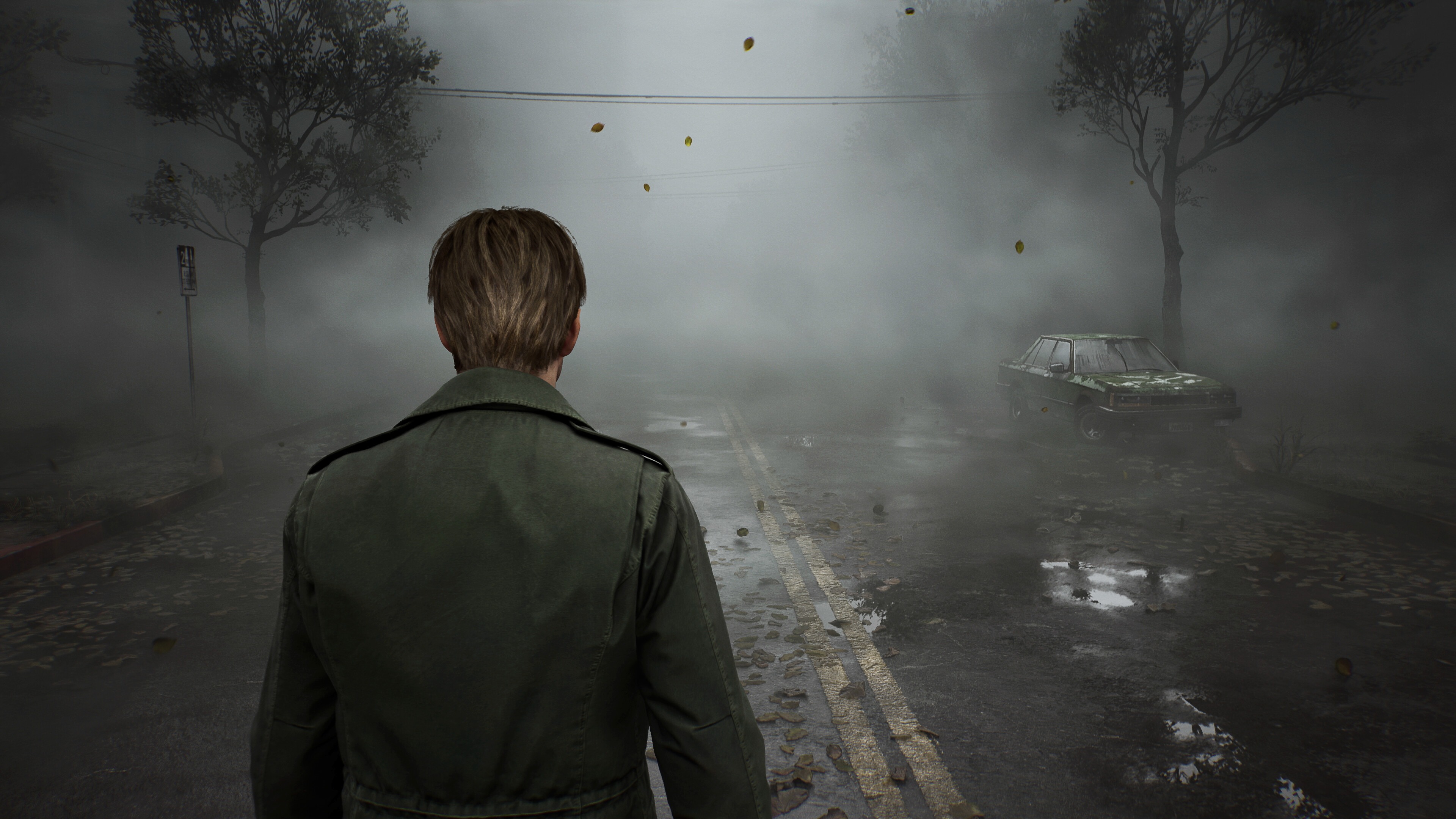
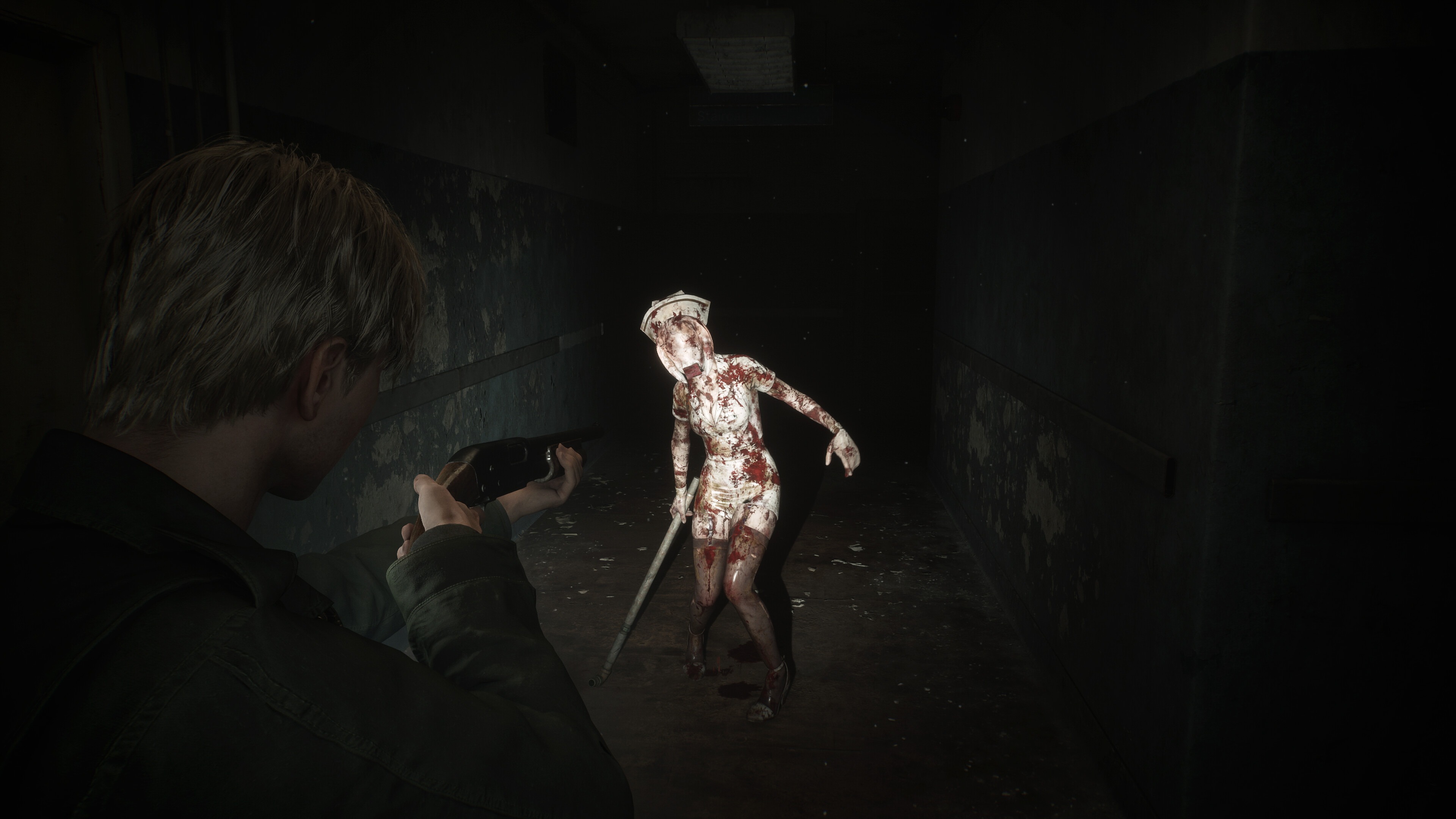

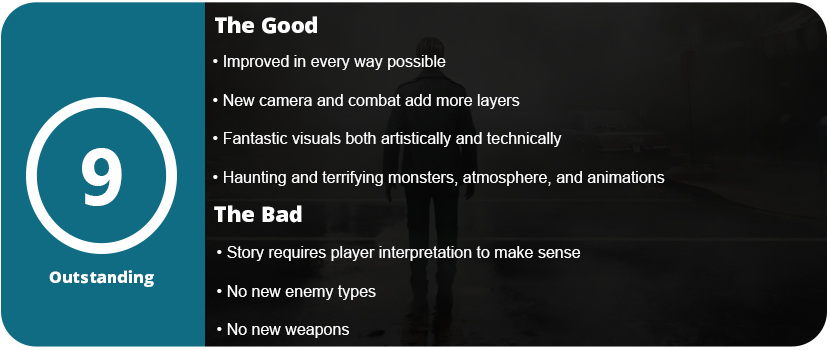






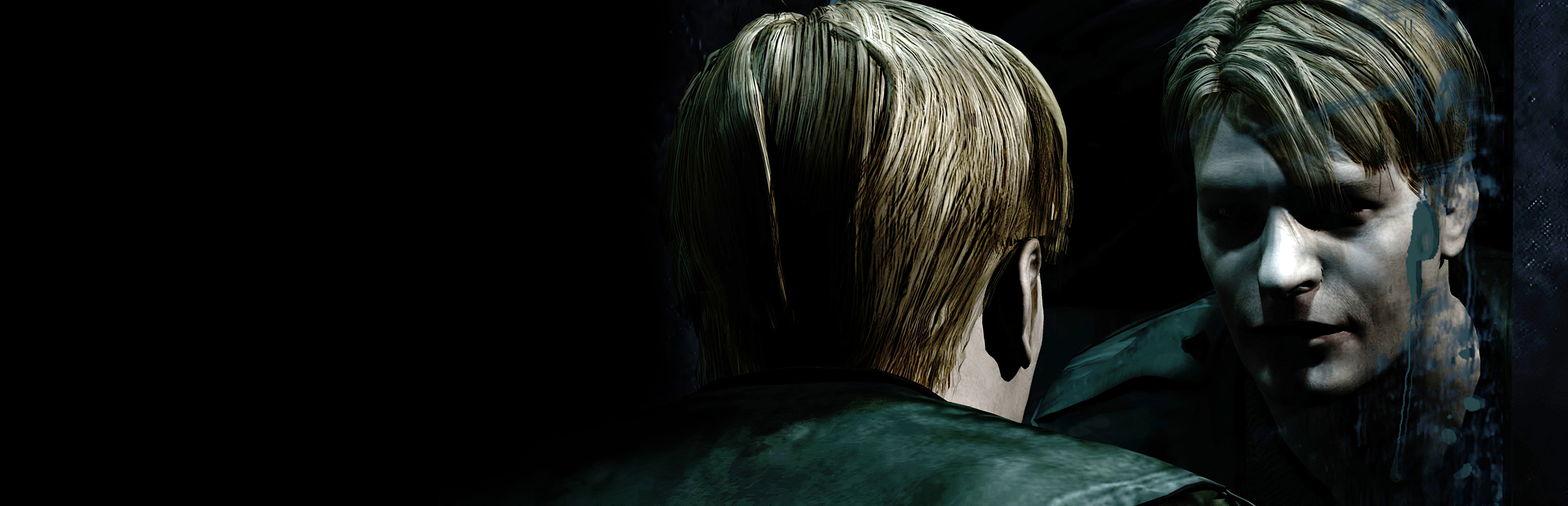

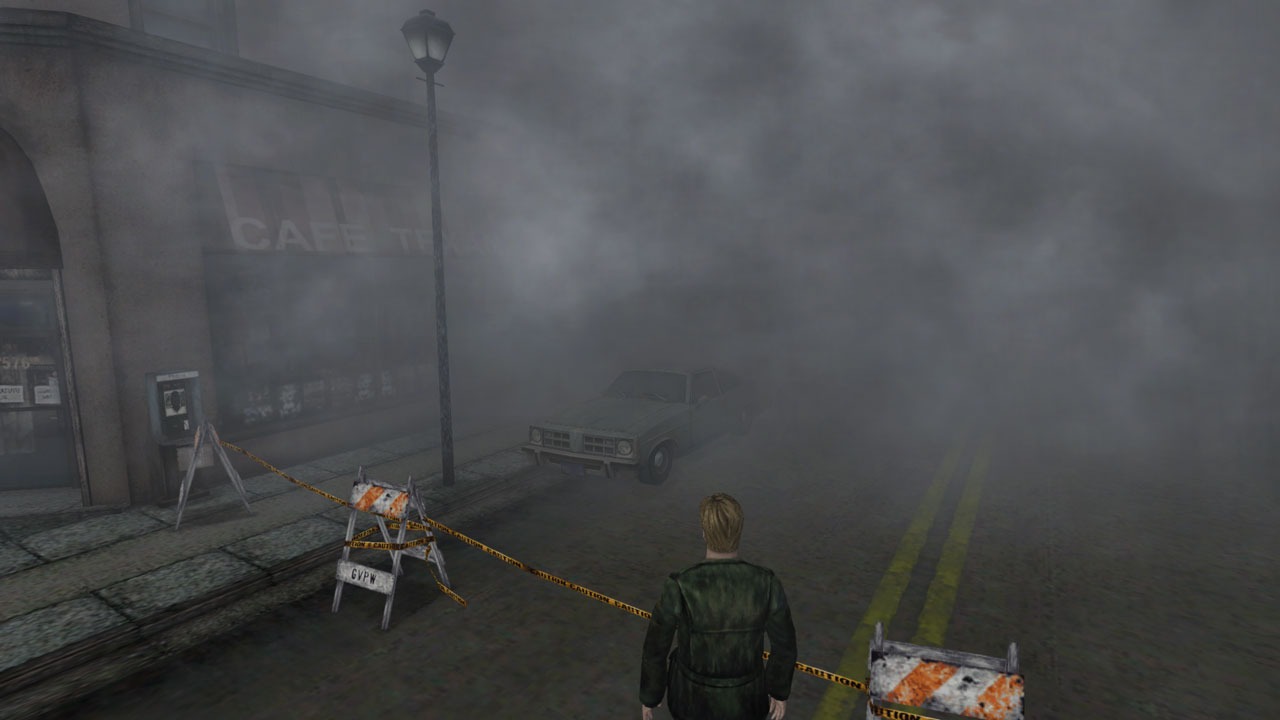
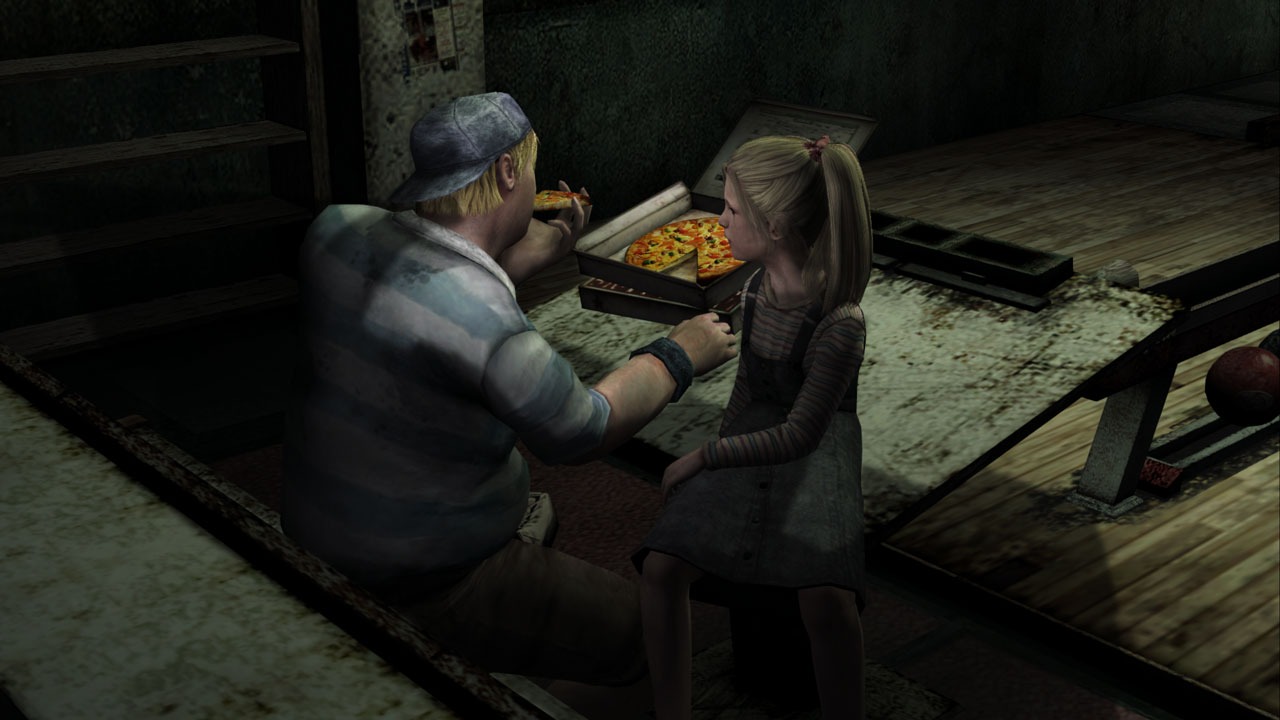
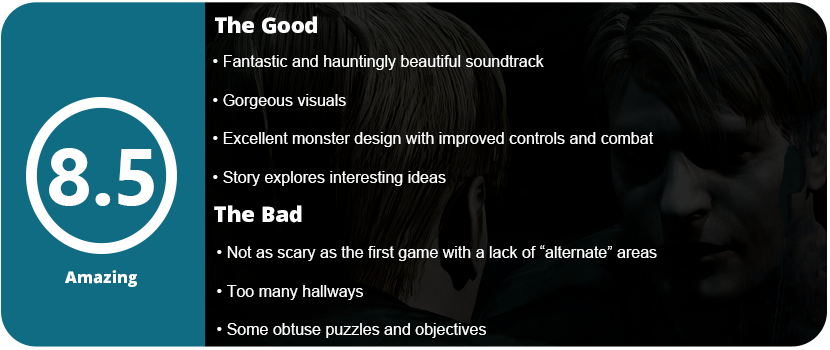


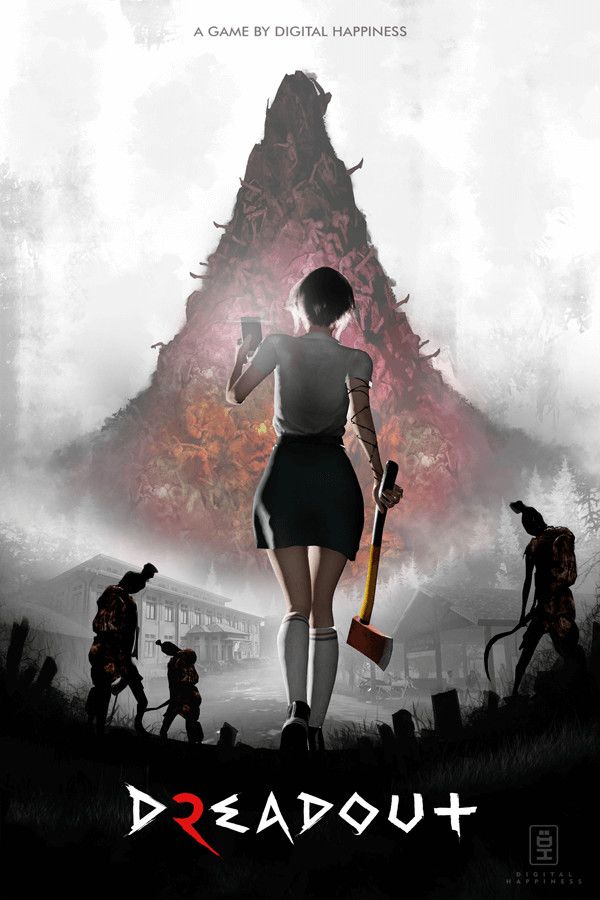




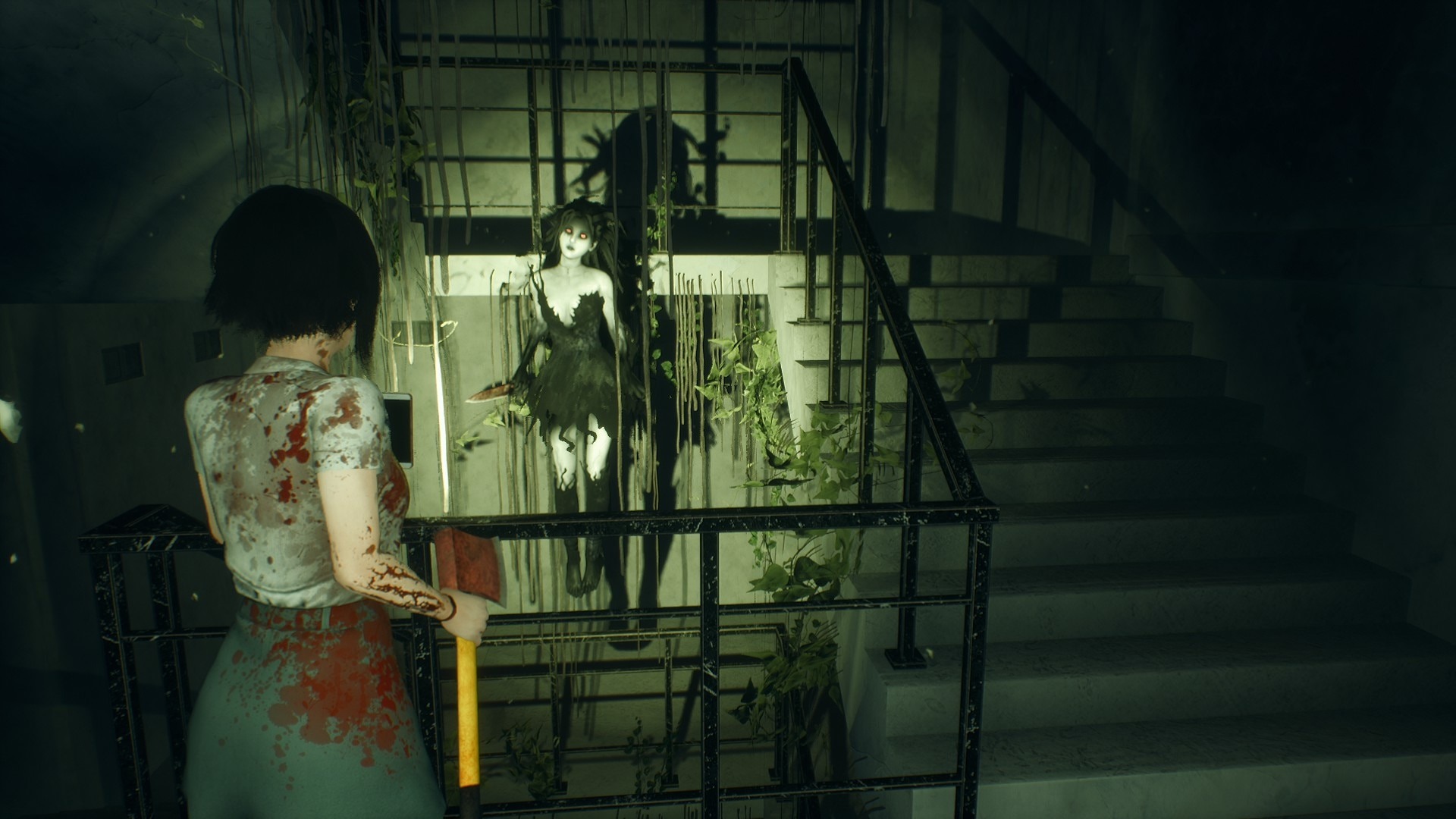
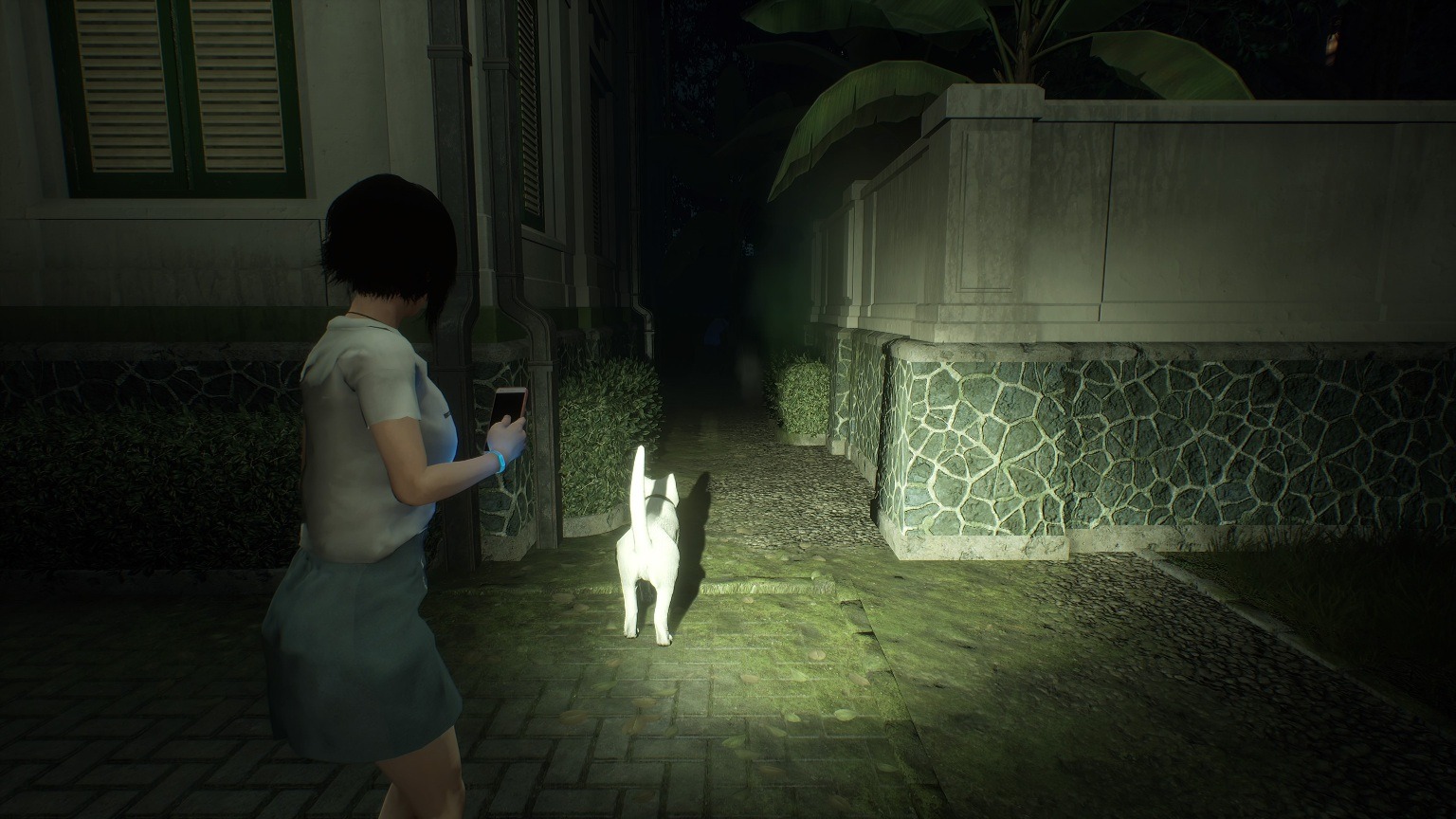
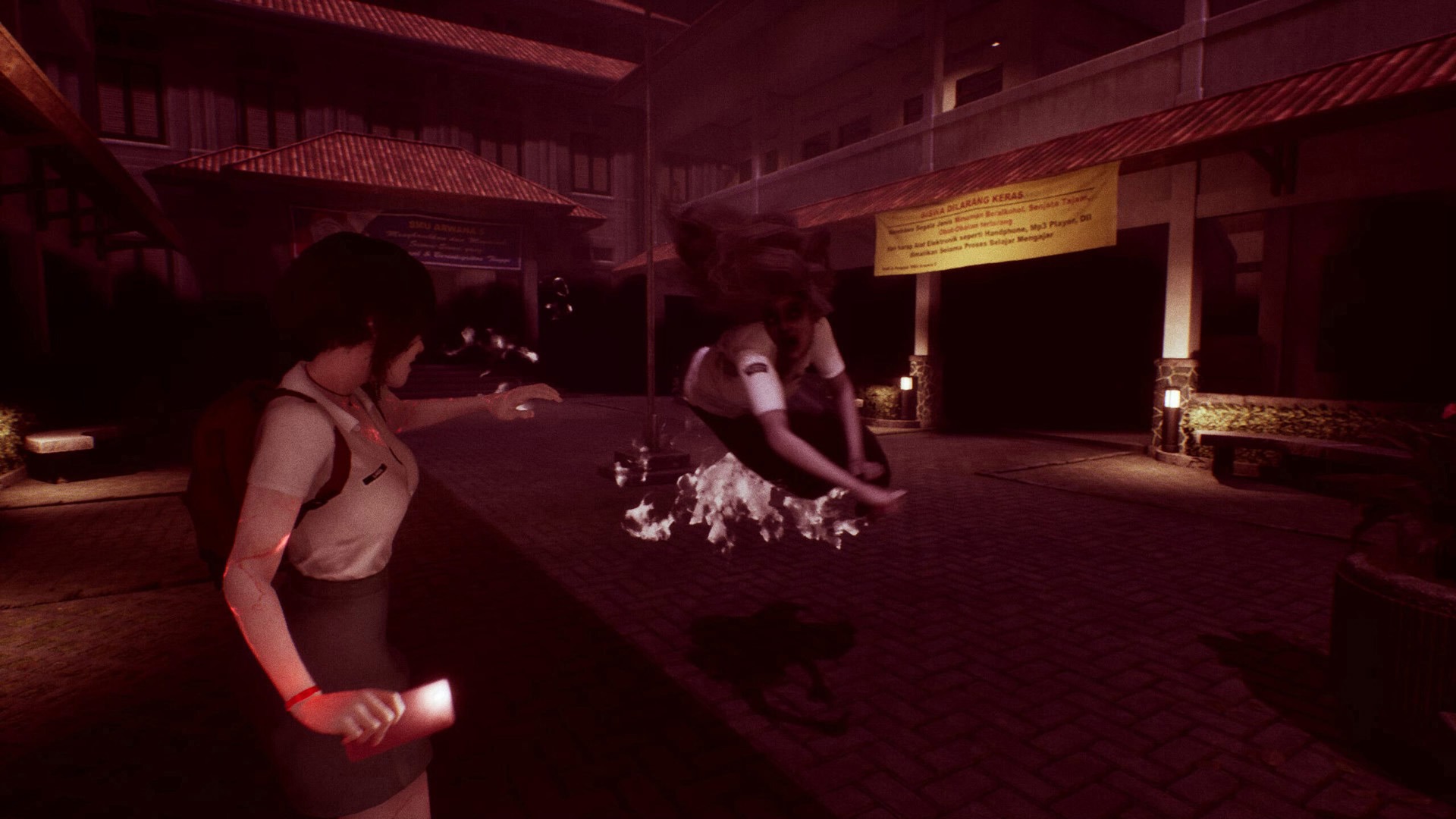
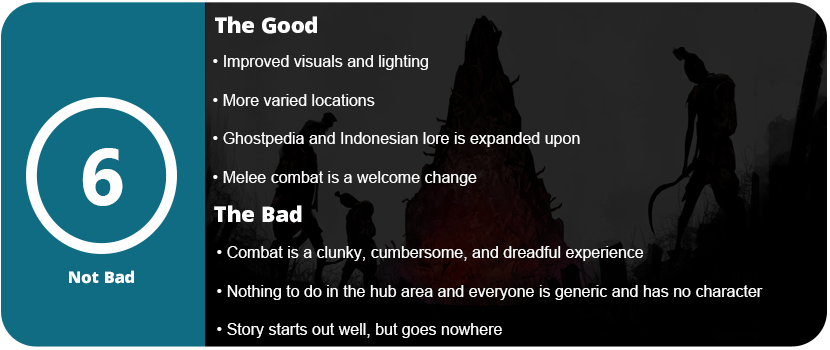


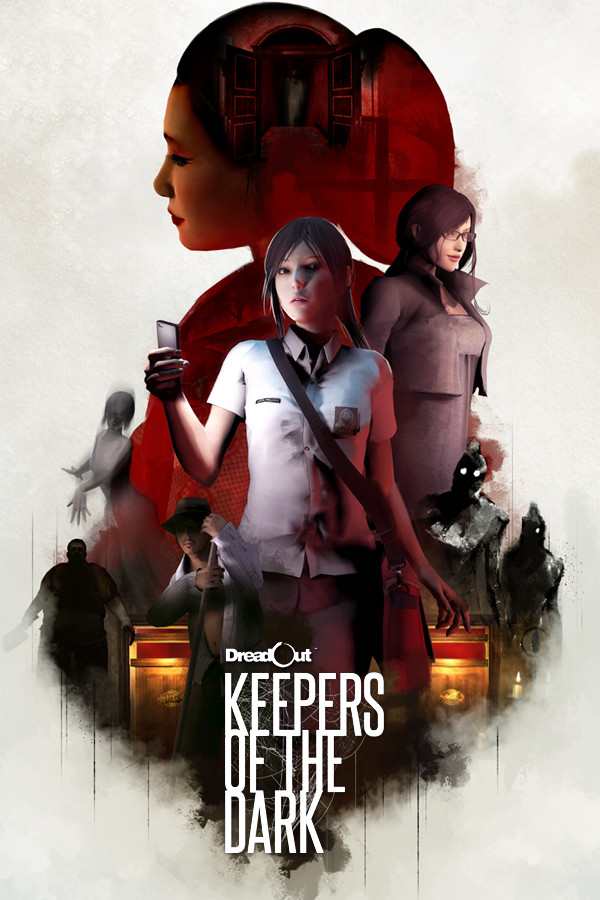
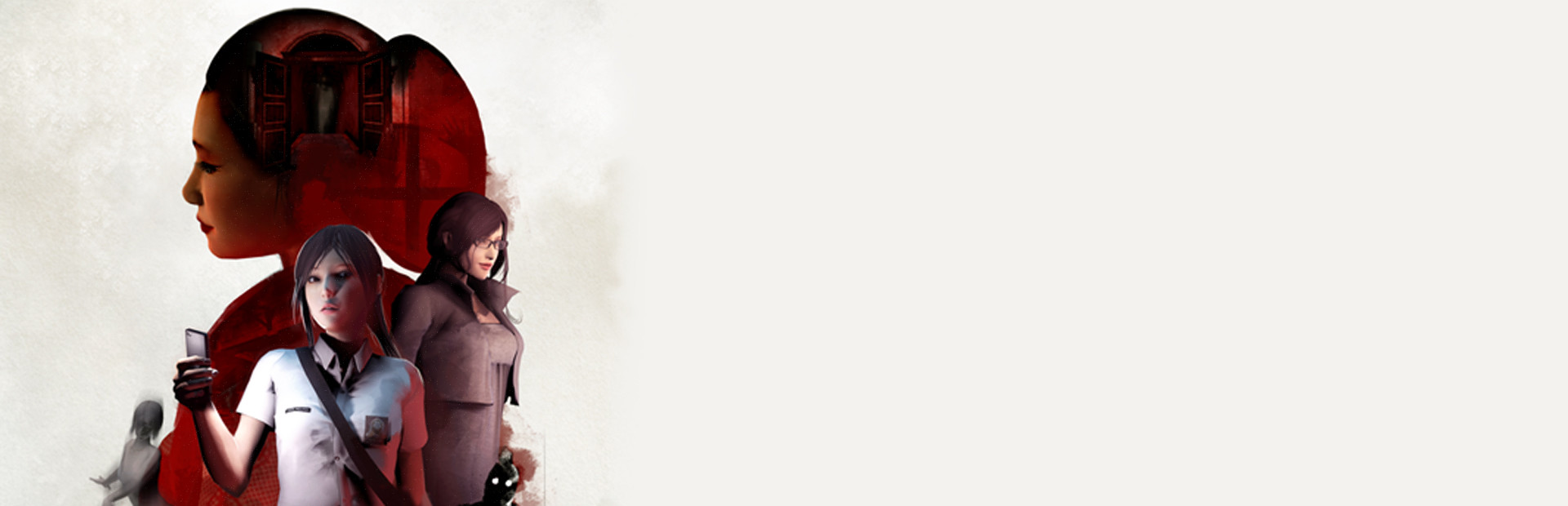
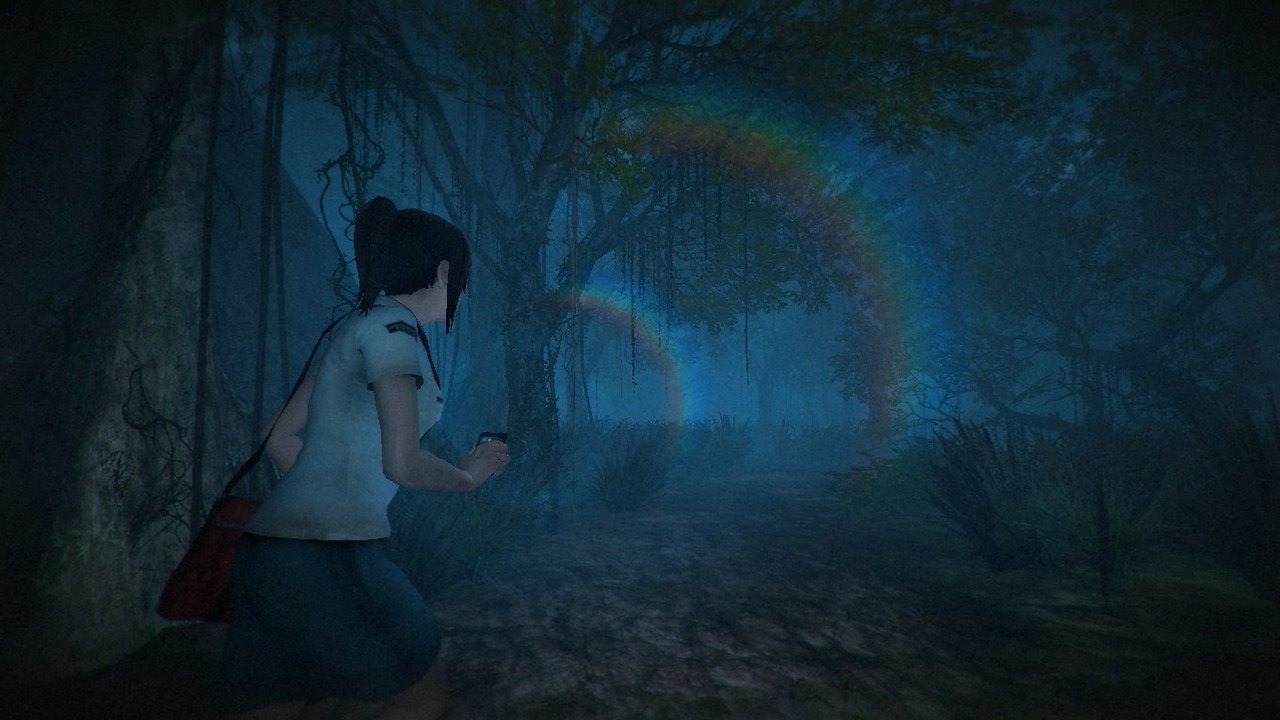
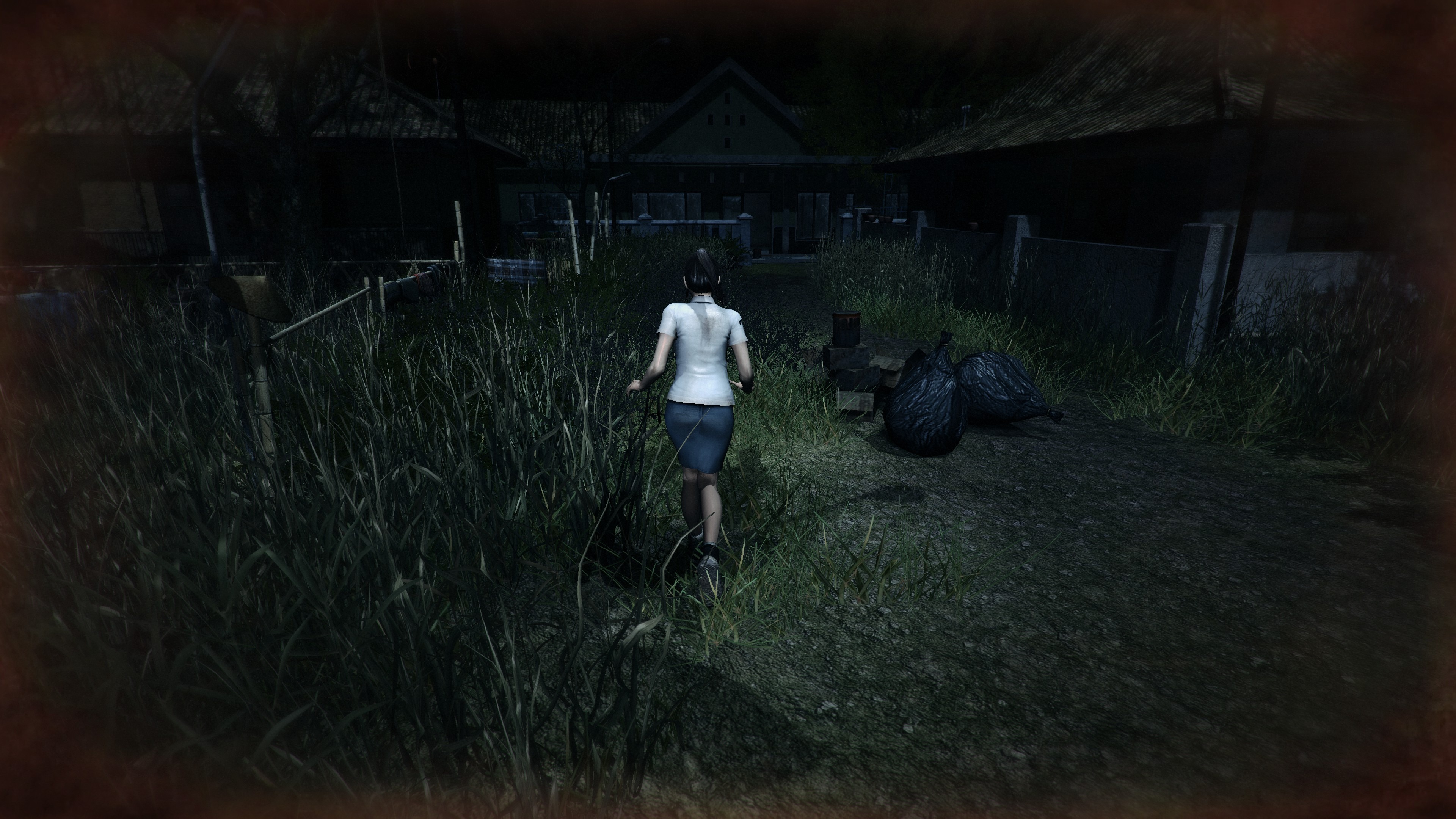
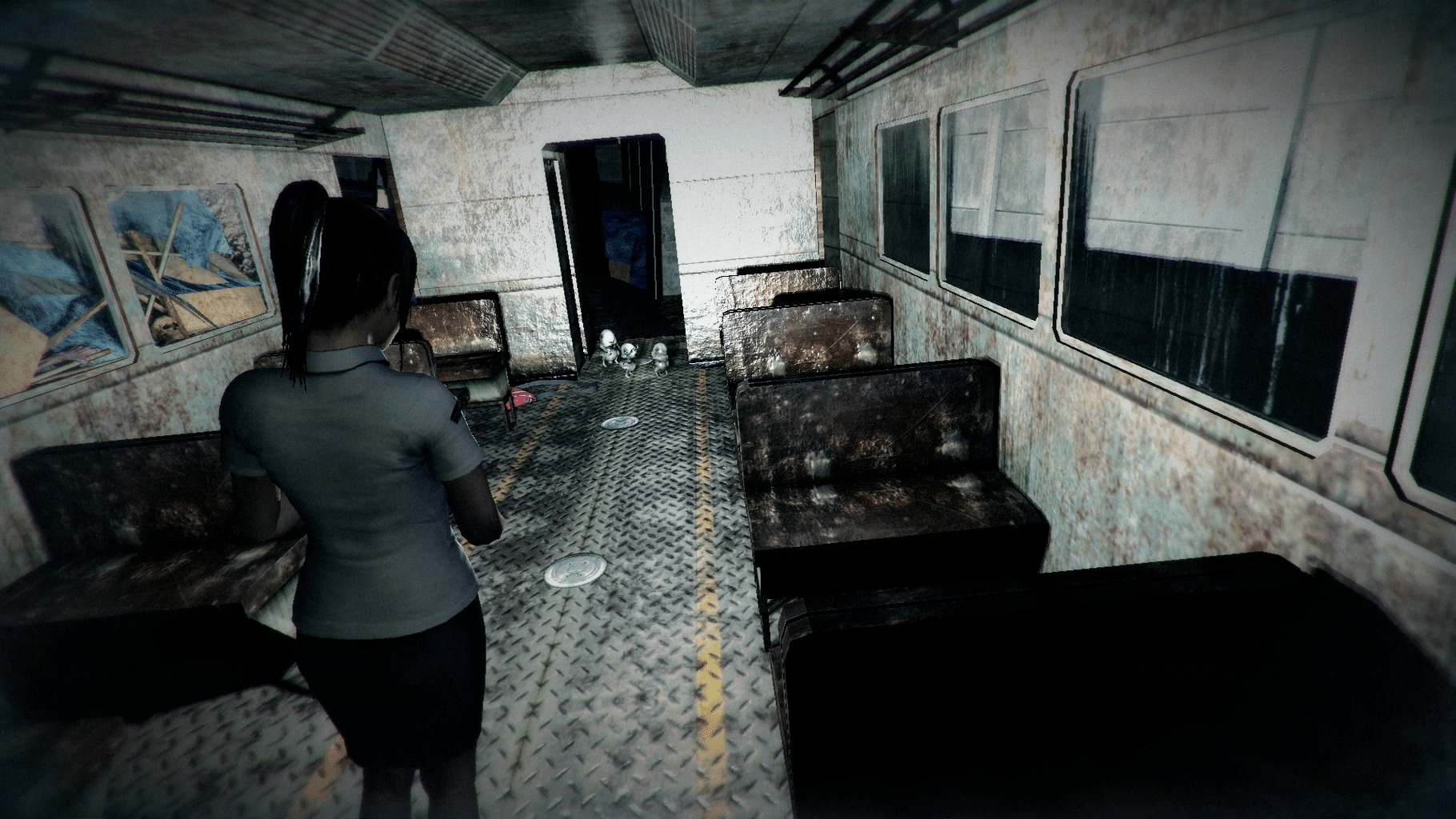




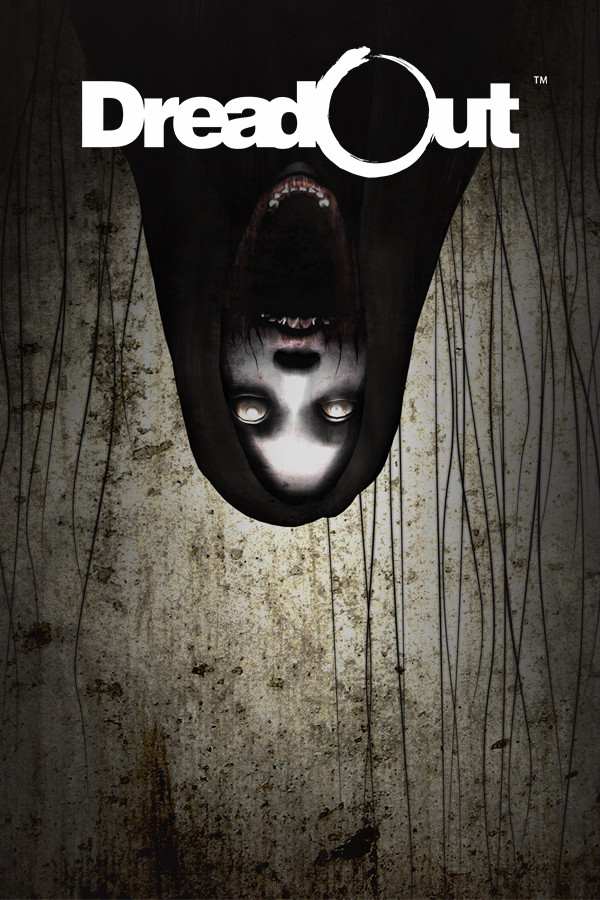


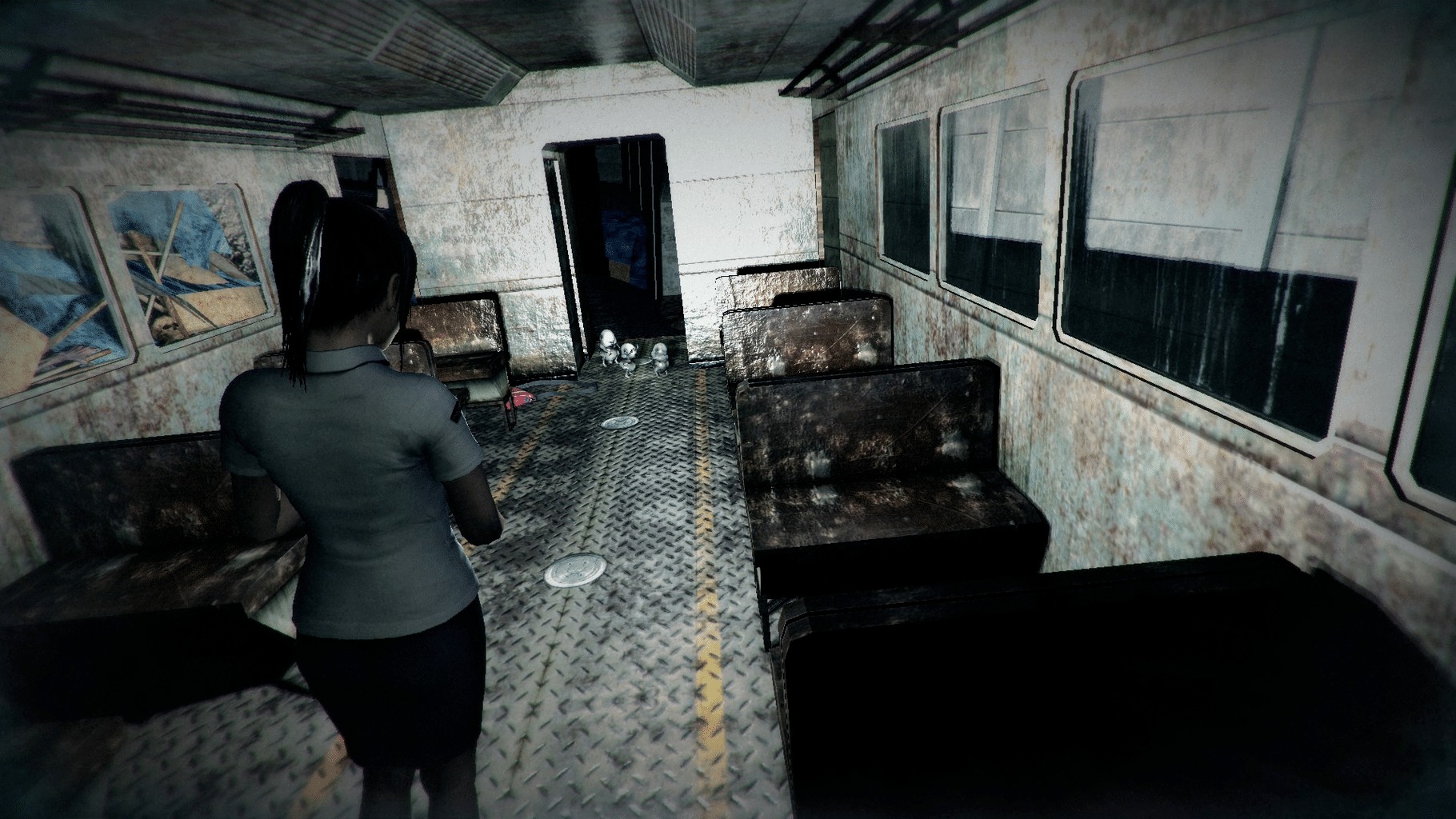
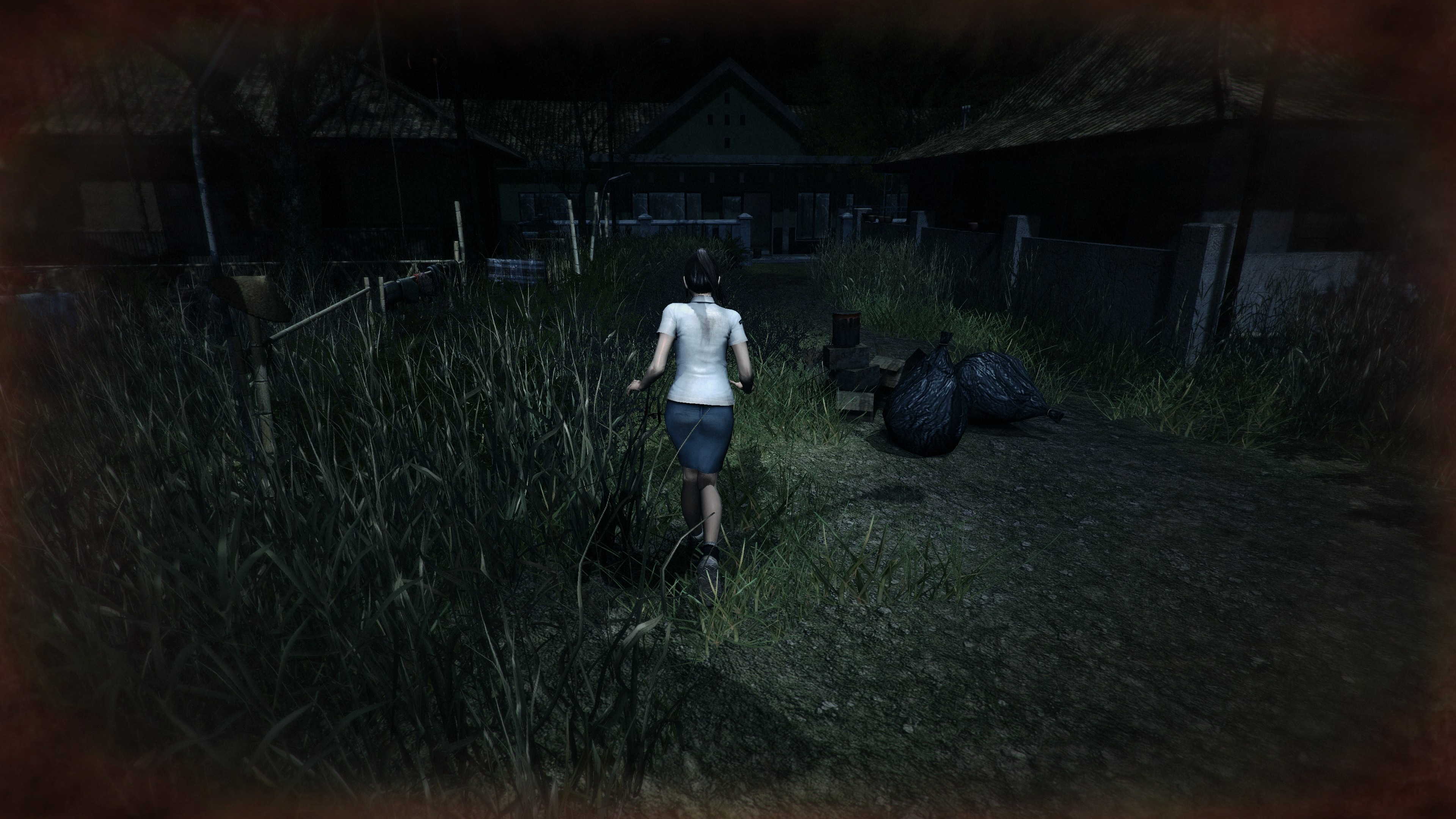
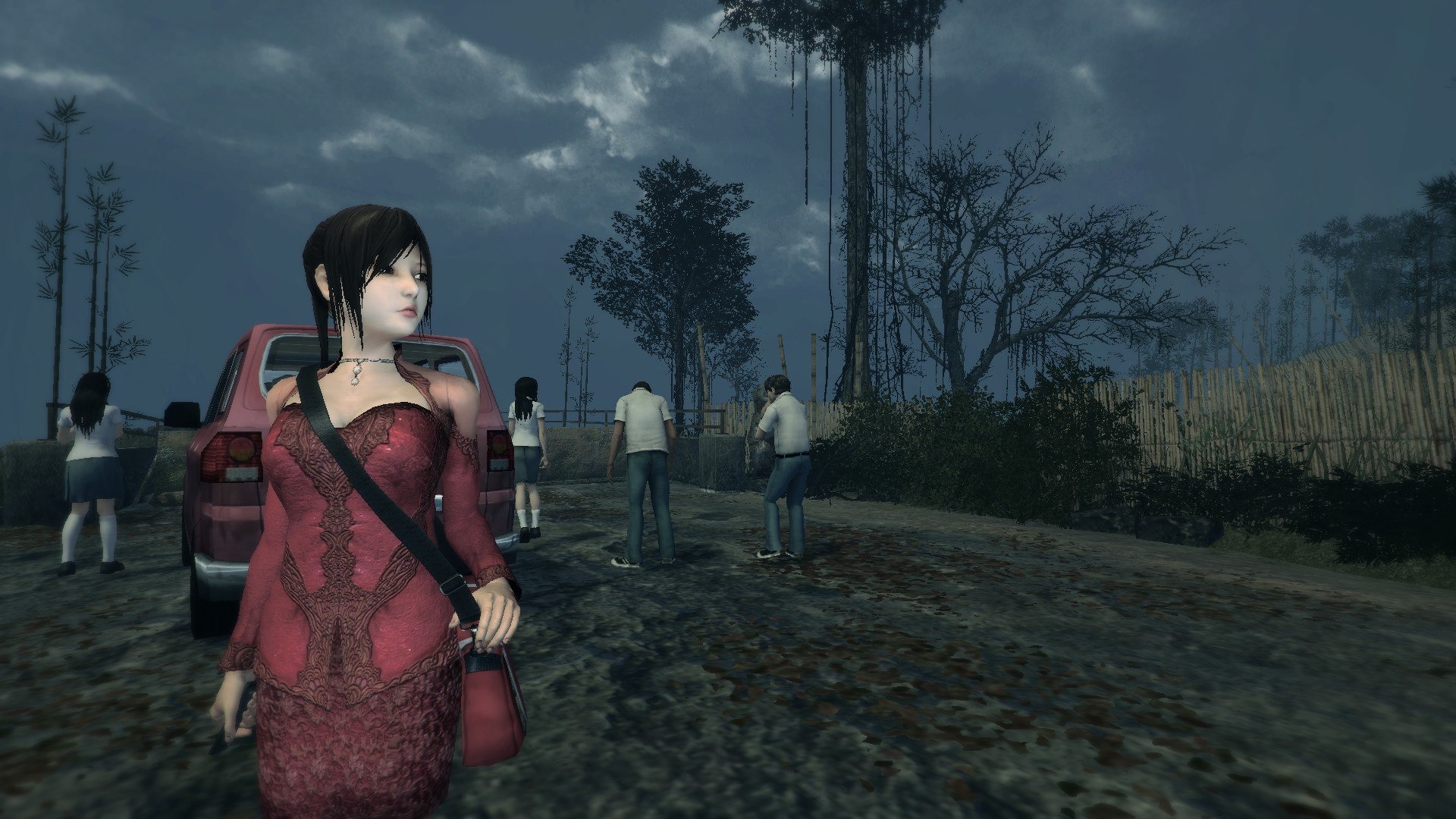
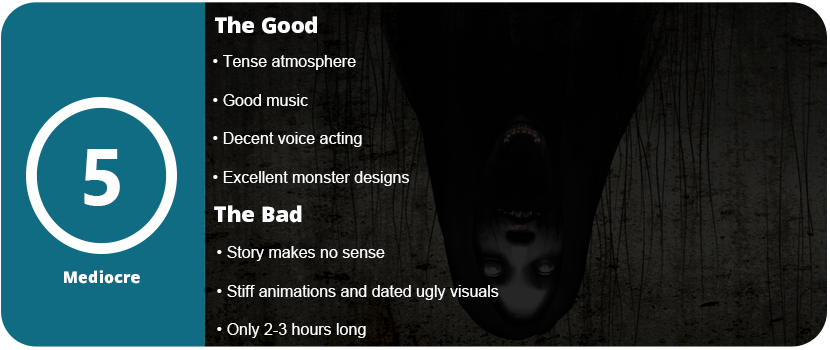


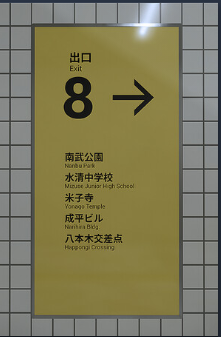


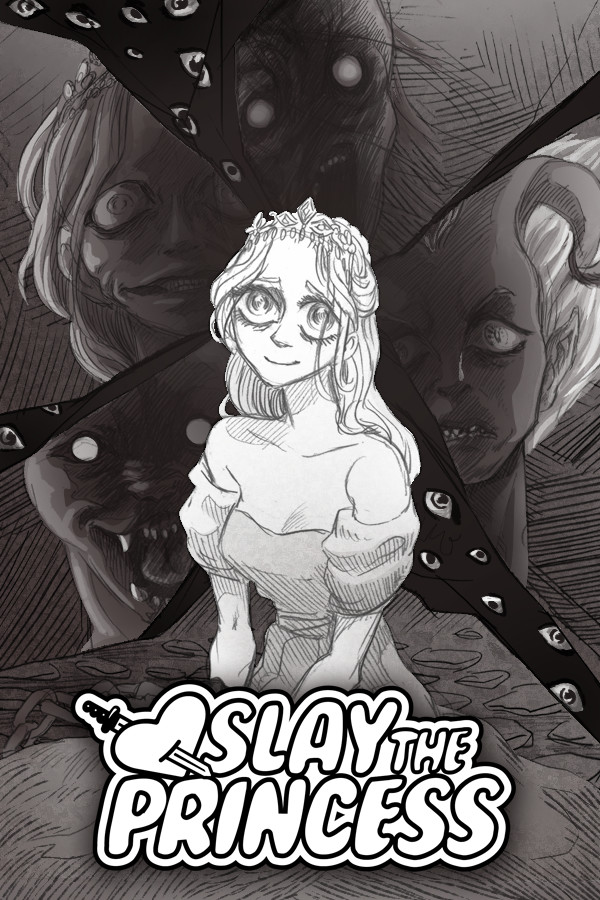

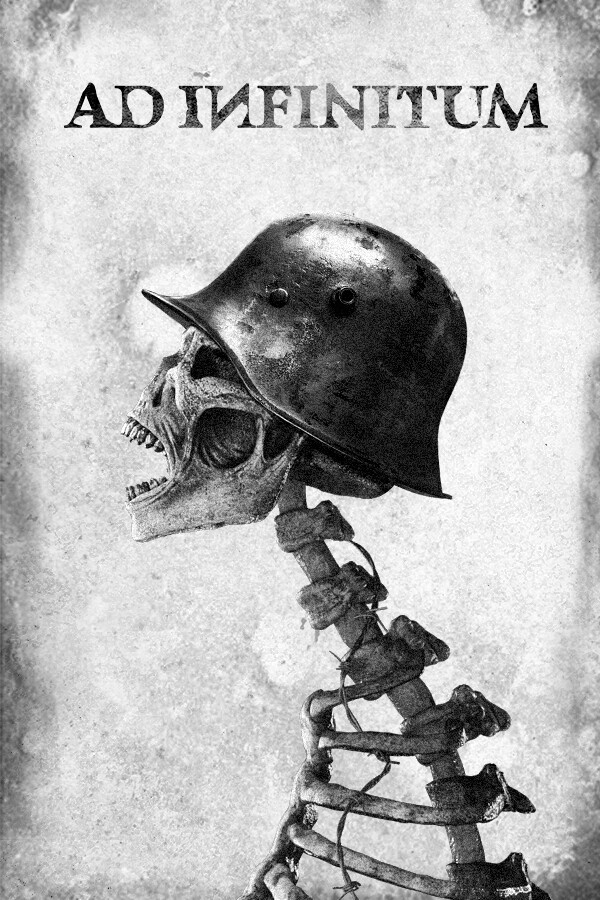

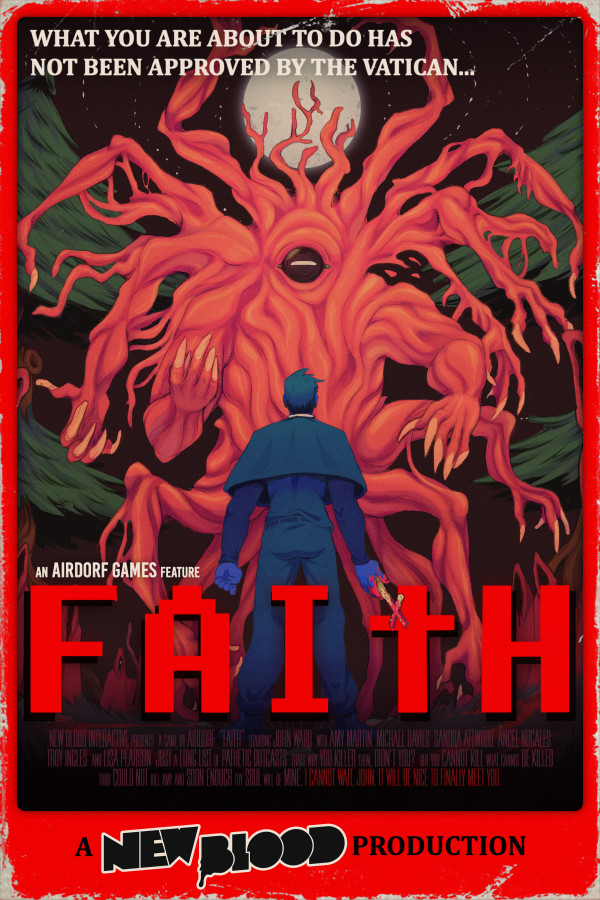
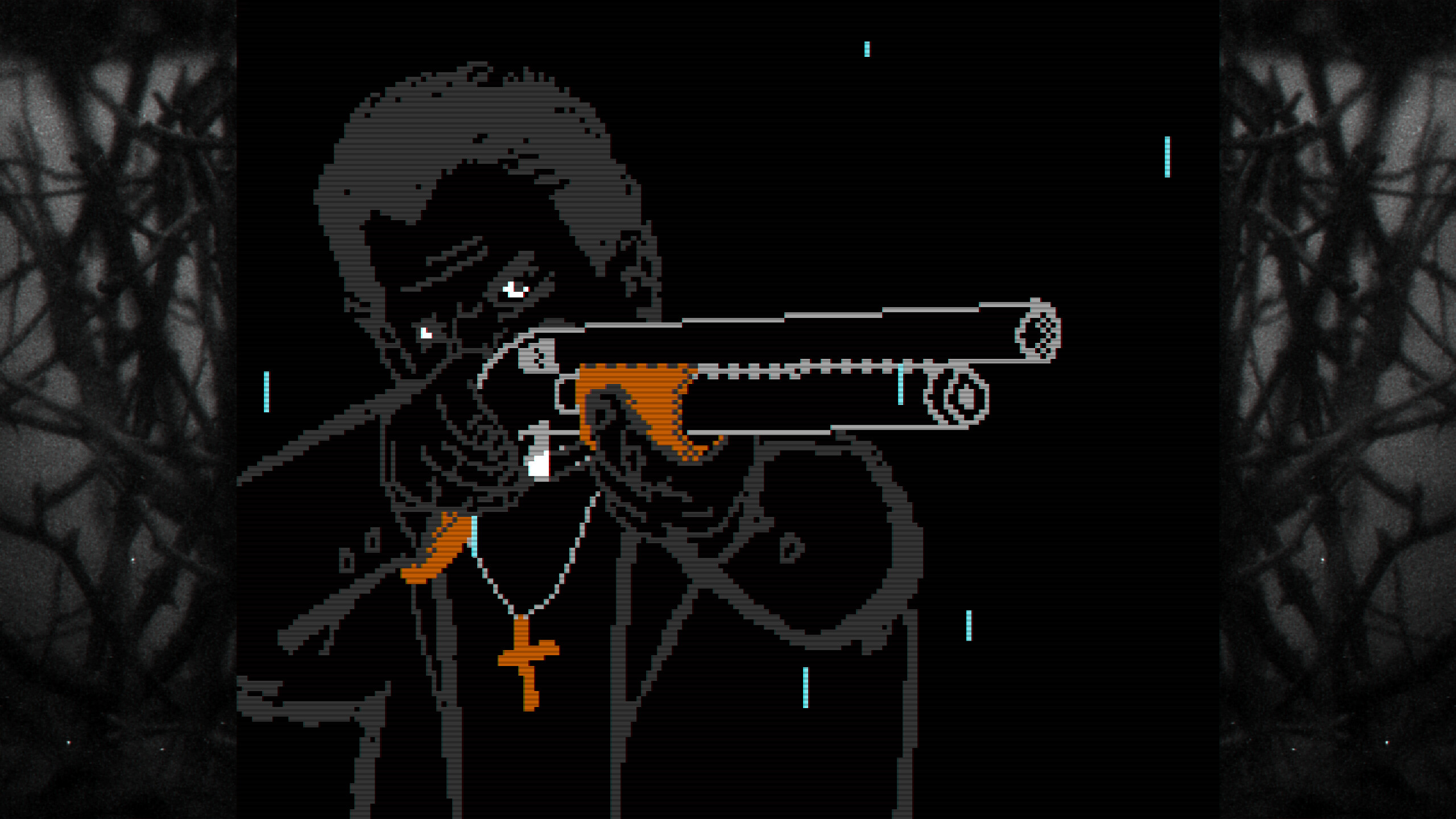


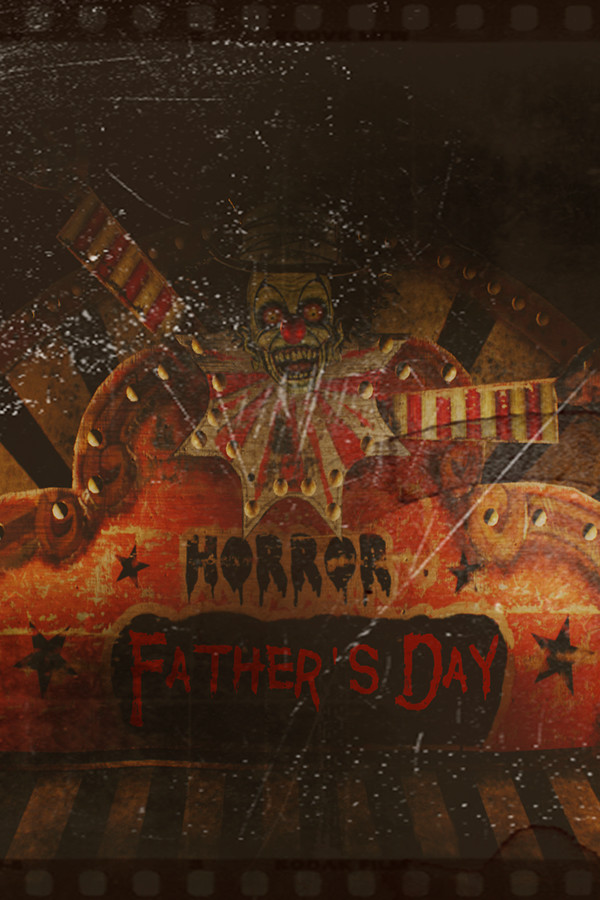
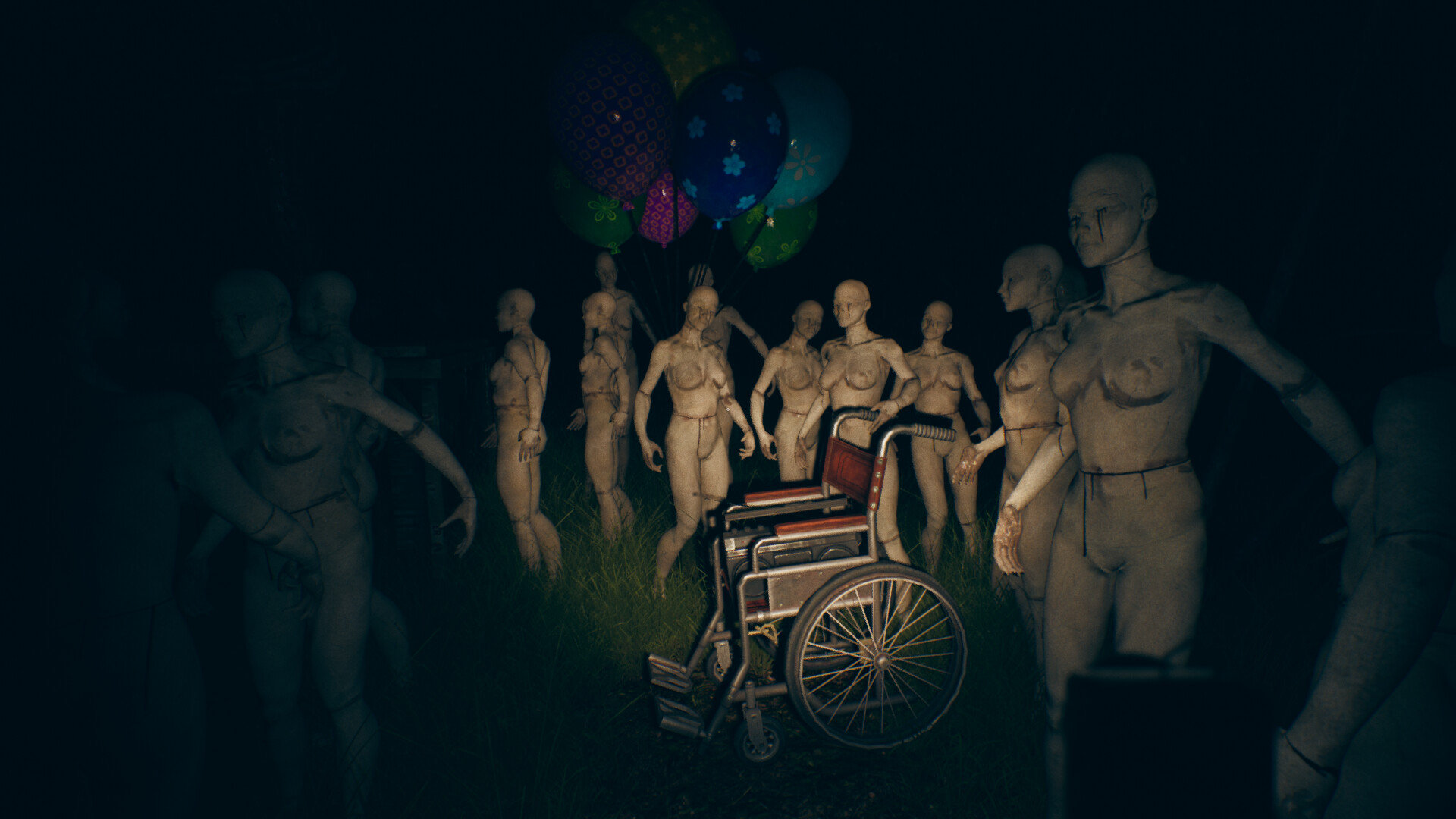
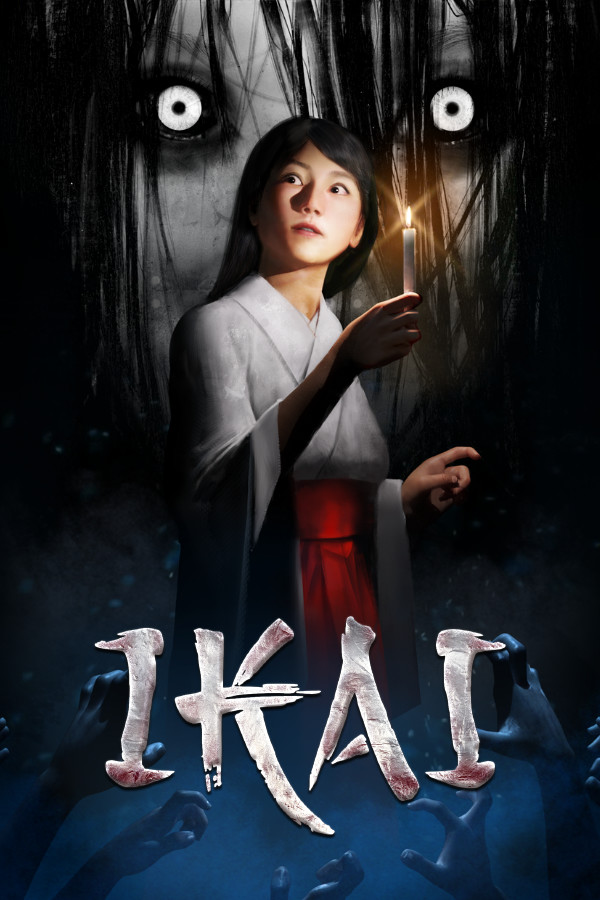


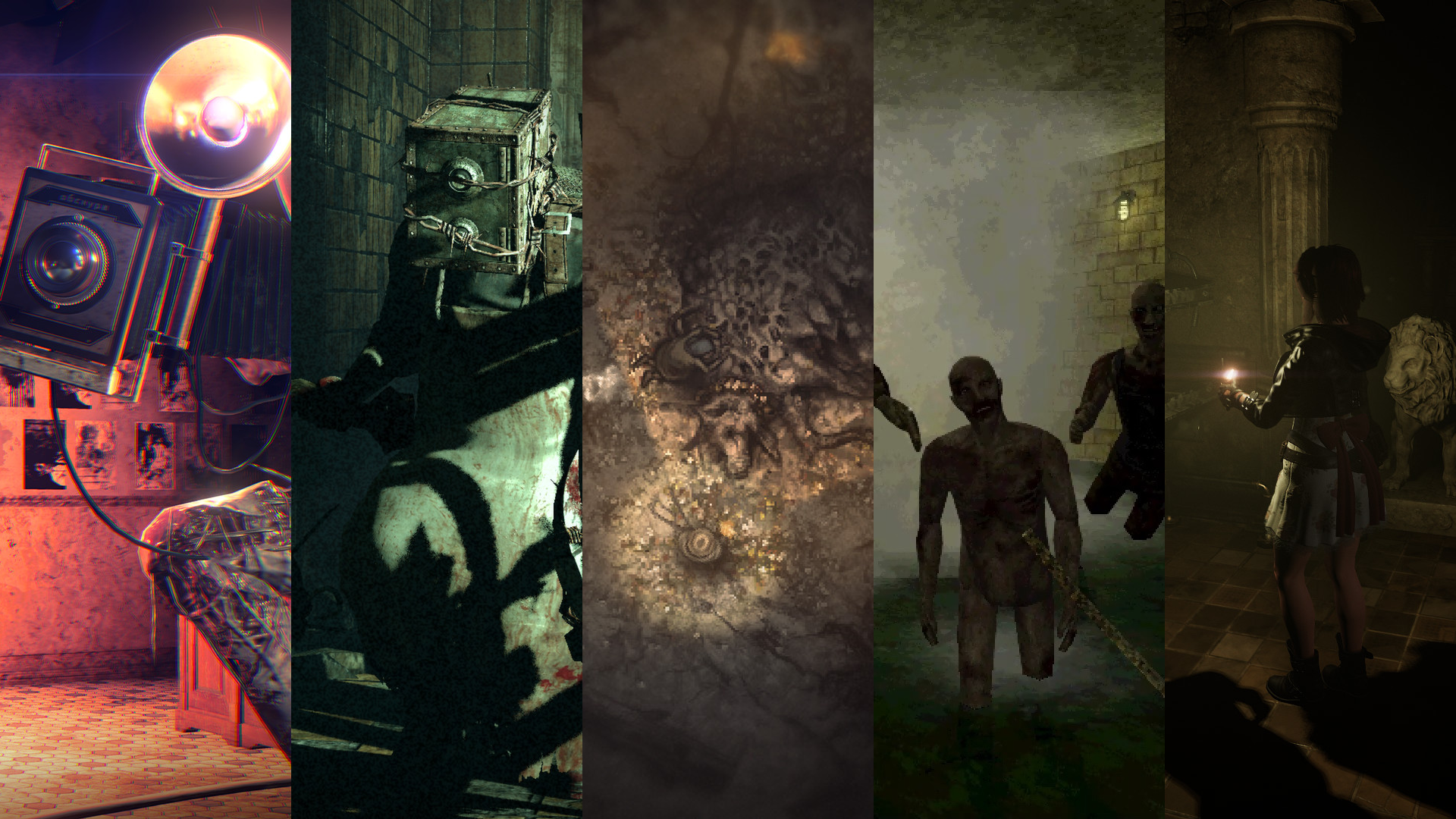
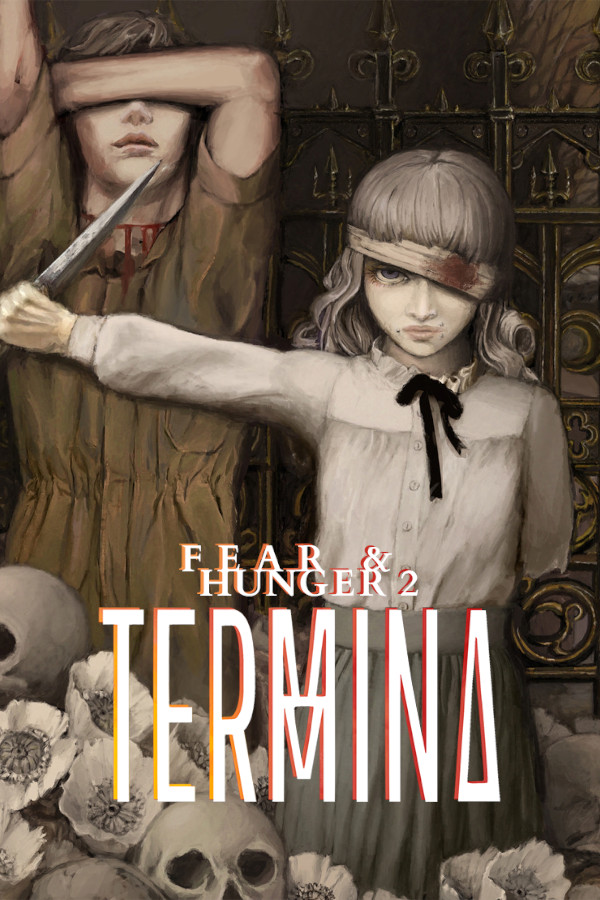
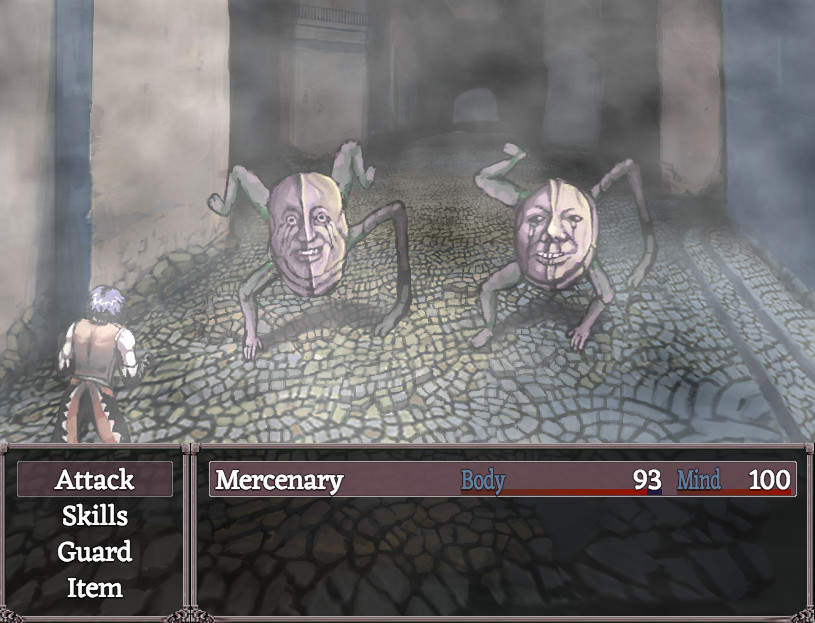
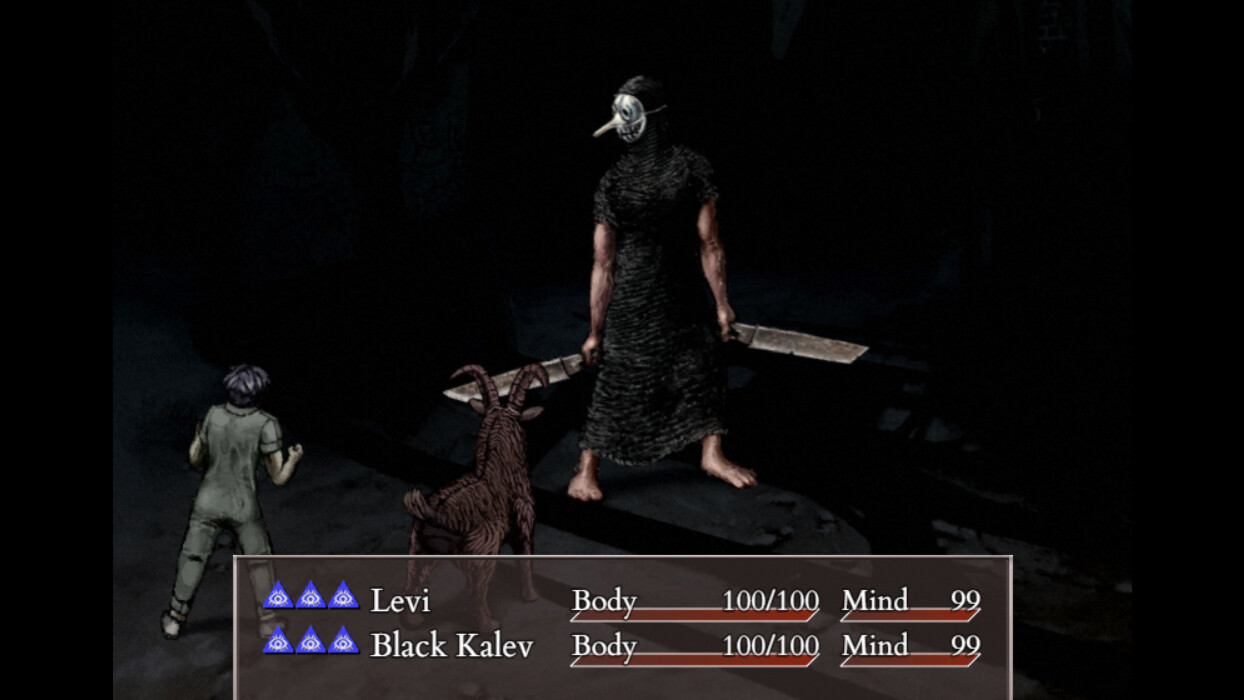
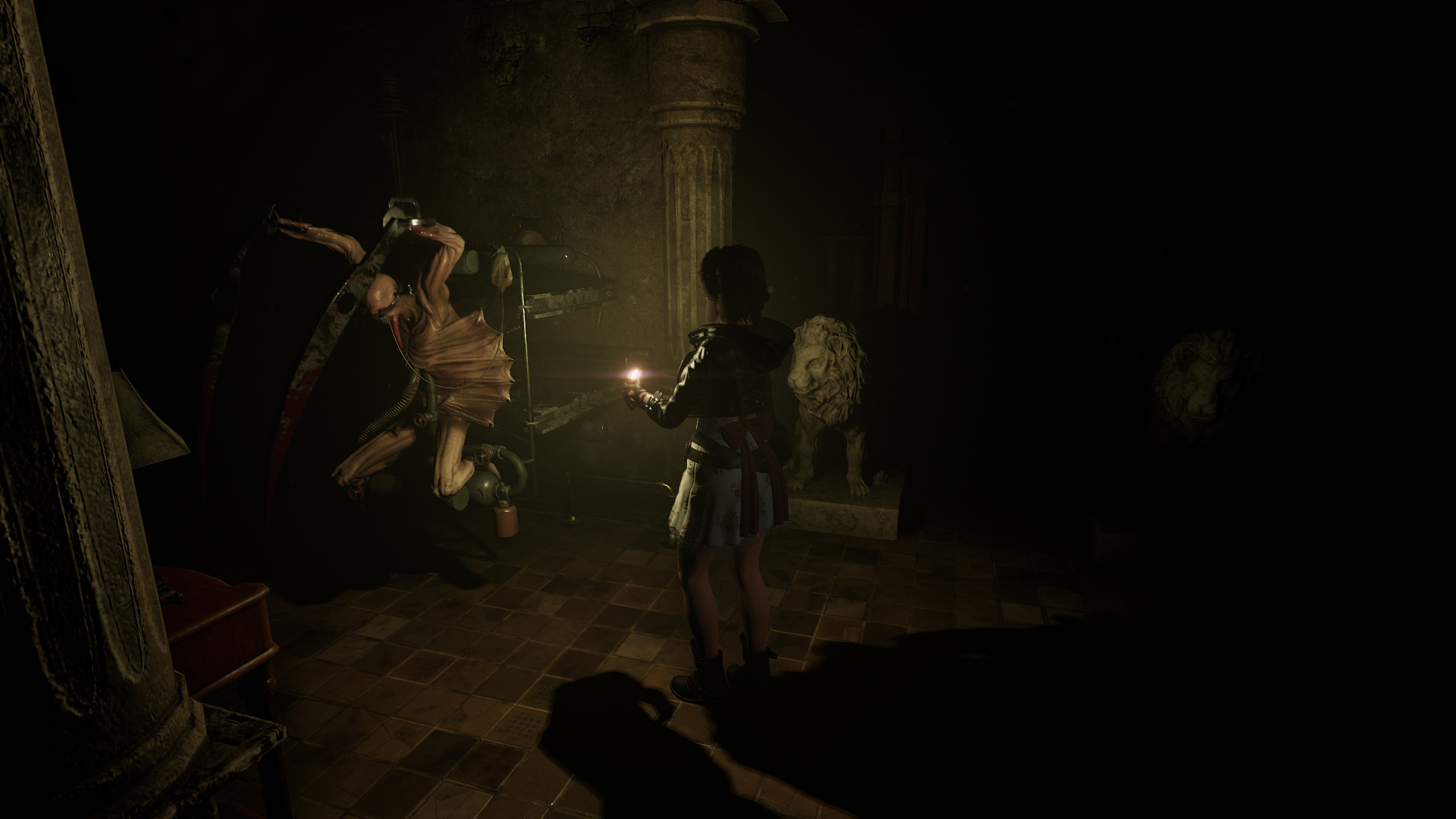
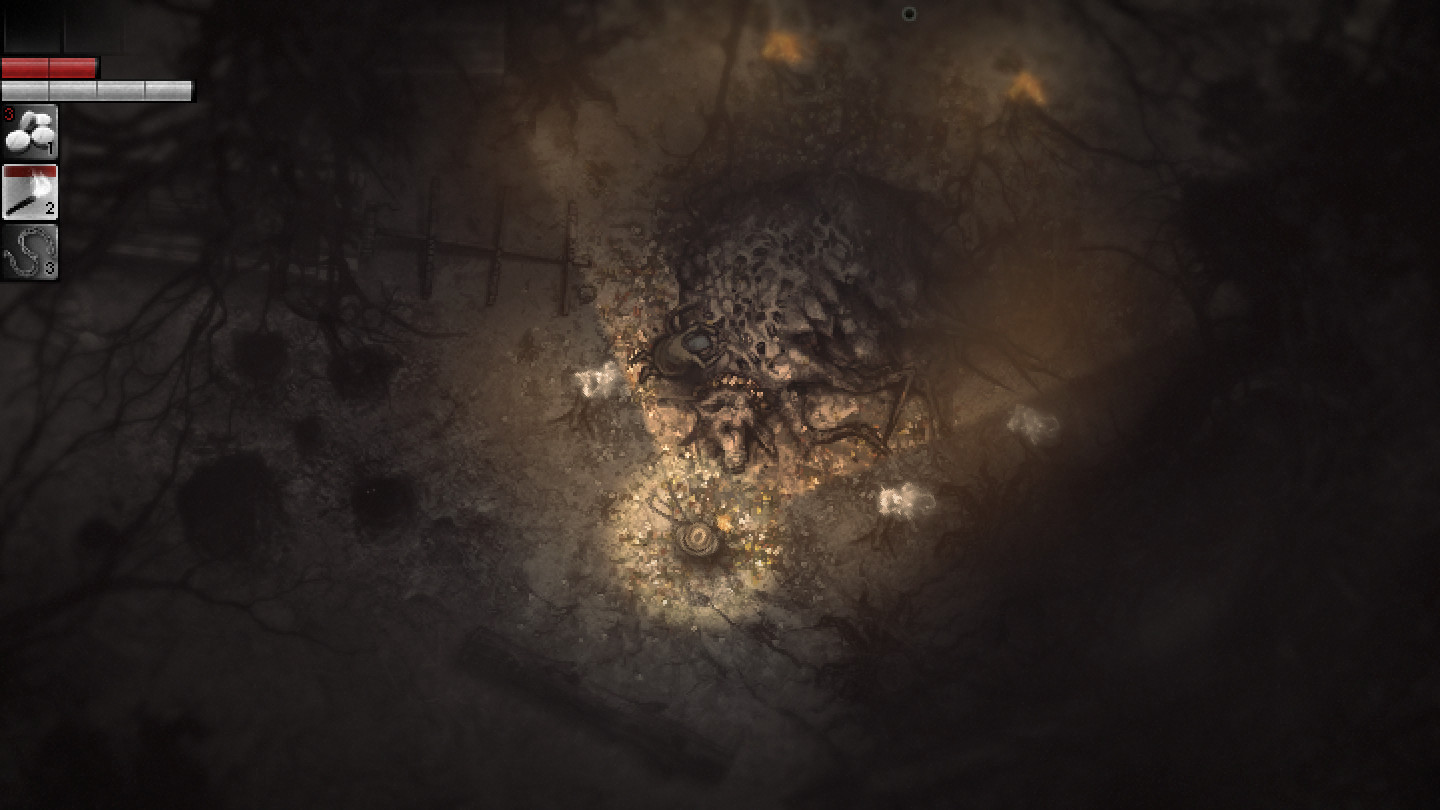
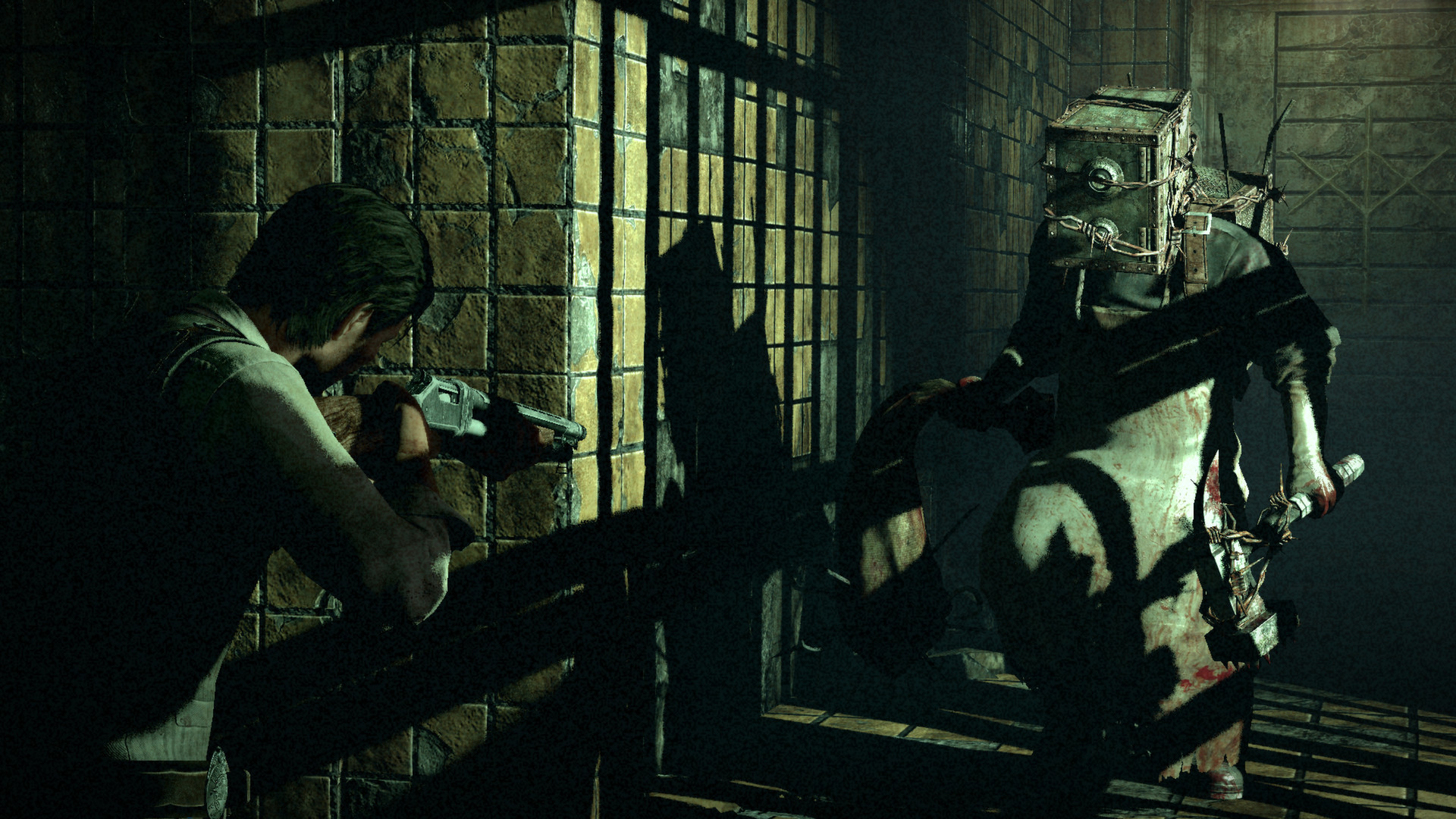
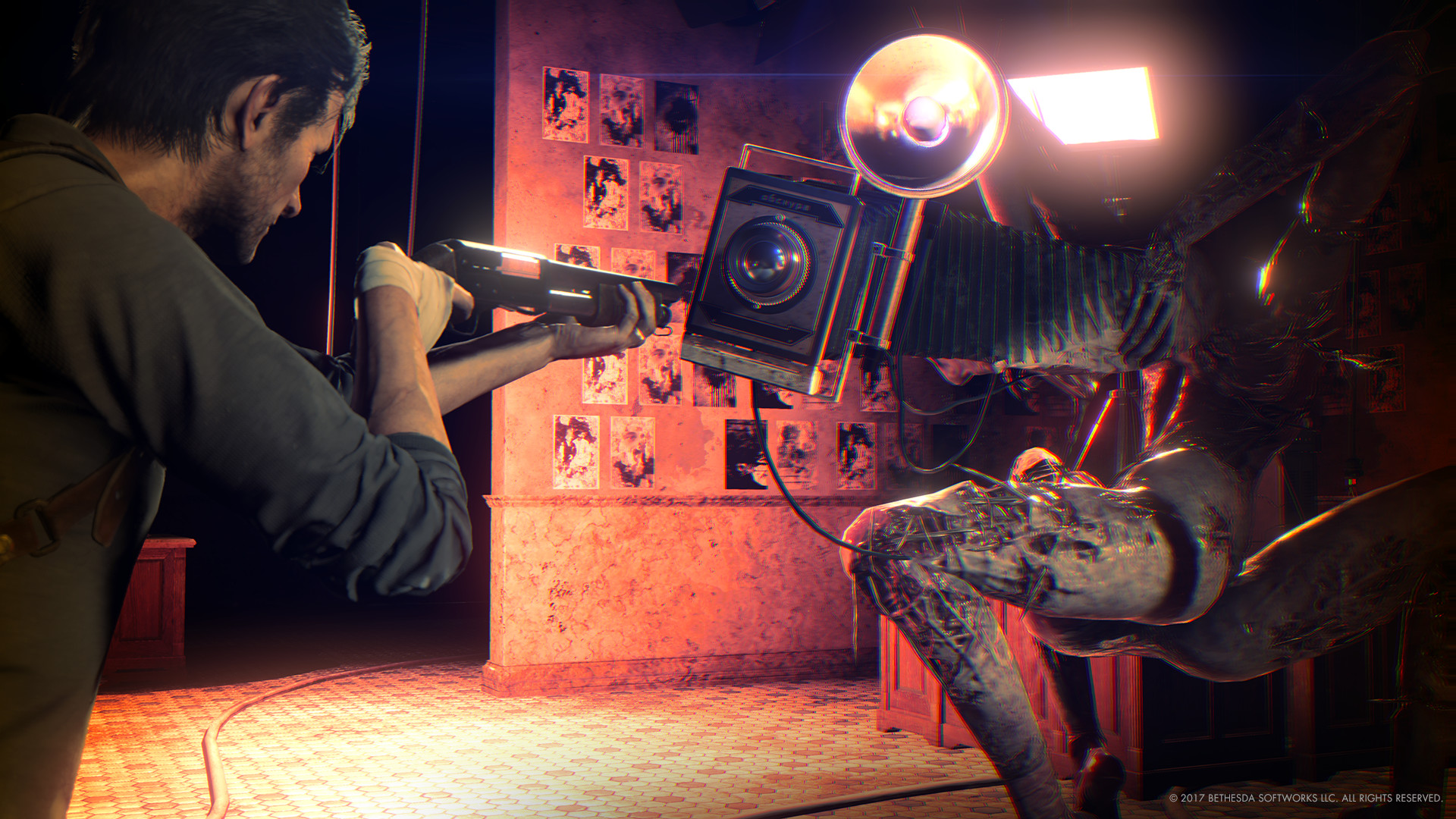
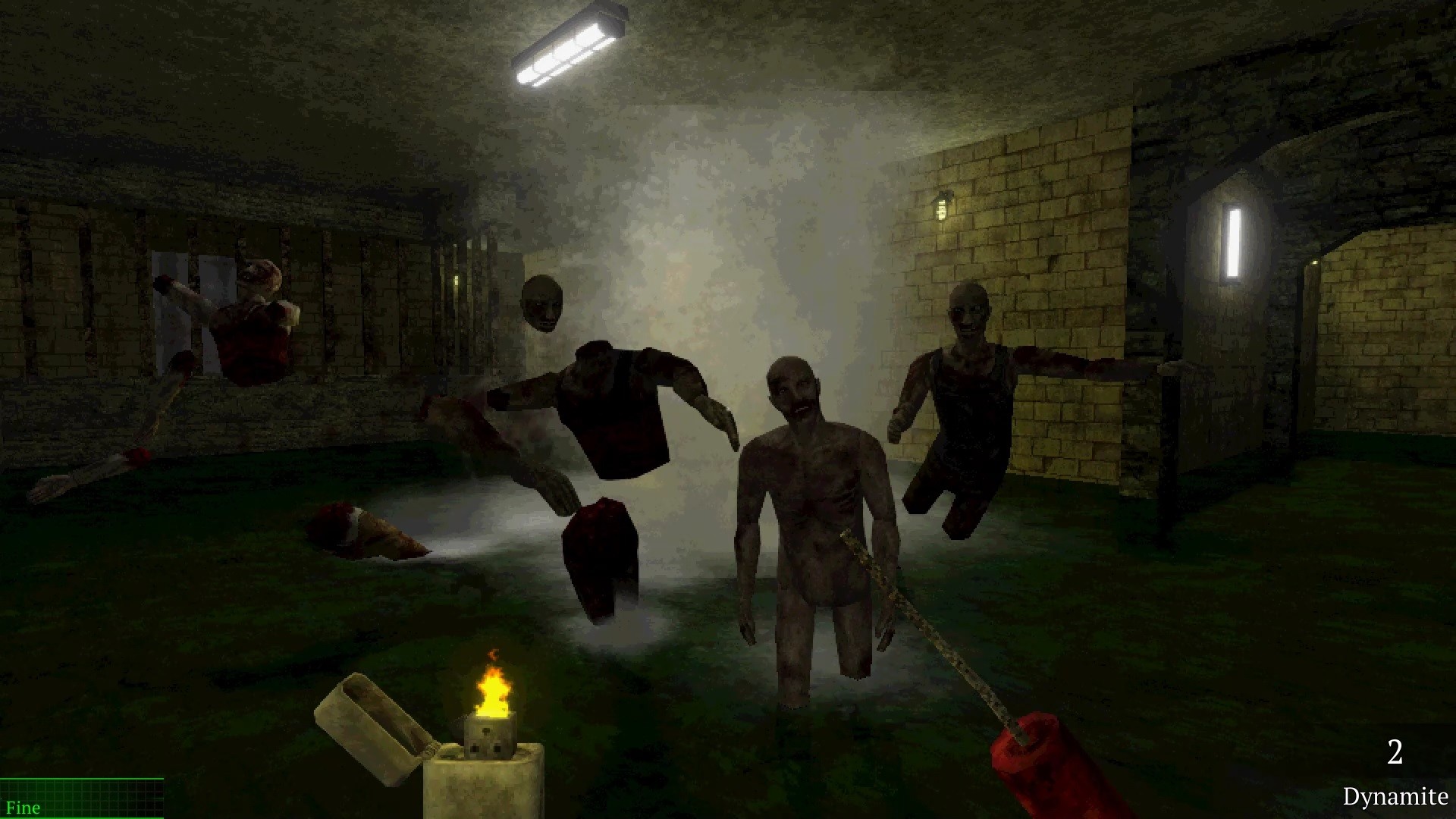


 thebinarymessiah.com
Clearly you have been blocking everything you or haven't played the game at all. Maybe pay attention to the story…