Horror games have really made a comeback over the last few years. The indie scene crawled out from underneath the ashes of bigger AAA horror titles as it was considered once a long dead genre full of terrible and clunky games. The indie scene helped push the genre forward by going back to what made this genre great. Interesting stories, characters, and focus on psychological aspects of humanity.
The king of the horror genre has returned. While Silent Hill 2 (2024) was a fantastic remake fans were nervous about a new entry. The last couple of games came out over a decade ago and they seemed to have put the final nail in Silent Hill’s coffin. The indie scene has been chasing the nostalgia feeling of this series. From the fog laden PS1 style horror titles and the intense fear that the series’ monsters and music invoked. The series is back better than ever and feels modern while still capturing what made the series great so long ago.
Is it too early to say that the platformer genre has finally made a comeback? There was a year or two in which I had to exclude this category due to the lack of good platformers. The genre was mostly spearheaded by indie developers, but the AAA scene has come back outside of Nintendo.
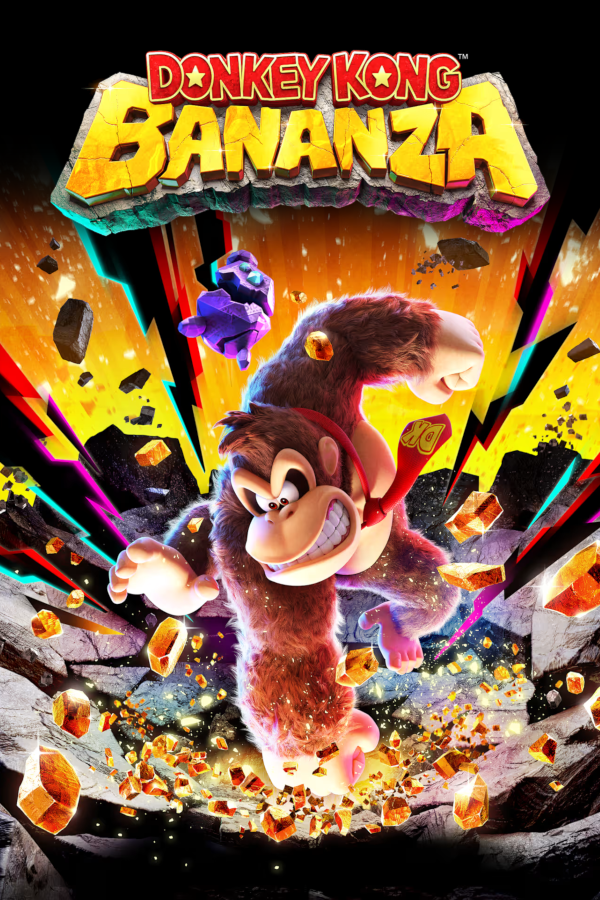
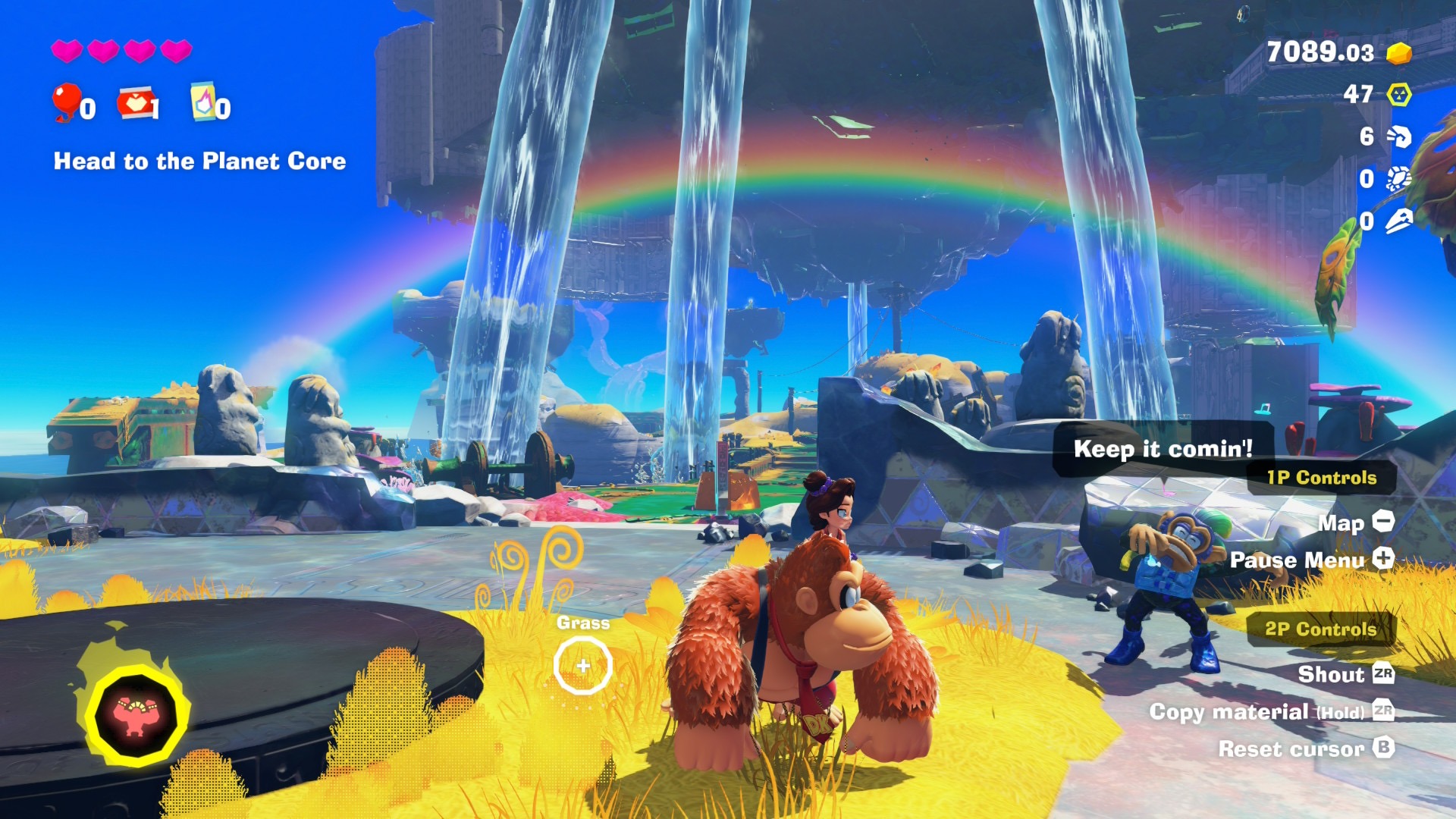
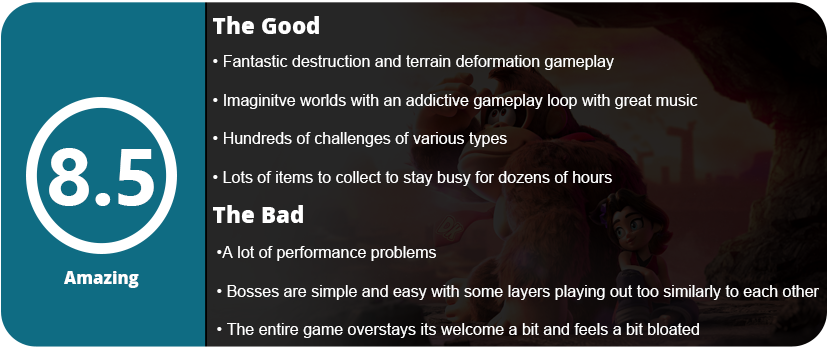
Bananza isn’t just a good platformer. It’s a good experience. Bananza is a full on experience that every Switch 2 owner must experience. I haven’t had this much joy playing a video game in a very long time. Bananza will bring every gamer a smile and laugh. The game is colorful, addictive, charming, and great to look at. While the final levels might drag a bit, the game is never boring. This is a once in a generation type of game and you shouldn’t miss it.
This was Nintendo’s year to dominate the arcade racing scene. This is another genre that’s kind of dying off. Need for Speed hasn’t been what it was for over a decade and the other franchises like Burnout are long gone. What’s left is the occasional AAA racing sim and that’s pretty much it. Sega went head to head with Nintendo and the release of Kirby Air Riders was a little questionable after just released another kart racer. Still, if you love arcade racing games then the Switch 2 was your console this year.
Sonic Racing CrossWorlds
It’s probably blasphemous, but I had more fun with Sega’s racer this year than Nintendo’s. Mario Kart just really blew it with the bland open-world, and while the connected tracks were fun they kept changing them and that pissed off gamers. CrossWorlds is a blast to play. While not quite as smooth as Mario Kart it went big and bold and had characters that everyone can recognize. There’s lots of content here too. When it comes to arcade racers it’s all about having fun. I just had more of it with Sega.
Paul McCarthy. To some that name means nothing, but his art pieces are some of the most shocking and horrifying pieces of medium to ever be put into reality. They aren’t meant to just shock and awe people but to convey a statement. They are created to start a narrative to get people to open up about uncomfortable things. When you think of some of the oddest games, you can think of something like Dog’s Life, or Doshin the Giant might pop into your head. Maybe something a bit more strange like LSD: Dream Emulator or Irritating Stick. You might even start thinking more artsy with games like Vib Ribbon or echochrome. These games all have something in common. They are games with really interesting art designs or gameplay mechanics. One game that no one will be thinking of 10 years down the road is Horses, and that’s not a knock to the game. This is something that is so far removed from a mainstream or “hidden gem” curiosity that it will be only circulating around the most niche horror circles. Horses is one of the most deranged and avant-garde games I have played in years. Played is also a stretch, as Horses is a walking simulator with brief interactions.
You play as a teenage boy, Anselmo. You are sent to a farm by your parents to get your head out of the clouds and learn. The game right off the bat goes against the grain of even the quirkiest games out there. There’s almost no audio, the game is purposefully in a 4:3 aspect ratio, and the entire game is in black and white. There’s mostly just a film reel sound playing in the background with an occasional music track and odd sound effect. This is kind of nuts, as this would be considered “lazy” even by the lowest budget standards, but it’s all part of the style and imagery the developers are trying to get across. This sensory deprivation helps you focus on the visuals and scenes happening in front of you. You are totally sucked in and have no choice but to pay attention. It’s almost like you are being brainwashed similar to the horses in the actual game.
The game starts out simple enough by introducing the farmer and why you are here, putting your things down, and eating a meal. You are then introduced to a task list that requires you to do things like feed the dog…and various other things. The game takes place over 2 weeks, and each day gets more depraved as time goes on. Once you are introduced to the “horses,” things take a turn for the weird. The buildup is fantastic. Andrea Borlera did an amazing job building up and keeping me shocked throughout the entire game. Anyone who has delved into the darker parts of the internet or the deep web (not to be confused with the illegal dark web) may not be quite as shocked, but those who don’t follow any of those circles may either close the game or keep playing out of sheer fascination or abject disgust. I loved the psychological shift that the developers put onto the player rather than having you experience the protagonist’s shock through their own view.
I don’t want to spoil the story too much, but I have to talk about some of the actual shock that comes from the various scenes in the game. The warnings when you boot up the game are not to be taken lightly. This isn’t some PR or HR department giving you a silly little warning. You will be partaking in torture, cutting off genitals, whipping, burning, branding, and riding these “horses.” You’ve seen the game trailer and know these are people, not actual horses. It’s more than just shock value, but we are diving into the mind and dark past of this farmer. This is a story about abuse, being a victim of it as a child, and not being able to escape that. Unchecked mental health issues going rampant are something that is a major problem in our world, and this game really shows that. Nobody is talking about this game outside of mainstream articles about the ban because it makes you uncomfortable. Those who aren’t uncomfortable by this don’t talk about it because they don’t want to be judged. This is a piece of media that everyone knows or hears about, but acts like it’s not in the room with us.
There are certain amounts of censorship in the game, but it’s deliberate, or at least I think it is. Not in the common sense of censorship to appease various people, but for the story. The genitals and breasts of the “horses” are pixelated, and I think this is important to talk about. When you are traumatized by something, you tend to see things differently or block them out of your mind. Certain torture scenes are blacked out, or the camera is positioned in a certain way to not show everything, but done in a clever way to still know what’s going on. It’s crude but very effective, and all done purposefully to give the player a certain feeling or emotion. There are also stock footage clips of close-ups from real life, like when you drink milk, it’s a close-up of a throat gulping, and a crude sound effect plays. The opening menu is stock footage of a flower with music playing in the background, similar to some analog horror games we have seen.
The game is also very crude and terrible to look at, but I want to think this was also intentional. This looks like a very low-budget PS2 game, and Dog’s Life, which I mentioned earlier, was constantly going through my head when I was playing this. The animations are awful, the textures are flat, there’s clipping and glitches, and the character feels like mud to control, but I feel like this is on purpose to remove all distractions from the player and help deliver that crude and raw feeling. If this was a AAA budget title made in Unreal 5, I feel it wouldn’t have the same effect. While the game isn’t downright scary with monsters and weird visual effects, the game is scary in that people really do this stuff. There are serial killers and cult leaders who have done things like this to real people, and it proves that fact can be far scarier than fiction. The lack of voice acting and cuts to title cards like in a silent movie help add to more of that raw tension. You don’t get anything in this game. No rewards. You must endure the raw journey of the human mind with crude visuals, minimal sound effects, and no voices. It’s a sensory nightmare that helps add to the game that even the biggest horror games tend to forget. Without spoiling too much, one scene towards the end has those title cards constantly flash on screen while you walk around trying to figure out what to do. There’s no sound effects. These title cards relentlessly block your view until you find the item to stop it. It drove me nuts, but it was effective.
With that said, Horses is something I will never forget, but many will focus on the wrong things. The banning on Steam and the fact that this will never be able to make it to consoles is a shame. Many others are spewing hyperbole and spouting incorrect facts about this game. Things like it’s a murder simulator and trainer and is only for perverts, etc. These tired hyperbolic terms drive me crazy, as they take away from what the developers are actually trying to talk about. This isn’t a bestiality simulator; this isn’t a “gooner” game for certain extremist crowds who think Santa Ragione or Andrea has finally “broken through the shackles of society and the snowflakes.” This is an art piece. Santa Ragione are the Paul McCarthy of the video game circle. Real-life art can churn your stomach and make you think. So do just that. Think while playing Horses.
Souls-Like games are probably my least favorite, but I respect them a lot. They offer serious challenges to gamers that many other franchises don’t offer. After FromSoftware coined the term with Demon’s Souls (2009) the genre has exploded over the last ten years. From full 3D action games to 2D platformers the genre is continuing to see successful entries to rival the giant and breath new ideas into the genre.
Hollow Knight: Silksong
Silksong isn’t just Hollow Knight. It was a whole event. After being delayed for many years and seemingly no news coming out for such a long time. Team Cherry shadow drops the release date causing a huge shake up in the indie scene. Silksong didn’t disappoint. With beautiful visuals, pixel perfect combat, and wonderful art, Silksong is a game to treasure. It was released for $25 as well which has set a new standard for indie releases.
Having great multiplayer is about pitting people against each other or having them team up to create memories. Either co-op or on a war torn battlefield trying to help your team win. Multiplayer games have transcended time themselves and is the one single genre that has never change or faded. Whether it’s a core component of the game or the sole focus. There’s
Split Fiction
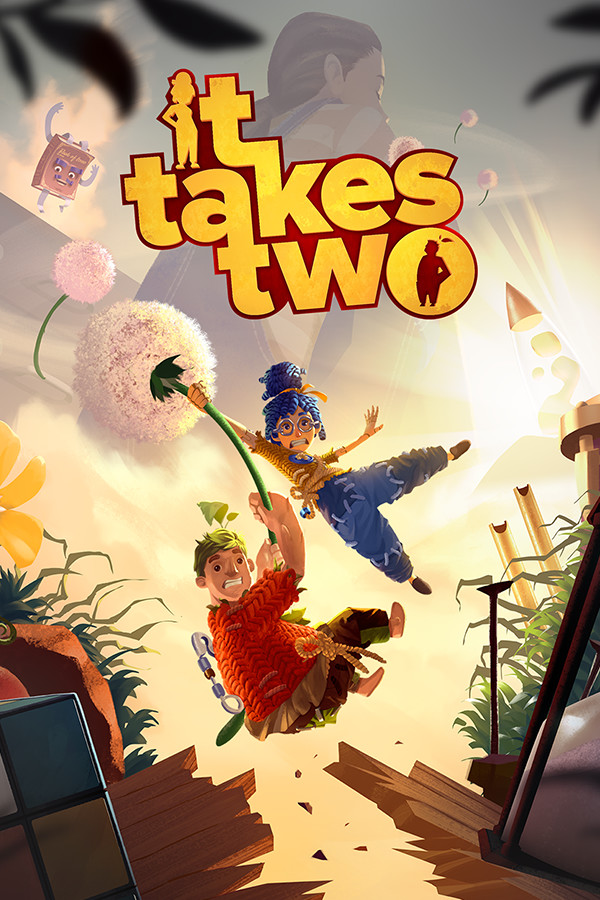
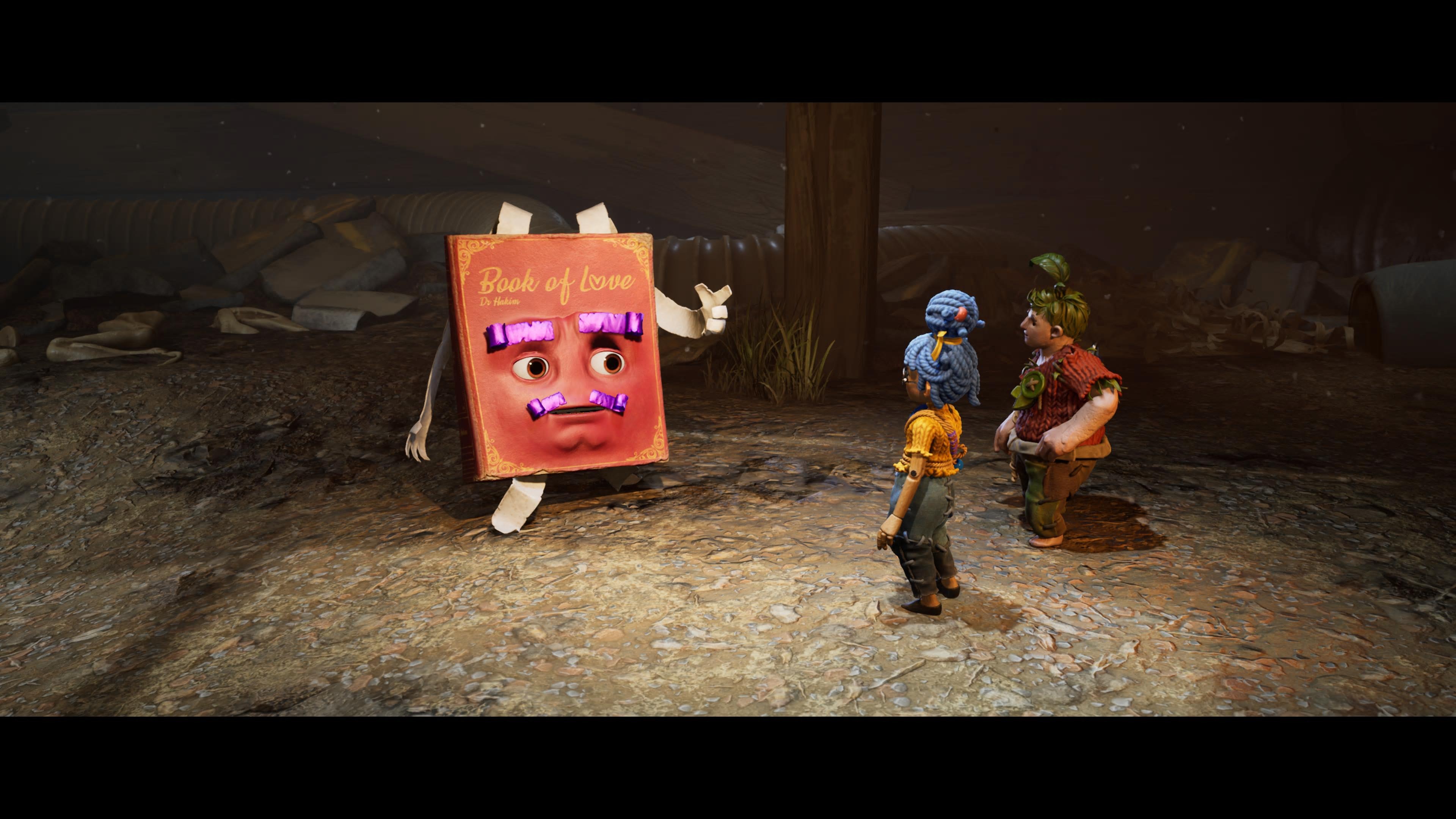
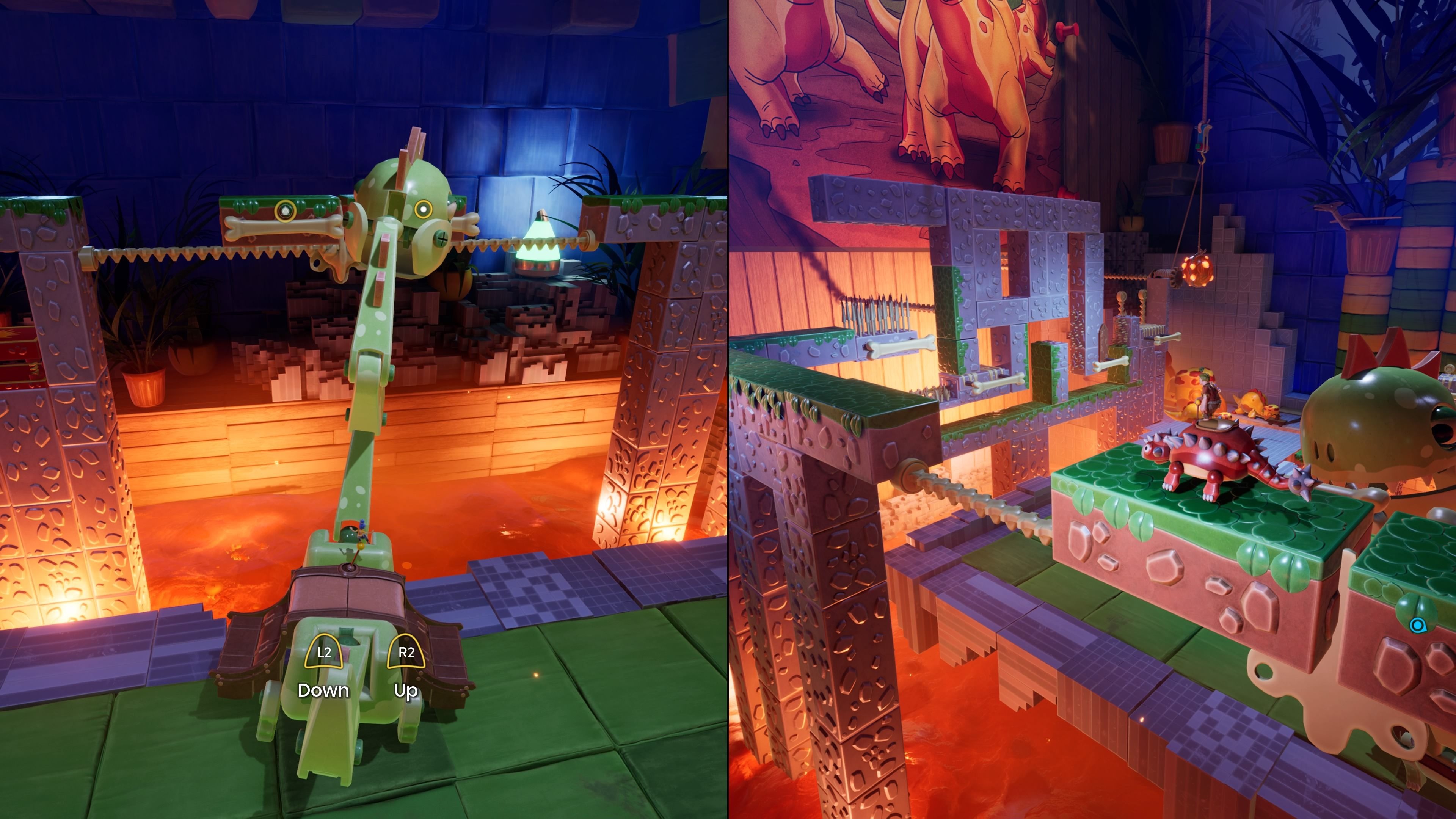
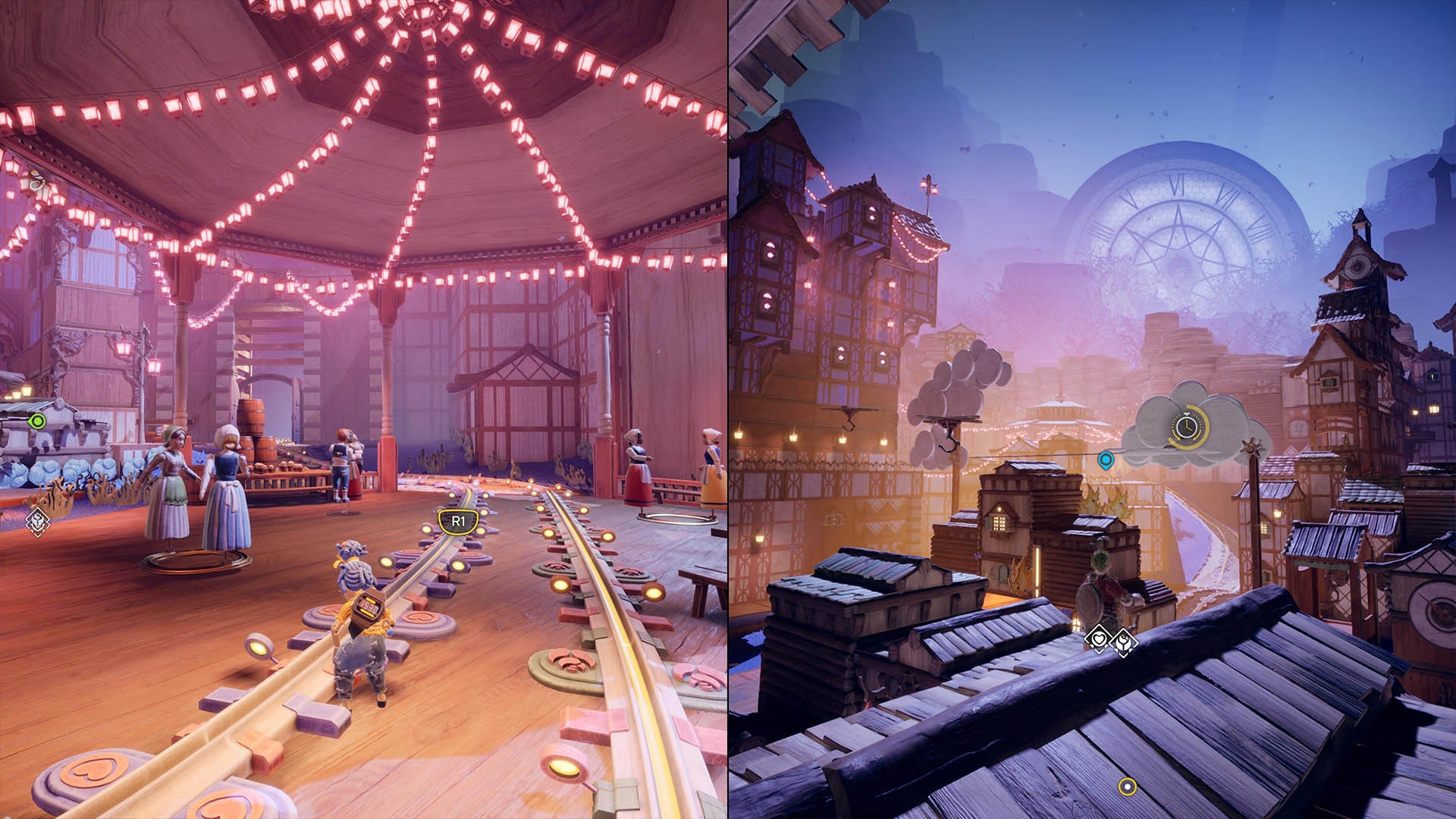
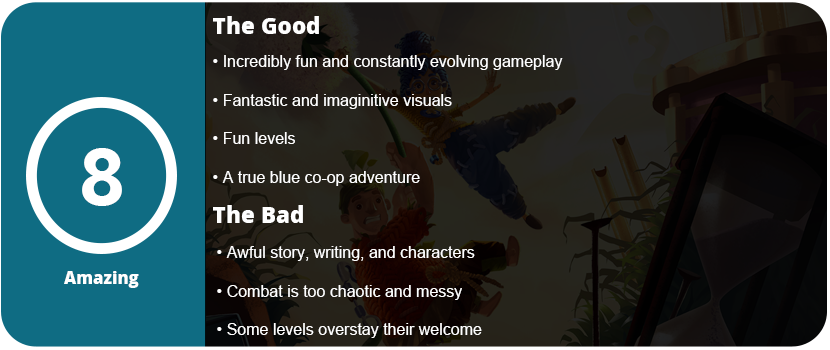
Hazelight has done it again. They created more magic with Split Fiction. A co-op dream with nothing but fun and genius gameplay ideas that keep you hooked all the way until the end just this time without an annoying talking book. The game is more serious and feels better to play in every aspect. You will be laughing and shouting with your co-op partner all the way through. This is the type of magic that is only possible in the video game sector.
This wasn’t the best year for shooters. We seem to be stuck with AAA shooters that have yearly releases and the occasional good indie shooter that ends up just being a Doom clone. The third person shooter has been pretty much forgotten at this point. The days of Ghost Recon and one-hit-wonders like Dark Sector, Vanquish, and Binary Domain seem to be in the distant past.
Doom: The Dark Ages
Doom isn’t just a yearly release like many other shooters. The Dark Ages tried new ideas and pushed the series into new territory. It wasn’t afraid to be different. The same core fast-paced gameplay is present that players have loved since 2016. With less of an emphasis on multiplayer (let’s face it, multiplayer just isn’t Doom’s bag). The new timeline gave us a fresh perspective on The Slayer’s killing abilities and the new shield and other weapons are fantastic to use. Doom retains what we love about shooters. It’s less about how nice your stock or carry handle texture looks and more about pure fun and carnage.
The strategy series has been slowing dying along with the fighting genre. There just aren’t many games in this space like there were 10 or even 20 years ago. The PC was dominated by fantastic strategy games and turn-based strategy was popular on consoles. While this genre isn’t quite dead yet, there were still some great games that showed you could sit in front of a screen for hours at time and plan your attacks. While most strategy games have never been known for deep stories there is one thing you usually want out of this genre: Great world-building.
Europa Universalis V
For what would seem to be to most a game that feels like a fancy Excel spreadsheet is pure ecstasy for others. Europa has always been in the upper echelon of strategy games. While not focusing on being pretty the fifth game in the long-running series has great menu designs and focuses on things that matter in this genre. You want to be able to manage everything at a glance and know exactly where to go without being buried in sub-menus. The constant tug-of-war of RTS games is present here and that “one more turn” feeling never goes away. Europa V is the essence of great strategy games boiled down and served on a tray.
Runner-Ups
Final Fantasy Tactics – The Ivalice Chronicles
Two Point Museum
Warhammer 40,000: Dawn of War – Definitive Edition
Adventure games have made a comeback over the last few years and have evolved past the frustrating and obtuse point-and-click games of the past. While those still have their appeal the genre has evolved into more gameplay innovations and ideas for the genre. Rich stories, great characters, fun gameplay loops, and puzzles that test your knowledge. This year was one of the best in both quality and design. We saw some truly great titles this year and it’s just so wonderful to see a once dead genre come back to life.
Dispatch
Dispatch may seem like a generic super hero strategy game at first glance. But this is a nuanced and fun adventure title that breaks free of the constraints of licensed superheroes. This allows true creation and innovation to flow freely from the developers and it shows here. With a fantastic story, fun gameplay, and so many interesting characters there’s not much here that you can’t like. If you love super heroes this is a must play this year. Don’t let the lack of a license deter you.
Psychological horror games need to be done right. Psychological horror games don’t solely depend on jump scares and cheesy trends to captivate players. Endflame may not have an extensive catalogue, but it’s a strong one. With their last release, Ikai, they proved they can capture that special niche of Japanese horror, diving into folktales and lore from that region. They have the pedigree for horror. That’s why I think Silent Road is not just familiar in name but speaks for what the game is. A journey on a road that’s silent literally or figuratively? There’s only one way to find out.
Looking at the trailer and various screenshots, you can see the clear influence of past horror games related to Japanese folklore. Fatal Frame and Silent Hill will immediately come to mind. The intense density of the forests of that region invokes many local and famous folktales, including the Aokigahara Forest, or “Suicide Forest.” Particularly the forests of Silent Hill 2, Fatal Frame II: Crimson Butterfly, Kuon, and even Siren come to mind. If you are a fan or even familiar with those games, then this might be something worth checking out. What kind of scares Endflame has in store for us will need to be seen, but after talking with them, it seems they are up to the task of slowly feeding players intense moments and building up to larger scares that pay off.
I talked with Endflame to pick their brains and get an idea of what we can expect from Silent Road. How does it compare to other games, and what makes it stand out from the ever-increasing indie horror scene? On top of that, how does it compare to their previous games, and what can we expect that’s different? The taxi mechanic is striking, as this is something that’s not really focused on as a main gameplay idea in horror games. The short stories you get from passengers are what can stick with players long after the credits roll. Check out the trailer below to get an idea of what to expect before diving into the interview.
Has any traditional Japanese folklore influenced Silent Road?
Yes, in fact, the narrative and setting are inspired by the legends surrounding Aokigahara, which is commonly known as Japan’s “suicide forest.” While the region in our game is fictional, it draws heavily from the eerie stories and lingering spirits associated with Aokigahara. We love Japanese horror, and our debut game Ikai explored yokai stories in a feudal setting. This time, we wanted to surprise players with a new angle while keeping the atmosphere they love, with a modern world haunted by the ancient legends of a forest marked by death.
As a fan of Ikai myself (I bought my copy for Switch from Best Buy on day one!), what have you learned from the feedback of that game that helped in Silent Road’s development?
Thanks for being such a loyal fan!
Player feedback from Ikai taught us what resonated most: atmosphere, memorable scenarios, and a strong creepy tone, so we’re bringing back all of that into Silent Road.
On the other hand, players also made us realize that some jump scares became predictable once they got familiar with the mechanics, which reduced the fear factor. Because of that, we’re focusing on adding more varied and unpredictable dynamics to the gameplay, with distinct twists so every ride or quest feels uniquely frightening in its own way.
What would you say sets Silent Road apart from other indie horror games of the same genre?
The Japanese theme and taxi-based gameplay are the key features that set Silent Roadapart. Very few games have explored these ideas separately, and even fewer have combined them. We feel they complement each other perfectly and let us create situations that wouldn’t be possible within the limitations of more conventional settings. You never know what might unfold beyond the windshield… but dangers can also be sitting in the back of your taxi.
Has the recent rise in Analog Horror influenced the game’s development in any way?
To a certain extent, yes. Analog Horror doesn’t rely on hyperrealistic graphics to be scary or appealing, unlike big productions. We can’t compete on that graphical level, but we can create strong experiences built on interesting ideas, atmosphere, and our own aesthetic approach.
You’ve stated that games such as Silent Hill and Fatal Frame were big influences on Silent Road. Are there any retro classics that influence the game as well, such as Sweet Home or Clock Tower, for example?
Yes, there are. Clock Tower, as you mentioned, is one of them, and Forbidden Siren [Forbidden Siren is what Siren is called in PAL regions ed.] is another major reference for us. Even though we’re not aiming for similar gameplay, Forbidden Sirenhas that creepy, quiet atmosphere and classic J-horror look that we love.
Has there been any other inspiration from other Japanese horror sources, like Junji Ito or anime or manga? When I see that Silent Road will feature short stories from drivers, the short story horror anime Yamishibai comes to mind.
We’re actually driving the story toward a single overarching plot, presented through the different perspectives of the passengers. We’re aiming for storytelling with varied points of view and personalities, which is why we added passengers as a core element. Silent Road features characters with distinct mindsets that can shift the player’s perception of events and help them form their own interpretation.
Even though it wasn’t an initial reference, I’d say the structure is closer to Death Parade, where each character has their own story linked to the main plot, guided by a central “conductor” figure who shapes the narrative.
Music and ambience play a huge role in horror titles and can drive a lot of the emotion. What can we expect from Silent Road in that aspect?
As we did with Ikai, we are paying special attention to music, but especially to sound. We learned that a strong soundscape is key to establishing a creepy tone both in the environment and in gameplay scenes.
How dark can we expect Silent Road to go? The darker the better, I say. Will there be gore or anything super graphic? Most horror fans love this stuff if it’s done well and makes sense for the story.
Silent Road is leaning more toward psychological tension, with a strong build-up driven by the stories and unsettling situations that definitely go dark. There will also be some consciously placed jump scares woven into that build-up. We feel this game is better suited to psychological horror with very dark backstories rather than graphic gore. As you said, gore needs to serve the story to work, and here it doesn’t feel necessary.
Can we expect Silent Road to be released on other platforms, such as Switch 2?
We’d love to bring Silent Roadto as many players as possible, just like we did with our previous titles. For now, we are keeping the scope small to guarantee the game’s completion. We’ll evaluate additional platforms and future opportunities as the game takes shape.
Will Silent Road be Steam Deck verified?
We are developing the game to run smoothly on Steam Deck, but verification is handled by Valve. That said, we are actively working to meet all requirements, although the actual verification process remains outside of our control.
DunkeyKong asks if the game will feature a fuel system for the taxi and if we can pet cats? That’s a big thing right now!
The game won’t have a fuel system. The main reason is that it would shift the gameplay toward management mechanics, and we don’t want players to be distracted by fuel interfering with our story plans. As for cats, I’m afraid we won’t have any, but if we did, we wouldn’t hesitate to add a petting feature!
Very interesting indeed! A preview will be incoming in the future, so look forward to that. Thank you to Endflame for taking the time to answer these questions and help connect some emotion to the game and get us excited for what’s to come. There’s no current release date, and the only confirmed platform is PC for now. If their release of Ikai is any indicator, we should hopefully see a console release and, mostly, a physical release eventually.
Yeah, it's pretty damn awful. Notoriously one of the worst games on the PSP. A 4 was actually being generous.…