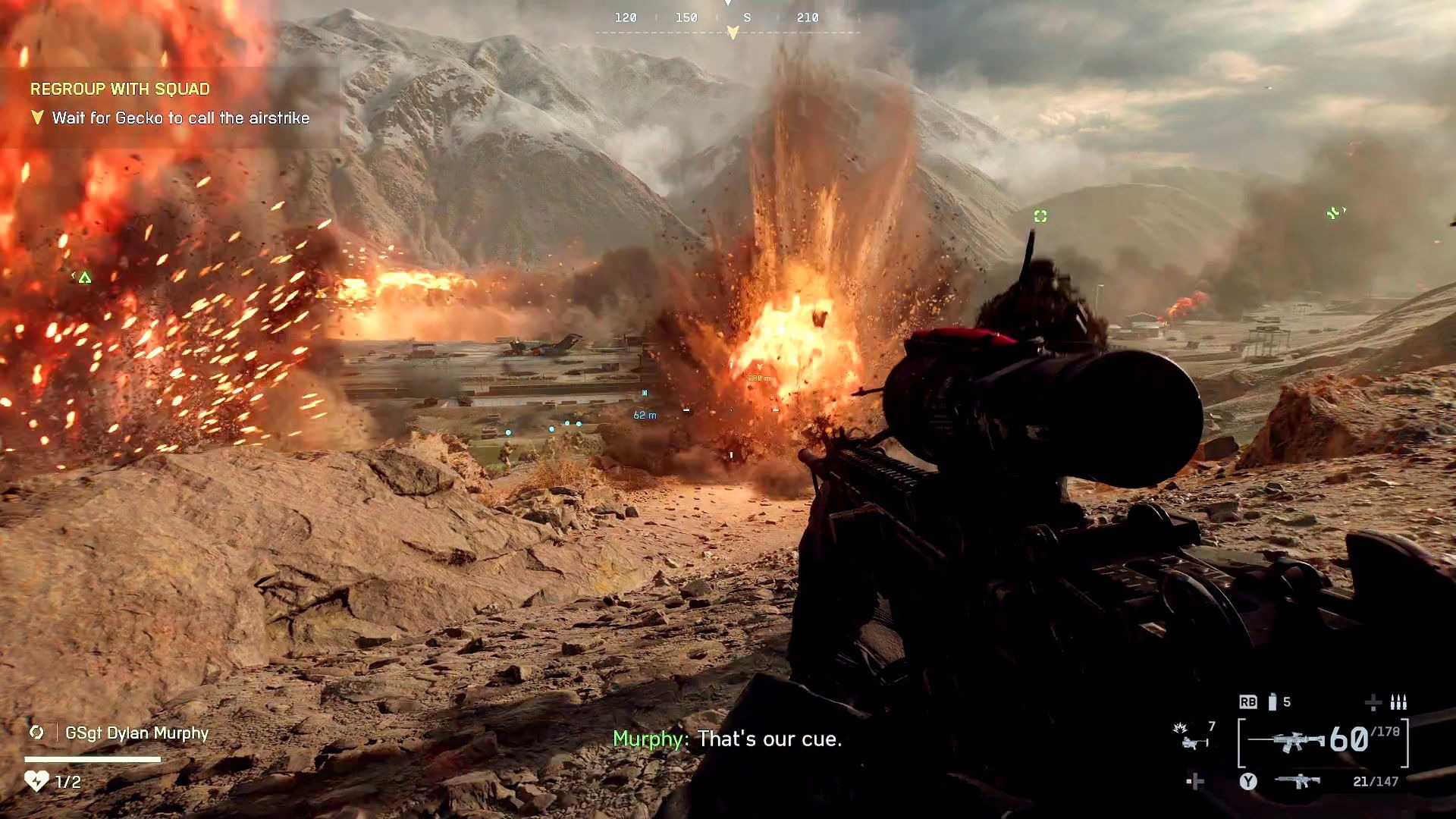
This wasn’t the best year for shooters. We seem to be stuck with AAA shooters that have yearly releases and the occasional good indie shooter that ends up just being a Doom clone. The third person shooter has been pretty much forgotten at this point. The days of Ghost Recon and one-hit-wonders like Dark Sector, Vanquish, and Binary Domain seem to be in the distant past.
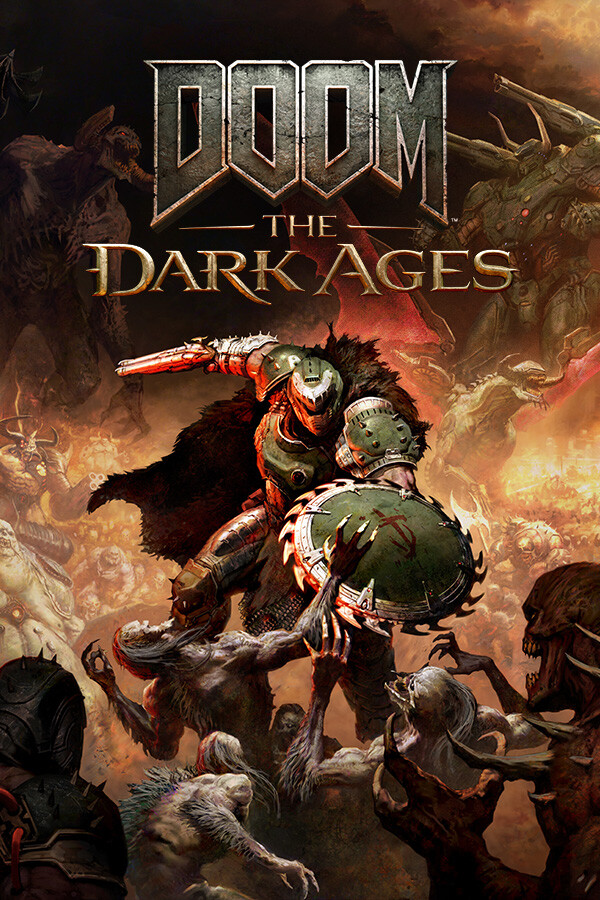
Doom: The Dark Ages
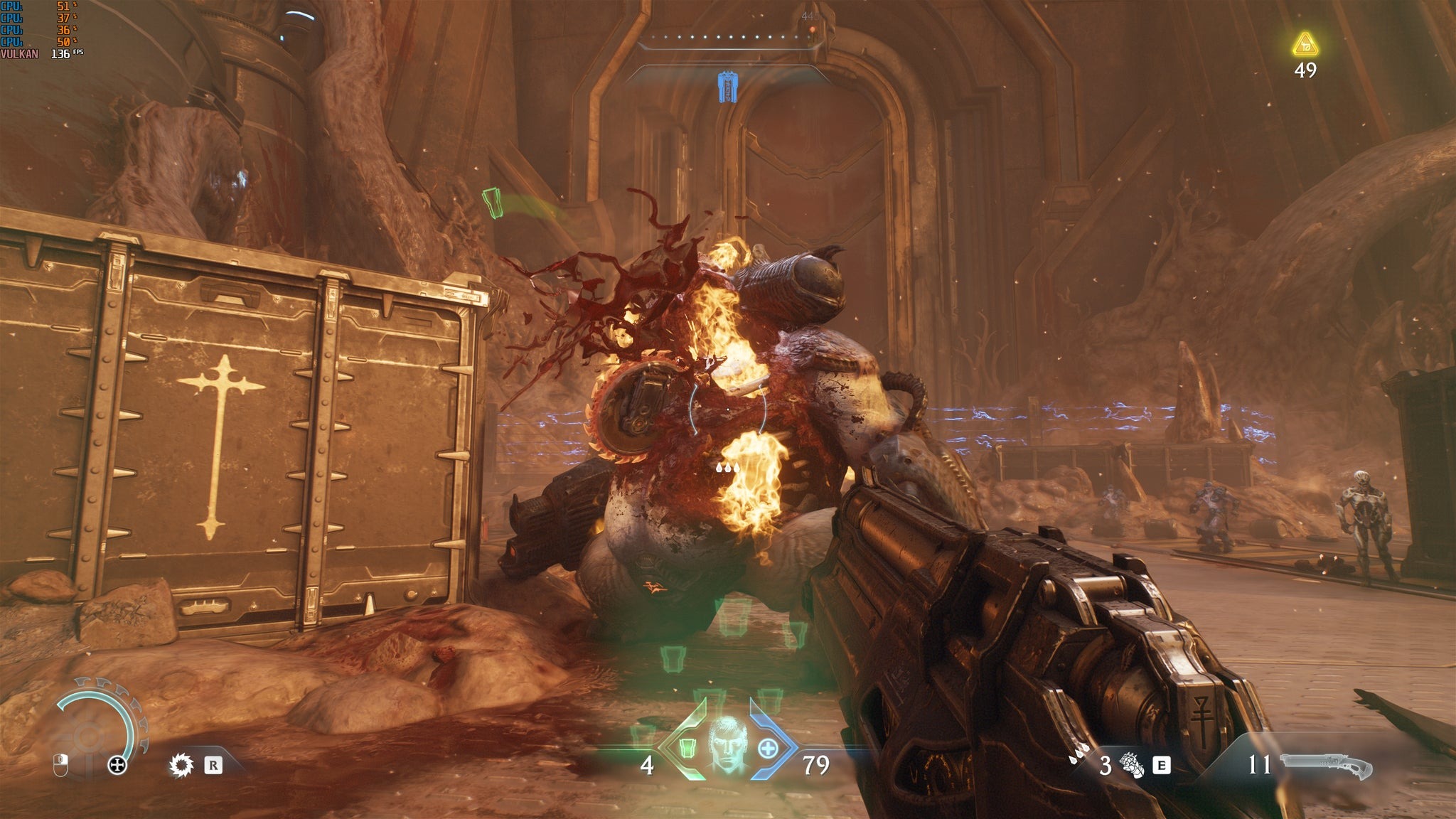
Doom isn’t just a yearly release like many other shooters. The Dark Ages tried new ideas and pushed the series into new territory. It wasn’t afraid to be different. The same core fast-paced gameplay is present that players have loved since 2016. With less of an emphasis on multiplayer (let’s face it, multiplayer just isn’t Doom’s bag). The new timeline gave us a fresh perspective on The Slayer’s killing abilities and the new shield and other weapons are fantastic to use. Doom retains what we love about shooters. It’s less about how nice your stock or carry handle texture looks and more about pure fun and carnage.
The strategy series has been slowing dying along with the fighting genre. There just aren’t many games in this space like there were 10 or even 20 years ago. The PC was dominated by fantastic strategy games and turn-based strategy was popular on consoles. While this genre isn’t quite dead yet, there were still some great games that showed you could sit in front of a screen for hours at time and plan your attacks. While most strategy games have never been known for deep stories there is one thing you usually want out of this genre: Great world-building.
Europa Universalis V
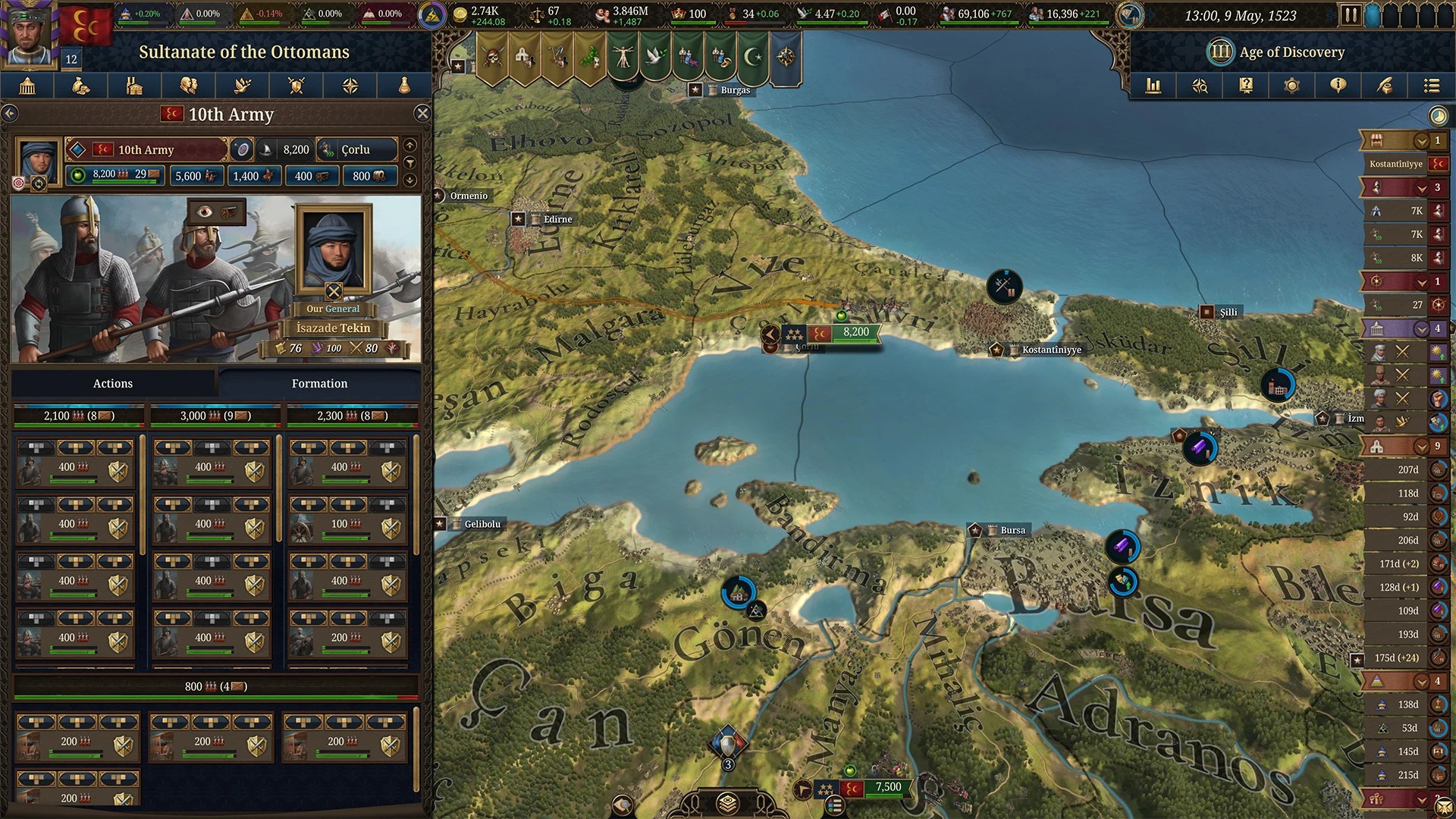
For what would seem to be to most a game that feels like a fancy Excel spreadsheet is pure ecstasy for others. Europa has always been in the upper echelon of strategy games. While not focusing on being pretty the fifth game in the long-running series has great menu designs and focuses on things that matter in this genre. You want to be able to manage everything at a glance and know exactly where to go without being buried in sub-menus. The constant tug-of-war of RTS games is present here and that “one more turn” feeling never goes away. Europa V is the essence of great strategy games boiled down and served on a tray.
Runner-Ups
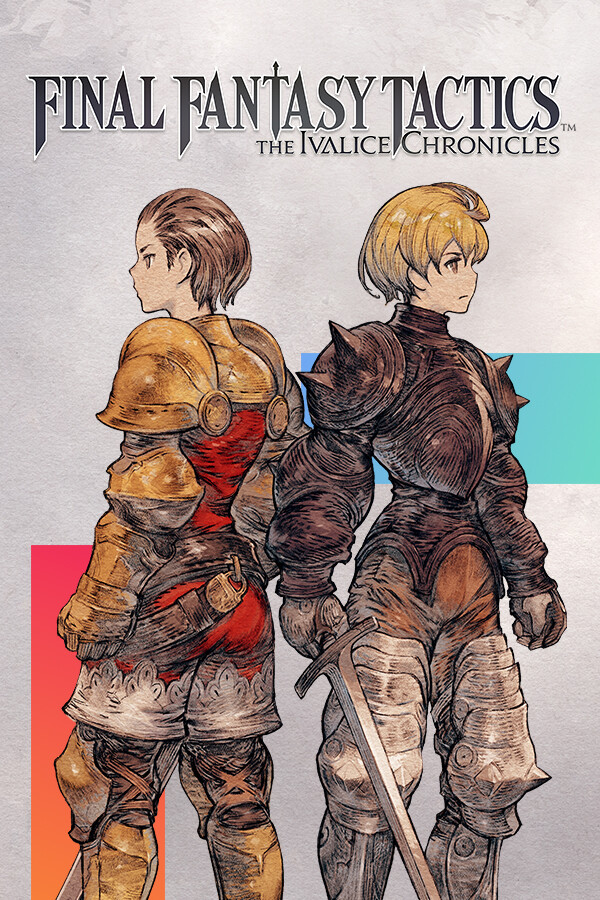
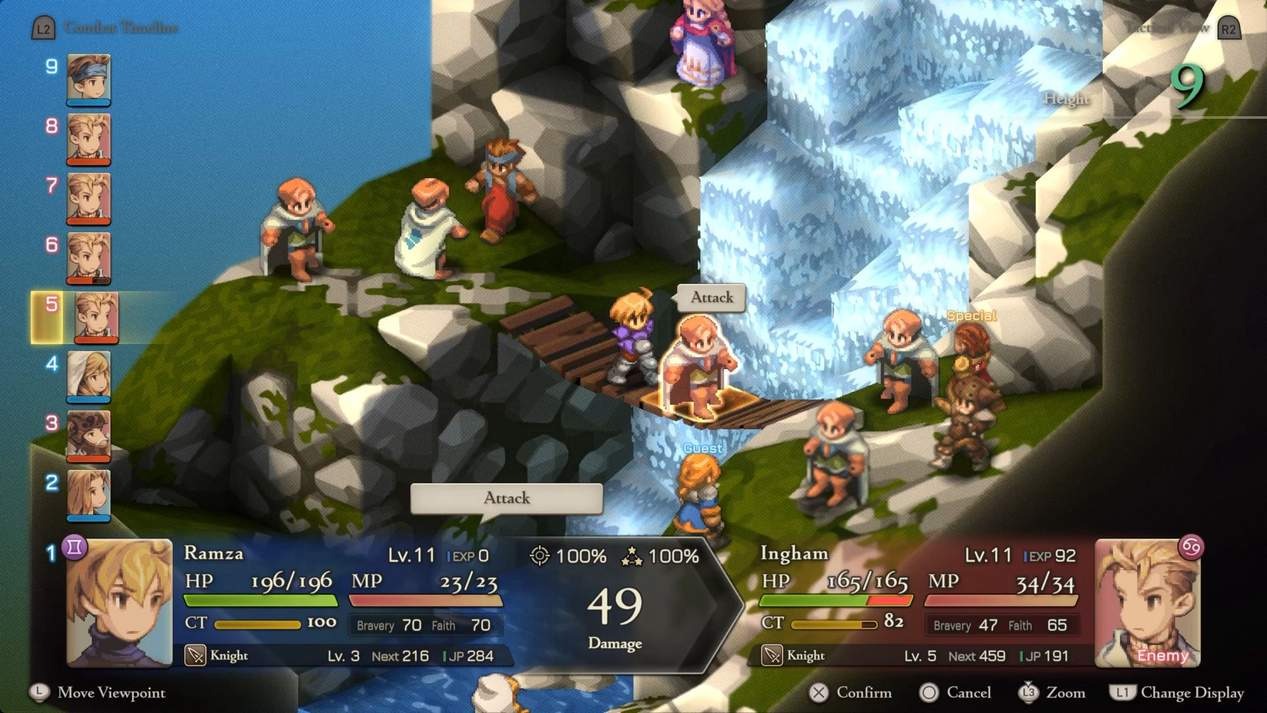
Final Fantasy Tactics – The Ivalice Chronicles
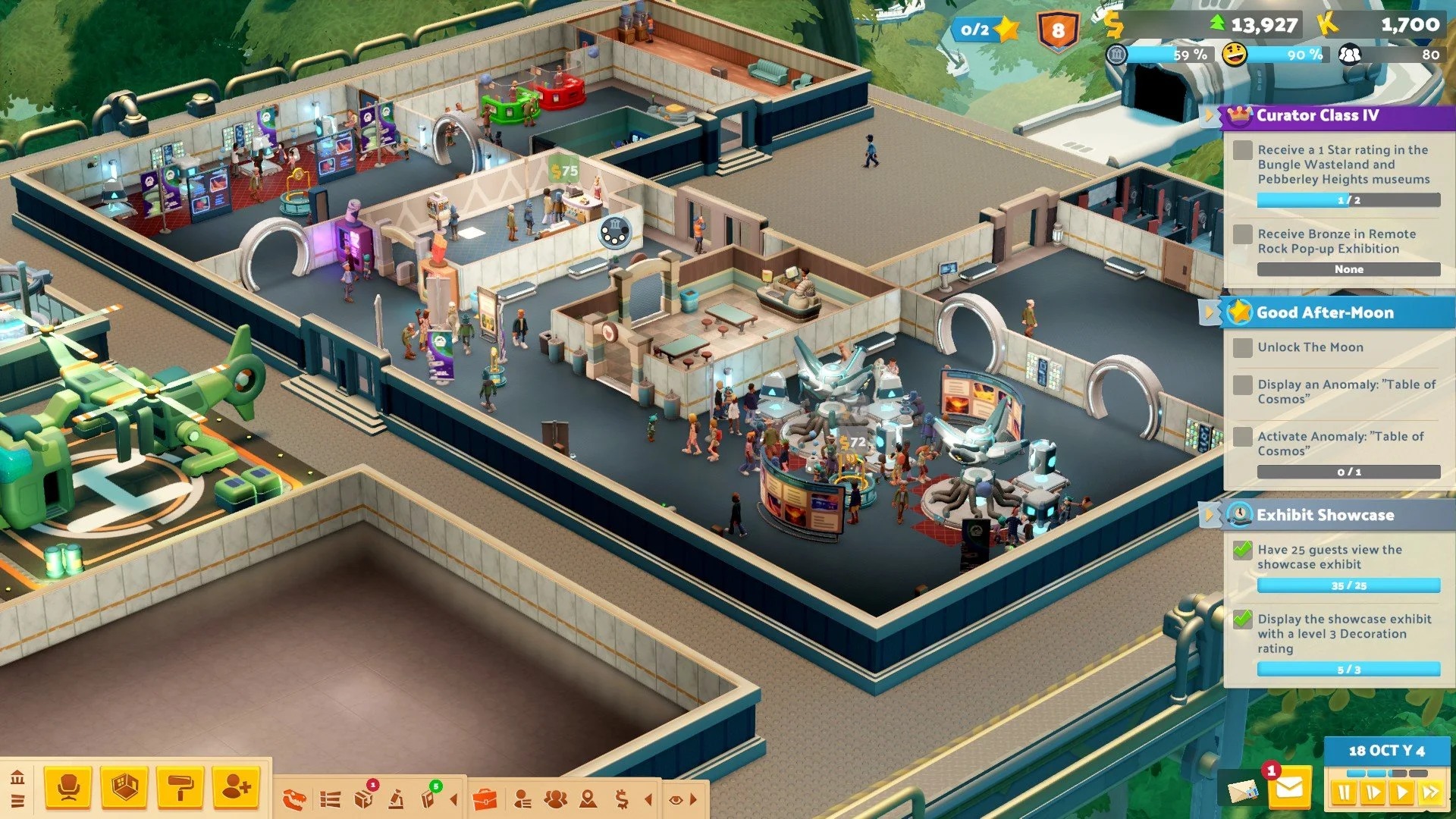
Two Point Museum
Warhammer 40,000: Dawn of War – Definitive Edition
Adventure games have made a comeback over the last few years and have evolved past the frustrating and obtuse point-and-click games of the past. While those still have their appeal the genre has evolved into more gameplay innovations and ideas for the genre. Rich stories, great characters, fun gameplay loops, and puzzles that test your knowledge. This year was one of the best in both quality and design. We saw some truly great titles this year and it’s just so wonderful to see a once dead genre come back to life.
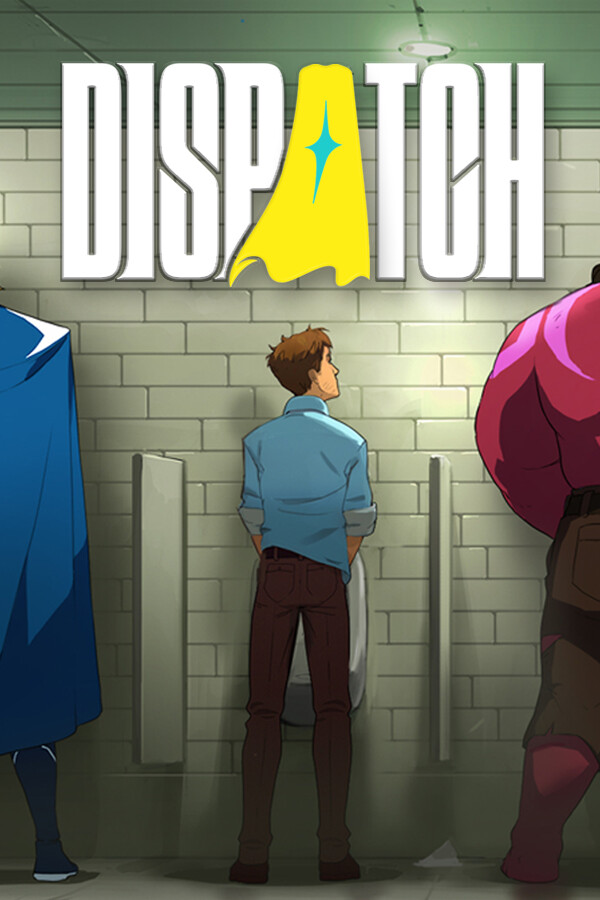
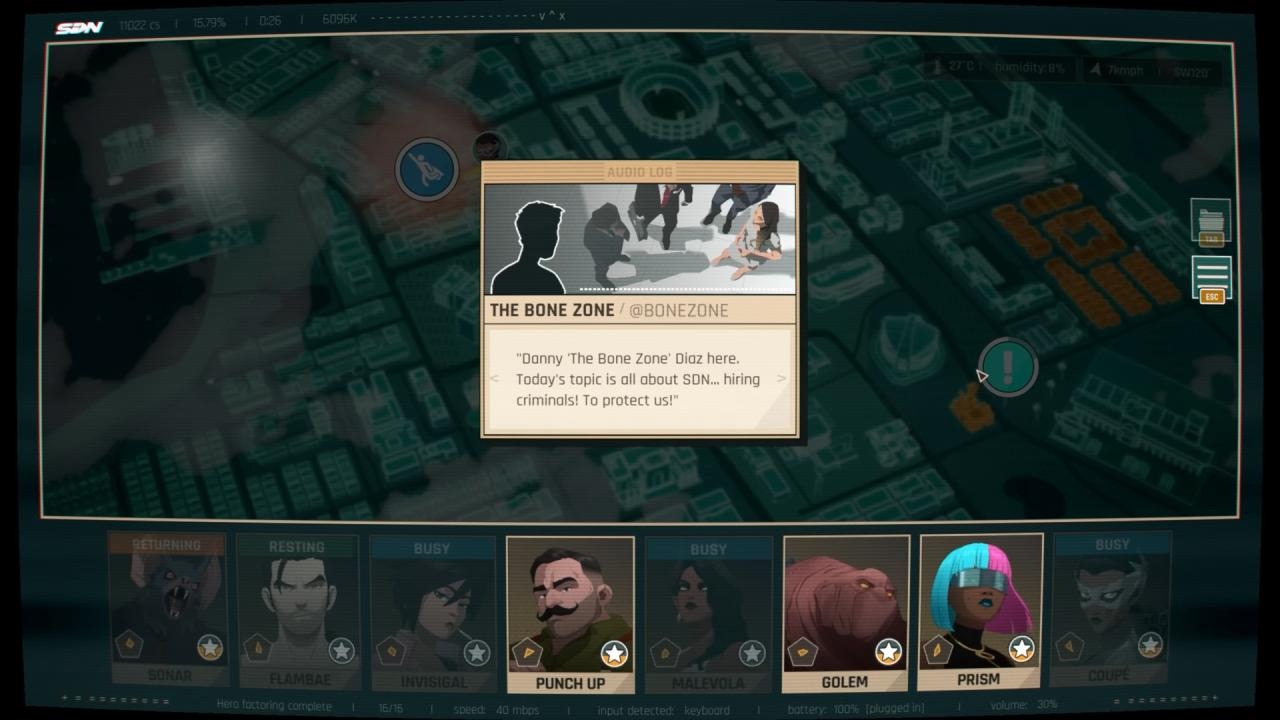
Dispatch
Dispatch may seem like a generic super hero strategy game at first glance. But this is a nuanced and fun adventure title that breaks free of the constraints of licensed superheroes. This allows true creation and innovation to flow freely from the developers and it shows here. With a fantastic story, fun gameplay, and so many interesting characters there’s not much here that you can’t like. If you love super heroes this is a must play this year. Don’t let the lack of a license deter you.
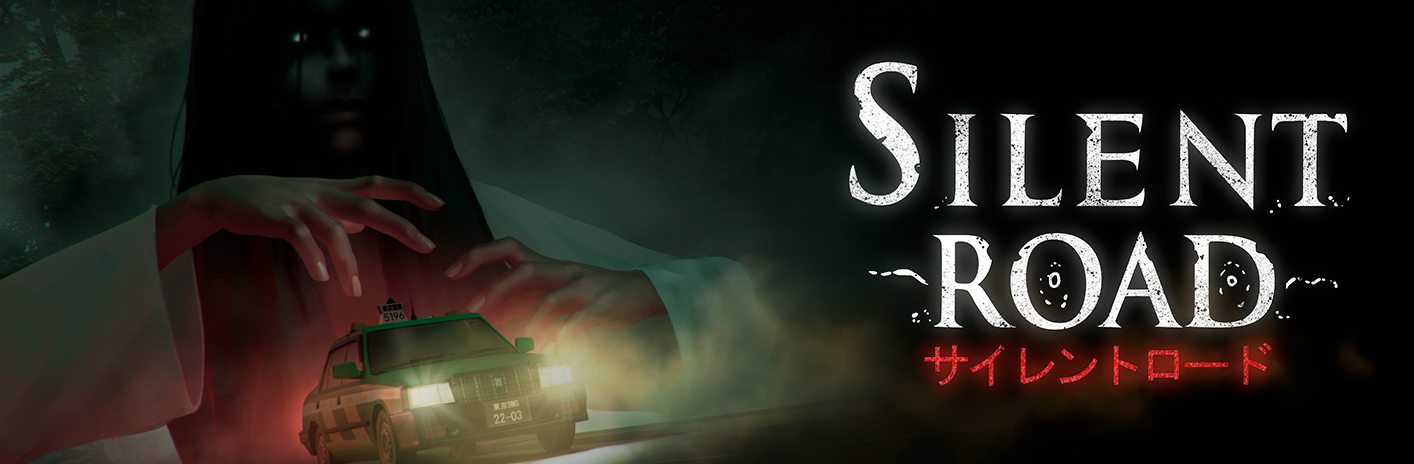
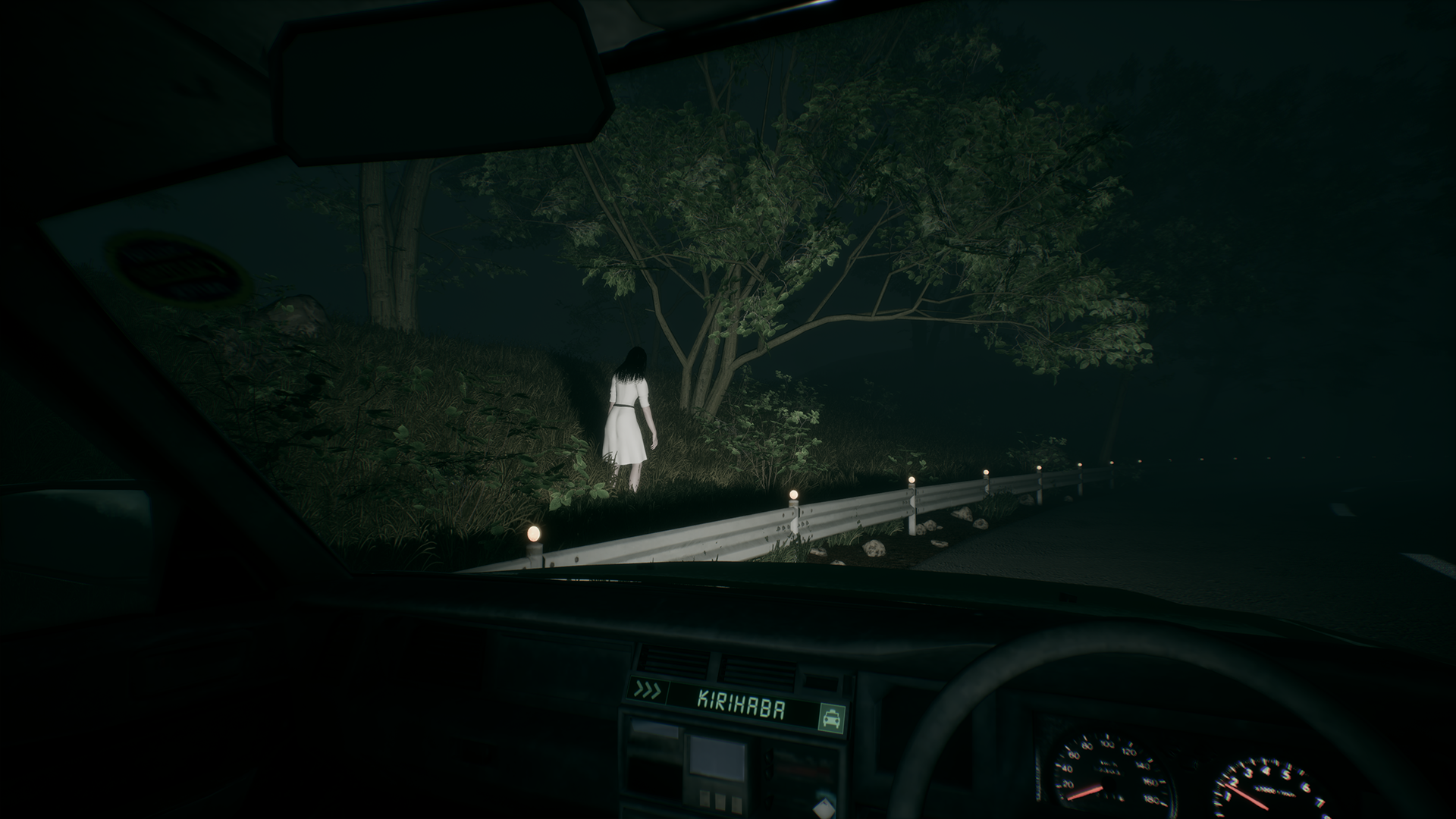
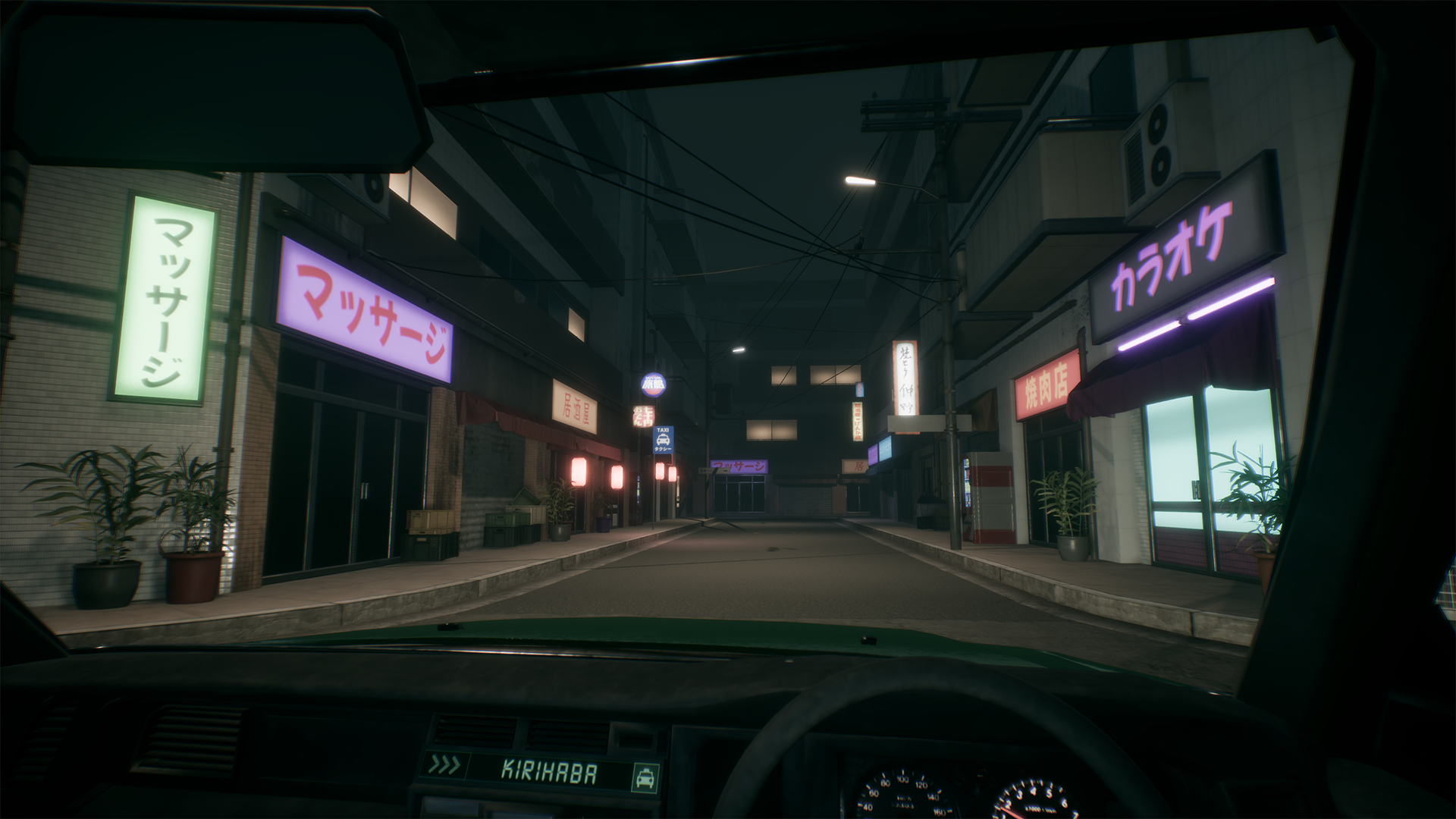
Psychological horror games need to be done right. Psychological horror games don’t solely depend on jump scares and cheesy trends to captivate players. Endflame may not have an extensive catalogue, but it’s a strong one. With their last release, Ikai, they proved they can capture that special niche of Japanese horror, diving into folktales and lore from that region. They have the pedigree for horror. That’s why I think Silent Road is not just familiar in name but speaks for what the game is. A journey on a road that’s silent literally or figuratively? There’s only one way to find out.
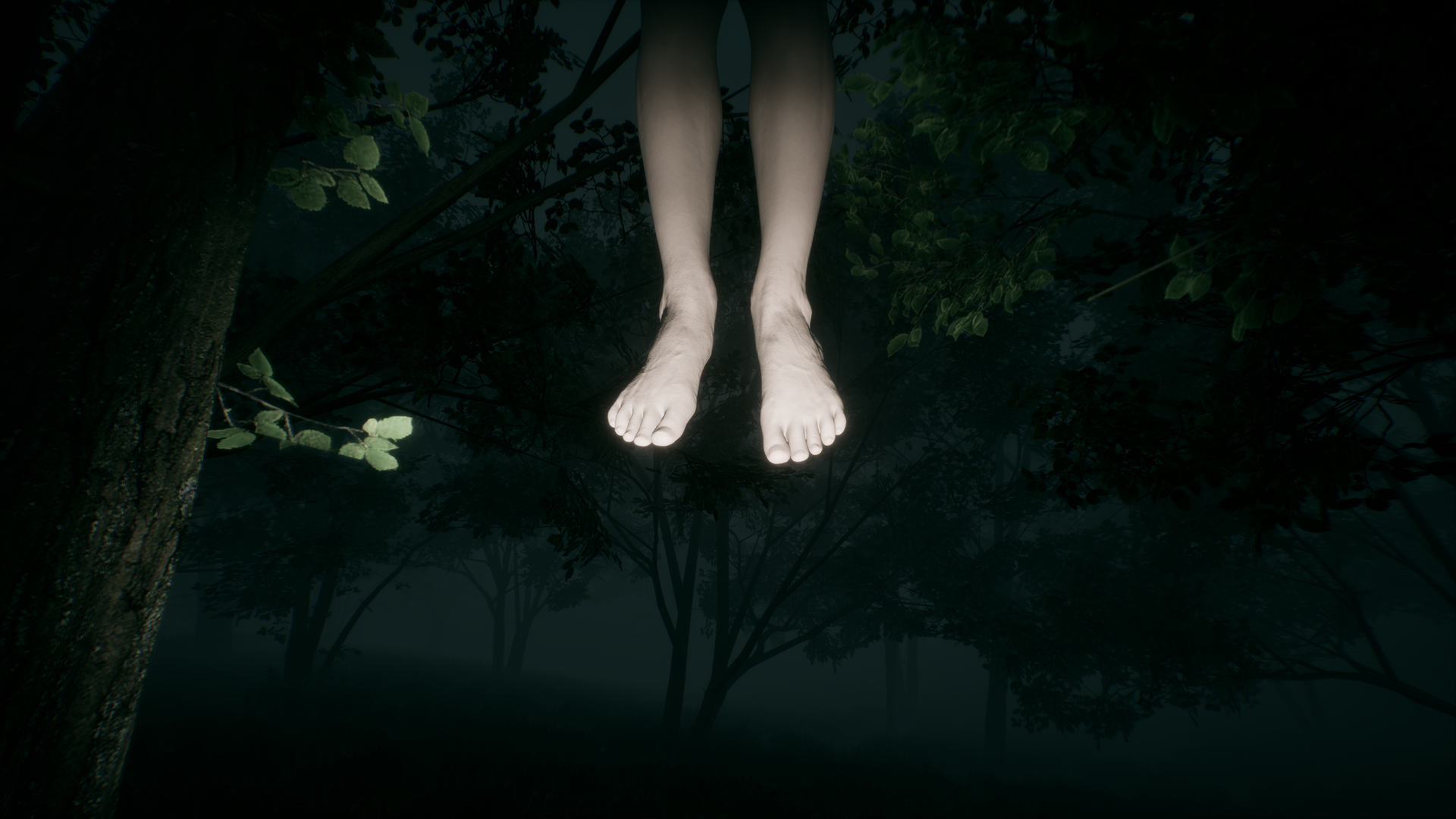
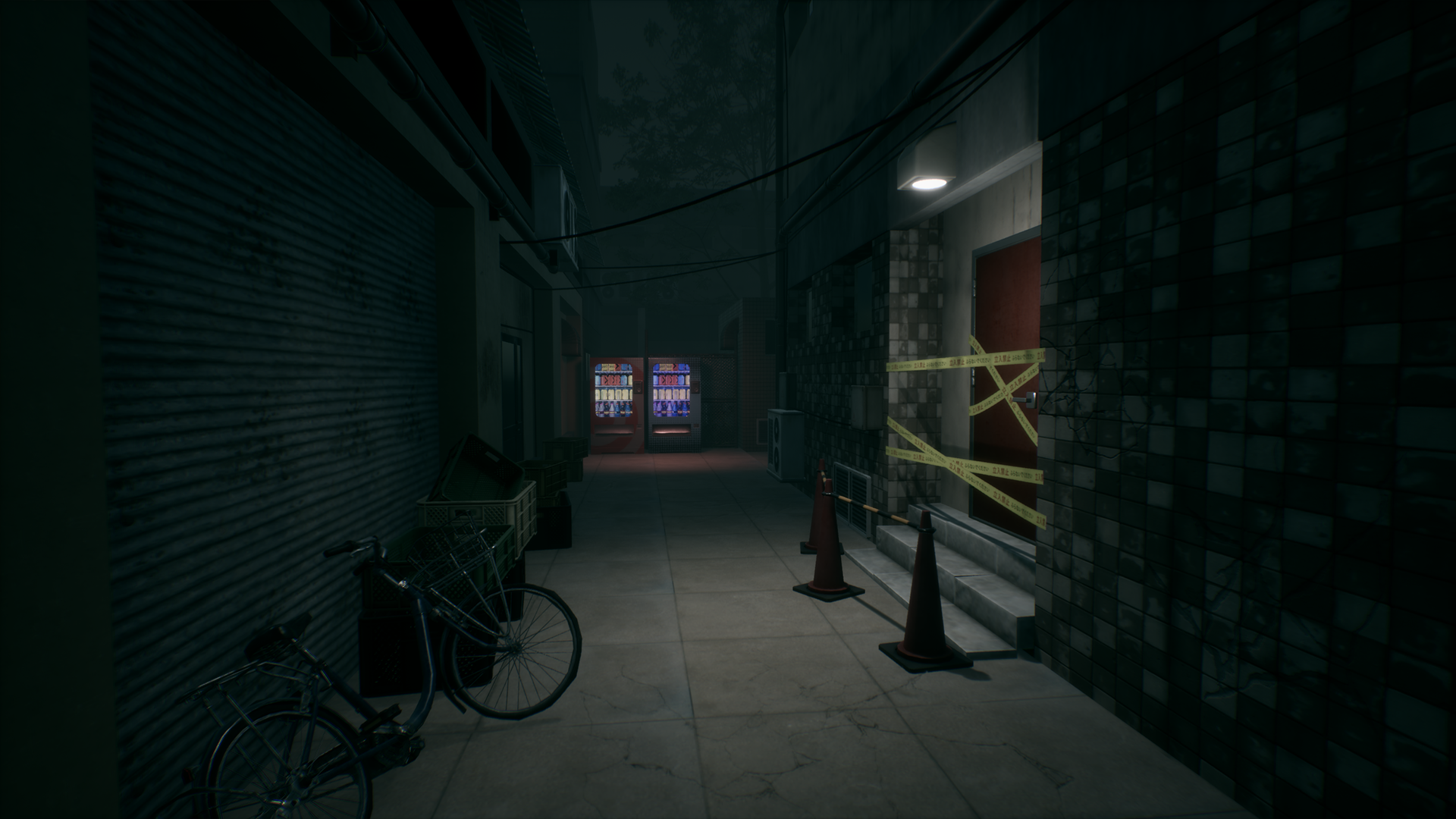
Looking at the trailer and various screenshots, you can see the clear influence of past horror games related to Japanese folklore. Fatal Frame and Silent Hill will immediately come to mind. The intense density of the forests of that region invokes many local and famous folktales, including the Aokigahara Forest, or “Suicide Forest.” Particularly the forests of Silent Hill 2, Fatal Frame II: Crimson Butterfly, Kuon, and even Siren come to mind. If you are a fan or even familiar with those games, then this might be something worth checking out. What kind of scares Endflame has in store for us will need to be seen, but after talking with them, it seems they are up to the task of slowly feeding players intense moments and building up to larger scares that pay off.
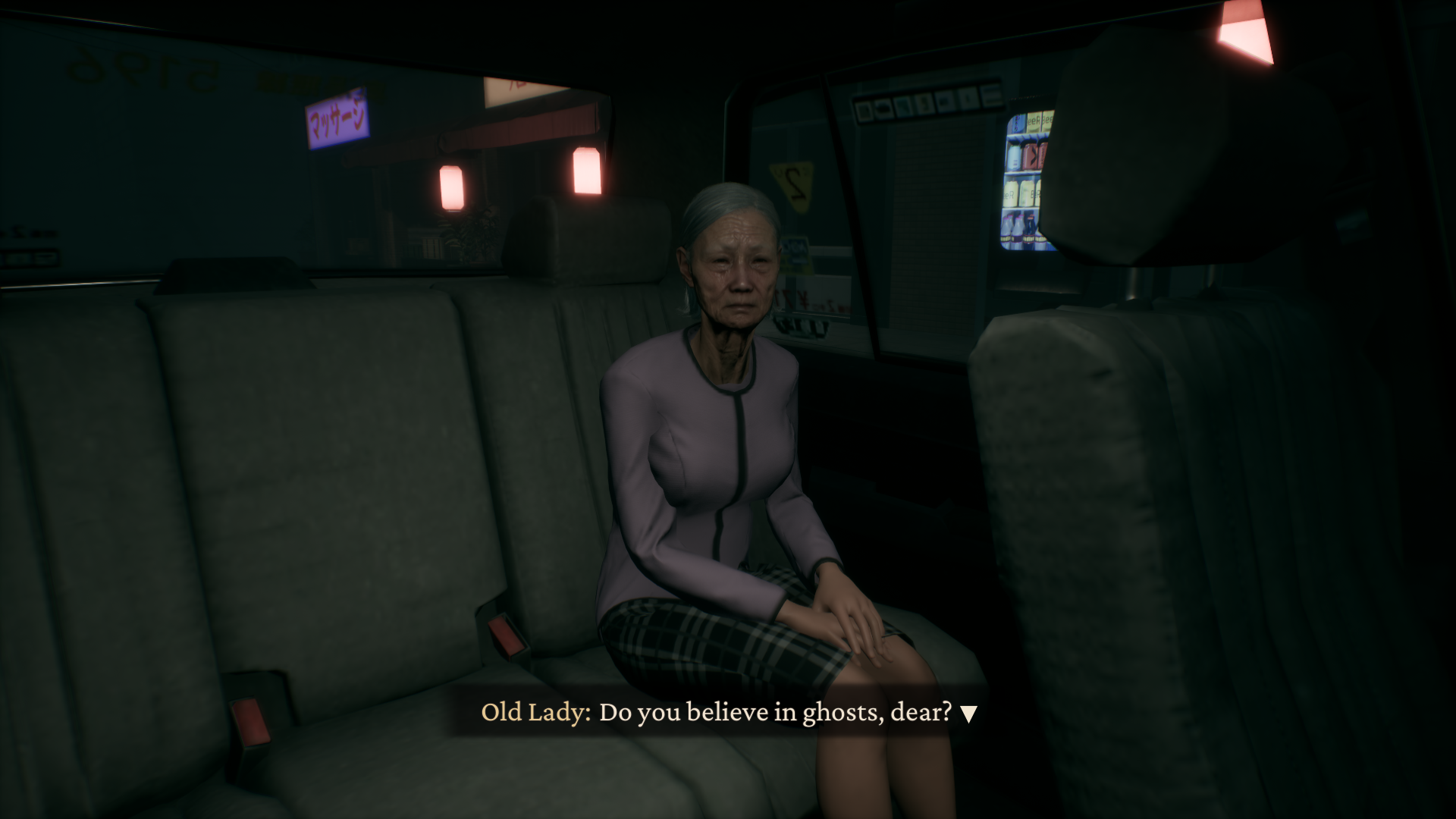
I talked with Endflame to pick their brains and get an idea of what we can expect from Silent Road. How does it compare to other games, and what makes it stand out from the ever-increasing indie horror scene? On top of that, how does it compare to their previous games, and what can we expect that’s different? The taxi mechanic is striking, as this is something that’s not really focused on as a main gameplay idea in horror games. The short stories you get from passengers are what can stick with players long after the credits roll. Check out the trailer below to get an idea of what to expect before diving into the interview.
Has any traditional Japanese folklore influenced Silent Road?
Yes, in fact, the narrative and setting are inspired by the legends surrounding Aokigahara, which is commonly known as Japan’s “suicide forest.” While the region in our game is fictional, it draws heavily from the eerie stories and lingering spirits associated with Aokigahara. We love Japanese horror, and our debut game Ikai explored yokai stories in a feudal setting. This time, we wanted to surprise players with a new angle while keeping the atmosphere they love, with a modern world haunted by the ancient legends of a forest marked by death.
As a fan of Ikai myself (I bought my copy for Switch from Best Buy on day one!), what have you learned from the feedback of that game that helped in Silent Road’s development?
Thanks for being such a loyal fan!
Player feedback from Ikai taught us what resonated most: atmosphere, memorable scenarios, and a strong creepy tone, so we’re bringing back all of that into Silent Road.
On the other hand, players also made us realize that some jump scares became predictable once they got familiar with the mechanics, which reduced the fear factor. Because of that, we’re focusing on adding more varied and unpredictable dynamics to the gameplay, with distinct twists so every ride or quest feels uniquely frightening in its own way.
What would you say sets Silent Road apart from other indie horror games of the same genre?
The Japanese theme and taxi-based gameplay are the key features that set Silent Roadapart. Very few games have explored these ideas separately, and even fewer have combined them. We feel they complement each other perfectly and let us create situations that wouldn’t be possible within the limitations of more conventional settings. You never know what might unfold beyond the windshield… but dangers can also be sitting in the back of your taxi.
Has the recent rise in Analog Horror influenced the game’s development in any way?
To a certain extent, yes. Analog Horror doesn’t rely on hyperrealistic graphics to be scary or appealing, unlike big productions. We can’t compete on that graphical level, but we can create strong experiences built on interesting ideas, atmosphere, and our own aesthetic approach.
You’ve stated that games such as Silent Hill and Fatal Frame were big influences on Silent Road. Are there any retro classics that influence the game as well, such as Sweet Home or Clock Tower, for example?
Yes, there are. Clock Tower, as you mentioned, is one of them, and Forbidden Siren [Forbidden Siren is what Siren is called in PAL regions ed.] is another major reference for us. Even though we’re not aiming for similar gameplay, Forbidden Sirenhas that creepy, quiet atmosphere and classic J-horror look that we love.
Has there been any other inspiration from other Japanese horror sources, like Junji Ito or anime or manga? When I see that Silent Road will feature short stories from drivers, the short story horror anime Yamishibai comes to mind.
We’re actually driving the story toward a single overarching plot, presented through the different perspectives of the passengers. We’re aiming for storytelling with varied points of view and personalities, which is why we added passengers as a core element. Silent Road features characters with distinct mindsets that can shift the player’s perception of events and help them form their own interpretation.
Even though it wasn’t an initial reference, I’d say the structure is closer to Death Parade, where each character has their own story linked to the main plot, guided by a central “conductor” figure who shapes the narrative.
Music and ambience play a huge role in horror titles and can drive a lot of the emotion. What can we expect from Silent Road in that aspect?
As we did with Ikai, we are paying special attention to music, but especially to sound. We learned that a strong soundscape is key to establishing a creepy tone both in the environment and in gameplay scenes.
How dark can we expect Silent Road to go? The darker the better, I say. Will there be gore or anything super graphic? Most horror fans love this stuff if it’s done well and makes sense for the story.
Silent Road is leaning more toward psychological tension, with a strong build-up driven by the stories and unsettling situations that definitely go dark. There will also be some consciously placed jump scares woven into that build-up. We feel this game is better suited to psychological horror with very dark backstories rather than graphic gore. As you said, gore needs to serve the story to work, and here it doesn’t feel necessary.
Can we expect Silent Road to be released on other platforms, such as Switch 2?
We’d love to bring Silent Roadto as many players as possible, just like we did with our previous titles. For now, we are keeping the scope small to guarantee the game’s completion. We’ll evaluate additional platforms and future opportunities as the game takes shape.
Will Silent Road be Steam Deck verified?
We are developing the game to run smoothly on Steam Deck, but verification is handled by Valve. That said, we are actively working to meet all requirements, although the actual verification process remains outside of our control.
DunkeyKong asks if the game will feature a fuel system for the taxi and if we can pet cats? That’s a big thing right now!
The game won’t have a fuel system. The main reason is that it would shift the gameplay toward management mechanics, and we don’t want players to be distracted by fuel interfering with our story plans. As for cats, I’m afraid we won’t have any, but if we did, we wouldn’t hesitate to add a petting feature!
Very interesting indeed! A preview will be incoming in the future, so look forward to that. Thank you to Endflame for taking the time to answer these questions and help connect some emotion to the game and get us excited for what’s to come. There’s no current release date, and the only confirmed platform is PC for now. If their release of Ikai is any indicator, we should hopefully see a console release and, mostly, a physical release eventually.
Action-adventure games are my all time favorite. These have been a test to what console and gaming tech can achieve. This is one of the few genres that evolves with technology. New tech brings more gameplay innovation and ideas. This year saw some pretty big heavy hitters, but the open-world fatigue trend that has been an issue for the last decade is still a problem. There are fewer games every year trying to push the genre ahead and create fun and interesting gameplay loops, stories, characters, and worlds we actually want to explore.
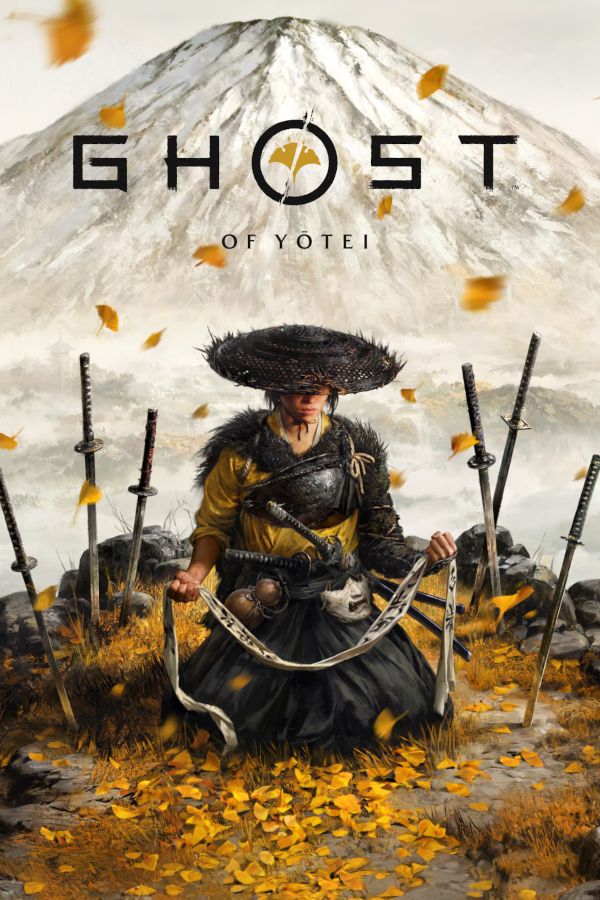
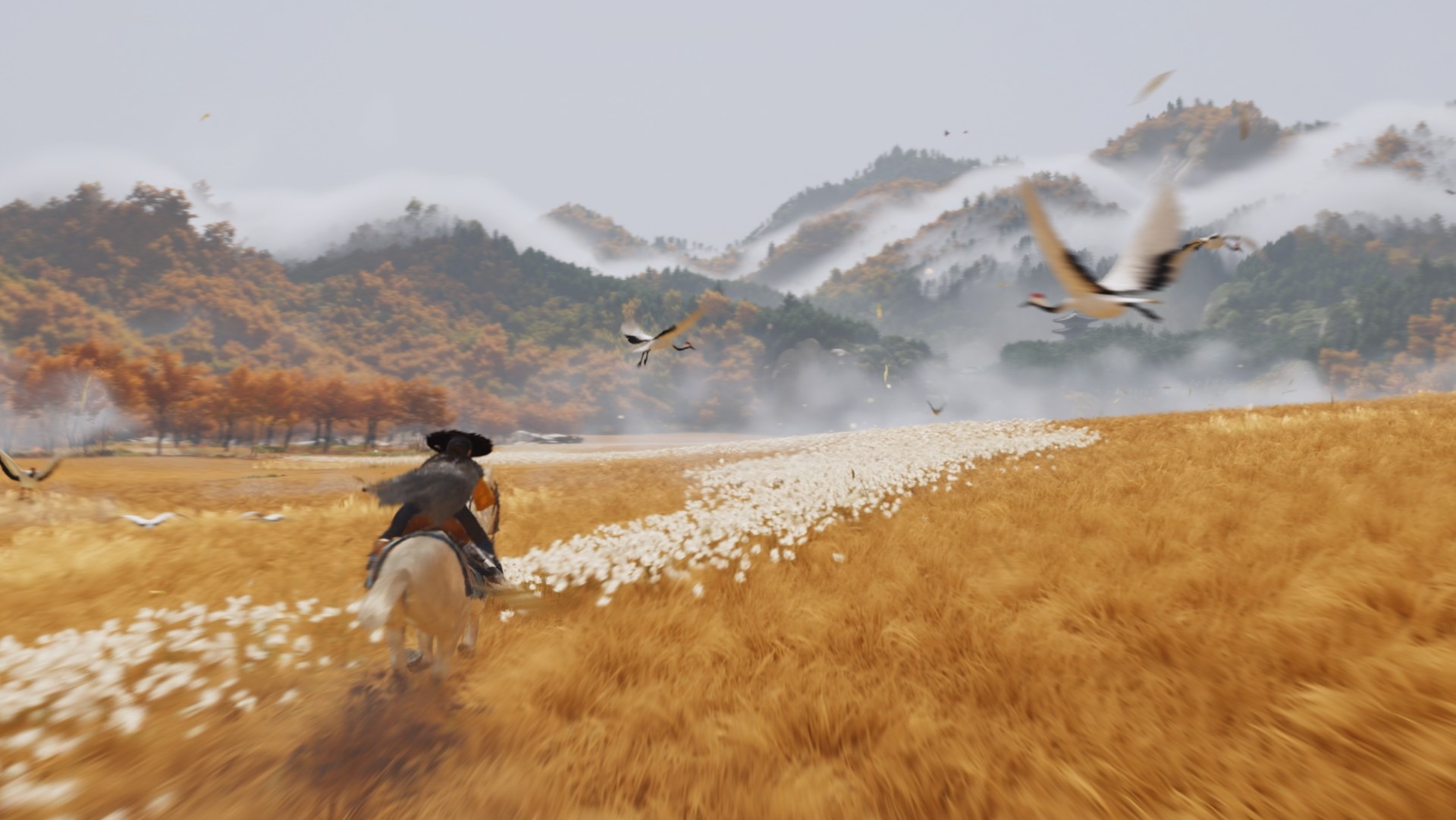
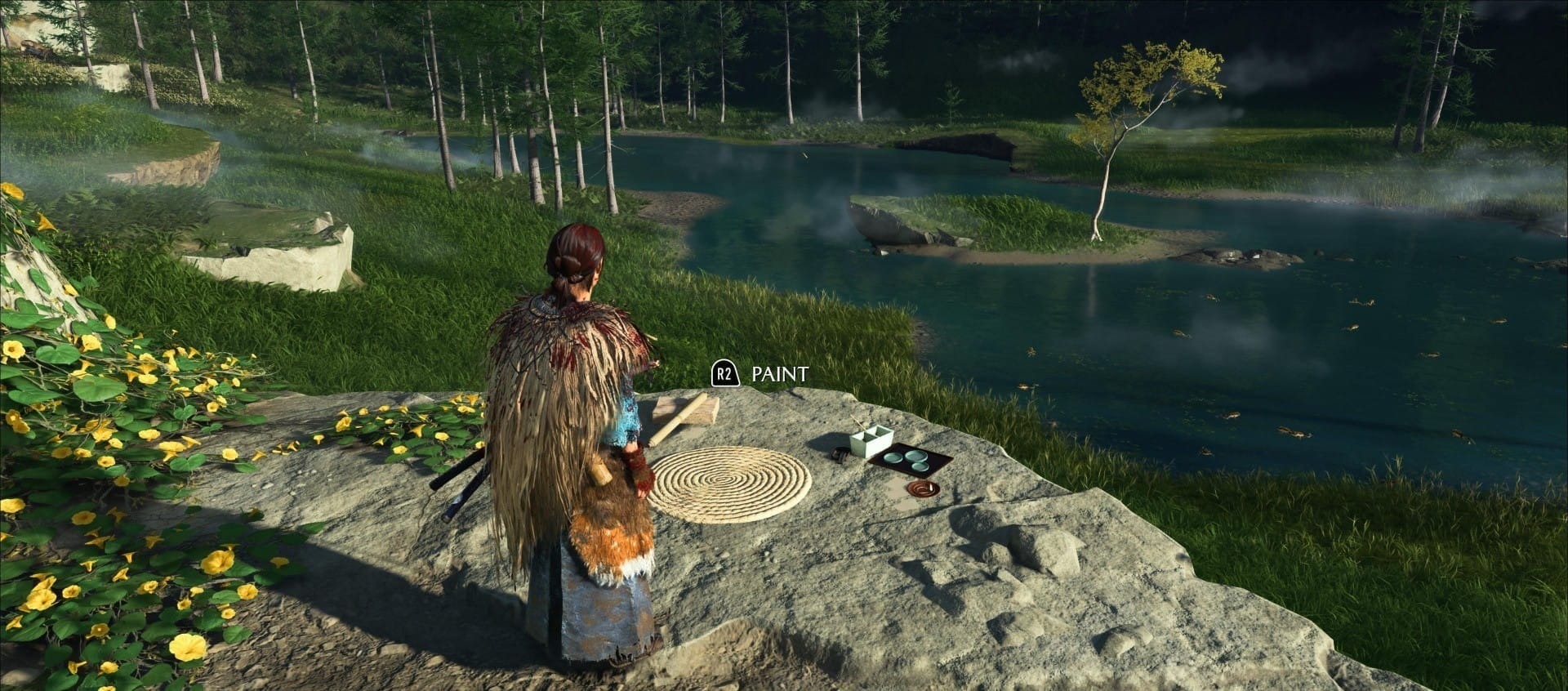
Yotei isn’t just a sequel to Tsushima. It’s a PlayStation game through and through. From the gorgeous open world that is a blast to explore and find all of its secrets to the fascinating tale of revenge and the ever growing character Atsu. Yotei captures the modern PlayStation DNA perfectly that we have been growing to love since the early PS4 days. The game pushes the console’s hardware like few others do while also running incredibly smoothly. There weren’t many open world games worth playing this year, but this was one of the few I spent dozens of hours in.
With the release of Switch 2 Nintendo now has two console generations on the market in full swing. With a couple of exclusives for Switch 2 and the new Switch 2 Editions this is a great ecosystem to finally get into if you haven’t yet. We didn’t see as many releases as past years, but this was as solid year for Nintendo.
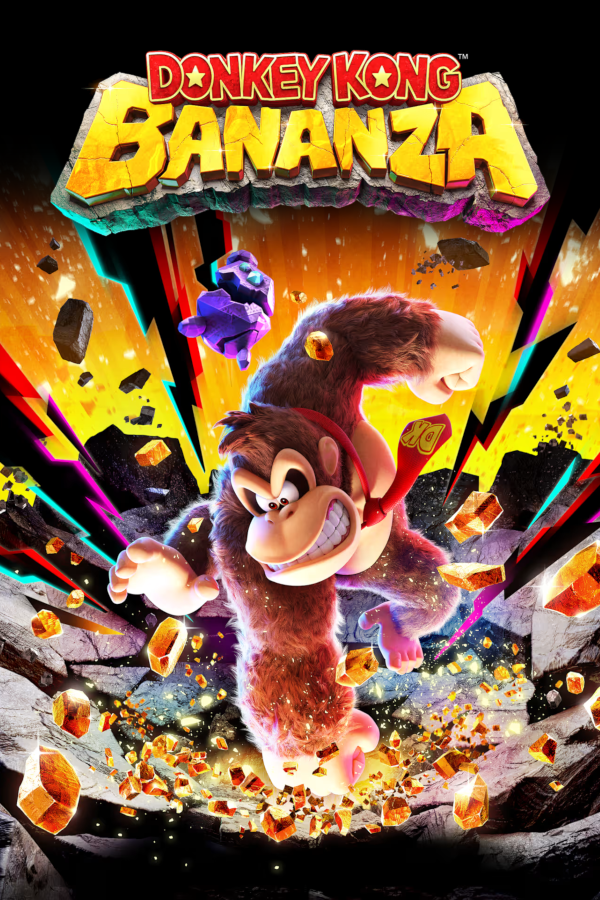
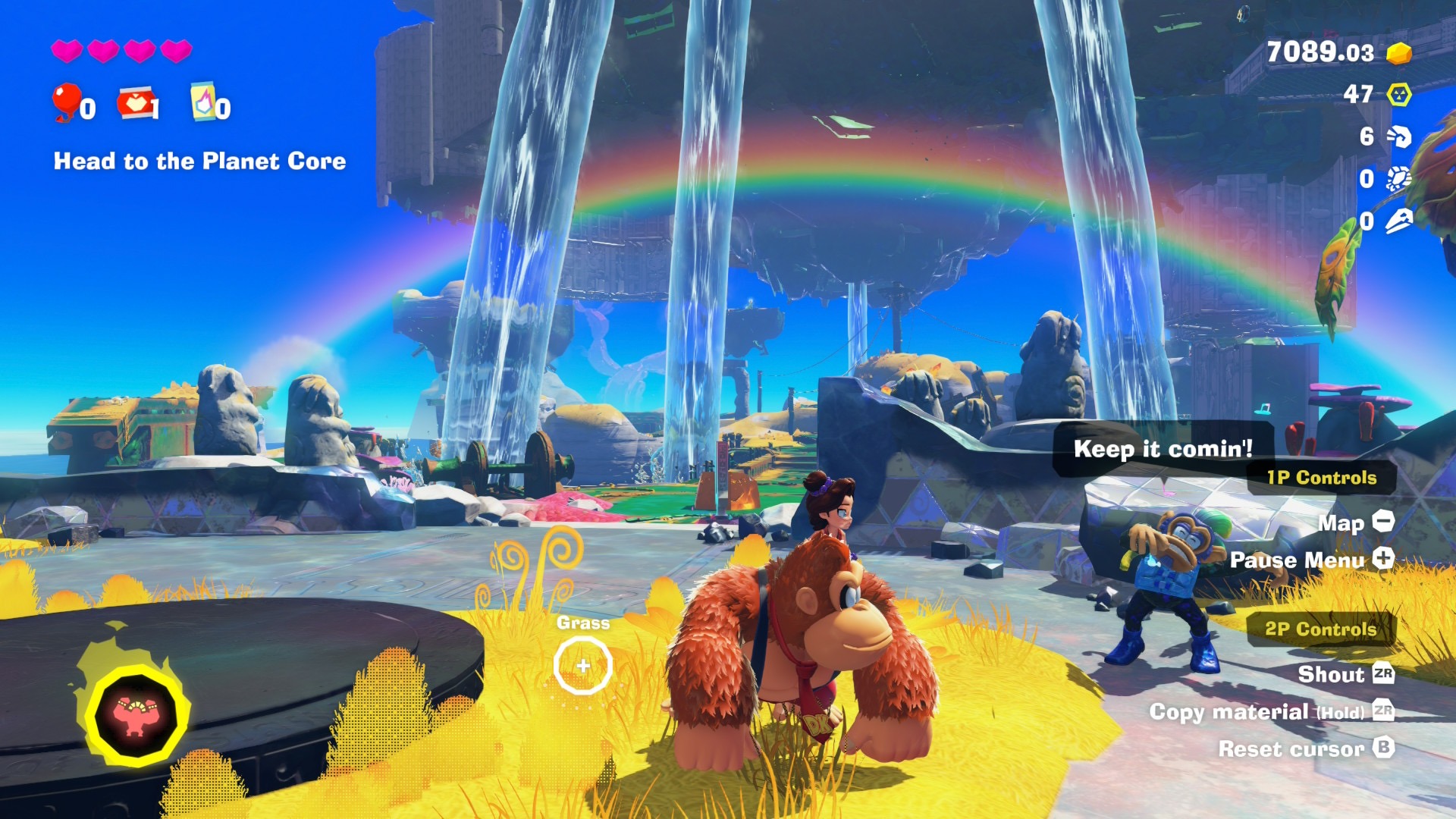
Bananza may feel like a Mario Odyssey spin-off with DK, but it’s so much more than that. This is a game that captures that Nintendo magic that only they can produce and did the best job of doing that this year. With so many fun levels and inventive gameplay mechanics there wasn’t a lot that topped this game. This is one of those “just one more level” games that I couldn’t put down. While it had some technical hiccups and other minor issues it didn’t stop Bananza from being something fantastic and a reason to buy a Switch 2.
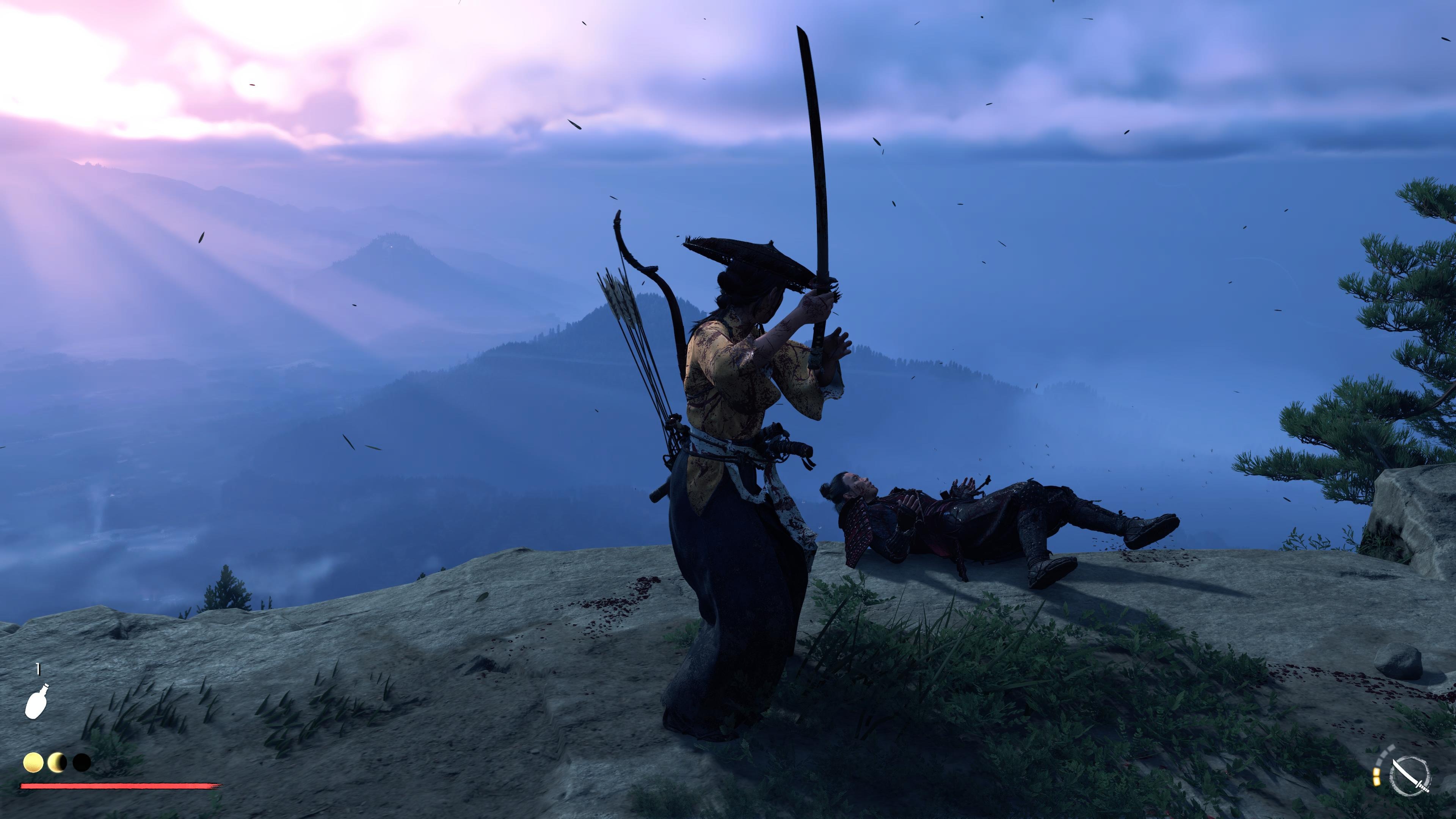
When Sony releases a new exclusive title, it’s an event for me. They don’t release games at the frequency they used to. We might get one or two a year. Ghost of Tsushima is an all-time classic. While I don’t remember much about the story or characters, I do remember the game being a beautiful exploration of Japan with great combat and the world itself being fun to explore. Yotei is no different. Atsu is a much more memorable character, and while the story seems to follow the modern trend of “Sony Revenge Stories” Atsu changes throughout the story, and she shows growth instead of constant anger or doing anything to get this revenge, even if that means losing everything. Atsu had her parents murdered as a child by a Samurai named Saito. His companions are all masked during the murder, and Atsu soon remembers the Yotei Six. These six masked demons must be murdered to exact revenge for the death of her family. There are excellent plot twists and changes throughout the story to keep you hooked. However, I spent most of my time exploring the world of Yotei.
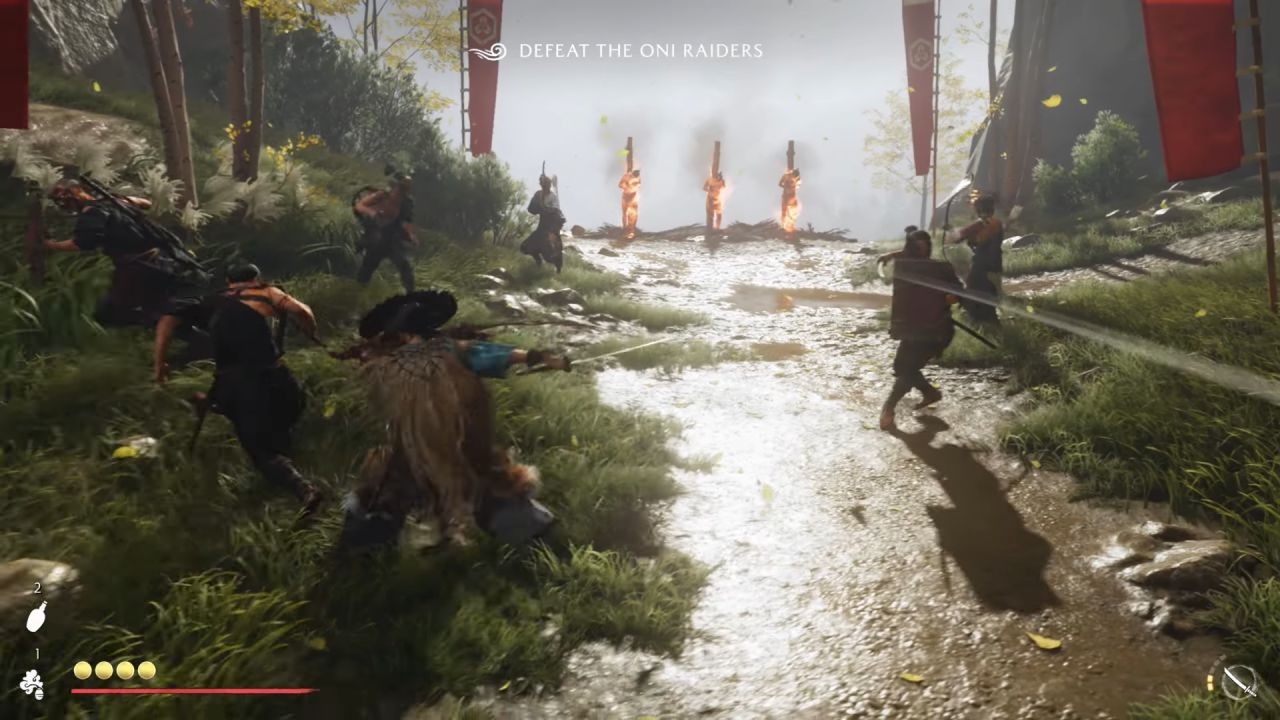
Combat in Yotei is simple to understand but can be hard to master when facing many opponents or the tougher bosses. Atsu has many things at her disposal. Five different weapons she can switch between for starters. This seems like an absurd amount, but certain weapons are stronger against others. The Odachi is a massive sword that’s best against large characters and clearing the area. The katana is best against a single katana, while the yari (spear) is great against kusarigama (sickle and chain), and vice versa. The dual katanas are best against yaris. It’s important to flip between weapons depending on the enemies’ weapons. This keeps you on your toes and adds a level of challenge and depth to the combat. Atsu will eventually acquire multiple quick-fire weapons such as the matchlock pistol, kunai, smoke bomb, fire bomb, oni flame (lights your weapons on fire), and many others. These can also be used outside of combat during stealth or to clear groups of enemies.
One-on-one fights are the toughest, and these require mastering the parry and dodge techniques. When the enemies’ weapon flashes blue, you can press the block button to parry. Red glints must be dodged, and this opens them up to attack. Yellow glints mean they are doing a disarm move, and you either need to dodge or hold down the heavy attack button to disarm them on the parry. If you get disarmed, you must find your weapon or switch to something else. There are also environmental elements to combat, such as grabbing throwable weapons, which can do instant kills, as well as finding sake jars to stun enemies and shooting barrels. You will always need to be on your toes and look for environmental weapons or use what you can to knock everyone down. There are also some other combat elements, like mounted horse combat by slashing at enemies or jumping from the horse. You can also unlock an ability to ram the horse through enemies. There’s even an armor that allows you to parry bullets, which is neat.
There’s little sprinkles over the main dish of combat. This includes stealth combat. You can assassinate an enemy from behind in the beginning. This includes drop-down assassinations. Eventually you can chain assassinate or have a partner help you. When you get the kusarigama, you can pull enemies towards you for stealth kills. Stealth isn’t required in most of the game, but it can be better than fighting two dozen enemies. You can hide in tall grass, disappear into tents, climb watchtowers, or pick off enemies with a bow (you have a longbow and shortbow as well as various arrows), or you have the choice to stand off with the entire group before you’re seen. This gives you an opportunity to duel enemies by holding the heavy attack button and letting go when they launch. Eventually you can chain these together and end it with a pistol shot. Then there’s the Onryo’s Howl and Ghost Stance abilities you can use when you get enough parries or kills chained together. This allows for invincibility and plowing through a few enemies with ease. You can sometimes even scare enemies into fleeing altogether.
As you can see, there’s a lot to the combat system. There’s so much here that’s slowly introduced to the character. During the story missions, players find masters of these weapons and receive training to wield them effectively. Same goes for most of the throwables and quickfire weapons. They are all given throughout the story so as not to overwhelm the players. Most of the story missions appear to consist of similar gameplay elements. The exploration, which includes climbing, fighting, stealth, and more climbing, is where the core of the game lies. You should aim to find all the optional armors, masks, and hats, as well as collect more dyes to create cool-looking gear. This game has some fantastic-looking gear. You can kit yourself out to be an all-black shinobi or a massive samurai with crazy armor. There are a few puzzle elements thrown in, but none of them are very challenging and are some of the weakest parts of the game. Spin a few statues to match symbols on walls, etc. There are also some puzzle boxes you can find, but these offer no challenge either.
There are various side activities you can partake in, such as finding shrines similar to Tsushima, bounties, vanity gear hunts, fox dens, wolf dens, and many others. There are nearly 30 hours of just side content here, and it’s all a lot of fun. It’s done quick, it’s easy to find, and it allows you to explore this beautiful world. The wind guide is one of my favorite gameplay ideas of all time. You can swipe up on the touchpad, and the wind will help steer you in the right direction of where your marked spot on the map is. This makes finding gear and various other items a breeze. Getting to them is the challenging part. You may need to climb something, blow open a hole, or tear down a wall. There are also bamboo strikes in which you press a combo of buttons to slice bamboo to increase your spirit. You can upgrade your health by finding hot springs. There are dozens of charms throughout the world, and these are used to give you passive boosts to various stats or abilities. You can equip up to six, and this allows you to create your favorite build. Want to boost stealth or ranged combat? There are charms and armor combos for that. You can also find shrines to upgrade various abilities, but I honestly felt the upgrade tree just slowly unlocked abilities and felt a little tacked on. You have to pretty much unlock everything in a row so you can focus on one thing or the other.
The game world is stunning, and Yotei is one of the best-looking games ever made. On the PS5 Pro with ray-tracing and VRR the game can hit 60 FPS, which is fantastic to see. The bright colors pop with HDR and the various areas all have their own color palettes. The game doesn’t focus on seasons, but each area has a different weather pattern. One area might have yellows and greens, while the next area is all snow. Snowstorms can cause your health to slowly freeze unless you find a fire and will temporarily limit your health. The game is just a dream to look at, and the load times are instant. You can fast travel anywhere, and you’re playing in about 1 second or less. Sucker Punch really utilized all of the PS5 hardware to make this game beautiful and play wonderfully. The DualSense controller is well used here with great vibration implementation, and the triggers are used well. It’s a very immersive game, but there are a few issues I haven’t talked about yet.
While the combat has all of these little elements sprinkled in that make a much larger combat system, it can get rather repetitive. The only challenge ends up coming from timing parries and dodges, especially in boss fights. Most of the combat is held back by the heavy attack armor breakdown. You have to break down every enemy’s white bar to even start to attack them. Tougher enemies will regenerate one or two of these before you can kill them. This also goes for boss fights. They have a large armor bar above their health bar, and you have to heavy attack them, dodge, and parry to whittle this down just to attack. A lot of attacking and time is wasted on this feature, and I wish it wasn’t there. I can understand large enemies or enemies with tougher armor, but every single enemy has this to some degree.
I also found that the structure of the main story missions consists of a repetitive mix of similar activities. Climb a bunch, run around, fight a bunch, do a stealth area, open a door, climb a bunch, and repeat. The gameplay primarily consists of a combination of these three or four distinct types. You usually have a boss fight at the end of each mission with not much else to do. This was my issue with Tsushima as well. While all of these are more refined here, some may not like this type of gameplay loop. I found it worked well during exploration and finding all of the gear and upgrades, but the main story should have some other things thrown in. A scripted horseback ride doesn’t really count. There are a few occasions in which you get to equip a cannon, but these are later in the game and only happen a couple of times.
I also found the story, while entertaining, didn’t have the greatest dialogue. It’s very dry in spots and doesn’t get very exciting often. There’s a lot of standing around and talking with little else. Most of the side content cutscenes are skippable and not memorable at all. Sadly, there are very few memorable characters here outside of Atsu and a couple of the main characters. I do appreciate the new game plus mode and various filters to make the game look like older Japanese films. I found the music good, but nothing worth listening to outside of the game, as it works well within the context of what’s happening on screen.
Overall, Ghost of Yotei is a fantastic game with a lot of content to offer despite being wrapped around a few of the same gameplay loops. The story is entertaining, and Atsu is a great new character to add to the PlayStation roster, but most of the dialogue is dry, uninteresting, or nothing special. There aren’t a lot of well-written characters, and this issue was clearly never resolved from Tsushima. The main story missions are a mixed bag of the same gameplay loops as well, with nothing super exciting or anything that really stands out. I spent most of my time enjoying the exploration of the world and finding all of its secrets. If you loved Tsushima, you will love this, but those who don’t care for open-world action games will find that this game won’t change your mind.
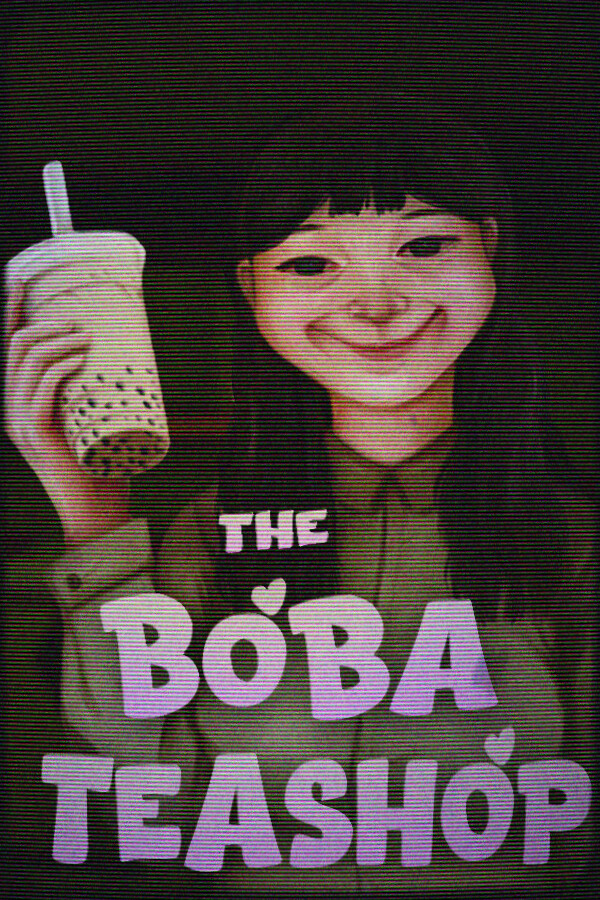
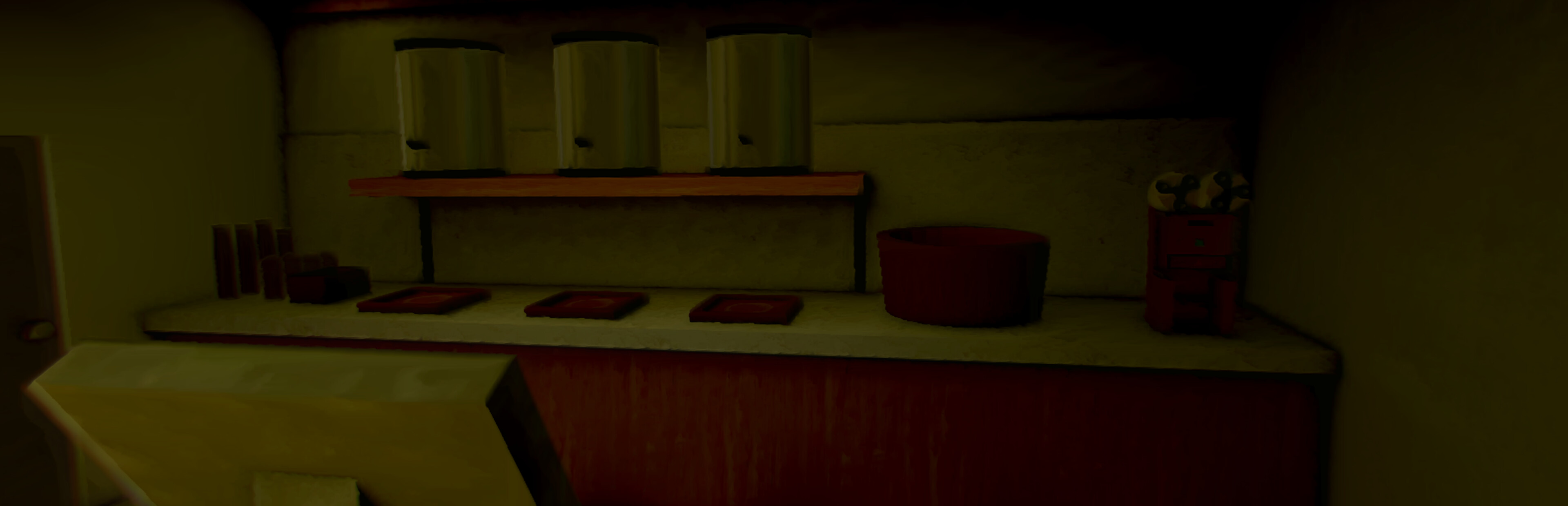
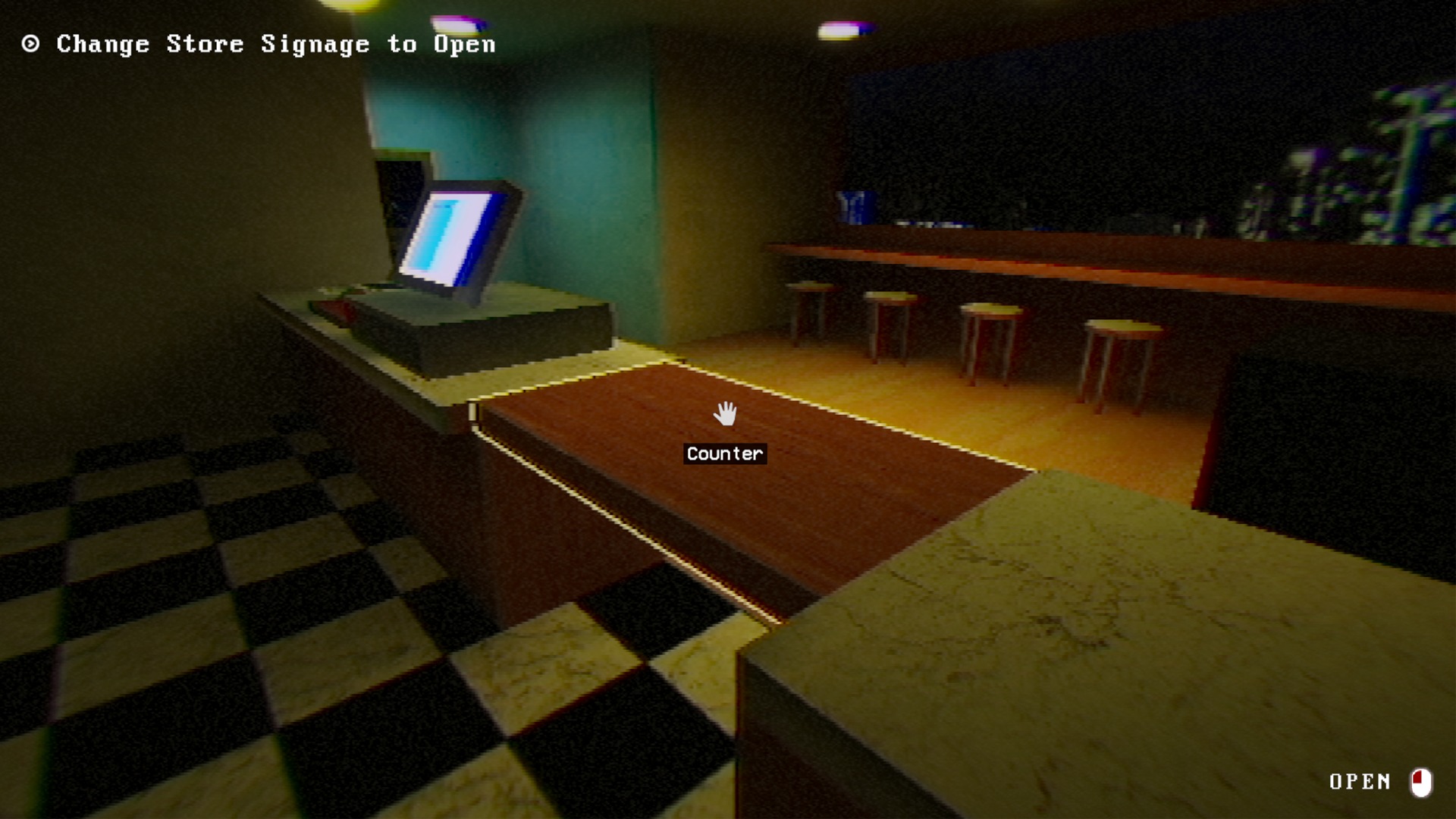
Stress from work is a real issue today. It’s quite common that in Asian cultures this can lead to suicide. Many local legends and myths revolve around overworked women who jump from buildings or hang themselves and then haunt where they work. The Boba Teashop does a great job of building atmosphere and tension in this regard. There is a time management simulator in here that’s actually quite fun, and sadly the game ends so soon. A few other PS1 style horror games of this ilk have done this, such as While We Wait Here. There isn’t much to this game. It’s a very simple game to look at, as you are only inside this single shop. The game is very dark and moody, with it constantly raining outside, and it always seems to be nighttime.
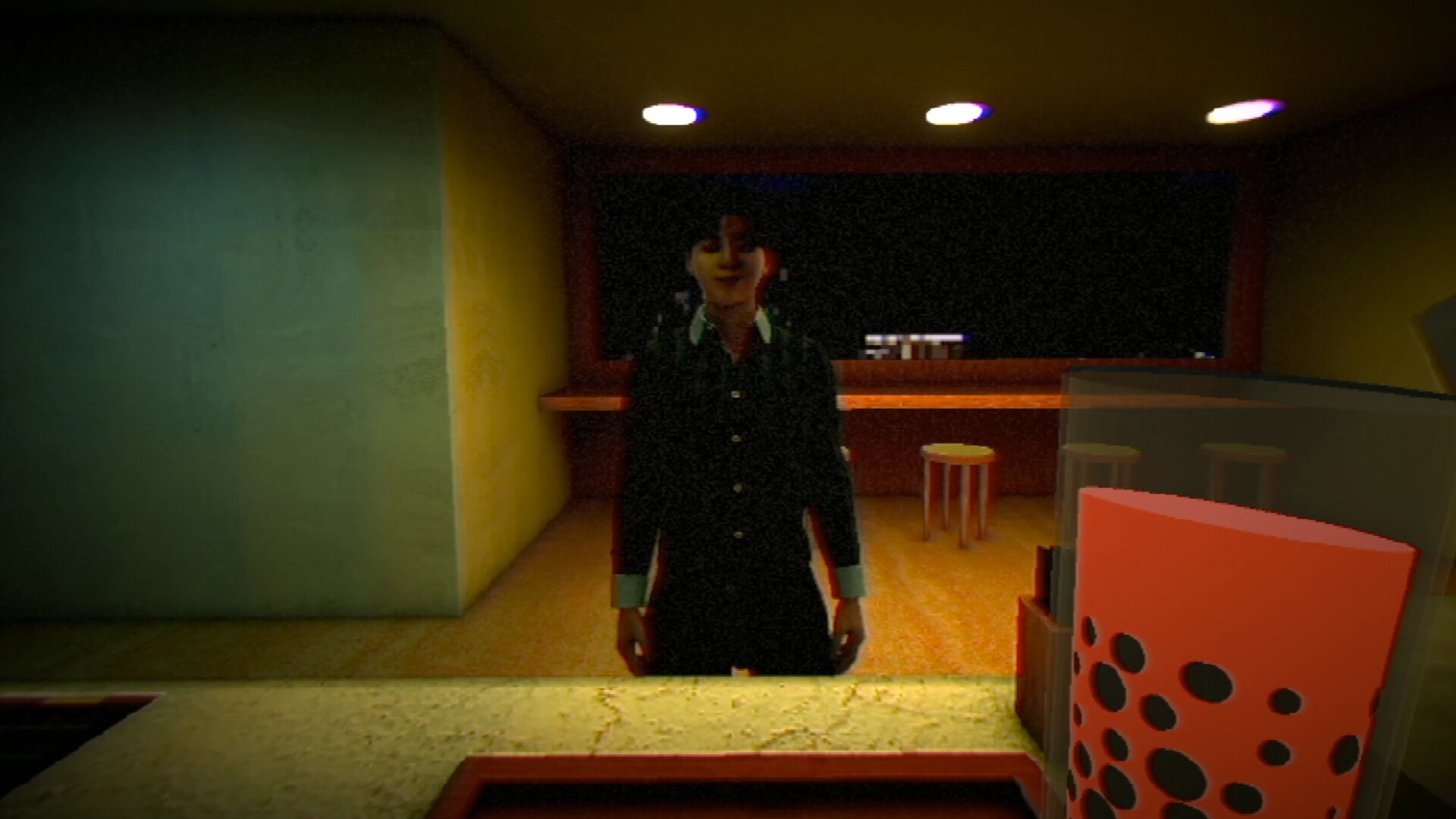
I have to commend the developer for some great scares. These aren’t just cheap jump scares or fake-outs. There’s some serious psychological horror stuff going on. Things will appear in the periphery of your view, and when you turn to look, nothing is there. You can’t make out the object, but you know something was there. There’s a lot of tension building, such as when you are told that an electrician will be working on the system and your lights will flicker. There’s constant fear that something will pop out at you or that one of those lights flickering is something else. The entire workday ends up like this.
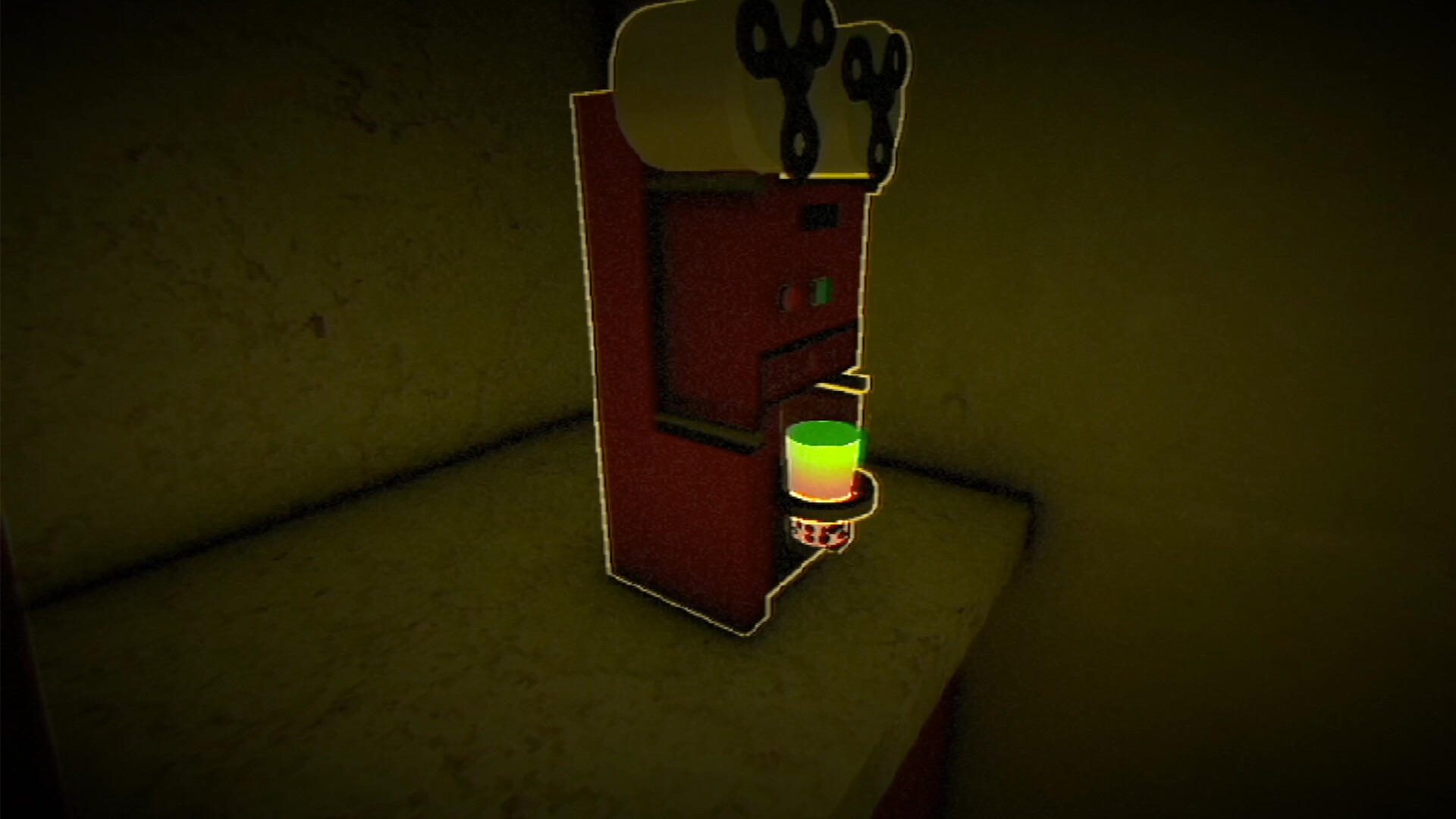
The main gameplay loop is greeting customers and getting orders. You start out simple with just boba tea. You pick up your cup and place it under the correct vat of liquid. Eventually you can use chocolate and coffee. You can then add milk from the fridge as well as various fruit. The last station is your boba, and then you must seal the top before handing it over. In the employee room the recipes are on the whiteboard if you get confused. It’s a very simple but addictive loop of taking orders, and you also get repeat customers. Some are rude, some are nice, and some are strange. Orders are displayed on the register, and when you hand the drinks over, the customers will pay and you collect the money. A couple of other people come in who don’t order drinks, but it all adds more tension. You get more and more stressed as the days go on and start seeing things.
I don’t want to spoil the scares and story, as this is such a short game. The visuals play well with this type of game. The low-poly graphics and lack of lighting keep you glued to your screen. In between the gameplay loop of making drinks, the game never lets up. Something is always happening. The game lasts maybe an hour at most, and this feels like a proof of concept or demo for something that could be bigger. I highly encourage those who are fans of horror and PS1 style graphics to buy this and play it. You’re supporting an indie developer, and the game is really inexpensive. Normally, I don’t care for these super short indie games. They are usually fairly disappointing and don’t offer anything memorable, but things come together just right here to warrant a playthrough.
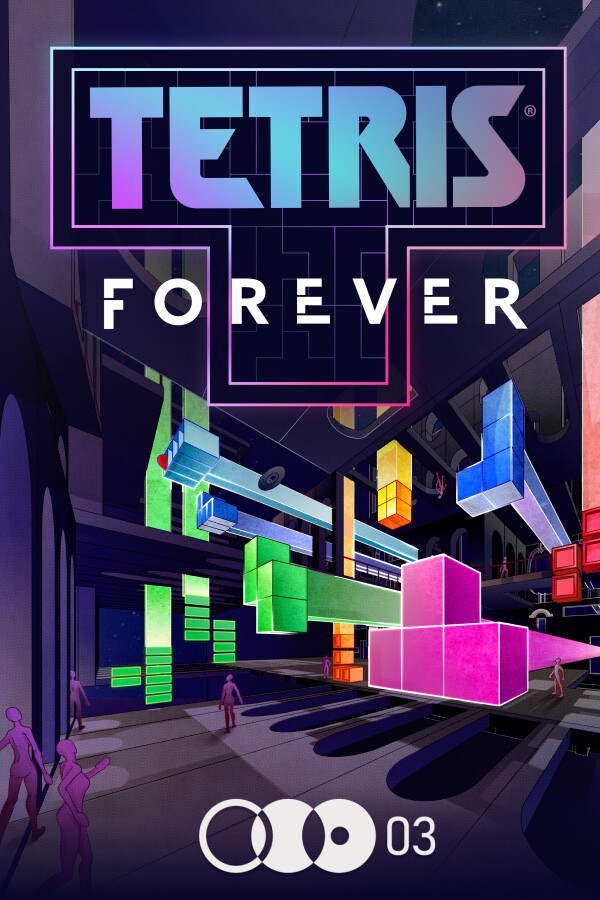
Digital Eclipse’s Gold Master series is an incredibly original and unique idea. The series focuses on creating interactive documentaries that explore interesting game stories or sagas, allowing gamers of all ages to engage with them. This is the third Gold Master game coming right after the Atari 50th Anniversary, which was absolutely a blast to experience. Tetris Forever is a great concept. The story behind how Tetris came to be is fascinating, and Henk Rogers, the person who helped bring Tetris to the West, is a great storyteller. I was floored by how Tetris came to be and the breakdown of the gameplay and nuance of what makes the game a timeless classic. The documentary clips are wonderful. Usually ranging from 3 to 8 minutes each, there’s easily over an hour of video footage, but that’s kind of where the best part of the game ends.
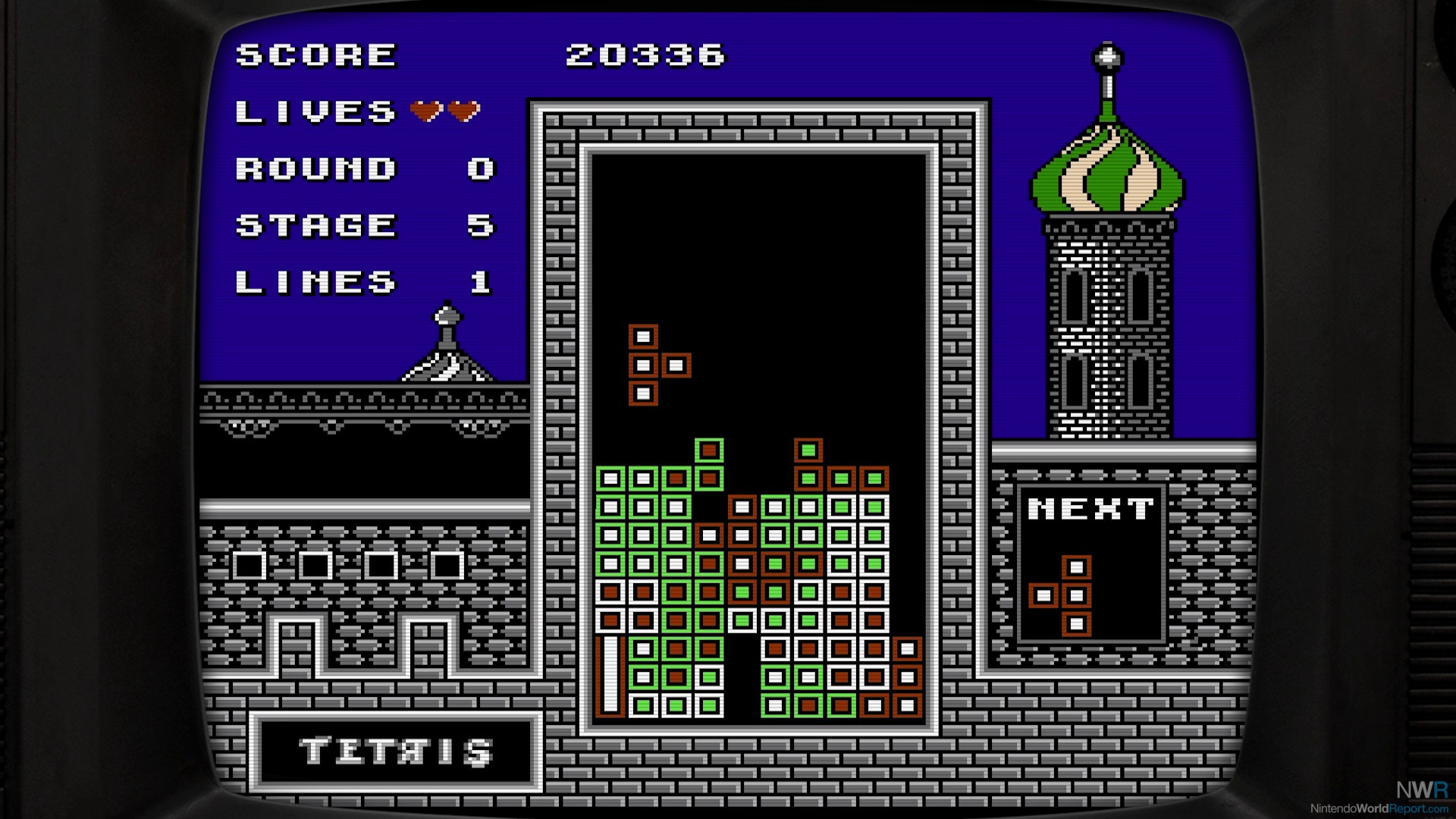
It’s difficult to call these Gold Master series “games” as they are interactive museums. Many different versions of Tetris are owned by other copyright holders. The most famous being the original Game Boy version of Tetris that shot the series into the stratosphere. It’s not here because it’s owned by Nintendo. You can see it being played in the footage of the game, but that doesn’t help us sitting here playing this game. Forever is mostly comprised of older MS-DOS and early 8-bit PC versions of the game that are historically interesting but not very fun to play. Digital Eclipse did a great job creating a replica of the computer they are on visually and adding things like a CRT curve, filter, and mapping the keyboard controls to a controller. Sadly, they just aren’t fun to play. Many versions don’t have music or much sound at all. Outside of messing around with these for five minutes, you will have no reason to go back to them.
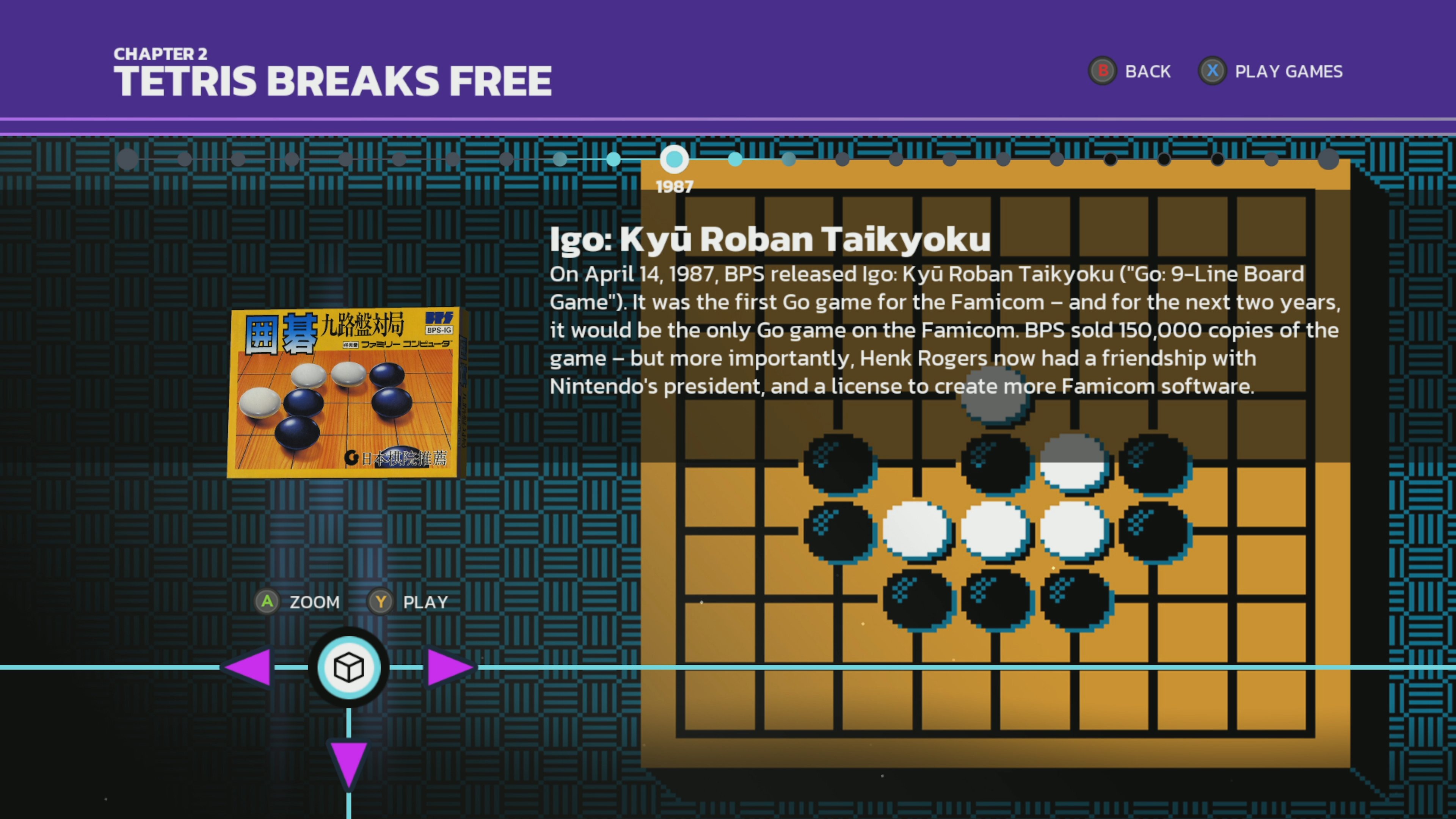
There are a few other games that aren’t Tetris included, as these are part of the Spectrum Holobyte story. Many NES games are included here, but you can play these outside of Forever on emulators through ROMs on much simpler devices that boot up quicker without a fancy interface. Again, these games are either not fun or just interesting enough for a historical reference. This isn’t like Atari 50th, where you can play every single game Atari made or held the rights to, and they were full-blown games. These are pretty much all puzzle or board games. One of the big stories that helped Henk Rogers gain trust from Nintendo was making a game of Go, which is basically Japanese Reversi. The NES version is intriguing at best, but I was not a fan. It’s not as addictive or fun as Tetris and requires much more concentration.
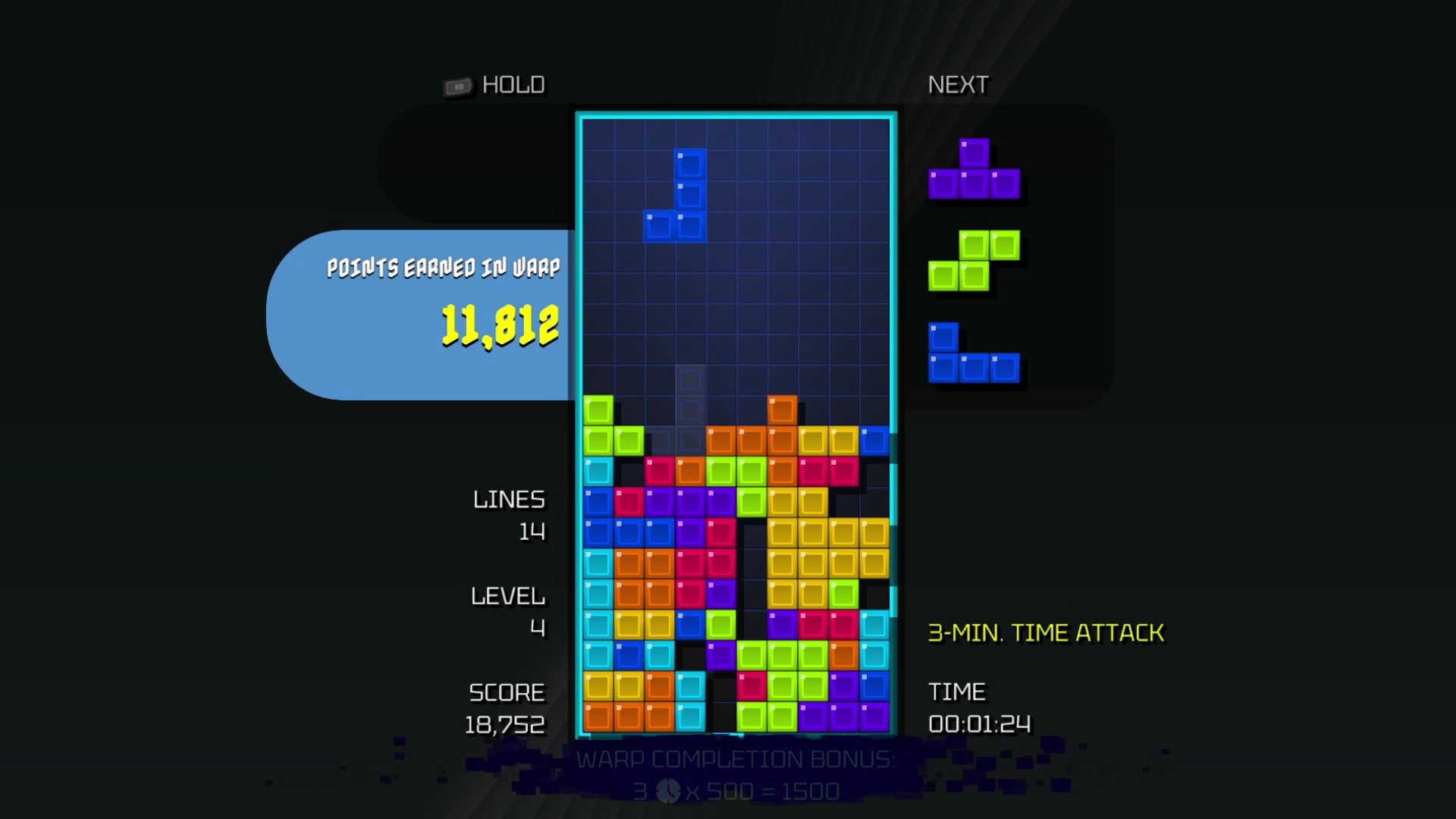
Sadly, only 8-bit games are included here. Nothing past the mid-90s is included. It would have been great to get DS, PS2, PS1, or other consoles on here, but there’s either a rights issue or an emulation issue on Digital Eclipse’s side. Most of the more interesting games are 16-bit and beyond. The lesser-liked sequels to Tetris are included, and a few spin-offs like Hatris, Super Bombliss, and a brand-new game made for this compilation, which is the only non-8-bit game included. This Gold Master release is mostly for those interested in the story of Tetris rather than playing it. Unless you grew up with these 8-bit games, I don’t see any reason why anyone else would enjoy them. Sadly, even the new Tetris game isn’t anything special. It’s not much to look at and just plays like any other Tetris game. The most interesting feature is the 1989 mode, which emulates the Game Boy version, and that’s as close as you will get to it. I don’t see myself booting up an entire compilation just to play this version of Tetris.
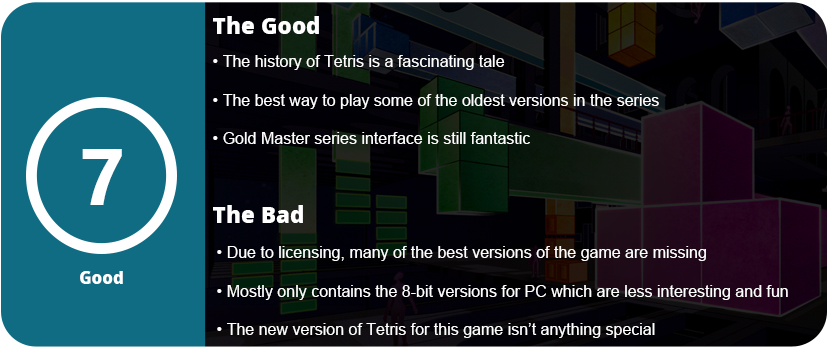
The title would have been more interesting as a cheap documentary than a game all by itself. I got more enjoyment out of the video clips than I did the games themselves. With four 8-bit versions of the original Tetris (all inferior versions) and many less interesting spin-offs and sequels, it begs the question as to who this is for. The low asking price helps, but even then, unless you are a massive Tetris fan, it’s hard to justify the cost. Tetris Time Warp is the game you will spend the most time on here, but will you come back to it? Tetris is a fascinating tale and one of the most interesting I’ve had the pleasure of listening to. Tetris is a fantastic and timeless game series, but the content included here does not represent its strongest offerings.
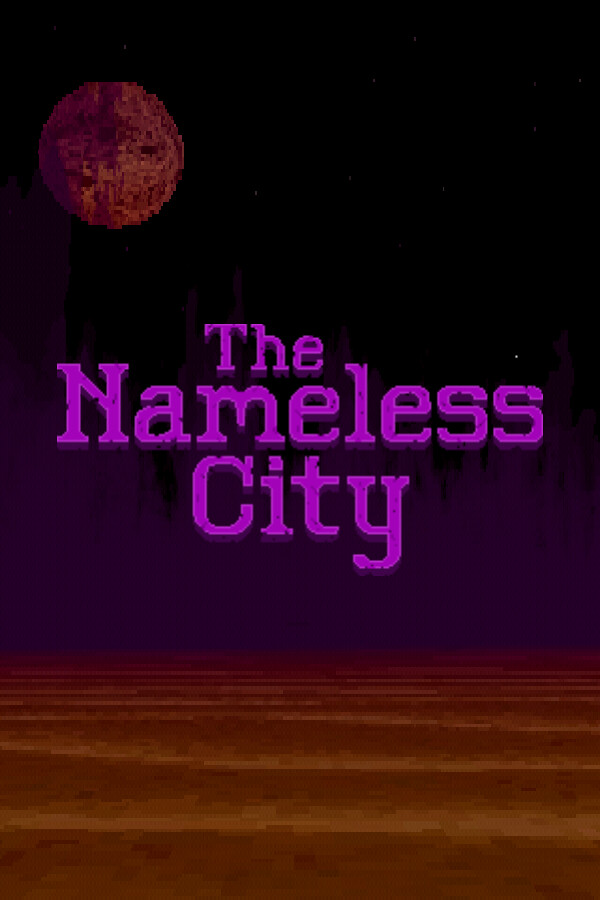
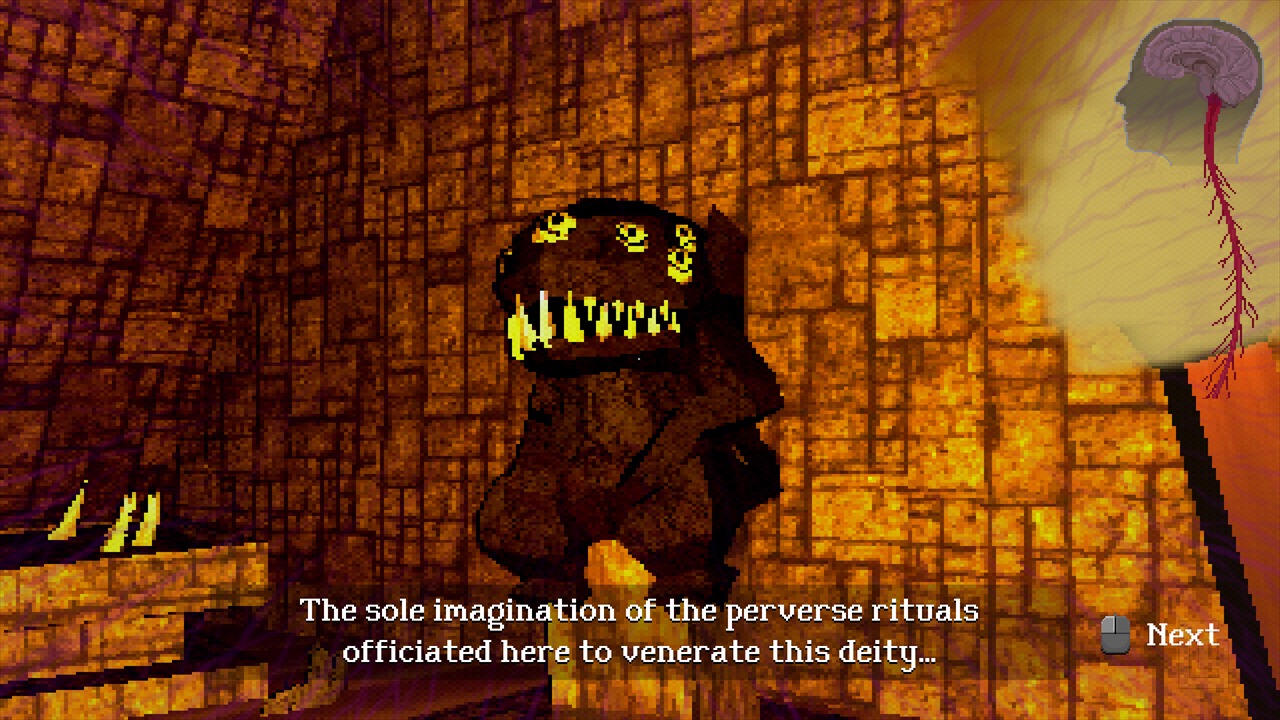
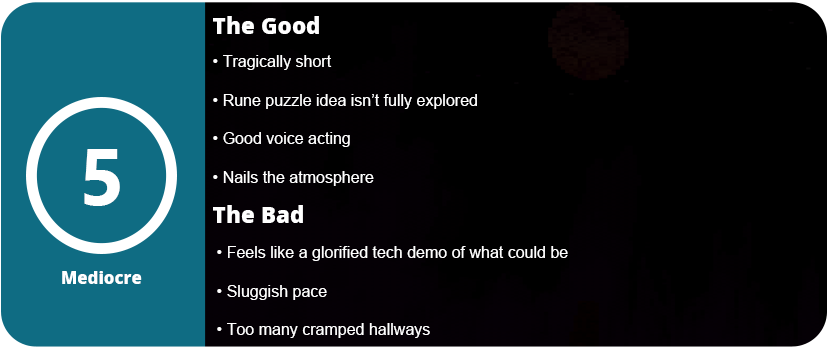
H.P. Lovecraft’s stories are difficult to translate into game form, and very few are successful. It’s almost like a curse in and of itself. Many games based off of his short stories are adventure titles, and I have played many of them, with almost none being good. The Nameless City has some good ideas. It nails the atmosphere and the setting and has an interesting gameplay mechanic, but this game feels like a glorified demo of what could be.
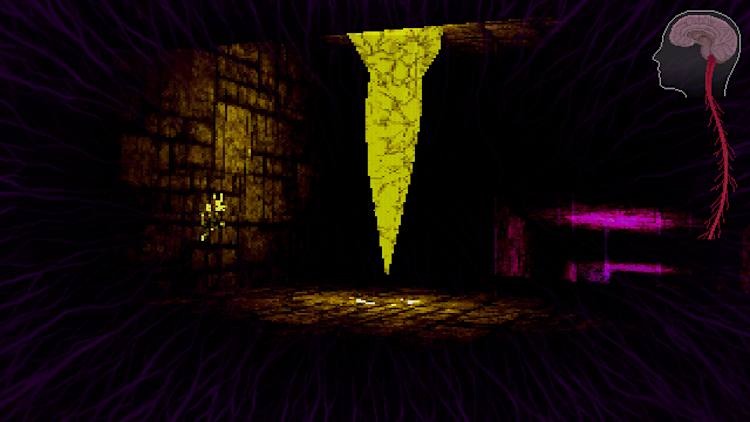
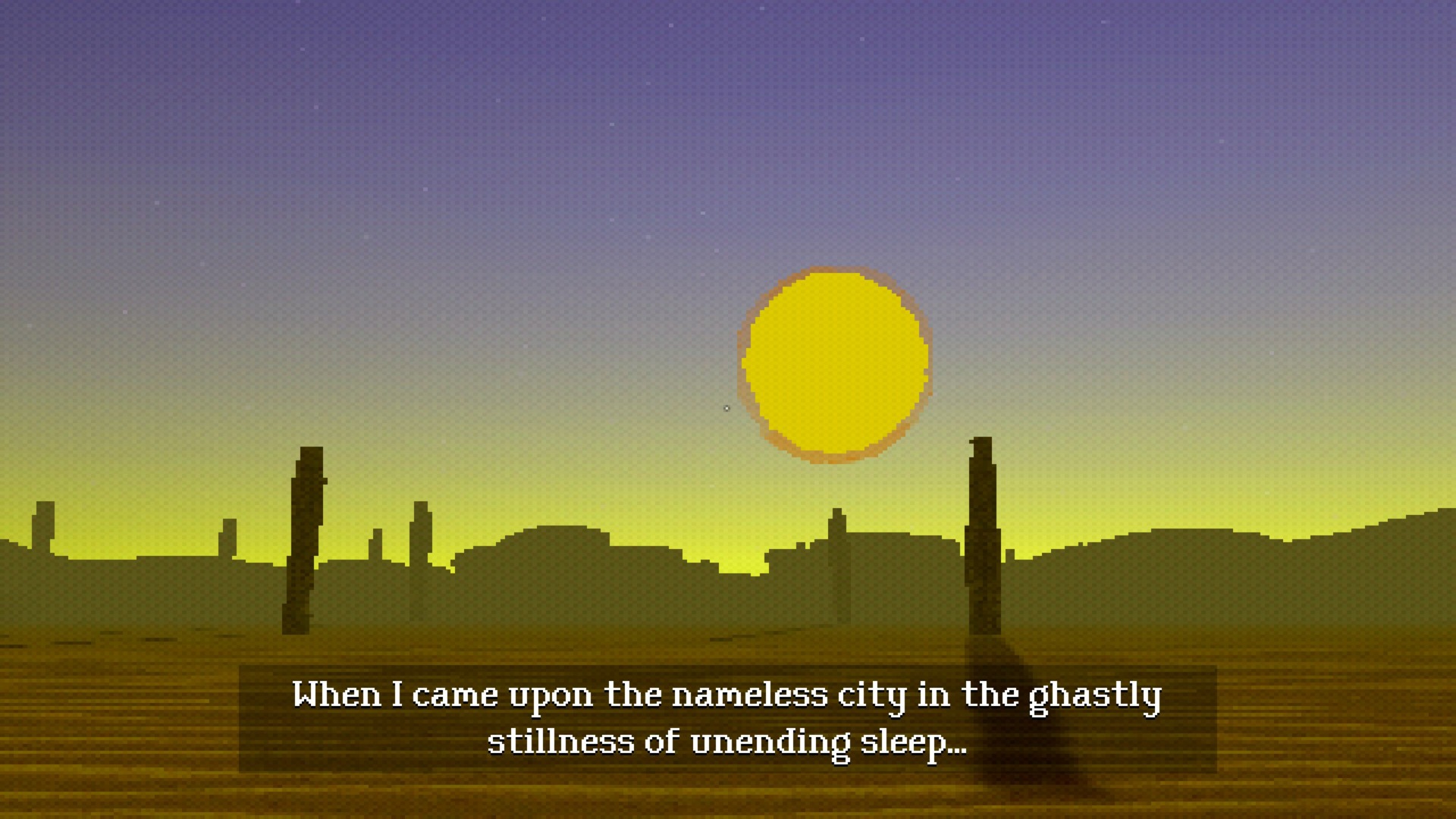
The game starts you out at a campsite outside of some ruins in a desert. The lone adventurer narrates the game with a subtle and almost depressing tone. He is quoting lines from Lovecraft’s short story of the same title. A mysterious being is said to live in these ruins, and people will hear the call in their dreams. As you make your way through the ruins, you will come across runes. These can be learned to help open up pathways further in. As night falls, however, you will lose all of your sanity and have to start back at the last checkpoint. This isn’t all that bad, as the game is so short. There are only three runes you use in the game. You can use one rune for casting and another for dispelling or casting a barrier. These spells are just for barriers, and that’s it. There are strange open holes that blow wind across a chasm that you need to navigate. These will blow you off the mountain, so you need to crouch under some.
Once you get into the cave system, it’s pretty boring. You can eventually use a spell to cast light on strange crystals as your sanity depletes in the darkness quickly. Once you get through the cave system and back out, the game is pretty much over. I did hate the maze puzzle. This entire level will take up most of your 90 minute playtime. It’s an endless maze that repeats forever. You need to use this to your advantage to activate crystals to stop a beam from blocking your path. It took me nearly 45 minutes to figure this puzzle out, and it was not fun at all. That means there’s only 45 minutes of actual gameplay outside of this awful level.
With that said, there isn’t much to say for the game even if I wanted to. The visuals use the PS1 style graphics and look appealing. The atmosphere and ominous sound effects do a good job, and the end monster is a little goofy looking. The game is very affordable and can provide a spooky experience for an evening playthrough, but don’t expect too much from it.



































 thebinarymessiah.com
Try multiplayer. A lot of fun !