Simulators of any kind are cream of the crop on PC. With the more advanced graphical and processing power you can play simulators that are years in advance over consoles, especially the PC ones. With dedicated hardware like wheels, pedals, shifters, and entire cockpit cages, racing is something that is taken very seriously on PC. 2020 was a light year in good racing games, but what we got was nothing short of bad.
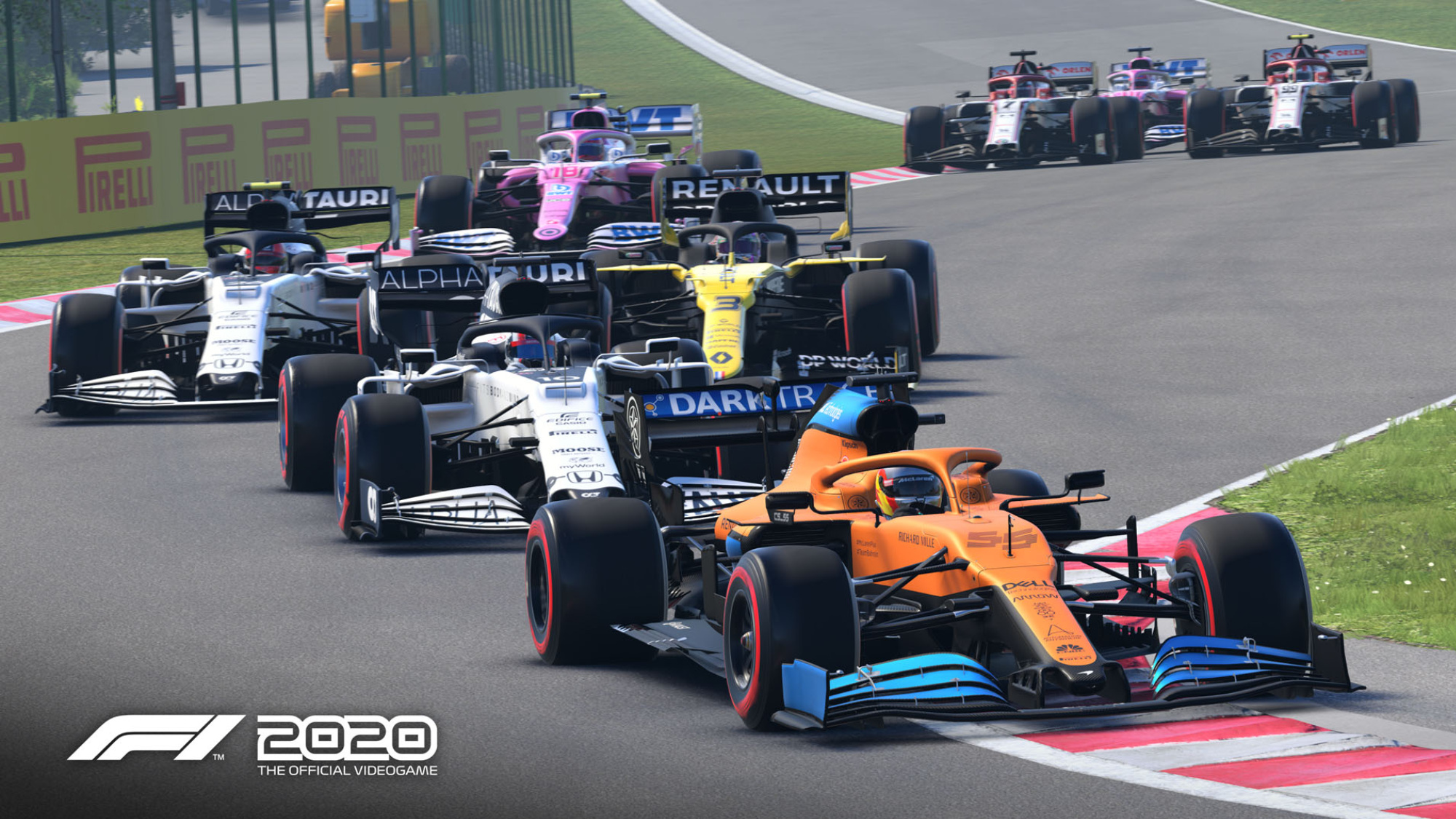
F1 2020
Usually F1 always gets pushed out by bigger racing games that did something just a little bit better or bolder. F1 2020 pushes itself past the competition this year with a fantastic career mode, amazing visuals, and more options than you can shake a stick at. I can’t remember the last time a Formula One simulator was this good and addictive. F1 games have always been decent, but you either love it or hate it. F1 2020 is the start of a new decade for the series and hopefully it has nowhere to go but up.
Strategy games are the bread and butter of PC games. It’s what used to set them apart from consoles years ago. The keyboard and mouse and faster CPUs allowed for faster calculations, more on screen enemies, and multitasking. Strategy games have wavered over the years and have become more niche, but 2020 was a huge comeback for the series. Large AAA budget strategy games en masse are something that doesn’t happen very often. You might get a StarCraft here, a Command & Conquer there, but never something like this in today’s age.
Crusader Kings III
Crusader Kings III just went ahead and went all out and out of left field. Fantastic stories that are weaved seemingly forever, deep addictive strategy, and the ability to control a kingdom like no other game can. Crusader Kings III is the start of something fresh and bold and takes the strategy genre into new heights, especially in the story and character area. Customizing characters in a strategy game? Unheard of. You can mine resources all day, but adding meat to an already chunky bone is something that hasn’t been done in this genre in over a decade.
Reissues have grown over the years and matured from single resolution upscaling to full on love projects that take years to perfect. Our most beloved games have been updated with modern gameplay mechanics and visuals and have become even more immortalized more than ever. This also creates a great risk as you can ruin and smear a great game with a reissue that isn’t well done.
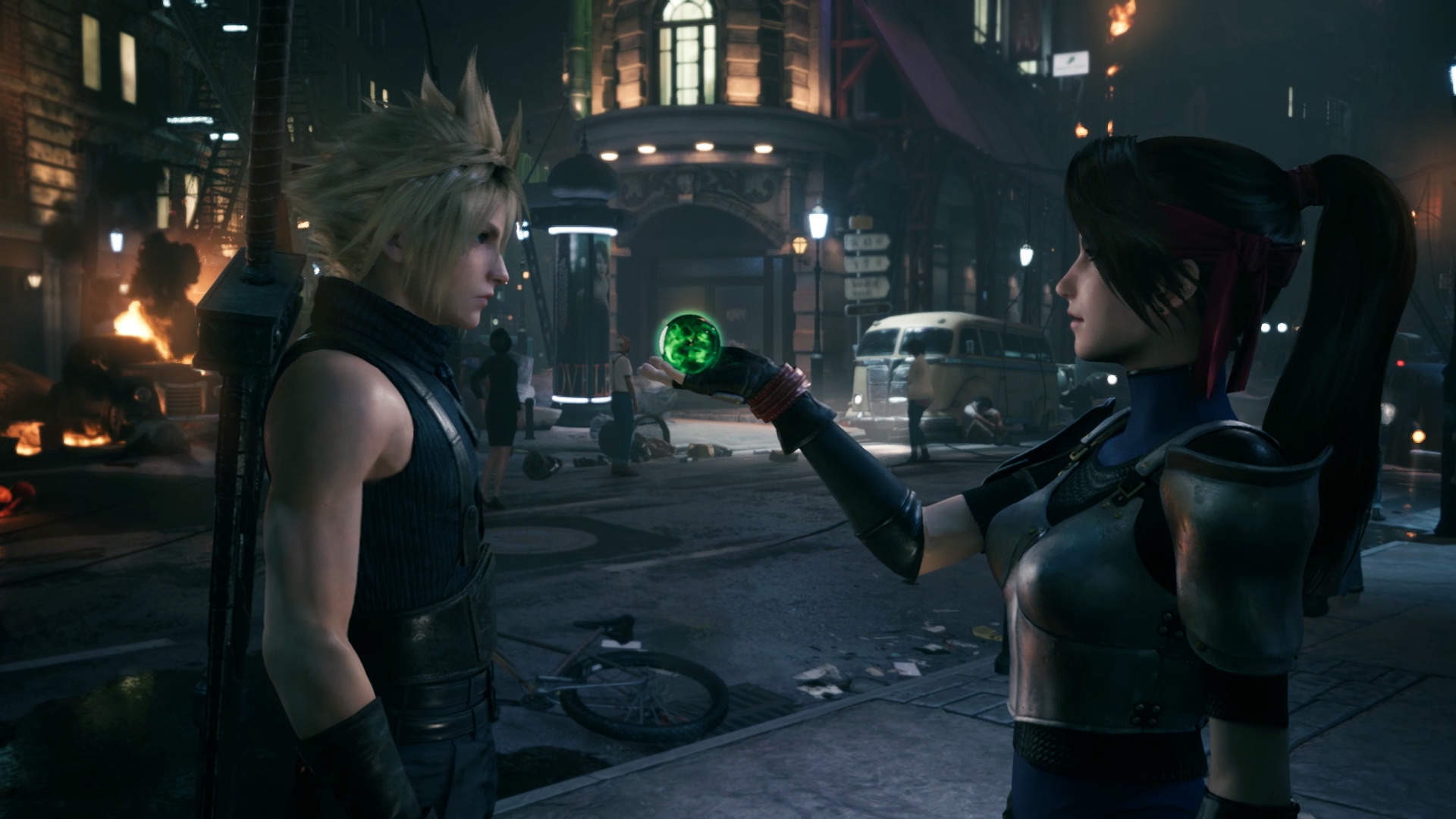
No other remake has received a spotlight larger than FF7 and that’s for a reason. Being teased over a decade ago as a tech demo for the PlayStation 3, FF7 Remake has been on everyone’s watch list for seemingly ever. While we didn’t get the full game right away, the first part wonderfully recreates memorable scenes, updates combat, and gives us gorgeous visuals. Fans will appreciate the attention to detail more than newcomers, but a remake like this just can’t be ignored. It’s pure perfection and delight.
Multi-platform games are great as they can be shared by anyone whether you’re a fanboy of a particular system or not. The downside is that it can lead to lots of bugs and glitches, but overall these games are played more than exclusives and can reach a much larger audience. These tend to be the largest hits of the entire year or even hidden indie gems.
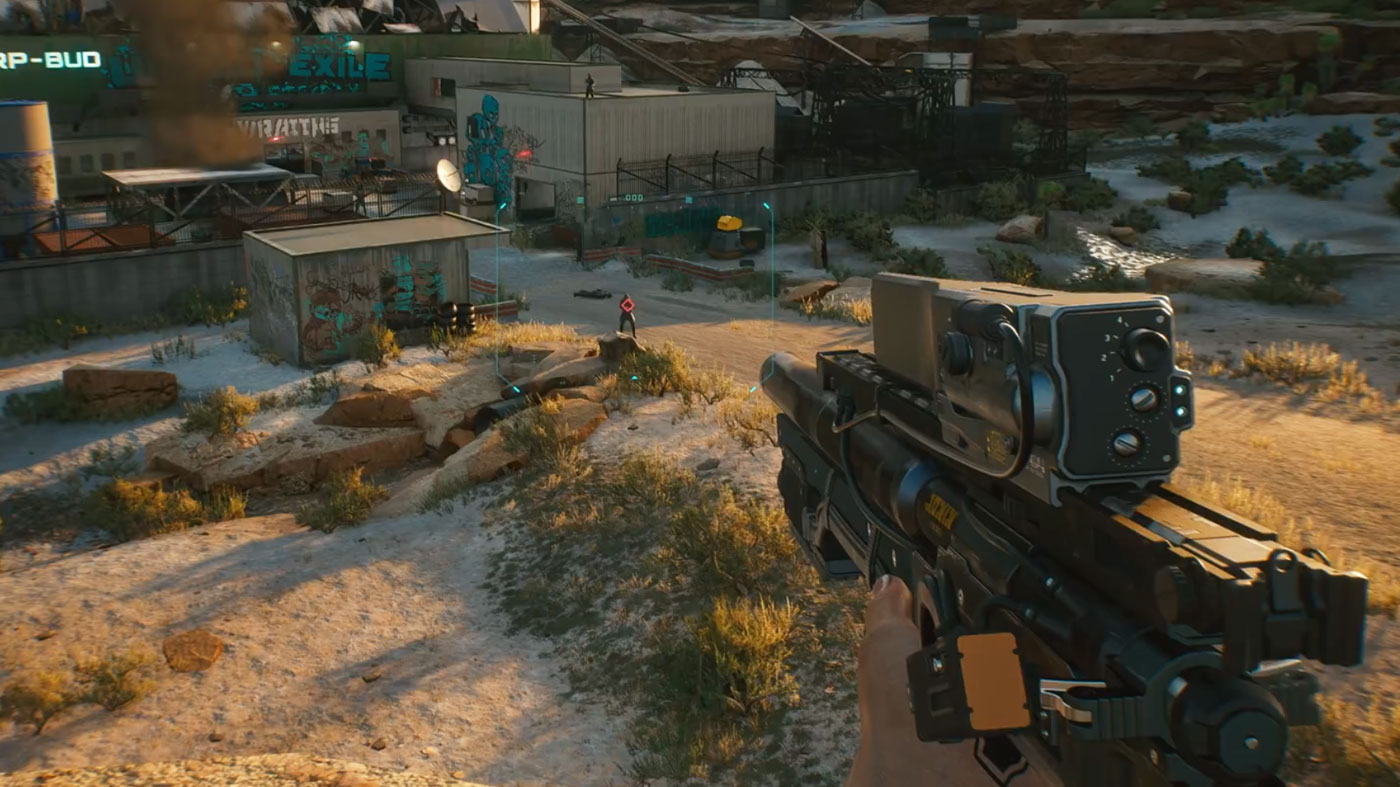
Cyberpunk may not be perfect, but it’s rich storytelling, larger than life world, and fantastic atmosphere are something that can be lost in. Very few games can achieve this level of God-like RPG status. Exploring a setting that most games haven’t really touched outside of smaller indie games. Seeing that a large AAA budget game set in a cyberpunk universe is just something beautiful to behold and its unforgettable.
Shooting games both third and first person are among the most popular genres in gaming. They can provide amazing scripted set pieces, beautiful stories, memorable atmospheres, and even fantastic multiplayer options. This year was a bit light in shooters, but what we did get was solid quality with games that could ride out the genre single-handedly.
Half-Life: Alyx
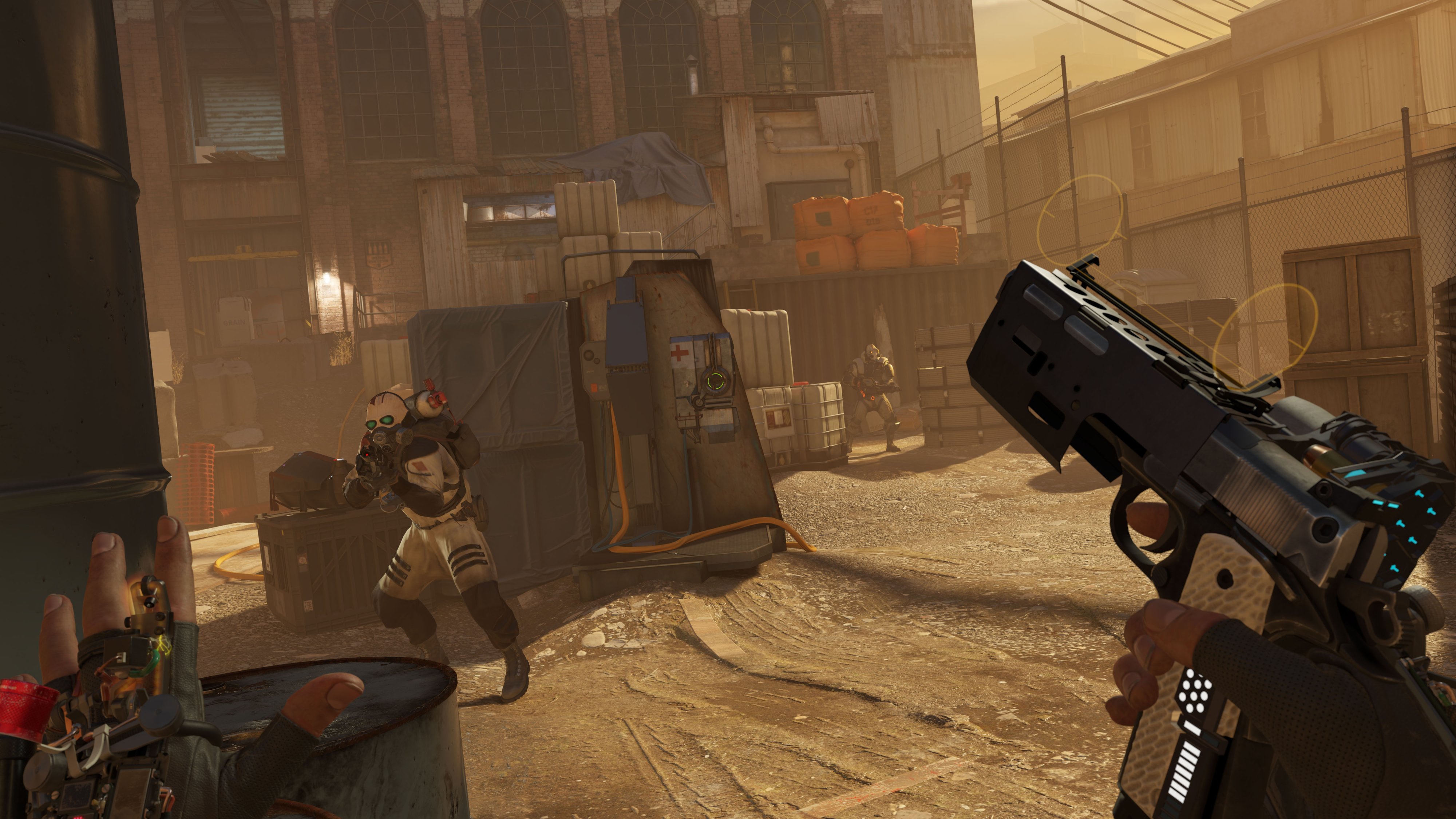
Half-Life has always been a juggernaut shooter. With revolutionary storytelling for its time, fantastic characters, memorable enemies, and solid mechanics, it was a recipe for perfection. Alyx takes that formula and throws in some amazing VR elements and what we get is one of the most memorable shooters of the year. Puzzle solving, storytelling, atmosphere and an overall immersion that you just can’t get outside of VR and Half-Life. Who knew two things could mix so well.
This wasn’t as strong a year for exclusives on the Switch, but we got some amazing ports, remasters, remakes, and collections. What was exclusive was just fine, but it was very experimental this year with genres spread all over the place.
Animal Crossing: New Horizons
New Horizons may not be groundbreaking, but it was unique in it’s time. With COVID-19 hitting the world right before release, many people were stuck inside trying to find new hobbies and things to do. This lead to a Switch shortage and New Horizons blew up like never before thanks to everyone being stuck inside. The game is warm, fun, colorful, and sparks a sense of community like no other game today. It may not be considered deep or difficult, but it shows one aspect that the Switch can do – bring people together.
The last and final year of PS4 exclusives and what a year it was. The PS4 has proven to be the true winner the this current-generation console cycle but bringing us amazing exclusives both new and old. Breathtaking visuals, intense stories, memorable characters, unforgettable gameplay experiences, and everything that makes up video game DNA.
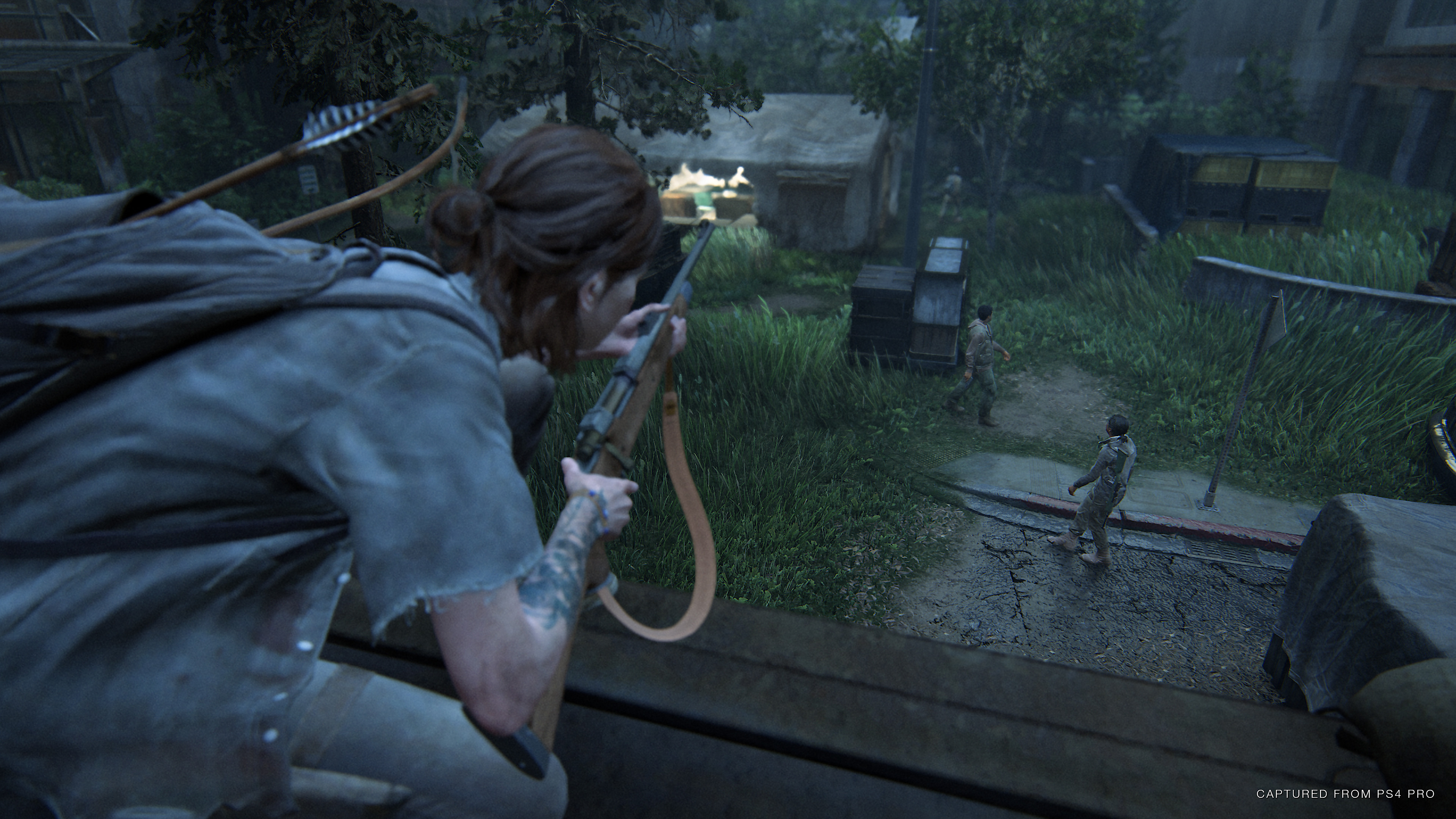
Despite the controversy surrounding the game it’s fantastic. A gripping story, amazing voice work and motion capture, fantastic visuals, and memorable characters are a must in any single player game. The journey with Ellie is even more intense than the previous game and the strong focus around the narrative is what makes The Last of Us Part II so unforgettable.
PC exclusives are really making a bigger comeback every year. PC brings the best of gaming out with always state of the art visuals, modding, and user interfaces that can’t be done on console. There’s a reason PC gamers consider themselves the master race.
Half-Life: Alyx
Alyx might not just be the next Half-Life game we have been craving, but using VR brings the series into a whole new dimension and reality. The writing, atmosphere, story, and characters are all fantastically done and long-time fans will take in every moment. There’s something about a long-dead series that gets resurrected using a brand new technology that just tickles your funny bone.
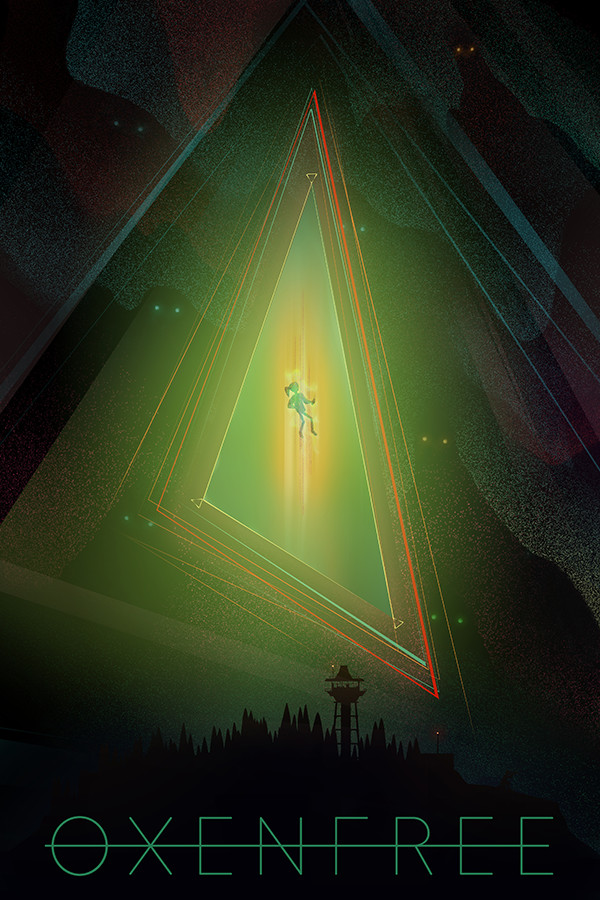
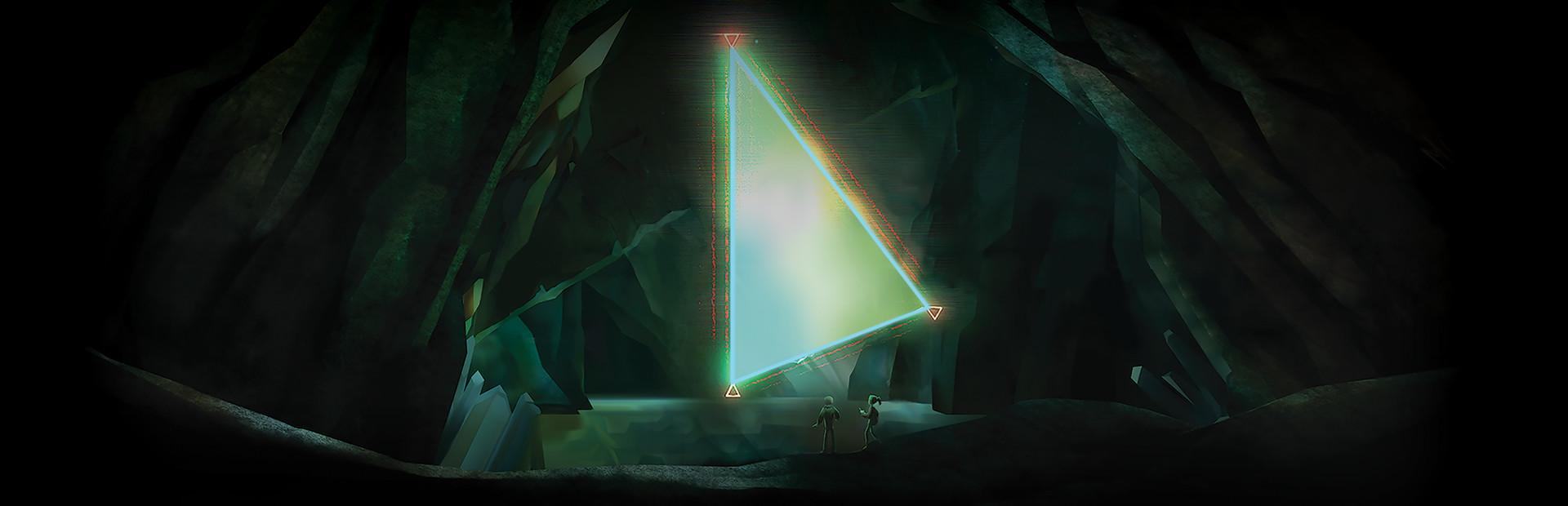
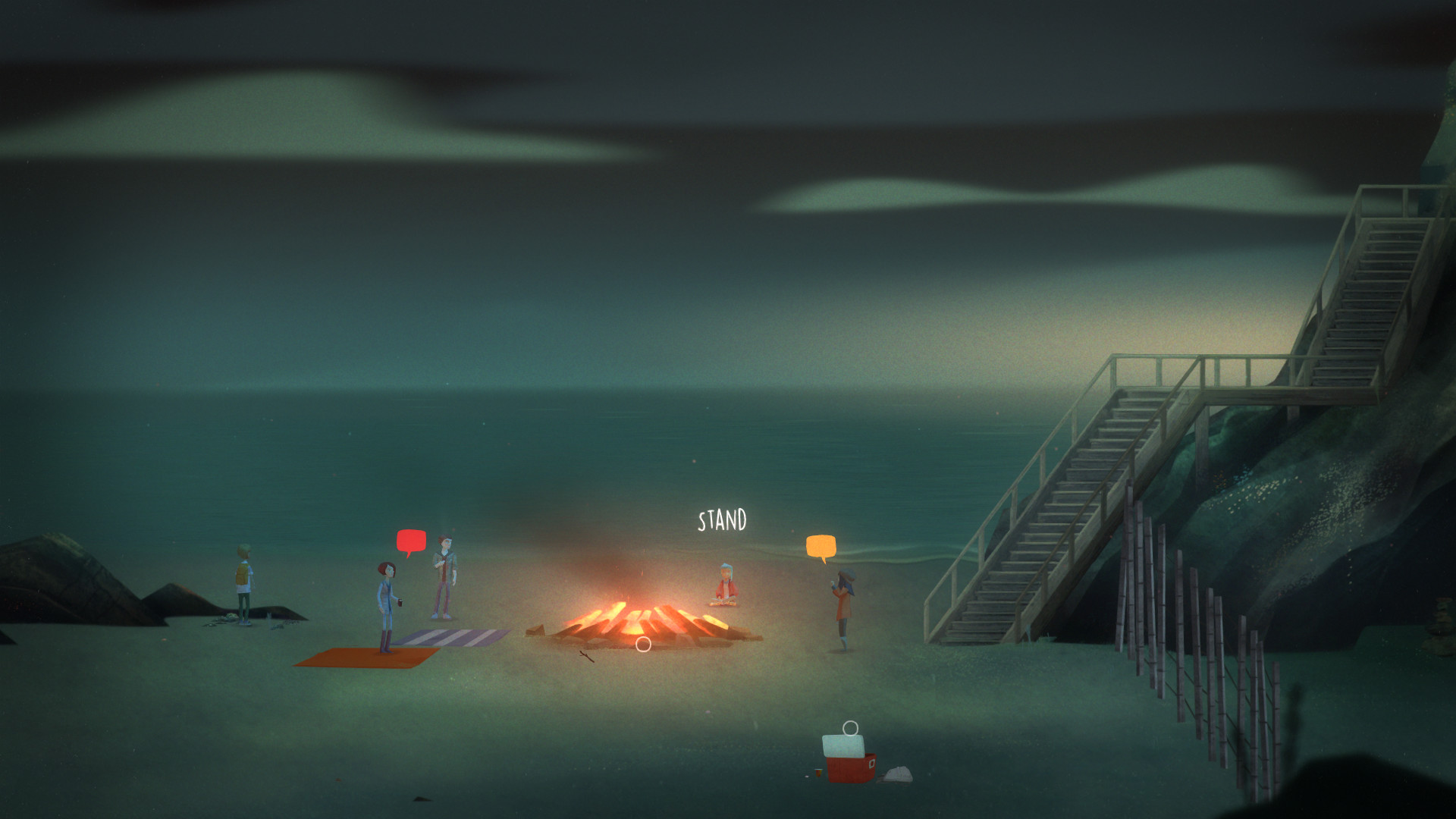
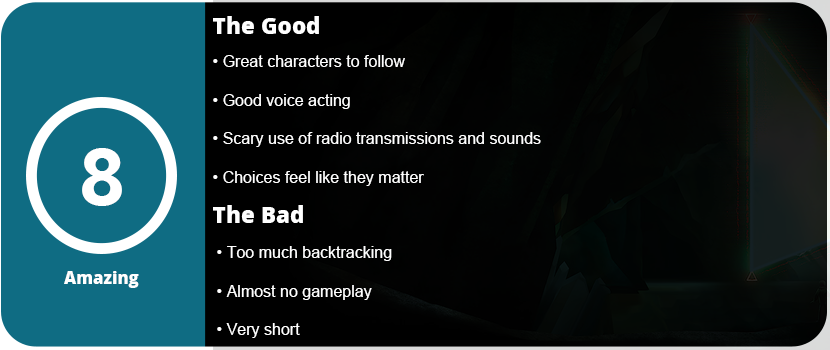
Oxenfree is all about horror and mystery. It starts out with five students in their early 20s arriving at a small town in the Pacific Northwest to discover some sort of weird thing that goes on in the caves there when you tune a radio to a certain frequency. After a good amount of dialog, plot, and character development, you tune your radio and discover a rift in time. You also discover the island is actually haunted, and you are trying to free the ghosts within. Why, how, and what they are in the mystery that I won’t spoil.
The horror elements are mostly audio-related and are something I have not really heard in a game before. The game uses the eerieness of radio static and voices. Have you ever gone down a scary YouTube rabbit hole and watched “Top 10 Scariest Sounds” or something like that? Well, if you ever heard one that was about strange radio call signs that were used in the Cold War, then you know what you will hear in this game. It made the hair on my neck stand up and was very chilling to hear. There are various stones you can find throughout the game that give you tidbits of stories about the island, and these creepy radio calls are part of this.
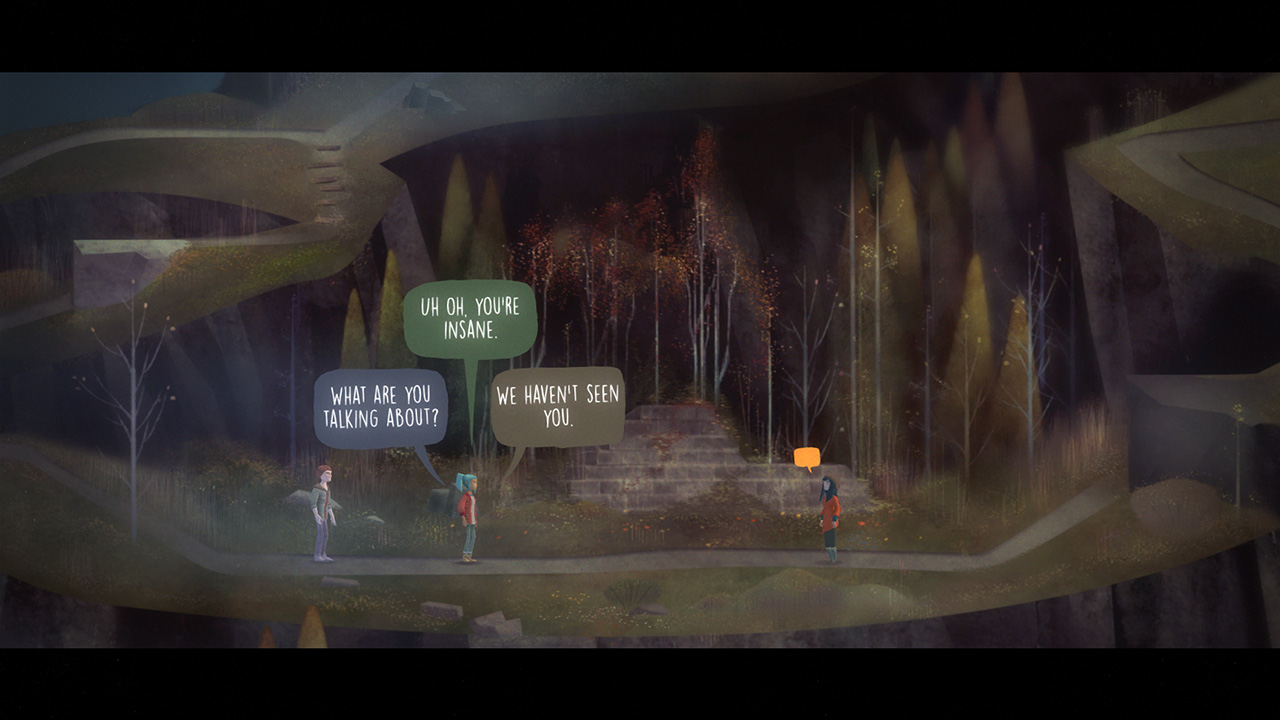
You wander around the island, listening to the dialog, as there are no puzzles in this game. It’s very much a “walking simulator,” but you walk and talk with the characters and choose from three different dialog options as they pop up in conversation. Some of these are story-altering, and some are not. These choices determine the ending you get, which I found was a little too short and disappointing. I really got to like the characters here, and the game is so short that you can’t invest a lot of time into them. Every so often, the game will bring you into a time loop, and these are when a lot of important choices are made. Even for a 4-hour game, the story is done quite well and has a beginning, middle, and clear ending, and you wind up exploring most of the island, albeit at a snail’s pace. You can wander around further to collect letters and find these frequency stones, but I honestly didn’t find the story of the island as interesting as the characters.
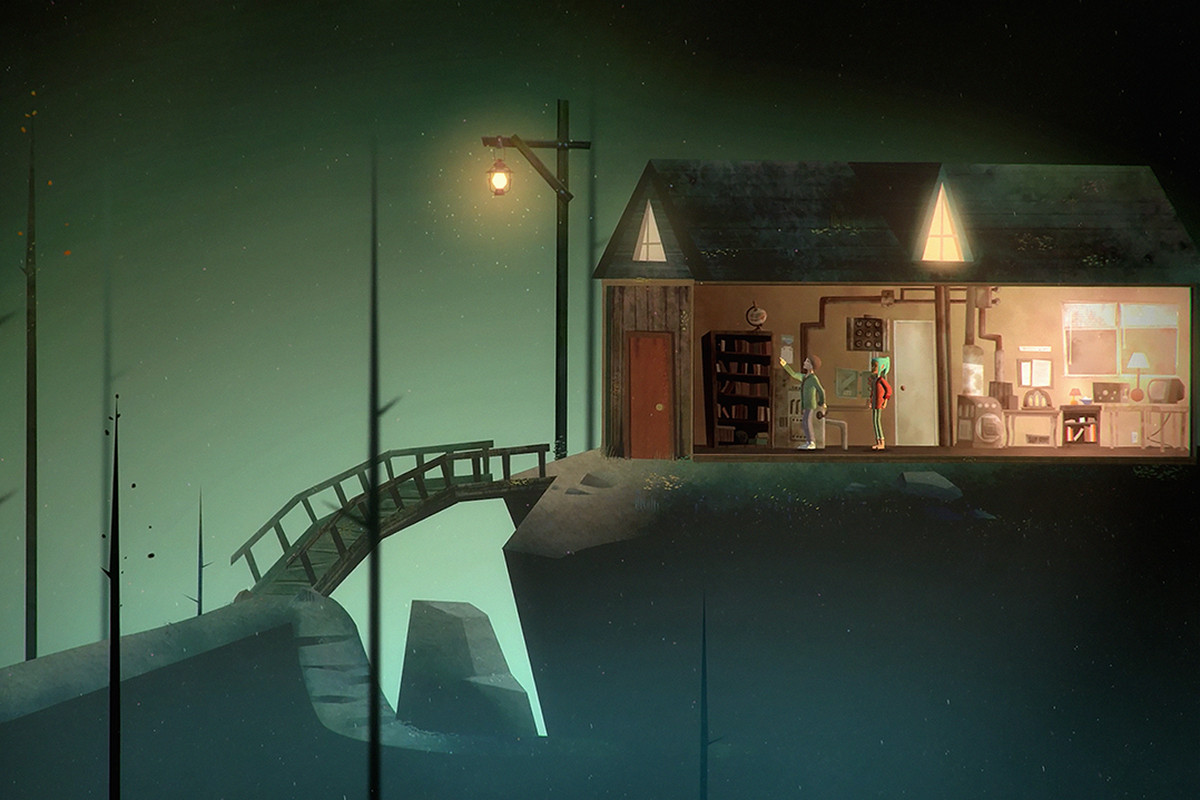
The voice acting is actually really well done, and I like that when you answer before someone finishes a sentence, Alex, your character, will interrupt with a correct tone and inflection in her voice. The constant bantering between the characters is the most entertaining part of the game, and I was always looking forward to hearing what they had to say. The game also looks really good with 2D backgrounds and 3D models. It’s a 2D side-scrolling adventure, so it’s hard to get lost here. I found the game’s pacing was all over the place; however, there would be sections where I felt I was progressing quickly only to get slowed down by too much backtracking or lots of cut scenes and dialog. You don’t have to really think to finish the game, and I felt collecting everything was too tedious due to the slow pace of the game.
Overall, Oxenfree is a great horror mystery game that, while not very memorable, will entertain you for an afternoon and might be something you discuss with friends as the story does have a twist ending. It looks good, has great voice acting, and the characters are interesting, but the constant backtracking, slow pace, and almost zero gameplay may put some off.
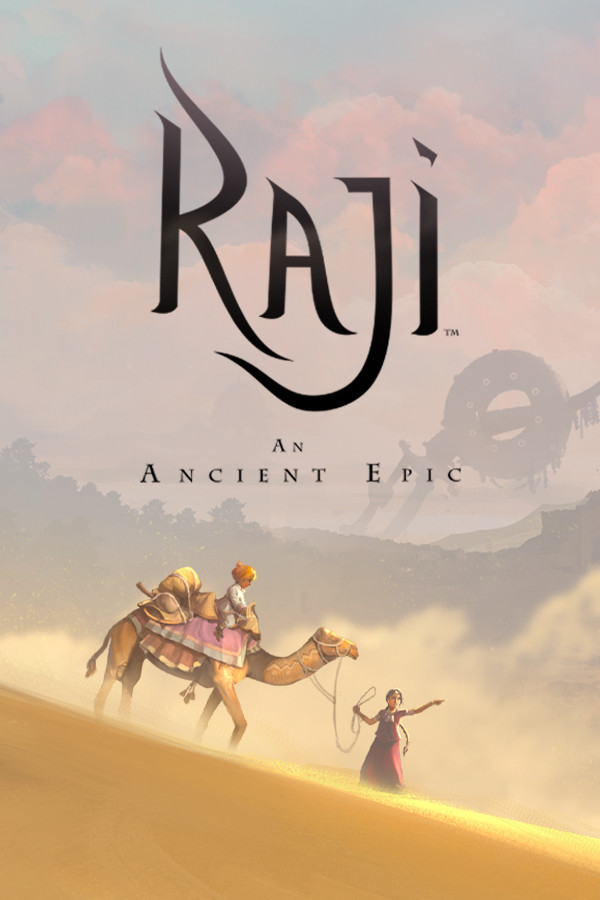
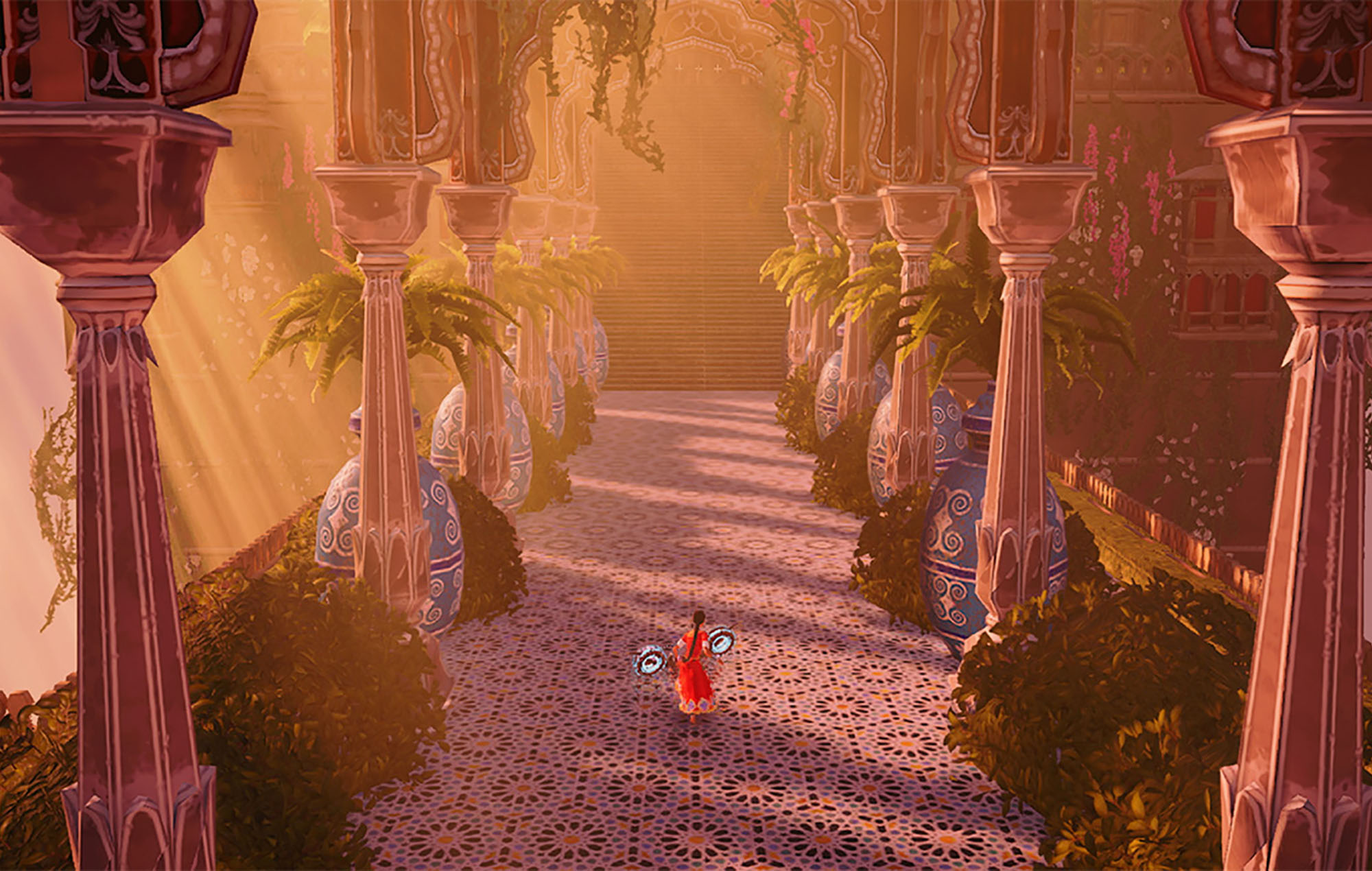
Small indie games can usually have better content than large AAA budget games these days due to their smaller scope and lower financial risk. Some of these games still rarely stand out and become huge, massive success stories. Raji is a game I wish could become a success story that blows up like Journey, Braid, Limbo, or Inside, but it feels like it’s missing something to bring it to that level. For starters, the story is rather dull and uninteresting and mostly focuses on teaching the player about Asian-Indian mythology. You play Raji, who is determined to rescue her brother, Golu, from an evil demon. The story mostly focuses on mythology, but Raji and Golu aren’t very exciting characters. They feel very one-note.
The game’s main focus is combat and platforming. Combat is surprisingly deep, with acrobatics and various moves that make it feel like Prince of Persia. Raji can do backflips off walls and pole spins, and each of the three weapons you acquire has a special attack: light and heavy. You start out with a staff, and this weapon is great for reaching; the second weapon is a bow; and the third is a sword, whip, and shield. You will end up switching weapons based on which enemies you are fighting. The enemy designs represent Asian-Indian mythology, look cool, and are a challenge to fight. The game might seem easy at first, but there were sections where I did it numerous times, and the boss fights are a great deal more difficult as well. However, there are difficulty spikes throughout the game. You will breeze through a few fights and then keep dying on just one that either has an unfair amount of enemies or multiple waves. You can heal by doing finishing moves, but that’s the only way in combat.
You can acquire skill points to add various elements that can damage enemies passively. These are mostly hidden in the game and require venturing off on different paths, but I didn’t make too much of an effort as the game is so short with only three large levels. Platforming is actually the most enjoyable part of the game, but the game focuses more on combat. While combat looks good and controls well, it just doesn’t have that oomph that other games like this have, like Prince of Persia or even God of War. It feels like there’s no response from enemies when you hit them; there’s no weight to her movements. There’s momentum, but no feeling behind her, which I feel would have taken the already detailed combat one step further. Platforming works well with wall runs, double jumps, shimmying, and hopping across poles.
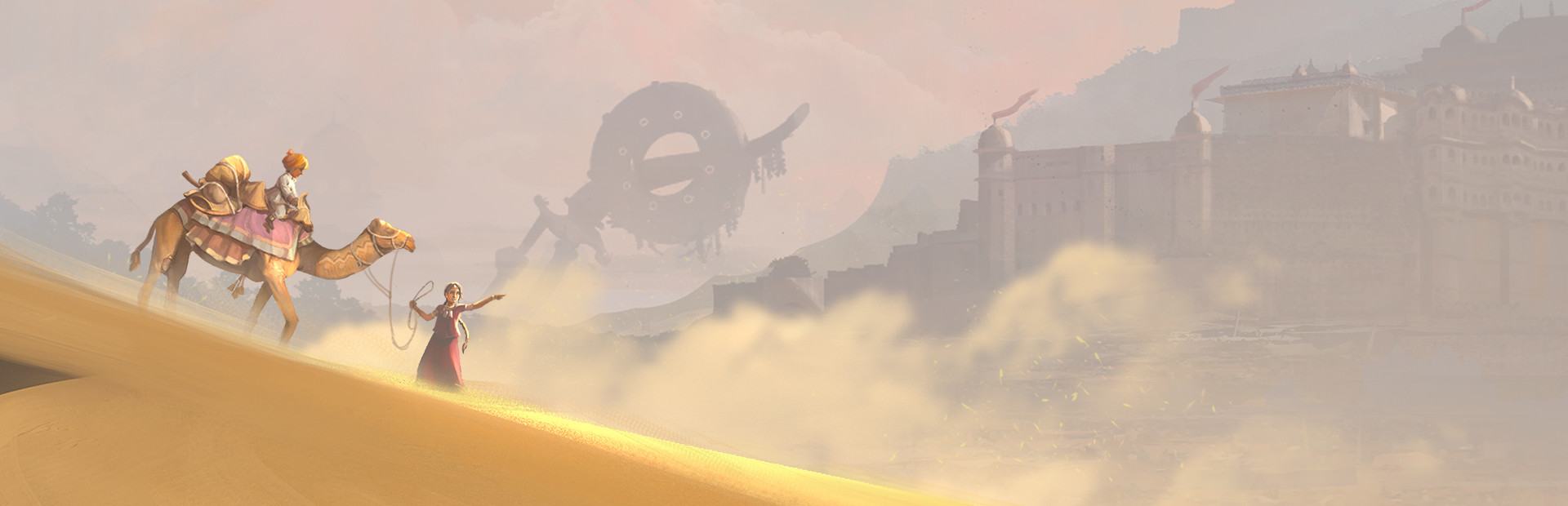
The game adds puzzles, if you can call them that, as they aren’t really puzzles. You have to spin things to match them up, but it’s not like a typical puzzle. You can just rotate the rings until everything matches up. No puzzles here, really. This is probably the weakest part of the game, including the areas in level two where you have to throw out lilypads in the water to hop across. What’s the point? This doesn’t add a challenge to the game but just feels like a useless element that takes focus away from something else. At least the game looks amazing, with epic vistas, good lighting effects, and lots of detail. It’s clear that a lot of care went into the game, but it needed more time for some polishing. I even ran into some game-breaking bugs with enemies disappearing or not appearing and getting stuck on ledges.
Overall, Raji is a great action platformer that has some faults. It focuses too much on mythology and less on our heroine; combat controls well and looks fancy, but has no weight or feeling behind it; and platforming is the best part because it is focused on less over combat. The puzzles aren’t even puzzles, and the overall experience is only a few hours long. I haven’t played an indie game quite this fun in ages, and even with huge difficulty spikes, the game has a lot to offer.





















































 thebinarymessiah.com
Try multiplayer. A lot of fun !