Gameloft and I don’t really get along. They used to release good Java mobile games back in the day, but after smartphones took off, they released nothing but free-to-play or pay-to-win garbage. Sadly, this leaked over to handhelds a few times, and the Vita was no exception. Injection is a dumbed-down port of Asphalt 6: Adrenaline for mobile phones. A mobile game directly ported to a handheld isn’t the best of ideas, and this game proves why.
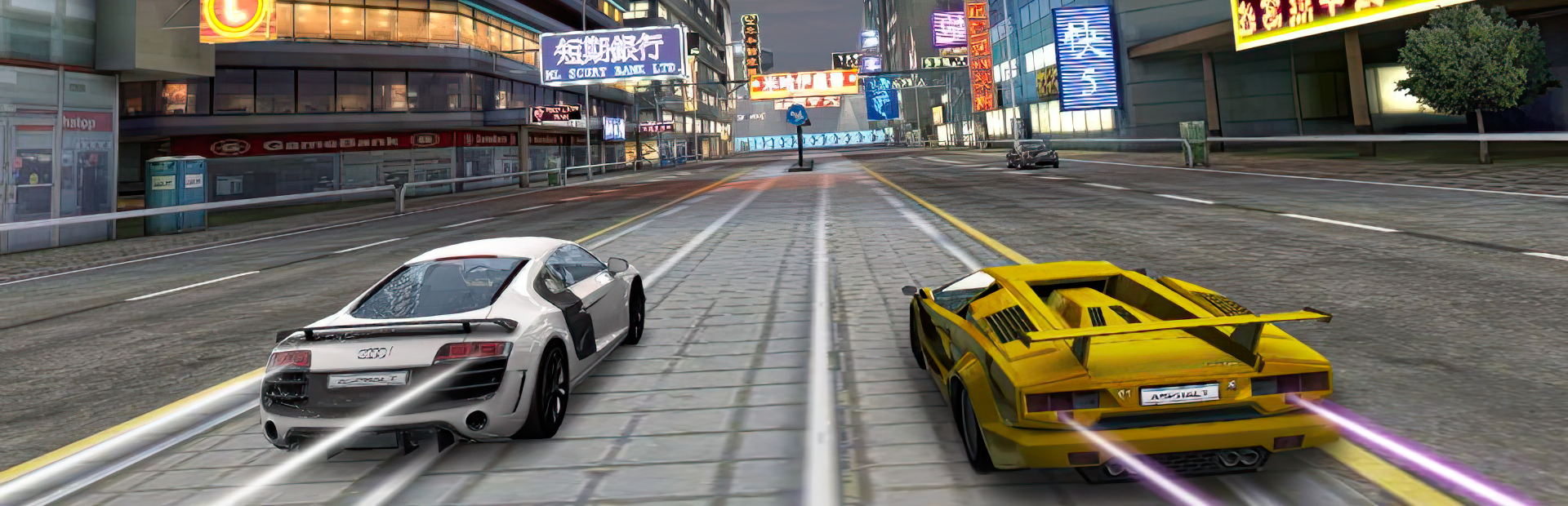
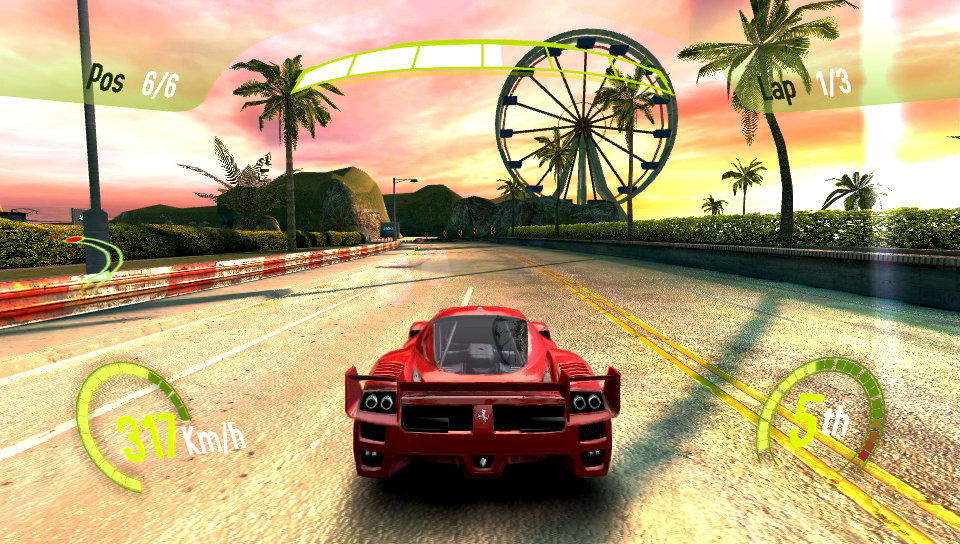
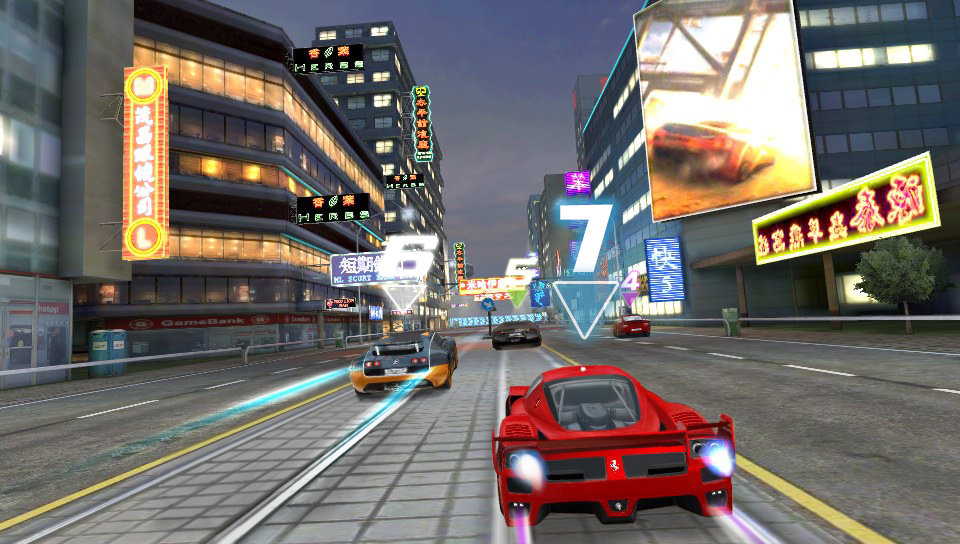
With all of the pay-to-win aspects taken out of Asphalt, this is a rare opportunity to see how the game would play if all microtransactions and other cancer-riddled stuff were stripped out. On the surface, it’s a reasonably accessible and playable racing game with licensed cars, more like a low-budget PS2 title. The tracks are boring but work, with boost icons and jumps. The purpose of the game is to boost your way through the track as much as you can and take shortcuts. Once you fill your boost meter, you can go into adrenaline mode, which allows you to easily knock cars off the road in Burnout style and zoom ahead. I found the cars to all pretty much handle the same; drifting is awful, and the whole game feels stiff and poorly made.
That’s not to say there’s zero fun in the game; it does work and is a nice mindless racer for fans of the series or anyone wanting a bargain bin racer on the Vita. Gameloft is not a genius when it comes to handhelds, as they don’t work like mobile phones. Outside of career mode, you can race with other people (no one was even playing during launch, don’t worry), and there are typical event types to participate in, such as elimination, time trials, and various others that have been done to death.
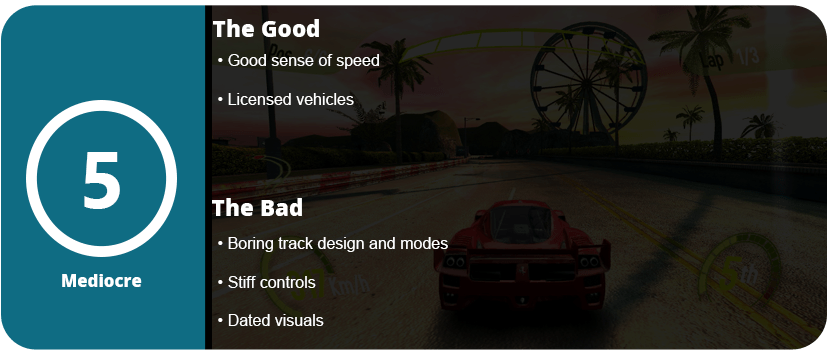
Injection is ugly, stiff, boring, and a slightly upgraded port of a mobile game that was already over a year old before the Vita was released. If you have exhausted all your other racing options on Vita, then go for this dead last.
I love Super Monkey Ball. I remember playing this back on the PS2 and having a blast being OCD about collecting every banana in every stage. The GameBoy Advance version was probably my favorite of them all, but when I found out there was one for Vita, I was quite intrigued.
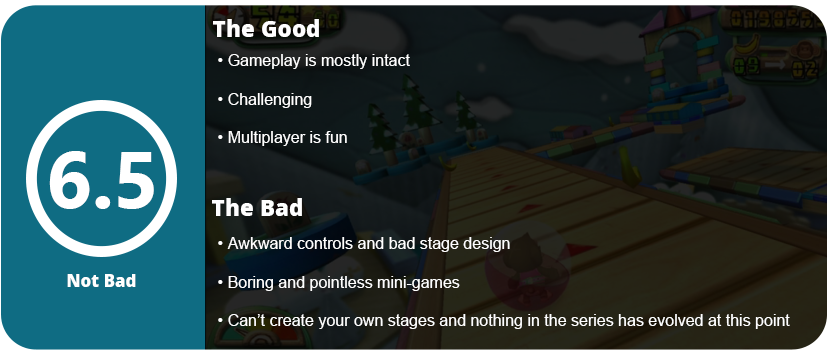
Sadly, the fun didn’t last long. For starters, the game hasn’t evolved one bit, with the same tiled, textured levels and blurry backgrounds. While the game looks decent on Vita, it looks quite boring and bland. Outside of that, the controls feel somewhat off, and the gyroscope and thumbstick controls just don’t feel right. Even though the D-Pad controls on Super Monkey Ball Jr. worked well on a 16-bit handheld system, what happened? When using the thumbstick, the levels move around so fast and are so jumpy that it was nauseating just to get through a level. On top of that, the levels may seem challenging, but they just aren’t that well designed. It almost feels as if they were randomly generated and slapped into the game. You get 60 seconds to complete each level and get higher scores by collecting all the bananas, or you can be brave and find a shortcut on some levels and jump down to the goal.
On top of all this, the mini-games are bland and boring and make no sense, and then the course editor doesn’t actually let you save courses and create your own from scratch, so it feels pointless. Multiplayer is fun as always, but playing by yourself should always be enjoyable. I’m not sure if I’m just burned out on SMB’s overall design, which has stayed the same for nearly 2 decades, or if this is just a not-so-great version.
Banana Splitz could have been a definitive version of the series, culminating nearly two decades of SMB into one fantastic game or rebooting the series into something different. The game is somewhat enjoyable, but it always feels like something is missing or wrong with the game. The series is really stale at this point, and unless something drastically changes, I won’t be rolling around Sega’s classic series again.
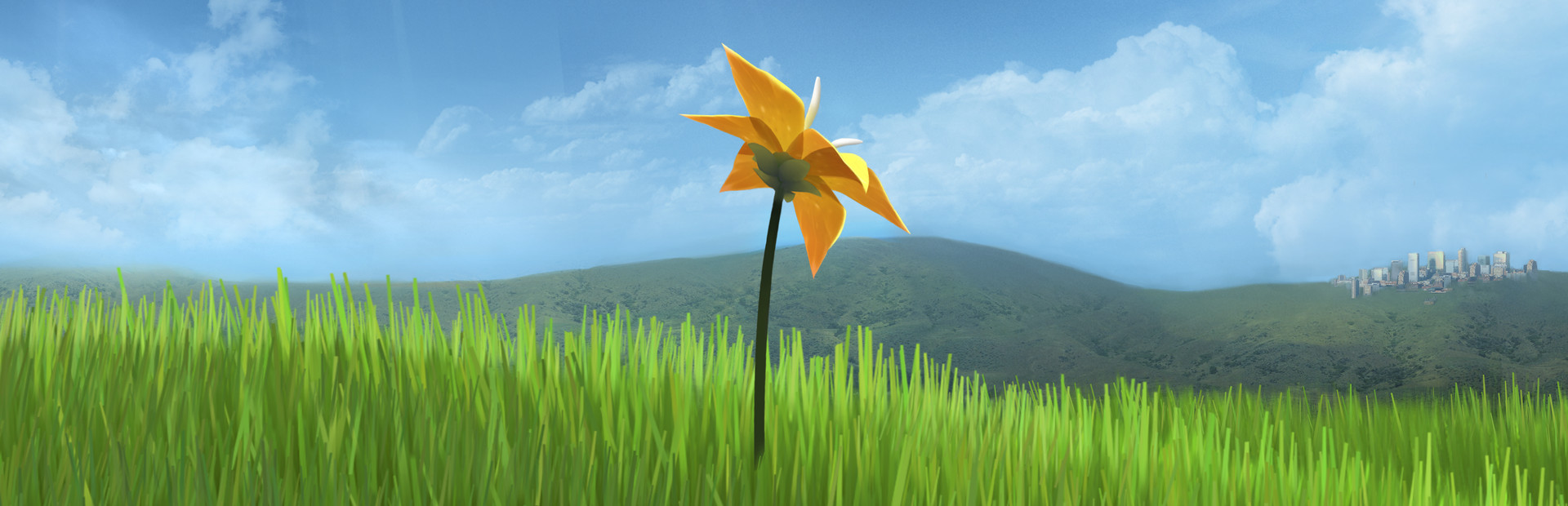
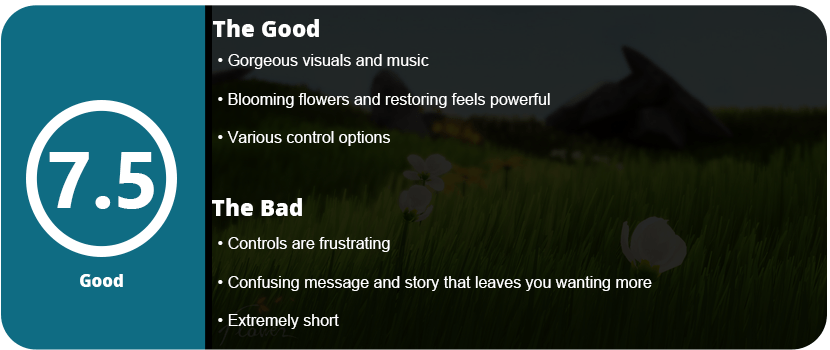
That game company is a really talented bunch. With Journey and Flow under their belt, they are known for making artistically stunning games on Sony’s consoles. When Flower was released on PS3, it amazed gamers around the world with its gorgeous visuals and music. It’s a very simple game, but that’s okay for what it does.
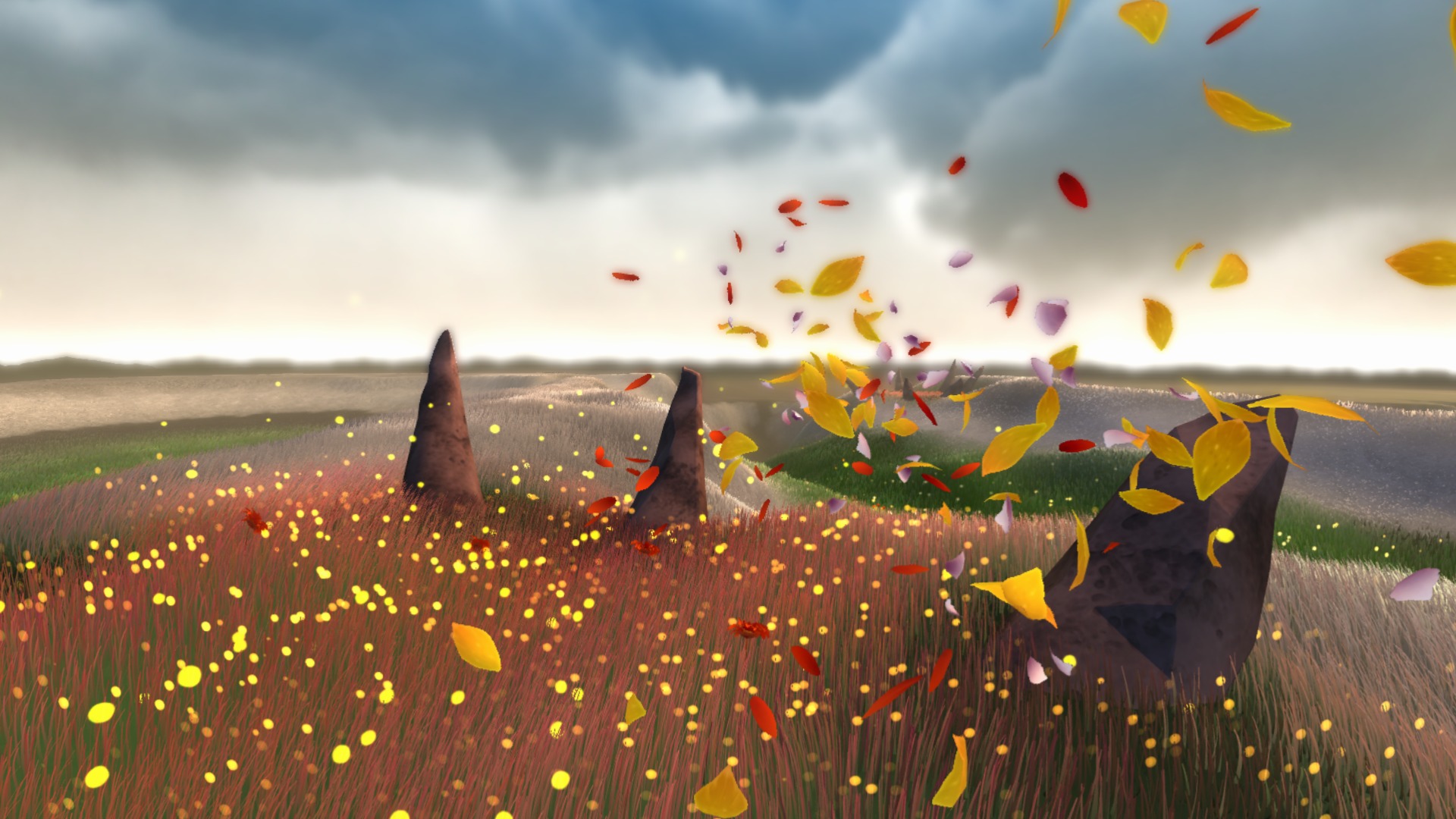
You control a single flower petal and ride the wind to help other flowers bloom and remove gloom and grayness from the world around you. You can control the speed of the petals, and the novelty came from using the PS3’s SixAxis controller to move the petals around. On the Vita, you can use the gyroscope or hold the rear touchpad. I honestly don’t like the controls and feel it is very difficult to control at low or high speeds. I always missed a set of petals in a run and had to turn around and go back, breaking the magic and flow of the game.
It was like this constantly throughout the entire game. Once I felt the game had jumped from petal set to petal set only to let me go and lose focus of the current run. As the game progressed, this became more complicated as you avoided falling electrical towers that would shock you and send you flying backward. It’s a beautiful game to behold, even on Vita, but the frustrating controls and mechanics bring it down quite a bit.
Flower also has some underlying environmental message that feels hypocritical. The game goes from green grasses to dark and dreary in a few levels, only to have you restore color to the city (which clearly represents Los Angeles), so I don’t have any idea what the story is or what the message is about.
There are about seven levels, not including the credit level, which was interesting. Flower is a PlayStation classic and should be played just for its beauty and unique gameplay that no other game can touch. The music is amazing, and I really felt sucked into the game only to be ripped out again by bad controls.
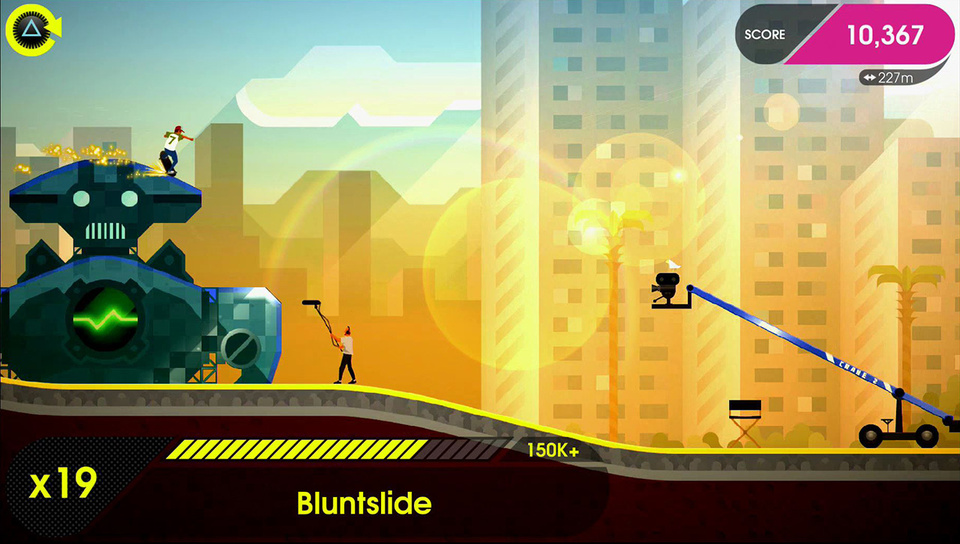
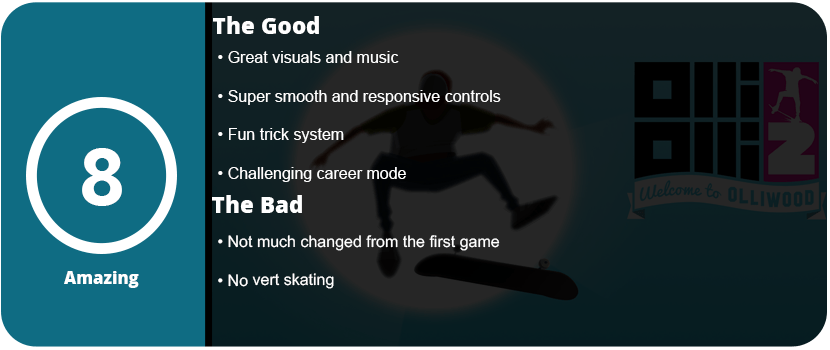
Skateboarding games have always been one of my favorite genres. They’re intense, require an insane amount of skills and coordination, and are just so much fun to play. I started all the way back to the original Tony Hawk’s Pro Skater and ended at Skate 3. From there, the genre pretty much died, but Olli revived the series a bit, and I fell in love with the first game.
The second is no different, and that’s both good and bad. On the plus side, the game feels smoother, there are more tricks, the entire game is more responsive, and there are more modes and new levels and themes. The downside is that it’s pretty much the same game with no real evolution of the series.
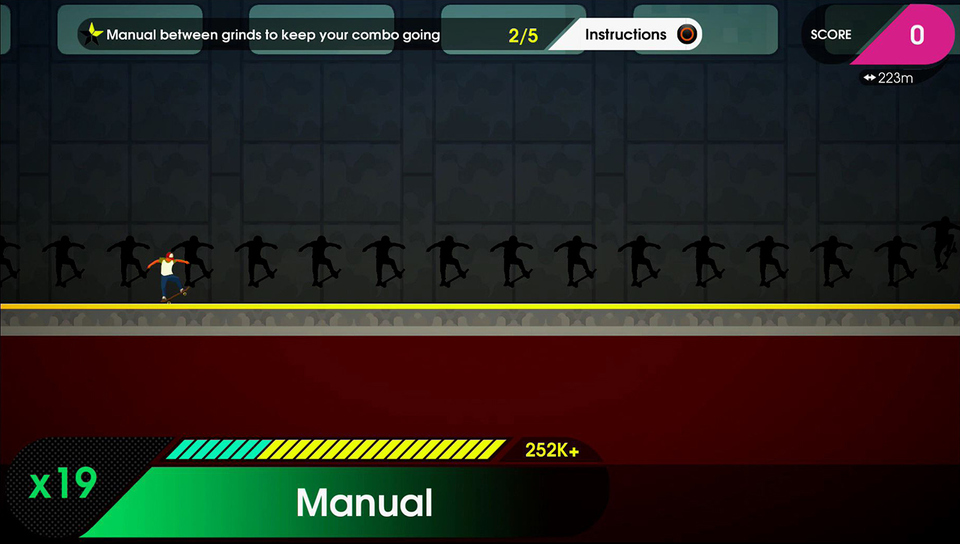
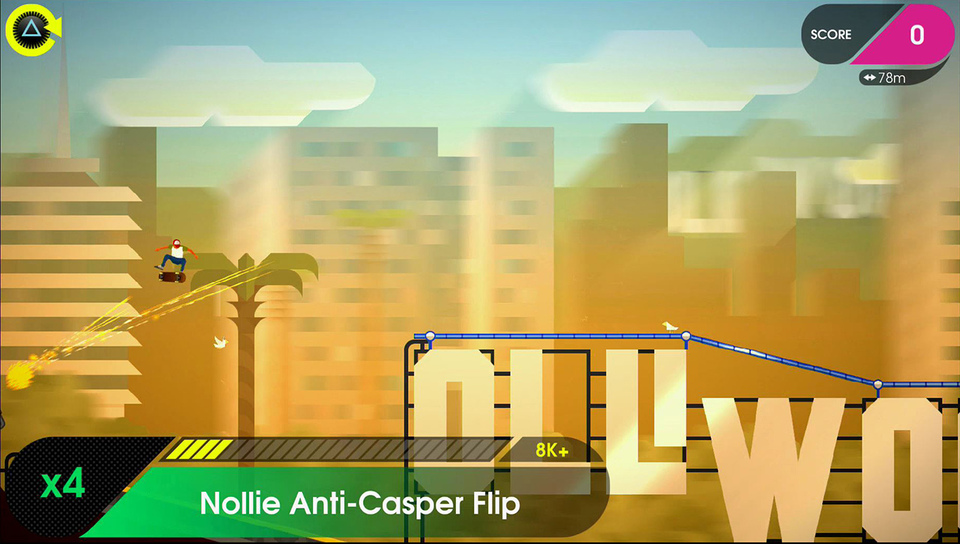
Career mode is where you will spend most of your time. Here you have six different goals, varying in tricks, scores, and special spots. Using the left analog stick, you can push down and then up to pop the board up and flick it around to do tricks. Holding it down over a rail will allow you to grind. To properly land a trick, you must press X right before landing, or they will all be sloppy. This trick system is similar to Skate’s and is a great evolution of the button combo system.
Sadly, you can’t do grabs, and there’s no vert skating. Half-pipe rounds would have been fun, and it’s sad that the sequel doesn’t really add all that much. There are two other modes, which are trick spot and just a leaderboard tracker. They’re fun but aren’t really different from the career mode.
The game looks nice with fun music, awesome 2D scenes, and a great Hollywood/Los Angeles theme, and it’s just super smooth. With all that said, OlliOlli 2 is a great entry for newcomers and veterans who will find enough new stuff in the career mode to consider a purchase.
Some longtime followers of my site may actually laugh at this review, and some may have noticed I’m a hardcore Android user. Sure, I have a ton of iOS reviews from years ago, but after my last iPod Touch 4G, I hadn’t looked back at the platform. As the years went by, there were a ton of iOS games that just never made it to Android, from Infinity Blade to Civilization VI, not to mention timed exclusives. Why an iPad and not a Touch? Well, for starters, the Touch devices are being phased out and haven’t been updated since the iPhone 6 hardware. Second, the iPad series is still frequently updated and features more powerful hardware and a better experience than the Touch. Third, price. You can finance an iPad at wireless carriers, as the full price of these things is outrageously expensive.
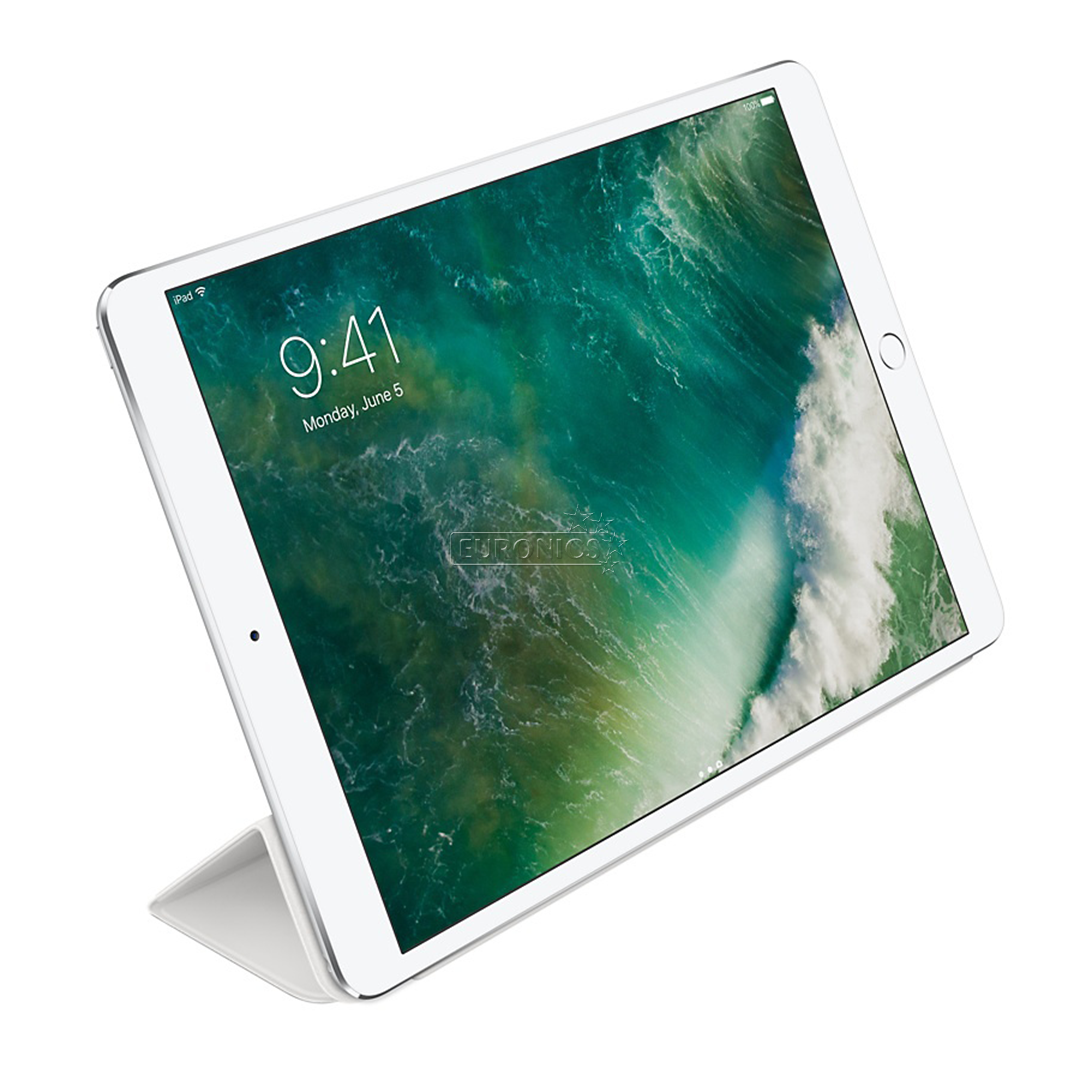
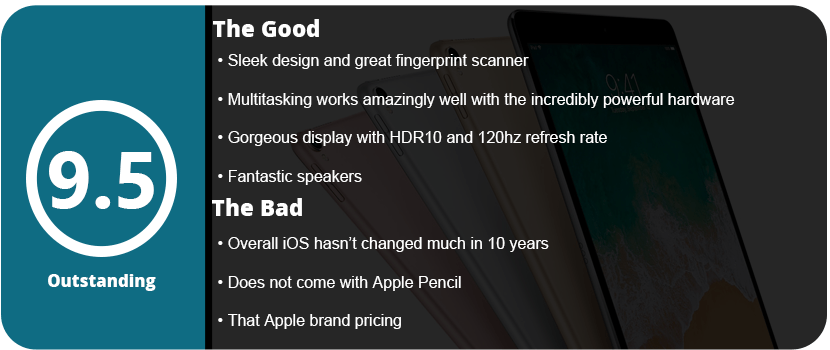
For starters, the device is about what I expected; it’s sleek and fairly slim (not as slim as the Samsung Tab S tablets, however), and the 10.5″ size makes a huge difference over the standard 9.7″ tablets I am used to. The screen is gorgeous, and the speakers are phenomenal. So what’s powering this iPad? The A10X processor is Apple’s latest and greatest chip offering and runs everything at lightning-smooth speed. It is accompanied by the PowerVR 7XT GPU, which will run the latest and greatest games at high framerates. The display has an odd 4:3 aspect ratio at 1668×2224 resolution, which is also odd, and has a 12 MP rear-facing and 7 MP front-facing camera. The iPad features HDR10 and a 120Hz refresh rate for HDR content on YouTube and Netflix, as well as lightning-fast framerates. It’s probably the best-looking tablet camera I’ve ever seen. Let’s not forget those speakers. I thought the Samsung Galaxy Tab S3’s speakers were great, but these blow those out of the water. I can actually feel the bass rumble in my hands at max volume, and the sound projects very well and actually sounds like PC speakers rather than tinny muffled garbage.
The iPad Pro also features the new lightning charger cable that was featured in the iPhone 5. It’s no big deal to longtime Apple users, but for me, coming from the older iPod Touch hardware is really nice. Sadly, the tablet has no wireless charging, which should be available by now but just isn’t due to Apple’s stubborn design quirks. With that said, the tablet features a great physical home button with a responsive fingerprint sensor that’s quite impressive. You can clearly tell the iPads aren’t second-rate hardware like some other manufacturers on the Android side.
Onto the software, and this is where the impressions kind of sizzled away; the iOS suite hasn’t changed much in 8 years. It looks nearly the same, just more streamlined, sleek, and faster. My iPad came with iOS 11.4 and the new dock and multitasking features actually impressed me as they are more intuitive than Androids. Swiping up from the bottom on any app to get to the dock and then long-swiping for the control panel is genius. Snap multitasking works so smoothly by dragging an app from the dock into the screen, having an overlay, or tapping the title bar to bring up true multitasking. It works so well, and they seemed to have gotten it right. The only downside is that you need the apps you want to snap into the dock, or it won’t work.
I do like how iTunes is dying and is no longer required to tether to your PC to download apps and music. The App Store is now separate from iTunes, which is awesome, as back in the day, these were all in one. There are plenty of customization settings and ways to tweak your device, much more than 8 years ago, and I was pretty satisfied. However, customization is still absent after all these years. No widgets, custom home launchers, or any of those awesome features that Android offers, including the more intuitive drop-down menus. What iOS offers is simple, easy to use, and very smooth, but it hasn’t really evolved in 10 years.
Games look and play amazingly well on the iPad Pro, and the Apple Pencil is the big selling point for these tablets. I don’t have one myself, but I’ve used my wife’s as she draws with it, and it’s so smooth and responsive; it’s a fantastic piece of hardware. The pencil alone has evolved the iPads into something more than just steamrolled iPhones. They are true productivity devices that can do things laptops can’t even do.
Overall, the iPad Pro is an amazing tablet and offers Apple’s best tech. It’s great for mobile gaming, drawing, watching videos, and overall everyday use.
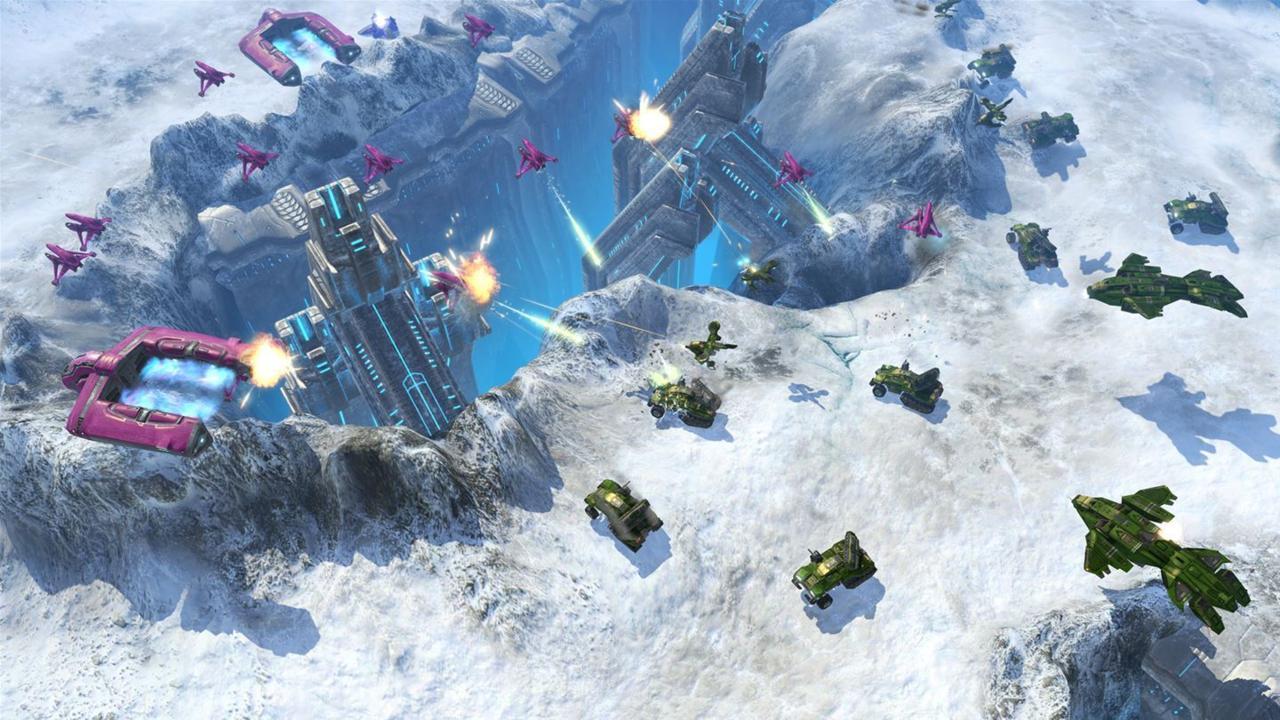
You would never think of Halo and real-time strategy; the two might not mix all that well. Halo Wars was a huge deal when it was first released, as it was a huge risk. It was the first time anyone but Bungie touched the Halo franchise, and many were skeptical. To my own surprise, the game checks most of the good RTS games off the list, but being the first time in this category, it does have its issues.
The first issue is the story. The 15 missions are accompanied by pretty pre-rendered cutscenes we have grown to love from the series, with great voice acting and stellar music. You play as Sgt. Forge, who is assigned to the Spirit of Fire and must destroy an ancient world that is full of an unstoppable army built by an ancient race. The Covenant wants these weapons, and they capture a human scientist named Anders, as the machines can only be activated by human touch. It’s not the best story, and it really fills a minute gap in the Halo timeline and doesn’t really mean all that much.
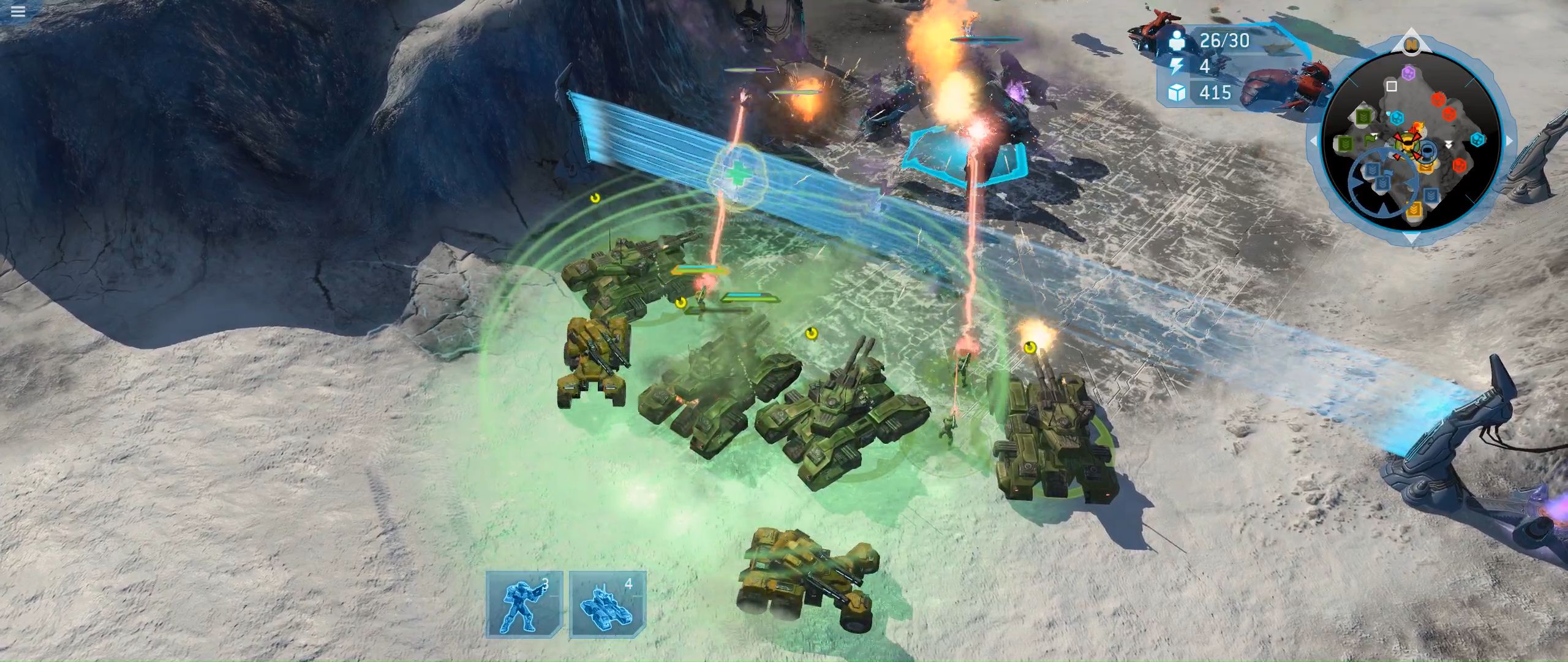
When it comes to actually playing the game, you are greeted with RTS basics, and I mean the minimum basics, as the game never moves on past that. Most RTS games require you to find and acquire resources to build an army to defeat the enemy. Halo Wars has only one resource, and this is in the form of generic supplies. You can find crates along the ground, but you must build supply pads on your base, and this is the first thing you do on every single mission. Second, your base has limited slots for buildings, and this is where the game breaks down a little. I would have 3–4 supply pads upgraded to advanced ones, and it still takes forever to get enough resources to steadily upgrade all my buildings and troops. A solid 25–30 minutes is needed just to maintain an army to defeat most enemies on a map and even longer to get all the upgrades.
It’s a frustrating battle of nursing your resources, with most time spent waiting for them to accumulate, which is not fun and quite boring. Nearly every mission where I was given a base had my guys just standing there for 20 minutes so I could research as much as possible for only what I needed for that map. The armory is used to research technology only, and this comes in the form of +10 to population, Spirit of Fire strikes, more troops per unit, etc. After you acquire all the research here, which is only a couple of tiers, the building is useless, and you can recycle it and build another supply pad. The barracks are used for only two ground troops and for researching their upgrades. The Air Depot has three different air types, and the Vehicle Depot has a few things as well. It’s very basic, with only the core Halo units you have seen in the console games. It covers every discipline well, and they all do their job fine, but some units require over a thousand supplies, and this can take up to 1-2 minutes to accumulate just for one unit. So instead of being able to send out drones to acquire a mass amount of supplies, everything is essentially rigged to a timer, which makes things not very fun.
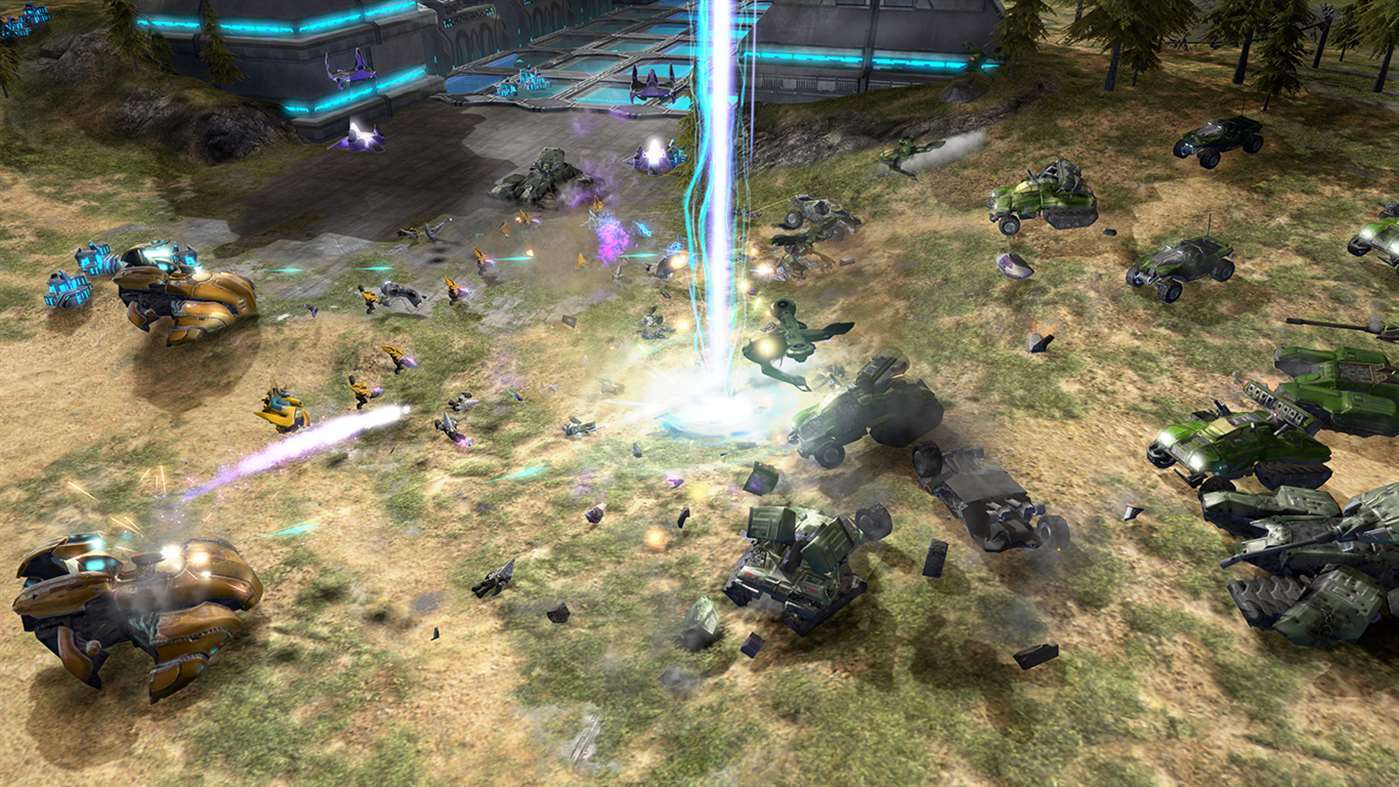
The population cap is 40, and that’s not many troops considering some larger units can take up to six population slots. Once you get them out and fighting, it looks pretty awesome and feels just like a Halo game with familiar enemies and sounds. The Spirit of Fire attacks can give you a leg up, but they don’t feel as powerful as they should. A MAC attack or carpet bomb, even fully upgraded, may do 1/8 to 1/4 damage to an enemy base. You would expect for the long cooldown time that you can wipe out all of or most of a base and larger enemy units. It’s so incredibly unbalanced and frustrating that I always felt I never had an advantage, no matter how well I played. Even when you get multiple bases, it doesn’t help outside of giving you quicker access to troops and more supply pads. With the pop cap at 40, you would think more bases would mean a larger population increase.
Missions are at least varied, with some escorts, defense, offense, and various others. One frustrating mission had me on a ship fending off a flood with a timed sweep that killed everything in sight. It took almost 45 minutes just to clear everything off the ship. Another mission had me station vehicles at five different spots to blow open a large base shield. I had to constantly go back and forth, defending them and clearing spots to put them down. There are not enough troops to leave with each vehicle due to the low population cap. Every troop is essential.
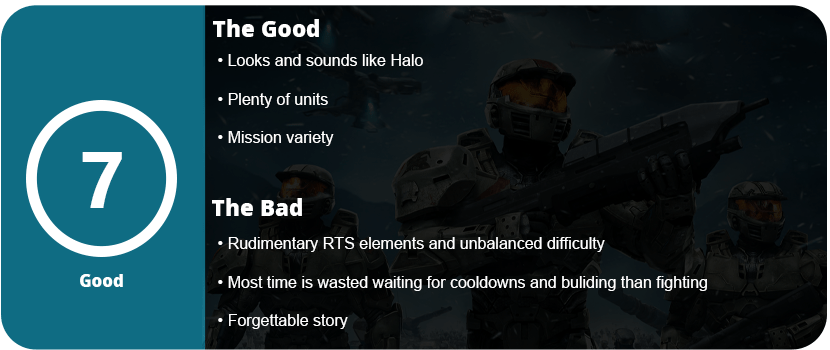
With all that said, Halo Wars has the units, looks, and sound down for a great RTS game, but it’s so rudimentary, unbalanced, and boring, with the majority of your time spent waiting for things to build and cool down. There’s a lot of mission variety, but it won’t matter as the rest of the game plagues these missions. The story is also nothing memorable and doesn’t mean much in the Halo universe. I really can’t recommend this to RTS fans or Halo fans unless you’re curious.
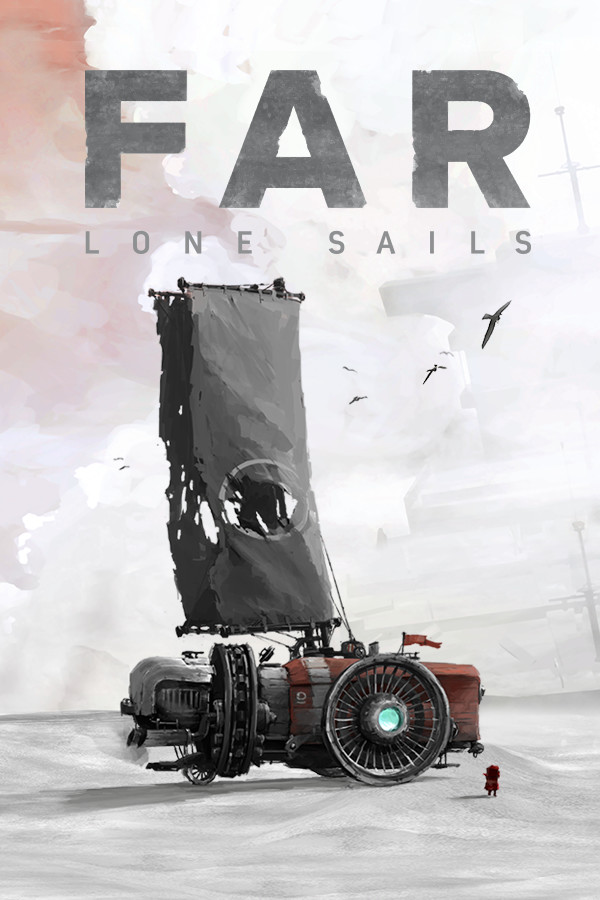
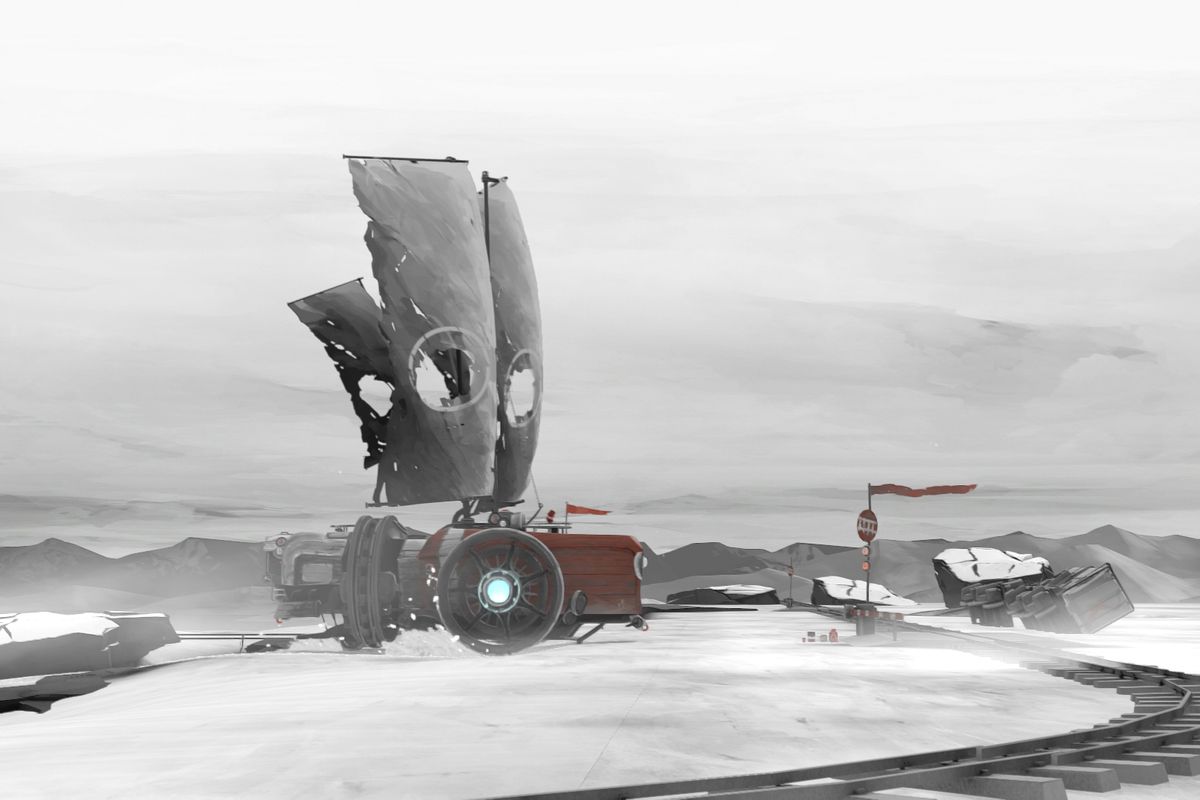
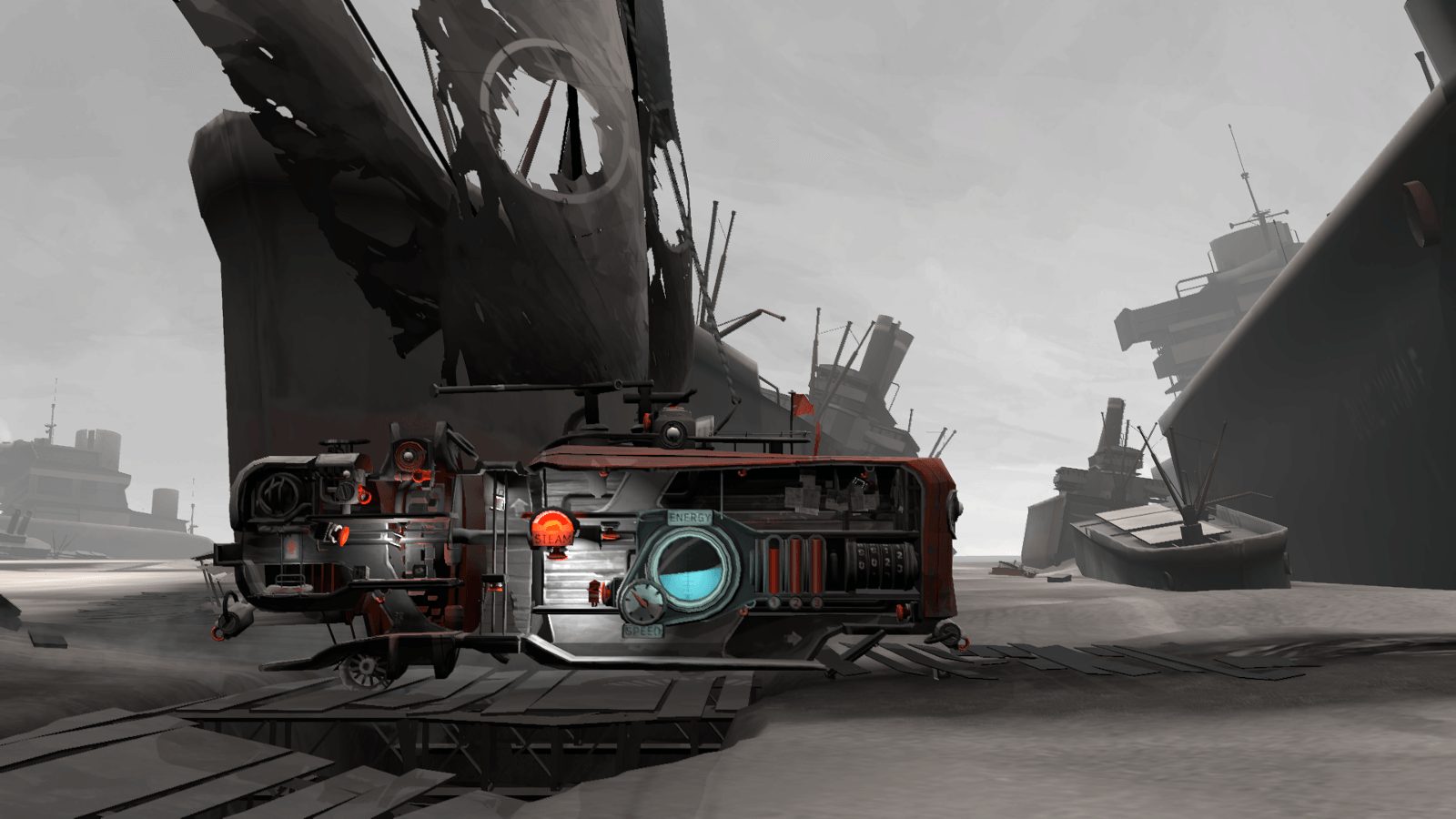
A mysterious girl in a red cloak sets sail on a strange SteamPunk-inspired machine to always move to the right. It’s never clear what your purpose is or why you’re going on this short two-hour journey, but you’re doing it, and it’s quite interesting.
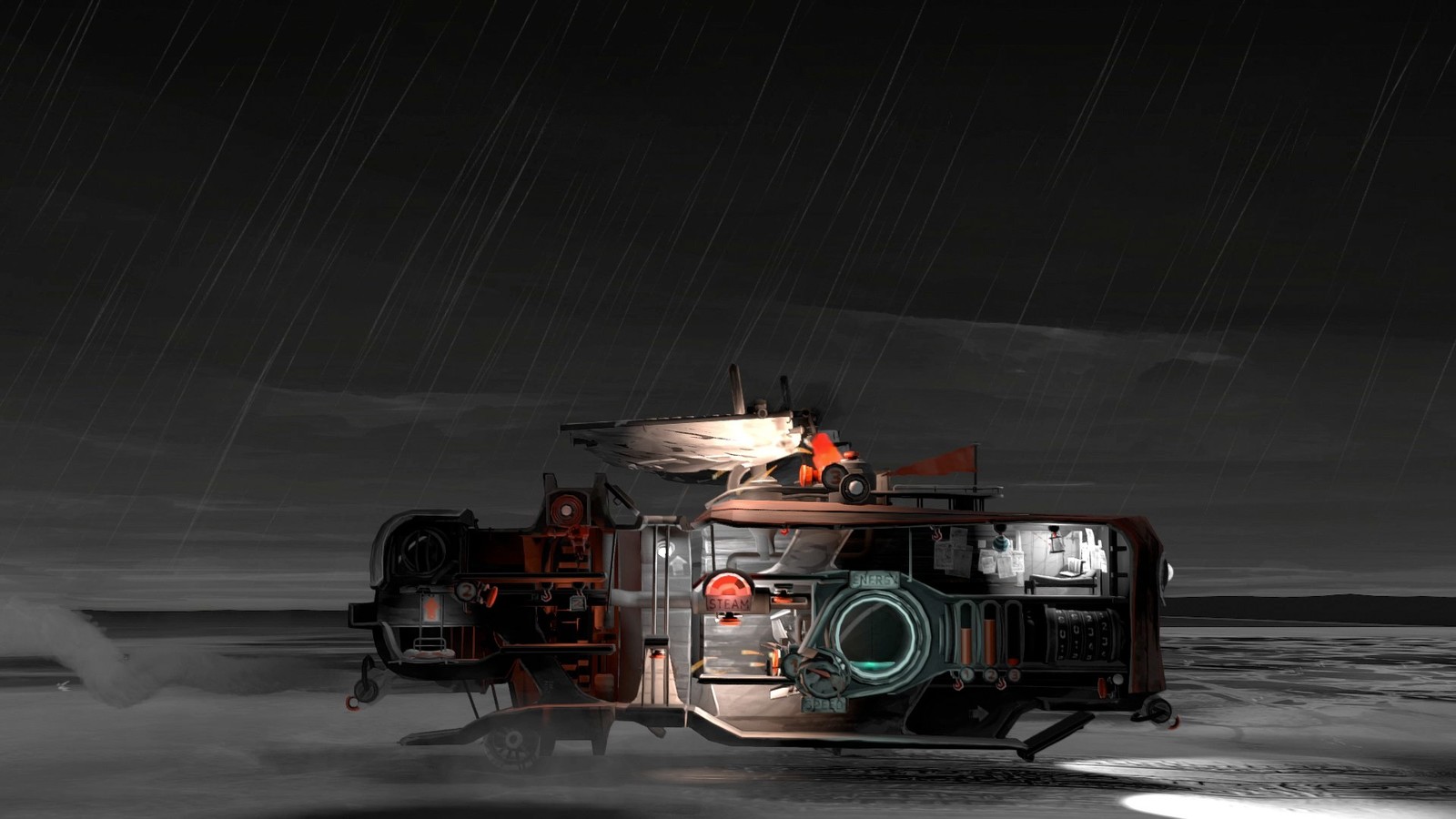
Your ship rolls instead of flies, but that’s okay. Inside the ship, there are several red buttons that do various tasks. The whole purpose of the game is to keep the ship moving by either hoisting your sails when there’s wind or using fuel and keeping the engine running. By the ignition button, there’s a steam release button and a brake. Behind the ship are buttons to suck up fuel on the road and a lift to insert objects into for fuel. The front of the ship has a pulley system, and there is a fire hose and repair torch. Most of these items you won’t get until you come across them on your journey. It’s pretty satisfying to micromanage something as simple as always stopping the machine to grab a box of fuel on the road and having a machine pull it in for you.
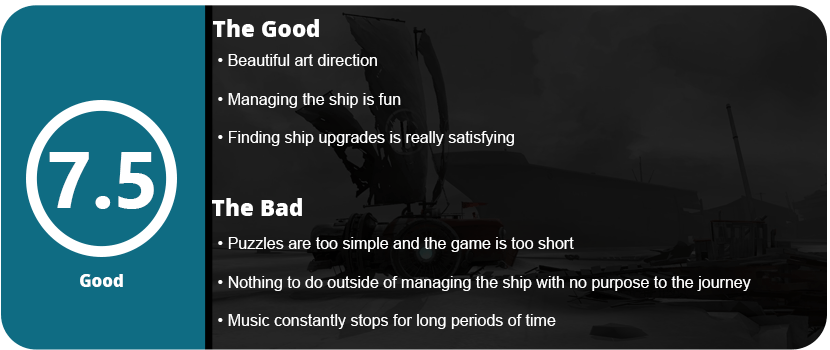
As you sail across the landscape, you will bump into a few puzzles. These require a little platforming mixed with figuring out how to get your ship through a door or across a lake. They are fairly simple, and after a little fiddling, you will figure out what to do. Outside of this, though, the game is void of anything. Once your ship is moving, there’s literally nothing to do, especially when you have full sails and don’t need to micromanage your engine. I was also annoyed that the music starts and stops so abruptly, and several minutes will go by of absolute silence.
The game looks beautiful with hand-drawn art, but it drives me crazy not knowing what the purpose of this game is, and I don’t like that. I’m all for minimalist game design, but developers who make you go on a journey with no background or story are just lazy and not cute or innovative. The various button-pressing mechanics are fun and a brand new concept I have never played before, but what’s the point at the end of two hours? Did I actually make a difference or accomplish something besides finding the credits?
Far: Lone Sails has very interesting gameplay mechanics, but it’s hard to recommend outside of sheer curiosity. Don’t expect a grandiose or heartfelt story here; just an interesting game to look at and button-pressing gameplay.
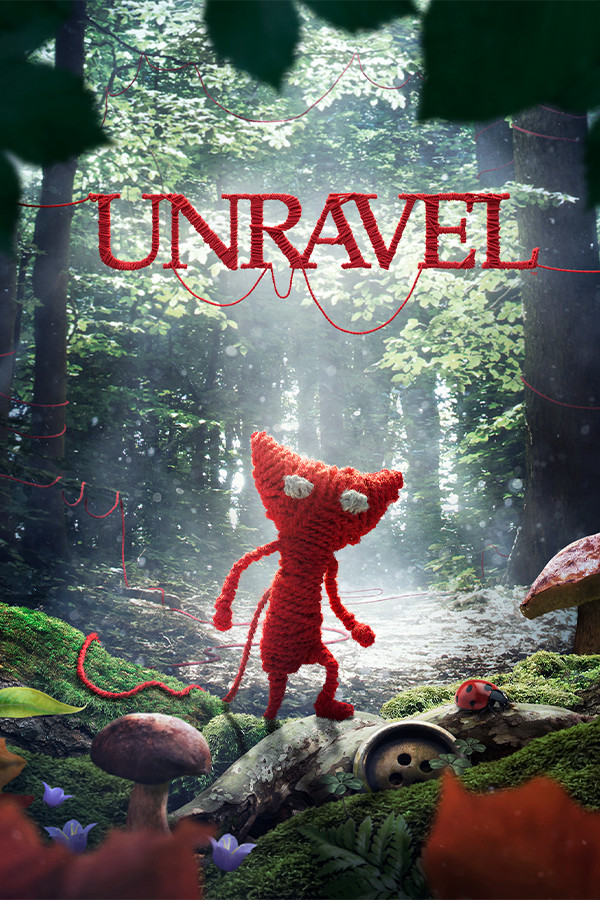
Playing as a ball of yarn isn’t a new concept. Nintendo first did it with Kirby’s Epic Yarn, and it was a charming blast. Coldwood tries its hand at crochet platforming, and it’s done fairly well. I can’t really explain the story much, as it really doesn’t exist. Yarny, the character, is on a journey to find various crocheted figures to attach to a photo album. Who this family is and the reasoning behind Yarny’s animation and coming to life are never explained. The entire idea doesn’t make any sense at all, but we’re here for the platforming.
The game has physics-based platforming and puzzle-solving. There’s a trail of red yarn behind you, and this is your lifeline. It can wrap around things, create bridges, and be used as a grappling hook. Simple puzzles involve hooking the yarn on points and creating bridges to drag objects up, while more complex ones involve wrapping the yarn in various ways to activate a pulley or open a door. It’s very interesting and unique, and there are so many different types of puzzles, but the problem relies on the mechanics around them.
The platforming is either heavy or too springy. Yarny will jump on an object and immediately bounce off of it in a forward motion only. It’s very hard to control this movement, especially when the camera doesn’t pan over quickly enough. The game is also hindered by poor pacing. I enjoyed running around pushing objects, pulling levers, and swinging around like a monkey, but once I got my groove and momentum, a big puzzle would halt my progress, interrupting the trance. I prefer just going forward and enjoying the scenery while swinging around and knocking things over, but once those puzzles started, I got frustrated.
Part of this has to do with most mechanics not being explained early on; the objects you need blend in too much with the background, or it’s very unclear that there’s a hook-off camera that you must jump to. Checkpoints are placed frequently, but some are misplaced, as I would have to repeat a long, easy section just to get to the one annoying jump or off-camera grapple and fall again and again. In some areas, I started over a dozen times just to get it right.
Outside of that, the game plays fine with 13 levels. You will be busy for a good 4-6 hours since some areas are really tough to get through. I loved the scripted moments, and some of the dangerous areas where Yarny runs from animals are pretty fun, but those big puzzles just really halted all the fun.
The game looks absolutely stunning, with realistic-looking textures and a huge variety of environments, including forests, tundras, toxic waste dumps, construction sites, and swamps. It’s incredible to look at and experience, and the music is great despite the same track repeating over and over through each level. It got irritating quickly.
Developer: SCE Santa Monica Studios, Wholesale Algorithms
Release Date: 07/14/2015
Available Exclusively On
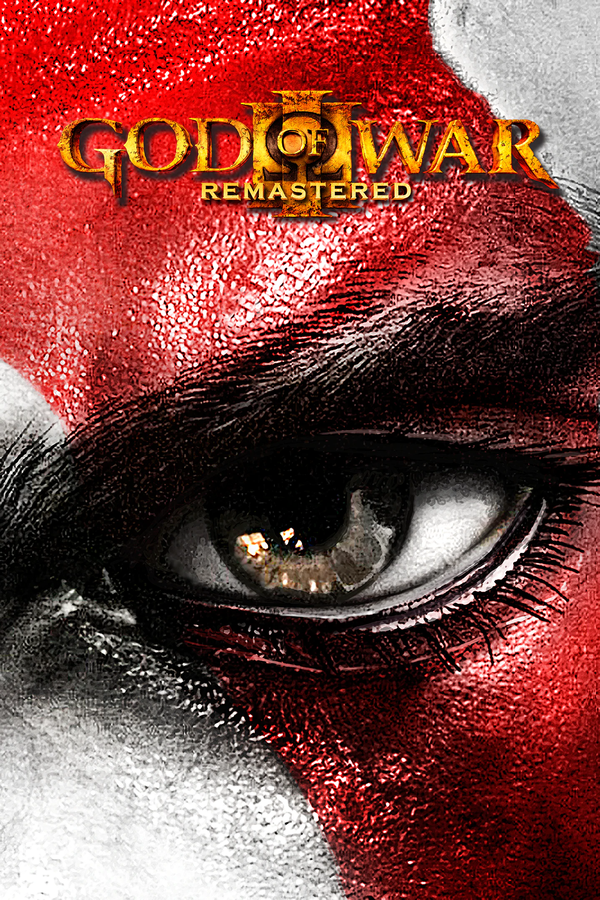
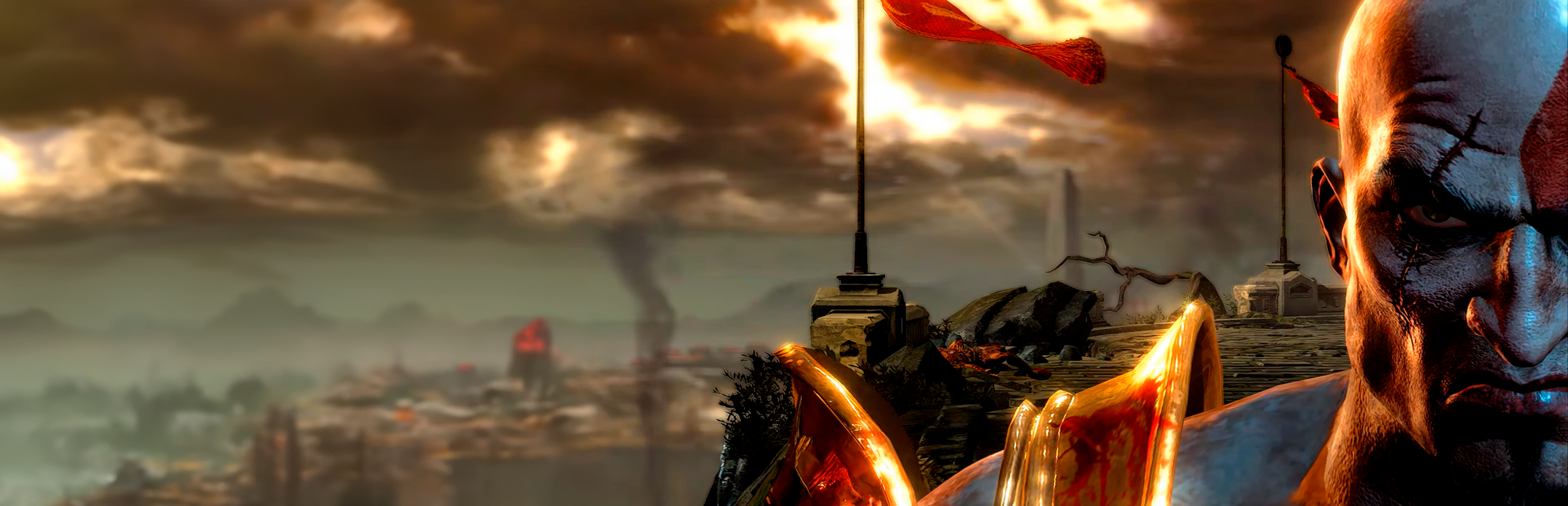
God of War usually defines the generation of consoles it’s released on. God of War III was no exception. We were already halfway into the PS3’s lifecycle before we got God of War, but it was well worth the wait. It was bigger, better, faster, and more epic and violent than any previous game.
We also already had two PSP games by this point, so there was a lot of content for the team to look upon, and it did take some inspiration from the PSP versions as they were the latest games in the series. God of War III sees Kratos continuing his journey to kill Zeus and destroy all of Olympus for refusing to take away the nightmares of killing his wife and daughter.
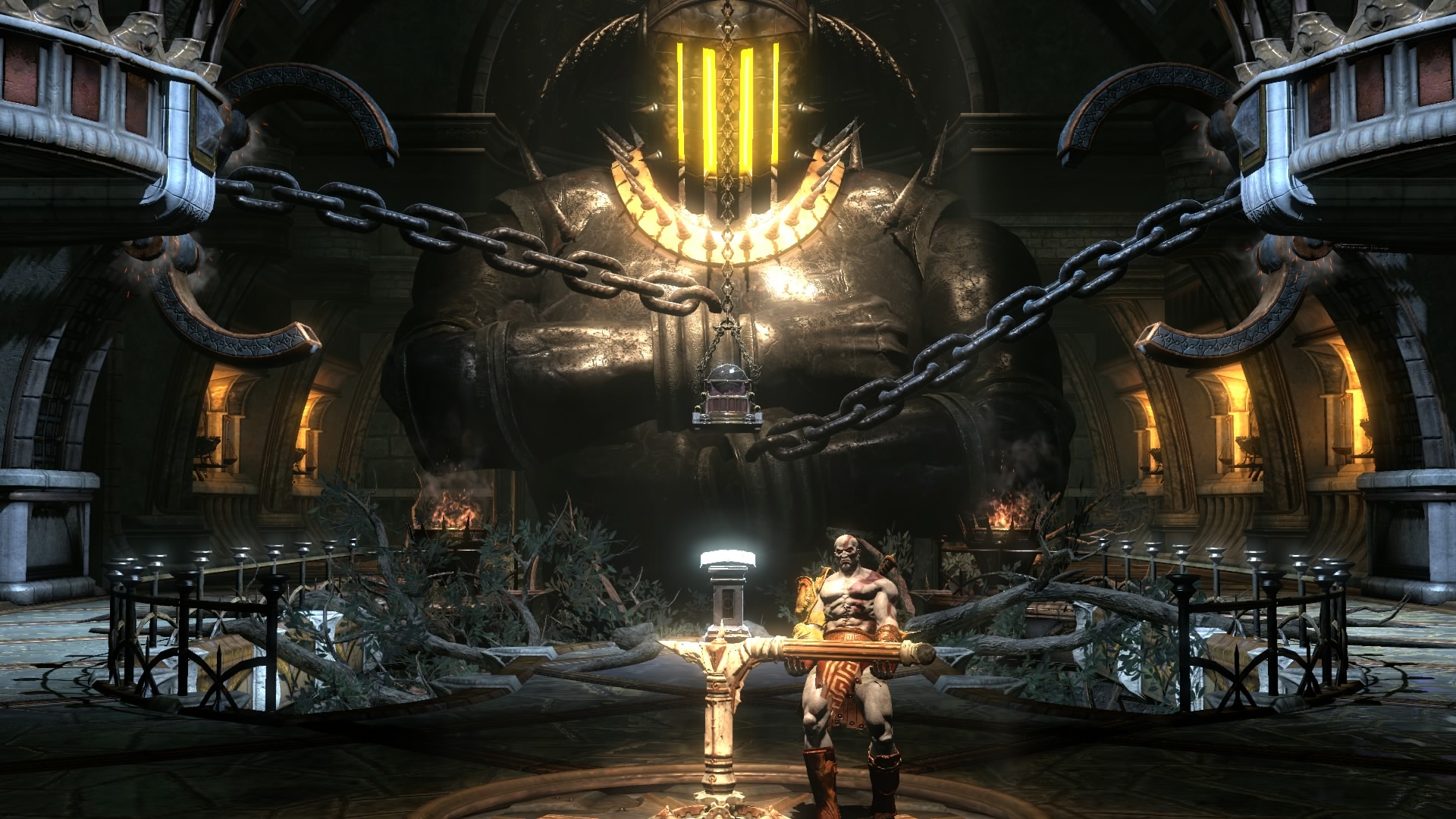
The game starts out more epic than any other God of War game, or any game at all, for that matter. You are battling Titans in God of War III, with Gaia being the first one. Running around a giant, colossal enemy and destroying it from the outside is just something that has never been done or has never been done since. Right off the bat, the game feels smoother, silkier, and more responsive than ever before. The game has amazing lighting effects with a glow that shines on every object, and Kratos’ Blades of Exile look amazing in action. It’s still jaw-dropping even today to see something of this scale play on your screen.
Combat isn’t just smoother, but slightly enhanced with new layers added. There is a new item meter that recharges on its own and allows you to use various items, such as Apollo’s bow and Helios’ head. This allows the team to focus more on balancing combat and using these items for puzzle solving rather than strictly combat. Magic items are now attached to the four weapons. Each weapon has a unique magic attack that balances combat and keeps it from feeling the same as other games. There is also a new X-button combo that allows Kratos to combo through all four weapons, which is just awesome to see. I don’t want to spoil the new weapons, as they are as big a part of God of War as the enemies and story, but they are awesome and the best weapons yet in any God of War game.
The game also feels like it just flows better this time around. There is no longer a central hub that the game focuses on, but you do backtrack to a few beginning areas briefly, which is fine. The game is very balanced, and I never felt overwhelmed except toward the end of the game, which is expected. New enemies are introduced with gobs of gore and violence in more detail. You can actually rip out a Cyclops eye, disembowel a Centaur General, and some enemies have multiple stage circle button prompts, which is a lot of fun. The button prompts are also moved to the sides of the screen, corresponding to button placement on the controller, and they flash, keeping you from having to miss a prompt. They aren’t as heavy-handed this time around and feel more natural, but the best parts are the boss fights. They are challenging, deadly, and gruesome, and they leave such a great smile on your face.
The environments are more impressive than ever, with larger-than-life structures and multi-tiered areas that span miles and miles. It’s insane how all this worked and was crammed on the PS3 hardware. Daedalus’ Labyrinth has giant floating boxes and gauntlets of platforming segments to test your skills and reflexes.
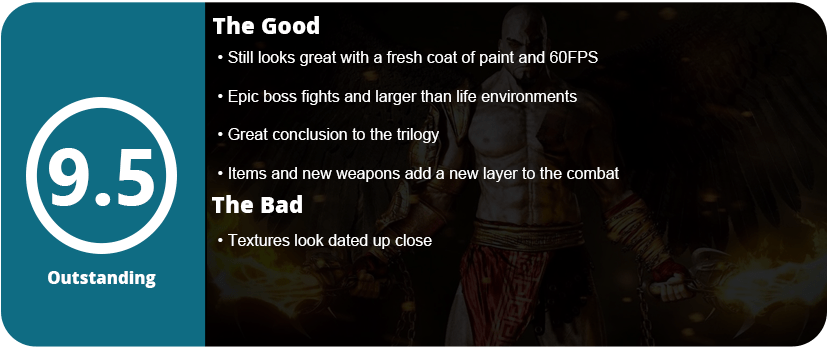
This is actually the third time I’ve played this game, and it amazes me with every playthrough. I never get tired of it. The PS4 remaster adds a coat of paint to an already great-looking game. The visuals are less blurry and sharper, and the game runs at a solid 60FPS. The textures do look ugly in spots, but that was due to PS3 limitations, but overall, the far-away shots look amazing.
Overall, God of War III is still an amazing game to this day. It was one of the best PS3 games to be released and is a must-have for PS4 owners. Sadly, the previous games were not included, so if you jump into this game, you won’t understand a single thread of the story.
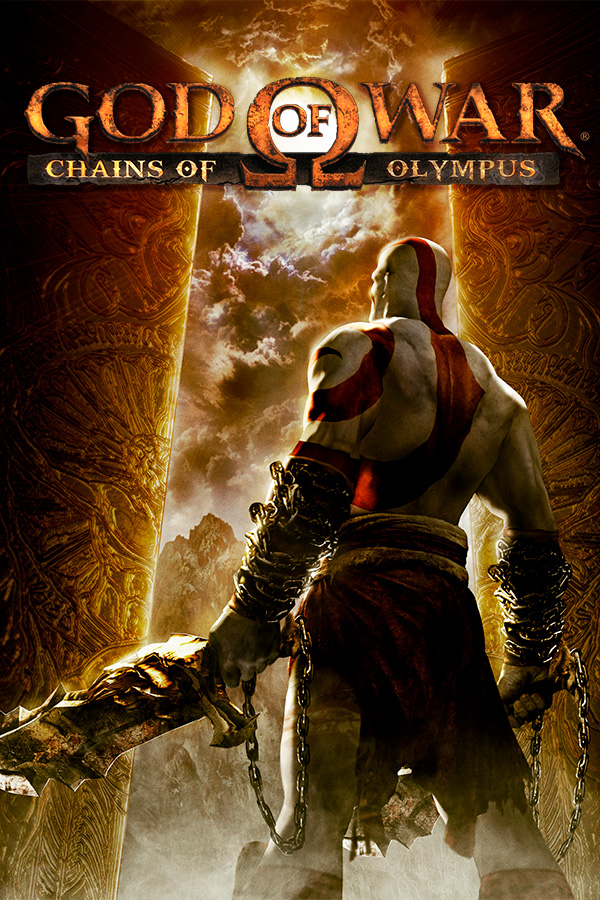
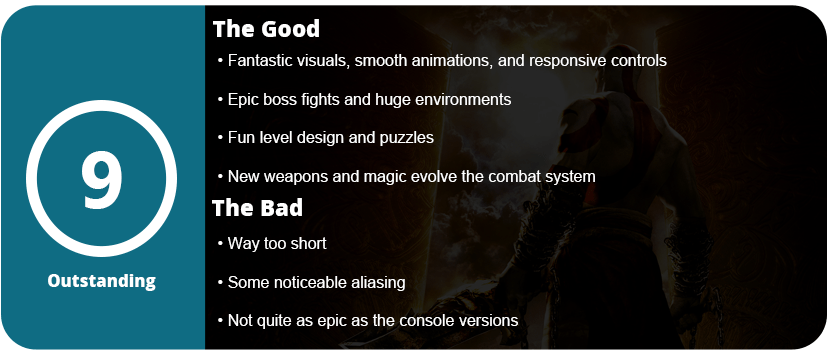
Chains of Olympus was probably the single biggest PSP release during the entire console’s life cycle. It was one of the first games everyone wanted for the system, and Ready at Dawn delivered a God of War experience just like the console version, with no cut corners.
The game takes place between the first two games, with Kratos continuing his journey to rid every god of Olympus and his quest to kill Zeus. He finds himself discovering more nightmares of his past, his daughter, and various new gods not seen in previous games. The story is just fine and feels just like a God of War game, but it’s very short and can be finished in less than 4 hours.
I remember starting up this game for the first time and seeing half of Kratos’ face in the main menu, just like in previous games, and pressing that new game button. The game starts with you at the Battle of Attica, fighting off a giant basilisk sent to destroy the city by the Persians. I knew the game would have an epic first boss fight and a giant city to fight in, as the previous games did as well. You also have to remember that this was released two years after God of War II, so there wasn’t much else to go off of at the time. Thankfully, this game carved its own path in the God of War series, and later games actually borrowed things from this game.
Surprisingly, the controls work out just fine with the handheld version. Pressing the shoulder buttons and moving the analog nub allow you to dodge. The combat and animations are gorgeous, and the game runs at 30FPS most of the time. Very rarely did it ever drop below that, and sometimes it even went up to 60 FPS in smaller areas. Everything about this game is so familiar yet somehow slightly evolved from GoWII. The moves are more fluid, and upgrades are a bit different as well. New magic items and a brand new weapon are introduced as well.
The Gauntlet of Zeus is a giant fist that brings slower, more powerful hits; sadly, due to its short length, only one extra weapon was introduced. Efreet is the new AOE magic attack that uses fire damage; Light of Dawn is a long-range magic attack; and Charon’s Wrath stuns enemies. Kratos also gets a shield in the game, allowing new counter-attacks and throwing back projectiles at enemies. The whole combat system as a whole feels new and enhanced enough to make this feel like a sequel rather than a spin-off.
Just like in previous games, you can upgrade your magic and health with hidden Phoenix Feather and Gorgon Eye chests, as well as using red orbs to upgrade items. Most of the hidden chests are easy to find if you explore all areas and pay attention to breakable walls and side paths. The best part about this game is the new enemies and bosses, which is what makes God of War so epic to begin with.
After beating the Basilisk, you will come across a few other bosses, but they aren’t large epic enemies like previous games; they are smaller and more challenging combat-wise, which is fine for the story that it delivers. I don’t want to spoil the game and tell you all the bosses right here, but the final boss proved quite a challenge and will test your reflexes for sure.
The environments are also amazing, as with any God of War game, with huge set pieces, massive buildings, giant statues, and various background stuff going on. Chains of Olympus was the best-looking handheld game ever released at the time and stunned everyone. It sold more PSP systems, which was good and was the main reason why most people bought a PSP. The lighting effects and textures look great and are a step up from God of War II. There is some noticeable aliasing and audio compression, but overall, the game seems impossibly good on the small system. This was also the first PSP game to use the full 333 MHz of the CPU and required an update before playing.
Overall, Chains of Olympus is a milestone and a pinnacle game in the handheld market and shows just how much of a powerhouse Sony’s handheld was back in the day. Sadly, we never got a new God of War on Vita, but this game is playable on that system as a PSP download.


















































 thebinarymessiah.com
Try multiplayer. A lot of fun !