This was a great year for multi-platform games. Exclusives were a bit dry, so many heavy hitters came out of the woodworks, so you were happy with any system you owned.
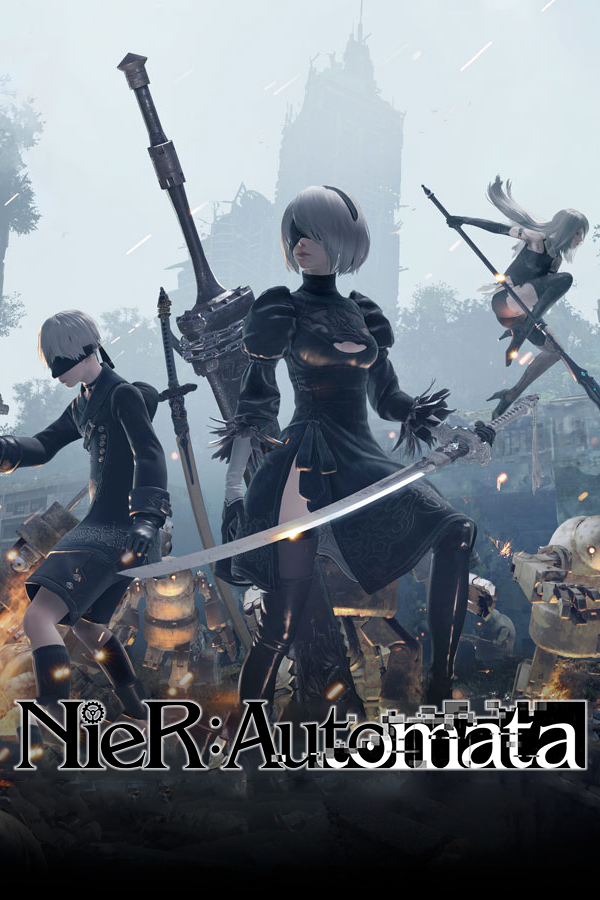
Nier: Automata
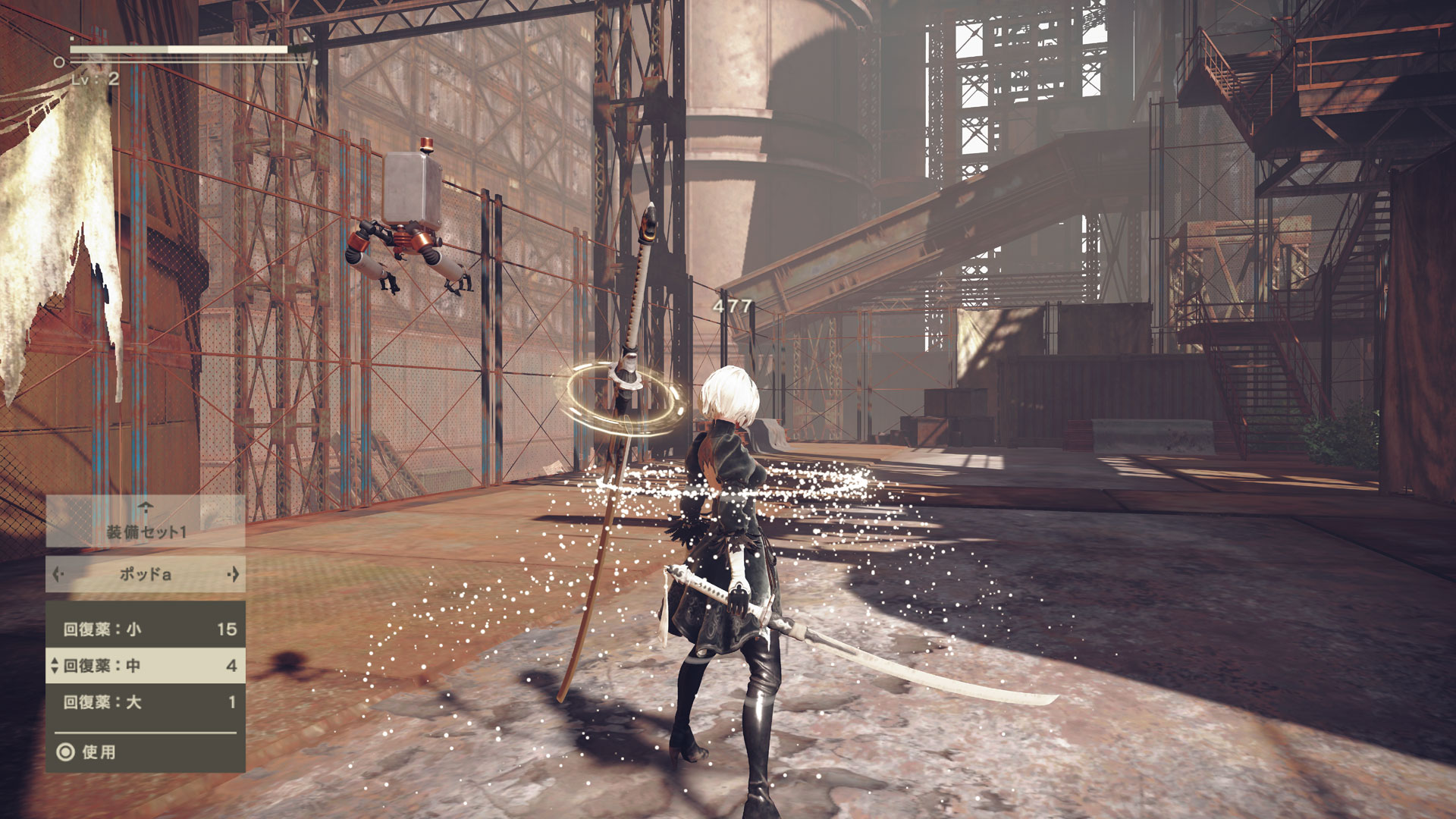
NieR: Automata may not have looked the best, but it sure played the best. With fantastic combat, an interesting story, great characters, unique visual style, and gorgeous locales to explore, NieR was something fresh and different than all the sequels we got this year
Mobile games have been becoming stronger every year as technology improves. From Nvidia releases that are full PC ports to original indie games that tell wonderful stories and have unique gameplay. 2017 was one of the strongest years yet.
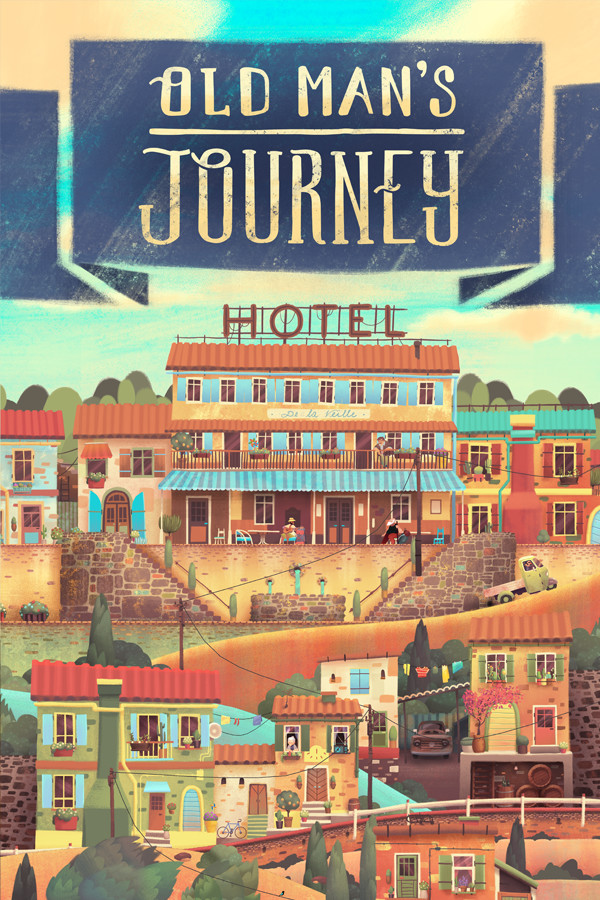
Old Man’s Journey
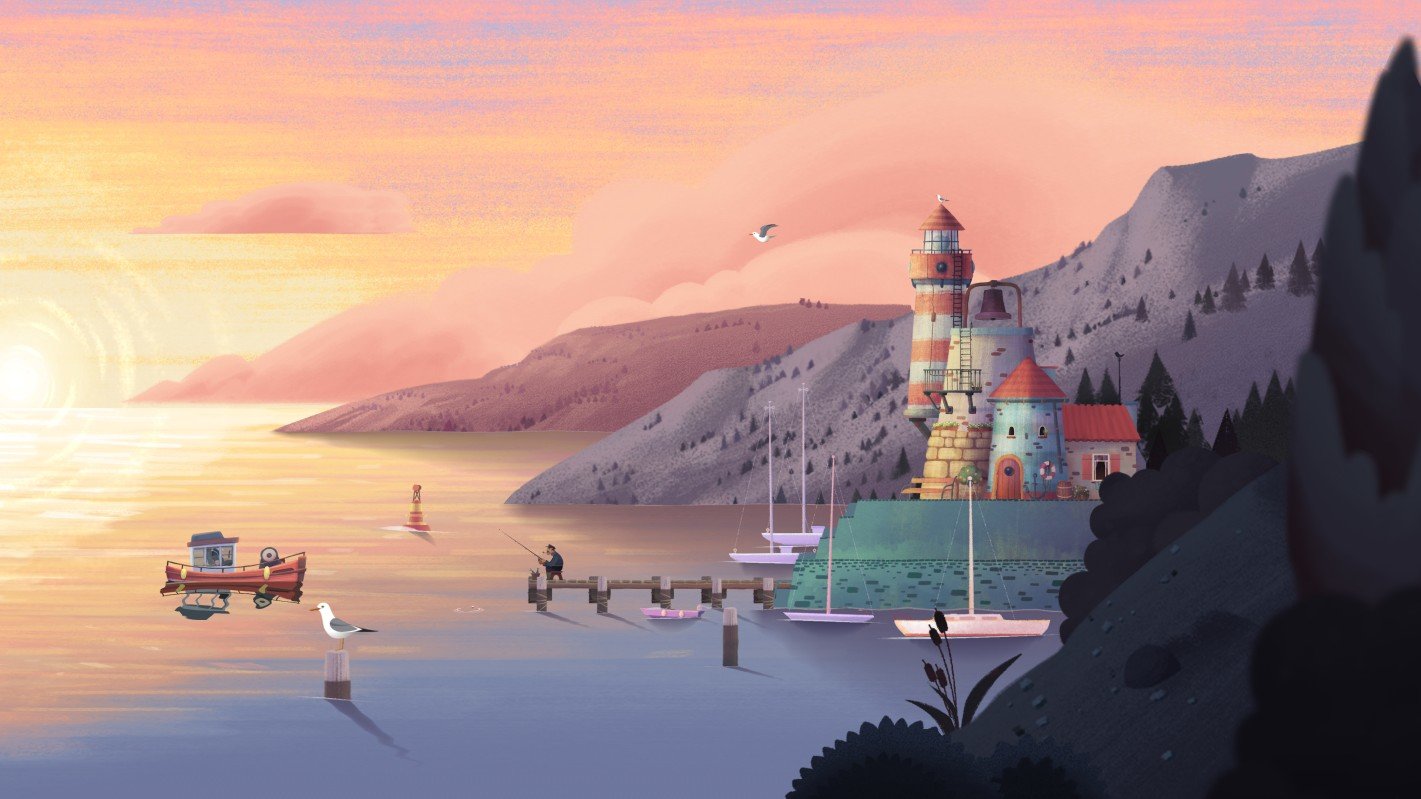
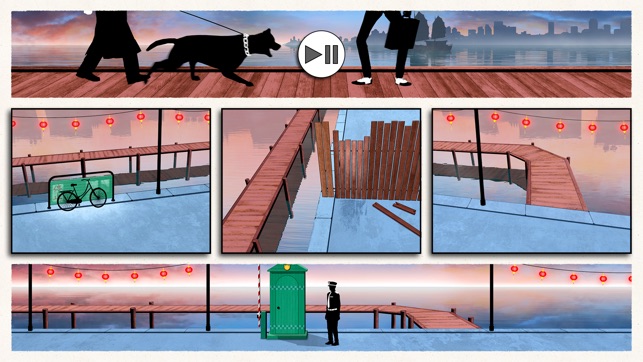
Old Man’s Journey isn’t just a great mobile game, but a game that tells a touching tale and has beautiful visuals to accompany it. There were many great mobile games this year, but this one kept me thinking about it long after I played, and that’s rare on this platform
Of all the platforms, the Xbox One saw the least amount of exclusives this year and it really hurt the system. After the holidays last year, I didn’t really touch my Xbox One S much except for a small exclusive here or there. With no major Haloor Gears of War release this year, the Xbox One didn’t have any instant fast-selling games. Here’s to hoping next year bodes better games.
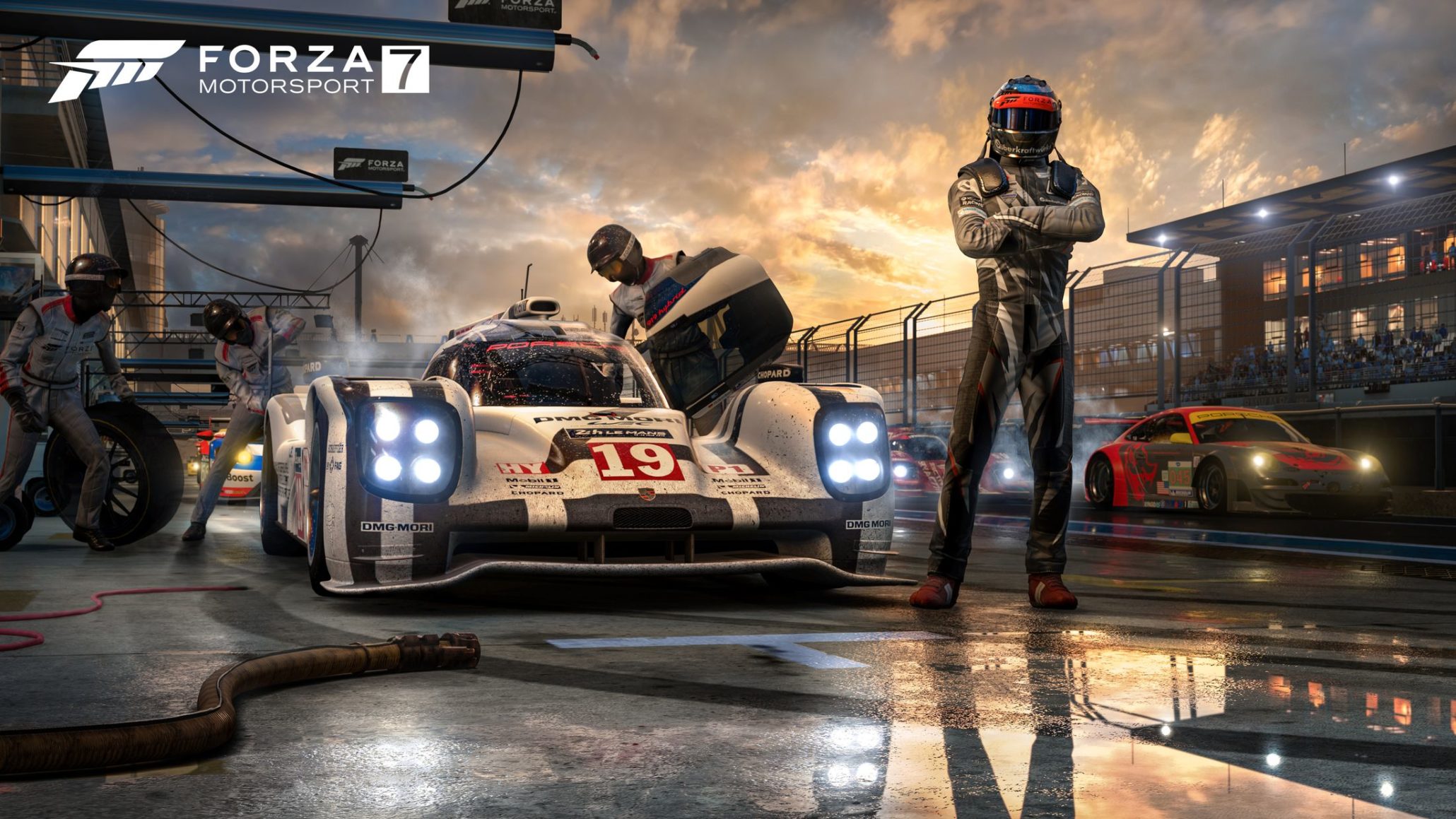
Forza Motorsport 7
While the graphically superior version is for PC and Xbox One X, the Xbox One version is still one of the best racing simulators ever created. Turn 10 Studios’ dedicated passion for motorsports shows in Forza 7 with hyper realistic physics, driving mechanics, and so many fun vehicles to drive.
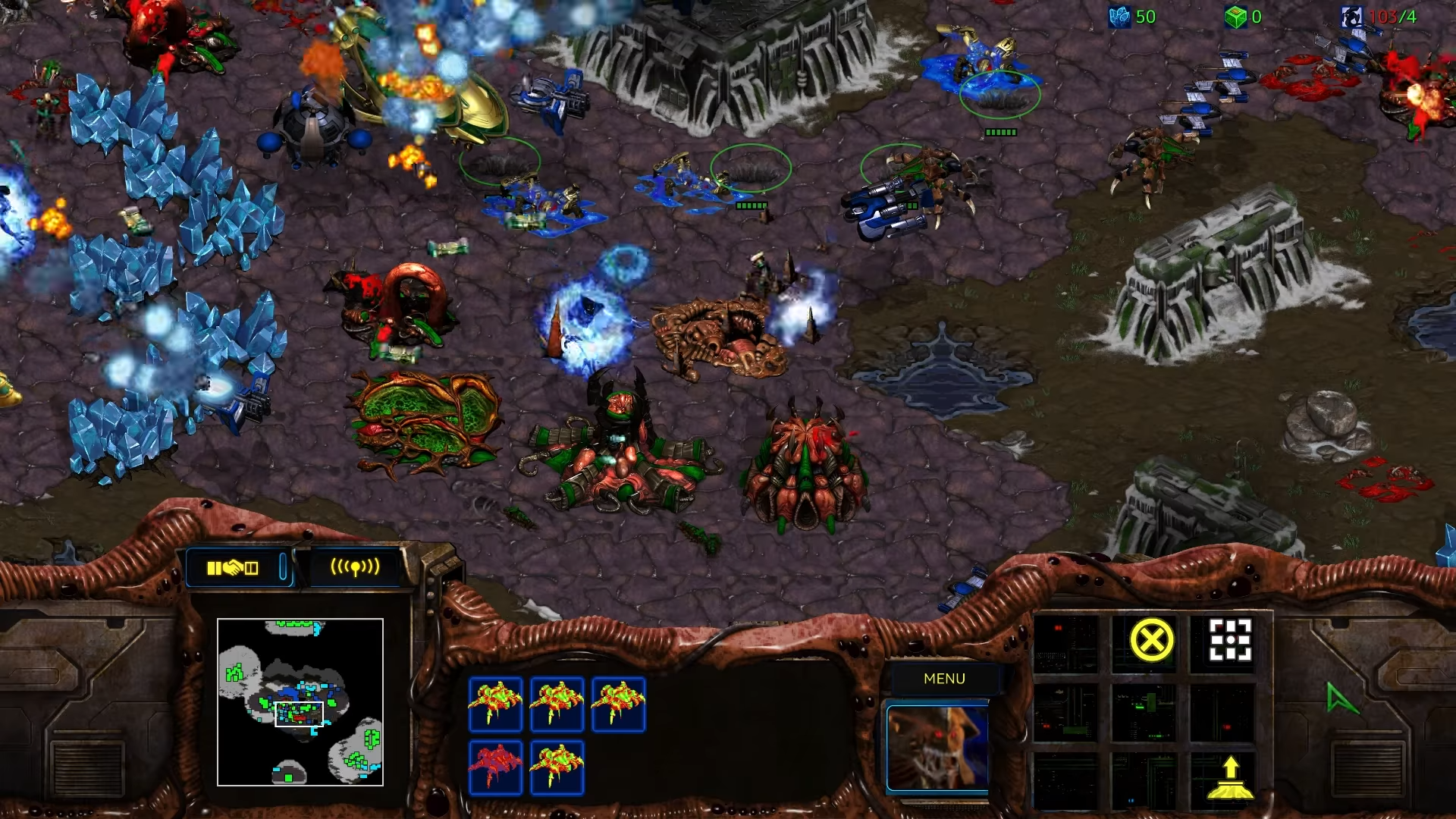
PC exclusives have slowed down quite a bit. All we really get now are some indie games or strategy games, as well as MMOs. This year was strange as the secondTotal War: Warhammergame was released as well as Starcraft Remastered. Nothing else really stood out this year which is sad for PC gamers.
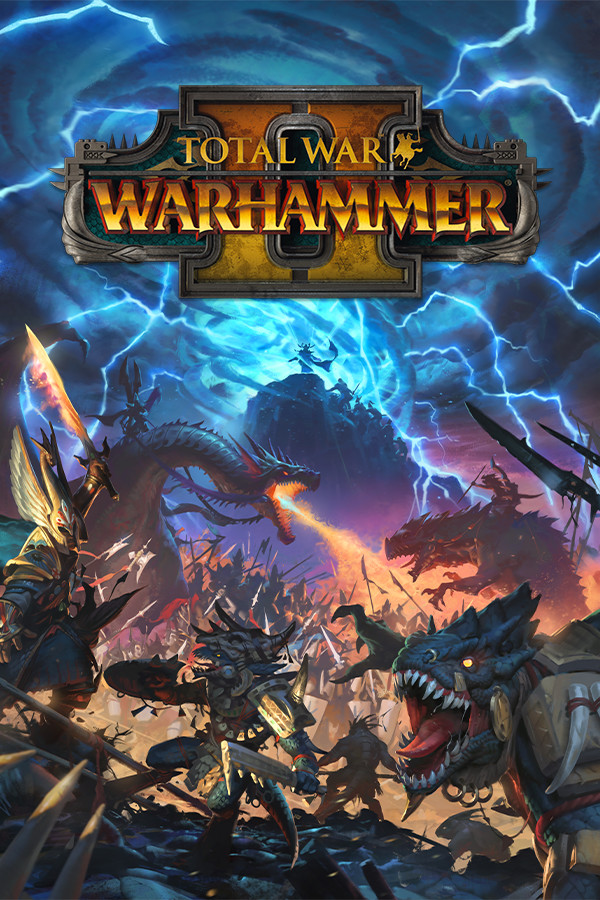
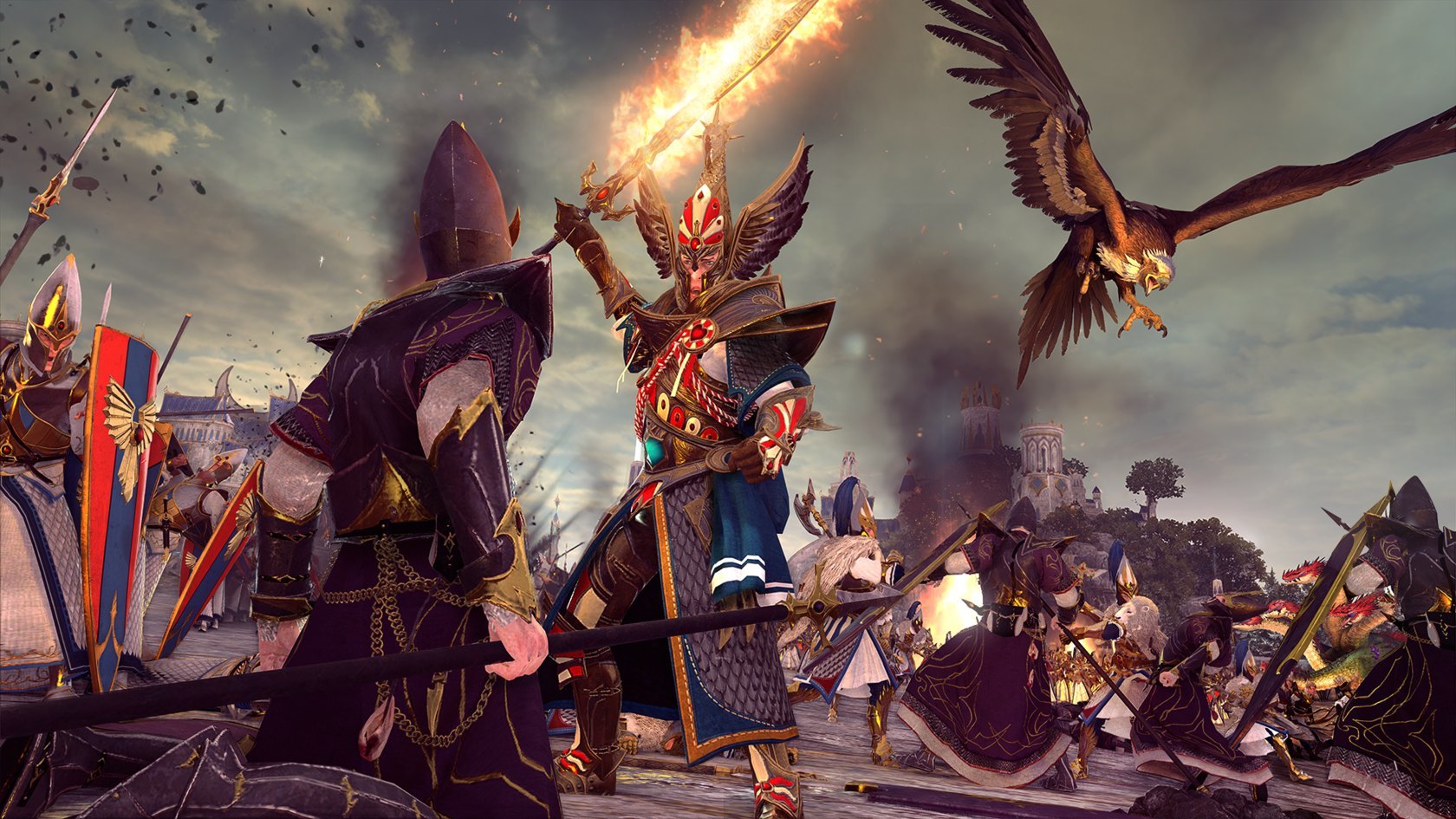
Total War: Warhammer II
I know Total War: Warhammer won as of last year’s best PC game, but the series has seriously been a behemoth on PC. For the past two years, PC exclusives have fallen short or have been pumping out expansion to older games. Starcraft Remastered came in as a close second, but Warhammer II picked up where the first left off and hit the ground running.
2017 was a weak year for the 3DS. While there were a few heavy hitters, this marked the first year Nintendo themselves slowed down releases for the system. Is this a sign a new portable system is coming, or the end of the DS series as we know it?
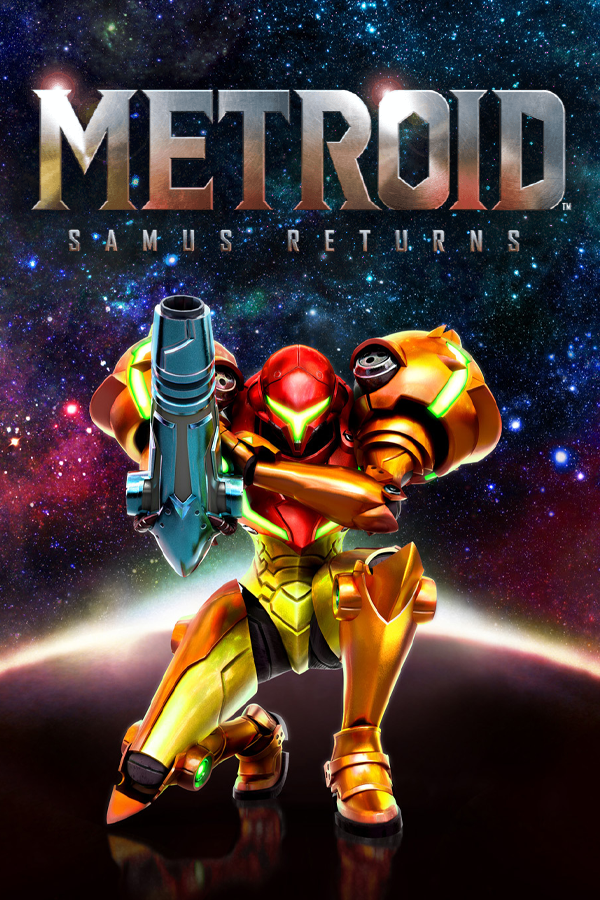
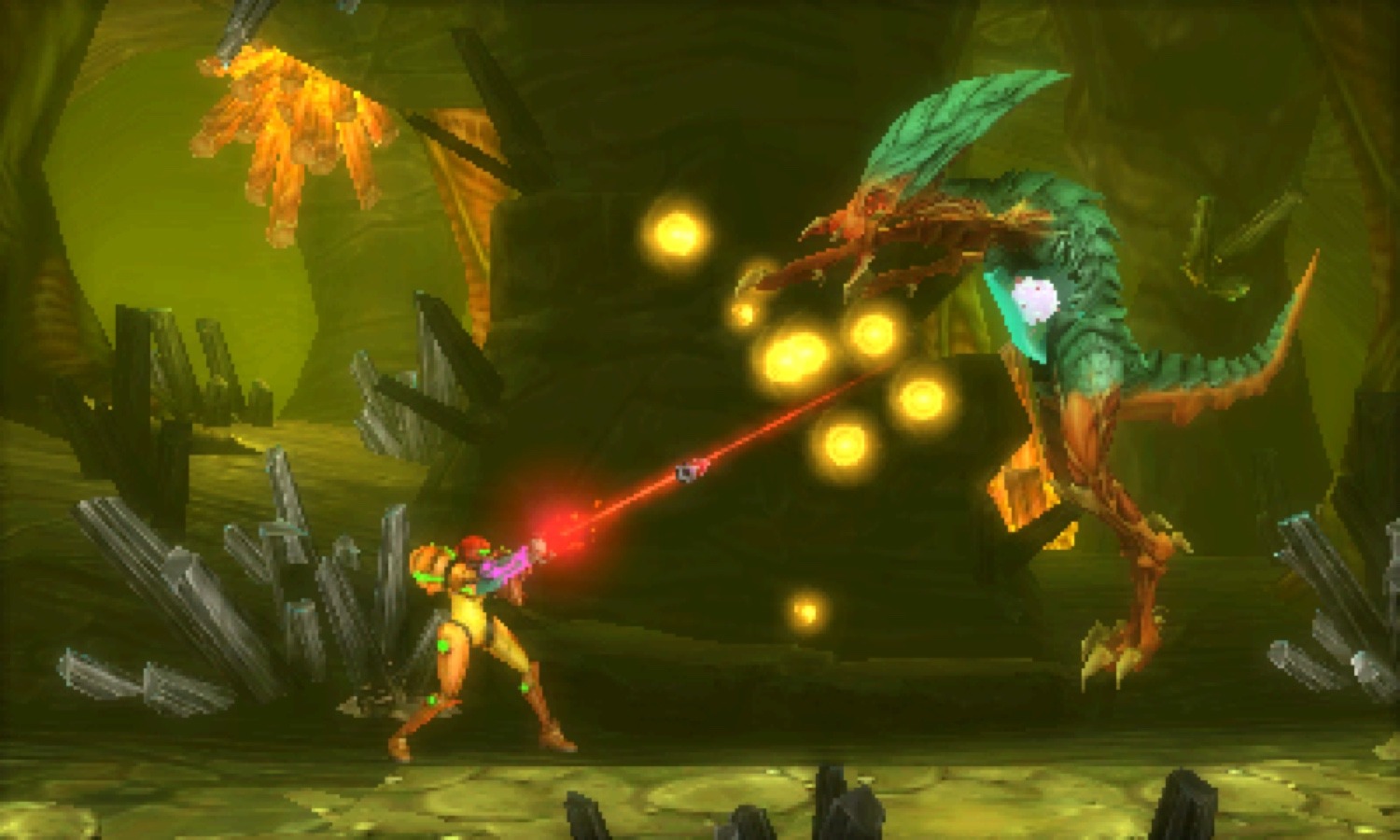
Metroid: Samus Returns
There was almost no competition this year. With this being the first Metroid release since Metroid: Other M a year ago, it’s one of the most exciting Nintendo releases yet. The game was a retelling of Metroid II for GameBoy, and despite being a remaster, the game felt all new.
Colors: Gray Joy-Con version, Neon Blue+Red Joy-Con version, Red Joy-Con version
Strange Tidings
I wasn’t a believer. I saw the Switch as a gimmicky train wreck straight into financial debt as Nintendo revealed the system last year. The concept was neat, the first home console was built into a tablet which felt like the last 2 Nintendo consoles smushed into one. The only issue that still remained was graphical power and online play as Nintendo is notoriously known for not doing well in these two departments.
Fast forward over a year later and I have one sitting next to me. To be honest, it was a spontaneous purchase during Black Friday weekend, as there were more and more games coming out that I really wanted to play. It was still a gamble, as there’s a huge divide on the Switch. Nintendo fanboys refuse to admit faults in the system, and naysayers refuse to admit the originality and fantastic games that are available, as few as there are.
First Impressions
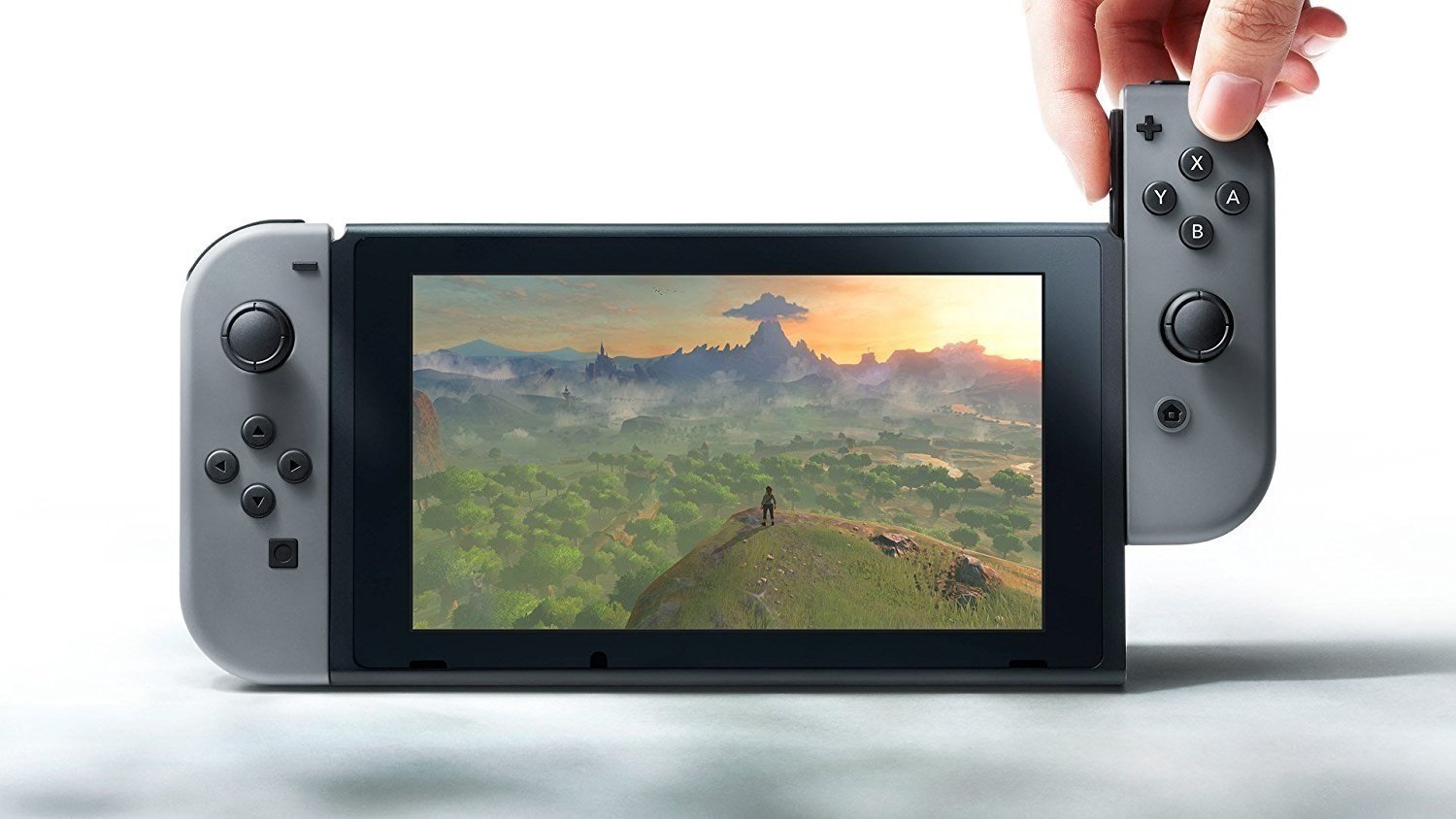
As I opened the box, I was actually surprised by how much smaller the system was than I originally thought. I thought it was going to be some hefty, unwieldy thing with controllers slapped on it. The tablet is just slightly bigger than any standard 7″ Android tablet on the market (Nvidia Shield K1, for example) and looks sleek, ergonomic, and not too heavy, really. The buttons are nicely laid out on top of the unit, along with volume control, power, the card slot, and a headphone jack. There’s a USB-C charger at the bottom as well as a kickstand. They seemed to have thought of everything and didn’t overthink too much else, which is surprisingly nice. The system is meant to be used in landscapes only, so this helped solidify their design ideas.
Once I popped the Joy-Con controllers out, I was also surprised. These things are surprisingly small and light, but they also feel nice and have great ergonomics. These could have easily been messed up and killed the system, but it feels like the Wii Remote mixed with 3DS buttons, which is a good thing. It’s also designed with offset thumbsticks like the Gamecube controller, which is a huge plus here. The aligned sticks on the Wii U pad were uncomfortable. The design is also meant to be symmetrical, so each controller can be used separately. The left Joy-Con then turns the directional buttons into face buttons, but the only small complaint is that the left stick is closer to the edge of the controller while the right is further in, so playing Mario Kart, for example, made me want the right Con so my hand didn’t cramp. There’s also an issue with the screenshot button (which works amazingly well and just like it should) not turning into the Home button.
Joy-Cons: Is the Name a Premonition?
The controller frustrations aren’t really all of that; the cons are interchangeable with a grip that turns these things into an actual controller; they slide right in, but the release button on the back is small and hard to get a grip on without pressing buttons, and having to take them off to slide them on the tablet in docked mode to charge is annoying. Then you have the side rails with the SR and SL buttons for playing with the controller landscape or separately for motion controls. These rails go on easily but are a pain to get off, and I’ve scraped and cut my fingers pulling them off. They are tight and require more strength than needed to get them off. The easiest mode to get these out of is tablet mode. Sliding them on the side of the tablet is easy enough, as is getting them off. I just wish there wasn’t so much configuring for each game, as with Skyrim, I had to slide the side rails off to put on the grip as I was tired of holding them for motion controls. Then I had to slide them off the grip and onto the tablet when I went and played in the bedroom.
Switch: The New DS
Speaking of tablet mode, this is the main attraction of this system. Nintendo wanted the power of a home console in your hands, and this is the first time it’s been done correctly. The PSP started this by being sold as a portable PlayStation home experience, but it didn’t have the power or the controls to do this correctly. Sony sold that same idea with the Vita, and while it did have both, the pirating from the PSP caused developers to back away. Nintendo has never sold their portable systems as home experiences, but here we have it. The games play in 720p while undocked, which is a bit disappointing seeing as tablets can display up to 2K resolution these days, but a lot more power would have to be built in, causing bulkiness, less battery life, and more cost. It still looks clean and crisp in this mode, and most people won’t notice.
The Big Screen
Docking the console is easy enough, but there was another problem here. There’s no click, no satisfying “snap” of the system connecting to the charge port, and no sound or feedback of any kind. The system kind of just flops in the dock and rests there. The only indication is the green light flashing on the dock, and that’s it. This could have been done much differently, with better feedback. While docked, games usually run in 1080p, but with some graphical hits like frame rate cuts or aliasing. The Switch is intended to perform better in docked mode as the CPU isn’t underclocked to save battery life, but there are varying theories about how all that extra power is used to render the picture in higher resolution and is not really performing better. It’s something Nintendo needs to iron out, and even eight months later, it’s still a tad bit of an issue. Battery life is also not that great in portable mode. You will maybe squeeze 4 hours out of the system on a game that doesn’t push it to its limits. I haven’t been able to time it just yet, so I will update this as time goes on to see if I can get 4+ hours.
Under the Hood
Let’s take a look at what runs this device first. For starters, the system has 4GB of RAM in the form of LPDDR4, which is what is seen in phones. I was surprised to not see X RAM, which is much faster, but it’s a good start. The system has an Nvidia Tegra X1 chipset, which is seen in the newest Shield device from Nvidia. It has an 8-core CPU running at 1.20GHz, and the GPU is Maxwell-based, running at 768MHz docked and 384 undocked. It also has a 6.2-inch screen in 720p. As you can see, it’s a very powerful portable device, but clearly doesn’t have any power close to the other competitors, but can easily be seen as the most powerful tablet on the market. Why Nintendo chose off-the-shelf parts instead of custom hardware is very interesting; it is definitely easier to program for. The SD slot can hold up to 2TB (which isn’t available yet) in microSDXC format.
Software
Let’s talk about the software. The Switch features a much more streamlined UI than the Wii U. No longer is there a huge ring of bubbles with Miis running everywhere. We get a clean and minimalist UI that just shows a row of “blocks” that are your games. Near the bottom, you can select settings, Joy-Con arrangement, eShop, and brightness. I love this UI, and it’s even better than the 3DS UI. This is designed to be easy to navigate with the touchscreen in portable mode. Another nifty feature is being able to “archive” games, so when you’re done with them, you can delete the game data, but it will keep all your saves to free up HDD space. If you run out of the 24GB (8 are taken up with OS), you can insert a microSD card, which is something that was much needed on the Wii U and really hurt sales. 24GB is plenty for physical games, but if you have a large digital collection, you can move screenshots and those games onto that SD card, which is awesome.
So, Is It Worth It?
Overall, the Switch is well worth the $300 purchase if you like all the games available. If you’re just a Nintendo player or just like one genre of game, then you should stay away. This is a great system that is revolutionary in its own right and takes a traditional home console and takes it on the go, but with the usual sacrifices that Nintendo is willing to make. It’s not very powerful (for a home console), the Joy-Cons are cumbersome to configure, the battery life isn’t too great, and the graphical difference between docked and undocked varies way too much and needs to be ironed out. There’s also the lack of games mentioned, which has been an issue since the Wii. The ones that are available are fantastic; there aren’t a lot of games that are downright awful on this system, with Nintendo’s own games being some of the best games in years, period.
To Nintendo’s credit, people are giving this system a harder time than it deserves. The Wii U deserved all the backlash it got; it was a terrible console that was terribly marketed and executed. The Switch is actually trying to be something completely new with some of Nintendo’s past and, best of all, ideas at play. With the support of more third-party developers (as we’re seeing as the year comes to a close), Nintendo could be back on track as the best video game company out there. Only time will tell, but they don’t have long.
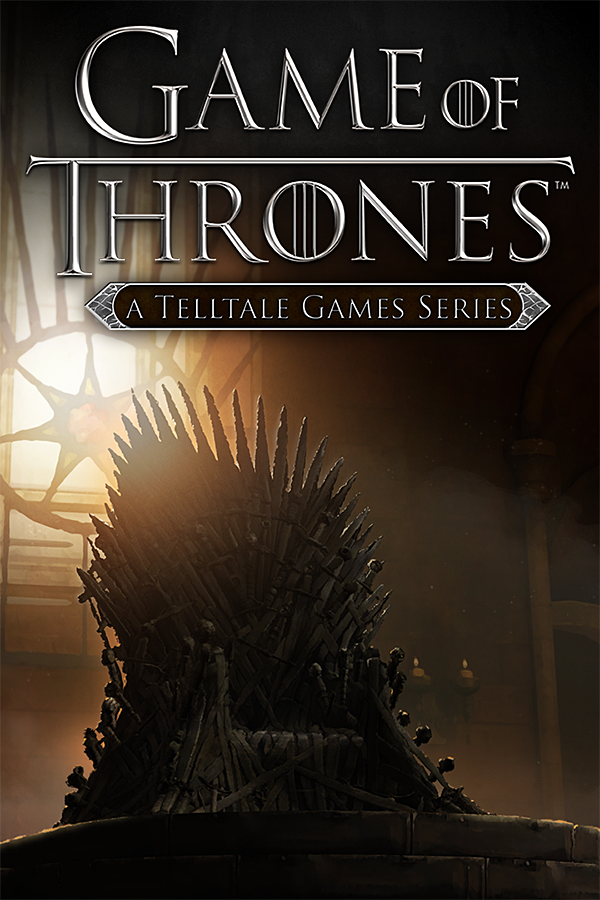
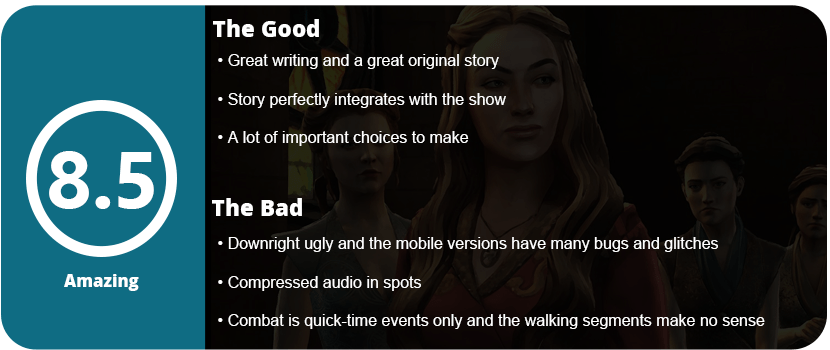
Game of Thrones is one of my favorite TV shows of all time, and for good reason. It had memorable characters, well-written scripts, fantastic actors, and so many gripping plot twists that will make your head spin. How do you copy this in a 5-hour game? Telltale somehow managed to do it, with some flaws, and I left wanting more.
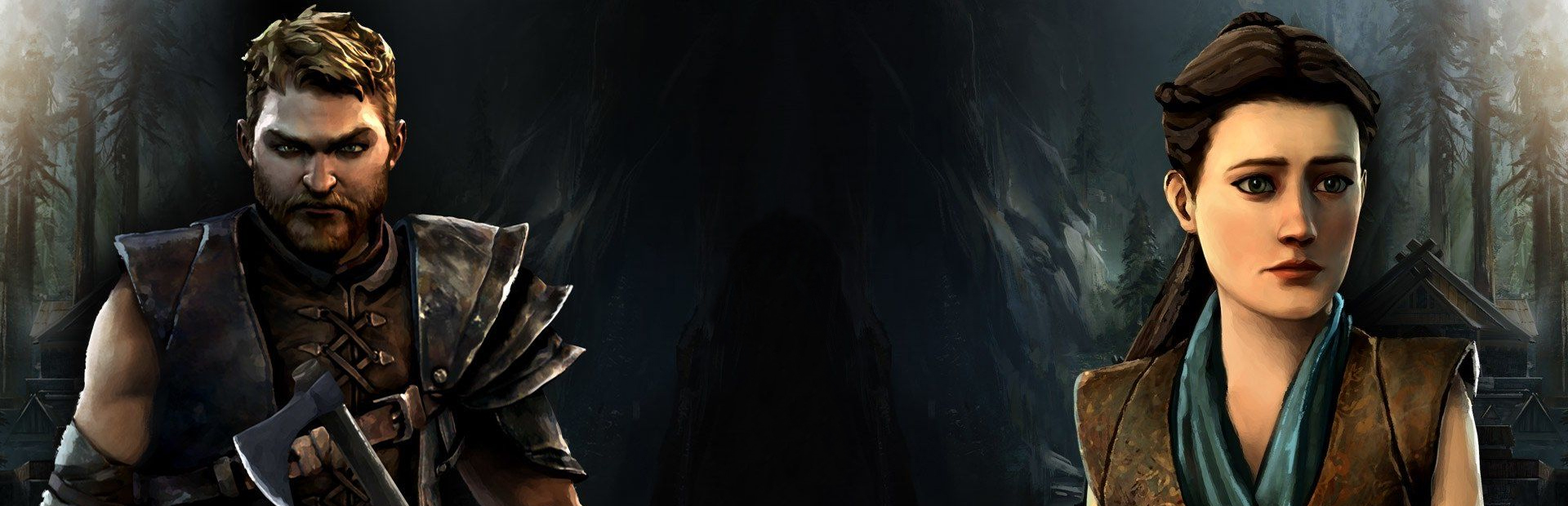
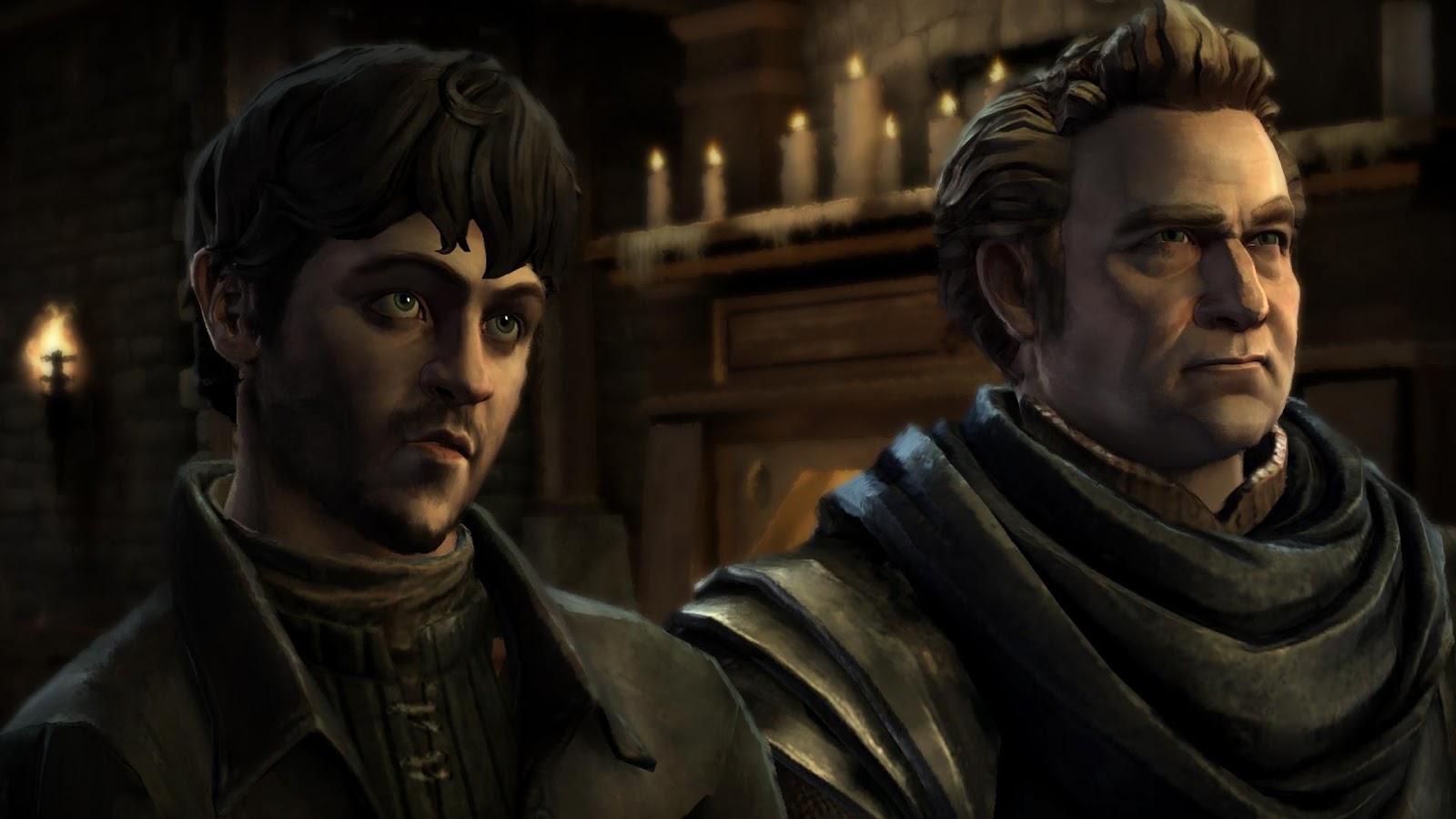
You play House Forrester, who are aligned with the Starks in the North, not seen in the show. They are trying to come out from under Roose Bolton’s foot, as the Boltons were assigned as wardens of the North after Ned Stark died in the first season. Ramsay Snow is constantly coming back to the house to “babysit” them, and this is some of where the major turning points happen.
You follow five characters in the game as our viewpoints change. Mira Forrester is in King’s Landing, trying to gain Lady Margery’s favor before she becomes queen. Then there’s Ethan Forrester, who is the new lord of House Forrester after his father dies in the hands of Frey’s ambush. Then there’s Edward Tuttle, who was the original Lord’s Steward, and he gets sent to the Wall. Asher Forrester is off in Essos, trying to gain Daenarys’s favor for an army. With all these different viewpoints, it feels just like the show with everyone spread out.
This is a much more story-driven Telltale game, and I know that sounds silly, but there’s maybe 5% gameplay here and not even any puzzles. There are some combat quick-time events, a few times where you walk around an area looking at things, and then the many, many dialog options, with some being meaningless and some having a full swing of the entire story.
I won’t get into details about the story as that will spoil it, but I was kept in for the whole game. The acting from the original characters who do appear is nice, as is the acting from the new characters. The new characters are memorable, hold their own, and feel like they would fit right into the TV show. As the episodes pick up, you spend less time with each character as all the choices you make culminate in the finale. Some choices were rather difficult to make as you decided who lived or died or how you acted towards someone. This was especially brilliant, as I thought I was doing the right thing sometimes, but it turned out it was hurting me more.
In the end, the point of the game is to gather a large enough army to fight back the Whitehills, whom the Boltons assigned to watch over House Forrester. All your choices will mean the difference between a house that lives or dies. I didn’t find the game really dull, but the scenes where I had control felt pointless. Rarely did it ever feel relevant, such as in a scene where Mira is searching for a letter in Tyrion’s office and guards are running down the hall, and she was trying to not get caught.
The game does end with a sequel in mind, but I don’t know if that’s ever coming; not all the characters’ stories were fulfilled, which is a shame. The visuals are downright ugly and still use Telltale’s decade-old engine, which needs an overhaul. The mobile version of the game is still riddled with bugs and poorly optimized, with frequent slowdowns, crashes, freezes, and bugs. The audio was terrible, as in the last 2 episodes it was somehow compressed to sound like PS1 audio. Overall, though, the game is well worth a playthrough for fans of the show; just don’t get the mobile version.
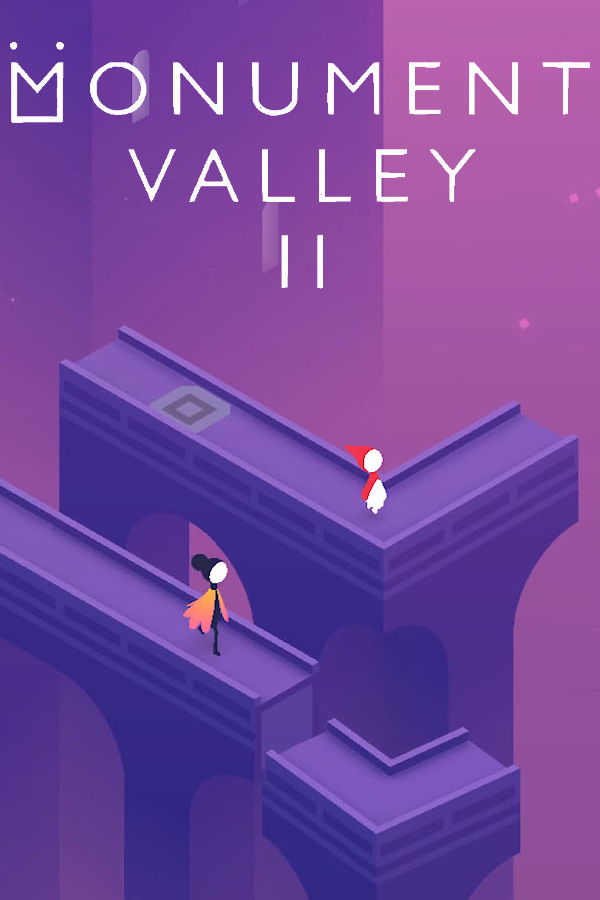
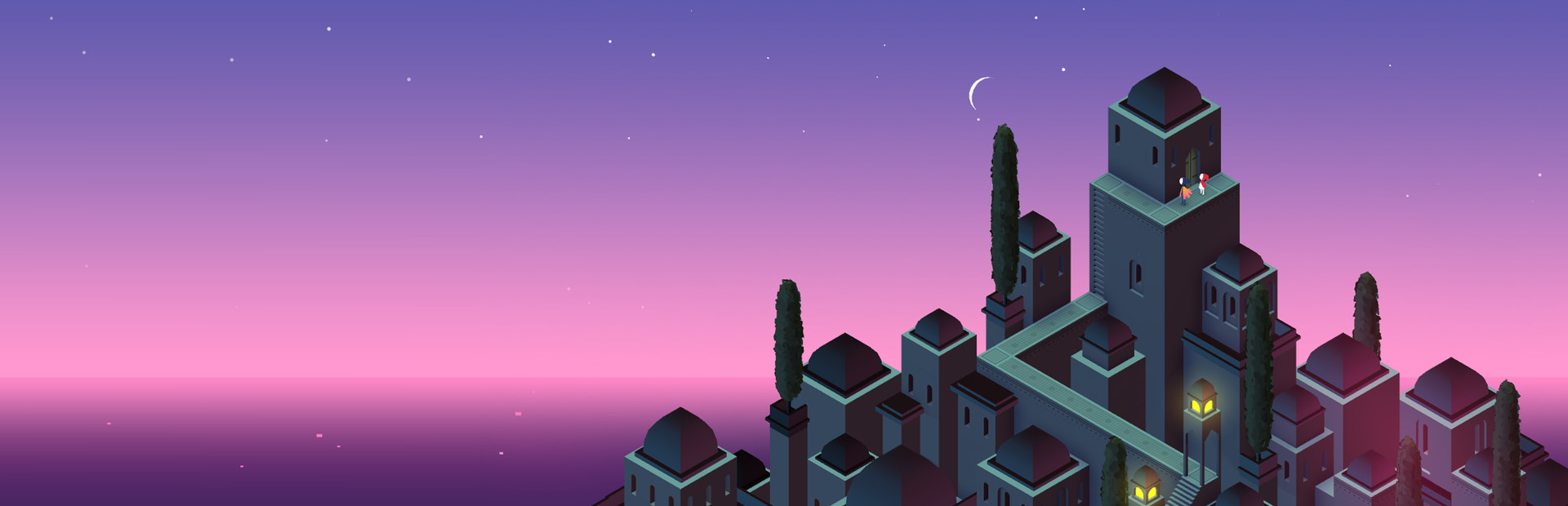
Monument Valley is one of the most memorable mobile games I have ever played. The game helped show that mobile games have a place with many of the great console games. It was smart, beautiful, unique, and a blast to play. It felt like a mix between Echochrome’s (PSP) gameplay and Journey’s (PS3) art style.
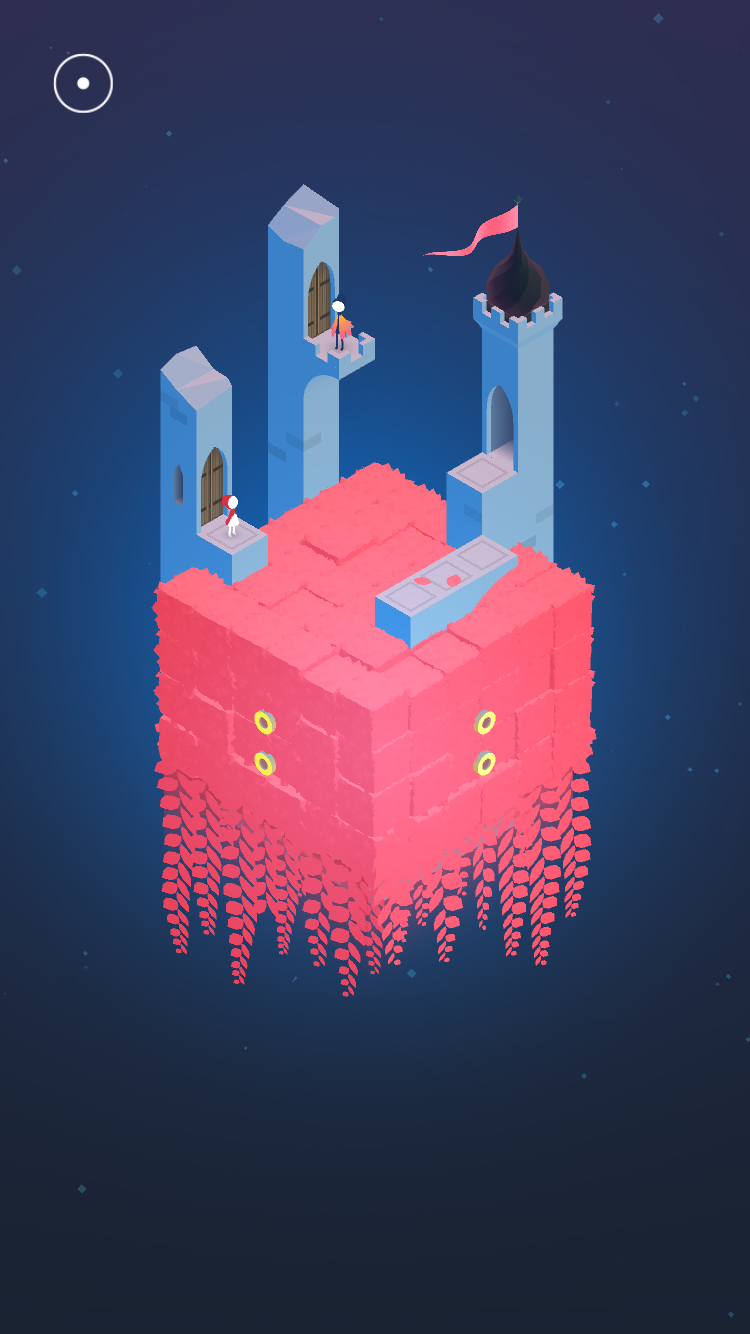
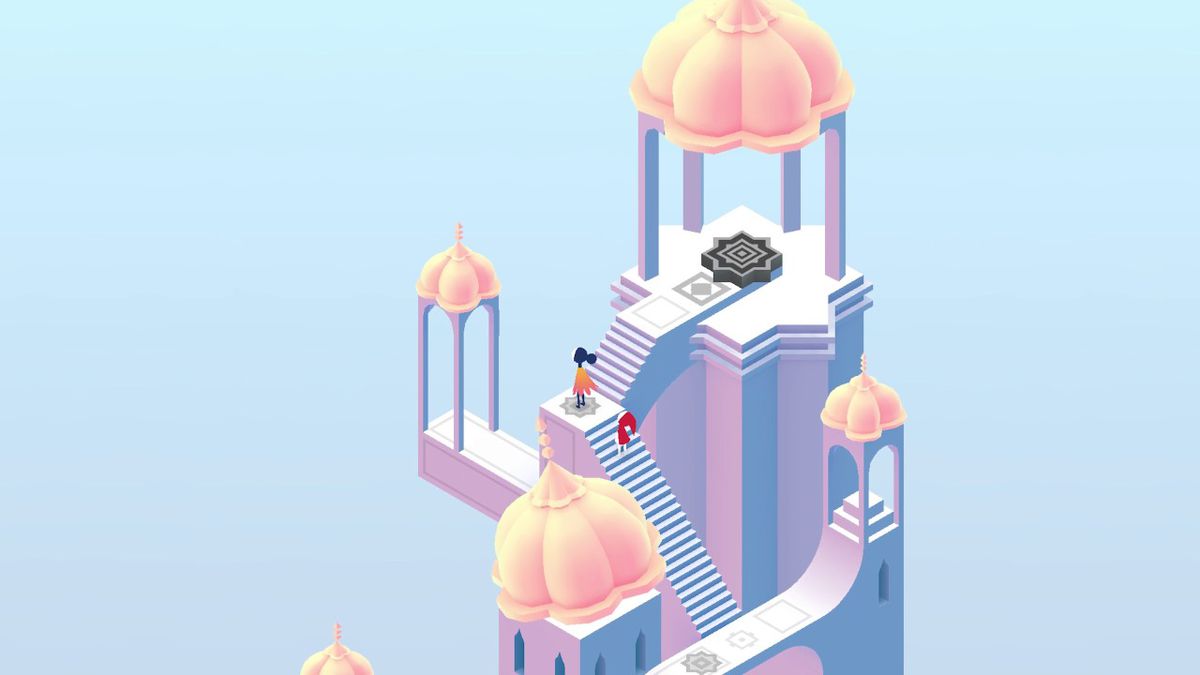
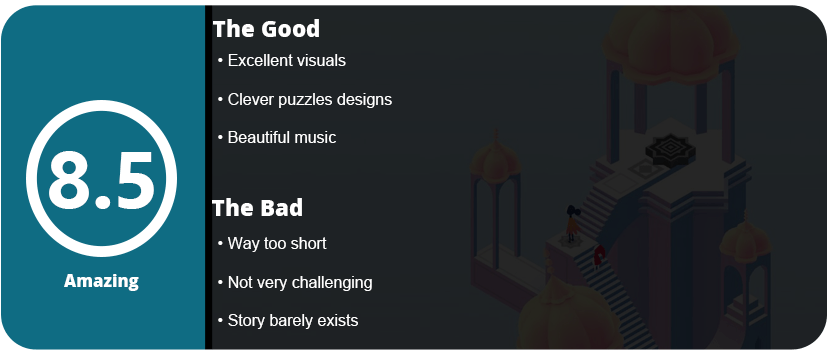
With Monument Valley 2, I got really excited to play this. I expected more and something new at the same time. That’s not entirely what we got. We just got really new. MV2 is an extremely short game and not very challenging. The MC Escher-style puzzles were a breeze to get through, which is a shame, as the first game had a few head-scratchers. Using various switches, you push, pull, spin, and align the various platforms through optical illusions to get the character to the door. At the end of each stage, the player can swipe their finger around to create a star that goes into the heavens; the meaning of this is unknown.
In the first game, we understood it was a journey, but this time around, all I know is that the character is a mother who is seeing her child off for her adventure, and they reunite. That’s it. I like subtle stories, but this one was too subtle. At least a few new elements are thrown in, such as controlling two characters at once, which creates a tad bit more of a challenge.
The game still looks amazing, with gorgeous art direction, music, and heartwarming colors. It’s just a shame it’s in such a short package with no challenge. I still recommend playing this game, but I sure did want many more puzzles than the dozen we got.
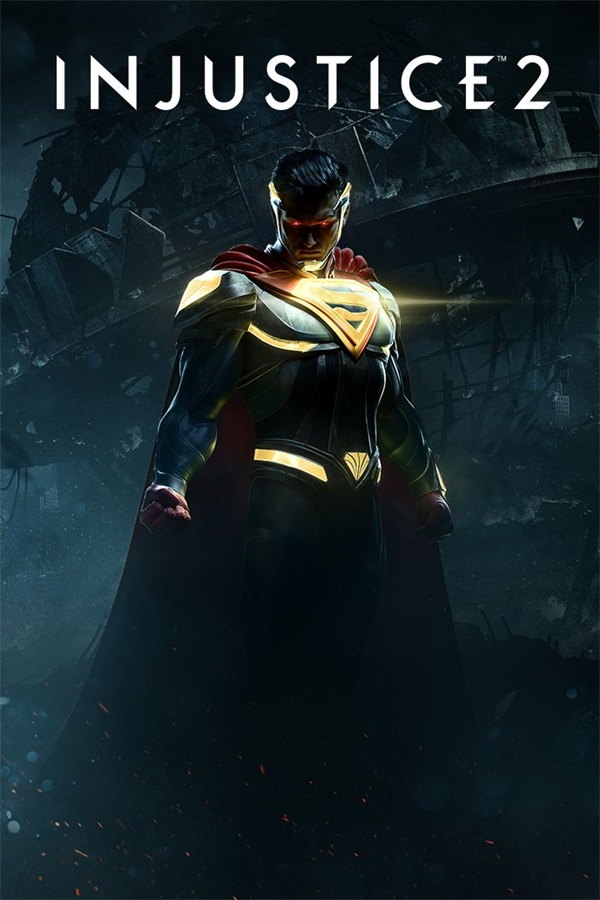
Netherrealm Studios made a name for themselves in the comic scene with Injustice: Gods Among Us. It was the first 3D fighting game that featured superheroes in a long time and was actually good, some even considered it the best ever made. With the backlash for Mortal Kombat vs. DC Universe, NetherRealm decided to keep the MK universe out and go for its own thing, and the results were well received.
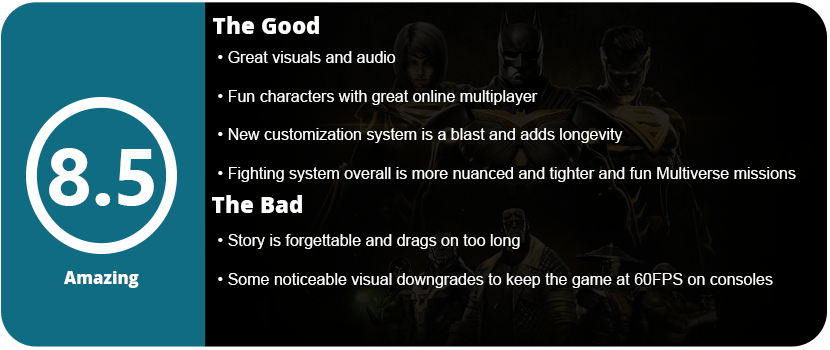
Injustice 2 is a continuation of the first game in terms of story and content. The gameplay is more refined and feels tighter and punchier, and there’s just a lot more content. The story revolves around Brainiac trying to destroy every civilized planet in the universe for his own entertainment, but the Justice League and other DC heroes are fighting it out, trying to control their rage, and getting into moral dilemmas. To be honest, I’m not a huge fan of the Injustice storyline. It feels like a straightforward comic book when it could be so much more. Instead of taking the smart ideas from the movies, it sticks true to its form, which is, I guess, a good thing if that’s what you’re looking for.
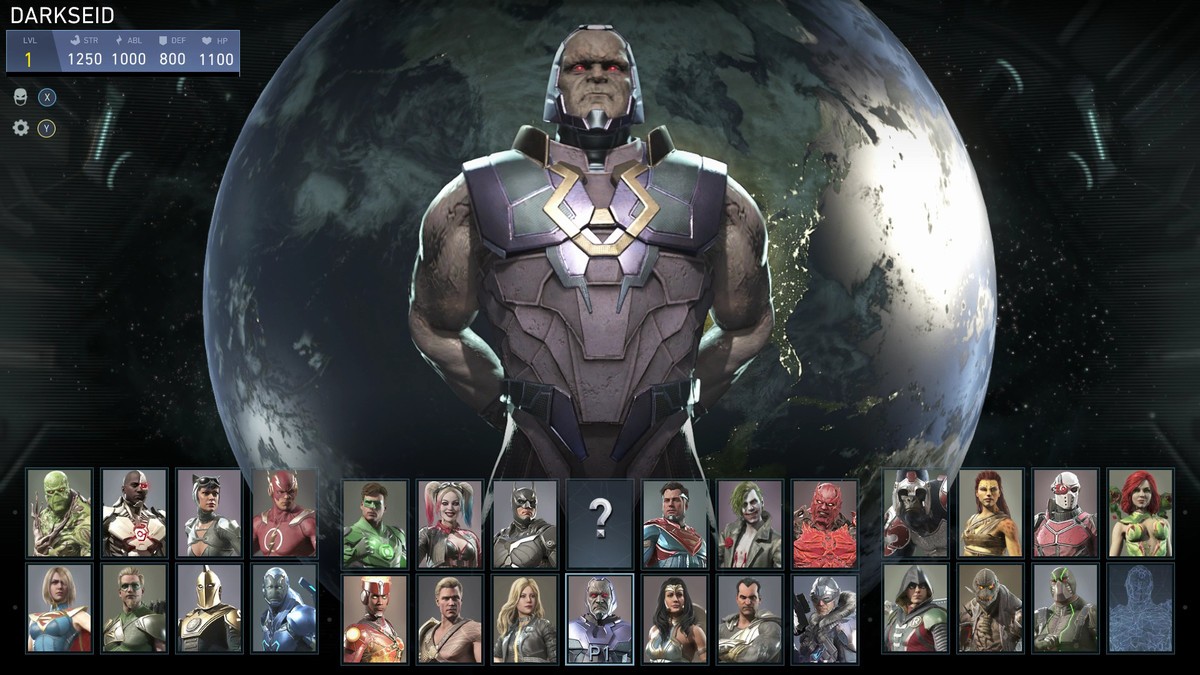
After the story was finished, I felt it was long-winded and didn’t seem to really go anywhere. The characters weren’t changed or progressed in any way, which is what I would have wanted. Outside of the story, the game is fantastic and plays very well. Every character got an upgrade from the last game, and the new additions are interesting. Bigger names like Super Girl, Swamp Thing, and Scarecrow are present, while many lesser-known heroes such as Captain Cold, Gorilla Grodd, Black Adam, and Cheetah are here. It’s a very diverse cast of heroes, with every fighting style imaginable. The characters punch and kick with force, and the game is fast-paced and a lot of fun.
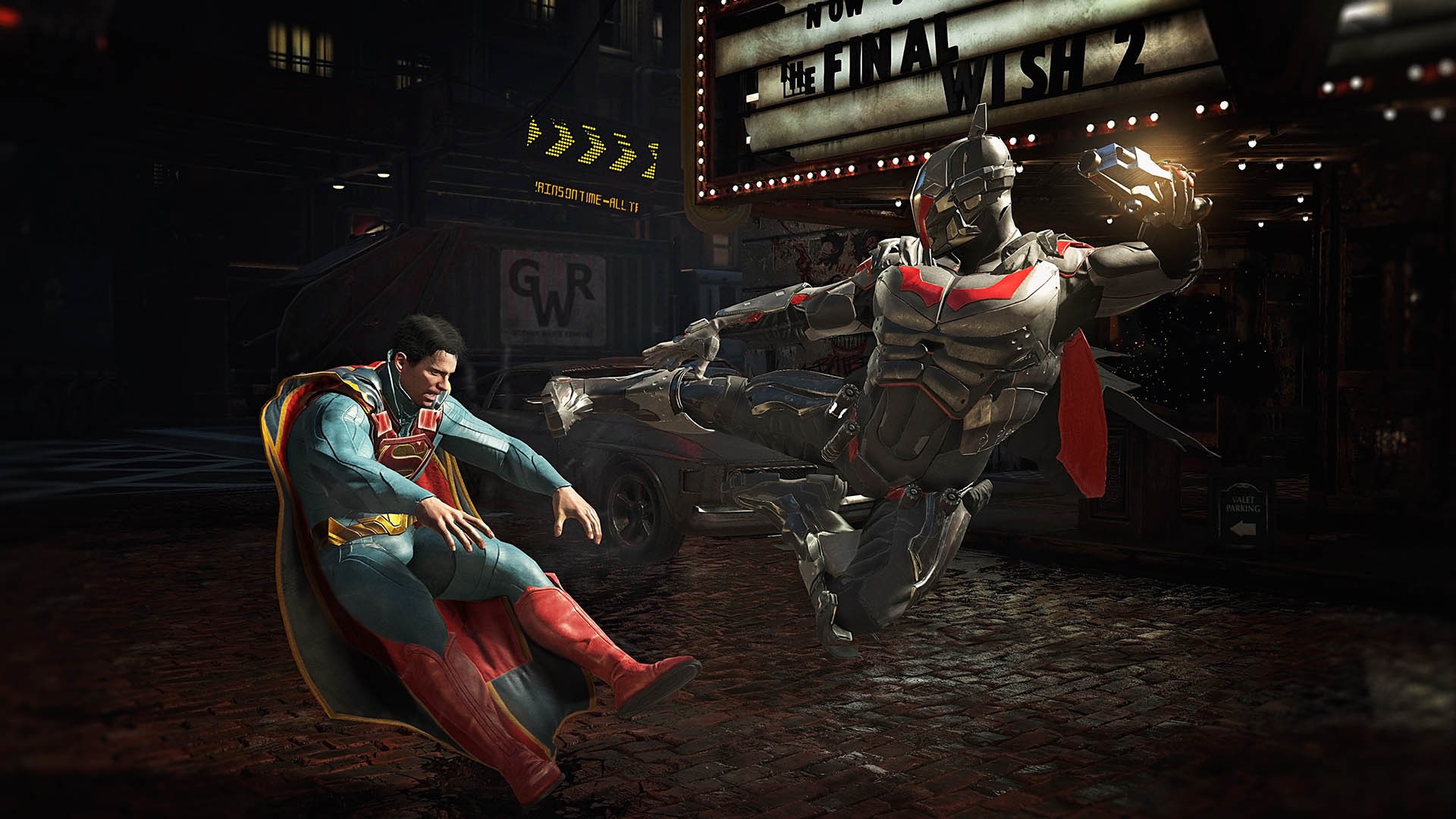
The interactive arenas are back with bigger and better things to do. Whacking your enemies with various items and kicking them off into the background is a lot of fun, as is knocking them out of the arena and into another level. Each character has a special meter and a unique power that ranges from attack to defense to passive. One of my favorite features is the new special moves, which are epic scripted moves that are unique to each character’s powers.
The biggest addition is the Eye Vault and the various unlockables to customize each character. There are hundreds of items that are unique to each hero, and they are unlocked through the story and multi-verse missions. Skins, colors, and parts go on every part of the hero’s body that add RPG stats, which is a blast. I didn’t feel buying loot boxes was needed as the unlocks came at a steady pace, and I found some epic gear fairly frequently.
Other than this, there’s an online game that is always fun, which is why we play fighters. I didn’t experience lag, and I got to show off my customized character, which is always keeping me going back. Outside of all this, not much has changed from the last game, but it does feel like an actual sequel rather than an upgrade.
The game looks and sounds great, but you can clearly see some overly shiny textures and some details washed out, even on the Xbox One S upscaled to 4K. This was probably to keep the game at 60FPS, which I’d rather have.
Do I want Injustice 3? I don’t know, honestly. The story doesn’t really do much for me and is forgettable, so the only reason I want another is for more superheroes and new content. Injustice 2 is one of the best fighters to be released in this console cycle, but it’s not for everyone.
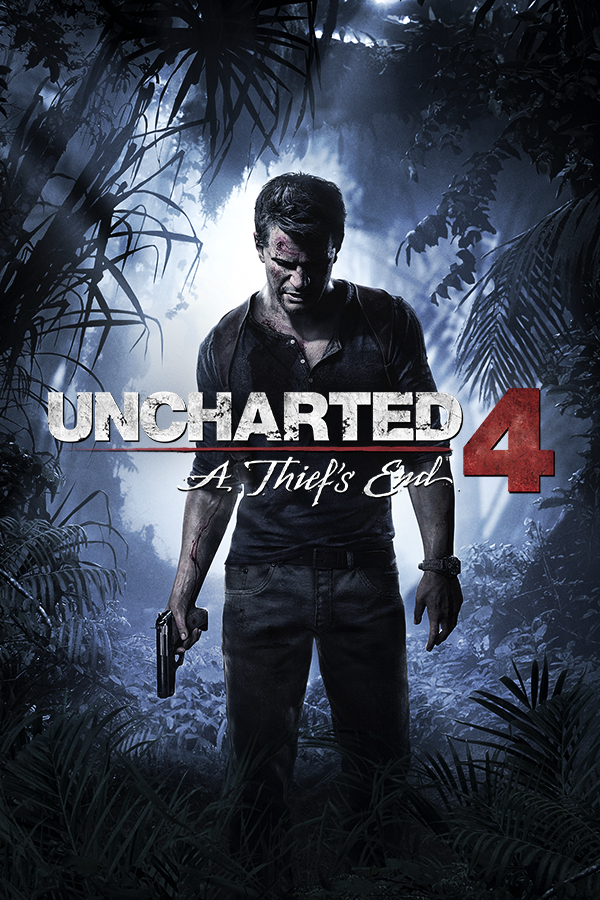
The Uncharted series is one of my favorites, and it helped push the PS3 to the top of the charts. Going from a game just called “Dude Raider” or a generic Indiana Jones rip-off to one of the best-selling game series of all time is a huge achievement. Naughty Dog pushes each Sony console to its limits and provides fantastic acting, scripts, gameplay, and also the famous action movie-scripted events. Uncharted 4 is no different and feels like the pinnacle of the series, as well as the end.
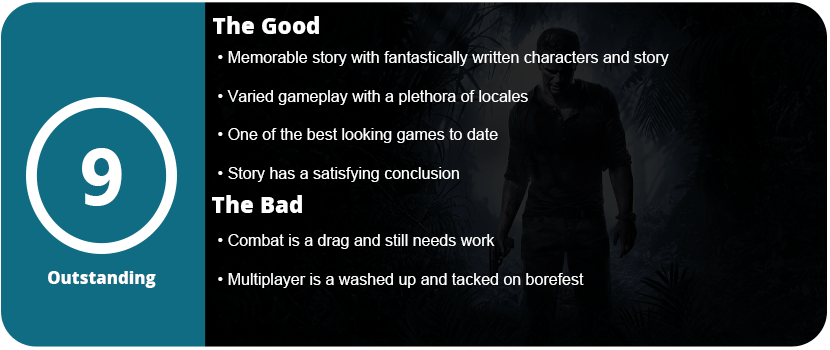
Uncharted’s story is a little more personal and complex than in past games. The game spans 22 chapters and clocks in at around 12 hours from start to finish. Nathan finds himself trying to retire from treasure hunting when ghosts from his past come knocking, and he must do one last hunt. Of course, an evil corporation is out to get their first, but small branching paths in the story see us playing Nathan as a child, and this unlocks mysteries surrounding why he started doing all this in the first place. The story concludes with no cliffhanger, which is relieving, as this is the final chapter in the Uncharted saga. I felt satisfied with the ending, and all my questions seemed answered, but I still wanted more.
Gameplay-wise, Uncharted has fine-tuned its not-so-great third-person shooting as best as it can. I honestly don’t care for it, and I felt the shooting sequences slowed down the more fun adventures this time around. Stealth was a bit easier, and the shooting segments are spread out more, so it’s not as frequent, but I still don’t care for it. Nate moves around cliffs and buildings faster and more gracefully. I felt Assassin’s Creed needed to take a note from this game, as I never had Nate cling on to things he shouldn’t or hop around like an idiot.
I could end this review there, but Uncharted 4 is much more nuanced with its fantastic scripted events. From breaking into a mansion and running from cops as a kid to finding your way around an island during a massive storm, The game has vehicle segments, which are fun, and even some underwater swimming. It just feels so well balanced and paced so brilliantly that I never get bored. I only felt like things slowed down during shooting segments, and I kept dying frequently. Some shooting segments are actually avoidable, as you can sneak through or even climb around the enemies.
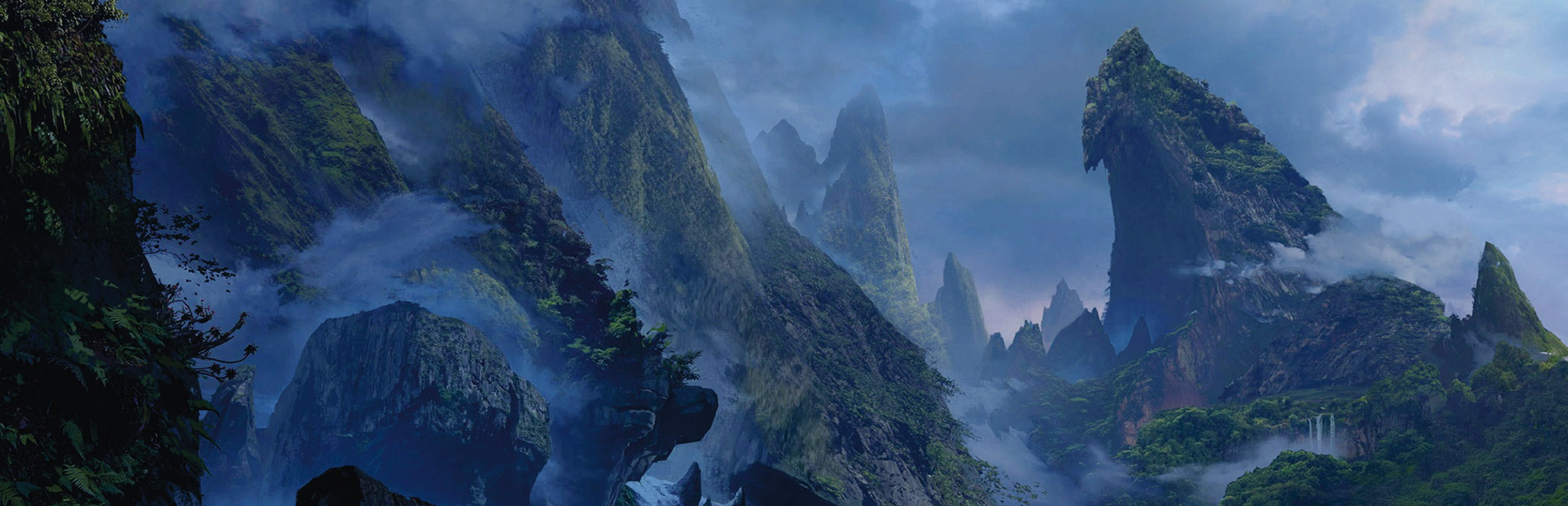
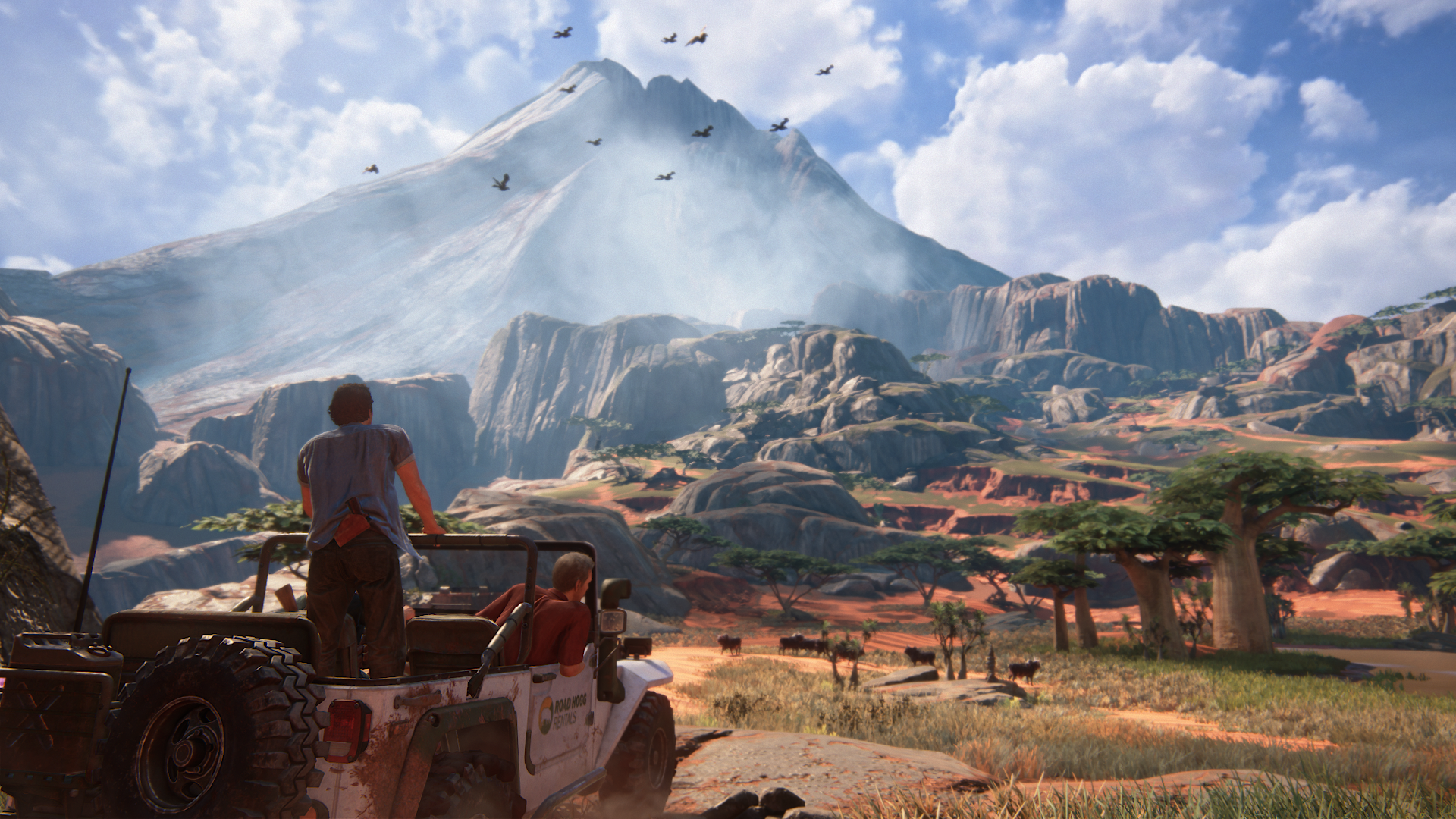
My favorite thing about this game was the many locales to explore. This felt like a true-to-heart adventure, with so much detail crammed in that it made me almost feel like I was there. Searching for pirates’ treasure is a classic story, but this is done in a way where I felt like it might just actually be true. We go from civilization to completing remote areas all through the game. Most of the games had vast, sweeping landscapes that were just gorgeous to look at. Uncharted 4 is still the best-looking console game to date, and it even tops PC games in the looks department. Naughty Dog pulled off some miracles with the PS4 hardware, and it just oozes detail. Foliage is individually rendered; I rarely found flat, lifeless textures, and the character models are incredibly detailed. Mud, water, dirt, sand, snow, and grass. It all actually felt different, and I felt pulled into the whole experience.
Other than getting through the adventure, you can collect trinkets, which I’m not a fan of, and then there’s the dreaded multiplayer. I already don’t really like Uncharted shooting mechanics, so more of it doesn’t sit well with me. It feels forced, like Uncharted 3, and just comes across as a generic shooter—nothing really all that special. Same modes, maps, and mechanics you would expect from any third-person shooter. I won’t be coming back for it anytime soon.
Overall, Uncharted 4 is a true adventure game from beginning to end. It tells the tale of someone who overcomes a huge personal goal, and Nate feels truly human and not like an immortal action hero. The sweeping landscapes, varied locales, amazing acting, fun scripted events, and various gameplay elements culminate in what is essentially what 99% of video games fail to achieve. The only downside was the combat slowing everything down, as Uncharted’s combat is not the best out there. This is what makes me proud to be a PlayStation owner: a game that pushes visuals and gameplay to their limits. Uncharted 4 captures the essence of playing a movie.







































 thebinarymessiah.com
Try multiplayer. A lot of fun !