The racing genre suffered the most this year as the games were just so scarce. With Gran Turismo and Forza and Need for Speed and Burnout not battling it out every year things just got dull. What we are left with are mostly racing sims and the occasional mediocre matchbox car racer.
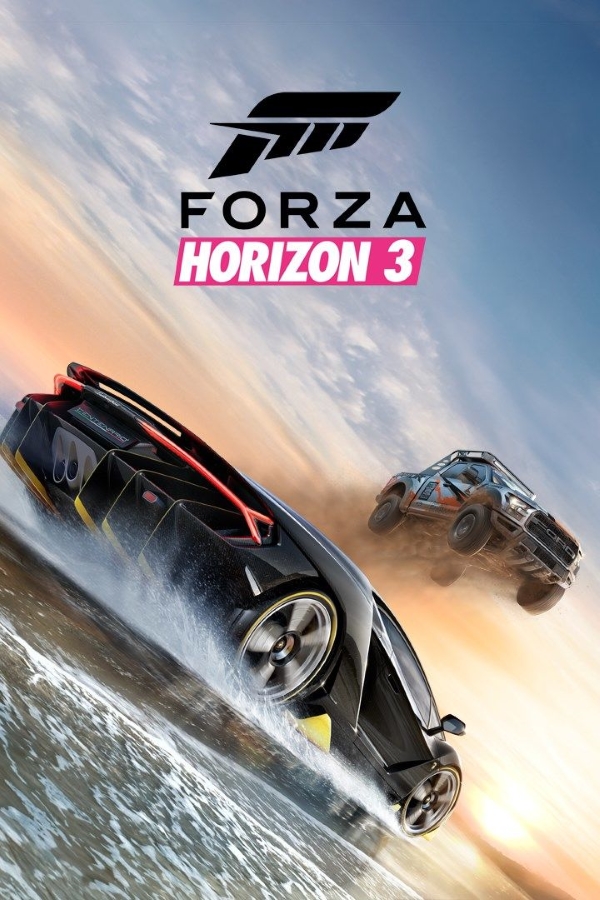
Forza Horizon 3
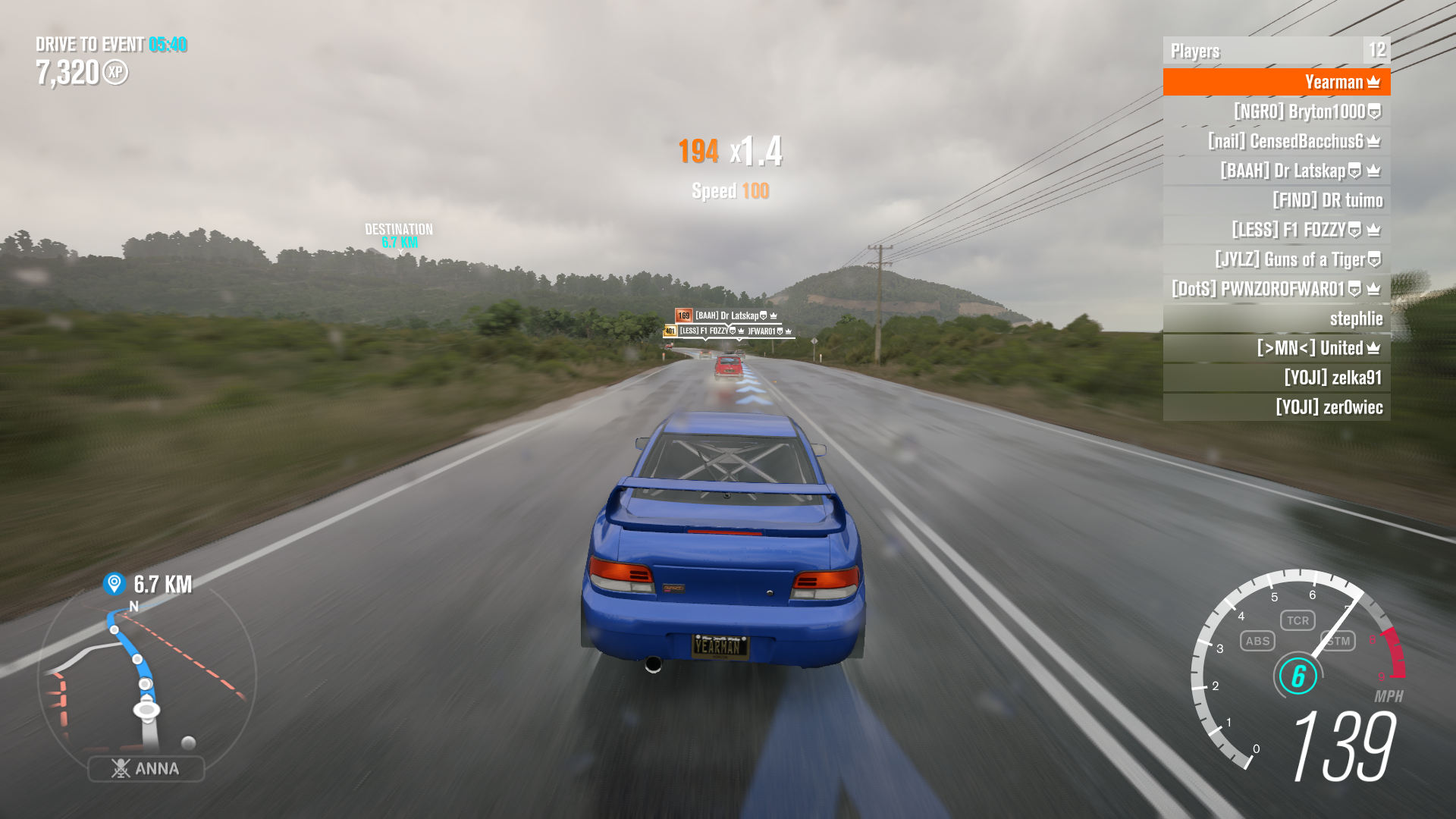
There wasn’t much competition this year for the heavy hitter racing sim and it really wasn’t fair for the other games. Forza Horizon 3 didn’t just win because of its name or quality put into the titles. The game actually changed up the entire series’ formula by making it an open world and actually good. Take the awesome car porn from Forza Motorsport, the slightly arcadey feel of Horizon, and combine the two. It’s nearly perfect.
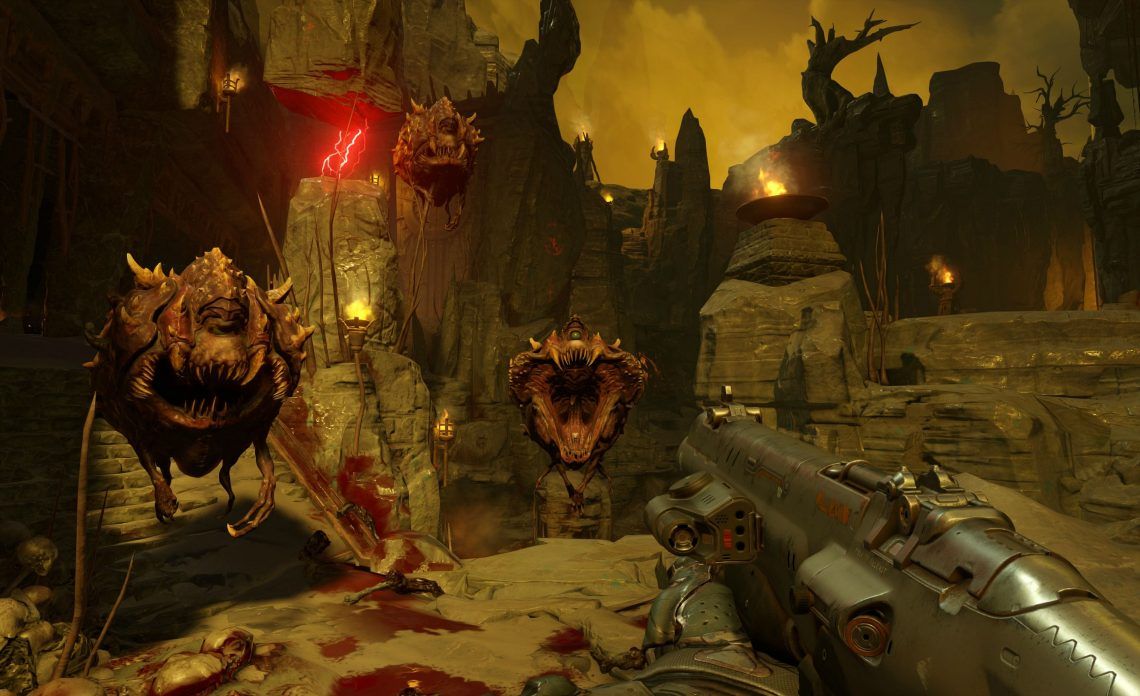
2016 is the year of the shooters. This is by far the best year for the genre since the mid-2000s. Many blockbuster franchises rose from the ashes to go back to their roots or helped drive their current series forward in new and unique ways.
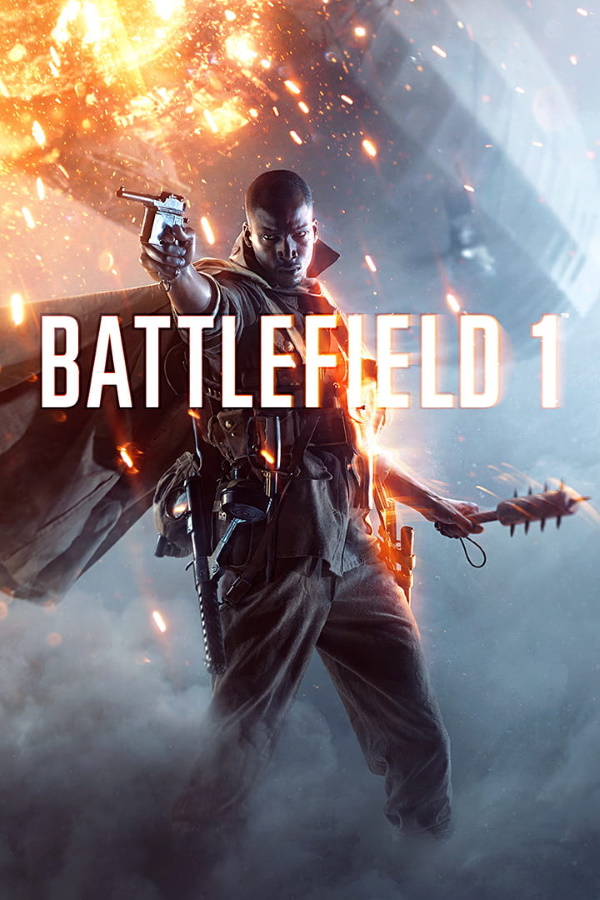
This is one of the toughest awards I’ve ever had to give, but Battlefield 1 pulls it off by bringing gamers back to the series’ roots and presenting a new historical war that most games haven’t touched: World War I. Battlefield 1 not only looks fantastic but offers short campaigns in various theaters of the war that offer interesting characters and something to care about. Each campaign lasts just long enough to tell a short story and it’s over. Battlefield 1 has some of the most unique realistic weapons in any game and a fantastic multiplayer suite to top it all off.
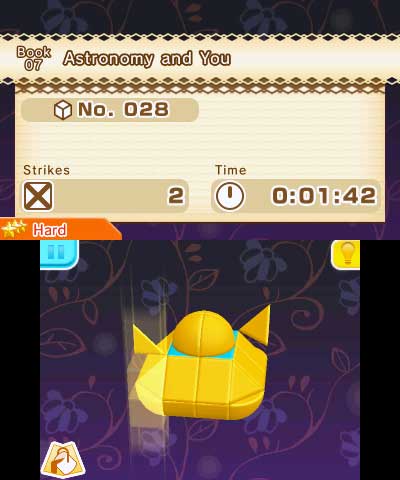
This wasn’t really the year for puzzlers, but we did have a few interesting gems. Mostly in the handheld department, and mobile, the puzzlers this year got more creative and had a great visual tone that most don’t have.
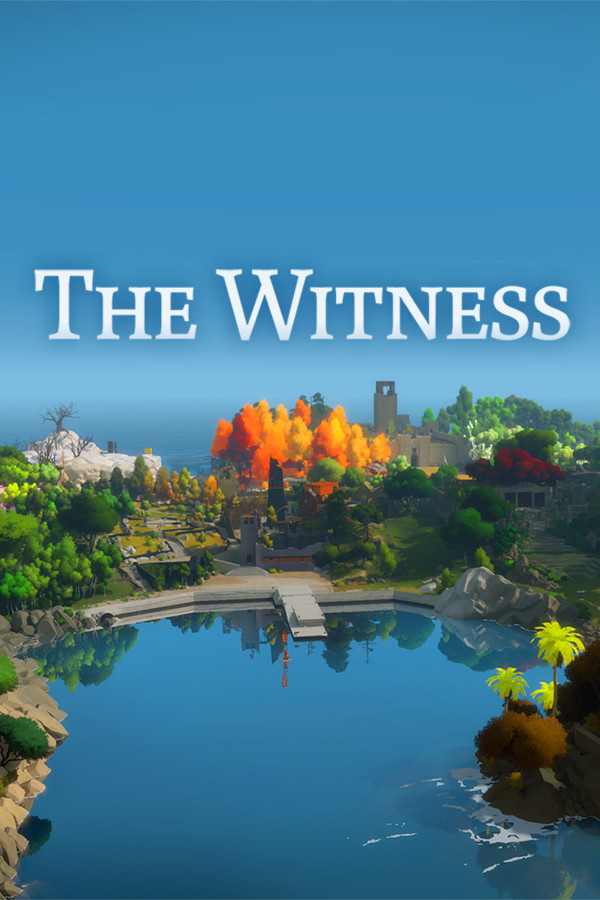
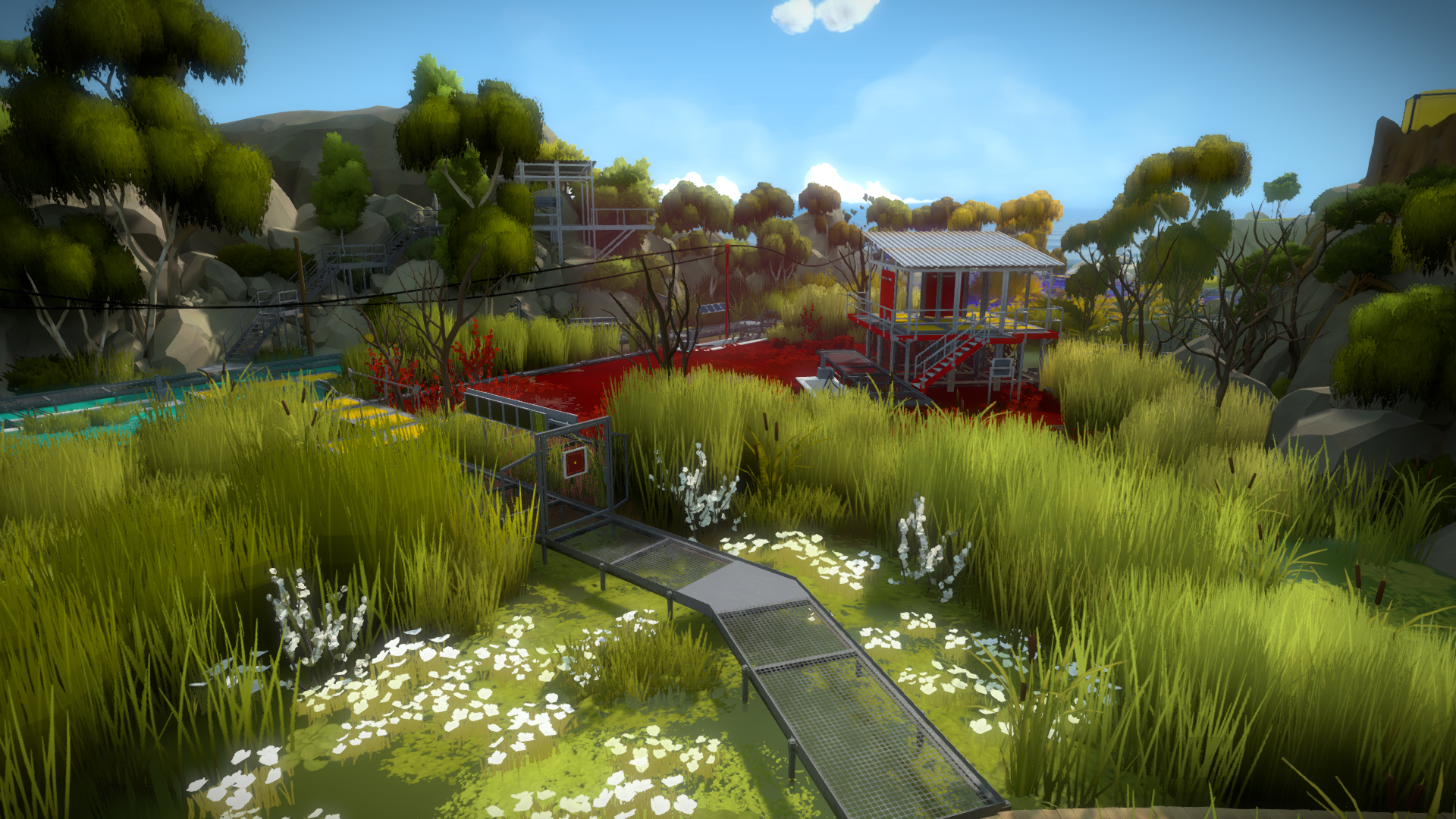
The Witness
The Witness was a game long in development but delivered on all fronts. With gorgeous visuals and extremely clever puzzles, gamers were treated to a first-person adventure that really works your cerebral cortex and makes you think. The underlying dark story had an interesting tone and the number of secrets in the game are worth searching for.
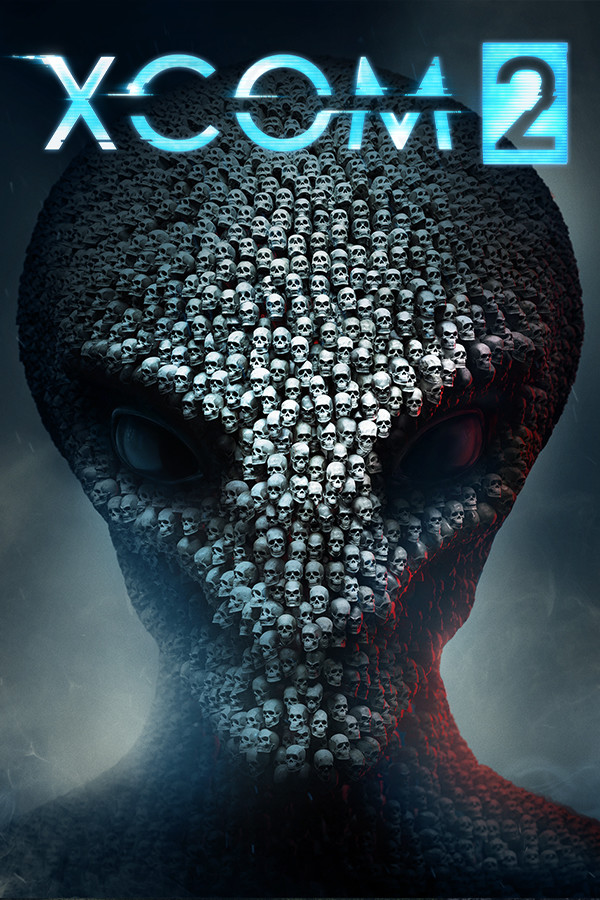
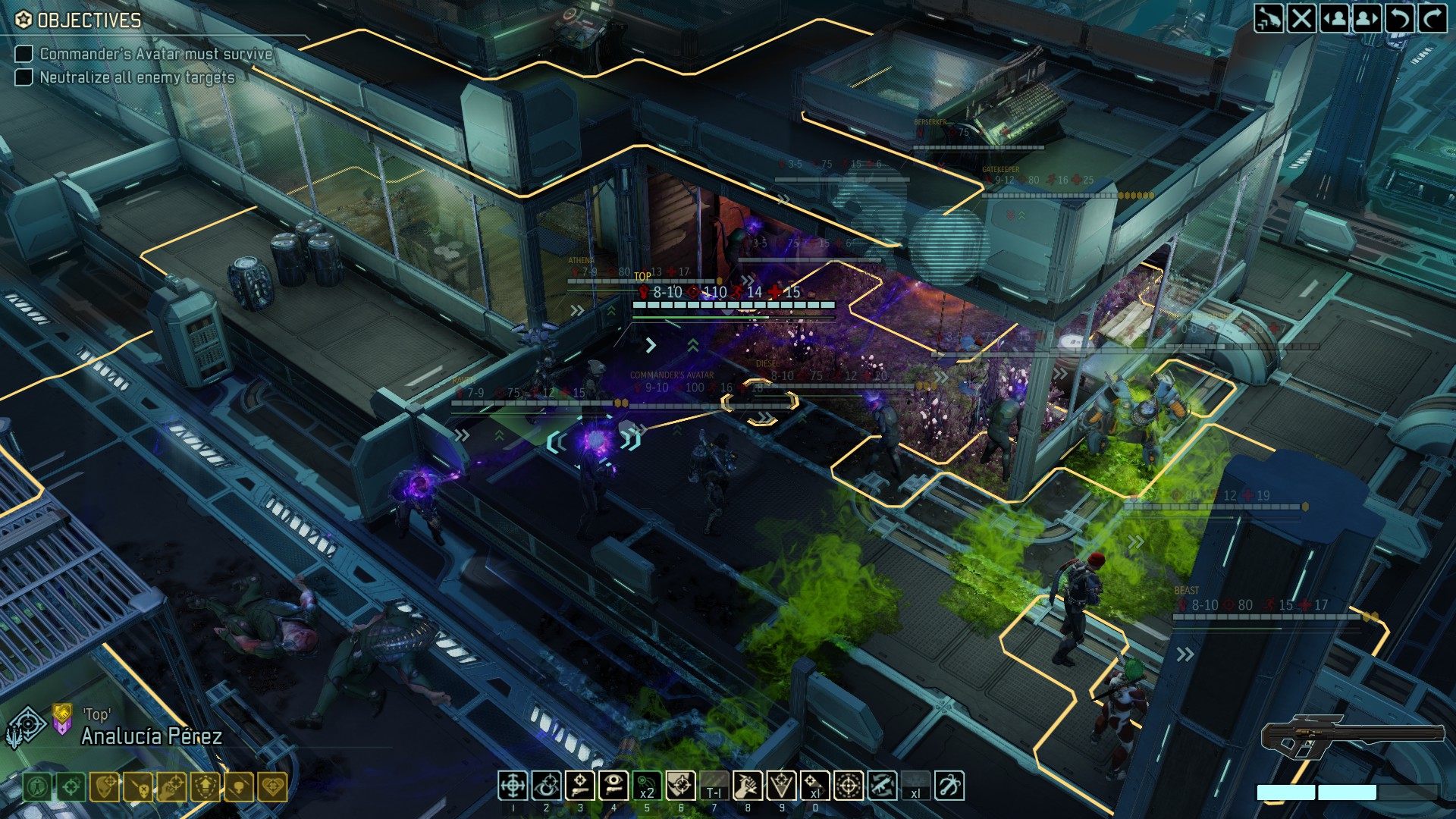
This was a strong year for strategy games with all the heavy hitters coming out. Xcom, Total War, Civilization, Roller Coaster Tycoon, and some newcomers. All of them were fantastic and delivered fantastic gameplay, but only one could come out on top.
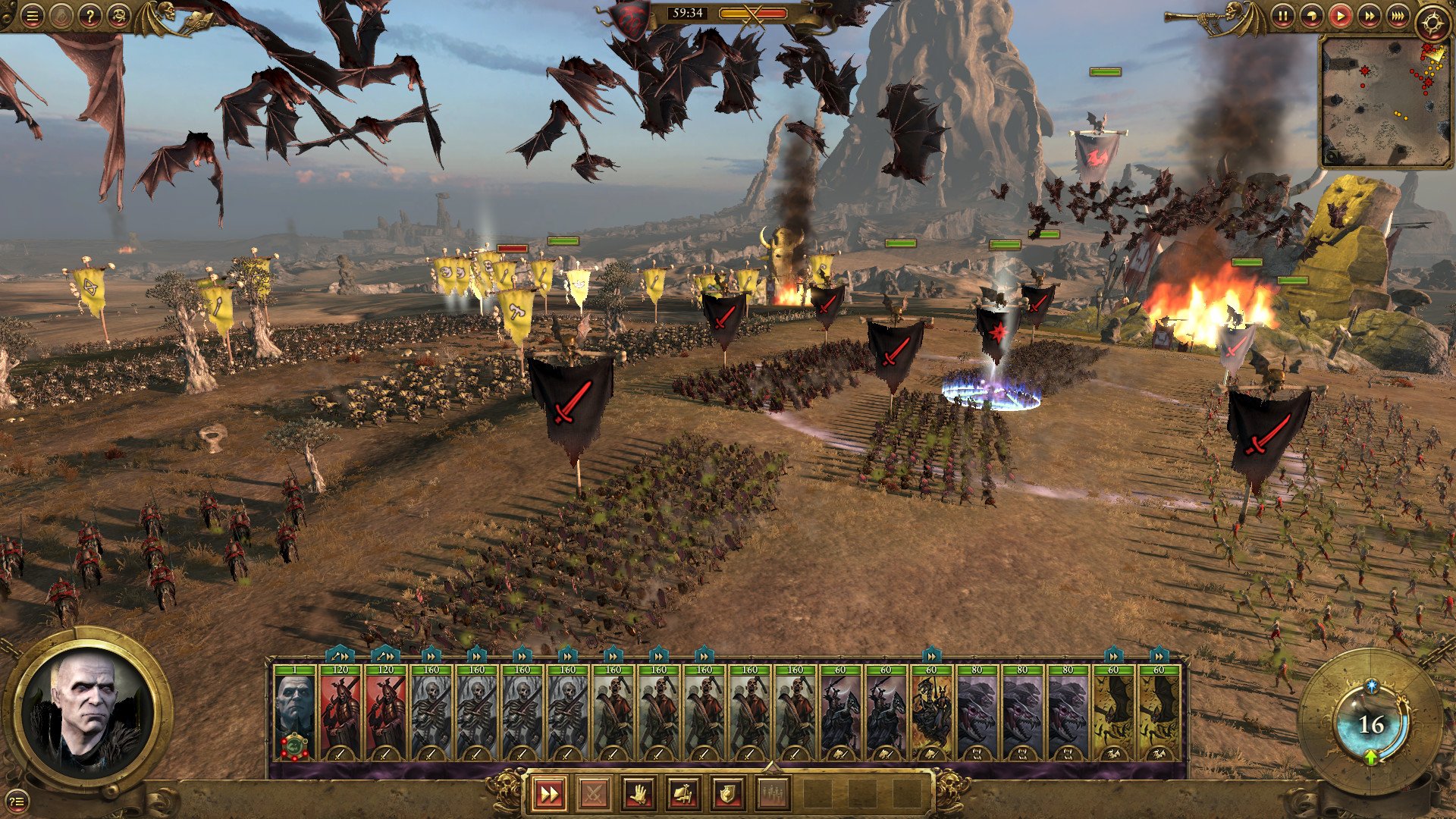
Total War: Warhammer
Warhammer not only gave us the best Total War game but let us fight our favorite factions together and brought together the most detailed Warhammer game to date. We get the strategy of the Dawn of War series and the up-close bloodshed of games elsewhere in the series. With amazing visuals and sound design, there are tons of hours of fun here. I can’t remember the last year we had so many great strategy games since the early 2000s.
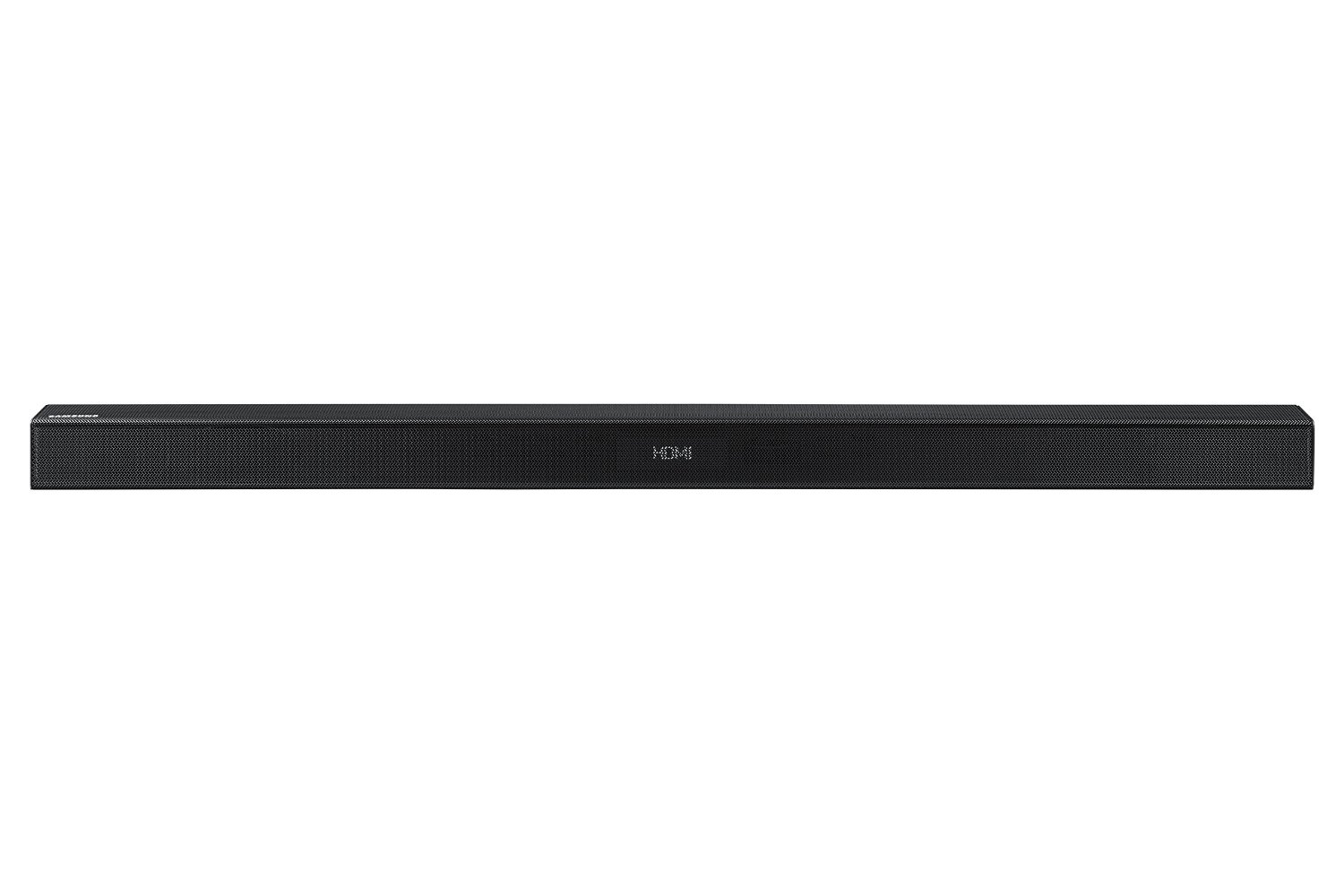
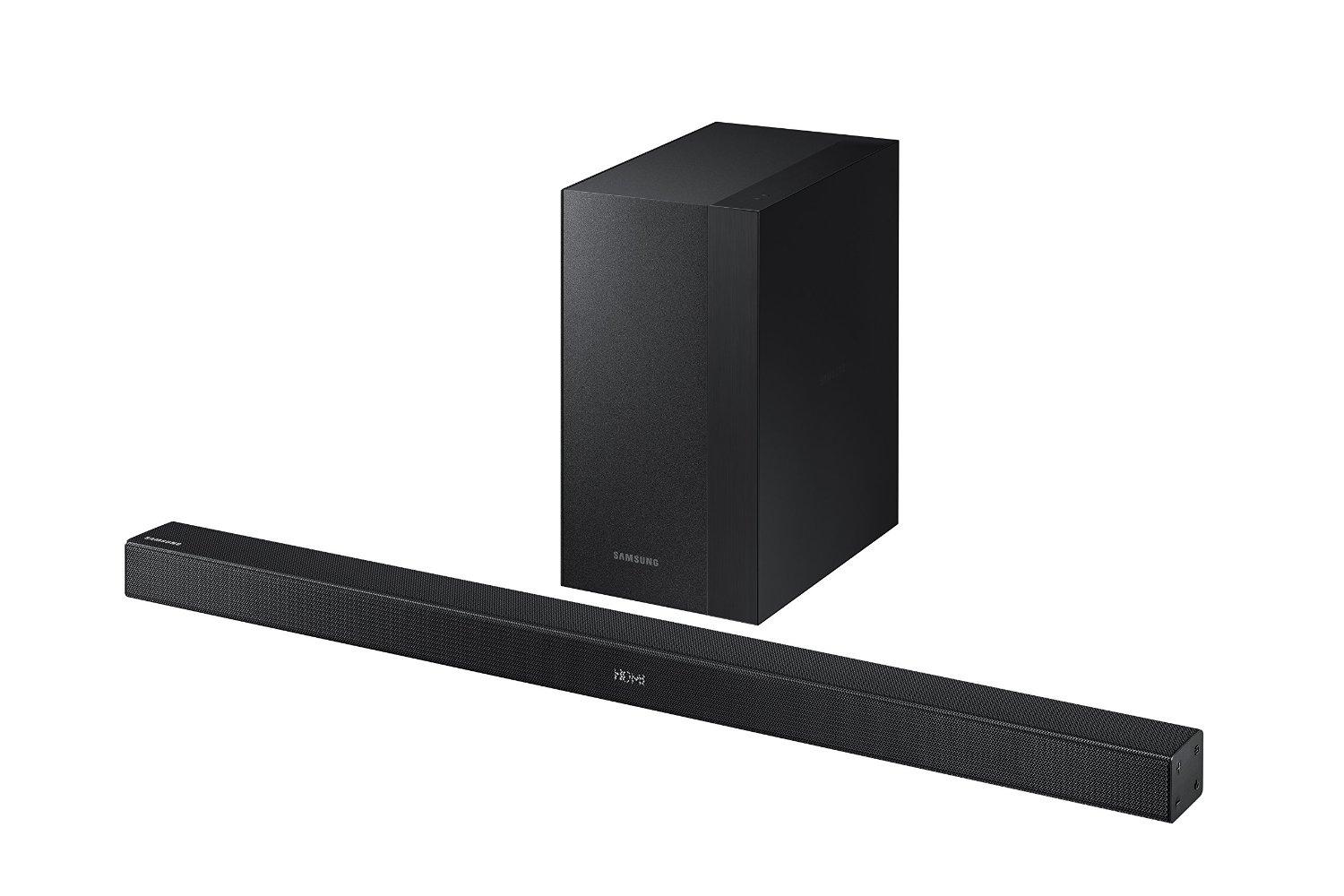
I have used my Sharp soundbar for over 4 years now, and it still sounds great, but with a TV upgrade comes a sound system upgrade, and I’m glad I made the switch. Samsung’s HW-K550 is easy to set up and sounds amazing. The soundbar itself is fairly flat and features a mesh design with no LED lights, which is minimal and not noticeable. There’s a small LED display, but it doesn’t stay on unless you’re pressing buttons. The subwoofer is rather large, measuring 10 inches, and can be tucked away nicely and easily.
The soundbar is a 2.1-channel, 300-watt system with surround sound and Dolby DTS. The best way to set this up is through the digital optical cable, as you only need one cord. Any modern TV from the last 10–15 years will have this option. Once that’s plugged up, the subwoofer is wireless, so it automatically syncs up; I didn’t have to touch a thing. The options for the soundbar are rather simple, and it didn’t take long to set things up. There are several preset modes, such as movie, night, sports, standard, clear, and music. I found the movie to be the best option for gaming (I wish this had a game mode like my Sharp soundbar). You can change the lag input, treble, bass, and subwoofer levels. That’s about all you can do, which is just fine and works well for what needs to get done.
When actually listening to games and movies, I found them to be crystal clear and vibrant. This model has an extra center speaker, which is used for dialog, and it makes a difference, as with my Sharp soundbar, dialog was always too low and action was too loud. I even had to turn my Sharp soundbar up quite high during some movies and games, which was annoying. An additional feature that this soundbar has is Bluetooth for streaming audio from a Bluetooth device, such as a phone.
If you own a Samsung TV, you can connect the soundbar to it without needing extra cables like optical or HDMI. This is fantastic and keeps the entertainment center clutter-free. There’s also an app available to control the soundbar remotely and access the equalizer for music, which is a nice feature. You can even add to the system by using wireless surround sound kits provided by Samsung. This is a very advanced soundbar, and four years makes such a difference. My Sharp doesn’t even have Bluetooth or an app, and it was the same price four years ago.
With that said, I have to say this is the best sound system I have ever owned. It’s clear, crisp, modern, and has features for music lovers, movie junkies, and gamers alike. If you don’t want to spend thousands on a true surround sound system, then soundbars are the way to go. I highly recommend this soundbar if you have a modern Samsung TV, as the wireless Bluetooth connection allows you to avoid needing more cables outside of power.
The fighting genre was mediocre at best this year. With Mortal Kombat unable to dominate and Street Fighter falling by the wayside, there’s not much to pick from. There were some strong 2D fighters this year as it seems 3D fighters have left us for good.
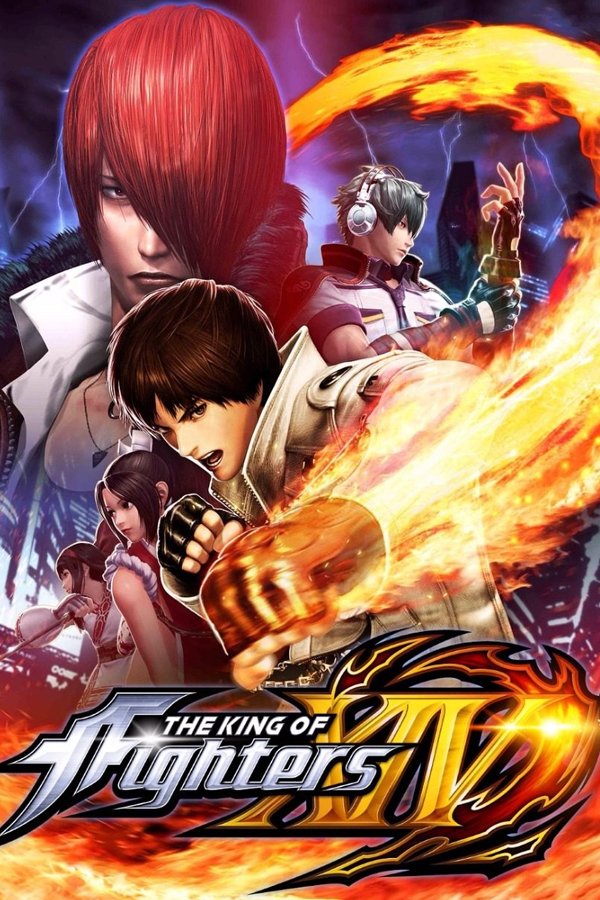
The King of Fighters XIV
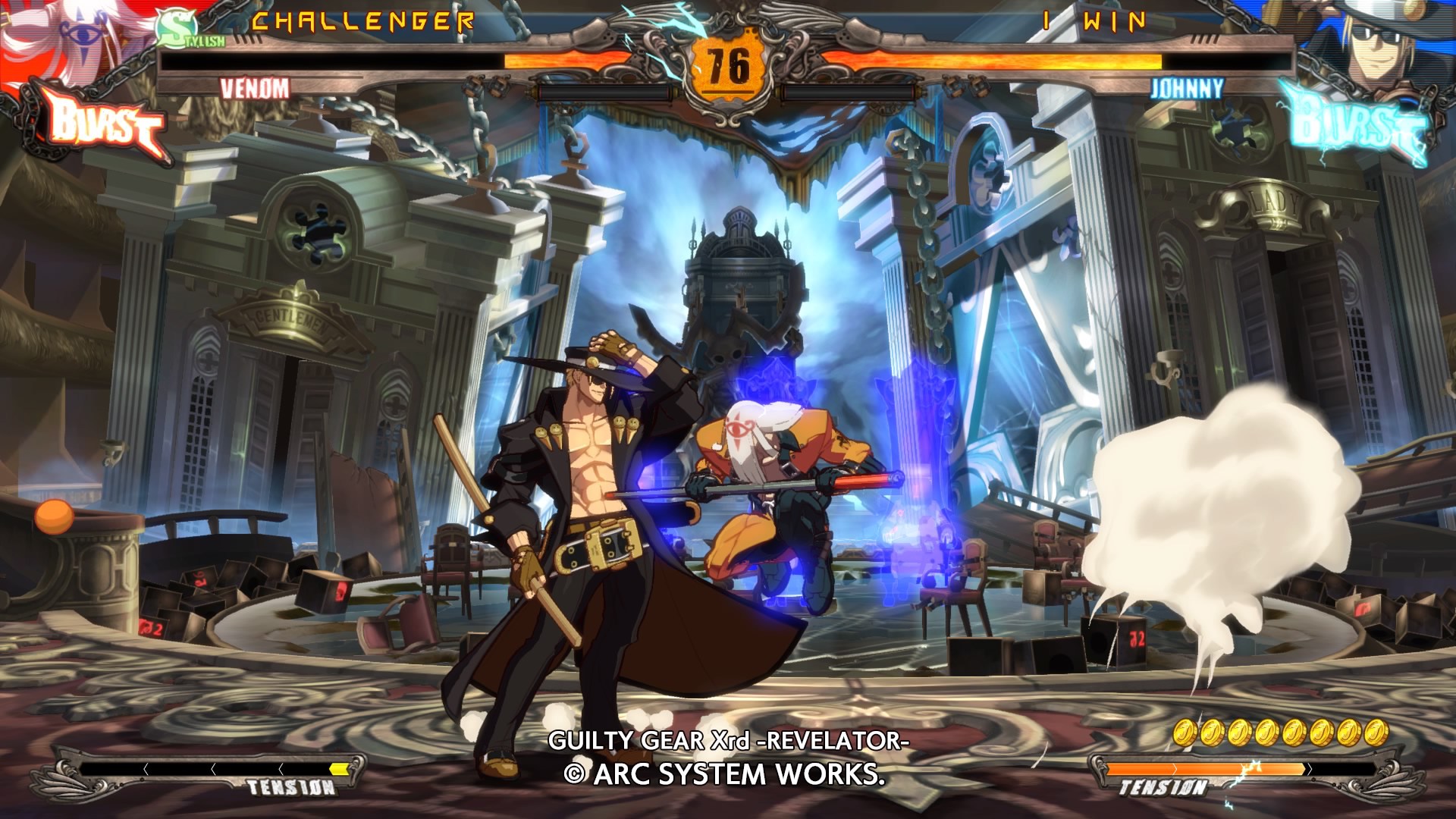
The King of Fighters XIV stands out on top as the best package this year for fighters. My second closest was Guilty Gear, but KoF enhanced it’s gameplay so much and made the fight system so much easier to wield. The game looks amazing, all characters got upgraded, and there are plenty of modes to play through.
PS4 did much better this year however, it still struggles to offer solid exclusives like Xbox One has. The PS4 mainly leaned on PSVR to help sell consoles, but there wasn’t a single killer app to help sell the hardware to the masses. However, PS4 did offer a wider variety of solid exclusives rather than leaning on action blockbusters. We got a decent year out of the PS4, but there’s still nothing that will call the PS4 king of this generation outside of console sales.
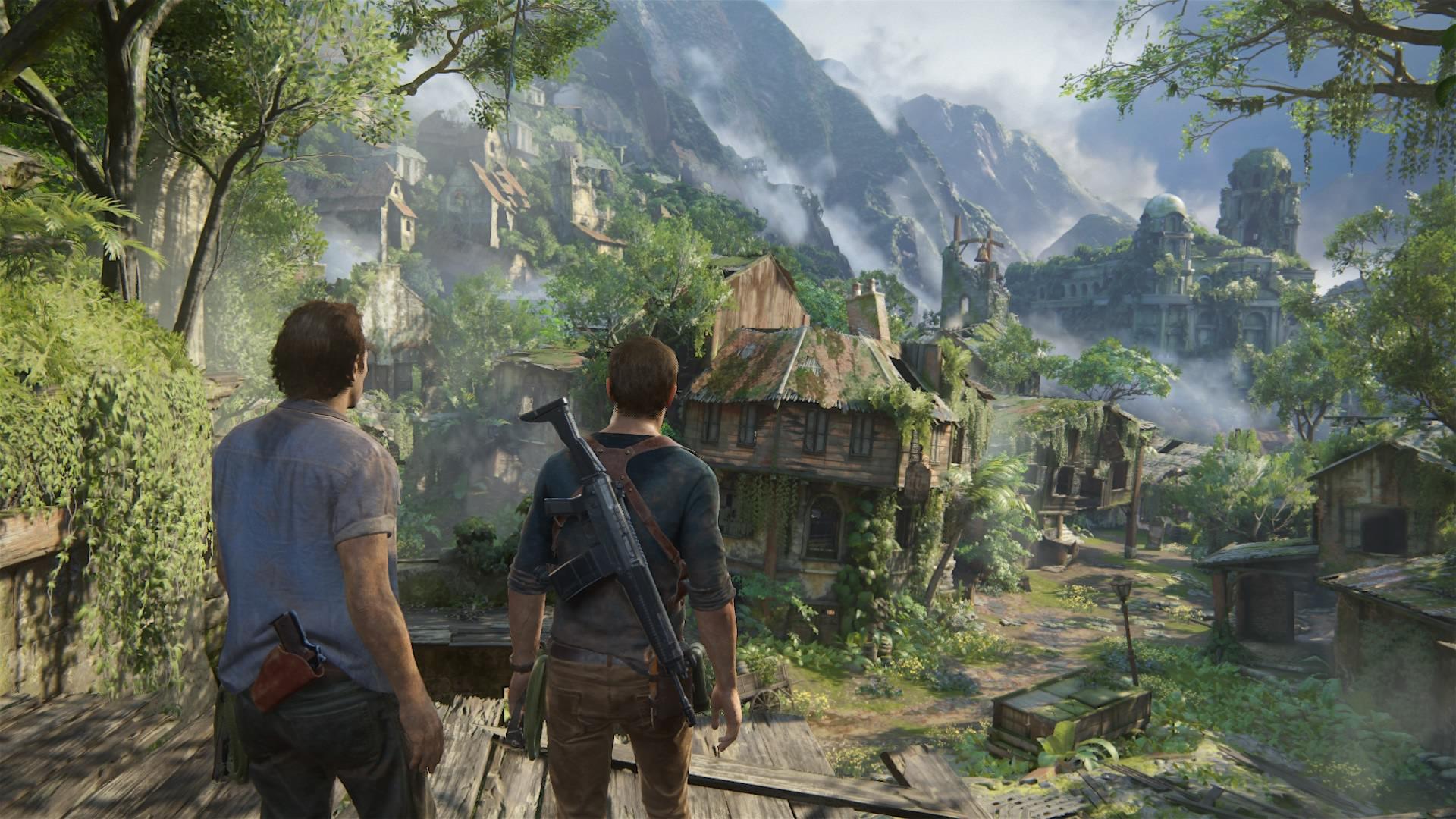
Uncharted continues to be a reason to own Sony’s consoles. Uncharted 4 gave us a magnum opus of an ending with fantastic blockbuster set pieces, great characters, a fun story, and some of the best visuals to ever grace this generation. It was a toss-up between this and The Last Guardian, but Uncharted delivered a more solid experience.
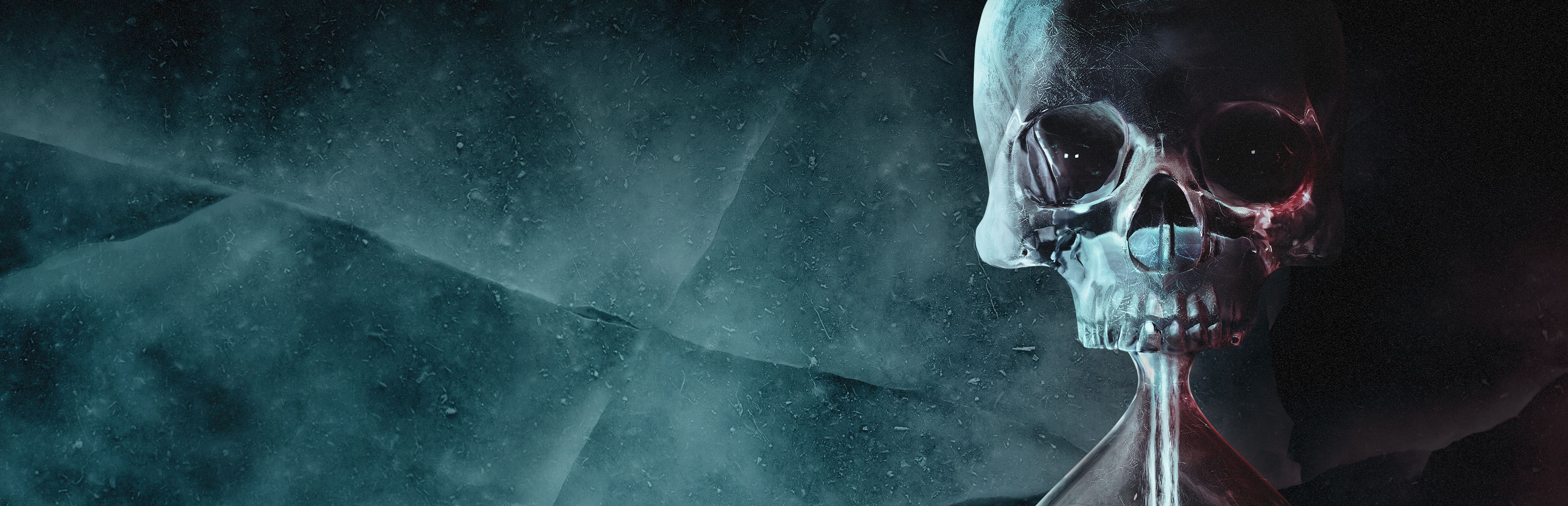
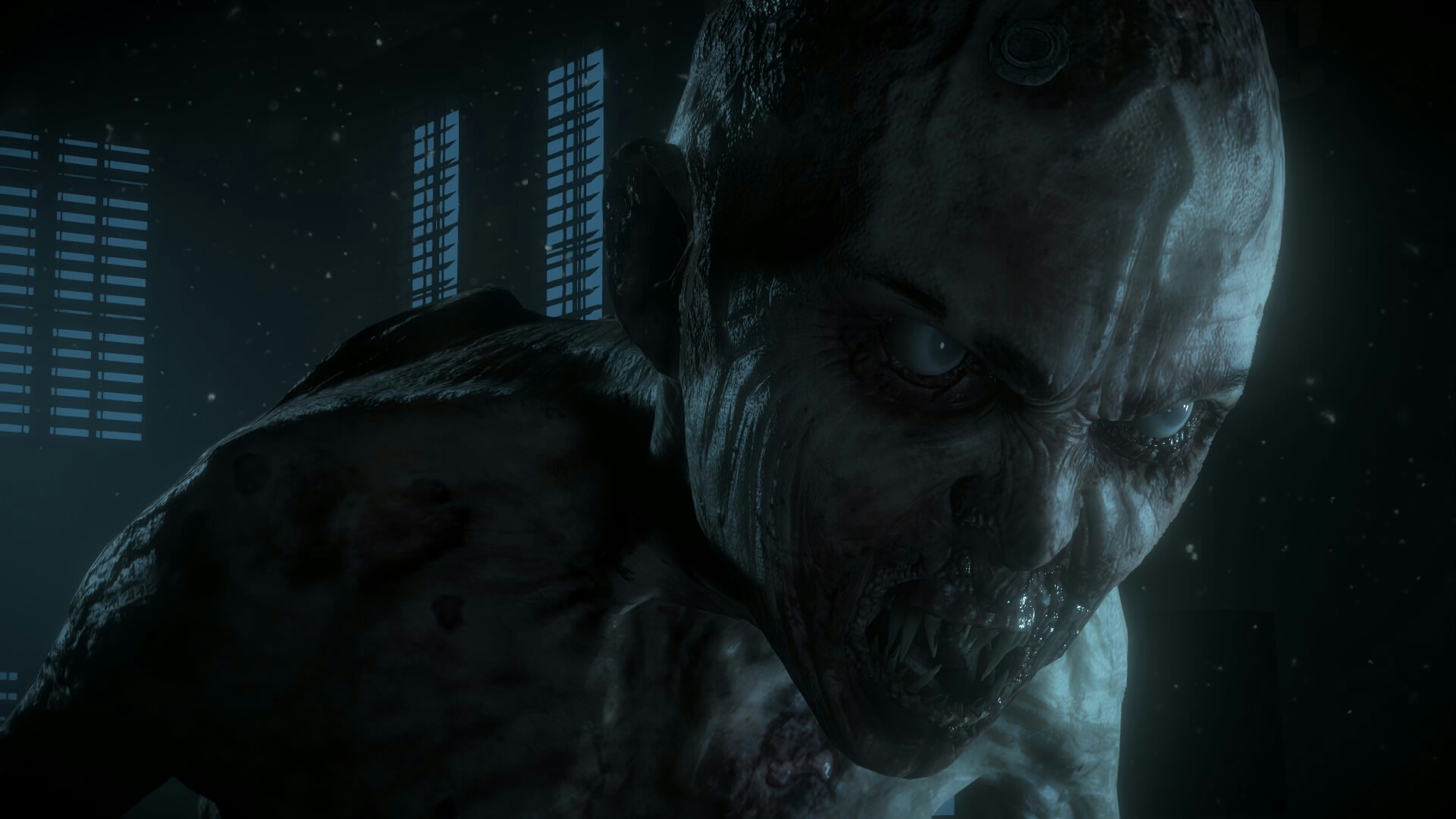
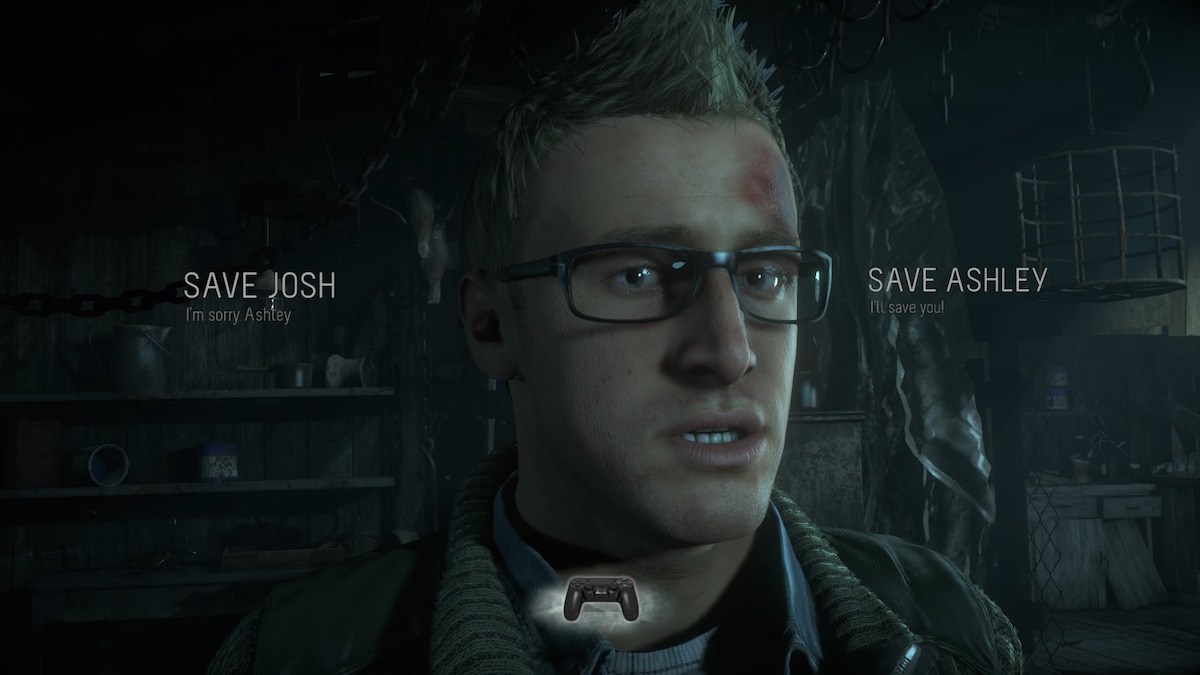
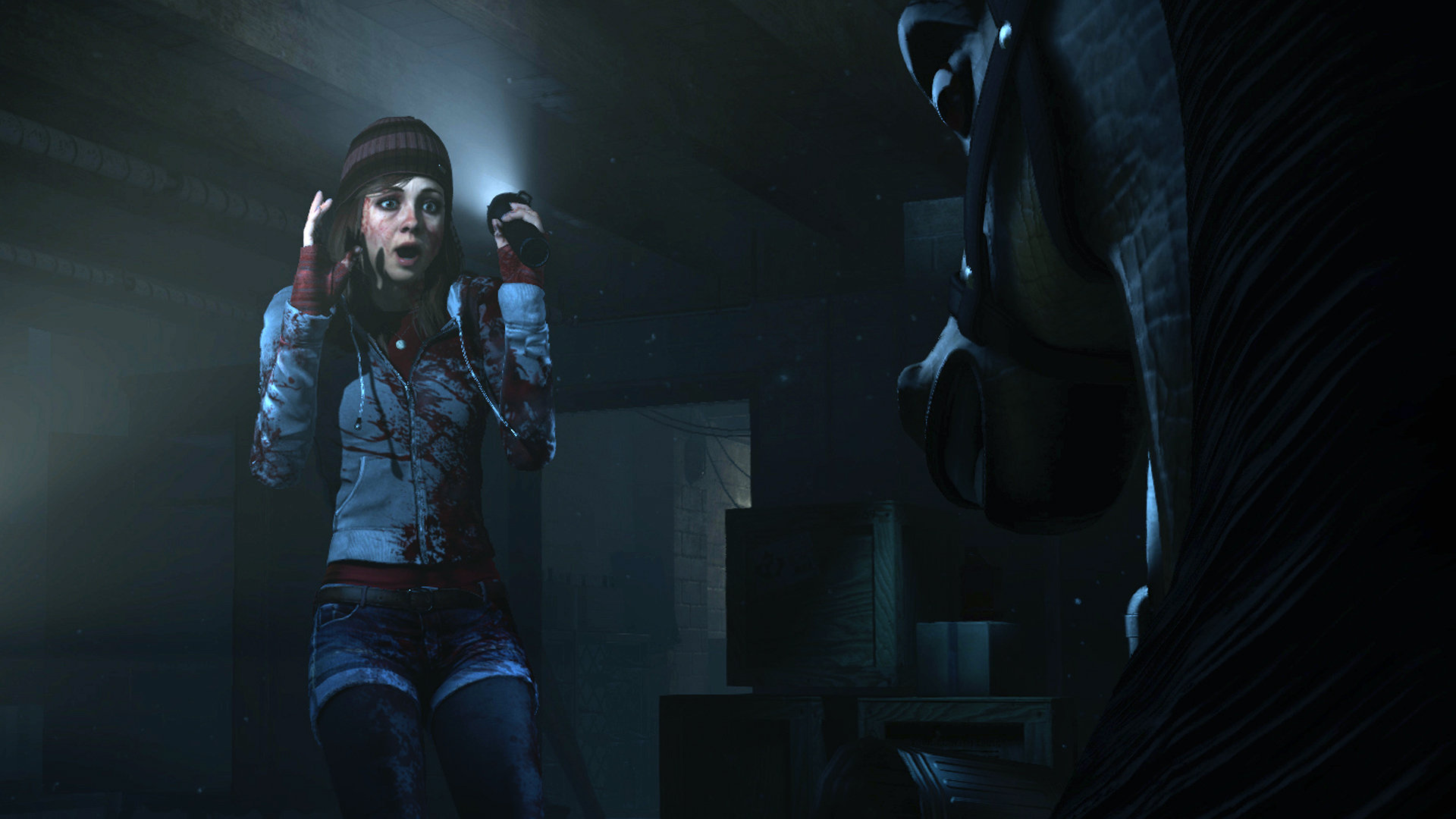
Adventure games have mostly evolved into choice-based, heavily story-driven experiences. We’ve seen this in the past with games like Beyond: Two Souls, Indigo Prophecy, and Heavy Rain. Until Dawn perfects this type of storytelling with precise decision-making, great characters, an intense story, and something to always look forward to, You play as seven teenagers who are staying in a millionaire’s cabin in the middle of nowhere in Canada. They play a prank on two of the characters, and they end up getting killed in the process. Until Dawn introduces multiple killers and the game becomes both a psychological horror, slasher game, and paranormal horror all at once.
It may seem like the game is biting off more than it can chew, but the pacing is done so well that the entire story and all of the choices and elements can beautifully unfold into a fantastic narrative and will keep you glued to your seat. During the entire 8-hour adventure, I didn’t want to shut the game off. The choices in Until Dawn are done better than in any other game, as missing just a single button prompt can mean that you change the course of the character’s fate. Most prompts include quick timing, but some require you to aim and even not to move the controller. Anywhere, jumping across ledges, climbing walls, and chasing sequences can mean life or death for yourself or another character.
I didn’t really know this until I missed a button press during a chase sequence, and my character got killed. You can’t go back and fix it as the story moves on as intended. It really makes you think and pay attention, as some choices are also about which paths to take. Sometimes not making a move is the best choice as well, and these butterfly effects will accumulate and the consequences will unfold throughout the game and not just at the end, which is very important.
There’s no basic ending or pre-rendered cutscene that all these choices lead up to; you literally play out the entire story based on choices, as certain characters will die or survive, and it could alter another’s fate. The weaving of this is so complex and impressive that you just get lost in it all and enjoy the show. The game has an amazing atmosphere and literally scared the crap out of me to the point where I couldn’t play the game alone. From the haunting music and sound effects to the amazing lighting effects and claustrophobic hallways, The game is full of tension, and I ate up every minute, as most games never feel this intense and serious.
Most of the game uses the PS4’s motion sensing in the controller, which controls the player’s head or light source. Moving the controller around will allow you to shine your light around or complete button prompts. Most major actions are detailed hand gestures that even have you turning papers over, lifting items, pushing, pulling, and bashing. It’s a great way to draw the player in, and it’s done with such detail that it feels real and believable. I loved all of these, as there are so many different prompts and sequences that it remains fun.
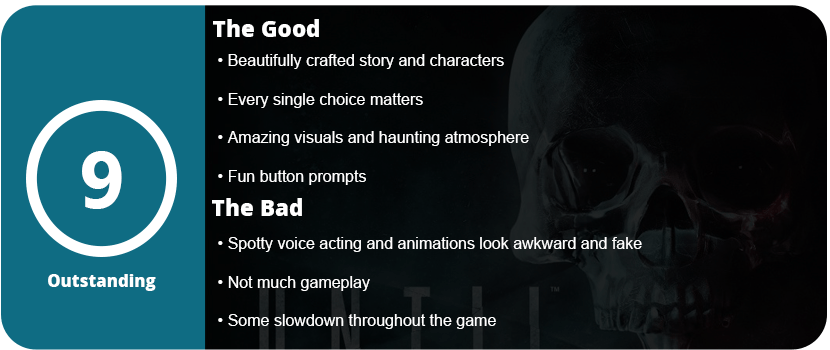
The visuals are some of the best to grace home consoles, as every texture looks like the real thing, the characters are so well made, you can see every pore and imperfection, the lighting is amazing, and there’s so much detail everywhere. This is a fantastic-looking game, although the motion capture and character animations can sometimes feel puppetlike and don’t quite sync up.
Without spoiling the story, there’s not much more here I can say. This is a fantastic story that you will talk about months from now and maybe even play through again. With the minute choices made and every turn being life or death, it makes for an entertaining game that will scare you to death and make you jump. The game isn’t without flaws, such as spotty voice acting that can come off as cheesy sometimes; there’s a slowdown throughout the game as it pushes the PS4 too far; and there’s not much gameplay outside of controlling the characters, but it grabs and holds you down and won’t let you back up. This is exactly how horror should be done, and many games need to take note of it.
The next-generation consoles are struggling more than ever to keep their own personalities. Xbox One and PS4 are the least distinctive consoles out of past iterations. They are not as iconic as they used to be as both have nearly identical features and hardware. The Xbox One did better this year with exclusives thanks to Microsoft’s own game studio pumping money into projects, however, I couldn’t even gather 5 whole games that made the system a must sell. What we did get was pretty good, but here’s to hoping 2017 yields better exclusives.
Forza Horizon 3
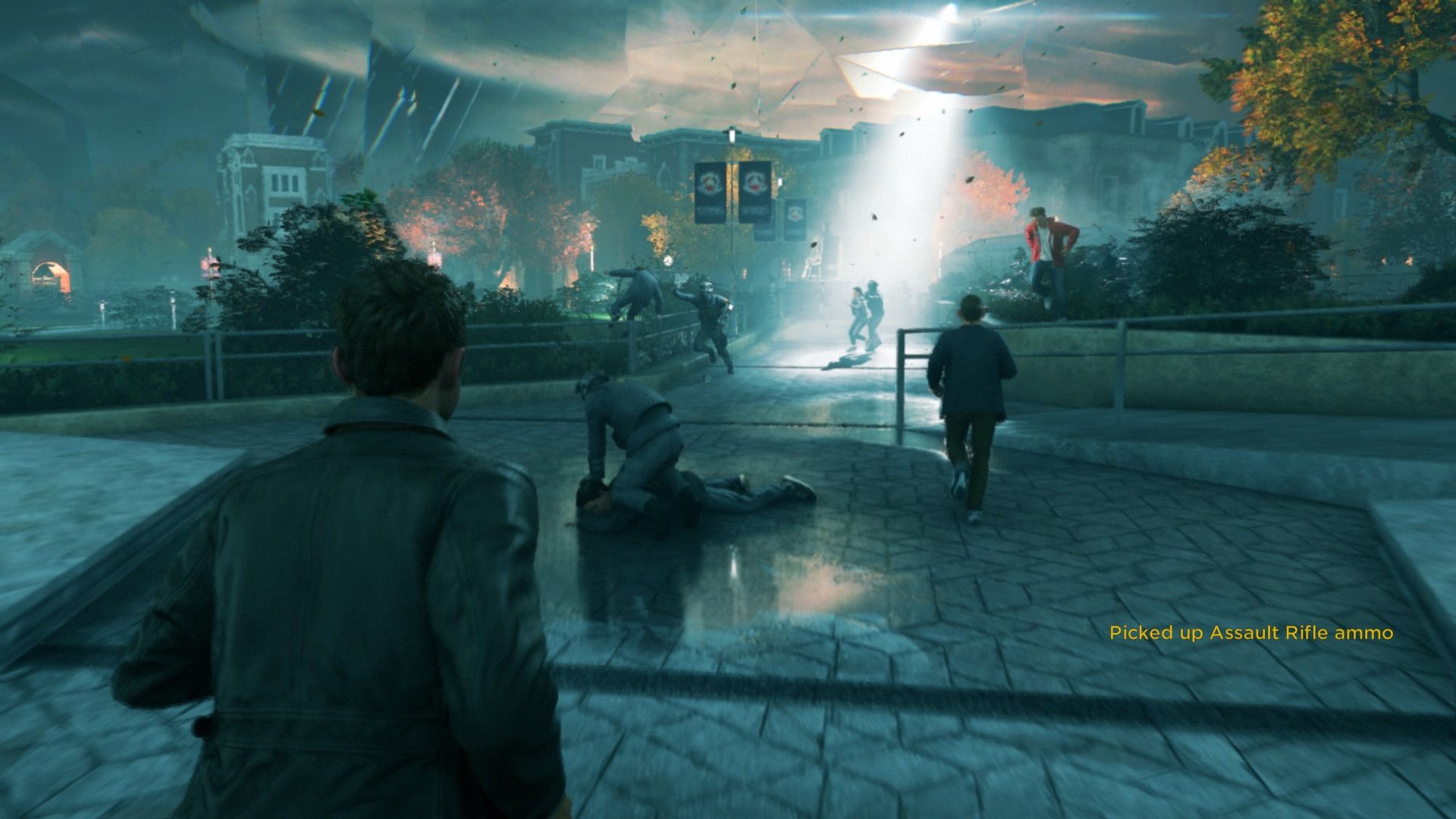
Forza Horizon 3 proved to be the best bet on Xbox One thanks to the series new open-world design done right. We get the unique Forza simulation experience in an open world that’s actually interesting to drive in. It’s the best value for your buck and for buying a shiny new Xbox One. It was a toss-up between this and Gears of War 4 which was also great but is something we have seen before. Quantum Break was decent but didn’t deliver the console selling blockbuster Microsoft had hoped.
First off, I have to say that Gears of War is one of my favorite game series of all time. It was the first game to really show me true next-generation fidelity when I got my Xbox 360 on Christmas of 2006. The art style, the characters, the lore, the story, and the atmosphere all drew me in with fantastic revolutionary gameplay and amazing online multiplayer. It was one of the most cloned games since Resident Evil 4 (which I know Gears took much inspiration from). Here we are, 10 years and 5 games later. I honestly didn’t go into Gears 4 expecting much after Gears 3 was so satisfying, and I accepted that it was the end. When Judgement was released, I lost hope in the series, and the Gears 4 gameplay trailer didn’t have me impressed.
I expected a huge reboot with all new characters and settings, but I’m kind of half glad they didn’t do that. Yes, Marcus and Co. are back to take shotgun on this ride, but there’s still something missing after playing through this huge beast of a game that didn’t quite click with me. You play as Marcus’ son, J.D., who is on a mission to try and stop the COG army from killing him and his friends who deserted from New Sera. On their way to steal supplies, they run into a new breed of locust, and another war ensues. Without giving too much away, the story feels more complicated than it can handle, as the linear one-mission goal from the last games worked perfectly for the series.
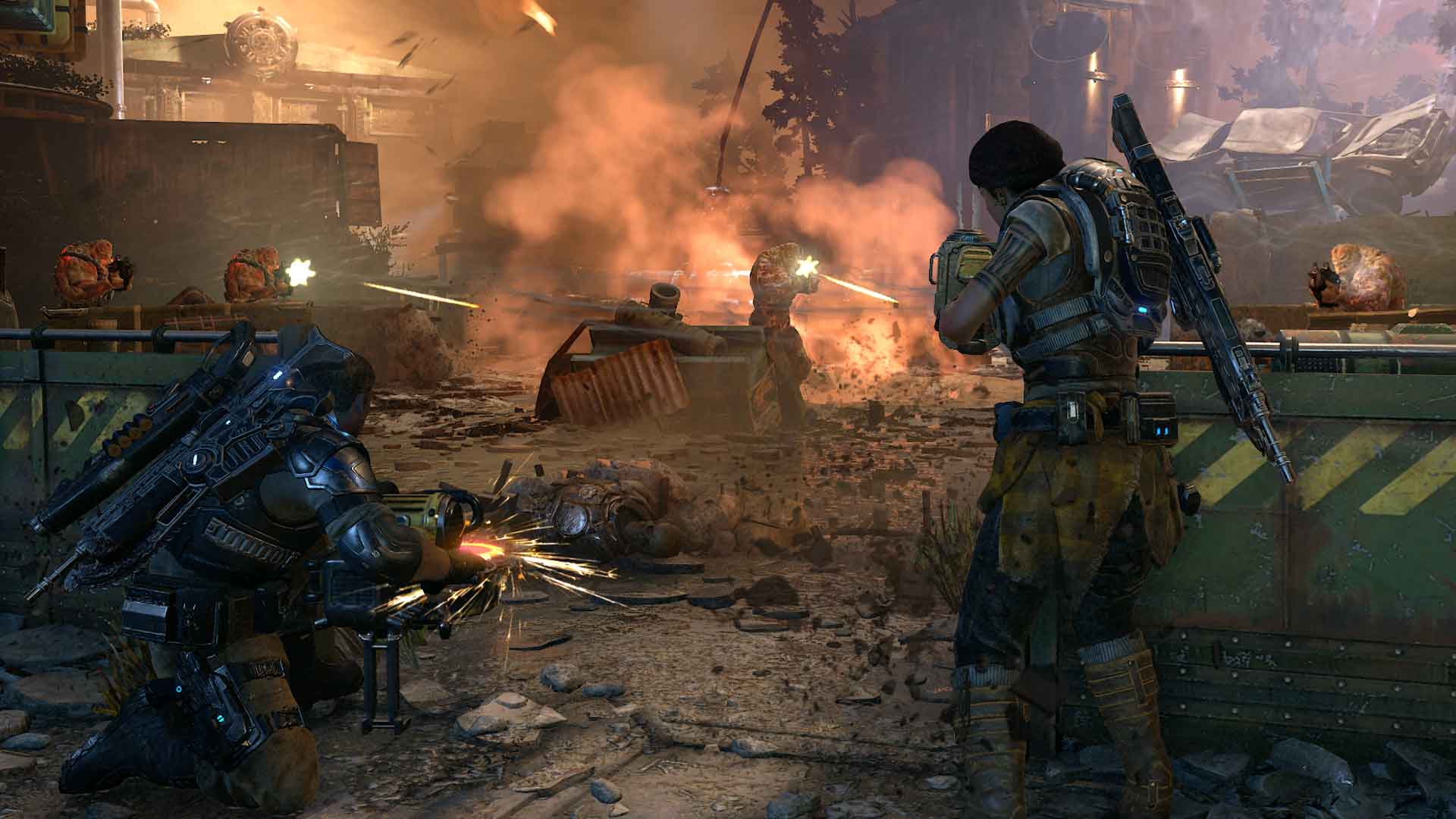
The game is instantly familiar once you get control of J.D. The Roadie Run, snapping into cover, blind fire, active reloading—it’s all there. It’s a little too familiar, and this feeling sinks in more and more as the game goes on. It almost feels like the Coalition was too afraid to venture off and try new things, which is a repeated pattern with smaller companies getting huge IPs. As I battled through the entire campaign, I felt like it just wasn’t as original or memorable as previous games. For one, the level design is sub-par. Yes, the post-apocalyptic scenes are here, but they fail to be memorable or mean anything. I remember Marcus’ mansion from the first game, the Locust stronghold and the driller scene with hundreds of Locusts from the second game, and Jacinto’s remnant from the third game. Nothing here feels unique or sticks out. It’s the same lame corridors or repeated buildings over and over again, and it becomes a blur.
Outside of that, the same locusts are back that we’re familiar with, such as Grenadiers, Soldiers, Grunts, Scions, and so forth, but I miss the other miscellaneous locusts like the Tickers. Instead, we get larger, meaner Locust, as they are mutating and can actually grow stronger in battle. Once the first two acts were over, a smile left my face as each familiar thing came into play. I realized by the third act that the game didn’t have many new things to throw at me besides a few new enemies and a couple of weapons. The campaign lacks epic set pieces that we were familiar with through the original trilogy. The ending has you riding some sort of giant robot, and that’s about the extent of it.
Weapons in Gears 4 feel very familiar with the original game, and not much has changed. All your favorite weapons are here, like the Lancer, Snub, Boltok Pistol, Gnasher, Mulcher, Boomshot, Hammerburst, and various other favorites. Some new weapons, like the Dropshot, are strange. It launches an underground missile that blows up underneath you. The Buzzkill is interesting as it shoots saw blades that bounce around. I love the new weapons that the new COG army robots use, such as the Embar, which uses hypersonic rounds that pierce through anything. The Enforcer is a fun new submachine gun, and my favorite addition is the Overkill. It’s a short-range hypersonic shotgun that devastates more than the Gnasher. Honestly, outside of this, there isn’t much that’s new. There are no new vehicles or old ones, for that matter, and the game is full of objectives that have you running around, turning on the power, flipping switches, and opening doors. It’s still an entertaining campaign, but I can’t see a reason to play through it a second time, like previous games.
The multiplayer is the reason why you’re going to come back, and it’s the first Gears multiplayer I actually enjoyed. Many old modes are back, such as Team Deathmatch, Capture the Flag, Dodgeball, and various others. The biggest addition is Horde 3.0, which perfects the mode. A brand new element to Gears is the fabricator. It’s a box that allows you to build defense items and even weapons. It’s a take on tower defense as you kill enemies, gather loot, and bring them back to the Fabricator to acquire new items. I had so much fun in Horde, as each match felt different and fun. When a teammate dies, you can get their cog tags and bring them back to the fabricator to revive them. The tactics and scenarios change so much with each wave that every minute is a surprise.
Lastly, let’s talk about the visuals in Gears. Gears of War was the pinnacle of high-definition gaming and had been up until the third game. Gears of War 4 looks good, but it doesn’t look next-generation and definitely doesn’t look amazing on PC. It feels like it was being developed on Xbox 360 hardware and was ported over to Xbox One. The textures are muddy and grainy, the models are not up to snuff, and the aliasing is awful. Even though this game uses Unreal Engine 4, it uses it poorly. Especially since Gears of War was the proving ground of that engine.
Overall, Gears of War 4 will put a smile on fans’ faces for a short while and not really impress newcomers. The story is interesting but doesn’t do the lore and/or backstory justice; there isn’t much new that we haven’t already seen; the level design is boring; and the only thing that will keep you playing is multiplayer.














































 thebinarymessiah.com
Try multiplayer. A lot of fun !