Mobile gaming hits are usually casual-friendly, like Angry Birds, Farmville, Flappy Bird, and many others. Most of those games are fairly mindless and don’t require much thought. Along comes Threes, a game that requires strategy and thinking beyond just a simple tile-sliding game.
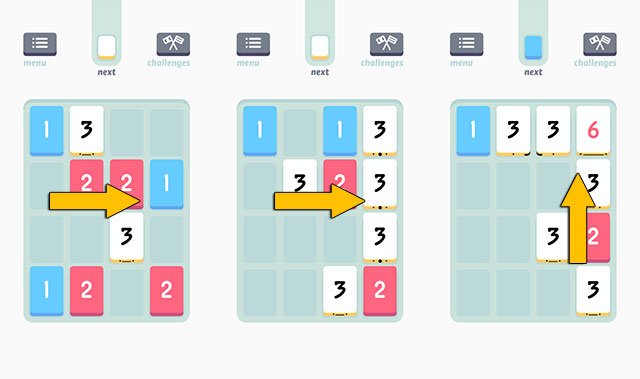
Threes is simple, minimalistic, and quite charming. The board is made up of 16 tiles. You get six random tiles made up of numbers 1, 2, or 3. You must slide these tiles into each other to add them up. If you slide to the left, everything on the board will slide to the left. This single gameplay element is what distinguishes it from regular slider puzzles. With this in mind, you have to be careful to slide all the tiles in the right direction. Once you get 3, you can slide 3 and 3 together to make 6. Two of those make 12, and so on. However, the higher the number you have, the harder it is to get another number like it together to join those two. It’s a brilliant gameplay design that gets extremely addictive.
It takes a lot of practice, and sliding randomly won’t get you anywhere. You can easily gridlock yourself without even realizing it if you aren’t careful. Thankfully, Threes is pleasant to look at and listen to. Each number tile has its own voice and caricature, and the simple, washed-out white design is easy on the eyes. Even the music is charming and great to listen to. This is the kind of zen game that Angry Birds or Clash of Clans can’t get to.
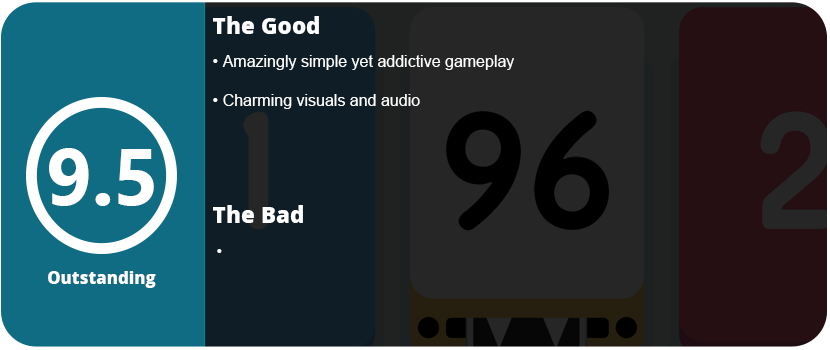
Even if you aren’t a fan of numbers or math, you are missing out on one of the best mobile games ever made that doesn’t require microtransactions. Even that alone is worth the purchase.
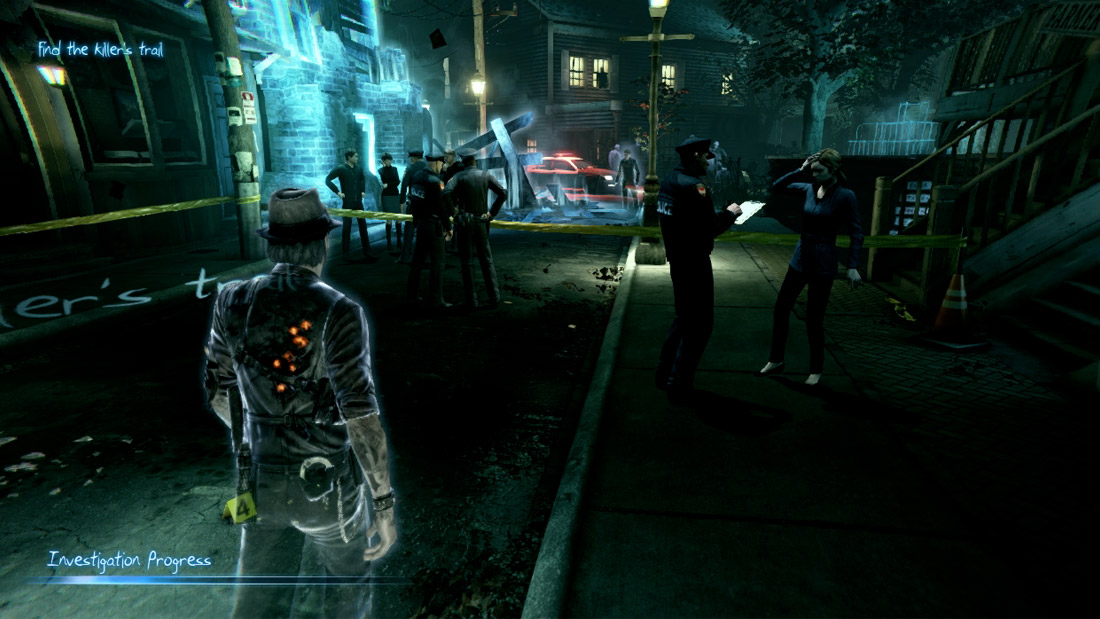
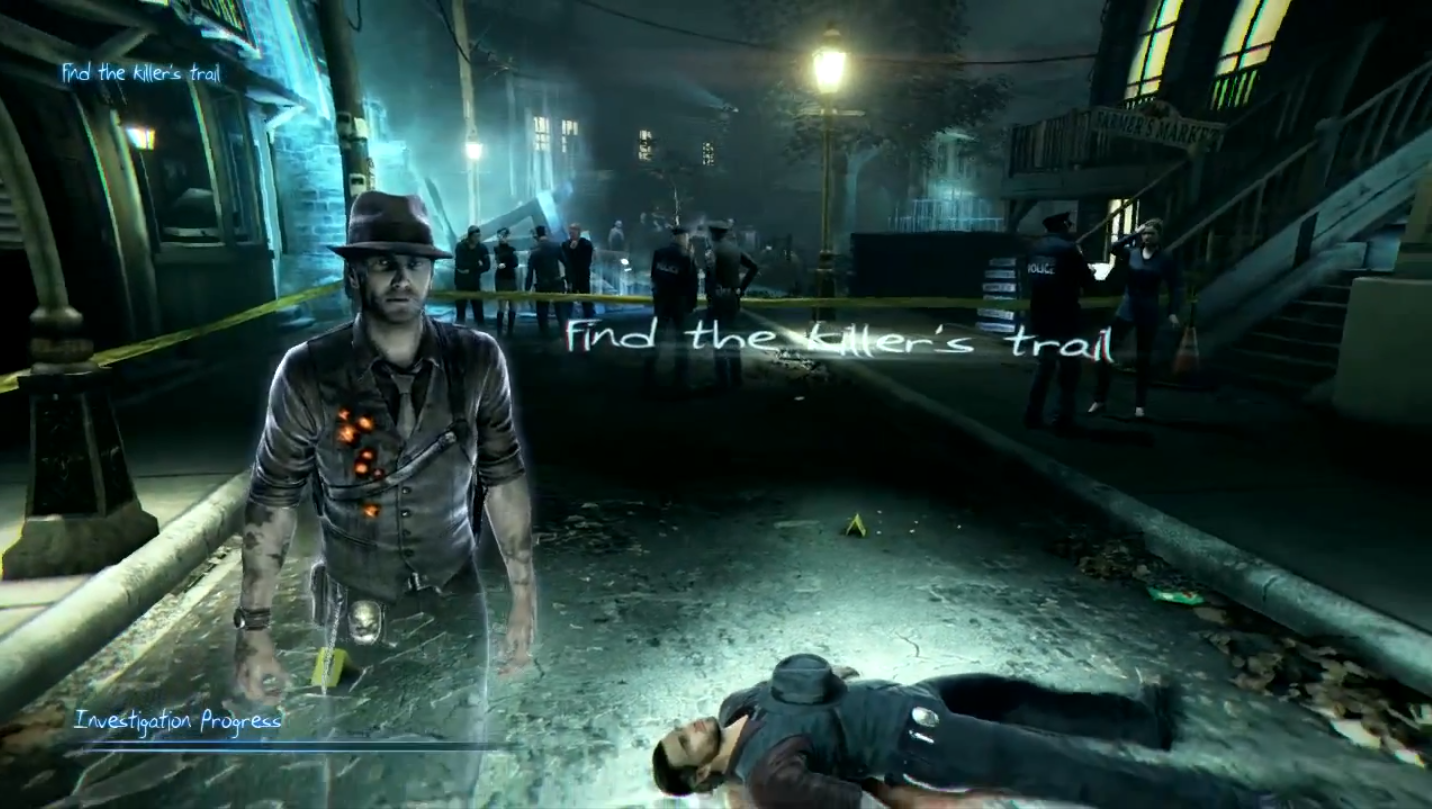
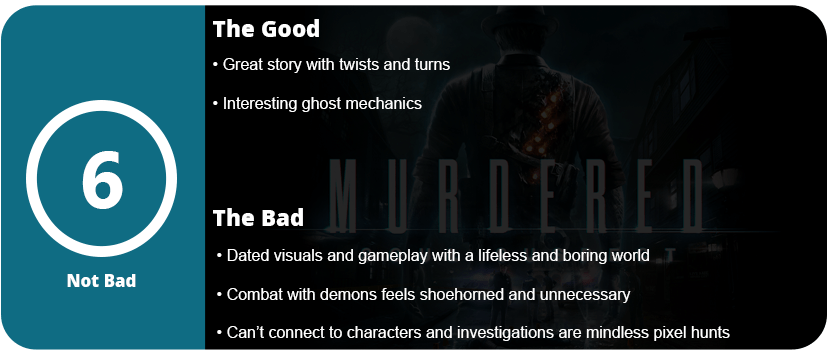
I haven’t been so misled by a game as Murdered. A murder mystery game about a cult in Salem, Massachusetts (my favorite type of murder mystery) is all wrapped around a serial killer known as the Bell Killer. You play a ghost detective named Ronan who gets murdered by this killer during an investigation. You have a bratty teen named Joy who helps you in the real world, and the story all comes to a nice close at the very end.
It’s everything in between that really disappoints. This game not only feels about 10 years old but is sometimes downright boring. In each area, you have items that need to be “examined.” This turns into pixel hunting like the adventure games of yore. Sometimes I found myself too frustrated because the examine button wouldn’t come up unless you were facing it just the right way; that’s glitchy and annoying. Once you find all the clues in an area, you conclude the investigation by picking three of the clues that relate to the scene. This is where some of the nonsense gameplay comes into play. Most of the time, you don’t even need all the clues to conclude, and most clues are pointless for the scene. I feel like I’m hunting for all these clues as just filler for gameplay.
Is there any combat? Not really. A shoehorned combat scenario was put in by sneaking around demons and executing them with weird button combos. Sneaking around them is pretty tense, as is running from them. But was this merely an excuse to be able to die in the game and call it a full-on game? The only other way I died in the game was by getting hit by a ghost train in one area. There’s also an open world that is boring and lifeless. The game is also full of items to find, which is archaic and just plain boring. Why would I run around in an empty, boring world, finding items I could care less about?
There are actually rules to this game, though. Just because you’re a ghost, you can’t walk through everything; otherwise, you’d be clipping into the gaming abyss. Most items can’t be walked through, and there are some that don’t have a blue aura around them. You can teleport yourself, which only comes in handy for a few parts of the game. You can possess people to read their minds or influence them during an investigation. This isn’t nearly as cool as it should be.
The only thing that kept me going was the story. The twists and turns were just interesting enough to make you think you figured it out, and then it turns out to be something else. The game actually has a satisfying ending with no cliffhanger. When I played through this whole game, I just couldn’t help but feel how dated it looked and played. The graphics, while not ugly, are simple and boring. This game would have looked amazing about 5 years ago. I also didn’t feel an attachment to any characters because of how boring and cookie-cutter they felt. Ronan is just your typical New England cop, Joy is a snotty goth brat, and the other characters don’t really show up enough for you to care about them. Soul Suspect had a lot of potential, but in the end, it felt like there wasn’t really a goal for what to do outside of the story.
If you’re a fan of adventure games, I would give this a shot. Murdered isn’t going to revolutionize the nearly forgotten point-and-click adventure-style gameplay, but it is worth slogging through the gameplay for the interesting story.
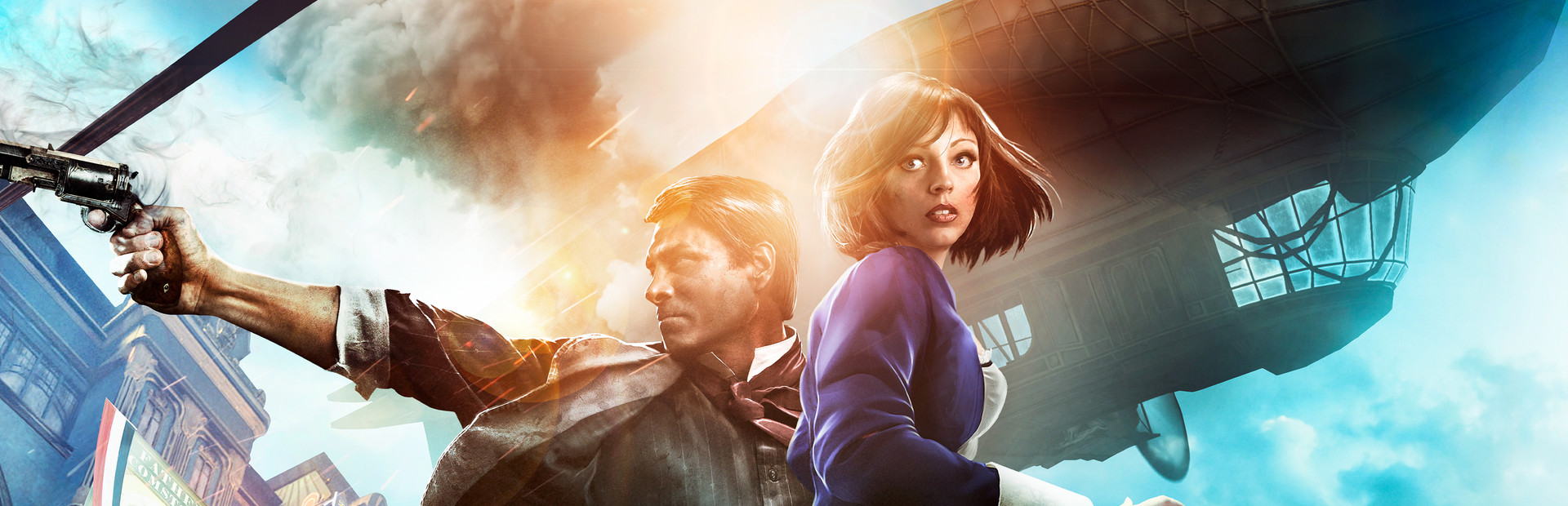
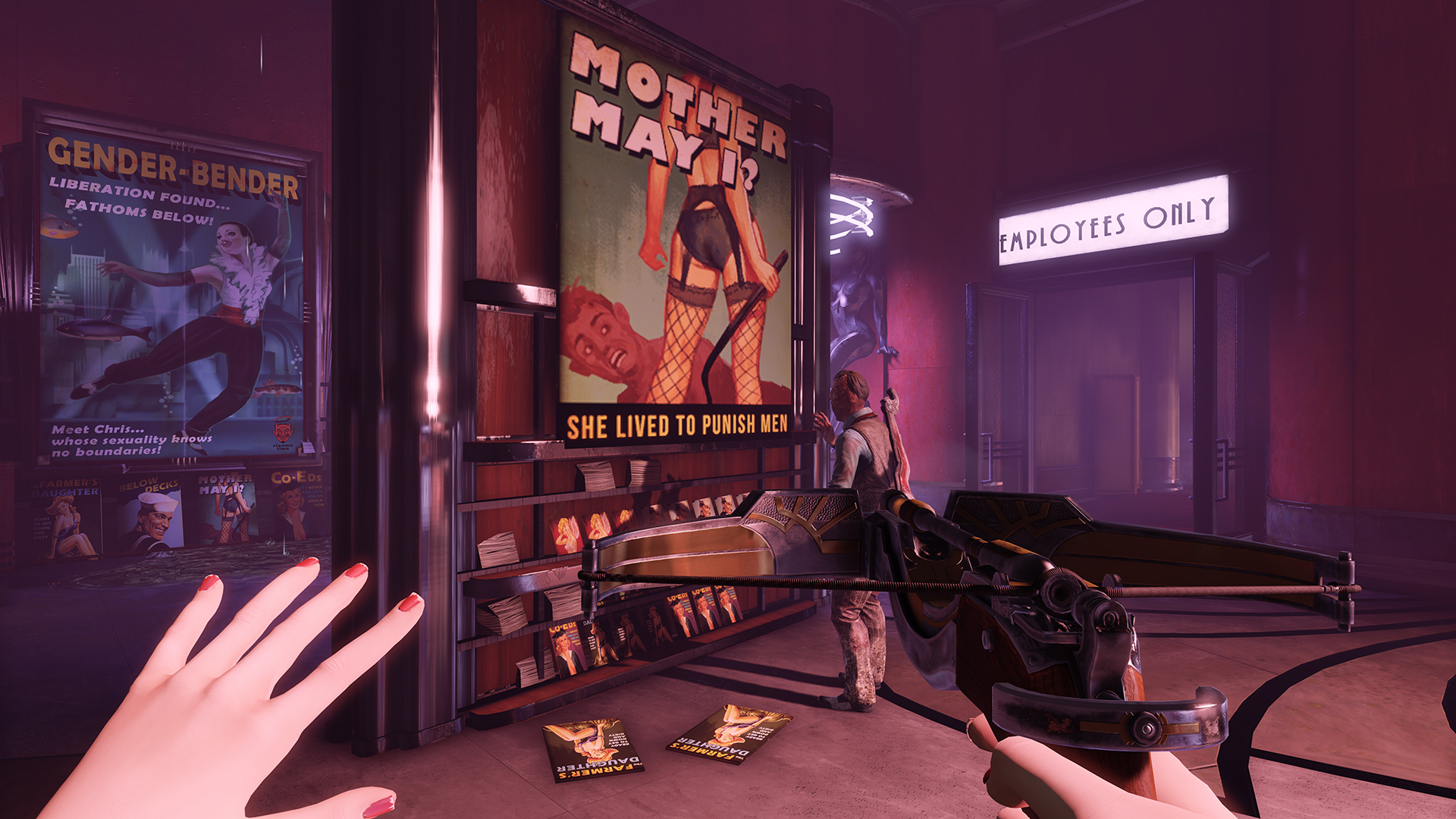
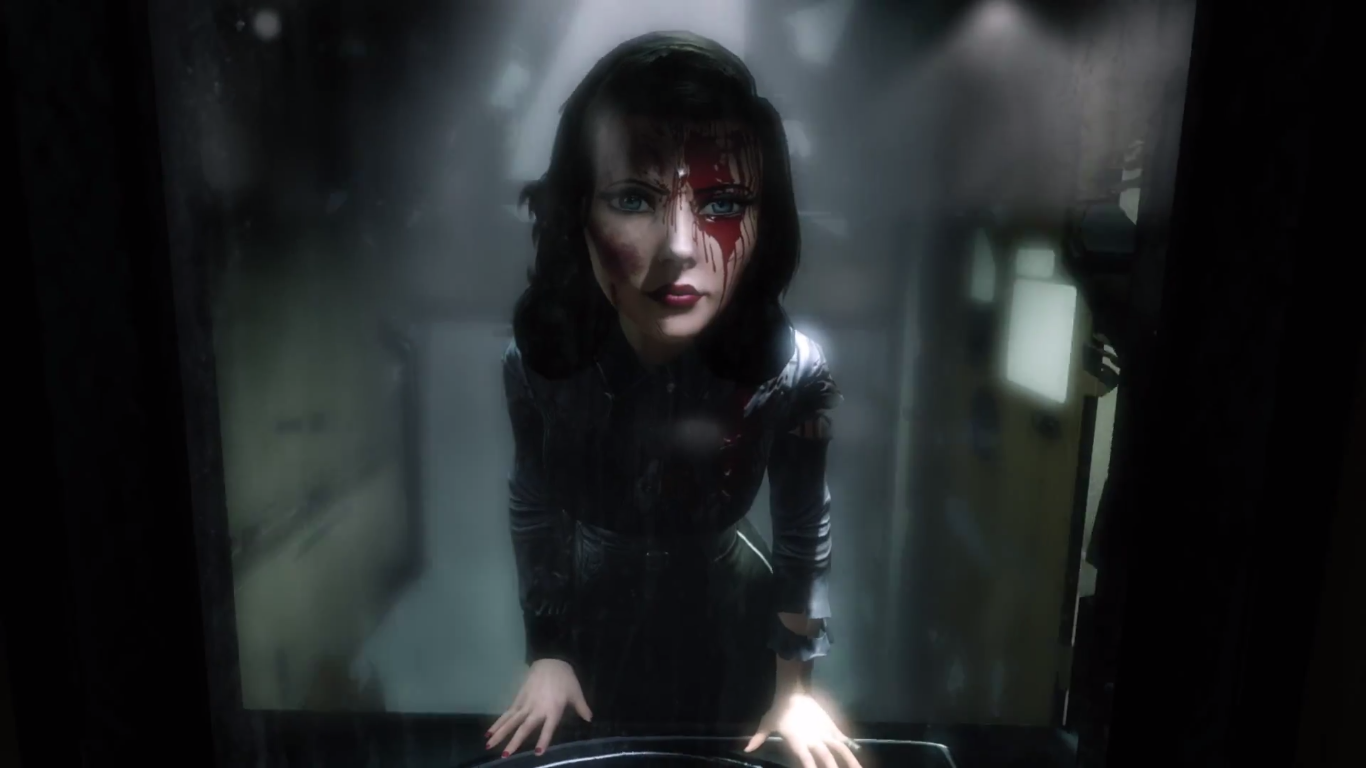
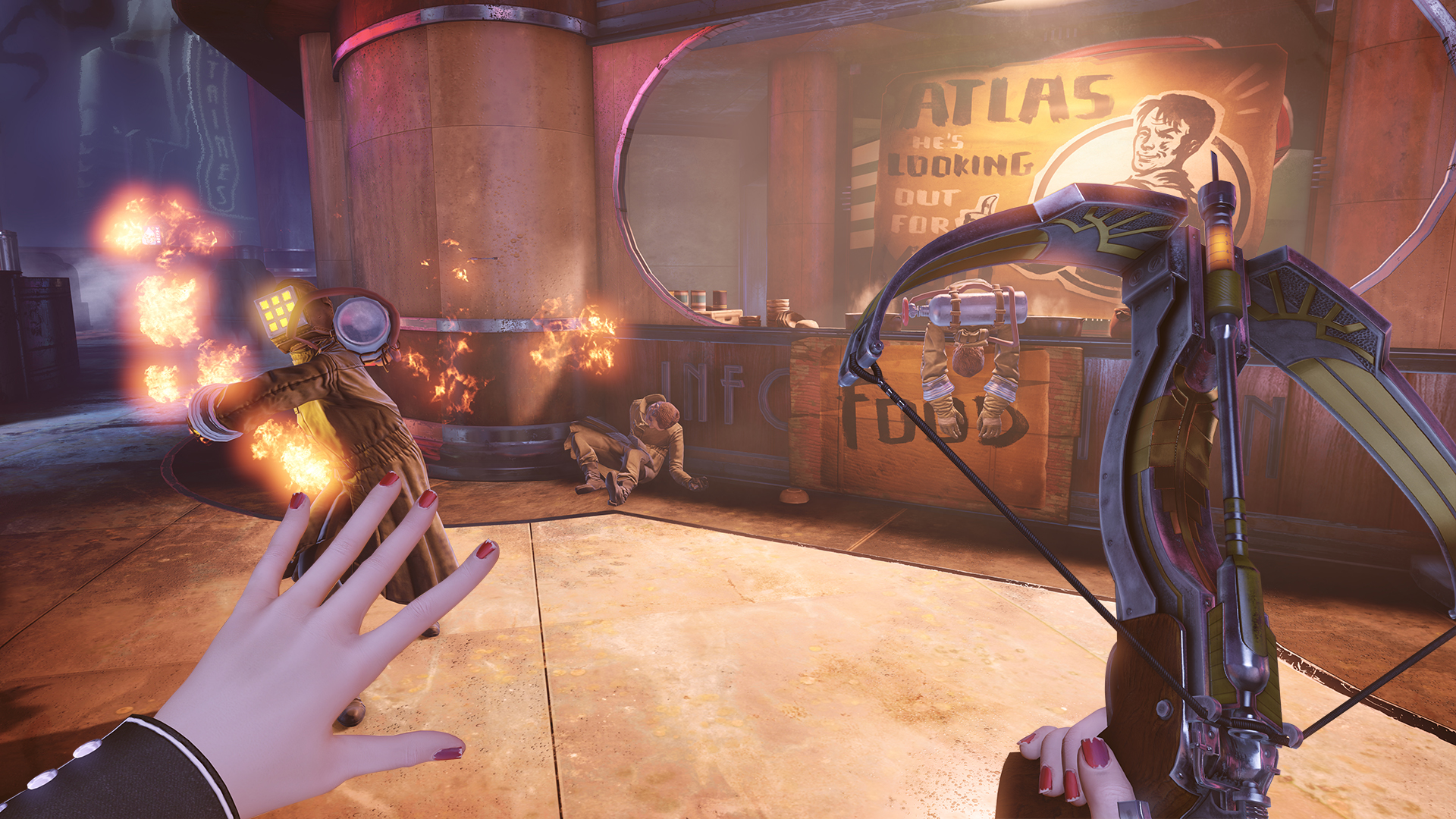
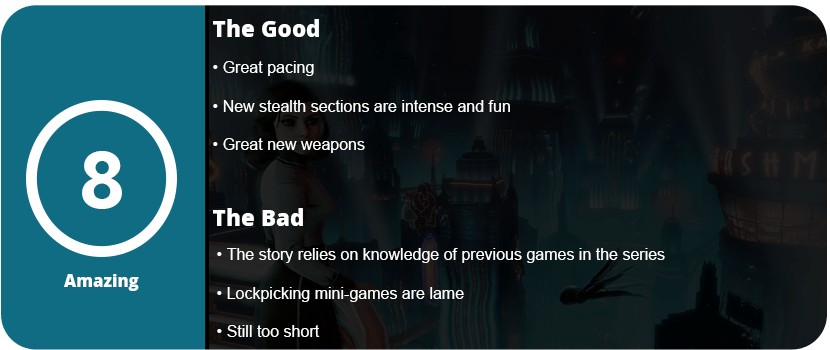
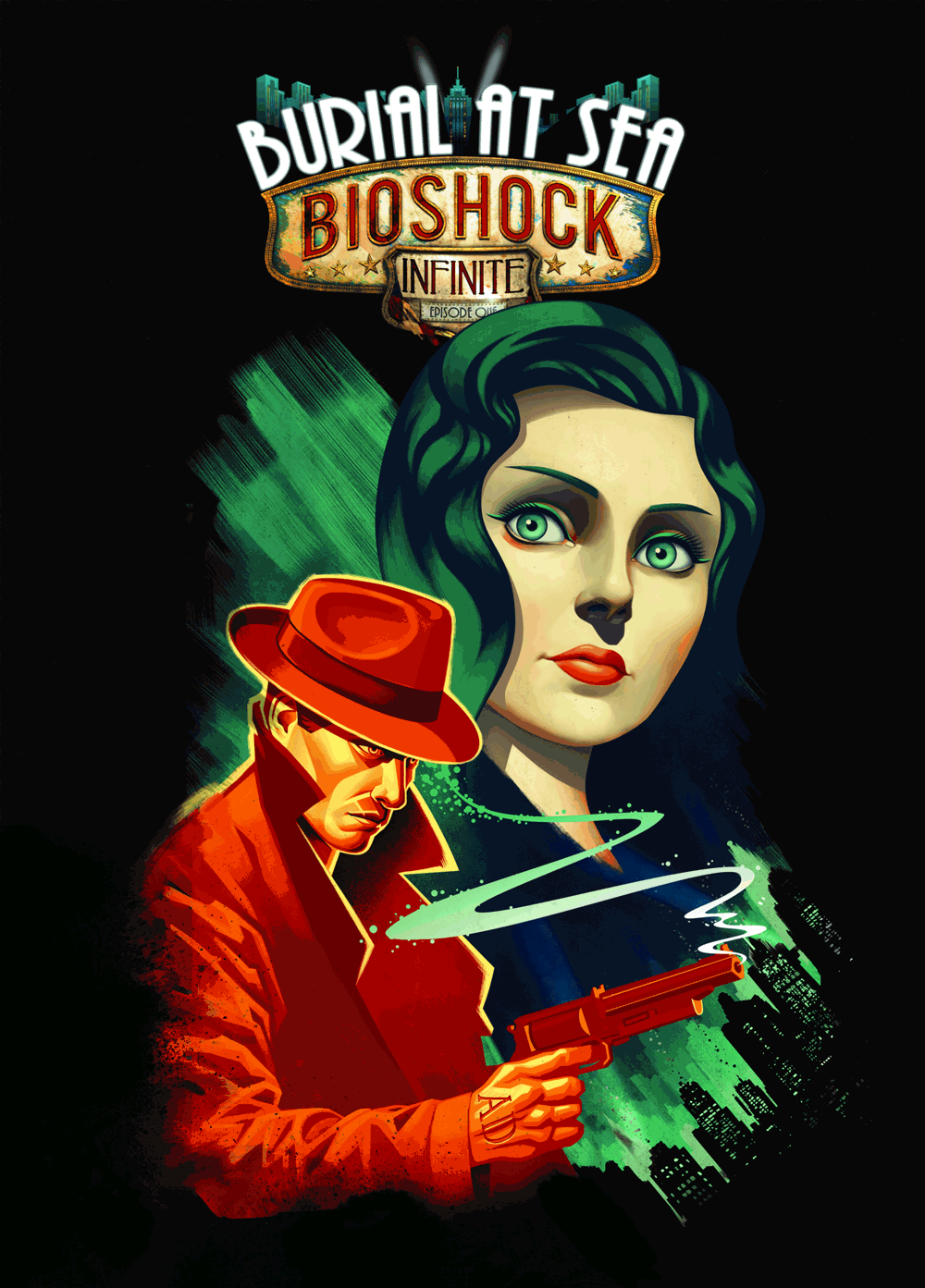
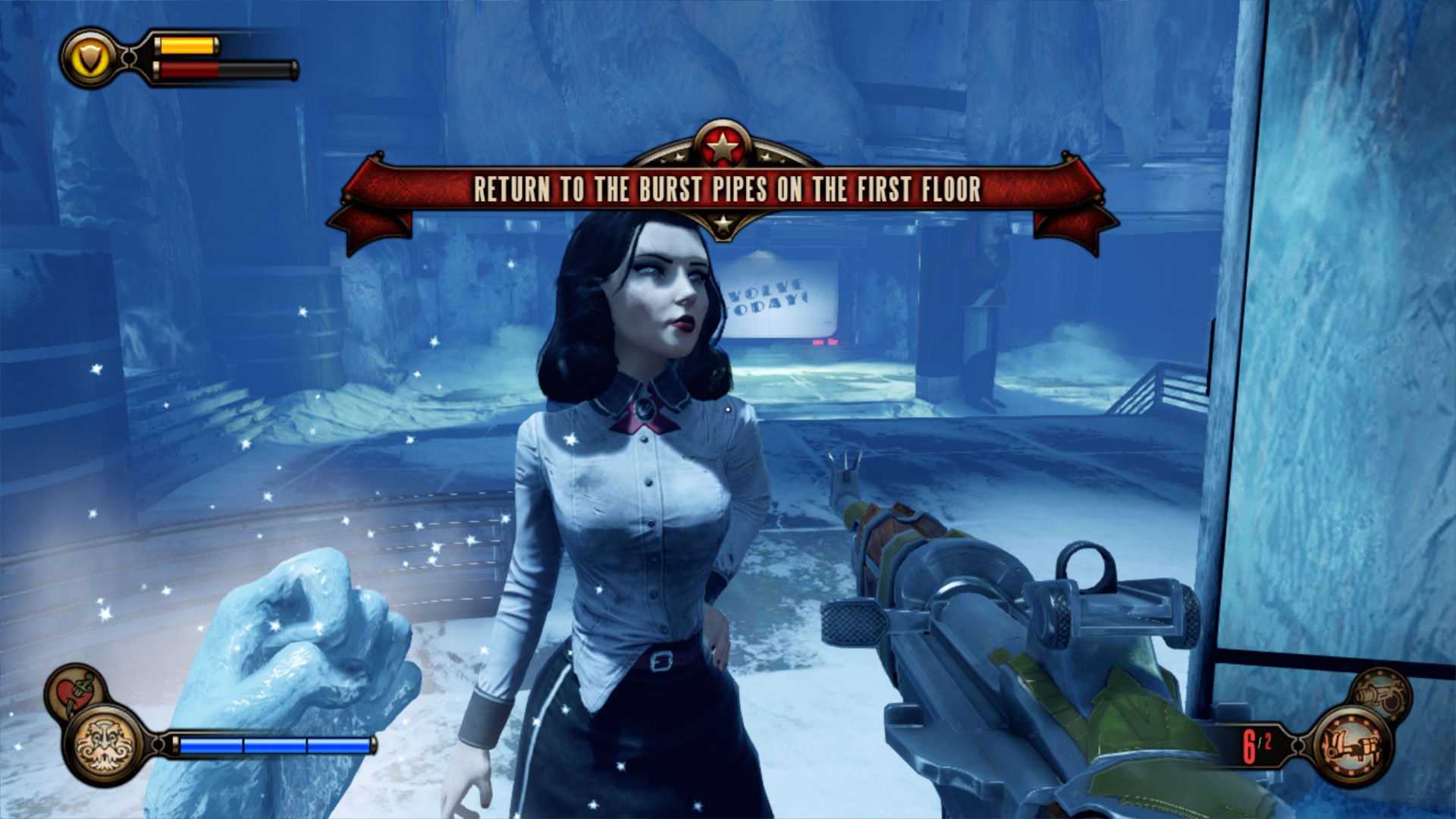
Episode Two takes place right after Episode One, but this time we play strictly as Elizabeth. I love this move-in perspective because Liz can’t fight like Booker can, and it’s noticeable right off the bat. Liz has to sneak her way around using crossbows, vigors that turn her invisible, and ones that add extra armor. She only carries a shotgun and pistol, but very little ammo. The new weapon is one that microwaves enemies, but I was only able to use it a couple of times in the whole episode.
The story still doesn’t make much sense unless you play both BioShock games. This DLC is really for the fans of those games. Elizabeth is on a mission to save Sally, the little sister you were trying to find in Episode 1. With Booker dead, it’s up to you to run from everything bad in Rapture to find her. This includes Atlas, Andrew Ryan, and even Suchong. These characters won’t mean anything to anyone who hasn’t played the first game. I loved the setting and the brief trip back to Columbia, but the atmosphere is really great in this episode, along with less backtracking. Sure, Liz can’t fight off Big Daddies in this episode, but it makes everything more intense. The game is about twice as long as the first episode but can still be finished in a few hours.
I really appreciated how the stealth sections were interspersed with just exploring and cinematic events; it felt balanced. Sneaking isn’t just as simple as ducking and hiding from enemies. They now have an alert meter above their heads, while a new lockpicking mini-game has been added but is mostly lackluster and just filler. You can even use this mini-game to hack turrets to fight against you, but there were maybe only two opportunities to do this in the whole game. The new crossbow weapon with gas, alarm, and sleeping darts comes in handy, and the shotgun does a lot of damage. I felt the revolver was nearly useless, though.
With all that said, Episode Two really feels like an extension and slight evolution of Infinite in a good way, but anyone who hasn’t played previous games will be completely lost.
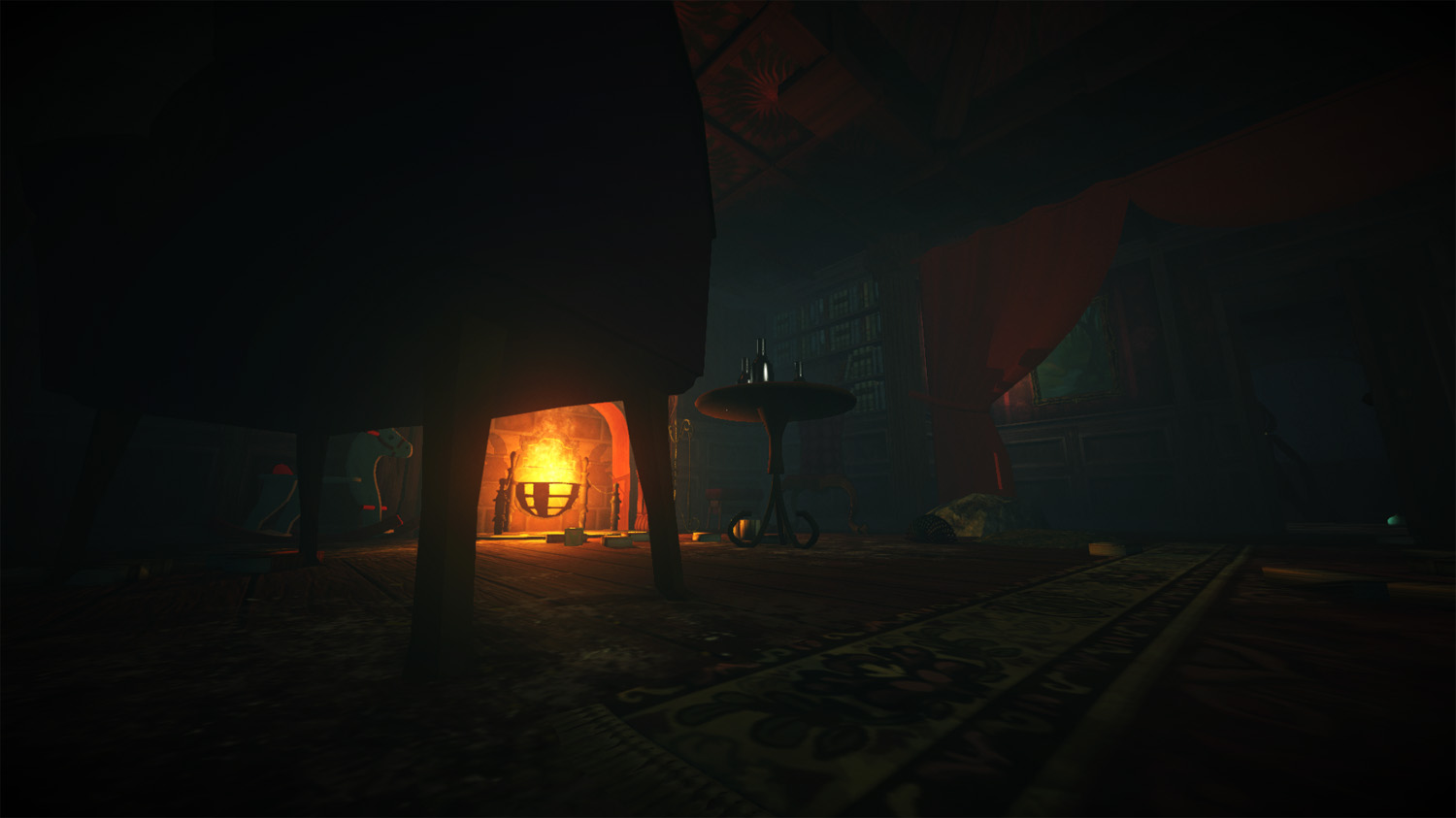
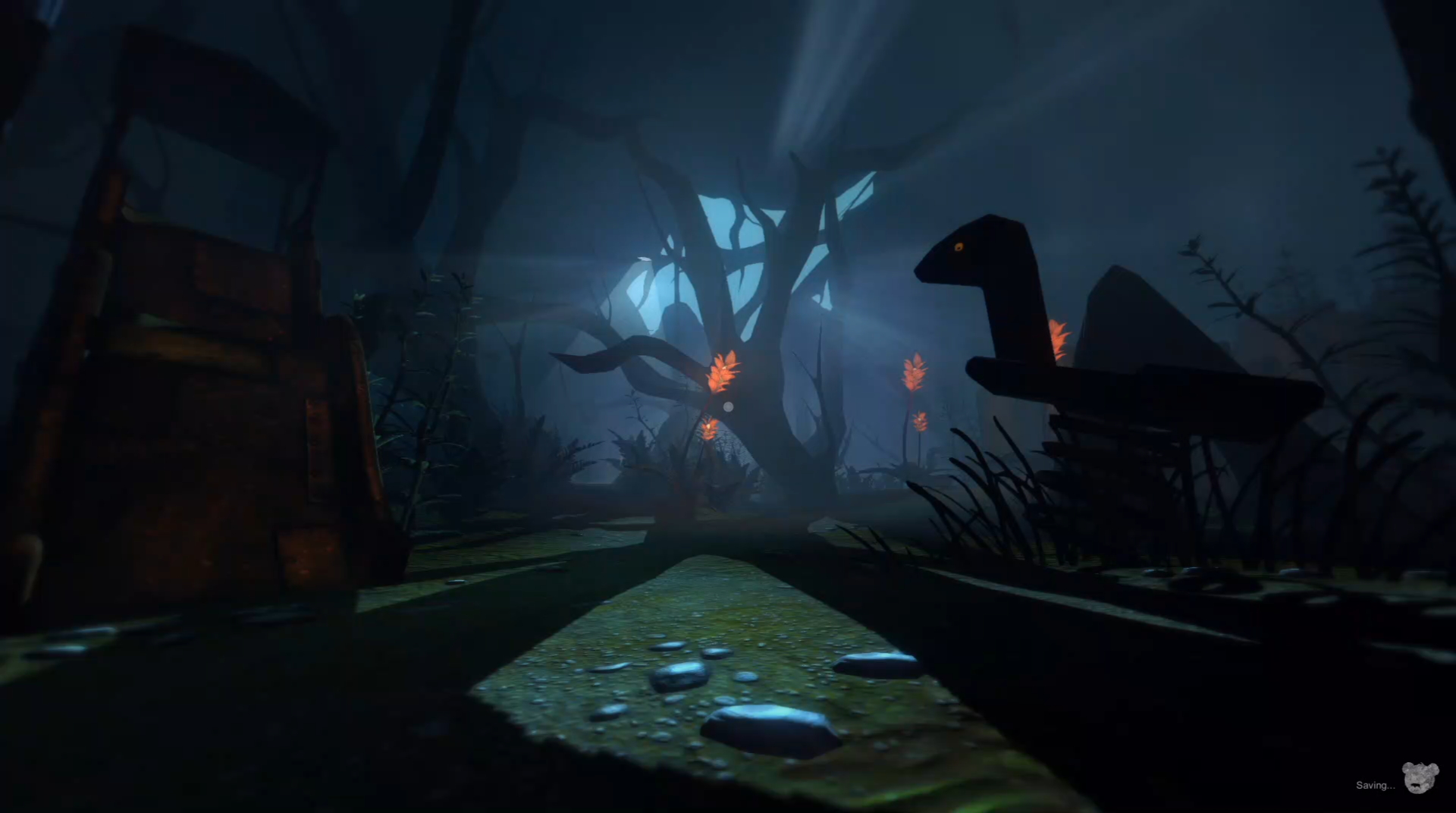
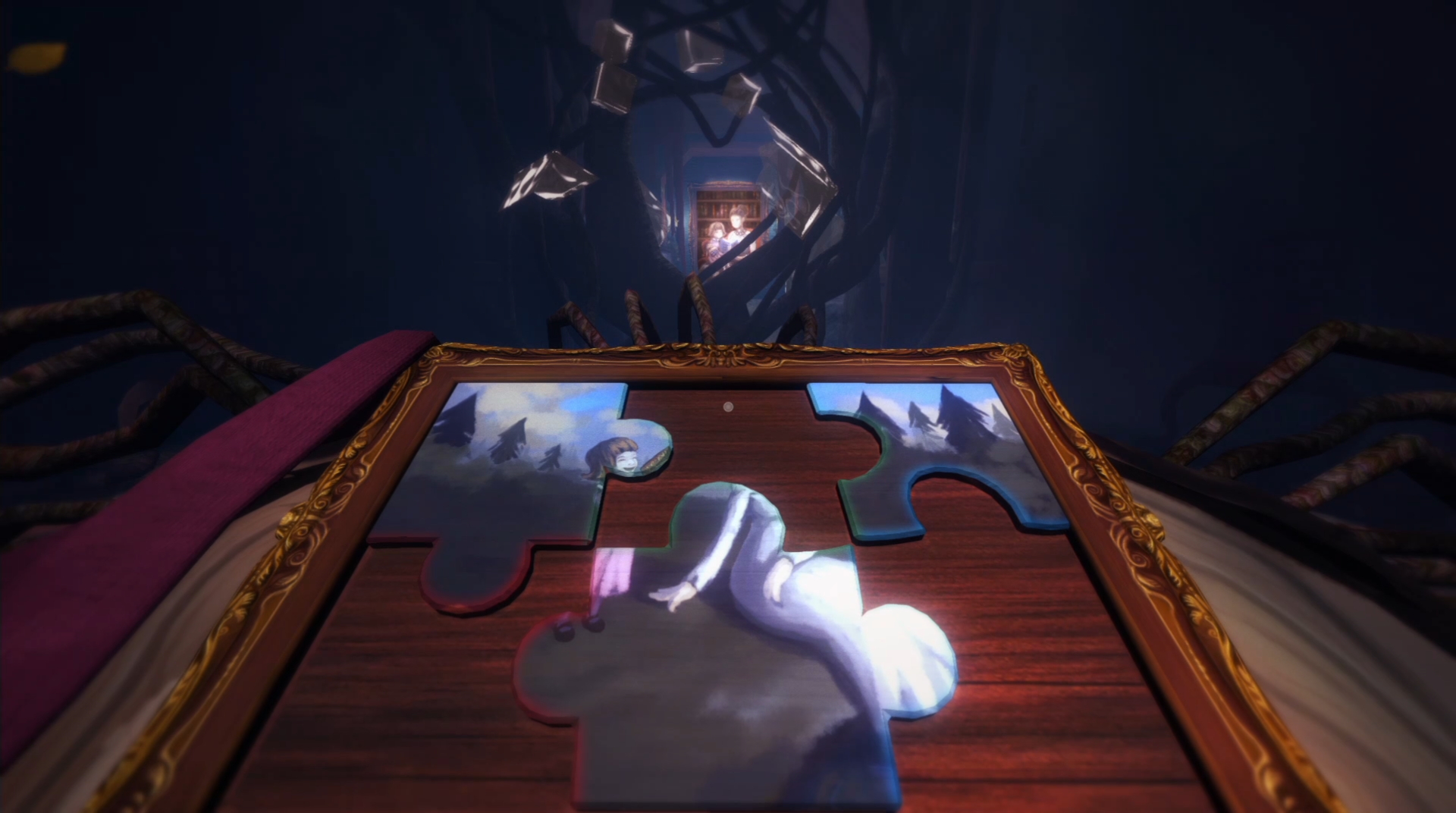
Ever since Amnesia: The Dark Descent was released, atmospheric horror adventure games have been popping up, but none are as good. Among the Sleep is probably the only one that has come close (even more so than Amnesia’s own mediocre sequel). You play as an infant (gasp, a baby in a horror game!) and you just wander around a very strange land-out horror adventure trying to figure out who this mysterious dark creature is that is trying to find you.
The game starts out pretty cheery. It’s your second birthday, and you get a gift from a mysterious person. As your mom puts you in your playpen, you learn the controls and get out to open this gift. Lo and behold, it’s a creepy talking teddy bear that you can hug and use as a flashlight. As you go deeper and deeper into this crazy world, the game gets tenser. You go from simple climbing puzzles to finding and hunting for items and keys and running and hiding from this scary creature. A lot of elements feel similar to amnesia, such as not being able to fight at all but only running.
Due to the claustrophobic and nearly haphazard way everything is laid out, no particular moment is really memorable, save for the first 30 minutes. You end up going through random doors; hallways appear out of nowhere in the dark; strange sounds will clatter away in the background; and things will flash in front of you. All of this is to make you tense, but there’s no real scary moment where you jump. It’s all about a tense atmosphere that keeps you on the edge of your seat.
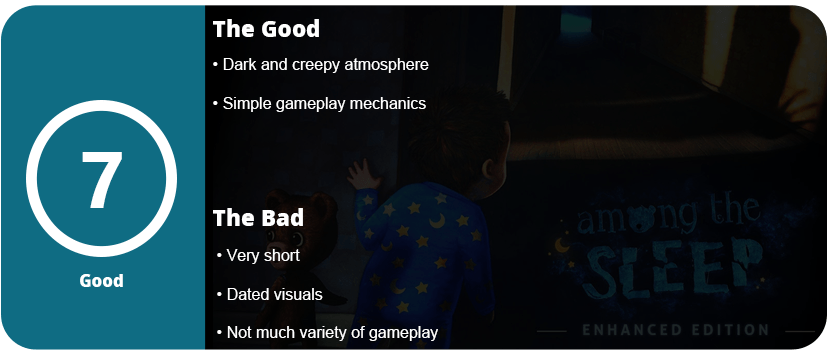
The main goal, you could say, is to find four relics to unlock a mysterious door. This is your hub that you always come back to. The game actually has a pretty crazy finale, and things finally start clicking as to who this creature is and what it represents. It’s pretty sad in the end. The whole game can be beaten in less than 4 hours, which is a real shame. I would have liked to see the actual story unfold and some more cutscenes. The graphics are fairly decent, but the textures are flat and muddy, so you won’t be seeing much in the pitch dark 90% of the time. The game supports Oculus Rift if you are lucky enough to own one, so that is a bonus.
Overall, Among the Sleep is a short but sweet horror ride for any fan of amnesia or adventure games. There’s no combat, just you as a vulnerable baby trying to run away from your fears and keeping your teddy by your side.
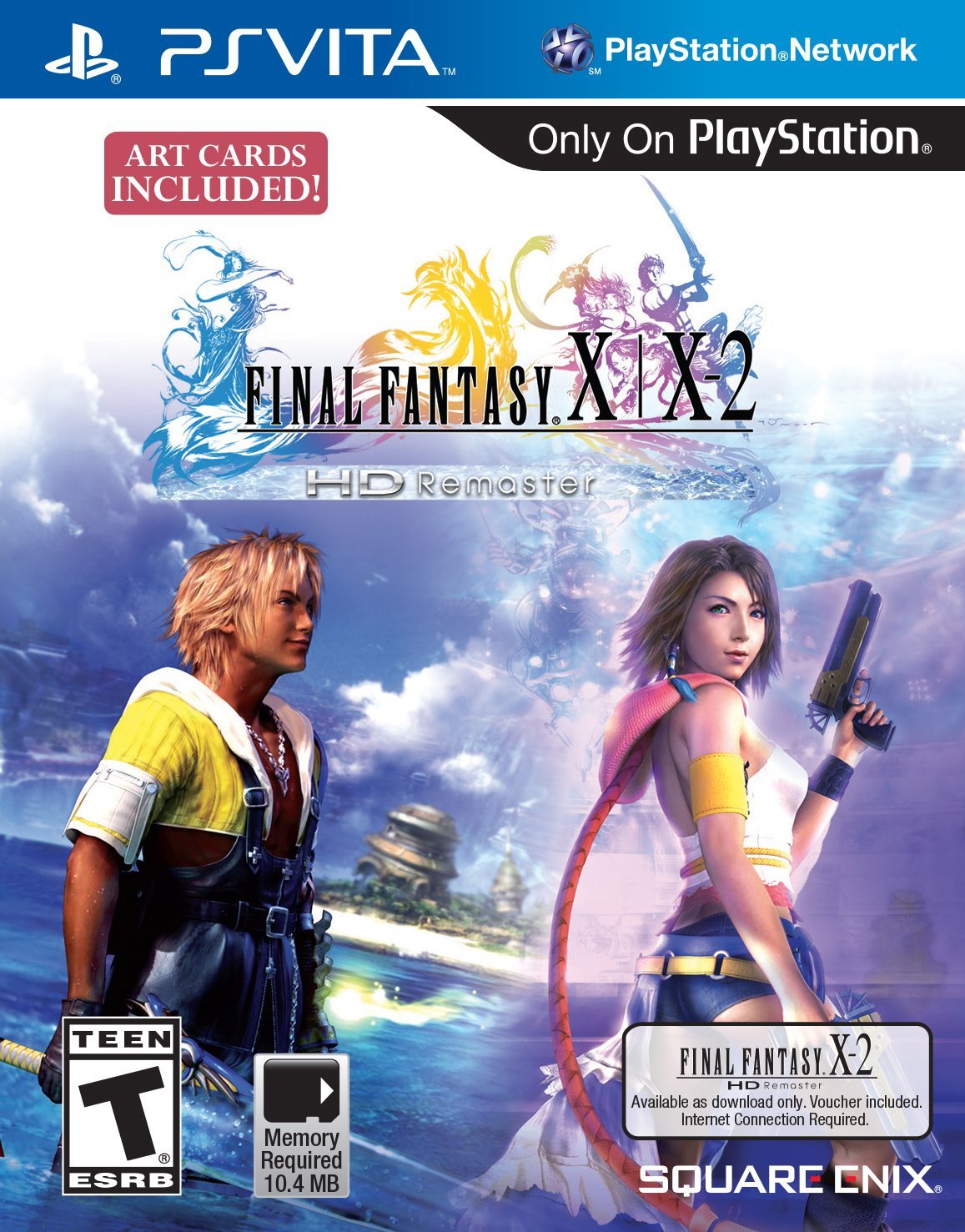
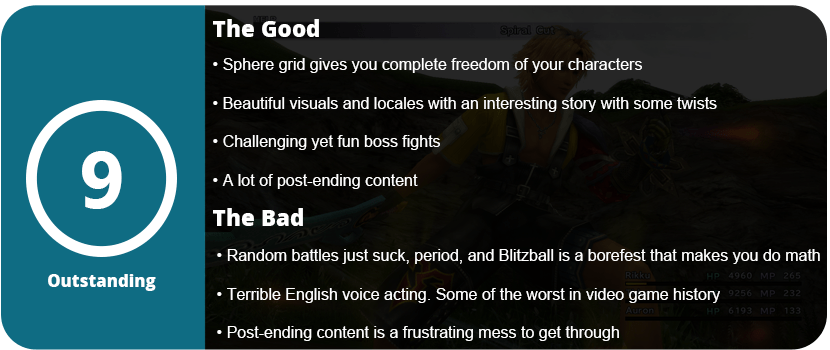
Final Fantasy X was a game in the series that really shifted things around. It broke some common JRPG rules and was a bit all over the place. This was the first JRPG I had ever beaten as a kid, and it was the first Final Fantasy I ever finished. I have a lot of fond memories of this game, and the HD Remaster brought a lot of those back.
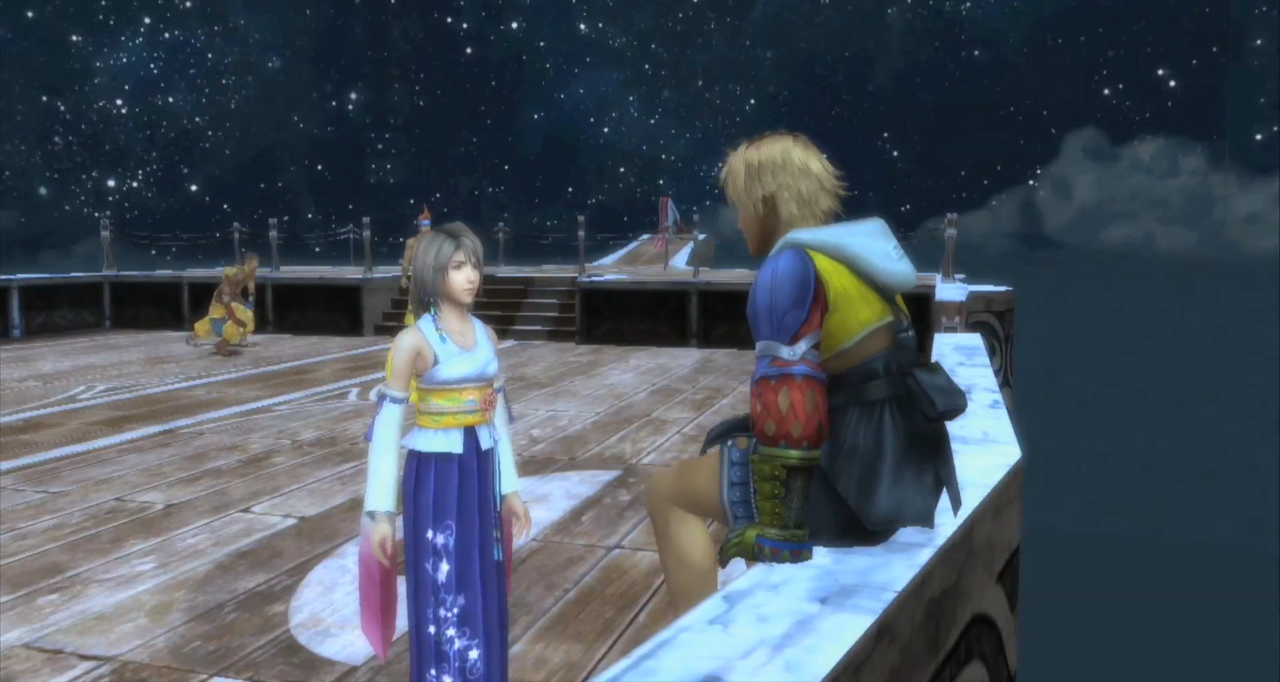
The core game hasn’t really been touched, but US gamers will finally get a taste of the tougher international version, which adds an expert sphere grid and Dark Aeons, which are the toughest enemies in the game (some have millions of HP). Outside of the game, the game is still the same, with great characters that are memorable and beautiful locales. The story is a bit confusing at first, but very original, if not very deep. You play as Tidus, who is a young man sent forward in time hundreds of years into the future. His original home is now a sacred ruin, and a giant being called Sin is destroying humanity. Every 10 years, this sin comes back, and the calm ends. Another summoner must go on a pilgrimage to gather all the Aeons and take down Sin for another 10-year Calm. Your goal is to put a stop to this cycle. You gather your crew along the way to level up and put an end to all this nonsense.
Before you jump into this game, you must have a mindset from when the PS2 first launched. This game was fantastic back in the day and still holds up well. Most JRPG gamers will be thrown off by the Sphere Grid. There is no traditional leveling up where you gain levels. Instead, you acquire AP and get sphere points, which allow you to freely upgrade various attributes and skills for each character. The expert sphere grid allows you to use keys to go off your path and learn other abilities from other characters. This is a lot of fun and gives you total freedom over your character.
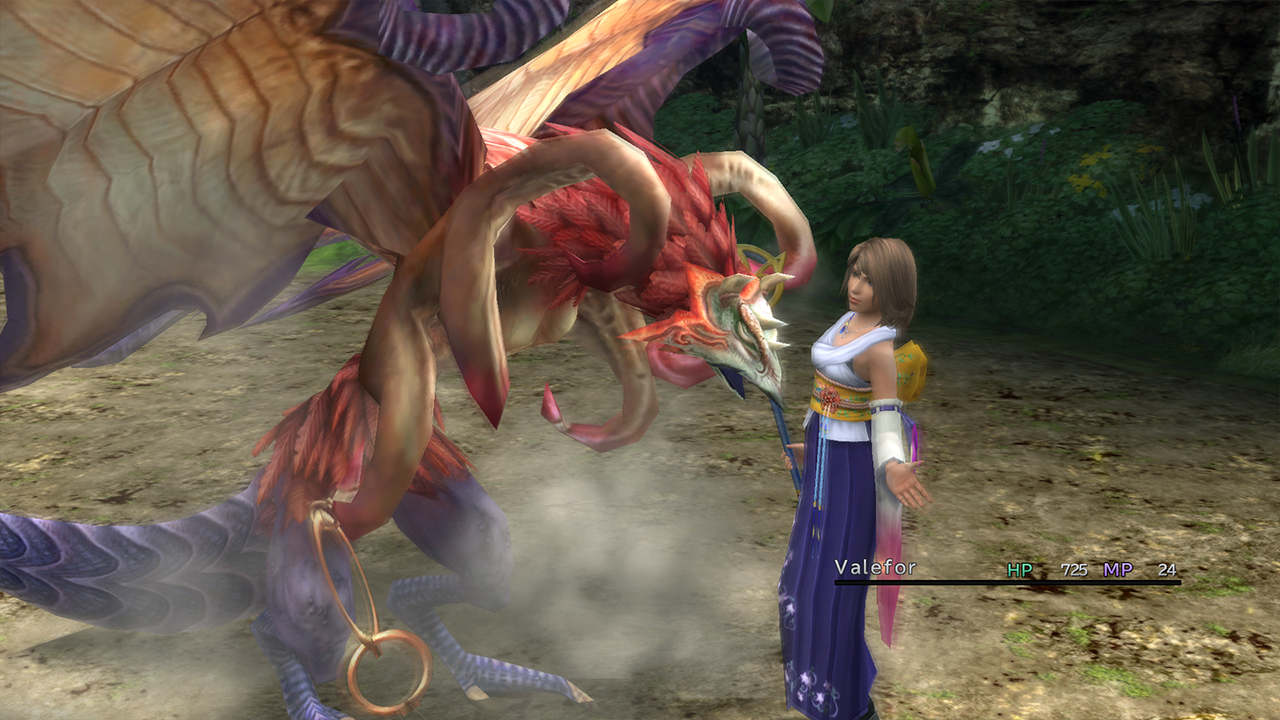
Outside of the sphere grid is the obvious combat. Yes, there are random battles, and some areas are so bad that you hit one every 2–3 seconds—literally. A maximum of three characters can battle at once with the freedom to swap out. It’s the usual JRPG turn-based battle system, but there are overdrives that are crucial to winning boss fights. Characters learn new drives as they battle. Aeons are also essential, but only Yuna can send them in. They are large, heavy hitters that will take away massive damage and can also be overdriven, which is probably the #1 technique for winning tougher boss fights. Like any other JRPG, learning enemies’ weaknesses and battling with magic is a must. Some bosses nearly turn into puzzles where you must cast Reflect on them so their healing spell bounces off of them onto you. Some bosses will cast status ailments that can cripple your entire party. If you don’t grind a bit and stay ahead of the game, you will struggle.
Outside of battle, there are the Cloister of Trials, which are a huge pain and aren’t fun at all. These are puzzles in which you place various spheres to unlock doors. Another huge pain is the Blitzball mini-game. This isn’t fun at all and requires math to actually play. It’s stiff, shallow, and just plain boring. I hated it as a kid, and I hate it even now that I know math better. It’s all nearly luck-based and a roll of the dice. You have almost no control over characters.
FFX is also full of pre-final boss content, but there are a lot of requirements to get this stuff. Ultimate weapons are a must-have to do more than the 9,999 HP damage limit. However, they require you to be in certain areas, acquire certain other items, or even get through harder areas that require getting through other areas just to get to that area. Sounds confusing? It is. I spent a good 15 hours just trying to figure all this out and could get only one optional Aeon (Yojimbo). Anima is another optional Aeon but requires getting through a tough boss with the three weakest characters (Tidus, Rikku, and Wakka) and then getting all the destruction spheres in every trial. It’s a huge pain, requires a lot of running around and backtracking, and can make you frustrated. You can also monster hunt, but this requires training a Chocobo (which is tough as nails to get through), and then capturing the toughest monsters in the game easily requires ultimate weapons, which require more backtracking. It’s a frustrating mess but also somehow extremely satisfying once you do it.
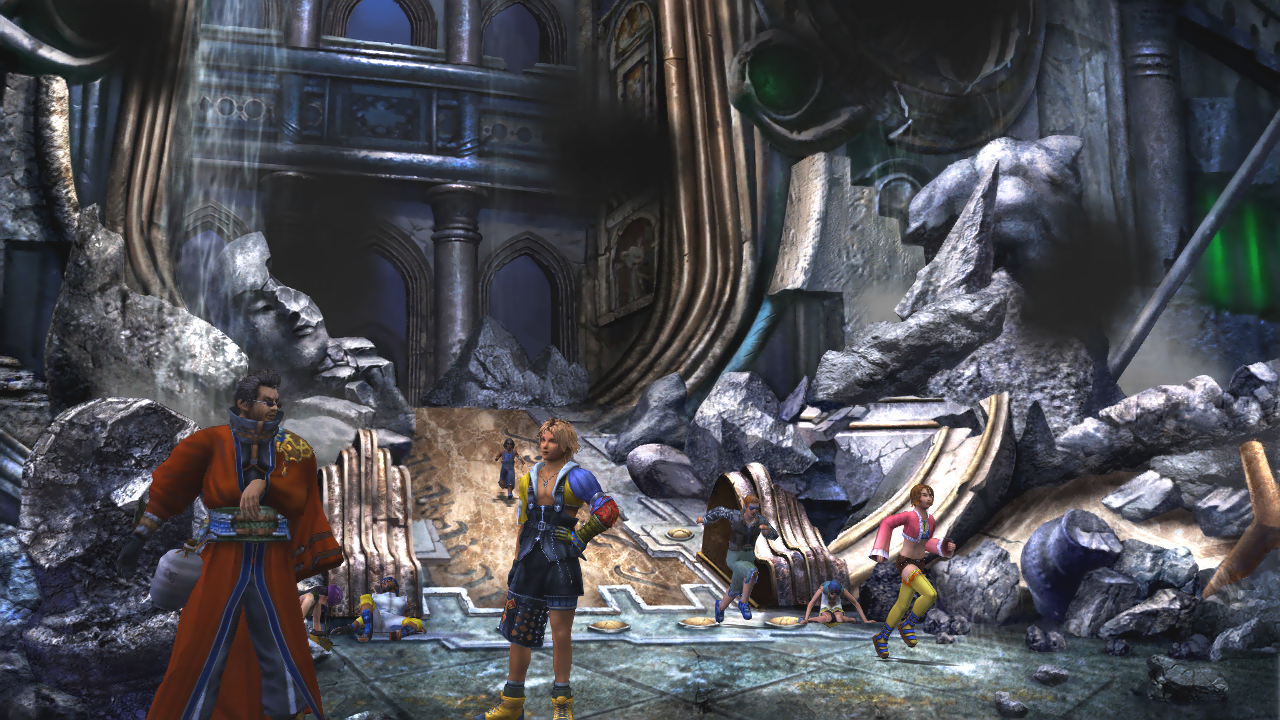
With the main game out of the way, let’s talk about visuals. The HD upgrade isn’t exactly what you think. Most of the game has been remodeled, and all the main characters are completely redone; however, many monsters and NPCs just had a few passes of texture filtering, and that’s it. It really looks ugly in spots, but it’s not so bad if you’ve played the game before. I just wish the Japanese voice track was on here since the English voice acting is so terrible and embarrassing to listen to.
Note: Shame on you, James Arnold Taylor, for your terrible voice acting in Tidus. You’ve done better! Like Ratchet from Ratchet & Clank, Gabriel Logan from the PSP Syphon Filters, and even Marty McFly from the Back to the Future adventure games!
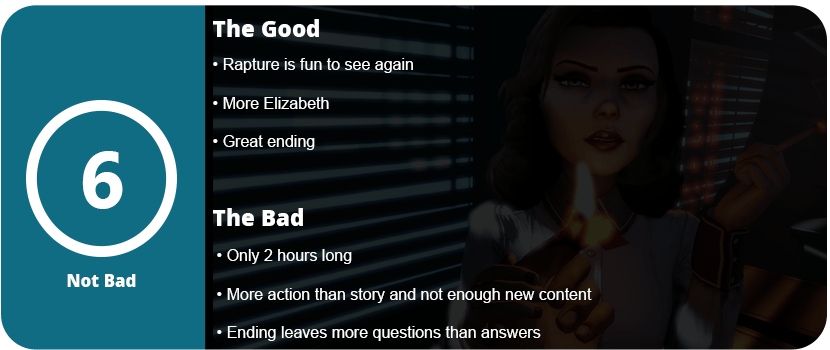
The long-awaited Infinite expansion set in Rapture is out and about. I honestly didn’t know what to really expect from this other than more questions and fan service from Rapture. The story started out very similarly to BioShock 1, where you are riding down the bathysphere into Rapture. It brought back a lot of great memories, and I was happy to see the beautiful Elizabeth throughout the whole chapter. What I wasn’t happy about was the length, the gameplay, and the lack of anything memorable.
You feel more like one level from a full game. The one level that is really just action is more than the story. It doesn’t pick up at all until the last 2 minutes of the ending, which is both shocking and expected and gives us more questions than answers. The same infinite guns are back, but with only one new power, and that is Old Man Winter. It is not much different from the freeze power in BioShock 1. It can freeze running water to make a bridge, and that’s about it. I ran around closing vents to draw Sally out (the girl who Booker must get back) and not much else. The ammo is extremely scarce, so you will be scrounging for it more than at any other moment in previous BioShock games. You also don’t get the full arsenal in Infinite, and nothing much else has changed gameplay-wise.
The setting is fantastic, however. The underwater city is memorable, and it’s great to be back before it went to crap from the previous games. We are seeing the calm before the storm here. The Little Sister program is starting, and so are the new Plasmids. It’s very interesting to see how things are happening when everything is prosperous and fun in the underwater utopia. Another great addition is the return of Sander Cohen, who is probably the most insane person in Rapture. This section is memorable but dies out quickly with more boring shooting and getting lost in hallways.
Outside of the interesting ending, there’s not much else. This was a real disappointment because of how long everyone waited. The gamer who just played Infinite and moved on shouldn’t even bother. This DLC is mainly for hardcore fans who actually want the ending in Episode Three rather than the tidbits from each episode.
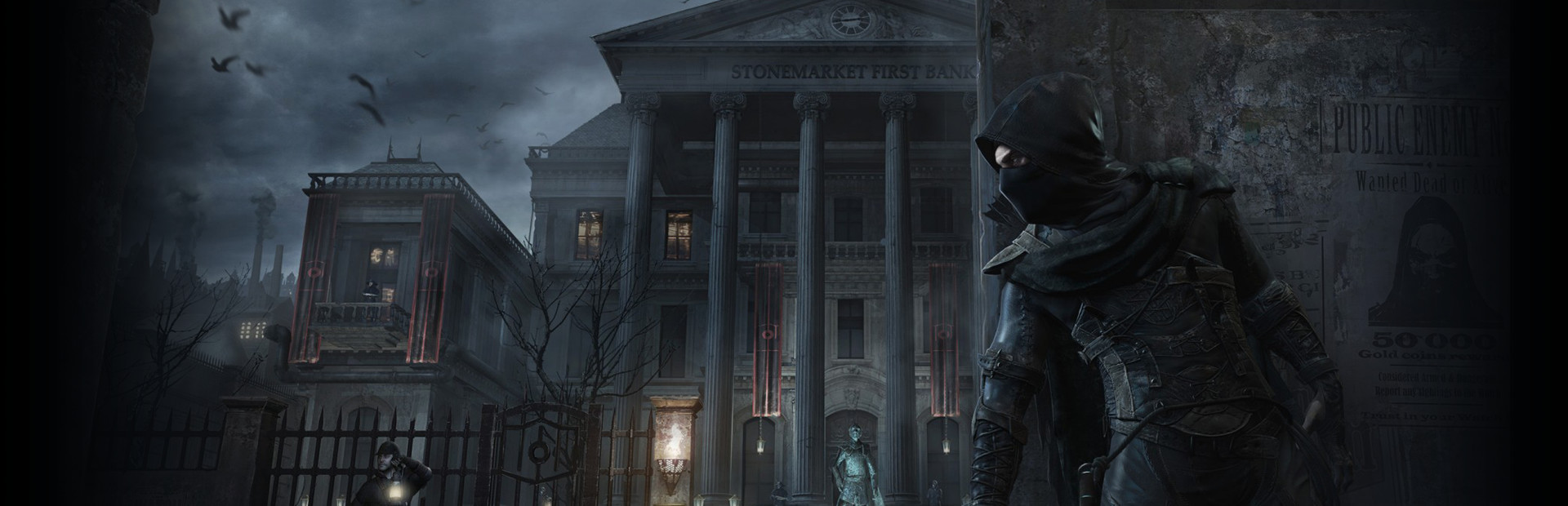
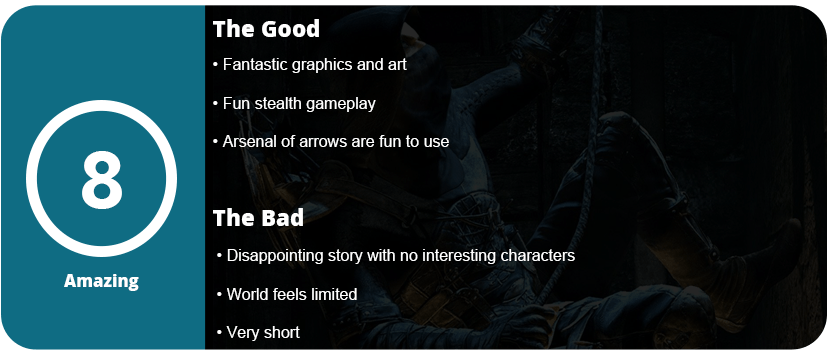
Thief has been one of those franchises that has been on the back burner of gamers’ minds for over a decade. Like Deus Ex, Duke Nukem, and various other decade-long franchises, Thief went through its own development hell. The end product isn’t exactly something that’s worth waiting ten years for, but it’s a fun game with fantastic visuals and some great stealth gameplay.
I will come right out and say this: the story is almost complete garbage. It’s a discombobulated mess of disjointed segments strewn together in eight chapters of gameplay. You play as a master thief, Garret, who is trying to get his friend Erin back, whom he let down during a big heist. You need to get a hold of some powerful people to answer some questions and find a mysterious stone. There is some anarchy and revolution thrown in, as well as some sort of plague called The Gloom. I honestly don’t know why any of this is happening or why Erin has a power called the Primal. It’s a huge mess, and nothing is ever explained. That’s too bad for a game, as cinematic as it is, that can’t tell a decent story. At least the gameplay is fun, and that’s why most people are here.
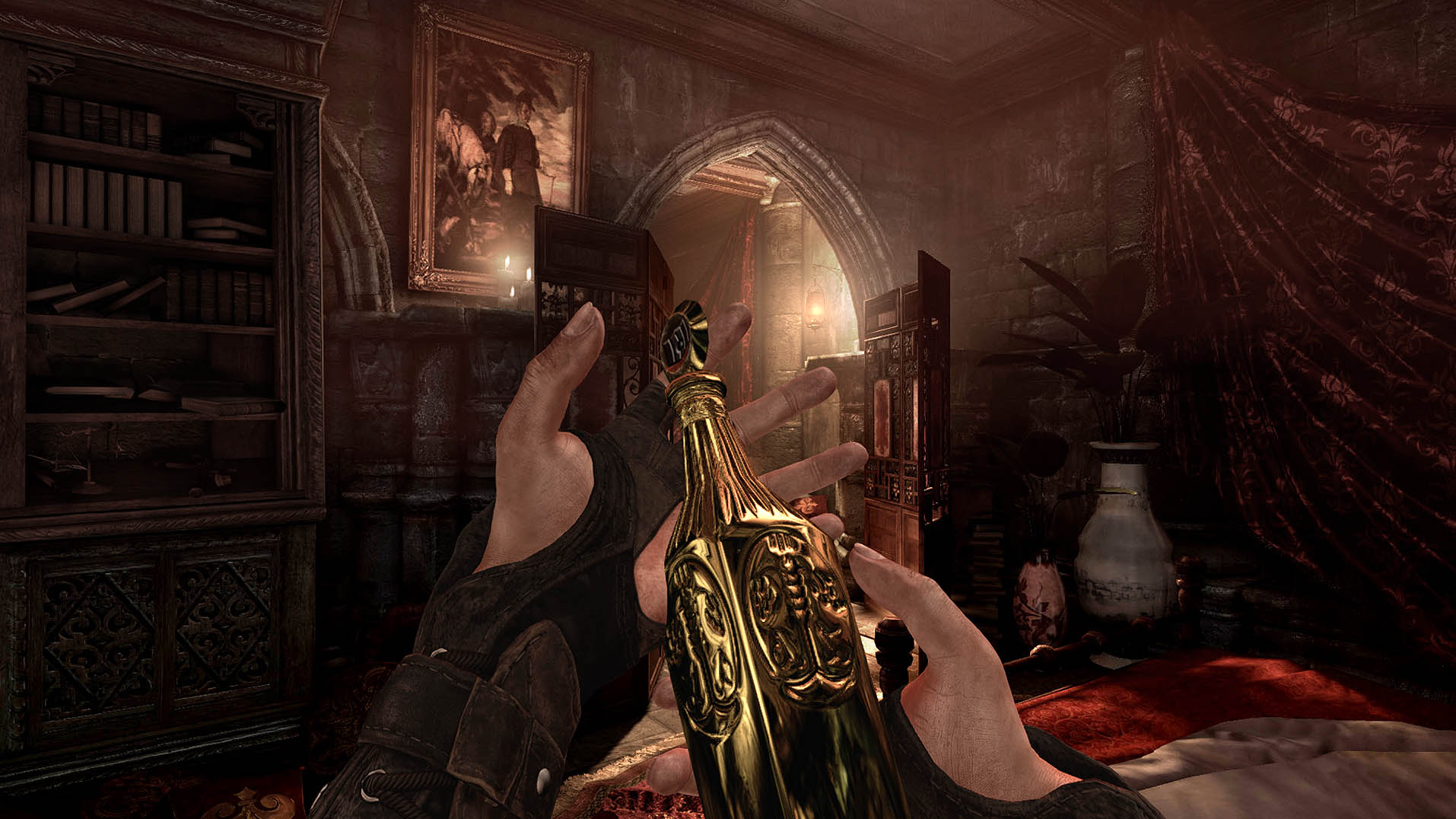
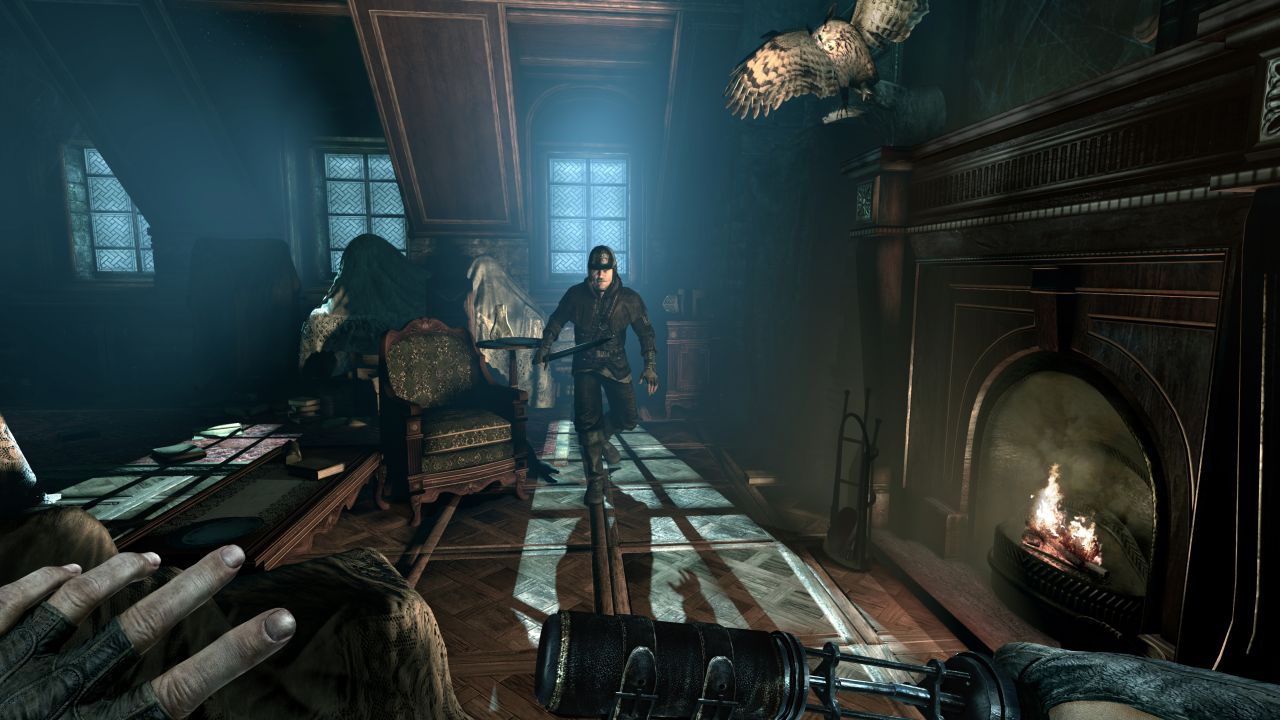
The stealth gameplay consists of sneaking and hiding in the shadows, like in previous Thief games. Garret isn’t really about killing enemies, so you just knock them out with your famous Blackjack. You can kill enemies by using arrows, but it takes away from your level score. Like in past Thief games, arrows are your whole arsenal. Water arrows can put out fires, giving off light; rope arrows can help you swing to a new area to get around guards; poppy arrows can stun enemies; and blast arrows can take out a group of people or cause a distraction. Your arrows are a playground for anything you want them to be to your heart’s content.
Like in previous Thief games, you can take multiple paths to get around guards completely undetected or by taking them out one at a time. Some of the paths are hard to find, and some just lead to the treasure. Picking locks and finding loot to gain gold are very important if you want to stay stocked up on arrows. Sometimes it’s not worth getting caught just for a piece that’s worth 10 gold. Sometimes animals are guarding a piece, or there are too many guards or lights to get around. Thankfully, vertical play is quick thanks to your claw, which lets you climb taller areas.
An odd addition to the series is weird creepy horror segments straight out of Amnesia. You can’t kill these things; you can only sneak around them. Sure, they were creepy, but why? It felt out of place. Also out of place are the awkward boss “fights” that just feel loose and sloppy—maybe even shoehorned in. The flow of the game is also off quite a bit, with side missions taking you to weird areas of town and not really being worth anything. I honestly felt the whole world was limited to just side missions when it could have been a whole larger open world.
Outside of all that, there’s not much else to the game. It doesn’t feel like the ultimate revolutionary stealth game like the first two games felt. The AI is dumb most of the time, and the game can be beaten in less than 8 hours, even if you try to gather all the loot. With side missions, you may extend to 20 hours, but just barely. The graphics are just fantastic, with advanced DirectX 11 effects and a great art style that feels like Thief; there aren’t even any memorable characters in the game—Garret included. What we have is a fun weekend rental and nothing more.
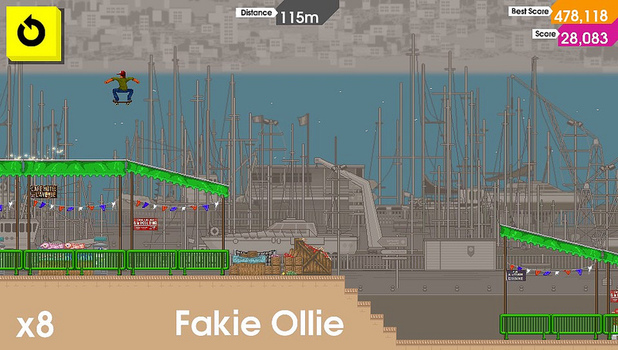
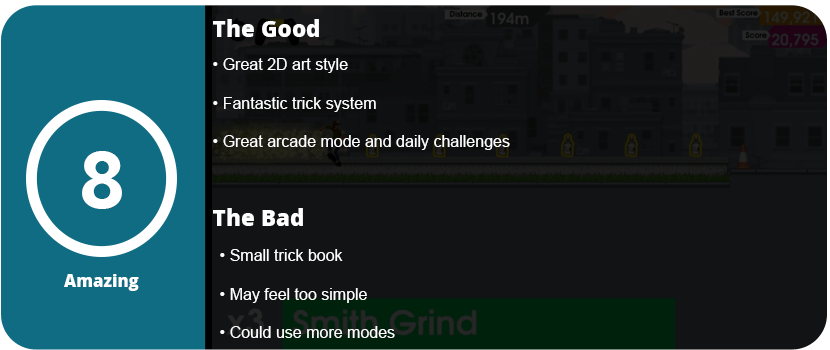
Skateboarding games have kind of died out over the past 5 years. With the last decent one being Skate 3, everyone yearns for the days of classic Tony Hawk’s Pro Skater. OlliOlli brings back those arcade-like twitch reflexes on a 2D plane. There’s no story to speak of, and there shouldn’t be. It’s just you, the ground, and your board.
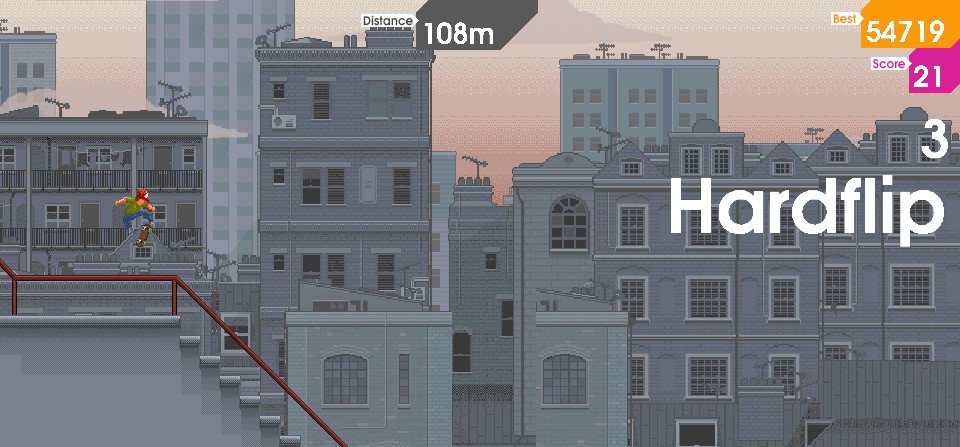
OlliOlli features a trick stick similar to EA’s Skate series, but it’s better (yes, a 2D indie skateboarding game does a multi-million dollar game’s trick system better). You use the left stick to do all the tricks, and there’s no ollie button. Pressing down and up will make your ollie, while pressing X just before you land will give you a perfect landing. This rearranging of buttons is perfect and exactly what this genre needs. Grinding is as simple as just ollieing on top of a rail; there is no need for extra buttons. The trick stick consists of grinds and flip tricks only; there are no grabs here because the game is all about completing goals on a short course with the highest possible score. On a 2D plane, grab tricks would just get in the way. A great change that’s small but big is keeping your speed by landing everything perfectly. You will eventually start slowing down, like in all skateboarding games, but perfect landings will give you speed boosts, allowing you to trick across an entire level if you are good enough.
There are quite a few levels, and each stage is completely different. The only major downside to this game is the constant trial and error because some goals require perfection. The game is very challenging and will push your skills to the limit. Thanks to the great animations and silky smooth controls, it can be somewhat forgiving in that aspect. Outside of the career mode, you can partake in daily challenges where you get to practice a run as many times as you want, and once you go for the real thing, you get one try only. If you fall within the first 10 meters, that’s too bad. This makes things super intense and really makes that one perfect run feel amazing.
OlliOlli may have a small trick book, but the way you pull these off is nearly revolutionary for the genre, and the accompaniment of smooth controls and animations just makes it that much better. The various goals, score attacks, and collecting of items can be downright tricky, but arcade skateboarding enthusiasts will have no problem pressing that restart button for the 25th time, knowing this time they will get it.
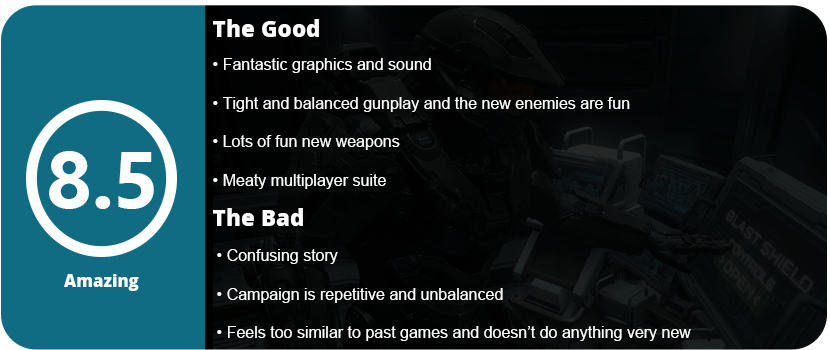
The Halo series is probably one of the most repetitive and unchanging series I have ever played. The first three were pretty good, and Reach and ODST made me fall asleep. With Bungie out of the picture and 343 Industries in the captain’s chair, I figured Halo may have some great new changes. I was half right. The single-player campaign is pretty fun and is as tough as nails. The new weapons are awesome to shoot, and there are new enemies for once that are different. The story is convoluted and confusing, but hardcore fans may be able to follow it okay.
The mechanics are pretty much the same as in previous Halo games. There are no iron sights; the game is fast-paced with high jumping and fast sprinting. There’s still no cover system, which is a shame, and the game is damn hard. I felt the story was a bit random, and the environments felt the same way. One minute I’m shooting the same tired Covenant, then these machines type aliens, then mutated Covenant, then regular Covenant. There were some vehicle sections, and I was riding a giant vehicle. The game just felt all over the place, but it was fun, at least.
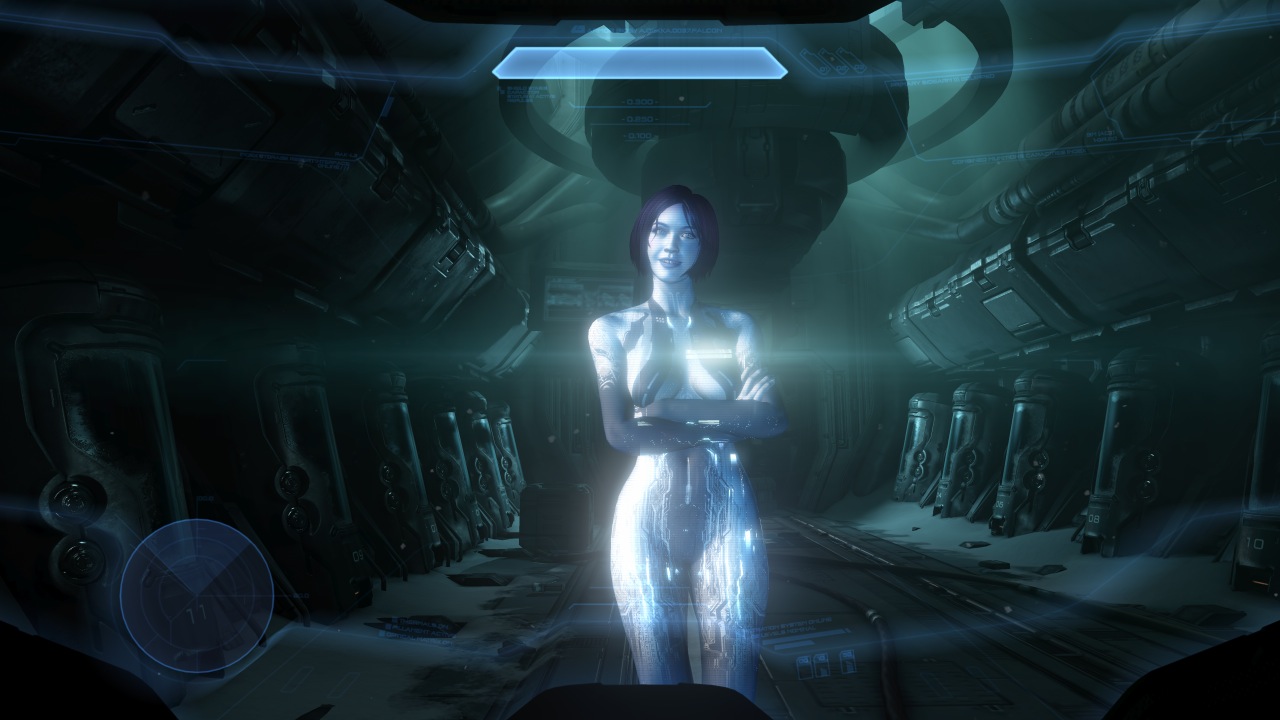
The story is really confusing and never makes much sense. Something about Cortana being infected and a giant being called the Didact trying to destroy everything. It’s nothing fancy or sophisticated, but you can’t expect much from an FPS. At least the game just feels tighter, a bit heavier, and less floaty than other Halos. I felt the weapons had weight to them, and the sheer variety had me switching them up all the time for different situations. I did find that there were repetitive scenarios throughout the whole game, like jumping into stations to hit a button at the top and running back down to get to the next one. This scenario repeated often throughout the whole game and felt archaic and overly simple.
While the structured campaign felt old and tired, multiplayer is still the best part of Halo. The constantly updated match types make you come back for more all the time. The game feels faster-paced and just more fluid and balanced than any previous Halo game. Customization is deep for your avatar; there are many levels to climb, and the unlocks are sweet and rewarding. After you beat the Halo campaign just once, I doubt you will ever go back because of how forgettable and repetitive it feels. I honestly think at this point, Halo should just continue as a multiplayer-only game and maybe jump on board with PC.
The few little tweaks here and there help the game become more balanced overall. The lack of dual-wielding makes the game feel more raw and “hardcore.” The various adjustments in damage from each weapon and the increased damage for melee attacks are nice. I also love how great the game looks. This is the best-looking Xbox 360 game out, and the voice acting and animations are so lifelike. However, the Xbox 360 doesn’t have the same processing power as the PS3, so you won’t see The Last of Us-quality textures and lighting effects. There are some ugly textures in Halo 4, and they really show sometimes. Surprisingly, there weren’t any slowdowns or glitches that plagued other Halo games.
Overall, Halo 4 is a great final opus for the 360, but it isn’t the revolutionary new Halo like everyone thought. The campaign is repetitive, extremely difficult, and confusing; the story is so-so, but the multiplayer is where the meat of the game is.
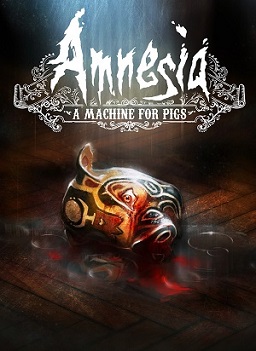
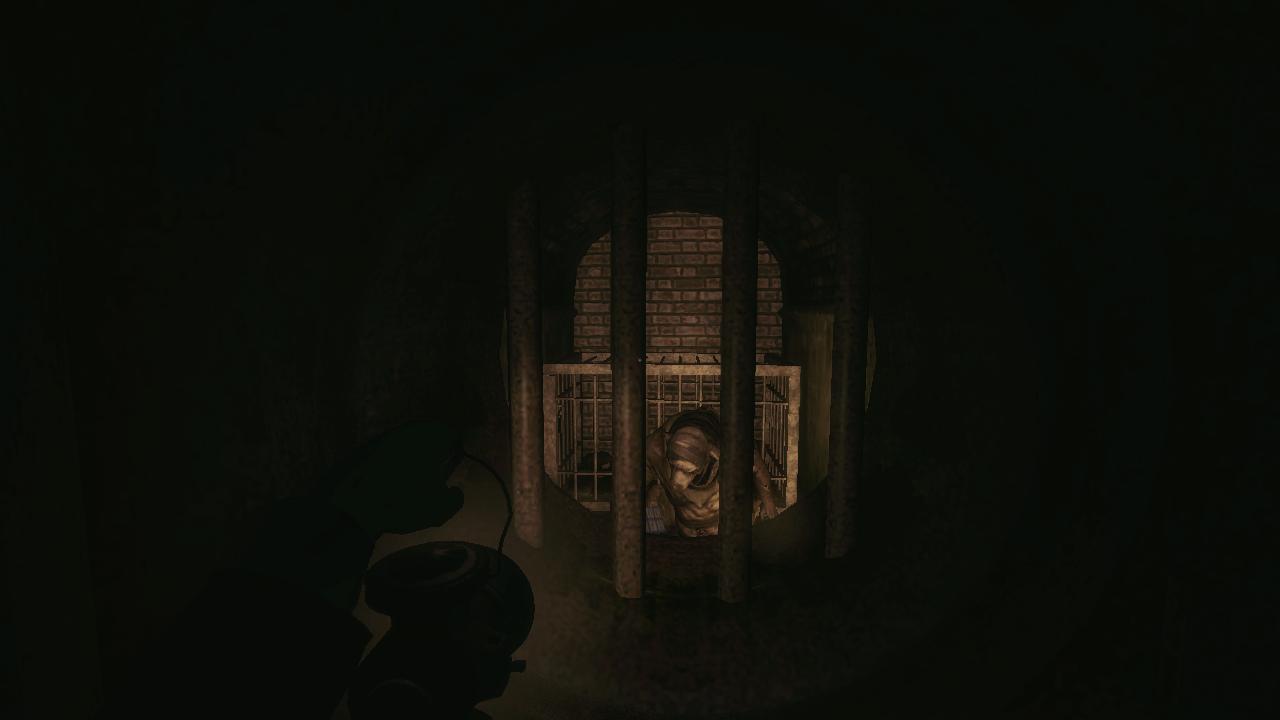
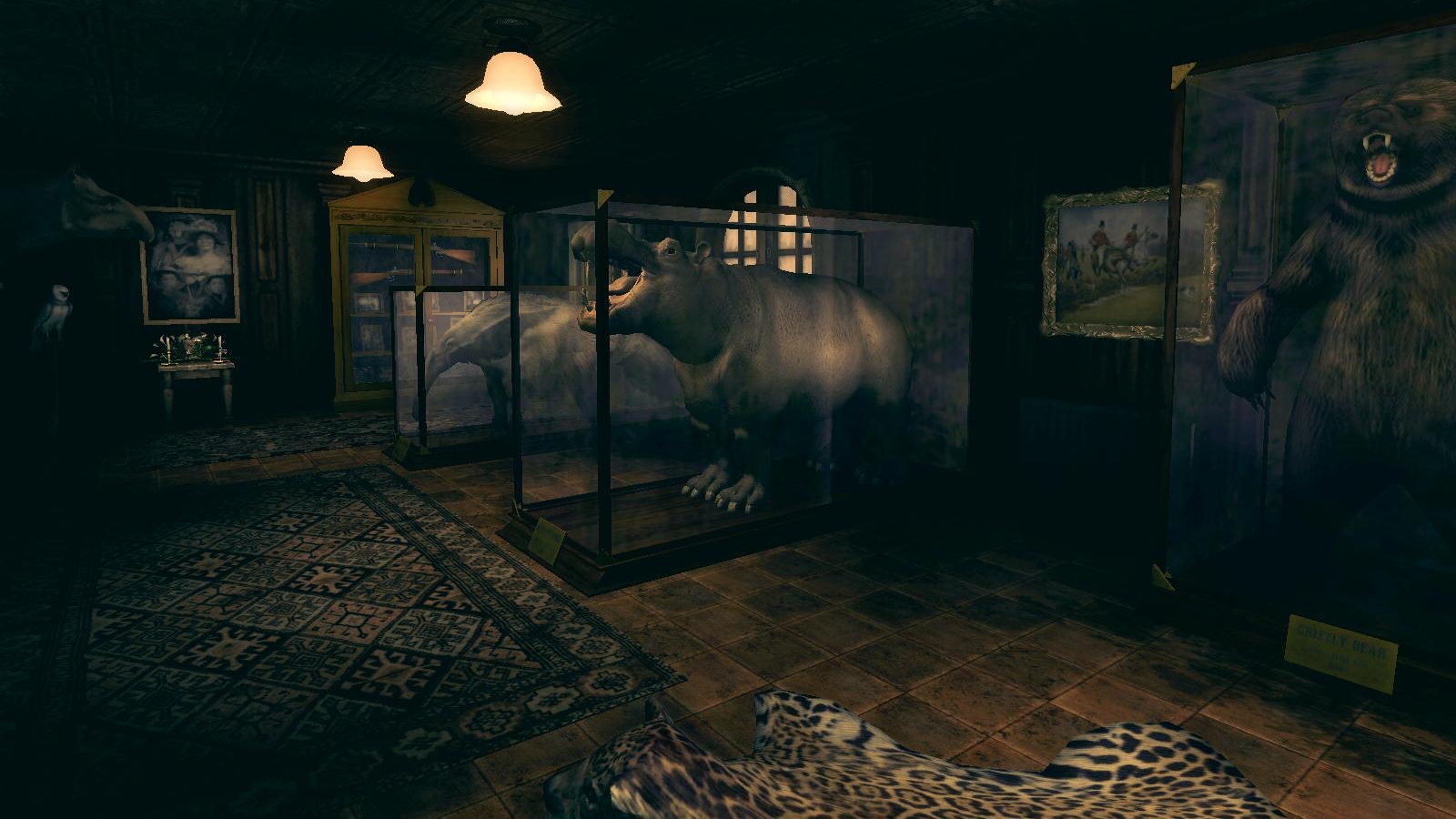
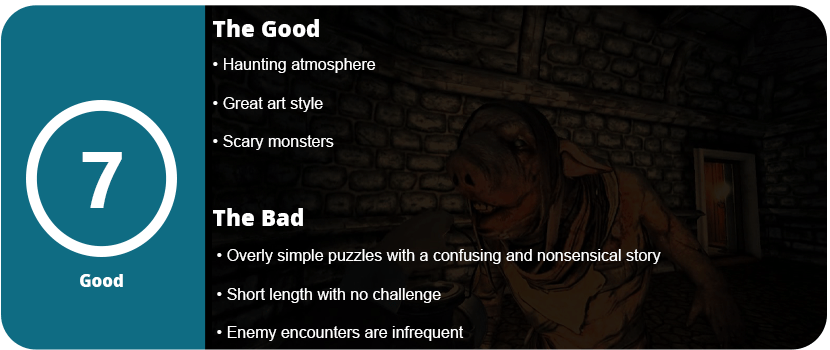
Amnesia is probably one of the scariest games ever made. I’m talking about The Dark Descent. It made you fear every sound and corner due to the fact that you couldn’t fight enemies. The atmosphere was so scary and haunting, not to mention the extremely scary monsters. A Machine for Pigs gets picked up by a new developer, The Chinese Room, of Dear Esther fame. While it’s still scary and haunting, it doesn’t make you fear every second like the first game did.
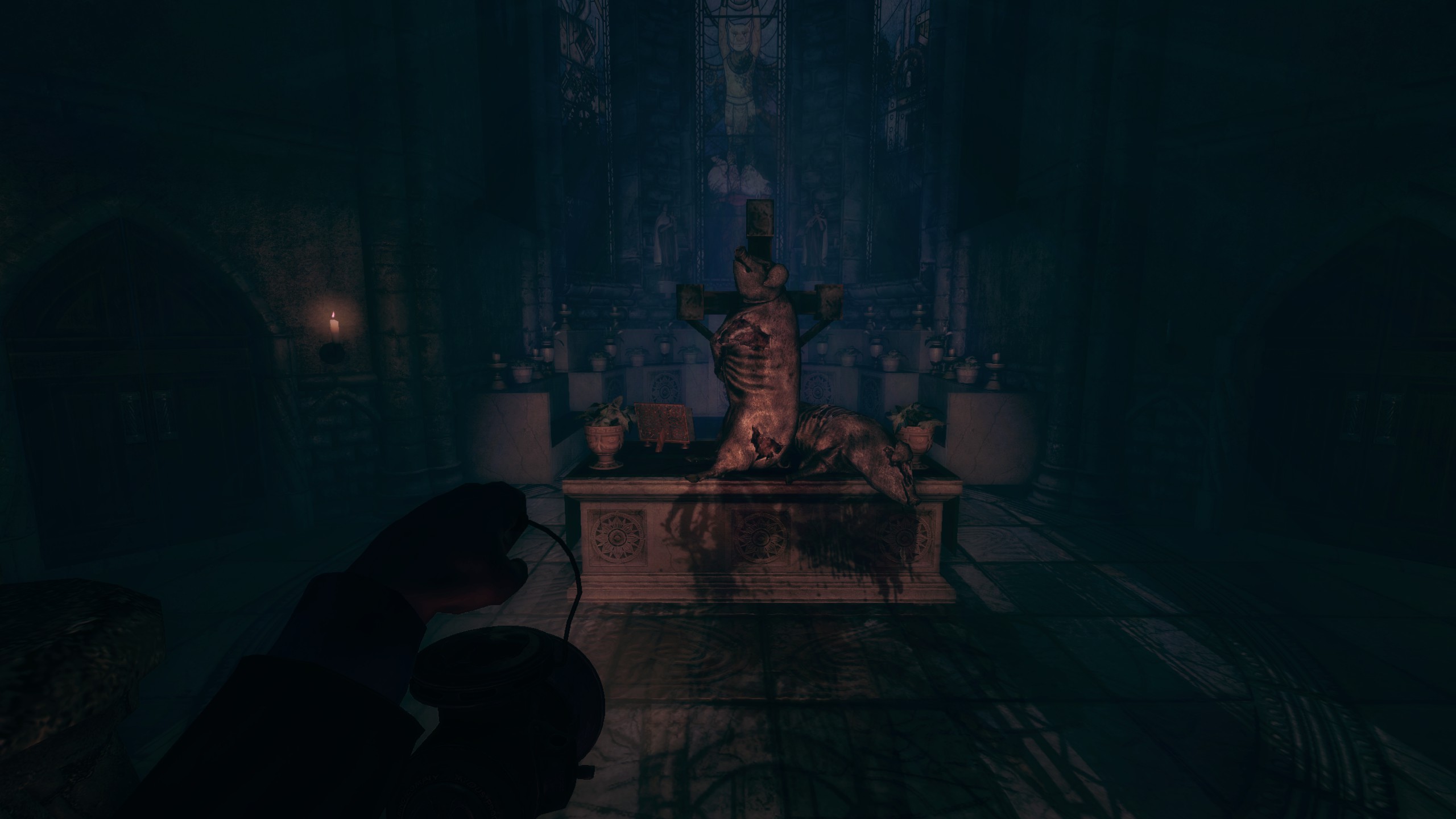
Honestly, the story is confusing and makes no sense. It’s a garbled mess, and all I got out of it was that there was a machine that processed pigs for mass consumption in 1899. You play as a man named Mandus who is trying to find his two boys who went down into the depths of this machine. That’s pretty much all I got out of it. What this machine is doing is creating man-pigs that are trying to “cleanse” the town of people for the coming 20th century. The ending sucked, and the game is overall just really short and anticlimactic.
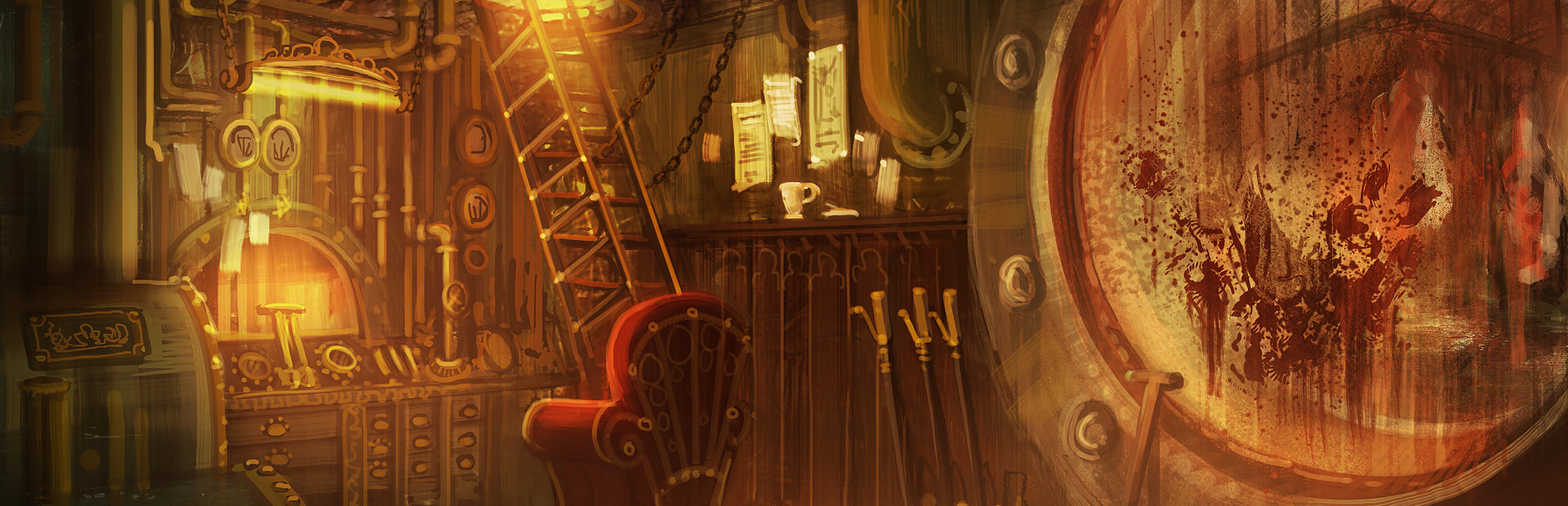
A lot of features were stripped from The Dark Descent. You no longer use tinderboxes to light areas, and you don’t need oil for your lamp. You just run around with a lantern, flipping switches, and solving extremely basic puzzles. The Dark Descent had you really scratching your head, but A Machine for Pigs doesn’t even try to challenge you. In fact, there aren’t even that many monster encounters. Sure, when you reach them, they are scary and intense, but the first 2/3 of the game is uneventful. As you get to the last few chapters, it’s mostly story and nothing else. The whole feeling of progress from The Dark Descent is absent here, which makes no sense. A Machine for Pigs felt more like a barely interactive story than a game.
Towards the end of the game, it just feels disjointed and unbalanced. You bounce around from level to level, and nothing feels connected. Many times, in the beginning, I wandered around, not knowing where to go or what to do. The game just lacks guidance or real direction and can’t be felt from the very first level.
That doesn’t mean the game is bad. It’s not nearly as good or memorable as The Dark Descent should be. The graphics are really dated, despite the nice art style that is carried over from The Dark Descent. A Machine for Pigs feels like an average indie horror game with a story that can’t be followed. Fans of the original will be highly disappointed, but newcomers should just skip this and play the first game.










































 thebinarymessiah.com
ORC is probably the worst game in the entire series. It's objectively awful. Being bad isn't different. Different is Outbreak…