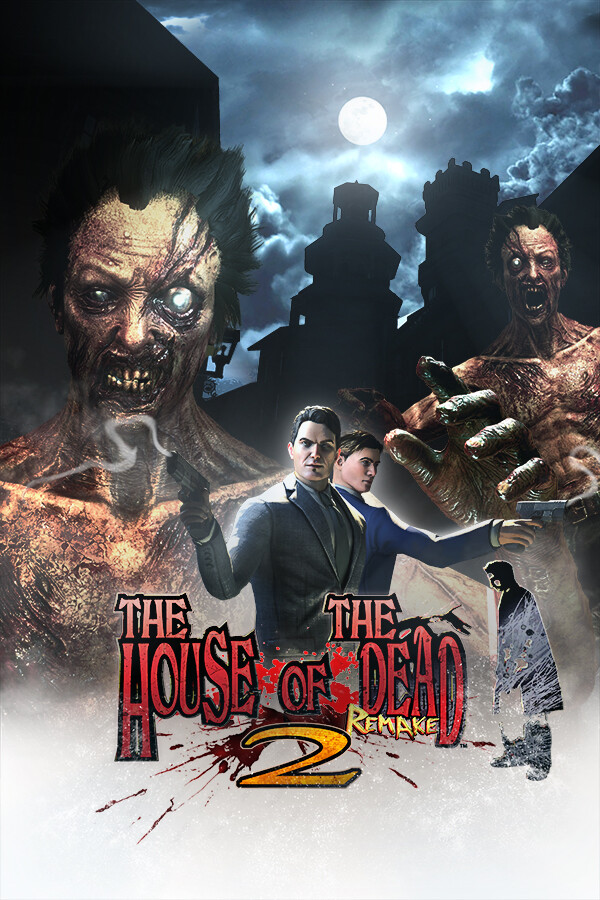
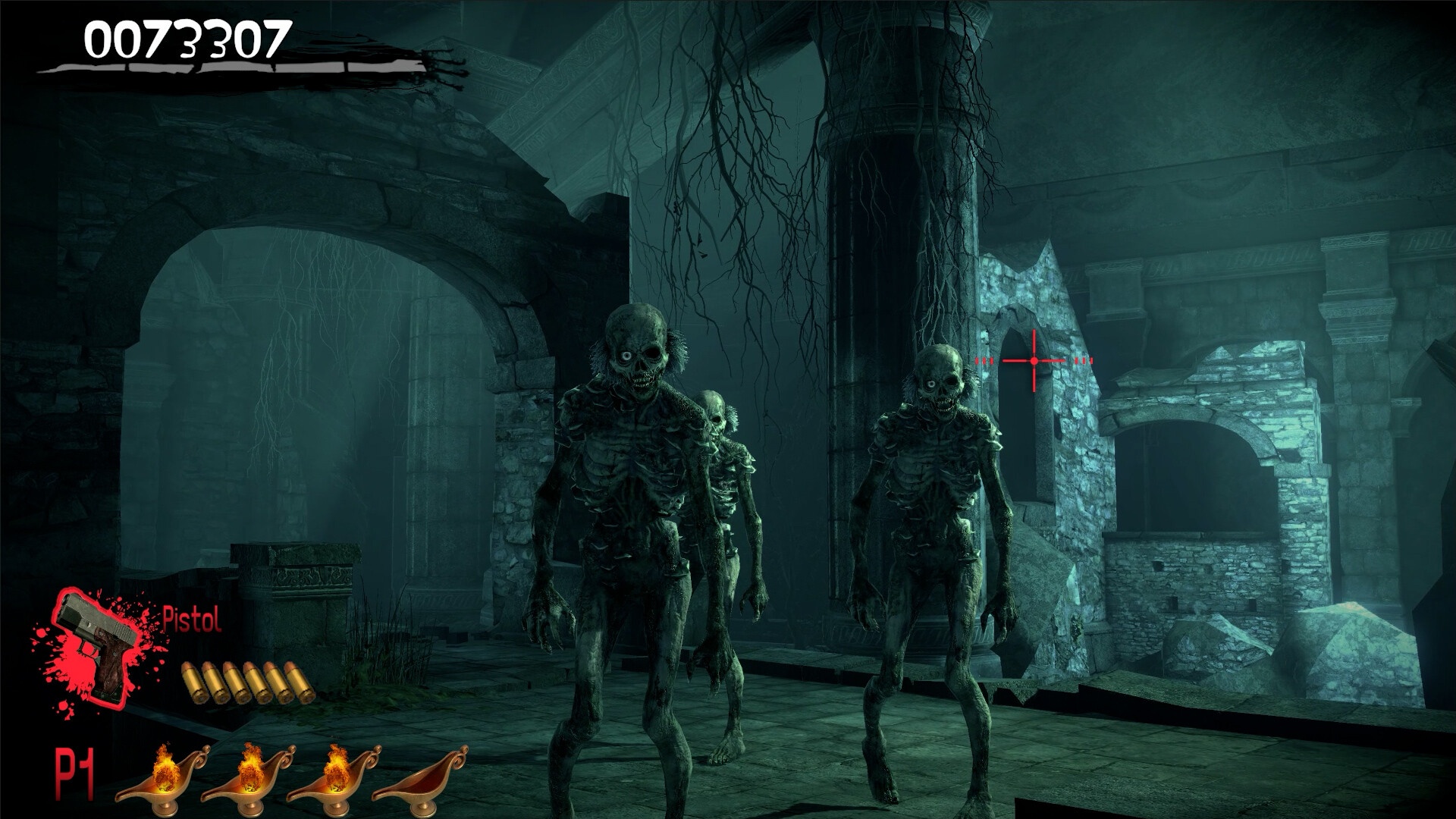
The House of the Dead is one of the kings of the arcades. This co-op light gun game is a classic with great gameplay, cool monsters, and cutting-edge visuals for the time. The House of the Dead 2 is considered one of the best and was one of the first games in the series to be ported to consoles. There was also a typing version of this game for Dreamcast and PC that is considered great as well. With the original assets being lost, Forever Entertainment had to recreate the game from the ground up, and they did a pretty decent job. It’s not perfect, but it does the game justice and, with some patches, could be even better. The content is bare bones, there’s little extra, and there are some bugs and issues with the camera here and there, but it can be fixed or patched in.
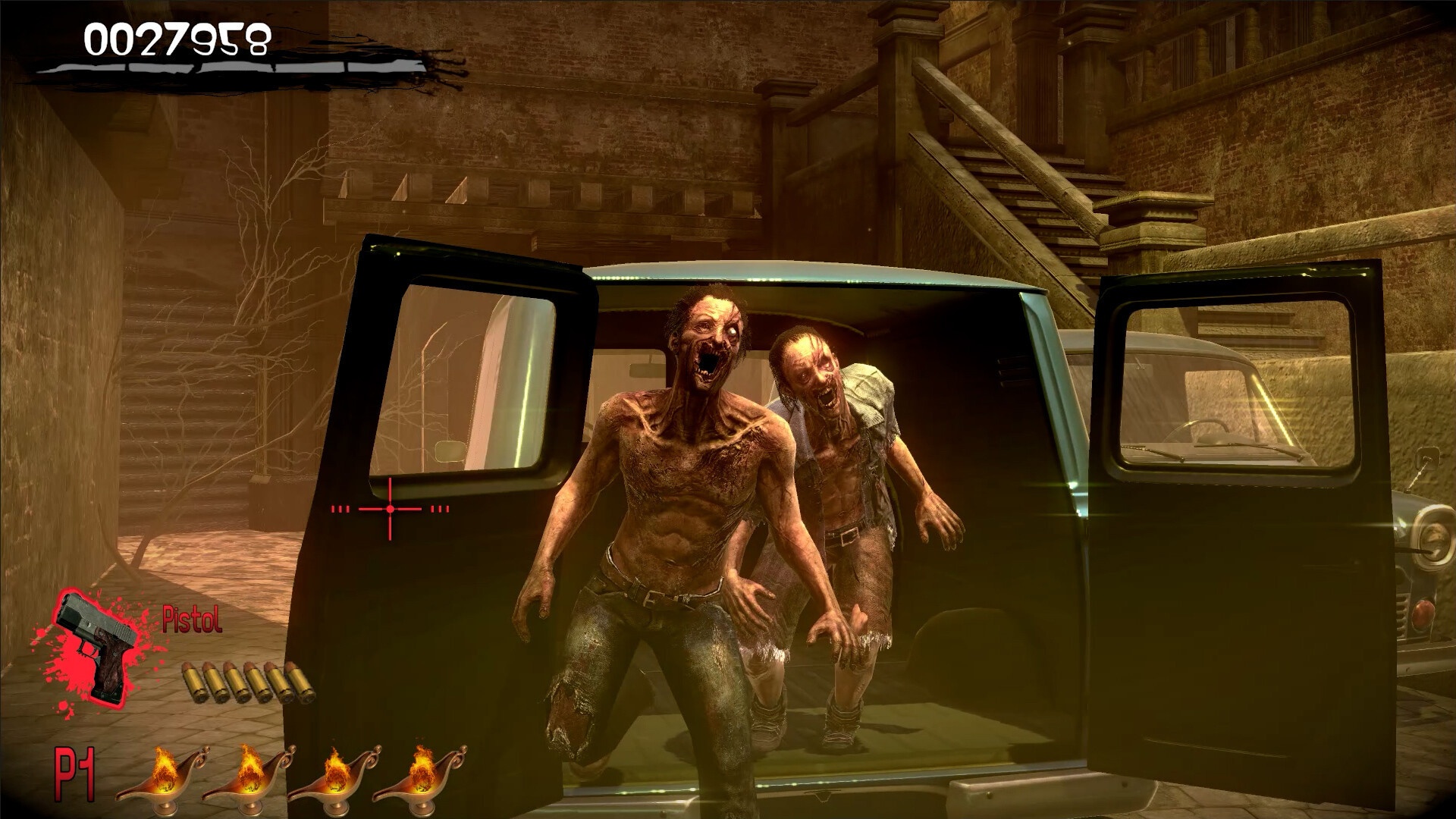
Just like the original, you can play as either James or Gary (different paths) and use your trusty pistol to fight off zombies. There are a good amount in the game, with some ranging from animals to sea creatures. This is a light rail game, so you don’t move the camera, only the reticle on screen. Using the PS5 DualSense is the best way to go, as you can use the motion sensor to aim, and the trigger effect is great for recreating the feeling of the light guns in the arcade. You can customize the controls and use the sticks or switch between the two. Circle is used to reload. This allows for quick action and speed that this game needs. Even on Very Easy, I died quite a bit towards the end. Each level lasts about 10 minutes. The goal is to shoot everything before it hits you. Enemies will melee attack or throw items. Some enemies take more hits than others. You can shoot red barrels to blow some up, but there is little environmental interaction, and I would have liked to have seen more with this remake. You can shoot random items to find hidden secrets such as weapons, bullet types, or passive upgrades like double points, health, credits, etc. You can save citizens and get health kits, weapons, and other items as well, but you need to act fast.
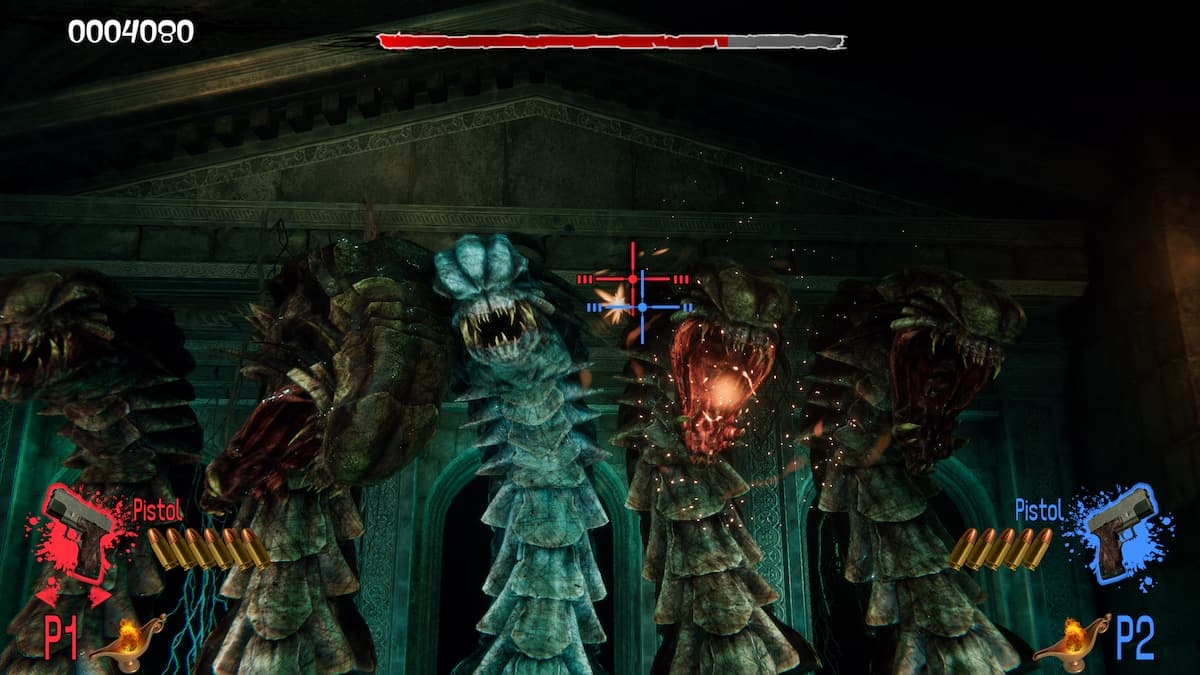
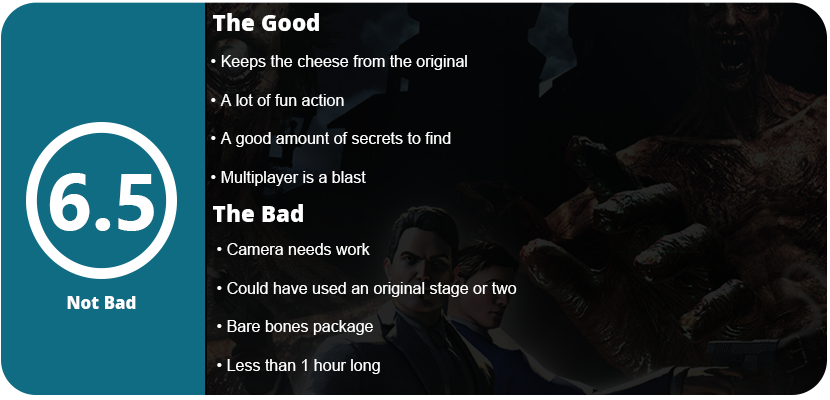
I found an issue with shooting enemies or containers in some scenes. The camera doesn’t linger long enough or doesn’t pan in a way that you can hit these items or enemies. I knew something was there, but I didn’t have nanosecond reflexes to grab the item. This really needs to be patched and fixed. I also found most of the bosses pretty lame to kill. For example, the hydra boss is just a game of wack-a-mole with no real challenge. Bosses have weak spots, and you need to either fire on them constantly or wait for an opening. This can make boss battles drag on as they only have a few attack patterns and are bullet sponges. I understand this was made for the arcade, but this could have been improved in the remake. The levels themselves vary and look really cool, and there’s a lot of detail in the monsters, and the cheese from the original carried over. The new voice acting is bad, but in a good way. The line delivery can be pretty funny, and the story is absolutely bonkers and makes no sense. A man named Goldman is somehow letting a deity take over the world. But what does this have to do with zombies? Where do they come from? It’s never explained and doesn’t need to be. There are only six levels, and you can breeze through them in less than an hour.
Of course, the game is easier with a friend and a blast to play. There a secret lab area in the main menu where you can see what you unlocked, but there’s nothing extra here. Just a modern classic mode and an arcade mode. For the asking price there’s not a lot of content here, and unless you are a huge light gun or The House of the Dead fan, most won’t find much value in this game. I ran into some bugs with water textures being purple, slowdown, and the aforementioned camera issues, but it’s not a terrible experience; it’s just the bare minimum.
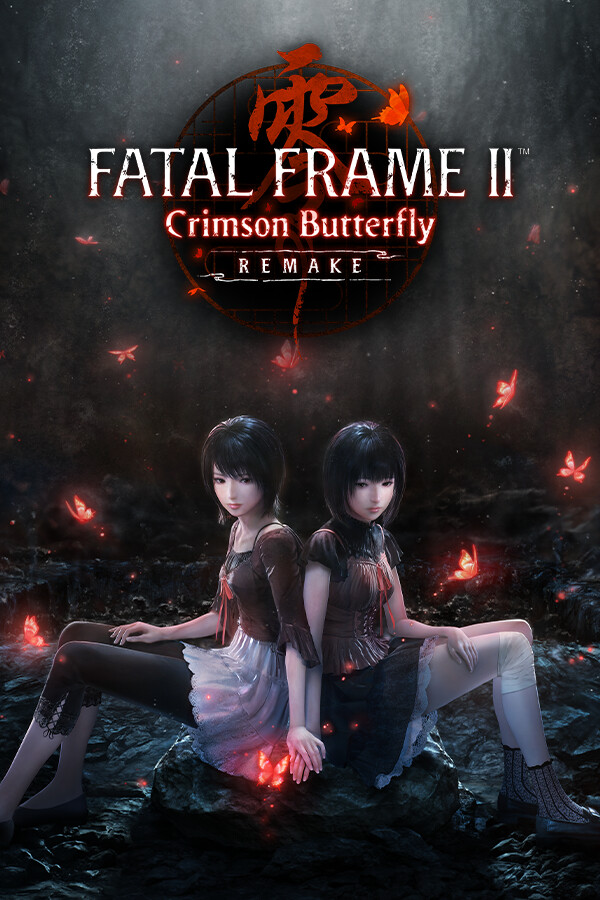
When I played Fatal Frame II for the first time on Xbox, I left both loving and hating the game. The entire series has always had faults and issues, but sometimes that’s the charm of the series. The clunky and slow controls, the cramped spaces, the linear levels, etc. Fatal Frame II Remake isn’t like Silent Hill 2. This isn’t a fully reimagined, built-from-the-ground-up experience. This is literally just the same experience remade with a third-person camera and some minor refinements. I feel like this could have been Team Ninja’s opportunity to make Fatal Frame shoot for the stars like Silent Hill has, but all we get is more of the same. That’s not completely a bad thing, but this game isn’t the remake I expected, especially since this is the second remake of this game (originally remade for Wii, called Project Zero 2, only released in Japan and Europe).
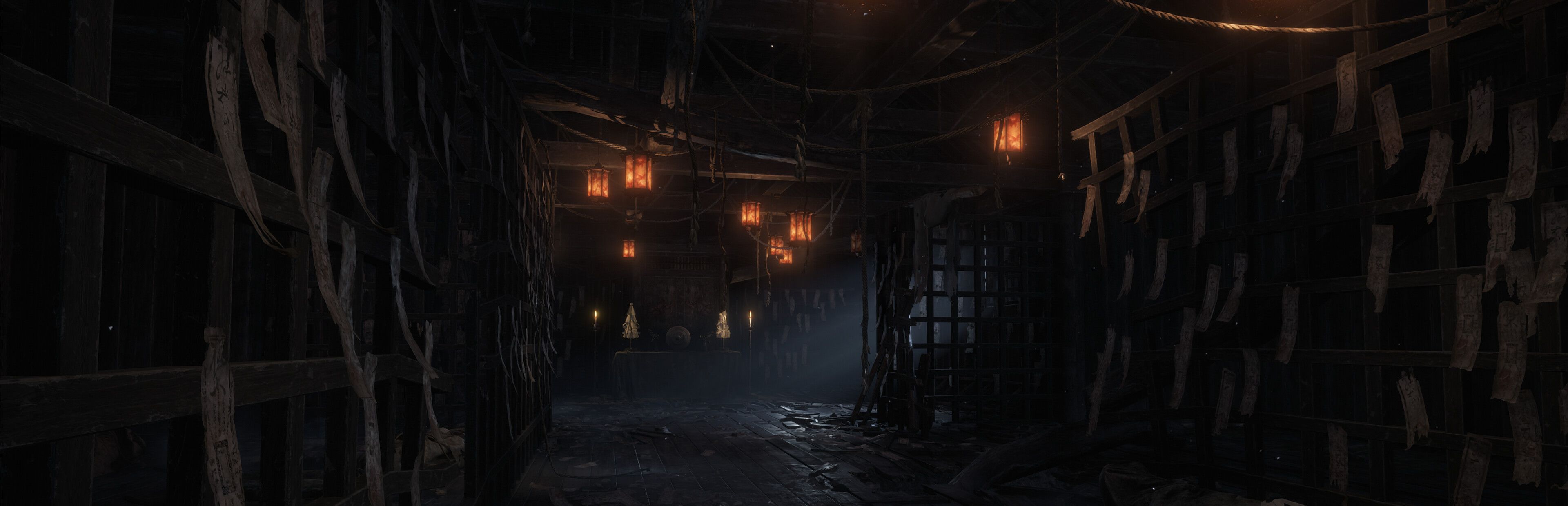
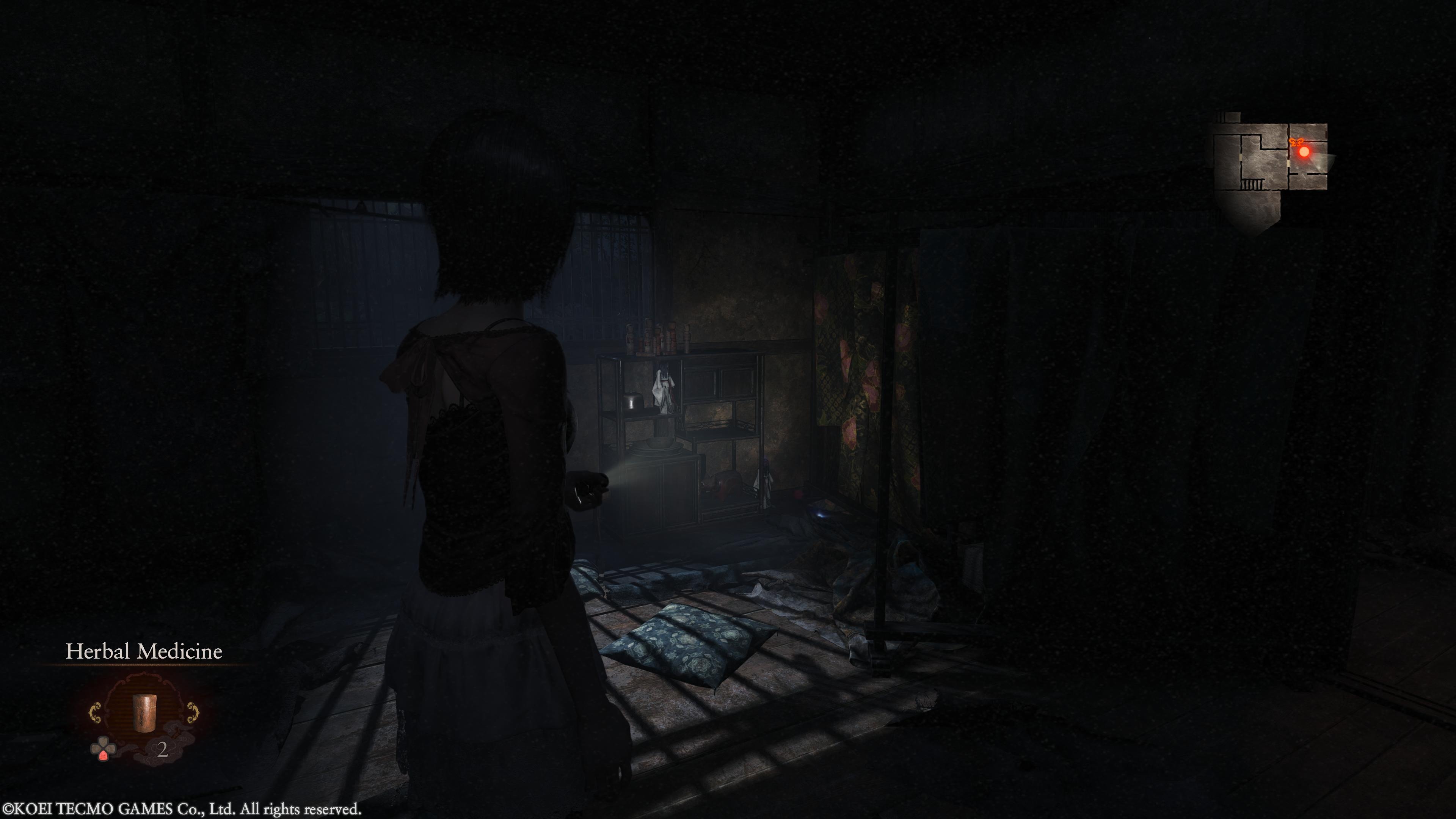
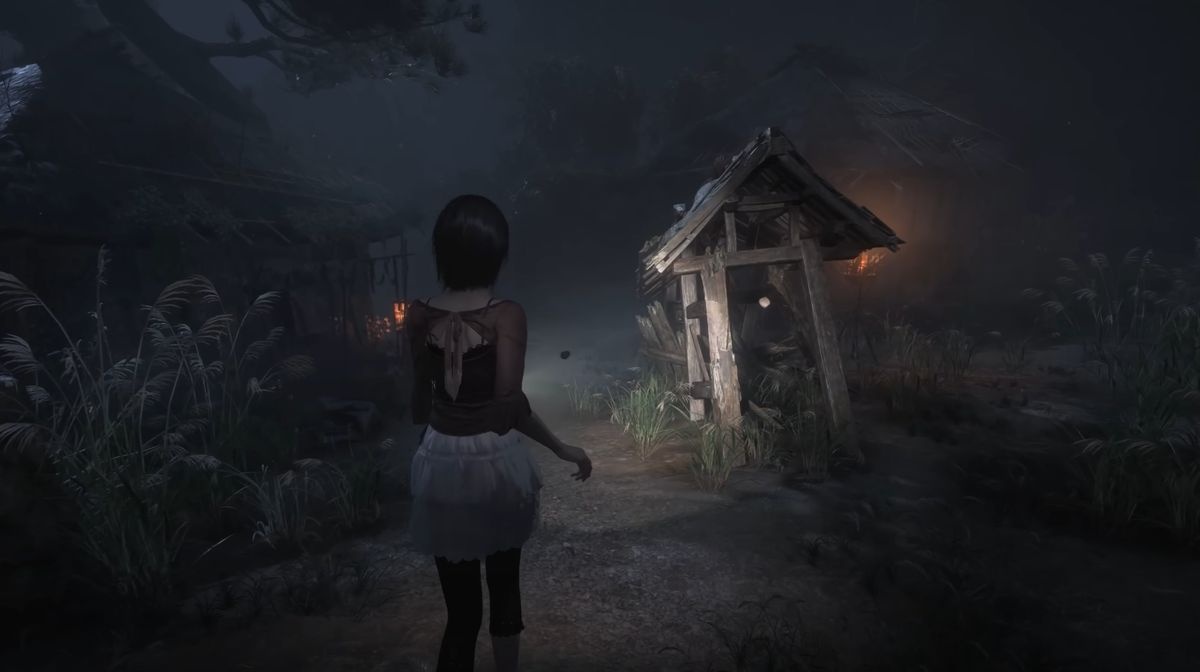
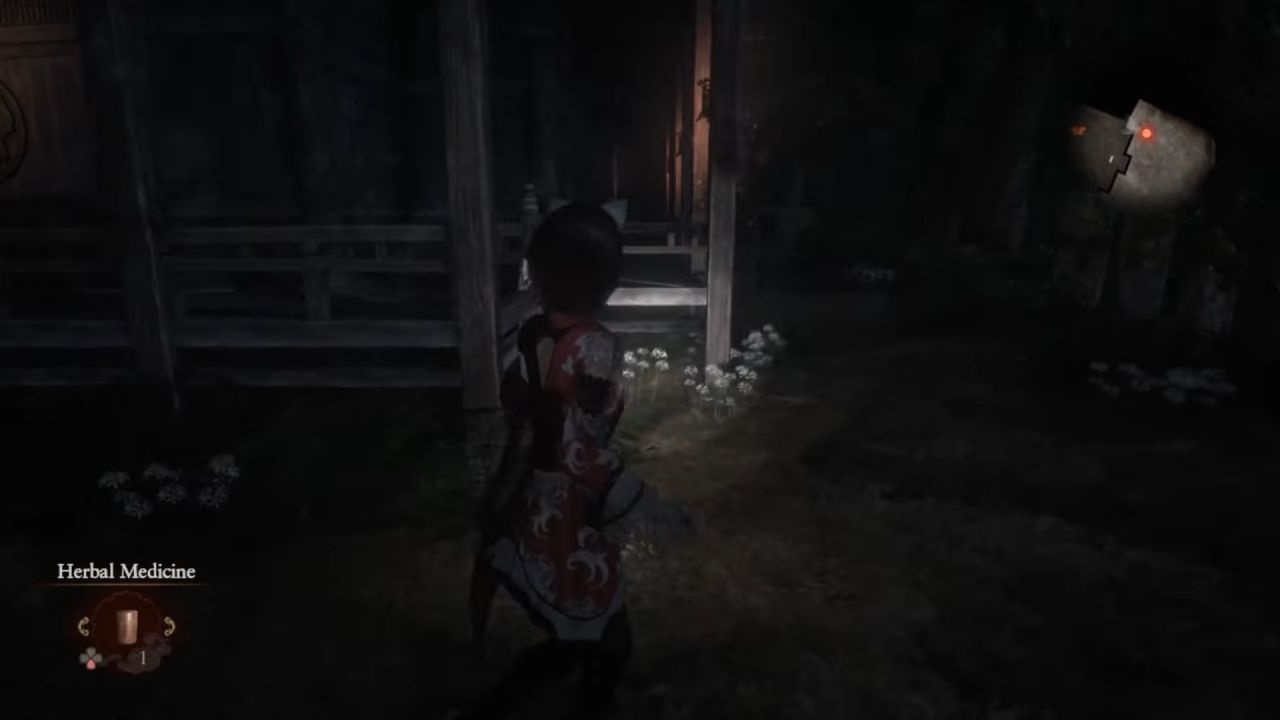
Everything visually was remade, including the cut scenes. This is mostly a scene-by-scene remake of the original for better or worse. You start out wandering into the Minakmi Village with your sister in tow and explore the first house. You pick up a flashlight, save for the first time, and get the Camera Obscura early on, and then it’s time to explore. There are a lot of items to collect that show up as blue glints on the ground; there are ghosts to capture called Specters that wander around, but you need to be quick or the shot is gone forever. Your parameter will flash the color filter you need to get certain shots. You can unlock doors and cabinets with some filters and solve puzzles with others. Film is used as ammo against the wraiths that attack you. The camera system is overly complicated and could have been redesigned from the ground up, and I don’t know why it wasn’t. The areas are exactly the same as the original but made with a lot of attention to detail. The lighting and atmosphere are fantastic here, and you always feel on the edge. There are details like Mio slowly opening a door or reaching out for an object in hopes nothing snatches your hand. Most of the time it doesn’t happen, but a rare occasion means you need to fight a wraith.
If you know how to play the original, then great. The game plays 100% like that down to a tee, with nothing changed. There are no added areas or anything we’ve grown to expect from remakes like Silent Hill and Resident Evil. Nothing was really improved, just updated for a modern audience. With that said, you do get shown where to go next on the map…sometimes. You can follow a crimson butterfly around to most of your objectives, but some will just be yellow blips on your map but not your minimap. It’s not consistent, and many times when you are exploring one of the three large houses, you won’t know where to go. This can lead to a lot of aimless wandering, refighting the same wraiths, but it does seem the difficulty is more balanced. I finished the game on normal and never ran out of film, which was a common problem in the original.
When it comes to combat, the camera hasn’t been updated or changed to be better. Just more modernized. The FOV is very narrow, and you need to keep the white circle over the wraith’s face and make the focus points turn red. The more focus points, the more damage is done, shown by a health bar on top of the screen. The health will turn from red to a washed-out red, showing the potential damage that shot will do. It’s best to shoot enemies right when they attack for more damage. This can lead to a Fatal Frame opportunity in which your film loads instantly and you can take a couple more shots. There is a white line on each health bar, and you need to get it below that line as fast as possible or the wraiths become agitated and regen health and become more aggressive. This is where the different films come into play. Type 7 is the weakest and is infinite. Type 14 does moderate damage. The Type 90 does moderate damage but loads quicker. Type 00 loads the slowest and does the most damage, and you only get a few of these throughout the game saved for bosses. Then, type 61 does heavy damage but also loads slowly. This is really confusing. Why not rename the films or put (heavy, light, etc.) next to the name? If all of that sounds complicated, the upgrade system is more bloated.
There are charms you can find throughout the game. Some of these have audio attached to them played through the spirit radio, and some are bought at the save lantern. Most of these are completely useless. This was an opportunity to revamp this system, but instead we get 50 charms with most not being effective enough. You can’t easily swap charms. You must go into the pause menu and change them. These add passive effects like more damage to certain filters, wraiths will be less aggro, stamina will recharge quicker, etc. However, most charms are just a single passive trait. Stones have two traits, but usually a positive and a negative. Most charms are things like “damage is increased when Mayu is in the shot with a wraith.” Mayu is only with you a few times in the game, and you want to keep Wraith away from her. Once you’re knocked down, you have to use your camera flash to get them off of you if you can’t shake them fast enough. A wraith can cause a game over if Mayu is attacked too many times. Switching between filters is only useful early on, but once you get the Radiant filter, you can upgrade the attack charm to level 6 and use that through the whole game. The Paraceptual Filter is good for longer range but rarely needed. You can add prayer beads to the filters and camera to upgrade them, but they are very rare, and you won’t get through many upgrades by the end of the game. It’s best to focus on a single filter (the Radiant filter) and the camera itself. You want a zoom function but want to increase film capacity and attack power on the filter. New Game+ will give you an opportunity to upgrade other filters. You can find items throughout the game to heal and recharge stamins which is needed for dodging and running in combat.
Again, I found this overly bloated and it could have easily been cut down. More prayer beads would have been nice. Once you start a New Game+, everything costs a ton of souls. Sometimes in the millions, and unless you’re playing on Nightmare difficulty, you won’t get enough souls in a single playthrough. It’s kind of a rigged game that forces you to play a certain way. Even costumes are locked behind large amounts of souls, and the original costumes are all gone, such as the Bandage, Bikini, and other more skimpy outfits. This leaves little incentive to find everything, as all the notes have to be found in a single playthrough, but the Twin Dolls (there are 47) carry across play throughs. It’s kind of a mess and makes multiple playthroughs very tedious. The linearity of the game and the fact that all of the scares are pretty much seen during chapter 1 mean playthroughs will be less fun. The game still retains the jank from the original. The slow and sluggish movement, the over complicated Camera system, and the few enemies that make an appearance are all defeated the same way. Just make the circle flash red and shoot. The bosses are more interesting, but many are fought multiple times. This is something that could have changed in the remake. You will finish the game in about 10 hours or so even if you try to find everything.
If you’ve played this game before, don’t expect much other than a more polished version of what you already know. New players will enjoy a retro survival horror in a shiny new skin, but those who come from Resident Evil and Silent Hill remakes might find this game too slow and its systems too bloated to enjoy for long. I personally like this game. The story is interesting enough, but most of it is told through diaries and journals, so if you aren’t looking for those, you will miss out on a lot. The cut scenes don’t really show much, and nothing is really explained through dialog. This is something that also could have been changed. Maybe some exposition-dumping dialog during certain scenes. I love the new visuals as well, but the claustrophobic areas will feel too cramped for some. Some may prefer the retro survival horror jank preserved, but I say what’s the point of a remake then? We can just play the original.
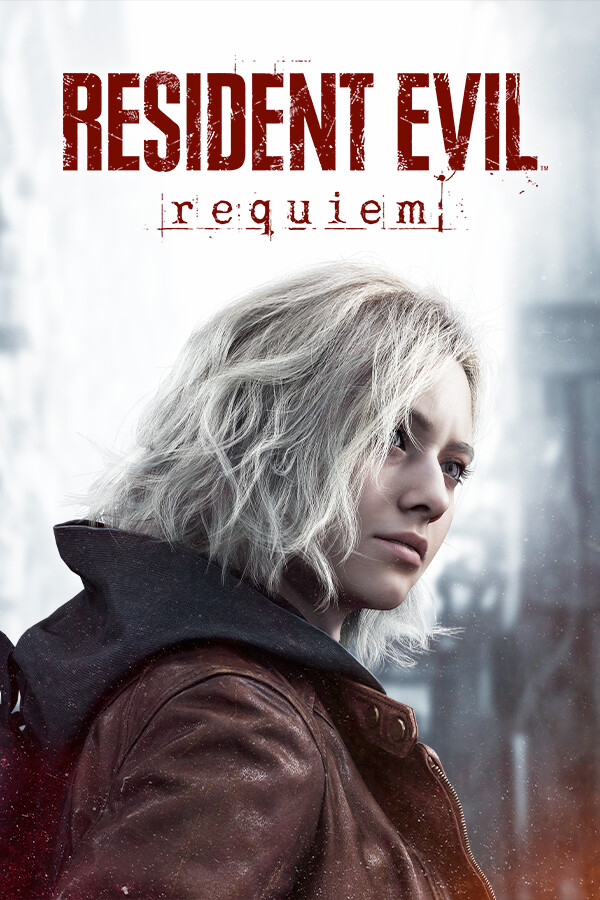
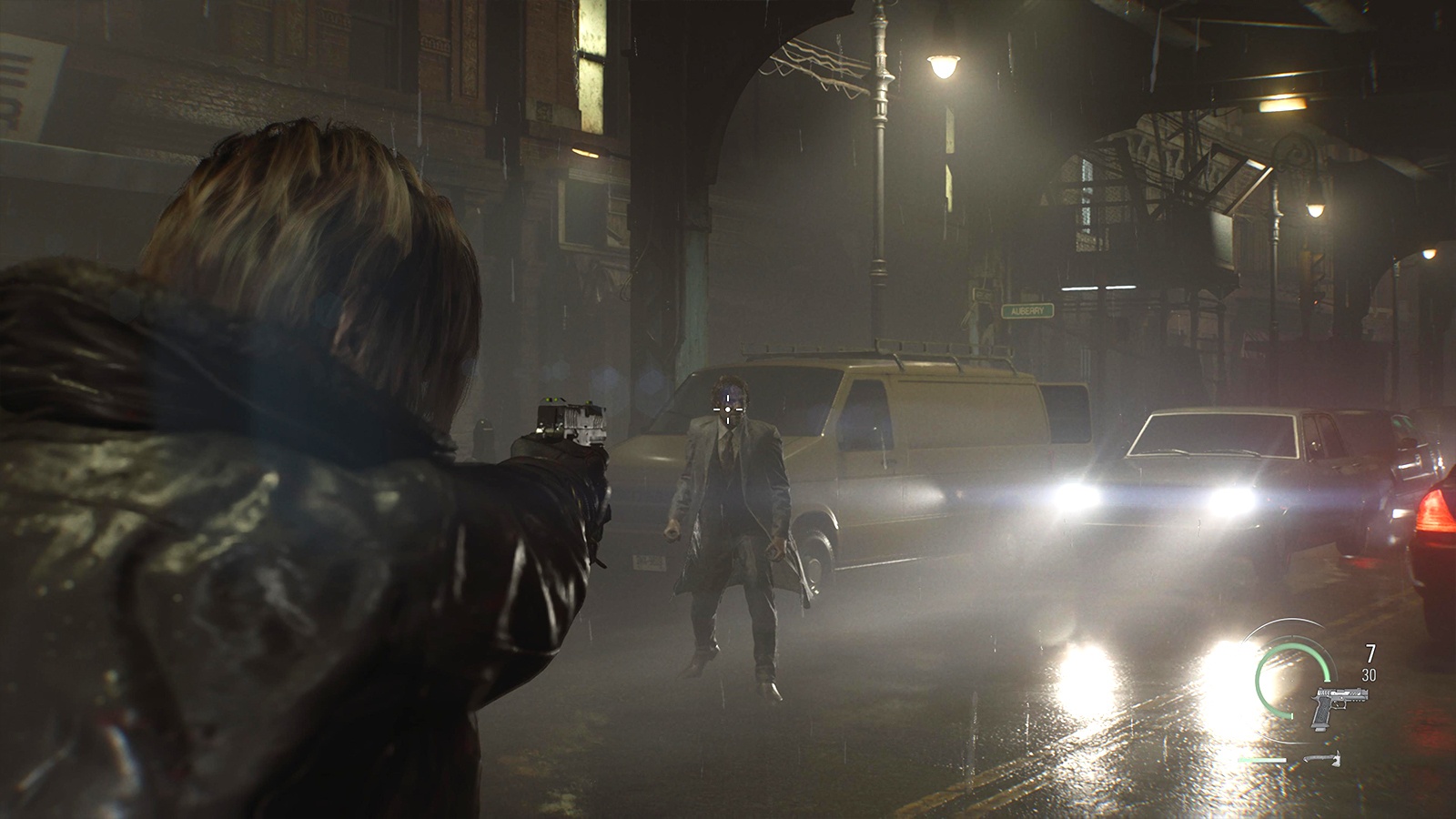
When one of the founding fathers of modern horror games has a new release, we stand up and politely pay attention. Along with other series such as Silent Hill, Fatal Frame, and Clock Tower, Resident Evil is in the upper echelon of survival horror gaming. While the series has had multiple reboots over its life cycle, the most modern version from Resident Evil VII remains intact here. Requiem feels like a blend of VII and Village but also adds elements of what made past games great. The level design and flow of Resident Evil 4 plus the slow plodding pace of the original series. The levels with Grace Ashcroft will frighten you and make you grip your controller in anticipation and fear, while Leon Kennedy’s more action-oriented level will make you do the same, but due to the intense action and strategically pulling out different weapons for each situation that comes up. One new aspect to Requiem is the haunting atmosphere and near post-apocalyptic feeling that Raccoon City has. Yes, you do revisit some areas from Resident Evil 2. I also noticed that Requiem has a different flavor of music during Leon’s exploration areas. I got Fallout 3 vibes. You feel alone and desperate, savoring any and all moments of light, safety, and quiet no matter how brief. Requiem makes you feel desperate and alone, and that’s very hard to pull off in most games.
Another aspect Requiem shies away from is less of the campiness from previous games, even VII and Village, which is a welcome change. While there is some cheesiness from the series that eeks in from some of Leon’s lines or the personalities of a few characters, the more serious nature of the series is a welcome change and works well here. While new character Grace isn’t my favorite in the series, she has enough humanity and personality (such as her stuttering a lot when she’s scared and nervous) to help bring the game closer to something more relatable. There are subtle touches in the game that a lot of people might miss, such as Grace holding her mouth when a boss character snakes by, her fumbling a lot when desperate, and little gestures that make a difference. Her sections are played in first person (and optionally third), so you are more up front with the horrors around. Requiem plays like two separate games, and it may be jarring to some. There will be a divide with fans of the slower-paced games loving Grace’s part and fans who love RE 4-6 preferring Leon’s more action-oriented parts. I feel they complement each other. When things start to feel a little too slow, you switch to Leon, and when things might feel a bit repetitive there, or you need a break, you end up back with Grace. Both Leon and Grace have three large parts of the game each that they star in. Most of Grace’s parts are in the first third of the game, giving you brief tastes of Leon’s sections through the first third.
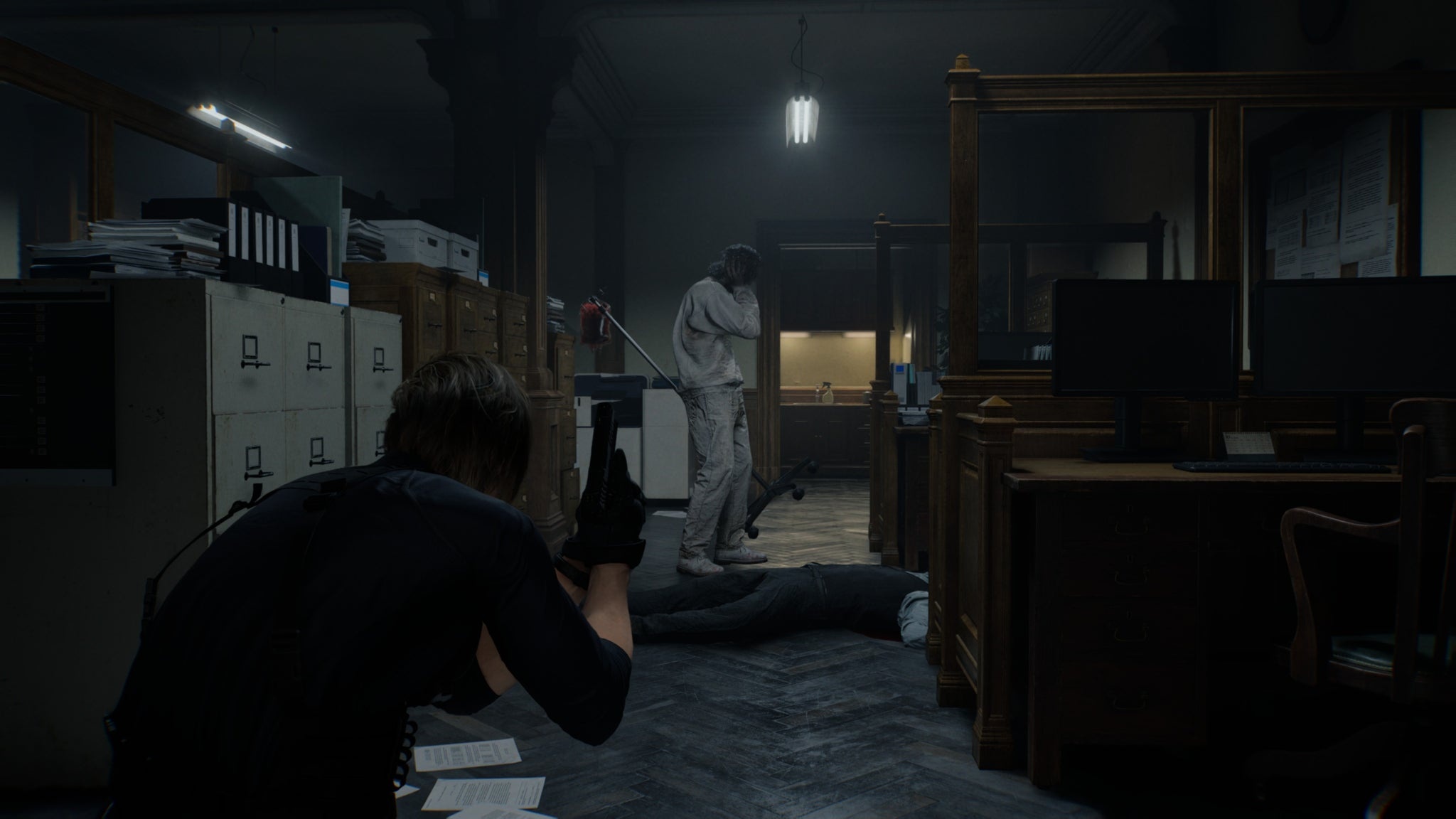
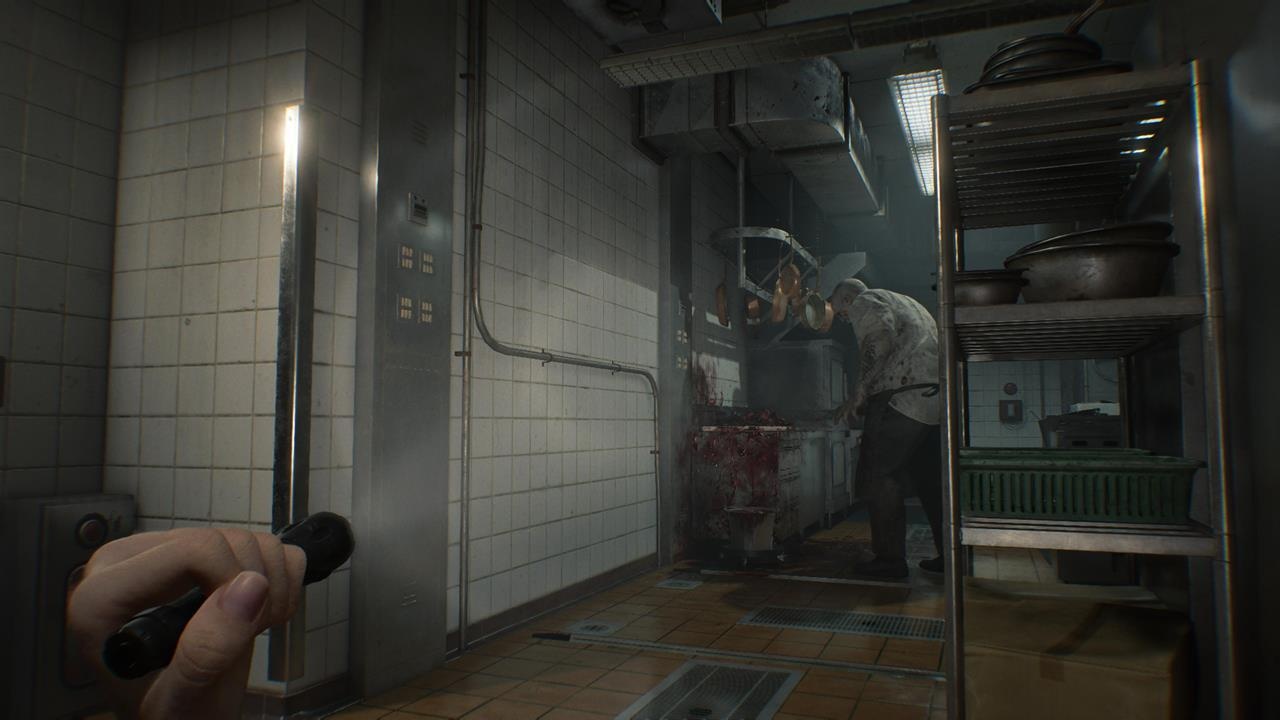
Grace’s sections are all about atmosphere and scares. There are no real jump scares here. Capcom did an amazing job delivering a lot of tension through the lighting and mood around you. Harsh white walls may seem like a safe haven, but just beyond the next door is complete darkness and zombies wandering around. Grace isn’t powerful, and her resource management is much tighter than Leon’s. In the first area every bullet counts, and you usually have to run away from most situations. I don’t want to dig too deep into the story and spoil anything, but Grace is investigating the hotel that you are in during the first part of the game, and while the overall layout may seem small, it feels huge when you can only advance little bits at a time. A fight with two zombies will feel like a herculean effort compared to Leon’s sections, who can battle a dozen or two at all once. Grace has a single pistol during her entire time in the game, and you have to acquire other things through crafting. You create things with scrap and blood. Blood is gathered with a tool that you acquire a little ways into the first area. You can craft healing items, ammo, Molotovs, and Hemolytic syringes to keep zombies from coming back to life. Yes, they come back here. Unless the heads are destroyed, that is, and Grace isn’t powerful enough to really do this on her own. It’s story-related, but the syringes cause the zombies to essentially explode. It’s important to craft as many as you can and get downed zombies before they even come back because they can come back stronger as blister-head zombies. These are fast-moving and tough to take down. A single blister head obliterates your ammo and health reserve and is hard to run from.
As you can see, Grace’s sections are meant for sneaking around, finding secrets (many notes with safe codes, for example), and a single area to level up. Yes, things can be missible in this game. Only the first section allows Grace to upgrade her abilities, such as weapon strength, increase storage (more pouches can be found later), blood storage, etc. It’s important you find the ancient coins throughout the first area and buy everything. I found it a bit odd that you can’t upgrade in later levels, but that’s the way it is. Doing so will make later parts of the game much easier. As for bosses, it’s best that Grace does not engage with them. Leon can later come through and take them out, but as Grace, you would waste your Requiem bullets and little ammo early on. Requiem is a powerful pistol that Leon carries (and gives to Grace in the beginning) that should only be used as a last-minute bail-out method. Later on, I saved it during boss fights. Ammo is insanely limited for this and hard to craft, as Grace (the recipe is well hidden).
The horror elements in Grace’s sections are fantastic. The introduction to each boss that stalks certain areas is so well done, and they are insanely grotesque. Zombies aren’t just plodding buffoons that make for easy targets this time around. They sway and fall around, which makes them hard to hit. Getting headshots isn’t easy, and their movements are unpredictable and require you to take your time and aim carefully. Certain scenes, such as when Grace is fighting off a zombie for the first time and it bites her weapon and breaks its teeth. The beginning of the game is mostly all about the horror while slowly opening up the first level to you and forcing you to explore. With each objective completed, you will be desperate to rush back to your safe room and save. Puzzles are not very complicated in this game. Most of them just want items that you have to fetch in different parts of the levels.
Leon’s sections are very similar to Resident Evil 4. Even though he’s older, he’s still tough but very much experienced. Your loadout is larger than any other RE game he stars in, and you can easily carry up to five weapons with room to spare. Leon’s first major area you explore eventually opens up to upgrades via a tracker that gives credits for kills as well as finding bonus tracking with different rarity. You can upgrade your weapons similar to Resident Evil 4. You can buy various attachments, sell weapons and items, and buy new ones. You can upgrade your armor as well. It will take quite a while to get enough credits to upgrade your favorite weapons, but by the end of the game it’s doable. Leon feels a bit heavy to control here, and his sprint is pretty fast. Melee combat is a bigger focus. Leon has a hatchet he can use to parry melee attacks. Sometimes when a zombie is staggered, you can chop off their head, do kicks (similar to RE4), and even throw melee weapons that enemies drop. It’s imperative that you switch weapons for each situation at hand. If you’re dealing with a couple of tougher enemies, grab your shotgun. If there are a lot of smaller zombies from afar, use your sniper rifle. If you have a bunch up close, whip out the SMG and spray them down. Your pistol eventually just becomes a backup weapon. Just like in RE4 you’re constantly balancing weapons and ammo to stay alive. You can craft items just like Grace, but the focus is more ammo and grenades and healing items than anything else. Weapon attachments aren’t really a thing in this game, so you end up finding a few hidden charms that can be attached to weapons. Leon’s areas are less scary and more intense during combat, but like I explained earlier, the exploration is haunting and eerie. You might enter a dark building not knowing what’s inside while searching an optional area for supplies only to get ambushed. One of the more fun moments is Leon being able to wield a chainsaw and cut everything down, but there are only a few scenes in the game that allow this.
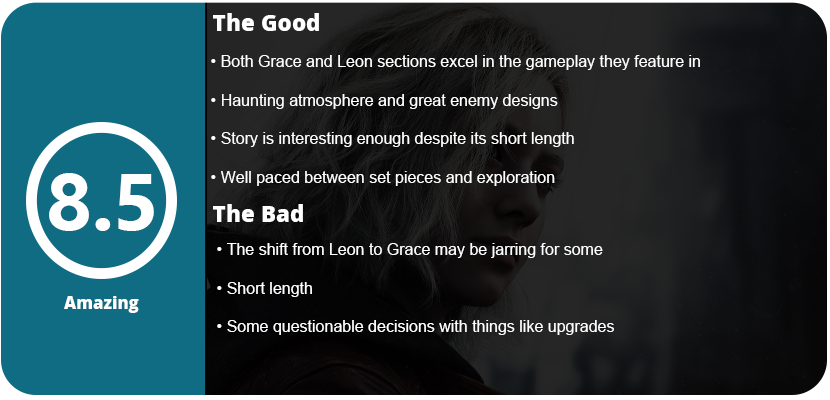
Overall, Requiem is a fantastic Resident Evil game mixing multiple elements of what makes the series great. The evolution of the best zombies in any game that started with Resident Evil 2 Remake, the slower pace of the original games, the fast-paced action and great level design of the more modern games, and the visuals are mind-blowing. At least on PS5 Pro, Capcom’s use of PSSR 2 and ray tracing is incredible. Grace’s areas have halls with lots of white walls and light that look sterile and hopeless, with areas that are barely lit making you run for any light you can. This is one of the best-looking games of this generation, and it runs incredibly well. Requiem might feel bipolar with these two different takes on action, but it’s a refreshing take. The game isn’t too long either, only lasting about 20 hours if you get all optional items. You can easily blow through the game in about 15 hours.
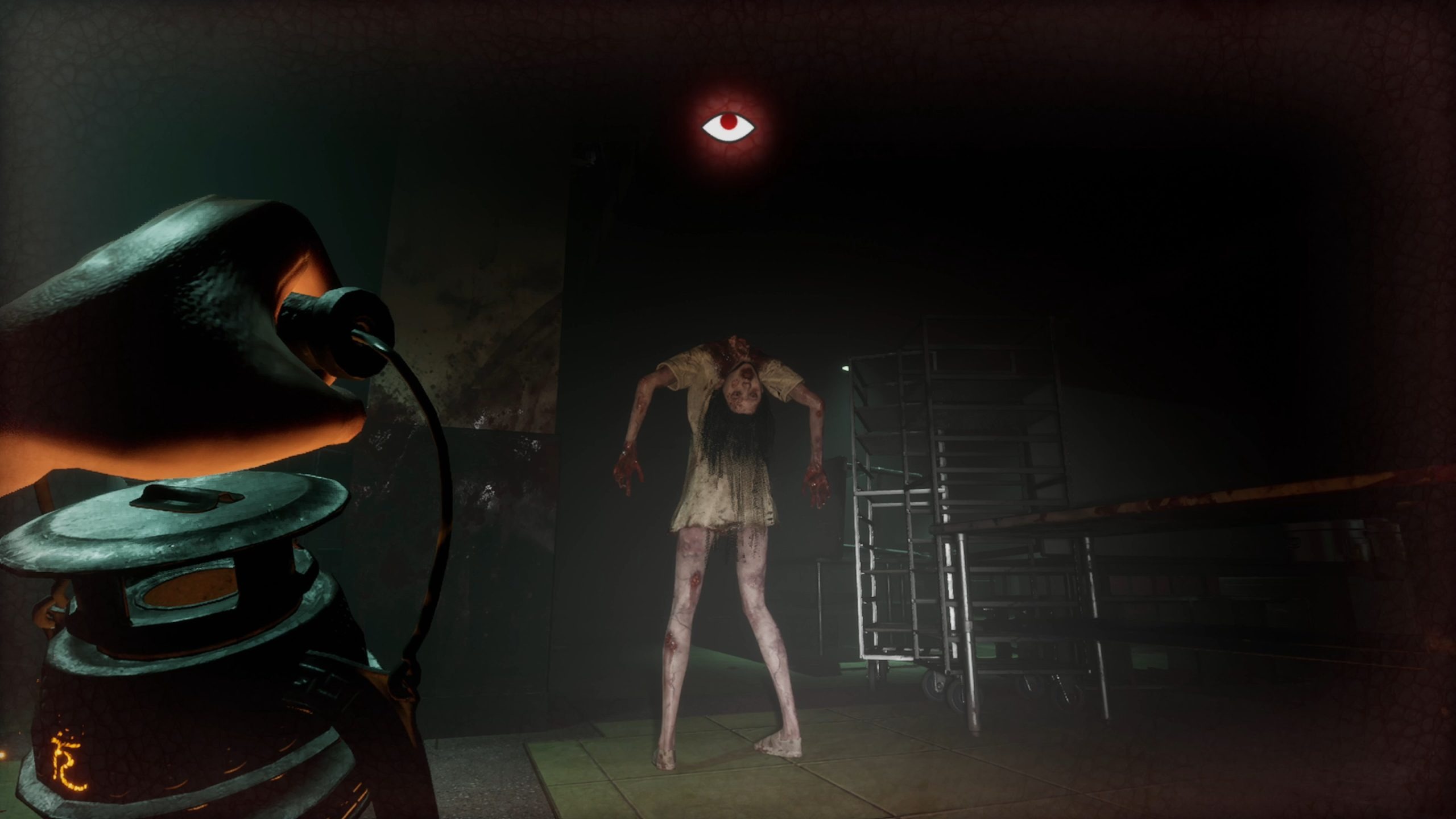
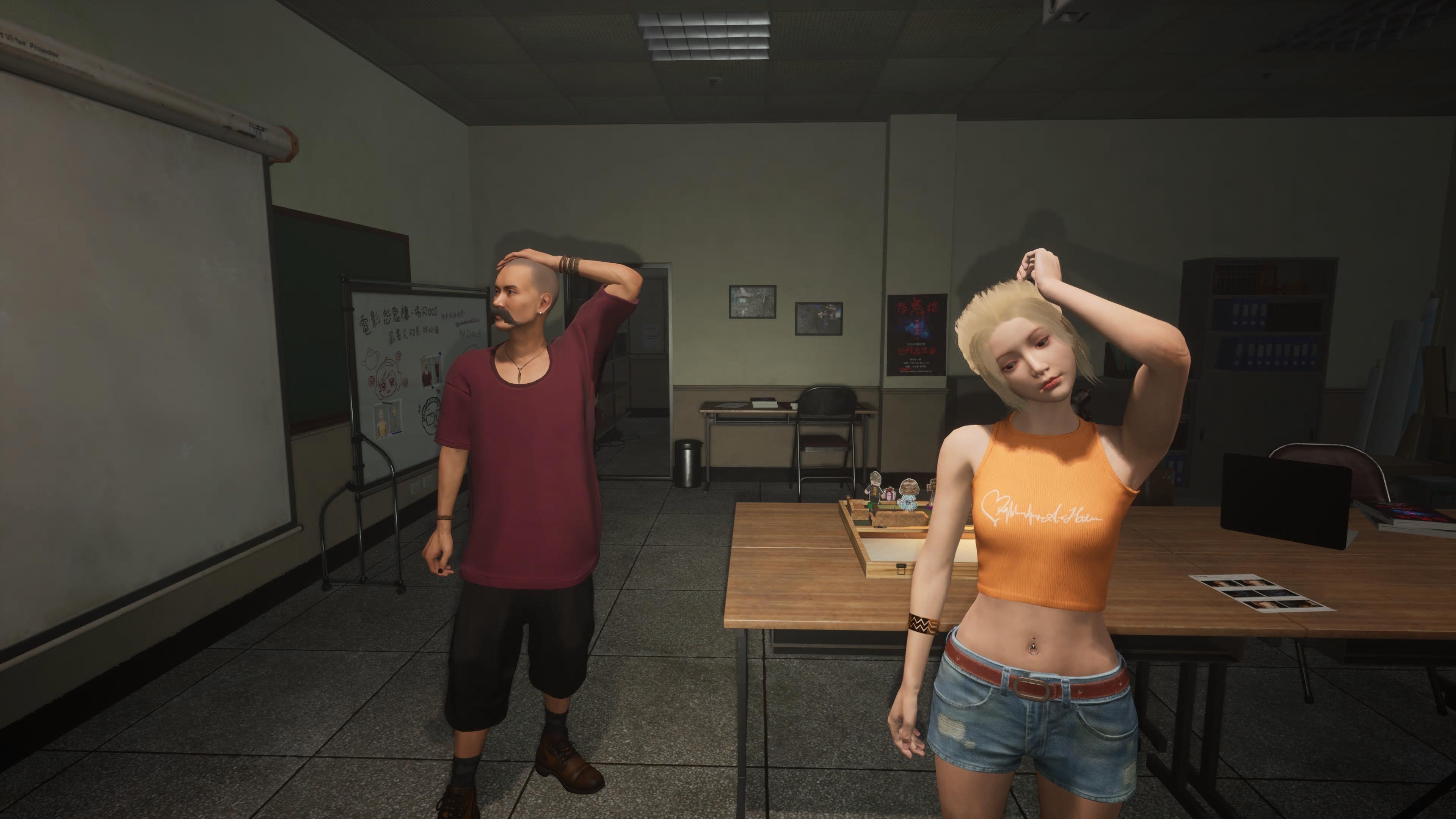
We are back again with another university ghost story. Another student film project raises the question of whether you are playing the film or experiencing everything in real time, with the film resulting from this. Wen Hua University is the location, and the developers did a much better job setting up the ghost story than the first game. This is much more a walking simulator than a survival horror, and that’s fine. You play as four different characters. A reporter and then three film students. It’s a bit more compact than the original game, and there isn’t the issue with the final section feeling like a maze. The environments are more varied as you get whisked away to the university from the past a bit, and it feels much more like a ghost story.
There’s not much action or many controls in this game. You wander around, collect the occasional item, and there’s usually only one way to use it. There are some puzzles in this game, and they aren’t that great, but they work. A few are a bit interesting, but the more elaborate puzzles tend to be really easy and not offer much of a challenge. The only real gameplay part is the stealth with the lantern. You get a lantern in about two scenes, and this is used to hit an enemy to stun them (and then needs recharging) and to get rid of obstacles blocking your path. It’s not frustrating as these scenes don’t overstay their welcome, but stealth is pretty much pointless. You’re better off running around and just figuring it all out. The only real frustrating section was towards the middle when I had to run around a maze of rooms and place a fuse into boxes to open doors in a certain order while an entity chased me. I really just didn’t like the chase sequences. Some sort of ghost will follow you, and it usually means figuring out some sort of maze.
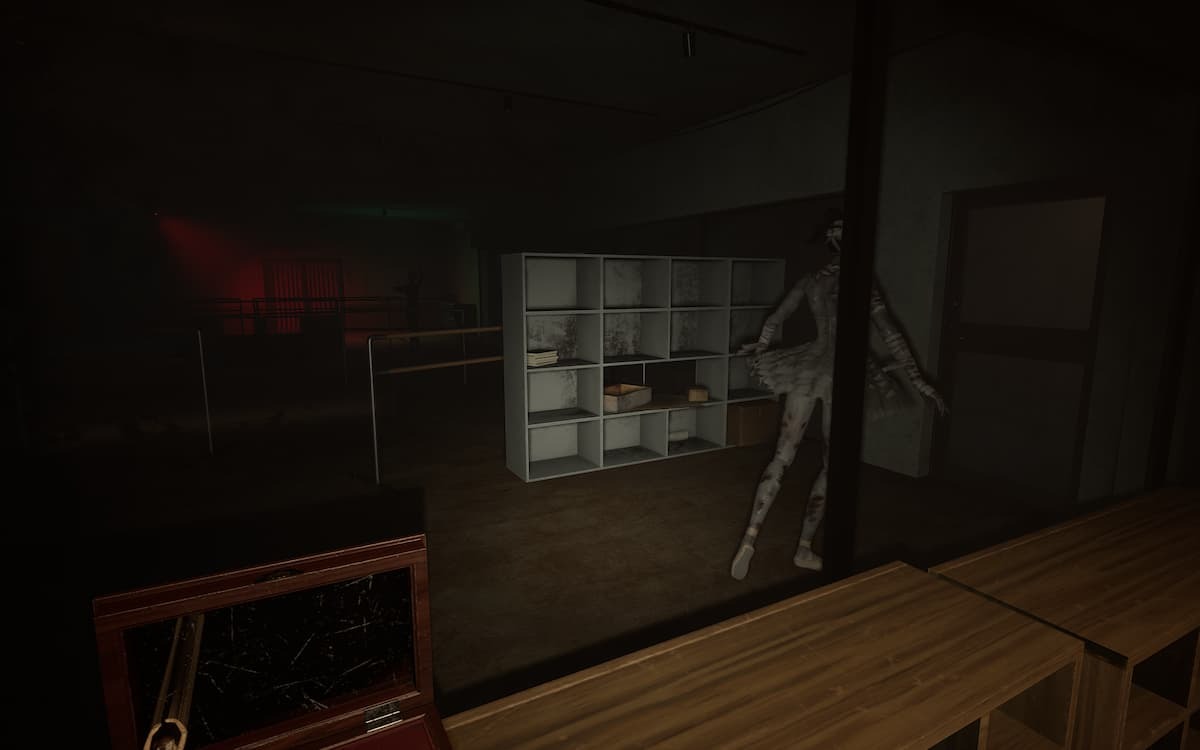
The best sections of the game are during monster reveals. There are quite a few cool ghost designs, and the areas you are in constantly change. The game thankfully doesn’t exposition dump on you, and you kind of learn the tale of the university as you go along via some cut scenes and reading notes scattered around. The tale isn’t anything new, as you are seeking revenge for a scorned spirit (which is typical for these types of games), but it’s still fun nonetheless. The pacing of the game works well, as it constantly keeps you interested in something. Each section either has a puzzle or story element without making you wander aimlessly around object hunting. A lot of scenes can repeat, but they are interesting to look at and feel like less “generic buildings and hallways.”
Sadly, the short 4-hour runtime means you don’t get to know much about the characters. They clearly all have different personalities and have some fun banter back and forth, but there just isn’t time to develop this. The only character development is during the initial opening scene for each chapter, and then it’s just running around with occasional dialog. This is always the sad part about these very short indie games. There just isn’t enough time to develop a relationship with anyone or anything. At least the visuals are halfway decent and are a step up from the original game. While it won’t blow anyone away, there are some cool effects and great lighting.
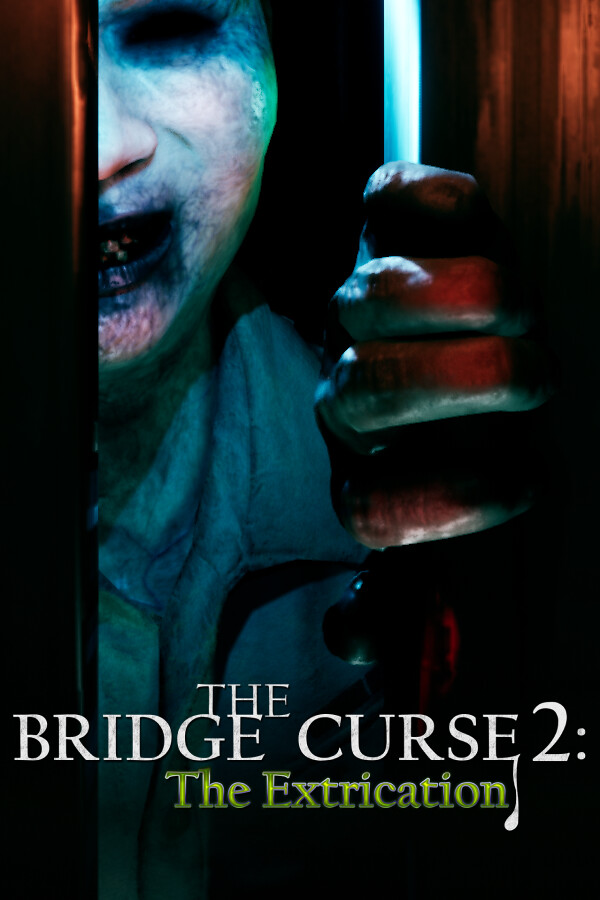
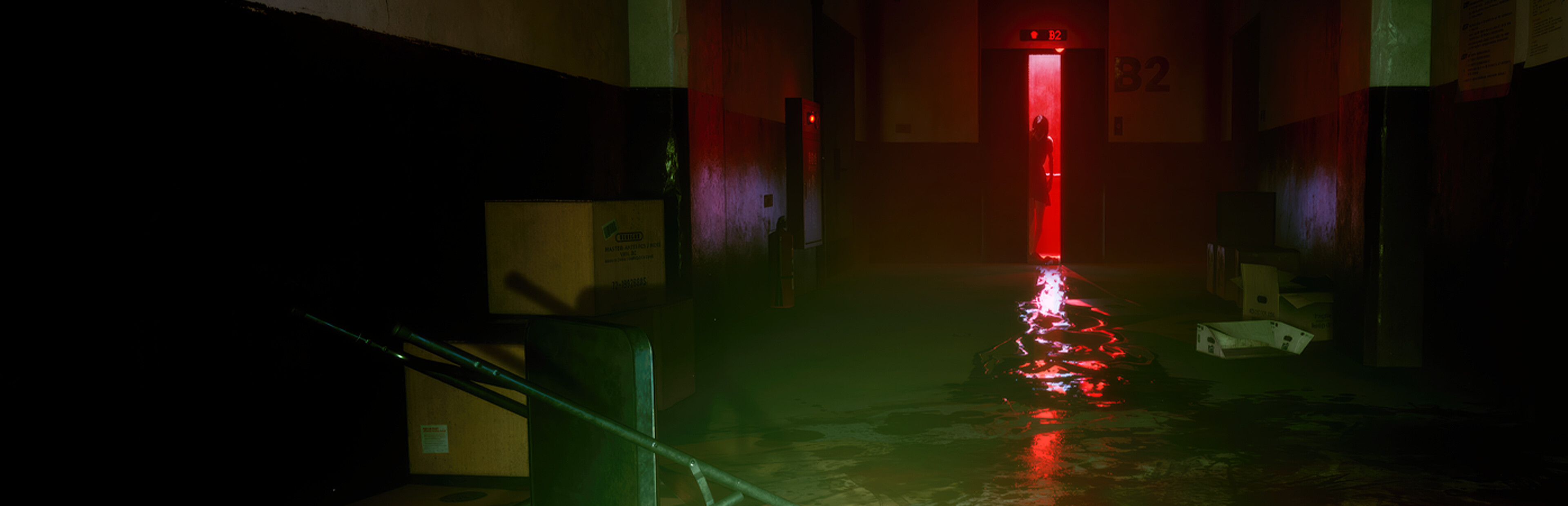
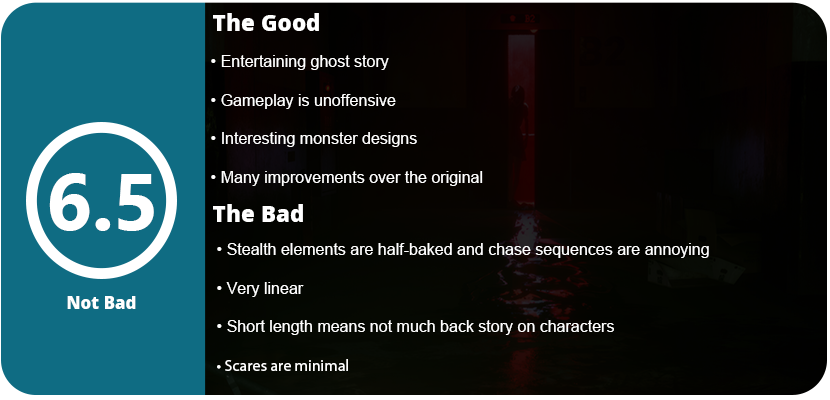
Overall, there’s just not a lot to say about The Bridge Curse 2. It’s a remarkable improvement over the original game but still lacks in some areas. The short length means no character development, and while the monsters are cool, there’s little scare here outside of just tense atmosphere. The story is at least very fun and the pacing is great. I never felt bored or uninterested in the game. I played the entire thing straight through because the tale of the university is pretty interesting. The puzzles are middling at best, and the stealth mechanics are half-baked. What’s here is a deep discount of one evening of entertainment, and that’s about it. I’m still looking forward to seeing what the third entry brings.
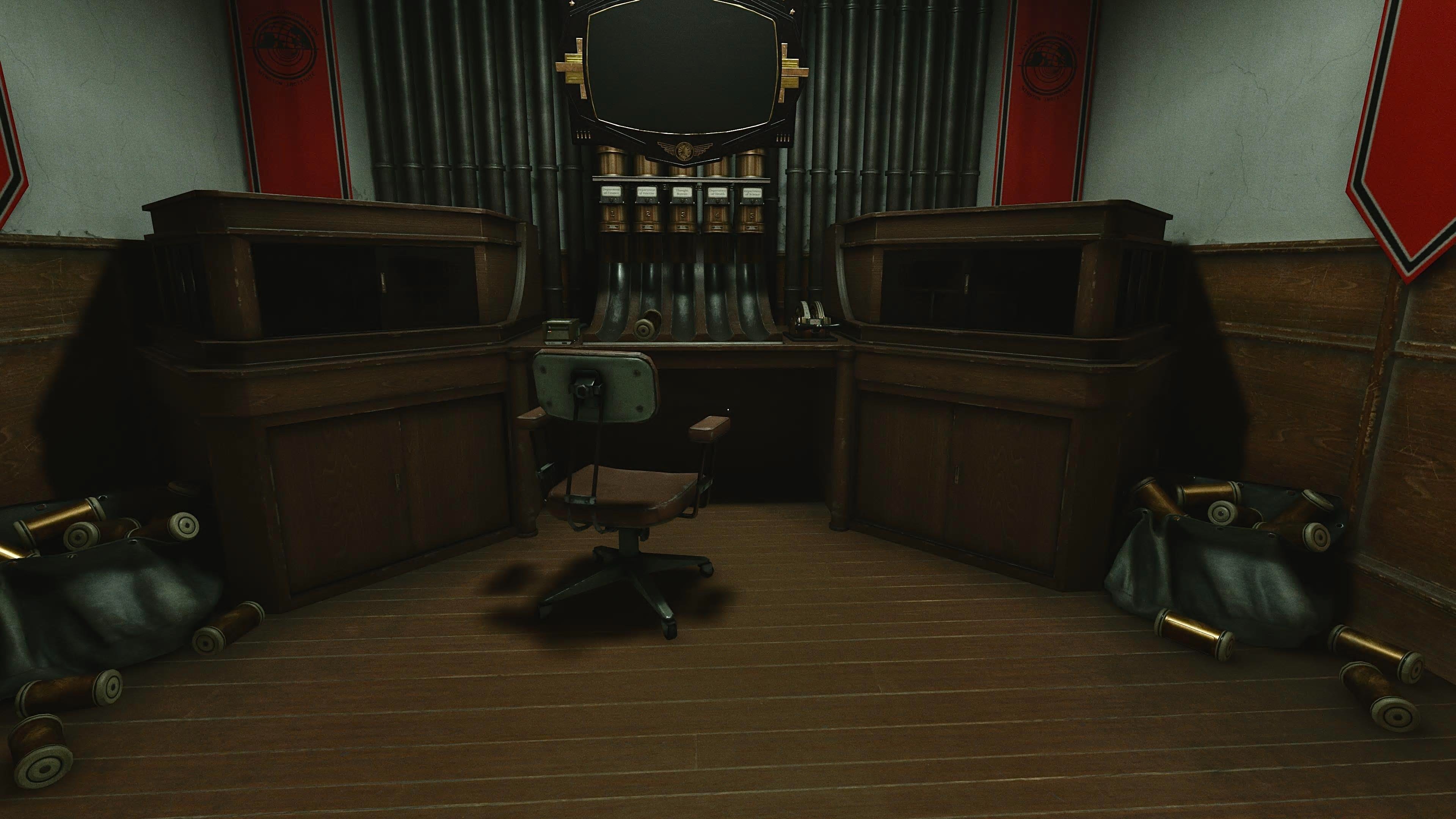
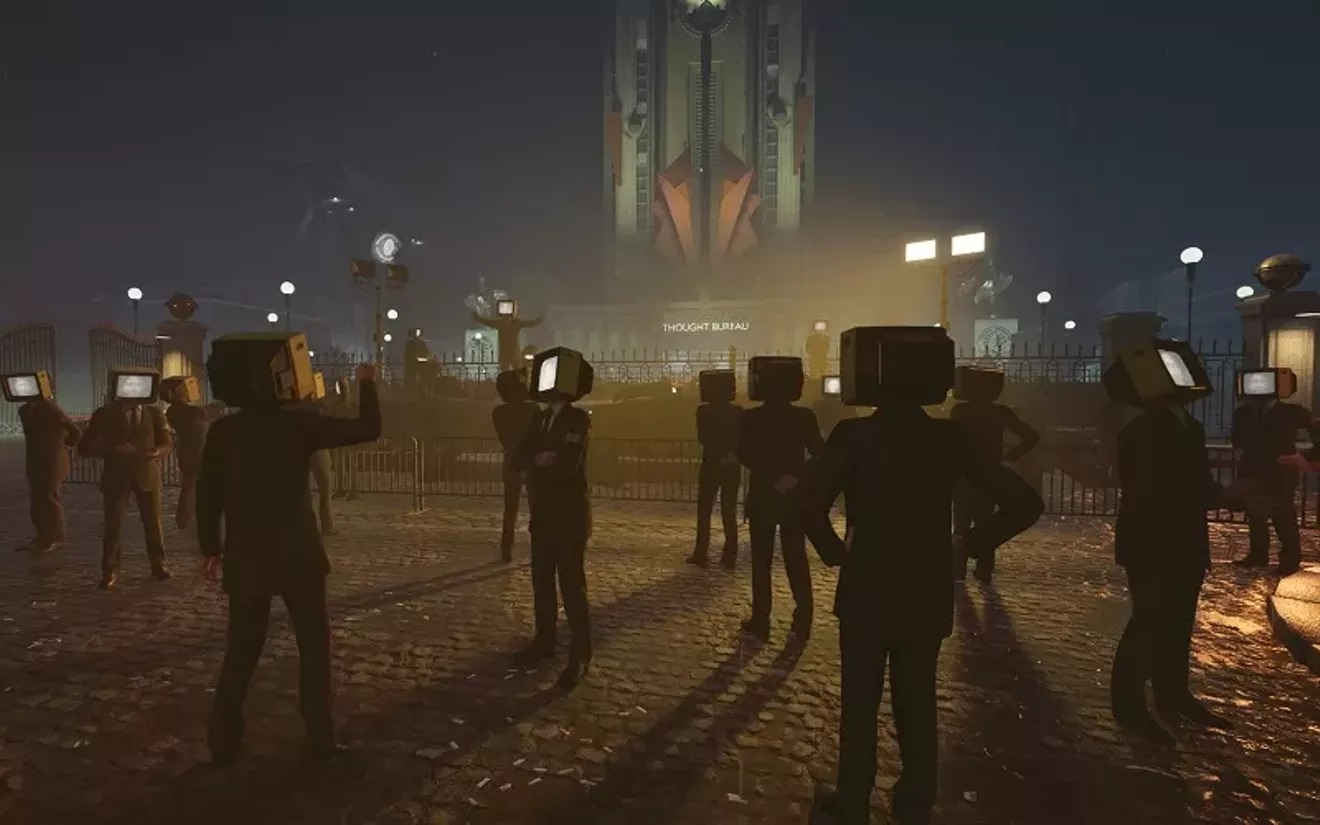
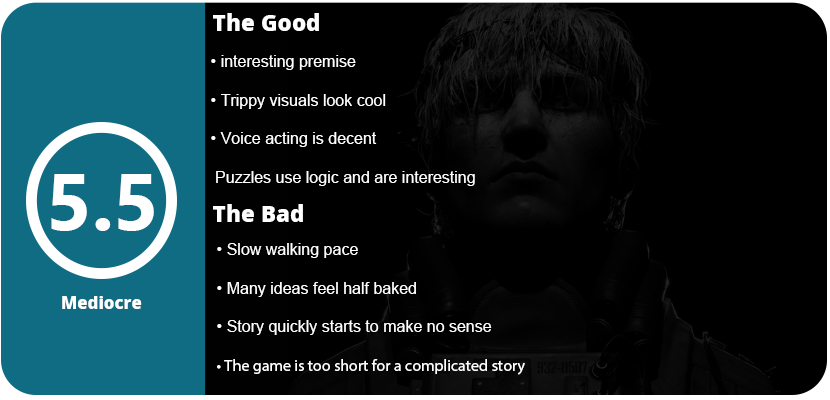
I don’t know how many times I can say this. Trippy visuals aren’t indicative of an interesting or enjoyable game. They can only take a game so far before you want something else. Karma is a game that solely relies on weird and abstract visuals because it feels like the developers had an interesting story idea but had no idea how to implement it or tell the story. You play as a Thought Bureau agent who is like a cop that dives into the minds of suspects to see the truth of what they did. The first chapter of the game is pretty grounded and is the best-paced part of the whole story. You get some trippy visuals in the beginning, and then we are back to what seems like reality with narration while we walk through a pretty interesting-looking town. People have CRT TVs for heads with their faces on the screens, and it feels like an oppressive dystopian world to be in.
This is a great first impression and first chapter. It was nailed perfectly. You wake up and walk around a bit, and nothing makes sense. You are in a lab or factory, it seems, that produces people. It’s very odd, and you are supposed to be confused and unsure as to what is going on. Once you strap yourself in a chair and move on, the game starts to make no sense anymore. This is where I feel the developers didn’t know how to finish this story. There is one scene in the beginning when you are investigating an office, and this felt fine. You solve a few puzzles to find four-digit codes to open drawers to move on. The puzzles are pretty decent in this game, and I was able to figure out most of them by just deducing what I had on screen and trying logical things.
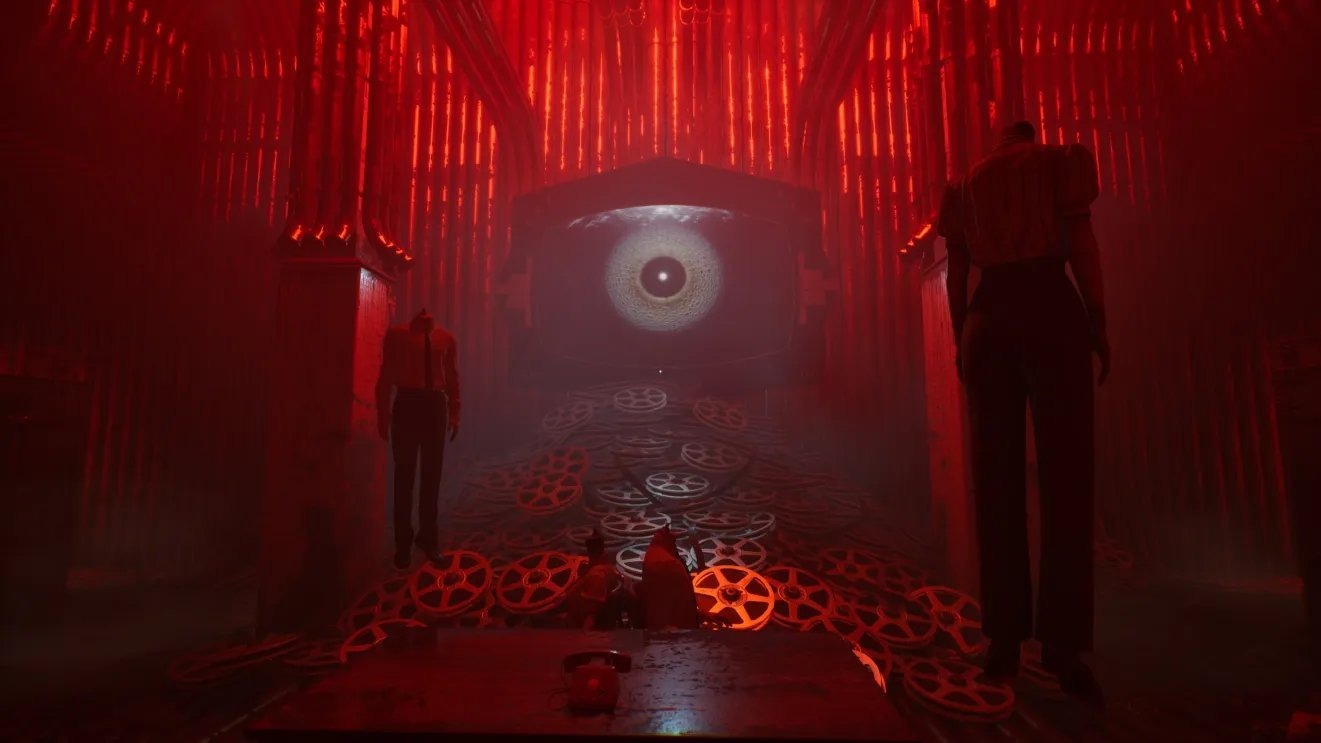
This is another game that can’t tell its overcomplicated story in just 4 short hours. Instead, we have just a walking simulator with a few puzzles and other half-baked ideas. You get a camera at one point and must use it to take pictures of eyeballs to open doors, but this feels half-baked. The areas are super tiny. One single area has you leading a creature around a specific path to get it to stop so you can take a photo of its face to kill it. This all feels half-baked, like they were neat ideas that had to be quickly shoved into a single scene. Once you get past the 5-10 minutes of gameplay, you endure the sluggish walking pace of more trippy visuals, such as flying through space, moving a cube through simulated cyberspace, walking through offices full of piles of CRTs, etc. The weird scenes are incredibly artistic and interesting, but in the end they don’t add any value to the story.
I wanted Karma to be so much better. There’s an interesting premise here. One of my favorite scenes involves one of the suspects showing us how this dystopian oppressive world works. Office workers sit and stamp things for dozens of hours and drink a company-made “energy drink” to keep them awake while propaganda plays on a giant projector in front of them. You then read an email about how all of your breaks are now taken away to “help the company growth” these types of scenes have a lot of impact, but they are so few and so brief that they left me wanting more. Many other scenes just don’t add value, such as the “hub” area of each suspect you dive into. In front of you is a giant monolith in a vast ocean, and you walk up to a podium with an important object on it, then warp to another scene. What’s the point of this area?
As you can see, Karma is an interesting game to look at, but not one to experience and especially play. The puzzles are interesting, and it leaves you wanting more when the game jerks this away from you and forces an hour of trippy visuals and story that doesn’t make any sense. Even at the end of the game I barely understood what was going on. Characters are bawling their eyes out, and there’s a lot of dialogue that feels abstract and doesn’t make sense. I was sitting there just thinking, “What the hell is happening, and why is this happening?” That’s not a good thing to think at the end of a game. Overall, play Karma if you want an interesting night of confusion and trippy visuals. It’s a shame the curious dystopian world isn’t explored more.
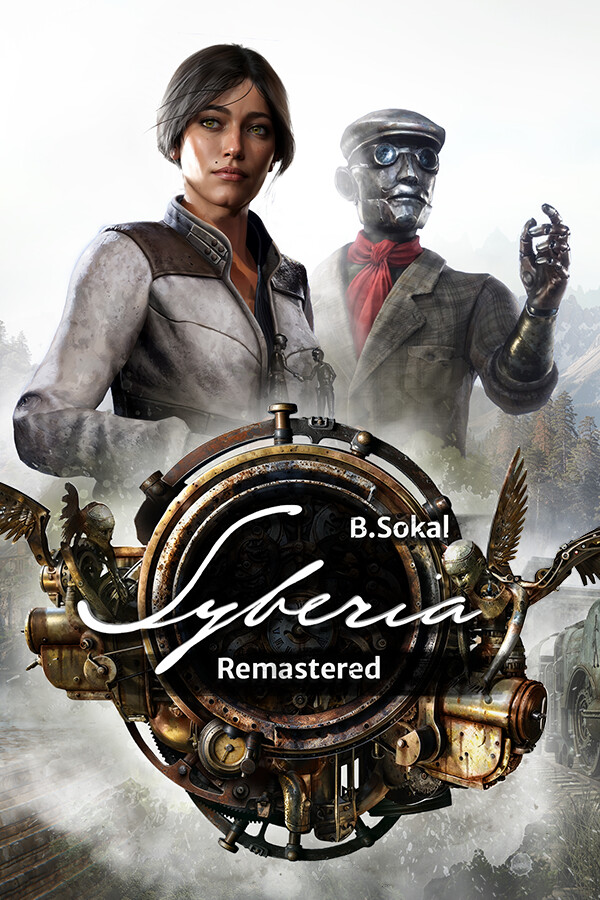
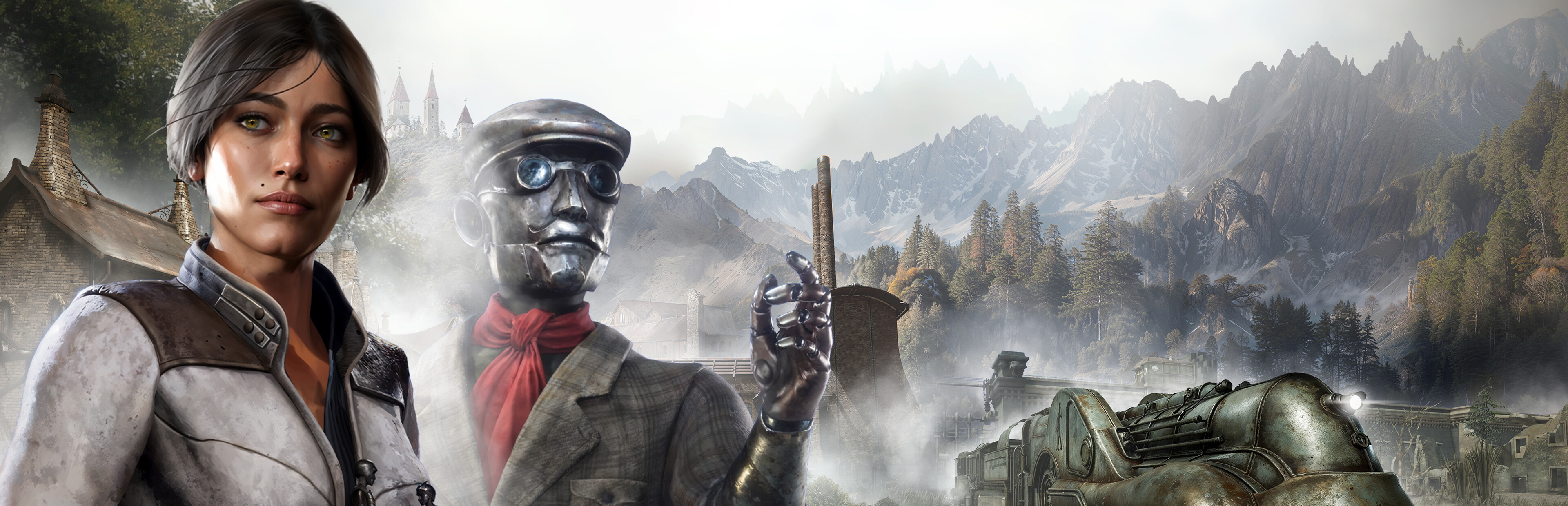
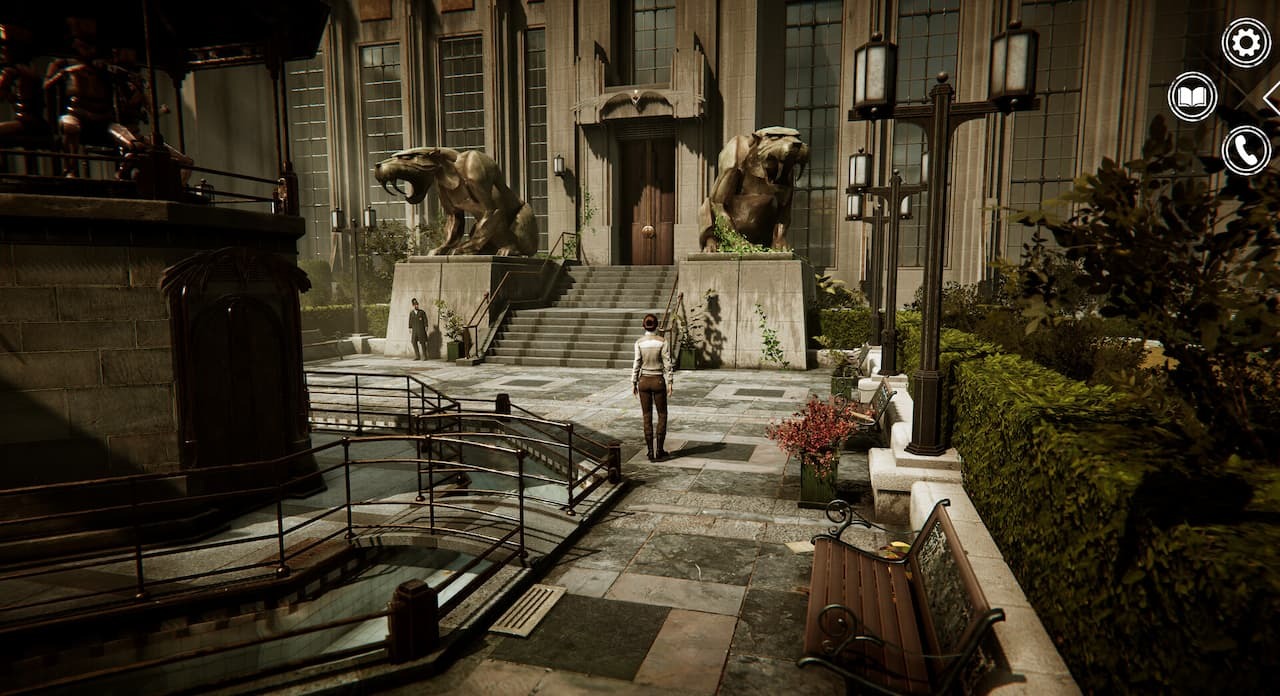
The late Benoit Sokal’s vision is something I have yet to experience. Syberia is considered one of the best point-and-click adventures of all time despite its flaws. Like other games in the genre, such as Sanitarium and The Longest Journey, Syberia gave PC gamers beautiful visuals, intriguing characters, and rich worlds to explore. This remastered classic does just that by giving new gamers a fresh take on an older classic, flaws and all. The series is now a four-part saga that starts here with its humble beginnings.
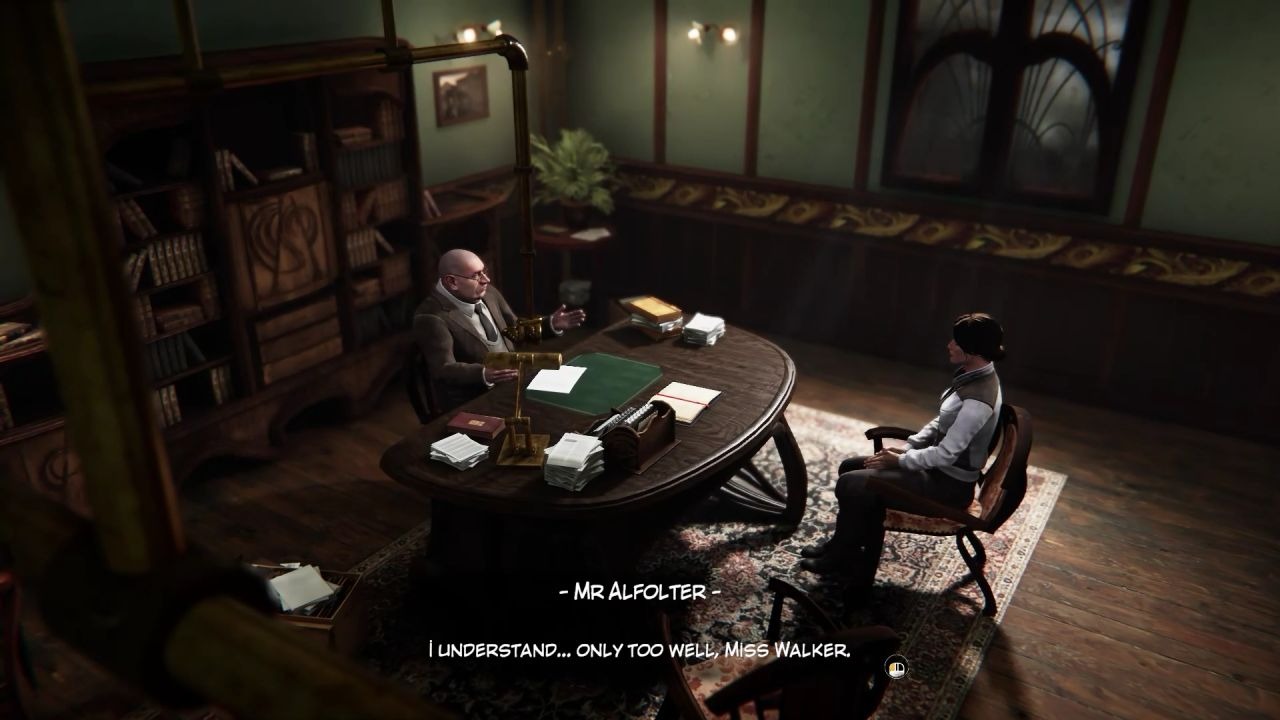
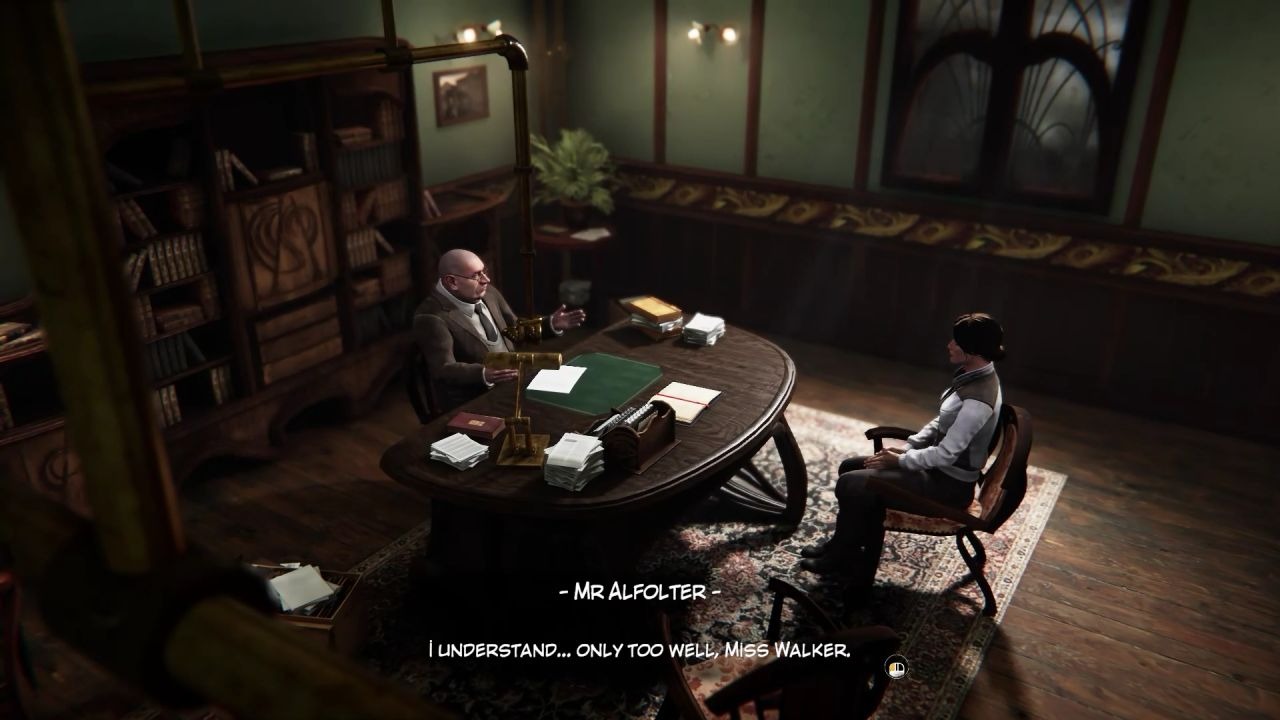
You play as an American attorney. Kate Walker is tasked by her agency to get an automaton factory signed over to a new toy company. You must seek out its owner, and this leads you on an epic journey through various towns with interesting people. Kate eventually awakens an automaton engineer who is able to drive a wind-up train to where she needs to go. The train needs constant winding, so it conveniently stops in these towns. The towns usually have mini mysteries to solve or predicaments to correct so Kate can move on with her journey. She either needs more info on where to find Hans Voralberg, who is the living descendant of the factory owner. There’s a lot of humanity in this game. From the strange university with its weird Stoker council to the obsessed automaton in the mines who wants to desperately reimagine an opera he saw long ago. The dystopian Soviet Russia vibes also add to the atmosphere here. The game feels sterile and falsely joyful. Remnants of this sadness litter the environment, akin to soldiers dispatched to abandoned facilities to await their demise.
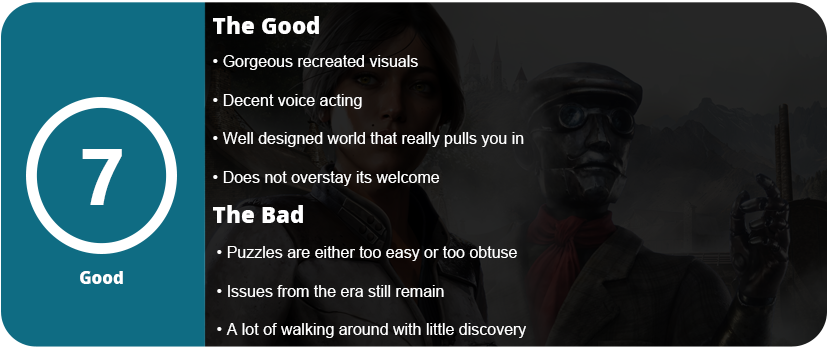
Syberia does a fantastic job feeling like an actual adventure. However, the puzzles are few and far between, and a couple can be rather obtuse, while the majority have no challenge. There’s a lot of backtracking in the main “hub” areas of each town and just a lot of walking. Talking consists of selecting questions, and that’s it. The pre-rendered cutscenes were not redone, looking incredibly dated. These are in full widescreen with a proper aspect ratio but should have been redone or just done in engine. The remade visuals look fantastic with beautiful sweeping vistas, great lighting, and good-looking textures. There are some quirks left over from the era, such as needing to have animations finish before doing something else, some graphics glitches, and object hunting. Most objects will have a circle appear over them if you get close, but these can be missed sometimes, leading to a lot of wandering around.
You can platinum this game in one go, and it can be finished in about 4-5 hours with a guide. Once you complete the game, there’s no reason to really revisit unless you have nostalgia for the original. The remaster adds some interesting DualSense features, like having Kate’s phone conversation play through the controller speaker, but there’s not much else to this game. If you love adventure games, then give this a try. Here’s to hoping the second game will get remade as well.
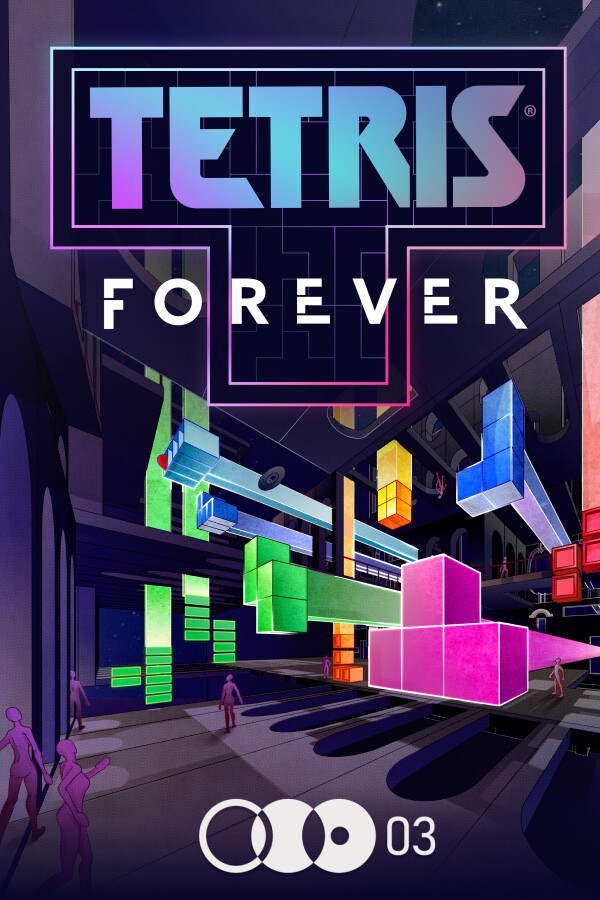
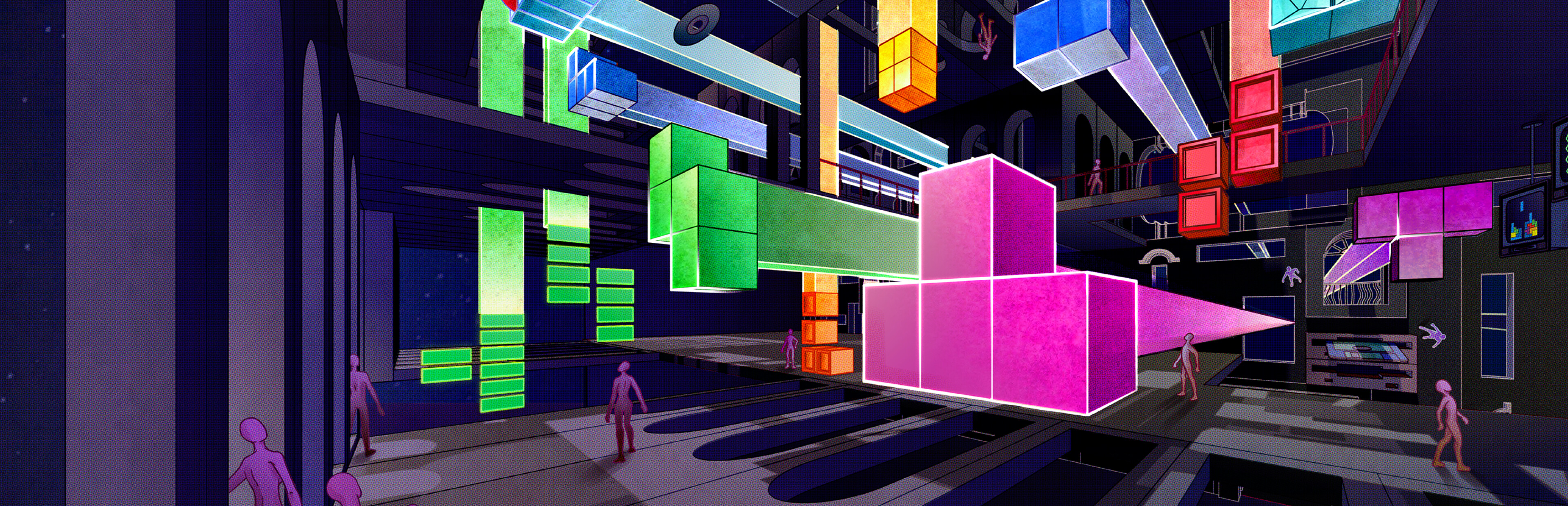
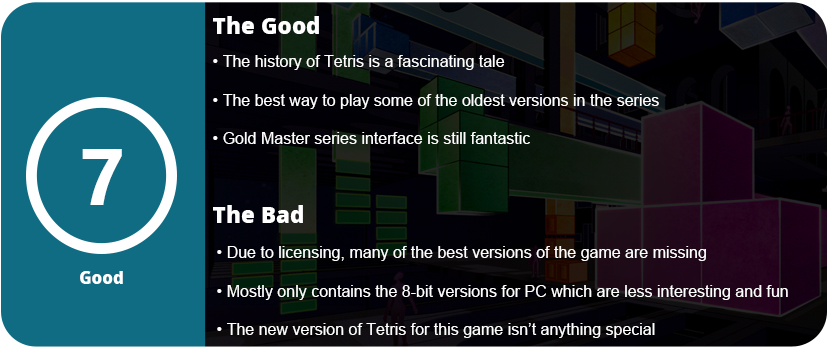
Digital Eclipse’s Gold Master series is an incredibly original and unique idea. The series focuses on creating interactive documentaries that explore interesting game stories or sagas, allowing gamers of all ages to engage with them. This is the third Gold Master game coming right after the Atari 50th Anniversary, which was absolutely a blast to experience. Tetris Forever is a great concept. The story behind how Tetris came to be is fascinating, and Henk Rogers, the person who helped bring Tetris to the West, is a great storyteller. I was floored by how Tetris came to be and the breakdown of the gameplay and nuance of what makes the game a timeless classic. The documentary clips are wonderful. Usually ranging from 3 to 8 minutes each, there’s easily over an hour of video footage, but that’s kind of where the best part of the game ends.
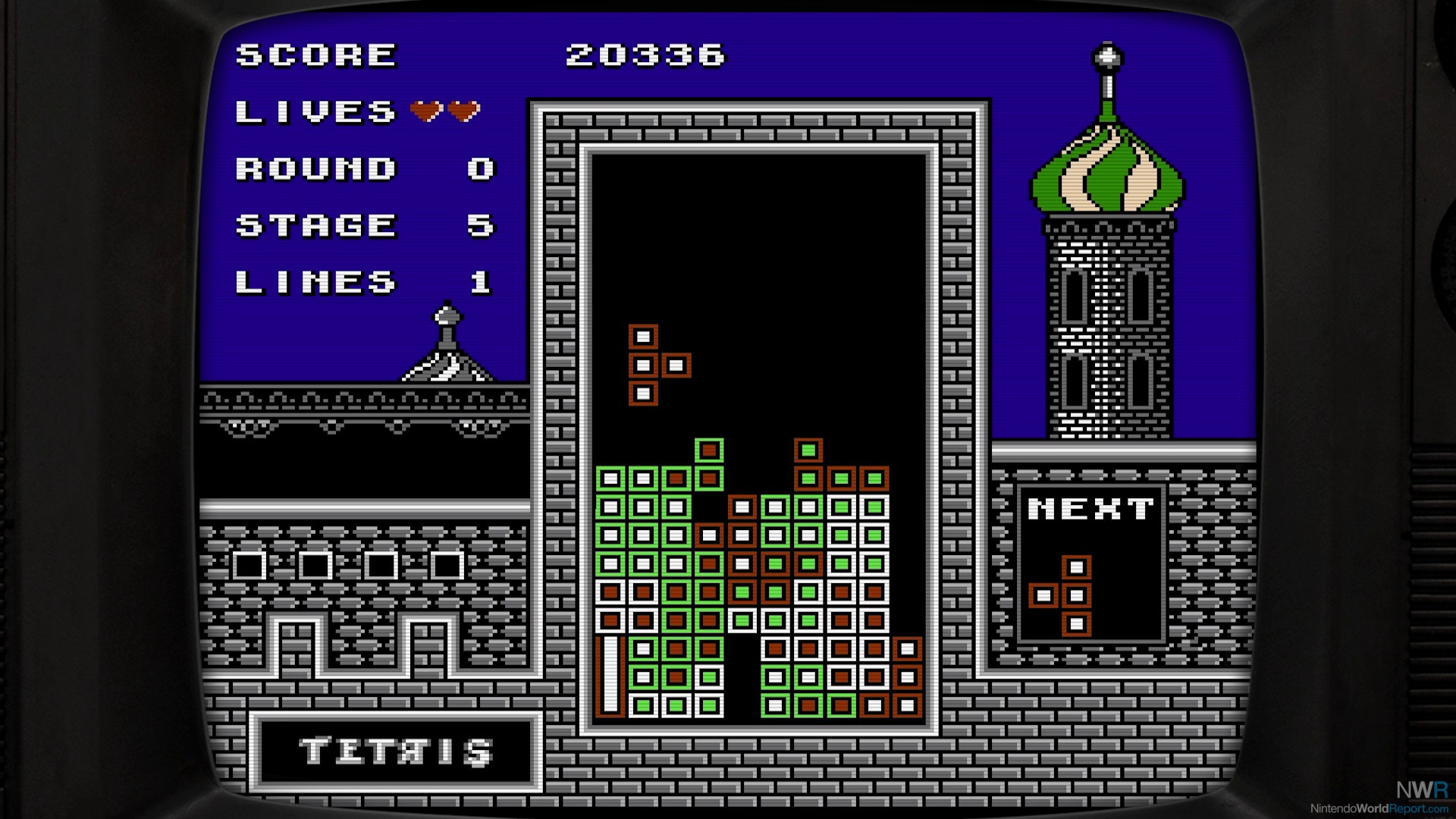
It’s difficult to call these Gold Master series “games” as they are interactive museums. Many different versions of Tetris are owned by other copyright holders. The most famous being the original Game Boy version of Tetris that shot the series into the stratosphere. It’s not here because it’s owned by Nintendo. You can see it being played in the footage of the game, but that doesn’t help us sitting here playing this game. Forever is mostly comprised of older MS-DOS and early 8-bit PC versions of the game that are historically interesting but not very fun to play. Digital Eclipse did a great job creating a replica of the computer they are on visually and adding things like a CRT curve, filter, and mapping the keyboard controls to a controller. Sadly, they just aren’t fun to play. Many versions don’t have music or much sound at all. Outside of messing around with these for five minutes, you will have no reason to go back to them.
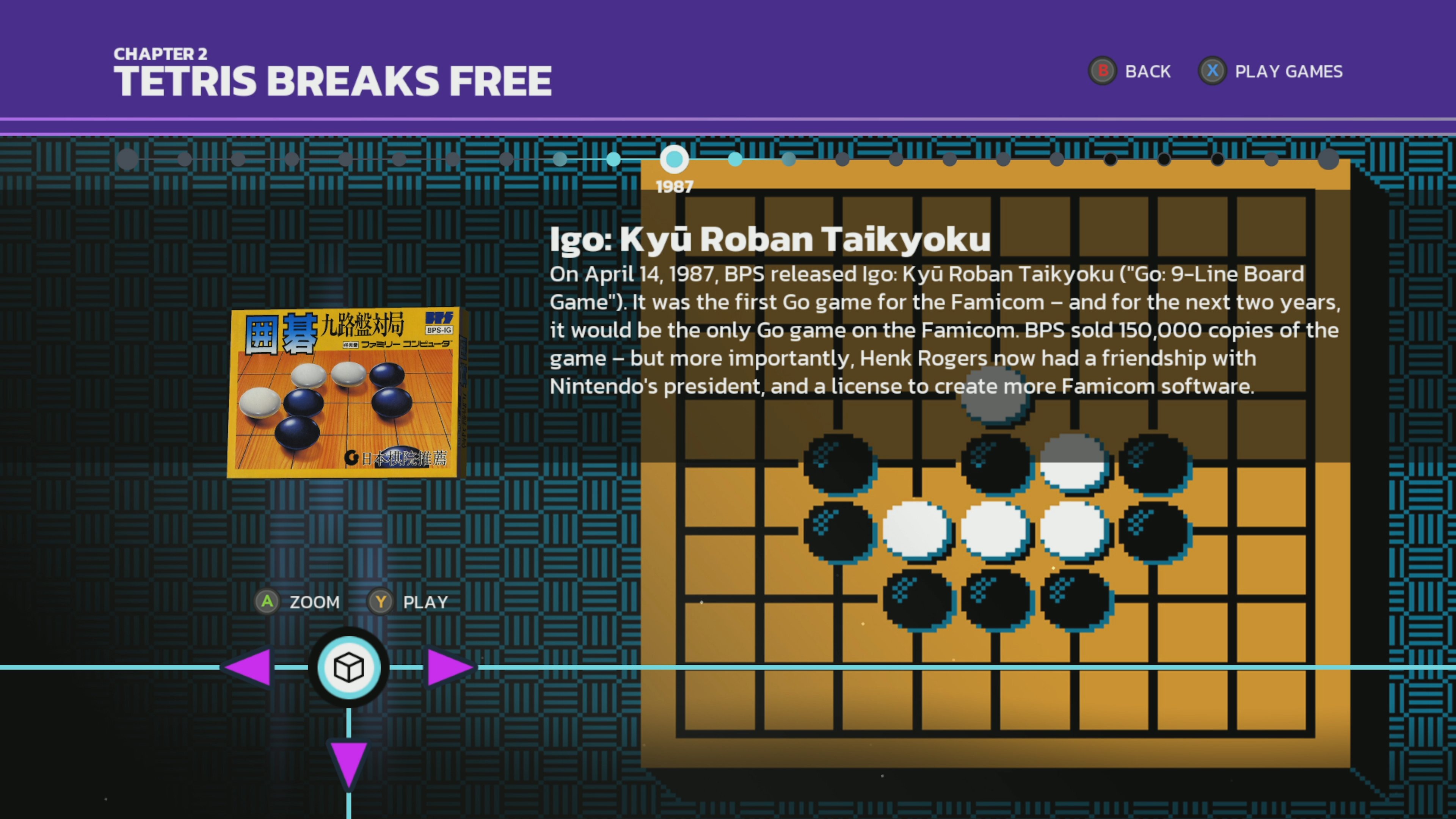
There are a few other games that aren’t Tetris included, as these are part of the Spectrum Holobyte story. Many NES games are included here, but you can play these outside of Forever on emulators through ROMs on much simpler devices that boot up quicker without a fancy interface. Again, these games are either not fun or just interesting enough for a historical reference. This isn’t like Atari 50th, where you can play every single game Atari made or held the rights to, and they were full-blown games. These are pretty much all puzzle or board games. One of the big stories that helped Henk Rogers gain trust from Nintendo was making a game of Go, which is basically Japanese Reversi. The NES version is intriguing at best, but I was not a fan. It’s not as addictive or fun as Tetris and requires much more concentration.
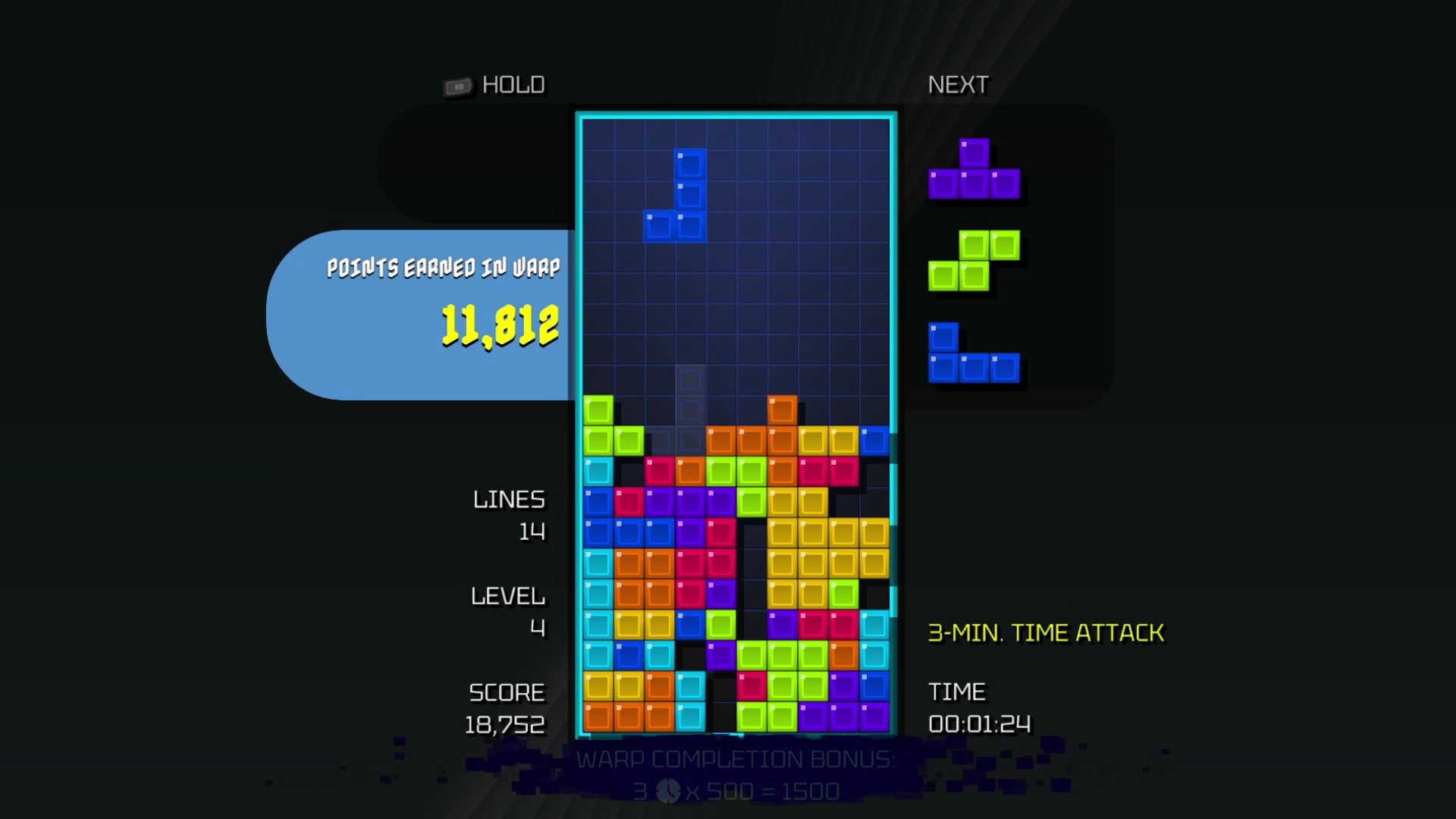
Sadly, only 8-bit games are included here. Nothing past the mid-90s is included. It would have been great to get DS, PS2, PS1, or other consoles on here, but there’s either a rights issue or an emulation issue on Digital Eclipse’s side. Most of the more interesting games are 16-bit and beyond. The lesser-liked sequels to Tetris are included, and a few spin-offs like Hatris, Super Bombliss, and a brand-new game made for this compilation, which is the only non-8-bit game included. This Gold Master release is mostly for those interested in the story of Tetris rather than playing it. Unless you grew up with these 8-bit games, I don’t see any reason why anyone else would enjoy them. Sadly, even the new Tetris game isn’t anything special. It’s not much to look at and just plays like any other Tetris game. The most interesting feature is the 1989 mode, which emulates the Game Boy version, and that’s as close as you will get to it. I don’t see myself booting up an entire compilation just to play this version of Tetris.
The title would have been more interesting as a cheap documentary than a game all by itself. I got more enjoyment out of the video clips than I did the games themselves. With four 8-bit versions of the original Tetris (all inferior versions) and many less interesting spin-offs and sequels, it begs the question as to who this is for. The low asking price helps, but even then, unless you are a massive Tetris fan, it’s hard to justify the cost. Tetris Time Warp is the game you will spend the most time on here, but will you come back to it? Tetris is a fascinating tale and one of the most interesting I’ve had the pleasure of listening to. Tetris is a fantastic and timeless game series, but the content included here does not represent its strongest offerings.
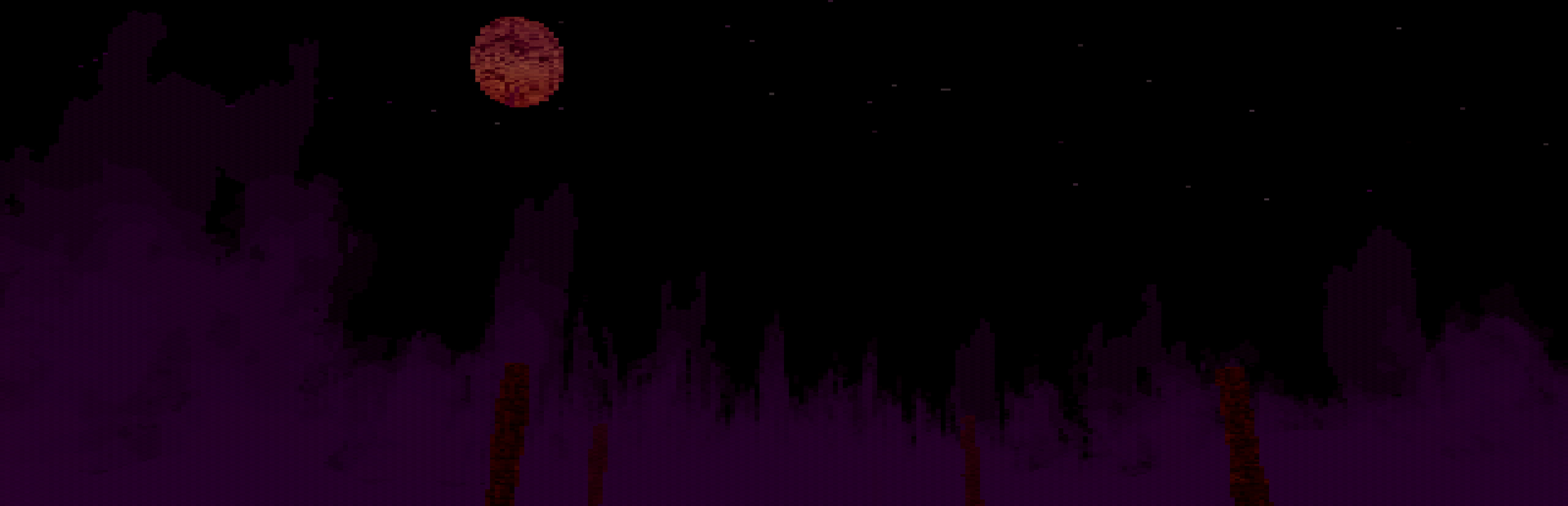
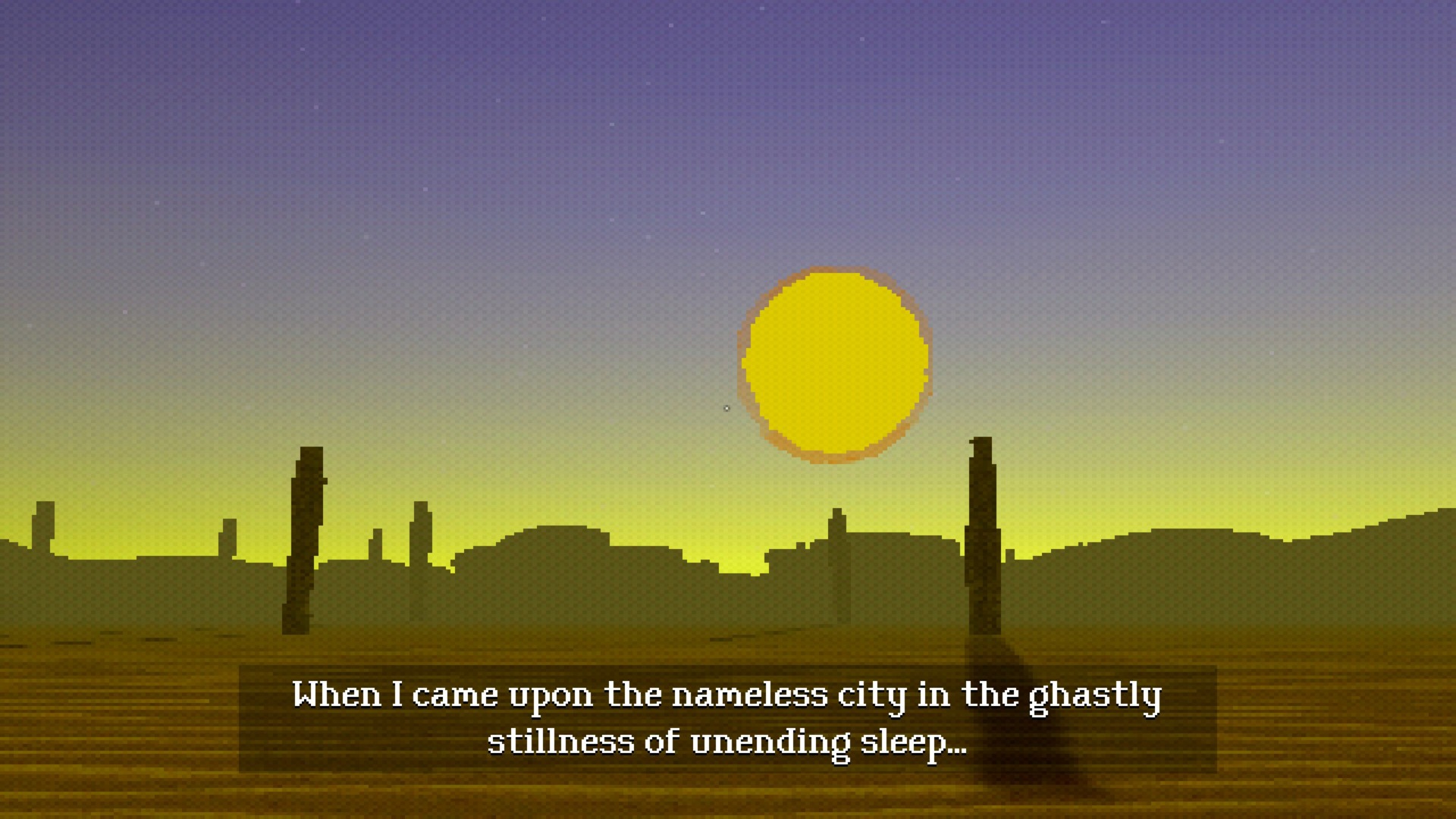
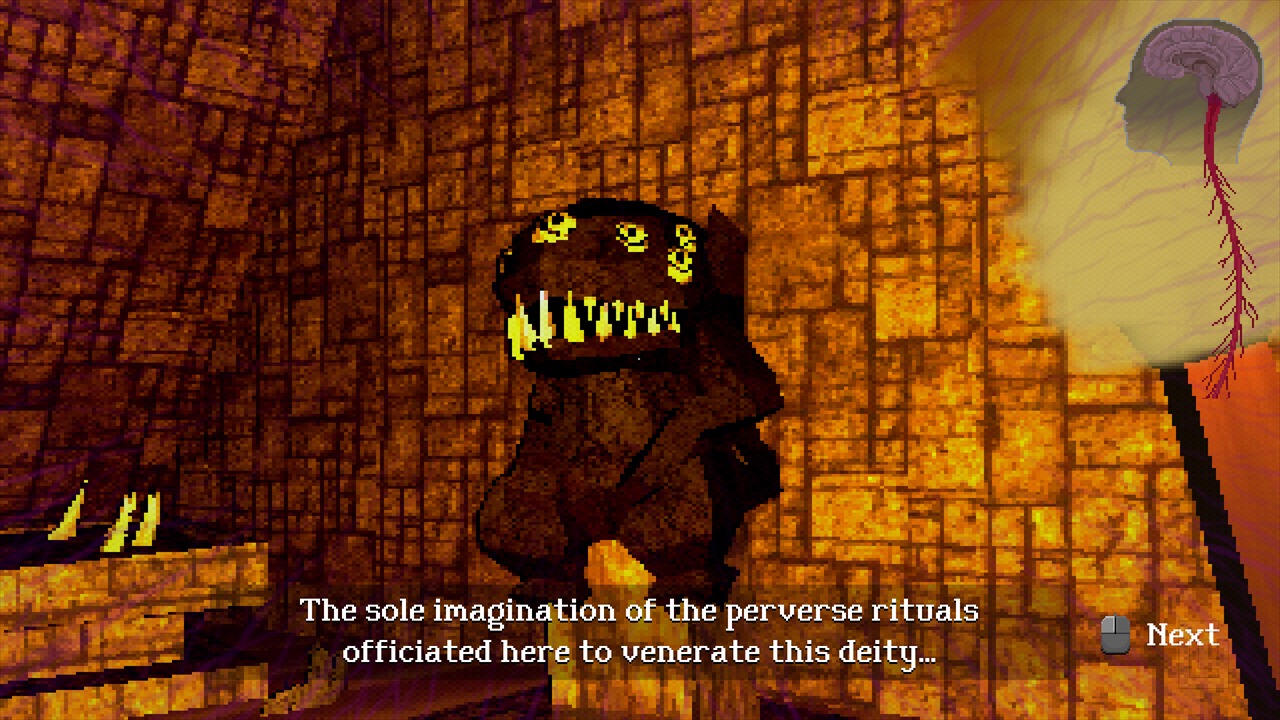
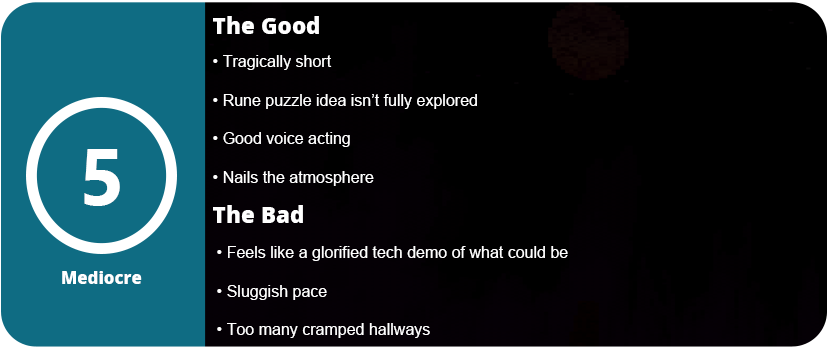
H.P. Lovecraft’s stories are difficult to translate into game form, and very few are successful. It’s almost like a curse in and of itself. Many games based off of his short stories are adventure titles, and I have played many of them, with almost none being good. The Nameless City has some good ideas. It nails the atmosphere and the setting and has an interesting gameplay mechanic, but this game feels like a glorified demo of what could be.
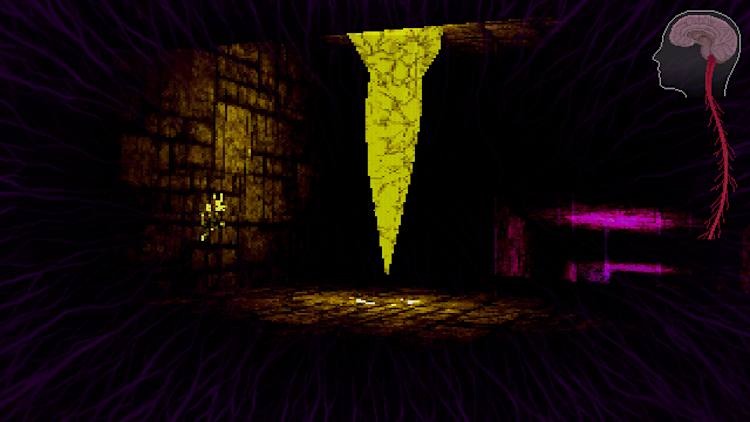
The game starts you out at a campsite outside of some ruins in a desert. The lone adventurer narrates the game with a subtle and almost depressing tone. He is quoting lines from Lovecraft’s short story of the same title. A mysterious being is said to live in these ruins, and people will hear the call in their dreams. As you make your way through the ruins, you will come across runes. These can be learned to help open up pathways further in. As night falls, however, you will lose all of your sanity and have to start back at the last checkpoint. This isn’t all that bad, as the game is so short. There are only three runes you use in the game. You can use one rune for casting and another for dispelling or casting a barrier. These spells are just for barriers, and that’s it. There are strange open holes that blow wind across a chasm that you need to navigate. These will blow you off the mountain, so you need to crouch under some.
Once you get into the cave system, it’s pretty boring. You can eventually use a spell to cast light on strange crystals as your sanity depletes in the darkness quickly. Once you get through the cave system and back out, the game is pretty much over. I did hate the maze puzzle. This entire level will take up most of your 90 minute playtime. It’s an endless maze that repeats forever. You need to use this to your advantage to activate crystals to stop a beam from blocking your path. It took me nearly 45 minutes to figure this puzzle out, and it was not fun at all. That means there’s only 45 minutes of actual gameplay outside of this awful level.
With that said, there isn’t much to say for the game even if I wanted to. The visuals use the PS1 style graphics and look appealing. The atmosphere and ominous sound effects do a good job, and the end monster is a little goofy looking. The game is very affordable and can provide a spooky experience for an evening playthrough, but don’t expect too much from it.
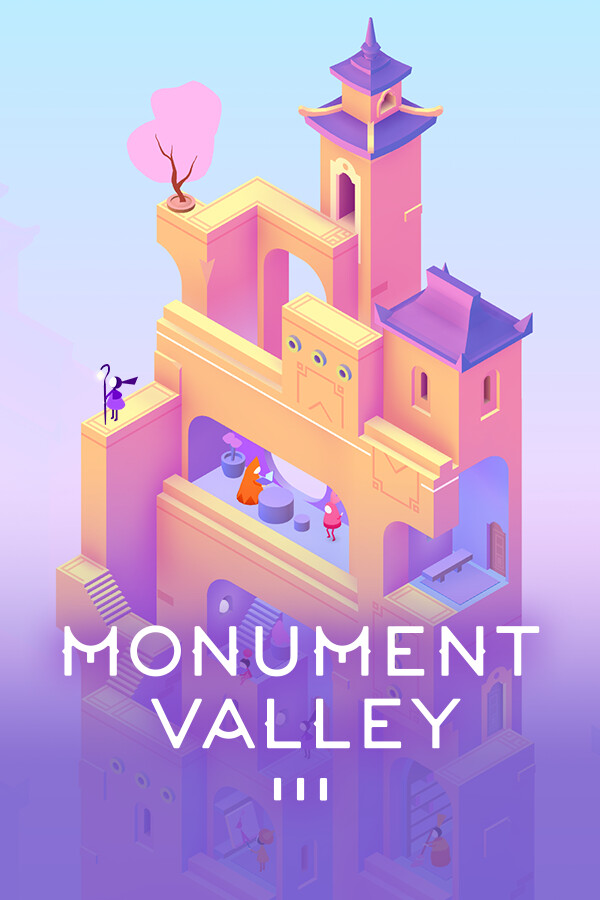
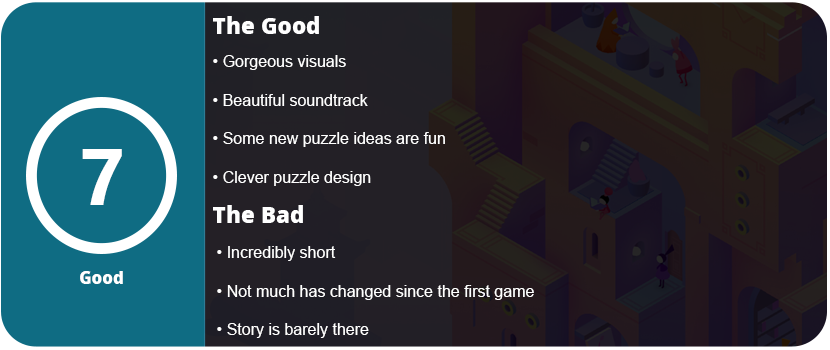
Monument Valley played a pivotal role in shaping the mobile gaming scene by demonstrating the feasibility of console-like experiences on mobile devices. With the flood of microtransaction-heavy free-to-play schlop on the app stores, Monument Valley was a beacon of hope for those who wanted to play single-player games on their phones. The MC Escher-like level design and clever puzzles were adored the world over, and USTWO was considered a pioneer of single-player mobile gaming. The second game was more of the same, which everyone wanted, but the third game here is still more of the same. That’s also what we want, but we want something longer than two hours. With the series venturing into console and PC territory, the short length isn’t as forgiving.
The overall game is exactly the same as before. If you play all three of these games back-to-back, you could be forgiven for thinking they were the same game or DLC of the first. There’s not much new here outside of a more streamlined and cohesive narrative. While it’s more visually presented with a girl named Noor trying to restore a lighthouse to a tribe that lives in the ocean (or that’s how I interpreted it), there’s nothing crazy storywise and never has been with the series. A lot of emotions are invoked through the fantastic soundtrack and visuals. The bright colors and the continuation of the MC escher style puzzles with perspective and illusions at play make this series one of my favorites of all time, right next to echochrome.
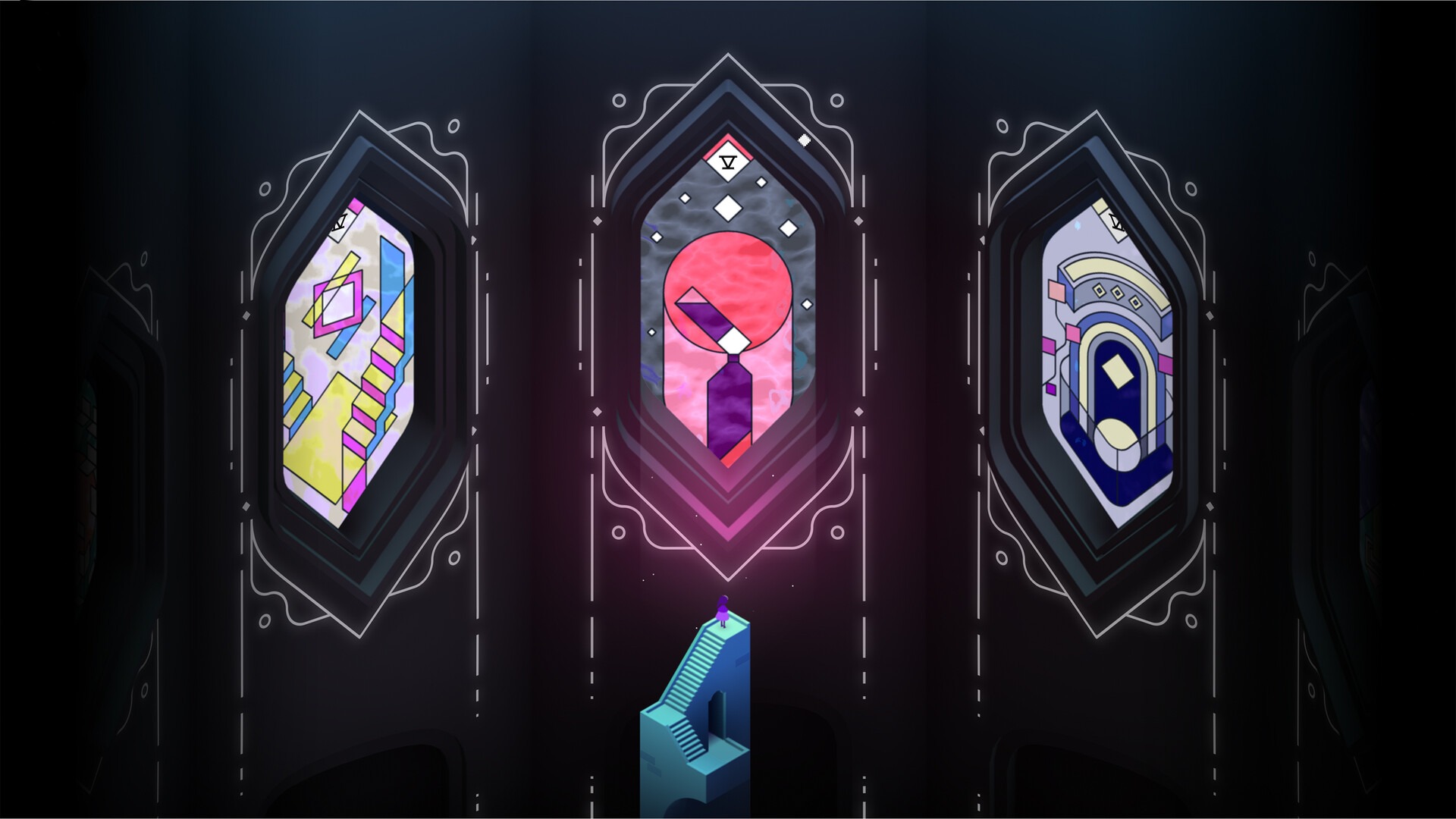
The game is easy to understand thanks to visual context. Parts of the level that can be manipulated are represented with hollow pips similar to a Lego block. You can move these freely while Noor is on them, and it’s required to solve some puzzles. You can’t always expect to just move a piece and command Noor to walk to the exit. Some pieces are moved with a spinner, and these can not be moved while Noor is on one of them. These are some of the harder puzzles, and they really require you to look outside of the box and take perspective into mind at all times. There’s a new gameplay mechanic here of being able to command a boat (it’s a leaf bug with an eye on its sail that blinks). It’s such a fantastic design. These may require moving a character back and forth between platforms to solve a puzzle. Another puzzle-solving element is a growing tree and having the leaves appear on different parts of a platform. These are subtle gameplay ideas, but they are new and welcome.
With all that said, the game is still just way too short. There are only 11 levels, and you can finish the game in a single sitting. I wanted more. I have always wanted more from this series. They are spread so far apart that when they come, you cherish them like an expensive sweet. The soundtrack is ethereal and beautiful, the visuals pop on OLED displays, and the level design is like no other. These games are well worth a playthroughif you love puzzle games. Just don’t expect a lot.
For those who grew up in the 90s, that decade was a special time. Before social media, smartphones, and tech being as advanced and convenient as they are now, we were right there during that transition. We still used analog video, but computers were now more common as well as internet access for Web 1.0, or the “Wild West of the Internet,” as some people call it. There’s also something about summer vacation, no matter what walk of life you lived, that was special. This was when we were home more and our parents wanted us out more. For those who were smaller kids, it meant going further than you were allowed and exploring from dusk until dawn. As teens it means doing part-time jobs, usually working 4 hours a day, and then hanging out with friends either at the movies, doing sleepovers, or camping. Those dog days of summer are what makes teens and helps them discover themselves.
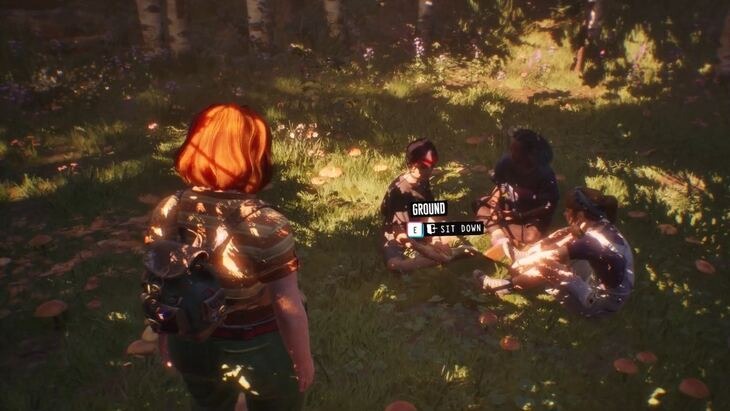
DONTNOD are masters at capturing this moment in our youth. The nostalgia factor here is on par with Life is Strange. You play as a woman named Swann who is trying to reconnect with her three childhood friends. It’s 1995. Swann, Kat, Autumn, and Nora are all 15- and 16 year old girls discovering their youth. In the present time, these women are now in their mid-40s. They have lived the first half of their lives, but they are coming together to meet at the quiet town they grew up in called Velvet Cove. It’s a small town in the northern part of the midwest bordering Canada. The sleepy town is full of bad memories for the girls. The first girl you meet up with is Autumn. As you talk about and figure out why they are meeting, you will go through flashbacks of their childhood.
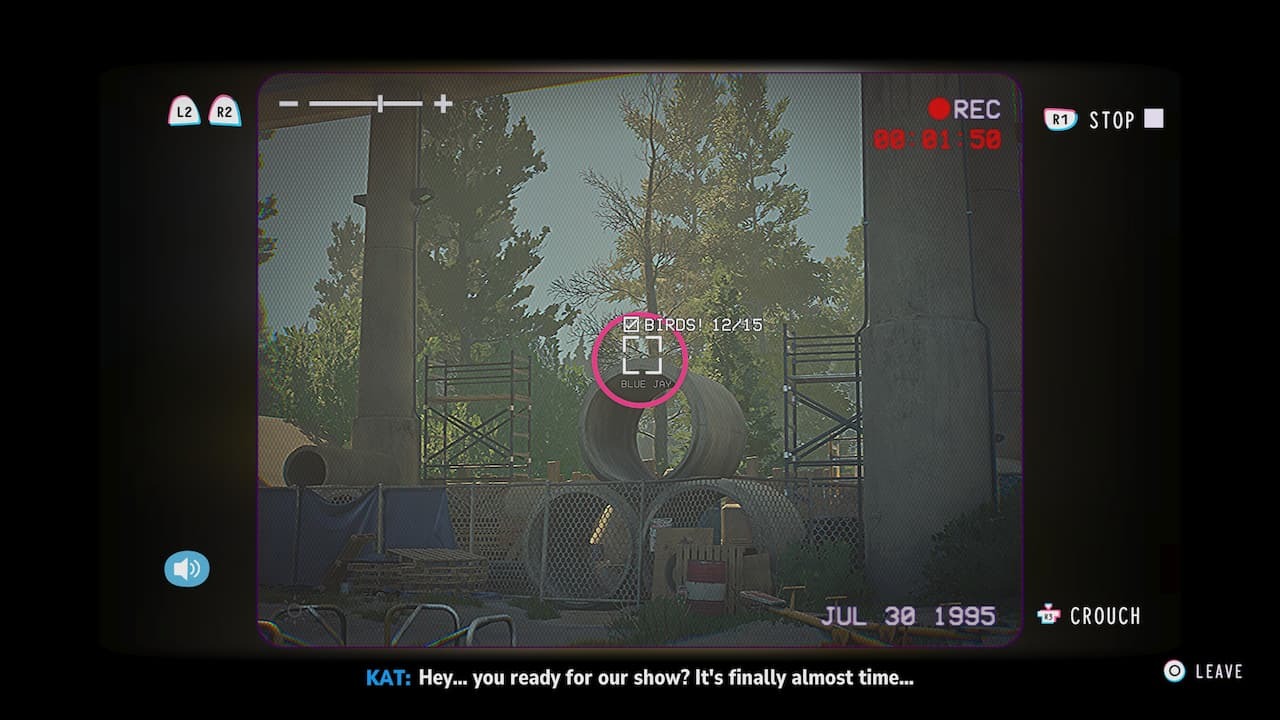
The game plays similarly to other DONTNOD adventure titles. You walk around and interact with objects and listen to Swann’s inner monologue, but there’s a new gameplay idea here. Recording small video clips to make home movies. Swann wants to be a director someday, so the first scene in her room is all about the tutorials. When you hold the camera up, you will see gray boxes around objects that need to be filmed. You will find subjects for each tape, and of course this is all part of a hunt that leads to achievements. It’s a neat idea and looks good. The analog camcorder filter used looks good, but the end result isn’t. The game uses your footage, so Swann’s narration dubs over the characters’ dialogue, and it’s a mess. There are awkward animations, and the fact that you can record at any time makes things look weird and doesn’t fit the subject of the edit, such as the music video you end up making.
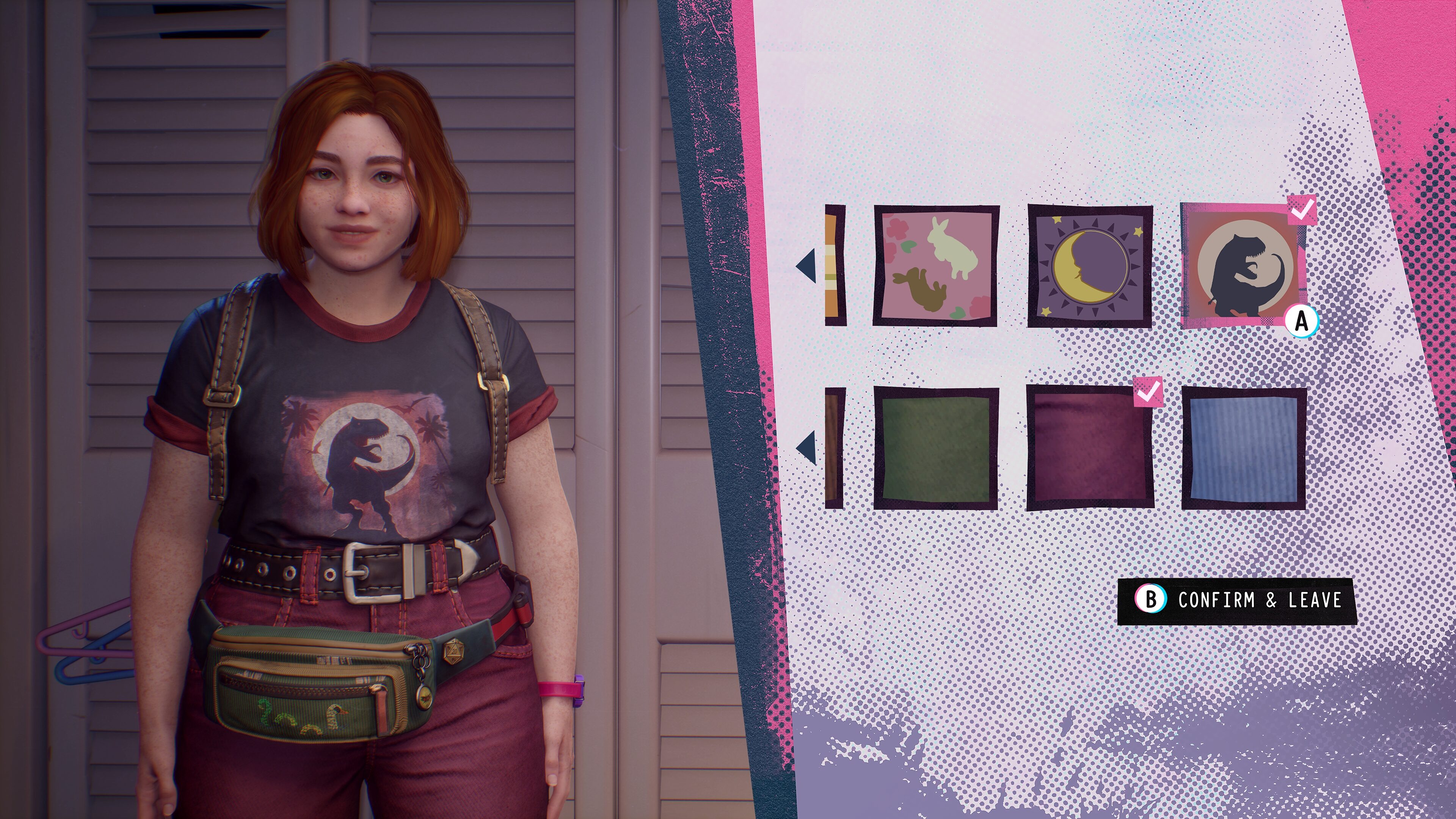
This is the only gameplay in the entire game outside of making choices during dialogue. The goal here is to build up a relationship with certain characters to change the outcome of the relationships towards the end of the game, but it’s very subtle and doesn’t have an impact on the core ending. The characters are stereotypical teenagers. Nora is the rebellious, loudmouthed punk who smokes and drinks. Autumn is the mature, responsible teenager who can occasionally be coaxed into doing immature things. Kat is the youngest, lives in a troubled home, and is full of anger. Swann is the overweight, shy girl who has a lot of heart and likes to be alone. These are all stereotypes we can associate with growing up. Teens usually want to be boxed into something to feel like they fit in. We have all been there in our youth. While the voice acting is mostly decent, it’s not perfect. Emotions don’t always hit home, and small talk can feel a bit awkward, like each character is in a separate room and not together. The lip syncing is even worse, with entire lines not having the character’s mouth move.
Like most other DONTNOD games, there’s not a whole lot of locales. Many are recycled, or small rooms will be for a single scene. Interacting with certain objects can change the relationship status with someone. If you are doing something positive towards someone, you will see a heart pop after selecting the line. Something that the character doesn’t like will have a heart break in half. Growth toward the character overall will show a sapling grow. If you have met a certain point in the relationship or answered a different way from before you can unlock new options which will appear with a lock opening. You can’t be in full favor with everyone, so it’s best to pick your favorite and stick with that. Some choices will change the full outcome of growth with a character anyways and change it for the rest of the story. Overall, the typical nostalgia trip wrapped in a supernatural event is what DONTNOD is good at, and it shines well here.
The visuals are a big improvement over older titles, but it’s still nothing groundbreaking. It uses the same engine as the newer Life is Strange games (Double Exposure and True Colors). The animations feel awful and hand-done, with weird physics glitches all the time. Heads would spin around 360 degrees, hair would flop around, and some characters would just warp through the ground. Clearly this is an engine issue and not a game issue, as these problems pop up throughout all of their adventure titles. The overall art style is well done with a dreamlike haze over everything to represent remembering the past, and the present feels more suppressive and depressing. At least they knocked the art style and the atmosphere out of the park.
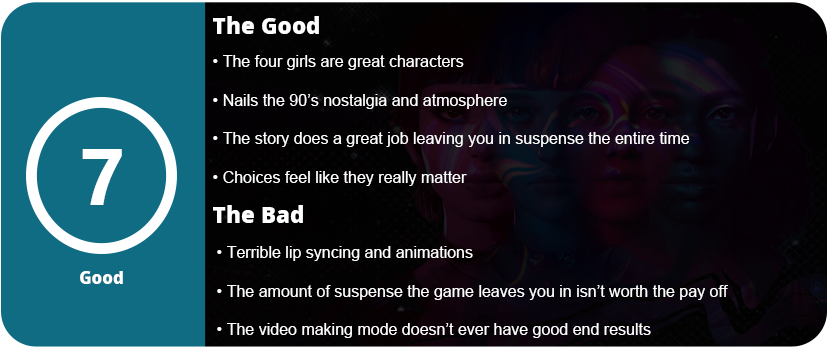
Overall, Lost Records is a great adventure title with the same quirks and problems as other games in the studio’s catalogue. While the characters are well written, and the nostalgia trip back to the 90s is fun, the rest of the game just doesn’t work too well. There are limited areas, the dialogue choices don’t affect the ending, and the entire payoff is a bit disappointing. I don’t want to spoil anything, but the game does a good job ratcheting up the tension for a big reveal. You spend most of the first tape getting teased about a big reveal for it to not be anything super impressive or crazy. It’s a surprise, but nothing that needs 4 hours of suspense. I also feel anyone who didn’t grow up during this time won’t have the same connection as older gamers. Those would feel more at home during the present time with the presence of smartphones and modern tech and lifestyles.







































 thebinarymessiah.com
Clearly you have been blocking everything you or haven't played the game at all. Maybe pay attention to the story…