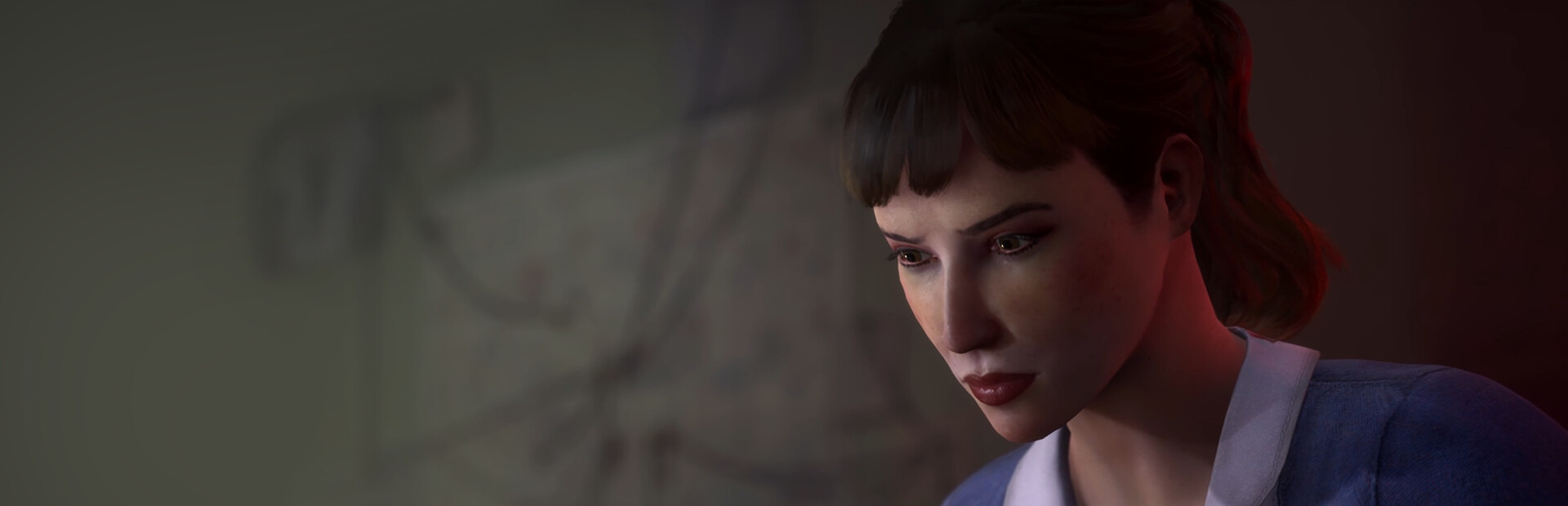
Resident Evil: Village is one of the best games in the series. It delivered dark horror that continued from VII, great level design, awesome characters, and an overall fun experience. Shadows of Rose ends up feeling like a super mini-RE game and runs for about three hours. You play as Ethan’s daughter Rose this time around, learn more about her kidnapping, and revisit a couple of areas as her, with new powers to boot.
The game plays exactly like Village did when you were Ethan. The only difference is that Rose is slower and not as strong as Ethan. You also only get two weapons in the DLC. A pistol and a shotgun. As a trade-off, you can use your anti-mold powers to interact with the environment and counter enemy attacks. You get to upgrade this over time through the story and can eventually slow down enemies with it and repel some. You end up revisiting Dimitrescu Castle and the home of the creepy doll, as well as a small section of the village. It’s nice to go back to these areas, but they are completely different with Rose present. There are also a couple of boss fights thrown in for good measure. The first third of the DLC is all action and shooting-oriented. You can still craft health and ammo, and you only find two upgrade parts for your pistol (none for the shotgun). The second third of the game is focused on stealth and puzzle-solving. The final third of the game is more cinematic-oriented and rather short.
I felt Capcom did a good job reusing these areas and constantly mixing up the gameplay. The stealth sections felt tense, the puzzle solving was simple enough to not need a walkthrough or guide, and the boss fights were pretty fun and interesting. It felt like Village all right, and the only question is whether or not the ending to Rose’s story is worthwhile. It’s included in the Winter’s Expansion, which includes a third-person mode and Mercenary missions, so I would say so. However, there is no reason to go back and visit this DLC, unlike the main game. The powers aren’t interesting enough to come back to either. They are mostly used to clear obstacles and stun enemies, and that’s about it.
Rose herself isn’t a very interesting character. I feel I don’t have any reason to care about her, and she wasn’t talked about enough in the main game. I feel she could have potential, but would need her own main game to pull this off. There isn’t much story in the DLC to begin with, and I was left with more questions than answers. I just shrugged at the end and didn’t give it a second thought. Most people come for the action and gameplay and not for the story.
Bloober Team seems to really love their Layers of Fear series because they thought it was big and important enough to remake both games and tie them into each other with a third overarching story. If either game was confusing enough, nothing is cleared up in the story, and it all comes together to feel mostly poetic, vague, and abstract. While the writer’s overarching story makes sense as she’s trapped in the lighthouse that was meant to be an inspiration, the painter’s or actor’s stories are much improved.
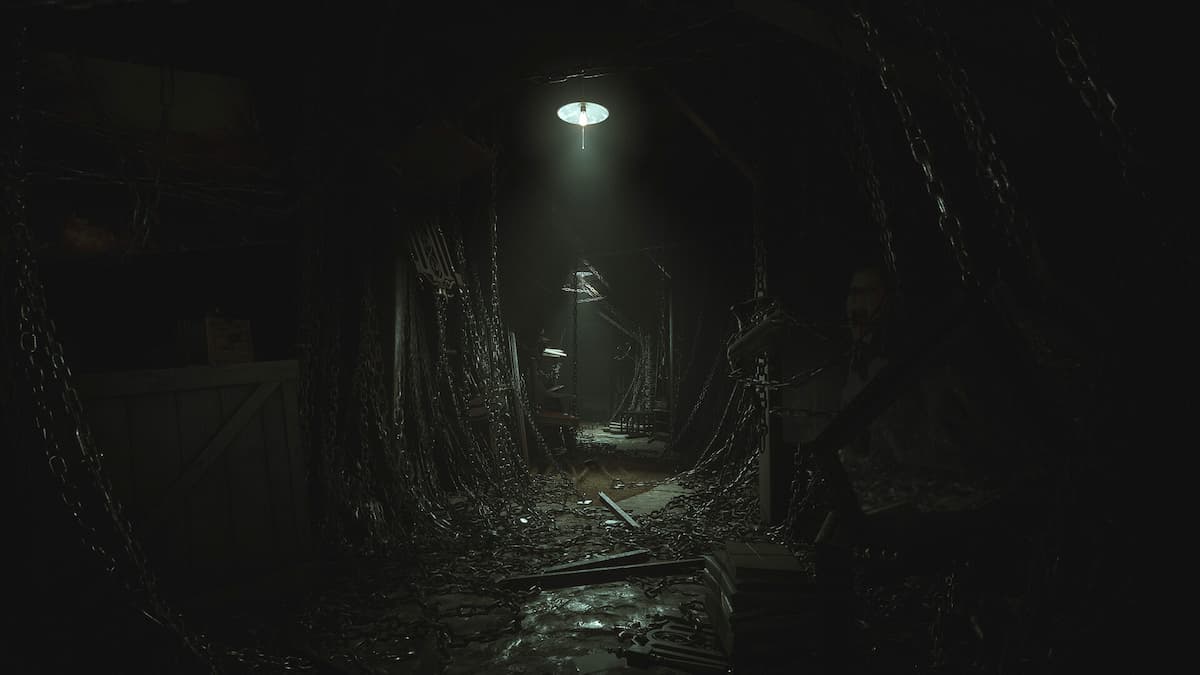
Trying to describe Layers of Fearis a challenge unto itself, as the gameplay is about as abstract as the story it’s trying to sell. The game is full of excellent visual effects, disappearing acts, illusions, the opening and closing of many doors, jump scares, and anything else you can think of to make a game feel like a lot is happening when really nothing is. The game is all flash with no substance, and the remake didn’t do anything to change this. It leaned into the flash at full tilt thanks to the Unreal Engine 5 upgrade and ray tracing. It looks pretty (mostly in the first game, The Painter’s Story), and that’s about all this game has going for it. I thought it would be scarier to push the supernatural themes a bit more, but instead, Bloober chose to just give us an enemy that can hurt us in each story, but it doesn’t add anything. They are slow; you can run from them, and you can also banish them with light, but they come back.
Layers of Fearcame out when P.T. clones were rampant. You start out in a seemingly harmless house with rooms you can walk into, the bare sound of ambient noise in the background, lights flickering here and there, and drawers and cupboards you can open. You end up wandering around the first house a bit until you discover the painting room and dive into the first chapter. There’s a lot of narration in the background, disembodied voices, and notes you can pick up and read to help with context and exposition. Every interactive object has a white circle over it, and you can twist it, pull it, and turn it. Essentially, Layers of Fear is a Bop-It® simulator in disguise, but I digress.
There are rarely any puzzles to challenge you. There might be a large hub with doors that branch off and you need to get an object from each room, or there might be a code you need, but they are always right in front of you by opening a door or looking at the correct object. Layers of Fear‘s only challenge is not getting bored to death because the story is too busy trying to be poetic and pretentious over telling something interesting. Once you’ve opened the 100th door, most may turn the game off, especially when no other gameplay is introduced outside of crouching in the second story. Sure, the second story has fewer illusions and parlor tricks and feels more like an adventure, but I also understand the painter’s story is a trip through madness and insanity, but you sure wouldn’t be able to tell if it weren’t for the visual rollercoaster.
I even felt the DLC from the first game didn’t add anything known as The Inheritance. It was 45 minutes of frustrating mazes that didn’t deliver anything new or exciting. The new DLC called The Final Note is just more of the same without giving us anything unfamiliar or appealing in the slightest. Even the overall story for the writer that’s supposed to tie all of this together is very short, linear, and completely unnecessary in the long run. With two games to get through and the second story being much less interesting, I don’t see many players finishing this at all.
There are collectibles in each game that can get you achievements, but many are easy to miss. If you don’t look at the right object, open the wrong door, or just walk past something, you can miss it. They don’t give any additional facts, story bits, or anything noteworthy, so outside of achievement hunting, there isn’t a reason to do this. I honestly would have preferred an entire third entry rather than a remake after spending around 2 hours in each story. The game just becomes a slog of cheap thrills and poor storytelling.
The visuals are a treat at least, but for some reason, they don’t look as good when you get to the second story, which is Layers of Fear 2. I’m not sure if it’s because the graphics are just more plain here. Things are less colorful and trippy and are a bit more grounded, but the first story looks so good with great lighting effects and better textures. Once I finished the first story, I did look forward to what was happening with the writer’s chapter, but these segments are so short and don’t give us any more meat for this already scrawny game.
Overall, Layers of Fear is a remake no one asked for. Remaking an already mediocre and mostly bad sequel and trying to tie it together with a half-assed third story just doesn’t work. We get the first game’s DLC that feels pointless, a new DLC that feels aimless, and monster chases that are now dangerous but don’t need to be. The game is barely a horror title. Without the lighting effects done the way they are, you wouldn’t know. I didn’t ever feel scared; there were occasional moments of urgency, but that’s about it. The stories are convoluted hollow shells that do a bad job of telling a story in a game that you feel imprisoned in with no gameplay, and the only thing to look forward to is the story. This should have been a third game and not a remake.
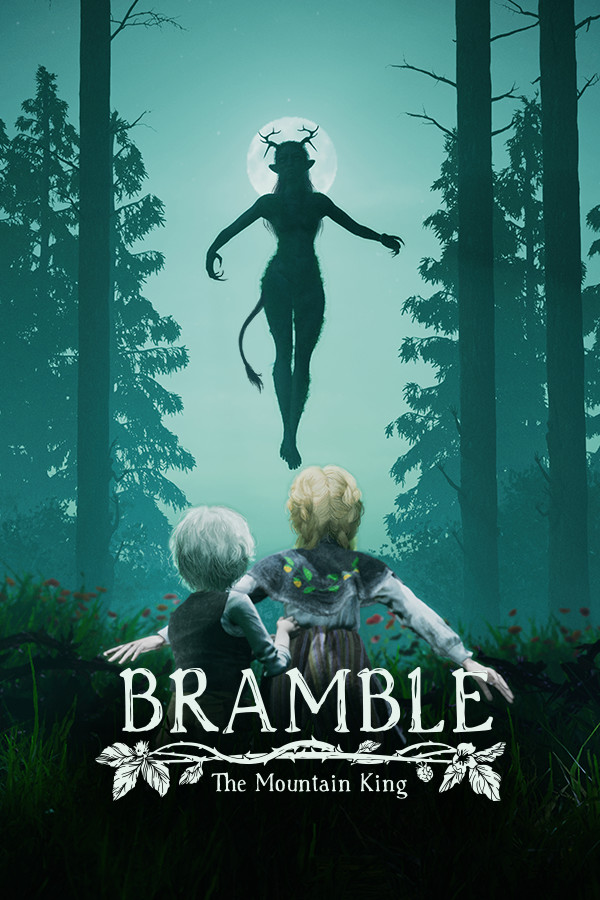
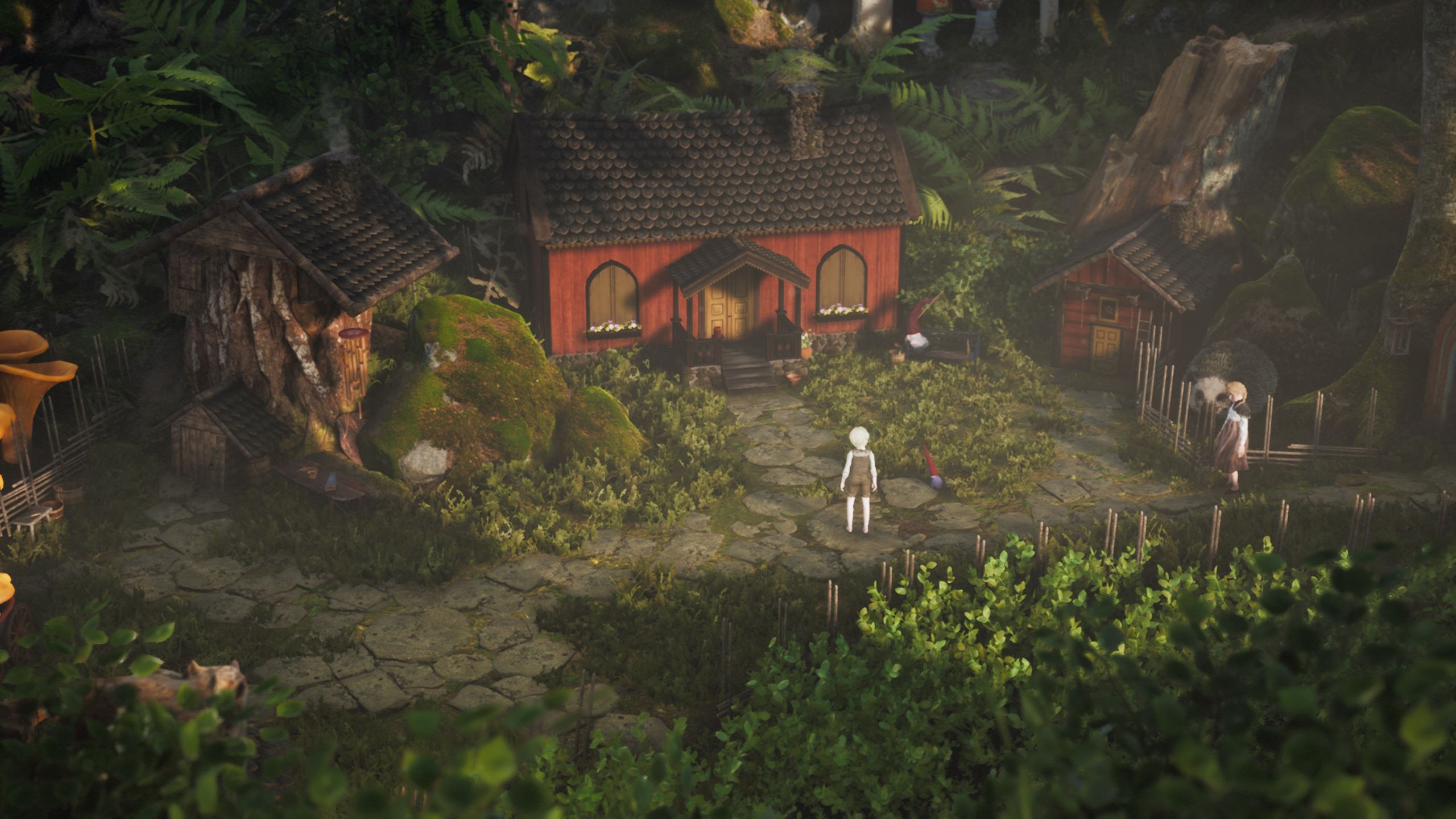
Linear, narrative-driven adventure games are some of my favorites. Bramble does a great job trying to be different than the rest by delivering a little bit of everything and not overstaying its welcome. You play as Olle, who is trying to rescue his captured sister from the bramble and evil forest creatures who took her.
The game does a great job of luring you into a false sense of security. The game starts out bright and colorful, with beautiful sweeping vistas of green. You get to solve various simple puzzles with cute gnomes that laugh like little babies. The first third of the game is cheerful and bright—until it suddenly isn’t. Bramble quickly turns dark, gory, and downright depressing. Sacrificed babies, wading through pools of animal gore, climbing moldy meat—and those cute little gnomes get slaughtered at some point. It’s just done abruptly and suddenly, and it’s shocking.
The majority of the game has you running around areas with fixed camera angles, jumping, climbing, pushing the occasional push, twisting the odd lever, and solving the easiest puzzles. I honestly don’t know why these puzzles are even here. Exploration is also nonexistent. You go into a room with a locked door, only to find the key on the table in front of you. This happens multiple times as well. I don’t understand the point of it. There is a bit of combat thrown in, but it’s saved for boss fights. You have a ball of light that’s not only used to illuminate areas and clear some paths, but you can also chuck it at weak points at bosses. The boss fights are the only challenge in the whole game, as you must memorize attack patterns and dodge, jump, or toss your ball at the right moments through waves of attacks.
The environments are constantly changing, and they all look fantastic. Depth of field is used well here as you are a small person in a giant’s world, so everything from blades of grass to a normal-sized rock is huge. This is well shown, and the perspective is pretty cool with the depth of field effects used. Textures look great, and models look good too. The entire game is narrated by a woman, so it’s the only voice acting in the game. I do want to mention that the soundtrack is gorgeous. During chapter changes and while the camera pans across a vista while you’re running, an incredible vocal soundtrack will play, and I honestly would listen to it outside of the game. The soundtrack by Martin Wave and Dan Wakefield is fantastic.
Despite the great pacing, wonderful visuals and soundtrack, and challenging bosses, there still isn’t much of an actual story here. The game is narrated like a children’s storybook from medieval times, but that’s about it. I had no reason to get attached to the characters or the world around me. The monster and creature designs are top-notch, and I always looked forward to the next screen because it was always a surprise. The game is nice and short and is better than most short, linear, narrative-driven adventure titles. I love the dark tone and theme, and while you may not discuss this with your friends a year from now, it’s at least a sight to behold.
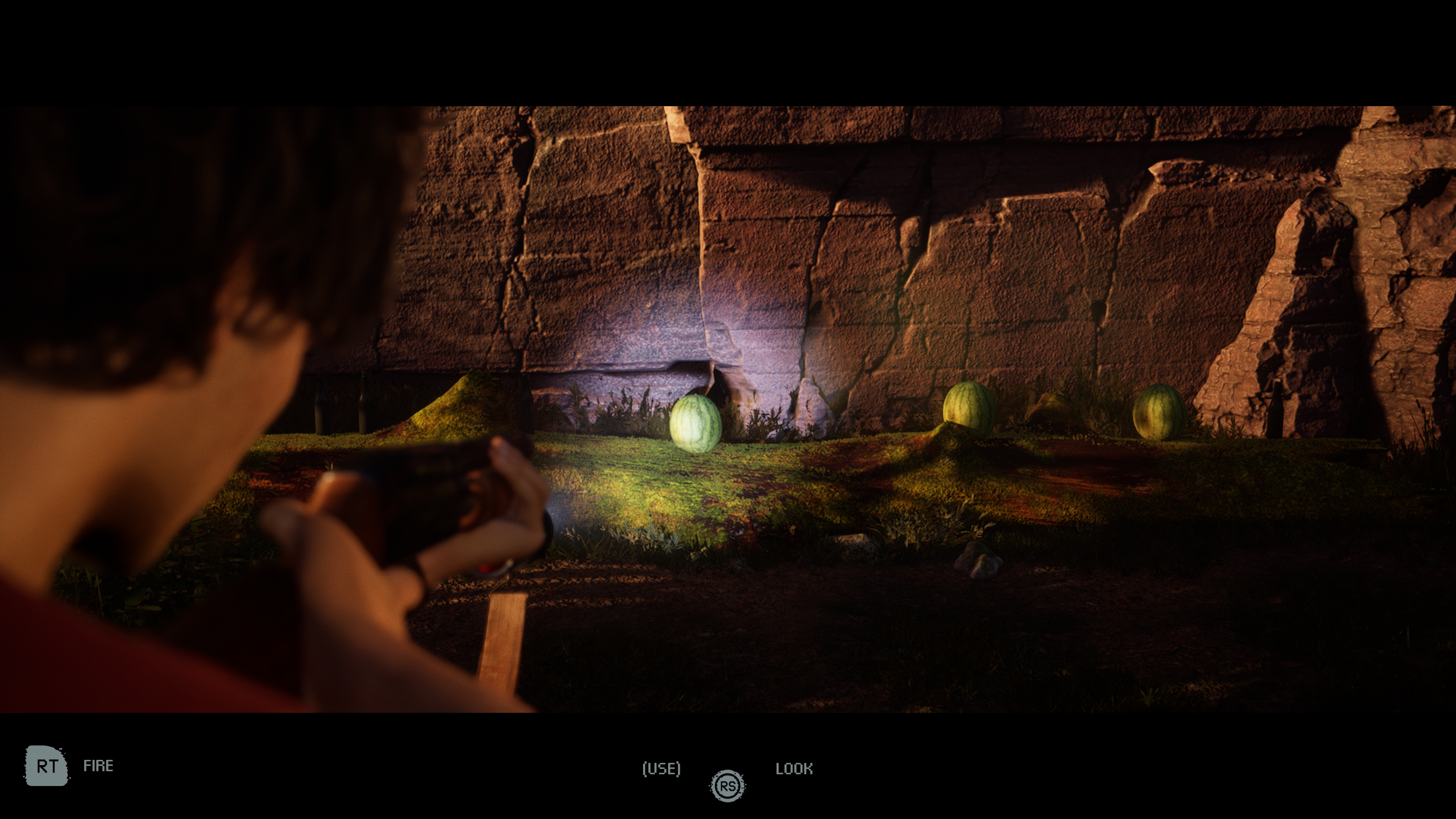
Supermassive games are well known for the interesting worlds they create, albeit how small and linear they are, and their knack for telling decent horror stories. Until Dawn is still considered one of the best PS4 games to date, and it was a fantastic game. Mostly in terms of the lore and story behind the characters. The pacing was also pretty great. Supermassive went on to create the episodic The Dark Pictures Anthology game, which is mediocre at best. The Quarryis the first stand-alone title they have made sinceUntil Dawn, and their experience from The Dark Picturescarries over.
If you are familiar with any of their work, you will know pretty much what to expect. The game starts out fairly slowly, introducing the choices and QTE gameplay to you in a safe manner that won’t affect the story. You start out as two characters who are on their way to a kid’s camp in some nondescript woods to be counselors. You run into something on the road and get run off, and you need to figure out what to do from there. The dark and brooding atmosphere kicks in right away, and the game is better paced than some of their previous works. Once the beginning chapter is out of the way, you get introduced to all of the other characters, and the first few chapters build up to the horror and get you attached to these characters via personality cliches and quirks. Sadly, Supermassive relies heavily on character traits and stereotypes to get you attached to their characters. Their games are more about the here and now, and there’s little lore or character background like in other adventure games.
This has always been a fault of their games that I don’t like. While the characters are more likable than in previous games and have better and stronger personalities, I still don’t care for them after the game is over. I don’t think about them or care to go back and find out about other outcomes. You have the jock type, the strong female, the silly female, the meek female, the silly small dude, etc. They are just all stereotypes, and relying on this makes all of their games feel like B-grade horror movies with slightly better acting. I understand that’s sometimes the charm, and it’s almost done on purpose in this case, but I would like to see the studio’s experience put to use in more than just cookie-cutter horror movies you watch on cable TV at 2 a.m. and forget about the next morning.
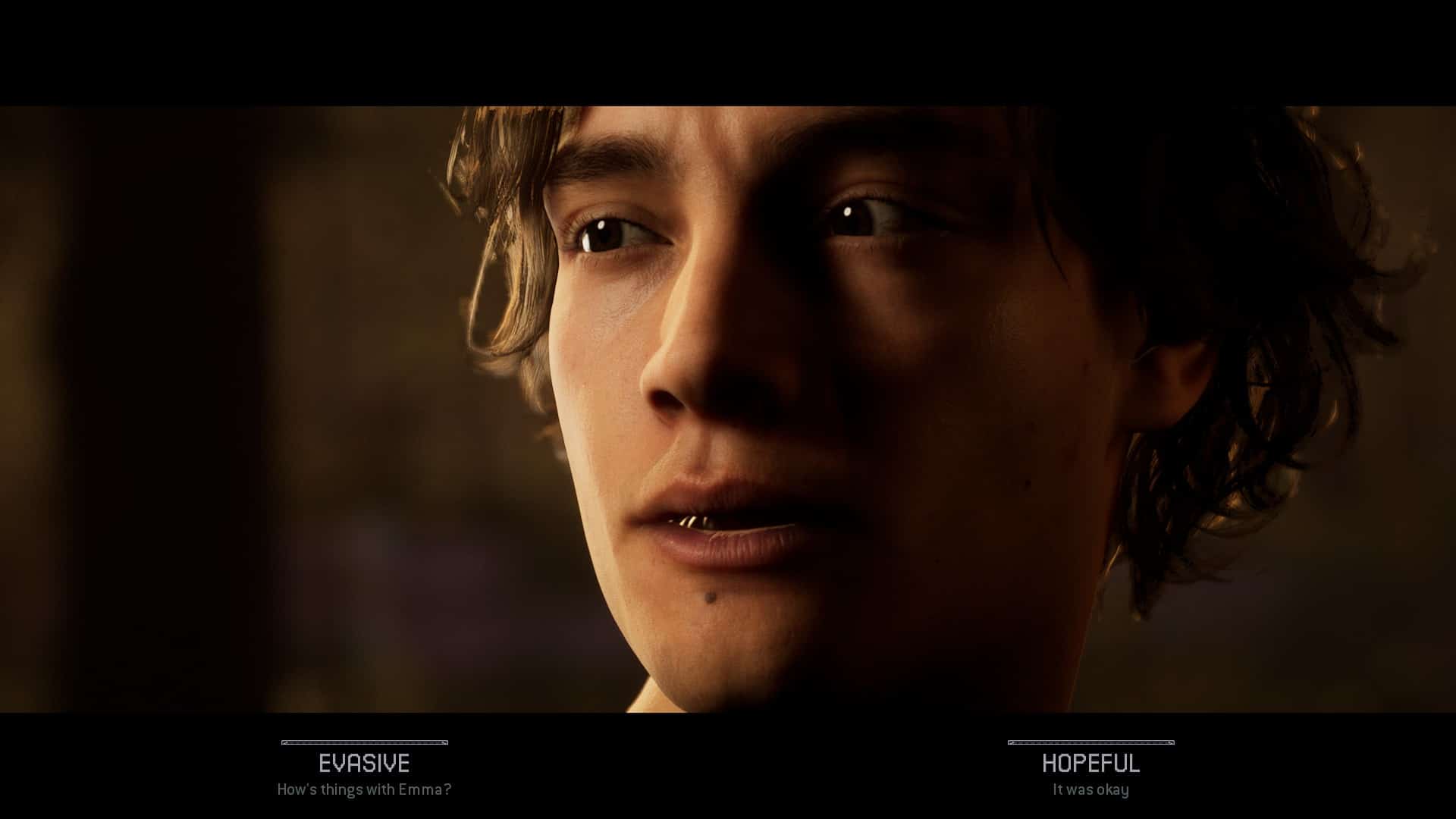
With that said, there is still almost zero gameplay here. Your main goal is to focus on choices. You get dialog choices, always two, that can shift your attitude towards a character one way or another, and it’s your job to observe them and figure out how they will react based on how they are dealing with things in the world. During the “action sequence,” you get really easy QTE button prompts, and failing these will either end in a game over that kills a character or a second chance to try again. You can press the left analog stick in a certain direction or mash a face button. Adventure game gameplay these days is so bad. I honestly wish the puzzles would make a comeback. There are some small changes to the typical Supermassive gameplay with choice actions. A prompt will pop up asking you if you want to call out, stop someone, raise a weapon, or something along these lines. These are important and can change the whole outcome of the game. It’s a rule of thumb to either hide and hold your breath or run and don’t mess up the prompts, but sometimes you can stray off the path, and these usually have dual outcomes. Something good and bad happen at the same time.
When you rarely get control of a character, you wander around looking for things to look at and tarot cards. These cards are similar to the photos in The Dark Pictures Anthology and can show you a predicted outcome. You only get to choose a single tarot card you find per chapter, rather than seeing every outcome as you discover them. I honestly didn’t feel these were necessary, and all but one of my party survived by the end of the game. I think I did pretty well. Walking around the linear areas is an excuse to add “gameplay” and pad things out. There is even a movie mode that lets you just watch the game as a movie, so there’s that. I will admit that the choices here felt heavier and more important than in previous games. I really had to think, and sometimes I really couldn’t predict or know what my choices would do. A lot of them were based on pure instinct. So at least their path engine is getting better.
Of course, Supermassive is also known for its hyperrealistic animations and visuals. Sure, they are fantastic. So good that some of the facial animations just don’t look human or feel awkward. They still have that “video game trying to be super real” feeling to them. Their Unreal Engine is still poorly optimized, and with a high-end PC, I still dipped under 60FPS at 1440p. To be honest, Supermassive also just can’t get a lot of what most other adventure games get right. Any time they try to be “touchy-feely and deep,” it comes off as corny and cheesy. It’s not to the level of, say, Life is Strange that can really dig deep and make you believe that these characters are human and feel pain and misery.
Overall, The Quarry is a nice departure from their mainline mini-series, but it still suffers from the same issues. A poorly optimized engine, awkward facial animations, corny dialog, and forgettable characters and stories. This is a typical “2 AM B-grade made for cable TV” horror story and nothing more or less. By the time the credits rolled about 9 hours in, I shrugged and just moved on to the next game. The acting is much better than in their previous games, and their choice engine feels more organic and relies more on instinct, which is great, but there is pretty much zero gameplay. This is fun to play on Halloween night with a friend with the lights off, or just to pass an evening with some decent entertainment. Don’t expect to talk about it with your friends the next day, however.
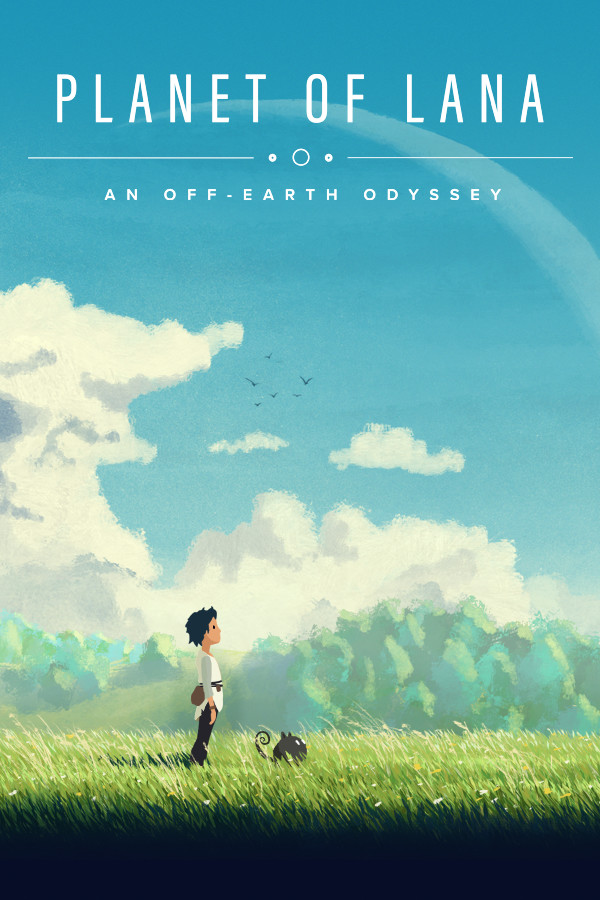
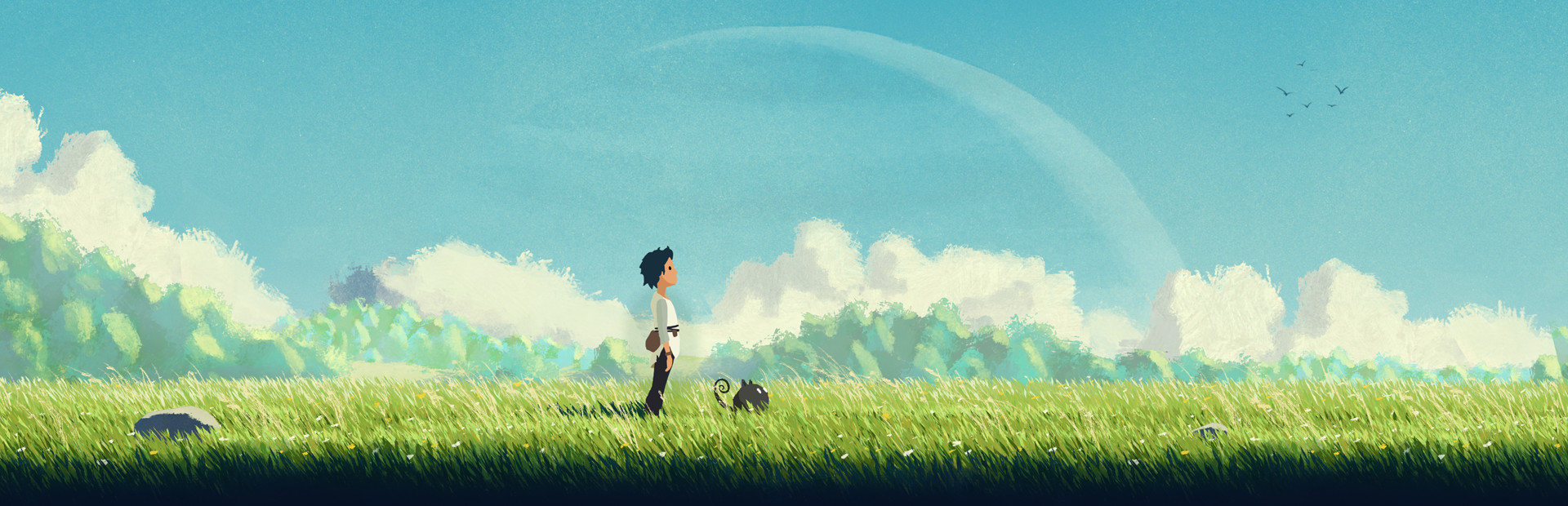
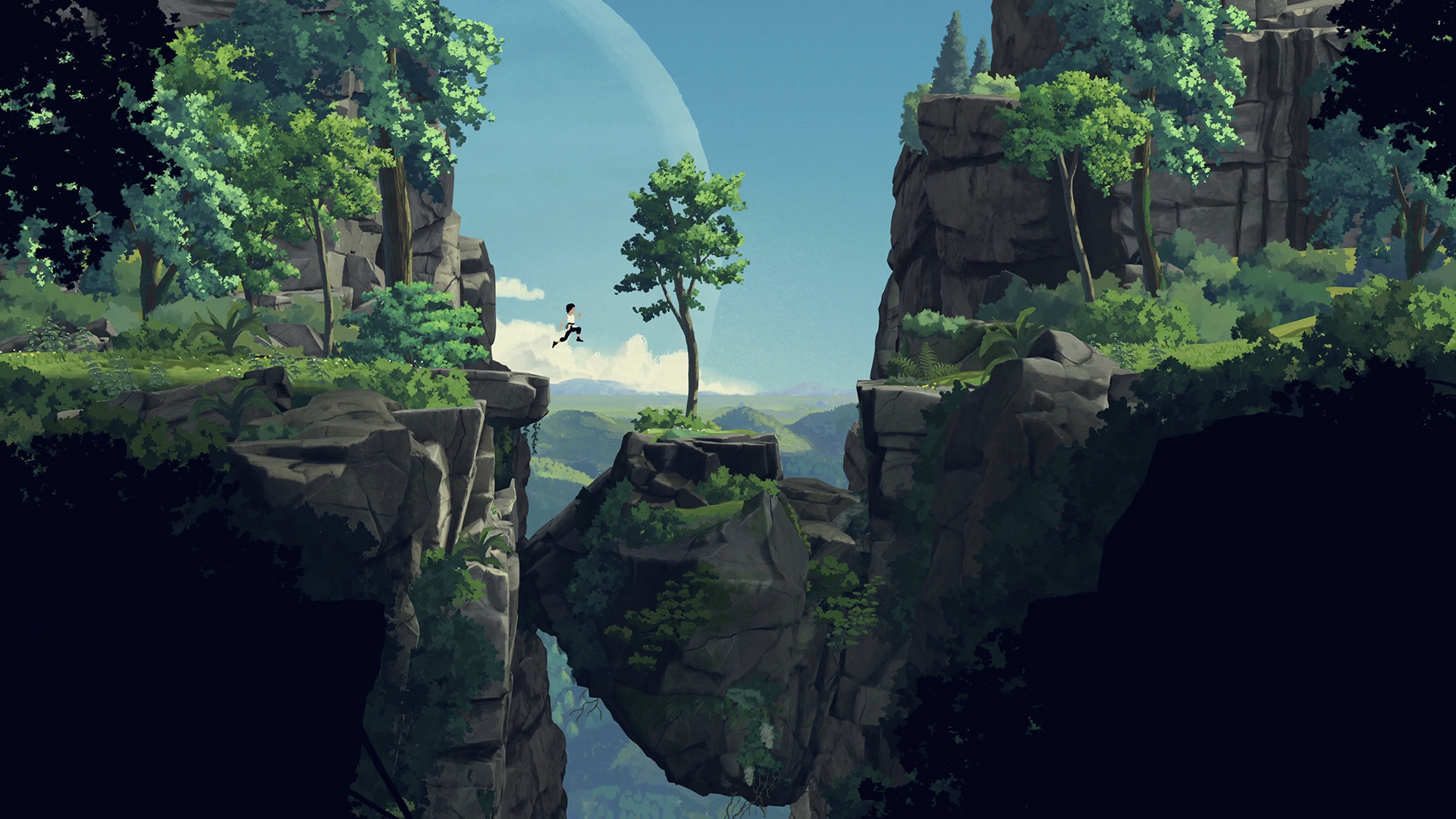
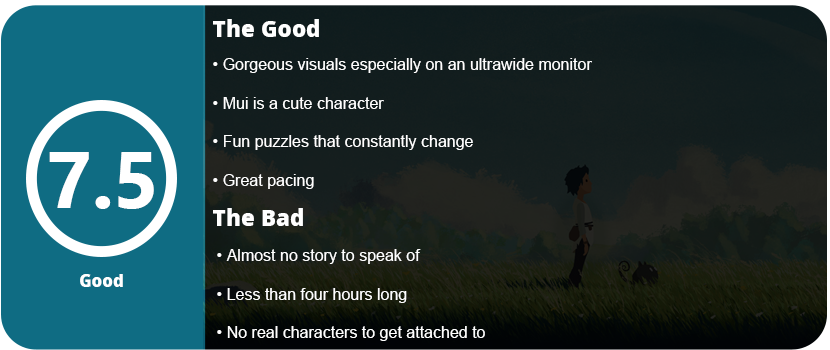
When an indie game like Planet of Lana comes out, I’m a sucker for these types of games. 2D atmospheric platformers that may or may not tug at your heartstrings are usually quite beautiful to look at and have great pacing. When playing Planet of Lana, I got vibes from various other games such as Inside, Limbo, Max and the Magic Marker, A Boy and His Blob,Little Nightmares, and so on. There’s a mix of all these games inside, but it still has its own identity. There are also artistic vibes similar to Studio Ghibli films and even War of the Worlds. I got all of this from playing this game, and it was nice to get those nostalgic flashbacks.
The game is a strict 2D platformer with some puzzle and platforming elements thrown in. Your main character, Lana, controls similarly to other characters in games like these. He feels heavy and doesn’t jump very far, so you rely a lot on pushing boxes, dropping ropes, and moving platforms around to get around. However, to its credit, the game doesn’t heavily rely on this to pad gameplay. Puzzles happen maybe a few times per level, and they are quite satisfying and fun. For the first time, I do want to mention that this game benefits from having an ultrawide display. The luscious landscapes spread across the screen, and it just looks amazing. The game slowly introduces gameplay mechanics to you, and it really opens up when you come across your cat-like companion Mui. You use him to flip switches, jump up on robots to flip switches high up, lure creatures, etc. The gameplay mechanics are mixed up all the time, and no two puzzles are the same.
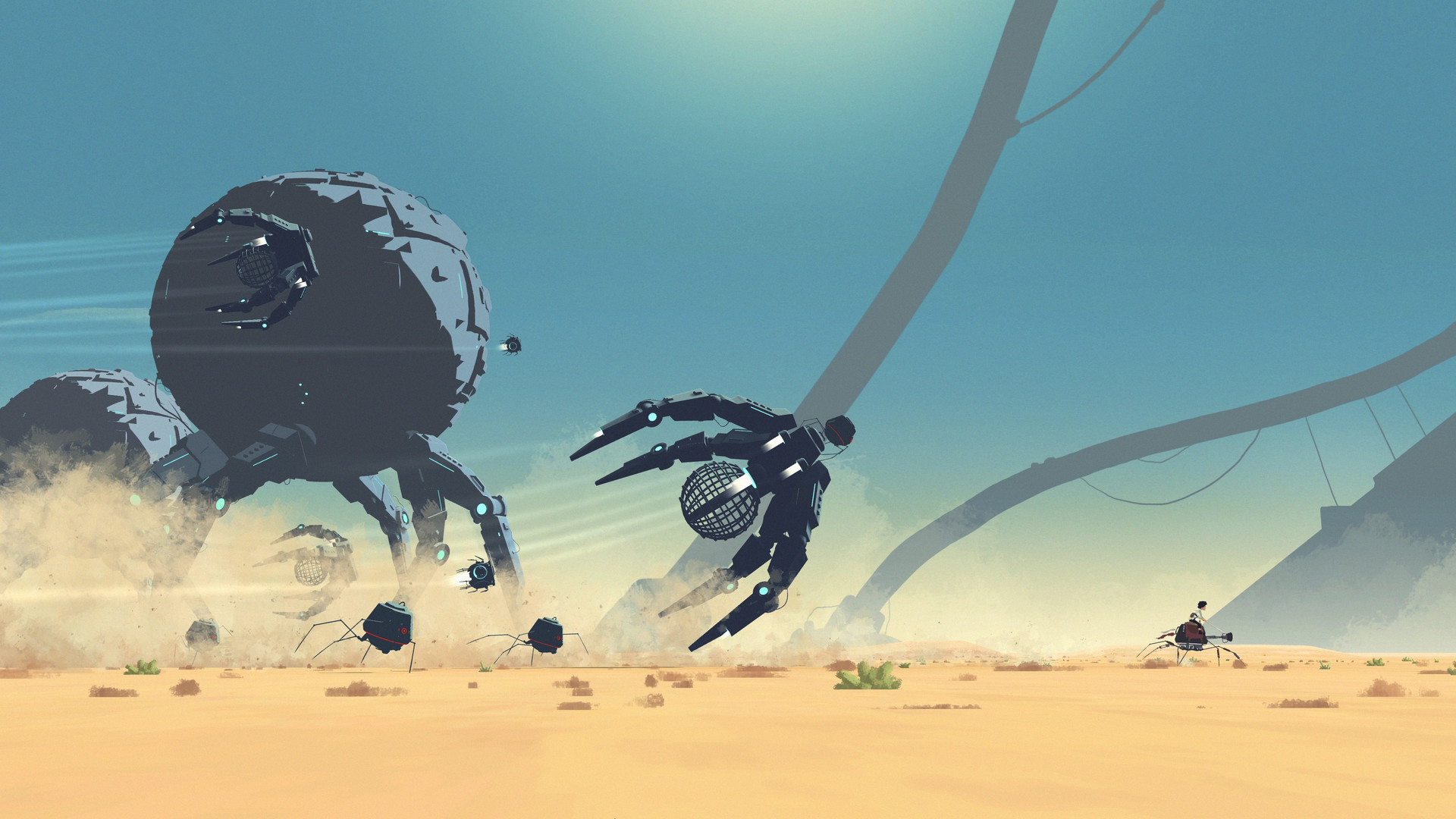
Enemies exist in the game, and you always have to avoid them. either robots or creatures. A lot of the time, there is timing involved. Study their walking path and run when it’s clear, or somehow use the current puzzle to take them down or disable them in some way. Each encounter is new and fresh, and the pacing of the game is great. You can play the game for nearly four hours to the finish line and feel satisfied. I rarely get stumped, and the environment is always changing.
I will say that this game suffers from the same thing as all other short cinematic adventure games. The story is nonexistent. You’re trying to rescue your sister from an invading robot species, and that’s it. There is a final ending, and it works, but there’s no reason or way to get attached to characters or care about them outside of Mui due to his personality on screen. I feel like developers shouldn’t sacrifice stories for short game times. There’s a way to make you care. Braid is a perfect example of this concept. The game is gorgeous, and the puzzles are fun, but please give me a story to care about. Sure, there are your typical three acts and an actual ending, and it makes sense, but I wanted to care about this world a little more.
Overall, Planet of Lana has great pacing with a lot of fun puzzles that always change up, enemy encounters that mix things up, and environments that are always changing. Having an ultrawide monitor is beneficial for the lovely landscapes, but there just isn’t much of a story here. The game is also less than four hours long, so some may feel like they want more.
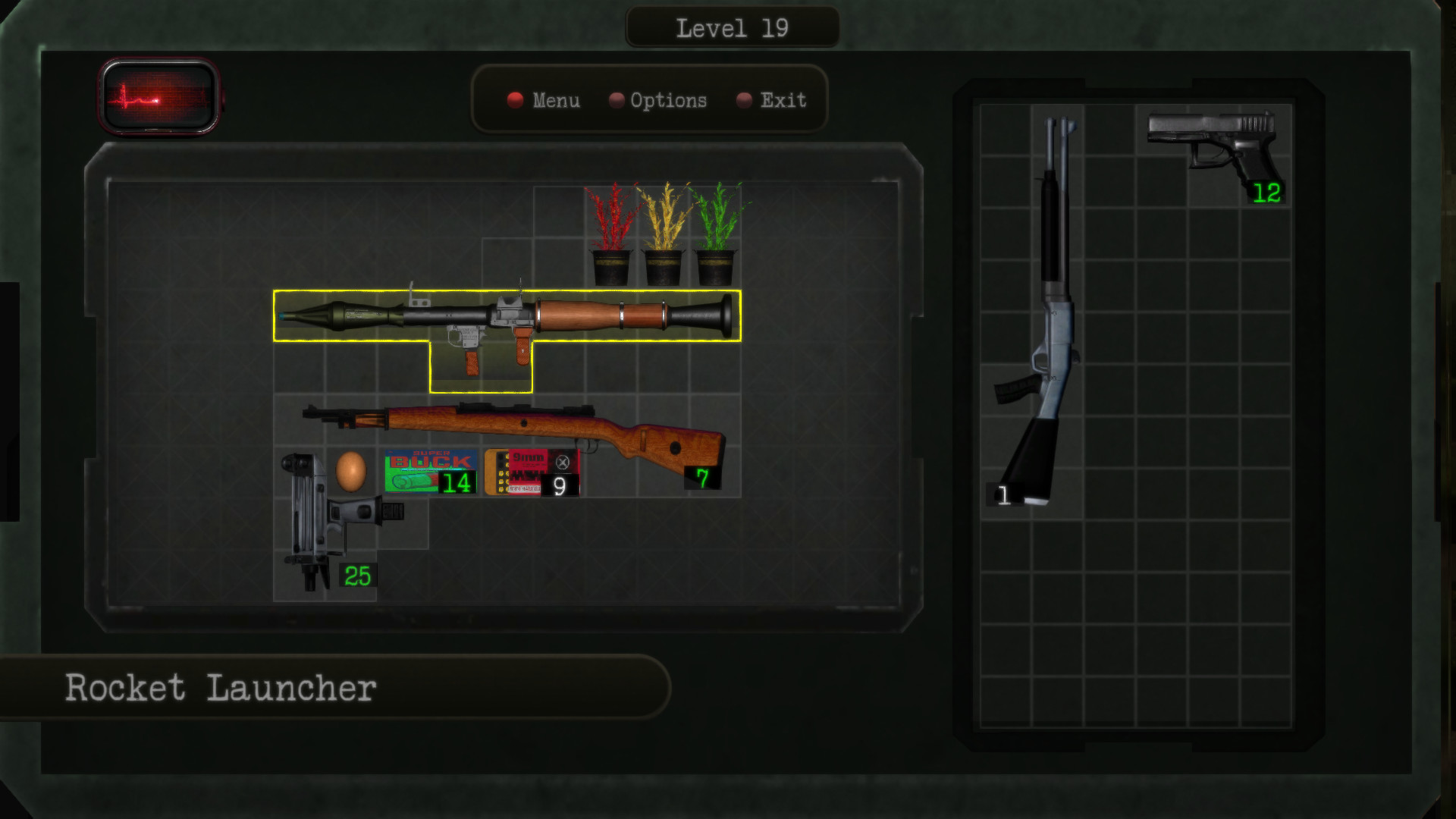
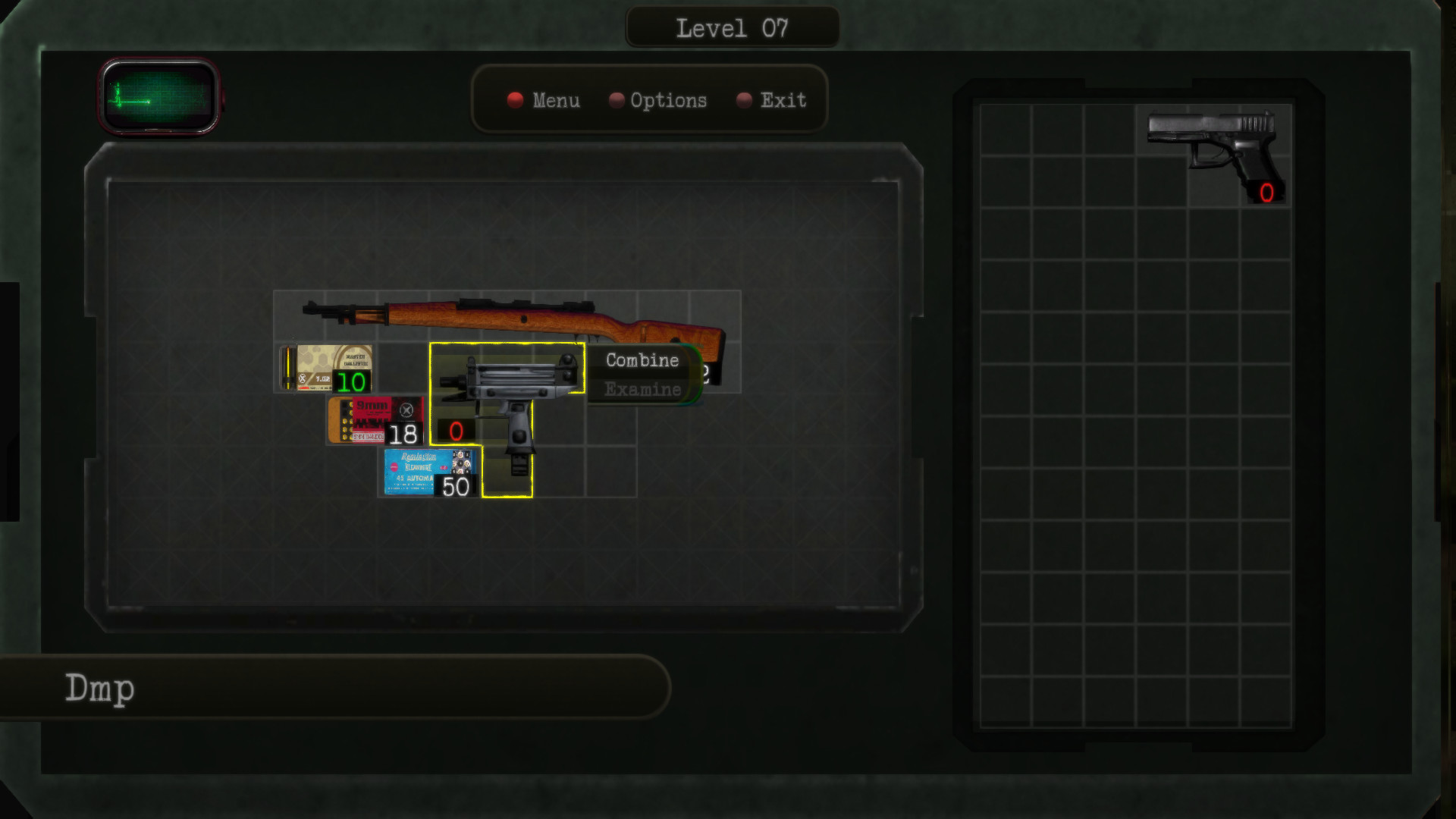
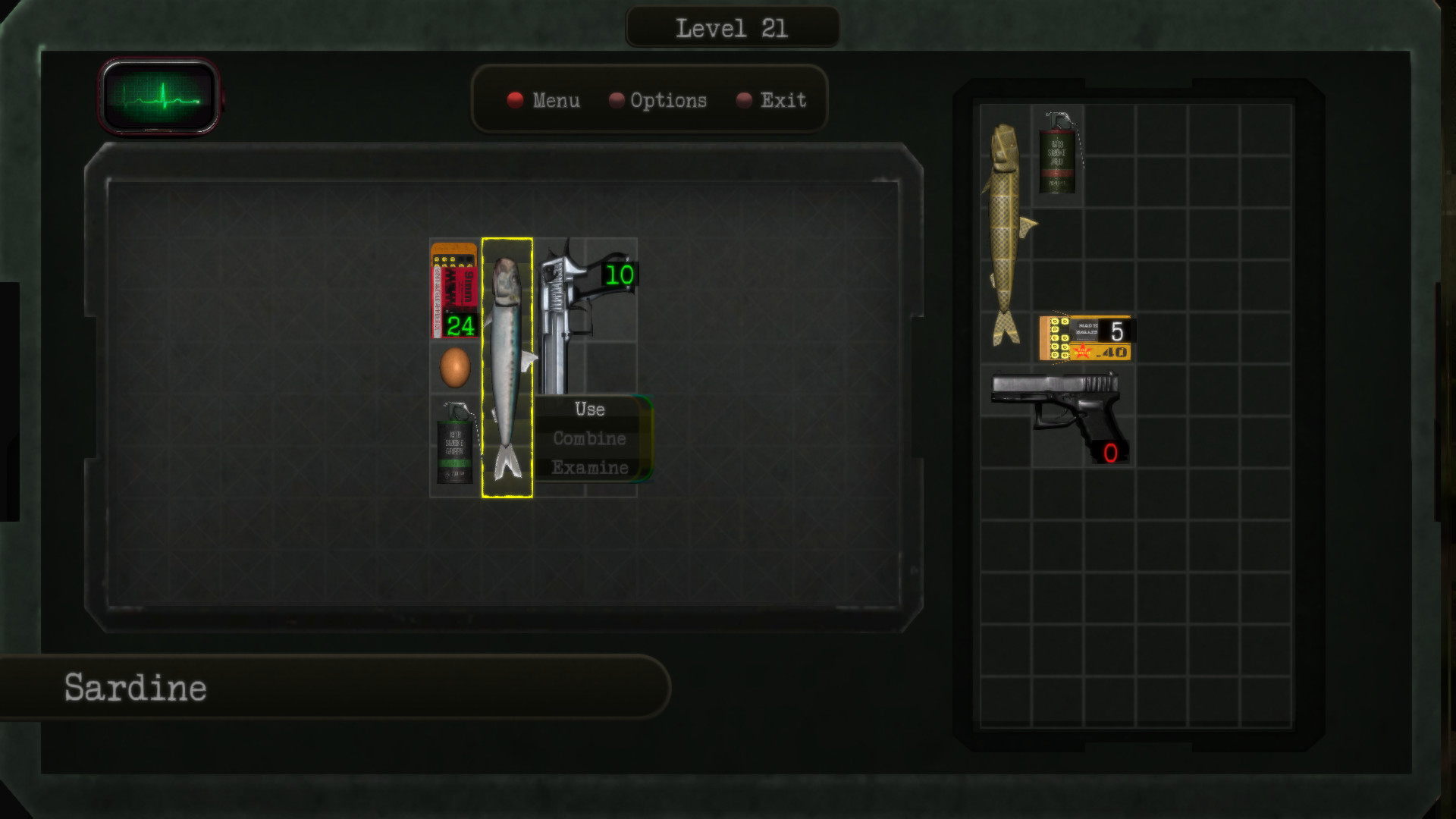
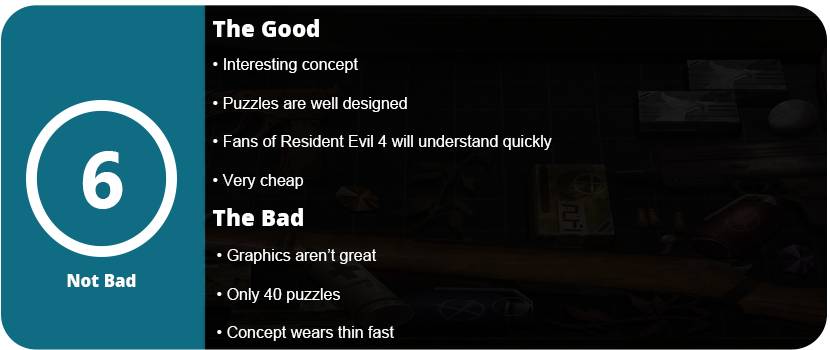
Did you ever play Resident Evil 4 and want to just organize that inventory? It’s kind of satisfying getting all your items in the right spot, so someone thought that should be its own puzzle game. In Save Room, you organize weapons, health, and other items ripped straight from the game it’s inspired by.
There are only 40 puzzles in total and you can blow through them in just about an hour. On the left is a cache with a grid and on the right are the items you need to fit in there. There are just enough squares to fit every item exactly. You begin with just fitting small pistols and then larger weapons like shotguns and rifles. Shortly after this, you need to organize health items and grenades. Things get more complicated when you start out with too many items.
Well, just like in RE4, you have a health meter and need to refill your guns. You need to do this in a certain order as this is also part of the puzzle. You may have three health items, but can only use two so you must figure out how to combine herbs and also hurt yourself with poisoned eggs and fish to be able to use more health items. Later on towards the last dozen puzzles you start crafting ammo in addition to stacking ammo and reloading weapons.
This all sounds complicated, but if you ever played RE4 you know exactly what to do already. A few puzzles will get your brain juices flowing. Mostly the ones that needed me to combine certain types of ammo and reload or stack ammo in a certain order. I only had to look up a few puzzles online, but most are quick trial and error levels and you will be breezing through them.
This sounds like a great concept, but in the end, it gets old really fast and it makes you just want to play RE4 instead. The visuals are pretty ugly, there’s a single track that loops in the background, and that’s all there is to this. For the low asking price, I can’t really complain. I had my hour of fun, but it’s totally forgettable. This isn’t on the same level as Portal or even something like The Room series. You won’t be talking about this 10 years from now. I honestly can only recommend this to RE4 fans who want some sort of weird spin-off. Anyone else who never played RE4 just won’t care about this or even get the idea.
Obsidian Entertainment lit the world on fire with Fallout: New Vegas. Many considered it superior to Bethesda’s own offering, Fallout 3. The Outer Worlds was considered a spiritual successor to New Vegas. The same type of play style. A first-person RPG with shooting elements, a large story, companions, quests, and worlds to explore Many were calling it New Vegas in space, but is it really that, and does it live up to New Vegas?
The short answer is no. It falls short in nearly every way. The game really does feel like it’s trying to be New Vegaswith the funny humor in the propaganda posters and the overseeing mega-corporation that’s trying to take over the Halcyon colony, and you’re trying to get factions to agree with each other or side with them. The overarching story is pretty much forgettable, and that goes for most of the game. The story, characters, and side quests are mostly boring. I hate to really say this, as this game has sat installed on my PC for a couple of years now, and I would do a mission or two and quit because of just how dull the game is. The characters aren’t memorable; there’s no personality that stands out, and the overall mega-corporation humor that overshadows the game just feels like it’s in the background.
The game is also incredibly short. I did several companion quests, dealt with all the factions, did multiple side quests, and still clocked in at around 12–13 hours. If you blow through the main story, you can finish it in 4-5 hours easily. I feel that contributes to the problem of the story and characters being uninteresting. There’s not enough time for them to develop. Your entire crew is all humans, and they all just feel like generic Bethesda faces that were run through a random generator, and nothing stands out. I wound up skipping through a lot of dialogue because I just didn’t care. I loved the characters and overall story of New Vegas. It was fresh and interesting, but this just feels like a generic space odyssey.
So what about the gameplay? It’s tighter and more refined than New Vegas, but not by much. I hated the upgrade and skill tree systems. They felt generic and half-baked. The game’s poorly balanced, where it’s either way too easy and you mow down enemies, or they swarm you and kill you on the spot. I felt like none of the items you can use helped at all; stats didn’t seem to matter, and the only thing that really did matter was your level in each respective category. You really want to get your speech levels high, including in engineering, as you can bypass a lot of battles with speech checks. Most of the weapons in the game felt pretty generic, and their weapon power didn’t seem to matter.
Weapons can be tinkered with and modded at workbenches. Mods can be picked up and attached to various parts of guns. They can add elemental damage, increase clip size, add scopes, and do damage to different types of enemies, but outside of this, you can just tinker with the weapon’s level, and future weapons don’t matter. There were no cool, unique weapons found on bosses or for getting into hard-to-hack safes. Looting, like in Fallout, feels pointless as there is so much given to you. By the end of the game, I had thousands of rounds of ammo for each weapon type. You can specialize in long, pistol, or heavy weapons, but I just wound up dumping points into all three. Add a few good mods and tinker with the weapon up to your level, and you will stick with the same weapons through most of the game, rarely trading them out. You can equip up to four weapons, and I rarely ever used healing items until the final showdown, where you are swarmed by enemies in every room you go into.
Another balancing issue is with the factions. You can gain and lose reputation, and this will make guards attack you on-site in certain towns, locking out quests and not being able to finish any in this case. I wound up pissing off a couple of factions, had to abandon the quests there, and couldn’t go to the shops either. This is really frustrating, and there’s usually no way to get the reputation back. This can lock off companion quests and many side missions. Throughout the entire game, I mostly just mowed down every enemy in my way and used my companion’s abilities when I was swarmed on occasion. You get a single ability to slow down time, which is useless because it slows down time too much.
The only thing I really enjoyed were the visuals. The game looks like a last-generation title, but the worlds are unique and look really good. I was interested in discovering new towns and new enemies, but that was really it. Everything else was either ignored, forgotten, or skipped because of how uninteresting most of the game is. I don’t feel like this is Obsidian’s best work or their love letter to New Vegas. The game is horribly optimized, looks dated, and feels dated because it is too safe. The game lacks any depth, and most may not even enjoy the shooting. The story and characters are boring and unoriginal, and the game’s length doesn’t justify this type of game in general. Who wants to play a 4-player RPG with supposed vast worlds to explore? You might enjoy blowing through the main story, but that’s about it.
Dead Space has been one of my all-time favorite games. I picked up the original game the weekend it launched thanks to its critical acclaim and revolutionary gameplay for the horror genre. I replayed the game a few times over the years and just couldn’t get enough. The HUD-less stats, holographic overlays, the dismemberment engine, the Necromorphs themselves, and the unique mystery around The Marker wouldn’t really be unraveled until the sequel. The remake brings Dead Space to a whole new generation of gamers, and anyone else who played the game in the past will absolutely love this remake.
If you’ve already played the original, then you’ll know what’s in store. This is essentially a graphical remake with some balancing tweaks. Nothing new was really added outside of some suits. There are some side objectives, and some of the level layouts have been tweaked, but other than new character models, that’s about it, and that’s perfectly okay. The original game holds up well even today, and I’m glad not much else was drastically changed. Dead Space is mostly all about the combat, as the story elements are tossed in as you play, with only a few cut scenes that wrench the controls from you. There aren’t even that many scripted events. They were placed very carefully in this game.
As you start out, you get the Plasma Cutter weapon, which is the best weapon in the game once it’s maxed out. Each weapon has an alt-fire mode, and the plasma cutter lets you cut horizontally or vertically, and this matters. Necromorphs come in all shapes and sizes. The standard kind runs at you, so it’s best to cut off their legs and then their arms. There are small little babies with three tendrils that shoot at you. Cut off the tendrils, and it will run away. There are large, dog-like ones that should have their arms cut off as they have no legs. Then there are large bosses peppered throughout the game that can be pretty challenging. There’s even a Mr. X-style hunter that chases you later in the game and can only be killed with something powerful. These types are introduced throughout the game, plus many more that I haven’t mentioned. Necromorphs will even sport armor later on, so you can only cut off limbs that aren’t guarded.
There are plenty of weapons in the game, and you will find that not all are very useful. I rarely used the flamethrower or the ripper, as they aren’t great weapons unless fully upgraded. You will probably only fully upgrade a single weapon in your first playthrough, as nodes are very rare and you have to rely on buying them at the stores if you want to upgrade faster. You also need to buy suit upgrades and use some nodes on your suit. It’s a balancing act, and this encourages playing a New Game+ as there’s also a new alternate ending. Dead Spacegets better the more you play, and that’s really awesome. I am actually looking forward to the next play-through as I can finally upgrade other weapons and start maxing them out.
There are some puzzles thrown in that usually take up entire rooms. There aren’t many, but they do exist and offer a decent challenge. Most of Dead Space consists of finding the next switch, as you need to restart nearly every system on the Ishimura, and this involves using your Kenesis ability to move batteries into slots or toss objects at enemies. You can also use your stasis ability to slow objects and enemies down. These are essential tools, and you will rely on them as the game gets tougher. And it really does get tough. The game starts throwing hordes of enemies at you, expecting that you’re careful with your ammo and have upgraded something. You will need to have a balanced weapon loadout for long distances, short range, and area of effect to keep enemies off of you. There really is a strategy to killing everything, as this isn’t Call of Duty.
The game is incredibly well balanced. No two areas are alike, and you’re always doing something new or different, and the level of design is always changing. While the game is very linear, each area throws new surprises at you, or none at all when you’re expecting one. Enemies pop out of grates or ceilings in some hallways, but you may enter a new area expecting to be bombarded when nothing happens. Dead Space doesn’t play too much into psychological horror, despite The Marker messing with your head. You see signs of it throughout the ship and read about it in text or audio logs, but this isn’t really explored more until the sequel. The game does a great job with traditional horror by always making you feel on edge and tense because you never know what’s coming next.
The upgrades to the actual game are great. The graphics got a fantastic boost and make the game look better than ever; the new character models are well done; and the game feels new enough for veteran players to really get into. This is honestly still one of the best horror games ever made and has one of the most unique combat systems to ever be invented in the last 20 years. This is a classic, and I’m glad there’s a better way to play on newer systems.
Harry Potter is one of the biggest media phenomena of the 21st century. When the novels came out they were all over the news and I read them right from the beginning. While the novels were big the movies were even bigger and I don’t think Harry Potter would be where it is today without the success of the movies. I remember my family going to see every movie up until the first part of the 7th movie on Thanksgiving every single year. By the time the 7th movies were out, I was an adult and saw those with my now wife. I did get burned out on the series though so thankfully it’s great to know Hogwarts Legacy is 100% original content with all new characters and story.
The only thing the game follows from the books or movies is the lore, aesthetics, and visual representation of various architecture, creatures, and overall visuals. You play as a nobody 5th-year student who gets caught up in a giant plot of goblins finding a way to wield dark wizard magic. You must fast-track your education at Hogwarts while also fighting off this powerful new foe. The story drags you along on a breadcrumb trail where you slowly unveil the plot, the intricacies of the characters, and the mysteries. Portkey Games did a phenomenal job of making the story feel like one of the books. The slow unfolding of the story gives a sense of mystery and constant guessing. It’s a pretty good story and one of the best so far this year.
There are of course side quests and larger side stories involving various students at Hogwarts. One involves a Slytherin student, Sabastian, and the Dark Arts. Another is a girl named Poppy who just wants to stop poachers and save creatures, and then there’s Noa who wants to avenge her father’s death. The entire game has a massive open world consisting of Hogwarts itself, Hogsmeade which is the only major town in the game, and then the rest of the world itself consisting of various regions, secrets, and activities. The game can seem overwhelming, but the entire game is strung out to you very slowly as you play. It allows you to get the ropes on all the various systems in the place game with one of the biggest being combat.
Combat is probably the weakest and coolest part of the game. It plays similarly to an MMO with shortcut keys and hot bars. Each hot bar has four slots and you can have up to four hot bars. You learn spells through the story as you attend various classes. These are all the spells you know from the book and movies. Wingardium Levioso, Avada Kadavra, Repulso, Accio, and many others. There is only magic combat in the game so don’t expect to find swords and shields. Defense is dependent on a halo around your head that flashes red or orange. Orange means you can deflect attacks while red means you must dodge.
You can whip out spells at a lightning pace, but of course, they have cooldown timers so this means you need a balanced loadout and need to switch between hot bars constantly. This is something I didn’t like in the game. I can understand with a controller you can only have four hotkeys, but do what Dragon Age did and give PC players the ability to use maybe eight hotkeys and combine hot bars. I found myself always fumbling with the controls trying to quickly dodge, deflect, keep an eye on my timers, swap between hot bars, and keep an eye on the enemies, and then my health and magic meter. It’s too cumbersome and needs some balancing in the next game. The combat looks cool with fast and smooth animation, great sound effects, and tons of on-screen info being blasted into your eyeholes. There are plenty of boss fights, mini-bosses, world bosses, and all sorts of enemy types to shake a wand at. Goblins, beasts, and humans alike.
The next part of the game is exploration. This game is very similar to Skyrim in that manner. You will always find something no matter where you go. Once you unlock the ability to fly on a broom you can use Revelio in the air and it will mark stuff on your map. There are a lot of activities to do from filing out your field guide by finding flying books, interesting spots, and objects, there are secrets inside Hogwarts itself like hidden chests under bridges that require puzzles, but you also need the spells to complete certain puzzles and get to certain areas. You can pick locks (which has an absolutely awful lockpicking mini-game that can’t be skipped), but one of the major problems with all of this exploration is the lame loot. If you get ahead of the story you will mostly end up finding armor that’s behind you in levels. Exploring dungeons is fruitless as you will solve a puzzle and get a lame piece of armor or just 50 coins. I wound up ignoring side paths in dungeons because it just wasn’t worth it. Finding the best armor in the game will come to you eventually.
The third biggest part of the game is the Room of Requirement. Here you can decorate, expand, and craft. You can add traits to clothing/armor, and breed beasts that you can capture in the wild for more unique traits that can be woven into clothes. You can also plant seeds for using the three combat plants or creating potions. While this all sounds neat and fits into the world of Harry Potter it’s very tedious. I wound up not bothering to add traits to clothing as the loot you find it pretty awful anyways and you end up selling 90% of what you find. I would add traits closer to the end game when you stop finding a lot of armor that is at a higher level. I also didn’t bother brewing potions much as you must wait in real time for plants to grow or potions to brew. It’s pretty dumb and tedious.
You can fast travel between dozens of Floo Flames as you discover them and this makes traveling quickly essential. The various activities you can do are Merlin Trials, a combat arena, various puzzles, and of course side quests for people around the world. It really is a well-created open-world game and feels different from the dredge of crap we’ve been getting the last ten years. I always had fun exploring the world, doing tasks and puzzles, and seeing what secrets the game had. It really is this generation’s Skyrim or will be as close as we get to it.
The visuals, voice acting, and overall atmosphere of the game captured what we loved in the movies perfectly. The visuals are gorgeous with great lighting and tons of love and detail in every part of the world. Sadly, it’s so poorly optimized. Ray tracing is unplayable, and there’s stuttering in Hogwarts no matter how powerful your system is. Some patches have ironed most of the problems out, but they will never be perfect. The game still looks fantastic and I loved flying over new areas for the first time or seeing the seasons change. Portkey Games did a stupendous job making this game feel like a living breathing world.
Overall, Hogwarts Legacy is a wonderful open-world RPG with some flaws. The combat can be unwieldy sometimes and cumbersome, crafting is a chore, and the game is horribly optimized, but the characters are wonderful, the graphics are fantastic, and it feels like a living and breathing world of Harry Potter that captures all of the magic and love that we grew up with. You will spend dozens of hours having fun exploring the nooks and crannies that the world has to offer, the powerful beasts you can fight, and the creatures to capture.
Resident Evil 4 changed the entire gaming industry. It was one of the most influential games of all time. It actually still kind of is. It showed how drastically you can reboot a game and honestly started the whole reboot craze and is the gold standard to live up to. Take a game that has tank controls and pre-rendered backgrounds and throw it into a third-person shooter with unique control and a well-balanced gameplay loop. It was talked about for years and inspired other games like Gears of War. Resident Evil 4 (2023) is a reboot of a game that mastered reboots. It has the highest standards to live up to. Thankfully the last two Resident Evilreboots were fantastic and took pages from RE4. So, what we get is just a better-remade RE4.
The story itself is supposed to have taken place after RE2. Leon is sent to save the US President’s daughter, Ashley Graham, and that’s about it. There is a new virus that got loose from Umbrella and the Los Plagas will come out of enemies every so often and it happens more as the game goes on. Their heads will pop off and a new tendril-like creature will come out in various forms. You can stop this before it happens when they are on the ground twitching. The characters in the game are pretty simple and have no time to become interesting. Outside of Leon and Ashley the other characters show up for just a few minutes in the game, so the story itself takes a back seat. It’s the weakest part of the whole game.
Right off the bat, you will notice an immediate change. Not only are the environments more detailed, but the opening scene has changed as well. We get an all-new voice cast (that’s much better), new music, and updated sound effects, and the overall feeling is more modern and less stiff. You can actually shoot and walk this time around which is a huge change in balance for the game. The knife has also changed as it can be broken but also upgraded. Crates can be stomped on rather than sliced so gameplay flows better. You can acquire boot knives that can be used to ward off enemy attacks up close. You will also notice that quick-time events are pretty much gone. These scenes are now fully playable with you in complete control rather than an actual cut scene.
All of these changes are for the better and add a whole new dynamic to the game. Combat mostly remains the same with enemies slowly lumbering towards you with various weapons. Enemies can throw axes, molotovs, and shoot you with crossbows. Some will shock you with sticks, others will carry shields, and then there are the bigger enemies. Rarely occurring, chainsaw-wielding enemies will appear that require explosives or heavy damage to kill. You need to constantly run and turn back to shoot. Using your surroundings is key. Lure them towards explosive barrels, or funnel them everywhere down a corridor so you can line up headshots. The level design is fantastic as you get little arenas that you can immediately scan and strategize with.
Every time an enemy dies they will drop something. Unlike the original game, this time around a whole new mechanic of crafting has been added. Enemies will always drop something whether it’s resources, gunpowder, health, ammo, or money. You need resources and gunpowder to craft various ammo types. Recipes can be bought from the merchant. You can also buy weapons, armor, resources, health, and various other items. Another new system is the side missions. These can be found posted on walls and convert the older challenges into missions. The blue medallions, tough enemies, shooting rats, or finding certain objects. These are traded for spinels which can be traded for rare items such as exclusive new weapons, treasures, and more. Cases are not just expanded now, but different case types will drop certain items more frequently and new charms can be attached to help lower the cost of sales, increase sell value, drop rates, and so on. These charms are won by completing target practice missions in one of five locations in the game.
That’s a ton of new things already and it’s so well-balanced. It’s a way to take the older systems and tweak them into something new and more fun. You can move around and technically kill enemies easier so with an added crafting system you always get rewarded. There are still treasure maps to buy and valuables to look for which are key to racking up coins. Certain valuables can have jewels inserted into them to increase their sell value so hang onto those gems! On to something much bigger is Ashley herself. Many felt she dragged the experience down. You have to always catch her when you hopped off ledges and she always got captured easily. Now you can send her away, hide her in lockers, and she does most actions on her own now. She’s much less of a burden.
Speaking of Ashely there are stealth elements in the game now by sneaking around and offing zombies, but this is easily ignored. It doesn’t work outside of a couple of zombies and then everyone sees you. The AI walking patterns are too random to sneak through areas, and this wasn’t intended in the original game anyway. While sneaking around zombies is possible sometimes there are new enemies in the game, but I don’t want to spoil anything. Original enemies are updated and look even more grotesque. That’s another theme of the remake. Horror is much more prominent in this game. Like in previous RE remakes the flashlight is added so Leon will whip it out in dark caves and there is a constant sense of tension and dread no matter where you go. The game relies less on jump scares this time around.
There are three acts in the game. The village, the castle, and the island which is split between a mine and a military base. My favorite part is act one which is the most iconic. The castle is okay, but the game gets insanely tough during the second act. Ammo is incredibly scarce. You must be very cautious about what ammo you use and when. Save more powerful ammo like grenades and magnum rounds for the mini-bosses and bosses themselves. Save your sub-machine gun ammo for large crowds and your rifle ammo for enemies are off. The pistol is going to be your main weapon throughout the entire game so always keep a stock of it.
The visuals are a nice upgrade over the previous remakes. Ray tracing has been added, but it’s not great. The RE engine is still insanely well-optimized for lower-end PCs and runs really well. However, there is still no DLSS support so it needs to be manually added through a mod, but even on the Steam Deck, the game runs fairly well. The visuals are top-notch and the art direction captures the vibe of RE4 in a more visceral and raw way. I love it. When you’re all finished with the game you can run through on a New Game+ which is a must as that’s the more fun way to play. Overall, RE4 (2023) is a massive update to an already iconic game and changes nearly everything wrong with it. I just wish the game was a little better balanced and it does get repetitive after so long. You are just walking around shooting zombies with a couple of simple puzzles thrown in. At least the exploration is fun and there’s always something new to look at.
Yeah, it's pretty damn awful. Notoriously one of the worst games on the PSP. A 4 was actually being generous.…