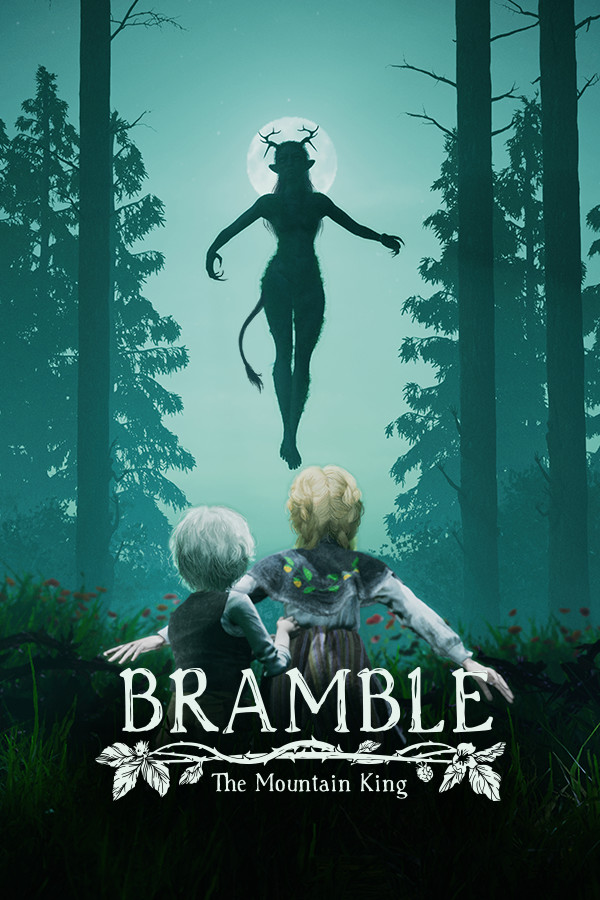
Linear, narrative-driven adventure games are some of my favorites. Bramble does a great job trying to be different than the rest by delivering a little bit of everything and not overstaying its welcome. You play as Olle, who is trying to rescue his captured sister from the bramble and evil forest creatures who took her.
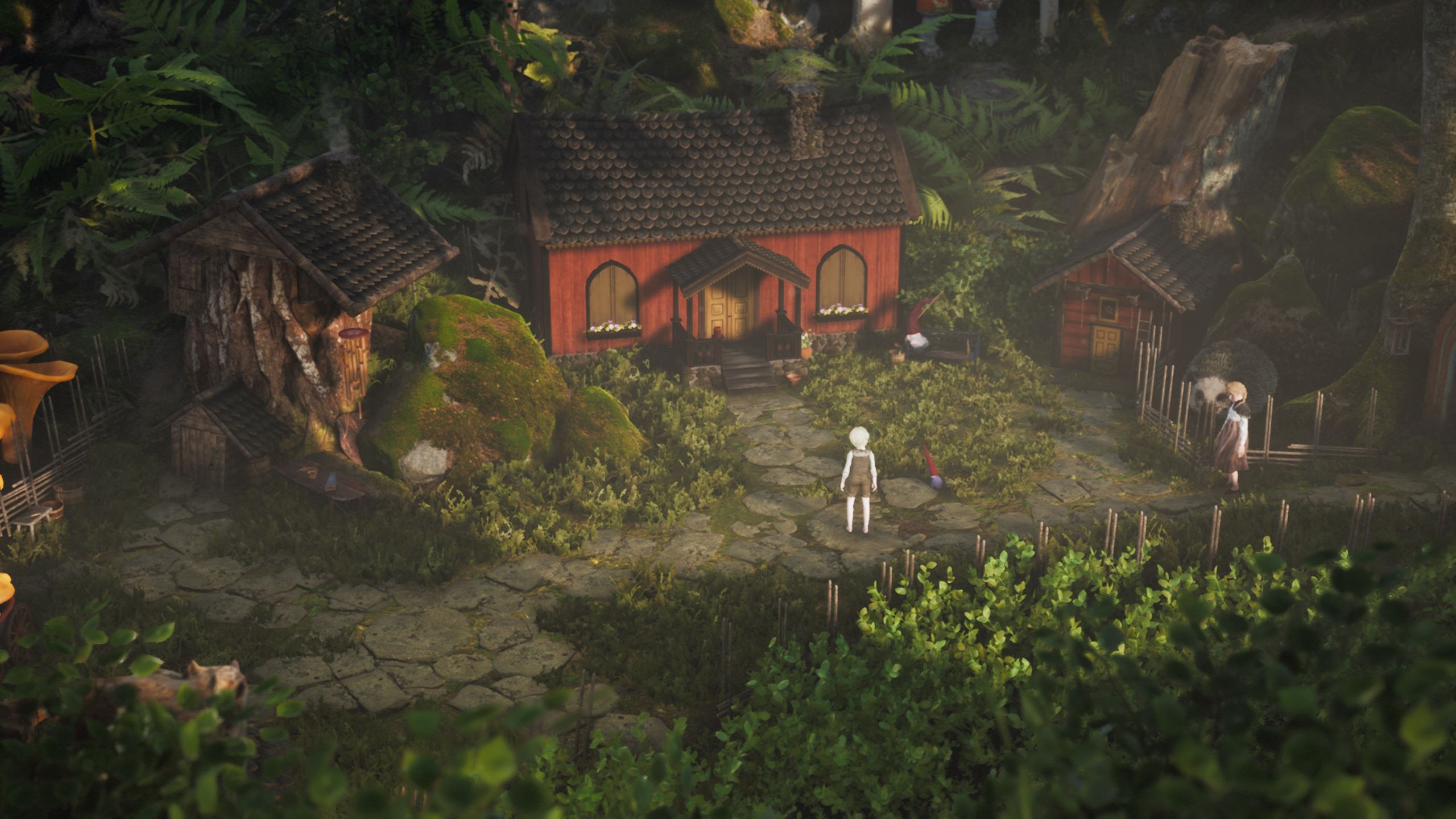
The game does a great job of luring you into a false sense of security. The game starts out bright and colorful, with beautiful sweeping vistas of green. You get to solve various simple puzzles with cute gnomes that laugh like little babies. The first third of the game is cheerful and bright—until it suddenly isn’t. Bramble quickly turns dark, gory, and downright depressing. Sacrificed babies, wading through pools of animal gore, climbing moldy meat—and those cute little gnomes get slaughtered at some point. It’s just done abruptly and suddenly, and it’s shocking.
The majority of the game has you running around areas with fixed camera angles, jumping, climbing, pushing the occasional push, twisting the odd lever, and solving the easiest puzzles. I honestly don’t know why these puzzles are even here. Exploration is also nonexistent. You go into a room with a locked door, only to find the key on the table in front of you. This happens multiple times as well. I don’t understand the point of it. There is a bit of combat thrown in, but it’s saved for boss fights. You have a ball of light that’s not only used to illuminate areas and clear some paths, but you can also chuck it at weak points at bosses. The boss fights are the only challenge in the whole game, as you must memorize attack patterns and dodge, jump, or toss your ball at the right moments through waves of attacks.
The environments are constantly changing, and they all look fantastic. Depth of field is used well here as you are a small person in a giant’s world, so everything from blades of grass to a normal-sized rock is huge. This is well shown, and the perspective is pretty cool with the depth of field effects used. Textures look great, and models look good too. The entire game is narrated by a woman, so it’s the only voice acting in the game. I do want to mention that the soundtrack is gorgeous. During chapter changes and while the camera pans across a vista while you’re running, an incredible vocal soundtrack will play, and I honestly would listen to it outside of the game. The soundtrack by Martin Wave and Dan Wakefield is fantastic.
Despite the great pacing, wonderful visuals and soundtrack, and challenging bosses, there still isn’t much of an actual story here. The game is narrated like a children’s storybook from medieval times, but that’s about it. I had no reason to get attached to the characters or the world around me. The monster and creature designs are top-notch, and I always looked forward to the next screen because it was always a surprise. The game is nice and short and is better than most short, linear, narrative-driven adventure titles. I love the dark tone and theme, and while you may not discuss this with your friends a year from now, it’s at least a sight to behold.
Retro controllers are making a comeback thanks to retro enthusiasts. Many companies are finally catching on to this and making controllers compatible with older systems but with newer technology and sometimes better designs. NYXI might be a generic Chinese brand, but they’re the first to make GameCube WaveBird-style Joy-Cons that slide onto the Switch and include a centerpiece to turn them into a controller. This got me really excited, and I love my original WaveBird. The excellent purple (indigo) color brings back memories that I wish I had, as I didn’t play GameCube games until I was an adult.
The controller itself feels good in the hand. It has a nice weight, doesn’t feel cheap, and looks the part. The button arrangement on the front is just like the original GameCube controller. There are a few changes, such as the added turbo buttons (I personally don’t ever use these), and there are two buttons on top where the Z button normally is on the GameCube to represent L and R. There are also two buttons where the grips are, and these can be programmed to be anything you want. While all this seems fine, the controller does have some flaws.
First off, the buttons don’t feel all that great to press. There’s a cheap, hollow pinginess to them, and the shoulder buttons are micro switches rather than rubber domes. It has an unsatisfying feel, and most people will be turned off by this. The controller buttons are also very loud. The large A button makes a loud clunking sound. This is a huge letdown, despite how good it feels in the hand.
The analog sticks work just fine, and the right stick has an interchangeable direction gate to make it like the default 8-way gate or a regular round one. The 8-way gate would be great for the N64 emulator on the Switch. As a bonus, the face buttons are backlit, which was a really nice touch and looks pretty cool. I just wish the joysticks lit up as well. They, of course, make the Switch incredibly bulky when used in portable mode. Especially the OLED switch. It makes the entire system nearly a foot long! Another small annoyance is the overly bright status lights on top. They won’t turn off and outshine the otherwise nice glow of the face buttons. It’s a distraction.
Are you ready for the worst part of the game? The vibration function One side is about double the strength of the other side. This makes no sense. You can adjust the vibration strength with a button combo, but I had to put the stronger side all the way down to match. This isn’t all. It’s incredibly loud. You can hear the motors vibrate and shake the controller. It has some of the worst vibration functions I’ve ever seen. For the high asking price, I’d expect more. This definitely looks better as a display piece or for casual emulation than a main controller.
Overall, the NYXI Wizard controller is a nostalgic trip, but anyone who may not have fond memories might want to stay away. The buttons don’t feel that great, the controller creaks, and the vibration function is awful. I do appreciate the backlit buttons and the interchangeable analog gate, but it’s not enough to offset the weaknesses.
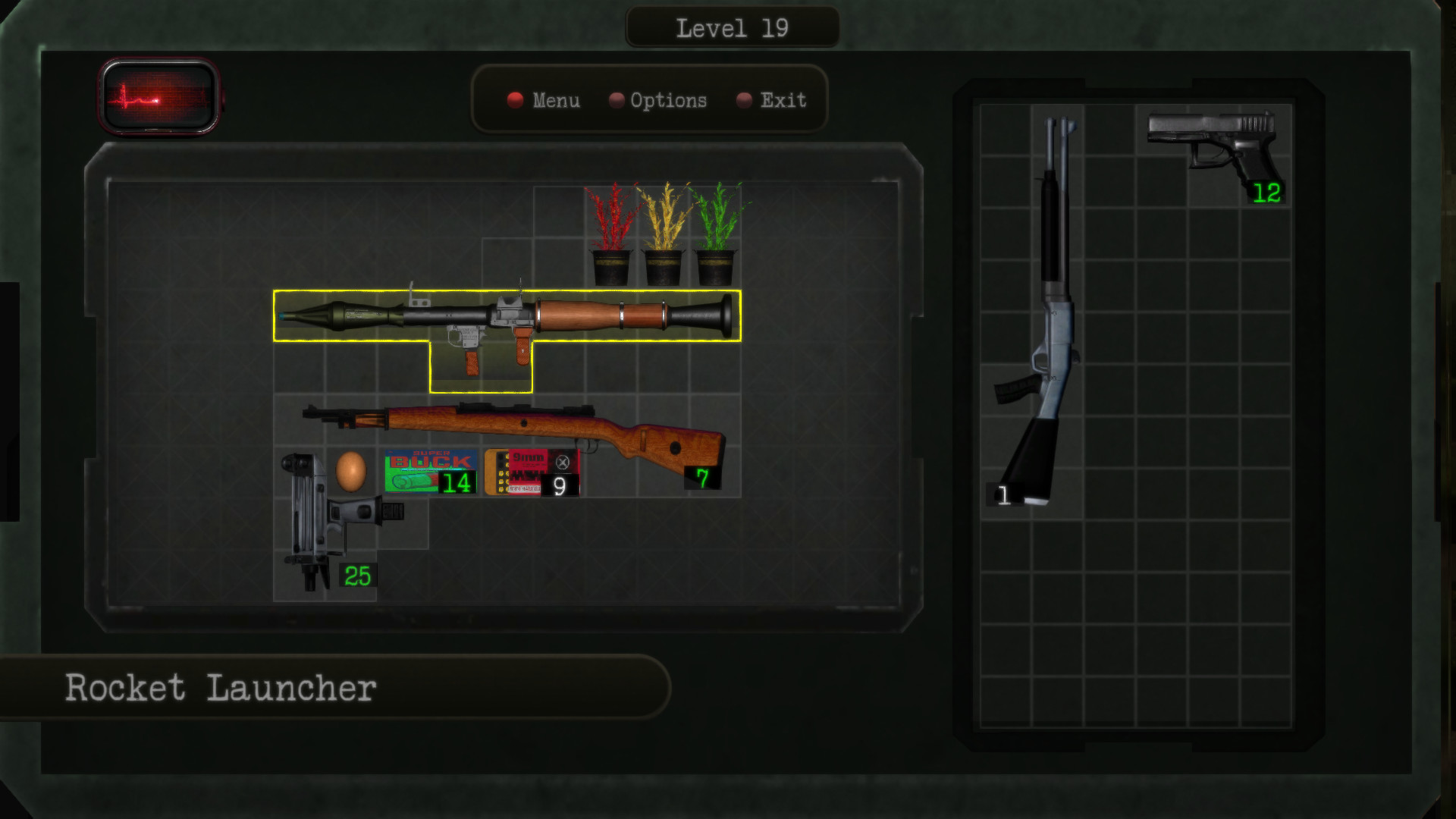
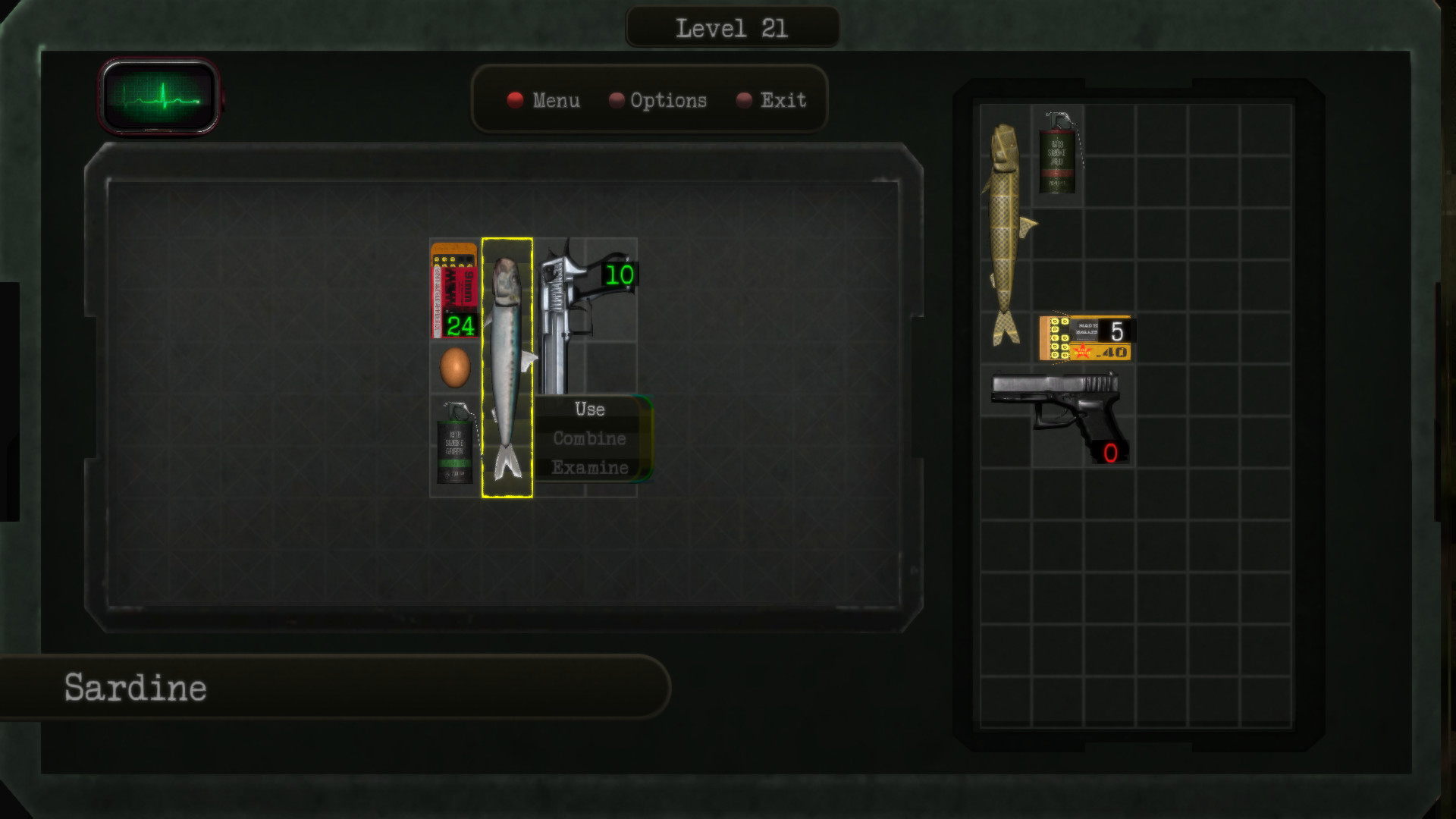
Did you ever play Resident Evil 4 and want to just organize that inventory? It’s kind of satisfying getting all your items in the right spot, so someone thought that should be its own puzzle game. In Save Room, you organize weapons, health, and other items ripped straight from the game it’s inspired by.
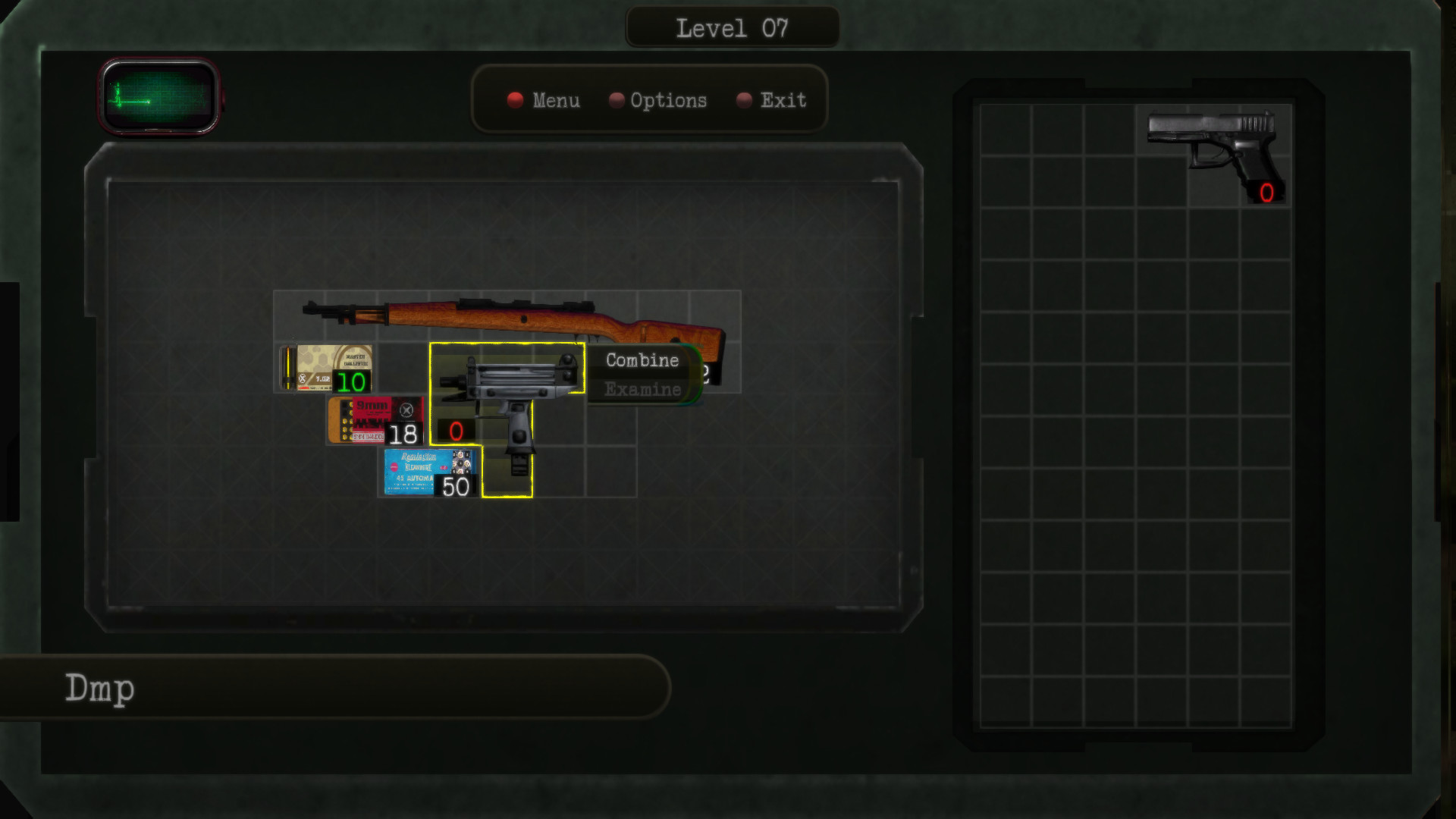
There are only 40 puzzles in total and you can blow through them in just about an hour. On the left is a cache with a grid and on the right are the items you need to fit in there. There are just enough squares to fit every item exactly. You begin with just fitting small pistols and then larger weapons like shotguns and rifles. Shortly after this, you need to organize health items and grenades. Things get more complicated when you start out with too many items.
Well, just like in RE4, you have a health meter and need to refill your guns. You need to do this in a certain order as this is also part of the puzzle. You may have three health items, but can only use two so you must figure out how to combine herbs and also hurt yourself with poisoned eggs and fish to be able to use more health items. Later on towards the last dozen puzzles you start crafting ammo in addition to stacking ammo and reloading weapons.
This all sounds complicated, but if you ever played RE4 you know exactly what to do already. A few puzzles will get your brain juices flowing. Mostly the ones that needed me to combine certain types of ammo and reload or stack ammo in a certain order. I only had to look up a few puzzles online, but most are quick trial and error levels and you will be breezing through them.
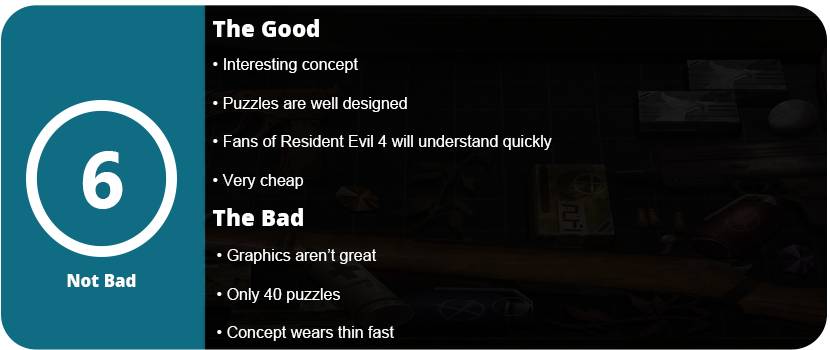
This sounds like a great concept, but in the end, it gets old really fast and it makes you just want to play RE4 instead. The visuals are pretty ugly, there’s a single track that loops in the background, and that’s all there is to this. For the low asking price, I can’t really complain. I had my hour of fun, but it’s totally forgettable. This isn’t on the same level as Portal or even something like The Room series. You won’t be talking about this 10 years from now. I honestly can only recommend this to RE4 fans who want some sort of weird spin-off. Anyone else who never played RE4 just won’t care about this or even get the idea.
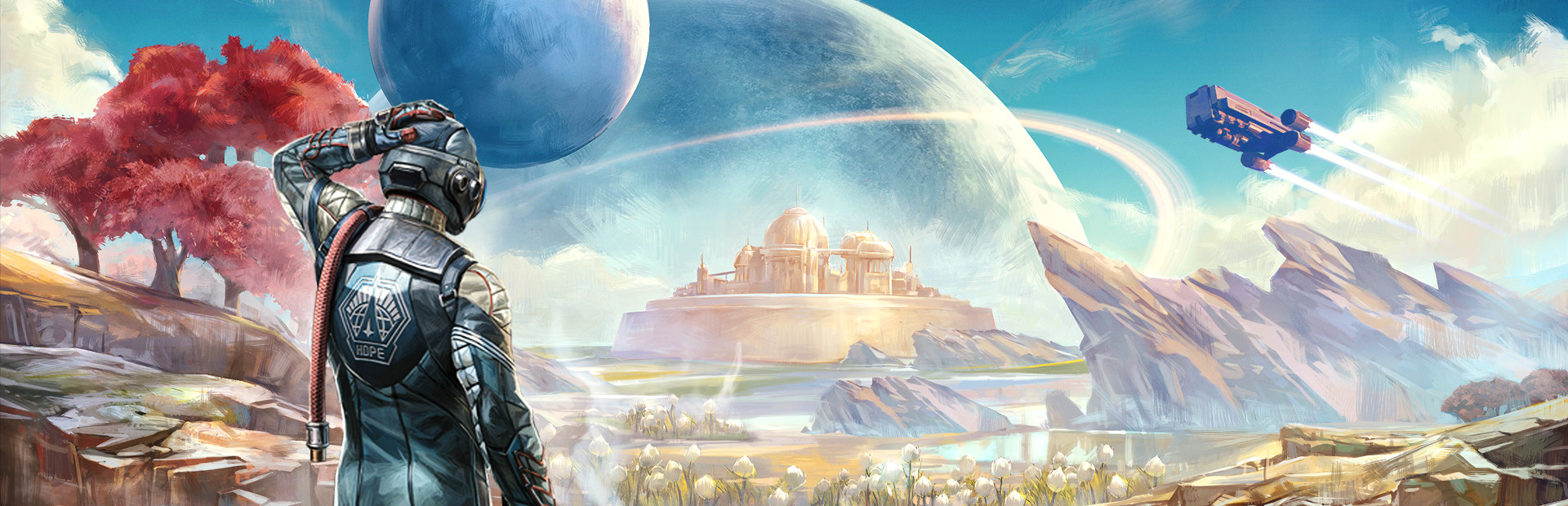
Obsidian Entertainment lit the world on fire with Fallout: New Vegas. Many considered it superior to Bethesda’s own offering, Fallout 3. The Outer Worlds was considered a spiritual successor to New Vegas. The same type of play style. A first-person RPG with shooting elements, a large story, companions, quests, and worlds to explore Many were calling it New Vegas in space, but is it really that, and does it live up to New Vegas?
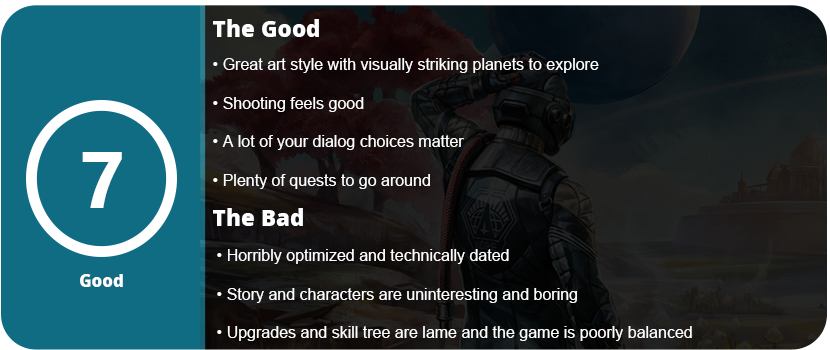
The short answer is no. It falls short in nearly every way. The game really does feel like it’s trying to be New Vegaswith the funny humor in the propaganda posters and the overseeing mega-corporation that’s trying to take over the Halcyon colony, and you’re trying to get factions to agree with each other or side with them. The overarching story is pretty much forgettable, and that goes for most of the game. The story, characters, and side quests are mostly boring. I hate to really say this, as this game has sat installed on my PC for a couple of years now, and I would do a mission or two and quit because of just how dull the game is. The characters aren’t memorable; there’s no personality that stands out, and the overall mega-corporation humor that overshadows the game just feels like it’s in the background.
The game is also incredibly short. I did several companion quests, dealt with all the factions, did multiple side quests, and still clocked in at around 12–13 hours. If you blow through the main story, you can finish it in 4-5 hours easily. I feel that contributes to the problem of the story and characters being uninteresting. There’s not enough time for them to develop. Your entire crew is all humans, and they all just feel like generic Bethesda faces that were run through a random generator, and nothing stands out. I wound up skipping through a lot of dialogue because I just didn’t care. I loved the characters and overall story of New Vegas. It was fresh and interesting, but this just feels like a generic space odyssey.
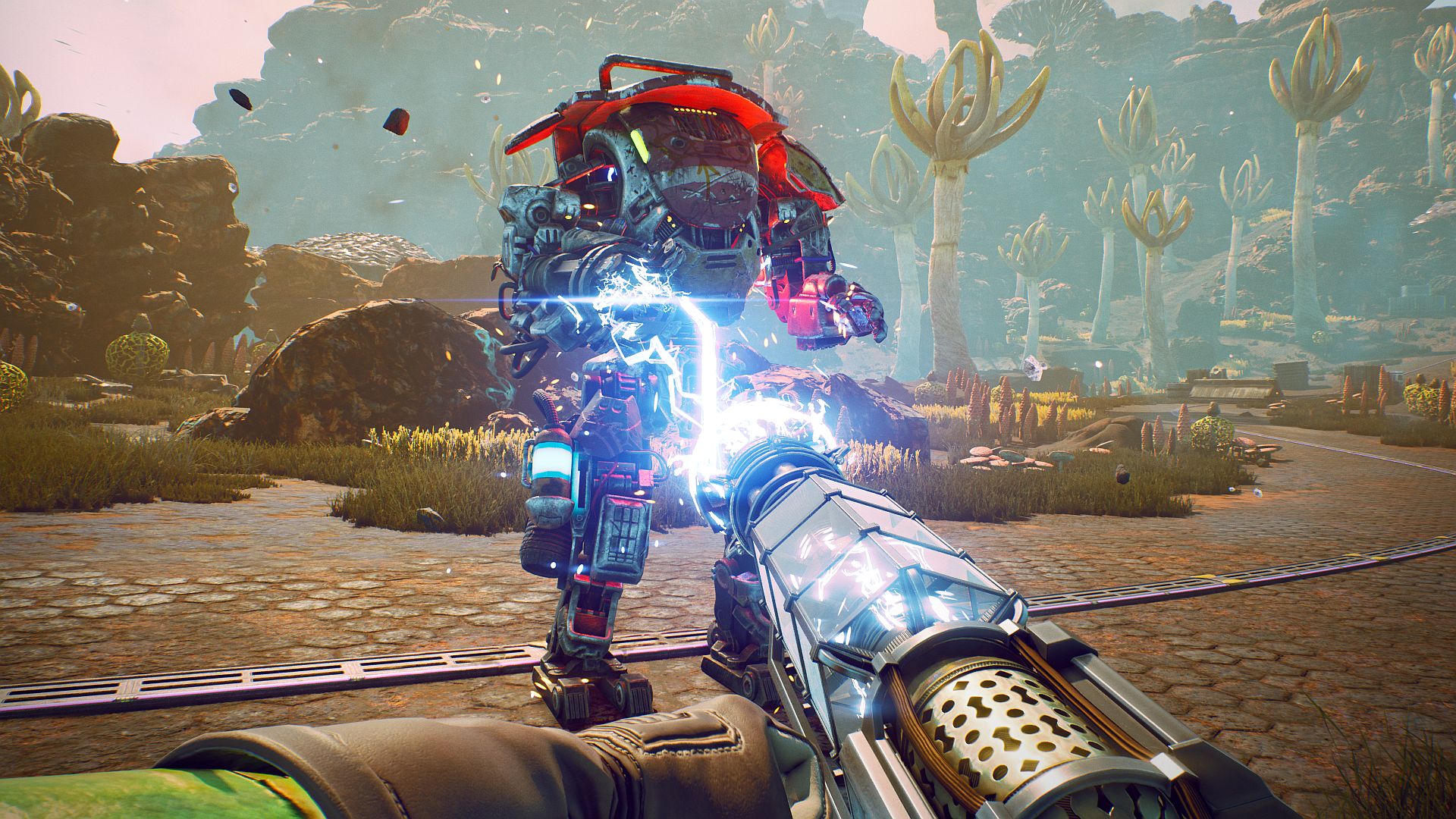
So what about the gameplay? It’s tighter and more refined than New Vegas, but not by much. I hated the upgrade and skill tree systems. They felt generic and half-baked. The game’s poorly balanced, where it’s either way too easy and you mow down enemies, or they swarm you and kill you on the spot. I felt like none of the items you can use helped at all; stats didn’t seem to matter, and the only thing that really did matter was your level in each respective category. You really want to get your speech levels high, including in engineering, as you can bypass a lot of battles with speech checks. Most of the weapons in the game felt pretty generic, and their weapon power didn’t seem to matter.
Weapons can be tinkered with and modded at workbenches. Mods can be picked up and attached to various parts of guns. They can add elemental damage, increase clip size, add scopes, and do damage to different types of enemies, but outside of this, you can just tinker with the weapon’s level, and future weapons don’t matter. There were no cool, unique weapons found on bosses or for getting into hard-to-hack safes. Looting, like in Fallout, feels pointless as there is so much given to you. By the end of the game, I had thousands of rounds of ammo for each weapon type. You can specialize in long, pistol, or heavy weapons, but I just wound up dumping points into all three. Add a few good mods and tinker with the weapon up to your level, and you will stick with the same weapons through most of the game, rarely trading them out. You can equip up to four weapons, and I rarely ever used healing items until the final showdown, where you are swarmed by enemies in every room you go into.
Another balancing issue is with the factions. You can gain and lose reputation, and this will make guards attack you on-site in certain towns, locking out quests and not being able to finish any in this case. I wound up pissing off a couple of factions, had to abandon the quests there, and couldn’t go to the shops either. This is really frustrating, and there’s usually no way to get the reputation back. This can lock off companion quests and many side missions. Throughout the entire game, I mostly just mowed down every enemy in my way and used my companion’s abilities when I was swarmed on occasion. You get a single ability to slow down time, which is useless because it slows down time too much.
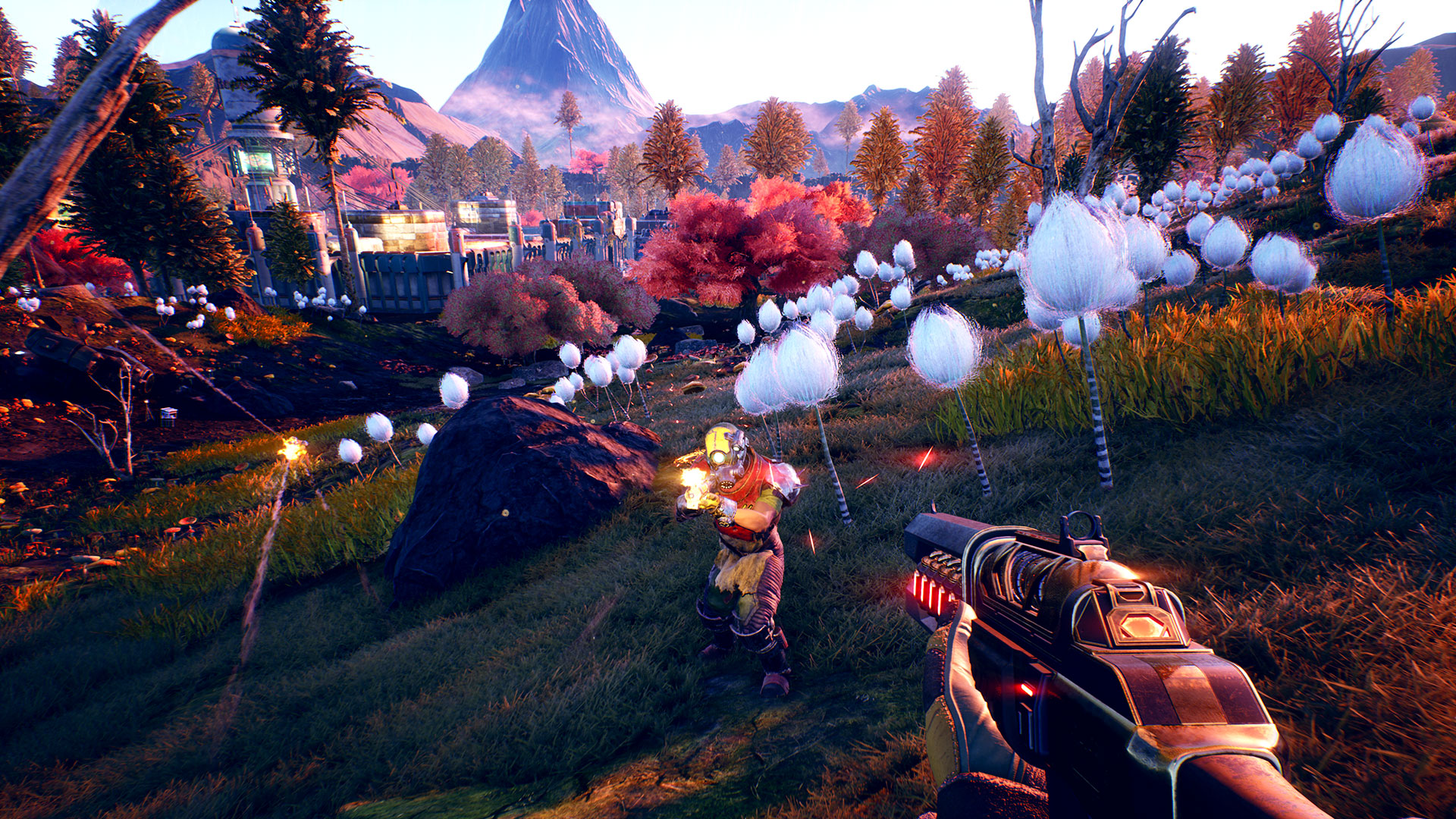
The only thing I really enjoyed were the visuals. The game looks like a last-generation title, but the worlds are unique and look really good. I was interested in discovering new towns and new enemies, but that was really it. Everything else was either ignored, forgotten, or skipped because of how uninteresting most of the game is. I don’t feel like this is Obsidian’s best work or their love letter to New Vegas. The game is horribly optimized, looks dated, and feels dated because it is too safe. The game lacks any depth, and most may not even enjoy the shooting. The story and characters are boring and unoriginal, and the game’s length doesn’t justify this type of game in general. Who wants to play a 4-player RPG with supposed vast worlds to explore? You might enjoy blowing through the main story, but that’s about it.
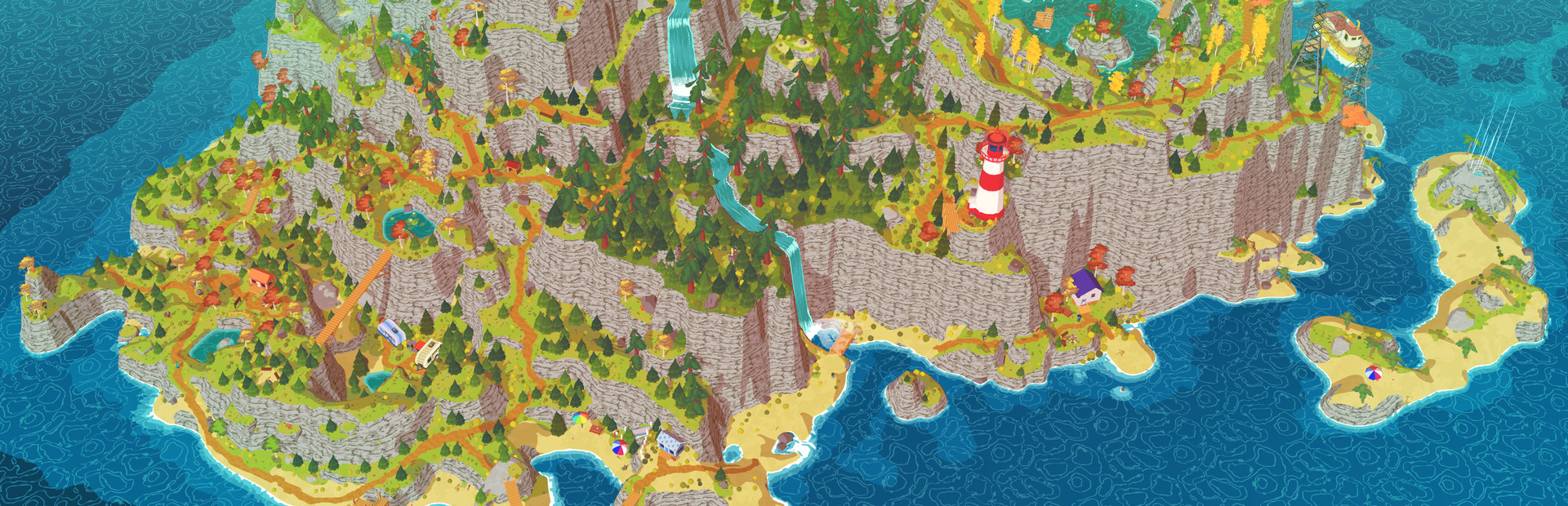
You can’t really call this a walking simulator or a platformer. It’s a bit of both. A Short Hike doesn’t have the touching story that tugs on your heartstrings that a lot of short indie “walking simulators” have, nor is it a skill-based platformer that requires precision timing. It reminded me of something familiar from the 32/64-bit era, such as Super Mario 64, Donkey Kong 64, or Kingsley’s Adventure. This is an isometric “retro pixel” style 3D platformer with tons of charm and a fun island to explore. The entire game can be completed 100% in less than four hours, and the main story can be finished in one hour, but if you just race to the top of Hawk Peak to get the cell phone reception you need to hear back from your mother, then you are robbing yourself of an entire game.
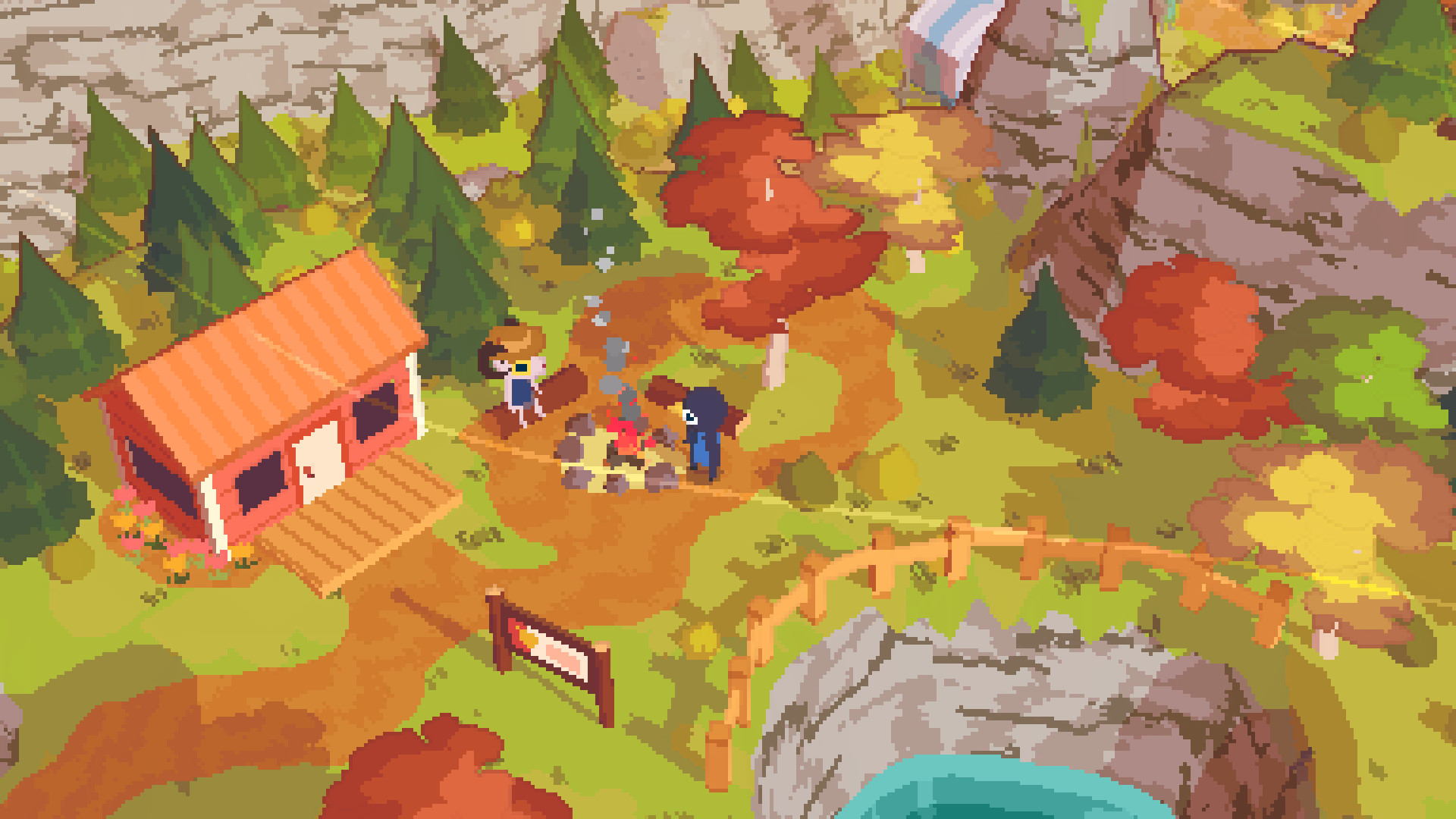
There are dozens of characters dotted throughout the island offering challenges, golden feathers, hints, and just plain silliness. The writing for the characters is very similar to that of 16-bit games of yesteryear. Your main goal for progress is golden feathers. These are single jumps or stamina for climbing. I found 11 on my journey, but there were a few more I missed. You can do more than a single hop without the first golden feather. You really should glide around the island and explore. Some characters want seashells; one runner is missing a headband; and there are treasure maps, chests with coins, digging spots, fishing spots, and a few other activities like stickball and parkour races. You won’t discover these without talking to creatures and exploring. I love the exploration in this game. It’s not overly difficult, and you can always figure out how to get to a seemingly hidden spot. Just upgrade your feathers.
Coins are used to buy feathers from a couple of characters, and you can sell caught fish to get more coins. This all sounds like a lot of fun, but it’s packed into a single hour and somehow doesn’t feel overwhelming. The island seems big at first, but you will easily remember the landmarks, and there are signs everywhere pointing to the different trails and landmarks. You eventually unlock shortcuts by watering spring flowers and using a pickaxe to knock through a tunnel. It’s incredibly satisfying to find all the objects for a creature and then run back knowing exactly where they are and get your reward, and it’s always one step further to progress. No matter what you do in the game, it will always push you closer to your goal.
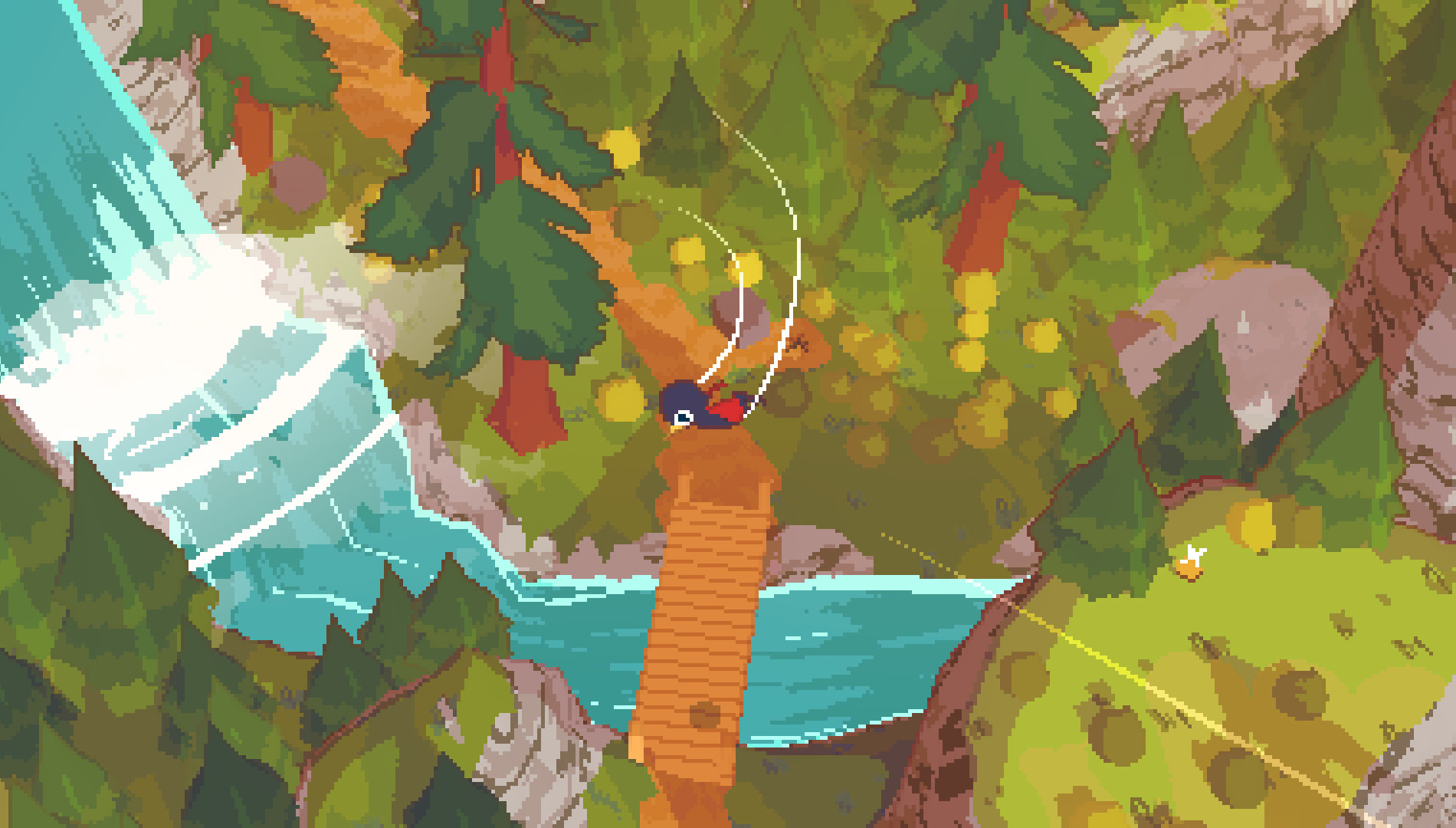
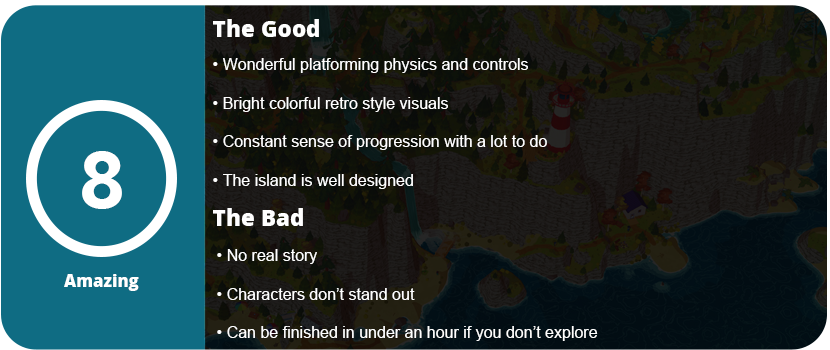
Even after reaching the peak, you get an opportunity before finishing the game to complete everything. By the first full hour, I had almost all the feathers, and I could go anywhere I wanted. I didn’t 100% play the game, but I got close to it. The platforming itself is wonderful, with great physics and tight controls. I never felt slippery, and gliding never felt off or wrong. You do eventually get a sprint ability, and this helps you get around the island even faster on foot. Thanks to the short length, there’s a constant sense of progression with every action you take. The visuals are bright, colorful, and charming, and the music is fantastic. There’s not much to hate about this game other than its length and lack of an overall story.
A Short Hike is one of the highest-rated games on Steam for a reason. It’s a bite-sized chunk of gaming goodness that merges the exploration and fantasy of adventure from the early days with the better controls and tighter designs of today. It may only take an afternoon to complete, but it’s incredibly satisfying and isn’t something you will quickly forget.
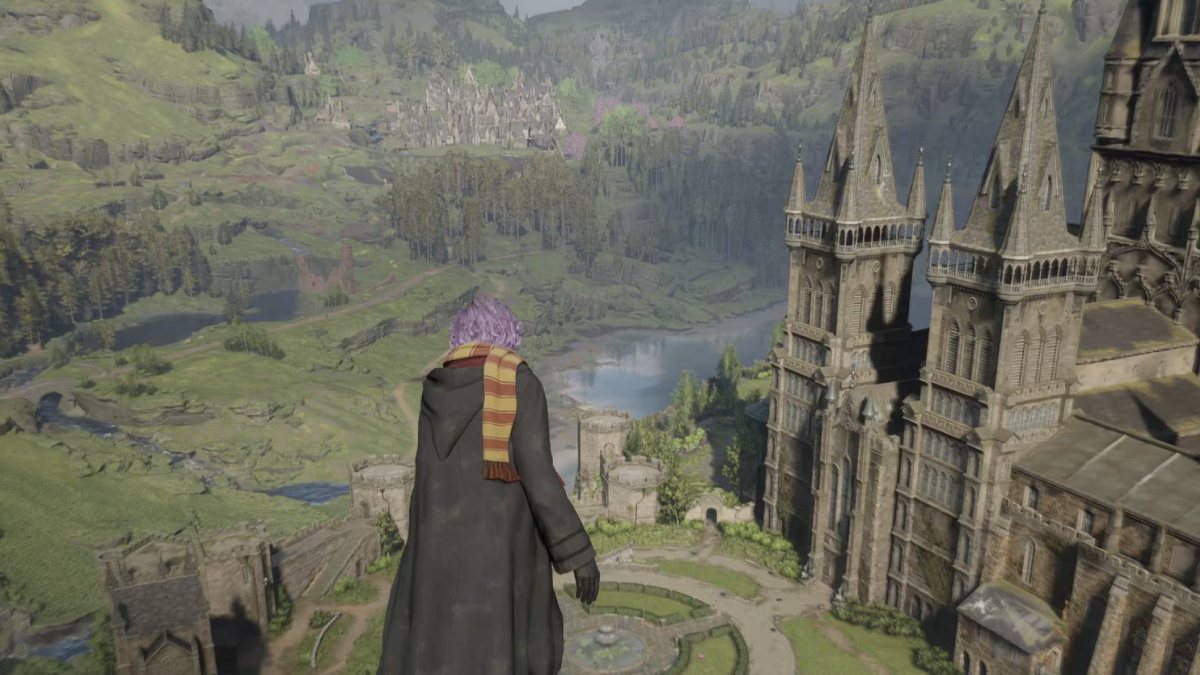
Harry Potter is one of the biggest media phenomena of the 21st century. When the novels came out they were all over the news and I read them right from the beginning. While the novels were big the movies were even bigger and I don’t think Harry Potter would be where it is today without the success of the movies. I remember my family going to see every movie up until the first part of the 7th movie on Thanksgiving every single year. By the time the 7th movies were out, I was an adult and saw those with my now wife. I did get burned out on the series though so thankfully it’s great to know Hogwarts Legacy is 100% original content with all new characters and story.
The only thing the game follows from the books or movies is the lore, aesthetics, and visual representation of various architecture, creatures, and overall visuals. You play as a nobody 5th-year student who gets caught up in a giant plot of goblins finding a way to wield dark wizard magic. You must fast-track your education at Hogwarts while also fighting off this powerful new foe. The story drags you along on a breadcrumb trail where you slowly unveil the plot, the intricacies of the characters, and the mysteries. Portkey Games did a phenomenal job of making the story feel like one of the books. The slow unfolding of the story gives a sense of mystery and constant guessing. It’s a pretty good story and one of the best so far this year.
There are of course side quests and larger side stories involving various students at Hogwarts. One involves a Slytherin student, Sabastian, and the Dark Arts. Another is a girl named Poppy who just wants to stop poachers and save creatures, and then there’s Noa who wants to avenge her father’s death. The entire game has a massive open world consisting of Hogwarts itself, Hogsmeade which is the only major town in the game, and then the rest of the world itself consisting of various regions, secrets, and activities. The game can seem overwhelming, but the entire game is strung out to you very slowly as you play. It allows you to get the ropes on all the various systems in the place game with one of the biggest being combat.
Combat is probably the weakest and coolest part of the game. It plays similarly to an MMO with shortcut keys and hot bars. Each hot bar has four slots and you can have up to four hot bars. You learn spells through the story as you attend various classes. These are all the spells you know from the book and movies. Wingardium Levioso, Avada Kadavra, Repulso, Accio, and many others. There is only magic combat in the game so don’t expect to find swords and shields. Defense is dependent on a halo around your head that flashes red or orange. Orange means you can deflect attacks while red means you must dodge.
You can whip out spells at a lightning pace, but of course, they have cooldown timers so this means you need a balanced loadout and need to switch between hot bars constantly. This is something I didn’t like in the game. I can understand with a controller you can only have four hotkeys, but do what Dragon Age did and give PC players the ability to use maybe eight hotkeys and combine hot bars. I found myself always fumbling with the controls trying to quickly dodge, deflect, keep an eye on my timers, swap between hot bars, and keep an eye on the enemies, and then my health and magic meter. It’s too cumbersome and needs some balancing in the next game. The combat looks cool with fast and smooth animation, great sound effects, and tons of on-screen info being blasted into your eyeholes. There are plenty of boss fights, mini-bosses, world bosses, and all sorts of enemy types to shake a wand at. Goblins, beasts, and humans alike.
The next part of the game is exploration. This game is very similar to Skyrim in that manner. You will always find something no matter where you go. Once you unlock the ability to fly on a broom you can use Revelio in the air and it will mark stuff on your map. There are a lot of activities to do from filing out your field guide by finding flying books, interesting spots, and objects, there are secrets inside Hogwarts itself like hidden chests under bridges that require puzzles, but you also need the spells to complete certain puzzles and get to certain areas. You can pick locks (which has an absolutely awful lockpicking mini-game that can’t be skipped), but one of the major problems with all of this exploration is the lame loot. If you get ahead of the story you will mostly end up finding armor that’s behind you in levels. Exploring dungeons is fruitless as you will solve a puzzle and get a lame piece of armor or just 50 coins. I wound up ignoring side paths in dungeons because it just wasn’t worth it. Finding the best armor in the game will come to you eventually.
The third biggest part of the game is the Room of Requirement. Here you can decorate, expand, and craft. You can add traits to clothing/armor, and breed beasts that you can capture in the wild for more unique traits that can be woven into clothes. You can also plant seeds for using the three combat plants or creating potions. While this all sounds neat and fits into the world of Harry Potter it’s very tedious. I wound up not bothering to add traits to clothing as the loot you find it pretty awful anyways and you end up selling 90% of what you find. I would add traits closer to the end game when you stop finding a lot of armor that is at a higher level. I also didn’t bother brewing potions much as you must wait in real time for plants to grow or potions to brew. It’s pretty dumb and tedious.
You can fast travel between dozens of Floo Flames as you discover them and this makes traveling quickly essential. The various activities you can do are Merlin Trials, a combat arena, various puzzles, and of course side quests for people around the world. It really is a well-created open-world game and feels different from the dredge of crap we’ve been getting the last ten years. I always had fun exploring the world, doing tasks and puzzles, and seeing what secrets the game had. It really is this generation’s Skyrim or will be as close as we get to it.
The visuals, voice acting, and overall atmosphere of the game captured what we loved in the movies perfectly. The visuals are gorgeous with great lighting and tons of love and detail in every part of the world. Sadly, it’s so poorly optimized. Ray tracing is unplayable, and there’s stuttering in Hogwarts no matter how powerful your system is. Some patches have ironed most of the problems out, but they will never be perfect. The game still looks fantastic and I loved flying over new areas for the first time or seeing the seasons change. Portkey Games did a stupendous job making this game feel like a living breathing world.
Overall, Hogwarts Legacy is a wonderful open-world RPG with some flaws. The combat can be unwieldy sometimes and cumbersome, crafting is a chore, and the game is horribly optimized, but the characters are wonderful, the graphics are fantastic, and it feels like a living and breathing world of Harry Potter that captures all of the magic and love that we grew up with. You will spend dozens of hours having fun exploring the nooks and crannies that the world has to offer, the powerful beasts you can fight, and the creatures to capture.
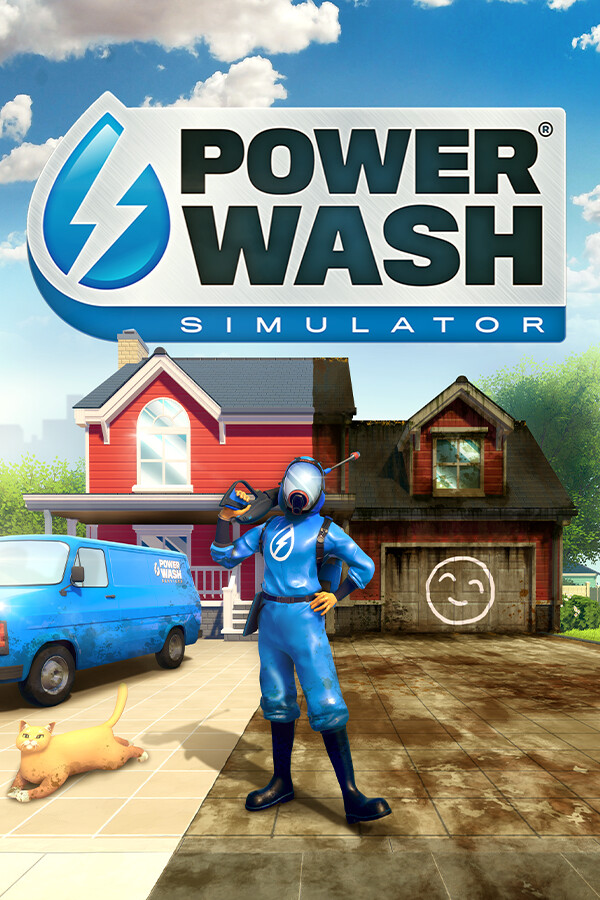
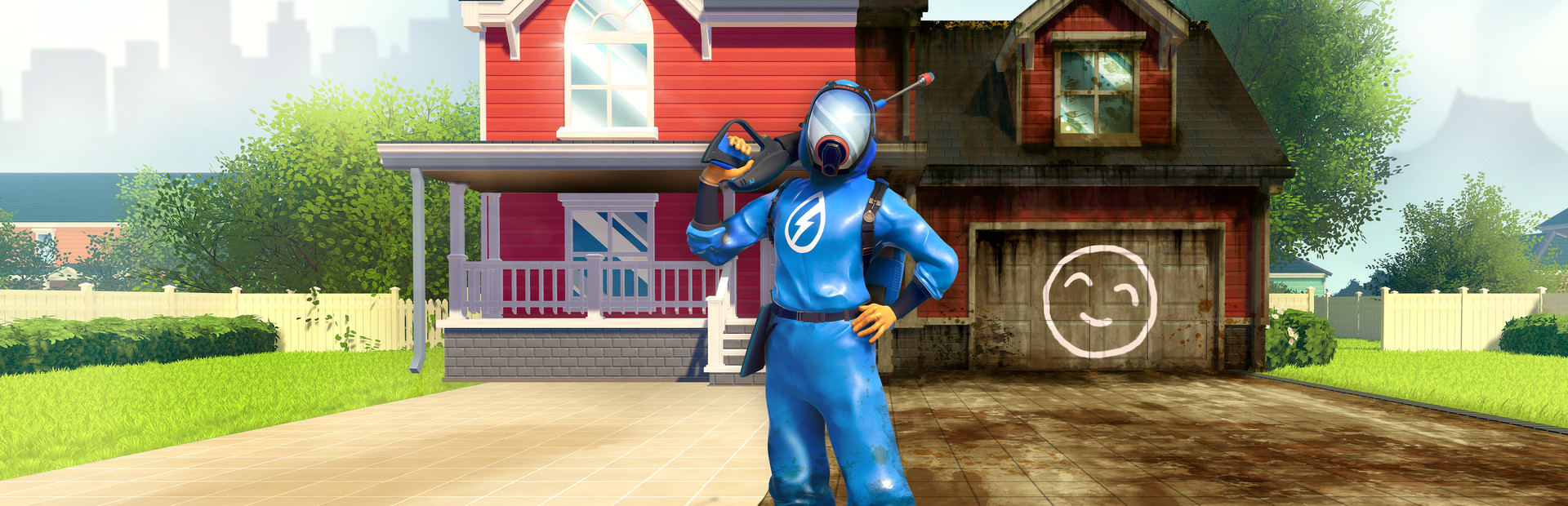
I never thought that I would have so much fun with a chore. There are various curated threads online about watching power washing. It’s satisfying to see someone turn an incredibly dirty surface into a sparkling clean one like wiping a window with a squeegee. There are many jokes about missing a spot and everyone in the comments losing their minds. r/powerwashingporn is a popular subreddit dedicated to these videos. FuturLab has done an incredible job of making this chore feel fun and satisfying. There’s even a silly story that’s evolved over the course of the Early Access phase involving gnomes.
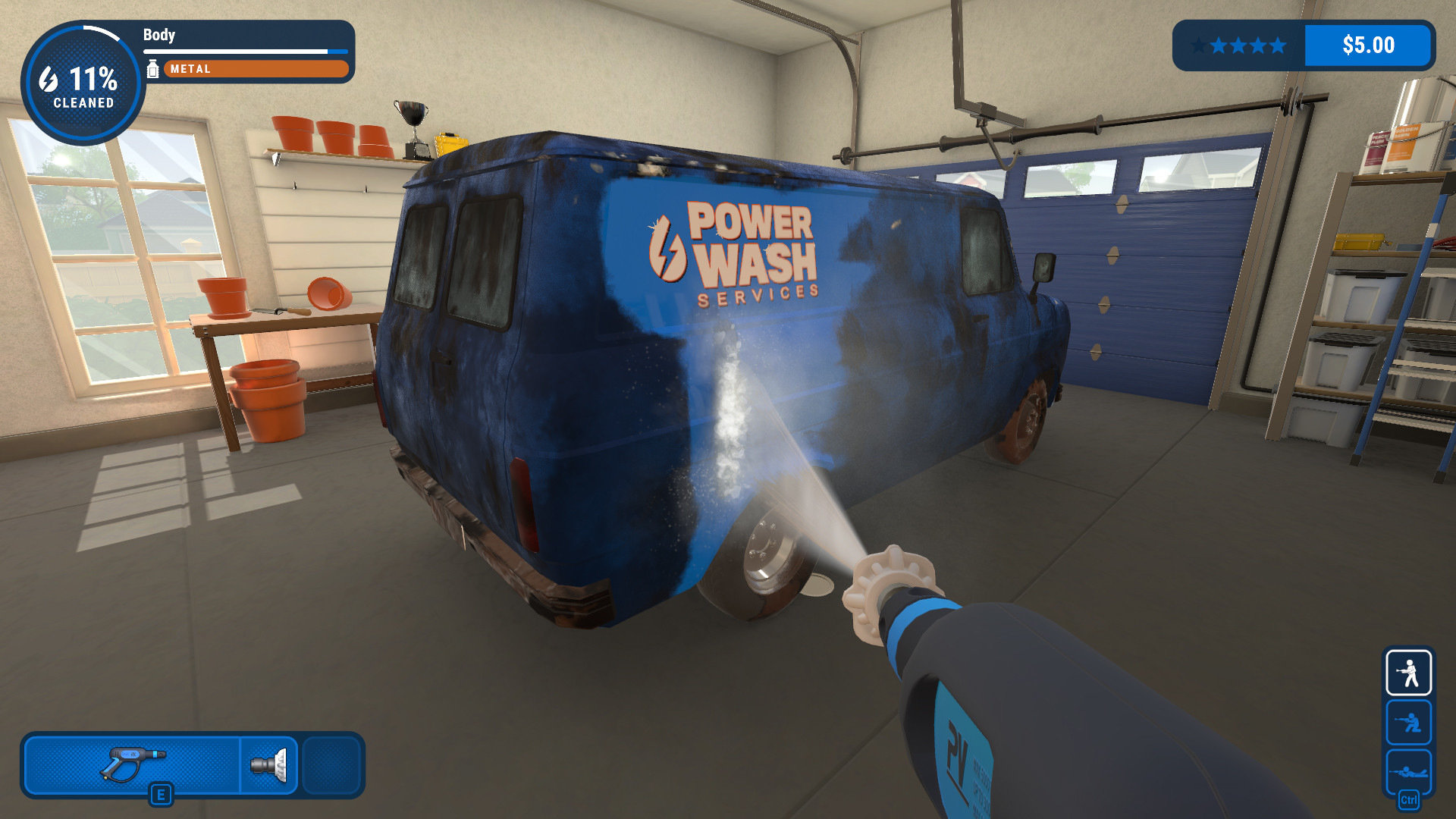
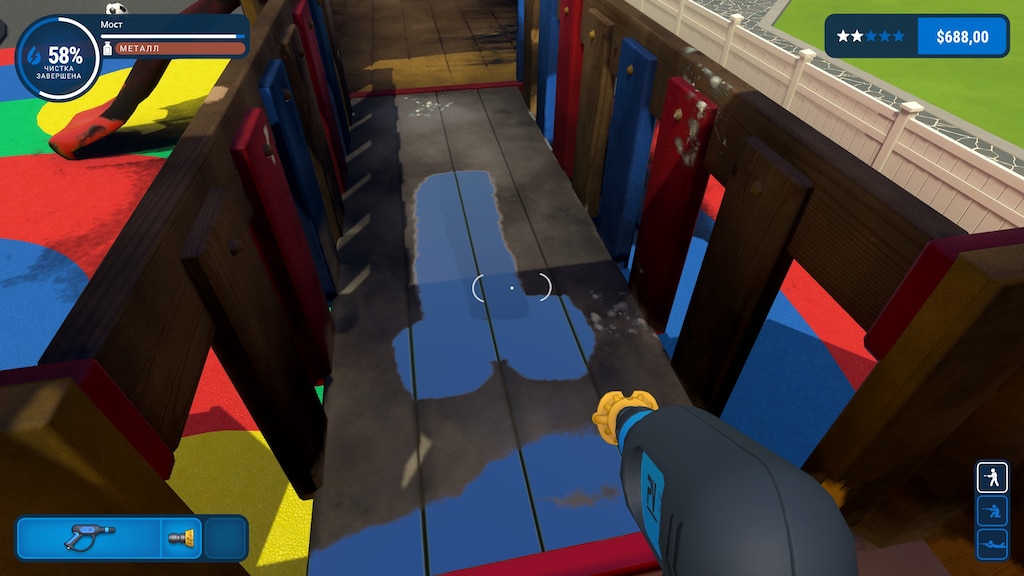
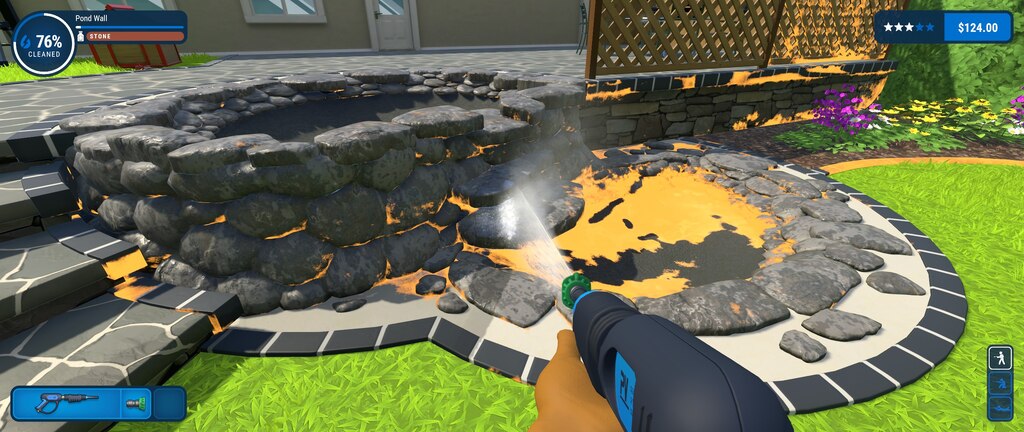
Every surface is covered in dirt, rust, mud, or some type of grime. You get a power washing nozzle and you spray things down until they turn clean. You can decide what to spray, what direction, and in what order. That’s part of the fun. Tackling each area in a certain way is satisfying and fun for you. Your tools include various spray nozzles that have different widths as well as spray liquid for getting tough areas, but this stuff is expensive and limited. You also have a spray gun that shoots various distances. These can be bought and unlocked with money by completing levels. You are paid at the end of a level and you can see a sped-up replay of your work. There are also cosmetic items such as your suit and gloves.
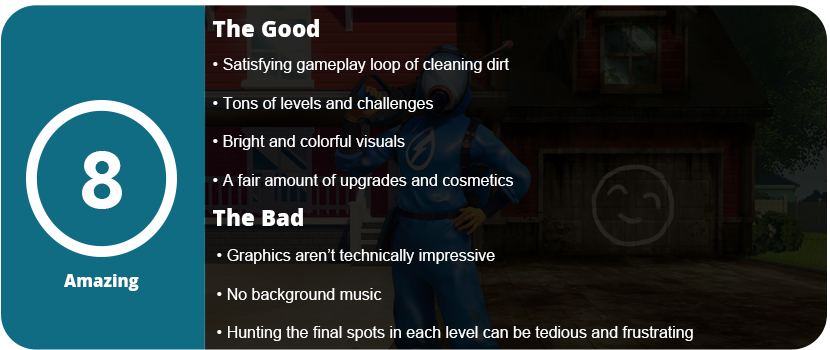
Some levels are multi-storied so you get step stools, ladders, and scaffolding that can be moved around and put wherever you need it. There are a few levels that have some frustrating buildings to clean such as the giant shoe level. There is a meter on each surface that shows how complete it is and sometimes it can be hard to find that one dirt spot that’s keeping the surface from dinging. Thankfully there is an illuminate dirt button that turns all dirt a golden yellow for a few seconds so you can see what you’re missing. Getting down the last percent in each level can get annoying as you’re just hunting down that last dirt spot. There is also a list of each surface and the percentage that they’re cleaned, so you can at least eventually narrow it down.
There isn’t any background music. You just get ambient noises like birds chirping or cars driving in the background. It’s a very silent game. You’re best just playing your own music in the background as this is a very zen game where you can veg out and not think about much. I also appreciate the control scheme on a controller too. It’s easy to control and you don’t have to move your aim camera back and forth like you used to in Early Access. You can now press a button to move your sprayer within the frame of the camera. This can reduce motion sickness and overall irritation. It wasn’t a big problem on a PC with a mouse, but it was unbearable with an analog stick. Most levels can take you 1-3 hours to complete depending on how big they are. There are smaller challenges that involve just cleaning a vehicle like an RV, alien spaceship, Mars rover, or bicycle. Levels get more complex as you go on with more small objects and more complicated surfaces. Things like planes, boats, helicopters, and the previously mentioned shoe house can get really busy. I would end up doing some levels in multiple sessions. The longest level I spent time on was nearly five hours.
Again, you have to like this kind of thing to see an appeal to it. The visuals are bright and colorful, but rather basic and simple. There is no raytracing, AI anti-aliasing, or anything complex rendering-wise. The game can technically get very repetitive, but that’s actually the point of this game. I feel many may mistake this game for a business simulator when you only do the power washing and buy upgrades and cosmetics. I had a blast (no pun intended) with this game and FuturLab is still putting out content that I need to catch up on. Overall, PowerWash Simulator is one of the most relaxing and satisfying games I’ve ever played.
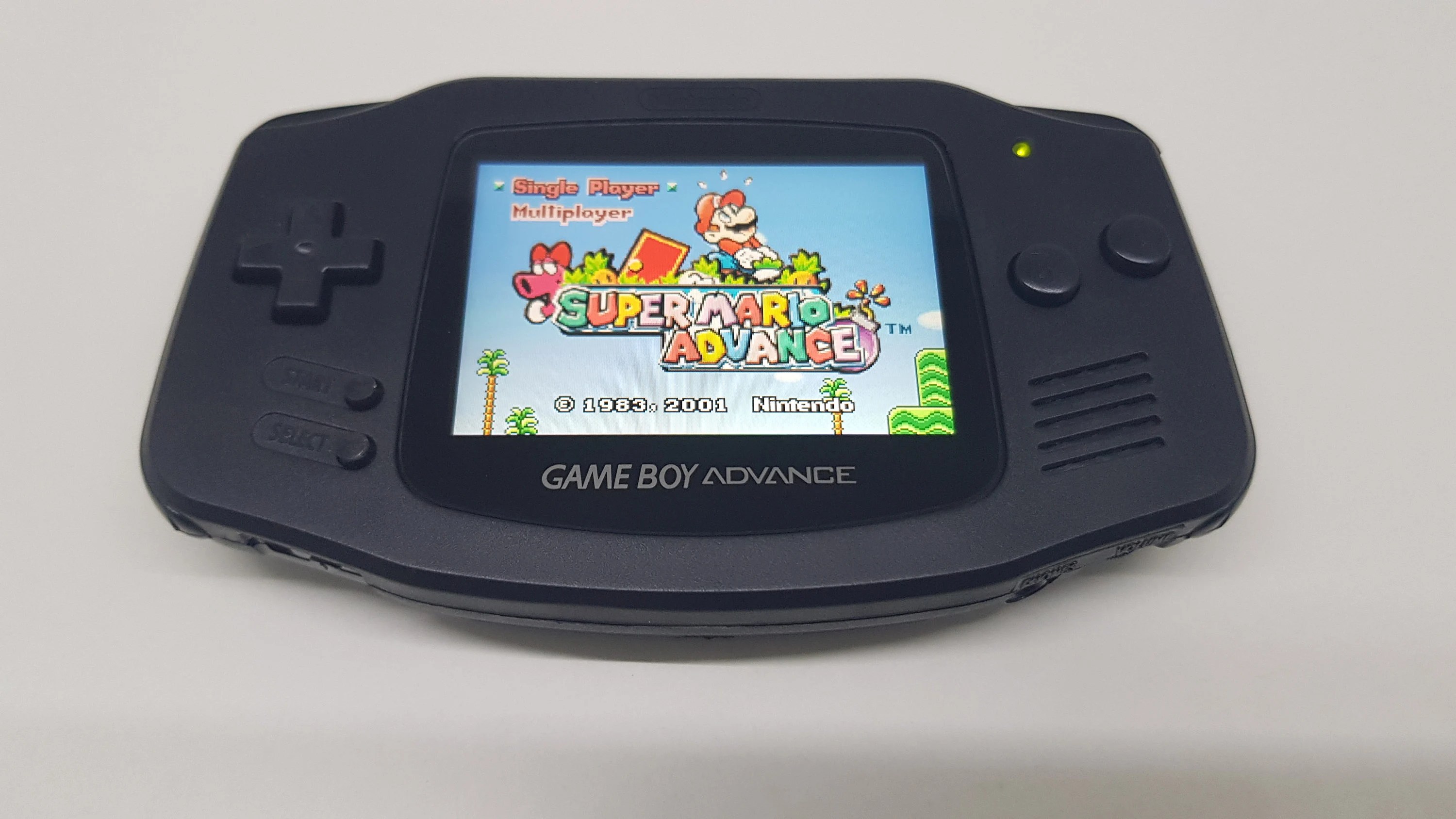
This is probably the most iconic and memorable handheld system for anyone over the age of 25 today. The Game Boy Advance was an unstoppable juggernaut of a system and one of the most anticipated in video game history. It sold like gangbusters, and Nintendo couldn’t keep up in the beginning. The first Nintendo handheld with a horizontal orientation and their first 16-bit handheld system that could create SNES-quality titles, and boy did it The Game Boy Advance has one of the most beloved and expansive handheld libraries out there. It’s also a good middle ground for being playable today without any hardware mods.
So, let’s address the elephant in the room. There’s still no backlight on the screen. This was largely criticized back in the day, and for a 21st-century handheld, it is mostly unacceptable. While the LCD is clear and crisp, you still need a bright light to see anything. Thankfully, many people still held onto their worm lights and got good at hiding under blankets at night by this point. Outside of that, I would say that’s the worst thing about the system.
When it came to power, the GBA delivered. It could recreate SNES-style 2D games and do rudimentary 3D games, which weren’t really seen until later in its life. The added shoulder buttons helped with the ergonomics and allowed deeper gameplay. We still didn’t get much I/O outside of the usual Link Cable, and the infrared was gone with this system. Overall, the system feels good in your hands. The slightly rounded back helps fill out your palms, and reaching around to the shoulder buttons makes the system sit well in your hands. It’s a great-feeling system, and many prefer it to other re-releases of the GBA.
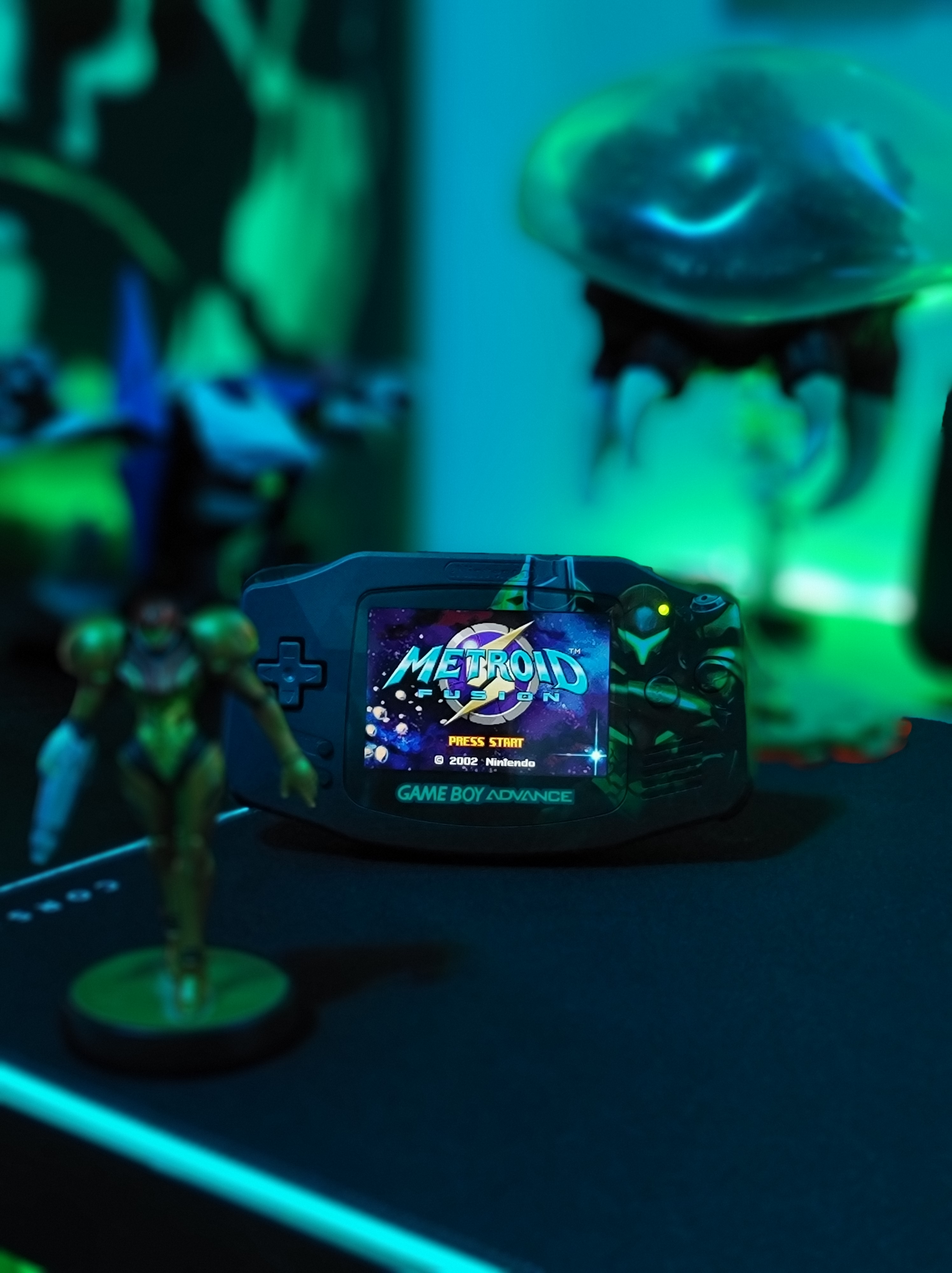
In today’s age, the best thing you can do is upgrade the GBA to a modern LCD. It’s a drop-in mod and pretty easy to do, but there are so many mods for this system. Amplifier boards, USB-C upgrades, shells, buttons, silicone pads, lenses—you name it. Many people run shops dedicated to modded GBAs, and they can be quite beautiful. I have a nearly one-of-a-kind mod myself. The person who made mine no longer runs a shop and UV prints his own shells. Some people even add speed hacks via a hardware switch. It’s an amazing system to customize.
We all judge these older systems by their libraries, and the GBA is one of the best—some might say the best handheld library to date. While there was a lot of kiddie shovelware, there is something here from every genre, including first-person shooters. We’ve got Doom ports, many SNES ports, and games from many favorite franchises like Final Fantasy, Mortal Kombat, Tekken, Pokemon, Mario, Prince of Persia, Tetris, Lord of the Rings, and many more. This was an era where many console games were better on the GBA because developers were forced to redo the game and think outside the box. Some terrible console games wound up having great GBA ports in the end. There’s something here for everyone. There are hundreds of games to choose from, and many are quite good.
Overall, the GBA is a fantastic and iconic piece of hardware. While the internals aren’t impressive today, having a portable SNES was something everyone dreamed of. The GBA library is what most people remember over the hardware anyway. Many people’s childhoods are wrapped around this system. While I never had the original model growing up (my parents couldn’t afford one), I still saw people with them and envied them for it. I love my GBA today and play it at least once a week.
The GameBoy Color wasn’t something I had growing up. My parents couldn’t afford one. I had the DMB GameBoy, but that was it until the GBA SP came out. I did play some of my classmates’ GBC in school here and there and did experience Pokemon Blue a few times, but my GBC experience has mostly been as an adult, and mostly in the last few years. See, the GBA SP could play GameBoy games, but I always felt they were “old and dumb” being 8-bit titles. I had very little money growing up, and I didn’t want to waste it on older titles. I only owned a single GBC game, and it was The Legend of Zelda: Link’s Awakening DX, which I never finished.
Fast forward over a decade later, and I appreciate the system a lot more. While I have a modded GBC with a modern backlit LCD, RGB buttons, and USB-C charging, I still remember what the system was like as stock. One thing that kept me from wanting one was the lack of a backlight. The GameBoy Lite had a backlight; why couldn’t the GBC? I understand it was a budget system as the hardware inside was dirt cheap to produce at this point, but come on, Nintendo! You still needed a flashlight or had to play with a flashlight under the blankets. This makes playing today nearly impossible and unbearable with all of the modern LCD display technologies we have. Some like this and get a more nostalgic feeling from it, but I didn’t play my original DMB Gameboy much because of this when I got it for my 7th birthday back in 1997.
Not much else is improved over the original model. The Gameboy Pocket had already been released at this point, but it did feel lighter and was slimmer than the original model. However, the screen was smaller at 2.3″ compared to the DMG’s 2.6″, but it was in color, so there was a trade-off. It did have more RAM, which was needed for the wider color palette, and the sound was slightly improved, but we still had the same 10-year-old processor. We got square wave channels, which made the system less “bleepy” than the original model, but not by much. The only other I/O was an infrared receiver, which could be used to beam digital data across to other consoles. The battery life was also cut by 1/3 due to the color screen.
Some might say there are more drawbacks and improvements, but just the color alone was incredible. Many later DMB games were released with GBC compatibility, and later, hundreds of GBC-only games were released. The system still feels great to play to this day. It’s clearly the best Gameboy to have, as it can play original games with a slightly better screen. However, if you own both, the slightly larger screen for the original games might be preferred. It’s all down to personal taste, to be honest. We mostly judge these older systems on their libraries, and the Gameboy and GBC libraries are some of the best. Classics like Tetris, Wario Land II, Pokemon, Metal Gear Solid, Super Mario Land, and many more are engrained in millions of people’s minds. As for the original hardware, the only setback is that screen. I wish it had more improvements, and it feels like it could have had more, but at this point, the GBA was probably deep in R&D and only a few years away.
If you get one today, I suggest getting an LCD upgrade at the bare minimum. USB-C and any other mods are optional and not really needed because the system has great battery life already. You can do the mod yourself or buy one custom-built from many shops online. There are so many aftermarket shells, buttons, silicone pads, and even sound mods for these handhelds that have blown up over the last 5 years. It will get to a point where you will have trouble finding someone with an unmodded Gameboy.
Many people use video game reviews to determine how to spend their hard-earned dollars. While as an adult I don’t take this as seriously and I now make my own money I am more forgiving of games that aren’t perfect. As kids or teens, we have limited money and are usually picked through gaming magazines to determine if that one game was worth the money because we only got a few a year. For me, it was only during Christmas time that my parents bought games. I mostly rented mine throughout my childhood and teen years. Even for rentals, I was picky as I didn’t want to be stuck on my weekend with a dud of a game. Even a 7/10 or 3.5/5 would be considered a waste of time. This was the last generation in which AAA title after AAA title would be considered fantastic and with so many exclusives it was hard to keep up with. The HD era of gaming would see budgets balloon to insane heights and game releases slowed down as a result.
In my eyes, 7/10 or 3.5/5 games are mostly ignored. These aren’t always considered hidden gems either. Some are, but some are just considered forgettable. Not awful or good, but just passes under everyone’s radar. These aren’t the “so bad it’s good” games either. A few of these games have cult followings; a few I had only heard of while compiling this list and some I played myself growing up. I compiled this list from Metacritic with games between 74-70. I feel that’s the true blue 7 range. 79 and 78-rated games usually only have about 25% of the critics giving it a 7 to bring an otherwise 8 score down some. These games are at least rated by half the critics as 7/10. While I know many people don’t listen to critics and some might feel this game should be rated higher or lower is subjective. Like it or not, critic reviews drive sales and it may be the reason why you might find a few games on this list you’ve never heard of, thought was talked about worse than you remember, or something along those lines
Marble Saga: Kororinpa – 2009
The second and final game in the Kororinpa series, Marble Sagaadds enough that is new to make it feel worthwhile. It’s really addictive and fun despite the bland visuals. It has plenty of modes and a level editor as well.
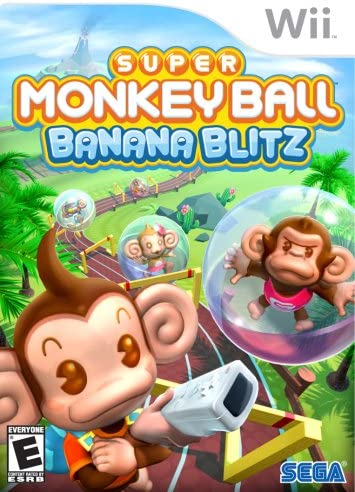
Super Monkey Ball: Banana Blitz – 2006
The game doesn’t evolve much here. The mini-games grow tiresome and most of the overall content can get on your nerves, but the multiple control options really help.
Most Recent Entry: Super Monkey Ball: Banana Mania – 2021 (NS, PS4, PS5, XONE, XSX, PC)
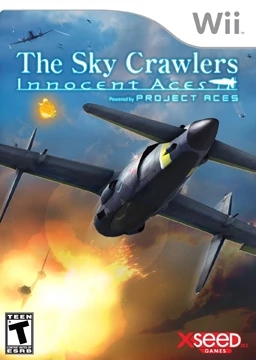
The Sky Crawlers: Innocent Aces – 2010
Motion controls were well done here, but in the end, the missions aren’t very exciting. It’s a good-looking arcade-like dogfighter on Wii, but don’t expect anything exciting.
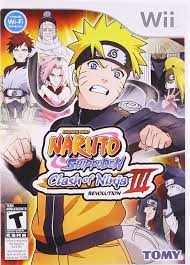
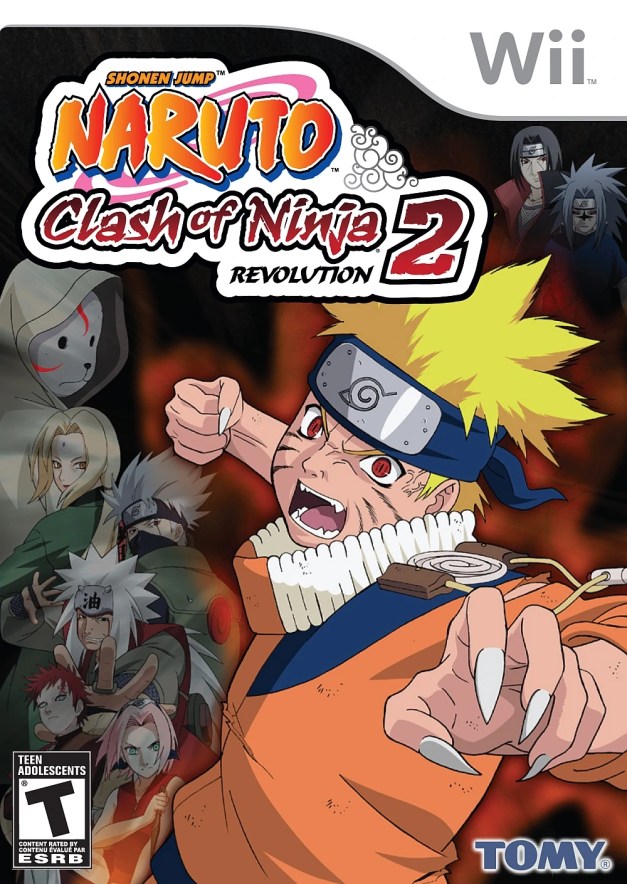
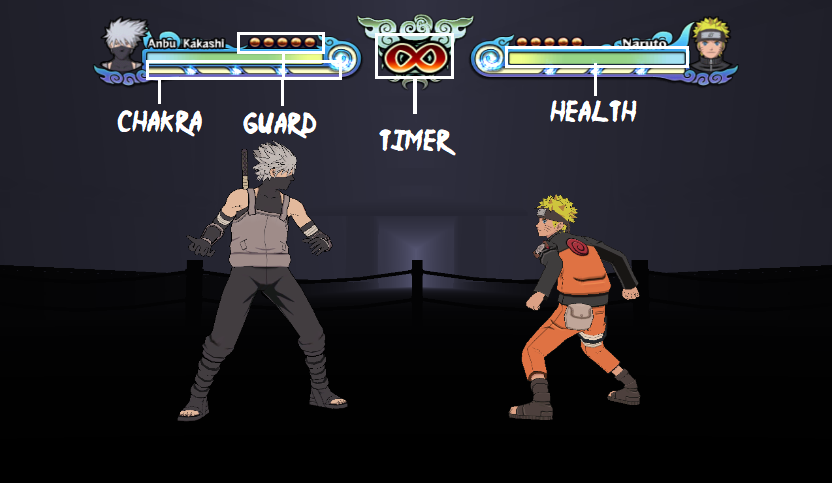
Naruto: Clash of the Ninja Revolution 2 – 2008 Naruto Shippuden: Clash of the Ninja Revolution III – 2009
Simplistic gameplay really hampered the experience here, and the story is lame, but the online play really bolstered the longevity of the game and added challenge.
Most Recent Entry: Naruto X Boruto Ninja Tribes – 2020 (AND, iOS)
Lit – 2009
A unique horror game that used the Wii remote like a flashlight. The shadow puzzles were fun, but the game is forgettable due to a lack of a compelling story or world.
Dive: The Medes Islands Secret – 2009
A good-looking platformer that was mostly generic feeling and average. While it was fun and wasn’t bad in any way it just didn’t provide anything to stand out.
Just Dance 2 – 2010
The series was birthed on the Wii. The second major outing didn’t approve of the first very much. It’s exactly the same as before with a new song selection and slightly better visuals. The series has lived on to this day.
Most Recent Entry: Just Dance 2022 – 2021 (NS, PS4, XONE, PS5, XSX)
SSX Blur – 2007
The series made it to the Wii with motion controls and all but was hampered by cutesy visuals that clashed with the signature look and dumbed-down gameplay. The control scheme also had a steep learning curve. The series would eventually die out with a final reboot in 2012.
Most Recent Entry: SSX – 2012 (PS3, X360)
WarioWare D.I.Y. Showcase – 2010
To be accompanied by the DS game, Showcasewas the classic WarioWare gameplay, but didn’t have enough content to keep people coming back for more. The connectivity to the DS was great and added some small replay value at least.
Most Recent Entry: WarioWare: Get It Together! – 2021 (NS)
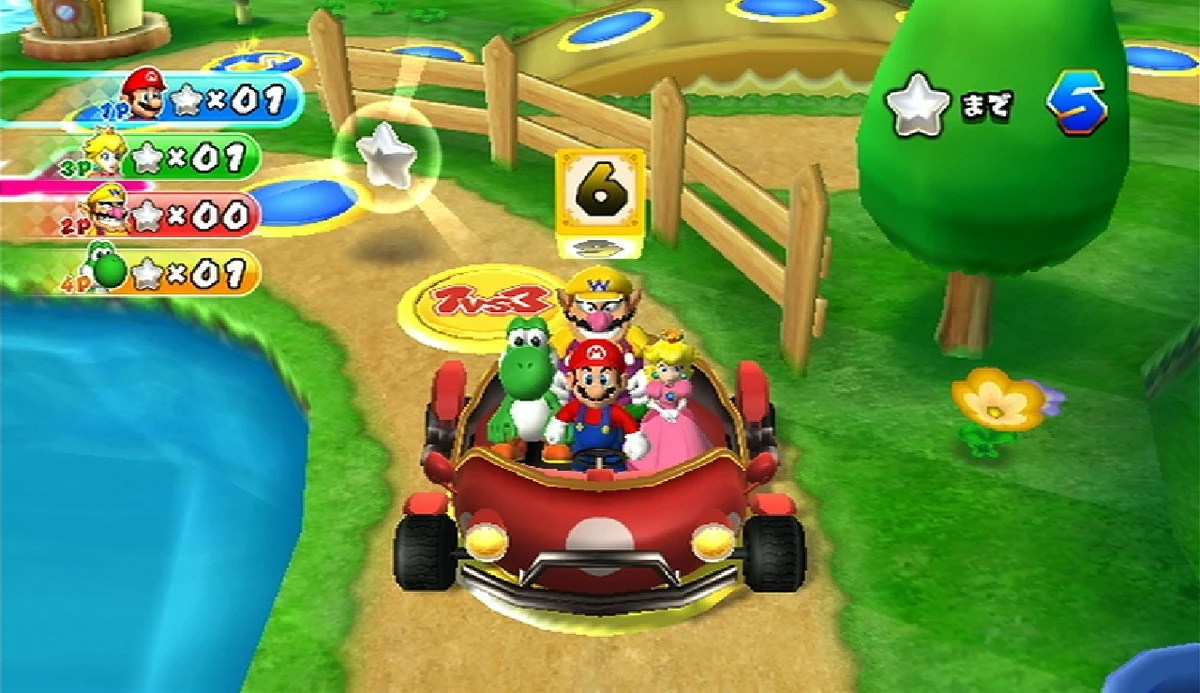
The second and final offering on the Wii it went out with a fizzle and splat. The series was growing stale at this point only changing one thing for the good and screwing up something else. The boards felt like you were too often at the mercy of chance and the content was lacking.
Most Recent Entry: Mario Party Superstars – 2021 (NS)
Pandora’s Tower – 2013
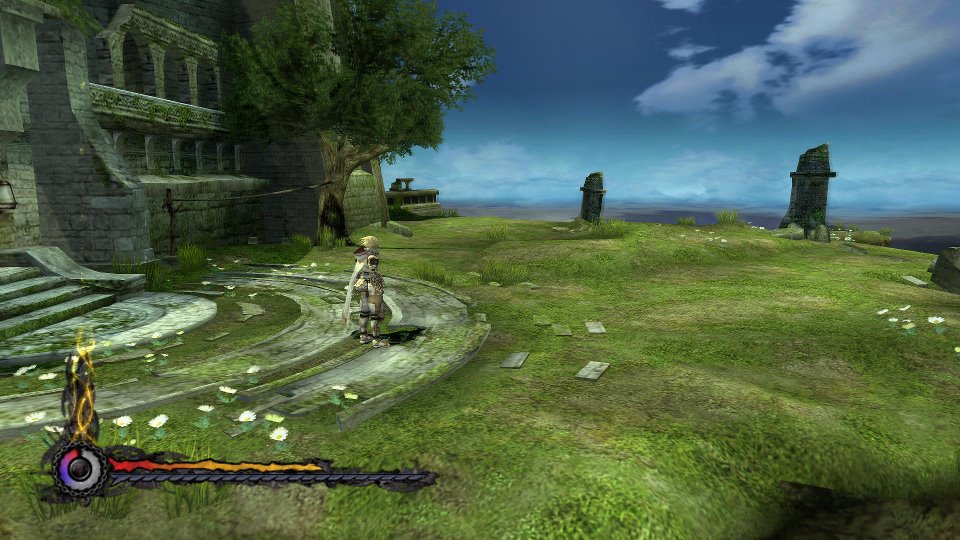
This game has a pretty nice cult following. It’s a beautiful and unique game on the system that pushed it to its limits. It’s often compared to Shadow of the Colossus and Castlevania. A little bit of each. It just has really repetitive combat and there’s lots of it.
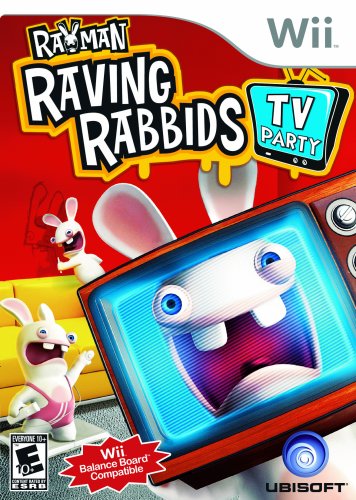
Rayman Raving Rabbids: TV Party – 2008
The penultimate release of this weird series that no one asked for. While the Rabbids are always fun to see on screen their games are just smatterings of mini-games and slapstick humor. This game uses the Balance Board on top of the Wii remote to make you do dancing numbers. It gets old quickly and is most fun with other people around.
Most Recent Entry: Rabbids Go Home – 2009 (PC)
Animal Crossing: City Folk – 2008
Wow, wait! An Animal Crossing game?! Well yeah. The series was pretty much not doing much around this time. Not much changed from the GameCube version and many long-time fans complained about this. You can skip this game in the series and not miss anything. It’s a great jumping-on point for newcomers, however.
Most Recent Entry: Animal Crossing: New Horizons – 2020 (NS)
Art Style: Cubello – 2008
The Art Styleseries was short-lived but pretty popular with puzzle fans. This game was considered unique and easy to pick up and play but became too complex and difficult too quickly.
Most Recent Entry: Art Style: Rotozoa – 2010 (WII)
Disney’s Epic Mickey – 2010
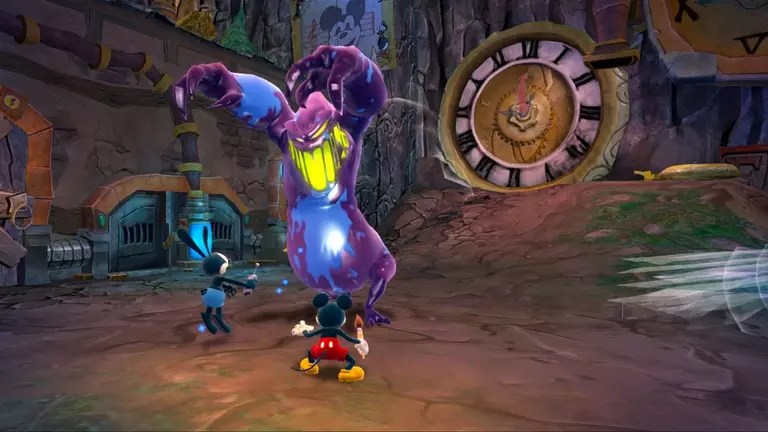
Warren Specter’s (Deus Ex, The Sims) colossal failure stemmed from poor controls and an awful camera. Diehard Disney fans were able to look past this, and if you do too, there’s a genuinely good game under all of this. The sequel was so desperate to turn things around that it moved away from its Wii exclusivity.
Most Recent Entry: Disney’s Epic Mickey 2: The Power of Two – 2012 (WII, VITA, PS3, WIIU, PC, X360)
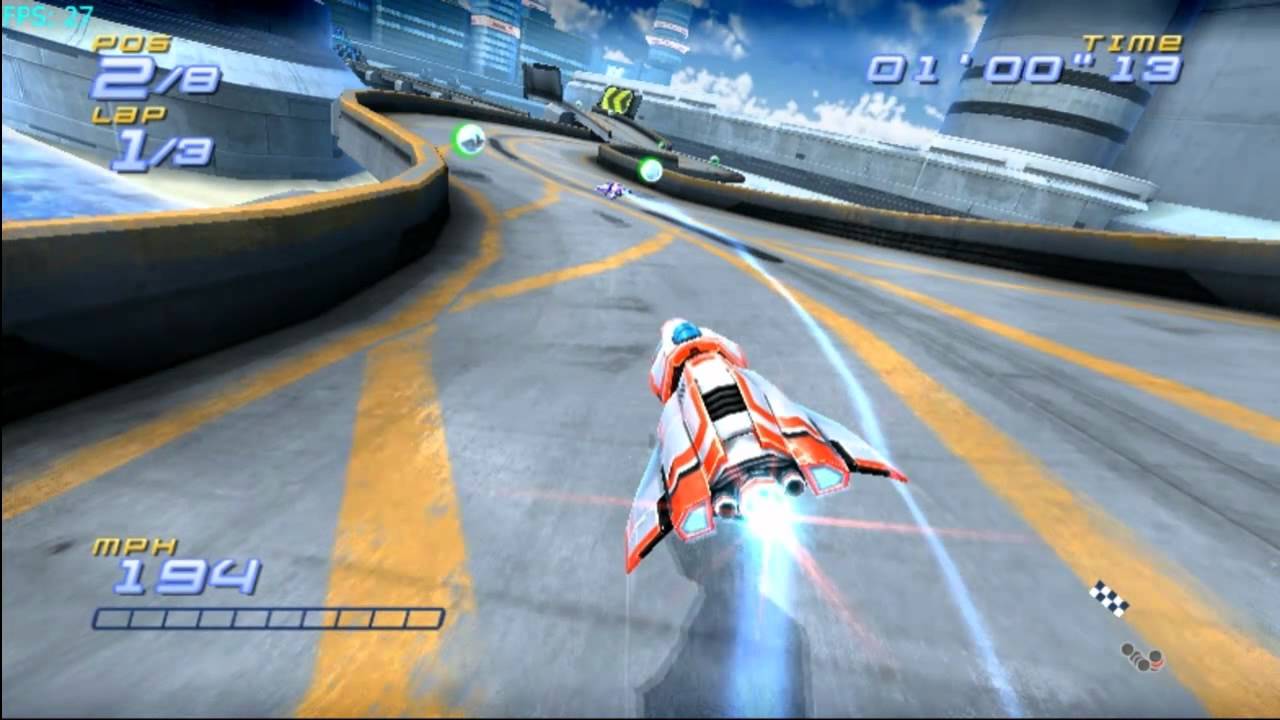
Fast – Racing League – 2011
The surprise Wipeout meets F-Zero game came out of nowhere and surprised many racing fans. It looked good and had a great sense of speed but flew under everyone’s radar. The series then launched on later systems garnering more coverage and love from fans.
Most Recent Entry: Fast RMX – 2017 (NS)
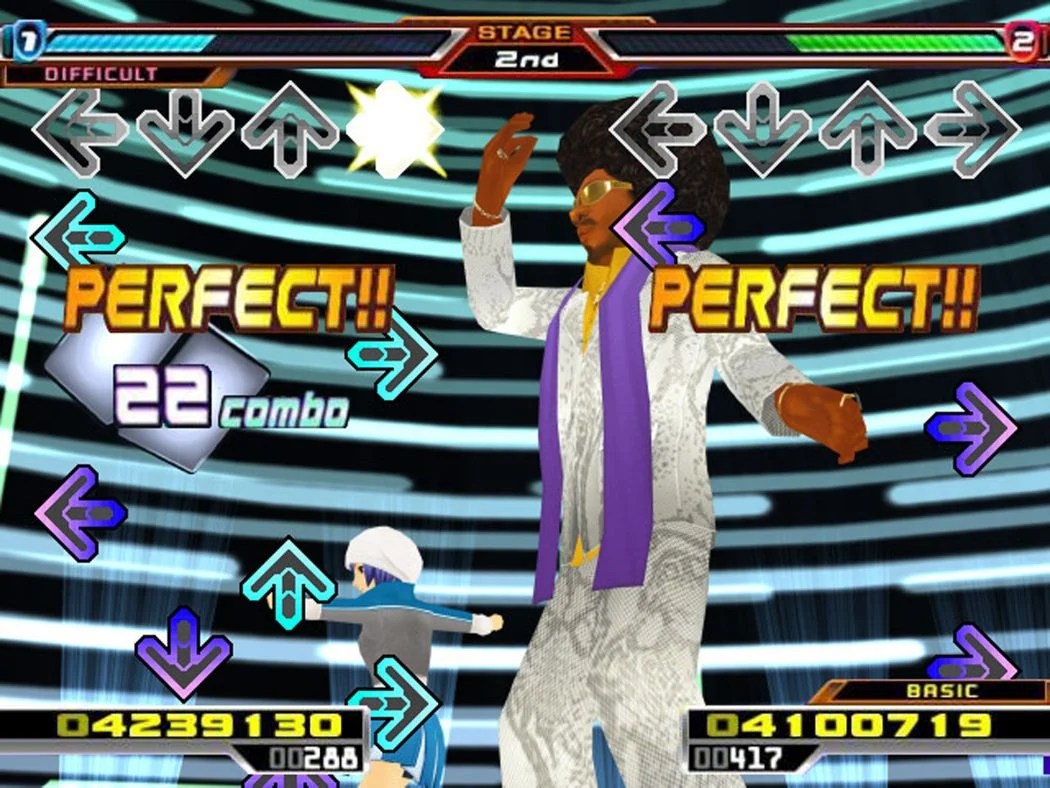
Dance Dance Revolution Hottest Party – 2007
Pick one DDR game and you’ve played them all. Unless you want new songs there’s no reason to buy anything else. The series never changed up the dance mat, and this game had a small amount of content and didn’t change the formula up much. It was business as usual here.
Most Recent Entry: Dance Dance Revolution II – 2011 (WII)
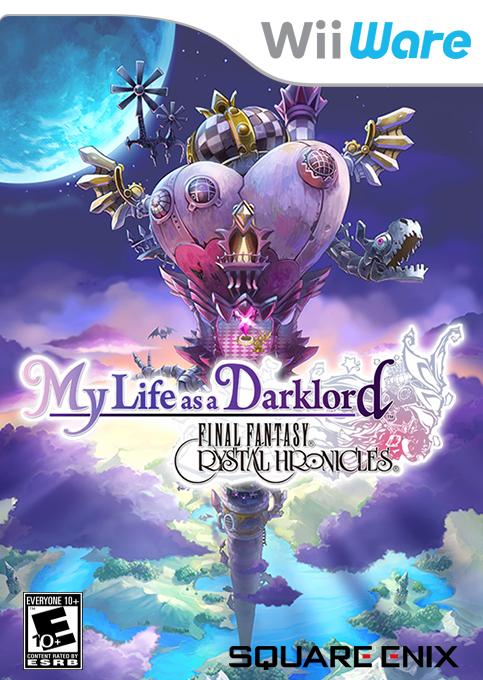
Final Fantasy: Crystal Chronicles – My Life As A Dark Lord – 2009
The Crystal Chronicles series hasn’t received much praise after its GameCube outing. The Wiiware versions were fun tower defense games but had a lot of paid DLC that could have been included. This game is considered one of the best in its genre for the system.
Most Recent Entry: Final Fantasy: Crystal Chronicles – Remastered Edition – 2020 (AND, iOS, PS4, NS)
Talk about a ho-hum launch title. While Excite Truck had a great sense of speed and looked decent enough, the track design was very generic feeling and there was a serious lack of content including online play.
Most Recent Entry: ExciteBots: Trick Racing – 2009 (WII, WIIU)
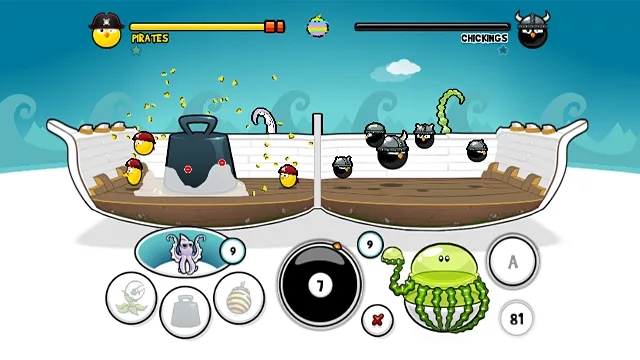
Chick Chick Boom – 2010
A really fun party game that was praised for its visuals and fun factor, but didn’t have much overall content. It’s also best played with other people leaving solo players alienated.
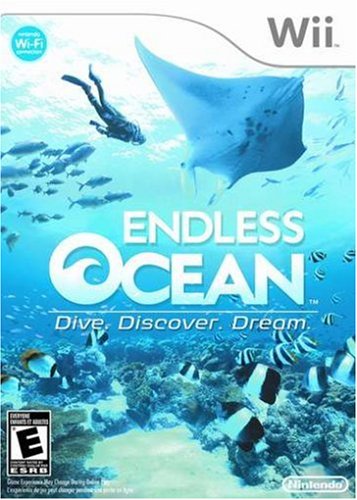
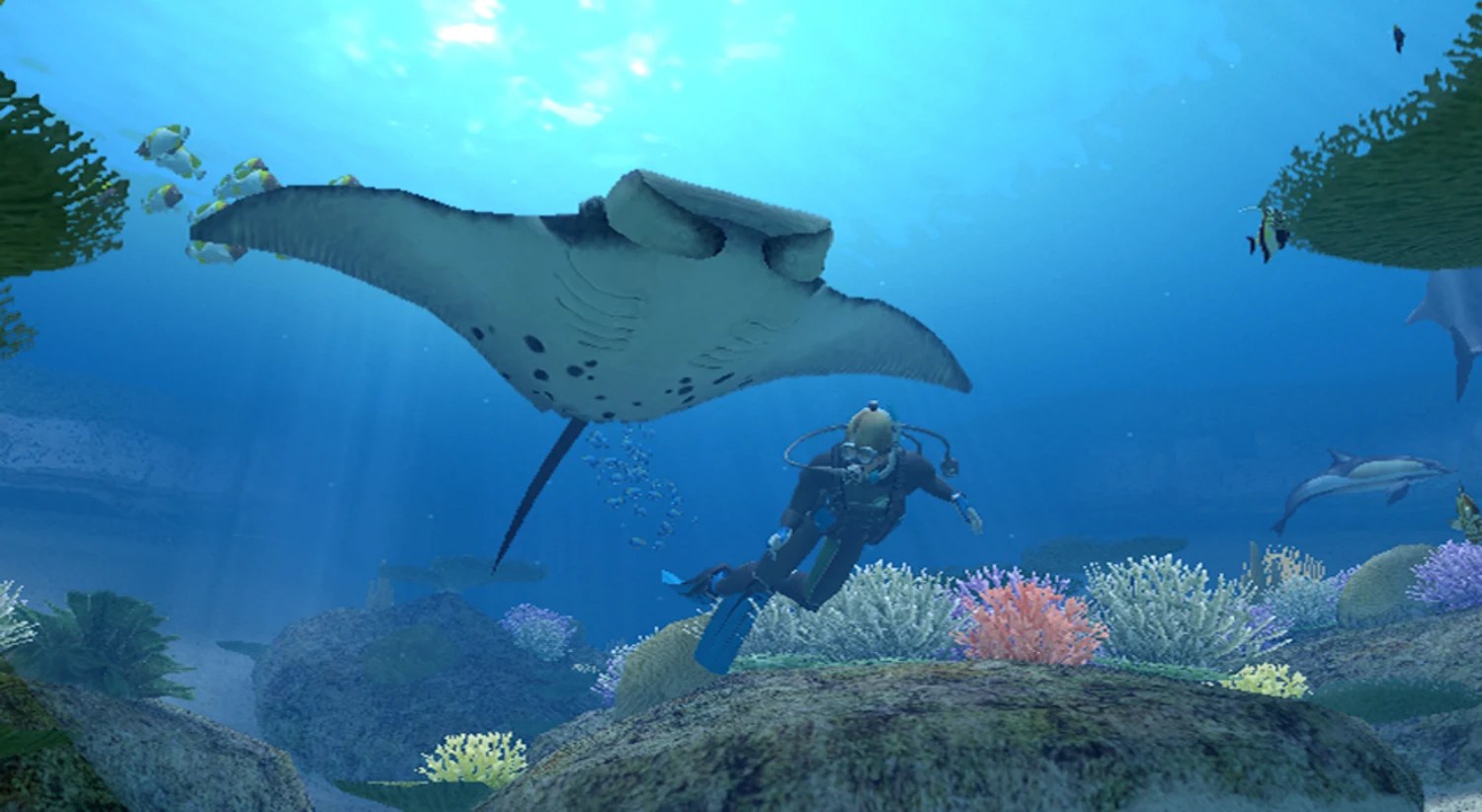
Endless Ocean – 2007
Praised for its bravery in trying to create a living breathing encyclopedia, but lambasted for having zero gameplay and frustrating controls. It’s worth playing if you just want to relax and enjoy the sights. The series would get one more entry before calling lights out.
Most Recent Entry: Endless Ocean: Blue World – 2009 (WII)
Mario & Sonic at the Olympic Winter Games – 2009
No game in the series is bad, but they are very simple and don’t provide enough to come back to. Many issues were addressed from the first outing, but the game is overall too simple and easy to challenge adults.
Most Recent Entry: Mario & Sonic at the Olympic Games: Tokyo 2020 – 2019 (NS)
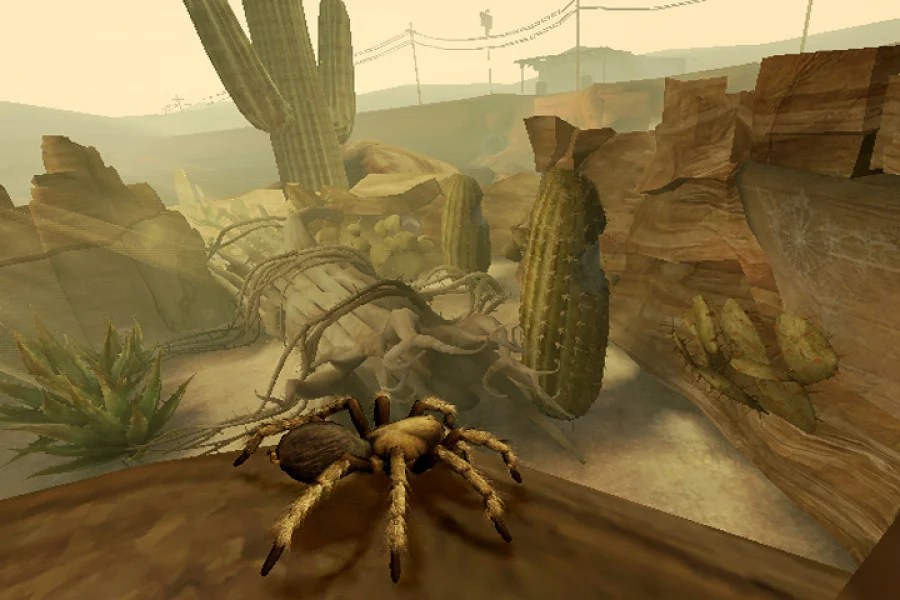
Deadly Creatures – 2009
A super weird game that surprised everyone with how good it was. It featured AAA actors for some reason too. The creatures themselves were realistically created and felt like their real-life counterparts. This adventure game got really hard though. I personally rented this and loved it. With a bigger budget a sequel could have been awesome, but alas this game didn’t sell well.
Shaun White Snowboarding: World Stage – 2009
Trying to capture that Tony Hawk magic Shaun White rode on the coattails of the legendary skater for years. With a quick succession of releases using motion controls the games were serviceable, but low effort. World Stage used the Balance Board and had clumsy controls, but was fun nonetheless.
Most Recent Entry: Shaun White Skateboarding – 2010 (PS3, X360, WII, PC)
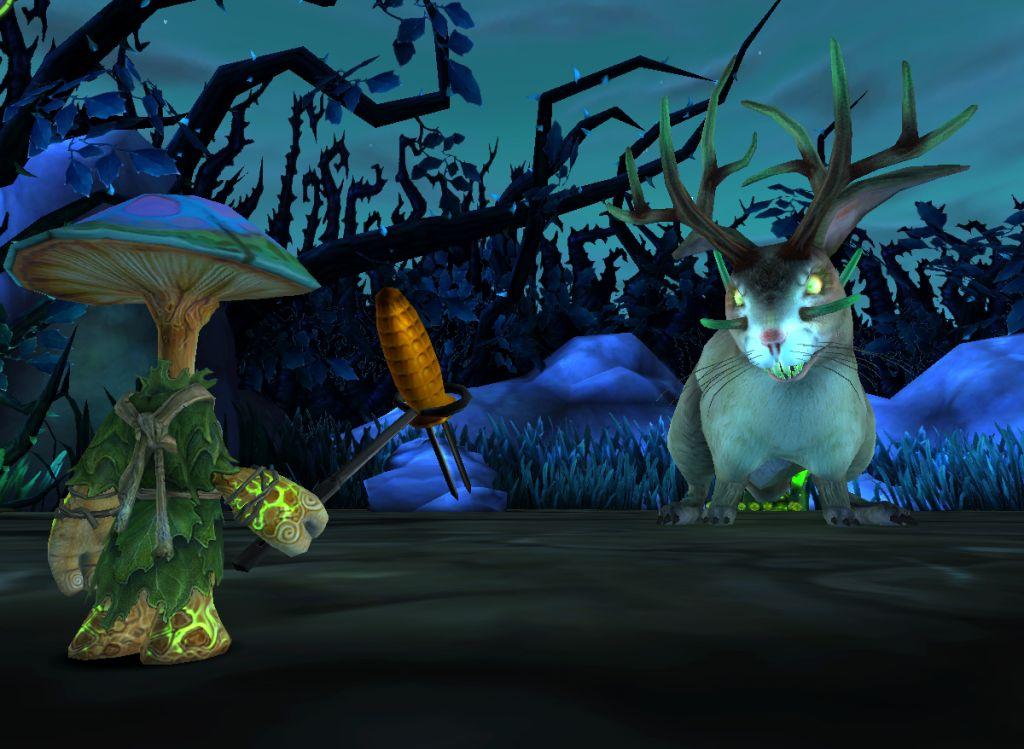
Mushroom Men: The Spore Wars – 2008
Mushroom Men was a series I hoped would get better. There is a lot of potential here and it’s one of the most visually striking games on the system. Sadly, it feels dated and gets really repetitive. One last try squeaked by on PC to never be seen again.
Most Recent Entry: Mushroom Men: Truffle Trouble – 2015 (PC)
Dr. Mario Online RX – 2008
A remake of the SNES game RXonly brought online play to the table. It’s the same gameplay without any interesting modes and won’t hold your attention for long. If you have any other version you don’t need this. Especially since the servers are shut down.
Most Recent Entry: Dr. Mario World – 2019 (AND, iOS)
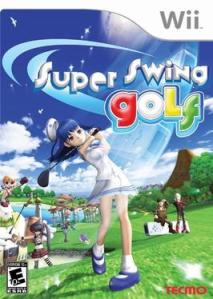
Super Swing Golf – 2006 Super Swing Golf Season 2 – 2007
I loved PangYa on PSP. It was one of the best golf games on the system. The series is clearly aiming toward the Hot Shots Golf crowd with cutesy visuals. However, the was little content to keep people coming back despite being one of the first golf games on the system.
Most Recent Entry: PangYa: Fantasy Golf – 2008 (PSP)
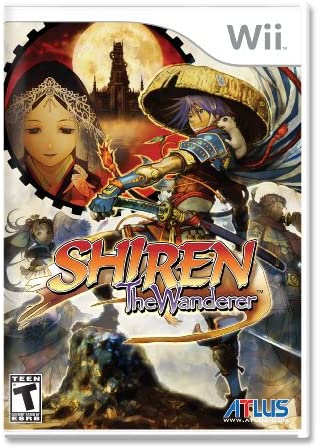
Shiren The Wanderer – 2010
This roguelike looked great and had potential at every turn, but just felt a bit too repetitive and formulaic to be remarkable. It’s still a visually unique game for the system. A sequel eventually bore fruit to equally mediocre results.
Most Recent Entry: Shiren the Wanderer: The Tower of Fortune and the Dice Fate – 2020 (NS, PC)
Spectrobes: Origins – 2009
The final game in the short-running series. This seemingly lifeless and generic action game is actually rather good. It’s a monster collecting game with decent visuals on the Wii and is great fun despite the lack of any challenge.
Driift Mania – 2009
A fun call back to 16-bit top-down racers, but the lack of solo content really hurt here. The game was designed with multiplayer in mind. Many also didn’t care for its generic-looking visuals either. However, it controlled well and had a good sense of speed.
The Munchables – 2009
A fun game with cute visuals, but this time the game does have some challenges. It gets repetitive fairly quickly, but many felt the game was worth pushing through. The controls also needed some work.
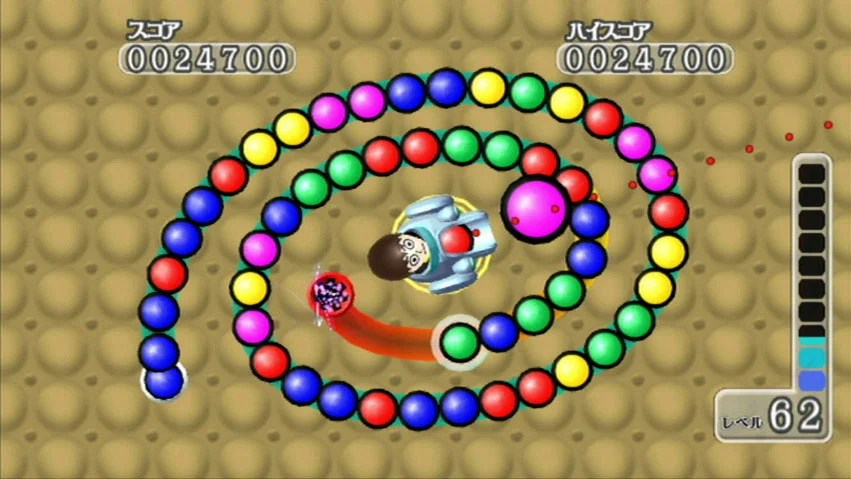
Magnetica Twist – 2008
A fun puzzle game if not ugly. This Zumaclone was hampered by poor controls and no online play despite the price point. If you can get a hold of this game you’ll have a lot of fun at least.
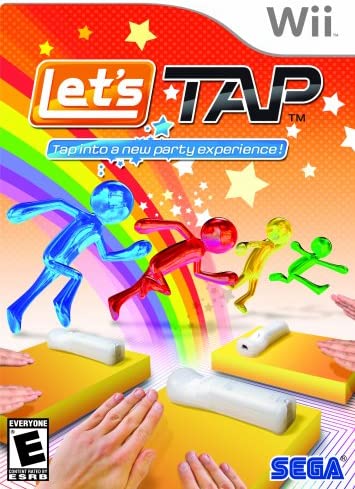
Let’s Tap – 2009
One thing that was common with unique Wii games that were experimented with is the fact that these games always came to packed light on content.Let’s Tap only has four mini-games and a visualizer and must be played with others to fully enjoy. The whacky nature of the whole thing makes this one of the most interesting games on the Wii.
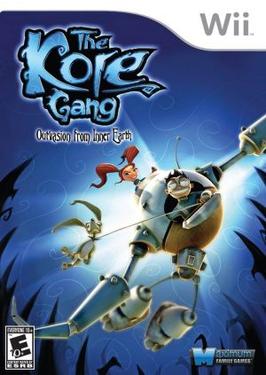
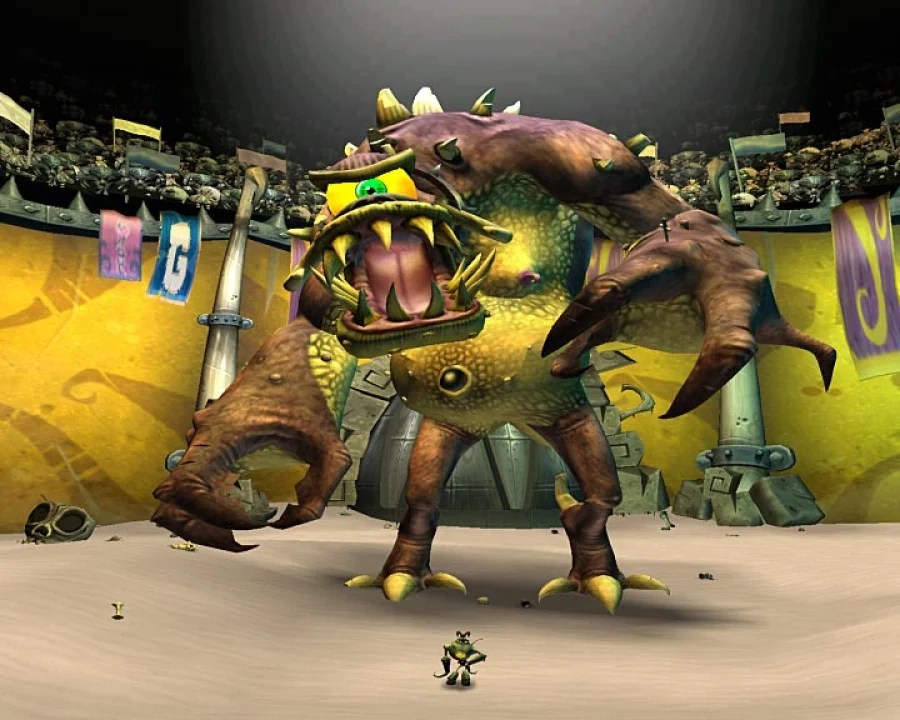
The Kore Gang – 2011
A fun and lighthearted platformer with zany characters. Switching between them allows some form of variety, but the overall experience is let down by a short run time and some fiddly controls.
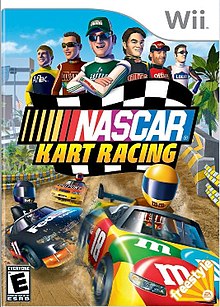
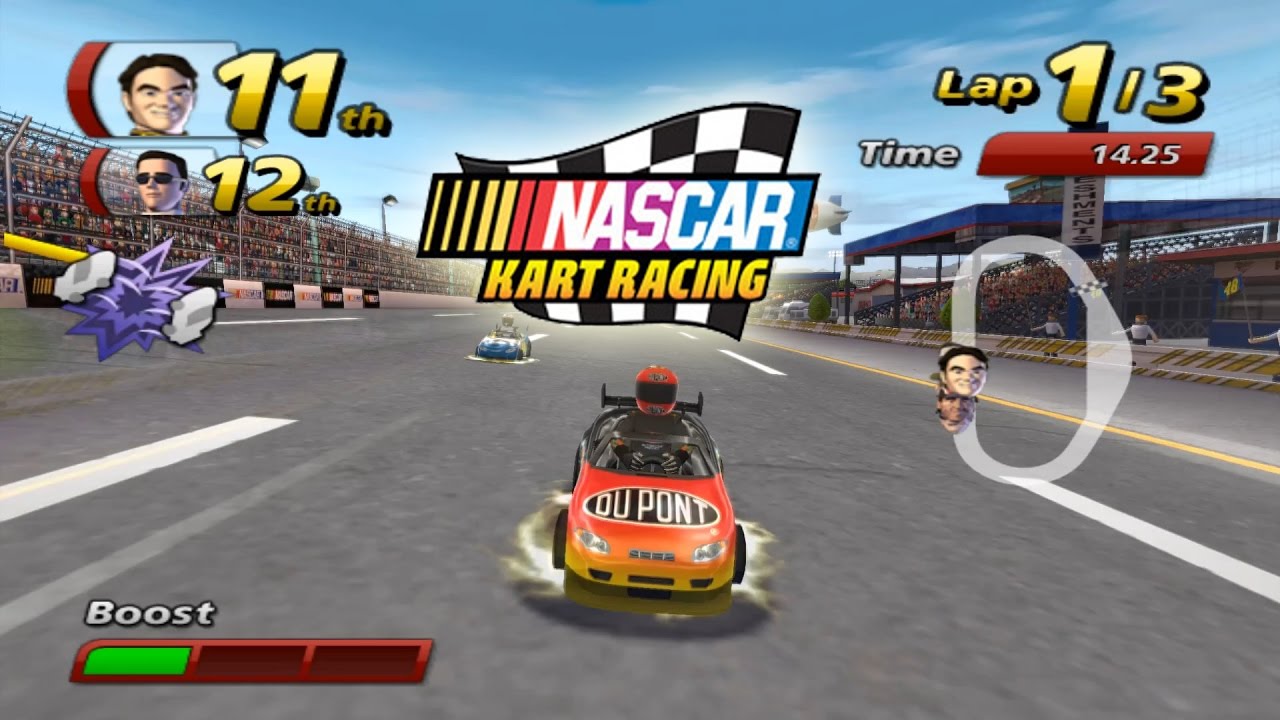
NASCAR Kart Racing – 2009
A surprisingly good game despite the license. The game has great controls and a fun track design but has no online play and the visuals are really dated. The online part might not matter anymore so it’s probably even better.
Most Recent Entry: NASCAR Rivals – 2022 (NS)
Jett Rocket – 2010
A fun and addictive game but gets repetitive fast and lacks any depth. It’s also very short clocking in at just a few hours, but it’s a fun time at least with quality design choices.
Most Recent Entry: Jett Rocket II: The Wrath of Taikai – 2013 (3DS)
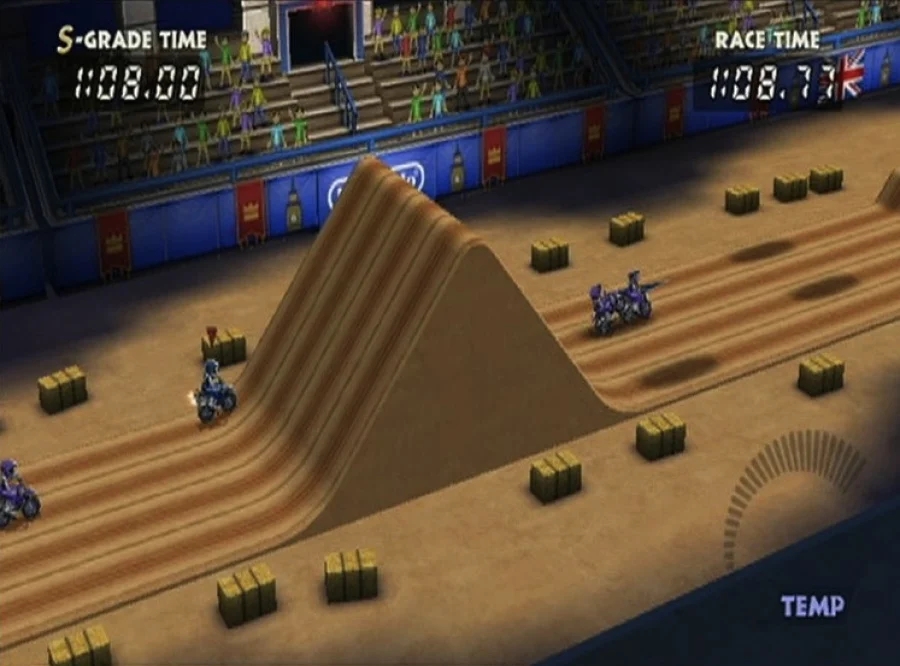
Excitebike: World Rally – 2009
This did a good job of updating the original NES classic but had no local multiplayer which was a real shame. However, it didn’t advance the formula much if at all and that brought it down some.
Most Recent Entry: Excitebots: Trick Racing – 2009 (WII, WIIU)
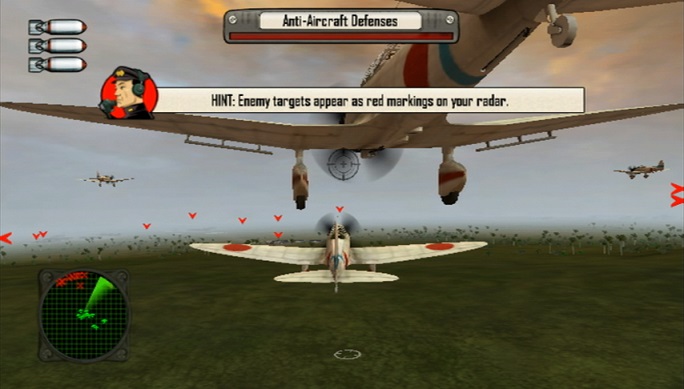
Pearl Harbor Trilogy – 1941: Red Sun Rising – 2010
Considered one of the better dog fighters on Wii, the game was praised for great controls and mission variety but was insanely challenging. This wasn’t a pick-up-and-play arcade game at all.
Super Mario All-Stars: 25th Anniversary Edition – 2010
Yes, these are good ports and play exactly like you remember them…but that’s it! No fancy extras, no remake of any kind, no HD remaster, just the same NES and SNES games slapped onto a disc. It felt like overpriced Wiiware.
Most Recent Entry: Super Mario 3D World + Bowser’s Fury – 2021 (NS)































































 thebinarymessiah.com
Try multiplayer. A lot of fun !