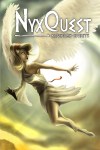
You are Nyx, who is a winged goddess that falls in love with Icarus, but the sun-god Helios releases rage upon the gods and burns the earth into a fiery apocalypse, but you insist on defying the gods to save Icarus. While the story isn’t very deep, there is one there, and you do want to see what happens to Icarus at the end. Not very often will you run into “cut scenes” that have just some text across the screen and gibberish being spoken. This is an indie game after all, so you are probably coming for the unique gameplay.
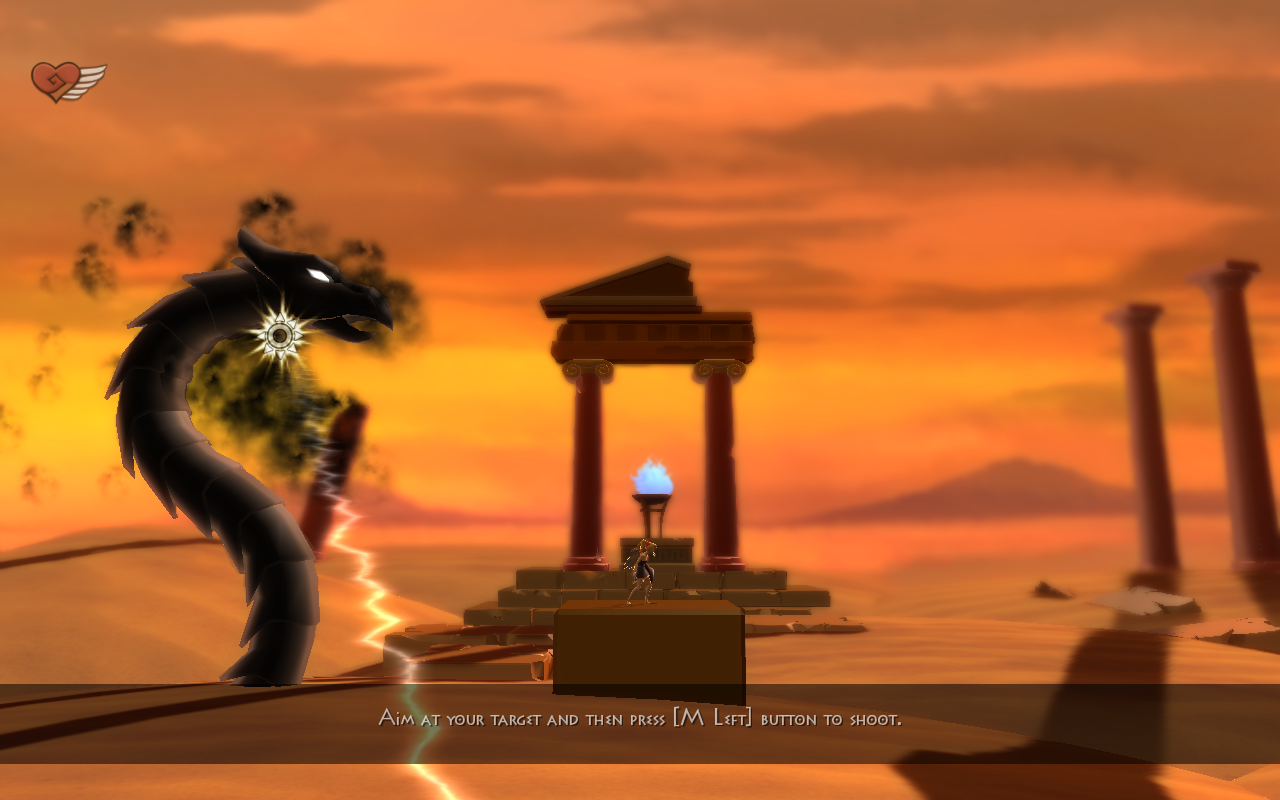
While originally designed for the Wii, it works well on a mouse and keyboard. You control Nyx’s power with your mouse and hers with the keyboard. You can jump up to five times and also glide for about 8 seconds, and these are keys to gameplay. Jumping around is the main part of the game, and you must time everything carefully. The game is not a breeze, and even the platforming is tricky thanks to the game’s ability to make you multitask. With the mouse, you can move certain blocks around, shoot lightning, move fireballs, and pull around pillars. There is a lot to the gameplay, so you have to really play it to understand how deep it is. You have to be able to move Nyx around while also manipulating the environment with the mouse, or you will never get anywhere.
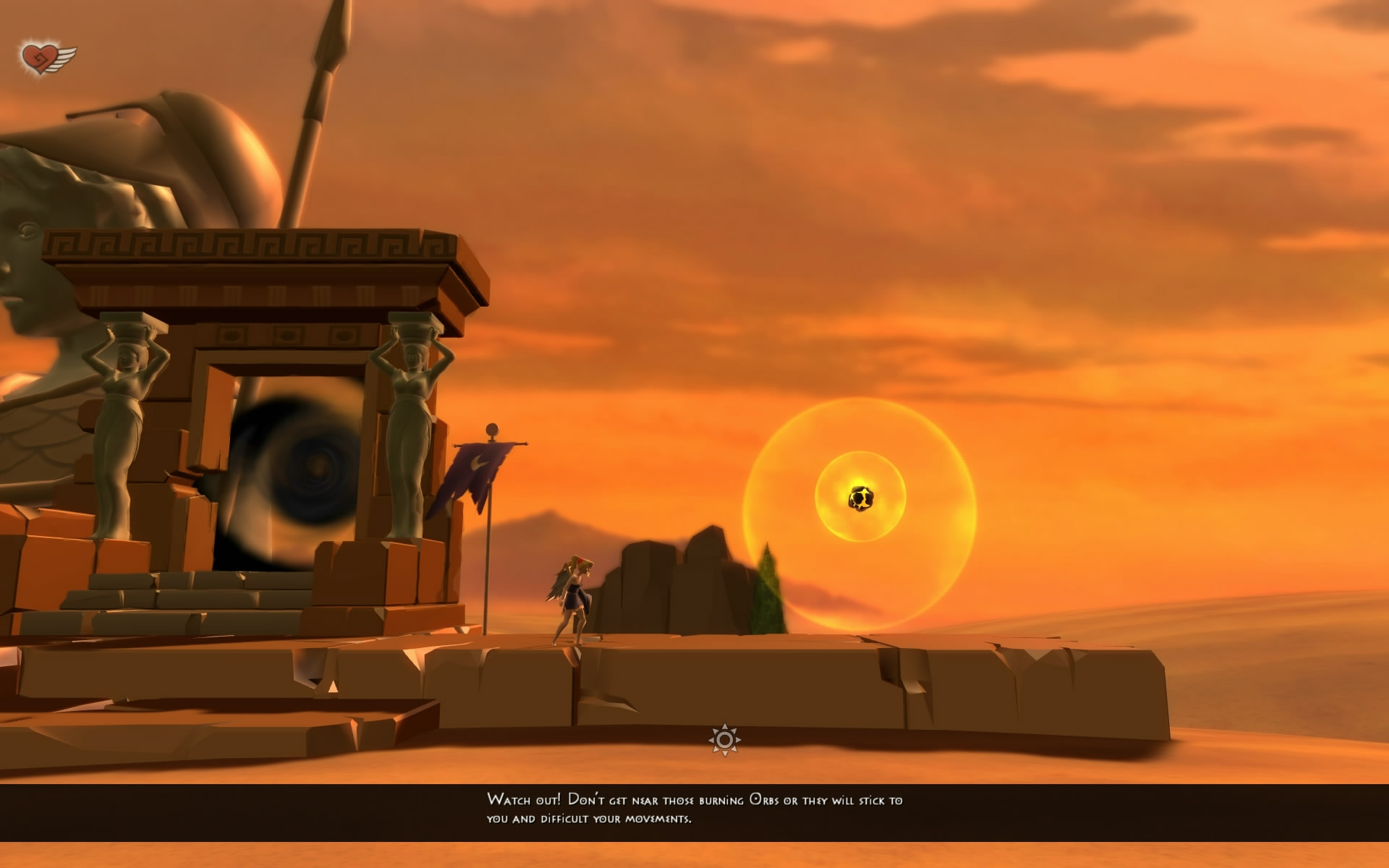
While the unique combo works well, it does get very difficult at points. The first couple of levels are novel and neat, but then the game quickly feels repetitive and tiresome until you start learning new powers later on in the game. While the gameplay is unique and deep, it’s really the same thing over and over again. Jump around 50 platforms and move this block or pillar around. Each level looks the same, and the art style has a Greek mythology theme to it, but the textures are flat, and no visual upgrades were given for the PC version. I also felt the physics was a little floaty because everything moved like there was little gravity.
The checkpoints are a little unfair because they are put in weird spots. Instead of sticking them right before a really hard section, you have to go through an easy section to get back to where you died. There are also only a couple of boss fights, and they are fairly easy due to the better accuracy of a mouse over the Wiimote. Overall, NyxQuest is a fun little indie game that really challenges your multitasking skills.
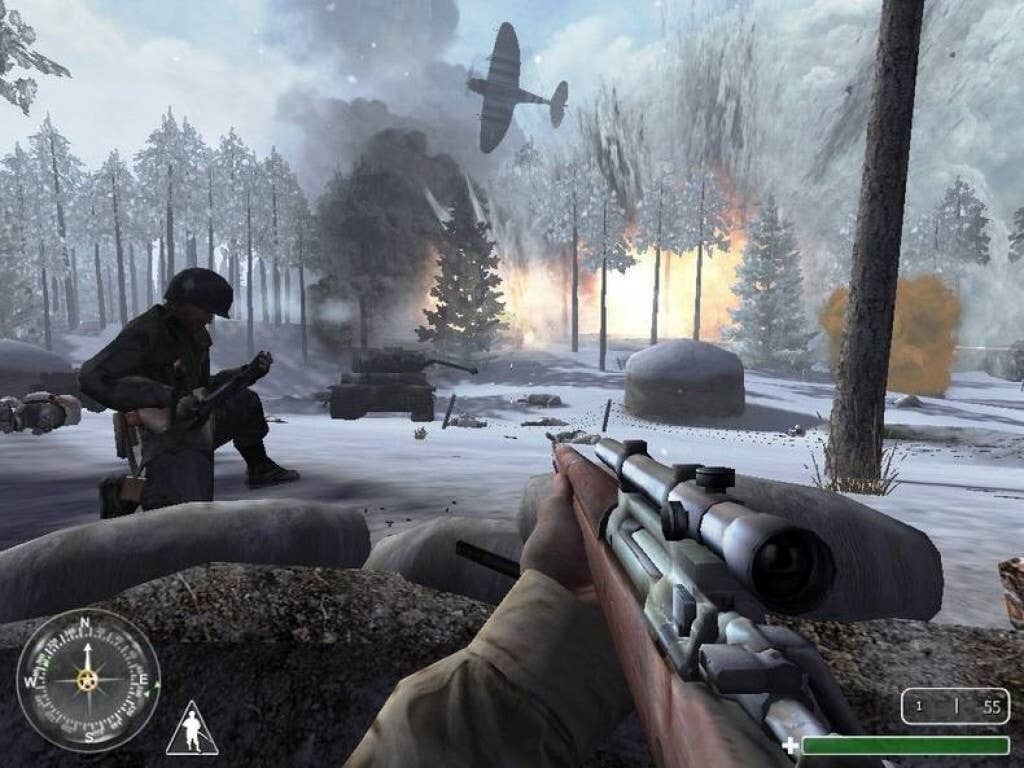
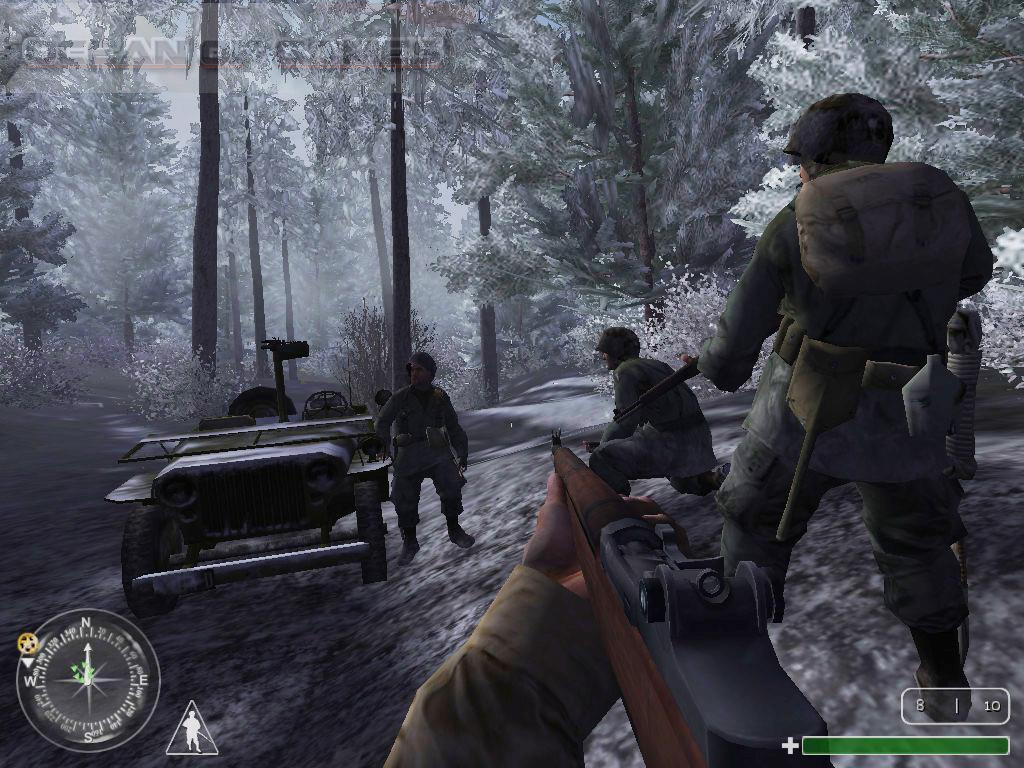
Another World War II game, but wait, this came out 7 years ago during the sub-genre peak. Why should I play this? It’s just another Call of Duty. Before you go making drastic decisions Call of Duty started out as a WWII series way before the Modern Warfare explosion. Call of Duty was known for its great cinematic atmosphere, tight gunplay, and excellent storytelling. United Offensive is the expansion of the award-winning debut game in the series. Offensive is just superb and even holds up on all levels today.
The game has three campaigns that run between America, England, and Russia. You play as three different faceless soldiers, but the environment is the main character here. Each campaign has an amazing opening scene as well as some memorable moments like the escape on a Jeep in the American campaign, the gripping plane scene in the England campaign, and the tank scenes in the Russian campaign. There is never a dull moment in Offensive, and everything from sound, great voice acting, and realistic-sounding war effects brings together a riveting experience that I truly have not found in any other WWII game (even in later CoD games).
Instead of trying to pack every scenario into one game (including weapons), we get some long battles that feel challenging but not terribly hard. Some scenes can last up to 20 minutes (like the plane scene in the British campaign), but they hold you out just enough to make you feel the terror of war and a little helpless. Some battles require waiting a certain amount of time before reinforcements arrive, and then a wonderful orchestral soundtrack picks up and makes it that much more intense.
The gunplay is solid and feels great with favorite weapons like the MP40, M1 Garand, MP44, and the Springfield sniper rifle. We’ve used the weapons dozens of times, but each weapon feels different, which includes power, accuracy, and the mechanics of the gun. I feel the grenades still have no weight, but there are a variety of them. Each level and scenario feel different and gripping, but you never get attached to any characters because the environment is the main attraction.
Multiplayer would keep you coming back, but due to your age, there is no one playing online ever, so you have to stick to LAN. War games just aren’t like they used to be, and United Offensive shows how to put the feeling of war as well as realistic-feeling weapons. United Offensive stands out graphically as well, thanks to the tiny details. The only thing dated are the low-poly models, low-resolution textures up close, and some static lighting. Most of the time, you won’t notice because you’re sucked into the experience too much. If a game from 2004 can suck you in after playing modern war games, then that really shows how much a game stands up.
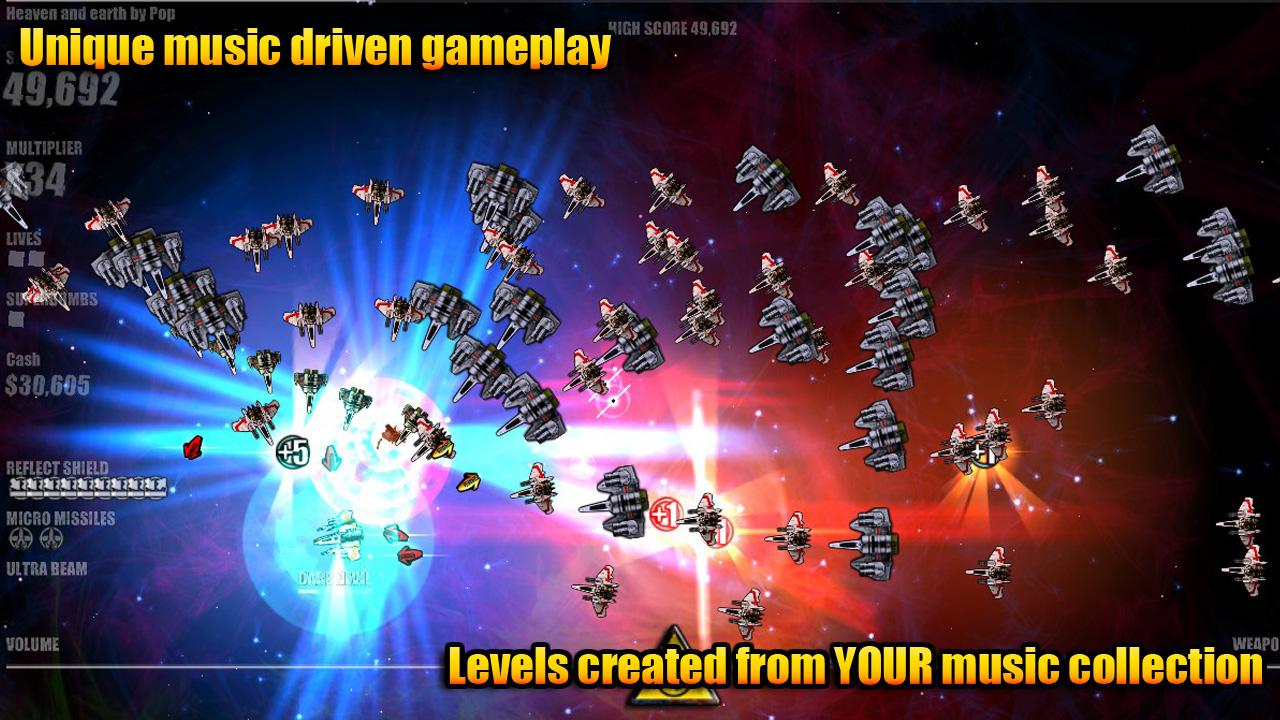
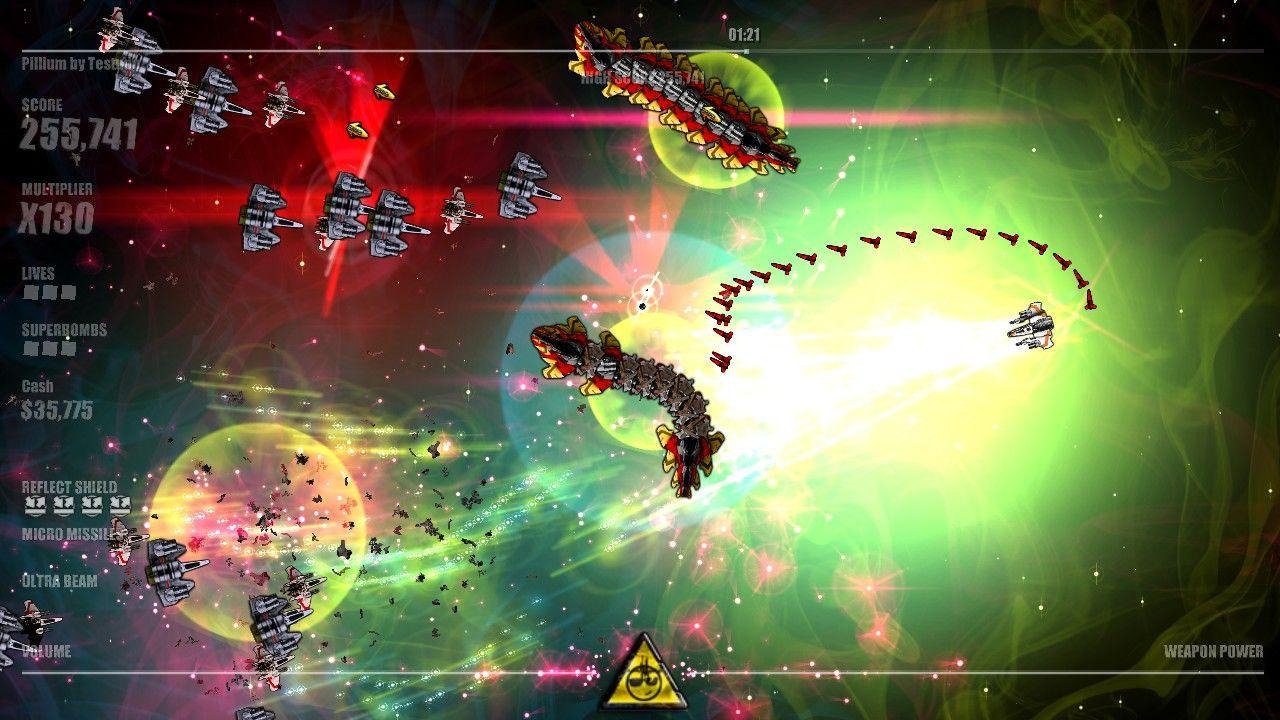
Being able to play a game using your own music isn’t new, but being a good one is hard. Beat Hazard lets you select your own music and then uses the tempo to create difficulty spikes and the flow of enemies. The beat of the song is seen in the bullets you shoot as well as the crazy explosions on one screen that can give you a seizure. When you select your music, you get to decide the difficulty. Pick a heavy and fast metal song, and you’ll be lucky if you get through the whole thing. Pick a normal soft rock song, and the difficulty is very gradual.
When you actually start shooting, there are several power-ups that range from increasing the volume, shot power, money, and bombs. If you die, you can collect the stuff you’ve dropped, but if you keep collecting the stuff, you get more and more powerful. You can use the money to buy perks that range from power-ups when you start to extra lives and other various perks. There’s a good amount, and it’s worth playing just to unlock them all. However, the game doesn’t have much depth, so this is a 30-minute-at-a-time game, or you will get bored. The visuals are decent, but the special effects that flash around remind me of Geometry Wars on crack.
So this is once again a game that makes you the decider of how fun an experience you get. The engine underneath does a good job using the songs to be a fun space shooter, but I would like to have seen more power-ups or maybe something more 3D. If you don’t like 2D space shooters, you won’t like this, even if you get to use your own music. The game can get really hard quickly and can be a bit confusing at first until you get the hang of it. There are quite a few modes, such as multiplayer, boss rush, and endless mode, so there is some variety there. For the low price, you can’t really go wrong, so pick it up and enjoy the craziness!
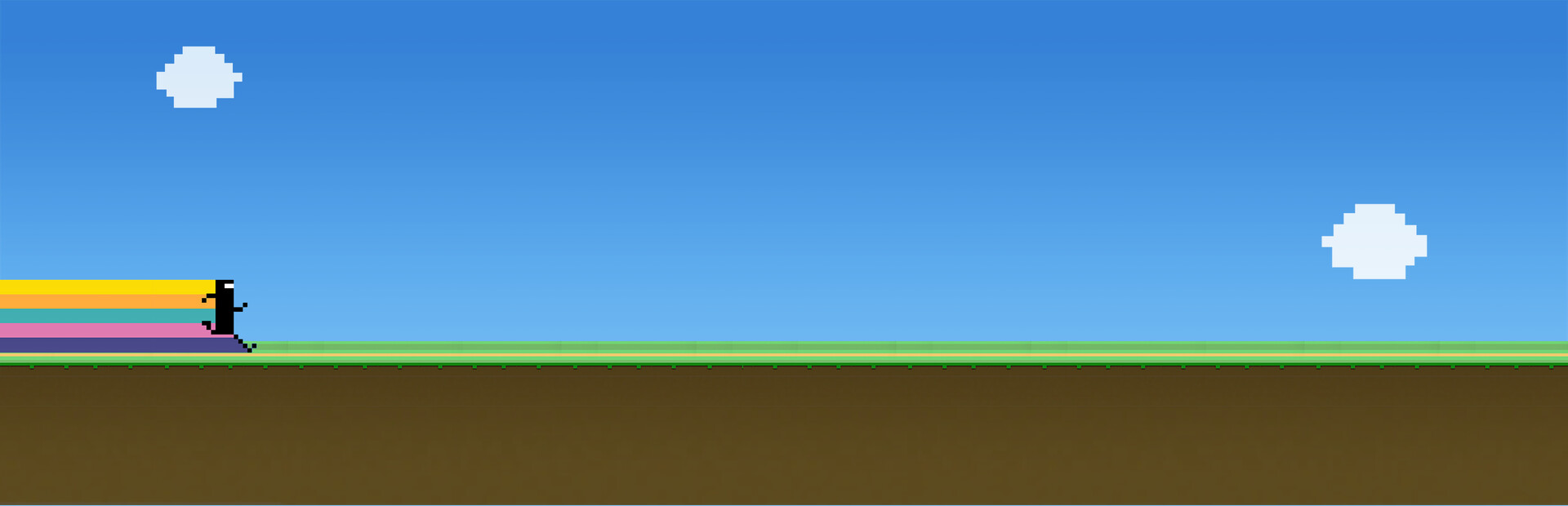
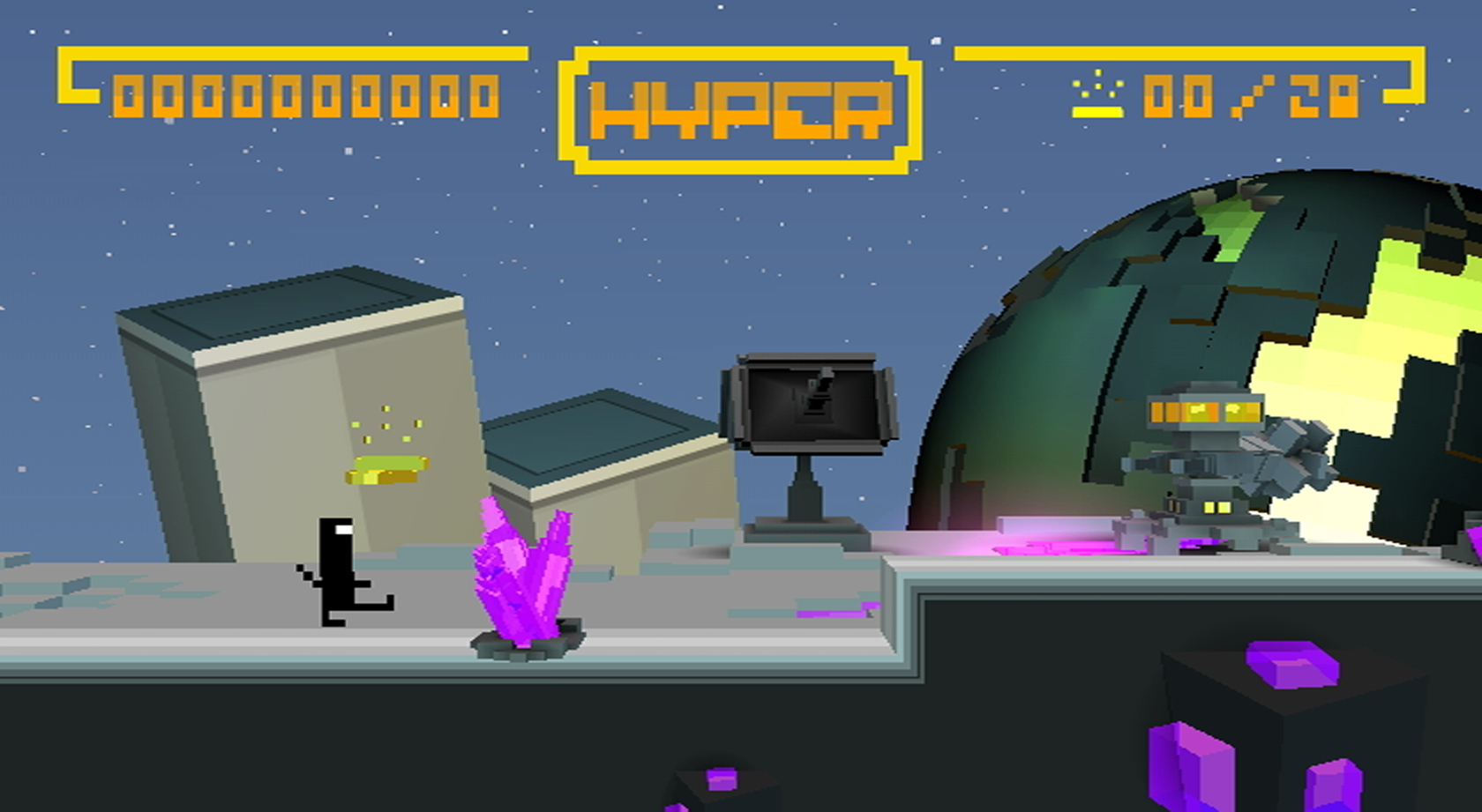
Rhythm games may not be all the rage anymore, but the unique ones really stick out. You can’t pick your own songs; there are no fancy instruments; it’s just you and the controller/keyboard jumping to make a good techno beat. The idea of the game is to get through each of the three worlds through 12 levels each while jumping, kicking, and sliding your way through each level. If you get hit just once, you reset back to the very beginning. While on the early levels, this is fine; the later ones take up to 4 minutes or more to complete, so getting reset is so frustrating.
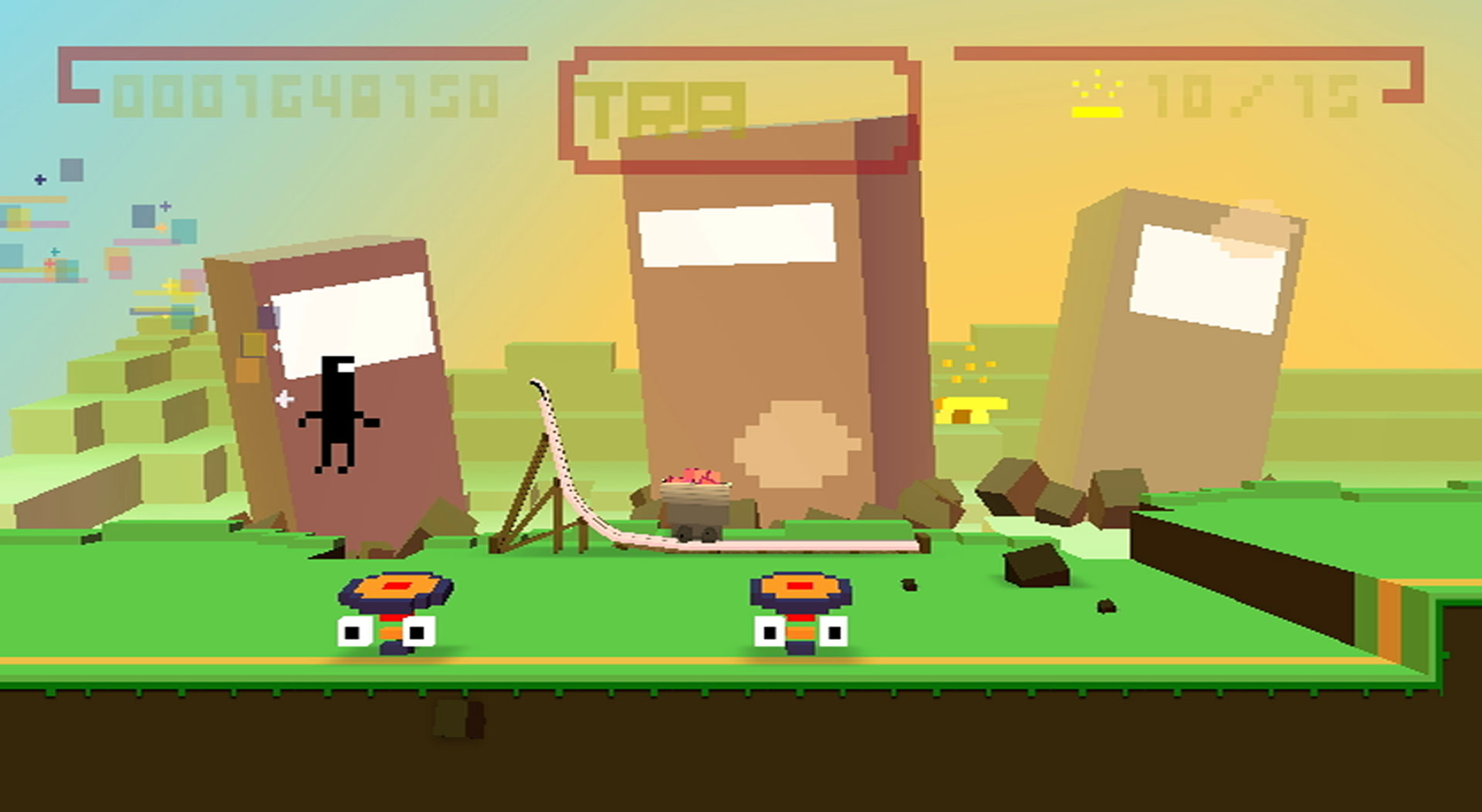
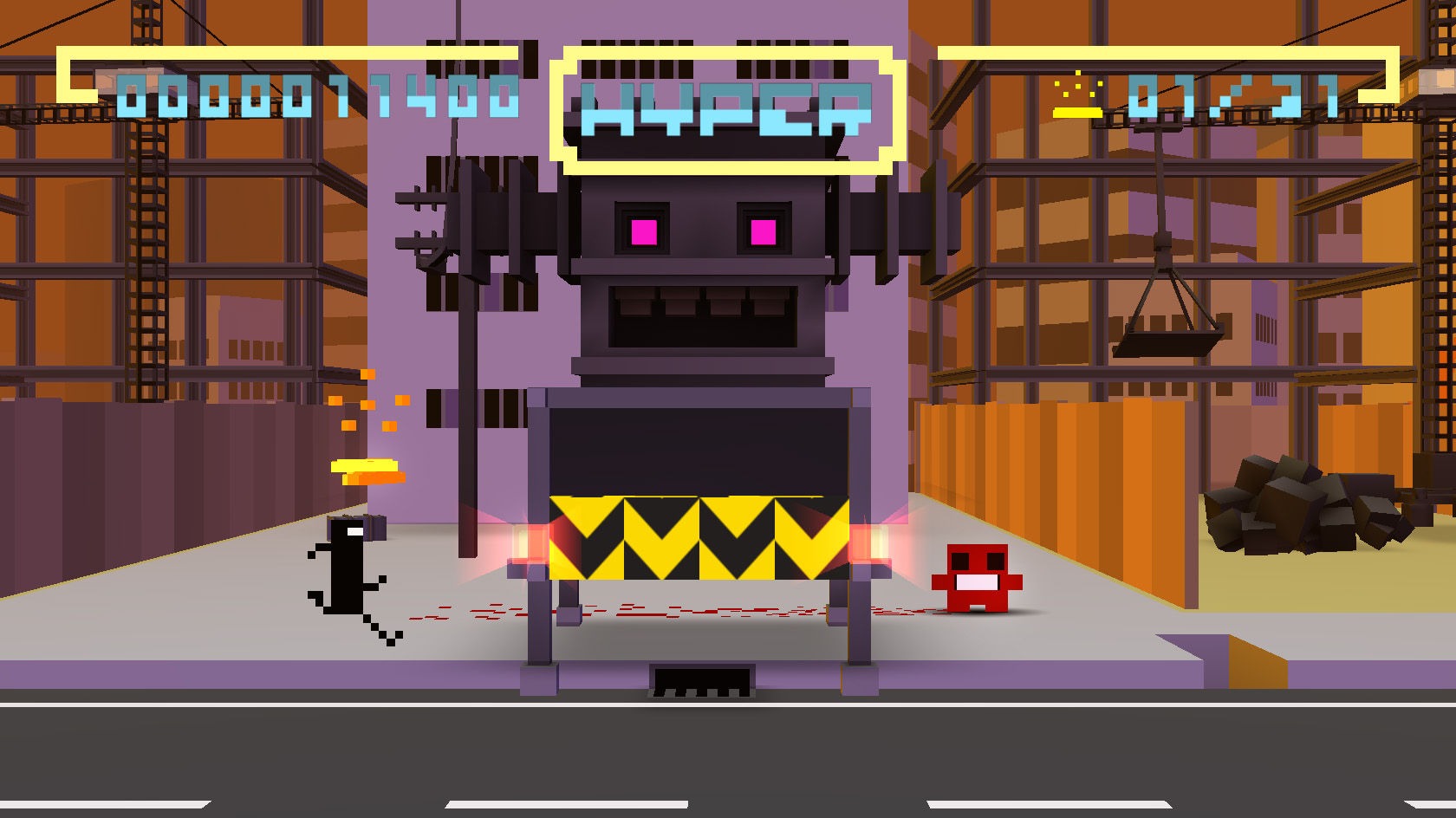
Obstacles range from blocks you have to jump over to low-hanging objects to slide under, stairs that require quick taps, and even some stops to fool you, like a bouncing cube that you slide under and jump over. There are spring pads and other obstacles to block your path, but precise timing will be required to get all the gold blocks to get to the bonus stages, which are 8-bit variations of the 16-bit/3D levels. It’s very unique, charming, extremely addictive, and fun. I am currently stuck on 1-11 and have been for weeks, but I keep going at it because I just want to play every level.
The music is pretty good and full of life, despite it being the same track through each level. During parts of the level, you will pick up a giant plus sign that will add tracks to the beat and also add to the visuals. BIT.Trip is really a game for casual players and hardcore platformers who miss the days of the 16/8 bit era. The game has a brilliant level design that adds a lot of challenges while still being manageable. I haven’t really played a 2D platformer this addictive in years.
The visuals are stunning, with wonderful 16-bit to 3D translation, and the game has a wide color palette that sticks to the 16-bit and 8-bit eras. Everything is made of blocks, but it has built-in 3D and can really be a mind-trip sometimes, especially when you first start playing. Don’t let the hard levels keep you from playing, because being able to play the later levels is rewarding and challenging. I highly recommend this game to any 2D platformer or even for someone just looking for a fun arcade game.
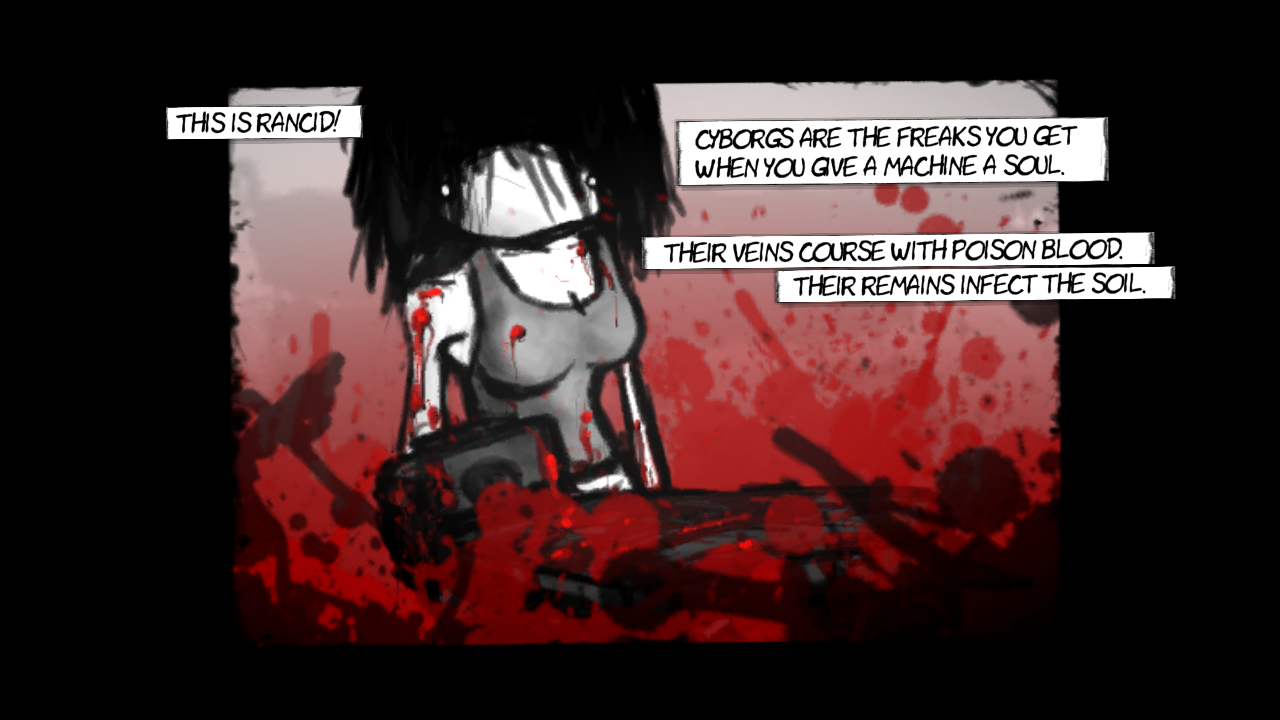
The Dishwasher is a strange name, but the story of Yuki is actually pretty sad and engaging. Yuki dies in the hands of the dishwasher and is hallucinating. You play flashbacks of her in an asylum, trying to find her killer, but then again, she’s hallucinating and kills the wrong person. She crash-landed on the moon, trying to find the person making her hallucinate and find out why this is all happening to her. There’s a lot of detail in the story, so explaining too much will spoil spoilers. Just know that the story is excellent and very engaging.
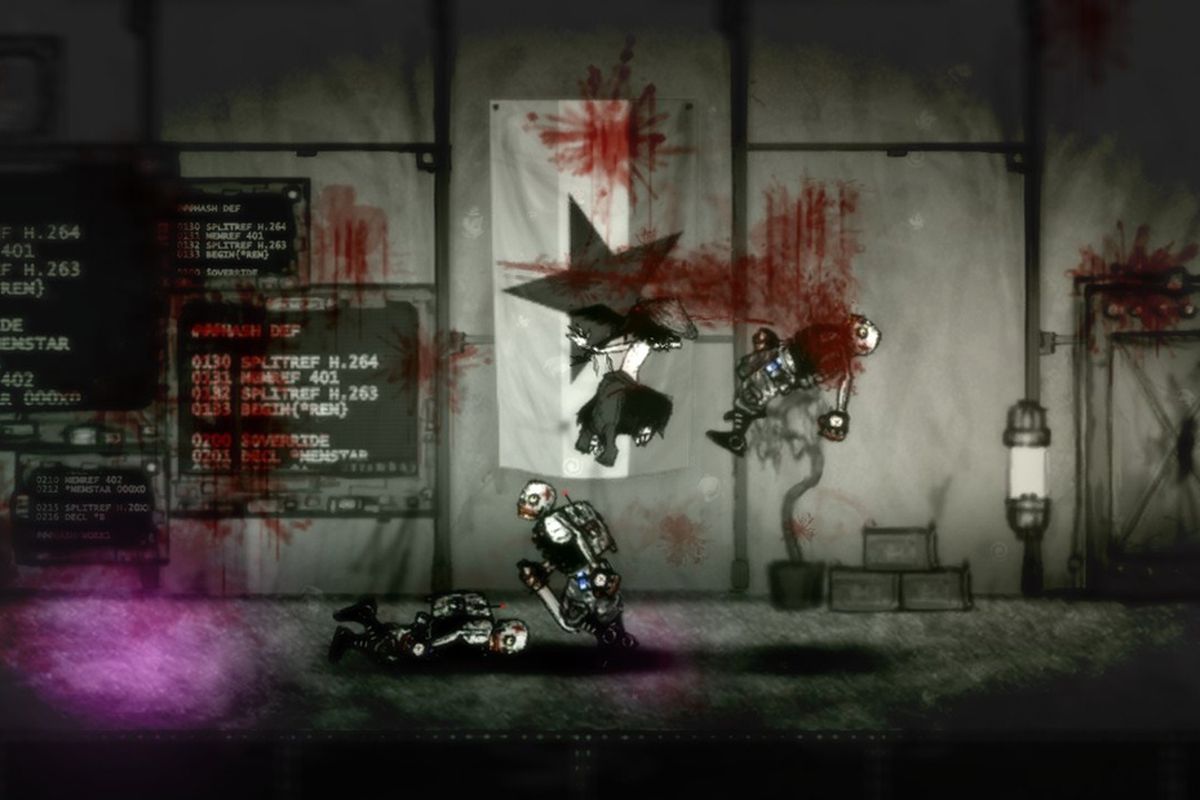
The game is all about combat, which is superfluid, fast, and fun thanks to smooth and responsive controls. You will find different weapons like Cloud’s sword, a hypodermic needle, kamas, as well as a mini-gun arm attachment. You can use the right stick to use the blood dash to go through enemies and dodge them, but everything is just so fast and fun that you just forget the controller is in your hands. You can hit enemies with a light and heavy attack as well as a unique attack with B, such as a grab, needle jab, or chainsaw attack, depending on your weapon. After you damage an enemy enough, they will have buttons flash under them. Hit it and see a brutal execution move that just looks awesome. The game is very punchy, heavy-hitting, and powerful, thanks to the excellent combat system.
You can equip beads that add attributes to Yuki, and you can also use magic skulls that do massive damage to enemies. I just can’t really describe how excellent the combat is until you actually play it. It’s like trying to explain how good Devil May Cry’s combat is. There’s just no way, unless you actually play it. Boss fights are also fun and unique, but some can be brutally difficult to beat. Dodging and twitch reactions are key to staying alive in the game, so this is no walk in the park. The game will just take your breath away with how fast-paced it is, but I guarantee your fingers will ache after a couple of levels.
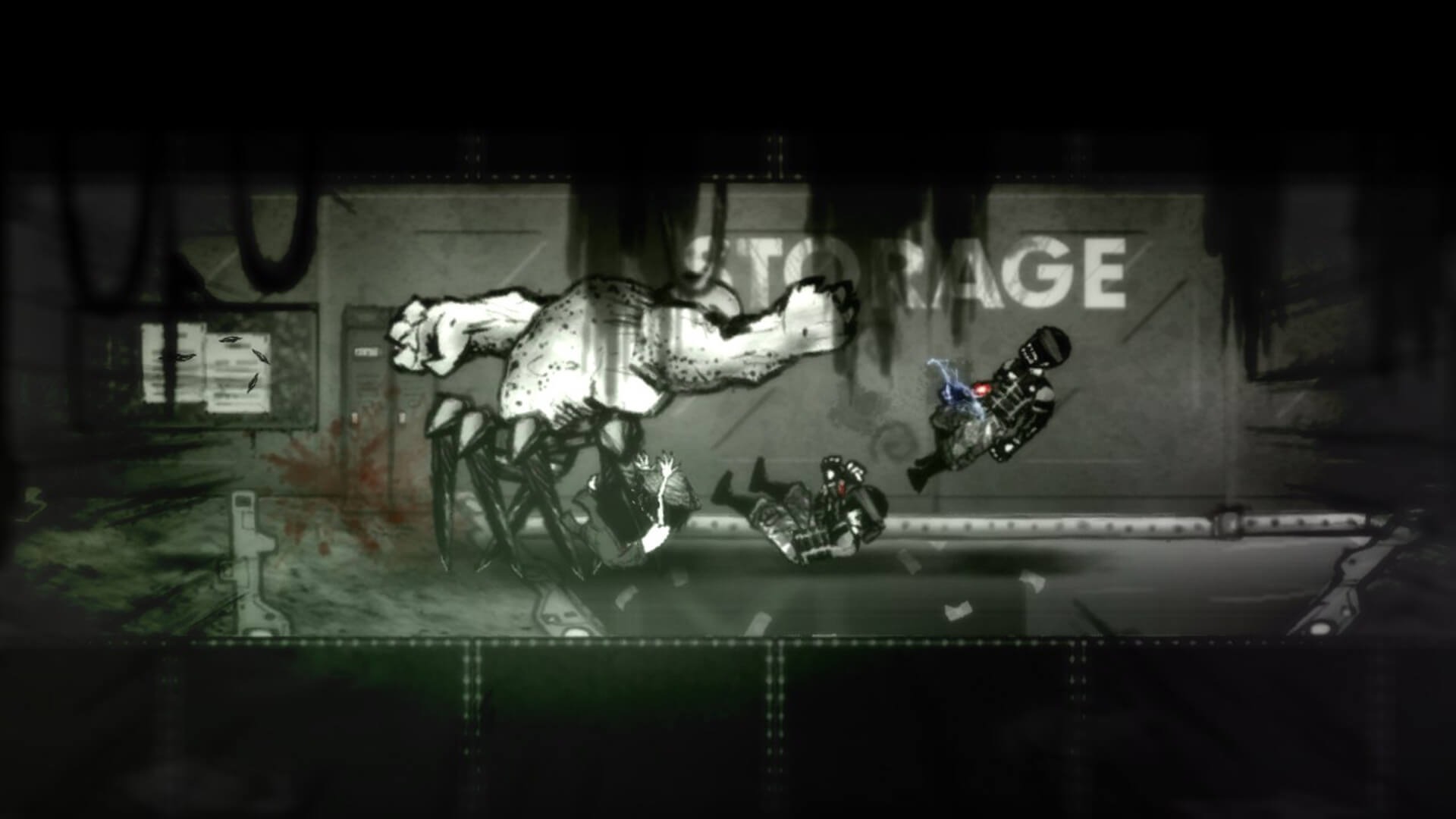
The art style is just awesome, with a very messy, dark, and smeary style. It looks like you can’t tell what’s going on, but it was done in such a way that you can make everything out just fine. I love how dark and brutal the art is, so it just helps portray how helpless Yuki is. I didn’t really find much wrong with the game except for the brutal difficulty. The enemy variety is pretty high, and there are plenty of boss fights. After you finish Yuki’s story, you can even go back and play the dishwasher’s side, so it’s like two games in one. This is probably one of the best XBLA games I have ever played, and it should not be passed up.
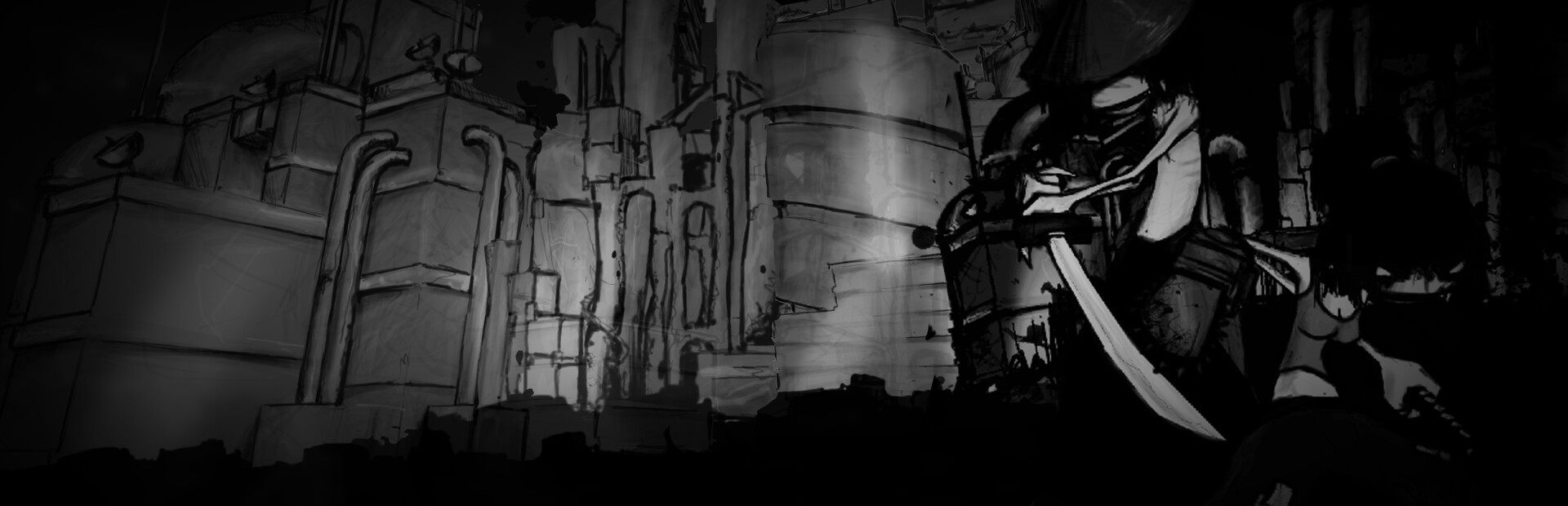
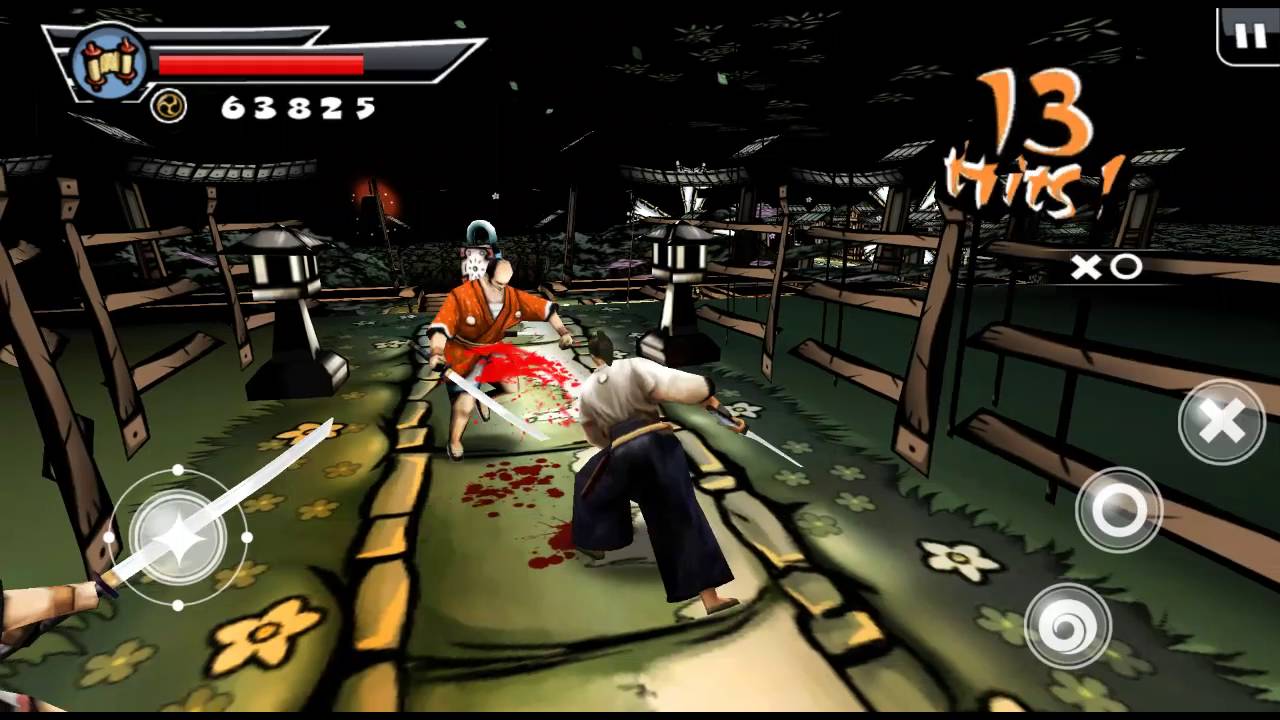
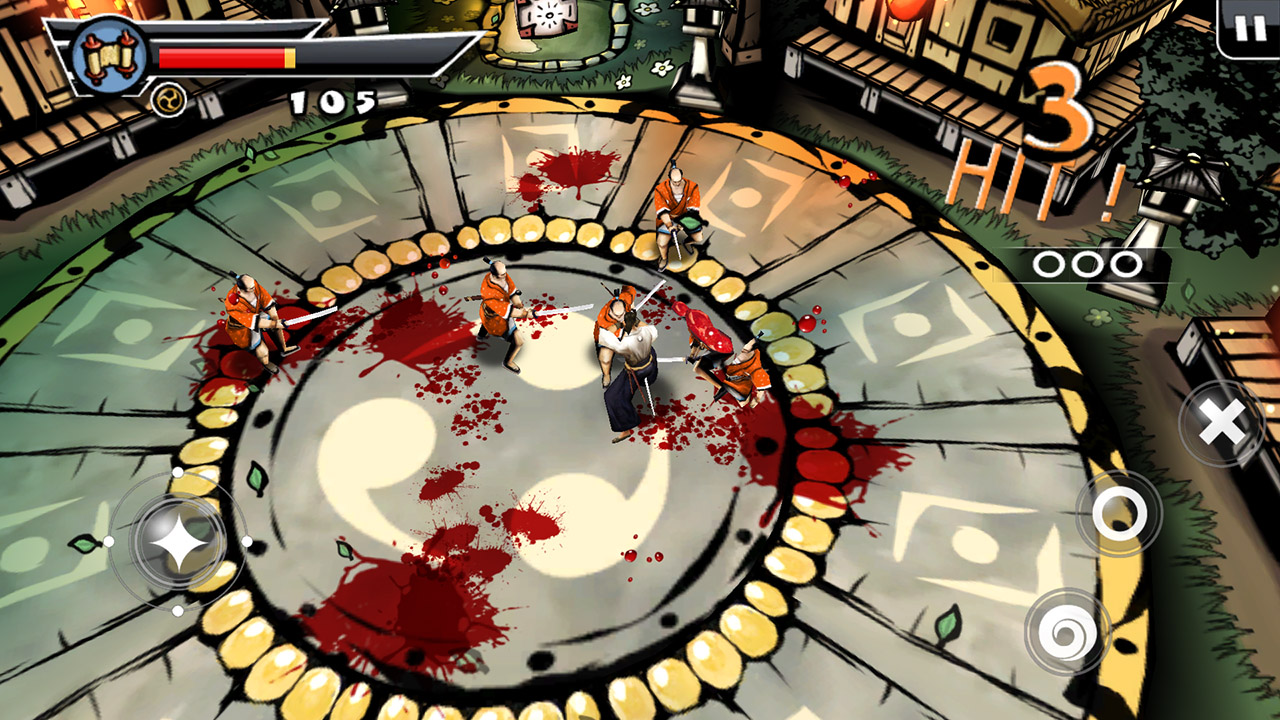
Samurai II is a great-looking game but also sports brutal combat. It has a very generic revenge story, so don’t expect anything interesting there. Now, this combat isn’t very deep, but the strategy is key thanks to the select enemy variety, and each one has its own unique moves. As you move through the chapters, you will encounter more powerful enemies and bigger and bigger waves. Each section of every level will block you in an area, and you must defeat waves of enemies. Each wave may have different enemy types like archers (defeat these first), yellow dual sword guys (save for last and dodge a lot), as well as some blue samurais, red ones, and big heavy guys.
The game could have just thrown random things at you and made you hate the game, but thanks to each enemy sticking to a specific move, you can use strategy to defeat each wave and stick with that strategy through the whole game. Once you get to chapter four, you will encounter every enemy type, so from here on out, it’s just about staying alive. You can upgrade up to 8 combos, but there is no magic or power of any kind, and I didn’t like this. You have heavy and light attacks on the chain, so combat is very shallow. The only thing going for this game is the visuals and strategy in combat.
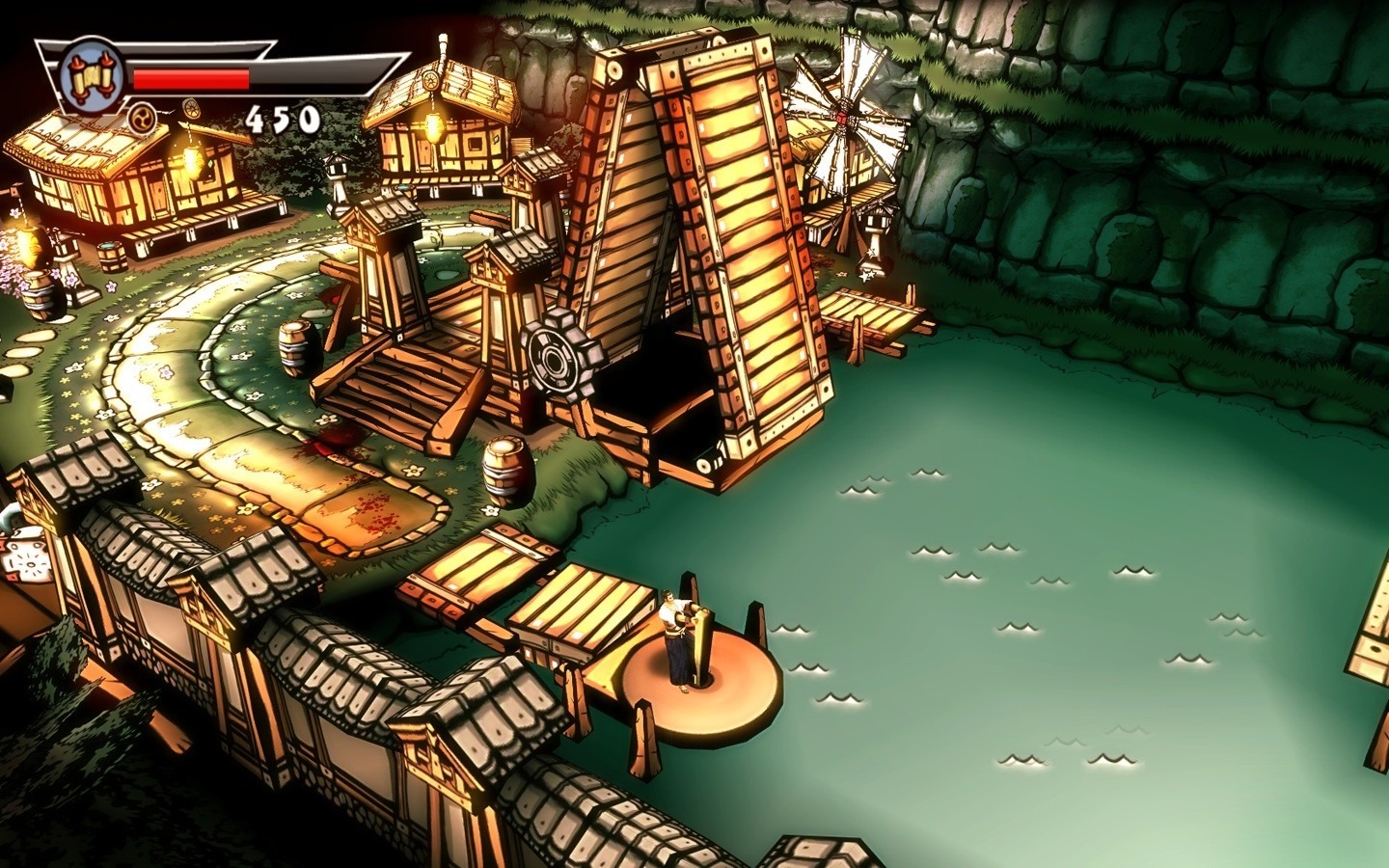
The game looks like Okami with excellent watercolor visuals, yet the overall design is pretty bland and generic. Every so often, you will get sections that give you obstacles to dodge, but the game is really simple but great in 5-minute chunks for on-the-go gaming. The only thing resembling a powerful attack is that at random, the game will slow down and you will do an instant kill, but with this being random, you can’t use it when you’re in a pinch. There are also no health pickups, so you have to stay alive through each wave. Overall, Samurai II is very simple, but it carries great visuals and has a great on-the-go pace.
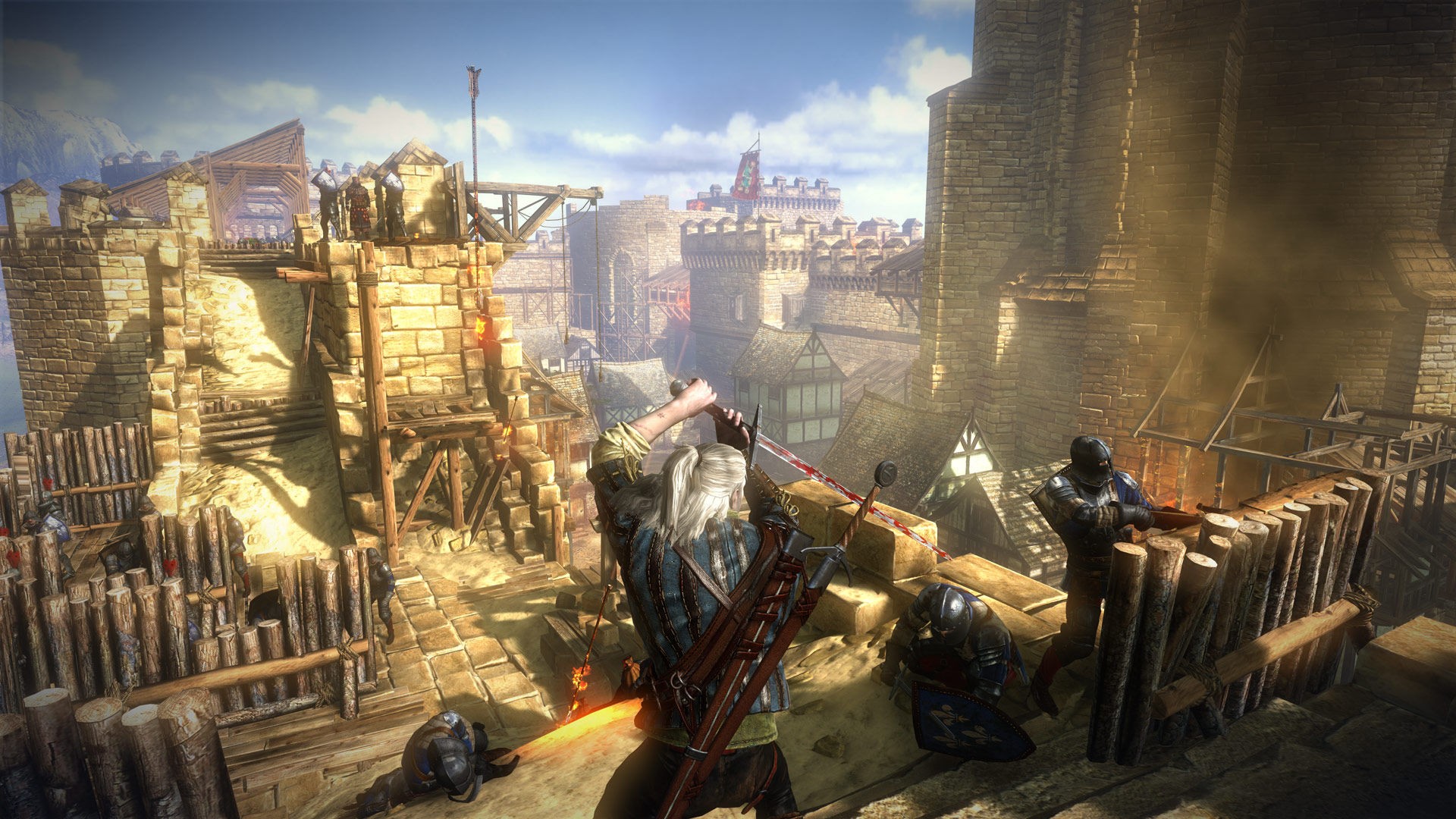
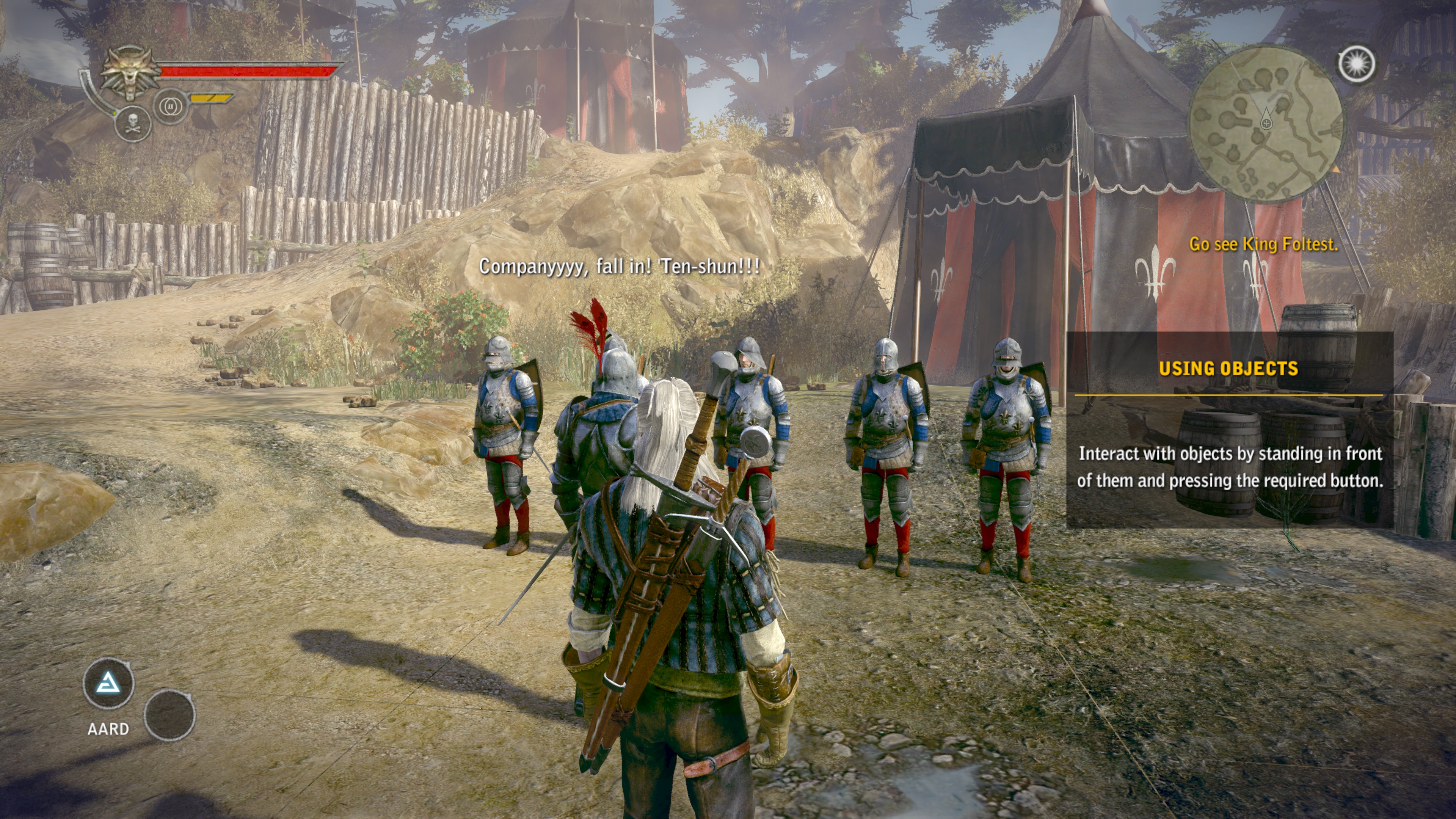
Action RPGs these days are really iffy due to the fact that they tend to feel too formulaic. They usually have good stories, but the graphics are horrible, the combat is clumsy, and the quest system is yawn-worthy. The Witcher 2 takes what was great from the first and makes it even better to form one of the greatest action RPGs of this generation.
You play, once again, as Geralt of Rivia, a witch who got framed for assassinating King Demavend and must prove his innocence. The story is heavy on politics but is also very deep and feels just like the novels. Triss Merrigold also returns with her beautiful red hair and all. You will also see other familiar faces, such as Zoltan Chivay and Dandelion. The new faces are strong, likable, and memorable characters that you will grow to love or hate, respectively, throughout the course of this 20- to 30-hhour game. Geralt himself is even stronger this time around, with more problems than you can shake a stick at. You learn to respect him more and see just how much this poor man can take. CD Projekt really shows you the roots of both good and evil in humanity in such a realistic fashion, and that’s what really drives the characters home.
The combat in The Witcher 2 is better than the first game because gone are the timed sword swings and stances. You now just have light and heavy attacks, but you can block and counter-attack (when you unlock the skill), and you still use the steel/silver sword combo. Steel is for people, and silver is for monsters. Combat was very hard to do when the game first launched, but patches as of late have fixed this for multiple blocking and faster responses. The combat isn’t great and is clumsy, especially early on when you aren’t very strong and towards the end of the game. Combat will make you smash your monitor in frustration in the beginning because you have to learn to just hit once or twice, dodge, run around, hit another couple of times, rinse, and repeat 50 times. Yeah, it’s one of those games in the beginning. After you level up enough, you can cut down enemies in just a couple of swings, and groups of 7–10 won’t really bother you.
Of course, you can equip better armor, weapons, and so forth, but The Witcher lets you do other things like equipping trophies that are found on bosses that increase stats, using sword enhancements such as oils, whetstones, runes, and armor enhancements (kind of like Monster Hunter?). This adds a lot of depth to the customization of your loadout, which has endless possibilities. I think the biggest improvement is resource gathering and alchemy because it’s so simple and easy now. Just gather resources as you go, and you can meditate and create potions that increase your vigor (for signs; more on that later), vitality (health), a potion that lets you see in the dark, damage-increasing potions, etc. The only problem is that you can’t drink them from the menu; you have to use them before a fight. This is my biggest beef with the game because if you are low on health in a fight, you’re screwed unless you took a swallow potion beforehand. The premeditated potion drinking is a big flaw in the game, I think, but some hardcore RPG players may like this.
The Witcher is also famous for its signs because witchers can’t use magic like sorcerers or mages can. There are six different signs, and they use chunks of vigor but recharge over time. These signs are vital to winning in combat, especially against bosses, so learn to use them in tandem with sword combos, and you can win even the toughest fights. One last thing you can use in combat is Places of Power, which you find with your wolf medallion. Activate it, and you may find, out in the woods or in wild places, signs of power that give you temporary stat boosts. These come in handy early in the game (especially in Flotsam) when you are at a low level.
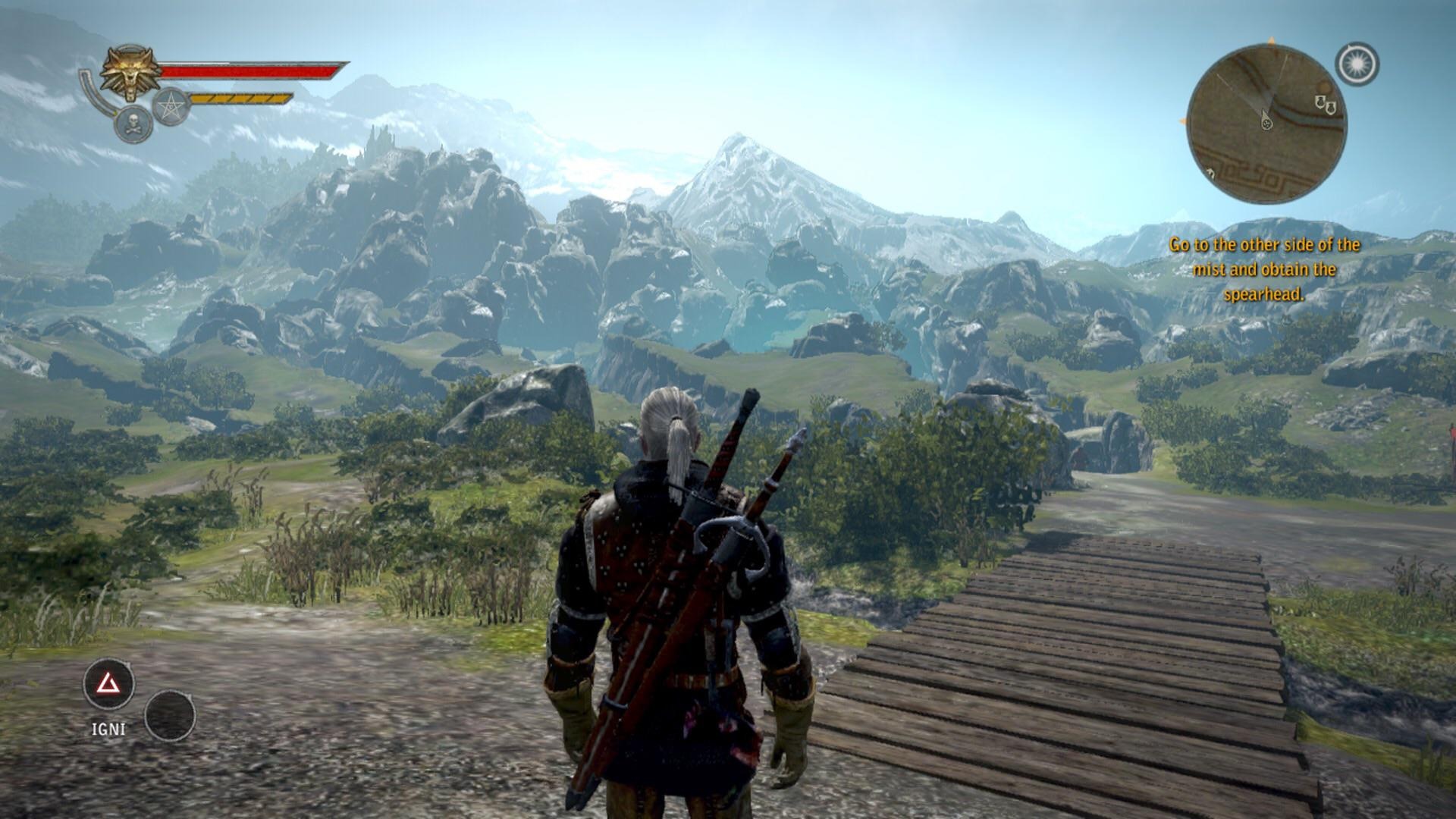
The story also has moral decisions thrown in there that really change the outcome of the story. Of course, there are multiple playthroughs (but no new game, sadly), so you can see what each decision will bring. There are a lot of plot holes in the story that aren’t filled until the very end during dialog, which I found odd, so if you get confused, just hang in there until the final moments of the game. Overall, my biggest issue is the potion use, combat, and the huge difficulty spikes. The graphics are groundbreaking, with gorgeous lighting, highly detailed textures, amazing landscapes, and varied environments with nice weather effects. The character models look superb, and the voice acting is top-notch. This game just shows that indie developers can make games look great. You do need a monster rig to run the game on high settings (especially with Ubersampling enabling you to probably need dual GPUs and a high-end quad-core CPU). Other than that, The Witcher 2 is amazing in every way and should not be missed by anyone.
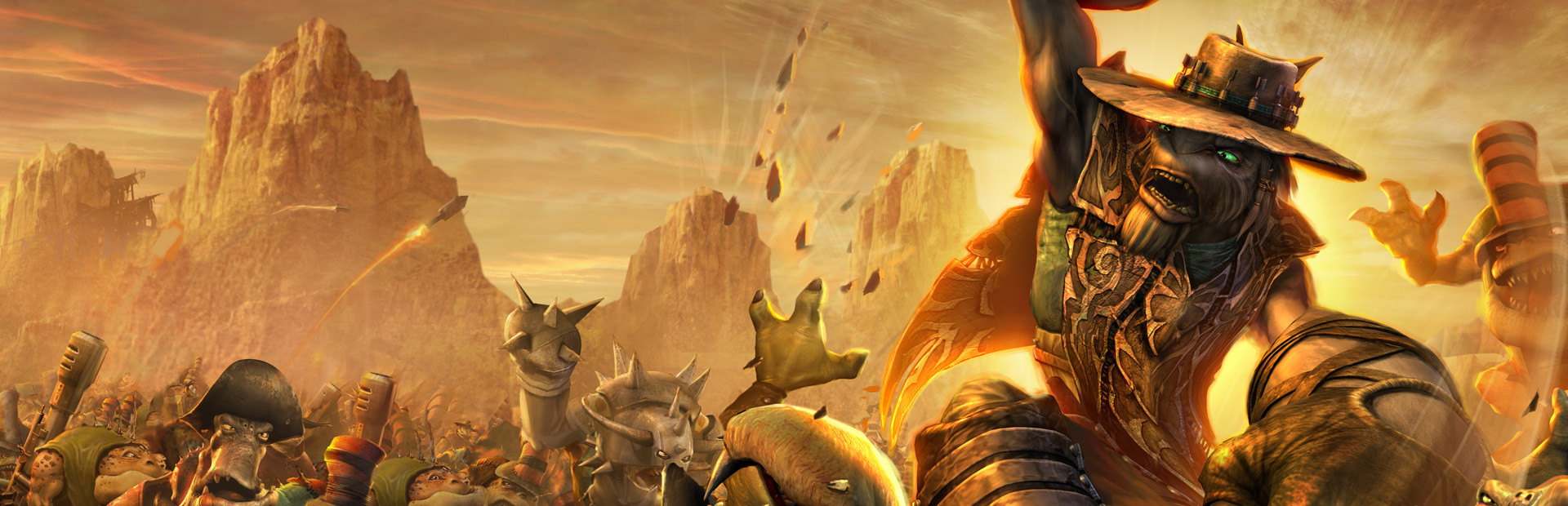
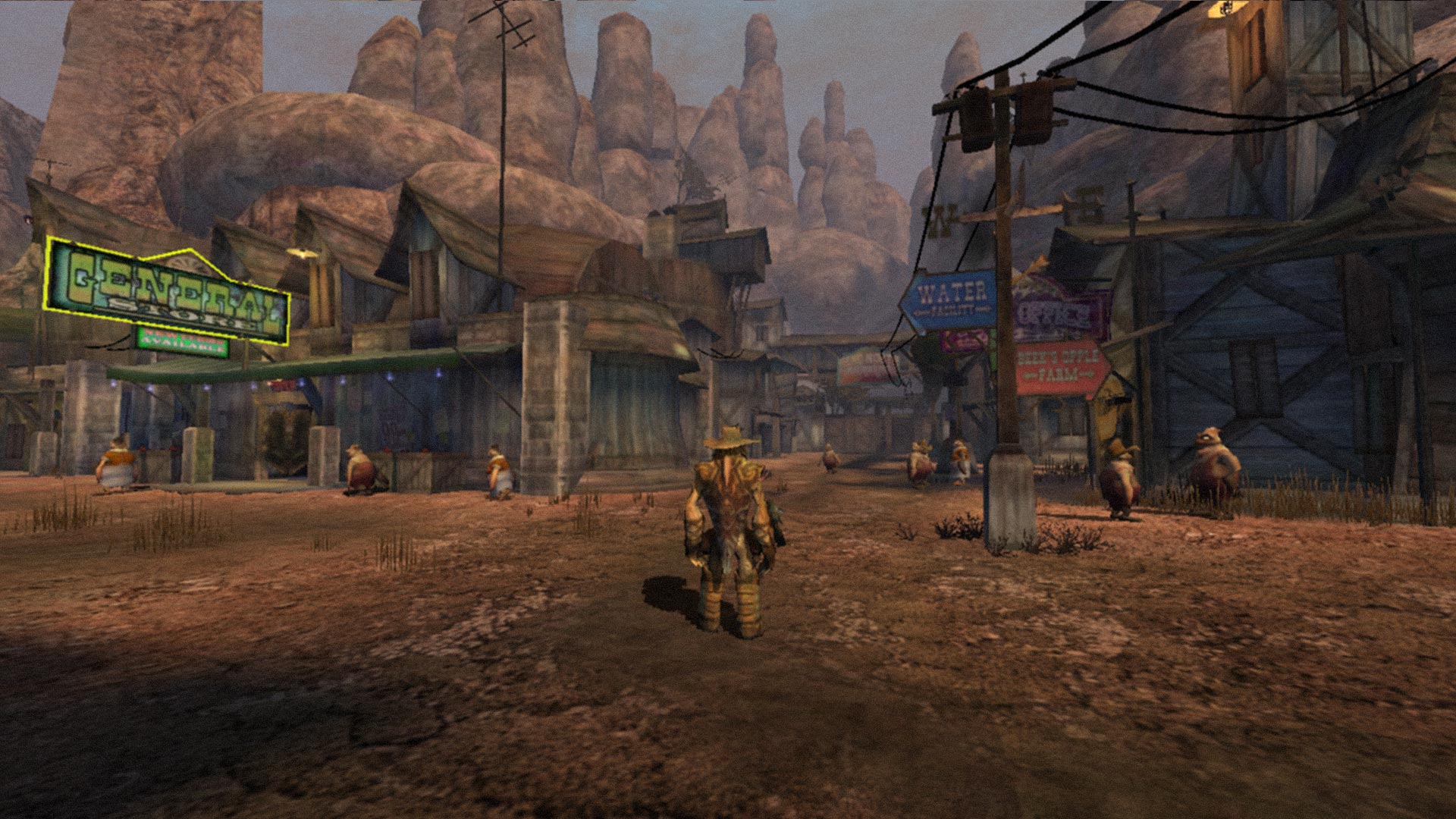
While the Oddworld series may have been dead for years now, the last creation from Lorne Lanning is a great opus. While the series hasn’t been perfect gameplay-wise, it instills great characters, humor, and a unique art style that can be recognized from the series. Stranger’s Wrath was a cult classic Xbox hit but saw poor sales (as did most of the Oddworld games) due to its quirky style. You play as a bounty hunter named Stranger, trying to collect enough Mulah (money) to get a mysterious surgery performed. The story doesn’t get interesting at all until the end, but there are two key plot twists that really throw you for a loop and make the story worthwhile.
The game is split up into two parts. The first half of the game has you finding 12 different wanted bad buys and wandering around the linear world to find them. The thing that made Stranger’s Wrath so unique was its shooting mechanic. Unlike most shooters, Wrath has you shooting critters as your ammo, and you even have to gather them in the wild. A few ranges from Zap Flies have unlimited ammo and can be charged. Boombats are explosive, Thud Slugs are like shotgun shells, and so on. Each critter will eventually be upgraded in the game, but this is a unique approach to shooters that has never been done since.
Most of the time, you can try to sneak your way around and bounty up bad guys, but the stealth mechanics are pretty broken. You can hide in tall grass and lure the bad guys to you, then wrap them up to get them alive (for more bounty), or just run and gun and kill them all, but you get less bounty. While the shooting may be unique, it doesn’t really know what it wants to do. There’s ammo for stealth, but it’s not good enough for run-and-gun action. Finding ammo in crates helps, but you will constantly try to decide which ammo type is best suited for the situation. You can equip any two at the same time for combos, but you can’t shoot them at the same time. I would have liked to see some sort of combo element implemented with that.
The second part of the game lets you have more powerful melee attacks and is all about running and shooting, really. You get the upgraded ammo types, so this is possible, but the game’s difficulty is ruthless, and you will die a lot. Thankfully, the game has a quick save feature, so this alleviates it a little bit. I just felt that this game should have stuck to either a platformer or a shooter because switching from first to third constantly can be a bit disjointing, and even jumping around and climbing is difficult because it feels like all the physics in the game are very floaty.
The second part of the game lets you have more powerful melee attacks and is all about running and shooting, really. You get the upgraded ammo types, so this is possible, but the game’s difficulty is ruthless, and you will die a lot. Thankfully, the game has a quick save feature, so this alleviates it a little bit. I just felt that this game should have stuck to either a platformer or a shooter because switching from first to third constantly can be a bit disjointing, and even jumping around and climbing is difficult because it feels like all the physics in the game are very floaty.
Overall, the shooting mechanic is very unique but works against itself, and the game doesn’t know if it’s a third-person platformer, stealth game, or run-and-gun first-person shooter. If it stuck to just one, the game would be better, but it is a cult classic and shouldn’t be missed if you never owned an Xbox.
Well, here we are. Duke and I are staring at each other face-to-face after 12 years of development hell. How did he stand up? For starters, the game isn’t nearly as bad as everyone is saying. It’s just not as good as everyone hoped. The game won’t knock you off your feet or make you think differently about FPS games, but it does feel like classic Duke, and that’s what counts in the end. The story is the same as always: Pigcops and the evil Cycloid Emperor are stealing our chicks to make alien babies. Pretty cheesy? That’s the entire point, so don’t come into this game thinking it’s just badass. The entire game is coated in thick, gooey cheese, and if you don’t like it, go away right now.
The action is just like classic Duke in the sense that you run around shooting anything that moves with the biggest gun you can find. It’s a recall of the heydays of FPS games from the early 90s, and it feels good to play one that’s actually good. The game even starts out with a slap in the face by having Duke pee in a urinal, and you control the flow. This is Duke for you, and if this stuff offends you, stop playing there because it gets worse as the game goes on. My favorite part about Forever is the interactive objects that add to your ego, which is your health bar. Finding certain things in the game will boost this, and there are dozens of them, some funny, sexy, or just weird, like picking up a turd out of a toilet.
Duke is also infamous for his cheesy one-liners, which are spewed left and right through the whole game. Things like “Hail to the King, baby!” “How many pork chops can I make out of you?” and “Come get some!” are just a few. Duke’s personality is something you will either love or hate, but it’s classic, and that makes me love it. The game is also infused with a lot of sex, such as one whole level that is just a strip club you walk around in called Duke Nukem’s Titty City. You have to do a treasure hunt for a stripper for a lap dance that consists of finding popcorn, a vibrator, and a condom. Just walk into the bathroom, and Duke can enjoy the glory hole in the stall. Yes, it’s very gratuitous and goes over the top, but that’s what’s great about this game. Not only this, but it sticks to a lot of pop culture today, such as an EDF soldier asking Duke if he needs power armor (it’s Master Chief’s armor in the ship) and Duke saying, “Power armor is for pussies!”
Of course, it all comes down to playing the game, and the action is varied with driving sections and even Duke getting shrunk down, which is very fun to do, especially when listening to his high-pitched voice. A lot of classic Duke weapons are here, such as the Devastator (with 69 bullets as a pun), Ripper, and RPG. The guns even look the same, which brings back memories. Quick-time events were added during boss fights (which are really fun) and in other parts of the game, so it has a bit of cinematic juice in it.
The worst part about the game? The looks. Sure, it uses Unreal Engine 3, but the level design and overall feel are really dated. Mountains don’t have that nice, distant, real look to them. Instead, you can drive right up their side, like you’re playing Motocross Madness 2 or something. The textures aren’t low-res but not very detailed, like everything just got converted from 2005. The game actually looks that old, but not enough to distract you too much. The physics are wonky, like you’re playing a Nintendo 64 game, but you can’t really blame the game itself.
Overall, Duke Nukem Forever is a fun game to play. It may not have been worth 12 years for this, but it still feels good to play as the King again. If you can surpass the dated visuals and overall design of the game, you are going to experience something that will probably never happen again.
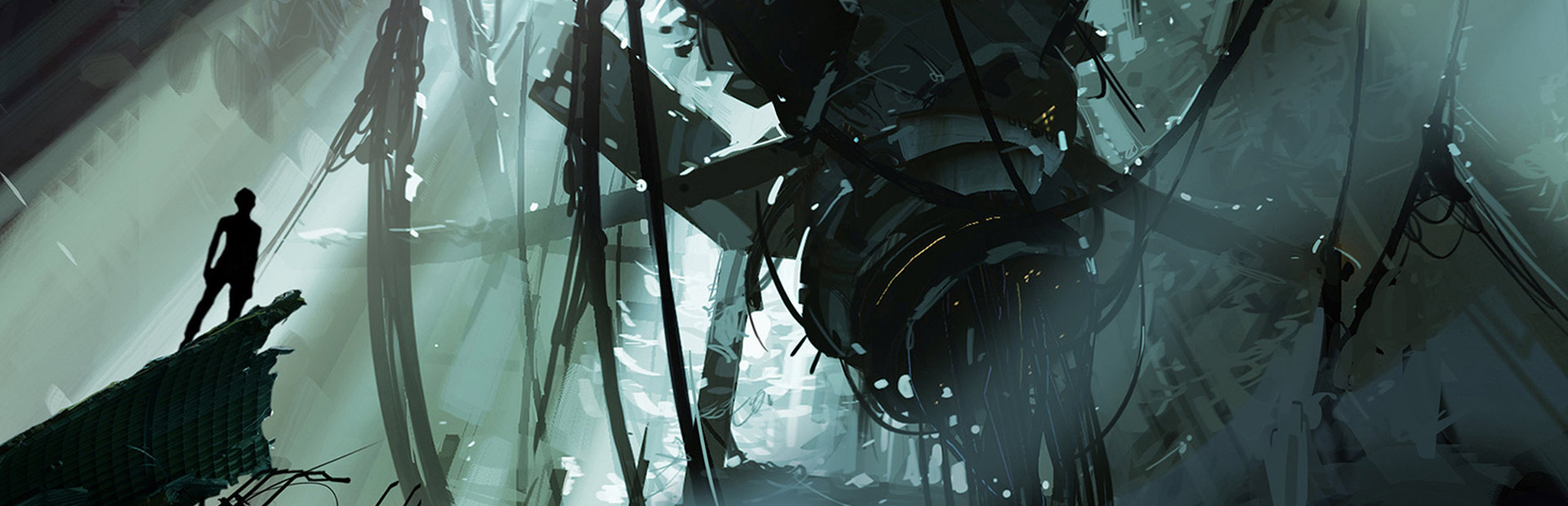
Portal was a phenomenon that redefined how puzzle games are made. The narrative was original and also helped create one of the best video game songs ever created (“Still Alive” by John Coulton). Portal 2 helps build upon this in so many ways and really helps show how a sequel should be done. Instead of just being stuck in lab testing rooms through the whole game, there are more environments to enjoy, and the narrative takes leaps forward instead of just GLaDOS’s voice droning on through speakers.
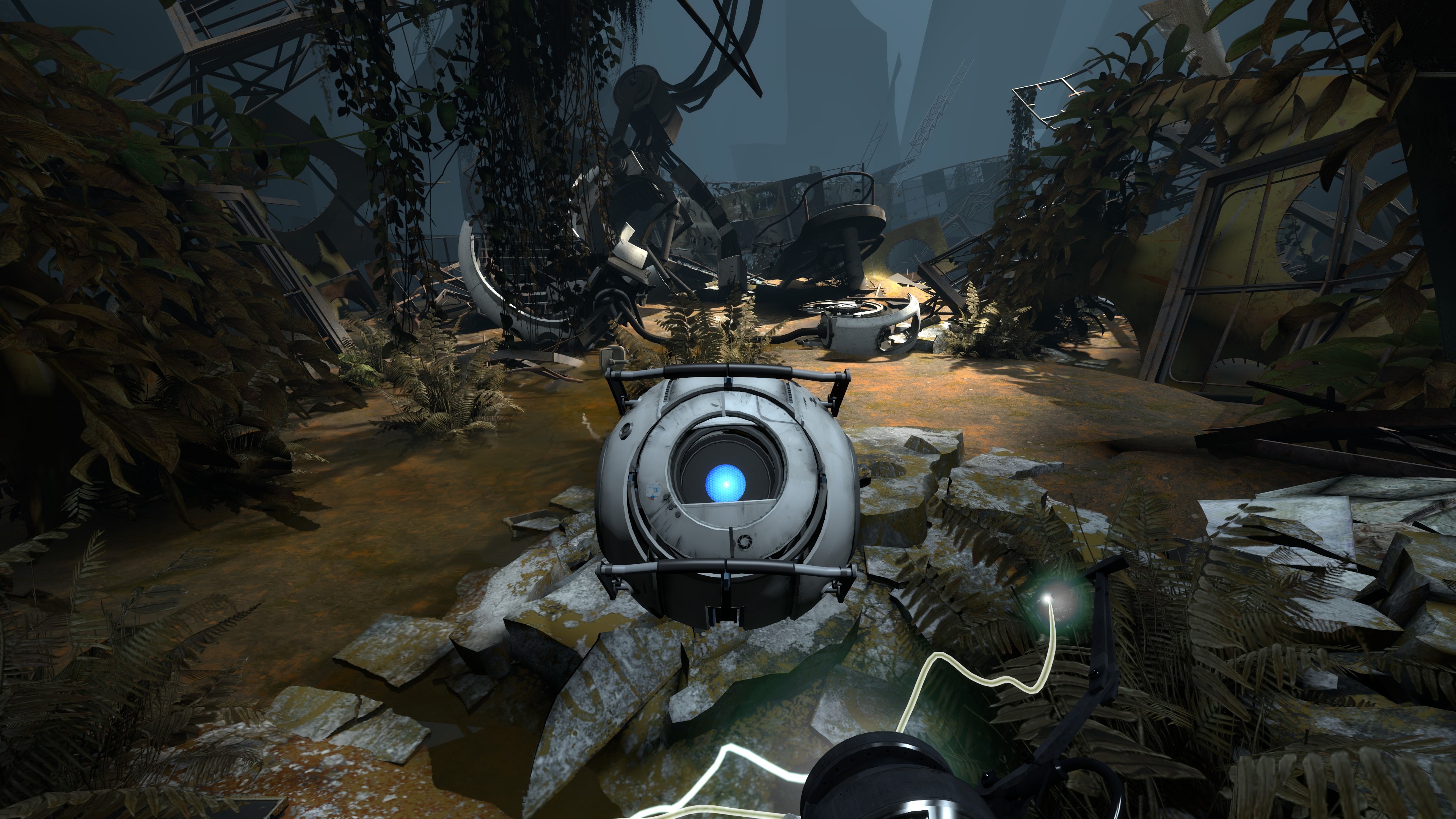
You play as the voiceless Chell once again, but you awaken after being in a coma for some time. A mysterious robot named Wheatley helps you escape your room, and you finally get to see what Aperture Laboratories is like outside the testing rooms. You get to see glimpses of the outside world; vegetation has taken over the facility; and the puzzles now take form in so many different ways. Halfway through the game, you get to see what Aperture was like 50 odd years ago and find out backstories on yourself, GLaDOS, and the founder of Aperture. The narrative is top-notch with lots of cinematic moments, but everything involves puzzle solving, and it’s so mind-bending that each one of the 50+ puzzles feels satisfying. It also goes to show how clever Valve is that I didn’t need a walkthrough once to figure out any of the puzzles. There are so many “AHA!” moments that you just don’t want to put the game down.
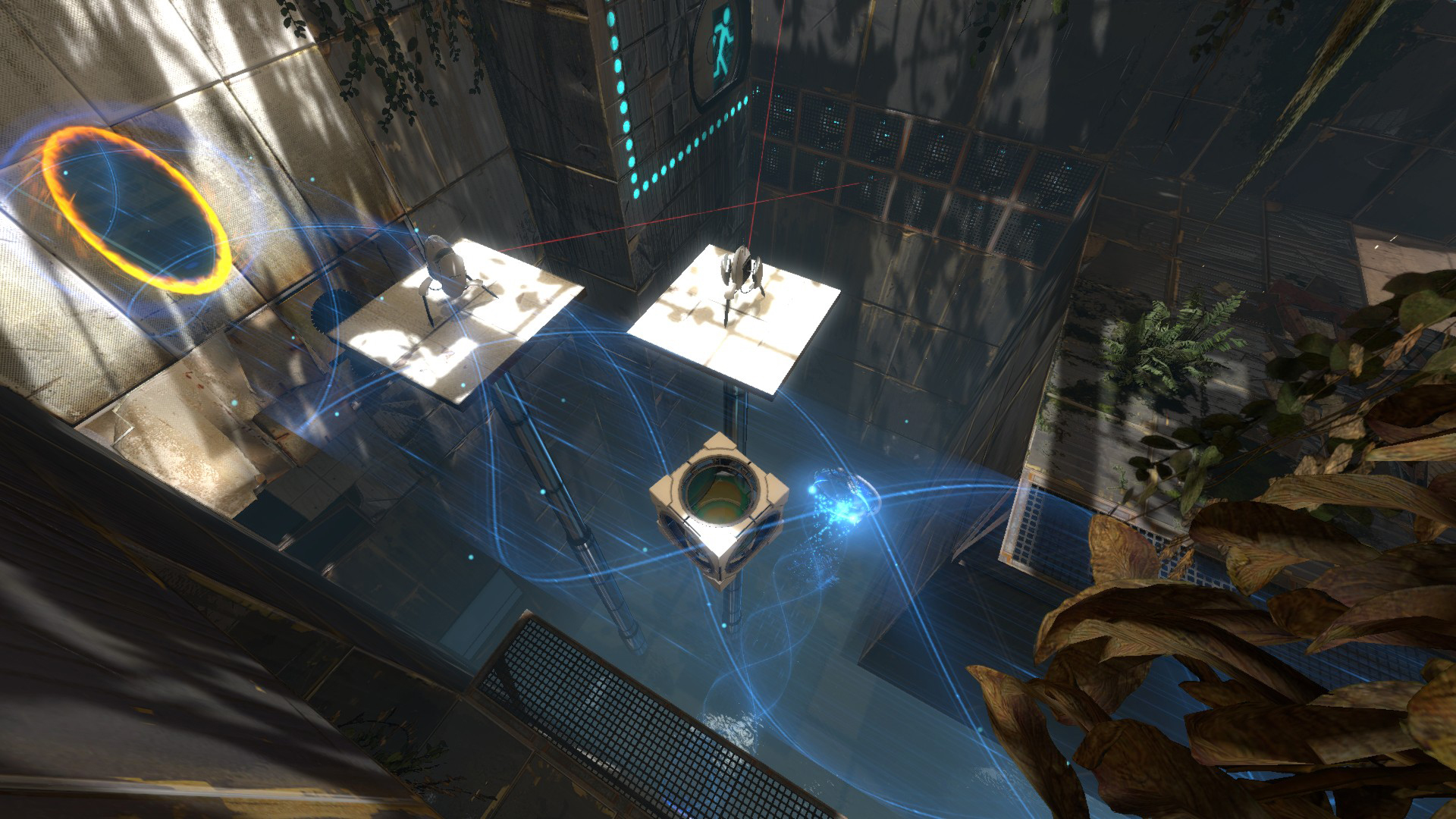
However, there aren’t just portals involved; other gameplay elements have been fused into the mix. There are three types of gels that you can use to solve puzzles: propulsion gel (orange stuff that makes you go really fast), fusion gel (blue stuff that makes things bounce), and conversion gel (which allows portals to be made on non-portal surfaces). Due to these new elements, you have to totally rethink how you work with portals, and it’s a great new mechanic and super fun to use. There are a few other things, such as jump pads, new types of companion cubes, turrets, and other items to solve puzzles, but explaining is almost impossible because you should just play it.
The puzzles are just so uniquely fused with the narrative that you never feel like you’re just jumping from room to room anymore. This really feels like a puzzle or adventure this time around, and some of the puzzles span two to three rooms. There’s constant chatter from characters while solving puzzles, so it doesn’t feel as stale this time around. All the new characters are great, and you’ll like them (or hate them) quickly thanks to Valve’s one-of-a-kind storytelling abilities. The music is one thing I love about this game because when you start bouncing around a room or sliding, there’s unique music that instantly plays when you’re doing these things. You get a strong sense of vertigo thanks to the game’s new take on heights, but the music is just phenomenal. This soundtrack is purchase-worthy, and the new GLaDOS song at the end is just as good as “Still Alive,” but in other ways.
The visual quality is great, but Valve really needs a new next-generation engine. Portal 2 uses the Left 4 Dead 2 Source engine, so everything looks nice, and there are some great visual effects (mainly the gel) as well as great lighting, but it’s not exactly up to par. Thankfully, there’s a huge variety of things to look at this time around (the game is over 10GB!) and the addition of a co-op campaign with an additional story and two new characters is a huge plus, so it’s like two games in one. There are also some quality extras, such as developer commentary, and you can customize your robots in the co-op campaign, which is a nice touch.
Portal 2 is truly something unique for this generation and probably the most innovative puzzle game ever made. With a strong narrative, lovable characters, and tons of new gameplay mechanics, it’s like the first game didn’t even exist. Don’t be overwhelmed by working with portals because this game takes your hand for a while and slowly lets you go when you feel confident enough, you’ll know. Valve knows how to make great games, and other developers need to follow suit.

















































 thebinarymessiah.com
Try multiplayer. A lot of fun !