Angry Birds, why are you so popular? Everyone plays this game, and everyone who hasn’t has at least heard of it. It was a digital phenomenon that sent a little indie game developer soaring into the millions. There is every type of merchandise available for a $1 game. Why is it so appealing to everyone? The game struck a perfect balance between hardcore perfection-type gameplay and casual gamer fun. While Rovio put out a Seasons and Rio version of the game, the series was getting tiresome. Space adds a couple new layers of depth to the series.
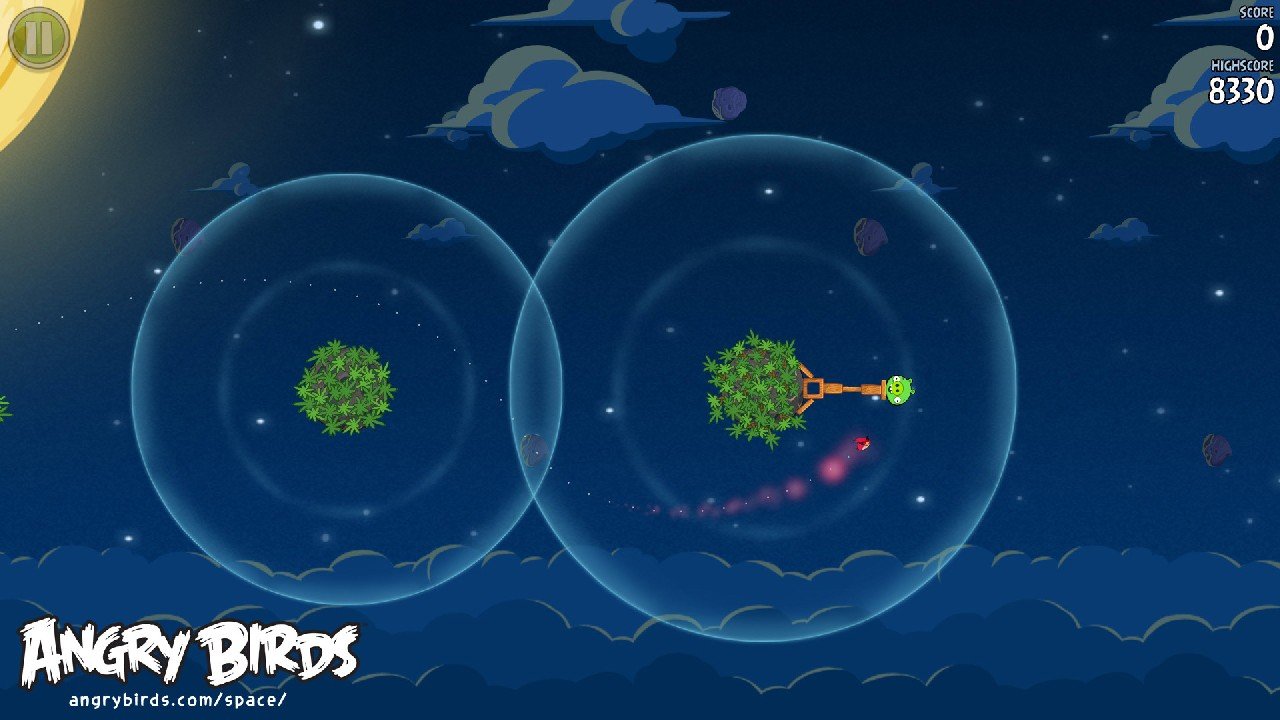
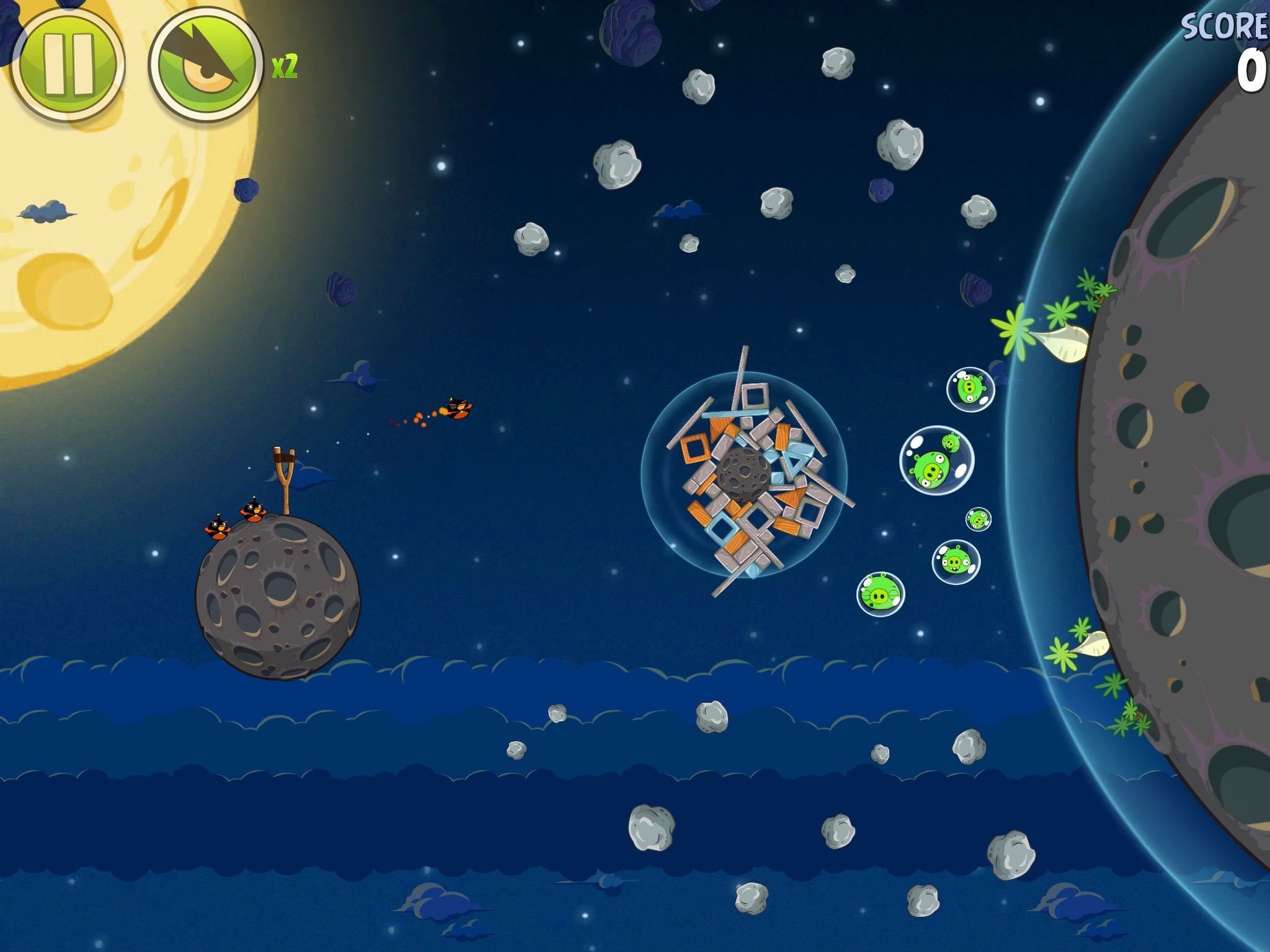
The game involves gravity play, as you would expect. Yes, you are in space, and yes, the game plays differently. You flick your birds across space and try to get them sucked into the gravitational pull of planets, where the usual obstacles and pigs lie. The added layer is that you can approach these puzzles from multiple angles. Have a bunch of blocks on one side of a pig? Flick your bird on the opposite side of the planet, watch it fly around using the pull of the planet, and knock it down. As puzzles get harder, multiple planets are lined up, so trick shots are needed.
The usual birds are back, along with a couple of new ones, like the ice bird, which freezes blocks so they shatter. The new gravity gameplay actually makes the environment a puzzle, so it doesn’t feel like the same type of puzzle over and over again. This also makes the game harder, so if you were afraid of that, it came true. This actually makes the game more engaging, and I could play in longer spurts because each puzzle felt really different. There is a new model that is almost like a Space Invaders clone, where you have to knock through aliens to get to the moving pig at the top. It’s fun but also hard to get to because these levels are hidden golden eggs throughout the game.
Overall, Space adds a much-needed layer of depth using gravity, and I like it a lot. I feel this game is geared more towards core gamers than casual gamers, but both still apply here. There are hundreds of levels to start with, and obviously, more are coming. If you love Angry Birds, then Space is an exciting and long-awaited sequel to a worldwide phenomenon.
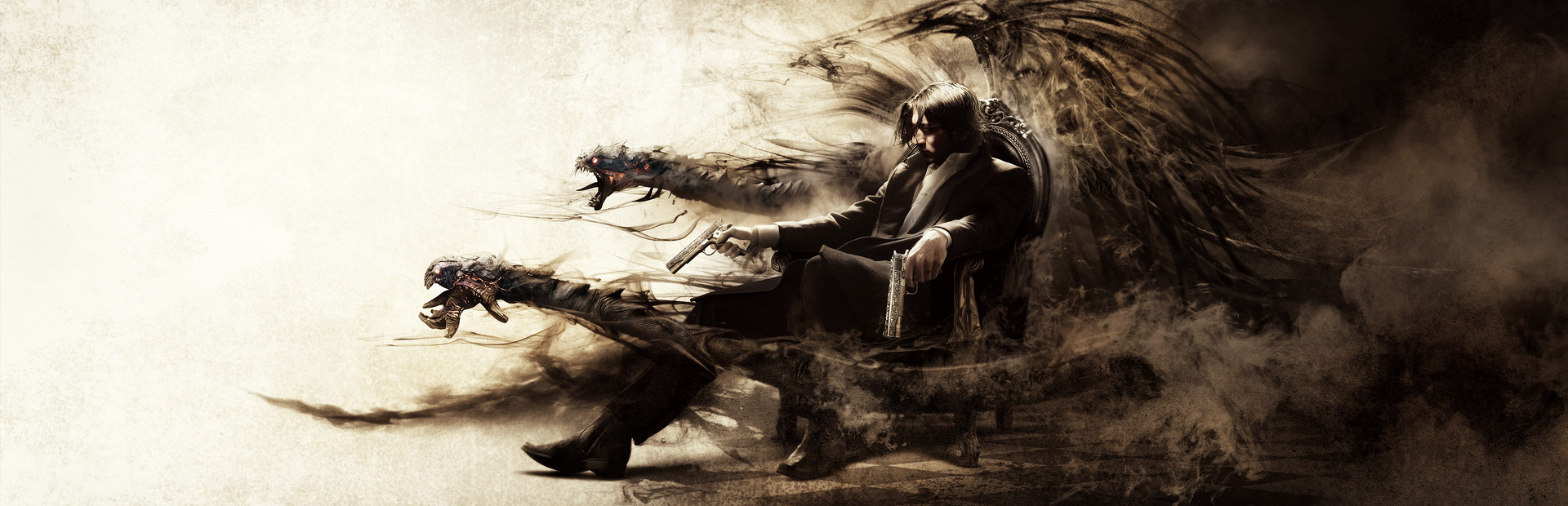
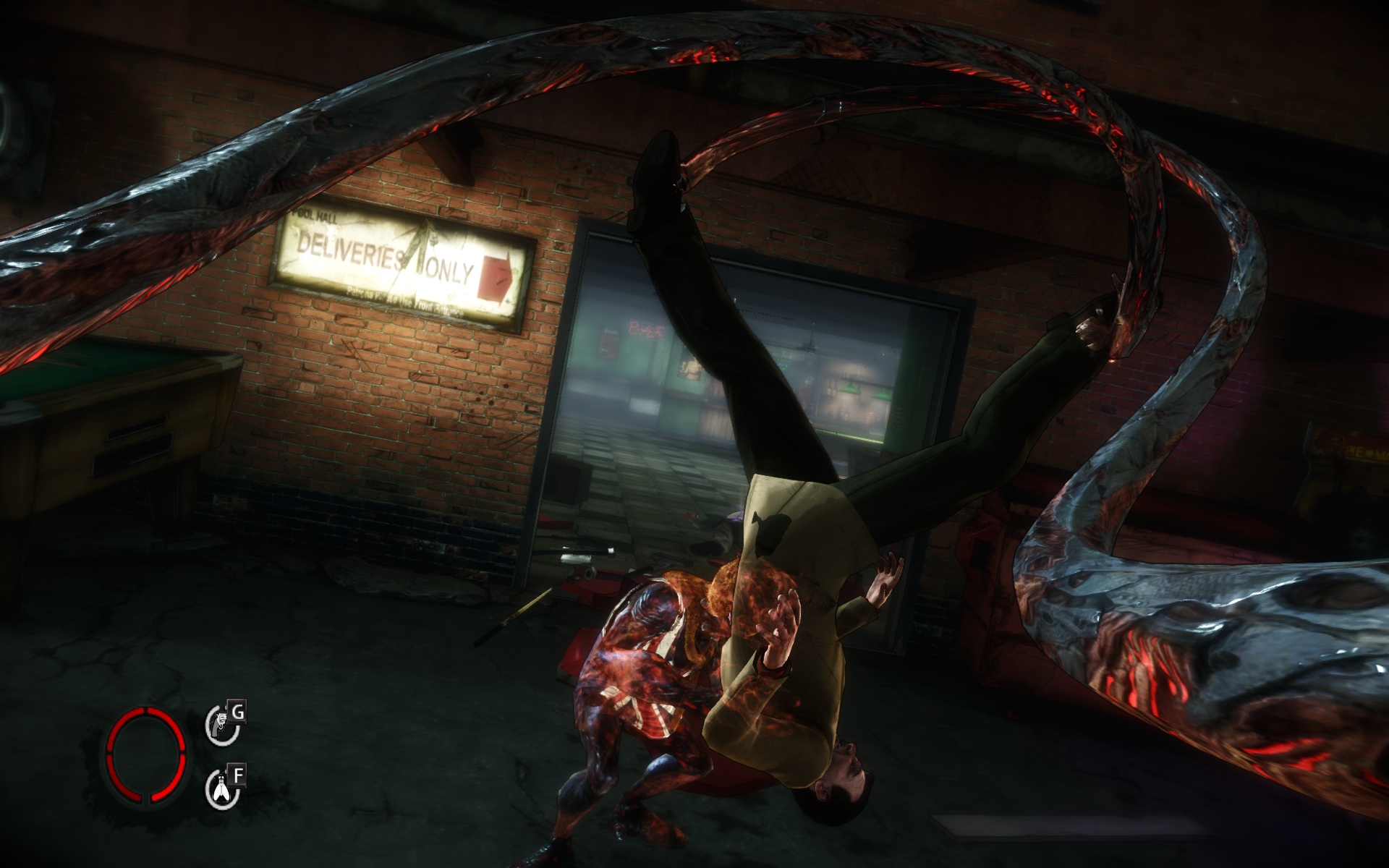
I have to come right out and say that The Darkness II is disappointing and takes away more good from the first than adds to it. The first game is one of my favorite games of all time because of the amazing atmosphere and linear open world that was delivered with trickling story elements that kept you wanting more. This allowed constant banter between Jackie and The Darkness, but it was that dark, eerie atmosphere that kept me wanting more. The side quests were nice, and there were some varied environments. The Darkness II takes all that away and makes this a more linear, in-your-face type of game. Sure, the storytelling is superb, and so is the voice acting, but that linear, open world allowed you to explore things on your own.
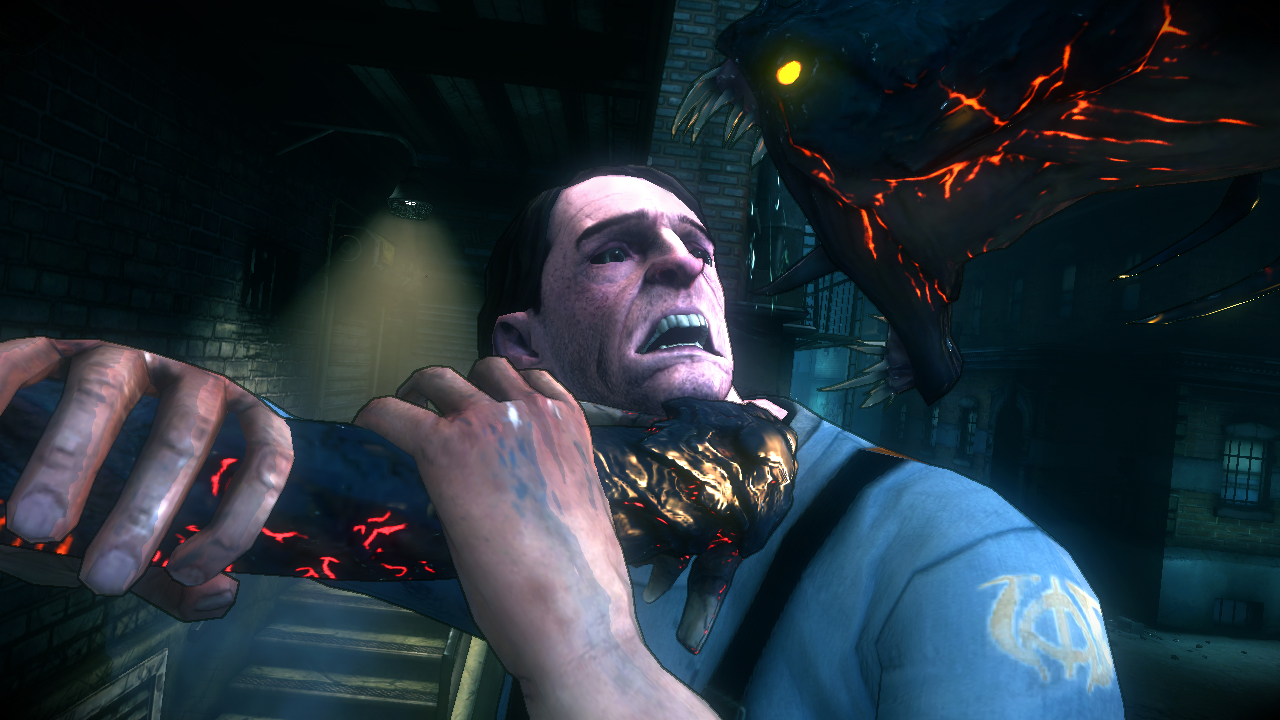
The Darkness II is about The Darkness finally waking itself back up inside Jackie, and he is on the hunt to find Jenny even though she’s dead. A cult group called The Brotherhood wants The Darkness and takes constant hits on Jackie’s mafia family. The story is great and even more deep than the first game, but once again, that awesome atmosphere is exchanged for some ho-hum backdrops you fight in, ranging from a warehouse to a graveyard to a carnival. What has changed here, mainly, is how you use The Darkness powers because it is the best part of the game.
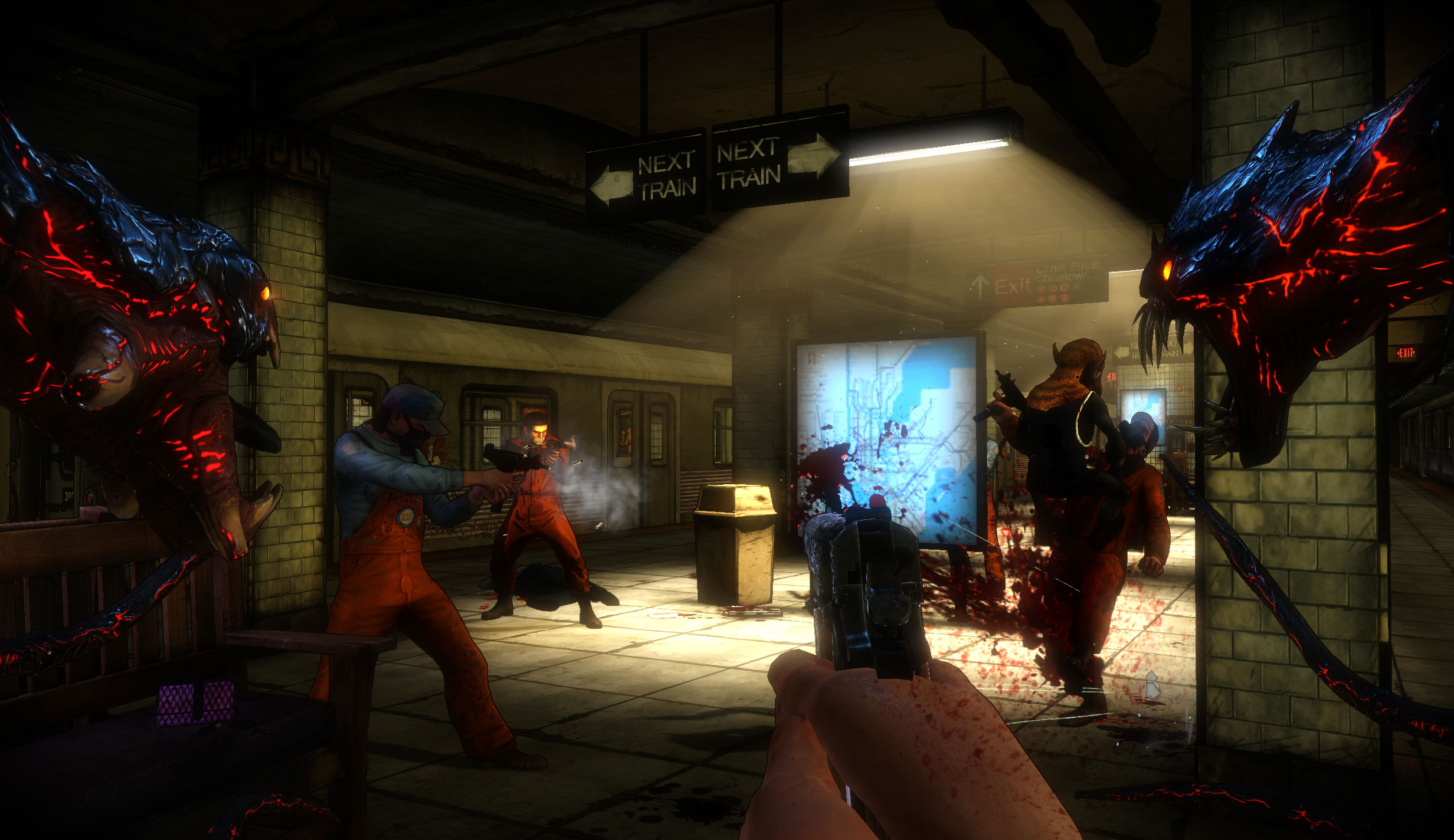
You can upgrade your powers even more now by earning points by killing foes and finding relics. You can also use the environment around you to kill enemies, like using fan blades, poles, chairs, barrels, you name it. The awesome gory death animations make for a visual treat, but you can also tear enemies apart with new Darkness animations and abilities. Eating hearts isn’t the peak of your powers here anymore because you can now upgrade with Darkness armor, shields, ammo producing death kills, and even using your Darkling to sicken enemies.
Yes, that Darkling strategy thing that felt like Overlord is gone now. The one Darkling that follows you throughout helps you on his own, but his charming self is still there. He will still fart, pee, and curse his foes down, so don’t be disappointed there. I actually preferred this because it jives with the faster-paced action. Gunplay is still a huge part of the game, and so is dual-wielding. You can channel darkness through the guns for one-shot kills, but the guns handle very nicely and are a lot of fun to use. Some other powers range from faster reloading, bigger clips when in darkness, using Swarm to stun enemies, and various other upgrades.
The whole point is to stay in the dark, and this time you are given more than just light bulbs. The Brotherhood uses light weapons against you and will have traps and random light obstacles set up, so you must take them down quickly. Staying in the dark allows you to swipe your demon arms, but you are also thrown more than just humans now. Enemies will be infused with dark armor that you must punch through before killing them, and some of these guys are tough. Some can teleport around, so there is a new level of challenge here, but the big problem is that sheer numbers are thrown at you, which can be overwhelming later on.
All this doesn’t sound too bad, right? Ripping a car door off and watching it fly through the air and cut someone in half. Watching your demon arms rip a body in half or pull ahead after stunning them doesn’t seem worse. The fact is, the game is really repetitive in the sense that this is all you do. Just running around killing everything in your path with really no strategy. There’s no cover system, no Darklings to use, and nothing but your demon arms and guns. The story elements are delivered wonderfully, but you can’t help but know that it’s just more killing waiting on the other end of the cutscene. The boss fights break things up, but all you do is avoid attacks and blast them to death, and to be honest, late in the game, you use your guns more than demon arms because there are just too many enemies to kill at once.
On top of all this, the art style was changed to represent the comics more, which is nice, but the game isn’t technically impressive. It looks a couple of years old and doesn’t even come with enhanced visuals on the PC. There is an extra Vendetta mode that can be played online with up to four players, introduces four characters with separate Darkness abilities, and is actually quite fun. Once you finish these, however, you won’t be coming back.
Overall, The Darkness II detracts so much from the first game that it is almost not even the same. The slower-paced trickling action is replaced with repetitive in-your-face corridor shooting that is better or worse depending on the player. This should be played by fans of the first game just to see the story playthrough, but don’t expect the masterfully created atmosphere and open-world feeling of the first game.
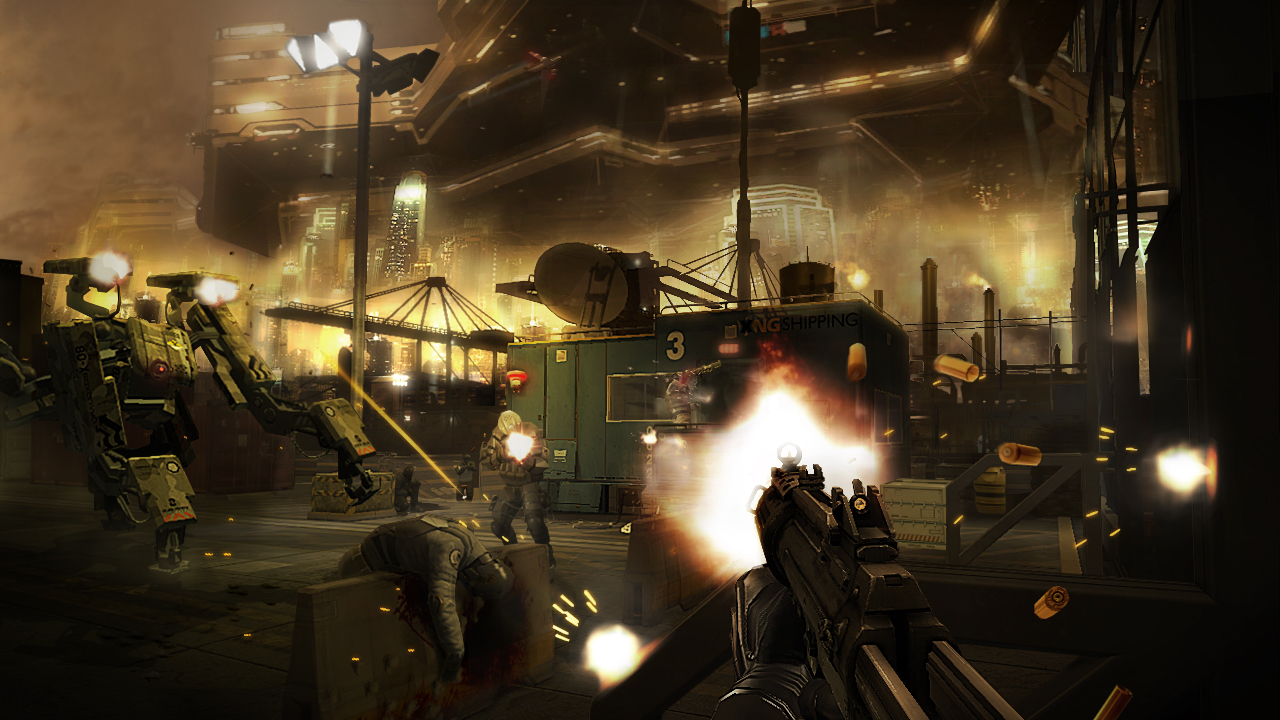
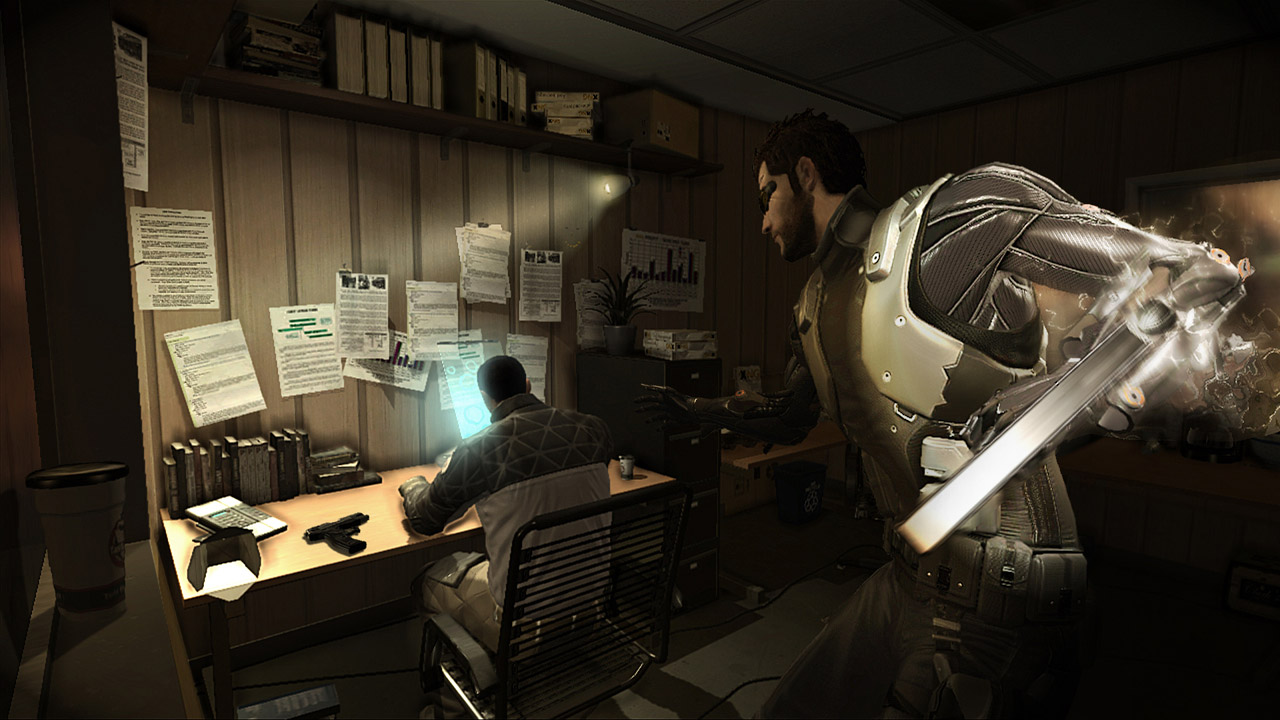
Being the third sequel to one of the top five PC games of all time can be tough. The guys at Eidos Montreal nailed the game and pulled off one of the most anticipated games of all time. One of the best parts of Human Revolution is the engaging atmosphere and story that go along with it. You play the ex-SWAT turned security chief at Sarif Industries, Adam Jensen. Sarif Industries is one of the leading corporations in human augmentation. Of course, there are always rivals, so the facility gets broken into one day and the top scientist gets stolen (among others) and is used for some secret project. The great thing about the story is that you’re led on constantly, so you think the plot goes one way and then quickly moves another way. When you start the game, you will have no idea that the people involved are the main cause towards the end. The story is masterfully created and very entertaining.
Of course, what makes Deus Ex so famous are the multiple ways you can approach getting to a goal. Use stealth and not knock out anyone; use tranq darts, stun guns, or just up-close melee. If you don’t like that, you can use silenced weapons and take everyone out, or just run through with a machine gun and blast everyone away. Of course, it’s not just how you kill people, but how you navigate the level. If you see a room full of eight bad guys, you can upgrade your augs to allow you to become invisible for a few seconds and dash across the room to the door you need. Don’t you have that aug? You can find a vent somewhere and crawl through most of the area, but wait, there’s a camera right where you need to be. Find the computer that controls cameras, hack into it, and disable it. Or you can just blast your way through.
There are tons of options for every part of the game, but the augs are what will get you through. You can access an elevator that can bypass three whole floors of bad guys, but it’s blocked by heavy crates. If you have the ability to move heavy objects, you are golden. If not, find another way around as best as you can. The whole point is to choose a play style and augment yourself accordingly, so if you want stealth, use stealth add-ons, the ability to see through walls, invisibility, and keep a tranq gun or silenced pistol. I love how there are so many options to choose from, and each section just flows and doesn’t require too much trial-and-error like most stealth action games.
You will come across conversations where you need to persuade someone to give you information, and this is done through clever dialog choices, but you can use augmentation to see what personality type the person is and how to persuade them. If you are having a hard time, you get a chance to release pheromones as a last-ditch effort to persuade, but you must know the personality type, so watch that meter carefully. These choices can be simple or huge, such as how to disable turrets during a boss fight or even to make whole missions easier. However, choices during the game don’t affect the endings, so some people may feel this was all for nothing.
While those are the main parts of gameplay, you can upgrade weapons, buy and sell at black markets, and even buy Praxis kits for upgrading at limb clinics. Be warned, though, because the game is very hard if you choose to gun everyone down. You will lose your life quickly, and just a few shots will kill you. There are even a few boss fights, but I found these extremely difficult and required a lot of saving during the fight. The game also has a decent length of about 15–20 hours, so you will be busy for a while.
I do have to mention that when the game came out, there were horrible glitches, and it performed terribly. I actually had to restart the game 1/4 through because of a glitch that prevented me from moving on to the next level. This is unacceptable, but by now, 99% of the glitches have been fixed, and the game now performs smoothly. The overall atmosphere is a lot like Blade Runner, but I felt it was lacking with just people standing around in the linear levels. Sure, you can run around, but the game is made up of hallways rather than an open world. The graphics look decent in DirectX 11, but they look abysmal in DirectX 9, so don’t expect this game to look amazing. Characters have low-resolution textures as well as low-poly models, and the overall effects aren’t very impressive.
Overall, Human Revolution is one of the best stealth-action games to come out in a while, but most importantly, it re-creates the amazing choice-based gameplay that the first game did so many years ago. If you can look past the dated visuals, linear level design, and difficult boss fights, you will be pleased with lots of great game design as well as engrossing characters and an engaging story.
Who would have thought winding rope on a wood figure would be fun? The guys at Secret Exit did and this is some simple fun here. While the graphics don’t push anything the wooden figure models are nice and varied, but this is a more challenging puzzle game than you think. As you work your way up a tree you have three goals for each figure by covering 70%, 85%, and 99% of the allotted rope. When you wind the rope it will turn a painted color, but be careful because if you wind the rope tight that’s lifted off the figure you can’t get underneath. The physics are great with rope sliding off corners and falling into place as it should.
Some figures have nails that you can use to redirect the rope, but the art of this is how well you can wind the rope and cover the whole object. Some are easy and some are hard with lots of arms, legs, or pieces that can easily be covered up or roped off on accident. That’s pretty much all there is to the game, but being such a unique puzzle game makes it great. There is nothing out there like this and you will have hours of fun here. There is some nice relaxing background music playing, but overall the game impresses on sheer originality. I highly recommend this to any puzzle fan hardcore or casual.
If I were to complain about this at all it would be the inconsistent difficulty that jumps around, the game lacks any type of mode like time attack, plus you can only play in short bursts because you will get bored after a while. Other than that this is one awesome game that comes at a small price.
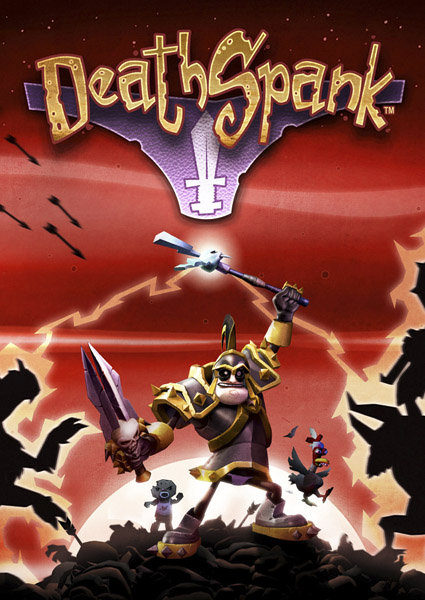
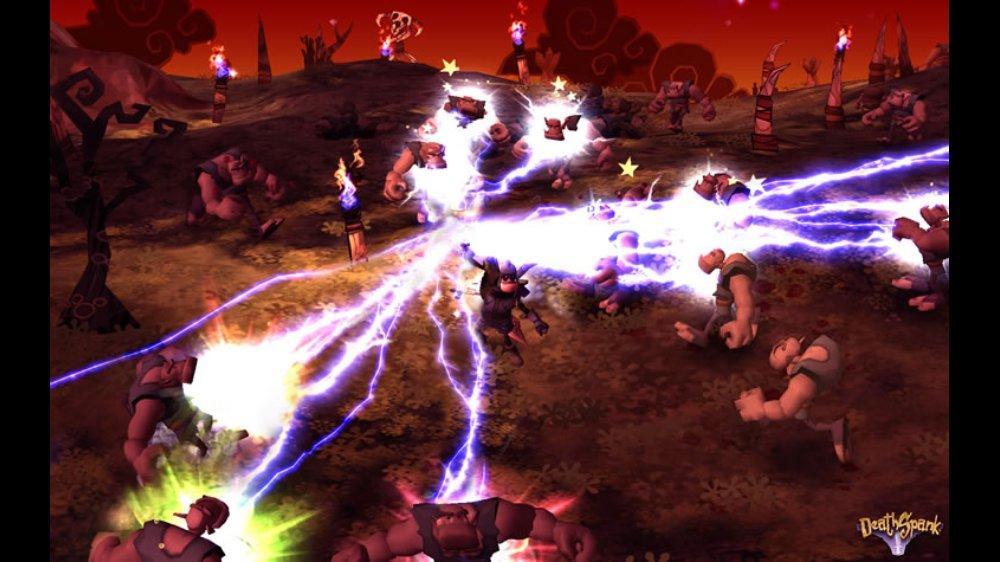
The Dispenser of Justice! Hero of the Downtrodden! Those are just a couple of DeathSpank’s other names in this hilarious action RPG from Hot Head Studios. You play the silly hero DeathSpank in his quest to find the artifact and kill the evil king, Lord Von Prong. LVP wants DeathSpank’s magical thong to become eviler, but in the meantime, you need to do some saving for the downtrodden.
The overall story isn’t much, but the banter with NPCs is what really makes you crack up with the obvious stabs at RPGs and other games. It will take different shots at the genre without even saying anything, sometimes like one quest has you pleasing an orphan in the Demon Mines to put in your orphan bag. You must run into town and get everything she needs, but the store just so happens to have everything you need when you get there, like a cell phone and a pony! This is an obvious jab at RPGs, whose stores always have what you need.
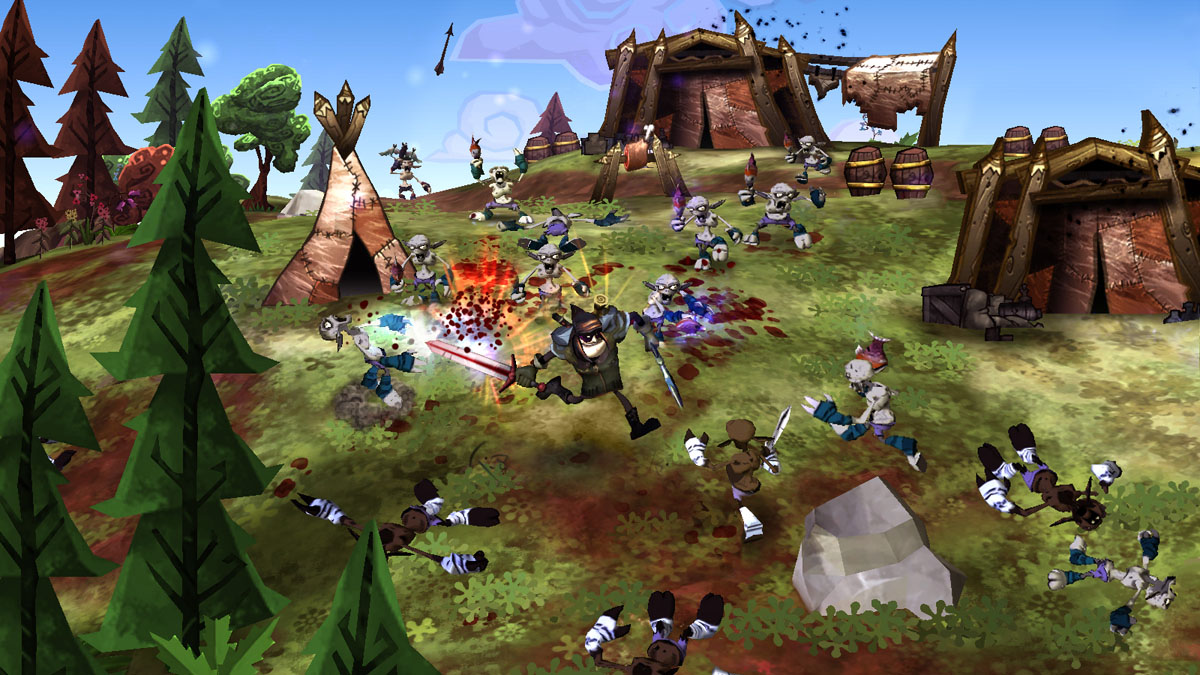
The game also has some more childish jokes, like collecting unicorn poop, finding help letters in dragon poop, and helping villagers make their dirt and stone soup taste better using various animal parts. While this humor may not be funny to all, most will get a kick out of it, and DeathSpank is chock-full of it. Of course, the gameplay is important, and DeathSpank lets you assign four different weapons at a time to use, and there are a ton of weapons, armor, and different types of potions to use. You can even eat various foods to heal up, like pizza, fries, magic mushrooms, and root beer. When you whack enough enemies, you get to unleash your Justice meter, which is a power-up for certain weapons. The game consists of a huge map that you can wander around and travel via outhouses spread throughout the world. There are a ton of quests, and you’re looking at about 10–15 hours of gameplay here that is very entertaining.
The game has two major flaws, and this is the fact that no matter how high you level up or how good your armor is, you will be guzzling potions and healing items every 5 seconds. Enemies respawn when you re-enter an area, and you can’t move on to another until you are at a higher level, or those enemies will kill you quickly. This makes progression slow at first and forces you to complete quests because that’s the only way to really level up. You get very little XP for killing enemies, even if they are at a higher level than you. I found this very frustrating and made the game less enjoyable because of all these weird quirks. I also found that some quests were vague on where to go, and using fortune cookies spread around gives you hints, but those are just mostly useless.
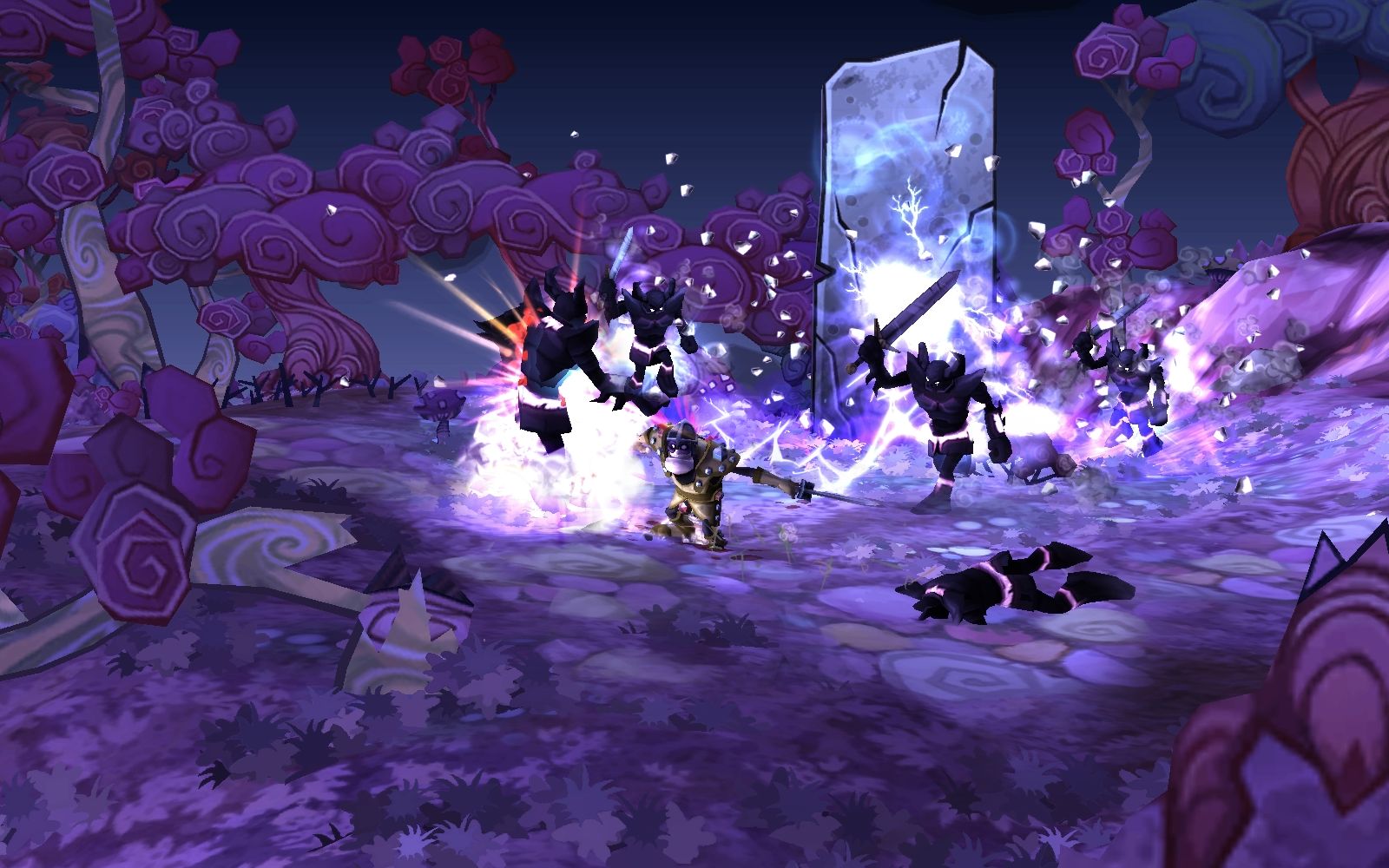
The visuals are nice, but technically the game is very simple; there is a huge variety of enemy types, and you really won’t get bored on that end. The best part about DeathSpank is the humor in the dialog and the funny voice actors who over-exaggerate voices. Even as an action RPG, the game is fun and challenging for anyone looking for something out of the ordinary to play, plus it has co-op play for anyone wanting to share the fun and jokes with a friend.
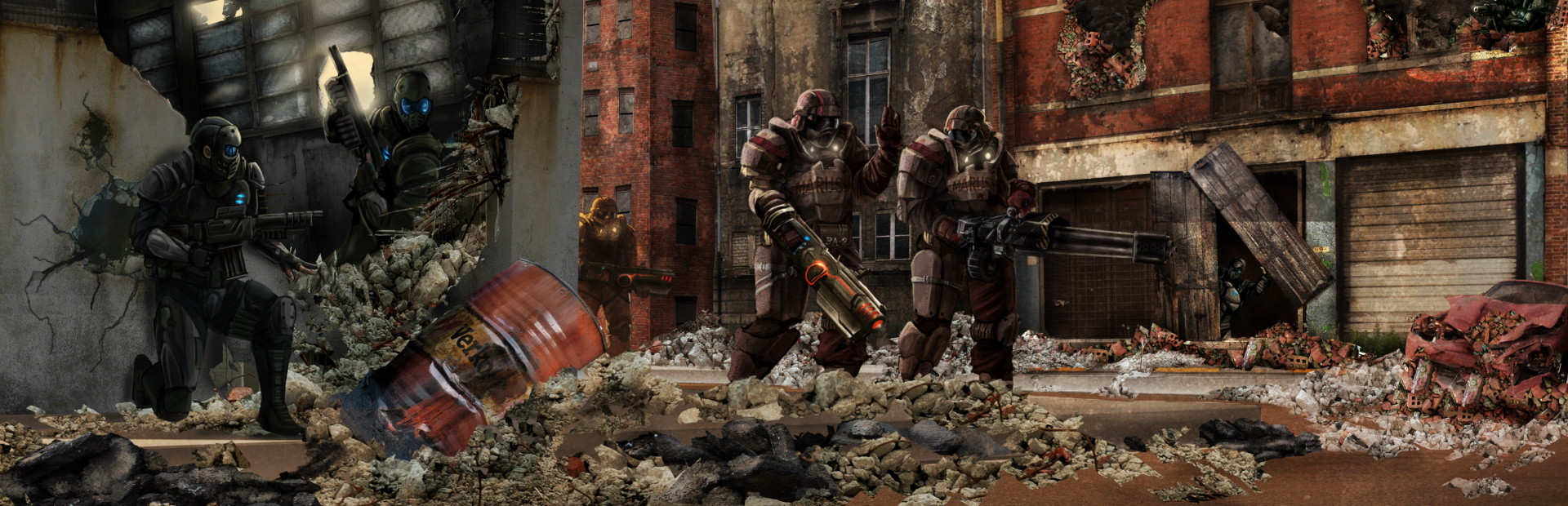
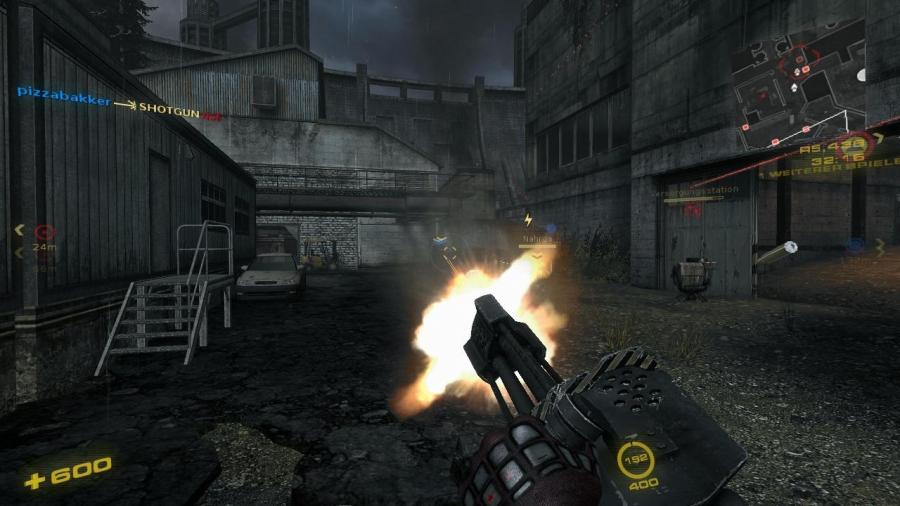
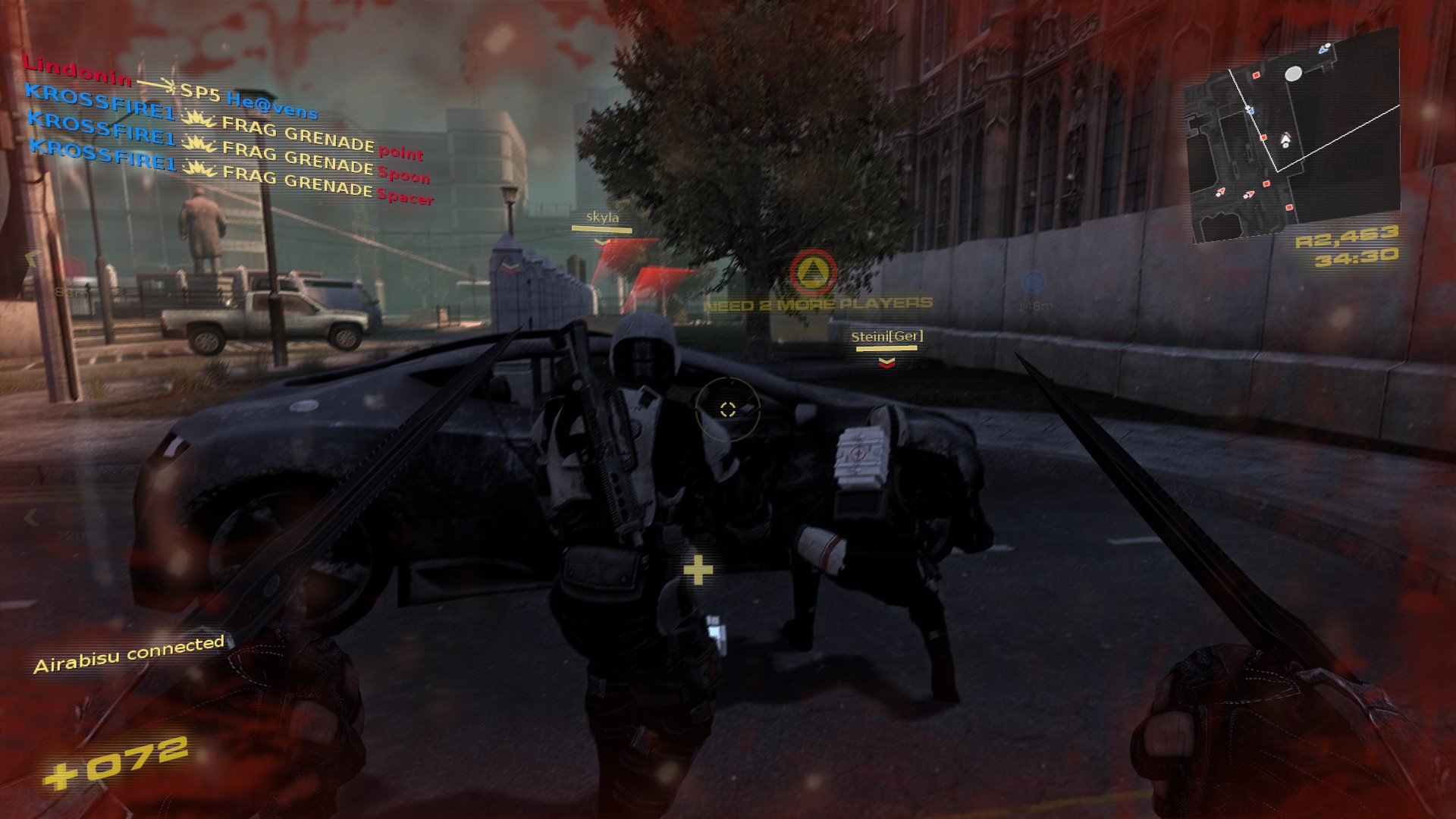
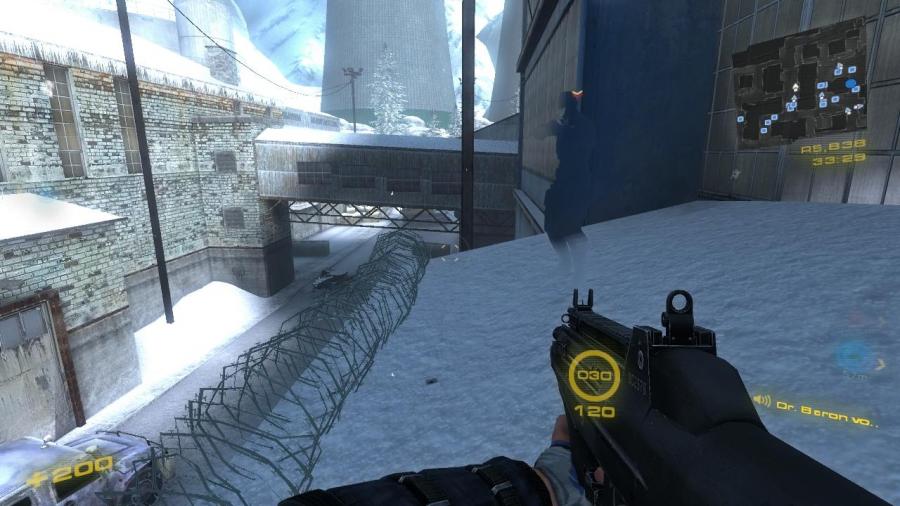
Mixing RTS (Real-Time Strategy; Shogun 2, StarCraft) with FPS (First Person Shooter; Call of Duty, Quake) sounds like trying to hammer a nail with a banana, but it works here despite not seeing the RTS part too often. Unlike other games that poorly implemented RTS (Brutal Legend) into another genre, Nuclear Dawn does it right. The person doing the RTSing is the commandre, and only he can do it. This is an online-only game (boo!) so the commander must be voted in, but usually that’s the host, and rarely will he ever get booted.
The game uses standard RTS elements like building buildings that give your men on the ground more powerful ammo for their weapons (the FPS part is the men on the ground). You have to kill the commander to win the game, but capturing energy sources is also key for respawn points. Everyone knows an online FPS needs to respawn points, so that’s the commander’s job by making sure there are plenty. The RTS elements are light and not very complicated, but you have the constant fear of pissing off the guys down below and voting you off if you don’t manage your resources right, build useful structures, and give them frequent upgrades.
As the guys on the ground, you are doing all the work capturing resource points and killing that freaking commander. You get to choose four different classes that have unique powers, such as a tank that uses a minigun and can plant it and act like a human turret, or you can use alternate classes for each class, like the tank using an energy-type grenade launcher to knock out structures. You have a stealth class that can turn invisible for a while and knife people from behind. Plus, you get the typical sniper and foot soldier roles that have various sub-classes. The shooting mechanics are simple, if a little dated, and the whole game is rough around the edges.
Not that it isn’t any fun because fragging with other players is loads of fun because this game has a back and forth kind of like Team Fortress 2, and a game can go on for over an hour. Once a team starts knocking out your resources, you can make a comeback, and it’s just like a tug-of-war. This can be loads of fun since you can switch classes after each death and use it to deal with a problem like people camping in a small room or snipers that no one can spot.
Nuclear Dawn does not have a single-player campaign or even offline bots, so this is strictly online only. I really don’t like that, and it could use a campaign to get you better at playing it. Mainly because 99% of the time you won’t be the commander, you get almost no experience in the RTS part outside the tutorial. The menus are also pretty ugly, and the whole game feels more like a mod than a full-fledged game, but the unique mix of genres is worth a purchase for the low price anyway. The graphics aren’t anything to write home about because they are pretty average and will run on an average computer. This game is strictly for hardcore online players only, but pick it up if you want something new.
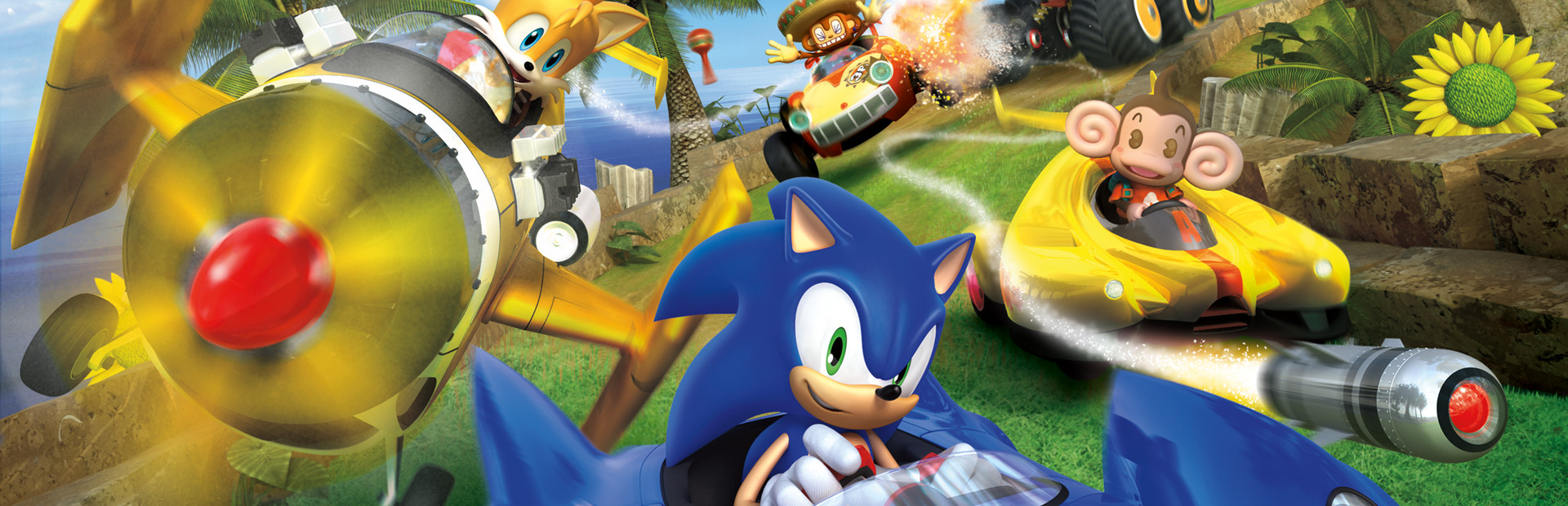
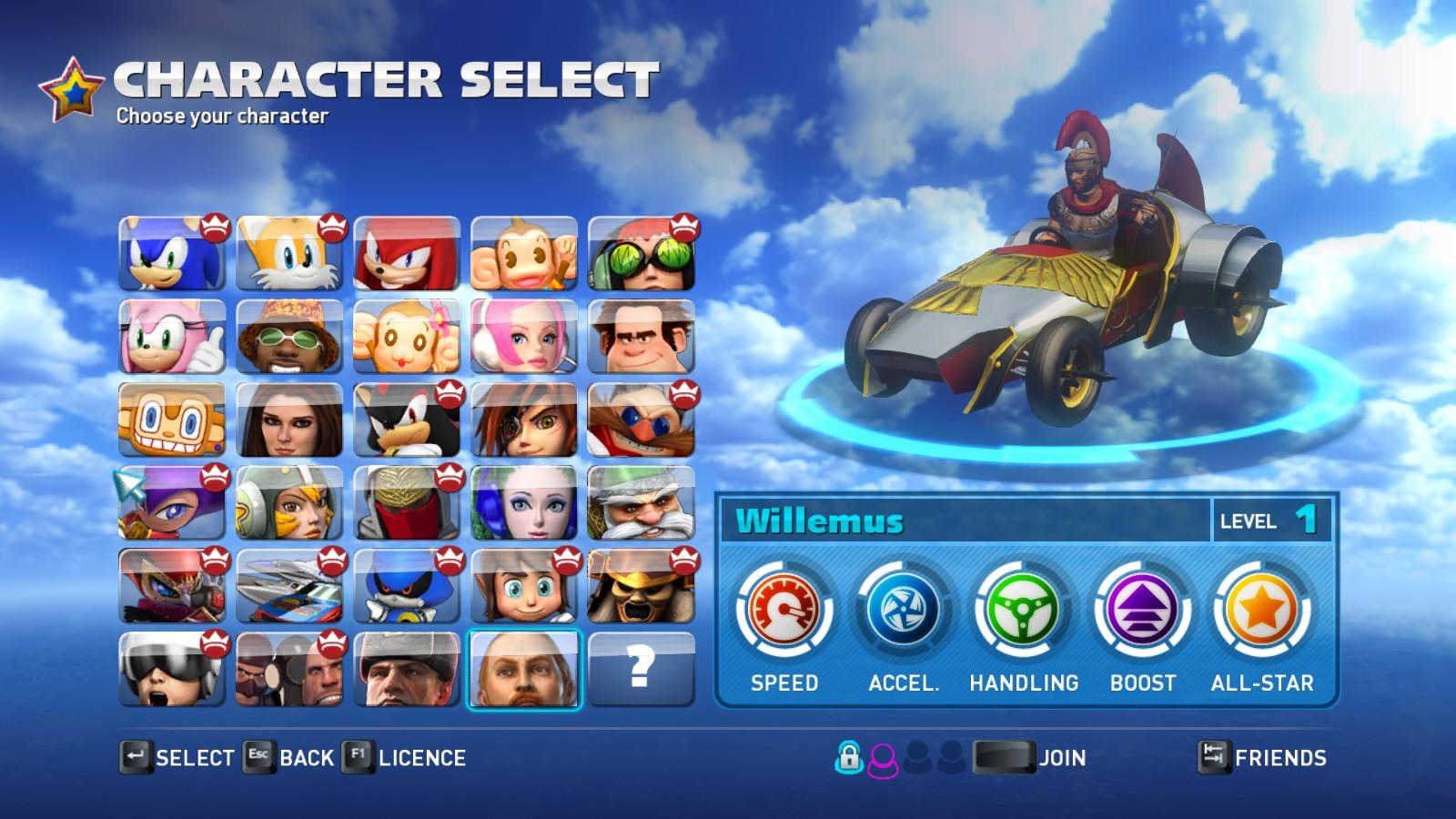
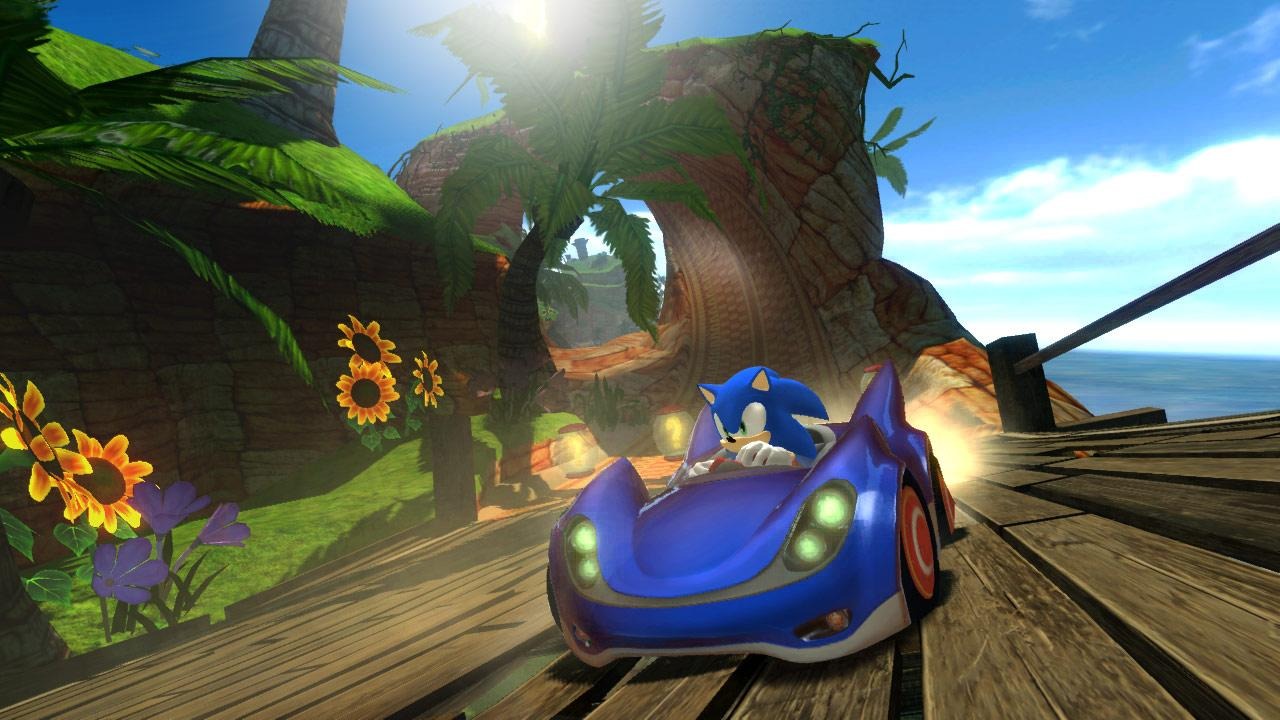
Kart racing games tend to be able to beat the king of them all: Mario Kart. While that game started, all a few entertaining offbeat ones have raced by, but this is Sega’s serious attempt at it, and it works. You can play as almost every major Sega mascot, such as most Sonic characters and familiar faces from Space Channel 5, Super Monkey Ball, and others. You race around tracks that reflect the design and setting of various Sega games while using power-ups to stay ahead of the pack.
The game has a power sliding ability that will increase your boost, which is the key to getting in the first place, but also picking up capsules that hold random power-ups such as a homing missile, mines, shields, speed boosts, and various other power-ups we have seen countless times. The game has a great sense of speed, and sliding around corners and doing various stunts is exciting, but the overall experience is borderline juvenile and very easy, even in the hardest mode. There are various missions you can complete as well as buying characters with Sega Miles, but this only goes so far.
The ideal way to play is with friends, but you need several controllers to do so because there is no online play. Why this was stripped from the PC version beats me, but it really brings down the experience since crowding around one computer isn’t very convenient. Once you do get some friends aboard, the game is a blast, and power-sliding and knocking enemies down makes for great laughs.
But when it’s all said and done, the game is a really average kart racer and has dated graphics as well as some annoying sounds. The game just feels the same no matter what you do as a single player, and I highly doubt anyone over 10 can play all 50+ missions without going crazy. If there was just some online play in here, it could sweeten the deal some, but the single-player can only be tolerated for so long.
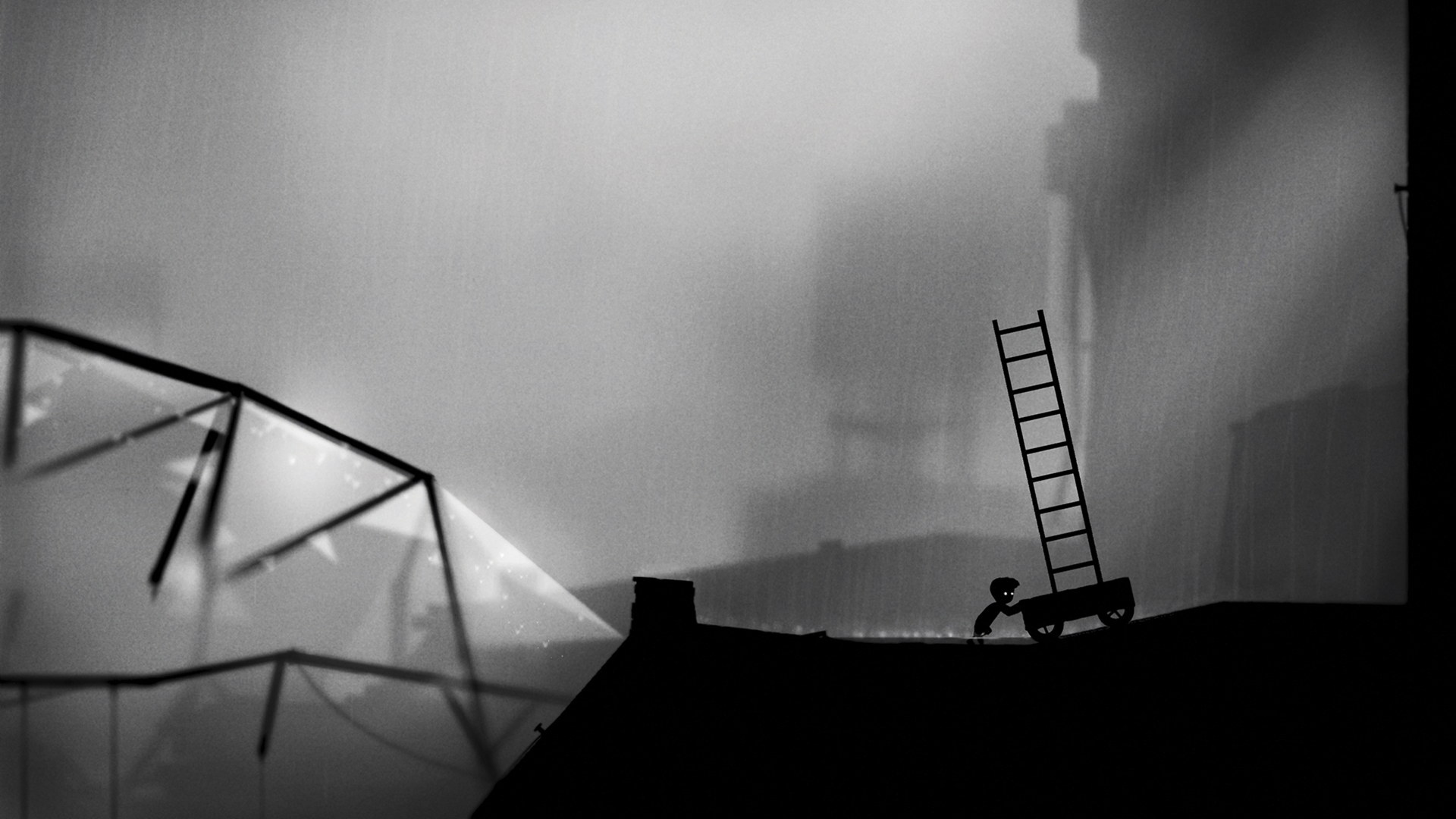
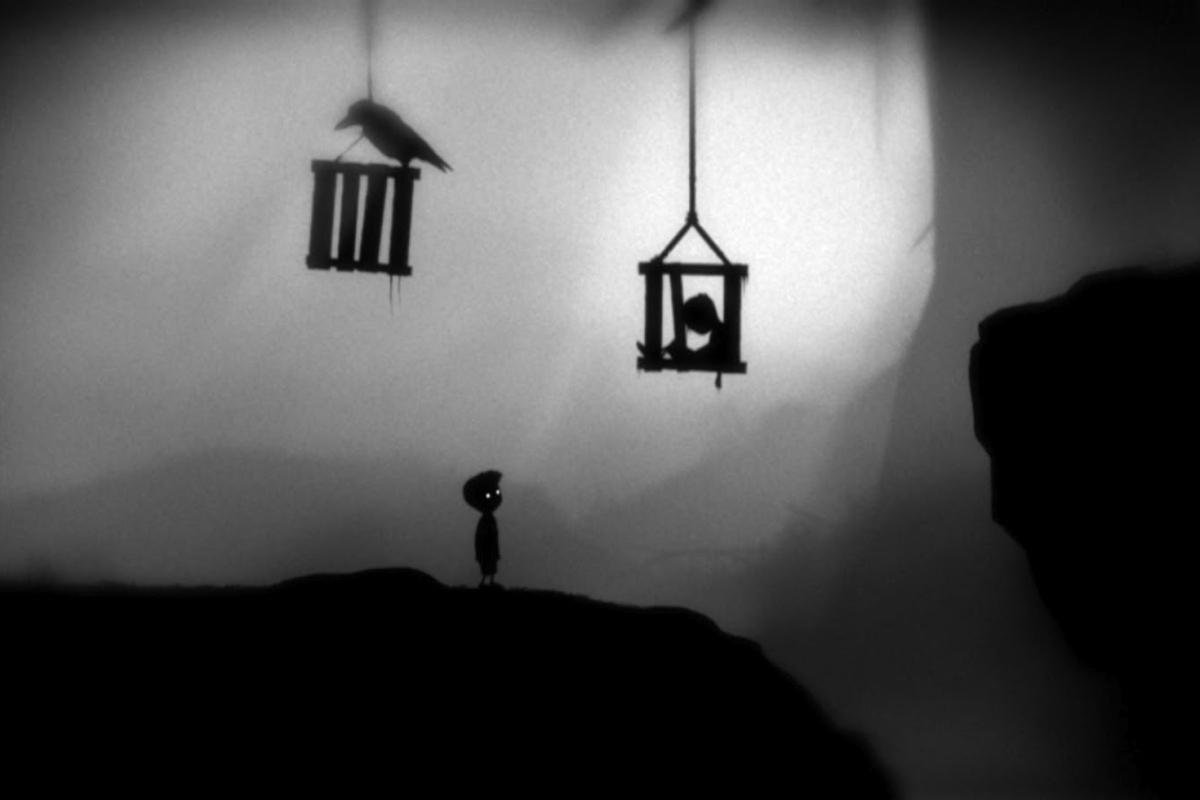
Leave it to an indie game to be clever, atmospheric, and do things that AAA titles wouldn’t dare do. Limbo starts out with just a simple message: Find your sister. No voice acting, no characters—just a black-and-white 2D platformer and a nameless little boy. This can be risky because why would you care about it with none of those elements? You won’t need to, because the game makes you care for the boy through your actions. He can be dismembered and killed in every way possible via deadly and horrific obstacles and traps like getting caught in a saw blade, getting hung, or being impaled by a giant spider leg. You cringe at every death because this is a little boy and not some nameless soldier or thug.
Limbo offers tons of atmosphere thanks to the great ambiance and visual cues that make you just wander through the whole game. The puzzles start with simple ones that deal with gravity, pushing stuff around, and pulling switches and levers. Later on, you have to manipulate gravity, and these puzzles get pretty complicated, but the game also gets darker and more dangerous as you go on. Limbo approaches typical platforming elements like bosses, enemies, and puzzles differently. Enemies are few and far between, but there is such a unique way to eliminate them that you wish there was more of it.
This short, 3-hour game feels like a sample because you really want more. The sudden and seemingly unsatisfying ending is made purposefully to just make up your own ending in your head. Yeah, this isn’t for the narrow-minded, but keep in mind that the game is juicy and gives you tidbits along the dark journey to make you feel satisfied at the end. Limbo delivers a lot more creativity and atmosphere than a lot of top-budget titles because it uses subtly over the explosion and big scares. My only issues are that some of the puzzles are pretty obscure, and the game can be very difficult in spots that will frustrate you to no end.
I also didn’t like such an abrupt ending that didn’t solve anything for you. However, this is a case-by-case basis for whether you like this sort of thing or not. The game has a lot of variety, but I wish there were some more of the unique scripted events that made Limbo feel really fun and intense.
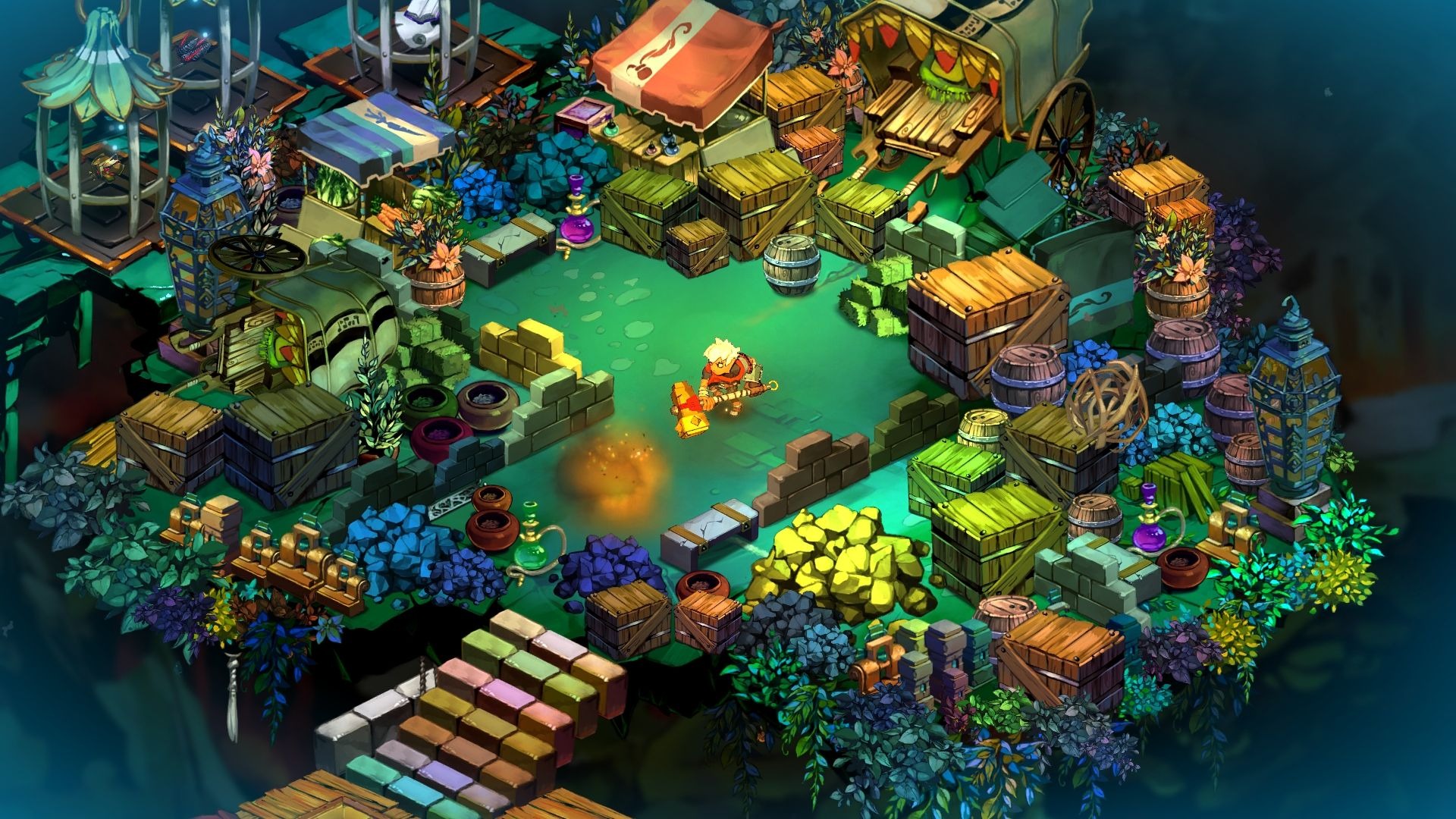
One thing that Bastion does differently from most games is its strong and unique narrative. A man narrates the boy’s every step and action in Bastion, and this is a very interesting way of telling a story. It’s like you’re playing an interactive storybook, especially since it looks like one too. You are trying to re-build The Bastion, which is a safe spot to run from The Calamity, and throughout the story, you find out what this is and why this boy is trying to find these shards to build this thing. Rucks (the narrator) guides you through the story as it unfolds, so you don’t know anything until it actually happens, like a storybook, but it’s happening while you’re doing it.
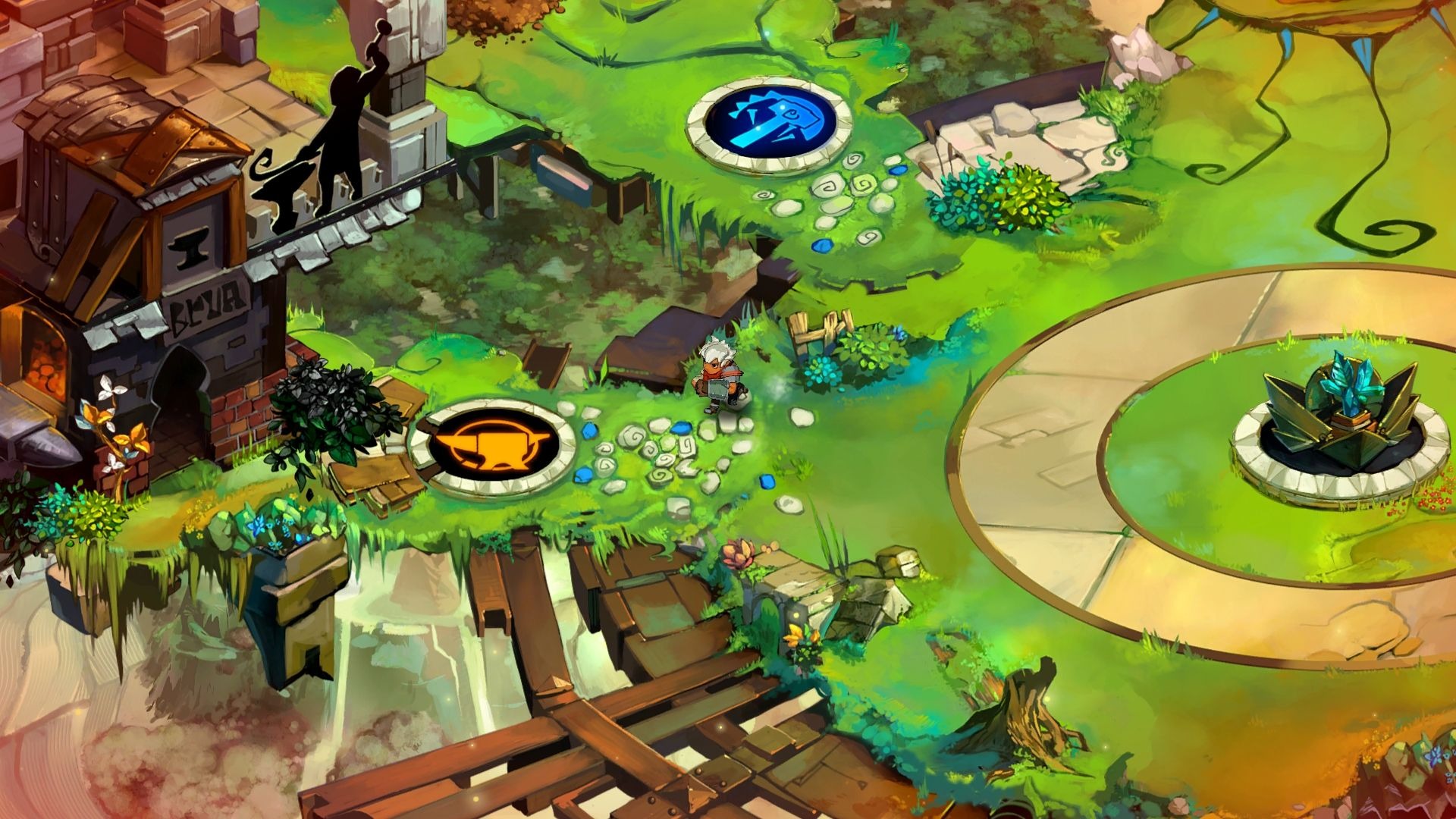
With the excellent narrative aside, the combat is top-notch and responsive. You can use a regular attack, a special attack, a block, or a projectile weapon. There are plenty of weapons, and you can upgrade them to add different attributes and bonuses. As you progress through the game, you unlock six different areas, which include an arsenal to swap weapons, a forge to upgrade your weapons, a shop to buy upgrades and special powers, a shrine to make the game harder, and an “achievement” area where you can meet requirements for extra shards (in-game currency). The customization and upgrades are deep and will keep you busy for a long while thanks to the proving grounds, which are unique challenges for each weapon. If you meet certain criteria, you get prizes based on your performance. These are not easy by any means, and a few were almost impossible to beat for me.
Combat is very responsive and challenging. The enemies are quick and smart and vary from stationary, fast-moving, slow-moving, heavily armored, etc. I should probably say that the balance is perfect, and you slowly get introduced to tougher enemies as the game progresses. You really have to use a combo of everything to stay alive because you will gulp health tonics constantly if you don’t use block and dodge a lot, so stay on your feet. The action gets hectic, and you start realizing this game is for hardcore action fans and not the casual gaming crowd that the visuals might seem to cater to.
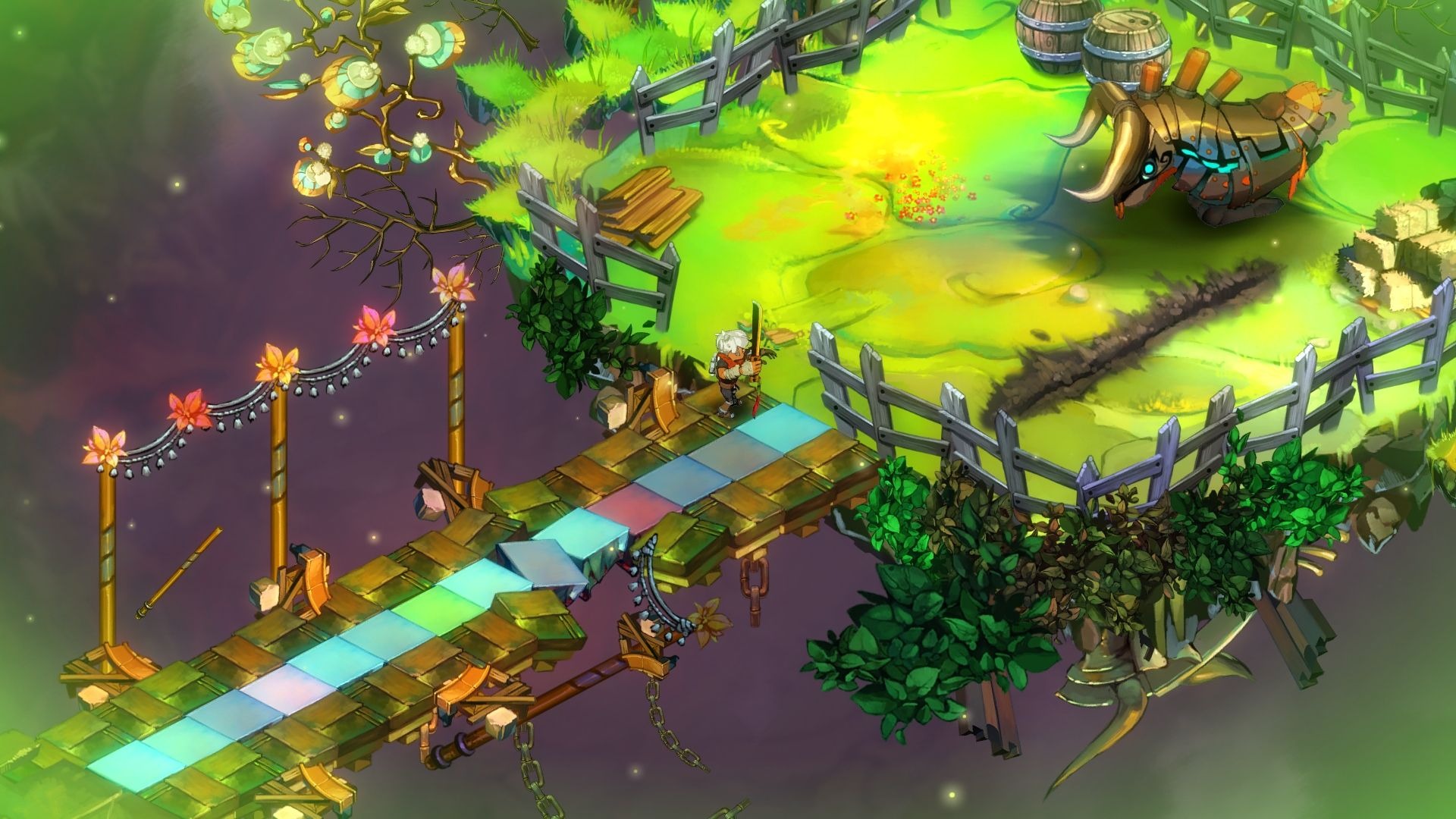
There are a lot of levels, and the length varies from 5 minutes to 15, but one thing I can’t get over is the visuals. As you run through the levels, the walkways appear under you and seem to float in the air. The levels vary so much that not a single one looks the same. The hand-drawn visuals are just gorgeous, plus you can’t forget about the amazing soundtrack, which is something you stick on your MP3 player and listen to. This feels like a high-budget game, but only an indie game can deliver something on this side of creativity and originality. Bastion is a unique game, and nothing is quite like it in terms of narrative and visual delivery. Every action fan should own this because it’s $15 well spent.
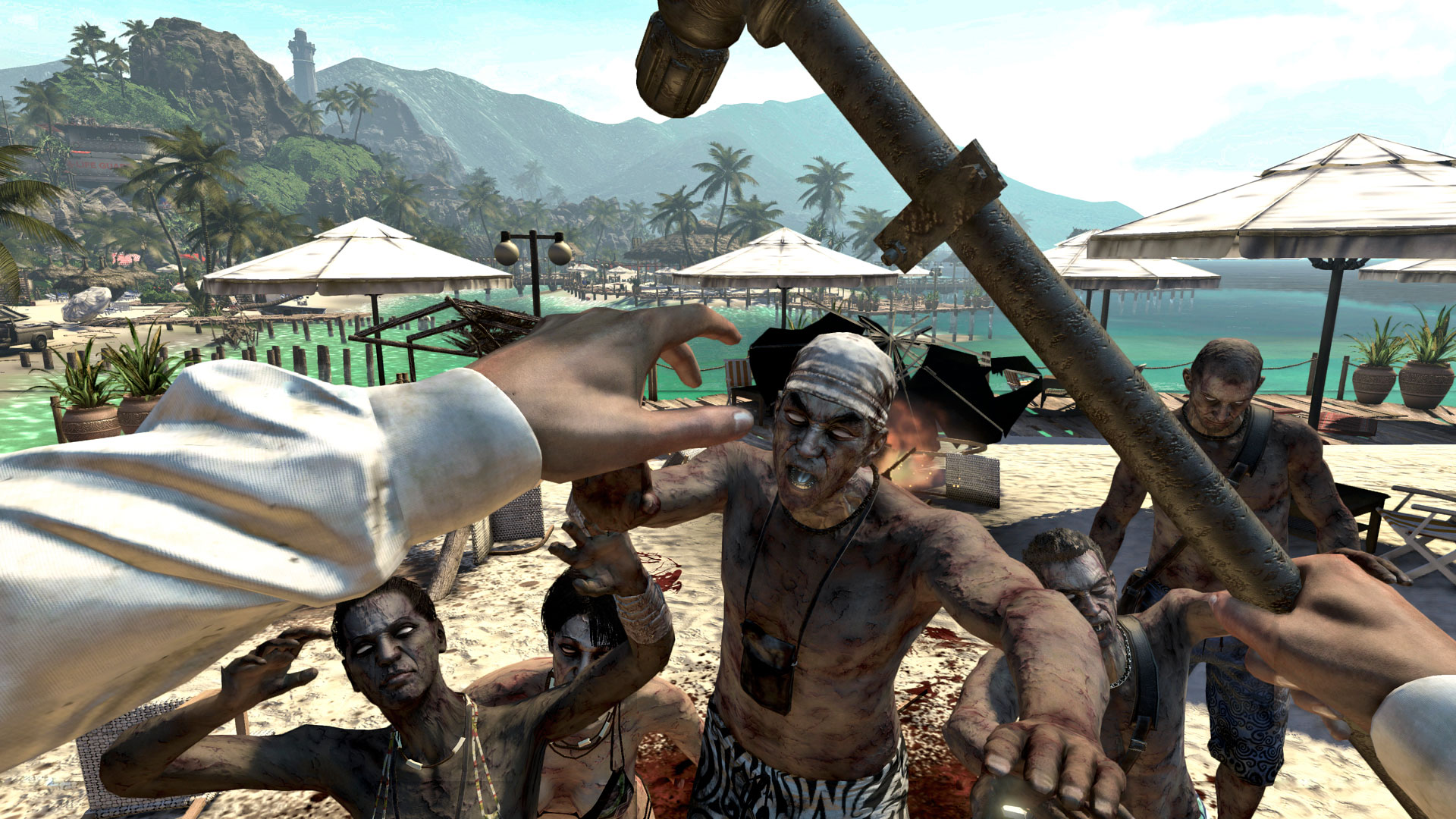
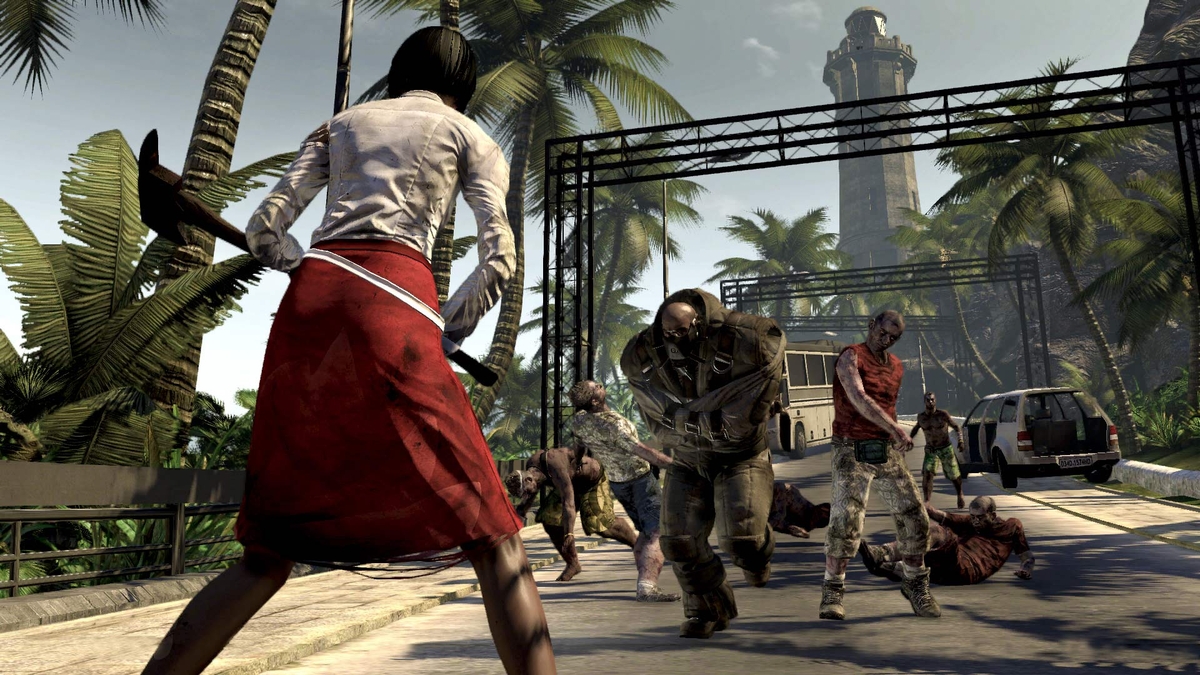
There seems to be no end in sight to zombie games, but the good ones are far and few between. With Left 4 Dead and Dead Rising being the staples, Dead Island puts itself on the map as the true zombie simulator. It holds true to that statement with realistic combat, atmosphere, and a terrifying story (albeit it doesn’t get really interesting until towards the end). You can pick one of four characters who each specialize in a certain weapon (sharp objects, blunt objects, throwing objects, and guns). You follow the four heroes through the story of the resort island Banoi, which has been struck with some sort of biological weapon or disease. No one really knows. You must help the survivors get off the island, but things don’t go according to plan.
I would like to say that Dead Island feels like Fallout meets Left 4 Dead, with a little bit of Dead Rising thrown in. The combat is superb, if a tad unwieldy, because it features an analog-type combat system. The game is in the first person, so the last melee game in the first person you probably played was Oblivion. You can move the weapon around via the right analog stick, pull back, and push forward, bringing out a full swing. It feels awesome because each weapon feels different, and the game has a great dismemberment engine, so when you aim for that part, it will most likely come off. Even the shooting in the game is solid, and that’s a one-two punch that most games can’t get right.
There are RPG elements thrown in, so when you complete missions or kill zombies, you’re earning experience. You get one point per level to use in one of three categories: fury, combat, or health. Fury is a model that you can activate to do ultra-damage to enemies and earn 10x the amount of experience when doing so. There are a lot of ways to upgrade, and you won’t get them all in one play-through. Thankfully, the game levels up with you, so you won’t run into areas that require level grinding to get past. A lot of the quests are mixed with escort missions, fetch quests, and zombie-killing quests. There are undead people to kill as well, but most of them have guns, so watch out.
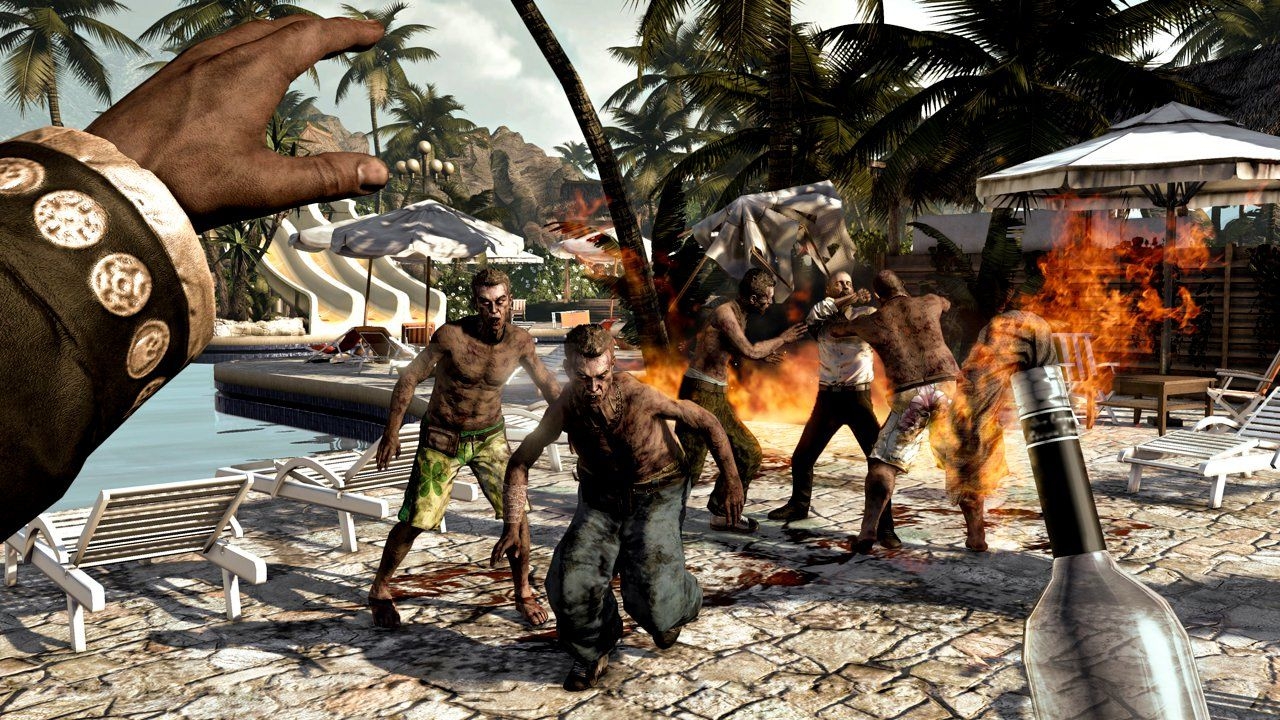
The atmosphere of the game is amazing and just really creepy. There are zombies everywhere, in all shapes and sizes. The two most common are Walkers and Infected. Infected people cannot be avoided since they run at you faster than you can even run. There are floaters, thugs (these guys are almost impossible to take down when you first start), suiciders (they explode), and the rare butchers. Each zombie is freaking creepy, and there is a huge variety of them since they change with each area you change into. The game is nonlinear, with huge open areas to explore at your leisure. Like in Fallout, you can collect stuff from pretty much anything and use it to make mods, of which there are dozens. Some of these are awesome, like attaching a saw blade to a bat, turning swords into shock weapons, making guns shoot fiery bullets, etc. These are mostly found by completing missions, so try to get all the side missions you can.
You can drive in the game, which feels just fine and is a blast to run over zombies; this is required in some missions, and it is best to travel long distances across the island. Also, the areas vary from the beach to the jungle, the city of Moresby, and the prison. There is a huge variety of everything, from weapons to zombies to environments, so you never really get bored with the game. While that’s the core of the game, you just always want to wander off and find people in distress (hey, you are immune to zombie bites!) and just try every weapon out there as well as upgrade them at the workbenches. Of course, weapons break and need to be repaired, which costs money, and you can sell stuff, trade, and even pick the money up out in the zombie wilderness.
The game is also very hard most of the time since it was designed for a four-player co-op. There is a drop-in-out co-op online, which is a blast, and there are plenty of people playing. A lot of the time, missions are just so hard because you get too many zombies thrown at you for just one person. If you die, you just wait 7 seconds and respawn, but you lose a lot of money as a penalty. The more money you have, the more you will lose. This is a great idea, but healing is a problem since medkits are rare and food only heals you so much and you can’t store it.
The only problems with the game are that people with high-end PCs are jipped unless they go edit the config file themselves to push the graphics further. There are a lot of glitches, and the combat is awesome, but controlling it is a bit off and finicky. I mentioned that the difficulty is all over the place, so expect some frustrating sections where you will die over a dozen times. While the story is good, the characters are boring, not likeable, and just feel pretty generic overall, so this took a big hit for me more than anything. Overall, Dead Island is my favorite zombie game so far, and fans shouldn’t miss it.













































 thebinarymessiah.com
Super, thank you