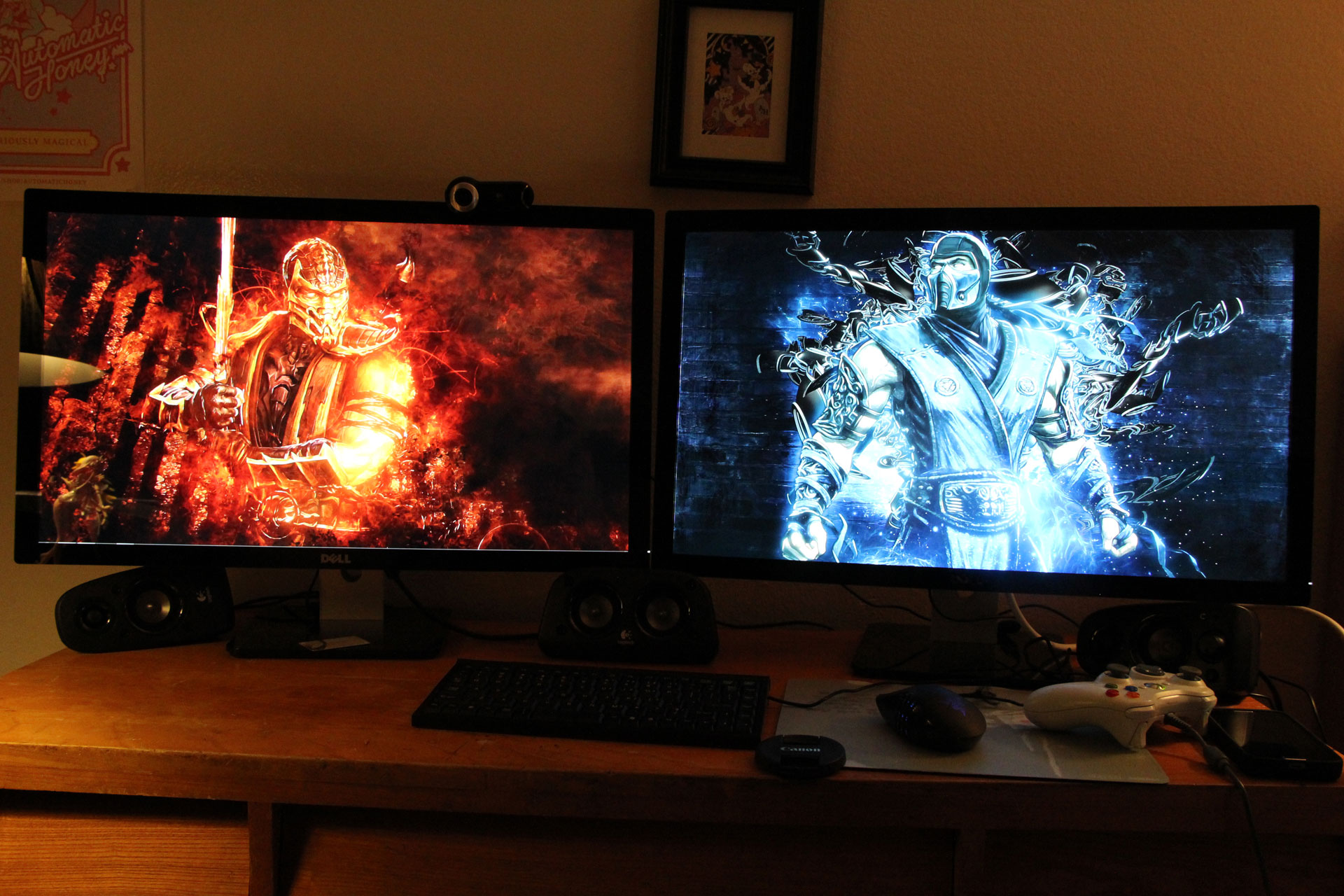
It has been a long time coming, but I finally got a surround sound system. I had never really heard of one before, so I wasn’t sure what to expect. After opening the box and seeing about 20 cords, it felt pretty daunting. Thankfully, the Alienware X51 that I hooked them up to had 5.1 audio jacks, and the colors matched perfectly. There’s also only one power cable coming from the subwoofer, which is really nice. I thought I had to plug every speaker into the wall! Once you get everything set up cord-wise, you then have to position every speaker. There are five in total, so you’re going to need a lot of room. Plan ahead of time and decide where to put them. Some probably should be on a shelf above your monitors; the subwoofer can sit nicely next to your desk, while the center speaker should be in front of you. It’s the rear speakers that are tricky. They are supposed to be on either side of you, but most people don’t have that kind of setup. Thankfully, I had a bookshelf and table on either side of me, so the trickiest part is positioning these monsters.
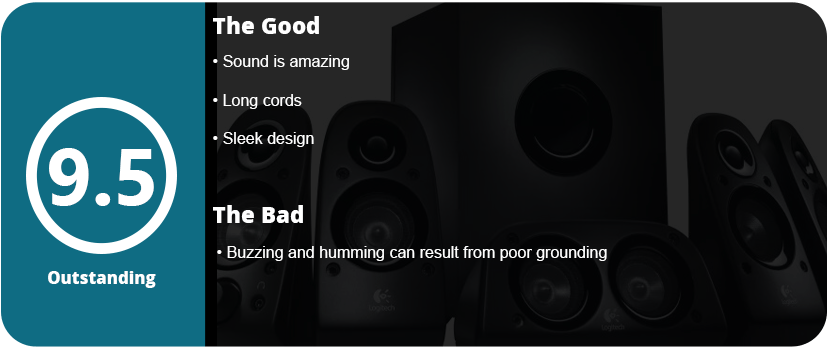
Once you get them plugged into Windows, they should automatically set your sound to 5.1. Once I started playing music on Windows Media Player, I was blown away. It sounded like I was in a theater, and these speakers get really, really loud. During gameplay, I heard enemies coming from behind me (literally) and crashing off to the side like you are in a theater. The same goes for movies as well. Being surrounded by all these speakers, it feels like the sound is coming from all angles. The speakers have great clarity as well and don’t rattle or sound tinny like some cheaper models. For $100, this is a great deal.
My only issue is that there is buzz and hissing when no sound is coming out. This is pretty common for speakers, but you need a well-grounded home or an expensive surge protector to prevent this. I tried a few methods, such as plugging it into the wall by itself and turning the volume up high and the device volume down. At least the buzzing stopped once I started playing something through them. This will drive you nuts, though, and you will resort to turning them off if you aren’t listening to anything. On the other hand, there’s a headphone jack on the front speaker, so you don’t have to use your PC jack, and the power button is on there as well. No reaching behind the subwoofer to flip a switch.
With all that said, the Z506 are fantastic speakers for the price. They blow you out of your house and are of great quality. The only problem is the constant buzzing and hissing if you don’t have good grounding. It takes a little while to get set up and seems daunting at first (even for someone who’s knowledgeable about all this stuff). Once you get everything set up, it’s well worth it, and you won’t be disappointed one bit.
It’s been 3 long years since my review of the Alienware M17x-R2 laptop. I love the thing, and it can still play the latest games, but it is starting to show its age. I wasn’t too fond of Alienware laptops because they used to be so expensive. Since their redoing of their entire lineup, they have become much cheaper over the years. With the new 14, 17, and 18 laptops and the Area-51 desktop being dropped for the X51, they have come a long way. They still offer the monster Aurora desktop, and maxing it out won’t cost you $6,000 anymore. The X51 is a console-sized, compact, small-form-factor desktop that is very affordable yet still offers a lot of power for gaming.
My specs for this setup are as follows:
Motherboard: Intel H87
CPU: 4th-Generation Intel i7 4770 @3.9Ghz
GPU: Nvidia 2GB GTX 670
RAM: 8GB DDR3-1600Mhz
HDD: 2TB @7200RPM
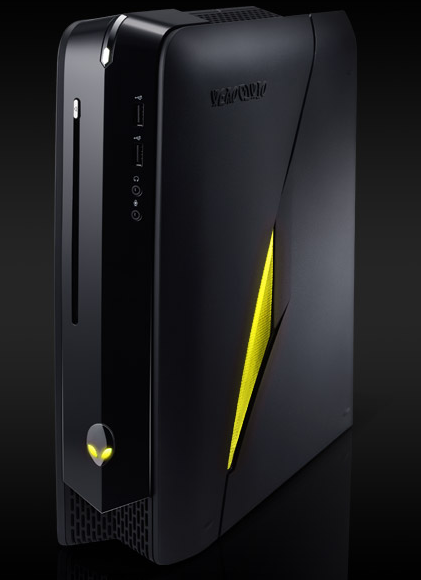
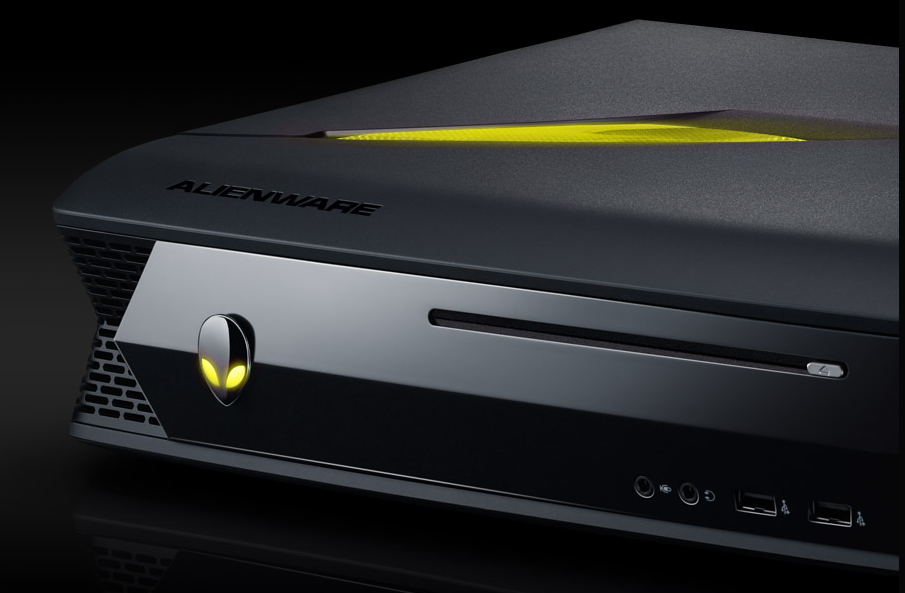
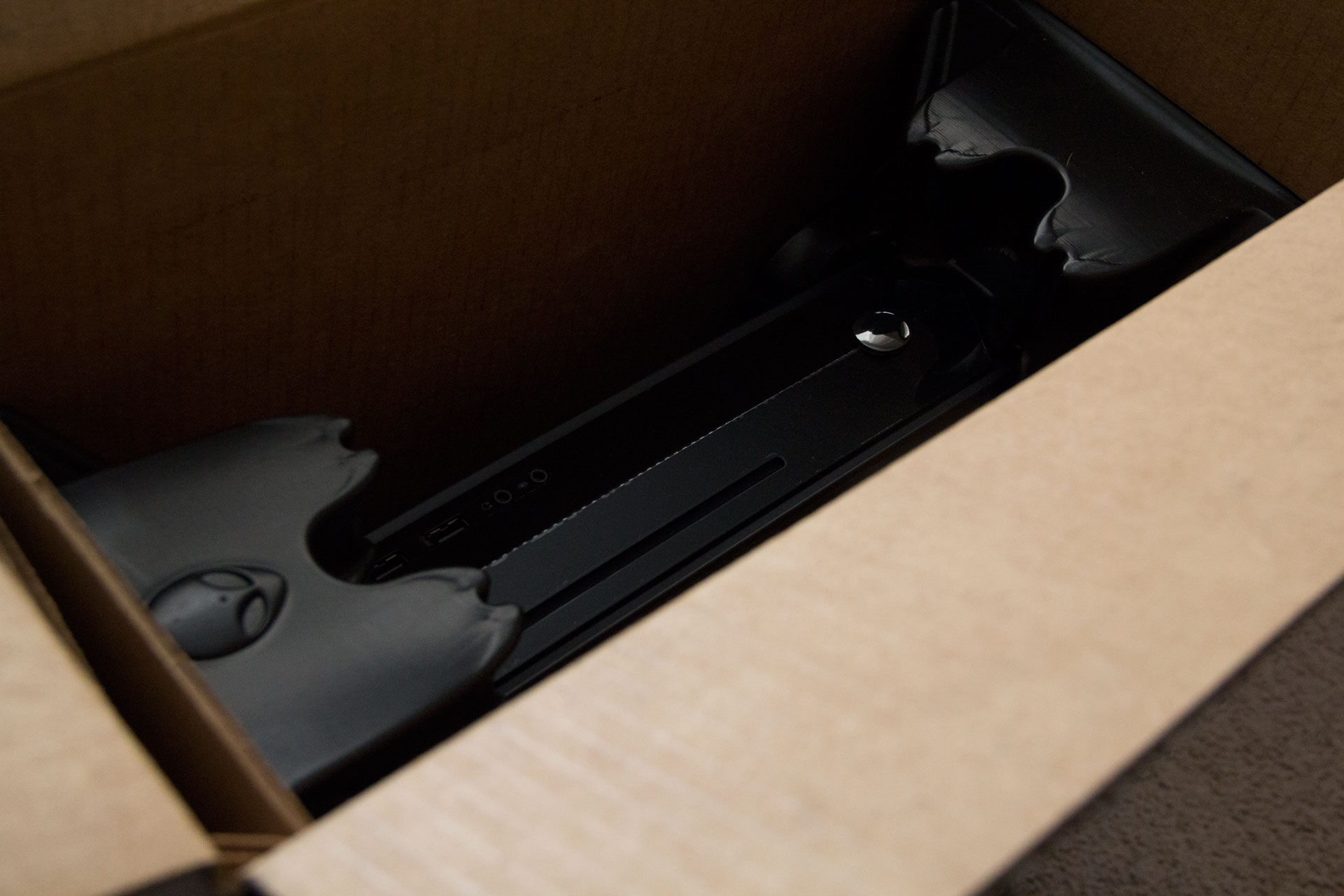
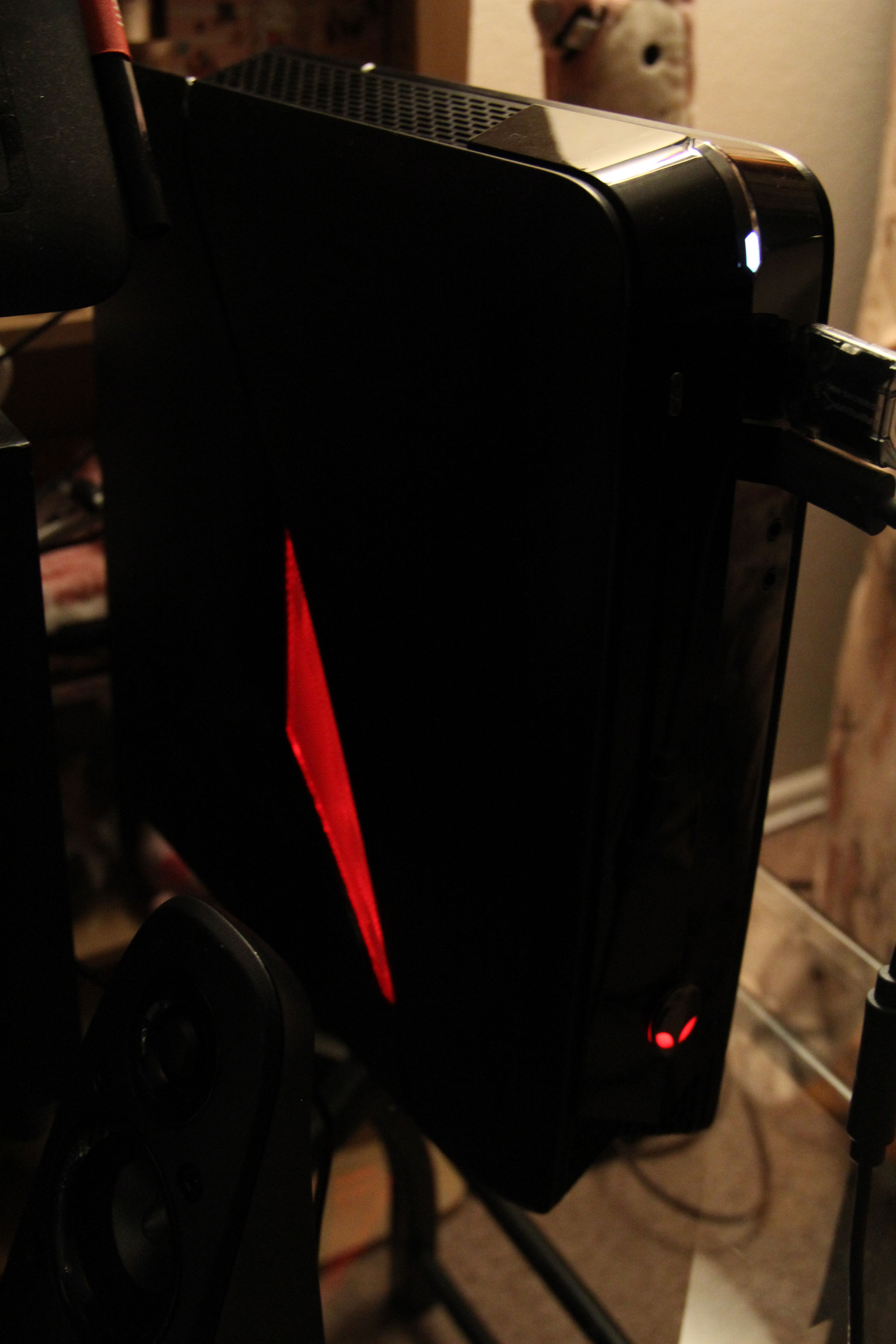
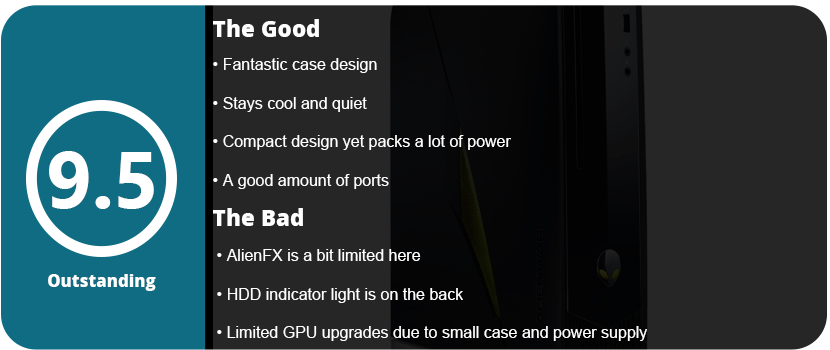
That’s a pretty powerful rig for something the size of an Xbox 360. The chassis itself looks amazing. It’s all about the custom design; what sets gaming rigs apart from others is the chassis; the more unique, the better. The AlienFX slits on each side give it a sleek look. The beveled top and front plate make it look sleek. The rotatable alien head on the front gives it that extra little bit of uniqueness to set it apart from other rigs. There are plenty of ports here as well. 2 DVI and 1 HDMI, 8 USB 3.0 ports, surround sound hookups, a headphone and mic jack in the front, another HDMI port on the onboard chip, and a projector port. That’s a lot of ports in one small tower. While looks are important, performance is even more important, so let’s see how it stacks up to the most graphically demanding games today.
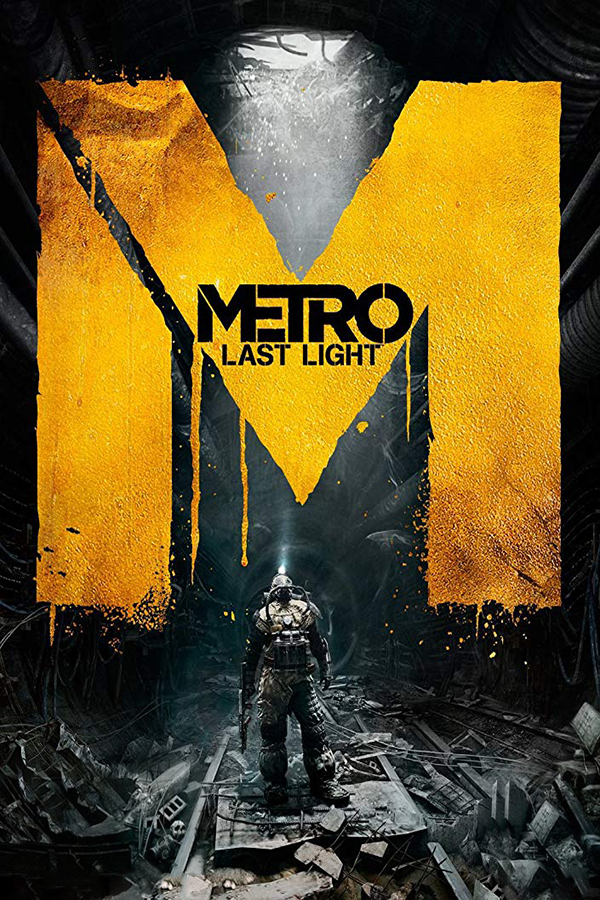
Metro: Last Light
Advanced PhysX: On
Quality: Very High
Resolution: 1920×1080
SSAA: 4x
Tessellation: Very High
Texture Filtering: 16x
The game hovered around 15-20 FPS on these settings. That’s pretty much unplayable. You’re probably wondering why the GTX 670 can’t handle these settings, and it was from one simple setting: SSAA. At 4x, the scene is aliased quite heavily, and you need two cards to be able to handle the load. Once you drop it down to 2x, the frame rate shoots up to 35. On FXAA, the frame rate is even higher, but it looks a bit blurry. That’s pretty impressive, as Last Light is one of the most graphically demanding games out there, right next to Crysis 3. The 670 was obviously designed to handle stressful loads in DirectX 11.
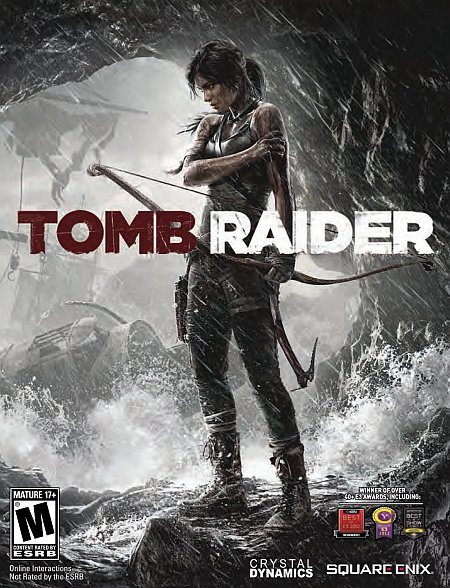
Tomb Raider
Anti-aliasing: 4x SSAA
Depth of Field: Ultra
Exclusive Fullscreen: On
Fullscreen: On
Hair Quality: TressFX
High Precision Lighting: On
Level of Detail: Ultra
Post-processing: On
Reflections: High
Resolution: 1920×1080
Shadow Resolution: High
Shadows: Ultra
SSAO: Ultra
Tessellation: On
Texture Filter: 16x
Texture Quality: Ultra
That’s everything at its absolute maximum. I was getting the same frame rate as Metro at 10–15 FPS. Once again, it was the 4x SSAA. That is really for 2 cards to handle, but once I dropped it to 2, it went to 40 FPS. The game looks amazing, and the frame rate stayed pretty steady and didn’t jump around too much. If you turn off tessellation, the frame rate goes up to around 50 because tessellation is pretty demanding. Surprisingly, the TressFX will give you a 5–10 frame hit just for Lara’s hair.
Batman: Arkham City
Ambient Occlusion: Yes
Anti-aliasing: 32x CSAA
Detail Level: Extreme
DirectX 11 features: MVSS and HBAO
Distortion: Yes
DX11 Tessellation: High
Dynamic Shadows: Yes
Fullscreen: Yes
Hardware Accelerated PhysX: Yes
Lens Flares: Yes
Light Shafts: Yes
Reflections: Yes
Resolution: 1920×1080
Here’s another GPU-demanding game. Arkham City is one of the most tessellation-heavy games out there, and the 670 runs it like a charm. Here’s a game where you can run everything higher than GeForce Experience tells you. It says to put the anti-aliasing at FXAA, yet I can run it on 32X just fine with 60 FPS. This just goes to show the true power of the 670 and the 4770 working in tandem.
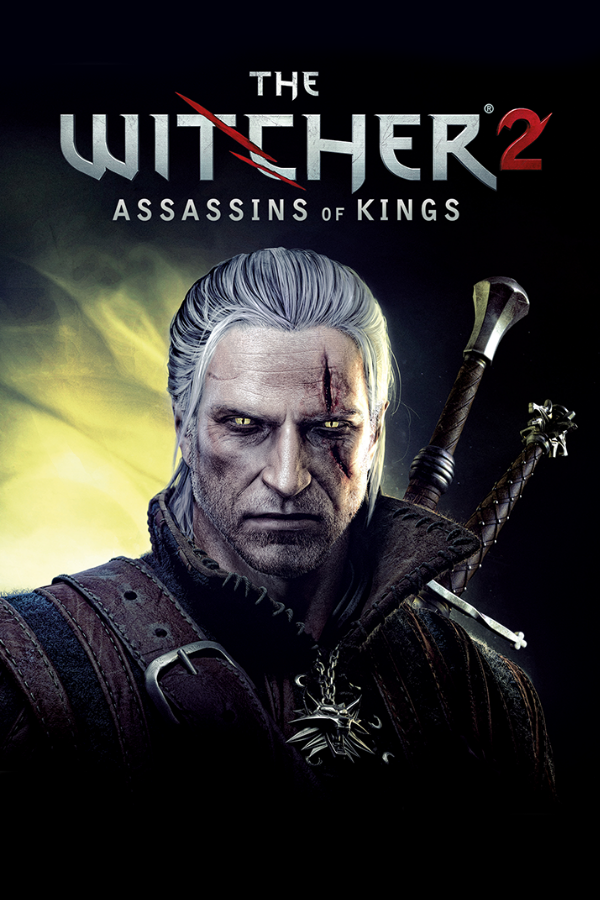
The Witcher 2: Assassins of Kings
Anti-aliasing: Enabled
Bloom: Enabled
Blur Effects: Enabled
Cinematic Depth of Field: Enabled
Dangling Objects Limit: Disabled
Decals: High Spec
Depth of Field – Cutscenes: Enabled
Depth of Field: Gameplay: Enabled
Fullscreen: Enabled
Light Shafts: Enabled
LOD Distance: Far
Motion Blur: Enabled
Number of Shadowed Lights: Ultra
Resolution: 1920×1080
Shadow Quality: Ultra
SSAO: Enabled
Texture Downscaling: None
Texture Memory Size (MB): Very Large
Ubersampling: Enabled
Vignette: Enabled
Wet Surfaces Rain Effect: Enabled
This is a game where, when it came out, you needed two GPUs to turn on Ubersampling. My 5870 on my laptop has a hard time running the game maxed out, even without Ubersampling. The game has a smooth 60 FPS with all the above settings; not a single hitch was seen even in huge open areas.
Crysis 3
Anisotropic Filtering: 16x
Anti-aliasing: 4x TXAA High
Fullscreen: Yes
Game Effects: Very High
Object: Very High
Particles: Very High
Post-Processing: Very High
Resolution: 1920×1080
Shading: Very High
Shadows: Very High
Texture Resolution: Very High
Water: Very High
Another game where the anti-aliasing stressed the 670 a bit too much. Using Tessellation anti-aliasing drops the FPS by about 10; in fact, any high version of the AA drops the FPS by 10. Medium is by 5, and there’s almost no drop in low on any of the three AA options. You really need two cards, or a 680/690/Titan or 7xx series card, to get high FPS with those AA options. Everything panned out well, especially since the water tessellation kicks most cards’ butts, is very tessellation heavy, and the shadows can really bog down most cards. The 670 was able to run all this at around 40 FPS. That’s damn good for just one card.
During all this testing, the X51 stayed nice and quiet; I barely heard it. After 3 hours of steady gaming, I felt the back of the tower, and it was barely warm. That’s some damn good cooling in such a small space. This means you don’t have to worry about games crashing or shutting down from GPUs getting too hot or the CPU overloading with heat.
Alienware computers always come with their own awesome suite of software, the Alienware Command Center. Command Center 3.0 was launched in February and features AlienAdrenaline. Say you like drawing a lot, and you listen to music or your favorite YouTube playlist in the background. You can create a shortcut that will launch Photoshop, your playlist web link, your media player, and even change the AlienFX to match the mood with a single click. That’s really awesome. Adrenaline also has system monitoring in real-time and allows you to record it. Of course, AlienFX allows you to change the colors on your tower, but I was disappointed here. You can’t morph or allow pulsing like with the laptops, and the alien head marquee on the front isn’t a hard drive light. The light is on the back of the PC, and I like to know when my computer is active. You can change each side of the tower and the head marquee individually, but I would have liked more options available. On top of that, there’s AlienFusion, which allows you to change all your power settings, which is great.
In the end, the X51-R2 is the perfect balance between power and compactability, as well as price. The 670 is a very powerful card, and the 4770 is an awesome CPU. The 8 threads make a huge difference over the 4 thread quad-cores out there. If you want a pre-built desktop at an affordable price, the X51 is the way to go.
Forget about the last Shadowrun FPS. That game was a disaster. This HD remake of Shadowrun Returns with a great story, but the combat is lacking just a bit. You are basically a runner who watches a tape of your best friend before he dies. You suddenly become his insurance collector, and you need to find his killer. The story is pretty engaging, and I was sucked in from the beginning. You basically just follow mission after mission, unraveling this mystery.
Of course, you get to pick your class at the beginning. Go from ranged weapons to melee to magic. There’s also a fourth decking ability that makes you stronger during hacking battles. Once you complete some missions, you get to The Union, which is your underground hideout. You can buy weapons, cybernetic enhancements, magic, first aid, weapons, and various other things. Make sure you take plenty of health with you and stock up on the latest before the next mission. Usually, you have to hire out mercenaries to help you in a fight. I found the majority of the story fairly challenging, but later on, it got downright unfair. The biggest issue is the unfair savings system. The game is autosave only. The game will only save at the beginning of each level, so if you die, it’s game over. This is so infuriating towards the end when you have really long and tough fights.
The combat is fairly decent. You can select between ammo types (or magic types), special powers, and items. With this variety, you are sure to win battles. I was just so upset at how often I missed. I could be at point-blank range, and I would miss three times in a row. The accuracy and rate at which you hit enemies seem completely random, and I hated that. Decking battles are interesting but boring because they aren’t as deep as regular combat and there are only a few types of enemies. Once you complete the mission in the hacking area, you have to run all the way back to the opening. If no one’s out there defending you, the enemies shoot up your body, and you can die. That’s really frustrating, and it drove me nuts.
I also wish there was more exploration, but you’re stuck where the missions take you. Sure, there are a couple of side missions, but you can’t explore anywhere. This is a really interesting world with interesting characters, but you’re limited to where the story takes you. That will turn a lot of RPG fans away, but the entertaining combat and story should keep you for a while. I also wish there were more powerful weapons and armor in the game. Even when I was almost done, the same armor from 10 missions ago was still the best. The game is pretty unbalanced, but some may overlook it. The graphics are decent, but nothing special. They won’t make your system sweat.
In the end, Shadowrun is a fun RPG for fans of Fallout and earlier top-down RPGs. The story is great and is a fun murder mystery, but the combat feels too thin, and decking just isn’t fun. The real deal-breaker here is the unfair and punishing save system, and some may quite early on because of it. If you can stomach the unbalanced gameplay and save system, you will be in for a great story.
Mass Effect made such a huge impact on me and the gaming world that no one probably expected. To create such a vast universe of fans of Star Wars is just incredible. BioWare pulled it off, and each game is very memorable. Mass Effect 3 pulls all the punches this time around and is the epic climax to the Reaper invasion that is sent to wipe out all organic life in the galaxy. Of course, Commander Shepard is supposed to fix this along with his or her recruits that you brought along throughout the series. Never before has a game spread so much across a trilogy. I have never kept a game save so sacred as I have my Mass Effect save because every choice you make carries heavily throughout the whole series.
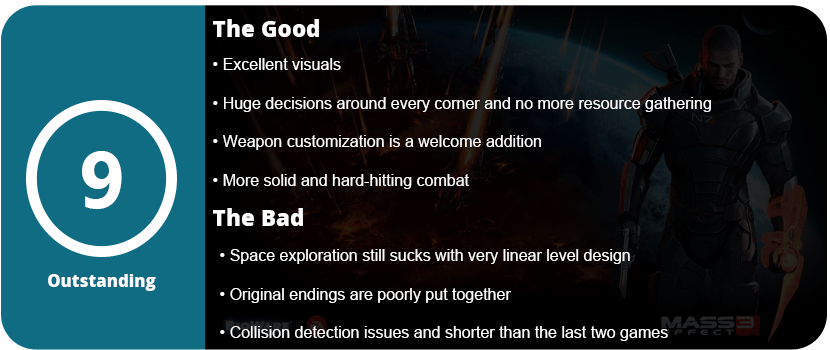
It was obvious in ME2 how choices carried over, but ME3 is huge. Main characters will die; some that died in the last games will have an impact on how ME3 turns out. Instead of going around recruiting people like in the last two games, you are recruiting entire war assets for the War on the Reapers. You are trying to bring whole nations together and making huge decisions that will impact the galaxy for the rest of time. Things like whether or not you should cure the Krogan genophage, help the Council, help Cerberus, or just say screw it and make everyone’s lives hell. You have choices here, and they will make you think a lot. Never before as a shooter have I cared about seeing certain races die or get hit. Seeing the Turian homeworld Palaven get creamed left me feeling sad and determined to make choices that helped them. In this game, some civilizations actually get wiped out due to your choices. Some are just as subtle as helping someone out on the Citadel with a side mission that decides whether the Elcor, Hanar, Batarian, and Volus survive or not. This game is so big and bold.
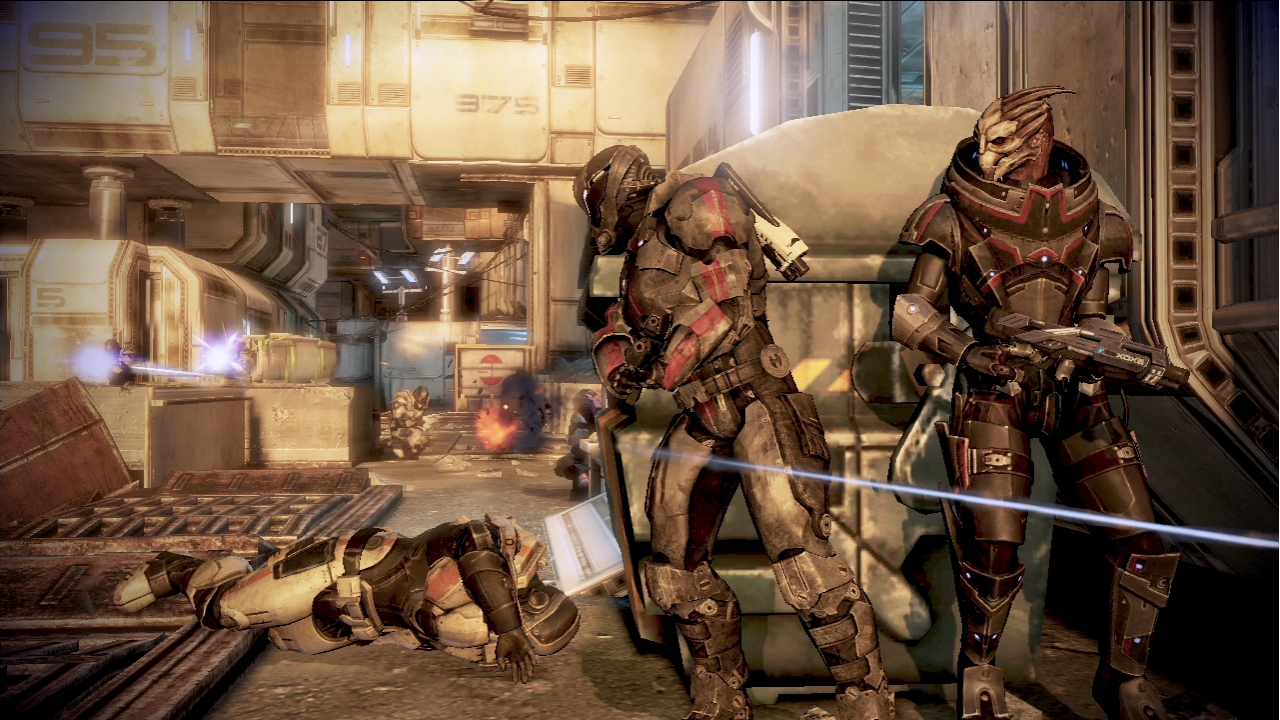
Aside from the obvious story, the gameplay has improved a lot. The action and shooting are more refined and feel better. There are whole new weapons, a cover system, as well as a dodge and roll mechanic that comes in handy. Everything just feels tight, and weapons hit heavy. Speaking of weapons, you can now customize them by adding mods to improve damage, stability, accuracy, and even clip capacity. You can now buy mods through shops on the Citadel in Normandy instead of running around on every planet trying to get what you need. You can also buy armor and have more customization options for your character, which is very welcome. You also can’t carry every weapon with you anymore. I guess the goal was to balance the game more. Each weapon you have will add weight, which can be reduced by upgrading weapons. Carrying every weapon with you will slow you down and reduce the recharge speed of biotic powers, so choose carefully.
The overall structure of the game is just more streamlined, less messy, and less annoying. Small side missions are usually stuck in the Citadel, where you have to find an item for someone during space exploration. Exploration in space still isn’t fun, but it’s a lot better than scanning every damn planet for resources. They have completely scrapped this time around, so everything is just bought with credits, which is how it originally should have been. You can still scan, but you do it on the map, and EDI will tell you if she finds something. Certain planets will have a war asset or an item someone on the Citadel is looking for. If you scan too much, the reapers will come after you, and you have to high-tail it out of the system before they catch you and come back after a mission has been completed.
Almost everything you do in this game is big, and I can’t think of any mission that felt small, like in the last two games. ME3 is just huge in scope, and there are some memorable and impressive moments. The story is very cerebral, but here’s the catch: If you have never played a Mass Effect game before, go back to the first one and start from the beginning. You just won’t appreciate every decision if you jump right in. The comic that explains the last two games isn’t enough and doesn’t do this excellent and amazing sci-fi series justice. Only fans who have played through the last two will appreciate this game and truly feel that every decision is personal.
The controversy about the endings is understandable. I got to use the Extended Cut DLC while playing this, and after some research, the ending would stink without it. Without any spoilers, the ending gives you three choices at the end this time around instead of two. The choices are explained more, and there are some extra shots stuck in the endings to make more sense of it all. The original endings were just sloppy and, to be honest, lazily put together. BioWare did everyone a service by offering these endings for free.
Overall, Mass Effect 3 looks amazing, plays well, and has some of the most memorable choices I have ever had to make in a game. This is about all life as we know it, not just some city or civilization. This is about all organic and synthetic life, and what ME has done for the gaming world is a huge feat that I haven’t seen since Star Wars. This is a true sci-fi masterpiece that all fans of the genre will love. If I did have any complaints, it would be the original endings, and there are some issues like collision detection and linearity; the game feels shorter than the last two games; and the space exploration pretty much stinks. These are minor, though, and don’t really bring it down much.
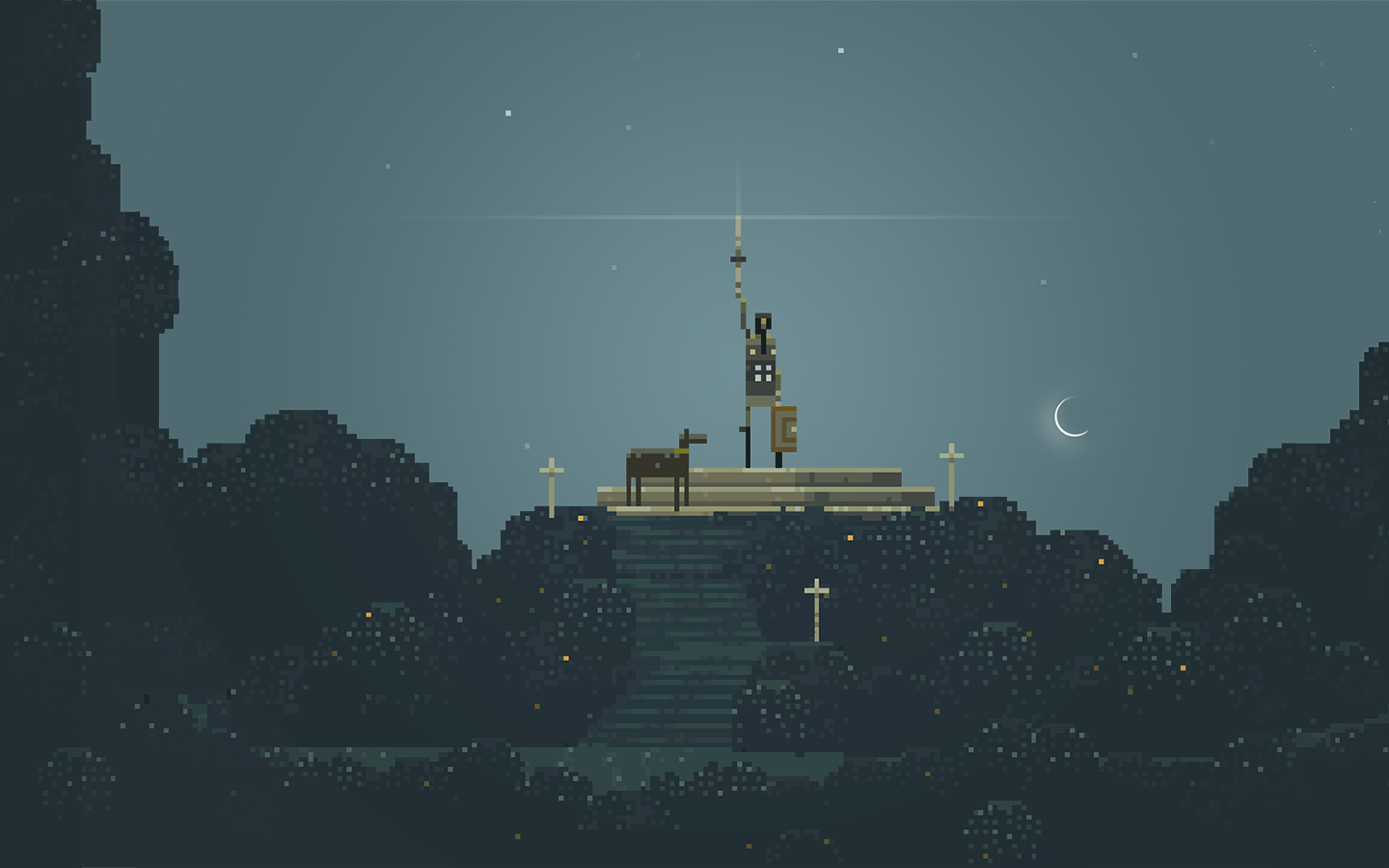
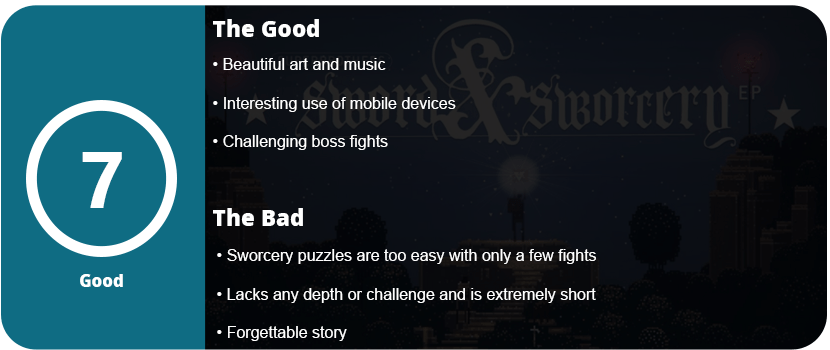
This game made a huge splash in the indie scene thanks to its rocking soundtrack and unique take on mobile games. I have to say that Superbrothers uses tablets and phones unlike any other mobile game out there. It is a breath of fresh air, but in the end, it is way too short and just leaves a feeling of emptiness, like there is no point in playing it.
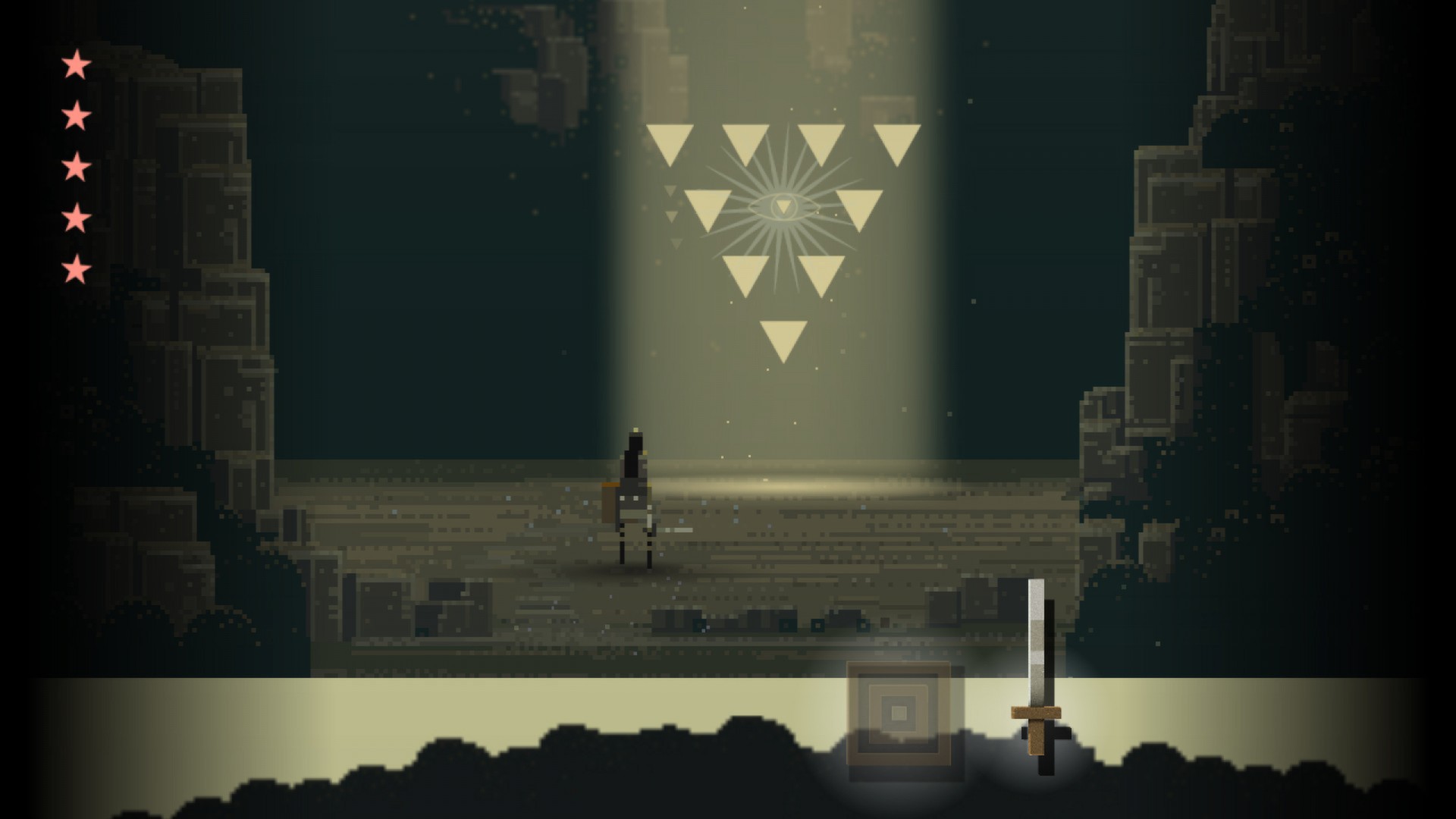
You play as a man or boy who is on a quest to destroy an evil being at the top of a mountain called Mingi Taw. You come across a magic tome and must find three triangles to make a trifecta. The story is pretty thin, and there really isn’t much of one there. It’s all about adventure, music, and unique art styles. You tap along this countryside during the first half, trying to find your way to a cliffside. After you play for a bit, you get a sword and shield and fight your first monster. If you turn your phone or tablet sideways to fight, you can block an attack, but it’s very simple and not very complicated. There are only a few fights in the entire game. The bulk of the game is made up of using your swoony powers to solve little puzzles, but these feel easy and slightly uninspired.
You hold down on your character to enter this mode. You then have to figure out what to tap in order to get the little sprite out of the ground. You need these to advance to the next stage. Sometimes things have to be tapped in order, but it’s not all that hard to figure out. One interesting concept is that you need to find two of these triangles during the bright and dark phases of the moon—in real-time. You will have to come back when the phases of the moon are just right, and the game will tell you when. Or you can just cheat and advance your calendar on your device. If you do this, the developers are on to you, and they only give you a 99% completion rating for cheating. This is a pretty interesting idea, as no other mobile game has done this, but it’s not very significant and feels like a cheap way to extend the game’s length.
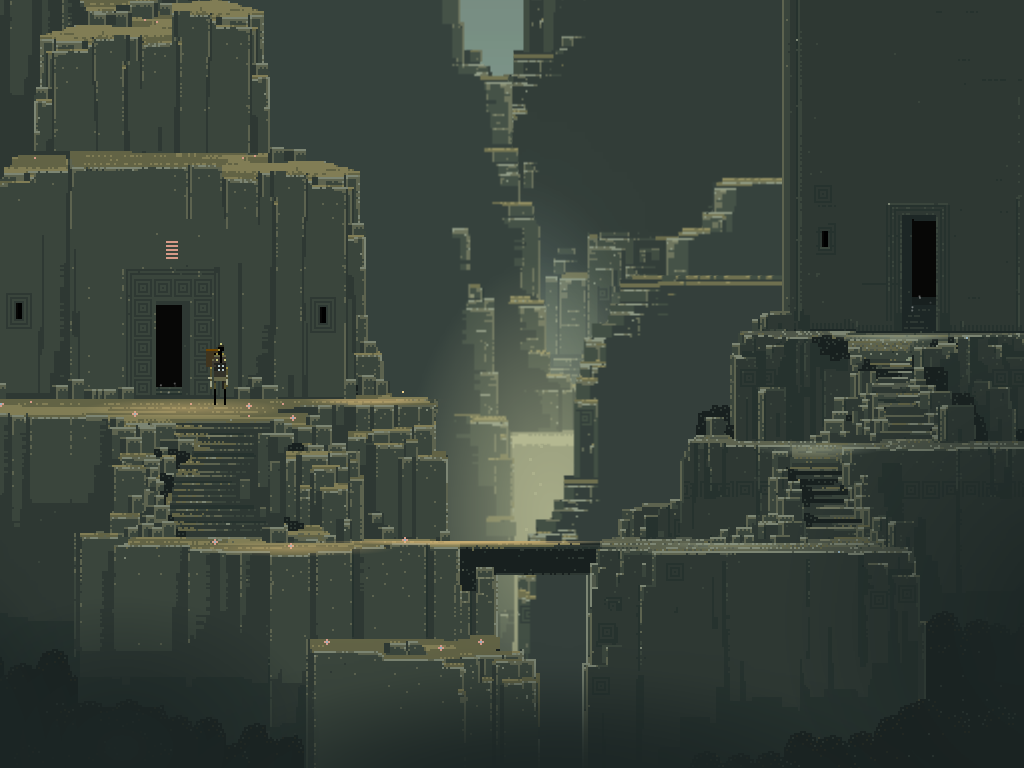
The only challenging part of the game was the three major boss fights and figuring out where to go. There are almost no hints; sometimes I wandered around forever, not knowing what to do. The boss fights require precise reaction times for dodging and attacking and can get pretty tough. You can beat the game in a few short hours if you cheat, but when I finished the game, there was no attachment. The characters are just there, and there’s not much of a story to get attached to. The music is great, but only during certain scenes or events. I honestly just feel this game is really overrated; it’s good, but not that good. I personally loved the 8-bit retro art style, and it’s beautifully done. I just wish there was better gameplay to go with it.
In the end, this is just an odd game that you play for the hell of it. It’s a unique mobile game, yet everything in it feels unnecessary, and in the end, you wonder why you played it. There’s nothing here that will keep you talking about it years later; it’s really short and lacks any challenge or depth. I just like that it took a different approach to game design, and that is greatly respected.
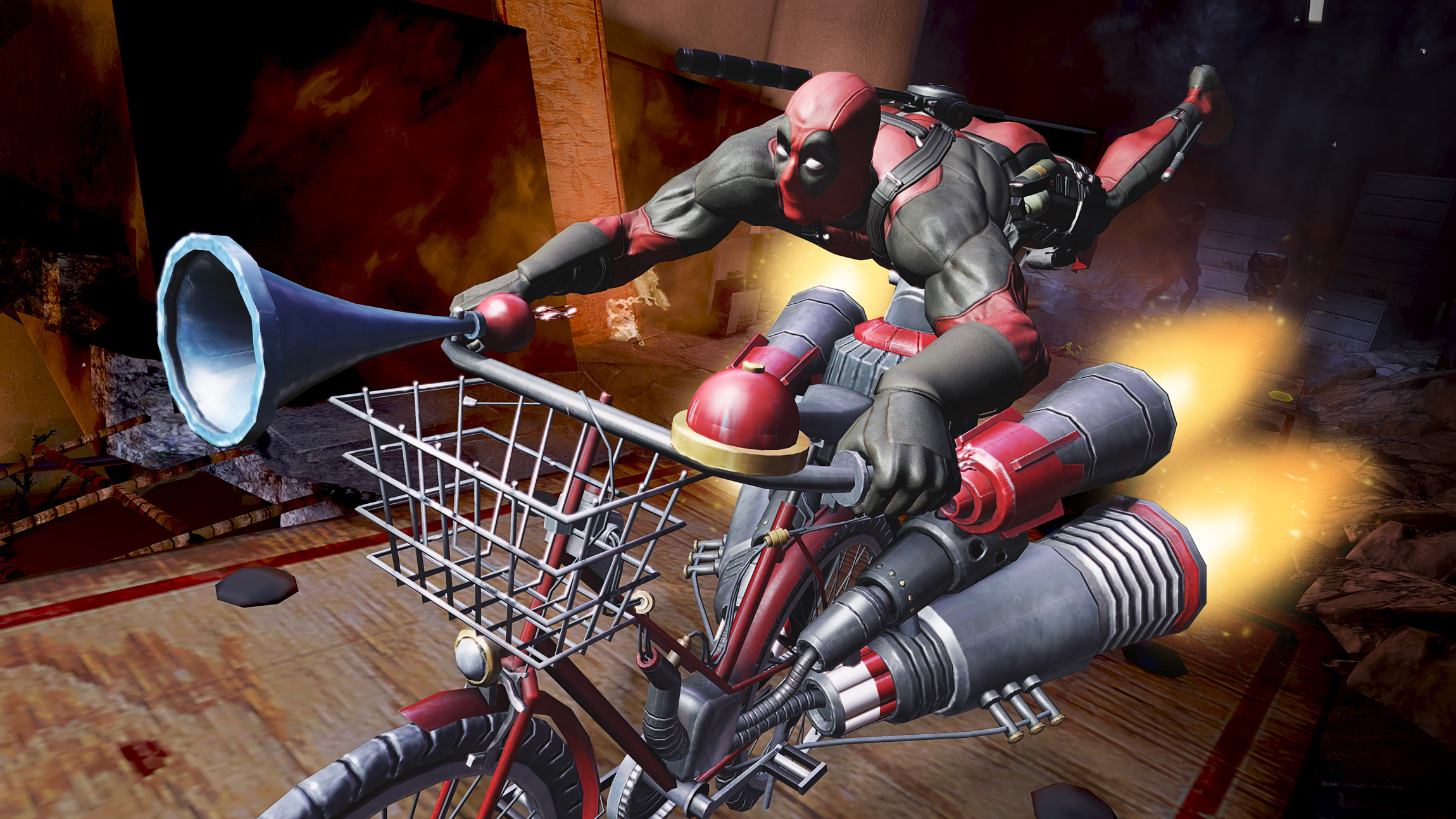
These superhero games and movies are just coming out left and right. Sure, the quality has gone way up over time, but Marvel’s side of the games department has been floating around average for the last decade. Deadpool is one of those weird comic characters that has a huge fan base, yet another large amount of people hate him. I’ve always liked Marvel’s more lax approach to adult-oriented comic content. Deadpool curses, makes penis jokes, motorboats breasts, and is just a seriously goofy character. You won’t find that in a DC comic. The game itself is just average; it starts out great but falls downhill pretty fast. This is expected of High Moon Studios, which became famous for their Transformers games. Those as well were just lacking more passion.
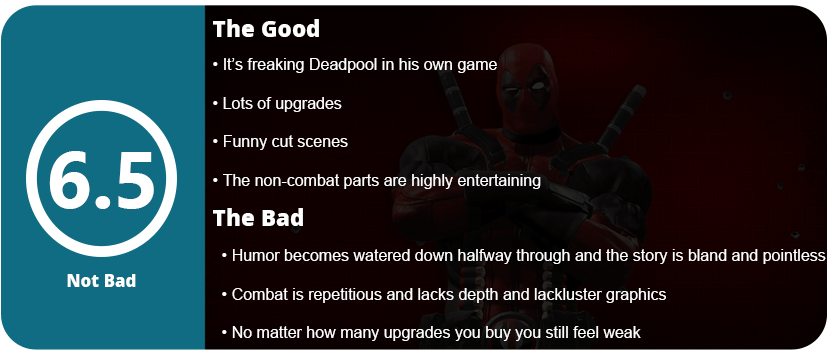
There’s really not much of a story here. Deadpool is bored, so he calls up a guy to make a video game about him; it’s the one you’re playing, and he breaks the 4th wall constantly. It’s great humor and a lot of fun, but the overlying plot is watered down and boring. Deadpool is trying to stop Sinister from creating an army of clones. On the way, you meet The Marauders (Arclight, Vertigo, and Blockbuster) as well as a few of the X-Men. Wolverine makes an appearance as well as Rogue, but they are pretty much useless. Cable fights alongside you for a while, but again, it’s not really worth having him in there.
The combat is where superhero games are supposed to shine, and Deadpool needs more polish. The controls work well; there are a lot of upgrades and a small arsenal of melee and ranged weapons, but it’s very repetitive and gets so boring towards the end. The problem lies in pacing. You will get a fun little scenario where you’re on a turret, floating in an amusement ride, shooting cardboard cutouts, or spinning prize wheels, but these are so short and so spread apart that you beg for something different. It’s just level after level of the same bad guys over and over again. No matter how many upgrades I bought, I never felt powerful enough. I maxed out my hammers at the end of the game, and it just did a bit more damage than the standard damage. What kind of crap is that? The guns are the same way. There are momentum moves you can do that do massive damage; it varies with each weapon, but it takes so long to build up the meters. The combat just feels average in the end, with buttons mashing the light and heavy attacks.
Every so often, you will be forced into a stealth section, but it’s broken or purposefully made that way. You can use your guns or your weapon. Sometimes the rest of the guys heard me, and sometimes they didn’t. The animations are funny, and they are well done, but who cares if they’re linked to monotonous combat? The other parts of the game, where you walk around mingling with hot chicks in bikinis, slapping Wolverine in the face, using a giant robot foot as a rocket, and spinning prize wheels, are the fun parts. I can count them all on one hand. There aren’t even that many cutscenes; it’s just 80% combat. Even the humor starts to wear off after a while. Deadpool even makes fun of his own game by saying he doesn’t have any new jokes. The slapstick humor and penis one-liners are funny during the first half of the game only.
Graphics-wise…it’s average. There’s no unique art style like the Batman Arkham games. The PC just has better textures and slightly better lighting. High Moon really needs to get it in gear and stop pushing out these half-baked games of theirs. It’s like there’s no passion, or it runs out halfway through development. Deadpool is a fun weekend rental, but in the end, it’s forgettable and somehow shouldn’t be.
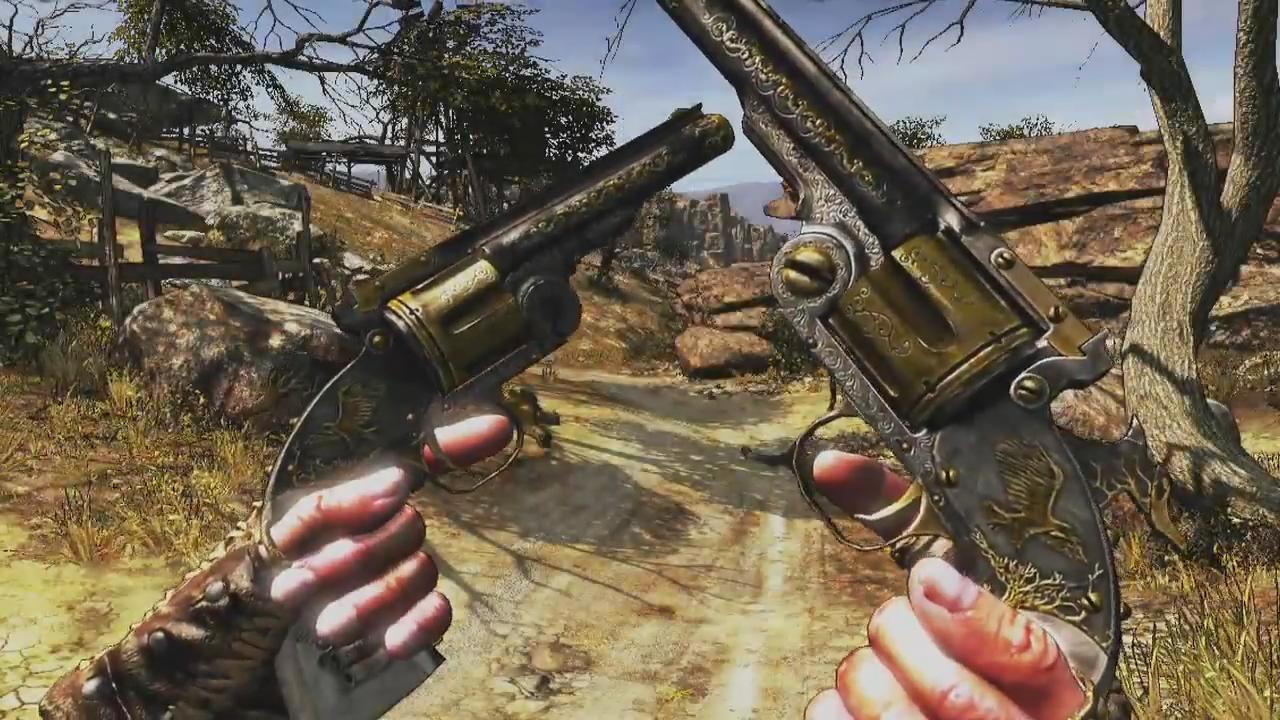
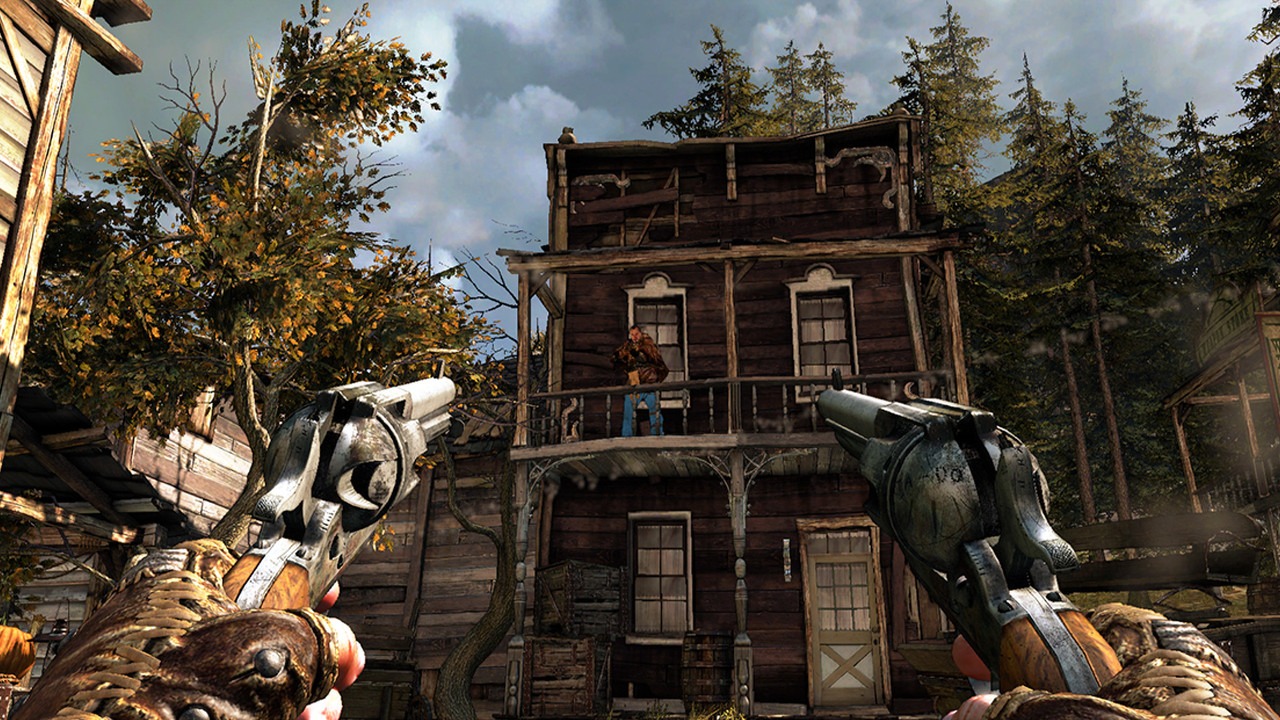
Call of Juarez has been a very rocky Wild West series. The first game was terrible, the second game was great, the third game was horrible, and the fourth game was great. Will the fifth game be horrible? Who knows. What I do know is that for $15, this is a very enjoyable shooter with a pretty good story and a narrative inspired by Bastion. You play as Silas Greaves, a “retired” bounty hunter who went after the most notorious outlaws in the west, such as Jesse James, Kid Curry, The Dalton Brothers, and The Sundance Kid.
The story’s cutscenes are told through black-and-white stills, but the narrative is really fun. If you have played Bastion, you will know what I’m talking about. As you play the game, it is being narrated as you go. Sometimes things will change right in front of you, on the fly, as Silas narrates his tales. Sometimes you will go through a whole section of a level; a bar patron will ask Silas if that really happened, then he will back up and correct himself. You then play that part again in a different way. It’s really fun, and as you progress, you start to question if Silas is really who he is or if he is even telling the truth. The battles get more outlandish, and even the patrons start questioning him. The story has a nice twist ending, and I have been hooked the whole time thanks to the tight gunplay and fun story.
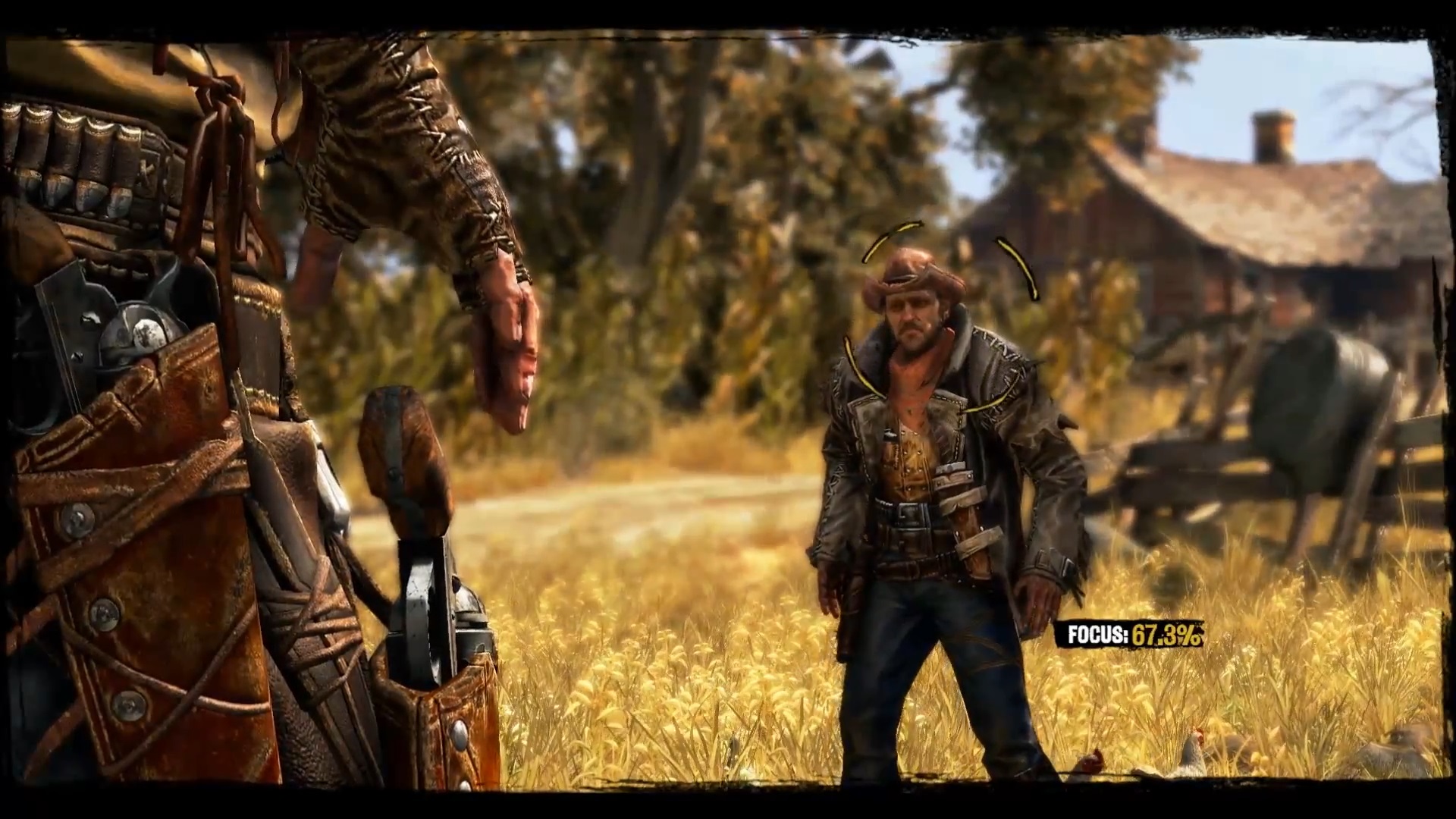
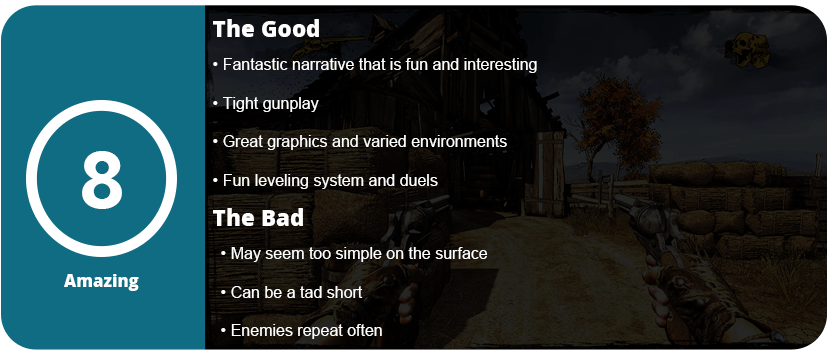
The game is very simple and basic at heart. You get four different weapons: dynamite, pistols, shotguns, and rifles. There are a couple variations of them, but they shoot damn well, and I have to say I haven’t had this much fun as a shooter in a long time. While the enemies repeat often and it’s the same shootouts throughout the level, the environments change often, and the fun narrative keeps things mixed up so you are never bored. Every so often, you will have a duel with a boss. You need to use the two analog sticks to control the focus on the enemy and the speed of your hand. It’s tough to concentrate on two things at once, but it makes it fun and a bit challenging. During shootouts, you can slow down time and highlight enemies in red. You also get a “last chance” by being able to dodge the bullet that would normally kill you. Push both sticks in the opposite direction to save yourself. These little elements are just fun and a bit different from your typical military shooter.
Some boss fights require you to hide, sneak around, or use dynamite. There are also hidden secrets in the game that tell the real-life tales and occurrences of these real-life outlaws and skirmishes. They are pretty interesting for anyone who likes some history in their game (Assassin’s Creed fans!). That’s all there really is to it. The game is simple yet a lot of fun. You can do challenge missions afterward and a new game+ to continue with your leveled skills. There are three categories: trapper/melee, long-range, and short-range. As you advance in each section, you unlock a special gun in that category, which makes the game both easier and more fun.
Overall, Gunslinger is a really fun game. There’s not much wrong here other than it being bitten simply by some people. The graphics are fantastic, the gunplay is solid, and the narrative is a lot of fun and will keep you hooked to the end (I rarely put the controller down!). For $15, this is one of the best downloadable games you can buy this year. It may also be a good jumping-in point for anyone who hasn’t played a Call of Juarez game before.
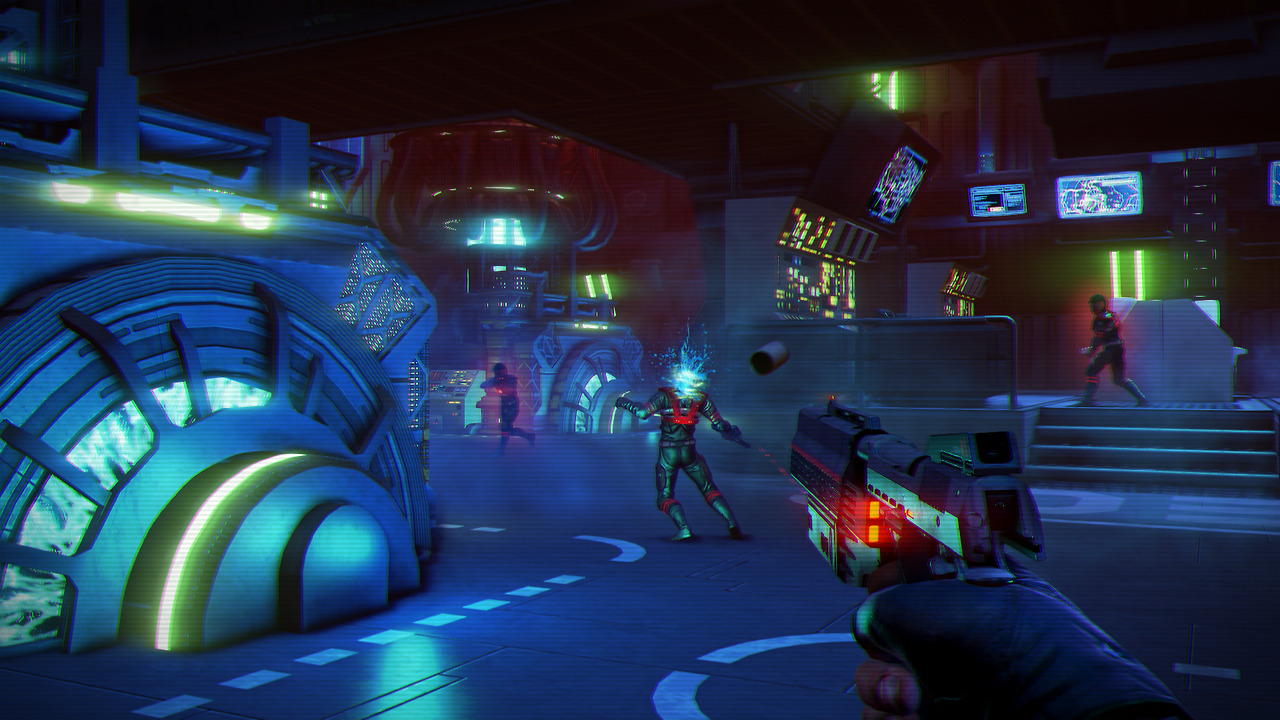
Blood Dragon is a beast all on its own. Forget everything you know about Far Cry. Blood Dragon uses Far Cry 3 as a base—a building block to lay something seriously badass down. You play as a cyborg named Rex who is trying to stop a man named Sloan from taking over the world. It sounds cheesy, and it is, and that’s the best part.
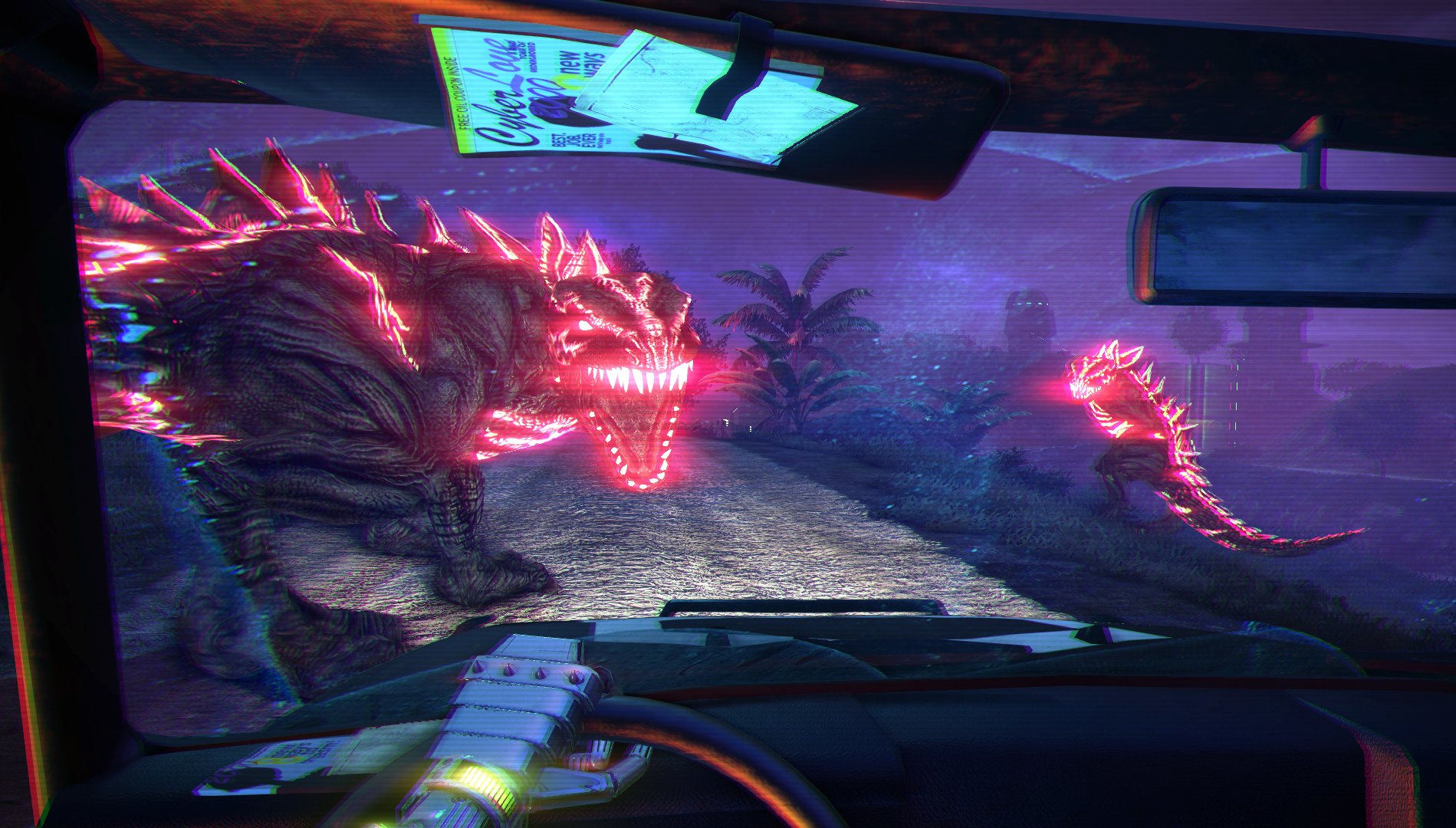
Right, when you launch the game, you will notice the awesome 80s vibe. The loading screen looks like a VCR with a tracking bar down at the bottom. Funny little hints flash across the screen, like “Sniper Rifles…close-range weapons when you select the wrong gun.” Once I saw stuff like this, I knew I was in for a badass ride. The game is short on content; let me just get that out right now. You can beat the story in about 4 hours, but there are bases to take over, like in Far Cry 3. You can use cyber hearts you rip from dead bodies to lure Blood Dragons into these bases, shoot the bad guys up yourself, or go all stealthy. It’s completely up to you. The dragons can hear you once you run or shoot, so stay low and use your hearts to lure them away. Other than that, there are two side missions you can partake in: hostage rescues and hunting. Not exactly different from Far Cry 3, but enough to justify the small price tag.
There are only a few weapons in the whole game, but they are really awesome. The shotgun has a cool reload animation similar to The Terminator 2, and Rex rests the gun on his wrist. He pops the shells in by letting them fall into the chamber. You get a sniper rifle, a mini-gun, and an assault rifle, as well as a pistol. There are various throwables, but they are all neat, and you will use them all often. One thing I particularly liked was the attention to detail in the animations. When you heal, you fix his cyborg arm by welding it, fixing cables, pulling bullets out with his finger, and a few others. When you run, he looks like the T-1000, with his hand completely straight and pumping his arms really fast. I just love the whole aesthetic of this game. The Tron-looking art direction has neon reds and blues as well as the enemy design. It’s a fun trip back to the past, when my parents showed me all the cool 80s action movies. In the first scene, you are in a helicopter mowing down enemies to Little Richards’s “Long Tall Sally,” like in Predator. The awesomeness just never ends.
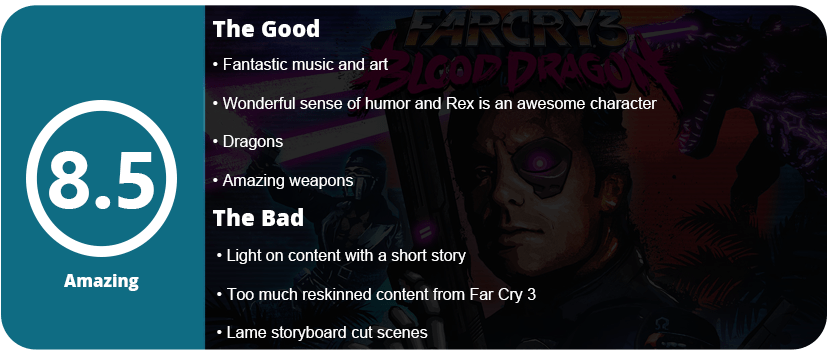
I also can’t help but love the music. It’s stuff straight from the 80s and fits so well that I actually listen to the soundtrack outside of the game. You can tell the team was pressed for time (they only got 6 months) because a lot of the Far Cry 3 stuff is just reskinned, like the hang glider, the jeeps (the only vehicles in the game), the jet skis, and even the helicopters. There’s not really much to do in the game, and once the story mode and all the bases are taken over, there’s no reason to stay. You will see everything the game has to offer in about an hour, but the ending is just badass. You get to ride a dragon that curses and talks while shooting lasers from his eyes and mowing down everyone with a cannon. The story mode is highly entertaining, but I was disappointed with the low-quality storyboard-style cut scenes. They didn’t do the game justice.
In the end, Blood Dragon is one of the best downloadable games this year and a completely pleasant surprise. Even if you don’t like Far Cry, the 80’s vibe should bring many hardcore gamers along. It’s light on content, the characters are average (except Rex), and the animations and art style are one-of-a-kind; there’s no other game out there like it. I really hope there’s a fully-fledged sequel, even outside of the Far Cry 3 engine.
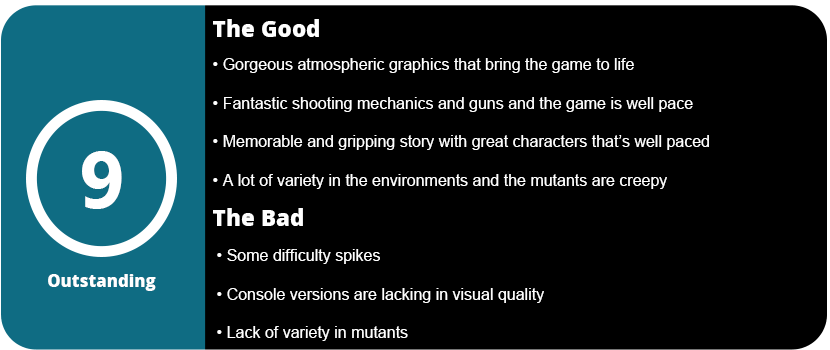
Metro 2033 was one of the most atmospheric shooters in the past decade. It had an excellent story, great characters, and solid shooting action. It just wasn’t paced very well, and the stealth sections nearly ruined the game. That has all been fixed in Last Light; this is one of the best shooter and horror games to come out in a long time.
You play, once again, as Artyom. Set in the post-apocalyptic Russian underground metro system, the creatures, radiation, and violent storms have driven everyone underground. Life isn’t so simple. After Artyom launched the missiles on the Dark One’s nest, the war against the communists is getting more heated. The only way to stop this war is to find the last surviving Dark One and use it against President Moskvin to stop the war from destroying the last humans on Earth.
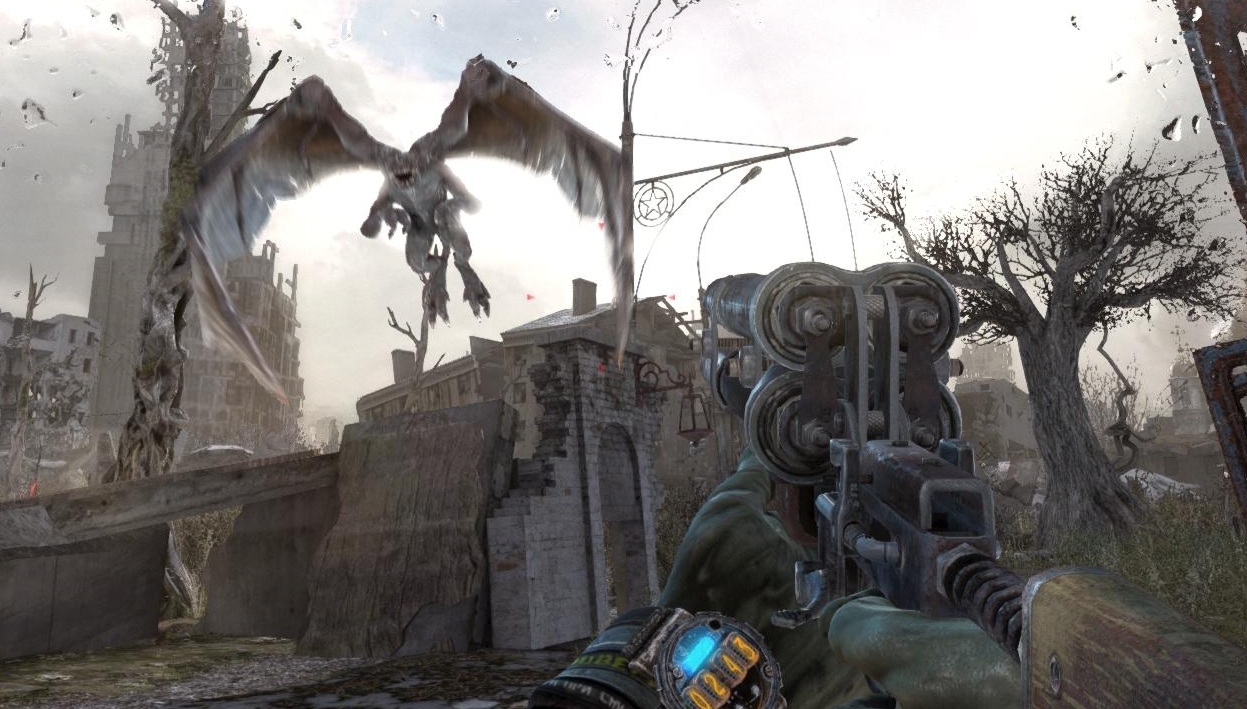
The game is more about Artyom’s journey than the overarching story. The game is broken up into underground sections, stealth, top-side sections, boss fights, on-rails stuff, and then safe cities. The atmosphere in this game is just phenomenal. Never in a shooter—in a long time anyway—have I felt actually afraid. When you’re underground in these dark, decrepit tunnels and you’re hearing strange sounds all around, you get really scared. These sections last for minutes rather than seconds, like most shooters. They let you marinate in this dark, frightening atmosphere. Sometimes your flashlight won’t work, and you just have to use your lighter to see. The monsters are terrifying because they look so close to what they once were—just mutated. This plays out through the entire game, and it’s very tense.
You can carry three weapons with you at all times. They are all great weapons to shoot because some of them are kind of slapped together with parts. The Bastard is an interesting side-loading machine gun; it gets jammed often, and you have to be careful. Ammo is scarce, and you must make sure you save your military-grade bullets to buy ammo and better weapons along with attachments. Once you get to a city, it’s like a breath of fresh air. After being in such a scary situation, you are so relieved to see civilization. There are some throwable objects at your disposal, like bombs, incendiary flares, knives for stealth, and then you have med syringes. You get night vision goggles later on, and you have to use your charger to keep your flashlight and goggles powered on. When you’re on the surface, you must wear a mask, and you need to find filters to continue breathing. Artyom can also wipe his mask when things get blurred out. This is a fantastic mechanic—a wipe mask button—and it just adds to the feeling of survival. If you get hit too much, your mask breaks and you can’t breathe.
While I stuck with mostly the same guns throughout the game, you always feel slightly underpowered. The monsters are vicious and dangerous, and you can’t take them all on at once. Sometimes stealth is the best option, and it’s so much better. AI doesn’t detect you a mile away, and you can stealth kill easily with your throwing knives or from behind. The levels are laid out much better, and you get a sense of accomplishment when you get through a level for the first time. The pacing is fantastic, and I just couldn’t put the controller down; it was that good.
The graphics are some of the best out there. On consoles, it actually ruins the atmosphere because a lot of stuff is taken out due to the underpowered hardware. On PC, the game jumps to life with mind-blowing lighting effects, super-high-resolution textures, and various other things that actually severely downgrade the experience on consoles. Last Light is one of those games where graphics are a huge part of the experience. The lighting, textures, depth of field, all that stuff makes the game just come to life. You have to play it to experience it. I honestly have to say that you won’t get the same experience on consoles as you will on PCs. If you buy the PC version, you also get the Metro 2033 eBook for free.
Overall, Last Light is one of the most intense and frightening shooters made in the past decade; nothing comes close. The sheer terror you feel when Artyom is breathing heavily in his mask, blood and mud are dripping down your mask, and your watch says you only have 90 seconds of filter life left. Mutants are after you, and if you panic and run to find filters, then you have to turn and face them. With the destroyed world around you, you are constantly reminded that this was once a habitable place. You walk through buses and planes with skeletons in the seats and apartment buildings with ghosts that haunt them. Anyone who wants to feel survival horror, don’t play Resident Evil or Silent Hill; Last Light is your one-way ticket.
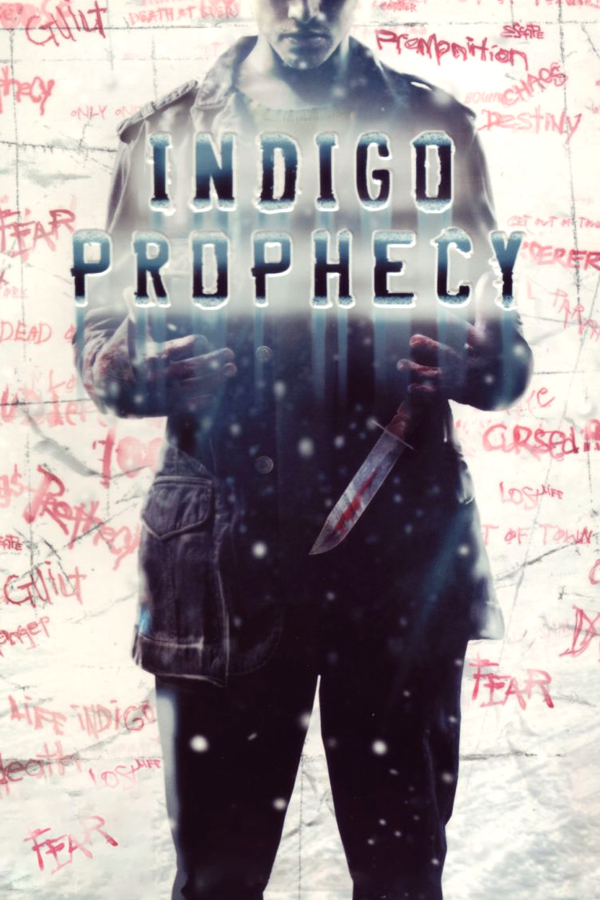
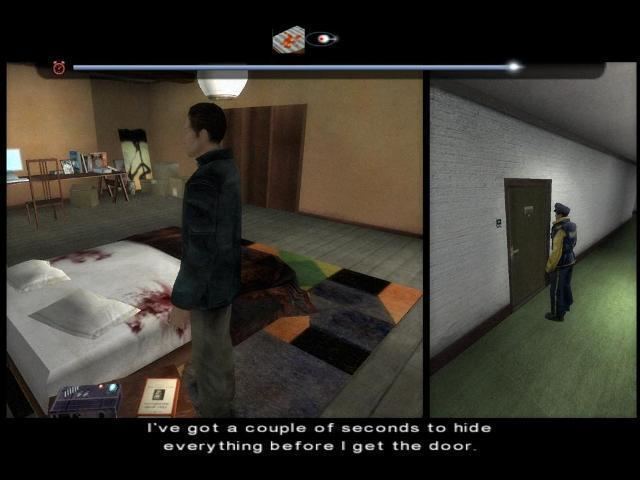
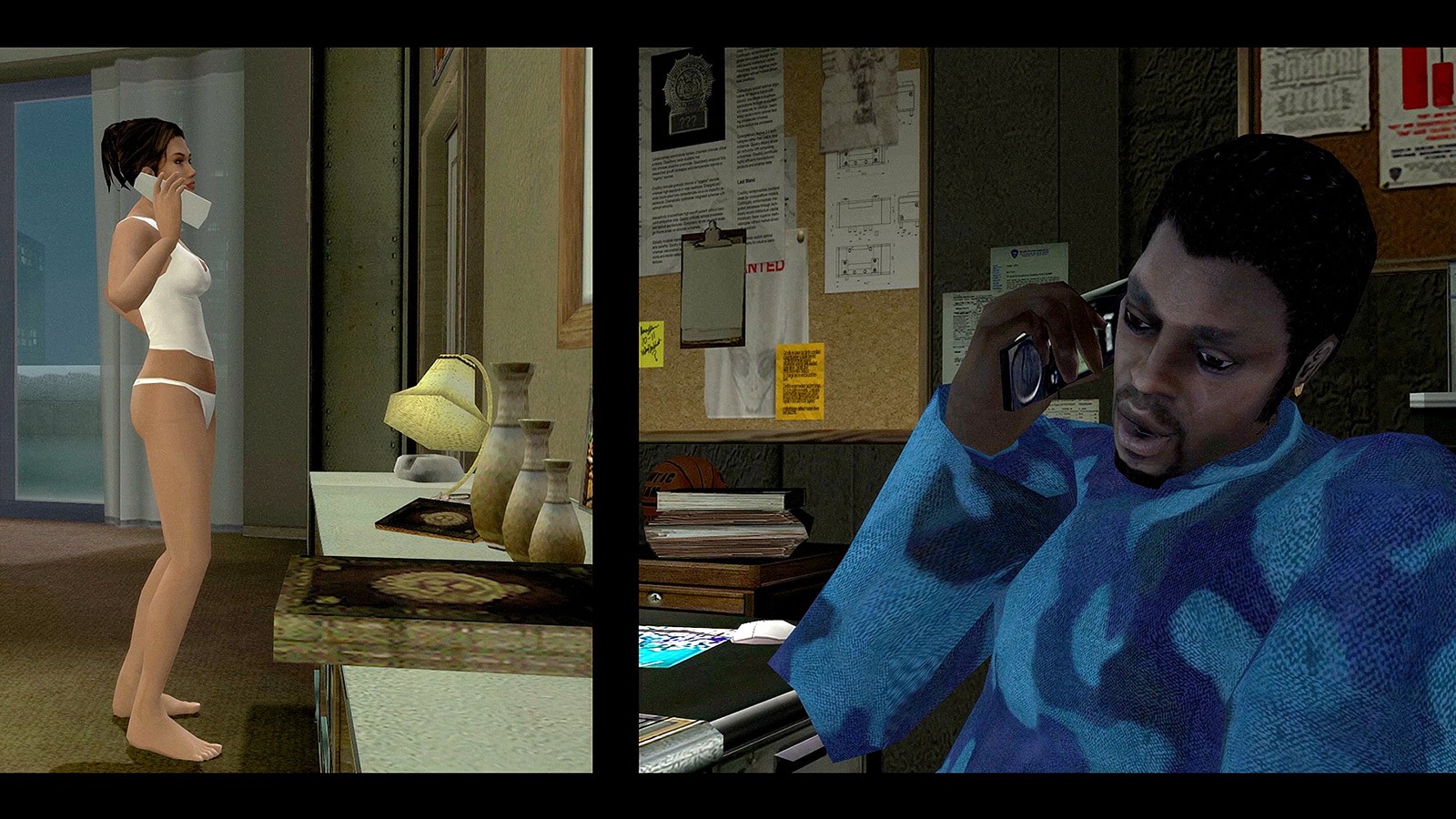
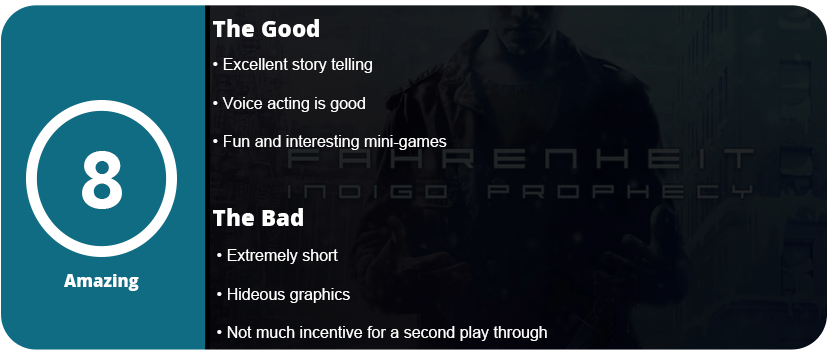
Games these days lack much of a story, and thankfully Indigo Prophecy takes up some of that slack. About 80% of Indigo Prophecy is just storytelling with excellent voice acting. The majority of the game has you walking around places looking for clues to solve simple puzzles. This is done with the thumbstick moving, so it makes you feel like you’re “really picking objects up.” A good example is when you have to sit down: you just push the right thumbstick down (an icon will appear on the top of the screen to show what you are going to do and what move to make). The other half of the game is made up of mini-games with the timed thumb stick moving (think of Simon Says) and L+R alternations. Yeah, it doesn’t sound exciting, but it really works, and these ideas are implemented well with the ideas attached to them.
On the story side, it’s very complex and well-executed. You play Lucas Kane, who is convicted of a murder he didn’t commit. You play as the two cops investigating the crime as well. The whole purpose of the game is the idea of playing chess against yourself. You can decide how the game is played out, and actions you take early on will affect things later on. You really notice this too, because later on, you’ll say, “Oh man, I shouldn’t have done that earlier!” The game’s pace flows smoothly, and everything eventually comes together.
Between each scene in the game, you can choose which character you’ll play next, and this also determines the outcome. Some parts are also timed, so you have a certain amount of time to hide, collect, and hide evidence. If you miss one piece of evidence and someone comes to ask you questions, they’ll see it and get suspicious. This, in turn, raises their suspicion meter, and you must make the right choices so you don’t get busted. You also have a mental health gauge that lets you know how your character is feeling. Your choices will determine whether or not they become happier or more and more depressed, leaning toward suicide. You can do things like go to the bathroom, drink something, or even just make the right choice in a conversation to raise or lower this gauge. This plays a key role in certain scenes because some choices will completely drain your meter, so you end up turning yourself in. The game is constantly changing from Lucas’ childhood flashbacks, and the three separate characters keep things interesting.
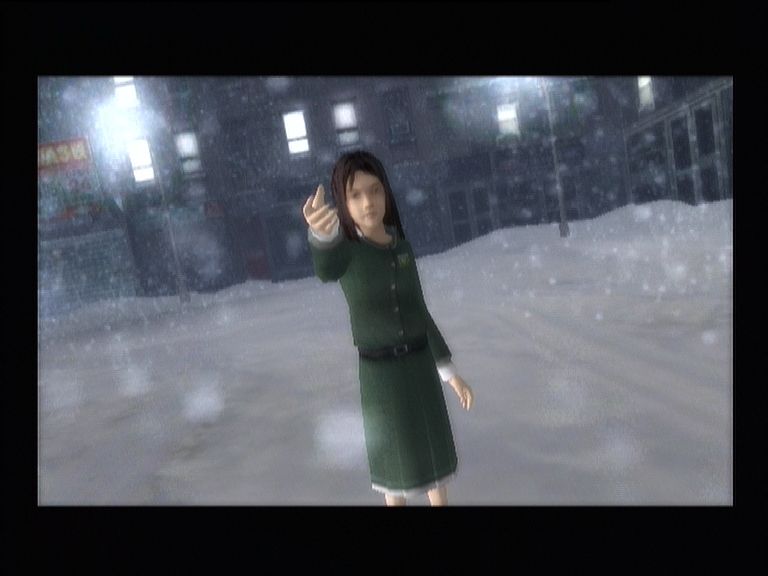
Thankfully, you can beat the game in about 6–8 hours, so you won’t get too bored with these concepts. For a short time, they work well and will keep you hooked until the very end. The great storytelling and excellent voice acting keep you hooked. Now, a huge downside is that the game is hideous. The animations are stiff, and the textures are flat, dull, muddy, and just downright ugly. The game looks like a PS2 launch title; that’s how bad it looks. I played the PS2 version back when it came out, and that version had some slowdown, but the Xbox version is just as ugly. There are some extras here, such as making videos, galleries, and a soundtrack (which is really good). You can unlock these by finding bonus cards in the game, but don’t worry—one playthrough and you’ll get more points than you need to unlock everything. I highly suggest IP if you really want a good story. I also suggest picking this up at a game store because you can get it for less than $10 now!!! Xbox Originals charges you $15, so be warned!!

























































 thebinarymessiah.com
Try multiplayer. A lot of fun !