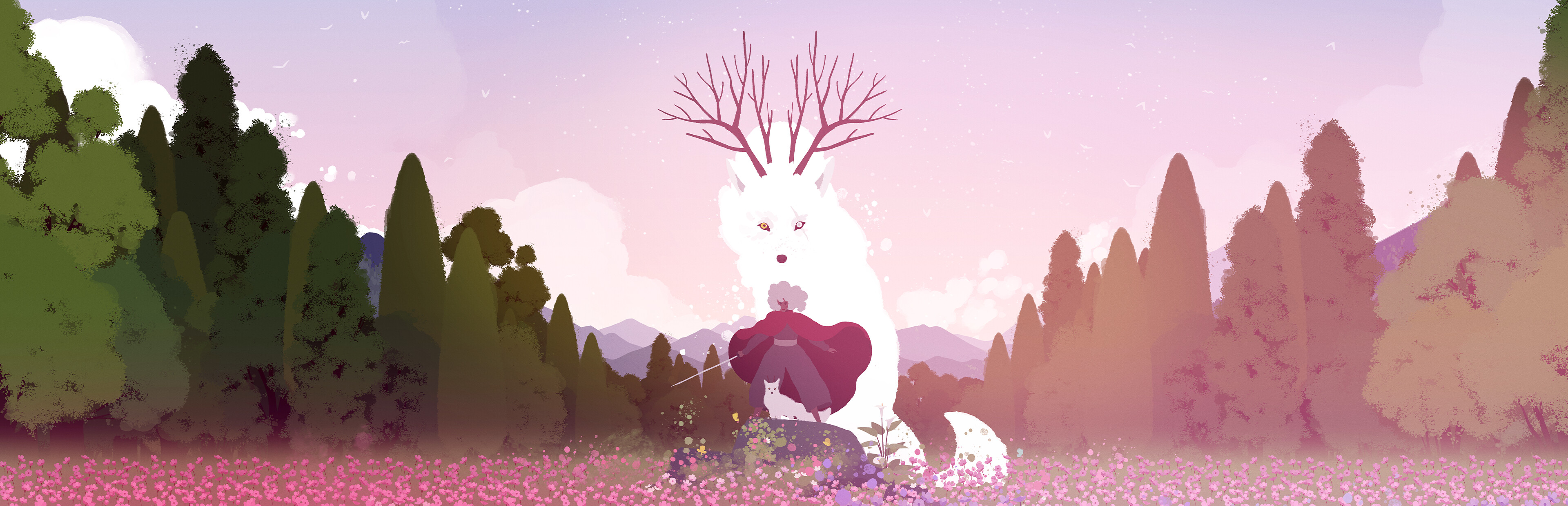
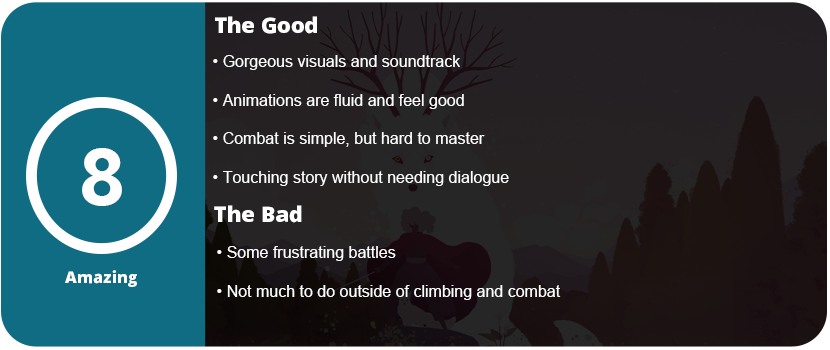
The quality of minimalist games varies greatly. Games like Gris, Planet Lana, Inside, Little Nightmares, etc. are sidescrolling titles that have a focus on one or two things. Visuals alone typically tell the story, which can be challenging to master. Neva seems to nail the story, which is rare for these types of games. The only voice acting in the game is Alba, your character, who grunts and calls out Neva’s name. Neva, a dog or wolf god, is fighting back against a blight that has swept the land. Everything has been overtaken by black goo disguised in strange white masks, and your mission is to uncover the cause of this calamity before it destroys all life on the planet.
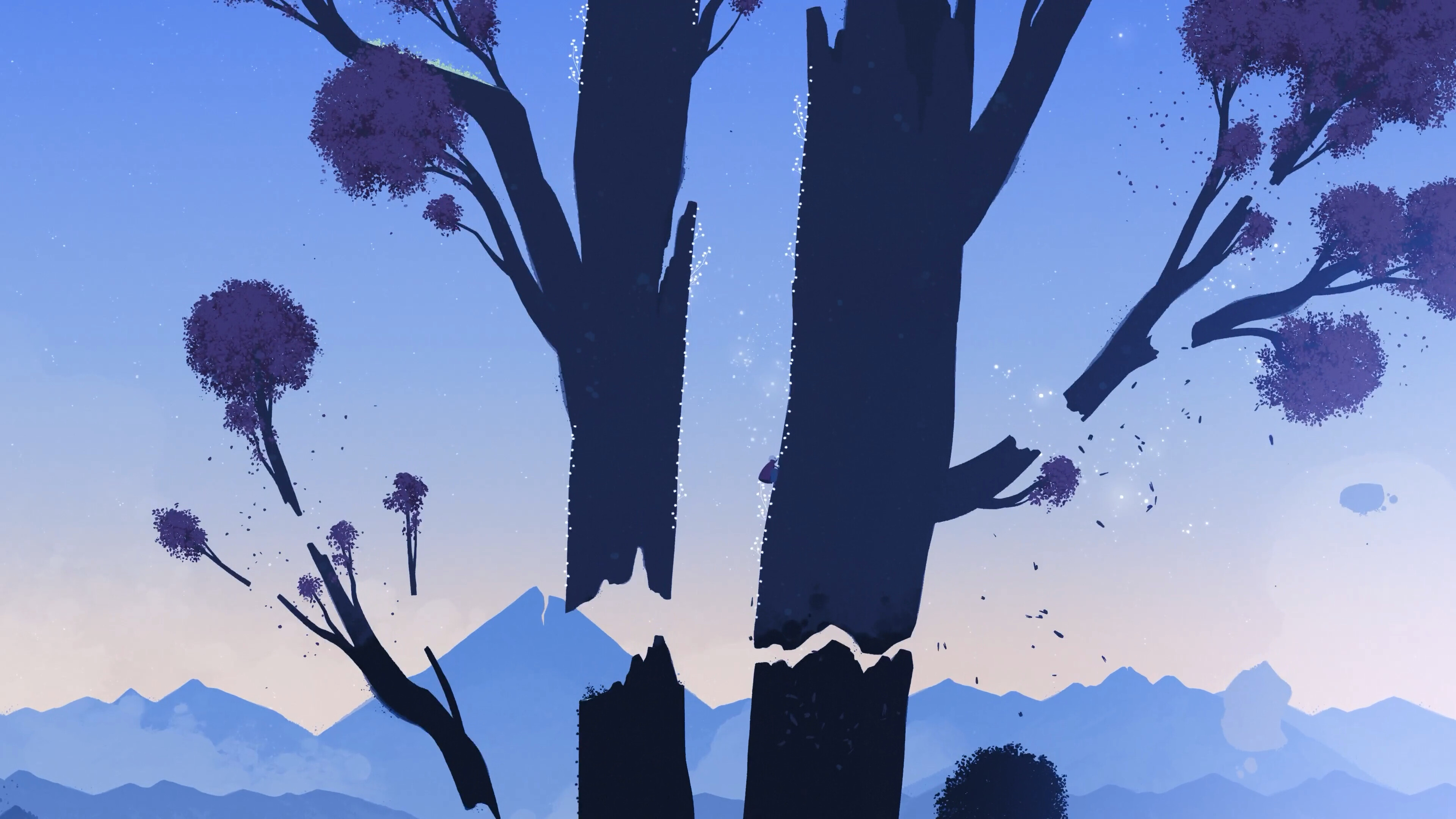
The story requires a lot of player interpretation, but it’s quite obvious what is going on. We don’t have names, lore, history, or anything like that, but it’s an obvious good vs. evil story, and Alba obviously has a strong bond and love for this God, Neva. There are ups and downs, close calls, and tragedies in the story as you fight your way through everything. I don’t want to spoil anything, but the story is very touching. The gorgeous animations and art mixed with the astounding soundtrack by Berlinist will wrench a couple of tears from you; it nearly did for me. Most of the game focuses on skilled platforming with triple jumps and some puzzles here and there. There are also some extras you can collect, but they require a bit of thinking, and some of the most advanced platforming in the game requiring surgical precision on distance and height.
The game uses white to indicate what you can do. Bright white lines adorn climbable platforms and walls. At times, you must solve puzzles by striking white gongs, which can move platforms in various ways. As the game progresses, these challenges escalate in complexity, yet they remain surmountable. The game consistently introduces new elements to the player, leaving me astonished each time. Just when I thought I saw everything the game had to offer, something new came along. At times, you can ride Neva and use her for combat; new enemies will emerge, surprising you with their unique fighting styles. Even some puzzles will be enemies themselves. One of my primary concerns with brief games such as these is that they reveal all their features within the initial hour, leaving you trapped in an endless loop of gameplay that quickly loses its allure. Neva consistently introduces new elements or modifies familiar elements to keep you engaged. I love this so much.
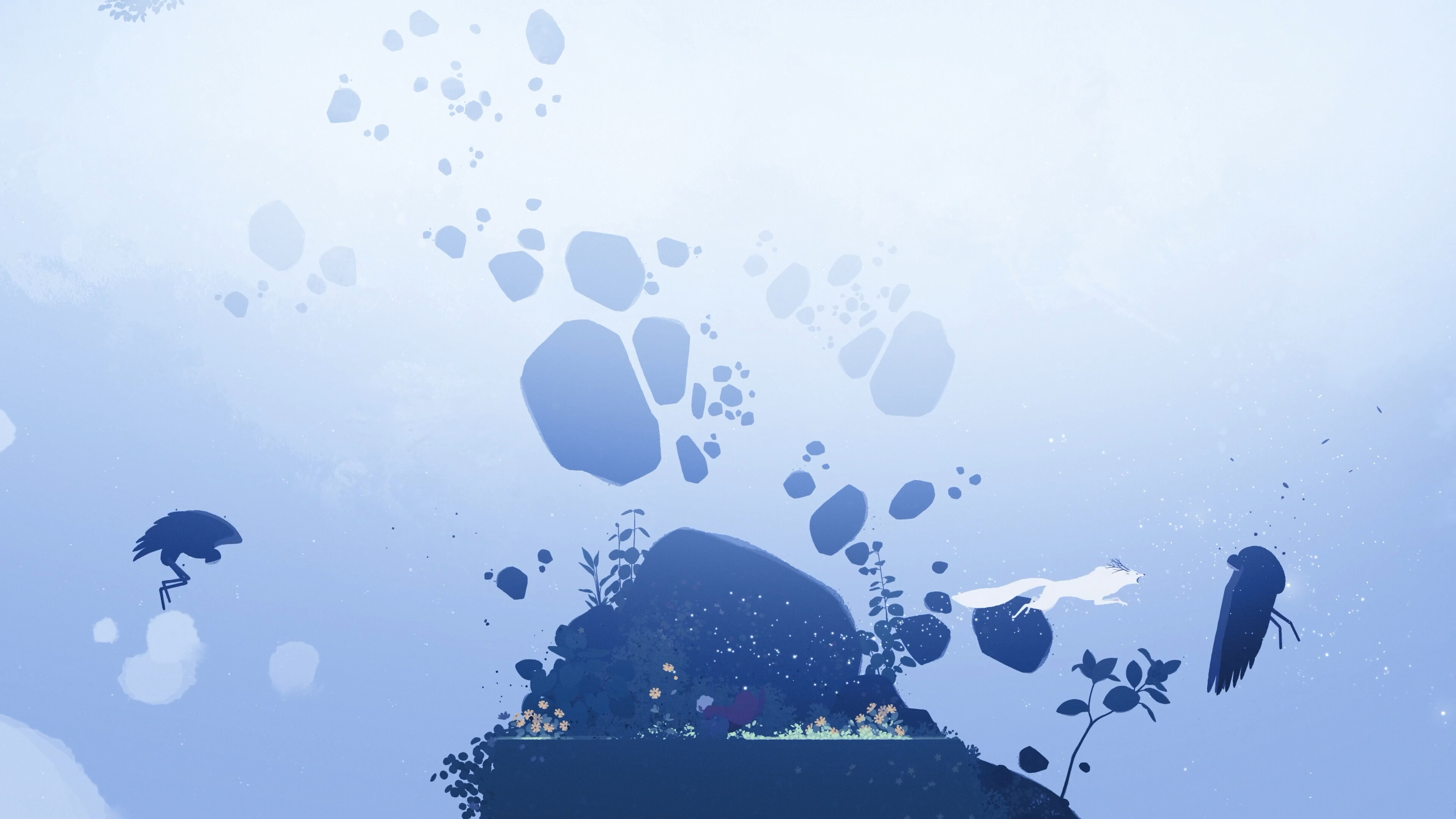
Combat is simple as it contains only a three-hit combo, but the enemies are the real challenge. You must learn their patterns and attack animations, and then dodge, jump, and attack accordingly. As previously mentioned, the game introduces new enemies in unique ways. You can roll through enemies and some of their projectiles, but some might be in the air, some might throw things, and some might be huge, including bosses. In some fights, you can use Neva to stun enemies, which can be advantageous. However, in other fights, Neva may not be available, resulting in reduced damage and a reliance on pure skill. Some fights were so tough I restarted over a dozen times because my timing was off. Multiple enemies pose a real challenge, and the game lulls you into a false sense of security early on—that the combat is simple and easy and something you don’t need to focus on.
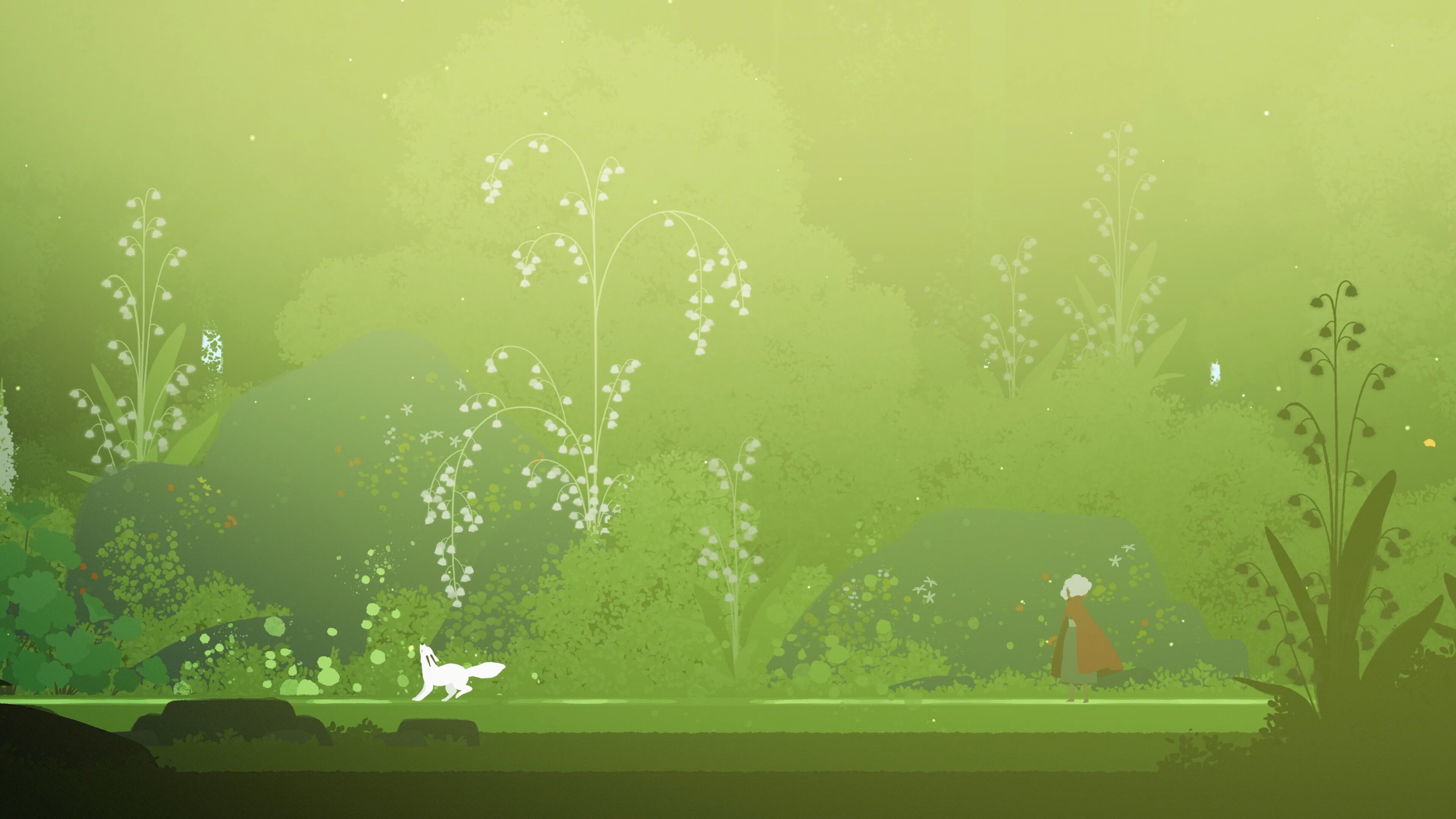
The game never becomes dull or boring because everything, including the scenery, is constantly changing. The game is absolutely stunning to look at with so much color and vibrant displays of black. Playing with an OLED screen is a must, as the colors pop and come to life. The game’s short duration of about 4–5 hours may turn most people away, but the sheer variety of what’s changed up with so few enemies and a simple gameplay loop is superbly done. I couldn’t put the game down, as I wanted to see these two succeed and find out what caused this blight in the world of Neva. The game and its characters are truly captivating, and I eagerly anticipate more.
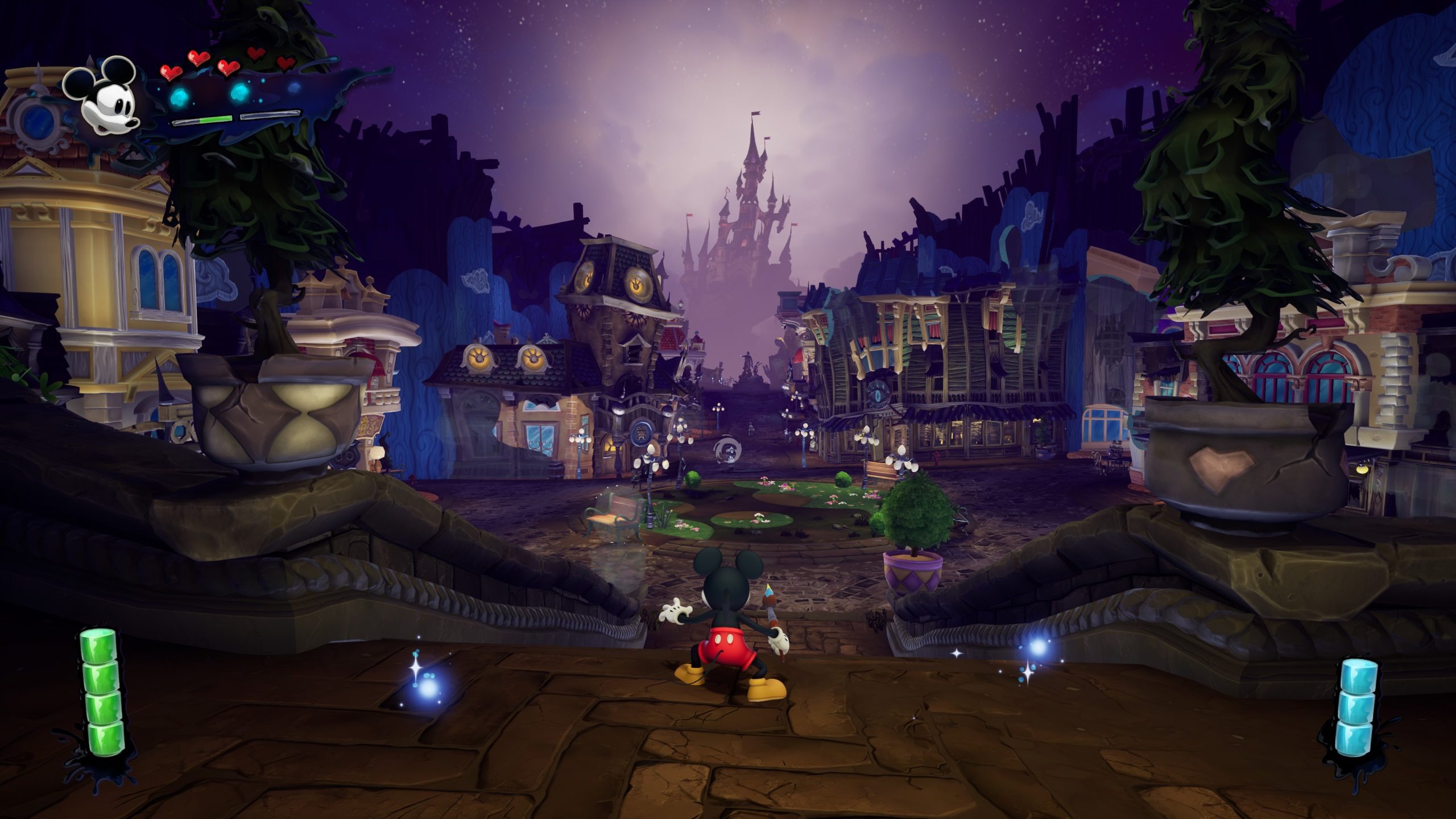
Disney has a long and dark history with video game studios and the entire industry in general. Many developers and studios want more creative freedom with the property, and Disney constantly holds their hand and shoots down great ideas. Warren Specter, the creator of Deus Ex and the infamous flop Tabula Rasa, aimed to explore a new genre of games and create a dark Disney fantasy game. However, the Wii version he produced was a disjointed mess. The game’s ambition exceeded the capabilities of the console it was designed for, yet its release came too late for the company. Disney wasn’t pleased with the poor sales of the game and weak reception. The biggest issue that Epic Mickey faced was the terrible camera, and this game needs constant camera work to play correctly.
Epic Mickey is a strange game still. It takes some time to fully understand the game. It doesn’t play like a typical platformer and aims to be something else. I wanted to immediately explore, collect, and paint, but the game doesn’t let you do much of this early on. The game takes place in the Fantasia universe of Mickey, where he serves as The Apprentice to the Sorcerer. The Sorcerer created a world, and Mickey got curious one night and dumped a bunch of thinner inside and went and hid. As time passed, the consequences eventually caught up with him, and now Mickey finds himself inside this world, armed with the magic paintbrush. There’s a light and dark theme that has you using Paint or Thin enemies and bosses to get a different ending. When you defeat each boss, this will also determine which side receives more tank upgrades.
Once you get past the prologue, the game opens up a tiny bit. There is a main hub town that requires Sparks to open new portals to one of the five worlds. Players can find Sparks in the world or through the completion of both side and main quests. This is where the game gets a little frustrating, as side quests are missable. Each world features a primary hub area, but once you complete that world, you can no longer access the subsequent areas. I found it annoying not knowing that part of a quest was here, and once I finished, I was told the quest can no longer be completed. Most quests are tedious fetch quests, and obtaining a Platinum trophy doesn’t necessitate collecting every item. I found this very odd as well, as it feels there’s no point to 100% the game. You only need to finish maybe 70% of the side content to get every achievement or trophy.
Navigating through the cramped levels feels strange. Areas with outlines require painting, and areas with brighter and vivid colors can be thinned. To create platforms, locate hidden chests containing pins, and navigate the area, you must undertake this task. Certain side quests require painting specific objects, a fun but underutilized mechanic. Early on in the game, I didn’t use the brush all that much. Many things appeared to require painting, yet there was no justification for it. I noticed numerous buildings and objects with missing parts, but where was the enjoyable “Paint everything for a special item” quest? Maybe for a cool outfit?
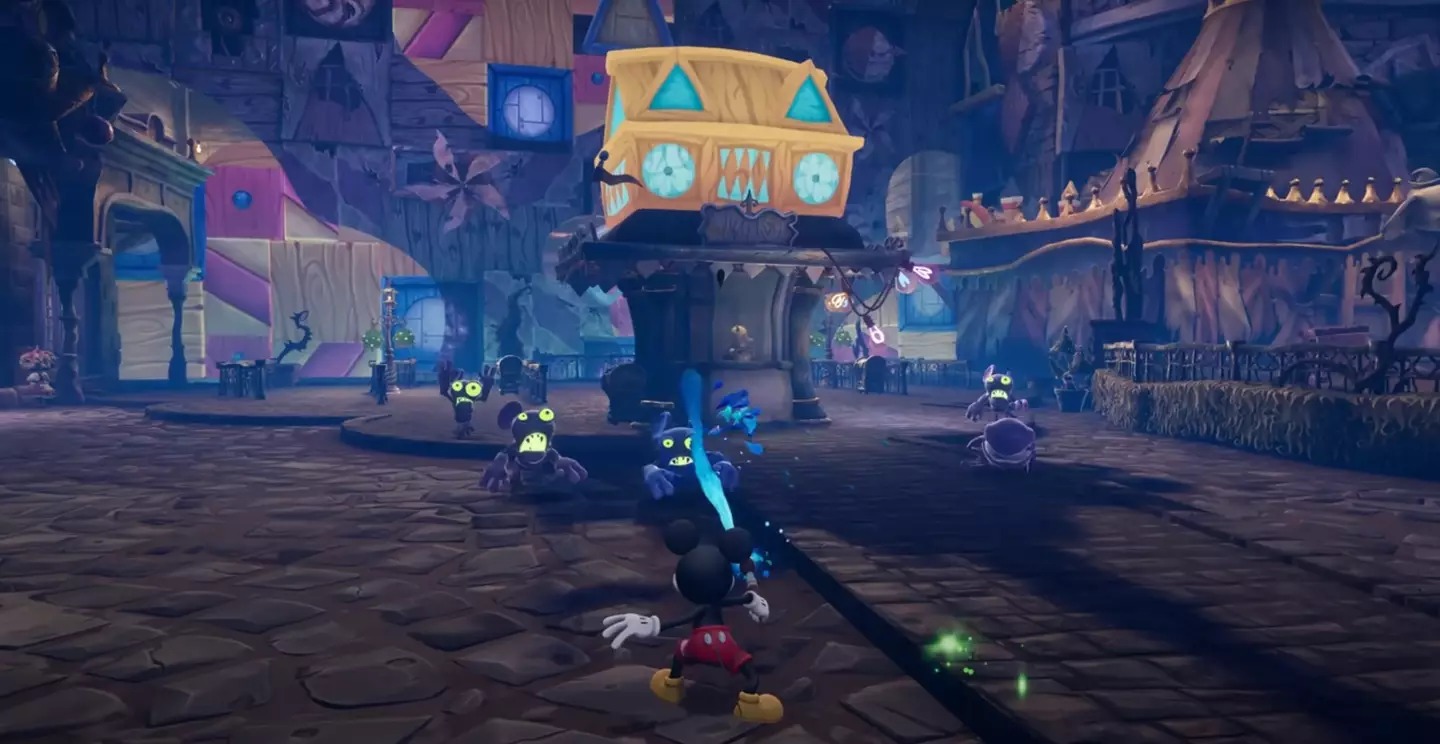
Due to its sparseness and the ability to avoid most enemies, combat is incredibly easy in this game. Depending on the ending you want, you can paint enemies to make them fight for you or thin enemies to make them disappear. If you paint enough, you can send sprites out to “possess” enemies to fight for you, but I never used this feature. The game solely presents challenges in the form of boss fights and animatronics, which necessitate thinning before a physical attack. You can save caged Gremlins to simplify certain aspects of the game, like stopping enemy generators, but the game’s simplicity makes this unnecessary. I found most of the enemies to be annoying and a hindrance to platforming, especially since many would respawn later.
Another puzzling gameplay element were the E-Tickets. These were completely useless. Every so often someone will offer to make something easier to allow you to purchase a spark or something similar for e-tickets. You can purchase items from shops like hearts, tanks, and permanent upgrades, but the availability of these items is limited. Most of the E-Tickets are for concept art, and I always had more E-Tickets than I could ever want. They are scattered throughout the game and have the ability to reappear. At the start of the game, I devoted a significant amount of time to collecting every single one in sight, only to discover that they would reappear upon my return or even upon my death. I would have liked to spend more tickets on outfits or customization options like paint color or brush type.
For the most part, Mickey’s momentum and physics feel good. He’s a bit floaty, especially in the 2D levels, but it works. Mickey can do a jump and slam move, a spin move, and a triple jump. The more advanced platforming sections present the biggest challenge in the game, but they also offer the most enjoyment. You can complete the 2D levels, which are transition levels, in around 30 seconds. Each level features concept art and two film reels. You use these to unlock items at the cinema, with approximately 64 available throughout the entire game. However, you only need half of these for the achievement, and permanent upgrades aren’t really necessary. Halfway through the game, you receive various items such as a TV to distract enemies, a clock to slow down time, and an anvil to crush enemies, among others. I never used these except on rare occasions, as combat is mostly avoidable. With the exception of a few puzzles and boss fights, I rarely used these.
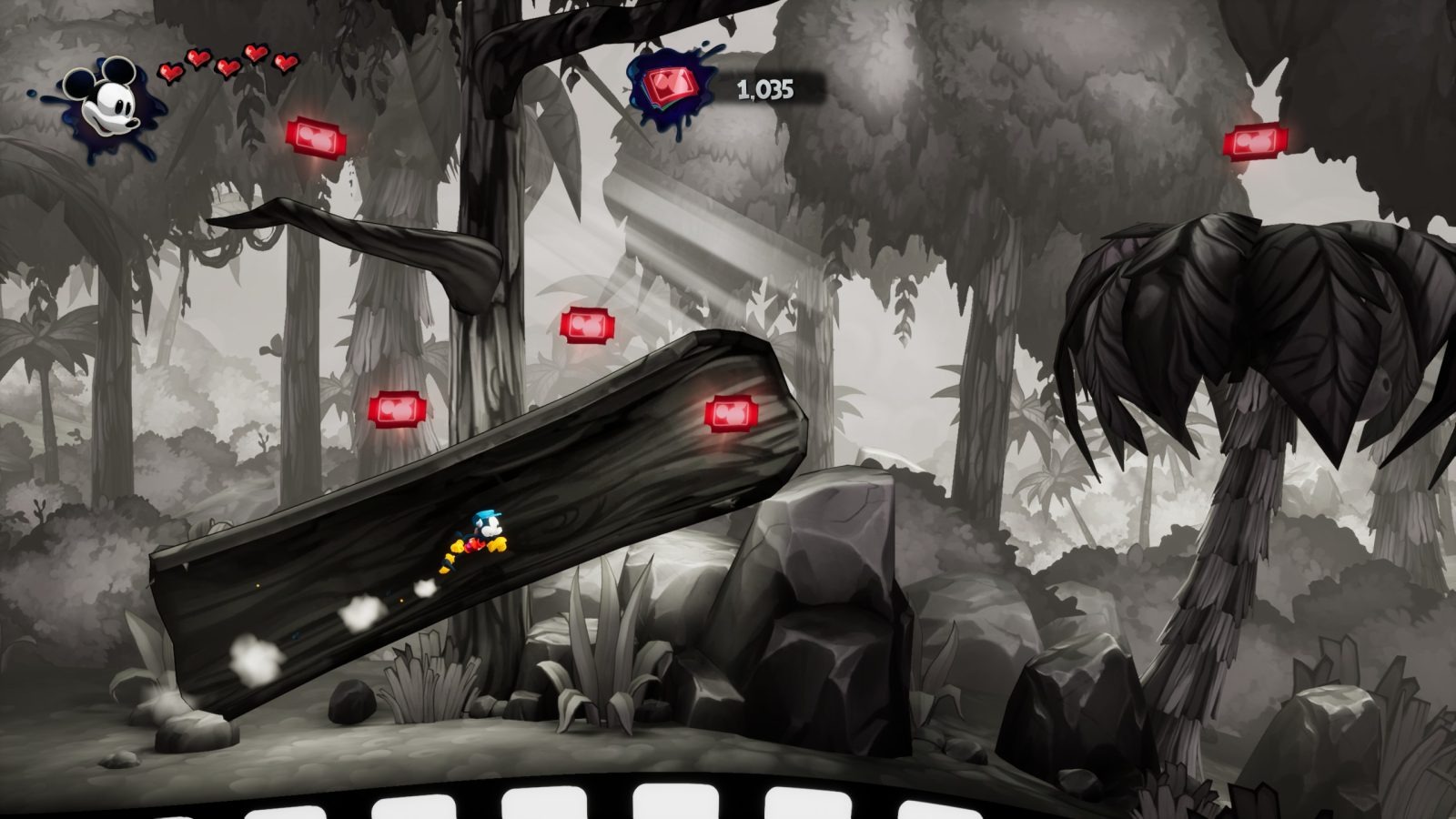
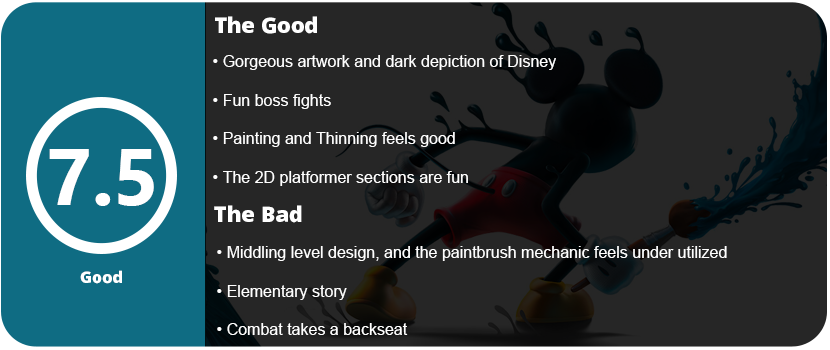
The visuals are fantastic, with some of the darkest for a Disney title to date. There are numerous melancholic landscapes in black and white, blending dark hues with sporadic bursts of brightness. Everything appears perilous and gloomy, yet it maintains a striking beauty. Unfortunately, most of the game’s content is forgotten much like its characters. Platforming takes precedence over combat, painting, and a cohesive level design. Only boss fights and a few puzzles provide occasional challenges. Navigating levels is a bit of a nightmare due to their haphazard design and layout. Purple Lamp did a great job fixing what they had to work with from the original game, but it needs more, and I doubt we will ever get it. The story isn’t even enough to bring the game up a notch or two, as it’s elementary and childish, which is in stark contrast to the tone of the entire game. It feels like a Saturday morning cartoon story that would put a toddler to sleep, which is a crying shame. Overall, it’s well worth a playthrough for platformer and Disney fans. If you hated the original, this might just be enough to change your mind.
“They actually did it!”, I exclaimed. As soon as I saw the opening scene and played the first 20 minutes of the game, my jaw dropped. I don’t know what happened, but Bloober Team, against all odds, managed to make one of the greatest remakes of all time and put Silent Hill back on the road to recovery. Following the disappointing releases of Downpour and Book of Memories, along with the subpar HD ports of Silent Hill 2 and 3, many people dismissed the series. The previews for Silent Hill 2 were quite unimpressive, giving the impression that Bloober was concealing a potentially terrible game. However, it’s also possible that they were concealing the game’s true quality to surprise everyone. It’s hard to say, but the game is far from lazy.
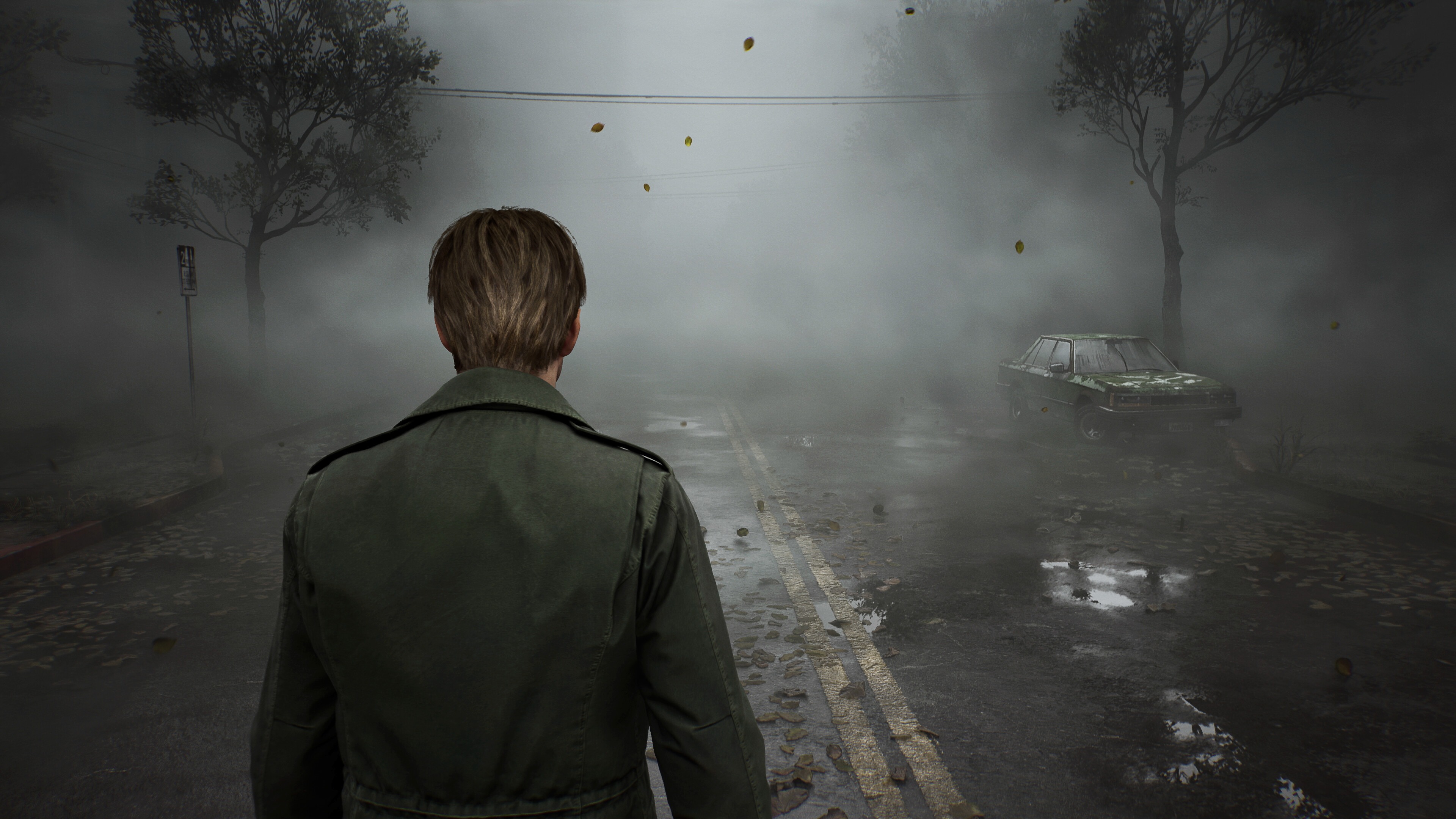
If you played the original game on either PC, Xbox, or PS2, then you are in for a treat. For those who haven’t: Welcome to Silent Hill. This is undoubtedly one of the most terrifying games I’ve played in recent years, and the utilization of Unreal Engine 5 brought me immense relief. The effects that Bloober used here would not have been possible with UE4. The ray-tracing, lighting effects, fog, and insanely detailed texture work are gorgeous, and I drank in every second of this game. Thank goodness this didn’t come to previous-generation consoles, which would have required UE4. This is truly a next-gen title. A couple of months ago, I had the opportunity to play the fan-made Enhanced Edition for PC, and I can confidently say that Bloober did not opt for a copycat remake. Instead, they infused the game with their unique style, incorporating new areas to enhance gameplay without causing it to feel bloated and monotonous. Bloober has extended some dialogue and cut scenes, resulting in a more organized game overall. I had a blast finding memos, photos, and the new Glimpses to unlock trophies. There is also a New Game+ feature, which is awesome. Although your items don’t carry over, you receive a new chainsaw as a melee weapon and can unlock more endings, including two new ones specifically designed for this game that don’t have trophies attached to them.
The combat and camera are the two biggest deals of the remake. Taking a cue from Resident Evil, they positioned the camera behind James, adding a more cinematic flair that was both much-needed and welcomed. Melee and shooting combat is brand new here, with fantastic enemy designs to kill and squash. The melee combat is punchy, and James delivers his grunts and shouts with a tremendous deal of passion and fervor, resulting in a satisfying experience. The camera will sway and bounce slightly with each swing, and James will hesitate for a split second on the third hit of the combo, committing his entire body to the final swing, creating an impactful crunchy effect. The DualSense controller is essential for this, as it enhances the entire experience, not just during combat. When your radio goes off and an enemy approaches, you can hear it through the controller speaker, and the DualSense vibrates with every crunch, shout, and scream.
The ranged combat is satisfying as well. This game features the same three weapons, and you must use ammo sparingly and wisely. Use melee whenever you can to conserve ammo. You can deal with one or two enemies, but some rooms will throw three or four at you, necessitating shooting. The revolver, rifle, and shotgun all return; ammo for the shotgun and rifle is very rare. Only save them for bosses. You also receive a 2×4 equipped with nails and a lead pipe, which is the only melee weapon available aside from the chainsaw in NG+. My only complaint about the game is that Bloober didn’t incorporate enough weapons in more areas. I would have preferred to see a few more guns, or at the very least, more melee weapons. There’s no upgrade system, but that’s fine, as it’s not needed. Some people may question this. Thankfully, the game provides great feedback when you shoot enemies. For example, hitting a limb will cause them to fall to the ground, and shooting them in the head will cause them to stop in mid-walk. It’s very satisfying, and I have no complaints about the combat system at all.
The game could have potentially deteriorated during the exploration phase. Bloober needed to update how to navigate the game for a modern audience. Silent Hill is known for being cryptic, especially in the puzzle department. There are numerous granular options available for customization. You can customize the combat and puzzle difficulty as well as adjust the HUD as much as you want. The game’s main areas feature a larger central puzzle that players uncover, necessitating the discovery of specific items within that level. Bloober does a competent job guiding the player with lights, blood trails, debris, etc. Additionally, it’s essential to explore each door, as it bears markings identical to the original. This map system has always garnered high esteem and performs exceptionally well here. You won’t get lost easily, and Bloober did a commendable job making every hallway and room stand out. One of the biggest issues with the original game was the abundance of bland-looking rooms and hallways that seemed to always look the same. Bloober added a lot of detail and made every location feel dreadful and haunting. The atmosphere is stunning and truly frightening. I didn’t care for the newly added pushable carts. These never solved any puzzles and felt like pointless filler. When the carts are pushed 6 feet away and into place the handles drop down and lock the cart telling you it’s in the right spot. Climbable areas are marked with white cloth which is a nice touch.
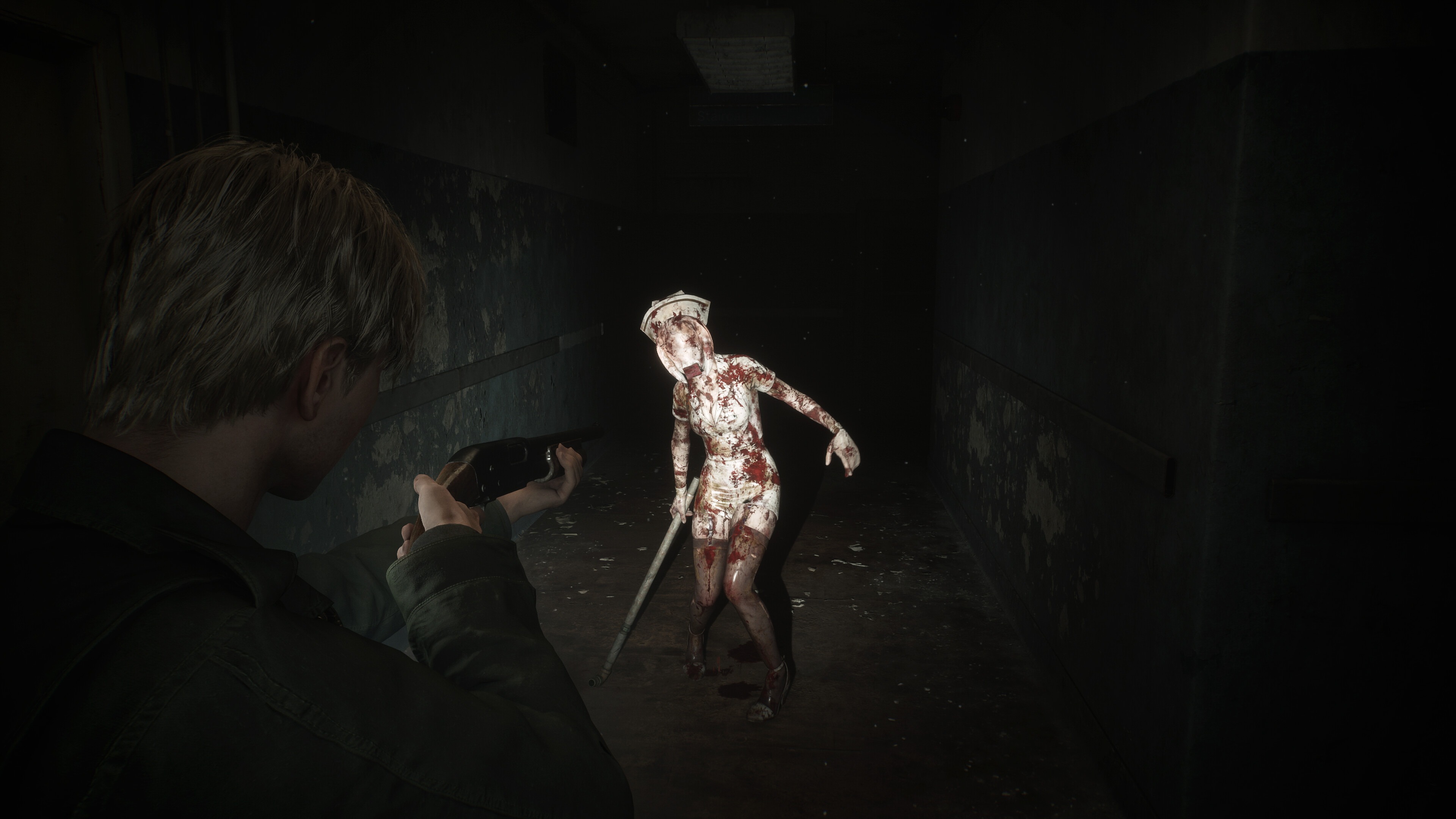
I cannot emphasize enough how significantly Bloober enhanced the atmosphere and feeling of Silent Hill 2. The game features a remastered soundtrack and eerie ambient effects. Upon entering the town for the first time, the majority of players will find it unforgettable. The fog, which is choking and claustrophobic, is accompanied by strange alien sounds that play when enemies are near, random rusty bangs, the scraping of Pyramid Head’s sword on the ground, and fantastic animations of monsters that seem almost human. The distant, dark hallway barely illuminates the contorted bubblehead nurse, who twitches in response to your approach. The flashlight serves as your sole source of hope and comfort. After so long, just stepping back into the foggy town is a sweet reprieve from the cramped and delirious buildings. The Otherworld areas are equally as nightmarish and fear-inducing. You will be on edge during the entire game.
The new voice acting is also phenomenal. While the original voice acting was inconsistent, I was astonished by the exceptional quality of the new rendition. The actors effectively convey every emotion, demonstrating genuine care and commitment to their roles. James sounds sad, lost, and human. Eddie’s actor masterfully portrays his psychosis on the verge of madness. The characters in Silent Hill 2 were few, and their appearances were brief. Some may find this distasteful, as it appears to be a departure from the current practice of creating games with numerous hours of voice acting. The game heavily relies on the players’ interpretation and reading of the memos. The game does not explicitly reveal what is happening to James, what these monsters are, or why Silent Hill is set up the way it is. The town is a character in the game. Silent Hill is known for dabbling in the human psyche and mental psychosis of people.
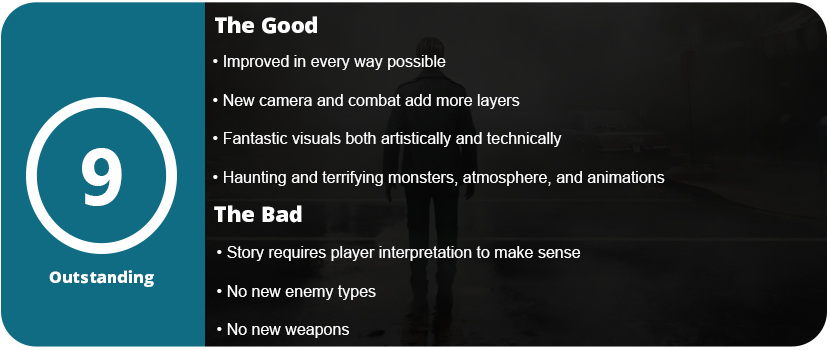
Silent Hill 2 is a surprising love letter to the series, and I fully endorse Bloober doing more remakes and even a new Silent Hill game. They haven’t had the greatest track record in terms of gameplay. Despite the unfavorable reception of Layers of Fear and Blair Witch, they successfully created a captivating experience here. The new camera and combat are punchy and responsive, the visuals are stunning, the added areas are fun, and I honestly didn’t want the game to end. At the end of the game, I felt empty and immediately started a New Game+, something I never do. As a longtime fan of Silent Hill from my childhood, that first game scared me so much that my mom had to return it to the rental store. I greatly appreciate it and can’t wait to see what the future holds.
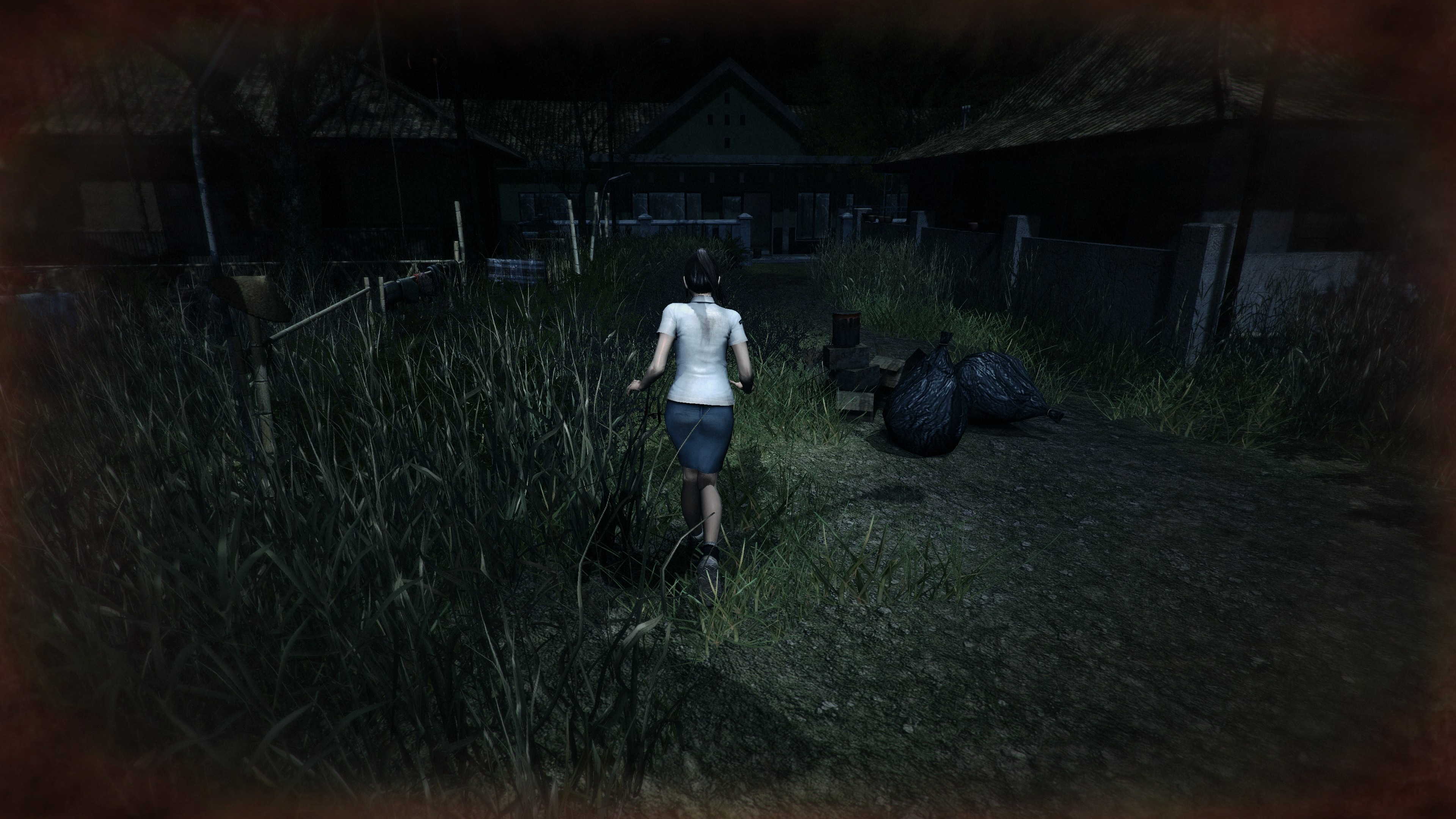
I finally made it around to the last of the trilogy. This latest entry is a huge step up for the series, but if you zoom out and look at the game in comparison to others at the beginning of this generation, it still feels and plays dated. Right off the bat, the game is a massive boost in visual fidelity. The game boasts improved textures, models, and lighting, all of which contribute to its impressive visual appeal, particularly considering its modest budget. The game also has a more cohesive timeline to play through rather than a few random set pieces. There are eight acts in this game, so it’s about as long as the two previous games combined. There is a large hug area you can run around in, and then you can branch off to the different acts as the story progresses.
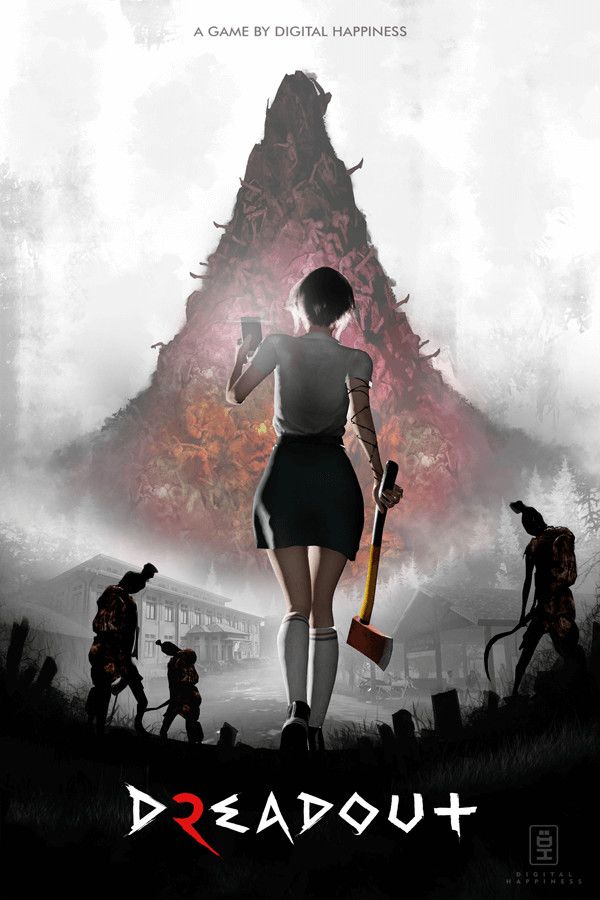
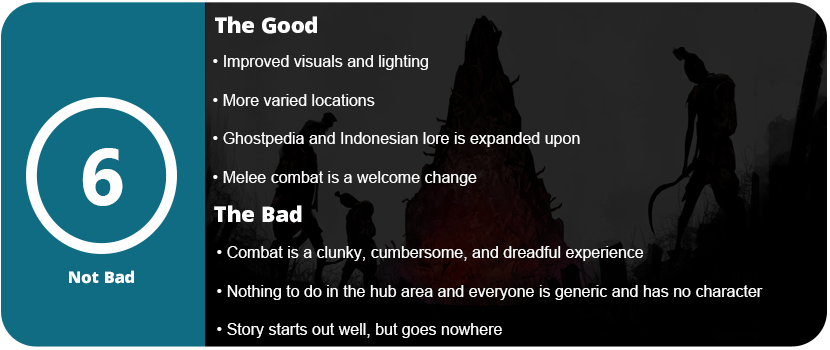
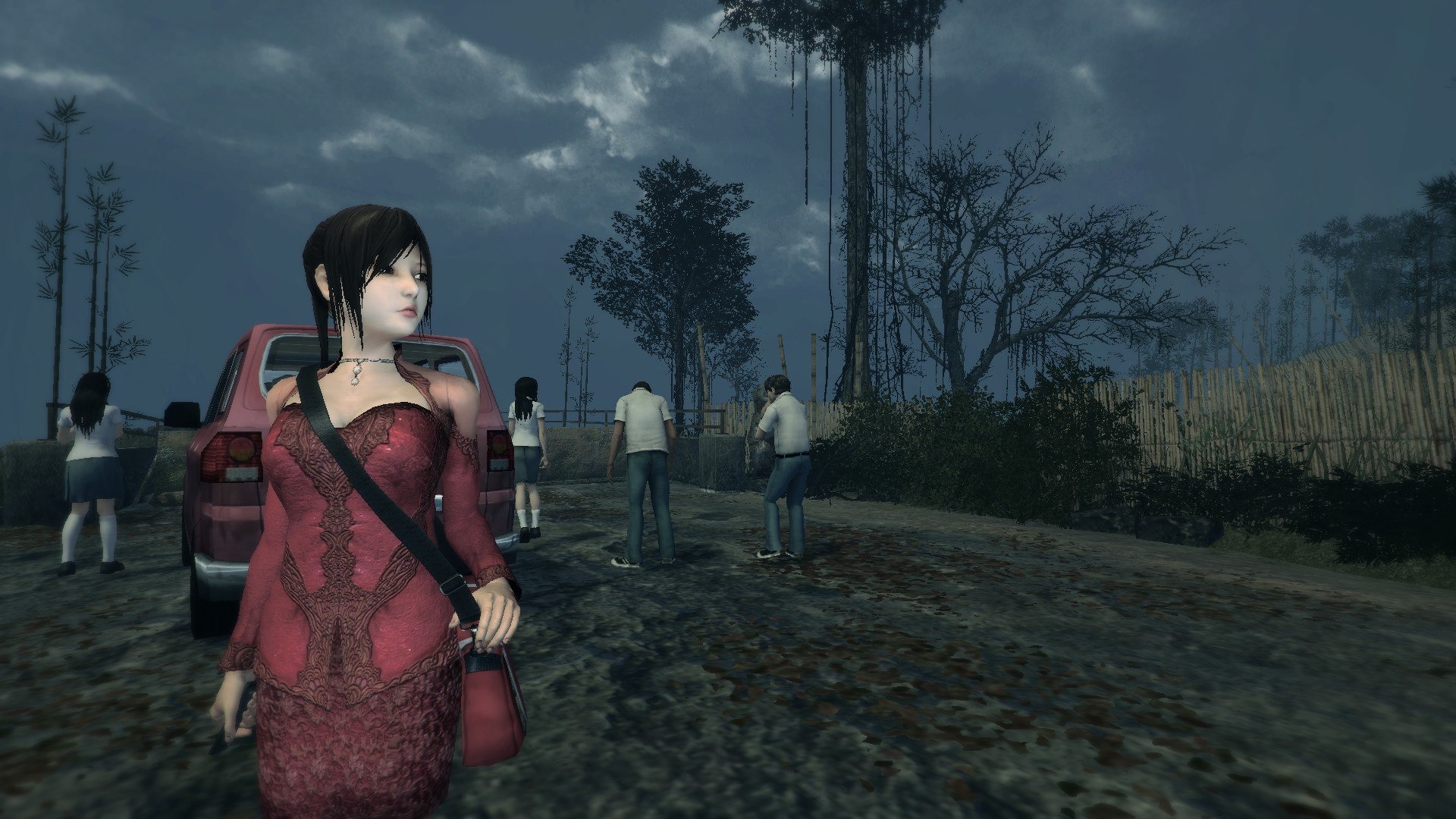
Right off the bat, while this all seems nice, it’s superfluous. The main town, where you wander around, offers only a few hidden urban legends to photograph and two side quests. A chapter unlocks each of the game’s five locations. Linda looks much better, but she has no personality. This was a great opportunity that the developers could have used to make Linda a memorable female horror protagonist, but they didn’t really give her a voice or any character. In fact, everybody in this game feels like a generic JRPG NPC. The ghosts and monsters have more character than they do. This also leads to the same stupid story that makes zero sense. While you can view a “Previously on DreadOut” video, the game doesn’t do anything with this story. I was hoping for an explanation of Linda’s past and the curse that haunts her, but the explanation fell flat, leaving me with a shrug at the game’s conclusion. I can’t delve deeper into it without revealing the limited plot, so don’t expect too much.
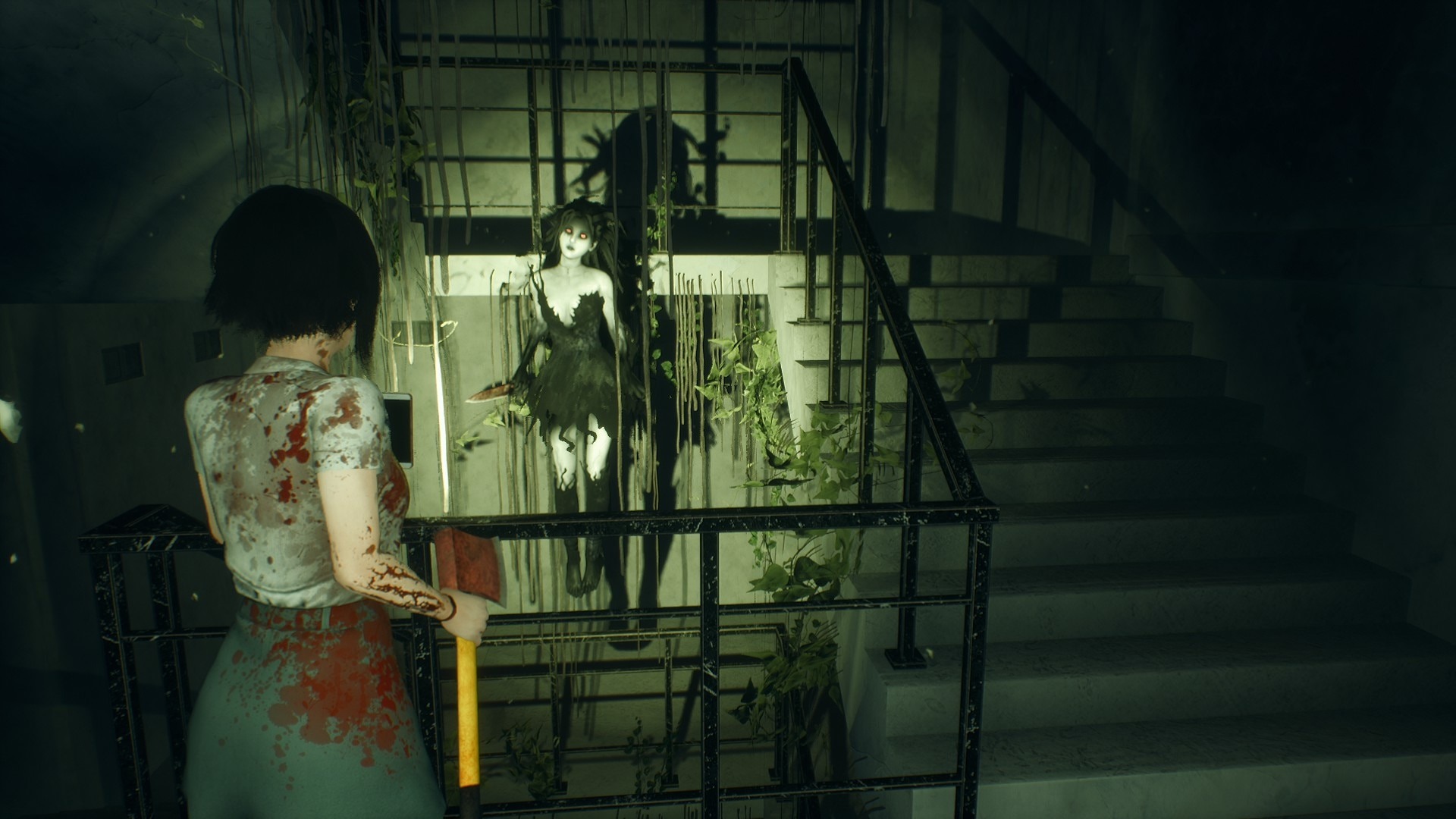
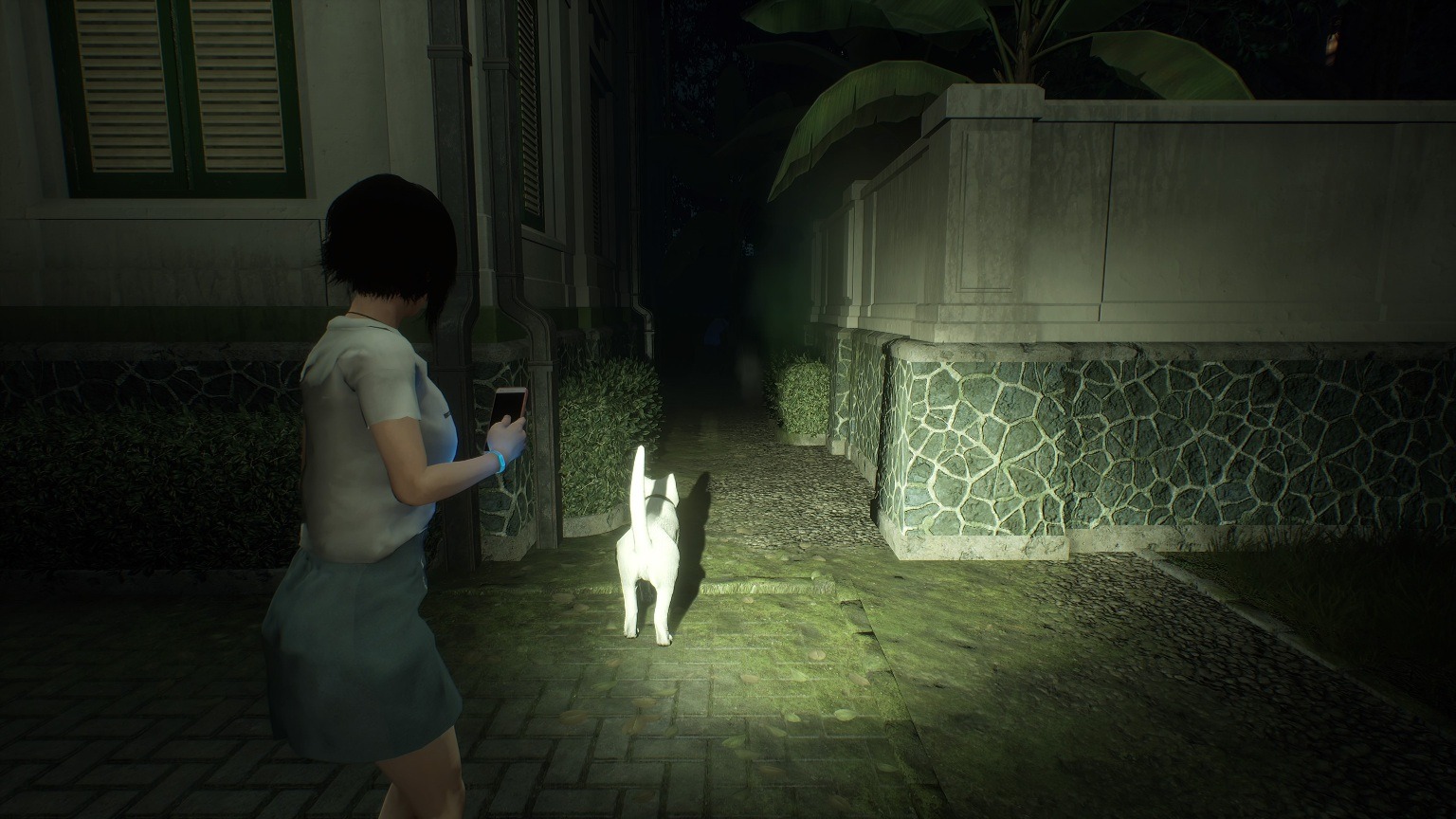
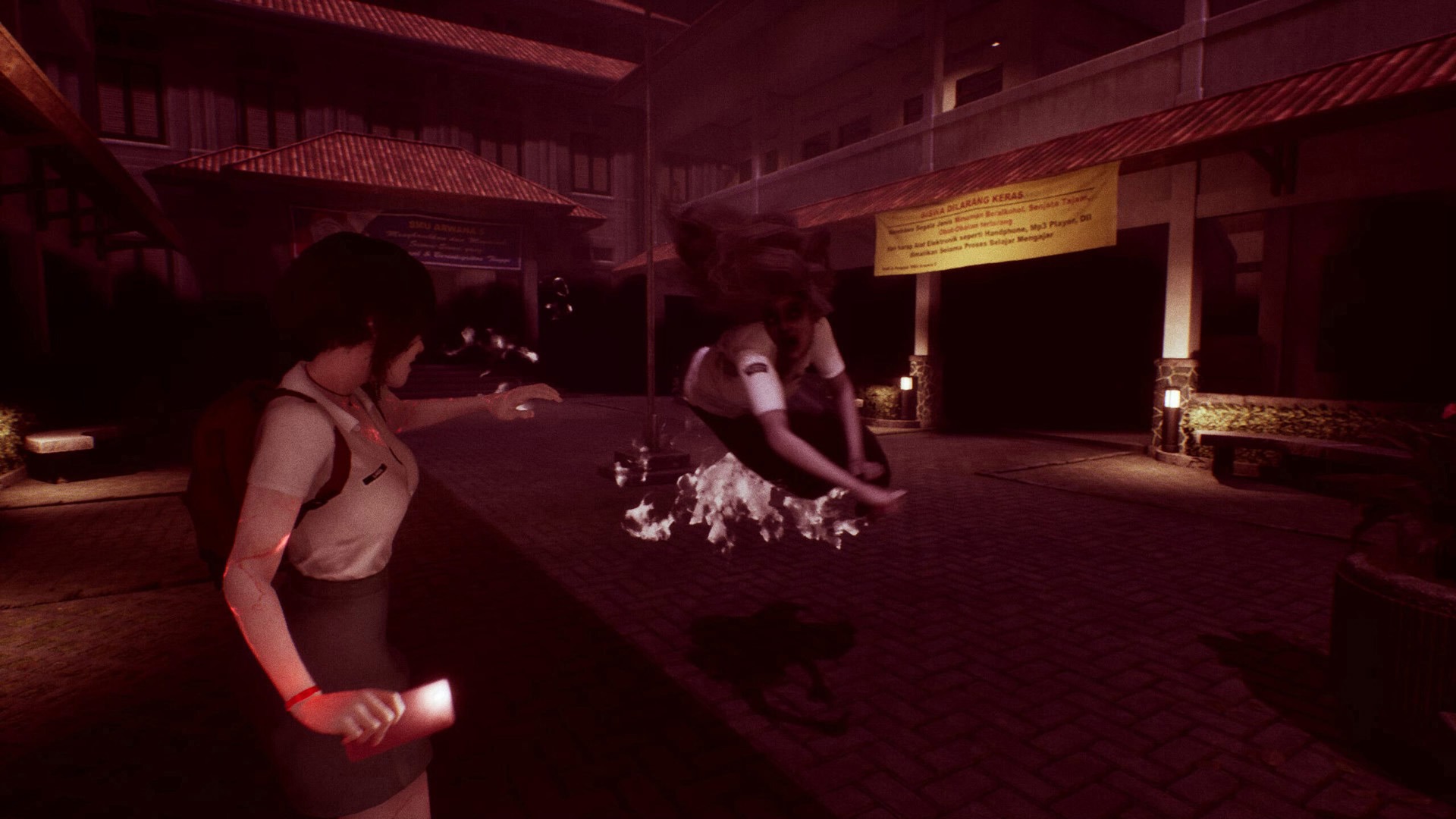
Combat comes in two forms. In the original form, which uses the Irisphone 2.0, you aim at a ghost, and when a “glitch” appears, you can snap a photo to inflict damage. There’s a new feature that lets you hold the shutter button longer to do extra damage. The second form is only available in the “alternate” realms, where Linda can use her phone’s flash to stun enemies and wield a melee weapon. These realms do not allow you to take photos, and there is a greater emphasis on solving simple puzzles. I honestly found the Irisphone combat in the “real” world to be atrocious and frustrating. The ghost’s face has to be perfectly centered in the phone for the glitch to appear, and it only happens for a split second. This time, the game features a greater number of bosses, each with their own unique gameplay style. However, a significant number of these bosses can be so frustrating that many players may abandon the game and never return. Some of the problems include knockback animations that are annoying and there’s still no health meter. The screen slowly turns black and white, and you can hear a heartbeat, but that’s about it. There’s a particular boss in Act Two that had me screaming. Some of these ghosts take 20-30 shots to take down, and Linda has no dodge, parry, or block button.
While combat in the “alternate” realms is better because you can sling your axe everywhere, it’s still clunky and obtuse. Here, the game will throw a lot of enemies at you, and you still have no block, dodge, or parry button. Some enemies have the ability to run faster than Linda, lurching forward in a continuous loop that prevents you from moving far enough to breathe or escaping into a corner. Your health will recover if you run away long enough, but this was mostly noticeable during boss fights. While the game is clunky and cumbersome, it throws things at you, making these fights way more frustrating than they need to be. One particular boss isn’t just a single ghost; more little ghosts spawn and constantly come back. Why did these ghosts spawn? With this Irisphone, I can’t dodge or block, and swinging the axe or getting the shot just right is hard enough. These elements don’t add challenge, but frustration. They only show how flawed the combat system is.
Unfortunately, this time around, most of the game is combat. I did get lost in some larger levels with labyrinthine hallways that all seemed to look the same, which was a problem with the first game, but this wasn’t an issue on every level. Most of the time, I knew where to go because the area was either very linear or had only one path forward. I did explore the area, collected all the urban legends, and filled my Ghostpedia, but the game seemed to lack any meaningful activities. Although the expansion of Indonesian lore and the improved appearance of the monsters are commendable, I believe this series has the potential to achieve more. It wants to be the next big horror title, like Silent Hill, but it has to break through the tropes that the survival horror genre suffers most of the time. If there is a DreadOut 3, it needs better combat, better level design, and a story that makes sense, as well as making Linda a likable character and not just a voiceless generic avatar.
DreadOut 2 is really only for fans of survival horror from the 1990s and early 2000s, as well as those who enjoyed the original games. The game’s visuals have improved more than the gameplay. Combat is horrendously cumbersome, obtuse, and difficult. Some of the boss fights are victims of this mess, which can cause players to throw the game in the trash. The story lacks depth, and the characters resemble generic robotic avatars instead of evolving with an ever-growing series. The game expands upon the Indonesian lore of monsters, urban legends, and ghosts, enhancing their visual appeal, yet the open hub remains empty and bare. The game needs more attention to detail before I will bother with a fourth outing.
Despite being released two years after the original game, you can’t really expect much from Keepers of the Dark. This isn’t so much a sequel as an expansion, but played much differently. Instead of a linear path going forward, you have access to eight “realms,” which are just small sections of the first game recycled. Each realm consists of two ghosts that you must banish, with one serving as the main ghost that must be counted towards the final total to unlock the main large gate in the main hub. This was actually a neat idea, and I liked this game better than the first. While the combat is the main focus of the game, it still works, as you can consider this a boss rush game and only have to deal with one ghost at a time.
Each realm has a variety of items to pick up to make defeating ghosts in other realms easier. For example, you need to find 14 needles to make fighting a ghost in a specific realm much easier. In total, there are four notes to pick up in order to fight an optional ghost in another realm. These items aren’t too difficult to find on your own, as the “realms” are just small linear areas with little space to explore. I still find the stiff animations, the “limbo” death ritual, the sprinting stamina, and the long knockdown animations quite annoying, as they remain unchanged from the previous game. I also found the lack of any type of health meter irritating, as some bosses took up to two dozen shots to kill. Sometimes I couldn’t tell if the game had glitched or I was doing something wrong.
I did, however, run into a glitch in which one of the Nerd notes was not where it was supposed to be. This locked me out of an otherwise 100% first run, which is maddening. There are still graphical glitches, pop-ins, and clipping that shouldn’t be there. This shouldn’t be happening in a game in 2016. The lack of a cohesive story still irritates me, and the majority of “cutscenes” rely on in-game engine stills for narration. There are eight main bosses in total (one in each realm) and maybe 3-4 cut scenes. Overall, I feel like this game worked with the limitations of the first a little better.
If you were dissatisfied with the first game, you will likely dislike this one, but if you found the first game enjoyable, you may find this one to play more smoothly. Although it is a direct continuation of the first game, those seeking a compelling murder mystery or a compelling story in general may find it lacking. While the bosses draw inspiration from Indonesian urban legends and folktales, their lack of exploration and explanation renders them incomprehensible to those beyond Indonesia. Hopefully with a sequel the game can improve on the camera-obscura gameplay and dive deeper into the lore, but as it stands these two games are lacking too much to recommend to anyone who isn’t a die-hard survival horror fan.
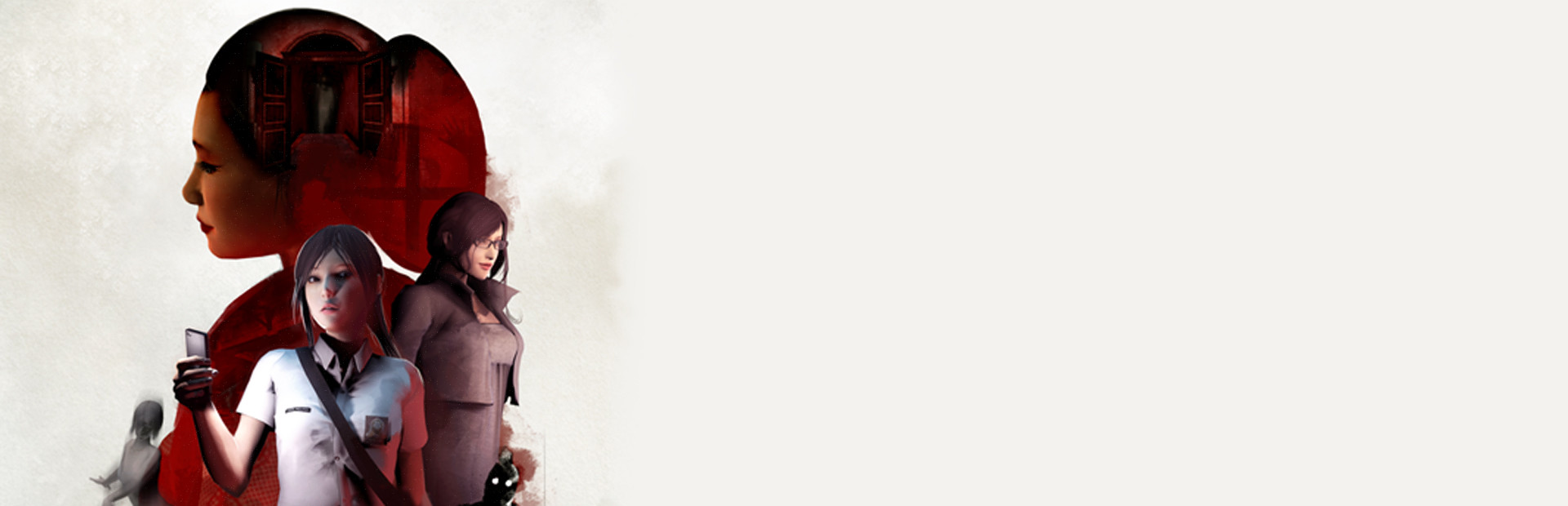
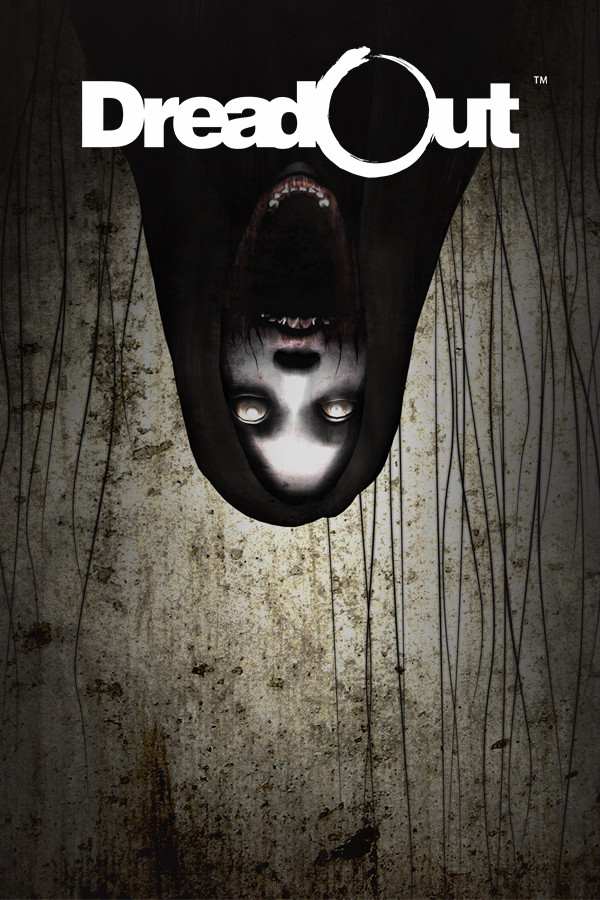
I turn to indie horror games for my fix because AAA horror titles just aren’t much of a thing anymore. Back in the day when we got regular Silent Hill releases and games like The Suffering, Obscure, Haunting Ground, and Resident Evil, there were more than you could count. Today, the majority of indie horror titles range from bad to subpar, with only the rare ones being truly good. DreadOut falls into the badto subpar category, but it doesn’t come with the majority of problems that most indie horror titles have.
The story itself relies heavily on Indonesian folklore, and unless you are adverse to this subject, you won’t have any idea of what’s going on. In essence, the story unfolds as you embark on a school field trip, encounter an unexpected bridge, and ultimately find yourself inside a haunted school. The explanation for the appearance of this bridge, the existence of a haunted school in this town, and the other events in the game are mostly left to the player’s imagination. There are hints in the notes, but I never figured it out. I mainly came for the scares, and DreadOut does provide some.
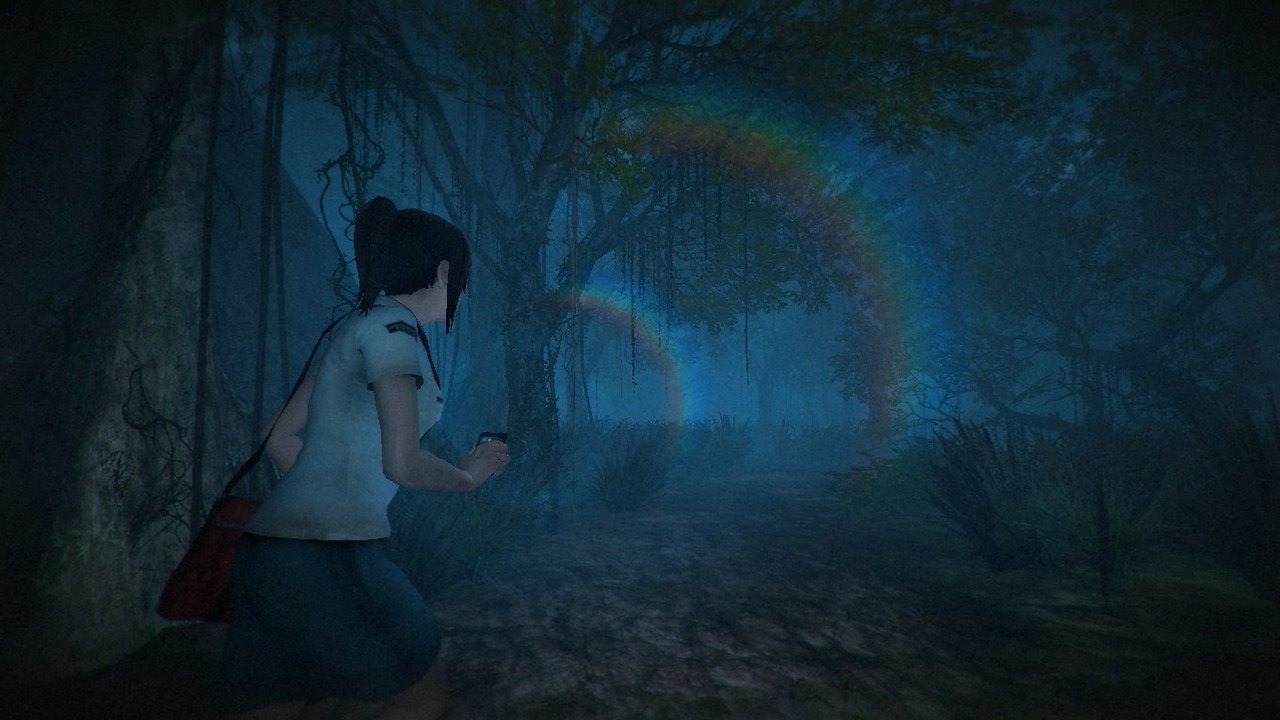
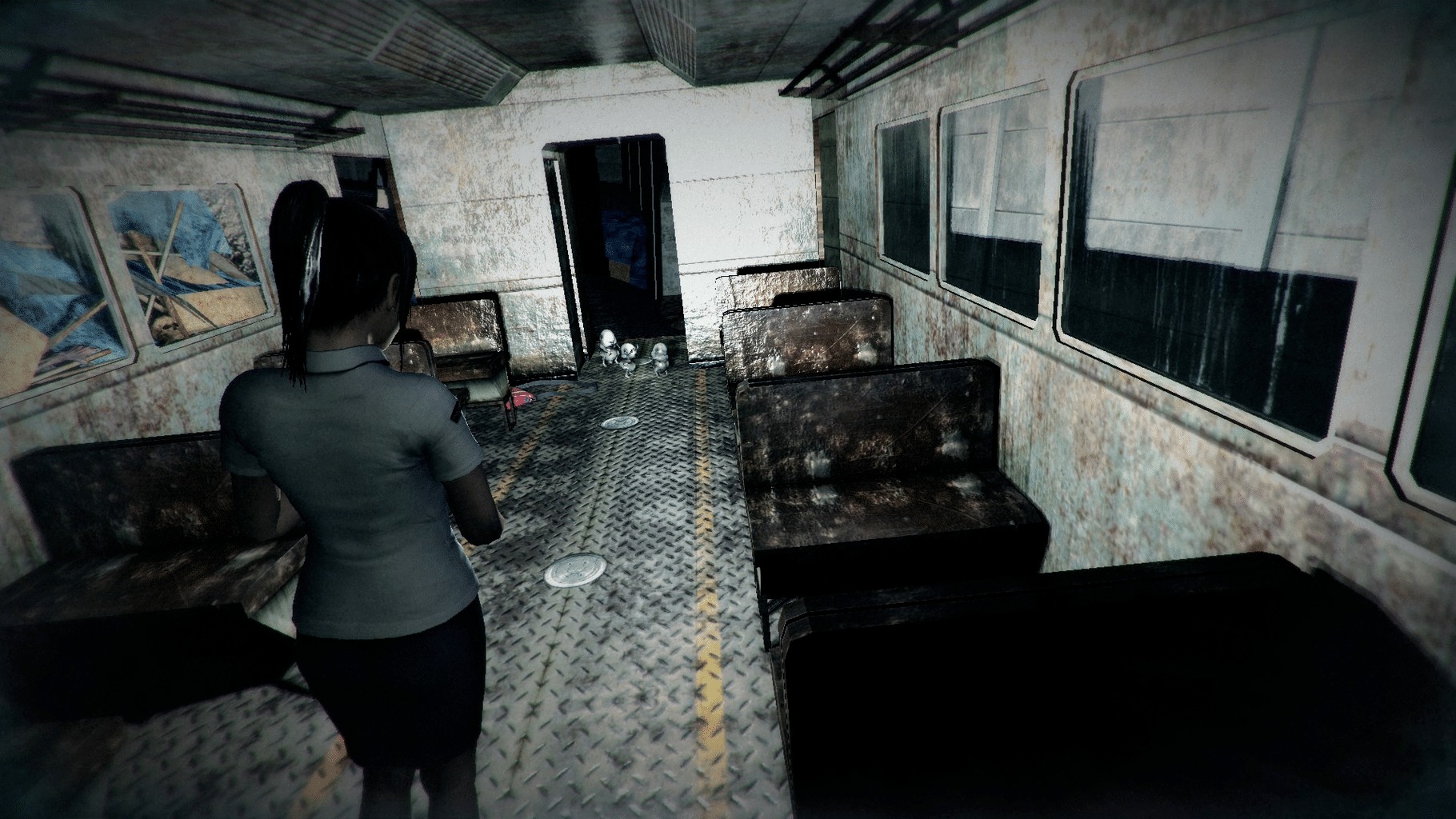
The combat system is similar to Fatal Frame in that it uses a camera obscura to battle ghosts and poltergeists. In this game, you can only see them in the camera frame (or phone screen). You do get a DSLR later on, but I found this a bit pointless as it doesn’t increase your “attack power,” and you only get a light if you press the flashlight button by creating a large flash around you. The phone actually uses the camera light as a flashlight, and it works well in most dark areas. The game employs a vignette around the screen to indicate the presence of a hint or object nearby (blue) or an enemy (red). If the vignette is red, it requires you to pull out the camera and search for anything moving. Unfortunately, most of the time, the ghost was nearly impossible to see, either because it was too close to the walls which required me to press the shutter button at random. The phone screen will “glitch” when a deadly shot is ready. When this happens, gold particles fly out of the ghost, and you know it took damage.
Thankfully, unlike most horror games, combat isn’t the main focus. They’re rare and you never fight more than one ghost. There are a few boss fights in the game, and these are the most captivating of the ghost designs. They aren’t difficult, and dying doesn’t reset any progress. Your punishment is a further walk from limbo to “the light.” You can acquire an item to nullify this walking distance or change it in the settings. I was unaware of the purpose of these items, as the game provided no explanation and was extremely ambiguous. When you enter the light, you simply pick up right where you left off. You can usually take 3-5 hits from a ghost before “dying.” It’s not very punishing at all.
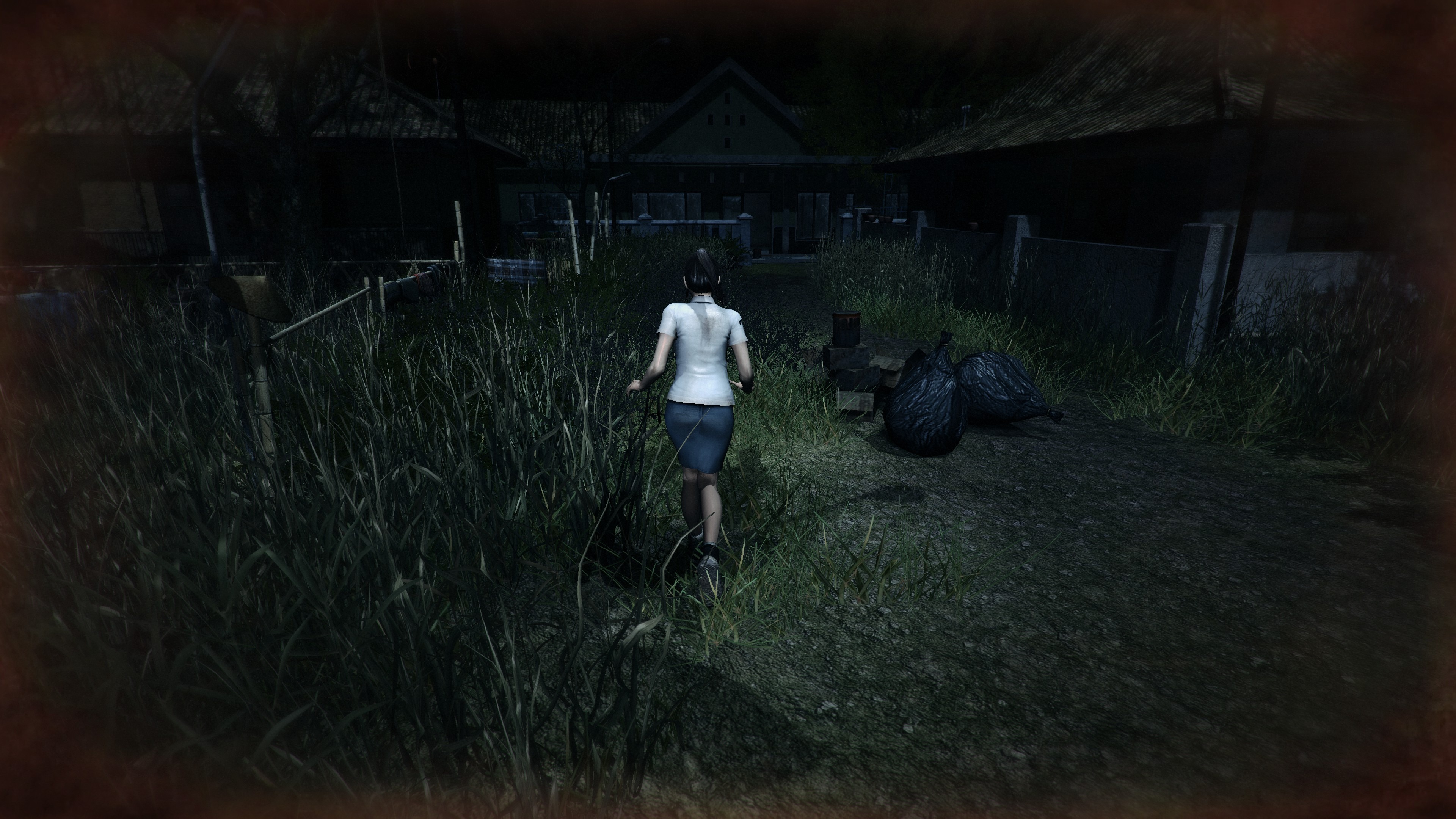
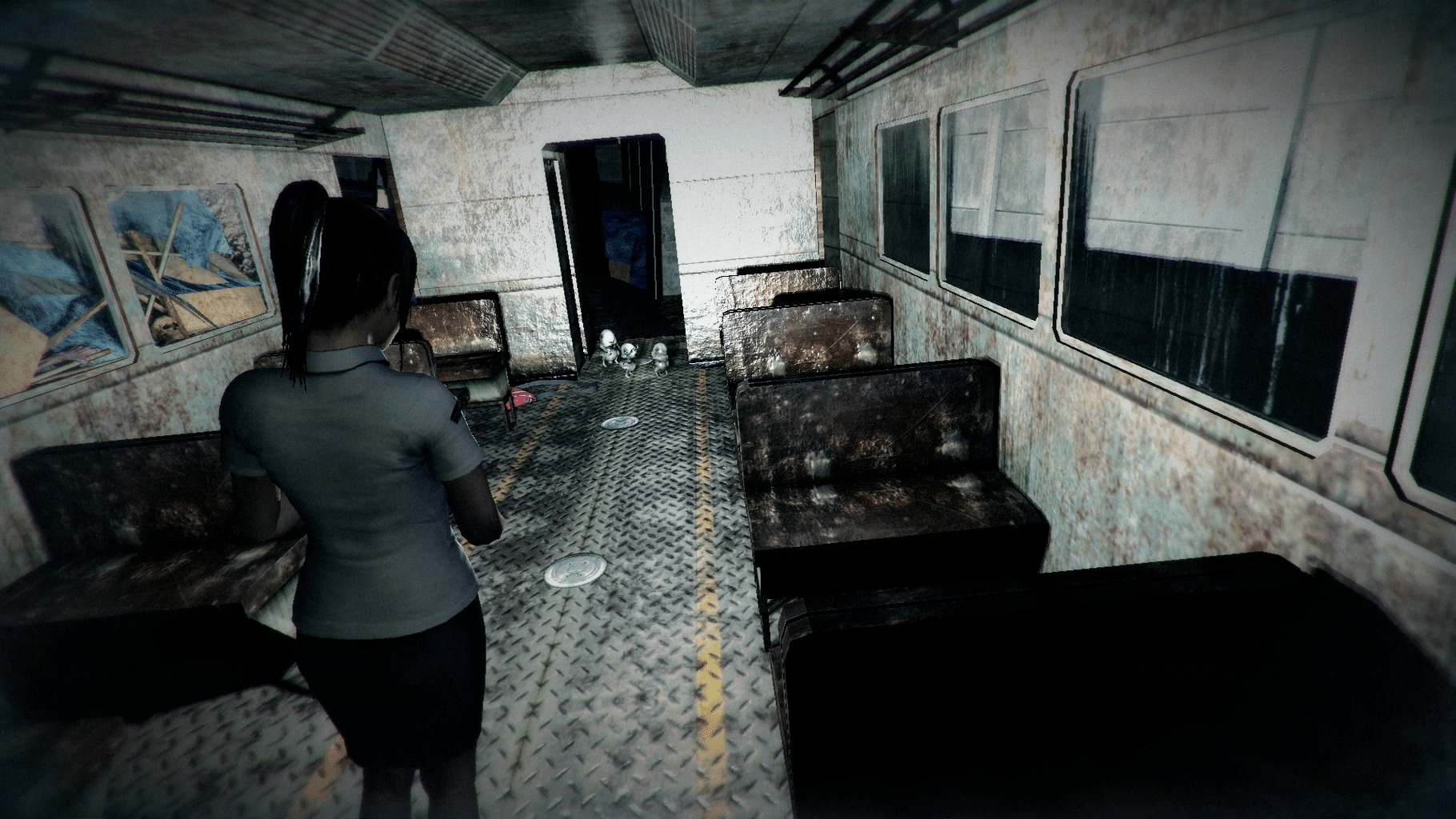
Exploration would be the best part of the game, but it is incredibly ugly and dated (even for its time), with low-res textures, stiff animations, low-res models, and very little detail in anything. This looks almost like a first-gen PS2 game. The game’s release was just before the launch of the PS4 and Xbox One, making the graphics engine, which was already a decade old, unjustifiable. Most of the game is very linear and straight forward, but the first area in the school was a confusing mess of hallways and doors, but other than that, it wasn’t difficult to navigate around.
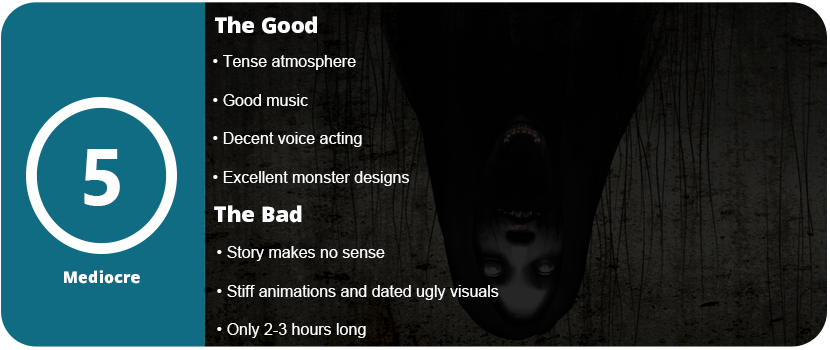
You can finish the game in 2-3 hours, but honestly, there are many other games, like DreadOut, that not only look better but also play better. The voice acting is mostly passable, and there isn’t much dialogue to begin with, including a lackluster story. Why would you bother with this game? Well, if you really love horror like I do and enjoy the atmosphere of these games, which DreadOut does well, then this game is definitely worth your time. The music is also surprisingly excellent and really sells the haunting and uneasy atmosphere. The game has a few decent jump scares, and I felt uneasy through most of the game, so it at least accomplishes that.
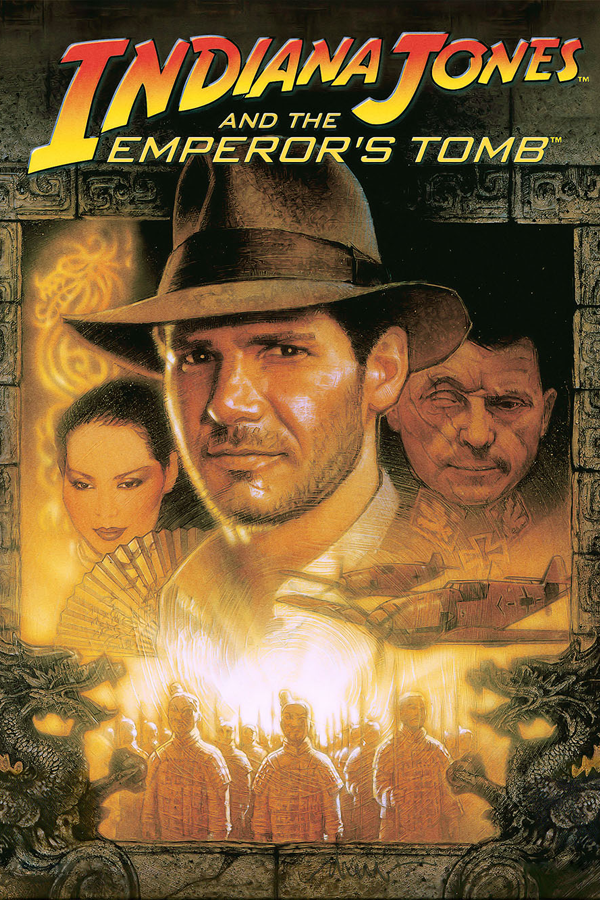
I’m not a huge Indiana Jones fan. The only one I remember is the fourth movie, Kingdom of the Crystal Skull. When I was a child, I watched bits and pieces of the original trilogy when my parents would put it on, usually when it showed up on a cable network, but that was it. This is my first ever Indiana Jones game, and I have to say that I came away quite surprised with people giving it such high praise and holding it as the best Indiana Jones game to date. The story is cheesy and corny; the dialogue is terrible, and the characters lack depth. Indy himself has no backstory or context. You clearly must already be a fan of the movies, and the developers anticipated this. The storyline suggests that Indy finds himself in the midst of a task for a client and encounters obstacles. Then, the Chinese government hired him to find the dragon’s heart. He eventually encounters Nazis who are also in pursuit of the same object. It’s pretty pointless, and there are so few cut scenes that it really doesn’t matter.
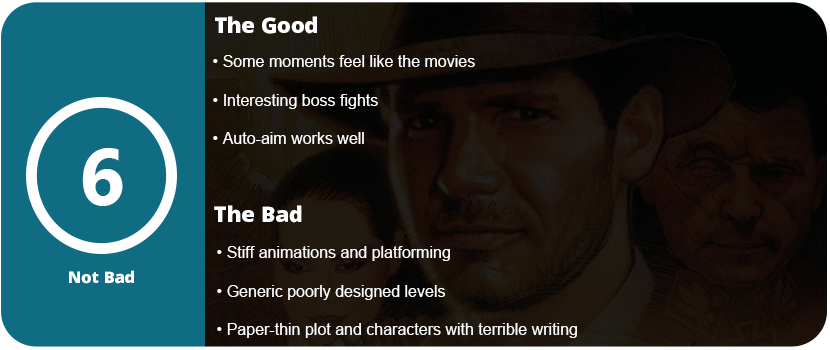
The first half of the game is actually the worst. Stiff animations, clunky combat, and terrible platforming plague the entire game. The puzzles themselves would be neat in a Tomb Raider game, but here they showcase the poor level design. Indy either climbs things, pushes levers, does hand-to-hand combat, or shoots guns. That’s all there is to the entire game. Levels in the first half mostly consist of hand-to-hand combat, as ammo is very scarce. You can replenish your health by using medkits or drinking from your canteen, which refills at water fountains, a resource that becomes increasingly scarce as the game progresses. The canteen upgrades only work for the level you’re on and don’t carry over. There are also artifacts that need to be found in order to unlock concept art, which, to be honest, is a lame idea.
The stiff animations contribute to the clunkiness of platforming. Indy is really jerky or just doesn’t respond instantly to button presses. Because of this, I ended up falling off cliffs or missing jumps more times than I can count. You can also whip-swing, but the stiff animations feel sped up during the swing compared to the rest of the jumping. Having to cold jump to a ledge right above you is a chore. Indy must be precisely aligned to secure a grip. There are ledges you can shimmy across with a dedicated wall hug button, but the combat is even worse. Idy auto-aims and works most of the time, making shooting the best part of the game, but ammo is scarce in the first half. Melee combat just drags on forever. Enemies are fist sponges, and even with a melee weapon such as a sword or bat, opponents would take 20-30 hits to die. You can use your whip to knock weapons out of their hands, which is mandatory if they have a gun and you don’t. When more than two enemies gang up on you and back you into a corner, it becomes a chore to fight them off.
The level design is generic; even for 2003, it’s pretty bad. The game is bland and void of character, with a lot of rectangular empty rooms and hallways. The game occasionally shows something more when you are outdoors, but this doesn’t happen until mid-game. The game accelerates by letting you play one of the two on-rails sections, which it needed more of. The Nazi base is less puzzle-solving and more platforming and combat, which is what I prefer. The temple level proved to be the most challenging, primarily due to its underwater nature and poor swimming mechanics. Indy can only swim fast underwater, and there are sharks that can kill you. Boss fights are also a rare occurrence, but they were one of the few more intriguing elements of the game, as each boss fight needed something in the environment to weaken them before you could take them down. They were almost a mini-puzzle themselves.
Overall, the game is a mostly frustrating and overly long affair. The game can take up to 8 hours to finish if you don’t die frequently, but the devs could have completely eliminated the first half of the game. It’s the weaker half anyway. The unfair checkpoints also don’t help; you have to restart entire long sections every time you die. There are a few fun moments, such as the boss fights and on-rails sections, and the platforming is more enjoyable than the puzzle-solving, but the generic visuals, paper-thin plot, and cumbersome controls and animations hold this game up quite a bit.
The series Alone in the Dark appears to have a perpetual curse. While the earliest 3D titles, such as The New Nightmare, received fairly positive scores, these last two reboots just can’t seem to get things right. I’ll grant the 2008 reboot some leeway, as it attempted to innovate and reinvigorate the series, despite its minimal connection to the lore of Alone in the Dark beyond the protagonist’s name. This new reboot is more faithful to the first game—exploring a creepy mansion, solving puzzles, and having basic combat. It did feel more like The New Nightmare and much less like the 2008 game, but it didn’t boost the series to new heights either.
You can play as either Detective Carnby or Emily Heartwood. The differences here are limited to a few different scenarios in a few levels, but you must play both sides to find all the collectibles. Emily’s uncle is living in an adult family home for the sick, and she needs to get him out. As she explores the mansion, she appears to be trapped in a paranormal dimension, alternating between what might be reality, her uncle’s reality, or her own mind. One of the first issues with the game is that the game isn’t really all that scary. The monster designs are kind of neat but not super interesting, and the atmosphere is more Haunted Mansion and Scooby Doo Fright Night than Silent Hill, but that’s not the biggest issue.
The combat in Alone in the Dark is quite boring and terrible. The melee combat just consists of wildly swinging an object around. You have both a regular hit and a power hit. Items are breakable, but you can carry one around at all times. This is fine if you’re up against a single enemy or can’t reload in time, but most of the time swinging the object causes your character to lunge forward, and it just feels awkward and stiff. There’s not a block or parry button—just a dodge button. The remainder of the battle involves firing a revolver, shotgun, or Tommy gun, with limited ammunition available. In most scenarios, I felt that there were too many enemies coming at you in the tight and cramped spaces you are in. There are some throwable objects, but the only useful ones are the Molotov cocktails. Throwing bricks is pointless because it doesn’t do any damage. Occasionally, there are stealth sections, which are incredibly short (requiring you to weave through three rows of barrels for example) or impossible to complete due to the enemies’ lack of set patrol patterns.
The game primarily consists of aimless wandering while attempting to solve obtuse puzzles with vague hints. The game features combination locks, math, and puzzles that evoke nostalgia from the year 2005. There’s an Egyptian Temple level in which you need to find three lenses to bounce light around to unlock the main door. This consists of a constant back and forth through labyrinthine hallways. You need to find the switch to unlock the lens door, but that switch triggered a collapse, so now you have to find another switch to open the shortcut door. This just feels like lazy design and prolonged play time. The mansion itself is the most monotonous, with repetitive hallways and locked routes in each chapter. Even if you manage to find a key or unlock a door, it remains bolted or blocked in another chapter. This leads me to my biggest issue. Game-breaking bugs. I rarely encounter these in games, but I encountered a bug where a door was blocked, leading to the end of Chapter 4. I couldn’t progress, and that’s where my game ended. Restarting the entire chapter wasn’t a guarantee that it would fix the bug.
The visuals are pretty acceptable for what they are. They aren’t ugly, but they don’t feel like Alone in the Dark at all. The story is pretty forgettable, with uninteresting characters, fairly lame dialogue, and average voice acting. The stiff controls, animations, and combat bring the game down quite a bit, but the game-breaking bugs, absurd level design, lame stealth, and repetitive backtracking add up to a not-so-great adventure.
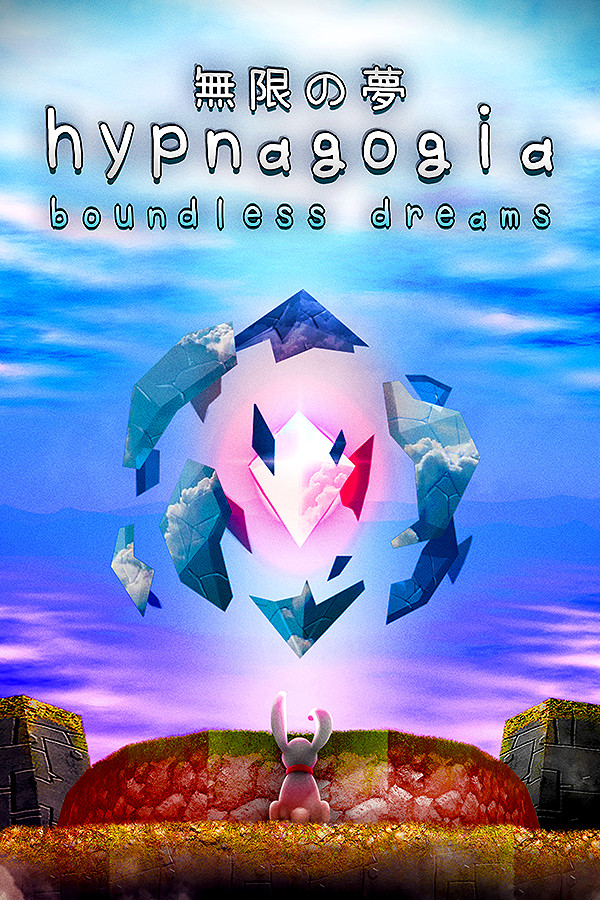
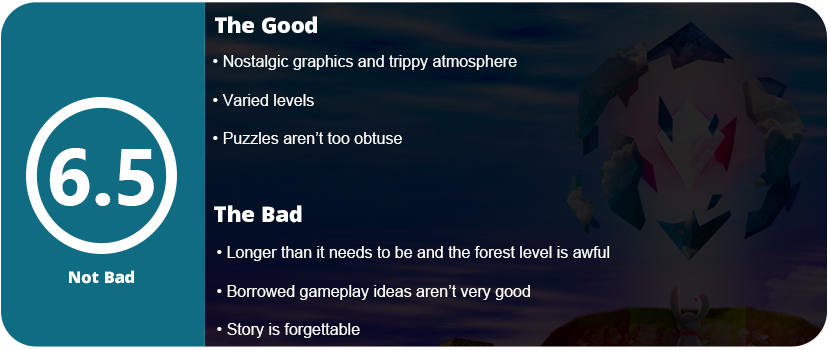
I am absolutely fascinated with the human psyche and how to brain works being in a dream state. I find vaporwave aesthetics incredibly pleasing, and I can immerse myself all day in the border between retro analog objects and digital dreamscapes. Hypnagogia explores the real-life state of being in between dreams. The trippy PS1 aesthetic visuals mixed with classic platforming and storytelling of yesteryear make for one of the most nostalgic games I’ve played in a long time, but this also comes with its own set of issues.
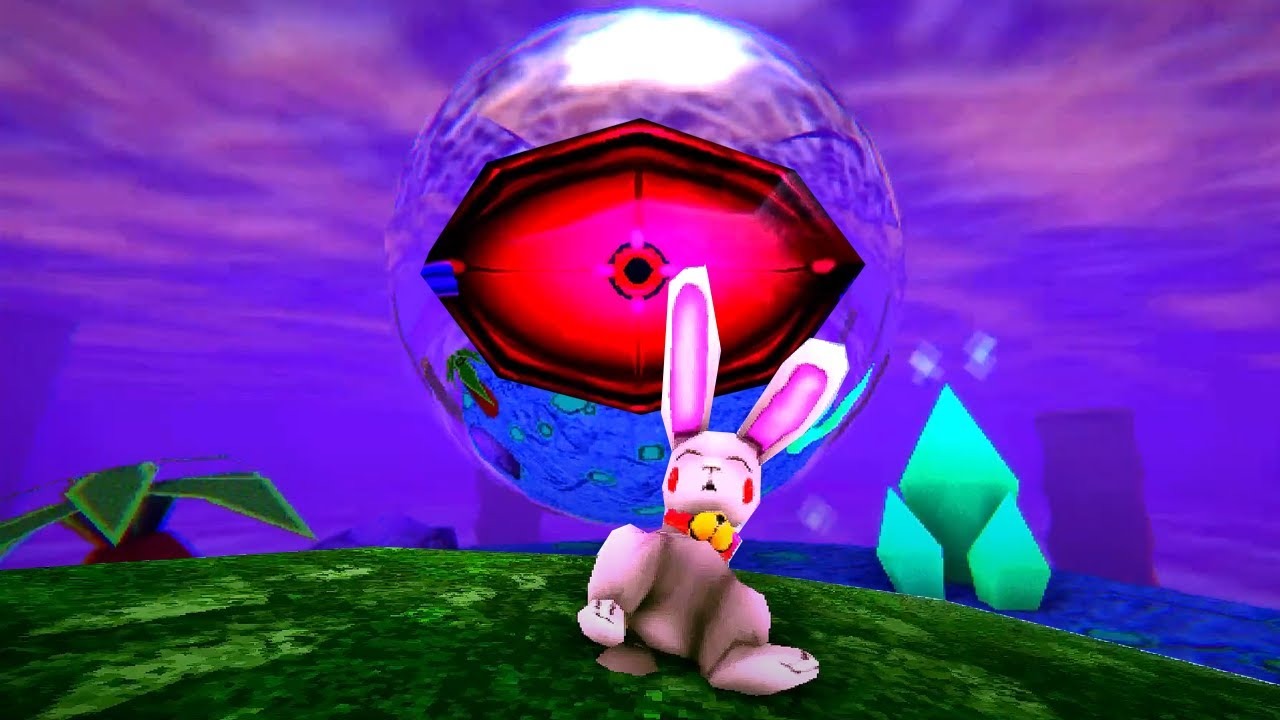
The game’s goal is to collect nine dream shards for a mysterious bird in this hub world that you enter. Each similar to 32-bit era games like Crash Bandicoot, each shard resides in a unique level. Levels range from basic platforming to puzzle solving, and some levels are more entertaining than others. Some levels are more familiar to gamers who grew up with Banjo Kazooie, with your character meeting weird cartoon-like creatures engaging in simplistic dialogue, retrieving an item for them, and unlocking the next area. These were quite enjoyable, as they didn’t require a lot of brain power. Later levels, like the dreaded forest level, are way too long, have too many labrynthine levels, and have obtuse puzzles that drag the experience down. This particular level took me several days to complete, primarily because I was unaware that there was no save feature during the level. I would quit and have to start all over again from the beginning.
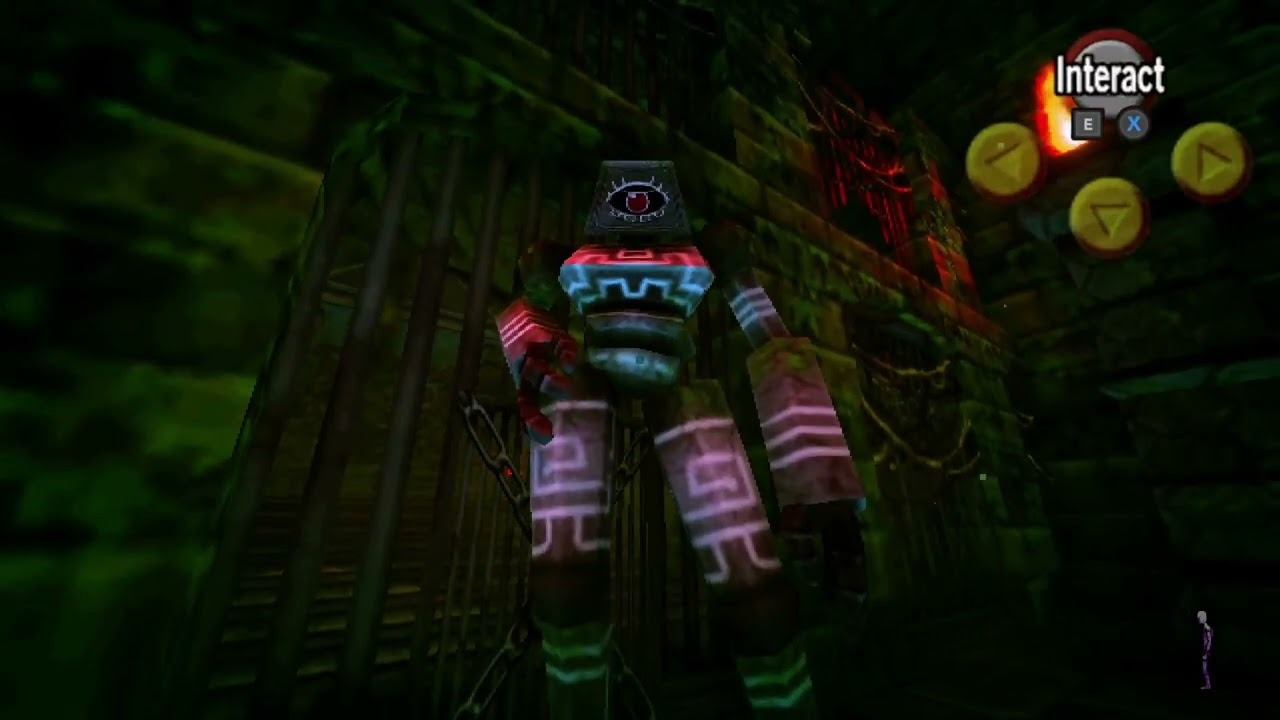
Zelda-like dungeons are present in the aforementioned forest level, but they lack effectiveness and enjoyment. The later levels resemble a walking simulator, involving some backtracking, until the final couple of levels abruptly transform into a terrifying Silent Hill-style experience. The game clearly pays homage to the games that shaped the gaming genre of that era. The floaty platforming can get quite annoying for the more platform-heavy levels, such as the second one, where you are in a giant ocean and need to retrieve keys from various corners of the level. The first half of the game just doesn’t have excellent pacing. While the atmosphere and visuals are fantastic and immersive, the gameplay itself can pull you out or make you quit for good.
That’s not to say the gameplay is inherently bad. It’s quite manageable, but the level design itself is quite atrocious and can even be downright boring. For instance, in the cyber level towards the end of the game, you must float through the air to collect cubes that unlock additional paths. However, this requires a significant amount of backtracking, and the act of floating around can be challenging to control. Many times it was difficult to figure out what the goal of the level was, and I wound up just wandering around talking to all the creatures until something happened.
The visuals are the game’s main attraction, and each level is oozing personality and wonderful texture work that make it feel like a PS1 game. The mall level in particular made me feel something. Being in a closed down mall and having it transform into an abandoned mall is something I enjoy watching UrbEx explorers discover. The reflective water, bright pinks, whites, and blues give it a vaporwave vibe, and a few levels have just enough of the game they are trying to copy to make you smile when you realize it. Overall, Hypnagogia is a fantastic game for those who are seeking this type of visual aesthetic or looking for something to itch their nostaliga. Just don’t expect a compelling story, good controls, or consistent level design.
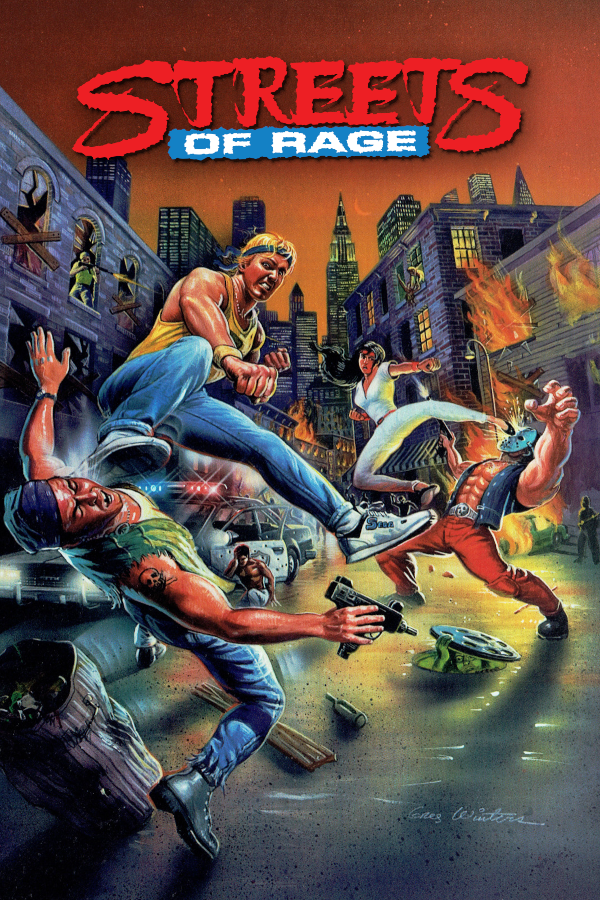
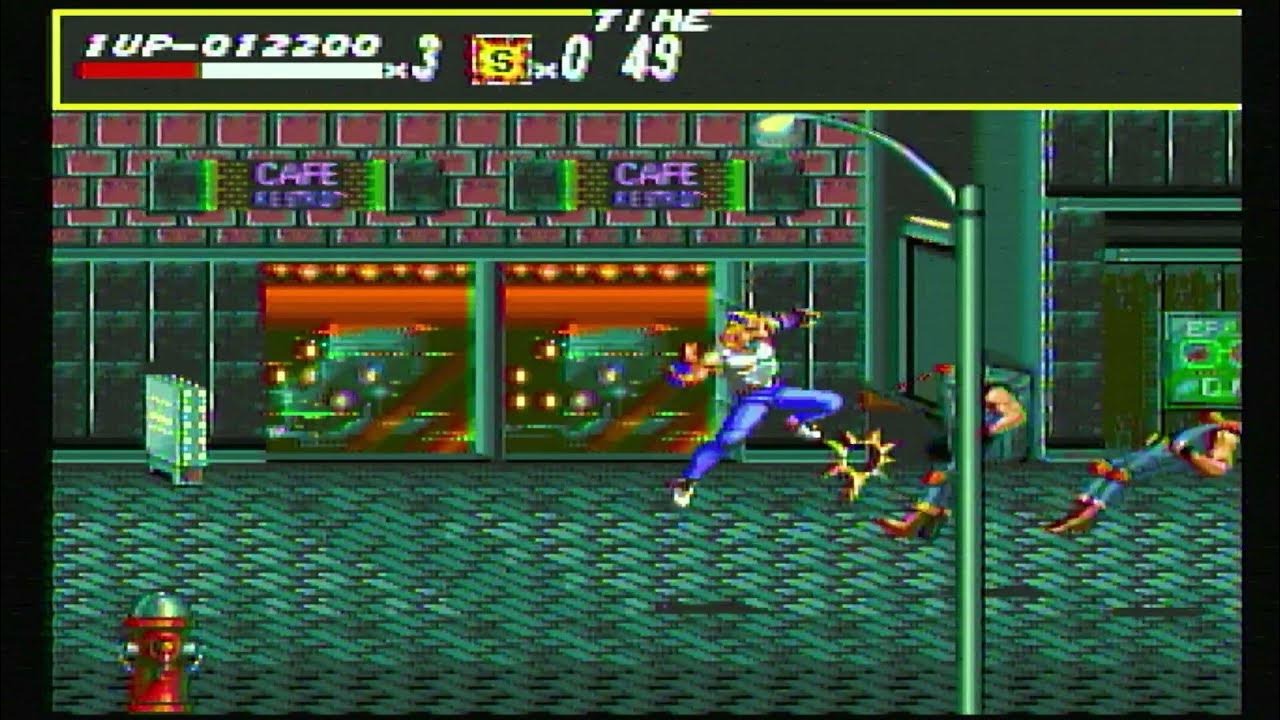
When I had my Sega Genesis back as a small toddler or child, I didn’t ever play Streets of Rage. I probably saw it on the shelves, but I ignored it. For me, it seemed like a “big kid” game. I was more into mascot platformers like Sonic the Hedgehog and games like Ecco the Dolphin. For years, I avoided this game. Side-scrolling brawlers have grown and evolved over time, but after playing this, I realized it’s one of those genres that can’t really do much outside of what’s on the tin. Responsive controls, combat, and enemy variety are the imperatives. Streets of Rage was one of the first games to make this genre a 16-bit staple back in the day.
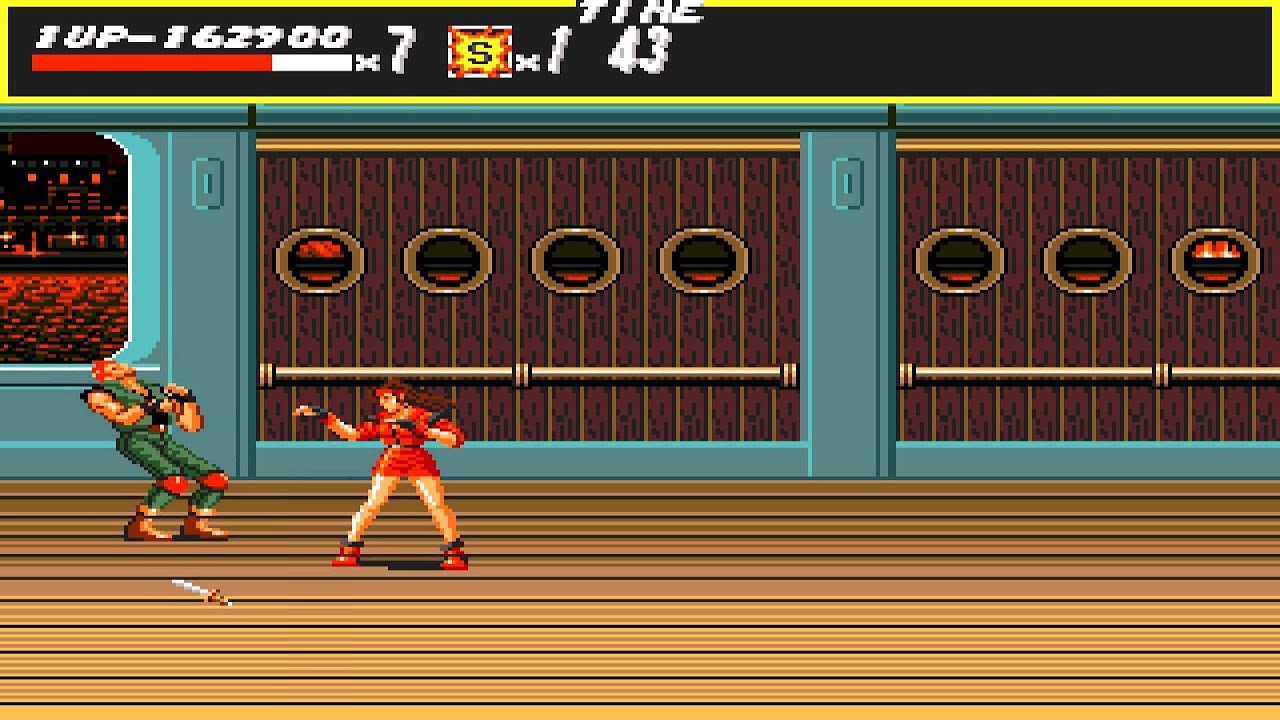
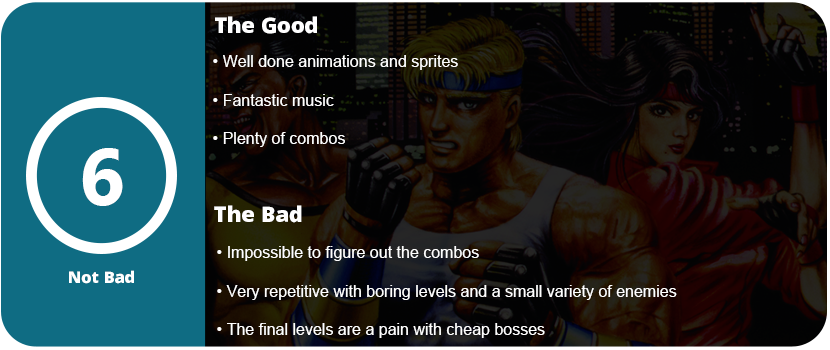
You can play as three different characters. Axel, Blaze, and Adam in the fictional city of Wood Oak. These three crime fighters follow a very basic story that was typical back in the day. You only played RPGs for stories. The controls are rather strange and challenging to get used to. I found the characters’ momentum to be wrong. You walk side to side slowly, but up and down is twice the speed. This lets enemies hit you cheaply when you dodge. There is no dodge button, so you need to predict the enemies’ moves so you can sidestep out of the way. Jumping attacks are very floaty and almost useless if you jump too high. Additionally, I observed that the execution of combos and various moves was haphazard, lacking any discernible pattern.
Sometimes I would do a spin kick, grab an enemy, and flip over them. While all these moves look cool on screen, I could not figure out a combo to do them. I was mashing A the entire time, wiggling the D-pad. There’s not much else to it. The game isn’t too difficult until you get to the bosses. Suddenly, you can wipe out your health bar in just four hits. Like any 16-bit annoying trope, the last level is incredibly long, and you go through a boss rush before fighting the final boss. Once you get to him, you can answer a question, and if you choose yes, you will be dropped two levels back to do it all over again. Lives are very scarce, so it’s important to pick up weapons and use them whenever you can.
I found that when there were more than four enemies on screen, the combat just wasn’t good enough for this. Locking enemies into a combo is key, but, like I said earlier, it’s nearly impossible to figure out. Bosses rarely lock in, which intensifies their difficulty. Most players won’t get past the first few levels before giving up. The game is very unforgiving. I just wish the characters moved faster and didn’t feel so sluggish. The environment is also nothing to write home about. The environment is primarily brown and dark, featuring generic settings like a large city bridge, a beachfront, and a mundane building. The enemy variety is also quite small.
By the time you get to the eighth and final stage, you will feel burned out and done. If you somehow managed to survive, there’s not a lot of incentive to keep retrying, given how incredibly repetitive this game is. If combat and controls were more responsive or there was a dodge button, this would be forgiven. Even the screen-clearing special attack doesn’t help much, as you have to save them for bosses, and you don’t get many. Playing this game with another player significantly improves the overall experience. This game is not suitable for solo play.













































 thebinarymessiah.com
Try multiplayer. A lot of fun !