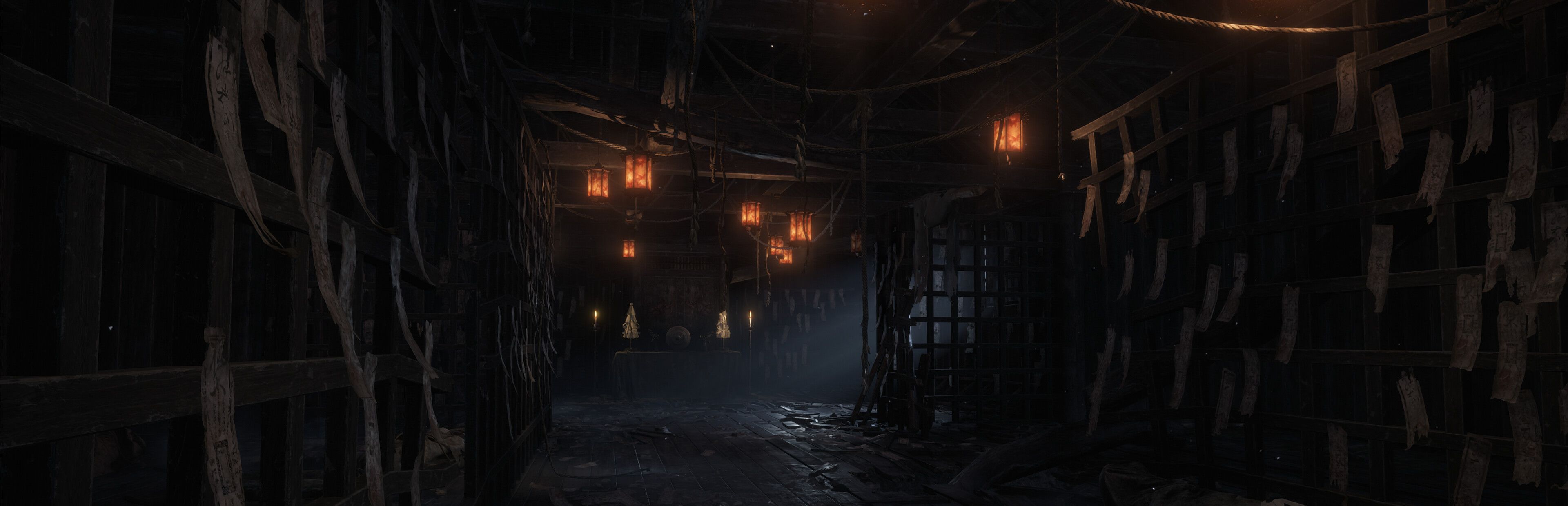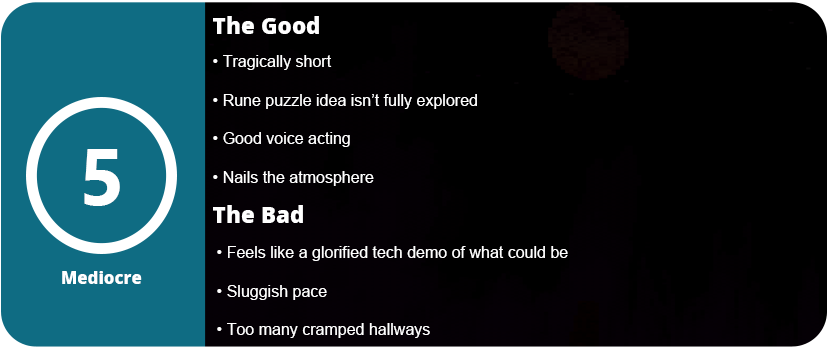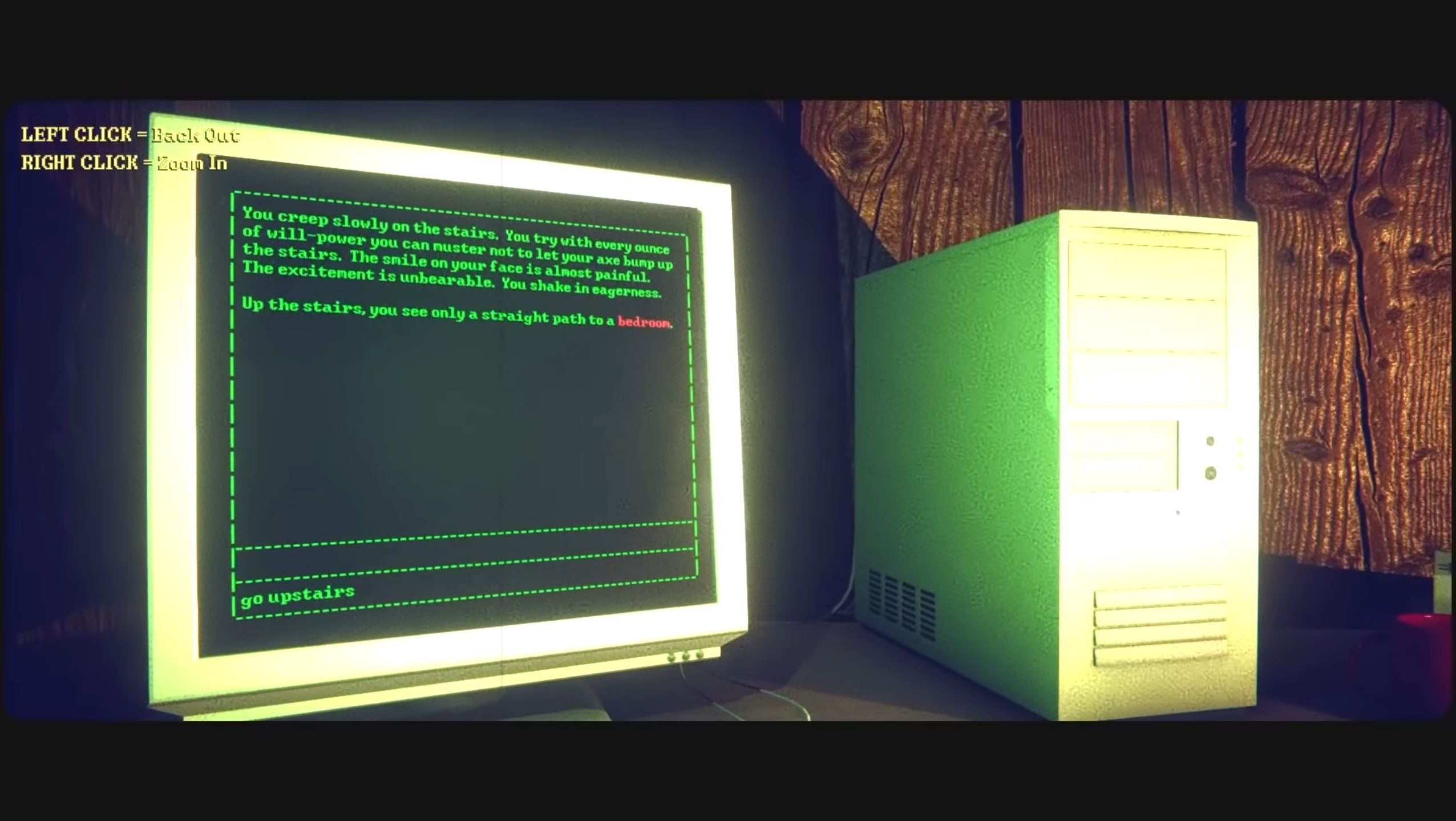
H.P. Lovecraft’s stories are difficult to translate into game form, and very few are successful. It’s almost like a curse in and of itself. Many games based off of his short stories are adventure titles, and I have played many of them, with almost none being good. The Nameless City has some good ideas. It nails the atmosphere and the setting and has an interesting gameplay mechanic, but this game feels like a glorified demo of what could be.
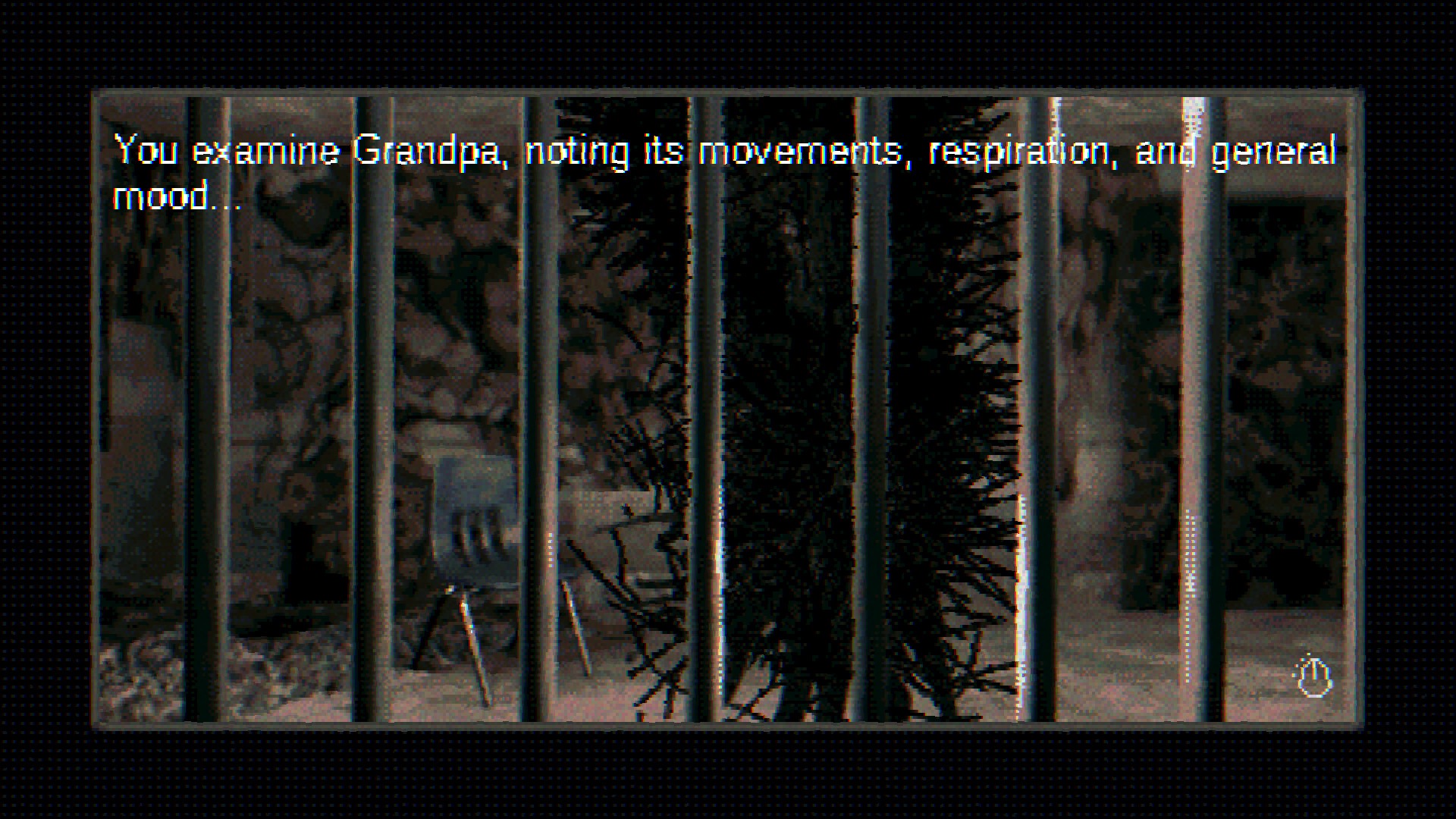
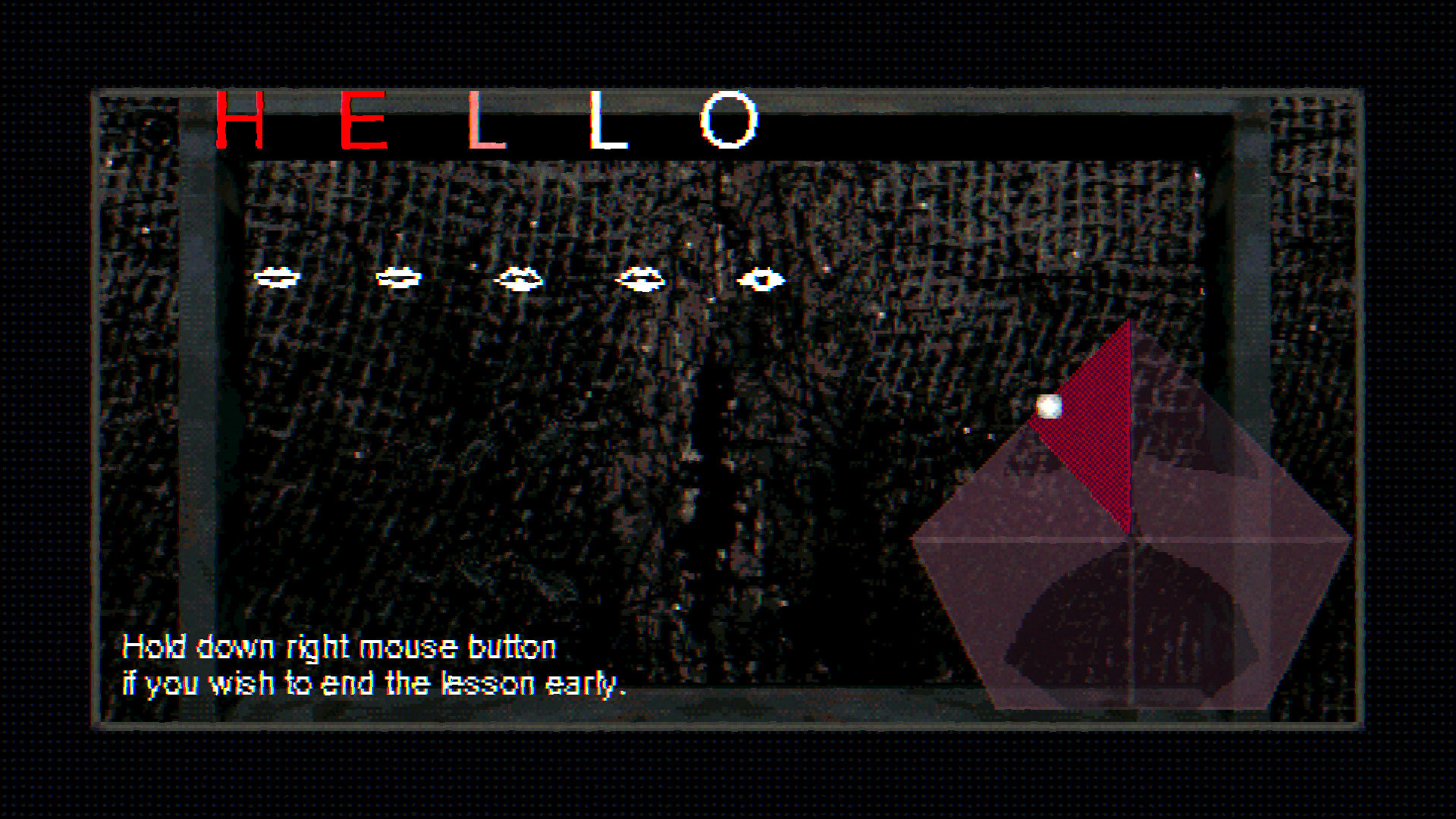
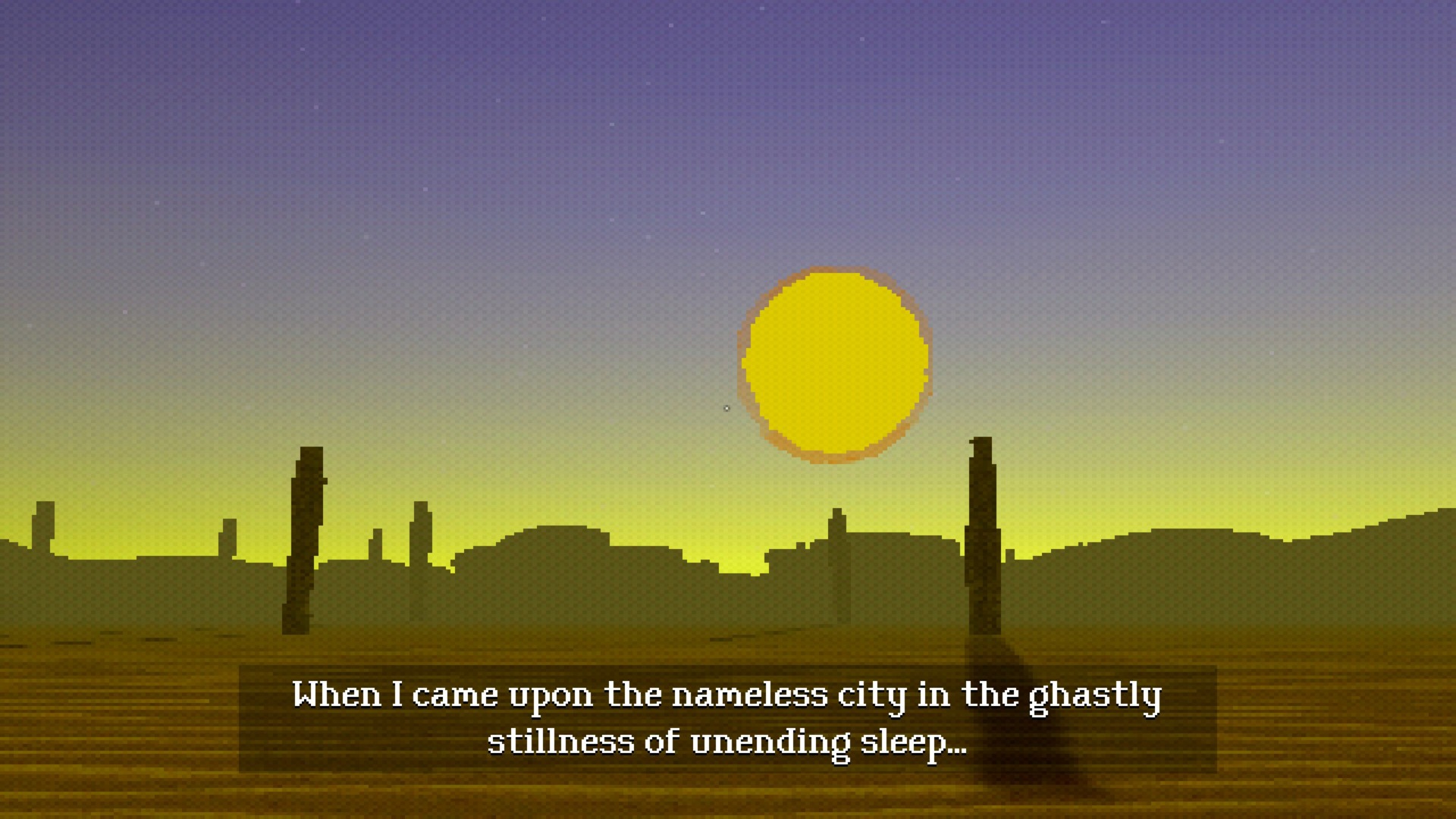
The game starts you out at a campsite outside of some ruins in a desert. The lone adventurer narrates the game with a subtle and almost depressing tone. He is quoting lines from Lovecraft’s short story of the same title. A mysterious being is said to live in these ruins, and people will hear the call in their dreams. As you make your way through the ruins, you will come across runes. These can be learned to help open up pathways further in. As night falls, however, you will lose all of your sanity and have to start back at the last checkpoint. This isn’t all that bad, as the game is so short. There are only three runes you use in the game. You can use one rune for casting and another for dispelling or casting a barrier. These spells are just for barriers, and that’s it. There are strange open holes that blow wind across a chasm that you need to navigate. These will blow you off the mountain, so you need to crouch under some.
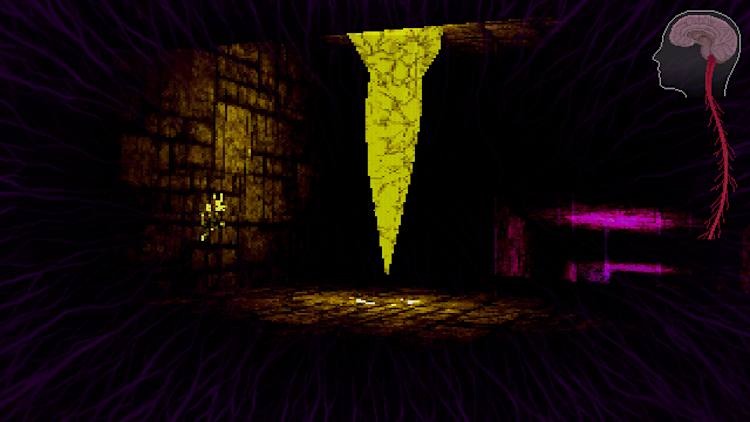
Once you get into the cave system, it’s pretty boring. You can eventually use a spell to cast light on strange crystals as your sanity depletes in the darkness quickly. Once you get through the cave system and back out, the game is pretty much over. I did hate the maze puzzle. This entire level will take up most of your 90 minute playtime. It’s an endless maze that repeats forever. You need to use this to your advantage to activate crystals to stop a beam from blocking your path. It took me nearly 45 minutes to figure this puzzle out, and it was not fun at all. That means there’s only 45 minutes of actual gameplay outside of this awful level.
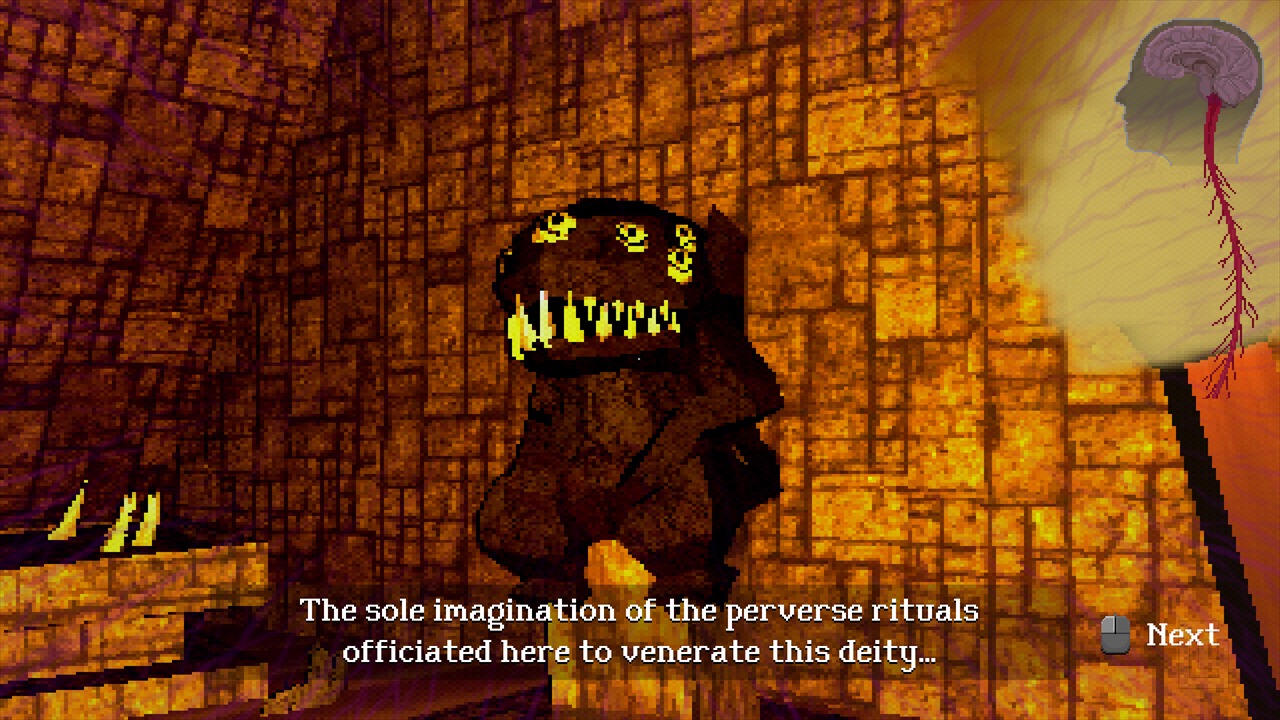
With that said, there isn’t much to say for the game even if I wanted to. The visuals use the PS1 style graphics and look appealing. The atmosphere and ominous sound effects do a good job, and the end monster is a little goofy looking. The game is very affordable and can provide a spooky experience for an evening playthrough, but don’t expect too much from it.
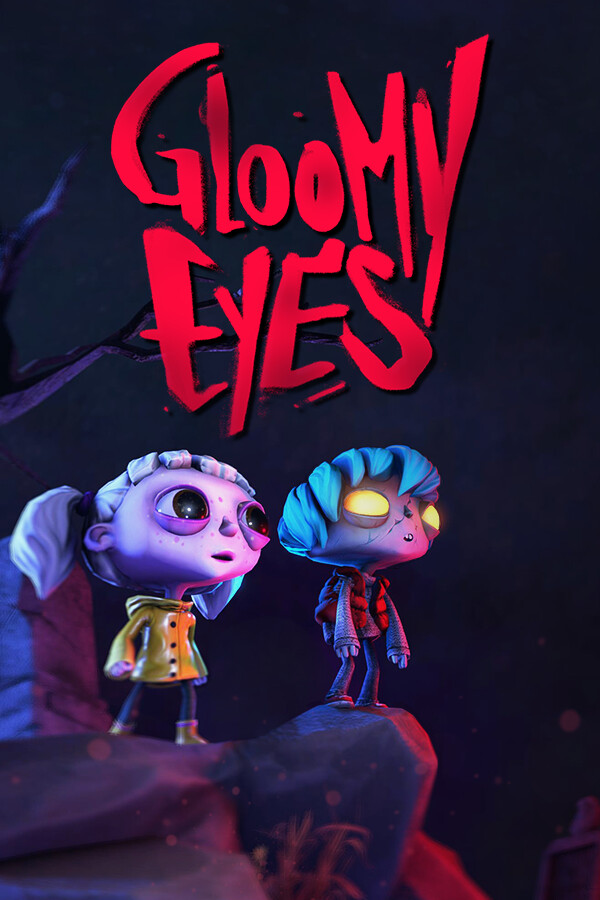
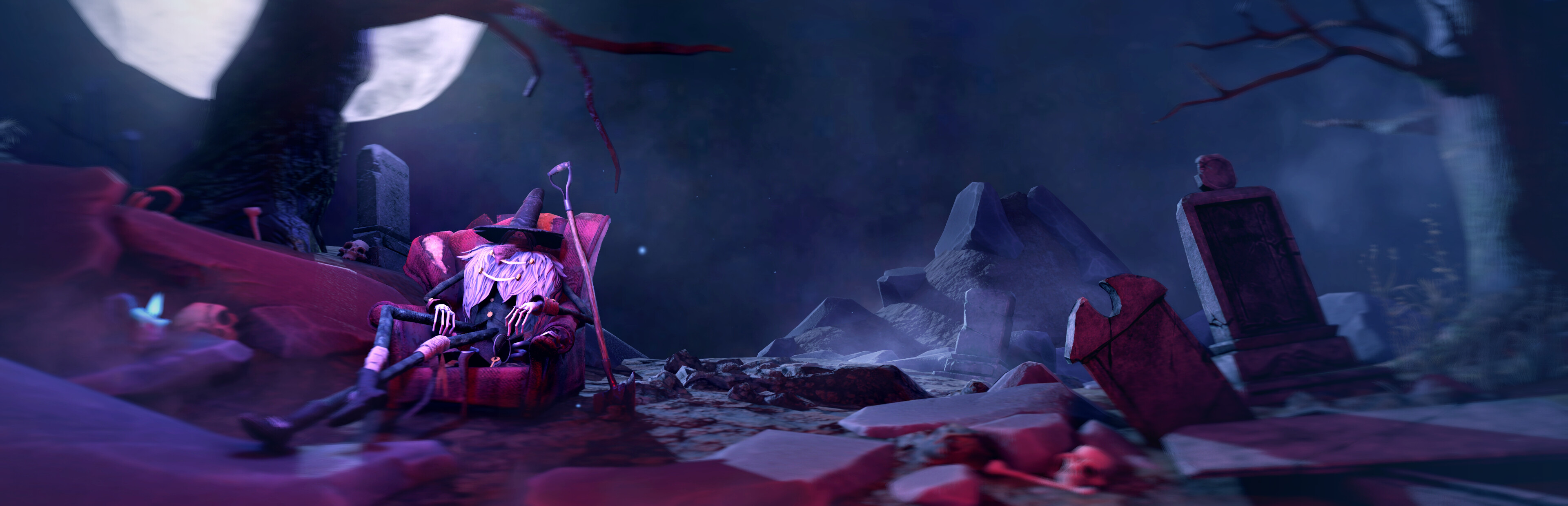
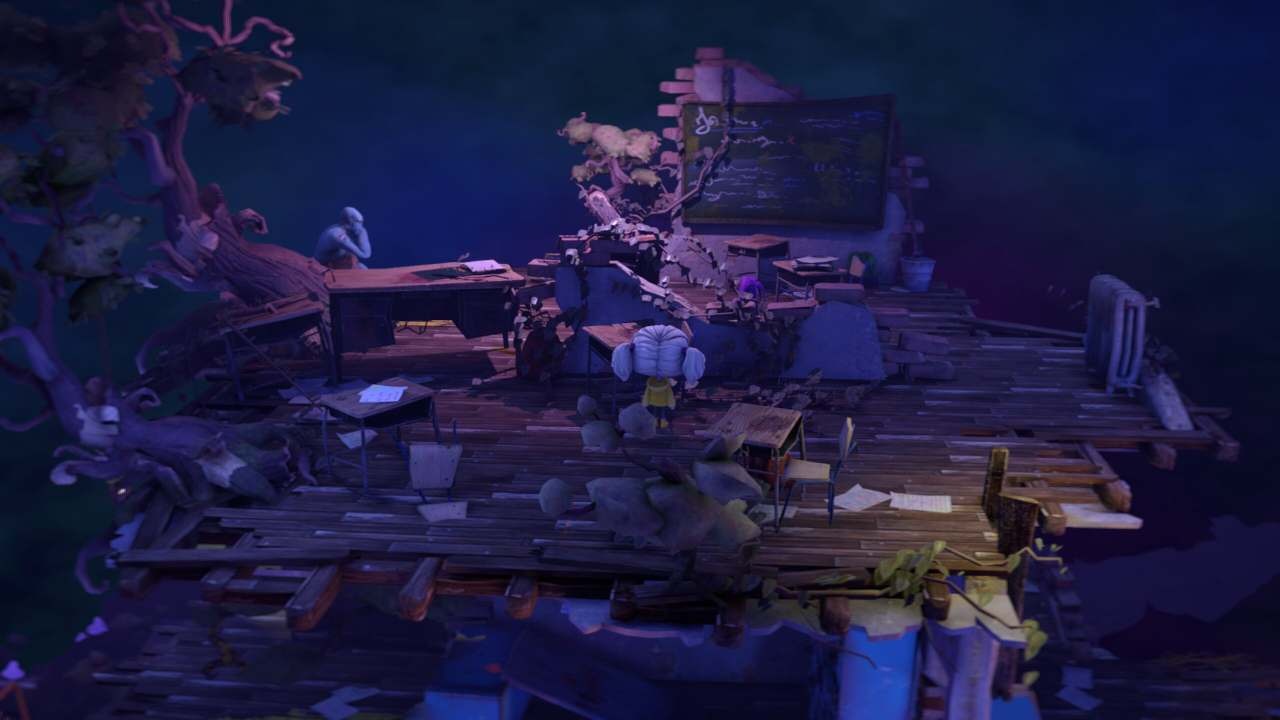
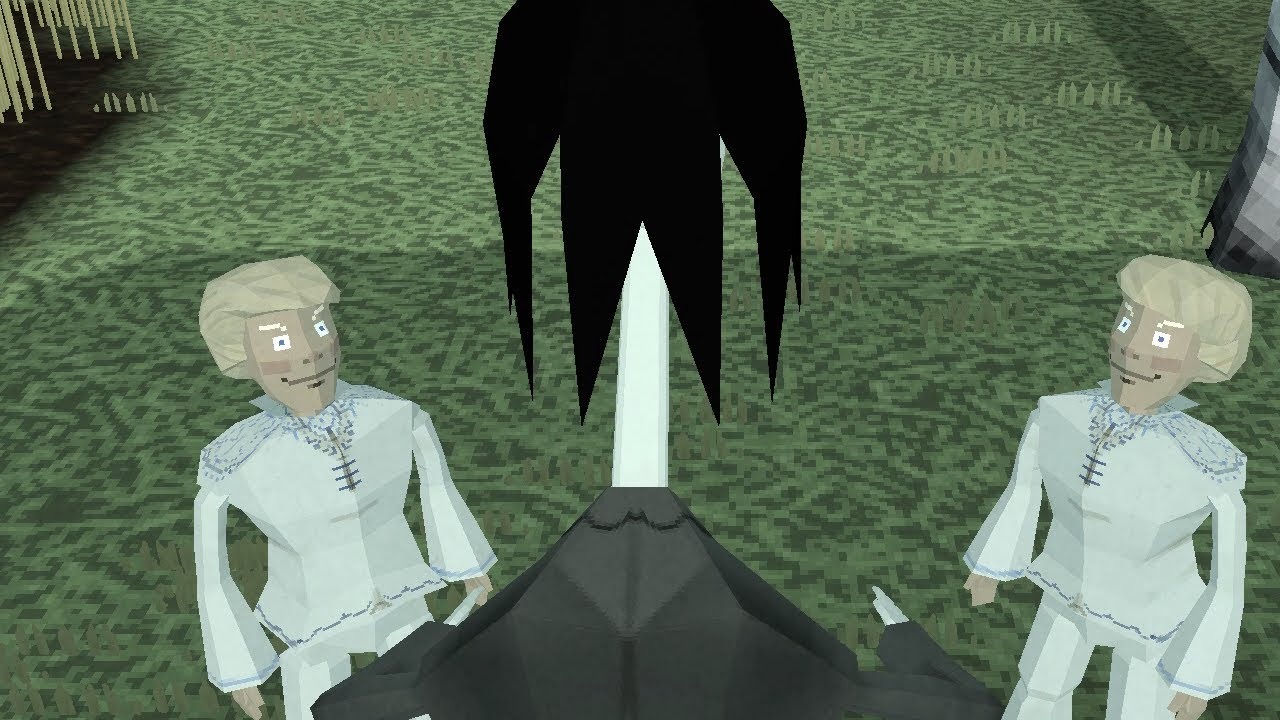
The premise of Gloomy Eyes is intriguing. It takes a post-apocalyptic zombie setting and adds a twist. Humans are living among zombies, but they are hated and are considered vile. A girl, Nena, finds a zombie boy her age who is tame and wants to integrate back into society. In the end, they are kids and just want to do kid things together, but her evil uncle, The Priest, has blocked out the sun so he can use zombies for slave labor. Nena and the zombie boy Gloomy explore levels and solve puzzles to navigate their way around to find the sun and stop her evil uncle.
The only voice is the narrator, The Gravekeeper. You can swap between Nena and Gloomy, as each has different ways of interacting with objects. Nena is the only one who can push buttons, pull levers, climb ladders and vines, and insert items into slots such as fuses. Gloomy can toss objects and push objects. Don’t think this makes Gloomy useless, as they are both needed for other reasons. Gloomy can go near zombies, while he can’t go into bright lights. Nena can’t go near zombies, or she will be eaten. A lot of levels have multiple mini-puzzles to get to certain areas. One level has you assembling a boat, and each piece is a small puzzle within the level. You need to push and pull objects, turn lights on and off, and throw bricks at generators or signs to block light. There are some stealth areas in which you need to snag keys off of the backs of enemies. They walk a single patrol route and have flashlights or trap guns. These areas aren’t very hard.
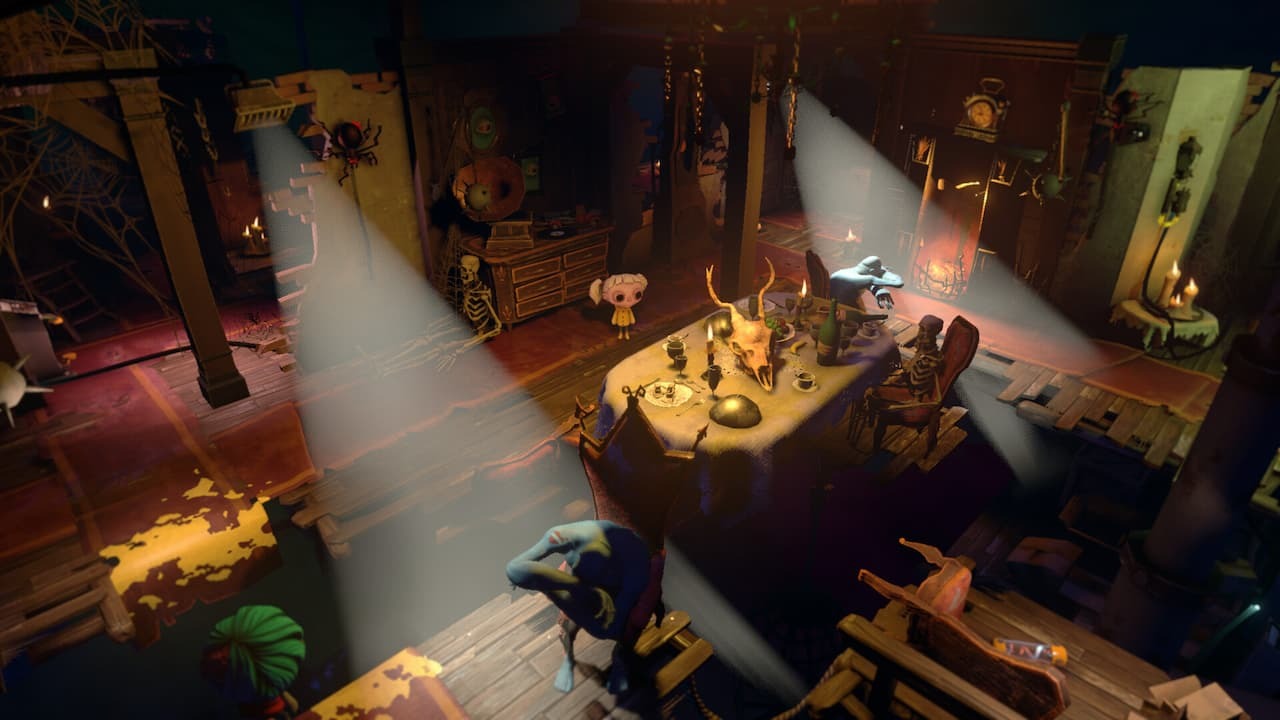
Some of the puzzles only seem challenging because of the camera. It’s not always positioned in your favor. I wouldn’t see certain paths and get stuck because I couldn’t figure out what to do, only to realize there was a hallway or door hidden because I couldn’t turn the camera enough. It’s not a big issue and rarely happened, but I still want to mention it. The levels are varied and get switched up a lot. You also have the entire game sandwiched with solo scripted levels to give your brain a break from the 10 or so levels of straight puzzles. The levels become multi-puzzle right in the middle of the game. I never got bored, and while the narrative won’t keep you going, the variety in puzzles and level design will.
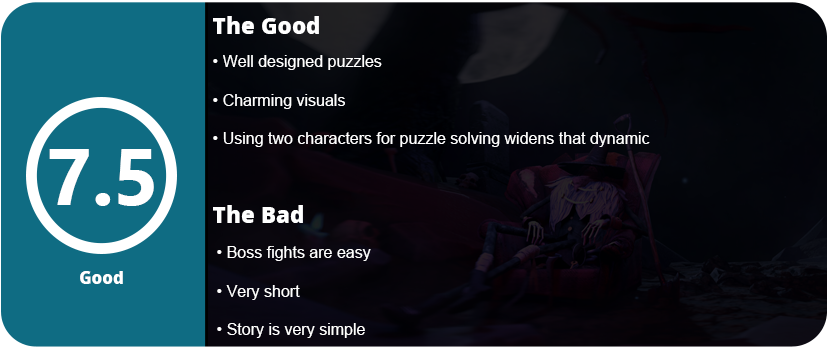
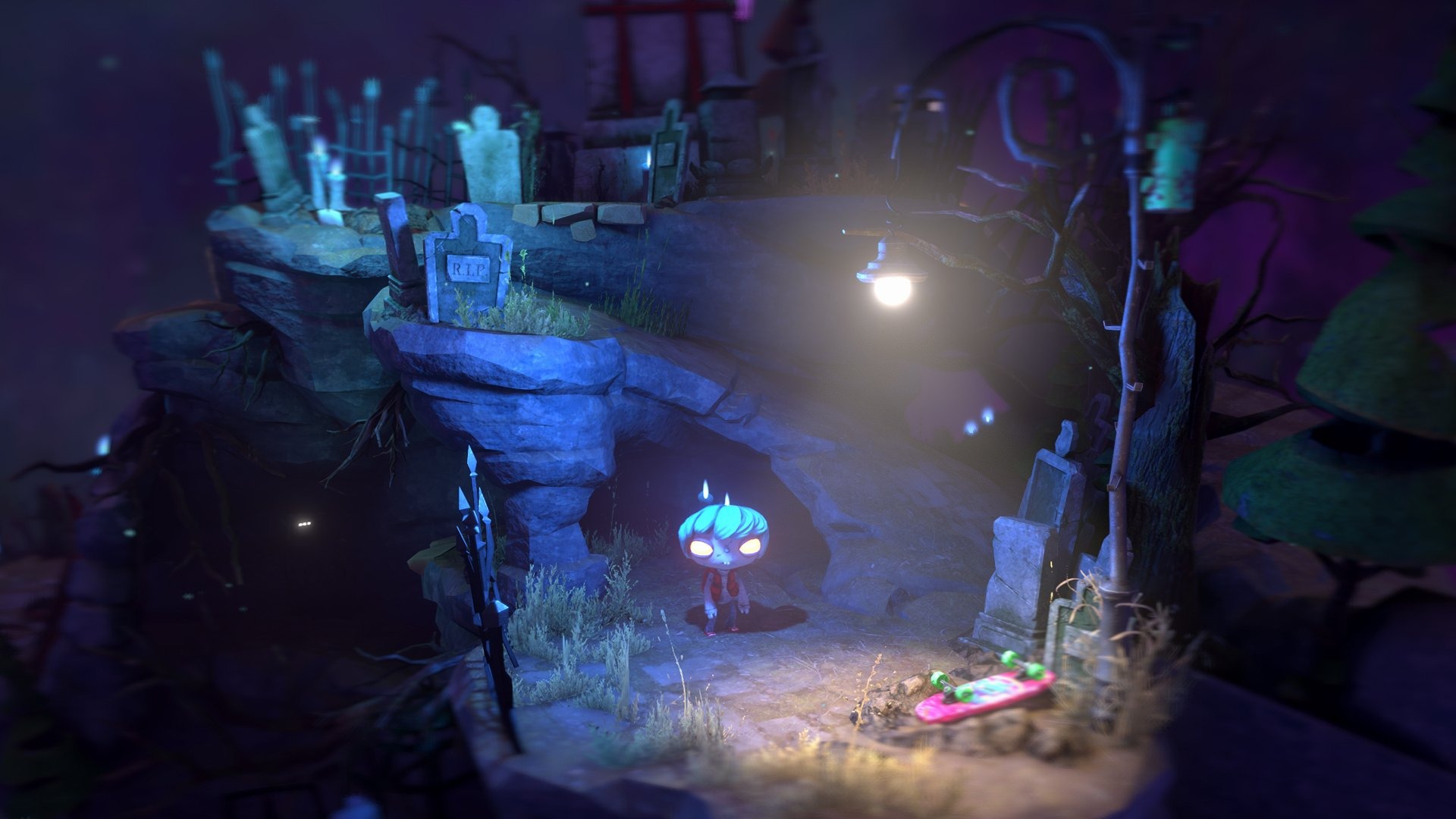
The visuals are very charming and have a Tim Burton vibe mixed with Psychonauts. It’s a very 90s Halloween vibe, and I really like it. The cheesy haunted mansion level notwithstanding. The character designs for Nena and Gloomy aren’t anything special, if not a bit grotesque in a bad way. The bug eyes and large heads didn’t do anything for me, but the overall charm and atmosphere of the game reminded me of PS2 era games, so I stuck with it. The story won’t do much for people either, but it is charming in a way. Nena is incredibly lonely and wants this zombie boy to be her best friend and will do anything to make that happen. It has a predictable ending, but the story is there to glue the puzzles together and string you along. The boss fights (there are a total of two) are Mario 3D esque being very easy and simple.
Overall, Gloomy Eyes is a charming little puzzler that will entertain you for an evening. The charming visuals, soft narration, and varied level design will keep you going. The music isn’t anything special, We have all heard this stuff before. It’s the typical mysterious Halloween music with xylophones and triangles. You’ll know what I’m talking about when you hear it. It does give me a sense of nostalgia for early PS2 games with that Halloween vibe, and I quite liked it. If you want a fun puzzle game and love Tim Burton or Psychonauts, then give this a try.
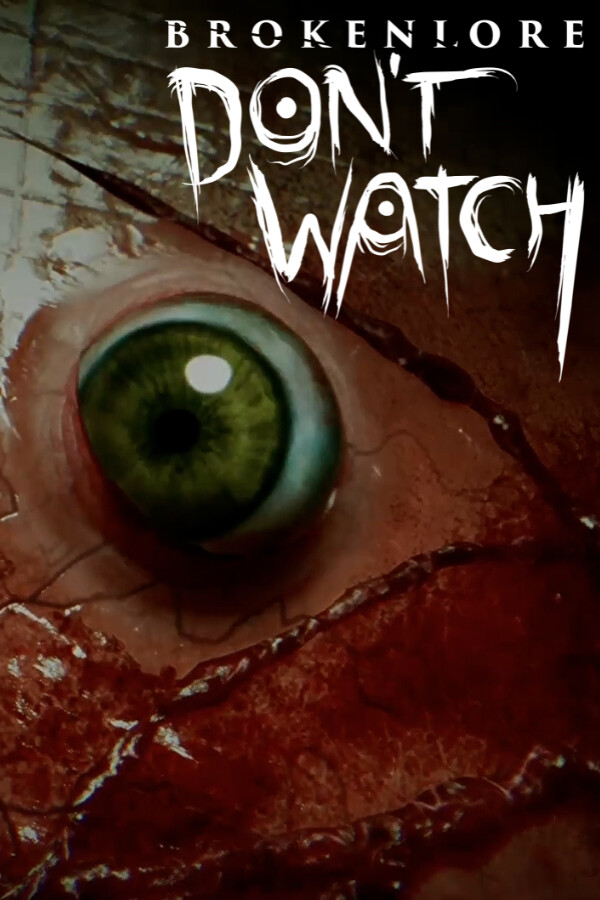
Horror games that are good are really hard to come by these days. The online stores are stuffed to the gills with short indie horror titles, mostly from Asia, that don’t really add much to what we’ve already seen. With the large amount of P.T. clones (Madison) and Asian urban legends (DreadOut, The Bridge Curse), none of it is of the same quality that everyone is trying to chase, such as the peak of horror games from the PS2 era (Silent Hill, Haunting Ground). Sadly, BrokenLore: Don’t Watch is another one to chuck into the bin of trying but failing to execute any kind of staying power in the horror genre.
You play as Shunji, a NEET (in Japan known as not in education, employment, or training) or, anywhere else in the world, a loser. He is living off of his parents’ income, and his lifestyle has clearly caught up with him. He’s behind on rent, his rent-to-own TV is ready for repossession, and he’s a complete slob. Looking around his apartment, you will see it’s pretty stereotypical for this type of person. Shelves of manga, fast food containers everywhere, anime posters of girls in lingerie, anime shirts, and trash piled up at the door. Sadly, we don’t really get to know Shinji or Junko, the only other character in the game. She contacts him via IM on his PC and warns him about not looking at a monster. Their mutual best friend is missing, and she wants him to contact this friend.
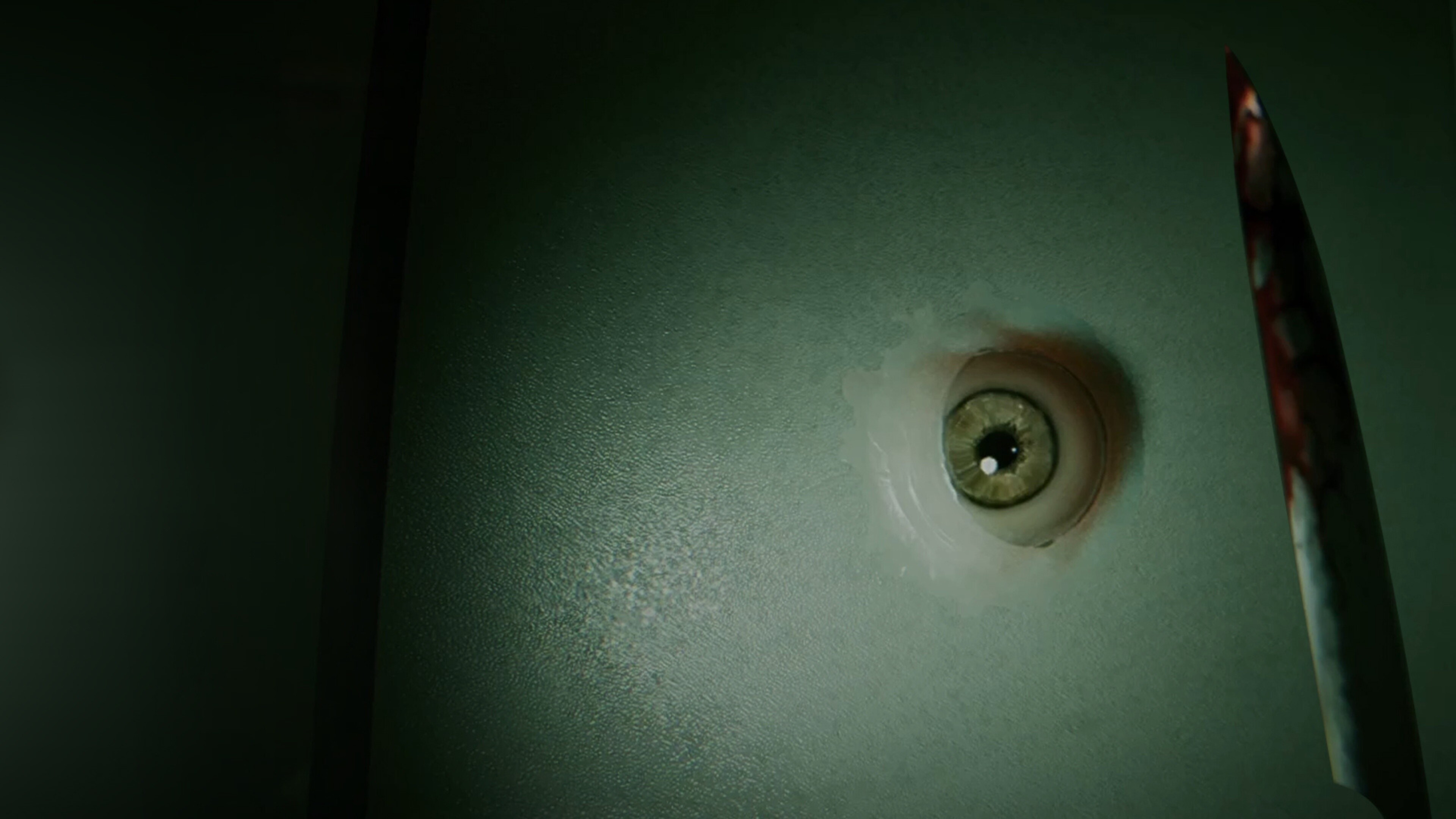
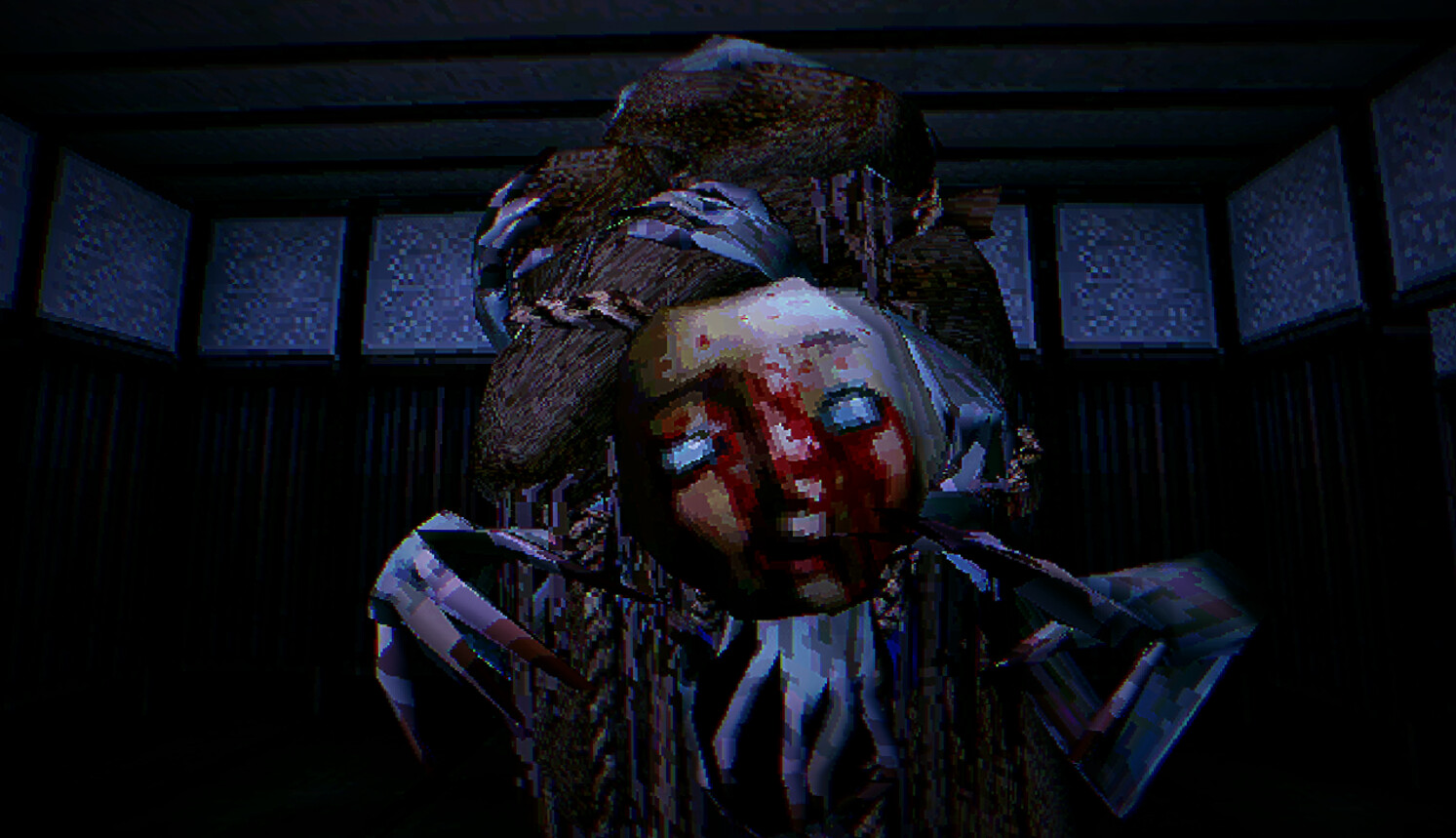
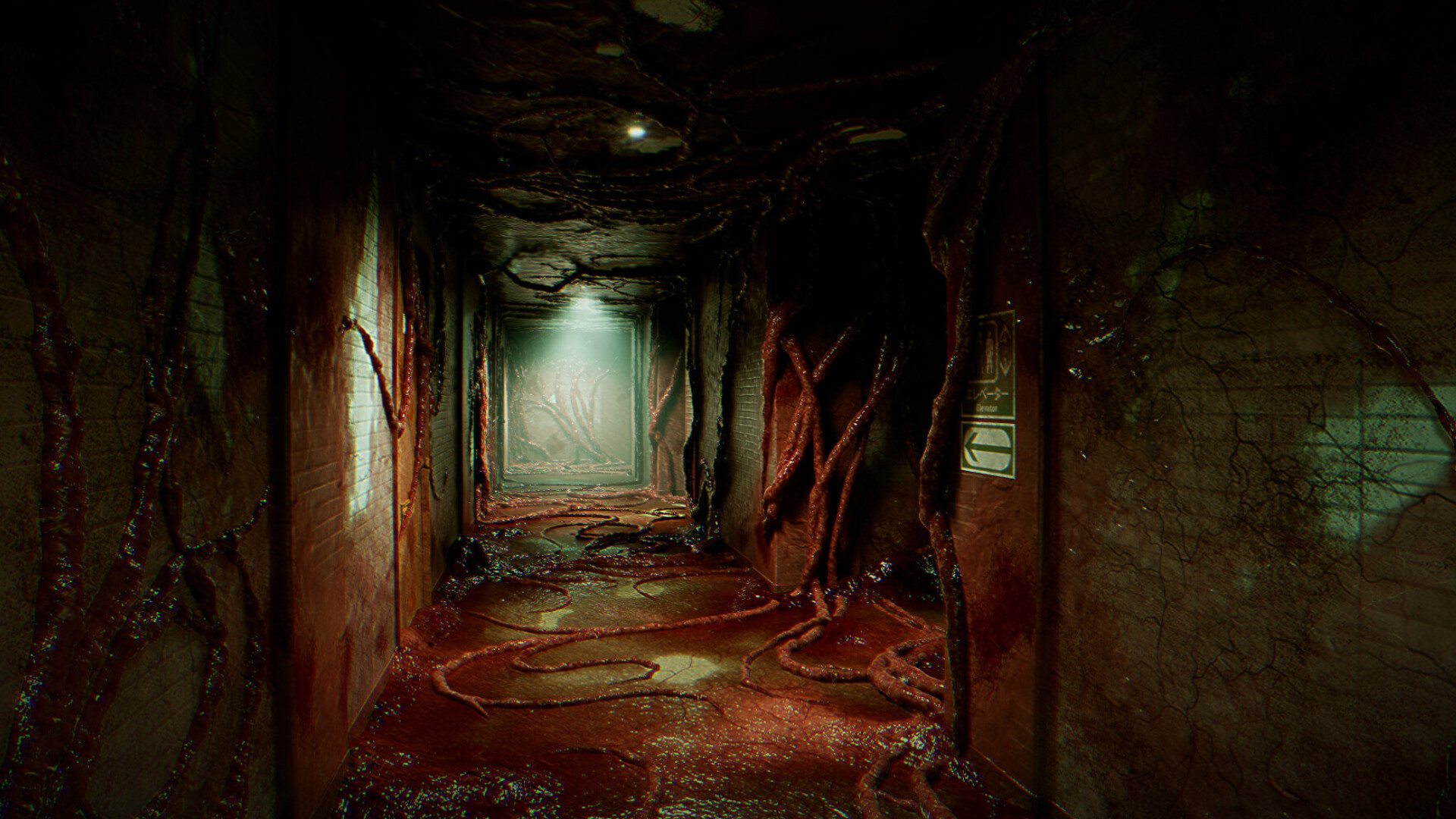
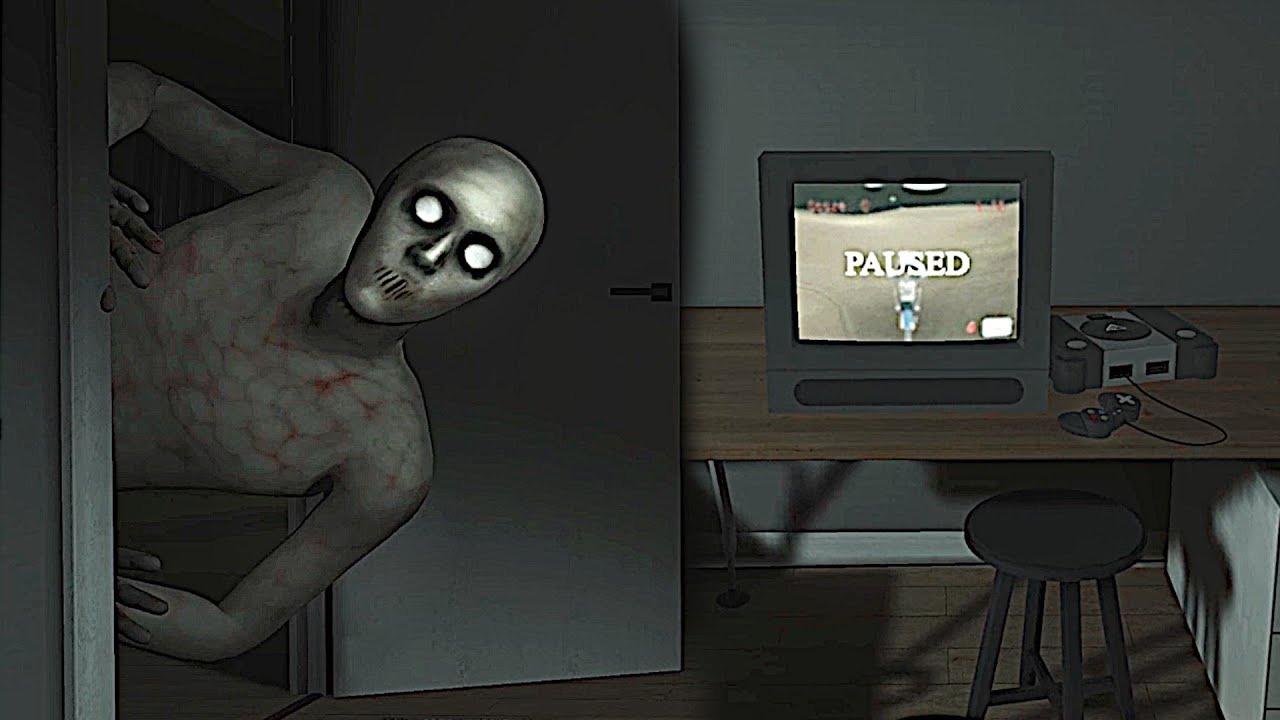
As you progress through the first 15 minutes of the game, you will slowly descend into the madness that is the Hayakuma. A monster that seems to come after deadbeats. These first moments of the game are full of progressing scares, and they are pretty cool. I don’t want to get into too much detail to spoil anything, but this is probably the best part of the game, sadly. The first time you need to stab eyes on the wall is really neat, but once you leave the apartment and venture into the hallways, the game quickly becomes tedious. The worst part of the game is when it changes to a 32-bit game a la PlayStation, and you might find 6 TV cords to unplug to get back to your apartment. I found this kind of pointless, and it doesn’t add anything to the game. You need to follow the colored cables to the correct areas and avoid a monster while you’re at it. If you get caught, you can get hit three times, and then you are reset back to the starting area of the large TV and must go back to find the plugs. It’s a good way to warp back to the beginning after you’ve found the plugs through.
Honestly, the game should have stuck with just unfolding a story inside of the apartment. The first part of the game is done really well, and I could see it being even better if they just continued creating some creative, scary moments. I was hooked during these scenes, but once you leave the apartment, I wished I could go back. The voice acting is also really well done, and being in Japanese keeps it from feeling cringy. Overall, Don’t Watch starts out really well but loses the focus and momentum that it built up and leaves you with a character you could care less about.
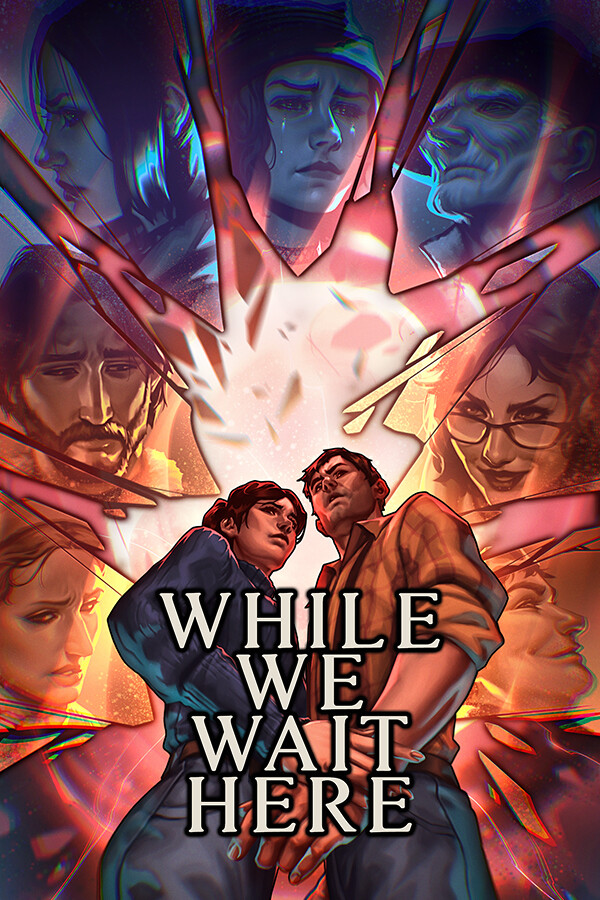
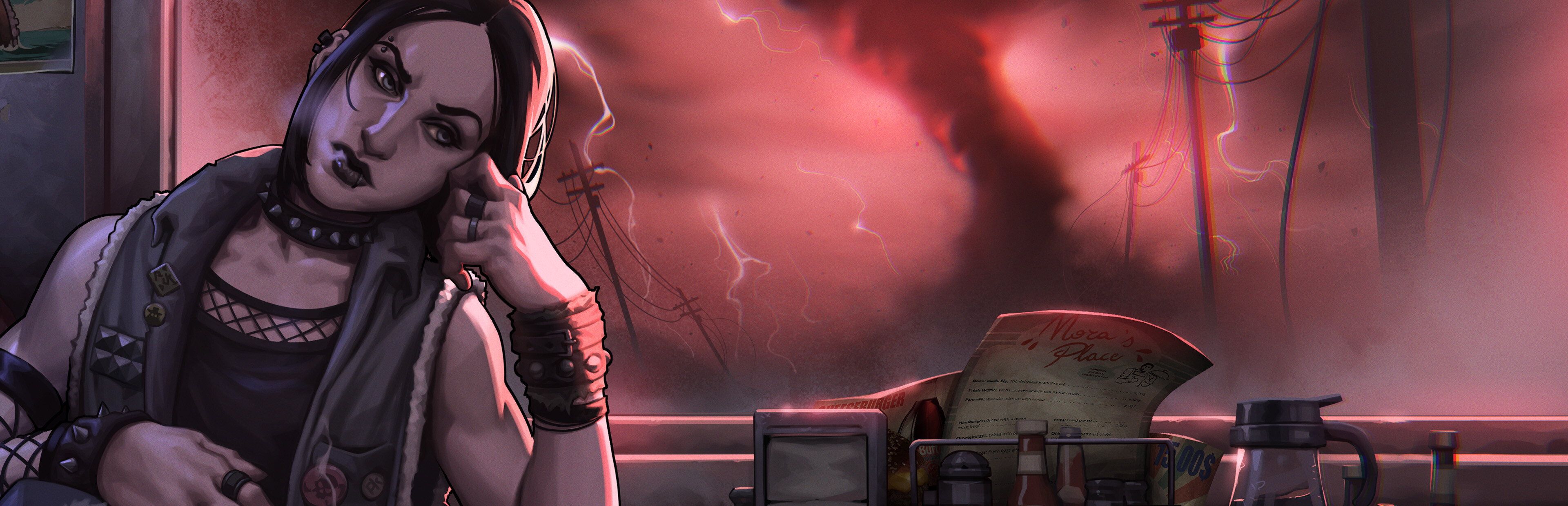
Retro-style games are booming right now, especially those with PS1-style graphics. Their limited capabilities are excellent for giving a certain vibe and atmosphere and are especially popular with horror games. While We Wait Here isn’t exactly a horror title, it does have a dark tone and theme. This is a story that begins near the conclusion and works its way backwards to tell everyone’s story. You are a couple who owns a diner in a small town in the middle of nowhere out in the Heartland of America. There’s no specific location given, and the entire area is generic, but it feels like somewhere out in the Midwest near Tornado Alley.
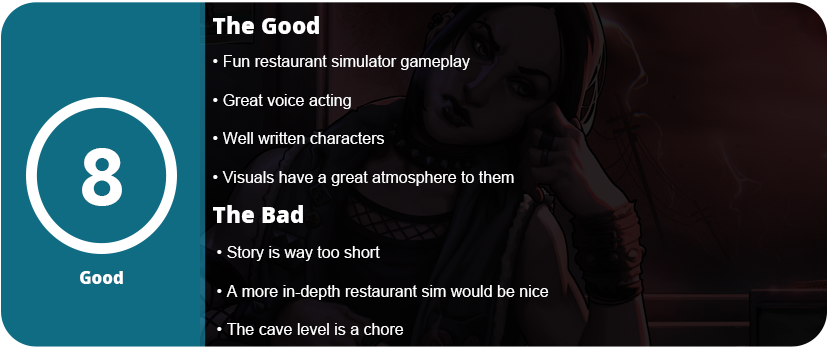
You are a couple who are about to move out of town and sell their diner. Lisa’s father owned this diner, and she assisted him in running it as a child. You meet Alex, your husband, while working at the diner as an adult. The game is a strange mix of horror, adventure, walking simulator elements, and restaurant sim similar to Diner Dash. However, the integration of the simulation elements with the rest of the story and game is so compelling that I found it impossible to stop playing. I played the entire game in one sitting. The writing is tight and well done, and the characters are very intriguing. Each character ends up at the diner, and you hear their conversations while cooking and play a 10-15 minute segment about their lives before arrival. The characters include two punk rock best friends who are constantly shushing each other about a secret, a couple with a newborn baby, a workaholic old man, and a peculiar and paranoid local.
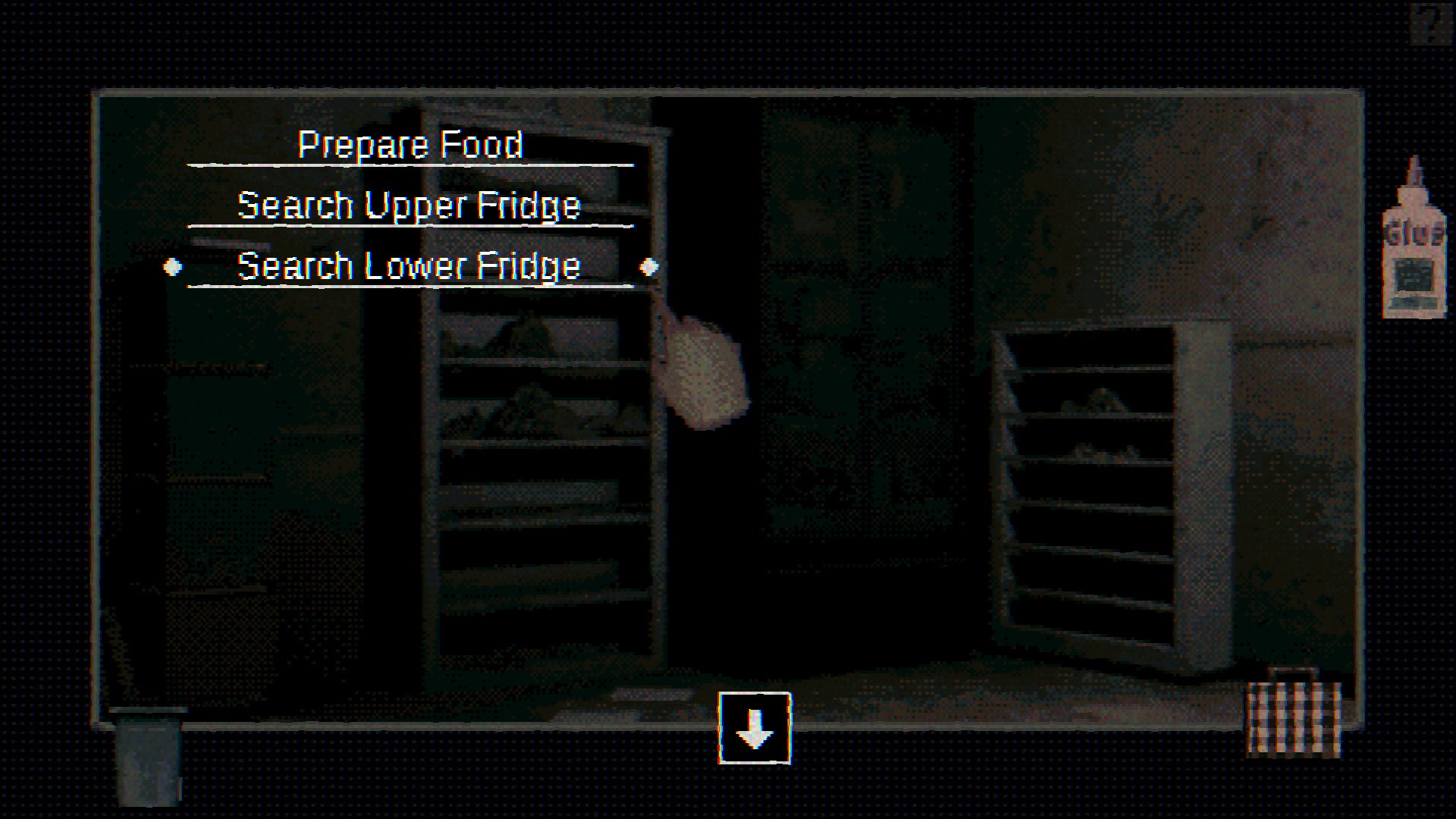
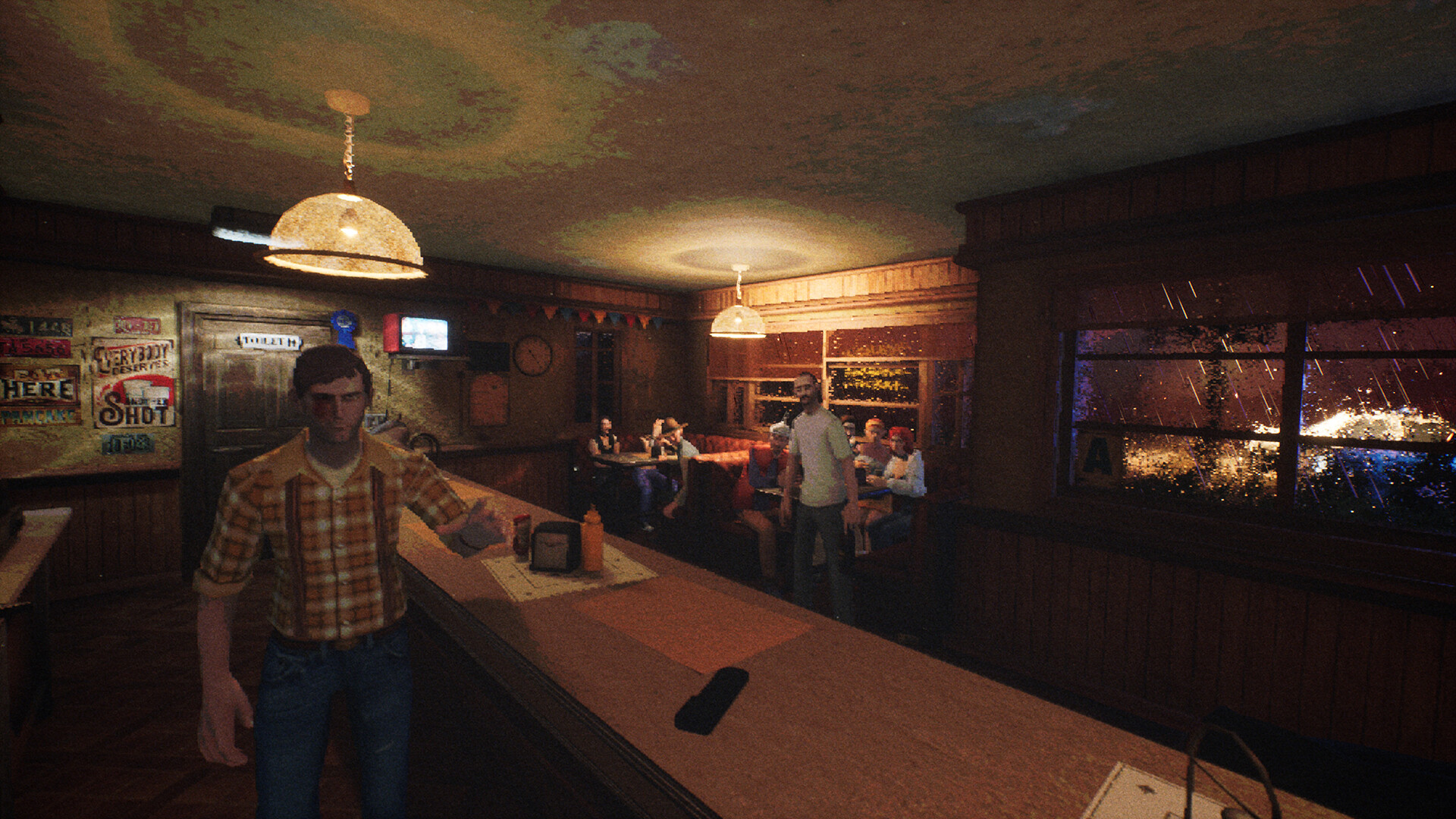
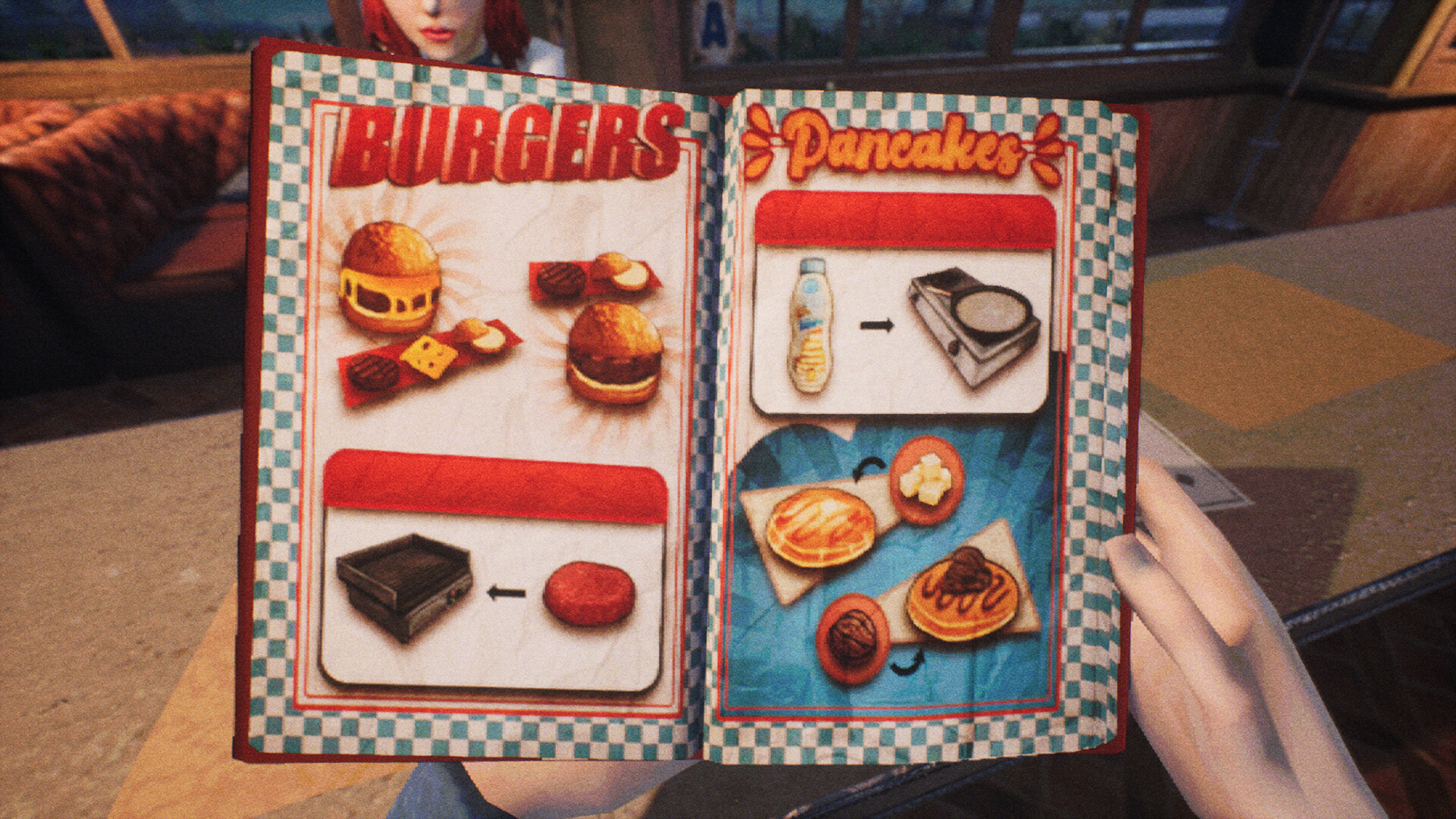
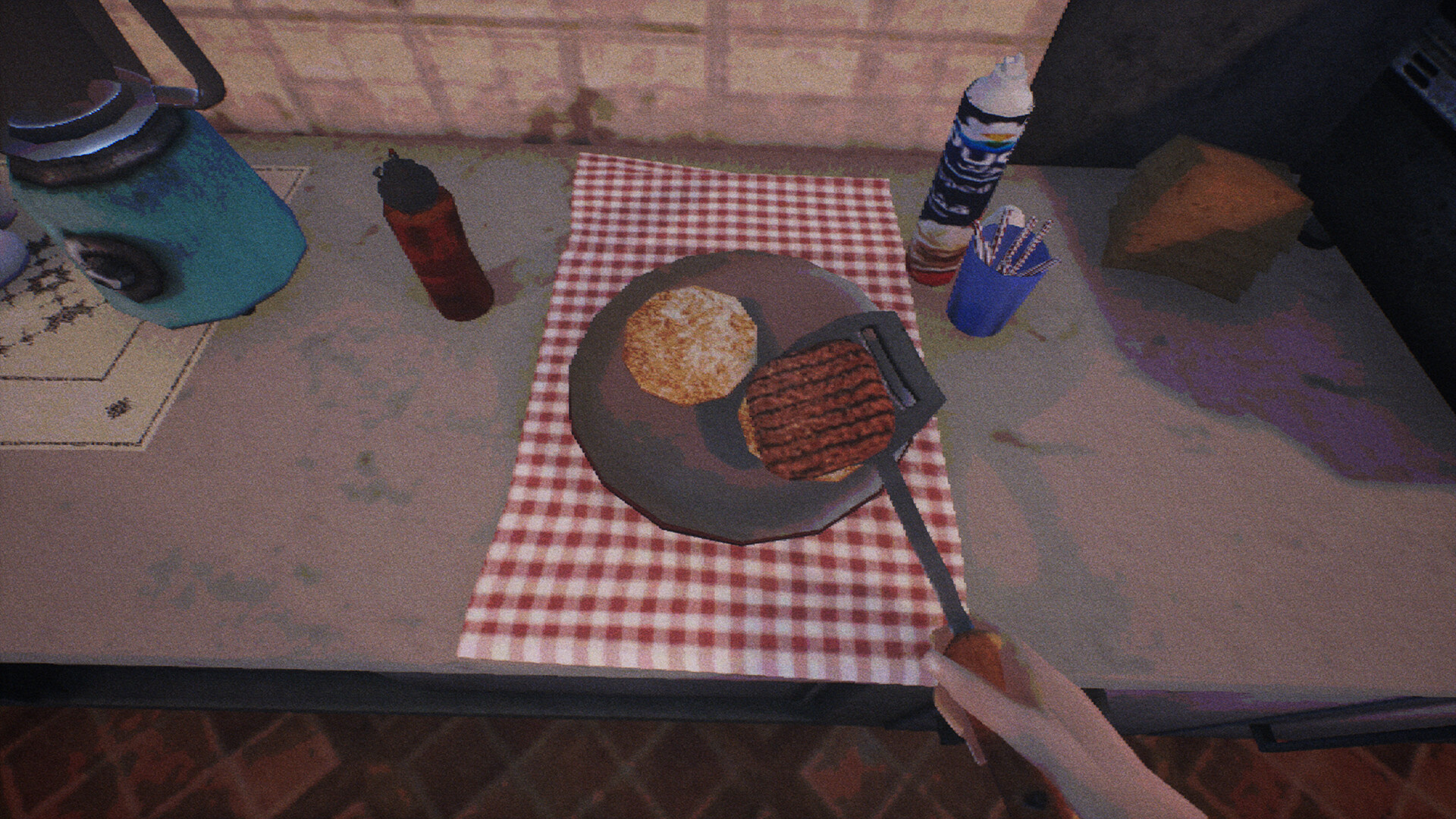
Your story with Alex is eventually told, and I can’t really give any other details about the story, as it could spoil it. There is a mystery between the two and the diner itself. There are many first-person interactions with the people, but mostly on the sim side. Each person can order something off of the menu. The menu is accessible with a button that gives instructions on what items go with each order. Once you place a ticket down on the table, you can go about your business. It’s not very complicated, but the animations are detailed, and overhearing the chatter in the back as the story goes on is great. You can grab milk and ice cream to make a milkshake. Put everything in a blender, grab a glass, and prepare it for the customer. Some food dishes require placing a plate in the prepping area, such as hamburgers. Make sure you look at the ticket icon and see whether they want cheese or not. You can grill, make pancakes, give whiskey shots and coffee, and clean and put away the dishes. That includes putting back ingredients like milk and frozen french fries. This isn’t very deep, and only during a few moments will you have many orders, but there’s no rush. There is no time limit on the game.
You will eventually prepare every type of item by the end of the game, but that’s okay. There’s just enough here for the 2- to 3-hour story, and by then I felt like if I had to prepare more, it would become tedious. There are a few other mini-games such as shooting with a gun during a couple of segments and painting a room, but they don’t overstay their welcome and are relevant to the story. I did find one particular area in the game that really drove me nuts. You need to navigate a labyrinthine cave at a snail’s pace, and it took me nearly 30 minutes to find my way out. The story could have greatly benefited from reducing or eliminating this part of the game.
The visuals are great. Despite the PS1 style, the character models surpass the system’s capabilities in detail. The game is always dark, and you always wonder what’s just outside the window. The bizarre storm that’s the centerpiece of the story made me curious. The entire game made me curious, and I wanted it to go on further. The writing is so well done, as is the voice acting and characters. I was eager to delve deeper into these characters’ lives, yet what’s presented here fulfills its intended purpose and accomplishes the task. Both the resolution and each character’s conclusions are satisfying. It is very difficult to have such a good story for this short of a game.
The Dread X series is a great idea. Get a bunch of indie developers together to create some short horror experiences and put it all together in some weird hub. Each game is completely different and offers brand new experiences, but I’m starting to see that the series is running out of ideas. The main hub this time around is a kids birthday center called Outpost 3000. It’s space- and alien-themed and full of 90’s cheesy goodness. I appreciate the varied areas you can go into, and the games this time are unlocked by finding 12 different presents and bringing them back to your table. You can then choose one of twelve games to unlock with the present represented as candles on your birthday cake. When you unlock a new area in the center, you get a comic book panel.
Discovering the center is probably the most fun the game has to offer. There are some puzzles, chase sequences, and light exploration, but nothing too crazy. These areas range from a locker room, kitchen, animatronic stage, movie theater, ball pit, and many other birthday play center areas. There’s a monster that chases you through most of it in certain areas, and this doesn’t prove to be much of a challenge. The game controls like any other low-budget asset flip Unity/Unreal Engine FPS game and looks the part too. The graphics are very early 2010s or Unreal Engine 3 era feeling. Lots of shiny surfaces, baked lighting that’s too bright, bloom, etc. While it gives off a cheesy vibe, I would have liked to see this series move a bit further ahead in the tech department.
Of course, I will do mini-reviews for all twelve games. I will give each game a rating out of 5.
Ludomalica—This is a board game where you play in the first person. You are in your bedroom, and there seems to be a family member haunting the house. When you roll the dice and you land on a question mark space, the ghost will appear somewhere in the house. You must have all lights off in all rooms and all doors closed. The game has a limited duration and follows a predetermined script. Eventually the house opens up more with different floors and rooms. The entity must not capture you, or it will send you back to your room. Overall, the atmosphere is really intense, and I felt reluctant to go outside of my room and close all the doors. It gives off the memories of turning on all the lights while going to the bathroom at night as a kid. – 3.5/5
Resver – This is a first-person walking simulator that just doesn’t make any sense. Everything is presented in black and white, and as you move forward, text appears, seemingly attempting to explain a narrative. It honestly made no sense outside of having the moral idea of not doing drugs and the impact they can have on you. It seems this is some sort of drug ring thing. I honestly have no idea. The game is about 20 minutes long, and outside of the visual trip, there’s not much here. – 2/5
We Never Left – This is about a video game developer with psychosis who is inside his own text adventure game. We saw something like this in Stories Untold. The atmosphere and tension here are done really well, except I found the tape hunting to be quite tedious and annoying. The visuals are a bit headache-inducing too. These are PS1-style graphics, but with some sort of filter over them, and they just don’t look that great. I found the story to be pretty intense, and the voiced lines were a plus. 3.5/5
Interim-This is a weird one, but in some ways it’s good. The game features a real-life actor superimposed in front of it, similar to older FMV games of the mid-90s. You are an intern who seems to be on some sort of reality TV episode. It’s really odd, makes no sense, and the visuals are really weird, but not always in a good way. Sometimes it’s confusing where to go, and the game soft-locked on me a couple of times for no reason. It’s over in about 20 minutes, but what’s here is mostly entertaining. However, it doesn’t contain any frightening elements. 2.5/5
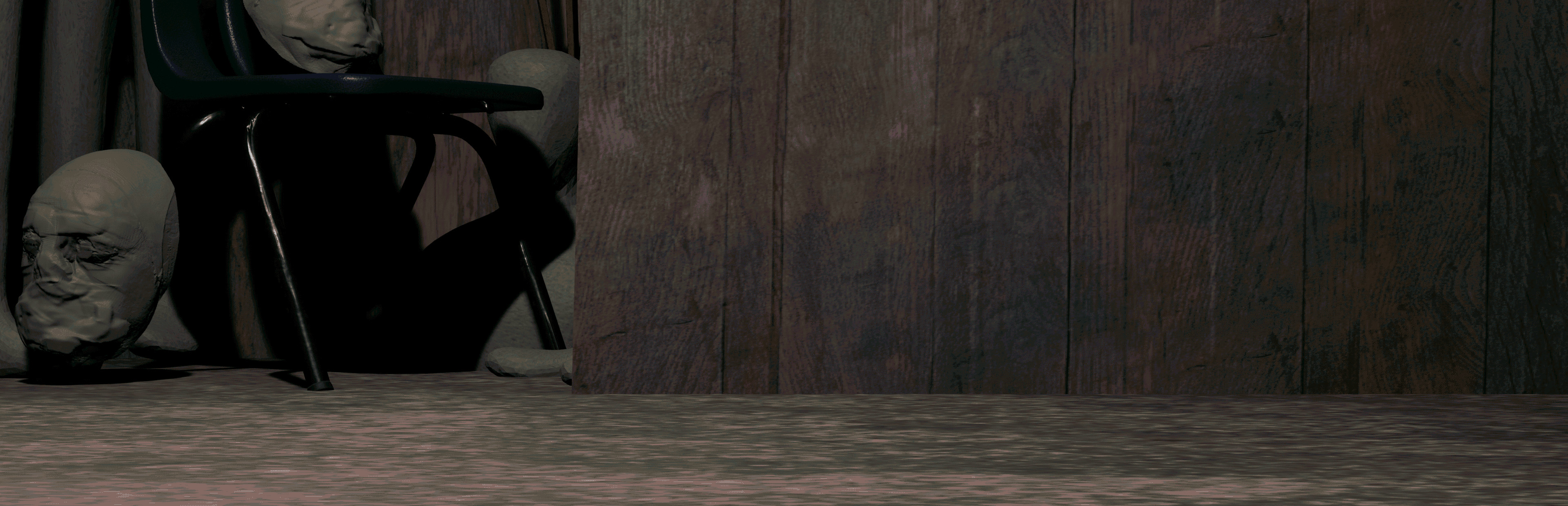
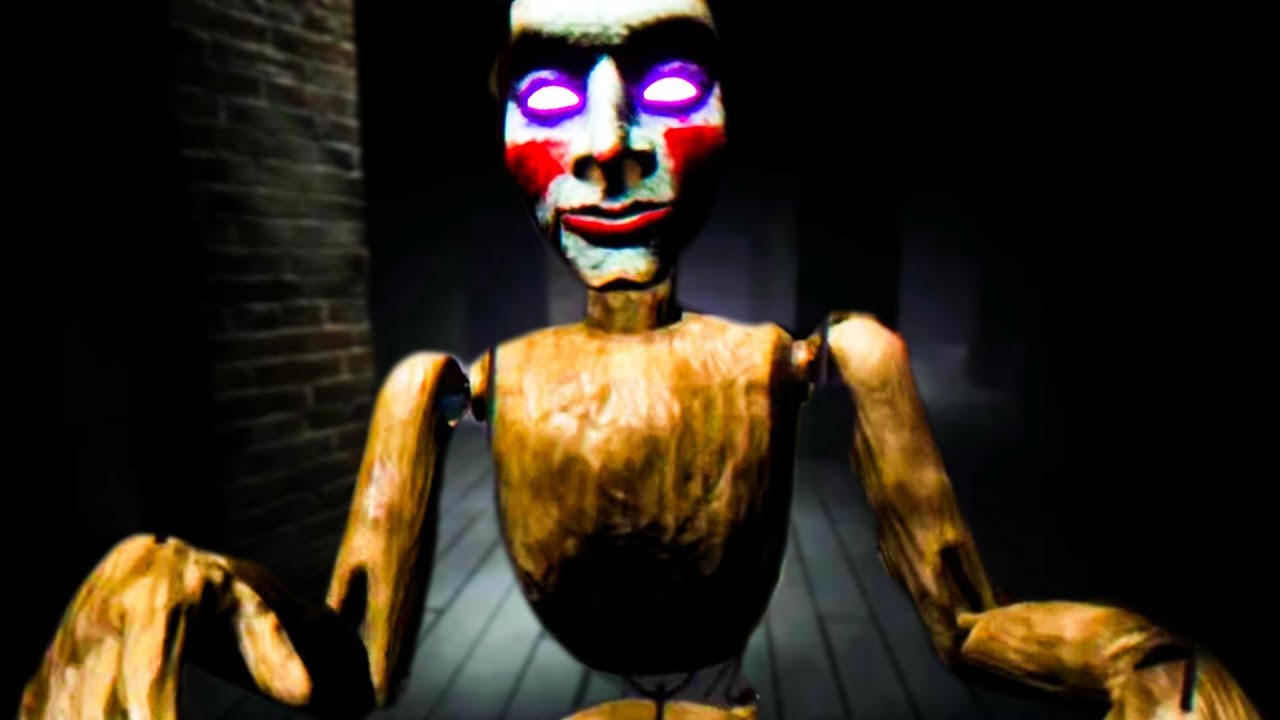
Beyond the Curtain – This is a weird walking simulator that is very repetitive and has almost no tension. You are an actor in a play and seem to have some sort of phobia of puppets. You walk around an endless backstage tunnel, and I mean seemingly endless. The scenery never changes, and all you need to do is walk around puppets holding knives so they don’t stab you. There’s a final area with some sort of worm creature, and that’s about it. The puppets are always following you, and you need to make sure you constantly look back at them to gain some distance. The game lacks scariness and is excessively drawn out, leaving no clear sense of purpose. This game is likely to rank among the weakest of its kind. 1.5/5
The Book of Blood – This is by far the best game in the package. This is a full-on stalker game set in a fairground. There is a lot of occult discovery, and you accidentally end up in one and need to get out. You have a book that you need to solve puzzles in. You need to go out and gather supplies to complete the ritual, and every so often a strange masked man will try to kill you. Both trailer doors must be locked at all times, and sometimes the power will go out and obscure the book. Next, you must locate the numbered breakers and reset them. Run around too much, and the masked man will find you. You need to sneak around and get everything turned back on. You can also pop out the two windows to see if the man is near your trailer. Once you hear him knock, you need to quickly check the locks on your doors. This game is really intense and actually quite scary at times. The book puzzles require a significant learning curve to master, but once you do, they can be quite enjoyable. 4/5
KARAO – This game is rather strange, and while one of the most surreal, it just doesn’t make sense. This is a PS1-style horror title in which you run around a linear path trying to find a way to open doors. You get a shotgun and can shoot things, and this is one of the longer games along with The Book of Blood. The path is super linear here, and you need to talk to people and listen to their abstract dialogue to also get codes to open gates and doors. The visuals are more on the interesting side, but this is another game with PS1 graphics and a weird filter on top that doesn’t seem very appealing. 2.5/5
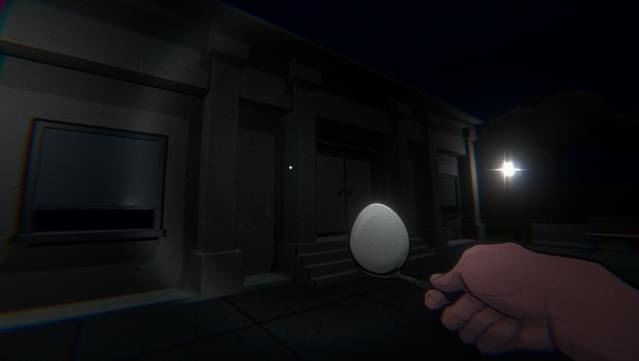
Spirit Guardian – Probably one of my least favorite games. This is a terribly designed first-person haunted school walking simulator. The game is around 15 to 20 minutes long and has a cheesy “Nanny” haunting the school inside. You are following the instructions of a little boy. He tells you to place blocks on a table, play hide and seek, and carefully walk eggs on a spoon. Physics are terrible; the flashlight works well, but if you’re caught, your items are taken and may be in a dark locker where you can’t find them. I found the game just incredibly tedious, difficult to control, and completely uninteresting. 0.5/5
HUNSVOTTI – This is one of the oddest games in here, but also the ugliest and hardest to control. Rather than a PS1 aesthetic, this game goes for an N64 one, and boy, does this look ugly. The polygonal, poorly animated figures and stiff controls certainly bring back memories of some of the worst games on that system. You are a little boy in a Dutch festival called HUNSVOTTI. Every character is in a canned animation, and you must find flowers without bumping into anyone. The more you do, the faster the animations are, and eventually they will all come after you, and you still have to find flowers. After finding all the flowers and dropping them into the well, you become a large demon that can kill the villagers. It’s very odd and not really in a good way. 1/5
Gallerie – This game has one of the coolest concepts, 3D binaural audio, to use ASMR voice lines to add atmosphere for the player, but it just comes across as mostly annoying. While the spoken words are fine, the gibberish later is just the weird clicking and smacking that people do in the ASMR videos, and I can’t stand that. You are tasked with destroying the world, and some girl is angry, and you need to interpret what she is saying to you via a legend. There are three levels here, each more annoying than the next. You must keep away from an entity that stalks you, and when you look at it, similar to Beyond the Curtain, it stops moving for a few minutes. You need to find demon paintings and enter the QTE on screen before it attacks you. The second level is more of the same, but the third is the worst with leapfrogging of batteries that need to be charged. In the meantime, you are backtracking and running around a confusing level. The visuals are weird, but disorienting and not pleasant in the slightest. – 2/5
Vestige – This is another PS1-style game, but you are a kid who is discovering his old PS1 games, but they are haunted. Sadly, you end up playing this game, and it is just a terrible dirt racing game similar to Motocross Madness with terrible controls and physics. You walk around your house trying to advance the plot a bit. Overall, the game isn’t memorable or captivating in the slightest. The atmosphere is a bit tense, but nothing here is worthwhile. 1.5/5
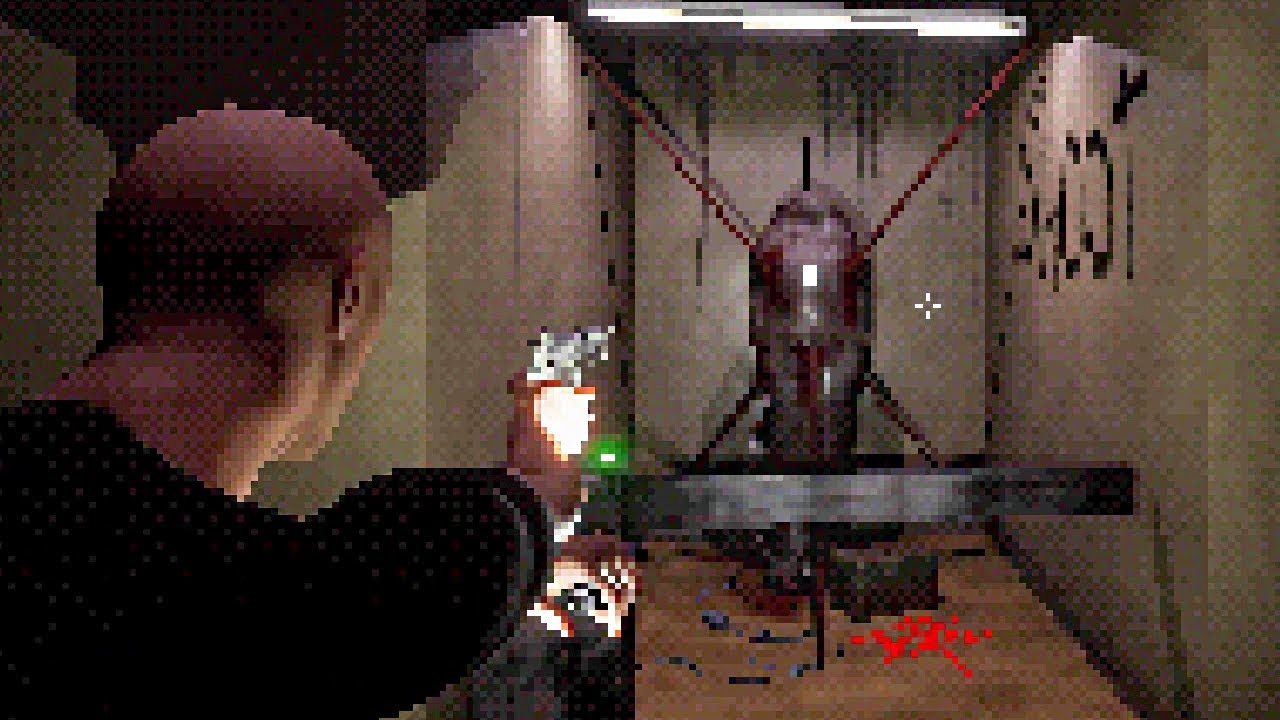
Rotten Stigma – Another poorly implemented PS1-style game with Unreal Engine asset flip vibes. You play as a generic bald-headed man in a green shirt who wanders around what seems to be a recreational center. You get a pistol and a lead pipe as a weapon and have to fend off weird bipedal creatures. You just read notes from Alex to solve a couple of puzzles that aren’t challenging at all. Once you wind your way around the area, collect a few items and keys, and shoot some bad guys, you end up at the end of the story in about 20 minutes. The game is incredibly ugly, clunky, and uninteresting. There’s a bit of atmospheric tension due to the dark lighting and sounds. There’s one particular scene that I enjoyed, but nothing was expanded upon. It involves a crying body bag and a bathroom. The game is obviously inspired by Silent Hill but doesn’t even come close. 1.5/5
Average Score: 2/5
It’s clear that the collection here isn’t quality but quantity. Most of these games are just ideas for what could be larger games, but those ideas still aren’t great. Many of these games are clunky, ugly, have headache-inducing visuals, nauseating cameras, obtuse puzzles, or have atmospheres that are slightly creepy but don’t go very far. The Outpost 3000 hub is more entertaining than any of these games. Many games also have asset flip vibes, don’t have outstanding resolutions, and show up stretched out on higher resolution screens or have visual bugs. Nothing here is fantastic or stands out much. The Book of the Blood is the most solid of these games, and that’s still not saying much. I’m glad most of these games are around 20 minutes long. Any longer, and I will not finish them. Overall, Dread X Collection 5 is the weakest one I have played thus far. This doesn’t feel like a collection of quality at all. Nothing here makes me want to seek out these developers and see what they have to offer, unlike past games. I feel like this series needs to go more on the mini-game route rather than full-on games or be stricter in their quality.
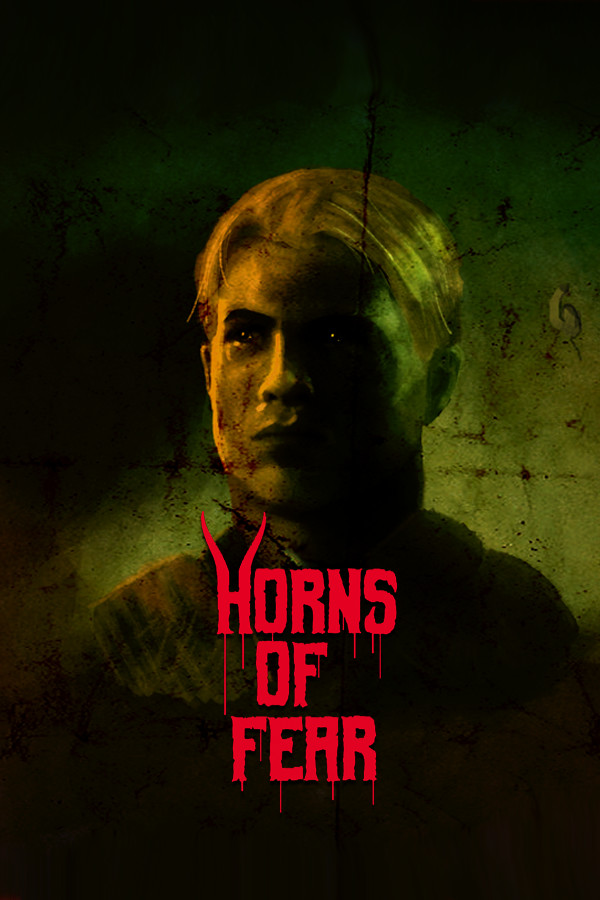
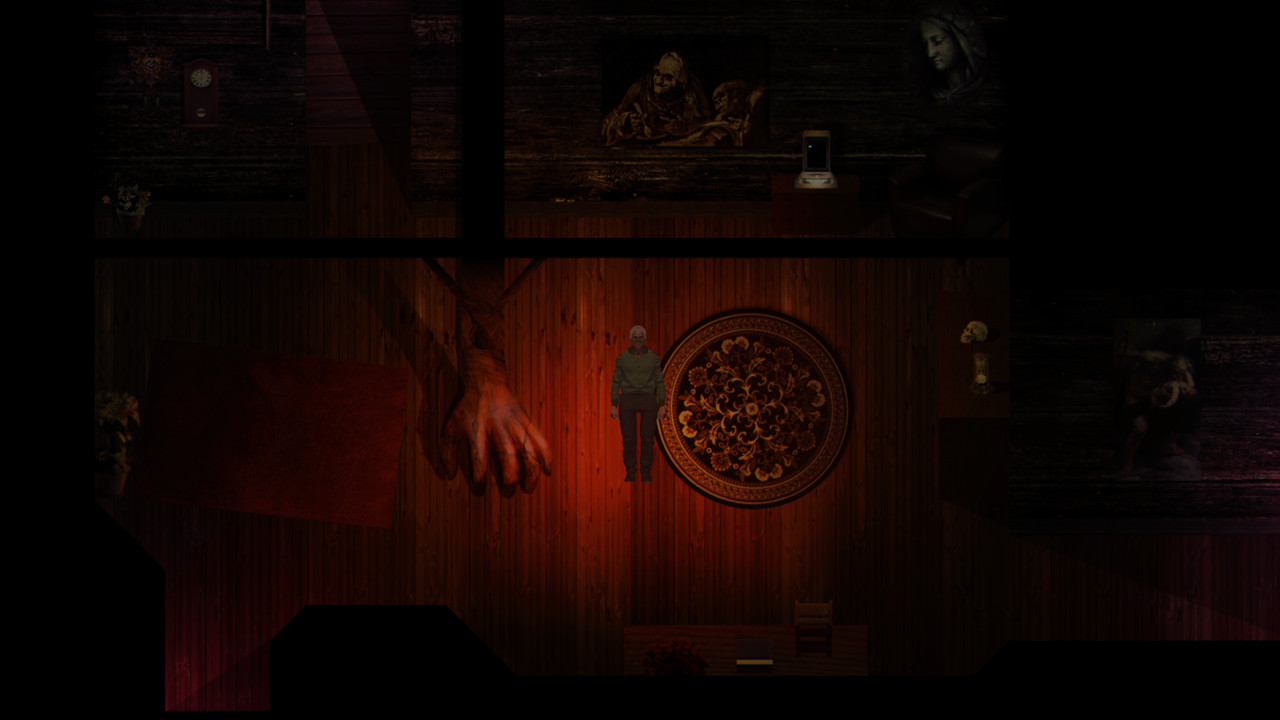
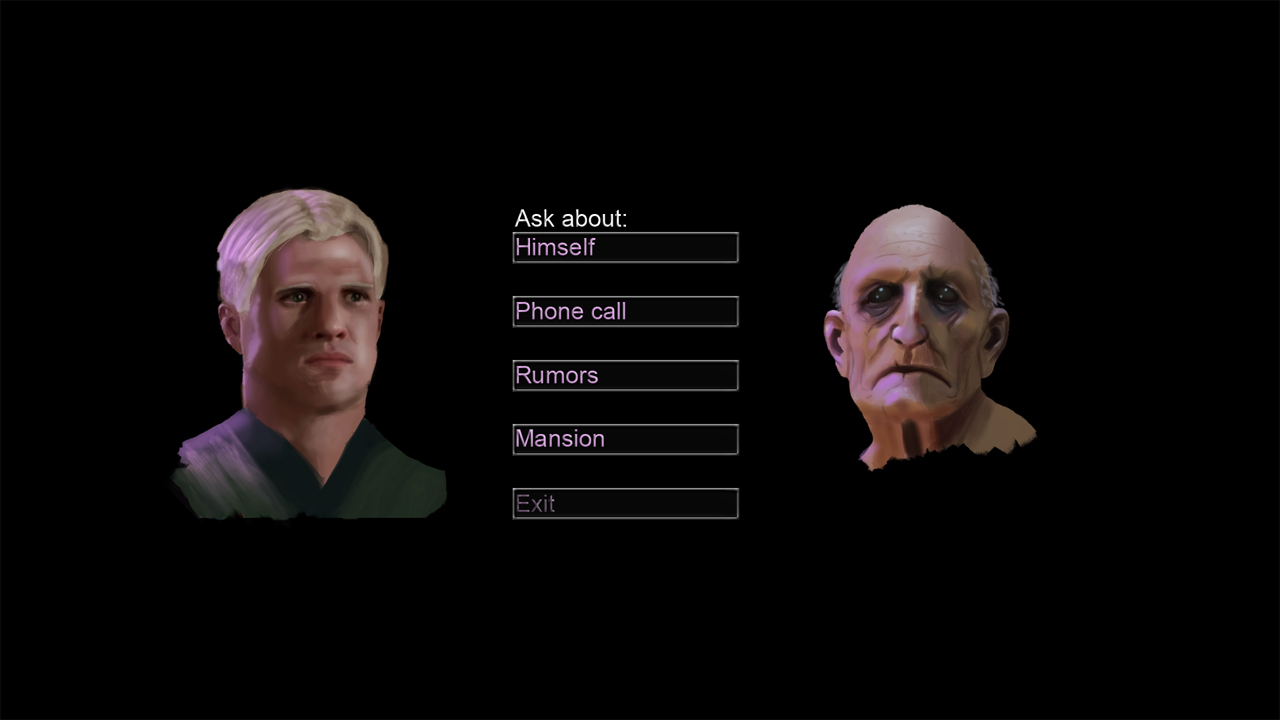
Horns of Fear is a short horror adventure game with a handful of puzzles and a creepy manor to explore. You are Jim Sonrimor. You are a journalist who is grappling with a challenging relationship or marriage. You receive a call from an old woman to investigate her manor. Upon waking from drugs and pizza, you somberly visit the manor and notice something is wrong from the start.
The game has a 2D isometric art style similar to point-and-click adventures of the early 90s. Indeed, this game would be perfectly suited on a vintage gaming shelf. Your inventory is small, and the game is short enough to never fill it. You can save at computer terminals, of which there are only a few. The game is tiny and short that you can easily play the entire thing without needing to save. The puzzles are captivating and surprisingly well designed. I rarely needed a walkthrough. Most developers treat players like idiots or make puzzles too difficult, but not so much here.
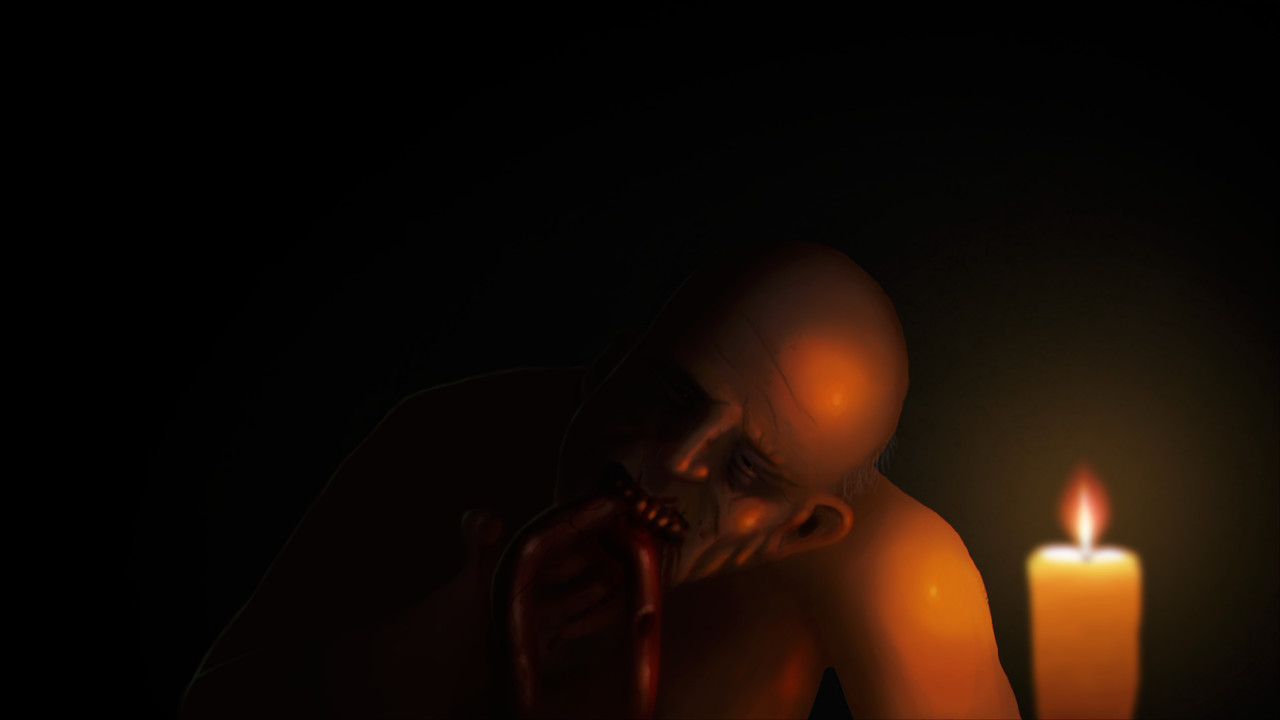
Once you complete a puzzle, you will usually see a small cutscene. There isn’t any combat in this game outside of the final boss. There are a couple of quicktime events, but for the most part, the game is mostly about atmosphere and storytelling. I was surprised at how complete the story felt despite the 90-minute run time. Without giving anything away, the ending took a surprising turn and provided a highly entertaining experience. The scares themselves are more jump scares. The sound of a screeching violin accompanies a shadow moving across the screen. The cutscenes have a few gory and gruesome shots that are super cool. The death scenes are also really gory. The music itself was just okay. The music lacked originality and bore a somewhat cliched feel. The theme was reminiscent of a haunted house, rather than being unique to this particular game.
With that said, though, don’t expect anything incredibly unique or something with a lot of staying power. Horns of Fear is a decent short horror adventure and nothing more. While the puzzles are entertaining, you can’t really get lost due to the incredibly linear path you take, and there’s not really any character building. You’re mostly playing for a fun, short train ride rather than a full-on 3-day tour. While the visuals themselves aren’t particularly noteworthy, they provide just enough elements to make your play worthwhile. The trippy cutscenes, strange ending, and ease of play are enough to invite more horror fans over.
When you think of Tomb Raider, Uncharted, or most treasure hunters, you think of Indiana Jones. Harrison Ford’s iconic character is considered the grandfather of all video-game spelunkers. It’s only puzzling when you realize nearly every Indiana Jones game was mediocre to terrible at best, and none got the fancy high-budget treatment that his copycats did. Thanks to MachineGames, who are masterclasses; with their pedigree being in the recent Wolfenstein reboots, there’s no one else more qualified for a WWII-set adventure title in the first person.
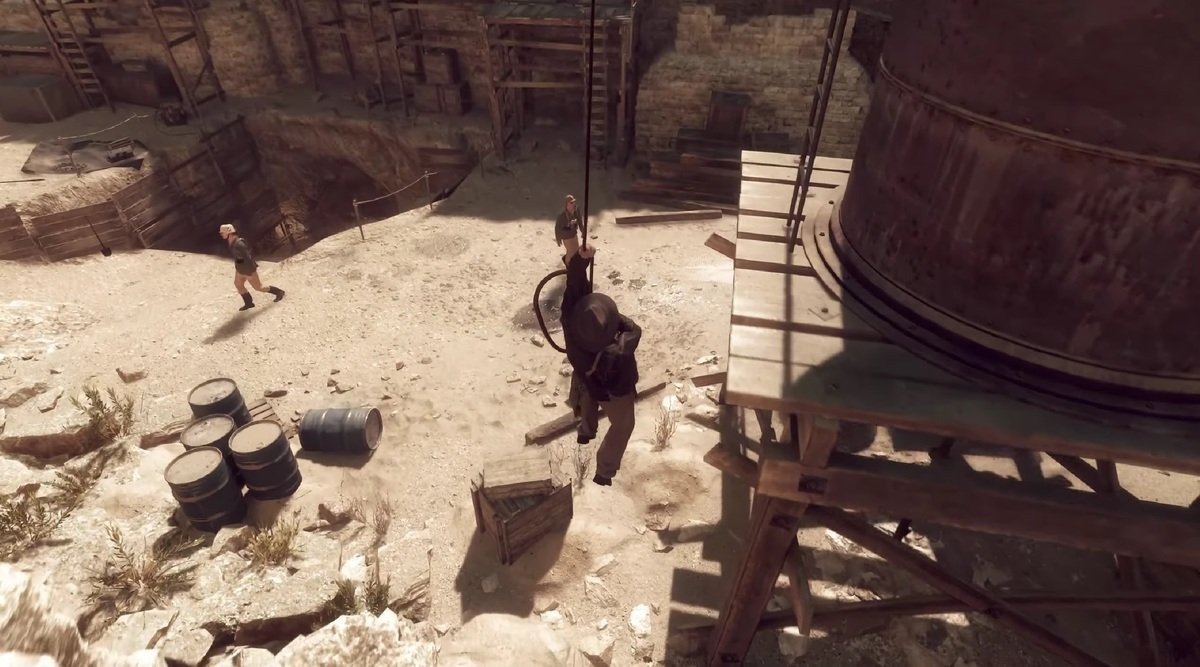
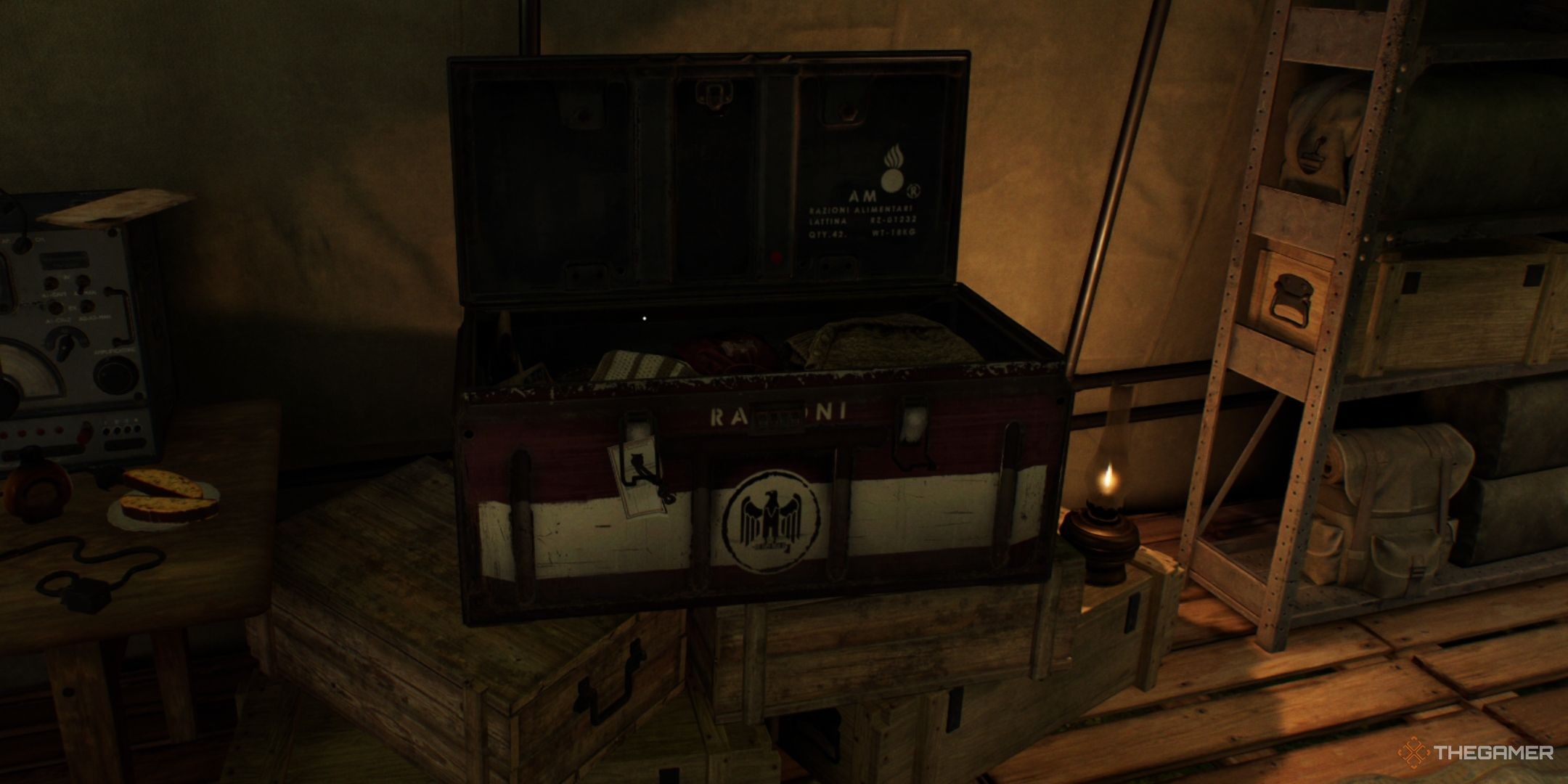
The Great Circle focuses on major monument sites like the Sphinx and Machu Picchu that hold a stone that, when combined with the rest, can allow instantaneous travel. This seems a bit far-fetched for a series so grounded in reality, but MachineGames pulled it off. The game starts out very serious and realistic in tone. You get to play the opening sequence based on one of the scenes from an Indy movie, Raiders of the Lost Ark. This is your basic tutorial on how to play the game and what to expect gameplay-wise. This platforming and climbing is mostly played in first person, but it’s used sparingly and works well for the character. The titular action hero is also voiced and acted by Troy Baker, of Joel from The Last of Us fame, and you would swear Indy’s voice is actually Ford’s or some sort of AI. He does a fantastic job getting all of Ford’s mannerisms and quips just right. MachineGames, in turn, did a stand-up job with his facial animations and expressions. The digital form embodies the essence of Indy.
I greatly appreciate the gameplay loop here, as it breaks up quite a bit and never feels stale. The first two “maps” of the game are large and open and give you side quests on top of the main adventure. You can ignore these, but they provide you with Adventure Points, which you can use to unlock abilities from the Travel Books you acquire. They also hold a lot of fun adventuring, great scripted events, and puzzles. Running around the map can unlock fast travel points, but don’t worry. These maps are significantly smaller than those found in games like Grand Theft Auto or Assassin’s Creed. You can easily run from one side to the other in a couple of minutes. The challenge here is that the Nazis have camps and barricades set up all over the maps. As long as you maintain your disguise, you can access some restricted areas and avoid others. Usually the disguise is similar to the local flavor of the working class. Indy will auto-equip disguises as needed, such as his iconic leather jacket, hat, and trousers, when you get to a tomb. You can easily get away with a lot, and thankfully the enemy AI can’t detect you from miles away. The yellow alert symbol above their heads is fairly generous and gives players plenty of time to hide and move out of the way.
Most restricted areas are fairly large and open, and your objective has multiple ways of entry. Either go in bashing everyone down or shoot your way through, but realize that some early areas don’t really have guns, and you will run out of bullets quickly. Sometimes it’s better to not be seen, as you can be greatly outnumbered. The main combat mechanic here is melee weapons of everyday use that you can pick up, such as brooms, tire irons, bottles, brushes, batons, frying pans, or anything else you fancy. These have degradation bars and can only be used a few times. Sneaking up behind an enemy and whacking them will get an instant knockout. Guns can also be turned around and used as melee weapons if you want to go a more pacifist route.
If you break your main revolver, you can use repair kits, but bullets are very rare. It’s not recommended to go in guns blazing until later levels when you can pick up a shotgun, sten gun, or other pistols. These also have a single clip, and then you have to discard the weapon. You also can’t carry any weapons up ladders. If you climb out of an area, the weapon stays behind. While you do at least get your revolver at all times as a backup, I rarely used guns. I must commend MachineGames for effectively dissuading players from using guns, despite their potential convenience. I always searched for a melee weapon and sometimes avoided combat in entire areas thanks to the many ways to get to an objective.
I did find navigating the areas a bit annoying, as the menu and inventory system are kind of a mess. All of Indy’s notes are in a notebook, and you hold this in real-time; the navigation icons only appear when the book is out. I had to run around with a book in my hand to see my player icon move in real time on the map. I would have liked an optional compass on the HUD. I also found flipping around to notes for solving puzzles to be a nuisance. The overall design of the menu system is subpar, resulting in a cumbersome experience. Some optional puzzles require you to snap photos for hints, and these documents and photos need to be referenced a lot, so flipping through multiple pages each time is a chore.
Adventuring itself feels grounded and used sparingly, so it feels like a real Indy adventure. You use your whip to pull things down, swing across gaps, and disarm enemies in combat. The whip is slow, and you can’t just run full tilt down a hallway and expect Indy to whip beams and fly across the levels Prince of Persia style. You have to stop and aim at the beam; Indy then whips it, and then you swing across, but Indy’s speed isn’t that of a superhuman adventurer. It feels real and believable. Indy doesn’t climb up his whip against walls quickly either. There’s a weight to his movements ; he’s struggling just a bit and always on the brink of exhaustion. To be honest, it’s a refreshing shift in pace. My favorite parts of the game are the final tombs you explore before the final bosses, as they are full of fun puzzles and scripted events. MachineGames broke up the game by adding three heavily scripted linear levels after the first two open maps. It’s so well paced, and I couldn’t put the game down.
The RPG system seemed a bit forced and unnecessary to me. The Adventure Points rack up, and you will end up with more than you need, but buying more books requires medicine bottles, which must be hunted and searched for in the level. You can use your camera to snap photos when an icon appears for some quick Adventure Points. Then you have coins, which you mostly use to buy the three main gadgets you use throughout the entire game. These gadgets include a camera, a lighter, and a re-breather. These are quite expensive and will require you to go finish side missions and scrounge for money in chests and on shelves. Travel books help you gain stamina, health, and damage while knocking out enemies faster. All three currencies are underutilized. You can also eat pastries to increase your “armor,” use bandages to heal, and eat fruit to increase your stamina “armor,” which just allows your stamina to reduce at a slower rate. Stamina is vital to combat, as fisticuffs is so heavily relied upon.
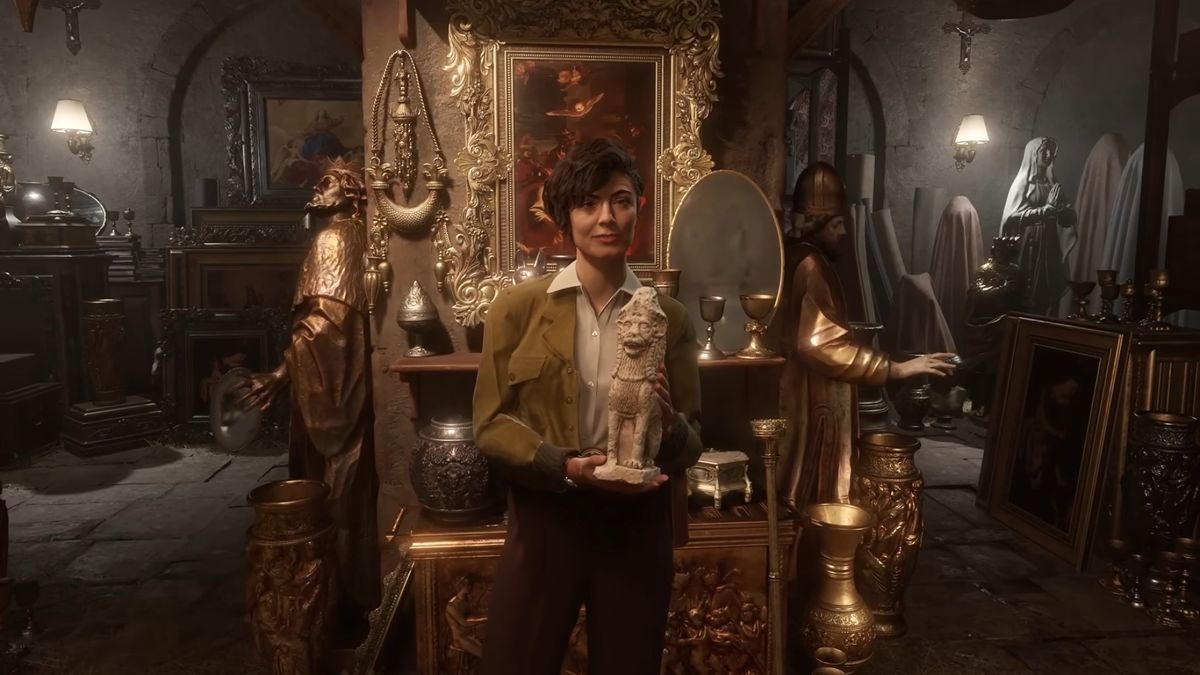
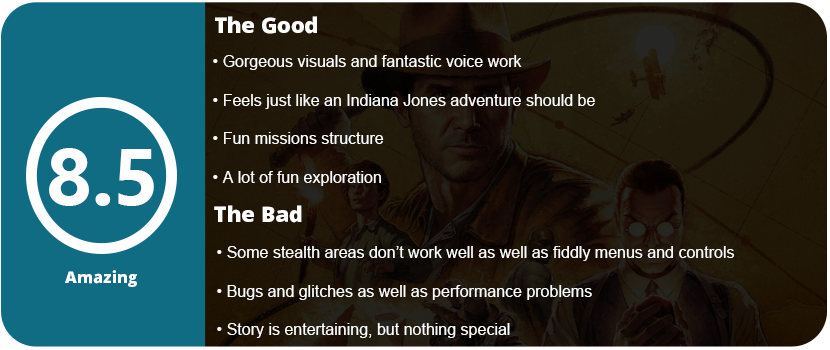
The game itself looks absolutely gorgeous. It is undeniably one of the most visually stunning games to date. The game boasts an extensive range of diverse locales, including a desert, dense jungle, the Vatican, a college, and a snow level. The game is constantly changing things up, and it just never feels boring. The story, while elementary, is captivating enough to keep me going, but the characters feel like they almost stand out but still feel a bit too cliché. The main antagonist, Dr. Voss, has a wonderful personality that you really despise, but there’s something about him that makes him forgettable, as well as your female companion Gina. The overall adventure itself is memorable, however, and I had a blast with the 20 hours I put into this game. I don’t feel the urge to find all the hidden collectibles, as this part of the game felt like a chore. I preferred the scripted events that made me feel like Indy rather than sneaking around collecting things like a Thief game. Overall, I believe this is the finest Indiana Jonesgame ever created, and I look forward to future releases.
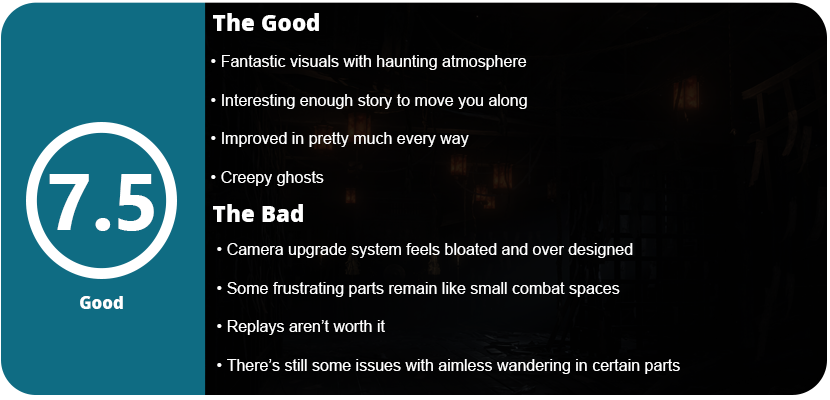
I turn to indie horror games for my fix because AAA horror titles just aren’t much of a thing anymore. Back in the day when we got regular Silent Hill releases and games like The Suffering, Obscure, Haunting Ground, and Resident Evil, there were more than you could count. Today, the majority of indie horror titles range from bad to subpar, with only the rare ones being truly good. DreadOut falls into the badto subpar category, but it doesn’t come with the majority of problems that most indie horror titles have.
The story itself relies heavily on Indonesian folklore, and unless you are adverse to this subject, you won’t have any idea of what’s going on. In essence, the story unfolds as you embark on a school field trip, encounter an unexpected bridge, and ultimately find yourself inside a haunted school. The explanation for the appearance of this bridge, the existence of a haunted school in this town, and the other events in the game are mostly left to the player’s imagination. There are hints in the notes, but I never figured it out. I mainly came for the scares, and DreadOut does provide some.
The combat system is similar to Fatal Frame in that it uses a camera obscura to battle ghosts and poltergeists. In this game, you can only see them in the camera frame (or phone screen). You do get a DSLR later on, but I found this a bit pointless as it doesn’t increase your “attack power,” and you only get a light if you press the flashlight button by creating a large flash around you. The phone actually uses the camera light as a flashlight, and it works well in most dark areas. The game employs a vignette around the screen to indicate the presence of a hint or object nearby (blue) or an enemy (red). If the vignette is red, it requires you to pull out the camera and search for anything moving. Unfortunately, most of the time, the ghost was nearly impossible to see, either because it was too close to the walls which required me to press the shutter button at random. The phone screen will “glitch” when a deadly shot is ready. When this happens, gold particles fly out of the ghost, and you know it took damage.
Thankfully, unlike most horror games, combat isn’t the main focus. They’re rare and you never fight more than one ghost. There are a few boss fights in the game, and these are the most captivating of the ghost designs. They aren’t difficult, and dying doesn’t reset any progress. Your punishment is a further walk from limbo to “the light.” You can acquire an item to nullify this walking distance or change it in the settings. I was unaware of the purpose of these items, as the game provided no explanation and was extremely ambiguous. When you enter the light, you simply pick up right where you left off. You can usually take 3-5 hits from a ghost before “dying.” It’s not very punishing at all.
Exploration would be the best part of the game, but it is incredibly ugly and dated (even for its time), with low-res textures, stiff animations, low-res models, and very little detail in anything. This looks almost like a first-gen PS2 game. The game’s release was just before the launch of the PS4 and Xbox One, making the graphics engine, which was already a decade old, unjustifiable. Most of the game is very linear and straight forward, but the first area in the school was a confusing mess of hallways and doors, but other than that, it wasn’t difficult to navigate around.
You can finish the game in 2-3 hours, but honestly, there are many other games, like DreadOut, that not only look better but also play better. The voice acting is mostly passable, and there isn’t much dialogue to begin with, including a lackluster story. Why would you bother with this game? Well, if you really love horror like I do and enjoy the atmosphere of these games, which DreadOut does well, then this game is definitely worth your time. The music is also surprisingly excellent and really sells the haunting and uneasy atmosphere. The game has a few decent jump scares, and I felt uneasy through most of the game, so it at least accomplishes that.
When I had my Sega Genesis back as a small toddler or child, I didn’t ever play Streets of Rage. I probably saw it on the shelves, but I ignored it. For me, it seemed like a “big kid” game. I was more into mascot platformers like Sonic the Hedgehog and games like Ecco the Dolphin. For years, I avoided this game. Side-scrolling brawlers have grown and evolved over time, but after playing this, I realized it’s one of those genres that can’t really do much outside of what’s on the tin. Responsive controls, combat, and enemy variety are the imperatives. Streets of Rage was one of the first games to make this genre a 16-bit staple back in the day.
You can play as three different characters. Axel, Blaze, and Adam in the fictional city of Wood Oak. These three crime fighters follow a very basic story that was typical back in the day. You only played RPGs for stories. The controls are rather strange and challenging to get used to. I found the characters’ momentum to be wrong. You walk side to side slowly, but up and down is twice the speed. This lets enemies hit you cheaply when you dodge. There is no dodge button, so you need to predict the enemies’ moves so you can sidestep out of the way. Jumping attacks are very floaty and almost useless if you jump too high. Additionally, I observed that the execution of combos and various moves was haphazard, lacking any discernible pattern.
Sometimes I would do a spin kick, grab an enemy, and flip over them. While all these moves look cool on screen, I could not figure out a combo to do them. I was mashing A the entire time, wiggling the D-pad. There’s not much else to it. The game isn’t too difficult until you get to the bosses. Suddenly, you can wipe out your health bar in just four hits. Like any 16-bit annoying trope, the last level is incredibly long, and you go through a boss rush before fighting the final boss. Once you get to him, you can answer a question, and if you choose yes, you will be dropped two levels back to do it all over again. Lives are very scarce, so it’s important to pick up weapons and use them whenever you can.
I found that when there were more than four enemies on screen, the combat just wasn’t good enough for this. Locking enemies into a combo is key, but, like I said earlier, it’s nearly impossible to figure out. Bosses rarely lock in, which intensifies their difficulty. Most players won’t get past the first few levels before giving up. The game is very unforgiving. I just wish the characters moved faster and didn’t feel so sluggish. The environment is also nothing to write home about. The environment is primarily brown and dark, featuring generic settings like a large city bridge, a beachfront, and a mundane building. The enemy variety is also quite small.
By the time you get to the eighth and final stage, you will feel burned out and done. If you somehow managed to survive, there’s not a lot of incentive to keep retrying, given how incredibly repetitive this game is. If combat and controls were more responsive or there was a dodge button, this would be forgiven. Even the screen-clearing special attack doesn’t help much, as you have to save them for bosses, and you don’t get many. Playing this game with another player significantly improves the overall experience. This game is not suitable for solo play.
The idea of AI taking over the world is an intriguing subject, and it is becoming more and more of a reality with current deep-learning AIs. Ever since Isaac Asimov touched upon the thought of machines becoming closer to humans, we have thrust this into science fiction. The Enigma Machine does just this. The Enigma Machine tasks you with a simulation of entering a rogue AI’s “dreamscape” and finding the hidden code to terminate it. The story moves very fast as there are only four levels, and despite being able to type in pre-baked commands, I would have loved to see some hidden words give interesting results.
A level thrusts you into a first-person view with PS1-style graphics. You can interact with objects and sprint. That’s about it. Your goal is to find hidden codes in the level, either written down or audibly given. You must enter these codes in the correct order, as they are somewhat obscure. The levels are small, with only a couple of rooms. Upon reaching level three, the game requires you to combine all three codes in a specific sequence. The lighting is odd, and the textures warp and shift just like on the original PlayStation, but the game takes this a bit too far. The textures will stretch farther than they should, and the final level is a glitch fest of walls disappearing and textures overlapping each other. It can be an attack on the senses, but given the setting, it’s acceptable.
The story itself, which unfolds as text on the terminal, captivated me beyond the haunting sound effects and the suspense of not knowing what will happen next. Unfortunately, the short length of the story prevents us from learning more about the program and its AIs. You have the ability to type in words enclosed in brackets, and each time you re-enter the terminal, you receive additional information about each item, though the list is not extensive. I tried typing in random words, cuss words, and various other things, but the game doesn’t seem to have any hidden Easter eggs in that regard.
Even though the horror elements are minimal, the computer’s deception and the mystery surrounding your presence and participation in this simulation remain. The game’s four levels limit our learning opportunities, and the ending text largely explains the game’s mechanics. I did find some of the puzzles too obtuse to understand, such as the fact that there’s a hidden gun and you need to complete the last level. This is a game that puzzle enthusiasts will find enjoyable; however, it is not suitable for those who prefer pure horror or a game that revolves around terminal text.
Yep! The fact that I forgot about this game until you made a comment proves that.