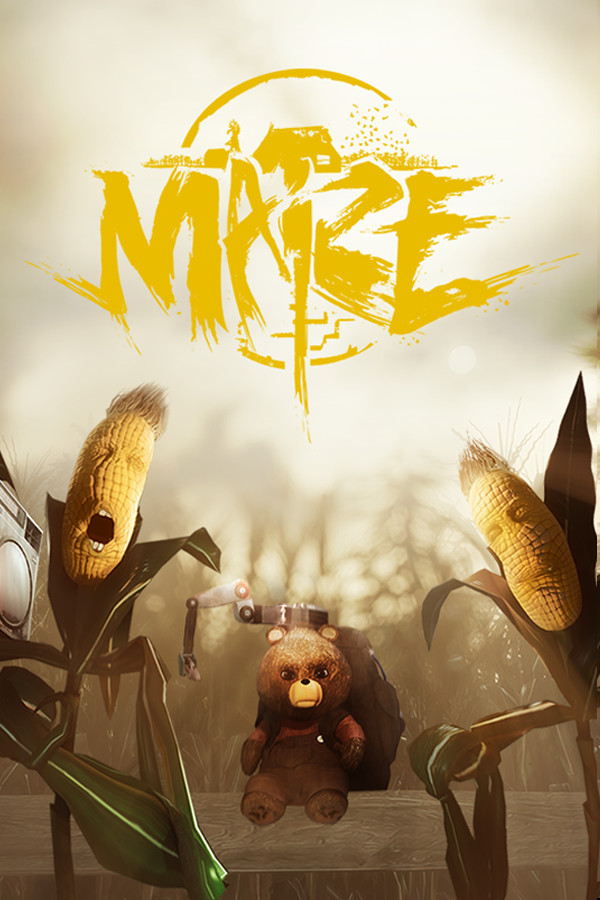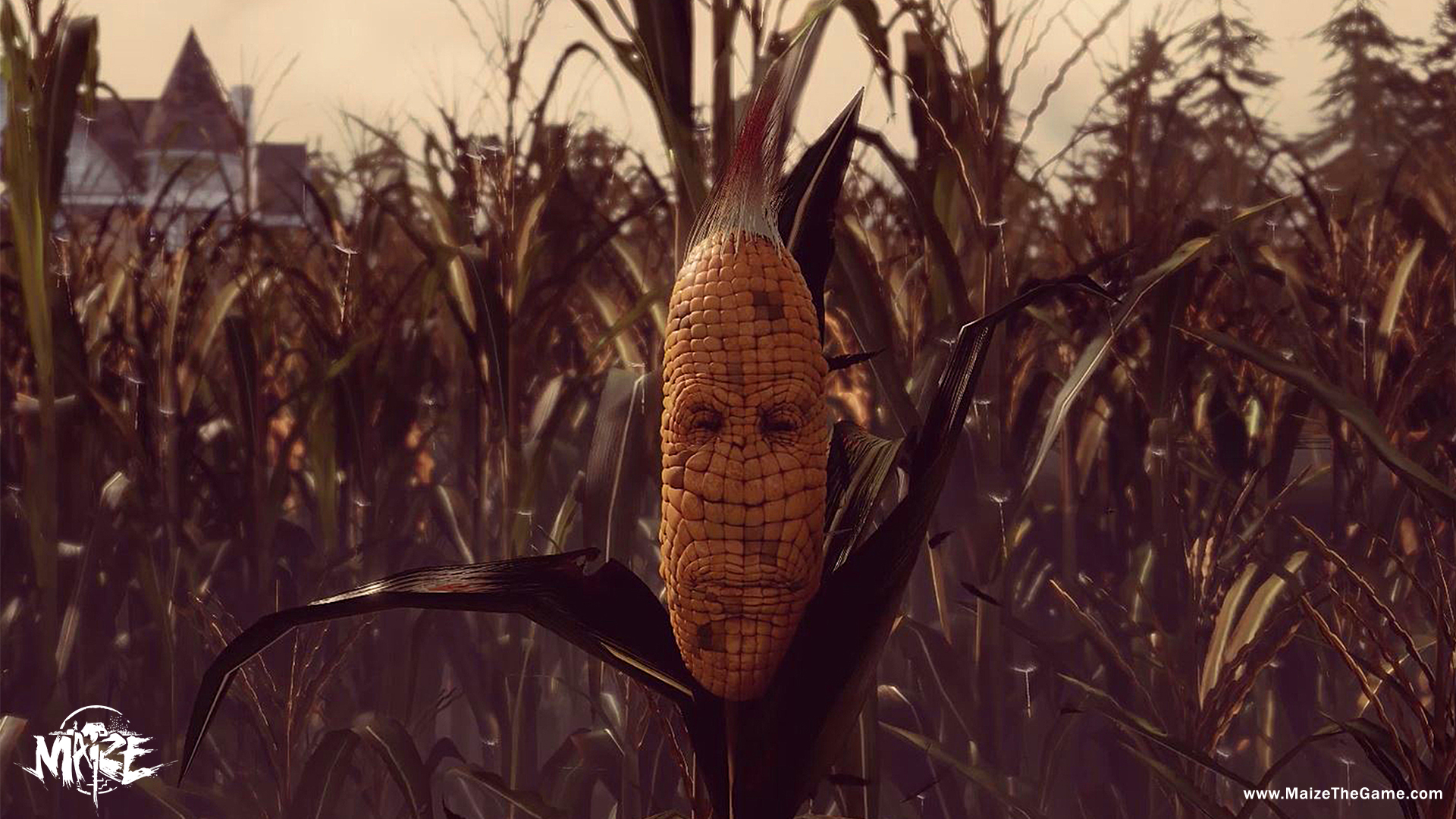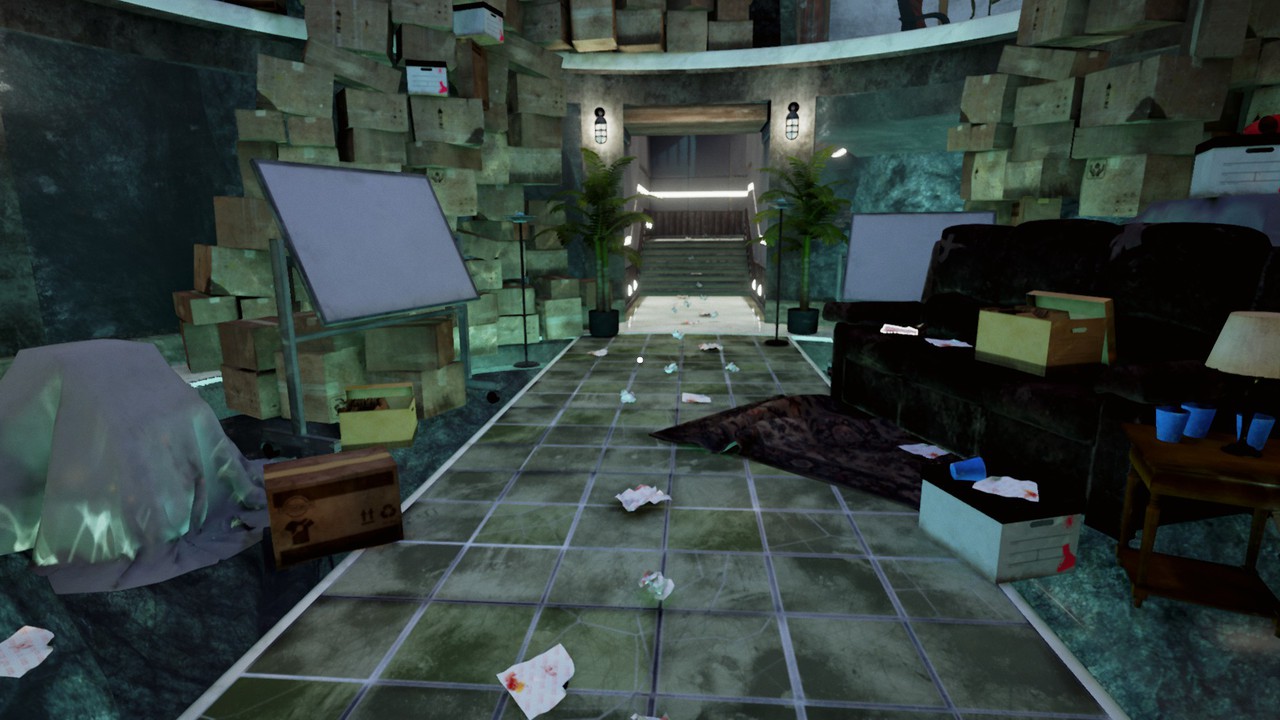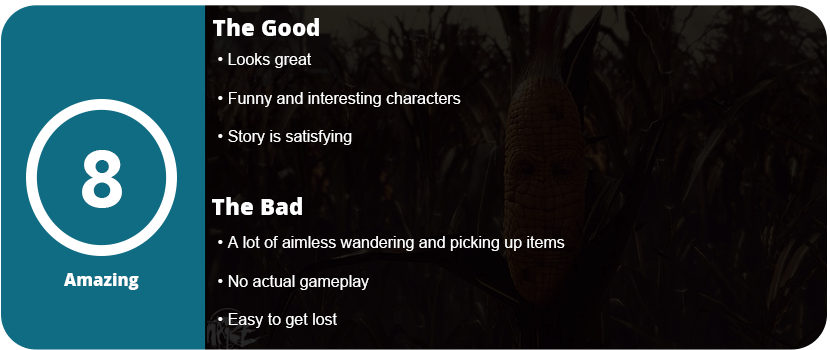
I never thought I would play a game about sentient corn, but that’s what’s great about games—there’s always an idea someone hasn’t done yet. This is a typical adventure game with puzzles and hallways where you wander around, finding objects with cutscenes thrown in. The game is simple, funny, and has an ending that will leave a smile on your face.
The game starts out with small, funny hints on what to do, like “Pressing Q doesn’t do anything,” which helps open up how this game is going to be. As you wander around the maze-like cornfield, you realize you need to pick up highlighted objects. Most of them are for puzzles, but some are added to your folio and add little story bits. Slowly but surely, you will exhaust each area, as there are only so many areas for you to explore and only a few items in each room.
I made my way underground to the laboratory, where most of the story unfolds. The place is littered with sticky notes from two scientists at each other’s throats, and it also helps add to the story of what’s going on. Most of the puzzles were fairly simple, as they were highlighted with outlines of what items went where, but the problem here was getting lost all the time. The hallways all look the same, and once I searched every new area, there was always the problem of missing something. I had to search each room again several times to figure out what I missed, but this is common with adventure games.
The game looks really nice, and while it won’t smoke your GPU, it uses Unreal Engine 4 to bring the game to life. The sentient corn characters are funny, and each character is interesting and has a personality. I was surprised the developers pulled this off with a playtime of about 5–6 hours. The story kept me pushing forward, as I wanted to know what happened to all these characters and why I was there.
Overall, Maize is a great indie game with funny characters, lots of detail, and a funny story worth seeing through to the end. There isn’t much gameplay here outside of picking up items and wandering hallways, but it’s all for an evening well spent.
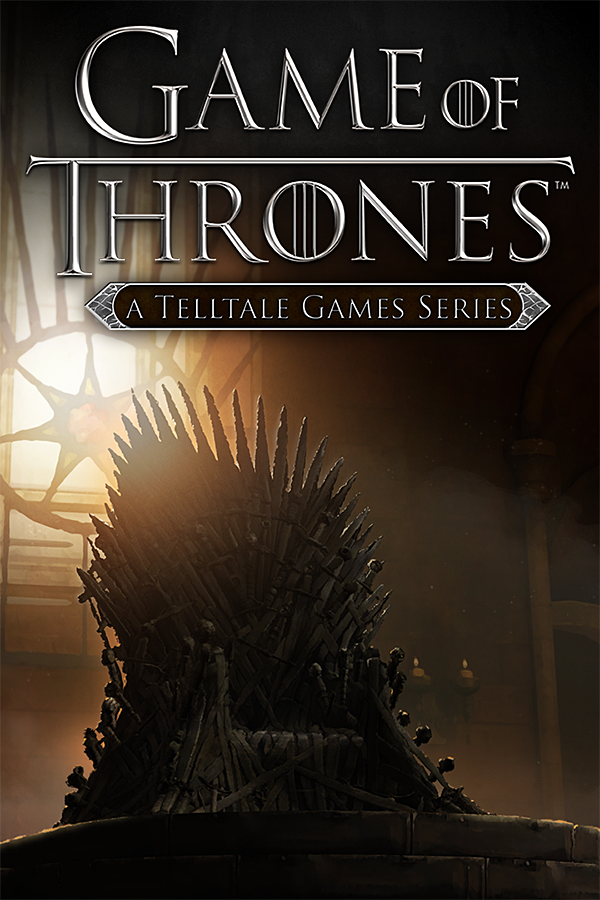
Game of Thrones is one of my favorite TV shows of all time, and for good reason. It had memorable characters, well-written scripts, fantastic actors, and so many gripping plot twists that will make your head spin. How do you copy this in a 5-hour game? Telltale somehow managed to do it, with some flaws, and I left wanting more.
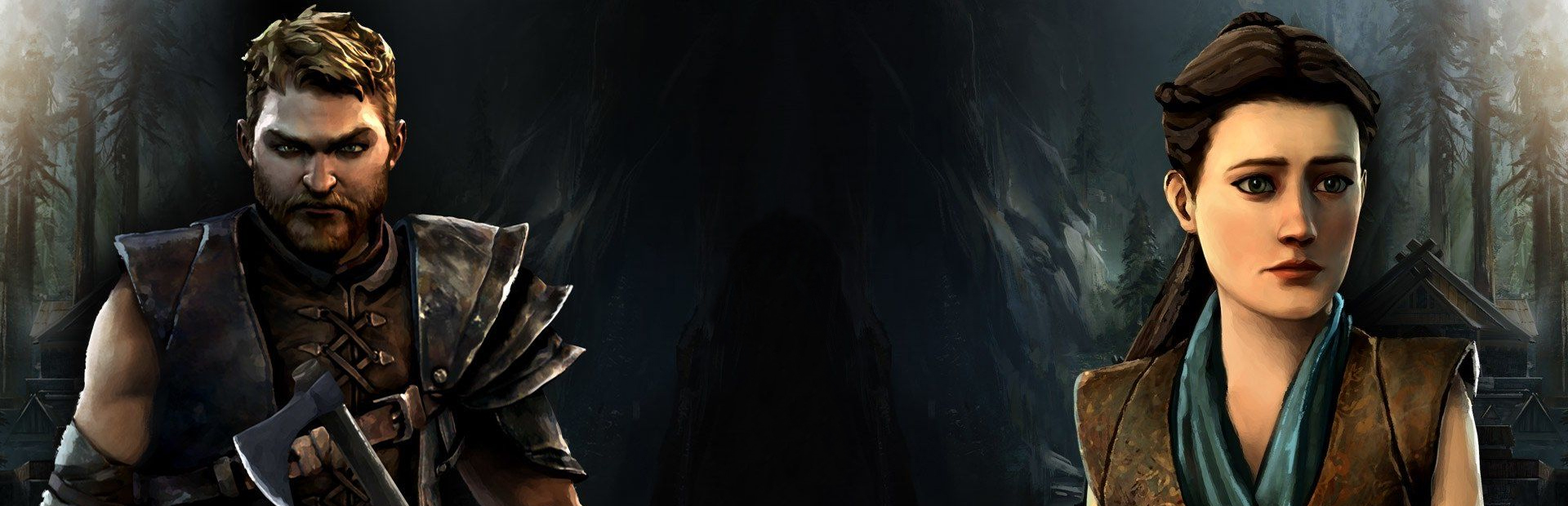
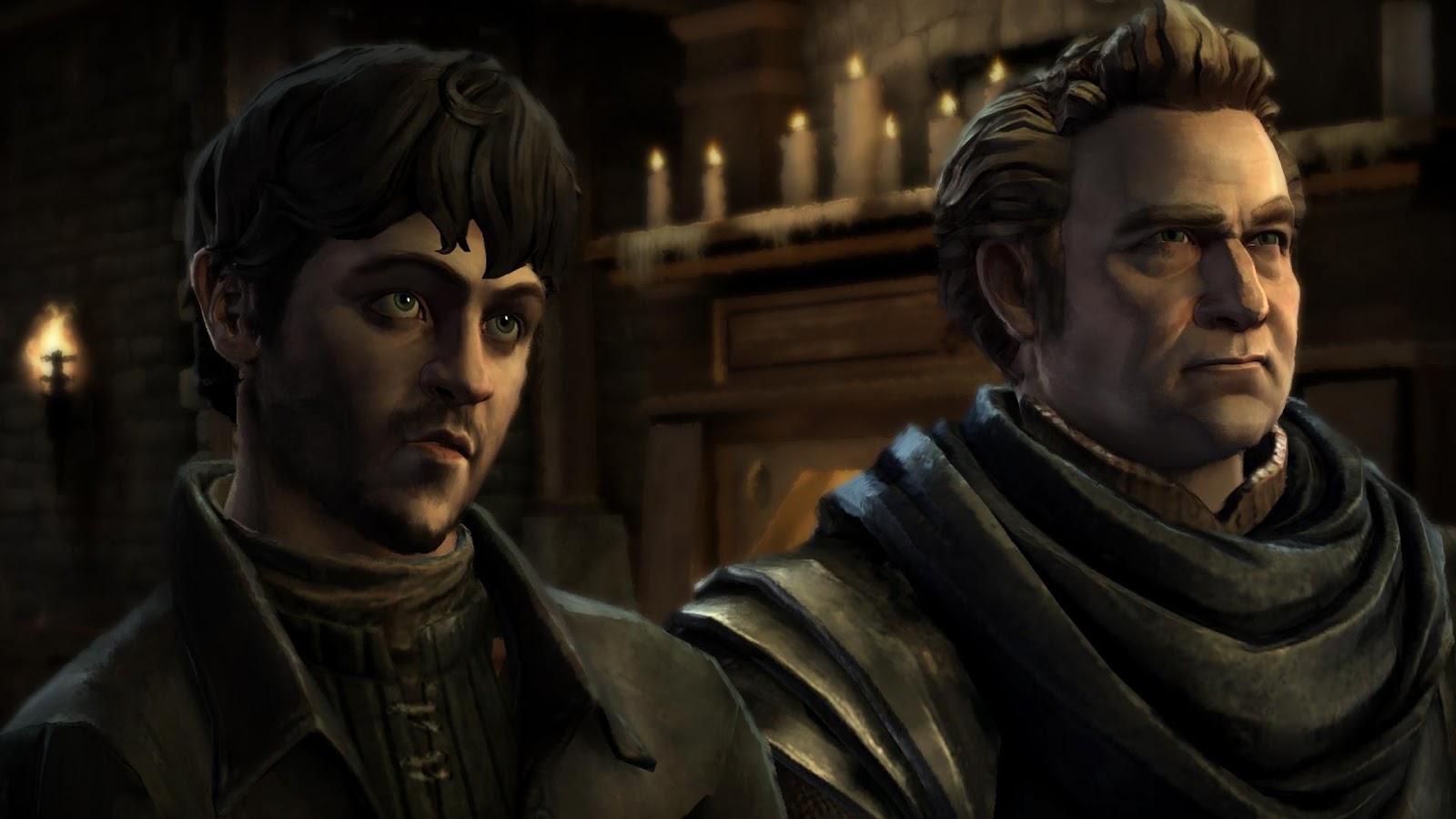
You play House Forrester, who are aligned with the Starks in the North, not seen in the show. They are trying to come out from under Roose Bolton’s foot, as the Boltons were assigned as wardens of the North after Ned Stark died in the first season. Ramsay Snow is constantly coming back to the house to “babysit” them, and this is some of where the major turning points happen.
You follow five characters in the game as our viewpoints change. Mira Forrester is in King’s Landing, trying to gain Lady Margery’s favor before she becomes queen. Then there’s Ethan Forrester, who is the new lord of House Forrester after his father dies in the hands of Frey’s ambush. Then there’s Edward Tuttle, who was the original Lord’s Steward, and he gets sent to the Wall. Asher Forrester is off in Essos, trying to gain Daenarys’s favor for an army. With all these different viewpoints, it feels just like the show with everyone spread out.
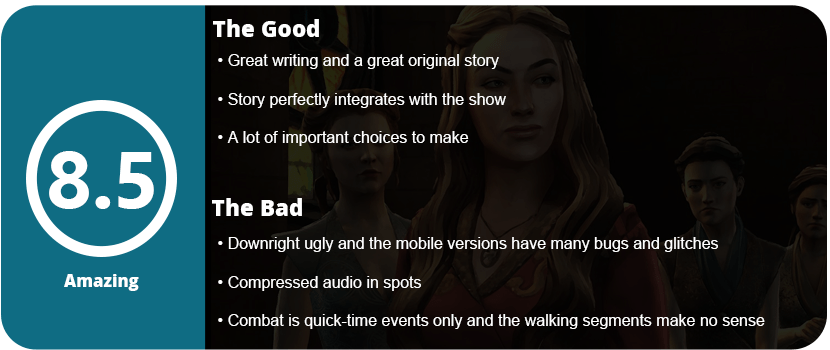
This is a much more story-driven Telltale game, and I know that sounds silly, but there’s maybe 5% gameplay here and not even any puzzles. There are some combat quick-time events, a few times where you walk around an area looking at things, and then the many, many dialog options, with some being meaningless and some having a full swing of the entire story.
I won’t get into details about the story as that will spoil it, but I was kept in for the whole game. The acting from the original characters who do appear is nice, as is the acting from the new characters. The new characters are memorable, hold their own, and feel like they would fit right into the TV show. As the episodes pick up, you spend less time with each character as all the choices you make culminate in the finale. Some choices were rather difficult to make as you decided who lived or died or how you acted towards someone. This was especially brilliant, as I thought I was doing the right thing sometimes, but it turned out it was hurting me more.
In the end, the point of the game is to gather a large enough army to fight back the Whitehills, whom the Boltons assigned to watch over House Forrester. All your choices will mean the difference between a house that lives or dies. I didn’t find the game really dull, but the scenes where I had control felt pointless. Rarely did it ever feel relevant, such as in a scene where Mira is searching for a letter in Tyrion’s office and guards are running down the hall, and she was trying to not get caught.
The game does end with a sequel in mind, but I don’t know if that’s ever coming; not all the characters’ stories were fulfilled, which is a shame. The visuals are downright ugly and still use Telltale’s decade-old engine, which needs an overhaul. The mobile version of the game is still riddled with bugs and poorly optimized, with frequent slowdowns, crashes, freezes, and bugs. The audio was terrible, as in the last 2 episodes it was somehow compressed to sound like PS1 audio. Overall, though, the game is well worth a playthrough for fans of the show; just don’t get the mobile version.
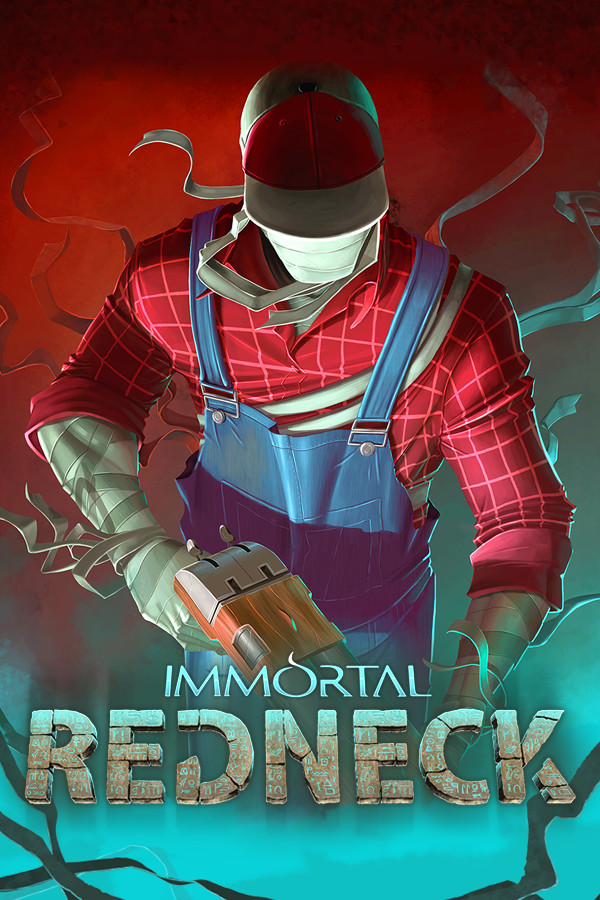
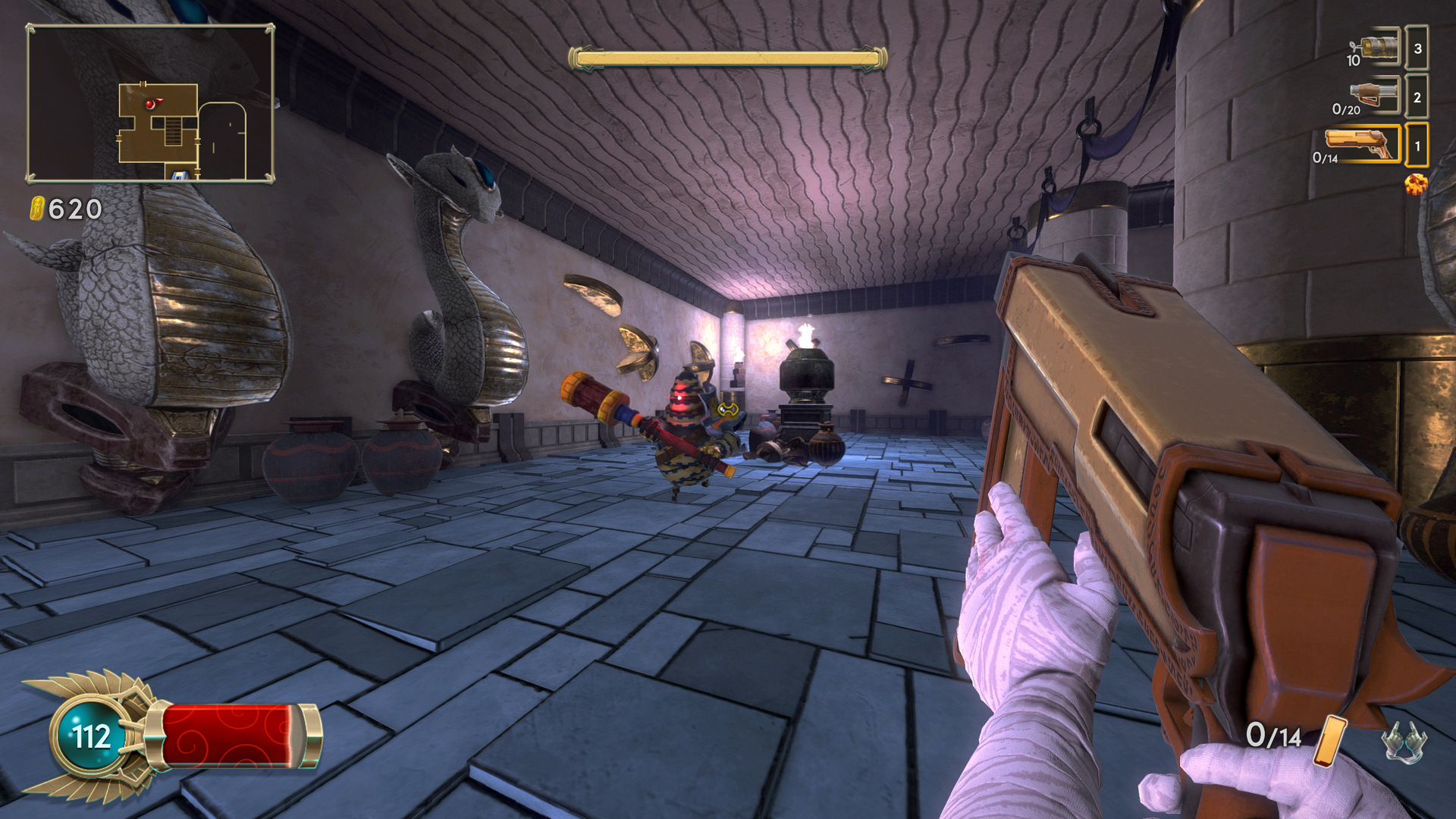
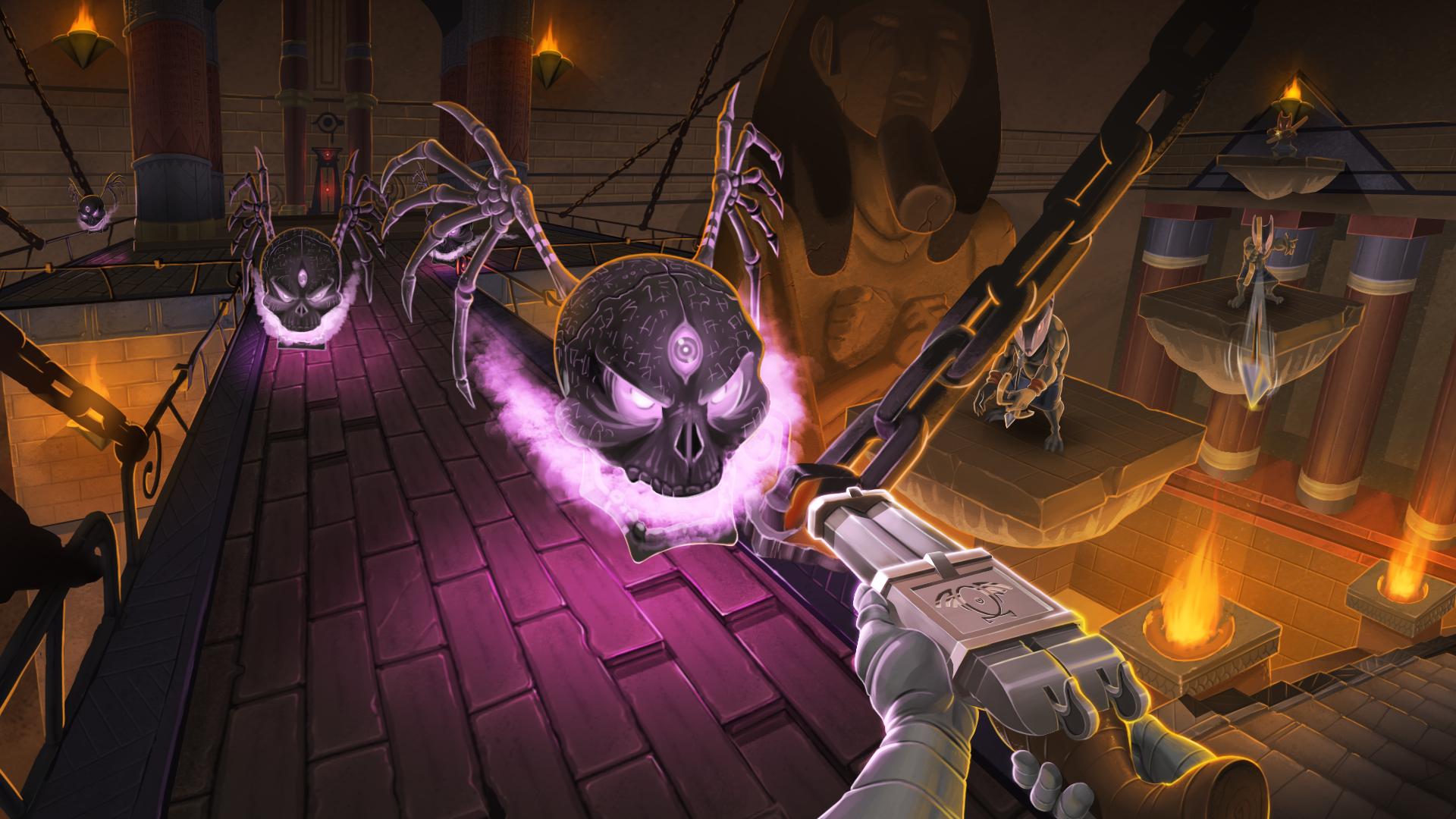
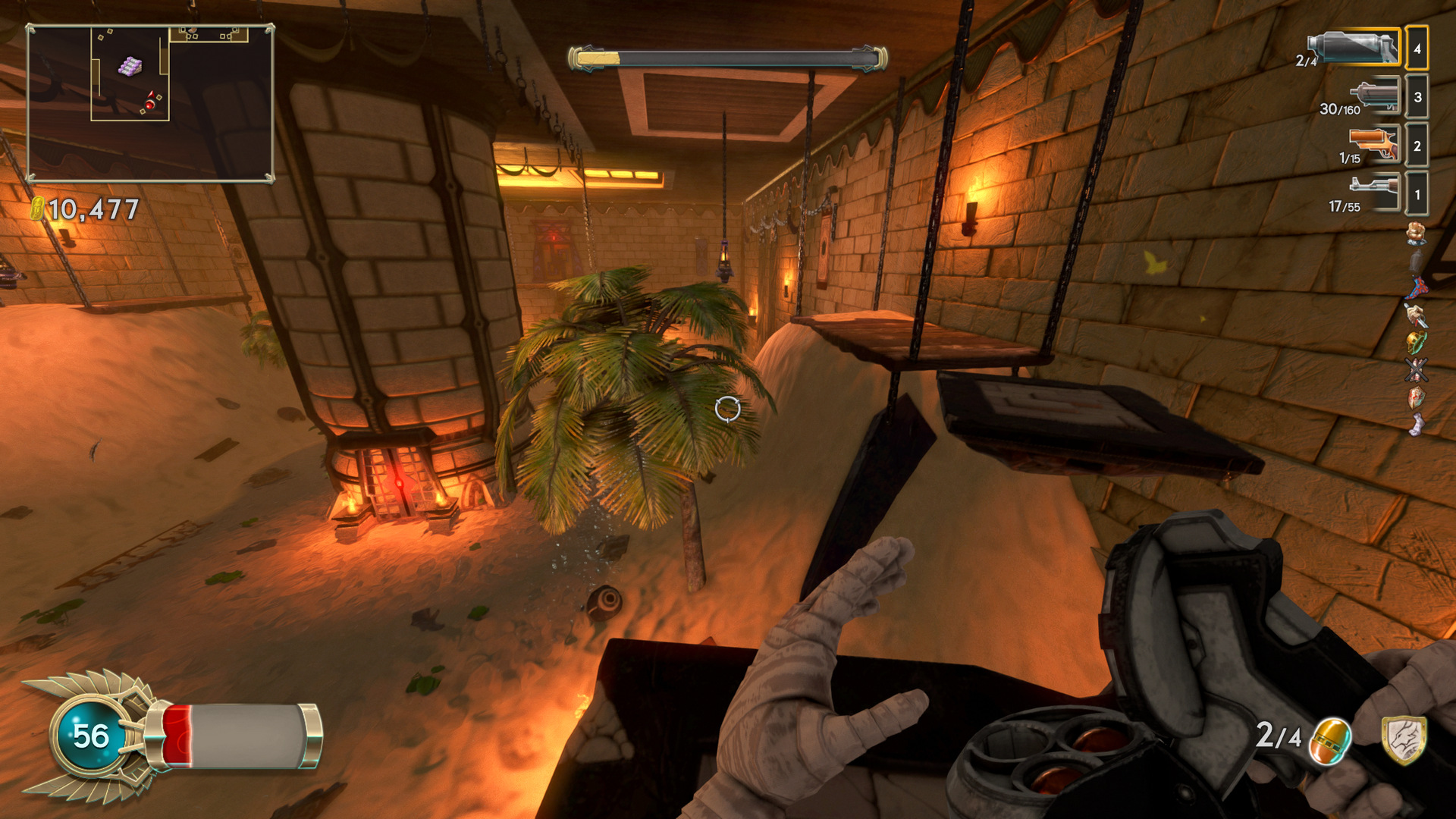
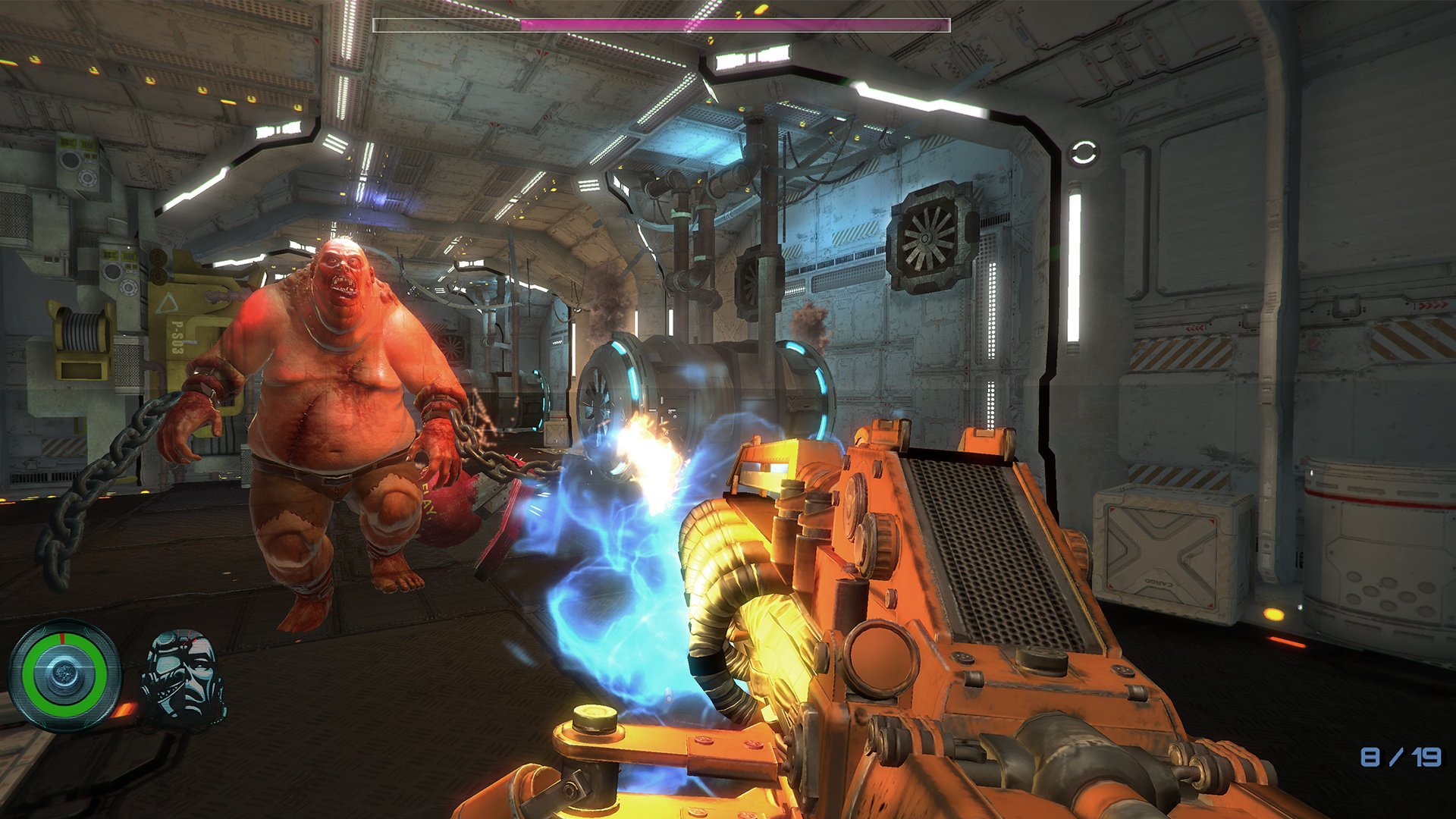
Immortal Redneck is, unfortunately, not going to get the attention it deserves. It’s neither a fantastic game nor a bad game, nor is it original in any sense, but it does combine elements from several other games into one package and does it fairly well.
You play as, what else?, an immortal redneck mummy with a wooden pistol, shotgun, and dynamite. At least those are your starter weapons. The game is set in Egypt, and the idea is to defeat all the enemies on each “floor” to make it to the top of a pyramid. The game is a mix between Serious Sam, Rogue Legacy, and Dark Souls. Like Serious Sam, the game is set in Egypt and features fast-paced first-person shooting action with strange monsters. The game almost looks like Serious Sam as well. Like in Rogue Legacy, when you die, you actually get stronger by using the gold you collected to unlock various upgrades and buy new weapons.
Like Dark Souls, the game is extremely hard, gets repetitive, and isn’t for people wanting a linear FPS experience. Your first hour you will spend just dying a lot and obtaining upgrades until you can unlock the weapons shop, and that’s where things pick up. However, the constant repetition of going floor to floor, despite it being randomly generated, can be annoying and get boring after a while. Redneck doesn’t have much going for it style-wise that other games haven’t tried. It looks good, on a technical level, and the shooting feels just fine.
The issue would be just the difficulty alone and the grinding to achieve better weapons and upgrades until you can beat the pyramid. It’s nothing amazing, but it’s also fun enough to make you stick around to the end, but only if you like any of the above-aforementioned games. The game is just average all around, honestly, but still worth a weekend purchase. On a second note, it’s nice that the game supports modern systems such as 4K and ultra-widescreen monitors.
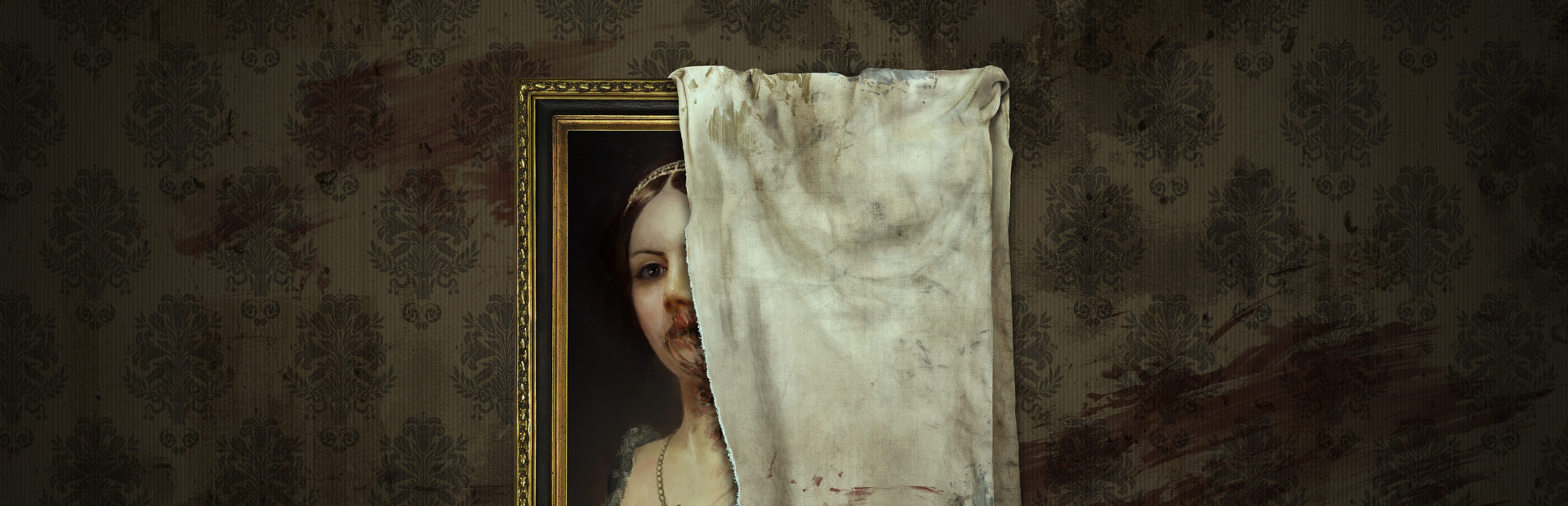
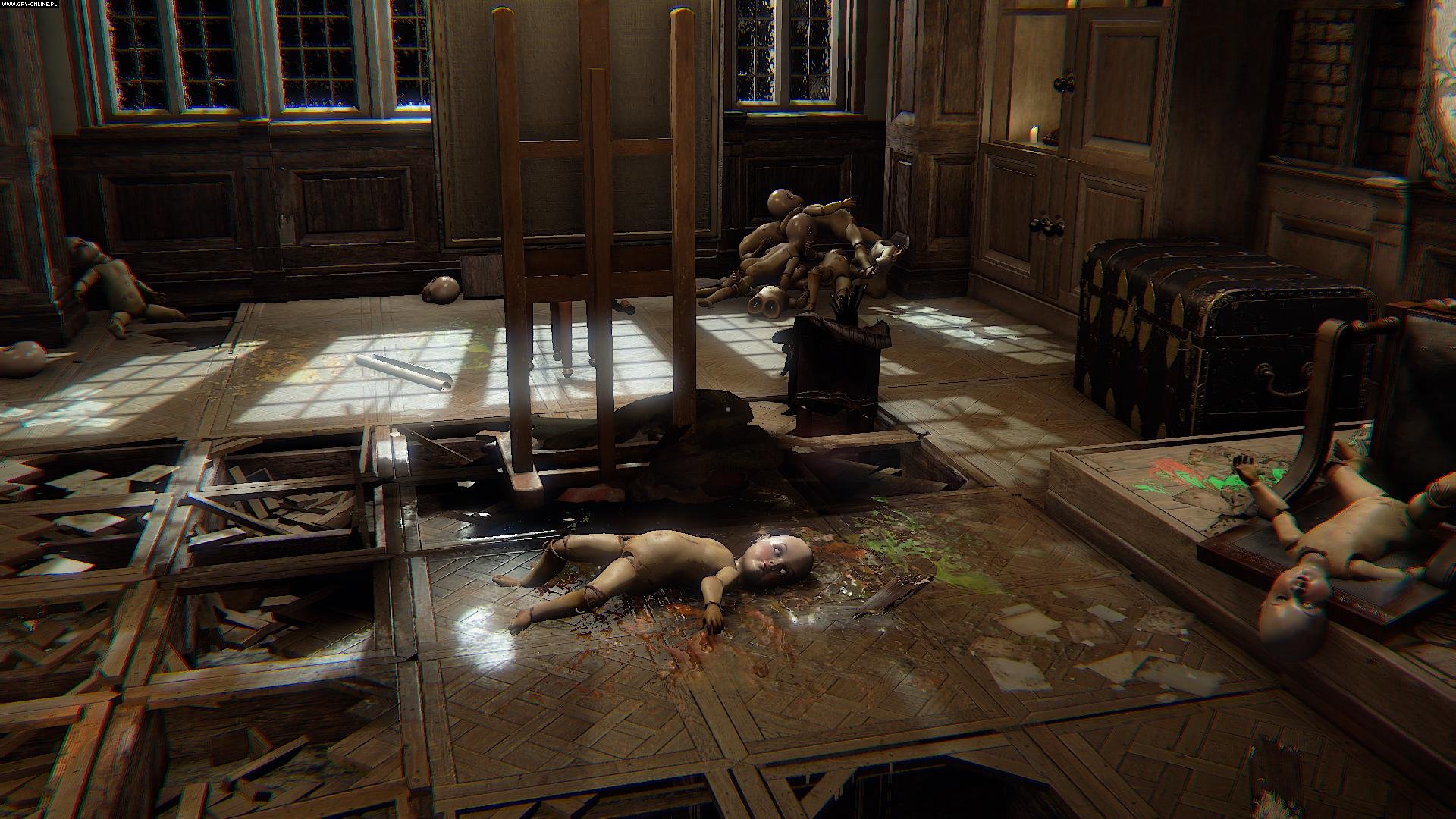
With P.T. only being a demo, it sure did imprint itself into the horror genre. Since then, games have been trying to copy their experience, but is this such a bad thing? I think not, as P.T. showed us what we have forgotten: the overall scare factor and how the atmosphere can do that. You don’t need cheesy monsters, jump scares, or even great visuals. The plain old atmosphere can do the job just fine. Layers of Fear is an indie horror game that is probably one of the most insane I have played in a long time. The game did have a forlorn and eerie atmosphere, but just the visual trip it gives you is mind-blowing.
You play a crippled painter in the early 20th century who is trying to complete his masterpiece. The game starts out just fine while you wander around an old mansion, opening drawers and finding pieces of text that help tell the story. Layers of Fear’s only goal is that you walk through doors. You will open more doors than you would like to in a video game. Once you get through your first door and into the main hub, which is your painting room, things go crazy. The game is very linear, where you walk from room to room and enjoy a visual acid trip that never stops or gives you breaks. As you think there’s no way out, you will turn around, and a painting will pop up behind you and start melting. Turn around again, and the room changes or a ghost appears in your vision. What kept me going was that I wanted to know what was in the next room. It was like a funhouse but scary. Each room was always different, and I never felt bored or that I wanted the game to stop. There are six major pieces you need to collect to finish the game, and each one is themed. For example, the one-piece is a finger, and you slowly build up the story of how you took that finger. It doesn’t tell you directly, but through crazy visual cues and clues, you can figure out what happened.
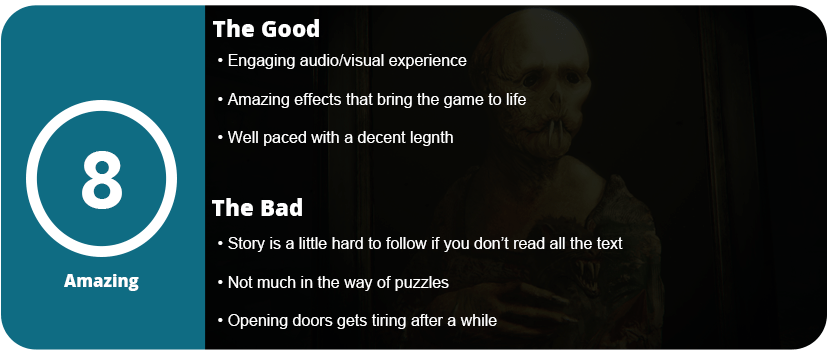
The game is also a bit of a collect-a-thon, as you can open drawers and search around each room for clues that allow you to unlock achievements. There are actually three different endings, but I can’t quite understand how to get them. There are no choices in the game, but maybe take different paths? Each area is so linear that there’s only one way to really go, so figuring out what ending you get is a huge mystery. There also isn’t much thinking in this game; there were maybe 3 or 4 puzzles, and they required almost no skill to work out. I feel there should have been more puzzles, but that would have slowed down the pace of the game. You literally run around the opening door after door and experience the next visual freak-out, like a roller coaster ride. There are also no enemies to run or hide from. The only ghosts that appear in the game are supposed to get you, as it’s part of the story.
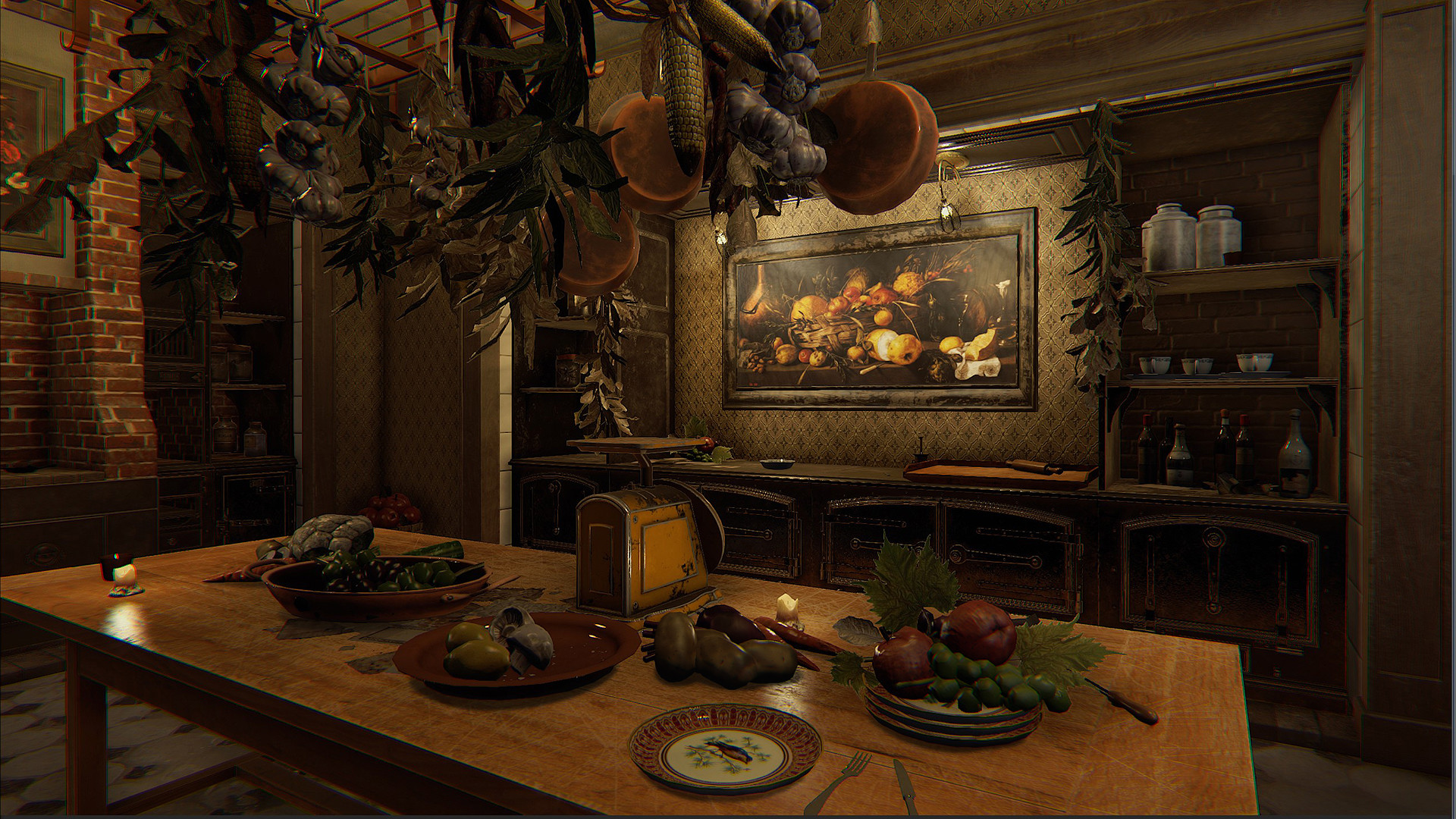
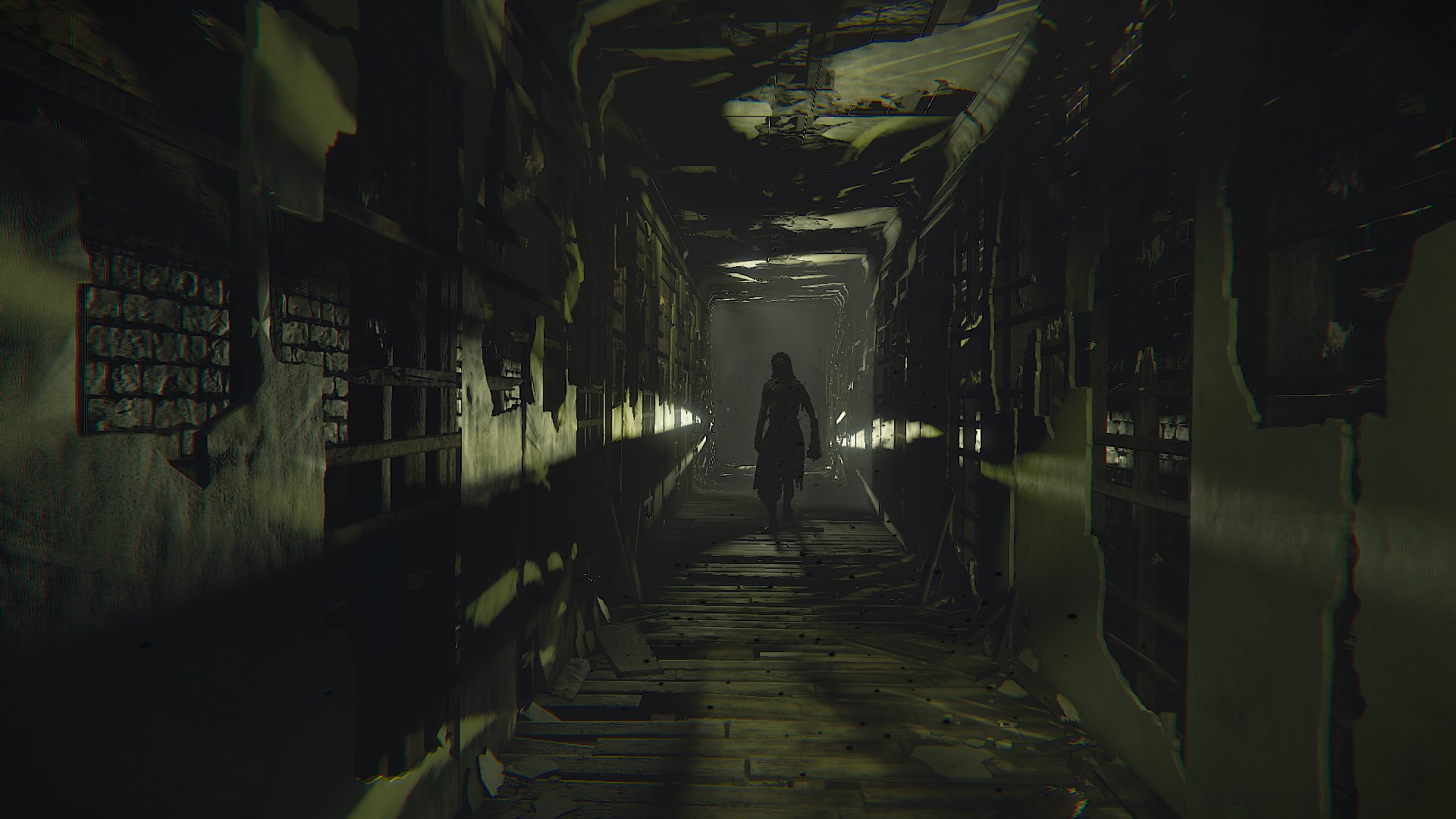
The visuals are fantastic, as the game has amazing lighting effects and a tense atmosphere, and there’s so much detail and so many different objects everywhere. The way some of the set pieces play out is pretty insane and requires a lot of care and detail. The visual effects alone from warping, shifting, melting, and various other effects are pretty amazing, as you don’t see many of these in games. All this was done with the Unity engine, which was also pretty impressive. The audio in this game is quite amazing, with a lot of variety, and each sound effect is put in the right place at the right time.
Overall, Layers of Fear is well worth a playthrough; it’s quite scary, and you never want to stop. The great pacing, visuals, and amazing roller coaster ride of effects are something you don’t see in games very often. If you’re tired of the cheesy horror gimmicks of most indie games, then look no further. This game may be short, but it’s got a lot of soul and heart for what it is.
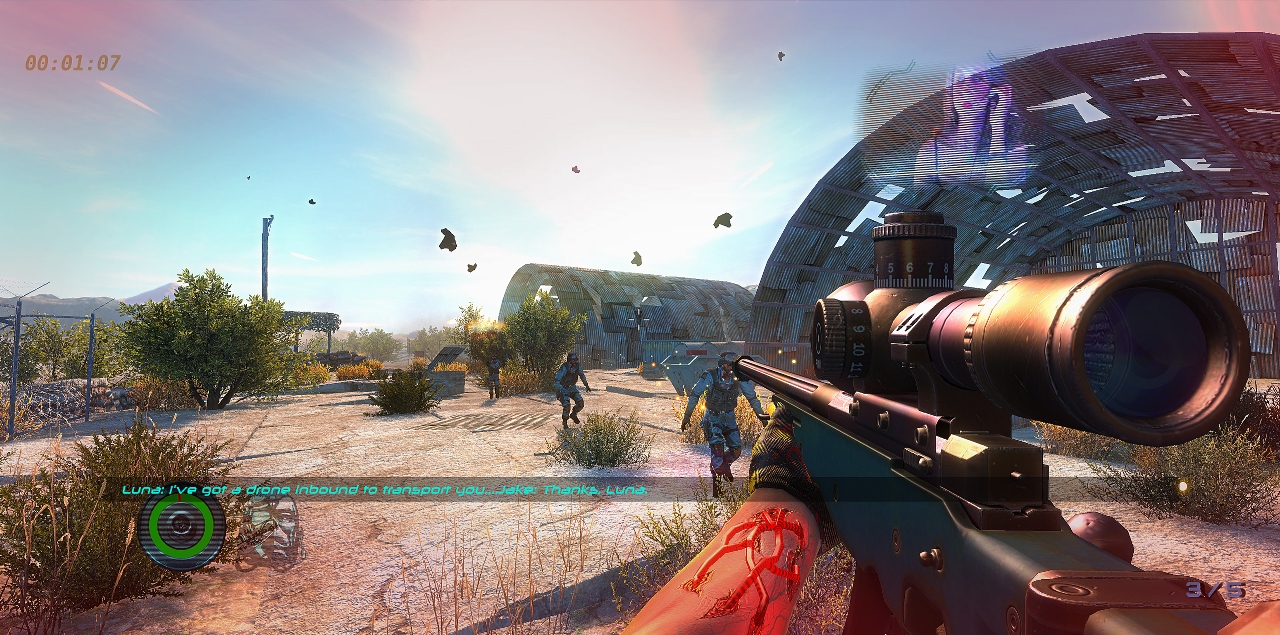
As if zombie games weren’t already in abundance, we get yet another crappy indie zombie first-person shooter. This game caught my eye due to the live-action cut scenes, and the screenshots looked decent, but man, I was wrong. Not only are the story and the main character, Jack, laughably bad, but the live-action cut scenes are just downright hilarious.
The game starts out with you ejecting from a spaceship for some unknown reason and then crashing into a plane on Earth. You need to stop the plane from crashing, but on your way are zombies. As I picked up the revolver and started shooting, I immediately knew what I was in for. The aiming is bad, the guns feel awful to shoot, the AI is bad, and the physics are stupidly overexaggerated. Sure, some of the zombie models look decent, but this looks like a first-gen Xbox 360 game at best. The textures are muddy and pixelated, the models are awful, and the overall design of the levels is just plain bad and cramped.
So, let’s have an open mind and overlook the bad gameplay design, overly stupid story, bad AI, and awful gunplay. But if you do that, there’s nothing left to forgive, right? The game is already too long, clocking in at about 4-5 hours, but I couldn’t make it to the third level; it was so bad. Even if you just want to enjoy the awful live-cut scenes, that’s not even an option. Hell, even the menu is bad, and as soon as I booted this game up, I knew what to expect. Could this game even be a little good? Maybe for a laugh with a couple of friends, but you won’t get any value out of this game at all.
Overall, Chasing Dead may have had something with live-action cut scenes if it was done right, but there’s not a thread of hope for any part of this game that the developers could build off of. It’s a typical bad zombie shooter to please 12-year-olds who have $10 to blow on Steam.
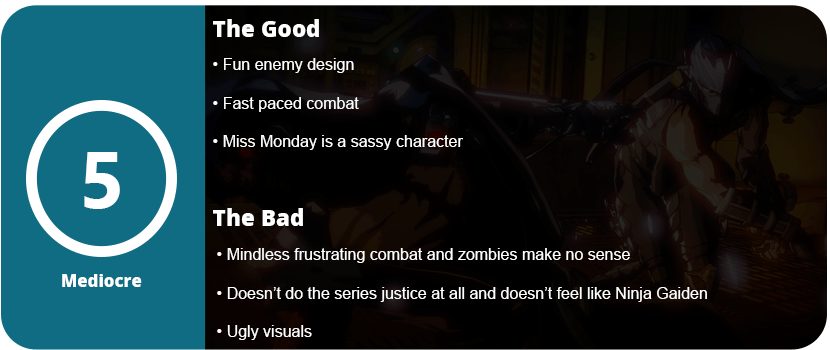
The Ninja Gaiden series is very beloved by longtime fans. The reboot for Xbox was considered one of the hardest games ever made at the time and required extremely precise skill. Yaiba is a spin-off of the series and takes a kind of comical take on it. This isn’t exactly good. Taking the helm is a studio notorious for terrible games like Legendary. That game was considered the worst game made that year. Spark Unlimited has a lot to live up to, and I’ll cut this short: they don’t live up to it.
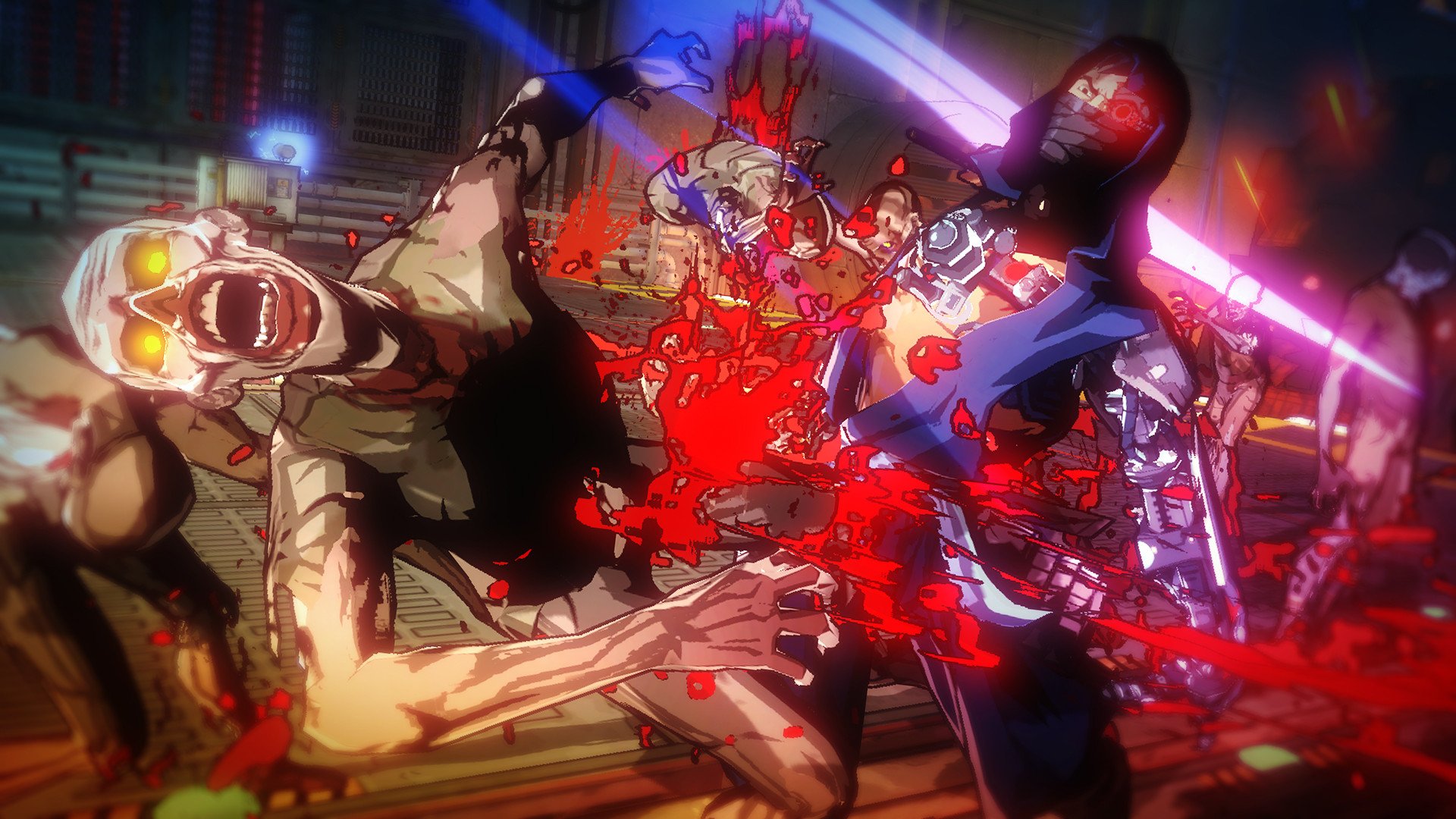
The Z stands for zombies. Yes, and you don’t even play as Ryu Hayabusa. In fact, you play as someone he’s killed who gets a robotic arm and wants to seek revenge. He’s accompanied by a busty, intelligent woman who relays your objectives to you. The story is pretty throwaway, but Ninja Gaiden is known for fantastic combat. Yaiba has a good combat system, but the game relies on fighting way too much and doesn’t break up the monotony.
A weak, powerful, and flail attack are all available. The fighting is lightning fast, but sometimes way too fast. Zombies are represented by comedic puns and act just as stupid. Life is acquired by performing a finishing move on a stunned zombie. The gore and finishing moves are cool, but only the first five times. The rest of the game is made up of overly easy parkour that is performed with quick-time events. The boss fights are slightly more interesting, but not by much.
The combat gets hard in the sense that it feels unbalanced. Some enemies can disable your flail arm; sometimes too many are thrown at you, and there’s a really irritating knockback animation that can’t be interrupted. Occasionally, the environment can be interacted with, but I honestly saw the same patterns on the second level. This game could have been so much more, but it turns out to be a frustrating, unbalanced joke.
The graphics also take on a comic book style, which is way different from the traditional Japanese art style seen in the other games in the series. They also look technically unimpressive, with ugly low-res textures. Most fans will be highly disappointed in a game bearing the Ninja Gaiden name and not take it seriously. Maybe a more talented developer could have done better, but what’s here is something that never should have been.
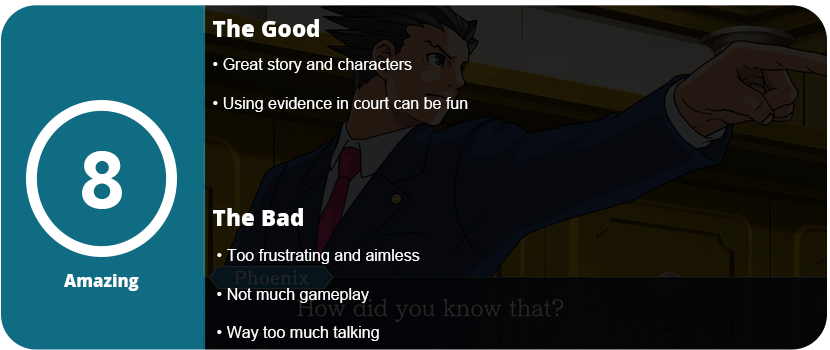
For almost 10 years, I have been dodging Phoenix Wright, but I can’t fight it any longer. I know all about the characters and what the game is like, but I had no clue that the story was this deep and interesting. Honestly, Phoenix Wright’s biggest flaw is the lack of gameplay, frustrating puzzles, and sometimes no clues on what to do. Despite that, you are going to play this mainly for the story and characters.
Phoenix Wright is a new attorney straight out of law school. You start out with your first trial and get the trial contradiction puzzles nailed down first. You are presented with a court record that keeps track of all the evidence. Witnesses will take the stand, and you need to press each sentence in their testimony to point out inaccuracies. Wright and the prosecutor will go back and forth with the judge, and once you’ve pressed every statement, you need to find the contradictions. This is where things get frustrating. Sometimes it’s pretty obvious, and it feels good to nail their false statements, but 60% of the time I had no idea what to do. Most of the statements would be very vague and do not give you many clues as to what evidence can catch them in their lies. However, each case and witness vary. Sometimes testimonies will be restarted, and you need to find new contradictions. It sounds confusing, but it is both fun and frustrating at the same time.
Once you finish a trial or are on a new day, you need to investigate. This is the other half of the game. You go from place to place, examining the area for clues, talking to witnesses, and sometimes showing them stuff to get things out of them. This can also be frustrating because you won’t have any idea where to go or what to show. On top of all this aimless frustration, there’s hardly any gameplay. You are reading about 80% of the time, and the gameplay just consists of selecting things. Later on, you use the mic a bit, but other than that, it’s mainly just a point-and-click adventure at heart.
That’s not to say any of the games aren’t fun. The story and characters are gripping, and the five cases you end up solving are very interesting. Each case will take about 2–3 hours to complete, so there’s quite a bit of playtime here. I just wish they weren’t all played out the same way. Do a trial, investigate, do a trial, investigate, talk, talk, talk, examine, show some evidence, and talk some more. Point-and-click adventure fans will love this game, but if you want action, you’re out of luck. The trials tend to get heated, and it’s pretty fun to watch everything unfold. The stories have twisting endings and will leave you hanging all the time, but you won’t want to stop playing.
Ace Attorney is a fun adventure game with great characters and stories, but there’s very little gameplay. What’s here is the frustrating puzzle of finding contradictions between witnesses’ testimonies and your evidence. Outside of that, you will wander aimlessly during investigations, trying to figure out what to do and where to go. Phoenix Wright is a great step in the right direction for the DS, but it needs more to make it truly amazing.
Developer: Right Square Bracket Left Square Bracket Games
Release Date: 4/26/2013
Available On
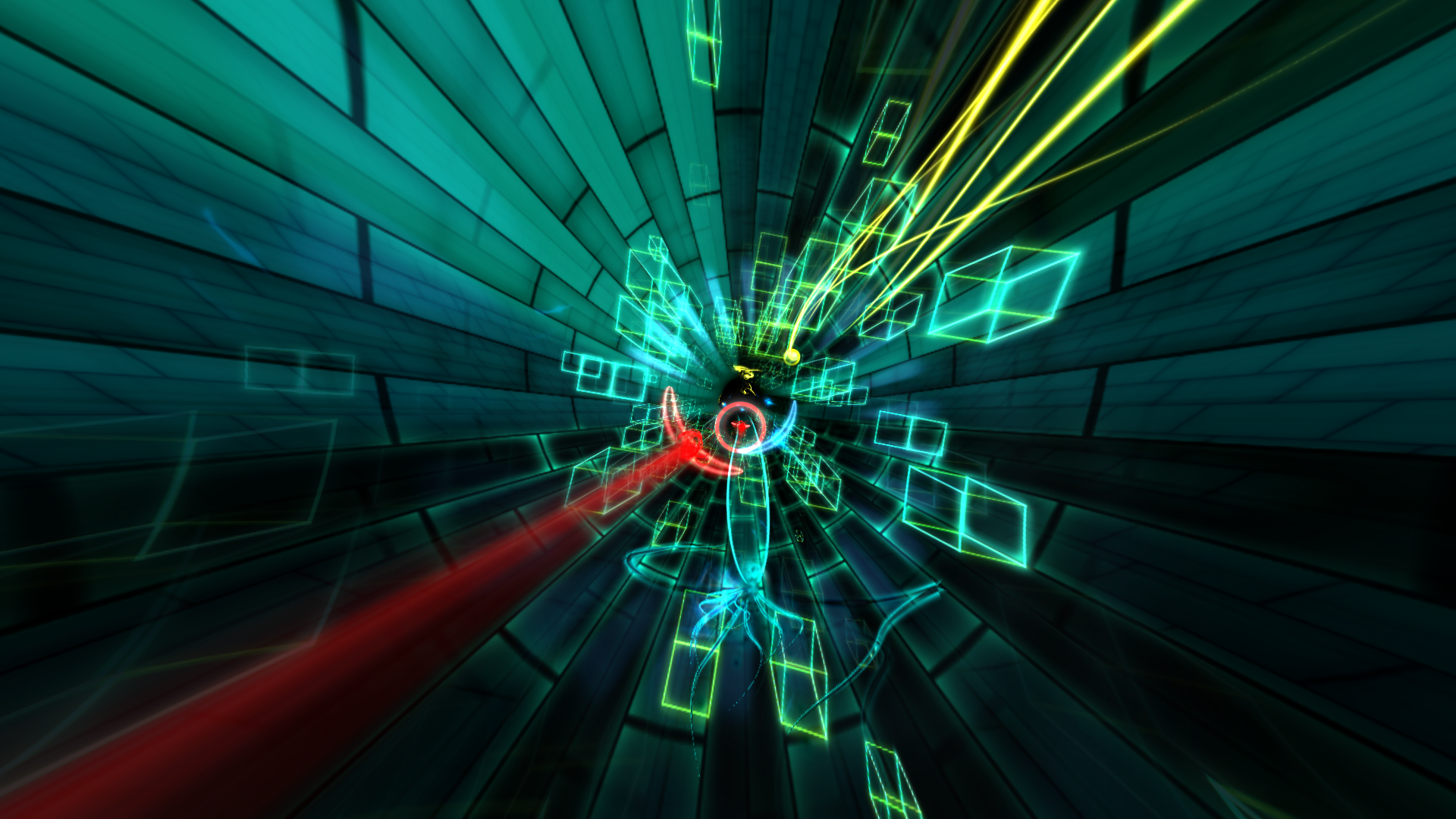
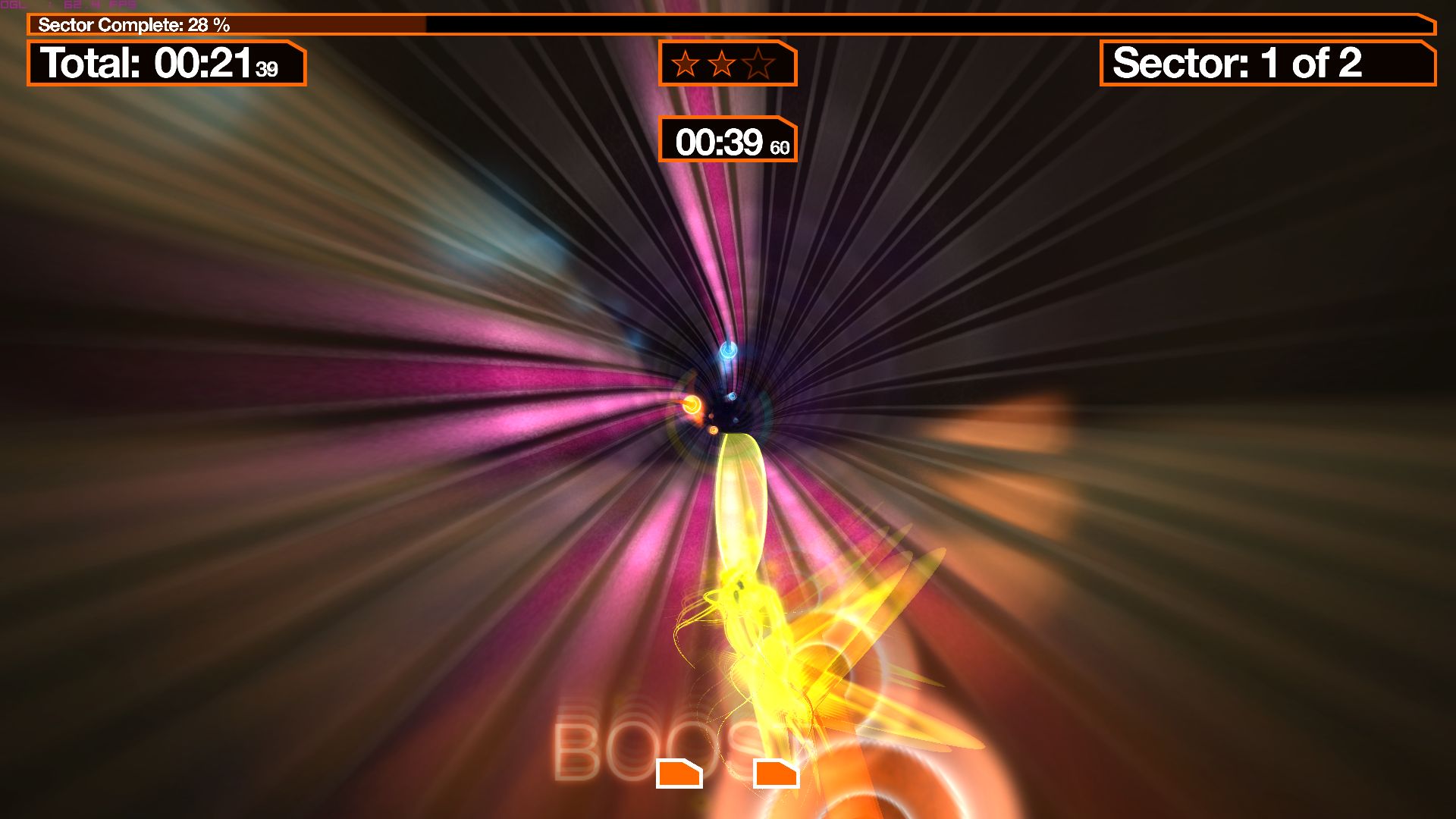
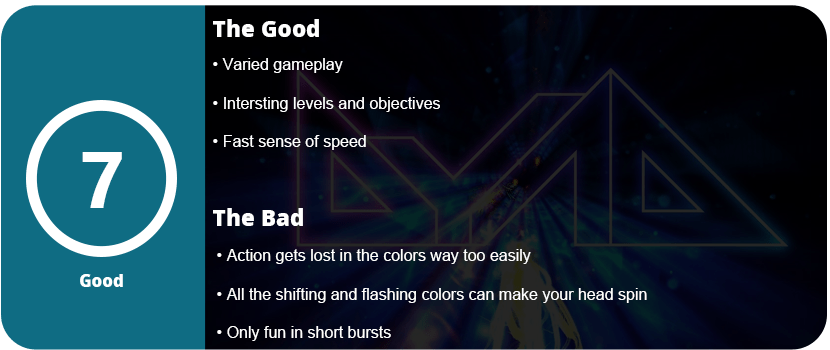
Dyad is a game where you do things in a spiral tunnel. That pretty much sums it up. You are a thing, and you shoot things like the tunnel whizzes by faster and the tempo of the music picks up. Each stage has an objective, such as getting through levels as fast as possible by chaining together the same colored orbs, which will give you a speed boost. Running into these orbs slows you down. I felt the shooting levels were the most fun, and there are a lot of levels here, so don’t worry.
The biggest issues are the constantly changing colors and the sense of speed. It will make some people small or dizzy. When you’re focusing on something, even for a couple of minutes, it will make you dizzy. There can be so many colors on the screen that you get lost in the craziness, and that’s a serious problem. I couldn’t play for long sessions because my eyes would hurt or I would get so confused that I would need a break. Thankfully, the environments vary from stage to stage, and the enemies get changed up.
It’s not as easy as blasting everything. You need to avoid some things because if you shoot, it will hurt you. Some missions just end up being way too difficult, to the point that you can barely pass the minimum requirements. This is all due to the crazy colors and the weird sense of speed. You can see your lane as far as the game will let you. At least you don’t have to wait for things to come up right in front of you to shoot. This adds a bit of strategy as you spin around the tunnel, trying to think ahead of your moves. For a while, it feels pretty awesome to think on your toes and line up the perfect path for the highest score. There’s really nothing much else to say here; you have to play it to see how fun it can be. This game isn’t for everyone, though; if you are sensitive to motion sickness and flashing colors, I would stay away.
Dyad is a rare game that doesn’t come around very often. While it may slip under everyone’s radar for that big blockbuster title, it reminds us how simpler games can still be fun. The action can be too hectic and can get lost in the ocean of rainbow colors swirling around the screen, but there are plenty of levels here to keep you busy and a great soundtrack to listen to.
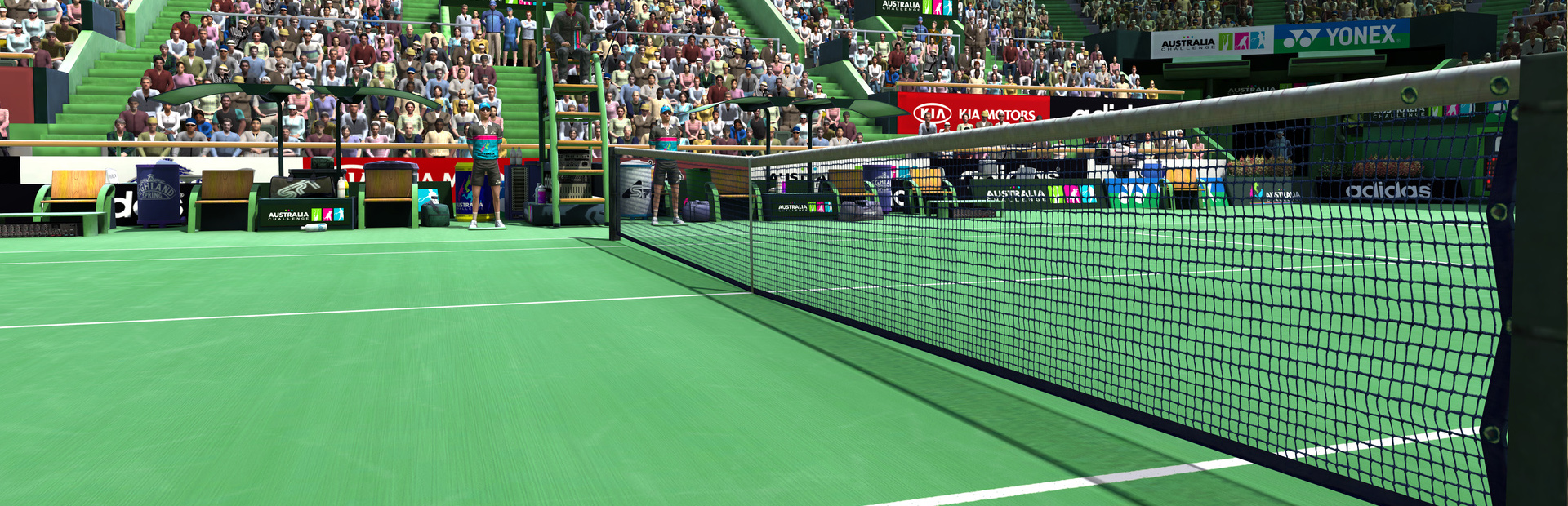
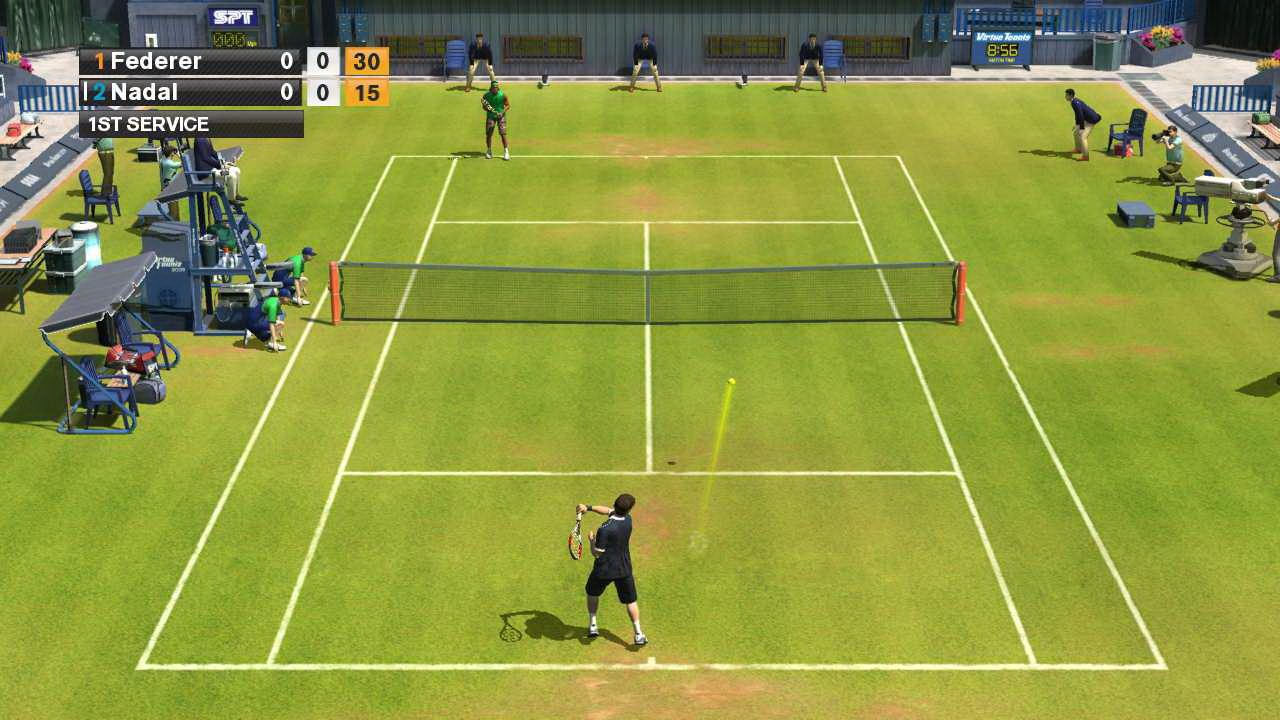
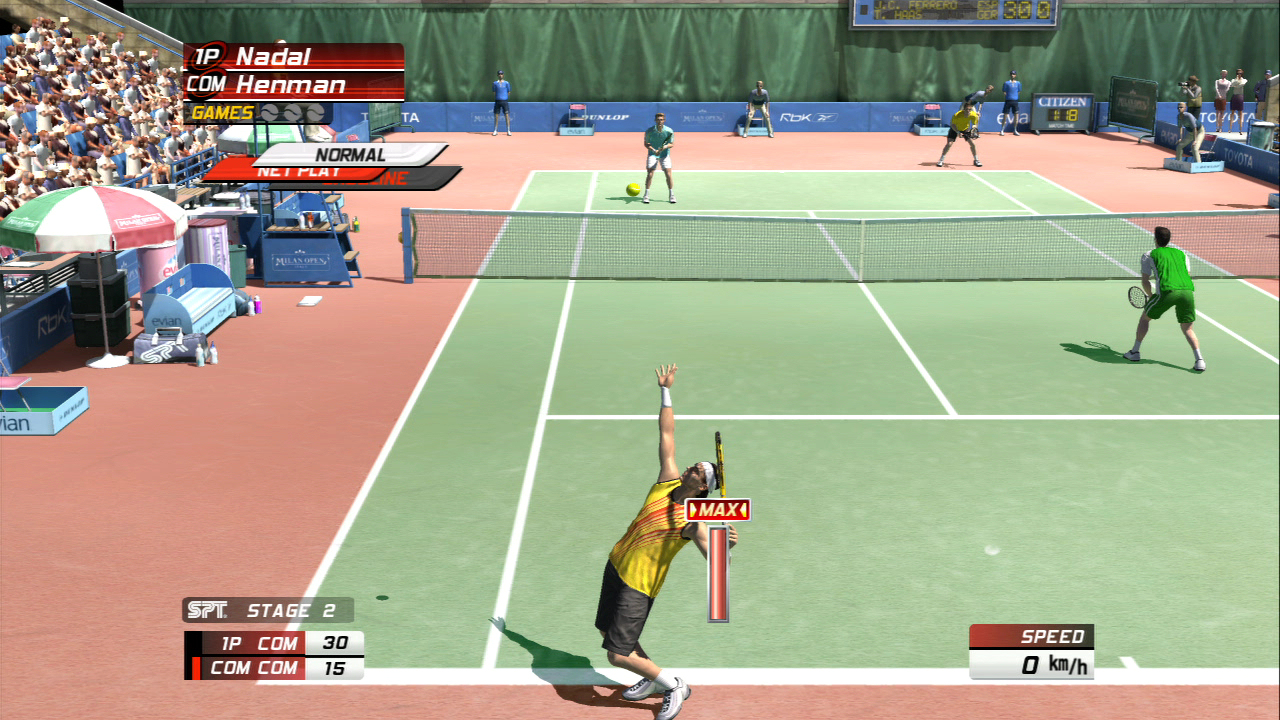
First off, I’m not a tennis fan. I just like playing the occasional game, such as Hot-Shot Tennis. I just like the competition and the strategy behind it. You need to trick the player into going where you want so you can set them up for failure (or, at least, I think that’s how you play tennis). I don’t know! I’m not a pro player! Secondly, Virtua Tennis 4 isn’t the best tennis game I have ever played; it’s very dull and lacks any excitement or flair. It doesn’t need to be a crazy arcade-type game, but give us more than just green, two players, and a ball.
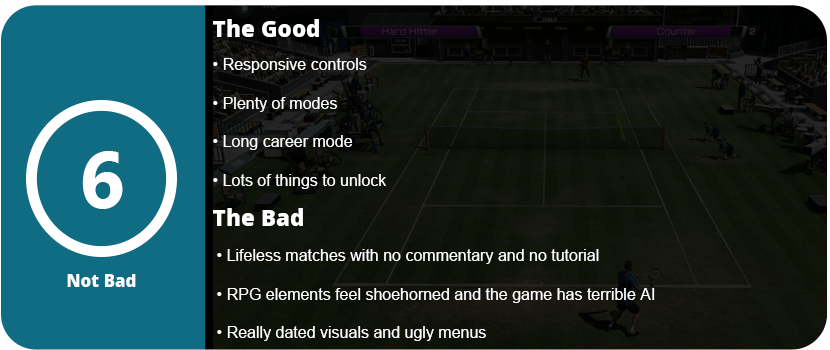
The game is very confusing to start. The career mode is pretty lame, and I didn’t like it. You move around a world map with a piece of paper and markers. You get random move cards instead of dice. Some spots are for training; others are clothing shops, tournaments, face-offs, and various other things. Every time you get into a match, whether it’s for training or not, your condition decreases, and this apparently affects how you perform. I honestly didn’t notice a difference, or the AI was just so bad that it didn’t affect anything. This board game idea is nice, but it’s so dull. The menus look like absolute crap and are flat and lifeless. There’s no tutorial on how to play, and each move pretty much felt the same. The only one that felt different was the lob.
During a match, I felt every player played the same. You serve with a power meter, and I could never figure out where my ball was going. Some sort of reticle on the ground would have been nice. I would smack the ball for 10 minutes, and nothing would happen. It was so hard to trick the AI into doing what you wanted, and it took so long. I wound up losing match after match trying to outbeat the AI; otherwise, I was stuck in an endless volley. The matches themselves, outside of swinging, are boring. There’s no commentary, the characters look horrible, the pros don’t look like their real-life counterparts, and the graphics look about 5–6 years old.
I understand this is supposed to be a tennis sim, but you can still make it fun. Even after playing 10 tournaments, I still didn’t unlock any new clothes; my character was taking forever to level up, and it just felt like the same thing every freaking match. It felt like it would never end. During career mode, the stupid reps and managers would pop up with lifeless dialog that you just didn’t care about. The only real way to go is multiplayer, but no one is playing online at all. I just feel that the game is a huge, boring mess with terrible AI and lifeless characters. The controls respond pretty well, but I didn’t feel a difference between any of the hits. The game could have been so much more. As it stands, this is the worst tennis game I have ever played. Even major tennis fans will be disappointed in this lifeless borefest.
BioWare has to be some of the most talented beings on the face of the planet because these guys can just pull whole new cultures, religions, and universes out of their asses like it was yesterday’s dinner. Mass Effect has a rich, amazing universe attached to it with believable races, characters, religions, and cultures, and it feels like a whole alternate universe that could exist. Mass Effect 2 expands on this for fans of the original (yeah, don’t play it unless you played the first, seriously). Not only is this just a direct sequel, but all your actions from the original game affect the outcome of this one. Mass Effect 2 has Command Shepard being remade as a machine almost after the Normandy gets destroyed by collectors. Cerberus fixes you up for 2 years, and now you have to rebuild your team, find your previous ones, and stop the Collectors from destroying the human race and working with the Reapers.
Mass Effect 2 has so many changes that were much-needed, and the game just feels tighter, more fluent, and action-packed. The action is the keyword here since a lot of the mundane RPG elements were stripped. To get an idea of what was improved, I’ll start with squad management. Instead of finding armor for each type of race and maintaining every stat of that armor and the character, you no longer manage your team’s armor, just yours. You also no longer have to go find armor like the original. Armor can be bought from world markets, and you equip each piece in your cabin on the Normandy 2. You can even change the color and scheme of the armor as well as your casual clothes. This is great, and I love it because micromanaging armor in the first game was a real pain. The same goes for weapons. You no longer have to find and add each element to every weapon, like ammo types and add-ons, because those are now gone as well. Instead, you find weapons during missions or in markets. You can equip them via a loadout, and the same goes for your squad.
Let’s talk about the radial menus here. You get three ammo types: cryo, incinerate, and disruptor. Each can be used for certain enemies. Your powers are activated here too, but you can now map them to buttons. When shooting weapons, you no longer have a “heat gauge” but actual ammo. The weapons draw heat to a “clip,” which is discharged once it gets too hot. If you run out of these clips, your weapons won’t fire, thus solving that annoying heat meter crap from the first game. This helps the game feel like a solid shooter instead of a game that doesn’t know if it’s an action game or a straight RPG.
The shooting and fighting in the game are now really solid, and you just feel so powerful with all these guns at your disposal. You can upgrade everything (including your ship, and this has outcomes during the last mission) by finding research projects while on missions. This solves all the RPG elements from the last game, so it feels like a solid shooter. Don’t get too upset; there are still RPG elements, but they are only for upgrading your teammates and yourself. Instead of upgrading every single element, such as each ammo type and every biotic type, you only have about 4–6 traits to upgrade. This includes your main character’s ability, biotic or ammo types, and any other special skill. Each one can be upgraded up to level 4, and after that, you get a choice between two special bonus perks. This makes the leveling feel more solid, fluid, and resourceful.
Another great improvement is the galaxy map navigation. No longer are you just a cursor floating around the map, but you actually move your ship. When you are outside solar systems traveling in dead space on the map, you use fuel, but the biggest improvement is no more excavating resources via the stupid rover vehicle. In fact, all vehicle control has been stripped from the game. Instead, you use a scanner on unexplored planets, and when the controller vibrates, you will see your meter spike over a certain gauge. This will be one of the five resources used to upgrade things in the game. While it sounds more repetitive, it’s nice to break up the action of the game and get some downtime.
If those don’t sound like enough of an improvement, how about the story? The story is still as epic and emotionally engrossing as the first, if not more so. There are a couple of new races added, such as the vorcha, drell, and batarians. There are new characters that you can recruit, and they are all as loveable and memorable as in the first game. Of course, all your old pals return, but my favorite part about the game, which isn’t in any other, is how your original save carries over.
If you had a relationship with a previous mate, you will see that in the game, saving and killing certain characters from the past will pop up in the sequel, reflecting certain outcomes of missions. If you chose the renegade or paragon path, it will reflect off your character with red scars and reddened eyes if you were a badass. You truly feel like you were dead for two years, and all your choices in the past came back to haunt you. It’s a mind-trip, and it really makes you that much more involved in the story. Every choice you make during dialogs affects what you do, and BioWare is the master of this.
The only reason why this one scores lower than the original is that most of this has been seen in the original and isn’t anything new for fans of Mass Effect. The new additions just keep the score really high but don’t give us that new feeling. With improved graphics and the same amazing voice acting, Mass Effect 2 will keep fans busy for a good 25–30 hours, but watch what you do because it will affect your outcome in Mass Effect 3.
BUYING A NEW COPY: This will grant you access to a free content update that’s normally $15 for free. This includes a new character, Zaeed, and two other missions that involve the crash of Normandy. While this update is not worth $15, buying a new copy makes you feel like you’re truly getting your money’s worth.
Yeah, it's pretty damn awful. Notoriously one of the worst games on the PSP. A 4 was actually being generous.…