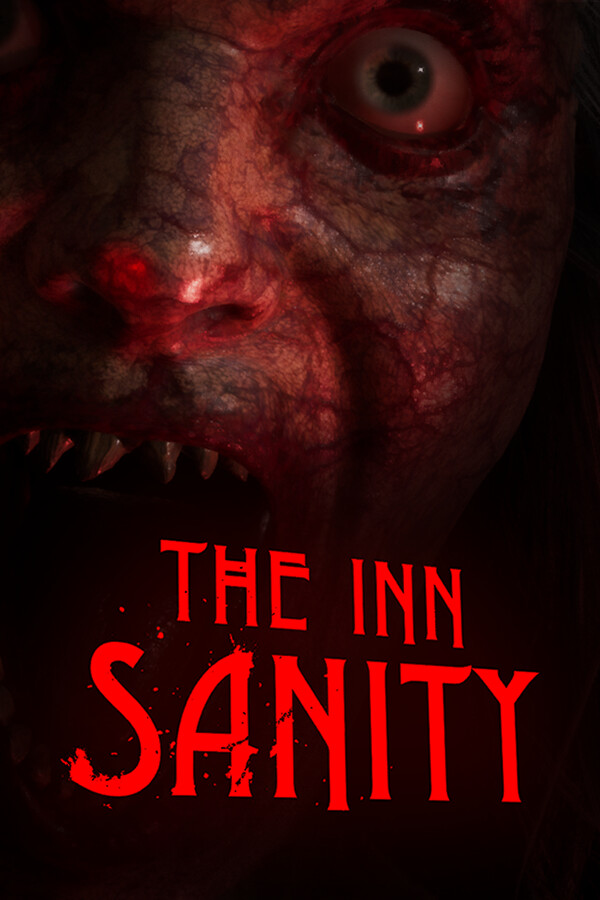
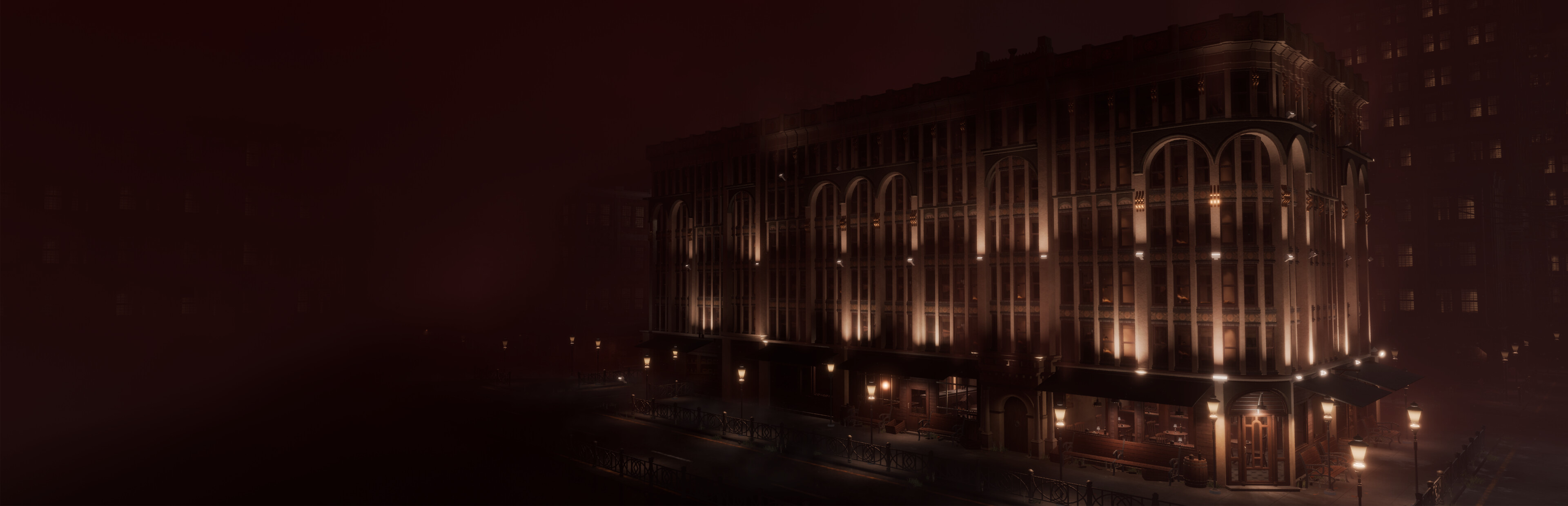
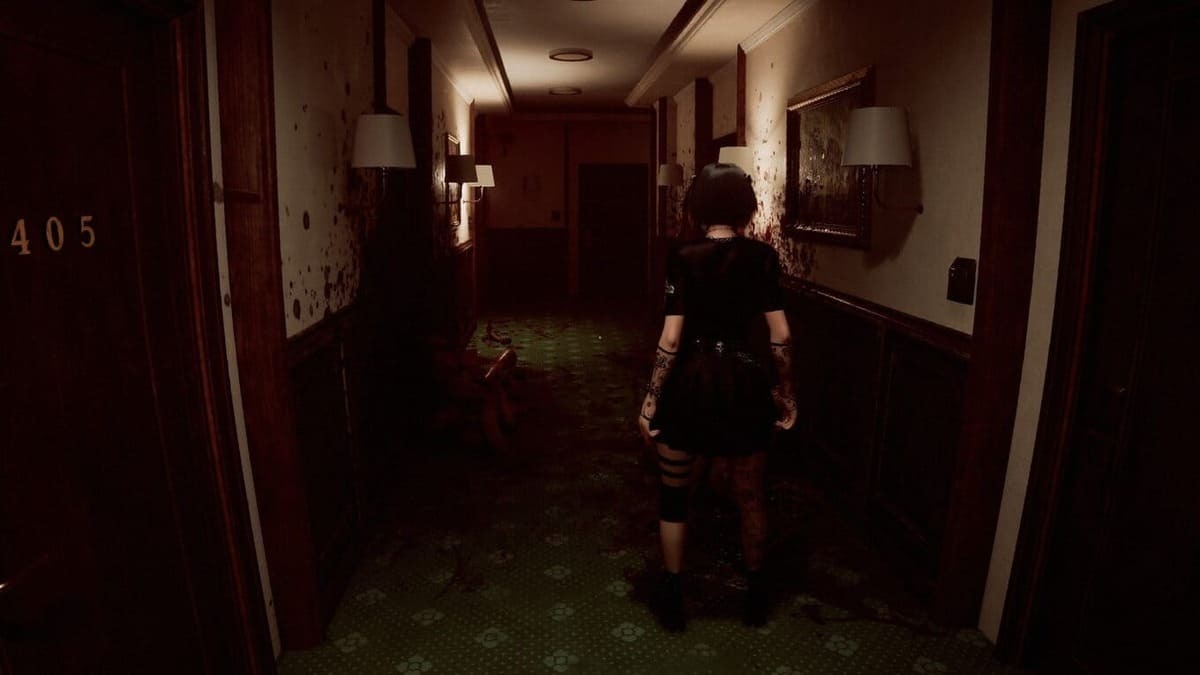
Indie horror games are not always great. In fact, most are pretty bad. There appears to be a trend of focusing on going viral instead of earning positive word-of-mouth through genuine quality. Either relying on tropes such as the “meme monster,” like Poppy Playtime, or having convoluted lore, like with the SCP series. The Inn-Sanity tries to be a self-contained horror title only trying to be good. It’s one of the better “Unreal Jank” horror titles I have played with the, probably by now, overused PS1 graphics aesthetic that mostly misses the point of them. You play as someone who visits an Inn (Sanity Inn…get it? Ha, ha). During the night there seems to be a Cthulhu mythos-style end-of-the-world scenario. You end up meeting a goth girl, who has the only voiced lines in the game, as you both try to survive the hotel and get to the roof while working with a security guard who is always hiding in the security room in the lobby. You only get phone calls from him. There’s also a monster lurking in the hotel, murdering everyone.
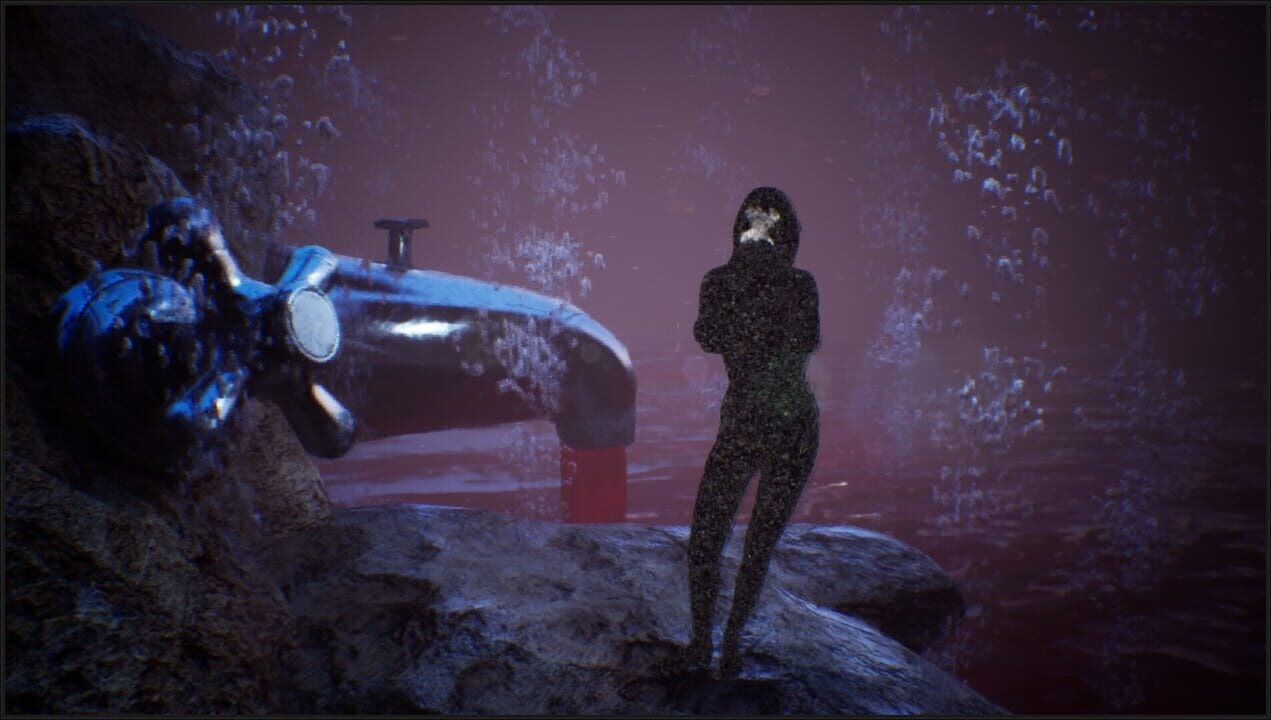
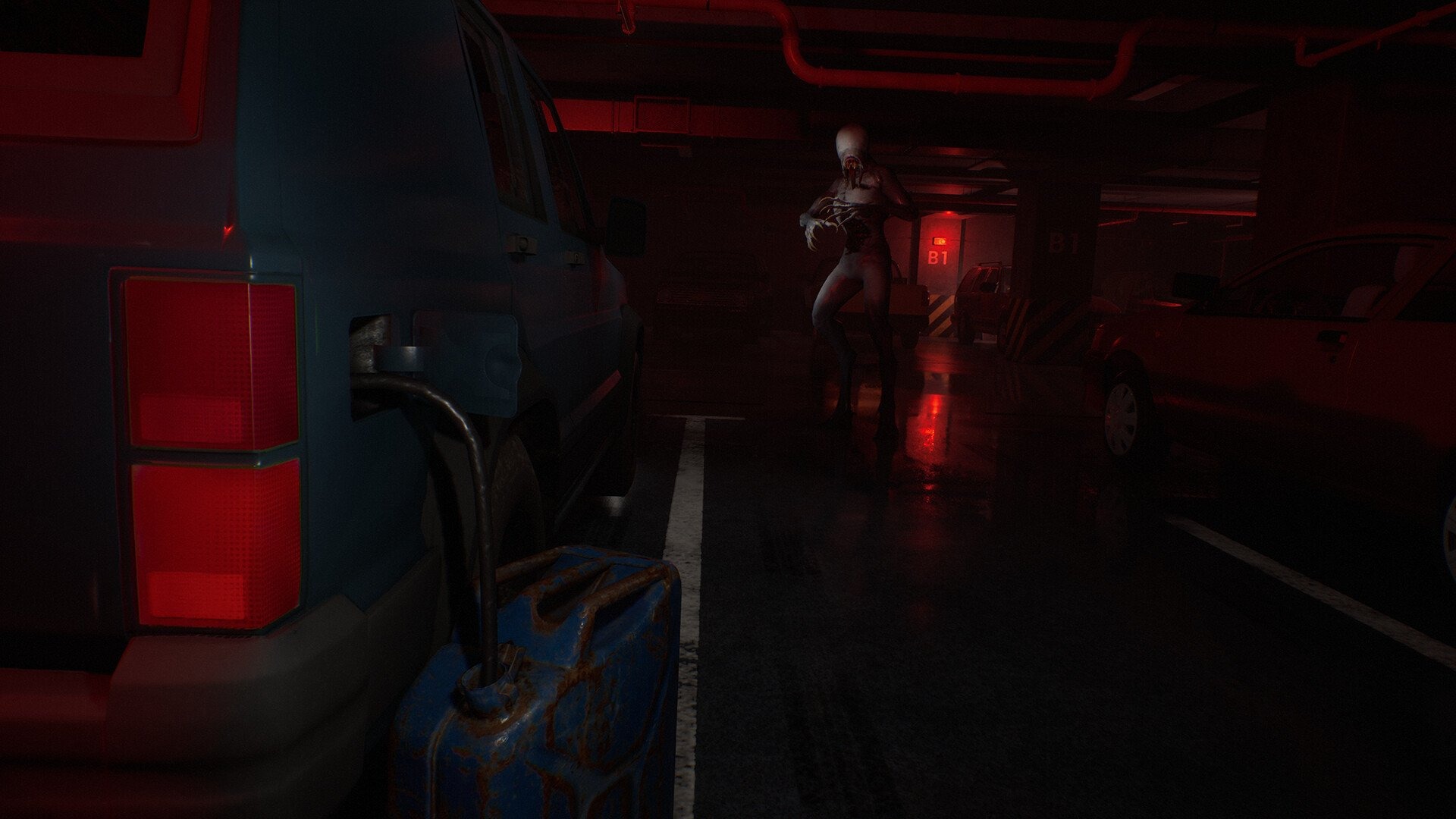
It’s a pretty cool setup, and the pacing of the story is surprisingly good. I played the game all the way through in one sitting because I wanted to see it to the end. The monster is pretty cool and scary-looking, and the scenarios you are put in are easy to deal with but still intense. There’s also a mad murdering priest wandering the hotel, killing anyone who he thinks is infected and not “pure.” The stealth sections involving the monster aren’t hard. The AI is pretty dumb, and one scene had me gathering gas in the parking garage, but the monster wound up always staying at the opposite end where there aren’t any cars. It was a breeze. Every mission will require you to go out into the halls and either up or down stairs to find someone or a supply. One puzzle has you following colored pipes to their proper PSI number to turn on the water to the hotel. It was a fun puzzle and had some intense moments.
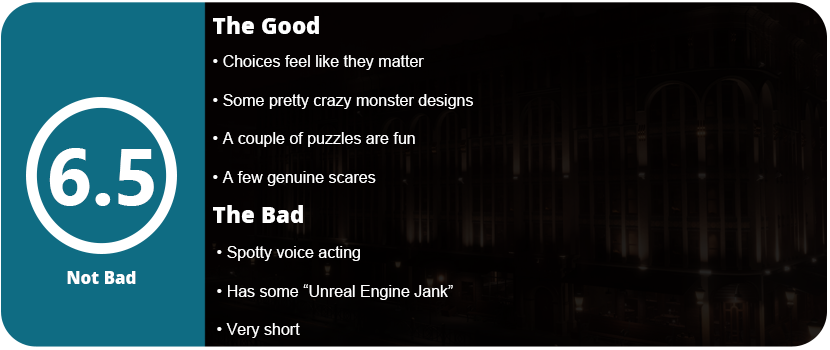
There are some intriguing elements thrown in, like being able to call various numbers on the hotel room phone to get some lore in the game. You can turn on the radio every day and hear what’s going on with the outside world. Small things like this that could be expanded upon make for a great way to make a small enclosed area more interesting. We want to know what’s going on outside and how other people are doing too. There’s enough of a world built here to convince you to investigate more, and that’s really hard to pull off in such a short run time. The girl’s voice acting is spotty. It follows the typical “cutesy anime girl” voice trope and I honestly do not like that at all. Some may be okay with it. Some lines are delivered pretty well while others are completely off in tone and intensity. She is supposed to be a beacon of light and the only human thing in this entire world and she just doesn’t feel serious enough for this.
Once you get back to your room, you are advancing the story between the girl and yourself. You keep passing out and waking up in the bathroom, not knowing why. You have strange dreams, and some choices will affect what ending you get with the girl. The story is always moving and changing, and you never get bored or feel stuck anywhere. There are some downsides to this game being very low budget. The animations are pretty bad; everything is a weird mix of high and low poly, so it has an inconsistent look. The game is also rather short, ending at around 3 hours. While I enjoyed my time with the game, I feel that these good puzzles, branching dialogue trees, and choices could be put to more use. The developers are talented and know how to make a great horror game. With a bigger budget I feel they could do something really great. This is easily one of the better super cheap indie horror titles on Steam and will get you genuine scares and entertain you the entire way through.
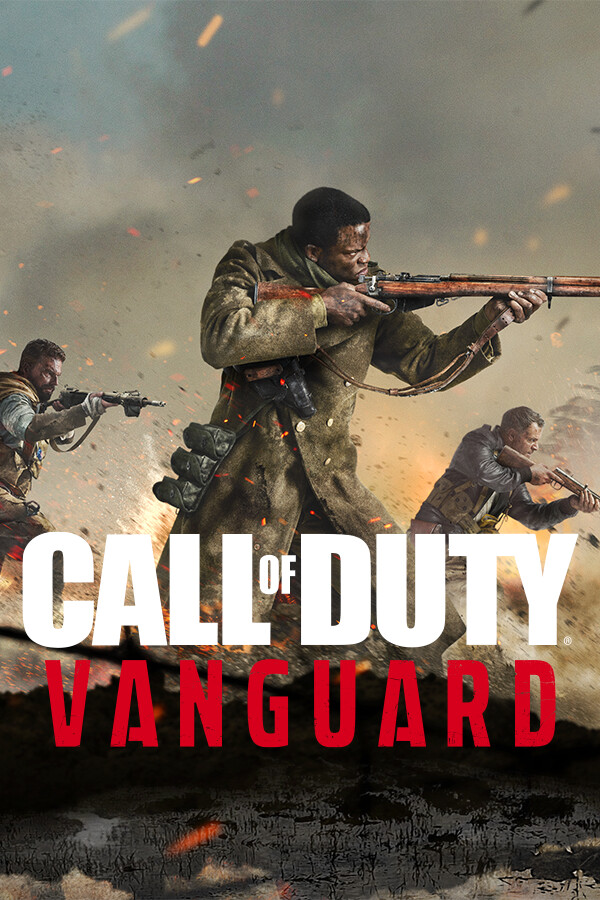
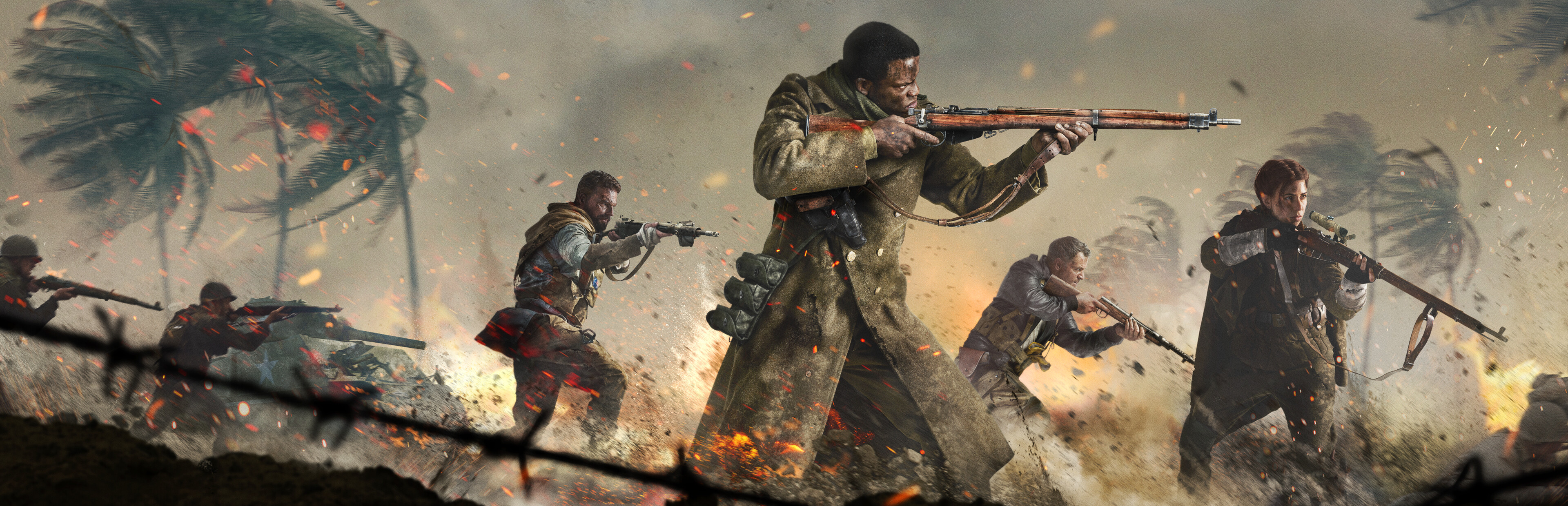
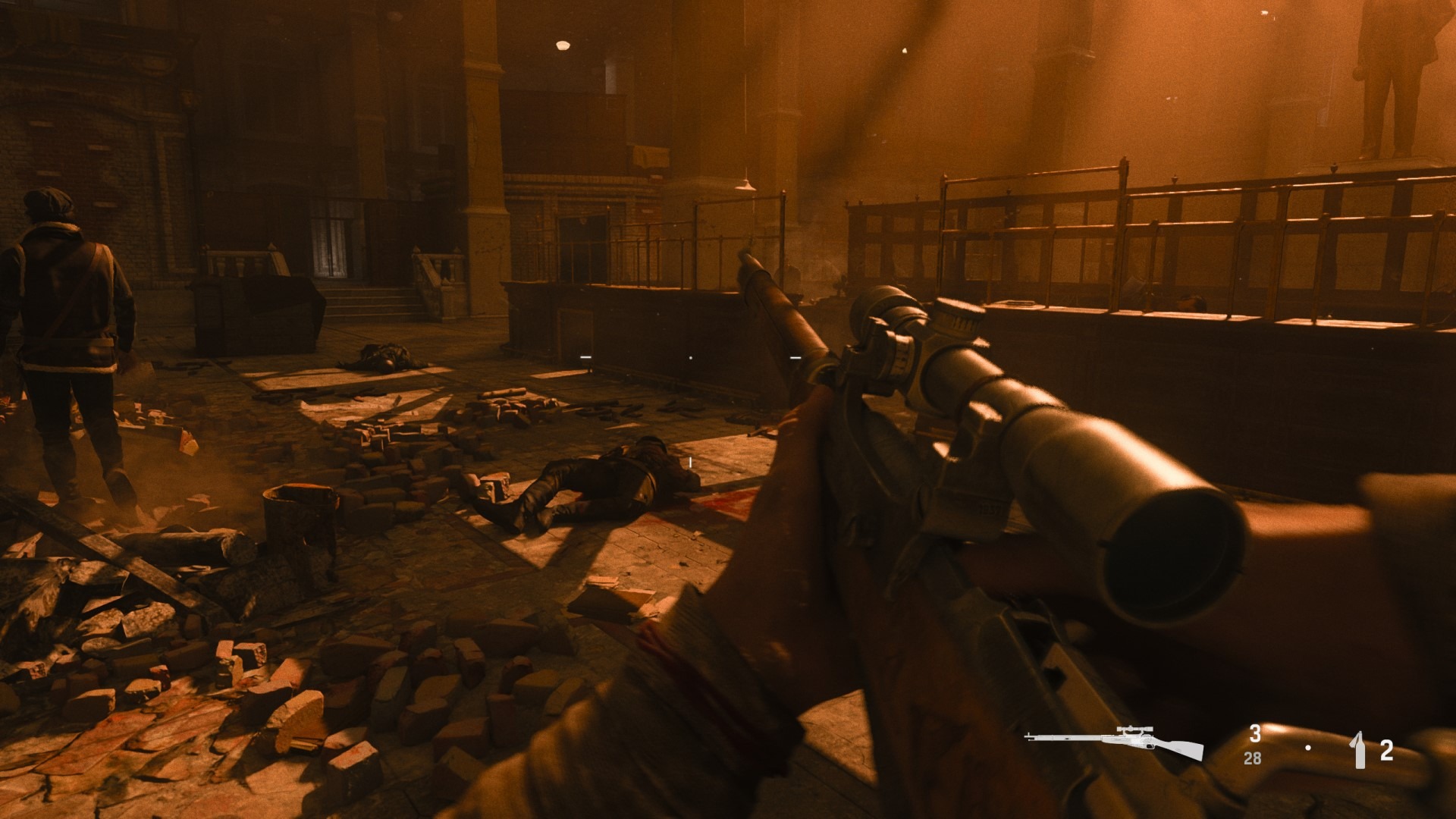
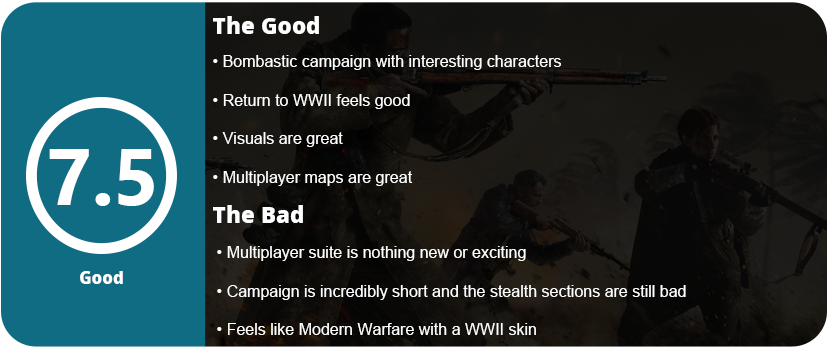
Oh boy, it’s another Call of Duty release. I completely disregarded it due to its brief campaign and my lack of interest in the Zombies mode. Four years passed, and here we are. I was in the mood for an FPS game that wouldn’t take up a lot of time, and I’m glad I played it. Starting with the campaign, this is one of the most entertaining in the series, and it’s a crying shame it’s so short. Activision has the budget and talent to make a good long 8-10 hour campaign, but instead we’re stuck with 9 short missions clocking in at around 4 hours. The characters are fun, the writing is tight and interesting, and the Nazi villains are fun to see on screen. You play as a team of allied soldiers who are captured by the Nazis while trying to find documentation on plans for Project Phoenix. The Nazi plan to stay alive after Adolf Hitler had allegedly committed suicide. It’s an interesting point during the war that isn’t talked about or used in WWII games much. The main antagonists are two SS officers who torture and kidnap an Australian, an American, a Russian, and a British soldier who were on the operation to steal the documents.
The game opens up with a train mission. It’s as bombastic and fun as any Call of Duty mission. The game feels immediately familiar…too familiar. It has the exact feeling of Modern Warfare. The speed, the momentum, and everything about what gives modern Call of Duty its identity are here, both for better and for worse. It feels a bit odd while holding WWII guns to be reloading them like a modern rifle. Slapping a clip off the top of a Browning. Everything feels like it’s in fast forward. I would have liked a slower, more deliberate feeling to this game, as we are returning to the series’ roots after all, but that’s too much to ask. It feels odd hopping around walls like it’s Assassin’s Creed as the Russian sniper Lady Nightingale. I feel like a WWII shooter needs a bit more finesse and a slower approach. The game doesn’t feel like Modern Warfare when it’s dressed in a WWII setting.
I don’t like stealth in Call of Duty, and it’s just as broken here. Running around and hiding in vents and under tables just slows the game way down. A high-octane shooter like this does not need any stealth. It’s easier to just shoot everyone in sight. The only reason to actually use the stealth is when it’s required or for achievements. Enemy placement is not right for stealth combat, and patrol patterns seem random. Enemies will also stay in an alerted state once seen, so it’s just pointless. The stealth takedowns are pretty cool to see, though. One new gameplay mechanic not seen in a Call of Duty is flying planes as the American. It’s fun; it doesn’t last long (only a single mission), but the preflight check and taking off just feel cool. There are no other vehicles to drive or even ride on in this game, which is kind of odd.
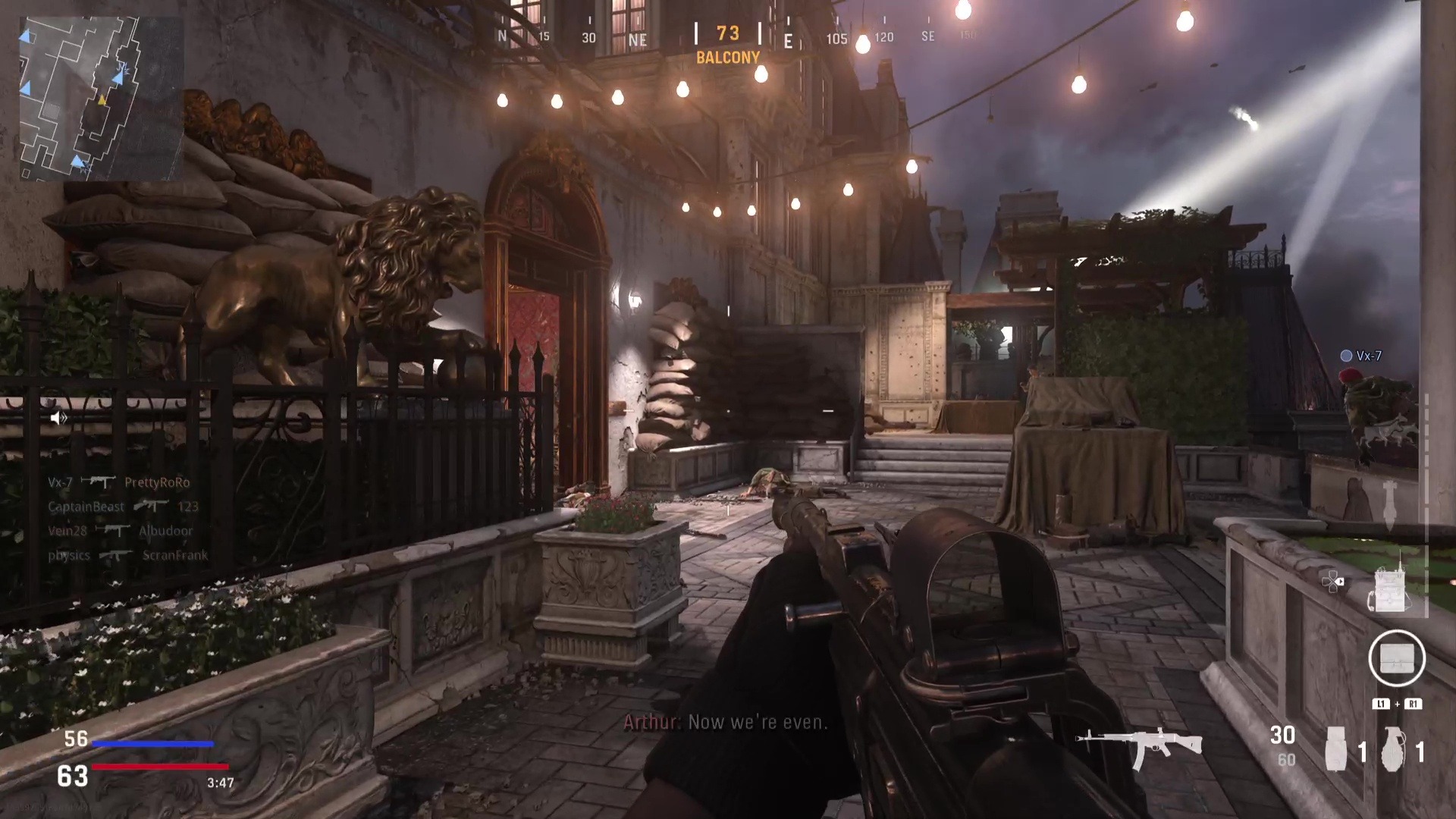
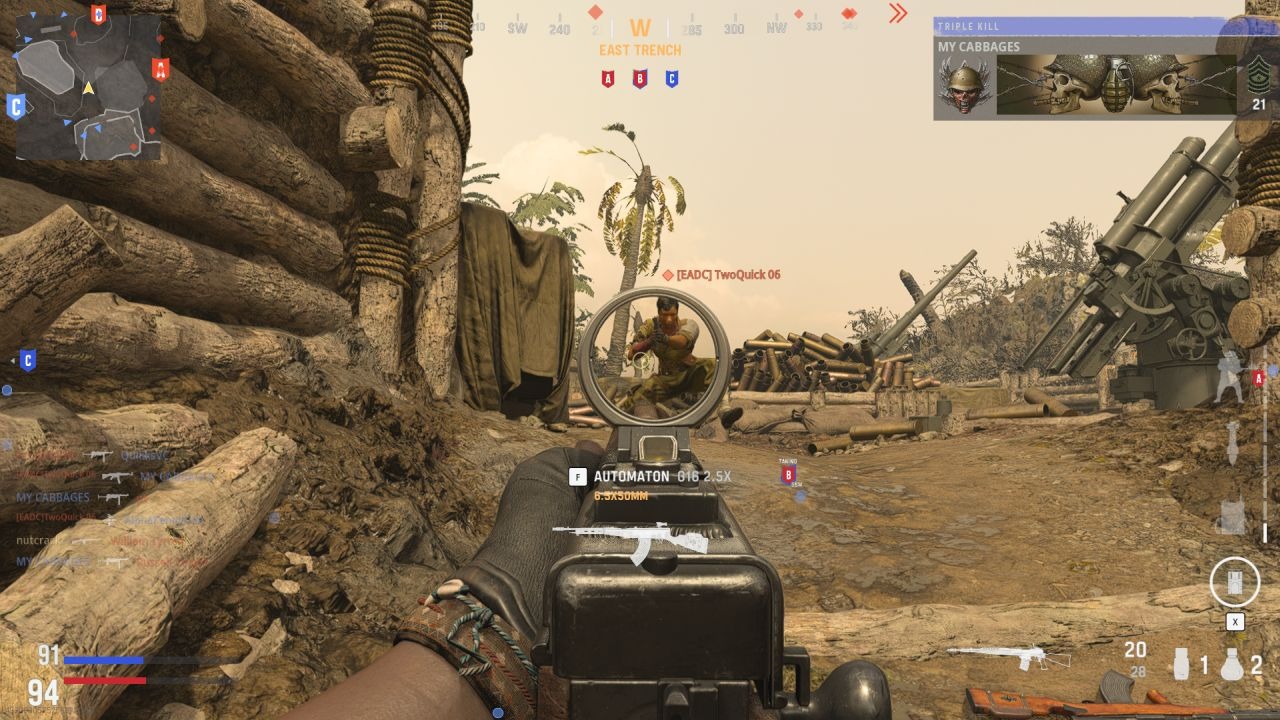
Outside of the campaign are multiplayer and Zombies. I’m not a Zombies expert, but I do know that this is a return to form with no story or weird map puzzles like in the Black Ops series. Some may like this, and some may hate it. I personally do not care either way. I tried Zombies for a couple of hours, and it was…fine. Multiplayer is the best part of the game, but it’s subject to the usual Call of Duty nonsense. The maps are at least really good, and the way the weapons fire makes it a bit different than modern games. They are less accurate and, of course, less modern, so you don’t get all these crazy attachments for the guns. I won’t bother going into detail on maps or anything, as, sadly, the game is mostly dead. I made it into a couple of matches, but that was after sitting for 20+ minutes waiting for enough people to join.
With that, this game is best played as a super cheap discount for the campaign and maybe some multiplayer with friends, but don’t expect much playtime out of this. I really wanted the campaign to be longer. There’s a lot here that works with interesting characters and a great script, but it’s just cut so short. The authentic WWII weapons feel good, and anyone who is a veteran of past WWII shooters will instantly recognize all of these weapons. Zombies mode is fun, but a drastic change from Black Ops Zombies, which some people may not like, but as it stands, this is a modern Call of Duty game. All that will be left one day is just the campaign and offline multiplayer. What’s here is entertaining for an afternoon of fun, but that’s it.
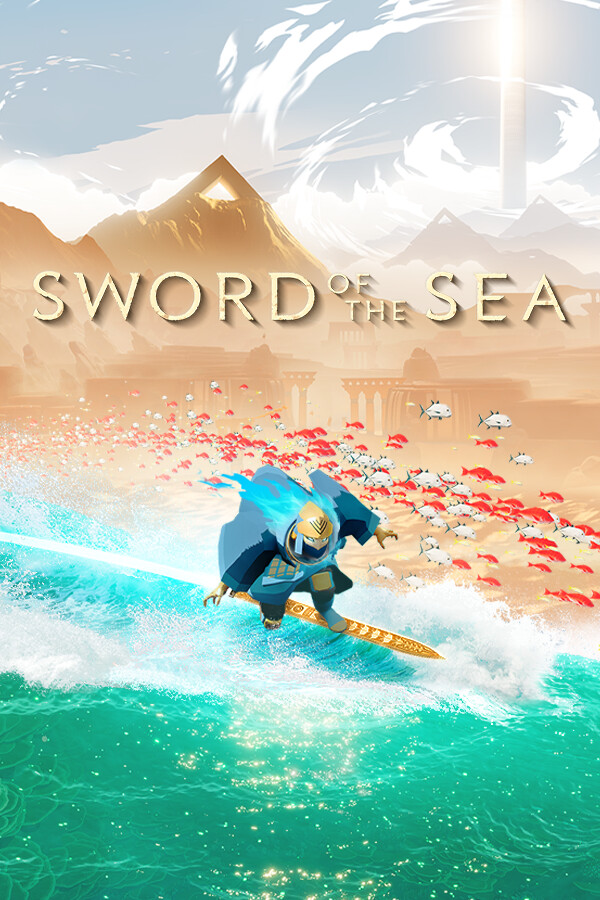
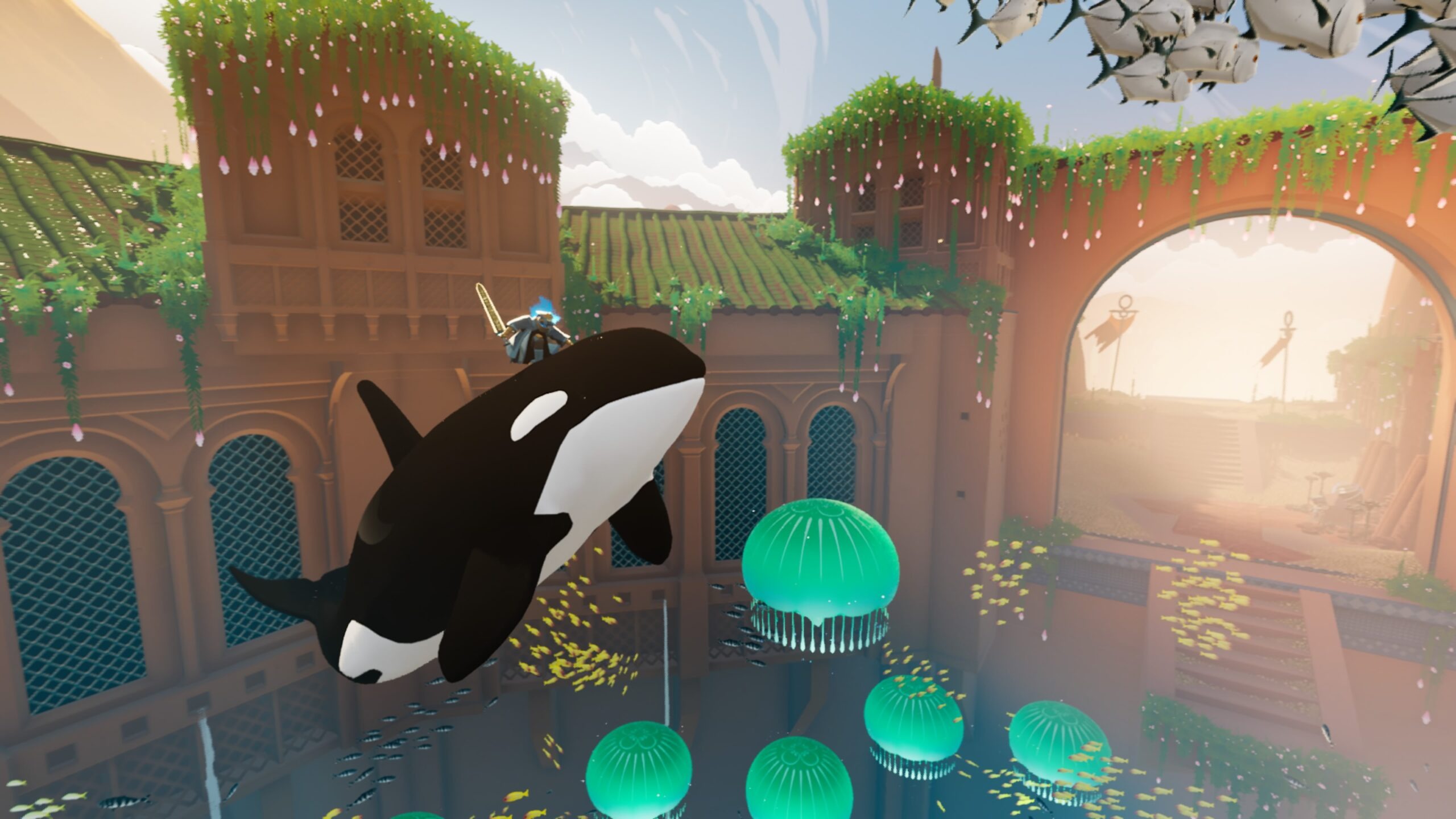
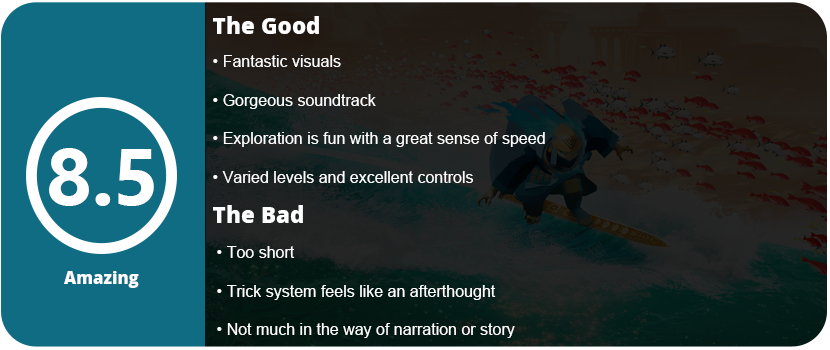
The magic of Journey has rarely been replicated. The fantastic audiovisual spectacle captured many gamers’ hearts and is one of the most memorable games I have ever played.Sword of the Sea can be considered the unofficial spiritual successor. There’s clearly some heavy inspiration from Journey here as well as its follow-up, Abzu. There’s also some Tony Hawk’s Pro Skater thrown in here, and before you close this review, keep reading. It sounds absurd, but by golly does it work. There’s not much of a narrative drive here. While Journey told a story through simple visuals and it worked, it still wasn’t what people remembered the game for. Sword of the Sea is about the journey. The sights and sounds are what you will remember and take with you. The sweeping soundtrack, gorgeous art design, and incredibly memorable design choices will make you talk about it for years to come.
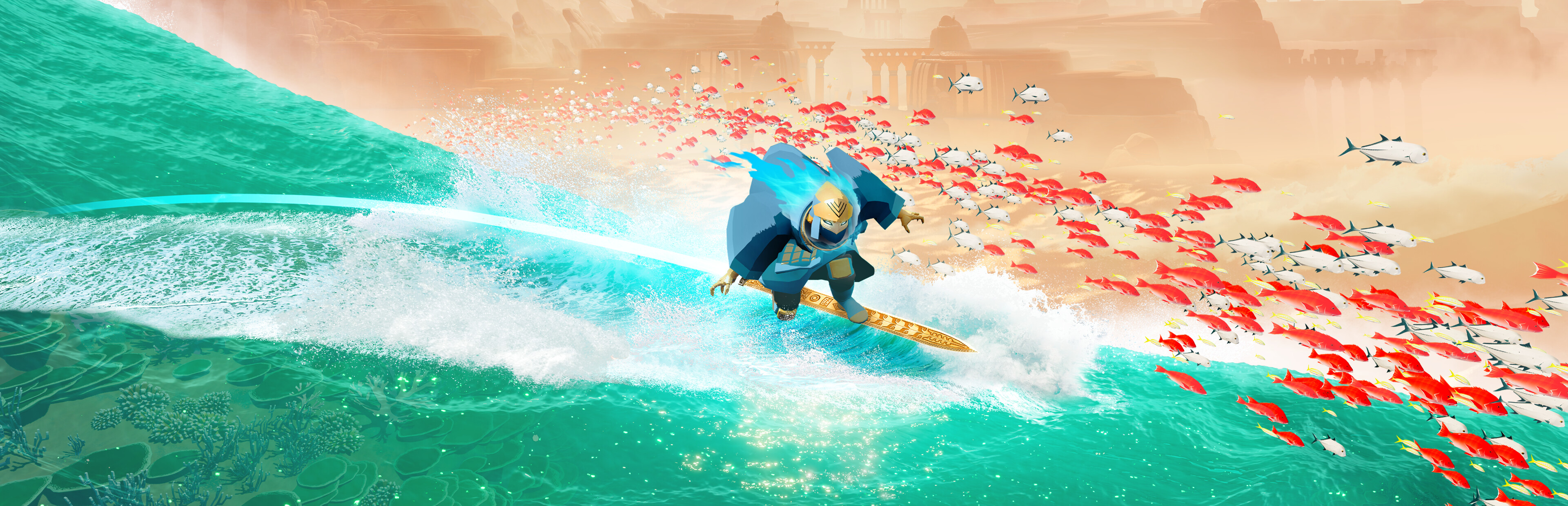
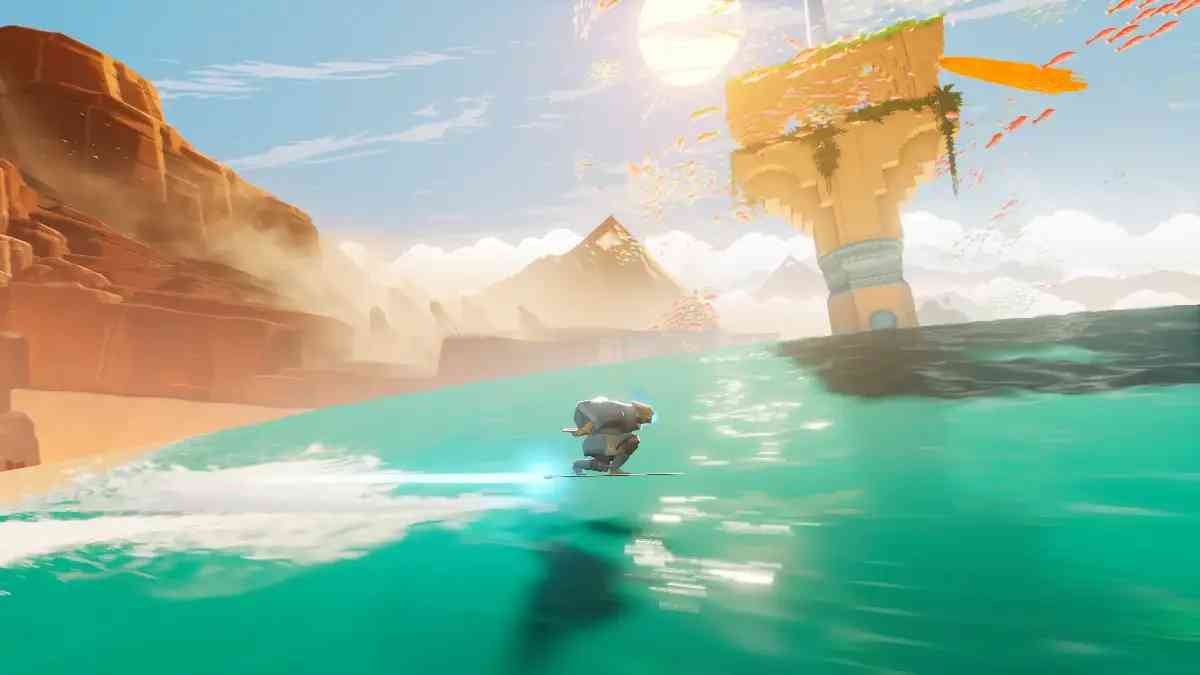
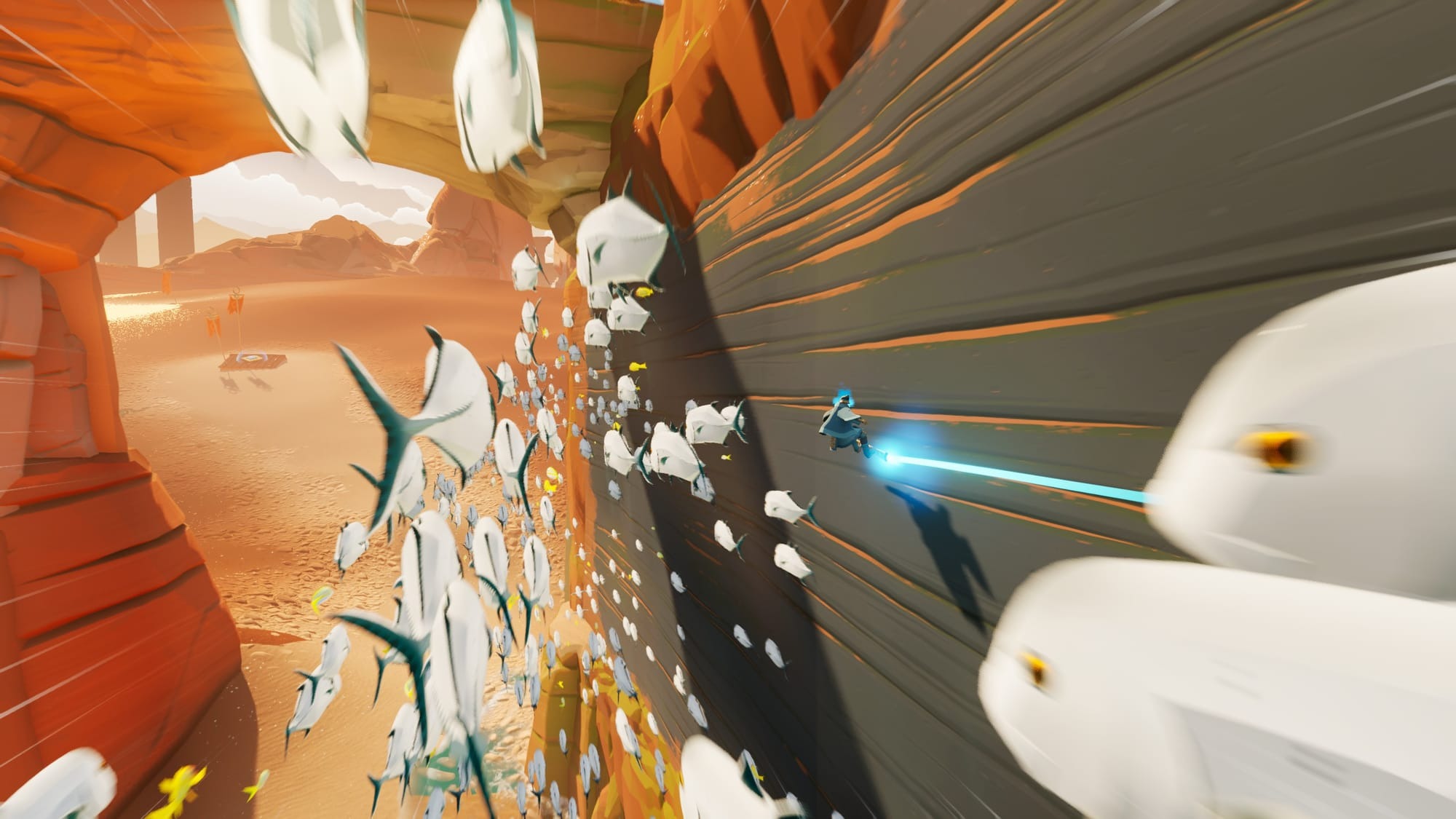
Sword of the Sea is what Journey could have done if there was more power available from the PS3 and if the game was faster paced. The golden sands, luscious water, and sweeping vistas from Journey are all here. You play as a hero who uses a hoverboard and can move insanely fast across the landscape. The power of the current consoles allows for larger levels, further draw distance, and better physics. The magical part about Sword of the Sea is “rehydrating” (as I call it) areas by using your interact ability (very similar to Journey). This is done by lighting lanterns placed in a circle, and then the sand turns to water, and you can see through the water but can’t go into it. It’s incredibly magical once you rehydrate an entire area and it feels like you are underwater. Fish and marine life seem to fly through the air, and you can glide up kelp. You can bounce off jellyfish, grind giant chains, and boost through the air to find secrets for trophies. Exploration is all optional, including finding currency known as Tetra, which can be handed to a vendor to acquire optional abilities such as spin and jump tricks. It’s nice that all of this is optional, so most people can just enjoy the narrative while others can explore. Nothing bars progress so trophy hunters have something more to do. The control is fantastic with the hero moving at high speeds, but if you stop pressing the analog stick he will make a dead stop allowing for precise platforming.
There are various environments, from deserts to actual seas, a volcano, a ghostly ocean, and underwater caves, and various others. These are massive areas that are so beautiful and well-designed. In between each stage are scripted linear areas in which you ride a sea animal at high speed. You can dive in and out of sand and ice like water while hitting lanterns to activate water bubbles to hydrate the area. These also include scripted cinematic moments that will make your heart leap. There’s an ice level that has you climbing a massive mountain and jumping off of ramps, and flying hundreds of feet is exhilarating and never gets old. Optionally, you can perform tricks with the face buttons. This includes wall riding, half-pipes, and anything you can jump from. The overall score is tallied at the end of the game. I feel the trick system is more of an afterthought and isn’t as elaborate as something in THPS as there are just four basic tricks. I honestly only did tricks for the four optional trick event areas, and they are incredibly easy. You just need 10,000 points. As long as you don’t touch the ground, you can keep your multiplier going by bouncing on jellyfish, wall riding, and boosting in the air.
Outside of all of the optional content, which I recommend doing on your first run, you can do a new game plus with all of the upgrades you bought and can just speed run through the game and enjoy the cinematics and scripted events more. This is definitely a game that would be enjoyed by multiple play-throughs. The feeling of seeing the levels transform from desolate to beautiful is something I haven’t felt since Okami, when you make a large tree bloom and the entire area bursts with color and life. The soundtrack is equally beautiful, with swells during cinematic moments and calming vocal chants during exploration. Each level has its own song, and I highly recommend listening outside of the game as well.
This is a game of moving art. The amount of work that went into the level design and everything surrounding it is astounding, trumping even AAA titles with their multi-million dollar budgets. This is a game you won’t forget. Play it on your nicest display (preferably an OLED), turn off the lights, and watch your room burst with color and life as you bring life back to this desolate world of sand and death.
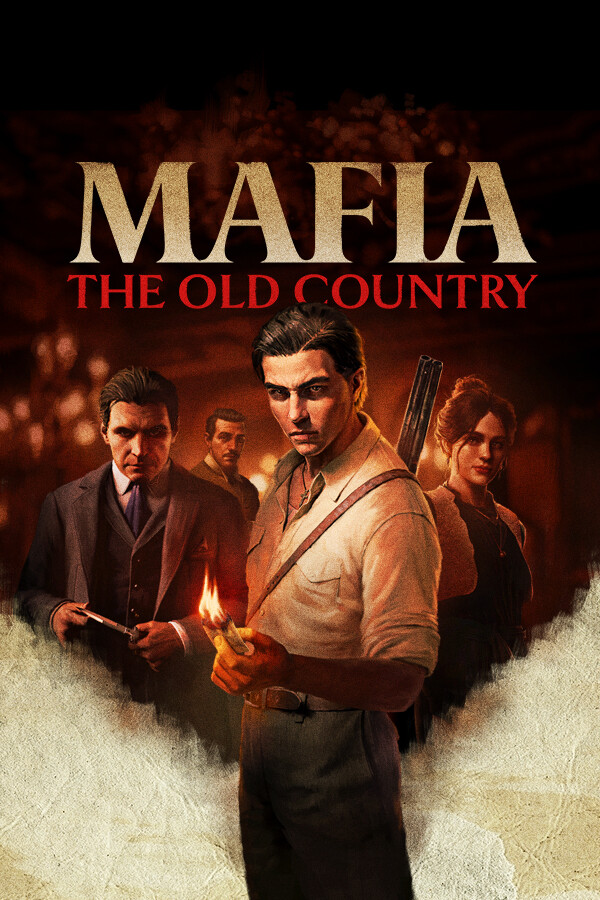
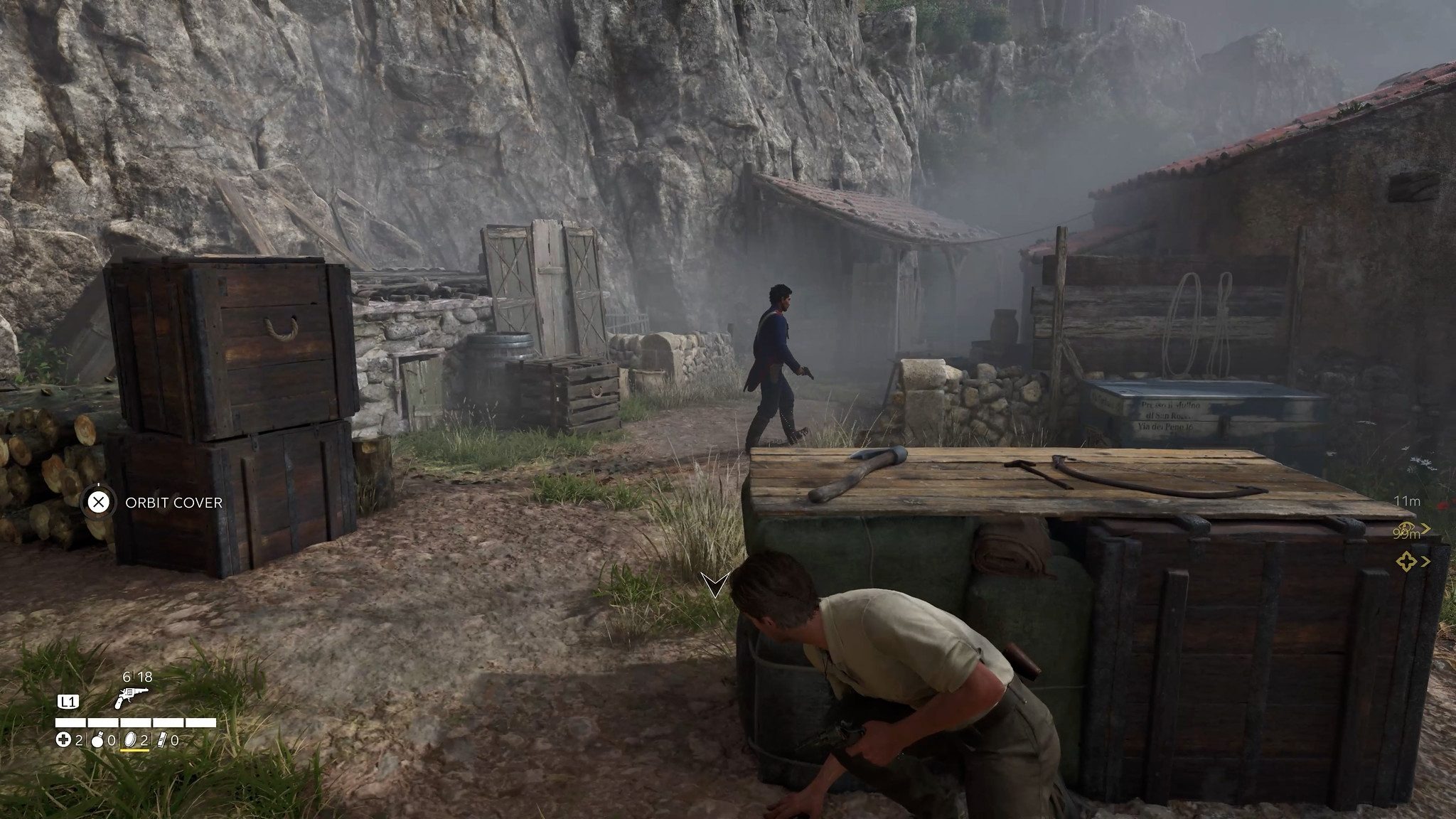
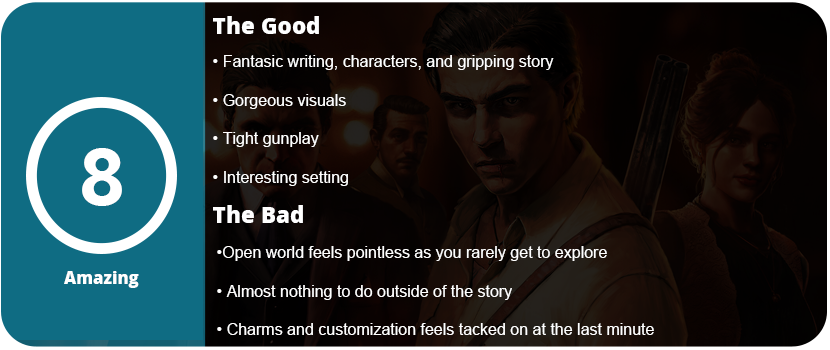
Open-world games have become stale and boring. It appears that developers are merely creating open worlds without any enjoyable activities within them. Mafia’s open world is deceptive but beautiful, refreshing but also sort of pointless. Mafia tries to go back to its roots, literally, by bringing us to the times before the Italian mafia came to the USA. The Old Country subtitle is exactly that. This is a prequel to the original game before any family made it to Empire Bay. We play as Enzo Favara. An orphan miner who has been enslaved by a mafia family to work until he seems like he will die. The first chapter of the game introduces us to various characters, combat, and essentially a tutorial area. You will notice the game is very cinematic, with a lot of dialogue and cut scenes and scripted gameplay.
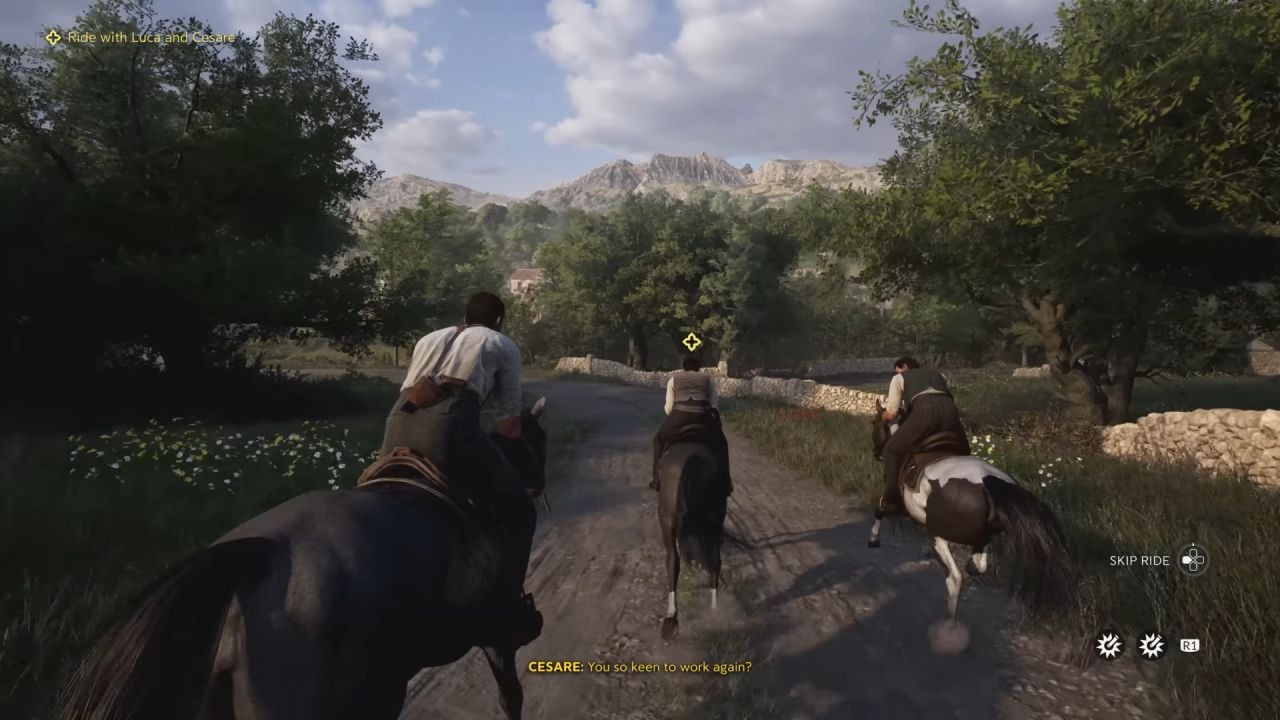
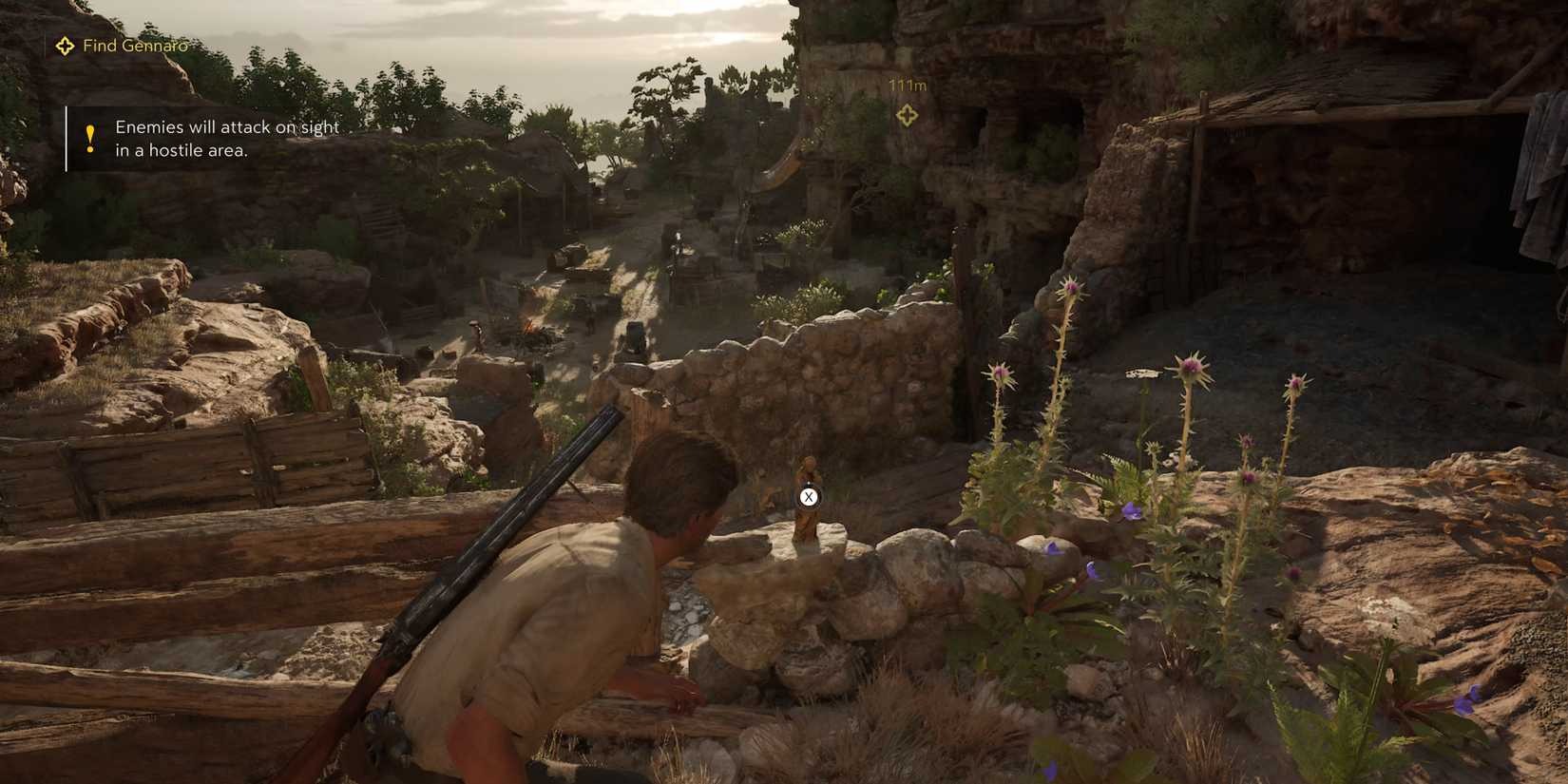
I hope you like scripted events because they are everywhere and there are a lot of them, and it’s mostly that. I personally felt this was refreshing. There was less emphasis on pointless mind numbing fetch missions. However, the game was clearly incomplete and cut off at some point during development. The open world is nothing but a tease and a backdrop to go from mission to mission. There’s nothing here. The world is literally empty of anything to do outside of a few missions, like finding new upgrades and upgrade statues. You can listen to dialogue with characters while riding in cars or on horses to missions, but after that you can just skip to the destination. This is one of the most pointless open worlds in any modern game. There’s no traffic, no people, and no real towns outside the main town, San Celeste. I honestly didn’t mind this. I was just surprised at how this game didn’t really need an open world. This is a shame because the first generation of cars around is really cool, and the horse back riding works well too.
With that said, the main attraction is the characters, and it’s some of the best this year. Every character is full of life, and I really wanted to know more about them all thanks to the tight writing and amazing script. Enzo is a great character to get behind. He’s humble, not perfect, but very loyal. His love interest ends up being the Don’s daughter, Isabella. She’s a great character to get behind too and ends up becoming the most important character in the game without giving spoilers away. The game’s story flows similarly to other mob stories such as The Godfather and The Sopranos. There’s a similar ebb and flow to everything and constant danger always being present and around every corner. Some might say that Mafia doesn’t tread new ground, but that’s okay. There are some stereotypical setups, like two rival mobs needing to make amends, love interests getting put on the back seat, the Don’s blood relative being a total douche nozzle (Cesare), and so on.
The gameplay features some excellent gunplay. There aren’t many guns in the game, but you will constantly swap between them based on your situation. Additionally, the game includes effective stealth mechanics. You can hold two weapons at a time and always have a knife on hand. The knife is a more fleshed-out mechanic than in most games, as knife fights are a big part of the combat. Boss fights consist of one-on-one knife duels similar to a sword fight. You can parry, break blocks, and do heavy and light attacks. It seems simple at first and feels more like a whack-a-mole style system, but there are enough moves here that require you to use quick reflexes. When a red flash appears, you can dodge and then counterattack. Regular attacks can be parried, and of course you can slash to your heart’s content. It’s not overused and is mainly reserved for boss fights, so I never got tired of them. In the middle of the fight, a scripted cinematic will play out too. The main focus of the combat in this game is shooting.
Shooting feels really good, which it didn’t in previous Mafia games. You can hide behind cover and blind fire as well as pop out and shoot enemies. It’s best to go for headshots here, as only a few shots will kill you. You can hold up to two bandages to heal, and you will chew through these fast. Weapons like revolvers, shotguns, and rifles are all on board, so nothing fancy or crazy. You can toss molotovs and grenades too. Once an enemy is down, you can loot their body for cash and ammo. Stealth gameplay works here because enemy placement isn’t random and you can track patrol patterns. Many areas can be done without killing anyone, but the added addition of throwing your knife is a great feature. Only a specific type of knife can be thrown. When you select your arsenal layout, you can choose different knives that deteriorate slower than others. A thrown knife must be recovered, or you lose it for that mission. You can use sharpening stones to bring your deterioration bar back up. You also use your knife for opening doors, locks, and boxes full of loot, so you need to use it wisely.
There are some minor RPG elements here. You can’t level up or anything, but you can equip charms that add passive abilities such as carrying more ammo, reducing knife deterioration rates, making your footsteps less obvious, etc. You can equip up to six, but four need to be unlocked by buying slots at the store. There is only one store in the game, and you must drive there each time, which I find frustrating. Here you can unlock weapons, clothing, and customization items for your cars. I find this all pointless, as the story missions give you weapons when they are needed, and driving cars has a minimal impact on gameplay. One of the biggest gripes I have is that the story introduces these open-world concepts to you, but you can’t drive around except during a few missions. This means you can only visit the store a few times during the game, and once the story is over, there’s no point in continuing unless you want to get every achievement in the game.
Despite the open-world portion of the game feeling half-baked, I enjoyed my 12 hours with Mafia. This may seem too short for some, but the story was satisfying, and I felt like I could go back and get the few collectibles that were left at a later time. For anyone wanting an authentic Mafia experience, they will be disappointed in everything but the story. The combat has undergone significant enhancements, and the visuals are outstanding. I also loved the authentic voice acting for the characters. They have weight and authenticity behind their roles. We don’t get video game stories like this very often anymore.
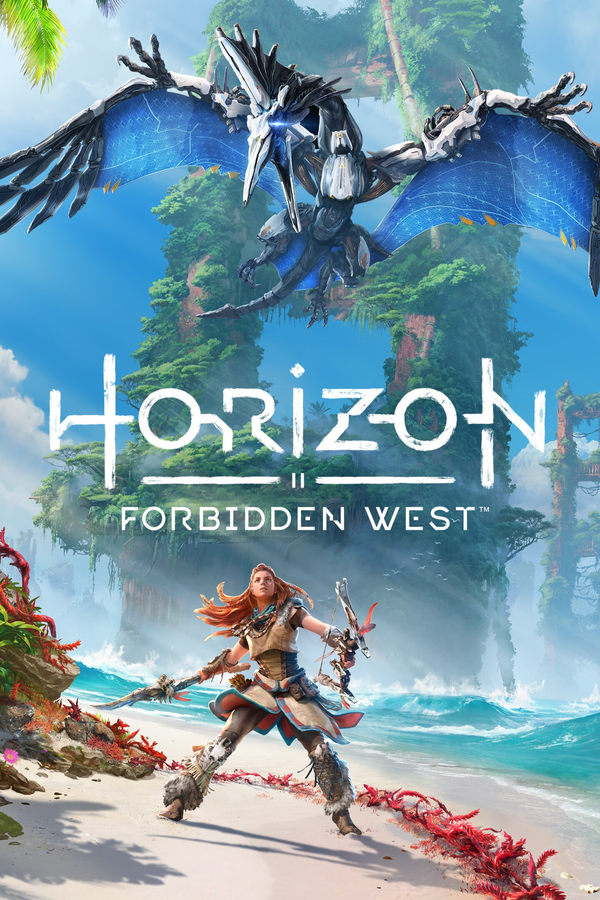
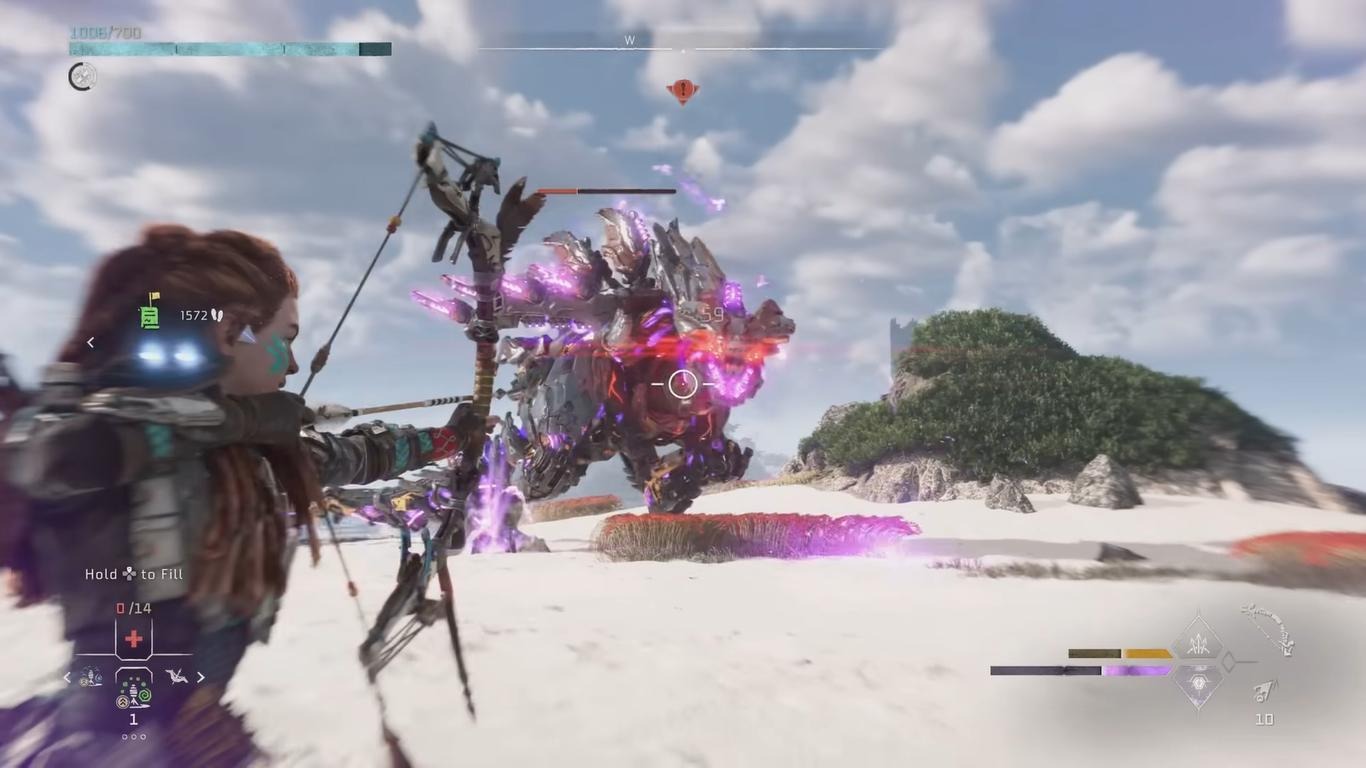
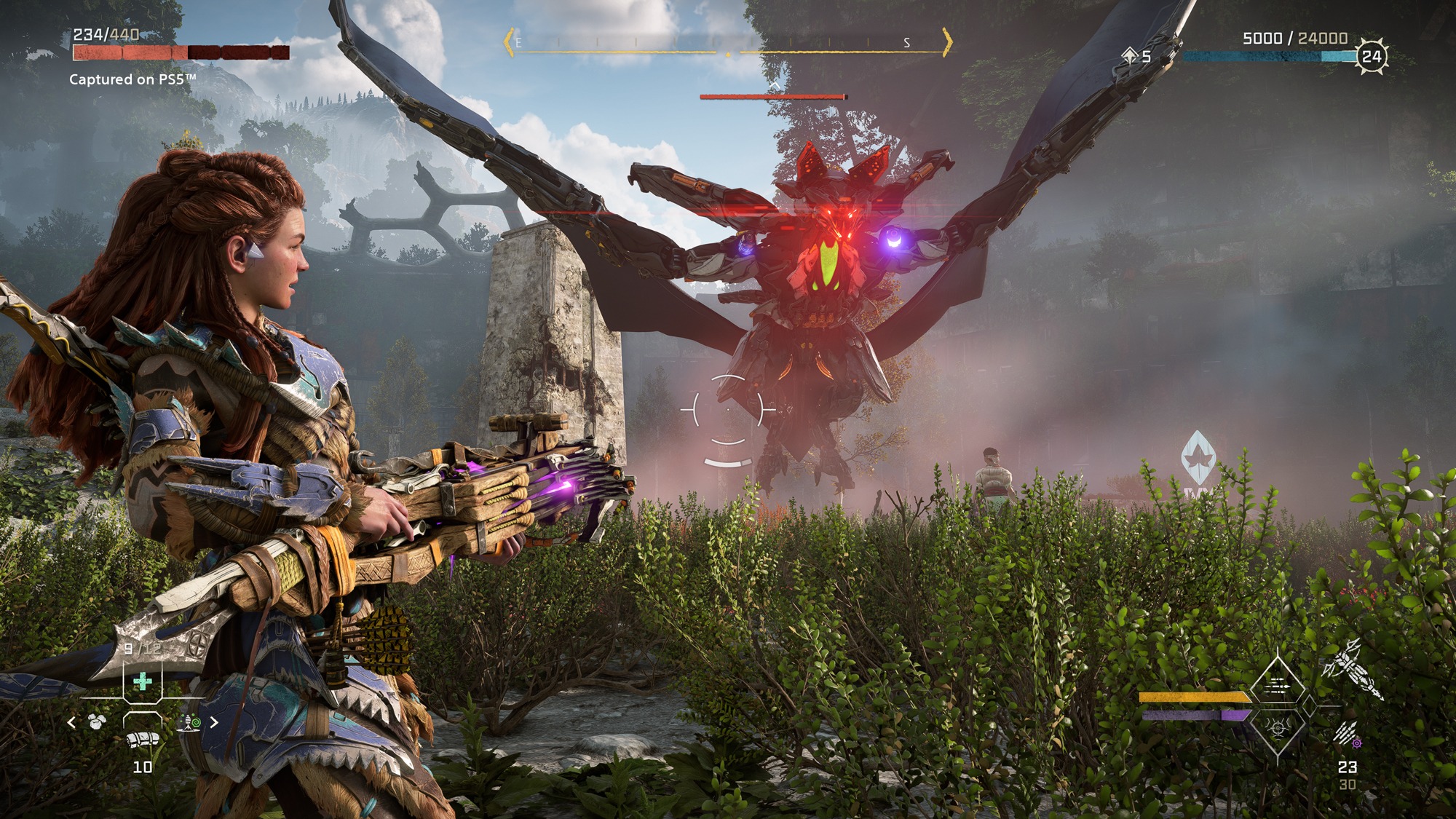
We have a lot of post-apocalyptic games right now. A lot of them are what the world is like shortly after the apocalypse. Usually a few years or decades. Horizon is one that shows what the world could be like thousands of years after one, and this fascinates me even more. Zero Dawn was a hard game to get into. It was slow to start, even slower to get good, and the combat just wasn’t all that great, including the stealth. Aloy is a fantastic main protagonist and one of Sony’s best in years. She’s strong, not cliche or stereotypical, and has a striking design. Sadly, she was the only memorable character in Zero Dawn. Forbidden West tries to remedy a lot of this by giving us a bolder and grander adventure and more refined mechanics, but does it succeed?
The game doesn’t exactly expect you to have played the first game and catches you up on the story so far, and kind of does throughout the entire game. Zero Dawn’s story only got interesting during the last few missions of the game, and it kind of exposition dumped on you during a few long cutscenes. It was interesting, but not very nuanced. Here, the story is kind of retold as you continue your adventure to stop Sylens and the Hephaestus AI from destroying the world. The game does start slow…again. You end up dealing with another warring tribe before getting to the heart of the story and saving the planet. Honestly, I lost interest in the game for a couple of years because of this. I put around 8 hours into the game, mostly trying to explore and get into the game mechanics again, but it just dragged. I highly recommend just doing the story before doing any side content, as you really need more of the special gear and higher-tier armor and weapons. You will constantly hit blocks, and it will frustrate you early on. The story itself takes around 20-25 hours to complete. By the end you will be around level 30 or so and have really good gear.
I don’t want to spoil much of the story, but your main goal is to help the GAIA AI to take back control of the various terraforming systems that Zero Dawn launched as the end is nigh. There are a few small plot twists, some new factions, and a great buildup to a pretty damn good story by the end of it all. There’s a lot of science fiction thrown in, and it talks about interstellar travel and whatnot, and I was hooked. There aren’t choices in the game like in most action games, but you do get dialog trees that let you optionally listen to more exposition and backstory. There’s a lot of this, by the way. Just metric tons of optional dialogue, audio recordings, and texts. They really wanted to sell this story and flesh it out as much as possible, and they did a pretty good job. It’s very believable and feels grounded and almost like it can happen. There are moments that got intense in the story where you weren’t sure how Aloy and her companions would get out of hairy situations. I really like what they did here, and there’s potential to now expand on this even further and branch off into other subgenres.
The writing is much better this time around with less cringy dialogue and corny lines; however, the character design is still generic. All of Aloy’s allies are either just generic characters or have good writing and personality, but their looks are generic. For example, Alva is a great character in writing, but she still looks generic. Varl and Zo are forgettable, and Erand is a stereotypical biker personality who discovers he likes drinking and “Death Metal”. All of the miscellaneous characters who give side quests and errands are pretty generic. I just didn’t care for most of them. Some other characters are more decent, like Kotallo, who is missing an arm and is battling his honor. They have some great personality, and I could get behind them. It’s better, but not quite there yet.
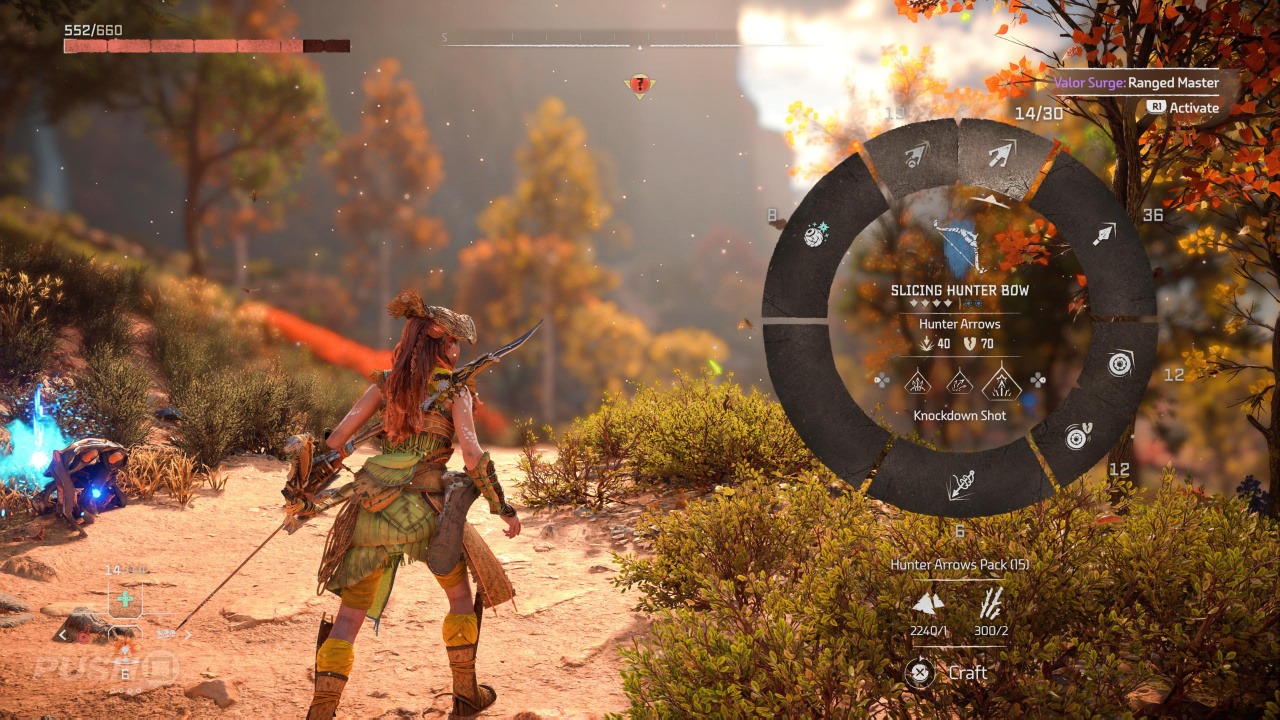
With the story out of the way, let’s dive into the combat. I still don’t love it. You’ll be dodging and rolling out of the way of these machine creatures. I feel there’s too much focus on ranged combat when most of the machines attack you up close. There is less stealth in this game and more up-close melee, but you still only have heavy and light melee attacks. If you sneak around, you can do a stealth kill, but you need to be at or above the area’s level to do instant kills. Humans are always instant kills, but machines not so much. There are many ranged weapons at your disposal that can set tripwire traps, semi-automatic arrows, long-range arrows, bomb slings, javelins, etc. These can all be equipped with coils that inflict various elemental ailments, such as corrosion to eat away at armor. The quickest way to take a machine down is to use your Focus to highlight weak spots and target those. You can slow down time (and this meter increases with various stat boosts), but I never felt in control of fights. Boss fights require tons of health potions and either having the right weapons or blasting them with everything you have. You can craft more ammo in the weapon wheel too.
Stealth still consists of hiding in tall grass, and you can use combat augments from the upgrade tree like an invisibility cloak. The upgrade tree now has more branches on the tree, such as trapper, hunter, infiltrator, warrior, etc. While enemy placement is a bit better this time around, I still found stalking around massive camps to be nearly impossible. When you get seen, the enemy and nearby enemies are on alert, and it takes forever for them to go back to patrol. With the heavier focus on direct combat, it was easier to just wipe everyone out. Find a heavy weapon and you can take out an entire camp with it. Combat does feel improved with a couple more weapon types, but melee fighting is still limited, and combat just isn’t my favorite in this series. I prefer exploring more than anything.
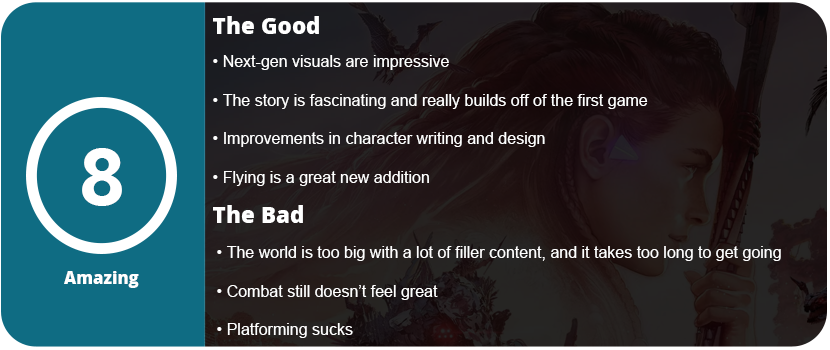
And with that, exploring is abundant here. The map is massive, too massive. It’s a truncated version of the West of the US. The Pacific Northwest (Washington, Oregon), Nevada desert, San Francisco coastlines (Northern California), and Las Vegas. They took all of these biomes and shrunk them down onto a single map. What’s here is a lot of nothing. While there are tons of side quests, errands, missions, and things to find, Forbidden West falls into the same tired trappings of modern open-world games. Too much bloat and not enough focus on what’s interesting. Everything outside of the main story is just for getting the platinum trophy. The side quests are given by companions, so those are more story related, but everything else is just filler to extend game time. I did like doing the Tallneck missions. These are one of the few less generic-looking machines in the game, but there are only five, with one being part of a main mission. These reveal more of the world and reveal large landmarks in an area, but there’s still some fog of war.
Traversing this larger map requires you to have a mount. I forwent them in the last game, as it wasn’t a very big map, but here they’re a must. You can bypass most machine herds and get to where you need to go, plus you can now fly on winged machines this time around, but not until the last act of the game. This makes doing side content so much easier, and you can pretty much avoid all herds this way. However, I do have a problem with platforming in this game. This game is just way too context sensitive, and that’s another problem with modern gaming right now. These large AAA games are so context heavy that it can make things feel sluggish and cause many glitches. Jumping and climbing in Horizon is not great. Animations are too long; Aloy will jump when not told, and she won’t grab onto ledges despite jumping right towards them; she will just fall through ropes and other objects. A lot of long platforming segments required many restarts just because something went wrong. You have to be lined up perfectly, or things won’t connect. I fell through objects and got stuck; she would swing half her body through a wall, and I would jump right past a pole or beam for no reason and then land it the next time around. It sucks.
And with that we can talk about visuals. Forbidden West is still one of the best-looking games of all time. The visuals are stunning, and even in performance mode, they look great. I played in balanced mode with 120 Hz turned on, and it was the best way to go. There is so much detail everywhere, from small facilities that look like they were abandoned for thousands of years to lush forests and dry deserts. There’s so much detail everywhere, including the new large underwater areas. While I still feel parts of the game feel generic, like the overall futuristic look of the game. It’s a lot of shiny metal, smooth gel like metal, white, gold, triangles, etc.; it feels like stuff that’s been done to death in games like Deus Ex: Mankind Divided, Mass Effect: Andromeda, Echo, etc. It was fine the first time around, but this futuristic style is getting old. We need a refresh. I also don’t care for the machine designs. They look like generic Transformer animals. Even the tribal armor all looks generic and the same after a while.
Despite all of that, the game has a fascinating story, a large beautiful world to explore, and some decent gameplay loops of side content. I just wish the combat was tighter and the platforming didn’t suck. The writing is better, and some of the main characters are better, but most of the other characters you run into are forgettable and generic.
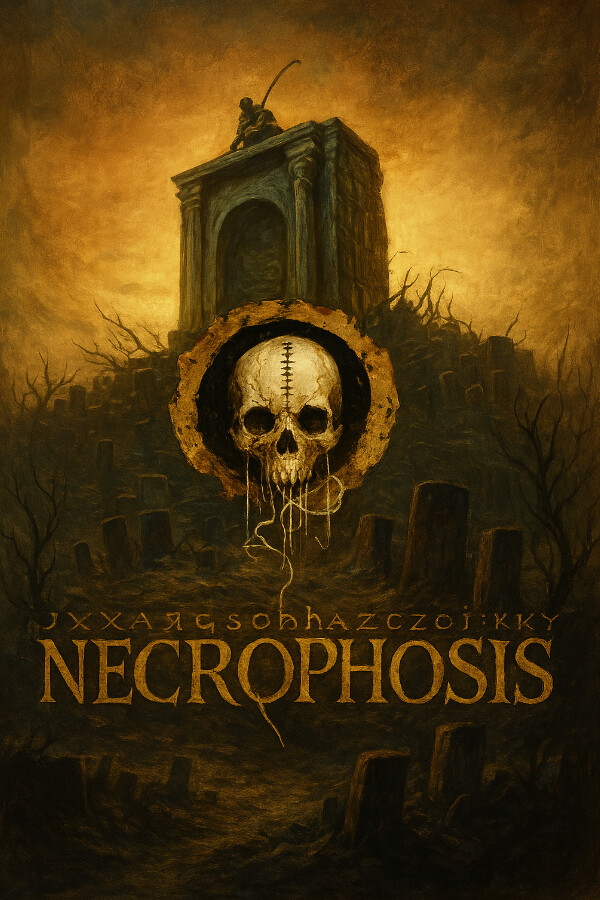
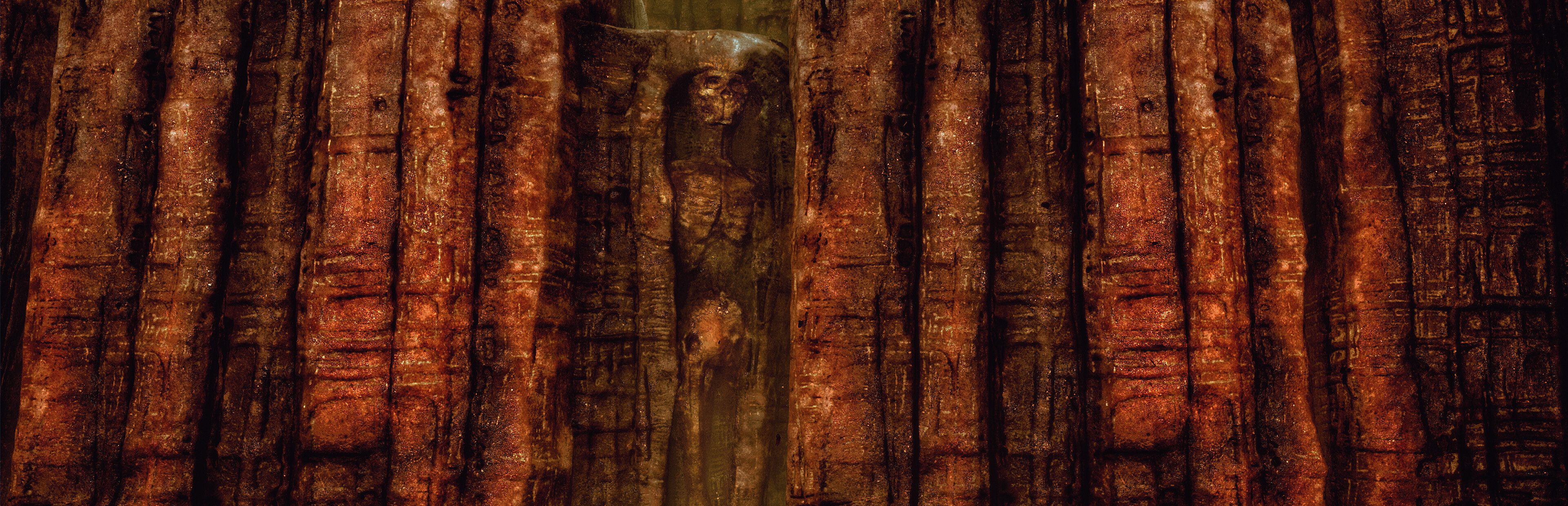
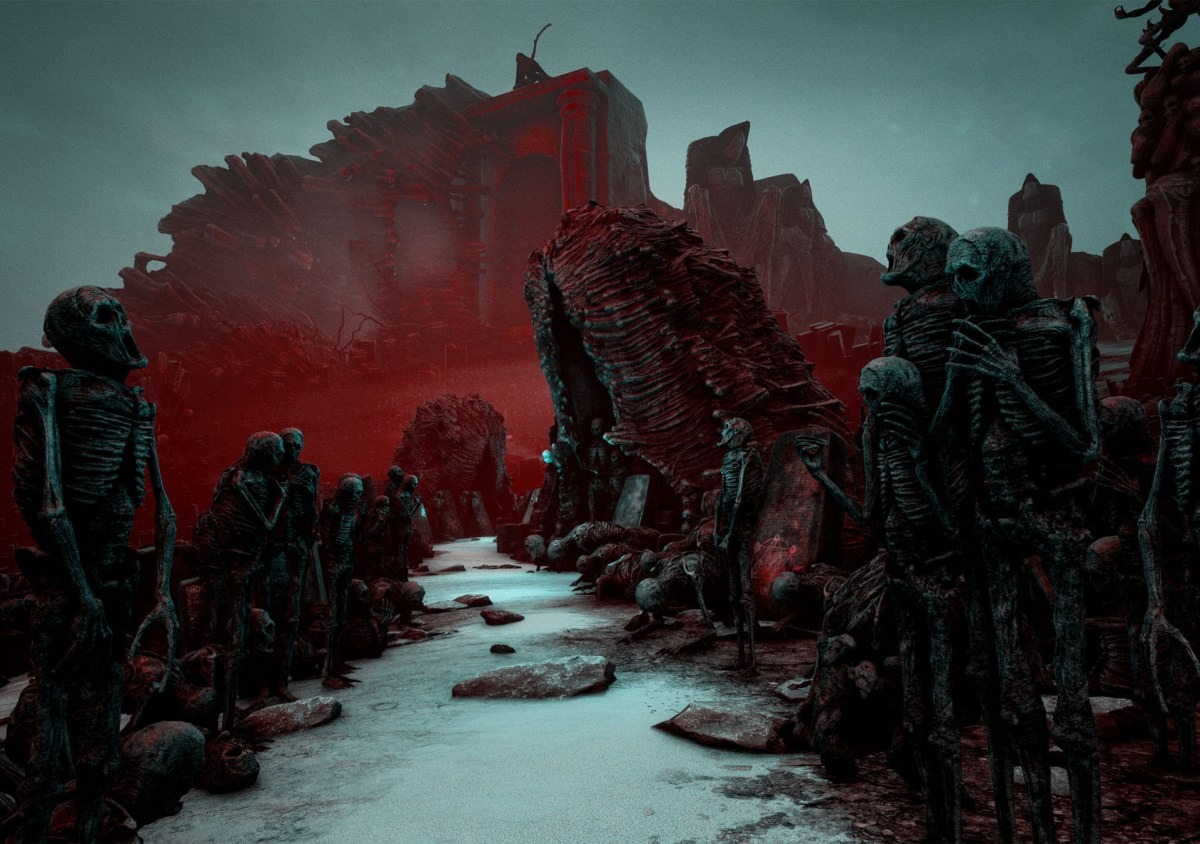
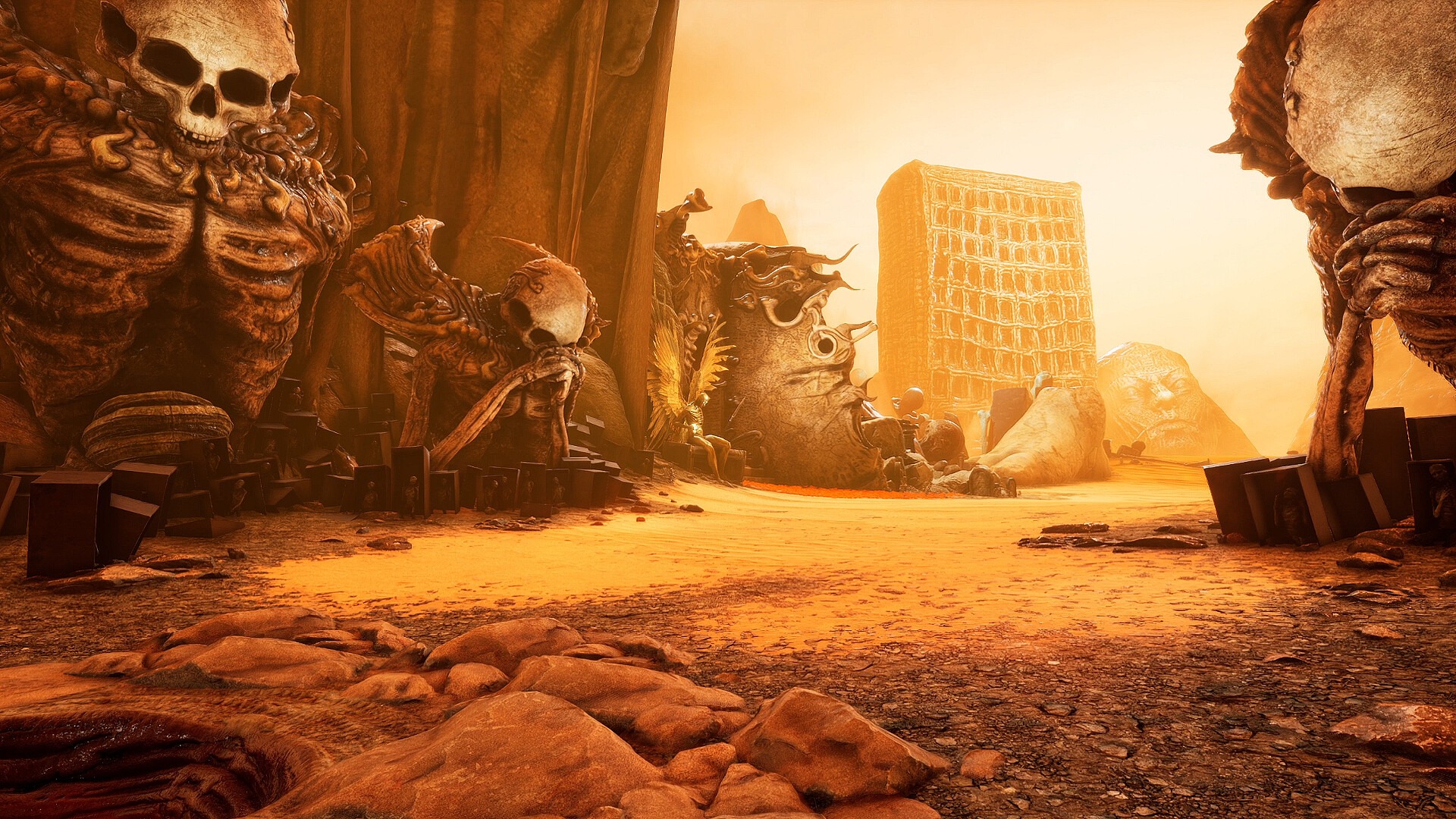
Surreal horror games are becoming more popular, but outside of the retro PS1 style graphic-type games, there’s not much. Bio/biomechanical horror is something I really love, and my two favorite artists of all time are H.R. Giger and Zdzisław Beksiński. Their worlds and art are unlike any other. The surreal, dreamlike atmosphere invokes feelings of sadness, regret, melancholy, hopelessness, and many feelings of anguish and misery. While Giger has more of a focus on characters, Beksiński focuses on entire worlds. Vast landscapes that seem to go on forever and scenery that feels like it would invoke the darkest fears you could possibly imagine. The striking lines of Beksiński’s art with vertical and horizontal latticing of flesh and frozen faces of agony and torment are stunning and hard to look away from. This type of art has only really been done in more modern games, with those being Scorn and The Medium. Sadly, there’s also some sort of curse with these games having stunning soundscapes, art, and ideas but just not being the greatest in terms of gameplay.
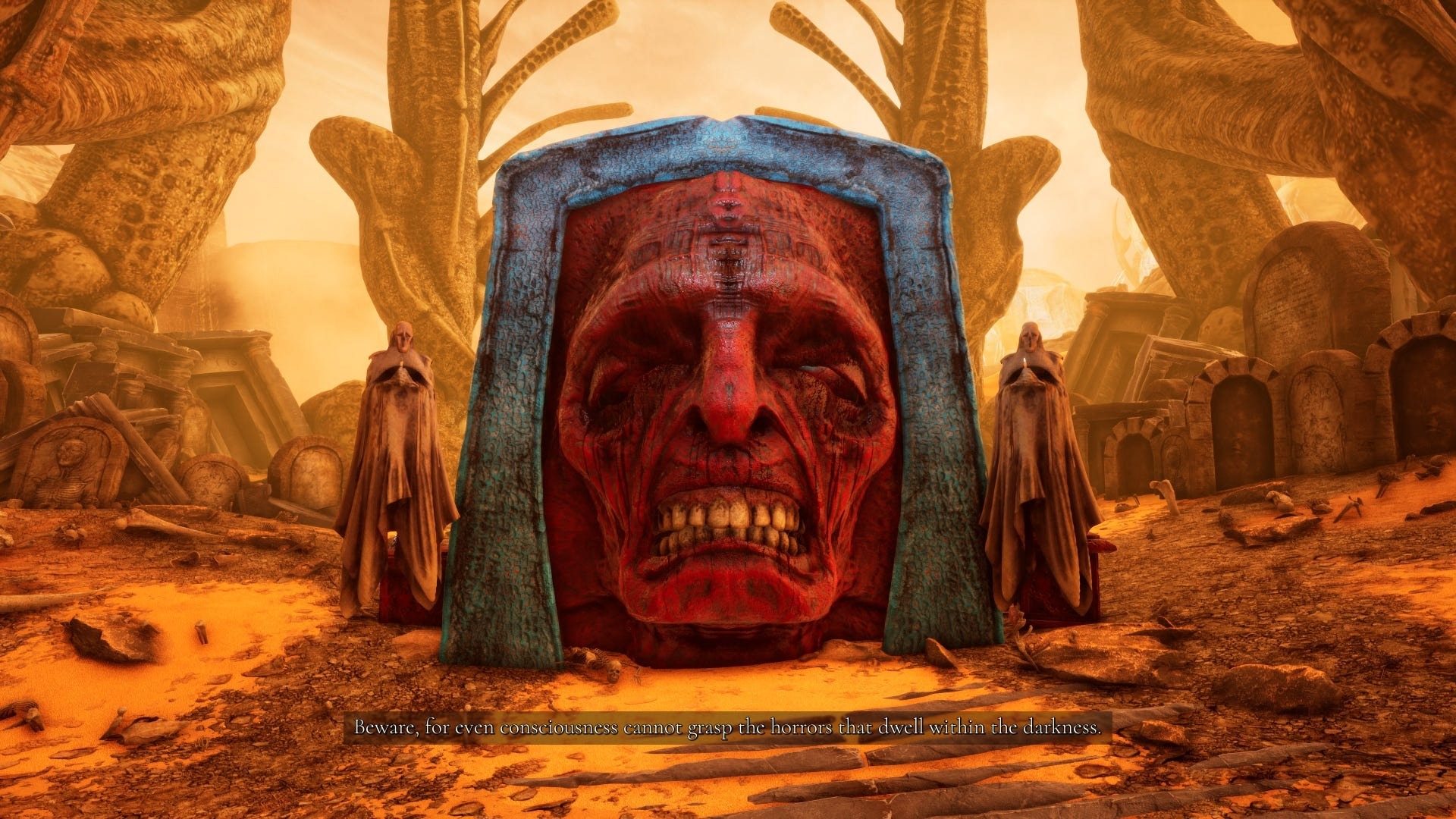
Necrophosis is what Scorn should have. No first-person gunplay; just puzzles and walking around and soaking in this insane world. There’s clear influence from Scorn in Necrophosis, from the main character’s design to the aforementioned art direction. You wander around incredibly detailed landscapes and will just pause and look at every strange mountain face and object before solving the mundane puzzles and object hunting. Mountains are literal faces, countless giant bodies frozen in scenes of torture and dread. Closer up there will be smaller scenes of deathlike people or creatures depicting the moment of death or representing their current state of endless torture. Some creatures are stuck inside of objects, twisted and gnarled into globs of flesh and eyeballs with just a mouth. Some will plead to you to end their suffering. This is usually done by adding them to your inventory (yes, entire bodies) and using them to solve puzzles. You will carry this fleshling around with you with their frozen face staring at you. There might be another creature who needs divination, so you feed them something, and out comes a key to advance a puzzle.
It’s not the puzzles themselves that are fascinating. Quite the opposite. These are very simple in form. There is usually a small area, and you will see different spots to place objects represented by floating gold dust. It’s a matter of interacting with everything, gathering objects, sticking them in the right spot, getting new objects, or manipulating certain items. Manipulation is just as disturbing as talking to the inhabitants of this world. You pull your brain out of your skull and stick it inside of another being (sometimes interlocked with other beings) to do things like using a skull spider to climb up onto a fifty-foot fleshy creature sitting in a flesh chair and just scooting their legs backwards so the throne-like object blocks the view of another creature so you can walk past. That sounds insane when reading, but words can’t do this game world justice. It needs to be experienced to understand what’s going on.
With this being an indie game developed by a few people, there is some mechanical jank here. Walking is rather slow, animations are a little stiff and animatronic-like, controls feel slightly sluggish, and the game is insanely linear to a fault. Clearly the main focus was the art direction, and everything else was an afterthought to make it a game. Thankfully, the devs aren’t doing anything that feels bad, such as combat. Some creatures can hurt you, but it’s as simple as walking around them or solving a puzzle to get past them. There’s no stealth or anything like that either. This is a pure walking simulator, and it helps ease the jank of the gameplay to make it tolerable.
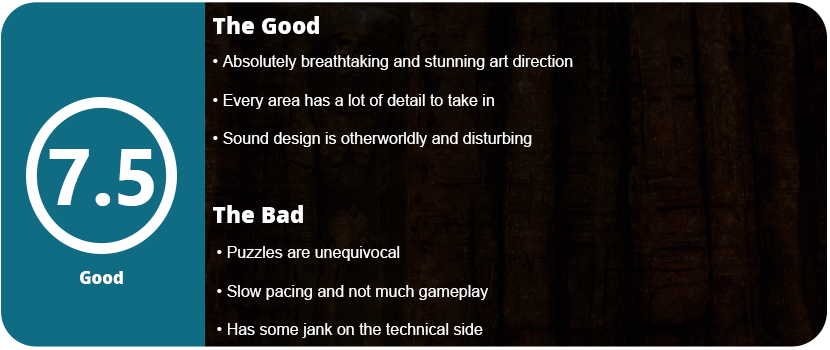
Overall, I can’t stress enough how much this game needs to be experienced. It’s one of the most visually striking games I have played since Scorn. It’s something you will talk to your friends about. This type of horror is the true stuff of nightmares. No jumpscares, no eerie soundtrack. Just straight-up horrifying visuals, and you are surrounded by them. Your entire world is just that. I also have to mention the haunting voices of some of these creatures that are just booming noises of bass and sounds. It’s unnerving and something I have never heard in any game before. I just wish there was more to the gameplay side.
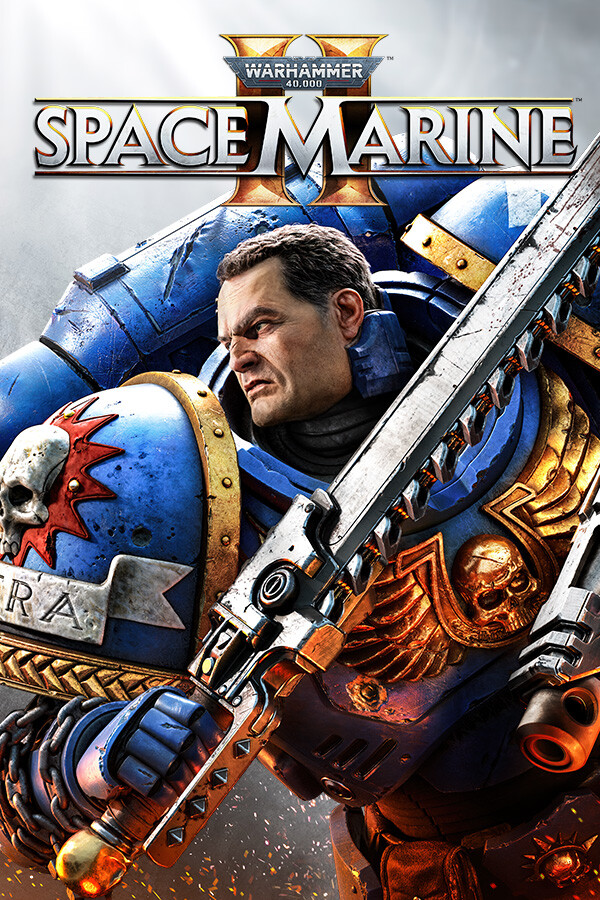
No matter your Warhammer fandom, you’ve probably played or heard of one of the games. The games garnered a stellar reputation with the Dawn of War strategy games in the early 2000s for PC. These games established Relic’s reputation and were regarded as some of the top Real-Time Strategy games of their era. Over two decades later, the franchise is now open to any developer willing to produce a game. One of the few genres the series has touched is action, let alone a third-person shooter. Despite receiving positive reviews, the first Space Marine struggled with its marketing strategy. Some saw it as a Gears of War clone, while the game also had issues with repetition and being somewhat forgettable. Sadly, not much has changed with the sequel.
The original game appears to have taught the developers very little. While it was a solid foundation, work on it feels like it was completely forgotten about. While you do continue the story of Titus, the Ultra Marine from the original game, his backstory isn’t touched upon, and you must have extensive knowledge of the Space Marine faction to truly enjoy this game. The story lacks depth, providing minimal explanation of the events taking place. The game opens up with one of the few scripted scenes as you play as Titus, who is dropped down into a Tyranid-infested planet to deliver a megabomb. This is where the game’s combat is introduced, and sadly, everything the game has to offer.
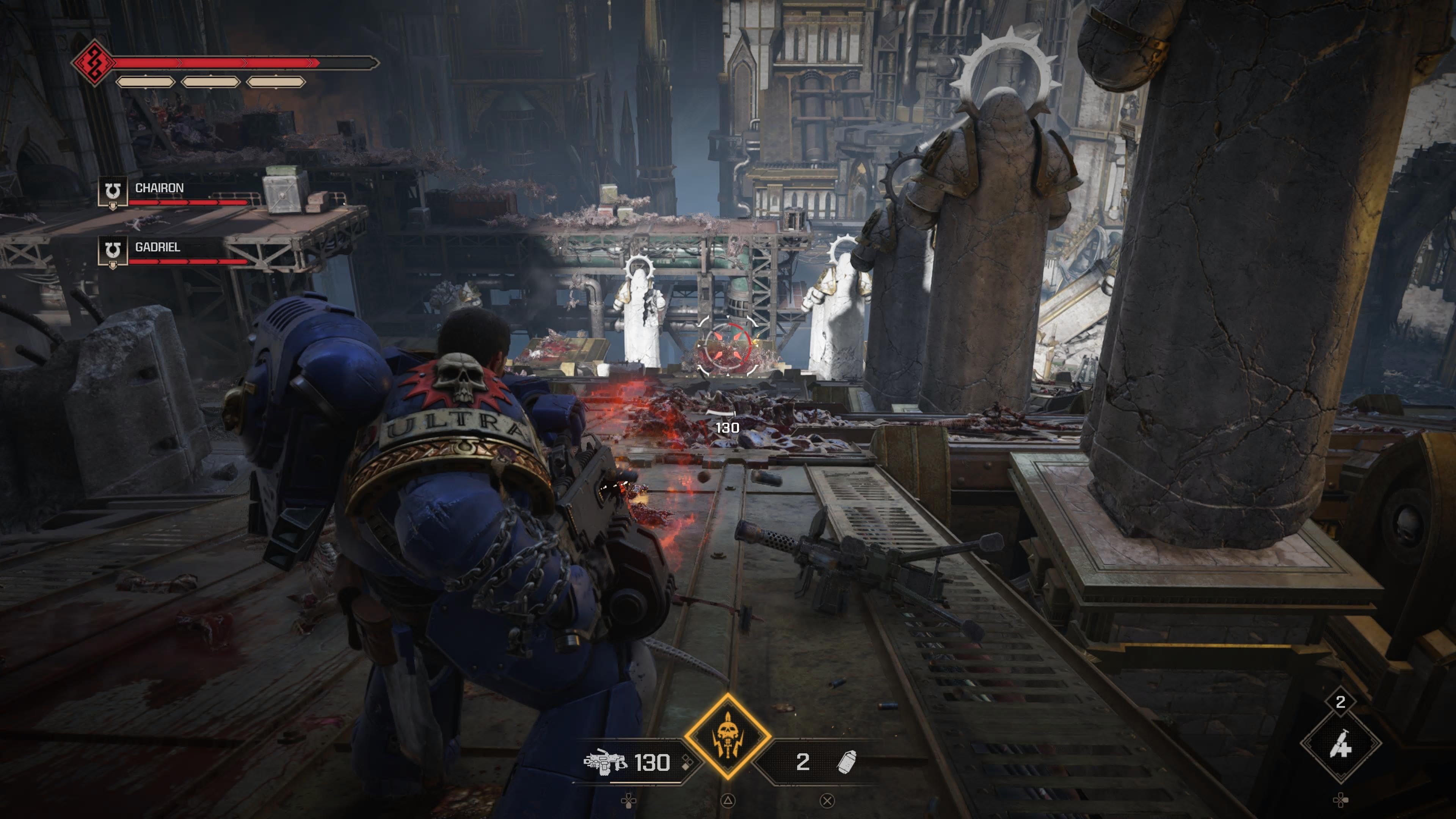
The combat in Space Marine 2 is really satisfying despite how incredibly repetitive and shallow it is. The animations are great. The weapons are punchy and all have a personality. I actually chose different weapons for different situations that arose. Melee combat is the most satisfying, with Titus using one of four different melee weapons that are unlocked as you progress through the campaign. These weapons include the combat knife, chainsword, power sword, and thunder hammer. Each has different feelings and speed as well as damage dealt. There really is only a three-hit combo with no light or heavy attacks. There is a parry system in which a blue flash appears on an enemy that is about to attack you. If it’s a small enemy, Titus will grab them and instantly kill them. Larger enemies will just deal a lot of damage. When an enemy flashes red, you can perform an instant kill with a brutal attack. Sadly, the same animation repeats for each enemy, so it gets old pretty fast.
In terms of shooting, the camera placement bears a resemblance to Gears of War. However, the game lacks a cover system, a feature it could greatly benefit from, and the sheer number of enemies necessitates constant movement. When you deal enough damage, a red reticle may appear on the enemy, allowing you to press the fire button for an execution shot. The downside is that most weapons are ineffective at close range. There are no shotguns or any close-quarters weapons outside of the flamethrower. There are sniper rifles, which are useful in limited situations. You also have a secondary pistol, which I found nearly useless, as there is plenty of ammo everywhere for your main weapon. There are also throwables, such as regular grenades, sticky grenades, and a bomb that you can detonate at your command. The game really does not give you enough grenades despite their effectiveness in dispersing large crowds. As a result, the weapons don’t feel well-balanced.
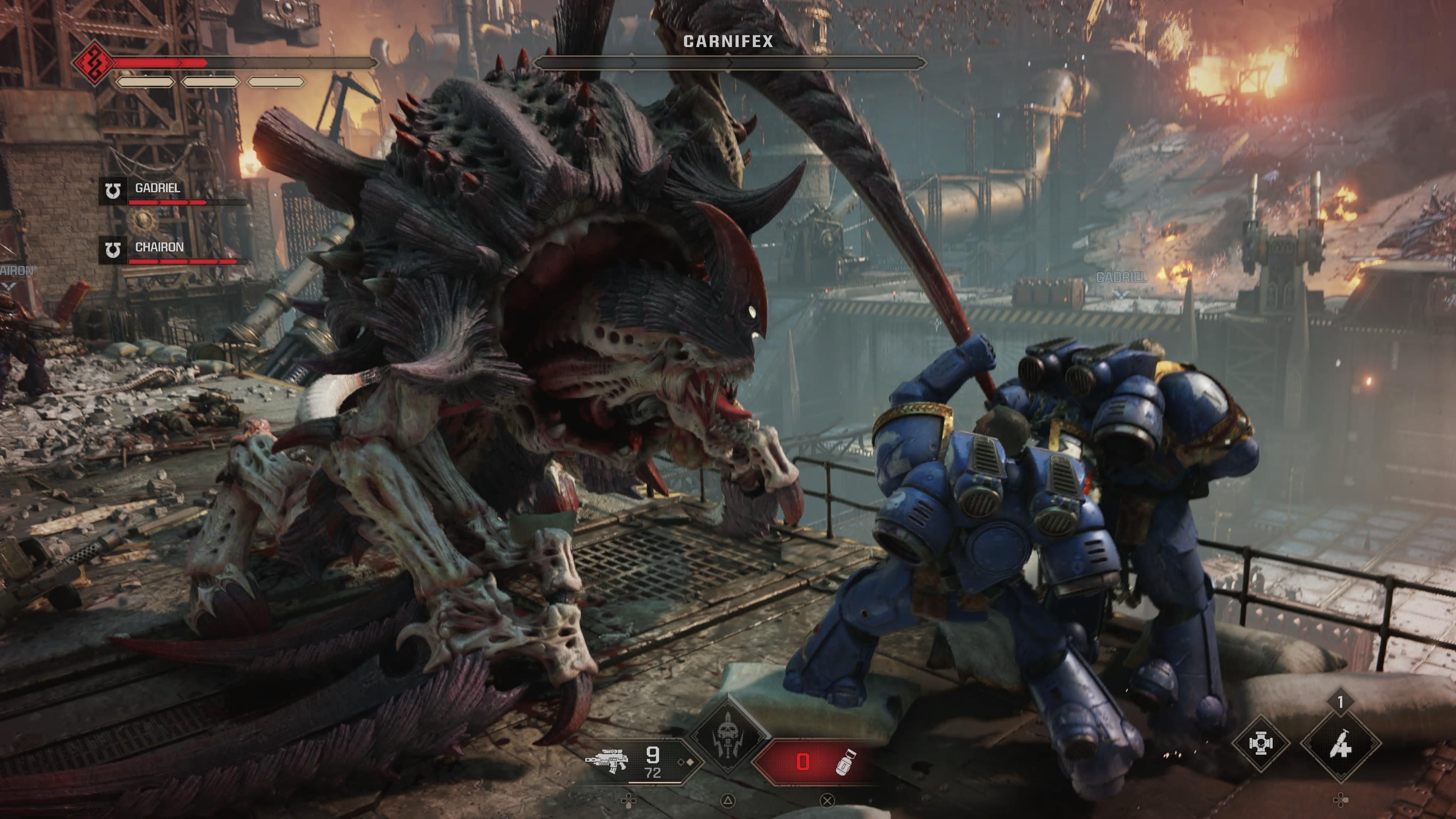
The more passive parts of combat include your Ultra ability, which grants you more damage, and you heal as you deal damage. This trait only lasts maybe ten seconds but takes forever to build back up. On two levels, you get to use jump packs, which grant you dash and double jump abilities, as well as being able to charge up a ground pound, which does some nice AOE damage. As you can see, most of the game is spent just aimlessly wailing on hordes of enemies or shooting them when they are far away enough to matter. It’s a shame the gun balancing is so poor, as they feel excellent to use. Instead of throwing masses of enemies at you, I wish they spent more time making the enemies more unique and worthwhile, like in Gears of War, which would enhance the gameplay experience. You also only get two different enemy types. The first half of the game sees the same few Tyranid types, and then the final half is only Chaos enemies, which are essentially just Space Marines. There are some sub-bosses, but they don’t provide much of a challenge, and there is only one for each enemy type. The Tyranid Carnifex and the Chaos Helbrutes. There are a couple of main boss fights, and they are the only real challenge in the game.
The entire game is fairly easy. I rarely died, and while the game itself is well paced, the level design is rather boring and uninspired. You will sprint down the same corridors and hallways just to press a button to open a big door to sprint down more hallways to shoot out in a large open area, which all look the same. Some indoor areas, particularly your main base, are detailed. Despite all of this effort, the actual layout of the levels is just boring. Back at base, you won’t see much change either. You will receive some speeches from the chaplain; you can visit the armory, but there’s nothing really here. You can’t unlock new appearances, and you can only select your loadout based on weapons you have already unlocked. Additionally, the base involves running through hallways and using elevators to navigate between levels. This terminal also allows you to select your co-op missions.
The multiplayer itself won’t last long for most people. Most of the fun in PvE comes from doing the co-op side missions. The PvP features a limited number of maps, each with a rudimentary layout that doesn’t inspire much planning or strategy. With no cover system, players are just running around shooting and whacking at each other, which isn’t very fun. I found myself playing multiplayer for a couple of hours and never had the desire to go back. Once you complete the campaign, there’s also no reason to go back. I really only recommend buying this game on a steep sale.
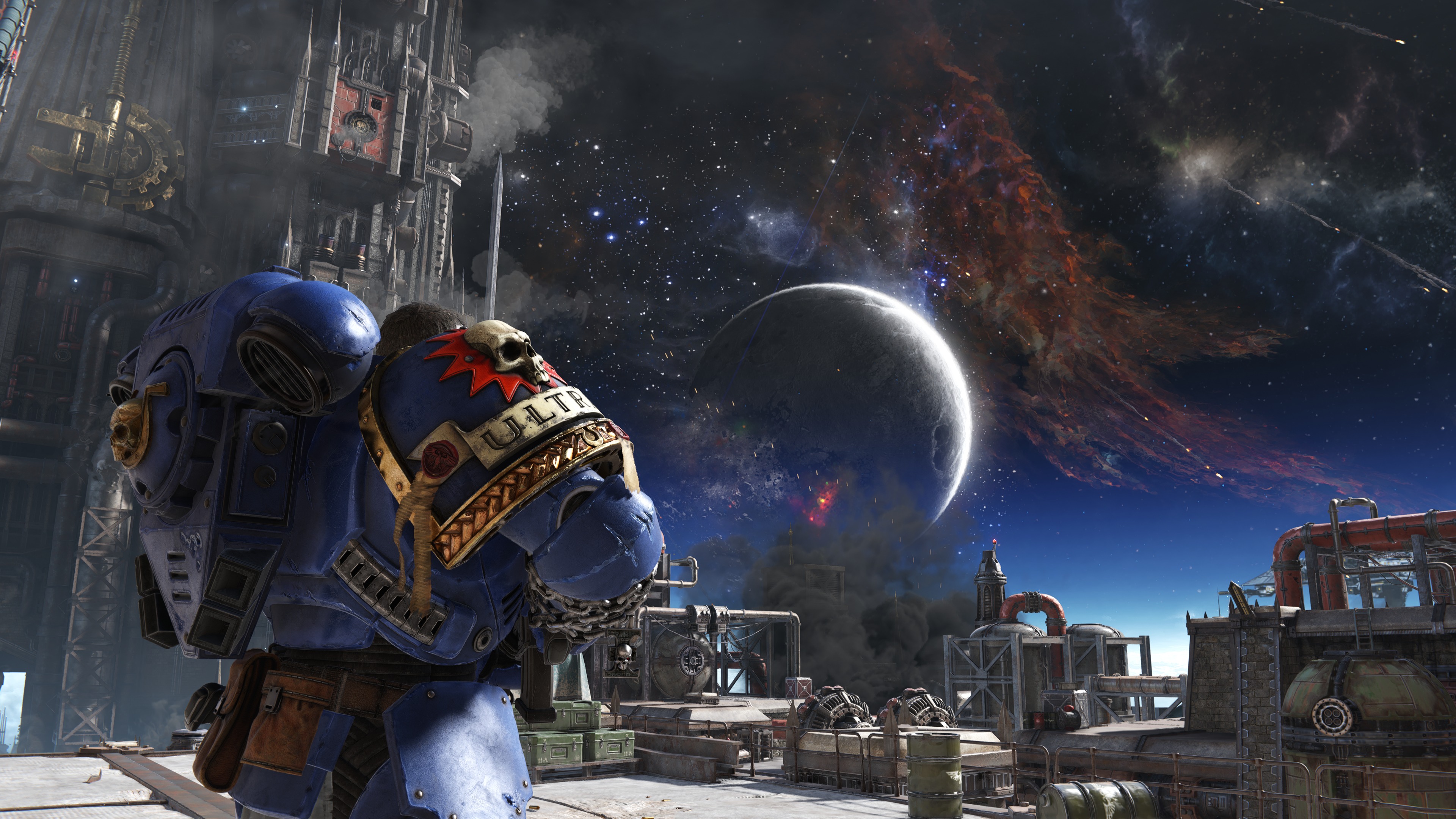
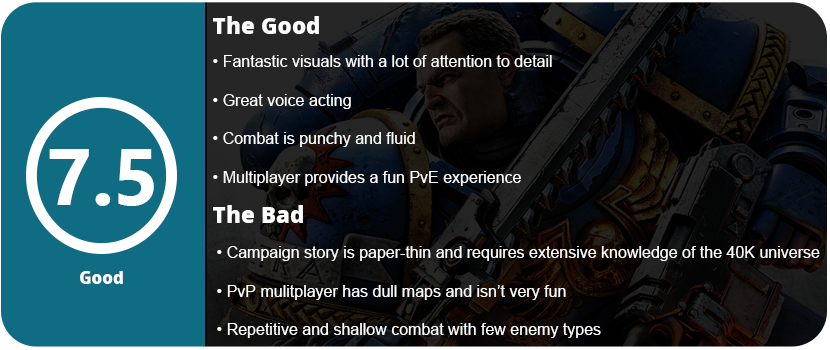
As it stands, Space Marine 2 didn’t learn much from what people critiqued the first game for. While the combat is crunchy, fluid, and violent, it’s very shallow, leaving you with repetitive gameplay. The same two enemy factions have the same type of enemies, so the entire game just gets boring rapidly. While the weapons feel enjoyable to shoot, they’re not well balanced, and the lack of a cover system makes strategizing your weapons almost meaningless. Despite the game’s impressive visuals and meticulous attention to detail, the level design remains uninteresting. Despite the excellent voice acting, the story lacks depth, and unless you possess a deep understanding of the Space Marine faction, you won’t derive much enjoyment from this game. That includes the passable multiplayer.
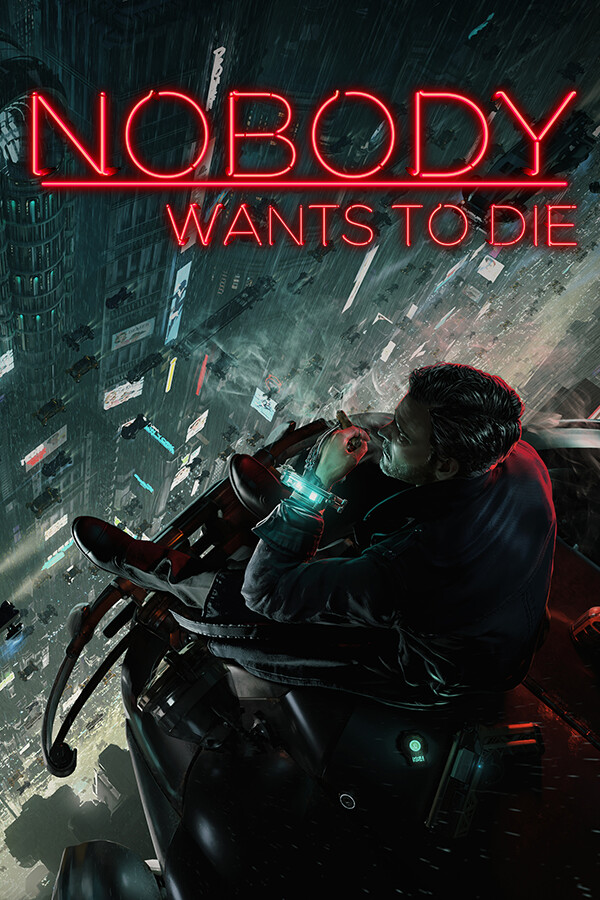
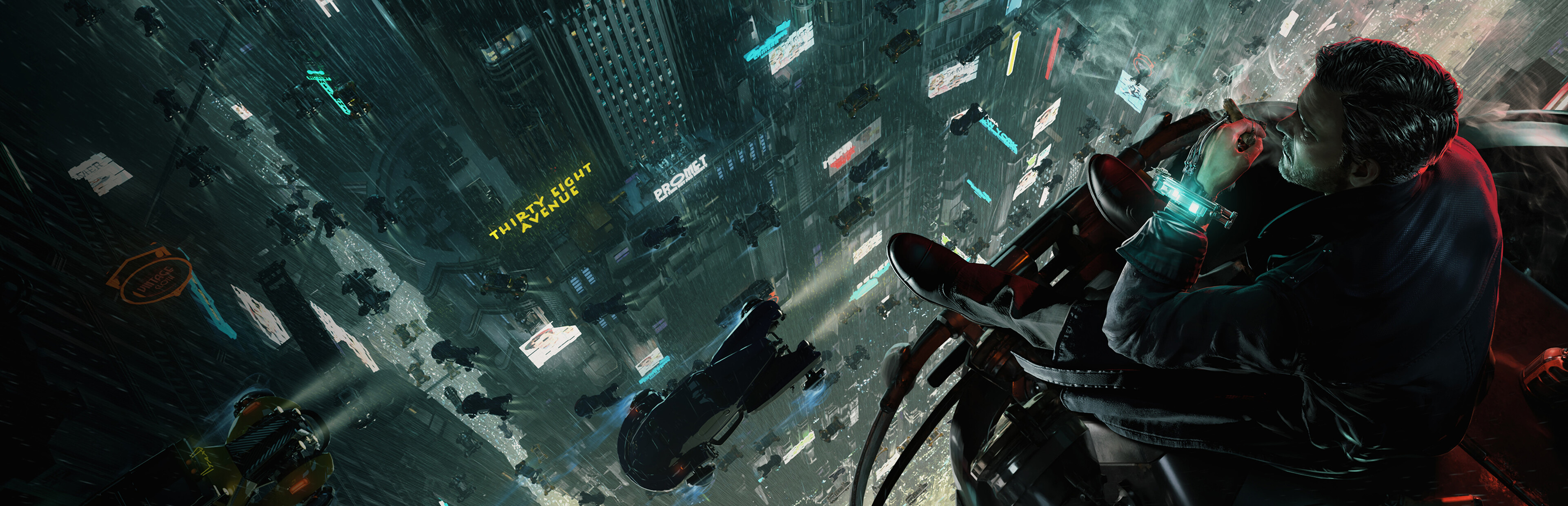
Nobody wants to die. That’s a statement that anyone can understand. What if you had the ability to purchase a new body and continuously inject your conscience into a new one? This is the premise of Nobody Wants to Die. A detective noir game set in a dystopian New York in 2239 where flying vehicles exist, we are now in a caste system, and capitalism has won. As suspended detective James Karra, you embark on an investigation into the suspected murder of a large corpo boss. Your partner, Sarah, is in your earpiece.
There isn’t much exploration in this game, and it’s not a first-person shooter. Although the entire game takes place in first person, it remains a pure adventure title. The game masterfully constructs this dystopian future, immersing the entire experience in the art deco Americana of the 1930s. James has a lot of internal problems, and due to being on his fifth body, he has a lot of problems from his 100 years on this planet. The better shape a body is in, the more it costs. However, there’s something dark happening. The game also does a fantastic job explaining how you can recreate crime scenes and explains a person’s ichorite, which is what’s used to transfer a person into a new body.
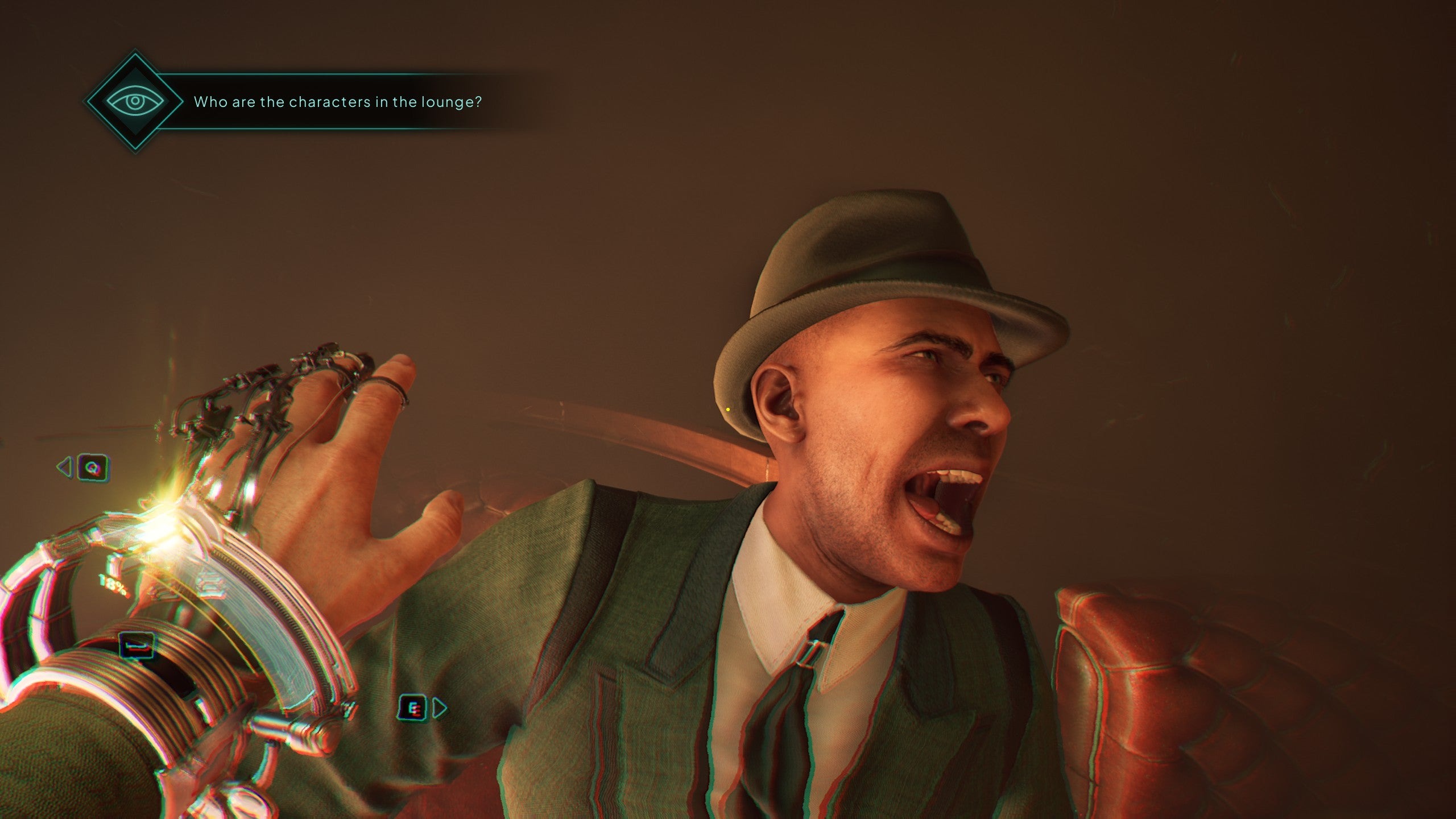
That’s the majority of the gameplay. The crime scenes are pieced together like mysteries through the Replicator. This allows you to fast forward and rewind scenes as you piece them together. You have to walk around and find the prompts to advance the puzzle to the next piece. There are also other tools like the X-ray wand and UV lamp. You use these to see through objects and then detect fluids. You are always swapping back and forth between the two. However, the puzzles are very linear and don’t require any brain power to solve, but they are still fun. Many of the crime scenes are really interesting to solve, as you can draw your own conclusions and see what the outcome ends up being. There are three main crimes in the game, and they take quite a bit to go through. It’s a lot of fun seeing everything kind of come together and hearing Sarah and James analyze everything to come to a conclusion. When you get back to your apartment, you can put down objects that are in place for clues that you found, and you need to string everything together to come up with a final conclusion. Moreover, it’s a straightforward process.
Outside of the main crime scenes, there are a couple of moments in James’ apartment. It gives you a glimpse of how awful living conditions are in the future. Everyone shares bathrooms and the government logs everything they do. You have to see a psychologist for life after transferring to a new body for the first time. The ads, propaganda, and everything in between are done so well for how little you can explore this game. While the characters aren’t very deep or memorable, they help carry the story along enough to stay interested. I’m sorry, but the story is too short to remember. The setting and world are more interesting. The game also has dialogue choices that determine which ending you get. Some options will have locks on them, meaning you need to have changed your path prior to the current option. The way you respond to Sarah or act at a crime scene (like deciding to steal something for yourself) can get you in trouble if you’re not careful. The execution of the story is commendable, and as the story progressed, I found myself grateful for the choices I made that allowed me to navigate through certain scenes.
The visuals are rather appealing for an indie title. Lighting is great, art deco is beautiful, and vehicle and object designs are fun. The game is at least well paced, and I didn’t want to put it down. The voice acting is outstanding too, and there are just enough little twists and turns to keep you glued to the screen. There isn’t much to hate here outside of easy puzzles and lack of exploration. I honestly wouldn’t mind another game in this world and have the lore expanded upon.
“They actually did it!”, I exclaimed. As soon as I saw the opening scene and played the first 20 minutes of the game, my jaw dropped. I don’t know what happened, but Bloober Team, against all odds, managed to make one of the greatest remakes of all time and put Silent Hill back on the road to recovery. Following the disappointing releases of Downpour and Book of Memories, along with the subpar HD ports of Silent Hill 2 and 3, many people dismissed the series. The previews for Silent Hill 2 were quite unimpressive, giving the impression that Bloober was concealing a potentially terrible game. However, it’s also possible that they were concealing the game’s true quality to surprise everyone. It’s hard to say, but the game is far from lazy.
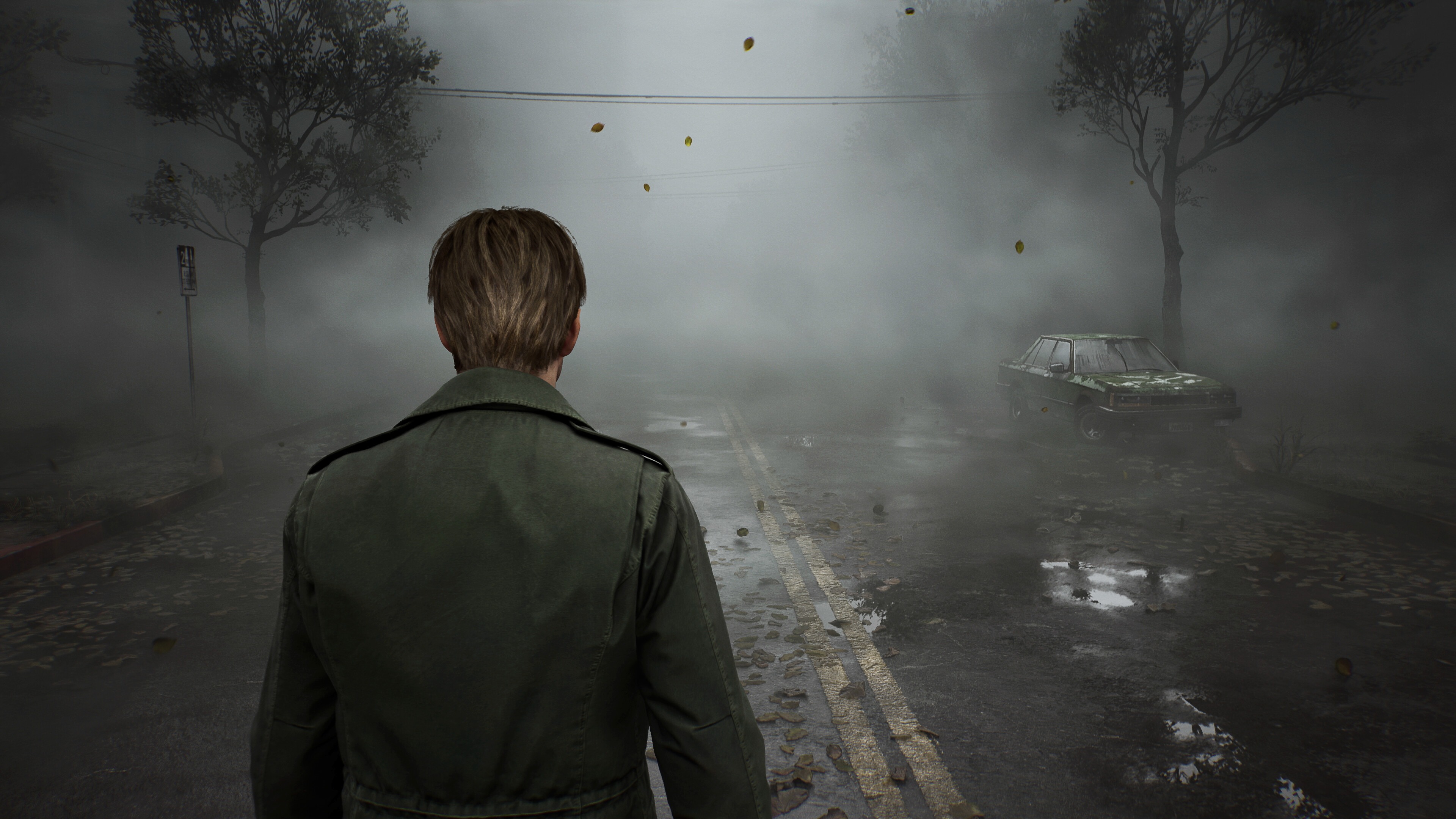
If you played the original game on either PC, Xbox, or PS2, then you are in for a treat. For those who haven’t: Welcome to Silent Hill. This is undoubtedly one of the most terrifying games I’ve played in recent years, and the utilization of Unreal Engine 5 brought me immense relief. The effects that Bloober used here would not have been possible with UE4. The ray-tracing, lighting effects, fog, and insanely detailed texture work are gorgeous, and I drank in every second of this game. Thank goodness this didn’t come to previous-generation consoles, which would have required UE4. This is truly a next-gen title. A couple of months ago, I had the opportunity to play the fan-made Enhanced Edition for PC, and I can confidently say that Bloober did not opt for a copycat remake. Instead, they infused the game with their unique style, incorporating new areas to enhance gameplay without causing it to feel bloated and monotonous. Bloober has extended some dialogue and cut scenes, resulting in a more organized game overall. I had a blast finding memos, photos, and the new Glimpses to unlock trophies. There is also a New Game+ feature, which is awesome. Although your items don’t carry over, you receive a new chainsaw as a melee weapon and can unlock more endings, including two new ones specifically designed for this game that don’t have trophies attached to them.
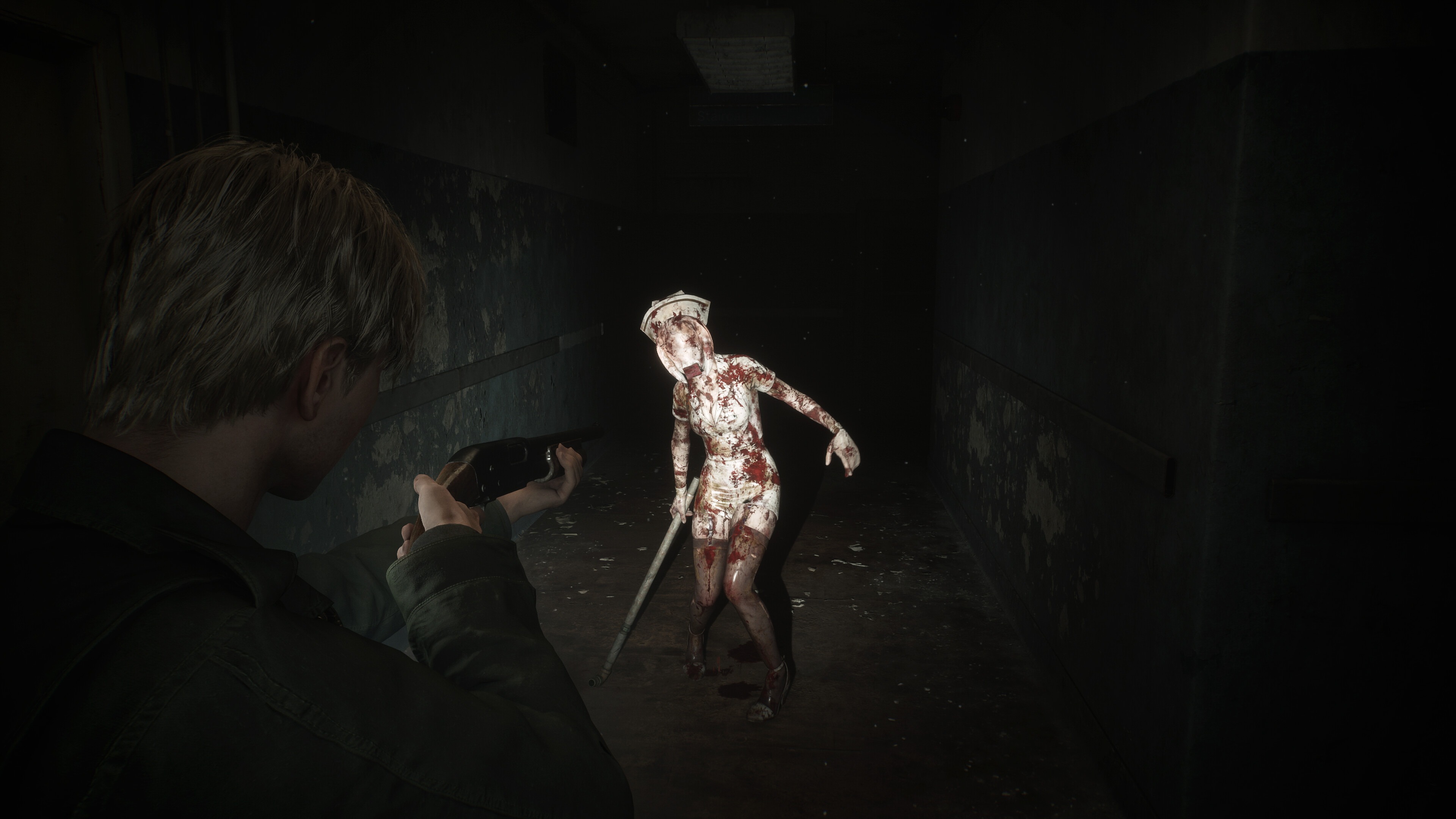
The combat and camera are the two biggest deals of the remake. Taking a cue from Resident Evil, they positioned the camera behind James, adding a more cinematic flair that was both much-needed and welcomed. Melee and shooting combat is brand new here, with fantastic enemy designs to kill and squash. The melee combat is punchy, and James delivers his grunts and shouts with a tremendous deal of passion and fervor, resulting in a satisfying experience. The camera will sway and bounce slightly with each swing, and James will hesitate for a split second on the third hit of the combo, committing his entire body to the final swing, creating an impactful crunchy effect. The DualSense controller is essential for this, as it enhances the entire experience, not just during combat. When your radio goes off and an enemy approaches, you can hear it through the controller speaker, and the DualSense vibrates with every crunch, shout, and scream.
The ranged combat is satisfying as well. This game features the same three weapons, and you must use ammo sparingly and wisely. Use melee whenever you can to conserve ammo. You can deal with one or two enemies, but some rooms will throw three or four at you, necessitating shooting. The revolver, rifle, and shotgun all return; ammo for the shotgun and rifle is very rare. Only save them for bosses. You also receive a 2×4 equipped with nails and a lead pipe, which is the only melee weapon available aside from the chainsaw in NG+. My only complaint about the game is that Bloober didn’t incorporate enough weapons in more areas. I would have preferred to see a few more guns, or at the very least, more melee weapons. There’s no upgrade system, but that’s fine, as it’s not needed. Some people may question this. Thankfully, the game provides great feedback when you shoot enemies. For example, hitting a limb will cause them to fall to the ground, and shooting them in the head will cause them to stop in mid-walk. It’s very satisfying, and I have no complaints about the combat system at all.
The game could have potentially deteriorated during the exploration phase. Bloober needed to update how to navigate the game for a modern audience. Silent Hill is known for being cryptic, especially in the puzzle department. There are numerous granular options available for customization. You can customize the combat and puzzle difficulty as well as adjust the HUD as much as you want. The game’s main areas feature a larger central puzzle that players uncover, necessitating the discovery of specific items within that level. Bloober does a competent job guiding the player with lights, blood trails, debris, etc. Additionally, it’s essential to explore each door, as it bears markings identical to the original. This map system has always garnered high esteem and performs exceptionally well here. You won’t get lost easily, and Bloober did a commendable job making every hallway and room stand out. One of the biggest issues with the original game was the abundance of bland-looking rooms and hallways that seemed to always look the same. Bloober added a lot of detail and made every location feel dreadful and haunting. The atmosphere is stunning and truly frightening. I didn’t care for the newly added pushable carts. These never solved any puzzles and felt like pointless filler. When the carts are pushed 6 feet away and into place the handles drop down and lock the cart telling you it’s in the right spot. Climbable areas are marked with white cloth which is a nice touch.
I cannot emphasize enough how significantly Bloober enhanced the atmosphere and feeling of Silent Hill 2. The game features a remastered soundtrack and eerie ambient effects. Upon entering the town for the first time, the majority of players will find it unforgettable. The fog, which is choking and claustrophobic, is accompanied by strange alien sounds that play when enemies are near, random rusty bangs, the scraping of Pyramid Head’s sword on the ground, and fantastic animations of monsters that seem almost human. The distant, dark hallway barely illuminates the contorted bubblehead nurse, who twitches in response to your approach. The flashlight serves as your sole source of hope and comfort. After so long, just stepping back into the foggy town is a sweet reprieve from the cramped and delirious buildings. The Otherworld areas are equally as nightmarish and fear-inducing. You will be on edge during the entire game.
The new voice acting is also phenomenal. While the original voice acting was inconsistent, I was astonished by the exceptional quality of the new rendition. The actors effectively convey every emotion, demonstrating genuine care and commitment to their roles. James sounds sad, lost, and human. Eddie’s actor masterfully portrays his psychosis on the verge of madness. The characters in Silent Hill 2 were few, and their appearances were brief. Some may find this distasteful, as it appears to be a departure from the current practice of creating games with numerous hours of voice acting. The game heavily relies on the players’ interpretation and reading of the memos. The game does not explicitly reveal what is happening to James, what these monsters are, or why Silent Hill is set up the way it is. The town is a character in the game. Silent Hill is known for dabbling in the human psyche and mental psychosis of people.
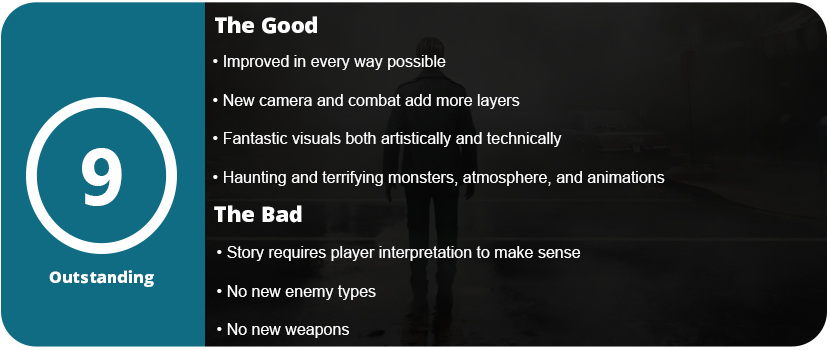
Silent Hill 2 is a surprising love letter to the series, and I fully endorse Bloober doing more remakes and even a new Silent Hill game. They haven’t had the greatest track record in terms of gameplay. Despite the unfavorable reception of Layers of Fear and Blair Witch, they successfully created a captivating experience here. The new camera and combat are punchy and responsive, the visuals are stunning, the added areas are fun, and I honestly didn’t want the game to end. At the end of the game, I felt empty and immediately started a New Game+, something I never do. As a longtime fan of Silent Hill from my childhood, that first game scared me so much that my mom had to return it to the rental store. I greatly appreciate it and can’t wait to see what the future holds.
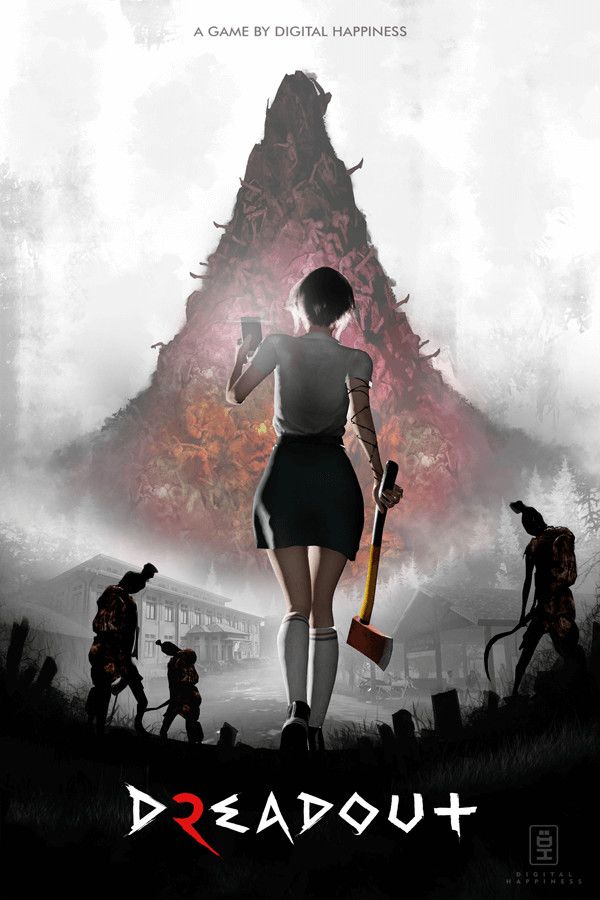
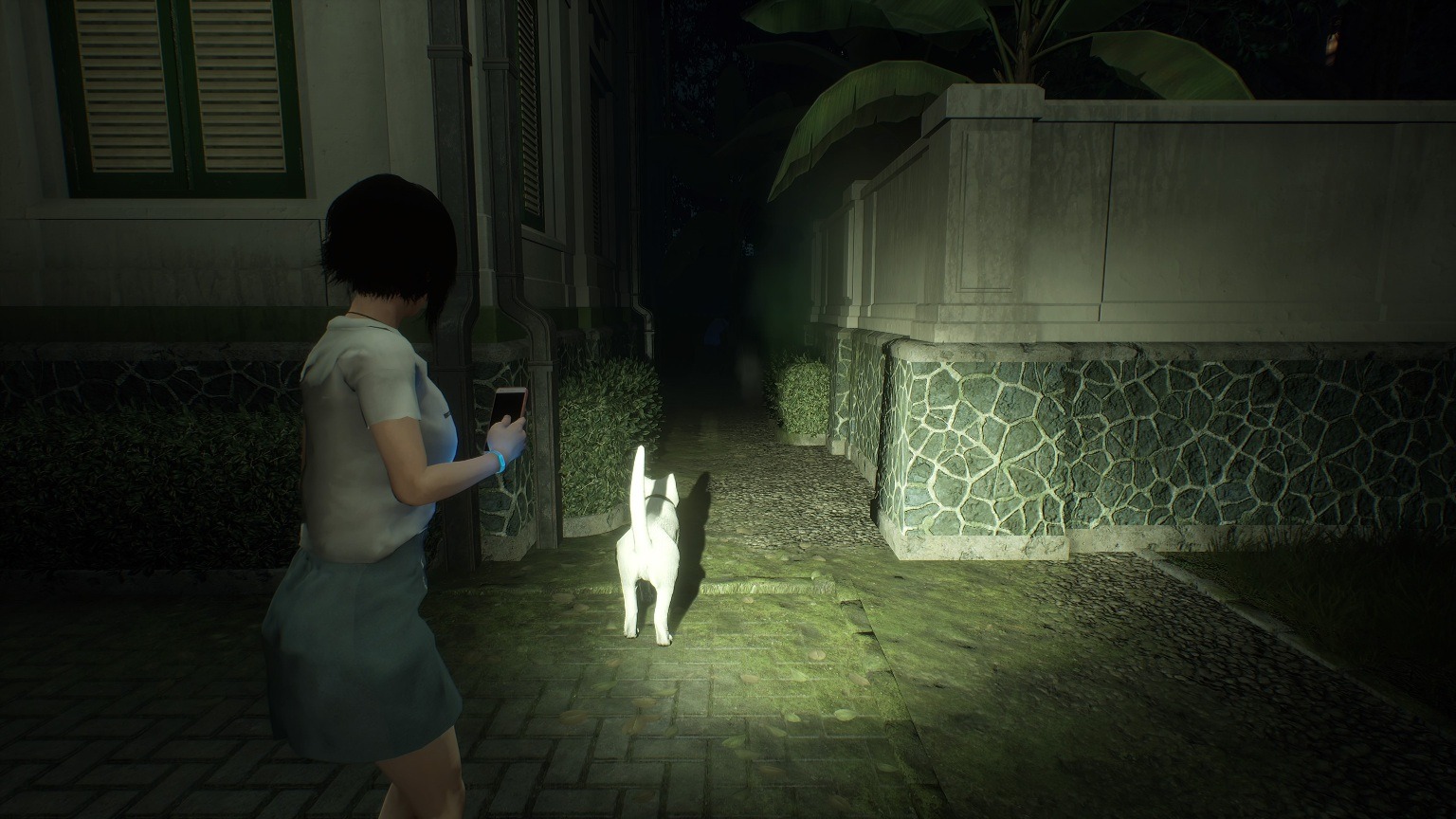
I finally made it around to the last of the trilogy. This latest entry is a huge step up for the series, but if you zoom out and look at the game in comparison to others at the beginning of this generation, it still feels and plays dated. Right off the bat, the game is a massive boost in visual fidelity. The game boasts improved textures, models, and lighting, all of which contribute to its impressive visual appeal, particularly considering its modest budget. The game also has a more cohesive timeline to play through rather than a few random set pieces. There are eight acts in this game, so it’s about as long as the two previous games combined. There is a large hug area you can run around in, and then you can branch off to the different acts as the story progresses.
Right off the bat, while this all seems nice, it’s superfluous. The main town, where you wander around, offers only a few hidden urban legends to photograph and two side quests. A chapter unlocks each of the game’s five locations. Linda looks much better, but she has no personality. This was a great opportunity that the developers could have used to make Linda a memorable female horror protagonist, but they didn’t really give her a voice or any character. In fact, everybody in this game feels like a generic JRPG NPC. The ghosts and monsters have more character than they do. This also leads to the same stupid story that makes zero sense. While you can view a “Previously on DreadOut” video, the game doesn’t do anything with this story. I was hoping for an explanation of Linda’s past and the curse that haunts her, but the explanation fell flat, leaving me with a shrug at the game’s conclusion. I can’t delve deeper into it without revealing the limited plot, so don’t expect too much.
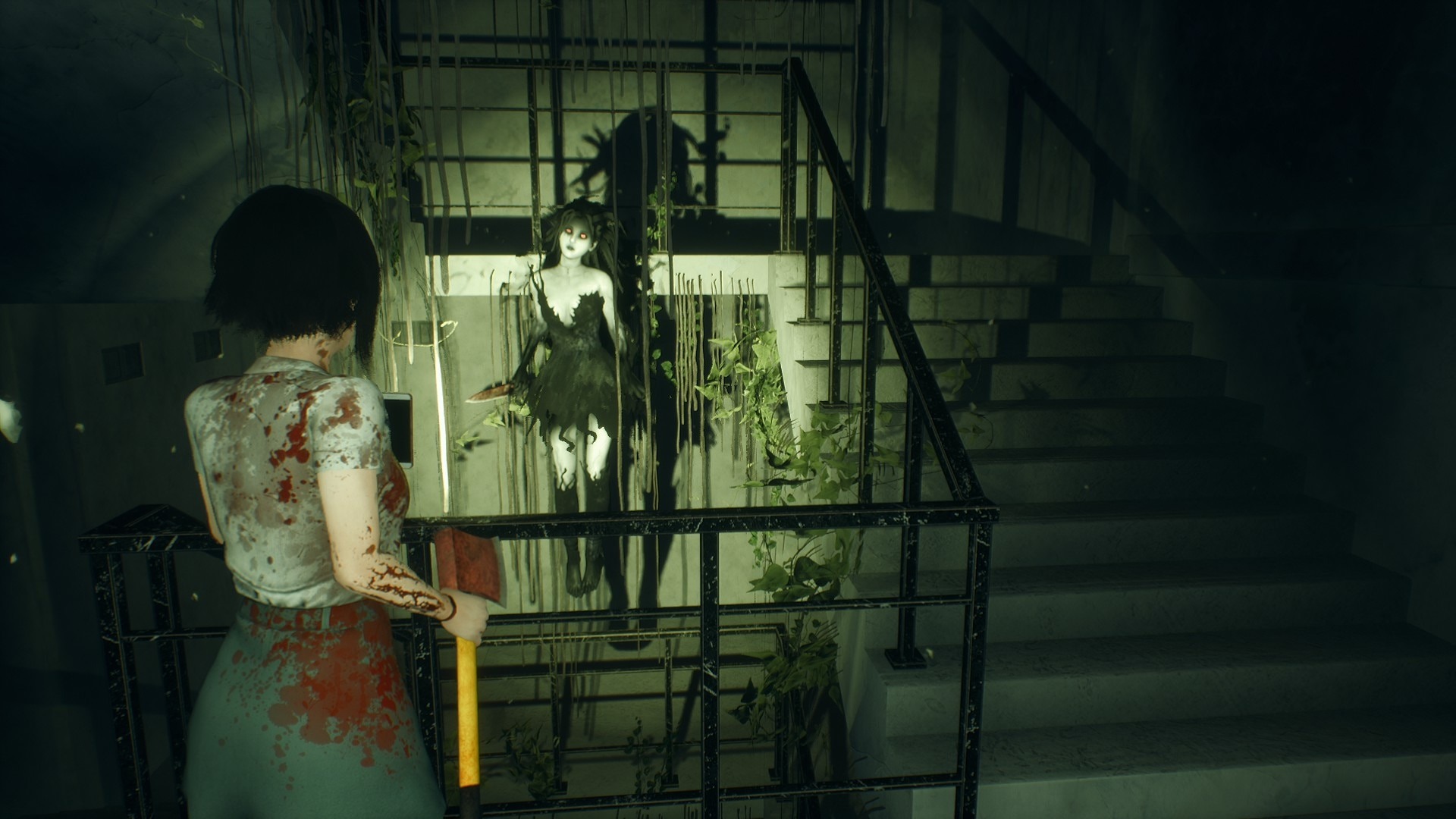
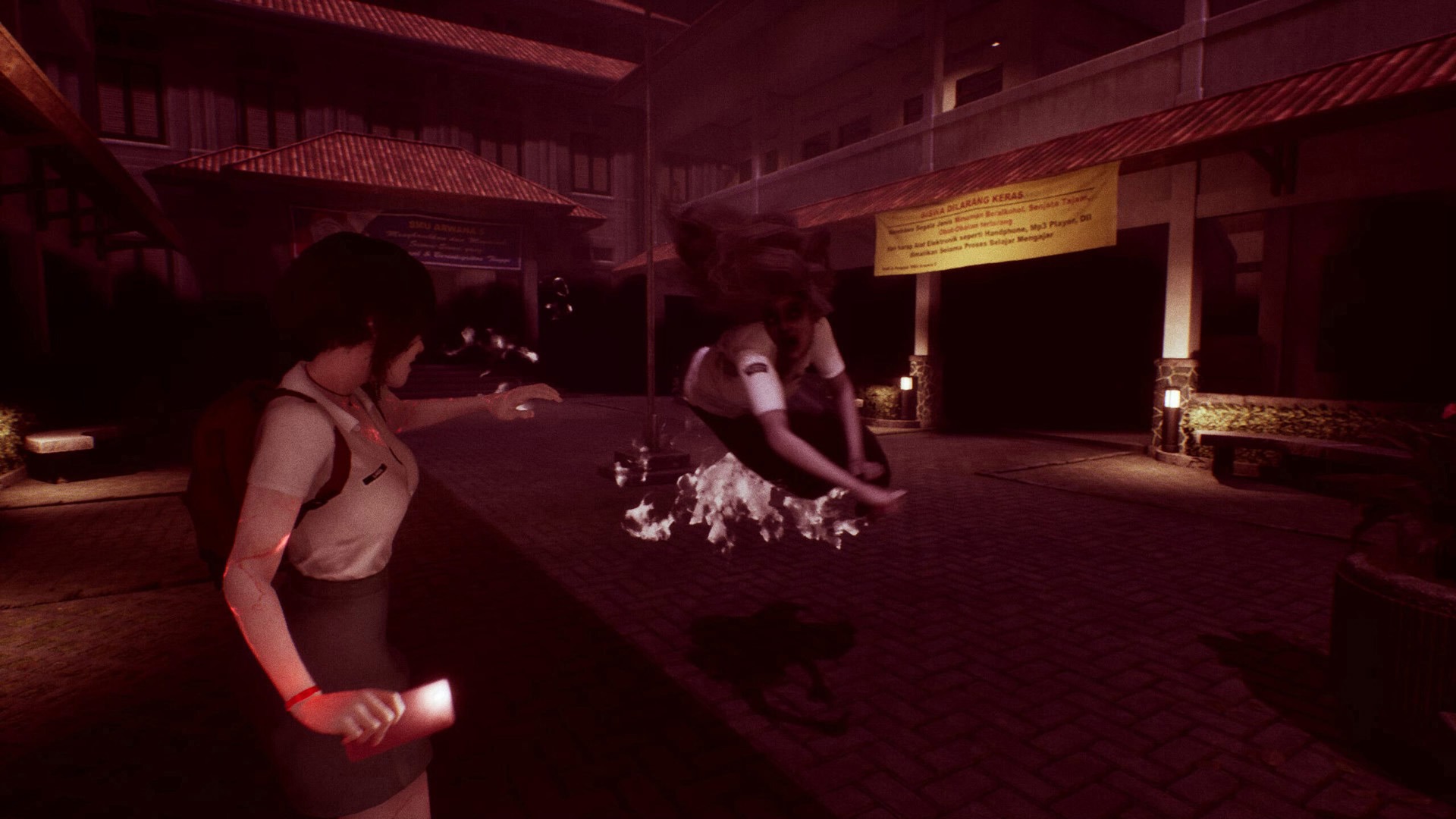
Combat comes in two forms. In the original form, which uses the Irisphone 2.0, you aim at a ghost, and when a “glitch” appears, you can snap a photo to inflict damage. There’s a new feature that lets you hold the shutter button longer to do extra damage. The second form is only available in the “alternate” realms, where Linda can use her phone’s flash to stun enemies and wield a melee weapon. These realms do not allow you to take photos, and there is a greater emphasis on solving simple puzzles. I honestly found the Irisphone combat in the “real” world to be atrocious and frustrating. The ghost’s face has to be perfectly centered in the phone for the glitch to appear, and it only happens for a split second. This time, the game features a greater number of bosses, each with their own unique gameplay style. However, a significant number of these bosses can be so frustrating that many players may abandon the game and never return. Some of the problems include knockback animations that are annoying and there’s still no health meter. The screen slowly turns black and white, and you can hear a heartbeat, but that’s about it. There’s a particular boss in Act Two that had me screaming. Some of these ghosts take 20-30 shots to take down, and Linda has no dodge, parry, or block button.
While combat in the “alternate” realms is better because you can sling your axe everywhere, it’s still clunky and obtuse. Here, the game will throw a lot of enemies at you, and you still have no block, dodge, or parry button. Some enemies have the ability to run faster than Linda, lurching forward in a continuous loop that prevents you from moving far enough to breathe or escaping into a corner. Your health will recover if you run away long enough, but this was mostly noticeable during boss fights. While the game is clunky and cumbersome, it throws things at you, making these fights way more frustrating than they need to be. One particular boss isn’t just a single ghost; more little ghosts spawn and constantly come back. Why did these ghosts spawn? With this Irisphone, I can’t dodge or block, and swinging the axe or getting the shot just right is hard enough. These elements don’t add challenge, but frustration. They only show how flawed the combat system is.
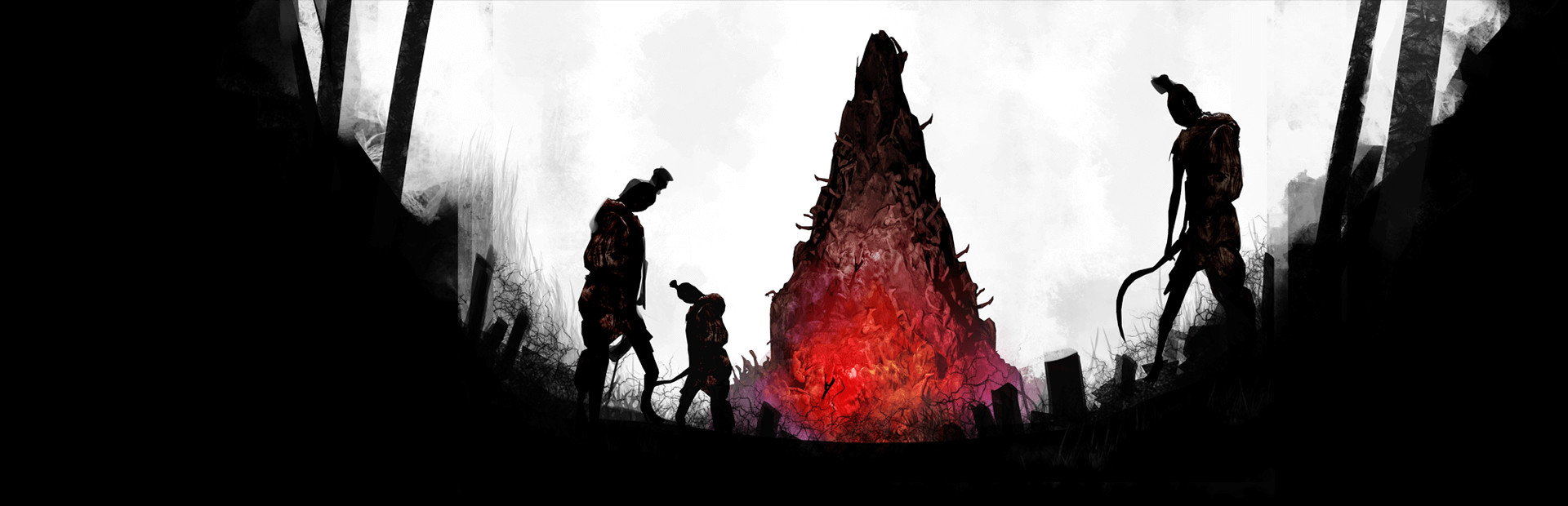
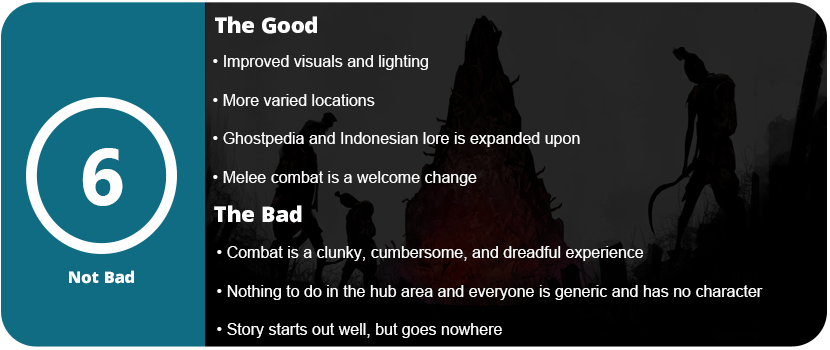
Unfortunately, this time around, most of the game is combat. I did get lost in some larger levels with labyrinthine hallways that all seemed to look the same, which was a problem with the first game, but this wasn’t an issue on every level. Most of the time, I knew where to go because the area was either very linear or had only one path forward. I did explore the area, collected all the urban legends, and filled my Ghostpedia, but the game seemed to lack any meaningful activities. Although the expansion of Indonesian lore and the improved appearance of the monsters are commendable, I believe this series has the potential to achieve more. It wants to be the next big horror title, like Silent Hill, but it has to break through the tropes that the survival horror genre suffers most of the time. If there is a DreadOut 3, it needs better combat, better level design, and a story that makes sense, as well as making Linda a likable character and not just a voiceless generic avatar.
DreadOut 2 is really only for fans of survival horror from the 1990s and early 2000s, as well as those who enjoyed the original games. The game’s visuals have improved more than the gameplay. Combat is horrendously cumbersome, obtuse, and difficult. Some of the boss fights are victims of this mess, which can cause players to throw the game in the trash. The story lacks depth, and the characters resemble generic robotic avatars instead of evolving with an ever-growing series. The game expands upon the Indonesian lore of monsters, urban legends, and ghosts, enhancing their visual appeal, yet the open hub remains empty and bare. The game needs more attention to detail before I will bother with a fourth outing.





























 thebinarymessiah.com
Try multiplayer. A lot of fun !