The first game rose to great acclaim due to the excellent classic FPS action, rocking soundtrack, superb weapons, and varied enemy and level design. Battle Out of Hell is the expansion that picks up where the last ended. You are ascending out of Hell to stop Alastor, who is trying to create a massive army to take over Heaven. While the story doesn’t do much but concludes the last game, it’s pretty bare bones.
The expansion adds 10 new levels and two awesome new weapons. The new weapons are a sniper rifle that shoots spears, and the alternate fire is a bunch of bombs that can bounce around. The second weapon is a machine gun with the alt-fire of a flamethrower. Both weapons are useful and very fun to use in combination with the already excellent arsenal. The action is exactly the same as in the last game, just with new enemies and levels. Some levels are really short, while others drag on for quite a while, so the game feels a bit sporadic and badly paced.
The new levels are awesome, such as The Orphanage, Loony Park, and Lab, but after those three, the creativity dies down quickly. The Loony Park features a full roller coaster ride while you shoot enemies, and the Orphanage is really spooky with creepy kids that you kill. After that, the levels just feel like generic hallways with different designs. My least favorite were the Colosseum and Stone Pit. There is one level that is only available on Nightmare difficulty. Other than that, multiplayer adds some new maps, but once again, no one plays online (stick with LAN).
If you really love Painkiller or never picked up the expansion, you’re missing out on some really great shooting action, but it can wear thin towards the end, especially the story.
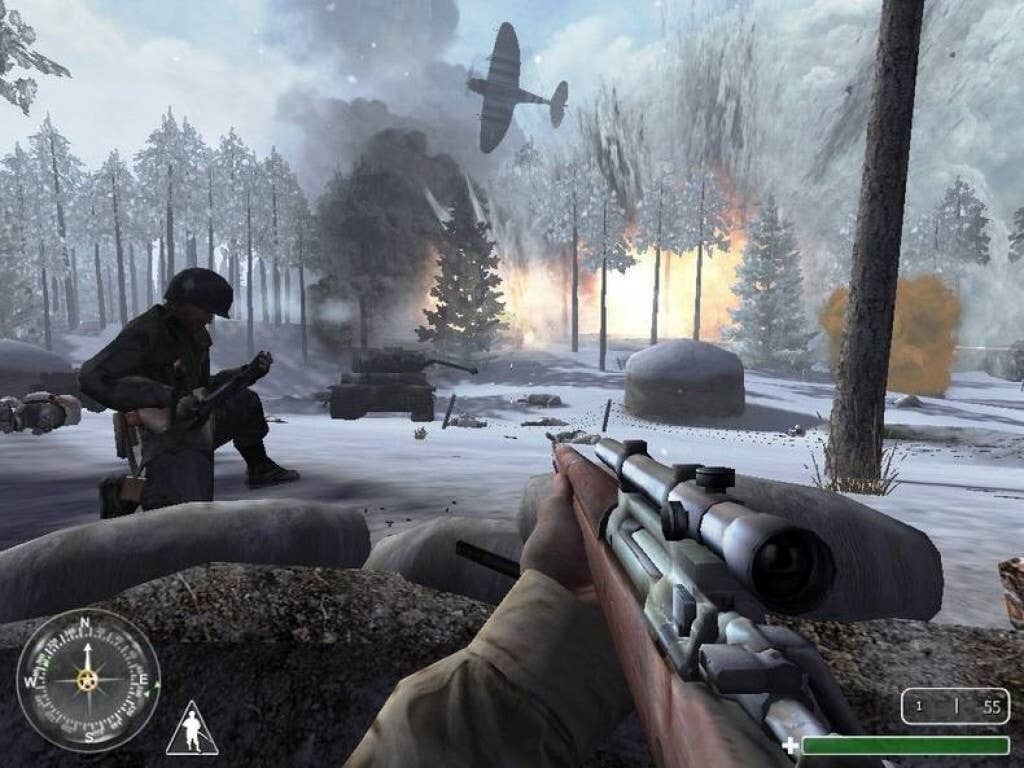
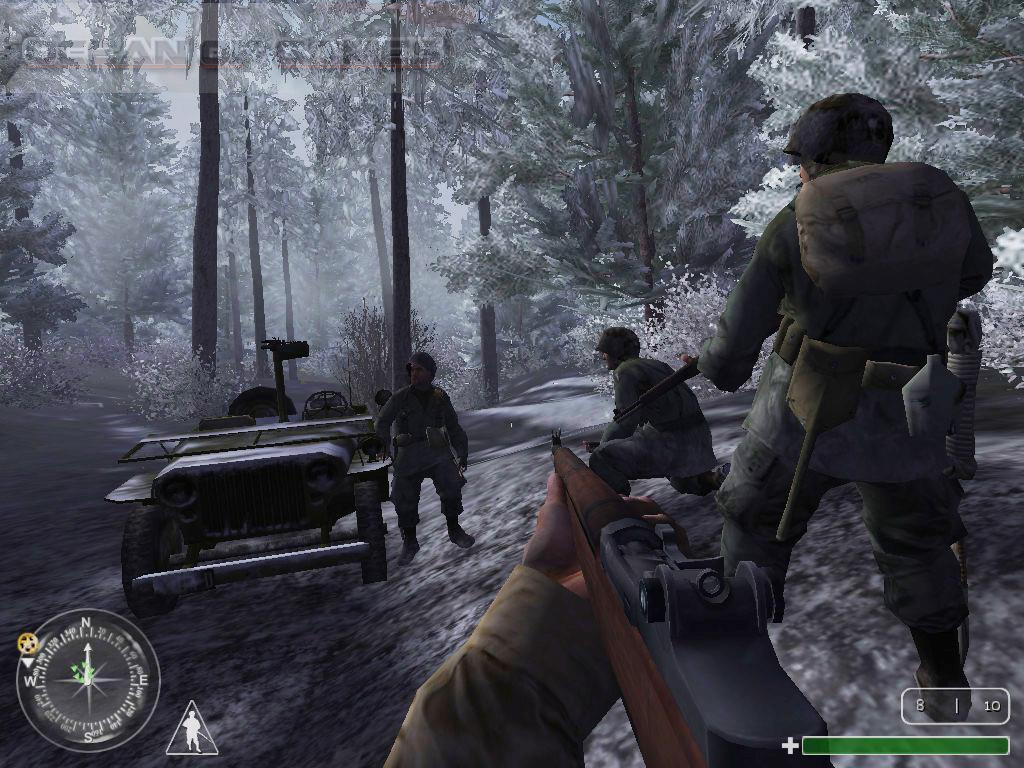
Another World War II game, but wait, this came out 7 years ago during the sub-genre peak. Why should I play this? It’s just another Call of Duty. Before you go making drastic decisions Call of Duty started out as a WWII series way before the Modern Warfare explosion. Call of Duty was known for its great cinematic atmosphere, tight gunplay, and excellent storytelling. United Offensive is the expansion of the award-winning debut game in the series. Offensive is just superb and even holds up on all levels today.
The game has three campaigns that run between America, England, and Russia. You play as three different faceless soldiers, but the environment is the main character here. Each campaign has an amazing opening scene as well as some memorable moments like the escape on a Jeep in the American campaign, the gripping plane scene in the England campaign, and the tank scenes in the Russian campaign. There is never a dull moment in Offensive, and everything from sound, great voice acting, and realistic-sounding war effects brings together a riveting experience that I truly have not found in any other WWII game (even in later CoD games).
Instead of trying to pack every scenario into one game (including weapons), we get some long battles that feel challenging but not terribly hard. Some scenes can last up to 20 minutes (like the plane scene in the British campaign), but they hold you out just enough to make you feel the terror of war and a little helpless. Some battles require waiting a certain amount of time before reinforcements arrive, and then a wonderful orchestral soundtrack picks up and makes it that much more intense.
The gunplay is solid and feels great with favorite weapons like the MP40, M1 Garand, MP44, and the Springfield sniper rifle. We’ve used the weapons dozens of times, but each weapon feels different, which includes power, accuracy, and the mechanics of the gun. I feel the grenades still have no weight, but there are a variety of them. Each level and scenario feel different and gripping, but you never get attached to any characters because the environment is the main attraction.
Multiplayer would keep you coming back, but due to your age, there is no one playing online ever, so you have to stick to LAN. War games just aren’t like they used to be, and United Offensive shows how to put the feeling of war as well as realistic-feeling weapons. United Offensive stands out graphically as well, thanks to the tiny details. The only thing dated are the low-poly models, low-resolution textures up close, and some static lighting. Most of the time, you won’t notice because you’re sucked into the experience too much. If a game from 2004 can suck you in after playing modern war games, then that really shows how much a game stands up.
First-person shooters have come a long way, but People Can Fly showed the world that sometimes it’s better to go back than to move forward. You play Daniel, who dies in a car accident along with his wife. While she went to heaven, he got stuck in Purgatory and ended up getting involved in a religious war between Lucifer and the heavens. Lucifer wants to take over, so Daniel is sent to stop him. While the story is semi-interesting, it doesn’t really go anywhere except for a few terribly made, low-resolution CG cutscenes (I mean, pre-PSX bad).
The game is all about shooting, and it does it well. You get five different weapons through the game (I know the very low variety), and you just blast hordes of enemies coming at you from all angles. Each weapon has a secondary fire, like when the mini-gun launches rockets, the shotgun freezes shells, the stake launcher has a grenade launcher, etc. Using both in tandem is important because certain enemies and situations will require different weapons. Even the area you’re in will affect this as well. The shooting is solid and fast-paced, and ammo pickups are a top priority. You can pick up coins that are used to equip tarot cards that act as perks. These are also essential to staying alive, especially during boss fights.
The game is really just shooting hordes (the AI just runs at you), but you can easily die due to sheer numbers. There’s no cover, no special powers, just you and your gun. Every environment in Painkiller is very different, so it’s nice to always look forward to the next level. Not one is alike, and even the boss fights are massive, tough, and rewarding to bring down. When you kill every enemy in an area, the next area will unlock, and you can move on. This proves a problem sometimes when there’s one straggler left behind and you can’t find him to move on. The little bit of platforming is floaty and badly done as well and should have been left out or tested a little more. While the environments look nice, navigating some of these levels can be a pain due to the terrible compass cursor and maze-like hallways.
Another thing I like is the huge variety of enemy types. Some of the designs are crazy, gross, creepy, and downright weird. A lot of the time, the enemies go along with the level, so it kind of feels like playing a pop-up book. The physics engine was highly regarded when the game came out but seems dated compared to today. Over the years, the game got visual upgrades, so I highly recommend one of the new versions, which actually looks pretty nice for such an old game. The multiplayer is what kept people coming back, but you will rarely find anyone playing these days. Overall, Painkiller is a great shooter, just to kill things and shoot bullets. It’s solid and smooth, and you can adjust the difficulty for every type of gamer.
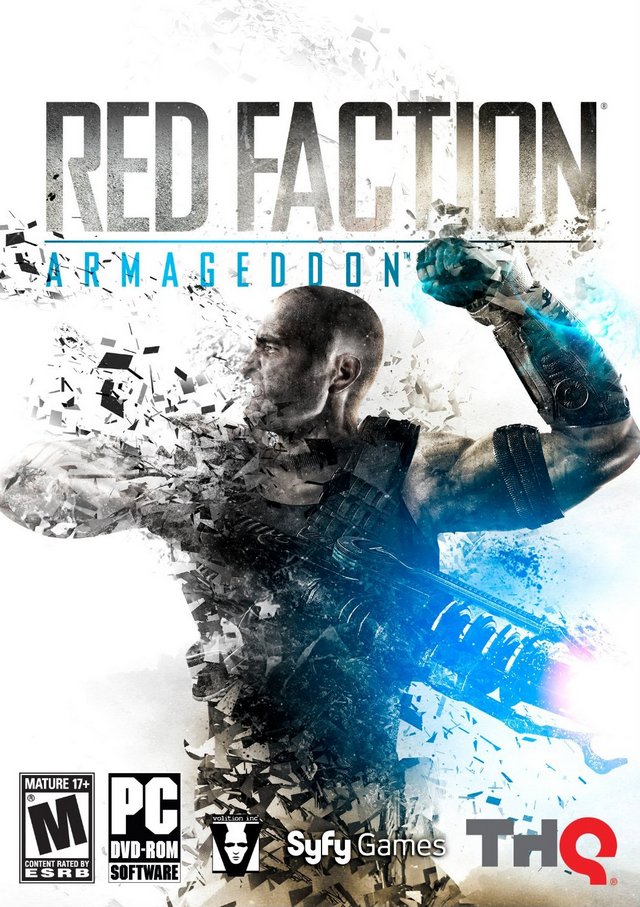
The Red Faction series has been very rocky since the first game was released in 1998. Guerrilla revolutionized the series with a massive destruction engine that allowed you to destroy anything standing. Armageddon builds on this but gives us new characters and a whole new enemy to fight, but this time under the surface of Mars. Darius Mason is the great-great-grandson of Alec Mason. You get a job to excavate some sort of artifact and awaken a whole race of Martian creatures. The story is pretty riveting and takes you on a wild ride to finally beat the Marauders, as well as a long ancestral war. The characters are likable and are fleshed out really well, especially between Darius and his AI SAM, who guides him through the game. Their bantering will sometimes make you laugh with some pretty witty dialog.
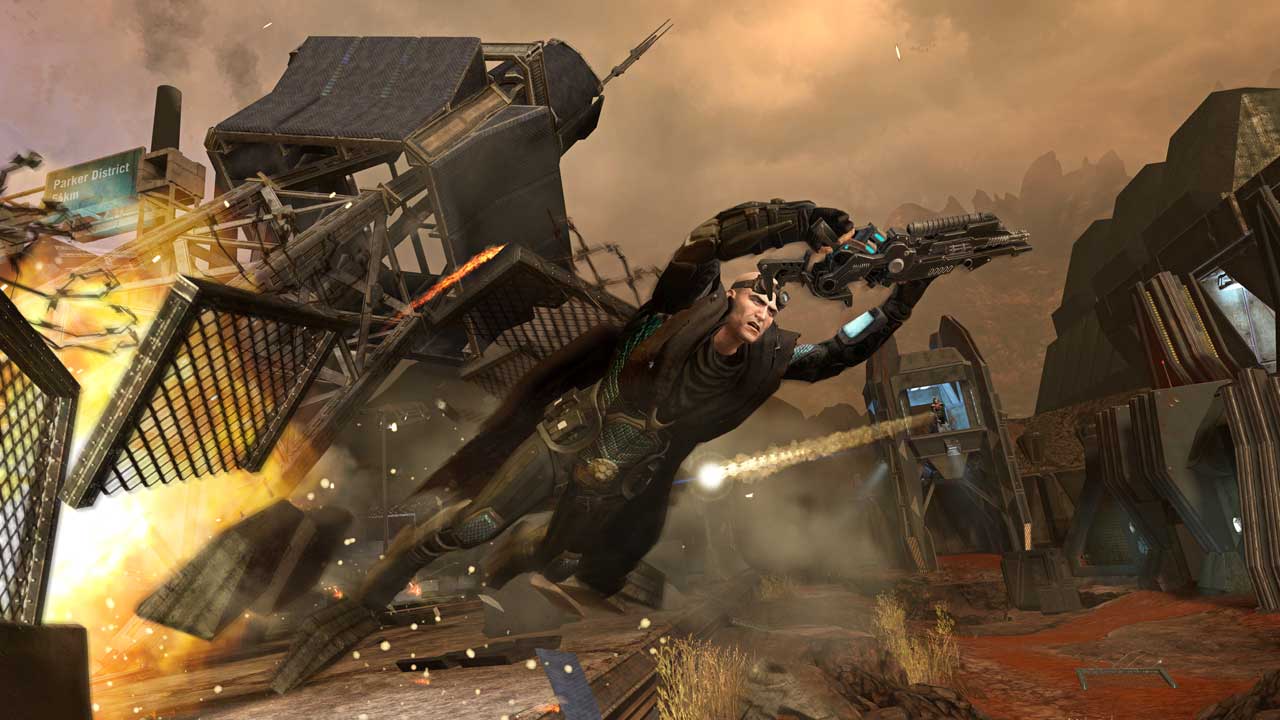
The heart of the game is the combat. The game isn’t an open-world like last time, but a guided linear adventure that is actually more suited for the series. You can destroy anything in your path by using a large explosion or magnet gun. Shoot at one point, then link it to another, and it will drag and pull apart anything in its path. You can even do this to enemies, which is kind of amusing. The hammer is back, but pretty much useless since you are overwhelmed by a ton of enemies most of the time. The new Arsenal kicks ass with some pretty sweet weapons. The nanorifle returns and disintegrates anything in its path. There’s a black hole launcher that sucks anything nearby up and then explodes. Of course, there are the usual weapons like rifles, rocket launchers, and shotguns of various types, but the new weapons are very unique.
Most of the time, you are blowing up various creatures of different sizes, but the game encourages finding strategies for each alien. This requires swapping out weapons all the time and finding which ones work in certain situations. You will come across points where you have to destroy spawn points, large tentacles, and behemoth aliens. It’s challenging, but just enough so that you can actually finish the game without dying constantly. You always feel like you’re on the run and never safe for a second. The objectives vary, and there are some really awesome vehicle sections in the game.
Using the walkers is awesome, with certain sections slapping different weapons on the walkers as well as the spaceship section. These parts don’t last long, but you always look forward to them thanks to great controls and the feeling of finally being able to overpower the alien threat. You can upgrade yourself by finding scrap metal, and there are a lot of upgrades. These range from health to weapon power and your nanoburst. The nanoburst allows you to push enemies away, create a shield, and even make a shockwave to get out of tight situations.
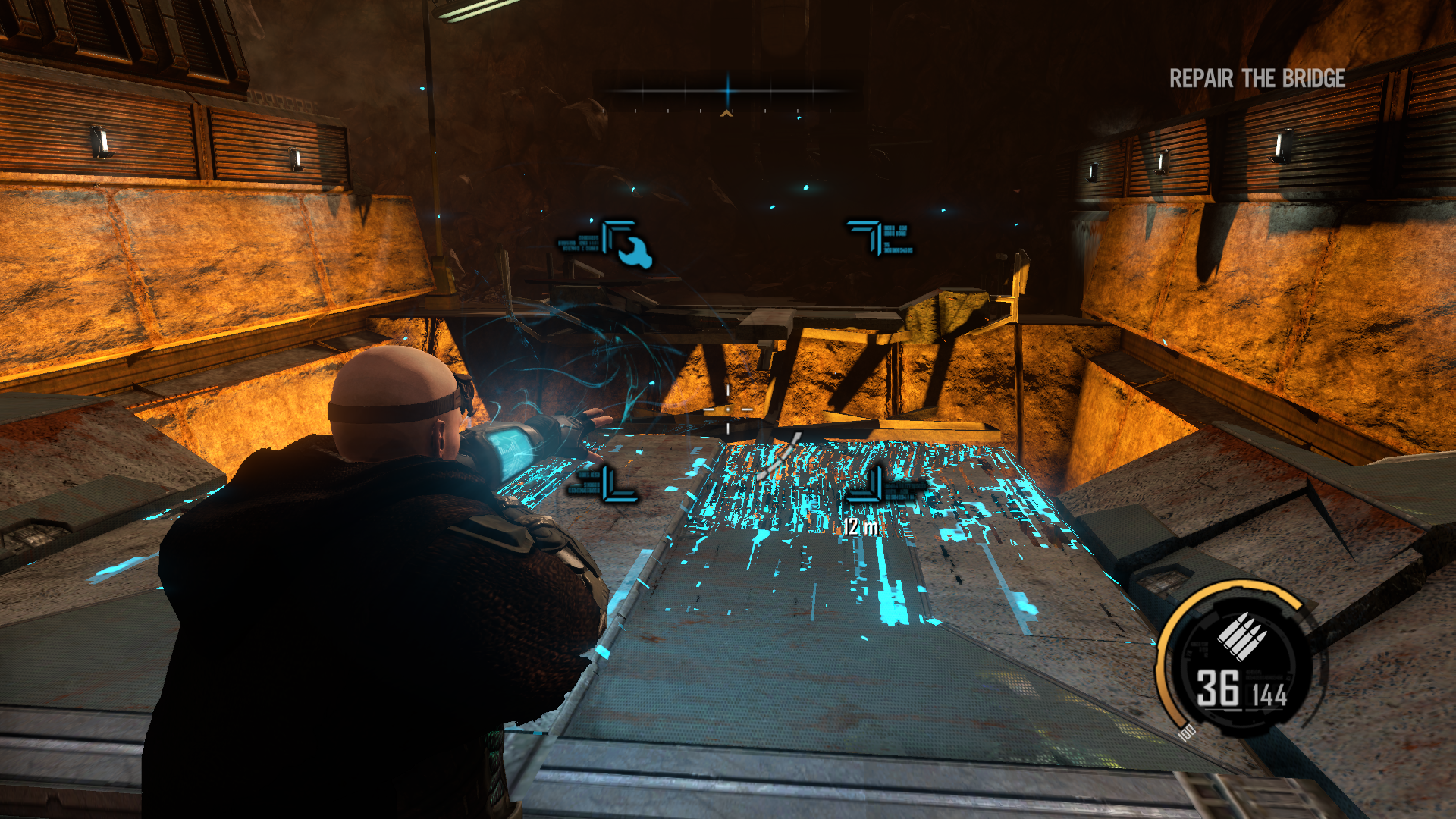
One of the most unusual parts of Armageddon is being able to rebuild things you destroyed. You can rebuild anything that was blasted away, and most of the objectives require using this to repair things. This can also be used in combat by rebuilding cover that broke away, so you have a ton of things at your disposal for combat. I never really got bored with the game because the action was constant and there were so many variables for combat. If I had to choose something bad about the combat, I would say some of the environments are a little cramped, and there are times when you feel the enemies will just never stop coming. It is also little in variety besides the few levels with humans, but 90% of the time you will be fighting the same aliens over and over again.
Multiplayer is fun, but it won’t last long due to the lack of people playing. There is a Ruin Mode, which lets you just destroy things, and a few other modes to let you continue using the awesome things Armageddon lets you have, so there is some replayability here. The visuals use DirectX 10 and 11, if you can run them, which adds great visual quality over the consoles and DX 9. I’m not sure why it uses 10 and 11, but the game does look pretty good in most areas. Overall, Armageddon is the best (and sadly, the last) Red Faction game, so enjoy it while you can and get destroying!
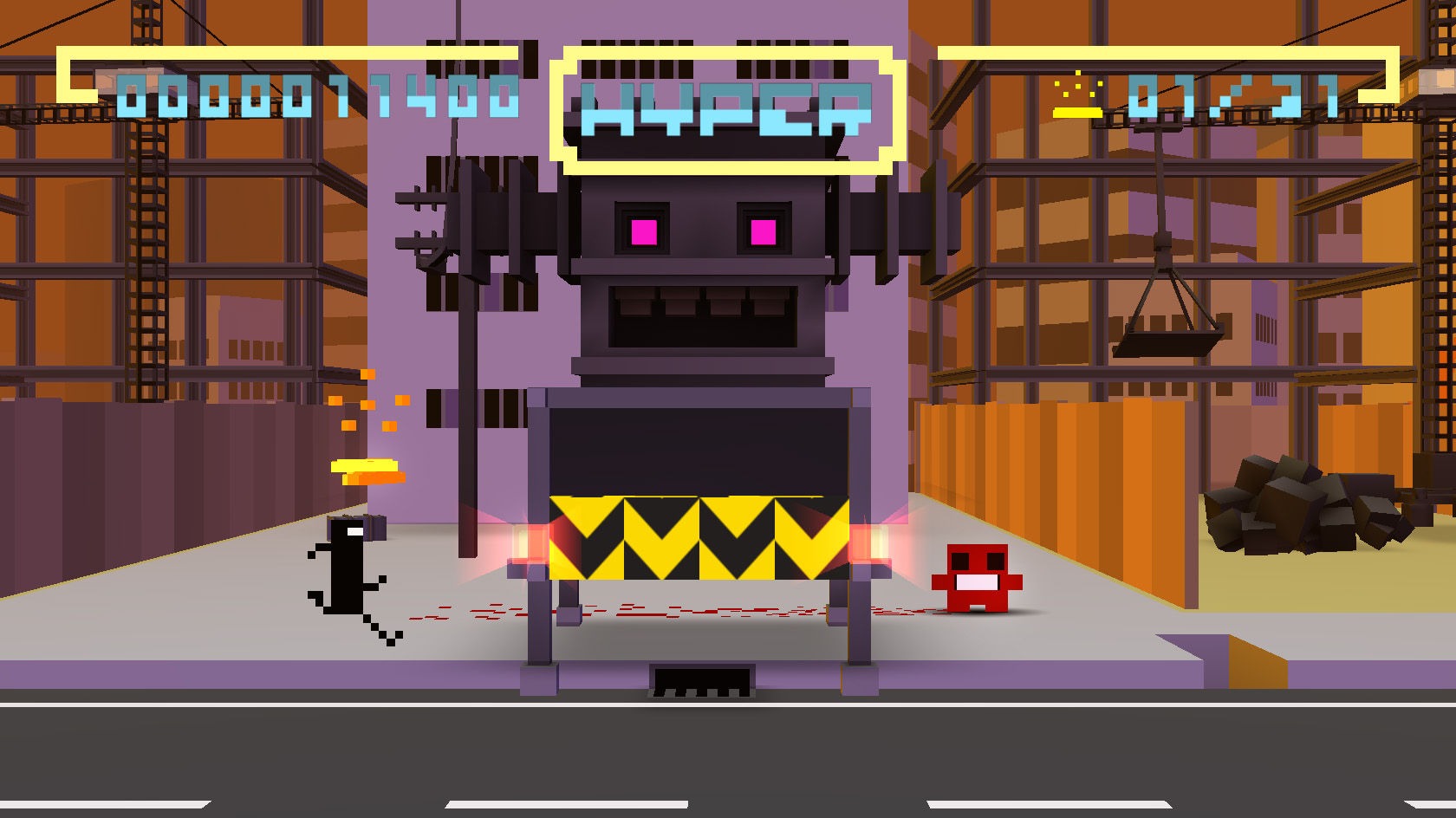
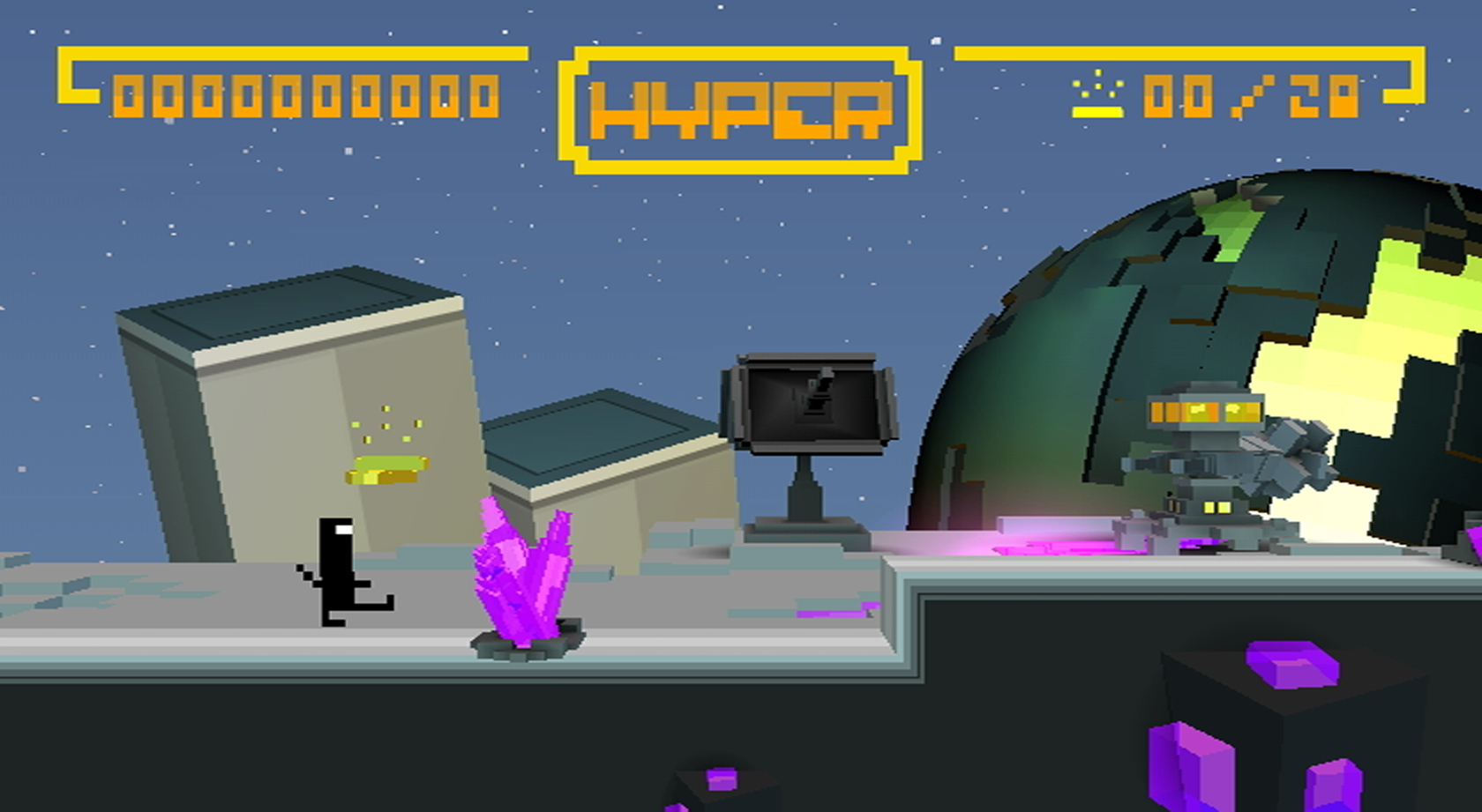
Rhythm games may not be all the rage anymore, but the unique ones really stick out. You can’t pick your own songs; there are no fancy instruments; it’s just you and the controller/keyboard jumping to make a good techno beat. The idea of the game is to get through each of the three worlds through 12 levels each while jumping, kicking, and sliding your way through each level. If you get hit just once, you reset back to the very beginning. While on the early levels, this is fine; the later ones take up to 4 minutes or more to complete, so getting reset is so frustrating.
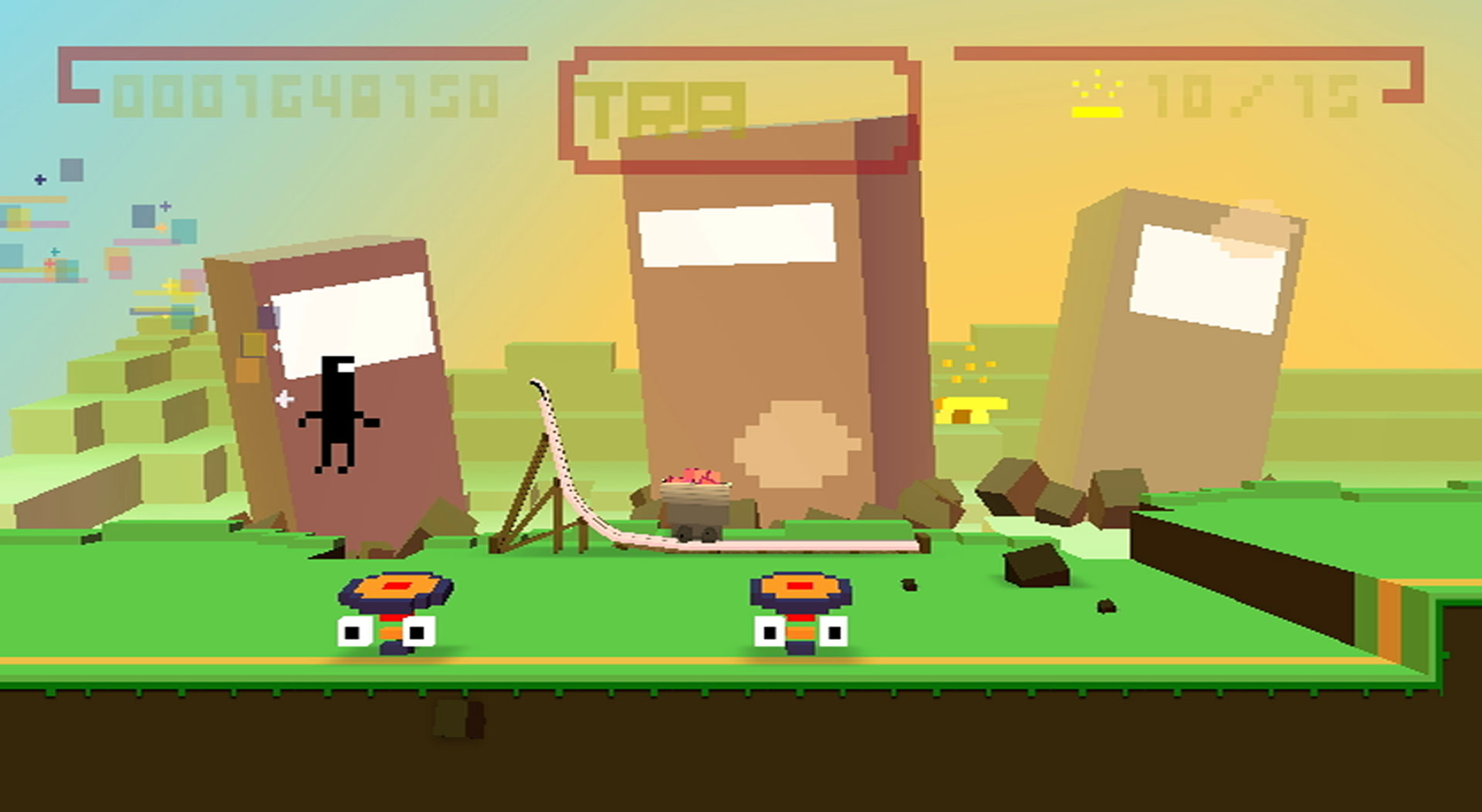
Obstacles range from blocks you have to jump over to low-hanging objects to slide under, stairs that require quick taps, and even some stops to fool you, like a bouncing cube that you slide under and jump over. There are spring pads and other obstacles to block your path, but precise timing will be required to get all the gold blocks to get to the bonus stages, which are 8-bit variations of the 16-bit/3D levels. It’s very unique, charming, extremely addictive, and fun. I am currently stuck on 1-11 and have been for weeks, but I keep going at it because I just want to play every level.
The music is pretty good and full of life, despite it being the same track through each level. During parts of the level, you will pick up a giant plus sign that will add tracks to the beat and also add to the visuals. BIT.Trip is really a game for casual players and hardcore platformers who miss the days of the 16/8 bit era. The game has a brilliant level design that adds a lot of challenges while still being manageable. I haven’t really played a 2D platformer this addictive in years.
The visuals are stunning, with wonderful 16-bit to 3D translation, and the game has a wide color palette that sticks to the 16-bit and 8-bit eras. Everything is made of blocks, but it has built-in 3D and can really be a mind-trip sometimes, especially when you first start playing. Don’t let the hard levels keep you from playing, because being able to play the later levels is rewarding and challenging. I highly recommend this game to any 2D platformer or even for someone just looking for a fun arcade game.
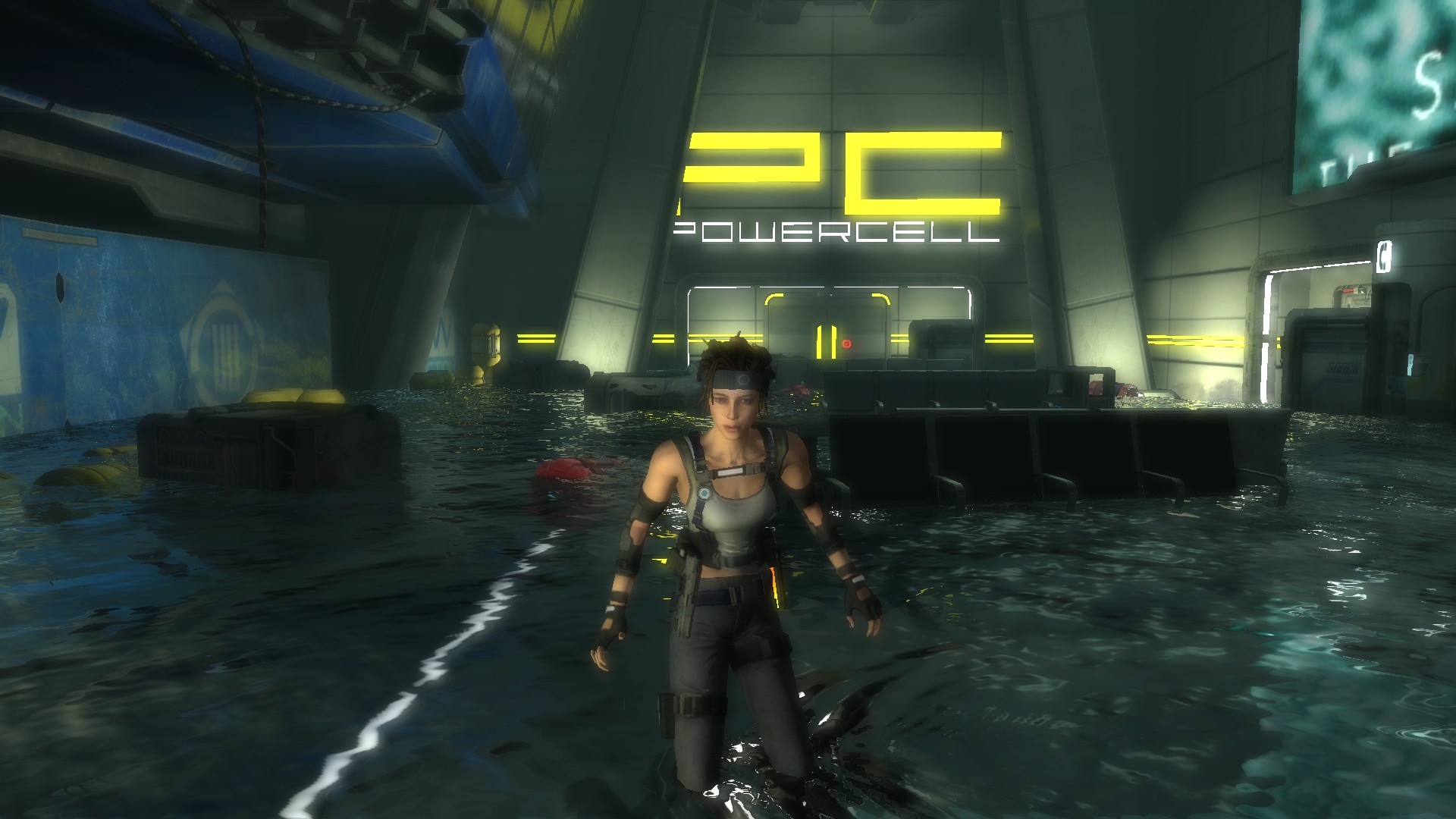
Hydrophobia was a game that was announced a few years ago but quickly forgotten about. It seemed to have gone into the way of vaporware, but suddenly it came back as an XBLA game. The game boasted excellent water and physics to support it, as well as a mantra of “the water is your enemy” as a selling point. Upon release, the game seemed highly overrated, with dated visuals, poor combat, and lackluster level design. While most of this is true, there is still something to be had in hydrophobia.
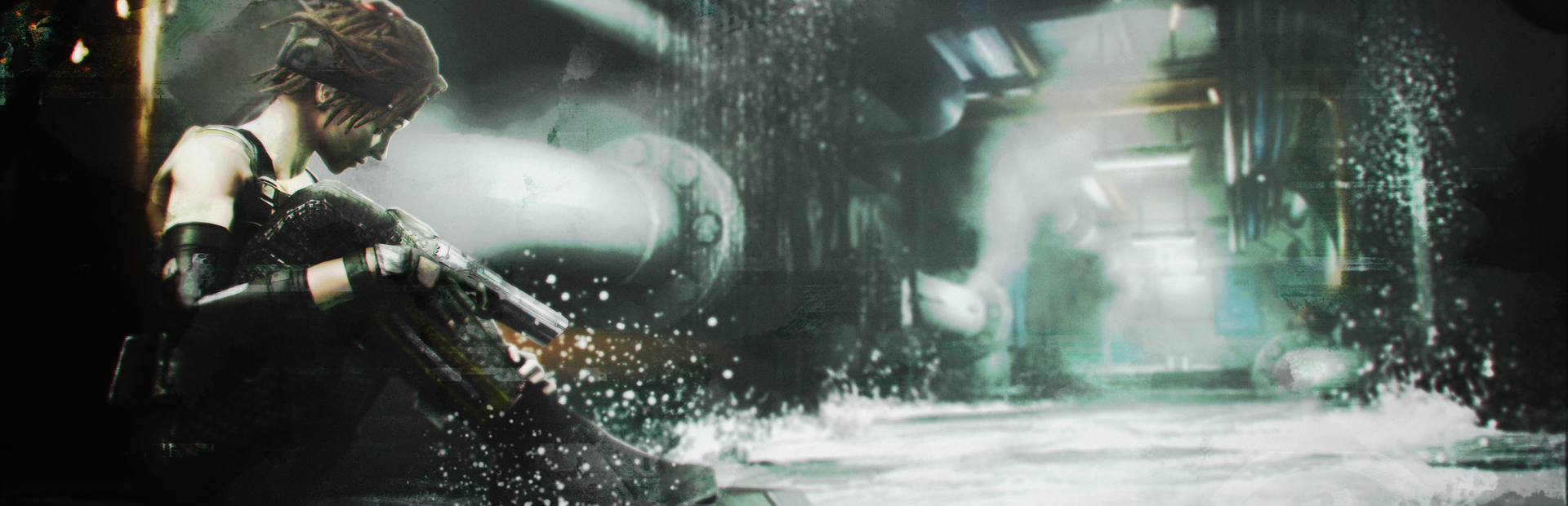
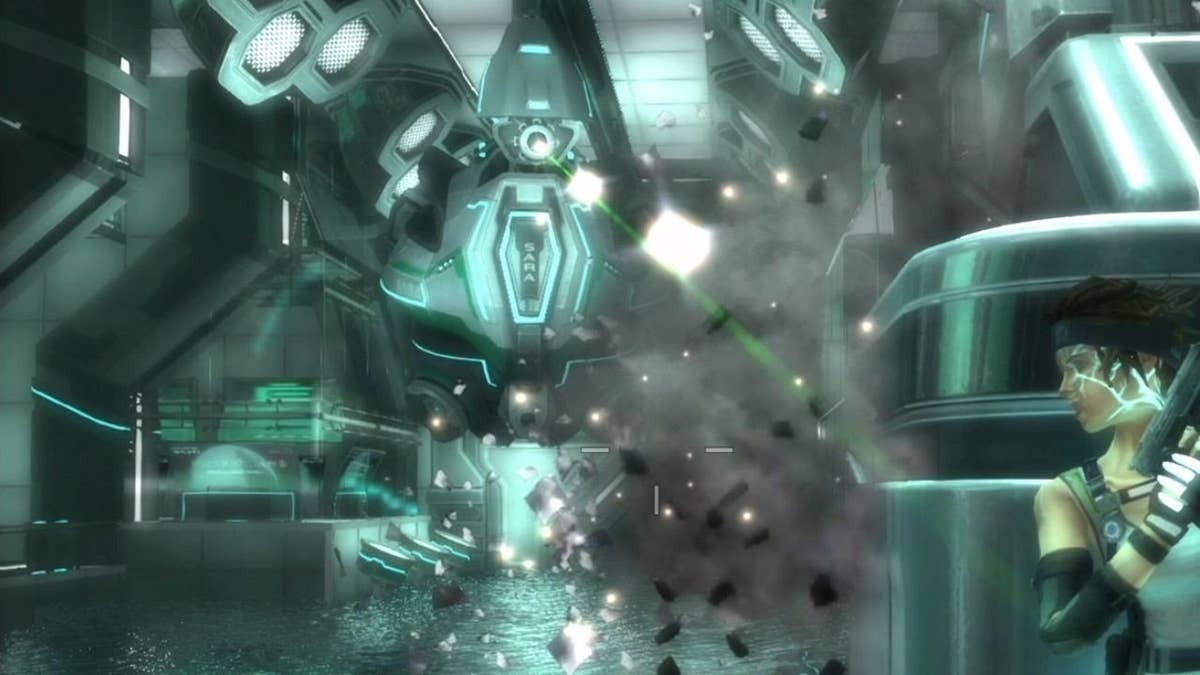
The PC port boasts better graphics and refined gameplay mechanics, but there are still some issues. The water physics are really incredible, and I haven’t seen anything quite like it with water bursting in through a door and making Kate act as if you were actually in an ocean or being bombarded by waves. While it feels a bit stiff to maneuver through this, it makes you feel like you are trying desperately to escape this sinking city. While the physics are good, the story is a bit lacking, with little to go by due to the short length. You are trying to stop some crazy Russian woman named Mila from using a corporation’s nanobots as a biological weapon, and that’s about as far as it goes—literally. Why is the game called Hydrophobia? Does Kate have it? It seems that way because when you get close to drowning, you can hear her thoughts of maybe in her childhood she almost drowned? The game never explains this.
While you trudge on through the watery depths, you can clamber your way up to areas for platforming segments that are far and few between. The beginning of the game mainly consists of this, which slowly becomes very combat-heavy. Combat isn’t very fun in the game due to a poor cover mechanic (there really isn’t one except ducking), and the shooting feels a bit stiff. You have one pistol that you can swap ammo with, such as semi-auto rounds, explosive gel, and electrocution rounds, and your main ammo type is a charged kinetic shot that can knock enemies dead. Later on in the game, they throw so many enemies at you that it detracts from the watery atmosphere.
Another issue is level design because everything is very claustrophobic and is built of just tons of hallways. It’s another problem when your MAVI unit tells you to go in one direction, and sometimes it will be a pain to find out how to get there because of the lack of natural clues. Sometimes you have to go into a hacking minigame; sometimes you have to find a decipher code on a wall that you can only see with the MAVI; and finding these will drive you nuts sometimes.
The visuals are good for the level that they are at, but even with a high-end system, you will experience frame rate drops and stuttering. They have gotten better since their initial release, but it still exists. The visuals overall have some low-resolution textures, the characters have terrible lip-syncing, and the art style is pretty stale. What should you play the game for? It’s a decent 5–6 hour adventure with great water physics that hasn’t really been done before. That’s pretty much it, and for the low price point, it’s well worth it.
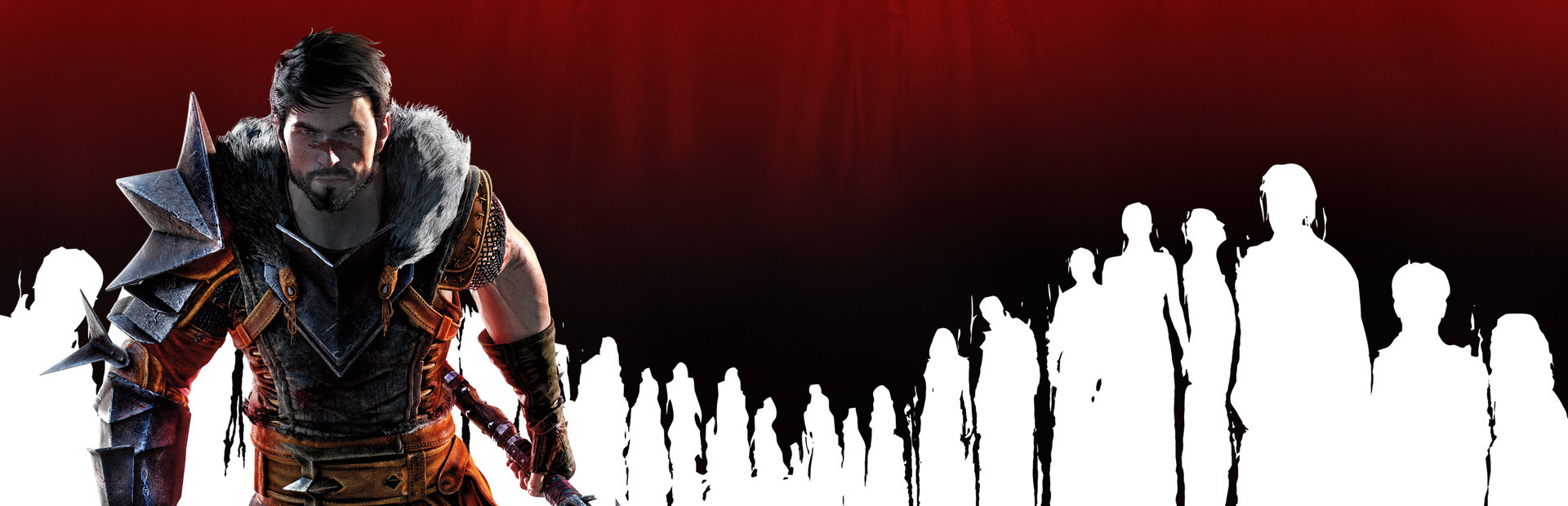
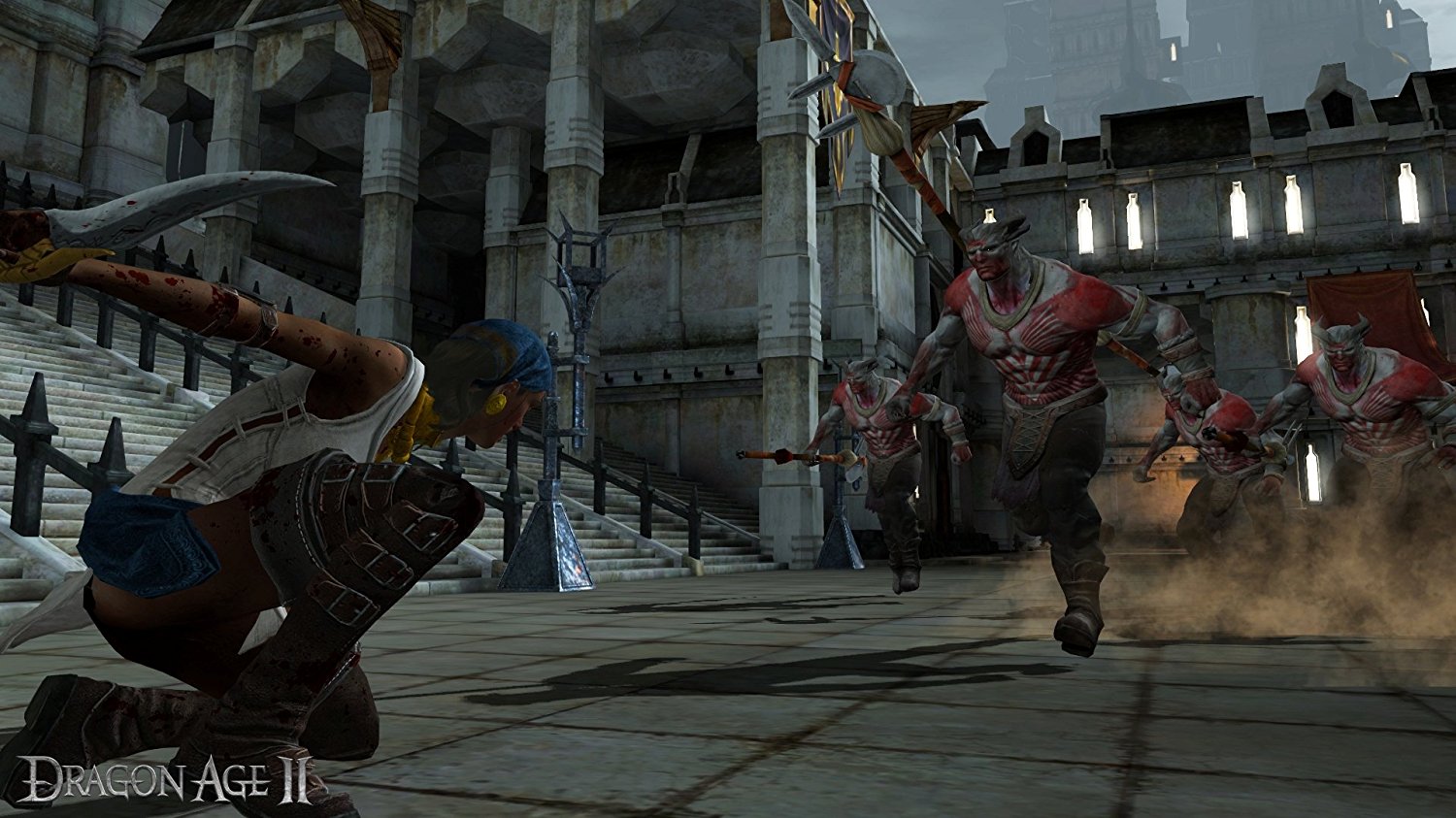
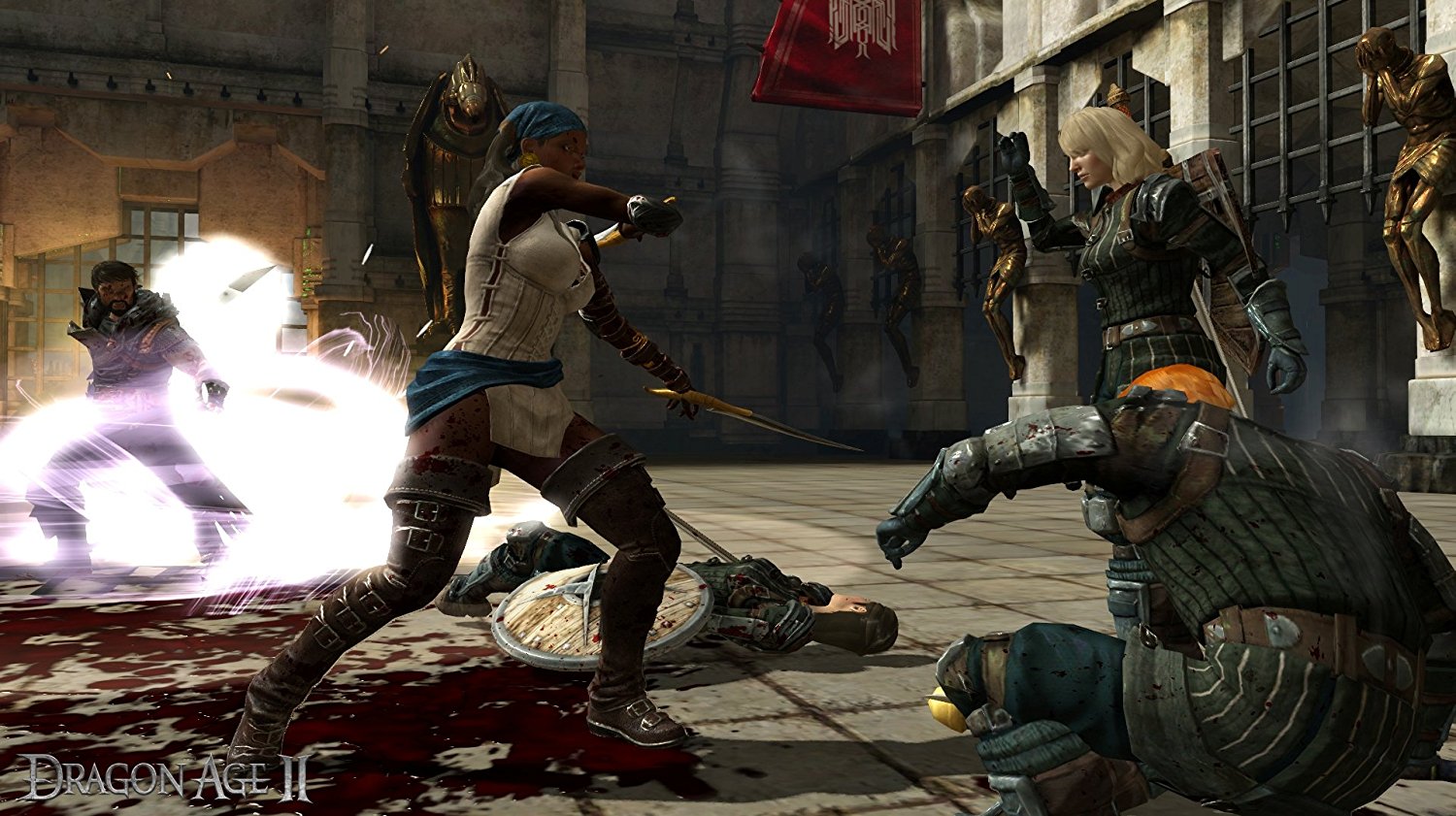
Dragon Age: Origins was Bioware’s gift to gamers missing the old action RPGs of yonder, such as Diablo, Baldur’s Gate, and Icewind Dale. Dragon Age II has come along and is really a love it or hate it type of thing. It’s almost nothing like Origins, but there’s a lot of good in this as well. The game does have more flaws than the original, but I will get to those later.
DA2 tells the story of Hawke, who is the Champion of Kirkwall, in events that take place right after the last game. DA2 really concentrates on a more personal level with the companions and Hawke instead of an overall save-the-world-type story. The Darkspawn play a very small role in this story, and you only encounter them a few times. Don’t mistake DA2 for a poor linear story because the moral outcomes become the usual Bioware head-scratchers, and as the game goes on, your choices make bigger and bigger impacts. The story is broken up into three acts, which respectively have you rising to power, using that power, and finally completely unleashing your abilities as Champion of Kirkwall to either save the mages or help the Templars destroy them. The character in DA2 is absolutely amazing in both looks and personality, plus some cameos and appearances from the last game. You really get attached to each one and want to use them all during battle.
The story is probably the best thing going for DA2, but it does have a bit of a slow start. If you are used to Origin’s huge, overarching story, you might actually get bored for a while with this one. Little things help influence the story, like romances (yes, gay romances work here), but there are so many choices during the dialog that the story could turn in so many different directions, so you always feel like you have complete control. The dialog is more like Mass Effect with a wheel that has several options. You can choose from the usual good/bad dialog, but a new sarcastic one has been added in the middle, and I always chose these because they were just clever. Just like any Bioware game, relationships with characters can also impact dialog and give you advantages or disadvantages depending on that.
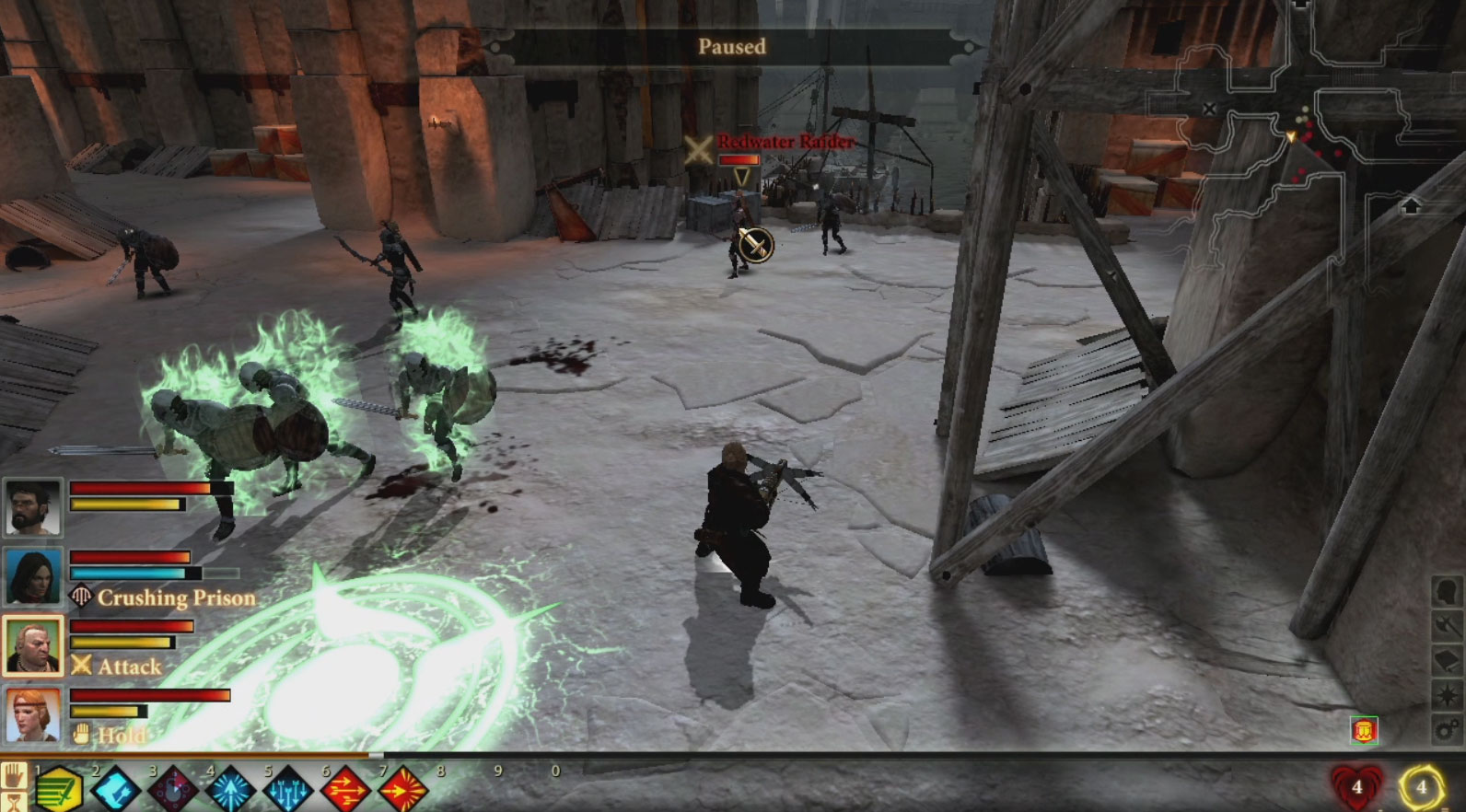
So, if you go into DA2 expecting an excellent story, you won’t be upset there. What you will probably hate are the more action-oriented combat and the more linear and repetitive environments. The combat has fast, fluid animations instead of the clumsy combat from Origins. Characters strike hard and fast, and there is a lot of gore, which I didn’t mind. Of course, you can have up to ten quick slots equipped for abilities, and the new tree is very intuitive. There are different ability classes, and then each ability can also be upgraded within that. Loot collecting and leveling up work just like in Origins, including junk, but you can’t equip armor on companions. Yeah, it’s one of those “What the hell?” type issues with the game. Sure, you can add runes to their armor and weapons, but just don’t expect to change their armor.
There are a lot of changes from Origins that really shouldn’t have been touched, including the linear and extremely repetitive environments. You move around a map and just follow the arrow on your map to each goal. Since you are just in Kirkwall, you are moving around the same hallway dungeons and the same main map cities. After Act 1, you have probably seen 75% of the game. I really missed the open areas from Origins and the feeling of being in an open world. Sure, the graphics got a huge upgrade, and it all looks nice, but there isn’t much variety. What disappointed me more than anything else in the game were the repetitive areas that kept you strictly in Kirkwall. There are some outdoor environments, but don’t expect a lot of them. There is also constant loading between areas, and this drove me nuts early on.
Of course, there’s a lot of good looting and resource collection, and you can use poisons and grenades like before, but what I hate still is the potion cooldown times that are set at 30 seconds. This can make hard boss fights very frustrating because later on you’ll have a ton of money and have over 100 potions, but you can only use one every 30 seconds, and this goes for stamina droughts as well. The only thing I like about the new combat system is its faster pace and speed. There are so many abilities that you won’t even unlock them all in one play-through.
Overall, DA2 feels like a Dragon Age game, but that nostalgic feeling from Origins is gone, and I really missed that. DA2 will keep you busy for a good 30+ hours, and there are even some great side quests. The visuals are great with DirectX 11 support and high-resolution textures on the PC, so if you have the rig, this is the way to go. However, the graphics seem more sterile than Origins due to linearity, so it loses its charm in that area a bit. I highly recommend DA2 to fans of the past game, but don’t expect this to be a true-to-life sequel.
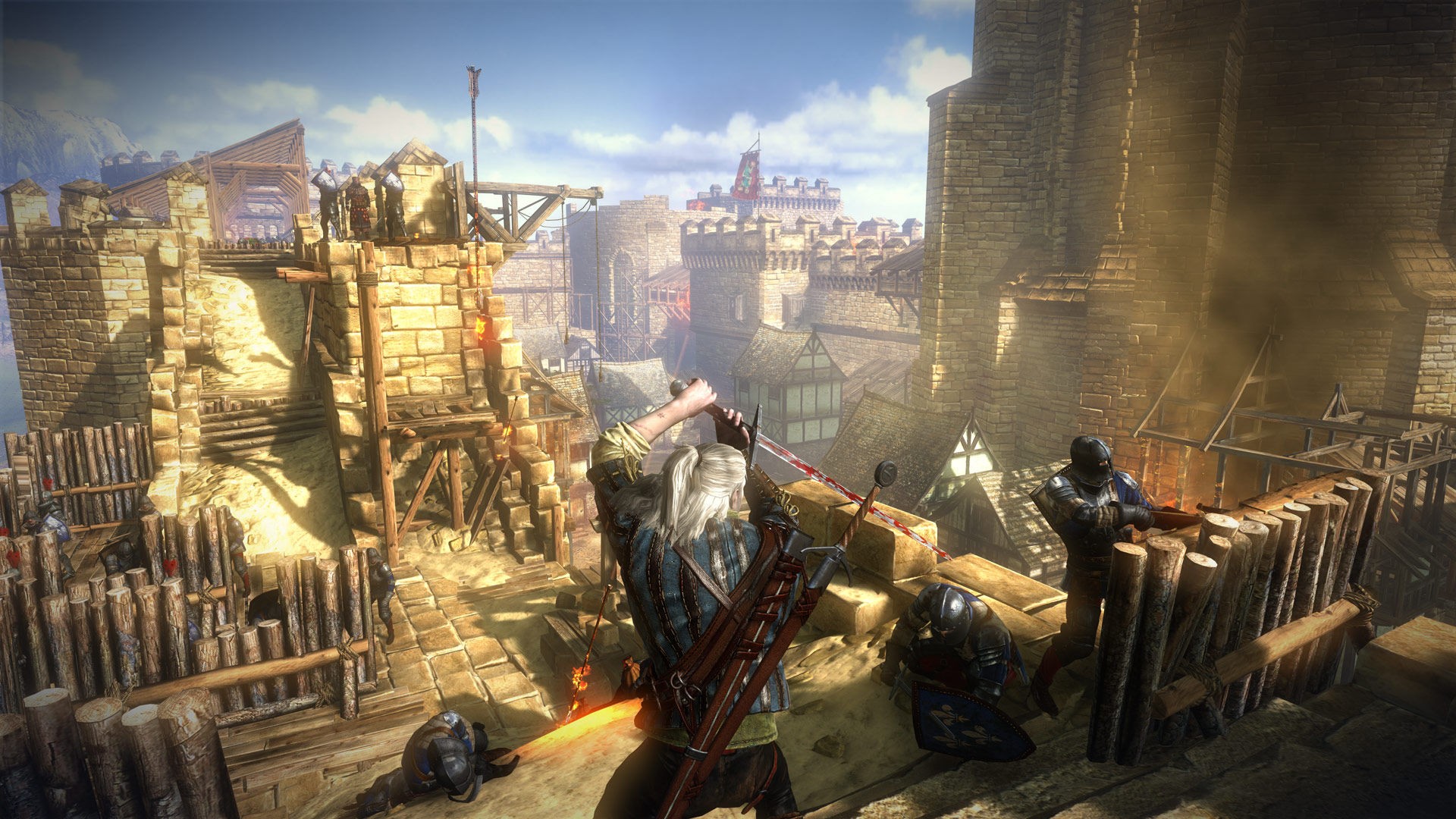
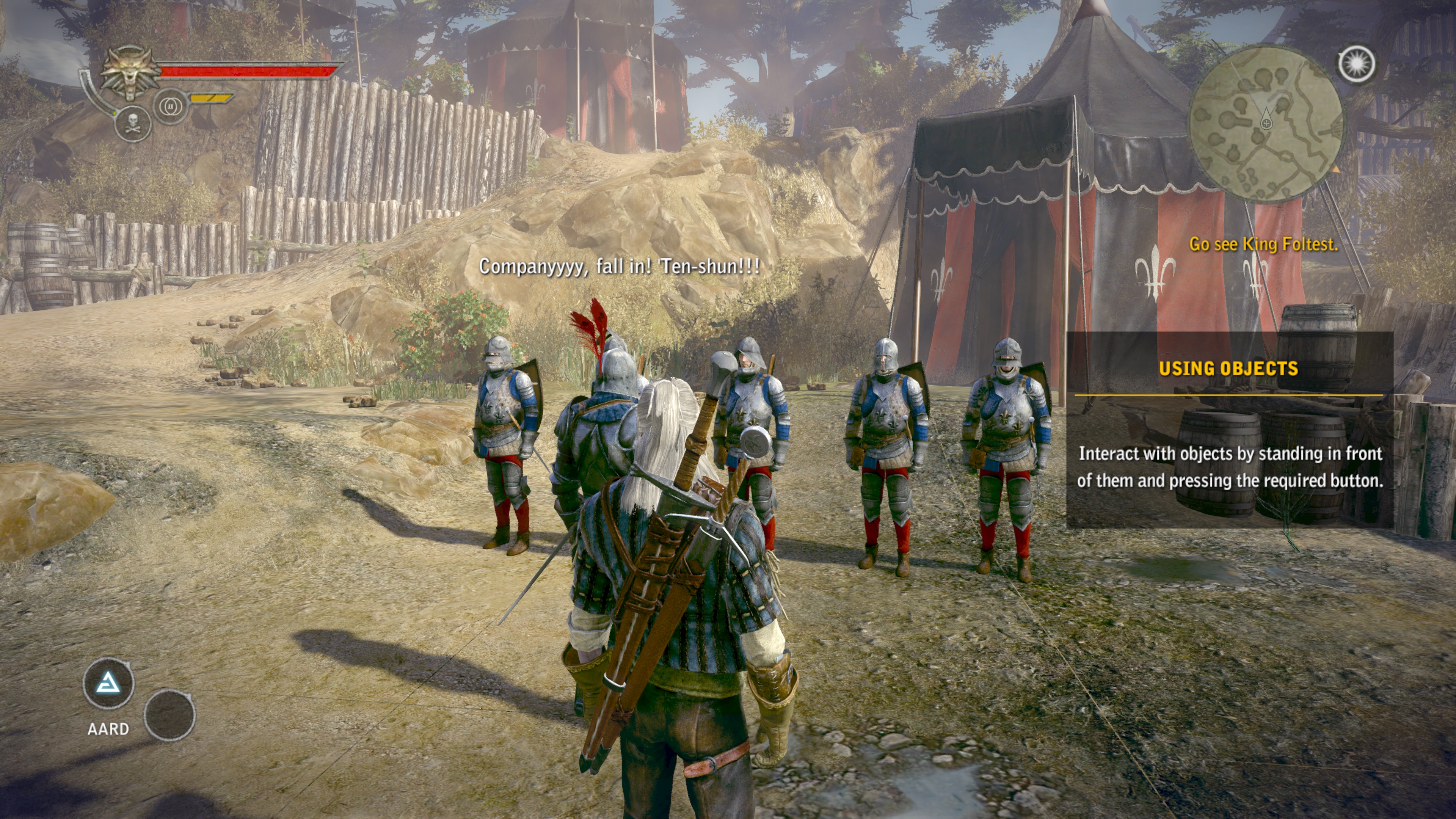
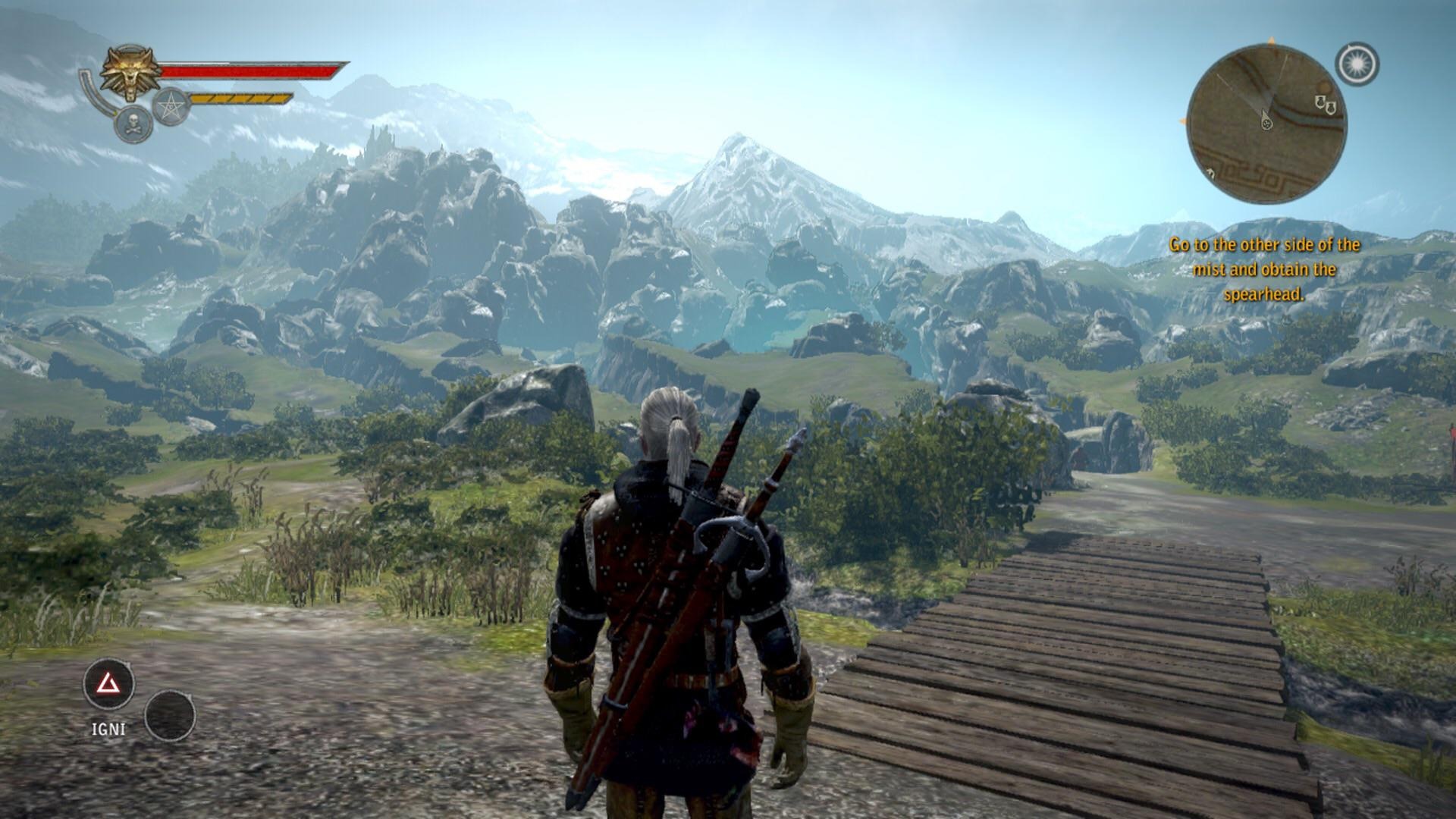
Action RPGs these days are really iffy due to the fact that they tend to feel too formulaic. They usually have good stories, but the graphics are horrible, the combat is clumsy, and the quest system is yawn-worthy. The Witcher 2 takes what was great from the first and makes it even better to form one of the greatest action RPGs of this generation.
You play, once again, as Geralt of Rivia, a witch who got framed for assassinating King Demavend and must prove his innocence. The story is heavy on politics but is also very deep and feels just like the novels. Triss Merrigold also returns with her beautiful red hair and all. You will also see other familiar faces, such as Zoltan Chivay and Dandelion. The new faces are strong, likable, and memorable characters that you will grow to love or hate, respectively, throughout the course of this 20- to 30-hhour game. Geralt himself is even stronger this time around, with more problems than you can shake a stick at. You learn to respect him more and see just how much this poor man can take. CD Projekt really shows you the roots of both good and evil in humanity in such a realistic fashion, and that’s what really drives the characters home.
The combat in The Witcher 2 is better than the first game because gone are the timed sword swings and stances. You now just have light and heavy attacks, but you can block and counter-attack (when you unlock the skill), and you still use the steel/silver sword combo. Steel is for people, and silver is for monsters. Combat was very hard to do when the game first launched, but patches as of late have fixed this for multiple blocking and faster responses. The combat isn’t great and is clumsy, especially early on when you aren’t very strong and towards the end of the game. Combat will make you smash your monitor in frustration in the beginning because you have to learn to just hit once or twice, dodge, run around, hit another couple of times, rinse, and repeat 50 times. Yeah, it’s one of those games in the beginning. After you level up enough, you can cut down enemies in just a couple of swings, and groups of 7–10 won’t really bother you.
Of course, you can equip better armor, weapons, and so forth, but The Witcher lets you do other things like equipping trophies that are found on bosses that increase stats, using sword enhancements such as oils, whetstones, runes, and armor enhancements (kind of like Monster Hunter?). This adds a lot of depth to the customization of your loadout, which has endless possibilities. I think the biggest improvement is resource gathering and alchemy because it’s so simple and easy now. Just gather resources as you go, and you can meditate and create potions that increase your vigor (for signs; more on that later), vitality (health), a potion that lets you see in the dark, damage-increasing potions, etc. The only problem is that you can’t drink them from the menu; you have to use them before a fight. This is my biggest beef with the game because if you are low on health in a fight, you’re screwed unless you took a swallow potion beforehand. The premeditated potion drinking is a big flaw in the game, I think, but some hardcore RPG players may like this.
The Witcher is also famous for its signs because witchers can’t use magic like sorcerers or mages can. There are six different signs, and they use chunks of vigor but recharge over time. These signs are vital to winning in combat, especially against bosses, so learn to use them in tandem with sword combos, and you can win even the toughest fights. One last thing you can use in combat is Places of Power, which you find with your wolf medallion. Activate it, and you may find, out in the woods or in wild places, signs of power that give you temporary stat boosts. These come in handy early in the game (especially in Flotsam) when you are at a low level.
The story also has moral decisions thrown in there that really change the outcome of the story. Of course, there are multiple playthroughs (but no new game, sadly), so you can see what each decision will bring. There are a lot of plot holes in the story that aren’t filled until the very end during dialog, which I found odd, so if you get confused, just hang in there until the final moments of the game. Overall, my biggest issue is the potion use, combat, and the huge difficulty spikes. The graphics are groundbreaking, with gorgeous lighting, highly detailed textures, amazing landscapes, and varied environments with nice weather effects. The character models look superb, and the voice acting is top-notch. This game just shows that indie developers can make games look great. You do need a monster rig to run the game on high settings (especially with Ubersampling enabling you to probably need dual GPUs and a high-end quad-core CPU). Other than that, The Witcher 2 is amazing in every way and should not be missed by anyone.
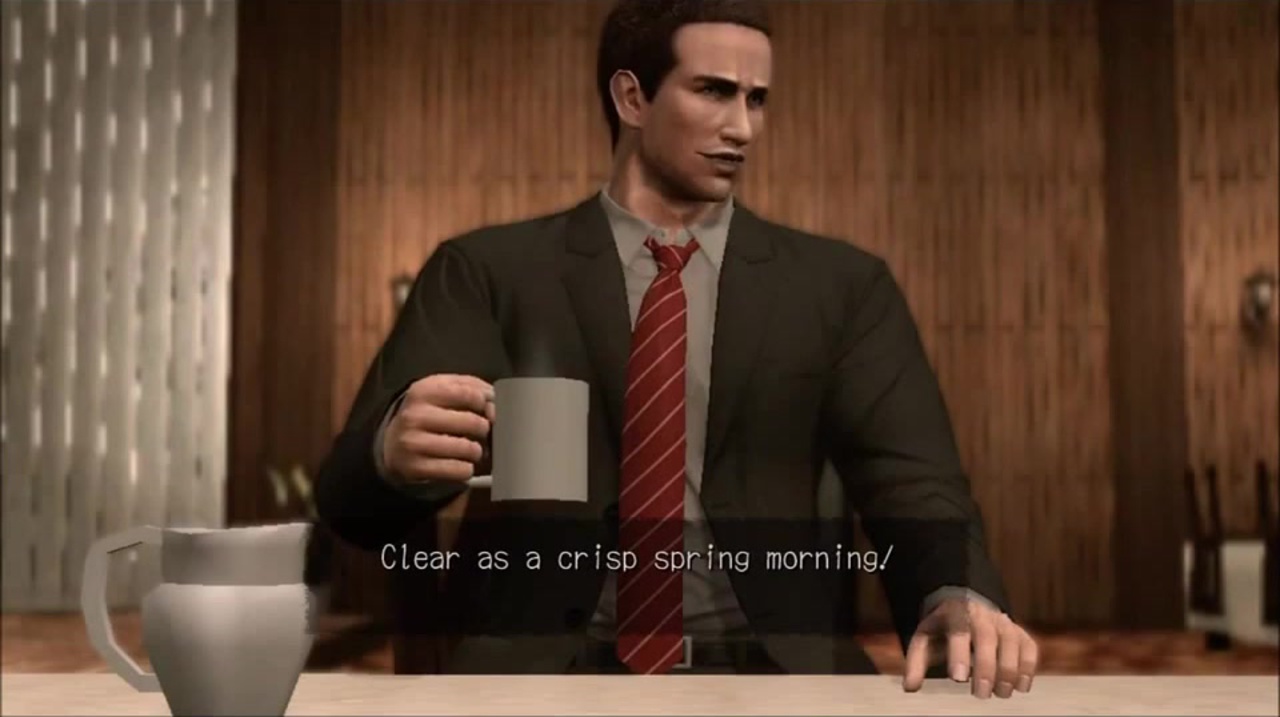
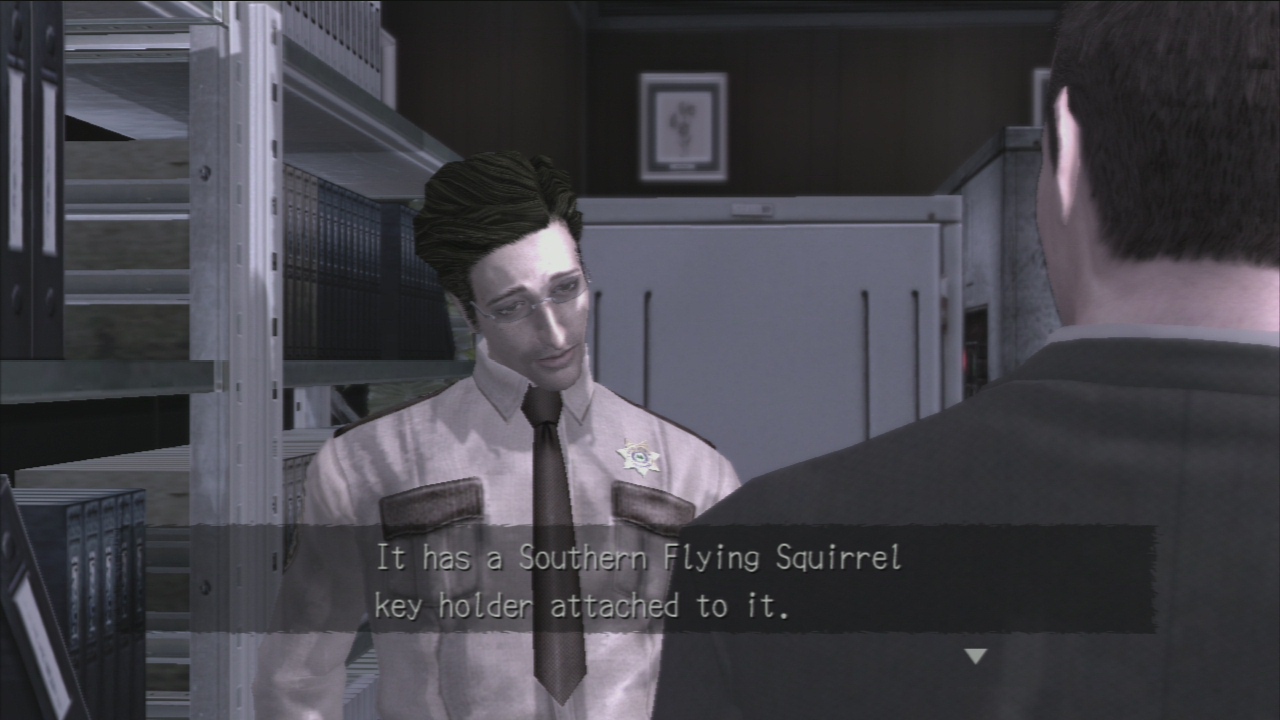
If you believe in “story over graphics,” this game is the epitome of that. It always saddens me how indie games can’t get AAA budgets because there are some out there that have better elements than AAA titles. Deadly Premonition is one of them when it comes to story, characters, and atmosphere. The game looks, plays, and feels like a pre-2003 PS2 game and is just downright ugly. I’ll get to that later, but right now you have to know how excellent this riveting story is. You play FBI agent Francis York Morgan, who is investigating a murder in the small countryside town of Greenvale. You meet the Sheriff and other citizens throughout the game, and the story is always unwinding with plot twists and revealing dark secrets about every single character.
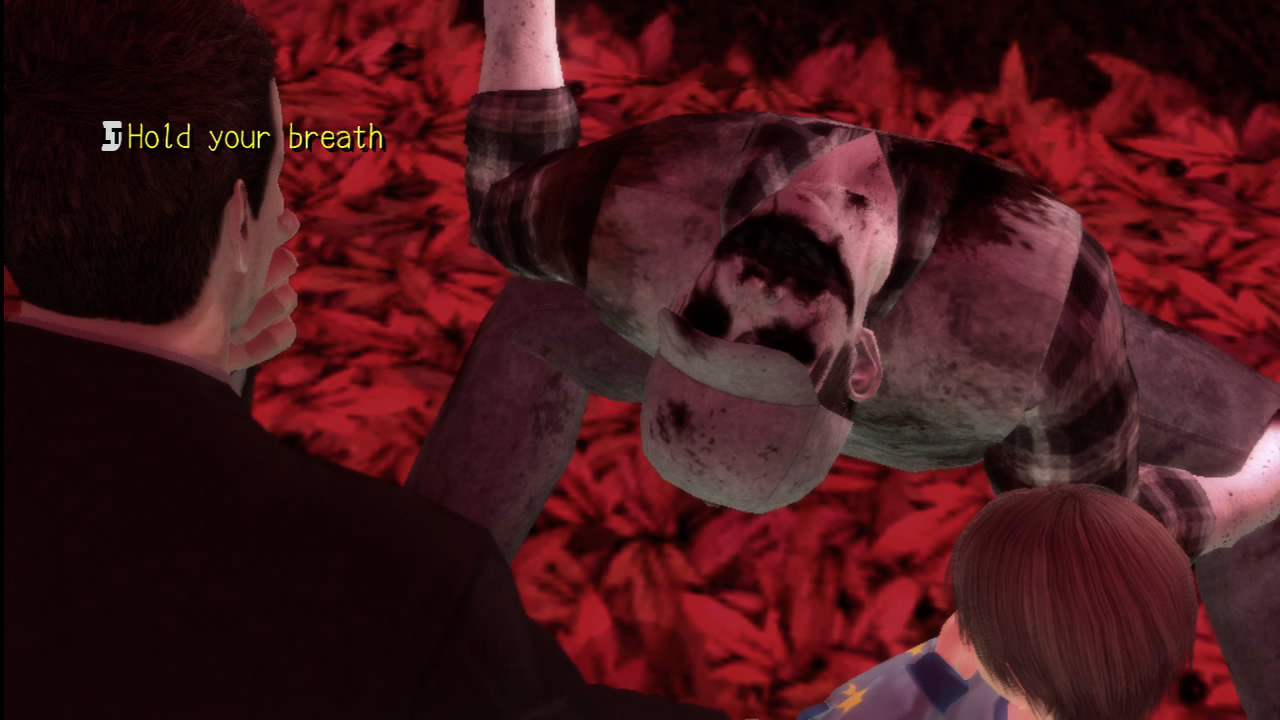
The premise is a legend of the Raincoat Killer that rampaged through the town in the 1950s. It appears that there is a “New Raincoat Killer” mimicking the old one, and Morgan must stop this guy before he kills everyone Morgan grows close to. There are two parts to the game: driving around the regular world and entering the “Other World” to investigate crime scenes and find clues. This “Other World” is a lot like Silent Hill’s, but the game never explains what this world is or why it appears in the town. I hate how that was never answered, so it feels like it may just be tacked on. When you are in this “other world,” you get to use your guns and shoot creepy zombies. These zombies are really brain-dead and can only really hurt you if you are overwhelmed or backed into a corner. The AI is cheap, but that’s fine because you just want to know more of the story.
When you enter this world, Morgan will start profiling fuzzy clues together, and it’s up to you to find them, but thankfully the game scraps Silent Hill’s labyrinthine maze-like levels for straightforward linear ones, and I never got lost. There are red areas that show where to go, so you never get lost. The puzzles are very simple and don’t even require exercising your cerebral cortex, but it’s OK because you just want the game to move on to uncover more of the juicy story. The controls are very unintuitive, but the game works around them, so it’s never really frustrating. You hold X down to run, but you hold down RT to aim and A to attack, but LT is to lock on. The controls are strange and archaic, but they work for the most part. The weapons are your typical survival horror stuff like shotguns, pistols, and melee weapons, so don’t expect much in that regard.
The rest of the game is completely boring and downright yawn-inducing. Driving around Greenvale from place to place will make you fall asleep because the cars feel, sound, and drive like something from pre-2000 games. The game doesn’t even use real-time or dynamic lighting, but static lighting! Cones for headlights? I felt like I was playing a PS1 game sometimes. The cars sound like dying lawnmowers and drive like one too. There aren’t any people walking around, and the cars appear out of nowhere, like they just came out of hyperdrive. The developers even put in side quests and some sort of collectible card hunt, but why would you bore yourself so much? It’s dry, dull, and just not fun at all.
There are some RPG elements like having to watch Morgan’s hunger, tiredness, and even how dirty his suit gets, plus you can shave. Yeah, it’s WTF moments that are thrown in like that that really make no sense. They are unnecessary, but hey, they’re there. What really saves Deadly Premonition is that the developers knew the game’s flaws and built everything to accommodate them, like quick-time events during boss fights instead of a dodge button. It makes the game very playable, and I applaud them for doing this.
The only reason to trudge through is for the amazing story. You really care about the characters, and there is some freaky crap in this game that would even put some stuff in Silent Hill to shame. The game does drag a little bit with about 15 hours of gameplay, but they could have cut the fat out and made it about 8–10 if there wasn’t the terrible “open-world” part thrown in. If you can forgive horrible graphics, terrible animations, abysmal sounds, and archaic controls, you will be rewarded with a thrilling and deep story that is unforgettable.
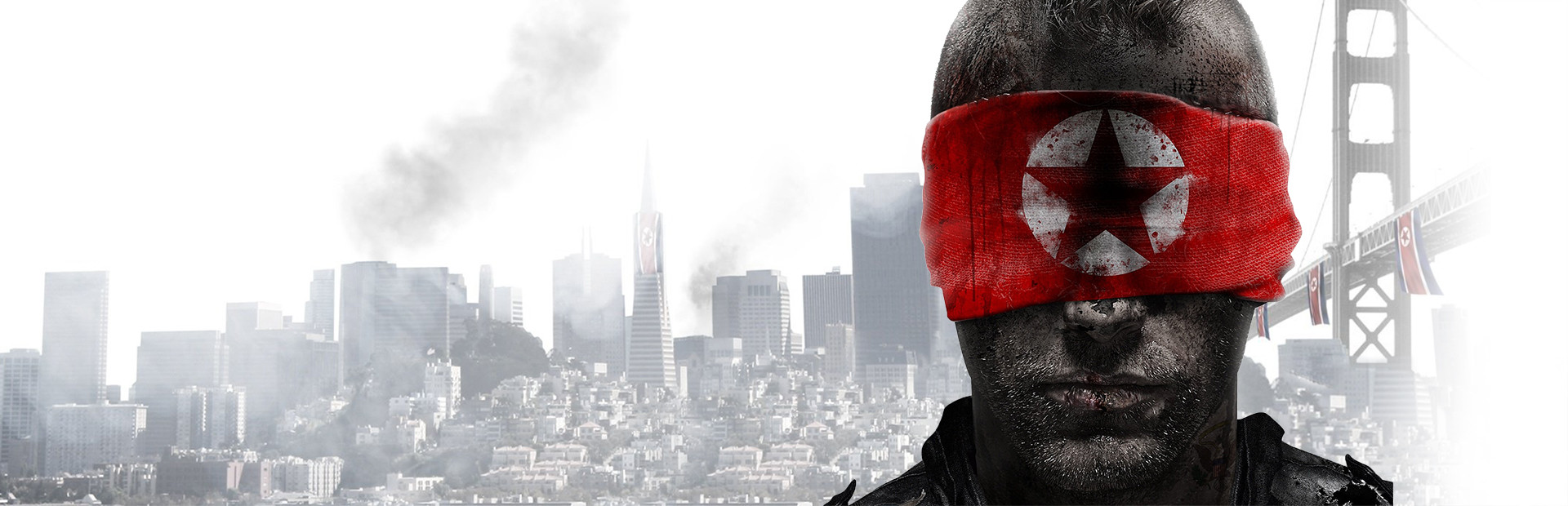
First-person shooters are trying to get smarter, but being the most criticized genre in the game industry is not easy. Homefront tries to deter this but delivers a sickeningly surreal atmosphere never really delivered in an FPS before. The writer of Red Dawn creates a too-close-for-comfort storyline where North Korea tries to take over the world in 2027. The beginning cut scene set this up in a scary way with live-action footage (both real and made up) of how North Korea allied with the south and then made friends with our enemies. They used an EMP satellite to knock out our defenses, and that’s where the game begins.
You play Robert Jacobs in Montrose, Colorado. You start out in a wrecked home, and the Norks (as they’re called in the game) take you as a prisoner and stick you in a bus. As you’re driving down the road, you see the horrors that the Koreans are doing. This is where it really starts to hit home because this is America, and the game is so detailed that it looks like it, not just some bland, everyday country. You see people getting lined up and shot, and this is the part where you really feel the atmosphere. A child has to watch as his mother and father are executed. They tell him to look away, and it’s OK, and then you hear blood-curdling screams from the child as the Koreans walk away. It’s heartbreaking, and it’s like this throughout most of the game.
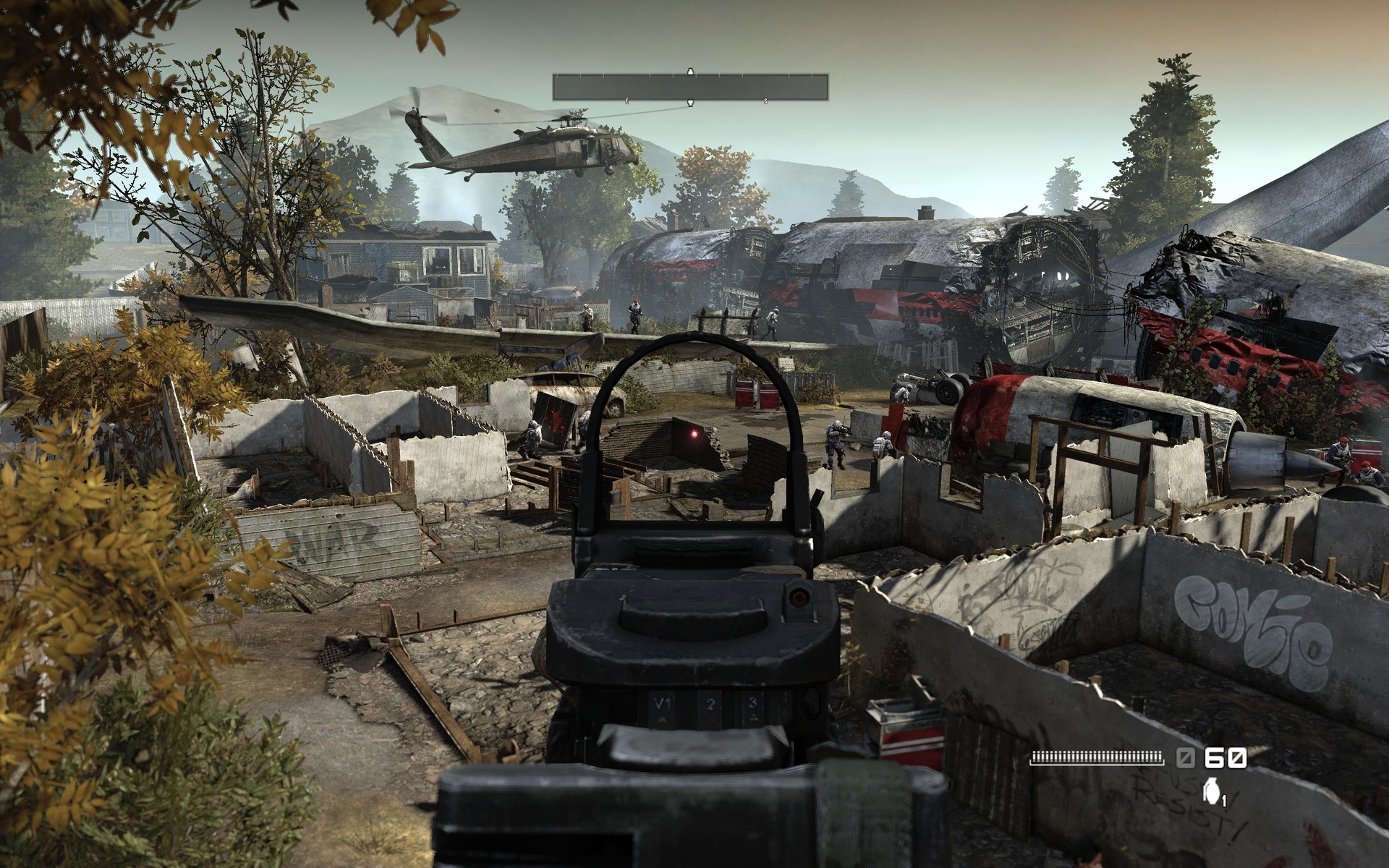
Yes, I said most of the game. After you get halfway through, it kind of forgets its atmosphere (mainly when you get to San Francisco for the main fight), but the first half really gets to you. I’ve never hated an enemy more in a shooter than in Homefront, and thanks to the detailed world, you feel like you are nobody trying to fight something you can’t beat. That’s also another great part of Homefront; it takes you along and makes you feel like you accomplished something, only to tear you down and make you feel helpless again. Other than the incredible atmosphere, it’s a standard shooter, for sure.
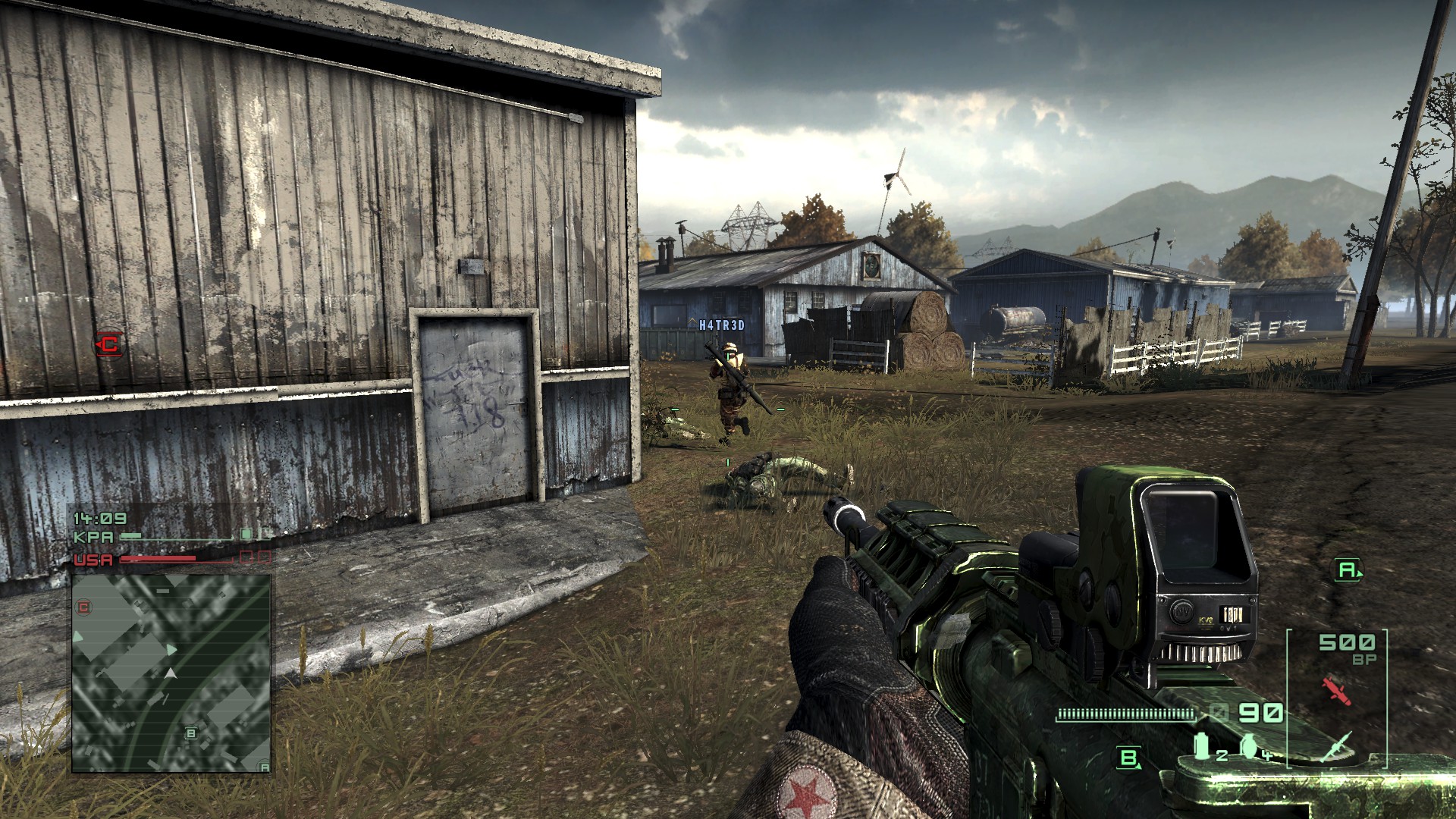
You have standard military weapons, but they feel good to shoot and have a good punch and weight to them. There are a lot of them, and you have to use them in a strategic way and where they best fit. I love shooters that do this, so it doesn’t just feel like a rail shooter. The AI is also good at hiding and trying to draw you out of cover with grenades, so there’s quite a challenge here. Thanks to constantly changing environments and a mix-up of vehicle shooting, you never feel bored.
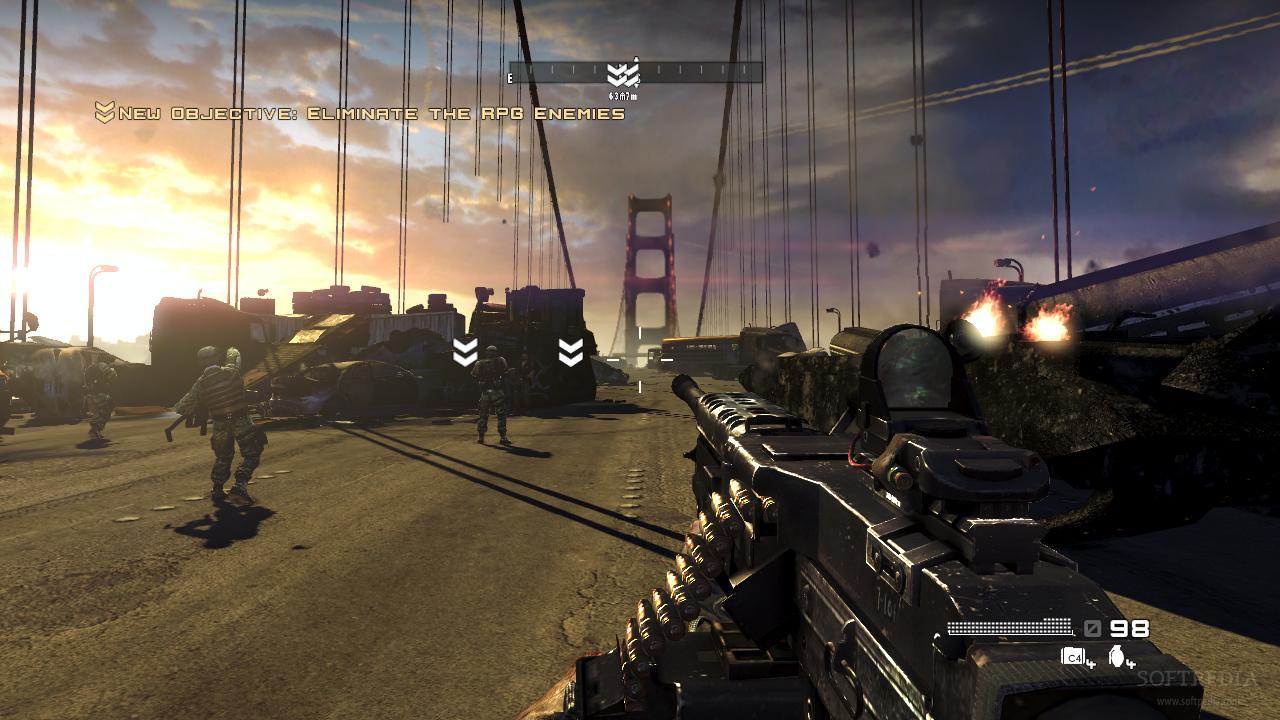
Some sections have you shooting from a mounted machine gun on a vehicle, some have you controlling a Humvee-type vehicle, and towards the end of the game, you get to fly a kick-ass helicopter that you can fully control. There are some stealth sections, but they feel dated because you just follow the NPCs around scripted paths, so you can’t really get caught, but they are tense thanks to the atmosphere of the game. There are some sniper sections as well, but overall, it all gets super intense, and the climax is grand thanks to the huge battle on the Golden Gate bridge at the end.
And then it ends just like that. Obviously, it’s open for a sequel, but I hate abrupt endings, and the campaign is fairly short, with only about 4-6 hours to the finish. Homefront could have added some new elements to the genre, but there’s nothing exciting here gameplay-wise, and it loses steam towards the end. The game looks fantastic even though it uses the Unreal 3 Engine, but the game is highly detailed, and that’s what sells it. The multiplayer is a standard affair but isn’t nearly as exciting as the single-player, so after a while, you just move on. For people into atmospheric shooters, Homefront sets the bar, but only for a while.




































 thebinarymessiah.com

Try multiplayer. A lot of fun !