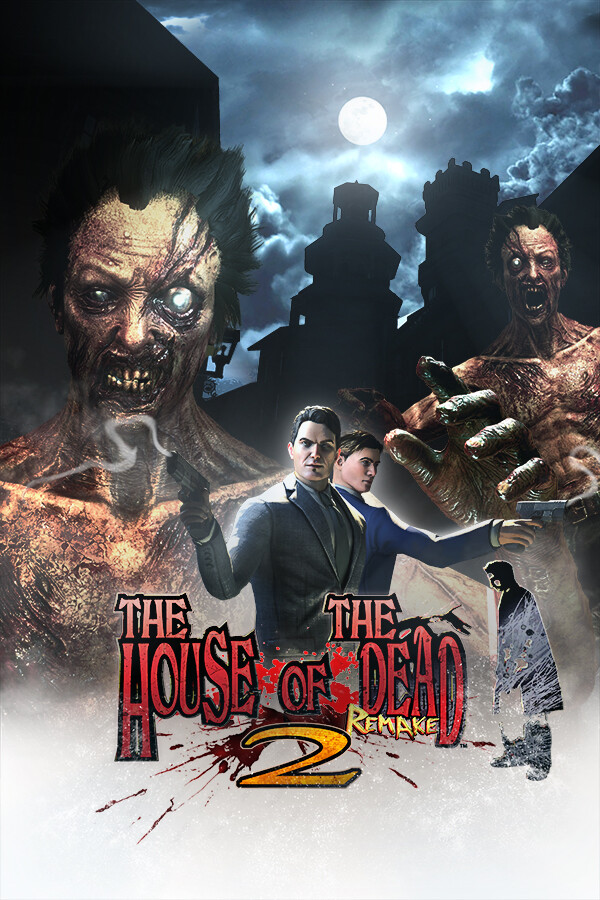
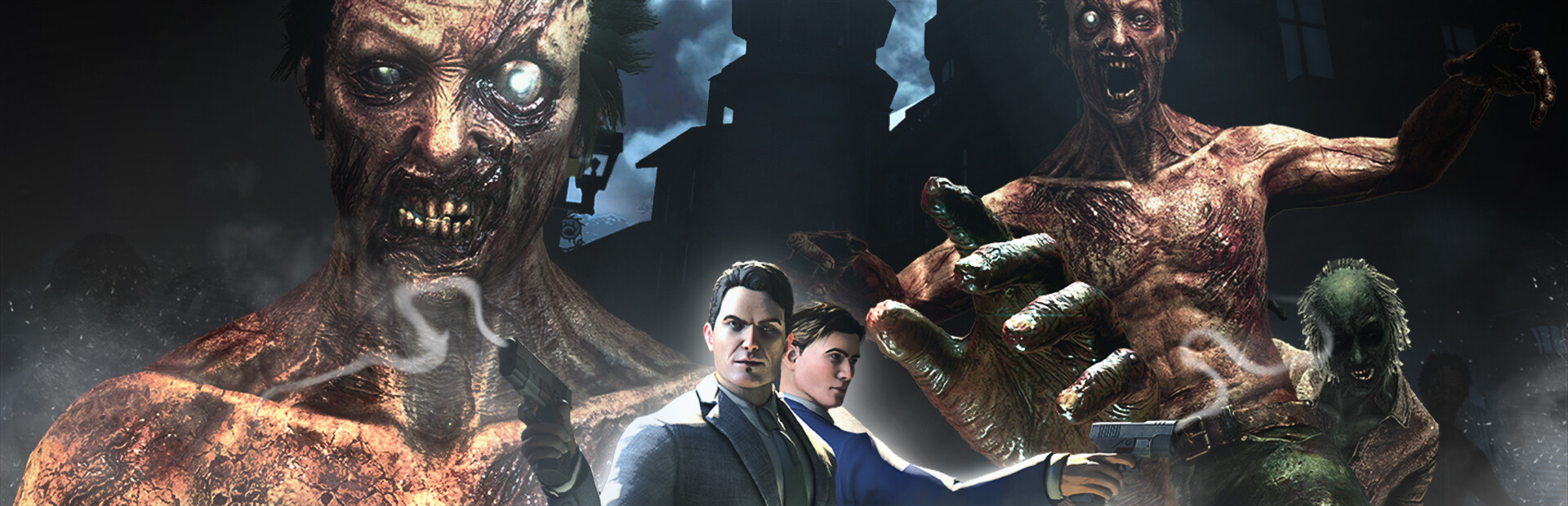
The House of the Dead is one of the kings of the arcades. This co-op light gun game is a classic with great gameplay, cool monsters, and cutting-edge visuals for the time. The House of the Dead 2 is considered one of the best and was one of the first games in the series to be ported to consoles. There was also a typing version of this game for Dreamcast and PC that is considered great as well. With the original assets being lost, Forever Entertainment had to recreate the game from the ground up, and they did a pretty decent job. It’s not perfect, but it does the game justice and, with some patches, could be even better. The content is bare bones, there’s little extra, and there are some bugs and issues with the camera here and there, but it can be fixed or patched in.
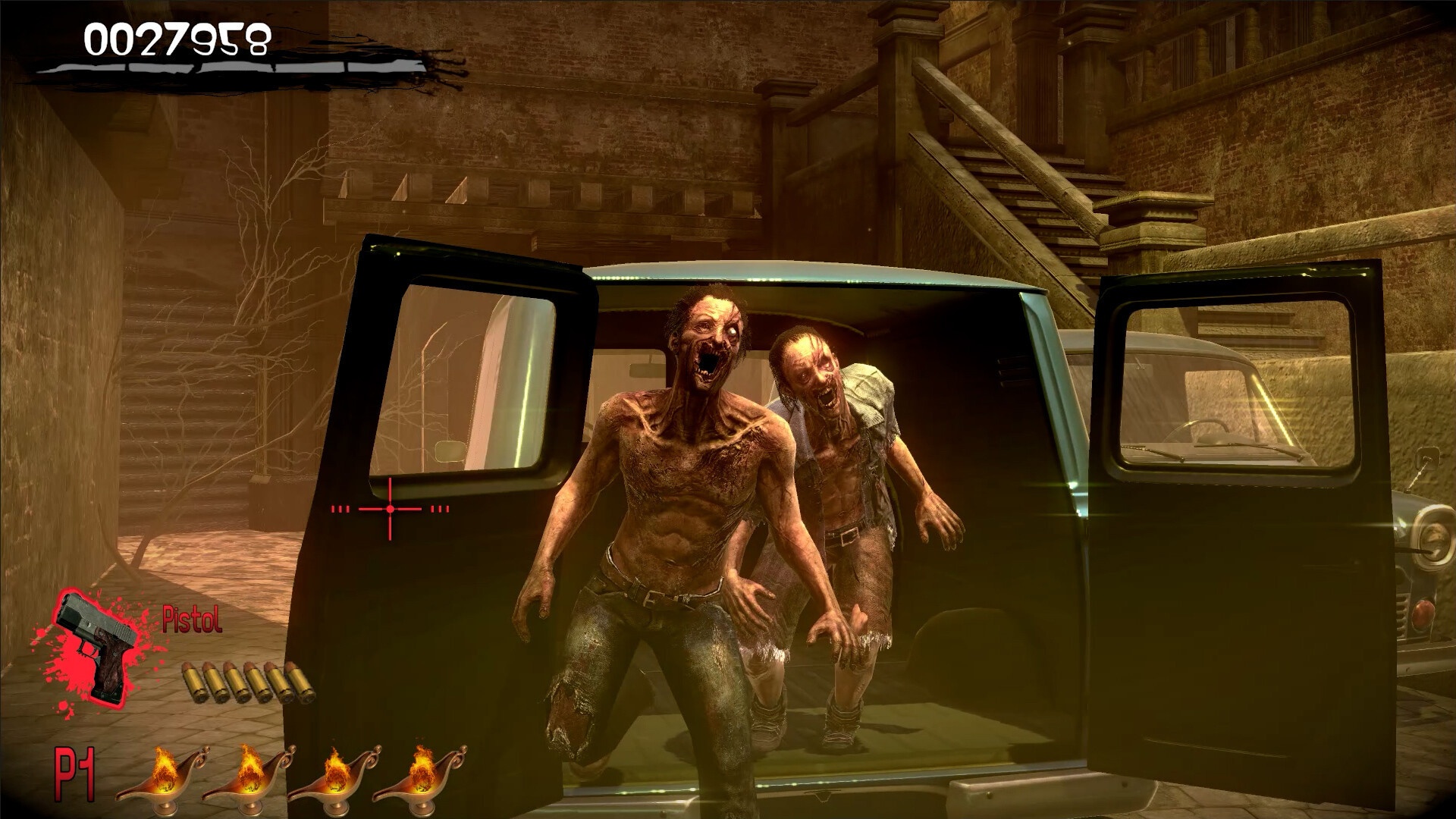
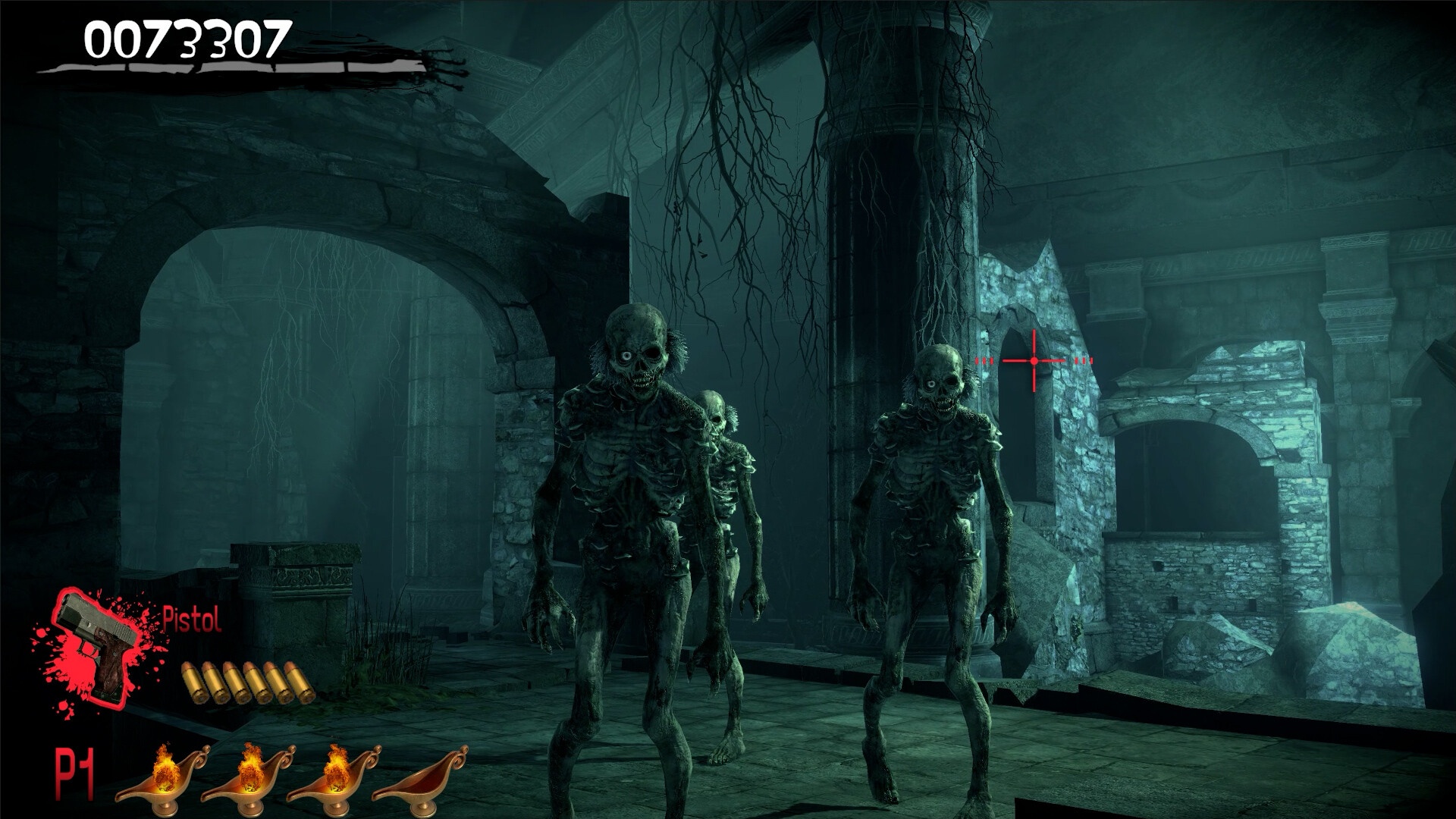
Just like the original, you can play as either James or Gary (different paths) and use your trusty pistol to fight off zombies. There are a good amount in the game, with some ranging from animals to sea creatures. This is a light rail game, so you don’t move the camera, only the reticle on screen. Using the PS5 DualSense is the best way to go, as you can use the motion sensor to aim, and the trigger effect is great for recreating the feeling of the light guns in the arcade. You can customize the controls and use the sticks or switch between the two. Circle is used to reload. This allows for quick action and speed that this game needs. Even on Very Easy, I died quite a bit towards the end. Each level lasts about 10 minutes. The goal is to shoot everything before it hits you. Enemies will melee attack or throw items. Some enemies take more hits than others. You can shoot red barrels to blow some up, but there is little environmental interaction, and I would have liked to have seen more with this remake. You can shoot random items to find hidden secrets such as weapons, bullet types, or passive upgrades like double points, health, credits, etc. You can save citizens and get health kits, weapons, and other items as well, but you need to act fast.
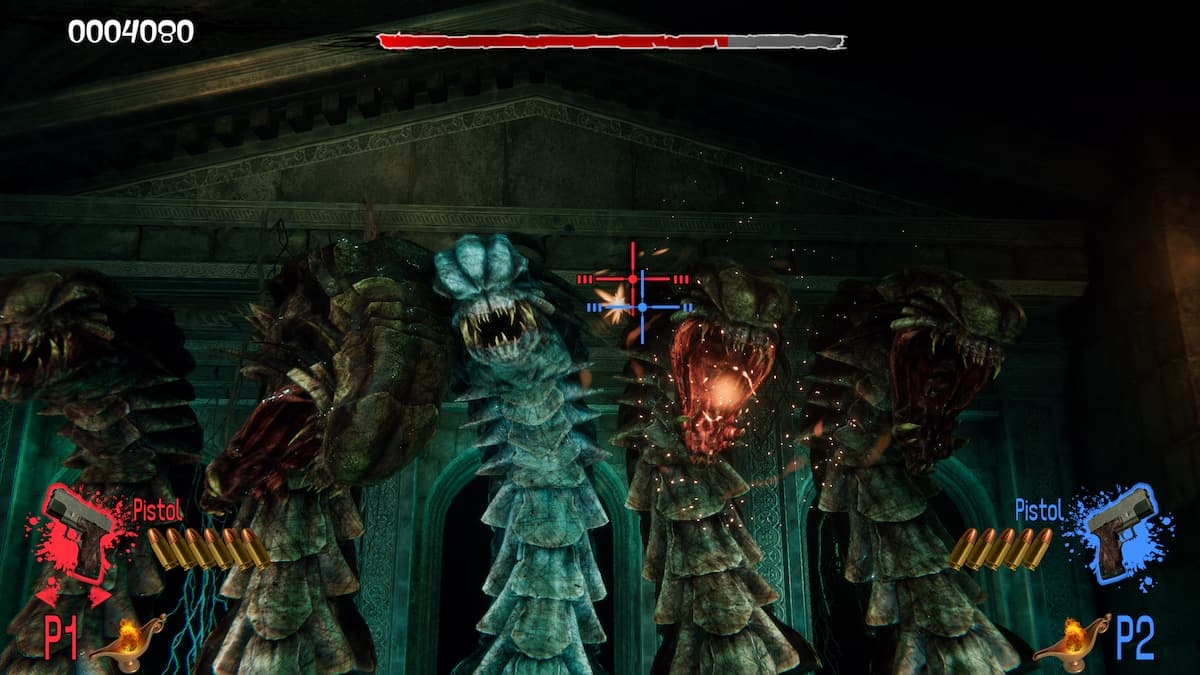
I found an issue with shooting enemies or containers in some scenes. The camera doesn’t linger long enough or doesn’t pan in a way that you can hit these items or enemies. I knew something was there, but I didn’t have nanosecond reflexes to grab the item. This really needs to be patched and fixed. I also found most of the bosses pretty lame to kill. For example, the hydra boss is just a game of wack-a-mole with no real challenge. Bosses have weak spots, and you need to either fire on them constantly or wait for an opening. This can make boss battles drag on as they only have a few attack patterns and are bullet sponges. I understand this was made for the arcade, but this could have been improved in the remake. The levels themselves vary and look really cool, and there’s a lot of detail in the monsters, and the cheese from the original carried over. The new voice acting is bad, but in a good way. The line delivery can be pretty funny, and the story is absolutely bonkers and makes no sense. A man named Goldman is somehow letting a deity take over the world. But what does this have to do with zombies? Where do they come from? It’s never explained and doesn’t need to be. There are only six levels, and you can breeze through them in less than an hour.
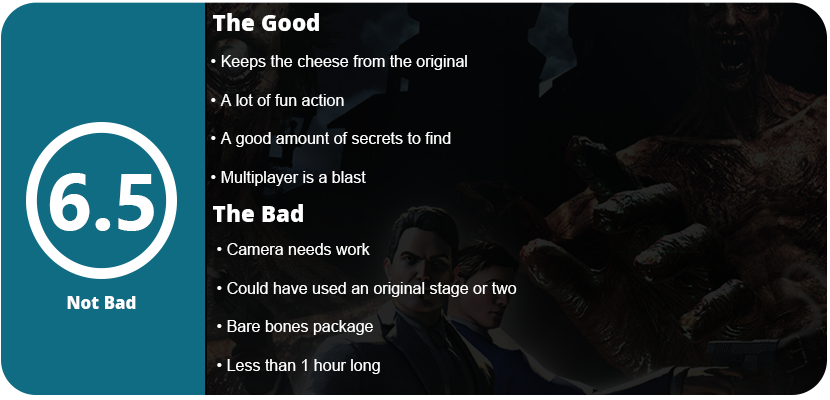
Of course, the game is easier with a friend and a blast to play. There a secret lab area in the main menu where you can see what you unlocked, but there’s nothing extra here. Just a modern classic mode and an arcade mode. For the asking price there’s not a lot of content here, and unless you are a huge light gun or The House of the Dead fan, most won’t find much value in this game. I ran into some bugs with water textures being purple, slowdown, and the aforementioned camera issues, but it’s not a terrible experience; it’s just the bare minimum.
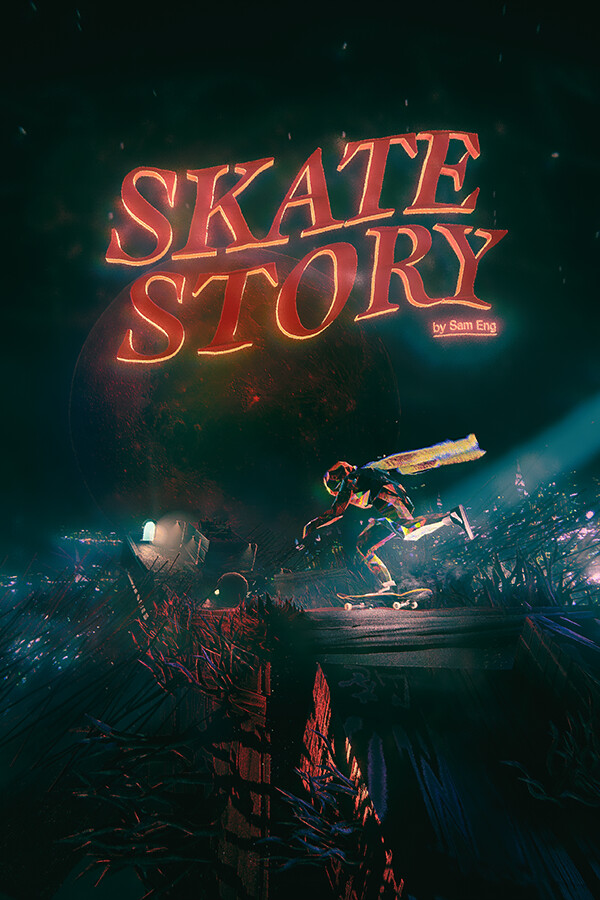
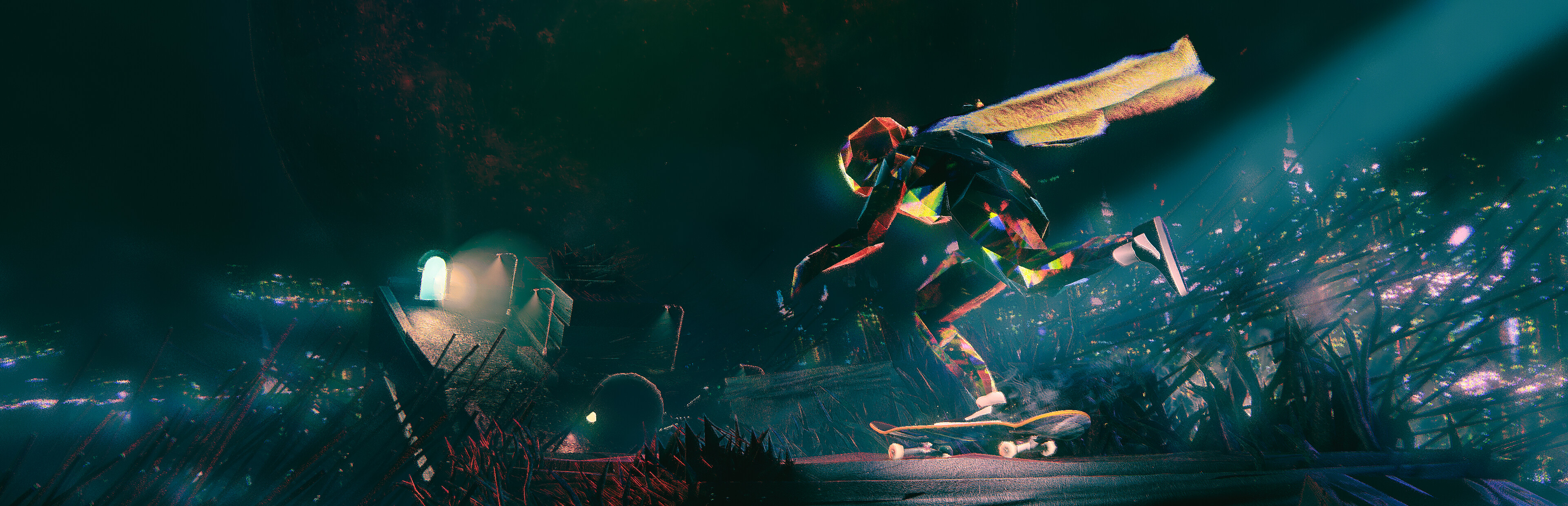
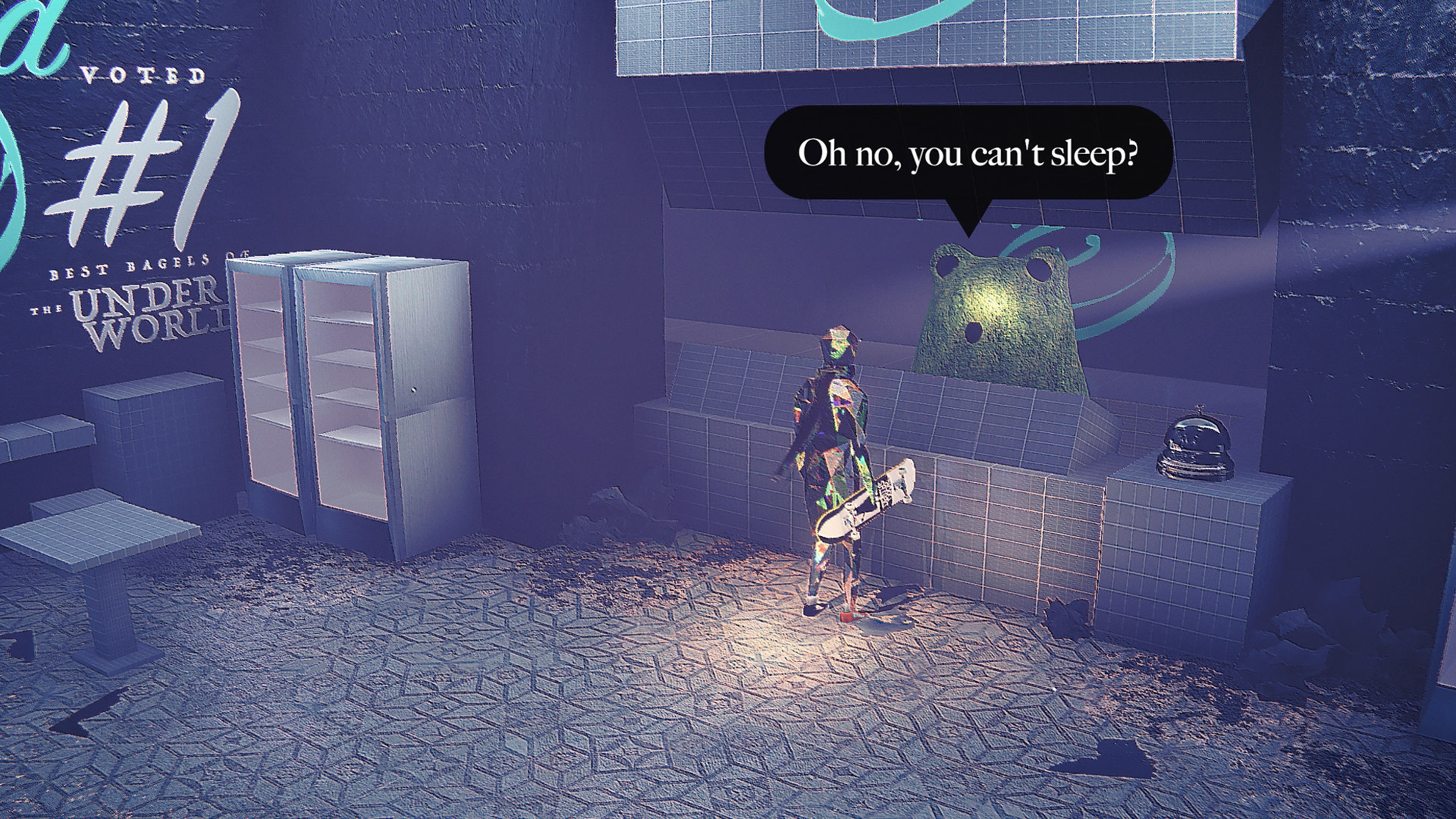
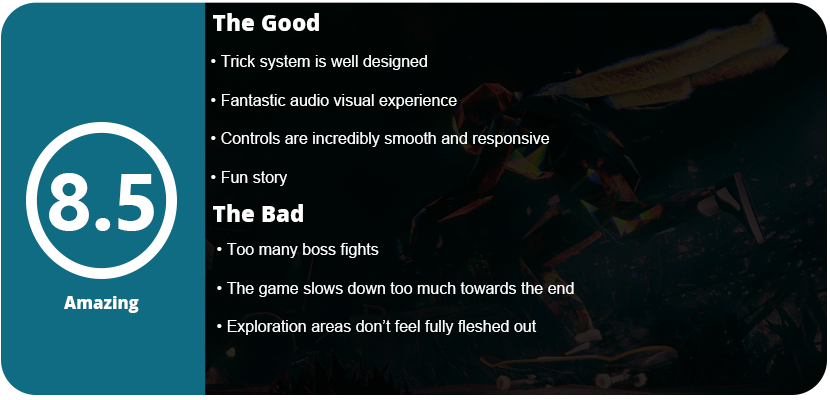
When you think of skateboarding, you usually think of grounded realism or arcade fun. Games like Skate or Tony Hawk’s Pro Skater come to mind. Maybe the more recent Session: Skate Sim. You wouldn’t think of fantastic music and trippy visuals, but here we are. Skate Story doesn’t just have a brand new trick system for skateboarding games that works, but it also works well within the confines of its own world. You are a glass demon who signs a contract with the devil to eat all of the moon in the underworld to bring eternal darkness, but in exchange you become full. The story kind of plays a backseat to the rest of the game, but it’s moody and dark and has enough value to pay attention to. There are some pretty dark themes tossed in like depression, hopelessness, and impending doom.
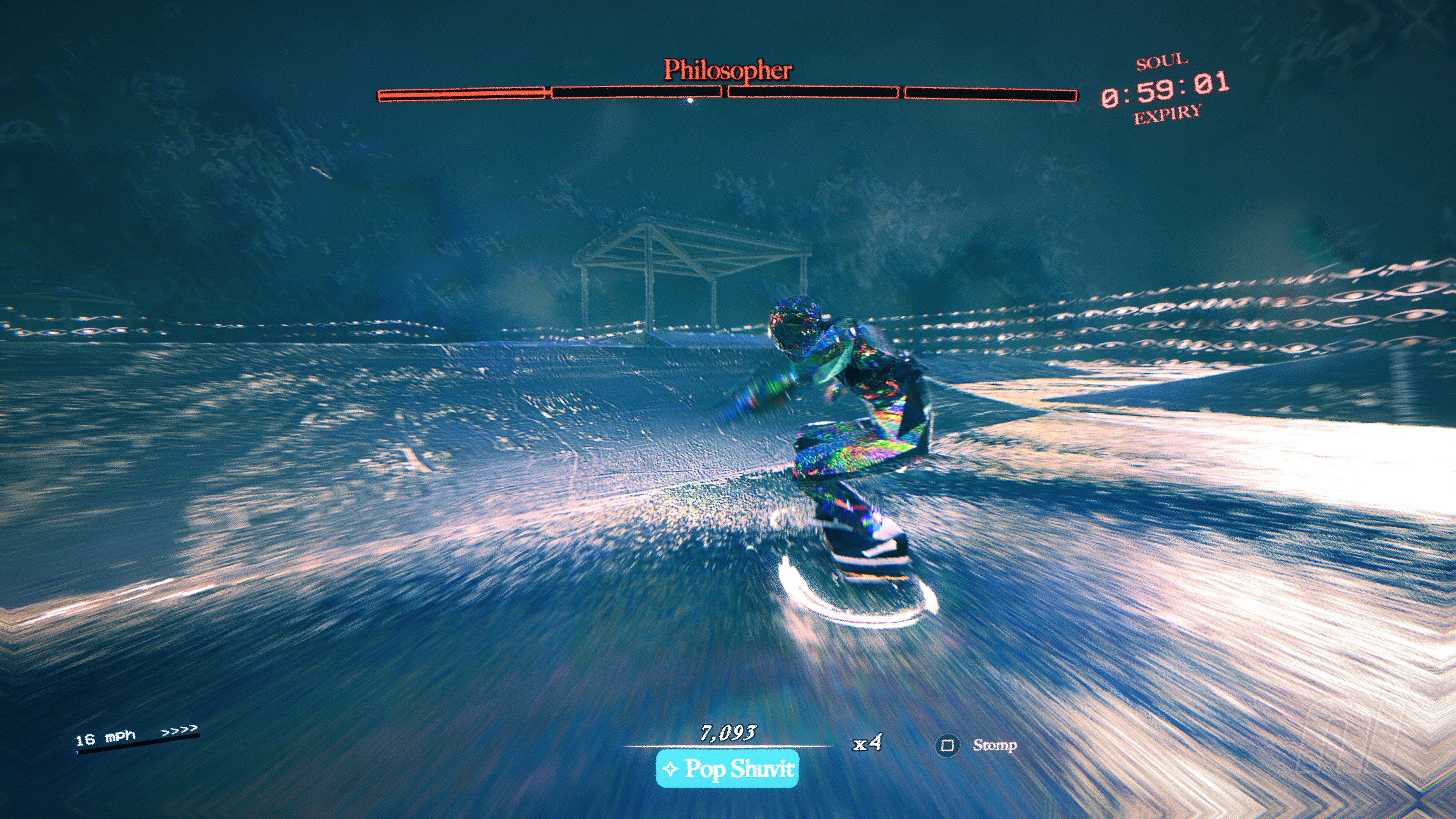
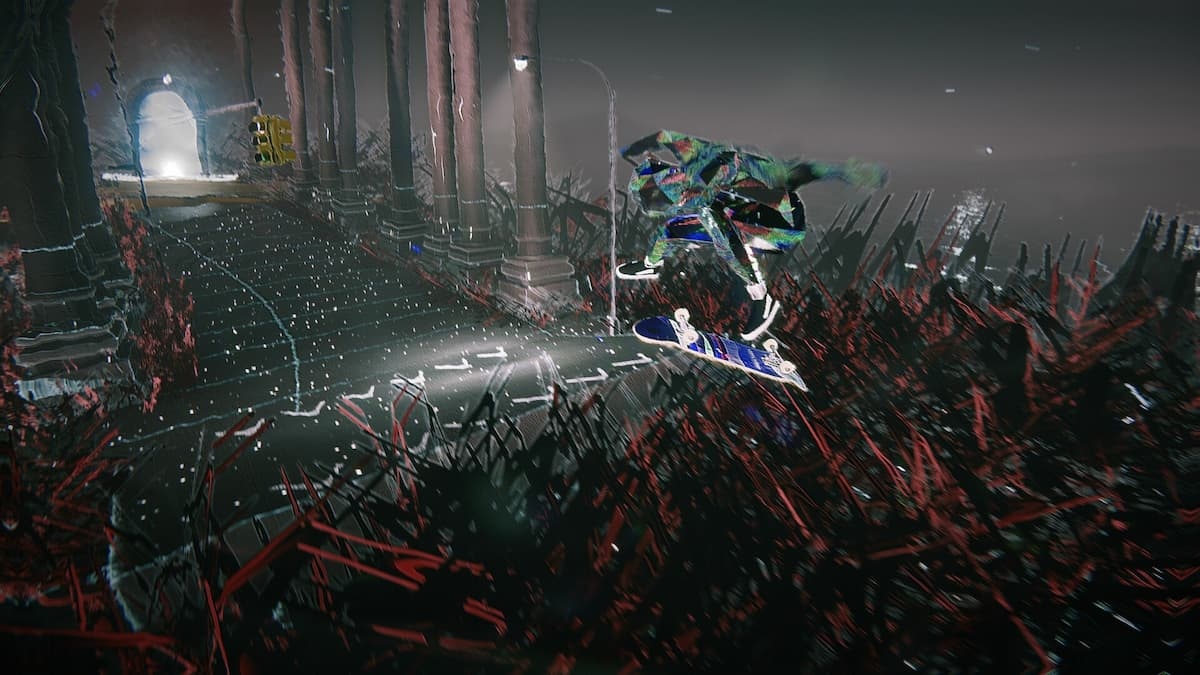
The game’s trick system uses all of the shoulder buttons for flips and the circle button for ollie. You can push with the X button to go faster, but there are no grab tricks. This is solely a street skating game. You can do flip tricks and grinds, and they feel as good as any other well-established skateboarding trick system. The animations are fantastic, fluid, and smooth and so well responsive. The game isn’t a rhythm game, but the level design is focused around the music. The game features surreal visuals similar to many indie games we are seeing on Steam. A lot of trippy colors, strange shapes, and an overall feeling of non-human presence. Nothing in the world is recognizable with everything mishappening. It’s like looking at hell through a kaleidoscope. The game does have linear levels and story progression. After each intro section, you are dumped into each level of Hell’s “city” to freely explore. Levels are set up with plenty of spots for tricks, but your goals are pretty standard. You usually need to perform a high score, maintain an ever-dropping score, or defeat a boss. Sometimes you need to perform a string of specified tricks as well. Over the first few levels you will learn new things such as manuals, nollies, advanced flip tricks (that require double tapping a shoulder button before an ollie), and grinding.
Exploring is probably the weakest part of the game. You can get more souls to buy more boards, stickers, trucks, and wheels at the gift shops, but that’s it. There are hidden stickers in the world, but you will most likely just go straight to the next story element. The levels are well built with many trick spots, but I wish there were more optional objectives that could lead to achievements or something. It’s not a deal breaker, though, as there are plenty of levels to see and experience. These are just the main stationary levels. In between objectives, you will have randomly generated linear “tracks” that you push through or trick through to the beat of electronic and trance music that verges on the border of vaporwave. The levels and pacing of them are designed around the music, including the lighting and effects. The songs are absolutely fitting and so much fun to listen to. With a great sound system, this game becomes an audiovisual treat unlike any other. It’s so good I put the soundtrack on my daily rotation for video game music. The track levels are a lot of fun and are fast-paced. They can get a bit frustrating later on when you feel like you’re restarting each track constantly because you just can’t nail a grind to get over a pit or something, but these tracks are seconds long, and when you go into the warp gate, you start another track seamlessly.
Boss fights are plentiful and sadly overused. These bosses have health bars, and you need to “stomp” tricks down to knock their health down. Larger combos and points do more damage. You can trick up a combo and “bank” the points by stomping. Not all bosses are the same, but they feature a couple of the same ideas. You either need to stomp in general or stomp in their spotlight, which is the only place they can take damage. Bosses are very visual, but overall they are the same throughout, with some bosses being back-to-back. There are also smaller “enemy” characters that can shoot at you as you skate around. It’s an interesting idea, but after the 10th boss, you get a bit tired of it. Some later levels have you rack up a combo score before a time limit, and some will decrease if you stop for too long. It’s not difficult, and while the bosses all have timers, I never died or had to start over from running out of time, but I came close. If you don’t adjust to that trick system quickly and learn to combo, you won’t do well. You can customize your skateboard with decks purchase as the shops as well as place stickers anywhere you want. It’s a neat feature.
Overall, Skate Story has an intriguing enough story for what it is and plenty of levels to play in. The game is nearly 8 hours long with ten chapters, so you will get your money’s worth. The insanely unique visuals, fantastic soundtrack, and great trick system make this one of the best indie games this year and put it at the top of the best skateboarding games ever made. It’s hard to put the game down, and if it weren’t for the repetitive bosses and having more to do in the open levels, this game would be pretty much perfect. It’s okay that there aren’t any grab tricks. It doesn’t need them. Just sit back, enjoy the music and story, and have fun skateboarding.
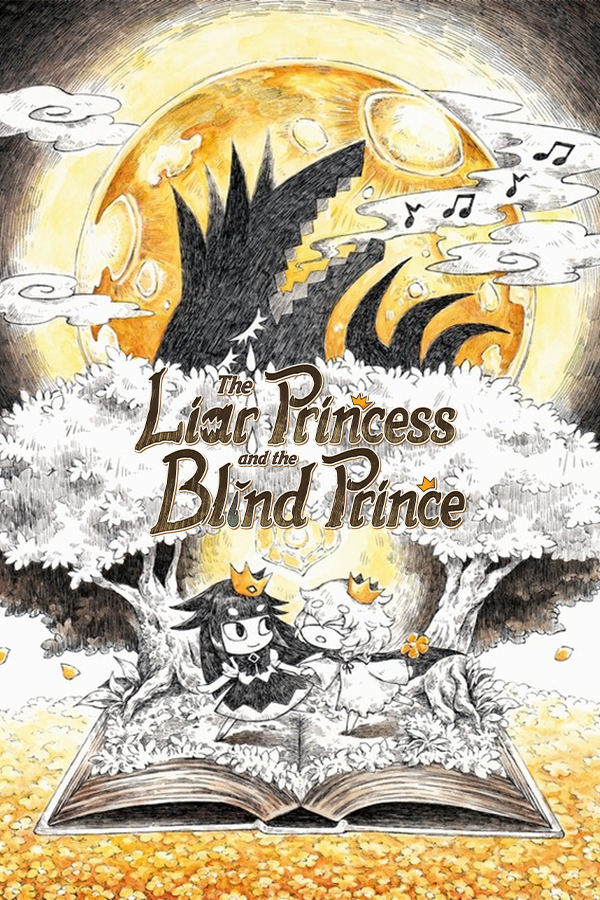
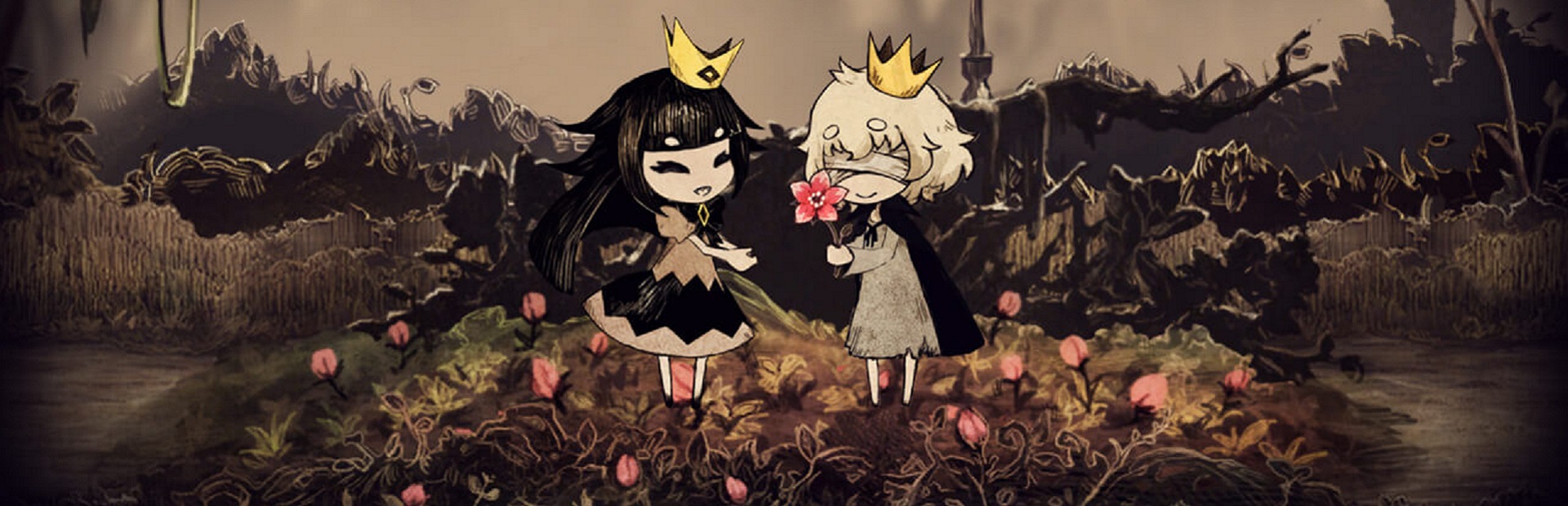
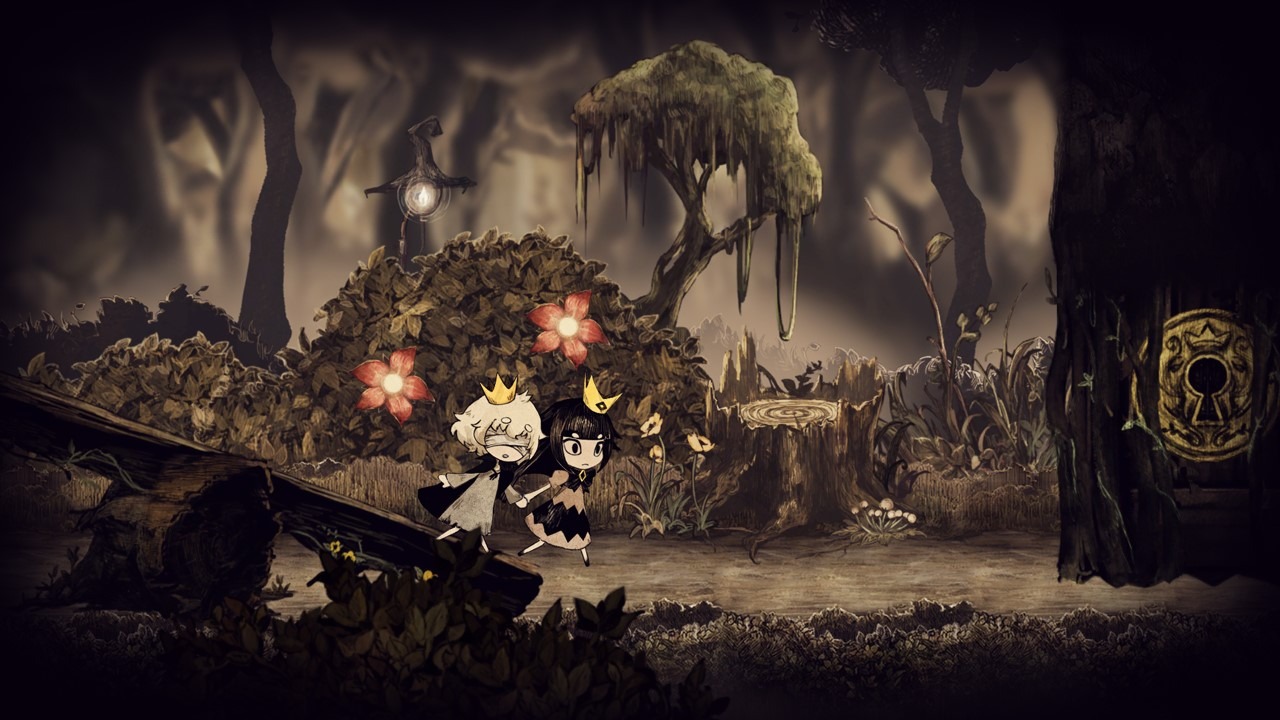
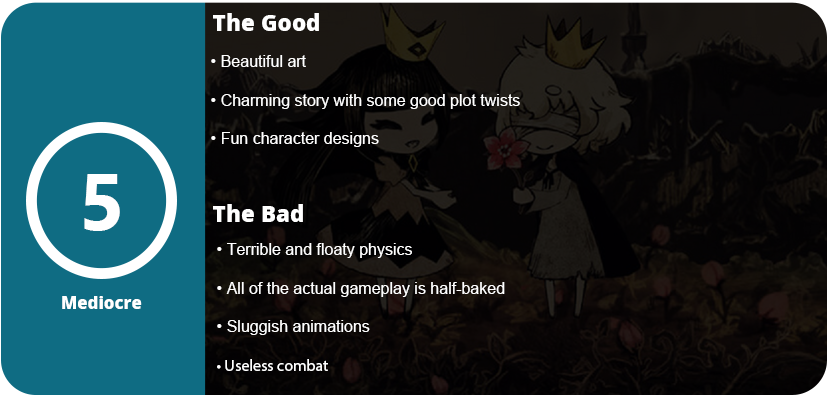
Fairy tales can be both charming and downright eye-rolling depending on how they are told. In this case, The Liar Princess is a charming story of trust and truth. One day a prince hears the singing of a girl at night, and over the course of months, he finally ventures out to find this voice. He climbs a cliff only to get slashed by the wolf who is singing to the moon. He ends up blind, and the wolf is so upset that she maimed someone who genuinely enjoys her singing that she brings him to the forest witch, who can let them be together by turning her into a beautiful princess, but at a cost. She must give up her singing voice. That’s the premise of the fairy tale, and it can be quite charming. There are cut scenes after every level and even a couple of plot twists. Sadly, that’s kind of the only thing worthwhile in this entire game outside of the art.
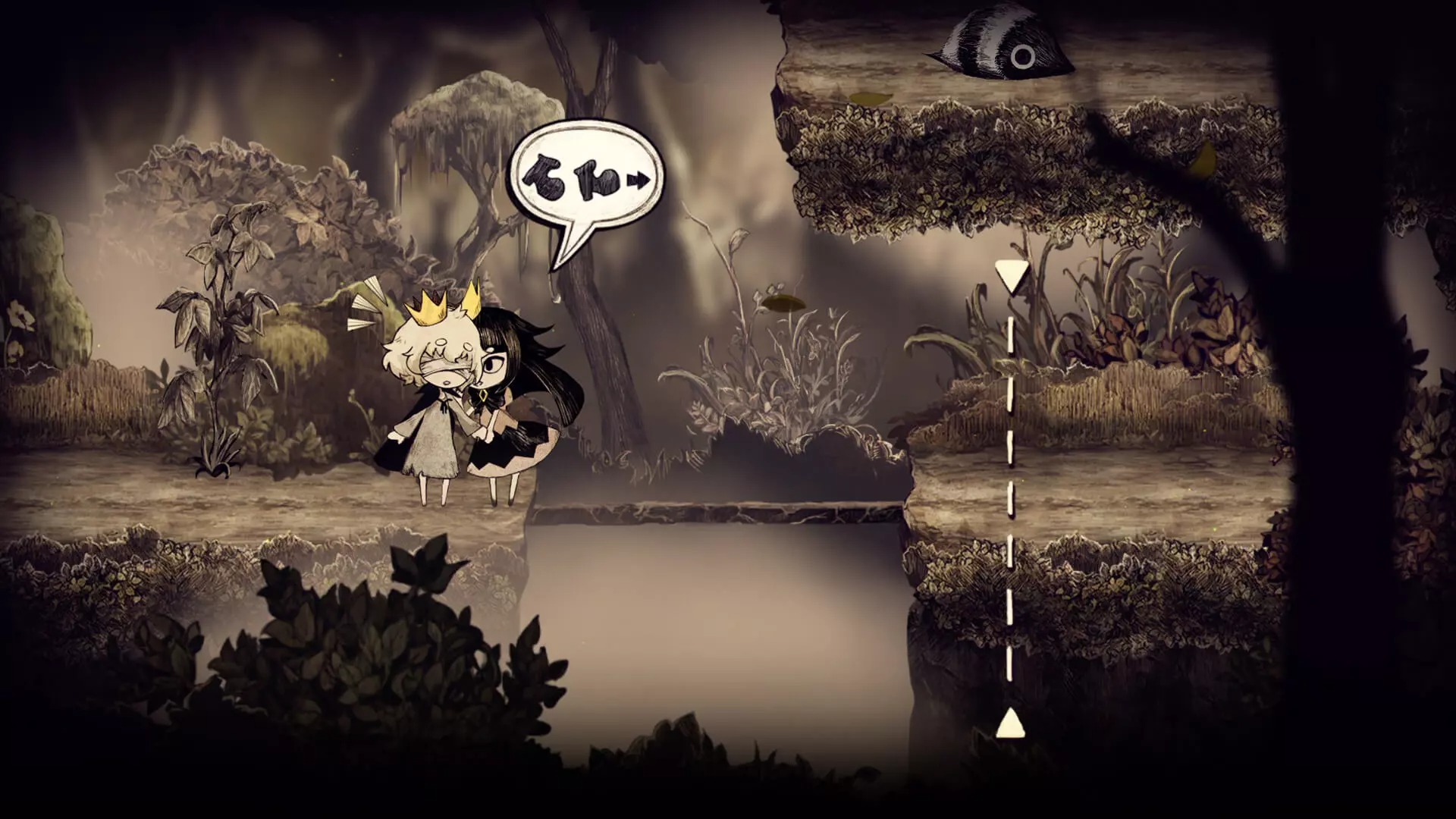
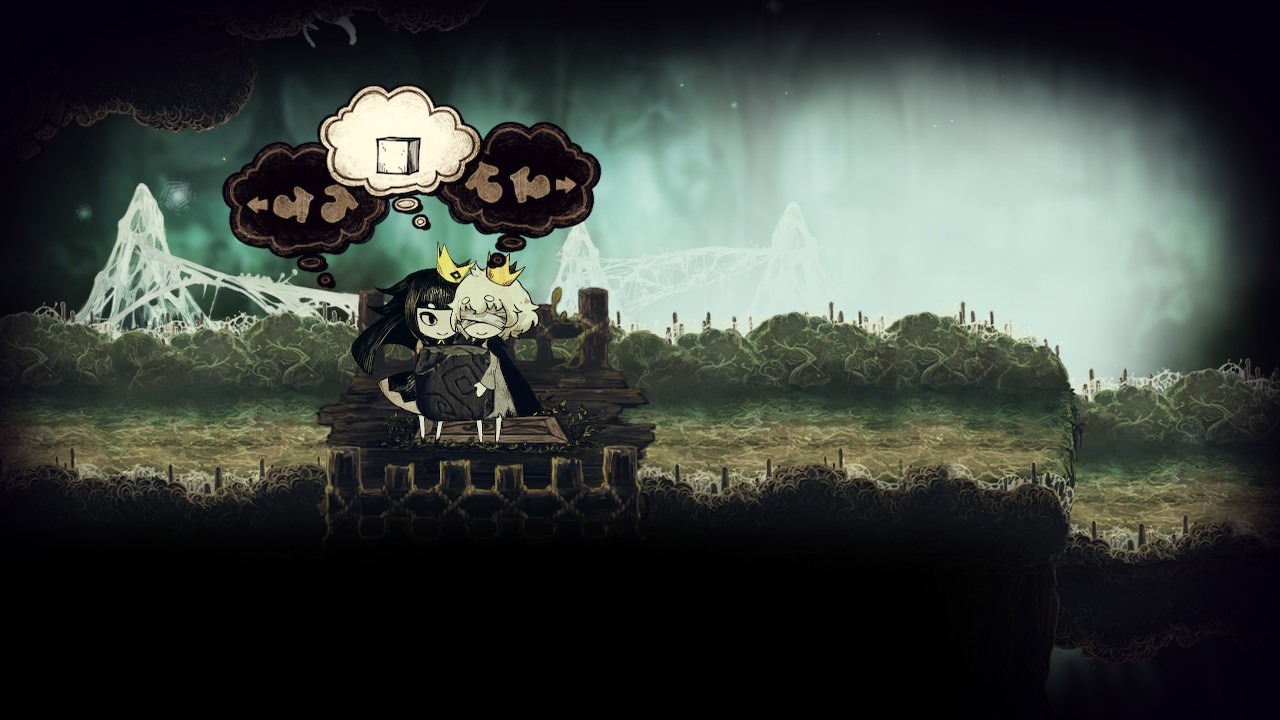
The game is incredibly sluggish, floaty, and hard to control with controls and mechanics that feel half-baked. If you hate escort missions in games, then you will truly loathe this one. The entire game is an escort mission. You must lead the blind prince around to solve puzzles…and do platforming. Yeah, that just doesn’t work out. With this awful physics you will constantly die and have to restart levels not even of your own doing. You can switch between the Princess and the Wolf at will, but you can not switch to the Princess if there is moonlight on you. This only occurs a couple of times in the game, so I think the developers forgot about this. As the Wolf, you can jump higher, are invincible to damage, and can attack enemies and “swipe” at objects to move them. As the Princess you can lead the Prince around by hand, and that’s pretty much it.
Where the frustration comes from is the awful glitchy physics and platforming. A lot of puzzles just don’t work because of this, and even the developers knew this, as after 10 minutes you can skip the level. For example, you will have two switches that need to be stood on, but a third one is behind a small wall with an opening to toss a heavy object through and onto the switch. You must swipe at an object to knock it over into the hole, and it takes dozens of swipes to get it just right. Sometimes the objects get stuck and you have to restart; sometimes they disappear. Sometimes you will drop down onto a mushroom pad (mushrooms are safe to land on), and you will scout ahead only to die from fall damage and respawn, and the Prince has disappeared and you need him for a puzzle.
Another frustrating scenario is swiping at plants that shoot balls at enemies, and these rapidly move from left to right. There are situations in which platforms will move underneath you, and you have to get the Prince onto them by timing everything. These plants move too fast, and getting them to hit enemies is all luck-based. I restarted an end level a dozen times only because I could not get these enemies to die fast enough, so I skipped the level. This happens all the time, and it gets worse as the game moves on. The Princess controls like she’s moving through mud, and it doesn’t help that on the Vita the game runs at 20 FPS. With my system fully overclocked, it can barely hit 30. This is a very poorly optimized game as well as all the other issues.
Combat is just as aggravating. You swipe at enemies, and because you’re invincible, there’s no challenge. I just wish combat would have been removed from this game. Enemies don’t attack either; they just move back and forth in a line. All this does is slow things down and make certain sections impossible to get past. There’s another mechanic where a Yeti can toss both of you up onto ledges, but he moves back and forth and throws you behind him. Timing this is maddening, as he has to have his back to the ledge you need to be on, but you need to be in front of him. There only way to control the Prince without holding his hand is telling him to move forward, backward, or pick up an object, and this is really slow. The Princess has to go through whispering animation, the transforming animation is also slow which leads to many deaths. The only parts I enjoyed were anything that didn’t involve combat, puzzles, or platforming, and that was most of the game.
With that said, the game is atrocious to play and a chore to try and finish. It feels like the game was half-finished and they released it anyway. The visuals are great, and the story is quite charming, but I would have preferred a short walking simulator (which this game feels like it originally was) to shoehorned, half-baked gameplay. I honestly can’t recommend this one to even the most curious players, as most won’t even get halfway through before giving up.
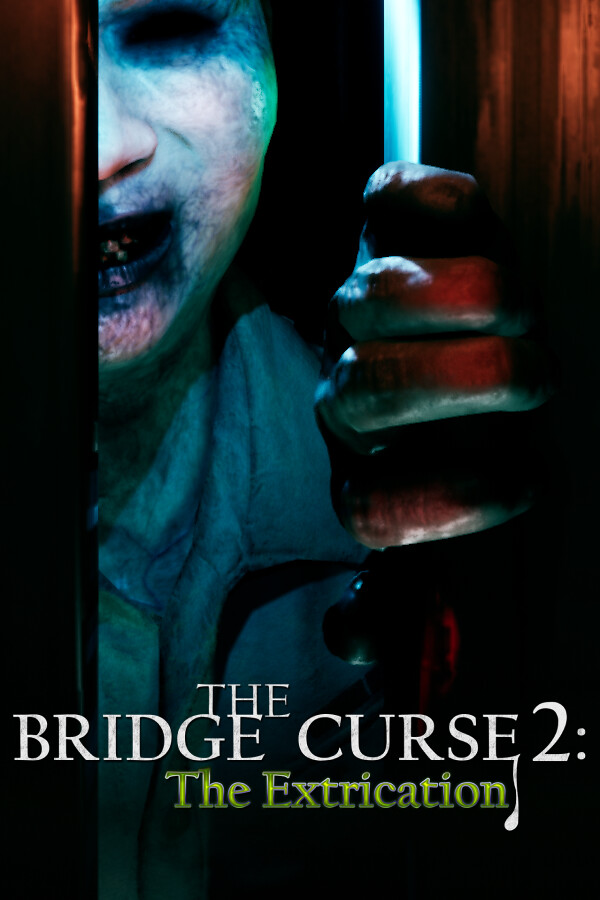
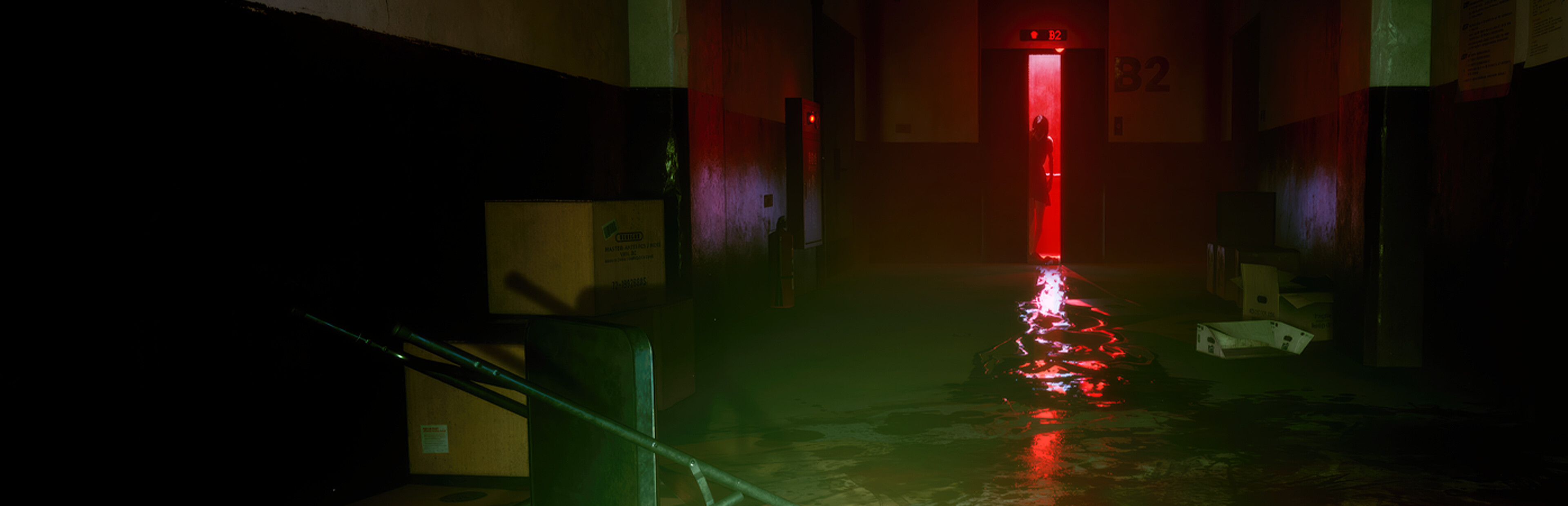
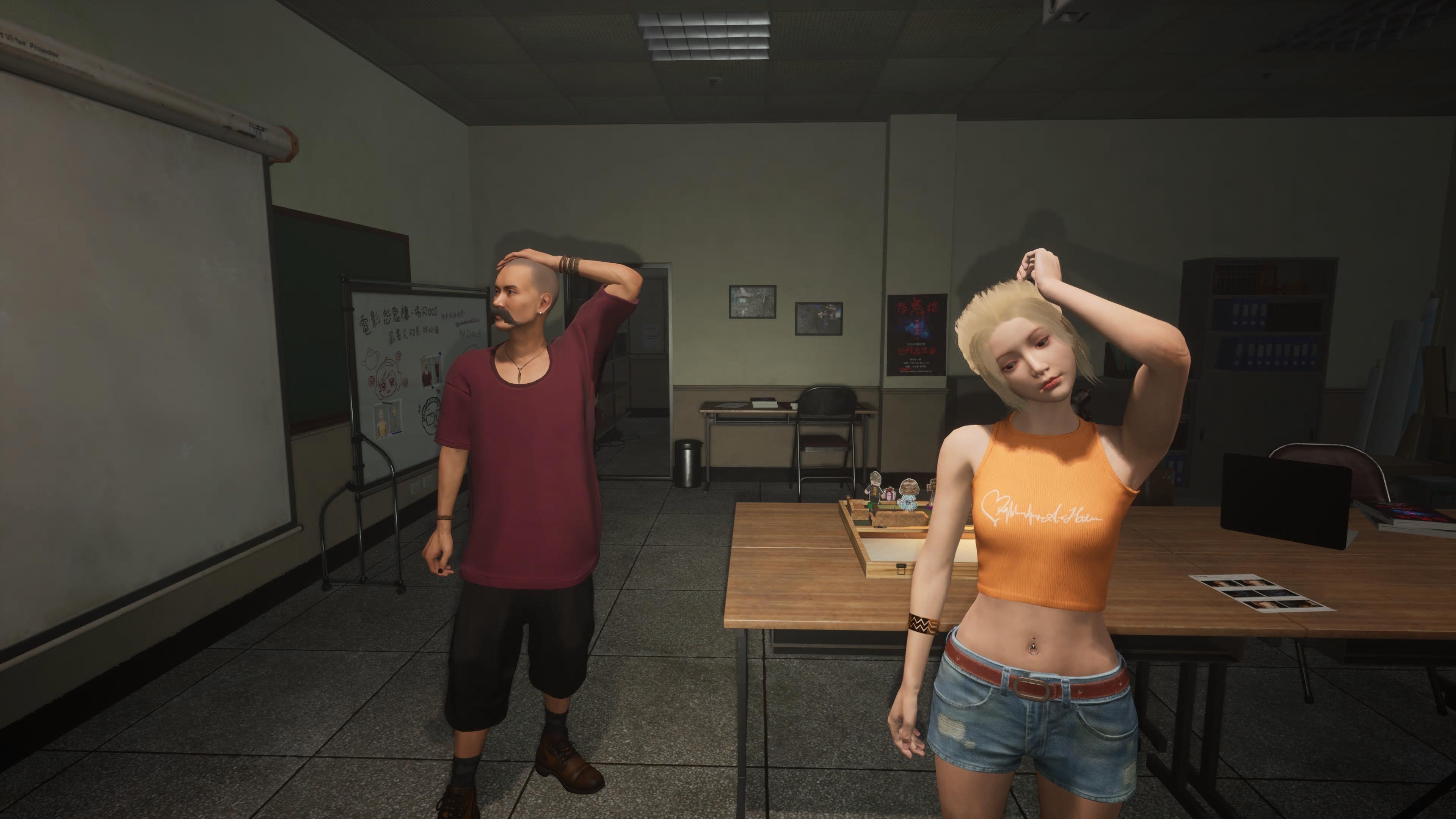
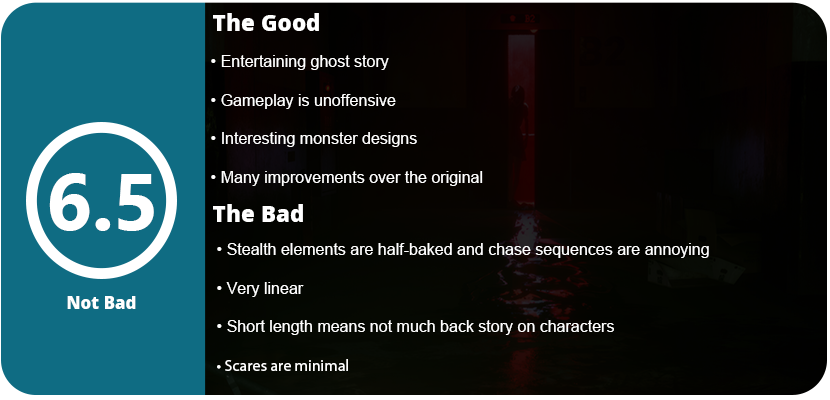
We are back again with another university ghost story. Another student film project raises the question of whether you are playing the film or experiencing everything in real time, with the film resulting from this. Wen Hua University is the location, and the developers did a much better job setting up the ghost story than the first game. This is much more a walking simulator than a survival horror, and that’s fine. You play as four different characters. A reporter and then three film students. It’s a bit more compact than the original game, and there isn’t the issue with the final section feeling like a maze. The environments are more varied as you get whisked away to the university from the past a bit, and it feels much more like a ghost story.
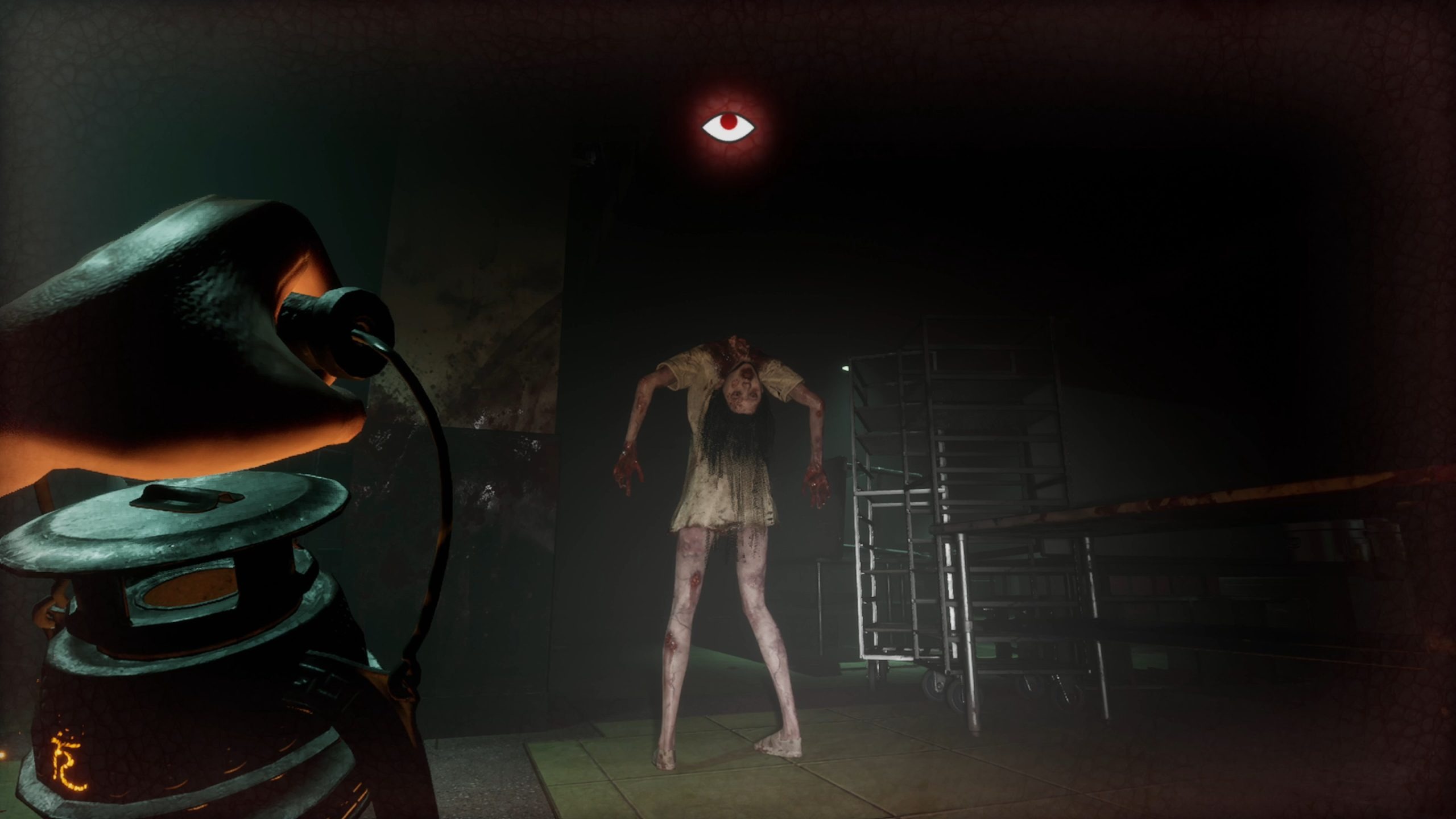
There’s not much action or many controls in this game. You wander around, collect the occasional item, and there’s usually only one way to use it. There are some puzzles in this game, and they aren’t that great, but they work. A few are a bit interesting, but the more elaborate puzzles tend to be really easy and not offer much of a challenge. The only real gameplay part is the stealth with the lantern. You get a lantern in about two scenes, and this is used to hit an enemy to stun them (and then needs recharging) and to get rid of obstacles blocking your path. It’s not frustrating as these scenes don’t overstay their welcome, but stealth is pretty much pointless. You’re better off running around and just figuring it all out. The only real frustrating section was towards the middle when I had to run around a maze of rooms and place a fuse into boxes to open doors in a certain order while an entity chased me. I really just didn’t like the chase sequences. Some sort of ghost will follow you, and it usually means figuring out some sort of maze.
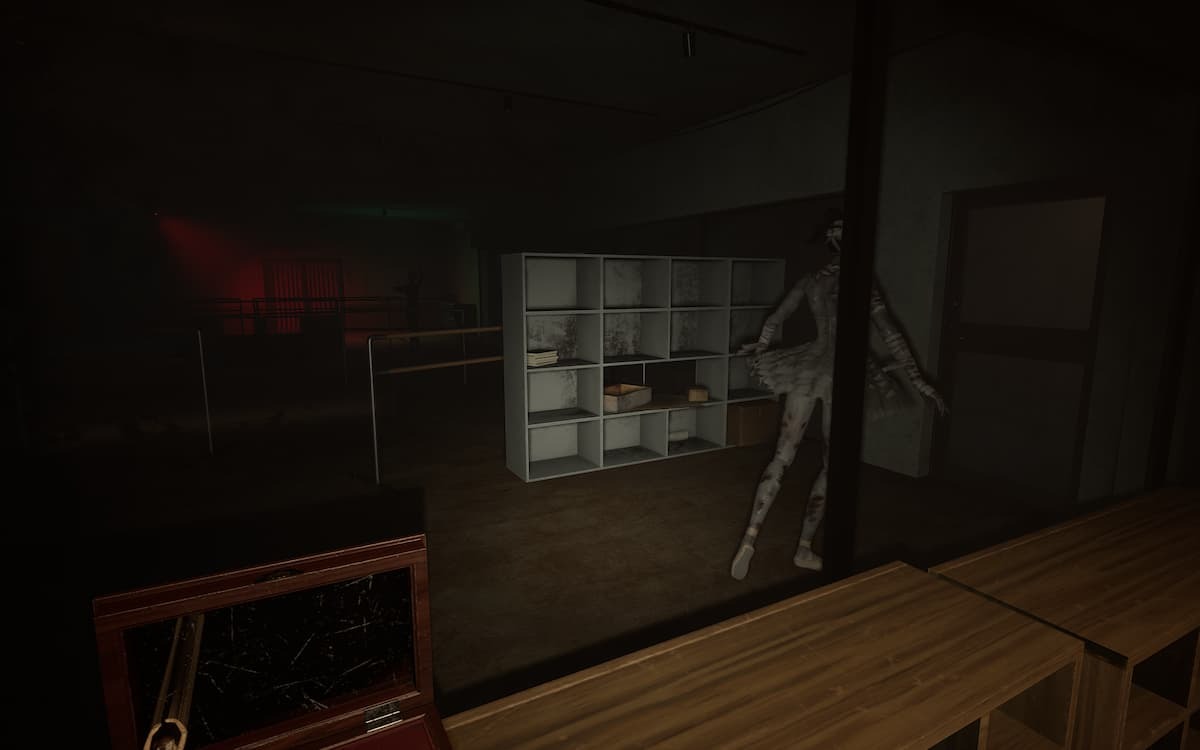
The best sections of the game are during monster reveals. There are quite a few cool ghost designs, and the areas you are in constantly change. The game thankfully doesn’t exposition dump on you, and you kind of learn the tale of the university as you go along via some cut scenes and reading notes scattered around. The tale isn’t anything new, as you are seeking revenge for a scorned spirit (which is typical for these types of games), but it’s still fun nonetheless. The pacing of the game works well, as it constantly keeps you interested in something. Each section either has a puzzle or story element without making you wander aimlessly around object hunting. A lot of scenes can repeat, but they are interesting to look at and feel like less “generic buildings and hallways.”
Sadly, the short 4-hour runtime means you don’t get to know much about the characters. They clearly all have different personalities and have some fun banter back and forth, but there just isn’t time to develop this. The only character development is during the initial opening scene for each chapter, and then it’s just running around with occasional dialog. This is always the sad part about these very short indie games. There just isn’t enough time to develop a relationship with anyone or anything. At least the visuals are halfway decent and are a step up from the original game. While it won’t blow anyone away, there are some cool effects and great lighting.
Overall, there’s just not a lot to say about The Bridge Curse 2. It’s a remarkable improvement over the original game but still lacks in some areas. The short length means no character development, and while the monsters are cool, there’s little scare here outside of just tense atmosphere. The story is at least very fun and the pacing is great. I never felt bored or uninterested in the game. I played the entire thing straight through because the tale of the university is pretty interesting. The puzzles are middling at best, and the stealth mechanics are half-baked. What’s here is a deep discount of one evening of entertainment, and that’s about it. I’m still looking forward to seeing what the third entry brings.
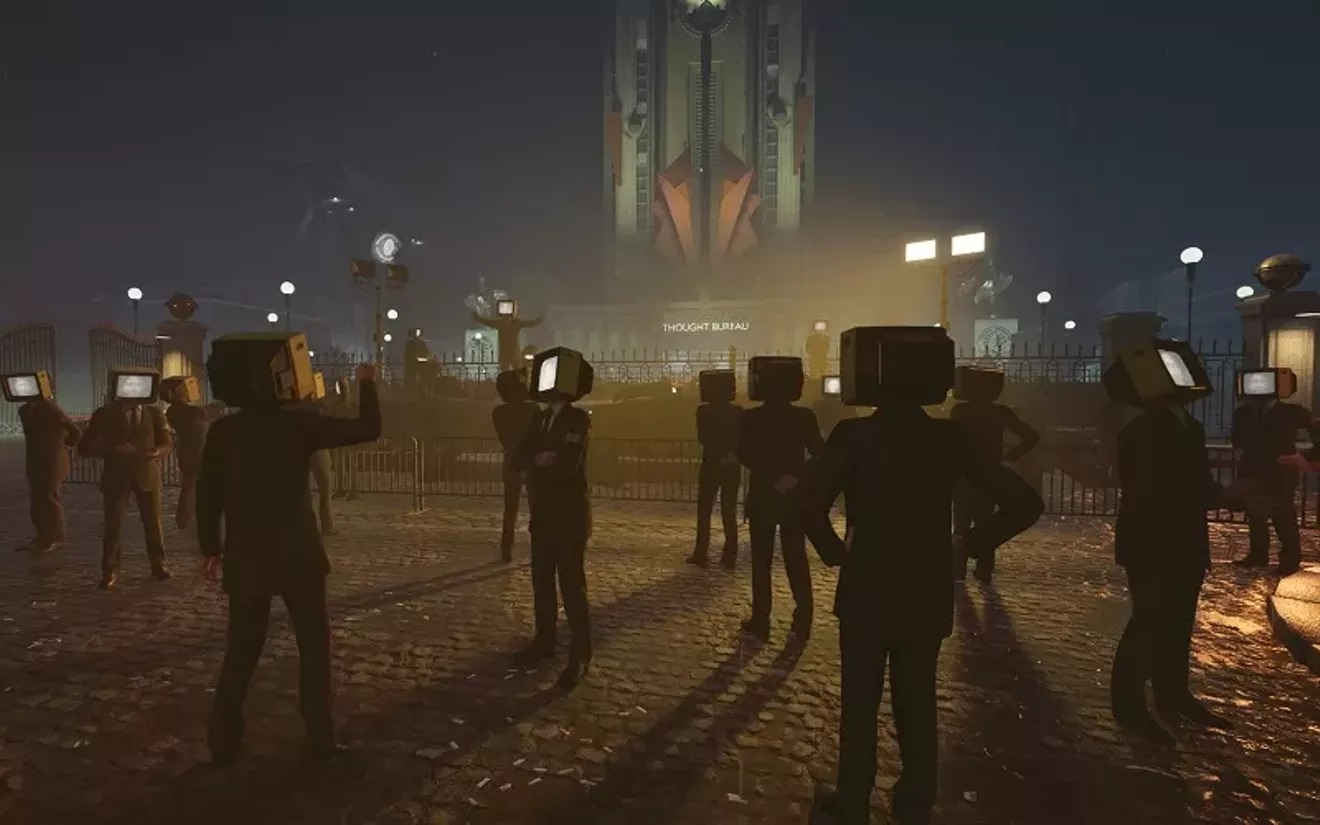
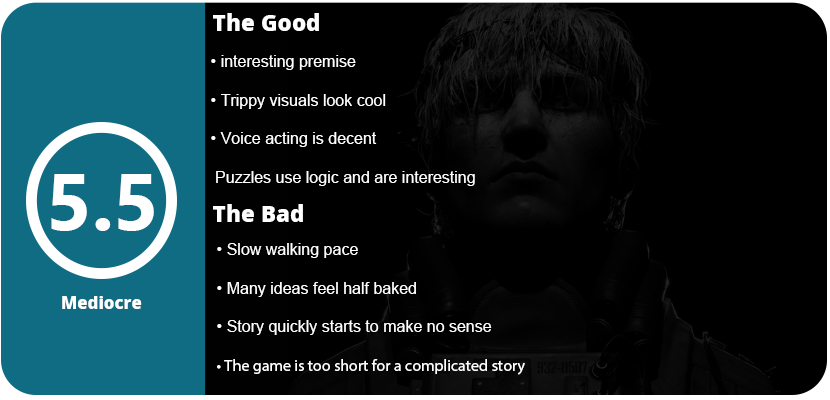
I don’t know how many times I can say this. Trippy visuals aren’t indicative of an interesting or enjoyable game. They can only take a game so far before you want something else. Karma is a game that solely relies on weird and abstract visuals because it feels like the developers had an interesting story idea but had no idea how to implement it or tell the story. You play as a Thought Bureau agent who is like a cop that dives into the minds of suspects to see the truth of what they did. The first chapter of the game is pretty grounded and is the best-paced part of the whole story. You get some trippy visuals in the beginning, and then we are back to what seems like reality with narration while we walk through a pretty interesting-looking town. People have CRT TVs for heads with their faces on the screens, and it feels like an oppressive dystopian world to be in.
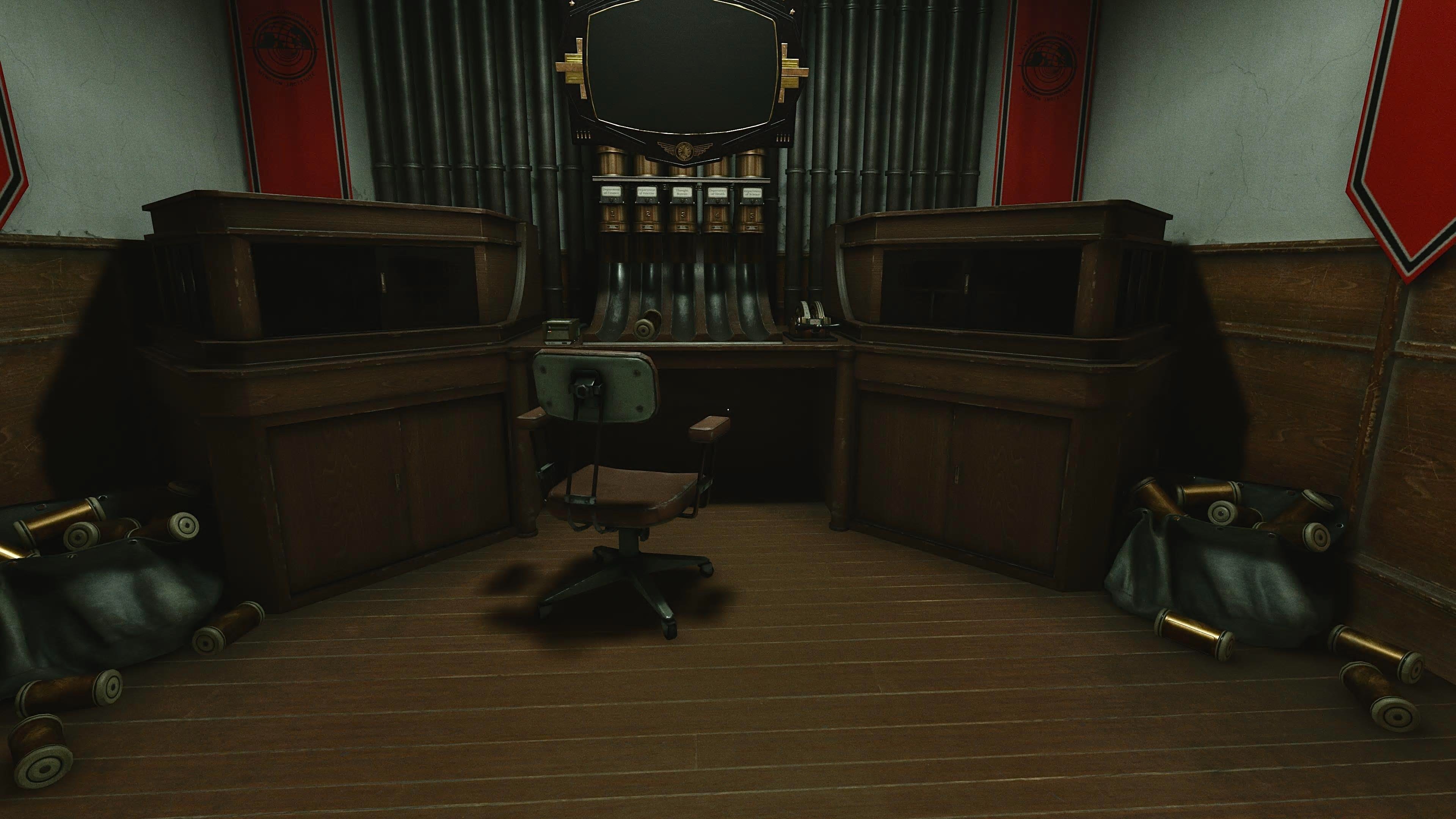
This is a great first impression and first chapter. It was nailed perfectly. You wake up and walk around a bit, and nothing makes sense. You are in a lab or factory, it seems, that produces people. It’s very odd, and you are supposed to be confused and unsure as to what is going on. Once you strap yourself in a chair and move on, the game starts to make no sense anymore. This is where I feel the developers didn’t know how to finish this story. There is one scene in the beginning when you are investigating an office, and this felt fine. You solve a few puzzles to find four-digit codes to open drawers to move on. The puzzles are pretty decent in this game, and I was able to figure out most of them by just deducing what I had on screen and trying logical things.
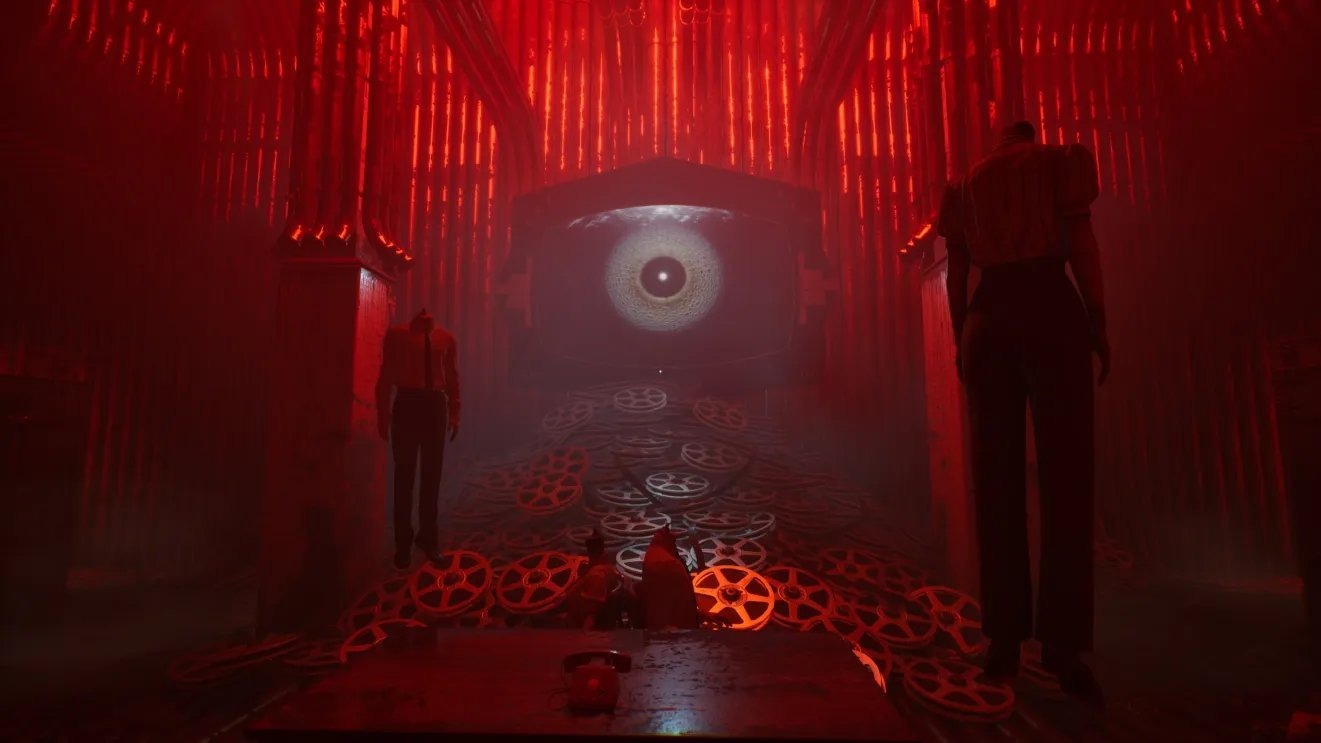
This is another game that can’t tell its overcomplicated story in just 4 short hours. Instead, we have just a walking simulator with a few puzzles and other half-baked ideas. You get a camera at one point and must use it to take pictures of eyeballs to open doors, but this feels half-baked. The areas are super tiny. One single area has you leading a creature around a specific path to get it to stop so you can take a photo of its face to kill it. This all feels half-baked, like they were neat ideas that had to be quickly shoved into a single scene. Once you get past the 5-10 minutes of gameplay, you endure the sluggish walking pace of more trippy visuals, such as flying through space, moving a cube through simulated cyberspace, walking through offices full of piles of CRTs, etc. The weird scenes are incredibly artistic and interesting, but in the end they don’t add any value to the story.
I wanted Karma to be so much better. There’s an interesting premise here. One of my favorite scenes involves one of the suspects showing us how this dystopian oppressive world works. Office workers sit and stamp things for dozens of hours and drink a company-made “energy drink” to keep them awake while propaganda plays on a giant projector in front of them. You then read an email about how all of your breaks are now taken away to “help the company growth” these types of scenes have a lot of impact, but they are so few and so brief that they left me wanting more. Many other scenes just don’t add value, such as the “hub” area of each suspect you dive into. In front of you is a giant monolith in a vast ocean, and you walk up to a podium with an important object on it, then warp to another scene. What’s the point of this area?
As you can see, Karma is an interesting game to look at, but not one to experience and especially play. The puzzles are interesting, and it leaves you wanting more when the game jerks this away from you and forces an hour of trippy visuals and story that doesn’t make any sense. Even at the end of the game I barely understood what was going on. Characters are bawling their eyes out, and there’s a lot of dialogue that feels abstract and doesn’t make sense. I was sitting there just thinking, “What the hell is happening, and why is this happening?” That’s not a good thing to think at the end of a game. Overall, play Karma if you want an interesting night of confusion and trippy visuals. It’s a shame the curious dystopian world isn’t explored more.
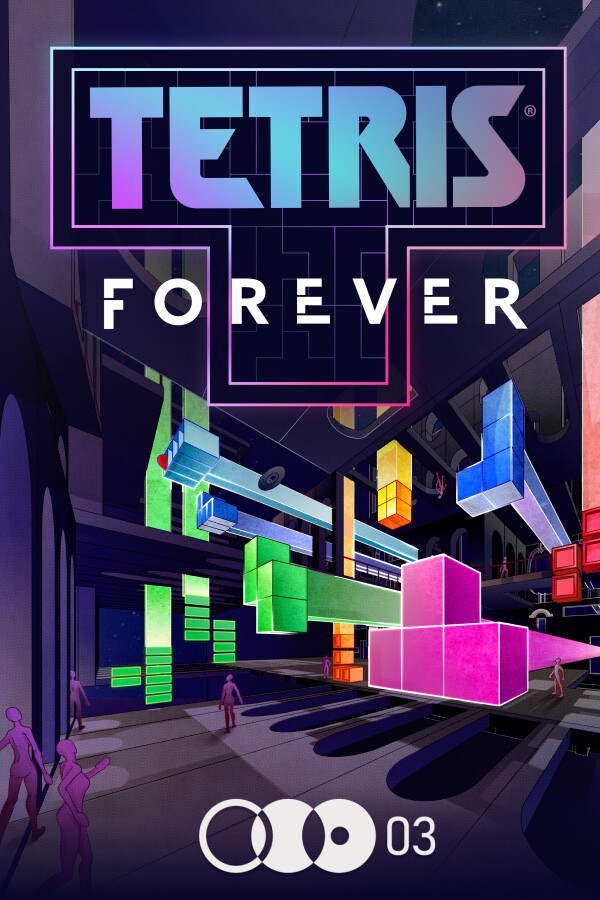
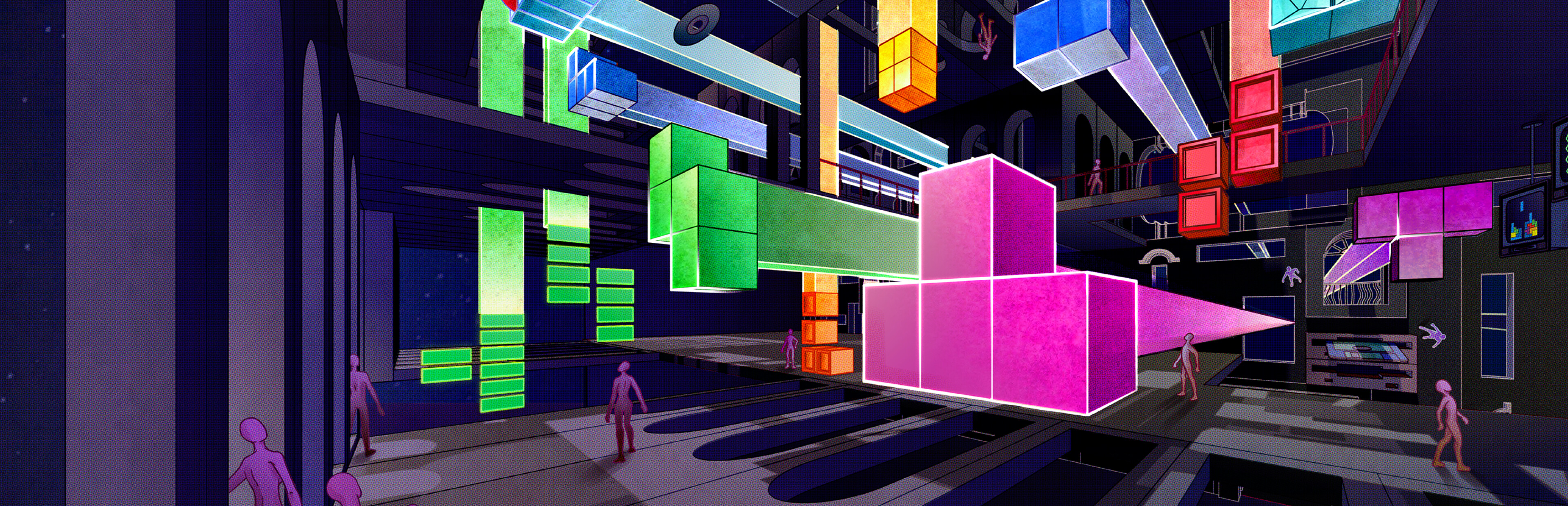
Digital Eclipse’s Gold Master series is an incredibly original and unique idea. The series focuses on creating interactive documentaries that explore interesting game stories or sagas, allowing gamers of all ages to engage with them. This is the third Gold Master game coming right after the Atari 50th Anniversary, which was absolutely a blast to experience. Tetris Forever is a great concept. The story behind how Tetris came to be is fascinating, and Henk Rogers, the person who helped bring Tetris to the West, is a great storyteller. I was floored by how Tetris came to be and the breakdown of the gameplay and nuance of what makes the game a timeless classic. The documentary clips are wonderful. Usually ranging from 3 to 8 minutes each, there’s easily over an hour of video footage, but that’s kind of where the best part of the game ends.
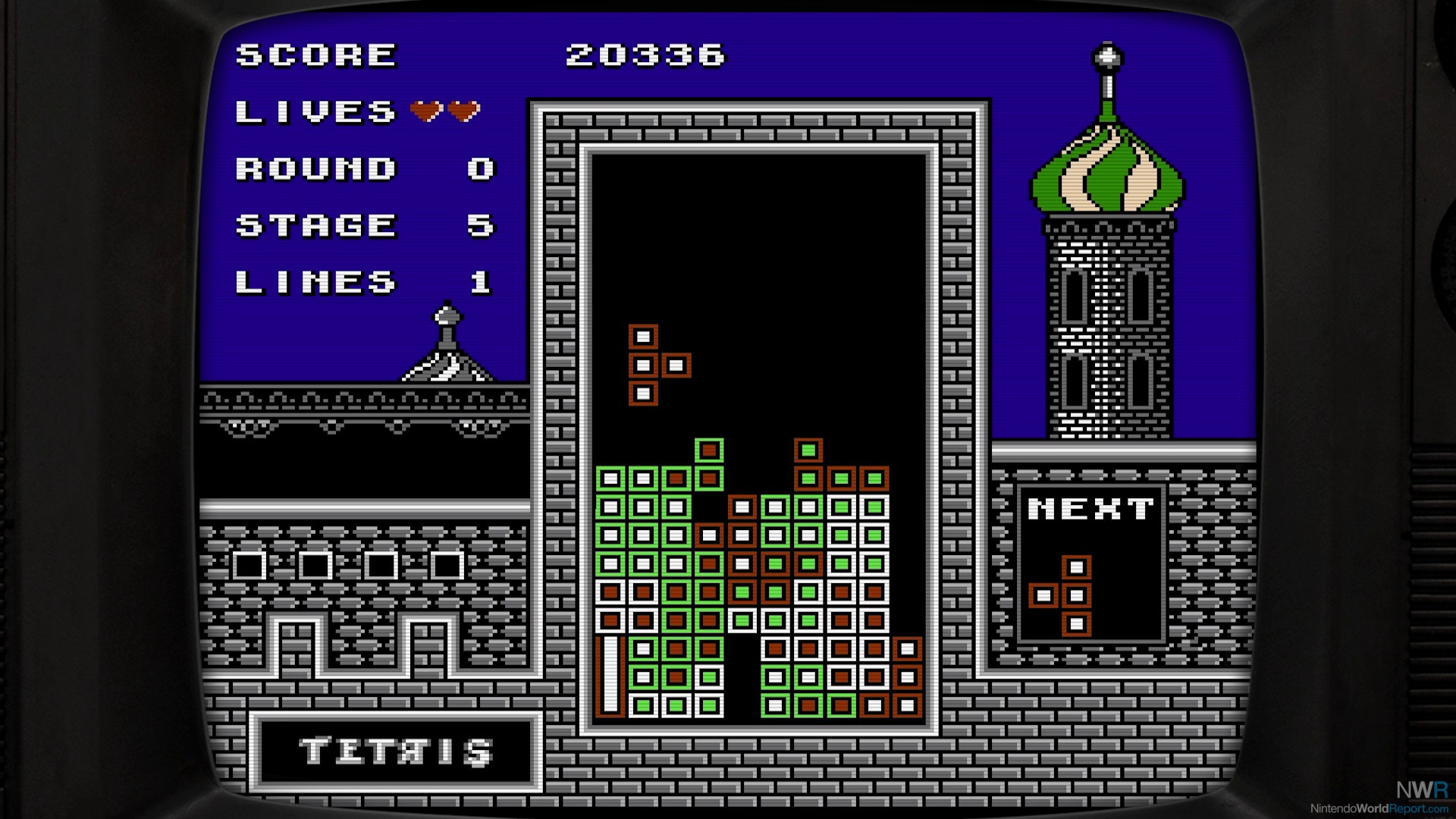
It’s difficult to call these Gold Master series “games” as they are interactive museums. Many different versions of Tetris are owned by other copyright holders. The most famous being the original Game Boy version of Tetris that shot the series into the stratosphere. It’s not here because it’s owned by Nintendo. You can see it being played in the footage of the game, but that doesn’t help us sitting here playing this game. Forever is mostly comprised of older MS-DOS and early 8-bit PC versions of the game that are historically interesting but not very fun to play. Digital Eclipse did a great job creating a replica of the computer they are on visually and adding things like a CRT curve, filter, and mapping the keyboard controls to a controller. Sadly, they just aren’t fun to play. Many versions don’t have music or much sound at all. Outside of messing around with these for five minutes, you will have no reason to go back to them.
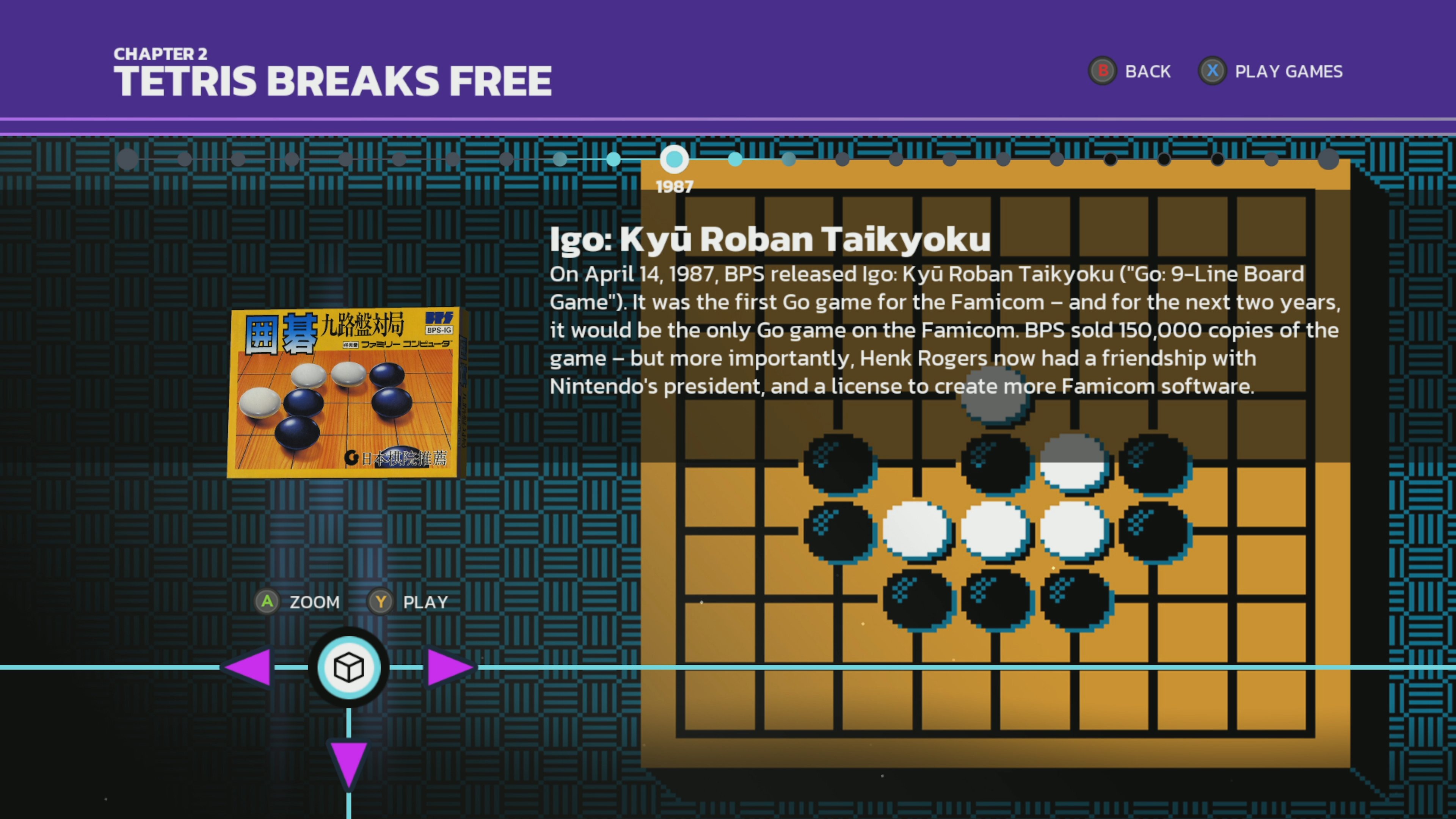
There are a few other games that aren’t Tetris included, as these are part of the Spectrum Holobyte story. Many NES games are included here, but you can play these outside of Forever on emulators through ROMs on much simpler devices that boot up quicker without a fancy interface. Again, these games are either not fun or just interesting enough for a historical reference. This isn’t like Atari 50th, where you can play every single game Atari made or held the rights to, and they were full-blown games. These are pretty much all puzzle or board games. One of the big stories that helped Henk Rogers gain trust from Nintendo was making a game of Go, which is basically Japanese Reversi. The NES version is intriguing at best, but I was not a fan. It’s not as addictive or fun as Tetris and requires much more concentration.
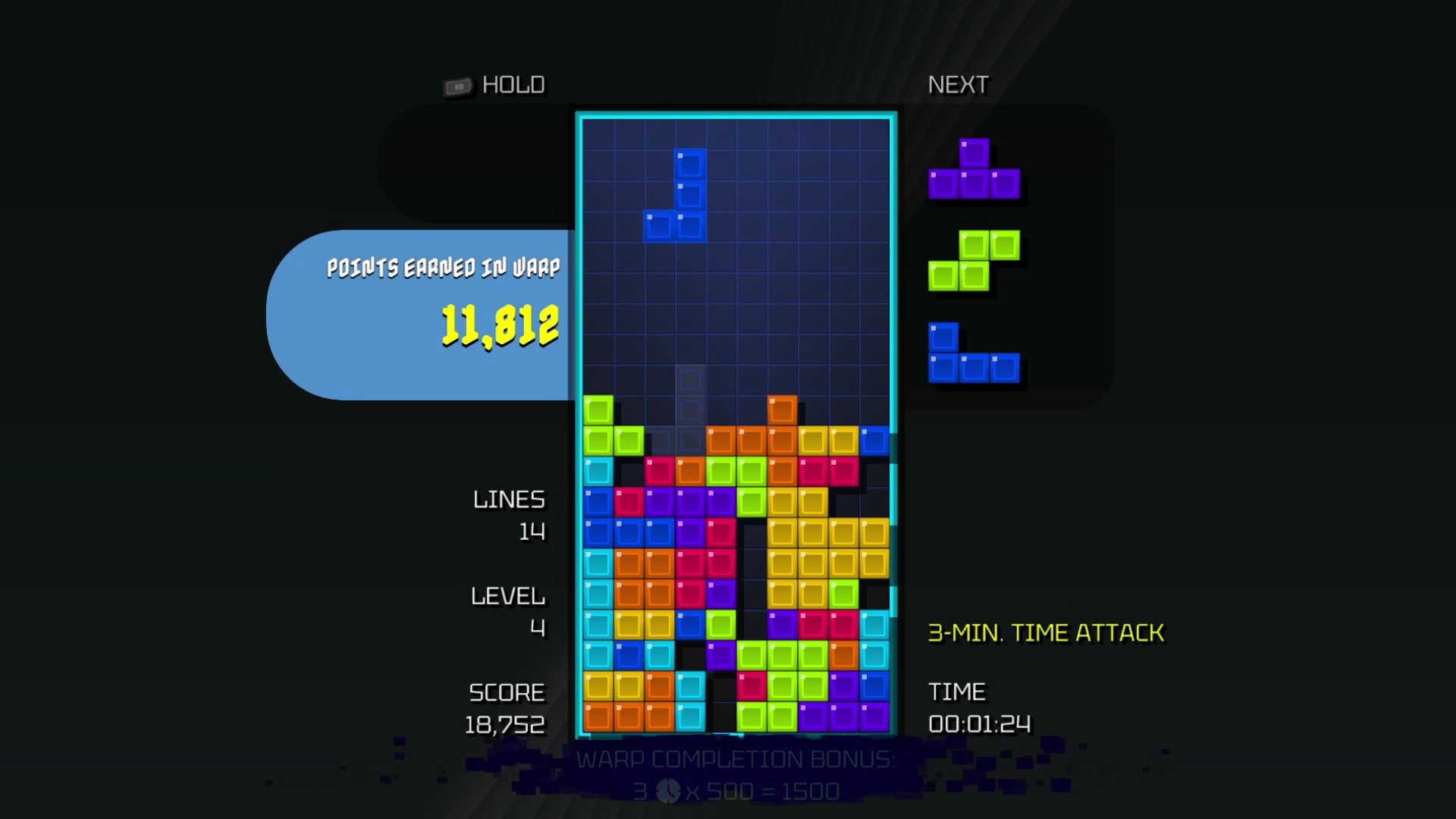
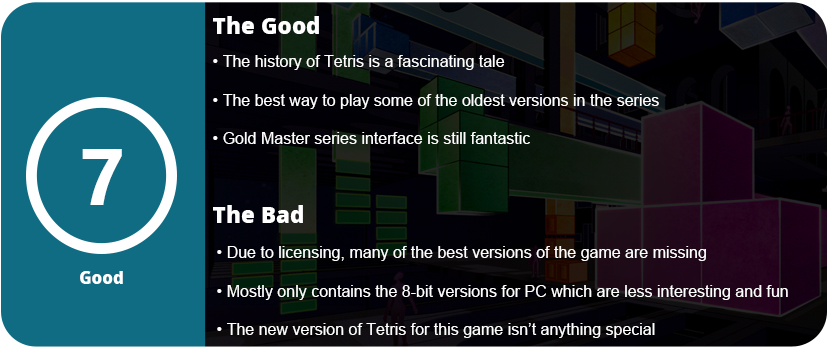
Sadly, only 8-bit games are included here. Nothing past the mid-90s is included. It would have been great to get DS, PS2, PS1, or other consoles on here, but there’s either a rights issue or an emulation issue on Digital Eclipse’s side. Most of the more interesting games are 16-bit and beyond. The lesser-liked sequels to Tetris are included, and a few spin-offs like Hatris, Super Bombliss, and a brand-new game made for this compilation, which is the only non-8-bit game included. This Gold Master release is mostly for those interested in the story of Tetris rather than playing it. Unless you grew up with these 8-bit games, I don’t see any reason why anyone else would enjoy them. Sadly, even the new Tetris game isn’t anything special. It’s not much to look at and just plays like any other Tetris game. The most interesting feature is the 1989 mode, which emulates the Game Boy version, and that’s as close as you will get to it. I don’t see myself booting up an entire compilation just to play this version of Tetris.
The title would have been more interesting as a cheap documentary than a game all by itself. I got more enjoyment out of the video clips than I did the games themselves. With four 8-bit versions of the original Tetris (all inferior versions) and many less interesting spin-offs and sequels, it begs the question as to who this is for. The low asking price helps, but even then, unless you are a massive Tetris fan, it’s hard to justify the cost. Tetris Time Warp is the game you will spend the most time on here, but will you come back to it? Tetris is a fascinating tale and one of the most interesting I’ve had the pleasure of listening to. Tetris is a fantastic and timeless game series, but the content included here does not represent its strongest offerings.
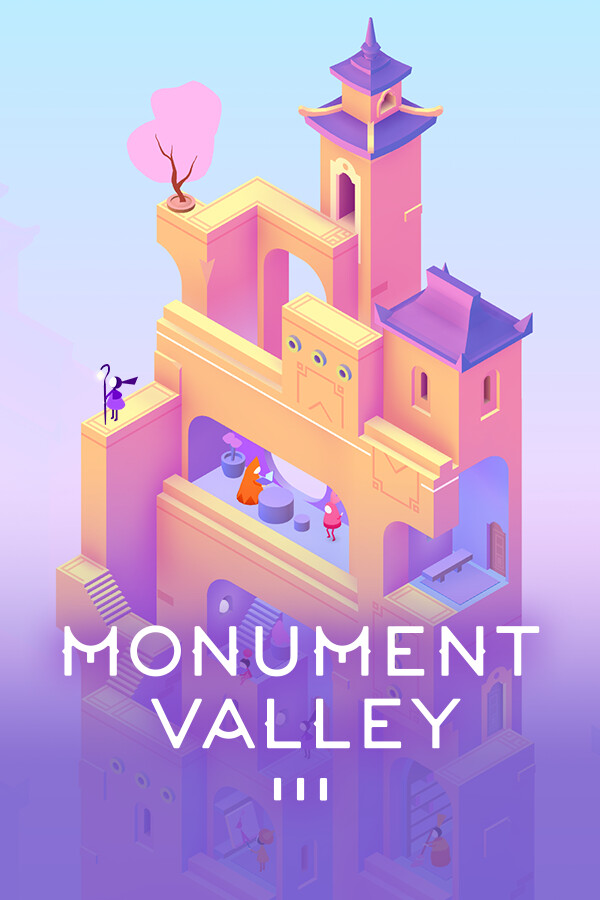
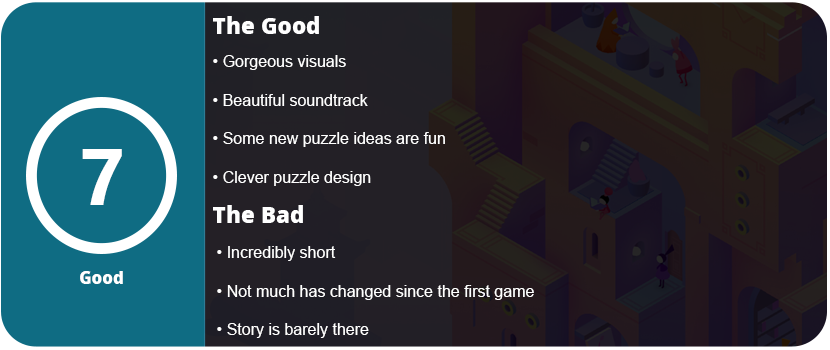
Monument Valley played a pivotal role in shaping the mobile gaming scene by demonstrating the feasibility of console-like experiences on mobile devices. With the flood of microtransaction-heavy free-to-play schlop on the app stores, Monument Valley was a beacon of hope for those who wanted to play single-player games on their phones. The MC Escher-like level design and clever puzzles were adored the world over, and USTWO was considered a pioneer of single-player mobile gaming. The second game was more of the same, which everyone wanted, but the third game here is still more of the same. That’s also what we want, but we want something longer than two hours. With the series venturing into console and PC territory, the short length isn’t as forgiving.
The overall game is exactly the same as before. If you play all three of these games back-to-back, you could be forgiven for thinking they were the same game or DLC of the first. There’s not much new here outside of a more streamlined and cohesive narrative. While it’s more visually presented with a girl named Noor trying to restore a lighthouse to a tribe that lives in the ocean (or that’s how I interpreted it), there’s nothing crazy storywise and never has been with the series. A lot of emotions are invoked through the fantastic soundtrack and visuals. The bright colors and the continuation of the MC escher style puzzles with perspective and illusions at play make this series one of my favorites of all time, right next to echochrome.
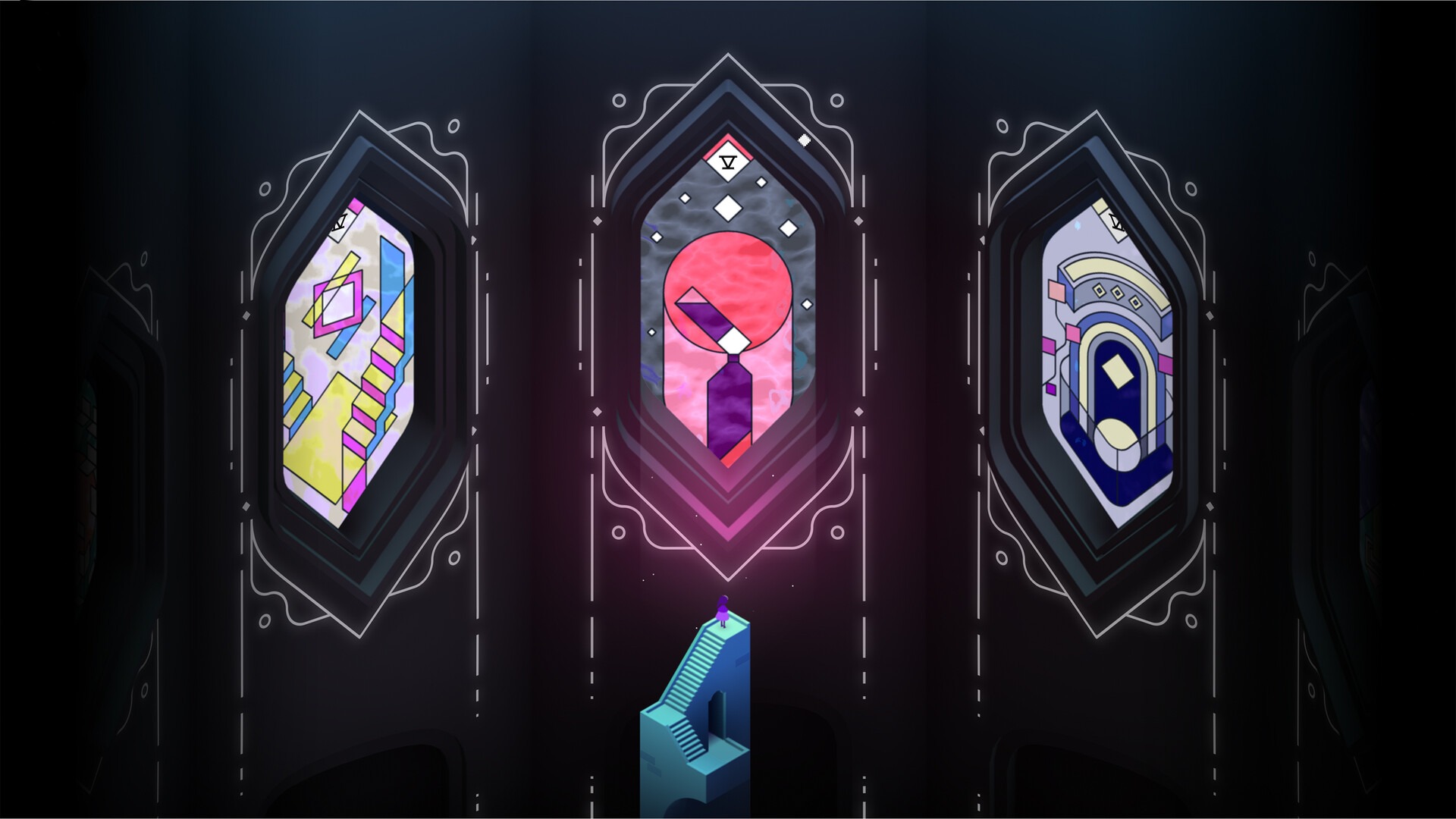
The game is easy to understand thanks to visual context. Parts of the level that can be manipulated are represented with hollow pips similar to a Lego block. You can move these freely while Noor is on them, and it’s required to solve some puzzles. You can’t always expect to just move a piece and command Noor to walk to the exit. Some pieces are moved with a spinner, and these can not be moved while Noor is on one of them. These are some of the harder puzzles, and they really require you to look outside of the box and take perspective into mind at all times. There’s a new gameplay mechanic here of being able to command a boat (it’s a leaf bug with an eye on its sail that blinks). It’s such a fantastic design. These may require moving a character back and forth between platforms to solve a puzzle. Another puzzle-solving element is a growing tree and having the leaves appear on different parts of a platform. These are subtle gameplay ideas, but they are new and welcome.
With all that said, the game is still just way too short. There are only 11 levels, and you can finish the game in a single sitting. I wanted more. I have always wanted more from this series. They are spread so far apart that when they come, you cherish them like an expensive sweet. The soundtrack is ethereal and beautiful, the visuals pop on OLED displays, and the level design is like no other. These games are well worth a playthroughif you love puzzle games. Just don’t expect a lot.
For those who grew up in the 90s, that decade was a special time. Before social media, smartphones, and tech being as advanced and convenient as they are now, we were right there during that transition. We still used analog video, but computers were now more common as well as internet access for Web 1.0, or the “Wild West of the Internet,” as some people call it. There’s also something about summer vacation, no matter what walk of life you lived, that was special. This was when we were home more and our parents wanted us out more. For those who were smaller kids, it meant going further than you were allowed and exploring from dusk until dawn. As teens it means doing part-time jobs, usually working 4 hours a day, and then hanging out with friends either at the movies, doing sleepovers, or camping. Those dog days of summer are what makes teens and helps them discover themselves.
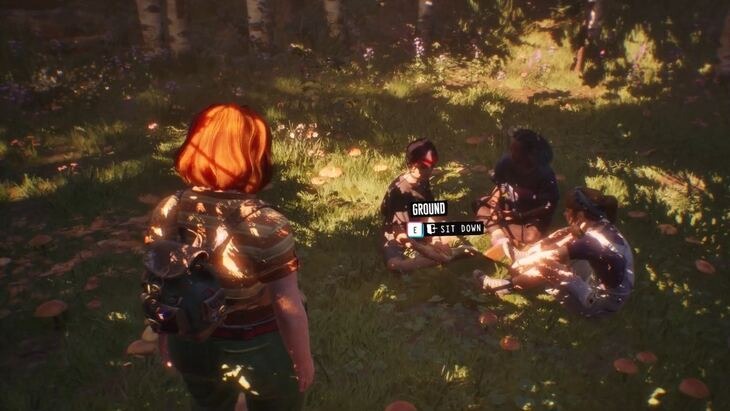
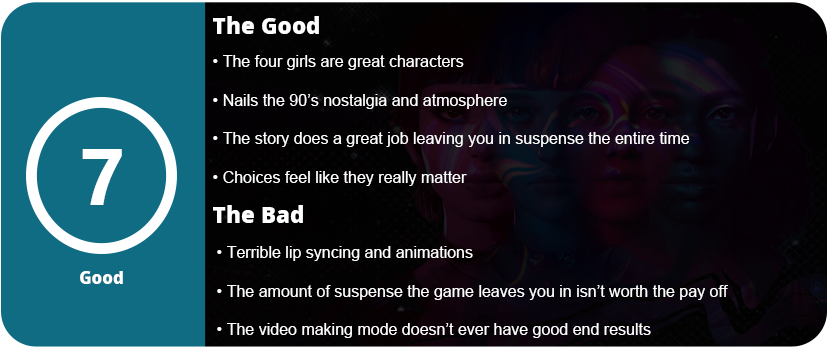
DONTNOD are masters at capturing this moment in our youth. The nostalgia factor here is on par with Life is Strange. You play as a woman named Swann who is trying to reconnect with her three childhood friends. It’s 1995. Swann, Kat, Autumn, and Nora are all 15- and 16 year old girls discovering their youth. In the present time, these women are now in their mid-40s. They have lived the first half of their lives, but they are coming together to meet at the quiet town they grew up in called Velvet Cove. It’s a small town in the northern part of the midwest bordering Canada. The sleepy town is full of bad memories for the girls. The first girl you meet up with is Autumn. As you talk about and figure out why they are meeting, you will go through flashbacks of their childhood.
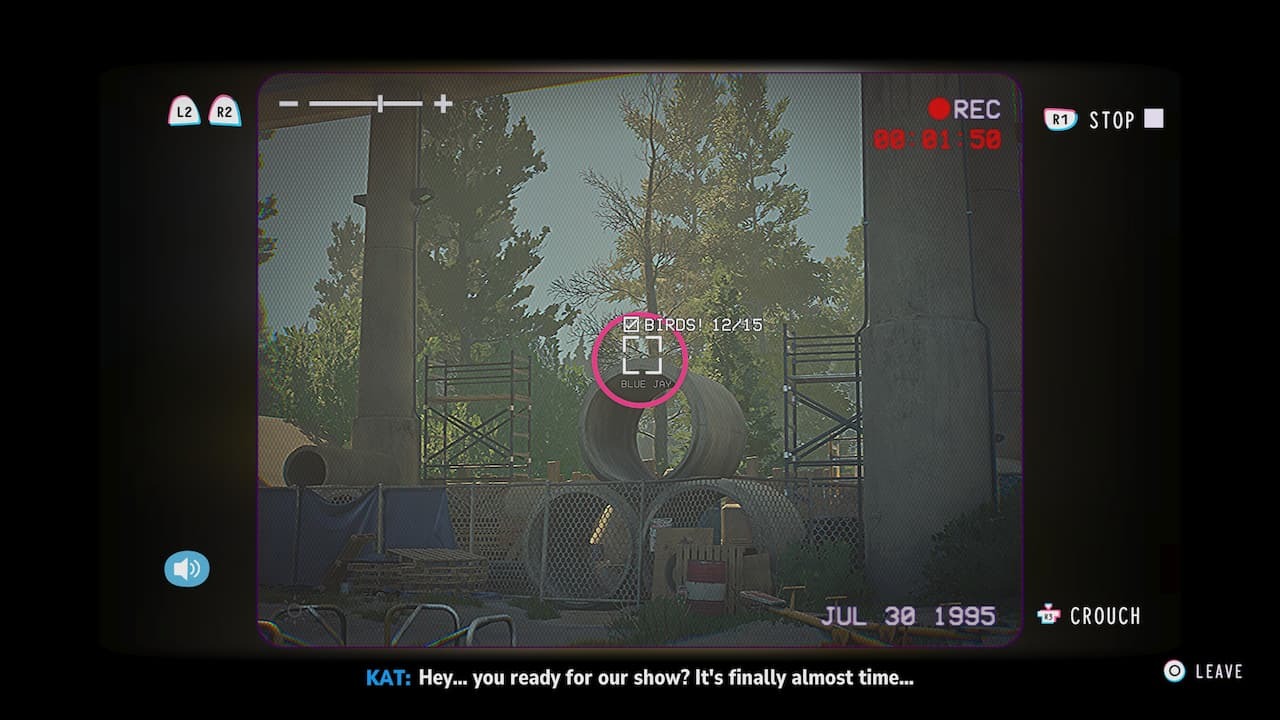
The game plays similarly to other DONTNOD adventure titles. You walk around and interact with objects and listen to Swann’s inner monologue, but there’s a new gameplay idea here. Recording small video clips to make home movies. Swann wants to be a director someday, so the first scene in her room is all about the tutorials. When you hold the camera up, you will see gray boxes around objects that need to be filmed. You will find subjects for each tape, and of course this is all part of a hunt that leads to achievements. It’s a neat idea and looks good. The analog camcorder filter used looks good, but the end result isn’t. The game uses your footage, so Swann’s narration dubs over the characters’ dialogue, and it’s a mess. There are awkward animations, and the fact that you can record at any time makes things look weird and doesn’t fit the subject of the edit, such as the music video you end up making.
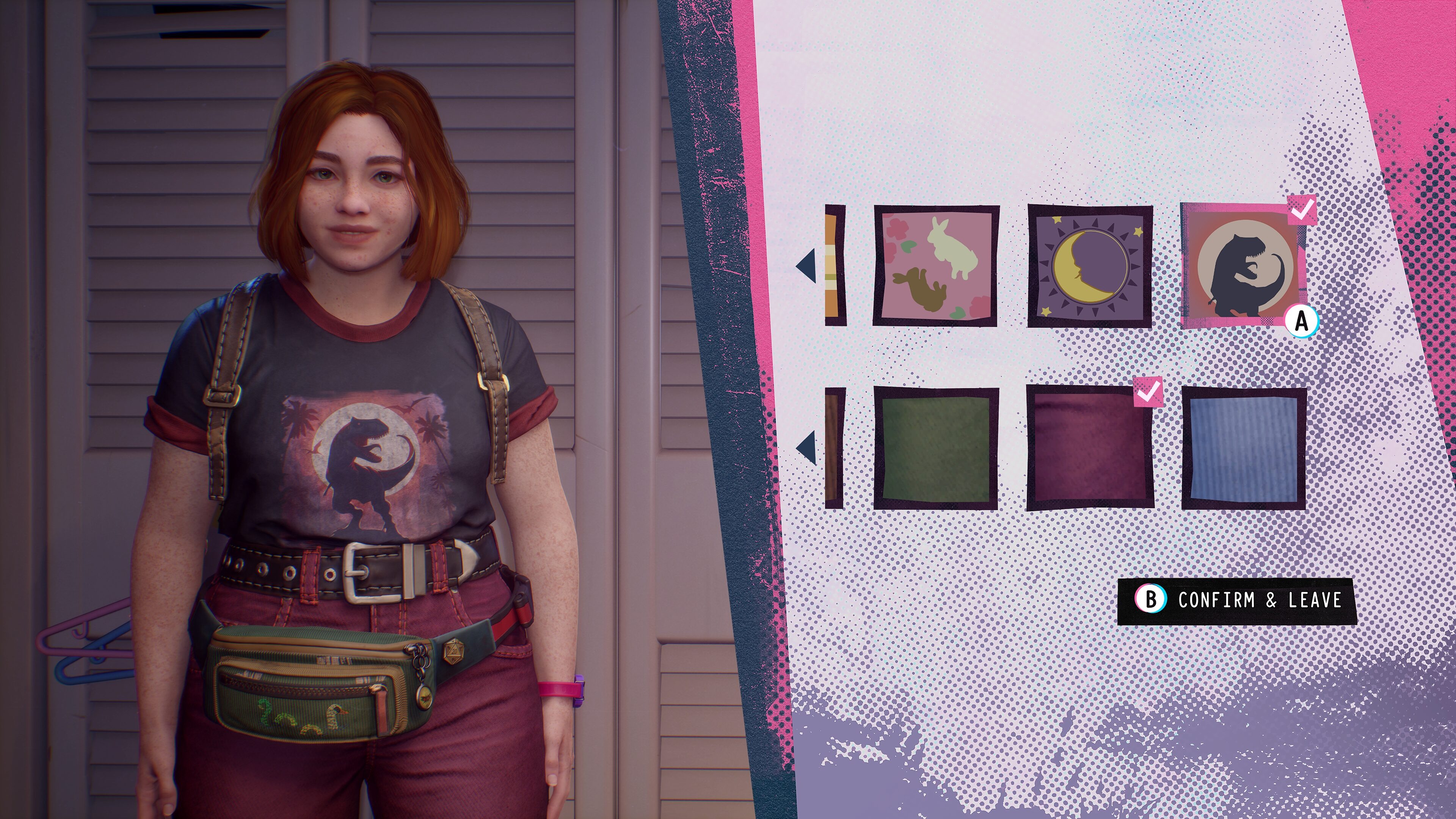
This is the only gameplay in the entire game outside of making choices during dialogue. The goal here is to build up a relationship with certain characters to change the outcome of the relationships towards the end of the game, but it’s very subtle and doesn’t have an impact on the core ending. The characters are stereotypical teenagers. Nora is the rebellious, loudmouthed punk who smokes and drinks. Autumn is the mature, responsible teenager who can occasionally be coaxed into doing immature things. Kat is the youngest, lives in a troubled home, and is full of anger. Swann is the overweight, shy girl who has a lot of heart and likes to be alone. These are all stereotypes we can associate with growing up. Teens usually want to be boxed into something to feel like they fit in. We have all been there in our youth. While the voice acting is mostly decent, it’s not perfect. Emotions don’t always hit home, and small talk can feel a bit awkward, like each character is in a separate room and not together. The lip syncing is even worse, with entire lines not having the character’s mouth move.
Like most other DONTNOD games, there’s not a whole lot of locales. Many are recycled, or small rooms will be for a single scene. Interacting with certain objects can change the relationship status with someone. If you are doing something positive towards someone, you will see a heart pop after selecting the line. Something that the character doesn’t like will have a heart break in half. Growth toward the character overall will show a sapling grow. If you have met a certain point in the relationship or answered a different way from before you can unlock new options which will appear with a lock opening. You can’t be in full favor with everyone, so it’s best to pick your favorite and stick with that. Some choices will change the full outcome of growth with a character anyways and change it for the rest of the story. Overall, the typical nostalgia trip wrapped in a supernatural event is what DONTNOD is good at, and it shines well here.
The visuals are a big improvement over older titles, but it’s still nothing groundbreaking. It uses the same engine as the newer Life is Strange games (Double Exposure and True Colors). The animations feel awful and hand-done, with weird physics glitches all the time. Heads would spin around 360 degrees, hair would flop around, and some characters would just warp through the ground. Clearly this is an engine issue and not a game issue, as these problems pop up throughout all of their adventure titles. The overall art style is well done with a dreamlike haze over everything to represent remembering the past, and the present feels more suppressive and depressing. At least they knocked the art style and the atmosphere out of the park.
Overall, Lost Records is a great adventure title with the same quirks and problems as other games in the studio’s catalogue. While the characters are well written, and the nostalgia trip back to the 90s is fun, the rest of the game just doesn’t work too well. There are limited areas, the dialogue choices don’t affect the ending, and the entire payoff is a bit disappointing. I don’t want to spoil anything, but the game does a good job ratcheting up the tension for a big reveal. You spend most of the first tape getting teased about a big reveal for it to not be anything super impressive or crazy. It’s a surprise, but nothing that needs 4 hours of suspense. I also feel anyone who didn’t grow up during this time won’t have the same connection as older gamers. Those would feel more at home during the present time with the presence of smartphones and modern tech and lifestyles.
The concept of a video game taking over real life isn’t just a metaphor. There have been numerous instances where excessive gameplay has resulted in fatalities. But what about a game literally invading the real world? Is it actually real or a hallucination of the main character? Among Ashes explores this idea of a late 90s to early 2000s setting of a real game taking over the protagonist’s life. You play as a nameless gamer who ends up playing some indie game that his friend found and sends you the link over MSN Messenger (it’s MSN; it even has the same chimes and sounds). You can use the computer with a Windows 98 style setup. It’s not super interactive, but you can click links that open a web browser to a forum. The game inside the game is called Night Call. It’s a lost game from a developer that ends up putting it on this horror fan forum. You, of course, play this game along with your friend, and every so often you will go back and forth on the messenger talking about events in the game and what’s happening in real life.
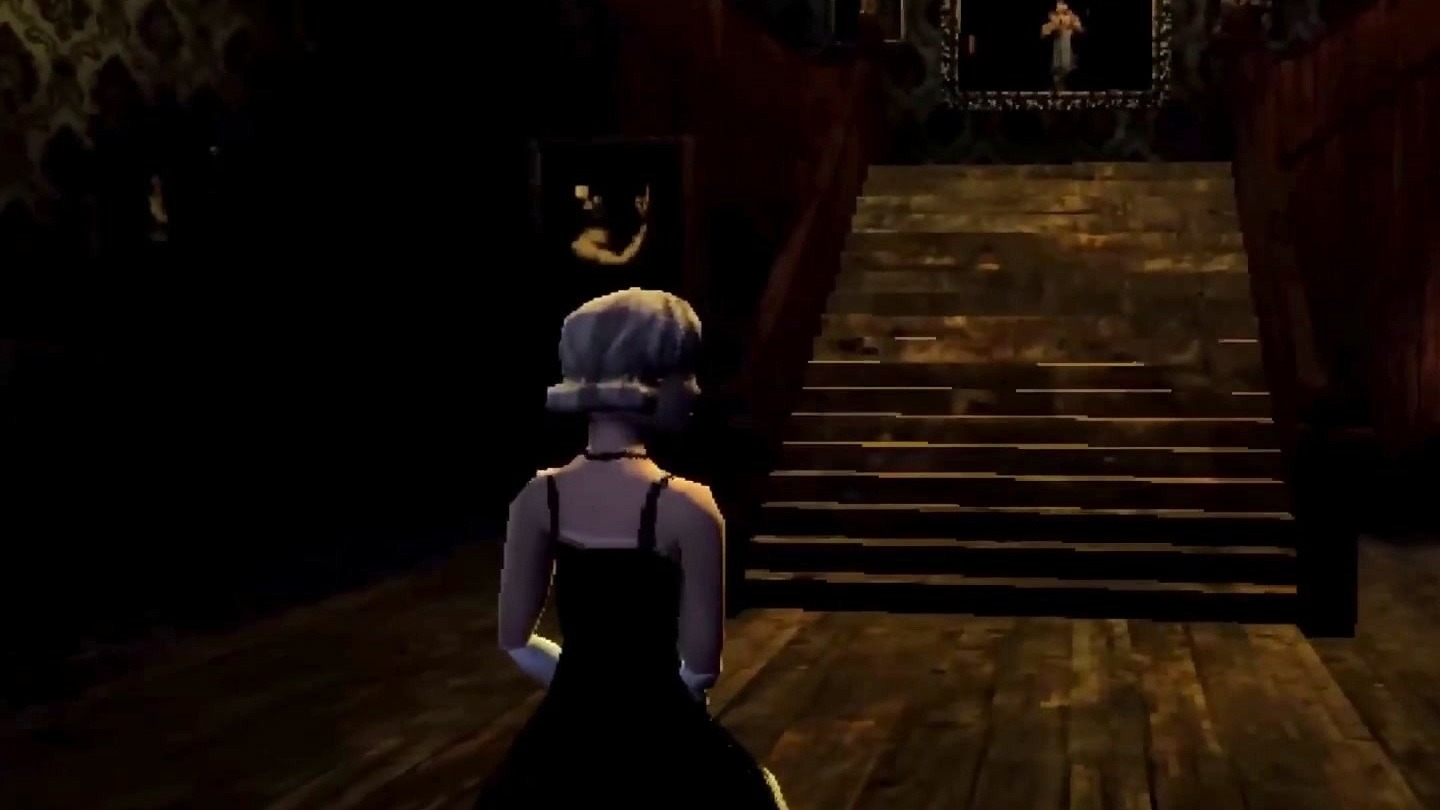
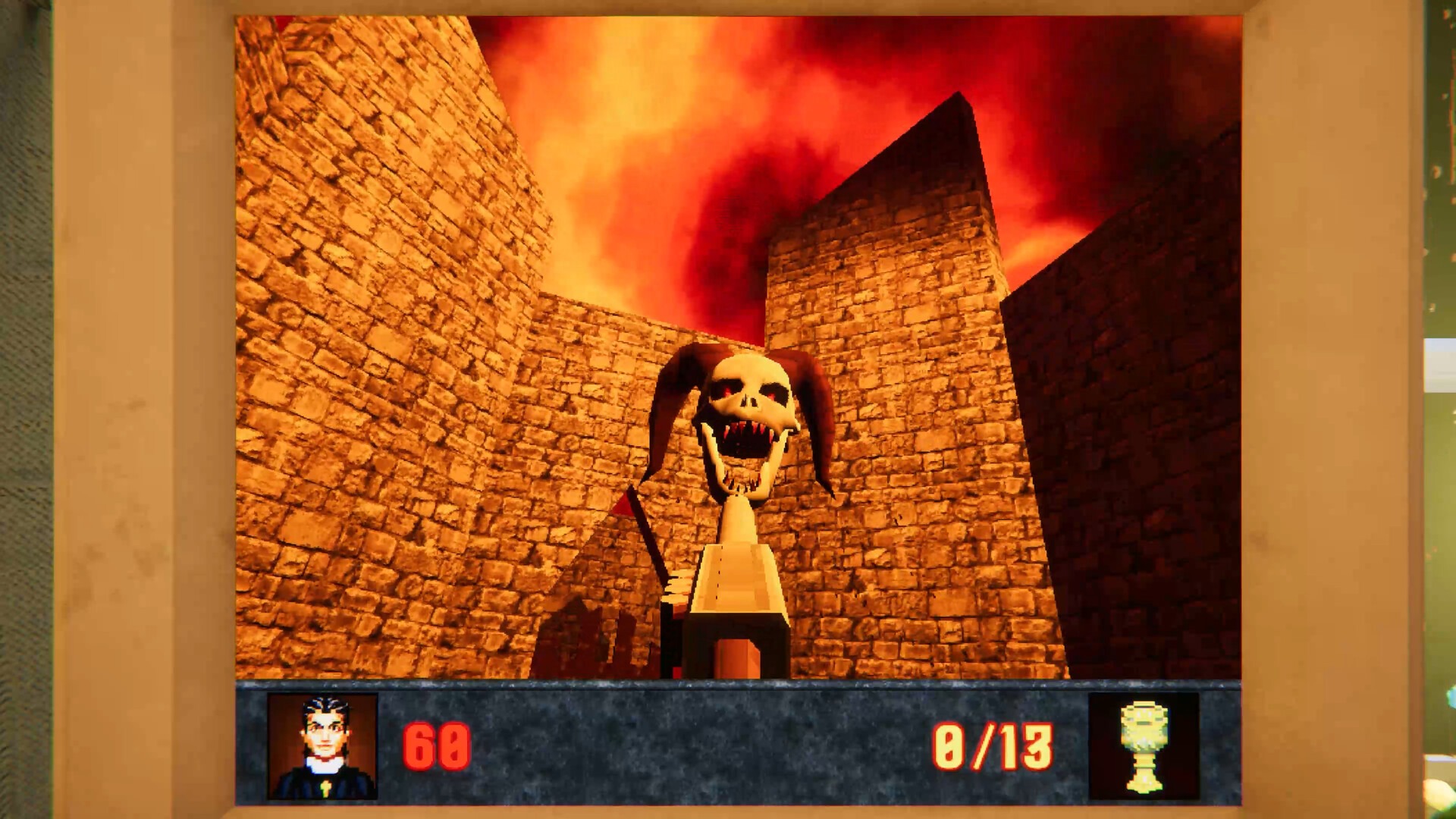
Among Ashes is a melding of genres. It starts out as a Resident Evil clone with PS1 style graphics in a first-person perspective. You arrive at a mansion and are greeted by the maid. You make your way upstairs to talk to the resident doctor about reports of a woman screaming. Of course, this leads to puzzles, wandering around aimlessly with no direction, and combat. Combat consists of beating enemies over the head with a baton. You can block, which helps, but you also get a shotgun and revolver at certain points. It’s best to save the ammo for when you are surrounded by enemies, but I also recommend playing with a guide. There is a hedge maze that’s incredibly confusing to navigate, enemies respawn (they don’t die permanently), and there are typical lock puzzles, math puzzles, gathering hints puzzles, switch flipping puzzles, and so on. There are even a few chase scenes and a maze-like cave system with an enemy chasing you towards the end, and you have to flip switches and open gates. It’s frustrating and doesn’t add the right kind of tension to the game.
There are a couple of other game types thrown in here. There’s a game within the game of Night Call that’s for the Commodore 64. It’s an 8-bit action game that is required to play to advance the story. It’s not good, it’s repetitive, and it can get really hard sometimes. You only get three hits and you’re dead, and enemies can swarm you. There’s also an FPS Doom clone you can play inside the game, which is pretty bad, but it gets the point across. I will say that the game nails tension and atmosphere, and the monster designs are pretty insane. I love the scares here too. There are a couple of jump scares and just subtle scares, such as a monster staring at you through a gate. Not every scare is in your face. Some can be missed if you aren’t paying attention.
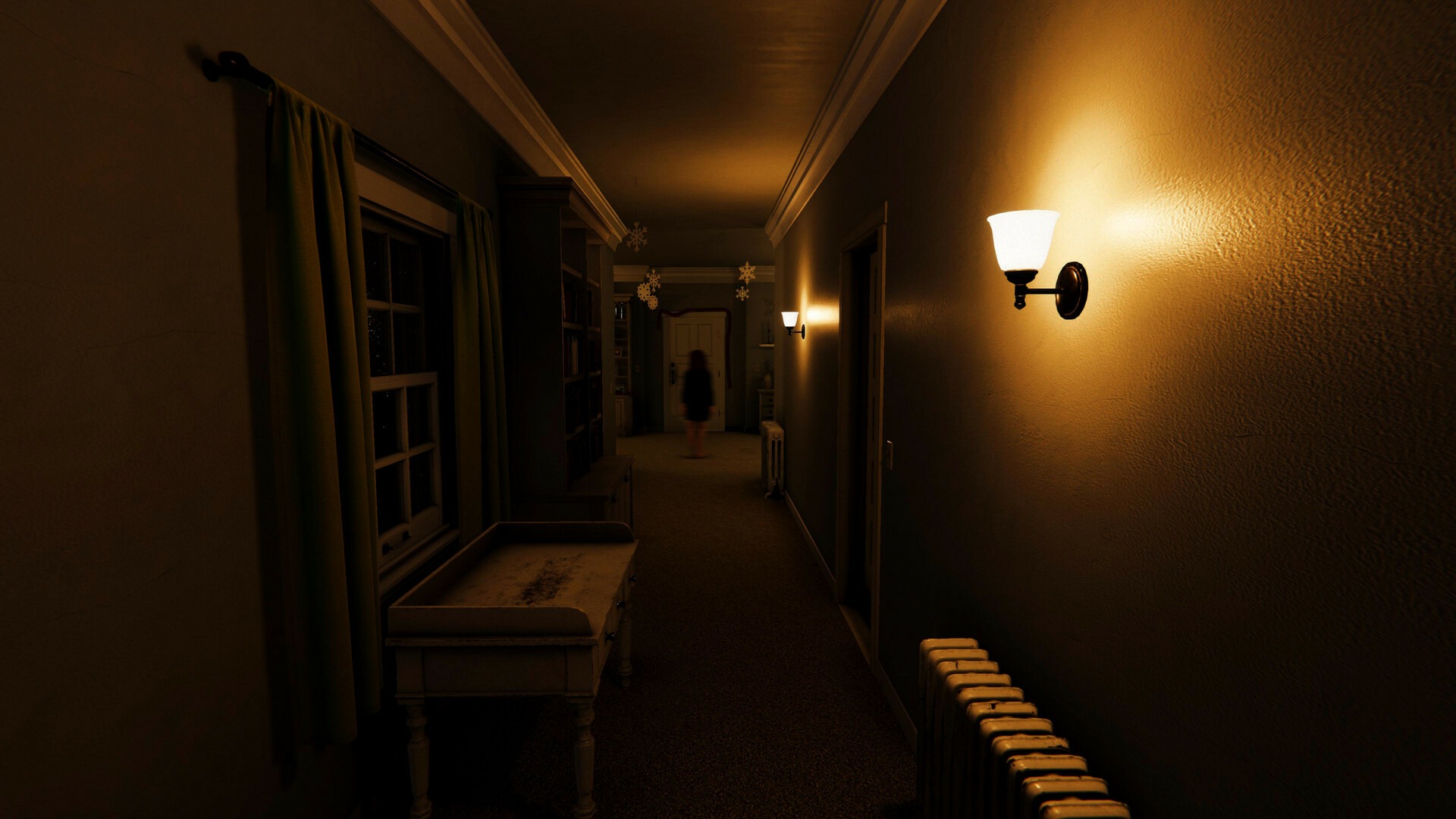
When you get up from your computer in the real world, it almost feels like a breath of fresh air, but things get crazy here too. Objects appear, things become rearranged, and you are very quiet. It was also refreshing when your friend would IM you, as the game feels very isolated, which is a good thing that it nails. I felt very alone, and any sign or hint of another person was so relieving despite how brief it was. The last act of the game falls into the usual indie horror trope of doing crazy things like constantly changing rooms, teleporting you to different locations, recycling older locations, etc. At least, the story maintains coherence throughout and doesn’t deviate significantly towards the conclusion.
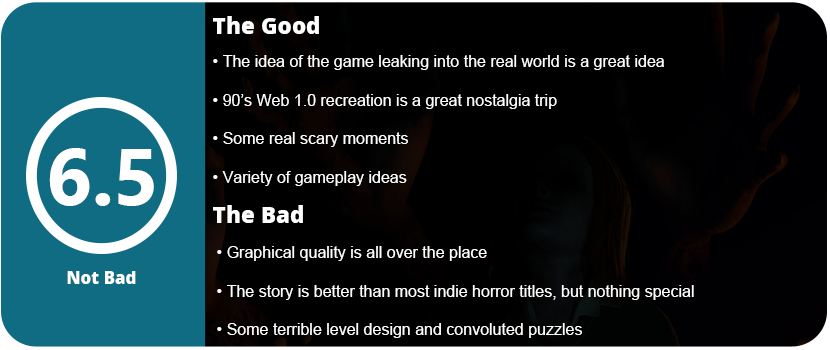
Outside of the great atmosphere and tension, the game just lacks in the actual gameplay department. It’s not fun to play, and the mechanics, while trying to be purposefully bad to fit the type of game it’s trying to emulate, just aren’t done well. Respawning enemies, confusing mazes, obtuse puzzles, and weird boss fights that don’t feel good are all over the place. I liked the story; the Web 1.0 feeling on the PC is nailed perfectly, and the tension is there. I just wish this was wrapped up into an actual fun game to play. Thankfully, it’s over in 3-4 hours.
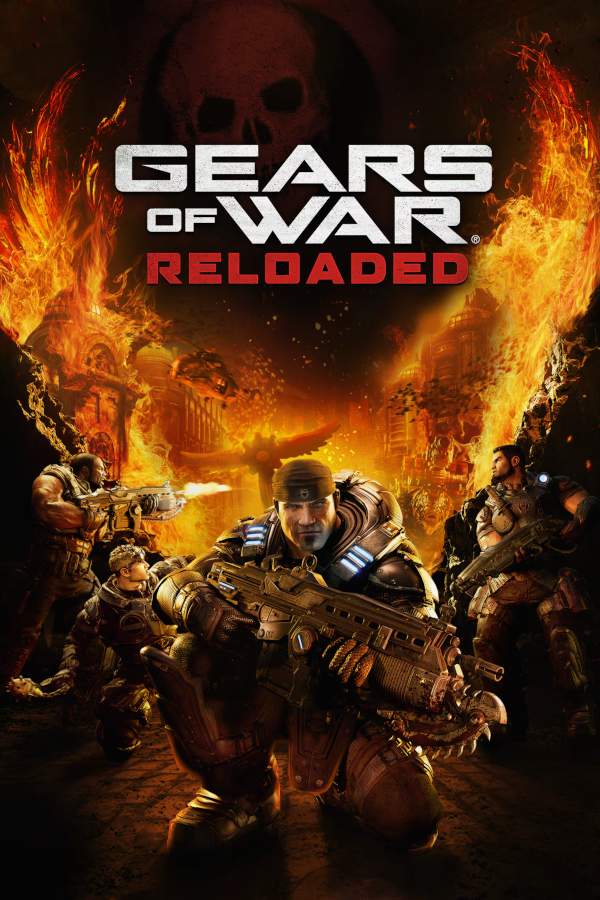
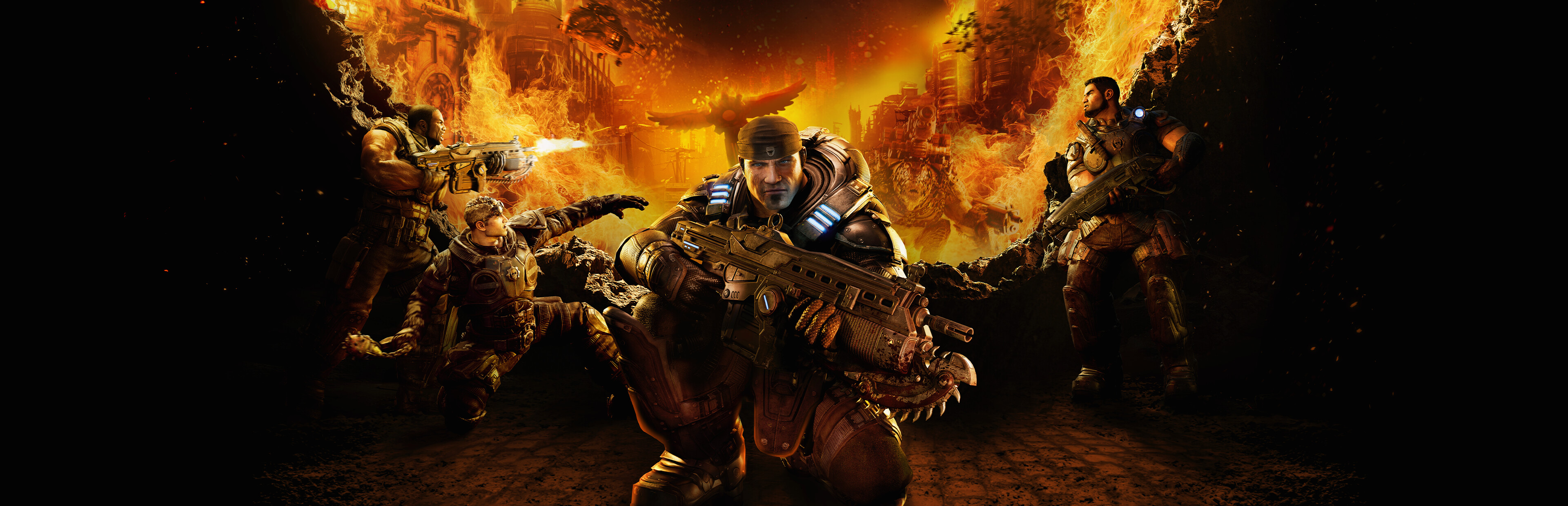
As much as I love Gears of War, and for how iconic and revolutionary it was at the time, it doesn’t need three remasters. Yes, that’s right. It was already remastered before with the 2015 Ultimate Edition release. It was originally released on PC for the first time under the Games for Windows banner and featured DirectX 10 updated visuals and a brand-new chapter in Act IV that involved taking down a Brumak. The Ultimate Edition was already disappointing to some, but having the game further remastered was still nice, and I ate it up. Here we are a decade later, and the impossible has happened. Gears of War is now on PlayStation. This is the second most coveted Xbox franchise next to Halo. How could this possibly be? What kind of timeline have we jumped to? Well, if Xbox’s current downfall isn’t enough to spell it out, then I will. Microsoft is losing money on their GamePass feature as well as the Activision buyout and needs to desperately get their games on more systems. That’s okay, as the PS5 Pro version is the best console version.
With the shock aside, at least the price tag is nice. For $40 you get a remaster and a full multiplayer suite. For those who never played Gears of War, they are in for a real treat. For me, this is the fifth playthrough (twice on Xbox 360, once on PC, once on Xbox One S, and once on Xbox One X for the Ultimate Edition). The Ultimate Edition is also currently broken on PC and the original release has long since been taken down. So, outside of Xbox, this is the best offer for PC and PS5 players. The campaign is still fantastic despite how short it is, and its age is showing. Shooters back in the mid-2000s were still maturing, and we were still in the linear hallway shooter phase. The game still looks fantastic, and while nearly every game that used Unreal Engine 3 of the era was compared to Gears of War, it was the granddaddy of “grey and brown” games. This was on purpose. You are thrust in the middle of a war on a fictional planet called Sera (Earth is never mentioned), and a new beast called the Locust has emerged, committing full-blown genocide. It’s up to Marcus Fenix and the four-man Delta Squad to deliver a lightmass bomb to destroy their tunnels and stop them for good.
Gears of War was applauded back in the day for its fantastic cover system and level design. Marcus snaps into cover with ease. He can switch covers close to each other, roll out of cover, and use the Roadie Run feature, which brings the camera down near his legs while he crouch sprints for a cinematic effect. Gears of War was all about feeling like a movie. The over-the-shoulder camera perspective was heavily inspired by Resident Evil 4, and it works well here. When you aim your gun, the camera zooms closer, right up to Marcus’ face. It was something that was never seen before at the time of release. Gears also pioneered the Active Reload mechanic in which you need to press the reload button at the right time, and any bullets reloaded in that clip do extra damage. You will eventually have muscle memory of this feature and rarely ever miss. If you do, the gun will jam, and you will need to wait a few seconds before firing or switching weapons. It’s an awesome feature.
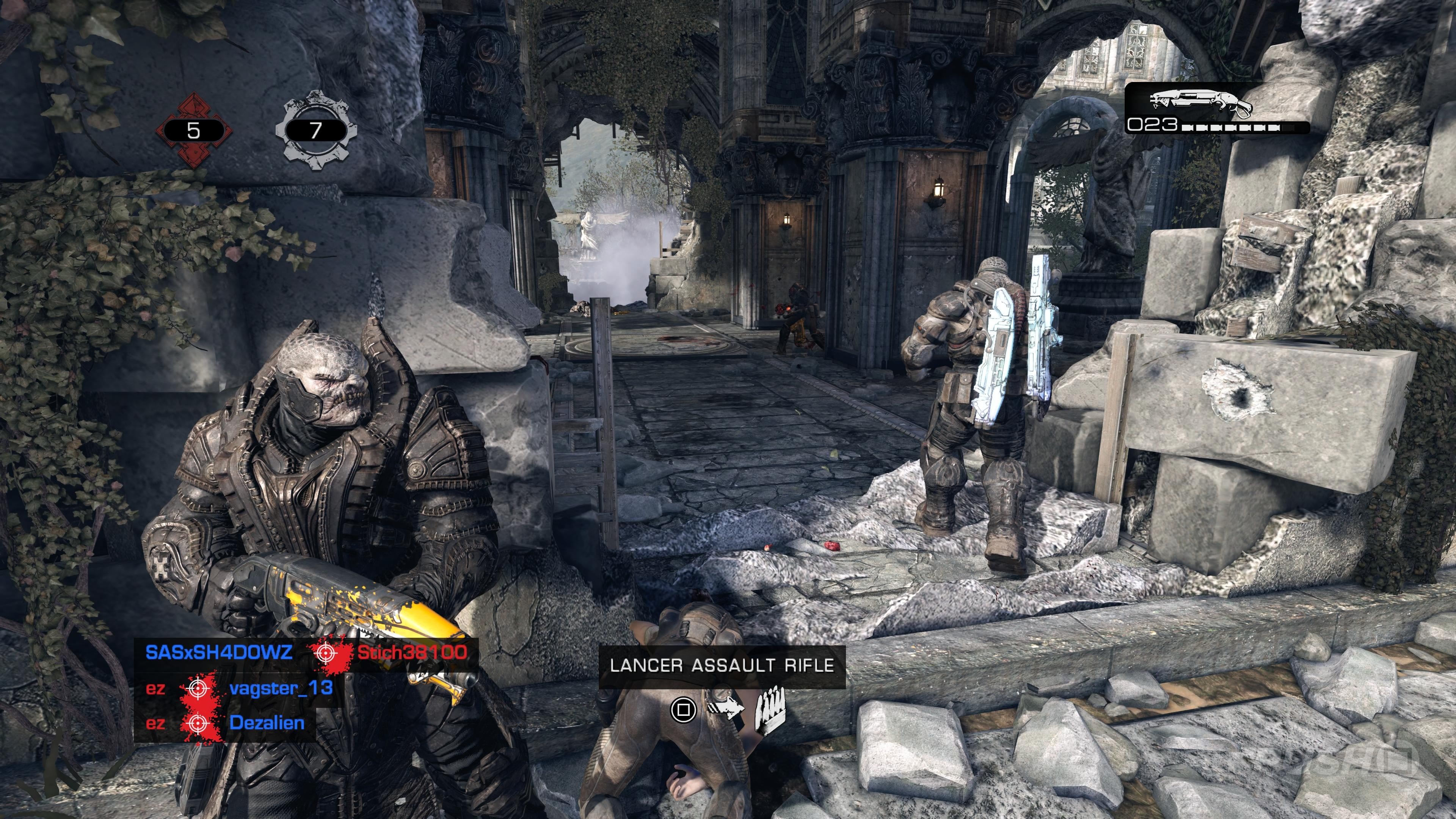
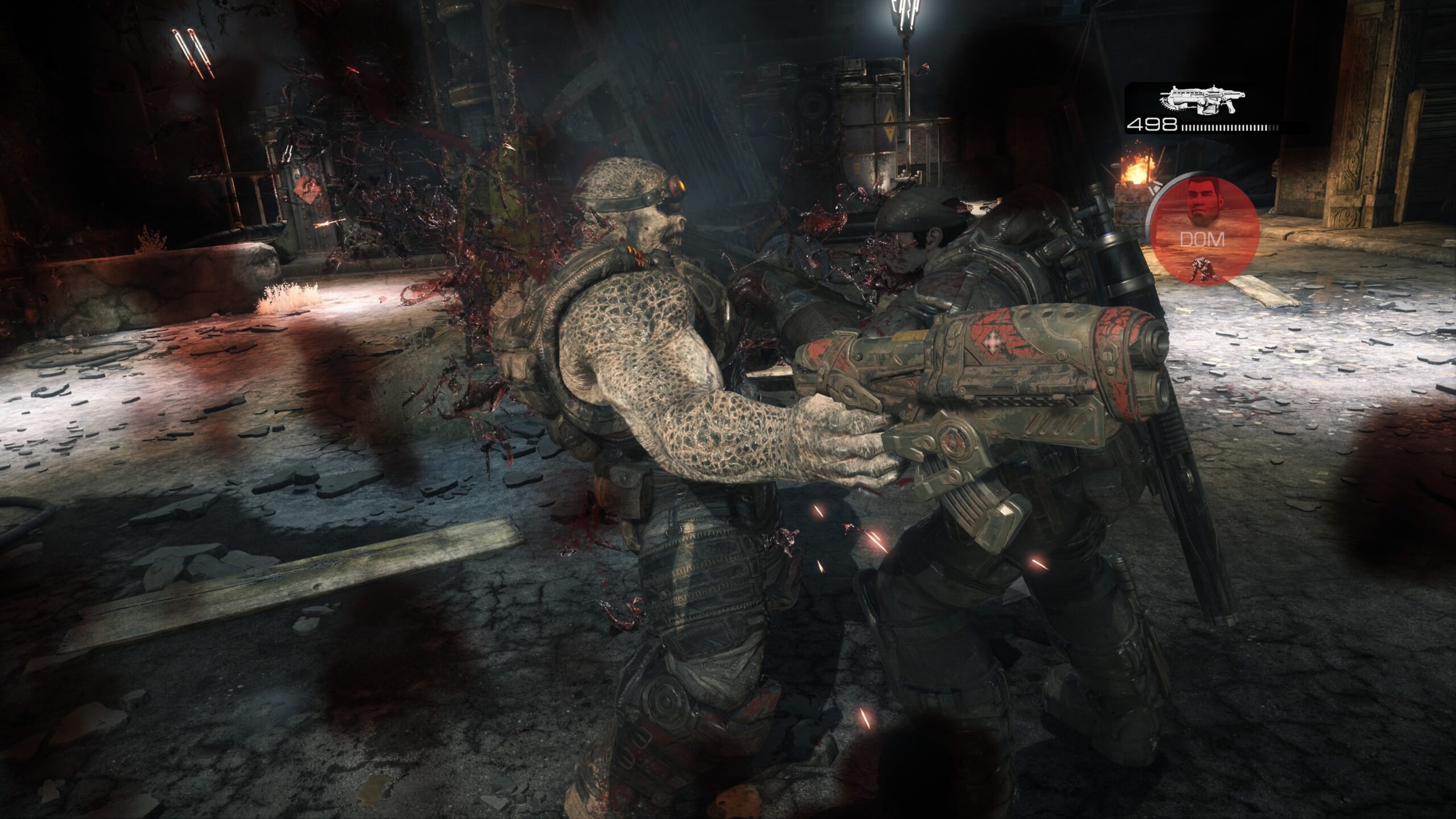
Gears‘ weapons are also well designed and perfectly balanced. The default Lancer Assault Rifle, an iconic weapon now, shoots large clips, has surprisingly good accuracy, and has a chainsaw mounted on the bottom. You can rev this up and saw an enemy in half. Even 19 years later this never gets old. The gib system is satisfying, with enemies exploding into chunks from grenades or getting sawed in half. One other feature that was well regarded was the sound effects. Gears of War has a distinct sound system and has never been replicated. The crunchy sounds of the guns, the reaction of enemies getting hit (which was a big deal) from enemies getting gibbed by grenades, or the subtle sound effect of “one more hit and you’re dead, so get into cover.” Gears of War took a page from Halo and featured a recovery system for health. A red Gears logo slowly appears in the center of the screen as you get hit. On higher difficulties (I cleared this on Hard, but not the hardest), it requires patience, careful flanking of enemies, and using the right weapons. The PS5 DualSense adds a layer to that crunchiness of the weapons. The adaptive triggers and vibration work wonders allowing to now actually “feel” how the weapons should be. This can’t be experienced on Xbox.
The level design requires you to flank enemies and close emergence holes. Tossing a chain grenade into a hole will close it up and stop respawning. They don’t infinitely respawn, but only killing two that crawled is better than waiting for all six. The Locusts are formidable foes and well designed. Not only do they look menacing, but each one has a design language that tells you how to approach them. Enemies can wear helmets, meaning headshots won’t work right away, and the Theron Guard have full armor, which takes longer to take down. The bigger Boomers have Boomshot grenade launchers and are bullet sponges. Then there are the occasional enemies like the Wretches, which are small ape-like creatures that come in swarms. There are Berserkers, which can only be taken down by a Hammer of Dawn, which is a satellite-guided laser. It’s freaking cool despite only being used three times in the game. The Berserker can’t see but can hear you, so you need to guide it around with sound to knock walls down to open up the roof for the satellite to triangulate. It’s neat.
The downside to Gears of War, and the aging part, is not only how linear it is, but also how sparse the story is and how little is explained. While the game is greatly expanded upon in the sequels, and especially the novels, it just feels like it’s over too soon. You want to get to know Delta Squad more. Their personalities are great and well written. Marcus has a dark past (why was he in prison at the beginning of the game?). Dom is trying to find his missing wife but is only mentioned a couple of times. Cole is an ex-football player, but his past isn’t talked about at all, and neither is Baird, who is the nerdy smart guy of the squad. It makes sense that in the heat of this war, going point to point with no breathing room means there’s no time to get to know anyone. Thankfully, this was changed in later sequels, but it’s just odd that this isn’t a remaster of the entire trilogy. The banter between the squad is great, and many new players will want to know more.
There are also some other things that didn’t age well, like some of the clutter in the levels. There are random chairs, stoves, and home appliances kind of haphazardly strewn about in ways that make no sense. The entire game is built like a video game and not like a world people would live in. Some areas just don’t make any sense. I don’t feel like I’m fighting in a city but a video game level. Despite how much Gears wanted to be taken seriously, its world-building is really lacking. Thankfully, the campaign is less than 6 hours long, and you can play with a buddy in co-op; that’s always fun. Just don’t give up on the series yet if you have never played it before. There is more to come. There also aren’t a whole lot of weapons in this game. The arsenal is small, and you will mostly stick to a couple of guns. I also hate how useless the Boltok pistol feels in this game. It’s the only weapon with no feedback when it hits enemies, and the snub pistol is pretty much MIA after the first act.
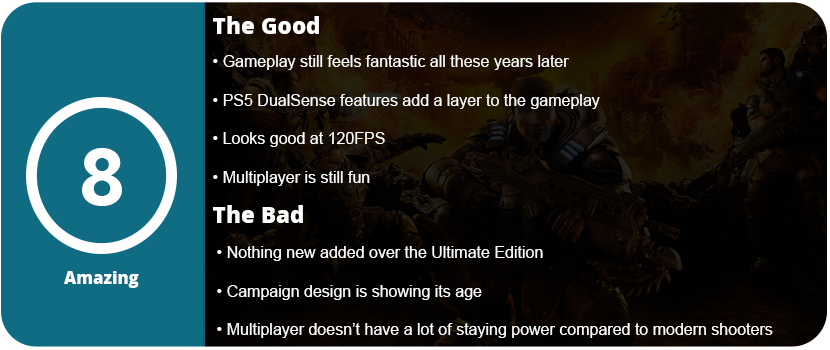
The multiplayer suite is…fine. I was never a fan of Gears multiplayer. I feel the gameplay doesn’t translate well when fighting against others. There are also some of the better modes from later games missing like Horde. Many will get frustrated with cheap deaths like the rolling shotgun blast. It does feel like an old-school shooter with regular modes that are missing in most of today’s games, so some players will find this refreshing in a world of Call of Dutys and Fortnites. This is an unnecessary remaster to begin with. The game runs smoothly on PS5 Pro at 120 FPS with no dips. The game uses the Pro’s PSSR and there are enhanced textures and lighting. It looks pretty much identical to the PC version. At least, I couldn’t tell the difference. If you’re new to the series or are a hardcore fan, I would say the low price is worth it. While the campaign will only last an evening, the multiplayer may be enough for people to keep coming back.





































 thebinarymessiah.com
Clearly you have been blocking everything you or haven't played the game at all. Maybe pay attention to the story…