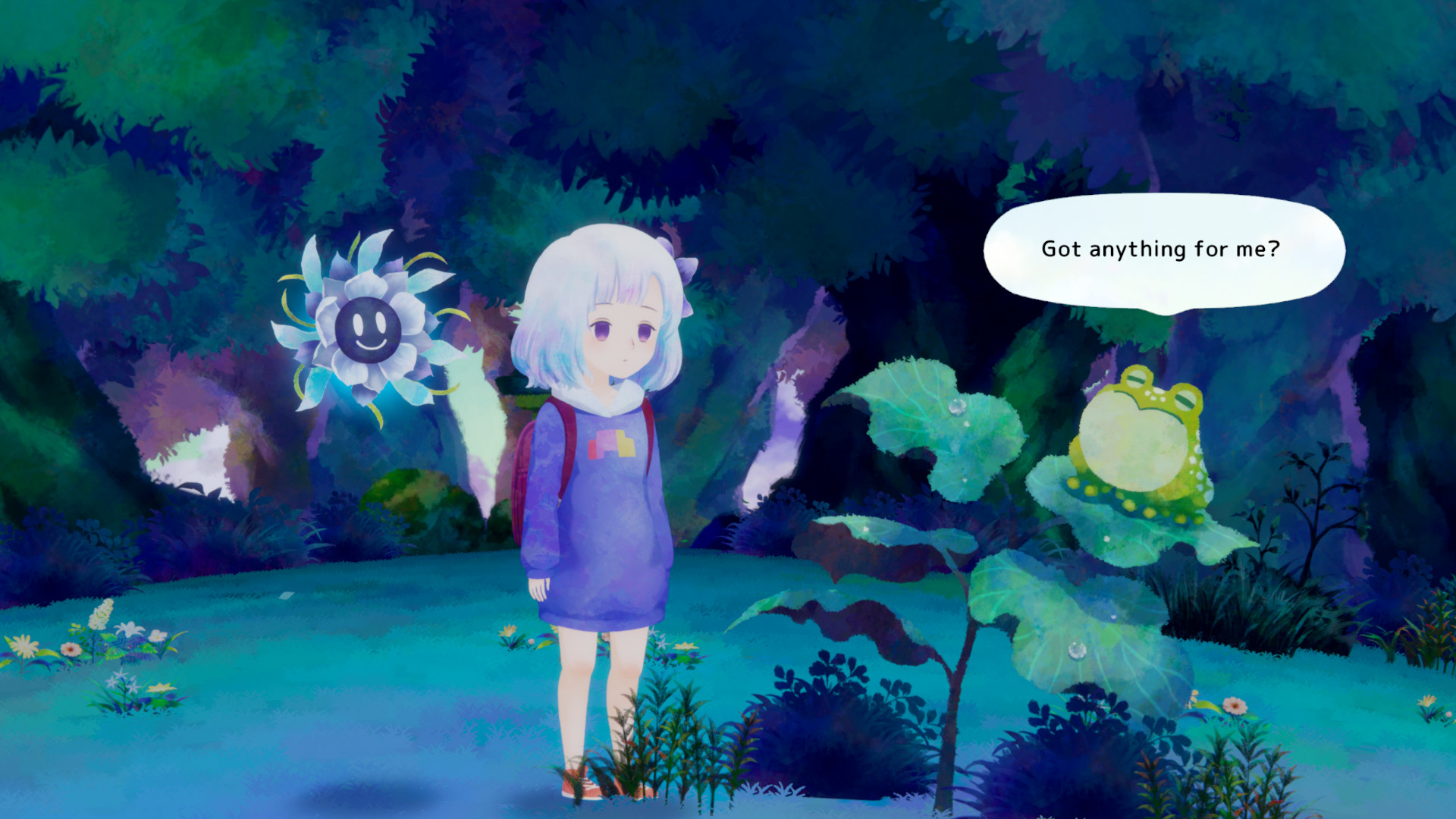
Sumire is a beautifully made game with charming visuals and well-written dialog. While you can finish the game in about 3 hours, it’s quality content, and I was moved and touched by the story. You play a young girl named Sumire, who has recently lost her grandmother. The death split your parents up and made them distant, and you feel like your life is falling apart. One night, a magical seed flies through your bedroom windows, and you befriend a magical talking flower who only has one day to let you see your grandmother again.
The game is in a 2D sidescrolling style, but there’s no platforming here. This is a typical adventure game, but there really aren’t many objectives, and there’s no obscurity or cryptic puzzles here. In fact, there are no puzzles and very few characters to interact with. There is a map with a few areas you can fast travel around to, but there is a good and bad deed system set in place that can change the ending of the story. The game really focuses on being good to people, being the mature one in a situation, and realizing that life is finite. It’s pretty heavy stuff.
Early in the game, you come across creatures you can do good things for that aren’t complicated. Give a scarecrow a hat; give a frog a bug to eat; but what bug you choose will determine a good or bad deed. Other larger objectives have you delivering things to people from other people, and these are pretty much done as the story progresses. The first half of the game is spent wandering around collecting a few coins to spend and spending them wisely, on yourself or other people. There are a couple of mini-games thrown in for good measure, but the second half of the game picks up the pace quite a bit as the story concludes.
The music is also fantastic and really gets the heartstrings plucking as you really feel for these characters and Sumire’s understanding of death and just that in life you have to let things go, things end, and death is permanent. Her constant reliance on the flower is also sad, and it’s just wishful thinking and false hopes. Sumire also sorts out a love relationship and has to solve her bullying issue with three girls who constantly pick on her. It’s stuff every teen goes through in life, and it really brought me back to mine. Thankfully, I never felt lost or wondered what to do next, as you just move left all the time and the story unfolds itself.
Usually, I frown at games that are this short, but if they have a lot to show in such a short time, I’m happy. Sumire has a great story that’s short but really makes you think back to your teen years and early 20s of having to face life alone for the first time and realizing every action you take matters and affects you until the day you die. So many life lessons are tossed in here at rapid-fire but dealt with in a touching manner. However, there still isn’t much of a game here. You walk around, collect coins, talk to animals and creatures, do a few small fetch quests, and then move on with the story. It’s satisfying and fun, but I felt the side quests were a bit pointless. It’s not like you have a heavy dialog with these creatures and come back to them later. It did feel a bit like filler to me.
Overall, Sumire is a beautifully crafted game with great music and heavy dialog that can be really touching and nostalgic, and it just feels like a good, wholesome game in the end. It’s relaxing, doesn’t expect too much out of you, and after a few hours, you get a nostalgic trip back to your teens and early 20s, when life just got started.
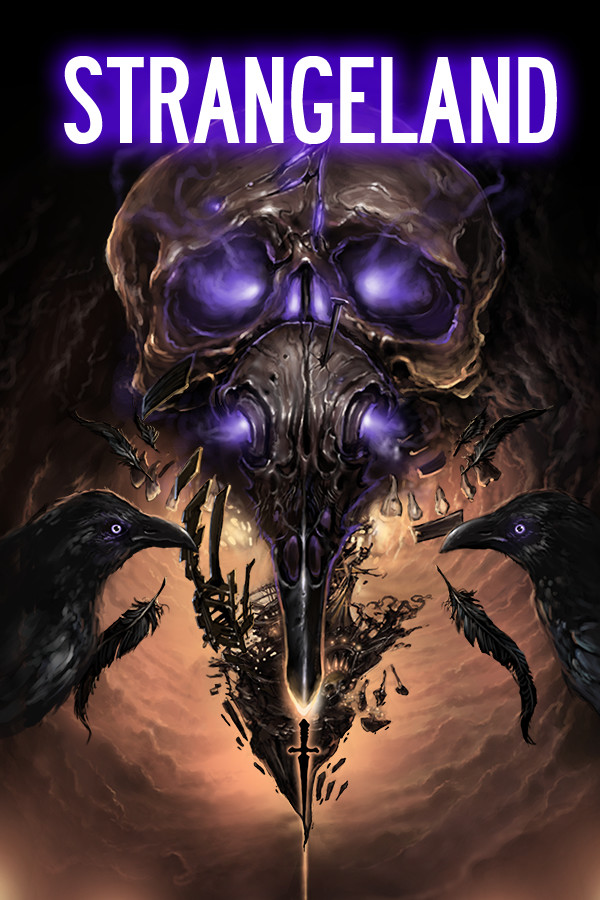
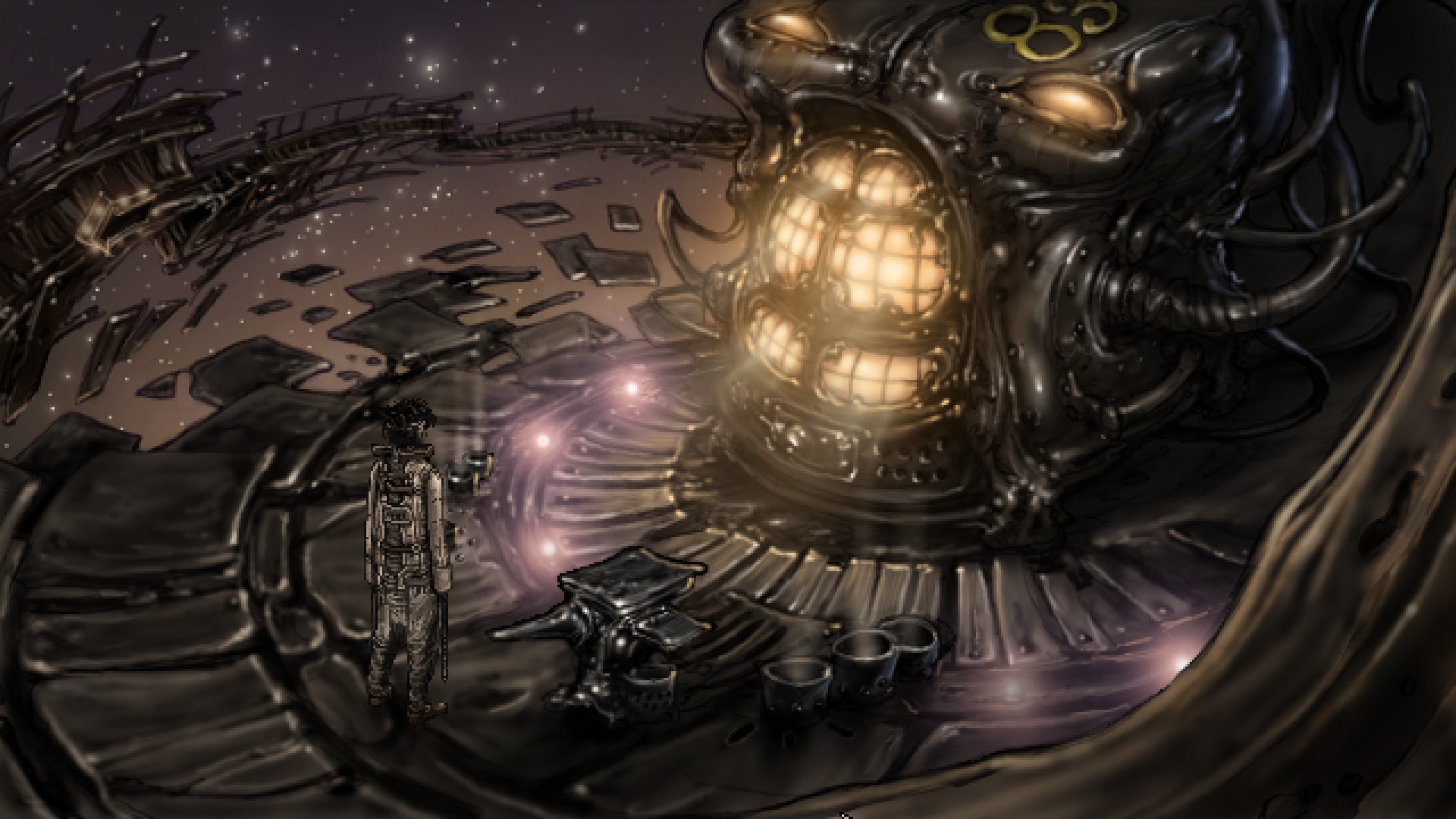
Strangeland starts out with you playing like a man in a straight jacket inside a carnival of sorts. The art style is dark, dreary, depressing, and looks great. The point-and-click adventure pixel art of yesteryear looks great, and I love this style of visuals. As you talk to the talking entranceway, you gain entry to the main area of the game, and like every adventure game ever made, you progress by exploring, talking to people, and picking up objects.
The main goal of Strangeland is to fight something called The Dark Thing, and you are trying to find a golden-haired woman who you think is your lover, but you aren’t sure. You can acquire hints for the game at any time by using the payphone in the main area, and this is a really big help. There isn’t much to the controls as you just walk around picking up items, some of which might need to be combined, and figure out where to use them.
The largest downside to Strangeland is its complete lack of world- or character-building. Each character speaks pointless riddles that have no meaning, and I don’t understand why. This world looks interesting, and I want to learn about it, but it’s so short—about three hours long—and there are so few characters that I feel I have rushed along to the end. Even the ending didn’t really make much sense after all of what you went through felt pointless. It’s not really hard to figure out where items go where you don’t get that many, but there are a few puzzles in the game, and they don’t feel like puzzles. I just randomly clicked around and solved them, so there’s that.
This is also a very small world. There are many 8 main screens you visit, and the second half of the game reuses these screens when you are in Deadland. And again, I can’t stress enough how awesome the art is. There’s gore, gross fluids, and strange pits that lead nowhere, and sadly, it’s all smushed into this tiny play area with not much to do. It’s not possible to get lost, and once you exhaust all the dialog options with a character, you can no longer talk to them. Your ultimate goal is to kill the Dark Thing, and I believe the ending had a choice, but I wasn’t sure. It ended so abruptly and unsatisfactorily that I just shrugged in the end. I really enjoyed the art and the voice acting, but that’s all there really is to the game.
In the end, Strangeland is so short that I don’t have a lot to say about it. It looks good, it’s not super cryptic like most adventure games are, and the voice acting is good, but the story just doesn’t make sense, and we never get to know more about the characters. What is Strangeland? Why am I here? How did I get here? Why am I in a straight jacket? Nothing is answered or explored, which is the main reason adventure games exist. To explore a world, story, and characters. This feels like mostly an art exhibit and nothing more.
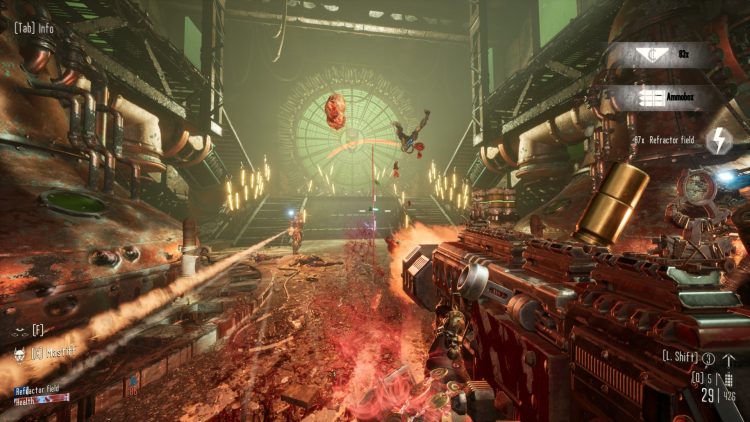
I love the Warhammer series a lot. My first introduction was a small figure I was given as a gift in junior high back in 2003. I had a friend who was really into the series, painted the figures, and was all in. My parents couldn’t afford the figures, so I turned to video games. My first experience was Dawn of War. One of the best RTS games ever made. Then…that was it. I then played Dawn of War II and then Space Marine, but was still fascinated by the lore, art style, and designs. This comes across well in Hired Gun. The game is oozing with style and tons of steampunk design. Weird mutilated bodies everywhere that are full of strange tech, gross underground sewers, and tons of violence and gore. The game looks amazing, but that’s probably the best thing about the game.
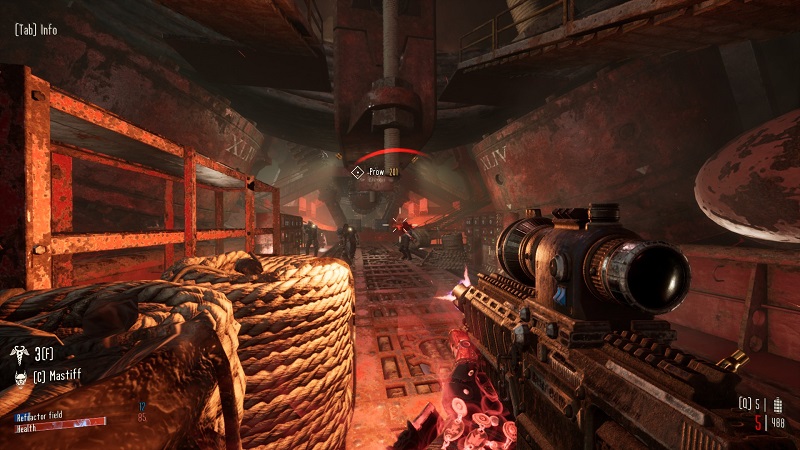
It was advertised as Doom set in the Warhammer universe, but it is not. When you start the game, you pick your avatar and difficulty, and you are off with just a revolver. Right away, you take in the amazing art and visual design the series is known for. Then, within a few minutes, you can start shooting and moving, and that’s when everything falls apart. At first, the gunplay seemed fun. It’s fast-paced and punchy, and the guns feel pretty good to shoot. Then, at the end of the first level, you are already tired of it because there’s nothing else to do. Every single level is a shoot of everything that moves through poorly designed levels. Now the art is nice, but the actual design and layout of the levels are terrible. Tons of endless corridors to nowhere, hidden treasure chests that are not interesting enough to find, credits, and places to jump around and wall run on. Yes, it’s fast-paced and feels pretty good, but it’s so boring.
Another issue I have is that enemies spawn at random places, and there’s no pattern. You run around an arena, shooting everything in sight, and when you go to pick something up, an enemy drops another, shooting you from behind, even though everyone came out of the same door on the opposite side of the room. It can lead to cheap deaths as you get a shield to protect your health, and you can buy stims to revive you if you die. There are grenades that can clear crowds, but overall, the layout of the levels just doesn’t help. I can jump around everywhere, but what’s the point if everyone spawns randomly?
Some levels mix up arenas where you are locked in a room and heavy metal music plays until everything is dead, and then there are just endless linear hallways where you mow down more enemies. Enemies splatter and gib in Unreal Tournament-style glory, but they are not interesting to look at or fight. Everything dies in a few hits, and each weapon seemed to do the same damage except for when it came to distance. The game shoehorns an RPG system into the game that feels completely pointless and useless. There are charms, armor, tokens, and various other bits that can be collected, but they can’t be equipped until your next mission. So, why bother with an RPG system if it can only be accessed between missions? Once you finish a mission, you’re rated (who cares?). You can then complete side missions for greater challenges and better loot, but no thank you. The main missions are drab enough as they are.
Once you complete a mission, you can choose what loot to keep, and the rest is sold. Once you arrive at the main hub, there are various vendors that allow you to buy and sell weapons, as well as bionics for you and your dog. Yes, you get a dog companion that attacks you, but that’s it. The bionics are bought with credits, and you can acquire various powers that kind of help a bit, but mostly you’ll just shoot everything. This is the main gameplay loop. Shoot everything through levels with nothing in between, fight an occasional boss, and build up your arsenal and bionics. The gameplay itself isn’t just boring; so is the story. Now, I’m no Warhammer guru, but with previous games, you kind of get some lore thrown at your real quick to understand your surroundings, but here you just fight this gang and that gang and work for this person. There’s no context. The voice acting is okay, but there’s no reason to care.
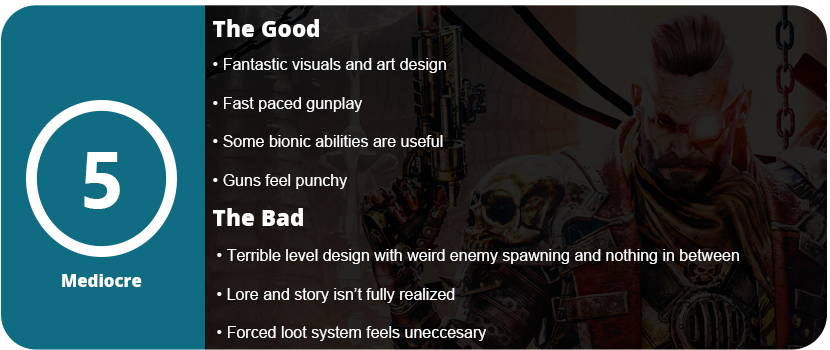
Overall, Necromunda had potential, but it was squandered with a forced loot system, a boring story and gameplay loop, and terribly designed levels. I love the visuals and the lore behind the series, but this game just doesn’t do it justice. If it were a straight-up linear corridor shooter with more thought put into the weapons, enemies, and level design, it would have been better. Also, the whole looter shooter thing needs to stop at some point. No one can get it right, and it’s widely overused. Sometimes less is more, and Necromunda proves that.
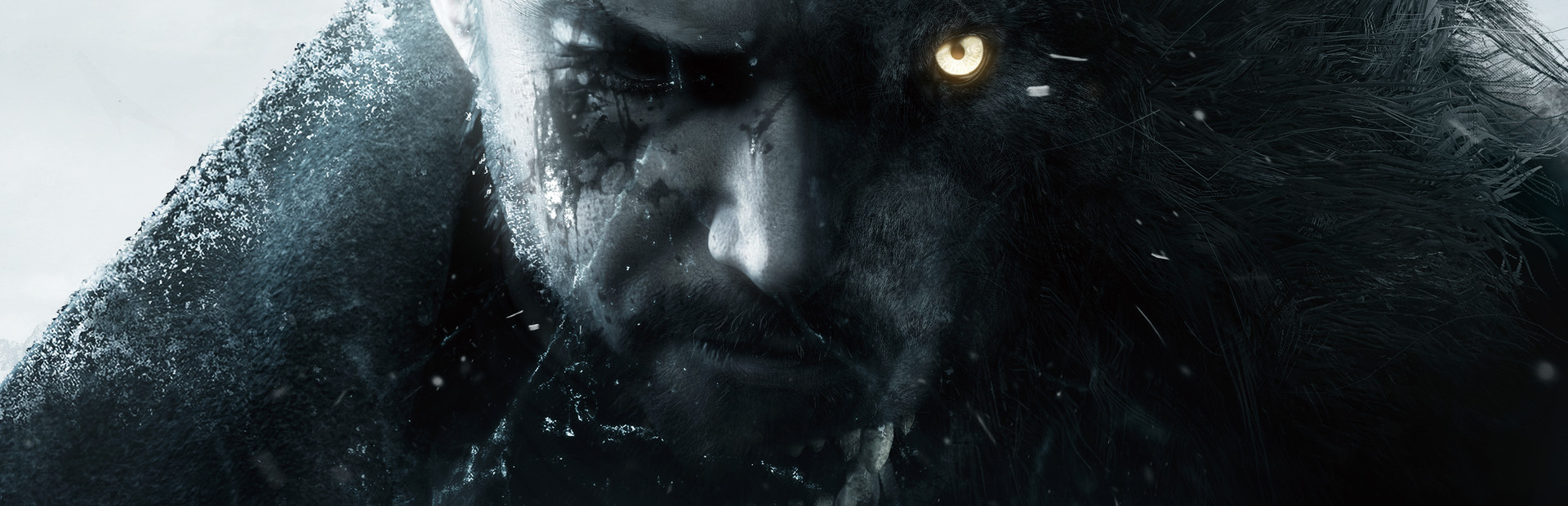
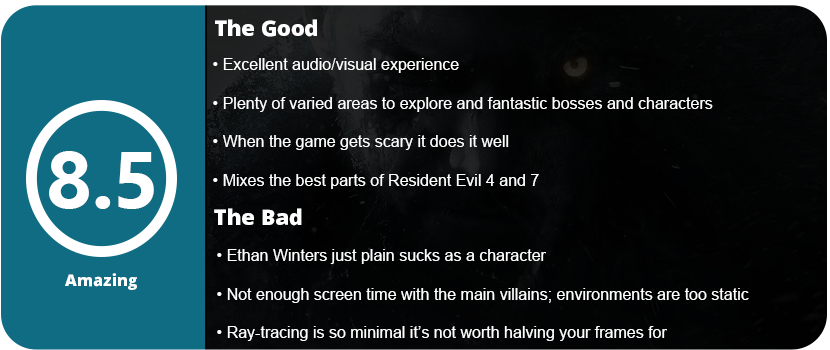
I will come right out and admit that I never finished Resident Evil 7. The game was just scary for me, but I plan to go through it now that I have finished the game. Resident Evil Village is the direct sequel to RE7, where you play Ethan Winters trying to save his daughter Rose, who was taken by Mother Miranda. You end up in a strange village full of new evil villains and a bunch of places to explore.
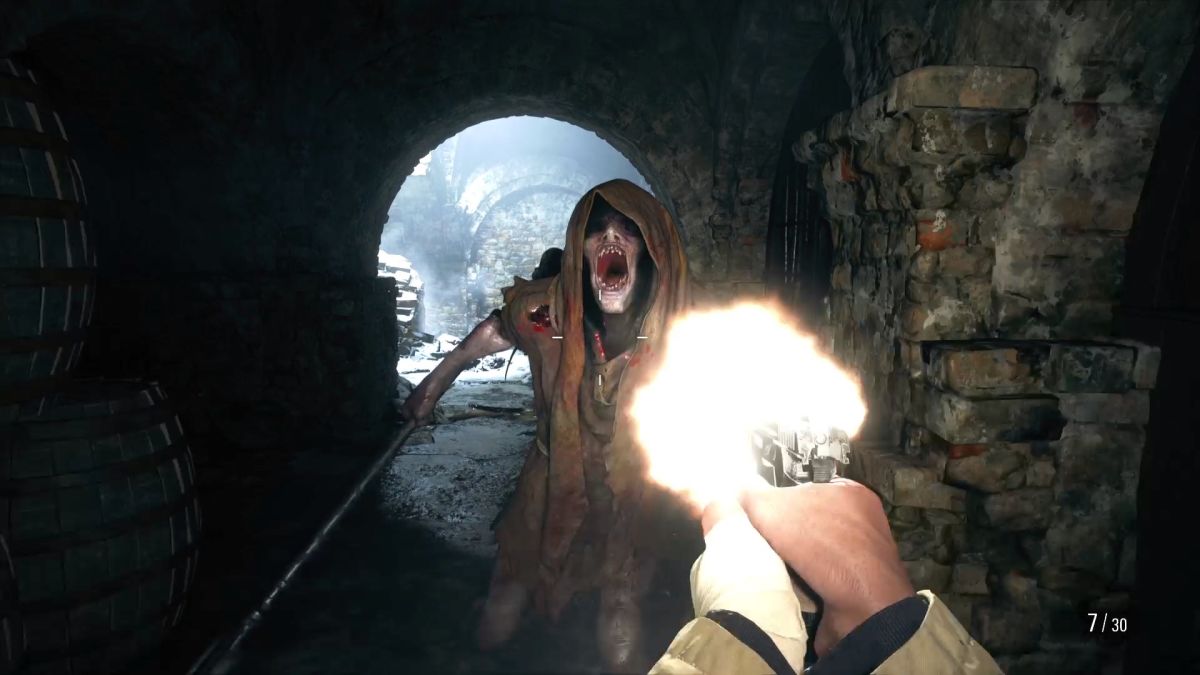
The entire game is played in the first person again, and the game’s settings and scare factor are set right off the bat. You end up in a seemingly abandoned village, and eventually you end up running away from Lycans. I don’t want to spoil too much of the story by giving away details about each area, but I will describe them. You spend a good bit of time inside the village, acquiring your first couple of weapons and learning the layout and controls. As you meet villagers and try to escape the Lycans, you end up in Lady Dimitriscu’s castle, one of the only areas that have been shown in great lengths for months leading up to the game’s release. This is where you learn to explore, solve a few puzzles, and understand that the entire game revolves around exploring an area and acquiring a key or item that unlocks the next part. This may involve a mini-boss or the onslaught of enemies.
Lady D’s castle has her three daughters chasing you, and they end up becoming mini-bosses. Lady D stalks you through the castle eventually, like Mr. X or Nemesis in previous games. If you spend too much time in one room, she will come through the door in her 9′ glorious beauty. She’s a fantastic character, as all of them in this game are, but sadly, there are only two cutscenes with her, and you don’t get to know her well enough before you finish her off and move on to the next area. There are three more areas that end up being the boss’s lairs. A marsh, a machine factory, and an old mansion. Each area is unique and a blast to explore, but the scare factor in this game is kind of weak. The game gets scary only in certain areas, and the majority of the game is just an eerie atmosphere, but not so creepy. Sadly, a lot of the environment is static and enemies don’t respawn, so the game feels tenser in some areas, especially with a lot of enemies around.
There’s a lot of action in this game, and it ramps up as the game moves on. Just like in Resident Evil 4, you can expand your cache storage and buy weapons from The Duke. He sets up shop in each area you explore and has a central hub that you eventually get to. There are many weapons to buy, some of which are upgraded over others. You buy things with Lei, of which the majority are acquired by selling crystals, gems, and various rare treasures. Large enemies, bosses, and mini-bosses all drop these crystals. You can buy upgrades for weapons as well as parts, just like in RE4. Duke has some limited ammo and explosives you can buy, but you can also craft items by finding parts laying around everywhere. This includes crafting ammo, explosives, and health. At some points, you must make every shot count, but I never ran out of ammo completely and got myself into a bad situation.
One issue I did have with the game was the confusing level design. You have to backtrack a lot, and in some areas, I ran around for 20 or more minutes trying to remember my way back to a particular area because I found the key to move on from there. It got frustrating, and the machine factory is an absolute chore to navigate. Nothing but endless hallways and dead-end rooms. Once you do find the key or door you need, it’s rather satisfying, and there’s a constant sense of progression throughout the whole game. Bosses aren’t very hard, but they just require you to stay on your toes and learn their patterns, and you must aim carefully.
The visuals in RE8 are pretty damn good, and they look great on PC. Sadly, the ray-tracing effects are minimal and not worth the halved frame rate even on my RTX 2080 in 1440p. I noticed no difference with it on or off. The lighting looks great, the textures are well detailed, and it runs well on any system. However, as I mentioned earlier, the environment is very static, and there’s not much interaction or dynamic things to look at. The game is also very linear, despite the areas being quite large to explore. It’s just a bunch of twisting hallways, and the village isn’t all that big. There are some extra things you can do, like shoot all the bobblehead goats, find all the treasures, and defeat optional mini-bosses for treasures, but most people will probably look past all of this. The sound design is amazing, with some really creepy sounds that are both loud and quaint. Being in the large mansion and anticipating something coming around in dead silence was great, and Lady D’s castle is haunting. You expect something to come around every corner.
Resident Evil Village is an evolution of the series, mixing RE4’s gameplay and RE7’s first-person shooter goodness. I do have to say that Ethan Winters stinks as a character, and I hate him. He’s horribly written, and I wanted to spend more time with the main villains, but alas, here we are. It’s sad we don’t get to see more of Lady D or anyone else, for that matter, except when you have short encounters with them in their respective areas. RE8 is a lot more accessible than RE7, and many people will probably finish this game. The difficulty is just right; it looks and sounds good, and it’s just a blast to play through. The scare factor is all over the place, the main areas can be labyrinthine in design, and the extra modes after you finish have varied mileage.
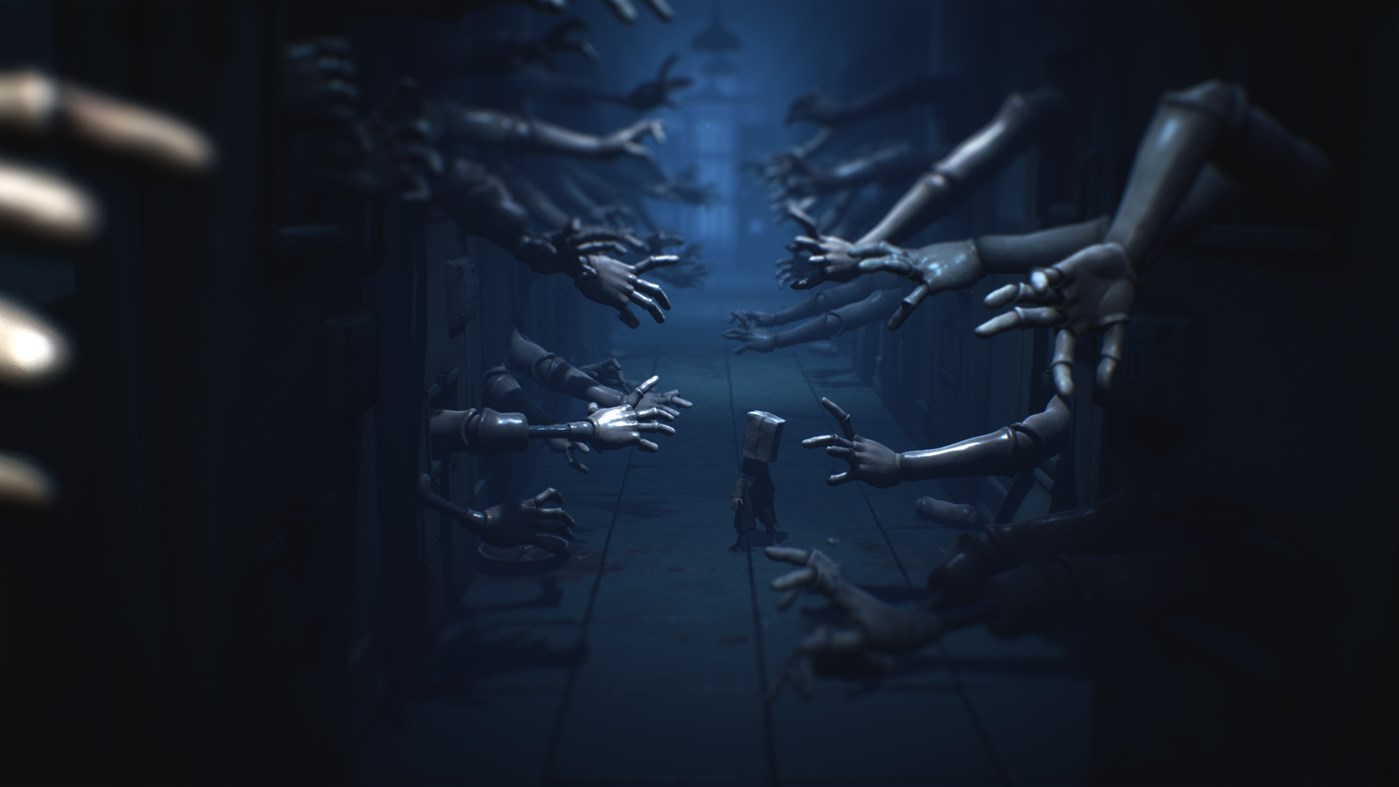
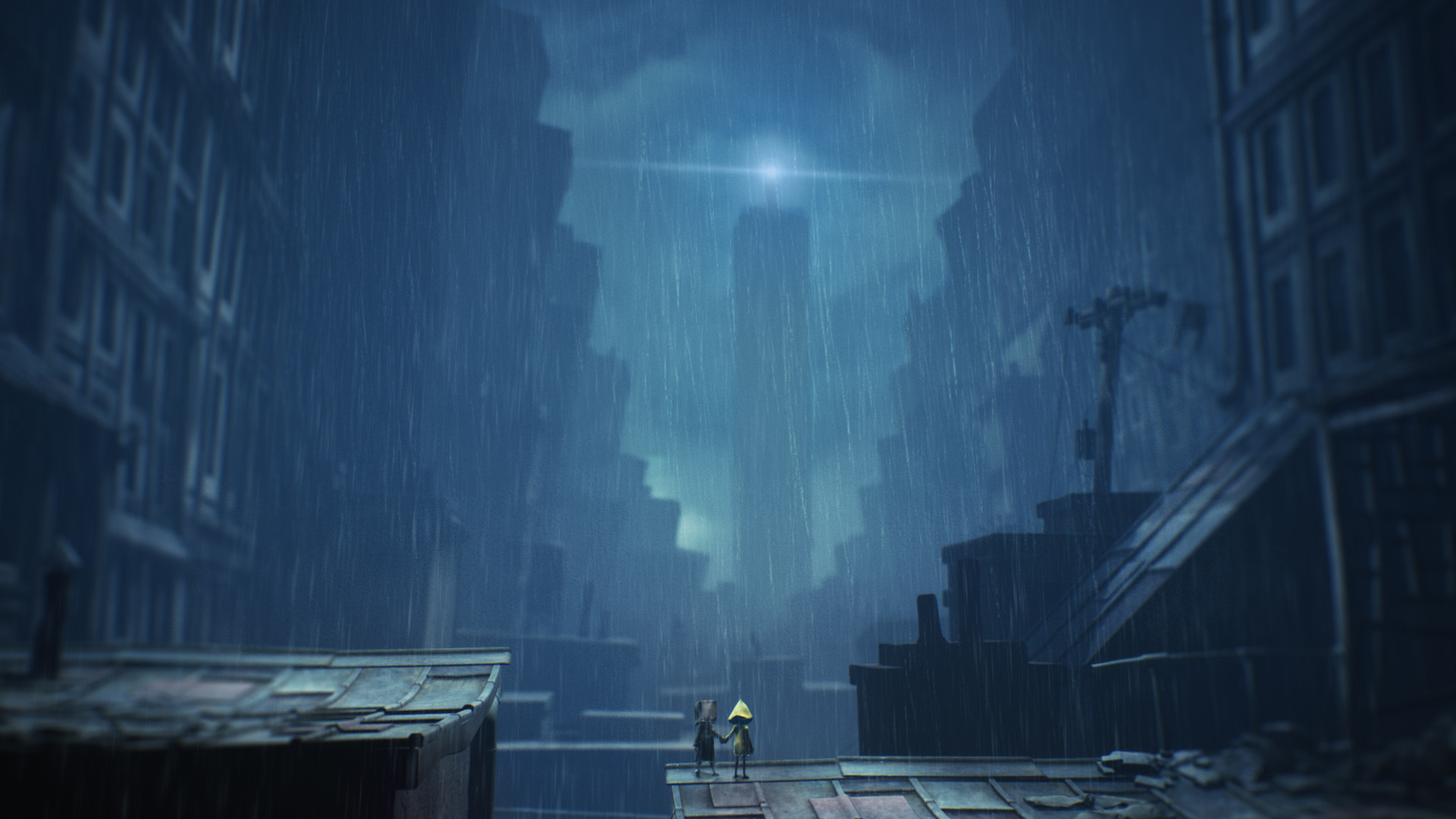
Little Nightmares was a creepy platformer with a minimal story and narrative. The game was mostly all about atmosphere and puzzle-solving. These games cropped up after Limbo was a smash hit, and games like Inside also followed. The only downside to these games is that they tend to not shape any kind of narrative or world-building. There are a lot of interesting things to look at, and clearly, the setting you are in is a curious thing to want to know about. Little Nightmares II puts you in the shoes of a paper bag-wearing kid who is running from something, but you never know what. Throughout the entire game, you go from location to location, not knowing what your end goal is, and even after finishing the game, I wasn’t quite sure what to make of everything.
The game starts out by giving you simple controls such as jumping and picking up objects using the physics engine. You won’t be doing this very often except to use weapons occasionally and throw an object at a button to open a door. The atmosphere sets in right away with your character running through a forest, trying to avoid bear traps, and traversing fallen bridges. Once you get to a certain area, you meet your first main monster, and then you are introduced to combat. I really don’t want to call it that, as all you do is pick up an ax and swing it, but it’s completely based on physics. Usually, you will use an ax to break down walls, but you will use it to fight enemies at the school level, and it’s all about timing. The ax is very heavy, and your character can’t move it very fast, but it works.
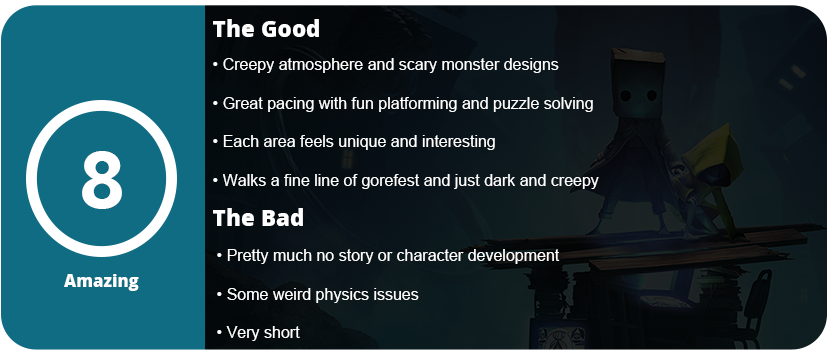
The first area is rather short but pretty cinematic, and things will slow down greatly as the game goes on. After a few areas, you will notice the game adds a lot of puzzle-solving, most of which don’t require much thinking. There are a few physics-based puzzles, and halfway through, you meet a companion that requires some puzzle-solving with two people, but the ease of the puzzles is to keep the pace going. You don’t want to spend too long in any one area. I felt the chase from enemies and puzzle-solving were well balanced. Several screens will go by of just platforming, maybe just empty screens of scene-setting, but I do want to talk about these monsters. The game is very creepy, and the main monsters basically chase you throughout the entire area you are in. The school has a teacher that can stretch her neck out and chase you through vents and under tables. The hospital has a doctor who can walk on ceilings. They show up in some scenes, but not every area has you killing this main villain; the most important part for you is escaping.
There is some frustration with the game, and that’s a lot of trial and error. Some scenes wanted to get across the screen via a certain path, but I got caught by the villain numerous times before figuring out how to do it. There were also control issues with climbing things in which my character got stuck, or I didn’t understand that jumping across a ravine to hang on to my character’s hand was going to be an issue. In several areas, I had to restart the screen over and over until I walked across that beam just right or didn’t get caught. Thankfully, you just restarted that screen, and it helps keep the pace going. I just wish there was more story to be told or something else to hold on to rather than the next creepy monster or setting.
The game looks great visually, with a lot of nice art, but technically, it’s not super impressive. Textures look muddy up close, and some objects don’t have the highest poly count. The animations are great, however, and the controls are good; there’s just that annoyance with the game’s physics. It’s also pretty short, as it can be finished in about 5 hours, and I honestly wanted more. The creature designs are so fantastically creepy and unique, and the game skims the line between gory and just plain dark and creepy. It’s never a gorefest, but it feels like it could be. There are animal guts, but not humans; there are body parts everywhere, but they’re mannequins. It’s a fun line to walk down, and it’s done just right here.
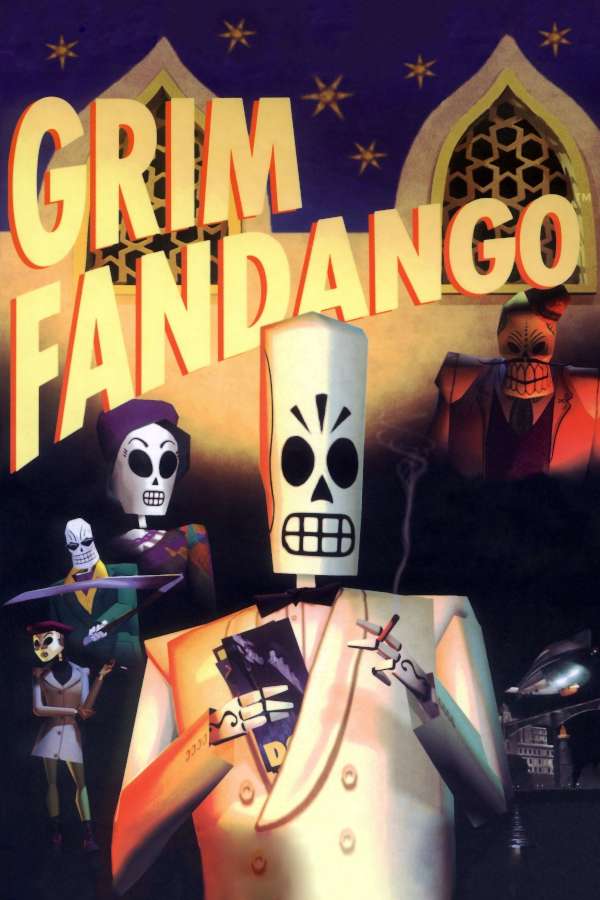
Tim Schaffer games are always hit or miss. He may be a great story writer or character creator, but he’s not a great game designer. I don’t want to come out swinging with everyone, thinking I hate Grim Fandango or all Schaffer-made games. A lot of his work is considered some of the best games ever made on PC, which I get, but they’re remembered for their story, atmosphere, and characters—not so much their gameplay.
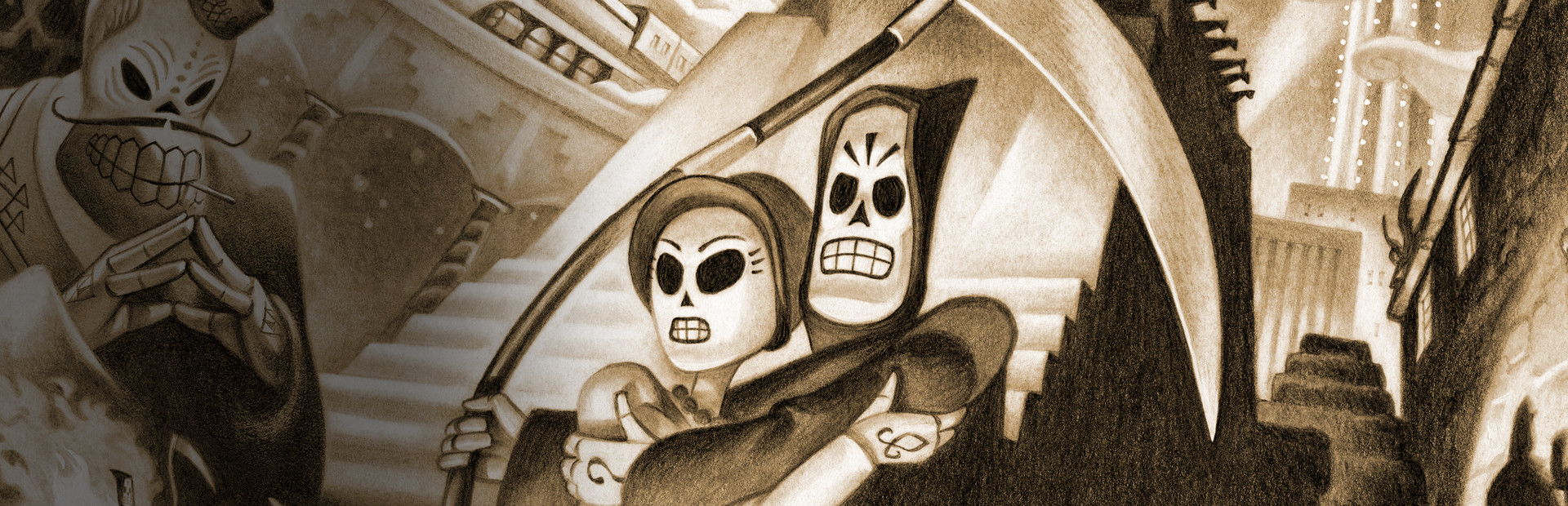
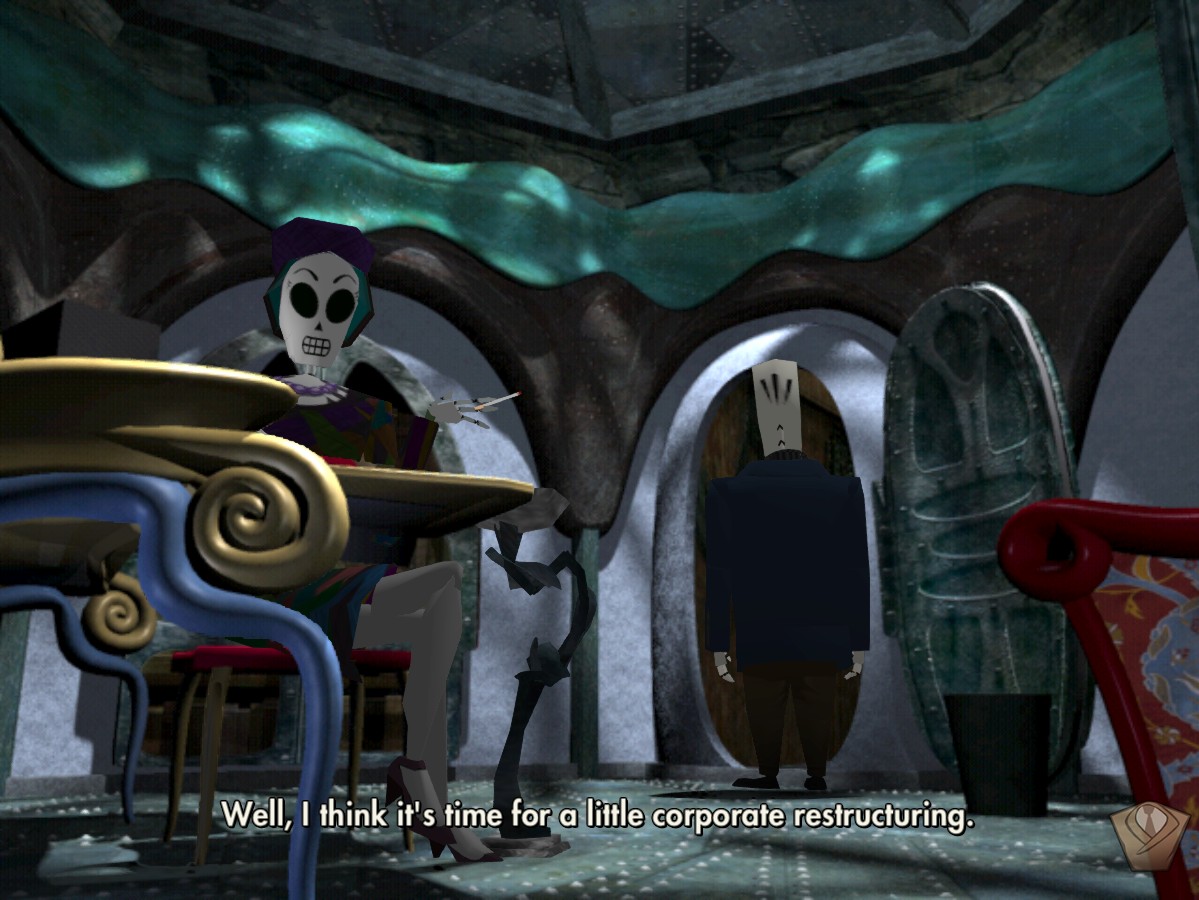
You play as Manual Calavera. A Mexican salesman of the dead gets wrapped up in a huge film noir-style story trying to save a mysterious girl, get back at his evil overlord of a boss, and also an evil co-worker. The game is split up into four years. It takes four years for people to travel by foot to the Ninth Level if they don’t qualify for an express train ticket. For some reason, Manny can’t get any good clients, yet his co-worker Domino can. You wind up uncovering a plot of fraud, sabotage, subterfuge, and love. I can’t go too far into story details, but they’re quite entertaining enough to keep you pushing on.
And pushing on will do. The game’s object-hunting obtuseness varies from minimal to I will never figure this out without a walkthrough. The way objects are used is very illogical at times, and you wonder how Schaffer thought gamers would think in these ways. It doesn’t help that the areas you explore are massive, with dozens of hallways and rooms, and you can easily miss something that needs picking up or completely bypass something that needs to be interacted with. LucasArts had a lot on their hands with this game, as it was the first 3D game they developed and the most sophisticated to date. There’s no object mixing, either. Manny stores everything in his cloak or jacket, and you must either try everything on every interactive object or simply think in odd, obscure ways.
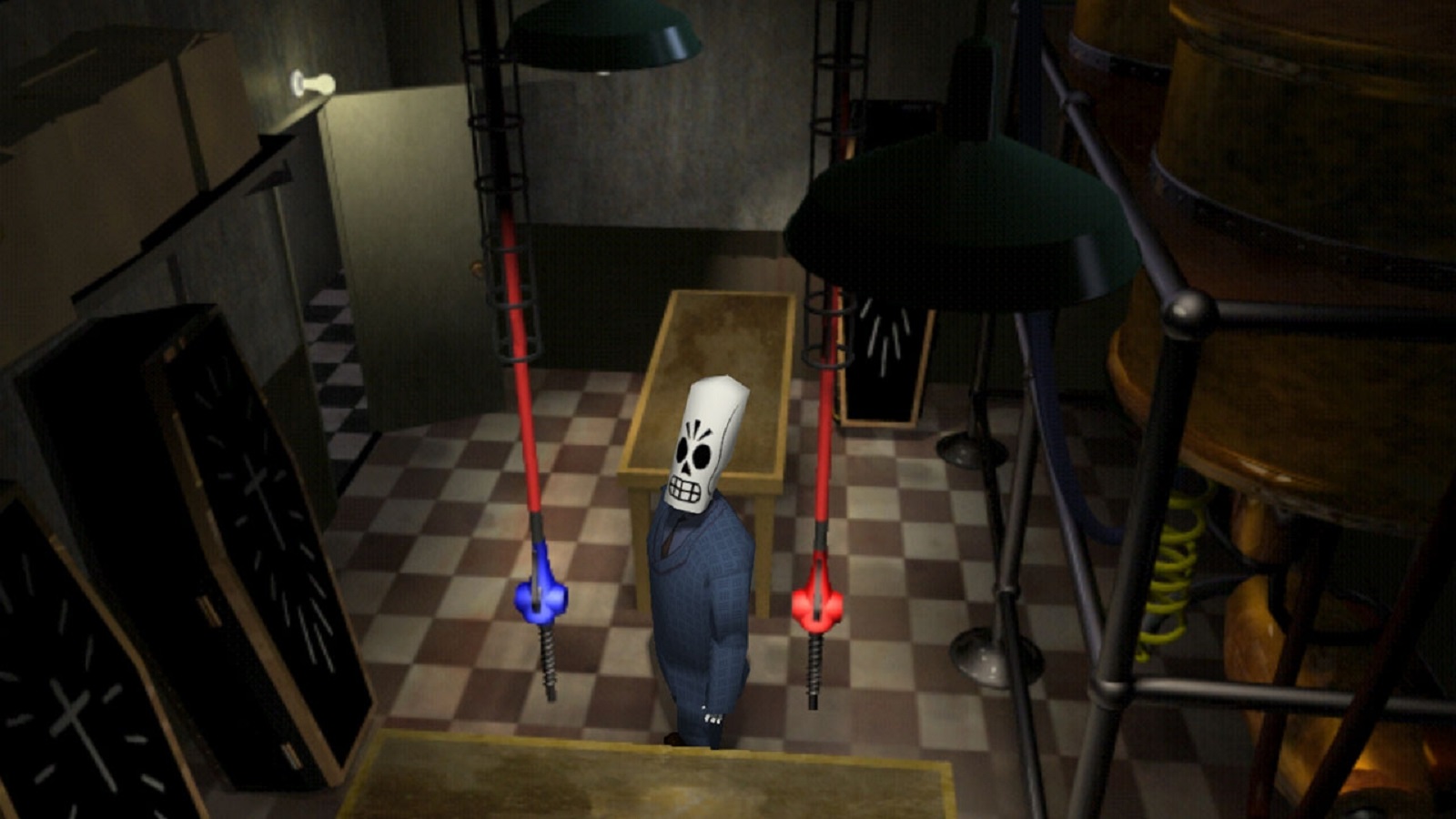
One example early on requires Manny to gum up a pneumatic tube system and get the maintenance demon to open the door. That was fine and all, but the demon left, and I couldn’t get in the door. I then had to re-acquire all the items needed to gum up the system again by running down hallways and doing a ton of backtracking, all because I didn’t realize I had to throw the bolt to stop the door from closing. How was I supposed to guess that? You run into these situations every step of the way, and it gets exhausting and discouraging. Another scenario requires Manny to take a sign and use it to find a hidden doorway in part of a forest. This forest has doorways that loop back around to the same room and do nothing. How would you know to take that sign from the previous room and use it as a compass to find the hidden doorway in this room? The puzzles are insane and poorly designed, which leads to constant frustration. I felt my progress halted every five minutes.
With puzzle obscurity out of the way, there’s nothing else to this game. There are pretty environments to look at, great music and voice acting to listen to, and some great characters, although none of them are very memorable. You can unlock quite a few achievements by talking to certain people at certain points or looking at certain objects. I find this in tune with the puzzle’s obscurity. I also didn’t like how many areas are reused over and over again while, in new ways, they’re still the same. Things are just spread so far apart, and so many sub-plots and hints are given to you that you can’t make heads or tails of any of them. There’s no journal to keep track of what’s said or even what you’re really supposed to be doing next. It can become quite frustrating.
Thankfully, the game isn’t very long, especially if you use a walkthrough. My adventure was over in about 6 hours, and I enjoyed it while it lasted, but it’s not something I will be talking about for years to come. The gameplay time isn’t enough to really flesh out the characters more than you wanted, and it almost plays out like a Pixar movie. It’s a fun blast while you’re in it, but once the credits roll, you quickly move on to something else and probably won’t remember it a year down the road. Something about this whole game just didn’t stick with me, and I can’t put my finger on it. If the puzzles weren’t so obscure, I might be more inclined. At least there’s fun developer commentary all over the place, and the remastered upgrades are nice. Everything looks sharp and clean and is rendered in a much higher resolution. However, there are still many collision and animation bugs.
Overall, Grim Fandango is a fun story with some fun characters while you’re in it, but you will quickly move on to other things as something about this game doesn’t quite stick. It feels more like a Pixar cartoon with gameplay bits in between than a full-blown game. It looks good, sounds good, and the voice acting is excellent, but many won’t finish the game just due to how obscure getting through everything really is.
You play as Ichiban Kasuga. A naive young yakuza member who ends up in politics of his yakuza family and then later the entire country of Japan’s government. The story is incredibly well written and directed, and I was hooked from beginning to end, at least the story and characters. I love the characters here as they have tons of heart, soul, and personality that make you want to see them through to the end of their journey. The first three chapters of the game are pretty much story and character building. In fact, I didn’t really get to do anything outside of watching cut scenes for the first three hours of the game. I just ran to spots that triggered them and I watched this complex web of characters build their story up, and I wasn’t upset as I was glued to my screen the whole time.
This is the first time I’ve finished a Yakuza game and a rare completion of a JRPG. Usually, JRPGs have great stories and characters, but something within the game keeps me from finishing it. Be it unfair and insane difficulty, too much grinding or late-game issues pop up like needing to quest for something very specific and it makes the progression grind to a halt. Like a Dragon is the first in the series to play like a JRPG and not an action game. The story is fantastic and the characters are well written and memorable, but that’s probably the strongest thing going for the game, and it’s the reason why I slumped through the late game issues to see it through to the end.
Once you get past a certain point in the story, honestly I can’t say anything as every little detail could be a major spoiler, you finally get let loose in the world. However, with this being a JRPG let’s talk about combat first. The game is played in a turned-based style, but characters move around on their own in the arenas. Depending on your job you have various skills that can cause major damage, and this is super important and the core of the entire game. While base attacks are fine early on in the game, they don’t do much later on and you start relying on skills that all use MP whether they’re physical or magic-based. Each attack has a type such as magic, slashing, piercing (guns), bashing, or blunt (physical) attacks. Some attacks might have elemental attributes attached to them, but you really must balance your team. You need characters that can heal, do large AoE damage, and do lots of damage to single enemies. It’s important you have a class that can do one of each of those things as it’s key to winning battles.
Early on in the game, the difficulty feels perfect. There were some challenges, I had to use strategy, really focus on ranking up my character’s jobs, and learning enemy weaknesses. This is also a key point in the battle system. Like a Dragon mocks or makes fun of other games like Pokemon. Early on you come across someone similar to Professor Oak and the entire scene plays out like the beginning of every Pokemon game. It’s pretty funny. The point of this is you acquire a bestiary of each enemy type and when you fight in battle and discover a weakness it will appear over the character when you select that attack. This is vital to winning boss fights and harder battles late game or just in general.
Ranking up your job is more important than leveling up your character honestly. This determines your max health, how powerful your attacks are, and learning new attacks. You get more powerful attacks as you rank up, but the downside is that once you change jobs, you start from the bottom on that job. So you have to grind that job to level it up, and late-game this is incredibly tedious, but more on the late-game problems later. There are thankfully no random battles, but enemies walk around outside that can be avoided. When you fight enemies, the environment is also important, as smaller areas are great for attacks that do AoE damage, and it allows you to wipe out enemies faster in bigger groups.
Outside of combat, there are a ton of mini-games, like in every Yakuza game. Karaoke, classic Sega arcade games in Club Sega, crane games, driving ranges, go-karts, and many others. They’re fun at first, but there’s not really any reason to do these mini-games outside of acquiring items. Items are also an important part of combat, as the most powerful armor and weapons are almost unobtainable until you can start raking in serious cash at the Battle Arena in Chapter 12 and fighting the more powerful enemies late in the game. You can also upgrade Ichiban’s weapons (only his weapons can be upgraded) and craft new items, but honestly, this is only needed if you can’t afford to buy them. There are no unique weapons or armor that can be crafted exclusively, at least that I noticed, and once I started raking in serious cash in the millions, I just bought everything, and crafting became pointless towards the end of the game.
There are shops and restaurants scattered everywhere, and I didn’t pay attention to these too much until the late game. Restaurants can fully restore your health and MP, and bulking up on recovery items becomes super important late in the game as well. I didn’t really use many of these until then, as the game felt perfectly balanced, and the right strategies can keep you alive. There are a couple of pawnshops that allow you to sell items, and this is how you make most of your money early on in the game. You start out digging for yen under vending machines and eventually start earning a small amount of money to buy recovery items and cheap gear. There are also sub-stories, like in every Yakuza game, that are shown as chat icons on the map. These give you items and cash and are mostly pointless once you get the late game, and the stories aren’t interesting at all. You also have extra side missions that can get you larger amounts of cash, called Hero Quests. This is mostly for completionists in the end, but the entire reason this is a JRPG is that Ichiban can see enemies as monsters with different uniforms. It’s “in his head because he feels life is like Dragon Quest.” It’s super silly and a lame excuse to make a realistic game have a fantasy twist, but what other excuse were the developers going to use?
As you progress through the first eleven chapters, you hop around taxis to fast-travel to spots, unravel the story, rank up your jobs, level characters, acquire new armor and weapons and items, and all this sounds like a normal JRPG affair, but then chapter twelve comes and knocks you on your ass. This is when most people will probably quit the game, as it turns into a completely different beast and the way you play must change. This is the worst part of the game, and I don’t see how this was necessary. The game had a perfect flow and difficulty level leading up to this chapter. The first sign hits you when you must acquire 3 million yen for a specific reason in the story. By now, you probably have a couple hundred thousand yen at the most. How am I going to get this much money as street thugs don’t really payout and I can only sell so much? Well, the first stupid idea was that there are specific things you need to do to get this money, and they don’t tell you. First, you have a watch in your inventory that’s worth one million yen. You need to sell that, and then there is a specific Hero Quest you must complete that gives you two million yen. You need to take ten photos of a statue hidden throughout the city. What a serious pain in the ass! I knew right here that the game was going to be a chore from here on out. Then, to make matters worse, the last statue is hidden behind insanely difficult enemies out of nowhere. They were many 8 levels above me, but that wasn’t a problem before. I had to grind for a couple of hours just to beat them to take that photo. Such nonsense!
It just gets worse from here. Chapter seven had you complete one of the two long dungeons in the game. It was challenging, but not impossible. This dungeon is the only way to grind up until now. However, once you get to a new small city, you unlock the battle arena, and this is your main way to level grind by climbing floors and beating waves of enemies. You will be here for probably 6–8 hours minimum. At this point in chapter twelve, you come across a boss fight that cranks the difficulty up to nearly unfair and impossible. I had to grind 15 levels just to get a fair advantage. This boss just absorbs so much damage, and throwing all my powerful attacks at him still kicked my ass. I died and retried nearly a dozen times before I almost gave up. I’d grind five or six levels and try again until I could finally do it. I chewed through recovery items like crazy trying to get through this chokepoint in the game. Sadly, it never lets up after this. From here on out, every single boss is a serious chore and does massive damage, no matter what you do. This is what I have in JRPGs, which is why I rarely ever finish them.
So, you will then need to grind consistently before each major story point that you are warned about. You need to be at least level 65 by the final boss, and man, is it a serious pain? You shouldn’t have to want to quit a game because the developers decided the game needed more playtime by chapter twelve. Let’s make you do over a dozen hours of grinding just to finish the game. It’s stupid, insane, and completely unfair. They had the difficulty balanced out perfectly before, and I was happily enjoying the game. The only reason I kept going was because I wanted to see the ending and how everything came together. The story is that good, but if it weren’t, I would have quit at this point. You’re basically grinding the battle arena and the one dungeon, trying to acquire new gear and rank up your job to get more powerful attacks. I highly recommend being around level 70–75 before tackling the final boss, but at that point, you are 25 levels away from maxing out your character.
The game at least has amazing voice acting (in Japanese, of course), and the graphics are pretty good technically but pretty boring on an artistic level. These are hyper-realistic graphics, and the only artistic flair is the enemy designs. I enjoyed the music as well, but in the end, the last few chapters will test your patience. The mini-games are fun, the sub-stories are boring and repetitive, and the post-chapter twelve grinding is an absolute chore and really hurts the game. However, if you can prevail, get through the grinding, and learn the strategy of balancing your party’s jobs, you will get through an incredible and memorable story with great characters.
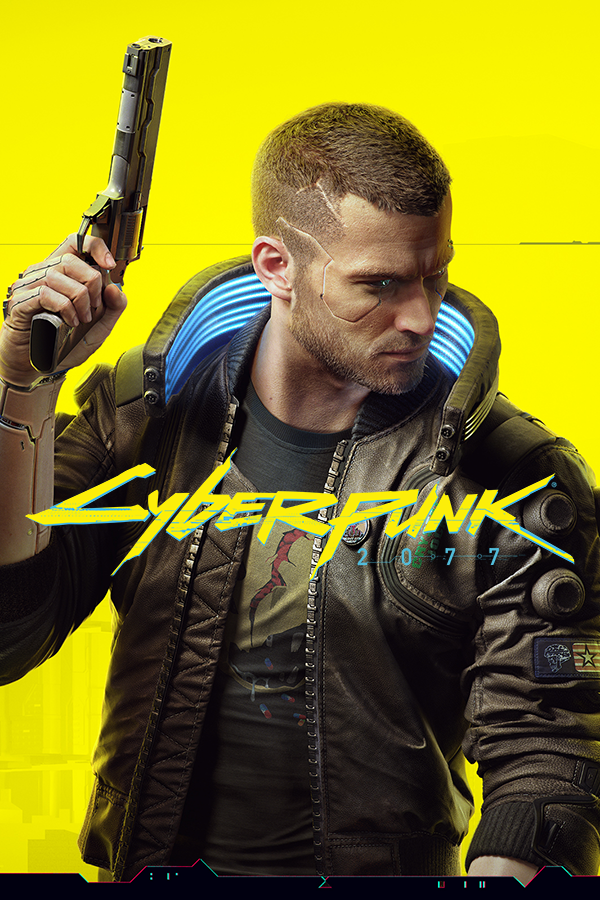
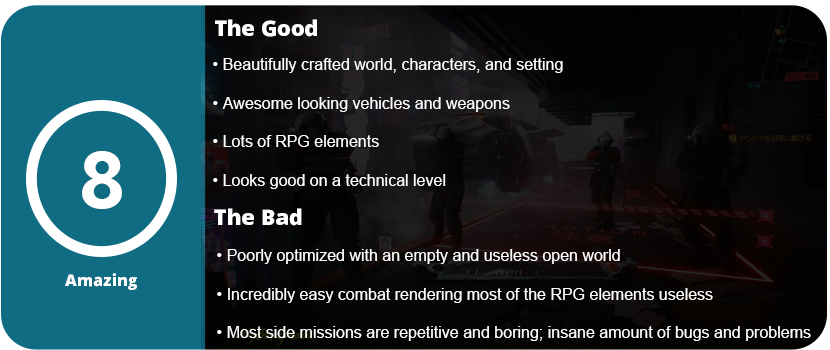
This is by far one of the most anticipated games in modern gaming history. I know I have been excited since its poorly chosen announcement date in 2012. Sadly, CDPR kind of dug its own grave from that date onward. The game is nothing like how it looked in its early concept videos, and a lot of content is cut. Even if you look past all the bugs and launch woes, this is what’s going to stay long after the game has been patched up to a more playable state than it currently is as of this review.
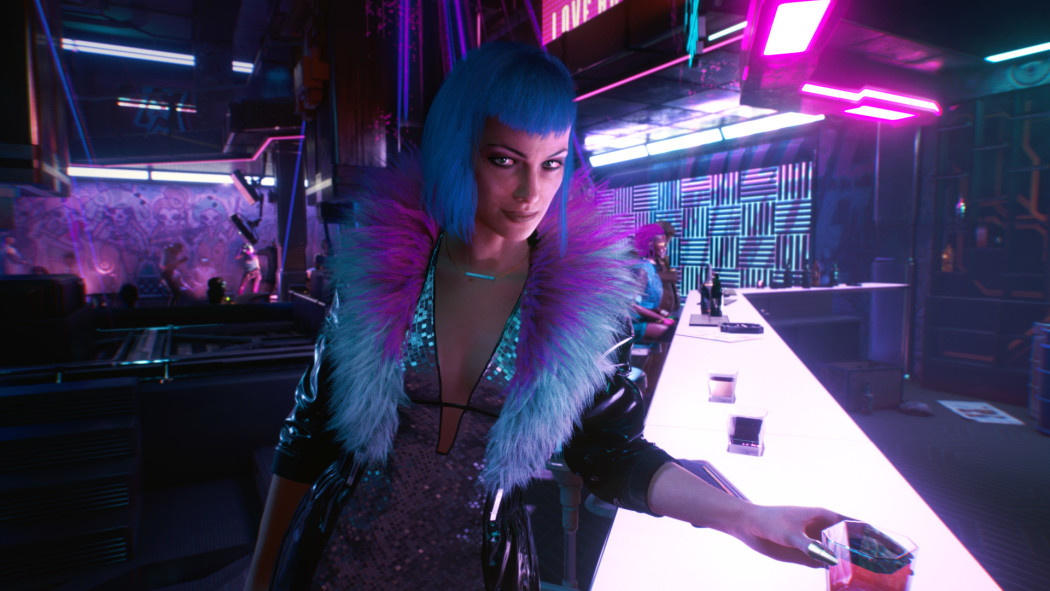
However, if you look underneath all the hype, hate, and sometimes unfair controversy, there’s a great game here. The story and the atmosphere are the main reasons why I stayed. You play as V. A vigilante or mercenary for hire who ends up in the wrong place at the wrong time and gets involved in a corporate terror plot that changes his or her life forever. The entire story revolves around a device you end up acquiring on a job, and this device is the key to immortality. This device also has Johnny Silverhands, played by Keanu Reeves, and one of the reasons why the game got so much hype is that he is a digital construct that is trying to take over your mind. I don’t want to spoil too much of the main story, but my favorite parts of the game were the side missions with the other characters like Panam, Judy, and Claire. These missions really develop a relationship and a strong personality and are one of the shining points in Cyberpunk.
One of the first problems that sets in early is character customization. Ignore all the sexist homophobes who were mad about being able to make your characters transgender. The anatomy is off, first off, and doesn’t look right, and what’s the point? You can only see the genitalia in the player menu; it’s censored in mirrors, and the “sex scenes” are awkward and pointless. One of the core gameplay elements of the game is Brain Dances, which are virtual scenes that you can manipulate during missions, or basically a half-assed detective mode. Some Brain Dances are “sex scenes,” but I just think these were added to add controversy. On top of all this, you can’t change your character’s looks after the initial start of the game. Just why?
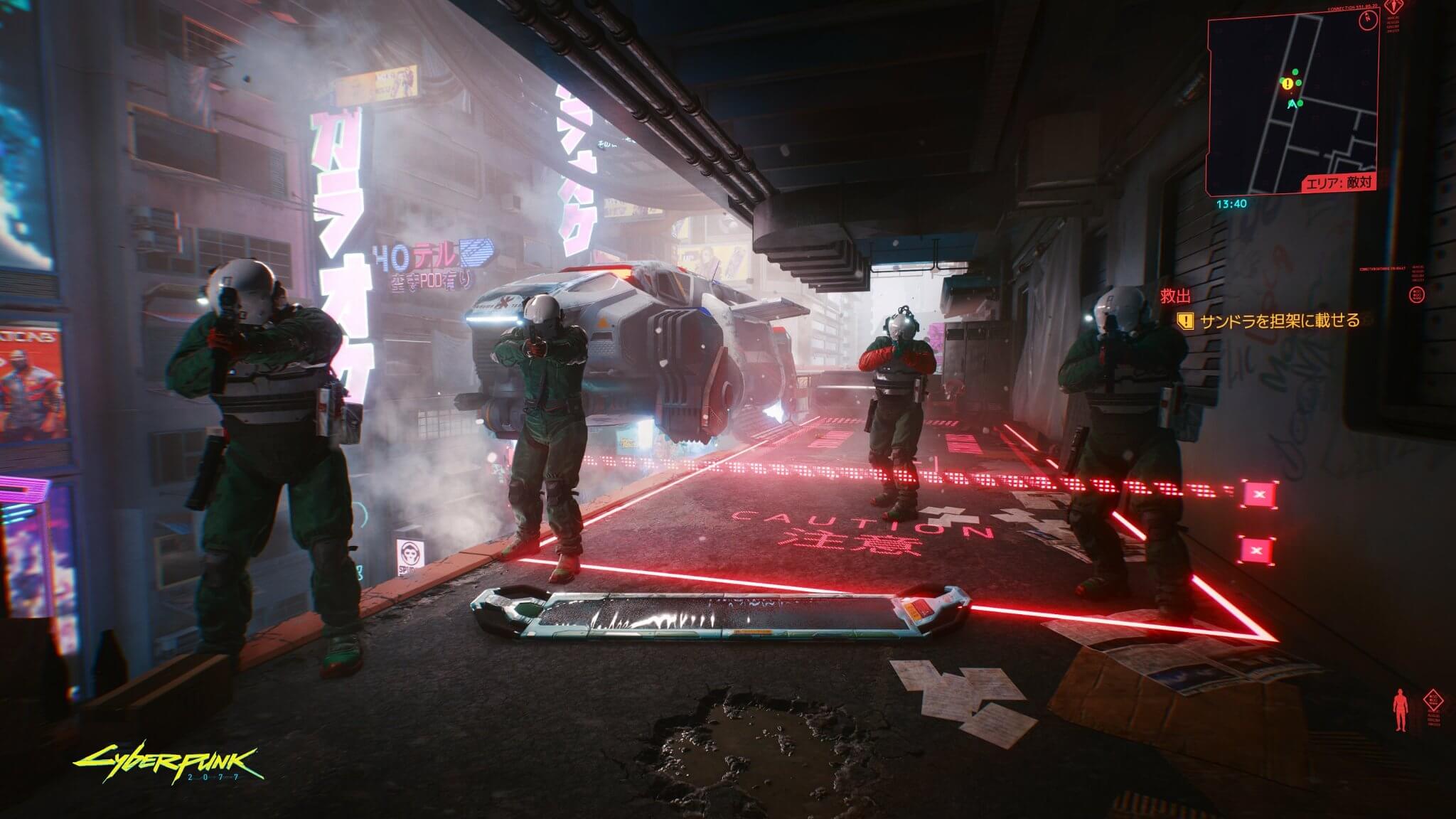
The way to get around the game and various missions can be a bit messy, but the open world of Night City is gorgeous and has a fantastic atmosphere. There’s the main city itself, the outskirts, which are like a desert-type environment; there are suburbs; and various other locales to actually make it feel like Los Angeles. You can walk, run, hijack cars, and fast-travel at certain points once you discover them. Missions are found via random encounters on the street, phone calls, texts, and other means. I never got around to finishing all of them, as the ones revolving around the side characters are the most interesting, and the rest get kind of repetitive. Driving the actual cars is not my favorite, as before the 1.2 patch, they were just broken. They look absolutely amazing and have some insanely cool designs, but sadly, they just don’t drive very well.
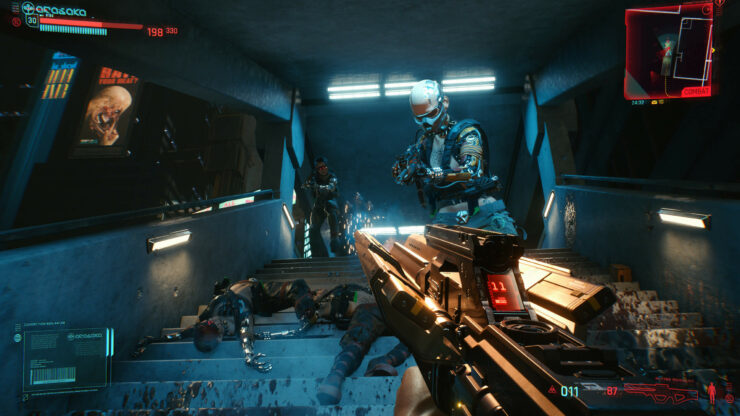
With this being a CDPR game, there are RPG elements involved. There’s a skill tree, cyberware implants, and stats on weapons and armor. It’s pretty detailed, especially with all the wearable armor parts on every part of your body, but it’s also one of the most flawed areas. The skill tree is nice, with many paths you can take, such as melee, various gun types, stealth, and so on, but I felt a lot of abilities were useless, and I just got them to unlock an area I needed. Skill trees tend to be very useless in many games these days, and sadly, they aren’t any better here. When it comes to weapons, they are incredibly unbalanced, with sniper rifles doing one-shot kills no matter where you hit the target early on in the game or at low levels. Then you will get a pistol that will barely do any damage at a much higher level, even if you have the skills that boost pistols. It’s improved in patches but still remains a problem. The bottom line is that Cyberpunk 2077 is incredibly easy. While stealth is fun and a good option for most missions, blasting through the game isn’t that hard. I rarely ever died, as health items are everywhere and so is ammo. While shooting is fun and satisfying, and the weapons feel good, the game is just way too easy.
You can then visit Ripper Docs to install implants that add bonuses and unique weapons to your body, but in the end, I rarely ever visited these and never filled all my slots. What’s the point? The game is so easy, I never really needed much. Just a shotgun, sniper rifle, and an assault rifle or sub-machine gun of some kind. You can add mods to these weapons like sights, silencers, and various others that modify the stats, but the combat is so unbalanced and easy that there’s really no point. Stealth missions mostly rely on your stealth skill tree stats, and you can also hack stuff, but I also found this rarely useful as the game is just so easy that you don’t need these small advantages that would turn the tide of a battle, like, say, Deus Ex. If I got busted, I could easily wipe everyone out with my one-shit kill sniper rifle and hold onto this gun through the entire game.
That brings me to the other side of Cyberpunk’s gameplay loop. After about 10 hours, you will have seen everything the game can do, and you will know whether you want to complete every single side mission and gig call or just plow through the storyline and call it a day. While I love Night City, there’s nothing to do inside of it. Sure, there are various shops you can visit, and you can look at dildos and sex toys inside of windows, but that’s it. There are no side activities like mini-games, no property you can purchase for player homes, or anything like that. I felt like this large, gorgeous city was wasted away, as it’s just a conduit between missions. This is not a cyberpunk playground like many of the early trailers suggested.
In the end, don’t go into this game expecting a true “next-gen” title that raises the bar and changes games for how we play them today. A lot of people went into this game expecting some unreal level of detail, not to mention the visuals. While the game looks amazing, it’s poorly optimized, even on the latest PC hardware. Ray-tracing is pretty much pointless; even on my 2080, the game would dip well below 30 FPS. The only saving grace for PC gamers is the DLSS option, or playing at 1080p resolutions. On my i7 10700 and 1660ti setup, the game played fine in 1080p, but I still got dips here and there. It’s one of the most poorly optimized games I have played in recent years, and while recent patches have made the game more stable, they don’t fix the crazy dips all over the game. It’s even worse on PS4 and Xbox One base models. So, go in expecting a fun story, fun, albeit easy, combat, interesting vehicles, and a cool cyberpunk city to run around in. Don’t go in expecting something revolutionary.
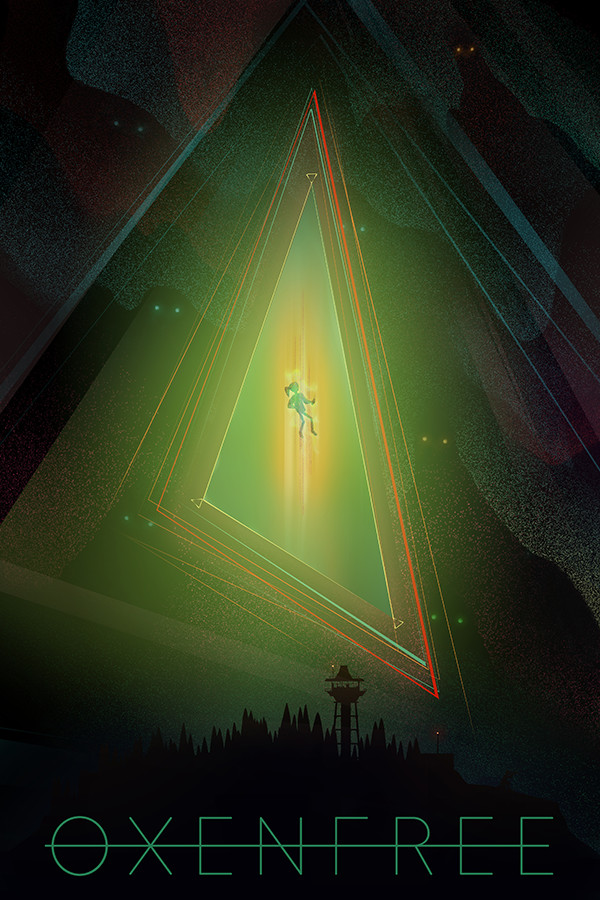
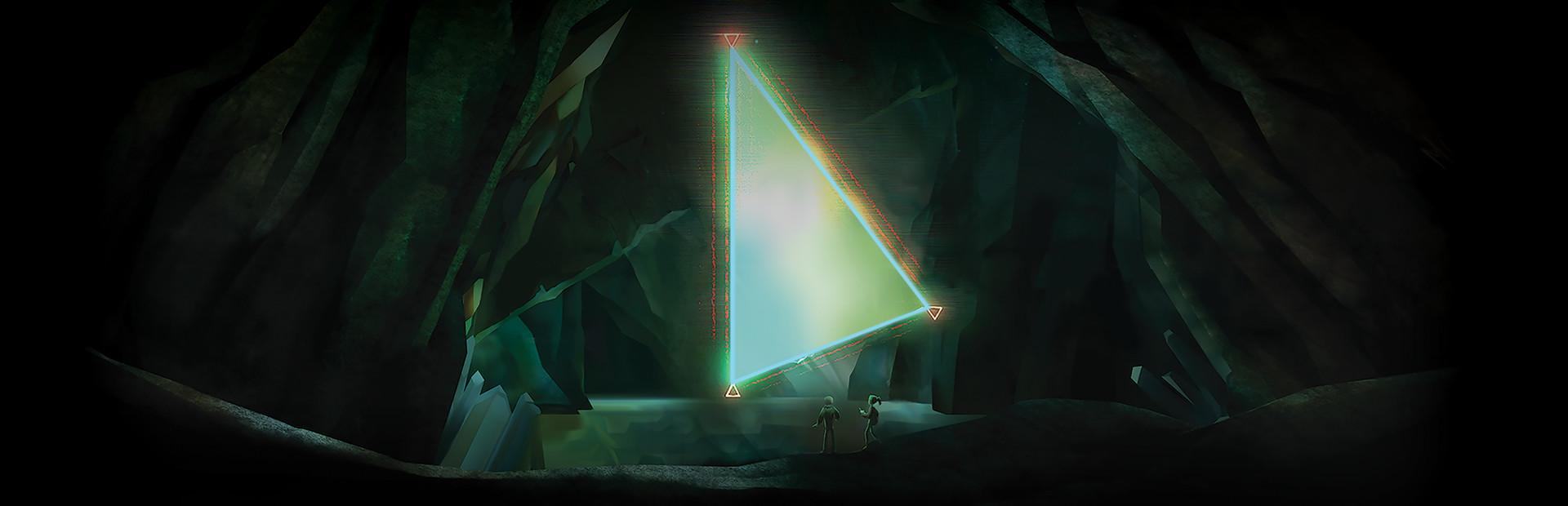
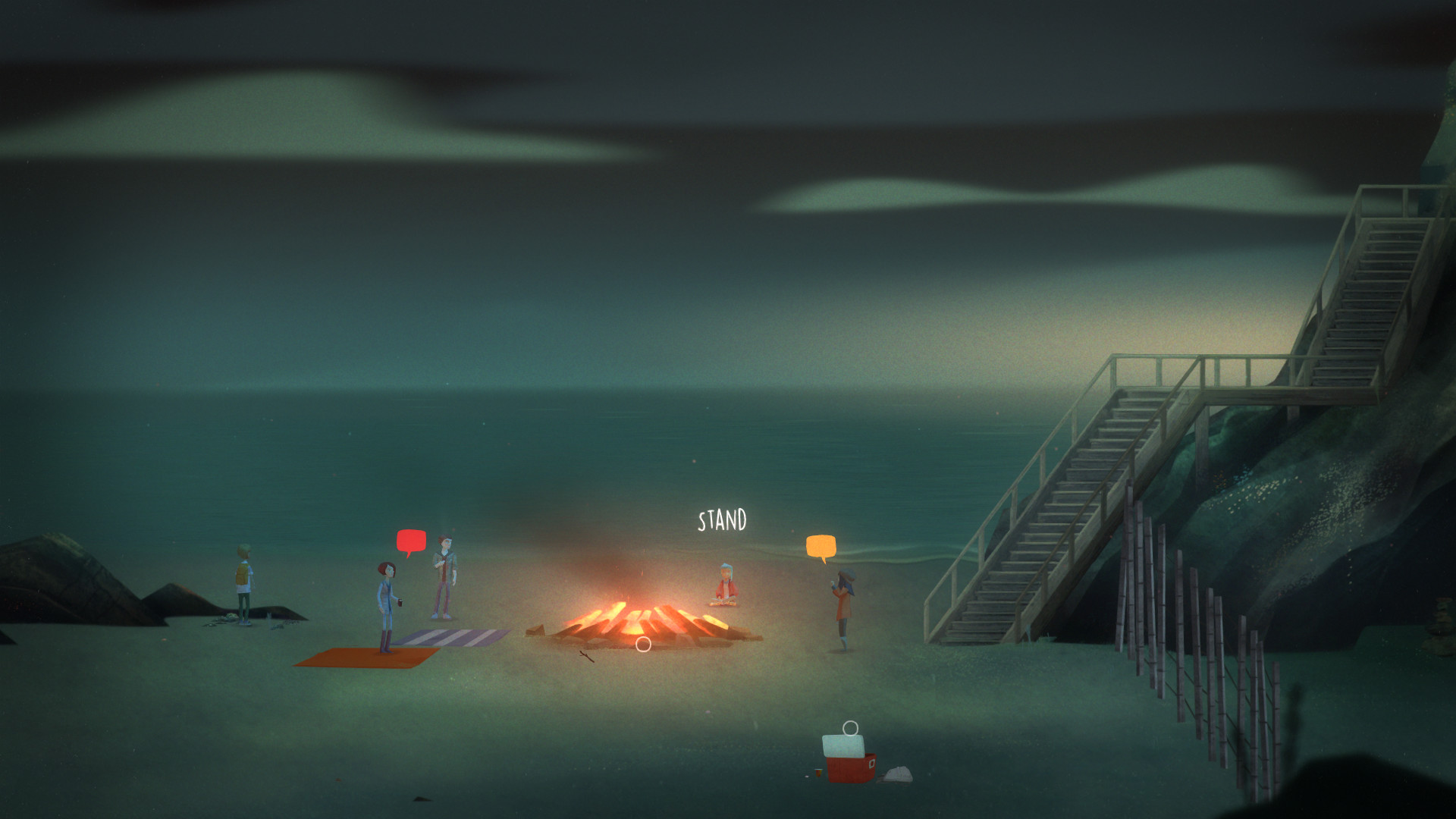
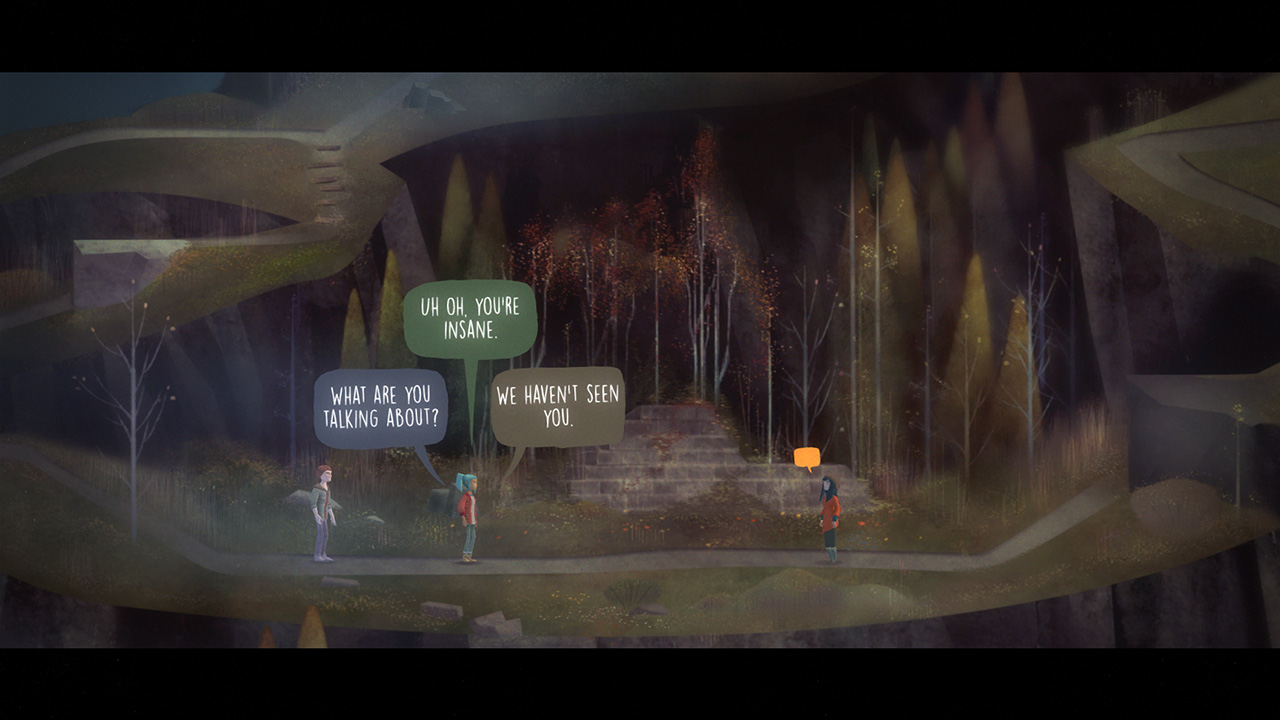
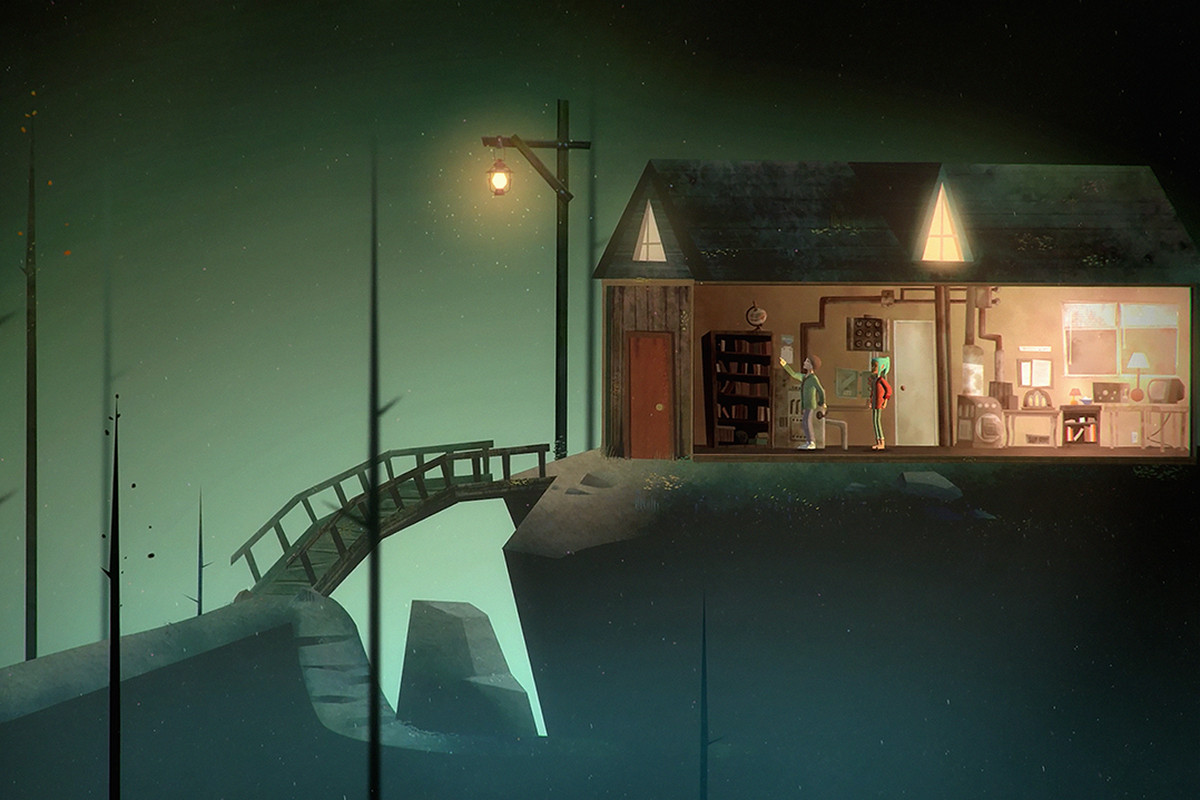
Oxenfree is all about horror and mystery. It starts out with five students in their early 20s arriving at a small town in the Pacific Northwest to discover some sort of weird thing that goes on in the caves there when you tune a radio to a certain frequency. After a good amount of dialog, plot, and character development, you tune your radio and discover a rift in time. You also discover the island is actually haunted, and you are trying to free the ghosts within. Why, how, and what they are in the mystery that I won’t spoil.
The horror elements are mostly audio-related and are something I have not really heard in a game before. The game uses the eerieness of radio static and voices. Have you ever gone down a scary YouTube rabbit hole and watched “Top 10 Scariest Sounds” or something like that? Well, if you ever heard one that was about strange radio call signs that were used in the Cold War, then you know what you will hear in this game. It made the hair on my neck stand up and was very chilling to hear. There are various stones you can find throughout the game that give you tidbits of stories about the island, and these creepy radio calls are part of this.
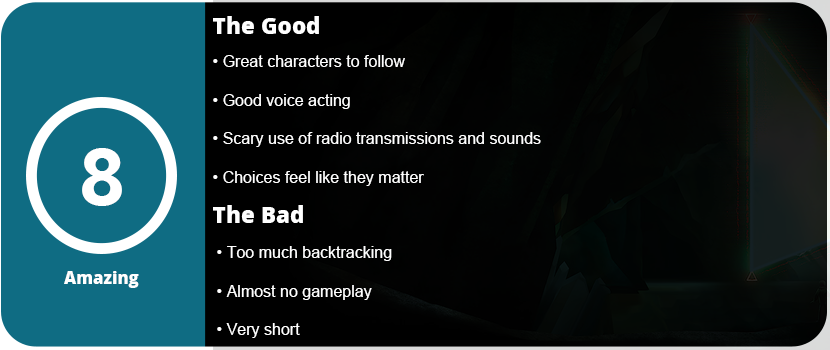
You wander around the island, listening to the dialog, as there are no puzzles in this game. It’s very much a “walking simulator,” but you walk and talk with the characters and choose from three different dialog options as they pop up in conversation. Some of these are story-altering, and some are not. These choices determine the ending you get, which I found was a little too short and disappointing. I really got to like the characters here, and the game is so short that you can’t invest a lot of time into them. Every so often, the game will bring you into a time loop, and these are when a lot of important choices are made. Even for a 4-hour game, the story is done quite well and has a beginning, middle, and clear ending, and you wind up exploring most of the island, albeit at a snail’s pace. You can wander around further to collect letters and find these frequency stones, but I honestly didn’t find the story of the island as interesting as the characters.
The voice acting is actually really well done, and I like that when you answer before someone finishes a sentence, Alex, your character, will interrupt with a correct tone and inflection in her voice. The constant bantering between the characters is the most entertaining part of the game, and I was always looking forward to hearing what they had to say. The game also looks really good with 2D backgrounds and 3D models. It’s a 2D side-scrolling adventure, so it’s hard to get lost here. I found the game’s pacing was all over the place; however, there would be sections where I felt I was progressing quickly only to get slowed down by too much backtracking or lots of cut scenes and dialog. You don’t have to really think to finish the game, and I felt collecting everything was too tedious due to the slow pace of the game.
Overall, Oxenfree is a great horror mystery game that, while not very memorable, will entertain you for an afternoon and might be something you discuss with friends as the story does have a twist ending. It looks good, has great voice acting, and the characters are interesting, but the constant backtracking, slow pace, and almost zero gameplay may put some off.
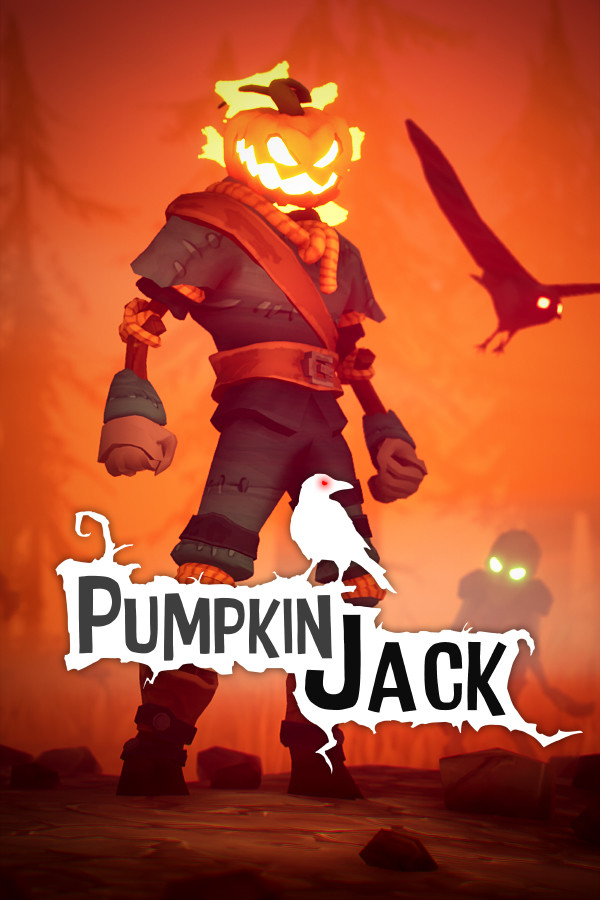
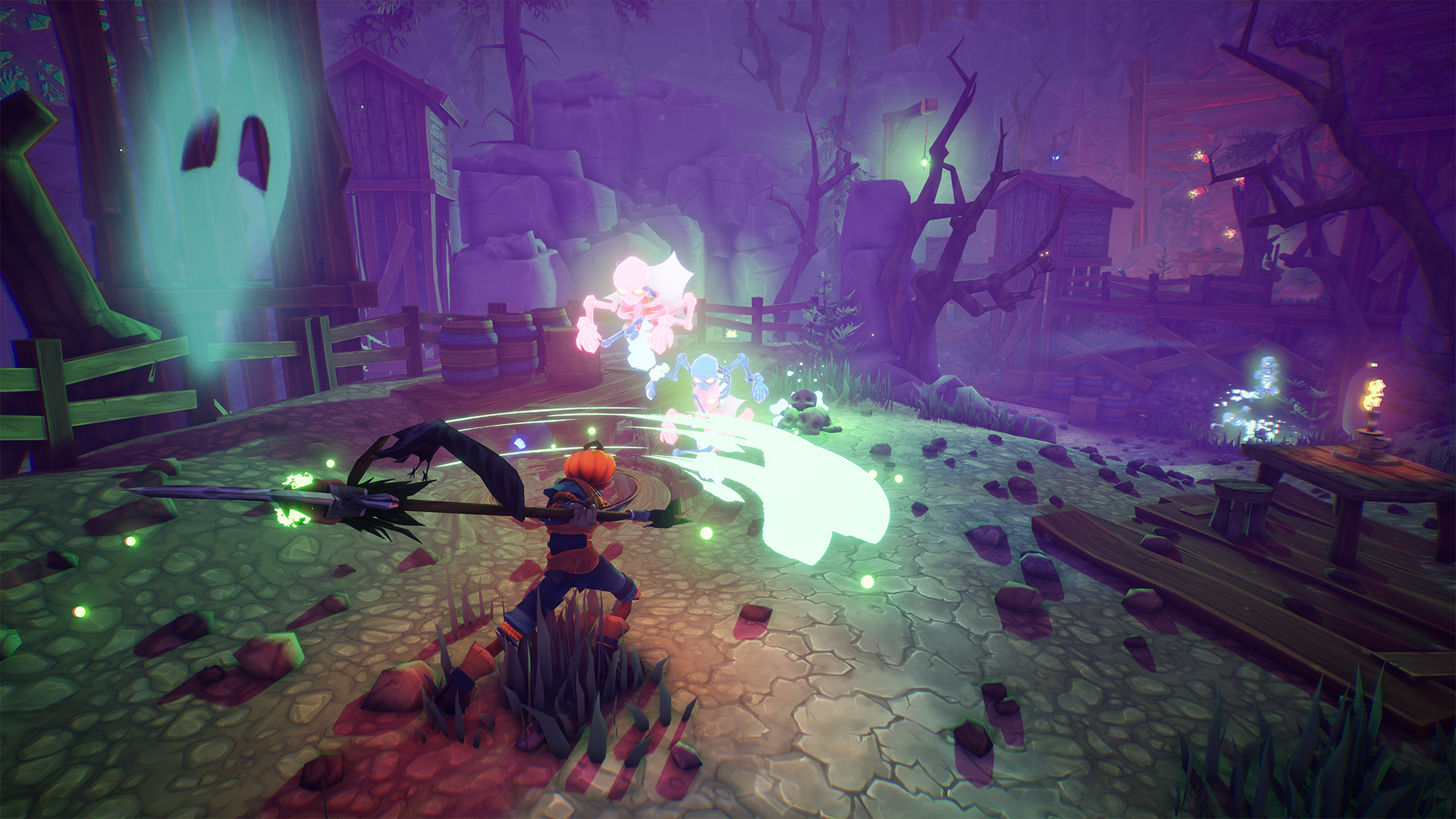
Small indie platformers are something I like paying attention to. Pumpkin Jack caught my eye as it looks and feels like a PS2-era platformer that would have fit in at that time, but has more polished gameplay than most did in that same time period. You play as a demon named Jack, who is sent by the Devil to stop an evil wizard from taking over the world. It’s a very paper-thin story, but the game is so short that anything else couldn’t really flourish. This is also akin to PS2-era platformers, as most of their stories were pretty basic and uninteresting due to their length and budgets. You have a crow companion that spews hints and dialog at you, but that’s it story-wise. The cinematics are nice, and the presentation of the story is fantastic, but the content is really lacking.
This goes for most of the game, honestly. While what is here is really solid, it’s very elementary and basic. Combat consists of one button mashing over and over with an aerial attack. You can send your crow out for a quick hit from afar, but the main attraction is the various weapons you acquire at the end of each level. Ranging from shovels, scythes, magic orbs, and a shotgun, The arsenal is quite fun and keeps things mixed up, and so do the enemies. The enemies are well designed and have one of the strongest points in the game. While you can button mash, you must also dodge, as dying is quick if you aren’t on top of your moves. Some enemies require being stunned first, some will spawn until you destroy their spawn point, some are strong, some are weak, and each enemy needs a certain approach to them.
The main focus outside of combat is platforming. You will be pressing the jump button at least once every 2–3 seconds without a break. There is tons of platforming that can get a bit tricky, but the momentum and physics of Jack feel just right, and the double jump helps quite a bit too. This would be a pretty monotonous game if there were just platforming and one-button combat. To break this up, there are some mini-games you can play with only Jack’s head that have you doing Simon Says, guiding bombs, memory games, etc. There are also on-rails sections in each level that require dodging and shooting down enemies. It’s quite fun, but you realize there is a formula in each level, and while these are different, such as riding in a minecart versus being carried by a giant bird, they are essentially the same mini-games with different skins. At least the amount you do is varied, with some levels having a lot and some having only a couple.
The only thing you collect in the game are crow skulls used to unlock costumes, which feels pointless as the game is about 4 hours long and there’s no replay value. You see everything the game has in the first playthrough, and due to its repetition and overall basic gameplay, I have no desire to go back through. It’s fun while it lasts and can offer a decent challenge, but it’s very formulaic when you step back and look at the game as a whole. The level design is great with various spooky themes like mines, graveyards, swamps, forests, and a neat Christmas level, but again, this is a PS2-era designed game with 2020 flair. The boss fights are probably the most unique things in the game, but I can say if this game came out 15 years ago, it would have been a smash hit.
The visuals are also very dated, looking a couple of generations old, despite using DirectX 12 and even having ray-tracing and DLSS support. The textures are just muddy and low-resolution, and they’re meant to look like an older platformer. The game had a low budget, but it still needs mentioning. However, with the tight controls, great platforming, decent challenge, and unique enemies and bosses, the game is just good enough to recommend a one-time playthrough. The story is thin and uninteresting; the combat is simple, but there are five different weapons to use; the level design is interesting; and there’s an actual challenge.











































 thebinarymessiah.com
Clearly you have been blocking everything you or haven't played the game at all. Maybe pay attention to the story…