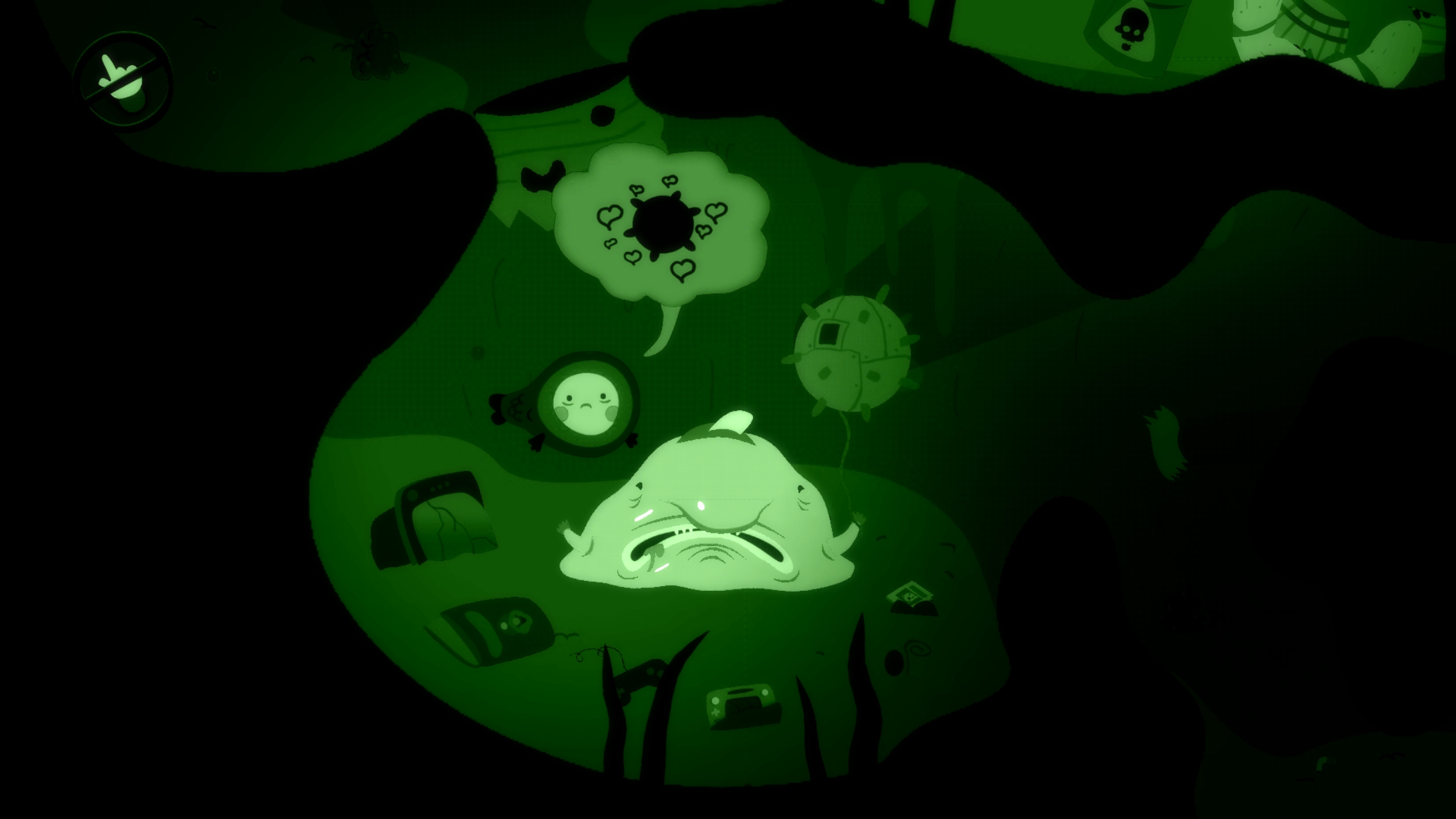
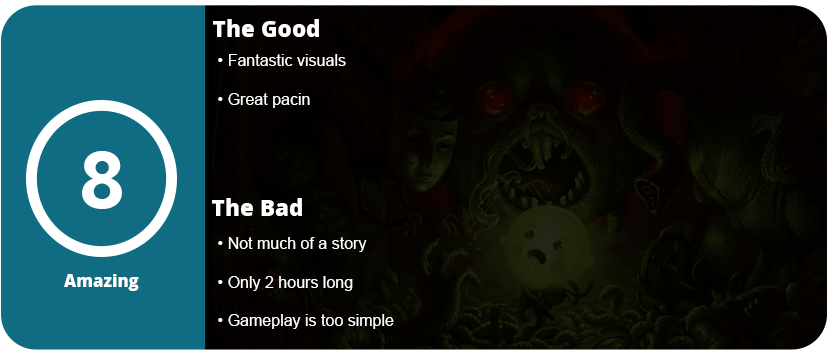
Adventure games are always hit or miss, as they have many classics to live up to. There are the occasional crazy and interesting adventure games like Neverending Nightmares that are quite fascinating. Bulb Boy is one such game where you play as a, well, bulb boy who must defeat a monster to save his grandfather. There’s not much of a story here, as it’s all about atmosphere and visuals. The game is rather short, and it’s not the most cerebral adventure game out there, but it’s worth a purchase.
Like in a typical adventure game, you can tap on areas for the character to move to and examine items. Bulb Boy is very straight-to-the point so there’s not much exploring here. There’s only so much to click on and very little inventory. The game has bosses on each stage that you must defeat, but the puzzles are very easy and not really puzzles. You find an object, and it can only go in one direction, as there’s no backtracking or exploring involved. I would love to see this universe expand, as Bulb Boy is grotesque, beautiful, and full of atmosphere. It’s a horror adventure with a cartoon flair, guts, and everything disgusting all over the screen.
There’s a lot of green in this game, and the cut-out art style is just fantastic. I enjoyed playing through the whole game, despite only taking a couple of hours. Bulb Boy’s death animations are brutal, there’s a lot of variety, and the game has a nice, quick pace to it. Some of my favorite things about this game are the extreme closeups of areas, as they show the sickly detail of everything around this character. It’s nightmarish for sure and definitely one of the most artistic games this year.
It’s a crying shame that this is an indie game and won’t get much attention. I hope for a sequel that’s more expanded, but we’ll see. In the meantime, just feast your eyes on the beautiful art, despite how straightforward and simple the gameplay is.
Surreal adventure games are the next generation of the adventure genre, and if they are done right, they can be quite memorable and mesmerizing. Journey was one of the first of this kind of new adventure title. With minimal UI, gameplay, controls, and story, you are swept through a linear journey of emotions, visual beauty, and auditory bliss. Some of the people from Journey are back at it again with Abzu, an underwater cinematic adventure.
You play as a character that swims around the ocean, exploring and trying to stop some sort of mechanical infestation from destroying all ocean life. The story plays out similar to Journey, in which you figure out what’s going on contextually as you progress through the game via images and scenes. If you played Journey, then you know what to expect with Abzu. What this game does differently is that it focuses more on an exploration of this beautiful world than pushing the player through a short journey and telling a quick story.
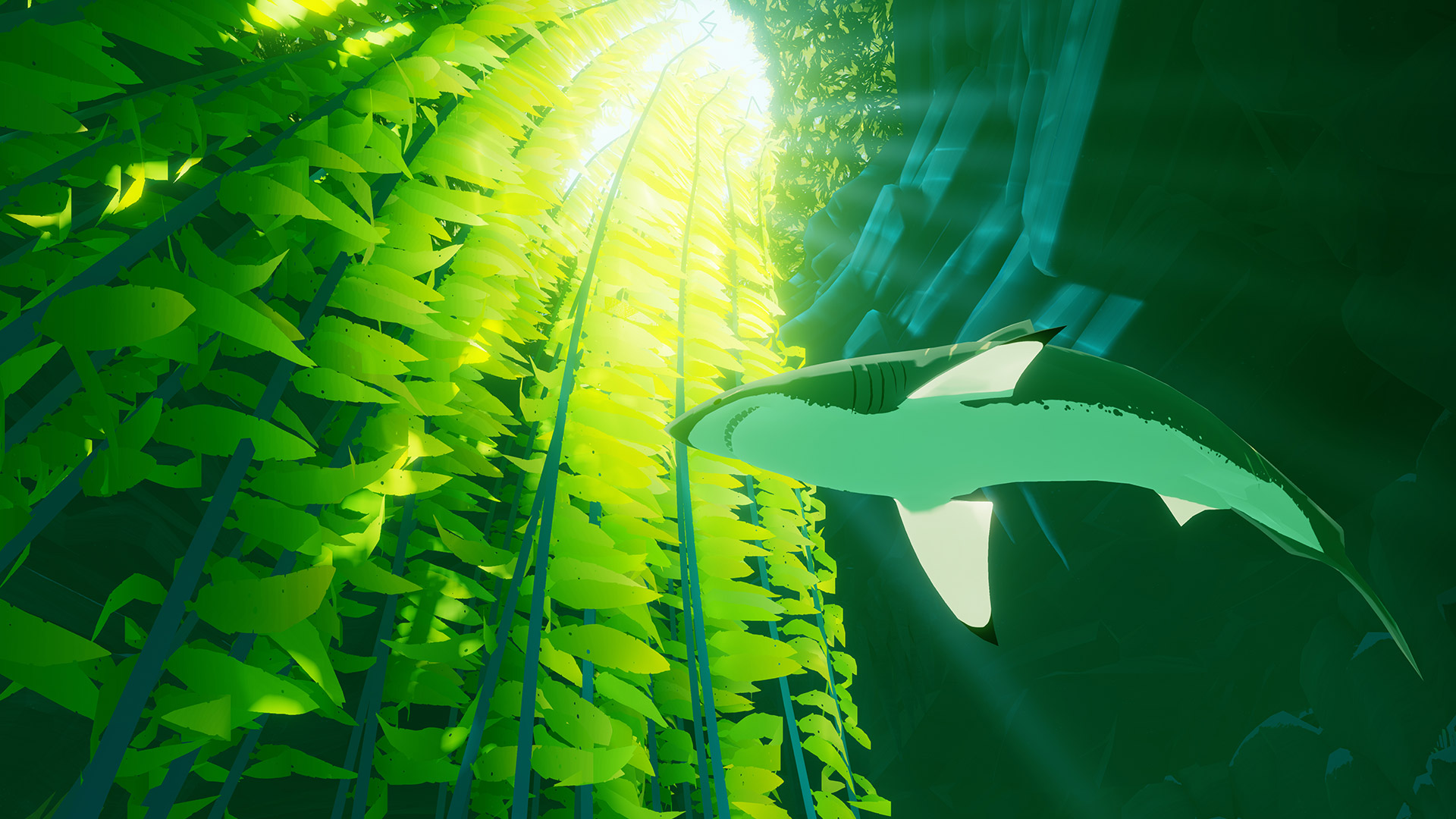
Right off the bat, you will notice how gorgeous this game is. Using Unreal Engine 4, Abzu is bursting at the seams with color and saturated with detail. As you push through each large exploration area (there are about a dozen), your main purpose is to find hidden shells, activate various switches to open doors, and activate little pools that will add various new creatures to the game. While I mainly feel this was filler content to extend the game another hour, it forces you to explore the ocean floor and look around a bit. Seeing all sorts of marine life and plant matter float around you is just amazing. This game really makes you feel like you’re swimming in the ocean and exploring what’s under the sea.
The game’s pacing is similar to Journey, with an explorative area and then a cinematic on-rails section that shows off the visuals that this game nails. Having your character leap out of the water to a stunning vista or romp around with whales in the murky depths is something not seen in any other game. Not a single area is the same, and I never saw the same sea creature twice. It’s the little things that count in games like this, and the amount of detail packed in Abzu is triple that of Journey, and I loved every second of it.
Now, that’s not to say that exploring these cinematic moments is the best thing for this type of game. I thought Journey’s pacing was spot on, but Abzu feels like a bumpy roller coaster with these cinematic scenes spread too far apart. There are only so many switches, chains, and doorways I can go through before I want something else. When you give the player very little to do, you have to rely on the senses and visuals to keep the player entertained. I feel this could have been an underwater journey if the pacing was a little better.
Overall, Abzu is a fantastic adventure game, and any fan of Journey must own it. The visuals are absolutely stunning, and Austin Wintory is back with another beautiful soundtrack—one of the best this year. It’s just a shame that the game suffers from poor pacing and exploration elements that are just there to force the player to look at everything. I feel like I’m getting my face rubbed in beauty rather than being allowed to soak it in as it passes by me.
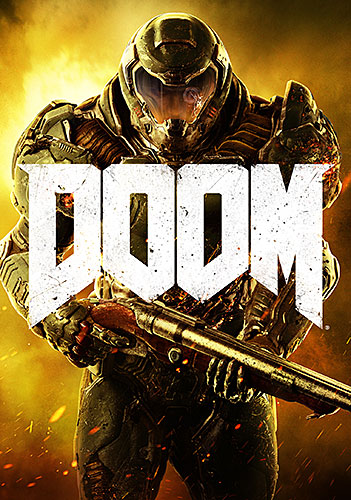
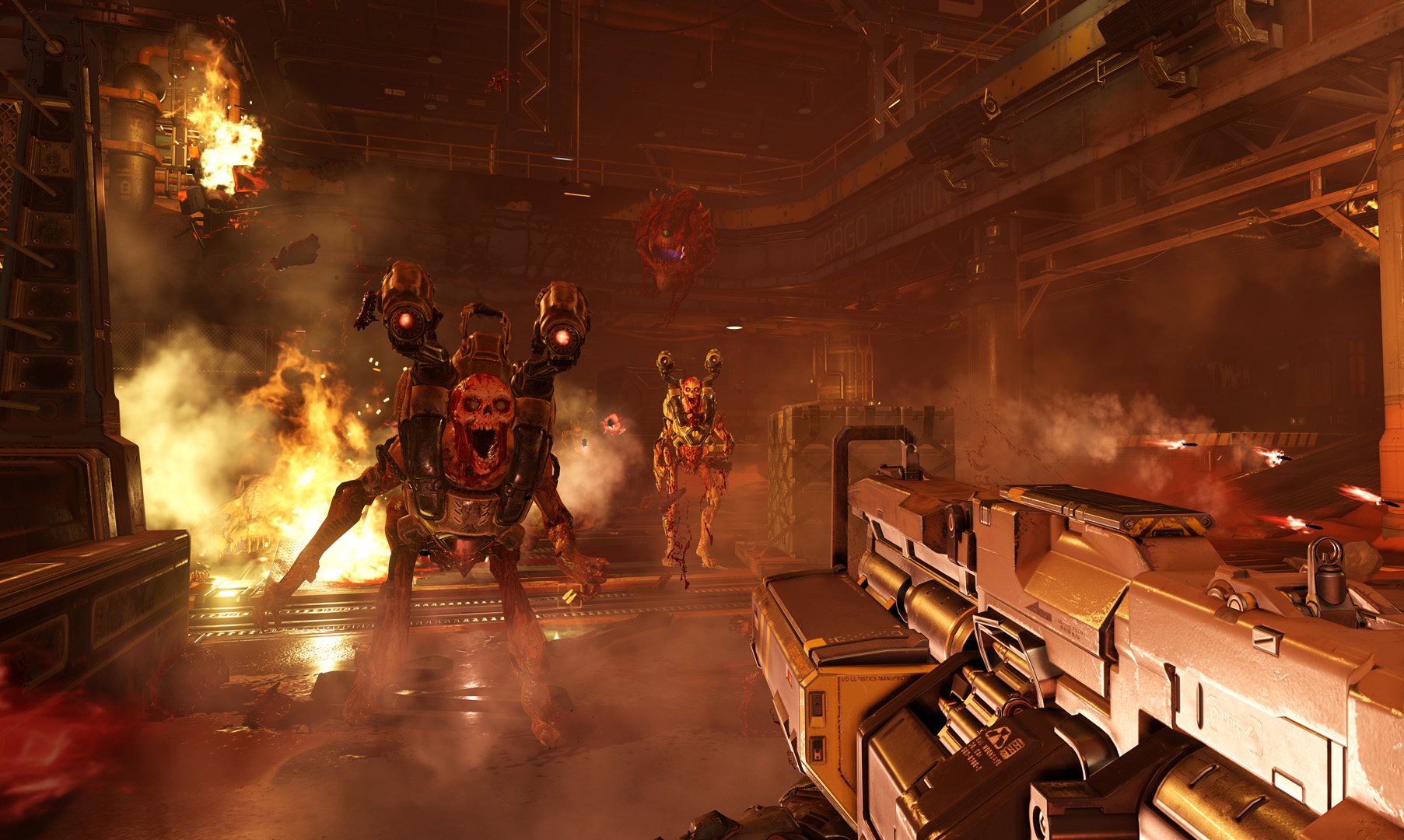
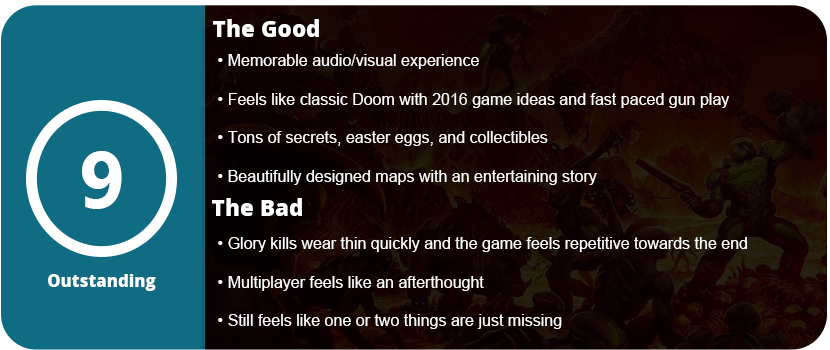
Well, 2016 seems to be a great year for the comeback of shooters. First Overwatch, now DOOM (well, in reviewing order). DOOM could have gone so bad, so quickly. However, ID Software went back to its roots, updated it for 2016 technology, and gave the middle finger to all the rest of the stuff plaguing the genre. DOOM is by far one of the best FPS games I have played in over a decade. It’s fast-paced, challenging, fun, full of secrets for veterans, and just plain old shooting.
The game actually does have a bit of a story, and it’s done just right so that it won’t get in the way of the shooting. You play Doomguy, a UAC Marine who has to help a robot scientist named Hayden stop another researcher from bringing Hell to Earth. Amanda Pierce let the tech and religious aspects of Hell get to her, and it overran the advanced Mars facility. Most of the story is told through logs, which are actually the best way to keep the story from getting in the way or becoming a train wreck. There are few cutscenes in DOOM, and when they play out, they are a nice break from the challenging gunplay. It’s light and crisp and isn’t stale, which is great for the genre. Too many games—Battlefield and Call of Duty, in particular—try to do this Hollywood sci-fi script of I don’t know what the hell to impress the edgy gamers out there. It doesn’t work; it’s a train wreck, and those stories are a complete mess. The FPS genre relies too heavily on story and not enough on gameplay.
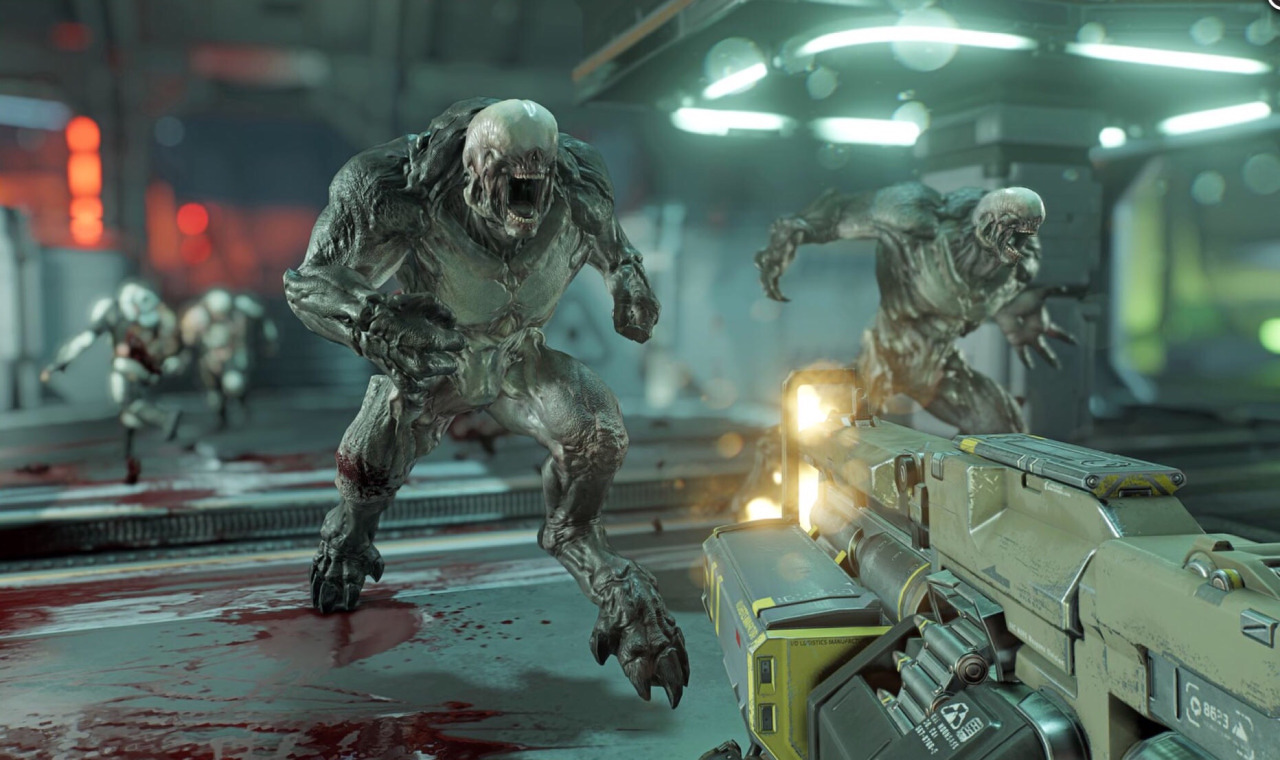
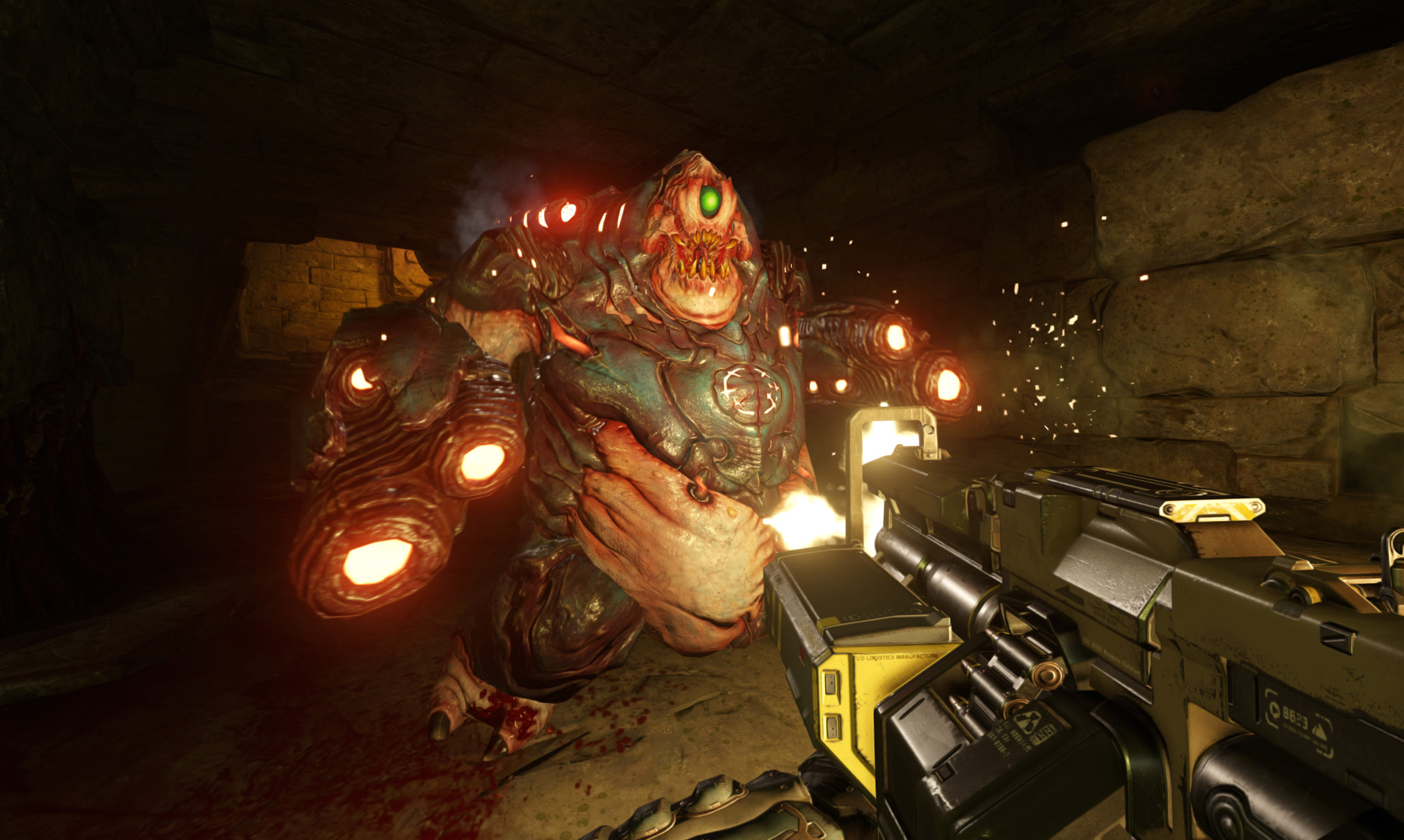
With that said, DOOM is just like you remembered all those years ago—forget about Doom 3. As soon as I took control of Doomguy, I was in heaven. It’s fast-paced, controls amazingly well, and the guns feel fantastic. The slow build-up of your arsenal makes you smile every time you acquire a new weapon. Seeing Doomguy pick up the shotgun brought a “hell yeah” smile to my face. Seeing the chainsaw rip through enemies just gave me satisfaction as a shooter I haven’t felt in years. There’s a strong arsenal, and not all classic weapons return; a majority are new. The chaingun is fun, the heavy assault rifle is fun, and the gauss rifle is just so much fun. DOOM starts bringing the series into 2016 with weapons mods and Praetor Suit upgrades. These seem unnecessary at first, but with the way the enemies are balanced and maps are laid out, you feel you need them. Each weapon has two different mods, which are incredibly helpful. The shotgun can get an exploding buckshot or a three-round burst. There’s no reloading ammo in the game, so the R key is used for switching between mods. To keep things balanced, there’s a mod switching animation, so going into combat with what you want is necessary.
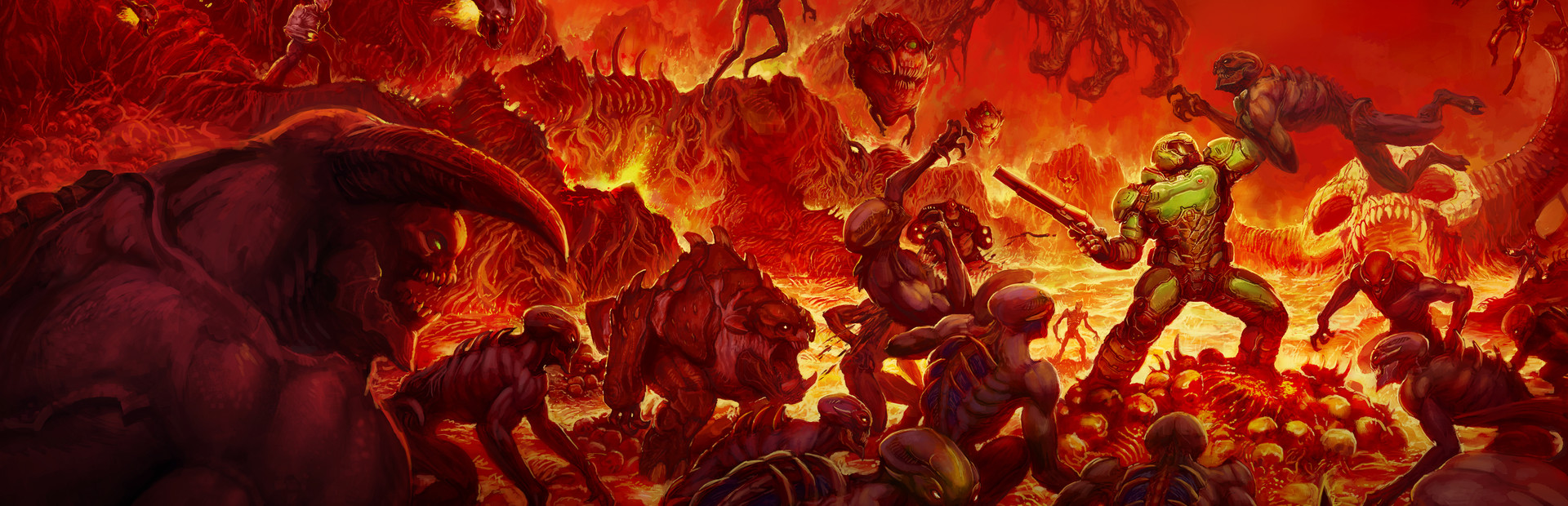
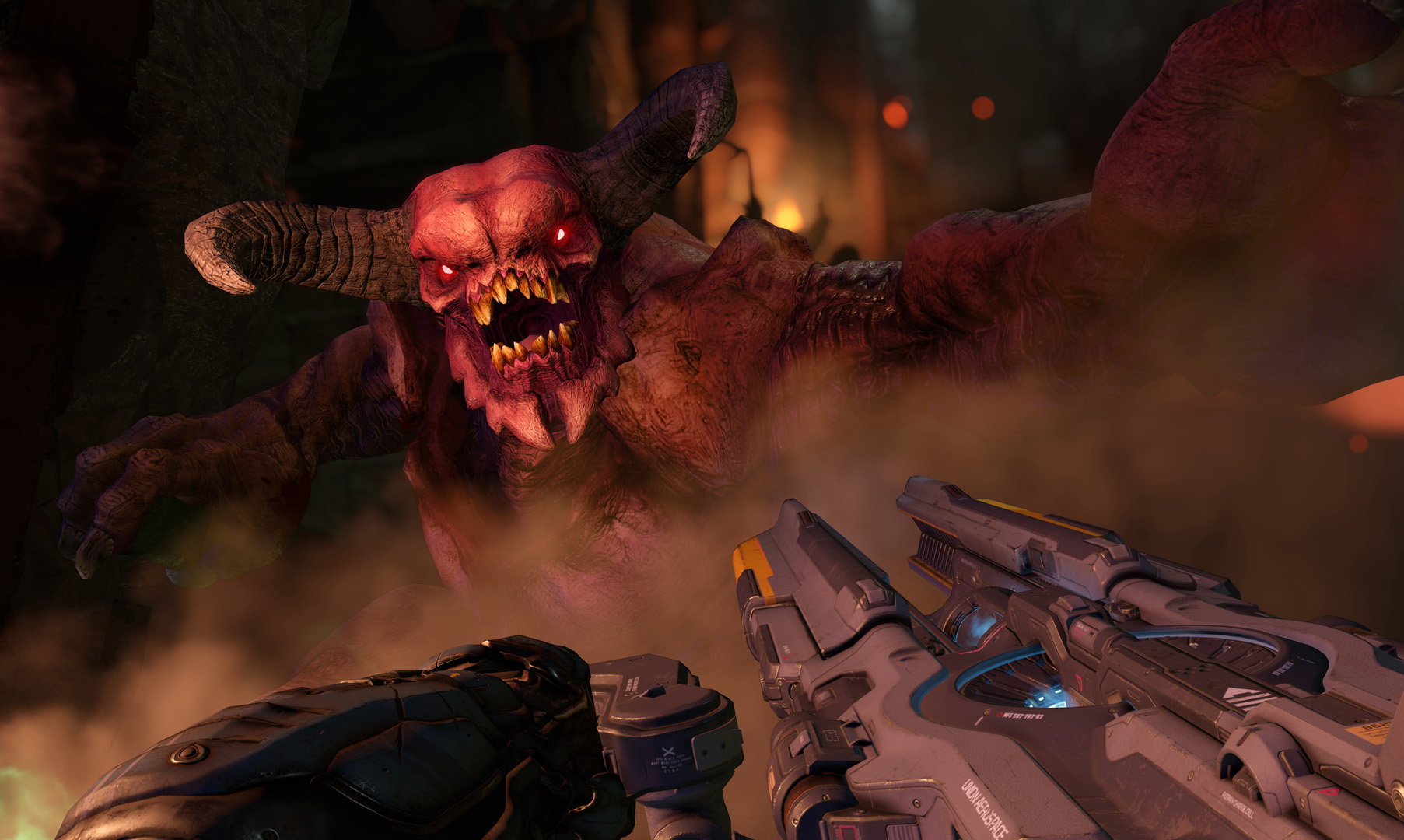
Let’s talk enemies. The game is chock-full of them, and all the classics return. Pinkies, Hell Knights, Cacodemons, Imps, etc. They look fantastic, blow up great, and the game is so gory and full of detail. The game isn’t the most technically impressive as some textures are lacking, but the game has incredible lighting, and the game runs at a nice smooth clip at 60 FPS. It does require the latest PC hardware to run at maxed-out settings, with Nightmare textures needing a GTX 980 or higher as it requires 6GB of VRAM. If you have the rig, you’re going to be in for a visual spectacle. I also have to commend the audio. The explosions, gunfire, enemy sounds, and gory splats are fantastic. The game also has a good ‘ol heavy metal soundtrack with a techno twist. This is one of the best video game soundtracks this year.
DOOM’s level design is actually very old-school, and it works well here. Each level is made up of arenas with linear hallways in between. 50% of the fun in DOOM is finding all the secrets, thanks to the excellent map. Once you find the Auto Map, all secrets are revealed, but they are still challenging to find. You might see a collectible floating in the air, but you have to find the right switch or path to get to it. I haven’t had this much fun finding collectibles and secrets in a game in a very long time. It was done right here and was not forced. Everything you miss can be reacquired by replaying levels. DOOM also features a new Rune Trial mode, which is a super fun mini-game of sorts that is quite challenging. I was able to beat them all through the first play-through, but a few proved tough. You get timed to complete certain goals, such as killing a certain number of enemies under certain circumstances. They change up the pace and are a warm welcome to the series.
Multiplayer is a bit of a disappointment, but it’s not awful. It’s fun for quite a while, but it won’t have you coming back months later like other shooters. You have your classic modes, and it’s just plain old run-and-gun fun online. It just feels like it’s lacking something or something that needs adjusting. Hopefully, the next DOOM will address this issue, or we will get a stand-alone DOOM multiplayer suite.
DOOM is a fantastic shooter and one of the best to come out in the past ten years. It does have a few flaws; I forgot to mention glory kills, which are melee kills used when an enemy is stunned and flashing. Pressing F can launch you towards the enemy to acquire health and ammo, but it’s overused quite a bit. Thankfully, it’s totally optional, and towards the end of the game, the novelty wore off, and I only used it for health and ammo. The game does get repetitive towards the end, but not in an overly bad way. It’s just part of the genre and series and is a staple that will never go away. Outside of these issues, the game is worth a full purchase.
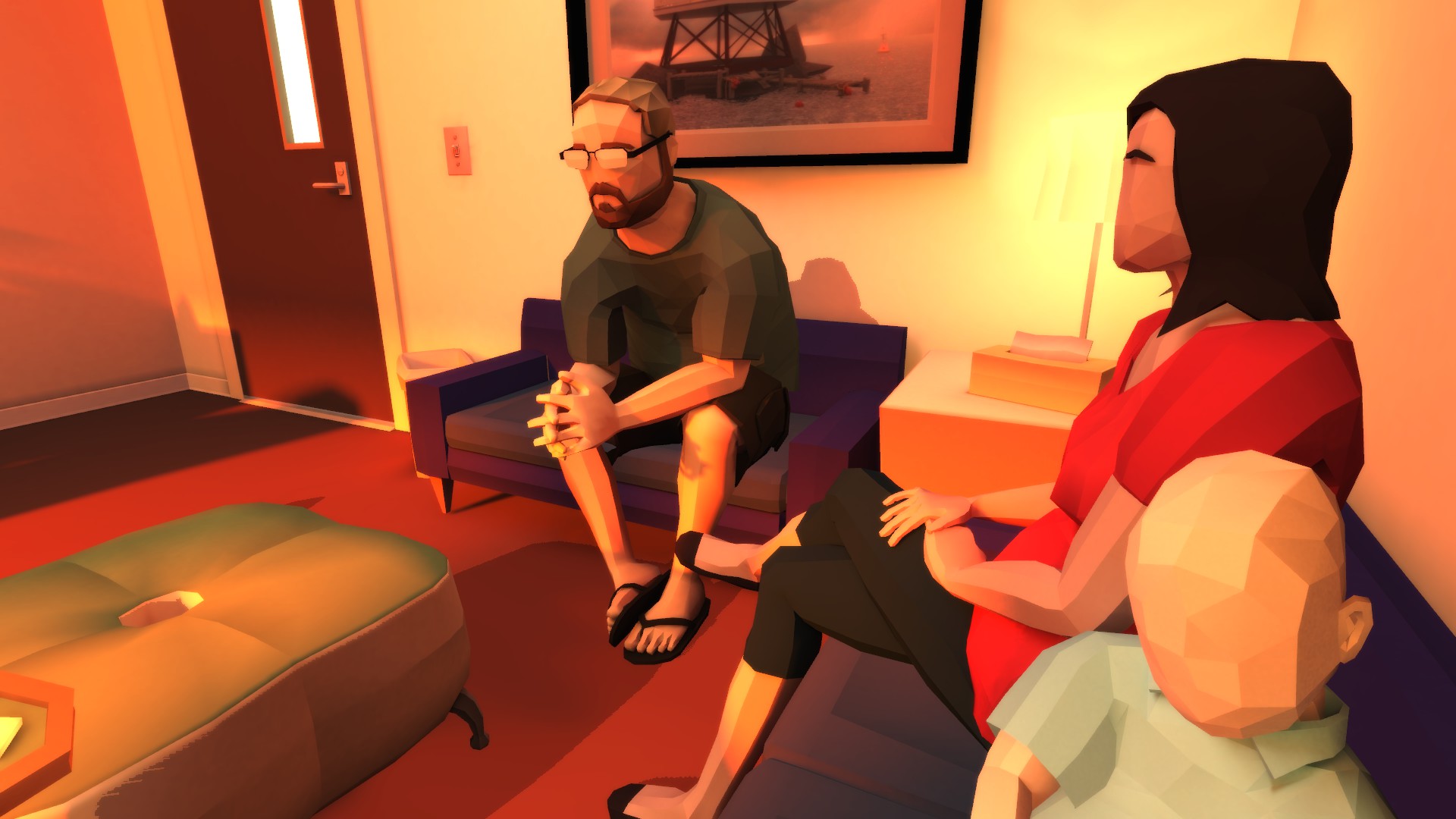
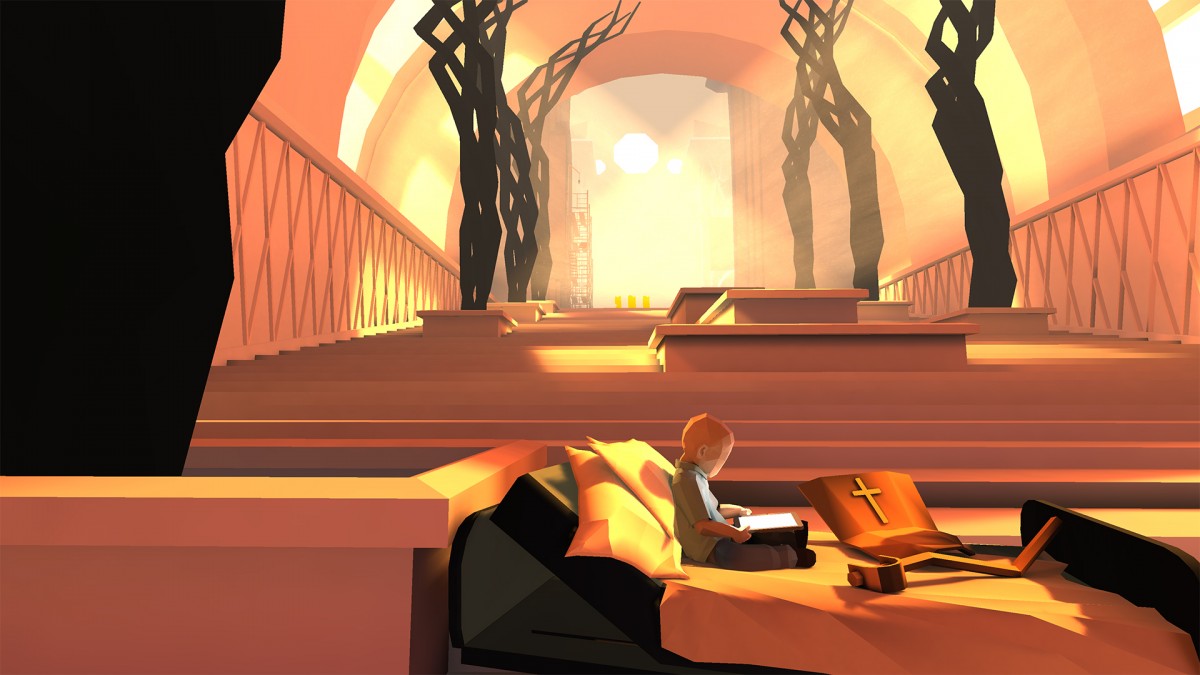
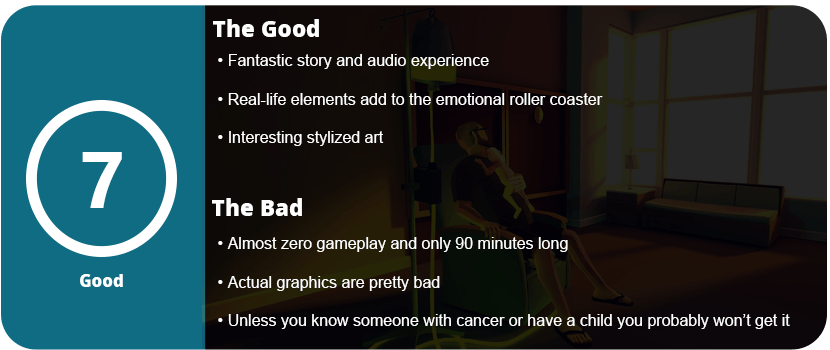
I love games that are emotional roller coasters, as they bring out emotions that AAA games just can’t achieve these days. The indie games are usually the best when it comes to story and characters, and That Dragon, Cancer isn’t a good game, but a good story. Seriously, gameplay-wise, this game stinks, but if you come for the story, you will feel some heavy stuff.
I personally took this game to heart, as I have my own son on the way, and the things that this family went through brought out some emotions I’ve never felt before. A little boy named Joel is battling brain cancer with his family, and you go through the emotional turmoil mostly through metaphors. The game captures most of the parents’ (the dad is part of the development team and helmed this game) memories that are both good and bad. There’s literally zero gameplay involved as you click through levels with flat-colored textures and listen to audio recordings of the family or read letters from other people that are actually real. The emotions didn’t really kick in until about halfway through the game, when you really start to feel the parents’ suffering with this battle.
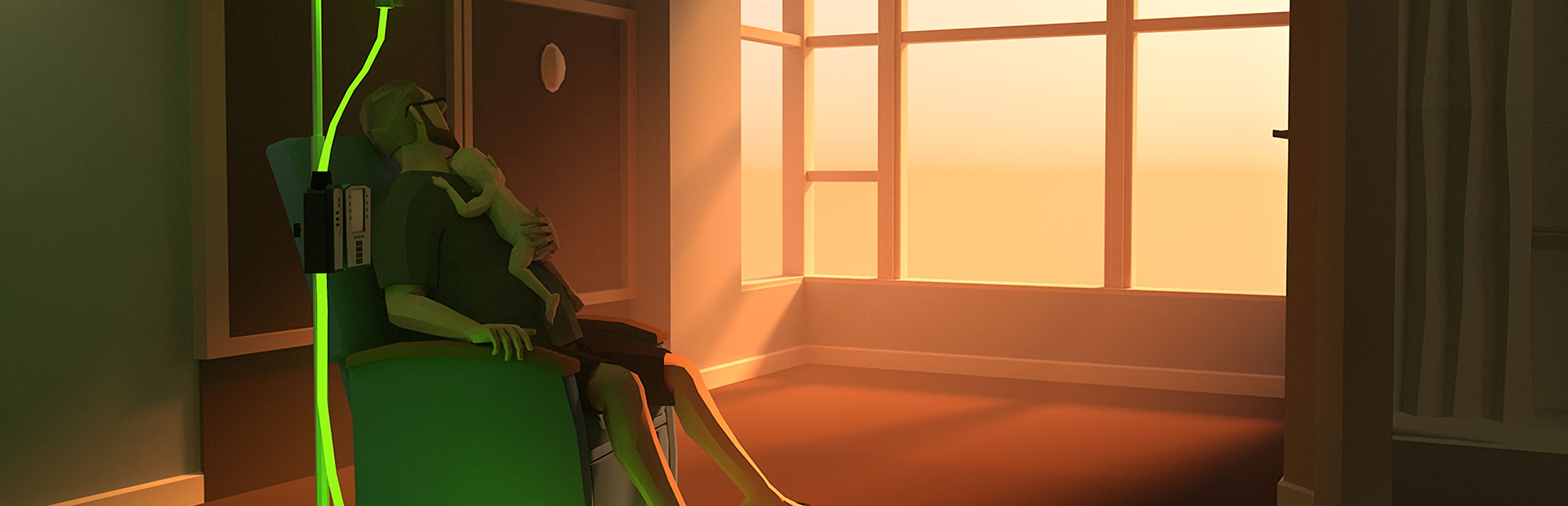
Outside of clicking to the next area, there are little mini-games, but games say a lot. There’s no objective to various “tasks” like having Joel dodge cancer cells in space, clicking on constellations as they turn into animals and he rides them, etc. These are timed and don’t have any clear goal; you literally just wait it out. As a game, this is one serious piece of a turd, but I didn’t care as I wanted more of the story, and that’s hard to pull off. The best (or worst) part of the game is walking around a hospital and reading real letters in the form of cards from real people; there’re a good hundred of them. The biggest memory was of the dad sitting in the hospital room with Joel with what seems to be a real recording of him wailing in pain as the dad goes through emotional battles in the form of visual metaphors that you listen to him narrate. The crying hit a nerve with me as the dad told him to stop crying, and Joel was bashing his head against the crib. It’s honestly disturbing, but great at the same time.
The game is only about 90 minutes long, and everyone will walk away with this as a crappy game but a great story. I wish they concentrated on the gameplay elements more, as you can tell that was on the back burner. The father was so anxious to get this out that he forgot it’s actually a game. Most children won’t play it as it requires patience and a soul and heart to understand; anyone going through cancer or who survived it should relate, or anyone who adores their children. If you’re a typical heartless gamer, stay away.
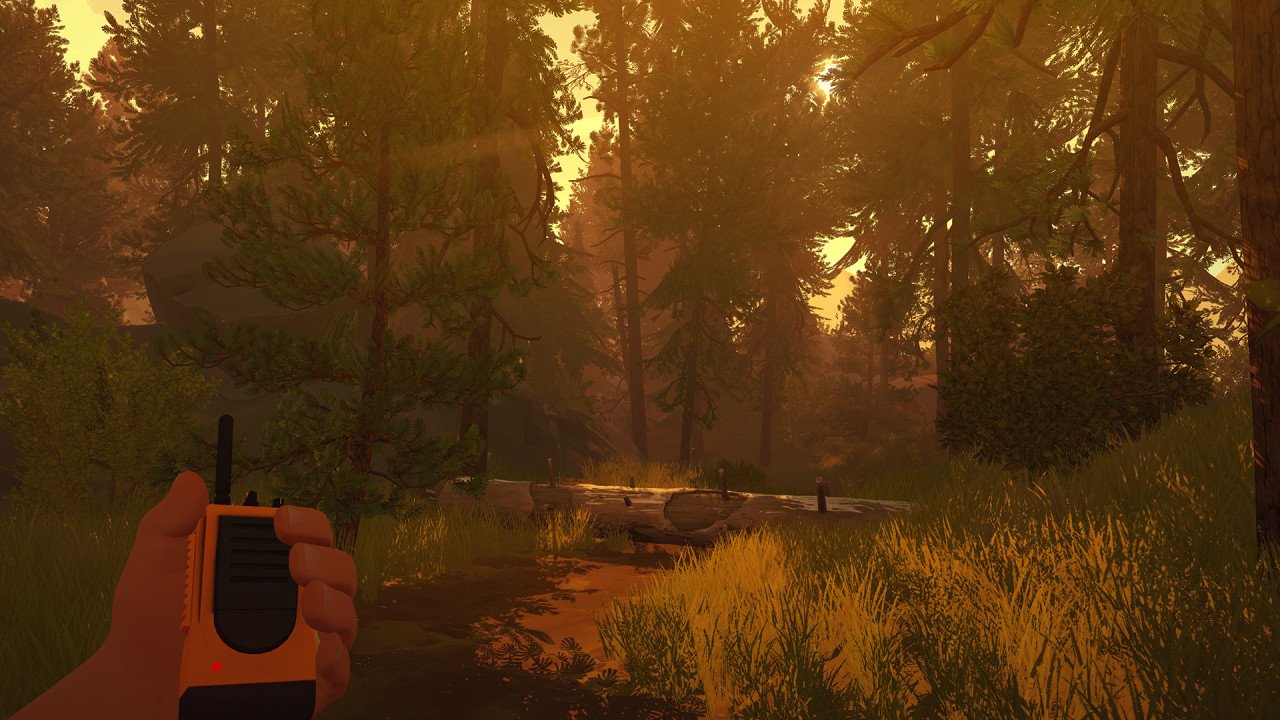
I just played this game in one long four-hour sitting, and I’m a little emotional about it. The game is completely story-driven and not one of those shitty Steam Early Access survival games that are becoming a plague. Instead, we get a linear adventure game with no combat and just beautiful visuals and a great story. You play a man named Henry who’s suffered the loss of his wife’s mental state due to Alzheimer’s. The game starts out with just some text about how Henry came about to take this job as a fire watchman. In just a few minutes and several lines of text, you develop feelings for Henry and his wife, which is really tough to do. The words are carefully chosen and arranged in just the right way.
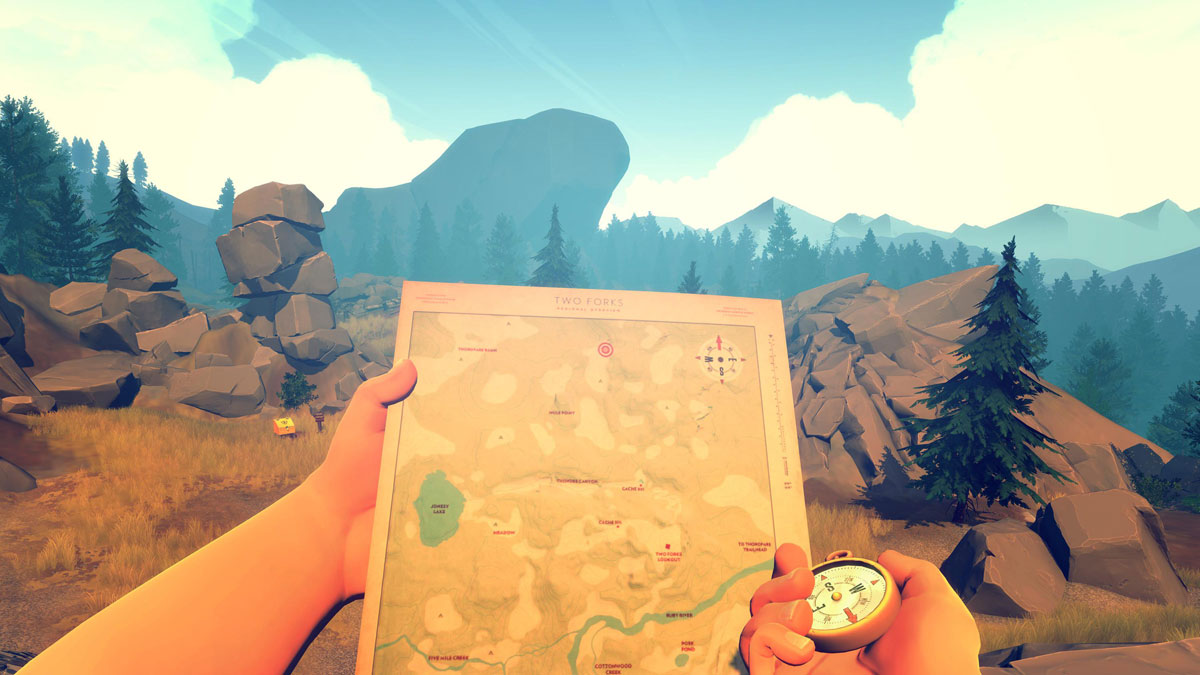
In between this text and the segment is a mini-tutorial with Henry making his 2-day hike to his watchtower. unobtrusive and feel natural and organic, so when you take full control of Henry, you’re ready to start playing. When you do, the game starts out with simple missions from the head watchtower, Delilah. Your only communication with her is your walkie-talkie, and you never actually see her in the entire game. It’s a sense of mystery that allows the player to paint their own picture like a book would. The first missions have you setting out to stop some teens setting off fireworks, and this is where you get oriented with the map and compass. There’s a dot where you are, so there’s no need to memorize anything or do aimless guesswork.
Once you get to the site, you realize it’s two female teens who are completely naked, drinking beer, and blasting music. They get upset with you like any rebellious teenager would and threaten you. The first three days of being a fire watchman are played out; however, the game gets darker and tenser as you progress. There are little subtle things that freak you out, such as seeing a man on your way back to your watchtower, discovering someone’s watching you and listening to your conversations with Delilah, and so on. It’s all very organic, and the fact that it is subtle makes it scary and gives a tense atmosphere without using cheesy ghost stories and jump scares.
There were several moments where I wasn’t sure what kind of story this was. Supernatural? After an hour into the game, I figured it wasn’t that. Was it a slasher flick-type story? Not when I realized there’s actually no violence in the game. Was this a murder mystery? Maybe something with aliens? Not at all. It was great to go down this twisting path to finally discover what the true threat was, which I will not spoil here.
The only lighthearted nature of the game is the relationship between Henry and Delilah growing through conversation; however, I was never completely trusting of her due to certain dialogue exchanges and slip-ups on her part. Firewatch is a roller coaster ride of emotions and story-driven feelings that most games can’t get right. In fact, Soma was the last game to make me feel this way.
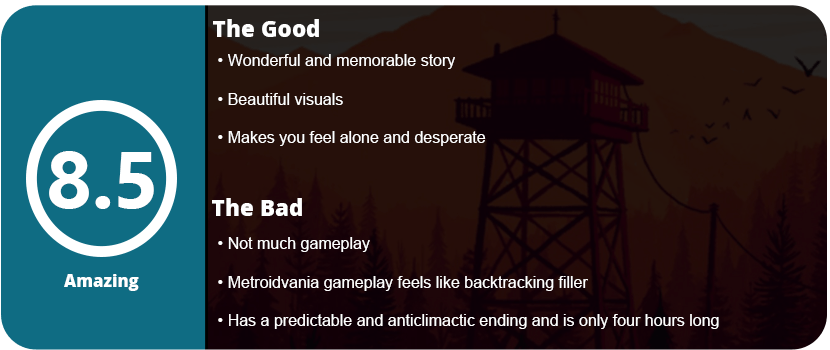
Overall, Firewatch actually has a few flaws that keep it from being perfect. Outside of the story, there’s a lot of aimless backtracking, as after the second hour, you have already discovered this entire area. The Metroidvania-style gameplay to recover equipment to get to new areas seems natural, but it just exaggerates how much this game relies on backtracking to extend game time. Firewatch does have some excellent visuals, though, but nothing that will make modern PCs sweat. I personally had a small connection with this game as I grew up in this area of Wyoming, where the game is based. They mention the cities of Casper and Gillette, which I grew up in both throughout a lot of my childhood. I also visited Yellowstone, so the environment is very familiar to me and made me feel like I was back at home as a kid.
Play Firewatch for the great story, but don’t come in expecting a slaughterfest, survival game, horror jump scares, or any of those cliches. The game is quite mild gameplay-wise, but the story will have you thinking days after finishing.
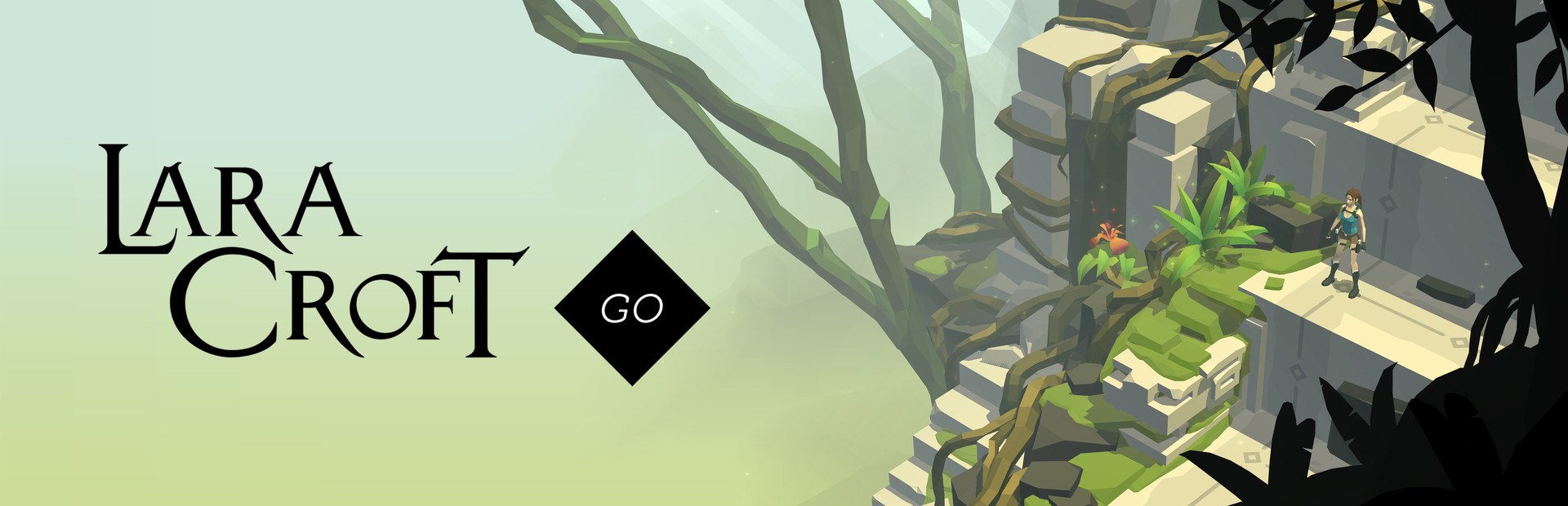
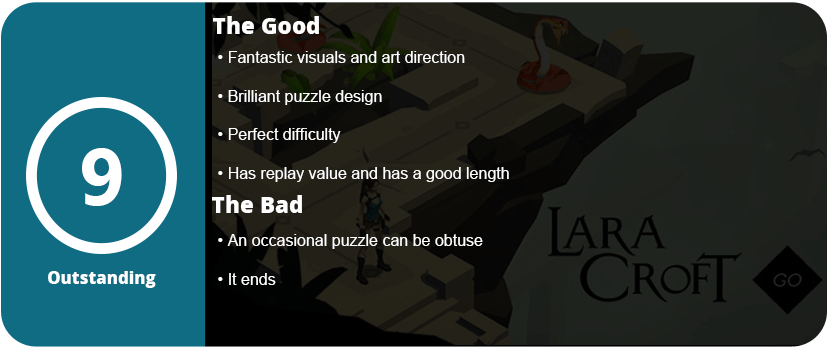
Lara Croft has made a huge comeback thanks to 2013’s Tomb Raider reboot. With her spin-off top-down series, Lara was bound to find her way onto the mobile market. Feeding off the success of Hitman GO, Square Enix takes another popular franchise and ups the ante on the GO series. With fantastically designed puzzles, great graphics, and easy controls, Lara Croft GO is the best mobile game released this year.
If you played Hitman GO, you will be in familiar territory. The levels are comprised of squares that Lara moves along; these squares have dots on them, so you know which ones you can land on. There are various puzzles that will make you really think before advancing to the next level. From pulling switches, avoiding enemies, killing enemies, moving platforms, moving stone pillars, and various other gameplay tidbits. It’s not just as easy as pulling this switch over here and having that switch be done. Enemies play a huge role in this game, and movement is key here. Every time Lara moves a space, so does an enemy. You must line up your moves to avoid the enemy or go around them. The puzzles are brilliantly laid out here and will constantly keep you in check.
The game also felt progressively balanced in difficulty. I started off clearing levels quickly and then slowly had to start thinking. Once I thought I had mastered certain gameplay elements, another was thrown at me and made me think all over again. I can’t stress enough how well these puzzles are designed; they feel like they were made with care and delicate thought in each and every square. In between solving puzzles, there are hidden vases throughout the level that hold gems that will unlock outfits for Lara if all are found in the level.
The game is also quite decent in length. It took me a good two weeks to finish the game, and there is replay value here. Throughout the whole game, I never felt like it was impossible or too hard. It was always something that stared me right in the face, and when I figured out the puzzles slowly, I had a lot of “Aha!” moments, which are so satisfying. Some puzzles I really had to work on, and some were quite easy, but the easy ones in between keep it from getting too frustrating.
The graphics in Lara Croft GO are beautiful papercraft models with great lighting effects and high-quality textures. This is a high-end mobile game at its finest, and I firmly believe every Tomb Raider or puzzle fan must own it. I hope to see more games in the GO series, as they are addictive and so wonderfully crafted. This is a hidden gem and an oasis among awful and ugly free-to-play games.
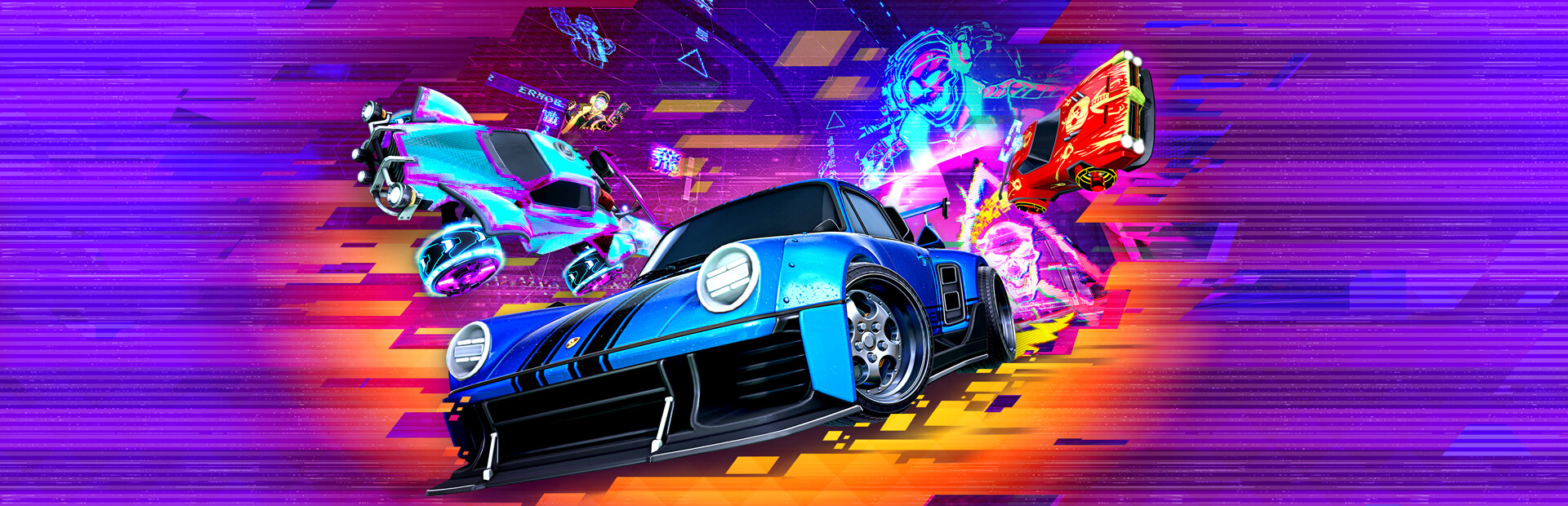
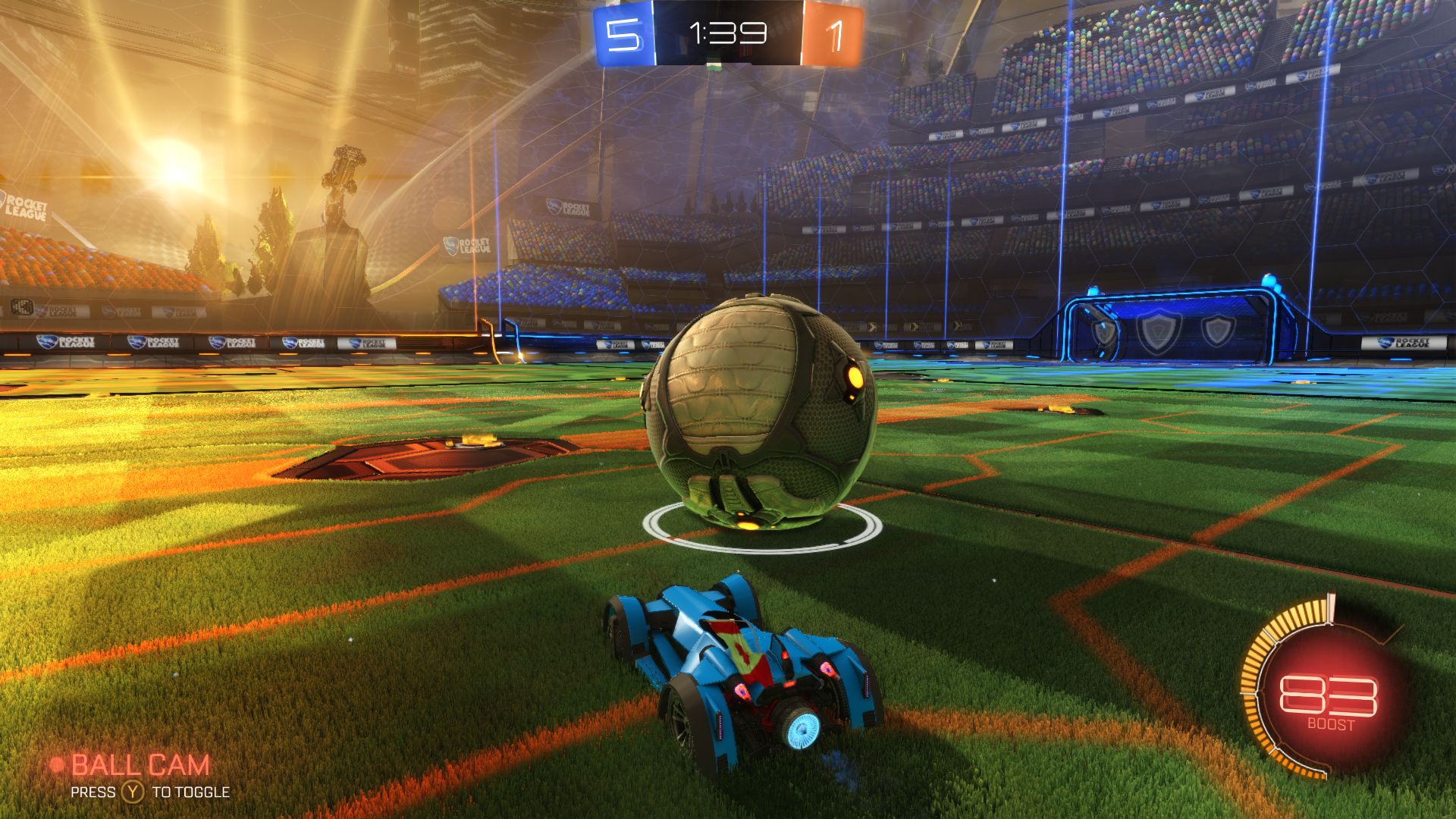
When you think about soccer, the last thing you think about is cars. Rocket League takes a joke and turns it into one of the best competitive games in years. That’s a bold statement, I know, but you have to play it to believe it.
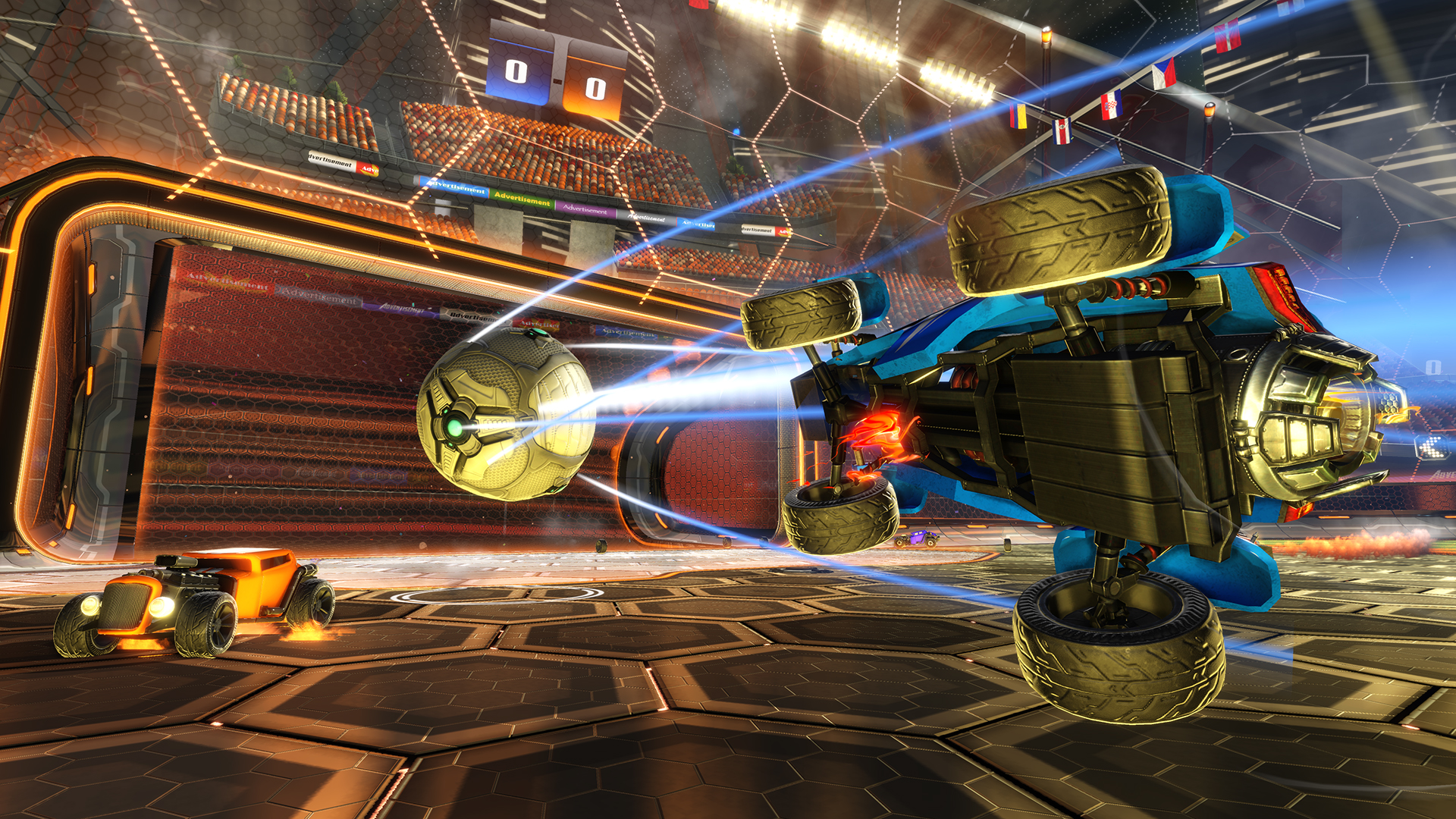
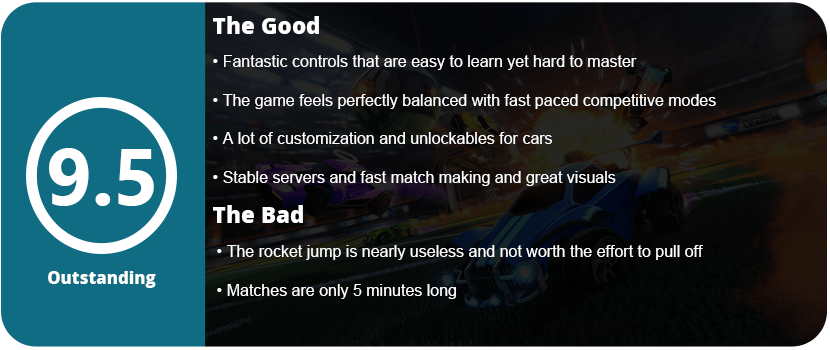
There’s no story, no leagues, no teams with some sort of crappy background to tie something in. You just customize your RC car and smack a giant ball with it. It sounds boring and simple on paper, but it is the perfect formula for something amazing. Once you jump into the tutorial, you will think it’s quite simple: drive your car into the ball and get it into the goal. It sounds simple, but when you have five other players doing the same thing, it can become insane and immensely fun. One of the key assets of Rocket League is that the control mechanics are simple to learn but hard to master. Sure, you can do a bicycle kick, launch your car into the air willy-nilly, and even guard a goal, but it’s how you do all this with finesse that will determine how good you are.
When you finish the tutorial, you will notice it will take about a dozen rounds before you start to really grasp the mechanics. Again, it’s not that they’re hard; they just require practice. The maps have speed boosts strategically laid out throughout the map. These are orb globes (full boost) or orange plates (partial) that are placed so well that you will subconsciously remember where they are and hit them as you are going around the map. This is hard to get right without breaking concentration. Hitting the ball into the goal is the main goal, but what’s so great about Rocket League is how this is done. Because this game is online, there will be exciting and memorable moments that you can save via replays, like an amazing pass, a long-shot goal, a great defensive move, or something along those lines. I made some incredible, insane shots and helped my team out without having to communicate, and that’s also hard to get right.
Rocket League doesn’t have voice chat, which is a blessing in disguise. Instead, you get predetermined messages that you can select with the D-pad that get your message across. Most players are great athletes in this game, and the competition is the same. Outside of scoring, there are other ways to get to the ball; you can drive on the walls and ceilings. Rocket League has each map in a glass case, so this allows you to drive up a wall, kick off, and hit the ball that’s high into the air. Even after dozens of matches (probably over 100 at this point), I still miss jumping up and hitting the ball in the right direction. I have to warm up like any good online game.
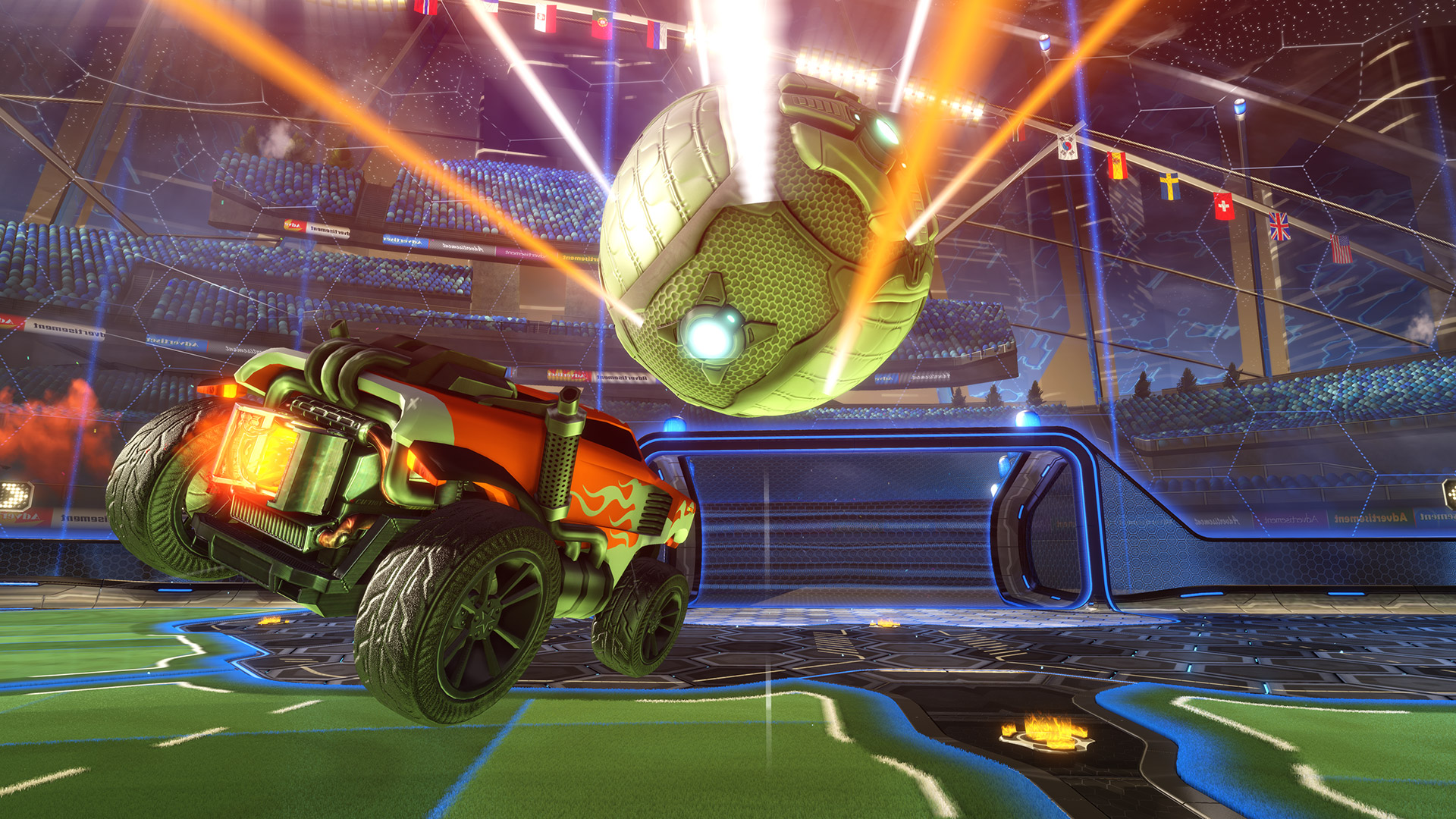
The visuals are fantastic, with individually rendered grass blades, great lighting effects, high-res textures, and gorgeous colors and sound. I really felt like I was in a stadium playing a sport. The customization for your car is nearly endless, as parts are unlocked based on achievement goals, which makes you want to keep playing to have the best-looking car on the field. There is a great match-making filter implemented, and free maps and updates are constantly being added. 1v1, 2v2, 3v3, and 5v5 are all possible options, and they are so great. Matches are quick to start up, and there are tons of players online, so you will always find a match to join. The servers are also very stable, with no hiccups during my entire time playing the game.
With that said, I can’t stress enough how Rocket League is more like soccer than actual soccer games are. You get the thrill and joy out of scoring like you would in real life; this is in contrast to the stale solo plays of real soccer games like FIFA or PES. Some people may scoff at that, but it’s the truth of the matter. Rocket League is addictive and fun, and anyone who plays online competitively will enjoy this game even if they don’t like soccer or cars. The game has a wide appeal to all audiences and will allow for hundreds of hours of fantastic gameplay.
Have you ever wondered what would happen if humanity was on the brink of extinction? I really mean it too, not just in a cheesy sci-fi movie way. Soma makes you truly and honestly think about this, and it scares the crap out of me. Right up front, I want to say that Soma is one of the most original stories I have seen in a game in a very long time. The story takes a while to understand what’s going on, but once you do understand, you’re in for quite a ride.
You play as a man named Simon who is fighting brain cancer. You go to a doctor’s visit and sit inside a chair. One moment you think you’re getting scanned, and then you wake up in a mysterious lab wondering what’s going on. Immediately, the plot and timeline continue on around you while you’re catching up. It really makes you feel like you’re being dropped into the middle of a shitstorm. The premise of the story is that a meteor wiped out nearly all of humanity (which is a real and possible reality), and there is a system called the ARK that is to preserve humanity digitally. Now the story makes you think the ARK is several different things and works in different ways. The story is so well told that you actually organically understand everything exactly as Simon is understanding it; it’s quite unique and ingenious.
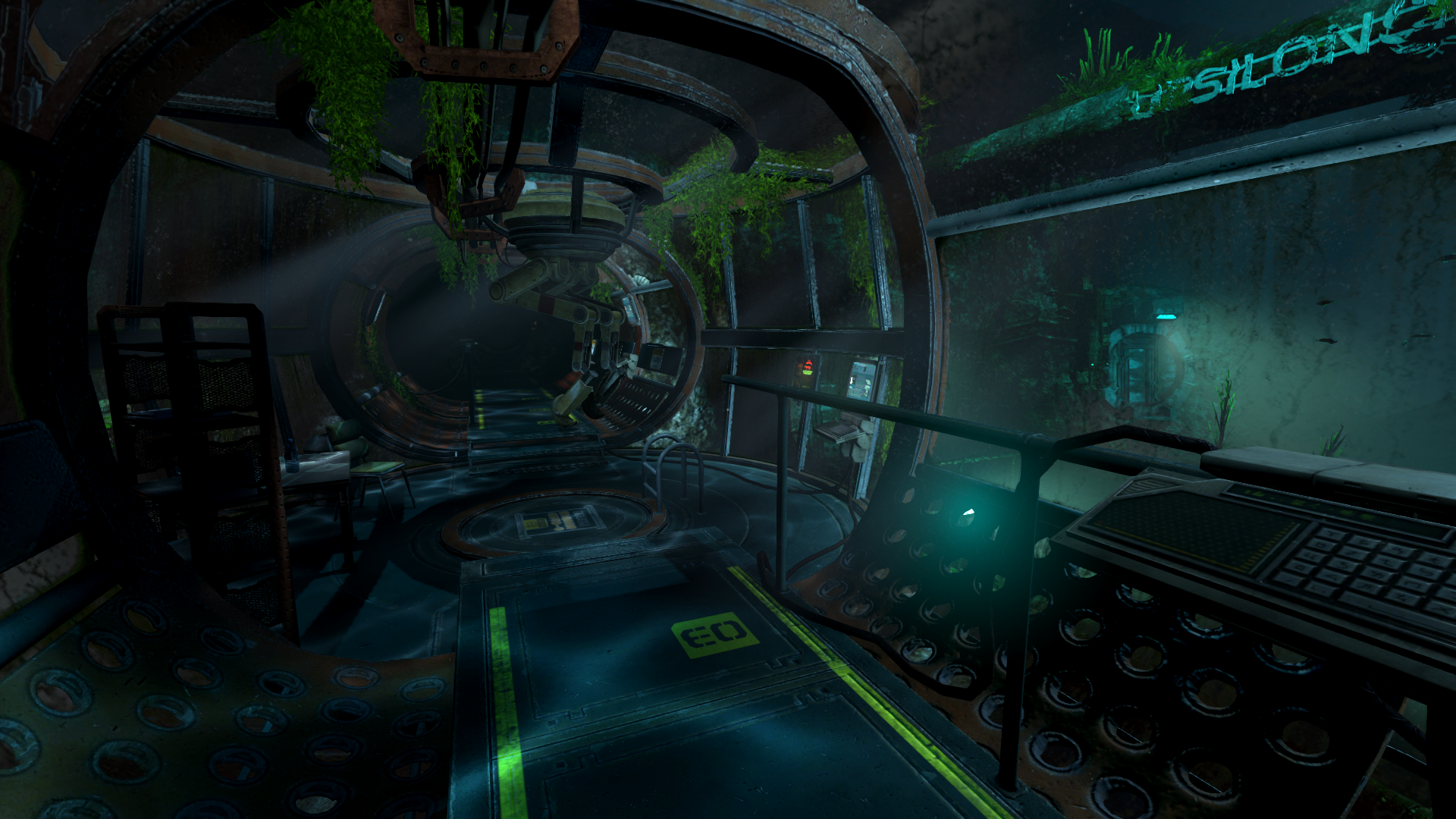
The game is made by Frictional Games, which made Penumbra and Amnesia: The Dark Descent, so you know what you’re in for: a very scary game. Soma is actually much more intense than those games, and it is scarier. The graphics engine has been pumped up quite a bit; while not state-of-the art it looks way better than Frictional’s previous games, and it is still quite beautiful artistically. Your goal is to solve simple puzzles in some areas while also discovering more of the story through audio and text files while you explore rooms. The most intense part of the game is when these WAU creatures are wandering and shuffling around. You have to hide and sneak around them, which is some of the scariest things I have done in gaming in quite a while. The sounds help sell the scare factor, and I really felt claustrophobic through the whole game. Running around in derelict underwater labs isn’t a walk in the park.
The game is broken up into areas or lab sites, and the whole thing takes place underwater. As you go further and further into the ocean floor, things get crazier and crazier. The WAU is an organic computer system that we built to help sustain life underwater, but it’s now taking over and has killed off nearly every remaining human left on the research site. The way this place is built is awe-inspiring and really makes you feel puny, thanks to the way the story is told. You literally go through every step to launch this ARK into space, and you have a computer AI companion that makes you feel even more alone. The various story pieces that come together in the game are fantastic and very memorable; I can’t say much more without major spoilers. I will say that you get moral choices in the game, but in the end, they mean nothing, and that’s actually the way you want it. The way the story is told, there is no way to find out what happened with your choices, and it makes it feel that much more real and scary.
I did run into a few issues in the game, like some of the sneaking areas were really difficult without a walkthrough because you need to keep your flashlight off and you’re basically feeling around in the dark. This made certain areas extremely frustrating and caused multiple deaths. I also found a few puzzles very vague. If those issues had been fixed, this would be the perfect adventure game, as it has already revolutionized several tired elements. You will look past these issues, thankfully, due to the story being so incredibly amazing that you will want to go on.
The atmosphere itself is just very foreboding; all you want to do is find another living person, but Simon’s luck is just really bad. Frictional Games forgoes the cheesy, predictable quirks of gaming stories and makes you press on and feel alone and hopeless, which is fantastic. Walking around in labs and then stepping outside into the vast ocean is a great experience and makes you realize just how screwed you are. You can still be attacked outside, and you must follow the procedures and safety measures set up throughout the underwater city, or you will die. The fact that Simon relies so much on his AI companion just reminds you how fragile this whole mission could be and that humanity could be lost forever so easily.
With that said, Soma is one of the greatest gaming stories ever told, and I seriously mean that. It’s just too bad this is an indie game and won’t get the attention it deserves. The game has a few flaws, like slightly dated visuals, difficulty spikes, and some vague puzzles, but you won’t care and will want to press on thanks to the amazing atmosphere that nearly makes you feel like it’s happening to you.
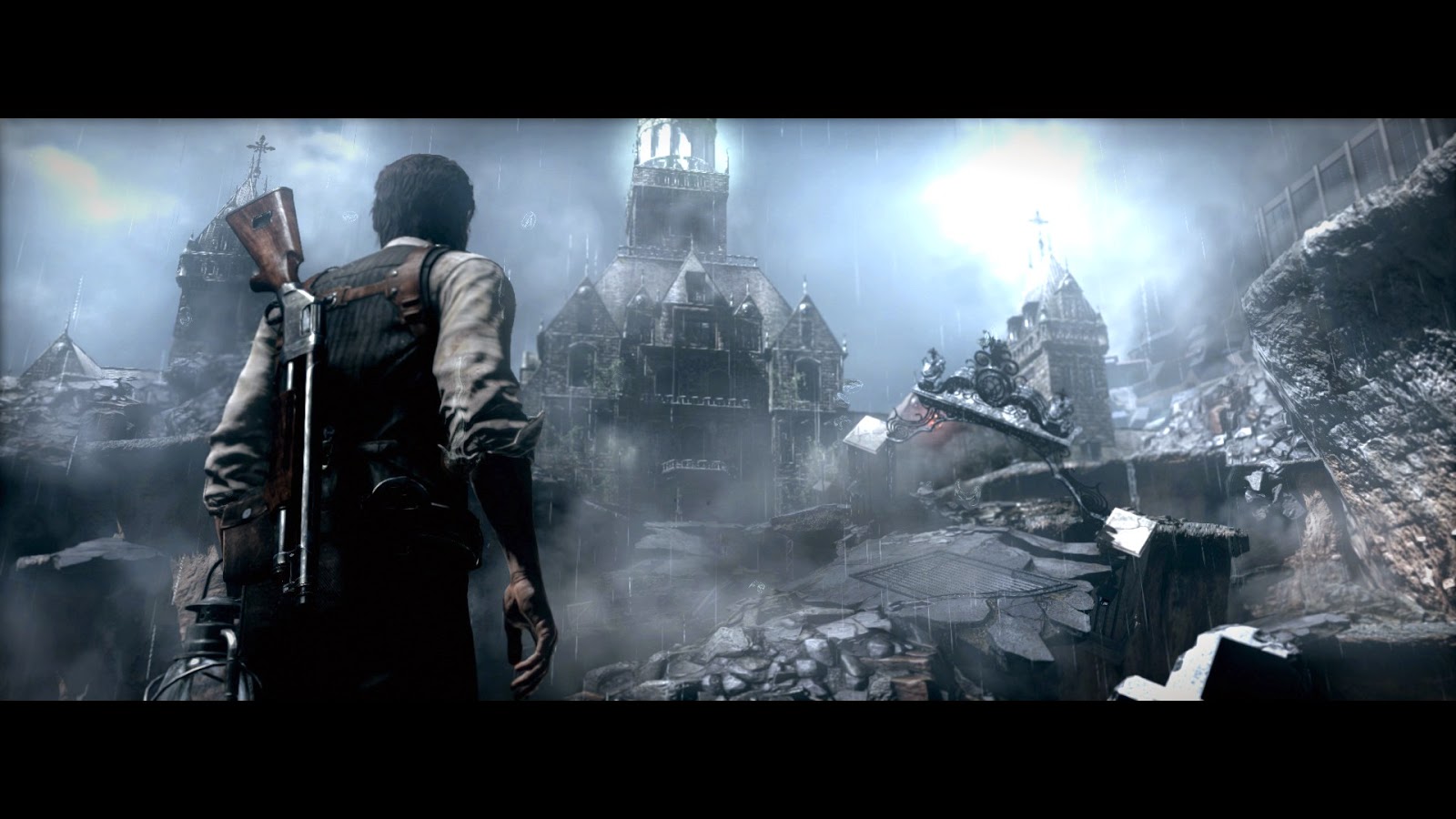
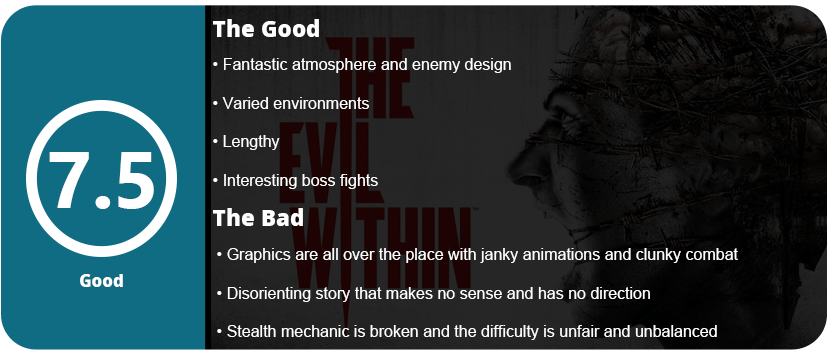
Right out of the gate, I have to say that this game is extremely difficult. It took me nearly a year to get through this game because of just how exhausting the game is to play through. Fifteen grueling chapters clock in at about 15 hours. You play a man named Sebastian who enters an asylum with two other detectives to find out why a massacre broke out there. You are then stuck in a bunch of nightmares; you’re chasing a boy named Leslie and running from a man named Ruvik. That’s it. Have a good night. The story makes zero sense; there’s no comprehension, and it’s very disorienting. You go from crazy room to crazy room, down hallways and arenas, with no sense of why you’re doing this.
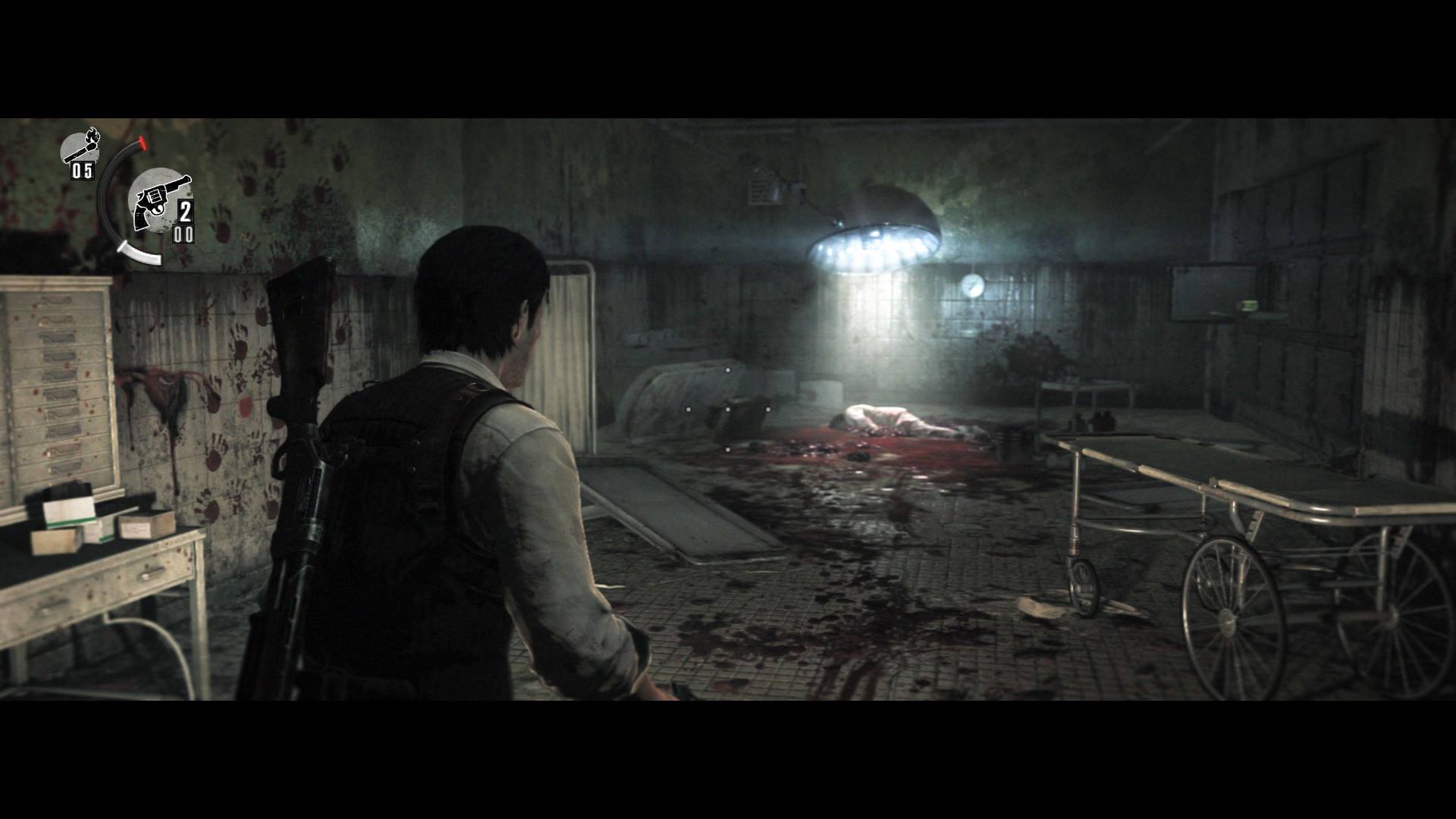
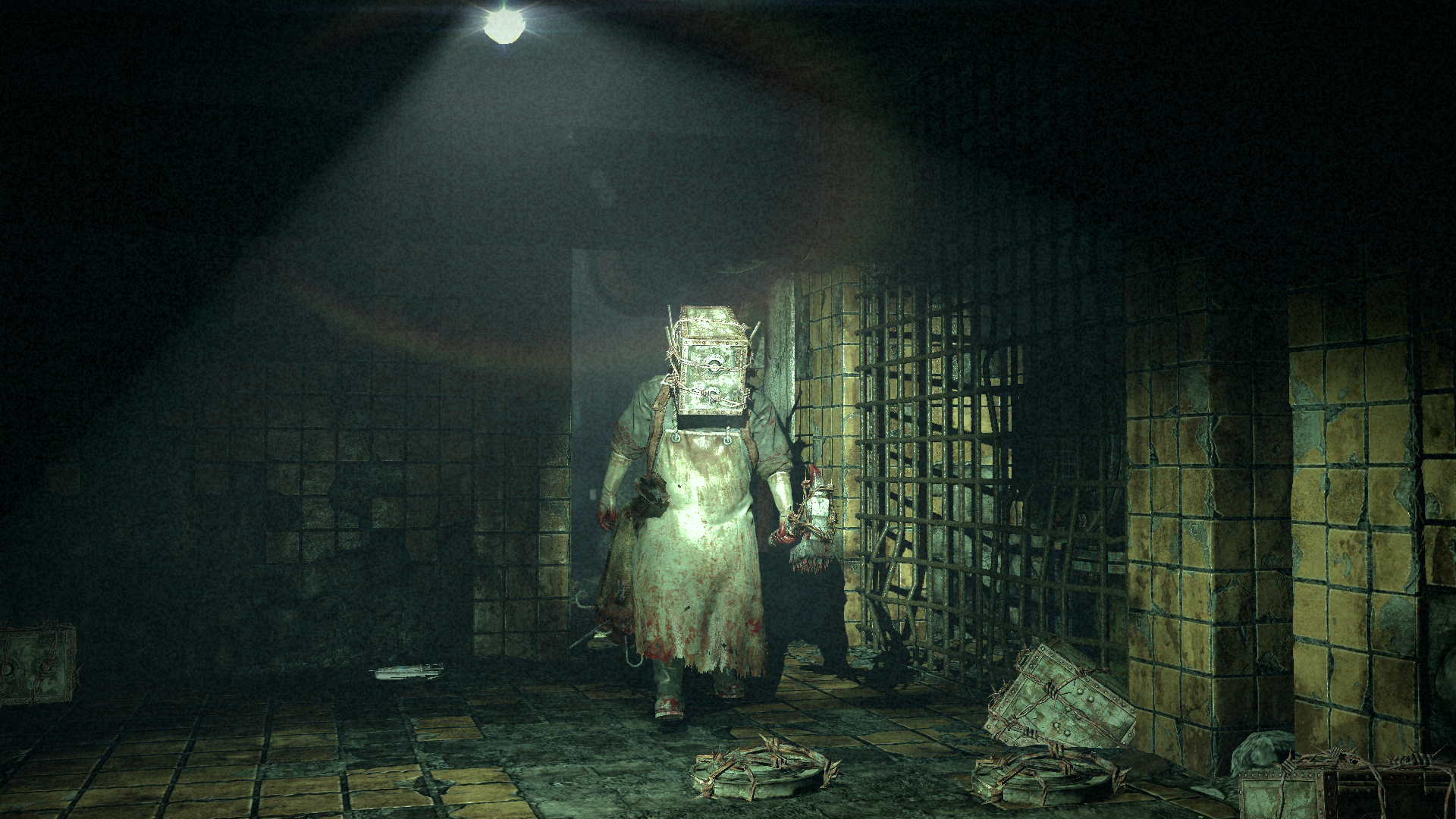
Apart from the insanely vague story, the game does give off an amazing sense of atmosphere. Creepy intestines hang from the walls, eyeballs float around on ceilings, and enemies are some of the scariest stuff since Dead Space, but I have to say, the atmosphere is awesome. Unfortunately, that’s about all that The Evil Within has going for it, despite trying to bring back the old-school survival horror vibe, which it fails to do. This is done with a lot of stop-and-go cut scenes and endless hallways, and then you’re slammed with a bunch of action and no ammo—yeah, it’s one of those.
This game wants to bring survival horror ammo scrounging to a game that has a lot of action, and this is very bad. It just doesn’t work. Even if you are smart with your ammo, conserve, and use melee when the option is available, it just doesn’t always work. The game is highly unbalanced, with long stretches of nothing and then several arenas full of bad guys. Now there is a stealth element added in, but it fails most of the time. Enemy paths are random, they are placed poorly, it’s hard to get to them because the sneak animation is aggravatingly slow, and it doesn’t end there. The game is devoid of puzzles, meaning there is no challenge outside of combat. On top of all this, gunplay itself isn’t very fun, as the camera zooms too close to Sebastian’s shoulder, making quick aim disorienting and difficult, the animations are janky and can’t be interrupted, and it takes forever to level up your abilities and weapons—it actually requires a second playthrough.
I feel sometimes I’m too hard on the game, as it isn’t terrible, just extremely difficult and unpolished. The graphics are also something to be desired; they feel very dated but have some nice lighting effects. However, the textures and models are all over the place, but nothing in here looks truly next-gen, even on PC. I feel that this game is a little hard to explain as there’s so much going on and each area is completely different. That may be the only thing saving this game outside of the gruesome horror scenes and interesting boss fights. With no way to understand the story, players will try to latch on to other elements, but at the end of the day, you sit back and wonder if it was worth it.
Weapons in the game are your standard affair: a shotgun, revolver, sniper rifle (bolt action, of course), rocket launcher, magnum, and crossbow. The crossbow is probably the most interesting gun in the game, as you can create bolts from scraps you find by disarming traps. These become vital during boss fights and when you’re surrounded by bad guys. One interesting, yet unnecessary, element in the game is burning bodies with matches. If you have some, you can do an instant kill by burning the body. This is useful against tougher enemies to save on ammo. There are also your typical secrets to find—hidden keys, map pieces, etc.—stuff that most people don’t care to collect.
Some players may appreciate the hardcore challenge, but most will balk. But the game is worth a playthrough for the atmosphere and roller coaster ride of gore, guts, and weirdness. Be prepared for a nonsensical story and extremely unbalanced difficulty. If you can stomach the unpolished gameplay, then you could have a pretty entertaining experience.
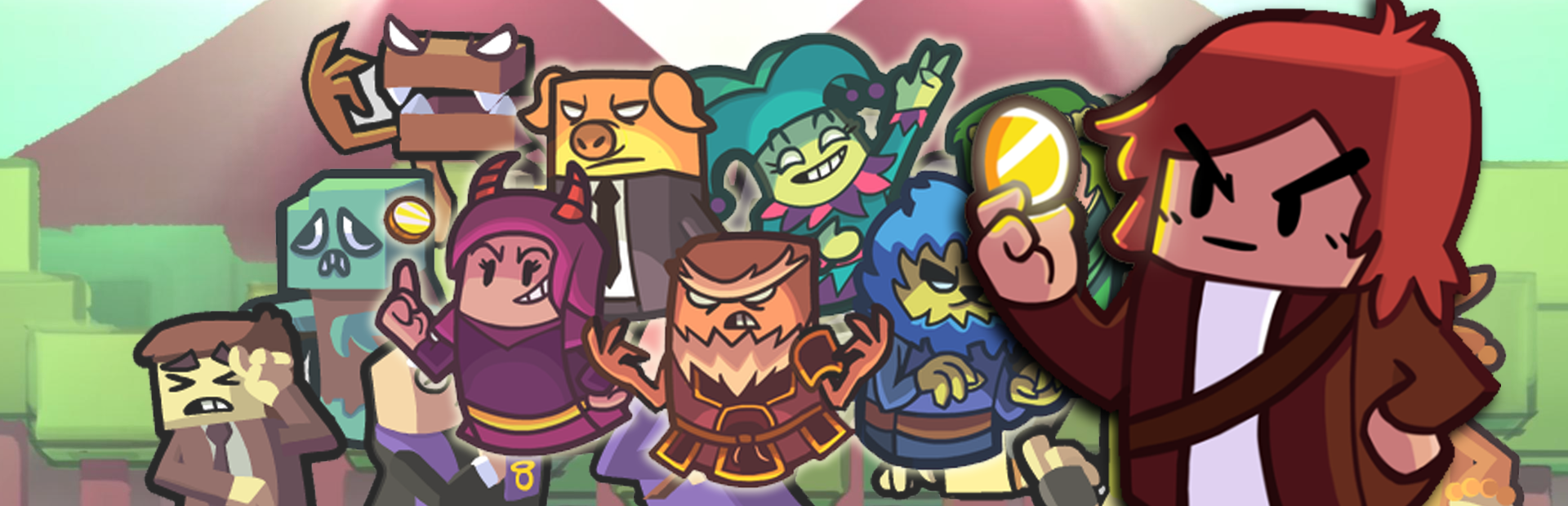
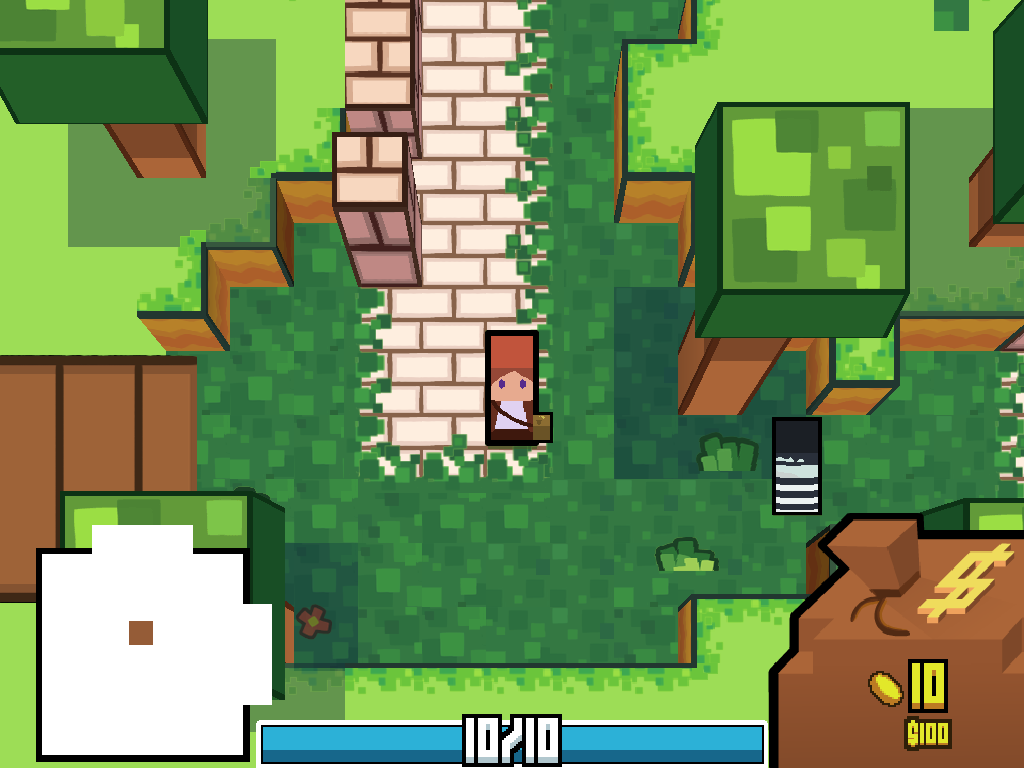
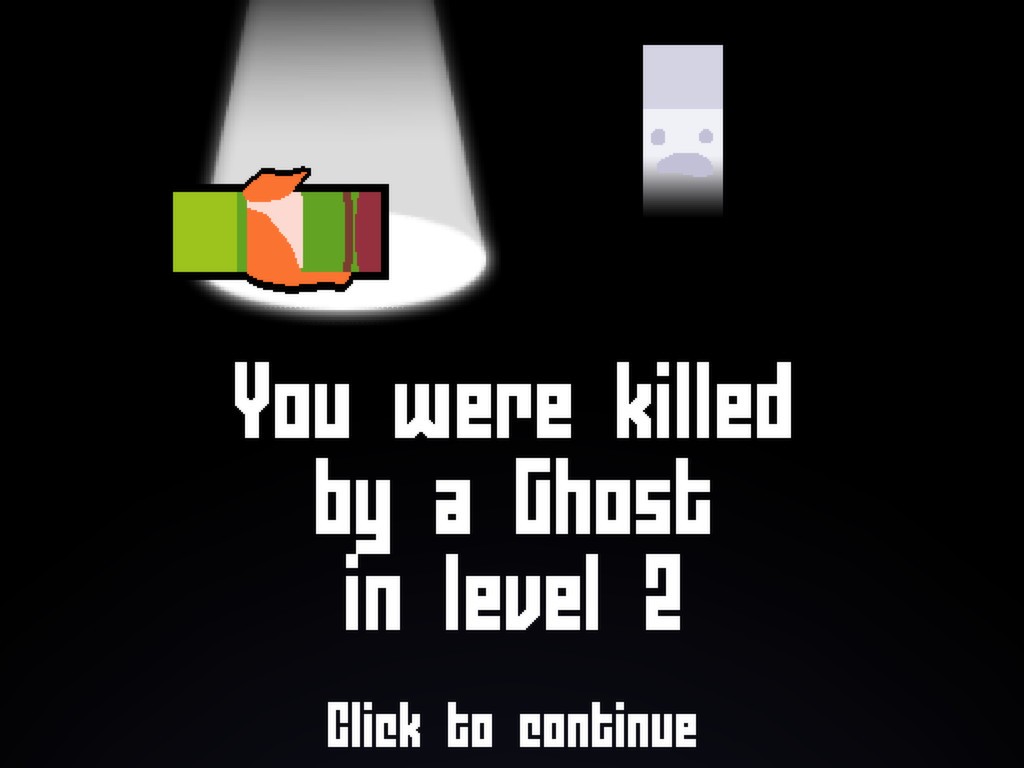
Rogue-likes are becoming very popular these days. They are simple and quick challenges with lots of replay value, almost like back in the day. You usually have a simple RPG system, combat, and a basic level design. Once you die in the game, you start all over again, usually in randomly generated dungeons. Rogue-likes are extremely addictive due to their fast-paced nature, but they also have a niche fan base due to their brutal difficulty. Coin Crypt takes this concept with a simple UI, 8-bit block graphics similar to Minecraft, as well as an interesting currency system.
In my first playthrough, I didn’t know what to do; there’s no tutorial—you just go. I ran into a baddie and fought him. Your character is holding out a giant hand, and in it is a coin that represents a combat move: attack, defend, magic, heal, etc. Holding down the button the coin represents while pressing RT to execute is quite satisfying. After I beat my first baddie, I ran around buying coins from coin banks to continue my journey. I then ran into a boss right away and lost due to his higher HP and attack strength.
My second play-through was a little more successful; I wound up filling my bag full of coins and got out of the dungeon with 220 coins richer. These coins can be applied to buying new characters, and then it’s back at it again. While Coin Crypt is fun to burn away an evening of gaming, I found it tiresome and too simple in the end. It didn’t have a unique style to it like Rogue Legacy or even mobile games like Tallowmere and Mage Gauntlet. The Minecraft art style has been done so many times that it’s there now just to attract fans of that game.
Overall, Coin Crypt is a fun rogue-like for people who love quick yet challenging games but don’t expect much more than a neat idea that will burn out in an afternoon.



















































 thebinarymessiah.com

ORC is probably the worst game in the entire series. It's objectively awful. Being bad isn't different. Different is Outbreak…