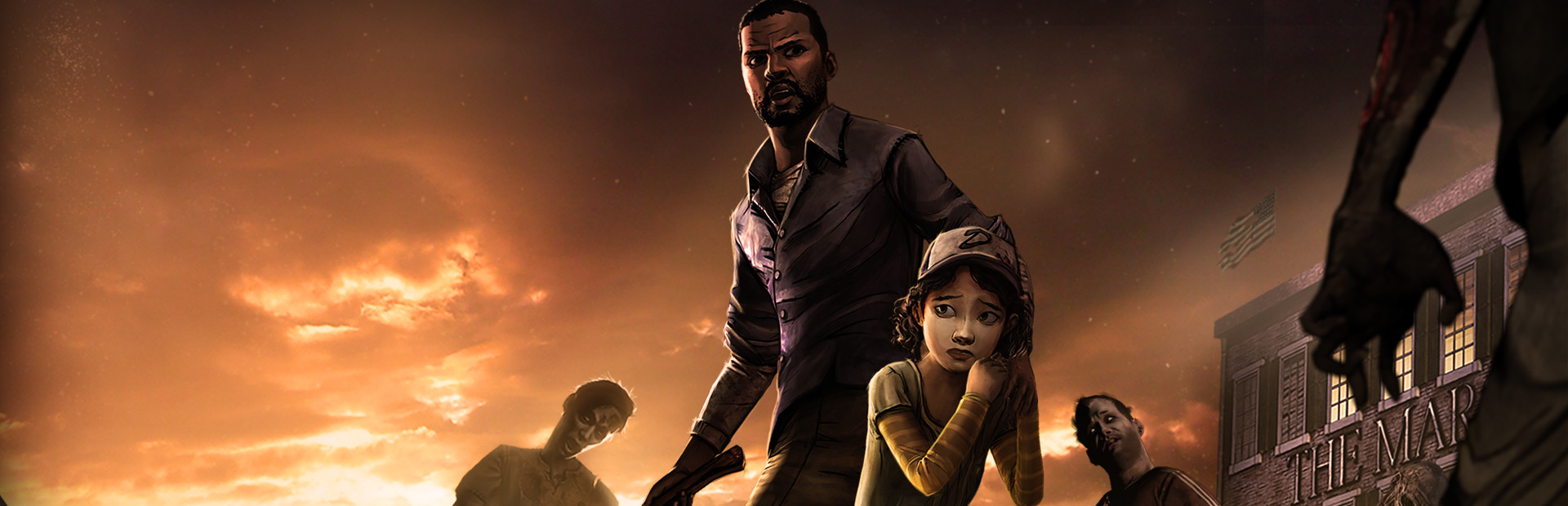
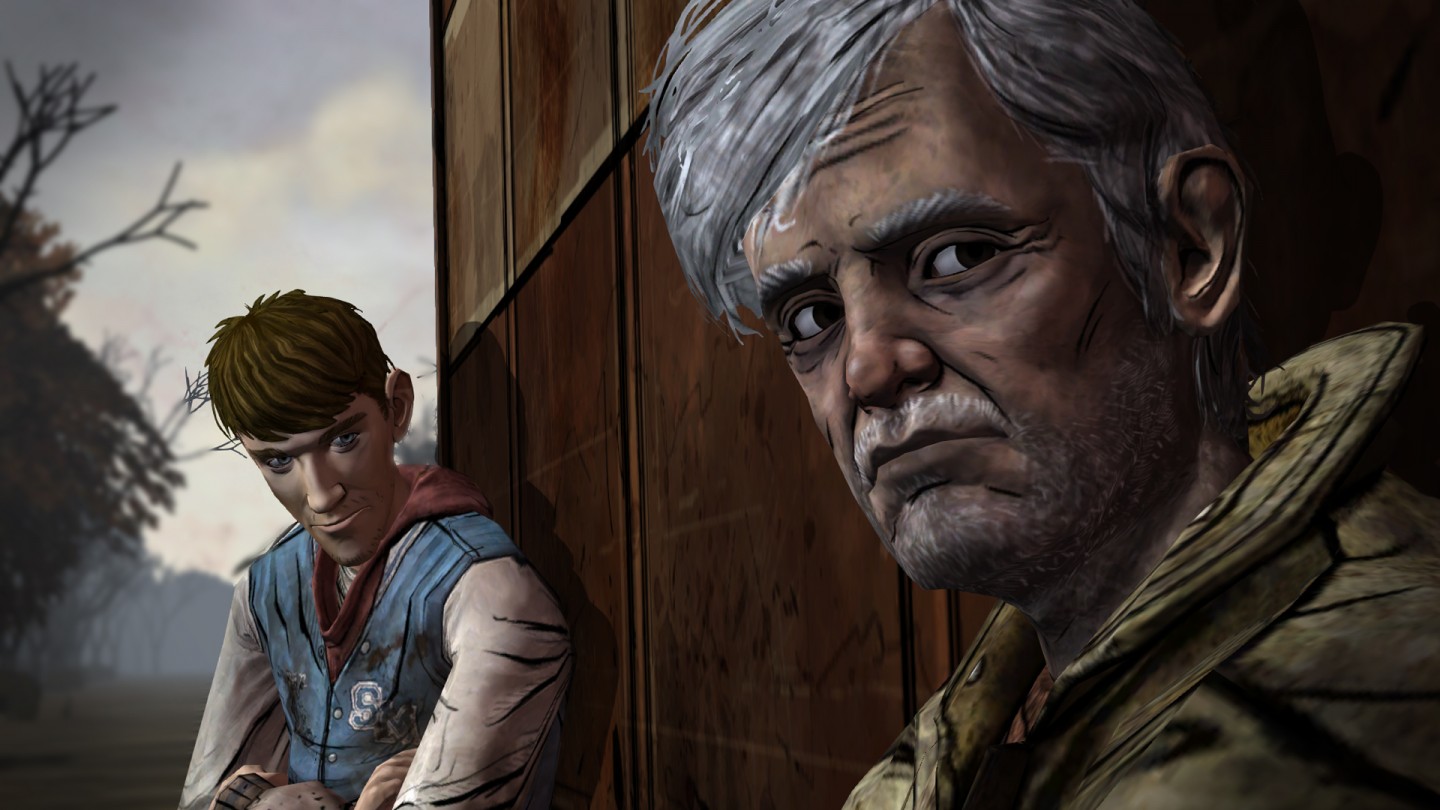
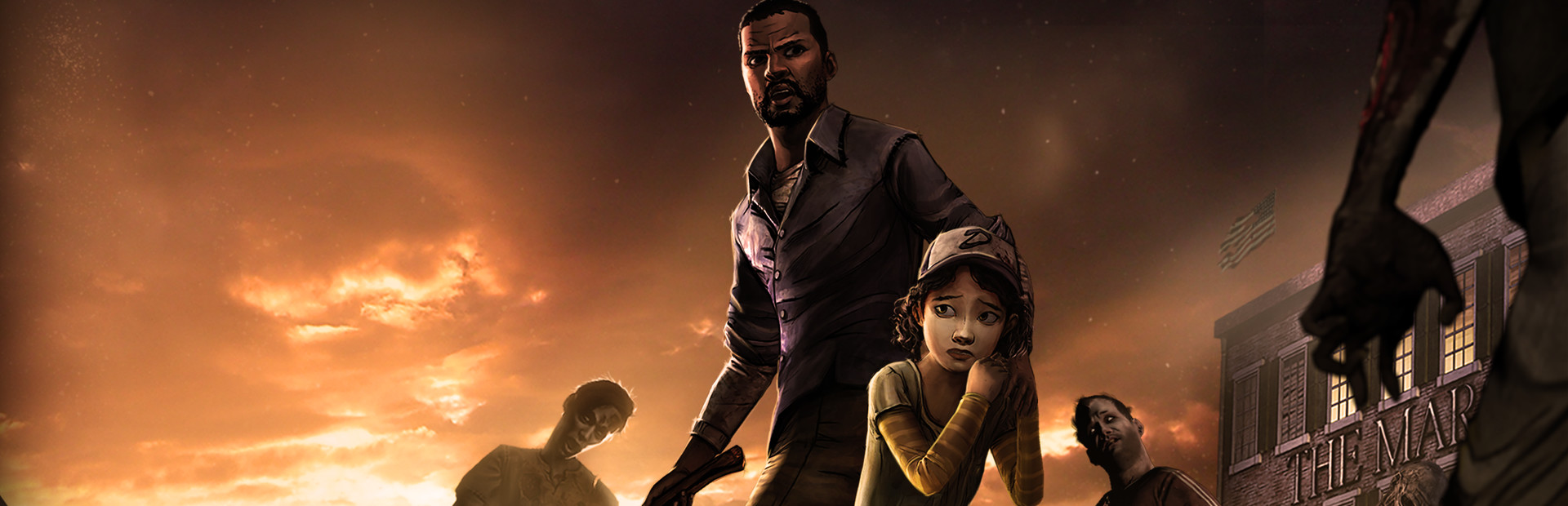
The Walking Dead is probably my favorite adventure series of all time. It surpasses most adventure game clichés like inventory management, tank controls, and disjointed pacing. The Walking Dead: Episode 3 is well-paced, and there are some of the toughest choices you have to make. Things get very serious this time around because the group is starting to lose its mental stability. There’s a lot of internal fighting, and you must decide how this all turns out.
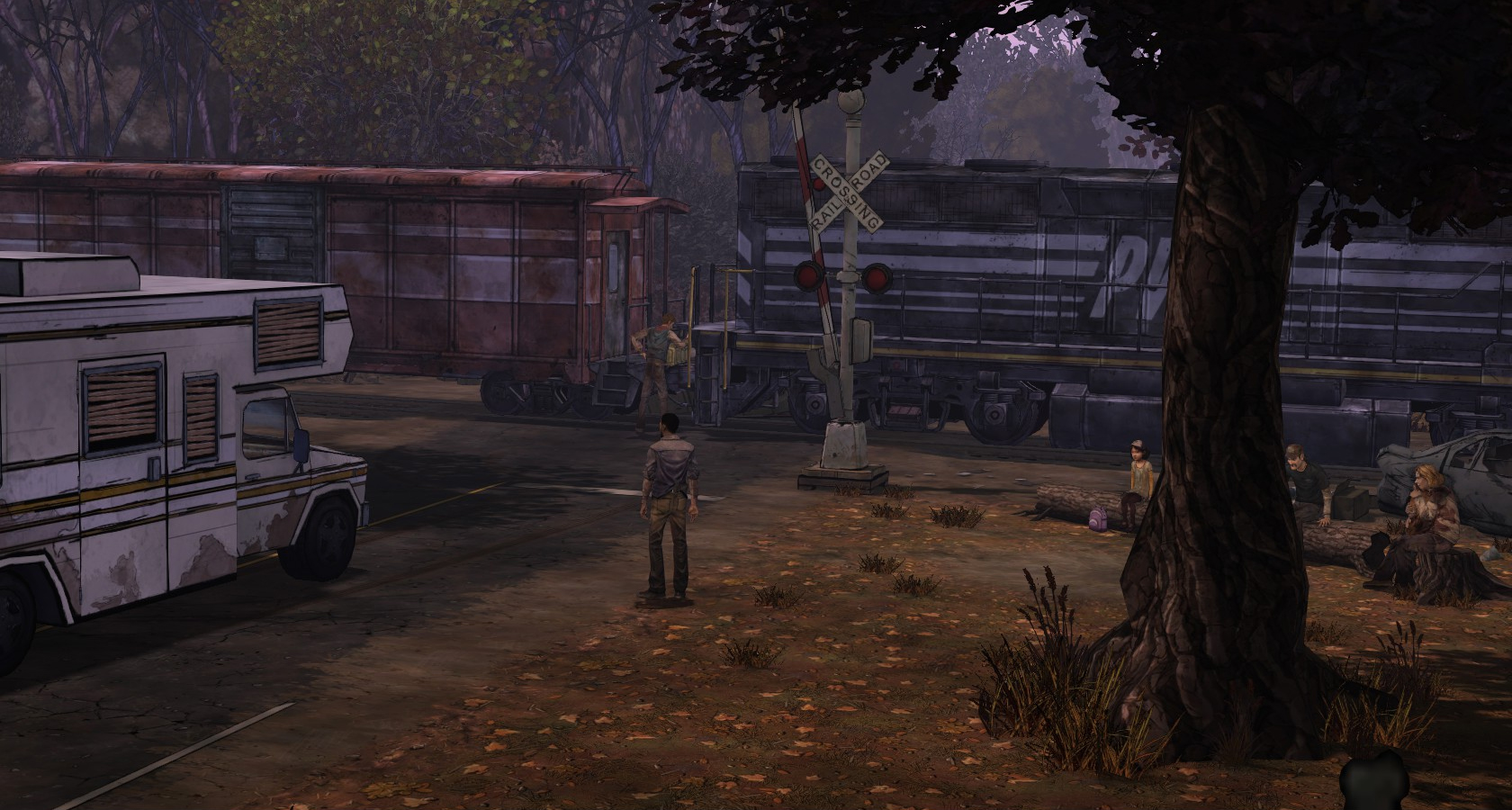
The group is trying to get to Savannah, Georgia, because things at the motel didn’t work out so well. They find a train engine that takes them partway, but I won’t say any more. There are a few major areas you can explore with a few simple puzzles, but like usual, the opening is awesome, and I played through this entire episode and wanted the next one right away. There are three new characters introduced, but at the same time, a few people in the group die. Who or how is up to you, but you will be shocked at how this all turns out. I actually had to pause the game with my mouth agape due to the shocking turns and, mainly, how it actually happened.
There’s more zombie killing this time around, but not nearly as much as in the first episode. I found myself glued to my computer more than Episode 2, and I felt like the story was actually progressing better. A lot of bugs are also starting to get ironed out, such as the constant stuttering during cut scenes and some control issues. You won’t be exploring much, just in the main puzzle areas, but this is OK because of how much the story advances through dialog choices. This is about the time when a lot of your choices from the last two episodes will really start blossoming here. Some choices I made actually determined huge plot changes, and I realized either I shouldn’t have done something or wish I had done something, but that’s the excitement of this series. You feel like you are playing a movie and directing it yourself.
I just can’t wait for the fourth episode because things will really start going downhill from there. This episode is a huge turning point for the story, and every fan will want more.
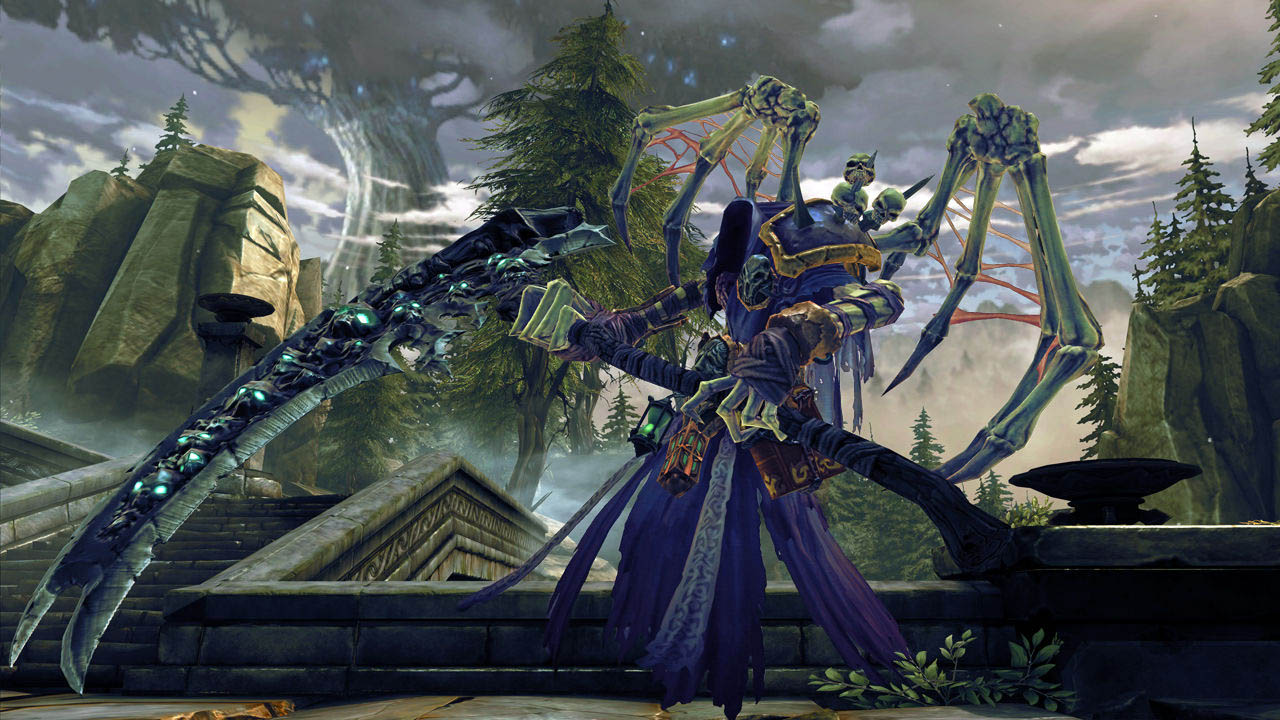
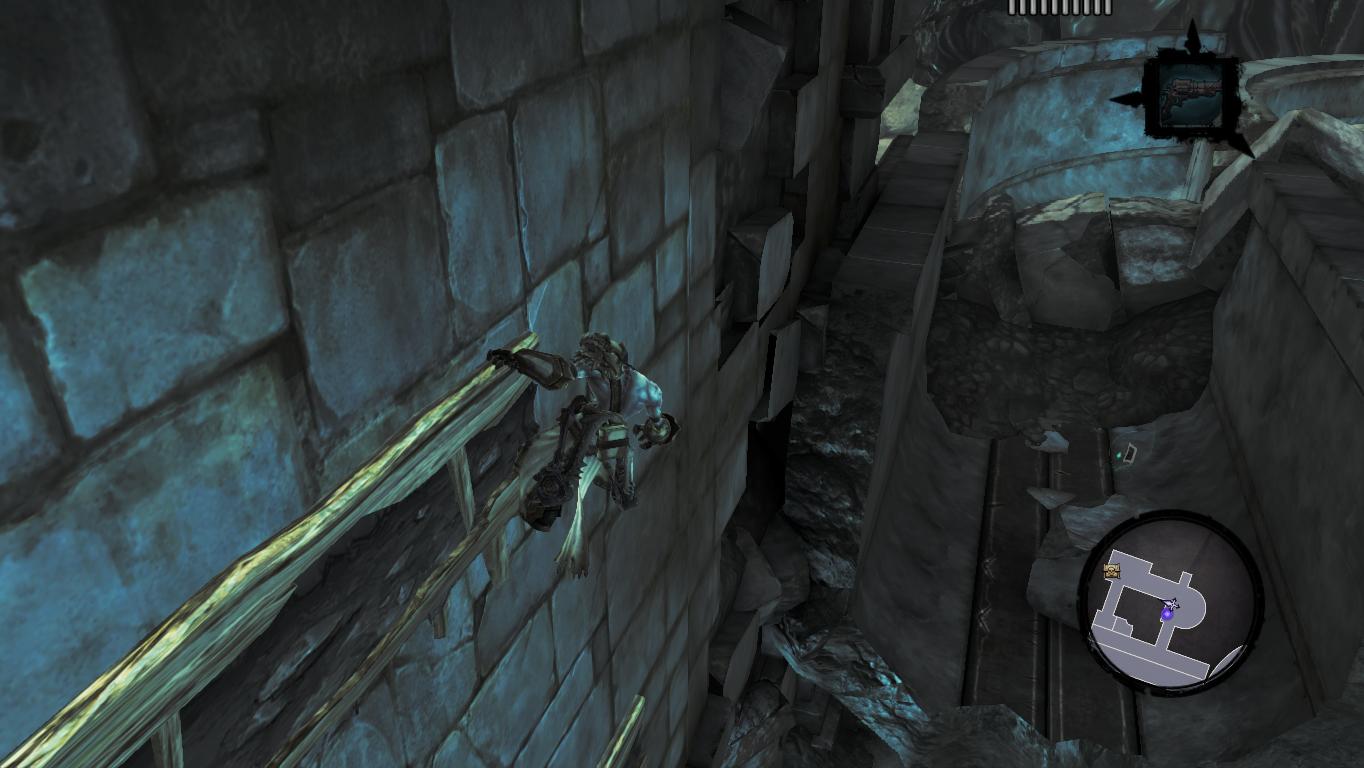
THQ and Vigil return with a new protagonist and tons of improvements over the first game. This time you play as Death, War’s brother, who is trying to redeem War from the Charred Council’s wrath for destroying humanity. On your adventure, you meet new and old faces, as well as a ton of puzzles, bosses, and combatants, as well as new abilities.
The first thing I have to mention is that this game isn’t nearly as confusing to play as the first game. I was always lost and had no idea what to do. Even finding hidden chests was a pain. This time around, there are lots of collectibles and chests, as well as some free-roaming, but in a more organized fashion. You wind up traveling through three different realms, each with its own secrets. The Forge Land is where you start, and you can buy armor and weapons, so Vulgrim plays a small part this time around. By finding Book of the Dead pages and Boatman coins, you can trade them in for special keys as well as random boxes with a piece of armor or weapon from Vulgrim. There are lots of different items to collect and find, so loot is abundant here.
My favorite part about the game is the platforming. It’s just so fun and fluid, as well as fast-paced. The level design is ingenious here because it seems labyrinthine at first, but I rarely had to go to a walkthrough to figure out where to go or what to do. Death even gets to acquire some abilities that are just for puzzle-solving, like the Soulsplitter, which allows him to split into two, and the Voidwalker, which makes a return from the last game. I found the puzzles to be really fun, and they were just challenging enough that you only had to think for a bit before it all clicked. The satisfaction reminded me of how I felt when solving puzzles in Portal.
Secondly, the combat is a lot better than in the last game. Death feels fast, fluid, and has a lot more moves at his disposal than War did. You can buy over 20 new moves throughout the game, as well as upgrade your skills. You will need to play the game twice to be able to upgrade all the skills, but what I did unlock was fun. Eventually, certain moves leached health from enemies, gave me more wrath (needed to do these moves), and stunned enemies. You can turn into Reaper for a while, which does a lot of damage, and you take very little damage. Overall, the combat was just fine, but the camera had issues. Every so often, when I was in a tight corner, the camera didn’t know what to do. It doesn’t happen often, but when it does, you can’t really see what’s going on and will take hits. After Forge Lands, the game gets extremely difficult. I died multiple times during certain fights because they were so hard. You also get fewer health potions later on, which can lead to frustrating deaths.
The boss fights are some of the best things the game has to offer. There are plenty of them, and they are fun but challenging. You have to be quick, dodge, and learn the enemy’s moves. There isn’t a block button here, so the game can get really tough. I did find the final boss disappointing because I beat him in one try in just a few short minutes. Besides these issues, the combat is fun, solid, and well done.
I did find the game a bit repetitive after a while. It was the same thing over and over again, just in different orders. Fight these enemies, solve this puzzle, and do this platforming bit. Most action-adventure games are like that, but Darksiders II doesn’t offer much variety. Even the enemies repeat themselves constantly, to the point where you just get sick of killing them. The only time I felt excited about combat after the mid-way point was during the boss fights. Thankfully, the game is just overall fun, so even when you feel the game is getting old, you will want to press on.
The game looks pretty good, with a gorgeous art style. The textures can look a bit ugly up close, and I was disappointed that Vigil didn’t include any PC-specific features. In fact, the graphics options only allow you to change the resolution, and V-Sync doesn’t even work. The keyboard and mouse controls are clunky, so stick with the Games for Windows controller if you have it. There are plenty of collectibles in the world, so people who are dedicated to them will stay busy. This is one long game, ranging from about 15 to 20 hours if you just go through the story and most side quests. If you complete it 100%, you are looking at close to 40 hours of gameplay here. I just couldn’t find the motivation to collect everything, like in games such as the new Batman games and Assassin’s Creed. After I got to the end of the game, I just wanted to finish it and be done.
Overall, Darksiders II is a solid action-adventure game with some minor issues. There are no PC-specific graphics options, there are camera issues during combat, and the final boss fight is a disappointment. Enemies repeat often, and the same puzzle, platform, and combat formula follow throughout with not much variety, but the game is fun. There are a lot of collectibles and a few side quests, and the boss fights are a blast. If you loved the first game, you will love this even more. People who didn’t like the last one should check this out.
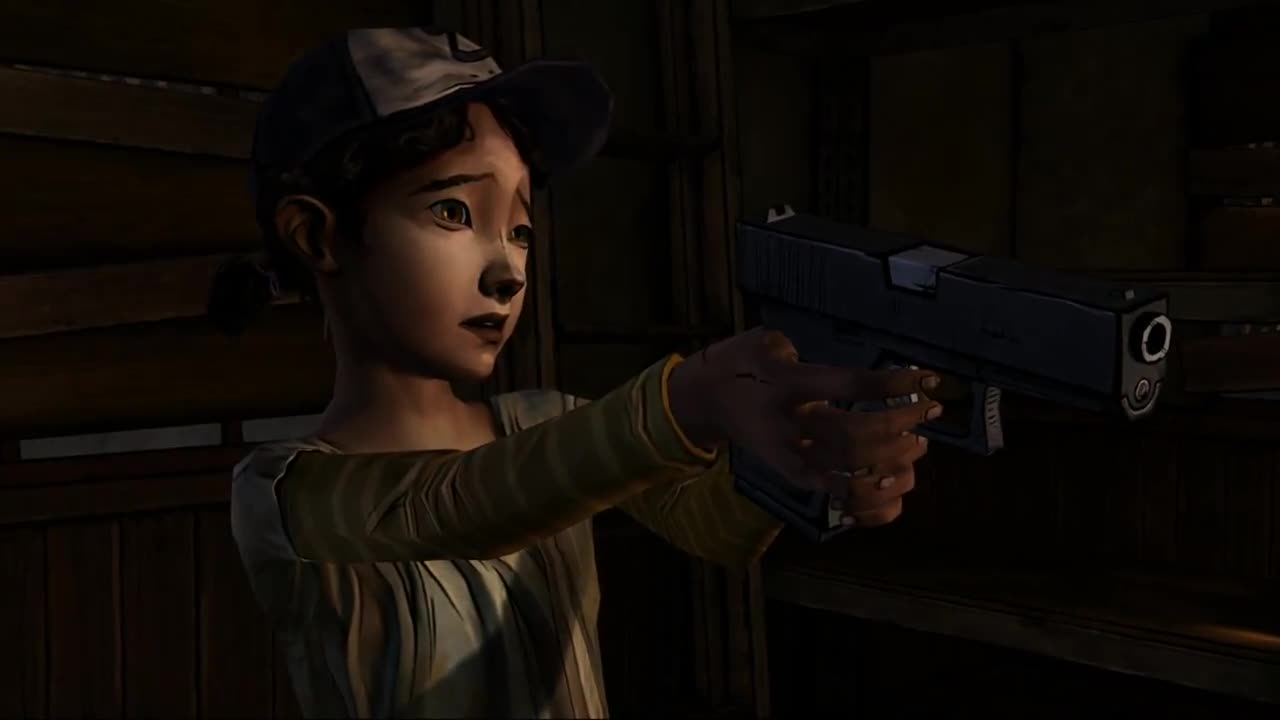
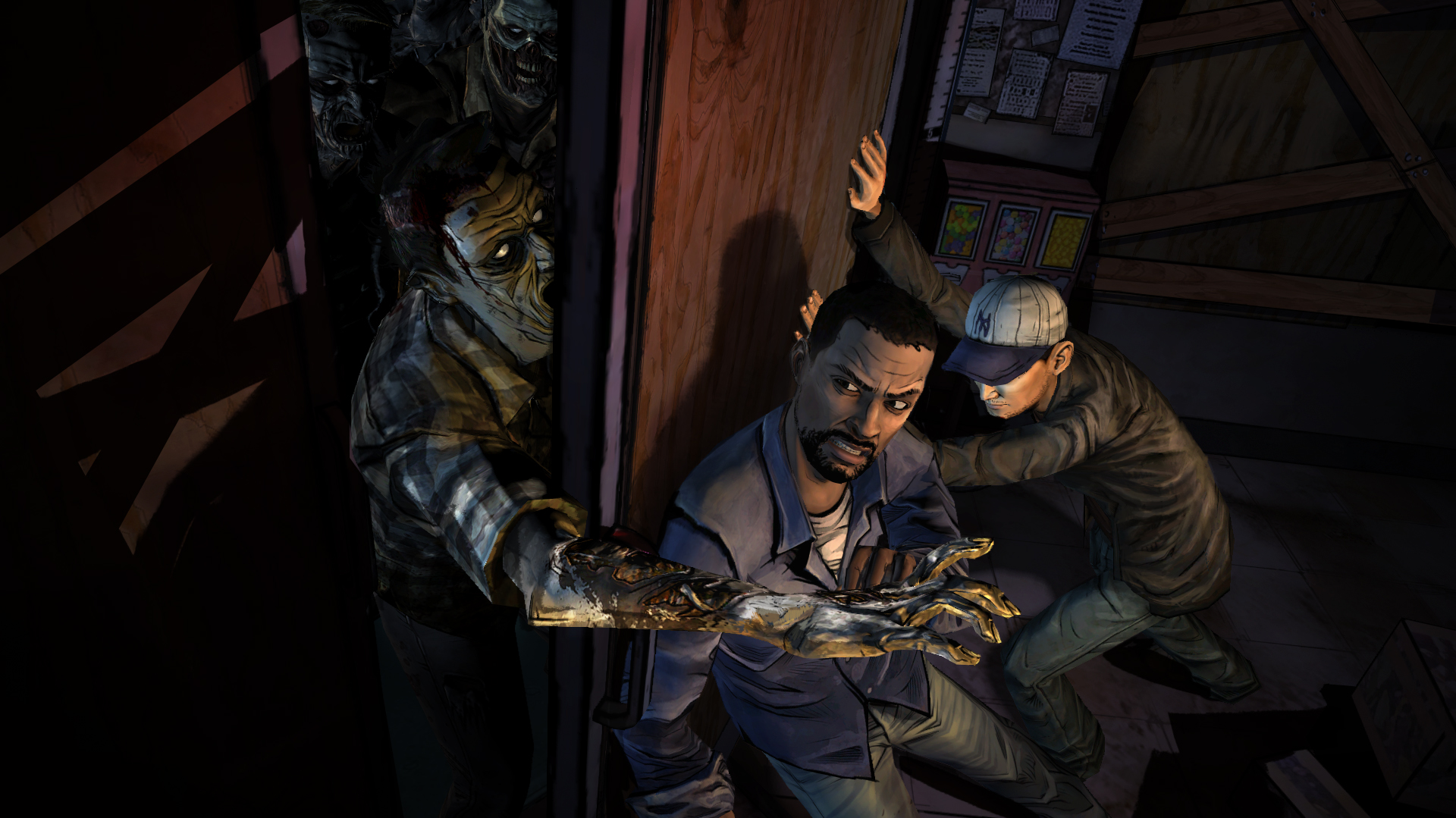
The first episode was just amazing and had some shocking moments. I have been waiting for this episode, but I feel a little letdown this time around. Lee and the gang need to find food because they ran out at the motel they are holding down. You go to try to find food and wind up on a dairy farm, but the food isn’t exactly what you think it might be. There aren’t as many shocking moments, and they don’t come off as surprising as in the first episode. The big moments are more dialog choices than actual gameplay, which is disappointing. One moment does have you chopping off a guy’s leg stuck in a bear trap, but other than that, the other moments are pretty typical, like yanking a gun out of a guy’s hand. In fact, there aren’t even really that many zombies in this episode; they kind of take a back seat to the internal struggle on the farm.
The game plays out exactly the same, but there are fewer exploring segments and even fewer puzzles to solve. In fact, this mainly felt like an interactively animated episode rather than an adventure game. Not to say that is bad, but fans of the first episode may find it disappointing. There are some more important choices you have to make, and that is probably the biggest switch from the first episode. Some changes actually determine the lives of a few characters you probably got attached to. Episode 2 does what this series is doing best, and that’s slowly drawing the characters’s personalities out and constantly making you question how you feel about them.
The game isn’t so much tense gameplay-wise as story-wise. The whole time, I was surprised when something did happen. You are thrown important choices and need to make decisions quickly at times when you least expect them, and they really make you think. I had such a hard time picking almost every choice because sometimes the right thing to do isn’t the best thing to do. A lot of times, I wonder how that will affect me later on in the series.
Overall, Episode 2 doesn’t have as much action or surprising moments, but it expands the character’s personality and gives you some seriously heavy situations that force you to make big decisions. The episode also puts zombies on the back burner for the problems on this farm and the group, so be prepared for that.
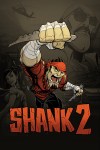
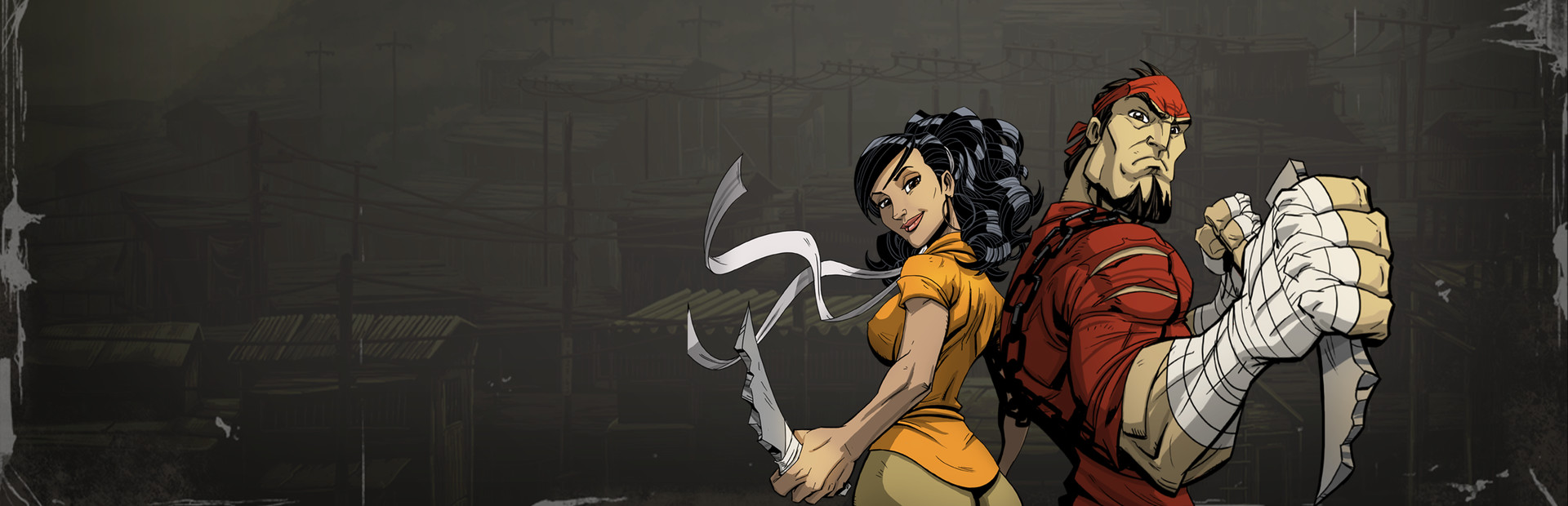
Shank had a great idea but was poorly executed with extreme difficulty, sluggish controls, and monotonous combat. The story was interesting, with lots of gore and boobs, but there wasn’t much beyond this. Shank 2 tones down the difficulty a tad, improves controls, and adds a few things to combat, but the story this time is lame, the voice acting stinks, and the game is even shorter. How Klei screwed up the sequel so much is beyond me.
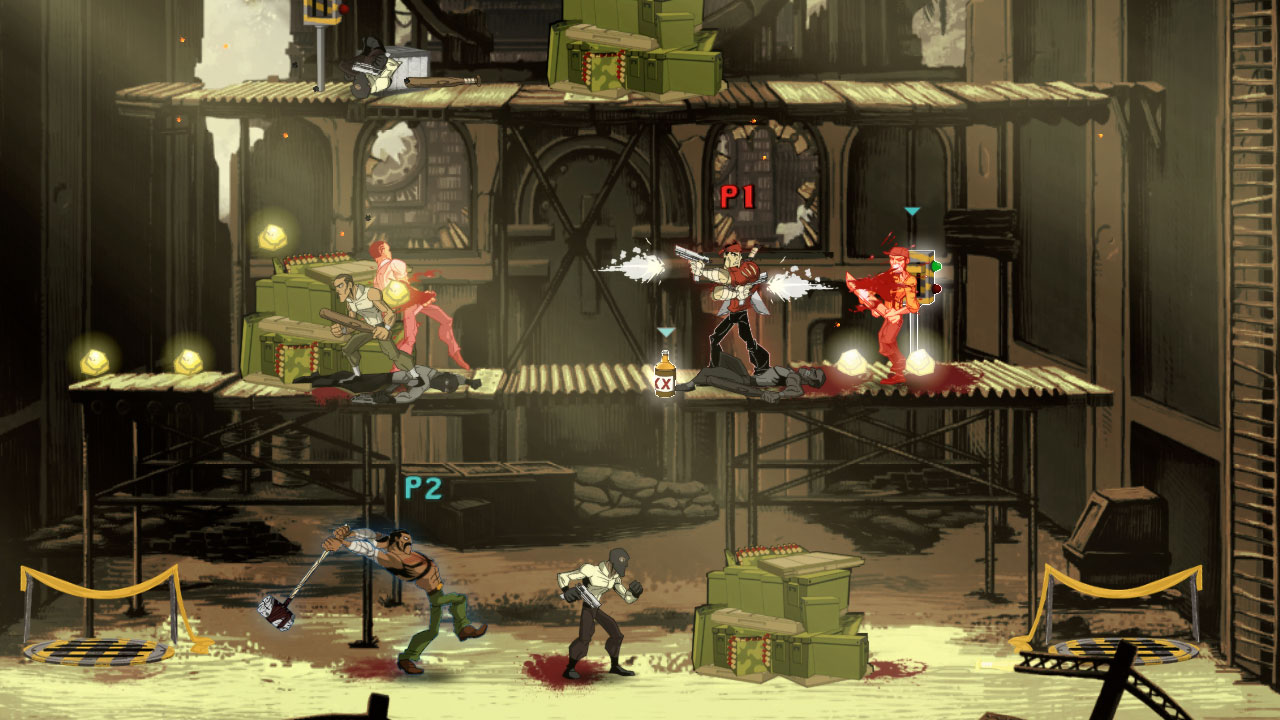
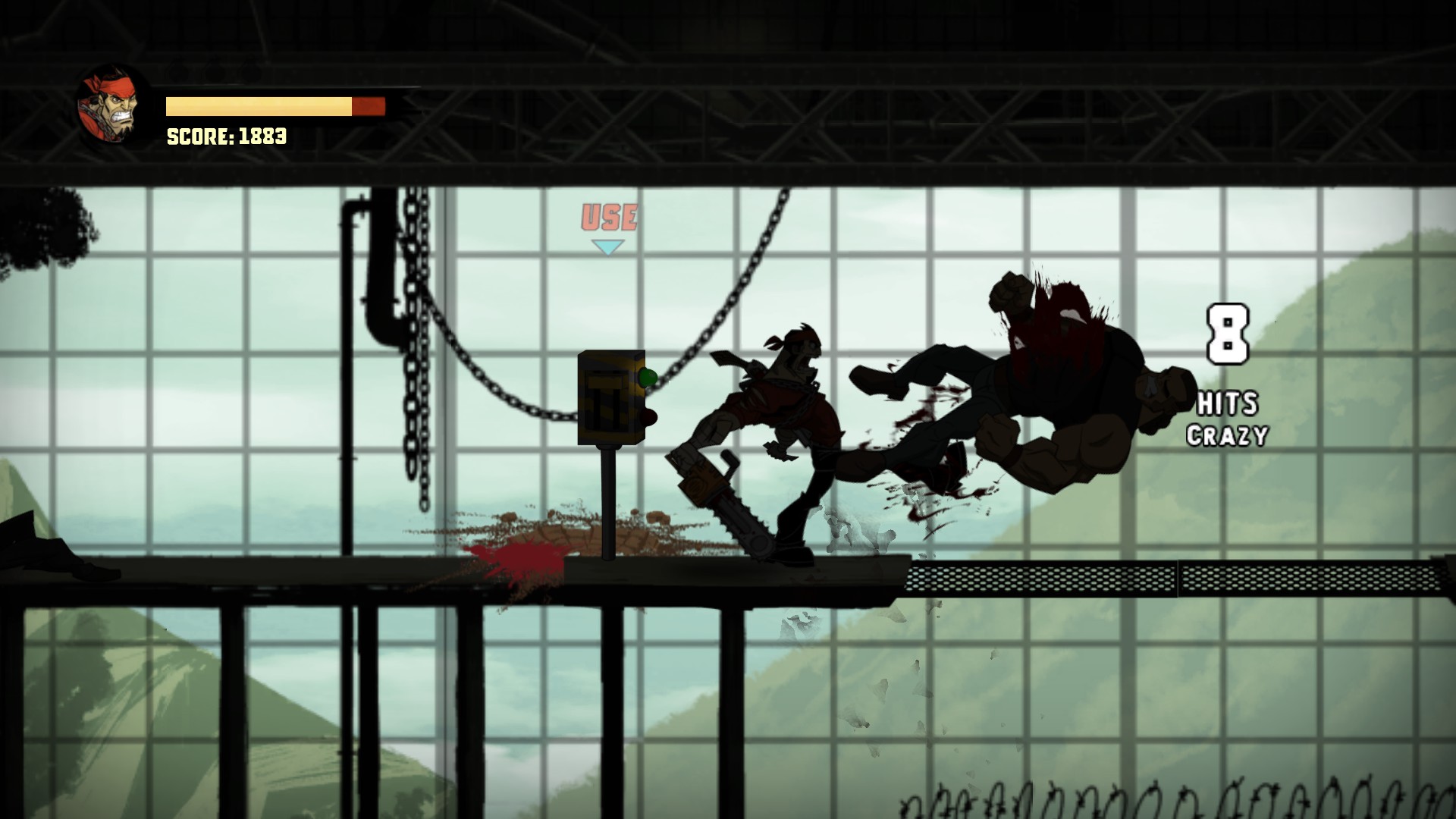
As Shank, you still have your shanks, but there are a few new weapons. You can use Molotov’s and landmines as projectiles this time. The sledgehammer is a new one, but you also get to play as Corina for one level, and she has her own weapons. I would have liked to see more new weapons, but if you count the turret sections, then that could be a new one. The combat is exactly the same as the last game, but the controls seem to respond a bit more, and that annoying knockback effect isn’t in effect as bad here because you can at least jump as soon as you get knocked back. The pickup button is no longer the dodge button, so you can save your tequilas for when you really need them and not accidentally drink them.
My main disappointment is that the boss fights aren’t as interesting and are pretty easy. They all play out the same, and the final boss is a cakewalk compared to Shank’s final boss, which was a serious pain. There are some environmental elements added where you can press buttons, and certain things will damage enemies or open traps. This can help you in a pinch when you’re surrounded. Weapon pickups are a new feature, but most of these are useless except the large ones, and this includes large items that can be thrown.
The levels seem a bit shorter, and the game can be beaten in just a few short hours. Besides the few combat changes, the game is actually worse than the first game due to the stupid story and disappointing bosses. The visuals are still great with lots of gore, but the fundamental problem is that you’re just hacking away at the same enemies through every level. I would have liked to see more platforming sections or some scripted events, but those are very rare in this game.
Overall, Shank 2 is a fun game to go through thanks to the lowered difficulty, but you won’t get the same satisfaction when beating tough and interesting bosses. The combat and controls have been improved a lot, but the newly added elements like weapon pickups feel almost useless. The story is lame with bad voice acting, and the game can be beaten in a few short hours. Fans of the first game (the few that there are) should go ahead and pick this up, but people who held off on the last can skip this one too.
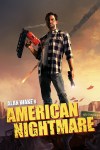
Being based on an episode of Night Springs that is written by Alan Wake, this little adventure takes you through a time loop (x3) and Alan Wake’s physically manifested dark side—or is it? You get to know what happened to all the characters from the original game, and the story is delivered very nicely with a decent ending, but there are no plot twists like in the last game, so the story is a little weak in terms of substance.
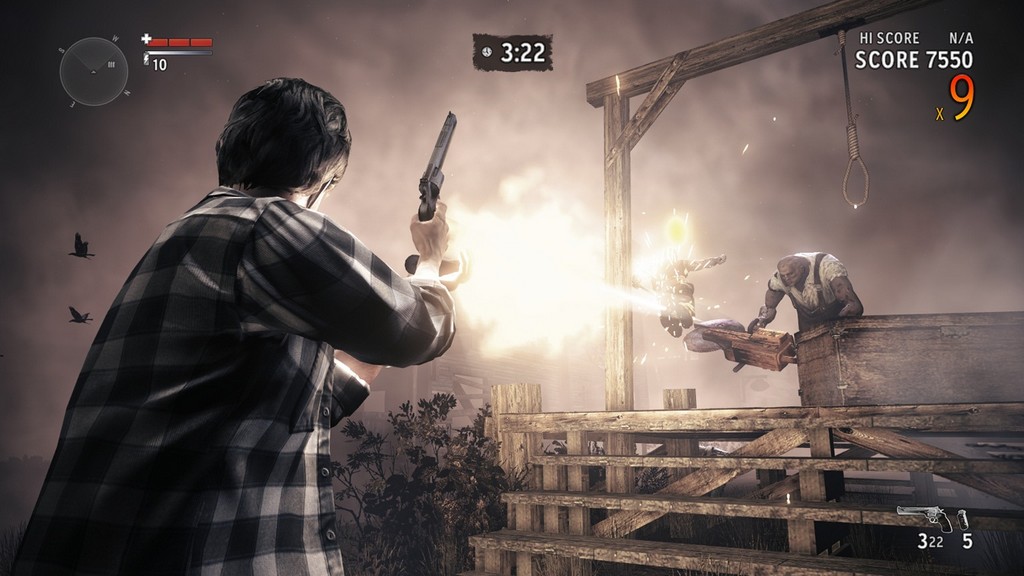
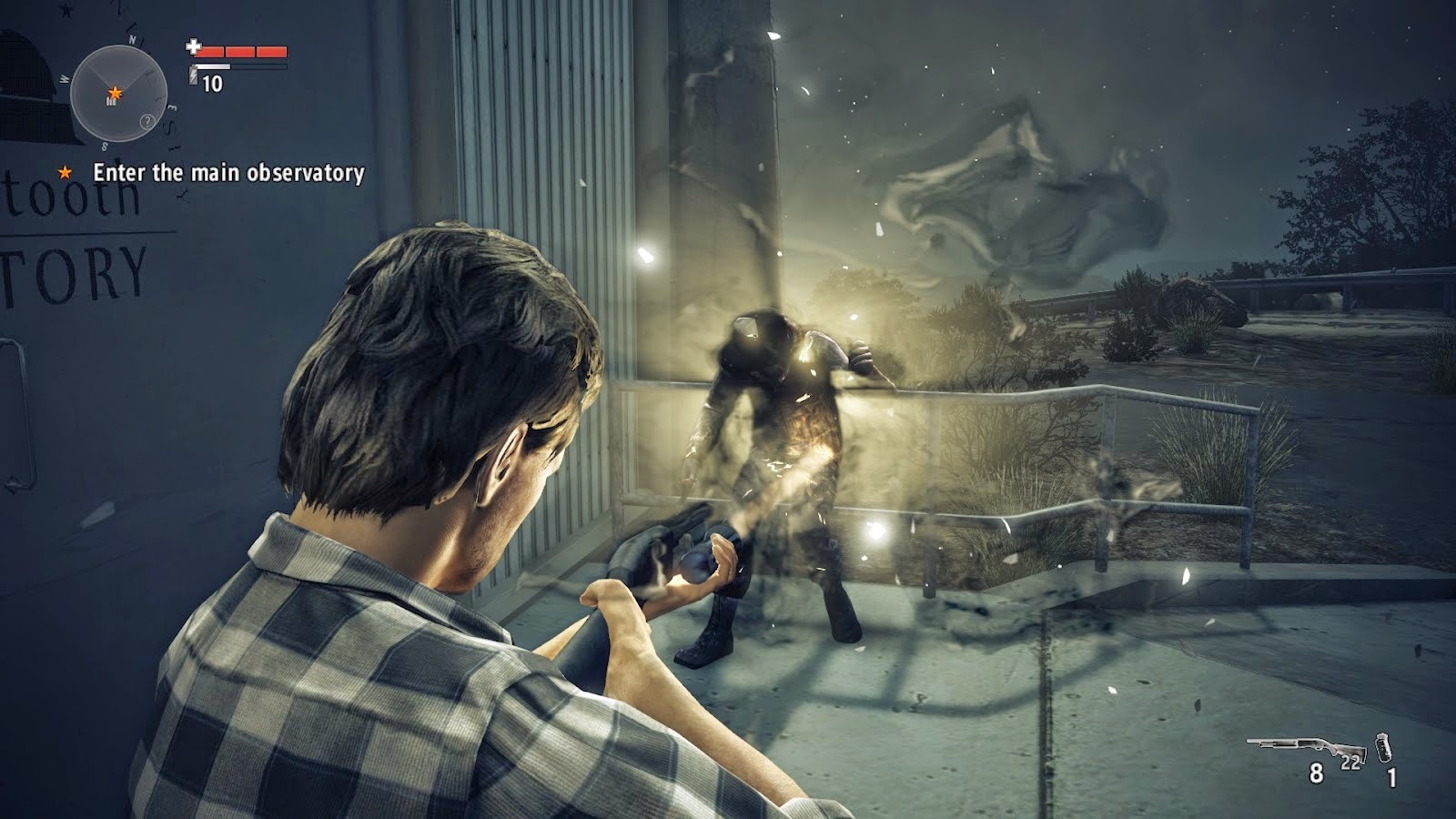
The game plays exactly the same, and if you are a fan of the last game, you will be right at home. The game plays a little more like an open-world game, minus the world. There are three areas that you visit three times (yawn), and each time is shorter and shorter, but the objectives are exactly the same. I get that there is a time loop, but why do we have to do everything three times? At least there are more guns to play with and new enemies to shoot. You can step up to fully automatic weapons now with an Uzi and assault rifle. You get a carbine, a 9mm semi-auto pistol, and a sawed-off shotgun. You can’t get some weapons until you find enough manuscript pages, which are now shown as question mark blips on your mini-map.
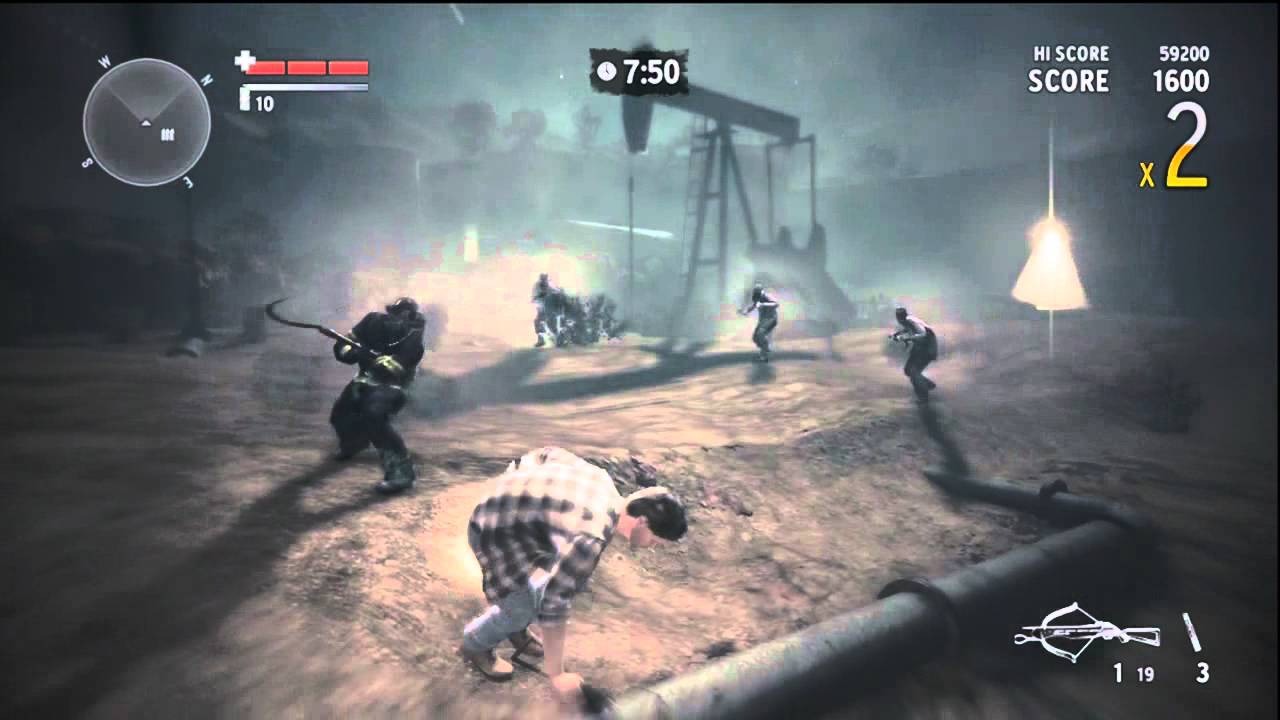
The enemies are the same, except for a few new ones. Flocks of birds now turn into creepy vampire-looking demons, and there are huge, giant guys with table saws that can kill you in one hit. I found the game much easier this time around because there are ammo boxes everywhere that refill you all the way, plus extra ammo lying almost every 20 feet or so. Batteries don’t run down nearly as quickly as they used to, and to be honest, through the whole game, I rarely swapped a single battery out of the flashlight except toward the end. The short length of the game actually helps counter this a little and makes it a bit forgiving.
There is an arcade mode that puts you through waves of enemies with various ammo and weapons scattered everywhere. This is fun to rack up a score and kill time, but other than that, there is really no reason to go back to the game. The visuals look great on the PC with the new engine from the original game that uses DirectX 10 lighting effects. I did find the voice acting a little poor for the new characters this time around, who are also not very interesting.
Overall, this game is really for the fans of the last one, and newcomers won’t really understand the story because of the constant mentions of the last game. Think of this as a side story, because technically it is. The game looks good, plays well, and has an interesting story, but it is way too easy, short, and overall repetitive due to playing the same three areas three times over. For the small price, it is well worth it, thanks to the fun arcade mode.
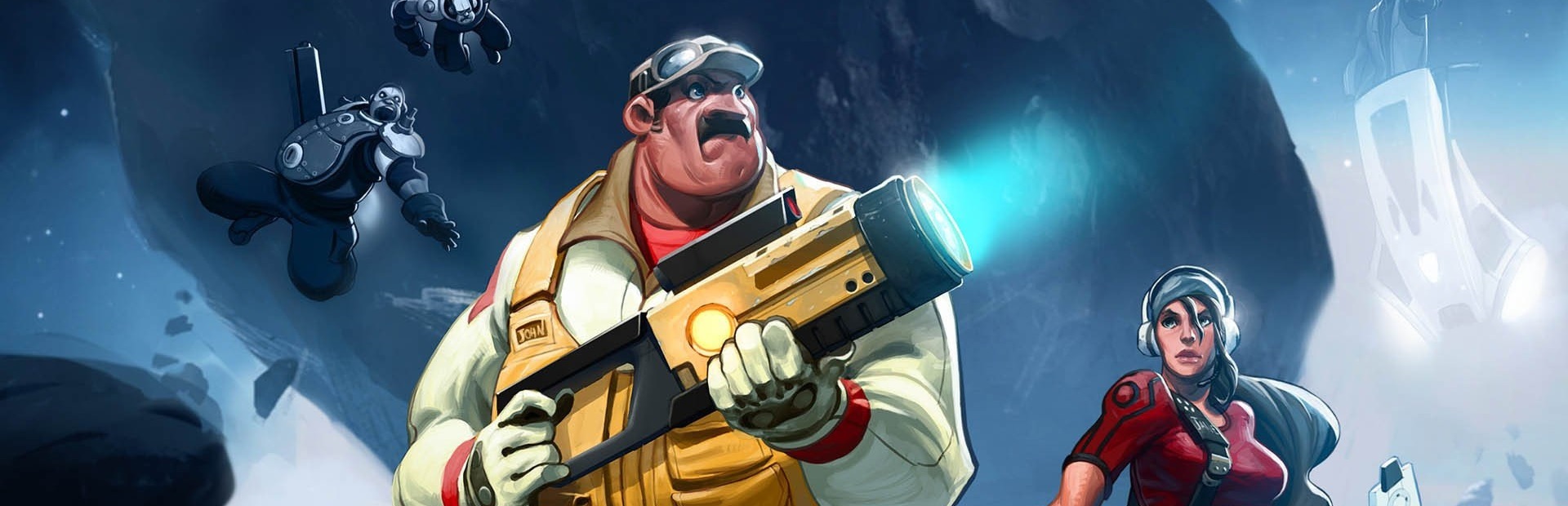
In Rochard, you play John Rochard, a miner on the mega-corporation space program Skyrig. Your team hasn’t found anything in a long time and is about to get their project funding cut when they come upon something strange. This just so happens to be some weird alien artifact, but the story pretty much stops there. You find out there’s a bad guy, and then you run off to stop him. That’s as far as the story goes, and it’s completely forgettable and uninteresting. The ending doesn’t even make any sense. Rochard also has unwieldy controls and terrible dialog.
You get one weapon, but this is also your gravity gun, or G-lifter, that you can use to move stuff around. You can switch to your rock laser, which is like a gun, and then you have grenades. Things seem pretty easy for a while, then when you get 3/4 through, the game gets really tough combat-wise. The controls are not fun because the game requires you to use this G-lifter in combat as well. If you have three bad guys, two robots, and two turrets shooting at you, it leaves you pretty much screwed because you can die in just a few hits in this game. If there’s a heavy crate nearby, just turn on zero-gravity to move it in front of you as cover. This completely sucks because you have to switch to the G-lifter and be completely vulnerable. You can shoot grenades at any time, but you have to aim them.
The G-lifter is mainly used for puzzles that require you to move circuit breakers around, boxes, and laser cutters. Very rarely are the puzzles challenging, but when they are, you really have to think. Sometimes you are flipping the room up and down, using gravity, and jumping. The rest of the game is usually a breeze if you aren’t getting killed 20 times by the same set of bad guys. The main challenge is figuring out how to get through different force fields because these are what the puzzles are wrapped around. Blue ones mean you can’t put crates through them; red means you can go through; white means nothing can go through; and yellow means weapons can’t go through. Remembering all this is important, but in the end, the puzzles are pretty uninteresting.
Jumping around the world of Rochard is pretty boring thanks to the terrible story, bad dialog, and unlikable characters. They are cheesy, corny, and just overall bad. There are only a few interesting moments in Rochard, but the overall game is a decent puzzle/platform run. If you can stomach the bad controls, poor combat mechanics, and lame story, then you will have a few hours of fun here.
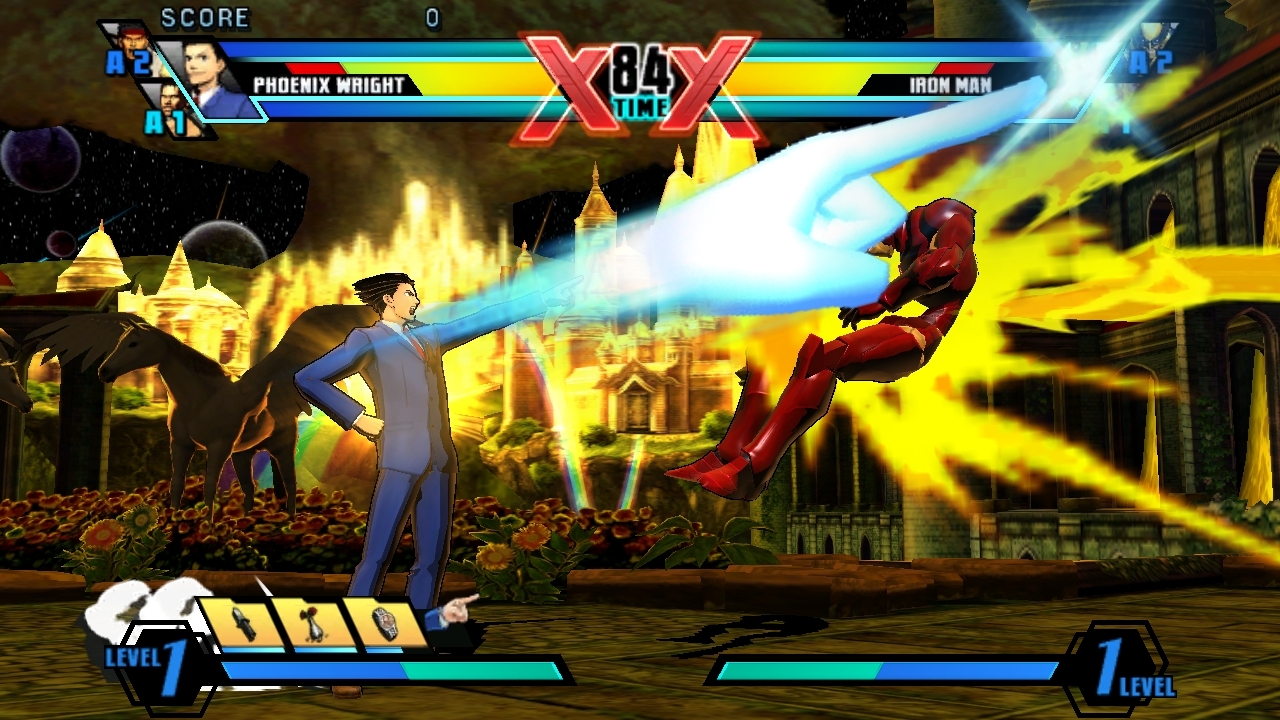
Marvel vs. Capcom has been a fan favorite for a decade. This version is an excellent portable fighter with a huge cast of AAA characters, tight controls, and a good number of modes. Online play is what will keep you coming back for more, but the fighting engine has a few issues that most hardcore fans will hesitate to admit.
The story is pretty much a dead throw away. Galactus is a supergiant trying to destroy the universe, but Marvel’s and Capcom’s are colliding, and that’s about it. It sounds kind of like Mortal Kombat vs. DC Universe, right? Ignoring the lame story, you will probably dive right into arcade mode, and the first thing you will notice is the 40 odd characters. They are all here! On Capcom, you have Frank West, Phoenix Wright, Amaterasu, Chris Redfield, Albert Wesker, Tron, and tons of others. Marvel’s side has Dr. Strange, Electro, Spider-Man, Wolverine, X-23, Thor, Hulk, She-Hulk, and more. These are all awesome characters, each with their own unique moves, hypers, and combos. The game is built off a 3-on-3 engine, so the game gets really hectic. I wish I could only use one character, but you can’t do it. Pick three of your best because each works off the other in tandem.
The way the game uses all three characters is pretty crazy at first. Newcomers will be overwhelmed by the overly complicated combos and controls. I had more fun with the simple control scheme because, no matter how much I practiced, I just couldn’t truly master any character. Even if you go into mission mode, you will probably get stuck on every character somewhere. The button combinations are just ridiculously complicated, and this goes for most Japanese fighters like Soul Calibur. The simple controls shrink everything down to special moves on one button, combos on another, etc. This was more fun because I could pull off crazy combos without much effort. The Vita version has a third control option, and this is using the touchscreen. This is probably for children because you just tap away at the enemy, and your character automatically pulls off combos and hypers, but it is usually the same combo over and over again.
Hypers are both cool to pull off and to look at, but not so fun on the receiving end. Some combos can go in the 50+ range if you pull off a hyper. Depending on how many of the 5 levels your hypermeter is, you can do some serious damage. Have it high enough, and you can pull off a super hyper that uses all three characters. These will almost wipe out your entire health bar. There are a lot of technical terms in the game that will take a few hours to get used to. There are jump cancels, super jumps, and all sorts of lingo that only hardcore fans will take to heart.
After you spend some time button mashing in the arcade mode, there is a whole Heroes and Heralds mode that is kind of like a campaign mode where you slowly conquer areas. You get a hit list sheet, and if you get five in a row, you get an A rank card. These cards have abilities that will be equipped with your fighters. The cards take a while to learn to read and understand what each ability does. Some will let your character auto-block, or at level 2, hyper, you can jump-cancel automatically at the cost of a bar. It’s all pretty in-depth and complicated, but with some tinkering around, you will get used to it.
The online mode is where all the fun is, and it is just as fun on the Vita as on the consoles. There is not much to say here but that it is online. Watch out because you will get your butt handed to you by most players. In terms of other modes, the game doesn’t really have any, but the online mode should keep you busy for quite some time. The visuals are pretty stunning, with lots of effects and great-looking character models, and I didn’t experience any frame rate hits.
Overall, UMvC3 is a great package on the Vita, especially with Cross-Play on the PS3. The graphics are great, and the controls are tight and responsive, but the touchscreen controls are disappointing. I would have liked to have seen some mini-games or maybe a few extra modes just for the Vita, but as it stands, this is a pretty good PS3 port. If you love hectic, in-depth, and complicated fighters, then look no further.
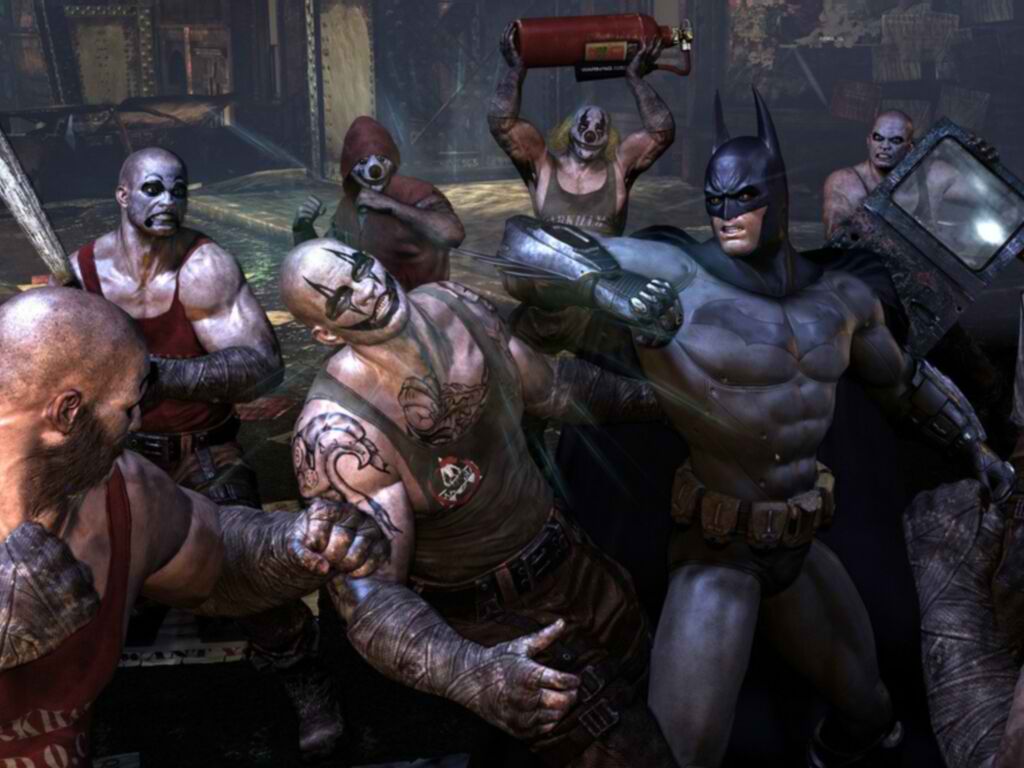
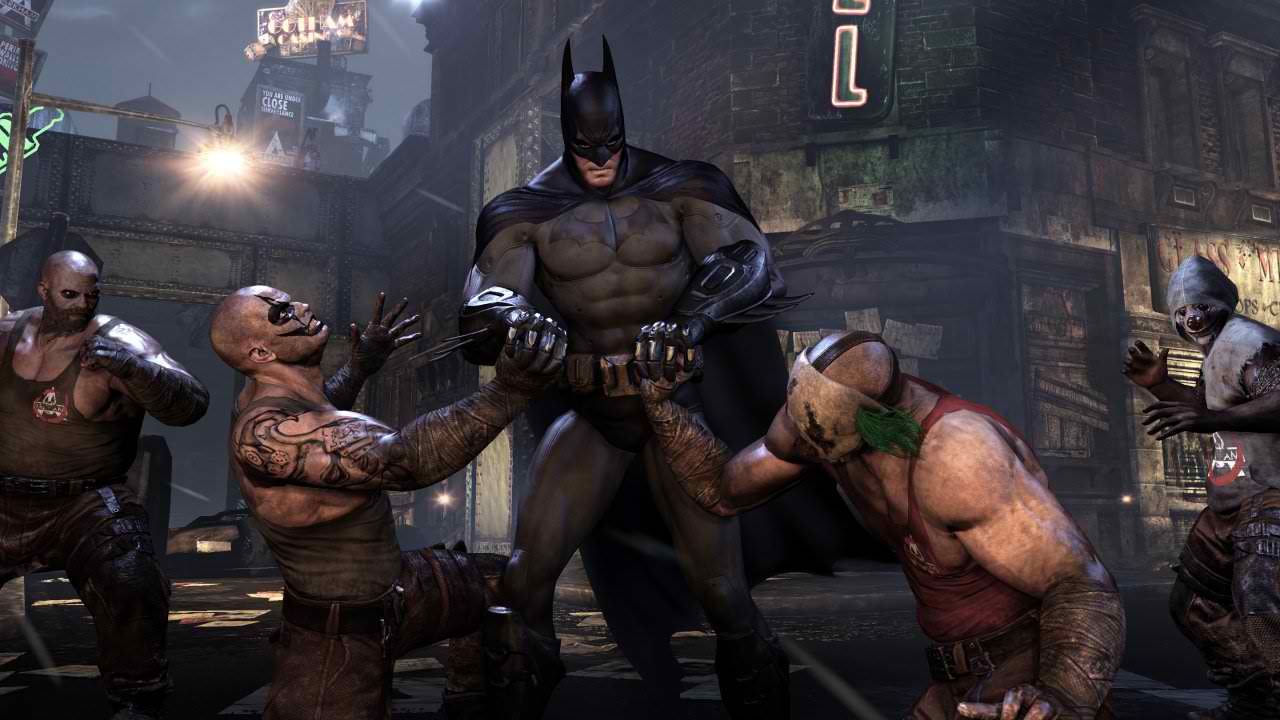
Arkham City is the successor to the critically acclaimed Arkham Asylum, which is considered the best superhero video game ever made. That’s a true fact because it made you feel like you were Batman, both in character and in the atmosphere. Arkham City captures this atmosphere but adds a ton of new features to make this game even better.
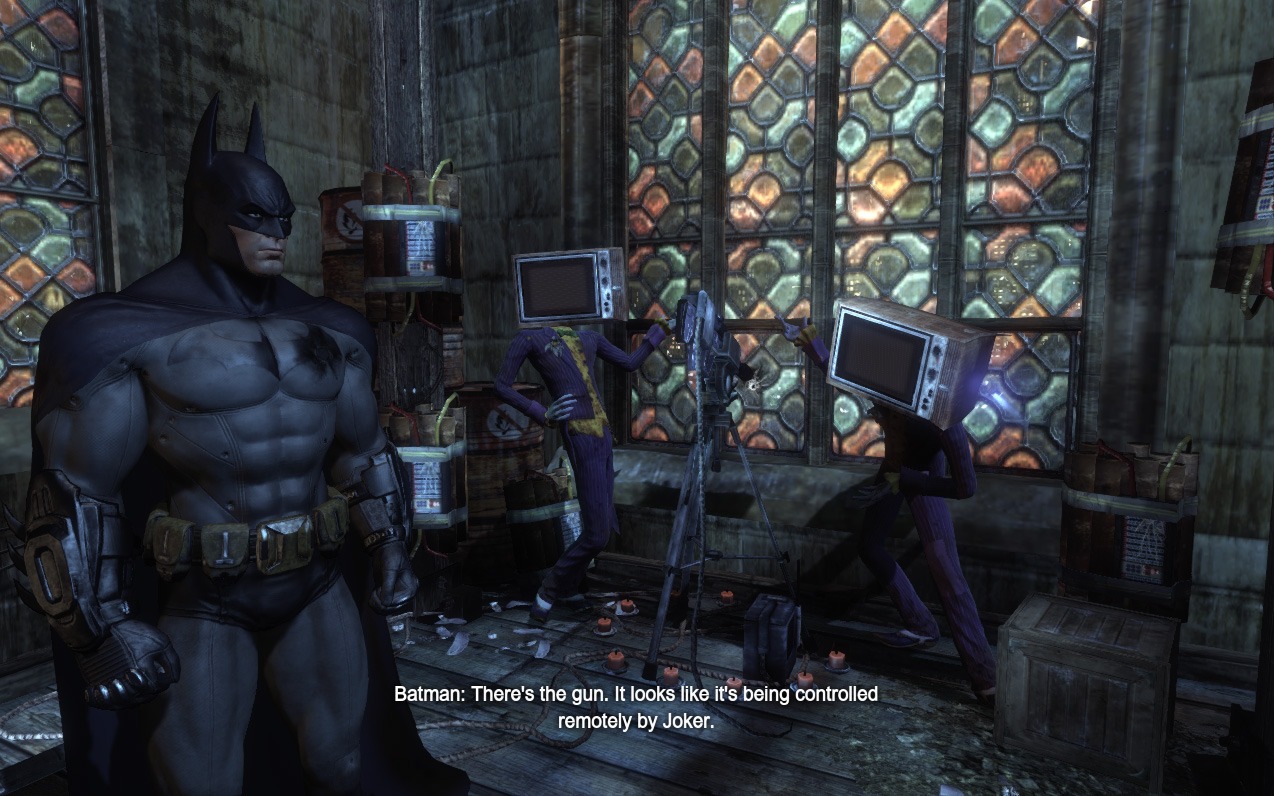
The story continues from the last game, where the Joker is infected with the Titan virus but also infects Batman. He is rushing to get a cure, but if the Joker dies, then so does Batman. The story has a satisfying ending and plays out like a great comic book would. As you go through the main story, you run into new faces in this series, such as Penguin, Catwoman, Mr. Freeze, Clayface, and Dr. Hugo Strange. All the characters in the game are excellent portrayals of their comic book form, and every character is masterfully voiced. Mark Hamel does an amazing job as The Joker (he has since said that this was his last role as the Clown Prince). You truly feel like you are in a comic book, and this is probably the best comic game made so far.
Exploration is upgraded tenfold here, with a large open area to explore. As the name implies, you are in a city where hundreds of criminals, kingpins, and thugs were thrown to kill each other off. It just so happens that Batman’s cure is in here, along with the Joker. The game may seem smaller than Asylum, but there are fewer interior areas and more outdoor areas, so this does become an issue. There seems to be less to do with the main story because there are fewer epic set pieces, and a lot of the game is filled with getting from point A to B. Sure, it’s fun using your grapple hook to swing around the city like Spider-Man (I know, wrong universe). You can use your cape to glide around town and do some pretty tricky maneuvers like jumping off walls, dive-bombing, and then pulling up and weaving around corners. Hell, they even give you some physical challenges based on this enhanced and well-put-together exploration system.
Don’t worry too much about being bored because there is a lot of variety in the story, and the indoor areas differ. The majority of the game is actually the Riddler stuff, of which there are over 400. There are trophies to find, solutions to puzzles, cameras to destroy, and Tyger computers, and this also includes having specific ones for Catwoman. There is enough here to keep you entrained for 30+ hours easily, but people who aren’t completionists may actually be bored quickly.
My favorite part about Arkham City is the new gadgets and the updated free-form combat system, which is the best one ever created since God of War. The combat is silky smooth, with Batman leaping and bounding on enemies with the push of the analog stick in a direction and the attack button. As long as you are in the combat area, Batman will jump to an enemy, no matter how far away, to keep your combo up. You can counter when an enemy has a symbol flash above their head, but you can also break through shields and knives and even use gadgets in combat. The system is so fluid with smooth animations that it looks and feels like a perfectly choreographed fight scene from a movie. Some of the new gadgets are a remote-controlled batarang, freeze blast bombs, and a weapon disruptor.
In Arkham City, you can play as Catwoman as well, but she only has a few segments in single player, but she’s just as fun. Her combat is just as fluid, but she’s faster and more nimble. She only has a couple of gadgets, but you won’t play here long enough to get disappointed. She has the ability to crawl on grates on ceilings and use her whip to move around buildings. I found this to be slower than Batman because you can whip something far away but have to climb the building with the press of A, so it takes twice as long to move the same distance.
The visuals are also stunning, even in DirectX 9. High-resolution textures, awesome lighting effects, and a dark, moody atmosphere that makes you feel like you are in the Batman universe. If you have the monster rig (at least an ATI 6xxx series card is needed for high FPS), you can run the game in DirectX 11, but it is extremely tessellation heavy and probably the most advanced use of the technology since Crysis 2. Even my rig had FPS drops in the single digits sometimes.
Overall, Batman: Arkham City is a huge game with excellent production values. This is how a comic book game should be made, and all other developers need to take note. With a silky-smooth free-flow combat system, tons of hidden secrets, and a very engaging story with state-of-the-art graphics, you will not be disappointed. With added challenge maps to hone your skills, DLC costumes, and even new characters, this is one meaty package. I just wish the game had more epic set pieces and didn’t rely on the open world so much as to use it for filler.
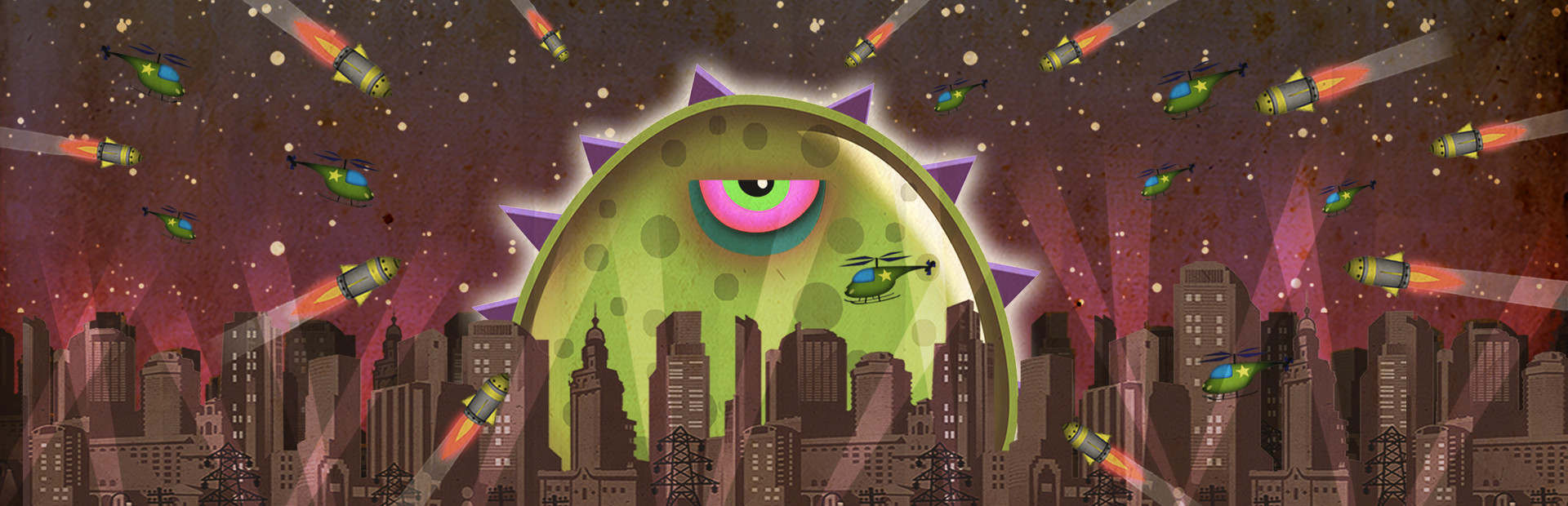
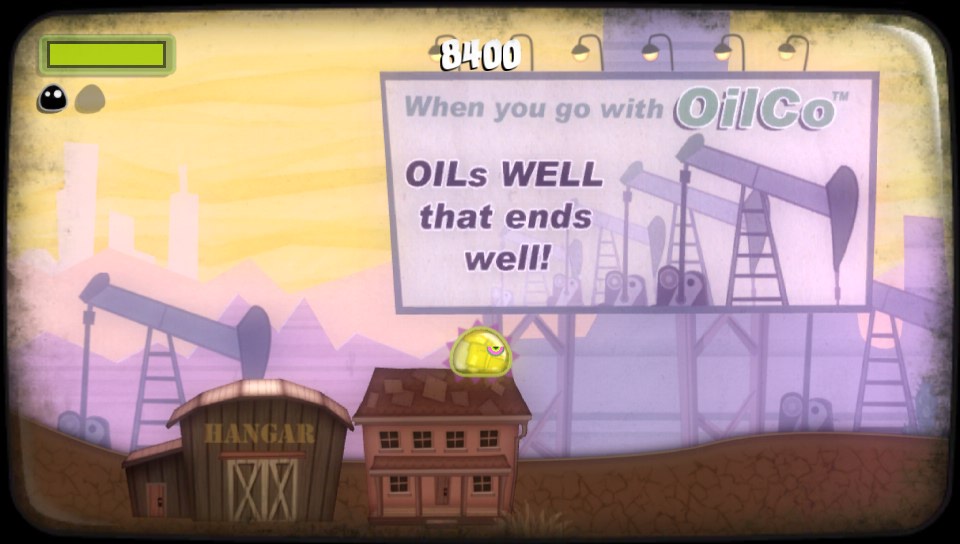
The Vita is currently short on good games, especially on the PlayStation Store. This little gem is a physics platformer that is addictive, unique, and very fun to play. You play as a blob that escaped a college laboratory and is on the rampage to take over the world. As you move along, you solve puzzles and use gelatinous physics to climb your way around.
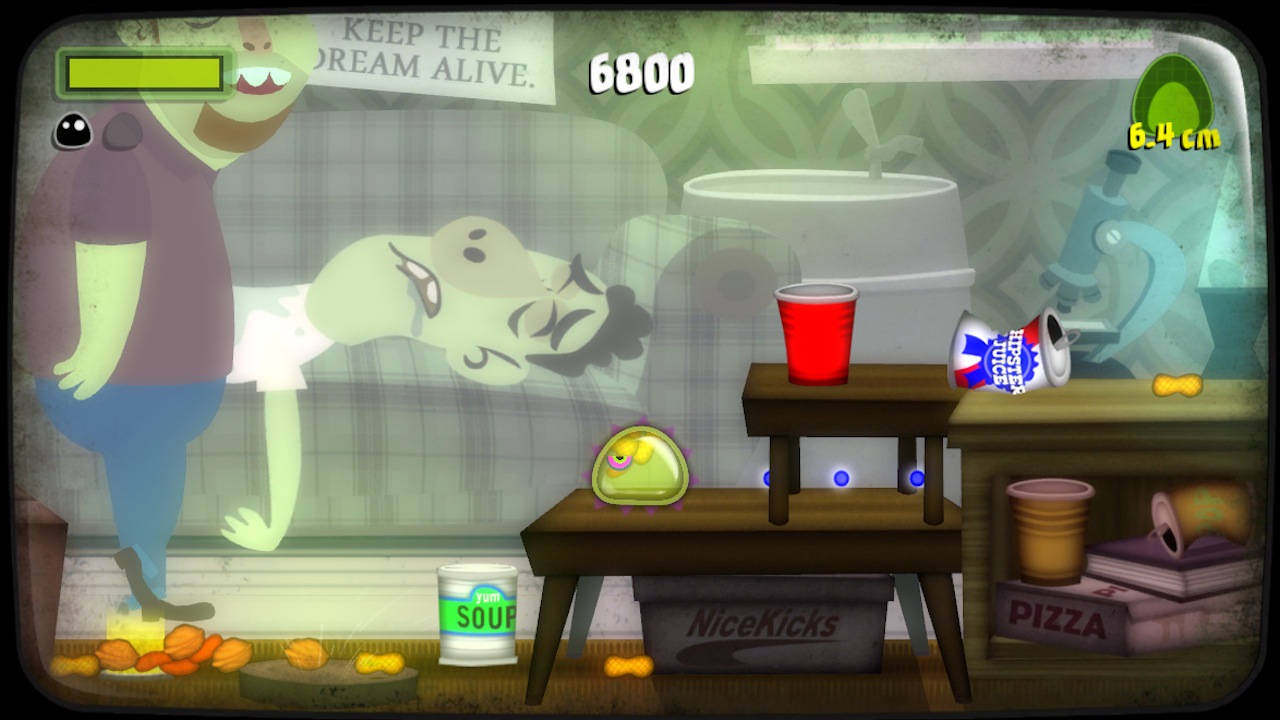
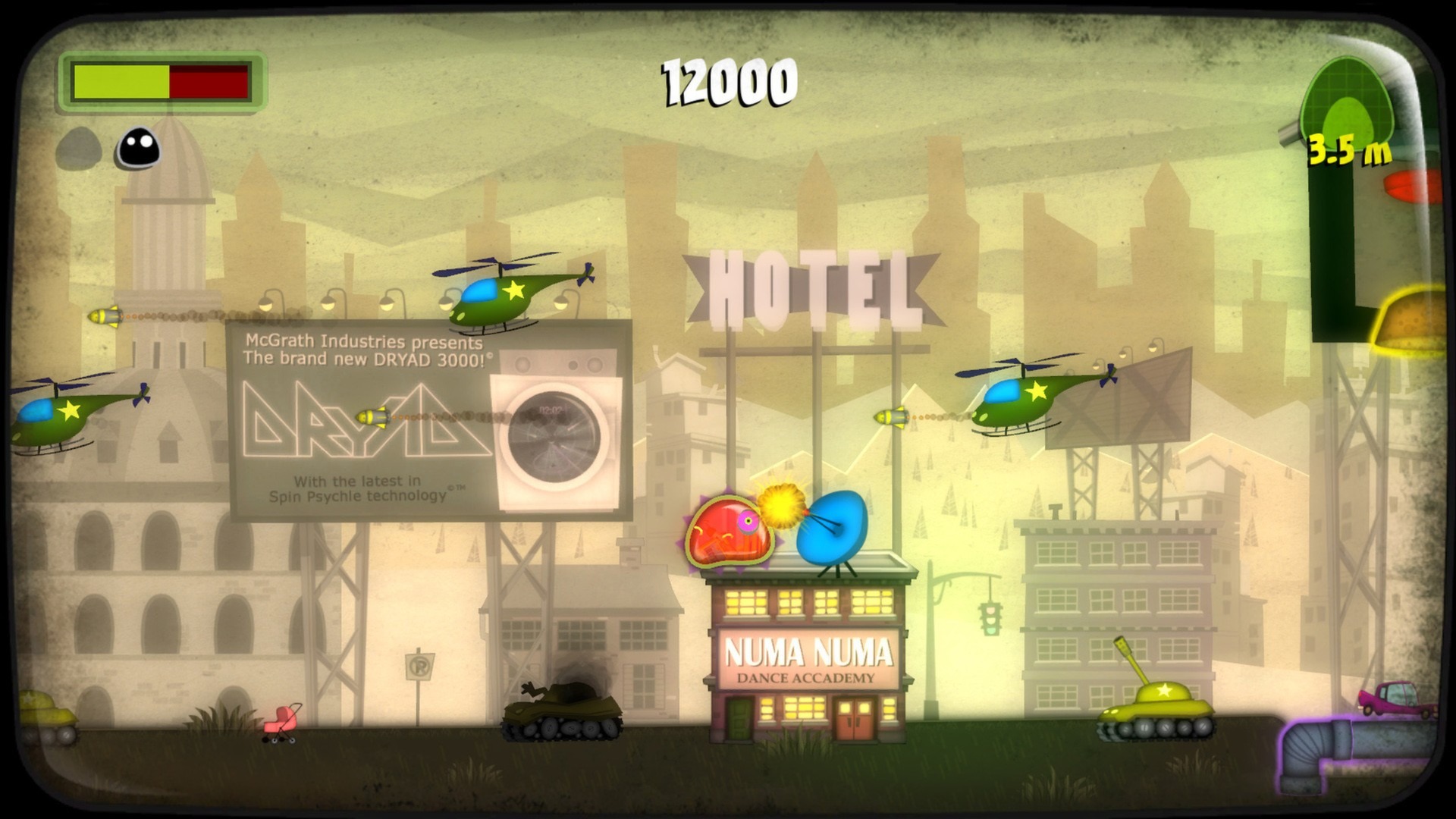
The game has a bit of Katamari Damacy built-in since you absorb things along the way to get bigger and bigger. Each level is different, and not one puzzle is the same. There are so many different gameplay elements that you will never feel bored here. Just to mention a few, you can use the touchscreen to pull green platforms that can shoot you across areas using kinetics and momentum, avoiding lasers, using magnets to push and pull your way around, and even some extra stages that use the tilt sensor. Mutant Blobs is so varied that you will always be looking forward to the next level.
The blob’s physics work perfectly and change a bit as you get bigger. The controls are simple, but change when you float around using gas, where you switch to the analog stick. The game has a great sense of humor as you run over people and hear them scream, all while the blob’s sticky suckers make noises and make a gurgling sound when absorbing enemies. There are little hints at other games like Portal, Angry Birds, and Pac-Man that will make you chuckle. The whole package is so charming and fun that you will have a hard time putting the Vita down. This game is one of the first to really let you know how unique the Vita is because this game couldn’t really be done on a console or even a smartphone.
The game does get a bit too hard in spots where you will restart dozens of times, but these were far and few between, thankfully. Each level varies in length, but you are scored at the end depending on whether you found your two hidden friends and how many blue dots and items you absorbed. These are uploaded to leaderboards, which you can go back and beat later. I should also mention that I felt the game didn’t have enough levels, but hopefully more will come in the form of DLC. There’s enough here to last you about 4-5 hours, but most will blow through these in a few long sittings. This game is just so fun and different that you can’t get enough of it.
Overall, Mutant Blobs has perfectly balanced mechanics, varied level design, clever puzzles, and a charming art style. You will have a blast with this game, and it is the best $8 I have spent in a long time. If your Vita is currently not being used or has played all the launch games, pick it up and you won’t put it down.
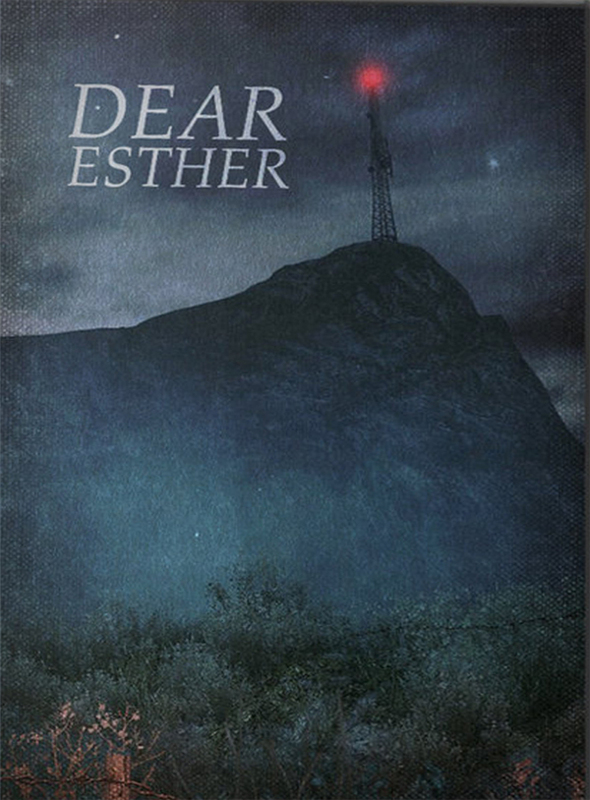
Dear Esther is a game from indie developer The Chinese Room that is a visually stunning adventure game, but it is lacking everything else. If you like slow-paced games or just want to relax and not worry about anything but moving your character, then this is probably exactly what you’re looking for. Everyone else, stay away.
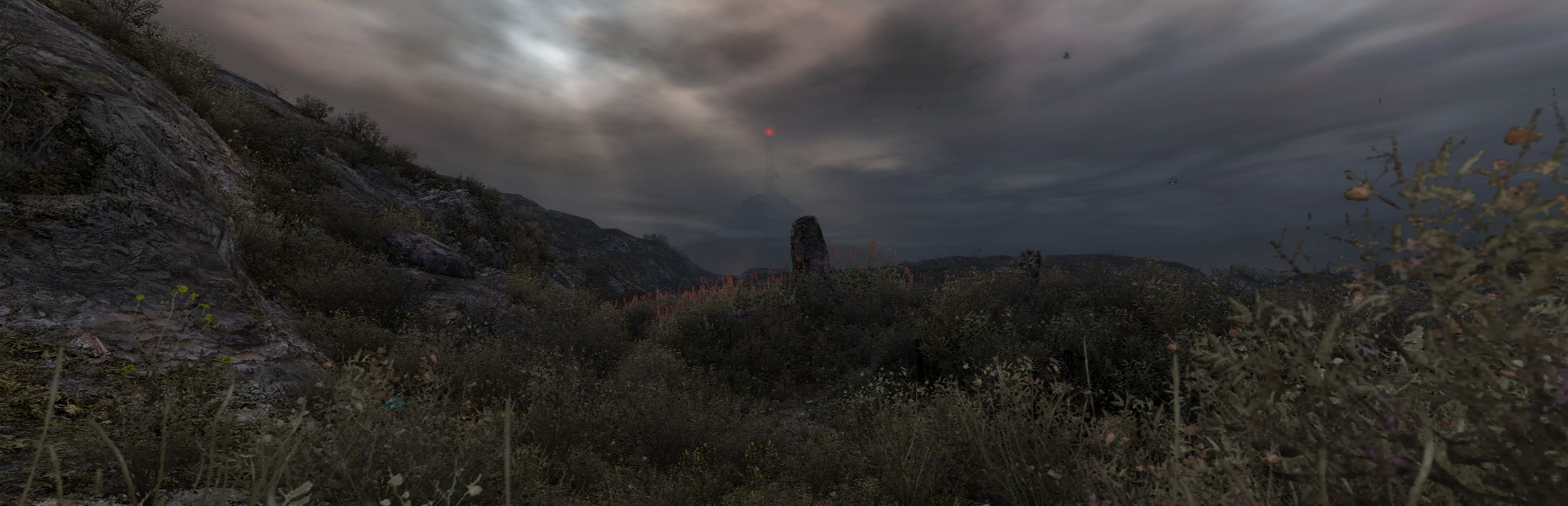
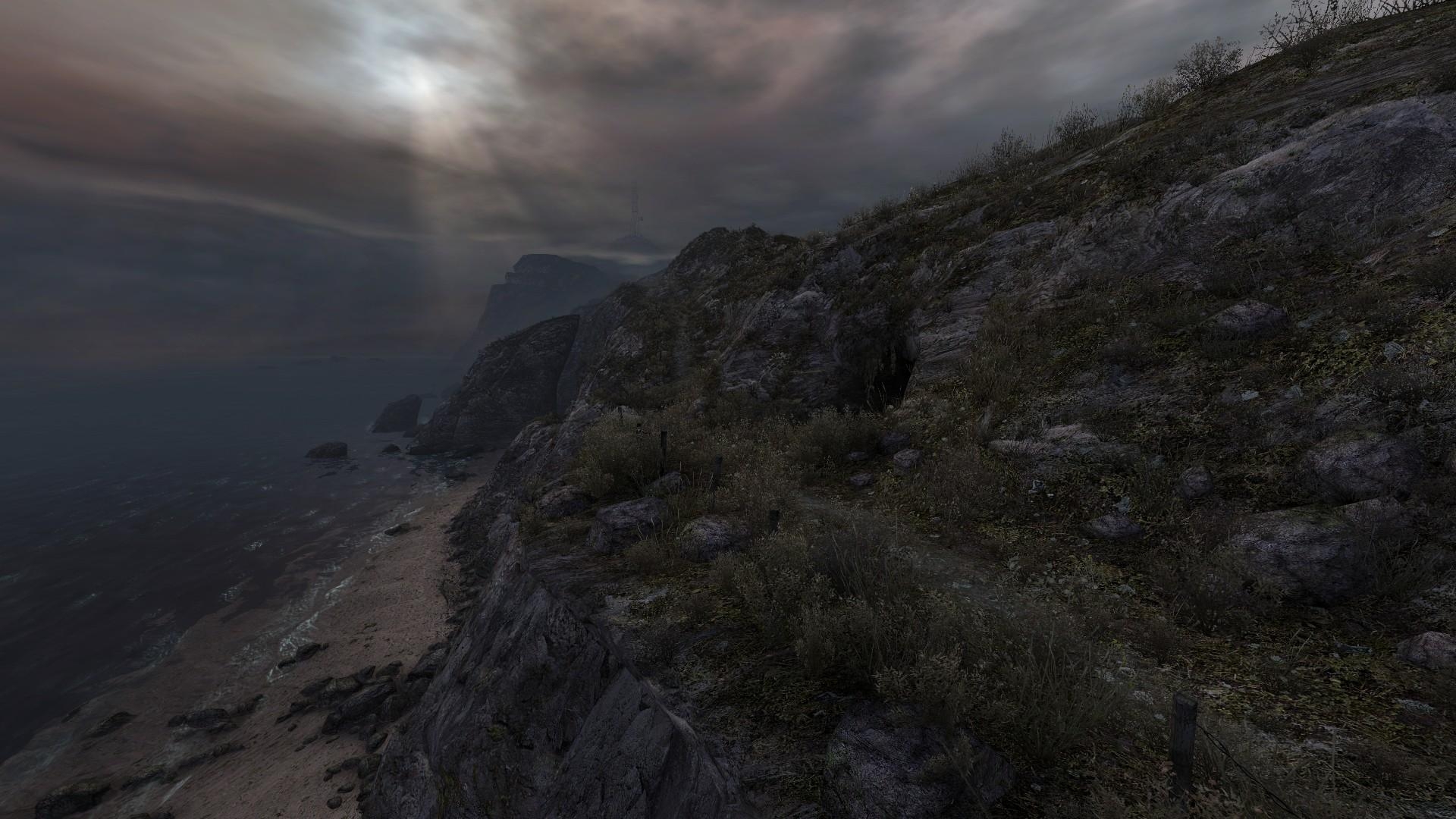
You start out on the beach with no objectives, so you just start wondering. This is all you do in the game while a narrator spews poems at you. There isn’t really a story here except that a man is searching for a man named Donelly, and you are writing letters to a man named Esther. As you wander around the level, you will see various things like abandoned huts, shacks, and strange writings on walls. I felt the game had an atmosphere that was a mix of Penumbra with a bit of Half-Life 2 thrown in. If you walk into a dark area, your flashlight will turn on, but there’s really no need to wander off the main path. If you do, you may get a little extra narrative, but it isn’t worth it because you have to walk all the way back to where you were.
You literally do nothing but walk. There aren’t any other buttons except zoom and take screenshots. This wouldn’t be so bad if the pace wasn’t so slow and grueling. You literally walk at a crawl, and I get that it’s so you can take in the scenery, but it doesn’t really change much until you get into the caves. There’s only so much ocean and swaying grass one can see before you get bored. The only thing you look forward to is the next piece of narration.
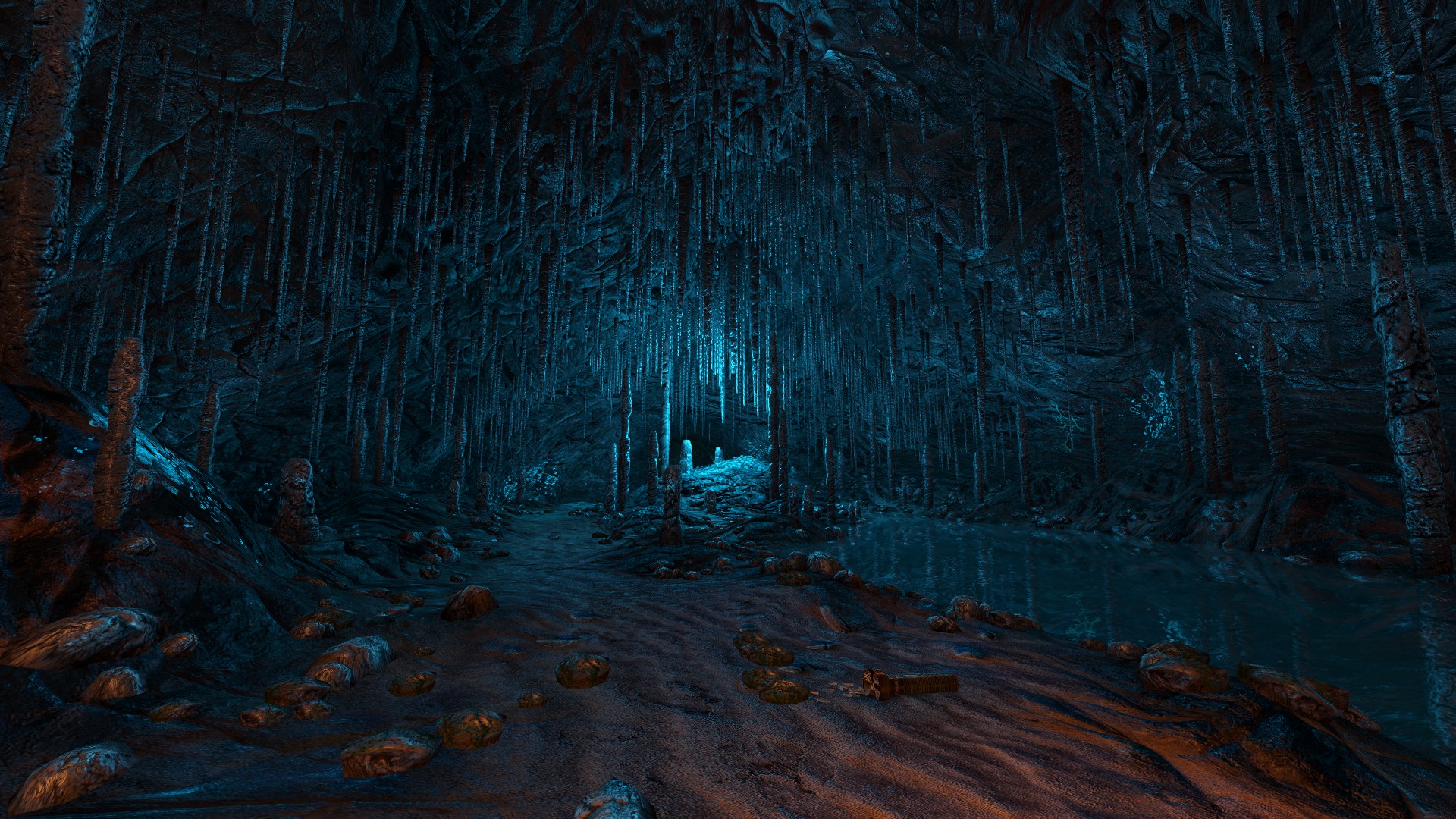
The game is stunning to look at, but you won’t see the true beauty of the engine until you get into the caves, where you get to witness gorgeous water and lighting effects. This is short-lived because this area is only about 10–15 minutes long, as are the other four areas. This leads us right into the game’s worst problem: It is less than an hour long. Even when you get to the end, you still don’t know why you played this game or what its purpose is. The story is very vague, and you never quite know what’s going on. This is hardly a game and is more of a technical showcase. If you can stomach this sort of thing, then go ahead, but you aren’t missing anything if you skip out.
Dear Esther does try something that most games don’t, but with zero gameplay and only being barely an hour long, it’s hard to justify that $10 price tag. There aren’t even any downloadable chapters, which is a real shame. Will I be keeping an eye on The Chinese Room’s next game? You bet because there is a lot of potential here, but I just felt it was clearly wasted.














































 thebinarymessiah.com
ORC is probably the worst game in the entire series. It's objectively awful. Being bad isn't different. Different is Outbreak…