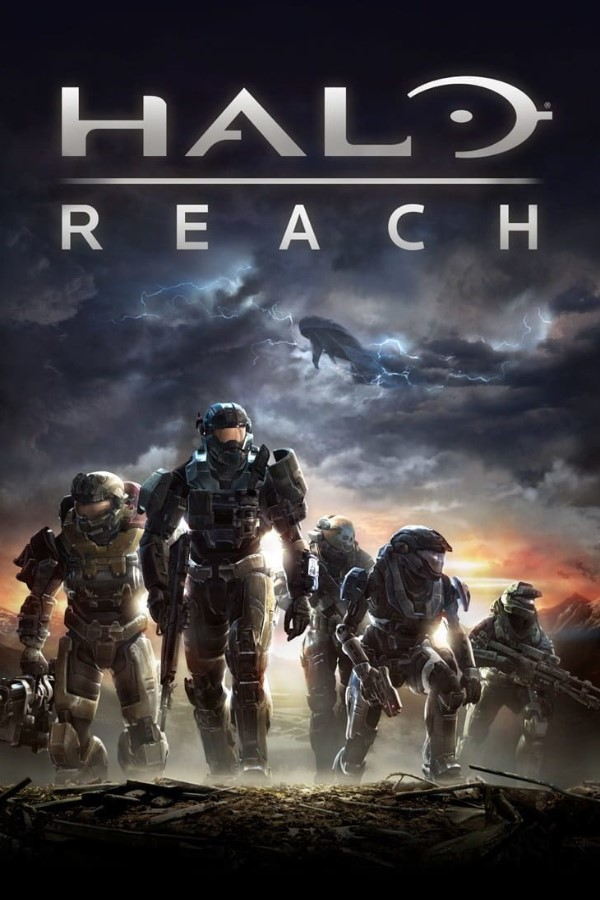
It was a brave move to move the Halo franchise away from Master Chief’s point of view. After the success of ODST, Bungie continued this move with a prequel to the original game and how Cortana was discovered. You play as a ragtag team of elite soldiers, and you play as the Noble Six. The funny thing about Noble Six is that he is basically a nobody, and you witness the deaths and heroisms of your fellow squadmates and search for the last hope of humanity.
The game plays and feels exactly like Halo 3, which is a good thing. The game has many of the same weapons and power-ups as Halo 3 as well. The game has a decent length of nine levels, and the progression is well done. Each level takes place in a new area, so I never felt bored like I did in ODST. From outdoor areas with sweeping vistas to tight and controlled corridors, The game is fast-paced, hectic, and a lot of fun. I felt it was less difficult than previous games and much more balanced. I was able to quickly get a feel for my favorite weapons and the ebb and flow of the gunplay and enemies.
Again, the same enemies in Halo 3 exist here, and with the introduction of the Brutes from Halo 3, they make for a formidable foe and some of the toughest in the game. There are a few flying creatures, and I found there was less vehicle combat in this game than in any others in the series. Most of the game is on foot, and there’s nothing wrong with that. Most objectives will require you to activate or defend something, and this was typical for FPS games back in the day, but it never felt old. Halo has this magical formula of great AI, enemy balance, and knowing when and where to use each weapon. You know what situations call for which weapons, and when you see the weapon, you go for it, and when the situation flips, you know when to drop it and go for another. I know in tight corridors I want a shotgun, so I drop the pistol and pick up an energy rifle, as a scoped weapon is useless. When I run out of ammo, I know there is an alien equivalent lying around, which is great.
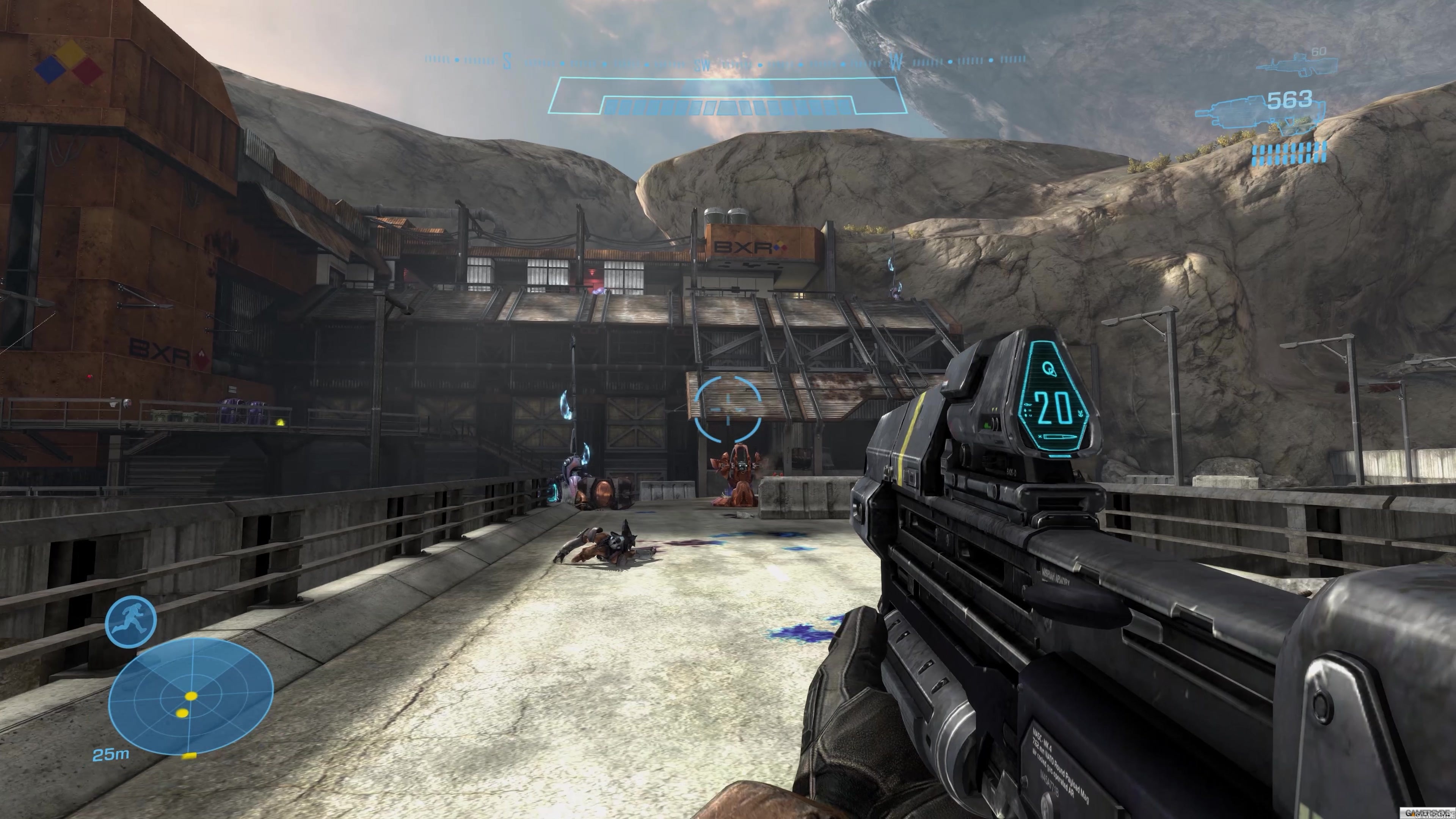
Reach just really isn’t much different than Halo 3 or any game before or after it. It’s a solid game with one of the better campaigns in the series, and the multiplayer is rock solid. With this being a spin-off, you’re expected to see asset flips and familiar gameplay, but the shift from Master Chief is what makes it feel a little fresh. With the update for The Master Chief Collection, the game has better visuals, runs at 60+ FPS, and supports ultrawide screens, mice, keyboards, and current-generation hardware. It looks dated, but clean, and feels like a modern shooter does on a PC. I didn’t run into any crashes or major glitches, so it’s a solid port.
I don’t have much else to say other than that it’s a good Halo game. The ending is solid, albeit sad, and sets you up for the main trilogy. I loved Halo 3, so being able to get back into that era of Halo was great, and the upgrades make this a no-brainer for any Halo or FPS fan. If you don’t like Halo, this game will not change your mind at all, as it’s about as rudimentary for the series as it gets, and the story is a little on the light side compared to other games in the series. I didn’t care for any of the characters, and if you aren’t familiar with the future timeline, it won’t make much sense to you.
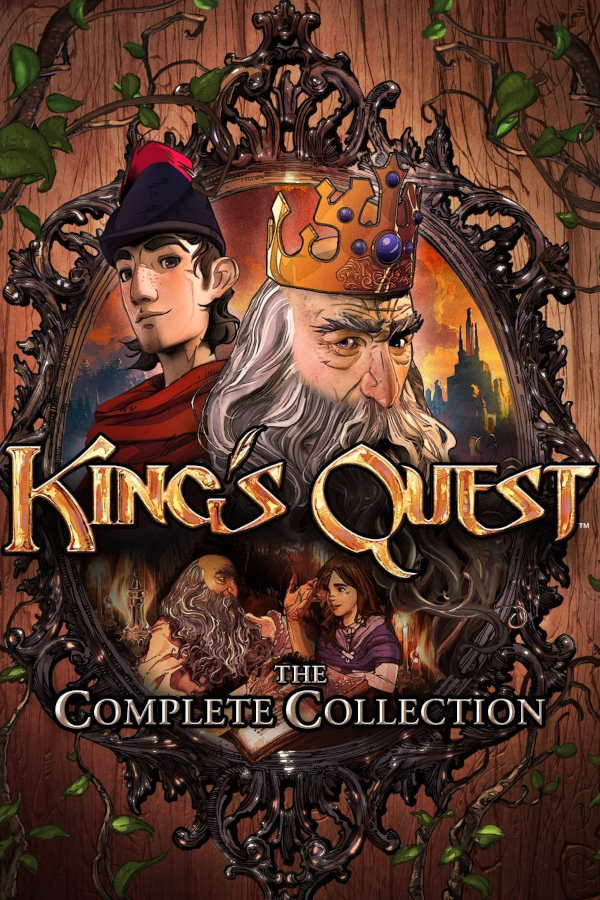
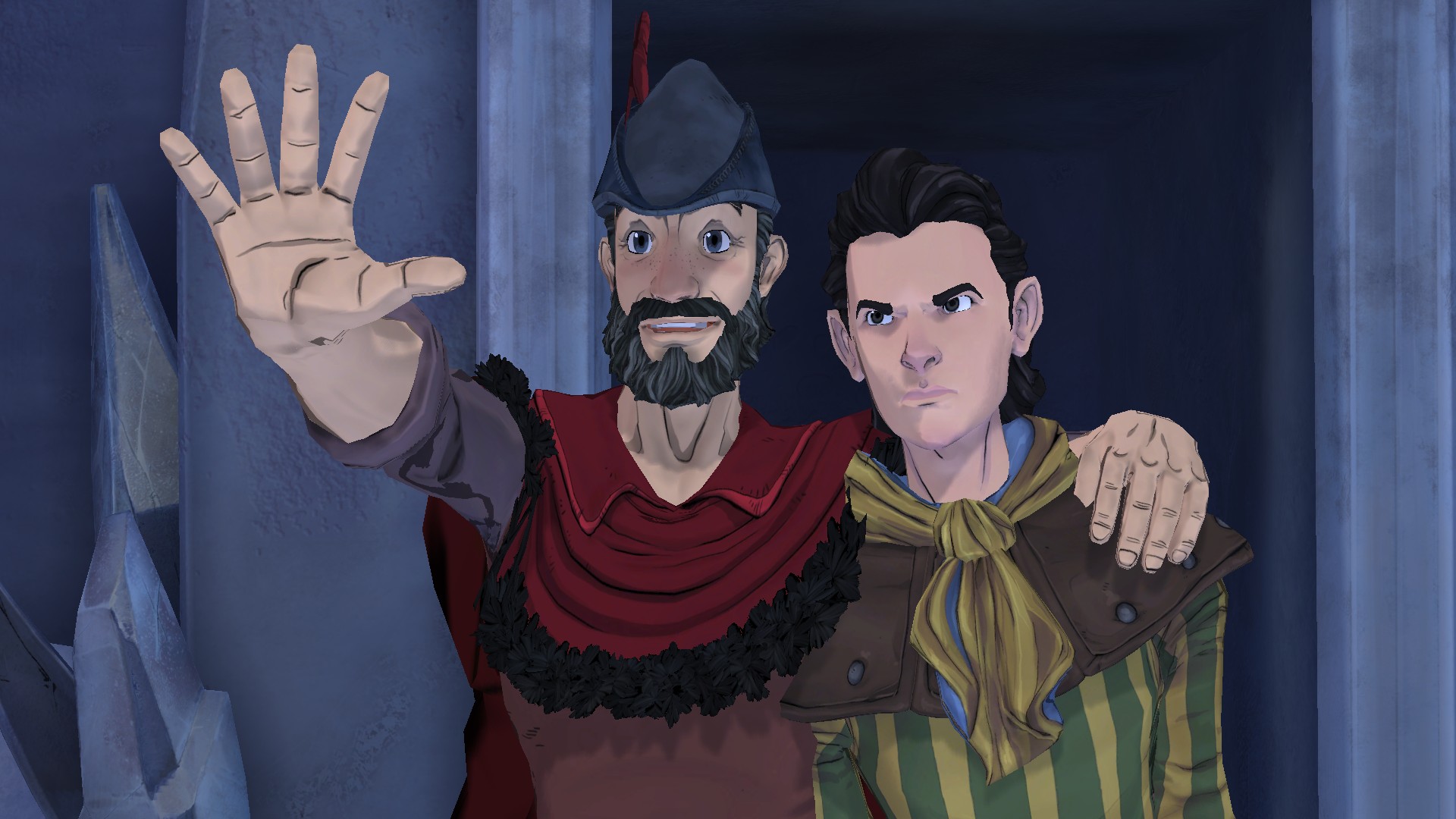
King’s Quest is one of the oldest gaming franchises, as it dates back to the 8-bit gaming era on IBM PCs and Commadore 64, but it’s not very well known for being a PC-exclusive series. It also hasn’t been updated in a couple decades, so to see Sierra themselves publish this franchise got people excited, but King’s Quest landed in an era when The Walking Dead and Telltale Games’ way of doing adventure games reigned supreme. King’s Quest is a retelling of the lives of King Graham and his family and his struggle to rebuild the kingdom of Daventry.
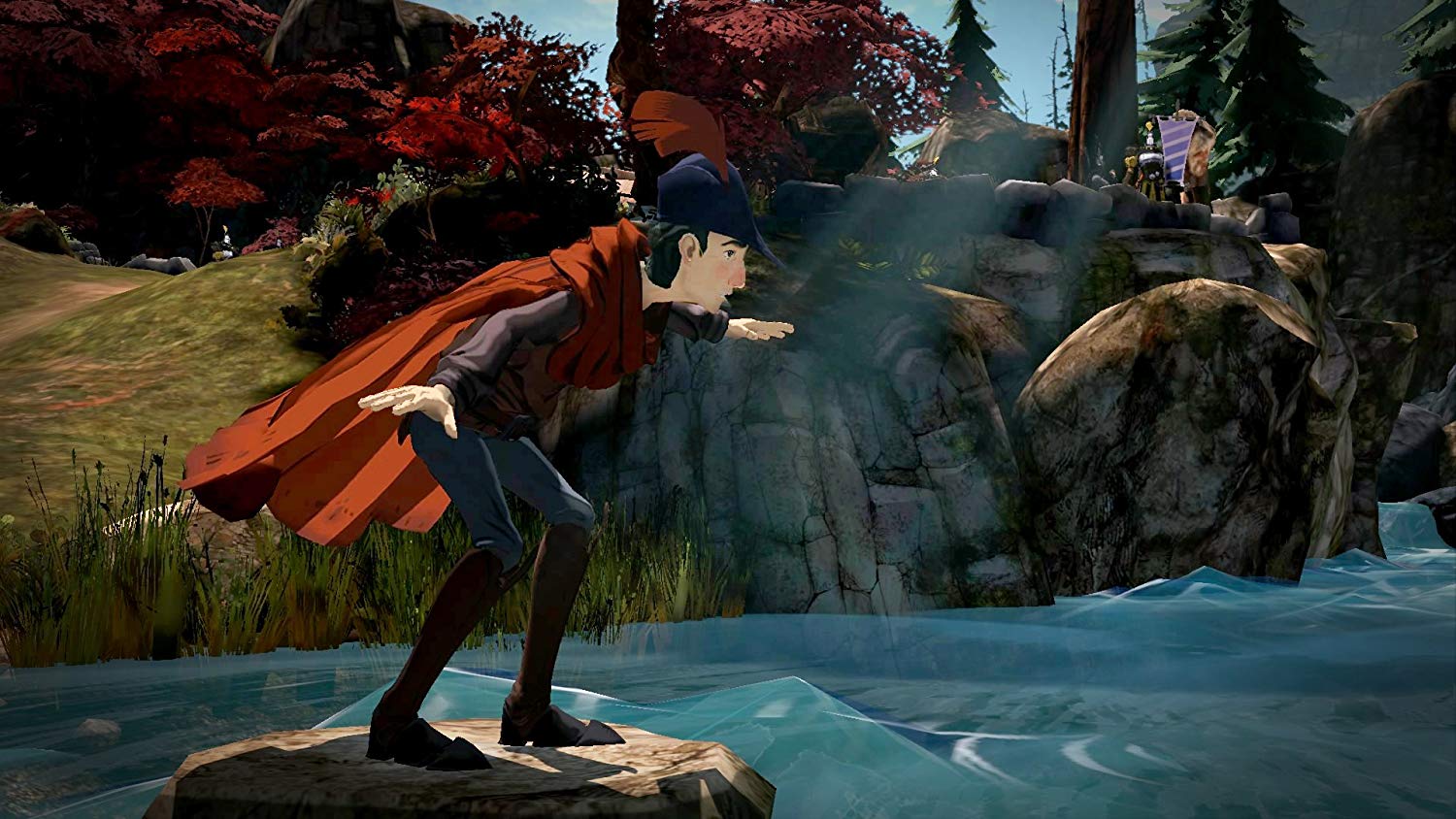
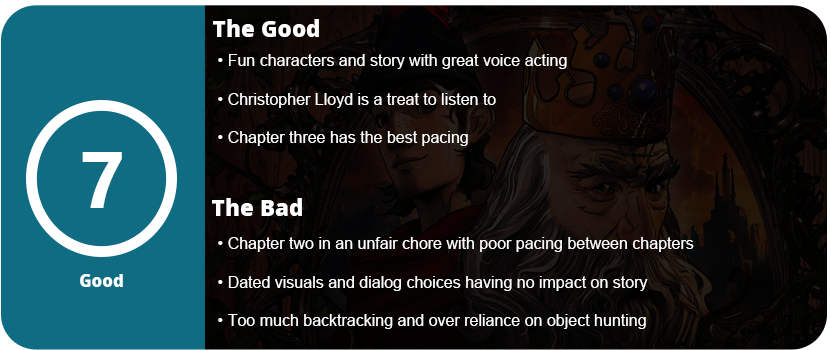
Chapter 1 starts out great with Graham trying to take down a dragon and steal a magic mirror. Graham’s past adventures are told through older Graham telling them to his granddaughter, voiced by Christopher Lloyd. The typical adventure game stuff happens with walking around, talking to people, examining objects, trying to figure out which objects go where to progress, and the occasional button tapping and switch pulling. Chapter 1 has an action-oriented beginning segment, and then the rest is set in Daventry with lots of backtracking and object hunting, which I am not a fan of. I prefer the Walking Dead style of adventure games in which you walk around the immediate area, discover a few things, and have dialog choices and lots of scripted gameplay. Even games like Life is Strange do the exploration just right. I feel King’s Quest relies on this too heavily, and it drags the game down in later chapters.
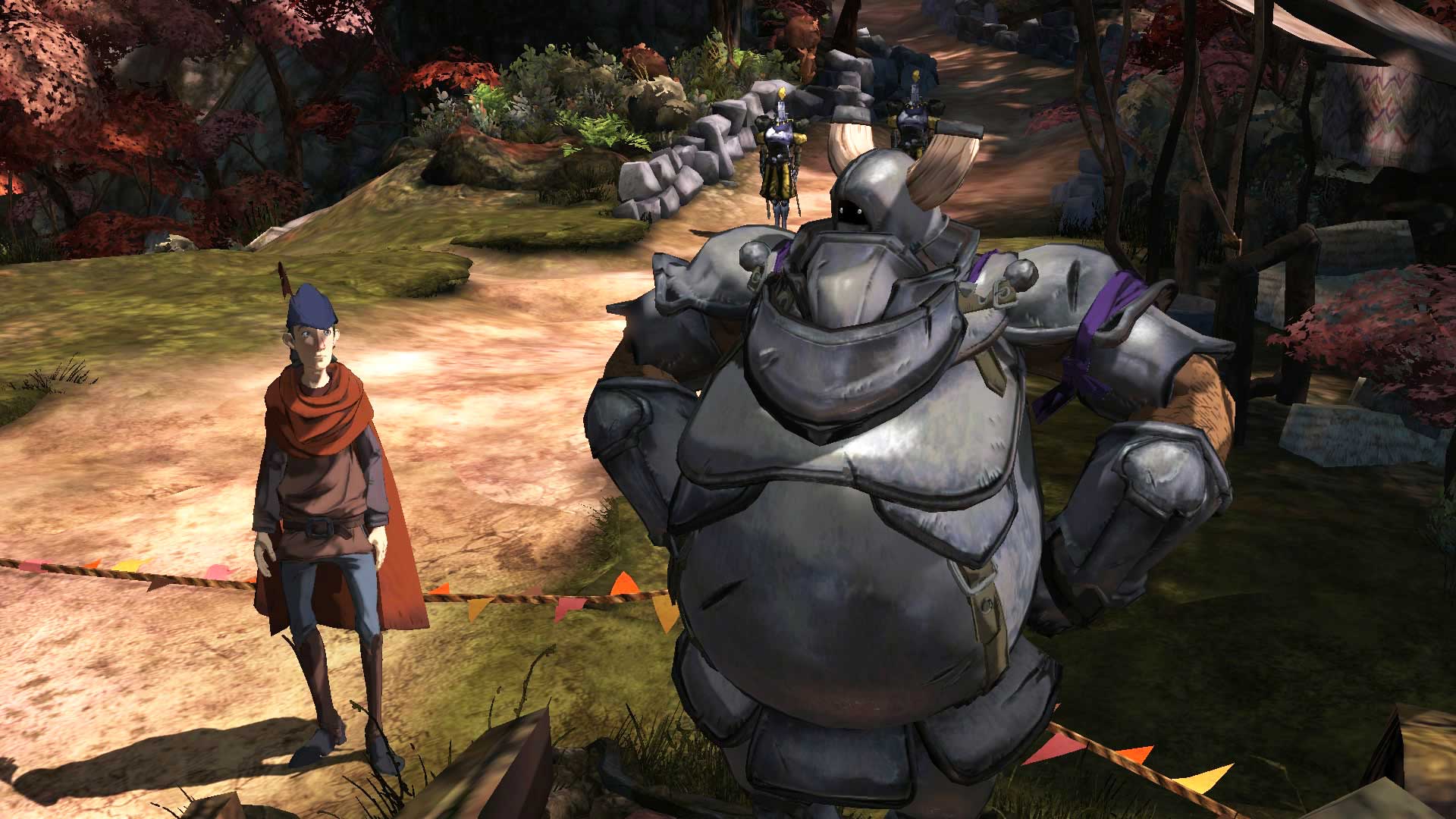
Once you get to Daventry, you have to complete a series of trials to become king, and you meet pretty much every main character in the game. I found the humor to be nice, if not cheesy; the voice acting was great; and the art style is decent, but the graphics are seriously dated. I also found some of the object hunting very vague and hard to figure out what to do, and this was present throughout every chapter. I also didn’t like how you couldn’t skip dialog and cut scenes in the first chapter only. Outside of the constant backtracking through Daventry, the game is well-balanced and fun. There are a few logic puzzles thrown in for good measure, too.
Chapter 2 is where things fall flat with just a giant cave area to explore, and you must rescue some of the characters, but it’s not explained that you can lose all the characters for the rest of the game if you don’t do things in a certain order. The object hunting vagueness is never more annoying than in Chapter 2, with the entire chapter’s completion relying solely on this. I could never figure out what objects were supposed to do what and go where, and sometimes I flat-out missed objects. You are supposed to sleep every day, and each day the characters lose health. I didn’t know this until after day 3, and I lost two characters. Eventually, I found out I did everything completely wrong and was left with one character, and the rest are out of the story throughout the entire game. It’s very unfair and difficult, and it wasn’t really all that fun.
Chapter 3 is probably the best, as it feels more like other adventure games. A little bit of object hunting, but mostly story and action sequences. It was really fun, and the story at this point was picking up and felt faster-paced. Then, when Chapter 4 hit, it slowed completely down with nothing but puzzles. There are about 20 or so puzzles in this chapter; some are easy, and some just make zero sense no matter how you look at them. It was better than object hunting, as this chapter had the least amount of that, including backtracking. Chapter 5 mixes everything up as the story concludes, but you go back to exploring the same Daventry as Chapter 1 all over again, and it’s just so tedious and boring. The ending consists of insanely difficult logic puzzles; a few are fun, but most of them make no sense. Then the game ends with an object-hunting epilogue chapter that is also a chore fest.
King’s Quest just couldn’t pick one style of gameplay. One chapter is object-hunting heavy, while another is all story and action, and the next is all puzzles. It’s very disorienting and makes the game feel like a chore to play, despite the interesting characters and fun stories. I loved hearing Christopher Lloyd speak, and there were a few nice plot twists, but nothing too crazy. The story is forgettable for sure, but it has a nice conclusion that doesn’t have a cliffhanger. But who is this game for? King’s Quest fans, for sure, and maybe adventure game fans, but fans of just modern adventure games might be turned off by the old-school shortcomings of this game.
Overall, King’s Quest is a fun 10-hour romp through medieval times, and following the goofy King Graham and co. through their adventures is fun while it lasts. The game suffers from poor pacing, indecisive gameplay choices, dated visuals, and some incredibly vague puzzles. With the small price tag these days, this is a fun weekend play-through if you want something to veg out on or play with someone by your side. I would have wished the dialog choices had more meaning, as most of them are pointless no matter what you choose, and there is no real way to sway to the story outside of Chapter 2’s character-starving mechanic. I enjoyed King’s Quest, but there’s just so much more it could have been.
Good ‘ol South Park. One of the granddaddies of television backlash. Before, Family Guy was in South Park. An adult cartoon features four children living in the rural town of South Park, Colorado, who run into various antics and adventures. The series is still ongoing and started in 1997. I remember fondly as a kid not being allowed to watch the show unless my parents watched it first, and if it wasn’t too graphic, we could watch a re-run. The Stick of Truth is a turn-based RPG with roots in the show and features the same humor as well.
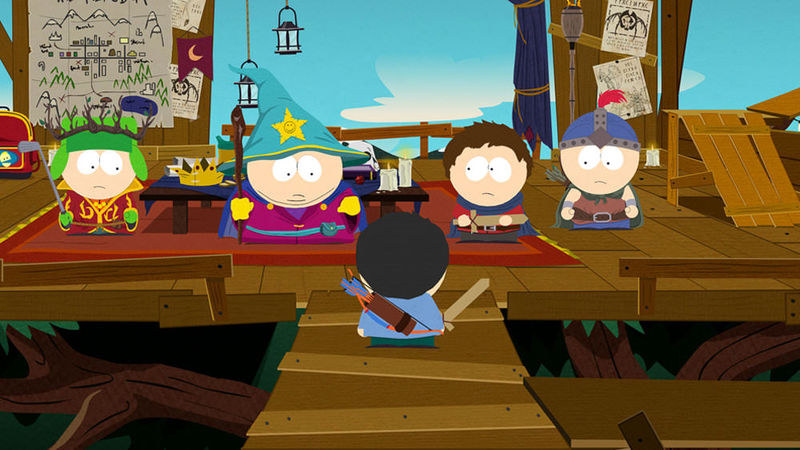
You play as The New Kid or Sir Douchebag despite Cartman ignoring whatever you name your character, which is hilarious. You’re a voiceless protagonist who is swept into the children’s D&D game of The Stick of Truth. There are two factions fighting over it: the elves and the knights. Your goal is to continuously get the Stick back from the various people who steal it and it leads to one crazy adventure. Throughout the game, you also have to recruit two factions: the girls and the goths. This leads to various interesting areas, like a UFO where everyone is getting anally probed, to shrinking down to a gnome and battling on the bed your parents are having sex on, to crawling into Mr. Slave’s anus and fighting through his intestines. Yeah, it has over-the-top humor that will offend most and is one of the most graphic games I have ever played, but that’s not a bad thing.
Outside of wandering around the town of South Park and discovering the few side quests there are, you can shoot things down and bash open things to find a hidden treasure. Just like in any RPG, you have armor, weapons, consumables, and cosmetic items. The weapons and armor come in steadily, and I was always happy to have a new weapon that let me hit harder. Depending on the class you choose, it will affect what weapons are available in the game, as you can only find weapons for that class. There are fast travel points, which are a lifesaver. You have four different abilities you acquire throughout the game, such as shooting, buddy commands, shrinking, and using your anal probe to teleport. These are all context-sensitive, so you can only use them when you’re allowed, but they give a sense of discovery as you can access parts of the game later on that were blocked before. Your magic consists of…farting. Yes, you fart for magic, and you have four magic attacks you learn. Dragonshout, Cup-a-Spell, Nagasaki, and the Sneaky Squeaker. These sound downright hilarious and absurd, but who still doesn’t laugh at fart jokes?
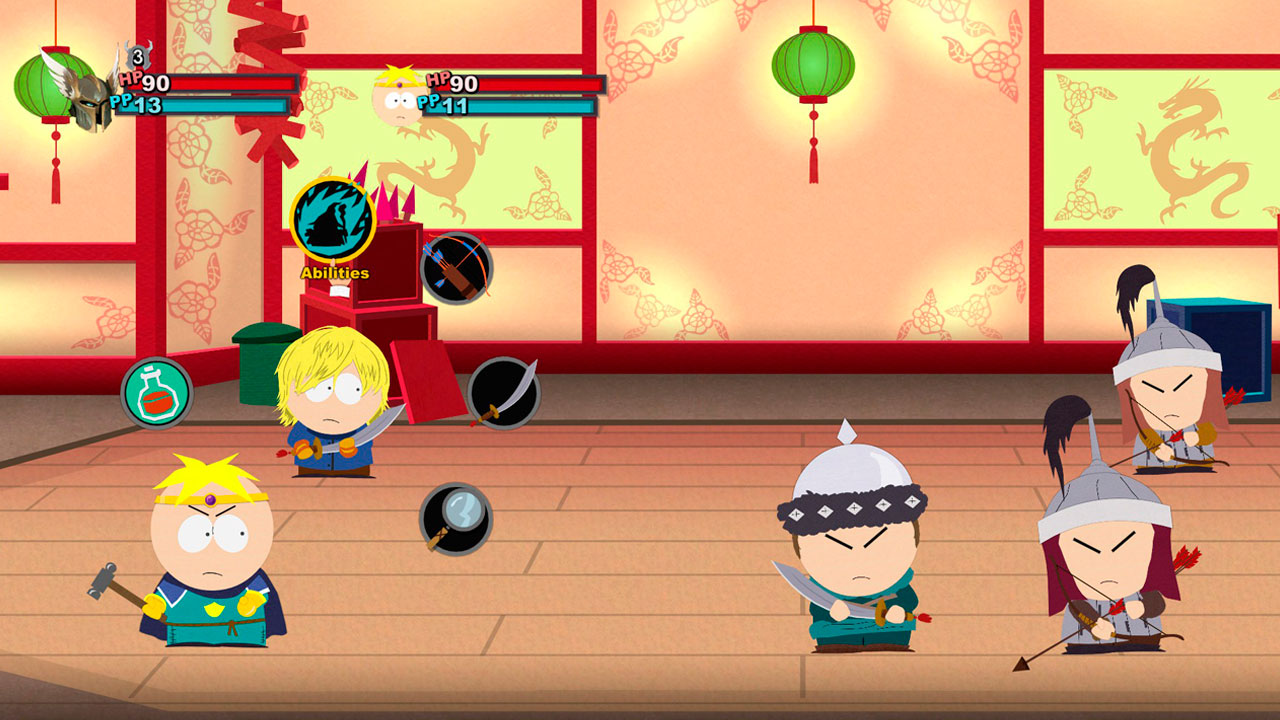
Combat is where the meat of the game is, and it’s flawed for sure, but it works. You can only have one other person in your party, but enemies can come at you in groups of six. A strategy is key here, especially during boss fights, as you need to balance consumables, magic, power attacks, abilities, and what your partner is capable of. It’s good to know that the Nazi zombies can’t be grossed out but are only weak to bleeding. You can hit them all you want, but you will only do 1 point of damage until their bleeding effects stack up. It’s not too hard to figure out, and I only died a couple of times through the whole game. Any RPG fan will be able to dive in and understand it right away. The combat is surprisingly deep, but these mystery buffs can frustrate some.
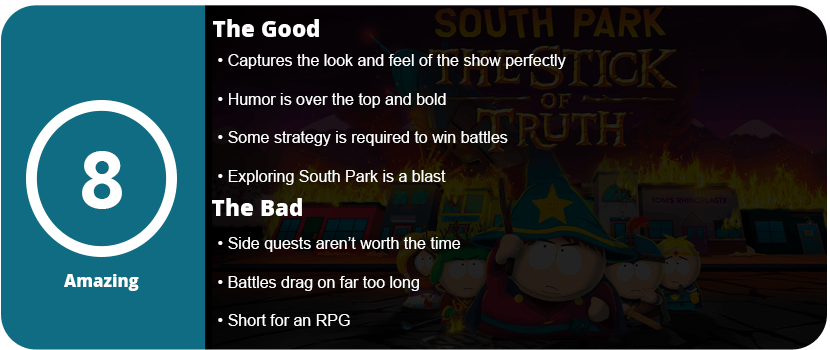
The game is also not particularly long-running at 8 hours if you just finish the main quests. It’s a fun story with awesome humor and tons of references to South Park episodes and geek culture. South Park isn’t afraid to be bold and do what it does best. The jabs at right-wing politics are especially funny, as are name-brand references and various other things. South Park’s characters have always been memorable and have stood the test of time. This is by far the best South Park game ever made and it captures the show perfectly. Of course, the game isn’t for everyone, as some of the humor may come off as childish, crude, brash, or just downright offensive, which is fine. Everyone’s sense of humor is different, but that doesn’t stop this from being a bad game. It may be too simple at times, with combat that can drag on too long, but a lot of love and effort was put into this by the guys who made Fallout 2, New Vegas, and Divinity: Original Sin. I can’t complain there.
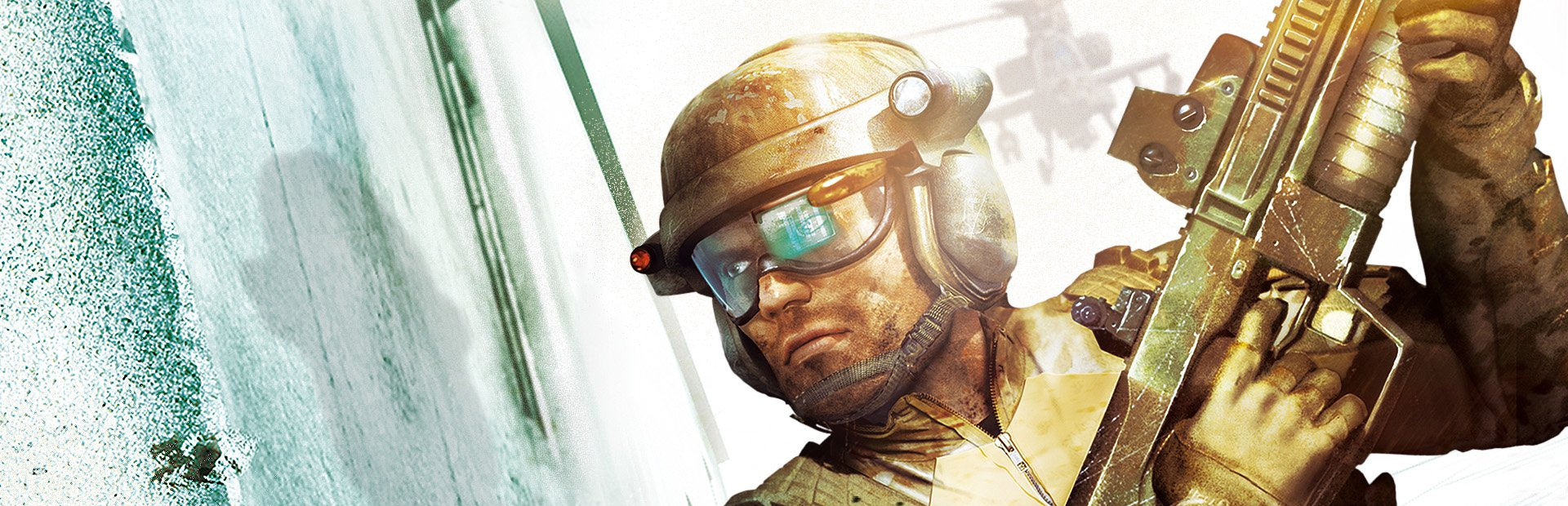
Ghost Recon has always been a part of my childhood, as it was one of my dad’s favorite games. While we only had the inferior PS2 versions, they were kind of fun to play and really challenging. The slow pace of crawling through enemy territory and deciding the best way to take them all out without dying after 3 shots could sometimes be quite rewarding, especially since this is what the series was popular for. GRAW carries this over to the PC version specifically, while the Xbox 360 version is faster-paced. I personally think this is a much inferior version, and the slower pace feels dated and boring.
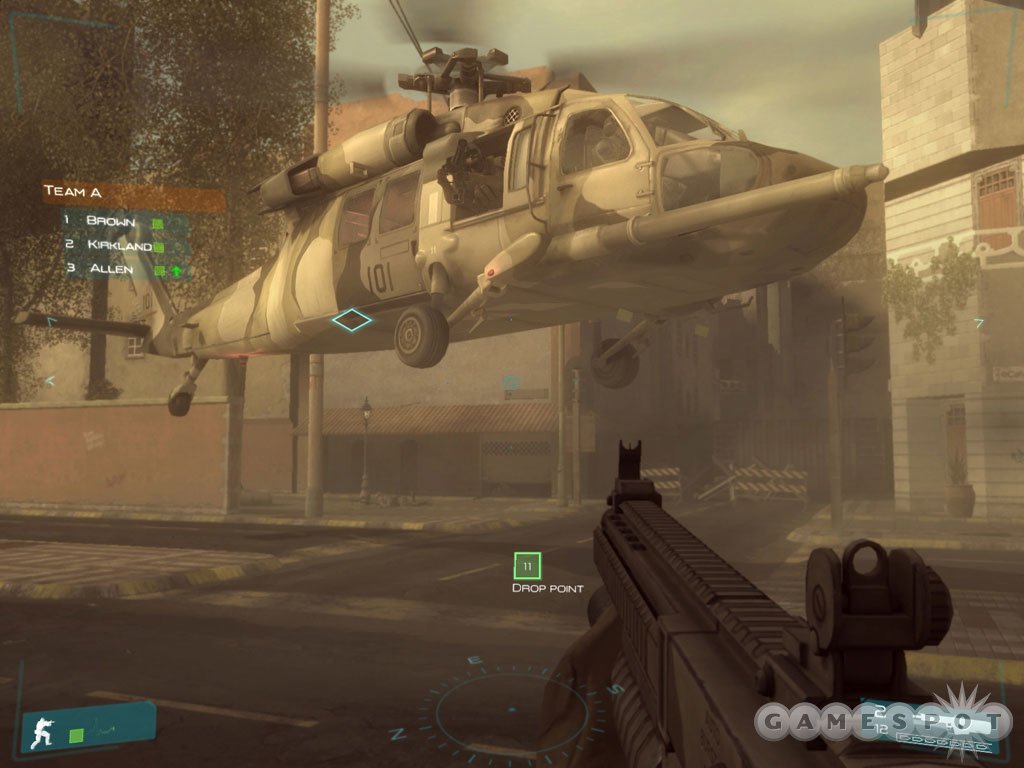
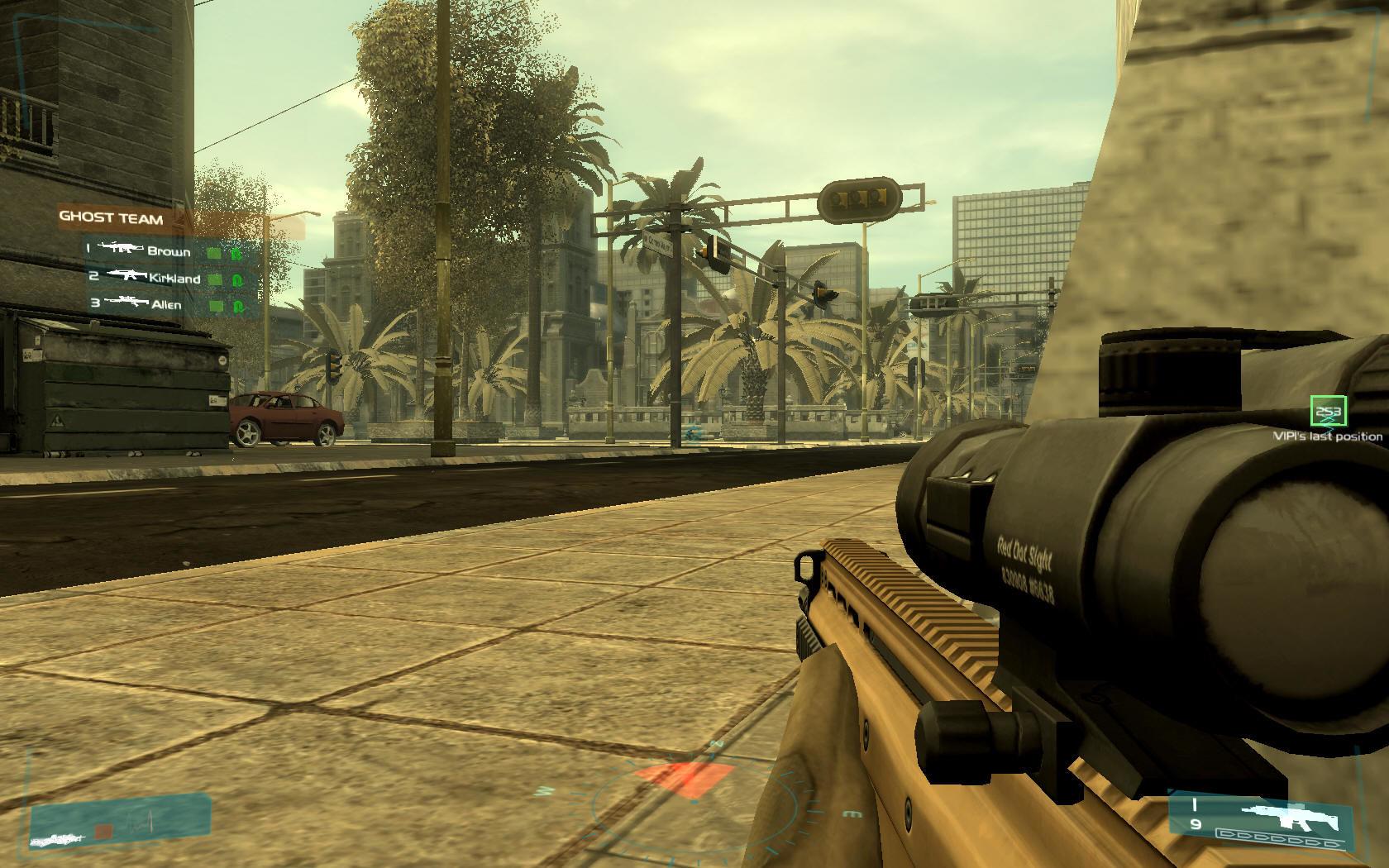
After so many Ghost Recon games, it was exciting to get a new game in the series on the brink of brand new technology. While the PC version sure looks great, it uses a slightly different engine and is from a first-person perspective rather than a third, like the Xbox 360 version. Everything just feels completely different, such as enemies not staying tagged with the orange diamonds, and this became a real big problem. You get a drone in this game, but it’s tied to a tactical map rather than viewing it in real-time overhead. You can use basic commands to send squad members to an area and take out enemies, but you’re so blind, and the angle of the camera for the map is really strange and distorts your perspective. Many times my men died because I didn’t know what was ahead, and unless you play at a snail’s pace, you’re going to die a lot.
That also goes for your character. Two or three shots and you die, and the checkpoints are so infrequent and spread apart that it leads to many frustrations. The PC version should have a manual quick save feature, but it doesn’t. The character walks like a geriatric on a crutch or sprints as fast as a turtle. The maps are bland and void of any type of action or ambiance. Just plain walls, silos, warehouses, and blown-up cars. Once I did get a few bad guys tagged, I would send my guys out, but they strayed too far and the tags disappeared, which is really pointless. Just on the training map alone, I died maybe 6 or 7 times because it’s just so hard to see what’s coming up on a large open map. I need something like, I don’t know, my drone’s tags to stay up and I see where every bad guy is and either skip some or avoid certain areas.
At least giving commands is rather simple, as using the mouse wheel or number row tells your guys to stop, follow, attack, or carry out commands set on the map. However, the AI is weird, as sometimes my guys would pop people I never even saw and then not engage on tagged targets I told them to attack. They would just stand there and stare, sometimes get shot up, and tell me that the target wasn’t reachable. With all of this combined, this makes for a buggy and frustrating mess of a game that doesn’t exist on the Xbox 360 version. The snail’s pace alone isn’t fun, is boring and bland, and takes away all the character and amazing pace of the console version. Why Ubisoft tried to make the PC slower is beyond me, as I wanted the 360 version, maybe with better visuals. Even the art style is completely different, despite most of the maps and missions being the same.
Overall, GRAW on PC is a huge letdown, as Ubisoft thinks we want a slower, more boring game. It feels more like Rainbow Six than Ghost Recon, and it carries with it too many of the issues from past Ghost Recon games. Get rid of the slow pace and animations, make the AI better, and stop making up crawl around a massive map trying to pick off targets. It’s just not fun at all. Some people may love this, such as those who actually like boring tactical shooters that play at a crawl, but GRAW on PC just doesn’t cut it and shouldn’t exist when a superior version exists on Xbox 360.
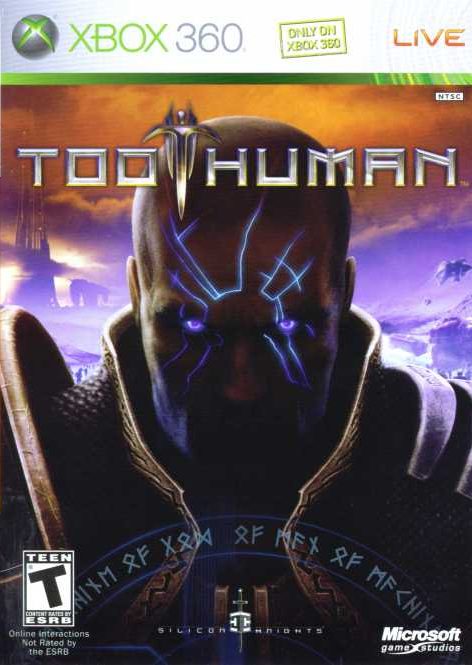
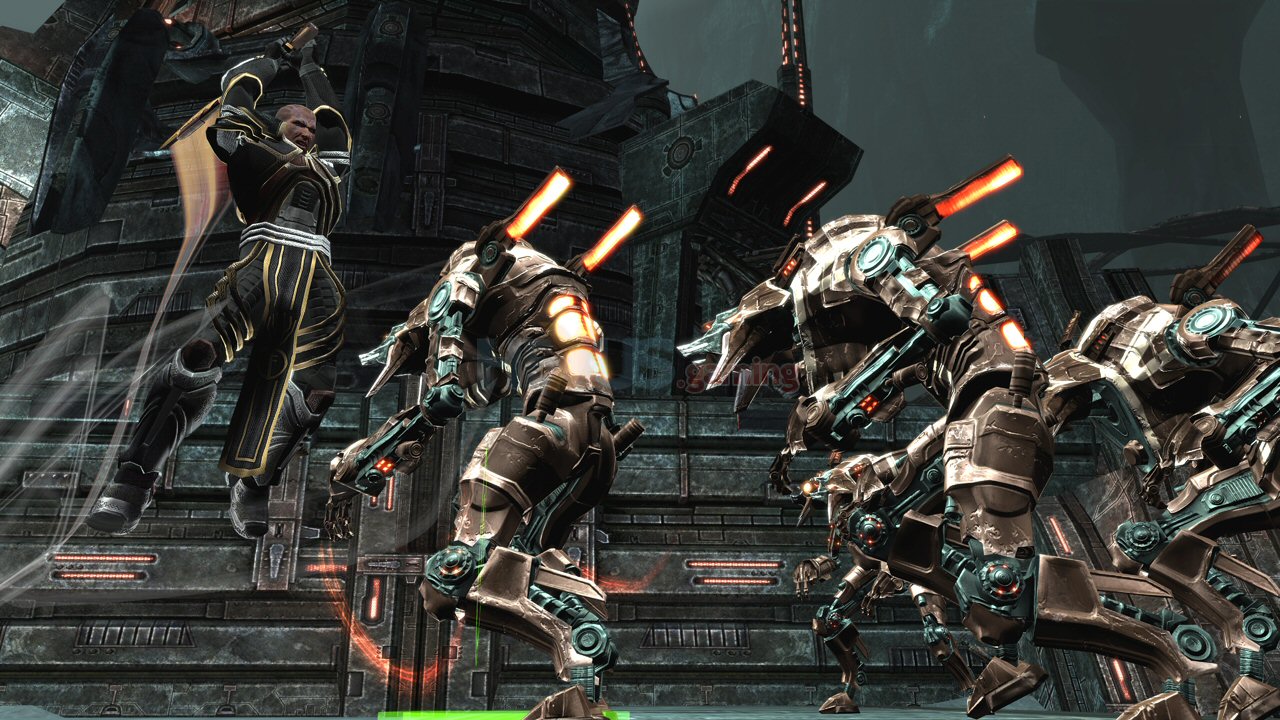
What do you do with one of the most infamously bad games of the seventh-generation consoles? Well, you play it, of course! Why would I play such a masochistic game? For curiosity sake, which is why most people play terrible games anyway, Too Human is a hack-and-slash-style game comprised of Norse mythology and mostly a lot of problems.
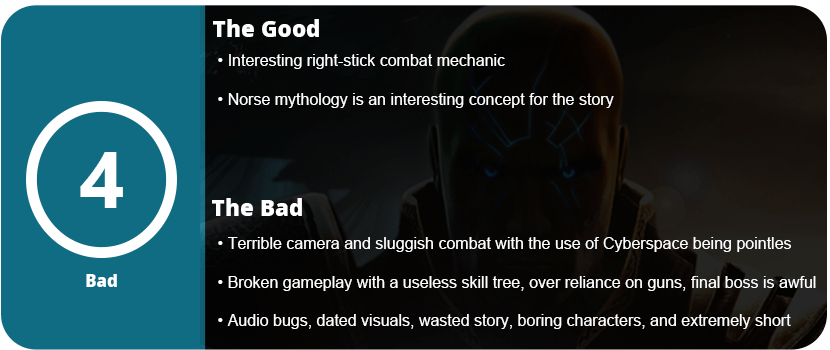
You play as the Norse god Baldur, whose purpose in this game is completely unclear as the story is lost, pointless, and full of so many plot holes. Something about trying to find out about the death of his wife and the Aesir trying to kill Loki, and they literally never explain why. With the game only having four chapters and being 6 hours long, there’s not enough time to establish a good story and characters. Now, before I go on a long rant about what’s bad about this game, as there’s more bad than good, let’s at least talk about what is actually good. For starters, the combat system is an interesting idea with the right analog stick being used for attacks, kind of like a twin-stick shooter. The issue with this is that you have to rely on a completely brain-dead camera with presets that never really work. It’s unresponsive and sluggish, and the number of combo attacks can be counted on one hand. Aerial combat is out of the question, as timing pop-ups is nearly impossible, but that’s still not the worst problem. Gun combat works well enough, and you have to rely on it quite a bit because the melee combat is mostly broken, but more on that later.
There is a lot of loot in this game, and some of it is quite good, as well as blueprints you can pick up to create the most powerful armor in the game. Each armor piece has a unique look, and that was at least nice, but it’s lost in the pile of crap this game has. Let’s also talk about these cyberspace sections that are 100% useless and have no meaning in the game. You will find a well here and there that connects you to a vibrant and foilage-lush “cyberspace,” which is used for only one purpose, and that’s to waste your time. In these tiny rooms, all you do is push open a door or lift something to open up something in the “real world.” Why bother? Why can’t I just do it in the real world? Cyberspace is also never explained as to why it even exists or its purpose. Sometimes the cyberspace would only hold a treasure spire that had health orbs. All of that for just a couple of health obs. It’s one of the most pointless features in a game I have ever seen.
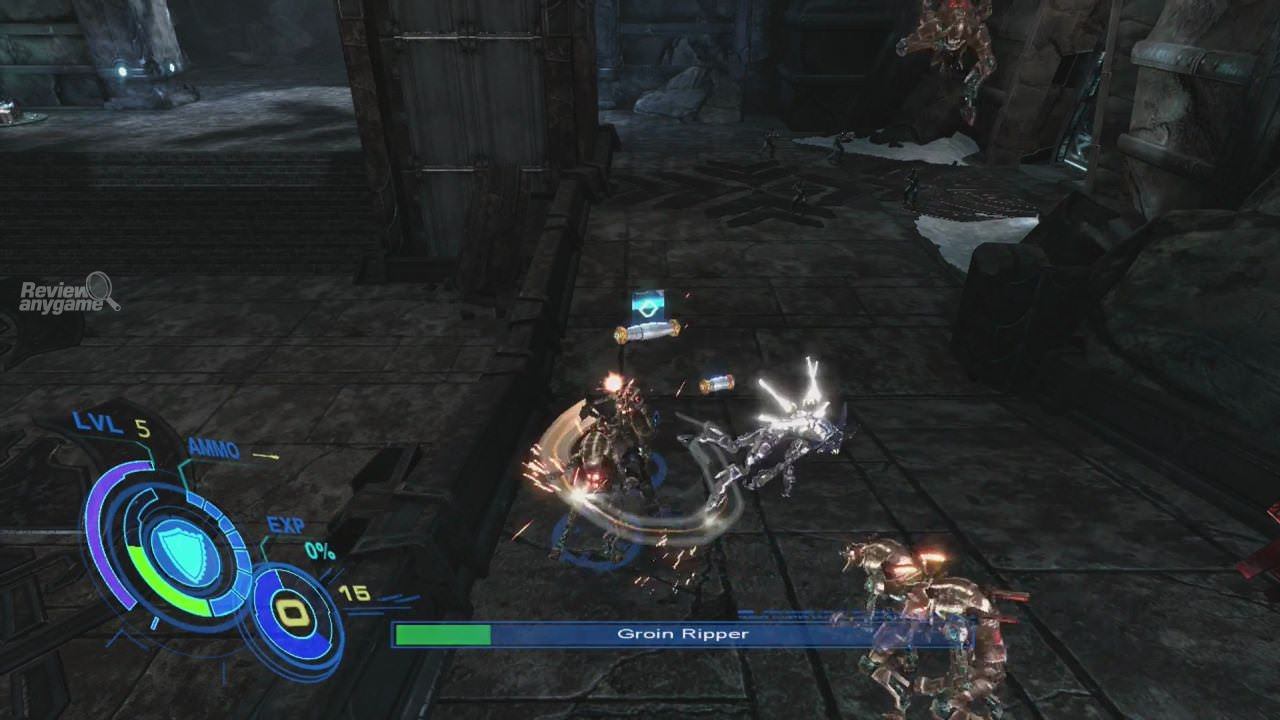
Let’s get back to combat. I can’t think of any more positive things about this game. While a right stick-oriented combat system could work, it just doesn’t here. The fundamentals of hack-and-slash Diablo-style combat are just completely broken. Outside of the easiest enemies that die in one hit, you can never get your combat momentum up enough to make large combos. Anything above those one-hit enemies requires a dozen hits for starters, all the way up to enemies that require parts of their bodies to be targeted and taken down. This becomes a problem when you’re swarmed with enemies with zero-hit feedback and you have to take each one down one at a time. You could pop them all up into the air, but taking them down this way takes forever, as air combat is practically useless, as explained earlier. Sometimes the animations don’t connect, and sometimes Baldur just stands in one spot, spinning his weapon around despite me telling him to move. This leads to the largest issue of the entire game: death after death. I died 127 times in 6 hours, and this causes a long death animation to play out in which a Valkyrie comes down from the sky and picks you up…just to restart in the same spot, but nothing else resets. What’s the point of death, then? I died on the final boss maybe 30+ times, and each time I went through a 30-45 second death animation just to spawn in the same spot. It’s absolutely frustrating and has no purpose.
When it comes to leveling up and upgrading, that’s also pointless. You get skill points to spend, but the tree is so useless and poorly designed that you must unlock a previous item before getting to the next. It’s just one line straight down, and you can’t really skip around. Each skill can hold 10 points, and it needs 5 before moving on to the next one. I only got to level 27 before the game ended, so there’s not enough time to unlock all the skills. No matter how much I leveled up or how good my armor or weapons were, I took the same amount of damage and dealt the same amount of damage. Never did I surpass a certain enemy and only take 2 hits instead of 7 after acquiring a much more powerful weapon. Enemies level up with you so that the same enemy from level 2 takes the same amount of hits at level 20. Speaking of enemies, they are repetitive, dull, brainless, and repeat hundreds of times ad nauseum. It’s a borefest.
To wrap all of this up, the entire game is just broken, frustrating, and boring. The audio constantly cuts out, and the death animation song bit gets stuck through the whole game. During the final boss fight, I had zero audio except Baldur’s grunts and that death song repeating randomly and cutting out. The level design is abysmal at best, with bland generic corridors literally copied and pasted through a level. There’s no variation or break in the patterns. Bosses are laughably easy or frustratingly difficult, such as the last boss in the game. 90 minutes to kill her just because of how little my level 27 hammer did against her. I literally shaved pixels off with each hit, and it’s broken up into four stages. Even if you exclude the 10 minutes worth of death animations, it still takes way too long because of the poor difficulty balancing. Let’s also not forget the awful characters, poor dialog, and a story that makes about as much sense as a car with square wheels.
Even the game runs poorly, with massive frame drops in the menus, no less, and muddy textures. There’s hardly anything redeeming about this game except that you can play co-op and share the misery with a friend. Too Human died for a good reason and remains my least favorite Xbox 360 exclusive to date. Do yourself a favor and play something much better.
Publisher: Remedy Entertainment/Microsoft Game Studios
Developer: Remedy Entertainment/Nordic Studios
Release Date: 02/16/2012 (PC), 05/18/2010 (X360)
Available On
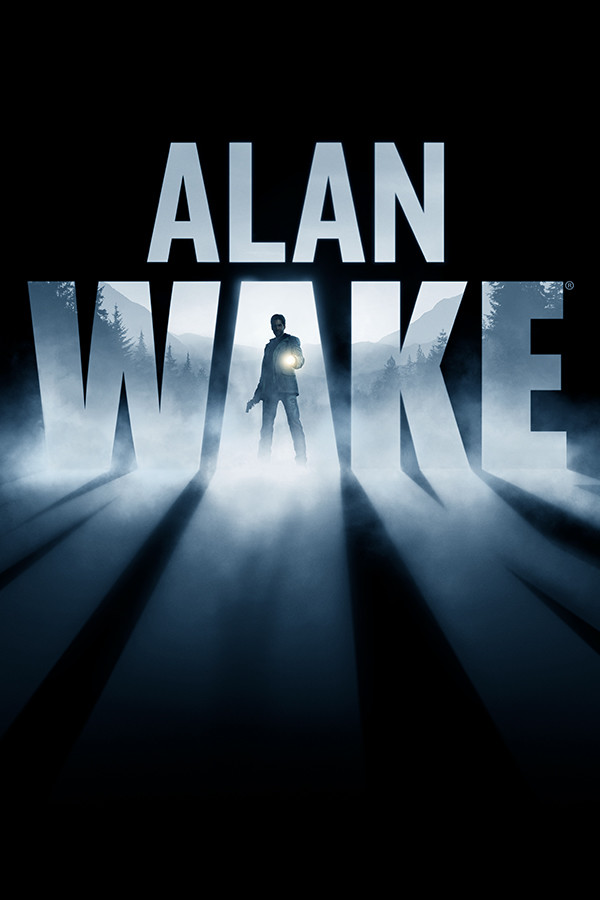
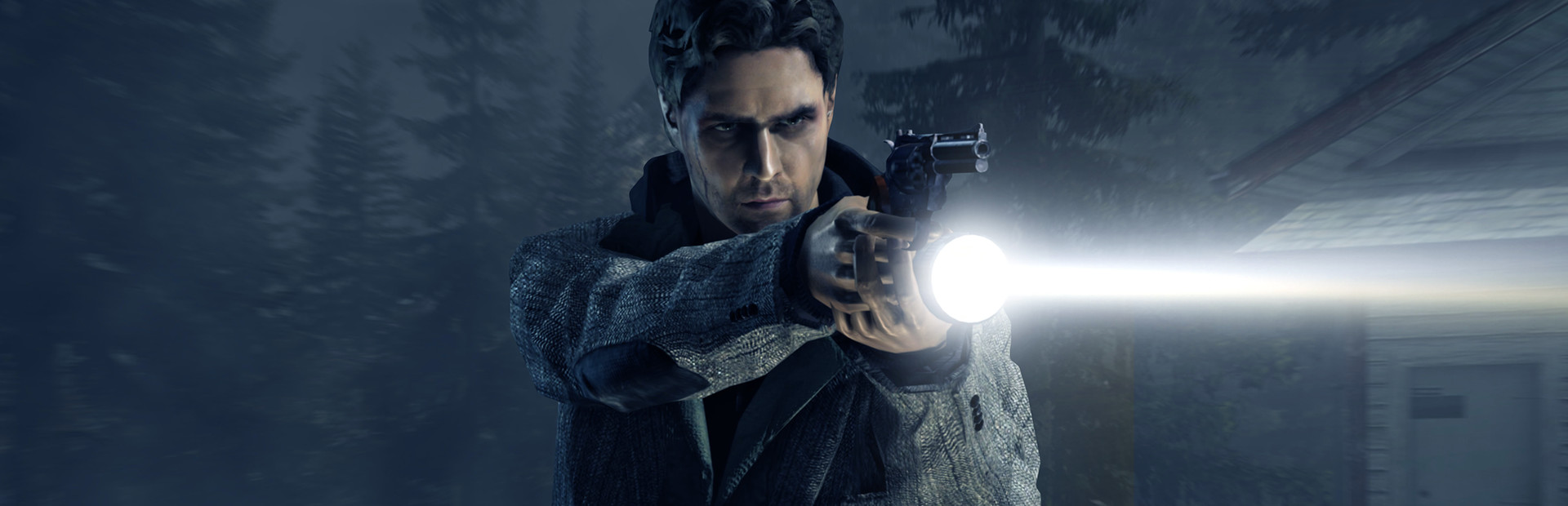
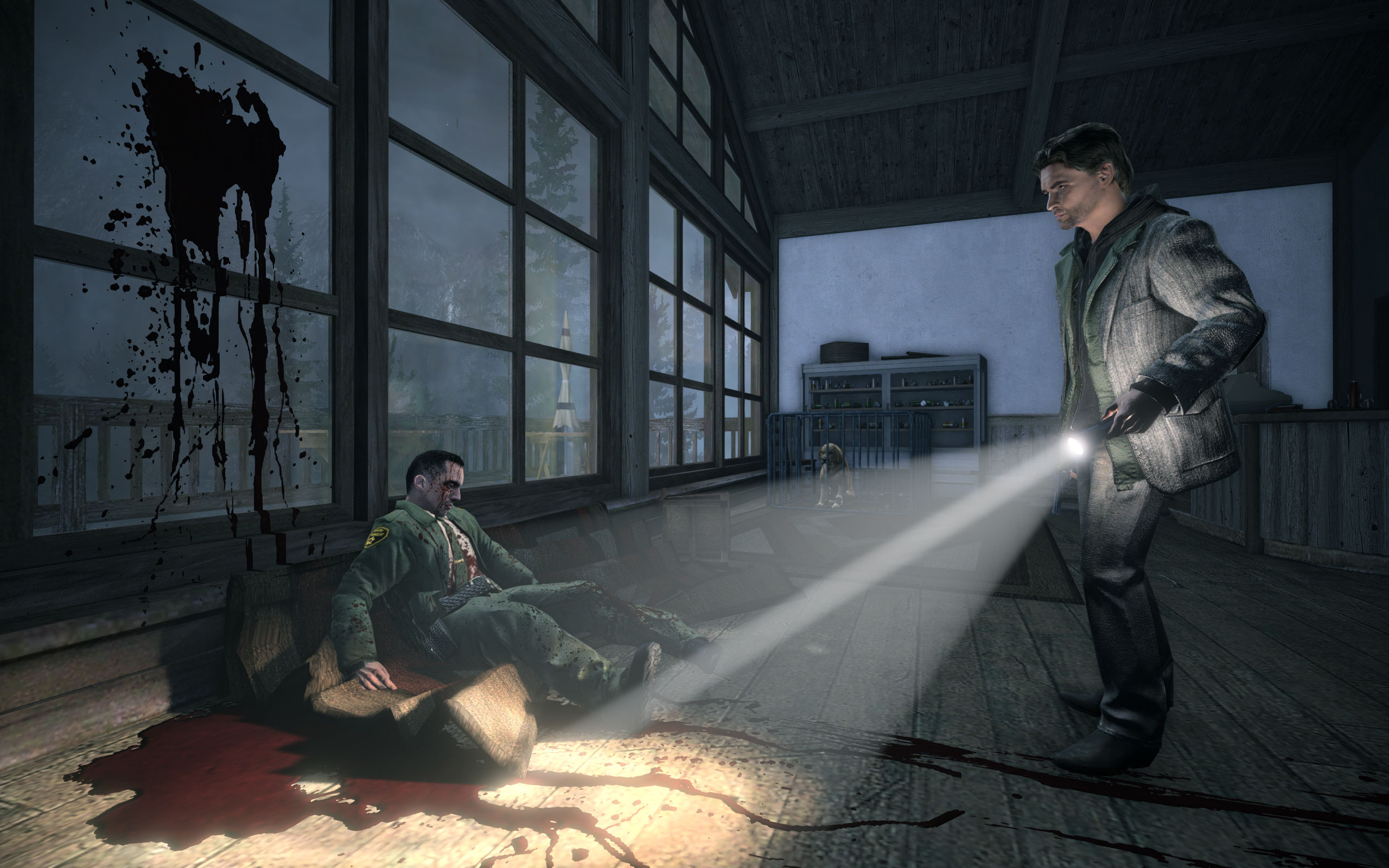
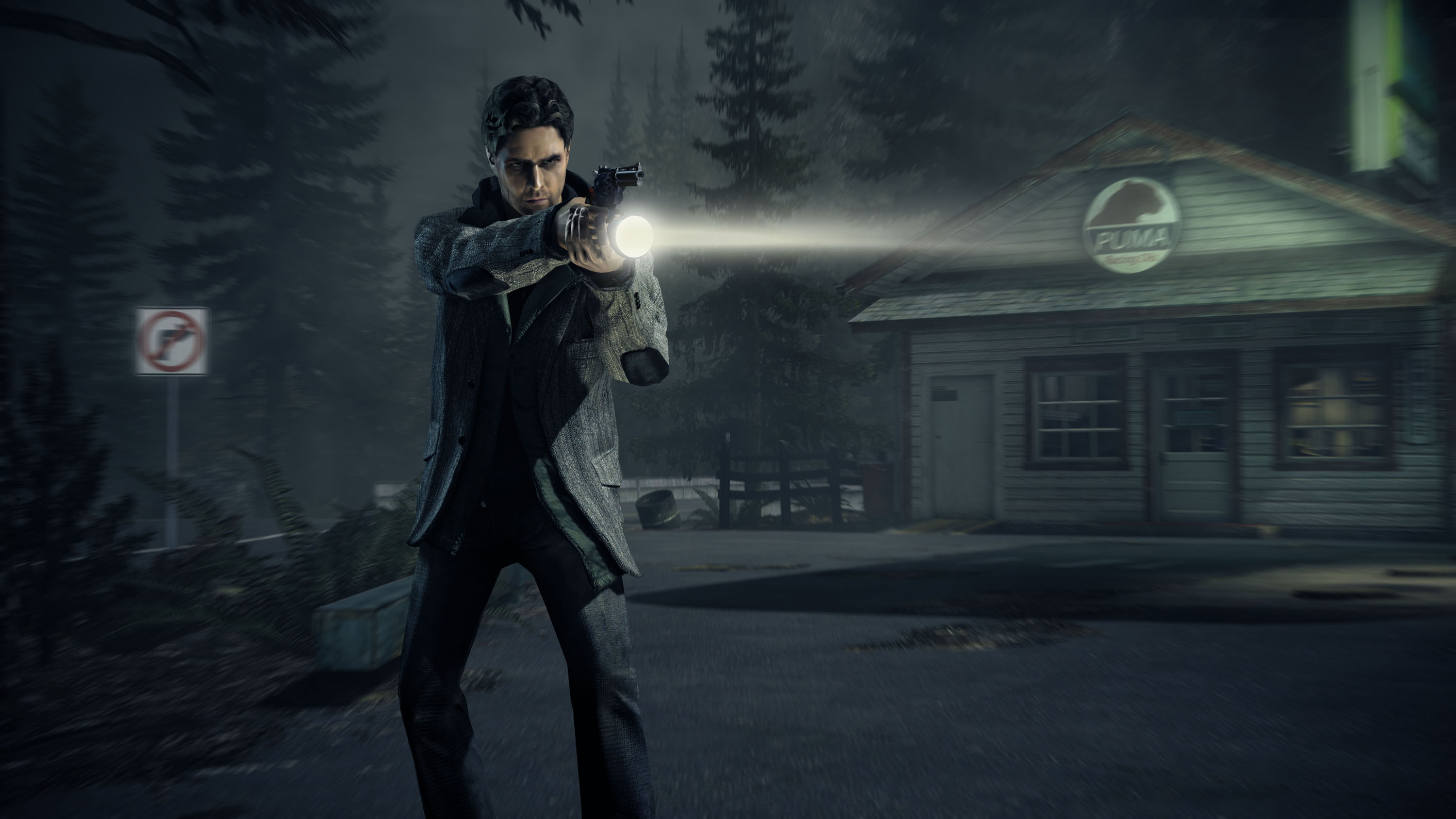
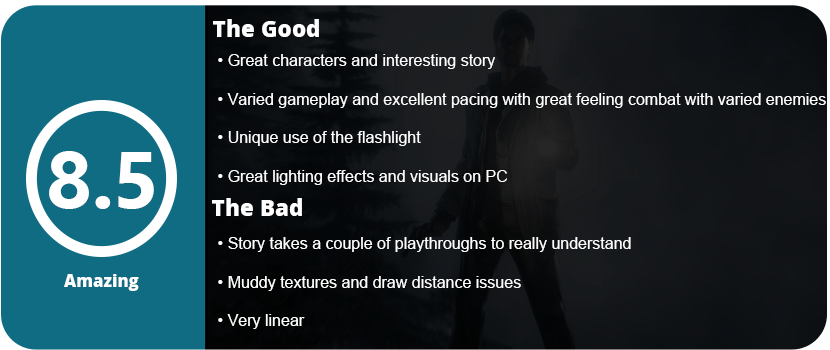
I always come back to Alan Wake every few years because it’s just such a good game. Great combat, storytelling, varied gameplay, well-written characters, and an overall solid experience. Almost a decade after the original release, I went ahead and played through the PC version again, and it’s held up surprisingly well. Despite its graphical age, it feels like it could have been released yesterday.
You play Alan Wake, who is a writer who takes a vacation to the Pacific Northwest in Washington and stays at a cabin in Cauldron Lake. Alan has a scuffle with his wife and wakes up—not really himself or anything around him for that matter. Without spoiling too much, the story revolves around darkness and always wondering whether what’s happening to Alan is real or if it’s all in his head, as you will see major story landings in which this question comes up. Even at the end of the game, this is never really answered, and maybe it’s best to leave the player guessing a little.
The story is well told and might take a couple of playthroughs to get everything, but it does keep you pushing through the 6-hour story until the end. Characters such as Barry, Alice, Sheriff Wheeler, and even the doctors and radio station host are all just so well written and memorable. Other story tidbits include finding manuscript pages, watching live-action episodes of “Night Springs,” clearly inspired by “The Twilight Zone,” and finding radio station bits by finding radios. It’s nice to see the story unfold outside of cutscenes, and it really gives you an insight into what’s going on in Bright Falls outside of what Alan is doing. The whole premise of Alan Wake feels special to me, as I originally played it while living in Southern California and not really caring where it was set. Almost ten years later I now live in the PNW just outside Snoqualiamie, WA where the setting was inspired. It’s awesome to personally experience this setting and then come back to the game; I appreciated it so much more.
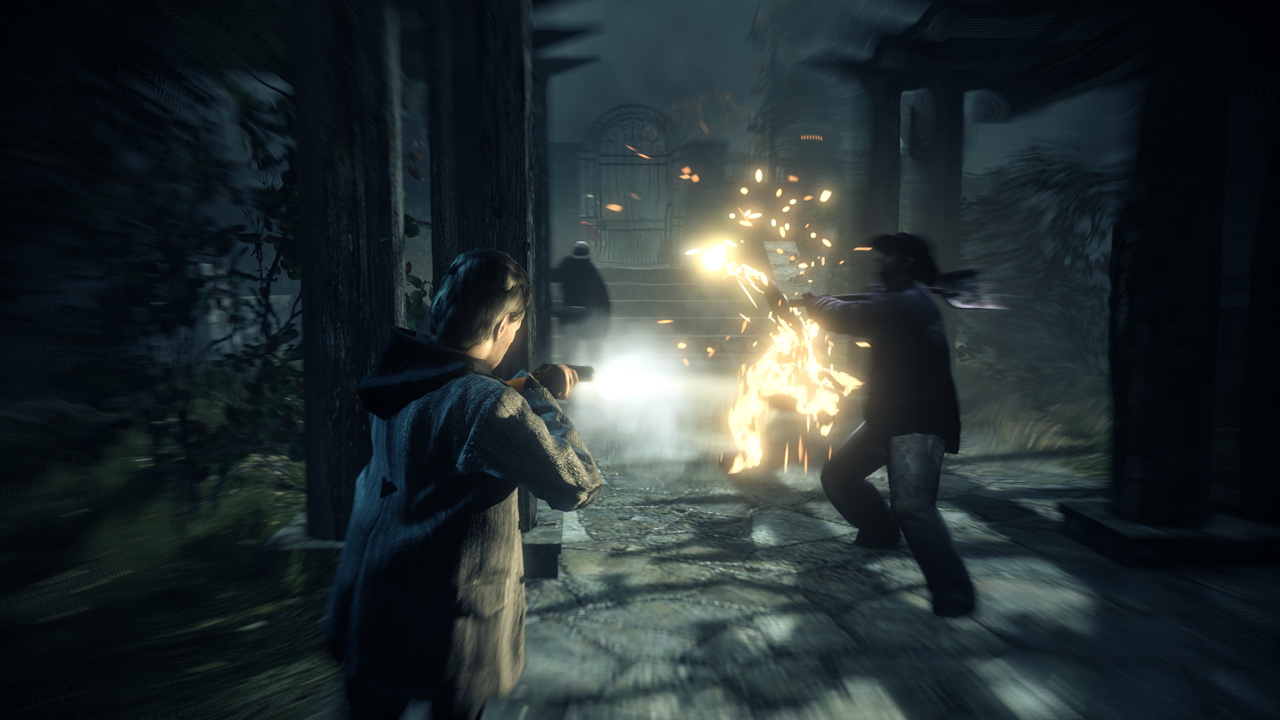
The main gameplay elements here are your flashlight and guns. Light plays a huge role in this game, as the story is centered around it, and your flashlight is a weapon. You can boost the flashlight beam, and a circle will get smaller on enemies, and once the circle is gone and you beam away from the darkness, they become vulnerable and can be shot with the gun. There are easy and hard enemies, a few fast ones, and inanimate objects that become enemies later on in the game, such as boss fights with harvesters, cranes, trucks, and barrels. It’s interesting how the combat is designed, and you have to be afraid of everything around you, even birds! The use of the flashlight and guns is just so well done, with great controls, and the guns feel satisfying to shoot. You always have to be on your toes, and every gunfight is never the same with limited ammo, no flashlight, and sometimes tons of ammo to make you feel powerful. There are even lights in the environment you can use to take the car down, such as spotlights, floodlights, and headlights on cars in the few driving sequences.
The game, however, is extremely linear, and you rarely get to stray off the beaten path. These are only seen in the car sequences, where you can stop at a house or two to find collectibles and then continue on. Despite this, the heavily scripted events are fun, there’s so much variety, and the pacing is spot on. Going from chaotic dark forests to a New York apartment and then to the psych ward and even a cafe is a nice touch. It lets you breathe.
Overall, Alan Wake is one of the best games of the Xbox 360 generation, with fantastic character dialogue, an interesting story, and fun gunplay with variety in level design and great pacing. The PC version adds DirectX 10 lighting and features such as ultra-widescreen support, a FOV slider, slightly better textures, and character models. Overall though, the textures still look really muddy, even during its release, and there are obvious LOD and draw distance issues with pop-in that the PC didn’t need to experience.
It was the very first game I ever pre-ordered. I have never been more excited about a game in my life. Watching gameplay trailers on a PC from 1997 on a 19″ CRT monitor while I stash away allowance bit by bit to get the Premium Pack for PS2. 2004 was an exciting year for gaming and for Mortal Kombat. With Deadly Alliance receiving mostly positive reviews but a lot of criticism from reviewers, Deception turned everything to 11 and added interactive arenas, more game modes, and online fighting. Yes, the online part was the biggest selling point of Deception.
This is the direct sequel to Deadly Alliance. Quan Chi and Shang Tsung have failed to take over, and Onaga, the Dragon King, has decided to rise from the Outworld and claim everything as his. A man named Shujinko is now the game’s lead (the first of many to come in later games) and must stop the Dragon King and reverse the actions he took during the Konquest mode that helped give Onaga his power.
Let’s talk about Konquest mode first, as most people will dive into it right away. It’s awful and should never have existed. It’s an expansion on Konquest from Deadly Alliance in which Raiden just walks along a path, and each “level” is a training tutorial for all the characters. This is an adventure mode where you get quests, find the treasure for the Krypt, find hidden secrets, and find out the back story to Deception, as well as meet many MK fighters and surprises. It sounds great on paper, right? Well, it’s horribly executed as one of the worst attempts at a free-roaming RPG/adventure hybrid I’ve ever seen. Shujinko runs around in supersonic, fast-forward motion; the realms are void of any life; they are terribly laid out; and the worlds rely on a grid system to figure out where every secret and item is. The problem is that the map is useless with no actual grid on it, so you run around for 10 minutes trying to find D2 or H8 only to realize it’s locked away and you can’t go there until you complete the Konquest.
That’s the main downfall of Konquest. Quests aren’t logged, and the entire game has to be played with a guide. It would take dozens and dozens of hours to figure everything out yourself, as locations to solve quests and even chests are incredibly cryptic or specific. Some chests with Krypt keys only appear on certain days of the month and times, and you would never know without a guide. You can meditate to make time move by faster, but this whole entire game mode is just frustrating, messy, and irritating. Doing the actual main quests is fine, as there’s always a large green pillar of light pointing where to go, but talking to a random character and getting a one-sentence quest saying to find a gem is not how quests should be done.
On top of all this, the world is terribly laid out. They try to force a look at each realm, such as Chaosrealm, which has magic portals that project to you various little floating islands that are “chaotically” made up and don’t make sense. Orderrealm is just a giant circle floating in the sky with “order” in the layout, and it looks nice and dystopian. It’s a little corny with the way the worlds are represented, but it’s kind of cool to finally explore these areas despite there being nothing to do in them. The visuals are also abysmal, as this looks like an early PS2 game that launched, even a little worse than that. Horrendous textures and models, awful voice acting, and laughable animations. It looks like an amateur game developer made this over the weekend.
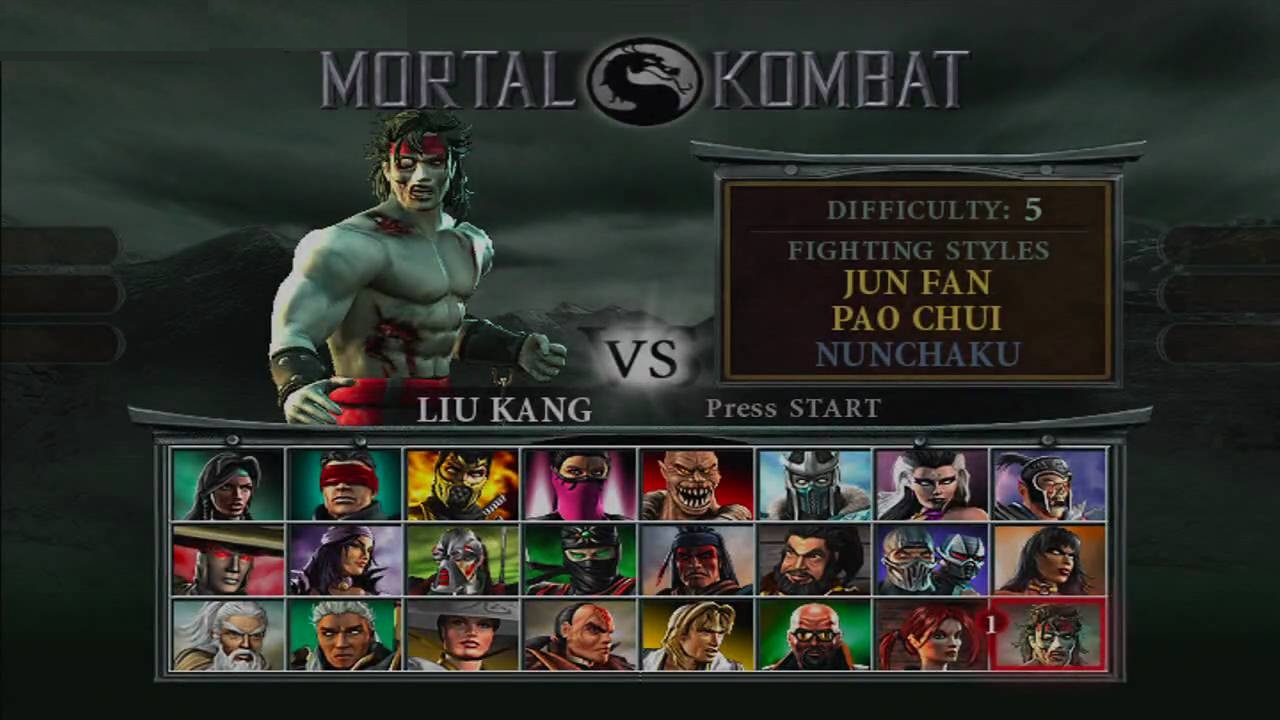
Outside of Konquest, things are much better when you actually get to fighting. If any game were to use realistic martial arts, it’s Mortal Kombat. This fighting system and this era of games aren’t most people’s favorites. The realism is nice, with some good animations, and each character has two martial arts and a weapon style. You can branch into these styles with long combo strings, but that’s where the issue lies. This realistic, slower fighting style is in contrast to the fast-paced action of the 2D games. The characters look like stiff plastic dolls, and the combat is all about memorized combos. It’s fun, and it works with Mortal Kombat, but it’s also not the best way to play these games. The slower fighting pace means more strategy is involved, and a new breaker system has been added to quickly get out of combos.
Interactive environments are some of the coolest features of Deception, as they are basically fatalities within a stage. There are yellow lines that indicate when a player can get knocked out and take damage to a new tier, and red lines that will kill the player. The arenas are large enough that a game of tug-of-war always ensues, which makes playing tenser, especially online. Do you just knock them into the trap or play with them so you can cause a fatality? Speaking of fatalities, each character has two unique ones; some are great and some are lame. Li Mei, for example, has two fatalities that are just boring. Super punches to the chest, and you explode? Yawn. Kick your head off. I saw it before. Some others are rather runny and unique, but there are also Hara Kiris that allow the loser to do a fatality on themselves, taking the glory away from the opponent. Whoever inputs their code first gets to have fun.
Outside of combat, you can play Puzzle Kombat, which is just Street Fighter Puzzle with MK characters. At the end of each round, there is a fatality unique to the player, but getting your power level up means you can perform a special move that each character has. It can be played online as well, is super addicting, and can be a game on its own. The last mode is Chess Kombat, which is one of the most unique modes to ever grace a fighting game. Just like a game of chess, you can pick which character is what piece, and you play chess, but instead of just knocking a piece over, you fight it out MK style. Each piece gets a certain amount of health, so pawns get the least amount of health. It’s a great twist that adds more skill to the game and can also be played online. It’s a ton of fun, and I hope this mode returns to future games.
Besides the Krypt, where you can unlock various stuff for fans like promo videos, behind-the-scenes art, and various goodies, there’s not much else. Online play is incredibly smooth, with a full lobby where you can talk to other players, challenge players, and have a win/loss ratio next to your name. I never had any connection drops and playing online extends the longevity of the game tenfold.
I also want to talk about the new characters. Since MK4, Midway has had trouble adding interesting new characters, and that trend continues for the third time. Dairou and Havik are just boring, awful characters that don’t have any personality or soul. They feel forced, and I’d rather have a classic character put in than these two.
Overall, MK: Deception is a fantastic fighting game that is only hampered by slower combat and a horrible Konquest mode that must be played to unlock half the game’s roster and extra costumes. Puzzle and Chess Kombat are excellent modes that add dozens of hours of fun, and online play is always welcome.
Note: As of May 31, 2014, you can no longer play Deception online due to GameSpy servers being shut down. Even then, not a single person played this online game between 2006 and 2007. As Armageddon and other fighters came out, Deception’s user base quickly fell after the first 18 months and never went back up. Get a buddy to play next to you instead.
If you’re going to have a racing wheel, especially one as expensive as the T300 RS-GT Edition, then you need a shifter add-on. For people who really don’t care about shifting, it’s fine, but enthusiasts are really missing out on half of the experience. Shifting adds a whole new layer of challenge and control to racing games like nothing I’ve ever experienced before.
The shifter is much bigger than I thought and heavier, being made of 90% metal and using something called the H.E.A.R.T. system, so it feels and acts like a real car shifter. The box comes with a DIN to DIN and DIN to USB cable. This is actually really important, as PCs require DIN to USB, as most games won’t recognize the shifter plugged into the back of the wheel. That’s mainly reserved for consoles. You also get an optional sequential plate for those who want to shift but do not use the H pattern. You can also change the plate by rotating it 180 degrees and even tightening the stick itself to make it looser or tighter based on your preference. There’s so much more to this shifter than I anticipated, and it impressed me every step of the way.
I opted to make the shifter as tight as it could go, as it felt more like a newer car and gave me better feedback as to where I was at. After installing the drivers and making sure everything worked, I booted up Forza Motorsport 7, and the shifter was recognized right away. Even without using the clutch, the shifter added a new dimension to my racing that I had never experienced before. It took a while to get the timing down, but I noticed a new depth of difficulty to these games that weren’t present before, and that’s learning the shift timing of your vehicles and where to shift correctly on the track. This may scare some people away, but it actually improved my lap times, and my first-place wins went way up because the shifter forced me to learn the track rather than just memorize where all the turns were.
Having it clamped to my desk next to my wheel sure made this already bulky setup pretty monstrous, but it feels so good to play, and I can’t go back to racing with a controller on simulators anymore. I spent hours racing, and it sucked me into the game even more when I would get bored after a half dozen races or so. This is the way these games are meant to be played, and thankfully, this shifter is compatible with any wheel because it’s USB and connects separately from the wheel. The DIN-to-DIN connections make it compatible with other wheels that have add-on DIN ports, so it’s widely universal.
My only gripe is that adjusting the tension on the stick isn’t easy, and I nearly stripped the screw while doing it. The manual says you can do two full turns, but in reality, it was half a turn from completely loose to tight. The screw is pretty deep and at an angle, so it’s very hard to get to, and damaging the screw the way I did means after so long it won’t be adjustable anymore, so make sure you get it to a setting you like and leave it.
Overall, the TH8A shifter add-on is a must-have, and while it costs more than most cheaper wheels alone, it adds a layer of experience and enjoyment that you can’t get with just the wheel itself. If you ever wanted to dive into a more enthusiast experience and you have either a cheap or expensive wheel, consider this add-on, and you won’t regret it.
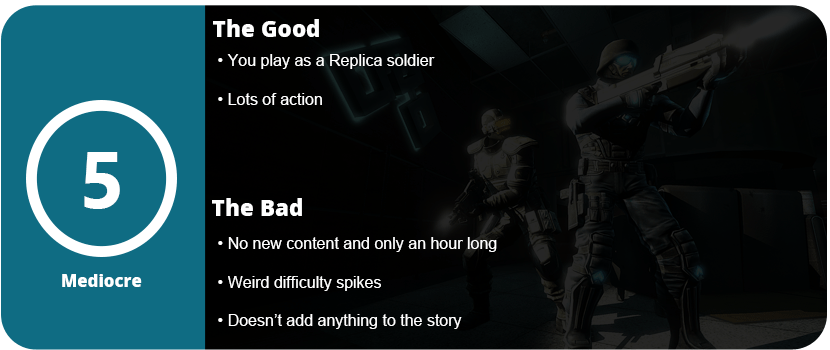
I never really got around to this DLC, and I was not missing out on anything. The DLC is about 1 hour long, and you play as a replica soldier who gets called to Paxton Fettel (I’m not sure if it’s a prison cell or just his soul in the epicenter of the nuclear blast from the first game) and has to blow through your own kind to get to him.
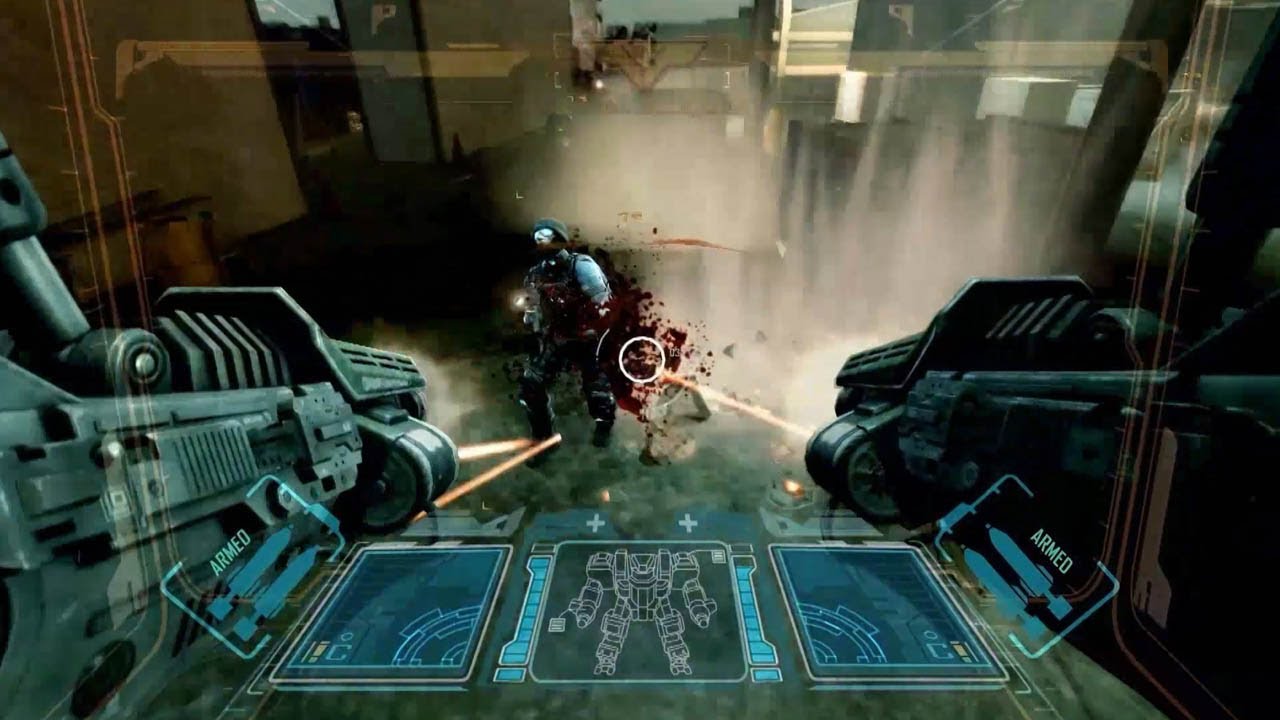
The game mainly consists of large firefights that are actually quite tough (I died a few times here) with tons of enemies, mechs, and even a turret sequence thrown in. The game starts you out in a mech, and you go from there. It’s a short rollercoaster of every element created for F.E.A.R. 2, and it’s fun while it lasts, but a disappointing DLC as it adds nothing new to the game; even playing as a replica doesn’t change the gameplay one bit.
As it stands, play this just for the heck of it because you own it, but otherwise you can pass if you missed out all these years.
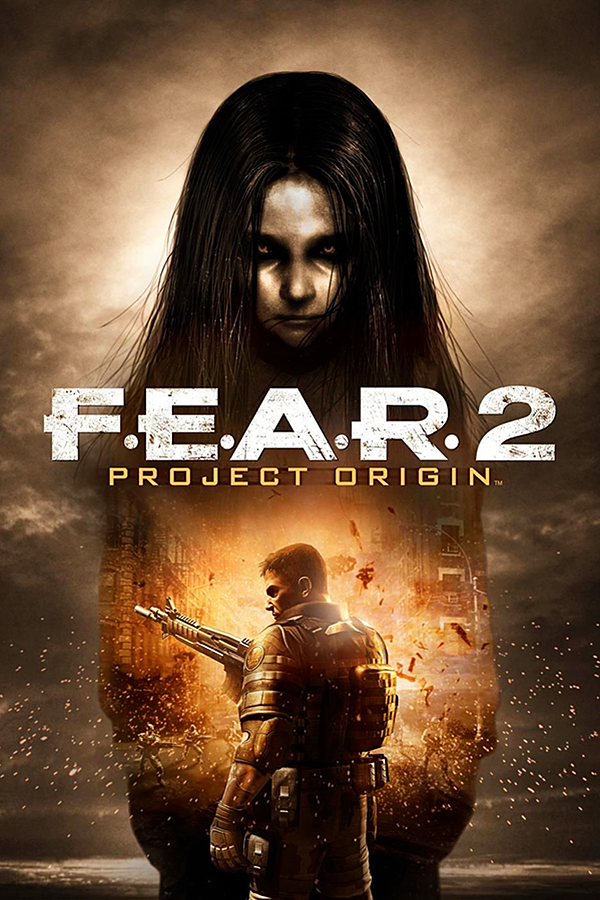
I remember when F.E.A.R. 2 was first announced, and it blew up the gaming world. It was a long-anticipated sequel to one of the best FPS games on PC, and surprisingly, it was also coming to current consoles, which I felt held the game back some, and this infuriated some longtime fans. You continue where the first game left off and must go back into the destruction that the nuke caused and try to stop Alma once and for all.
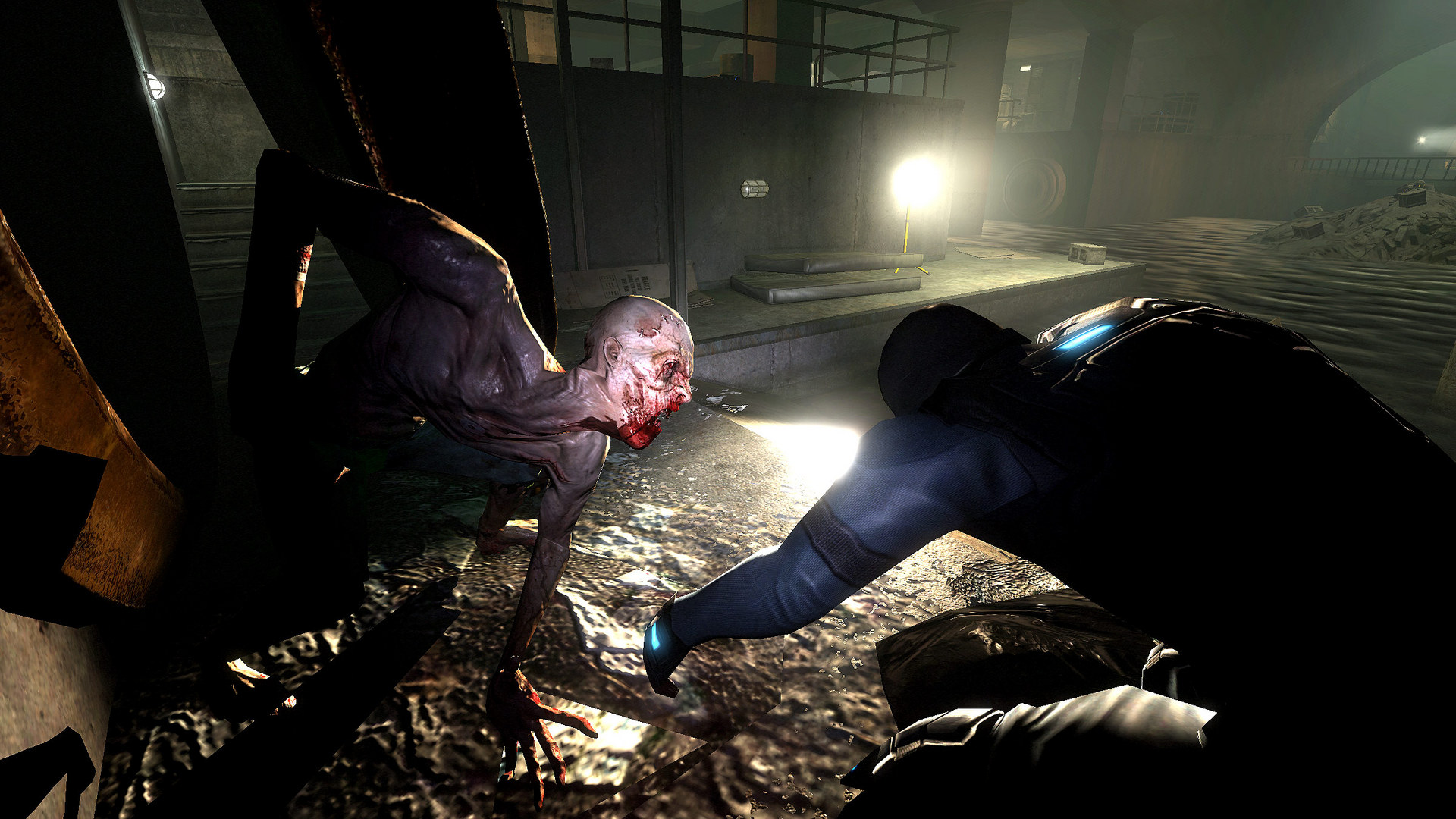
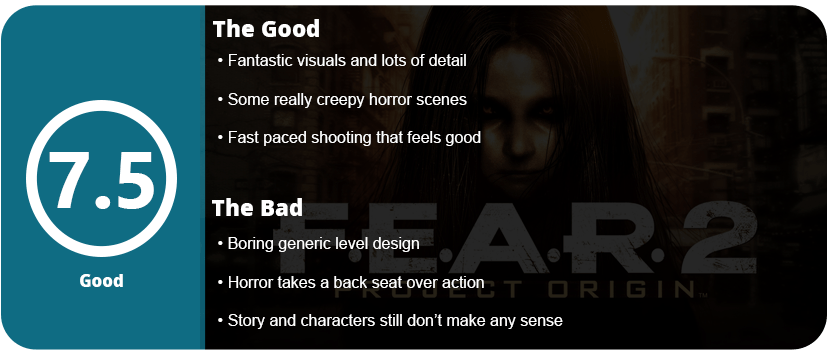
The story and characters are worse than in the first game and make absolutely zero sense. I still don’t know why Alma wants to kill everyone or who Beckett really is (your main character). The game focuses more on action than atmosphere and scares, unlike the first game. There are some really creepy scenes, with the elementary school being by far the best, with poltergeists chasing you in dark hallways. It’s sad that the horror element took a back seat, and the game just doesn’t feel as good as the first game.
The shooting, however, has improved a lot with more responsive controls, faster-paced gunplay, and a slightly higher variety of weapons. The enemies are still generic soldiers called replicas that are just bullet sponges and don’t offer anything interesting to the game. There are two mech sequences added to the game where you can crawl inside one and devastate foes. Outside of feeling powerful, these scenes felt more like filler than anything else. Another continuing issue is the level design. The game is full of generic, desolate city streets, hallways, metal and concrete buildings with catwalks, and industrial decor. It’s the same as before, just with more detail and better visuals.
Slo-mo does make a return here, but I didn’t need to use it as often as in the first game as this one is much easier. Instead of hoarding 10 medkits, you get up to 3 and body armor to help absorb damage. You can still upgrade your Reflex meter by finding syringes and data pads scattered everywhere for story tidbits. I have to say I miss the answering machines and Alienware laptops scattered around, as it felt more organic and required less reading in such a fast-paced game.
The game looks really good, even today. Larger environments, higher resolution textures, better models, physics, and overall lighting effects really stand out, and this game looks far from ugly, just boring and generic. The game tried to switch up the setting with more outdoor environments and less indoor environments, but it doesn’t really matter as the game is still highly linear. It just doesn’t feel like F.E.A.R. did, and that’s a shame, as you can tell there was careful placement of each scare and less focus on action.
Overall, F.E.A.R. 2 is a great sequel and worth your time for a weekend playthrough. It isn’t memorable; there’s nothing special, but the occasional scare and interesting horror elements, as well as fantastic shooting, make for a good game.










































 thebinarymessiah.com
Try multiplayer. A lot of fun !