The first Puzzle Quest was amazing, and it just had a lot of charm, a great story, and good characters. There was just something magical about that game. Puzzle Quest 2 is a disappointment. The core gameplay is still intact, but it’s repetitive, has a toss-away story, and just lacks the charm of the first game.
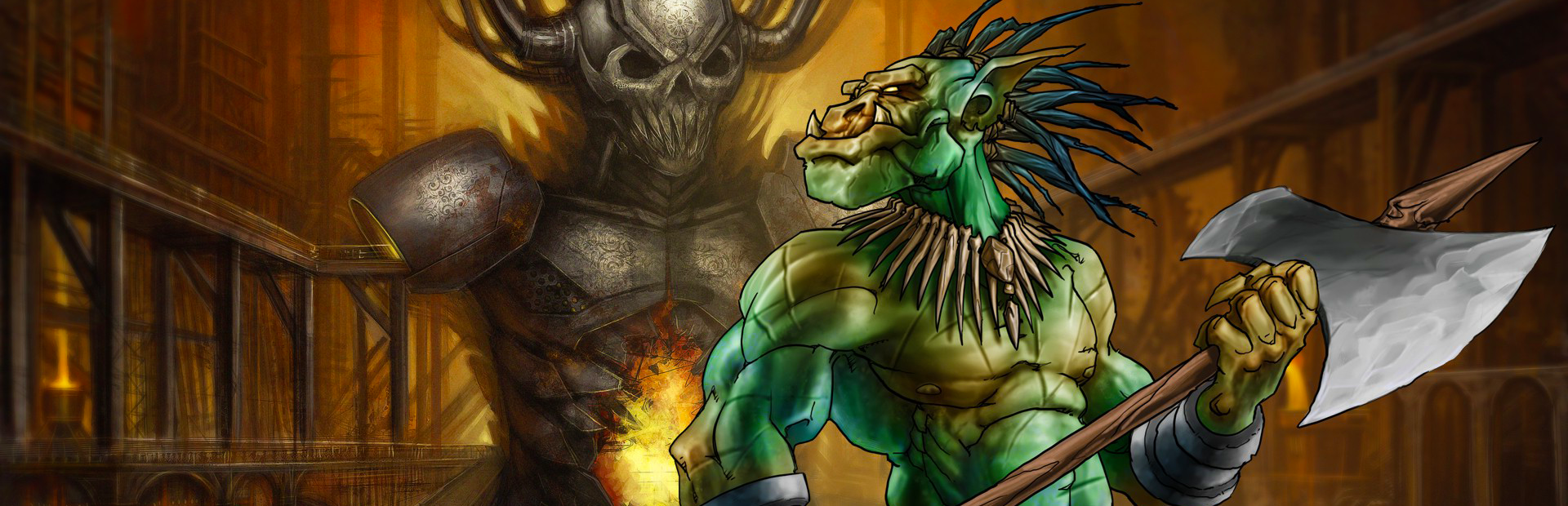
You play as a generic character who is trying to free the town from the evil orcs, goblins, and whatnot, and it’s not very interesting at all. The first game had a nice overhead map you moved around on, but you walk around with stiff two-frame animations, and it’s not as appealing as the first game. Even the dialog is uninteresting and just feels like unnecessary filler.
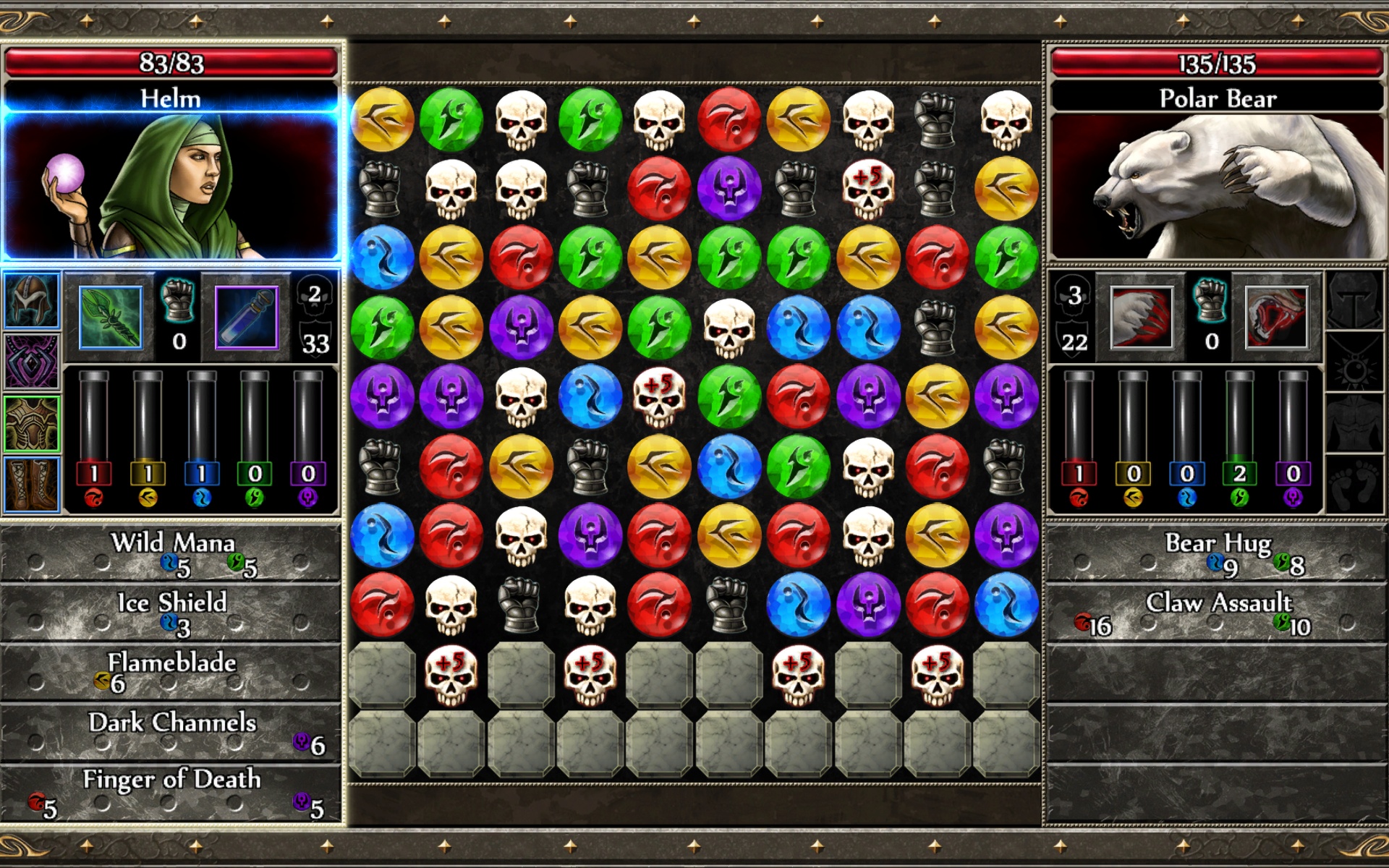
The puzzle part is the best part of the game, and it’s still the same. You can use your weapon to attack, but you must get the first gems and reach the amount the attack requires. There are different colored gems, and matching three adds to the amount the magic spell requires. Getting four-of-a-kind grants you another turn, and getting five-of-a-kind grants you another turn but lands a wild card. Skulls are used to attack the enemy, and there is great depth and strategy involved, and it’s still highly addictive. Trying to find the right combination of spells will make you unstoppable, but there isn’t a huge selection, and unlocking the spells can take forever.
You can level up (thus the RPG elements), but it never feels like it does much because of how unbalanced the game is. You’ll have a regular foe with 184 HP rather than a boss with only 72. It’s weird, but you keep coming back for the addictive puzzling. Another downfall is that there are hardly any useful items in the game. Finding stronger armor, weapons, and shields should increase in quality as you progress, but halfway through the game, you’re still finding stuff from the beginning. There isn’t a large variety either, and using mana potions and health potions is almost useless since just playing through the puzzle board is good enough.
There are some new ideas thrown in, such as “mini-games.” These vary from looting treasure, picking locks, breaking down doors, etc. Looting is really fun since there are only four types of symbols. Getting treasure is fun since you can drop matches so many times and match rare chests that give you “rare” items, but they don’t seem rare at all. Breaking down doors requires you to match door icons; picking locks seems a bit overcomplicated, and I could never figure it out, but they are a nice touch.
Despite the charm being gone, Puzzle Quest 2 manages to be good only because of the puzzle game it was created from, but even hours into the game, you will get sick of it and may not even finish the story. The game just feels half-baked, and I know it could have been so much better. However, if you loved the first game or just love puzzle games, this is a great game for anyone.
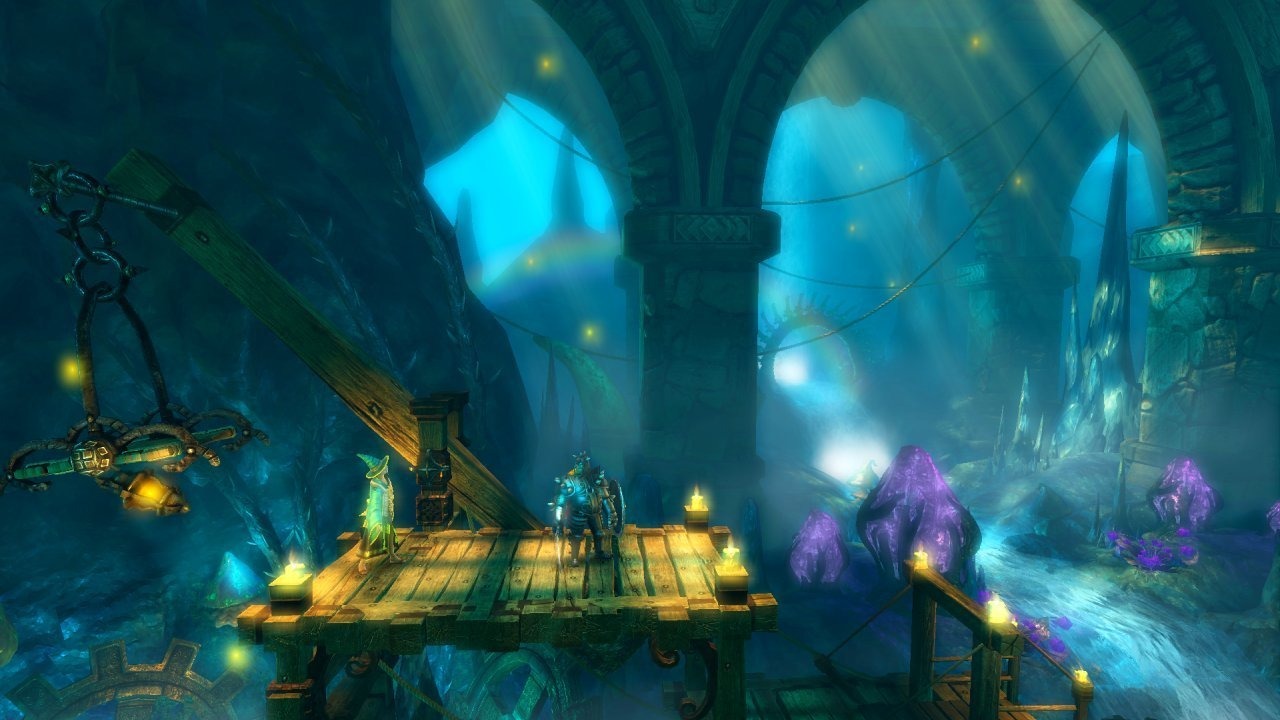
The Trine tells the tale of three heroes whose souls are tied together by the Trine, and they must find a way to break apart. While the story is simple and shallow, the gameplay is where it’s at. You can play as a warrior knight who has a sword and shield and is your combat guy; the thief has a grappling hook for getting across long distances and a bow for long-distance kills; and the wizard can create objects to climb on and levitate objects, but it is a no-go during combat.
The wizard is the most interesting character since he can create blocks to climb on and bridges to cross gaps. You can find things to add to your characters to give them new abilities as well as enhance them. The combat is pretty shallow as well, with just a hack that slashes everything that comes after you type play. It actually tends to get in the way of the tricky platforming and can get annoying after a while. The game is based on physics, so some physics puzzles are involved, but they don’t seem implemented very well.
The game looks great with a beautiful fantasy art style, good voice acting, and smooth controls. There are a few glitches in the game, but these are all wonky physics issues. The game is pretty much just getting from left to right without dying, but you can respawn characters at checkpoints, so dying seems kind of pointless since you aren’t severely punished. In fact, if you do die, you can’t use that character if the puzzle requires them, so this just seems irritating. Overall, the game is pretty good and worth a purchase thanks to its nice length, pleasing visuals, and good platforming segments.
You are the prince once again who will stop his brother from using King Salomon’s army of sand to destroy the kingdom. The story is pretty straightforward, predictable, and not very interesting, but it’s enough to keep you interested. The Prince’s banter is funny as always, but there isn’t any character development.
Prince of Persia has gone through a lot of changes since its original release in the 80s, and The Forgotten Sands adds some new things. First, the game’s focus has changed to elements instead of concentrating too much on time. Yes, you can rewind time if you mess up, but the focal point of the game is the ability to freeze the flow of water and use it as a wall or a pole. Let me set up a little scenario for you: Jump to a wooden beam, and then you have water spewing out ahead of you. Freeze it, jump to it, climb the wall of water, and jump back to another pole of water, but then you have two waterfalls next to each other and a wooden beam. Quickly unfreeze the water, jump in between, freeze quickly, jump back to the other waterfall, unfreeze the water to jump through the other one, and you’re done. Sounds complicated? It really isn’t, but getting your timing down is a bit tricky at first.
You can also use water to solve puzzles by freezing the water and having poles on the statue stop so the lower pieces can rotate, etc. While water is the main element, the others feel tacked on. You can jump to an enemy that’s on a ledge that’s too far away to jump, so you get this super dash move. It feels unnecessary since you only use it for this. The other “power” is the ability to bring back a piece of the environment, but this also feels tacked on since there’s no real challenge to it. It works like water since you can only bring it back one piece at a time. I wish they would have used Earth and the wind or something like that instead.
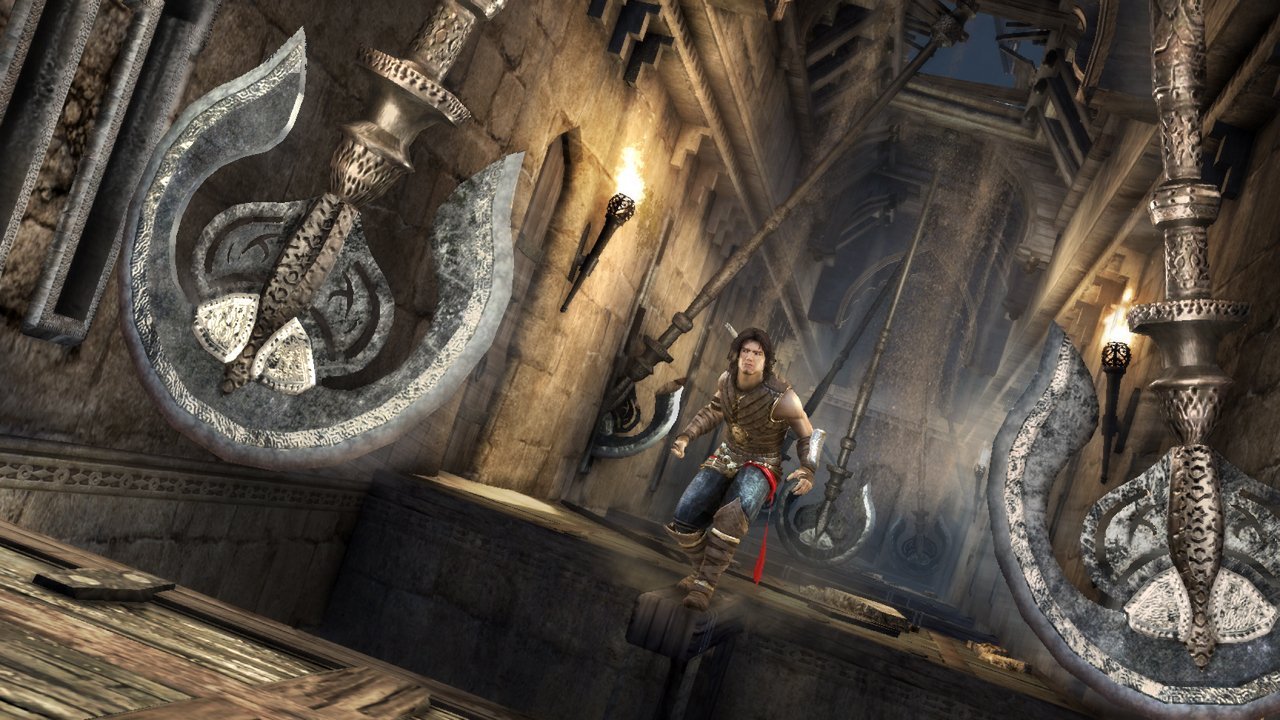
The platforming is top-notch, and every level is cleverly designed with tons of traps and obstacles to work yourself around. All the same types of traps from previous games are here, and each level never feels the same. The game slowly makes each level harder and harder, but the game always feels really easy, not to mention short. The puzzles are easier this time around, and there aren’t that many of them either, but there are a couple of head-scratchers thrown in there.
The combat is probably the worst part of the game. You get lots of enemies on screen, but they all look the same, and there aren’t even half a dozen variants. They are pretty dumb and don’t really do much, and you can quickly take them down. You get a basic attack, a shove attack, and you can jump on enemies. The combat is very shallow, and even with the powers you can upgrade, you never really use them since the game is so easy. These vary from flames to ice, wind, etc., but you only really use them if you are playing hard. Bosses are even easier since they all play the same and aren’t very interesting.
When it comes to looks, the game uses the Assassin’s Creed II engine, but for some reason it doesn’t look as good. It’s the best-looking PoP game to date, but artistically, it feels like all the others and stray away from the 2008 PoP reboot’s looks. Is this the best PoP game? No, but it is a good one. While the shallow combat breaks up the exciting platforming, you will get a good six hours of PoP fun.
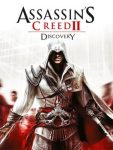
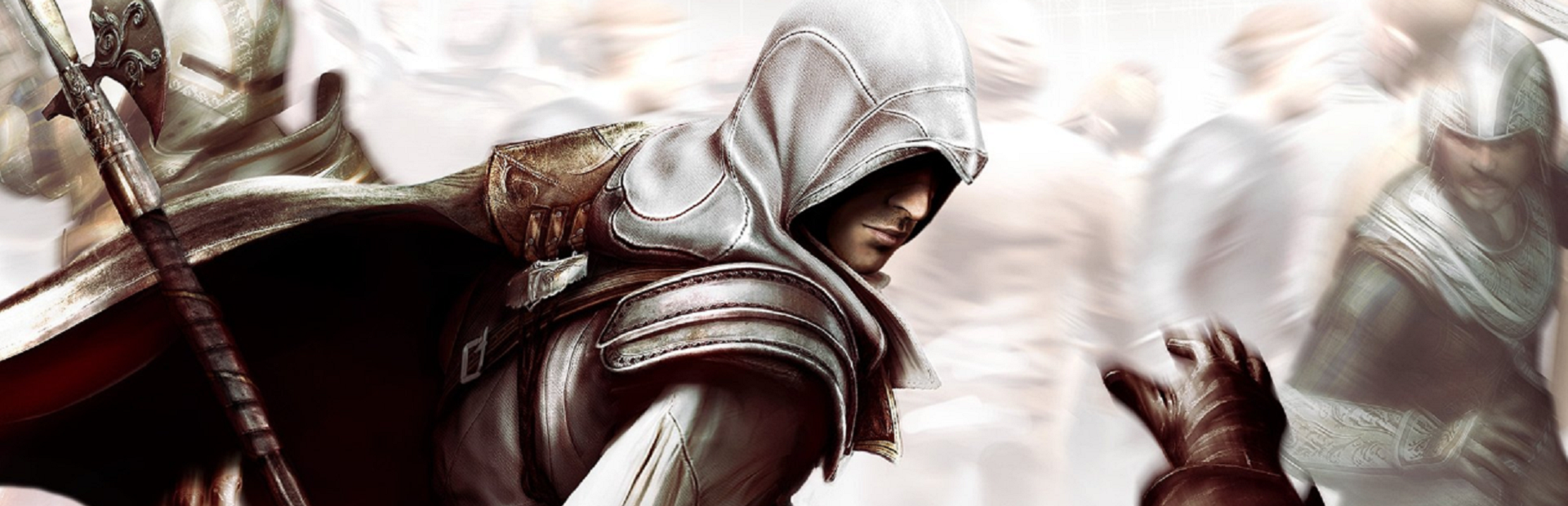
Assassin’s Creed is an amazing franchise, and no one would have thought it would ever go to portable systems, but it did. Discovery follows Ezio in a 2D side-scrolling adventure that plays out fairly well. The story doesn’t really have anything to do with the console game except follow the Templar’s plots. Ezio must help Christopher Columbus get funding for his expedition to the new world, but the Templars are foiling his plans.
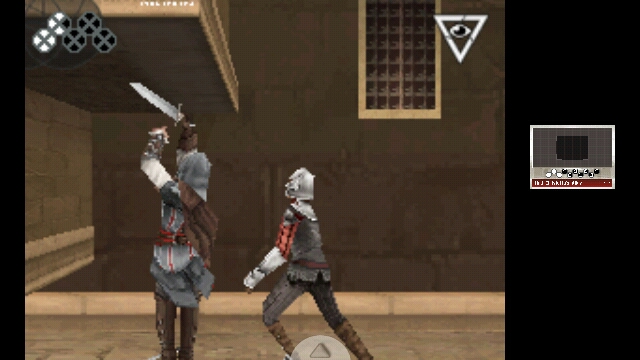
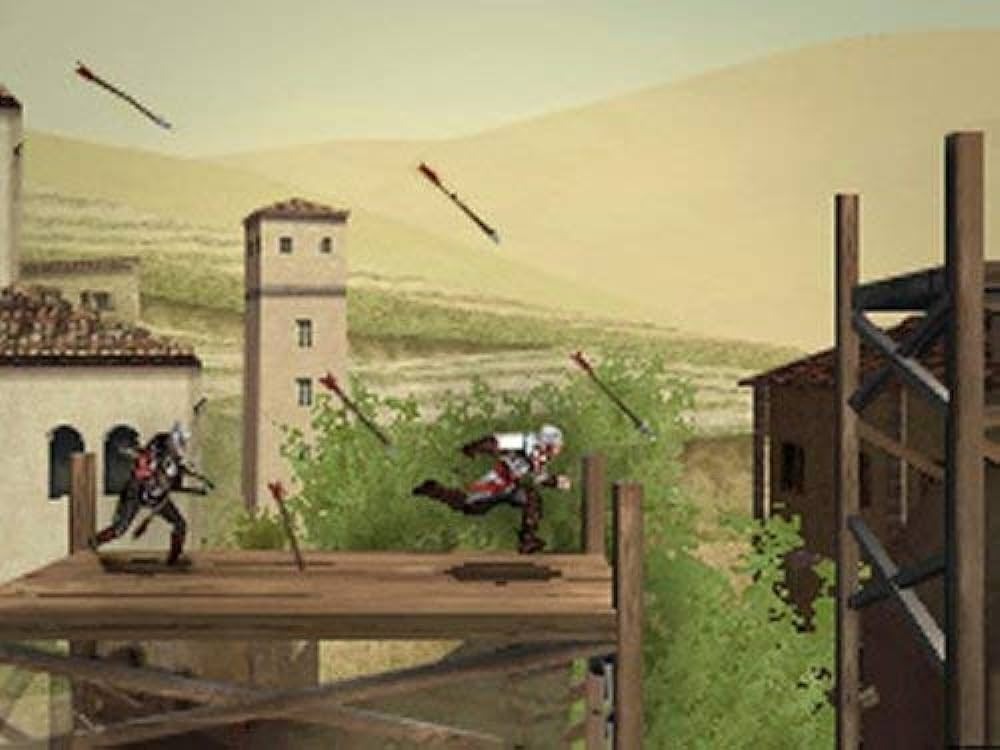
The game controls fairly well, with you just moving left and right. Ezio can jump, climb walls, attack, throw knives, and even sneak his way through levels. The levels are fairly large, and some even have multiple objectives, so you must climb your way around the platforms, kill guards, and pull levers to find your destination. Wall climbing is fairly simple with the press of the B button. Like in the console game, you can pull enemies off ledges that you’re hanging on, hide in haystacks, barrels, etc. While climbing walls is easy, it’s also the most frustrating part since, during tight situations, you will try to jump on a wall and you have to press B again for Ezio to cling on. You never quite get used to this (especially if you’ve played the console game), and it can lead to cheap deaths.
Fighting is just like the console game, which is a counter-attack fest. Holding R lets Ezio block, and pressing Y at the right time will let him counter. It’s familiar with the console game, so it won’t freak you out. The best way to avoid confronting guards in these fights is to use your minimap on the bottom screen. They show up as yellow arrows, and if they get into your field of vision (the black square around you), they will see you and alert nearby guards. Throwing knives before they see you are good, as well as waiting for them to turn around so you can run up behind them and kill them, just like in the console game.
Later on, all this gets more difficult and becomes hair-tearingly difficult since you can’t always see the next jump ahead of you and you can plummet to your death far away from the next checkpoint. There are multiple kinds of guards, and you will get the harder ones thrown at you more often in the last few levels. Navigating around these guards is sometimes impossible, and you must fight them due to the level setup. While these levels are hard, all the ones before them are pretty fun, and it’s satisfying to jump up from a ledge and land on a guy without him seeing you.
While there are different kinds of objectives, you can blow through the game in about 4 hours. If you have a DSi, you can take a picture of yourself, and it will be put on a wanted poster like in the console game. Tear 10 of these down, and you get a permanent health increase. Collect orbs throughout the game and buy Animus hacks to use when playing through the game again to increase your score. This adds to the replayability for people who really dig this game. The graphics are pretty good and look nice in 3D, but there’s really no detail to them. The voice acting is good, and the game’s just overall fun to play and worth a playthrough.
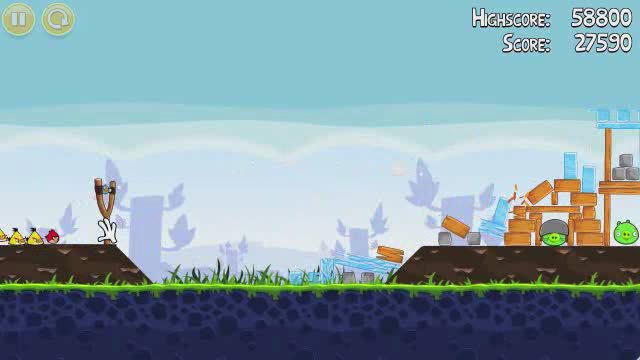
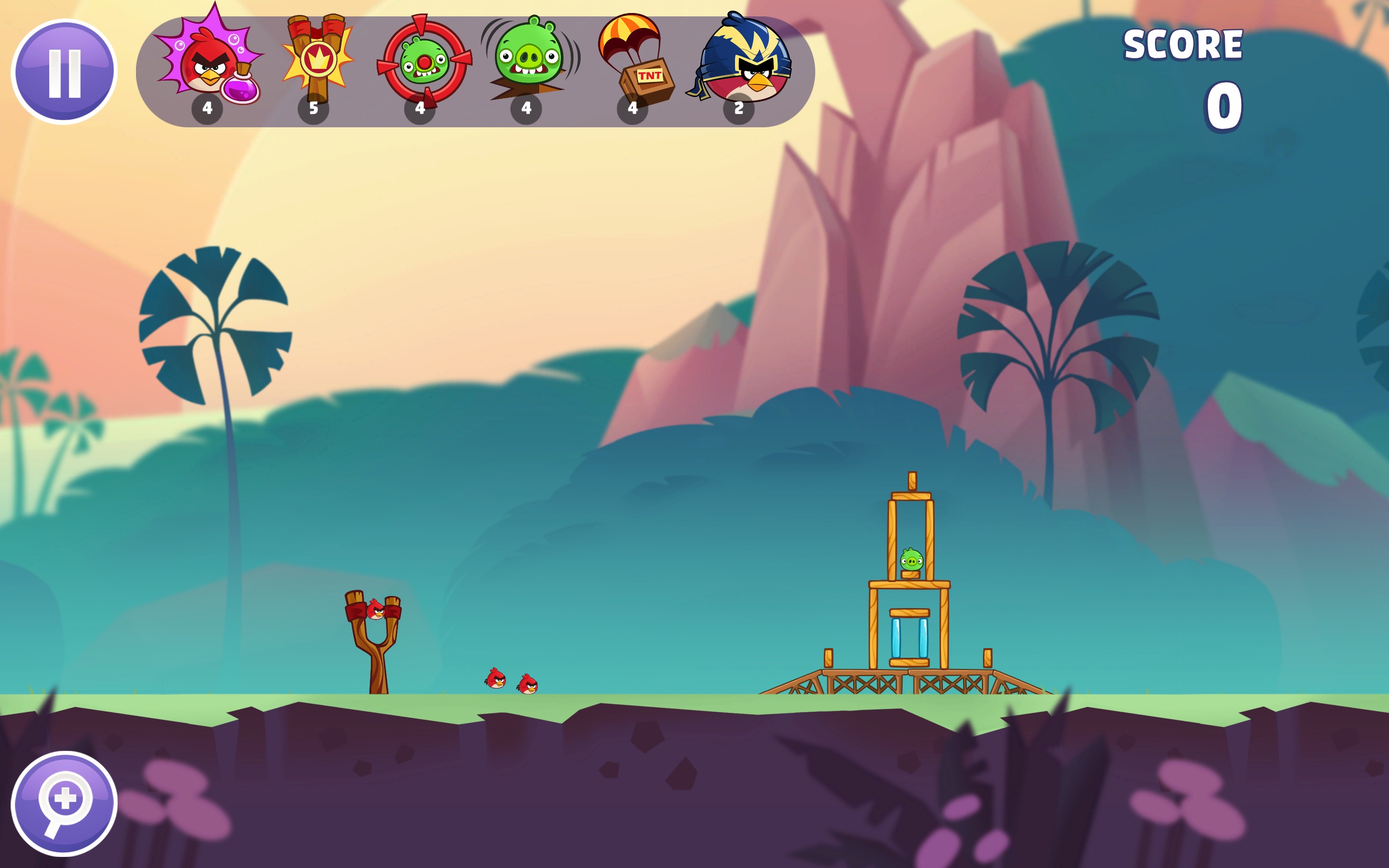
Physics games tend to be very popular on the App Store, and Angry Birds is one of the best among them. The idea is to flick birds off a slingshot and have structures crash down around the evil pigs. There are various types of birds, such as one that spreads into three when you tap it, one that goes really fast, one that doesn’t do anything but cause damage, and a few other types.
At the start of each level, you get shown what you have to bring down, and then you drag your finger to move to the slingshot. You can’t see where the structure is when looking at the slingshot, so this provides a challenge but also a lot of trial and error. Trying to find the weakest points in the structures can be painful and tedious since you never feel like your birds are strong or heavy enough to do a good deal of damage.
You get rated at the end of each puzzle for how many birds you have left and how much damage you have caused. Once all the pigs are dead, you clear the level and move on to the next. It seems that there is no consistent difficulty increase, and it just seems to be all over the map. The art style is nice and it feels fluid, but the sounds are really annoying.
Overall, Angry Birds is an excellent physics game and well worth your dollar.
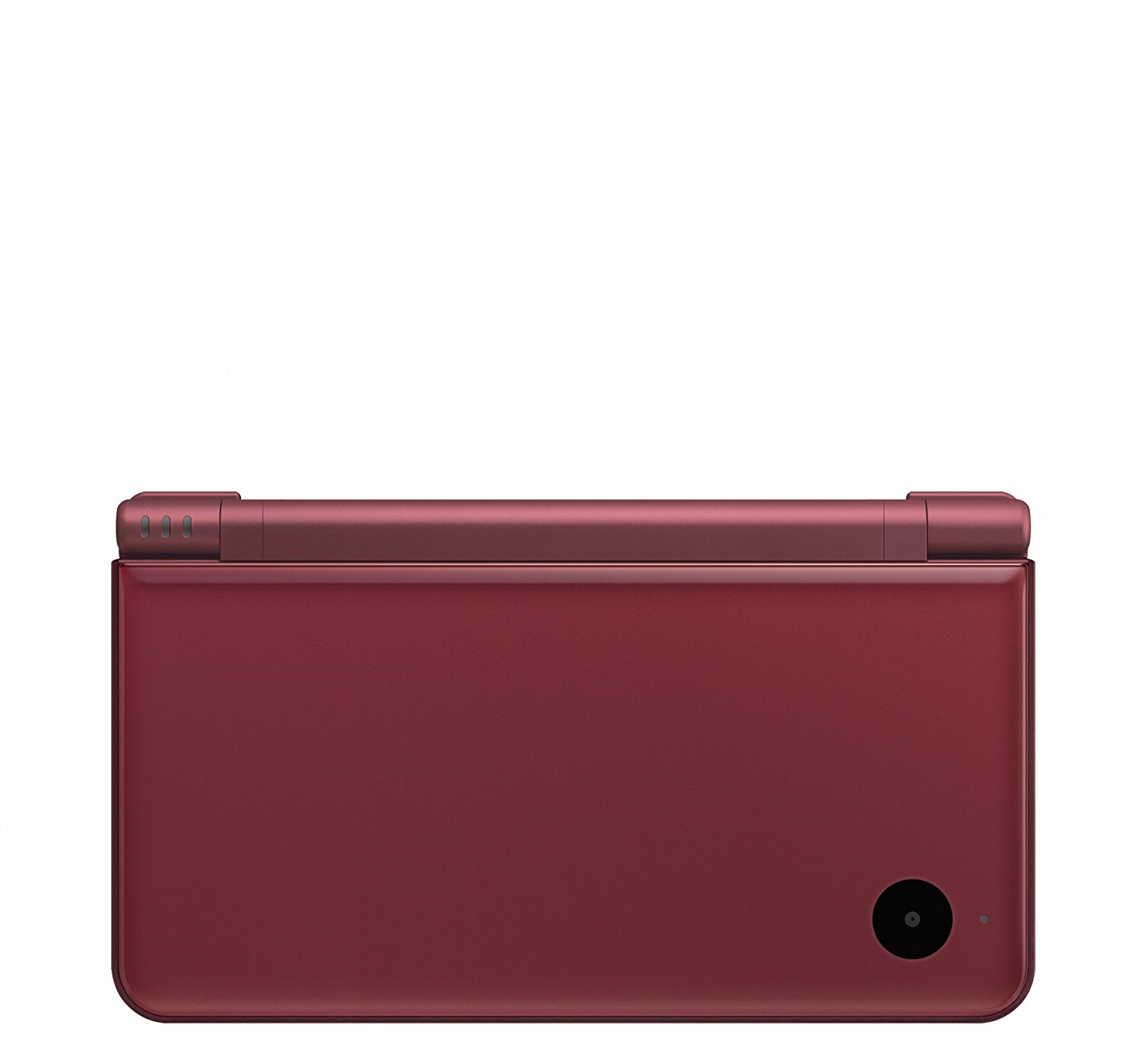
Nintendo is known for making several iterations of their handheld systems, and the DS is no exception. With the original DS being launched on November 21, 2004, this makes the fourth model in six years. That’s two per year, with a fifth model due out at the end of the year. I feel that this is what the DS should have originally been, but I guess the technology wasn’t quite there yet.
Techno Jumbo
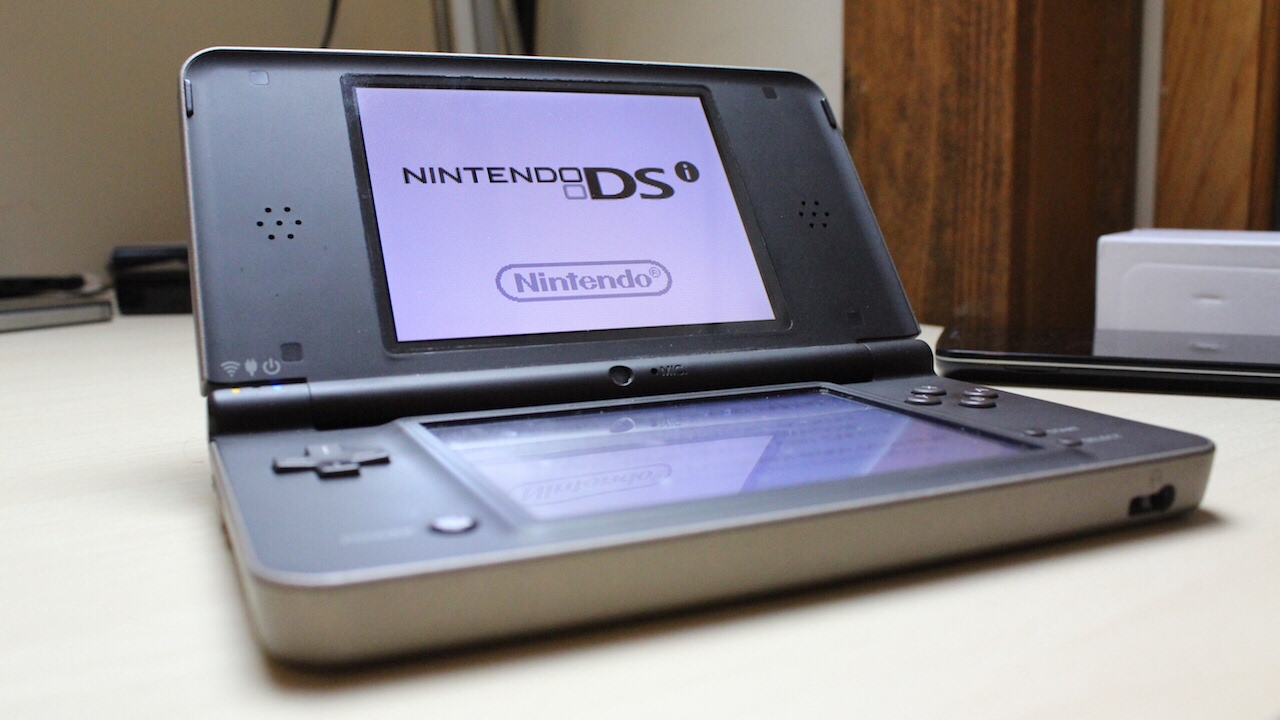
As always, I’m going to go in-depth on comparing a few models. The DS has two processors, the ARM 9 and 7, which control each screen. The DSi XL has the same hardware as the DSi, but it’s significantly different than the DS Lite. The DSi hardware has the ARM9 running at 133 MHz, which is twice as fast as the ones in the original DS and Lite, which were at 66 MHz. The processors are also smaller, which in turn uses less power. The DSi has more RAM at 16 MB, which is four times as much as previous models (the DS Lite and the original only had 4MB). The upgraded hardware allows for smoother gameplay, and games can look better and do more thanks to this.
The biggest thing about the XL is, well, it’s bigger. It sports two 4.2″ screens, which are 1.2″ inches larger than the original DS and Lite. Does this make a huge difference? Oh yes, you bet. The XL also has two 0.3-megapixel cameras that are on the DSi. There is also an SD storage slot that can hold up to 32GB of cards. The DSi also has an internal flash of up to 256MB, unlike the first two models. This allows for downloads from the DSiWare store.
So this makes the DS a powerhouse compared to the last two models. The speakers are louder and more clear, and this is a huge steal at $190.
New Looks
The XL doesn’t just have new looks on the outside, but on the inside as well. The new DSi firmware allows a Wii menu that allows you to select your games in a horizontal list. You can also press L or R to take pictures on the fly, which is a nice touch. The first two DS models had a simple interface that allowed you to select your game and go into the options. In the DSi software, you can press the power button to reset the DS and go back to the main menu, unlike the first two models. The power button is also on the inside, but thankfully, away from accidentally hitting it. The DSi also allows for updated internet security and a faster wi-fi chip.
Another thing you’ll notice is the larger pen-sized stylus, but there is a mini toothpick built-in as well. One major thing gone is the GBA slot, but this isn’t all so bad since you can buy any GBA model for under $20 now. This sacrifice had to be made to fit the cameras, SD slot, and flash memory. You do have to realize, however, that the first two DS models had actual GBA hardware in them and weren’t software emulated (downloadable GBA games, anyone?).
The Experience
Playing the DSi XL is sublime. I have fairly large hands, so seeing the huge screens is not only easy on the eyes but also on the hands. The longer, larger frame of the console gives you more handle and control over what you’re doing. Using the pen-sized stylus also helps, and I feel I have more freedom. Everything looks bright and crisp on the excellent TFT LCD screens, and the 4 different brightness settings help this a lot (unfortunately, there is no button for this). The games sound sharp and even more clear than other models. When playing the same game on the DS Lite, you notice sounds on the XL that you couldn’t hear before unless you had headphones.
I also have to mention the cameras. They aren’t great (lower-end cell phone quality), but they’re pretty decent in good light. The browser is also not that good. Using the same Opera browser as the Wii, the DSi browser is slow and doesn’t support Flash. It couldn’t even load this site very fast. The DSi browser is a good concept, but if you have a cell phone or laptop, stick with that. Another thing that I was disappointed in was that you can’t save your game saves to the SD slot. Maybe a future update will allow this.
The DSiWare store is easy to use and familiar if you have a Wii. Unfortunately, there is nothing but shovelware on the store (with a few slight exceptions), but hopefully some good games will follow. The system also comes pre-installed with two Brain Age games (reviews will follow soon). The battery seemed to last several hours for me as well, even when playing system-heavy games. The DSi XL is a perfect investment for anyone who has a DS. If you own any other models (even the DSi), trading that in towards an XL is probably the smartest thing you can do.
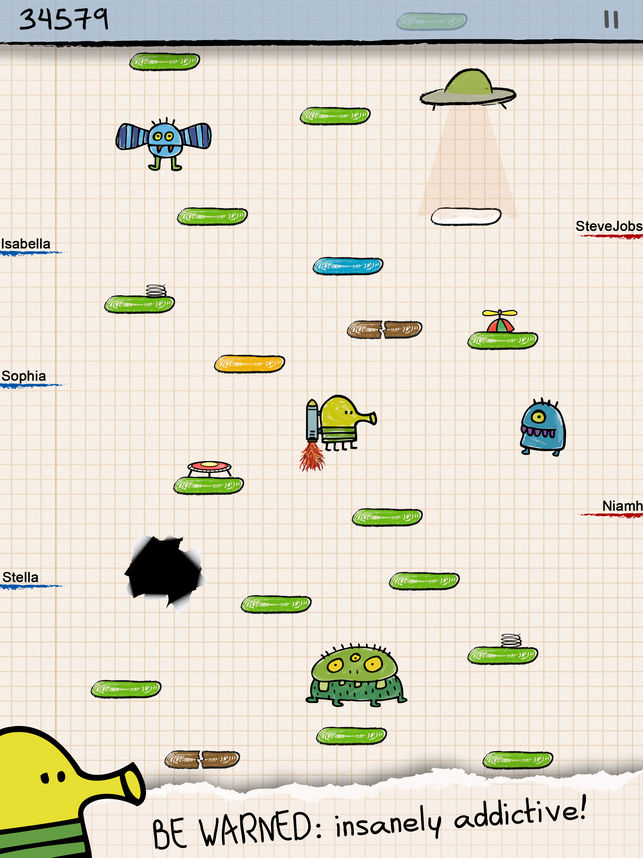
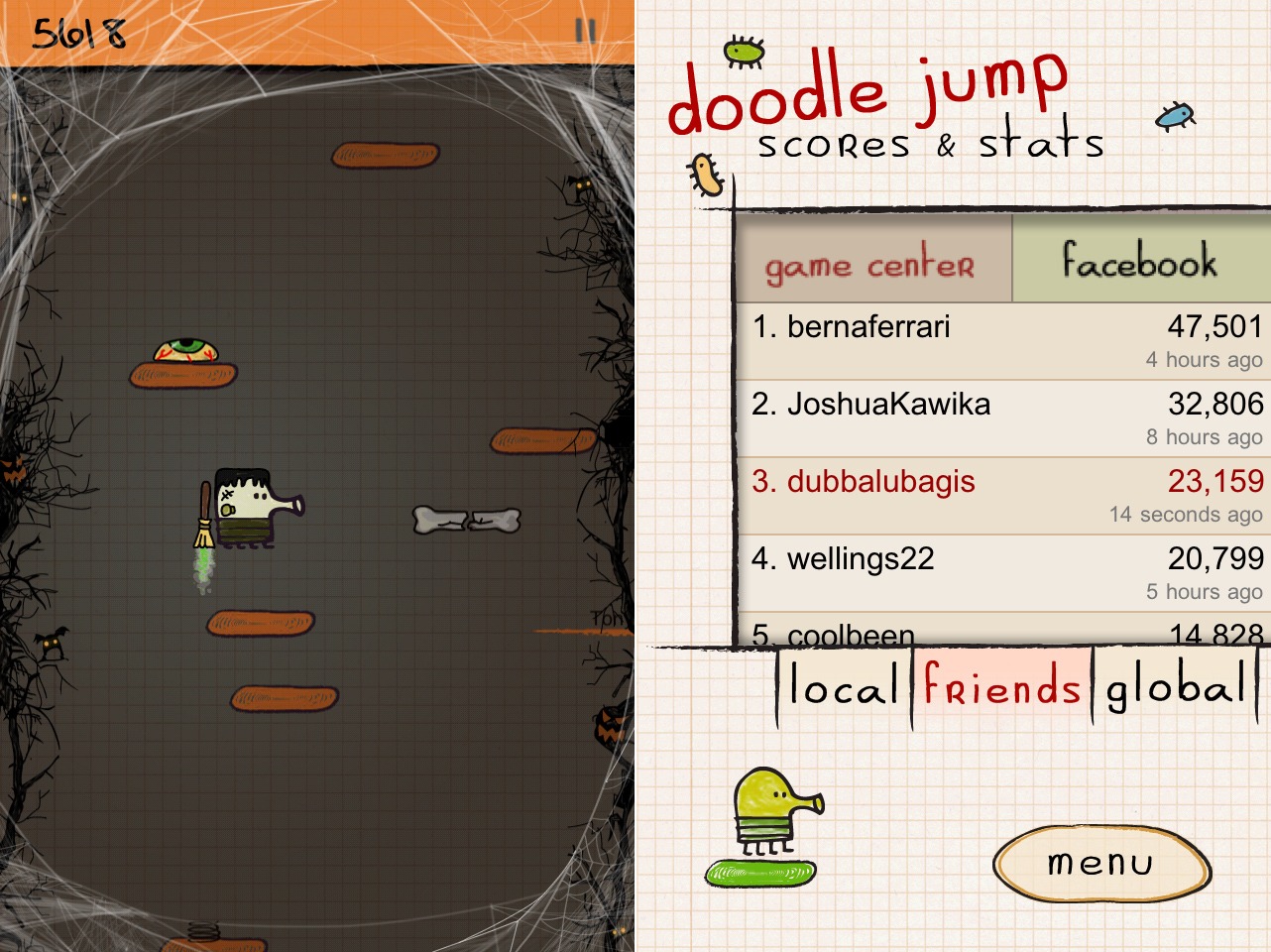
Doodle Jump is one of those perfect pick-up-and-play games. You are a little, er, doodle guy who is trying to make his way up an infinite ladder of platforms. You tilt the device left and right to move Mr. Doodle and tap to shoot enemies. There are various items on platforms to help you gain more height. These range from springs to flying hats, jet packs, trampolines, and more. Some platforms are wooden, so you want to avoid those. Some platforms move left and right and side to side. Your goal is to get as high as possible, but Doodle Jump has a unique marking system, so you can see your place marked every time you play, as well as that of your friends. The game connects straight to Twitter and Facebook, so you can see where your friend’s highest scores were.
The game isn’t much to look at, but it does have a certain charm to it. The background is grid paper, and everything looks hand-drawn, thus the doodle part of the name. Everything looks and plays simple, and for only a dollar, you get tons of fun out of this little game. This game isn’t good for long stretches, but it’s a good time killer. The game is also dangerously competitive thanks to its social-networking integration. If you love pick-up-and-play games, this is your dream come true.
Mortal Kombat is one of those series that is loved by all but then pitied. Mortal Kombat has grown over the years but hasn’t quite matured yet, especially in terms of visuals. Armageddon is kind of a potluck stew of every MK character ever dreamed up. This, being the goodbye game to the beloved series, has over 50 fighters and lots of different modes and is bursting at the seams with content. Most people will immediately dive into the arcade kombat mode. You will notice there is every fighter imaginable in the MK universe, and this includes bosses. Once you pick your character, you will see the classic Kombat Ladder, and the fight begins.
Once you start fighting, players of Deadly Alliance and especially Deception will become familiar with the controls. Mortal Kombat is not really a button-mashing fighter, and this is why a lot of people hate the series. Because they have to think before they start throwing punches. You can view a full move list in the pause menu, but when you get your favorite combos and the special moves memorized, you can start kicking ass. Each character has their own real-life martial arts style plus a weapon style. Deception and Deadly Alliance had two fighting styles and a weapon, but one had to be cut for balance issues.
The controls are extremely responsive, and the characters are animated very nicely. While they look a bit like plastic dolls and kind of fight like them, the animations are smooth, and there is no slowdown. New to Deception were arena traps, and this has been transitioned over to Armageddon. You will see either yellow or red lines around certain areas or objects. Yellow means that it’s just a dangerous trap that won’t instantly kill you but will deal some hefty damage. This can be an air duct that will shoot you through a fan, get knocked into a bell, or even into a giant egg and have acid spewed on you. Red lines mean instant kills, and you need to stay away from them. These can be grinders, deadly pits, or anything that can crush. A lot of the arenas are multi-tiered, and these will be marked with yellow lines as well. This really makes fighting intense, not to mention that the areas look awesome.
Fatalities are still here, as always, but with a twist. The MK team decided to do a Kreate-A-Fatality setup in which you don’t have to press any codes to see a staged fatality. The whole system is pretty complicated since there are transition moves and finishers, and each set goes into the other. You can do up to 11 moves, but you have to end with a finisher move for it to register as a fatality. With each move, your timer bar depletes faster and faster, so precision and fast input speed are a must. You can do a few forward chains, such as ripping out a heart, brain, or maybe a punch or two, then decide to go either into a face-down, behind-back, or on-the-knees transition. If you have to put that code in, then decide if you want to finish or continue from a behind-the-back transition set, on the knees, and so on. It becomes very complicated, and a lot of people don’t like this feature, calling it “generic fatalities,” but doing two fatalities for 50+ characters was too daunting, so they needed to figure something out.
Besides your core fighting in here, Konquest mode is back and better than ever. Forget the irritating, ugly, and boring deception. The team used the Shaolin Monks engine, so you get to fight in real-time via grabs, kicks, and heavy and light punches. You acquire power-ups throughout the game as well as perform fatalities by just pressing a button once the enemy is dazed. You can go around collecting relics to unlock hidden stuff in the Krypt, as well as alternate costumes, music, and koins. Sometimes you will run across weapons to hack and slash enemies, as well as do actual kombat with characters you run across.
The story is more interesting than any other MK side story that has a lot of mystery wrapped around it. New characters Taven and Daegon awaken from slumber by the call of Blaze (yeah, that hidden character in Deadly Alliance). Daegon is trying to find his father while discovering why he needs to fight his brother and how to become the new Emperor of Edenia. Overall, the Konquest mode is very entertaining and a welcome treat.
Another questionable mini-game is Motor Kombat, which is a cart racing game. This could have been greatly improved, but it’s entertaining for a while. You pick your favorite MK character (or a select few) and run across a star that will allow you to use your weapon or a lightning bolt, which is a burst of speed. You can bump people left or right into death traps (marked by red lines). There are jumps and the tracks are laid out differently, but there could have been more power-ups instead of just one set for the character, and I would have liked the levels to be more alive. Motor Kombat is fun at best with more players, but other than that, you’ll forget about it after you play all the stages.
I finally came to Kreate-A-Fighter mode, and this has been a huge request by fans since Deadly Alliance. You get a lot of customization options, and you can buy more accessories with the coins you collect from all modes of the game. You can set moves, fighting style, finishing stance, and even write out a bio (pull out that dusty PS2 keyboard!) You can do pretty much anything you want with the character, and there are so many items that no one will look the same. There are even some conspicuous items that look like superheroes or real-life heroes as well. You can take your character online and hone your skills against other people’s characters. As of this review, Xbox LIVE has been shut off, so local play is only possible. Besides, even before, no one was playing online anymore. This feature is greatly welcomed and is a blast to use.
The Krypt returns for a third time, but simpler. Instead of different kinds of colored koins, there’s just one type, and you can unlock tons of stuff. Anything from concept art, videos, sketches, alternate costumes, and music. Armageddon is chock-full of content, but it does have its flaws.
For instance, the visuals. While they look nice, they don’t really push the systems to their limits. The voice acting is terrible in Konquest mode, and like I said before, the characters look a bit like plastic dolls, and the animations are a bit canned. The Kreate-A-Fatality mode is not well received, and I would like to have seen set fatalities for each character. Motor Kombat is pretty lackluster, and it’s obvious the game needs a reboot. I also would have liked to see Chess Kombat and Puzzle Kombat from Deception included here as well, but they are sadly absent. Until then, Armageddon should keep fans and newcomers entertained for hours on end.
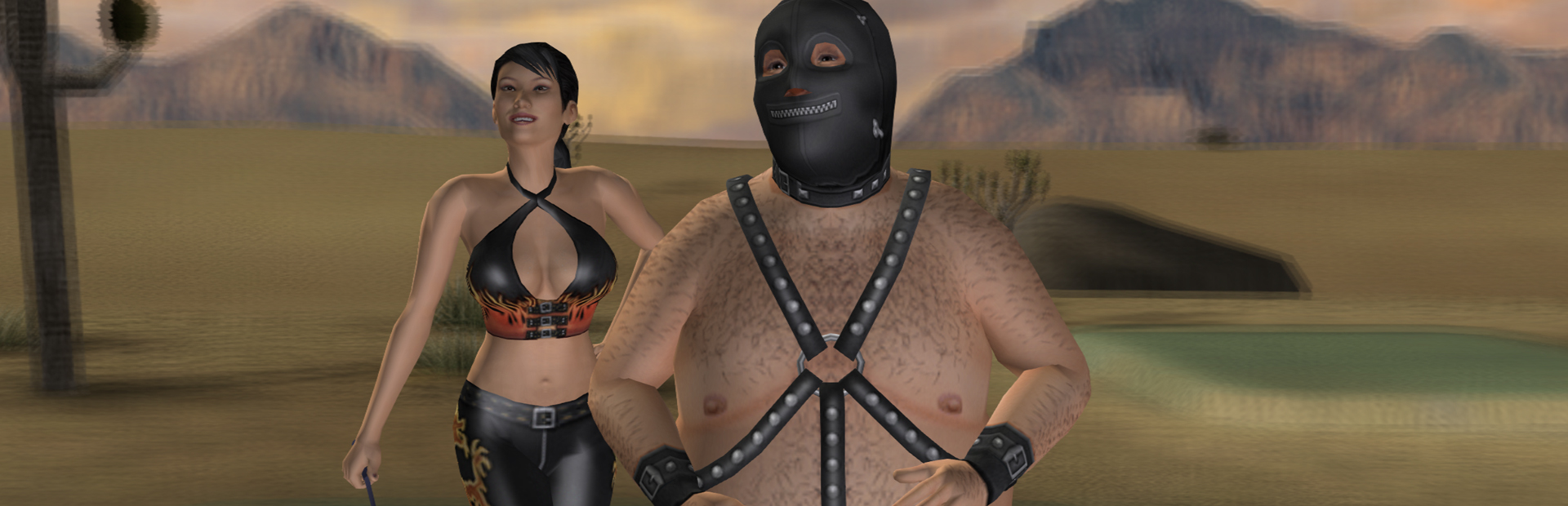
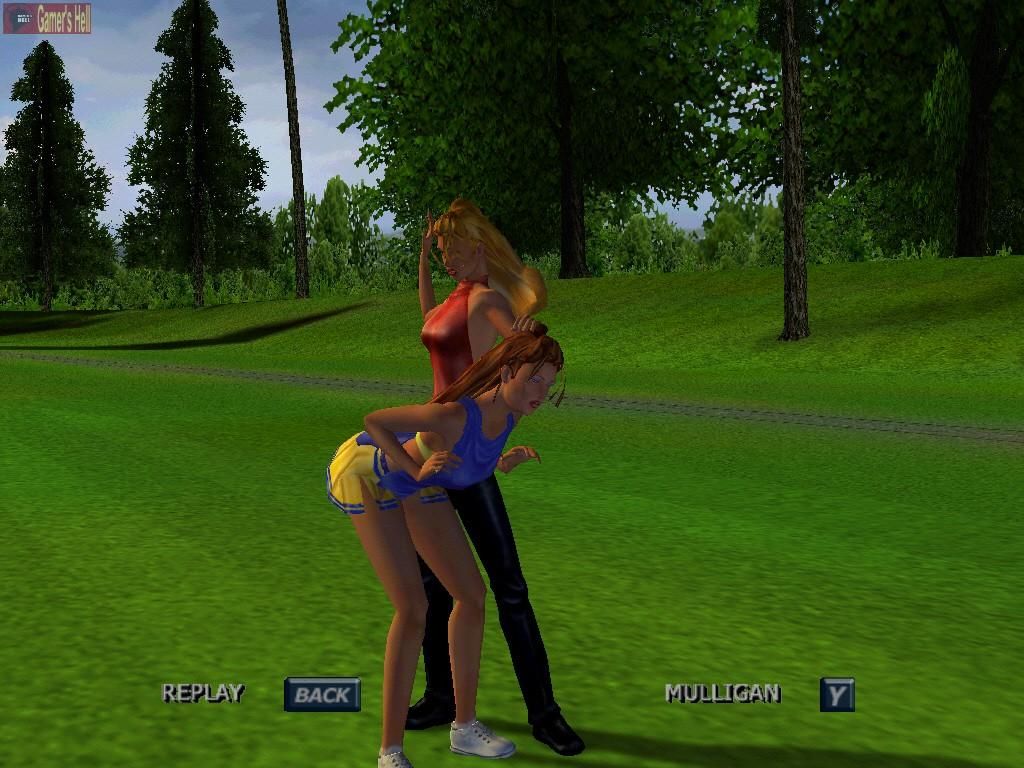
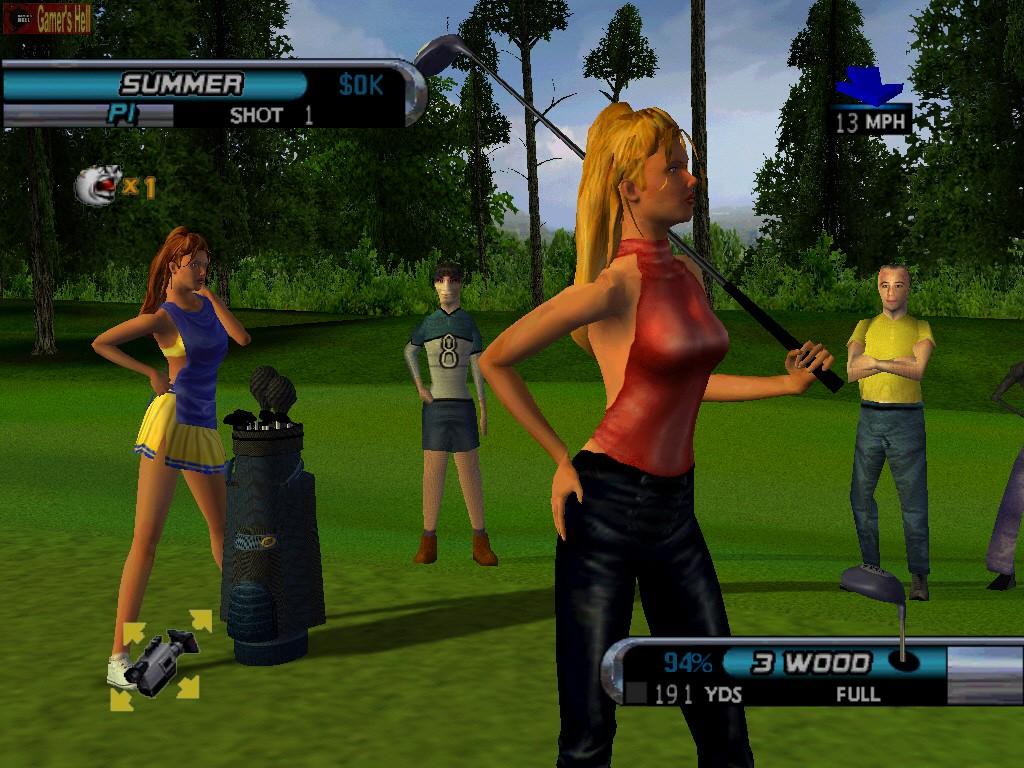
I’m not really a traditional sports fan, but when something as outrageous as the Outlaw series passes under my radar, I have no choice but to pick it up. Outlaw Golf 2 is very mature, outrageous, and fun. What makes the series so outrageous are the characters, who range from mentally insane to sexually charged (such as Summer and Autumn). The game has a lot of modes, such as tour, exhibition, driving range, and a couple of mini-games.
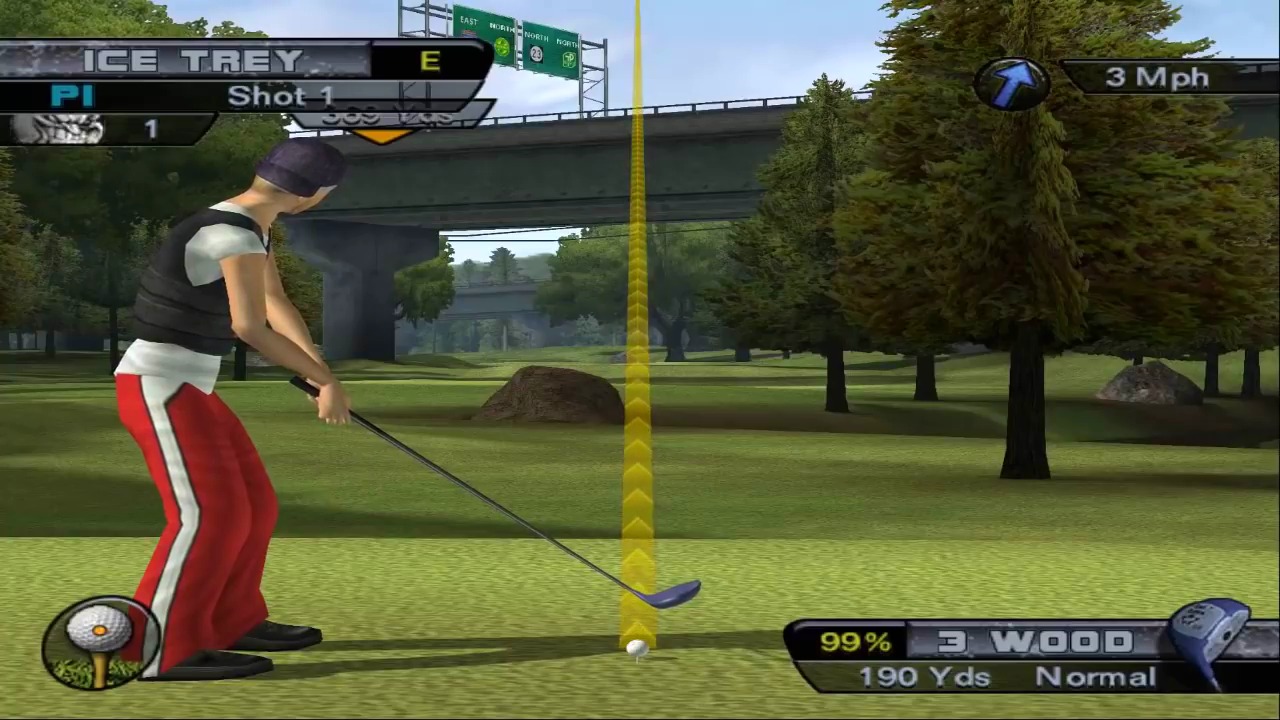
The gameplay is pretty simple and plays like most other golf games, but with some twists. When driving down the green, you can switch camera angles to see where your ball is going to fly. You can change the power, and this is also adjusted upon swinging. The game has a swing stick setup, so swinging the analog stick is pretty accurate and not too finicky. If you time the swing right, you can go over 100% and do a power shot, but watch out because you overshoot where you want the ball to land. There are hazards to look out for, so you really need to watch out. If you start doing poorly, your composure meter will drop and bring it back up, and you can play one of two mini-games. These are golf cart games to get a perfect shot, or you can beat up your caddy. They are fun at first, but after a few tries, you get tired of them. One feature I like is that while you get three tries at a guideline, Hit square once, and you’ll see a line to the hole. One feature I love is the Gimme feature, which allows you to just press square during a putting replay to let you go ahead and sink the ball for an extra shot. This is only if your ball is almost in the cup and you didn’t quite make it.
I love the game’s mature commentary and smart alack remarks to the players. The intros and small animations of the characters are either funny or sexy. The best part about the game is that the mature content didn’t get in the way of the game being good. However, the game is very hard to beat, especially in tour mode. Even after trying over 10 times, I still couldn’t beat the first tournament against Killer Miller. You have to get ahead on the first hole, or you’re never going to win. Even if you factor in all the golf aspects like wind, elevation, etc., you still have a hard time winning.
The game looks pretty good, even for today. The courses look great, and the characters look great, so you have something nice to look at. The only issues I saw were some slowdowns due to the PS2’s limitations, but they didn’t hinder gameplay. Since the online servers are shut down (and there’s probably no one playing even if they weren’t), online play couldn’t be tested, but I’m sure it would have been really fun and competitive. There is a lot of extra content, like videos, outfits, clubs, and balls, so you have many hours of gameplay, and there are a lot of characters to play as well. If you’re tired of your traditional golf games, pick up Outlaw Golf 2, and you should have a good time.
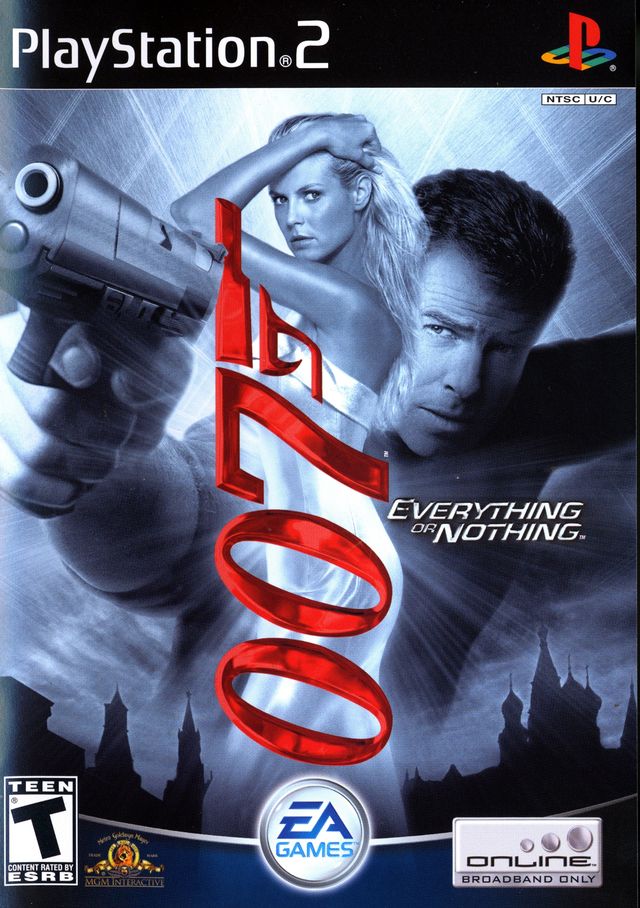
I’m not really a James Bond fan, but I can’t help but pass up a good action game, no matter what the license is. Everything or Nothing is based on the film when Pierce Brosnan was still a famous spy, and Everything or Nothing is pretty solid. The story is pretty nonsensical and is your typical Bond plot with a bad guy (Willam Defoe) hell-bent on ruling the world. Diavolo has nano-mites that can eat through metal and plans on attaching payloads of this stuff to nukes. Bond runs into a henchman (Jaws) and a beautiful woman to stop the evil madman.
The best part is the vehicle sections, and the shooting sections are hard as hell and mundane. I’m going to throw that out there right now. The vehicle sections have Bond driving real-world vehicles with missiles, machine guns, flame throwers, and oil slicks attached to them. What makes the driving sections so grand is the sense of speed. Driving across a bridge, jumping through signs, and finding shortcuts to trigger “Bond Moments”. While these are hard to find (even in on-foot sections), they can be satisfying. Every driving section is different, from escorts to flying over rooftops to races. All vehicles handle very well, even at high speeds, and this is what truly matters.
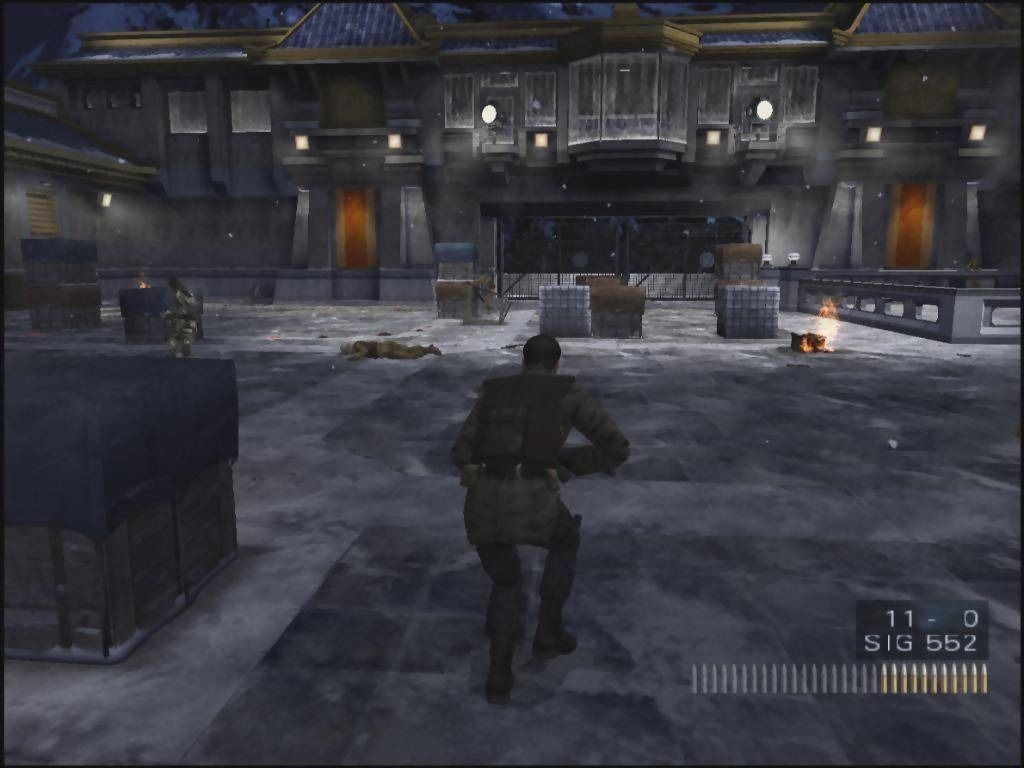
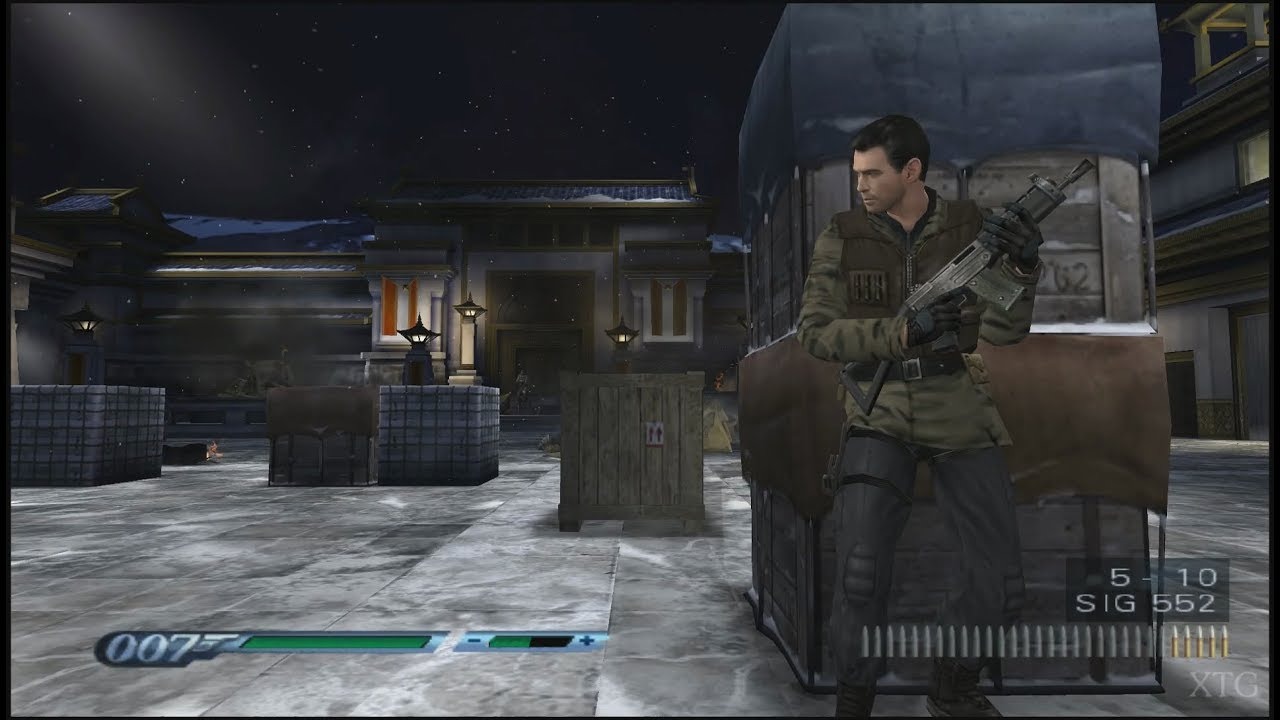
The on-foot sections are mundane and extremely frustrating. Even in the easiest setting, the game throws dozens of bad guys at you, and ammo is a loot and hunt type thing. You start out with a puny P99 pistol, and the game throws about 10 bad guys at you. The lock-on feature is clumsy since you can’t lock on unless the camera is facing an enemy. If you get close enough to someone, Bond will put his gun away and start meleeing while other guys around him are shooting. This can make you die in very tight spots. The melee is pretty basic, with heavy and light punches along with counters. You can hide behind the cover, but this tends to be a problem if the cover is taller than Bond can shoot.
You can use a lot of gadgets, but they tend to be useless unless the level requires them. You get Q spiders, which are remotely operated spiders that can blow things up and go inside little nooks. The coin grenades are pretty straightforward but have crappy physics and bounce around like rubber balls. There’s the nanosuit that makes you invisible, but I never even had to use it since stealth in this game is very hard and almost not an option. The rappel gun is what I used most. Being a Bond game, I wish the gadgets would have come in handy, but they are if you really want to use them. The shooting sections are just so frustrating due to the unbalanced difficulty. I died over 10 times on certain missions, and there are no checkpoints. Some of the longer levels have one, but most levels have none, and this can make you throw your controller across the room.
The graphics are pretty decent for a 2004 PS2 game. The textures are solid, the audio is nice, and there are only slight framerate problems due to the PS2’s limitations. There is an online co-op, but this will never be tested since the servers were shut down. There are a lot of missions in this game, and it will keep you busy for a good 8–10 hours, depending on how many times you die. The game is pretty solid, and you won’t be disappointed. Even people who don’t like Bond can enjoy this game, and that’s the beauty of it.






















































 thebinarymessiah.com
Try multiplayer. A lot of fun !