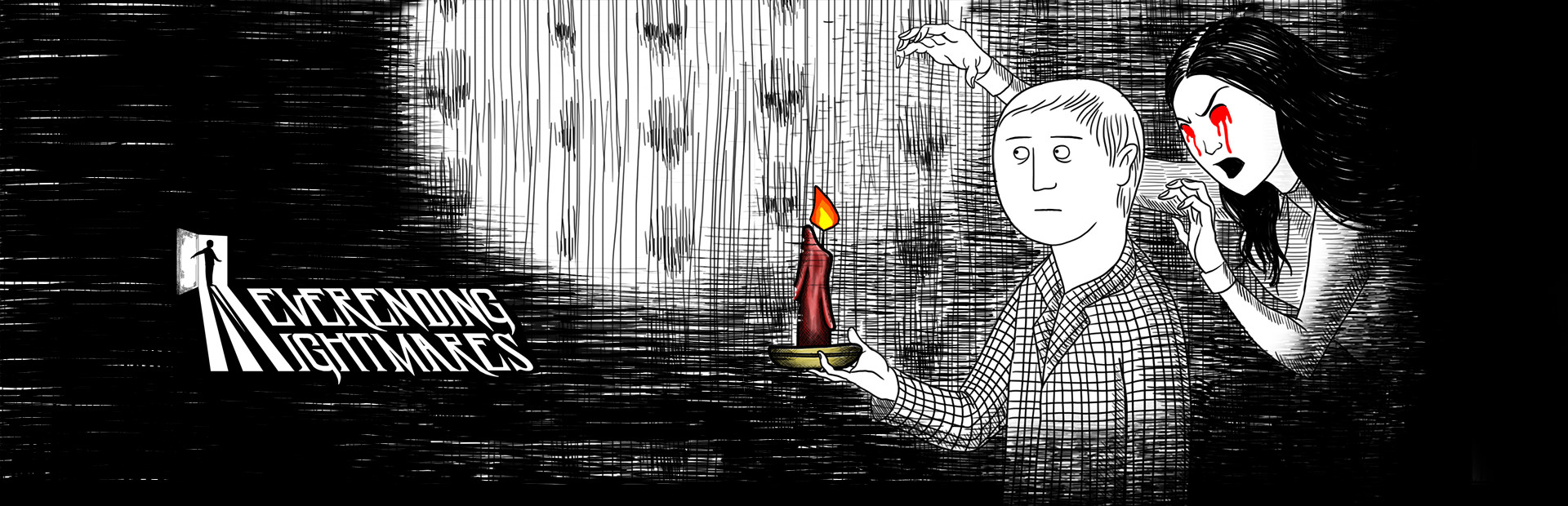
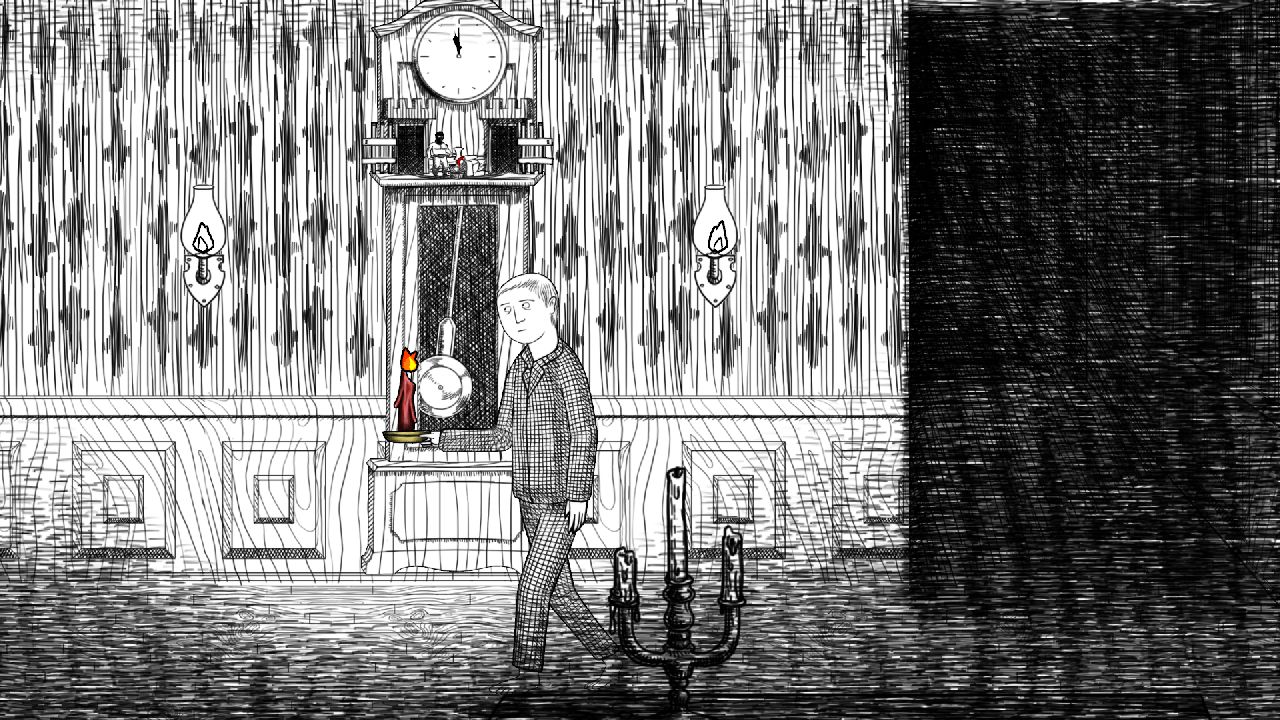
Horror games that are truly scary are far and few these days. Neverending Nightmares actually helps change that idea with an extremely intense atmosphere, which is what horror games are all about. Neverending Nightmares has you playing as a boy (or man?) named Thomas who roams the pencil-sketched hallways in his checkered pajamas trying to find his sister (or wife?) that had been murdered (or she killed herself?). There’s a lot of open interpretation of the game’s story, but that’s kind of the fun part.
The game’s pace is at a crawl; let me just say that right away. Thomas trods along the hallways with a limited—and I mean limited—sprint button. The slow pace is supposed to add to the tension, but sometimes I wish he moved just a tad faster as the game got repetitive towards the end. The point of the game is to continue moving left (or right) through the hallways, opening doors, and interacting with anything that’s colored and stands out from the black and white background. These give hints at what may have happened to the girl that Thomas is looking for. While there’s no inventory system or even a combat system, there’s really no other goal than to head downward. Sure, there are enemies in the game, but your goal is to avoid them or hide from them. The toughest of them all are the big ogre-like monsters that require you to hide in closets, or worse, run from them. I found these segments frustrating as Thomas’ sprint is limited to about three seconds, and I had to exploit this to escape from these ogres and make it to the next door. I had to tap rapidly to stretch out the sprint or time when I started perfectly. This isn’t fun, and it doesn’t add anything but frustration.
The game has three possible endings, but there are no clues as to how to get them. At the end of each level, you are approached by this girl in different ways, but it all kind of blurs together. When you die, you start off in bed again, leading to the fact that Thomas might be asleep and can’t wake up. Is he insane? Is he a ghost? Who knows, but the endless hallways are probably the worst part of the game. Sometimes I thought the game was glitching because I would go through 5–6 hallways that I swore I went through earlier, but somehow I was progressing.
Thankfully, the game is actually scary; use headphones, and you will be in for a scary night. The music is haunting, and so are the sound effects. I applaud the game for the atmosphere, but the gameplay is really something that’s lacking and needs more polish. I’m fine with just wandering around places, but give me something to do while I’m doing that.
As it stands, Neverending Nightmares is a great horror experience, but as an actual game, it’s lacking mechanics, and the story and progression need work. I shouldn’t be playing a game thinking I’m not going anywhere or giving clues as to how to get a different ending.
Oh, Halo, I have a love-hate relationship with you. Back when Halo was released, I didn’t really think much of it. I saw the box in game stores, but I never actually heard much about it. It wasn’t until Halo 2 that the series really took off and was talked about by everyone who loved it and hated it. I just so happened to be someone who hated it, even though I didn’t play it. It looked like a generic sci-fi shooter with boring guns and boring enemies. For years, I refused to even accept Halo as a good game series. I finally sat down with the first game on PC back in 2007 and felt it was like a chore. The game was overly difficult and ugly, and I didn’t get the game at all. I washed my hands of it and was done.
Later that year, I borrowed an Xbox from a cousin (the original) and rented Halo 2 from the video store (back when that was still a thing) and actually started to like it. The game felt more balanced, more cohesive, and had a more interesting story. However, I still hadn’t even touched the multiplayer, as I didn’t have Xbox LIVE. I wouldn’t experience Halo multiplayer until Halo 3. After playing through every Halo game, I started to feel fatigued by the series. ODST and Reach were extremely boring and didn’t do much outside of the story and presentation. However, I would still go back to playing Halo 2 and 3, but I swore never to touch Halo 1 again. Now, 8 years later, I’ve played through Halo 1 and like it a little more; however, it still feels like a chore.
You play as Master Chief, a Spartan in the Earth Defense Corps who just so happens to get stuck as the savior of Earth. You fight some Covenant, an alien race hellbent on capturing Halo, and then some Flood, a super-weapon species designed to wipe out all life in the galaxy. You spend almost the entire game on the Halo Ring, which is a giant ring-shaped artificial planet that looks like Earth. Later, you run into an AI called The Librarian, whose function is to destroy all life in the galaxy to wipe out The Flood, so they starve to death. Of course, Master Chief and his AI partner Cortana must not have that. The story is quite interesting; however, it doesn’t really explore much of the Halo universe, and I wanted more.
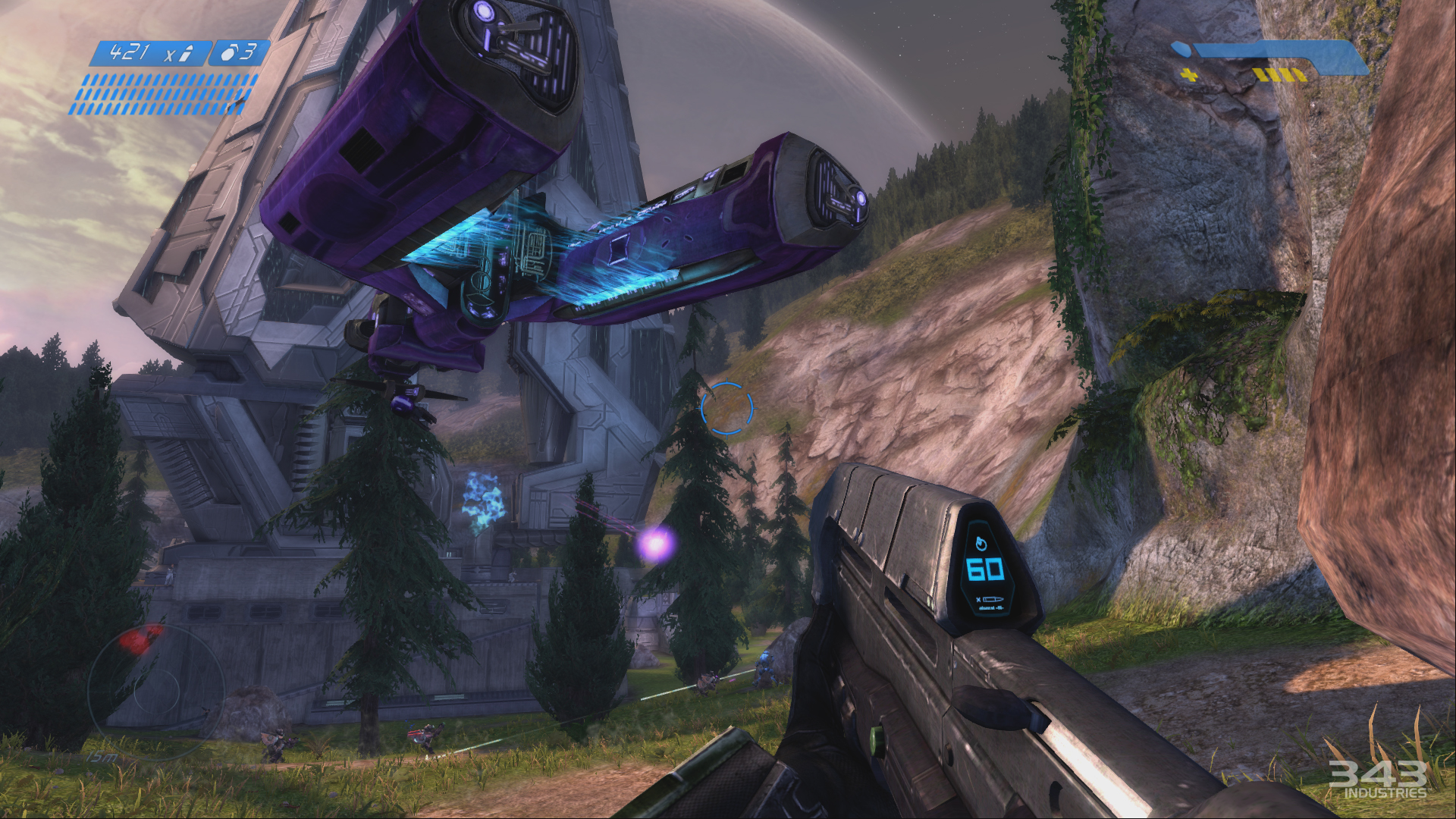
Halo’s famous for its balanced gunplay and enemy AI. While there are only about 10 different enemy types in the game, Halo was one of the only FPS games at the time to force you to change up your tactics, weapons you use, and how you approach each firefight. Despite popular belief, Halo is not a run-and-gun type of game at all. If you run out into the open, you will die almost immediately. Halo is also the father of the regenerating shield, which is a core gameplay element of the game. Without it, the number of enemies you have to kill and scenarios would not be possible, as you would die and never make it through the game. Despite the shield recharging so slowly, it makes you stop and think before you step out again and lose your health.
The guns are also very memorable and iconic in Halo. The needle is a weapon that fires pink shards at the enemy, and they home in. After a few seconds, the shards explode, causing damage. The assault rifle is probably the most iconic weapon, as it’s the standard and most basic weapon in the game. Aside from plasma and standard weapons, you can also drive vehicles. This is actually where I had a huge issue and still do: the vehicles controlling garbage. The Ghost, Banshee, and Warthog are floaty, not very responsive, and counter-intuitive to what the game wants these vehicles to do. I also don’t like how you can’t drive and shoot the Warthog at the same time; it makes you too vulnerable.
The one thing Halo has always had a problem with is the repetitive hallways and the extreme linearity. Nearly every level had you backtrack back to the beginning once you got all the way through, and this got frustrating and tiresome toward the end of the game. The core game is also just repetition, but that’s expected of any shooter. Shooting the same enemies over and over in different variations just gets old, and some people may not be able to tolerate it. Despite this, and like I mentioned earlier, Halo combats this by making you think before you run out into the open.
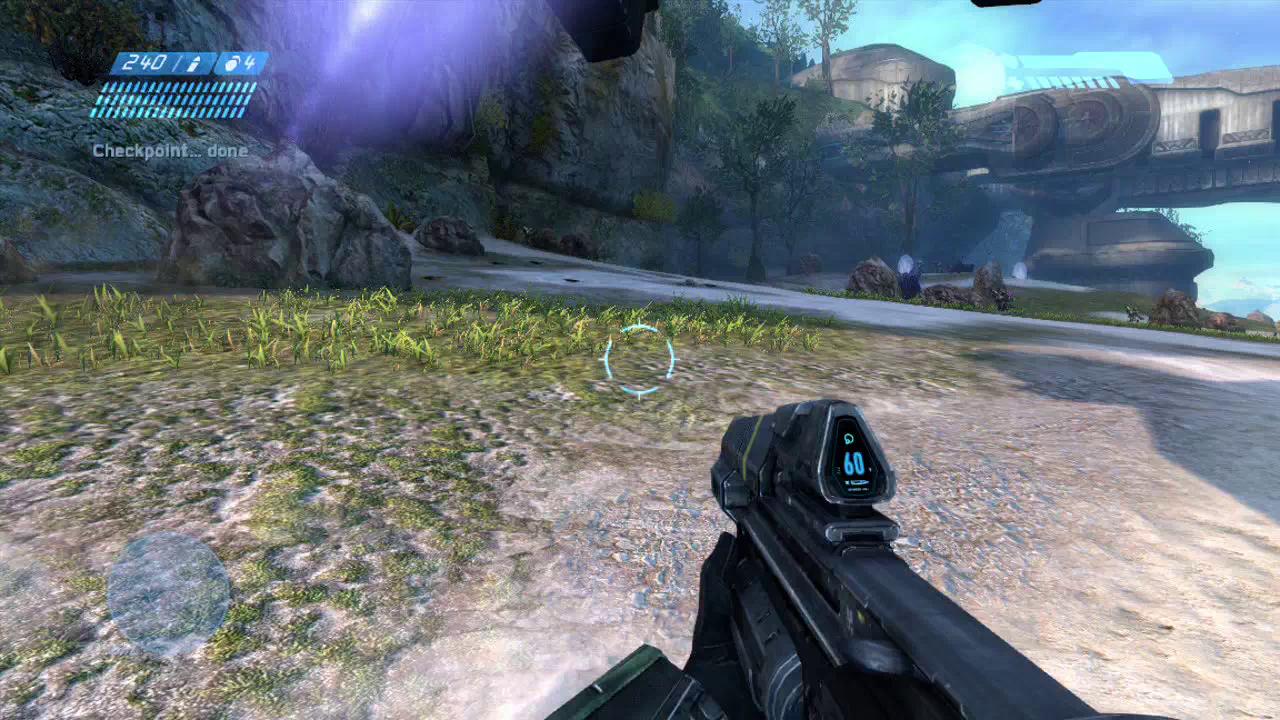
Outside of the shooting, the game just feels strange as a whole. It feels dated still despite the update; however, it does help tremendously and makes the game more enjoyable. The new graphical update is more than an update. It’s completely redone, and switching from remastered to classic graphics on the fly makes you realize just how old this game is. We’re talking Quake 3/Source Engine graphics here. After playing the updated version, I could never go back. The game just looks way too ugly compared to others, which makes it much less enjoyable. In fact, the updated graphics actually help make the game easier to play with better lighting and more detailed environments. I found the original Halo way too dark in most areas, and it was always hard to see.
When it comes to multiplayer, it also suffers from feeling old. While the maps are remastered, the gameplay just feels a little old and not as fast or deep as the newer games; however, there is a charm to the age. The game is very simple, there’s not much to the multiplayer, and the maps are also not as complicated as newer ones. Fans of the original game will love being able to finally play the original online, like it was intended to be.
Overall, Halo: CE Anniversary is a fantastic update and probably about as good as the original game can get without changing any major gameplay elements. On the Xbox One, the game runs at 1080p and 60 FPS, which looks fantastic, and it also has the menus of The Master Chief Collection’s, which is an upgrade over the Xbox 360 version. If anyone couldn’t stand the original, they may find it more appealing now, but expect the overall gameplay and design of the game to not have changed.
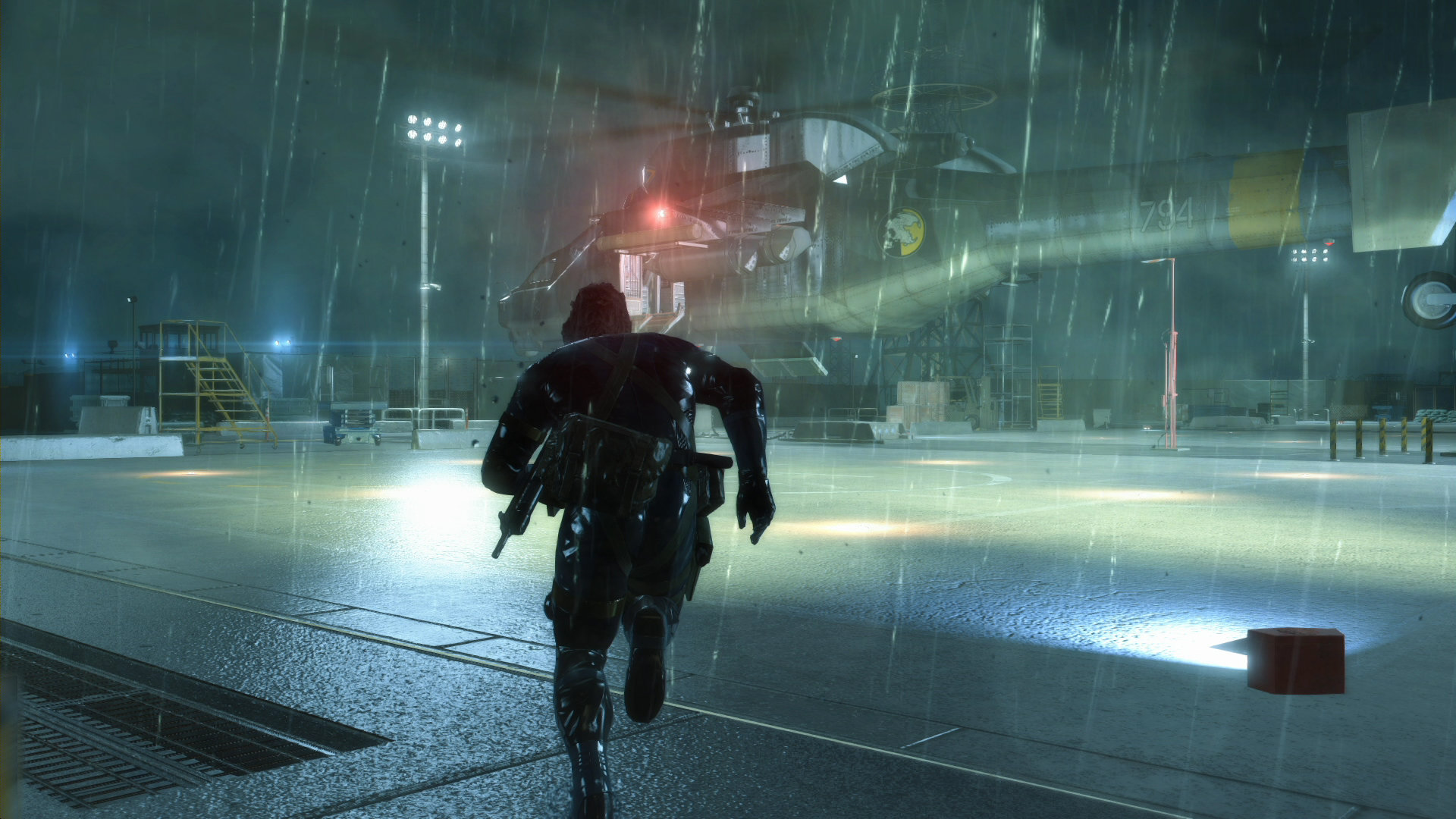
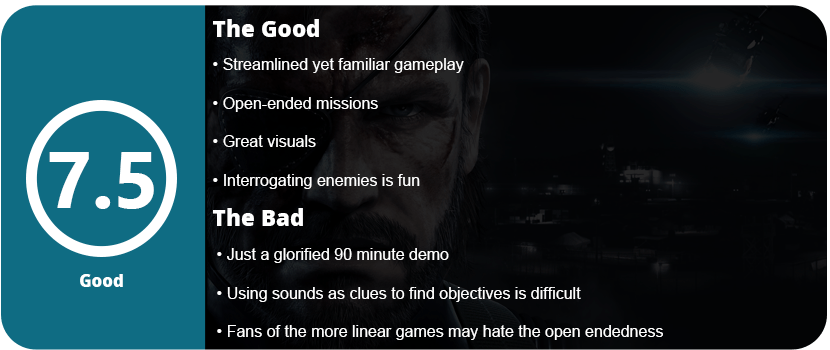
When I first heard about Ground Zeroes being released, I thought of one other game: Gran Turismo 5 Prologue. A glorified demo that showcased the tech behind the game. This usually happens when games take way too long to release and the developers need some feedback. So they release a chunk of the game for about $30 and get the world’s reaction. Ground Zeroes is actually a glorified demo of the upcoming Metal Gear Solid V: The Phantom Pain. If you aren’t a Metal Gear fan, well, what the hell are you reading this for?!
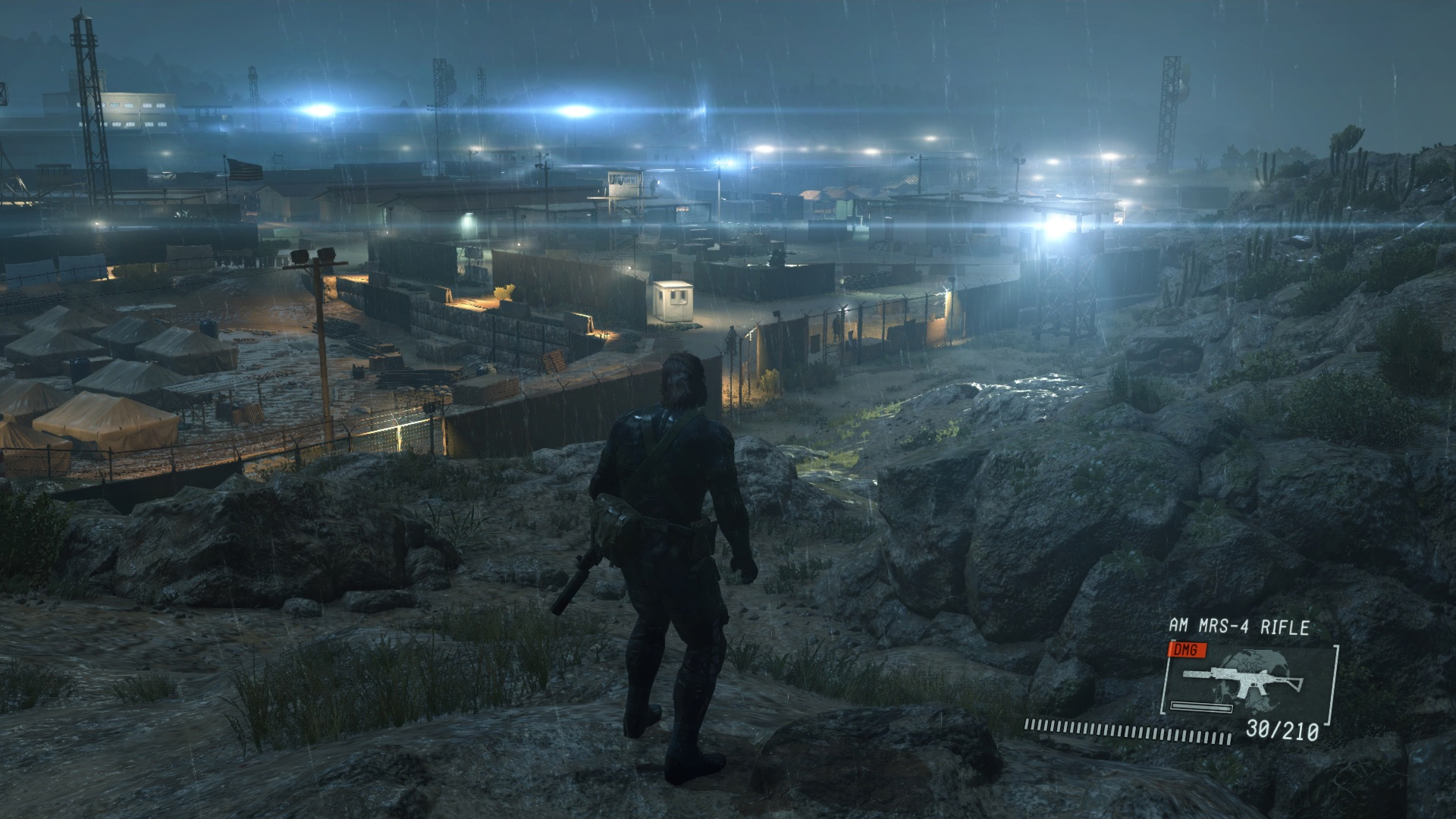
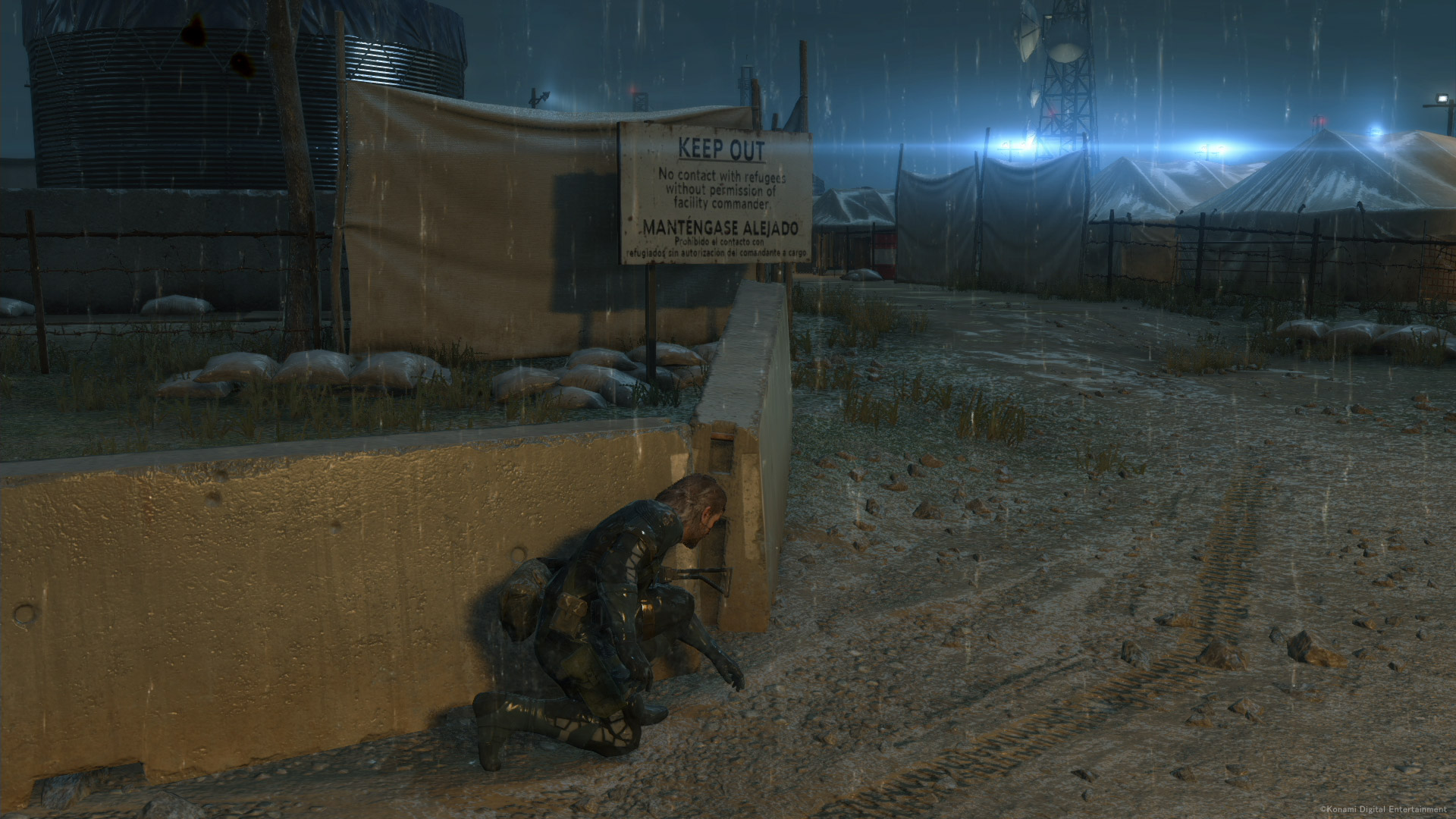
Ground Zeroes is actually taking place after the PSP game Peace Walker, which really surprised me. The game is made up of one giant mission in a large military compound. You must rescue two children, Chico and Paz, who were the main characters in Peace Walker. The first thing I noticed about GZ was how much everything has improved, from visuals to controls and animations. The entire familiar gameplay is streamlined, like it should have been years ago. No longer do you have the radio menu where you dial in and talk to people with long dialogue sequences. Just press a button to get hints on what to do, genius. The aiming is also a lot better this time around, as is inventory swapping and interacting with objects. Again, it’s all very familiar but just more streamlined. My favorite combat feature is that when you alert a guard, the game will slow down and turn towards the guard you alerted. You get about 10 seconds to put the guy down before he raises the alarm. Thanks to the more open environments, it’s much easier to see where everyone is. Climbing up a watchtower and using your binoculars to tag enemies is just what the series has needed for a while.
That’s another thing some MGS fans will not like: the open-endedness of the levels. The compound is huge, with many rooms, areas, and buildings. A new feature in MGSV is to interrogate an enemy while sneaking up on them and grabbing them. They will tell you where something valuable in the area is, like armor, a weapon, or enemy placement. You can choose to kill enemies or knock them out with your tranq pistol (like the good ‘Ol days). Figuring out where to go wasn’t too difficult. My first objective was to get Chico from a prison camp not too far from where I started. The second objective, finding Paz, was a real pain, as I had to use sound clues from a cassette recording to find out where she was. I finally figured out what area, but getting to the right building was tough. Silencers in this game eventually break, so I was stuck with just a tranq dart and couldn’t disable cameras. I had to run around finding armor that had another silenced weapon to continue, and I died many times doing so.
Once I got Paz, I called in a chopper to pick her up. I jumped on an AA gun since her being missing was discovered and the whole base was on alert. Thankfully, no one took the chopper down, and I was able to squirrel away to the starting point to end the one-hour mission. After the final cutscene, the game ended, and I thought that if I had paid for this game, I would have been really pissed off.
With that said, Ground Zeroes shows us just what Phantom Pain will be like, and I also have to mention that Kiefer Sutherland pulls off a better Snake than David Hayter. Yes, I said it; bite me.
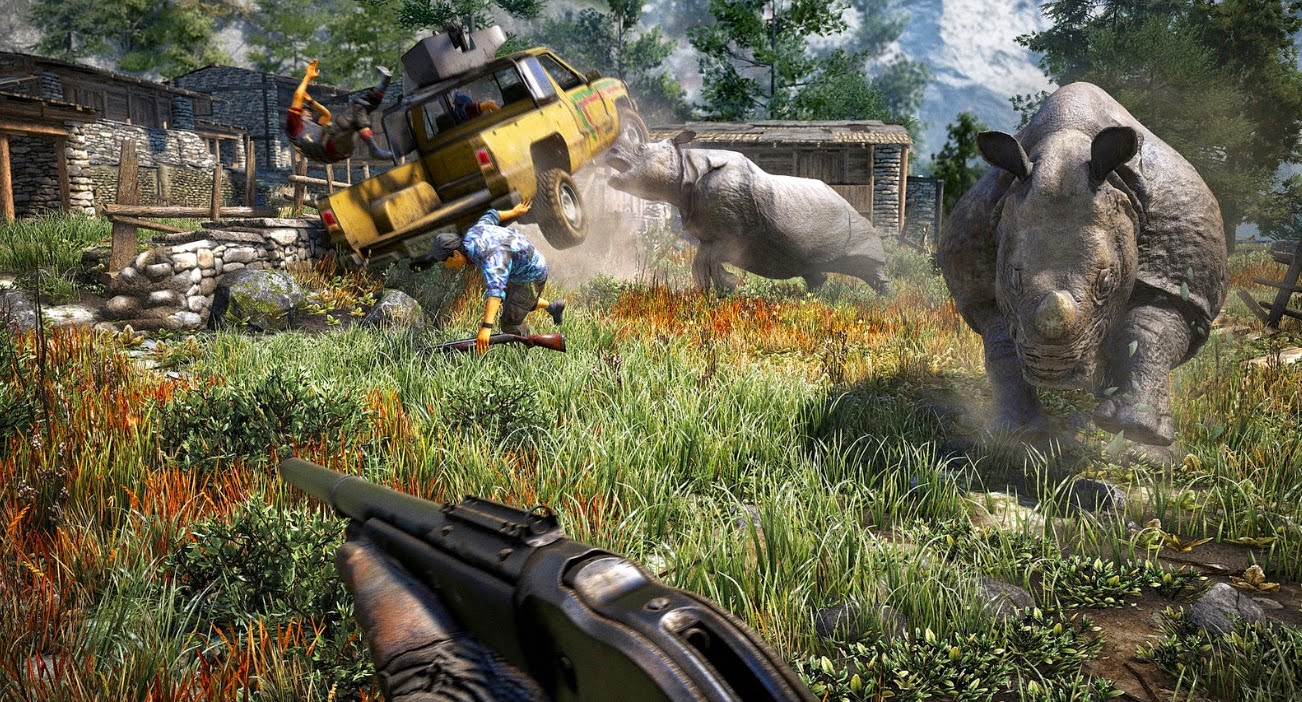
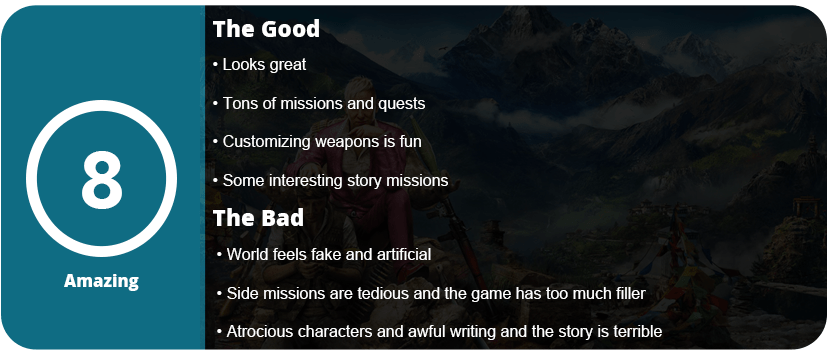
An open jungle, a rebel war, a tyrant, a guy who ends up in the wrong place at the wrong time, lots of guns…sound familiar? Yes, another Far Cry run of a giant open world that might be too large for its own good. Far Cry 3’s mediocre missions were made up for by an excellent story with fantastic characters; however, Far Cry 4 seems to be doing the opposite. You play Ajay Ghale, a man trying to bury his mother’s ashes but is captured by a tyrant known as Pagin Min. Min is a man who is bringing the people of Kyrat down, and you are here to help the rebel army rise against him. It sounds cliche and boring, and it is. The story and characters are Far Cry 4’s downfall, as they are either just really badly written or uninteresting. Pagan Min isn’t so bad, but the rest of the characters just don’t hit home like FC3 did.
There are honestly more side missions than story quests, but to the point in which it’s overwhelming. Far Cry 4 is huge. Five times the size of Far Cry 3. Despite the story being bland, let’s talk about the gameplay. It’s nearly identical to FC3 in terms of gunplay and the choice of stealth or guns blazing. However, the choice of stealth, I feel, is stilted, and guns blazing tends to be the forced choice. There are multiple side quests, including destroying propaganda towers, intercepting couriers, taking over camps, storming fortresses, hunting, races, and several others. While all these are fun for a bit, they all wear thin, as there are just so many of them. There were missions that required me to sneak into an enemy base, but no matter how quiet I was, someone always saw me. The enemies have had this problem since the first game.
Outside of the side missions, you can buy weapons and maps, hunt for treasures (which is probably the most tedious), and skin animals to increase carrying capacity. Gathering plants for syringes is back as well, but all of these things are second-hand from FC3, and there’s just not enough here that’s new to make it feel like FC4. Thankfully, the gunplay is rather solid, and customizing weapons was one of my favorite things to do. I’m not saying any of this stuff was bad, but it was tedious and felt too similar to past games. Nothing really stands out on its own.
FC4 is also heavily reliant on co-op play, as some camps and fortresses are nearly impossible to take over by yourself. I died multiple times and had to exploit strategies to beat some of them. I would give up and wander around collecting treasure, taking over a tower, and completing some side quests, only to continue getting distracted from the main story. This is usually a good thing, but FC4’s world feels sterile, empty, and too artificial for its own good. Most people would love all these things to do, but it’s all just kind of dull and only good in short bursts.
The graphics are actually quite fantastic and show off the power of next-gen consoles; however, they’re not much different-looking than FC3. In the end, after completing the story, I felt overwhelmed by the vast amount of things needed to complete the game and just told myself I would come back to it later, when I’m really bored. In the future, Ubisoft needs to work on Far Cry, which feels more important with less filler content. Honestly, this series needs a reboot or a complete overhaul to justify its existence.
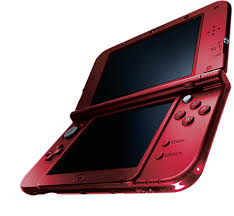
Colors: Black, Red, Silver (Monster Hunter 4 Ultimate), Gold (The Legend of Zelda: Majora’s Mask 3D)
MSRP: $199.99, $229.99 (bundles)
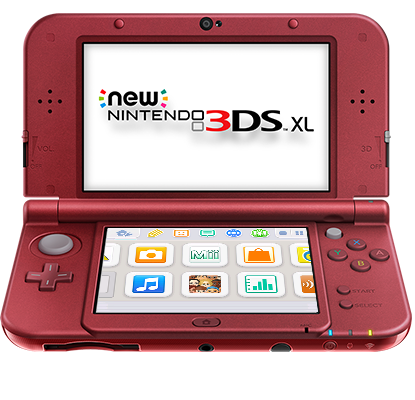
Nintendo is known for constant hardware iterations, and they finally got the 3DS right with the New XL. Despite the confusing name, it actually does feel all new. The entire system is streamlined, and it feels like Nintendo finally wrapped their minds around how they want the 3DS to be, and this is the final (hopefully) result. All of the features implemented into the 3DS up until now are present on the 3DS, from hardware changes to the software.
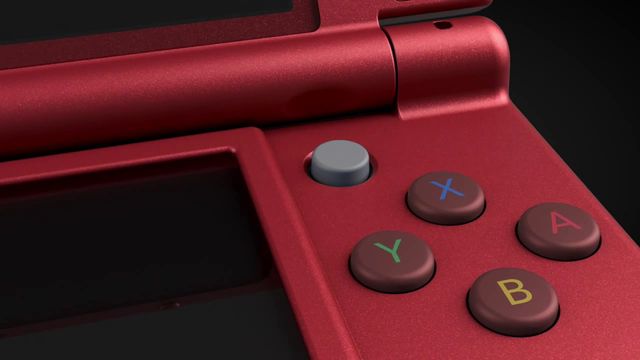
The first thing you will notice, obviously, is how big the unit is. I had a DSi XL, and while it was bigger, the larger screen made games look pixelated. The new 3DS XL isn’t just a 3DS on steroids like the 3DS XL; it has all new features. Secondly, it is just how sleek it looks. This is probably Nintendo’s sexiest handheld since the GBA SP. The round edge, accompanied by the slim form factor, just made it look sleek and impressive. Once you flip it open, you will notice something. What the hell is that rubber nubby thing on the top right corner? It’s the “C-Stick,” and I put quotes there because it’s not a stick but a nub—well, not even that. It’s like a rubber nipple. The addition of a second stick is an absolute must-have on the 3DS. I can’t make this point any clearer. Nintendo pretty much took the Circle Pad Pro and melted it onto the New 3DS XL, as it includes the ZR and ZL buttons as well. The first handheld with two shoulder buttons built-in—now we just need more games that support them! More on that later.
Everything else is pretty much in its proper place, button-wise, except there is no longer a WiFi switch on the side. WiFi is a software toggle now, and the power, wifi, and charging lights are all grouped up in a row on the bottom right corner. You can see them easily with the lid flipped down. One of my favorite features is the SpotPass LED located on top of the right hinge. It lights up green when a SpotPass notification is available and is also your low battery light. The game card slot is tucked away on the bottom of the device, along with the stylus and power button. The power button is a small button under the LED lights, so you don’t accidentally hit it.
I actually like the new 3D slider on the right side of the screen. It’s symmetrical to the volume slider, like older models, but is more flush with the system and doesn’t feel so cheap. One minor gripe is that the New 3DS XL does not use a standard SD card, so the one in your older system is useless here; instead, it comes with a 4GB microSD card and is not accessible from the outside. You must unscrew the bottom plate to get to it near the battery. That part I don’t really care about, as most people will either never need to upgrade because they buy physical games, or you will upgrade once with a 32 or 64GB card if you are a digital person. There is also an NFC battery in this thing for the amiibos, but everyone will use that feature. That’s pretty much all there is to the new hardware. Well, it’s actually a complete 90% overhaul, but for the better.
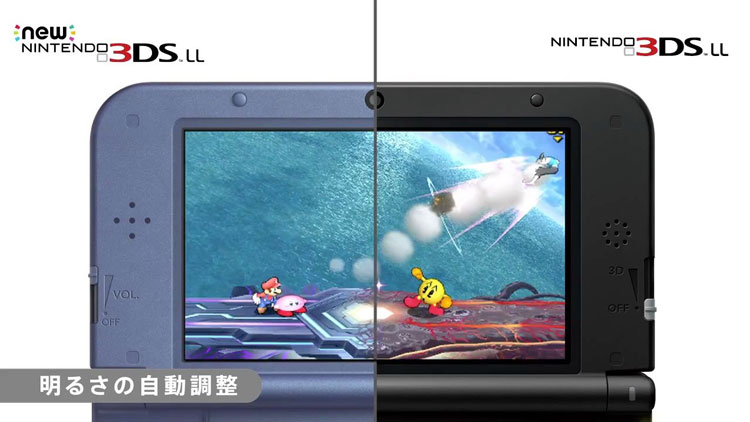
Let’s talk about the screens. They look great, and while not as high resolution as you think, they work fine for 3DS games. For people with bigger hands, the XL size is perfect, and honestly, the 3D is much easier on your eyes as it’s a bigger target. The 3D effect is much improved thanks to the head tracking built into the system via an IR sensor. Now it’s not flawless; it doesn’t work well when you are lying down and gets finicky in the dark if you move around too much. The hardware has a faster CPU, mainly double that of the original model, as well as double the RAM and 1GB of internal memory. The CPU is clocked at 268 MHz and is dual-core, with one core reserved for OS operation. It also has 256MB of RAM and 10 MB of VRAM. You may laugh at this compared to, say, the Vita, but Nintendo is known to keep older hardware for cheaper prices. That’s not to say the New 3DS could have benefited from an entirely new chipset as seen in newer phones, which makes this the biggest downfall of the New 3DS.
Playing games on the system using the C-Stick is weird at first. It doesn’t move around as it reacts to pressure. You just push it—mush it? You move your thumb around on it, and the camera turns. It’s hard to explain, but it works well, and after an hour, you forget it’s not a moveable stick. Playing games like Monster Hunter 4 Ultimate and Resident Evil Revelations makes the games much more enjoyable. The extra shoulder buttons are a little hard to get to as they aren’t contoured into the system, but rather just sit on top and are rather small. The other complaint is that this system does not come with a charger. Yeah, you heard me. Nintendo banked on previous 3DS owners buying this system, so you’re going to have to throw down $10 or so for a generic charger if you have never owned a 3DS before. Stupid move on Nintendo’s part, but there’s nothing we can do.
With all that said, the new 3DS XL is what the 3DS should have been in the beginning. The larger screens look crisp and bright, the battery lasts a whopping 7.5 hours (with WiFi off and power save mode on) during most games, the faster CPU will bring in better-looking games, and the entire form factor is sleek and gorgeous.
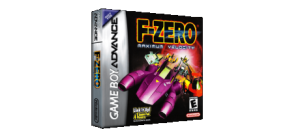
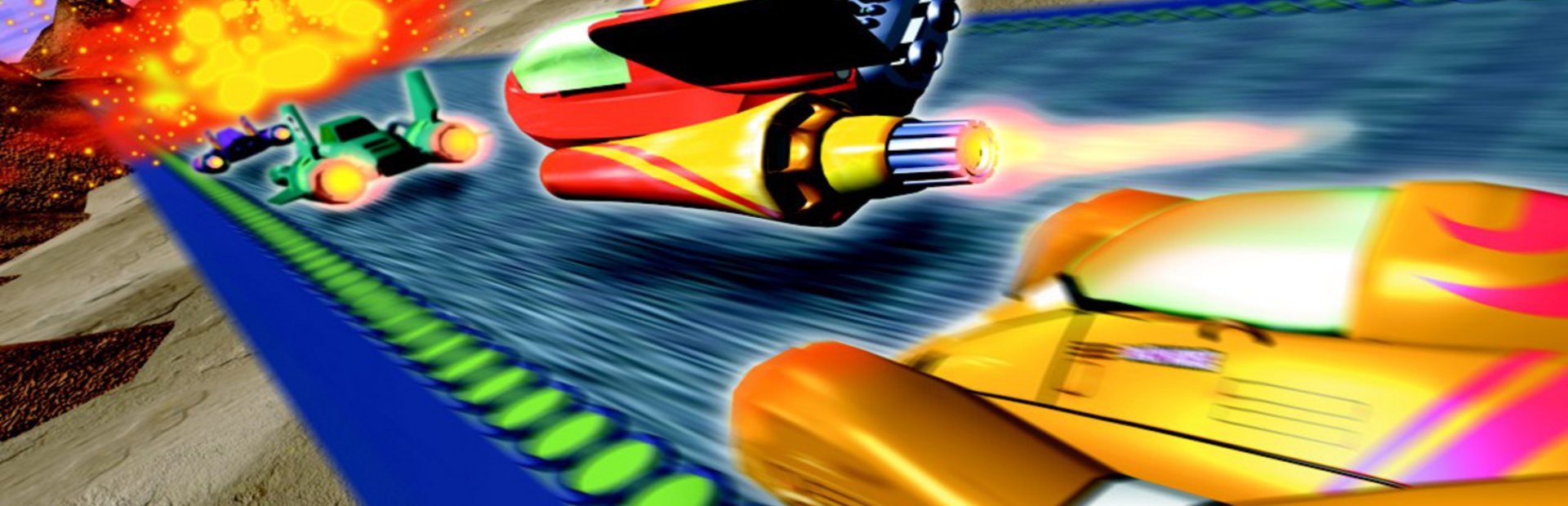
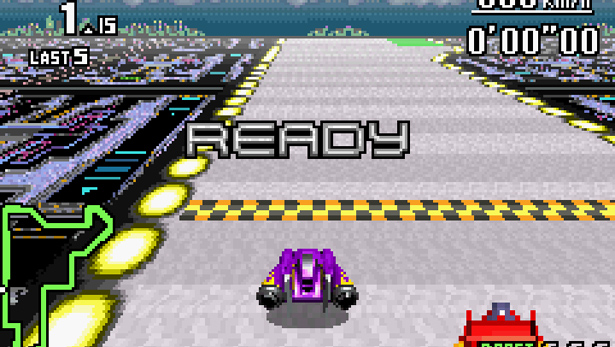
F-Zero is a much-loved series, but it doesn’t get much love from Nintendo. With the Gamecube having the last F-Zero game, fans are wondering if the series is completely dead and shelved by the big N. Thankfully, fans who loved the SNES classic can have even more with Maximum Velocity.
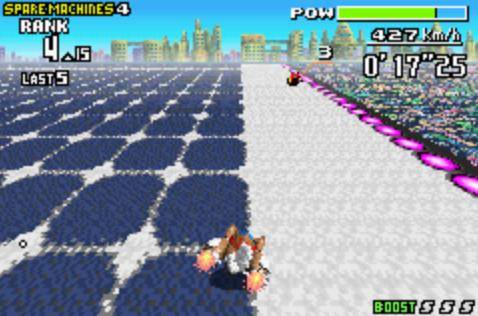
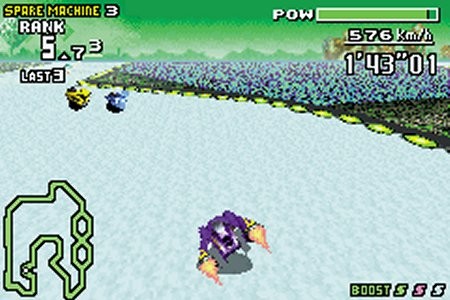
Maximum Velocity is pretty much built on the same engine as the SNES, using Mode 7 graphics. However, this may not have been the best choice to go with as there are other more advanced racing games on the system. There are only four cars to select from, and I found the controls to be incredibly slippery and the AI to be extremely difficult to beat. The tracks are fun to drive, but the sense of speed is great, and the game is just lacking in overall content and polish.
You could write all that off on the age of the engine, the GBA’s inferior hardware, or its lazy design. Maximum Velocity feels more like an expansion pack to the original game than one that can stand on its own two feet. After you have memorized all the hazards and turns on each track, it does get easier, but not by much. This game is for players who want a serious challenge with a retro feel.
While the GBA isn’t exactly ideal for racing games, this one really stands out as one of the best. People going back in time may find it nearly impossible to play due to its ancient gameplay ideas and design. However, you are missing a great opportunity to spend a fun afternoon racing on your GBA.
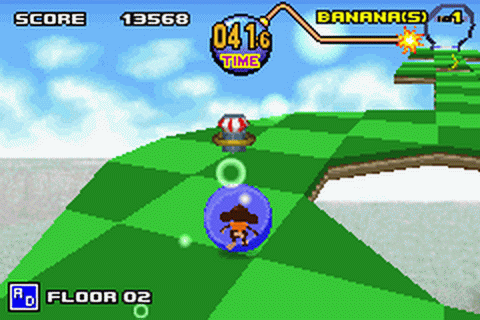
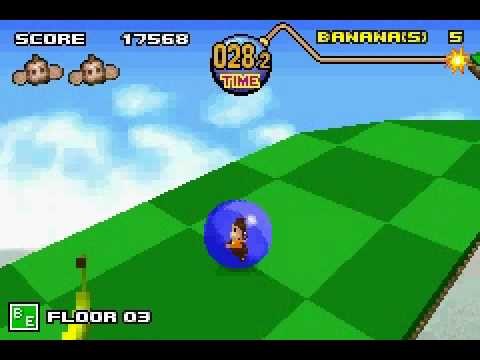
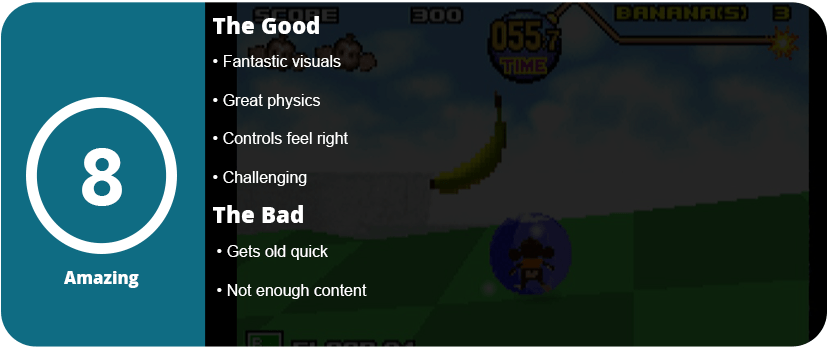
Super Monkey Ball is one of those odd games that, these days, feels like it should be on a phone. It’s good for quick bursts or to beat your high score, but that’s about it. SMB is all about tilting the world around to get a monkey stuck inside a ball to a goal. It harkens back to Marble Madness and the days when motion control was a new thing. However, simulating physics and tilting on a GBA with a D-pad seems rather impossible, but it’s not. SMB Jr. looks pretty darn good and feels natural with the D-pad. It feels like the game was hand-tailored for the GBA.
My only concern is that there’s no goal or challenge mode. You can select from sets of 10, 20, and 30 courses; you get two lives per level and five continues per set. The goal is to try to collect all the bananas while also getting to the goal before the timer runs out. Some levels are easy, some are hard, and some feel nearly impossible. Tilting the world around to get the ball inside the goal is a lot of fun at first, but then it starts to wear thin fast. After you beat all 30 areas, there’s not much else to do.
I won’t say SMB is a bad game; it’s just shallow and lacks depth. It was more like the Gamecube version; it may have been better, but understandably, you can only fit so much on a GBA cart, and the hardware is extremely limited. What is here is impressive for a little handheld.
If you missed this little gem, pick it up cheap on eBay. You will have a fun and frustrating afternoon.
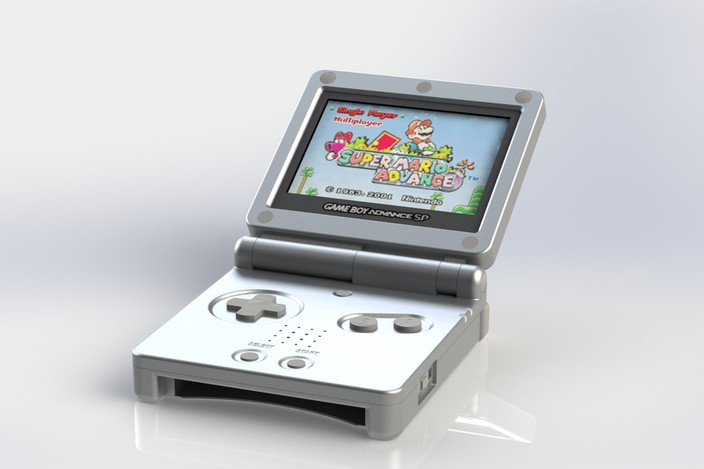
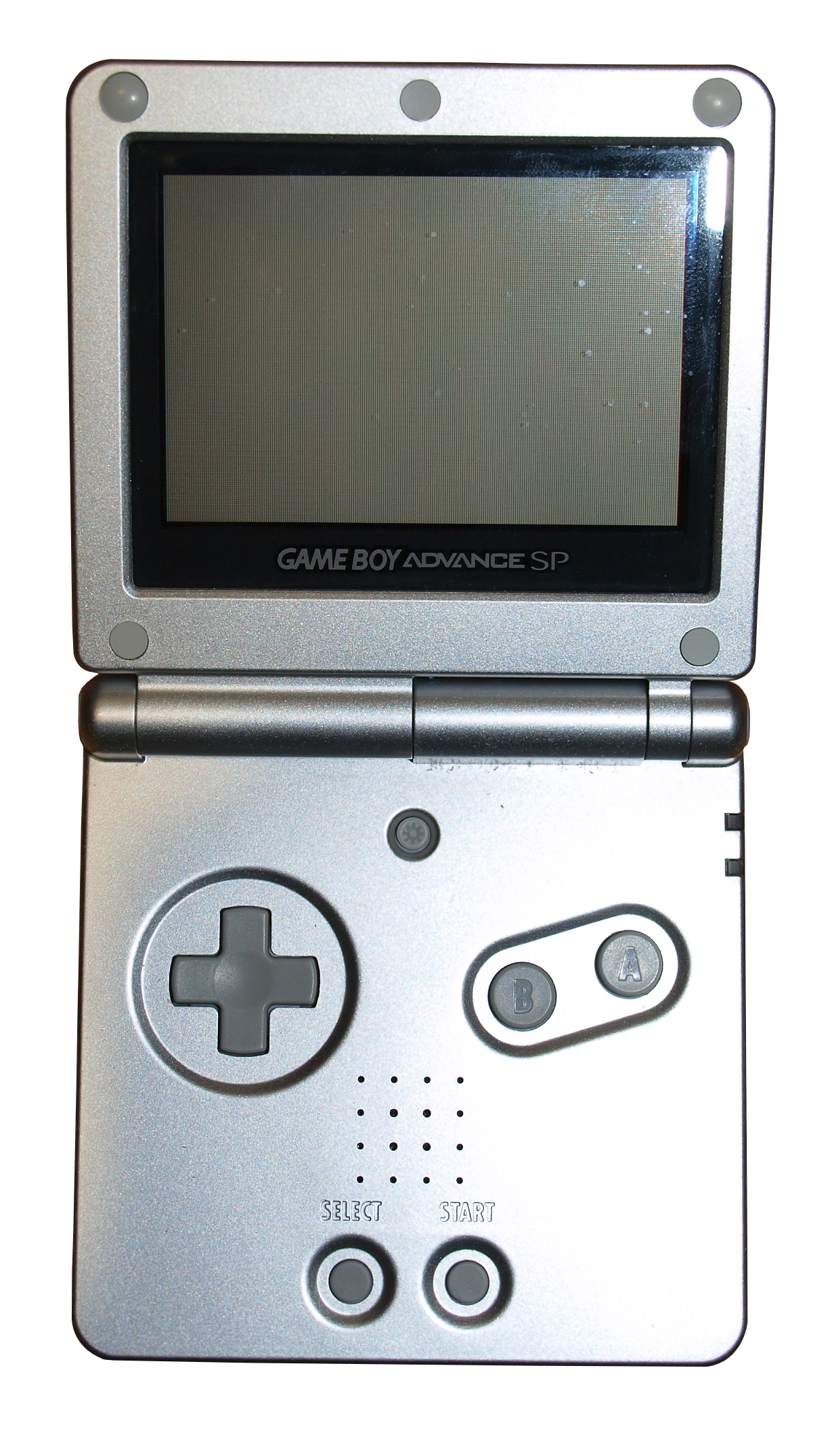
While Nintendo may have dominated the handheld market before smartphones were even aforethought, there was something about them that made them just seem…ugly. Bulky, low-end specs, battery suckers—these are just a few names that early handhelds received, from the original GameBoy, the Atari Lynx, all the way to even the GameBoy Advance. Handhelds required large casings as CPUs hadn’t quite been perfected yet and were large and bulky, not to mention screen technology was still being used in Texas Instrument calculators. LCD was extremely expensive and not cost-effective for small devices yet. The same went for battery power. Lithium-ion batteries were extremely expensive and not ideal for handhelds. Then came the GBA SP. A sleek fold-up GameBoy with a rechargeable battery. It was the first of Nintendo’s handhelds to shed disposable batteries and improve on-screen technology.
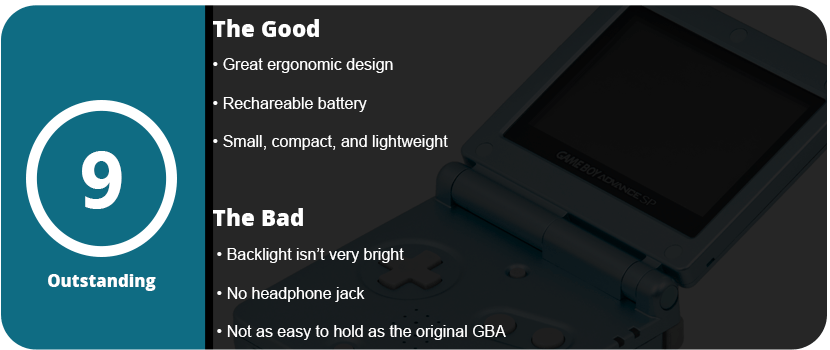
The first thing you will notice is the sleek form factor. The GBA SP is an awesome-looking device. The original model was bulky and didn’t quite fit in your pocket, so you had to walk around with those dorky GBA bags. The button placement was perfect, and the battery lasted for an amazing 10 hours on one charge (15 if you didn’t use the backlight). There was just this perfect square in your hands, and it would amaze schoolyard kids and gaming fans alike. I actually remember having one of these in junior high, and the original model owners were extremely jealous due to the form factor and the backlight.
Speaking of backlight, it was a huge deal. Self-lit LCDs were quite available yet, so Nintendo stuck a backlight in the screen to brighten it up, as the original model needed an actual flashlight clipped on top. While the screen is still quite dark, it made a world of difference and was so much better in the dark. Kids who stayed up late playing their GameBoys were grateful as they no longer needed a flashlight to see the screen and catch their parents’ attention. Later on, however, Nintendo releases a newer model, the SP, with an even brighter screen. These models are harder to find and were released towards the end of the GBA’s life cycle.
One major downfall of the SP is the lack of a headphone jack. The speaker is hard to hear in noisy areas with the volume all the way up, so headphones would be ideal. An adapter was required and went to the Link Cable port as an actual output would not have fit into the casing.
Aside from those issues, the GBA SP was the portable gamers’ dream. A strong library with backward compatibility for the GBA Color and original Game Boy—what more could you want?
The GBA SP also came in several colors, which weren’t seen too often in the States. Flame Red, Onyx Black, Cobalt Blue, and Silver were among the colors available, while a pink model and a retro NES-style model were released later on. However, due to the GBA SP’s age, it really shows its teeth. Let’s take a look at the actual specs of the machine.
Powering the entire system is an ARM7TDMI CPU at a whopping 16 MHz. Yeah, it’s ancient tech, even for 2003, but it got the job done. It had 128 KB of VRAM and 256 KB of DRAM. Yes, that’s kilobytes. The resolution was 256×160 and displayed an astounding 512 colors. However, those dinky specs were home to some of the greatest games of all time; it just goes to show that power isn’t everything.
With that said, the GBA SP is a must-buy even today. We have smartphones that are nearly as powerful as laptops now, the 3DS, and the Vita that trump the GBA in every aspect, but it’s the games that those devices cannot bring back. While the $130 price tag was well worth it back in 2003, you will pay close to that or more for one in nearly perfect condition. Honestly, they don’t exist. They are scratched up, dinged, and chewed on. I had to buy my new one with a refurbished third-party shell. If you’re a collector, go this route on eBay. $60 will get you a new-looking GBA SP. However, if you just want the games and don’t care, they run as low as $30 in pawn shops or on eBay.
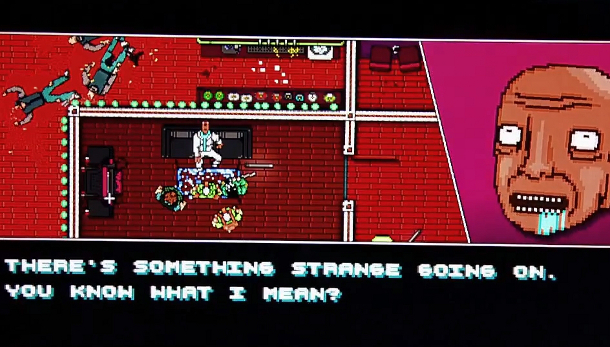
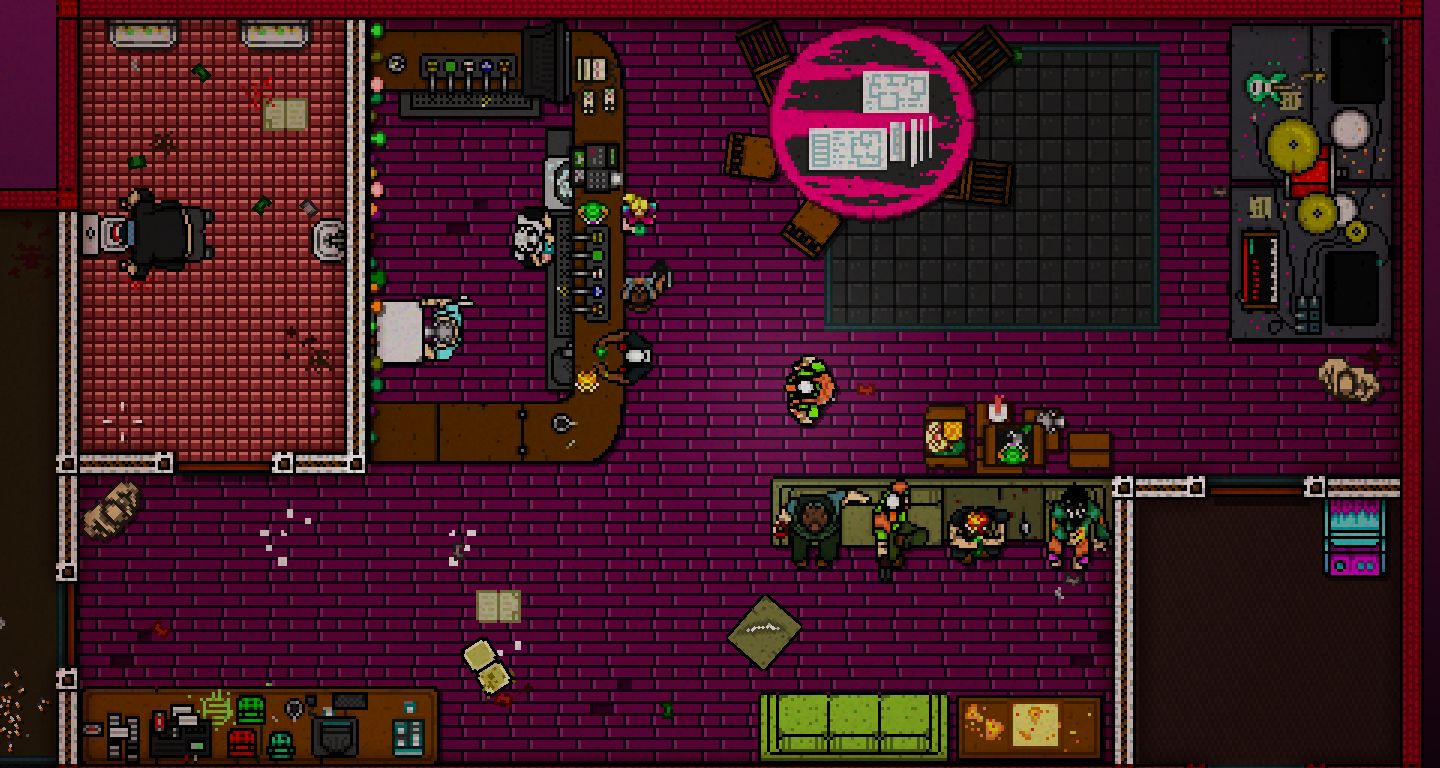
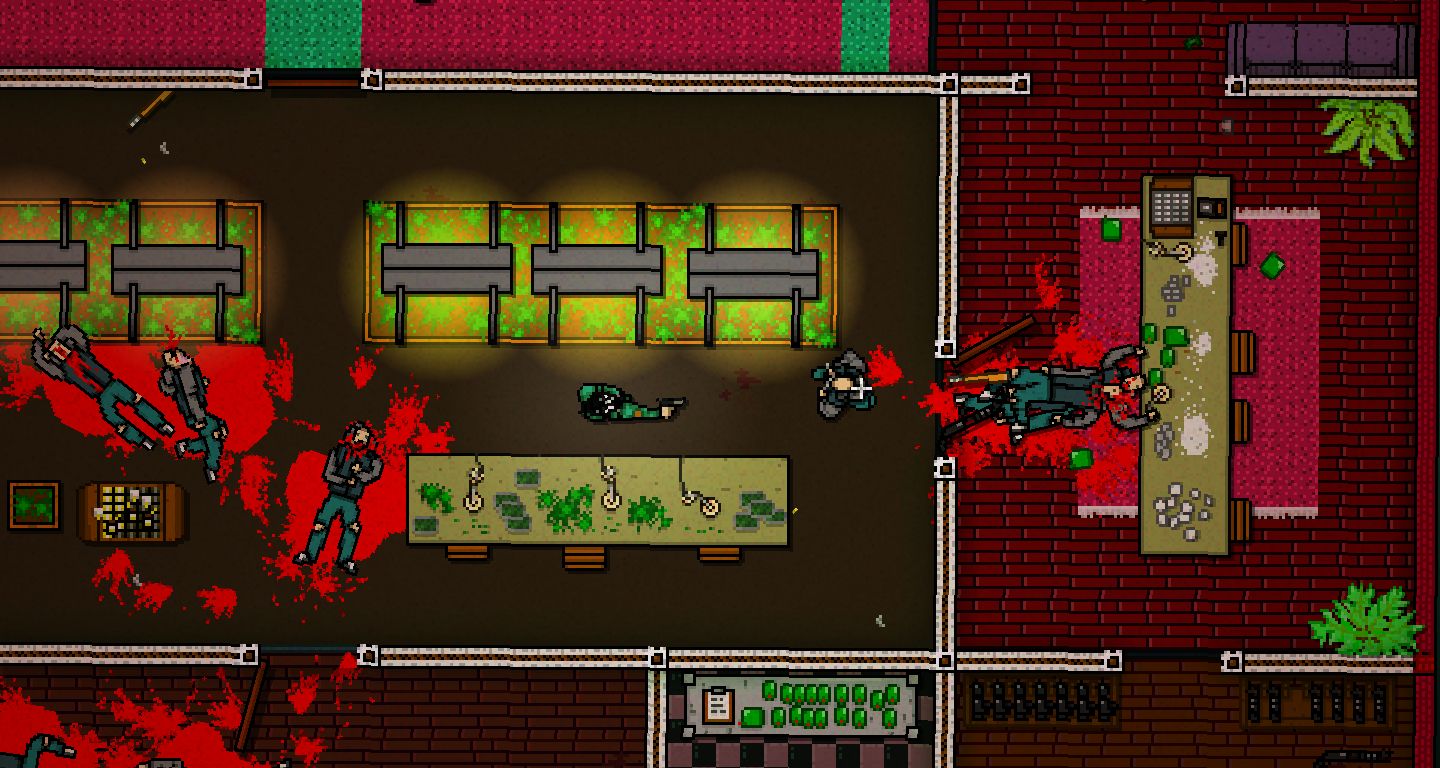
Hotline Miami was one of my favorite games in 2013. It was violent, fast-paced, had tight controls, and rocked a retro 8-bit art style like no other game has. The music was fantastic as well, but the best part was the “just one more level” appeal. Hotline Miami 2 brings back epic music, great art, violence, and, well, some other things we didn’t really want.
Wrong Number starts out by giving us some backstory. Well, it tries and miserably fails at it. The story does not make one lick of sense because you are being flip-flopped between time periods and so many different characters. Each level just starts, and the story is just there. There’s some dialog with no connection to the previous scene. It’s frustrating and makes you want the storyless original back. However, and it pains me to say this, the story isn’t the worst thing in Miami 2. The game is excruciatingly difficult. Miami 1 was hard, but satisfying. It had great replay value because it was the perfect challenge. Miami 2 is a near-frustrating mess of endless restarts and trial-and-error.
You could say it’s a worse-level design, but that’s not the case; I feel it’s more like poor enemy placement. There are so many enemies in each level, and I mean tons. They all have a variety of guns and melee weapons, and a few can only be taken down with certain weapons. I feel the placement is haphazard; we used strategies in the last game that were way overused here and ended up being used to exploit the game to advance, which is not fun at all. Enemies will see you if you can see them; this is how Hotline Miami works. If you can pan the camera further away, you can get a quick sniper shot at them and a free hit, but for fewer points. One good strategy is to move in and out of a doorway really quickly, let some enemies see you, duck back into a corner, and slice everyone up as they enter the doorway or around a corner. That was an infrequent strategy in Miami 1, but in Miami 2, this has to be done to just get partway through one area. Miami 2 is also full of long-winded levels that seem to never end.
Abusing Miami’s strategies is a crying shame here since this game could have had so much potential for more enemies and new strategies. After halfway through the game, the levels become large and hard to navigate with traditional Hotline Miami controls and gameplay. It’s almost like the game tried to go in a new direction but didn’t evolve its gameplay for it. Miami 2 is also twice as long as the first game, but it overstays its welcome after the second act. I literally felt like the game had become a chore and just wanted it to end.
However, that’s not to say the whole “one more level” thing is gone. I was hooked, and the constant trial and error had me restarting levels dozens and dozens of times to try a new strategy, but it wasn’t really an enjoyable “one more level” feeling. A lot of times I had to exploit the enemy AI. Only certain levels can really be completed one way, and if you start a level with the wrong weapon, kill the wrong guy first, or even kill all the enemies in the wrong order, you’re pretty much screwed. More often than not, I was restarting a level not because my strategy wasn’t sound, but because the enemy AI screwed everything up because he wasn’t patrolling the correct corridor or left a room he’s normally in and blindsided me when I least expected it. Usually, this is a good thing, but not when you’re forced to kill enemies in a certain way due to poor enemy placement being overwhelming.
With that said, I hate to say that there’s really no reason to come back to this game after you finish. Do I want to spend an entire week restarting level after level again and again? Of course not. I’d rather re-download the first game and enjoy the excellent Miami-ness without all the hair-pulling. All in all, Miami 2 is not really a must-play, even for fans. If you end up never playing this, you’re probably better off sticking with the first game.
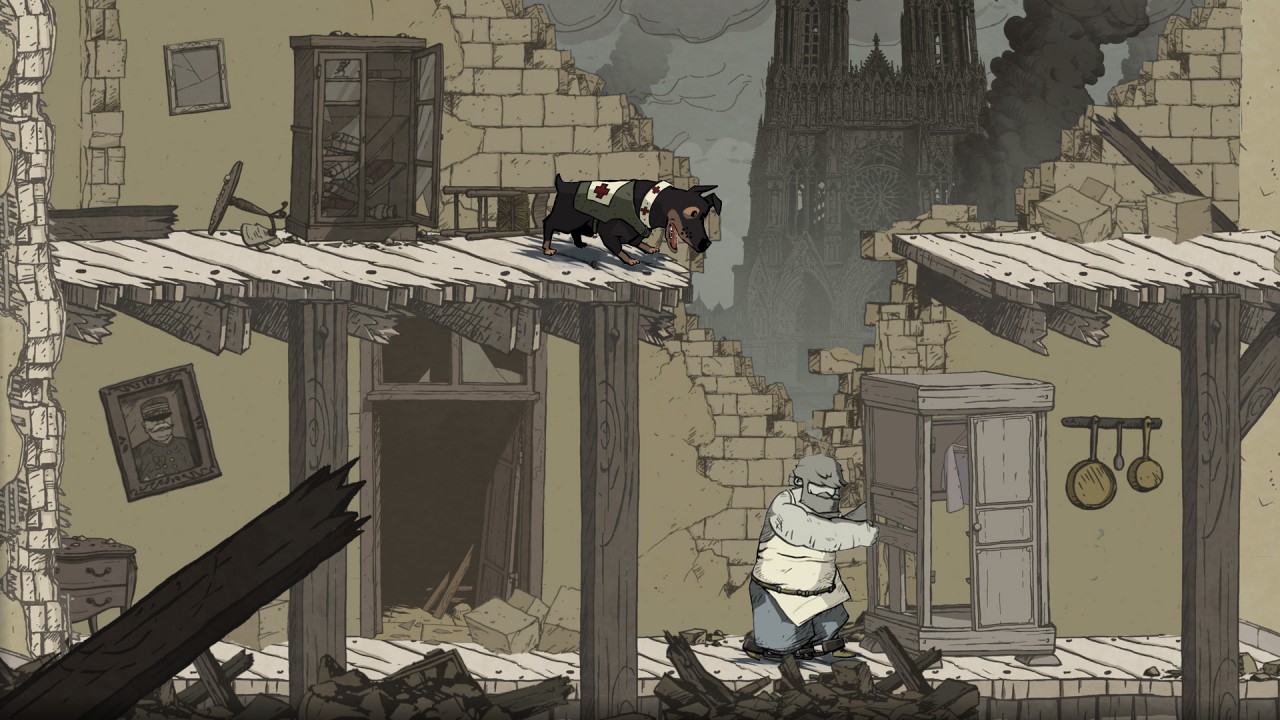
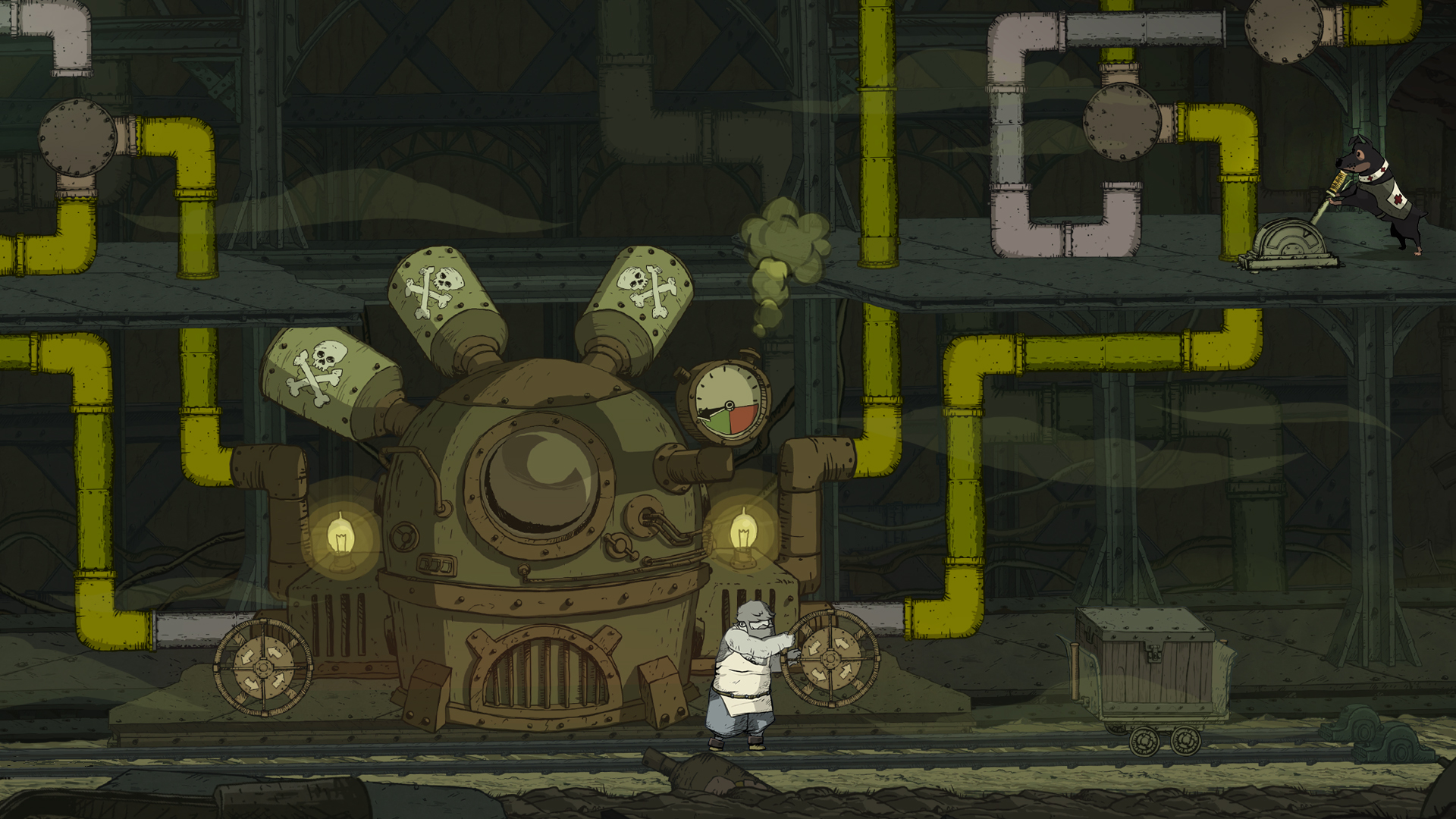
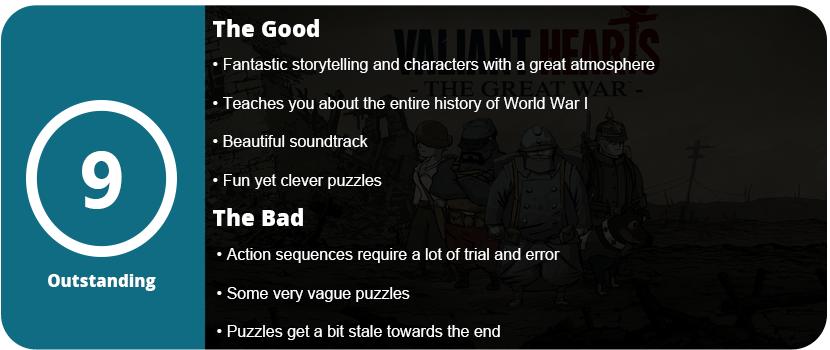
It’s been a long time since I played a game through an entire day and couldn’t put it down. Valiant Hearts will keep you instantly glued to the screen thanks to its rich history, characters, and story. Valiant Hearts is probably the only WW1 game I can remember playing. There is a huge lack of WW1 games, and I’m glad Ubisoft decided to make it a 2D platformer rather than an FPS. The game is brilliant on many levels, and fans of these types of games will not be disappointed.
You play four different characters, all fighting the tragic war in France. A German, an American, a French woman, and a Frenchman. The game reenacts major battles from World War I and also gives you a history of what really happened during that time period. You can also go around collecting trinkets that are from the war. It’s great for history buffs or anyone who’s curious about what really happened during WW1, since WWII is all anyone talks about.
With that said, the game mixes up stealth, action, and puzzle solving, all of which are excellent. There’s no real fighting in the game; you don’t get a gun. You are mainly just trying to survive this tragic war while you watch everyone around you die. It gives you a sense of helplessness and makes you realize just how terrible and brutal World War I was. The game is played on several 2D planes. Using the background and foreground to solve puzzles, all of which are completely different, but the mechanics tend to be the same, and it gets a bit old towards the end. However, many sequences are cinematic and scripted, which keeps you glued. I can honestly say the game is well-paced and perfect for a one-day gaming spree.
I did find some issues here and there, such as a few puzzles being extremely vague, but it’s nothing that some trial and error and exploration won’t solve. There is a hint system for people who aren’t very good at puzzles, but it can also be turned off. Some of the more frustrating areas were the action sequences in which bombs drop and you have to dodge enemy fire. A lot of it is trial-and-error because the game rushes you through it. Expect to restart and die several times throughout this game.
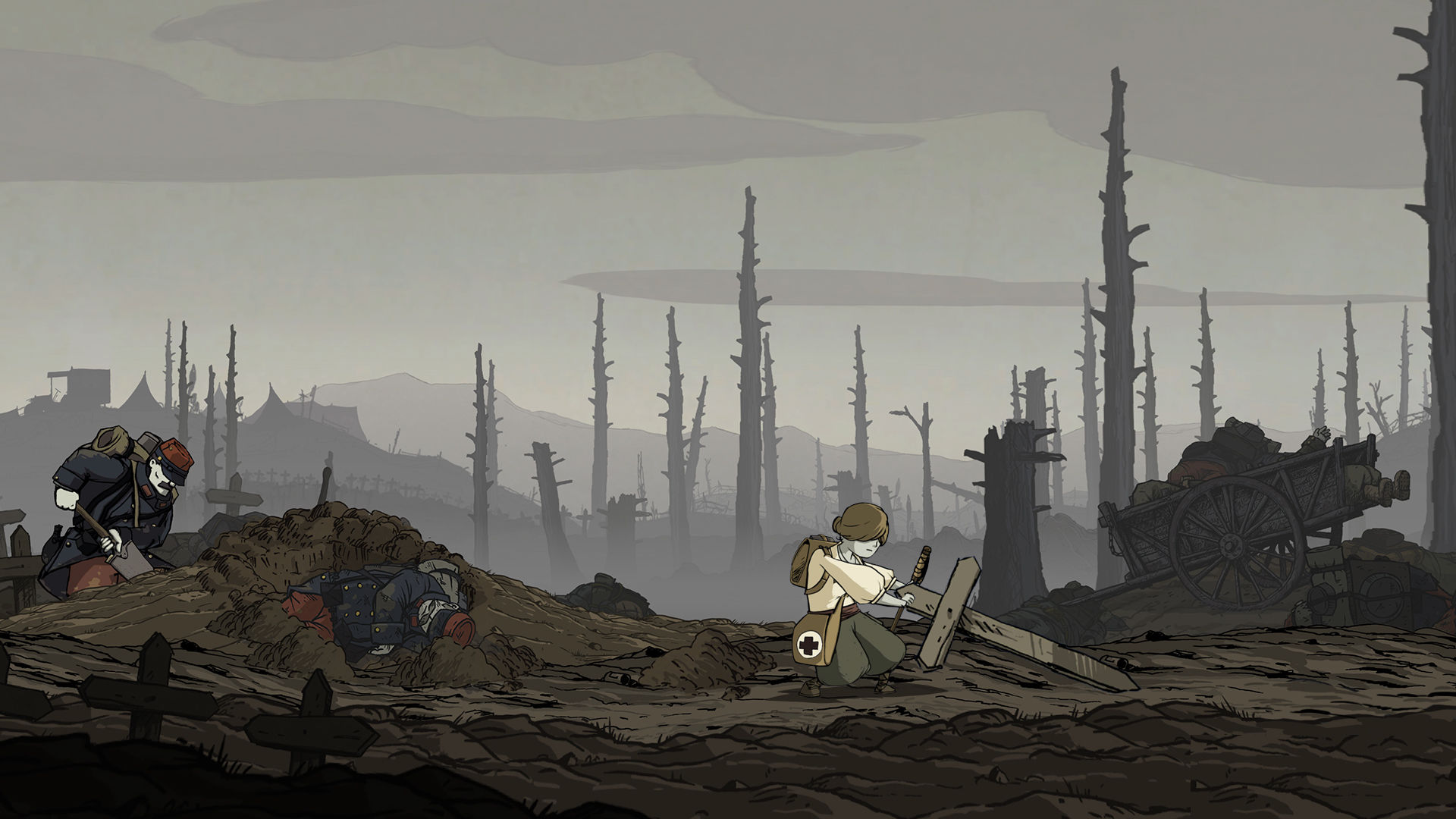
The graphics alone are just gorgeous, and the colors pop on PS4 and Xbox One. The sound is excellent, and the music is wonderful. Many pieces are classical symphonies from the time period, so it adds even more authenticity to the game.
With that said, Valiant Hearts is probably a hidden gem that many people will pass up. It’s tragic; it really teaches and shows you every step of WWI and enlightens you on just how terrible the human race can be. From mustard gas bombings to the creation of tanks and aircraft, World War I was just a stepping stone for WWII.
















































 thebinarymessiah.com
ORC is probably the worst game in the entire series. It's objectively awful. Being bad isn't different. Different is Outbreak…