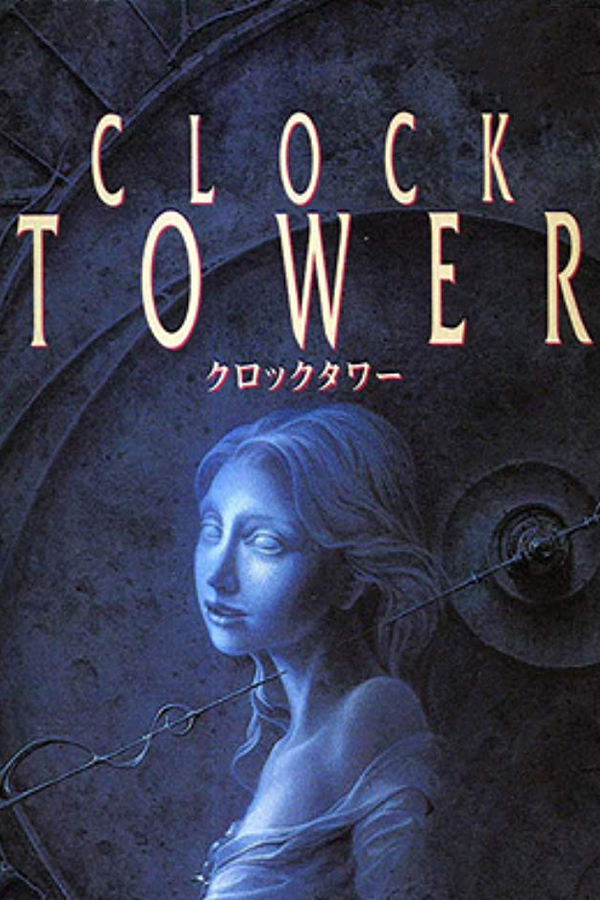
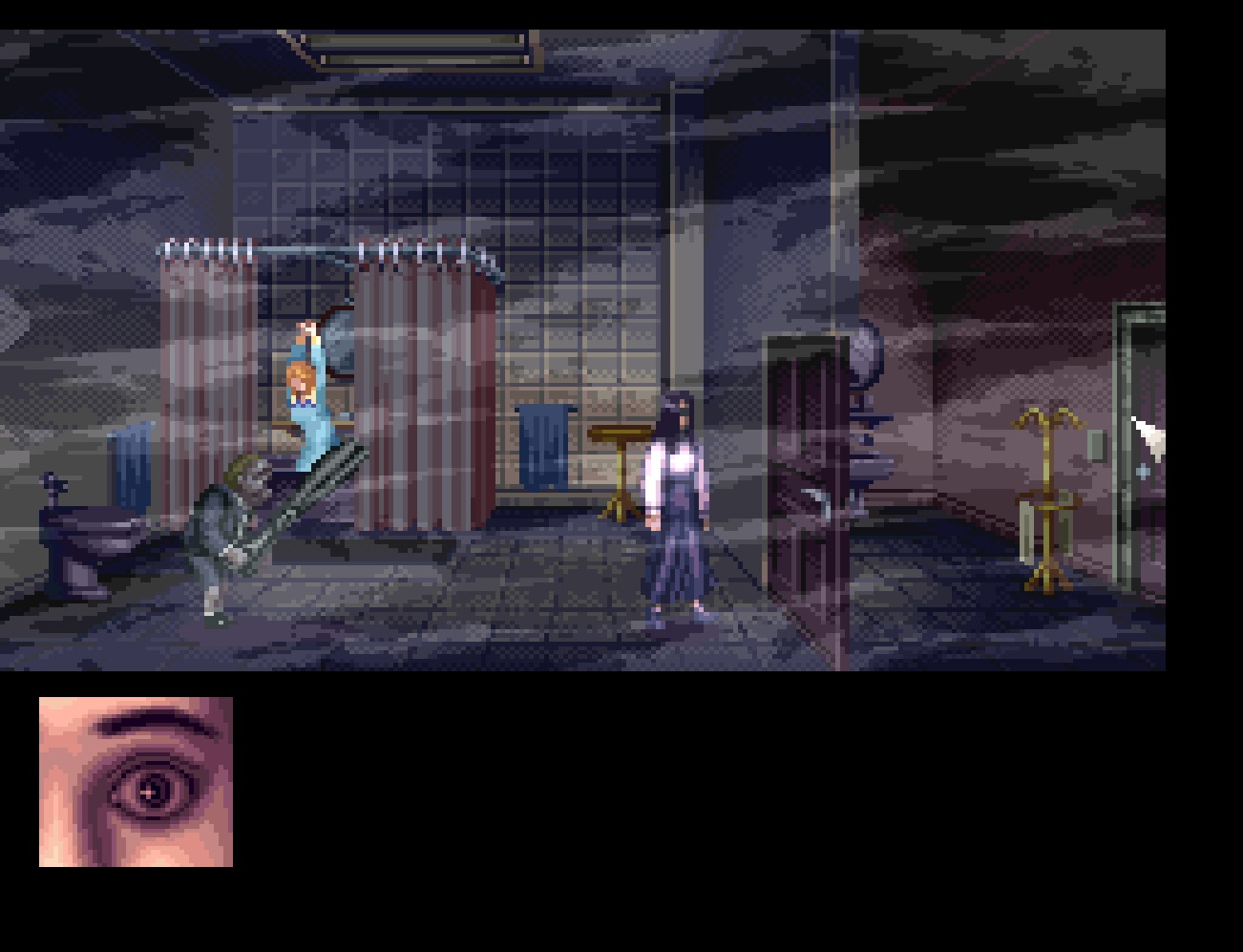
Clock Tower starts out well enough. There aren’t many point-and-click adventures on the Super Nintendo, so I can see why this slower-paced game never made it outside of Japan on the SNES. Initially, the controls are peculiar and challenging to adapt to. Using the L and R buttons causes Jennifer to continuously run in that direction. She will continue to run in that direction up any stairs, obstacles, or doors until you press the buttons again to stop her. The story is mostly difficult to understand and grasp. You end up in a scary mansion with a group of friends, and then they slowly disappear. The “Scissor Man,” who appears at random, chases you as you search for them.
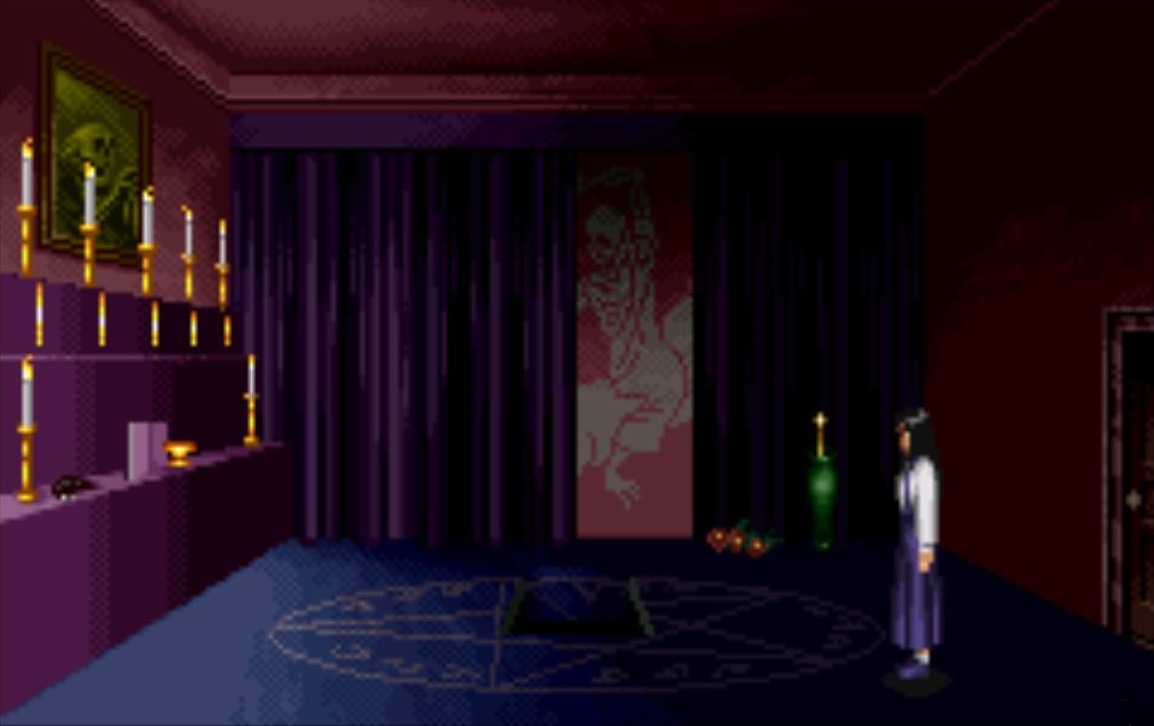
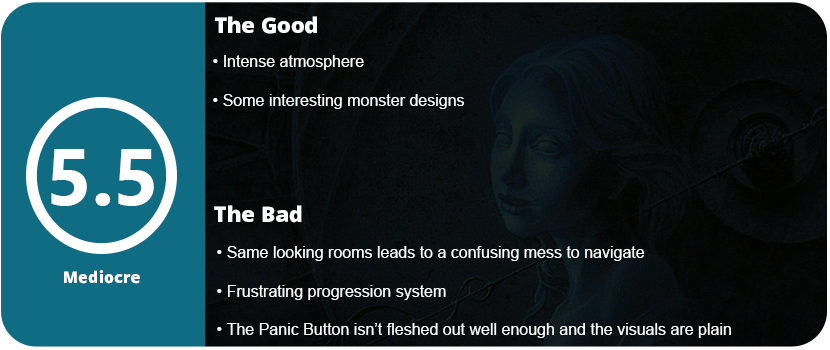
The gameplay necessitates a comprehensive guide. This game is unlike any other I have ever played on the SNES. You can spend hours wandering around and looking into all the rooms, never truly knowing what to do or where to go. The idea of running away from the monster is novel, but without the guide, I would not have known that you need to do most things in a very specific order. Certain orders provide different endings, and you can also easily miss one of the few hiding spots in the game. When Scissor Man appears, you must keep running until you can hide, or he will not go away. It’s important to memorize the mansion’s layout and where each hiding spot is. My issue with a game featuring so many rooms is that many of them share a similar appearance. Despite spending a solid 4-5 hours playing this game, I often found myself lost, even with a comprehensive walkthrough. Some rooms will also lead to insta-deaths as well which made things more frustrating.
I’m also not sure how I feel about the game’s sound. It’s almost nonexistent. Outside of Jennifer’s shoes tapping on the ground, there’s nothing here to listen to. When the Scissor Man appears, his theme song plays, and if you’re lucky, you can use the panic button to escape his grasp. As you run out of stamina, your portrait icon will turn red, and you will need to rest by kneeling. You will find yourself engaging in this activity frequently. There are some items you need to find in order to unlock doors and various objects, but these will be impossible to find with Scissor Man constantly chasing you halfway across the mansion. Each playthrough randomly changes a few rooms, making it difficult to distinguish between the main hallways. Despite the tension of Scissor Man lurking around every corner, there aren’t any other enemies in the game, and the lack of sound effects and music removes any would-be tension.
Overall, despite the slightly interesting story and plot twists, many players may find the labyrinthine hallways, obtuse objectives, lack of hiding spots, and overall trial and error required to reach the game’s end frustrating. Although the concept is intriguing, the execution falls short.
Resident Evil significantly established the benchmark for survival horror games and 3D gaming in general. Games were still trying to figure everything out. Camera angles, movement, pacing, and combat. It was up to these developers to pioneer 3D games for the next 20 years. Parasite Eve may have been a short-lived franchise, but it made a lot of advancements in the 3D action/survival horror genre that Resident Evil was quickly trying to dominate. Despite its late PS1 release, this game felt ahead of its time, even though I haven’t played the first one.
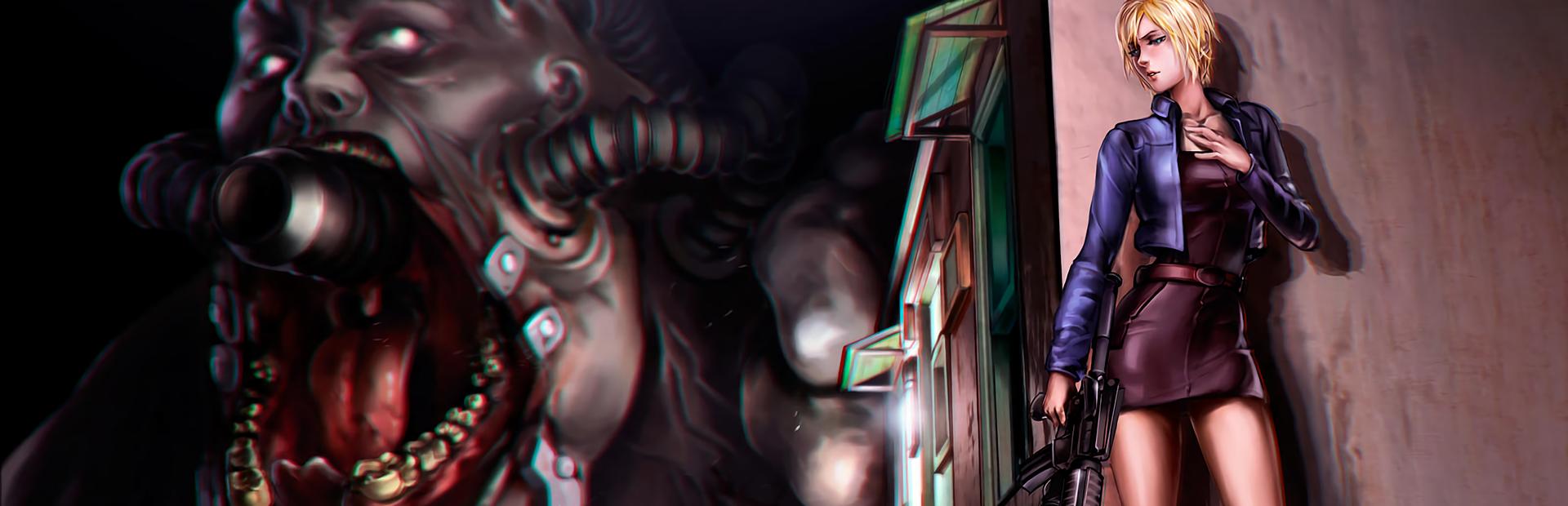
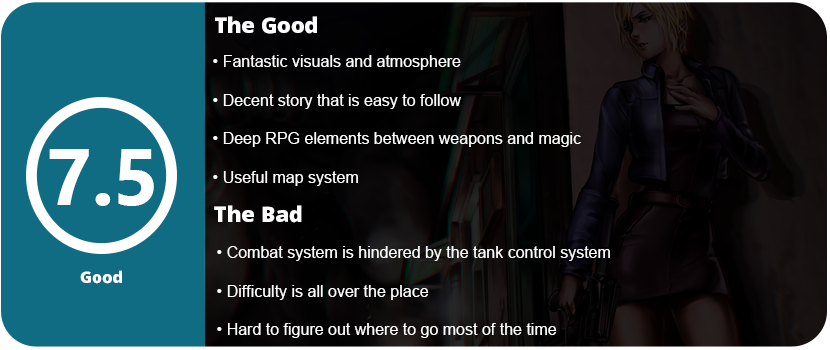
The story is surprisingly simple to follow and fairly interesting. As a MIST agent, Aya Brea, you embark on a journey to the Nevada desert and the town of Dryfield. Here, your mission is to devise a permanent solution to halt the NMC (Neo-Mitrocondira Creatures). There is a lot more to the game. You also start out in a mall in Los Angeles. There are a couple of twisty endings, and the story is well-told and easy to follow. There isn’t really any voice-acting due to space constraints. The visuals alone explain why the game spans two discs.
The game has both RPG and action-combat elements. There are plenty of weapons and magic to use, and the game is a tight balance of the two. This is also the era in which missing a key item could make the game artificially more difficult, so I suggest playing the game on easy the first time with a guide and then doing a New Game Plus on your own. Despite the game’s linear structure, the vagueness of your objectives could lead to many missed or lost opportunities. At times, your map displays the locations of your objectives, while others do not. You can pull up the help in the map menu to see Aya give you a single hint; sometimes that’s also enough, and other times it still leaves you clueless. There are only a couple of puzzles in the game, but there is still a lot of item hunting. You need to find key items that not only advance the story but also optionally unlock new weapons or items to aid you.
Parasite Eve II‘s combat is surprisingly excellent for the time. 3D movement is tank-based, but it feels more fluid thanks to better camera angles than most games in this genre. There is an auto-lock system with a large reticle that you can easily swap between enemies. The game is fairly smart and usually picks the enemy closest to you, but not always. You can fire rounds off, and reloading happens when your clip reaches zero. Secondary attachments on some weapons can stun enemies or deal massive damage. These all cost money, and it’s imperative that you acquire the best weapons as early as possible; however, this becomes a juggling act with inventory vs. your attachments. You need to upgrade your armor to increase your attachments, but you can also find small pouches on the field. You should always have a single weapon in hand and equip at least one other. It’s good to know what types of enemies are in the area to be able to balance this just right.
Weapons vary, from pistols to shotguns, assault rifles, grenade launchers, and attachments that help you miss and match. You can equip an M4A1 assault rifle with the AS1S shotgun attachment, allowing you to combine both types of weapons without requiring two inventory slots. However, you must acquire precious BP by killing enemies to purchase these attachments. Bosses give the most, but it’s important to kill everything around you so you can get as much BP and EXP as possible to level up your powers. There aren’t random battles or respawning enemies, but opponents will spawn in the same area after each objective is complete. Harder enemies start popping up, as well as more of them, so it’s really important to know their weaknesses and what weapons and magic attacks work best. Some will attack you in swarms, so stun attacks are best for these enemies. You can’t move around much, so make sure you really get the hang of the combat system.
Magic is interesting, as you will use it for stronger enemies and large groups. As you level up, you acquire new magic in different categories. You can level up Fire, Earth, Wind, and Necro magic to a maximum of three per power, and utilize the magic wheel to activate these powers. This requires MP, so you will need to boost your MP to use it in combat. You should equip some key items instead of using them, as they can significantly increase attack damage and even magic. Therefore, it’s crucial to utilize a guide during your initial playthrough, as inadvertent use of these items, such as boosting a magic point by one level or similar effects, can result in waste. While you can’t use an auto lock-on (the game pauses when in the magic wheel), magic is incredibly useful for bosses. Green vector lines indicate the path, and enemies will flash green to indicate potential hits.
The map system is rather useful. Rooms in red mean there are enemies in that room, and once they are all defeated, it will not be red anymore. When you initiate combat, the screen briefly turns white and you hear the sound of a heartbeat. Sometimes, if the enemy doesn’t see you yet, you can quickly change weapons, heal, or do back attacks that cause more damage. Aya automatically reloads after clearing all enemies in the room, and your winnings window appears. Item drops are incredibly rare. They only become more common when you start fighting the game’s most powerful enemies, the GOLEMS, towards the last fourth of the game on the second disc. There are only a few shops in the game, so this leads to a lot of backtracking. Additionally, the game does not allow you to sell items, meaning that if you inadvertently purchase something, you are unable to return it. This means you can only discard items not needed in your inventory or store them in a box. I recommend saving before buying anything; in case something doesn’t work out, you can reload.
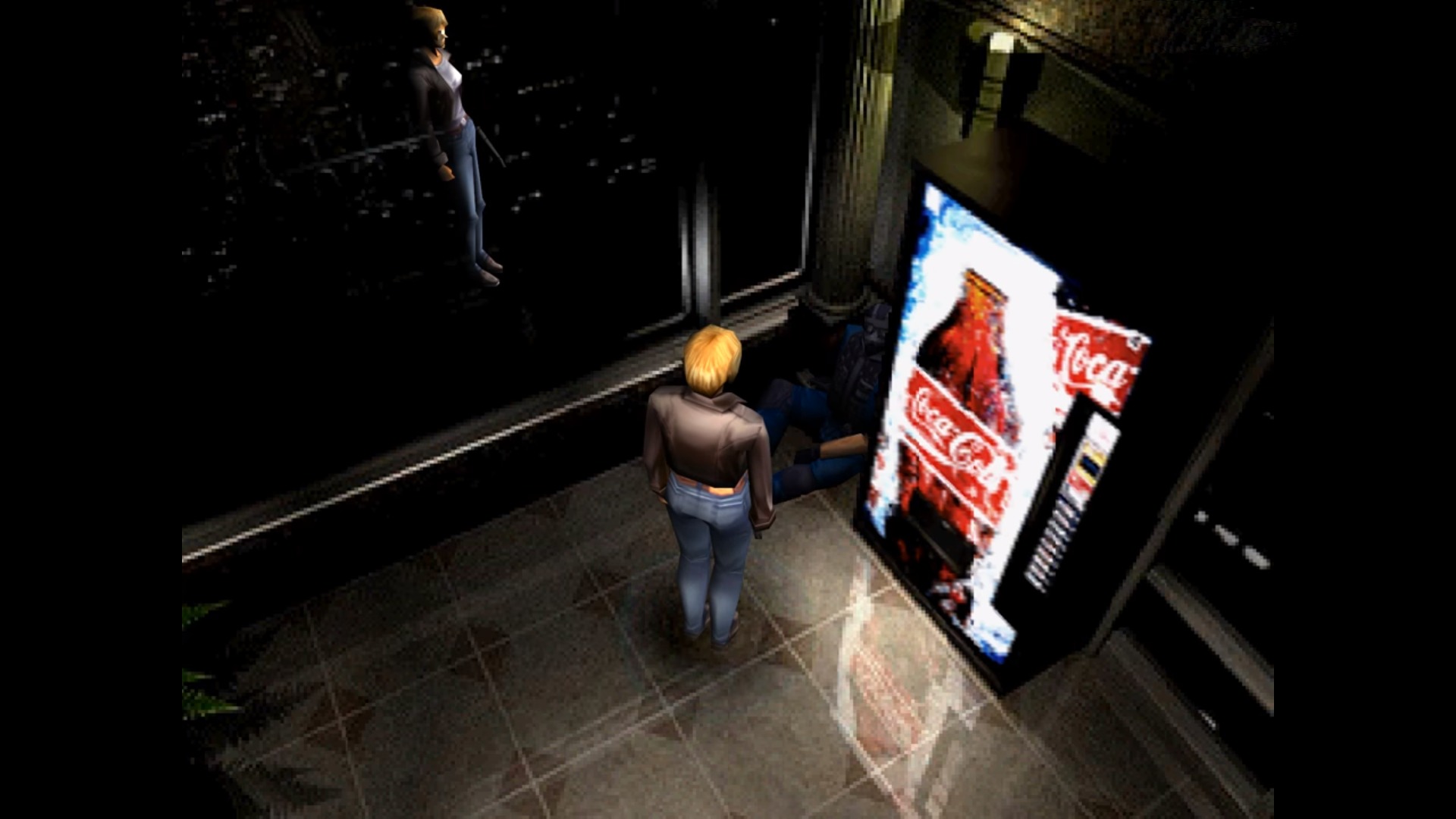
The visuals push the PS1 to its limits. We still get pre-rendered backgrounds with some 3D objects in place, but the character models look good, and there is a lot of detail in everything. While the game looks mostly generic style-wise, it is a technical showcase for the PS1. Sadly, the lack of voice work and infrequent FMVs kind of hurt the game presentation, but what’s here works. Overall, Parasite Eve II isn’t perfect. It’s a product of its time, with developers trying to figure out how to do action games in 3D. The weapon balancing act is frustrating, and missing out on key items to make the game more enjoyable can cause a lot of problems later on when you realize it’s too late. The combat system works well enough, and there are plenty of weapons and magic. The game’s main issues were mostly backtracking and a lack of knowing where to go. The story is interesting, surprising in depth for the time, and well told.
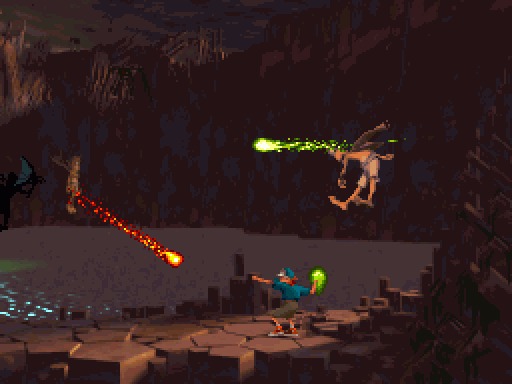
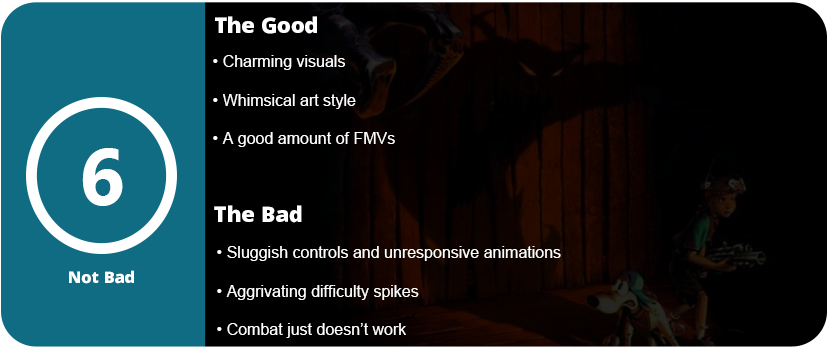
In the early to mid-90s, FMV games were all the rage, but they never really panned out, and almost all of them were bad in their own spectacular ways. There was a refinement to the genre in terms of cartoony and claymation FMV games that were mostly adventure titles, but Heart of Darkness took pre-rendered animations and scenes, so it felt like you were playing a 3D cartoon, and added a new spin. While the graphics are pretty bad, the art style is whimsical and indicative of what could have been a great 3D movie for kids.
You portray a little boy who is full of imagination. In the beginning scene, you get a bunch of sweeping camera angles, whimsical adventure music, and what seems like an invasion by a dark evil lord and his minions. Of course, all of this is happening in the boy’s mind as he plays in his treehouse, but that’s not the main focus. The story progresses as you decide to save a tribe of flying creatures from this evil lord, who is turning them into shadow creatures. There are a good number of FMV sequences, some ranging from 30 seconds to a few seconds. There isn’t a significant amount of voice acting, and what is present is difficult to discern. The FMV videos are very low quality and run at what seems like sub-24 fps.
The only gameplay is jumping, running, and shooting, which are too difficult. The sluggish controls and unresponsive animations artificially inflate the game’s difficulty. When you possess a gun or firepower, a plethora of creatures flood the screen. The opening scene alone could deter many players, as it leaves them uncertain about whether they should run or shoot. Many background pieces blend in, and it’s hard to tell what is interactive and what is not. Trial and error is key to this game, as is saving frequently. I have to admit that at least the checkpoint system is mostly fair. I rarely regressed too much, but when I did, it was a particularly challenging section that I had to repeatedly complete. A lot of times, traps and enemies will pop up on screen before you can even take in what is going on. This is a screen-to-screen game with no smooth scrolling. I would run to the next screen and immediately die. The placement of these traps and enemies is unfair and not necessary. It feels like there was little to no playtesting involved.
You can shoot in eight directions, but it can be challenging to align shots precisely. Certain sections and puzzles involve swimming, and defeating enemies necessitates a specific strategy, which also applies to you. Contact with enemies often results in instant death. A health bar would have been nice, especially during the final boss fight, which was aggravating. Jumping also requires precise timing, as there’s a little hop, a running jump, and a regular jump. Each one is a pre-canned animation, and you can’t interrupt it. There’s also an issue with ledges seemingly needing to be pixel-perfect to jump off of, as some platforms are exactly the right amount of pixels apart. I also disliked having to wait for a slight pause to load between platforms when switching screens.
Despite all of that, the game does possess its own unique charm. The puzzles are the strongest aspect of the game. When you are just walking around pushing buttons and climbing ladders with no danger involved, the game shines. If the combat had been cut, I could even deal with the platforming woes, but the combat seriously drags the game down, as the animations and controls aren’t responsive enough for something like this. The game can be completed in a couple of hours, but due to the constant trial and error you will spend a full afternoon on this game. It’s worth it for the charm alone, but just be prepared to repeat sections over and over again.
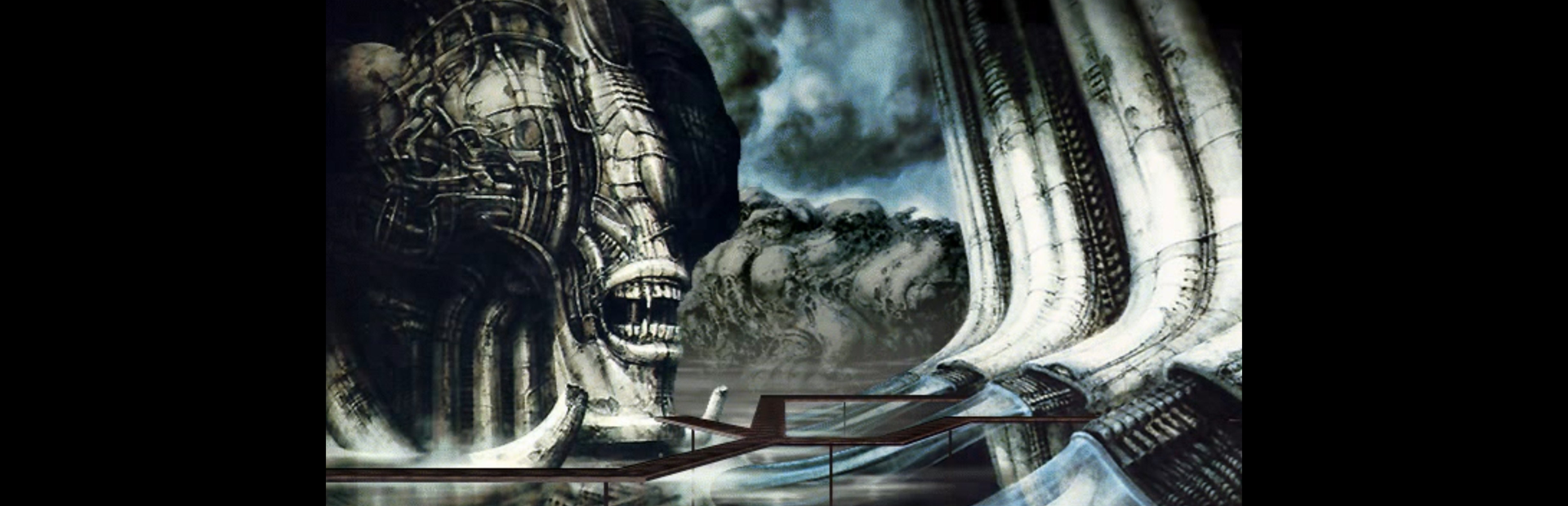
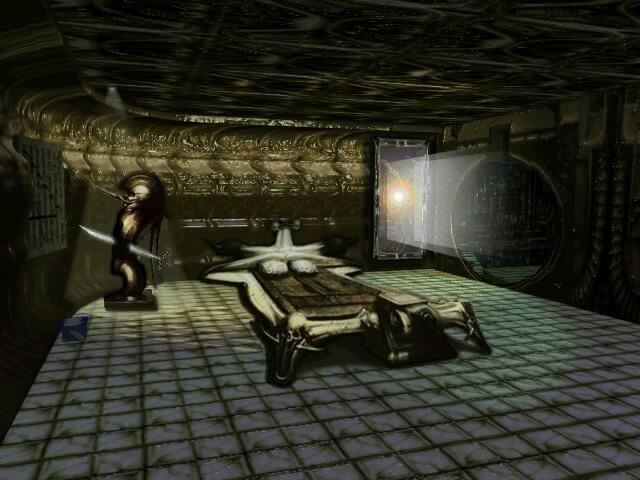
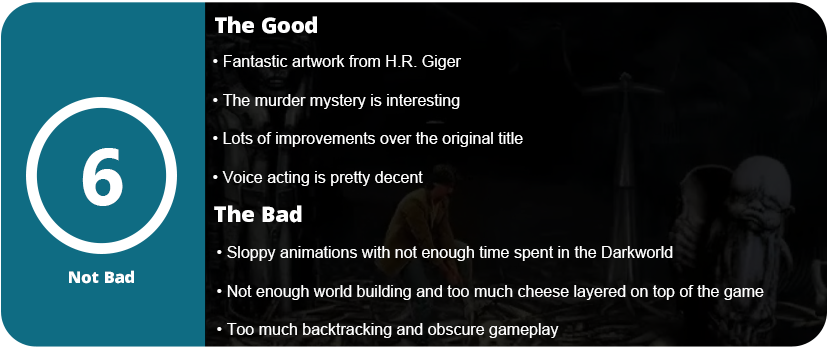
The marketing, box art, and even screenshots are quite misleading for the type of game this is. Even the fantastic artwork doesn’t accurately convey the tone of the game. The first game was a chaotic combination of trial and error, resulting in its incredibly short duration. The second game follows more linear and traditional point-and-click adventure gameplay with digitized scenes and full voice acting. While the voice acting isn’t half bad, the sprites could have used a few more animations and don’t mash well with the H.R. Giger art style of the Darkworld.
Dark Seed II focuses mostly on a murder mystery. You play as Mike Dawson, who is recovering from the events of the first game. The local sheriff has charged you as the prime suspect after the murder of your high school sweetheart, Rita. You then wander around various locations in town, talking to people trying to move the story along, and this is where the game really falls apart. Like most point-and-click adventures of the time, the game is very obtuse; there aren’t any puzzles, but knowing what items to pick up and where is a real chore. The first game had issues with objects blending into the background, but in this game, you just wouldn’t know where to start. I had to play this game with a full guide, or I would have spent hours wandering around, not knowing what to do or where to go. The lack of a button or other mechanism to access the map makes the significant amount of backtracking even worse. To get to the map, you must walk back to the edge of the area, slow walking speed and all.
Once you get to the Darkworld, things get a little more interesting. The artwork is fantastic, and it’s a shame the low-resolution visuals don’t do it justice. The voice acting didn’t mesh well with the characters in this world, which put me off. They are meant to represent people in the real world, but come on. Why is there a strange statue of a gargoyle that Giger created speaking with a silly New York accent? It just doesn’t sit right tonally. I still loved the bizarre architecture and surreal atmosphere that the Darkworld gave, but the repetitive music, sound effects, and half-assed animations just don’t do any of this justice.
There isn’t much gameplay. You can change your action icon with the right mouse button and have a pop-up inventory, but you won’t be using it much. Most of the game involves walking back and forth and talking to people. While the overarching murder mystery is rather interesting and the ending was a surprise, I wanted more of the in-between stuff. There was a significant opportunity to bring the Darkworld to life, and even in the mid-90s, this could have been feasible. There was a hint of this happening when you converse with certain creatures; they mention the Darkworld briefly, but the worldbuilding simply lacks depth. The adventure titles of that era, like The 11th Hour, I Have No Mouth, and I Must Scream, Full Throttle, and others, didn’t follow the same pattern. Many other games did this just fine, without the macabre legacy of Giger himself lending a hand to the art department.
Without the artwork, this would be a ho-hum adventure title. While there have been many improvements over the original title, I would still like to see more Darkworld architecture. I wanted more time spent here. Yes, there is more of the dark world. There are more screens, buildings, and creatures in the Darkworld than in other adventure titles of the time. There is a layer of cheese that you just can’t look past when it comes to certain events or scenes in the game, and it made me roll my eyes or frown. H.R. Giger’s art is my favorite of all time. There’s so much that could be explored here, but instead we get an obtuse, backtrack-heavy game with an interesting murder mystery and the best parts taking the backseat.
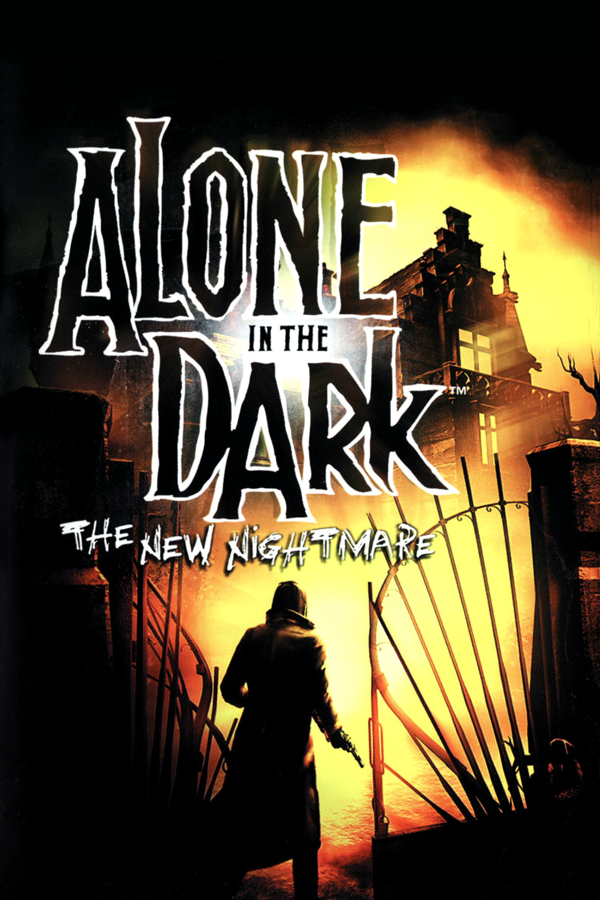
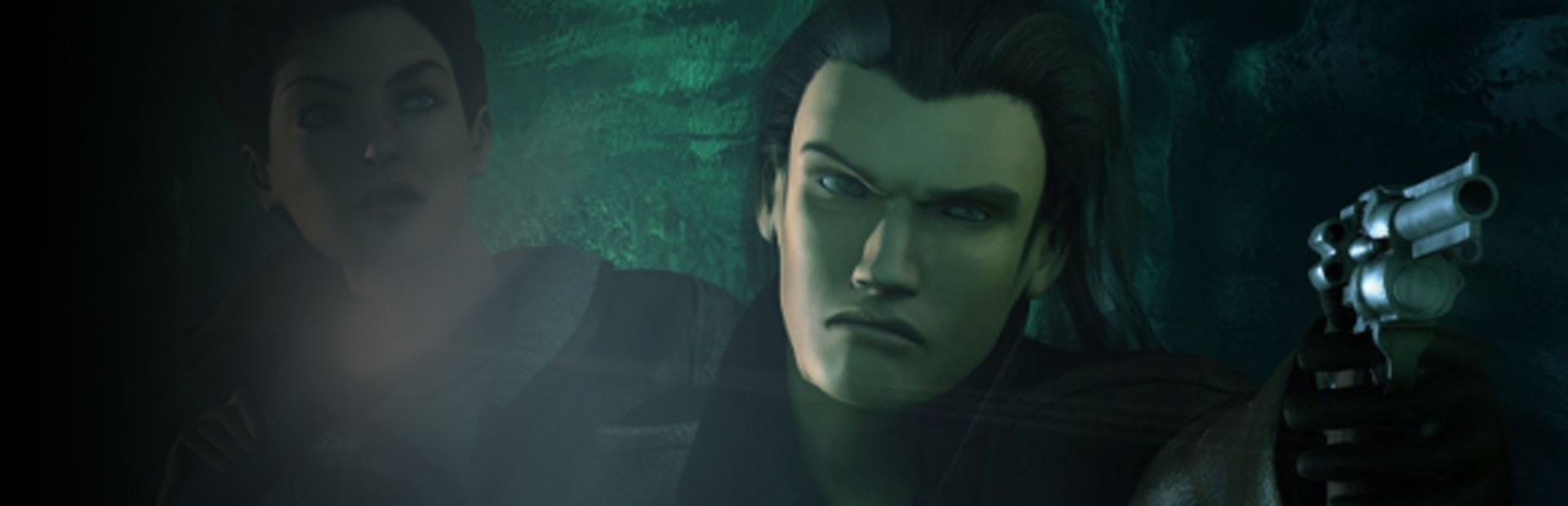
A murder mystery. A supernatural thrill ride. A past that haunts you. These are many things, Edward Carnby and Aline Cedrac have to deal with. Carnby’s best friend, Charles Fiske, is found dead off the coast of an island. You are sent to investigate, but your parachute is damaged on impact, and you must fight off strange creatures from another dimension while trying to find out the fate of your friend. The story here is surprisingly deep and involved, but not very interesting. It’s akin to a sleepy mystery novel that keeps you hooked just enough to keep reading but then quickly forget about it shortly afterwards. The New Nightmare is kind of stuck between a rock and a hard place due to the timing of its release. It came out just before the beginning of a new generation of consoles and kind of feels like it has a foot in each generation.
I do have to state that the visuals are very impressive right off the bat. For a Dreamcast game, the pre-rendered backgrounds would be mistaken for a PS2 title, especially when using VGA. They are bright, crisp, and well detailed without that 32-bit sheen that older “tank-style” horror titles had that used pre-rendered backgrounds. The lighting effects are well done, especially when using your flashlight, and the monster designs are surprisingly not very scary or interesting. They feel like generic sci-fi creatures from a B-grade midnight premiere on the Sci-Fi (yes, not SyFy; get that out of here) Channel. The atmosphere is really tense, and there are a few jump scares scattered throughout the game, but overall it does a great job of giving you a haunting, impending doom feeling.
Back to the whole one foot in each generation business it still has pre-rendered backgrounds, tank controls, and a tiresome inventory system. Thankfully, there aren’t a lot of items to pick up, as there are few puzzles in this game. Most of your pick-ups are weapons, ammo, saves, and first aid. You can combine and split objects, but I only had to do this once as Edward. I got tired of having to do a quick reload by going into my inventory screen and manually reloading there, as there is no reload button. You must wait until you are out of ammo first. This would be nice to have, as you eventually learn how many shots each creature type takes and can count them that way. I also hated how much the views and angles flipped around. I appreciate the more modern take on cinematic angles and camera views, but this game could have easily been 100% done in real-time on the Dreamcast with no issues. When fighting some creatures, you get knocked into another angle, and the screen pauses to load for a split second, making you disoriented. This especially proves troublesome during the final boss fight.
I did like how the game doesn’t skimp on ammo, but you must preserve it in the beginning and be smart. I easily missed the shotgun the first time around and had to restart, as you don’t get much revolver ammo in the game at all. The majority are shells. I wound up in a hallway with zombies, zero ammo, and 200 shells. Thankfully, it was only 30 minutes of gameplay before I could get to the shotgun again, but this is another foot in the previous generation. I like the better map with an actual dot on screen showing you where you are, but certain angles and lighting make things hard to see. Some items sparkle, but I would see sparkles through walls that were objects in another room. It doesn’t help at all.
If you conserve well during the first disc, you get many more weapons later on and tons of ammo, and you can just blast away. However, the game tries to guide you a bit better, similar to how modern games do. Puzzles will sometimes be two-way communication over the radio with hints or instructions you need to follow or clearly needing symbols for a code lock, but you can use an item to follow clues and trails to the symbols you need. It’s a great step in a new direction, as I love these games’ atmosphere, story, creature design, or anything else but navigating their frustrating, labyrinthine, and obtuse maps. Backtracking is also not super horrible here. There were only a few times I needed to go from one end of a level to another, and it was the final time before moving on to the next major area. I do detest the limited saving system. You need to find Charms of Saving, and there are only around 20 in the whole game. Thankfully, the game is done in less than 5 hours, and if you are careful, you won’t die and can spread them out. I only used about 10 during my whole playthrough.
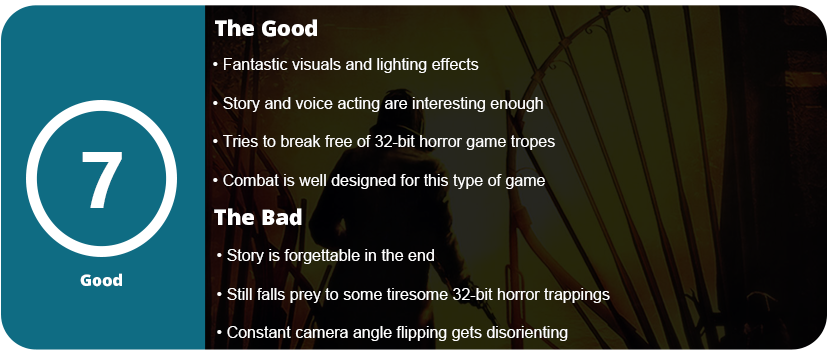
Overall, The New Nightmare isn’t a reboot of the game (we were graced with that horrible beauty just a few years later), but a step into making the traditional point-and-click adventures console-friendly and trying to make them more modern. The story and characters are interesting enough to push you through the game, but mostly they are forgettable. The voice acting is surprisingly decent, and the visuals are awesome. There is so much pushing and pulling in two different generations that the game falls into typical 32-bit supernatural horror trappings but also tries to break free of some. There are plenty of weapons and ammo; the auto-aim system works well; the puzzles are not obnoxiously obtuse; and backtracking is minimal. Overall, The New Nightmarehas aged better than many games of its era thanks to trying to push in more modern directions. This is a great way to spend a Halloween or dreary evening.
I remember MK3 very fondly as a kid. I remember seeing ads for it everywhere. Specifically, a cardboard standee in a Walmart with the giant logo My parents had a friend bring the Saturn version over once during a really bad storm. I remember seeing the arcades as well. I wound up renting it for the Super Nintendo and had a blast. I mostly loved the much darker and more mature tone the series took. MKII felt more cartoony and stylish, while MK3 felt like it pushed the first game’s realism even further.
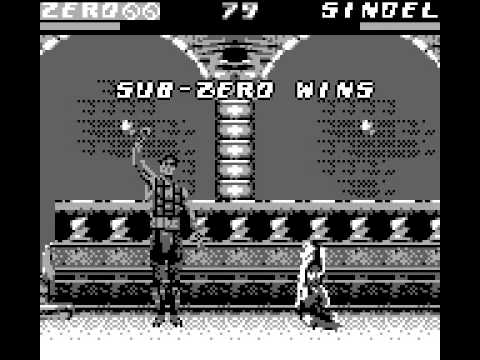
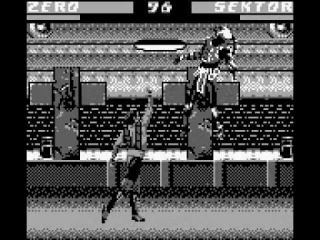
Sadly, it does not transfer over to the Game Boy version. I don’t know why they bothered at this point. Probe dropped the ball after the pretty decent MKII and made MK3 just about as bad as the port of the first game. Back are the smaller sprites, sluggish animations, unresponsive controls, and weird speed issues with jumping animations. Animations seem to speed up and slow down, making the game just slightly better than a Tiger Electronics version. The control scheme is mostly intact, which isn’t that bad, but we also get the running mode, which is useless on such a tiny screen with a low frame rate. A new developer took the helm here and went with a 512K cart this time, which could still be bigger. Sure, we get four stages, but they’re ugly, and the music stinks too.
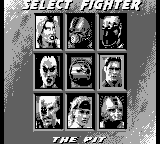
Once again, we get quite a few cut characters. Liu-Kang, Stryker, Nightwolf, Kung-Lao, Jax, and Shang Tsung are all missing. That’s nearly half the roster. Every character has their babality intact, but only a single fatality and mercies were kept in. It honestly doesn’t matter how insanely slow the game plays. It feels like everyone is wading through mud. It’s just so unacceptable at this point, as many Game Boy games look and play so much better.
There is nearly no redeeming value in playing this atrocity. It’s the worst version of the game, and at this point, 8-bit versions should have already stopped. We’re almost into 1996. 32-bit systems have been here for a couple of years now. The Game Boy is already almost 7 years old. I can only say this is for people who are curious about or are collectors of Mortal Kombat games. Otherwise, stay away.
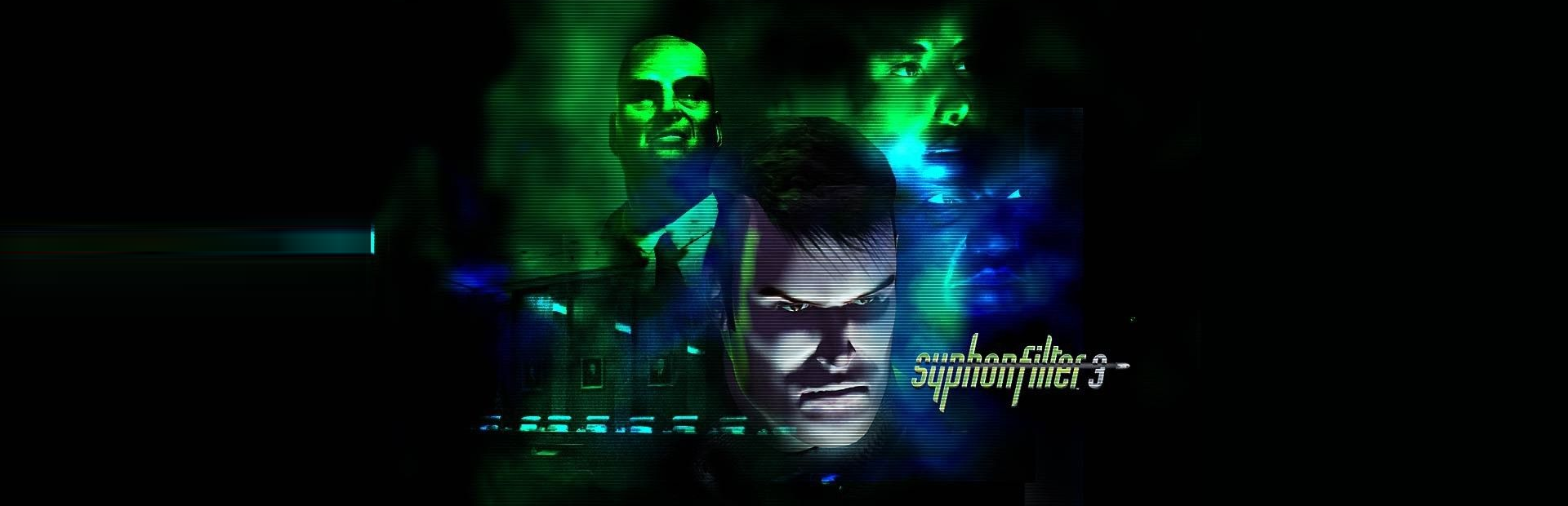
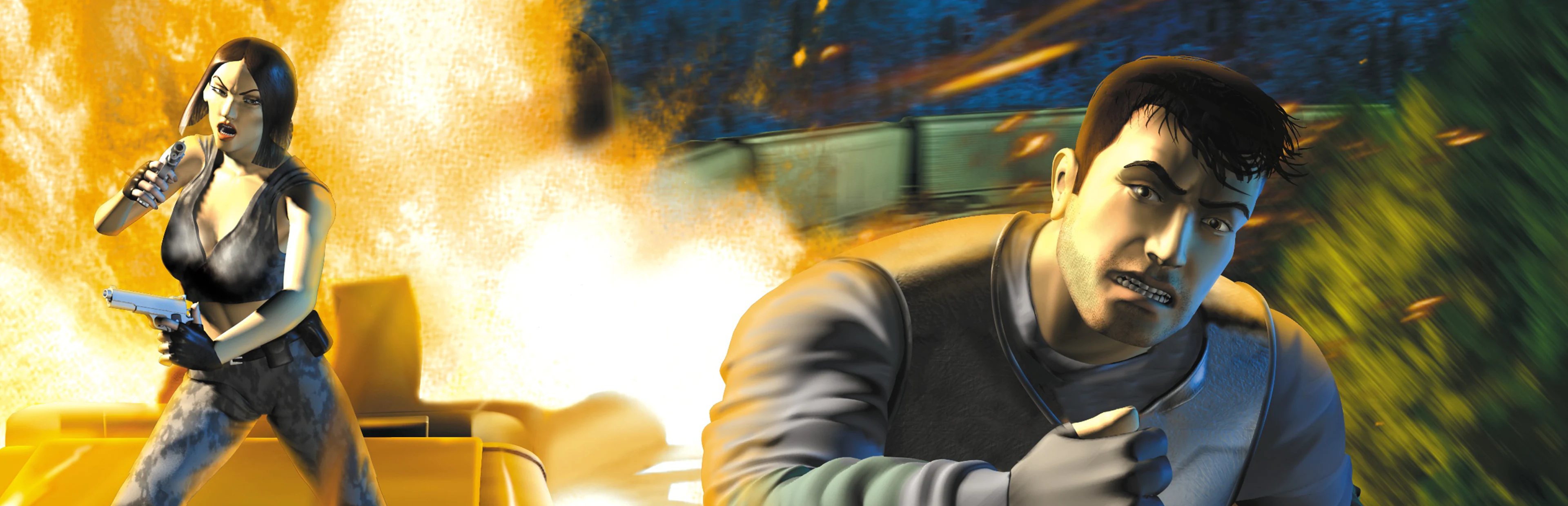
Gabe and Lian are now federally wanted fugitives and are marked as terrorists after trying to foil the agencies’ plans to acquire the Syphon Filter biological weapon. The game picks up right after the end of Syphon Filter 2. Both agents are testifying to Vince Hadden, the main villain of the previous game, and the entire game is made up of flashback missions filling in gaps for the entire series.
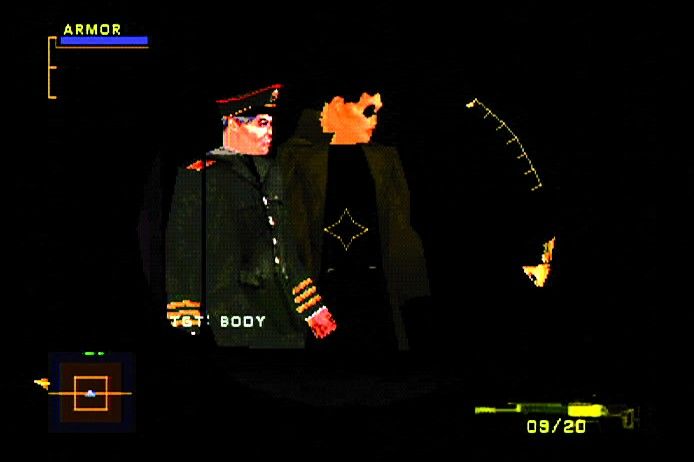
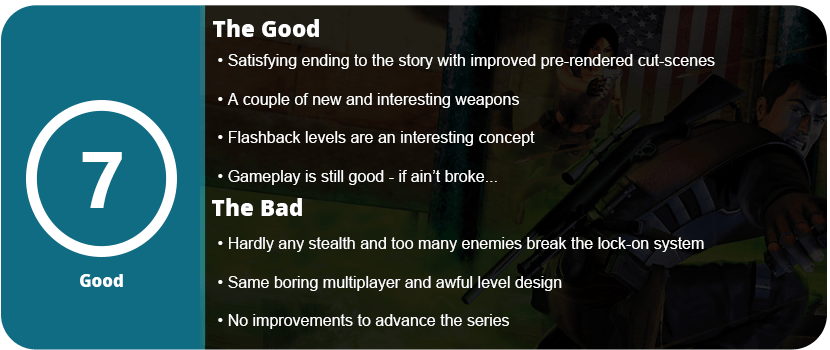
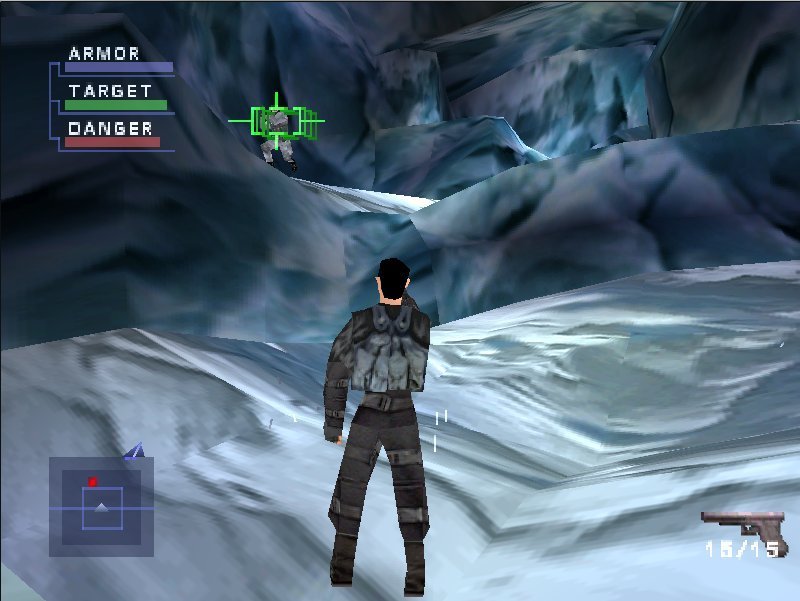
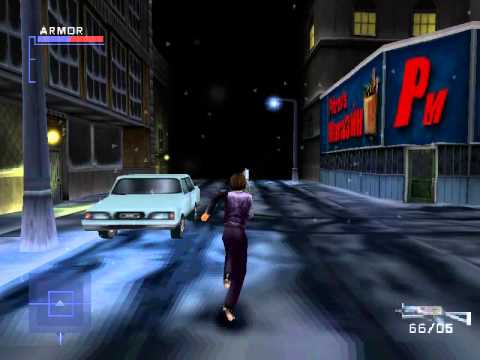
While this is a fine idea, Syphon Filter 3 suffers from a huge flaw, and that’s level design. The clever level design from the last 2 games is out the window here and seriously brings this entire game down. While I liked knowing what happened before the first game during the beginning cut scene with Rhomer and Mara in the jungle and seeing how Gabe, Lian, Mujari, and Teresa all met, the levels don’t do it justice. The issue here is both lazy-level design and over-ambitious design mixed with hardware limitations. This game came out too late and should have been made for the PS2. Levels in this game are large and open and suffer from the black distance and low draw distance from the PS1’s hardware limitations. The level design is incredibly confusing and hard to navigate. One mission as Lian in the Ancient Ruins is just a labyrinth of hallways, and instead of a smooth push through each level, there’s tons of backtracking and running around blindly.
Another issue the game suffers from is too much action. There aren’t really any required stealth missions anymore, and too many enemies are thrown at you at once, as well as a mix of low-ammo resources. I frequently ran out of ammo and had to exploit the game by resorting to headshots when I didn’t have to. The increased enemy count just doesn’t work with the game’s auto-lock-on system. Many times I died because I couldn’t switch between enemies fast enough. Another mission as Gabe has him running around a boat to plant explosives, which is incredibly boring, and one level is so short it only has four enemies in it. I feel like 18 months wasn’t enough time to develop this game and create the fun, clever levels and enemy placements that made the series so popular.
There are no new gameplay elements added this time around, just new weapons. The MARS, Spyder, and AUG3000 (that can see through walls)—and that’s about it. Even these weapons are hard to come by, and you’re left with the same weapons used in the previous two games. I also didn’t care for the multiplayer this time around, and the added mini-games, which are just trial runs, aren’t that fun either. The only really enjoyable part of the game was the final mission, as it felt like a classic Syphon Filter level and the satisfying conclusion to the story for this chapter.
There are no visual improvements outside of better-pre-rendered cut-scenes, and virtually no new gameplay additions or enhancements. Overall, I feel Syphon Filter 3 was a product of rushed development and trying to get it out the door for the PS1 players who hadn’t adopted the PS2 just yet. Is it worth playing? Yes, if you’re a hardcore fan, but just take the game with a grain of salt and be prepared for aimless wandering around levels and many frustrated restarts due to poor enemy placement and a lack of ammo.
Syphon Filter is one of my favorite gaming franchises of all time and one of the top five PS1 series. It was the very first serious “adult” game I ever played and got into. Just the concept of how shooters work was totally alien to me before Syphon Filter. It was a game that I also spent a lot of time with my late father, and we aced each game, learning every enemy spawn point, hidden cache, and level design. We rented this game frequently and spent dozens of hours mastering each game. We probably spent more time on Syphon Filter 2 than any other game in the series, and for good measure, it’s the best game out of the three.
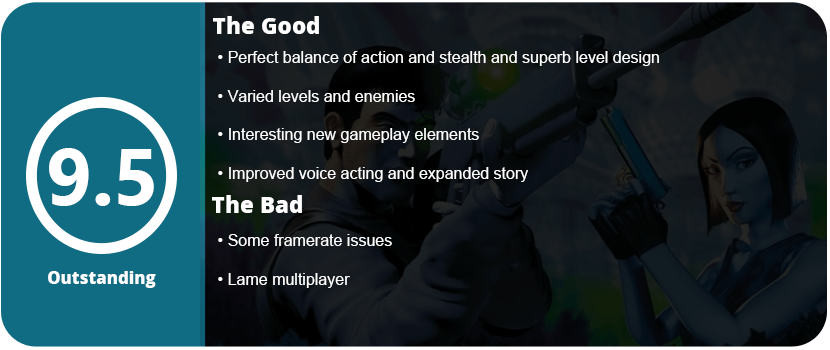
Syphon Filter 2 isn’t just an expansion, despite playing and looking exactly like the first game, as there is a greater and more expanded story, more weapons, new levels, and it’s also a couple of hours longer than the first game coming on two discs. You play as both Gabriel Logan and Lian Xing, as you are fugitives of the US government and are still fighting the agency, so get back the data discs that store the Syphon Filter data. The game picks up right where the last one left off when Gabe crashes into the Colorado Rockies. In the first level, the game introduces new weapons and gameplay elements, such as being able to leap gaps. New weapons include the unsilenced 9mm, H-11 sub-machine gun, silenced HK-5, UA12 auto-shotgun, hand taser, flashlight, teargas launcher, and more. These weapons are just as memorable and awesome as the first games. There are so many new weapons here that it nearly doubles the arsenal.
On top of this, there are other gameplay elements added, such as enemies being able to get a headshot on you. The HUD will flash red, and a headshot text will appear on the screen. You have mere seconds to get out of the way, or you will instantly die. New enemies are introduced, such as full-armored ones that only die with explosions in one level towards the end of the game. There is also a better balance of action and stealth with Lian’s levels in the air force base, which are perfect examples. Agents can be killed, but military MPs cannot. You must sneak around and tase the MPs with your hand taser, but the agents are fair game with silenced weapons. Another level has you sneaking around vents, and night vision automatically kicks in when the area is too dark, which is awesome.
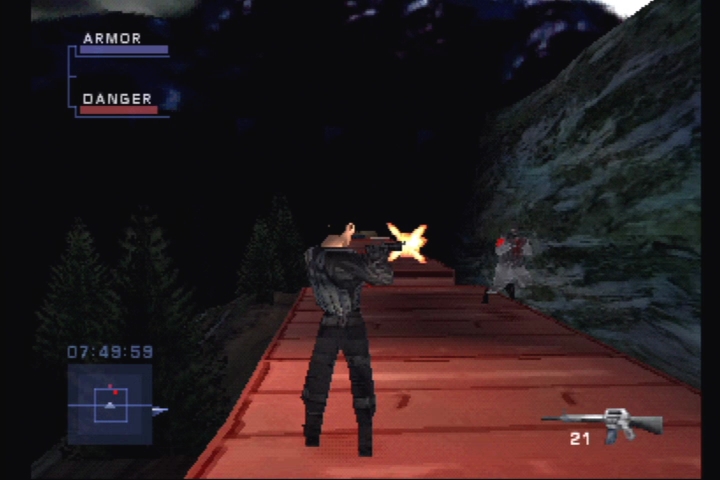
The level design is on point, just like in the first game. Each level is memorable and fun and takes you around the globe. From the Colorado Rockies, the first disc mostly takes place in Moscow nightclubs, Agency bio-labs, and New York sewers. The levels are incredibly well designed, with the perfect balance of stealth and action. The train ride is a fun linear shooting gallery, while the bridge level requires quick thinking, stealth, and mastering enemy movement patterns. You can tell Eidetic has mastered this genre with the second game, and even the voice acting has greatly improved. This is an AAA PS1 game at its finest, and you will be hard-pressed to find anything better on the system.
The visuals didn’t really improve any, but they already pushed the system to its limits and still have plenty of detail, and the game looks great. There is some issue with slowdown here and there, but what PS1 game didn’t have that? There’s also a shoehorned multiplayer mode that I didn’t even care for. 1v1 on maps from both Syphon Filter games just isn’t very fun. If the game allowed 2v2 via a multi-tap, that would have been awesome, but what we have here is something just not very fun, and not to mention half the maps need to be unlocked by finding secrets in the game.
Overall, Syphon Filter 2 shows what the PS1 era of games would do and helps push the third-person shooter genre into what it is today. While it came out very late at the end of the system’s life cycle, a mere week before the launch of the PS2, it still sold incredibly well and showed that the PS1 had staying power even after its successor launched. The story, voice acting, visuals, and overall feeling of the game are fantastic, and there’s nothing else like it on the system. It’s a must-own for any PlayStation fan.
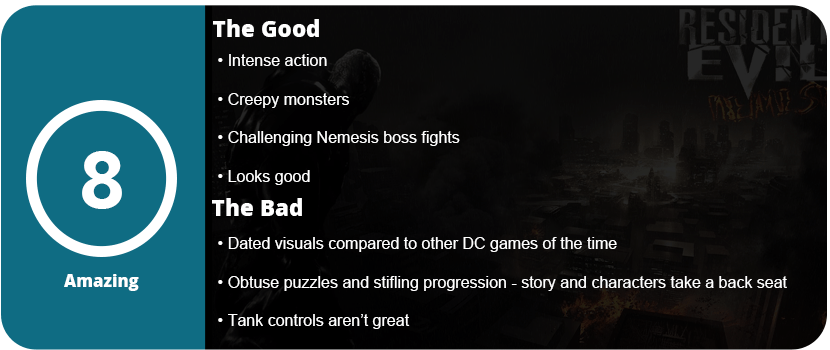
Resident Evil has been more about tense action, inventory management, and puzzles than horror. RE3 polishes up the already not-so-smooth gameplay of Resident Evil and ports it over to the Dreamcast to make another buck off of it. RE3 doesn’t really have much of a story, but the tense action, puzzle-solving, and always-looming Nemesis boss make this one of the tensest games of the era.
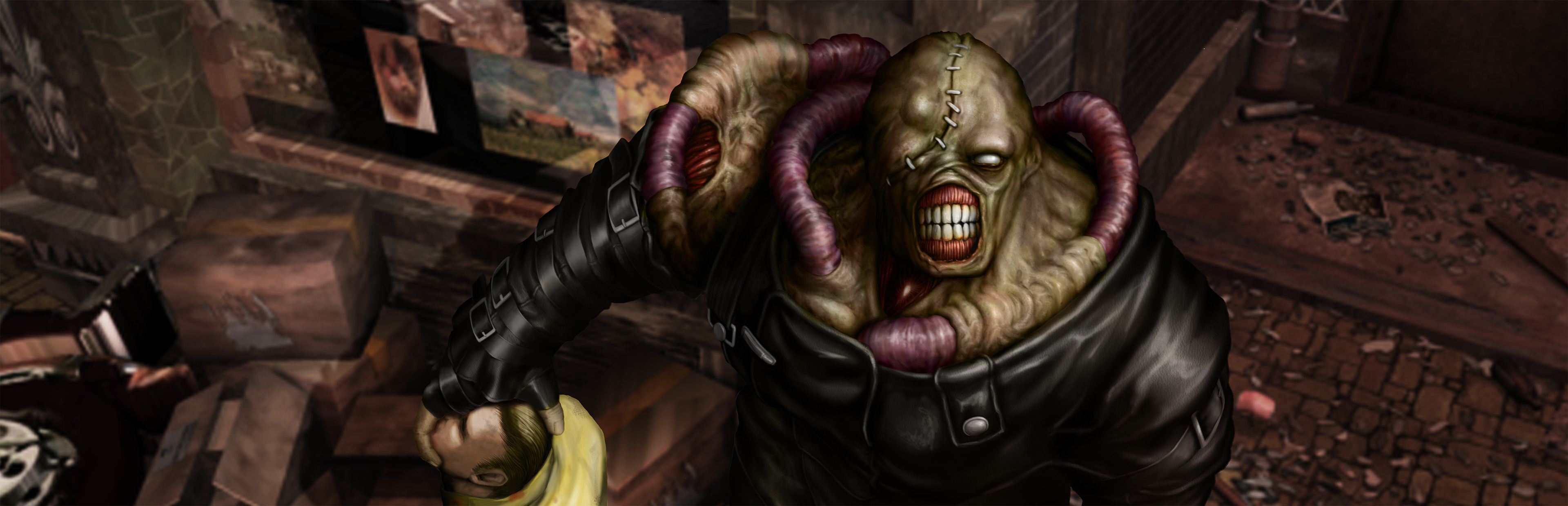
You play as Jill Valentine (the star of the first game) and are back in Racoon City this time to try and find out what happened during the outbreak. Being a direct sequel to the second game, you visit a few familiar areas, and some Easter eggs are tossed in. Outside of running around collecting ammo, healing items, documents, and various things of that nature, you solve puzzles and mow down armies of the undead and genetically modified. New enemies crop up that are freaky and challenging, and the only boss in the game is Nemesis, who is a tough monster, and choices are thrown into the game depending on where the story goes. These choices impact where you start in locations and how you approach fighting the Nemesis. One choice kept the Nemesis from chasing me around town, but I was going to have to fight him early on. You can totally avoid fighting him in most cases, but he becomes stronger the less you fight him.
I honestly recommend playing this game in easy mode the first time, as you get tons of healing items and weapons at the start, as well as infinite save ribbons. This mode should be used first for another reason, and that’s to learn the layout of the game. Resident Evil is a game where enemy location, map layout, and puzzle-solving are a must before attempting harder modes. Now with all that said, I do find earlier Resident Evil games tough outside of just combat, as without a guide you can get lost and frustrated quickly as puzzles are obtuse, and there might be objects you saw hours ago that you have to go back and get, such as the Downtown/Uptown maps in this game. It’s imperative to write things down if you don’t have a guide, as you will run around for hours trying to find that one item that you can’t remember.
The story and characters are nothing special, but the voice acting is surprisingly decent for its time. We don’t learn much about Umbrella outside of someone going in and trying to pop off the supervisors throughout the city and cover up the T-virus outbreak. There’s no character development or anything like that, so you’re mostly paying for the action. The visuals are rather nice, but at this point, the pre-rendered backgrounds were getting tiring. The Dreamcast version is a slightly smoother PlayStation version, but there’s not much of a difference. I would have liked to have seen more modes, better visuals, and new content for a new $50 release, but what we get is mainly for newcomers.
I highly recommend RE3 on the Dreamcast. At this point, this is the definitive version of the game and the best the series has to offer up until this point. Don’t expect a deep story; have a guide ready, and you’ll be in for a good 8–10 hours of intense action and fun.
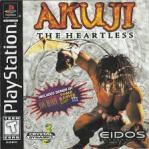
Crystal Dynamics was a juggernaut on the PS1. After Tomb Raider was released, they firmly placed their name in every gamer’s household. Akuji was released closer to the end of the system’s life cycle, and while critically acclaimed, it didn’t sell well. It was a bizarre game about voodoo and was hard to market at the time.
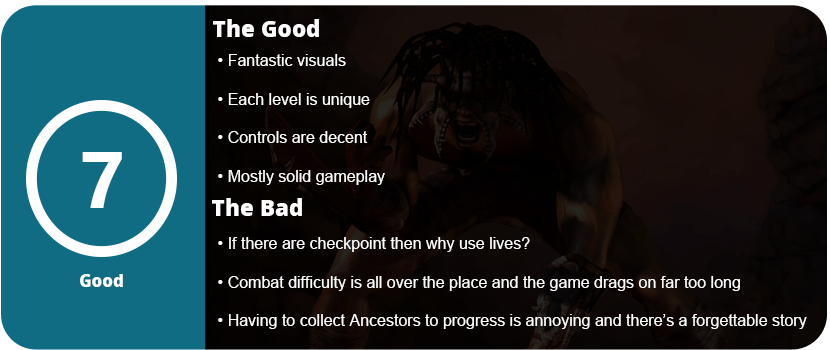
You play as Akuji, who needs to get his wife’s soul back and must travel through the different levels of hell to reclaim his ancestors’ souls and appease the keeper of the vestibules, which act as hubs. In each hub, there are doors you can go through that lead to each level. If you don’t collect these floating heads, you won’t be able to advance in the game, and I absolutely hate this system. Even with all the skills, you used to beat bosses and enemies; you needed to collect things. I feel this is demeaning and frustrating. For the story, it’s forgettable and nothing special.
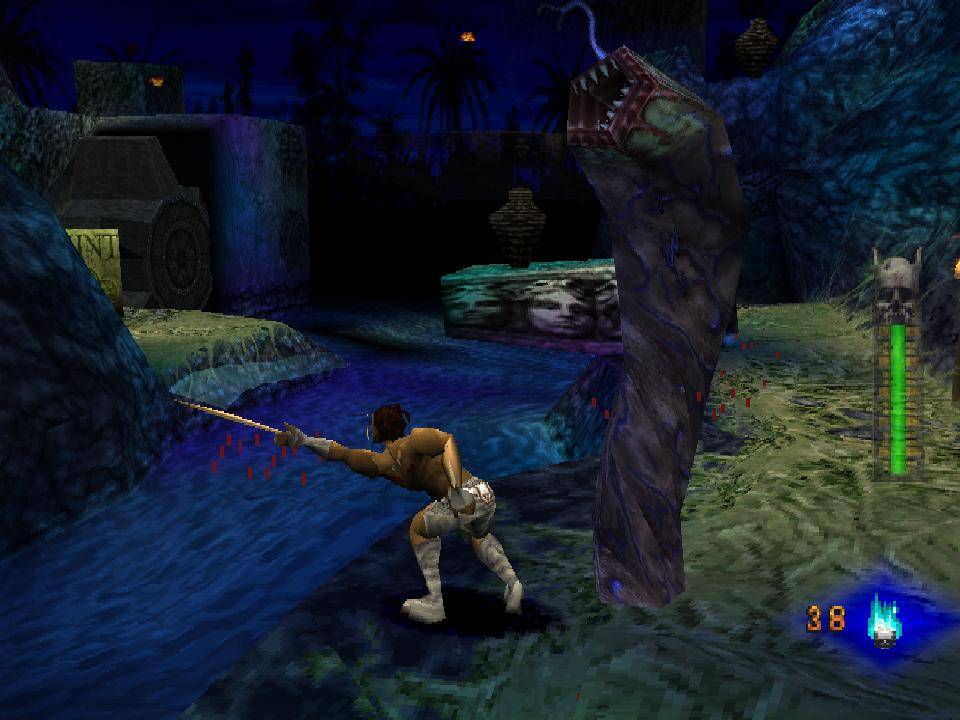
The game plays quite well, with Akuji jumping around, slashing, and blasting spells. You will use your spells more than you think in this game, and there are a variety of them, and each is used for different situations. Outside of combat, there is some minor puzzle solving and switch throwing. Platforming in the game is mostly fine, but the camera is sluggish to move around with the shoulder buttons, so Akuji will jump off an edge or fall to his death. Another irritating thing is the use of lives. I mean, why? You can hit checkpoints, which are poorly spaced, so why not just restart there? Why punish the player even more, as if surviving and checkpoints aren’t enough?
I felt this game dragged on a bit too long. There are over 15 levels, and while they all look different and great, they’re unoriginal. They are mostly short, and each level plays out the same. Grab this doohickey, put it here, flip this switch, kill this enemy to lower this wall, etc.
While this was the norm back in the day, it just doesn’t hold up well. Maybe if some things changed a bit, like the use of lives, it would be a more fun experience. Mixing a collectathon with a progressive platformer just doesn’t work well here.
The game looks fantastic, as Crystal pushed the PS1 to its limits, probably too hard. When effects like water splashes or magic effects flash around, the game slows down to a crawl, which can get quite annoying, but it’s still playable.
Overall, Akuji is a great PS1 title that has solid controls and great gameplay; it just has so many frustrating factors around it that make it less enjoyable as you play. If you really need a PS1 platformer that’s different, then go for it, as this is a hidden gem.

















































 thebinarymessiah.com
Yeah, it's pretty damn awful. Notoriously one of the worst games on the PSP. A 4 was actually being generous.…