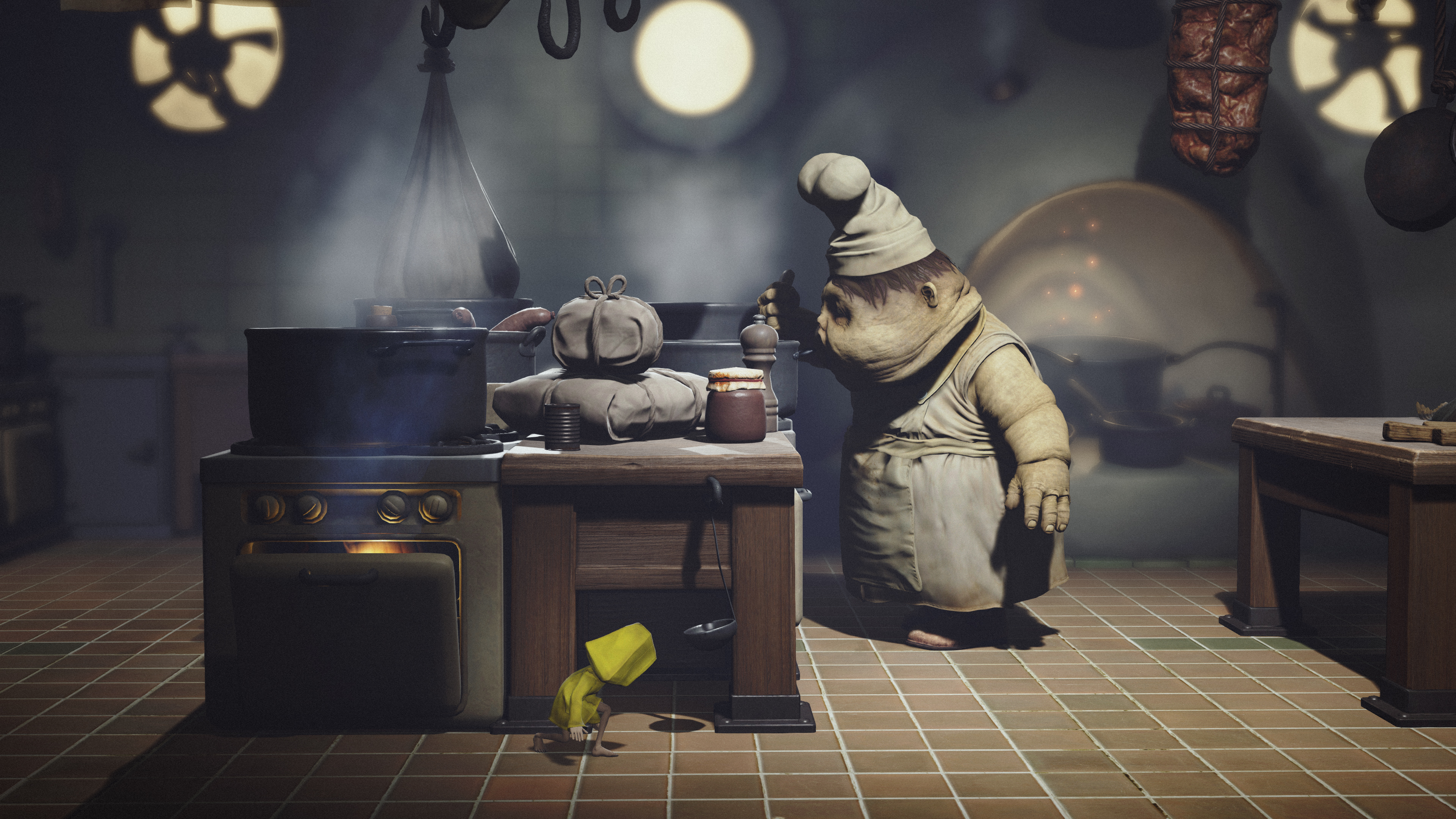
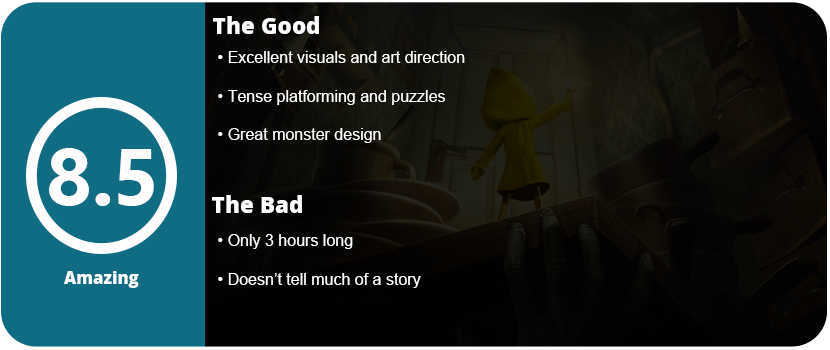
Minimalist side-scrollers have become very popular in Limbo. Inside is just another example of these horror-side scrollers done right. Little Nightmares doesn’t really tell a story through voices or words, but through actions. Unlike Inside, Little Nightmares doesn’t have too much of a story to tell. You play as a child trying to escape a ship from humongous fat monsters trying to eat you. That’s all we get, really.
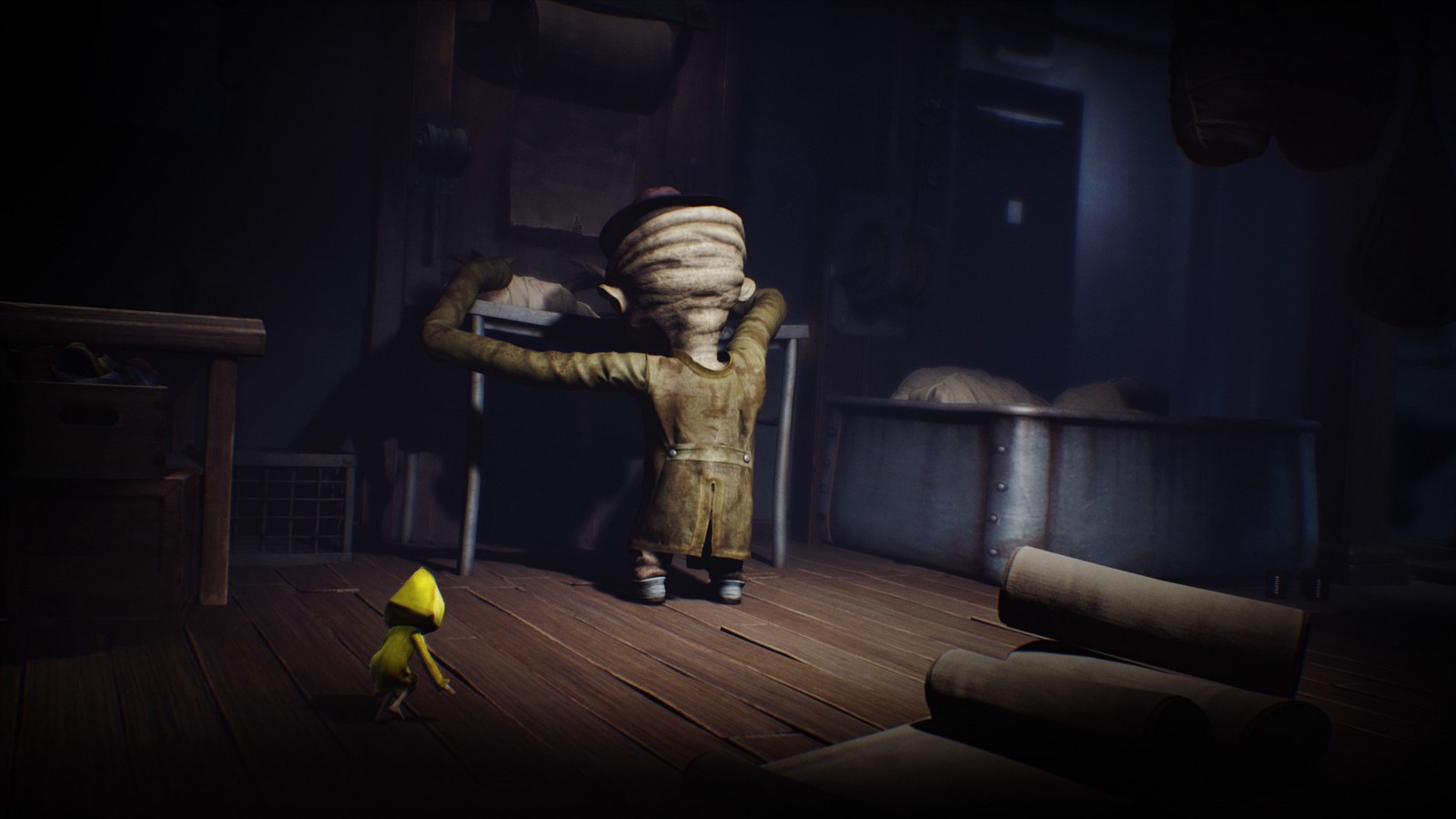
Sadly, the story doesn’t really explain much, as the art direction, monster design, and backdrops are wonderful and beg for more storytelling. The beginning of the game is made up of basic platforming with simple physics puzzles and a lot of atmosphere. Eventually, you start seeing the occupants of this ship, and that’s when things get creepy.
Little Nightmares does a fine job of creating a tense atmosphere and suspense. Grabbing and sneaking are tied to the shoulder buttons, so when you grab something, you must hold the button down. This makes things more intense, as you are running away from a monster with a key to unlock a door, and if you let go of that button, it’s all over. The middle of the game is made up of outsmarting these monsters, and the puzzles get bigger, but not really harder.
There’s not much to really explore outside of lighting lanterns for checkpoints and breaking porcelain dolls to unlock achievements. The game is definitely intense throughout the 3 hours it takes to complete; there wasn’t a dull moment that I can remember. I always felt like I was running, overpowered, and small. From climbing stacks of dishes and escaping on meat hooks to chopping off the arms of a doll maker, The game gives players something that most don’t, and that’s solid gameplay while combining excellent visuals and touching moments.
Overall, there are some of the best 3 hours you will spend. From beginning to end, Little Nightmares has something interesting to offer, and it’s never boring. The graphics are gorgeous, with art styles that reminded me of box trolls mixed with coraline. If you love horror games and platformers, then this is for you.
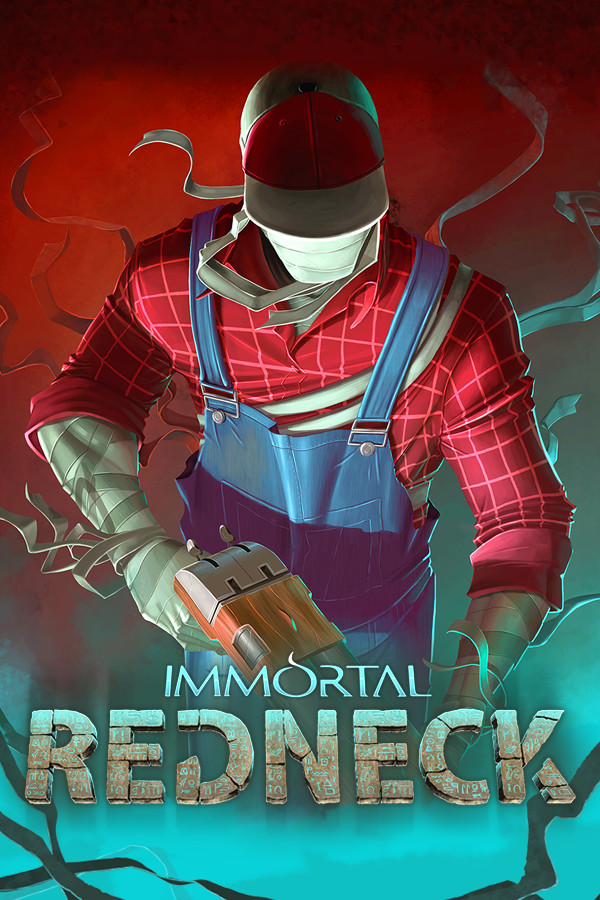
Immortal Redneck is, unfortunately, not going to get the attention it deserves. It’s neither a fantastic game nor a bad game, nor is it original in any sense, but it does combine elements from several other games into one package and does it fairly well.
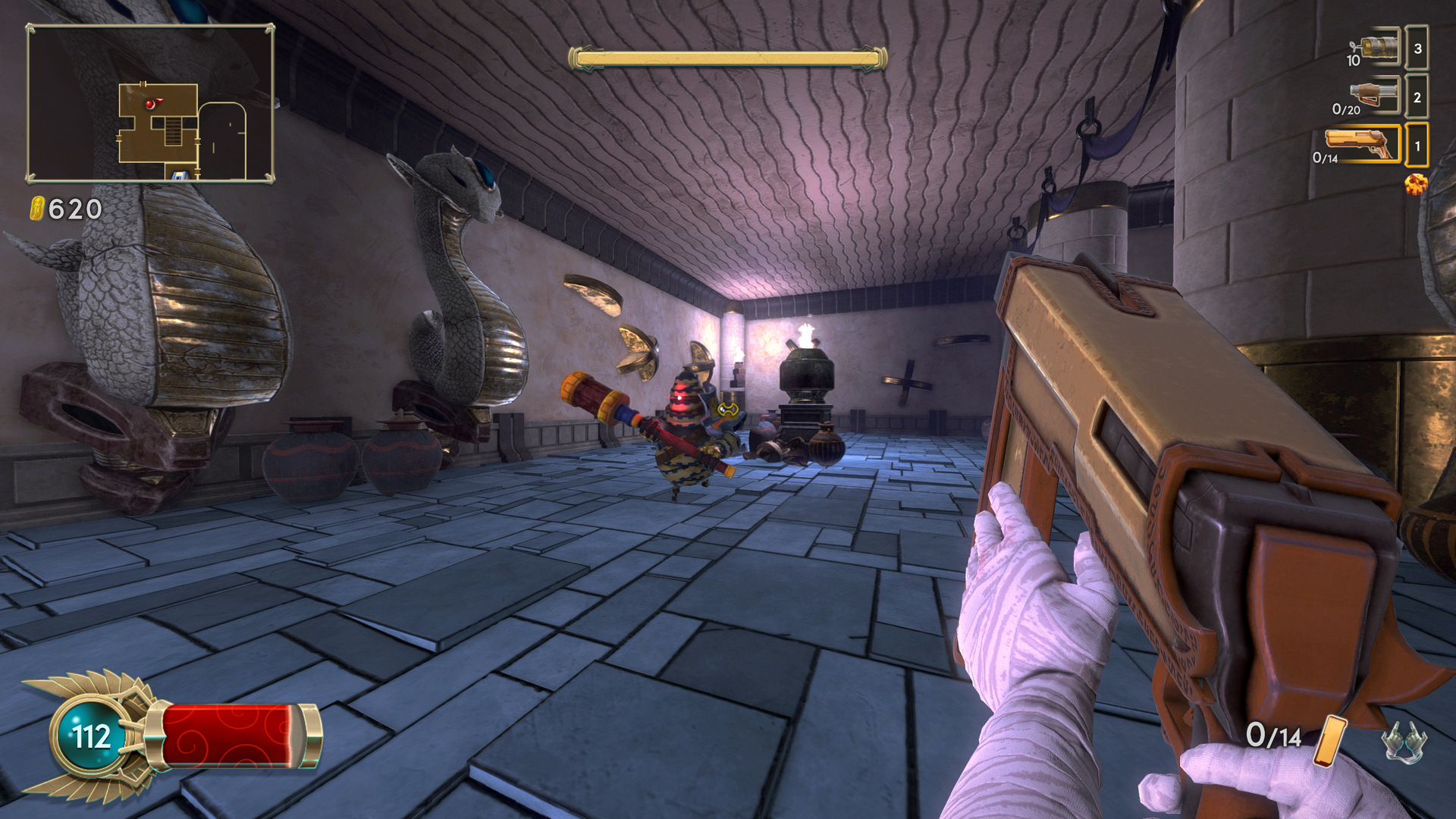
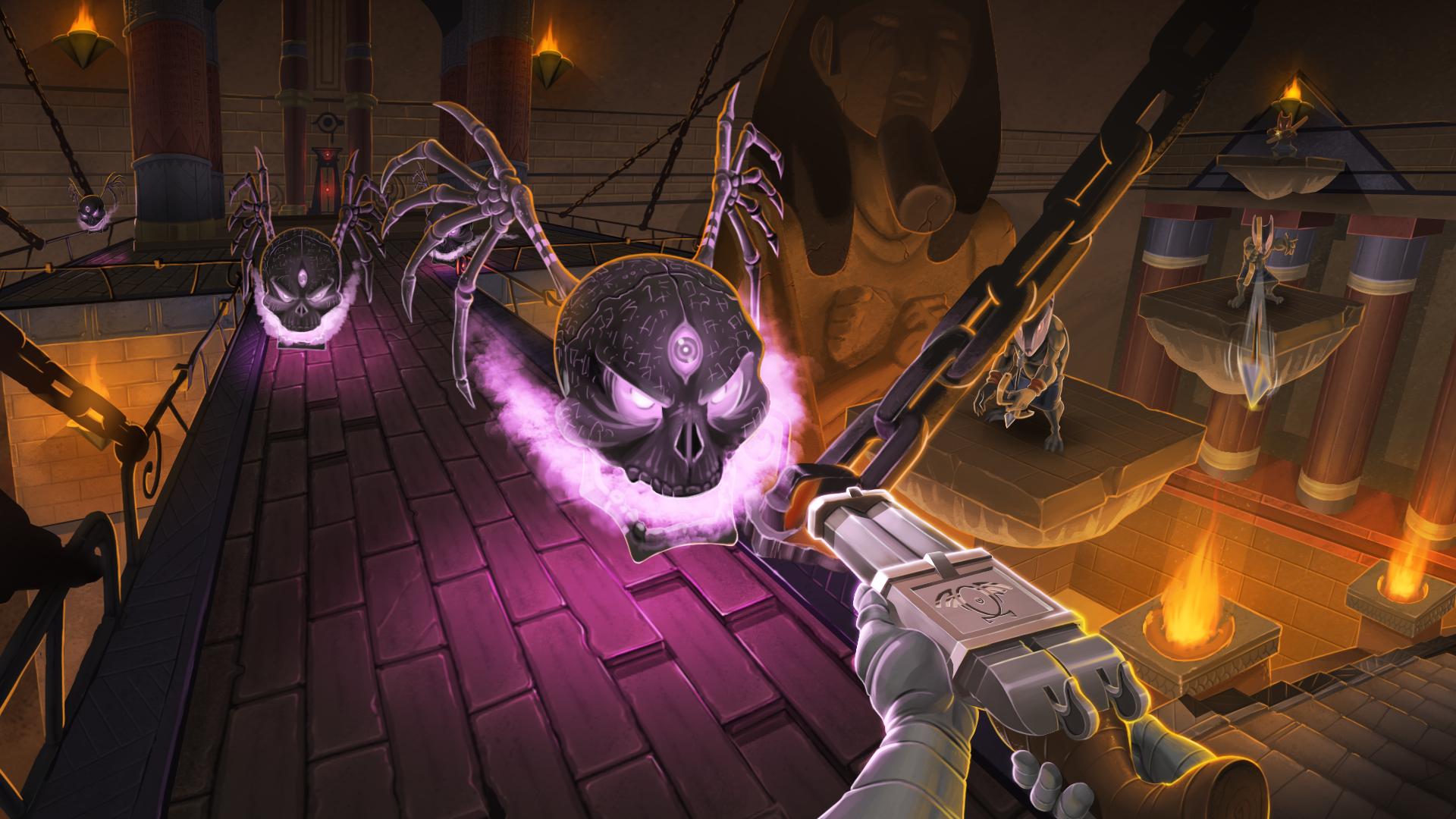
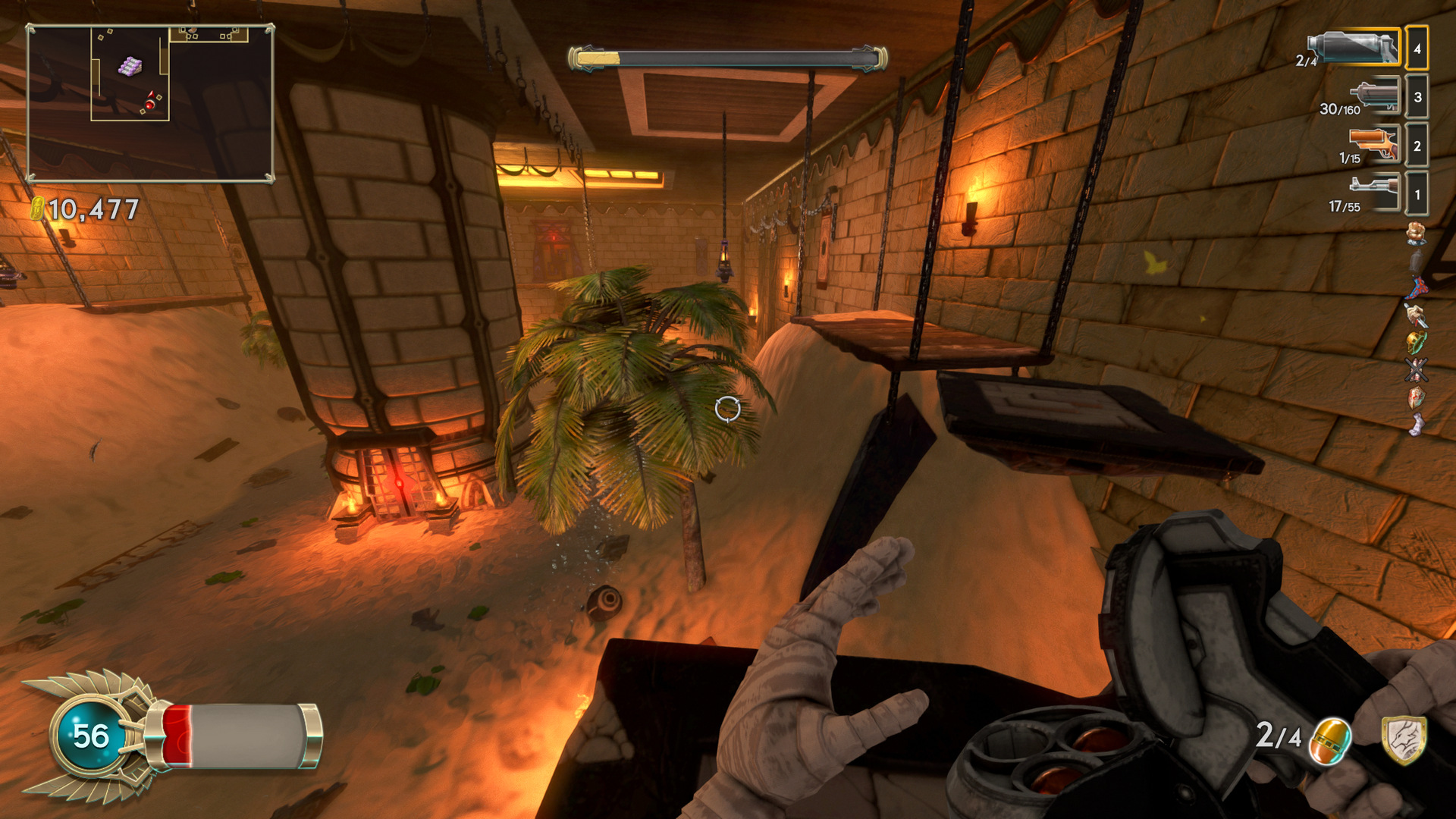
You play as, what else?, an immortal redneck mummy with a wooden pistol, shotgun, and dynamite. At least those are your starter weapons. The game is set in Egypt, and the idea is to defeat all the enemies on each “floor” to make it to the top of a pyramid. The game is a mix between Serious Sam, Rogue Legacy, and Dark Souls. Like Serious Sam, the game is set in Egypt and features fast-paced first-person shooting action with strange monsters. The game almost looks like Serious Sam as well. Like in Rogue Legacy, when you die, you actually get stronger by using the gold you collected to unlock various upgrades and buy new weapons.
Like Dark Souls, the game is extremely hard, gets repetitive, and isn’t for people wanting a linear FPS experience. Your first hour you will spend just dying a lot and obtaining upgrades until you can unlock the weapons shop, and that’s where things pick up. However, the constant repetition of going floor to floor, despite it being randomly generated, can be annoying and get boring after a while. Redneck doesn’t have much going for it style-wise that other games haven’t tried. It looks good, on a technical level, and the shooting feels just fine.
The issue would be just the difficulty alone and the grinding to achieve better weapons and upgrades until you can beat the pyramid. It’s nothing amazing, but it’s also fun enough to make you stick around to the end, but only if you like any of the above-aforementioned games. The game is just average all around, honestly, but still worth a weekend purchase. On a second note, it’s nice that the game supports modern systems such as 4K and ultra-widescreen monitors.
It took many years to acquire, but the PSOne with a screen attachment has been one of my top must-have consoles since it came out. Growing up as a kid, my parents didn’t have the $100 for the console and the $130 for the screen add-on. The Combo Pack was released for $200 and seemed insane, but the PS2 was out and cost $300 at the time of release. $130 for a 5″ TFT LCD screen might seem like a lot, but this did more than just display games. It had an amazing brightness range and clear stereo speakers that could be quite loud when turned up all the way. It also easily screwed onto the back of the unit and had a headphone jack, AV in, and even AV out, so you could just plug it up to your TV without taking the screen off. The power cable also plugs directly into the screen, so there was a lot of foresight on Sony’s part.
What makes the screen so awesome compared to any other console out there is that you can take it with you. Using a 7.5-volt car adapter and bringing it into your bedroom or on the go allows you to make playing the PS1 a more immersive and personal experience. The LCD screen makes the games look better than they do on current or older TVs. It’s like Sony found a perfect balance and knew how the PS1 would render and output, so they made the perfect screen for it. All the games display clearly and sharply, and the screen is quite vivid, so I can easily see the $130 price point during release.
As for the system itself, what can I say? It’s the PlayStation 1! While the system’s first iterations had many flaws, such as overheating, cheap laser assemblies, and various other issues, the PSOne is sleek, slim, and just the basic unit, which is all we need. Sony went for a rounded style with this system, and it looks great. The only downside is that you can’t use most wireless controllers because the receivers are too large and can’t fit a memory card on top. The system is lightweight, even with the screen attached, and would easily fit into a backpack. The PS1 has an amazing library—probably some of the best out there. The PS1 wiped the floor with the Nintendo 64 due to a more diverse and massive library. The Nintendo 64 has some memorable games, but the overall experience just couldn’t top the PS1. With pre-rendered and live-action cutscenes, thanks to the CD format, it was a whole new experience. From the classic start-up jingle to the amazing feeling of the DualShock controller, and even down to the black underside of the discs, the PS1 was a behemoth and was unstoppable.
Would I recommend the current going price for a full PSOne combo pack at $100? Yes, go out and get it now. If you’re a PlayStation fan or just want to check out the classic library, this is the perfect unit to pick up. For some advice, make sure when you buy the unit that the power and tray buttons work. These are large buttons and can easily be stuck or get grimed down inside. Also, make sure the hinges on the screen aren’t loose. Many units have cracked hinges with screens that won’t stay up, and most importantly, make sure the LCD backlight isn’t dead. I bought a unit from a local store only to have the backlight die on me the second I turned it on when I got home. Of course, make sure both speakers are working and that there isn’t any rattling or distortion. Make sure to ask the sellers these questions, or look for this if you find one in person.
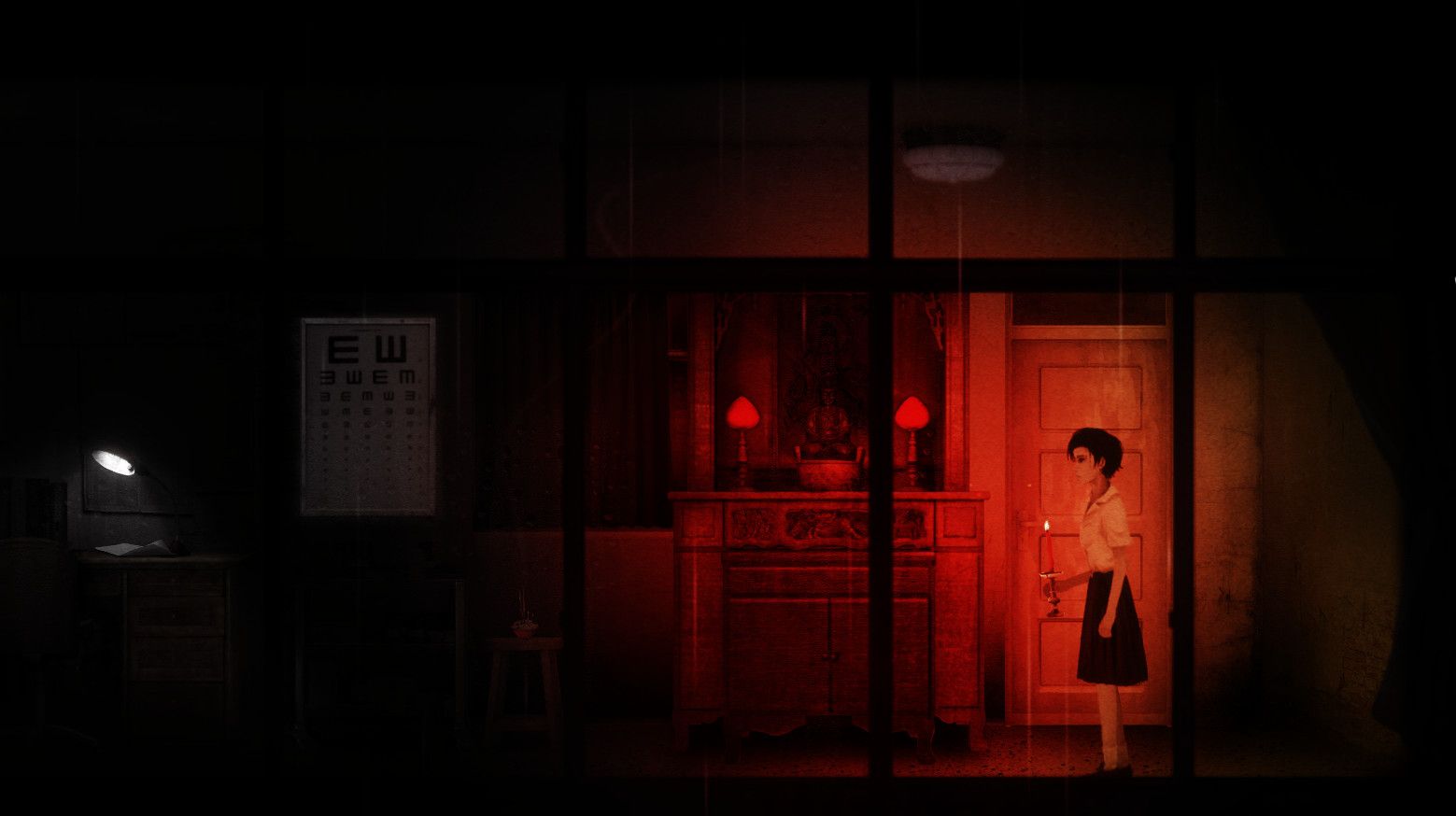
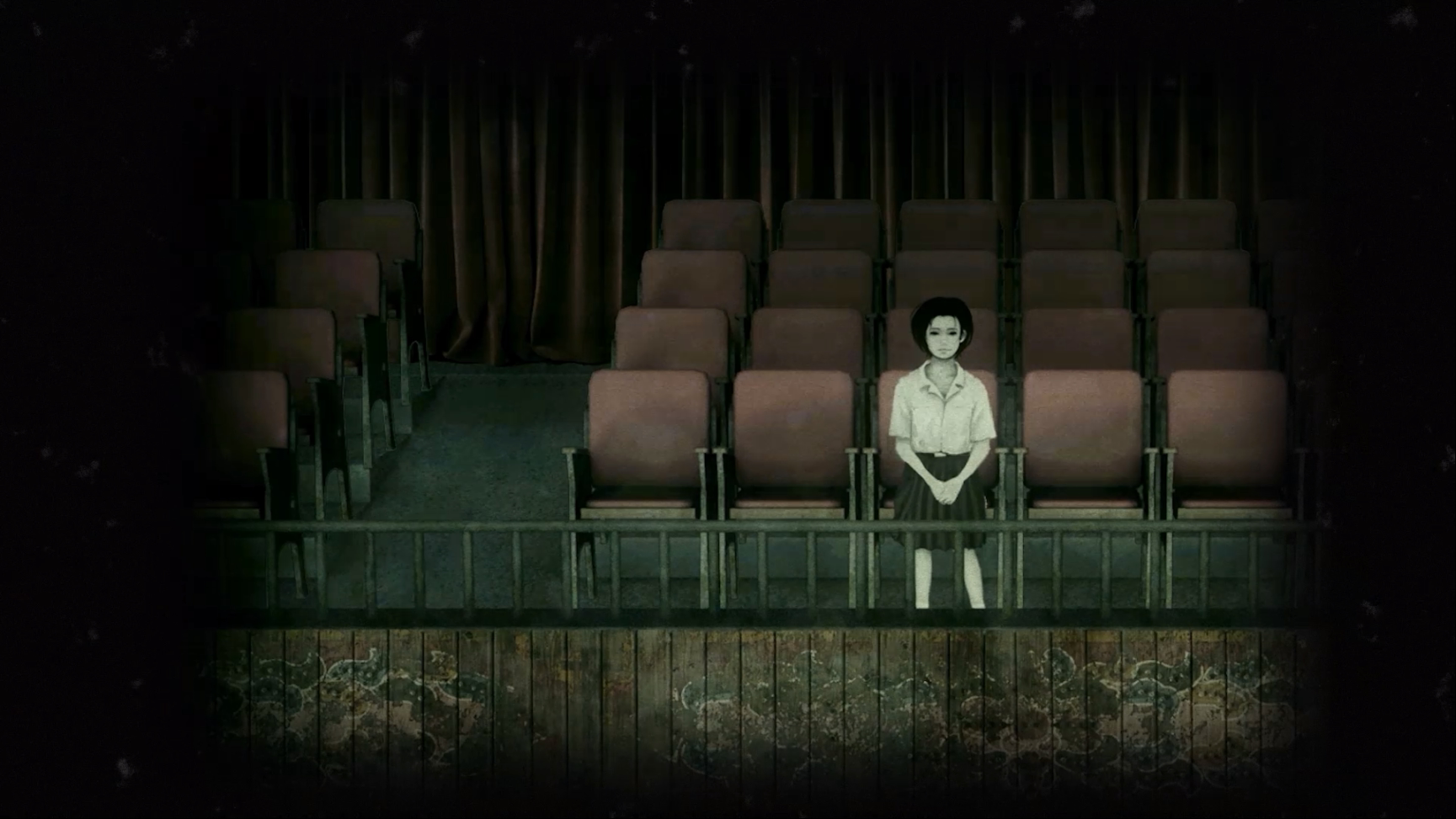
Obscure Asian horror games are something I’m a sucker for. I know the gameplay and controls will probably be awful, but you’re in for one scary ride, and that’s what matters the most. Detention is a 2D adventure game that takes place in Communist China in the 1950s. You walk around solving simple puzzles and unraveling a somewhat confusing and convoluted story. The atmosphere is very surreal, and the slow pace of the game helps drive this home.
The game begins with some strange images and wandering back and forth through classrooms in a school, trying to get to the top floor. The game involves finding items and then figuring out where to use those items. Like most adventure games, it’s best to wander through the entire area first, pick up all the items, and then place them where they are needed. There are three areas that are like this, and then the final area is actually just walking around making story choices. It’s kind of strange, as the pacing is really broken up throughout the entire game. There will be some chase sequences, a tense atmosphere, and enemies you need to avoid by holding your breath and walking past them slowly, or even turning away so as not to stare into their gaze. It’s an interesting concept and puts you on the edge of your seat with the amazing sound effects and disturbing soundtrack.
A lot of the sound effects and music remind me of Silent Hill. The pounding heartbeats, screeching static, and urgency were felt throughout. The game isn’t so gory, but just overall weird and disturbing, which is just fine. I enjoyed the gameplay and scares quite a bit, but the story was definitely lacking. I could tell there was something about the main character being involved in a forbidden book club, her inner torment of her parents fighting, and some sort of guilt about being responsible for a death, but it never worked together or meant anything. There’s a lot of poetry and ancient proverbs thrown around the game, but all this accomplished was confusing me more as to what was going on. As it is, the game can be beaten in less than 4 hours, so it’s important to get the story across as strongly as possible since you can’t drag it out.
With that said, Detention is a must-play for horror fans or anyone who likes 2D adventure games. You’re going to have to go into this expecting a lot of scares and simple puzzle-solving rather than a memorable story or characters. The art style is fantastic, and the music and sound effects all jive together to create a disturbing experience that you really can’t get in most Western horror games.
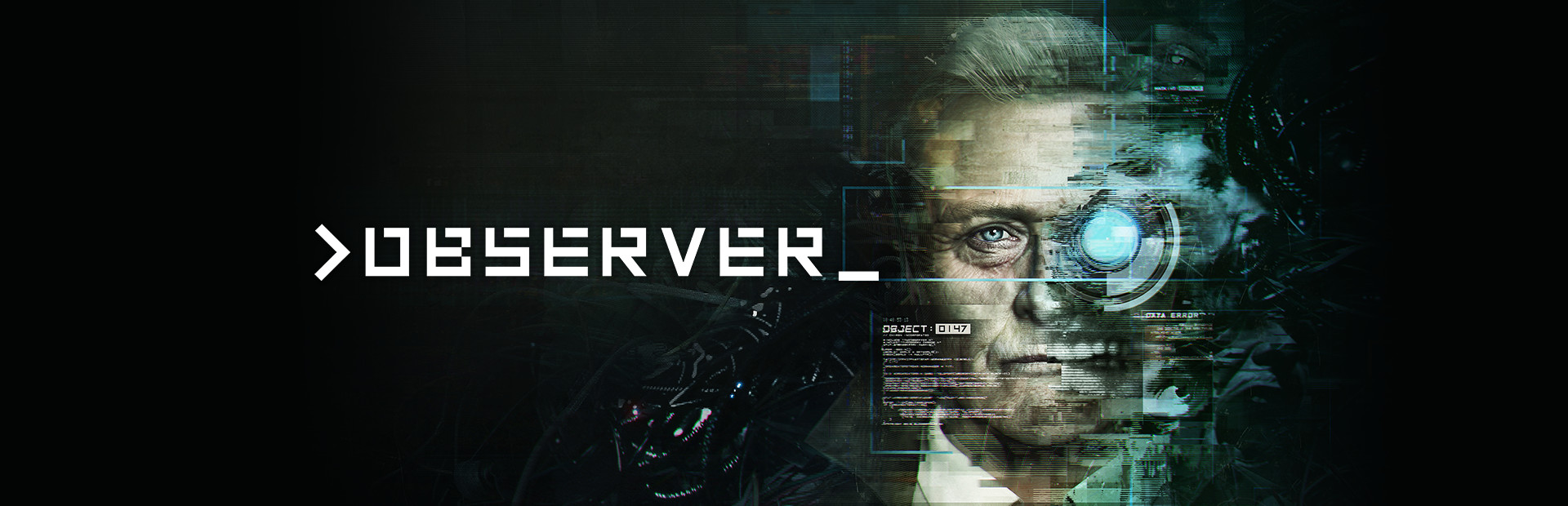
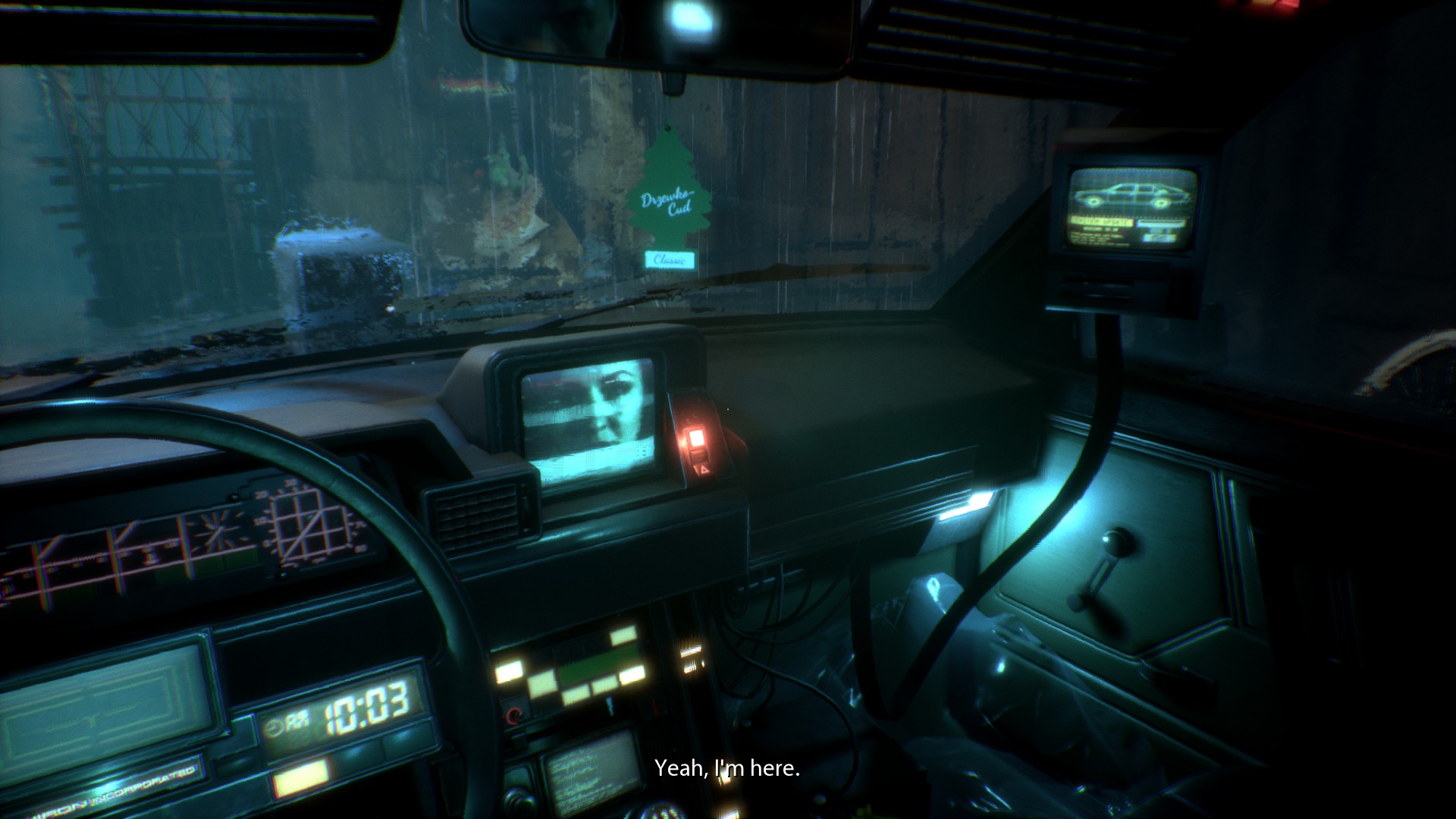
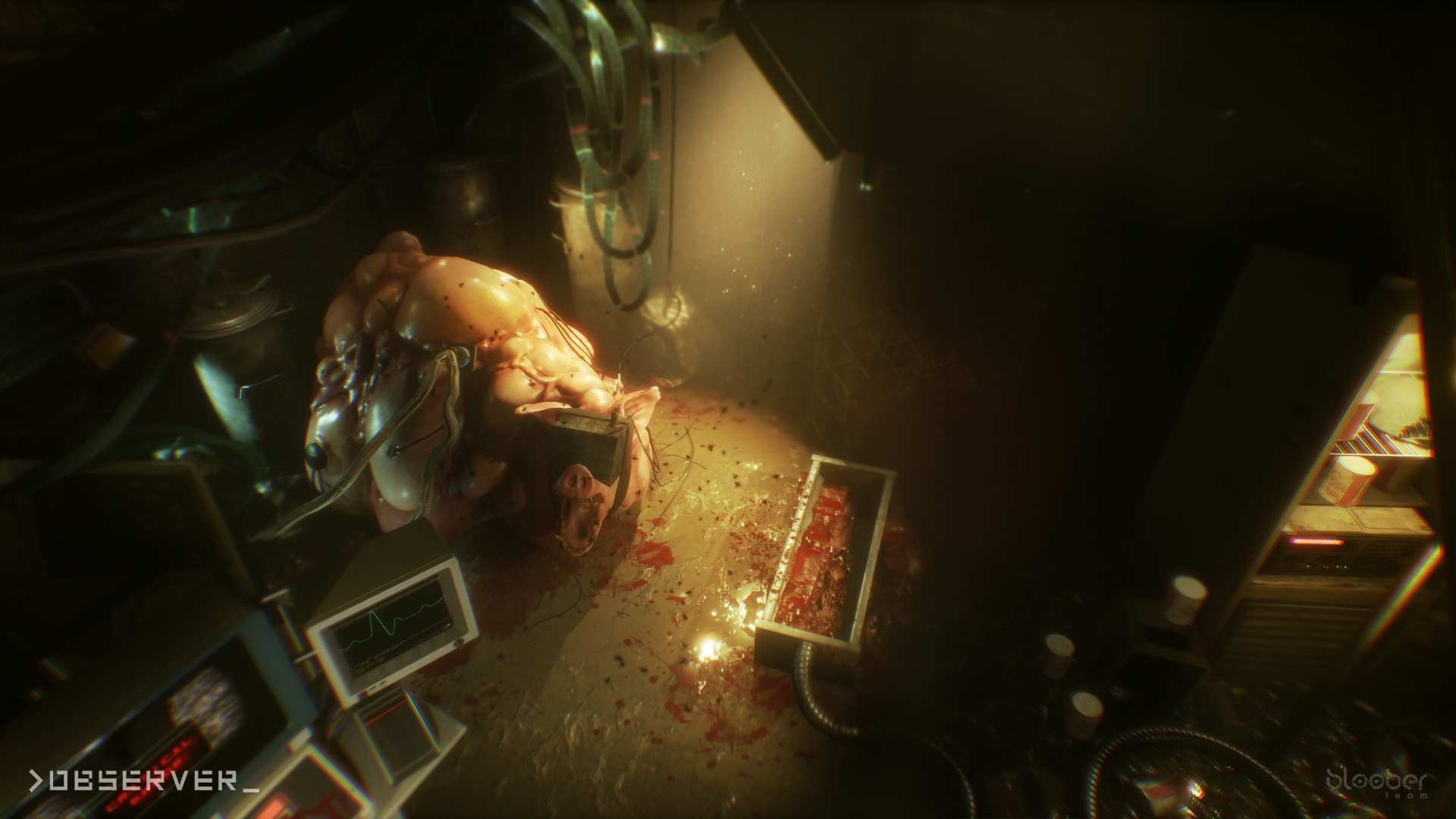
Bloober Team is quickly becoming one of my favorite game developers. You may recognize them from Layers of Fear. Their style of single-player storytelling is unlike anything that you will see today in gaming. The horror factor is also kicked up to 11 in their games with frightening and surreal moments and scenes that put you on the edge of your seat and that will make you grind your teeth. The observer ditches the early 20th-century theme and goes for 20 minutes into the future cyberpunk that is done so well. Observer’s cyberpunk setting is some of the best in gaming history, as it captures the feeling perfectly.
The game starts out simple enough, with you playing a cop named Daniel who gets a strange call from a man named Adam. He is told to investigate an apartment building that goes on lockdown. You stay in this building throughout the entire game and must solve simple puzzles and find your way through the narrative. There are two parts to the game: playing as Dan in the apartment building and jacking into people’s minds while you investigate crime scenes. Investigating crime scenes isn’t as complicated as it seems. You switch between two different visions that allow you to see electronics and organic material. You can scan items that are highlighted and slowly unravel clues that help move the story forward.
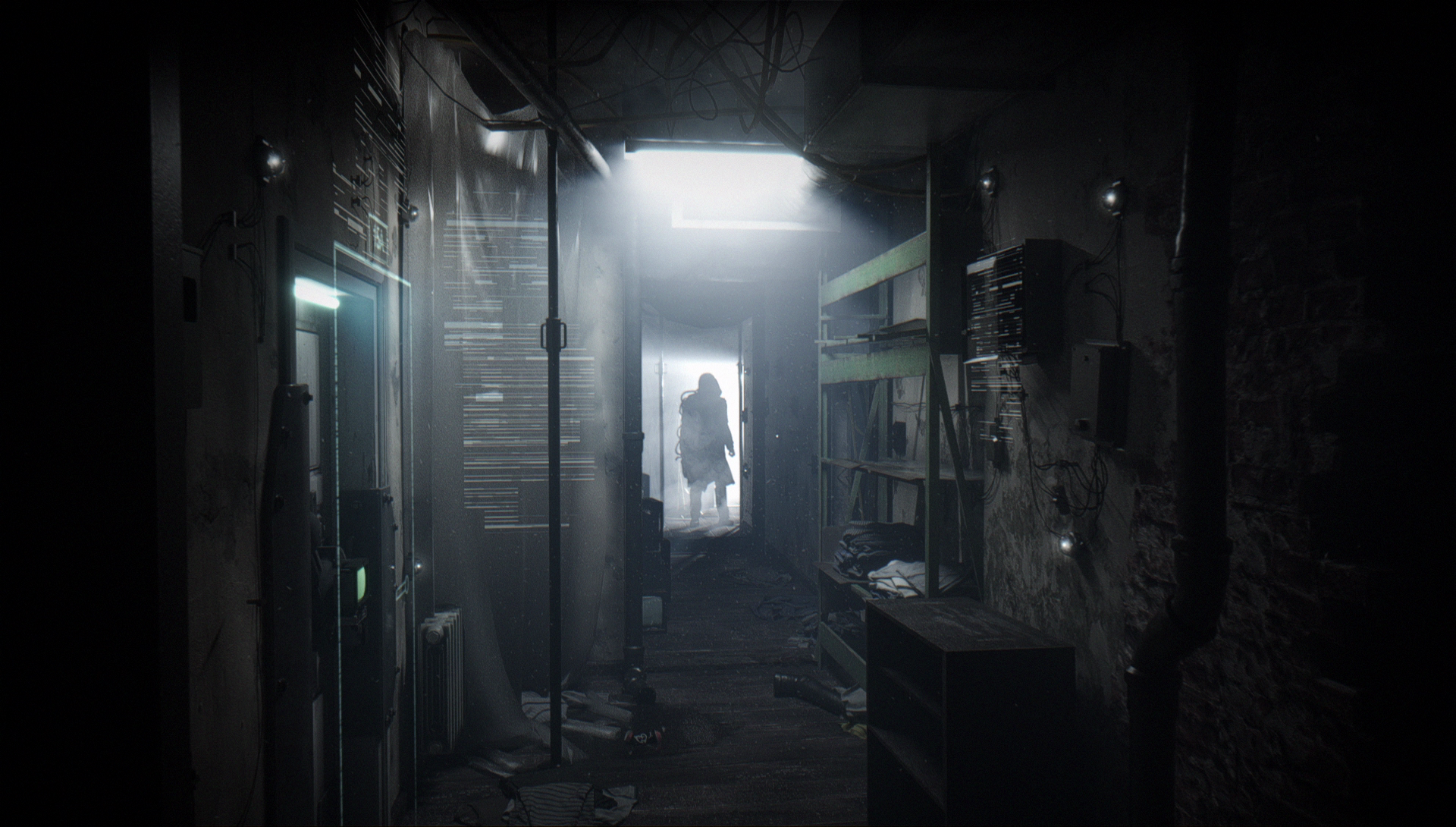
Most of the game consists of wandering confusing hallways and talking to people through the intercoms on their front doors. The dialog will give you clues as to where to go next, such as learning key codes, apartment numbers to investigate, and anything else the crazy story throws at you. This is where the game’s atmosphere really digs deeper than in most games. There is no human contact in this game as you speak to everyone through doors and walls. It helps add to the sense of loneliness and desperation that the citizens on the lower levels of the city suffer. Every corner you turn is full of wires, monitors, computer banks, and propaganda from the government and corporations that run the world. The atmosphere is done brilliantly and will definitely stick with you long after you finish the game.
Like Layers of Fear, when you jack into someone’s brain, you get to run through trippy drug-infused nightmares. Some are literally horrifying and frightening, and that’s actually a good thing. Most of these segments are story- and narrative-driven with very little interaction; there’s an occasional scary stealth sequence that adds plenty of tension, but nothing overwhelming or confusing. It was one of the things that made Layers of Fear so great, as the gameplay sacrifice gave you an amazing audio/visual experience that you won’t forget.
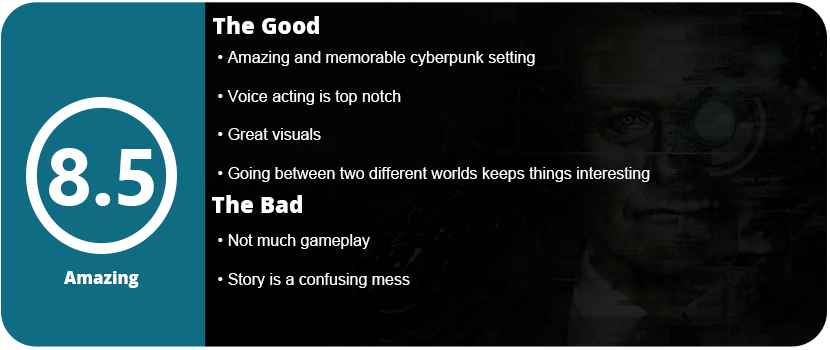
Once you finish these jacked-in segments, you enter the real world again and move on to unraveling the story. There’s not much else to the game outside of this, and it can be finished in about 5–6 hours, depending on how often you get stuck. The story itself is a bit hard to understand and is very confusing, even at the end. I was hoping it was going towards more of a Soma vibe, which is still one of my favorite video game stories of all time. Almost everything is explained at the end with a couple of different endings, and while you feel the story is concluded, the middle of the game is very confusing.
Again, the reason to play this game is for the horror and atmosphere. The scary moments are actually scary and mess with your mind, and that is very rare today in gaming. If you want a lot of gameplay, then look somewhere else, honestly. I can’t find too much to be disappointed with outside of the story not being very clear, even at the end, and you can get stuck and lost too often in the game. If you loved Layers of Fear or even Soma, then you’re going to love Observer. This is already one of the best atmospherically driven story-based games this year.
With P.T. only being a demo, it sure did imprint itself into the horror genre. Since then, games have been trying to copy their experience, but is this such a bad thing? I think not, as P.T. showed us what we have forgotten: the overall scare factor and how the atmosphere can do that. You don’t need cheesy monsters, jump scares, or even great visuals. The plain old atmosphere can do the job just fine. Layers of Fear is an indie horror game that is probably one of the most insane I have played in a long time. The game did have a forlorn and eerie atmosphere, but just the visual trip it gives you is mind-blowing.
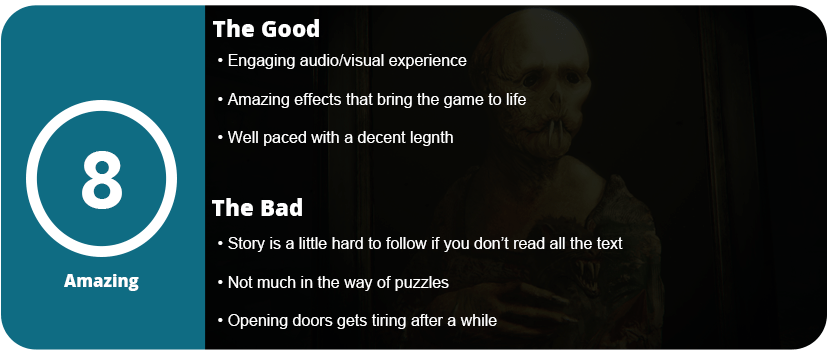
You play a crippled painter in the early 20th century who is trying to complete his masterpiece. The game starts out just fine while you wander around an old mansion, opening drawers and finding pieces of text that help tell the story. Layers of Fear’s only goal is that you walk through doors. You will open more doors than you would like to in a video game. Once you get through your first door and into the main hub, which is your painting room, things go crazy. The game is very linear, where you walk from room to room and enjoy a visual acid trip that never stops or gives you breaks. As you think there’s no way out, you will turn around, and a painting will pop up behind you and start melting. Turn around again, and the room changes or a ghost appears in your vision. What kept me going was that I wanted to know what was in the next room. It was like a funhouse but scary. Each room was always different, and I never felt bored or that I wanted the game to stop. There are six major pieces you need to collect to finish the game, and each one is themed. For example, the one-piece is a finger, and you slowly build up the story of how you took that finger. It doesn’t tell you directly, but through crazy visual cues and clues, you can figure out what happened.
The game is also a bit of a collect-a-thon, as you can open drawers and search around each room for clues that allow you to unlock achievements. There are actually three different endings, but I can’t quite understand how to get them. There are no choices in the game, but maybe take different paths? Each area is so linear that there’s only one way to really go, so figuring out what ending you get is a huge mystery. There also isn’t much thinking in this game; there were maybe 3 or 4 puzzles, and they required almost no skill to work out. I feel there should have been more puzzles, but that would have slowed down the pace of the game. You literally run around the opening door after door and experience the next visual freak-out, like a roller coaster ride. There are also no enemies to run or hide from. The only ghosts that appear in the game are supposed to get you, as it’s part of the story.
The visuals are fantastic, as the game has amazing lighting effects and a tense atmosphere, and there’s so much detail and so many different objects everywhere. The way some of the set pieces play out is pretty insane and requires a lot of care and detail. The visual effects alone from warping, shifting, melting, and various other effects are pretty amazing, as you don’t see many of these in games. All this was done with the Unity engine, which was also pretty impressive. The audio in this game is quite amazing, with a lot of variety, and each sound effect is put in the right place at the right time.
Overall, Layers of Fear is well worth a playthrough; it’s quite scary, and you never want to stop. The great pacing, visuals, and amazing roller coaster ride of effects are something you don’t see in games very often. If you’re tired of the cheesy horror gimmicks of most indie games, then look no further. This game may be short, but it’s got a lot of soul and heart for what it is.
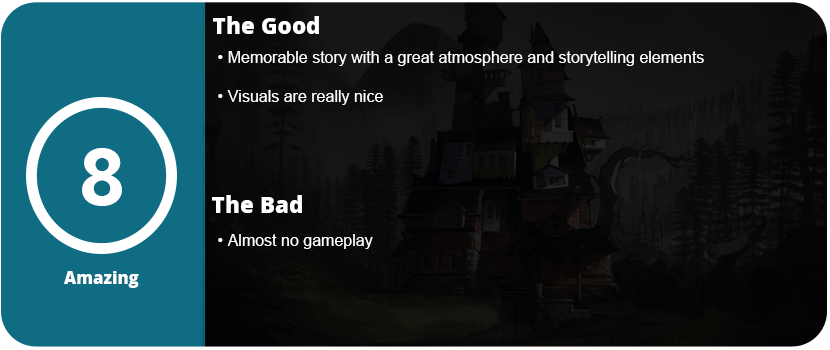
It’s surprising that over the last 10 years, it’s the indie game that has had the most touching and memorable stories. Even with AAA games’ million-dollar budgets, they can’t seem to get a decent story with armies of writers and directors. What Remains of Edith Finch may be called a “walking simulator” by the younger crowd, but these slower-paced adventure games are usually the most touching and memorable. You play as a girl who is slowly unlocking the mystery of why every member of her family died in a large house built from the ground up on the oceanside.
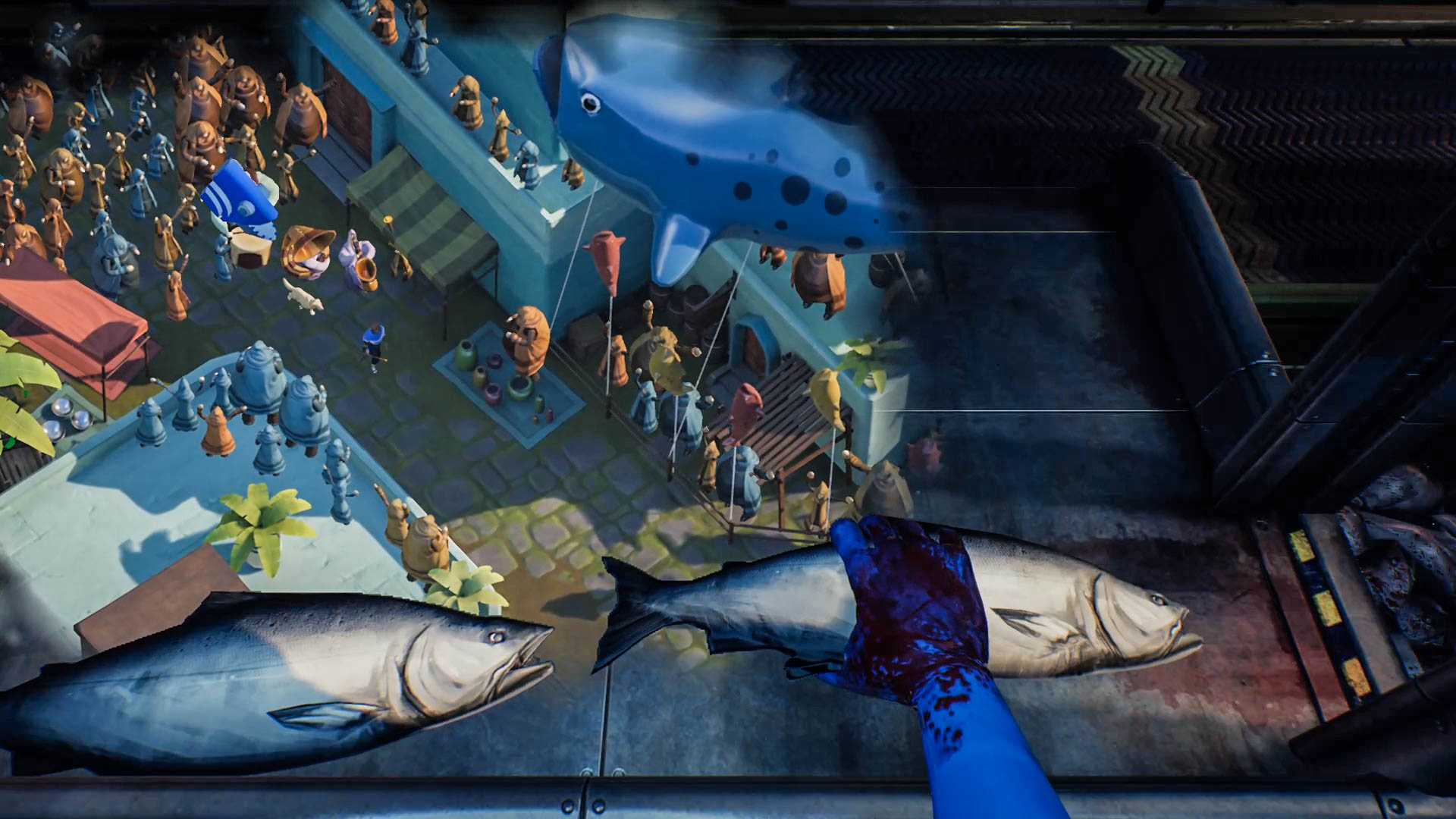
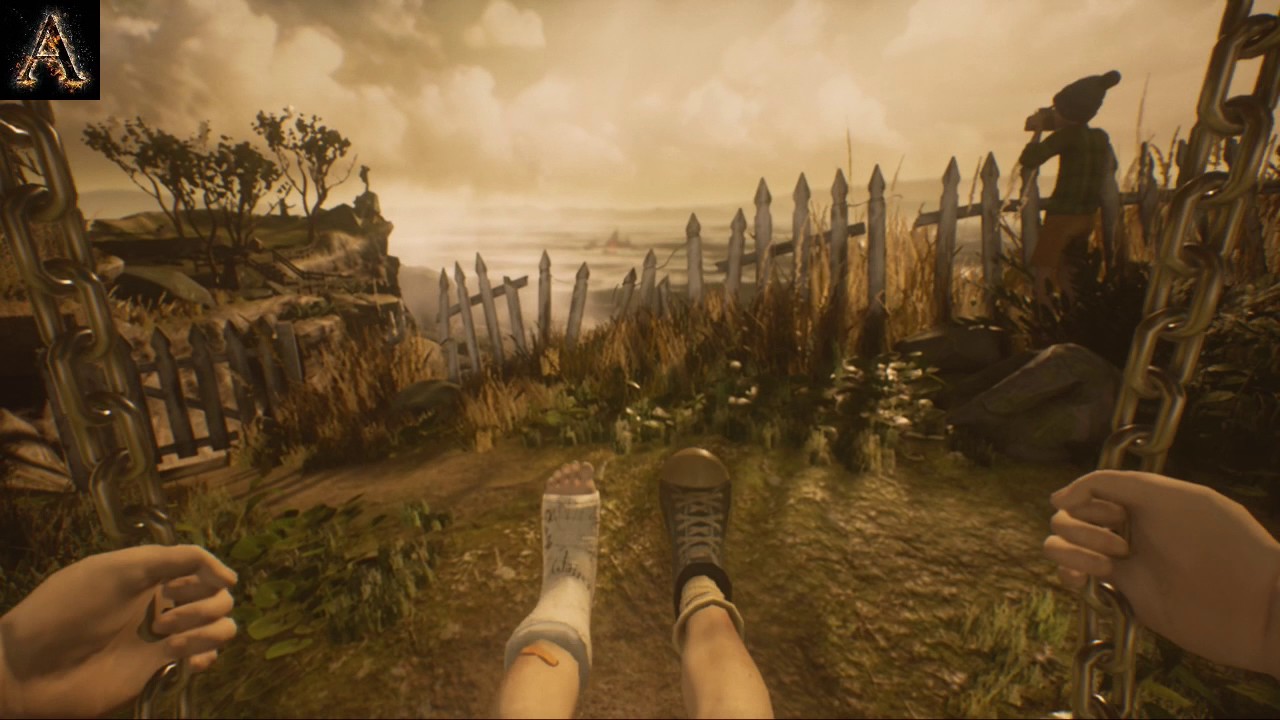
The game starts out simple enough: you walk down linear, winding paths, and the character narrates along the way. The text floats along where you walk, and it’s an immersive way to tell a story. Once you enter the house, you will eventually find your way through mysterious rooms through secret passageways, and in each room is a piece that will bring you into their story. The most unique part of this game is that each story is so different and is told in unique ways. One story has you playing as several animals in the first person as the boy tells his story. In one story, you are just trying to swing as high as you can so you can fly. One story towards the end has you cutting fish heads in a factory, and you play a 2D RPG on the side while still trying to cut the fish heads. As the story goes on, it gets more detailed and expands in your view. The game is very imaginative, with my favorite piece being a 1960s horror comic, and the panels come to life with you playing a character in some of them. The game never gets boring or old, and the short length helps keep the game from overstaying its welcome or doing too much.
My biggest complaint is that there’s not much to interact with outside of initially entering the house. Once you get through the first few rooms, you just go from room to room and find the main story piece. The pacing is great, as it doesn’t get too fast, so you feel the rest of the game is too slow. There are also different themes throughout the game, such as horror, adventure, happiness, and sadness, and the house itself is haunting, empty, and lonely. This game oozes atmosphere, and you get different feelings from each room as you discover the fate of each family member. There’s so much detail in this game, and the visuals are quite nice for an indie title in this manner.
Sadly, due to this type of game, it won’t be played by many people, which is a dying shame, as What Remains is probably one of the best games to come out this year. The story is memorable, the game has plenty of atmosphere and character, and there’s so much to love about the game. If you’re a fan of Gone Home or just great stories in general, then you will love this game.
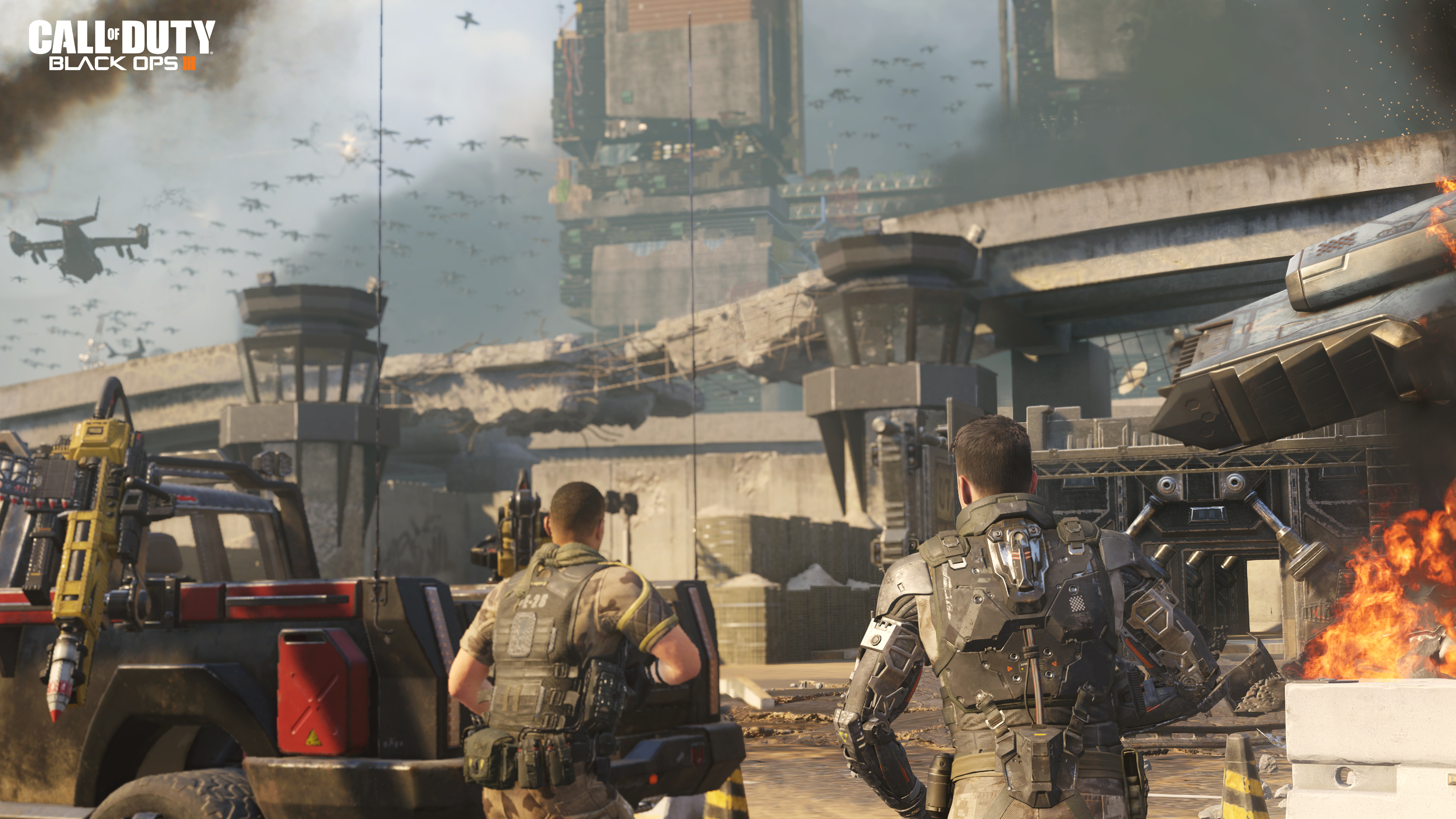
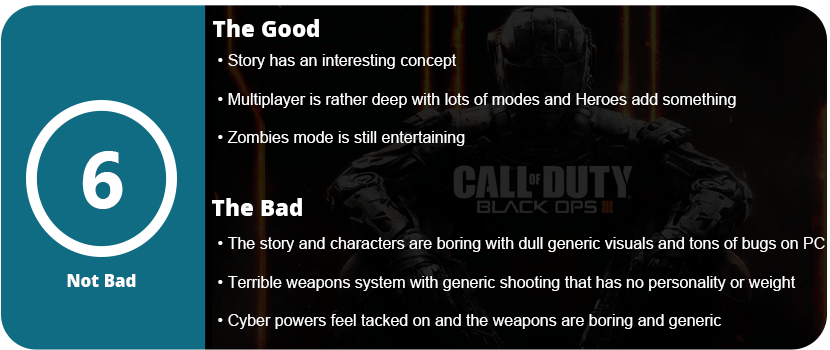
Man, where do I begin? Call of Duty was one of my favorite franchises growing up, and Modern Warfare helped kickstart FPS games into a new cinematic, next-generation universe. That Pripyat level in the first modern war still sticks with me to this day. After MW2, the series took a steep downhill slide and hasn’t stopped since. Here we are with Black Ops III, a futuristic military shooter that is a far cry from what the original Black Ops was, which was absolutely fantastic. You play as a squad of black-ops cybernetic soldiers who are trying to stop an all-powerful AI from destroying the world. See, the whole world is completely infused with technology that can read people’s minds and know our every move. The CIA has several operations around the world to keep this in check, but it all goes wrong one day. The actual concept is interesting and could have gone somewhere, but instead, we dredge through a sewer of boring, mediocre, and lame campaign levels that drag on way too long and overstay their welcome.
The game plays exactly like every other CoD since MW1. You run and gun your way through waves of enemies that are as dumb as dirt, and you face unbalanced difficulty spikes and repeat about a million times. I have to point out that I really hate the new weapon system in this game. You can no longer pick up guns from enemies but instead run into mobile armories where you can swap your loadout. This is a campaign, not multiplayer. I want to pick up weapons from enemies and keep things constantly mixed up. Several times through one level, I would need a shotgun or sniper rifle but was screwed because I couldn’t get to an armory. I can’t predict what’s going to happen next, so this is a huge mistake, and I really hated it.
Second, the enemies are as boring as ever, with generic robots and super soldiers. You get the occasional mobile armor, but that’s about it. It’s so boring that I just shrugged because I knew this was coming from a game like this. I mentioned the terrible weapon systems, but let’s talk about how terrible the actual weapons are. For one, there’s a small amount for a CoD game, and they all feel the same. Sure, you have shotguns, assault rifles, and pistols, but they just feel the same. They seem to have no weight, no bearing, and no personality. It’s futuristic shotgun A and futuristic assault rifle F. There are no real-world weapons anymore, and it’s just a borefest due to a lack of personality. The entire game has zero personality or originality. It all feels like endless metal corridors, hallways, and concrete. At least the first Black Ops felt original and had some personality and weight to it.
To make the game feel more like multiplayer, you get dumped into a central hub after every level and can change your loadout, unlock weapons with fabrication kits, and customize your weapons. There’s a new concept introduced called cybercores, which are powers that you can use against enemies. I found these almost worthless, as the game offers no opportunities to change to the standard CoD gameplay to implement them. It just felt like something tacked on to say, “Hey! We did something different! SEE?!” which I didn’t fall for. The only useful power was stunning multiple robots at once, but that’s about it. For most of the campaign, I forgot these powers were even there. I just ran around shooting everything in sight, like every other COD. I wish the series would stop pretending to be sophisticated and complicated when really it’s a dumbed-down snoozefest with no personality. It has been years since CoD has put its own fingerprint on the FPS genre, and this game doesn’t do it any favors.
I hated the campaign, but the multiplayer was at least fun for a while. It’s still the same old CoD MP that we’ve grown to either somehow tolerate or completely hate. However, Black Ops III is much more grindy than any other CoD game, and I gave up after around level 5. Even in single-player, it takes many levels before you can purchase decent weapons and load-outs. It’s part of the reason why the game gets so boring so quickly; the fast unlocks of the past are gone, and it feels almost free to play, which is a damn shame.
Graphics-wise, it’s nothing impressive except for how powerful of a PC you need to run something that shouldn’t push high-end systems. With the GTX 970, I used to have to turn down settings and still get massive slowdowns. It wasn’t until I used an overclocked 1070 that I got steady FPS with everything maxed out, and even then sometimes the game dropped down to 40 FPS for no apparent reason. The game is poorly optimized, has awful glitches that still exist after all the patches, and just doesn’t look all that original or impressive.
Overall, I can’t really recommend this game except for the hardcore CoD players, and fans of only the older games will hate this. The weapon system stinks, the campaign is boring, lame, tedious, and full of glitches, and the unlocks are a grindfest. There’s so much wrong with Black Ops III that it took me over a year to finish the campaign. It’s just boring and not fun to play, as there are plenty of other great shooters out there. I’d rather play Half-Life 2 for the 20th time or the Crysis trilogy than spend one more minute in this game. Now, that’s not to say I hate it to death, as the multiplayer can be pretty fun with new modes and playable heroes at a little depth, but it’s not enough to save the core gameplay. Zombie Mode is the final saving grace, as it still provides entertainment, but like multiplayer, it will only last so long with boring guns to use and average visuals.
I have to note that this is the older, and better, model of the Cordless Precision Controller for PS2. The newer one doesn’t feel as nice but is more widely available. Besides the official DualShock 2, there isn’t a better controller out there. There were so many third-party controllers for the PS2, and they were all mostly terrible. From poor ergonomics to bad wireless technology or lame button placement, Some controllers opted for the Xbox-style analog stick layout or were just poorly built. Logitech was the king of accessories back in the day, and while they were more expensive, they were worth the money. I had this controller last for over 10 years until it pretty much died on me recently, and I had to buy a new one. That’s a long time for an accessory, and it went through several moves, was stashed in storage for a couple of years, and was dropped, kicked, thrown, and smashed over and over again growing up.
What makes this controller the best wireless option for PS2 is that it just feels good and is more solid than the official controller. There’s more bulk, and it feels heavier and more solid in your hands. The controller fits so nicely with shorter arms and a thicker back with larger top buttons. The D-pad is much improved and works well with fighters as it’s a rolling D-pad over the standard plus D-pad. My only complaint would be that the analog sticks are too loose for my taste, and they take some getting used to.
The controller connects to the receiver easily with just a press of a button, and there is no need to repair it. I never once had to pair the controller over the 10 years I owned it. It shuts off after 5 minutes of inactivity; there’s a mode button for switching from digital to analog, and that’s all you need. It lasts nearly 50 hours on 2 AAs, so get some rechargeables and you’re golden. I also have to mention that the battery cover is a pain to get off, but you can’t have everything.
Overall, this is the best controller option for the PS2 bar none. Sadly, it’s not made anymore and can be upwards of $50–60 used, and new controllers run over $100. If you can nab one, these are worth the investment tenfold. Just another side note: the black version is the most common, with the silver being second and the blue one being nearly impossible to find. The silver ones pop up here and there, but I have yet to ever see the blue one.
The JRPG genre, in general, is probably the stalest of them all. I understand the Japanese market is a lot different than ours, but the Western audience is always looking for something new and always interested in change. Final Fantasy is one of the most popular and highest-grossing video game franchises of all time, so it’s no wonder that Square Enix finally took the leap and made drastic changes to the series before they lose all their fans and can’t gain new ones. Final Fantasy XV takes a huge step forward and leans more towards Western RPGs such as Skyrim, Fallout, Mass Effect, and Fable.
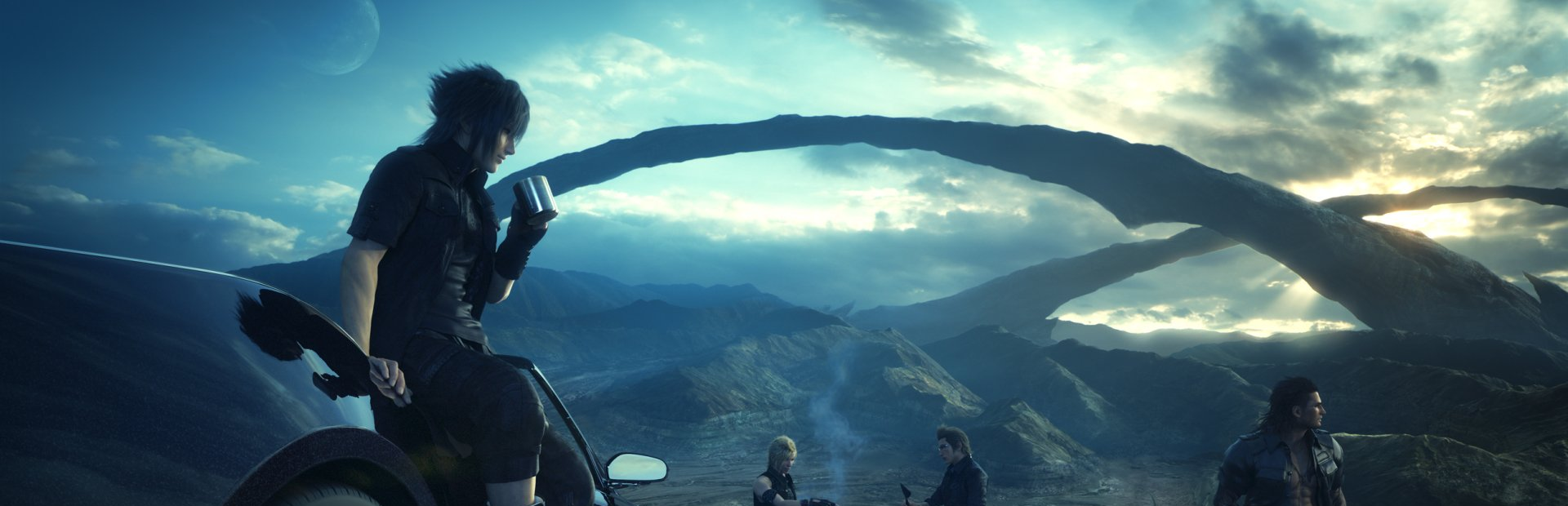
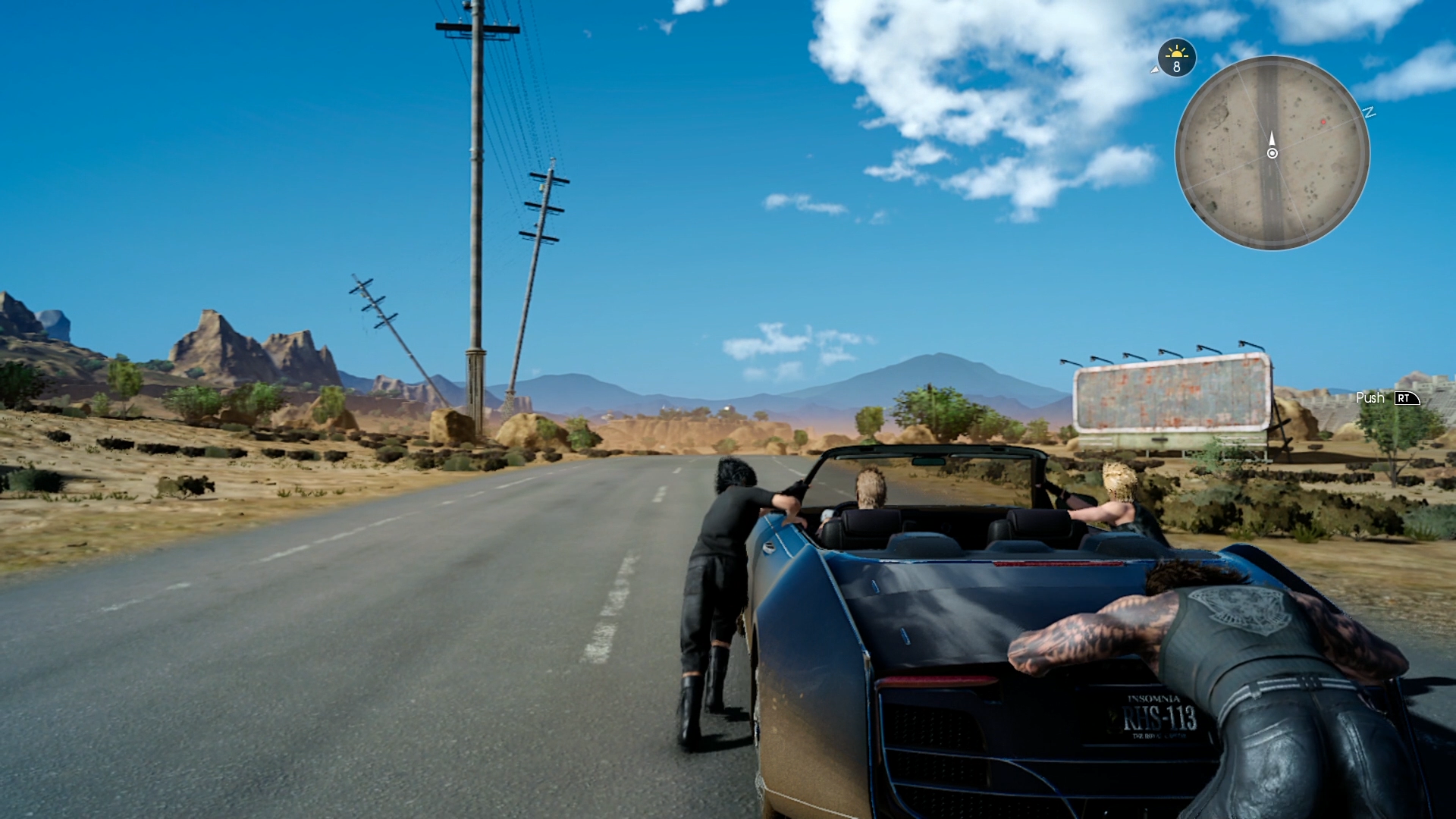
The first thing you will notice is that the game is mostly open-world. The area of Lucis is huge, wide, and expansive, and it can take over 15 minutes to travel from one end to another by car, probably over 30 on foot. But let’s back up a bit and talk about the story. The game has quite an interesting story, albeit straightforward and not as expansive or in-depth as other games in the series. You play as a team of four lifelong friends who are trying to stop an immortal from destroying the last remnants of Prince Noctis’ kingdom. You play as Noctis, and your other three companions, Prompto, Ignis, and Gladiolus, are all fighters in their prime. The story goes from very subtle pieces broken off to an unbalanced acceleration of linearity and difficulty.
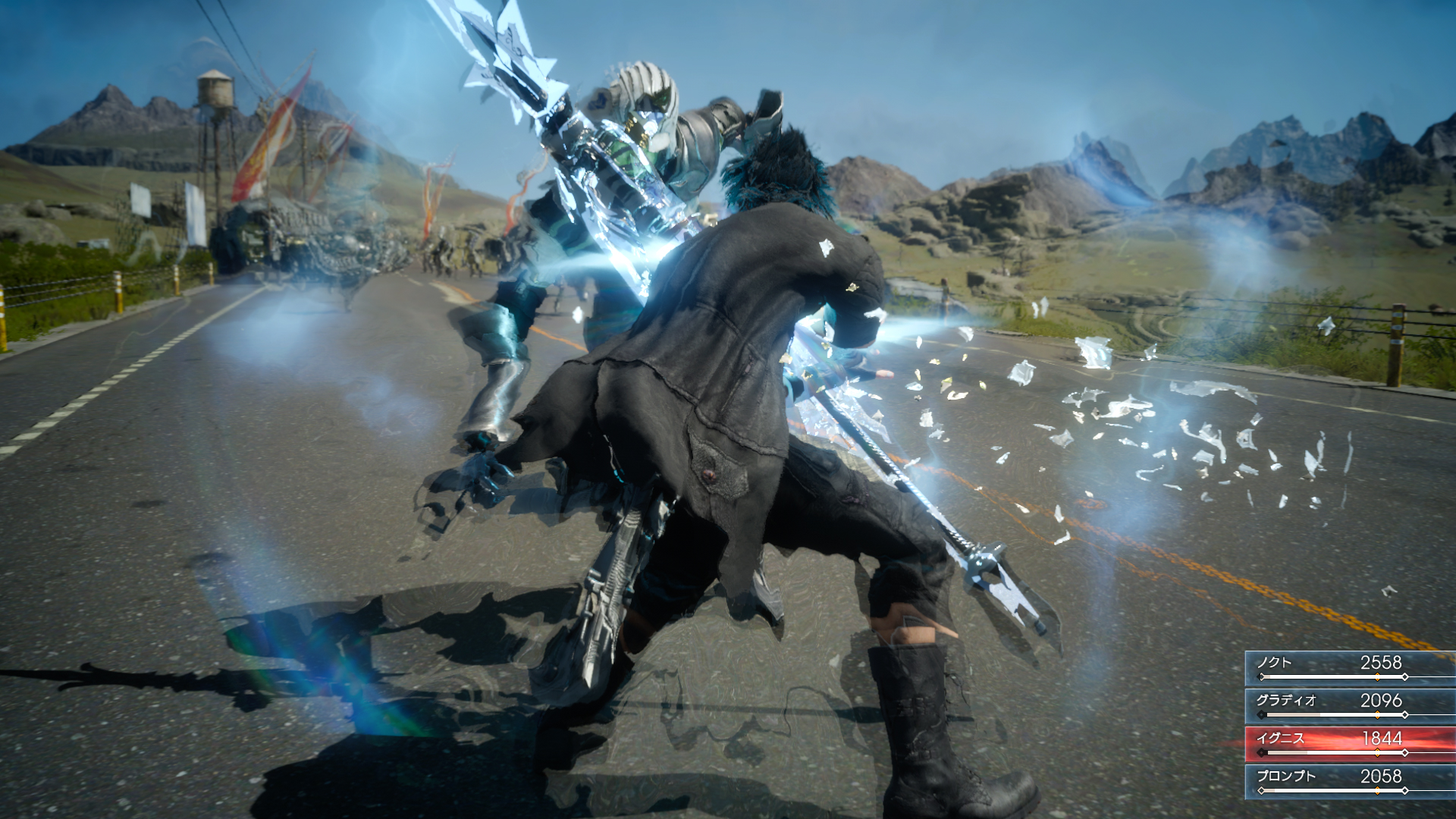
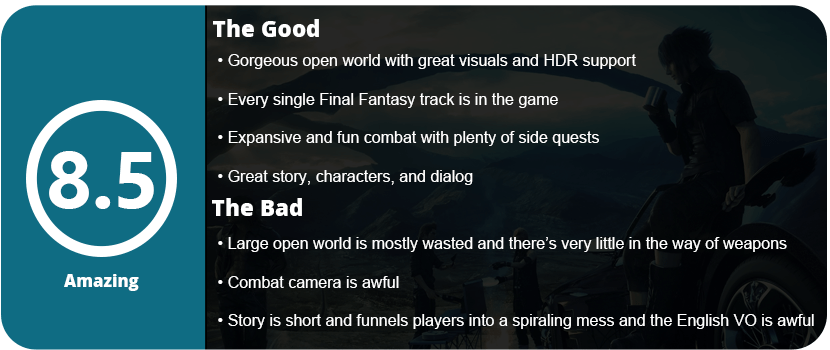
I can’t give away more of the story, or I would spoil it, so let’s get into combat. The game is not turn-based like previous games or even like Final Fantasy XII. The game is completely open combat, and if you want to run away from a battle, you just leave the red area on your mini-map. Noctis locks onto an enemy and uses a button combined with analog stick movements to slice and dice. You can equip up to four weapons, including magic (yes, it’s equippable and you have to craft it), so it’s very diverse compared to turn-based combat. The other three can use special moves when your meter goes up that can do devastating damage. Noctis can also warp to a point and hang there to recover MP and HP to take a breather. The combat is quite in-depth and fun to use, but the camera is just plain awful, and without locking it on, you won’t be able to hit anything. The camera swings around and gets stuck everywhere, forcing you to blindly fight enemies off-camera sometimes.
The game starts you out on a tight leash but slowly lets you out into the world. The biggest disappointment about this game is that this huge and beautiful world is wasted on side quests. While these side quests are addictive and I spent more time with them than with the main story, I still wish there was more to do and see. The only other activities are fetching items on the world map like ingredients for cooking and treasures, and that’s about it. You don’t even get achievements for these, which makes it less worth doing. You wind up with plenty of ingredients and items just from combat alone, so wasting time driving around this big world to do these mundane tasks is unnecessary. I wasted a good three hours in the beginning doing this only to realize that the items respawn, so it’s pointless. The treasures are no more than consumable items and rare weapons that you can easily buy at a store.
So what we have here is a huge open world for side quests, and the main story funnels us from the open world to a linearly scripted second half of a game that feels more repetitive than fetching useless items. Now that may sound harsh, but the game’s dialogue, story, and characters make it worth going through all this. Like most other Final Fantasy games, there is a level-up and skill progression system, but this time it is two-fold. Each character has a set skill, such as Prompto taking photos throughout your trip. This is a great feature, as when you rest, you can just pick what photos you want from what he took. As he levels up, he learns new filters, and it’s a lot of fun. Gladio will increase his survival skills by increasing item drops; Noctis can fish for ingredients; and Ignis will learn new recipes. Some may not care at all about this, but it’s optional for sure. The second progression system is a node-type layout similar to Final Fantasy X, where you use AP to unlock skills ranging from combat, teamwork, arbiter skills (basically an ultra move), and so forth. It takes forever to unlock all of these, and even with 50 hours of gameplay put in, I still didn’t acquire them all.
Once you get the hang of the entire game and get combat under your belt, you will blow through side quests, acquire items in the game, and finish the story. The story can’t be beaten without completing most sidequests, and you need to be at least level 40 before getting to the end. The strongest enemies in the game are the daemons, which come out at night, and you can’t even start tackling them until you reach level 30. Driving the Regalia around at night isn’t safe, and Ignis will always suggest you rest and not travel at night. So if you need to be level 40 before getting to the end, are the side quests really optional? They are fun and allow you to see the entire game, as this is a gorgeous world that Square Enix has built.
The visuals in the game are amazing, and the character models look great. This game supports HDR, and it looks gorgeous on a 4K TV, but there are some ugly bits, such as texture issues, and the NPCs aren’t as detailed as the main characters. While Final Fantasy XV is far from perfect, it’s also far from bad. If the camera was fixed in combat, there was more to do in this open world, and the story didn’t spiral into a linear, unbalanced mess, it could be the best FF game ever made. As it is, though, you will have to forgive the game’s shortcomings and learn to appreciate how far the series has come in 25 years.







































 thebinarymessiah.com
Try multiplayer. A lot of fun !