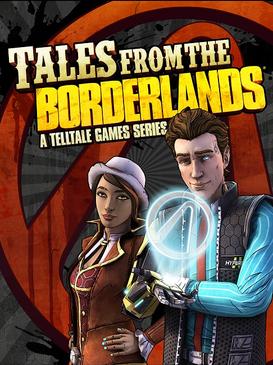
Borderlands is well known as a shooter-RPG hybrid, but with little to no story. There’s a lot of potential in a great Borderlands story, and Telltale Games finally delivered that. TftB is a fantastic story-driven game with memorable characters and enough Borderlands lore and quips to make a fan faint. The visuals are great, and there’s a lot to walk away from after completing it.
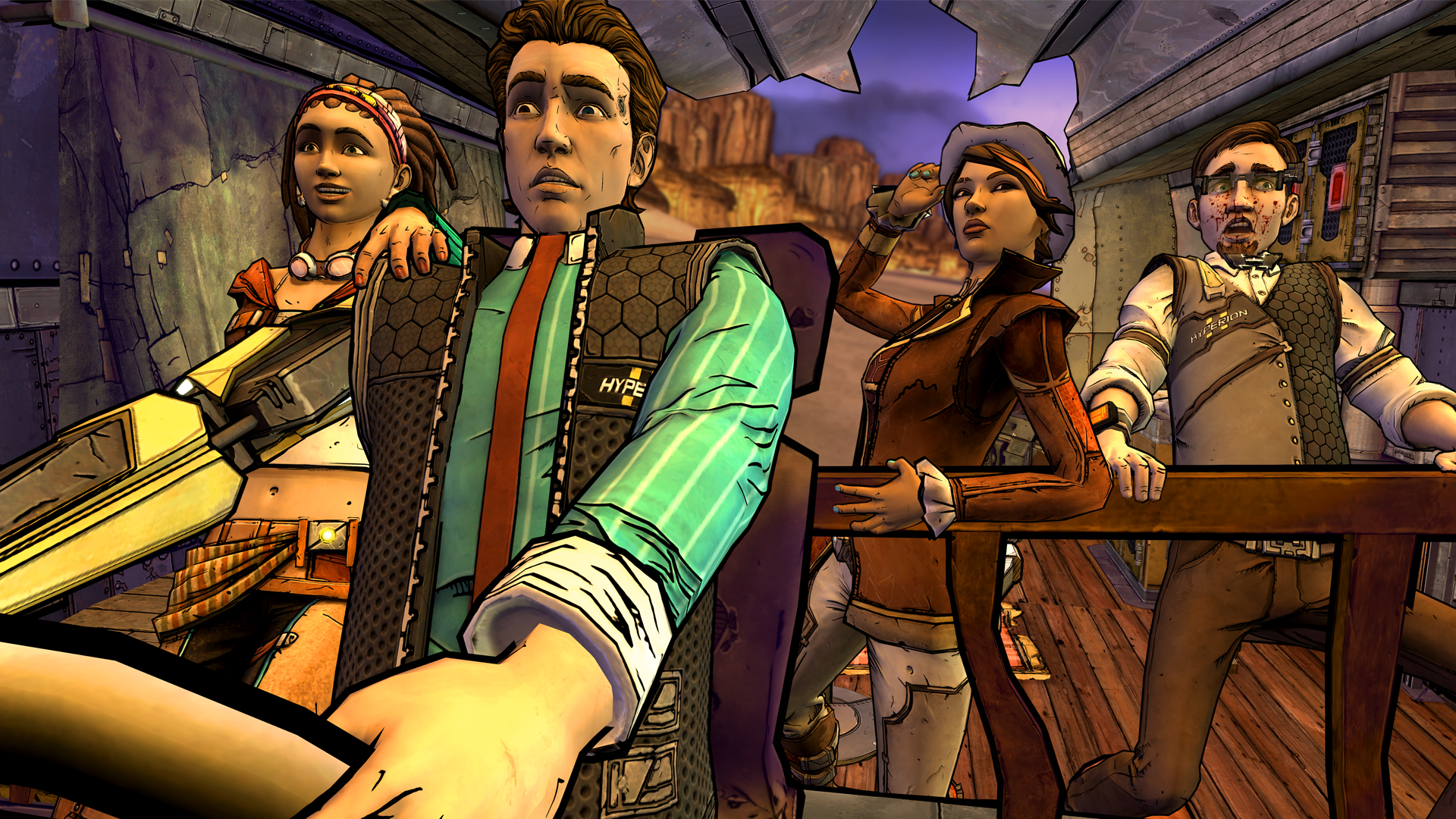
You start out by playing as two characters in this game, Rhys and Fiona. Rhys is a Hyperion corporate employee, and Fiona is a Pandorian con artist. The whole goal of the game is to open the Vault of the Traveler and find its hidden treasures. The entire point of any Borderlands game is to open a mysterious vault. The game is mostly comprised of flashbacks, as a man is dragging you two through the desert and having you retell your story leading up to the point of capture. This mysterious figure is well hidden, and I couldn’t guess who it was for the life of me. The unveiling was so surprising. Telltales are masters of surprise and plot twists, and TftB has plenty of them.
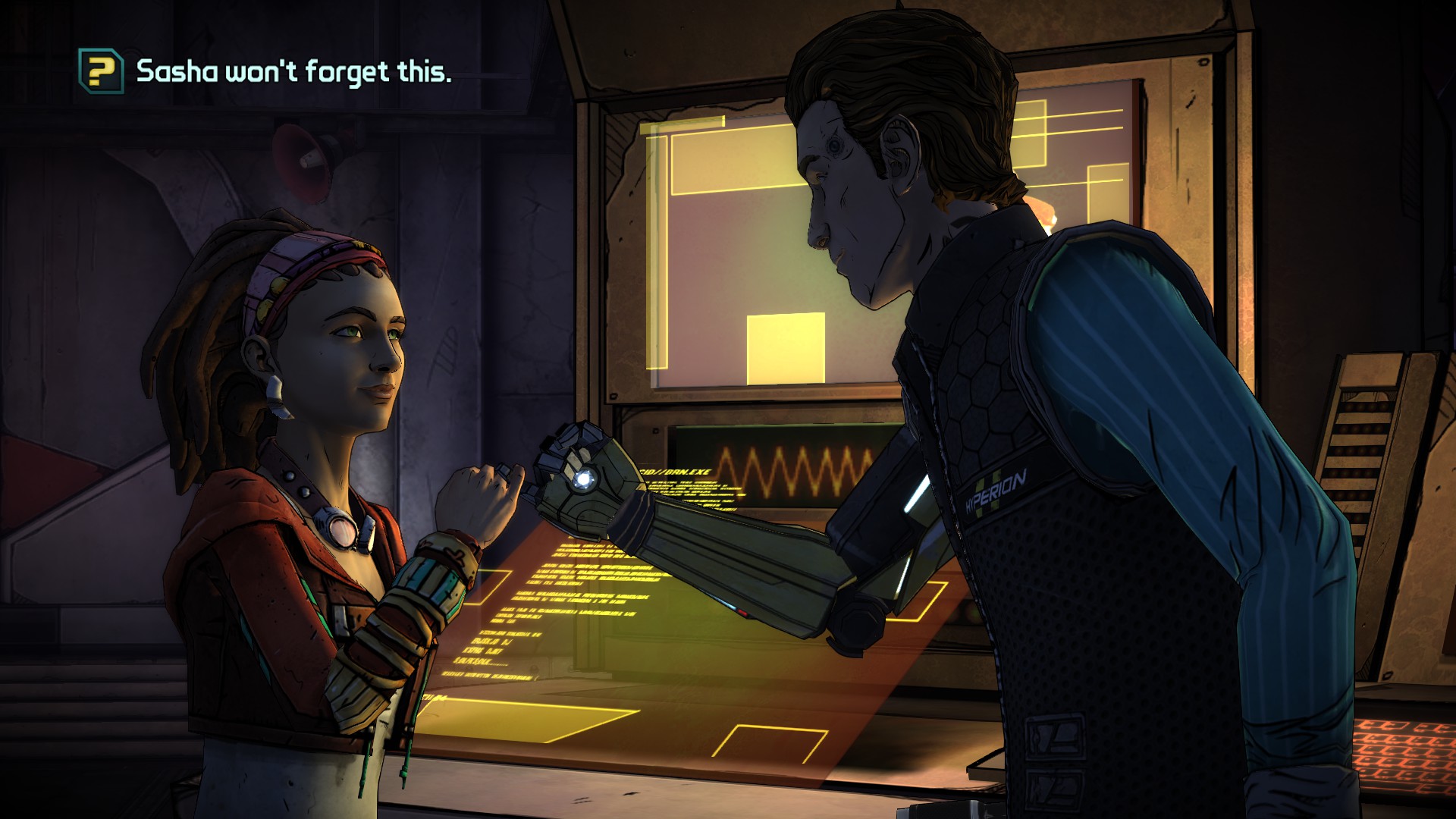
Like most Telltale games, there’s not much gameplay involved, just enough to make you feel like it’s a game. However, the stories are so fantastic that you won’t care much. There are a lot of quick-time events and moral choices in the game. These choices are the key components of any Telltale adventure and are what make them memorable. Some choices don’t matter so much, and some can change the course of the entire game. TftB doesn’t have as many story-changing choices as, say, The Walking Dead, but they do make a difference and can be tough to decide on. Putting your own moral compass in the game is what makes these games so memorable, and I love it.
Each episode usually switches back and forth between Rhys and Fiona, from Pandora to Hyperion and back. The game truly felt like a long adventure and was very satisfying and fulfilling all the way to the very end. The game has a large scope, and there is plenty of Borderlands stuff in here for fans. Opening loot crates can give you cash to use in-game; there are various jokes and even cameos of Vault Hunters from previous games. I also felt that the story was told at a decent clip and never got slow and boring or felt rushed. Each episode probably doesn’t stand on its own, but as a whole, the game is wonderful.
I want to complain about the exclusive quick-time events being the only thing that consists of gameplay, but I won’t because it works for the game. There’s action, drama, and plenty of comedy thrown in that any Borderlands fan will love. The visuals aren’t technically impressive, but the meld of Telltale’s art style and Borderlands is a perfect match here, and it feels like an actual Borderlands game, which is what counts.
In the end, no matter what console you play it on, TftB impresses on every level and tells a story that any fan will love and approve of. Even non-Borderlands fans will like the game. TftB is a perfect formula for how you do a franchise spin-off and do it right.
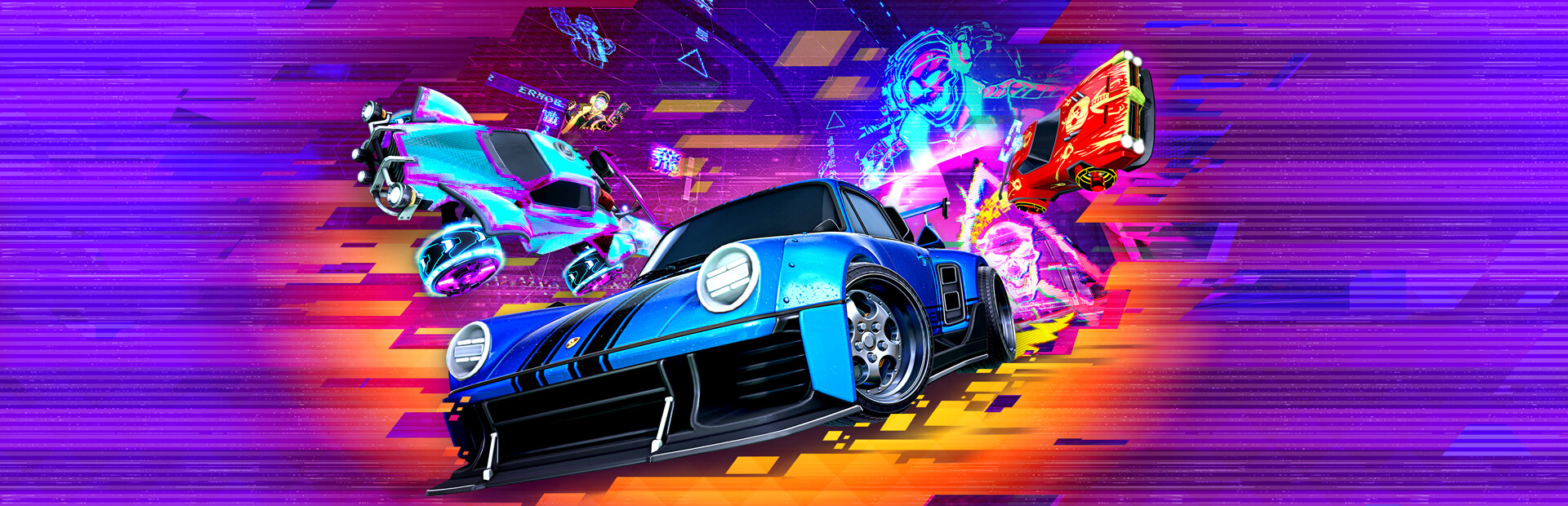
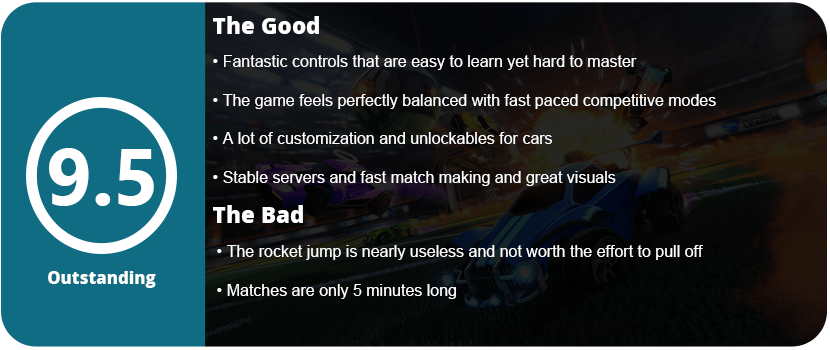
When you think about soccer, the last thing you think about is cars. Rocket League takes a joke and turns it into one of the best competitive games in years. That’s a bold statement, I know, but you have to play it to believe it.
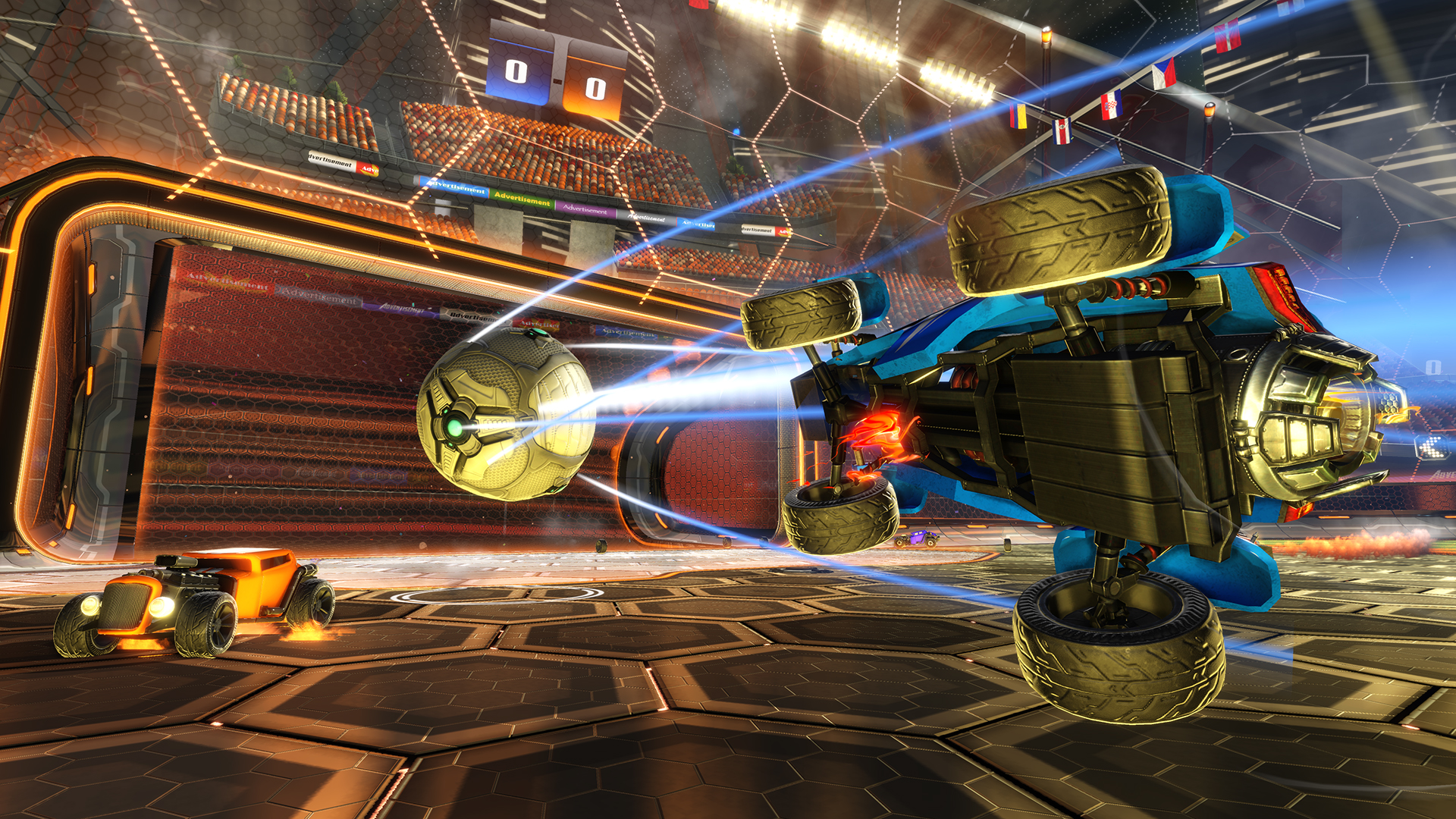
There’s no story, no leagues, no teams with some sort of crappy background to tie something in. You just customize your RC car and smack a giant ball with it. It sounds boring and simple on paper, but it is the perfect formula for something amazing. Once you jump into the tutorial, you will think it’s quite simple: drive your car into the ball and get it into the goal. It sounds simple, but when you have five other players doing the same thing, it can become insane and immensely fun. One of the key assets of Rocket League is that the control mechanics are simple to learn but hard to master. Sure, you can do a bicycle kick, launch your car into the air willy-nilly, and even guard a goal, but it’s how you do all this with finesse that will determine how good you are.
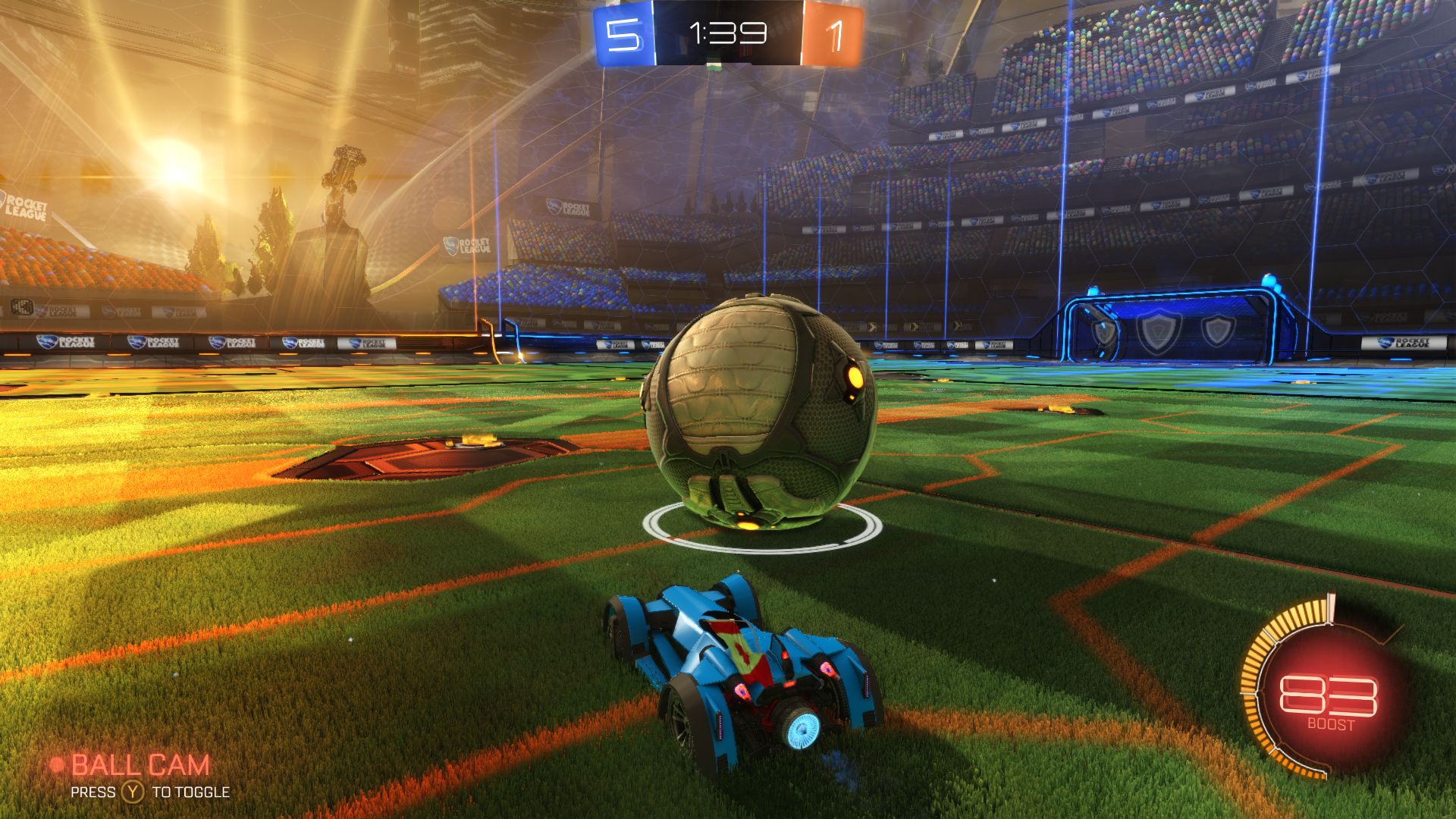
When you finish the tutorial, you will notice it will take about a dozen rounds before you start to really grasp the mechanics. Again, it’s not that they’re hard; they just require practice. The maps have speed boosts strategically laid out throughout the map. These are orb globes (full boost) or orange plates (partial) that are placed so well that you will subconsciously remember where they are and hit them as you are going around the map. This is hard to get right without breaking concentration. Hitting the ball into the goal is the main goal, but what’s so great about Rocket League is how this is done. Because this game is online, there will be exciting and memorable moments that you can save via replays, like an amazing pass, a long-shot goal, a great defensive move, or something along those lines. I made some incredible, insane shots and helped my team out without having to communicate, and that’s also hard to get right.
Rocket League doesn’t have voice chat, which is a blessing in disguise. Instead, you get predetermined messages that you can select with the D-pad that get your message across. Most players are great athletes in this game, and the competition is the same. Outside of scoring, there are other ways to get to the ball; you can drive on the walls and ceilings. Rocket League has each map in a glass case, so this allows you to drive up a wall, kick off, and hit the ball that’s high into the air. Even after dozens of matches (probably over 100 at this point), I still miss jumping up and hitting the ball in the right direction. I have to warm up like any good online game.
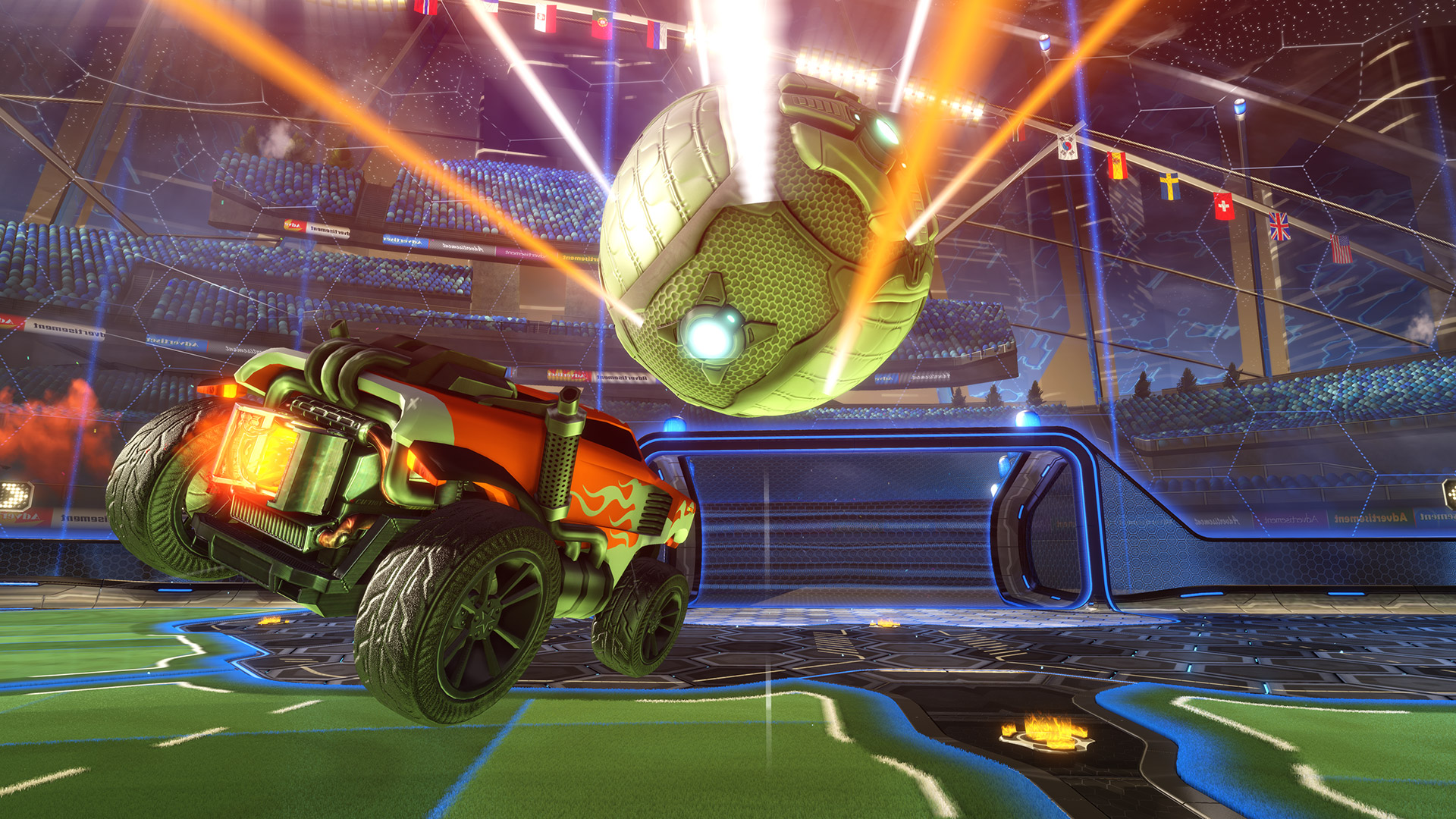
The visuals are fantastic, with individually rendered grass blades, great lighting effects, high-res textures, and gorgeous colors and sound. I really felt like I was in a stadium playing a sport. The customization for your car is nearly endless, as parts are unlocked based on achievement goals, which makes you want to keep playing to have the best-looking car on the field. There is a great match-making filter implemented, and free maps and updates are constantly being added. 1v1, 2v2, 3v3, and 5v5 are all possible options, and they are so great. Matches are quick to start up, and there are tons of players online, so you will always find a match to join. The servers are also very stable, with no hiccups during my entire time playing the game.
With that said, I can’t stress enough how Rocket League is more like soccer than actual soccer games are. You get the thrill and joy out of scoring like you would in real life; this is in contrast to the stale solo plays of real soccer games like FIFA or PES. Some people may scoff at that, but it’s the truth of the matter. Rocket League is addictive and fun, and anyone who plays online competitively will enjoy this game even if they don’t like soccer or cars. The game has a wide appeal to all audiences and will allow for hundreds of hours of fantastic gameplay.
Have you ever wondered what would happen if humanity was on the brink of extinction? I really mean it too, not just in a cheesy sci-fi movie way. Soma makes you truly and honestly think about this, and it scares the crap out of me. Right up front, I want to say that Soma is one of the most original stories I have seen in a game in a very long time. The story takes a while to understand what’s going on, but once you do understand, you’re in for quite a ride.
You play as a man named Simon who is fighting brain cancer. You go to a doctor’s visit and sit inside a chair. One moment you think you’re getting scanned, and then you wake up in a mysterious lab wondering what’s going on. Immediately, the plot and timeline continue on around you while you’re catching up. It really makes you feel like you’re being dropped into the middle of a shitstorm. The premise of the story is that a meteor wiped out nearly all of humanity (which is a real and possible reality), and there is a system called the ARK that is to preserve humanity digitally. Now the story makes you think the ARK is several different things and works in different ways. The story is so well told that you actually organically understand everything exactly as Simon is understanding it; it’s quite unique and ingenious.
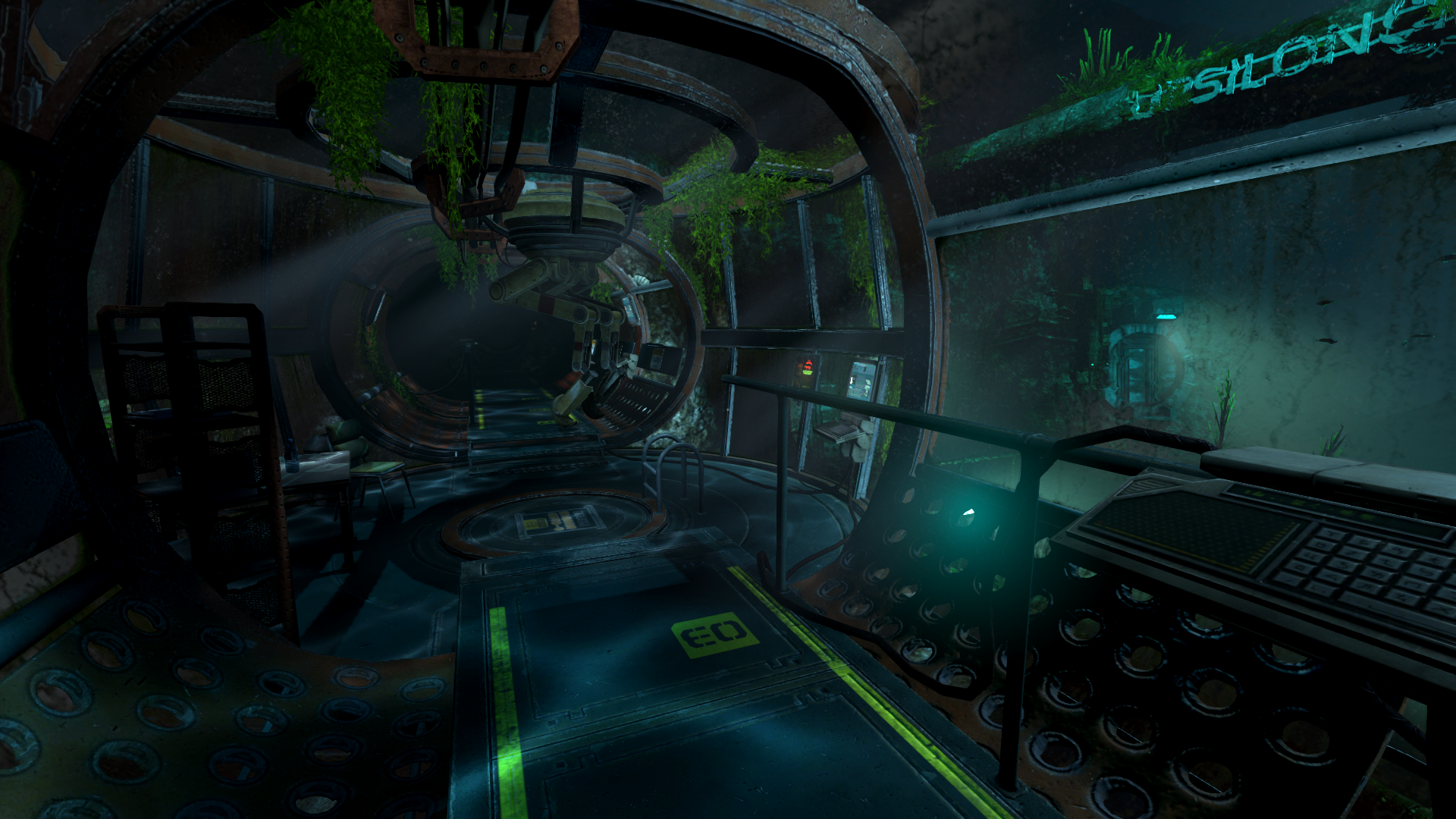
The game is made by Frictional Games, which made Penumbra and Amnesia: The Dark Descent, so you know what you’re in for: a very scary game. Soma is actually much more intense than those games, and it is scarier. The graphics engine has been pumped up quite a bit; while not state-of-the art it looks way better than Frictional’s previous games, and it is still quite beautiful artistically. Your goal is to solve simple puzzles in some areas while also discovering more of the story through audio and text files while you explore rooms. The most intense part of the game is when these WAU creatures are wandering and shuffling around. You have to hide and sneak around them, which is some of the scariest things I have done in gaming in quite a while. The sounds help sell the scare factor, and I really felt claustrophobic through the whole game. Running around in derelict underwater labs isn’t a walk in the park.
The game is broken up into areas or lab sites, and the whole thing takes place underwater. As you go further and further into the ocean floor, things get crazier and crazier. The WAU is an organic computer system that we built to help sustain life underwater, but it’s now taking over and has killed off nearly every remaining human left on the research site. The way this place is built is awe-inspiring and really makes you feel puny, thanks to the way the story is told. You literally go through every step to launch this ARK into space, and you have a computer AI companion that makes you feel even more alone. The various story pieces that come together in the game are fantastic and very memorable; I can’t say much more without major spoilers. I will say that you get moral choices in the game, but in the end, they mean nothing, and that’s actually the way you want it. The way the story is told, there is no way to find out what happened with your choices, and it makes it feel that much more real and scary.
I did run into a few issues in the game, like some of the sneaking areas were really difficult without a walkthrough because you need to keep your flashlight off and you’re basically feeling around in the dark. This made certain areas extremely frustrating and caused multiple deaths. I also found a few puzzles very vague. If those issues had been fixed, this would be the perfect adventure game, as it has already revolutionized several tired elements. You will look past these issues, thankfully, due to the story being so incredibly amazing that you will want to go on.
The atmosphere itself is just very foreboding; all you want to do is find another living person, but Simon’s luck is just really bad. Frictional Games forgoes the cheesy, predictable quirks of gaming stories and makes you press on and feel alone and hopeless, which is fantastic. Walking around in labs and then stepping outside into the vast ocean is a great experience and makes you realize just how screwed you are. You can still be attacked outside, and you must follow the procedures and safety measures set up throughout the underwater city, or you will die. The fact that Simon relies so much on his AI companion just reminds you how fragile this whole mission could be and that humanity could be lost forever so easily.
With that said, Soma is one of the greatest gaming stories ever told, and I seriously mean that. It’s just too bad this is an indie game and won’t get the attention it deserves. The game has a few flaws, like slightly dated visuals, difficulty spikes, and some vague puzzles, but you won’t care and will want to press on thanks to the amazing atmosphere that nearly makes you feel like it’s happening to you.
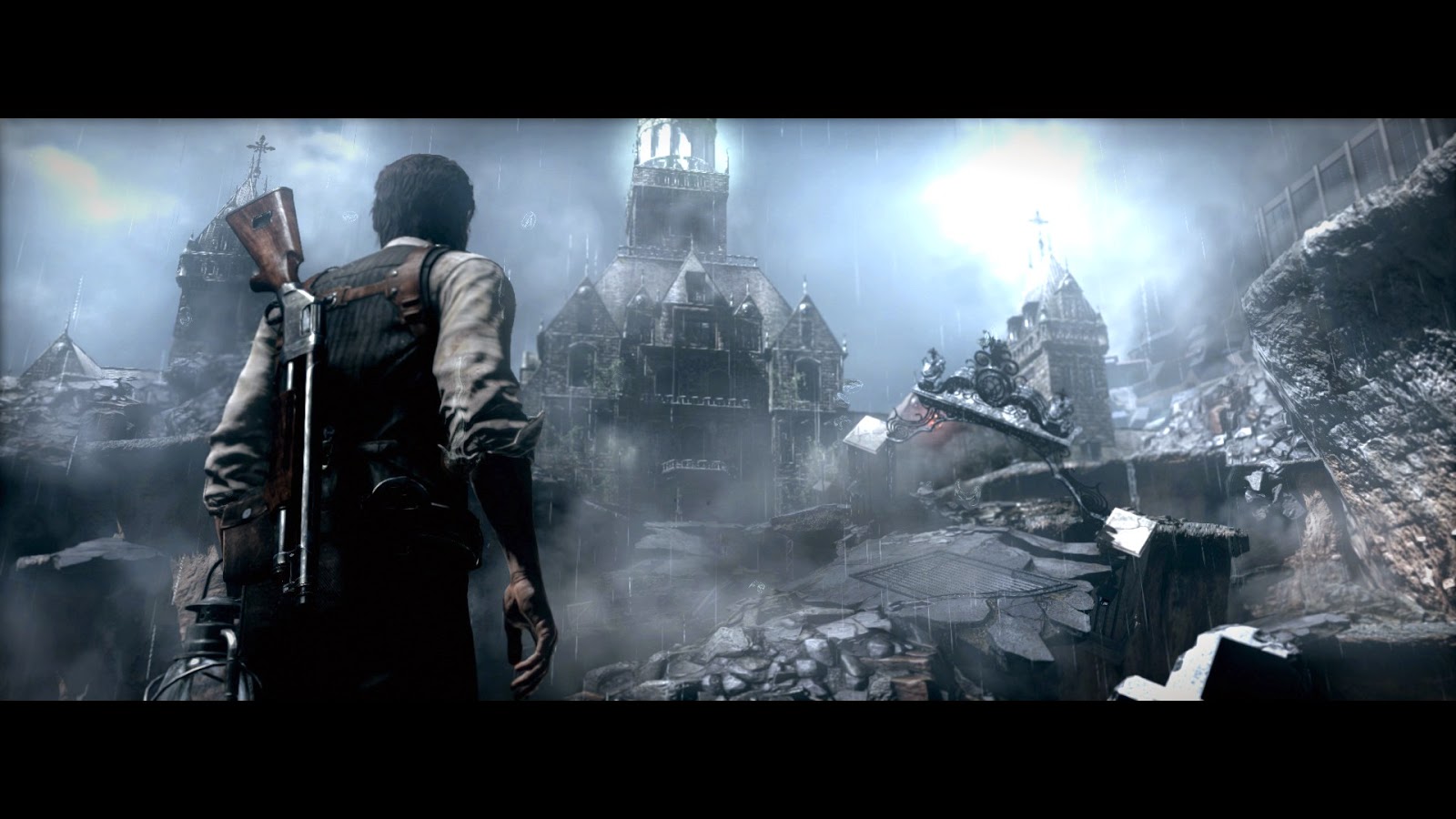
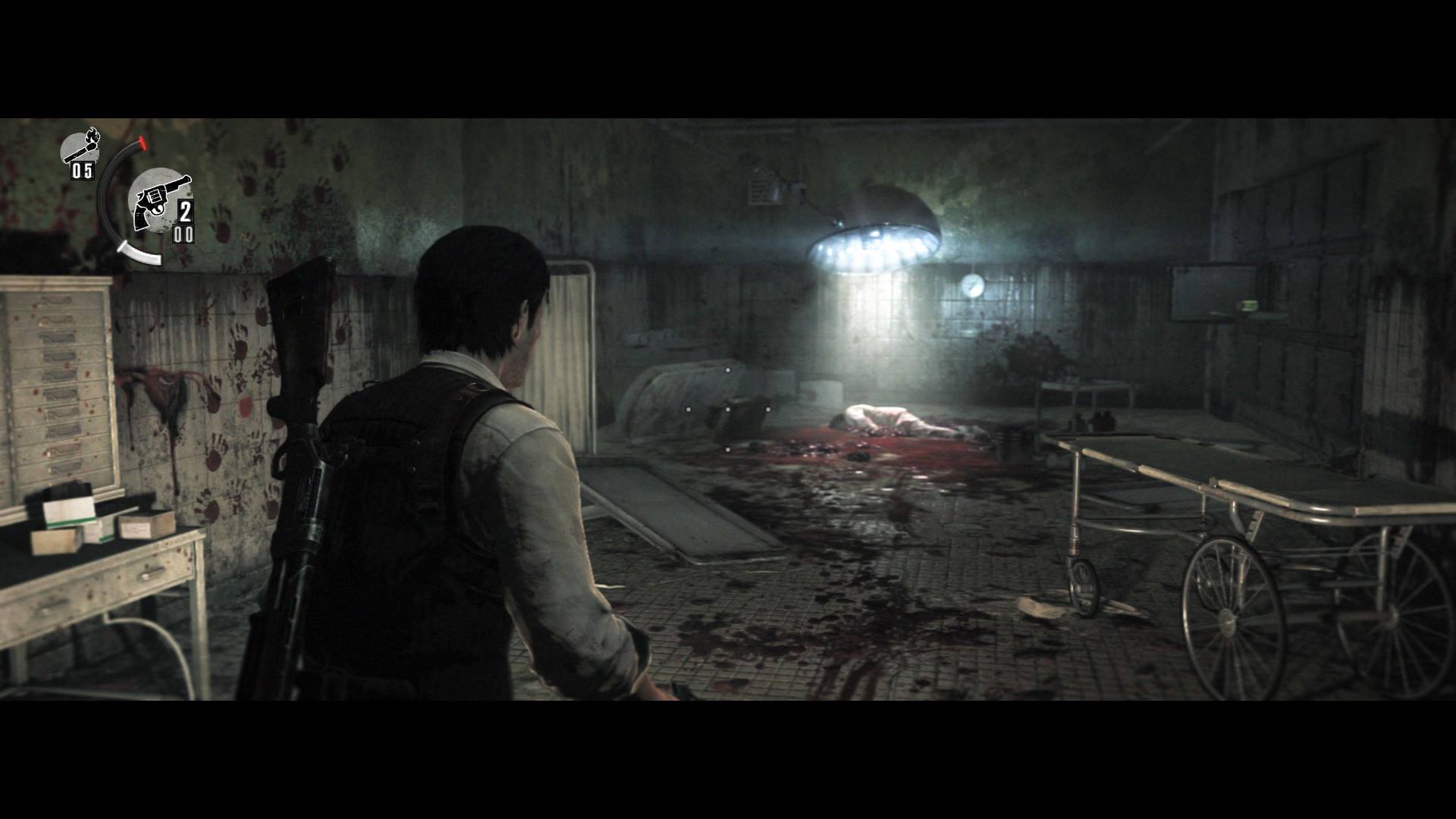
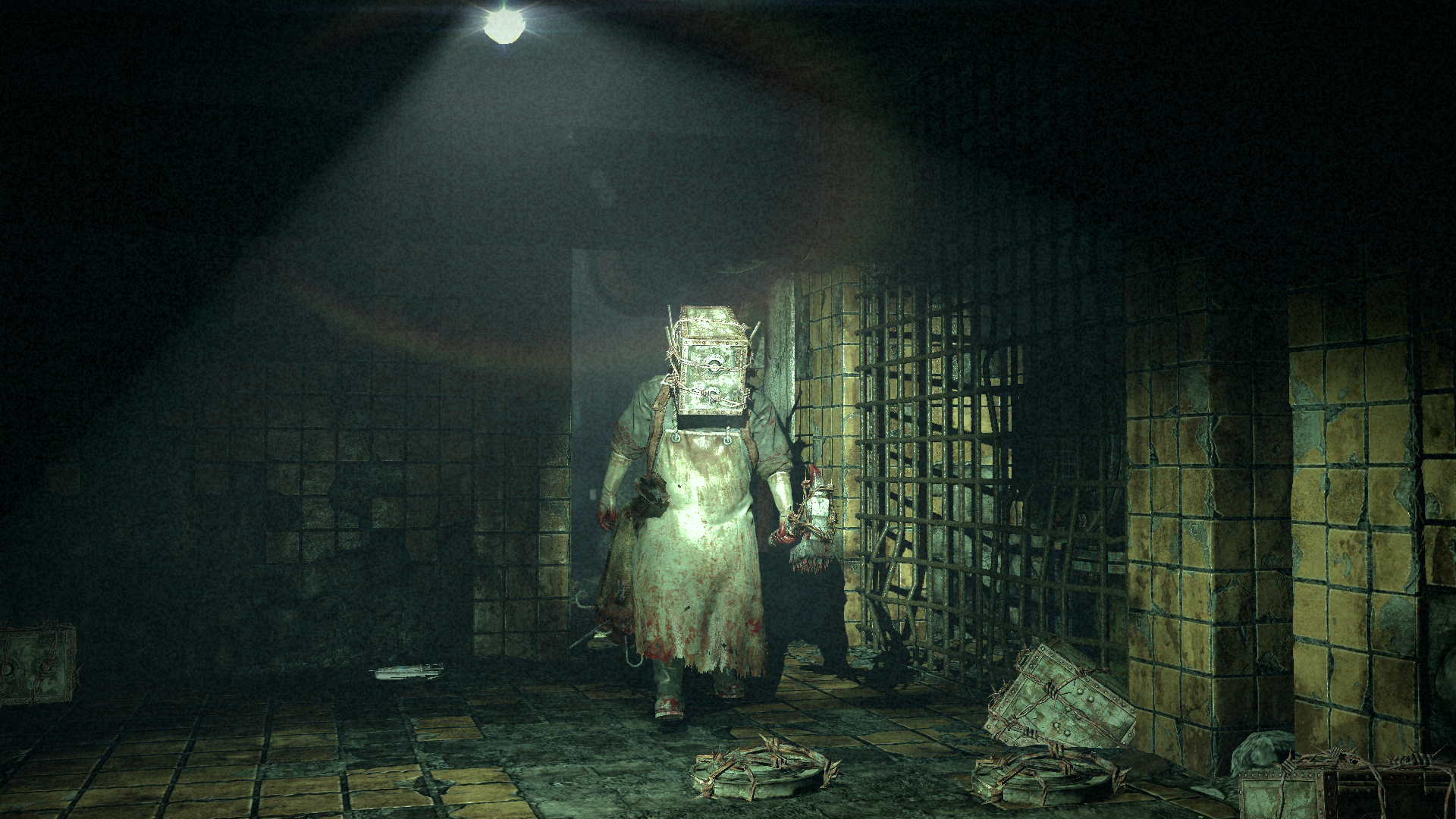
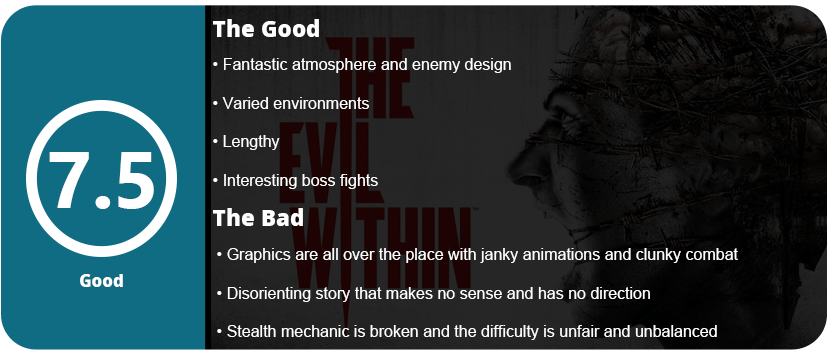
Right out of the gate, I have to say that this game is extremely difficult. It took me nearly a year to get through this game because of just how exhausting the game is to play through. Fifteen grueling chapters clock in at about 15 hours. You play a man named Sebastian who enters an asylum with two other detectives to find out why a massacre broke out there. You are then stuck in a bunch of nightmares; you’re chasing a boy named Leslie and running from a man named Ruvik. That’s it. Have a good night. The story makes zero sense; there’s no comprehension, and it’s very disorienting. You go from crazy room to crazy room, down hallways and arenas, with no sense of why you’re doing this.
Apart from the insanely vague story, the game does give off an amazing sense of atmosphere. Creepy intestines hang from the walls, eyeballs float around on ceilings, and enemies are some of the scariest stuff since Dead Space, but I have to say, the atmosphere is awesome. Unfortunately, that’s about all that The Evil Within has going for it, despite trying to bring back the old-school survival horror vibe, which it fails to do. This is done with a lot of stop-and-go cut scenes and endless hallways, and then you’re slammed with a bunch of action and no ammo—yeah, it’s one of those.
This game wants to bring survival horror ammo scrounging to a game that has a lot of action, and this is very bad. It just doesn’t work. Even if you are smart with your ammo, conserve, and use melee when the option is available, it just doesn’t always work. The game is highly unbalanced, with long stretches of nothing and then several arenas full of bad guys. Now there is a stealth element added in, but it fails most of the time. Enemy paths are random, they are placed poorly, it’s hard to get to them because the sneak animation is aggravatingly slow, and it doesn’t end there. The game is devoid of puzzles, meaning there is no challenge outside of combat. On top of all this, gunplay itself isn’t very fun, as the camera zooms too close to Sebastian’s shoulder, making quick aim disorienting and difficult, the animations are janky and can’t be interrupted, and it takes forever to level up your abilities and weapons—it actually requires a second playthrough.
I feel sometimes I’m too hard on the game, as it isn’t terrible, just extremely difficult and unpolished. The graphics are also something to be desired; they feel very dated but have some nice lighting effects. However, the textures and models are all over the place, but nothing in here looks truly next-gen, even on PC. I feel that this game is a little hard to explain as there’s so much going on and each area is completely different. That may be the only thing saving this game outside of the gruesome horror scenes and interesting boss fights. With no way to understand the story, players will try to latch on to other elements, but at the end of the day, you sit back and wonder if it was worth it.
Weapons in the game are your standard affair: a shotgun, revolver, sniper rifle (bolt action, of course), rocket launcher, magnum, and crossbow. The crossbow is probably the most interesting gun in the game, as you can create bolts from scraps you find by disarming traps. These become vital during boss fights and when you’re surrounded by bad guys. One interesting, yet unnecessary, element in the game is burning bodies with matches. If you have some, you can do an instant kill by burning the body. This is useful against tougher enemies to save on ammo. There are also your typical secrets to find—hidden keys, map pieces, etc.—stuff that most people don’t care to collect.
Some players may appreciate the hardcore challenge, but most will balk. But the game is worth a playthrough for the atmosphere and roller coaster ride of gore, guts, and weirdness. Be prepared for a nonsensical story and extremely unbalanced difficulty. If you can stomach the unpolished gameplay, then you could have a pretty entertaining experience.
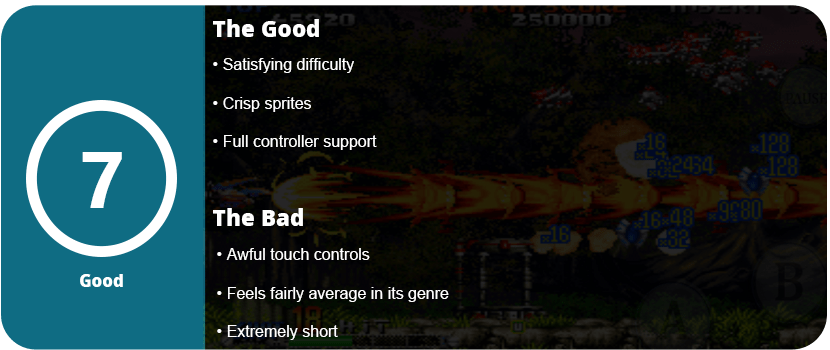
Shoot-em-ups, shmups, and side-scrolling shooters, however you want to call them, had a grand place in the video game industry. While they may seem like a dying breed, they dominated the arcades and consoles leading up to the PlayStation 2. R-Type, Raiden, 1943, Cotton, Ikaruga, Defender, and even Space Invaders and various other shooters were household names. They are also some of the toughest games ever made. Only consisting of a few levels, these difficult pieces of art were what made you a hardcore gamer. Blazing Star was one of many, and it is now playable on mobile phones.
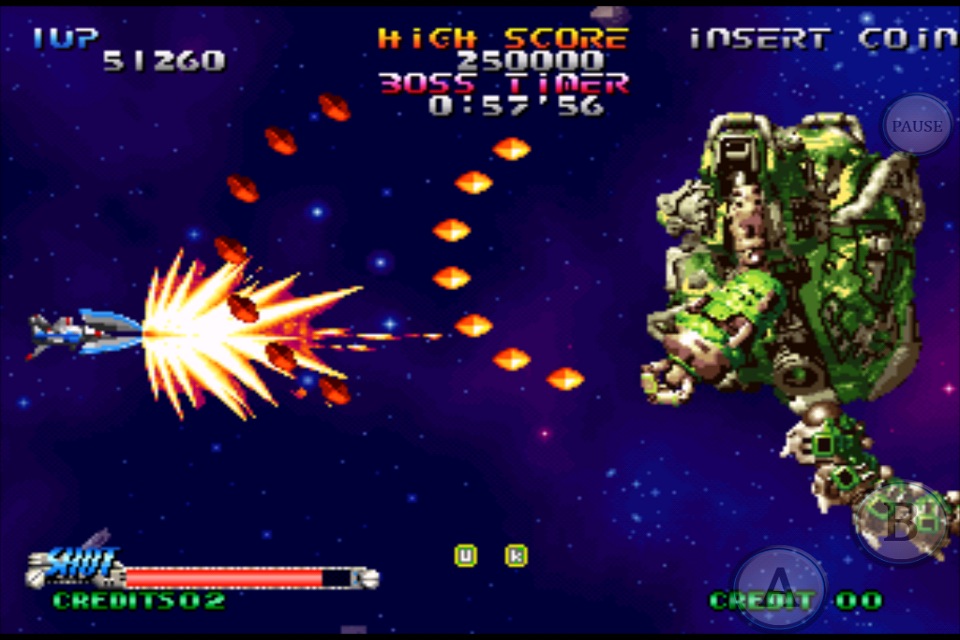
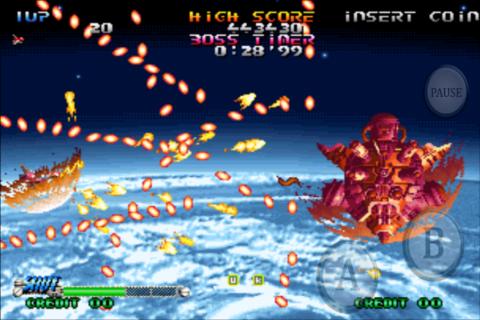
Blazing Star has only seven levels, but they are extremely brutal, and most people won’t make it past the first one. The controls are simple enough: use your thumb to move the ship around while you fire your bullets, and use another button to cause your bullets to scatter around. It’s fairly simple—sometimes too simple—but it works. The game is as hectic as you would expect and is actually one of the harder bullet hell games I have played. As you move along the 3–4 minute levels, you acquire points and also power-ups along the way. If you die, you get a chance to recover your power-ups, but there’s so much going on on the screen that you will have a hard time gathering them all back up without dying again. Honestly, there’s more going on than I could keep track of, but it was a lot of fun.
The final level is actually just a really tough boss, but beating the game is quite satisfying, and I have to say it looks good too. The screens are bright and crisp on high-res phones, and the only problem I had were the controls. They felt strange somehow, but I preferred a controller. I had to constantly lift my thumb and move it back because the ship didn’t follow my thumb where I wanted. The delay caused me to underperform, but this was fixed using an actual analog stick. I honestly can only recommend this game to hardcore shooter fans; casual lookers will immediately hate this game. There’s also nothing particularly memorable about Blazing Star that really sticks out; it feels average, but average enough to be better than a bad shmup.
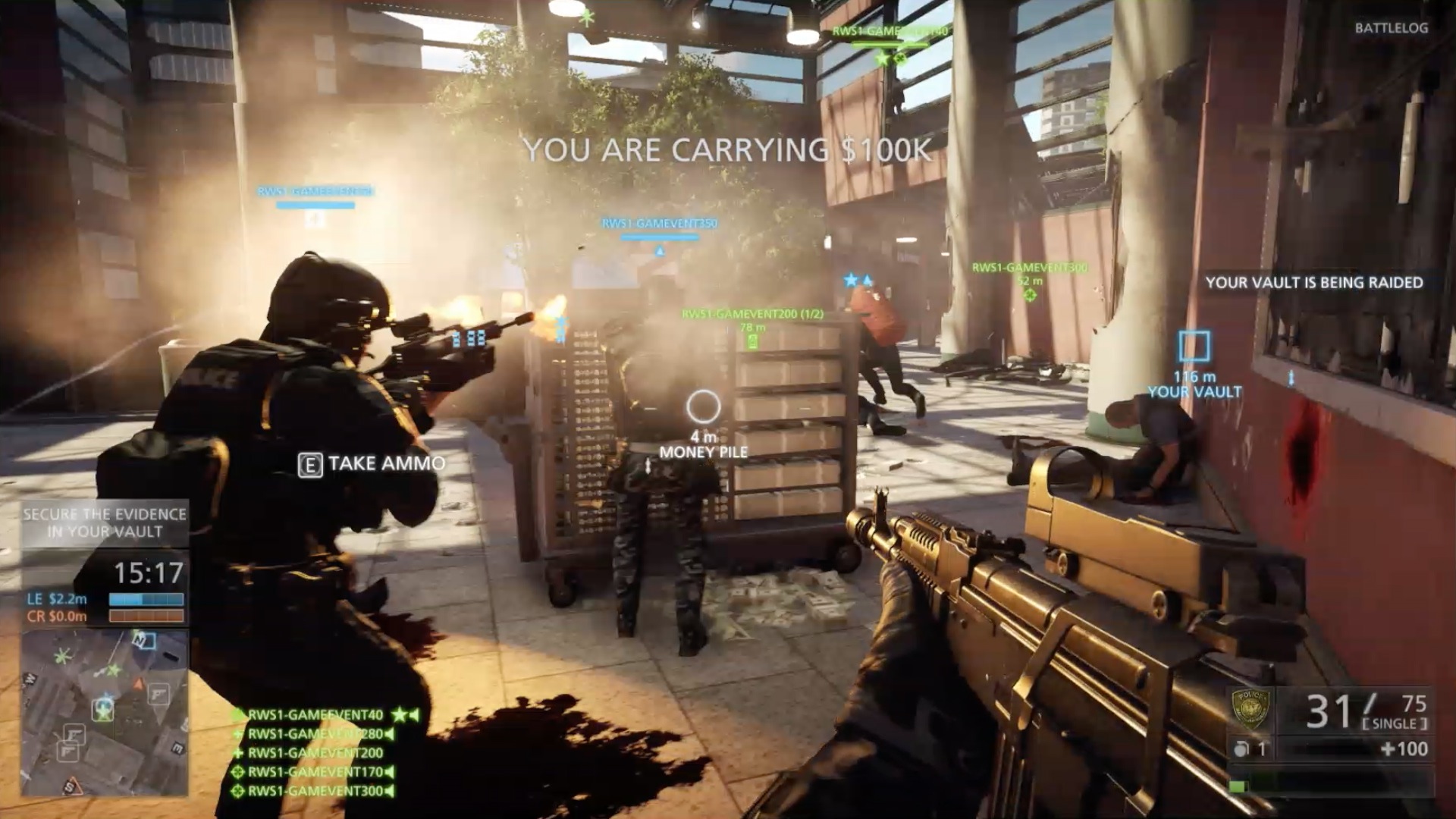
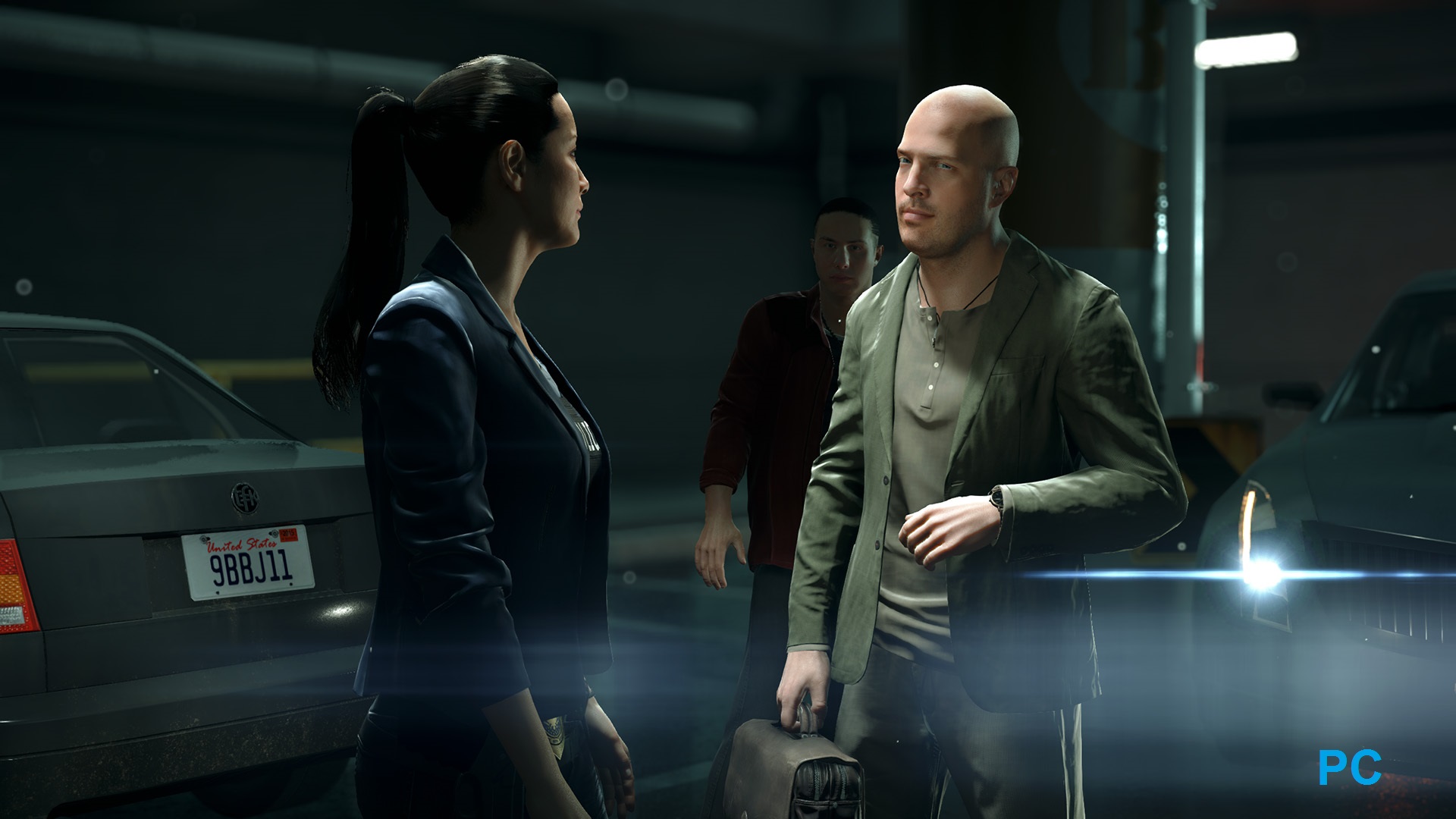
The first-person shooter genre hasn’t really advanced over the years. I feel this is one genre that is de-evolving over time. No longer do we have the clever and memorable shooters from the mid- to late-90s and early 2000s. Every shooter these days is all about killing as much stuff as you can as fast as you can, and Hardline is no exception. The game tries to take a more cerebral approach with the addition of stealth. Remember, half the time you are a cop and the other half a criminal. You play a man named Nick Mendoza, who is a good cop who gets framed while taking down a drug cartel in Miami. Your partner is a female cop; there are few plot twists; a lot of unrealistic stuff happens; there’s some cheesy dialog; blah blah, you get the rest. While I was interested in the story enough to keep playing, I forgot about the whole thing once I shut the game off.
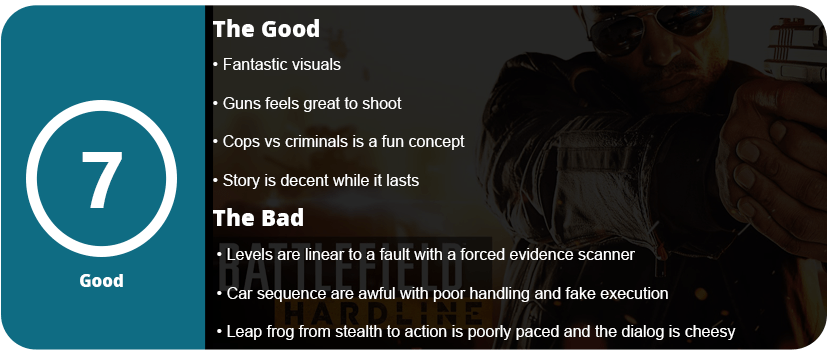
Hardline’s stealth gameplay actually isn’t half bad, but it feels pointless in some ways. Sure, you’re rewarded for using stealth and arresting criminals, but I feel this could have been done in a different way. As you sneak around levels, you can make people freeze, up to three, and take them down. This rewards weapon and attachment unlocks, obviously; what else? It’s fun at first, but after the first level, I just wanted to shoot stuff up, but I couldn’t because of the unlocks. Each level pretty much plays out exactly the same: navigate the extremely linear level, get lost a few times, use the annoying scanner to find evidence for more unlocks, and kill more bad guys. Hardline is literally a leapfrog game from stealth to action, and it gets a little tiring after a while. Thankfully, the game only lasts about 5 hours, and then it’s on to multiplayer. On some levels, I was able to take down all the bad guys, and that felt satisfying, but in some areas, you had to enter the right area or take them down in a certain order to not get spotted, and this was so irritating. One level had me trying to sneak out of a prison ground while trying to hide from cops, but for some reason, they constantly spotted me no matter where I hid, and it was all about reloading the game 500 times to exploit the mechanics—not fun.
One thing I do like a lot about Hardline and Battlefield in general is the overall handling and feel of weapons. They have weight, they feel real, and there’s a lot of feedback and skill required to aim the gun, and with this, you will find your favorites. Hardline is more urban cops vs. robbers, so you won’t see the military weapons you’re used to. Most missions I went through with a pistol as my main weapon and then a shotgun or SMG as a backup, that’s it. No grenades, no rocket launchers—nothing like that. It’s an interesting change-up for the series, but it just wasn’t done right.
Multiplayer is interesting, but it still doesn’t top Battlefield 3. Most modes consist of variations of capturing the flag with small maps, but the most interesting is hotwiring. This is a car heist mission where you drive around on maps, but the vehicle handling is some of the worst. Even during the campaign, the car chases felt fake, ridiculous, and completely unbelievable. The janky and over-exaggerated handling doesn’t help either. While multiplayer is a nice change from urban maps over large military fields, it’s not something to write home about. I got bored after getting to around level 15 and just kind of stopped and went on to better games.
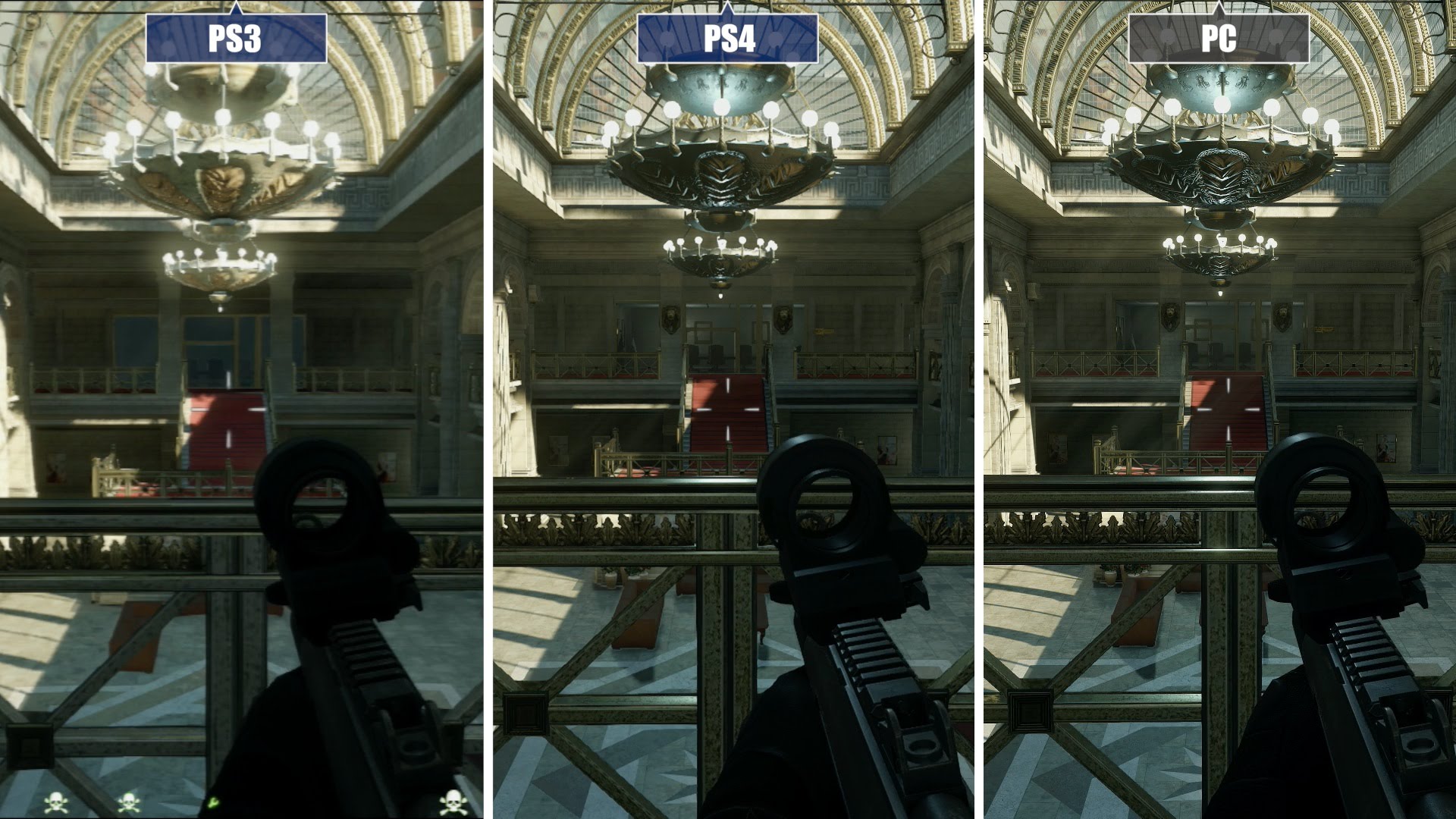
The visuals are quite impressive, some of the best out there right now, with fantastic lighting and extremely high-res textures. While the PC version does look the best, the PS4 and Xbox One versions are nothing to scoff at. However, you will need a fairly new system to run this on a PC—nothing over 18 months old.
With that said, Hardline is a nice change of pace for the series, but it just wasn’t executed right. The story is decent, albeit cheesy and fake; the levels are more linear than you can imagine; and the leapfrog from stealth to action is just a little nauseating and causes poor pacing issues. The car chases are terribly done, completely fake, and unbelievable. The multiplayer, while interesting, feels too similar to other shooters and doesn’t top Battlefield 3’s excellent maps and balancing; the visuals are also stunning, but this won’t help the game much. What we have here is a slightly above-average shooter and a below-average Battlefield game. I really felt this was the series’ low point, but that doesn’t mean I wouldn’t want a sequel that’s more fine-tuned.
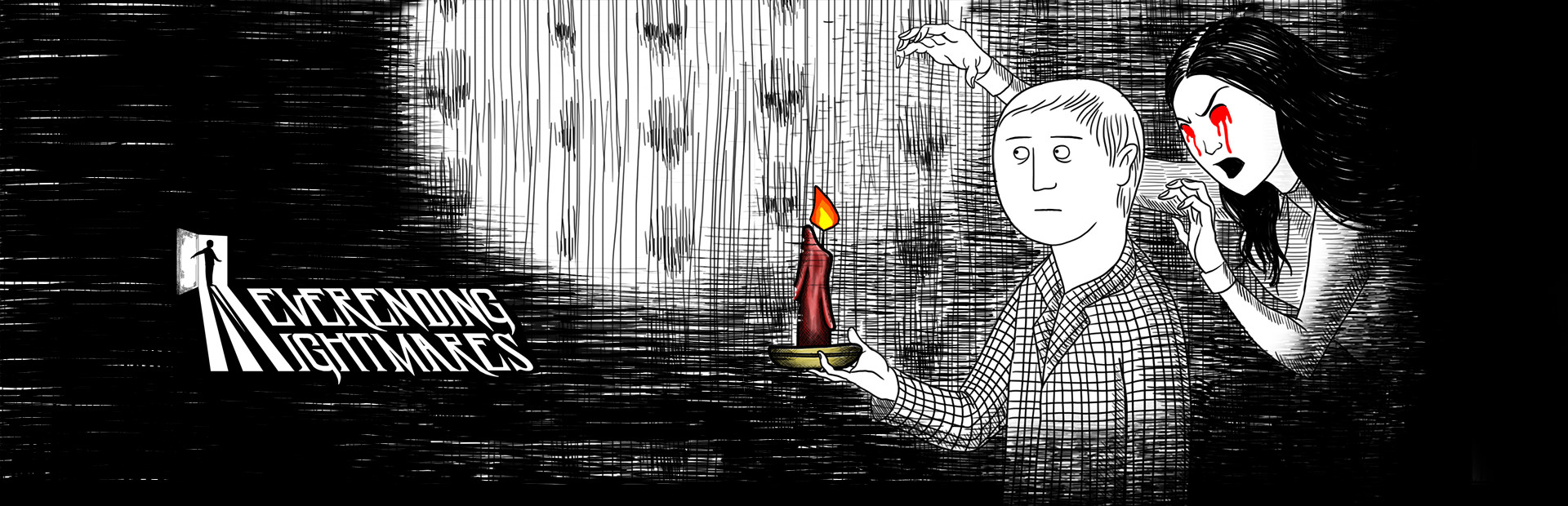
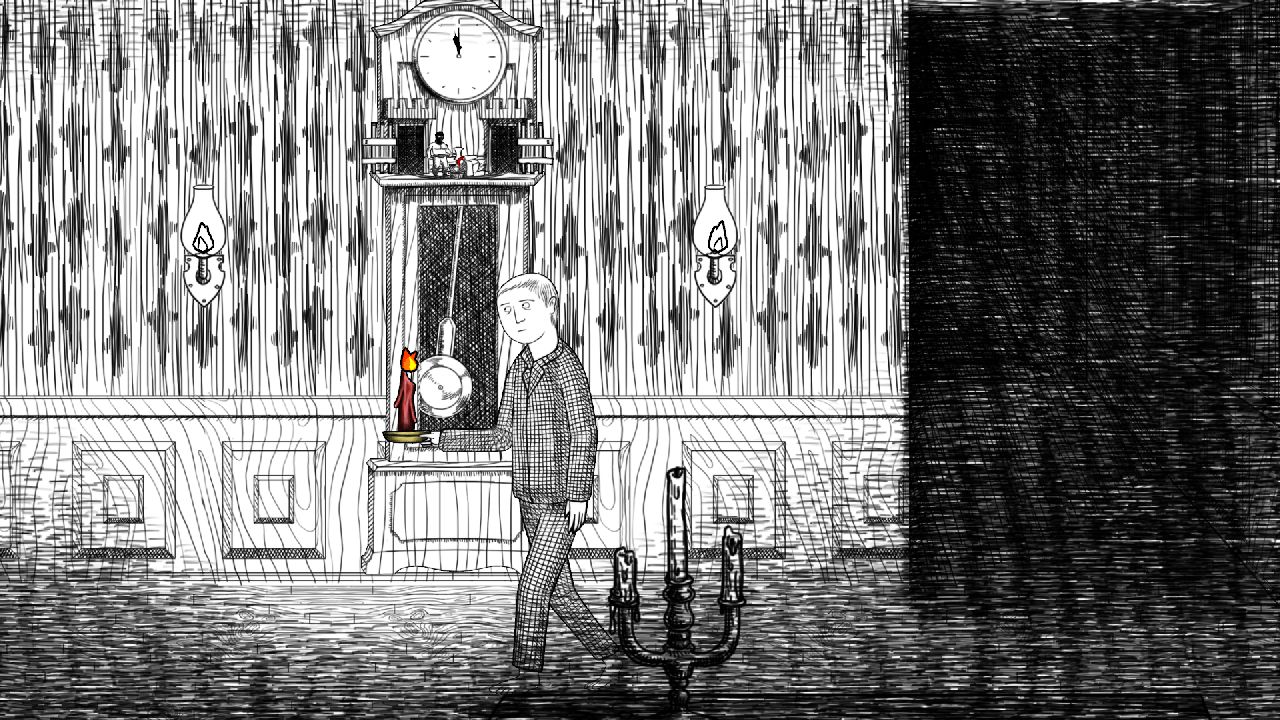
Horror games that are truly scary are far and few these days. Neverending Nightmares actually helps change that idea with an extremely intense atmosphere, which is what horror games are all about. Neverending Nightmares has you playing as a boy (or man?) named Thomas who roams the pencil-sketched hallways in his checkered pajamas trying to find his sister (or wife?) that had been murdered (or she killed herself?). There’s a lot of open interpretation of the game’s story, but that’s kind of the fun part.
The game’s pace is at a crawl; let me just say that right away. Thomas trods along the hallways with a limited—and I mean limited—sprint button. The slow pace is supposed to add to the tension, but sometimes I wish he moved just a tad faster as the game got repetitive towards the end. The point of the game is to continue moving left (or right) through the hallways, opening doors, and interacting with anything that’s colored and stands out from the black and white background. These give hints at what may have happened to the girl that Thomas is looking for. While there’s no inventory system or even a combat system, there’s really no other goal than to head downward. Sure, there are enemies in the game, but your goal is to avoid them or hide from them. The toughest of them all are the big ogre-like monsters that require you to hide in closets, or worse, run from them. I found these segments frustrating as Thomas’ sprint is limited to about three seconds, and I had to exploit this to escape from these ogres and make it to the next door. I had to tap rapidly to stretch out the sprint or time when I started perfectly. This isn’t fun, and it doesn’t add anything but frustration.
The game has three possible endings, but there are no clues as to how to get them. At the end of each level, you are approached by this girl in different ways, but it all kind of blurs together. When you die, you start off in bed again, leading to the fact that Thomas might be asleep and can’t wake up. Is he insane? Is he a ghost? Who knows, but the endless hallways are probably the worst part of the game. Sometimes I thought the game was glitching because I would go through 5–6 hallways that I swore I went through earlier, but somehow I was progressing.
Thankfully, the game is actually scary; use headphones, and you will be in for a scary night. The music is haunting, and so are the sound effects. I applaud the game for the atmosphere, but the gameplay is really something that’s lacking and needs more polish. I’m fine with just wandering around places, but give me something to do while I’m doing that.
As it stands, Neverending Nightmares is a great horror experience, but as an actual game, it’s lacking mechanics, and the story and progression need work. I shouldn’t be playing a game thinking I’m not going anywhere or giving clues as to how to get a different ending.
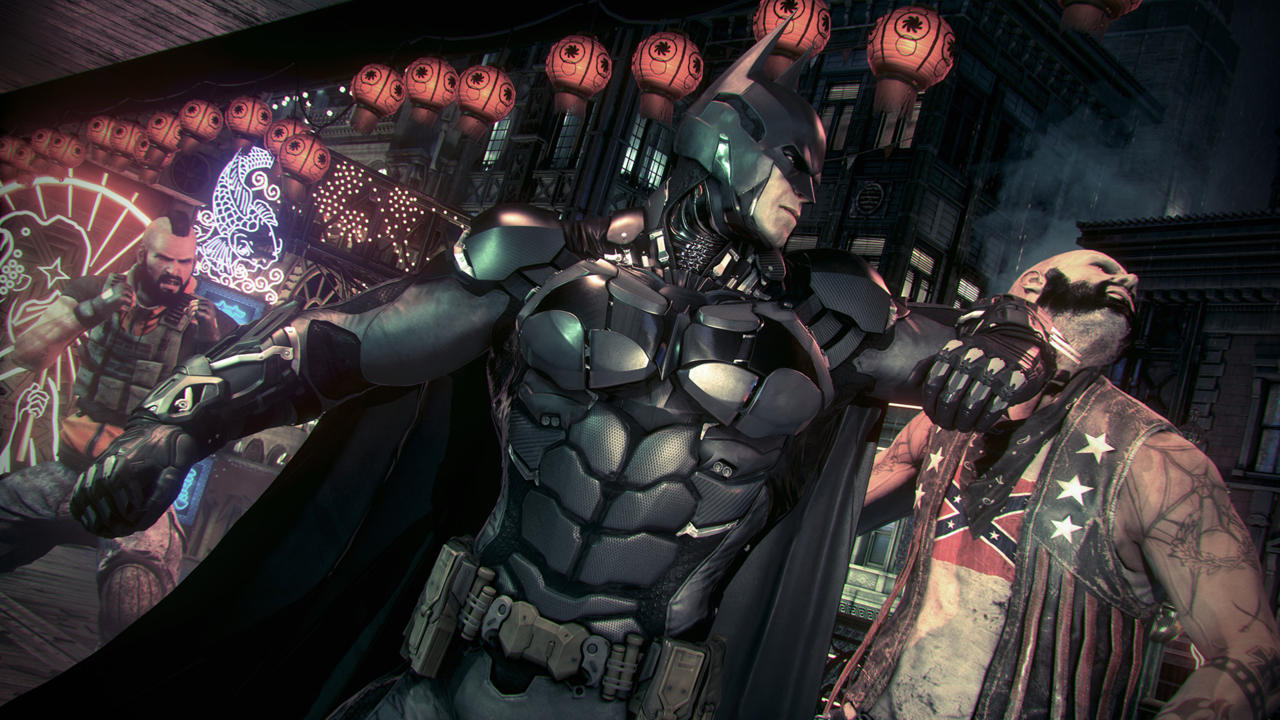
The Batman Arkham games are some of the greatest things to grace the video game industry in the past decade. With the most advanced combat system since God of War, and not to mention the best superhero video game series ever made, Arkham Knight continues this trend. While Origins was a bit of a snag, I don’t count it as part of the Arkham trilogy. Arkham Knight is another masterpiece that any Batman fan will love.
Scarecrow and the new Arkham Knight are the main villains in this game, but don’t worry, there’s plenty of Joker as well, despite being dead. Joker is a manifestation in Bruce’s mind, and he constantly appears everywhere, putting his two senses into everything Batman does. It’s great to hear him again. Arkham Knight is also probably the best-structured Arkham game yet. Instead of a hodgepodge of little repetitive missions everywhere, the game has a Most Wanted mission wheel. Known Batman villains are to be stopped and captured through mission branches that are a blast. Firefly, Penguin, Two-Face, and various other villains have their own little subplot. This brings Arkham Knight to a meaty and well-balanced mission structure that the game desperately needed. The only other side things you can perform are AR missions that include fight and batmobile challenges and Riddler trophies. Oh yeah, I said Batmobile.
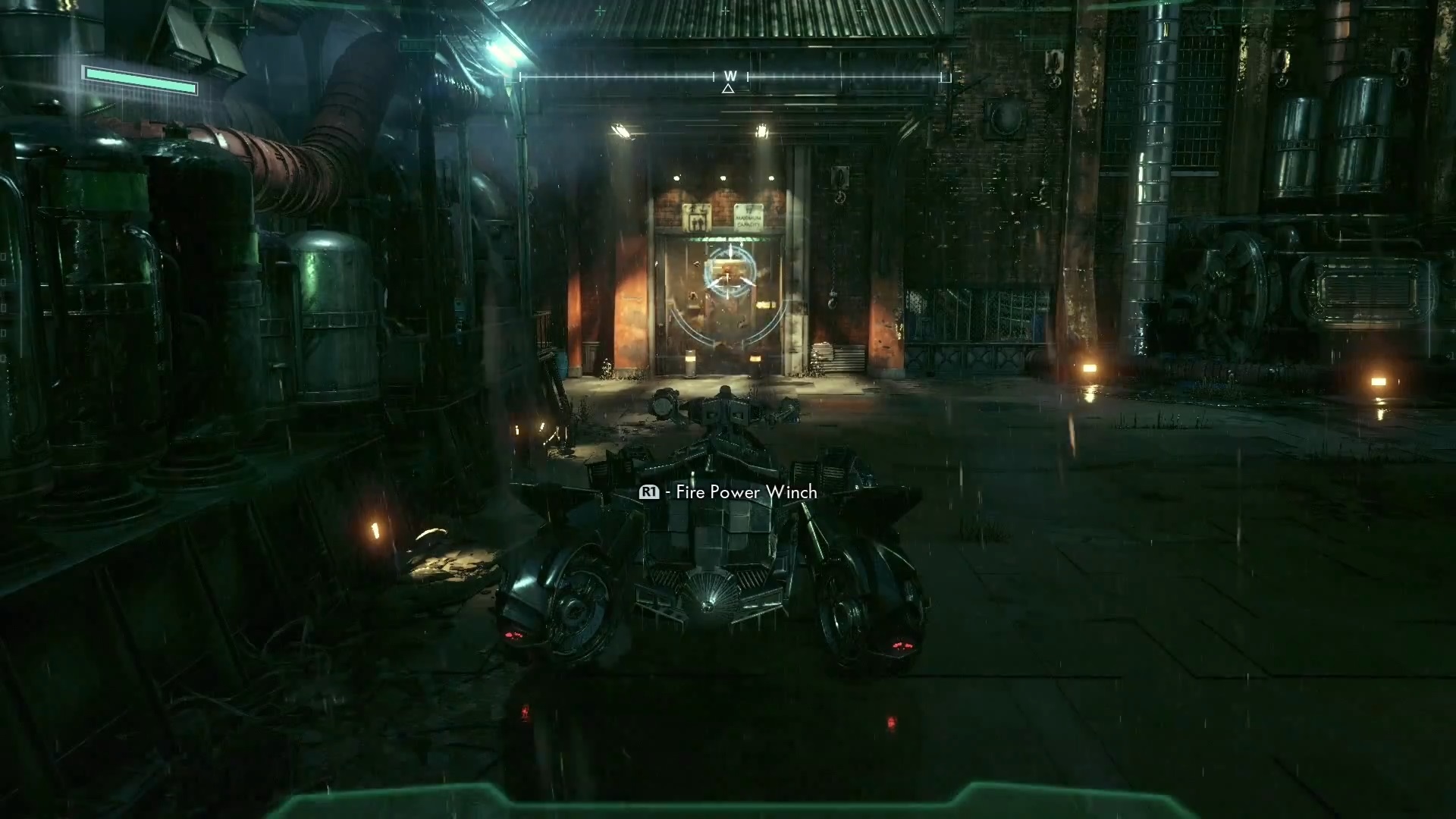
It’s finally here! The one and only Batmobile. It plays just like you think, controls like you think, and is as badass as you think. The batmobile can transform into a tank, allowing you to engage in battles with enemy tanks, but the best use of the batmobile is puzzles. Sadly, the tank battles are probably the worst thing in the game. While they work, they are the same thing over and over and over again; nothing changes. Enemy tanks will have a white line go across the screen, showing the trajectory of their shot. This allows you to dodge enemy missiles and shots. That’s great and all, but why does combat have to be this slow? Towards the end, the battles just get bigger with 50+ tanks in one area; that’s not exactly fun in my book. While the tank battles aren’t very frequent, they are happening often enough for you to sigh and wish it was over. As for the puzzle-solving, the Batmobile fits better here. Using the power wrench to crawl the downsides of buildings, using the wrench to power things up, ejecting out of the Batmobile to glide into a tunnel. All of this feels just like in the movies and comics; there is no disappointment there.
Combat has been perfected in Arkham Knight with added moves to make an extremely complex fight system that is so simple to learn. Outside of the counter system that we are all used to, new knock-out moves are introduced. Using your gadgets is much easier, as the button combos for them are easier to remember. LT for Batarang, LT+B for an electric shock to enemies with taser sticks, LT+Y for Batclaw, and RT+RT for Freeze Blast. It is very easy to remember, and the controls pop up on the screen to help you out when the option is available. The same goes for the knock-out moves, as well as fighting heavy enemies. These guys have their own system all to themselves. Do a fast punch combo, parry a guy behind you, a red exclamation pops up at a guy with a taser stick, LT+B, he’s down, continue pummeling the heavy, three more counters, then knock the heavy out. All of this is one big combo, and it’s so fluid and fast and one of my favorite fighting systems I have ever used.
The second combat system in Arkham is the stealth part. This has been expanded exponentially in Arkham Knight. There are more gadgets introduced that allow for more ways to take down opponents. The stealth areas are much larger and allow for multiple ways of taking people down. We’re used to stealth takedowns in various ways, including hanging, grating, and gliding behind people. Multi-level grate combat is introduced, as well as enemies being able to destroy grates so you can no longer use them. Using a voice synthesizer allows you to give commands to enemies and set up traps with your electric gun or disruptor. The disruptor allows you to sabotage weapons and drones to knock out enemies (yeah, I can’t say kill since Batman doesn’t do that). The stealth combat is fantastic and so much fun, and it allows for strategy over beating everyone up.
Outside of these new gameplay elements is the story. Arkham Knight has a long and well-told story that you actually care about. There are some great moments in the game that really get you hooked, and the ending is satisfying. I really felt the strengths and weaknesses of Batman come out through the story several times, as well as the other characters. My favorite part of the game is the ending with Scarecrow, but I can’t give it away except that it’s a first-person shooter sequence. WHAT?! Play it to find out!
Let’s talk about visuals. I know that the entire world knows how terribly optimized the game was for PC; however, if you have a powerful rig, it is very playable. Not perfect, but enough to not be really noticeable. This requires tweaks (there is a tool available on the Steam forums) to the game settings to get it to work. Out of the box, the game won’t run very well at all. There are some nice new effects, like RainWorks, Interactive Smoke and Fog, and various other effects. They look amazing, and Arkham Knight is one of the most detailed and good-looking games in a long time. However, a game should ship working, and this is just unacceptable. Most people don’t know how to tweak a PC game and will get frustrated and demand their money back (which happened and suspended the sales on Steam). The other issue is that you need a very new and powerful system to get the game to run well. I tried a GTX 670, and while I got 60 FPS when I was above the city, it dropped below 30 on the ground. Interactive Smoke and Fog dropped the game to 5 FPS; however, on a GTX 970, there were a few issues. The frame rate will vary constantly. You will jump between 60 and 30 a lot, but the tweaks available make it less noticeable. Anyone running a GPU older than a year will have issues for sure and should play the game on a console for now.
As it stands, Arkham Knight is a fantastic game and the pinnacle of the Batman video game franchise and superhero games in general. Taking all of what made the series great and optimizing and compiling the best of what everyone loves. More villains, more stories, more Batman. That’s what we came to see, and we got what we wanted.
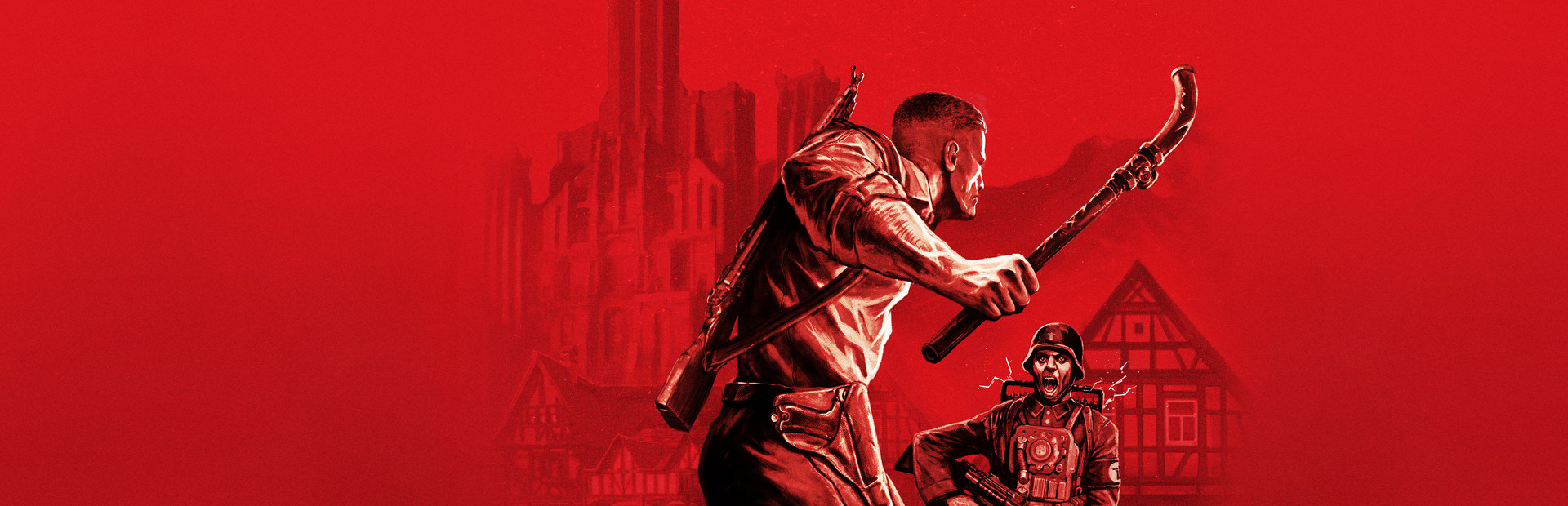
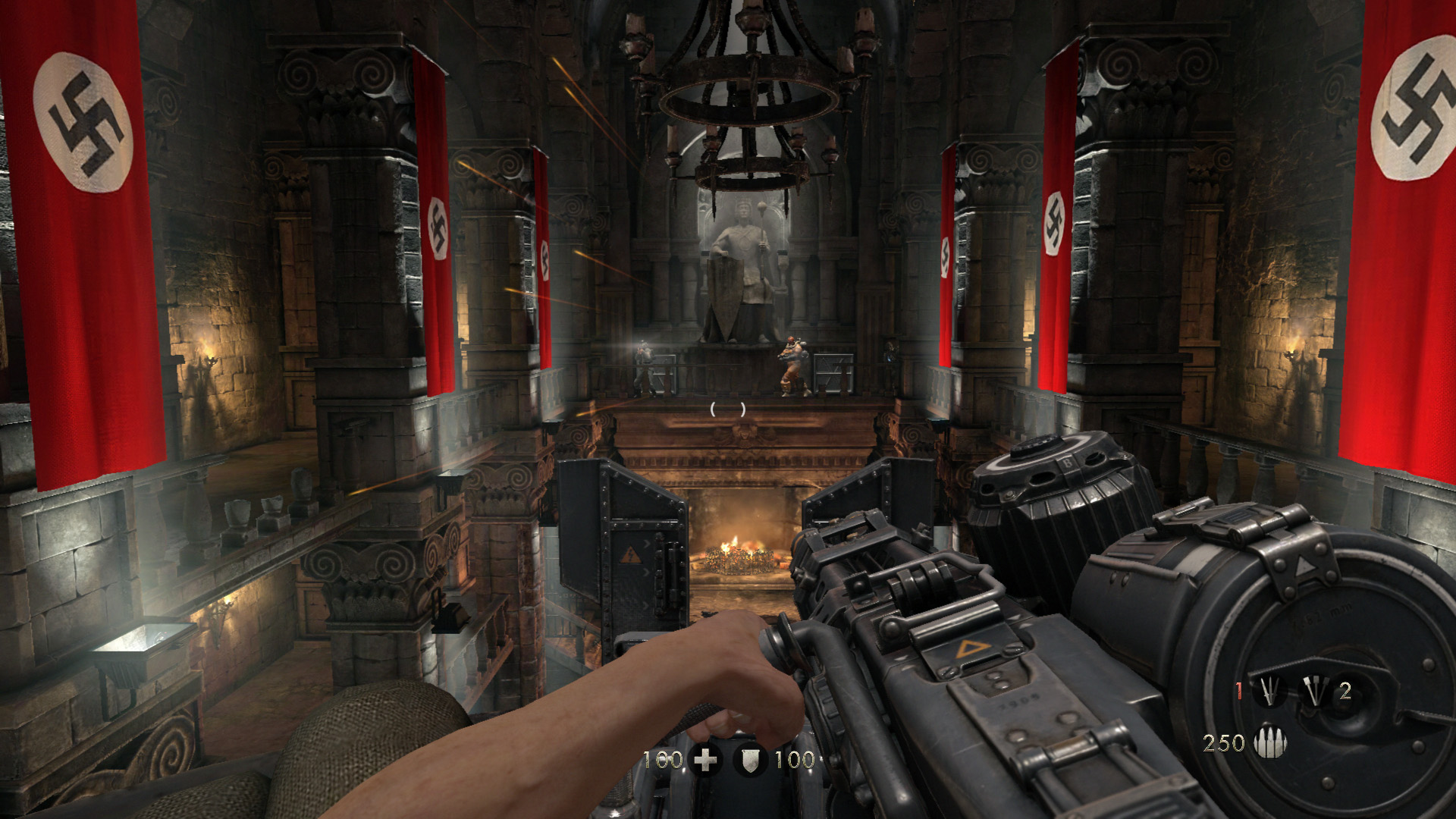
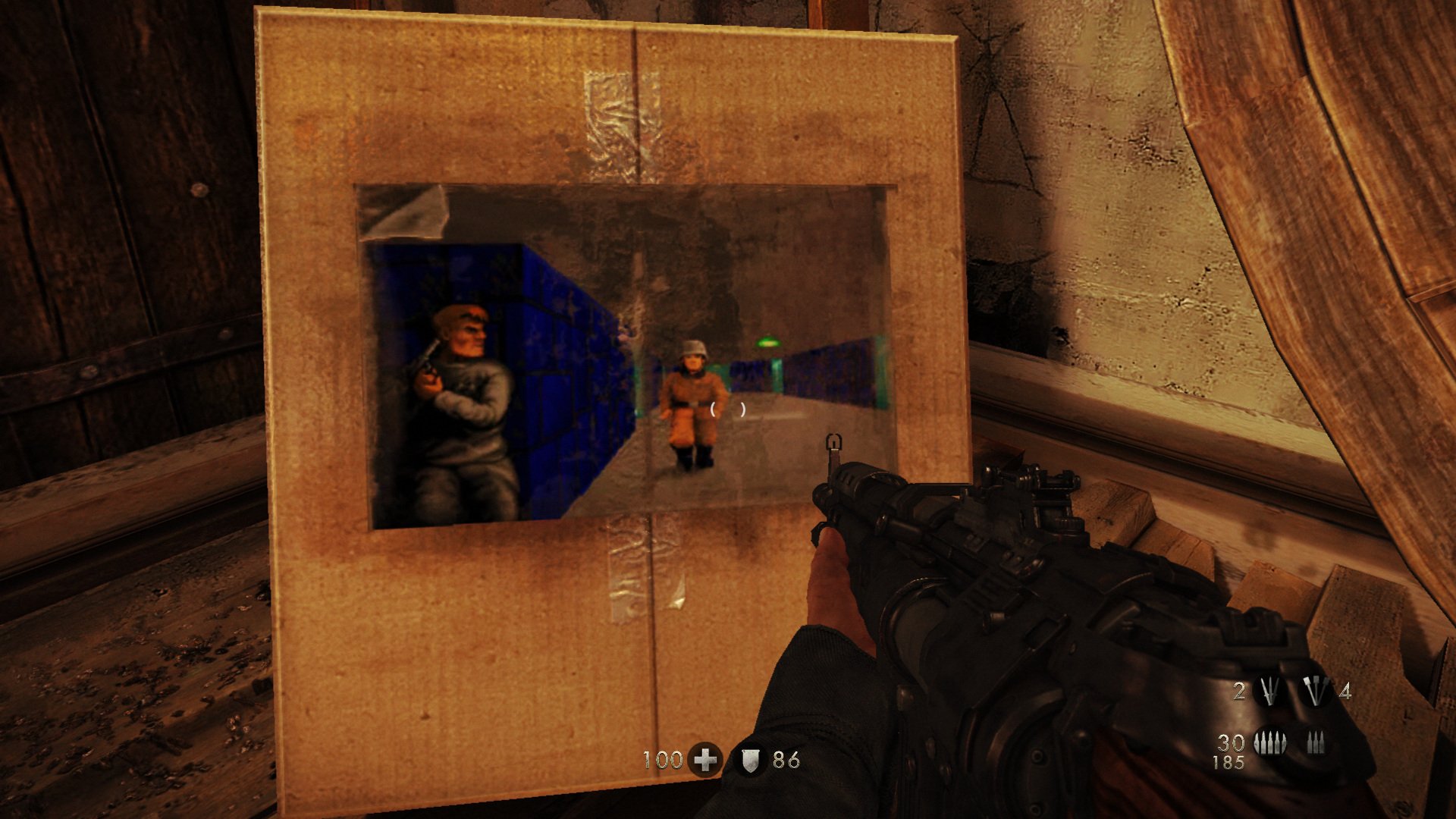
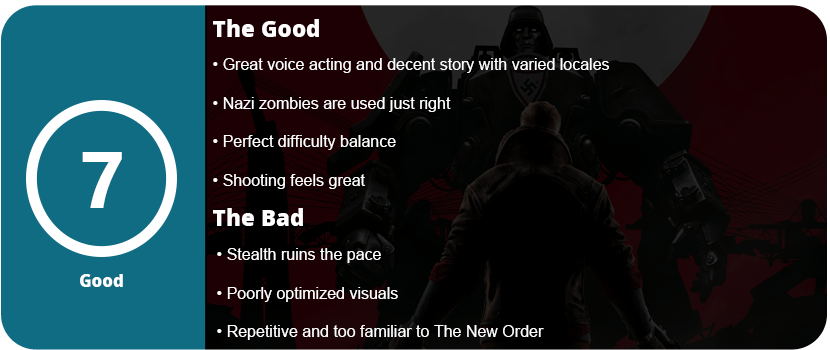
The New Order was a fantastic game. It oozed atmosphere, excellent action, weighty guns, and a decent story. It was the best Wolfenstein since Return to Castle Wolfenstein on PC, which was released over 10 years ago. The Old Blood returns to give us a little extra snack with a nice prequel leading up to the beginning cutscene of The New Order. The Old Blood is all about finding the documents to Death Head’s compound while also fighting one of Nazi Germany’s many paranormal agendas—zombies. Yes, thankfully, they don’t overstay their welcome. They only appear in the final chapter, but it is a nice pace from the broken stealth and gunfights.
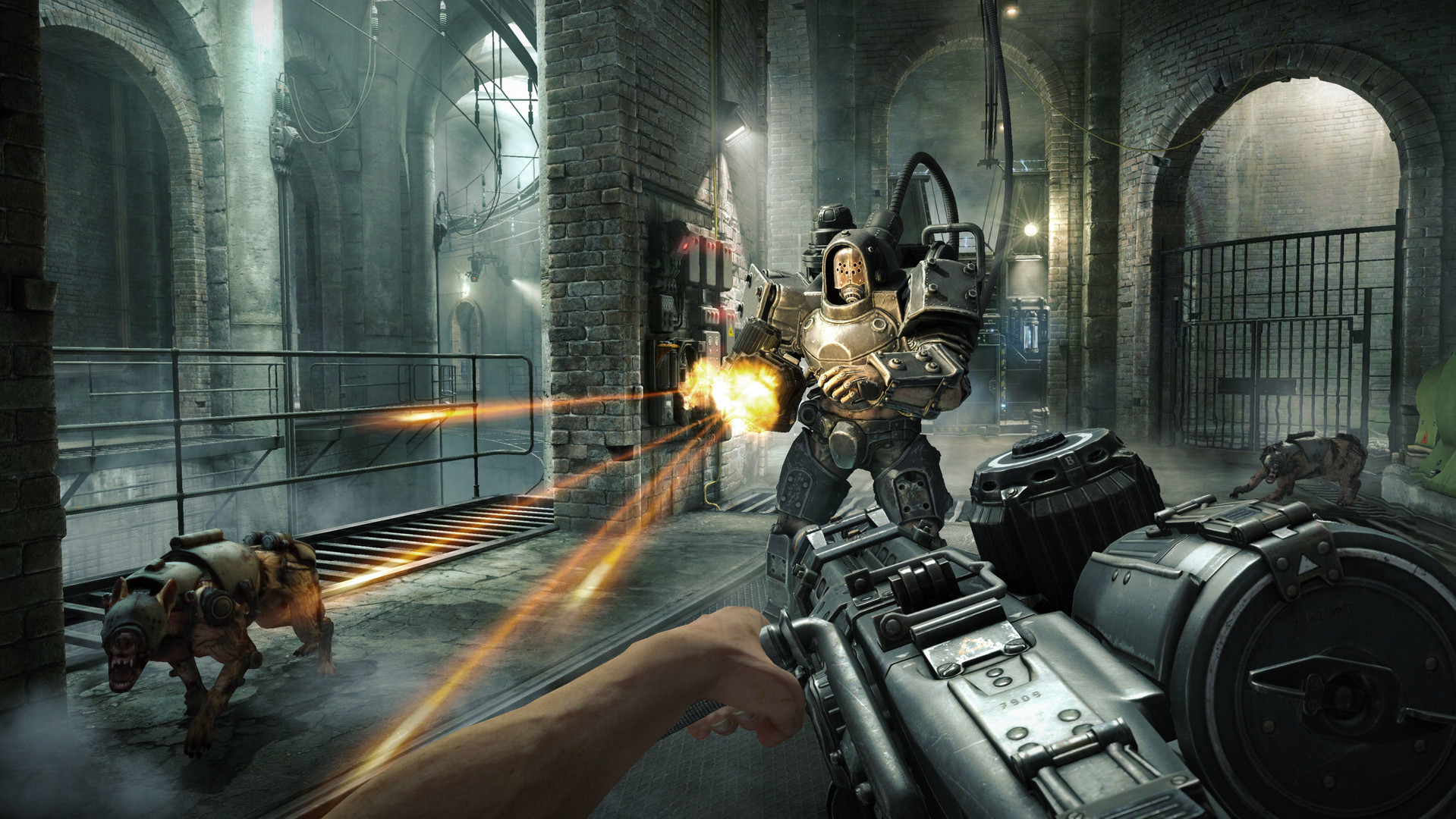
While The Old Blood’s story isn’t as fleshed out as The New Order, it’s not bad or awful, at least. The same storytelling mechanics are used here, such as BJ’s narration in his head and some excellent voice acting all around. The game is literally the same outside of a couple of new guns. All the action from the previous game is here, and it just feels great. It shows why Wolfenstein is one of the better shooters in recent times. It’s satisfying to shoot everything, and it’s also extremely challenging, which most shooters don’t offer. You have to use strategy and actually use cover, or you will die quickly.
There are a few boss fights in the game, some of which are the hardest I have fought as a shooter in ages. The challenge alone is enough to bring hardcore shooter fans smiles, even if they don’t like Wolfenstein. Despite the game’s short length (about 4-5 hours), there are a lot of different locales, so things change constantly. My biggest gripe about the game is the stealth. It never really worked in the last game, either. You know you are in a stealth area when the commander’s location shows up on the screen. You are supposed to sneak around to silence them, or waves of enemies will keep coming until you kill them. Most of the time, the areas are set up in a way that you just can’t sneak around. This drove me nuts in The New Order, and I’m saddened to see it return here. I don’t know why stealth would be put into such an action-heavy game; it ruins the flow and pace of the game.
Outside of the gameplay, the graphics are pretty good, except for the textures. Even on PC, with all the bells and whistles of DirectX 11 graphics, the textures look muddy and ugly up close. I don’t know if this was to squeeze them onto consoles, but I don’t like it. This game requires a monster rig to run at full settings, some of which are questionable. 32x anti-aliasing, really? It makes the game run at 8 FPS and under 30 FPS even with a Titan X. Some other settings, such as the 8196 shadow map, just slow things down with no noticeable upgrade. I honestly think this is just crap to make PC gamers feel happy and to shut them up. The game isn’t optimized too well with texture pop-in either. Yes, I know there’s a setting for texture to fade in, but it doesn’t work. Outside of that, the game looks decent, but with all these options available, it should look better.
The Old Blood is well worth the $20 price tag. We get a lot of quality games for that, and hopefully this isn’t the end of Wolfenstein.
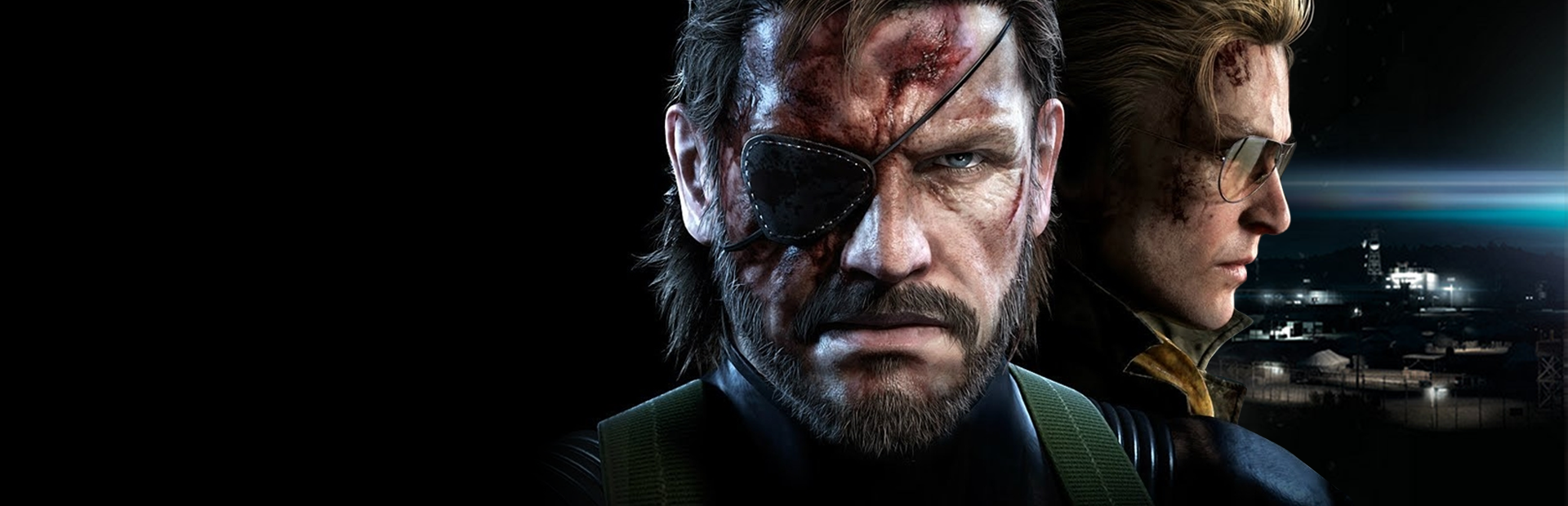
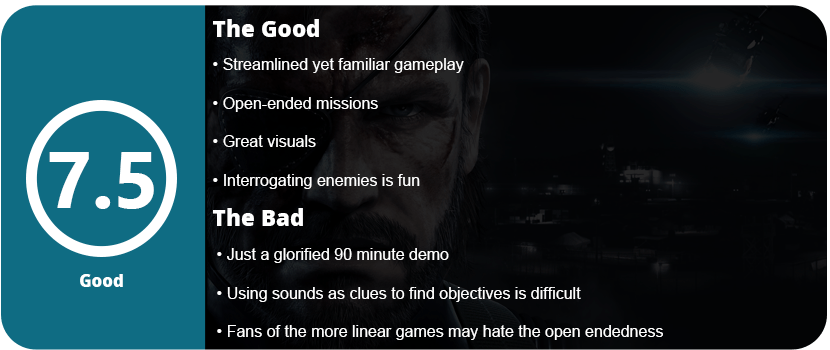
When I first heard about Ground Zeroes being released, I thought of one other game: Gran Turismo 5 Prologue. A glorified demo that showcased the tech behind the game. This usually happens when games take way too long to release and the developers need some feedback. So they release a chunk of the game for about $30 and get the world’s reaction. Ground Zeroes is actually a glorified demo of the upcoming Metal Gear Solid V: The Phantom Pain. If you aren’t a Metal Gear fan, well, what the hell are you reading this for?!
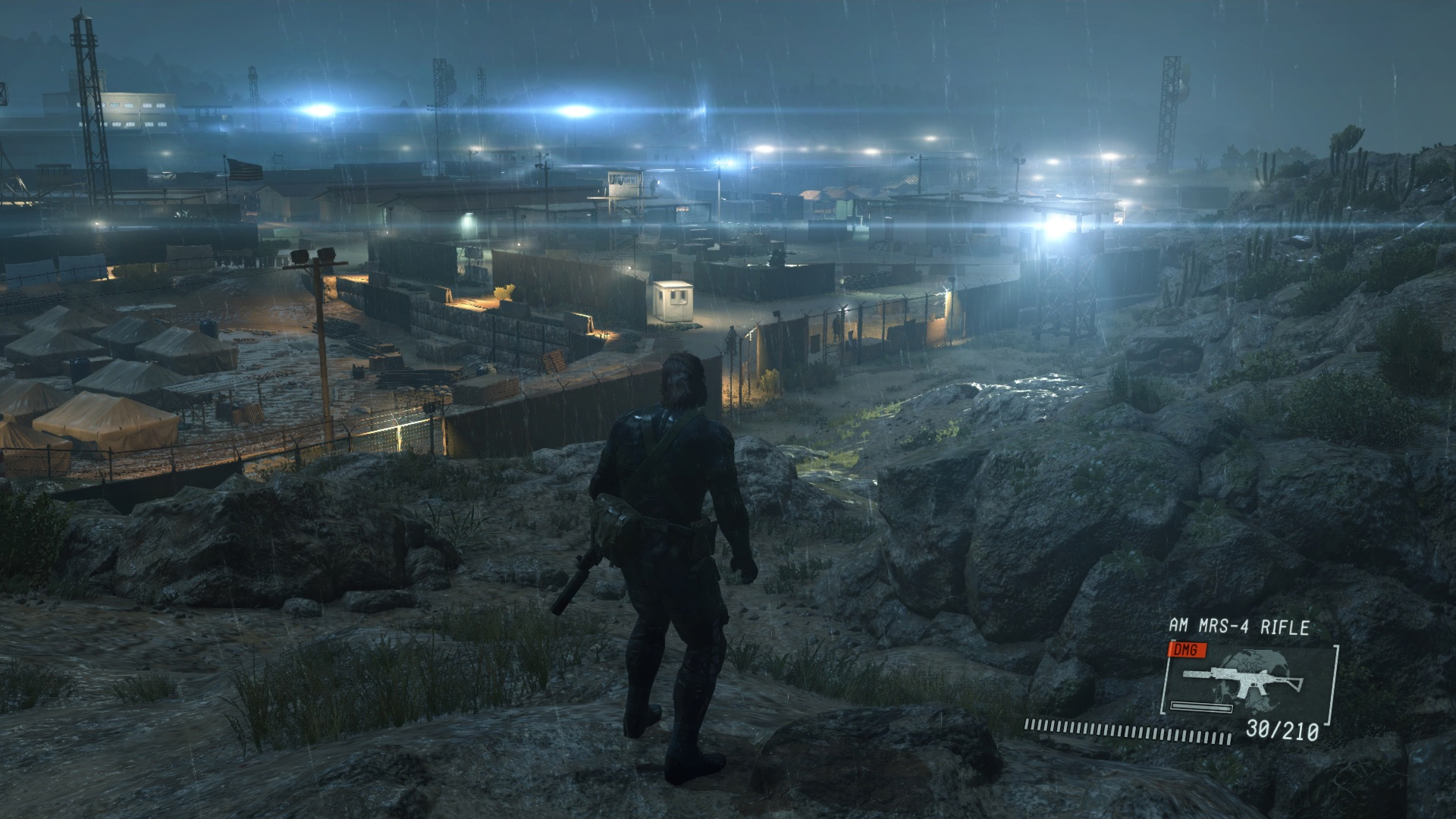
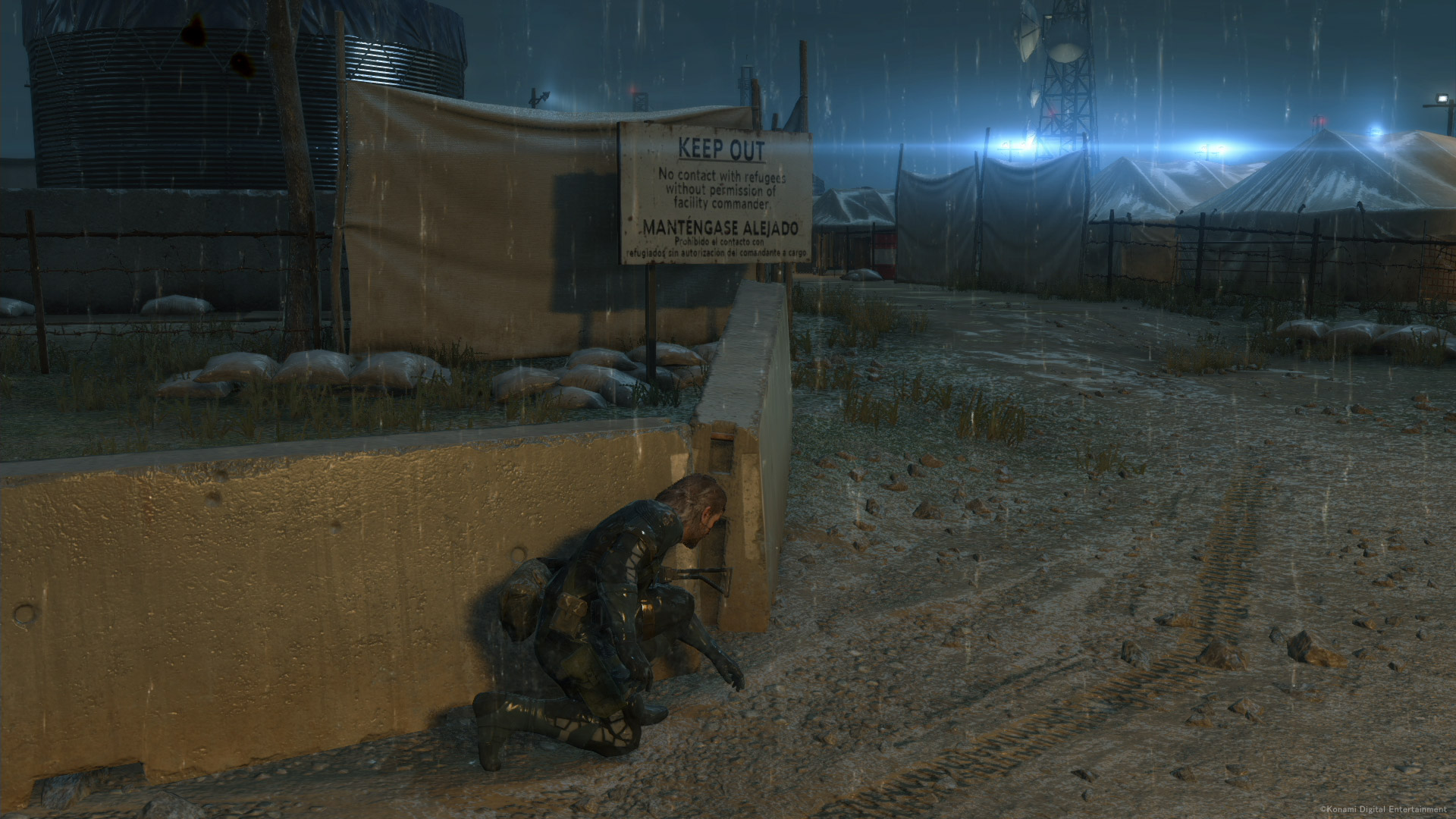
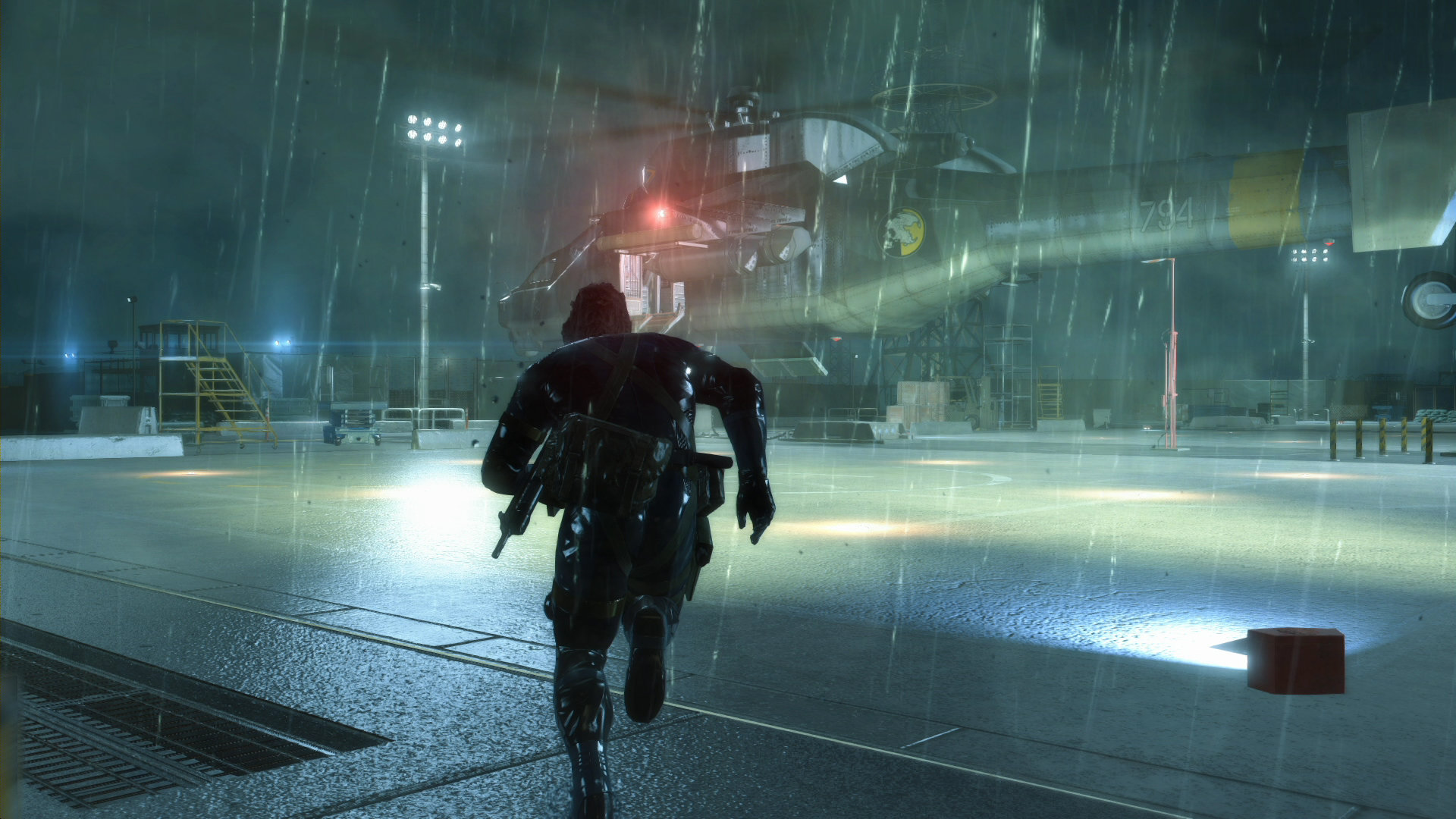
Ground Zeroes is actually taking place after the PSP game Peace Walker, which really surprised me. The game is made up of one giant mission in a large military compound. You must rescue two children, Chico and Paz, who were the main characters in Peace Walker. The first thing I noticed about GZ was how much everything has improved, from visuals to controls and animations. The entire familiar gameplay is streamlined, like it should have been years ago. No longer do you have the radio menu where you dial in and talk to people with long dialogue sequences. Just press a button to get hints on what to do, genius. The aiming is also a lot better this time around, as is inventory swapping and interacting with objects. Again, it’s all very familiar but just more streamlined. My favorite combat feature is that when you alert a guard, the game will slow down and turn towards the guard you alerted. You get about 10 seconds to put the guy down before he raises the alarm. Thanks to the more open environments, it’s much easier to see where everyone is. Climbing up a watchtower and using your binoculars to tag enemies is just what the series has needed for a while.
That’s another thing some MGS fans will not like: the open-endedness of the levels. The compound is huge, with many rooms, areas, and buildings. A new feature in MGSV is to interrogate an enemy while sneaking up on them and grabbing them. They will tell you where something valuable in the area is, like armor, a weapon, or enemy placement. You can choose to kill enemies or knock them out with your tranq pistol (like the good ‘Ol days). Figuring out where to go wasn’t too difficult. My first objective was to get Chico from a prison camp not too far from where I started. The second objective, finding Paz, was a real pain, as I had to use sound clues from a cassette recording to find out where she was. I finally figured out what area, but getting to the right building was tough. Silencers in this game eventually break, so I was stuck with just a tranq dart and couldn’t disable cameras. I had to run around finding armor that had another silenced weapon to continue, and I died many times doing so.
Once I got Paz, I called in a chopper to pick her up. I jumped on an AA gun since her being missing was discovered and the whole base was on alert. Thankfully, no one took the chopper down, and I was able to squirrel away to the starting point to end the one-hour mission. After the final cutscene, the game ended, and I thought that if I had paid for this game, I would have been really pissed off.
With that said, Ground Zeroes shows us just what Phantom Pain will be like, and I also have to mention that Kiefer Sutherland pulls off a better Snake than David Hayter. Yes, I said it; bite me.




















































 thebinarymessiah.com
Try multiplayer. A lot of fun !