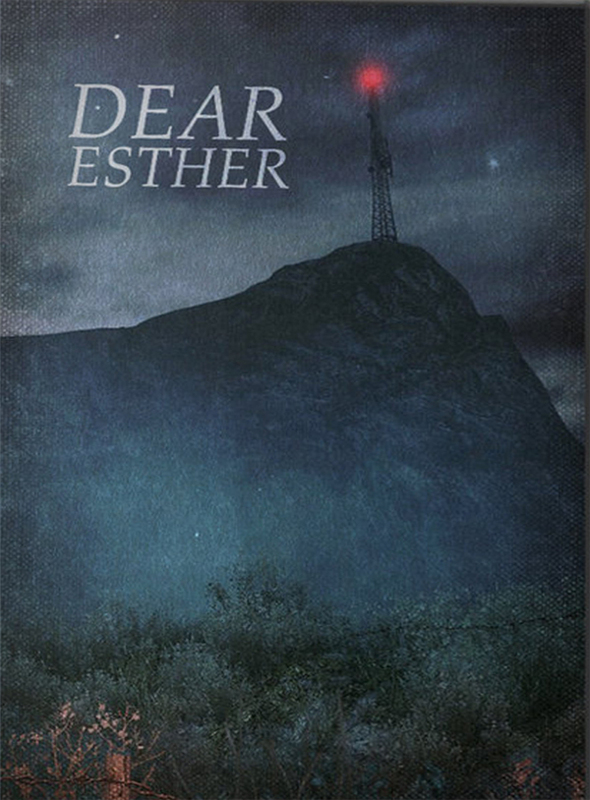
Dear Esther is a game from indie developer The Chinese Room that is a visually stunning adventure game, but it is lacking everything else. If you like slow-paced games or just want to relax and not worry about anything but moving your character, then this is probably exactly what you’re looking for. Everyone else, stay away.
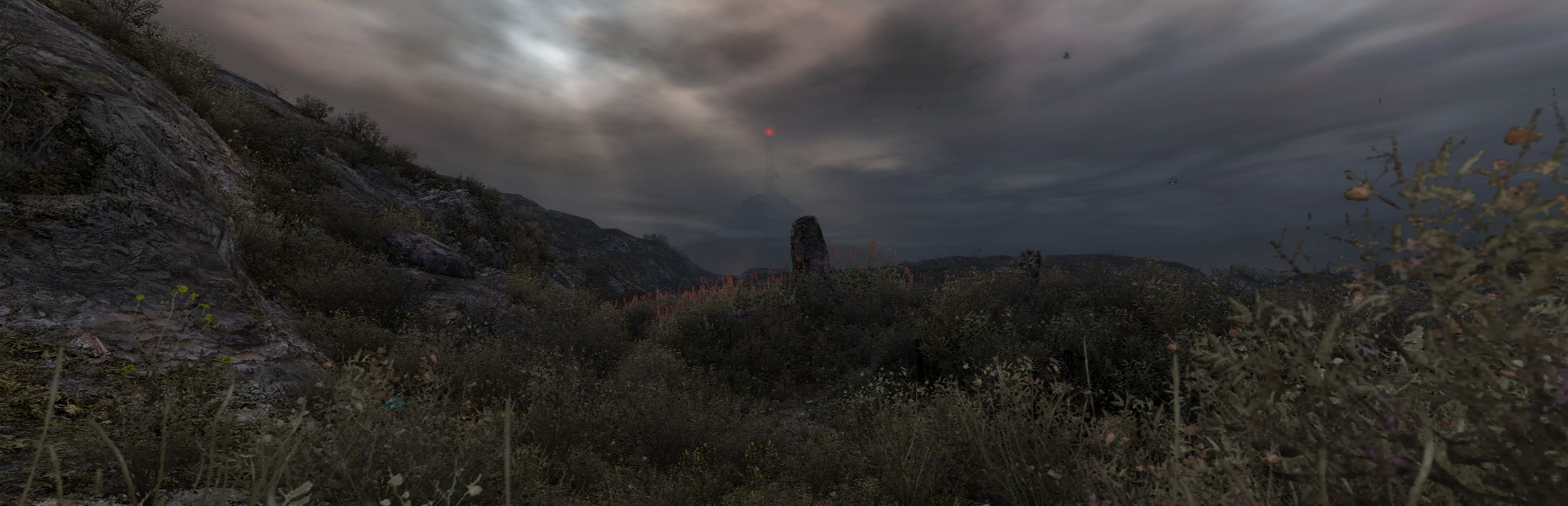
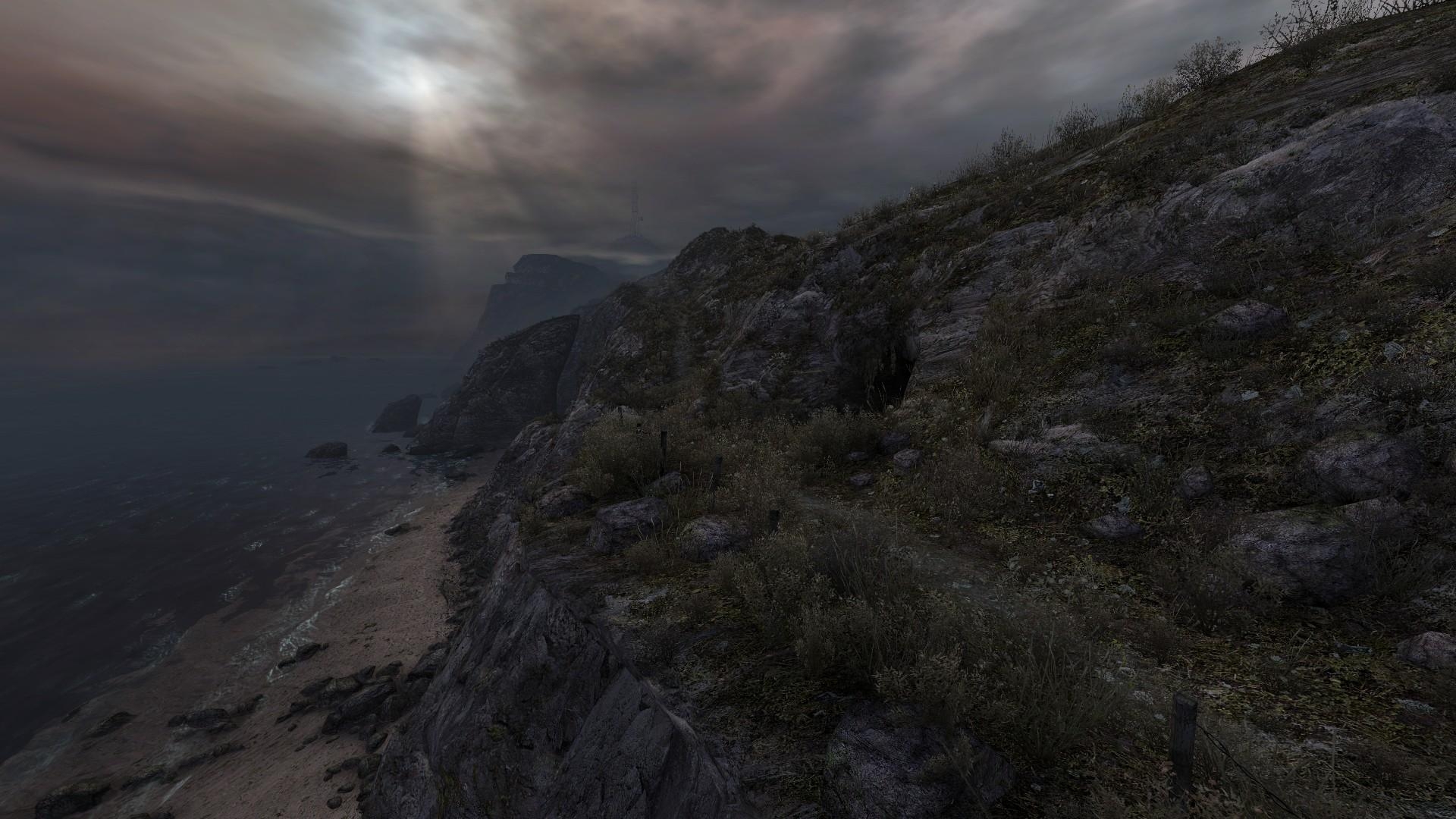
You start out on the beach with no objectives, so you just start wondering. This is all you do in the game while a narrator spews poems at you. There isn’t really a story here except that a man is searching for a man named Donelly, and you are writing letters to a man named Esther. As you wander around the level, you will see various things like abandoned huts, shacks, and strange writings on walls. I felt the game had an atmosphere that was a mix of Penumbra with a bit of Half-Life 2 thrown in. If you walk into a dark area, your flashlight will turn on, but there’s really no need to wander off the main path. If you do, you may get a little extra narrative, but it isn’t worth it because you have to walk all the way back to where you were.
You literally do nothing but walk. There aren’t any other buttons except zoom and take screenshots. This wouldn’t be so bad if the pace wasn’t so slow and grueling. You literally walk at a crawl, and I get that it’s so you can take in the scenery, but it doesn’t really change much until you get into the caves. There’s only so much ocean and swaying grass one can see before you get bored. The only thing you look forward to is the next piece of narration.
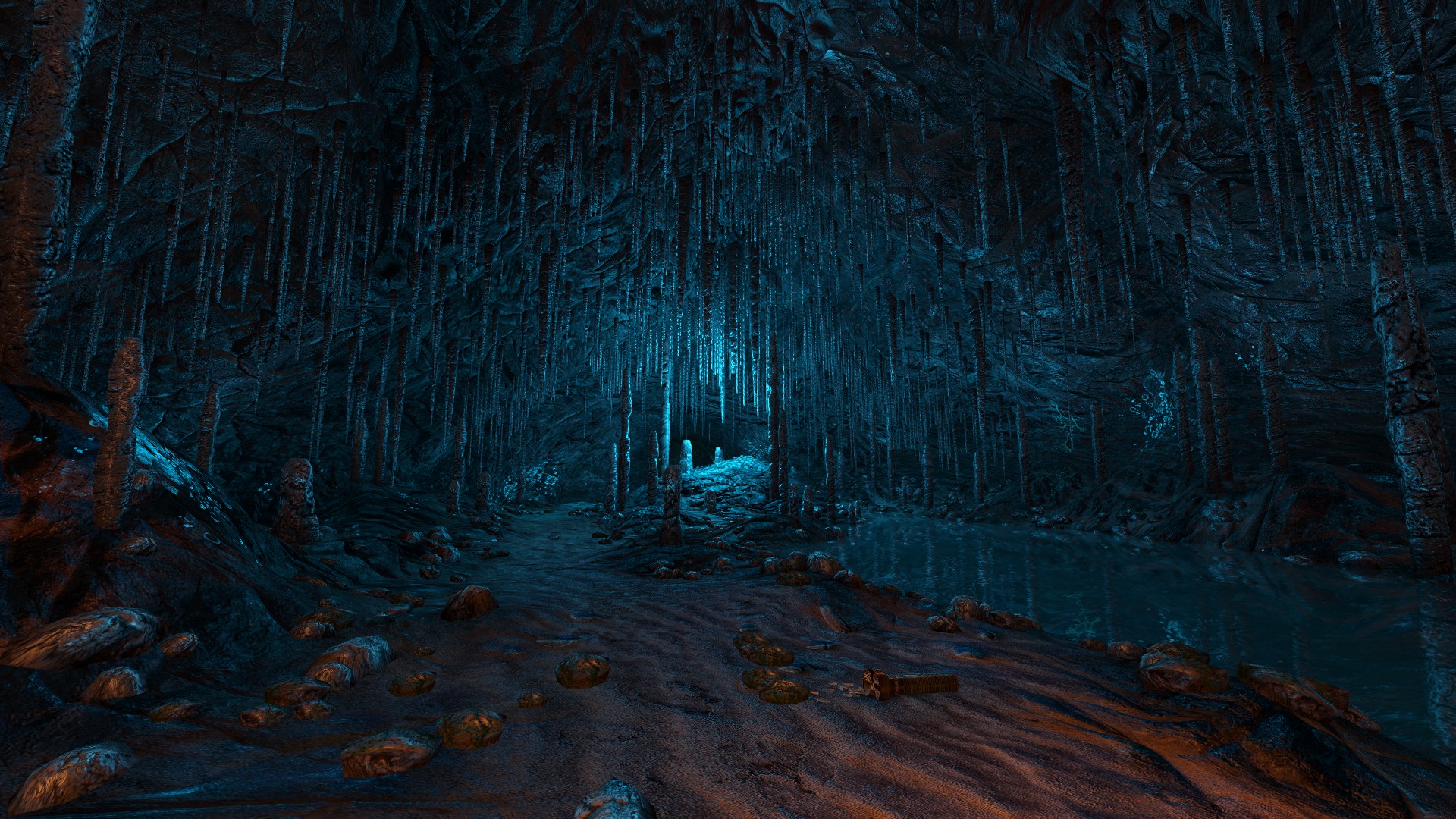
The game is stunning to look at, but you won’t see the true beauty of the engine until you get into the caves, where you get to witness gorgeous water and lighting effects. This is short-lived because this area is only about 10–15 minutes long, as are the other four areas. This leads us right into the game’s worst problem: It is less than an hour long. Even when you get to the end, you still don’t know why you played this game or what its purpose is. The story is very vague, and you never quite know what’s going on. This is hardly a game and is more of a technical showcase. If you can stomach this sort of thing, then go ahead, but you aren’t missing anything if you skip out.
Dear Esther does try something that most games don’t, but with zero gameplay and only being barely an hour long, it’s hard to justify that $10 price tag. There aren’t even any downloadable chapters, which is a real shame. Will I be keeping an eye on The Chinese Room’s next game? You bet because there is a lot of potential here, but I just felt it was clearly wasted.
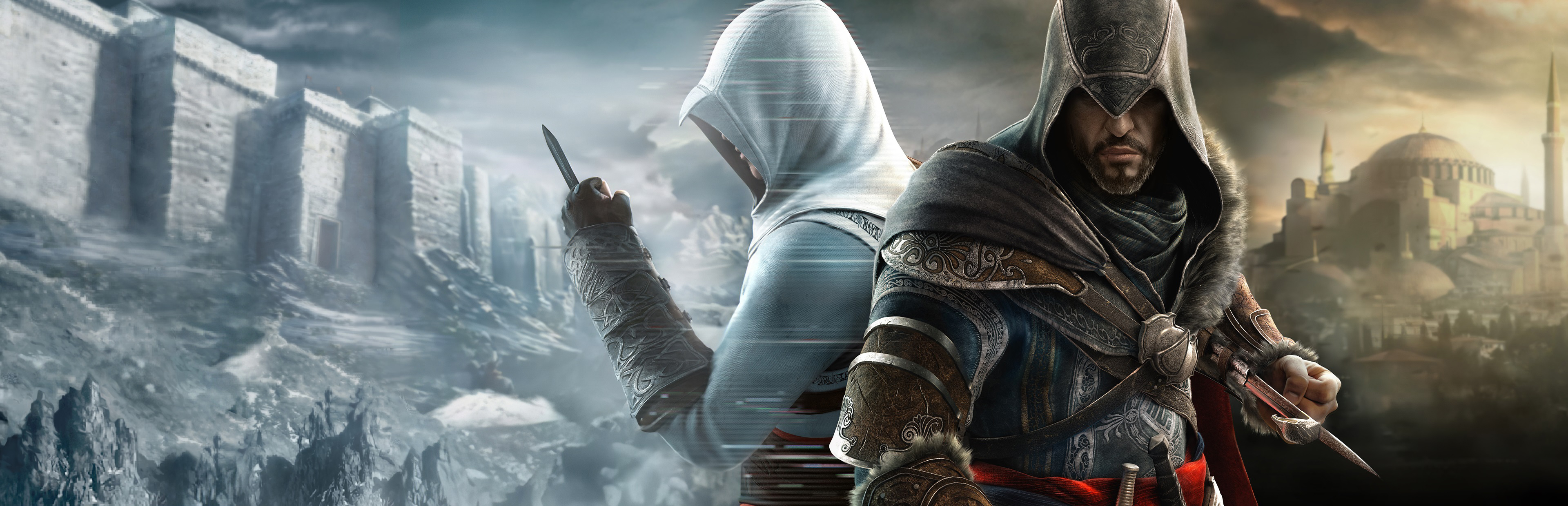
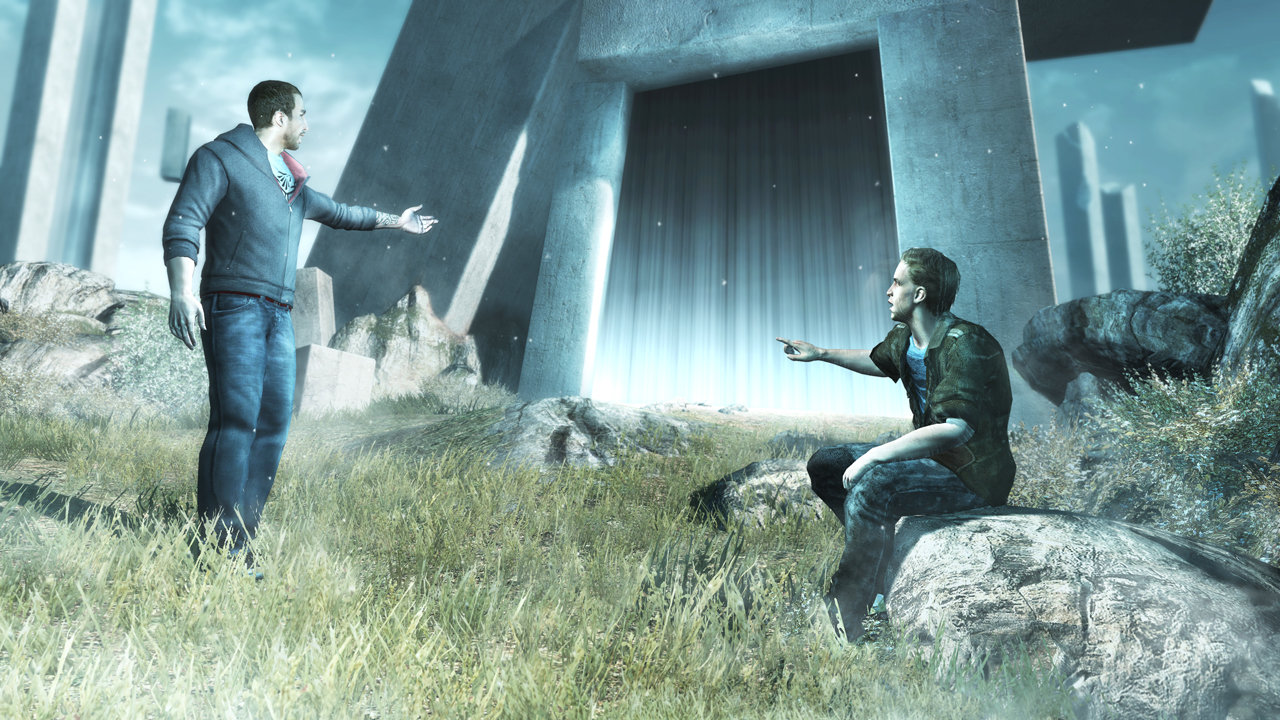
Ezio Auditore da Firenze. When most gamers hear this name, they think of one of the best video game characters ever made. Ezio went down in game history the way he did for a reason. Assassin’s Creed revolutionized the action/adventure genre with assassination skills, a whole new take on stealth gameplay, and awesome parkour gameplay. Revelations are the conclusion to Altair and Ezio’s story, but just another chapter for Desmond Miles. Desmond is stuck in the blackness of the Animus and is in a kind of coma. His brain can’t tell his personality apart from Ezio and Altair’s, so Subject 16 (yes, you finally meet him) helps you a little bit here. There isn’t much of Desmond here because this is the two assassins’s story; in fact, there are only three cut-aways for Desmond through the whole game.
Ezio’s story starts with him trying to find the five keys that Altair hid, but the Templars are also after them. Altair has some secretly hidden library under Masyaf, so it’s a race. This is the shortest AC game to date, but that doesn’t mean it’s worse. There is a new layer added to Ezio’s personality because he’s 50 through 62 in this game. Playing as an old man is pretty awesome, though. Ezio is now wiser, smarter, and a master assassin. You even play as Altair through his old age up to 92, and he still kicks ass! This should be more like Geriatrics’s Creed. Let’s go ahead and start with side missions. The same ones from Brotherhood are kept, but others from past games are cut. Templar Dens replace Borgia Towers; you can recruit assassins, buy stores, buy monuments, find viewpoints, and that’s about it. Side missions took a back seat here to some epic main story missions. Overall, the game can be beaten in less than 15 hours, even if you try to do the side missions that are here.
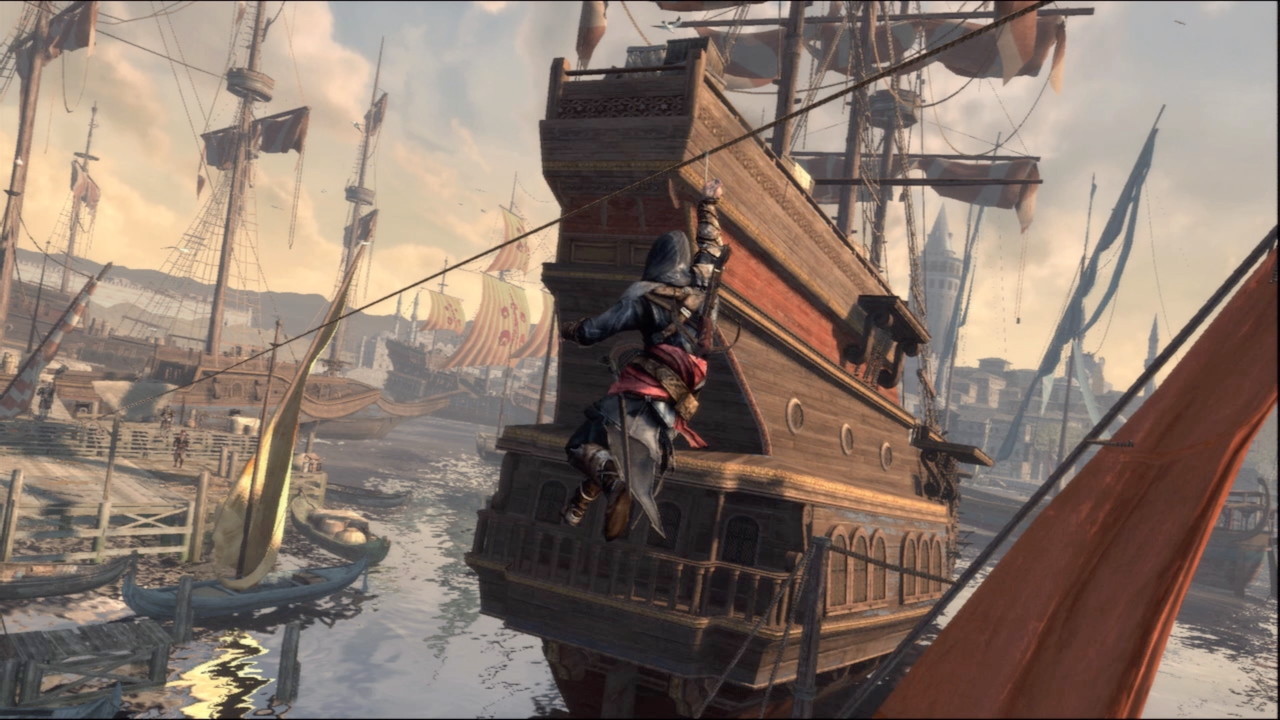
Collectibles this time around involve only Animus Fragments, which are used to unlock crappy Desmond side stories, which will be explained later. Two new combat abilities are brought to the table here: bomb-making and the hook blade. This adds a layer of depth to combat and climbing. Remember when you would jump off a building from too high and just couldn’t reach the one in front of you? Now you can, with a quick press of the action button, catch yourself. It can be used in combat as well as running away from guards. Remember when guards would block your path and you had no choice but to get knocked over? Now you can hook them and roll right over their backs. This also adds another item to climbing, which is zip lines. Zip along and assassinate enemies at high speed, which is a blast.
Bombs have three different levels: diversions, weapons, and defense. Boxes are scattered everywhere that contain parts of bombs that contain the container, gunpowder type, and item inside. You can use a lamb’s blood bomb to make enemies think they’re wounded and become stunned. A splinter bomb stuns enemies or uses a cherry bomb to drive guards away from areas. These really come in handy when you don’t want to get into a huge fight. The problem here is that it’s wasted on the short length of the story. I didn’t even get to use all the bomb types because there weren’t enough missions in the game that called for them.
There is also a strange strategy-type section at the beginning that is never used anywhere in the game, and I thought it was fun. You can use points to call down different types of assassins on roofs or use defenses on the ground. You can use your gun when the wave of guards comes. This was kind of like a tower defense thing and was really strange just to have it on one mission.
All the other items are here, like parachutes, poison darts, and all that stuff from past games. However, combat is finally perfect with combo chains after you kill an enemy. Keep the chain up, and you can kill each one near you with just one hit. The combat really flows this time, and the new kill moves are just gruesome. You can do everything else in past games, so nothing here has really changed. You do use your Eagle Sense more because you need to use it to find these clues to the keys. This leads to awesome and varied main missions that involve epic chases, picking your way around guards, and even giant climbing puzzles. I found these to be the most entertaining, but the gameplay really ends there. It is short and sweet, as well as entertaining.
The area is completely new because it is set in Constantinople and Istanbul. There is one sequence dedicated to a whole underground Templar city, but I felt all this was wasted on such a short little sequence. The area in Revelations is tiny compared to past games, but this is understandable for how short the game is. The new art style and the setting are a great welcome because Rome and Italy were getting tiring to see. The graphics are still superb, even with the slight updates to the engine. The voice acting is superb, and so is the storytelling.
Desmond’s Journey is a strange telling of Desmond’s past through a first-person platforming puzzle thing. I have no idea what this is, but it should go away. There are five short little areas that involve platforming and pushing buttons. Then you get to place floating blocks in front of you to make paths. Yeah, what the hell? It’s nice to know Desmond’s story, but collecting 100 fragments for this isn’t even worth it.
Multiplayer has been amped up and is just as fun. There are more modes, but instead of being really original, they are hidden under the AC theme. These are the models you see in first-person shooters that are disguised here. Capturing the flag is just taking a key from the enemy base and returning it to yours. There is a deathmatch mode and a few others, but more modes are good and they are fun. There are more maps, characters, and abilities that will keep you coming back for hours.
Overall, Revelations is just as amazing as past games in the series, but just on a smaller and shorter scale. It perfects the series to a T, and I don’t think anything else can be done with these two heroes. If you made it this far in the series, go ahead and finish it. Long-asked questions are answered, but there are also some new ones now. The game has a touching ending, and we even finally get to see what happened after the first AC. Revelations is an excellent game, with just enough new stuff to keep fans happy.
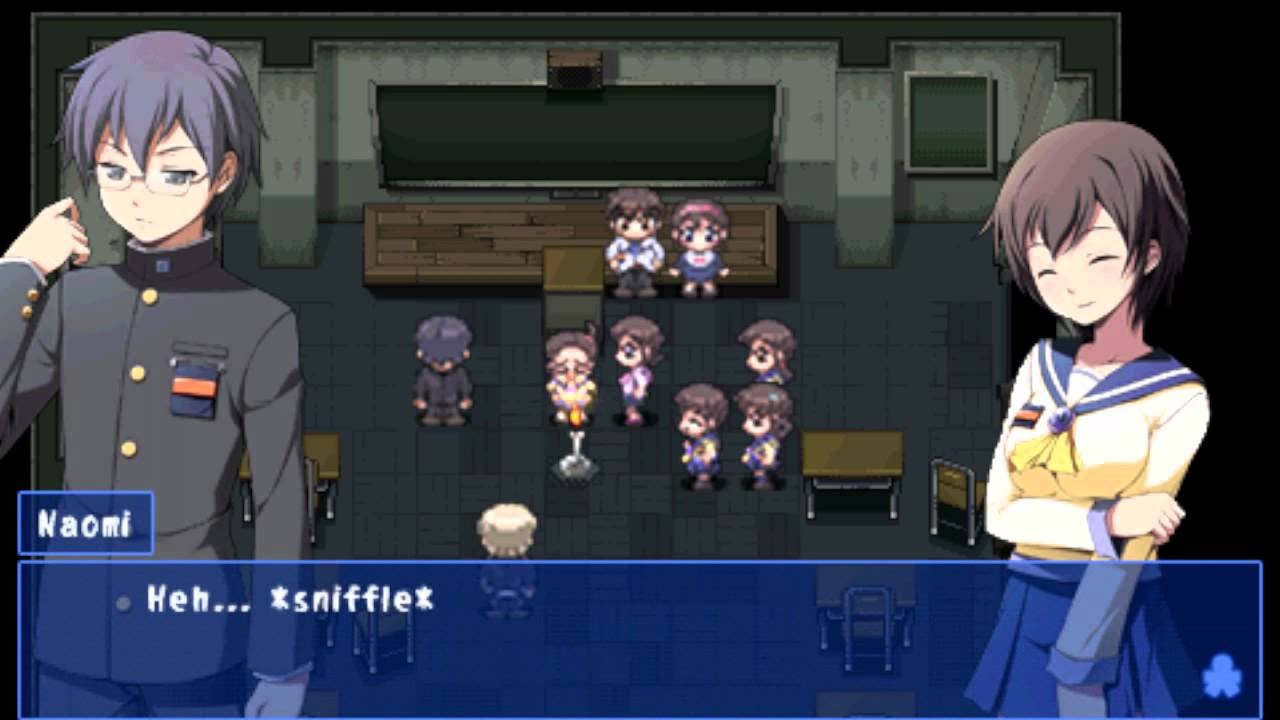
Based on a popular manga in Japan, Corpse Party delivers a great and haunting story with memorable characters in a very haunting setting. Several school kids perform a cult-type ritual called the Sachiko Charm as a gag. They don’t realize that the charm is part of a sadistic and horrific murder of four schoolchildren, including the girl the charm is named after. They get thrown into a parallel dimension of Heavenly Host Elementary and must find a way to appease the ghosts or get stuck there for eternity. What the children go through is horrific and gut-wrenching, but that is the beauty of Corpse Party.
Forget about gameplay and everything else, because this game is all about the story and atmosphere. I have to give the developers props for bringing across such a scary game with such simple graphics as a 2D survival horror with low-quality sprites and the occasional well-drawn anime shot. The game is disturbing, mainly in the well-delivered Japanese voice acting and just the raw terror and gore in the game. There are buckets of blood, severed heads, and mutilated bodies everywhere, but mainly in textual descriptions more than anything. The game really doesn’t do much in terms of visuals, so you solely rely on the great script to get the horrific images. Some scenes are just black, with only voices and text to go by, but it still brings across the feeling of sheer terror.
This is possible because you go through everything with these kids, and the things that happen to them are just horrific and extremely sad because you really get attached to everybody. The game, however, is also lacking in gameplay because you only run around pressing X on everything trying to find items to unlock new areas. The school is the same through every chapter, but it just changes and blocks certain areas off or adds new areas. The game is pretty easy to navigate and understand until you get to chapter 3, and then it all falls apart and requires a guide. Everything has to be done in exact order, or you wind up with “bad endings,” and it’s game over. While each bad ending is different, you get frustrated when the game takes you through 20 minutes of gameplay only to realize it was all part of the bad ending. There is even a glitch that won’t let you get all the school tags to unlock the extra chapters. I really hate how the game has to be played out in an exact way, not to mention that during certain scenes you can die by selecting the wrong choice, but there are saves throughout the game that help remedy this a bit.
While the game lacks any type of gameplay at all, you will still be satisfied with the excellent story and characters. This is the only thing saving Corpse Party from being another terrible attempt on the PSP, but being so late in the system cycle is a surprise. If the game had better graphics, or maybe just more anime cut-aways, the game would be one of the best on the PSP.
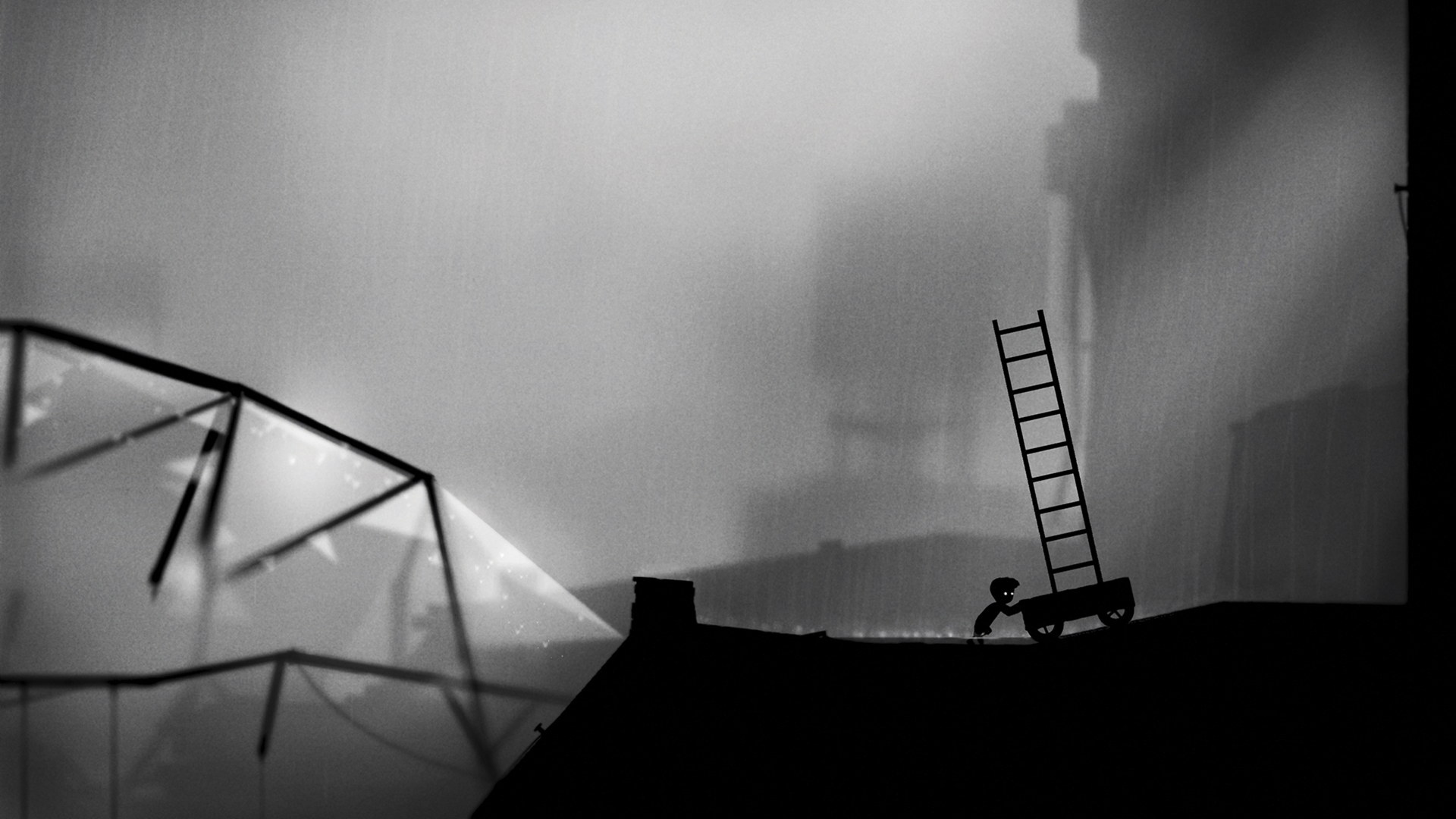
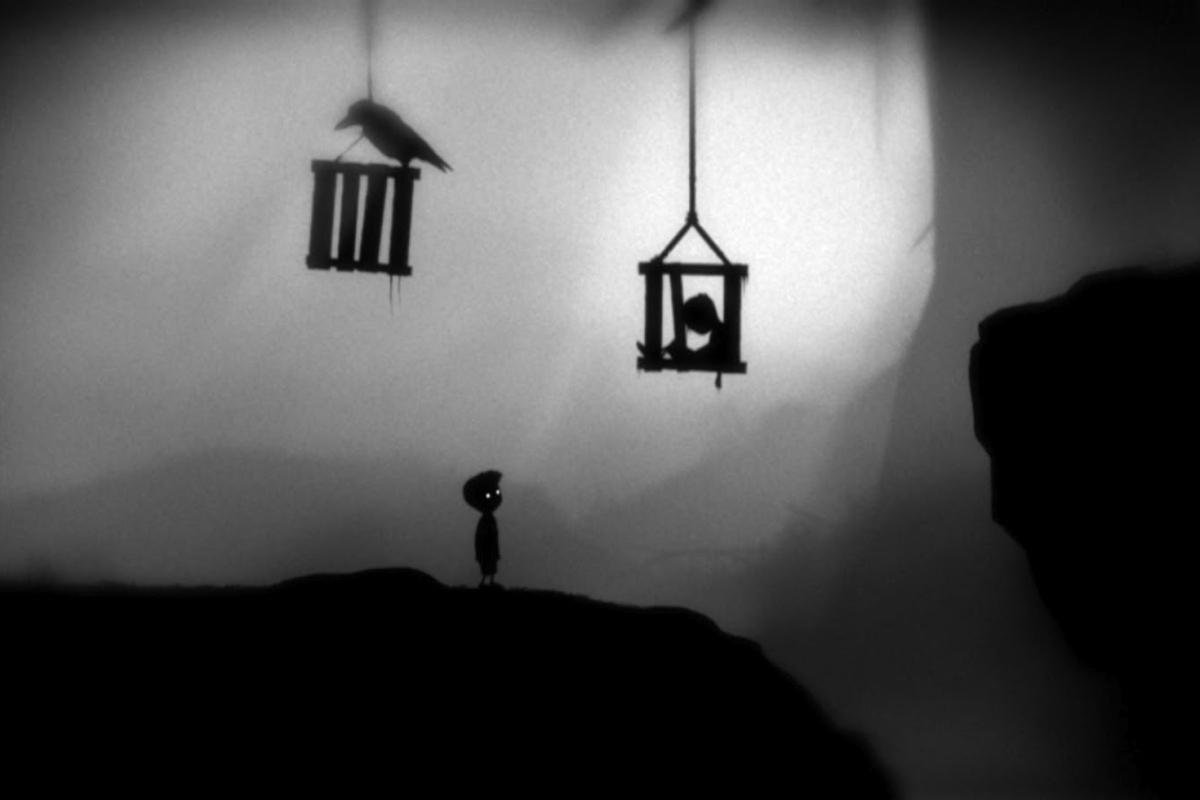
Leave it to an indie game to be clever, atmospheric, and do things that AAA titles wouldn’t dare do. Limbo starts out with just a simple message: Find your sister. No voice acting, no characters—just a black-and-white 2D platformer and a nameless little boy. This can be risky because why would you care about it with none of those elements? You won’t need to, because the game makes you care for the boy through your actions. He can be dismembered and killed in every way possible via deadly and horrific obstacles and traps like getting caught in a saw blade, getting hung, or being impaled by a giant spider leg. You cringe at every death because this is a little boy and not some nameless soldier or thug.
Limbo offers tons of atmosphere thanks to the great ambiance and visual cues that make you just wander through the whole game. The puzzles start with simple ones that deal with gravity, pushing stuff around, and pulling switches and levers. Later on, you have to manipulate gravity, and these puzzles get pretty complicated, but the game also gets darker and more dangerous as you go on. Limbo approaches typical platforming elements like bosses, enemies, and puzzles differently. Enemies are few and far between, but there is such a unique way to eliminate them that you wish there was more of it.
This short, 3-hour game feels like a sample because you really want more. The sudden and seemingly unsatisfying ending is made purposefully to just make up your own ending in your head. Yeah, this isn’t for the narrow-minded, but keep in mind that the game is juicy and gives you tidbits along the dark journey to make you feel satisfied at the end. Limbo delivers a lot more creativity and atmosphere than a lot of top-budget titles because it uses subtly over the explosion and big scares. My only issues are that some of the puzzles are pretty obscure, and the game can be very difficult in spots that will frustrate you to no end.
I also didn’t like such an abrupt ending that didn’t solve anything for you. However, this is a case-by-case basis for whether you like this sort of thing or not. The game has a lot of variety, but I wish there were some more of the unique scripted events that made Limbo feel really fun and intense.
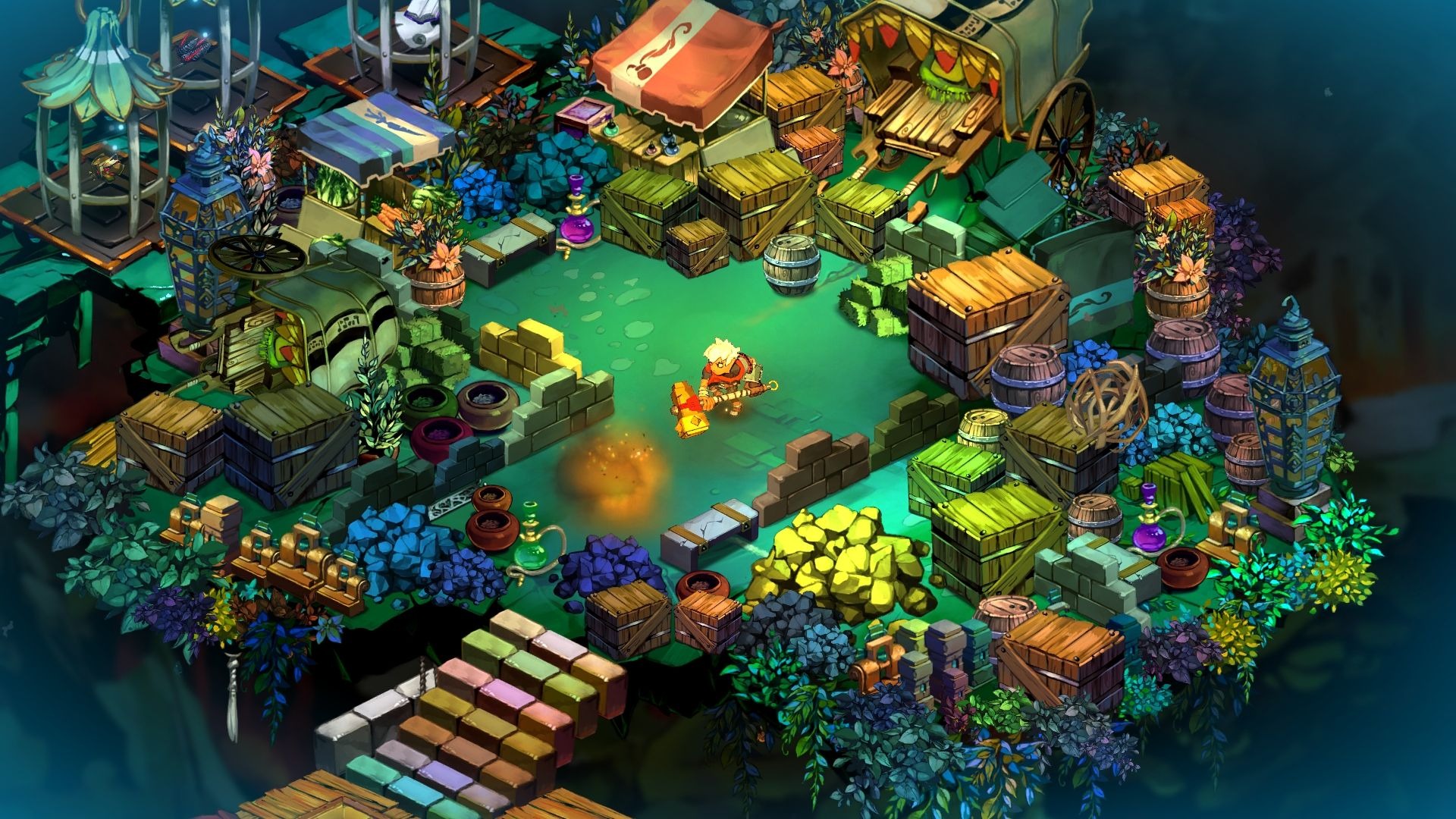
One thing that Bastion does differently from most games is its strong and unique narrative. A man narrates the boy’s every step and action in Bastion, and this is a very interesting way of telling a story. It’s like you’re playing an interactive storybook, especially since it looks like one too. You are trying to re-build The Bastion, which is a safe spot to run from The Calamity, and throughout the story, you find out what this is and why this boy is trying to find these shards to build this thing. Rucks (the narrator) guides you through the story as it unfolds, so you don’t know anything until it actually happens, like a storybook, but it’s happening while you’re doing it.
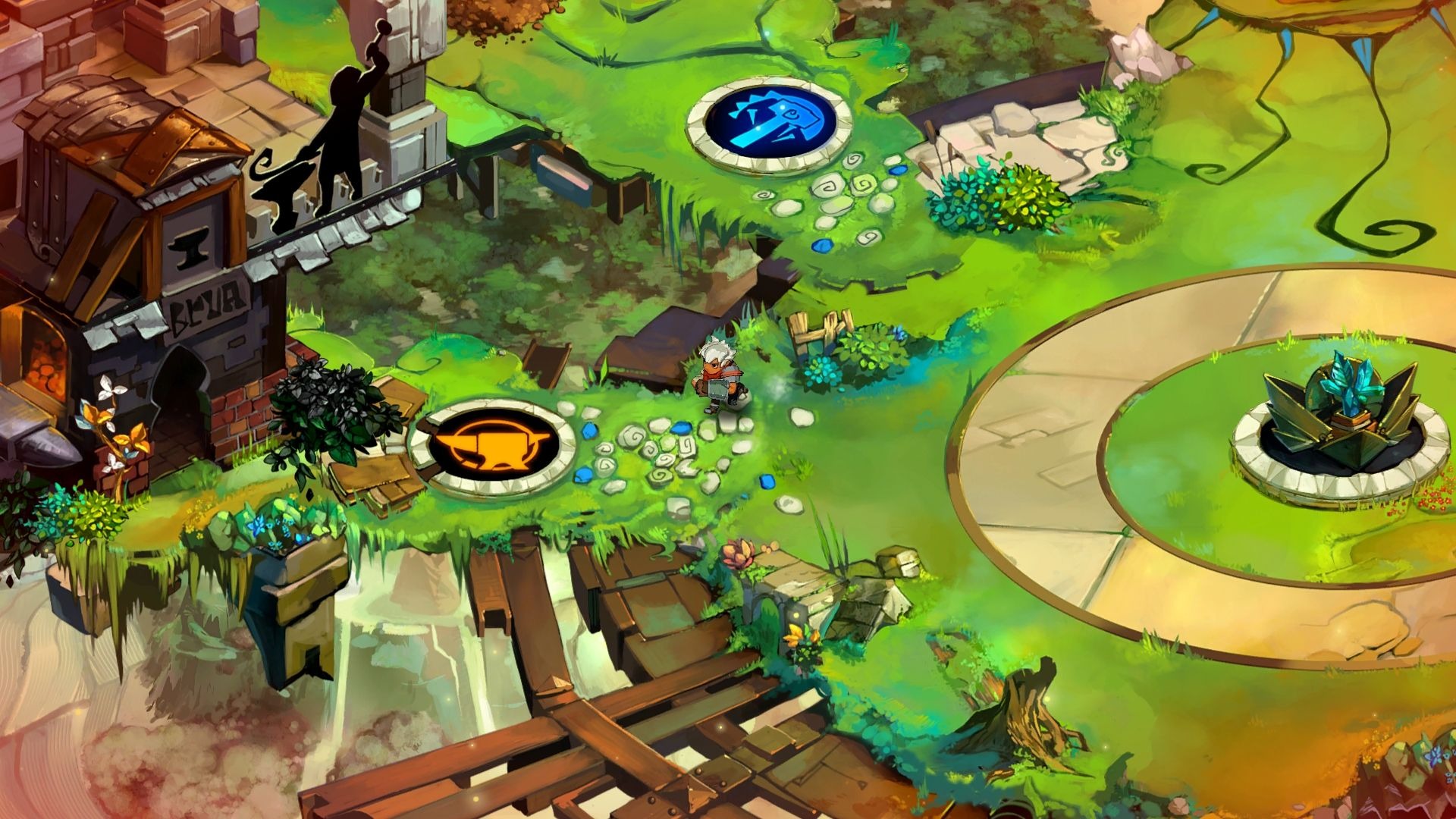
With the excellent narrative aside, the combat is top-notch and responsive. You can use a regular attack, a special attack, a block, or a projectile weapon. There are plenty of weapons, and you can upgrade them to add different attributes and bonuses. As you progress through the game, you unlock six different areas, which include an arsenal to swap weapons, a forge to upgrade your weapons, a shop to buy upgrades and special powers, a shrine to make the game harder, and an “achievement” area where you can meet requirements for extra shards (in-game currency). The customization and upgrades are deep and will keep you busy for a long while thanks to the proving grounds, which are unique challenges for each weapon. If you meet certain criteria, you get prizes based on your performance. These are not easy by any means, and a few were almost impossible to beat for me.
Combat is very responsive and challenging. The enemies are quick and smart and vary from stationary, fast-moving, slow-moving, heavily armored, etc. I should probably say that the balance is perfect, and you slowly get introduced to tougher enemies as the game progresses. You really have to use a combo of everything to stay alive because you will gulp health tonics constantly if you don’t use block and dodge a lot, so stay on your feet. The action gets hectic, and you start realizing this game is for hardcore action fans and not the casual gaming crowd that the visuals might seem to cater to.
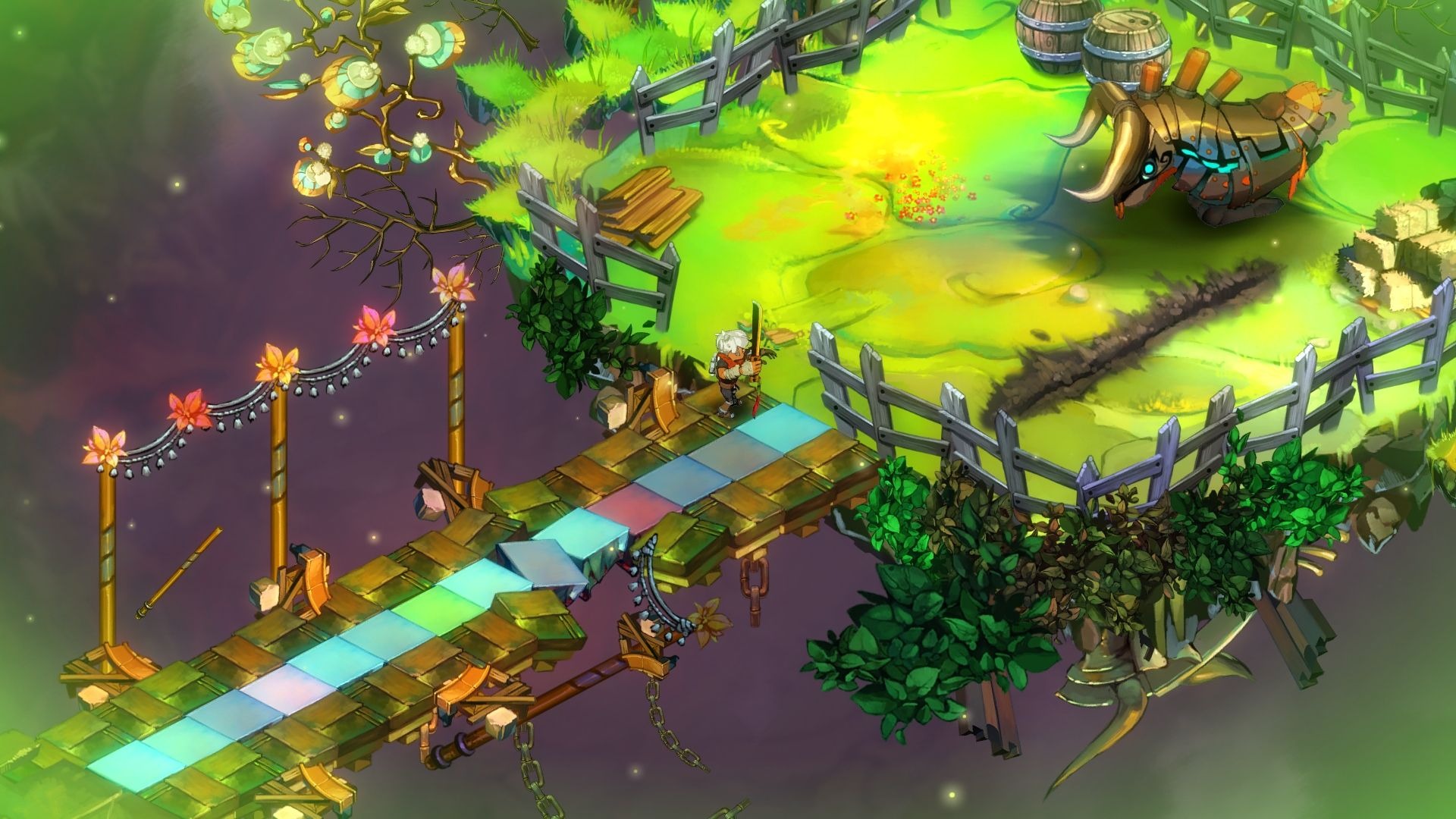
There are a lot of levels, and the length varies from 5 minutes to 15, but one thing I can’t get over is the visuals. As you run through the levels, the walkways appear under you and seem to float in the air. The levels vary so much that not a single one looks the same. The hand-drawn visuals are just gorgeous, plus you can’t forget about the amazing soundtrack, which is something you stick on your MP3 player and listen to. This feels like a high-budget game, but only an indie game can deliver something on this side of creativity and originality. Bastion is a unique game, and nothing is quite like it in terms of narrative and visual delivery. Every action fan should own this because it’s $15 well spent.
It really is games like Game Dev Story that truly prove graphics, sound, and pizzazz aren’t everything because GDS is just highly addictive, tongue-in-cheek, and very entertaining. What makes a game-developing simulator fun? Developing games isn’t really fun to begin with, so the game should be as fun as eating stale bread. Kairosoft is a genius, and there’s a lot to be had here.
You start out with a little bit of cash, four employees, and only being able to develop on PC. You hire employees by paying for different job ads. The higher the job and price, the better-skilled people will come into your office. Once you get your four people, you pick a game system (new systems are released regularly but cost tons of money to buy licenses for). The game really tries to emulate the game industry by putting out consoles by three different companies: Intendro, Sonny, and Micro. The game goes by in weeks, months, and years, so certain events trigger at different times.
Once you pick your genre (rated by popularity from A to C), then you pick the type of game. Make sure the two match; otherwise, you will get poor sales. Once you pick the two (you can unlock more by training employees or hiring very skilled ones), you have to choose someone to design the game. Each employee has four types of ratings, ranging from program, scenario, graphics, and sound. The scenario is what you want people designing the game to start with. Once you choose this, they will start pumping icons into a few of the four categories to make your game good: fun, creativity, graphics, and sound. When you start out, your games won’t be very good, but after a few years, they will be.
Once this is all done, and depending on the type of quality you chose for your game (the higher the quality, the more money it costs), your percentage ticker will start climbing. Depending on how skilled your developers are, your four areas will increase. When the game is 40% done, you will be asked to choose someone to boost the graphics. You can use the people you have or hire someone else to do it, and this can cost lots of money if you choose someone with a high graphics rating. When the game is 80% done, you will be asked to boost the sound, and the same applies. Once the game is done, you will start the debugging process, which can add lots of research data (use this to level up employees) and doesn’t really impact you negatively if you have a lot of bugs.
After the game is done, you will be asked to name it, ship it, and then critics will rate your game. When you start out, the game will score low and probably won’t start getting high reviews until your 10th year or so. If you get a score of 31 or higher, it goes into the hall of fame, and you can develop sequels. Once the game ships, your first week of sales will come in, and depending on its chart placement, you will get good sales or not. After a while, the sales drop off, and then it’s off the market. Then you repeat the process. Keep on top of the most popular console to boost sales, as well as choose good advertising methods because you need to keep your popularity up with every age demographic. Every 5 years, the numbers will move down, and you will lose fans if you don’t keep up.
When you start leveling up employees, the games get better and sales go up with high levels of in-game design. During points of the year, you will get to go to Gamedex and accumulate fans to boost sales, as well as the awards show at the end of the year to earn extra prize money. After a while, you will start earning millions of dollars and be able to hire more people and move into bigger offices. Eventually, you can fire people with low skills and start moving higher-skilled people in, and then your scores start going to 9’s and 10’s.
The beauty of the game is the climb to a successful company, and your ability to do checks and balances determines if you fail or not. Starting out is a struggle, but it’s just so addictive and feels true to the game industry. The game may not be much to look at with simulated 8-bit graphics and sound, but I just played this for hours and hours and couldn’t put it down because you keep developing one more game and trying to balance your company out to make big bucks, get the latest systems, have the most fans, hype up your games, and try to win a game of the year. If you love simple simulations like these, you will love Game Dev Story because there’s nothing quite like it.
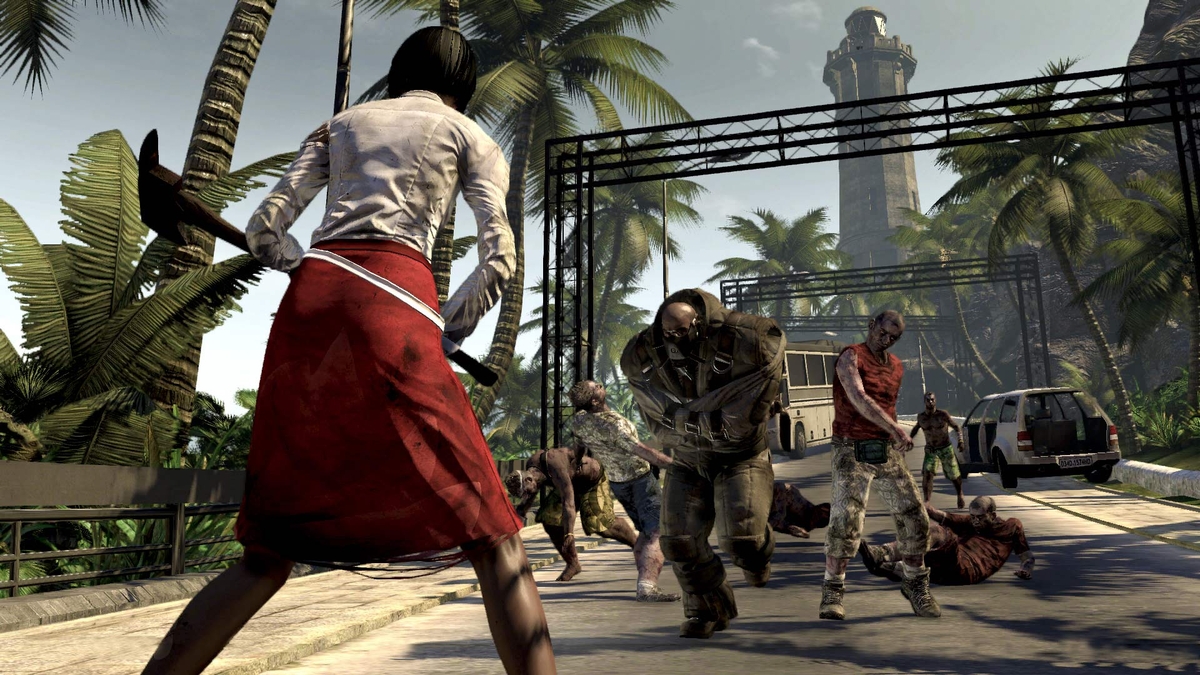
There seems to be no end in sight to zombie games, but the good ones are far and few between. With Left 4 Dead and Dead Rising being the staples, Dead Island puts itself on the map as the true zombie simulator. It holds true to that statement with realistic combat, atmosphere, and a terrifying story (albeit it doesn’t get really interesting until towards the end). You can pick one of four characters who each specialize in a certain weapon (sharp objects, blunt objects, throwing objects, and guns). You follow the four heroes through the story of the resort island Banoi, which has been struck with some sort of biological weapon or disease. No one really knows. You must help the survivors get off the island, but things don’t go according to plan.
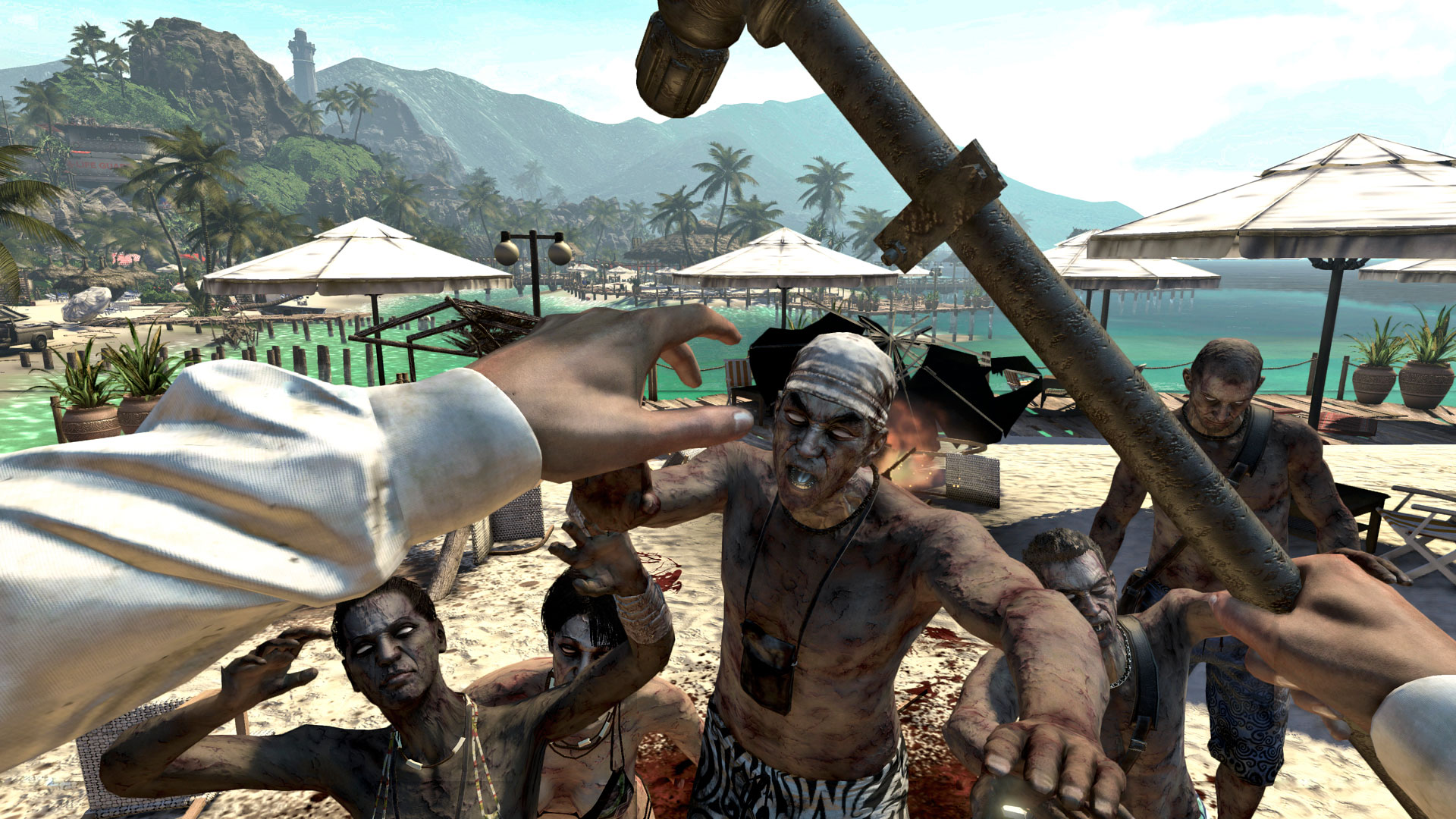
I would like to say that Dead Island feels like Fallout meets Left 4 Dead, with a little bit of Dead Rising thrown in. The combat is superb, if a tad unwieldy, because it features an analog-type combat system. The game is in the first person, so the last melee game in the first person you probably played was Oblivion. You can move the weapon around via the right analog stick, pull back, and push forward, bringing out a full swing. It feels awesome because each weapon feels different, and the game has a great dismemberment engine, so when you aim for that part, it will most likely come off. Even the shooting in the game is solid, and that’s a one-two punch that most games can’t get right.
There are RPG elements thrown in, so when you complete missions or kill zombies, you’re earning experience. You get one point per level to use in one of three categories: fury, combat, or health. Fury is a model that you can activate to do ultra-damage to enemies and earn 10x the amount of experience when doing so. There are a lot of ways to upgrade, and you won’t get them all in one play-through. Thankfully, the game levels up with you, so you won’t run into areas that require level grinding to get past. A lot of the quests are mixed with escort missions, fetch quests, and zombie-killing quests. There are undead people to kill as well, but most of them have guns, so watch out.
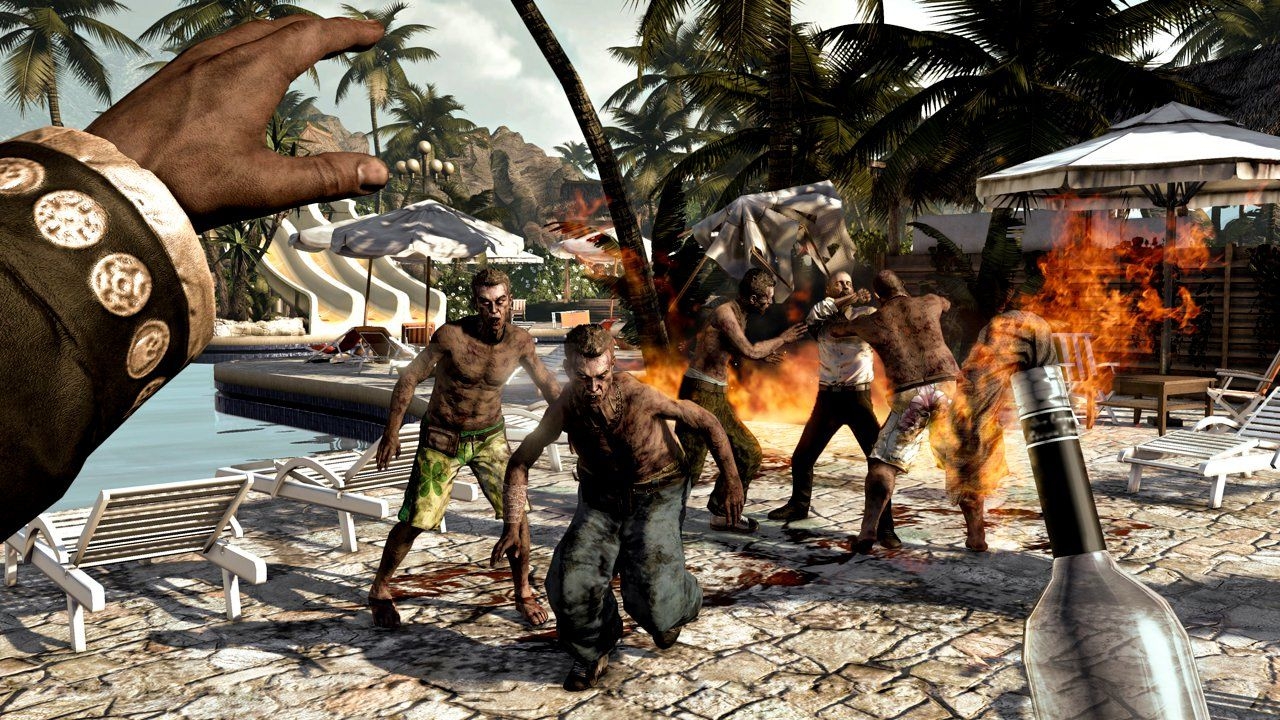
The atmosphere of the game is amazing and just really creepy. There are zombies everywhere, in all shapes and sizes. The two most common are Walkers and Infected. Infected people cannot be avoided since they run at you faster than you can even run. There are floaters, thugs (these guys are almost impossible to take down when you first start), suiciders (they explode), and the rare butchers. Each zombie is freaking creepy, and there is a huge variety of them since they change with each area you change into. The game is nonlinear, with huge open areas to explore at your leisure. Like in Fallout, you can collect stuff from pretty much anything and use it to make mods, of which there are dozens. Some of these are awesome, like attaching a saw blade to a bat, turning swords into shock weapons, making guns shoot fiery bullets, etc. These are mostly found by completing missions, so try to get all the side missions you can.
You can drive in the game, which feels just fine and is a blast to run over zombies; this is required in some missions, and it is best to travel long distances across the island. Also, the areas vary from the beach to the jungle, the city of Moresby, and the prison. There is a huge variety of everything, from weapons to zombies to environments, so you never really get bored with the game. While that’s the core of the game, you just always want to wander off and find people in distress (hey, you are immune to zombie bites!) and just try every weapon out there as well as upgrade them at the workbenches. Of course, weapons break and need to be repaired, which costs money, and you can sell stuff, trade, and even pick the money up out in the zombie wilderness.
The game is also very hard most of the time since it was designed for a four-player co-op. There is a drop-in-out co-op online, which is a blast, and there are plenty of people playing. A lot of the time, missions are just so hard because you get too many zombies thrown at you for just one person. If you die, you just wait 7 seconds and respawn, but you lose a lot of money as a penalty. The more money you have, the more you will lose. This is a great idea, but healing is a problem since medkits are rare and food only heals you so much and you can’t store it.
The only problems with the game are that people with high-end PCs are jipped unless they go edit the config file themselves to push the graphics further. There are a lot of glitches, and the combat is awesome, but controlling it is a bit off and finicky. I mentioned that the difficulty is all over the place, so expect some frustrating sections where you will die over a dozen times. While the story is good, the characters are boring, not likeable, and just feel pretty generic overall, so this took a big hit for me more than anything. Overall, Dead Island is my favorite zombie game so far, and fans shouldn’t miss it.
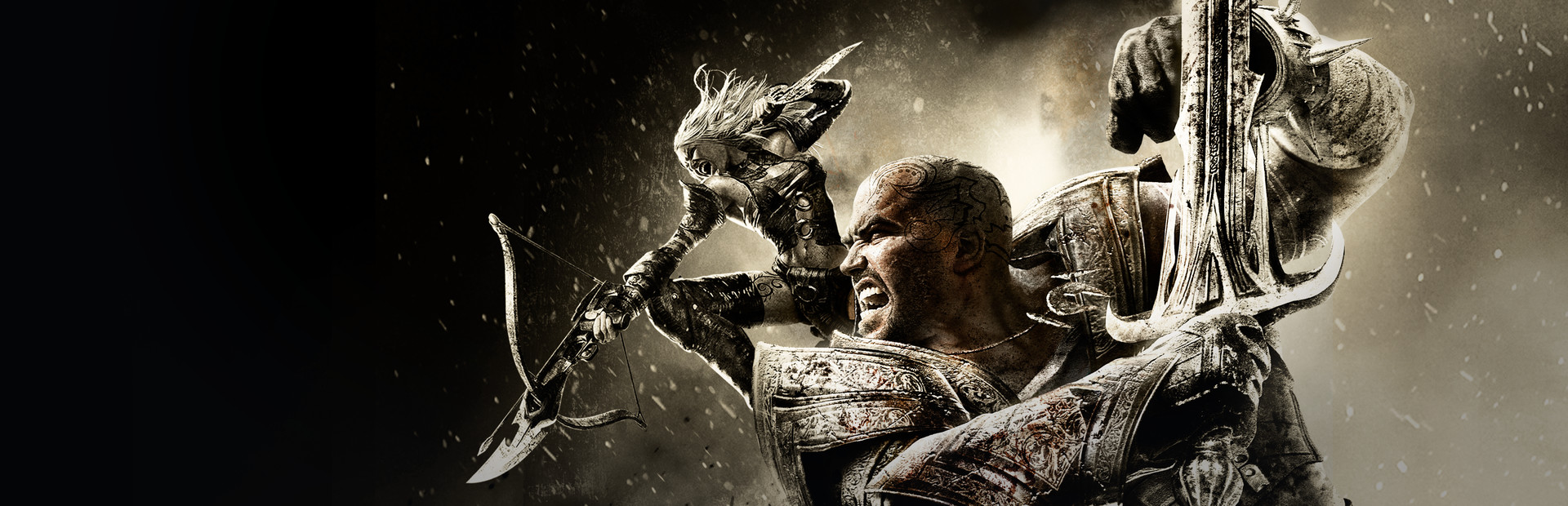
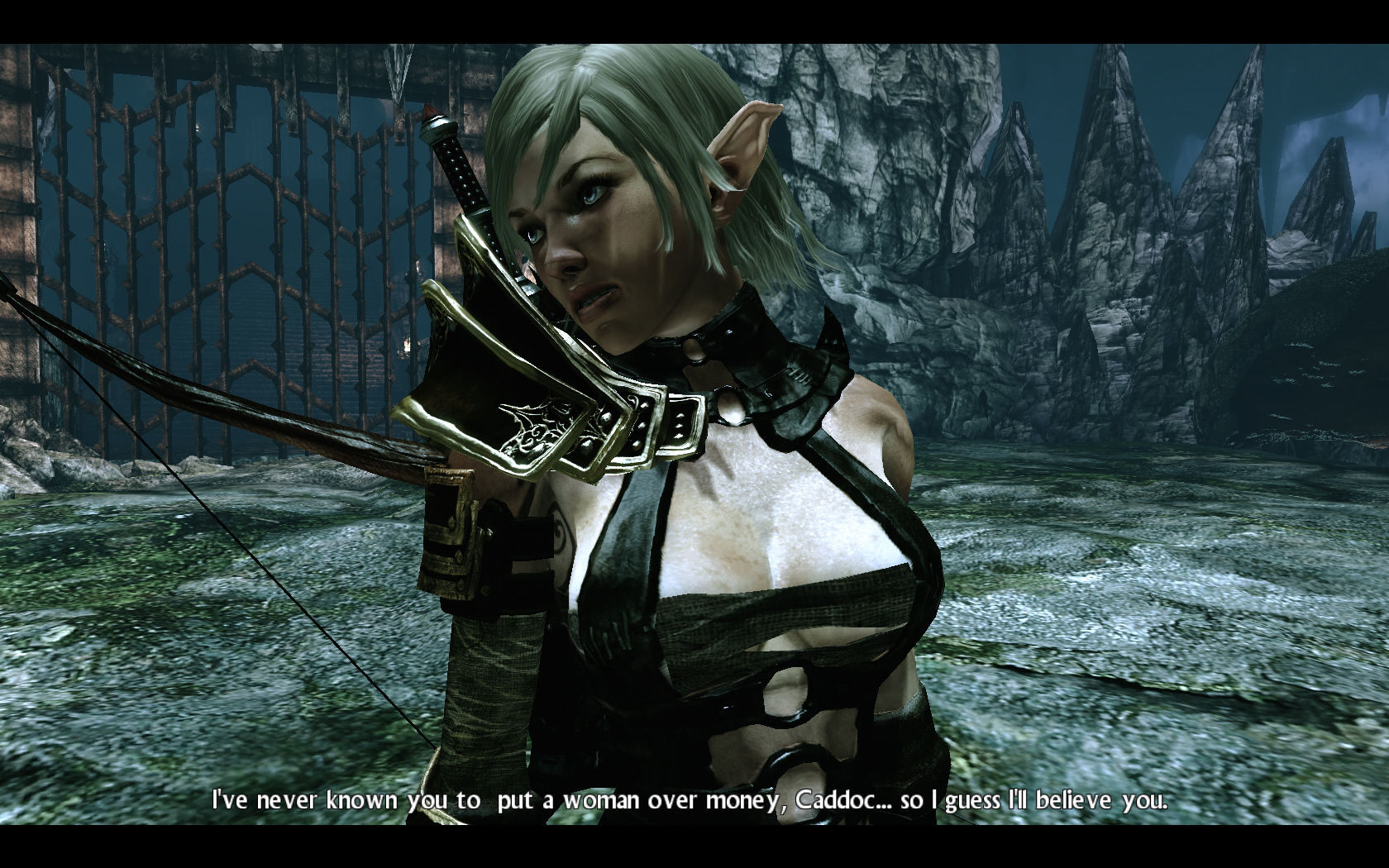
Most action RPGs tend not to be too bad, but Hunted is probably one of the worst I have ever played. The game has an interesting story that falls flat due to poor storytelling and pacing. You play as a mercenary couple: the human Caddoc and the beautiful elf E’Lara. Caddoc is calm and reserved, while E’Lara is all about rushing in and killing everything. The swapped stereotypes are nice, but the overall story goes nowhere until the very end. You get caught up in a mission to stop an evil man named Annuvin, who is using a dangerous liquid called Sleg that can turn everything into evil. Along the way, the only other part of the story is trying to find a mayor’s daughter for a high reward. It is not very interesting since the game is linear to a fault and the gameplay is just yawn-worthy.
Throughout the game, there are points where you can swap between the two, and they each play differently. Caddoc is all about melee and brute force, while he has a crossbow that does minor damage. I felt the crossbow was completely useless since it does hardly any damage (even after you find a few upgrades), is very slow to shoot, and takes forever to reload. His melee attacks are the best, but you just mash the attack button ad nauseam. If you block attacks with your shield, you can charge a fury attack, but if you get hit once before it charges, it depletes. What kind of thing is that? Every so often you will get supercharged and do extra damage, but I could never figure out how this happens exactly since it seems to be random.
E’Lara is all about using her bow, and melee is just like Caddoc’s crossbow; useless. You can pick up different-level weapons at three levels, which are fast, medium, and slow, but she doesn’t have a fury meter. If either partner dies, you can throw each other regeneration vials, but if you run out, you’re dead for good. You can also use magic, but it’s clunky and doesn’t fit right because some magic uses your weapon, so you have to switch to just magic, which involves throwing stuff. The game is just very clunky and not very responsive, and it makes a lot of battles a huge pain to get through.
Upgrading magic works, but it’s nothing special since there are only three different types and then two upgrades on top of that. You get upgrade crystals by finding them in containers, or enemies will drop fragments. On top of this, you would think that being an RPG, there would be side quests. Not really. You can find paths that lead to “rare” weapons, but these tend to be just as useless as the rest of the game and not worth anything. Hell, you can’t even spend the gold you pick up through the game. It just increases your score on the leaderboard. You can also find death stones on fallen enemies to hear their stories, but what’s the point? You’ll be too busy screaming at the clunky combat and falling asleep at the derivative gameplay.
Does the game at least look good? Not really. This is another game that uses Unreal Engine 3 but doesn’t use it to its full potential. The game looks average and, for some reason, has a lot of bugs and constant slowdowns, even on high-end systems. The voice acting for the characters is good, but since the game is so boring, you won’t really care. Why should you play through this? The archery in the game is fun at first because at least that part is done well and is pretty quick and fun. Hell, just play to stare at how gorgeous E’Lara is if you want, or even Seraphin. Everyone else should just move on to better action RPGs.
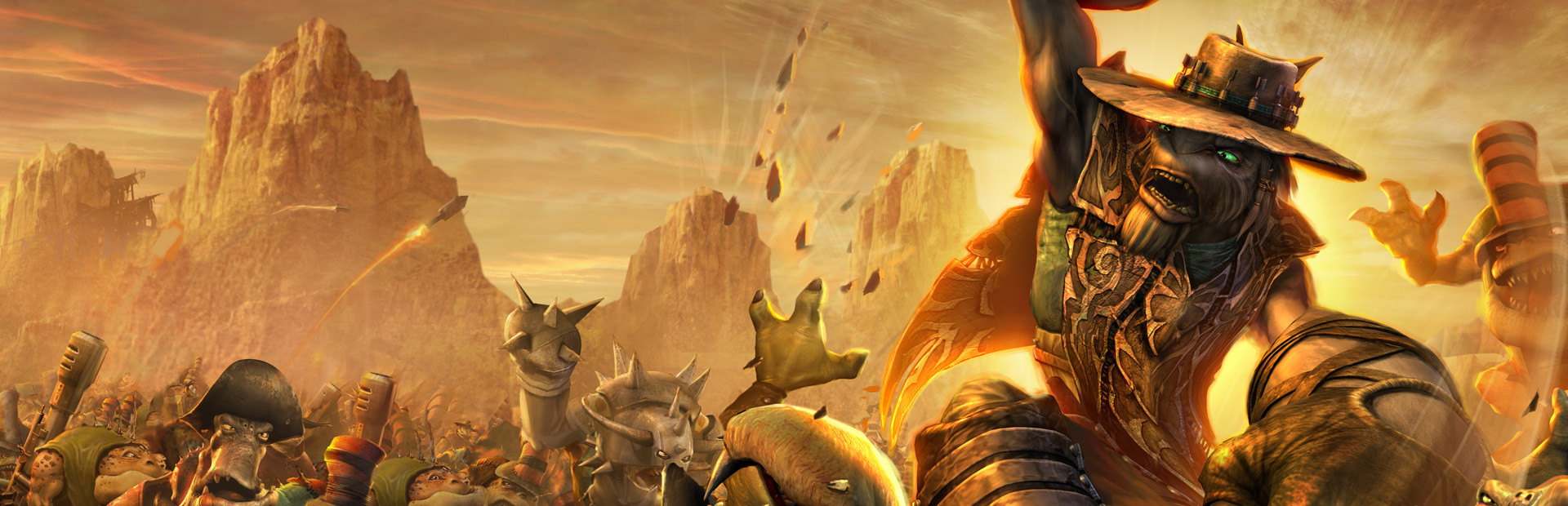
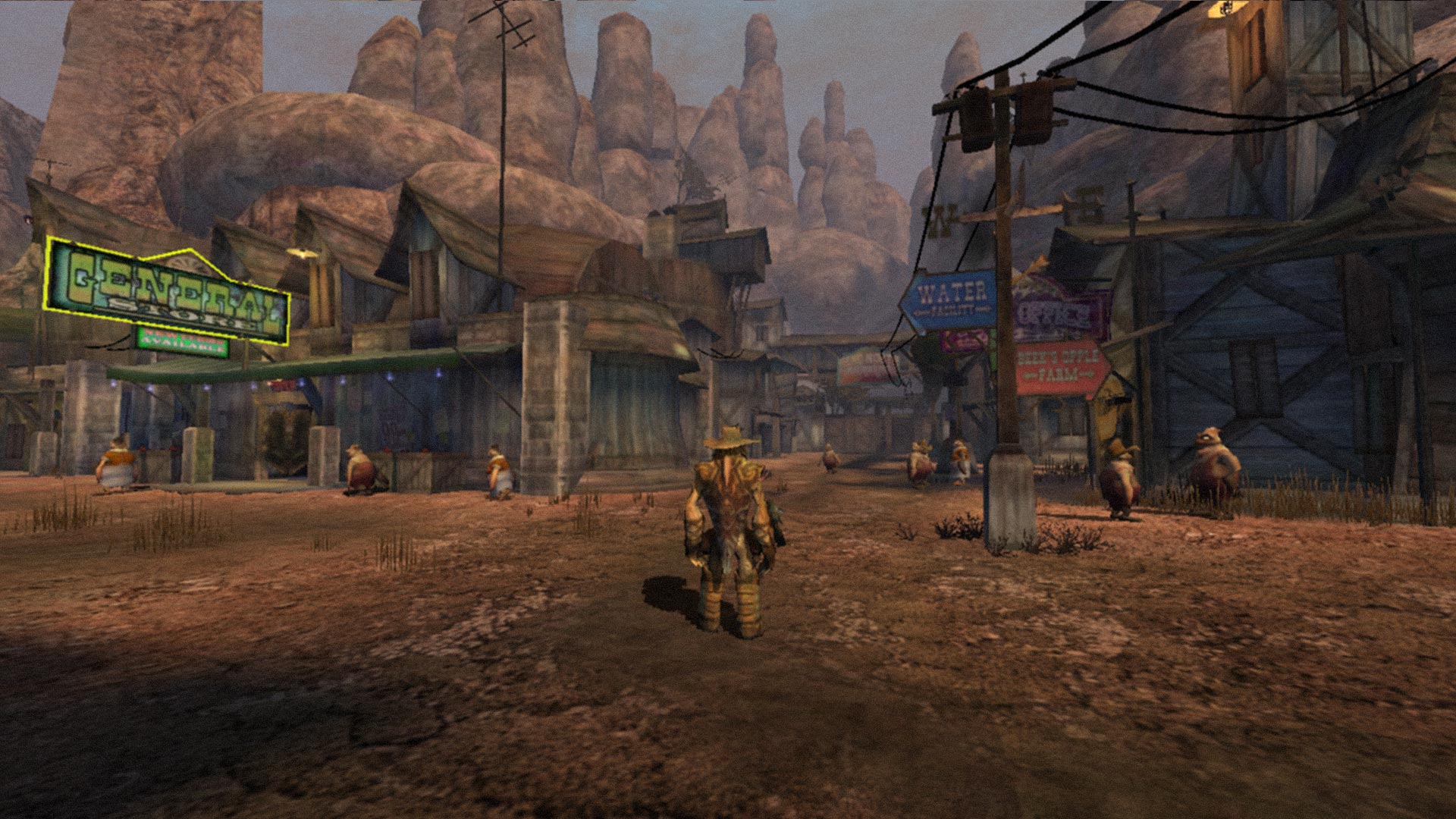
While the Oddworld series may have been dead for years now, the last creation from Lorne Lanning is a great opus. While the series hasn’t been perfect gameplay-wise, it instills great characters, humor, and a unique art style that can be recognized from the series. Stranger’s Wrath was a cult classic Xbox hit but saw poor sales (as did most of the Oddworld games) due to its quirky style. You play as a bounty hunter named Stranger, trying to collect enough Mulah (money) to get a mysterious surgery performed. The story doesn’t get interesting at all until the end, but there are two key plot twists that really throw you for a loop and make the story worthwhile.
The game is split up into two parts. The first half of the game has you finding 12 different wanted bad buys and wandering around the linear world to find them. The thing that made Stranger’s Wrath so unique was its shooting mechanic. Unlike most shooters, Wrath has you shooting critters as your ammo, and you even have to gather them in the wild. A few ranges from Zap Flies have unlimited ammo and can be charged. Boombats are explosive, Thud Slugs are like shotgun shells, and so on. Each critter will eventually be upgraded in the game, but this is a unique approach to shooters that has never been done since.
Most of the time, you can try to sneak your way around and bounty up bad guys, but the stealth mechanics are pretty broken. You can hide in tall grass and lure the bad guys to you, then wrap them up to get them alive (for more bounty), or just run and gun and kill them all, but you get less bounty. While the shooting may be unique, it doesn’t really know what it wants to do. There’s ammo for stealth, but it’s not good enough for run-and-gun action. Finding ammo in crates helps, but you will constantly try to decide which ammo type is best suited for the situation. You can equip any two at the same time for combos, but you can’t shoot them at the same time. I would have liked to see some sort of combo element implemented with that.
The second part of the game lets you have more powerful melee attacks and is all about running and shooting, really. You get the upgraded ammo types, so this is possible, but the game’s difficulty is ruthless, and you will die a lot. Thankfully, the game has a quick save feature, so this alleviates it a little bit. I just felt that this game should have stuck to either a platformer or a shooter because switching from first to third constantly can be a bit disjointing, and even jumping around and climbing is difficult because it feels like all the physics in the game are very floaty.
The second part of the game lets you have more powerful melee attacks and is all about running and shooting, really. You get the upgraded ammo types, so this is possible, but the game’s difficulty is ruthless, and you will die a lot. Thankfully, the game has a quick save feature, so this alleviates it a little bit. I just felt that this game should have stuck to either a platformer or a shooter because switching from first to third constantly can be a bit disjointing, and even jumping around and climbing is difficult because it feels like all the physics in the game are very floaty.
Overall, the shooting mechanic is very unique but works against itself, and the game doesn’t know if it’s a third-person platformer, stealth game, or run-and-gun first-person shooter. If it stuck to just one, the game would be better, but it is a cult classic and shouldn’t be missed if you never owned an Xbox.
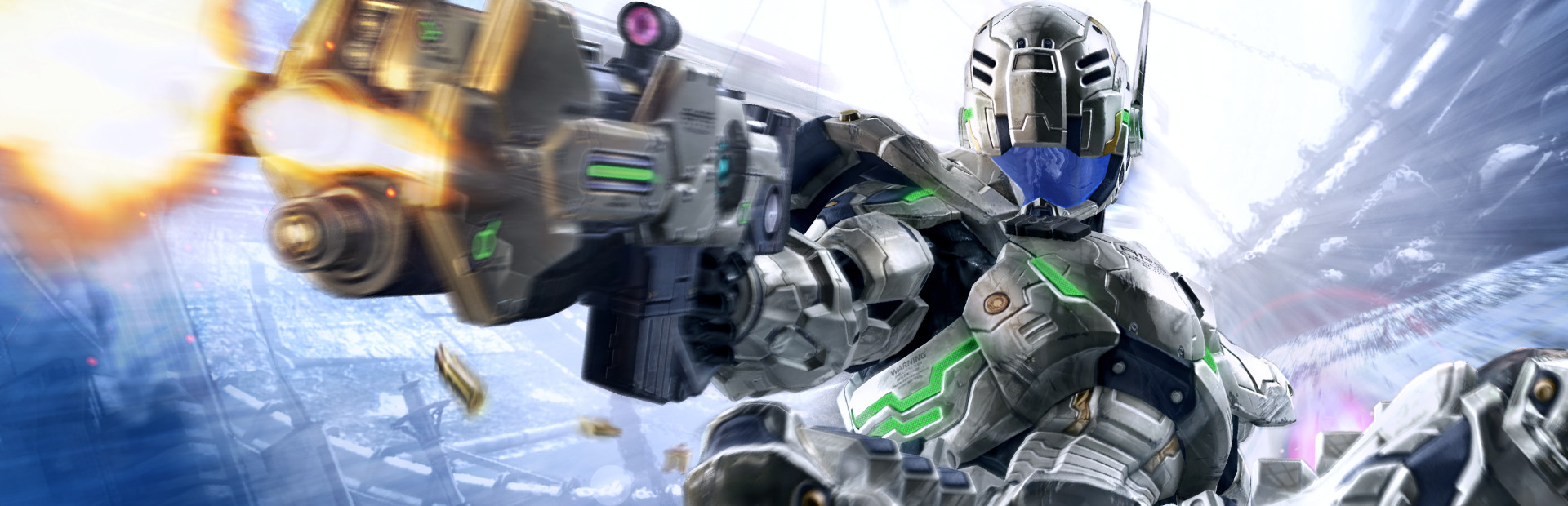
Japanese developers have a lot to learn from Western developers, but Vanquish shows that they are slowly catching on. Vanquish is infused with Western shooter’s big explosions and lots of shooting fused with Japanese fast-paced action and quick controls. Vanquish is a third-person shooter on speed thanks to the ARS suit. Sam Gideon can slide around at super speeds on the ground as well as slow down time during dodges. This allows for very hectic gameplay against robots of all sizes and shapes.
The plot is paper-thin and only advances at the very end of the game since the middle has absolutely nothing to do with the plot because you’re just dealing with in-the-moment problems, but the overarching story is a pretty standard affair with Russia trying to take over the world with a giant microwave emitter that destroys San Francisco. It’s nothing to get excited about, so just pop in Vanquish and expect fast shooting. The shooting is great thanks to using weapons that can be upgraded throughout the game with droppable upgrades. Everything is done on the battlefield, so there are no menus to fiddle with. I wish more shooters would use this idea so it doesn’t draw you away from the action. You get a loadout of three weapons and two different grenades. EMP grenades stun robots and incendiary blow them up. Different weapons range from your standard assortment of shotguns, heavy and light machine guns, rocket launchers, sniper rifles, etc., but there are a few originals, such as the disk launcher, the LFE gun that shoots huge blobs of purple energy, and the laser rocket launcher.
Thanks to the ARS suit, it allows for what would normally be an impossible amount of enemies to kill in a standard shooter, but being able to slide around at fast speeds and slow downtime isn’t the key to staying alive. If you get shot too much, your suit will automatically slow down time and burn up your energy meter. This allows you to kill any immediate danger and get to cover, but if you continue to get shot, you will die. The energy meter determines all your special abilities, and if you overheat, you have to wait for it to cool down. I found this a little annoying, especially when you start dying and you can’t shut off the use of the auto-slowdown, which will actually cause you to die during boss fights since you can’t slide away after it’s burned up.
The best part of the game is the boss fights since you have to shoot weak points, and sometimes this will trigger cinematic QTEs (Quick Time Events), but the biggest fallback for Vanquish is the repetition. Sure, there is some different gameplay stuff thrown in, like firefights on rail carts and turret sections, but I felt the game never truly took advantage of the whole ARS suit system. This is where the typical Japanese game’s generic atmosphere and aesthetics bring Vanquish down for me. While everything is responsive and sharp, it all feels generic, with weapons feeling like they don’t pack a punch and just feel like pop guns. There’s a good variety of enemies in here, but they are all just robots, and you can pretty much use the same tactic on all of them. Boss fights to recycle after Act 2, and the environments all look the same after Act 1.
The game looks good, but it is also generic-looking thanks to the typical Japanese art style of sterile whitewashed environments and copy-and-paste feeling levels. The characters are the usual stereotypical, cheesy voice-acted, empty-feeling people that you can’t really get attached to or don’t make much sense to. I want to get attached to the characters, but they just feel too cheesy and stereotypical and are completely forgettable. So why should you play Vanquish? The fast-paced action is undeniably addictive, and 6 hours is just enough to not get too sick of the game without wanting it to just end. On a side note, the ending credits are probably the most original I have ever seen in my 19 years of gaming. The developer’s faces are on asteroids, and you shoot them as their names pop up. The more important guys are harder to shoot, and the lead designer ends everything with a final boss fight. Kudos to Platinum for making credits more interesting than scrolling text.


























































 thebinarymessiah.com
Try multiplayer. A lot of fun !