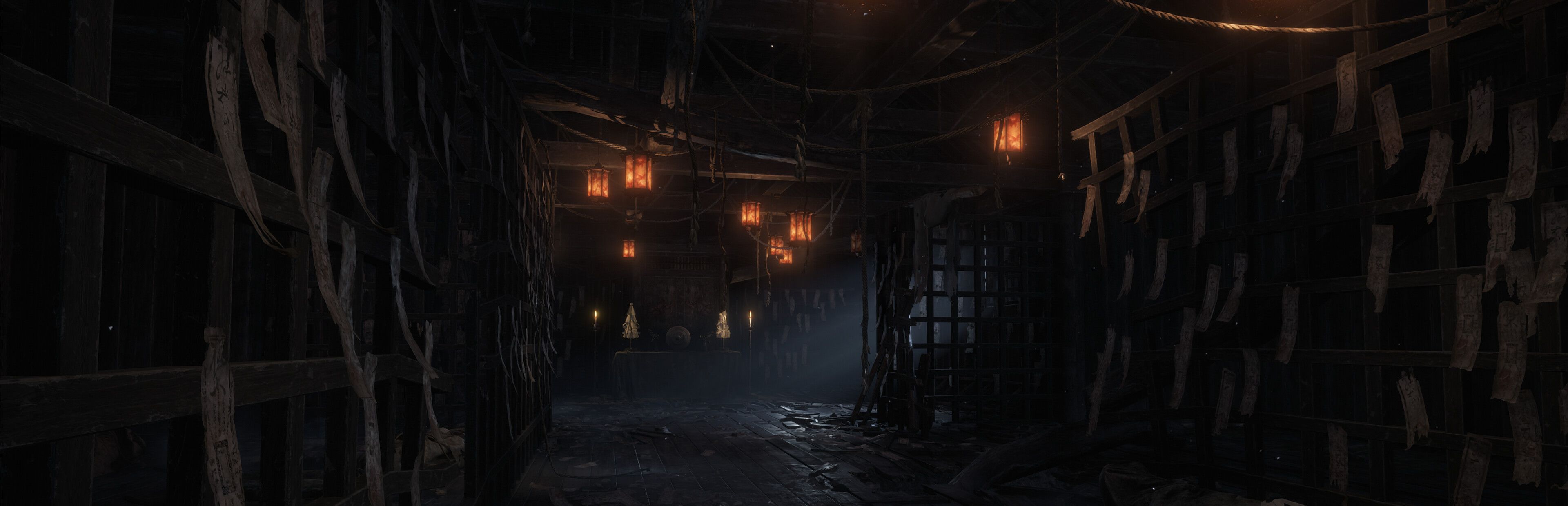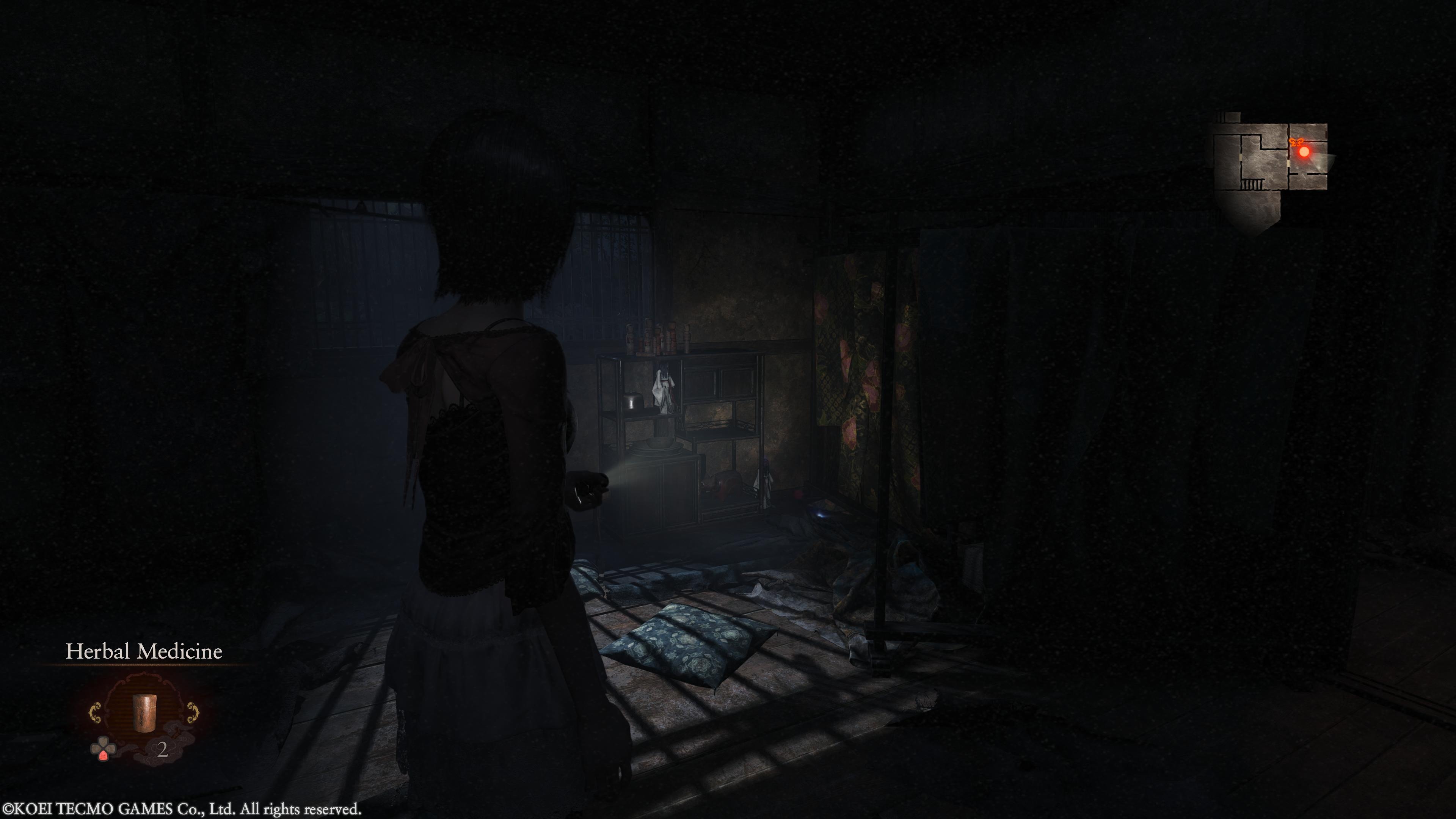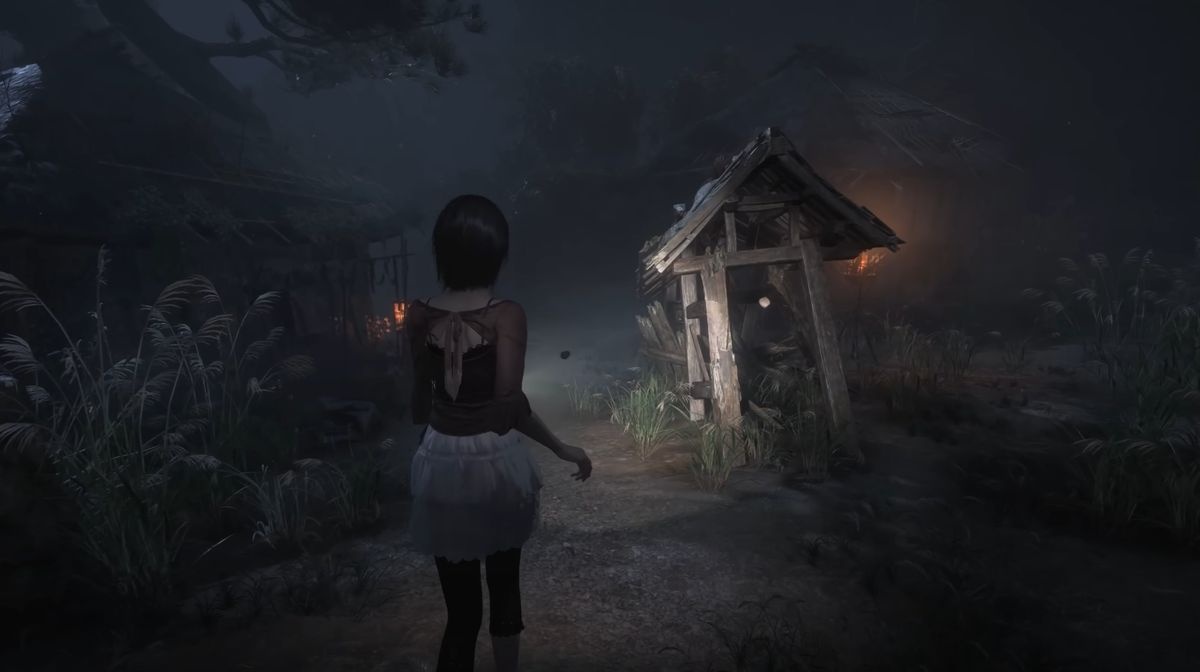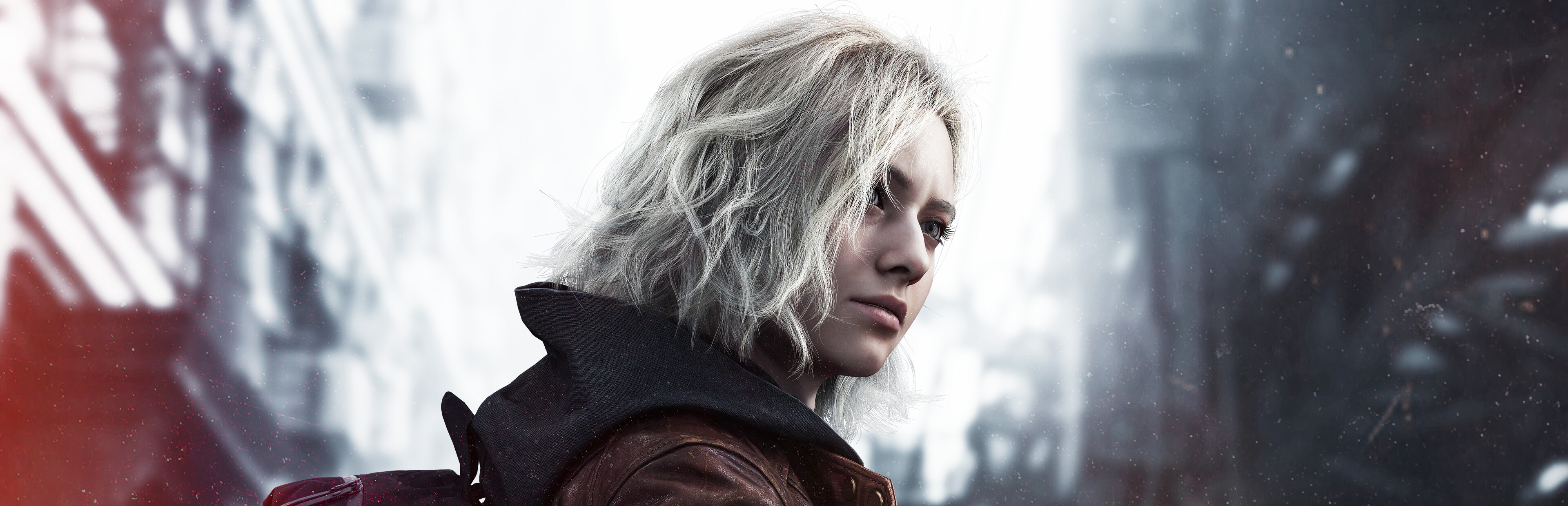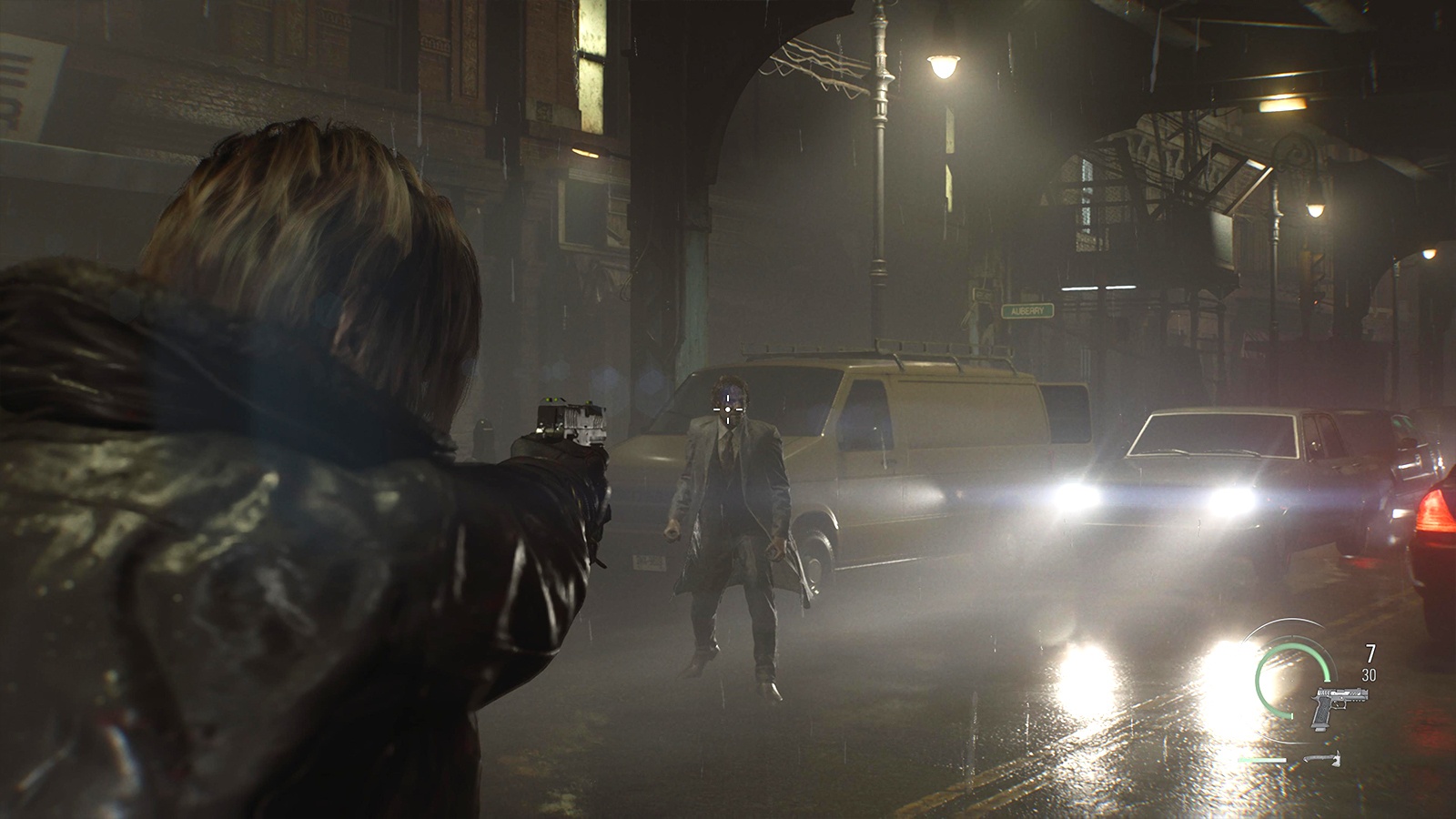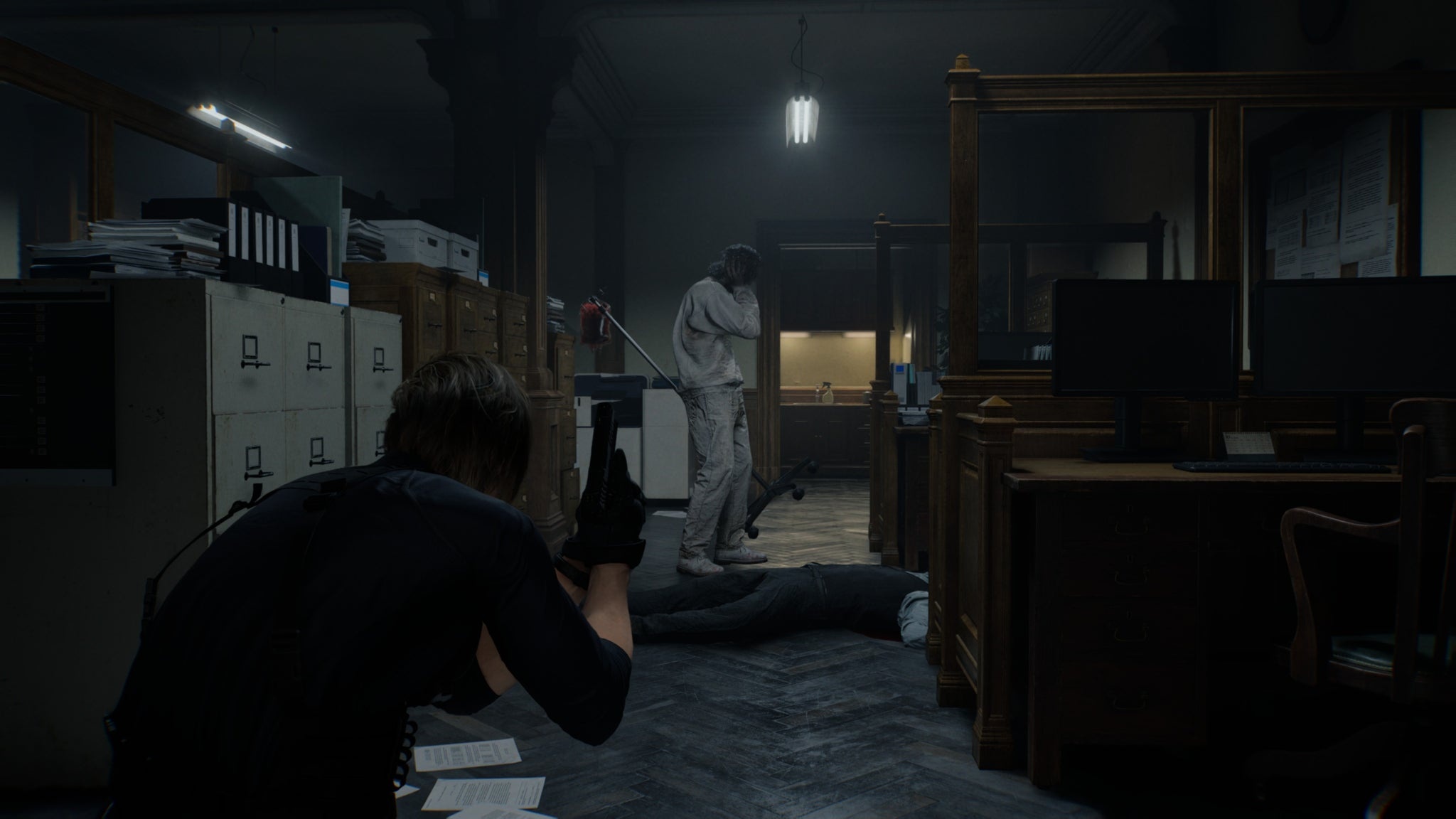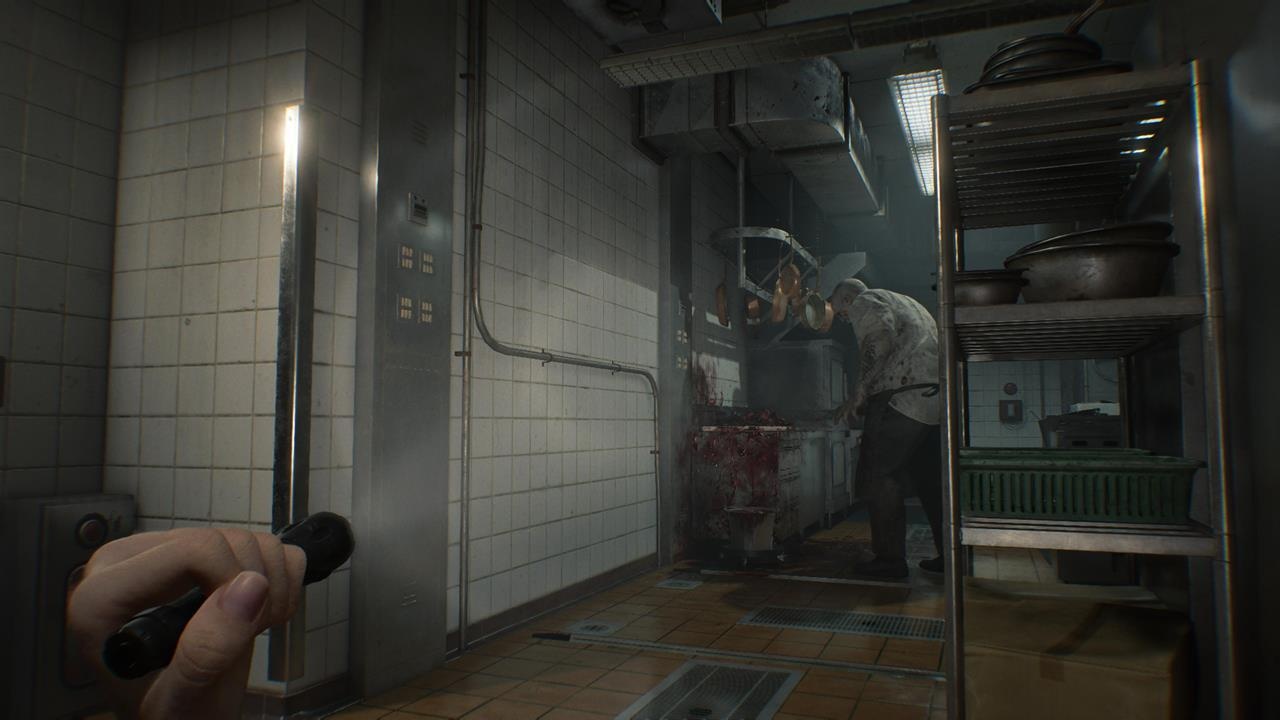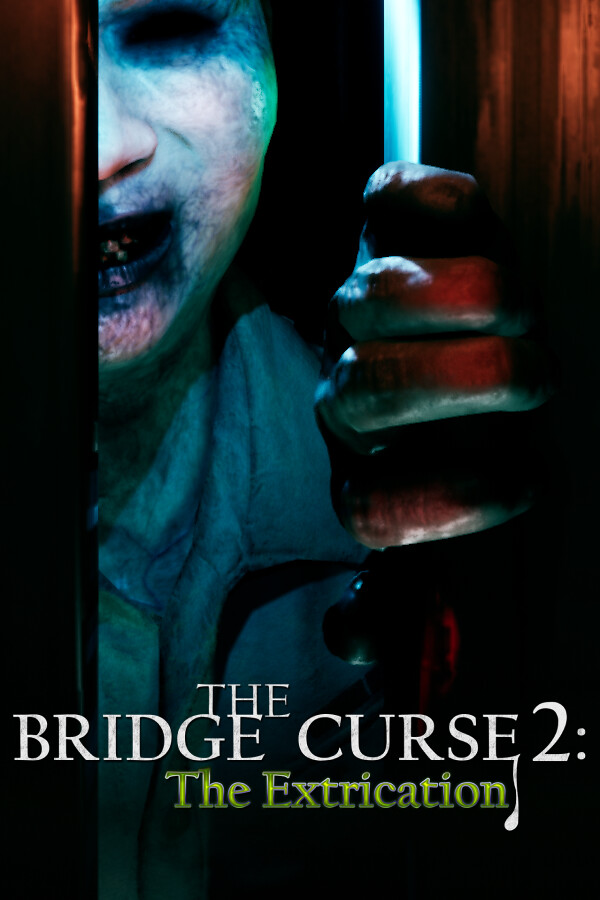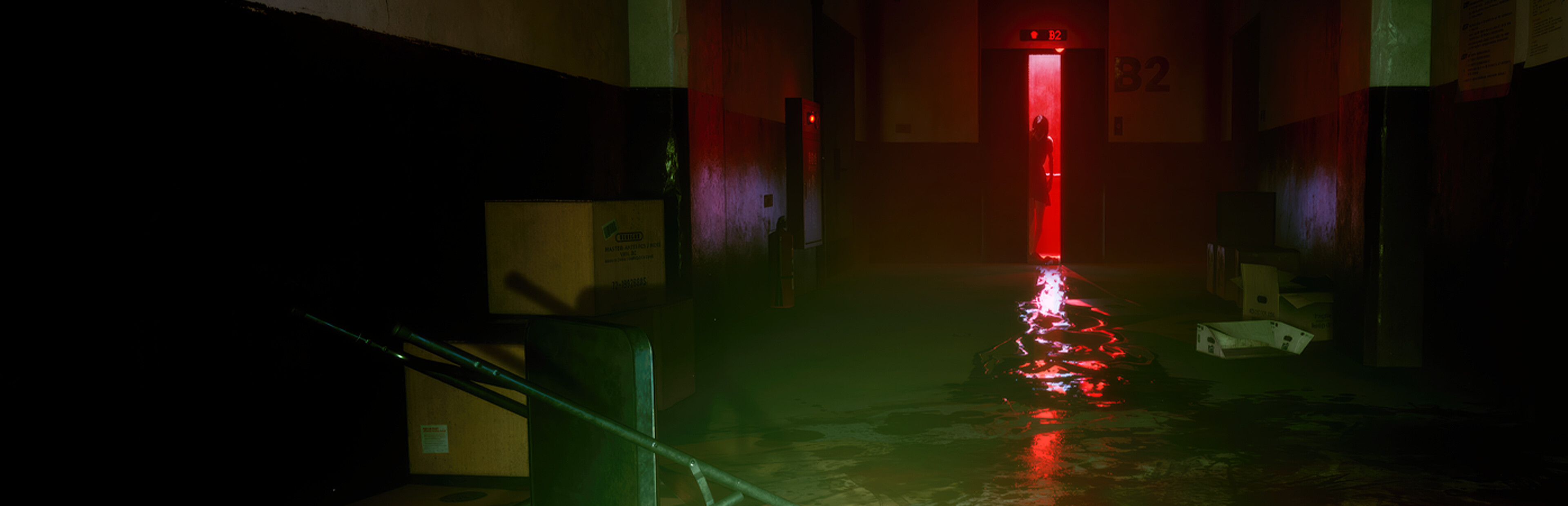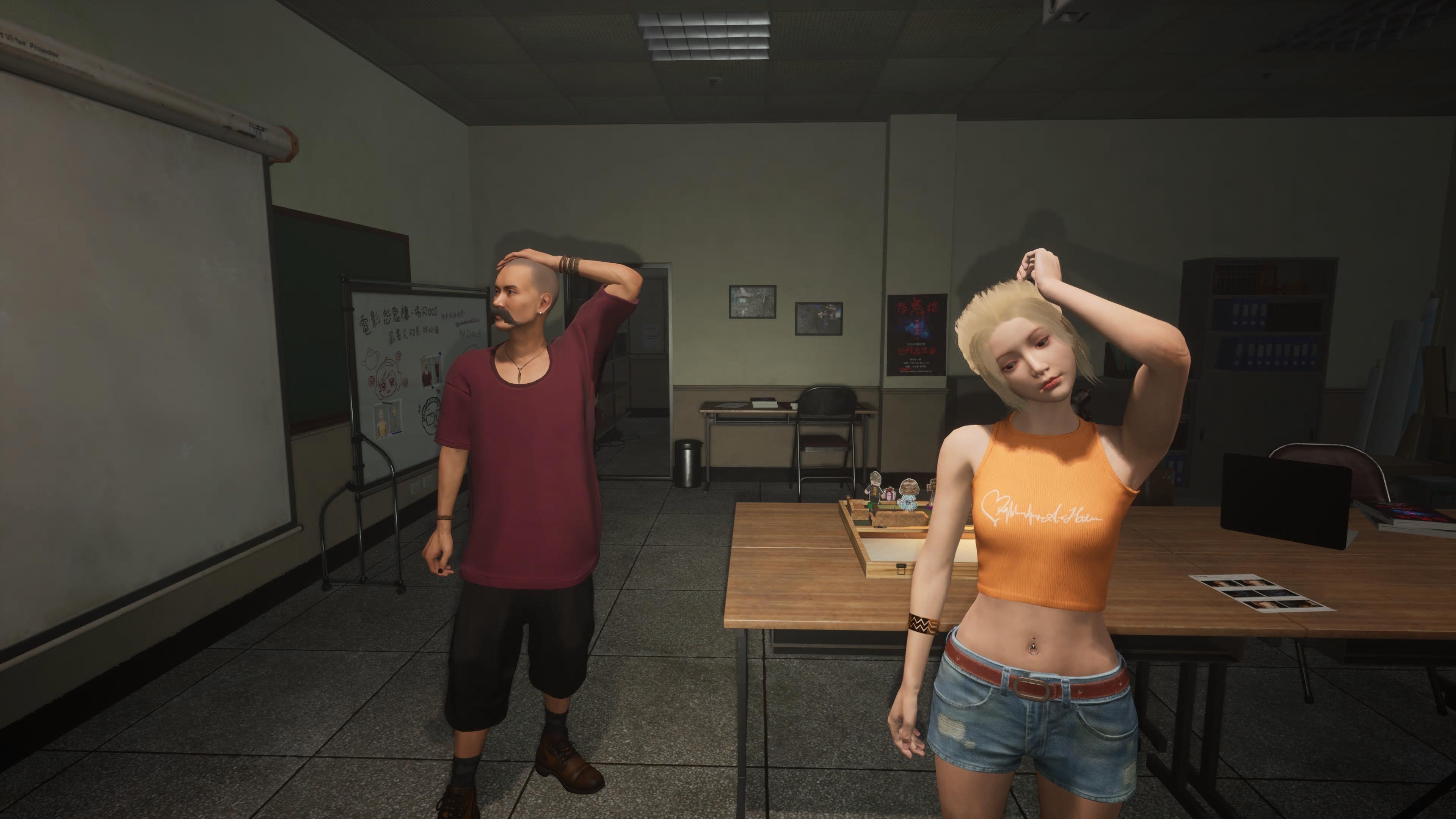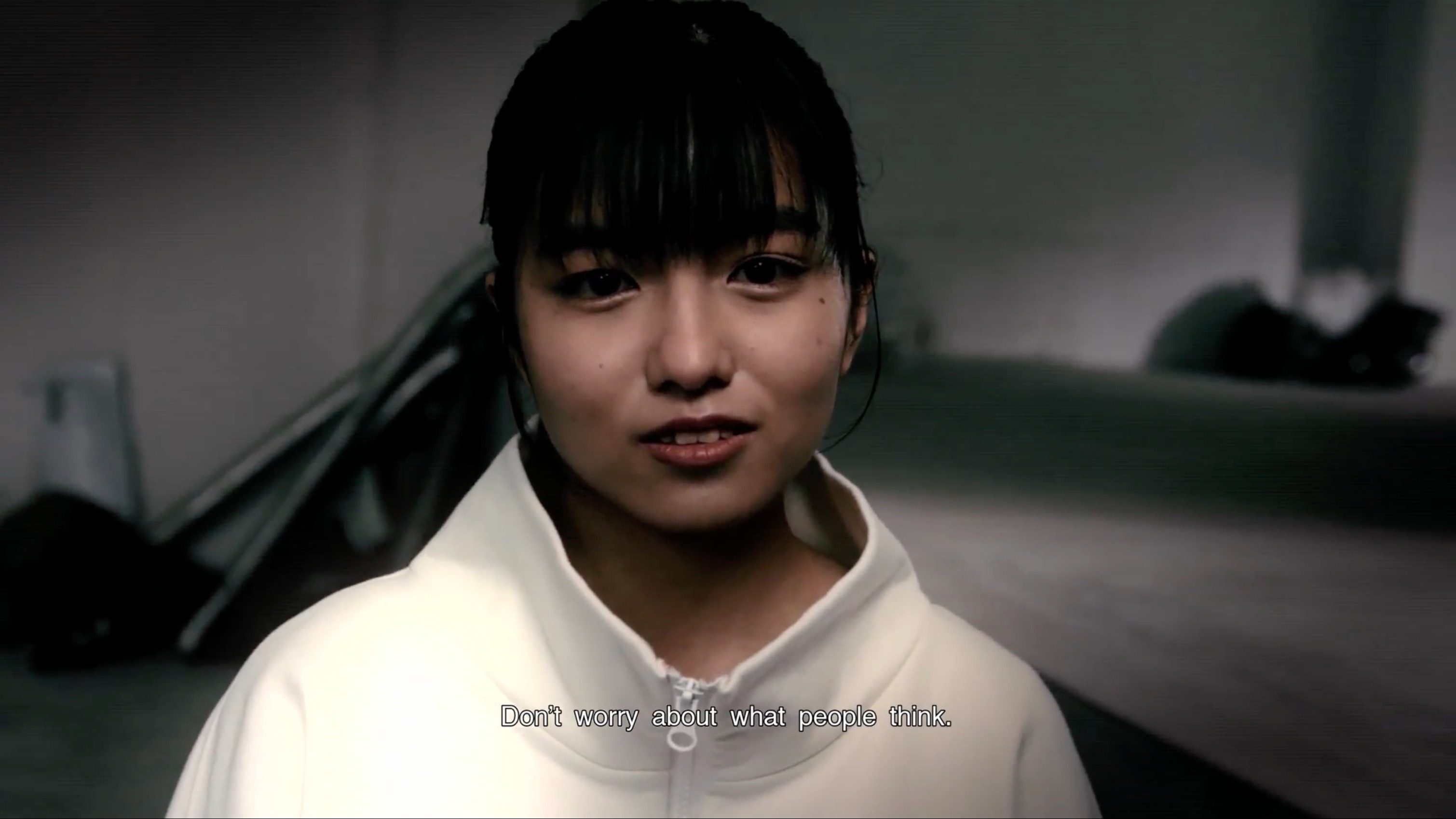
We are back again with another university ghost story. Another student film project raises the question of whether you are playing the film or experiencing everything in real time, with the film resulting from this. Wen Hua University is the location, and the developers did a much better job setting up the ghost story than the first game. This is much more a walking simulator than a survival horror, and that’s fine. You play as four different characters. A reporter and then three film students. It’s a bit more compact than the original game, and there isn’t the issue with the final section feeling like a maze. The environments are more varied as you get whisked away to the university from the past a bit, and it feels much more like a ghost story.
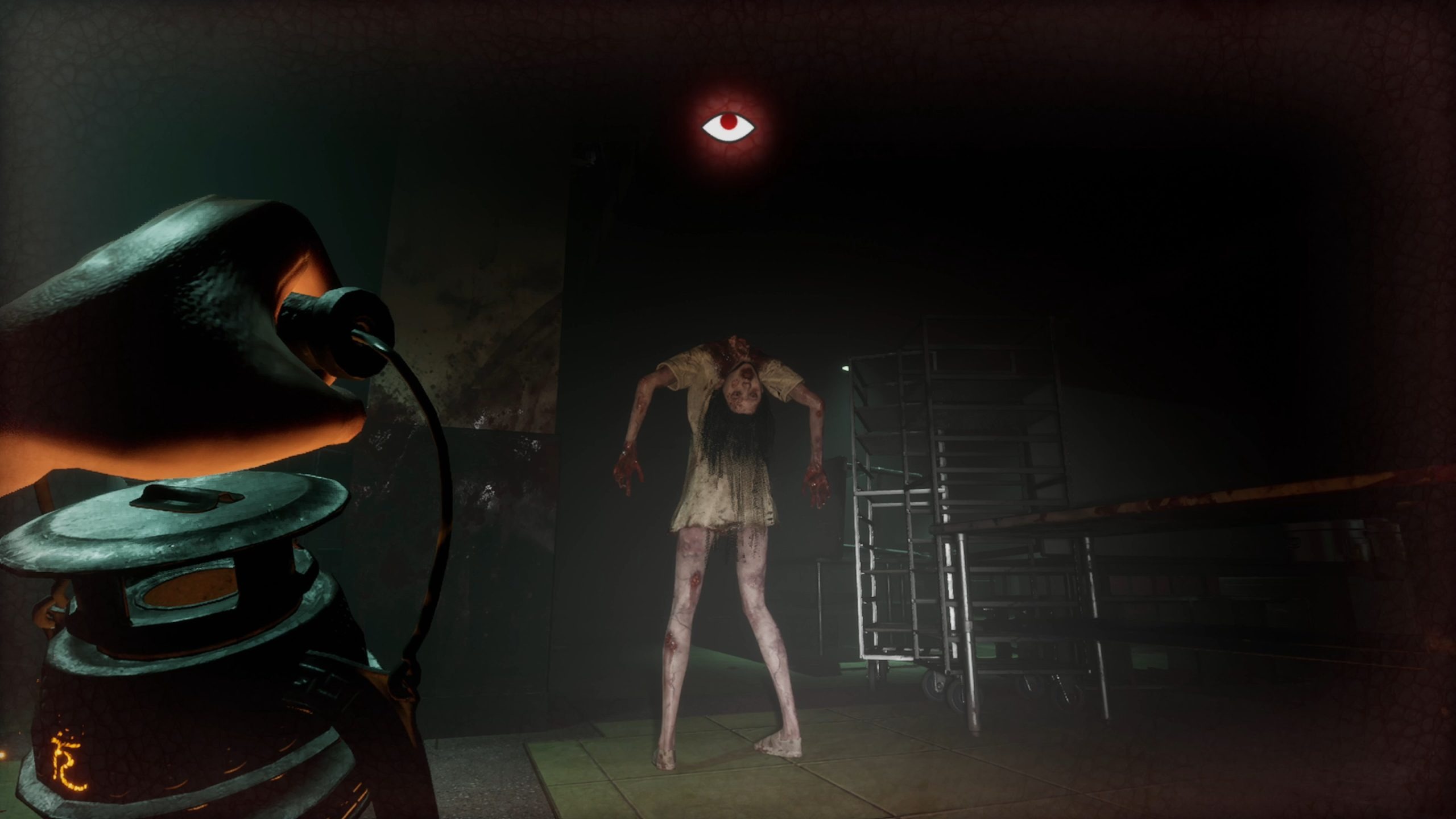
There’s not much action or many controls in this game. You wander around, collect the occasional item, and there’s usually only one way to use it. There are some puzzles in this game, and they aren’t that great, but they work. A few are a bit interesting, but the more elaborate puzzles tend to be really easy and not offer much of a challenge. The only real gameplay part is the stealth with the lantern. You get a lantern in about two scenes, and this is used to hit an enemy to stun them (and then needs recharging) and to get rid of obstacles blocking your path. It’s not frustrating as these scenes don’t overstay their welcome, but stealth is pretty much pointless. You’re better off running around and just figuring it all out. The only real frustrating section was towards the middle when I had to run around a maze of rooms and place a fuse into boxes to open doors in a certain order while an entity chased me. I really just didn’t like the chase sequences. Some sort of ghost will follow you, and it usually means figuring out some sort of maze.
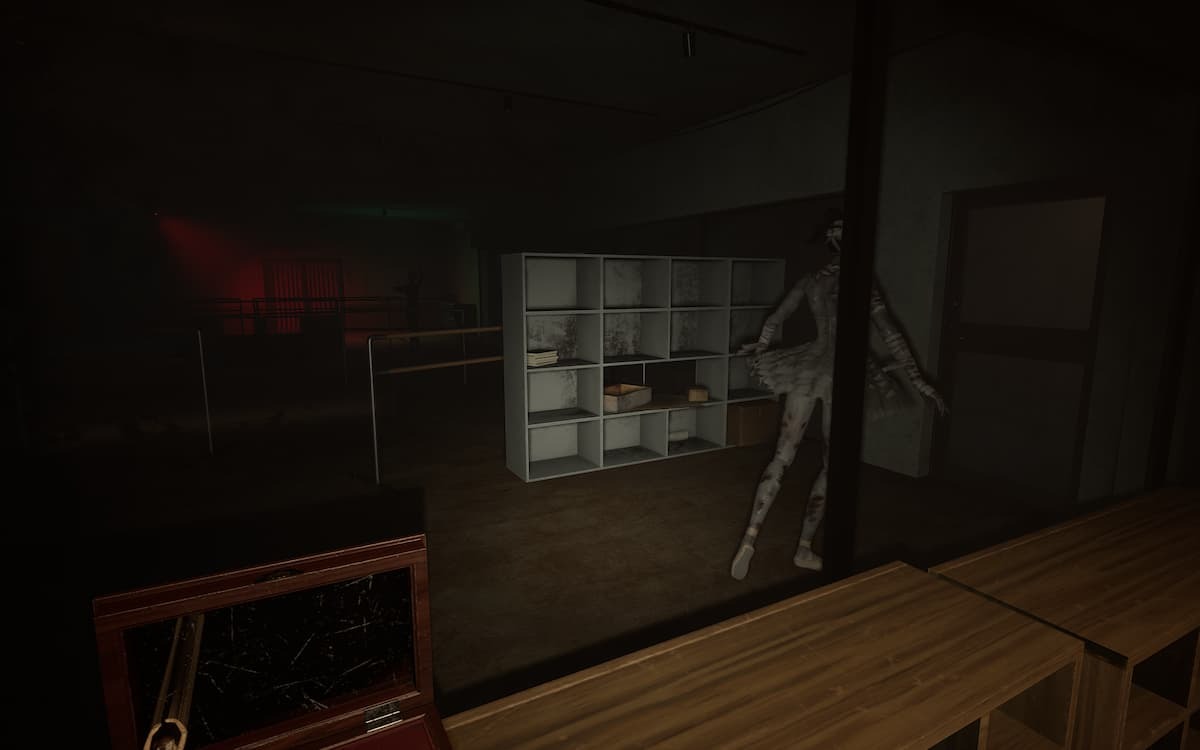
The best sections of the game are during monster reveals. There are quite a few cool ghost designs, and the areas you are in constantly change. The game thankfully doesn’t exposition dump on you, and you kind of learn the tale of the university as you go along via some cut scenes and reading notes scattered around. The tale isn’t anything new, as you are seeking revenge for a scorned spirit (which is typical for these types of games), but it’s still fun nonetheless. The pacing of the game works well, as it constantly keeps you interested in something. Each section either has a puzzle or story element without making you wander aimlessly around object hunting. A lot of scenes can repeat, but they are interesting to look at and feel like less “generic buildings and hallways.”
Sadly, the short 4-hour runtime means you don’t get to know much about the characters. They clearly all have different personalities and have some fun banter back and forth, but there just isn’t time to develop this. The only character development is during the initial opening scene for each chapter, and then it’s just running around with occasional dialog. This is always the sad part about these very short indie games. There just isn’t enough time to develop a relationship with anyone or anything. At least the visuals are halfway decent and are a step up from the original game. While it won’t blow anyone away, there are some cool effects and great lighting.
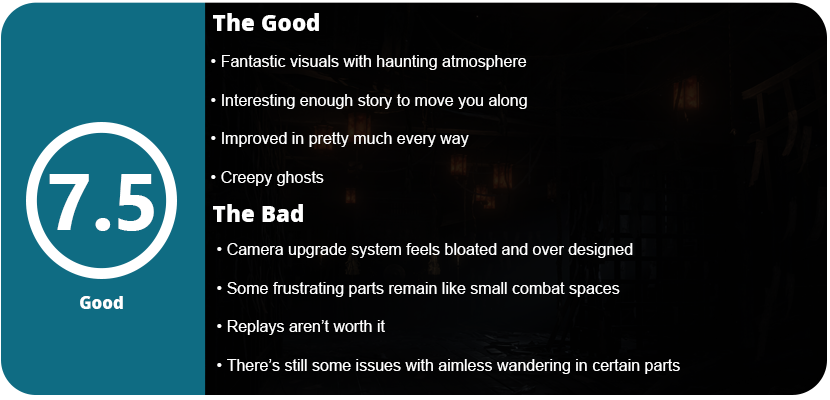
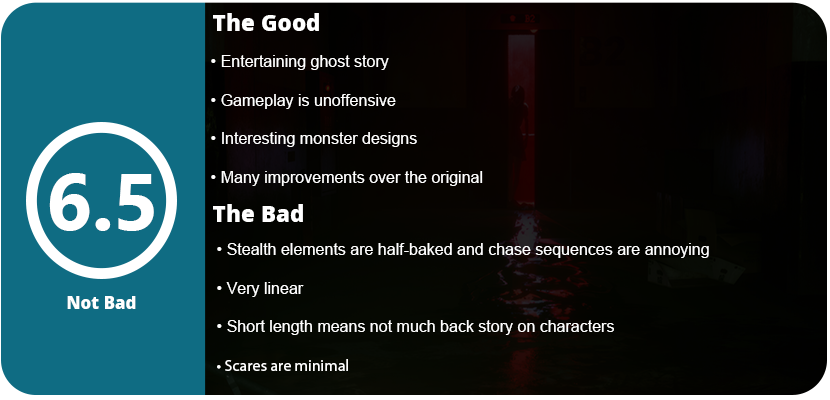
Overall, there’s just not a lot to say about The Bridge Curse 2. It’s a remarkable improvement over the original game but still lacks in some areas. The short length means no character development, and while the monsters are cool, there’s little scare here outside of just tense atmosphere. The story is at least very fun and the pacing is great. I never felt bored or uninterested in the game. I played the entire thing straight through because the tale of the university is pretty interesting. The puzzles are middling at best, and the stealth mechanics are half-baked. What’s here is a deep discount of one evening of entertainment, and that’s about it. I’m still looking forward to seeing what the third entry brings.
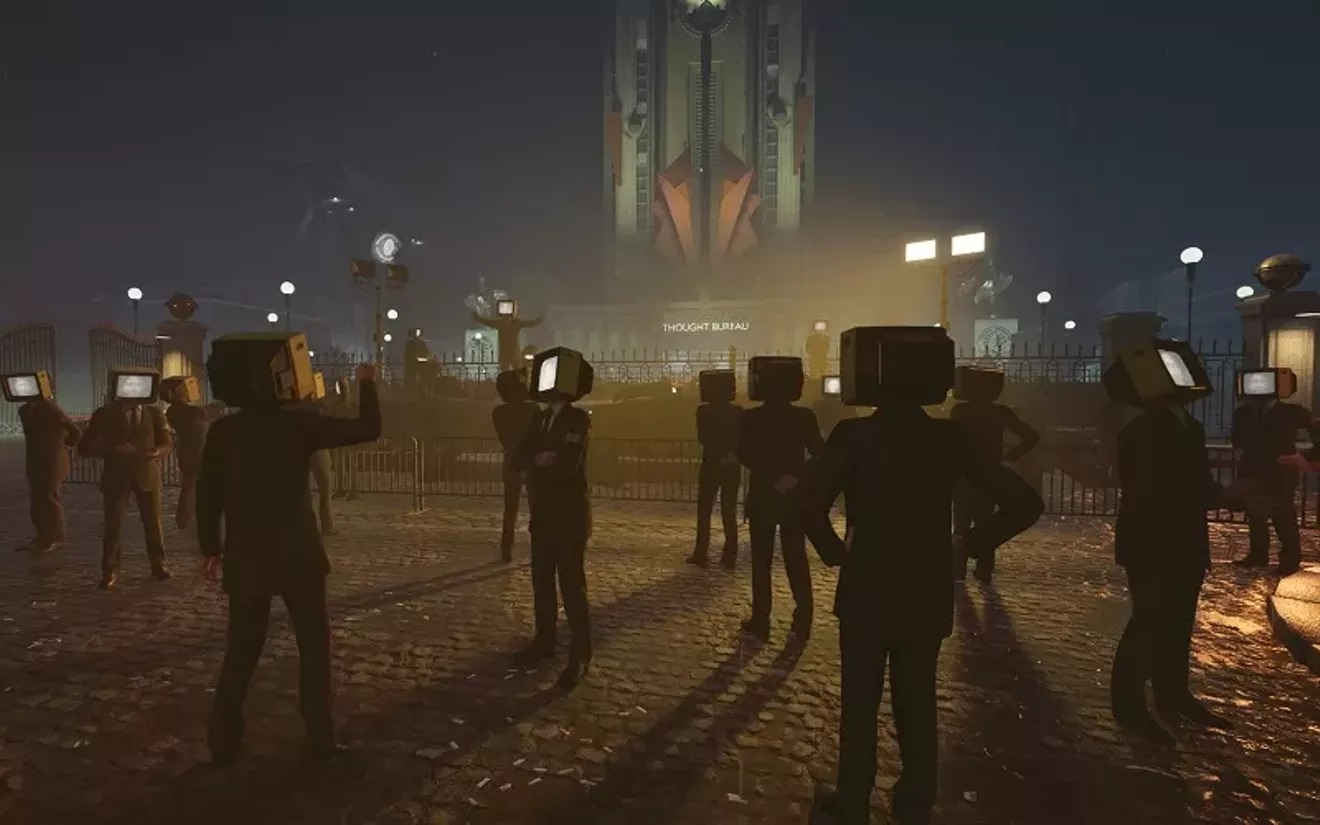
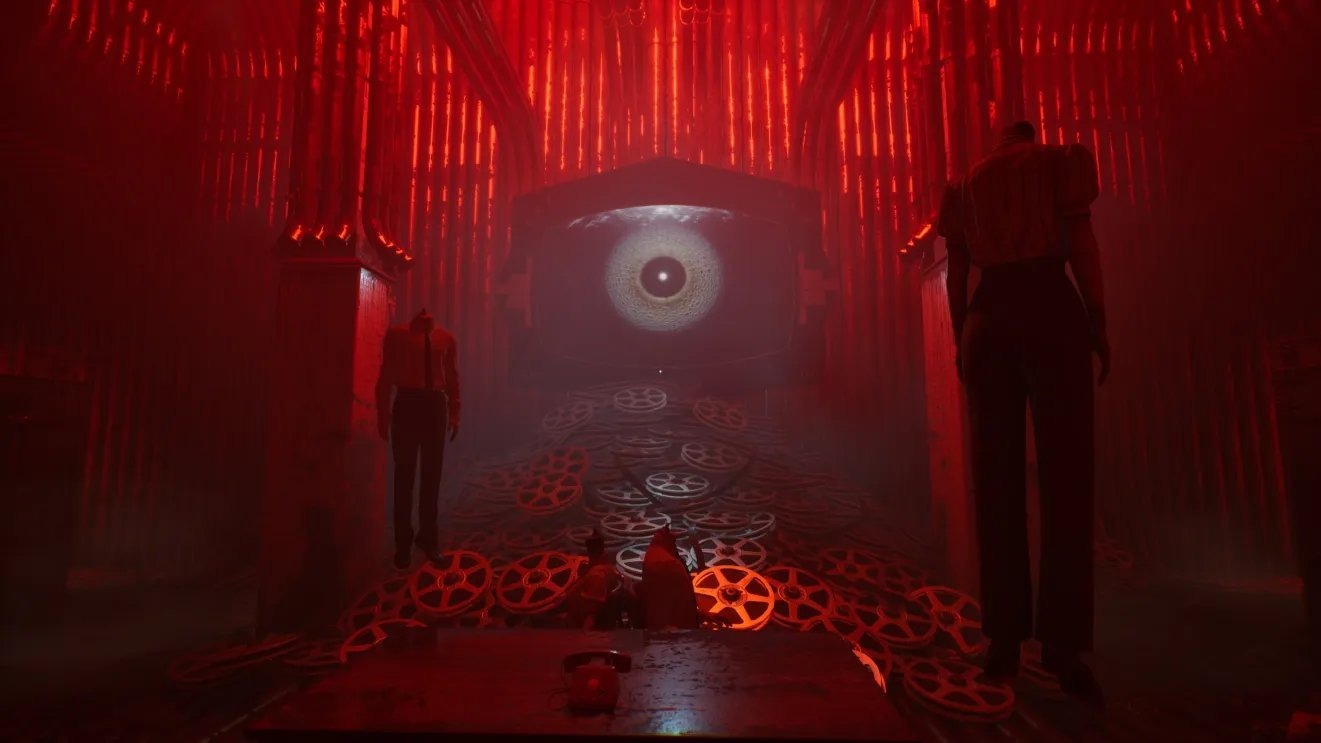
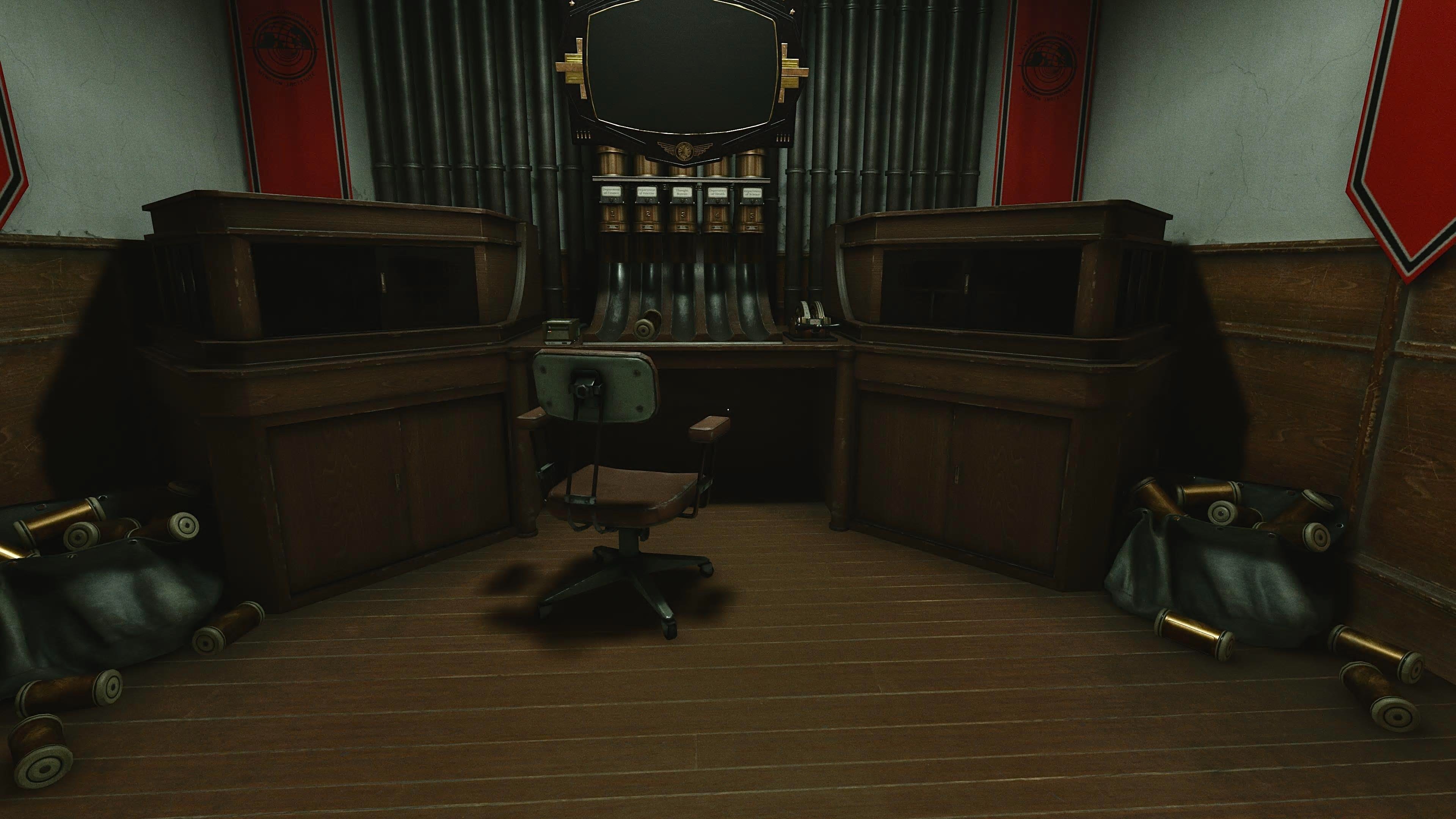
I don’t know how many times I can say this. Trippy visuals aren’t indicative of an interesting or enjoyable game. They can only take a game so far before you want something else. Karma is a game that solely relies on weird and abstract visuals because it feels like the developers had an interesting story idea but had no idea how to implement it or tell the story. You play as a Thought Bureau agent who is like a cop that dives into the minds of suspects to see the truth of what they did. The first chapter of the game is pretty grounded and is the best-paced part of the whole story. You get some trippy visuals in the beginning, and then we are back to what seems like reality with narration while we walk through a pretty interesting-looking town. People have CRT TVs for heads with their faces on the screens, and it feels like an oppressive dystopian world to be in.
This is a great first impression and first chapter. It was nailed perfectly. You wake up and walk around a bit, and nothing makes sense. You are in a lab or factory, it seems, that produces people. It’s very odd, and you are supposed to be confused and unsure as to what is going on. Once you strap yourself in a chair and move on, the game starts to make no sense anymore. This is where I feel the developers didn’t know how to finish this story. There is one scene in the beginning when you are investigating an office, and this felt fine. You solve a few puzzles to find four-digit codes to open drawers to move on. The puzzles are pretty decent in this game, and I was able to figure out most of them by just deducing what I had on screen and trying logical things.
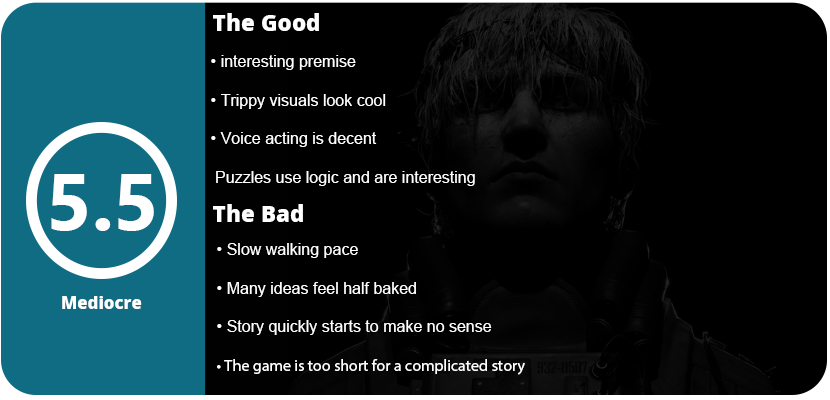
This is another game that can’t tell its overcomplicated story in just 4 short hours. Instead, we have just a walking simulator with a few puzzles and other half-baked ideas. You get a camera at one point and must use it to take pictures of eyeballs to open doors, but this feels half-baked. The areas are super tiny. One single area has you leading a creature around a specific path to get it to stop so you can take a photo of its face to kill it. This all feels half-baked, like they were neat ideas that had to be quickly shoved into a single scene. Once you get past the 5-10 minutes of gameplay, you endure the sluggish walking pace of more trippy visuals, such as flying through space, moving a cube through simulated cyberspace, walking through offices full of piles of CRTs, etc. The weird scenes are incredibly artistic and interesting, but in the end they don’t add any value to the story.
I wanted Karma to be so much better. There’s an interesting premise here. One of my favorite scenes involves one of the suspects showing us how this dystopian oppressive world works. Office workers sit and stamp things for dozens of hours and drink a company-made “energy drink” to keep them awake while propaganda plays on a giant projector in front of them. You then read an email about how all of your breaks are now taken away to “help the company growth” these types of scenes have a lot of impact, but they are so few and so brief that they left me wanting more. Many other scenes just don’t add value, such as the “hub” area of each suspect you dive into. In front of you is a giant monolith in a vast ocean, and you walk up to a podium with an important object on it, then warp to another scene. What’s the point of this area?
As you can see, Karma is an interesting game to look at, but not one to experience and especially play. The puzzles are interesting, and it leaves you wanting more when the game jerks this away from you and forces an hour of trippy visuals and story that doesn’t make any sense. Even at the end of the game I barely understood what was going on. Characters are bawling their eyes out, and there’s a lot of dialogue that feels abstract and doesn’t make sense. I was sitting there just thinking, “What the hell is happening, and why is this happening?” That’s not a good thing to think at the end of a game. Overall, play Karma if you want an interesting night of confusion and trippy visuals. It’s a shame the curious dystopian world isn’t explored more.
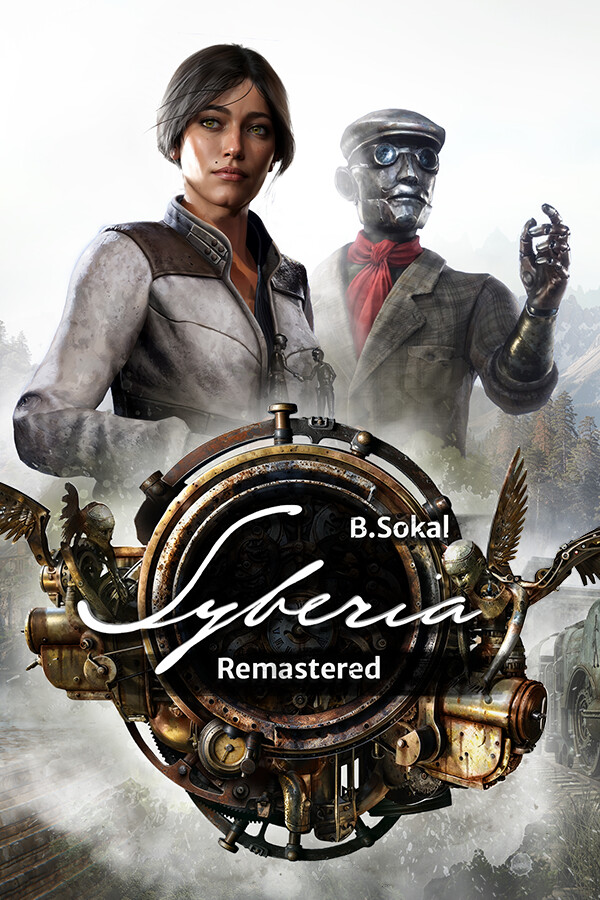
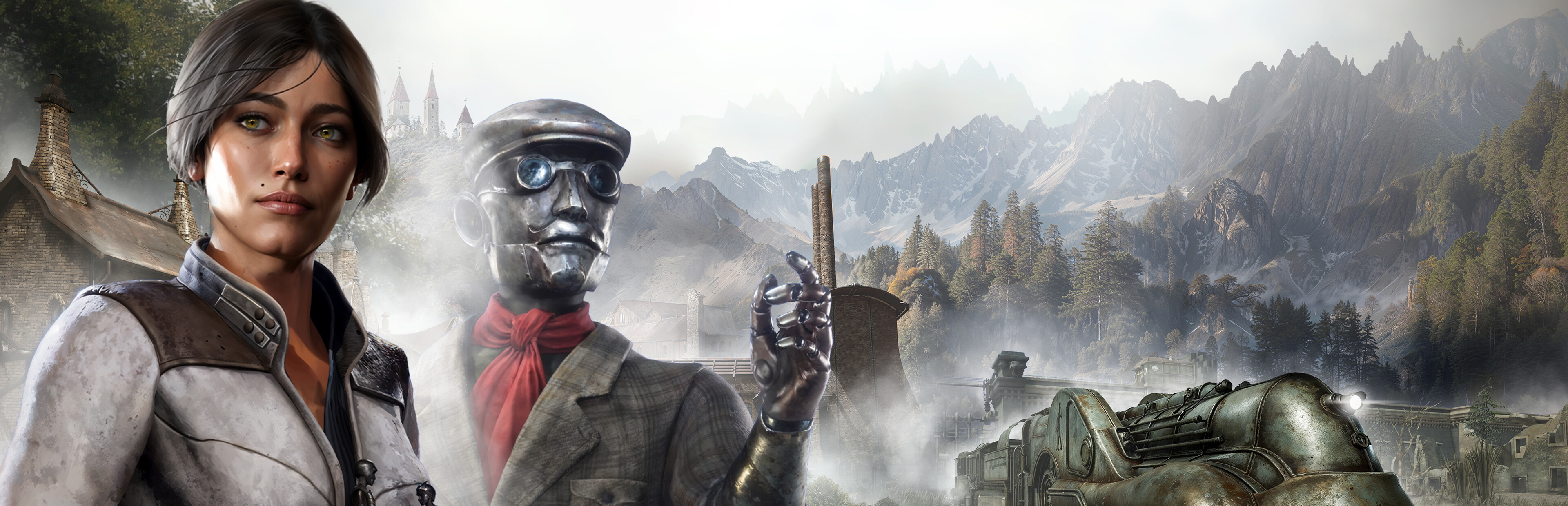
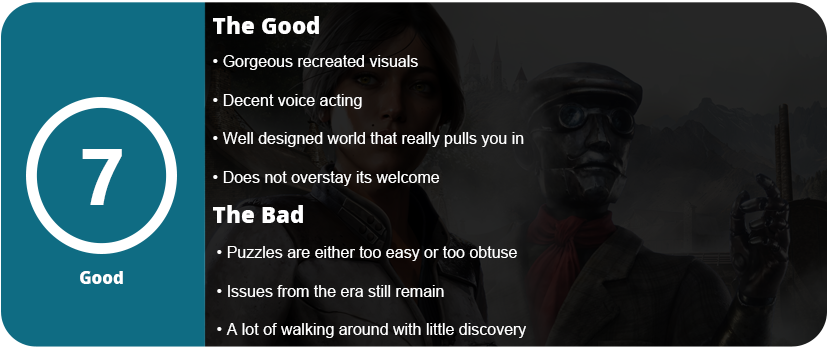
The late Benoit Sokal’s vision is something I have yet to experience. Syberia is considered one of the best point-and-click adventures of all time despite its flaws. Like other games in the genre, such as Sanitarium and The Longest Journey, Syberia gave PC gamers beautiful visuals, intriguing characters, and rich worlds to explore. This remastered classic does just that by giving new gamers a fresh take on an older classic, flaws and all. The series is now a four-part saga that starts here with its humble beginnings.
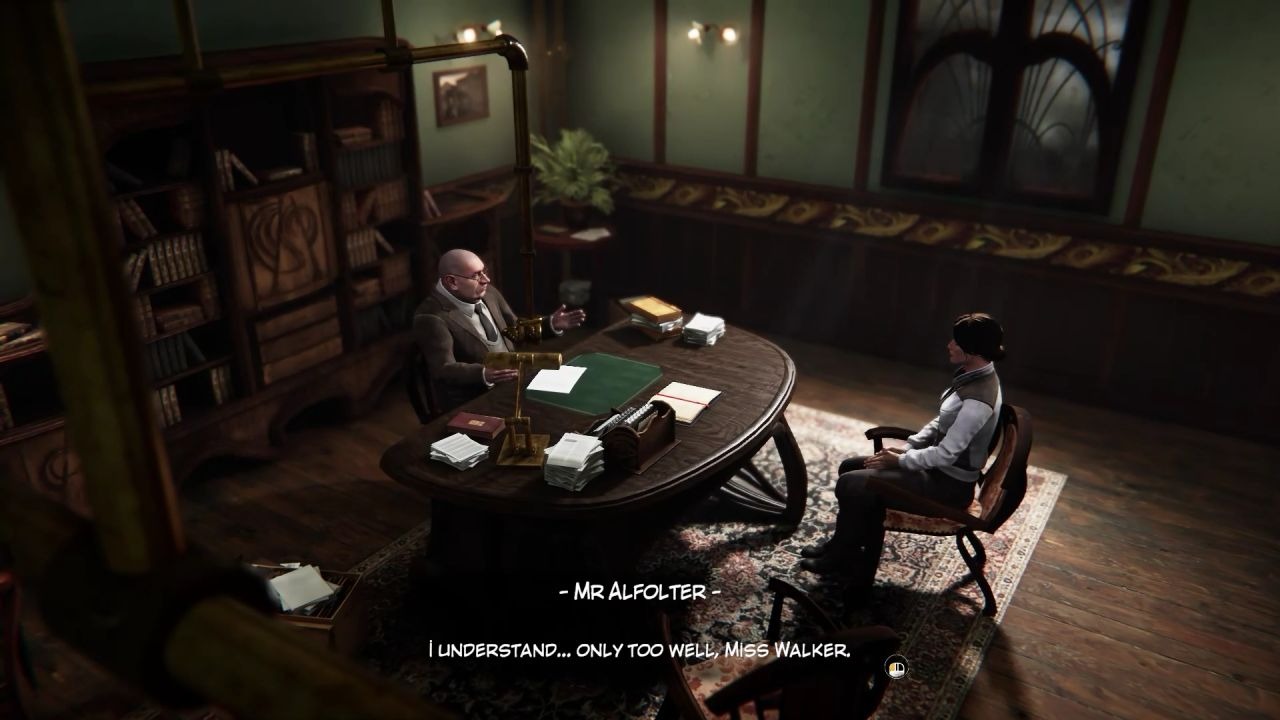
You play as an American attorney. Kate Walker is tasked by her agency to get an automaton factory signed over to a new toy company. You must seek out its owner, and this leads you on an epic journey through various towns with interesting people. Kate eventually awakens an automaton engineer who is able to drive a wind-up train to where she needs to go. The train needs constant winding, so it conveniently stops in these towns. The towns usually have mini mysteries to solve or predicaments to correct so Kate can move on with her journey. She either needs more info on where to find Hans Voralberg, who is the living descendant of the factory owner. There’s a lot of humanity in this game. From the strange university with its weird Stoker council to the obsessed automaton in the mines who wants to desperately reimagine an opera he saw long ago. The dystopian Soviet Russia vibes also add to the atmosphere here. The game feels sterile and falsely joyful. Remnants of this sadness litter the environment, akin to soldiers dispatched to abandoned facilities to await their demise.
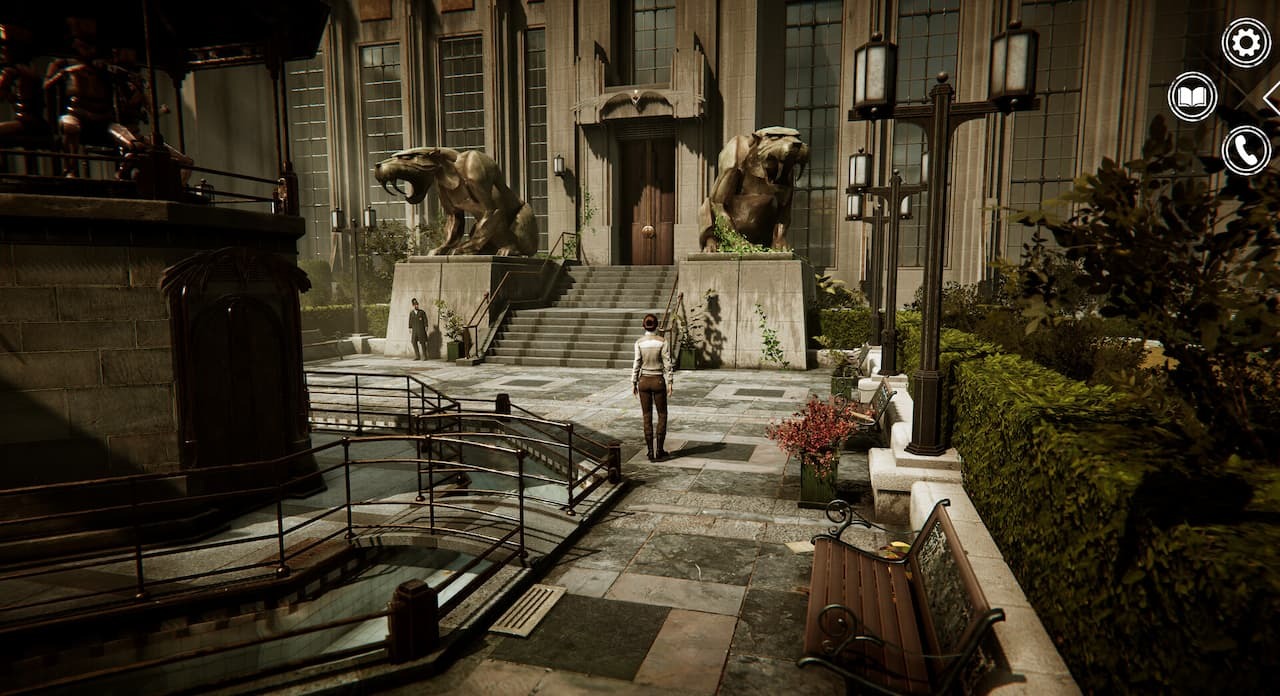
Syberia does a fantastic job feeling like an actual adventure. However, the puzzles are few and far between, and a couple can be rather obtuse, while the majority have no challenge. There’s a lot of backtracking in the main “hub” areas of each town and just a lot of walking. Talking consists of selecting questions, and that’s it. The pre-rendered cutscenes were not redone, looking incredibly dated. These are in full widescreen with a proper aspect ratio but should have been redone or just done in engine. The remade visuals look fantastic with beautiful sweeping vistas, great lighting, and good-looking textures. There are some quirks left over from the era, such as needing to have animations finish before doing something else, some graphics glitches, and object hunting. Most objects will have a circle appear over them if you get close, but these can be missed sometimes, leading to a lot of wandering around.
You can platinum this game in one go, and it can be finished in about 4-5 hours with a guide. Once you complete the game, there’s no reason to really revisit unless you have nostalgia for the original. The remaster adds some interesting DualSense features, like having Kate’s phone conversation play through the controller speaker, but there’s not much else to this game. If you love adventure games, then give this a try. Here’s to hoping the second game will get remade as well.
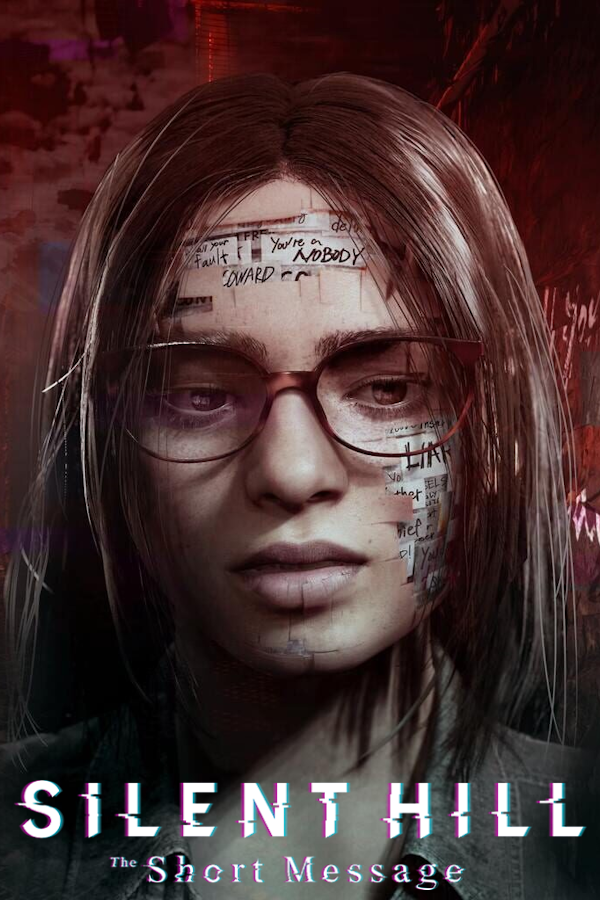
Short stories in the Silent Hill universe aren’t unheard of. Many people are unaware of their existence, except for the most dedicated fans. The comics and graphic novels on Game Boy Advance and PSP are not quite there, but they are interesting side stories. Silent Hill is more than just a town. It’s an experience. This version is set in Germany. You play as a teen named Anita who is inside an abandoned apartment complex exploring her past and trying to find her friend Maya. Silent Hill games usually explore the real world and then the “Otherworld.” In this game, if you can even call it that, there are clear inspirations taken from Silent Hill: Shattered Memories. This is the first SH game to be set in first person and the second to use a smartphone as a main gameplay device.
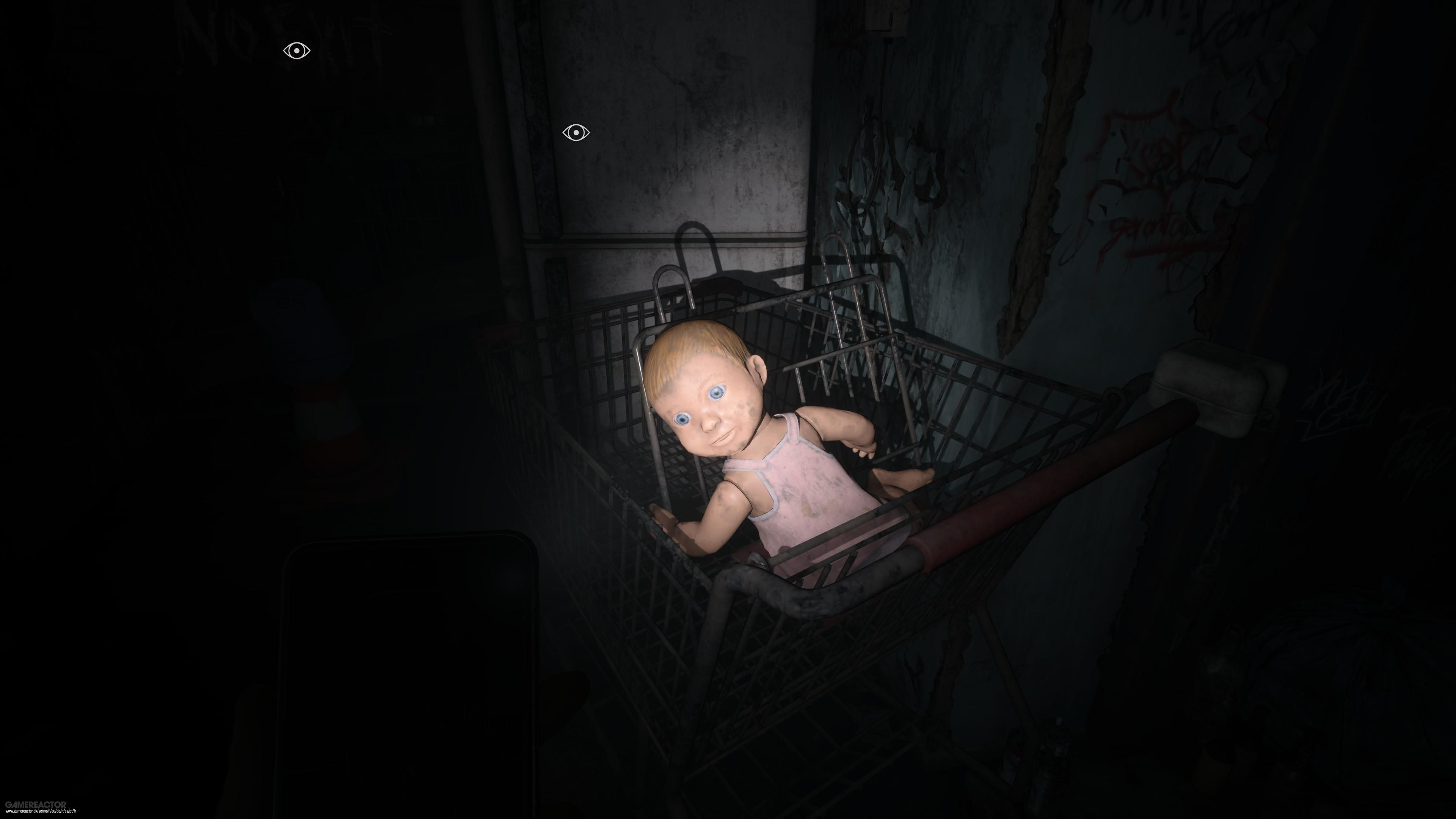
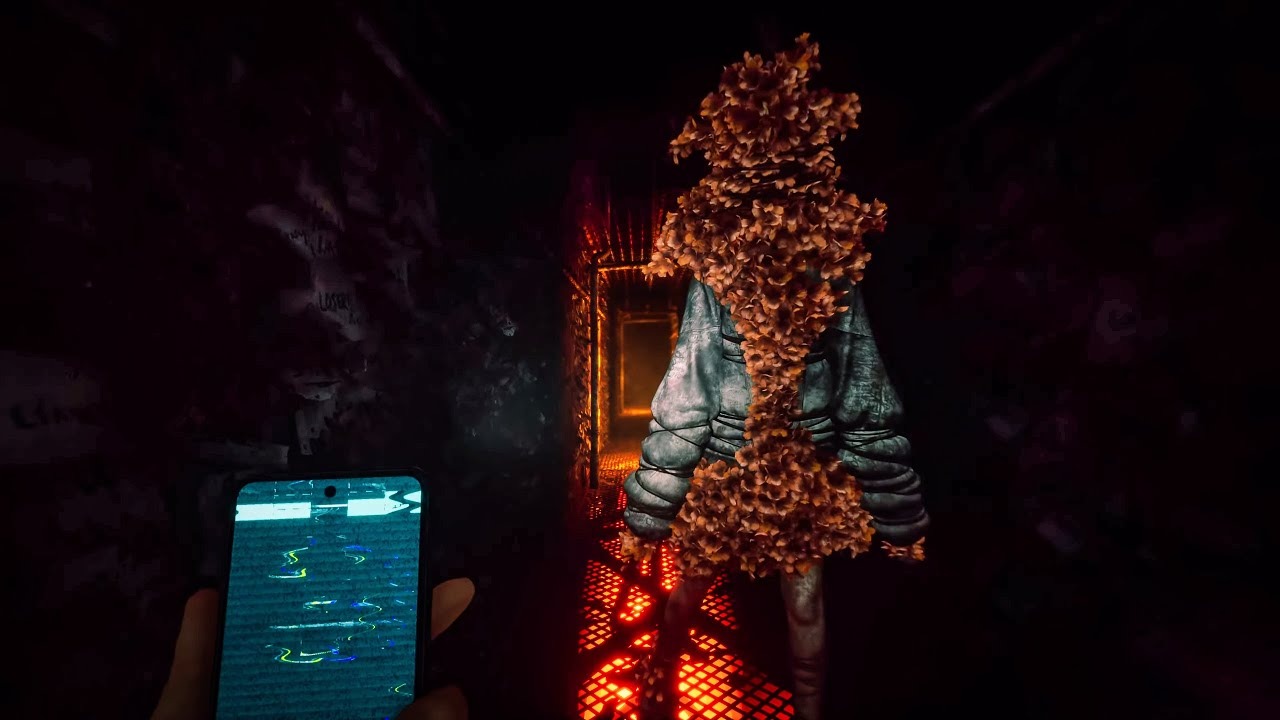
Your phone is used for its flashlight. It’s not as extensive as Shattered Memories with apps and features. Every so often your friends will text you, and you just press X to reply. The game is incredibly linear with only one clear path forward. The apartment complex is dark and dirty and does a good job of creating a horror atmosphere, but this isn’t Silent Hill. The series is never stuck inside of a building through the entire game. In fact, the only “outside” you encounter is going onto the roof and balcony a few times. This is by far the least interactive game in the series outside of the graphic novels. You will walk around examining objects, triggering cut scenes, and then entering the “Otherworld” apartment complex, which involves an annoying chase sequence from a monster. The only way you would know that the game is connected to Silent Hill is the monster track in the background and the orange hellish metal design everywhere during the chase scenes, and a single mention of the game in a note on a table. You need to run through a maze of doors and hallways to escape. They aren’t fun and have no combat.
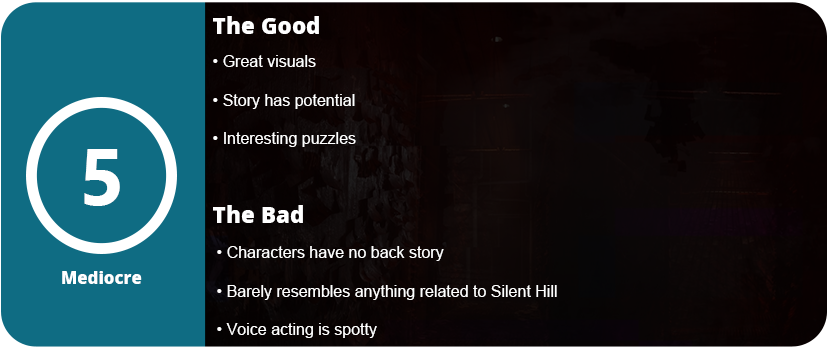
There are a couple of puzzles in the game that are actually pretty good, but it’s the only gameplay in the entire game that’s interactive. The most jarring element here is the inconsistent visual design. Anita’s model is incredibly rough and ugly. She looks worse than the rest of the game, and then there are the live-action cut scenes of a Japanese girl (Maya) talking to you in flashbacks. Sadly, the scenes were obviously shot in Japanese, but there’s only an English dub available. The actual story and message of suicide and bullying are interesting. There’s something here. Anita will walk through rooms full of sticky notes everywhere that have hateful words. We get flashbacks of her cutting her wrists, etc. These darker elements are what make Silent Hill so great. The exploration of the darkest parts of the human psyche, but instead of going with that, The Short Message drops the ball every time it picks it up. Exploring the apartment complex doesn’t bring about any scares. Lights turn off, bulbs pop, there’s weird noises, and that’s about it. The monster chasing you is the only monster in the entire game and you rarely get to see it.
What’s left is a three-hour slog through what feels like a tech demo or proof of concept. Clearly Konami didn’t like it enough to make it into a full game. Hexadrive has some good ideas here, and I wouldn’t mind seeing that they could do with a full Silent Hill game. With the series making a full return, we need more developers on board now that Team Silent has been disbanded. I recommend playing this only if you’re a Silent Hill completionist and hardcore fan, but otherwise there’s not much here for anyone else.
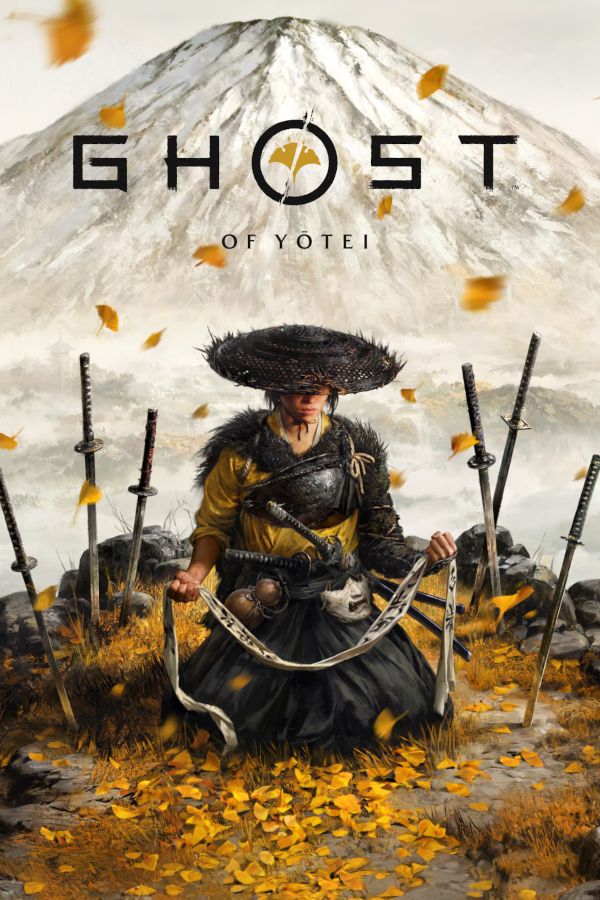
When Sony releases a new exclusive title, it’s an event for me. They don’t release games at the frequency they used to. We might get one or two a year. Ghost of Tsushima is an all-time classic. While I don’t remember much about the story or characters, I do remember the game being a beautiful exploration of Japan with great combat and the world itself being fun to explore. Yotei is no different. Atsu is a much more memorable character, and while the story seems to follow the modern trend of “Sony Revenge Stories” Atsu changes throughout the story, and she shows growth instead of constant anger or doing anything to get this revenge, even if that means losing everything. Atsu had her parents murdered as a child by a Samurai named Saito. His companions are all masked during the murder, and Atsu soon remembers the Yotei Six. These six masked demons must be murdered to exact revenge for the death of her family. There are excellent plot twists and changes throughout the story to keep you hooked. However, I spent most of my time exploring the world of Yotei.
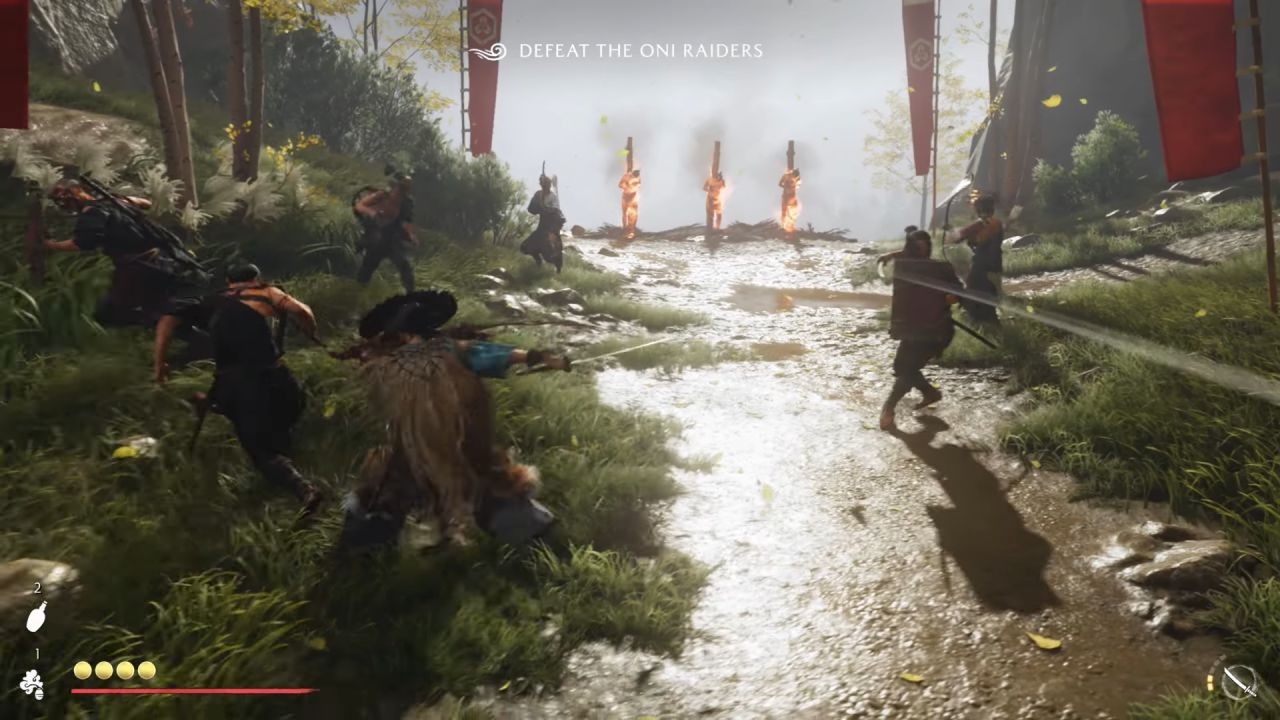
Combat in Yotei is simple to understand but can be hard to master when facing many opponents or the tougher bosses. Atsu has many things at her disposal. Five different weapons she can switch between for starters. This seems like an absurd amount, but certain weapons are stronger against others. The Odachi is a massive sword that’s best against large characters and clearing the area. The katana is best against a single katana, while the yari (spear) is great against kusarigama (sickle and chain), and vice versa. The dual katanas are best against yaris. It’s important to flip between weapons depending on the enemies’ weapons. This keeps you on your toes and adds a level of challenge and depth to the combat. Atsu will eventually acquire multiple quick-fire weapons such as the matchlock pistol, kunai, smoke bomb, fire bomb, oni flame (lights your weapons on fire), and many others. These can also be used outside of combat during stealth or to clear groups of enemies.
One-on-one fights are the toughest, and these require mastering the parry and dodge techniques. When the enemies’ weapon flashes blue, you can press the block button to parry. Red glints must be dodged, and this opens them up to attack. Yellow glints mean they are doing a disarm move, and you either need to dodge or hold down the heavy attack button to disarm them on the parry. If you get disarmed, you must find your weapon or switch to something else. There are also environmental elements to combat, such as grabbing throwable weapons, which can do instant kills, as well as finding sake jars to stun enemies and shooting barrels. You will always need to be on your toes and look for environmental weapons or use what you can to knock everyone down. There are also some other combat elements, like mounted horse combat by slashing at enemies or jumping from the horse. You can also unlock an ability to ram the horse through enemies. There’s even an armor that allows you to parry bullets, which is neat.
There’s little sprinkles over the main dish of combat. This includes stealth combat. You can assassinate an enemy from behind in the beginning. This includes drop-down assassinations. Eventually you can chain assassinate or have a partner help you. When you get the kusarigama, you can pull enemies towards you for stealth kills. Stealth isn’t required in most of the game, but it can be better than fighting two dozen enemies. You can hide in tall grass, disappear into tents, climb watchtowers, or pick off enemies with a bow (you have a longbow and shortbow as well as various arrows), or you have the choice to stand off with the entire group before you’re seen. This gives you an opportunity to duel enemies by holding the heavy attack button and letting go when they launch. Eventually you can chain these together and end it with a pistol shot. Then there’s the Onryo’s Howl and Ghost Stance abilities you can use when you get enough parries or kills chained together. This allows for invincibility and plowing through a few enemies with ease. You can sometimes even scare enemies into fleeing altogether.
As you can see, there’s a lot to the combat system. There’s so much here that’s slowly introduced to the character. During the story missions, players find masters of these weapons and receive training to wield them effectively. Same goes for most of the throwables and quickfire weapons. They are all given throughout the story so as not to overwhelm the players. Most of the story missions appear to consist of similar gameplay elements. The exploration, which includes climbing, fighting, stealth, and more climbing, is where the core of the game lies. You should aim to find all the optional armors, masks, and hats, as well as collect more dyes to create cool-looking gear. This game has some fantastic-looking gear. You can kit yourself out to be an all-black shinobi or a massive samurai with crazy armor. There are a few puzzle elements thrown in, but none of them are very challenging and are some of the weakest parts of the game. Spin a few statues to match symbols on walls, etc. There are also some puzzle boxes you can find, but these offer no challenge either.
There are various side activities you can partake in, such as finding shrines similar to Tsushima, bounties, vanity gear hunts, fox dens, wolf dens, and many others. There are nearly 30 hours of just side content here, and it’s all a lot of fun. It’s done quick, it’s easy to find, and it allows you to explore this beautiful world. The wind guide is one of my favorite gameplay ideas of all time. You can swipe up on the touchpad, and the wind will help steer you in the right direction of where your marked spot on the map is. This makes finding gear and various other items a breeze. Getting to them is the challenging part. You may need to climb something, blow open a hole, or tear down a wall. There are also bamboo strikes in which you press a combo of buttons to slice bamboo to increase your spirit. You can upgrade your health by finding hot springs. There are dozens of charms throughout the world, and these are used to give you passive boosts to various stats or abilities. You can equip up to six, and this allows you to create your favorite build. Want to boost stealth or ranged combat? There are charms and armor combos for that. You can also find shrines to upgrade various abilities, but I honestly felt the upgrade tree just slowly unlocked abilities and felt a little tacked on. You have to pretty much unlock everything in a row so you can focus on one thing or the other.
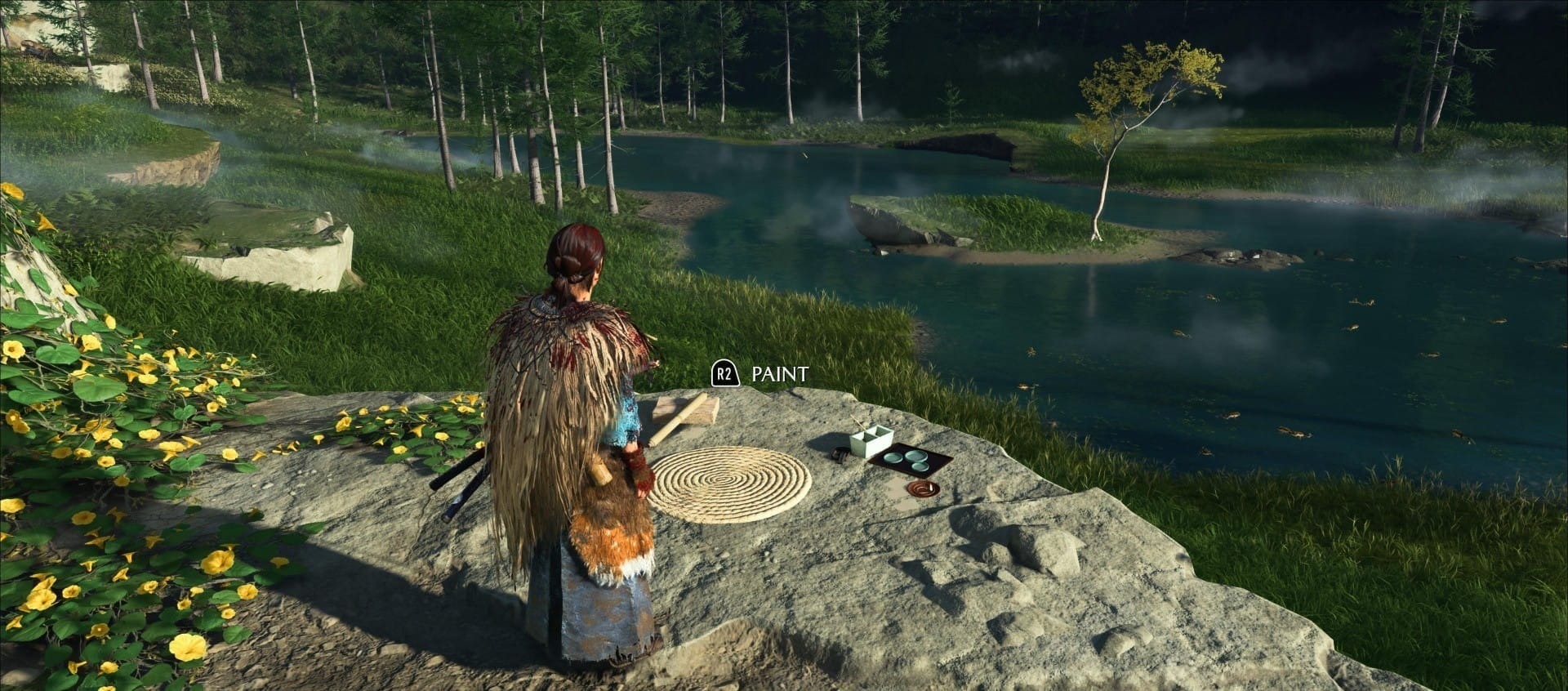
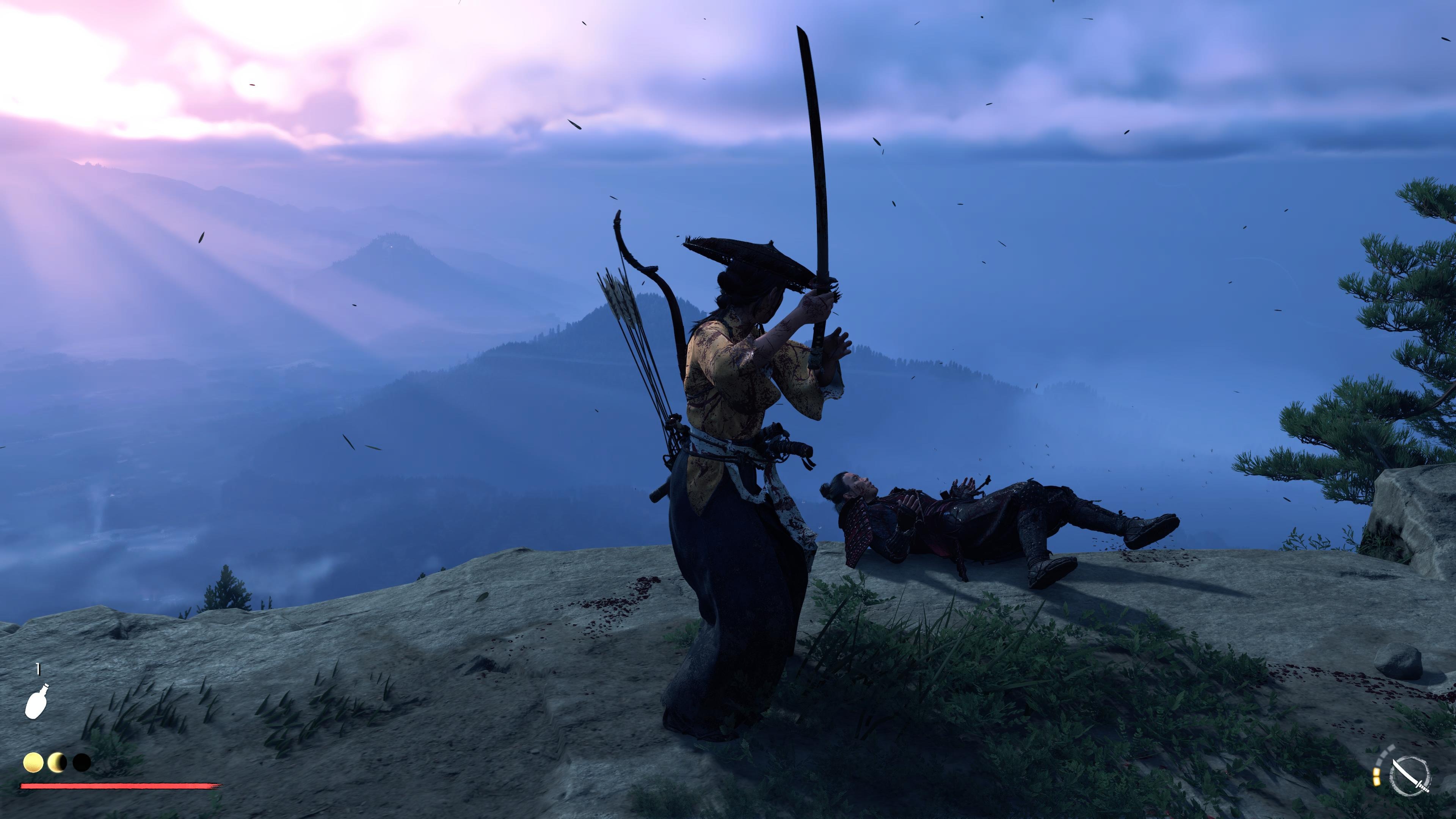
The game world is stunning, and Yotei is one of the best-looking games ever made. On the PS5 Pro with ray-tracing and VRR the game can hit 60 FPS, which is fantastic to see. The bright colors pop with HDR and the various areas all have their own color palettes. The game doesn’t focus on seasons, but each area has a different weather pattern. One area might have yellows and greens, while the next area is all snow. Snowstorms can cause your health to slowly freeze unless you find a fire and will temporarily limit your health. The game is just a dream to look at, and the load times are instant. You can fast travel anywhere, and you’re playing in about 1 second or less. Sucker Punch really utilized all of the PS5 hardware to make this game beautiful and play wonderfully. The DualSense controller is well used here with great vibration implementation, and the triggers are used well. It’s a very immersive game, but there are a few issues I haven’t talked about yet.

While the combat has all of these little elements sprinkled in that make a much larger combat system, it can get rather repetitive. The only challenge ends up coming from timing parries and dodges, especially in boss fights. Most of the combat is held back by the heavy attack armor breakdown. You have to break down every enemy’s white bar to even start to attack them. Tougher enemies will regenerate one or two of these before you can kill them. This also goes for boss fights. They have a large armor bar above their health bar, and you have to heavy attack them, dodge, and parry to whittle this down just to attack. A lot of attacking and time is wasted on this feature, and I wish it wasn’t there. I can understand large enemies or enemies with tougher armor, but every single enemy has this to some degree.
I also found that the structure of the main story missions consists of a repetitive mix of similar activities. Climb a bunch, run around, fight a bunch, do a stealth area, open a door, climb a bunch, and repeat. The gameplay primarily consists of a combination of these three or four distinct types. You usually have a boss fight at the end of each mission with not much else to do. This was my issue with Tsushima as well. While all of these are more refined here, some may not like this type of gameplay loop. I found it worked well during exploration and finding all of the gear and upgrades, but the main story should have some other things thrown in. A scripted horseback ride doesn’t really count. There are a few occasions in which you get to equip a cannon, but these are later in the game and only happen a couple of times.
I also found the story, while entertaining, didn’t have the greatest dialogue. It’s very dry in spots and doesn’t get very exciting often. There’s a lot of standing around and talking with little else. Most of the side content cutscenes are skippable and not memorable at all. Sadly, there are very few memorable characters here outside of Atsu and a couple of the main characters. I do appreciate the new game plus mode and various filters to make the game look like older Japanese films. I found the music good, but nothing worth listening to outside of the game, as it works well within the context of what’s happening on screen.
Overall, Ghost of Yotei is a fantastic game with a lot of content to offer despite being wrapped around a few of the same gameplay loops. The story is entertaining, and Atsu is a great new character to add to the PlayStation roster, but most of the dialogue is dry, uninteresting, or nothing special. There aren’t a lot of well-written characters, and this issue was clearly never resolved from Tsushima. The main story missions are a mixed bag of the same gameplay loops as well, with nothing super exciting or anything that really stands out. I spent most of my time enjoying the exploration of the world and finding all of its secrets. If you loved Tsushima, you will love this, but those who don’t care for open-world action games will find that this game won’t change your mind.
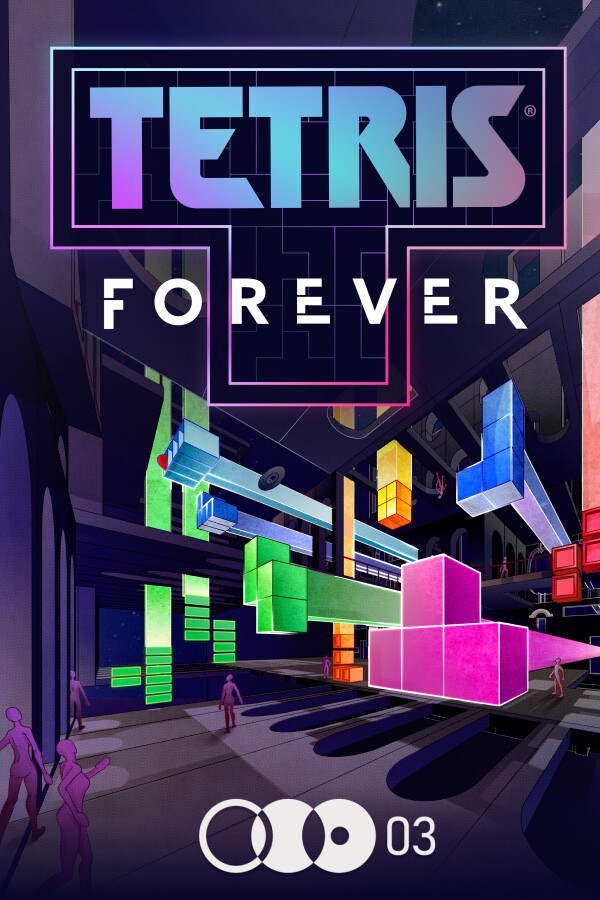
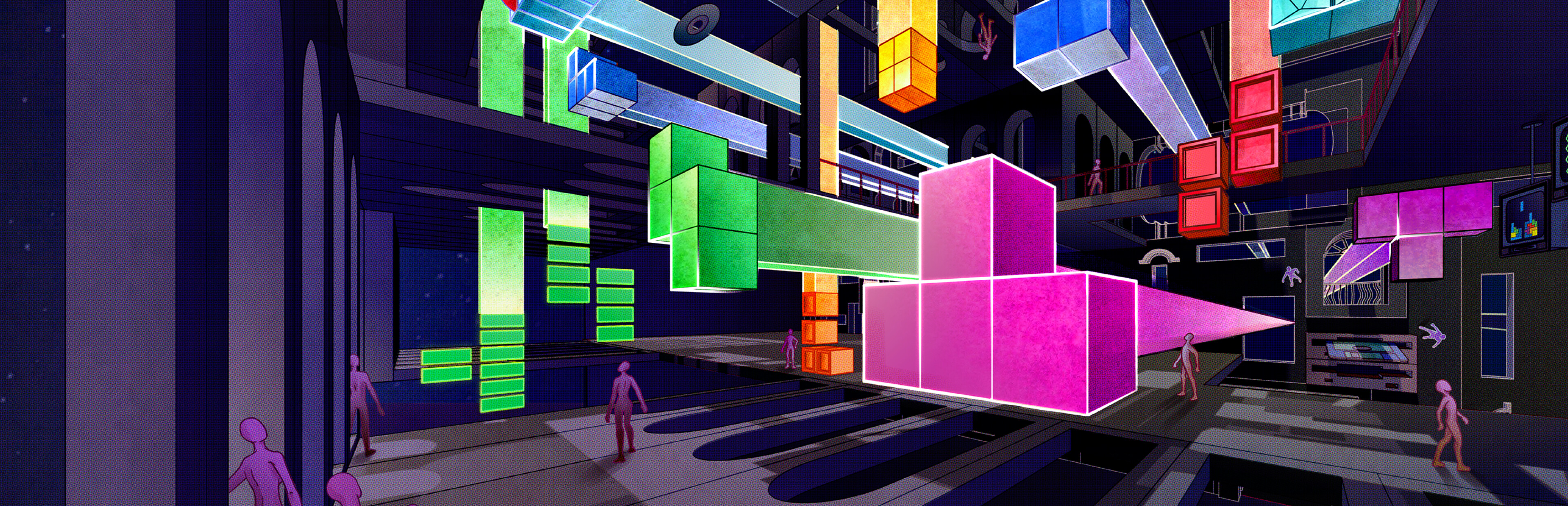
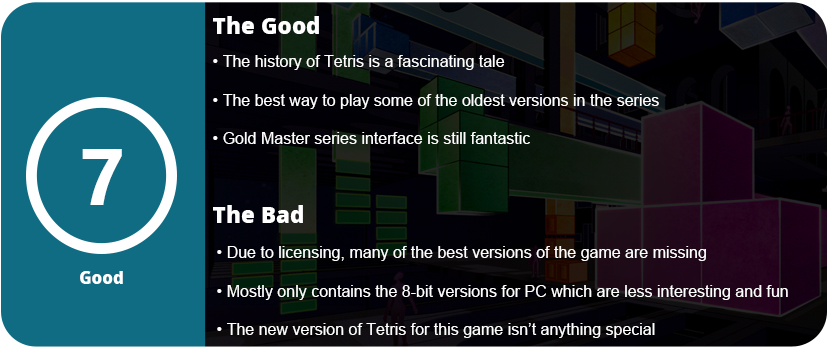
Digital Eclipse’s Gold Master series is an incredibly original and unique idea. The series focuses on creating interactive documentaries that explore interesting game stories or sagas, allowing gamers of all ages to engage with them. This is the third Gold Master game coming right after the Atari 50th Anniversary, which was absolutely a blast to experience. Tetris Forever is a great concept. The story behind how Tetris came to be is fascinating, and Henk Rogers, the person who helped bring Tetris to the West, is a great storyteller. I was floored by how Tetris came to be and the breakdown of the gameplay and nuance of what makes the game a timeless classic. The documentary clips are wonderful. Usually ranging from 3 to 8 minutes each, there’s easily over an hour of video footage, but that’s kind of where the best part of the game ends.
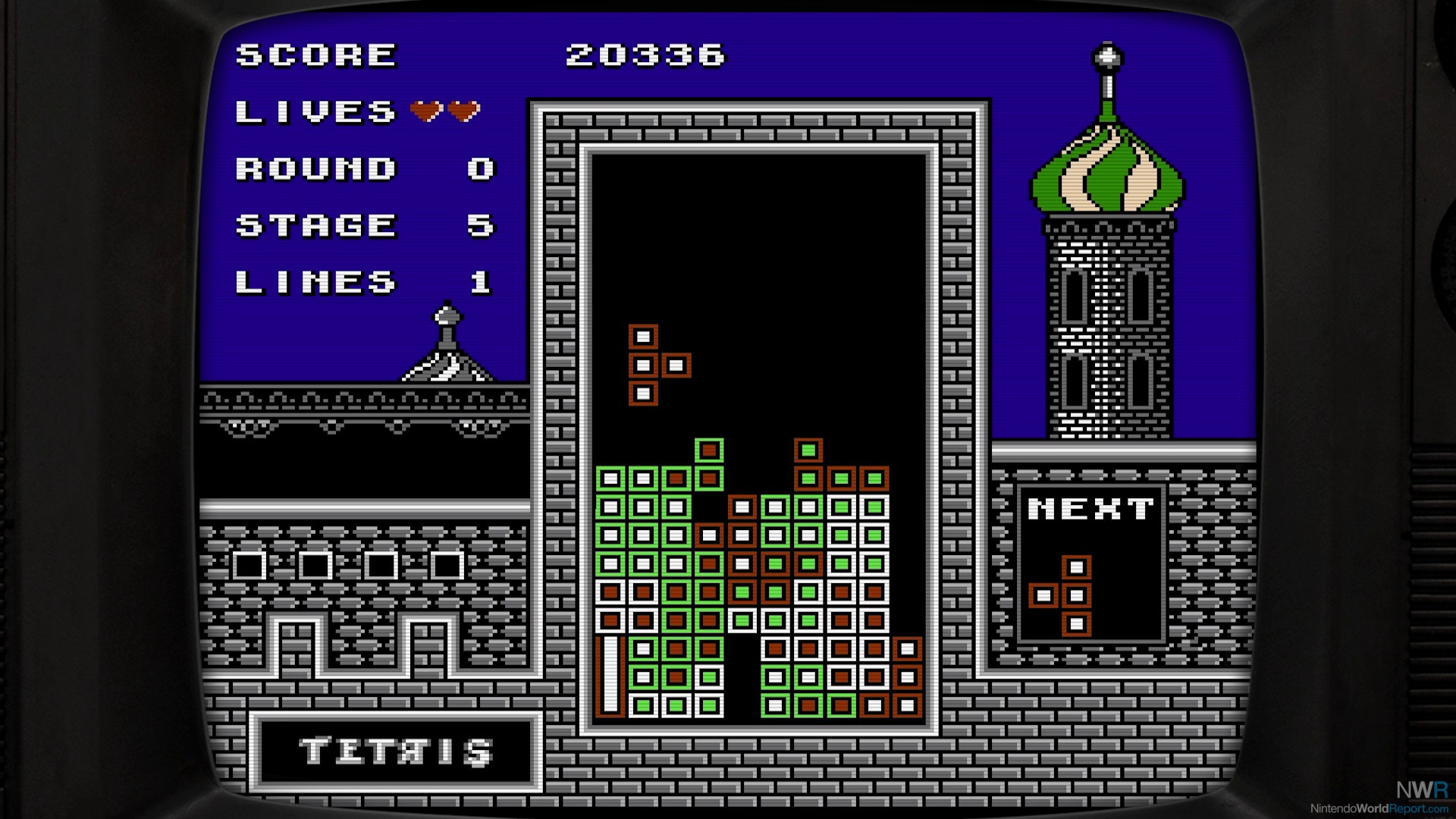
It’s difficult to call these Gold Master series “games” as they are interactive museums. Many different versions of Tetris are owned by other copyright holders. The most famous being the original Game Boy version of Tetris that shot the series into the stratosphere. It’s not here because it’s owned by Nintendo. You can see it being played in the footage of the game, but that doesn’t help us sitting here playing this game. Forever is mostly comprised of older MS-DOS and early 8-bit PC versions of the game that are historically interesting but not very fun to play. Digital Eclipse did a great job creating a replica of the computer they are on visually and adding things like a CRT curve, filter, and mapping the keyboard controls to a controller. Sadly, they just aren’t fun to play. Many versions don’t have music or much sound at all. Outside of messing around with these for five minutes, you will have no reason to go back to them.
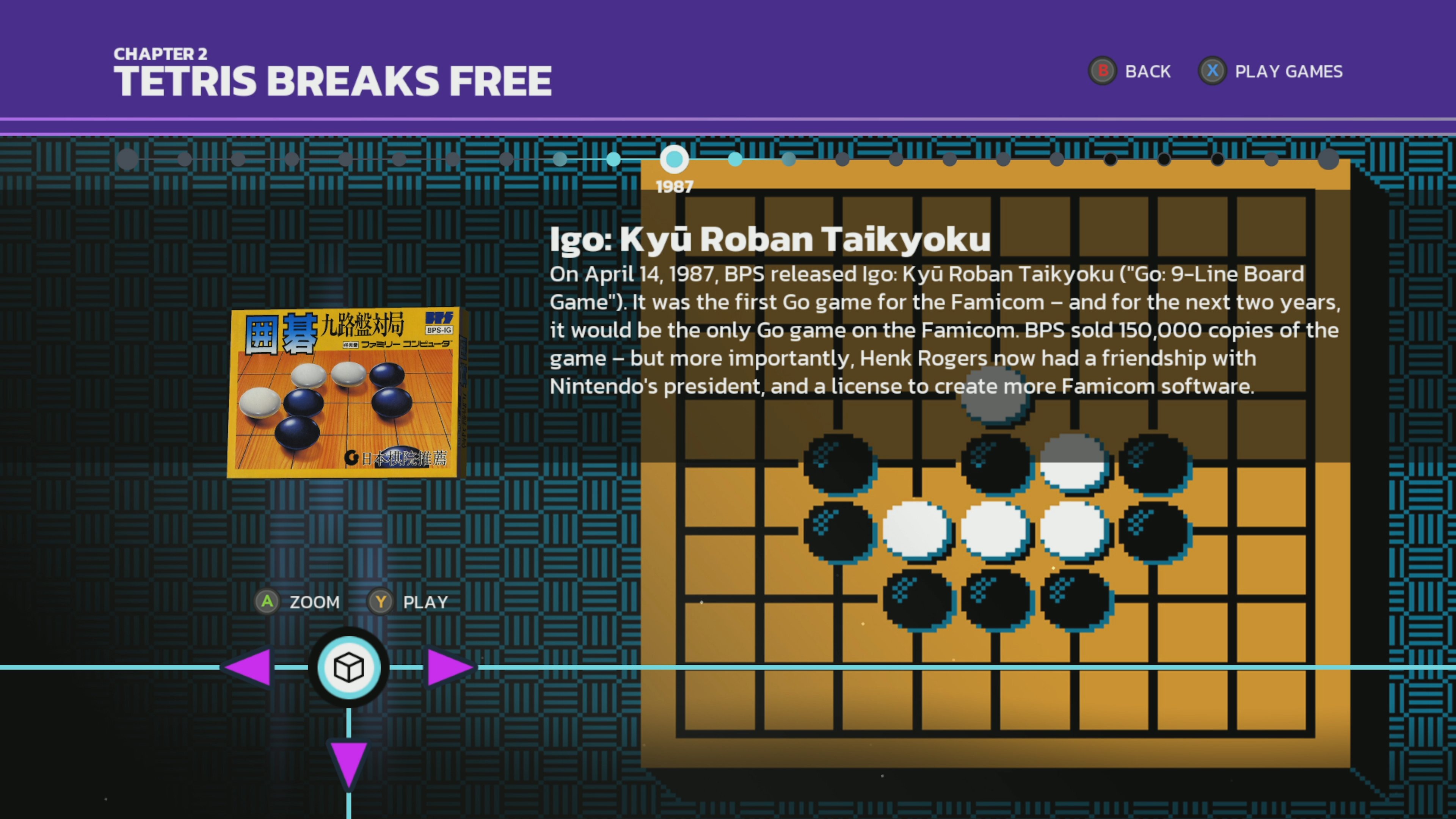
There are a few other games that aren’t Tetris included, as these are part of the Spectrum Holobyte story. Many NES games are included here, but you can play these outside of Forever on emulators through ROMs on much simpler devices that boot up quicker without a fancy interface. Again, these games are either not fun or just interesting enough for a historical reference. This isn’t like Atari 50th, where you can play every single game Atari made or held the rights to, and they were full-blown games. These are pretty much all puzzle or board games. One of the big stories that helped Henk Rogers gain trust from Nintendo was making a game of Go, which is basically Japanese Reversi. The NES version is intriguing at best, but I was not a fan. It’s not as addictive or fun as Tetris and requires much more concentration.
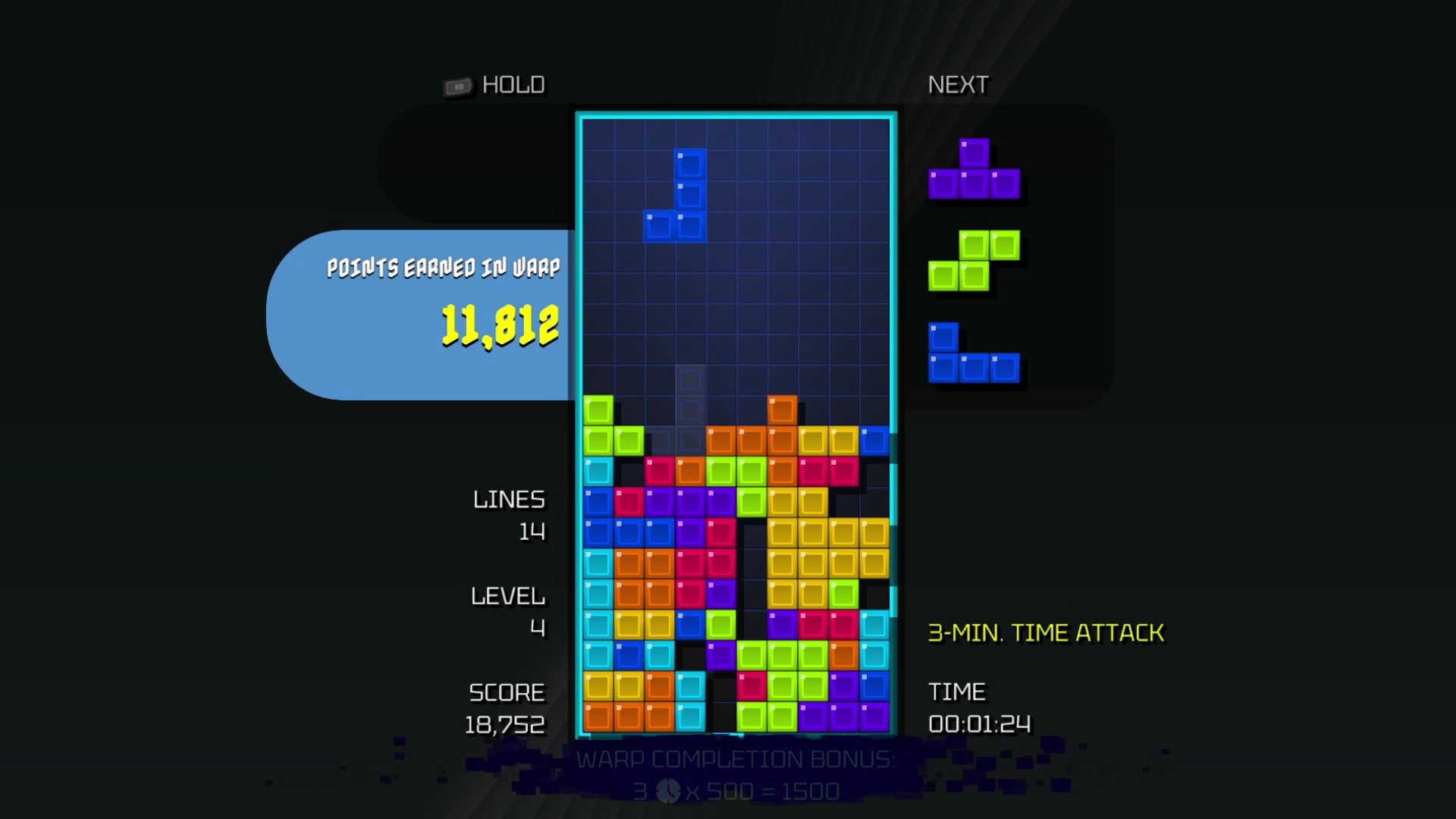
Sadly, only 8-bit games are included here. Nothing past the mid-90s is included. It would have been great to get DS, PS2, PS1, or other consoles on here, but there’s either a rights issue or an emulation issue on Digital Eclipse’s side. Most of the more interesting games are 16-bit and beyond. The lesser-liked sequels to Tetris are included, and a few spin-offs like Hatris, Super Bombliss, and a brand-new game made for this compilation, which is the only non-8-bit game included. This Gold Master release is mostly for those interested in the story of Tetris rather than playing it. Unless you grew up with these 8-bit games, I don’t see any reason why anyone else would enjoy them. Sadly, even the new Tetris game isn’t anything special. It’s not much to look at and just plays like any other Tetris game. The most interesting feature is the 1989 mode, which emulates the Game Boy version, and that’s as close as you will get to it. I don’t see myself booting up an entire compilation just to play this version of Tetris.
The title would have been more interesting as a cheap documentary than a game all by itself. I got more enjoyment out of the video clips than I did the games themselves. With four 8-bit versions of the original Tetris (all inferior versions) and many less interesting spin-offs and sequels, it begs the question as to who this is for. The low asking price helps, but even then, unless you are a massive Tetris fan, it’s hard to justify the cost. Tetris Time Warp is the game you will spend the most time on here, but will you come back to it? Tetris is a fascinating tale and one of the most interesting I’ve had the pleasure of listening to. Tetris is a fantastic and timeless game series, but the content included here does not represent its strongest offerings.
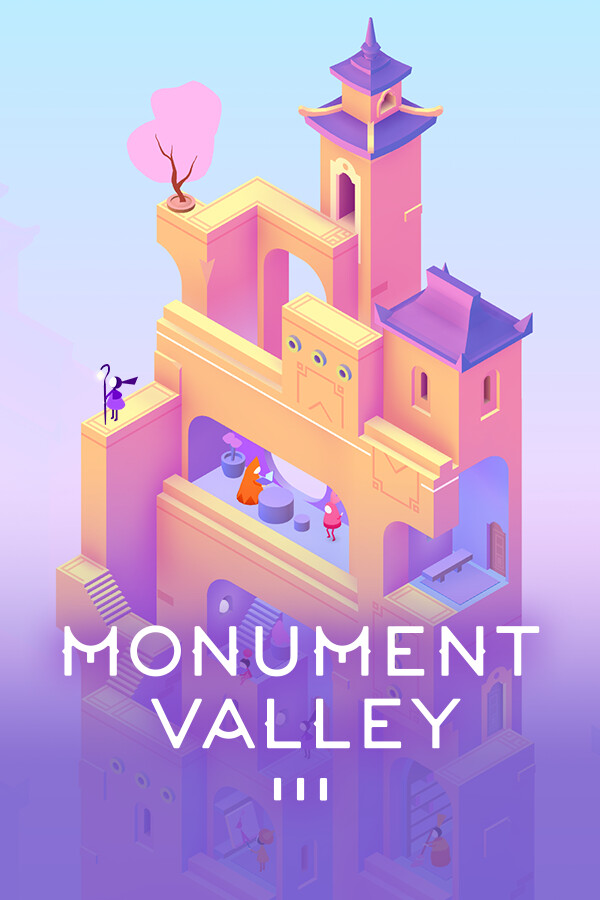
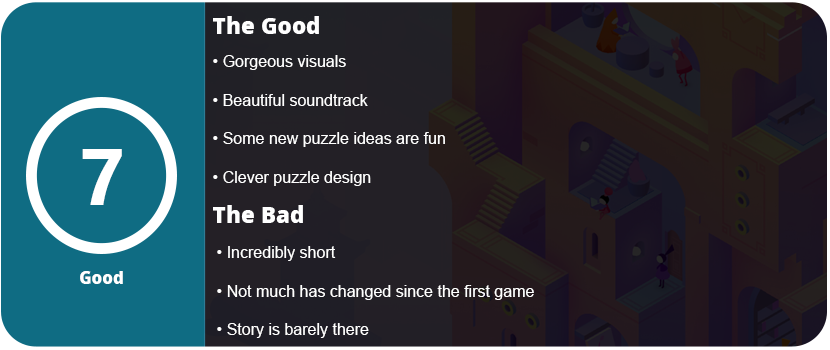
Monument Valley played a pivotal role in shaping the mobile gaming scene by demonstrating the feasibility of console-like experiences on mobile devices. With the flood of microtransaction-heavy free-to-play schlop on the app stores, Monument Valley was a beacon of hope for those who wanted to play single-player games on their phones. The MC Escher-like level design and clever puzzles were adored the world over, and USTWO was considered a pioneer of single-player mobile gaming. The second game was more of the same, which everyone wanted, but the third game here is still more of the same. That’s also what we want, but we want something longer than two hours. With the series venturing into console and PC territory, the short length isn’t as forgiving.
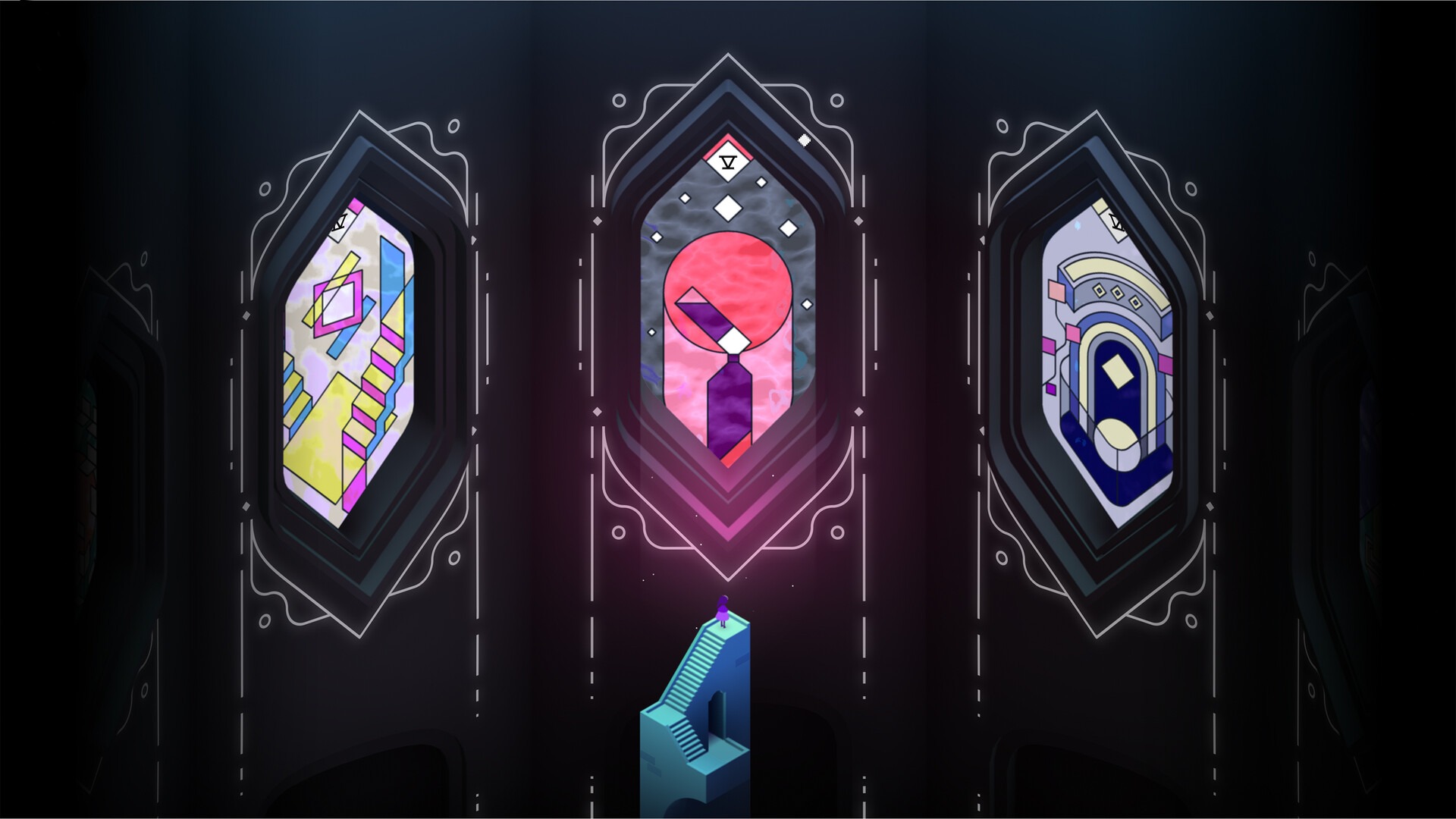
The overall game is exactly the same as before. If you play all three of these games back-to-back, you could be forgiven for thinking they were the same game or DLC of the first. There’s not much new here outside of a more streamlined and cohesive narrative. While it’s more visually presented with a girl named Noor trying to restore a lighthouse to a tribe that lives in the ocean (or that’s how I interpreted it), there’s nothing crazy storywise and never has been with the series. A lot of emotions are invoked through the fantastic soundtrack and visuals. The bright colors and the continuation of the MC escher style puzzles with perspective and illusions at play make this series one of my favorites of all time, right next to echochrome.
The game is easy to understand thanks to visual context. Parts of the level that can be manipulated are represented with hollow pips similar to a Lego block. You can move these freely while Noor is on them, and it’s required to solve some puzzles. You can’t always expect to just move a piece and command Noor to walk to the exit. Some pieces are moved with a spinner, and these can not be moved while Noor is on one of them. These are some of the harder puzzles, and they really require you to look outside of the box and take perspective into mind at all times. There’s a new gameplay mechanic here of being able to command a boat (it’s a leaf bug with an eye on its sail that blinks). It’s such a fantastic design. These may require moving a character back and forth between platforms to solve a puzzle. Another puzzle-solving element is a growing tree and having the leaves appear on different parts of a platform. These are subtle gameplay ideas, but they are new and welcome.
With all that said, the game is still just way too short. There are only 11 levels, and you can finish the game in a single sitting. I wanted more. I have always wanted more from this series. They are spread so far apart that when they come, you cherish them like an expensive sweet. The soundtrack is ethereal and beautiful, the visuals pop on OLED displays, and the level design is like no other. These games are well worth a playthroughif you love puzzle games. Just don’t expect a lot.
For those who grew up in the 90s, that decade was a special time. Before social media, smartphones, and tech being as advanced and convenient as they are now, we were right there during that transition. We still used analog video, but computers were now more common as well as internet access for Web 1.0, or the “Wild West of the Internet,” as some people call it. There’s also something about summer vacation, no matter what walk of life you lived, that was special. This was when we were home more and our parents wanted us out more. For those who were smaller kids, it meant going further than you were allowed and exploring from dusk until dawn. As teens it means doing part-time jobs, usually working 4 hours a day, and then hanging out with friends either at the movies, doing sleepovers, or camping. Those dog days of summer are what makes teens and helps them discover themselves.
DONTNOD are masters at capturing this moment in our youth. The nostalgia factor here is on par with Life is Strange. You play as a woman named Swann who is trying to reconnect with her three childhood friends. It’s 1995. Swann, Kat, Autumn, and Nora are all 15- and 16 year old girls discovering their youth. In the present time, these women are now in their mid-40s. They have lived the first half of their lives, but they are coming together to meet at the quiet town they grew up in called Velvet Cove. It’s a small town in the northern part of the midwest bordering Canada. The sleepy town is full of bad memories for the girls. The first girl you meet up with is Autumn. As you talk about and figure out why they are meeting, you will go through flashbacks of their childhood.
The game plays similarly to other DONTNOD adventure titles. You walk around and interact with objects and listen to Swann’s inner monologue, but there’s a new gameplay idea here. Recording small video clips to make home movies. Swann wants to be a director someday, so the first scene in her room is all about the tutorials. When you hold the camera up, you will see gray boxes around objects that need to be filmed. You will find subjects for each tape, and of course this is all part of a hunt that leads to achievements. It’s a neat idea and looks good. The analog camcorder filter used looks good, but the end result isn’t. The game uses your footage, so Swann’s narration dubs over the characters’ dialogue, and it’s a mess. There are awkward animations, and the fact that you can record at any time makes things look weird and doesn’t fit the subject of the edit, such as the music video you end up making.
This is the only gameplay in the entire game outside of making choices during dialogue. The goal here is to build up a relationship with certain characters to change the outcome of the relationships towards the end of the game, but it’s very subtle and doesn’t have an impact on the core ending. The characters are stereotypical teenagers. Nora is the rebellious, loudmouthed punk who smokes and drinks. Autumn is the mature, responsible teenager who can occasionally be coaxed into doing immature things. Kat is the youngest, lives in a troubled home, and is full of anger. Swann is the overweight, shy girl who has a lot of heart and likes to be alone. These are all stereotypes we can associate with growing up. Teens usually want to be boxed into something to feel like they fit in. We have all been there in our youth. While the voice acting is mostly decent, it’s not perfect. Emotions don’t always hit home, and small talk can feel a bit awkward, like each character is in a separate room and not together. The lip syncing is even worse, with entire lines not having the character’s mouth move.
Like most other DONTNOD games, there’s not a whole lot of locales. Many are recycled, or small rooms will be for a single scene. Interacting with certain objects can change the relationship status with someone. If you are doing something positive towards someone, you will see a heart pop after selecting the line. Something that the character doesn’t like will have a heart break in half. Growth toward the character overall will show a sapling grow. If you have met a certain point in the relationship or answered a different way from before you can unlock new options which will appear with a lock opening. You can’t be in full favor with everyone, so it’s best to pick your favorite and stick with that. Some choices will change the full outcome of growth with a character anyways and change it for the rest of the story. Overall, the typical nostalgia trip wrapped in a supernatural event is what DONTNOD is good at, and it shines well here.
The visuals are a big improvement over older titles, but it’s still nothing groundbreaking. It uses the same engine as the newer Life is Strange games (Double Exposure and True Colors). The animations feel awful and hand-done, with weird physics glitches all the time. Heads would spin around 360 degrees, hair would flop around, and some characters would just warp through the ground. Clearly this is an engine issue and not a game issue, as these problems pop up throughout all of their adventure titles. The overall art style is well done with a dreamlike haze over everything to represent remembering the past, and the present feels more suppressive and depressing. At least they knocked the art style and the atmosphere out of the park.
Overall, Lost Records is a great adventure title with the same quirks and problems as other games in the studio’s catalogue. While the characters are well written, and the nostalgia trip back to the 90s is fun, the rest of the game just doesn’t work too well. There are limited areas, the dialogue choices don’t affect the ending, and the entire payoff is a bit disappointing. I don’t want to spoil anything, but the game does a good job ratcheting up the tension for a big reveal. You spend most of the first tape getting teased about a big reveal for it to not be anything super impressive or crazy. It’s a surprise, but nothing that needs 4 hours of suspense. I also feel anyone who didn’t grow up during this time won’t have the same connection as older gamers. Those would feel more at home during the present time with the presence of smartphones and modern tech and lifestyles.
When dealing with mental health or talking about it, there can be many obstacles to overcome. How do you approach it? Do you take it head-on and use a traditional narrative experience where you watch the protagonist spiral out of control, or do you use the approach Luto took and make it an interpretive indirect narrative in which the player experiences the downfall? Luto does an impressive job showing what it can feel like to experience depression, thoughts of suicide, and mental health issues. Never has a game done a similar job since Hellblade: Senua’s Sacrifice.
What we need to understand is that the developers aren’t approaching in a “sensitive” way but in a way that we can just fully understand. Unless you are experiencing or have experienced any mental health issues or even some sort of trauma that can lead to this, we have no way of knowing. I particularly enjoy how the human mind deals with these things and the artistic interpretation of it. While I have experienced my own sets of trauma through my life, it’s still interesting to see what else is out there. You play as a man who is dealing with the loss and grief of family members. I don’t want to spoil the story, but it’s not the direct tale, but how you experience this interesting grief.
There are some trippy gameplay ideas here that I have yet to see. There is some direct inspiration from the P.T. demo by Hideo Kojima. The nearly sterile lighting and hyperrealistic house that feels lived in yet cold and empty at the same time. The buzzing of lights, ticking of clocks, and just your footsteps are all you hear. The silence can be deafening. There is a cheeky British narrator that talks you through the game, similar to The Stanley Parable or something straight from a Media Molecule game (LittleBigPlanet). However, something seems off with this narrator. As you walk out of your bathroom and complete your day as the narrator intends, you try to break the sequence. This leads to further sequence breaking and then to some meta-narrative ideas without spoiling anything.
Some puzzles involve solving looping hallways and corridor issues. Identifying numbers and observing objects in specific ways are key to solving puzzles. The first example has you trying to get a hammer hanging from a chandelier because you need this to pry wood off a doorway. You can keep walking downstairs only to end up back at the same staircase. You need to find four numbers to enter as a phone number to break the sequence and drop the hammer. You need to be observant and look for breaks in patterns. It’s very reminiscent of P.T. in that sense. These puzzles can be fun, but if you’re not good at finding them, some can be hard to figure out.
As the game moves on, some of the horror elements will pop up, and, while they are subtle, the excellent lighting effects help with this. The game is very surreal and haunting in the sense that nothing makes sense. It can be disorienting and go against the grain of what makes sense. This can be scary on its own rather than jump scares and creepy monsters. There are none in this game. Some scares are very subtle and only exist if you spot them, or the atmosphere alone can just be downright tense. You will expect something to jump up at you or come out of a doorway, but nothing ever does. That’s a fantastic way to create horror. Luto makes the scares seem like they are there, but it’s all in the player’s head. I don’t want to spoil the short game by explaining anything in detail. With a walkthrough, you can complete the game in 4-5 hours.
Overall, Luto is a fantastic psychological horror game. I just wish there were more puzzles and gameplay and some of the puzzles weren’t so obtuse. While I like that the story is interpretive, this is becoming a cliche in indie horror titles and can be tough to pull off with such short lengths. Luto does a better job than most, but it’s still not perfect. While I love the lighting and atmosphere, the game does look kind of generic in spots, such as the hyperrealism of the house and day-to-day objects. Things don’t really start looking much different until more of the surreal stuff starts to pop up.
There was a lot of controversy surrounding the PS5 Pro, and rightfully so. Sony didn’t read the room, as people are struggling in a post-COVID economy and gaming has gotten more expensive over the last five years. Prices of hardware are going up over time and not down, which is a trend never before seen. The PS4 Pro was well received, as it improved games significantly, and many developers quickly adapted to the newer hardware, but it wasn’t a significant cost difference over the original hardware. In fact, it was the same price as the base model, and that dropped $100 to $300. This was part of the usual trend. This generation has gone the opposite direction. The base PS5 launched at $500 with the slim version being the same price as the base model, with no price drop for the base model. On top of that, the slim with the disc drive is an $80 add-on, increasing the cost of a slim by $30. You could still buy a slim disc version at $500, but this was all a weird choice. What would be the rationale for purchasing a digital slim for $450 and then adding a disc drive later?

With that out of the way, Sony dropped the PS5 Pro as a digital-only console for $700 and the disc drive add-on increased that by $80. For $780, plus a game, plus PS Plus, a new user could be looking at nearly a grand for a new PS5 experience. This is completely unheard of. Forget the fact that the PS5 Pro comes with a 2TB SSD. It’s a nice bonus, but you can upgrade the drive at any time by adding an SSD up to 4TB. Who needs this much storage? During launch, it wasn’t worth the upgrade. Only a couple of games received Pro patches at launch, and the PS4 Boost mode was nice if you played a lot of those. Outside of this, the Pro offered nothing for already established customers. If you traded in your PS5 it could offset the cost by a few hundred dollars, but that still didn’t make it worthwhile.
Fast forward almost a year later, and the PS5 Pro has seen quite a few updates and many new games supporting its more powerful hardware. Games will don the PS5 Pro Enhanced symbol so you know it will take advantage. Many do this in several ways that we will get to later, but even games not supported can see boosts. Games with unlocked frame rates will run more stable as well as have lowered load times. There’s also the use of PSSR (PlayStation Spectral Super Resolution), which is Sony’s own AI upscaling tech similar to FSR from AMD and DLSS from Nvidia. The hardware is 47% faster in the GPU department with twice the ray-tracing power and the added tech for super sampling. The GPU is an entire generation newer than the base PS5, as it uses RDNA 3 technology instead of the PS5’s RDNA 2.
Getting to Know the Pro
The system looks similar to the Slim PS5. The side panels are now split down the middle and are no longer a singular sheet like on the base model. We get three new “fin lines,” or stripes, which gives the Pro a distinctive look over the other models. There is a vertical stand that is needed with the disc drive. These are two small plastic pegs that raise the console up to meet evenly with the bump. The panels pop off much easier than the base model. Just a swift pull, and they come off, with one side revealing the SSD slot and the other for the disc drive. The system also comes with a new vertical stand, but it is honestly not needed. Due to the lighter weight and slimmer design, the system stands upright really well without a huge risk of falling over. The PS5 Pro is a sleek-looking system, and the subtle changes are a nice touch.
I won’t be getting into the controller or anything like that, as it’s all the same. This isn’t Xbox, where the controller changes three times in one generation. I will say that there are two USB-C ports in the front now, losing a USB-A port with two A ports in the rear. The LED lights on the front extend from top to bottom now rather than just around the top’s hump like on the base model.
As for games, the difference is noticeable, and the cost can justify this. I tested several games out, and while other sites do a better job with visuals, graphics, and what not, from just a gamer’s perspective I can easily say that games that aren’t PS5 Pro run better when they have unlocked frame rates. Using Balanced modes with a 120 Hz TV is night and day over the 30FPS locked Quality that we normally get. That extra 10 frames can really make a difference. Games like Cyberpunk 2077 have an unlocked performance mode so you can easily hit 70-80 FPS, while the RT quality mode is now mostly locked at 40FPS rather than dipping below 30. Games that use PSSR like God of War Ragnarok and Assassin’s Creed Shadows, look a lot better, and this is a great FPS boost as well.
With that said, the PS5 Pro is subjective to the user. Some current users may find the boost in power worthwhile, like I did. You, of course, need a proper TV that can take advantage of the hardware. 120 Hz minimum is a must, or you’re throwing performance out the window. I also highly recommend an OLED TV with at least 1,000 nits and HGiG for good HDR. While HDR doesn’t really have a standard yet, the brighter your OLED can display, the better HDR will look. You must also properly set up your TV with Game Mode and turn off all processing. Look up guides on your TV model for a suitable baseline.
For $700 (and now $750 as of this writing due to US tariffs), the PS5 Pro is a worthy upgrade and a perfect entry point for new PlayStation users. If you really want your games to look the best, this is the way to go. That is if you already have a proper TV. If you don’t, your setup could become astronomically expensive, shooting well above $2,000 for a proper setup for the Pro. I personally have a 65″ Samsung S90D to go along with the Pro, and I am playing console games now more than I ever have. Do yourself a favor; look up some videos on graphics comparisons to see if it’s worth it to you. If anything, a higher frame rate is more than worth the upgrade for most.
Yeah, it's pretty damn awful. Notoriously one of the worst games on the PSP. A 4 was actually being generous.…