Harry Potter is one of the biggest media phenomena of the 21st century. When the novels came out they were all over the news and I read them right from the beginning. While the novels were big the movies were even bigger and I don’t think Harry Potter would be where it is today without the success of the movies. I remember my family going to see every movie up until the first part of the 7th movie on Thanksgiving every single year. By the time the 7th movies were out, I was an adult and saw those with my now wife. I did get burned out on the series though so thankfully it’s great to know Hogwarts Legacy is 100% original content with all new characters and story.
The only thing the game follows from the books or movies is the lore, aesthetics, and visual representation of various architecture, creatures, and overall visuals. You play as a nobody 5th-year student who gets caught up in a giant plot of goblins finding a way to wield dark wizard magic. You must fast-track your education at Hogwarts while also fighting off this powerful new foe. The story drags you along on a breadcrumb trail where you slowly unveil the plot, the intricacies of the characters, and the mysteries. Portkey Games did a phenomenal job of making the story feel like one of the books. The slow unfolding of the story gives a sense of mystery and constant guessing. It’s a pretty good story and one of the best so far this year.
There are of course side quests and larger side stories involving various students at Hogwarts. One involves a Slytherin student, Sabastian, and the Dark Arts. Another is a girl named Poppy who just wants to stop poachers and save creatures, and then there’s Noa who wants to avenge her father’s death. The entire game has a massive open world consisting of Hogwarts itself, Hogsmeade which is the only major town in the game, and then the rest of the world itself consisting of various regions, secrets, and activities. The game can seem overwhelming, but the entire game is strung out to you very slowly as you play. It allows you to get the ropes on all the various systems in the place game with one of the biggest being combat.
Combat is probably the weakest and coolest part of the game. It plays similarly to an MMO with shortcut keys and hot bars. Each hot bar has four slots and you can have up to four hot bars. You learn spells through the story as you attend various classes. These are all the spells you know from the book and movies. Wingardium Levioso, Avada Kadavra, Repulso, Accio, and many others. There is only magic combat in the game so don’t expect to find swords and shields. Defense is dependent on a halo around your head that flashes red or orange. Orange means you can deflect attacks while red means you must dodge.
You can whip out spells at a lightning pace, but of course, they have cooldown timers so this means you need a balanced loadout and need to switch between hot bars constantly. This is something I didn’t like in the game. I can understand with a controller you can only have four hotkeys, but do what Dragon Age did and give PC players the ability to use maybe eight hotkeys and combine hot bars. I found myself always fumbling with the controls trying to quickly dodge, deflect, keep an eye on my timers, swap between hot bars, and keep an eye on the enemies, and then my health and magic meter. It’s too cumbersome and needs some balancing in the next game. The combat looks cool with fast and smooth animation, great sound effects, and tons of on-screen info being blasted into your eyeholes. There are plenty of boss fights, mini-bosses, world bosses, and all sorts of enemy types to shake a wand at. Goblins, beasts, and humans alike.
The next part of the game is exploration. This game is very similar to Skyrim in that manner. You will always find something no matter where you go. Once you unlock the ability to fly on a broom you can use Revelio in the air and it will mark stuff on your map. There are a lot of activities to do from filing out your field guide by finding flying books, interesting spots, and objects, there are secrets inside Hogwarts itself like hidden chests under bridges that require puzzles, but you also need the spells to complete certain puzzles and get to certain areas. You can pick locks (which has an absolutely awful lockpicking mini-game that can’t be skipped), but one of the major problems with all of this exploration is the lame loot. If you get ahead of the story you will mostly end up finding armor that’s behind you in levels. Exploring dungeons is fruitless as you will solve a puzzle and get a lame piece of armor or just 50 coins. I wound up ignoring side paths in dungeons because it just wasn’t worth it. Finding the best armor in the game will come to you eventually.
The third biggest part of the game is the Room of Requirement. Here you can decorate, expand, and craft. You can add traits to clothing/armor, and breed beasts that you can capture in the wild for more unique traits that can be woven into clothes. You can also plant seeds for using the three combat plants or creating potions. While this all sounds neat and fits into the world of Harry Potter it’s very tedious. I wound up not bothering to add traits to clothing as the loot you find it pretty awful anyways and you end up selling 90% of what you find. I would add traits closer to the end game when you stop finding a lot of armor that is at a higher level. I also didn’t bother brewing potions much as you must wait in real time for plants to grow or potions to brew. It’s pretty dumb and tedious.
You can fast travel between dozens of Floo Flames as you discover them and this makes traveling quickly essential. The various activities you can do are Merlin Trials, a combat arena, various puzzles, and of course side quests for people around the world. It really is a well-created open-world game and feels different from the dredge of crap we’ve been getting the last ten years. I always had fun exploring the world, doing tasks and puzzles, and seeing what secrets the game had. It really is this generation’s Skyrim or will be as close as we get to it.
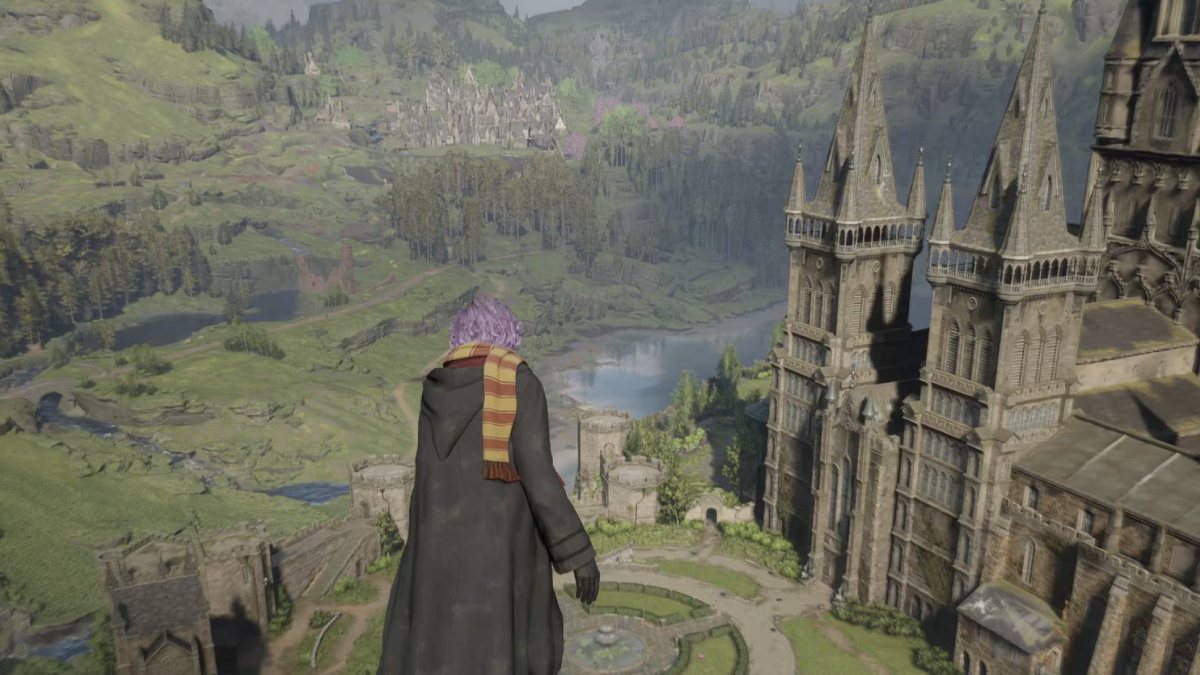
The visuals, voice acting, and overall atmosphere of the game captured what we loved in the movies perfectly. The visuals are gorgeous with great lighting and tons of love and detail in every part of the world. Sadly, it’s so poorly optimized. Ray tracing is unplayable, and there’s stuttering in Hogwarts no matter how powerful your system is. Some patches have ironed most of the problems out, but they will never be perfect. The game still looks fantastic and I loved flying over new areas for the first time or seeing the seasons change. Portkey Games did a stupendous job making this game feel like a living breathing world.
Overall, Hogwarts Legacy is a wonderful open-world RPG with some flaws. The combat can be unwieldy sometimes and cumbersome, crafting is a chore, and the game is horribly optimized, but the characters are wonderful, the graphics are fantastic, and it feels like a living and breathing world of Harry Potter that captures all of the magic and love that we grew up with. You will spend dozens of hours having fun exploring the nooks and crannies that the world has to offer, the powerful beasts you can fight, and the creatures to capture.
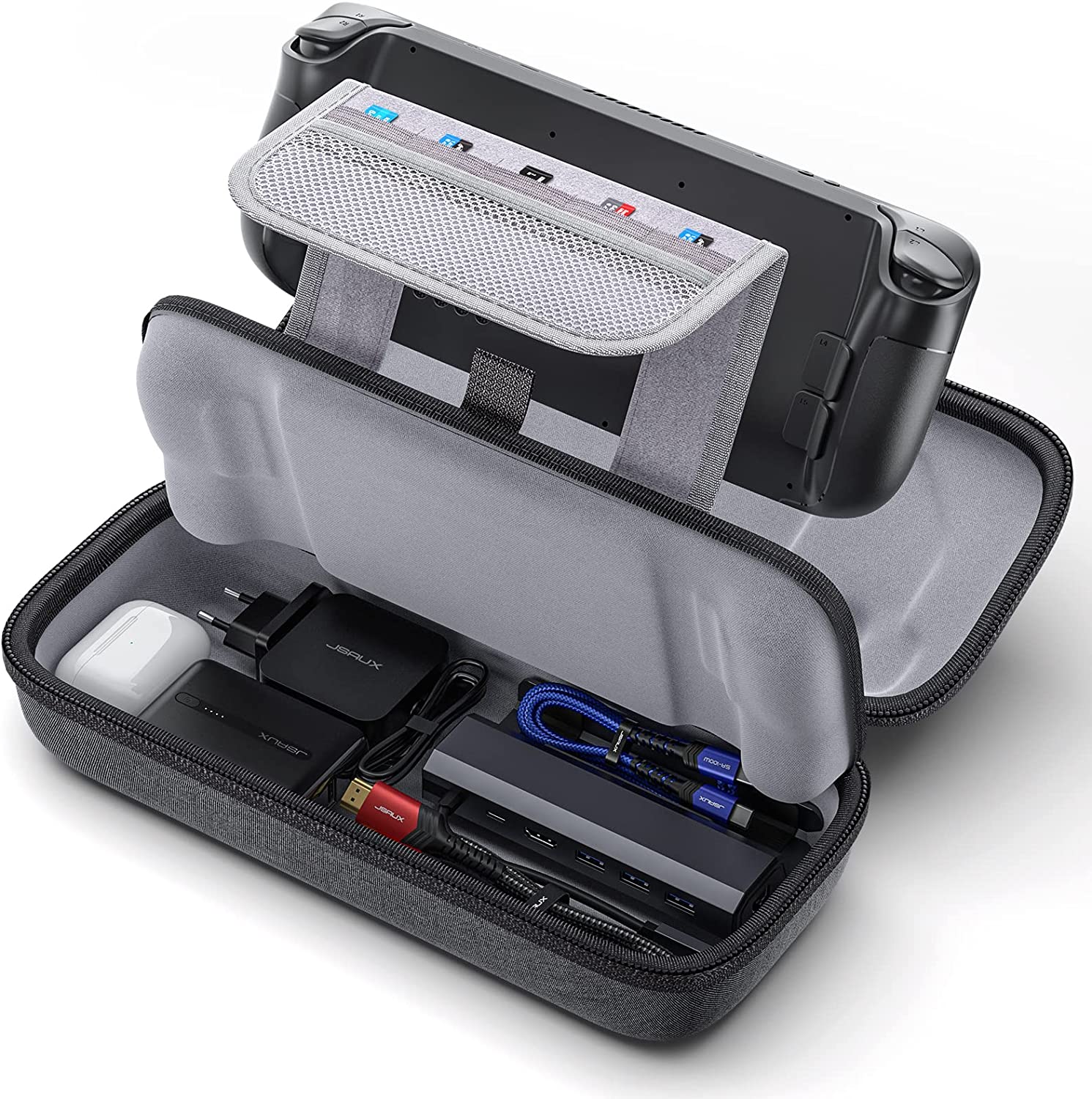
The case that the Steam Deck ships in is fine on its own. The fact that a console ship in a protective case that’s used as the packing material in the box is revolutionary and should be done more. Sadly, the case for the highest-end Steam Deck is the only one that’s really great. Even so, there’s no storage inside the case, and as time has moved on and we’re one year into the Deck’s life many accessories have come out and you need more storage. Jsaux has come to the rescue with a larger case that has more room.
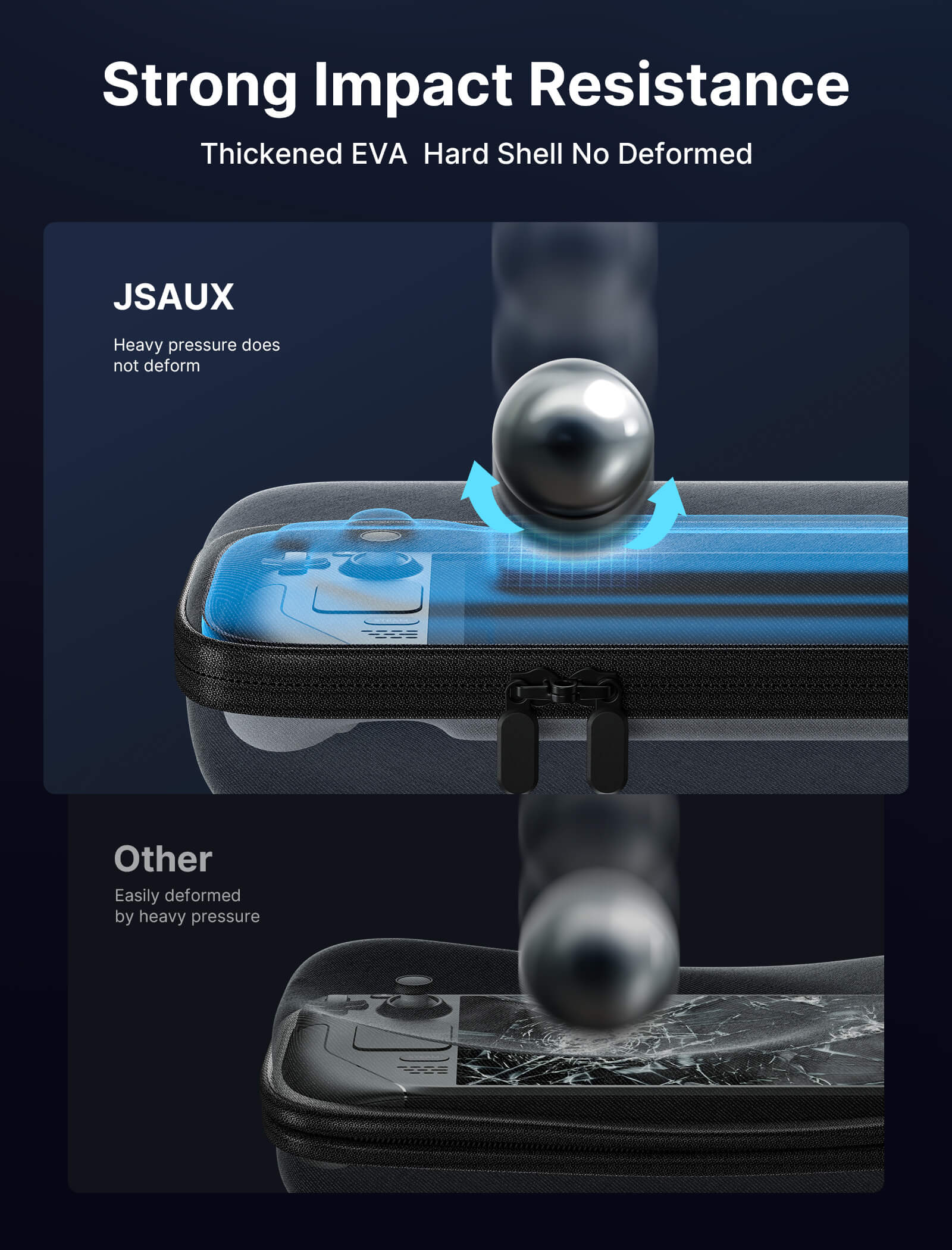
The case feels similar to the standard Deck case. It’s made of a canvas-type material and feels great on the inside. There’s a fold-out piece that stores SD cards and has a molded inlay just like the original case. Everything is the same there. What makes this case magical is that this molded layer flips out and reveals the bottom of the case that can be filled with a charger, cable, dock or anything else you want. The hinge of the flip-out layer has elastic along with the edge of the zipper. This allows the case to expand when large items are put in the bottom and zipped up with ease.
I was also to put the Jsaux dock, cleaning cloth, Anker charger, and 10′ USB-C cable and still had room inside. It all zipped up easily and didn’t put much stress on the zipper. There’s a nice rubberized handle to carry it around with and the grey color is nice too. The outer shell is also made of a tough foam so which will protect it from falls and drops so there’s no need to worry there.
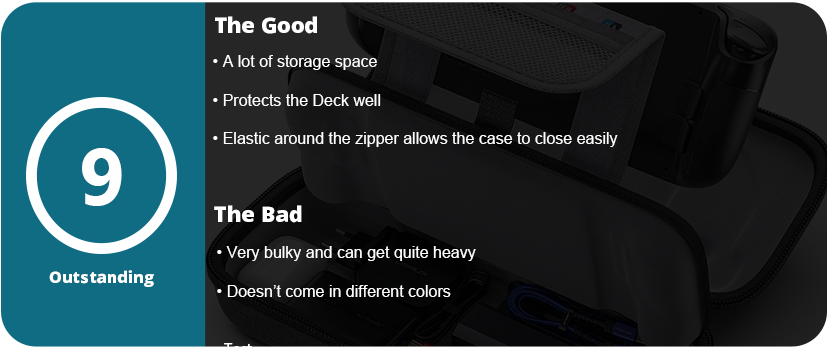
Overall, the new case is fantastic and a must-have for those who have extra accessories for the Deck. Even if you just want your charger more protected and not on the underside exposed like on the original case this would be fine as well. Just know that this makes the case very bulky and heavy. It’s massive and may not even fit into most small bags because of this, but it is sturdy and protects the Deck nicely.
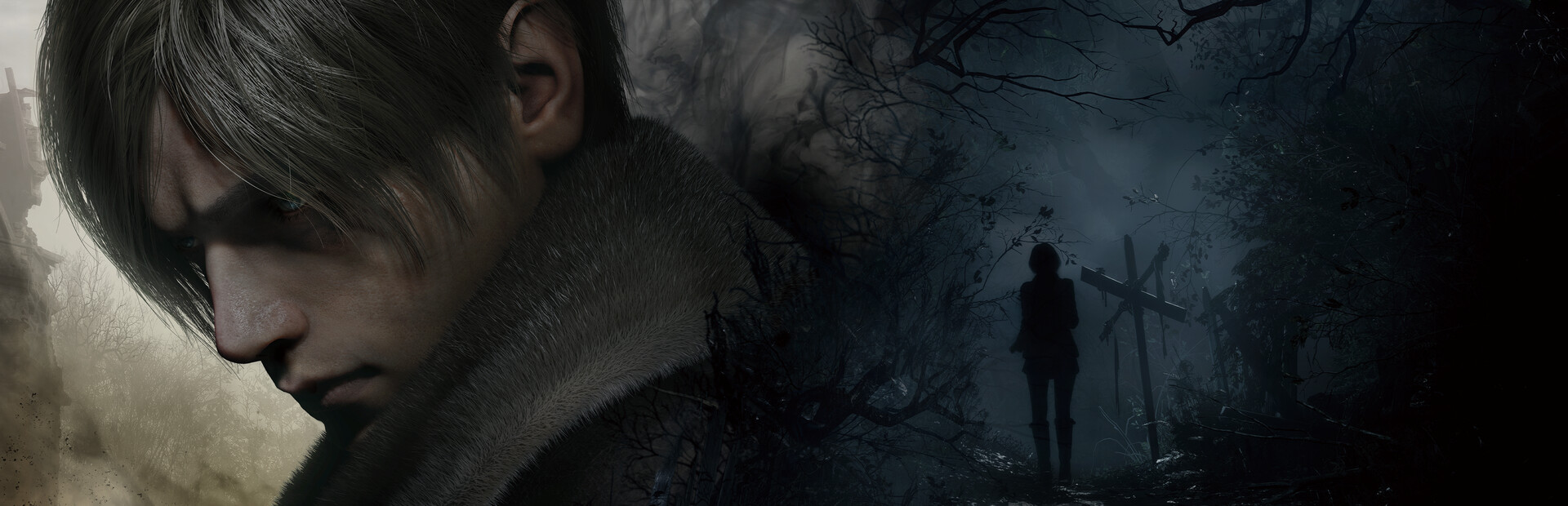
Resident Evil 4 changed the entire gaming industry. It was one of the most influential games of all time. It actually still kind of is. It showed how drastically you can reboot a game and honestly started the whole reboot craze and is the gold standard to live up to. Take a game that has tank controls and pre-rendered backgrounds and throw it into a third-person shooter with unique control and a well-balanced gameplay loop. It was talked about for years and inspired other games like Gears of War. Resident Evil 4 (2023) is a reboot of a game that mastered reboots. It has the highest standards to live up to. Thankfully the last two Resident Evilreboots were fantastic and took pages from RE4. So, what we get is just a better-remade RE4.
The story itself is supposed to have taken place after RE2. Leon is sent to save the US President’s daughter, Ashley Graham, and that’s about it. There is a new virus that got loose from Umbrella and the Los Plagas will come out of enemies every so often and it happens more as the game goes on. Their heads will pop off and a new tendril-like creature will come out in various forms. You can stop this before it happens when they are on the ground twitching. The characters in the game are pretty simple and have no time to become interesting. Outside of Leon and Ashley the other characters show up for just a few minutes in the game, so the story itself takes a back seat. It’s the weakest part of the whole game.
Right off the bat, you will notice an immediate change. Not only are the environments more detailed, but the opening scene has changed as well. We get an all-new voice cast (that’s much better), new music, and updated sound effects, and the overall feeling is more modern and less stiff. You can actually shoot and walk this time around which is a huge change in balance for the game. The knife has also changed as it can be broken but also upgraded. Crates can be stomped on rather than sliced so gameplay flows better. You can acquire boot knives that can be used to ward off enemy attacks up close. You will also notice that quick-time events are pretty much gone. These scenes are now fully playable with you in complete control rather than an actual cut scene.
All of these changes are for the better and add a whole new dynamic to the game. Combat mostly remains the same with enemies slowly lumbering towards you with various weapons. Enemies can throw axes, molotovs, and shoot you with crossbows. Some will shock you with sticks, others will carry shields, and then there are the bigger enemies. Rarely occurring, chainsaw-wielding enemies will appear that require explosives or heavy damage to kill. You need to constantly run and turn back to shoot. Using your surroundings is key. Lure them towards explosive barrels, or funnel them everywhere down a corridor so you can line up headshots. The level design is fantastic as you get little arenas that you can immediately scan and strategize with.
Every time an enemy dies they will drop something. Unlike the original game, this time around a whole new mechanic of crafting has been added. Enemies will always drop something whether it’s resources, gunpowder, health, ammo, or money. You need resources and gunpowder to craft various ammo types. Recipes can be bought from the merchant. You can also buy weapons, armor, resources, health, and various other items. Another new system is the side missions. These can be found posted on walls and convert the older challenges into missions. The blue medallions, tough enemies, shooting rats, or finding certain objects. These are traded for spinels which can be traded for rare items such as exclusive new weapons, treasures, and more. Cases are not just expanded now, but different case types will drop certain items more frequently and new charms can be attached to help lower the cost of sales, increase sell value, drop rates, and so on. These charms are won by completing target practice missions in one of five locations in the game.
That’s a ton of new things already and it’s so well-balanced. It’s a way to take the older systems and tweak them into something new and more fun. You can move around and technically kill enemies easier so with an added crafting system you always get rewarded. There are still treasure maps to buy and valuables to look for which are key to racking up coins. Certain valuables can have jewels inserted into them to increase their sell value so hang onto those gems! On to something much bigger is Ashley herself. Many felt she dragged the experience down. You have to always catch her when you hopped off ledges and she always got captured easily. Now you can send her away, hide her in lockers, and she does most actions on her own now. She’s much less of a burden.
Speaking of Ashely there are stealth elements in the game now by sneaking around and offing zombies, but this is easily ignored. It doesn’t work outside of a couple of zombies and then everyone sees you. The AI walking patterns are too random to sneak through areas, and this wasn’t intended in the original game anyway. While sneaking around zombies is possible sometimes there are new enemies in the game, but I don’t want to spoil anything. Original enemies are updated and look even more grotesque. That’s another theme of the remake. Horror is much more prominent in this game. Like in previous RE remakes the flashlight is added so Leon will whip it out in dark caves and there is a constant sense of tension and dread no matter where you go. The game relies less on jump scares this time around.
There are three acts in the game. The village, the castle, and the island which is split between a mine and a military base. My favorite part is act one which is the most iconic. The castle is okay, but the game gets insanely tough during the second act. Ammo is incredibly scarce. You must be very cautious about what ammo you use and when. Save more powerful ammo like grenades and magnum rounds for the mini-bosses and bosses themselves. Save your sub-machine gun ammo for large crowds and your rifle ammo for enemies are off. The pistol is going to be your main weapon throughout the entire game so always keep a stock of it.
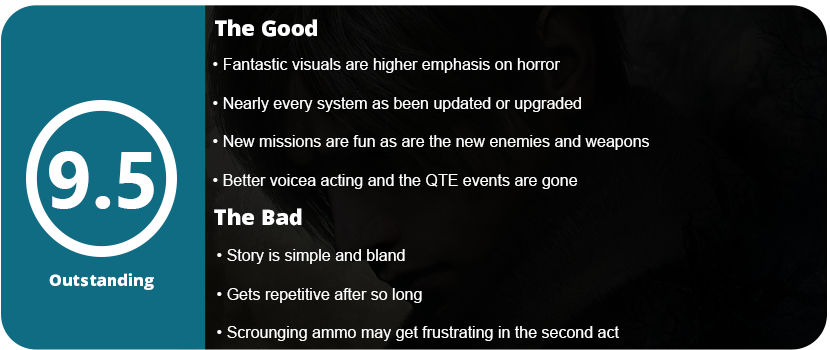
The visuals are a nice upgrade over the previous remakes. Ray tracing has been added, but it’s not great. The RE engine is still insanely well-optimized for lower-end PCs and runs really well. However, there is still no DLSS support so it needs to be manually added through a mod, but even on the Steam Deck, the game runs fairly well. The visuals are top-notch and the art direction captures the vibe of RE4 in a more visceral and raw way. I love it. When you’re all finished with the game you can run through on a New Game+ which is a must as that’s the more fun way to play. Overall, RE4 (2023) is a massive update to an already iconic game and changes nearly everything wrong with it. I just wish the game was a little better balanced and it does get repetitive after so long. You are just walking around shooting zombies with a couple of simple puzzles thrown in. At least the exploration is fun and there’s always something new to look at.
Many people use video game reviews to determine how to spend their hard-earned dollars. While as an adult I don’t take this as seriously and I now make my own money I am more forgiving of games that aren’t perfect. As kids or teens, we have limited money and are usually picked through gaming magazines to determine if that one game was worth the money because we only got a few a year. For me, it was only during Christmas time that my parents bought games. I mostly rented mine throughout my childhood and teen years. Even for rentals, I was picky as I didn’t want to be stuck on my weekend with a dud of a game. Even a 7/10 or 3.5/5 would be considered a waste of time. This was the last generation in which AAA title after AAA title would be considered fantastic and with so many exclusives it was hard to keep up with. The HD era of gaming would see budgets balloon to insane heights and game releases slowed down as a result.
In my eyes, 7/10 or 3.5/5 games are mostly ignored. These aren’t always considered hidden gems either. Some are, but some are just considered forgettable. Not awful or good, but just passes under everyone’s radar. These aren’t the “so bad it’s good” games either. A few of these games have cult followings; a few I had only heard of while compiling this list and some I played myself growing up. I compiled this list from Metacritic with games between 74-70. I feel that’s the true blue 7 range. 79 and 78-rated games usually only have about 25% of the critics giving it a 7 to bring an otherwise 8 score down some. These games are at least rated by half the critics as 7/10. While I know many people don’t listen to critics and some might feel this game should be rated higher or lower is subjective. Like it or not, critic reviews drive sales and it may be the reason why you might find a few games on this list you’ve never heard of, thought was talked about worse than you remember, or something along those lines
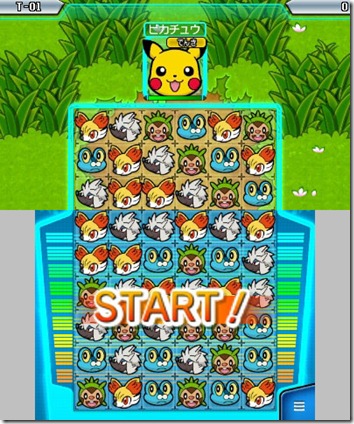
Pokemon Trozei! – 2005
A fun matching puzzle game, but lacked any modes and overall content. The graphics were also really simple despite looking at the part. The issue is that the game gets old really fast. It’s not as addictive as other puzzlers of its ilk.
Most Recent Entry: Pokemon Shuffle – 2015 (AND, iOS, 3DS)
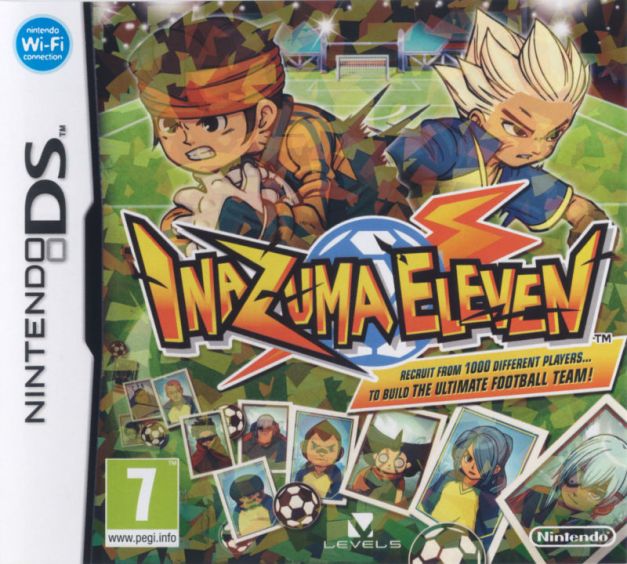
This a great jumping-in point for new players as this new set of games are almost identical to the first game. You just get more of the same, and that’s not always bad. The original game was praised for blending soccer with RPG elements, but the soccer part wasn’t all that great. It’s still a unique series to check out.
This is considered the worst game in the series, but that’s saying a lot. The story alone is worth playing, but the game can feel overly complex at times and the AI is pretty bad.
Most Recent Entry: Valkyrie Elysium – 2022 (PS4, PS5, PC)
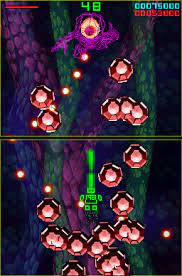
99Bullets – 2011
Well-liked for blending two genres well, but lacked content and was a little on the hard side. It’s still a very unique vertical shooter and felt like a good diversion from the anime-based shooters at the time.
Zoonies – Escape from Makatu – 2011
A cute and fun albeit forgettable platformer. The game also had some control issues and was really short, but at least it felt at home eon DSiWare.
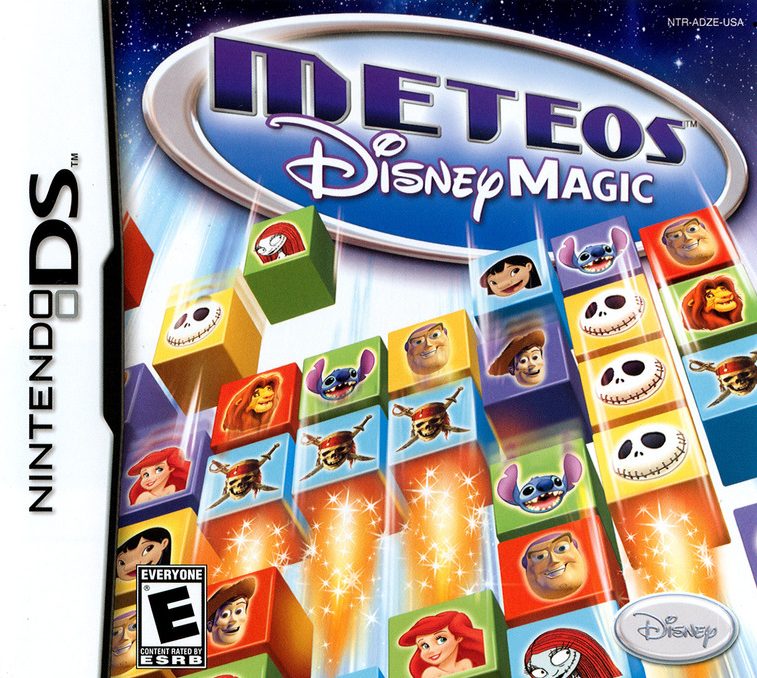
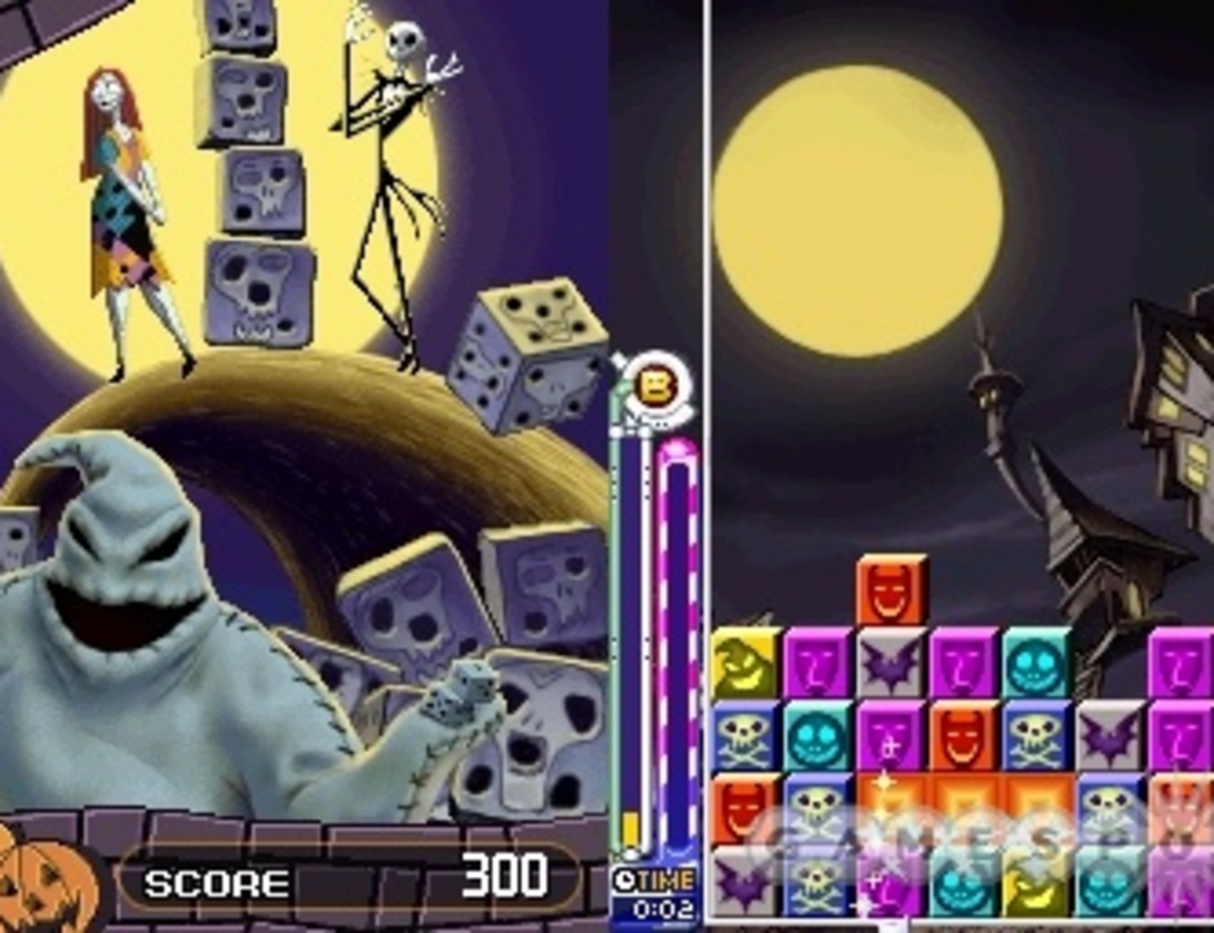
Meteos: Disney Magic – 2007
More of the same with a Disney skin. The changes didn’t improve the game, but instead just made it different. If you love Meteos this one is worth picking up. It’s sad this series was so short-lived.
Most Recent Entry: Meteos Wars – 2008 (X360)
Big Brain Academy – 2005
A good improvement to the series and the puzzles get harder are you continue to play adding replay value. However, the overall content is a bit lacking and is only fun in short bursts.
Most Recent Entry: Big Brain Academy: Brain vs. Brain – 2021 (NS)
Drone Tactics – 2008
Yes, it’s an Atlus game so that means there are some big fans of this game. While the strategy is fun and the game looks slick, the storyline is childish and pretty stupid. Many rolled their eyes at the story and skipped past it just to get to the meat of the game. In any RPG that’s not a good thing, but the gameplay is good enough to justify this.
Sonic Chronicles: The Dark Brotherhood – 2008
This game doesn’t need any introduction to Sonicfans or those avid in their DS lore. Bioware of all people made this game and it was incredibly hyped. A dark and mature Sonic RPG? What’s not to love? The game is way too simple. There are no deep gameplay elements or RPG things in here. It was clearly geared towards younger children despite the great visuals and unique twist on the series.
Most Recent Entry: Sonic Frontiers – 2022 (PC, PS4, XONE, PS5, XSX, NS)
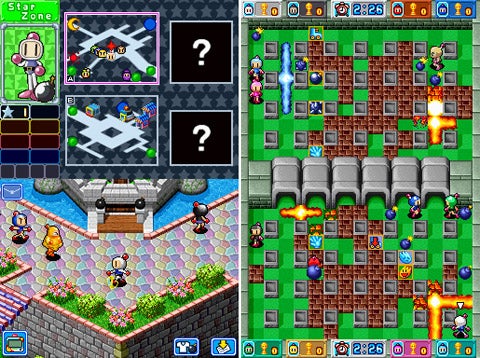
Bomberman Land Touch 2! – 2008
Bomberman tried the Mario Party approach and didn’t quite hit it off. The game was way too simple and there wasn’t much depth to the title. However, there was a lot of content and the use of the touch screen was well implemented.
Most Recent Entry: Amazing Bomberman – 2022 (X360)
Custom Robo Arena – 2007
A decent RPG if not mundane and formulaic. The story is boring and the quests aren’t all that great, but fans of the series or just anime RPGs, in general, might find some value here. This would be the third and final game in the series.
New International Track & Field – 2008
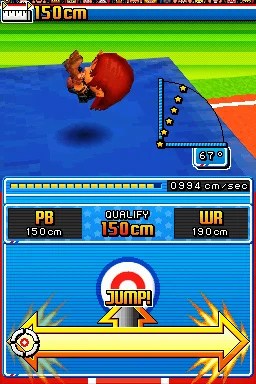
A remake of the original game with cutesy big-headed characters. Some said the game should have been on a console as the dual screens made the game feel off, but some preferred it. It at least had online play at the time which was nice. This would sadly be the final game in the long-running series.
Puchi Puchi Virus – 2009
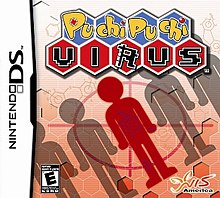
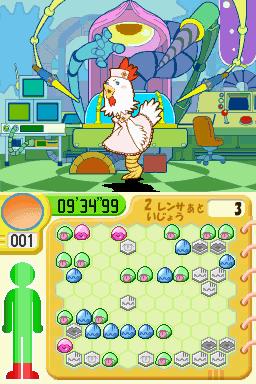
A solid puzzle game that was different from the rest. While it did grow stale after a while and didn’t have the staying power of Meteos or Tetris it was different at least. The bright colors were nice and it had some character.
Luminous Arc – 2007 Luminous Arc 2 – 2008
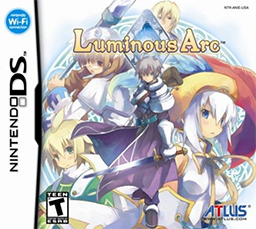
This is a great game for casual gamers who want to dip their toes in the SRPG genre. While it looks good and has some good writing, the game isn’t very deep and can be too easy for vets of the genre.
Yoshi Touch & Go – 2005
A fantastic tech demo during the system’s launch, but that was about it. The game was really short and mostly focused on showing off the touch screen and other features. It’s still worth a pick-up to remind you just how unique and fun the DS really is.
Most Recent Entry: Yoshi’s Crafted World – 2019 (NS)
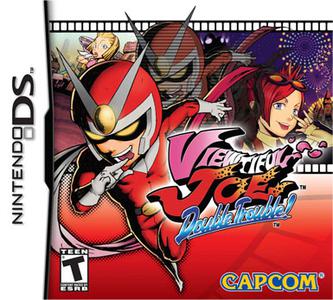
Viewtiful Joe: Double Trouble! – 2005
While not the best use of the dual screens, and there’s no lefty mode, the game still looks great, but the action is mediocre compared to the console brethren. If you love the series you will like what’s here, but just know that it’s also rather short. This would sadly be the final game in the short-lived series.
Many criticized the game for not adding anything and being merely an emulated port. It was solid and ran well, but also had online play, but good luck finding anyone at the time. Included was the awesome Puzzle Fighter from Mortal Kombat: Deception which I personally really liked and spent more time playing than the fighting part itself. The special moves on the touch screen are nice and you can track your W/L ratio. It doesn’t utilize the touchscreen in innovative ways, but it didn’t need to.
A fun and unique puzzle game if not bland in presentation. The story was considered silly and pointless, but the puzzles were addictive and that’s what matters the most.
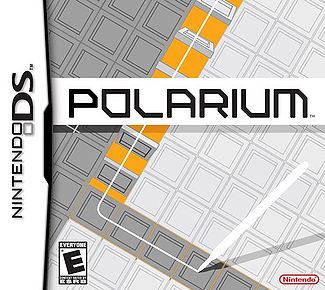
Polarium – 2005
While a boring presentation and bland visuals might put you to sleep puzzle fans will find some joy here. The puzzles are rather hard, but not worth going back to. There is a puzzle maker that you can beam to friends though. There was a sequel later released on GBA of all systems.
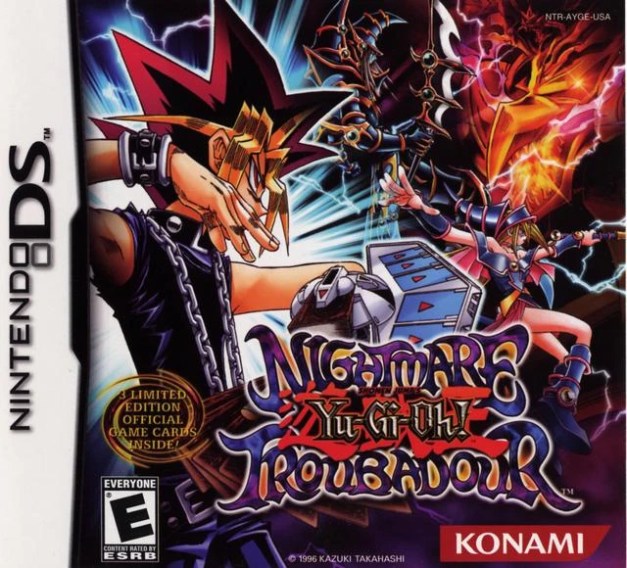
These are considered the most newbie-friendly games at the time of release, but many will still get lost in the story without deep knowledge of the game’s anime lore. It captured the card game very well and had a rebuild of the entire series at this point in time. That was all well and good, but the steep learning curve for non-fans turned many away.
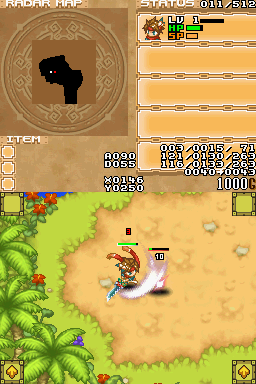
There’s nothing really wrong with this game. It’s a bit grind-heavy, sure, but the Diablo-esque combat and interesting quests made for a fun adventure. It just didn’t really stand out from the crowd much. It’s an Atlus series, so it has a lot of fans. The series would come to an end in 2016.
Most Recent Entry: Summon Night 6: Lost Borders – 2016 (PS4, VITA)
Super Robot Taisen OG Saga: Endless Frontier – 2009
Good writing, if mostly pervy talk, but good nonetheless, and an easy yet addictive combat system won’t fans over. It’s not the best game in the series, but it’s a more relaxing and fun game rather than serious.
Most Recent Entry: Super Robot Wars 30 – 2021 (PC, PS4, NS)
Glory Days 2 – 2007
A unique game for the system but the small screens make playing a bit annoying. While nothing exceptionally amazing it does what it seeks out to do well enough.
Most Recent Entry: Glory Days: Tactical Defense – 2011 (DS)
Dragon Ball Z: Attack of the Saiyans – 2009
A well made if formulaic JRPG in the DBZ universe. Many praised the visuals and interesting story…for fans. Yeah, you probably won’t want to bother unless you’re a fan of the show.
Most Recent Entry: Dragon Ball: The Breakers – 2022 (PC, NS, PS4, XONE)
Contact – 2006
It’s an Atlus game. Yeah, Atlus had some very mediocre games on the DS, but they get credit for trying something new. Contact is one of those. Praised for its humor and interesting story, but had boring combat and exploration. You either love it or hate it.
Brothers in Arms DS – 2007
While given props for being an incredibly good-looking DS game and keeping the core BiA action intact, the game was rather short and over before you knew it. It had some online play, but barely. Sadly, the series never saw a true sequel.
Most Recent Entry: Brothers in Arms 3: Sons of War – 2014 (AND, iOS)
Harvest Moon: Frantic Farming – 2009
While not perfect, the puzzle gameplay is a nice change of pace for the series. While some of the puzzles felt like they had to be completed a certain way, any puzzle fan could get into this regardless of their Harvest Moon affinity.
Most Recent Entry: Doraemon: Story of Seasons – Friends of the Great Kingdom – 2022 (PS5, NS, PC)
Front Mission – 2007
A remake of the SNES classic, this is a deep and involved game that requires patience and a love for either mechs or the SRPG genre. This game turned many fans of the genre away for its complexity and sometimes dry presentation, but it still has a few layers of fun.
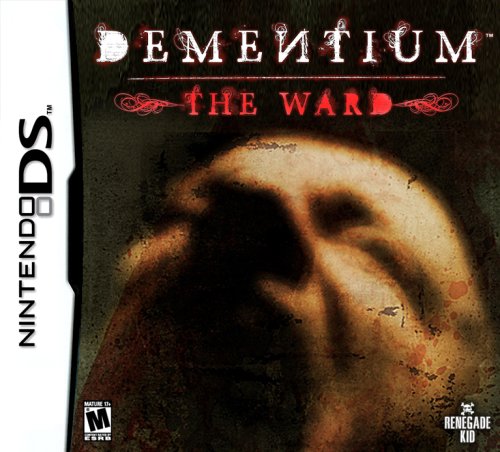
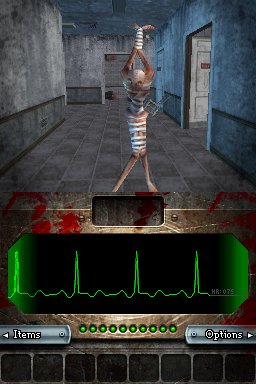
I personally love this series. It’s not perfect and has some pretty bad level design, and can be really frustrating, but the engine Renegade Kid designed is gorgeous. A 60FPS shooter on this system looks amazing. It’s also one of the best horror games on the system. It was later remastered on the 3DS which is probably the best version.
Most Recent Entry: Dementium: Remastered – 2015 (3DS)
Theme Park – 2007
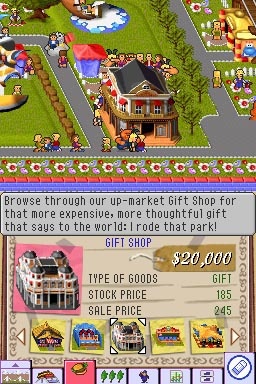
A straight port of the 1994 classic, but that’s all it was. Nothing new was added or changed, and the game is overly complicated sometimes which would turn off casual sim fans. If you have the patience for the small screen and complex gameplay then you will have fun.
Most Recent Entry: Theme Park – 2011 (AND, iOS)
Mario Party DS – 2007
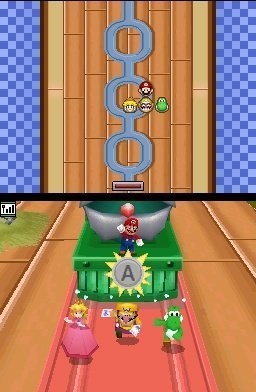
I remember when this game came out. Everyone was hyped for it but was let down by the board design despite the stylus and touch screen bringing a new dynamic to mini-games. The single-player was also really disappointing and was best played with friends. This is the one and only Mario Party game on DS.
Most Recent Entry: Mario Party Superstars – 2021 (NS)
Boing! Docomodake DS – 2009
A cute and quirky DS game that came over from Japan. The downside is the extreme amount of trial and error to get through the game. If you can stomach that then this is one really unique game that flew under everyone’s radar.
Go! Go! Kokopolo: Harmonius Forest Revenge – 2011
Considered one of the best DSiWare games on the system, the fresh characters and fun charm of the game were well-liked, but the brutal difficulty turned many away. It would get one more sequel on 3DS before being forgotten.
Most Recent Entry: Go! Go! Kokopolo 3D: Space Recipe for Disaster – 2017 (3DS)
Nostalgia – 2009
The name says it all. This game is for those who grew up with SNES or PS1 JRPGs. With that in mind, the game doesn’t add anything to the genre and is pretty formulaic. The story is good but takes a long time to get going, but with patience and nostalgia on your side fans will love it.
Pac-Pix – 2005 Pac ‘n Roll – 2005
A fun and unique early title for the system, but the interface and gimmicky controls got old after a while and only the most patient or diehard fans would complete the game. It’s still completely unique to the DS ecosystem. Pac-Pix was a fun scribbling game that let your drawings come to life. Very simple, but a great tech demo for the DS.
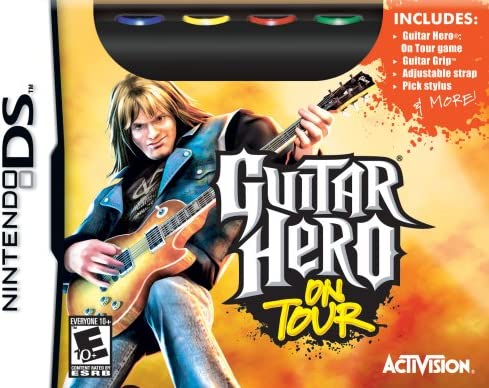
Guitar Hero: On Tour – 2008 Guitar Hero: On Tour Decades – 2008 Guitar Hero: On Tour Modern Hits – 2009
I remember getting the first Guitar Hero game for DS with the hand grip keys attached to the GBA slot of the DS. It worked really well, but anyone who didn’t have child-size hands would get serious cramps. You were also locked out of the game if you had a DSi which nixed the GBA slot. The great addition to this game was being able to play with friends with a single cart.
Most Recent Entry: Guitar Hero Live – 2015 (XONE, PS4, PS3, iOS, X360, WIIU)
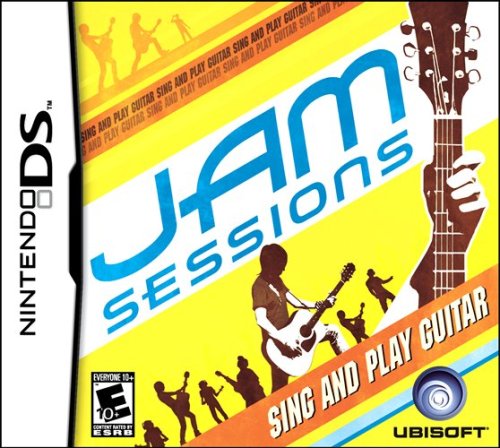
Jam Sessions – 2007
More of a learning tool than a game. Well, yeah. That’s where it stops. There’s not much of a game here. It also didn’t teach you how to play guitar like an expert but got the basics across. The DS was a unique system that allowed learning software like this.
Most Recent Entry: Jam Sessions 2 – 2009 (DS)
DodoGo! Robo – 2011
The smaller package didn’t improve upon the sequels but just felt like an expansion or DLC. The puzzles were punishing but satisfying once conquered. The game also lacked any nice presentation looking dull in most spots.
Electroplankton – 2006
A fun and unique take on art and music but lacked a save feature which really irked players back in the day. It offered something new every time you booted up the game and felt like a piece of interactive art.
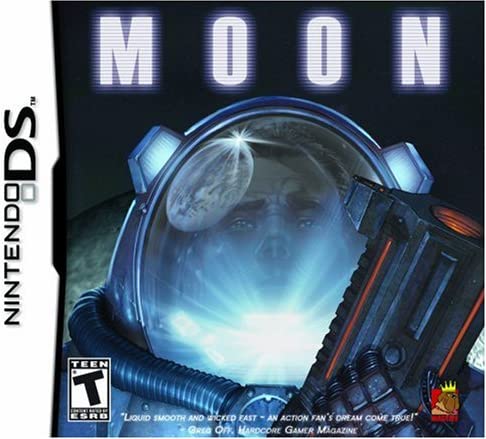
Moon – 2009
Moon was an underrated FPS game on DS that used Renegade Kid’s engine. It was smooth, fun, and had a great atmosphere. It was later remastered for the 3DS.
Most Recent Entry: Moon Chronicles – 2014 (3DS)
Kirby: Squeak Squad – 2006
A fun game if formulaic when it comes to Kirby games. It didn’t do anything new and was really easy and only offered forgettable mini-games. Mainline fans will still find something here to like.
Most Recent Entry: Kirby’s Dream Buffet – 2022 (NS)
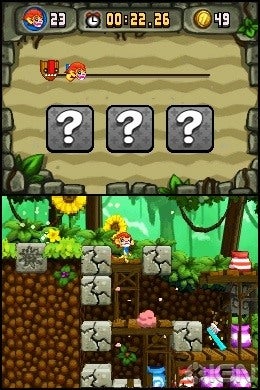
Nanostray – 2005
The short-lived series was well-liked by shmup fans. The game was fun, but very short and didn’t do anything particularly fantastic with the genre. It’s still a great addition to your library if you’re a fan of these types of games.
Most Recent Entry: Nano Assault – 2011 (3DS)
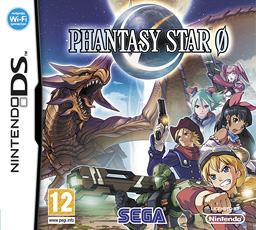
Phantasy Star 0 – 2009
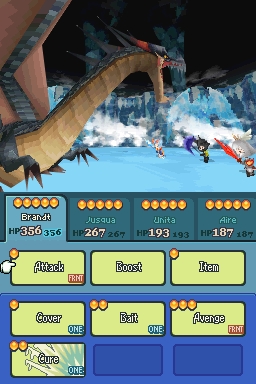
A decent take on the series in portable form. The game offered online play and fantastic grinding with friends, but the single-player experience wasn’t as interesting. While it was fun and you could do it the series is meant to be played online. Just be prepared to do a lot of grinding.
Most Recent Entry: Phantasy Star Online 2: New Genesis – 2020 (PC)
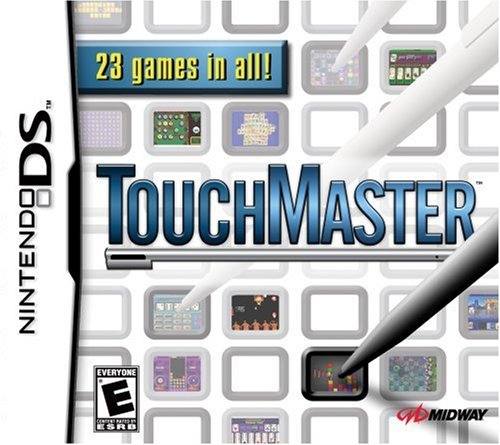
TouchMaster – 2007
This was a fun set of “car ride” games, but not every game would be suitable for everyone. You would pick your favorites and never touch the rest. It feels like you got ripped off. Thankfully the series would improve.
Most Recent Entry: TouchMaster Connect – 2010 (DS)
Ontamarama – 2007
One of the best rhythm games on the DS, but everyone kept putting it up against Elite Beat Agents at the time. It’s by no means bad but does feel sort of generic in comparison. It’s not zany or whacky, but just a fun anime-style rhythm game.
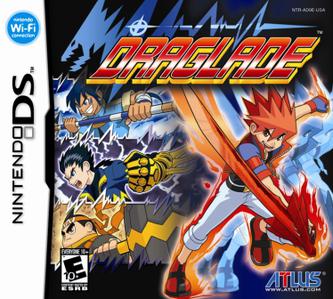
Draglade – 2007
Another Atlus game on the list. Draglade is a unique mix of rhythm action and fighting, but the story is silly, there’s not much depth or challenge, and it’s over before you know it. It’s still a fun anime-style game.
Birds & Beans – 2009
A small $2 game that doesn’t utilize any of the DS’ features is brave, but it worked here. It’s a fun and frantic arcade game with no shame about what it offers.
Final Fantasy: The 4 Heroes of Light – 2010
If you’re dying to jump back into the world of FFXIIthen look no further. This is a by-the-numbers JRPG with simple combat and a simple plot, but sometimes that’s okay.
Most Recent Entry: Stranger of Paradise: Final Fantasy Origin – 2022 (PC, PS4, PS5, XONE, XSX)
Space Bust-A-Move – 2009
If you liked more of what the series has offered then look no further. The formula hasn’t changed in over a decade, but it’s still a lot of fun with unlockables and a space theme.
Most Recent Entry: Bust-A-Move: Journey – 2017 (AND, iOS)
Avalon Code – 2009
The Book of Prophecy is a unique gameplay mechanic that allows you to capture things and manipulate their attributes. The UI and interface are a mess, and the game requires a lot of hours behind it to fully enjoy the game. The complexity is well worth overcoming for the unique gameplay mechanic.
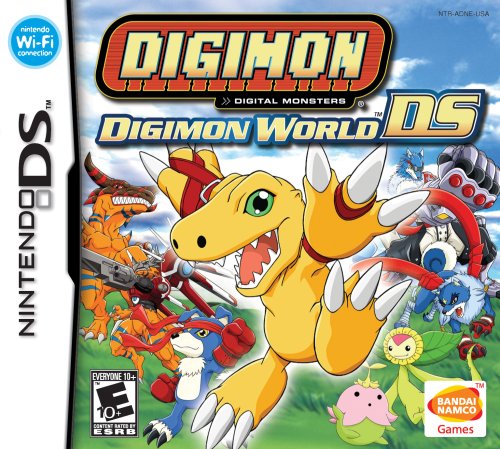
Digimon World DS – 2006
The series struggled to find its own identity outside of Pokemon. While the farming idea was fresh and the capture method was different it was a new start for the series, but not quite enough. It’s still a solid handheld entry.
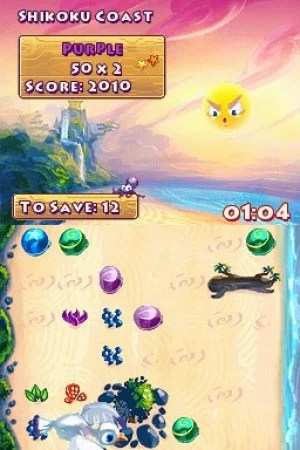
While teaching you about marine conservation this puzzle game was cute looking and fairly good for the cheap price point. It won’t blow you away, but it was a fun offering for all ages.
Resident Evil: Deadly Silence – 2006
This remake using the DS controls works just fine, but it doesn’t offer anything new. The game itself feels dated despite how perfectly fun it was at the time. If you are tired of the original game don’t bother. However, this is a good jumping in point for those who want a more modern update.
Most Recent Entry: Resident Evil Re:Verse – 2022 (PC)
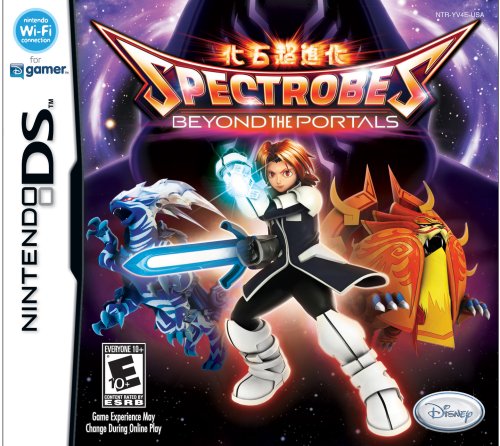
Spectrobes: Beyond the Portals – 2008
The poor man’s Pokemon, or Digimon for that matter. While the monster trainer part was fine it wasn’t very deep and too simple for anyone familiar with other games in the genre. It’s still worth a look if you’re tired of said games.
Most Recent Entry: Spectrobes: Origins – 2009 (WII)
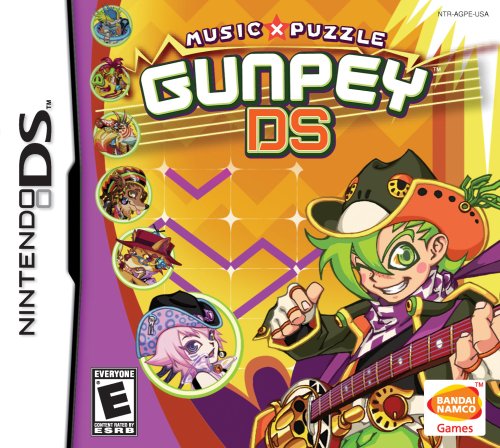
Gunpey DS – 2006
This puzzle game series was short-lived at the time, and while it was easy to learn but hard to master the overall difficulty wasn’t that high and you could easily achieve high ranks without a sweat. It’s still a cute-looking and fun game. This would sadly be the final game in the series.
Nervous Brickdown – 2007
A fun and stylish Breakout clone, but it doesn’t do anything new with the genre. The mini-games are fun, but they feel constrained to the gameplay element of bouncing a ball around and it hinders it a bit.
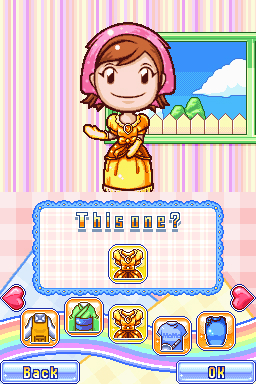
Cooking Mama 2: Dinner With Friends – 2007
The series was feeling stale at this point, but no game is incredibly awful as long as the unique controls work. These games are addictive and fun, but short-lived and don’t vary much between sequels.
Most Recent Entry: Cooking Mama: Cuisine! – 2022 (AND, iOS)
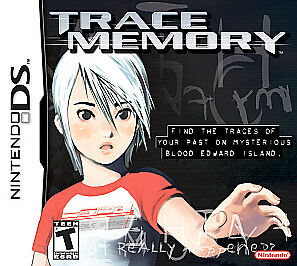
Trace Memory – 2005
An early DS title that used the stylus well and looked great. This touch-and-click adventure was praised for its story, but the slow pace, short run time, and lack of action put some people off.
Most Recent Entry: Another Code: R – A Journey into Lost Memories – 2009 (WII)
100 Classic Books – 2010
This may not be relevant these days, but before the rise of e-readers, the DS was thought to be a great option for reading books. While the backlight might be harsh on the eyes this is more of a piece of software and there’s no game here. 100 classic books on one cartridge could keep you busy for months or even years. It actually sold quite well, especially in the UK.
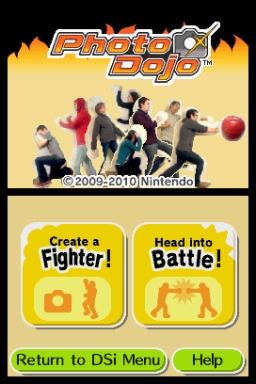
Photo Dojo – 2010
The DSi was the first handheld with a built-in camera. This, of course, sparked the start of augmented reality games, and while the cameras were of poor quality this game did a good job of injecting you and your friends into the game with zany mini-games.
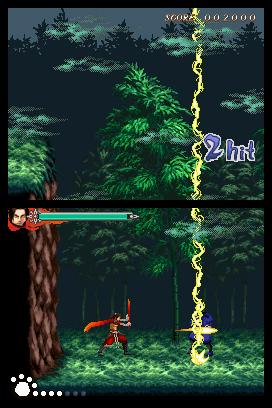
The Legend of Kage 2 – 2008
A direct sequel to the classic side-scrolling platformer. The game didn’t offer much of new gameplay elements but still was hard as nails. This was a lot of people’s complaints. No difficulty setting and unless you loved old-school side scrollers you wouldn’t find anything worthwhile here.
Neves – 2007
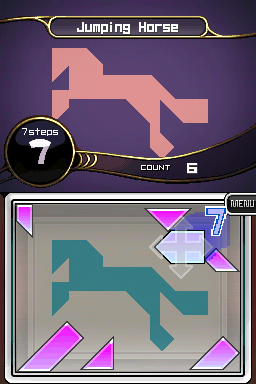
While the design isn’t anything original this shape puzzle game gets the job done. It’s incredibly basic in presentation and if you don’t like this type of puzzle game you won’t enjoy it. It’s for a specific crowd.
Sonic Classic Collection – 2010
This is just a bog standard collection that we’ve seen before. It also doesn’t run super well on the system. Poor emulation aside if you have to have a classic Sonic game on your DS it’s not the worst thing.
Most Recent Entry: Sonic Frontiers – 2022 (PC, NS, PS4, PS5, XONE, XSX)
Fossil Fighters – 2009
It doesn’t look amazing or have any interesting story or characters, but it’s down right fun and has good combat. There are also a lot of things to do. Some may find it a bit too easy, but fun is fun.
Most Recent Entry: Fossil Fighters: Frontier – 2014 (3DS)
Atelier Annie: Alchemists of Sera Island – 2009
The one and only Atelier game on the DS. Annie is more of a city builder and less of an RPG. It also has a comedic story that’s very whimsical and fun. If you’re a fan of the RPG elements in the game then this may not be for you.
Most Recent Entry: Atelier Sophie 2: The Alchemist of the Mysterious Dream – 2022 (PC, PS4)
Metal Slug 7 – 2008
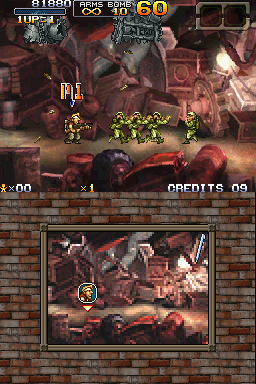
A surprising DS exclusive. It’s Metal Slug without any enhancements or advancement of the formula. It’s the same old Metal Slug we’ve either grown to love or tired of. The smaller screen thankfully doesn’t make it a chore to play and it runs really well.
Most Recent Entry: – 2009 ()
Dragon Ball: Origins 2 – 2010
If you loved the original you will like this one. Just be in for some unfixed controls and slowdown. It’s a fun RPG for fans of the series and you will be in for a good time despite its simplicity.
Most Recent Entry: Dragon Ball: The Breakers – 2022 (PC, NS, PS4, XONE)
Garfield’s Nightmare – 2007
Great visuals and level design help this game along quite a bit for older gamers. However, the pre-teen range this game shoots for shows. It’s easy and simple, but can be relaxing and lightweight for older gamers.
Most Recent Entry: Garfield Kart: Furious Racing – 2019 (MAC, PC, NS, PS4, XONE)
Mr. Driller: Drill Spirits – 2004
If you love Mr. Driller then this is for you. It’s also a good jumping-in point for new players. If you are tired of the series and want something new then this isn’t for you. It’s the same old game built for touch screens. That’s about it.
Most Recent Entry: Mr. Driller: Drill Land – 2020 (PC, NS, PS4, PS5, XONE, XSX)
Beat City – 2010
A simple but fun rhythm game. If you’re tired of the bigger hits on the DS then this might be for you. It’s really short, and doesn’t have much replay value, but could be a fun evening with cute graphics.
Art Style: AQUIA – 2009
The Art Style series was popular due to its simple design and minimalistic looks. Aquia mixes Tetris with Bejeweled and while it does a decent job it’s very simple and won’t hold your attention as long as other puzzle games on the system.
Most Recent Entry: Art Style: Rotozoa – 2010 (WII)
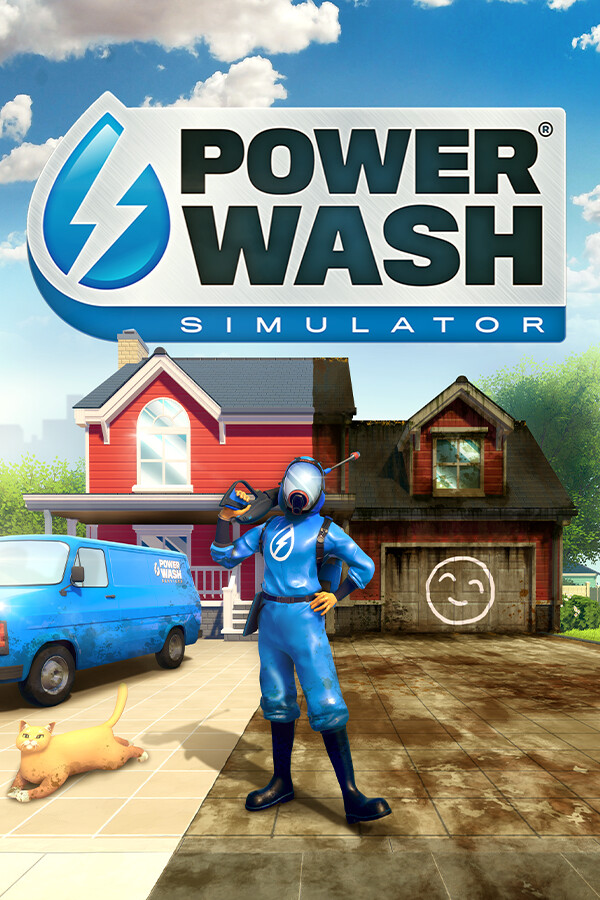
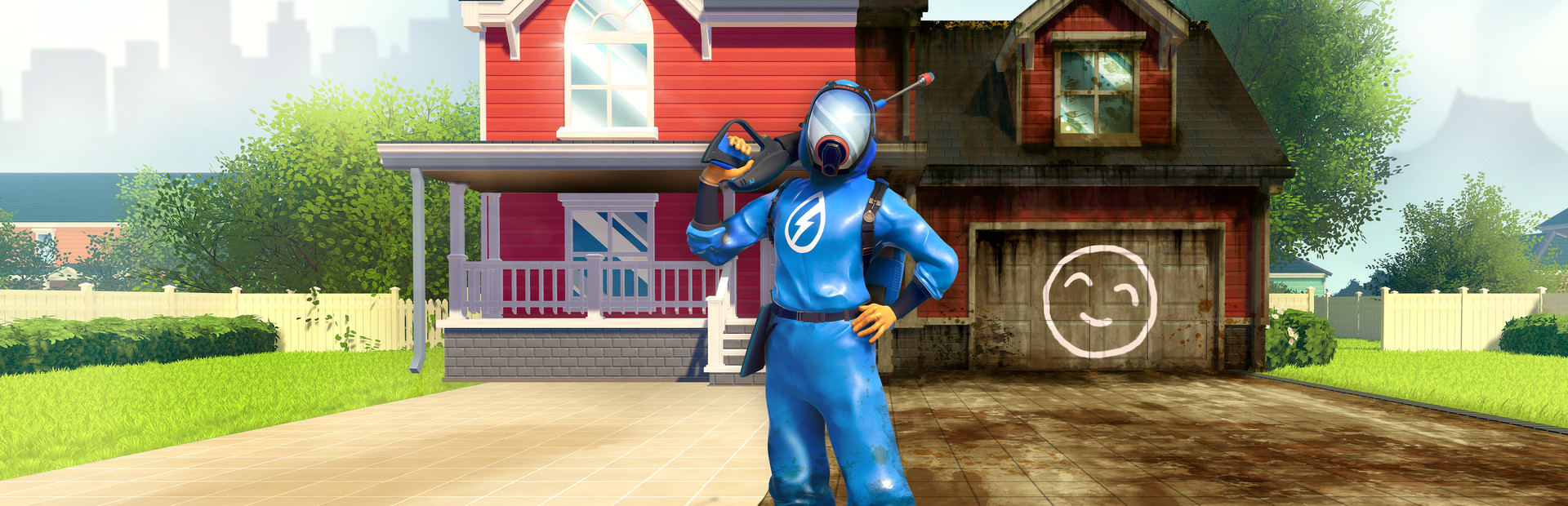
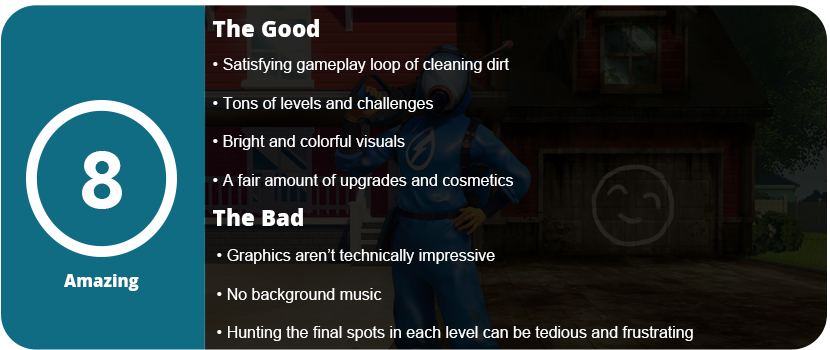
I never thought that I would have so much fun with a chore. There are various curated threads online about watching power washing. It’s satisfying to see someone turn an incredibly dirty surface into a sparkling clean one like wiping a window with a squeegee. There are many jokes about missing a spot and everyone in the comments losing their minds. r/powerwashingporn is a popular subreddit dedicated to these videos. FuturLab has done an incredible job of making this chore feel fun and satisfying. There’s even a silly story that’s evolved over the course of the Early Access phase involving gnomes.
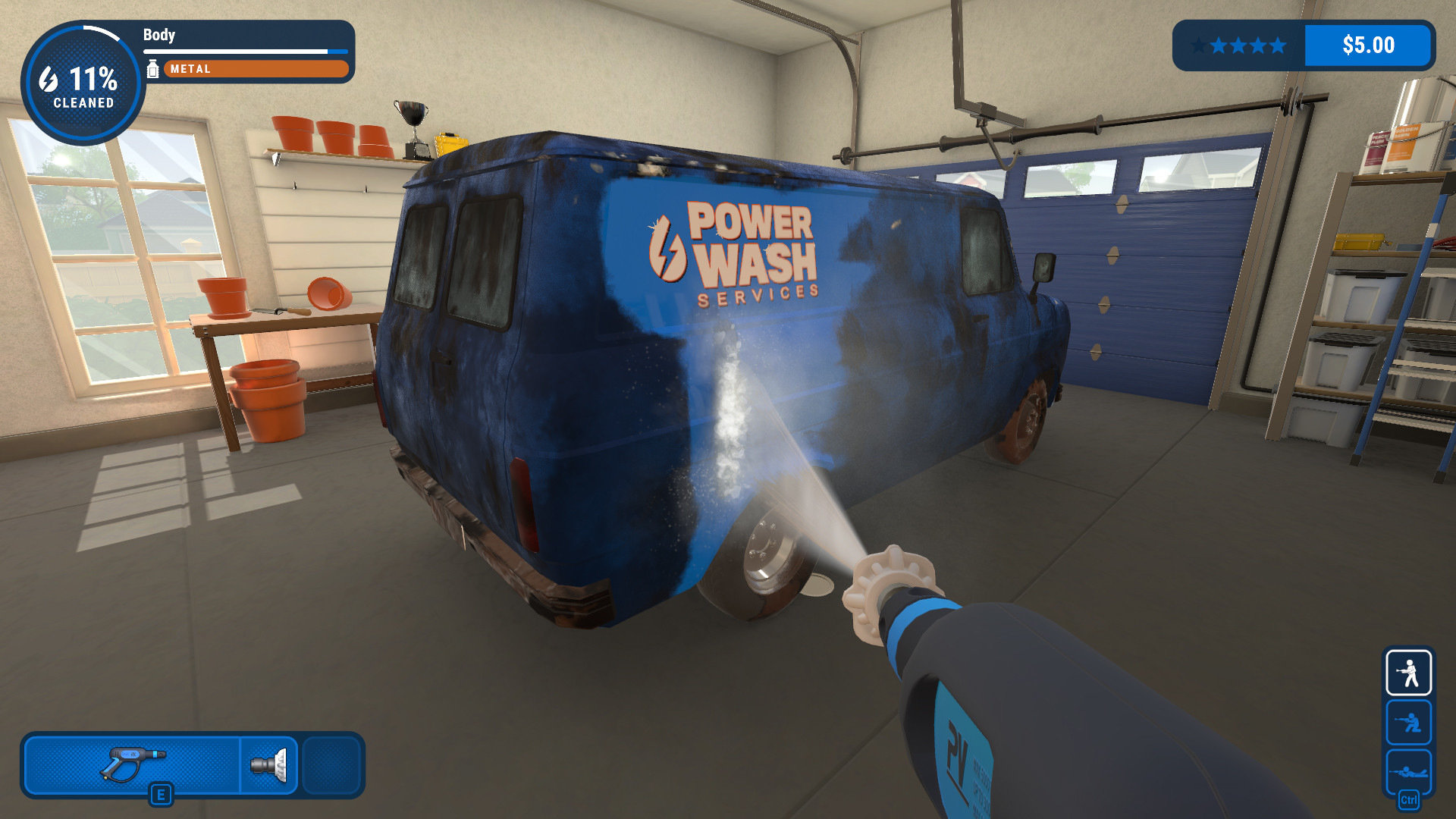
Every surface is covered in dirt, rust, mud, or some type of grime. You get a power washing nozzle and you spray things down until they turn clean. You can decide what to spray, what direction, and in what order. That’s part of the fun. Tackling each area in a certain way is satisfying and fun for you. Your tools include various spray nozzles that have different widths as well as spray liquid for getting tough areas, but this stuff is expensive and limited. You also have a spray gun that shoots various distances. These can be bought and unlocked with money by completing levels. You are paid at the end of a level and you can see a sped-up replay of your work. There are also cosmetic items such as your suit and gloves.
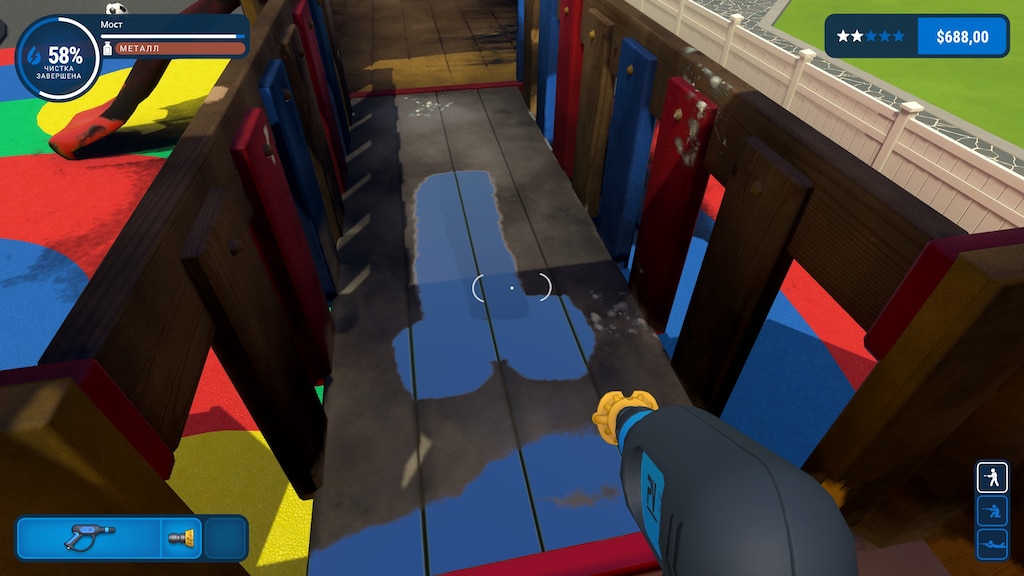
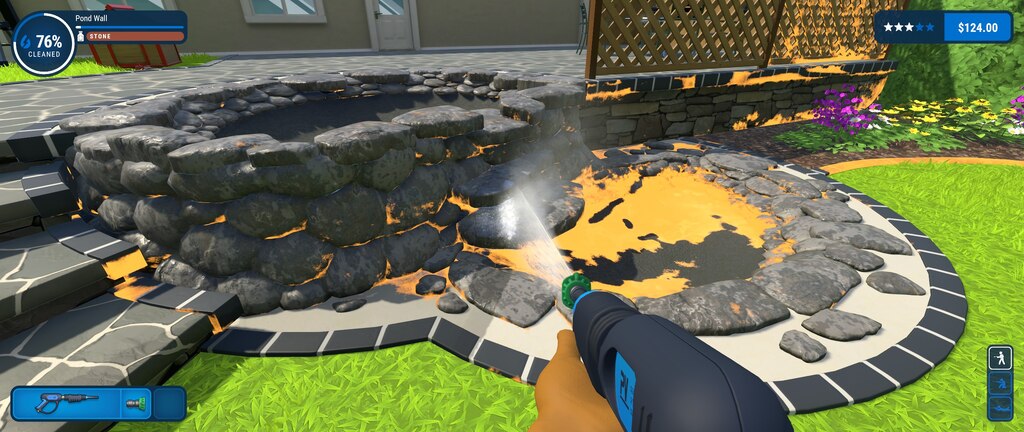
Some levels are multi-storied so you get step stools, ladders, and scaffolding that can be moved around and put wherever you need it. There are a few levels that have some frustrating buildings to clean such as the giant shoe level. There is a meter on each surface that shows how complete it is and sometimes it can be hard to find that one dirt spot that’s keeping the surface from dinging. Thankfully there is an illuminate dirt button that turns all dirt a golden yellow for a few seconds so you can see what you’re missing. Getting down the last percent in each level can get annoying as you’re just hunting down that last dirt spot. There is also a list of each surface and the percentage that they’re cleaned, so you can at least eventually narrow it down.
There isn’t any background music. You just get ambient noises like birds chirping or cars driving in the background. It’s a very silent game. You’re best just playing your own music in the background as this is a very zen game where you can veg out and not think about much. I also appreciate the control scheme on a controller too. It’s easy to control and you don’t have to move your aim camera back and forth like you used to in Early Access. You can now press a button to move your sprayer within the frame of the camera. This can reduce motion sickness and overall irritation. It wasn’t a big problem on a PC with a mouse, but it was unbearable with an analog stick. Most levels can take you 1-3 hours to complete depending on how big they are. There are smaller challenges that involve just cleaning a vehicle like an RV, alien spaceship, Mars rover, or bicycle. Levels get more complex as you go on with more small objects and more complicated surfaces. Things like planes, boats, helicopters, and the previously mentioned shoe house can get really busy. I would end up doing some levels in multiple sessions. The longest level I spent time on was nearly five hours.
Again, you have to like this kind of thing to see an appeal to it. The visuals are bright and colorful, but rather basic and simple. There is no raytracing, AI anti-aliasing, or anything complex rendering-wise. The game can technically get very repetitive, but that’s actually the point of this game. I feel many may mistake this game for a business simulator when you only do the power washing and buy upgrades and cosmetics. I had a blast (no pun intended) with this game and FuturLab is still putting out content that I need to catch up on. Overall, PowerWash Simulator is one of the most relaxing and satisfying games I’ve ever played.
Keyboards aren’t something I buy very often. Good keyboards are really expensive and are even more personal than mice. The weight of the board itself, the looks, keycaps, switches, layout, and everything can get very complicated for some. I tend to go for high-end gaming keyboards and usually wait 2-3 years before purchasing a new one. Wireless keyboards have kind of been terrible recently especially gaming keyboards with RGB lighting. I’ve always been fine with wired keyboards as they always stay put, but they do need cable management and their cables can sometimes be very thick. A positive side of wired keyboards is USB pass-throughs which would drain a wireless keyboard.
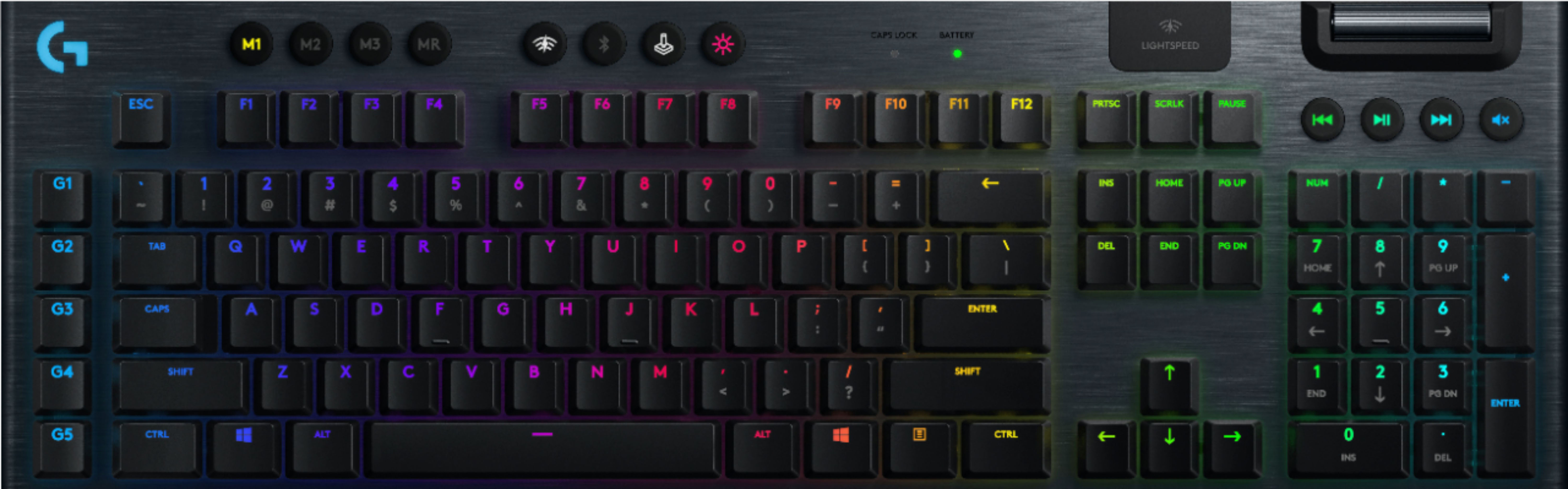
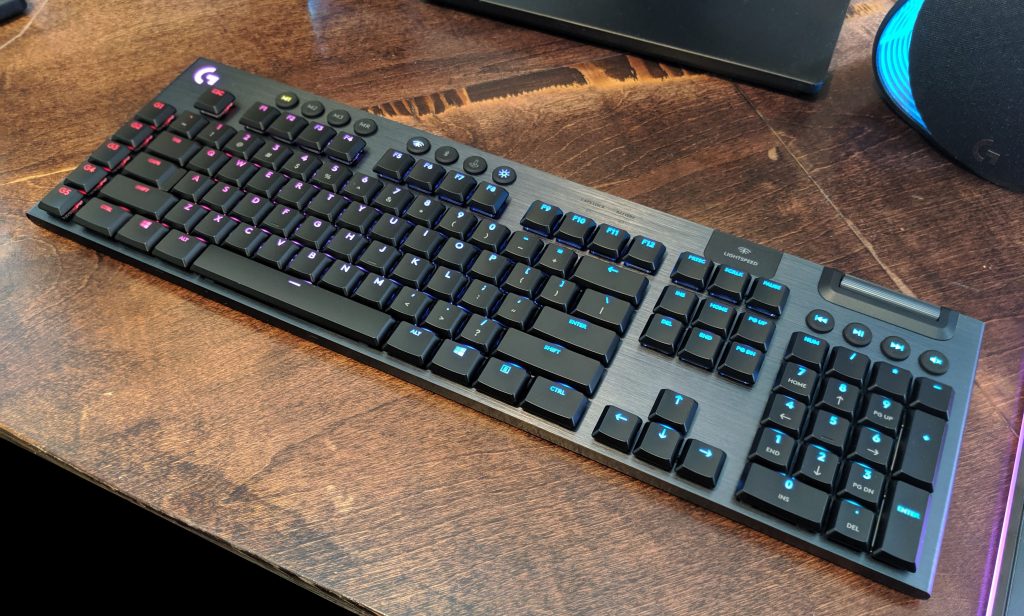
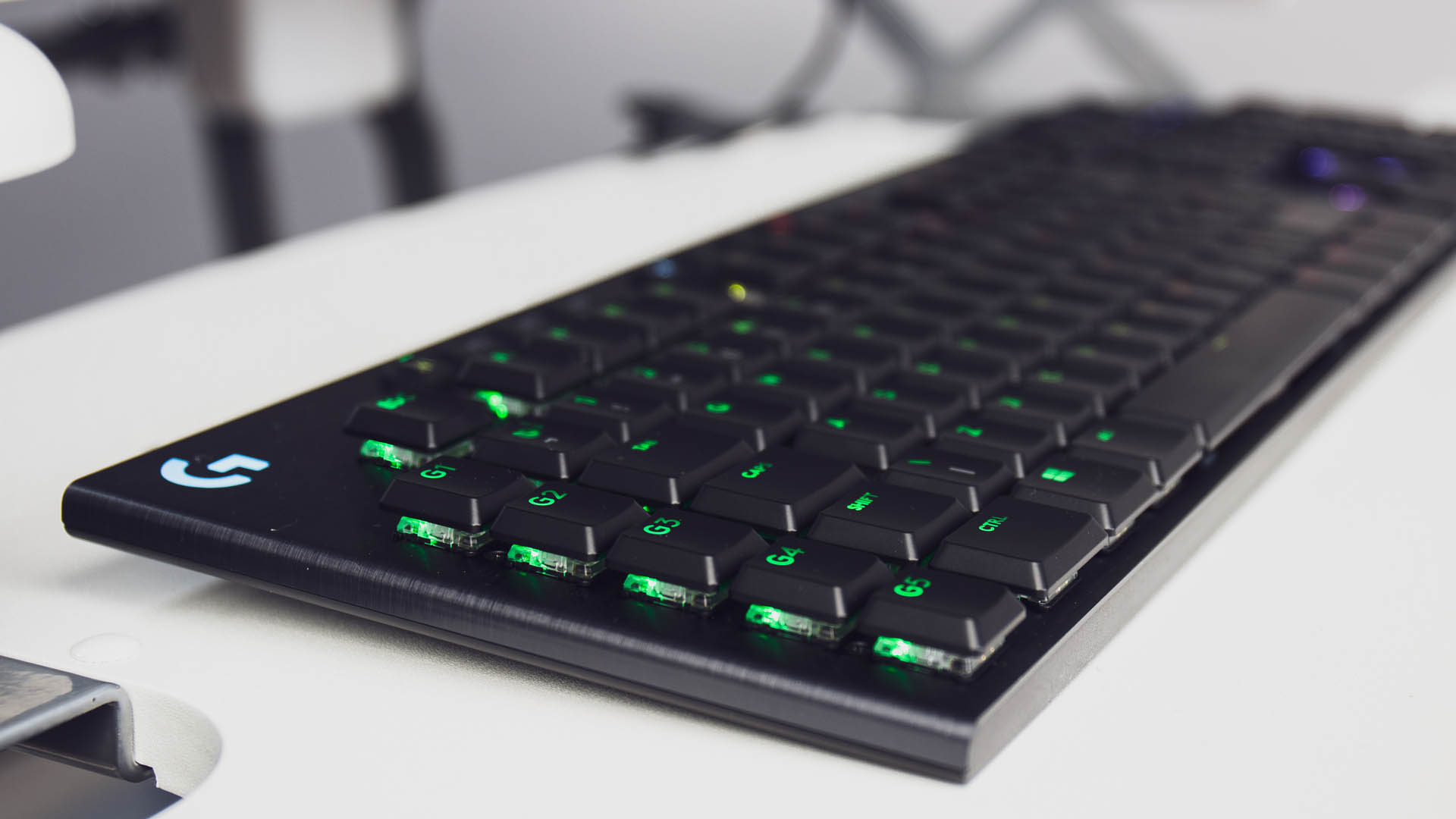
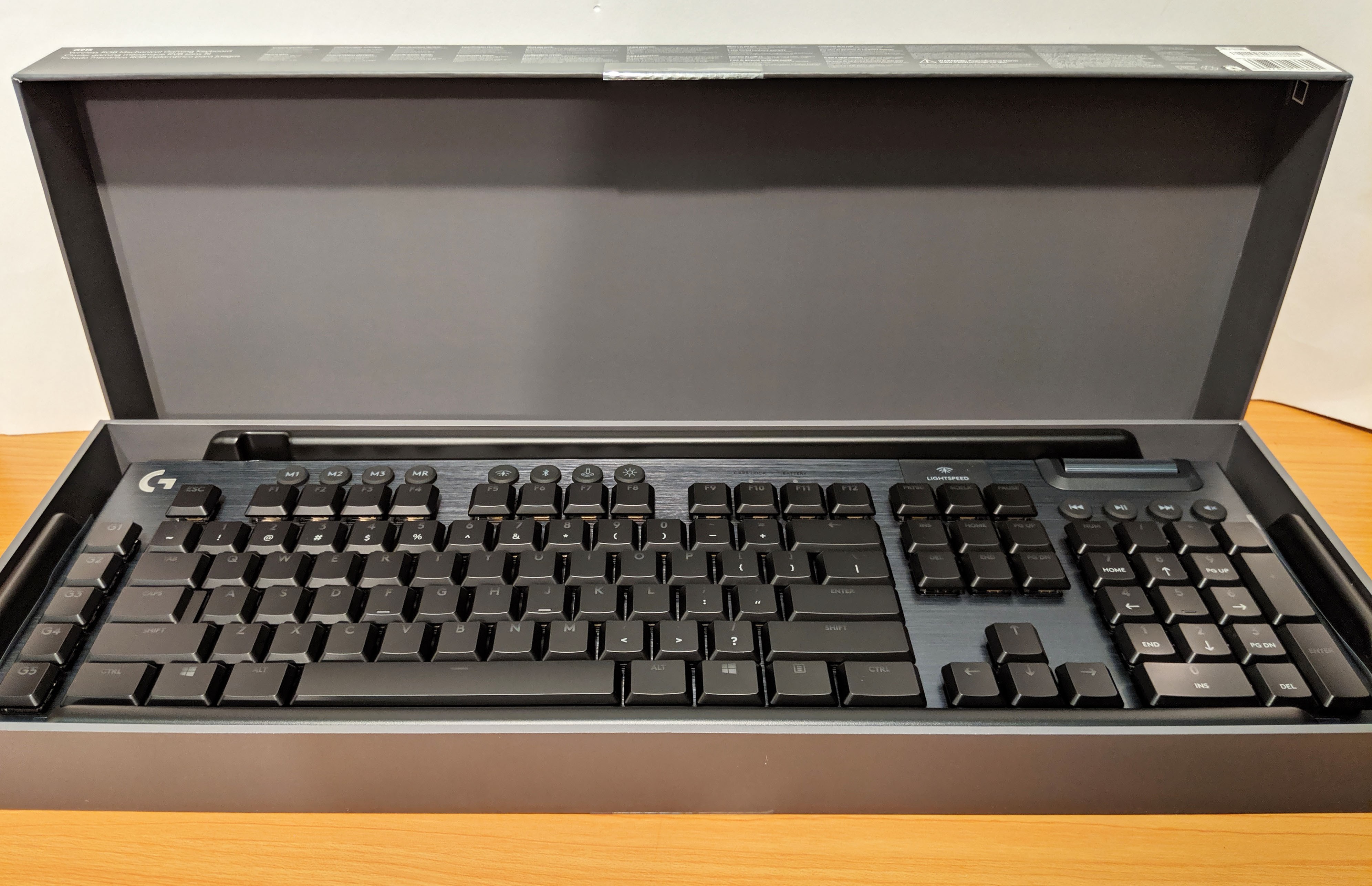
I cut the cord on mice 15 years ago. The technology for responsive mice has been here for a very long time. This is my first wireless gaming keyboard and I was very skeptical at first. There are three key types available. I chose clicky as I have heavy hands and like the sound of bright clicks. There is also a tenkeyless version available as well. When taking the keyboard out of the box I have to say that this is the thinnest keyboard I’ve ever seen. It’s so sleek and low profile. The brushed aluminum is also a nice touch. Despite the thinness, it’s surprisingly weighty. It also sports feet to raise the back up higher.
I was sad to see the plug is USB mini and not USB-C. It comes with a wireless dongle and a USB cable for charging. You will notice how close the keys are compared to other keyboards. The caps are low profile so they are similar to some laptop keys, but the switches are nothing like that. Logitech is using unpopular GL switches here so there are almost no third-party keycaps available on the market. I’m not sure if Logitech did that on purpose or if it was just bad judgment. The typing feel on this keyboard is very nice and I can rest my hands on the home row without the keys pressing just from the weight of my fingers resting.
I’m not the biggest fan of the other keys as they are soft rubber and not solid buttons. I’m glad there are dedicated media keys here and a volume wheel and the texture of the buttons is kind of velvety. It’s a bit odd. At least there is a bit of an indentation in each key so you know if you are on one. There are four profile keys, wireless selection, a game mode button, and a brightness button. There is a battery indicator light at the top. It lets you know when your battery is below or above 15%. You can also press a key combination to change between RGB patterns that are in the internal memory. You technically don’t even need Logitech G Hub software.
The software itself is used for setting macros, changing power settings, creating shortcuts, and changing the lighting. The keyboard allows for animations as well if you want to get technical and fancy. You can also see how much power you’re consuming based off of current settings. The battery can last about 30 hours with full RGB brightness. I tend to reduce mine to around 70% and I get nearly 40 hours. With RGB off you can easily get over 100 hours of battery life according to the software.
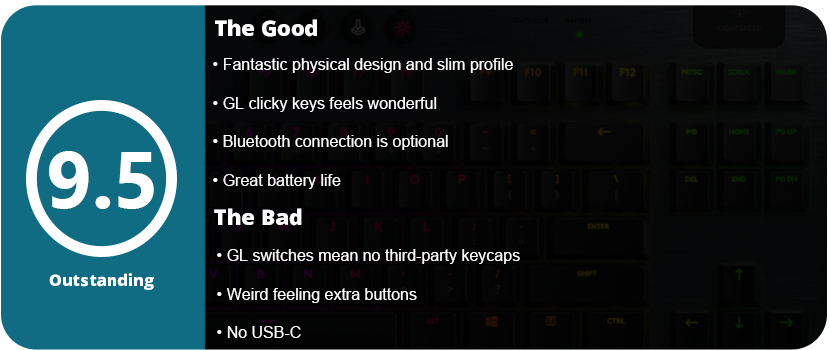
Overall, the G915 Lightspeed is a fantastic keyboard. The slim profile, brushed metal, and fantastic clicky GL keys feel really nice. I wish the extra buttons were more tactile and not a squishy velvety rubber, but at least they’re there. There is also no palm rest which is surprising for the premium price you are paying and it’s not USB-C. I’m impressed with the battery life quite a bit and overall it’s just an incredibly solid keyboard and is a delight to type if you like clicky keys.
What would it be like if humans were invaded by aliens, but they weren’t killed or captured for the usual reasons. What if we were awesome drugs? That’s what High On Life is all about. It’s written like a Rick & Morty episode which would be expected. Justin Roiland heads the writing and voice acting for the game just like in the shows. If you don’t like Rick & Morty then you won’t like this game either. I thought it was insanely funny and had a lot of witty humor not just in general, but also poking fun at gaming tropes. Walk away from a character mid-sentence and they will comment on it, sprint for too long, stand in one place for too long, and many other things.
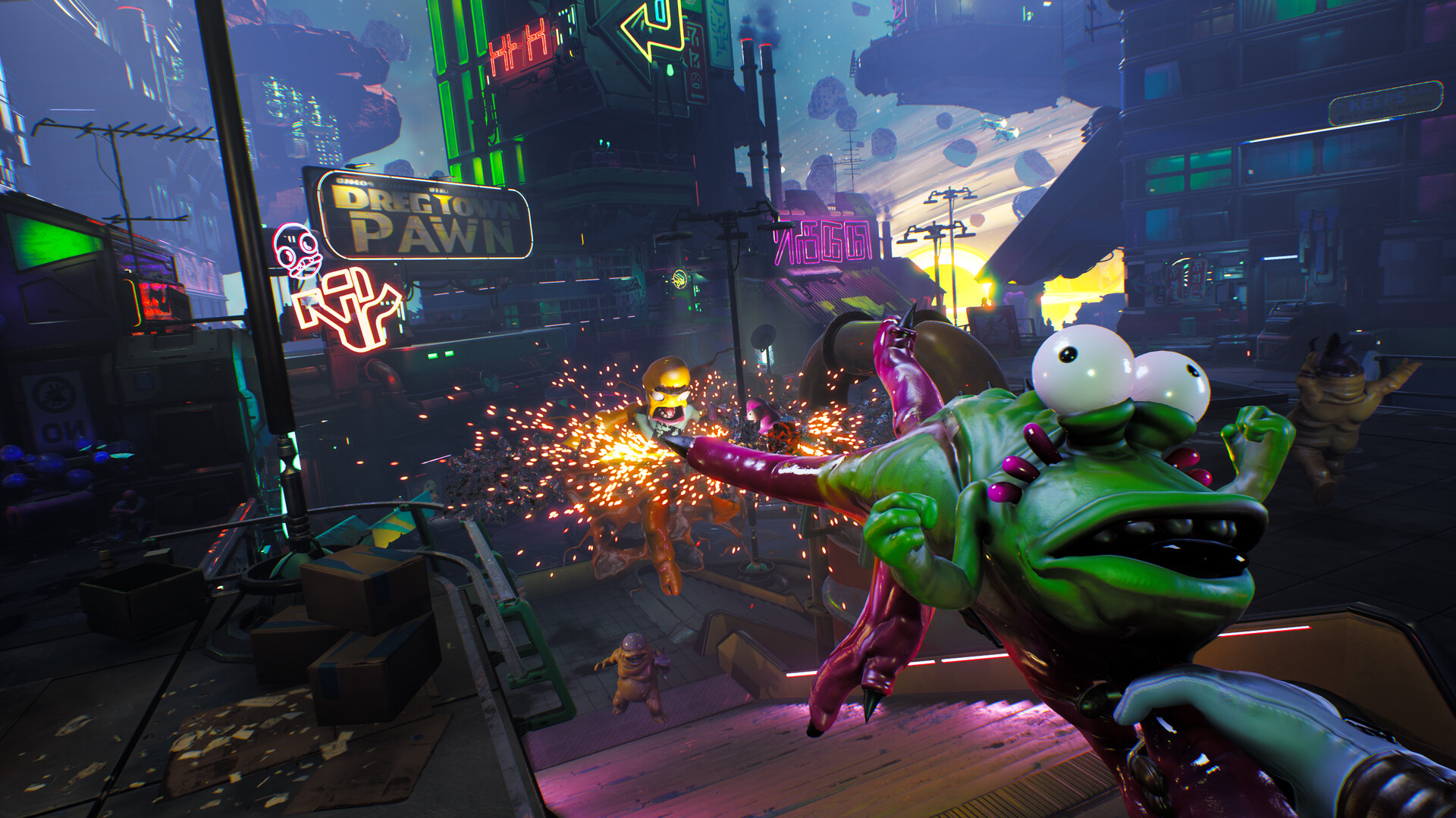
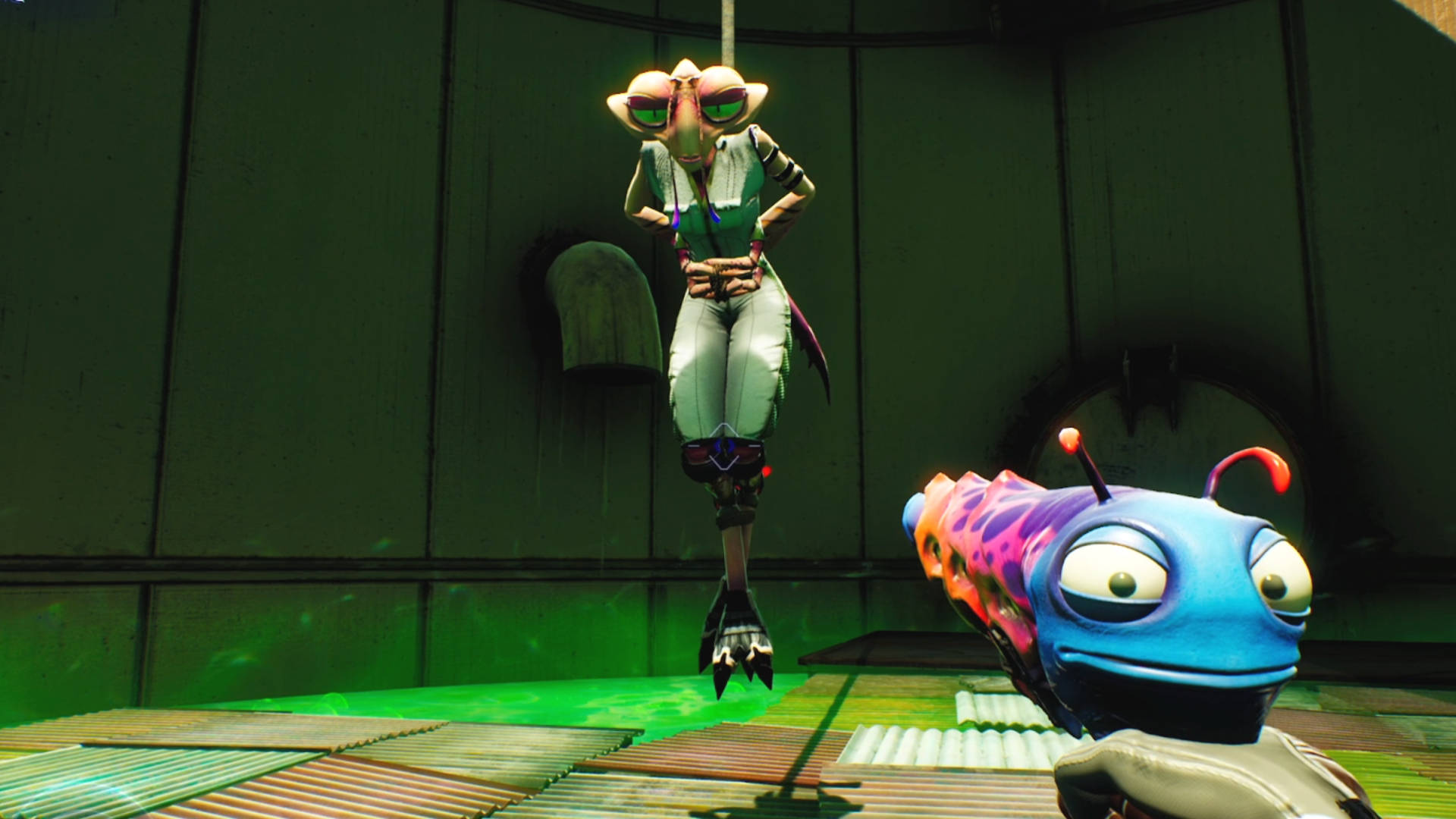
The opening sequence sees your planet being invaded by aliens while you and your sister are in your house with your parents away. A series of events follow and you acquire your first talking weapon, Kenny, and then you are introduced to the game mechanics. There are five talking guns in total, and I found this very original and more interesting than just making a standard shooter. Each weapon is organic and shoots organic ammo. Kenny is a standard pistol, but using his Trickhole sees him shooting a green bouncing blob. This can be used to solve a few puzzles in the game as well. The second weapon is Gus. He’s your standard shotgun, but his Trick is a bouncing saw blade that can be volleyed with your knife. He can also suck enemies toward you. The third gun is Sweezy who is clearly a mock of Halo‘s Needler gun. She can be used as a sniper pistol and uses a bubble that slows down time. Shoot the bubble to have it expand and explode to do damage. The fourth standard gun is Creature. He is kind of like a grenade launcher, but he shoots babies that attack enemies. His trick is a mind control baby that can help you out. He wound up becoming my favorite weapon just because the babies are fast and can kill enemies quickly and keep them off of you.
The final gun is Lezduit, but he is only used in the final level as a very powerful ultimate weapon. These guns will talk to you through the whole game and the humor is injected even into their animations. They stare at you and make faces, comment on everything you do, and just have this gross wet, and squishy biological thing about them. The game’s humor is full of vulgar humor from the sexual, potty, and overall just stuff that everyone usually laughs about. These weapons kind of remind me of Oddworld: Stranger’s Wrath. Weapons that are living and interact with you. The entire game is very organic and everything just looks and feels wet and goopy. It’s pretty hilarious.
Sadly, the story isn’t anything to write home about. It’s pretty much just like a TV show episode. You run around from level to level shooting the same bad guys in waves, jump around a bit, and kill a boss at the end of each level. These are bounties that you can turn in for Pesos to purchase suit and weapon upgrades at the pawn shop. Upgrades can give you bigger clip sizes, faster reloads, and enhance your Trick. Each boss fight is mostly different. A couple of them are pretty funny, but not everyone requires you to face the actual boss itself. I don’t want to spoil anything, but these are well done. You do eventually acquire a grappling hook to swing across larger gaps, a jetpack, and mag boots to walk on certain surfaces, but overall the combat beat is pretty repetitive. Sadly, despite how cool the weapons are, none of them feel very powerful and I always felt like I couldn’t kill as efficiently as I could in other shooters. Enemies are sponges and take a lot of damage and this can get frustrating with a lot of them coming after you. No matter what weapon I switched to I just felt like the balancing was off. Up close, Gus doesn’t do enough damage, and far away Sweezy’s charge shot can’t do enough damage. I just didn’t understand it.
Most of the cut-scenes are just characters talking in front of you and there are very few scripted events. You are mostly just going planet to planet, killing wave after wave, and killing a boss at the end. It’s very repetitive and I wanted to lose interest in the game pretty early on. The characters and writing are really fun, but it’s those long stretches of endless shooting that can really bore you. The shooting is bad, just unbalanced and there’s no variety. My favorite parts of the game were just the dialog and seeing new planets and character interactions. The shooting kind of came second. I really wanted to like the shooting more, but something just always feels off.
In the 8 hours it takes to finish the game it sadly has a really bad ending. It just quickly ends, and this goes to show there really aren’t any characters you can get attached to. They are all written like the small characters on the TV show rather than larger characters who should be memorable and defined. Kenny was probably the most interesting character of them all. This is one of those games that would be a good rental, and then you would quickly forget about it. There’s so much potential here for this to be a better game, but just not enough to put into it for it to be as refined as the games it makes fun of. Even the visuals, as bright and colorful as they are, kind of all blend together and the game is a technical mess. A poorly optimized Unreal 5 engine causes the game to run pretty badly even on really powerful PCs.
Overall, High On Life is a riot of a game with witty and fun dialog, funny characters, and some interesting weapon ideas, but the game’s moment-to-moment beat is repetitive and dull. You never feel like your weapons are powerful enough to do what they should thanks to bullet sponge enemies, but at least the boss fights are clever and funny. There are very few scripted events so there’s nothing to break up the mundane gameplay outside of standing still and listening to characters talk. The game is also poorly optimized despite how pretty the visuals are. Playing this once and forgetting is sadly what most people will do.
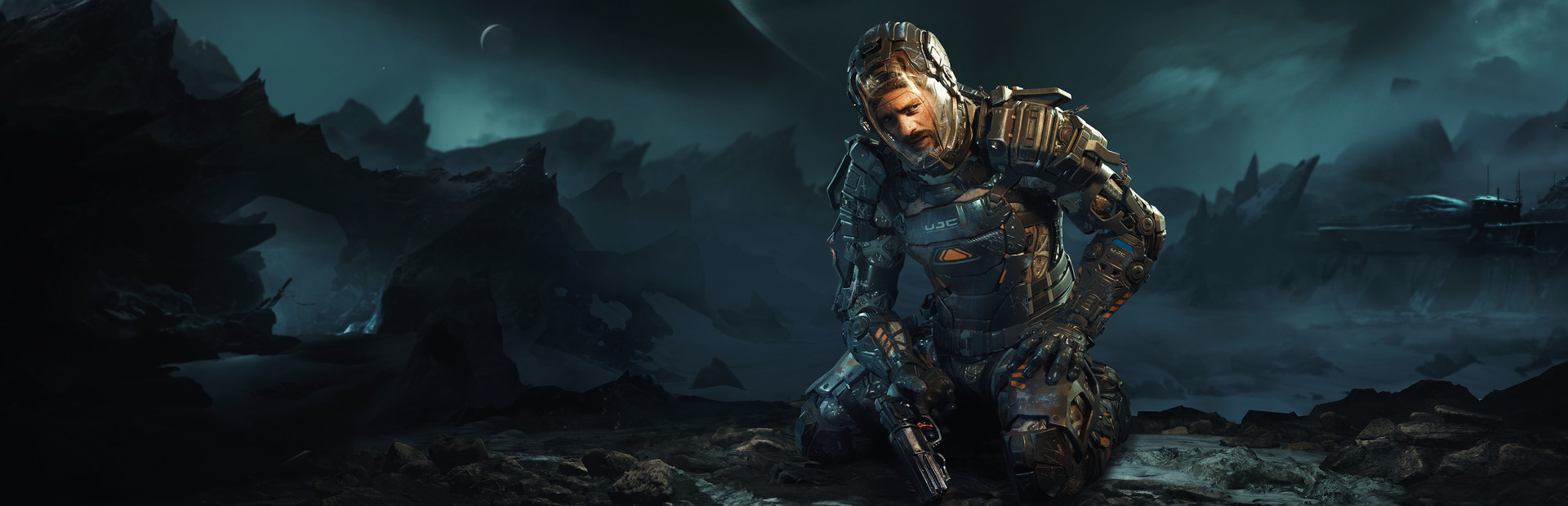
Dead Space was one of the last original IPs to really push the horror genre forward. I felt it was the only horror game to take Resident Evil 4′s torch and carry it along. The Callisto Protocol received a ton of hype because Dead Space’s co-creator Glen Schofield was leading the charge. The game was another third-person horror shooter with sick monster designs, a desolate Callisto moon, and a great story. I was honestly shocked by how below average this adventure is and was quite saddened the longer I played.
The game actually starts out quite well. You are Jabob Lee. A space courier delivering medicine to the prison colony on Callisto when suddenly everything goes wrong. Your ship crashes and you are wrongfully charged for a crime you did not commit. The game takes you on a pretty long cinematic journey for the first 30-45 minutes before the action starts. This is when things immediately started falling apart. The game’s main mechanic is melee combat. That would be fine and all, but it just doesn’t work as intended. You are expected to go one-on-one with each enemy and whack at them like Whack-A-Mole and then dodge attacks. It’s a dodge-and-then-attack type combat system. You can’t parry without unlocking it as an upgrade and animations can’t be quickly interrupted. It’s hard to judge the enemy’s attacks and how long their combo will go on. These animations just aren’t well done. It lead to many cheap deaths that came from the animations being too long and not interruptable.
This makes the first couple of chapters a chore, and most people might quit here. You do get weapons, but ammo is scarce until later on in the game. There are five weapons you can acquire, but don’t think these are as unique or interesting as Dead Space’s weapons. You really only get three weapons with two being nearly identical. Two pistols and two shotguns. One is a “Skunk” gun and the other is a riot gun. The only difference was their spread, to be honest. Your first weapon is the Hand Cannon which can pack a punch, but the Tactical Pistol is nearly useless. All of these weapons feel handicapped until you start upgrading them. Just like Dead Space, you get a limited inventory with healing items, valuables, and ammo. It’s literally a 1:1 ratio of how Dead Space plays.
Weapons are acquired by finding schematics (yeah that’s a direct copy too). You can find 3D printing stations throughout the game that will print add-ons, health, and ammo, but you won’t be able to buy everything in one play-through. No matter how thorough you are. It’s best to just upgrade the Hand Cannon and either Skunkworks or Riot Gun and do the rest on the next play-through. That is if you even want to. This hand-to-hand combat with these monsters just isn’t fun. Once I was able to get more ammo more often by stomping enemies (seeing a pattern here?) I tried to avoid melee combat. That’s not a good thing when the core combat mechanic is so bad that you don’t want to ever use it. Sadly, it’s forced upon you during the same two repetitive boss fights, but there were a couple of patches later on that made it more tolerable, but still not good.
Sadly, despite how great the visuals are the level design is insanely linear and boring. You just run down the corridor after corridor fighting randomly popping-up monsters until you get to the next fuse, switch, or generator. It’s pretty mundane and has already been done in many games before it. Unlike Dead Space, there are no puzzles here. In fact, the overall level design is just elementary and basic at best. There is one area where you must sneak around monsters that are sensitive to sounds. You can stab them in the back and do takedowns, but this was for an entire chapter. It became dull really fast. The only advantage was killing them all silently and then stomping on them to rack up tons of ammo. You do get a grappling glove that allows you to pull and push objects away, but this just seemed like an excuse to use death traps in certain arenas. It was poorly implemented.
The story itself doesn’t get interesting until the final chapter. There isn’t much story here at all. I wanted to know what this thing was that killed off the entire planet’s population, but you just move from scene to scene falling around trying to escape each section. It’s a poorly paced-story that seemed more like an afterthought. Jacob himself is well-acted, but we know nothing about him nor did I care one bit about his character. Dani is the other main character and I cared about her just as much. The game isn’t long enough or has enough story to tell us anything worthwhile. There’s no care in world-building through visuals like Dead Space did. You just move through corridor after corridor killing enemies that pop up and that’s it.
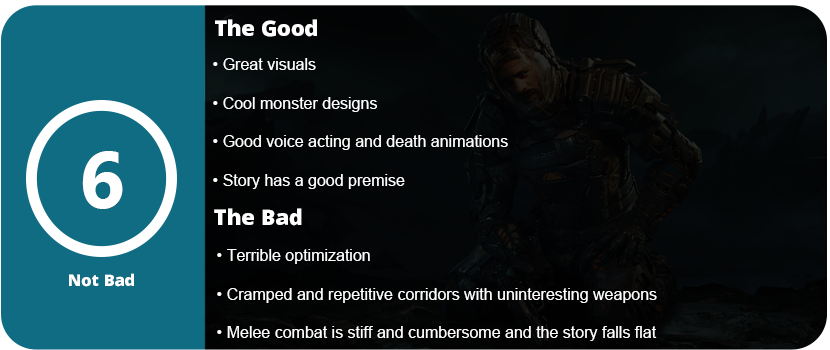
The visuals might be really good, but the performance is awful. Even after half a dozen patches, AMD FSR2 is broken, ray-tracing cuts the frame rate in half even on a 3xxx series card. There are tons of stuttering from poor shader optimization as well even months after release. Despite the nice visuals, they aren’t taken advantage of due to 90% of the game just being in cramped corridors. Overall, The Callisto Protocol is a colossal disappointment trying to copyDead Space to a tee and failing to capture anything that made that game stand out or become the icon it is today. The monster designs are neat, the visuals are good, and the story’s premise is good. That’s about it.
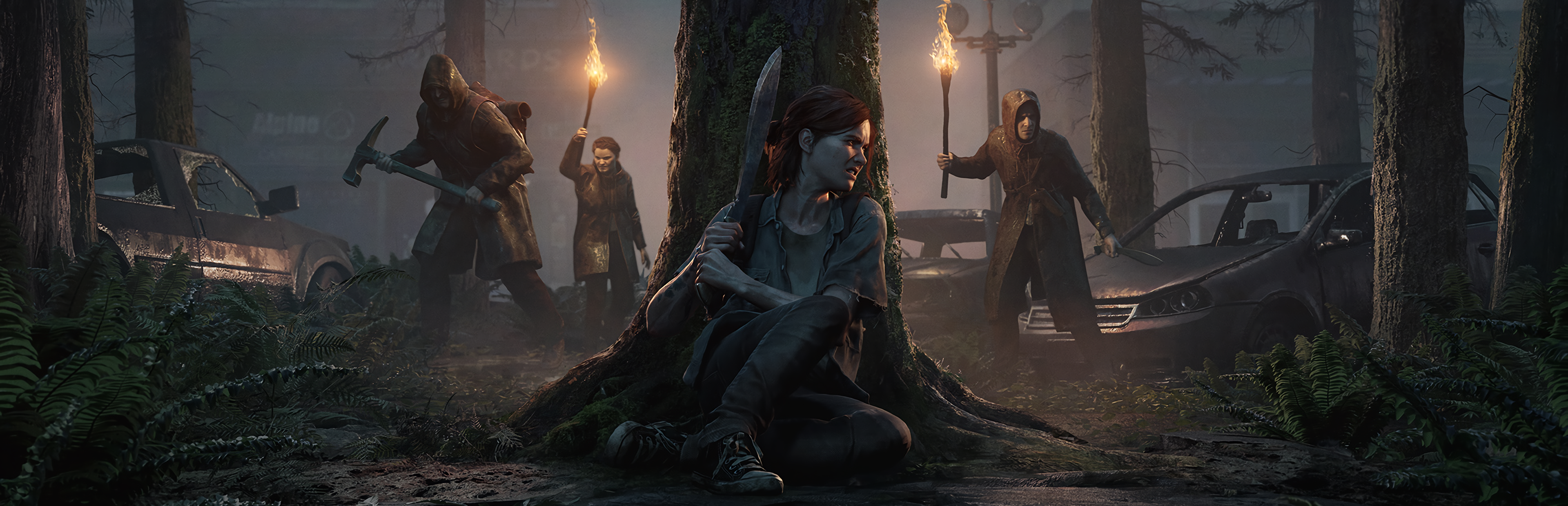
The Last of Us is one of gaming’s best-told stories. Naughty Dog’s original IP came out 7 years prior to this game’s release, and many thought we would never see the sequel. The original game ended on a cliffhanger. Joel took Ellie out of that hospital and “rescued” her for his own selfish purposes. Did he doom all of mankind from a cure? Will Ellie ever find out what he really did? Those questions play a back seat in what is probably one of the best revenge stories I’ve seen in a single-player game.
The story is the best part of this entire game outside of the visuals and voice acting. There is so much packed into this 20-hour game that despite it taking place only over the course of three days (for the bulk of the game anyways) it’s almost twice as long as the first game. We finally get to see what life is like for humanity thanks to the four-year gap from the last game. Ellie is now of age, has love interests, and life seems to be going well until a shocking tragedy occurs that causes Ellie to seek blood-searing revenge. Risking her life, relationships, and mental well-being by tracking someone across the country and spending three days in Seattle to hunt this person down. We get the perspective of Ellie during the first third of the game and Abby during the second third of the game. Abby is a great character who has just as much depth as Joel or Ellie, and I love that the story doesn’t stick with the tried and true cliche of a good guy and a bad guy. The game shows that anyone can be the bad guy if you look at them from a different angle and vice versa. The Last of Us‘ story is bout survival. Not good vs. evil and I love that so much.
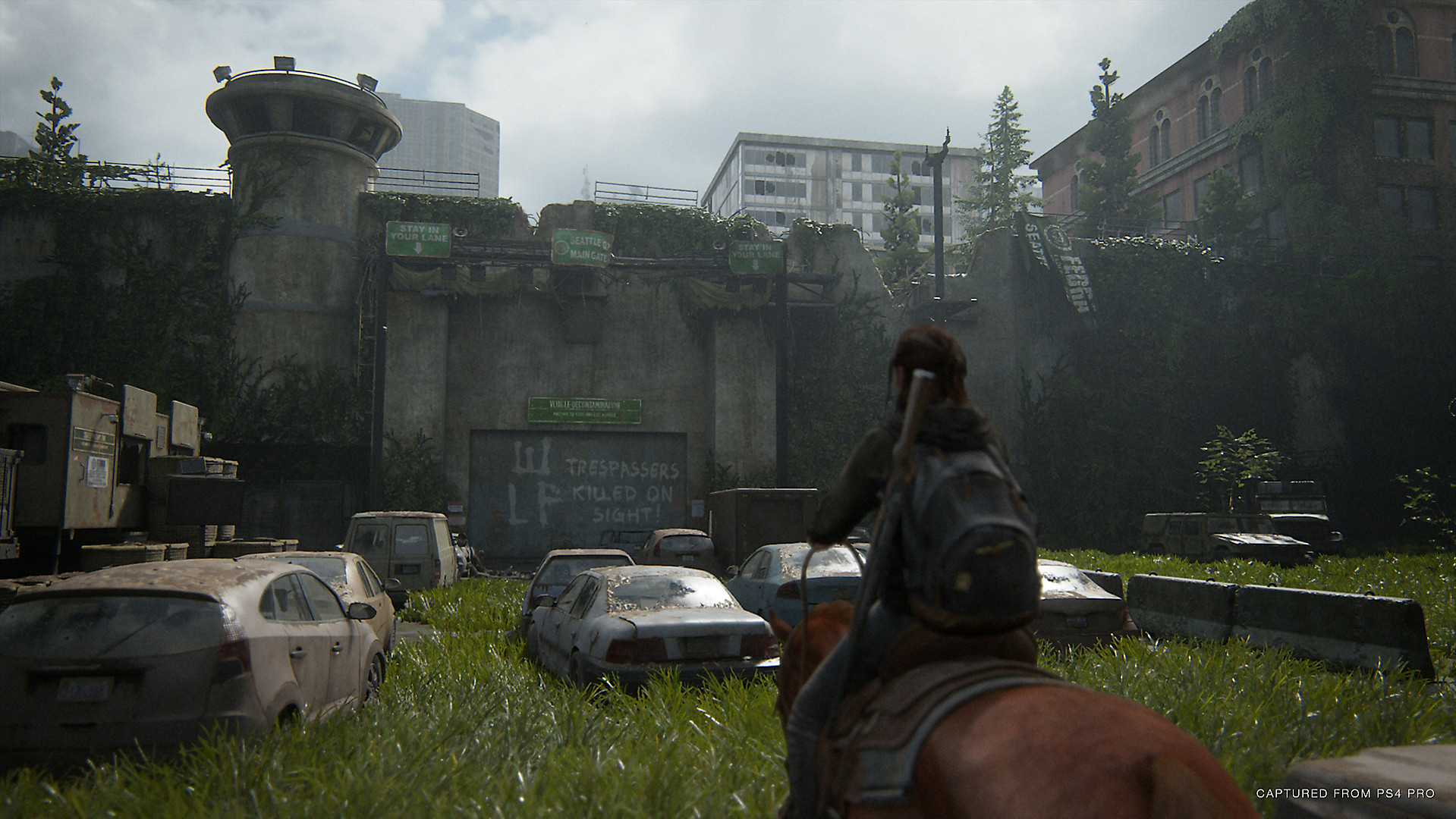
Having lived in the Seattle suburbs for the last four years I was excited to see where I live to take place in a game, but it’s not completely accurate. There are no real-life building names or anything like that. It’s more the overall Pacific Northwest aesthetic than anything super accurate. The only distinct thing about the recreation is highway numbers, street names, the Space Needle, Pike’s Place Aquarium, and the Ferris wheel. There’s also a lot of rain and green which the PNW is famous for. The beginning of the game takes place in Jackson, Wyoming which is another area I grew up as a kid. Not Jackson, but Casper which is mentioned in the game. I spent most of my life south of Santa Barbara where the last couple of hours take place in the game. Ventura to be exact, and it’s pretty crazy that all three areas I grew up or lived in are in the game. The change of settings and scenery is really nice, however, Seattle does get old after a while as you revisit some of the same areas multiple times.
A couple of new factions are introduced in the game. The Washington Liberty Front, The Rattlers, and Scars are a cult refusing to use old-world tech. You befriend new people and run across a lot more. People die and tragedy hits nearly everyone around you. I don’t want to talk too many specifics on the story and spoil everything, but it is insanely detailed and it makes you keep playing. When it comes to infected there aren’t any new enemies introduced outside of a new crazy boss character, but that’s okay really. They do play a smaller role in this game as the story is more about human vs human now that we’ve cleared out a good amount of infected in areas that have been settled.
Sadly, outside of the story and characters not much else is new gameplay-wise. It’s almost the exact same game. Stealth still isn’t the best. Enemies seem to randomly walk around and it’s nearly impossible to stealth kill everyone in every section. There are some new weapons that are exclusive to Abby and Ellie. Hunting pistol, crossbow, sub-machine gun, double-barrel shotgun, and many more. We get to use trip mines and pipe bombs as well. There’s more to craft such as silencers for your pistol, arrows, explosive ammo, and many more. The entire weapon and crafting system was expanded a lot as well as upgrade branches which are only found in hidden training manuals sadly. If you miss these you miss out on upgrade paths. You can still find workbenches and upgrade weapons, but parts are more scarce and harder to find this time around.
There are still many quick-time events during scripted scenes such as mashing the square button, holding triangle to open doors, and of course, a few on-rail shooting segments which are fun. These are spread pretty far apart so they aren’t abused. I hate to say this, but the game does get repetitive. You just go through beat after beat of either humans or infected and each area plays exactly the same. Try to stealth kill as many as you can, get caught, shoot the rest, scrounge for parts, and move on. This goes on for 20 hours, and while the gameplay itself is good, I’d rather have the stealth be completely cut. Yes, ammo is scarce and there are times when I found more ammo than I could carry, but the shooting is insanely good. I’d rather shoot more. The gore is awesome, and the death animations and physics are some of the best I’ve ever seen. This includes screams of pain and agony. It’s a very visceral game bound by realism. However, sometimes I just wanted to explore more or just shoot everything and move on. There were some areas that were well-designed and it was satisfying when I could nail everyone silently, but it rarely happened.
I highly recommend playing this on a PS4 Pro or mostly the PS5. I played this on PS5 only and it looks amazing at 60FPS. I can’t imagine playing this sub-30FPS on a base model PS4. With this being the last Sony exclusive on PS4 it looks stunning. Almost as good as The Last of Us Part I on PS5. There are some spots of ugly textures and the textures in the far distance look pretty ugly, but everything up close looks so good. The facial animations, motion capture, and everything else are amazingly detailed. There is so much content packed into this game that you will walk away satisfied.
Overall, The Last of Us Part II tells a controversial yet compelling story with likable new characters and challenges the typical storytelling tropes of good vs evil with perspective. There are plenty of new weapons, upgrades, and items to craft, but it’s exactly the same as the last game otherwise. With the extended length area after area of killing enemies gets old and stealth still isn’t the greatest. I do love the visuals, but Seattle does get old after a while due to playing it twice over with another character. This is easily one of the best single-player games ever made and is a masterpiece in storytelling.
Microsoft isn’t someone to mess with when it comes to controllers. Sure, the original Duke is lauded as one of the worst controllers ever made, and it has its fans, but the Xbox S controller really changed things up. Not to mention their analog stick orientation which is copied to this day by even Nintendo. The Xbox controller made built-in headset plugs a thing too. The Xbox 360 controller was considered the best controller ever made at the time. The ergonomics were fantastic and the later improved rotating D-Pad was a huge plus. The Xbox One controller only made things better with bumper button rumble, and just overall improved ergonomics and build quality. Microsoft messes the least amount with their controllers. They just like making it feel good and work. They also have a battery fetish that a lot of people don’t care for.
Fast forward to today and we have Microsoft’s next-generation controller. It’s probably the least changed compared to other companies, but it continues its design DNA. The ergonomics are slightly tweaked still, the built quality feels even better, and they took the idea of the rotating D-pad and the D-pad from their Elite controllers and made it standard. Xbox has the best D-pad out of all three companies. The bowl-shaped D-pad works so well with fighting games as it feels almost like an arcade stick. It’s very clicky and detents in the right spots. You can roll your thumb around for those quarter-circle moves with ease.
The trigger texture is also improved and feels very bumpy and gritty. The haptic feedback hasn’t changed either, but I guess that’s okay. It’s a stark contrast to Sony’s fantastic DuelSense controller. There isn’t much tech packed into this controller either. It’s probably the most basic controller available right now, but many gamers prefer that. You still get a headset input at the bottom and that’s about it. This feels like the Xbox One 1.5 update rather than a next-gen controller. There is an added share button in the center with Microsoft taking notes from Sony from the DualShock 4 controller. This makes sense with streaming and social media has blown up since the Xbox One debuted. The controller does have a USB-C port just like the DualSense so I applaud Microsoft for not making me get out the USB micro.
You still get your Bluetooth functionality, and they are still using AA batteries. Some praise this as that means this controller will always work and you won’t need to get a battery in a few years and tear it apart. Some hate it saying it’s not very modern of them to do. You can get rechargeable AA which I have been doing since the Xbox 360 era so there’s no need to whine.
Overall, the Xbox Series X|S controller is the least changed, but it still works. Microsoft is the poster child for “if it ain’t broke don’t fix it.” USB-C is nice with the added texture to the bumpers and triggers, but the biggest change is the D-pad. It just feels great. If you liked the Xbox controller up until now then you won’t be disappointed.





















































































 thebinarymessiah.com
Try multiplayer. A lot of fun !