Sound design isn’t something we normally think of every day, but without great sound design we wouldn’t be as immersed in games, it’s something that’s on the back burner and never gets enough credit.
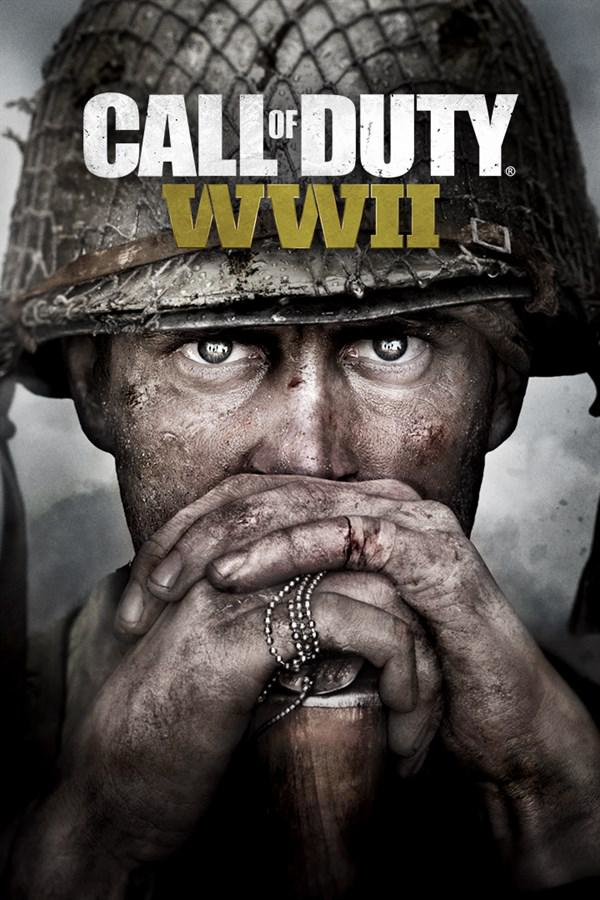
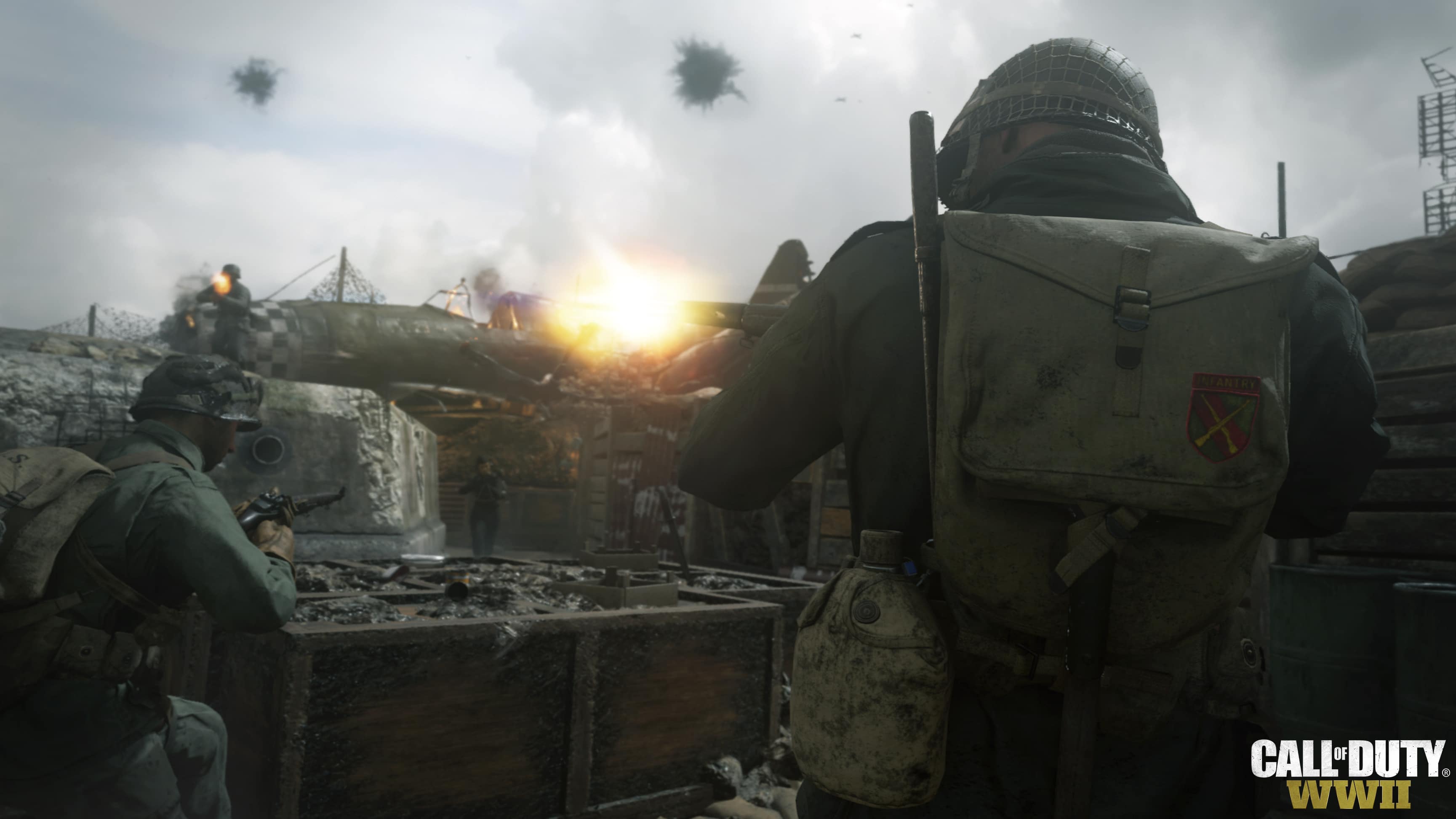
Call of Duty may get a lot of backlashes, but WWII impressed on sound design. I felt like I was actually in the war thanks to the fantastic explosions, realistic gun sounds, tinging of shells off the ground, people screaming, doors creaking, and snow crunching. WWII went above and beyond…the Call of Duty in sound design.
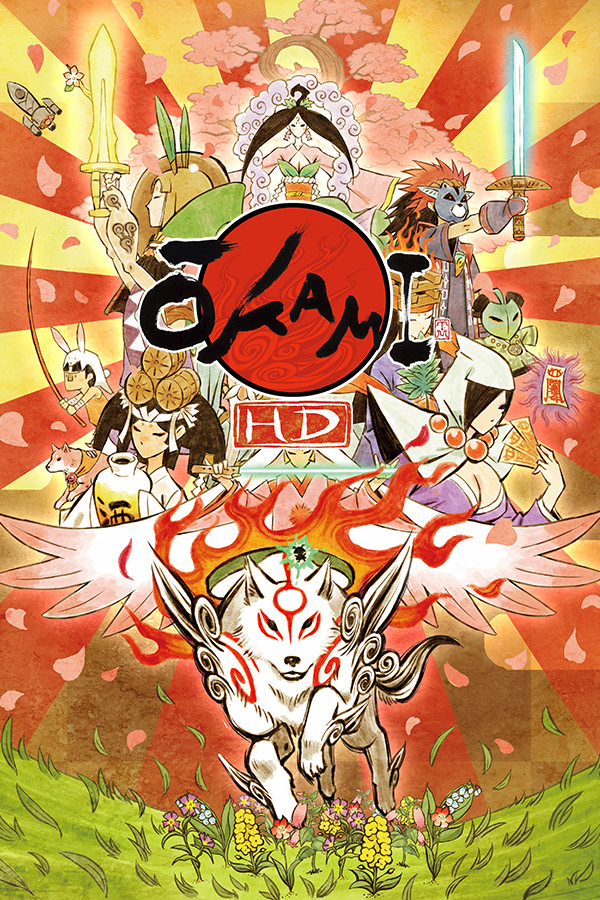
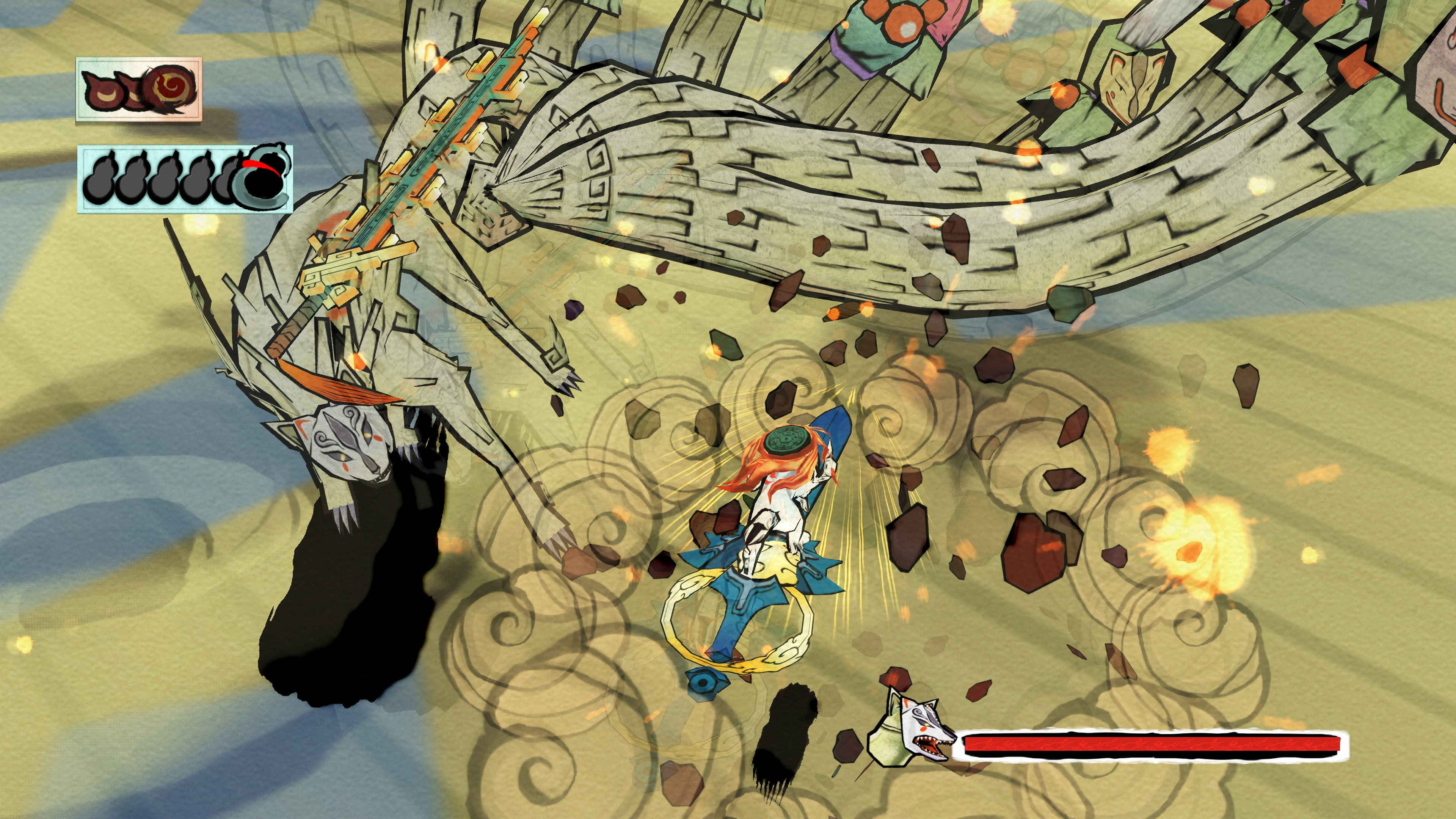
Okami was one of my favorite PS2 games growing up. I got the game for my birthday and was amazed by the beauty of the visuals and the unique gameplay of the Celestial Brush. It may not seem like such a big deal today, but back in 2006, this game sold PS2 units like hotcakes, and it helped the PS2 stand out as the best console of the generation, something the Xbox and GameCube didn’t have.
Fast forward 11 years, and the game still stands out and holds up as if it were released yesterday. You play as Okami Amaterasu, the Sun Goddess, with your Poncle pal Issun, as you embark on an adventure to rid Japan of darkness and evil. It seems like a stereotypical Japanese action-adventure story, but it’s a bit more than that. The characters have depth, and they all feel unique in their own way, with overexaggerated characters and personalities.
The game starts out simple enough by introducing you to basic game mechanics, including the celestial brush, by learning your first brush technique, rejuvenation. By pressing a button, the screen takes a snapshot and turns it into a black-and-white drawing right before your eyes. You then take an actual brush that you control and paint the correct stroke for each technique. This is such a beautiful and amazing game mechanic that works so well and yet has not been matched to this day.
As you progress through the game, the world opens up with larger hub areas that you can explore. Besides going for the main story, you can partake in item collection quests, praise gathering, and finding hidden chests that contain various items. Praise is used to upgrade your health; ink pots; an astral pouch (used to resurrect you when you die); and a money pouch. Praise can be gained by rejuvenating dead areas, feeding animals, and helping villagers in small, yet sparse, side quests. However, 90% of the time, you will be heading ever onward toward the end of your journey.
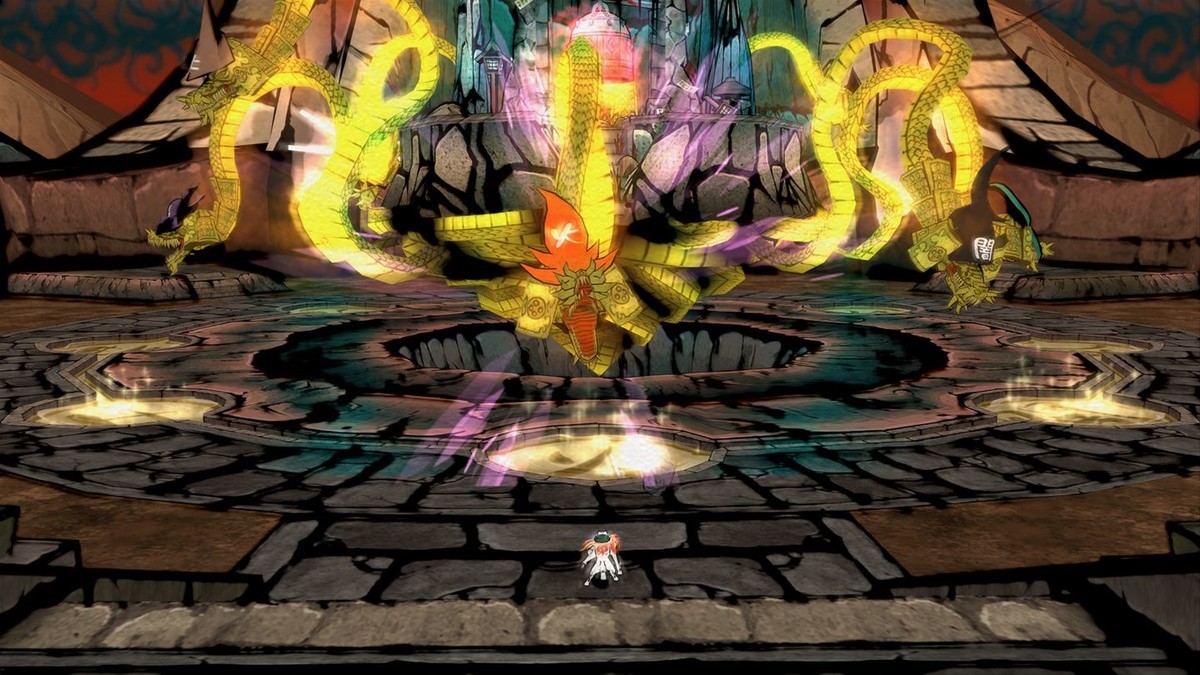
Combat is actually where the Celestial Brush comes into play the most. You and the enemies are surrounded by a cursed circle, and you can use your various brush techniques to defeat the enemy. There are many enemy types in the game, and they are all based on ancient Japanese myths and legends and look fantastic as well. Each enemy is completely different and weak to different techniques. Enemies are introduced slowly throughout the entire game, all the way to the end.
Boss fights are also unique and fun in their own right. Outside of brush attacks, you can also attack physically and with items. Amaterasu can equip three different types of weapons: mirrors, glaives, and beads. Mirrors are good for quick, rapid medium-range attacks; glaives are for heavier and slower close-range attacks; and beads are for rapid long-range attacks. You can also equip a sub-weapon for a secondary attack that is either close range or projectile. Combat never got old, but it is rather easy. I actually got through the entire game without dying once, and after you start getting a lot of money, you can just buy heavy-damage items and use them over your techniques and weapons. It’s a little unbalanced, but still fun and challenging nonetheless.
As a whole, Okami is beautiful, adventurous, memorable, and unique. However, it does have some flaws. The dialog is the most irritating part of the game, as characters talk in muffled simlish gibberish, and it just gets grating after a while. You also can’t quickly skip through dialog during some cutscenes, so it takes forever to get through. I also found the last 25% of the game long-winded and unnecessary. There’s also a lot of backtracking towards the end and repeated boss battles, which drove me nuts. The game clocks in at about 25–30 hours, which is a little too long for this game. Towards the end, it just felt like the developers were extending the playtime by making you repeat things and dragging things out. I loved my time with Okami, but those last 5–10 hours drove me insane.
Outside of all this, the remastered version looks amazing in widescreen and 1080p and even has 4K textures if you own an appropriate console or PC. It’s nice to see Capcom supporting current tech with their updated games as Okami pops to life on 4K TVs. The price is also a steal, as it was released at a budget price of $20. There’s no excuse not to play this classic.
Indie games are no longer becoming cute little distractions between AAA releases, they are now becoming the AAA releases as major companies have lost their imagination and ability to create new and unique experiences. Every year this just builds up more and never falters, with many of my most memorable games being indie, you should not overlook this category.
Cuphead
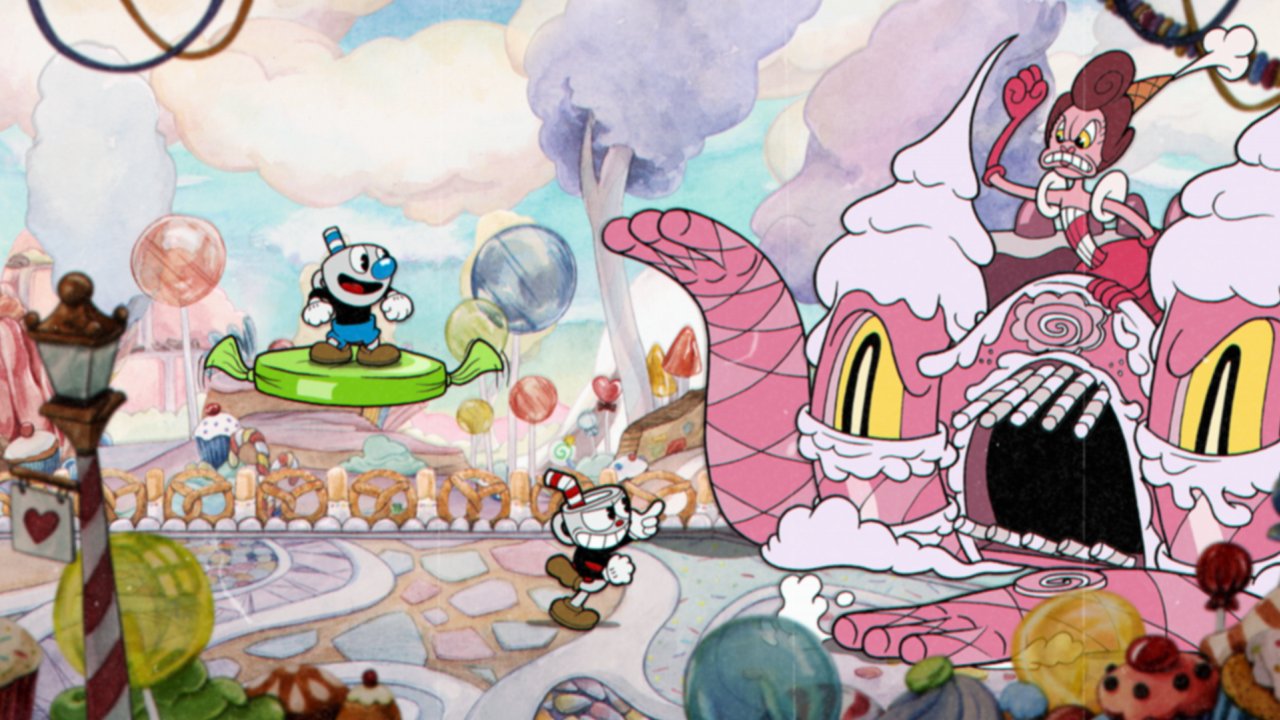
Cuphead is passion incarnate. I have yet to play an indie game that strives to be this original or stunningly beautiful. While the game is brutal, there’s no denying that the attention given is something we stopped seeing in major companies years ago.
The best voice acting in games aren’t just the best delivery, but how it fits into the game. Is the character tortured, insane, or psychotic? Delivering the characters the way we would see them in person is how a game delivers the best voice acting.
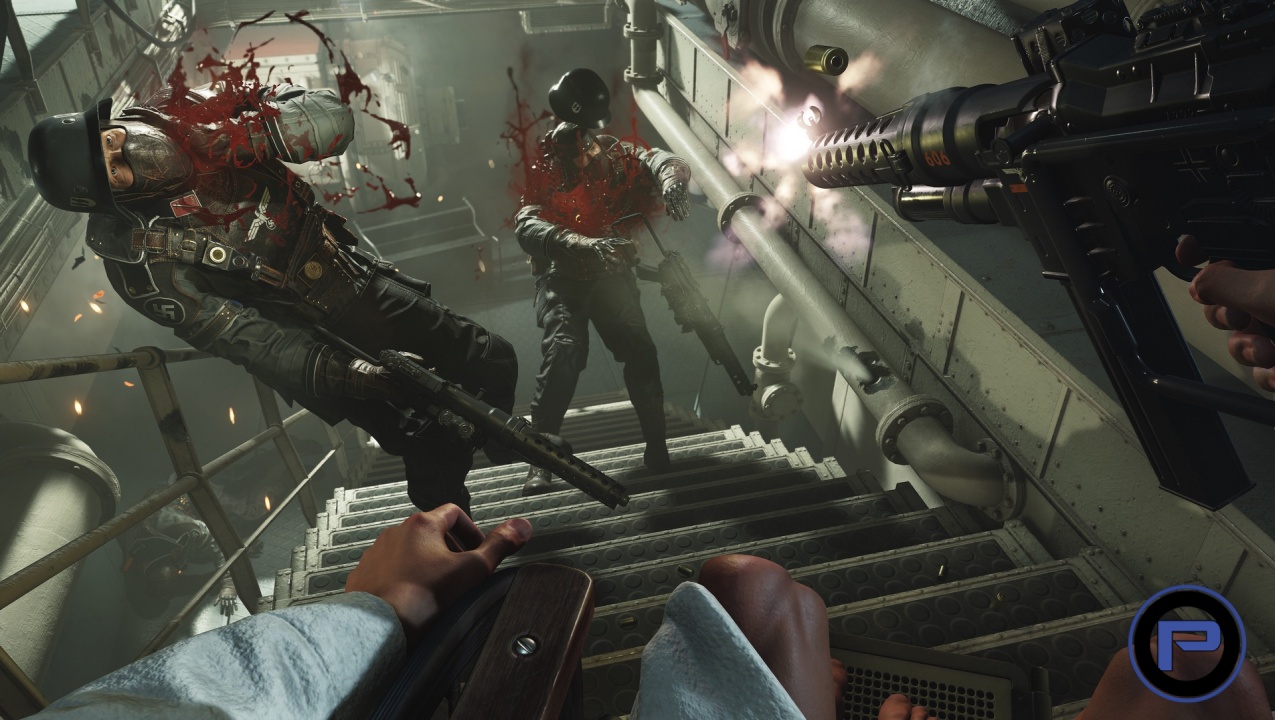
Wolfenstein doesn’t just have good actors, but each voice type fits the actor, and you feel the personality of the characters bleed off the screen. From BJ to various resistance members, I felt sucked in and became attached to the characters more thanks to the amazing voice acting.
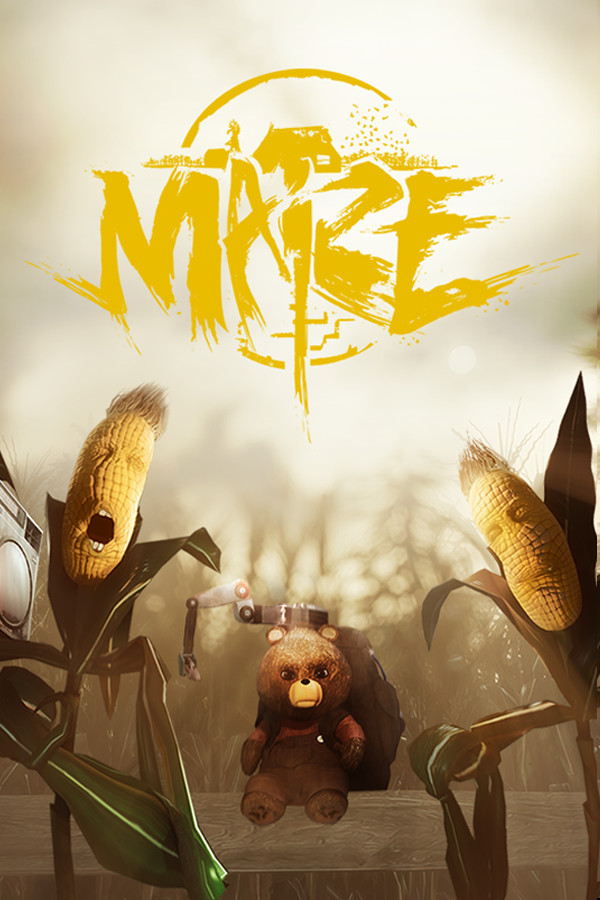
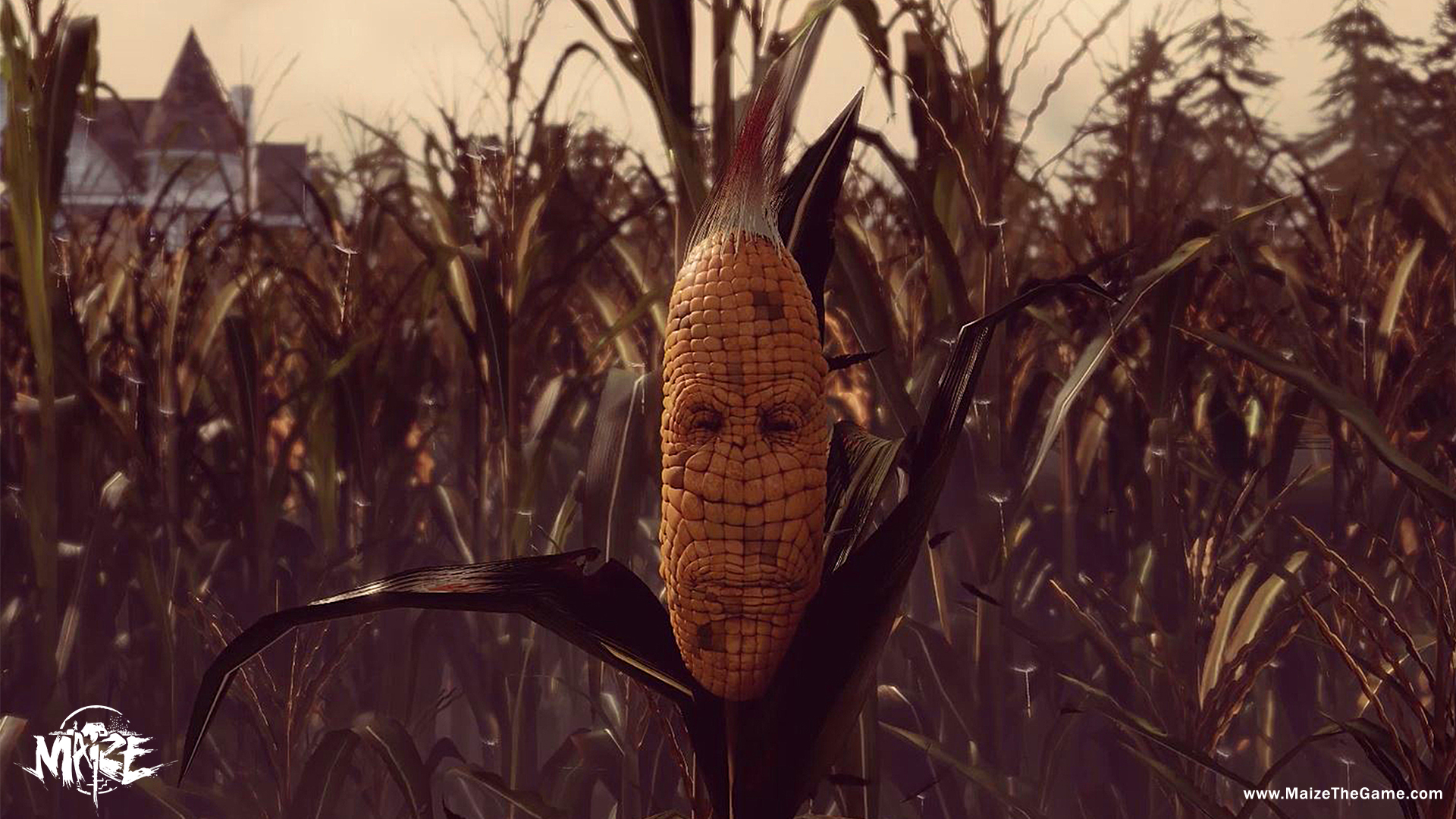
I never thought I would play a game about sentient corn, but that’s what’s great about games—there’s always an idea someone hasn’t done yet. This is a typical adventure game with puzzles and hallways where you wander around, finding objects with cutscenes thrown in. The game is simple, funny, and has an ending that will leave a smile on your face.
The game starts out with small, funny hints on what to do, like “Pressing Q doesn’t do anything,” which helps open up how this game is going to be. As you wander around the maze-like cornfield, you realize you need to pick up highlighted objects. Most of them are for puzzles, but some are added to your folio and add little story bits. Slowly but surely, you will exhaust each area, as there are only so many areas for you to explore and only a few items in each room.
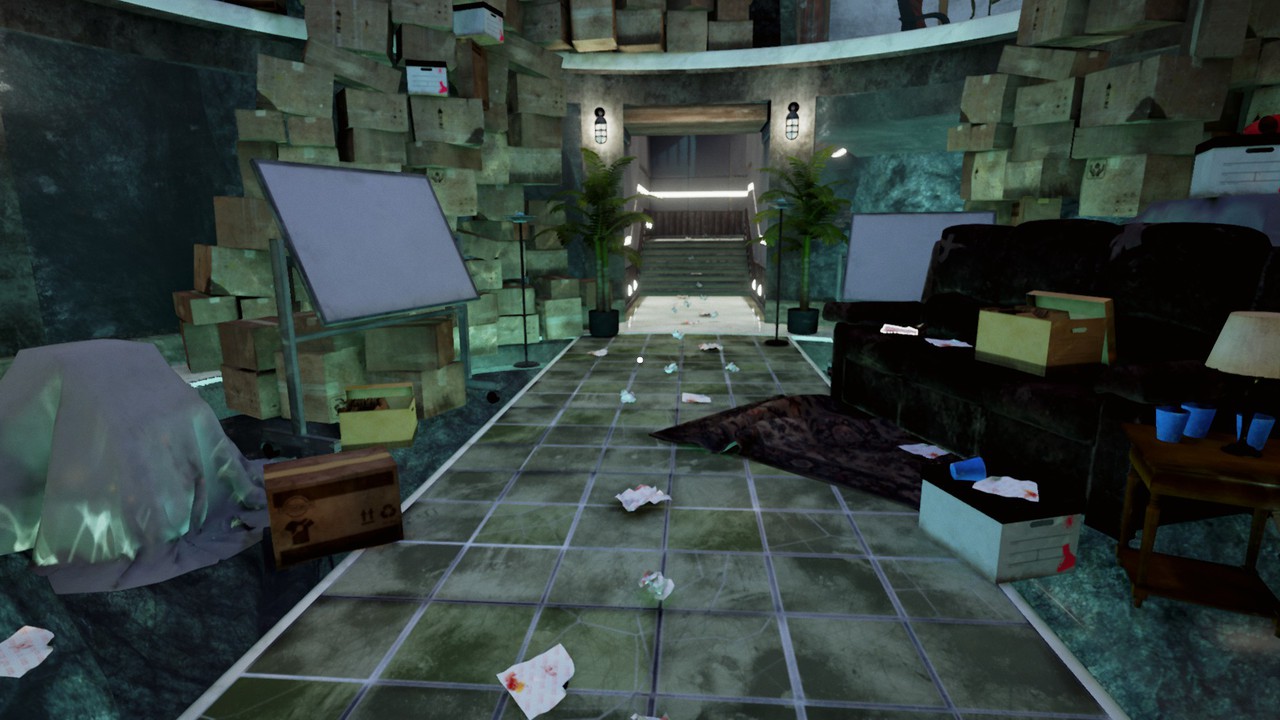
I made my way underground to the laboratory, where most of the story unfolds. The place is littered with sticky notes from two scientists at each other’s throats, and it also helps add to the story of what’s going on. Most of the puzzles were fairly simple, as they were highlighted with outlines of what items went where, but the problem here was getting lost all the time. The hallways all look the same, and once I searched every new area, there was always the problem of missing something. I had to search each room again several times to figure out what I missed, but this is common with adventure games.
The game looks really nice, and while it won’t smoke your GPU, it uses Unreal Engine 4 to bring the game to life. The sentient corn characters are funny, and each character is interesting and has a personality. I was surprised the developers pulled this off with a playtime of about 5–6 hours. The story kept me pushing forward, as I wanted to know what happened to all these characters and why I was there.
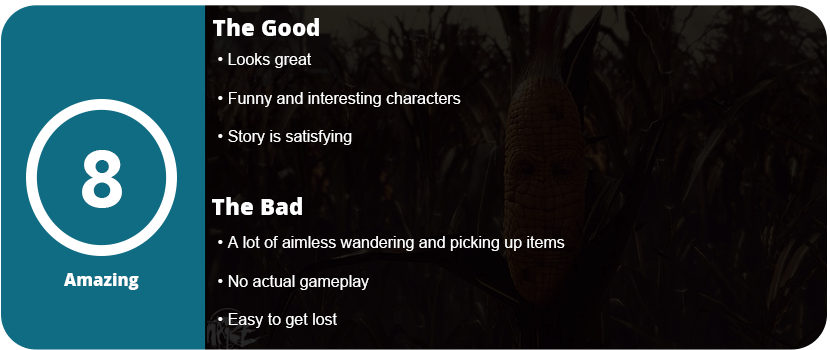
Overall, Maize is a great indie game with funny characters, lots of detail, and a funny story worth seeing through to the end. There isn’t much gameplay here outside of picking up items and wandering hallways, but it’s all for an evening well spent.
Artistic graphics don’t necessarily mean the most impressive technically. They probably won’t push your system to its limits, but instead, provide a fantastic visual experience that you won’t forget.
Cuphead
Cuphead is one of the most visually pleasing games I have ever seen, using early 1900 Disney style visuals with inspiration from cartoons like Steam Boat Willy, Cuphead just looks and sounds like a piece of moving art. This isn’t just the most artistically impressive game this year but in gaming history. No other game out there looks and sounds like Cuphead.
This is one award you do not want. Many games can be disappointing due to development hell, or just a lack of inspiration. Many AAA titles and beloved franchises have fallen to disappointing depths for many a reason. While many people may agree there were other disappointing games this year, to me they weren’t depression worthy of how utterly horrid they were.
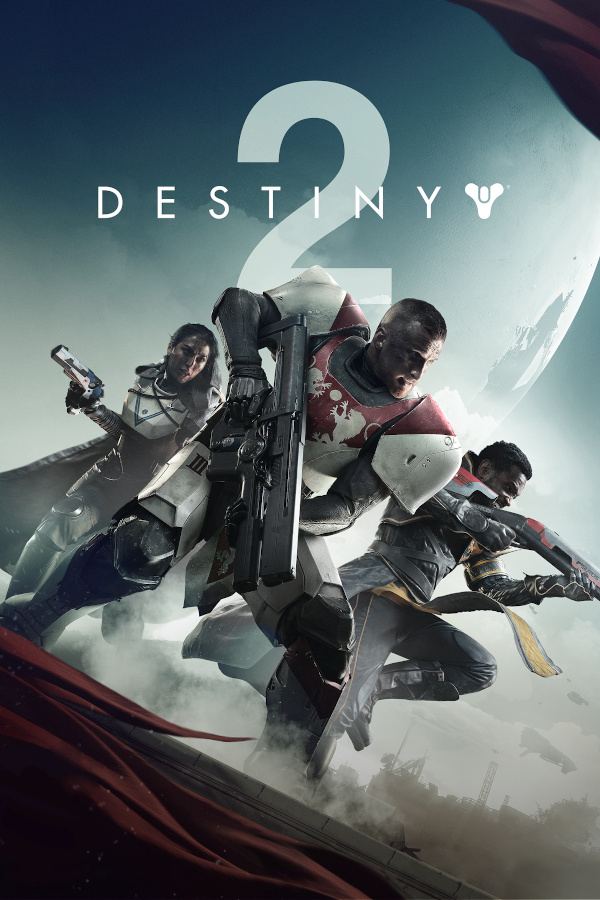
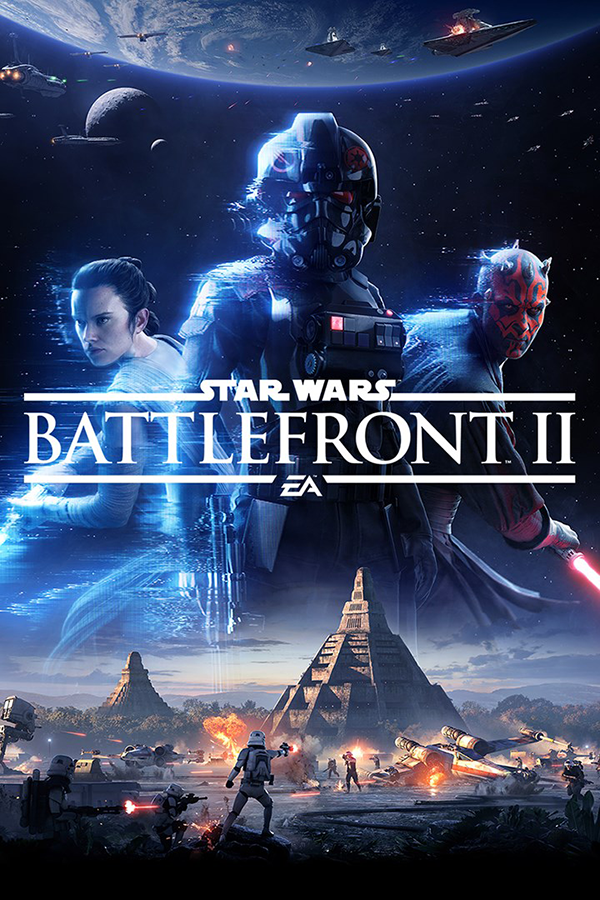
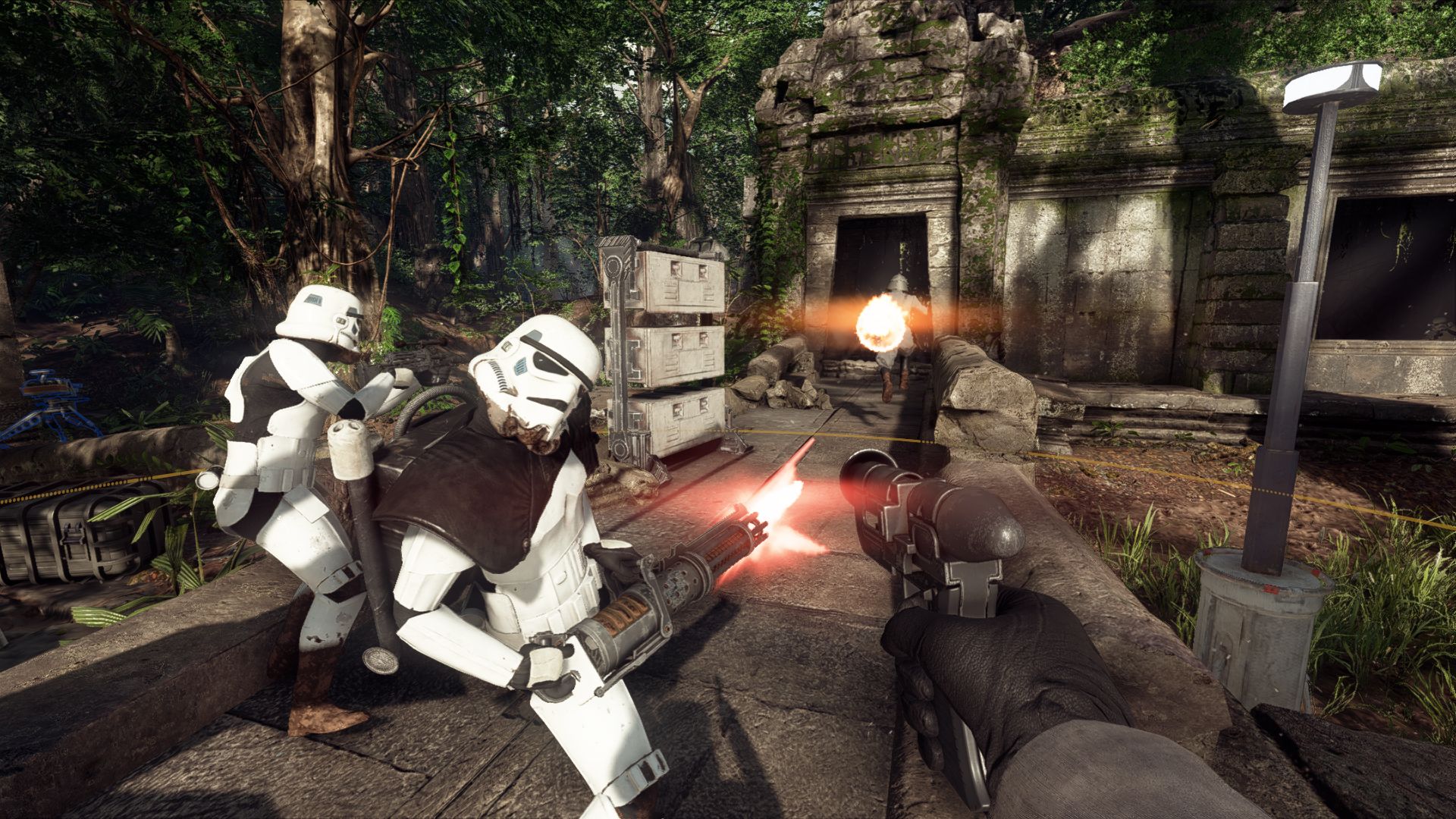
Out of all the sickeningly disappointing games this year, this one takes the cake. The game plays well, looks amazing, and is everything we wanted in the sequel, but EA decided to lock away new characters and introduce criminal worthy progression systems to unlock these characters with hours of unnecessary grinding. While these have been patched out, releasing a game thinking this is OK at all is a shame and not what gaming is about.
Best technical graphics is all about games that push their system to the limits. Shaders, ambient occlusion, shadow maps, tesselation, anti-aliasing, deferred lighting, and every other piece of tech that makes games look as good as real life.
Forza Motorsport 7
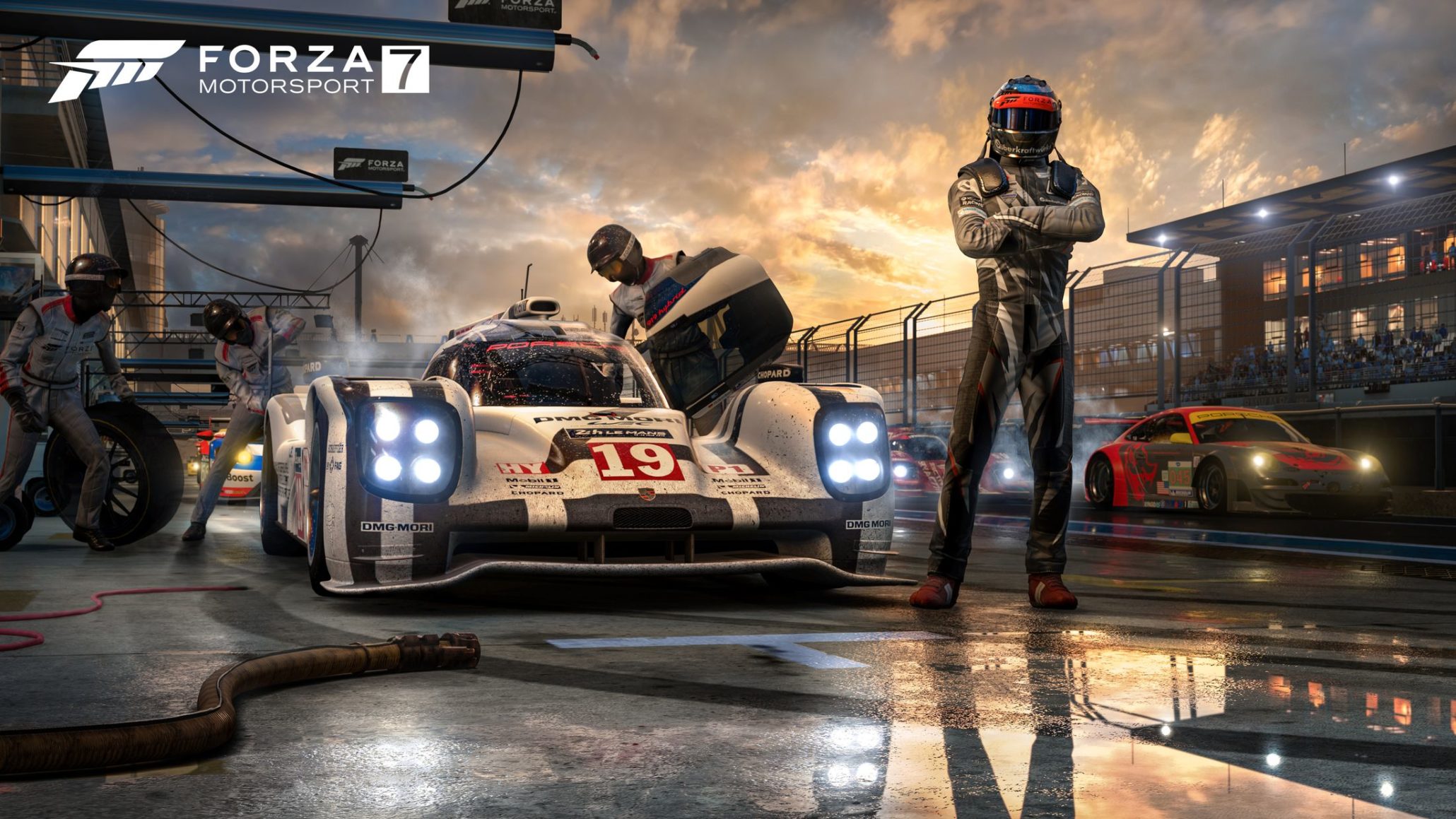
Forza 7 isn’t just passionate about how its cars drive, but how they look. From rain, effects wiping off the windshield, to hydroplaning in puddles, and every button on the dash, Forza 7 looks eye-watering amazing, especially on PC. My own car is in this game and it looks piece by piece identical, I love it.
This was a weird year for RPGs. We didn’t get many big names, but the ones we did were lackluster or not the game changers they normally are. However, picking apart the list, we did get some awesome RPGs that are bound to keep you busy for hours.
Persona 5 isn’t just a small improvement over the last game. We get a whole new cast, story, redone combat system, and more streamlined gameplay. Out of all the RPG sequels, this one had the best changes.
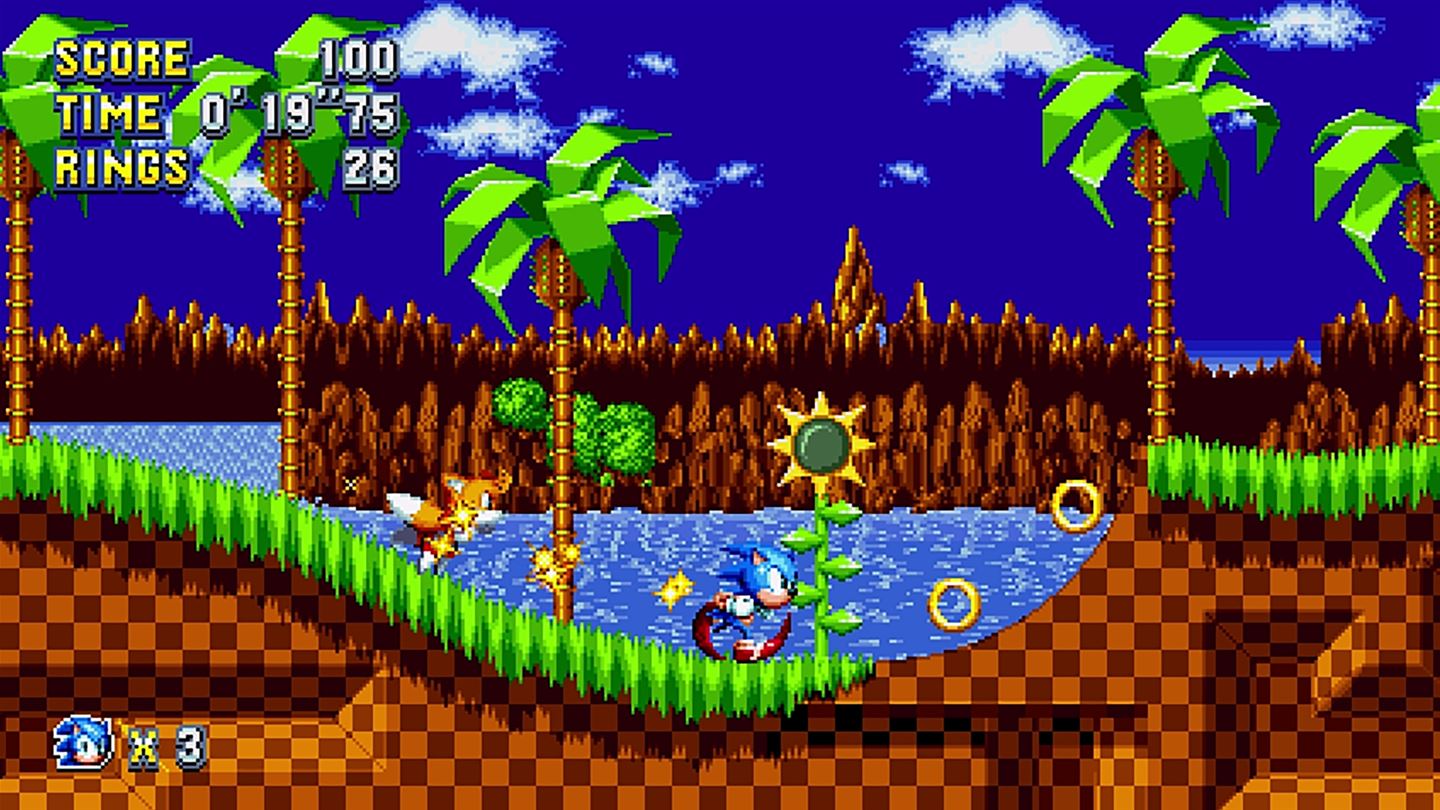
We may not have gotten many puzzle games, but this was a great comeback for platformers. Usually, this is the weakest category in which I have to wring the release list dry to find just a couple of decent games. Here we saw many major AAA releases which are good news for this dying genre.
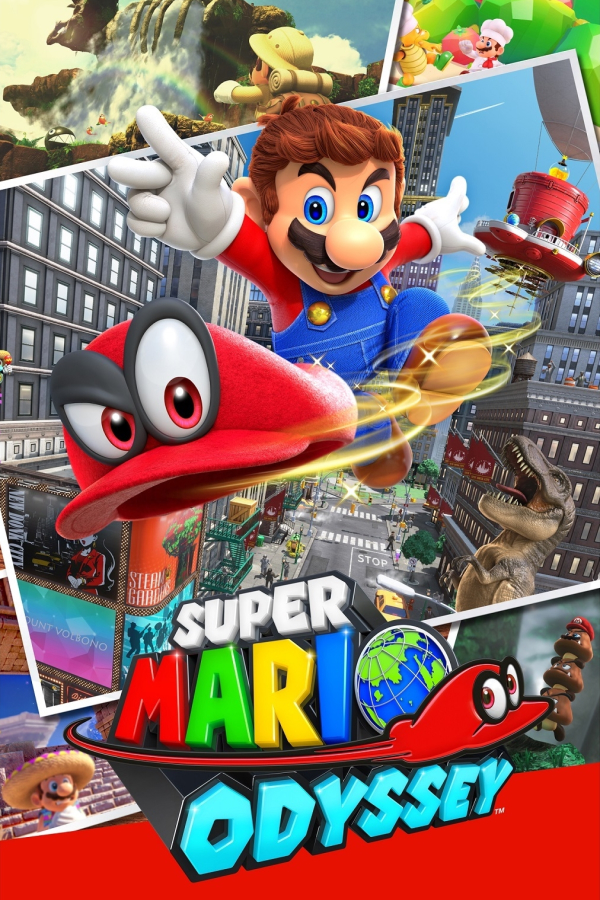
Surprisingly enough, this was a hard decision this year. However, the king of platforming returned with an all-new Mario experience, and I mean all new. Not since Super Mario Galaxy have I felt the wonder and magic of Mario, and Odyssey returned this feeling. With new mechanics, a way to explore, and story ideas that break the Mario mold for the first time in decades, it’s something I will remember long after the game is collecting dust on the shelf.








































 thebinarymessiah.com
Try multiplayer. A lot of fun !