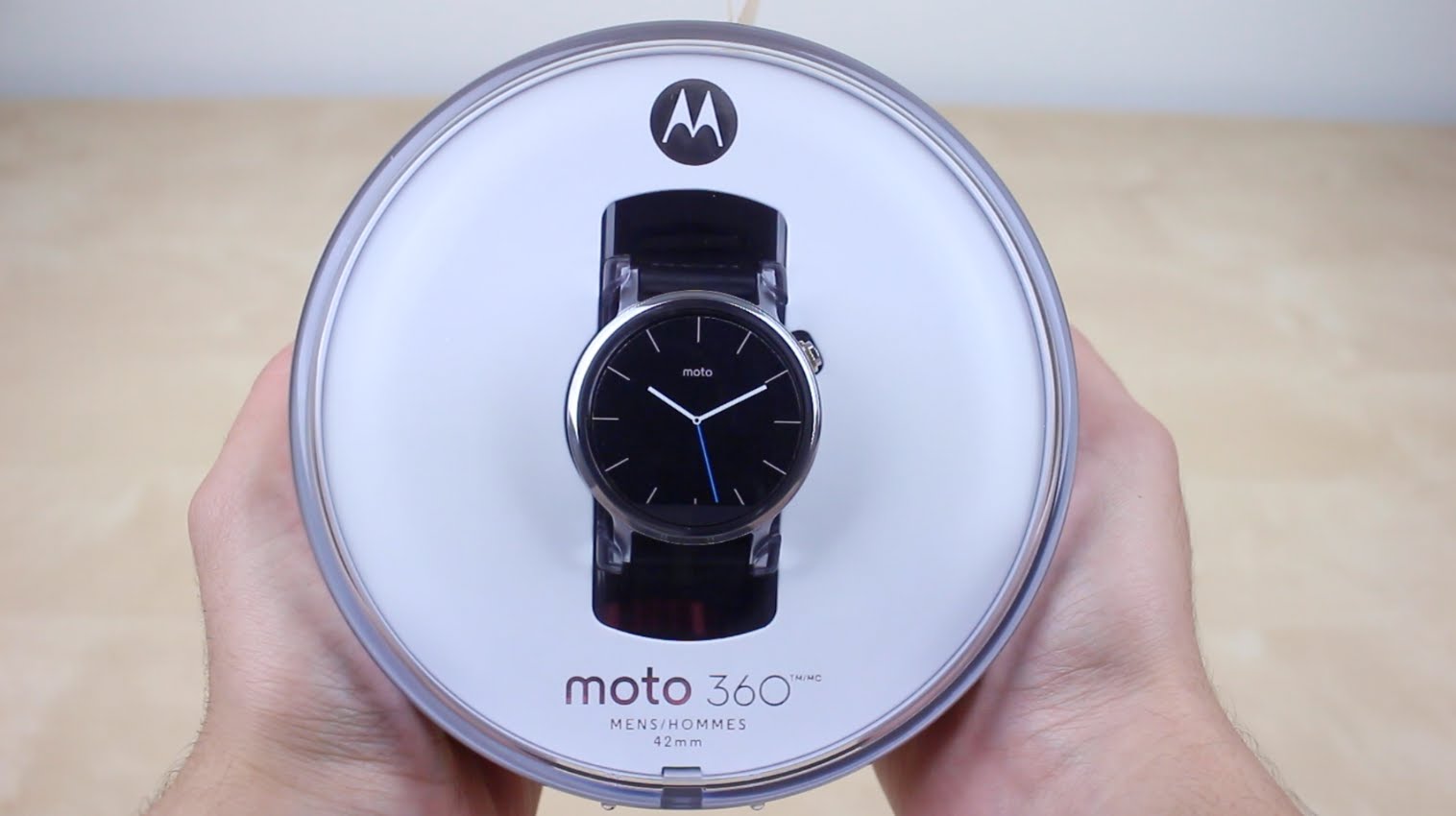
Usually, with the second generation of hardware, most manufacturers get everything right. The first-gen Moto 360 was great, but it had many issues that were addressed this time around. For starters, the first generation had major battery issues that weren’t resolved until the end of its support cycle with the Lollipop update; after that, the battery life was great if you didn’t use the ambient screen. The biggest issue of all was staying connected to your phone, and I had issues with this up until about 2 months ago, when I finally resolved them. With the Marshmallow update, the first-gen Moto 360 was pretty solid, but there were also issues with the hardware. The first generation of smartwatches had very slow hardware, equivalent to phones that came about five years ago. The second-generation Moto 360 is 10 times more powerful than the first. This reduces crashing, overheating, hangs, faster boots, and overall responsiveness. The first generation also had a mediocre body, as over time the glue would loosen up and the screen would come up, and the band was not easily changeable without a jeweler or voiding your warranty. The side button also got stuck a lot and didn’t have very good feedback.
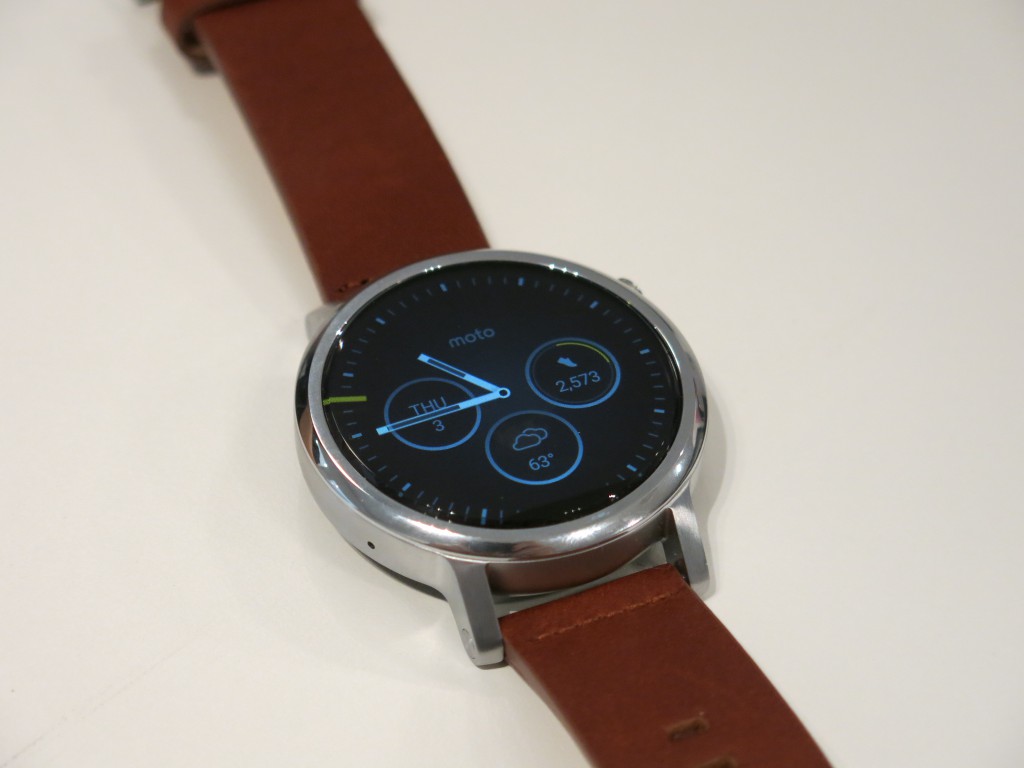
The second generation fixes all of this plus some. Let’s start with the hardware. The body itself is thicker, but the overall design makes it seem sleeker. The hardware button is bigger and located on the top right corner, and it clicks very nicely this time. The watchband is not inside the watch anymore and is now attached to the outer frame with quick-release buttons for easy changing. This is a huge update that I love so much, as I can now collect watch bands with ease. The material feels more sturdy and thicker, and the screen has double the resolution and better glass.
With that said, the watch also fits better. We get a three-way point of wrapping due to the “hinges” of the strap rather than one band that you wrap around your wrist. The watch sits flatter and no longer slides around, which is great. If you want to get under the hood, the Moto 360 second generation has the following hardware for the 46mm version, which I have:.
CPU: Snapdragon 400 Quad-Core @ 1.2Ghz GPU: Adreno 305 Display: Corning Glass 3 LCD at 233 dpi (360×330) Storage: 4GB ROM + 512MB RAM Bluetooth 4.0 Battery: 400 mAh
That’s a huge step up from the last watch. This is a fast beast, and the display is beautiful. The 46mm version is the way to go, and the $50–100 jump in price is well worth it if you factor in the extra day of battery life. I can actually use ambient mode with this watch, and it can last more than a day. I could not do that with the first-gen watch. While the watch is the same software-wise (there are no new features), just having it perfected is worth the price to me. I don’t really have any complaints with this one, as all my issues were resolved on the last watch.
With that said the biggest issue is the price. Starting at $300 this is a premium and high-end watch that is the only one that can beat Apple in terms of style (which the Apple Watch is ugly) and usability. If you hated the first-gen watch I suggest coming back as everything is fixed.
The PSP is a legendary system. There were so many fantastic games on this console that it has been considered the second-best next to the GameBoy Advance. The PSP had a great start and a rough ending, but overall, hundreds of games were released, and a good quarter of them were worthy of being in a collection. Now, I have played and owned the PSP since that wonderful day on March 24, 2005, when I was a teenager and saved up my allowance on pre-order payments for 6 months. However, what ultimately killed the PSP sales-wise was piracy. The PSP was very easy to hack, and many custom firmwares were installed on the system, allowing users to download games. While this is possible on every console in existence, the PSP became a Pirate Station Portable, if you will. Emulators were made for the system, so you can carry around SNES, GBA, Genesis, and even PS1 games on this thing. It’s a very powerful and versatile system, and many things can be done with it.
While I can’t condone piracy, if you own a large collection of classic games, it’s great to have them on the go with you, and this became my main driving point for playing this system to this day. Outside of emulators, the PSP library is like no other. Racing games, action, and RPGs were among the most popular genres on the system. The PSP had one of the greatest handheld launches of all time, with Ridge Racer, Darkstalkers, Lumines, Ape Escape, and many other brands on board. The system was sleek, the most beautiful handheld system ever created, and powerful. I remember booting up Ridge Racer for the first time and being overwhelmed by the graphical fidelity, sound, and large screen. This was also the first handheld with this large of a screen. We had widescreen gaming in our hands with a huge 4.3″ LCD, and that was even bigger than phones back in the day. In 2005, you had BlackBerries with small screens and flip phones. Phone screens didn’t catch up until six years later. The PSP was way ahead of its time.
While many great games took forever to be released, it was a slow trickle, for sure. Huge games were milestones for the system, like God of War, Kingdom Hearts, Final Fantasy, Gran Turismo, Tactics Ogre, and many others. These games defined the system as fantastic, and there were also many other hidden gems thrown in there. There were also many JRPG ports that were only seen in Japan that were now ported to English for the first time, and this trend continues with the Vita. The PSP was perfect for JRPGs that you could keep in your pocket. Now the PSP had many flaws, like the terrible UMD discs that nearly crippled the system. The system also had many failed services like comics, Skype, UMD movies, and the terrible internet browser. The system remains great for watching movies, listening to music, and playing games, but more so natively than through paid services. They just didn’t work on the PSP at all.
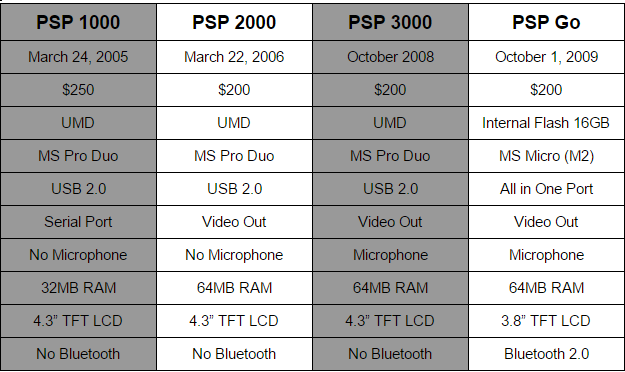
This will be my very last review of the PSP hardware line, as it was the last (outside of the E1000 unit that was in Europe only). The PSP Go is a very difficult system to find these days, as it is the least widely available. The PSP Go was released in 2009 and was discontinued barely two years later. The PSP had two previous models that greatly improved the system, with the 3000 model being the best. Surprisingly, what drove sales was how easy the hardware was to hack and downgrade. The original model was the easiest to hack, as it was mastered by the time the 2000 model came out. The 2000 model had a new motherboard, and several hurdles had to be overcome with various firmware updates. It is the least popular of the three. The 3000 system didn’t take as long as Sony was slowing down on the firmware updates, and the PSP Go was hacked in no time flat.
With that said, the actual system is even sexier than you could imagine. A slide-out PSP? No way! Many mock models were created for the PSP 2, which was said to be announced around the time of the PSP Go release. The system does have drawbacks over the original models, but there are advantages that help iron some of this out. First off, the system fits in your pocket easier. The PSP wasn’t really the best for your pocket, as it was very wide.
The Go eliminates the buttons on the side of the screen by putting the screen on top of the buttons, which is a genius idea. While the chassis is now all plastic, it’s still very sturdy. The system retains the overall shape of the PSP and has rubber feet on the bottom of the system, and the PSP ring logo is now removed. The buttons have been completely rearranged, more dramatically than the PSP 3000’s arrangement. The new PS button introduced on the 3000 is now on the top screen, being the only button there. The Bluetooth and WiFi lamps are at the top of the screen, as are the speakers flanking the screen. It’s very minimal and looks great, and this is my favorite home button so far on the system. On the top of the system are the usual L and R buttons, but they are larger than the previous systems and lay more flat as they don’t make up part of the shape of the system like before. The PSP has a volume rocker for the first time, which is on top of the system, and the screen and note buttons flank that. These are the only bad decisions as to when the screen is up. These buttons are hard to press as you have to blindly feel for them. Your most used buttons are under the screen with the analog nub between the D-pad and face buttons, which is interesting as it was under the D-pad previously. The nub is inset, so your thumb stays inside and feels more like an analog stick, and it sticks up away from the console but doesn’t tilt still. The D-pad is much improved, as it doesn’t rock like previous systems, and the face buttons are the exact same size as the Vita. You can actually see the influence of the Vita in the PSP Go.
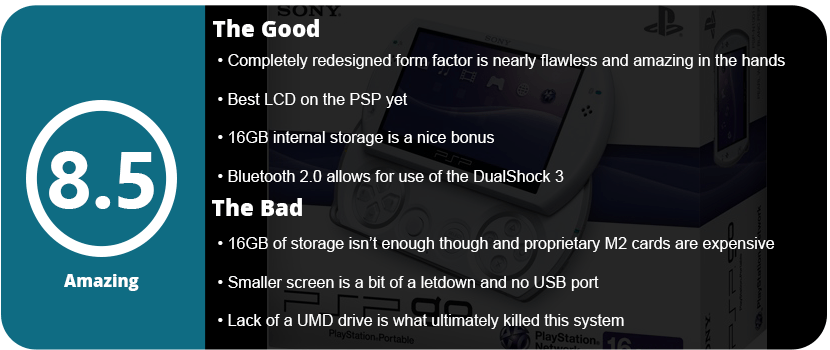
With that said, the buttons feel great, and the body is nice. The power slider and wifi switch are very similar to the PSP 3000 on each side of the system, but the worst change of all is a new proprietary memory card called Memory Stick Micro. This was one last stab to combat piracy, but the internal flash actually helped it. The new memory cards are much more expensive than the MS Pro Duo cards that were widely available. So, if you upgraded to a PSP Go, you had to ditch your Pro Duo, which is an awful move on Sony’s part. While the internal storage is a nice 16GB for several games, a larger size would have been nice to eliminate the removable media altogether. 32 or 64GB would have been just fine, and no one would have complained. On the plus side, with this internal storage comes lightning-fast read and write speeds, so load times are greatly reduced in most games. The Go also has Bluetooth 2.0, which no other model has. This was to connect Bluetooth headsets and the DualShock 3. Oh yes, you can play games with the DualShock 3, which is a nice feature; however, there’s no easy way to play as you have to put the Go on a flat surface. USB 2.0 was also removed and now has its own cable, which means your other cables are out the window. If you lose this cable, you’re screwed; however, USB A to B was being phased out as phones were using Mini B cables, which are now standard. Hey, at least it still has a headphone jack and mic.
Most people complain that the Go has a screen that’s almost half an inch smaller than the previous models. After a while, you don’t notice, and the picture is extremely clear due to the better LCD technology inside the Go. The “looking through a screen door” issue is gone here, and the screen is crisp and bright even by today’s standards. Overall, I can consider this the Gameboy Advance Micro of the PSP. Every handheld system usually has a miniature “best of” variation, and this is it.
With that said, the PSP Go is my personal favorite system. I love the larger versions; the PSP 3000 is the best of the three, but something about ultra-compactness and the slide-out screen really sells the entire package. It’s a gorgeous system, and it’s a shame it hasn’t been re-released. The only true way to play this is by buying the UMD versions, downgrading the firmware, and playing the backed-up ISO of your game. You can even downgrade a UMD PSP, and there are plugins that allow you to rip the game from the UMD onto the MS Pro Duo and then transfer it to your Go to completely circumvent piracy. This huge hurdle is probably what killed the Go, and the fact that the PSN store is shutting down on the PSP natively this month is a crying shame. You can still buy and purchase PSP games, but eventually those will go away as well, and this hacking circumvention will be the one and only way to even get games on this system.
It’s also the rarest of the variations, as a new system will run you over $200, which was the original price point, and even just finding one in good shape is a chore on its own. I picked up a beat-up system near me for $80 with the charger, and it was the only one in my entire county. I later tracked down the white model used in perfect condition for just $100, but again, most cheap Go systems are extremely beat up. If you don’t care about that, then $60–80 is your price range, which isn’t bad.
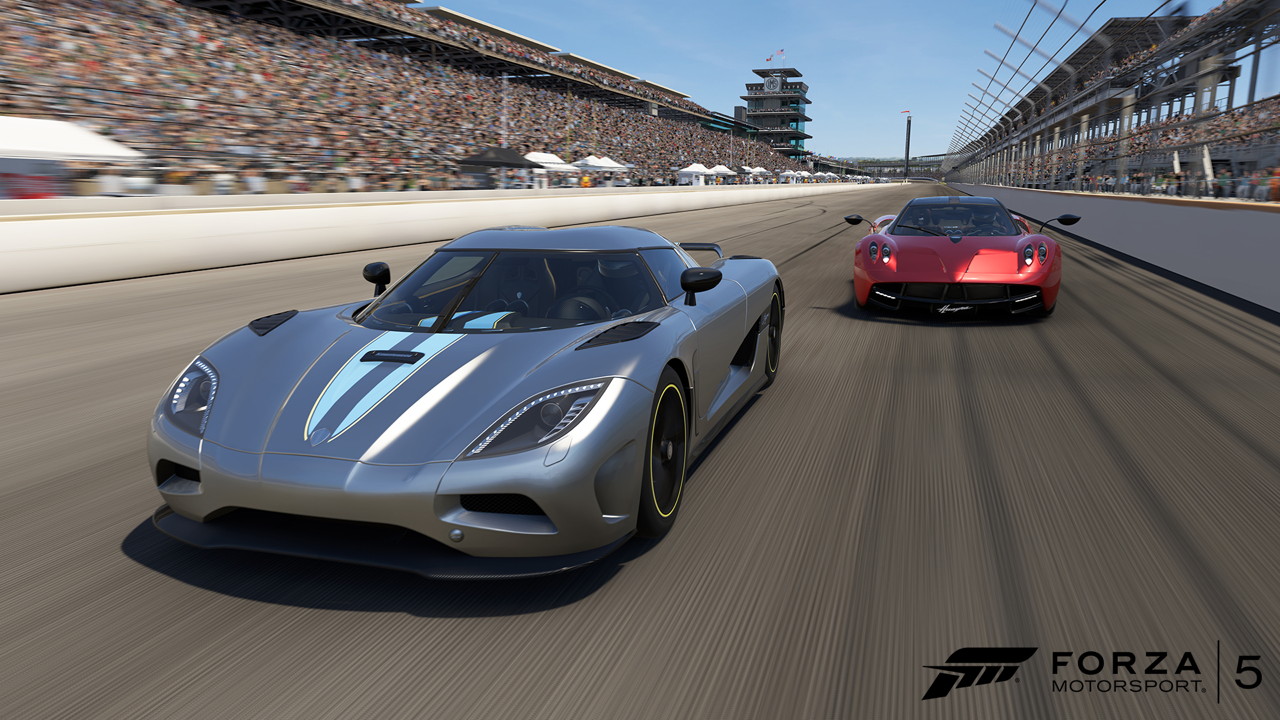
The racing simulator has always been a tough one to win. Lately, the series has somewhat died, with Gran Turismo underperforming since the fourth entry and losing the crown. Games like Dirt, Project Cars, and various other indie PC titles have taken over for the most part. Forza has been the new champion for quite a while, and Forza 5 takes the genre to a whole new level of quality and love. This is the best racing sim I have ever played, and that’s coming from a die-hard Gran Turismo fan.
My first racing simulator was Gran Turismo for PS1. It taught me about cars and how to drive them, but it also taught me patience and how exciting it was to finish 100 laps in one sitting and win a million-dollar prize pool. It taught me to be a perfectionist and go for nothing but gold. I have played many racing sims since that day in 1998 and haven’t found one like it since. My first Forza game was Forza 3, as I didn’t have an Xbox during the first two outings. I was happily playing Gran Turismo 3 and struggling with GT4. Forza 3 was okay to me, and the same was true for Forza 4. Nothing really stood out, and both entries felt the same. Fast forward several years later, and Forza 5 blew me out of the water.
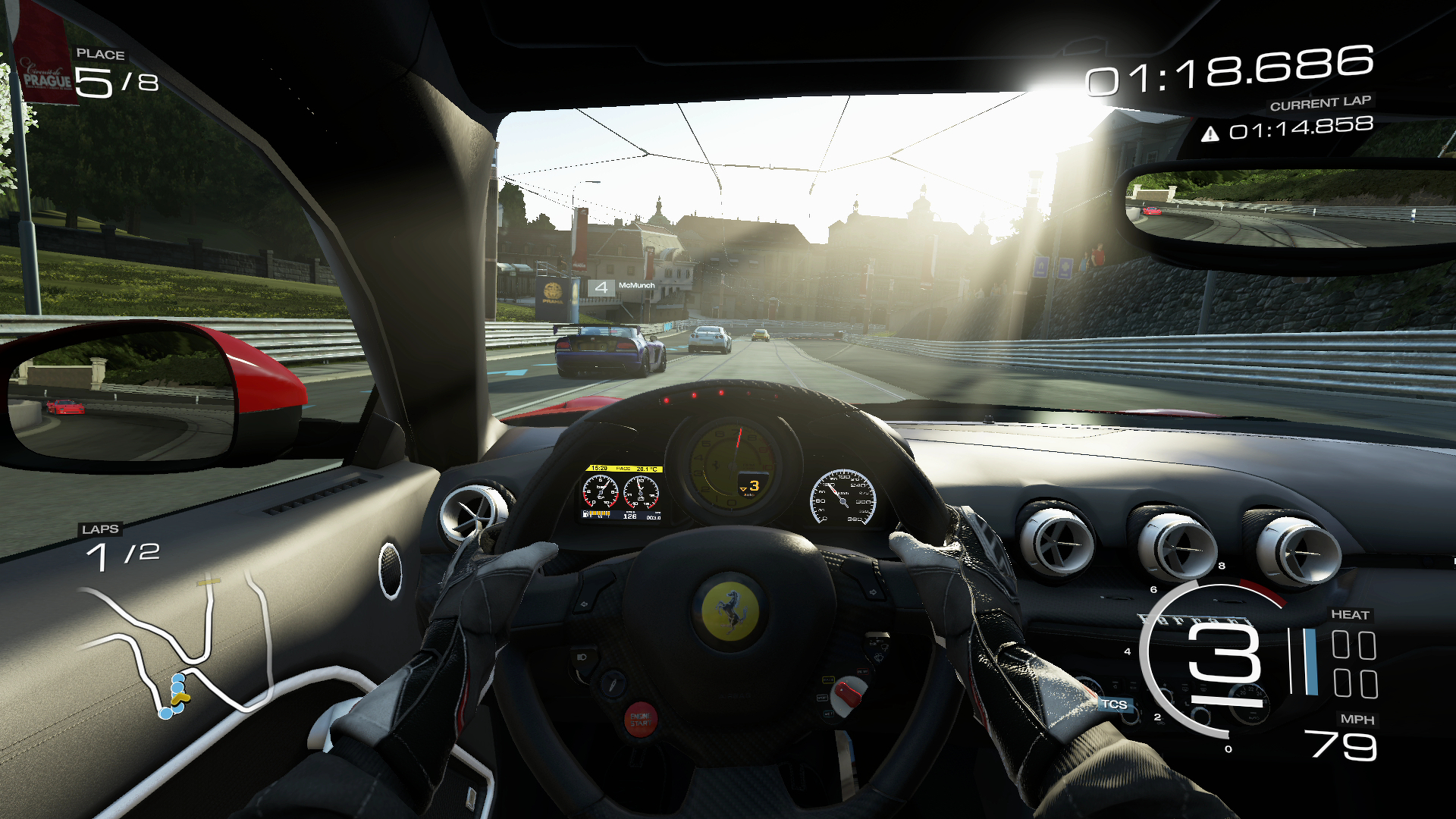
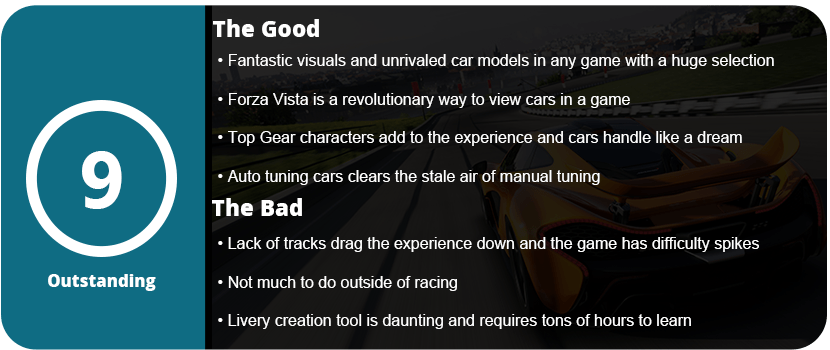
It’s not just the fidelity of Forza 5 on Xbox One, but the love and care that went into each car. This is the most realistic racing game I have ever even touched, with perfectly modeled engines, being able to get into the cars, open the trunk, look at the dashboard, etc. It’s an exhilarating feeling that gets you giddy enough to actually start racing. Forza 5 has hundreds of cars to buy, and I found myself buying a good 30 before I called it quits (more on why later). After getting into my first car, I was astonished at how smooth the controls were, how easy the menus were to navigate, and how I was quickly advancing through each series.
Before entering each series, Top Gear hosts talk about that series and the famous cars within. It’s wonderful to watch, listen, and learn, as cars are fascinating to me and I love the history behind them. Once I got into my first car, I was scared. I had to tune it. Thankfully, you can completely forgo this tedious chore and just have the game auto-tune your car to the required class limit. I never once had to step foot into the tuning section of the game, which is fine with me as I feel this can be a chore if not done correctly. Some purists may get upset about this feature, but it allows millions of other racing fans to enjoy the game who otherwise wouldn’t.
Once I got on the track, I felt like I was driving in heaven. The cars were handled so realistically and smoothly, with the best racing controls I can ever remember. Gone are the kudos systems of previous games, and instead, there’s more of a regular race here where you just earn credits. There are unlimited rewinds for crashes, which is a blessing as I get tired of restarting races because I screwed up. Purists may also hate this, but it’s a welcome addition to racing sims as of late. You also only need to get into third place to get gold, which seems like blasphemy, but once you play, you will realize that you don’t always need it first. I get tired of the racing sim grind of always needing first, and this is a nice change of pace. Of course, higher difficulties require you to get gold, so don’t worry too much.
Once I finished a series, I could complete extra races, which ranged from 8 to 10. Honestly, these become a chore as there’re less than 12 tracks in the game. Repetition sets in before you finish the first league of races because you want gold all across the board. Earning XP for each manufacturer gives you more credit bonuses at the end of each race, so you can buy cars faster. If you do these extra races in each series, you won’t ever have to worry about not having enough credits to buy cars. I was always able to buy exactly what I wanted, and it was a nice change of pace from the racing sim grind.
Forza has been known for community input, and in Forza 5, this includes liveries, which are always awesome to put on your car. There are endless possibilities, as Forza 5 has a huge tool to create your own looks for your car. It’s deep and nearly endless when it comes to what you can create, but it’s very daunting and requires dozens of hours of practice and an artist’s touch to create the best. If they are good enough, you can even sell them on the marketplace, which is interesting. When you buy a new car, the top features are usually listed, and I always find something to make my car stand out and look awesome.
Outside of Forza Vista (viewing the cars in real-time), Top Gear narrations, and driving each track, there’s really nothing left to the game. There’s enough here to keep you busy for dozens of hours, but the track fatigue sets in fast, and I got bored with the game after about 20 hours. I wanted to trudge on, but the series started to feel the same after a while, and I could not pay attention to driving tracks, so I would space out for 7 minutes just to come back and flip through menus to space out again. That’s usually not a good thing, which had me coming back several hours a day to force myself to play once a month.
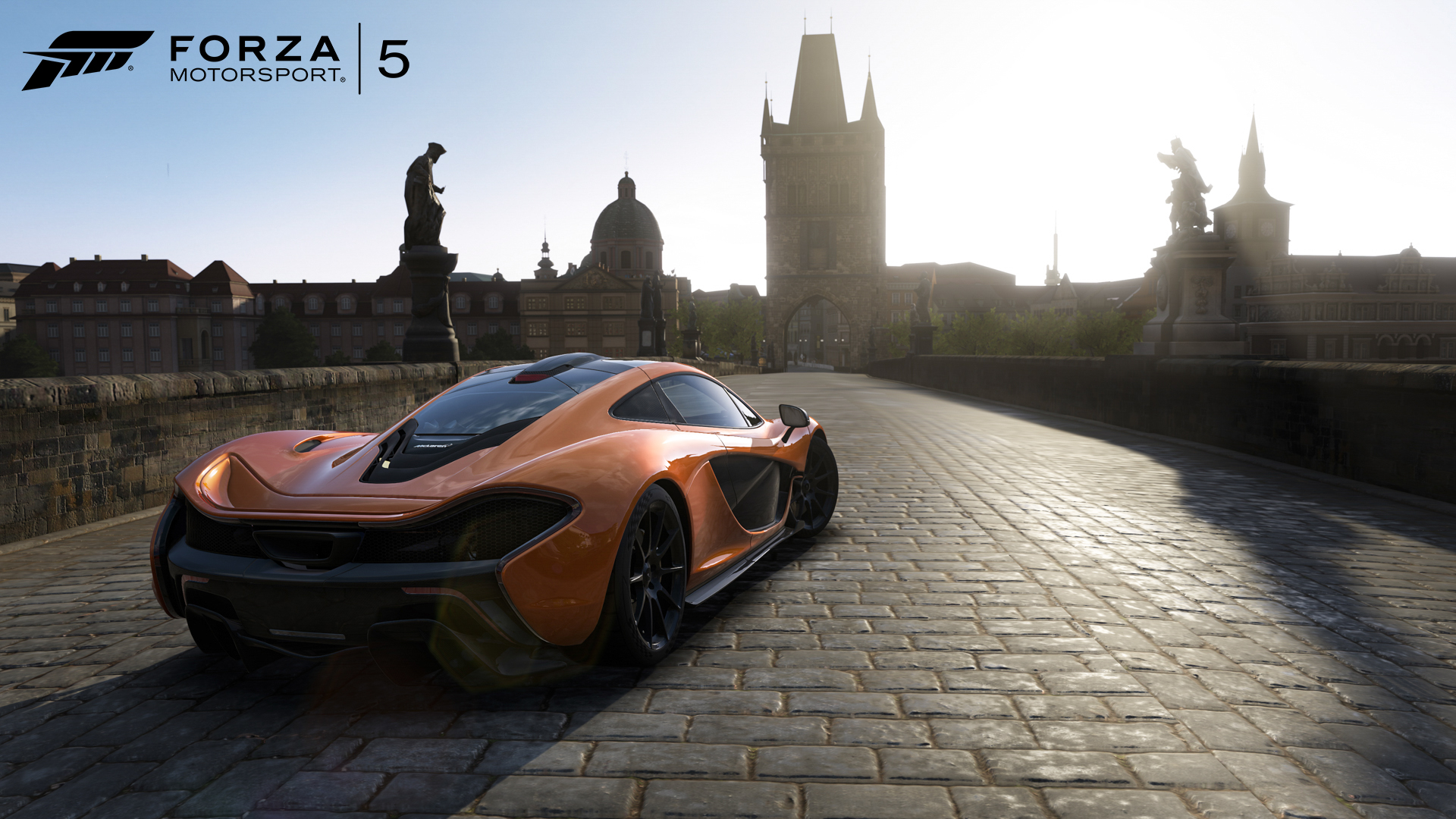
Forza 5 looks fantastic; in fact, it’s still one of the best-looking games to date despite being on a console, but there’s just not enough content to justify spending 50+ hours to perfect every event. There are plenty of cars, but none of that matters if there’re not enough tracks to play on. There aren’t even DLC tracks, which is a real shame. My only gripe is that after you turn off so many assists to make the game more challenging, you hit a wall. Either it’s too easy or way too hard. I turned off just enough assists to get some extra credit bonuses, but then I started upping the difficulty and turning more stuff off, and it became a chore after that. Every car spun out of control and was terrible to drive unless I went and fine-tuned each car for no assistance. This starts teetering into unfun territory for someone who just wants a realistic racing game without the chores tacked on.
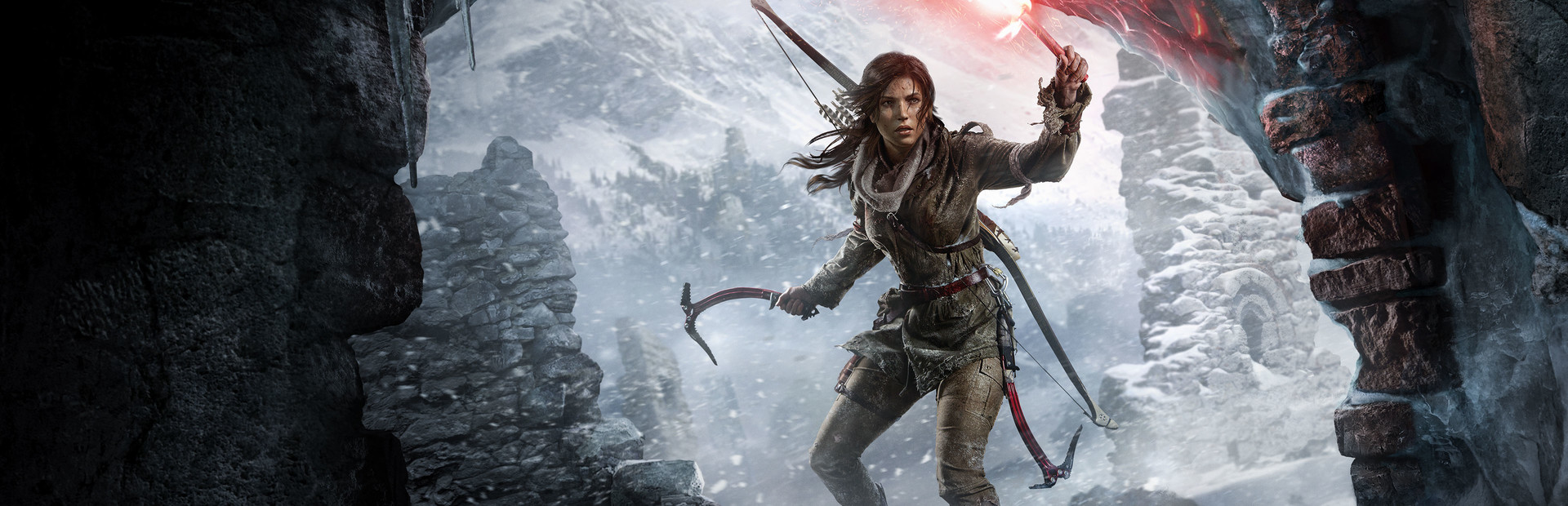
Tomb Raider (2012) was a revolutionary game for the franchise and the genre as a whole. It took the game industry by storm with its cinematic gameplay, fantastic visuals, huge open world, and realism. What could Crystal Dynamics do to top this, you ask? It’s pretty hard to top that, and they didn’t quite top it this time around. Rise of the Tomb Raider is more of what we got before and not much else, but that’s not a bad thing.
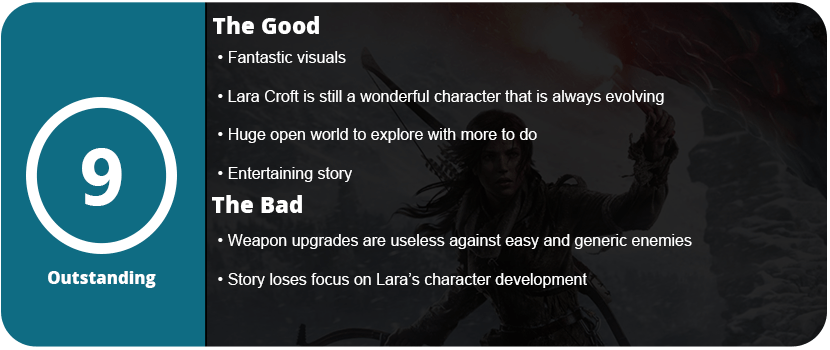
The game doesn’t focus so much on Lara’s survival to get back home but more on her treasure hunting. There’s an item called the Divine Source that grants people immortality. It’s something that her father became obsessed with and ultimately got him killed. A mercenary group called Trinity wants this source, so it’s Lara’s job to go and retrieve it before anyone gets their hands on it. The story is a little predictable and cheesy. It’s the typical generic mercenary bad guy plot, which I found uninteresting as Lara’s character development was the center of the story in the last game. It’s disappointing, but entertaining nonetheless.
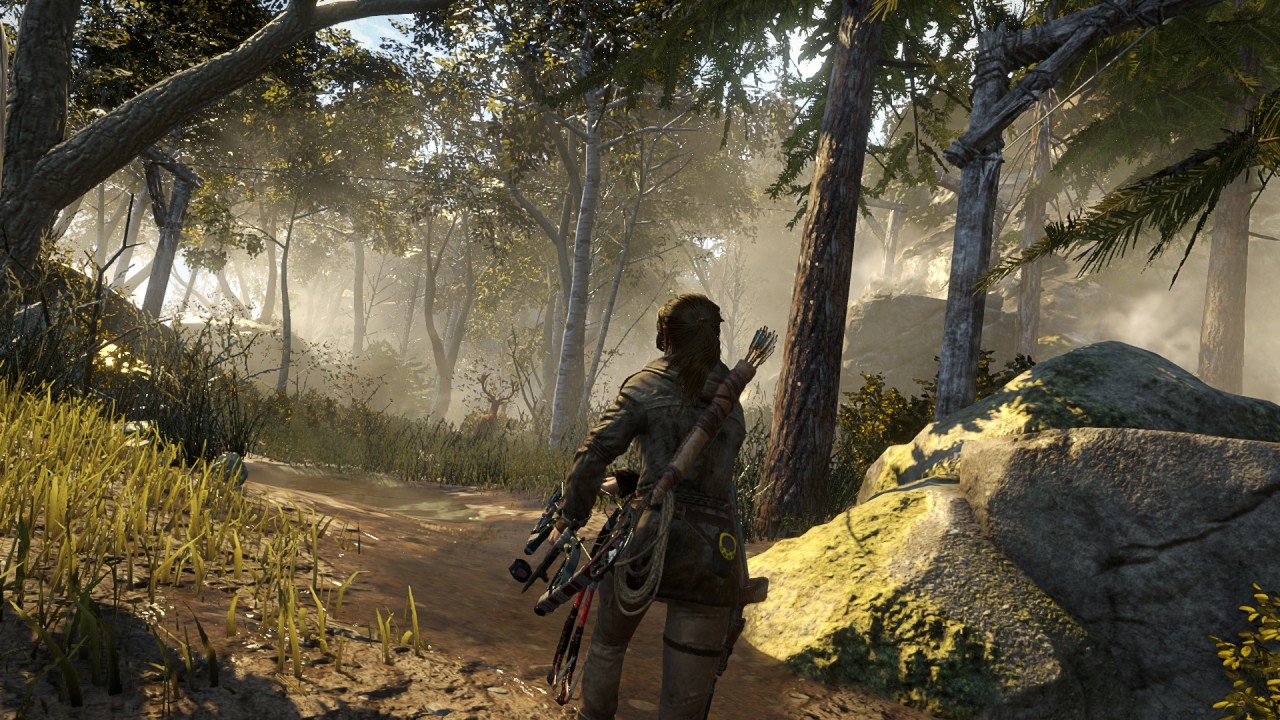
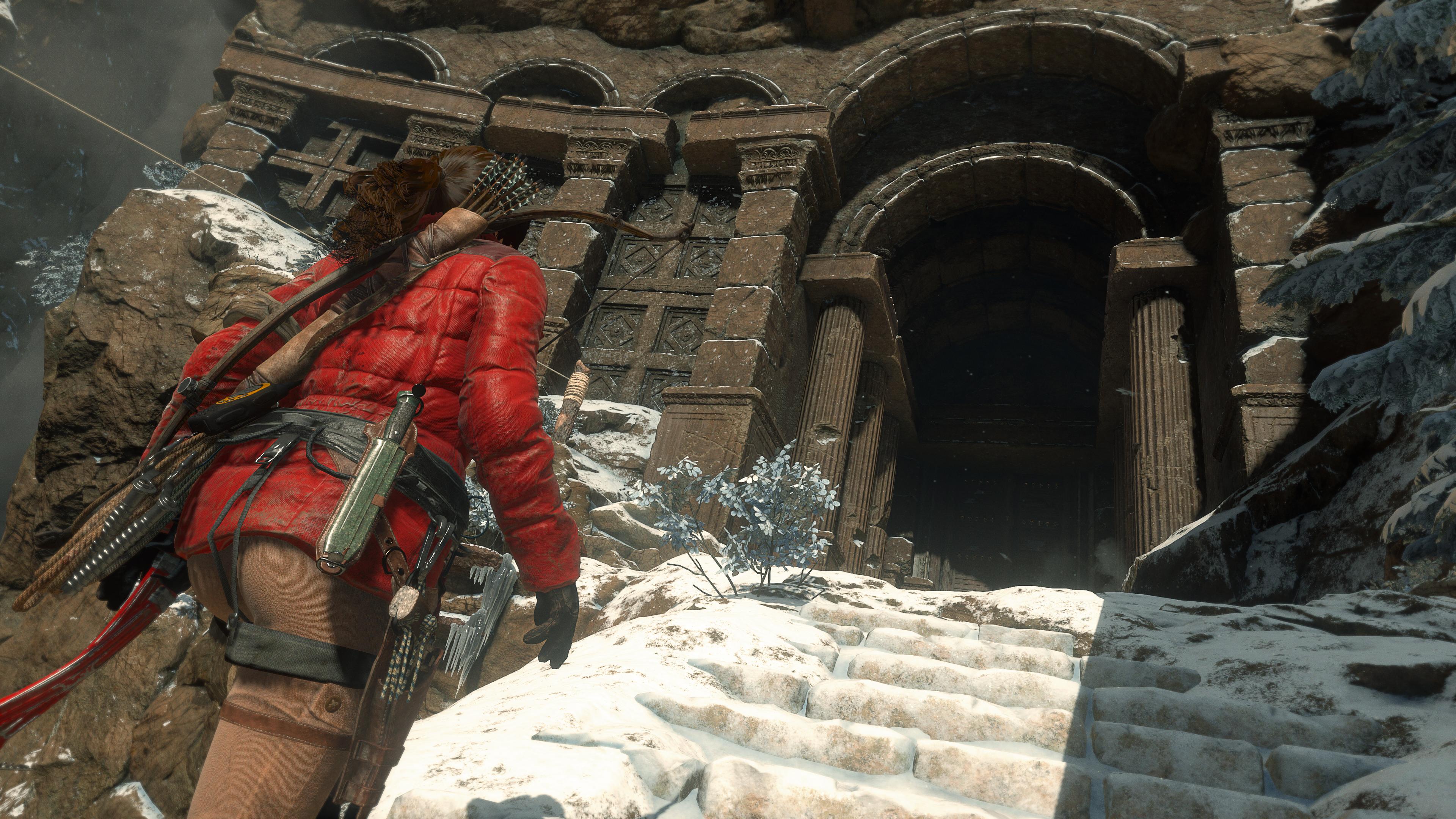
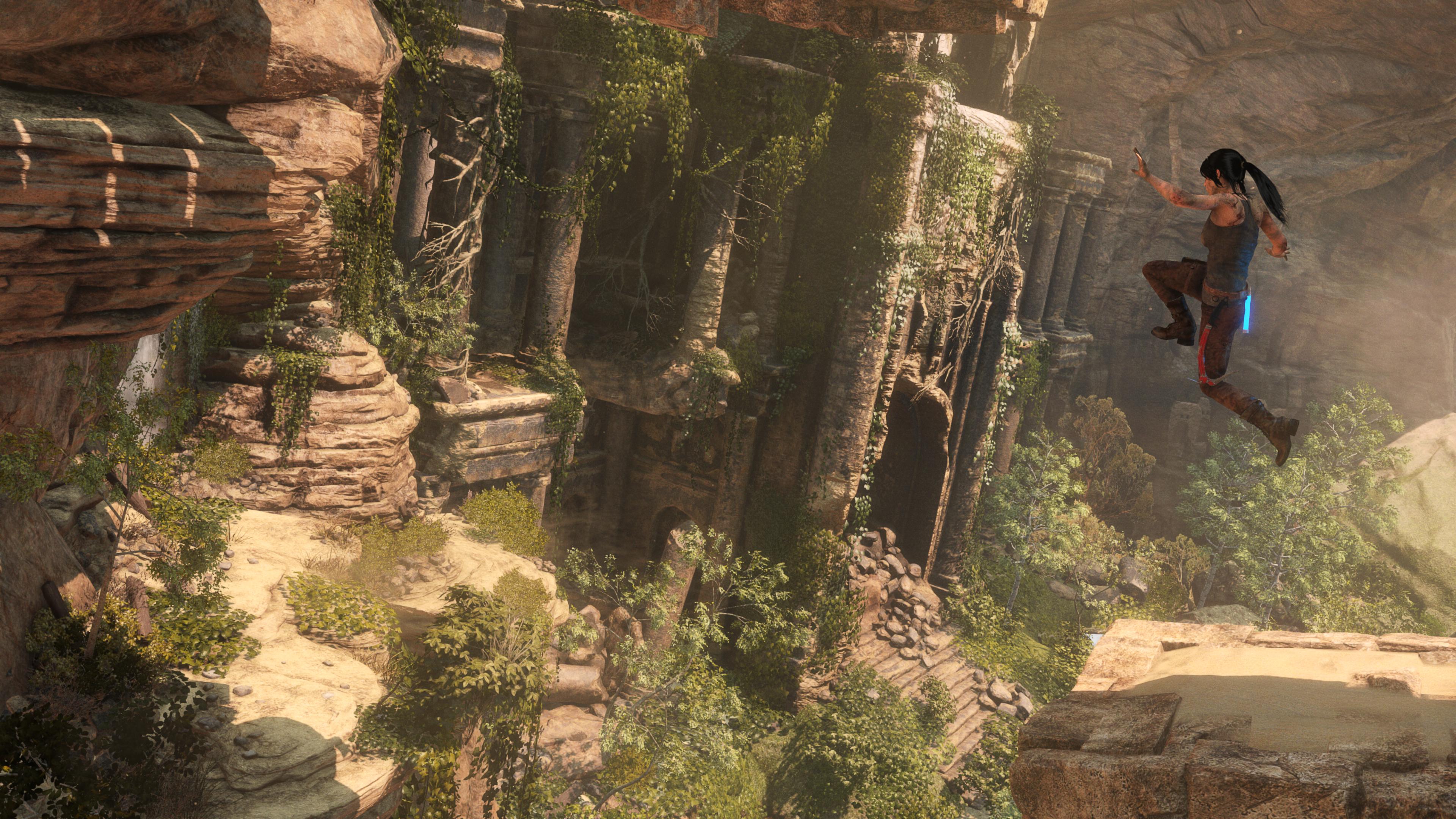
The opening scene in RotTR is a fantastic set in Tibet, where you get to feel just how dangerous Lara’s treks are and the environment around you. It’s probably the best scene in the whole game, as the developers slowly forgot what made Tomb Raider…Tomb Raider towards the end of the game, like they were running out of ideas. You will notice right away the huge visual upgrade over the last game. Fantastic lighting effects, tessellation, gorgeous textures, and character modeling are some of the best I have ever seen. The individual pores can be seen on Lara’s face, which is 10x more detailed than in the last game.
After the opening scene, I realize not too much has changed from the last game control-wise, and the gameplay elements are nearly untouched, just fine-tuned. After I start trekking along in the first area, I divert by exploring and finding all the hidden stuff. TR has a lot of hidden secrets to find, and it’s all about using your instincts around you to find all the secrets that glow gold and finding the maps to reveal them on your map. I spent the majority of the game finding these secrets, which are a blast to find; however, there’s a Metroidvania feeling to this game. I had to acquire new equipment before I could enter certain areas, especially the tombs.
While just playing the game in general, I realized a few disappointing things about this game. Leveling up completely and upgrading all your guns, just like in the last game, means less this time around. The game is fairly easy; the mix between exploration, combat, and stealth is very random and spread out. I could honestly play the entire game with the pistol, and I would be fine. The last game had enemies that required different weapons, but this time around, Crystal didn’t think about that. All the enemies are generic, and there’s no need to switch weapons. This is a huge blow to the strategy of the game, which was so great in the last game. Ultimately, this meant that all the side quests, gathering, and exploring could ultimately be skipped, and it wouldn’t make a difference. That’s a really bad thing here.
Thankfully, all the gameplay holds up to redeem this issue. Mainly, this is here for completionists or anyone who wants to explore this gorgeous world. I think the developers forgot what was so great about TR between development cycles, and it really shows here. The world was focused on so much that the stuff to fill it was pretty much forgotten. I have all these awesome weapons and upgrades, but…what do I do with them? I can craft special ammo for each weapon, but it didn’t make a lick of a difference in combat. The only ammo that did was the new arrow types, such as poison, explosive, and flame. Using them to take out a large group of enemies helped, but that was it.
Lara also doesn’t really develop much in this game. I thought the psychological stress on her from the last game would affect her here, but it’s like it never happened at all. Her character is awesome as usual, but there’s no more development, and I feel the next game really needs to pick up on what made the first one so great. Franchise fatigue is going to set in quick here, and many players may not be so excited for the next game if this keeps up.
In the end, RotTR is a fantastic game with a huge world to explore, a generic yet entertaining story, and more Lara Croft, which is what we want. The biggest disappointment is that there’s no more character development for Lara, and all these great upgrades and weapons feel useless due to the combat and enemies that didn’t get any attention. The game is really easy and lacks a good challenge. The game is gorgeous, one of the best-looking games ever made, and continues to push PCs to their limits, just like back in 2012.
I just played this game in one long four-hour sitting, and I’m a little emotional about it. The game is completely story-driven and not one of those shitty Steam Early Access survival games that are becoming a plague. Instead, we get a linear adventure game with no combat and just beautiful visuals and a great story. You play a man named Henry who’s suffered the loss of his wife’s mental state due to Alzheimer’s. The game starts out with just some text about how Henry came about to take this job as a fire watchman. In just a few minutes and several lines of text, you develop feelings for Henry and his wife, which is really tough to do. The words are carefully chosen and arranged in just the right way.
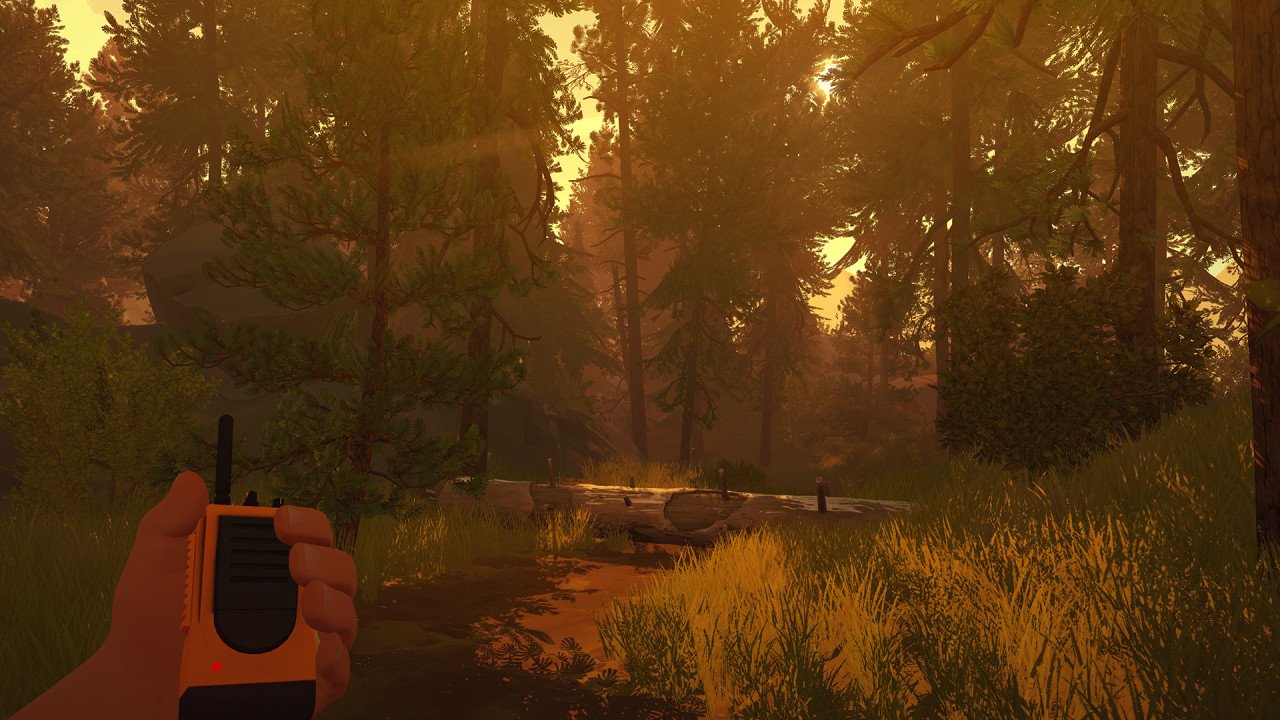
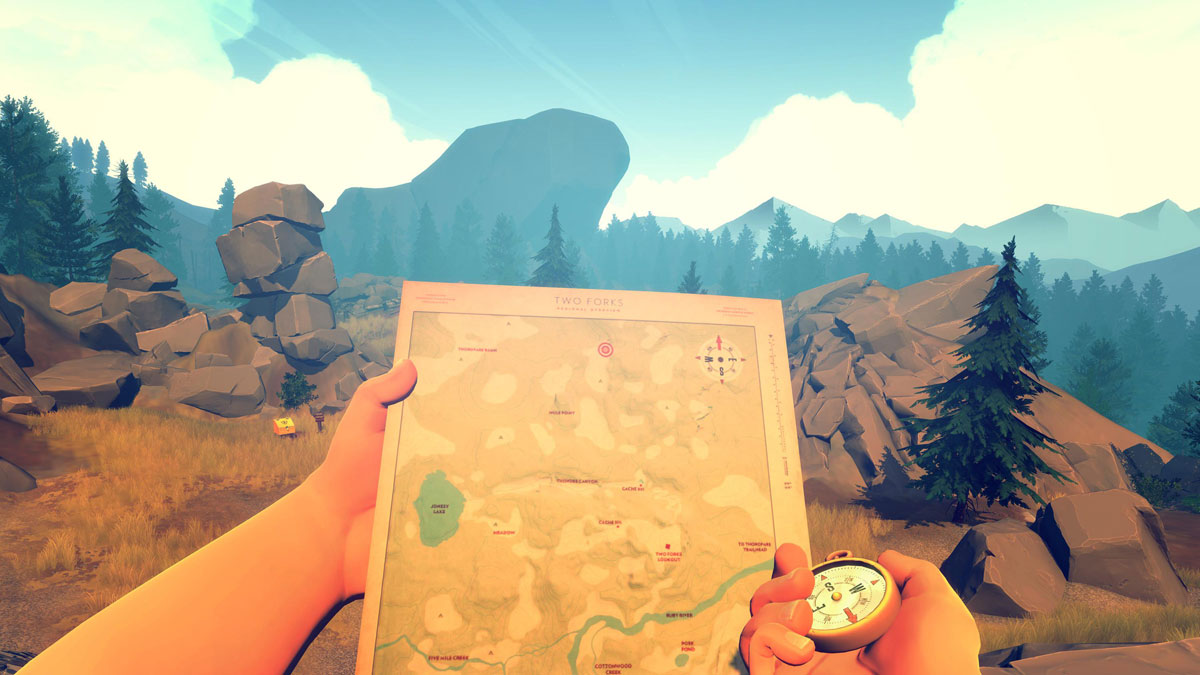
In between this text and the segment is a mini-tutorial with Henry making his 2-day hike to his watchtower. unobtrusive and feel natural and organic, so when you take full control of Henry, you’re ready to start playing. When you do, the game starts out with simple missions from the head watchtower, Delilah. Your only communication with her is your walkie-talkie, and you never actually see her in the entire game. It’s a sense of mystery that allows the player to paint their own picture like a book would. The first missions have you setting out to stop some teens setting off fireworks, and this is where you get oriented with the map and compass. There’s a dot where you are, so there’s no need to memorize anything or do aimless guesswork.
Once you get to the site, you realize it’s two female teens who are completely naked, drinking beer, and blasting music. They get upset with you like any rebellious teenager would and threaten you. The first three days of being a fire watchman are played out; however, the game gets darker and tenser as you progress. There are little subtle things that freak you out, such as seeing a man on your way back to your watchtower, discovering someone’s watching you and listening to your conversations with Delilah, and so on. It’s all very organic, and the fact that it is subtle makes it scary and gives a tense atmosphere without using cheesy ghost stories and jump scares.
There were several moments where I wasn’t sure what kind of story this was. Supernatural? After an hour into the game, I figured it wasn’t that. Was it a slasher flick-type story? Not when I realized there’s actually no violence in the game. Was this a murder mystery? Maybe something with aliens? Not at all. It was great to go down this twisting path to finally discover what the true threat was, which I will not spoil here.
The only lighthearted nature of the game is the relationship between Henry and Delilah growing through conversation; however, I was never completely trusting of her due to certain dialogue exchanges and slip-ups on her part. Firewatch is a roller coaster ride of emotions and story-driven feelings that most games can’t get right. In fact, Soma was the last game to make me feel this way.
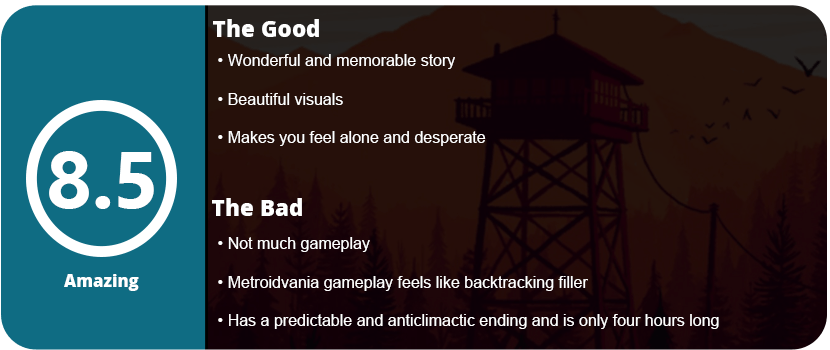
Overall, Firewatch actually has a few flaws that keep it from being perfect. Outside of the story, there’s a lot of aimless backtracking, as after the second hour, you have already discovered this entire area. The Metroidvania-style gameplay to recover equipment to get to new areas seems natural, but it just exaggerates how much this game relies on backtracking to extend game time. Firewatch does have some excellent visuals, though, but nothing that will make modern PCs sweat. I personally had a small connection with this game as I grew up in this area of Wyoming, where the game is based. They mention the cities of Casper and Gillette, which I grew up in both throughout a lot of my childhood. I also visited Yellowstone, so the environment is very familiar to me and made me feel like I was back at home as a kid.
Play Firewatch for the great story, but don’t come in expecting a slaughterfest, survival game, horror jump scares, or any of those cliches. The game is quite mild gameplay-wise, but the story will have you thinking days after finishing.
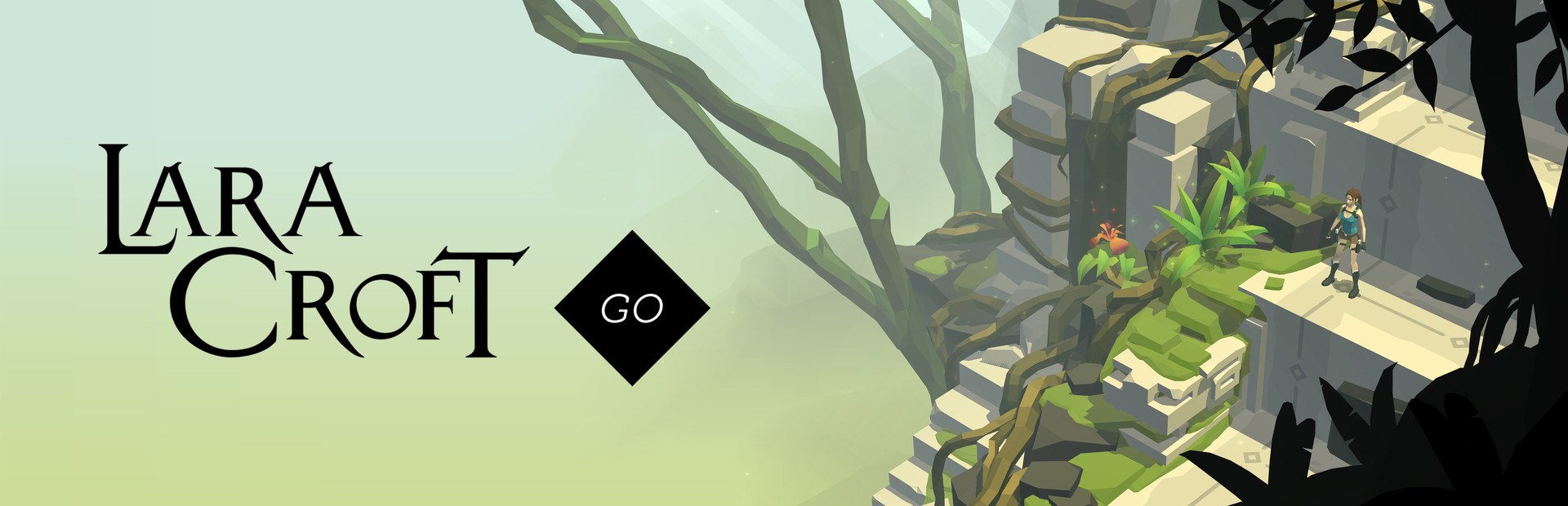
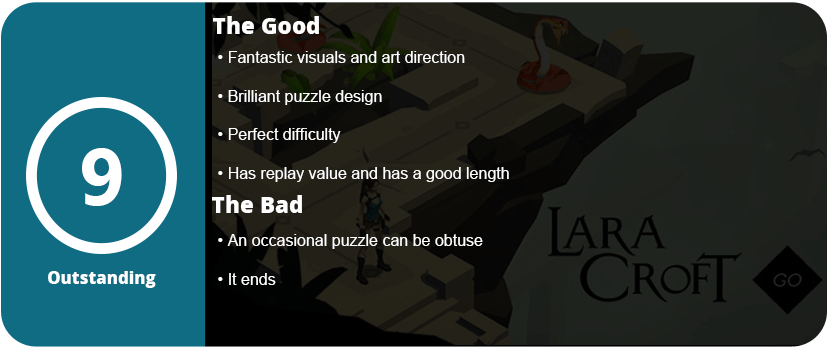
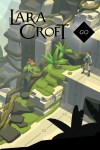
Lara Croft has made a huge comeback thanks to 2013’s Tomb Raider reboot. With her spin-off top-down series, Lara was bound to find her way onto the mobile market. Feeding off the success of Hitman GO, Square Enix takes another popular franchise and ups the ante on the GO series. With fantastically designed puzzles, great graphics, and easy controls, Lara Croft GO is the best mobile game released this year.
If you played Hitman GO, you will be in familiar territory. The levels are comprised of squares that Lara moves along; these squares have dots on them, so you know which ones you can land on. There are various puzzles that will make you really think before advancing to the next level. From pulling switches, avoiding enemies, killing enemies, moving platforms, moving stone pillars, and various other gameplay tidbits. It’s not just as easy as pulling this switch over here and having that switch be done. Enemies play a huge role in this game, and movement is key here. Every time Lara moves a space, so does an enemy. You must line up your moves to avoid the enemy or go around them. The puzzles are brilliantly laid out here and will constantly keep you in check.
The game also felt progressively balanced in difficulty. I started off clearing levels quickly and then slowly had to start thinking. Once I thought I had mastered certain gameplay elements, another was thrown at me and made me think all over again. I can’t stress enough how well these puzzles are designed; they feel like they were made with care and delicate thought in each and every square. In between solving puzzles, there are hidden vases throughout the level that hold gems that will unlock outfits for Lara if all are found in the level.
The game is also quite decent in length. It took me a good two weeks to finish the game, and there is replay value here. Throughout the whole game, I never felt like it was impossible or too hard. It was always something that stared me right in the face, and when I figured out the puzzles slowly, I had a lot of “Aha!” moments, which are so satisfying. Some puzzles I really had to work on, and some were quite easy, but the easy ones in between keep it from getting too frustrating.
The graphics in Lara Croft GO are beautiful papercraft models with great lighting effects and high-quality textures. This is a high-end mobile game at its finest, and I firmly believe every Tomb Raider or puzzle fan must own it. I hope to see more games in the GO series, as they are addictive and so wonderfully crafted. This is a hidden gem and an oasis among awful and ugly free-to-play games.
I’m a fanatic about gaming mice and keyboards. I love getting the latest and greatest because I always want something that’s evolving and making gaming more comfortable, accessible, and easier, and I also love state-of-the-art tech. I’ve tried mice from both Mad Catz and mostly Razer, but there’s been one underlying issue from both companies that hasn’t been fixed in years: The drivers stink big time. The mice are unresponsive, freeze up, can’t go from wired to wireless seamlessly, act up when coming out of sleep mode, etc. I love my Razer Ouroboros, but I couldn’t stand the shoddy drivers anymore; the freezes, skips, and bugs were driving me insane. I finally decided to switch to a completely different company, Logitech. Someone I’ve known for years, even before I started PC gaming, is a company that is notorious for high-quality products that last a long time and work well. I went for the gusto and picked up their best mouse available: The G700S
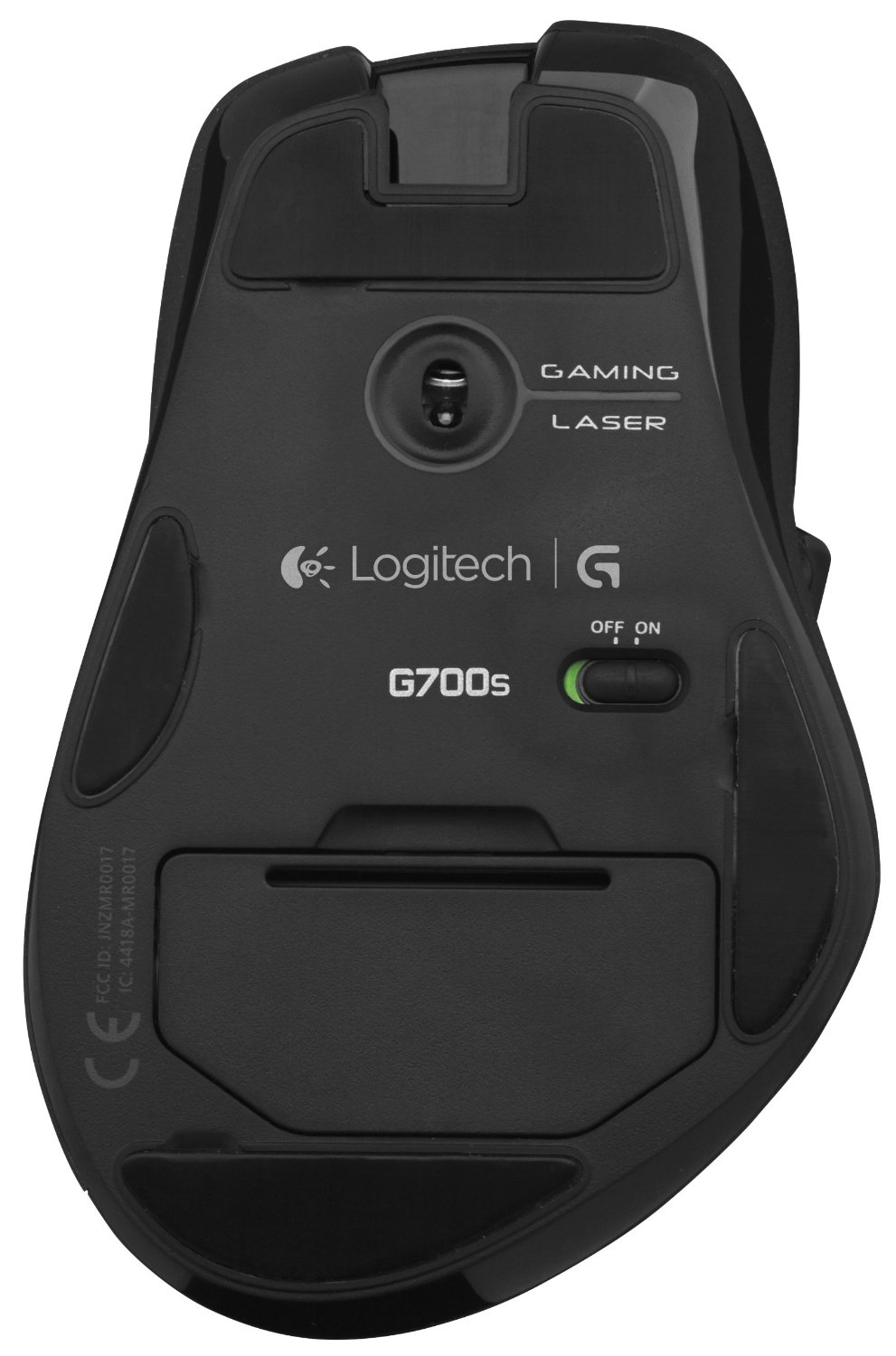
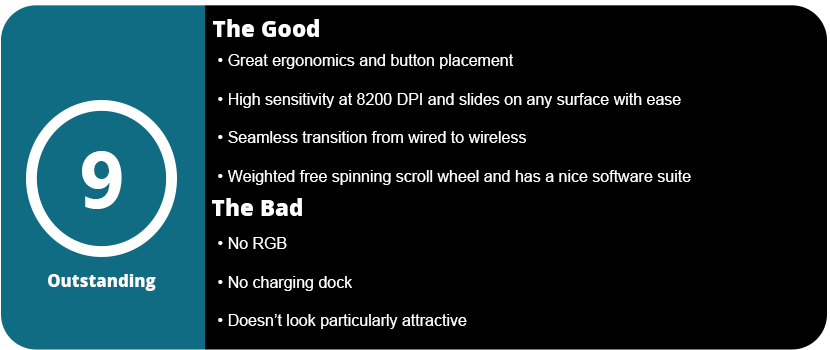
It’s not exactly a flashy mouse like Razer or Mad Catz. It won’t turn heads, and it may not even be noticeable to most people until they touch it. There’s no fancy charging dock or lighting effects, no over-glorified box, just a mouse in cardboard with some neat buttons. I was a little skeptical at first because it didn’t have a charging dock; it has a USB cable, an extension, and a micro USB dongle, which kind of scared me. Those dongles are known to not work well and have poor signal strength, but I trekked on.
The setup was actually so simple that I was confused and thought something was wrong. I literally plugged in the mouse and the dongle, and no drivers were installed. I thought it was odd. I then downloaded the software suite and proceeded to scour the manual for something, thinking I had missed something. It turns out, Logitech is a master at drivers, and a completed in-your-face setup isn’t necessary.
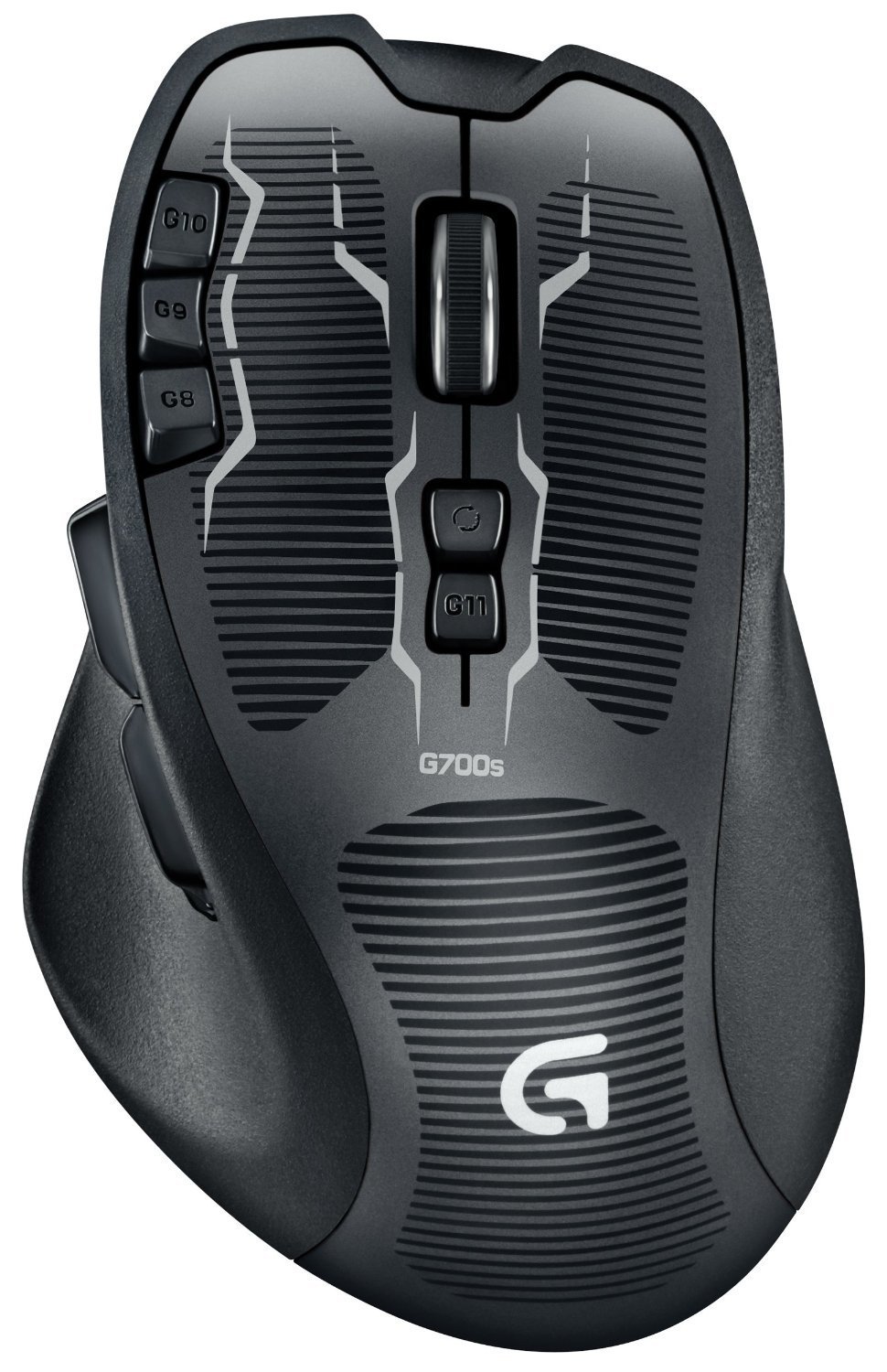
After this, I proceeded with changing some settings; thankfully, the mouse keeps all profiles and settings inside the mouse via onboard memory. There are gaming profiles you can use, but every profile was exactly the same for the mouse; most changes were for Logitech keyboards, so I stuck to the onboard memory. The mouse has eight programmable buttons: three accessible to your left finger, one below the mouse wheel, and a cluster of four on your left thumb. These all felt natural and very easy to get to, unlike some mice, despite their ergonomics. The buttons clicked well and weren’t too difficult to press, even for intense games.
Once I easily programmed the buttons, I realized how nice this mouse felt. It fit so well in my hand and didn’t need fancy adjustments or anything that could come off. It was just a nice-feeling mouse that had a good weight to it. The feet were great and slid better than any other mouse I have used, and there’s an interesting feature unique to this mouse that you won’t see on any others. There’s a “clutch” button that releases the scroll wheel to free spin. It feels like spinning around weights and glides buttery smooth—so smooth, in fact, I can’t even feel it spin. The weight allows you to spin the wheel really fast for quick scrolling, or you can press the clutch again to lock the wheel and make it slower and click.
The performance is also the most flawless I have seen on any mouse. Going from corded to wireless is seamless, with zero hiccups, which are needed when your mouse dies in the middle of a game; it responded when my PC came out of sleep; and there have been no freezes, lag, hitches, or DPI drops like I have in Razer mice (three in total, by the way). The mouse can track up to 8200 DPI with a 1000 polling rate, perfect for people who love high sensitivity. I was able to adjust my DPI on the fly to adjust for different games, and I had no problems with the whole software or hardware.
With that said, the Logitech G700S may not be the flashiest mouse, but it functions the best, and in the end, that’s what counts. With zero lag, no connectivity issues, seamless corded-to-wireless transitions, and a great software suite, there’s not much more you can ask for. The ergonomics are great, and the mouse slides better than any other mouse I’ve touched. This is well worth the $100, even over flashier Razer and Mad Catz mice.
Game of the Year is always the hardest decision to make. What makes the best game of the year? Surely there are more than one, but it’s the one that stands out the most. Usually, it’s revolutionary, groundbreaking in some way, or extremely memorable in every aspect you can think of.
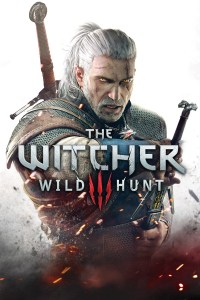
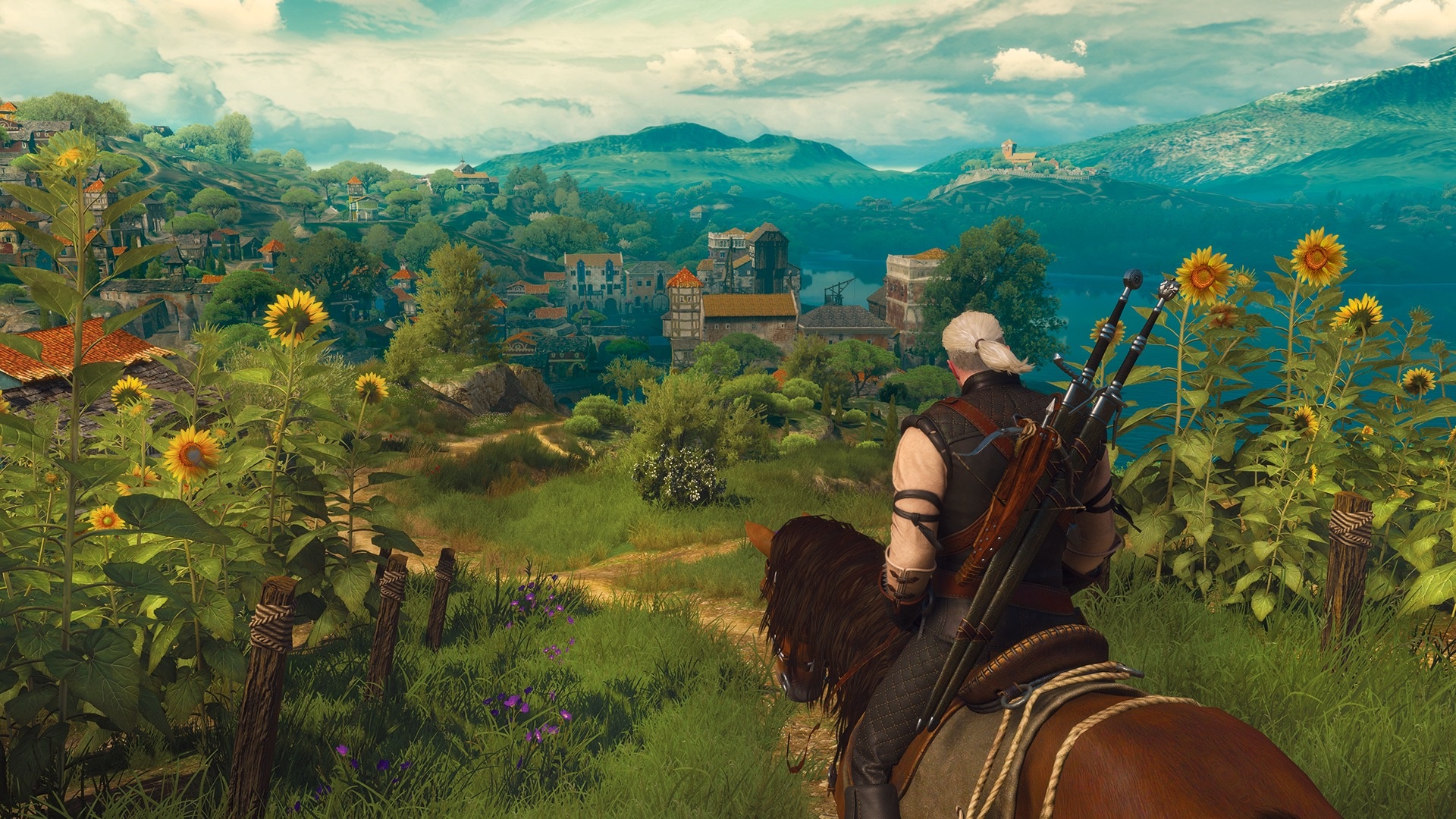
The Witcher 3: Wild Hunt
This was one of the toughest years to decide GotY because of so many great games. It was ultimately a toss up between The Witcher 3 andFallout 4 as both games are amazing and beautiful. What The Witcher 3 outweighed in was more clever storytelling, better side quests, and a less clunky open world. Fallout 4was great, but it didn’t deviate enough from Fallout 3 to consider it something extraordinary. The Witcher 3 has tight and fun combat (maybe a bit too challenging), the Gwent card game is fun and stands on its own, and it’s the small things that matter here. The overarching story is somewhat forgettable, but the individual characters and run-ins are what you will remember. The game is also one of the best looking this year.
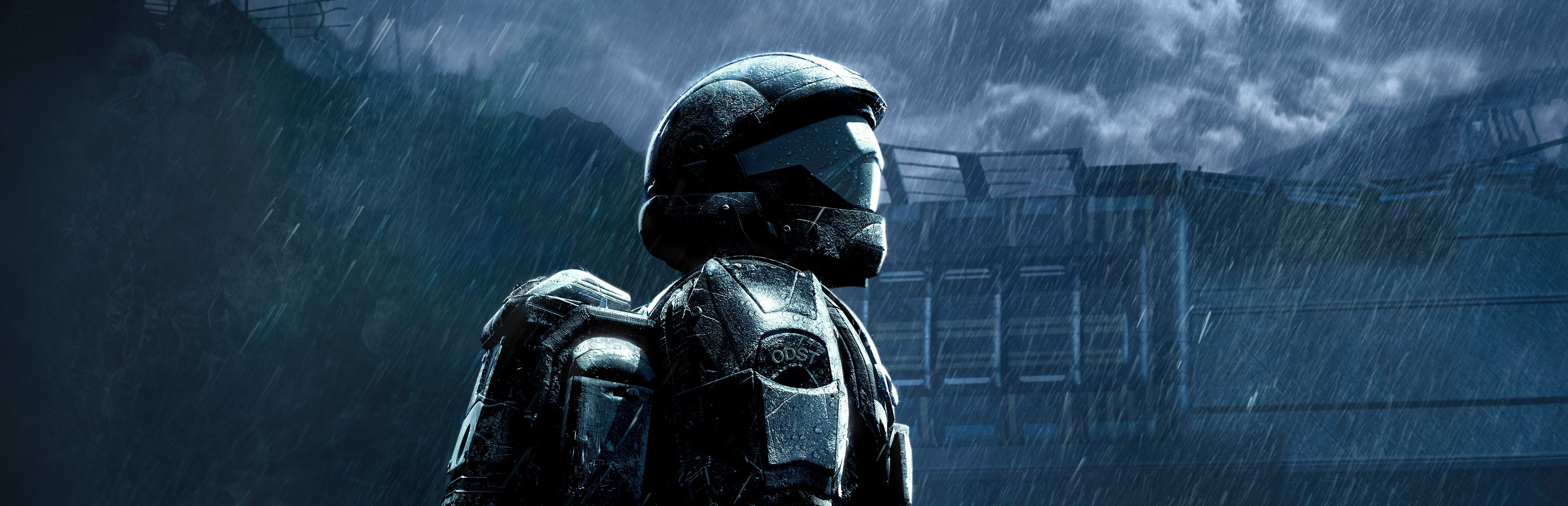
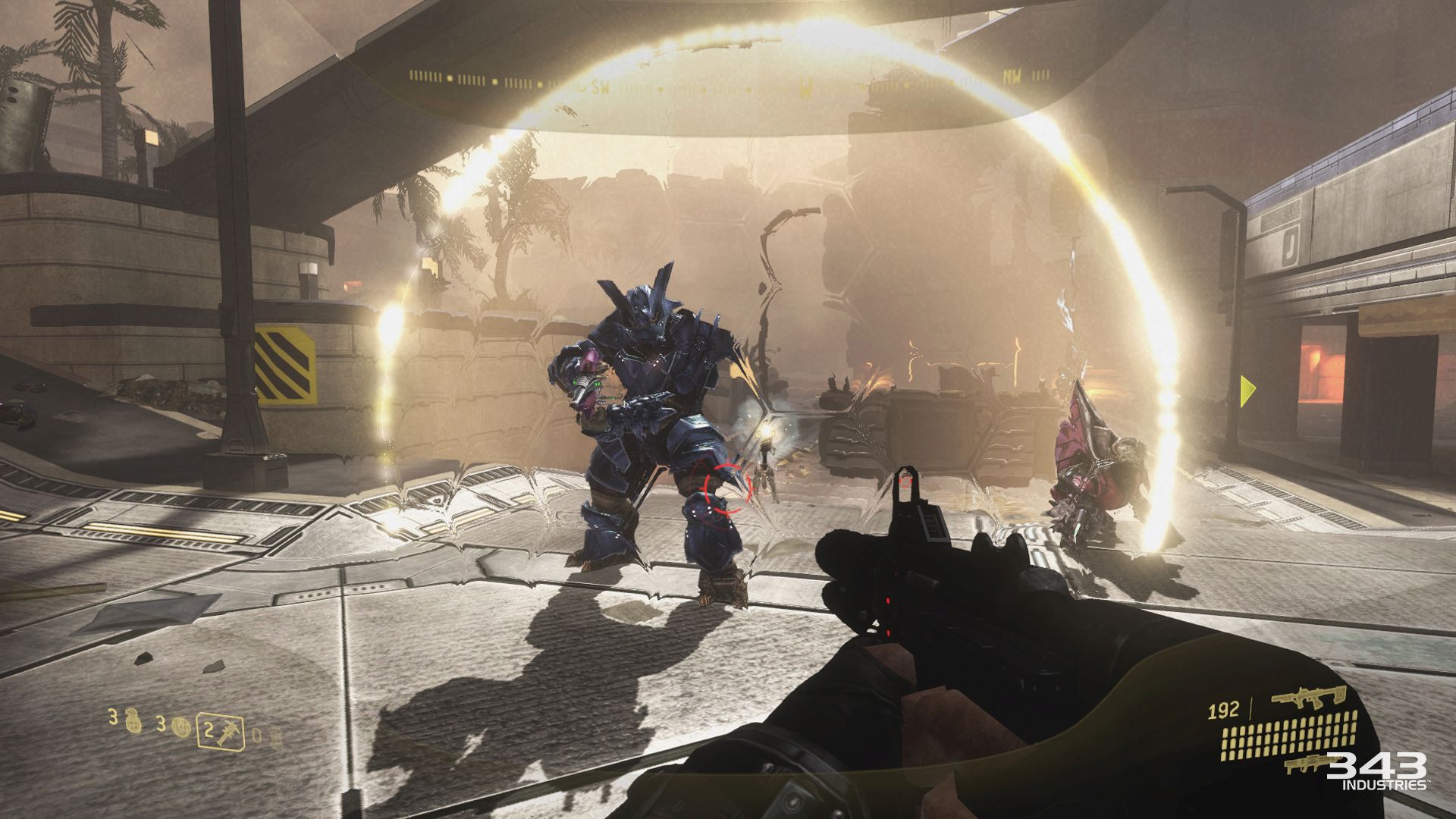
Well, I finally did it; I actually beat ODST. I rented the game when it was first released, and it was so boring that I nearly fell asleep. I turned it back in after the first mission. In retrospect, I realized I just didn’t know enough of the Halo universe to understand the story of ODST, as non-fans won’t quite understand this little slice of the story, and that’s exactly what ODST is: a slice of Halo.
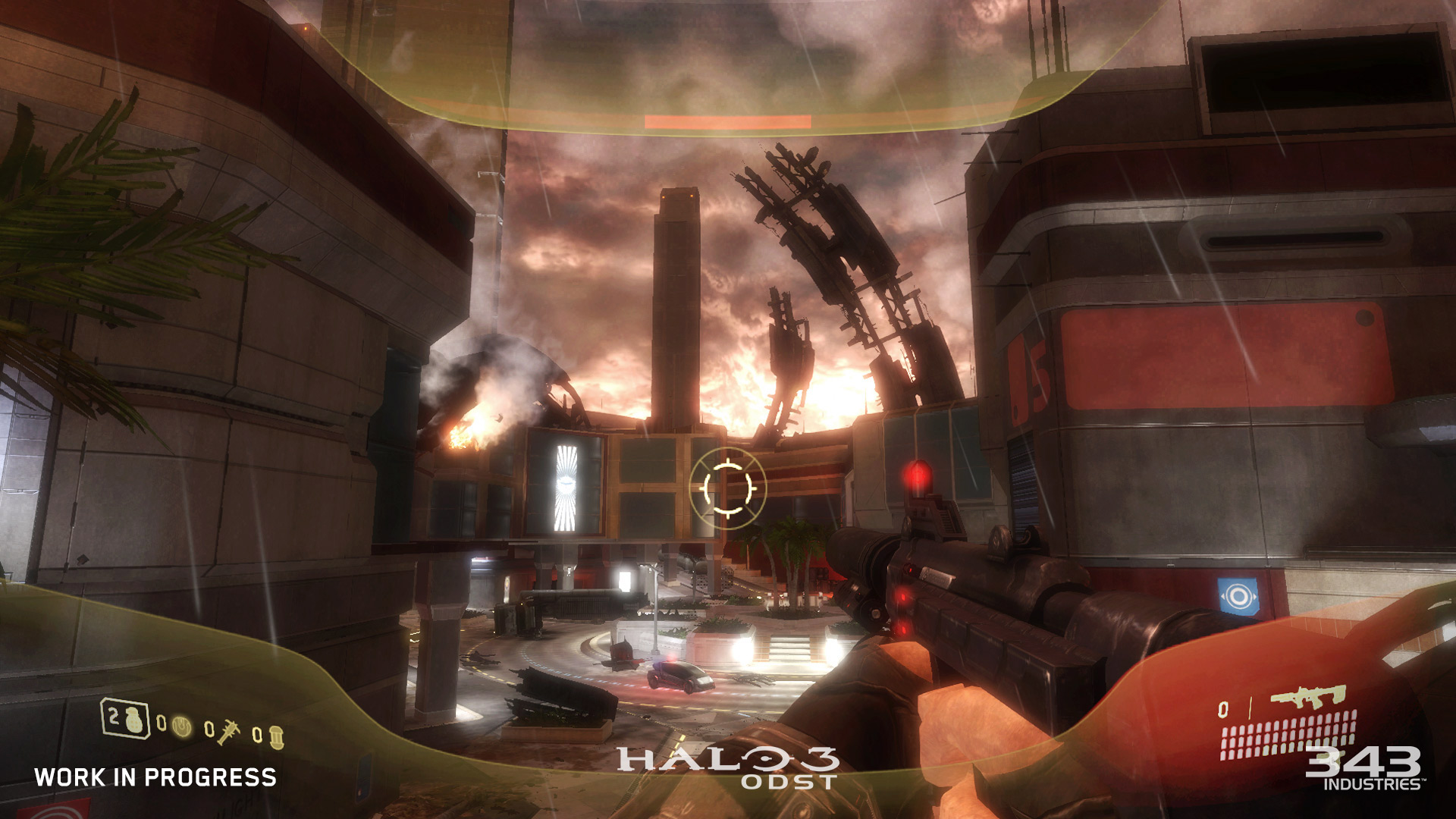
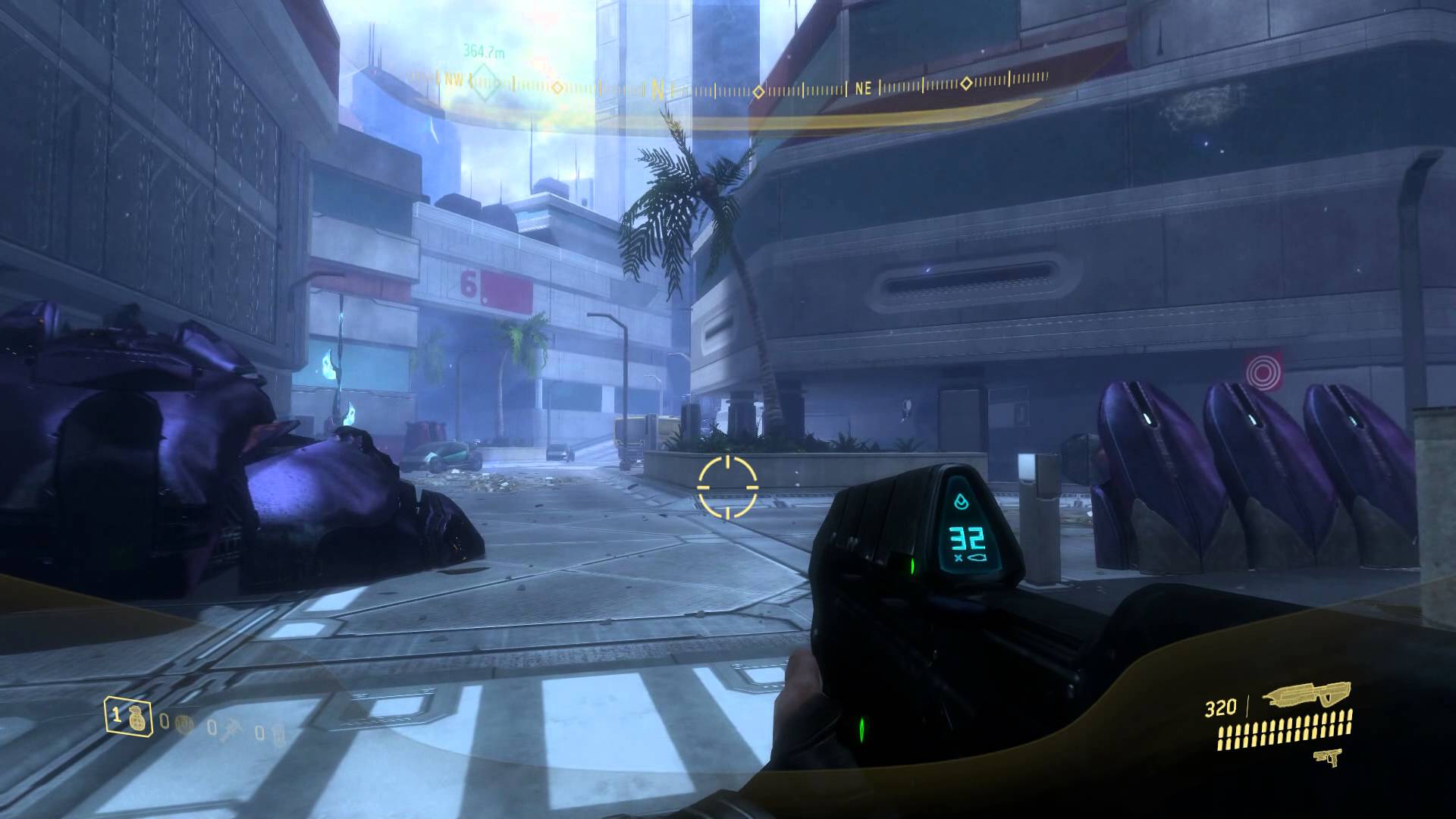
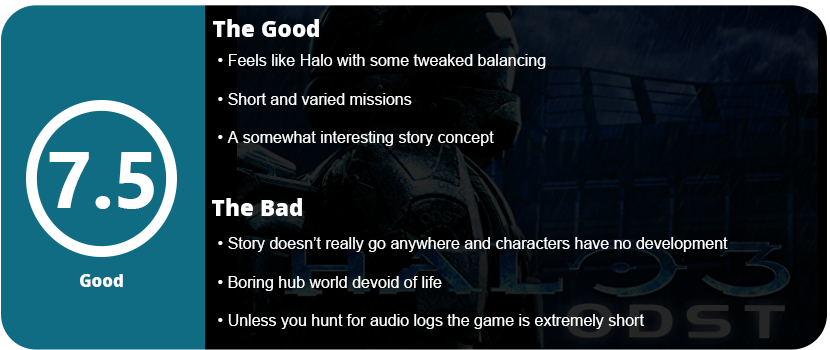
You play as an ODST (Orbital Drop Shock Trooper), who are the grunts in the warfighting most of the fights while the series is mainly focused on Master Chief. In ODST, you are dropped into New Mombasa, which is now completely overrun by Covenant and devoid of life. You were supposed to meet your fellow teammates for a mission, but everything went to crap, as usual, and now you have to figure out what happened to them. You are supposed to find clues as to what happened to each member, and these result in flashback missions. After completing the game, I realized how short it actually was, with only about 8 missions or so. Outside of these missions, finding 30 audio logs ends up being filler content, as I spent most of my time with the game hunting these down for achievements.
If you don’t bother hunting these down, you’re in for one short game, but this was just to help tide people over before Reach was released and for the inevitable release of Halo 4 that everyone wanted. Wandering around this hub is actually quite boring, with the occasional Covenant firefight breaking out. The city is devoid of everything and felt like an unnecessary filler to add a couple extra hours of aimless wandering. There are objective markers for each clue, but getting to each one is tedious and has no point. The audio logs serve as a side story of what happened to the city and a particular inhabitant, but the actual story outside of this doesn’t pick up until the end of the game, which is really weird.
The mission is to retrieve the data of the superintendent, which is in a huge data hive that is underneath New Mombasa. It turns out this was extracted by an alien species that becomes an ally, and you must bring it back to Earth. I will actually praise ODST’s missions for being of decent length and mixing up the gameplay a little bit. While it’s the same Halo stuff we are used to, it’s in shorter bursts. Vehicle sections mixed with highway sections mixed with on-foot stuff work well here, just like in any other Halo game. There is some better balancing over Halo 3 (it uses the same engine), with better weapon handling and tighter mechanics. It still feels like Halo, which is what counts, but this is obviously a diversion. I honestly asked myself in the end: if this game was never released, would it have mattered? No, it wouldn’t have, as it’s not the main Halo game, and most people actually never played it.
In the end, we get a mediocre Halo game with characters we really don’t care about due to a lack of character development. The graphics are decent and look even better on Xbox One, but what does it all mean in the end? Nothing we couldn’t have gotten out of a novel or comic series proves that ODST is just a diversion to stem the tide of anticipation for Halo 4. With a boring hub world and a broken story, ODST isn’t a necessity for anyone, fans or non-fans alike. Play this if you just want to finish the whole series or feel like you need a break from the main road.























































































 thebinarymessiah.com

Try multiplayer. A lot of fun !