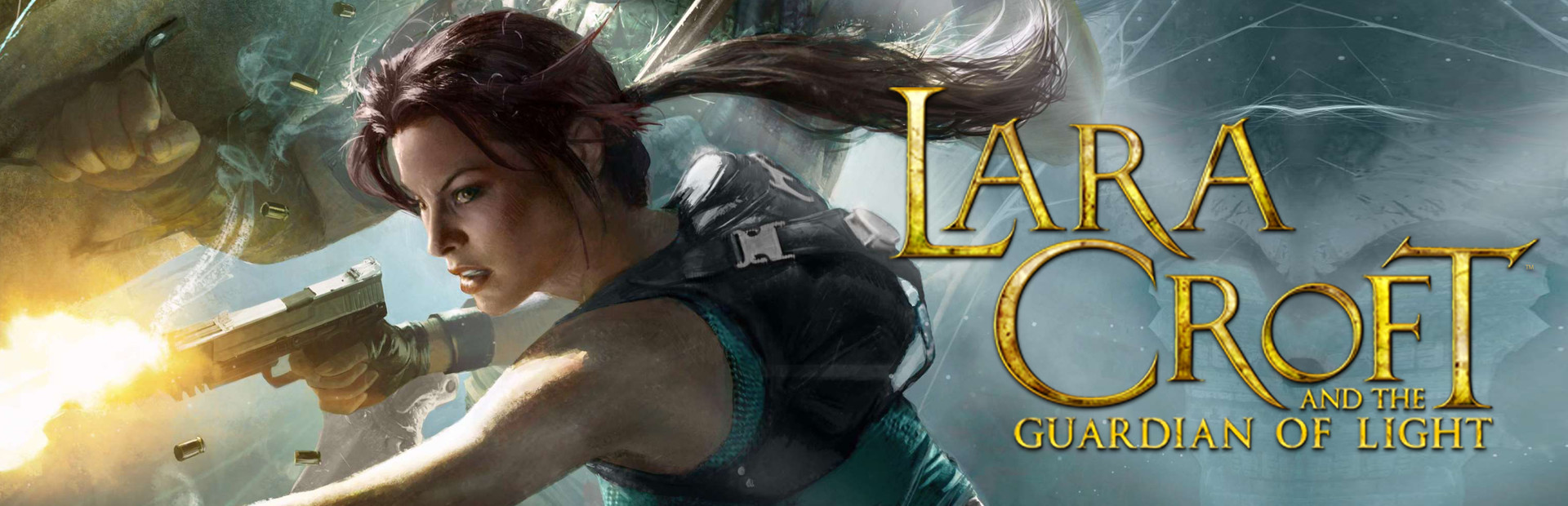
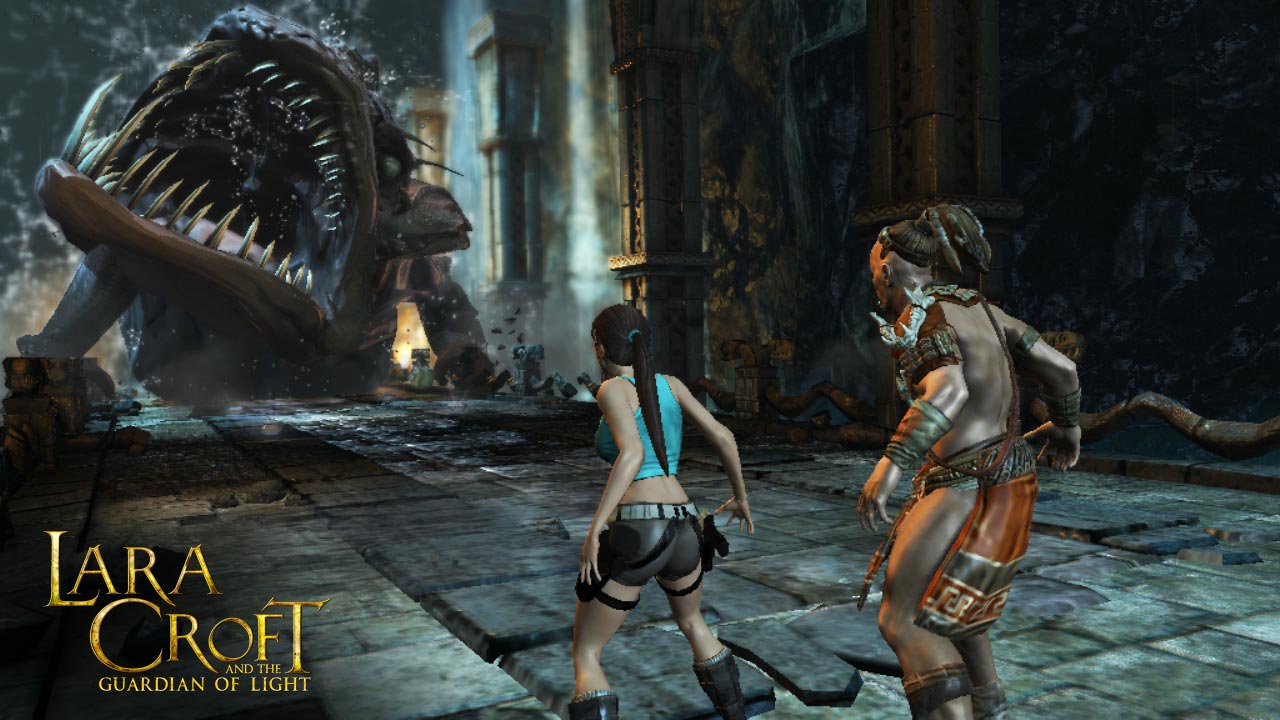
Tomb Raider’s comeback with Legend gave fans hope that Lara was not dead, but after the success of Underworld, Crystal Dynamics decided to do something different with a top-down adventure game, and everyone was skeptical. The game’s story is probably the weakest part of you and an Aztec named Totec trying to beat an evil Aztec guy. Yeah, really interesting.
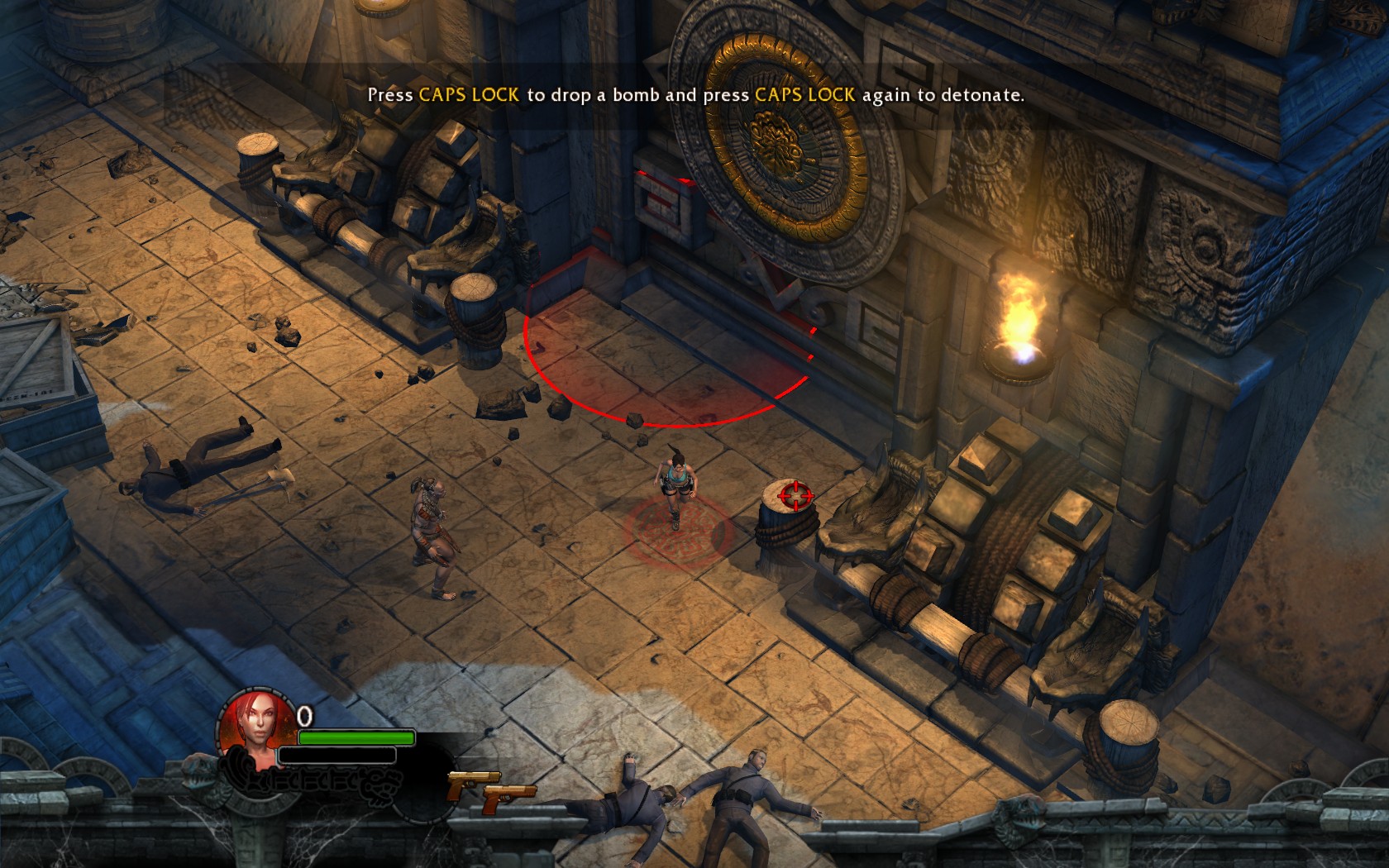
Despite that, the combat is awesome with dual-stick shooter-type gameplay. You can switch weapons on the fly from four presets, and killing wave after wave is fun. Each enemy type is pretty unique, with some shooting magic spells; some explode with deadly gas; some are huge and can crush you; and some are even faster and come in high numbers. There is a huge weapon selection, from assault rifles to spears to grenade launchers, and each weapon is well balanced and has its uses, even in puzzles.
This, of course, has always been Tomb Raider’s strongest point, which is the puzzle department. You can use spears to get to higher ledges, use the grenade launcher and bounce it around corners to flip switches, destroy barriers, etc. You can use your grapple to hang down ledges, and pushing giant boulders around can even be used as a powerful weapon! It’s great how everything in the game has more than one use and really makes you think and gives you a broad range of things to do. The puzzles can range from switch puzzles to combat puzzles, or even a whole level being one great puzzle.
The game also has lots of ways to come back and do well in levels. There is a point system, and you acquire them by killing enemies and collecting gems, and you get rewarded relics for completing challenges. Relics can be equipped to boost your stats, such as weapon power, health, speed, or range. These will really turn the tide in battle, and there is quite a bit to collect, so it’s a good incentive to really do the challenges. However, some challenges are almost impossible and don’t seem like they were planned out too well.
The game looks amazing, and Lara is as sexy as ever and is voiced by the same person who’s been doing it since Legend. The game is full of thrills, just like the bigger games, and is just so much fun that not one section ever feels the same. Each level is crafted perfectly, and everything is balanced just right. Another incentive for players who couldn’t get the hang of other TR games is to pick up GoL because of its ease of perspective and good controls. This is one of the best XBLA games to come out in the Xbox’s history and should not be passed up. It even has a good price!
You are the prince once again who will stop his brother from using King Salomon’s army of sand to destroy the kingdom. The story is pretty straightforward, predictable, and not very interesting, but it’s enough to keep you interested. The Prince’s banter is funny as always, but there isn’t any character development.
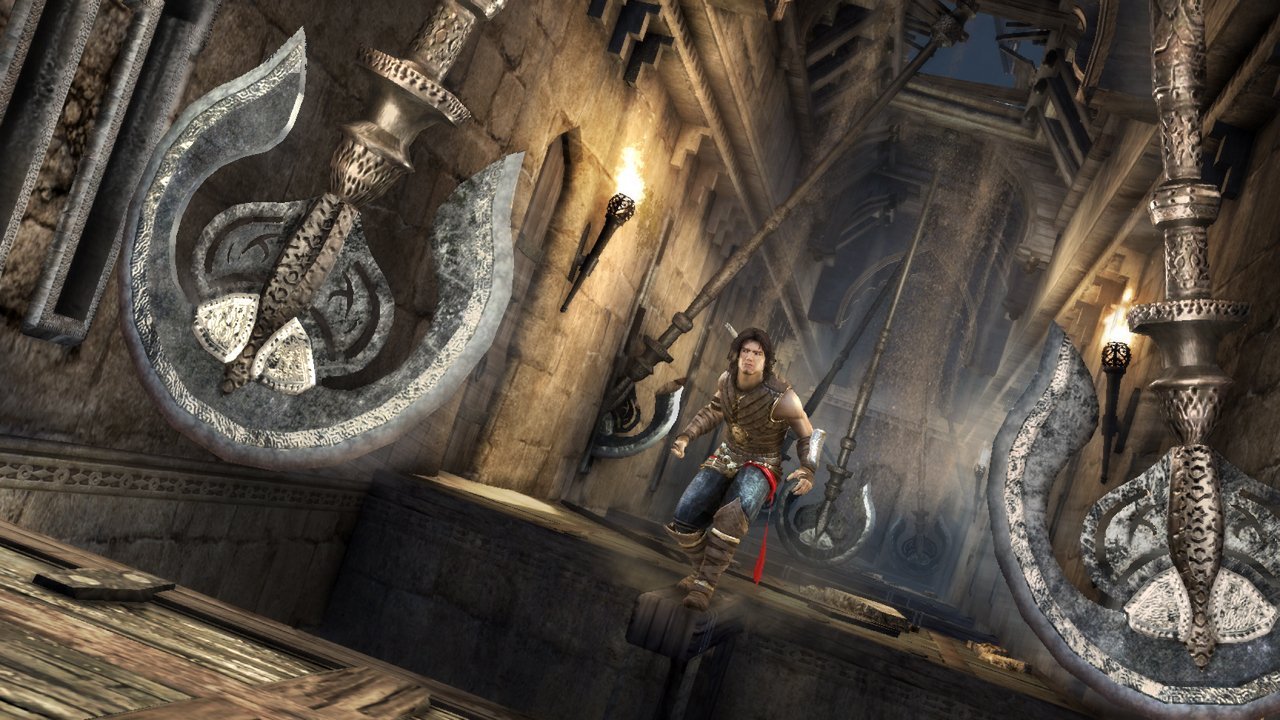
Prince of Persia has gone through a lot of changes since its original release in the 80s, and The Forgotten Sands adds some new things. First, the game’s focus has changed to elements instead of concentrating too much on time. Yes, you can rewind time if you mess up, but the focal point of the game is the ability to freeze the flow of water and use it as a wall or a pole. Let me set up a little scenario for you: Jump to a wooden beam, and then you have water spewing out ahead of you. Freeze it, jump to it, climb the wall of water, and jump back to another pole of water, but then you have two waterfalls next to each other and a wooden beam. Quickly unfreeze the water, jump in between, freeze quickly, jump back to the other waterfall, unfreeze the water to jump through the other one, and you’re done. Sounds complicated? It really isn’t, but getting your timing down is a bit tricky at first.
You can also use water to solve puzzles by freezing the water and having poles on the statue stop so the lower pieces can rotate, etc. While water is the main element, the others feel tacked on. You can jump to an enemy that’s on a ledge that’s too far away to jump, so you get this super dash move. It feels unnecessary since you only use it for this. The other “power” is the ability to bring back a piece of the environment, but this also feels tacked on since there’s no real challenge to it. It works like water since you can only bring it back one piece at a time. I wish they would have used Earth and the wind or something like that instead.
The platforming is top-notch, and every level is cleverly designed with tons of traps and obstacles to work yourself around. All the same types of traps from previous games are here, and each level never feels the same. The game slowly makes each level harder and harder, but the game always feels really easy, not to mention short. The puzzles are easier this time around, and there aren’t that many of them either, but there are a couple of head-scratchers thrown in there.
The combat is probably the worst part of the game. You get lots of enemies on screen, but they all look the same, and there aren’t even half a dozen variants. They are pretty dumb and don’t really do much, and you can quickly take them down. You get a basic attack, a shove attack, and you can jump on enemies. The combat is very shallow, and even with the powers you can upgrade, you never really use them since the game is so easy. These vary from flames to ice, wind, etc., but you only really use them if you are playing hard. Bosses are even easier since they all play the same and aren’t very interesting.
When it comes to looks, the game uses the Assassin’s Creed II engine, but for some reason it doesn’t look as good. It’s the best-looking PoP game to date, but artistically, it feels like all the others and stray away from the 2008 PoP reboot’s looks. Is this the best PoP game? No, but it is a good one. While the shallow combat breaks up the exciting platforming, you will get a good six hours of PoP fun.
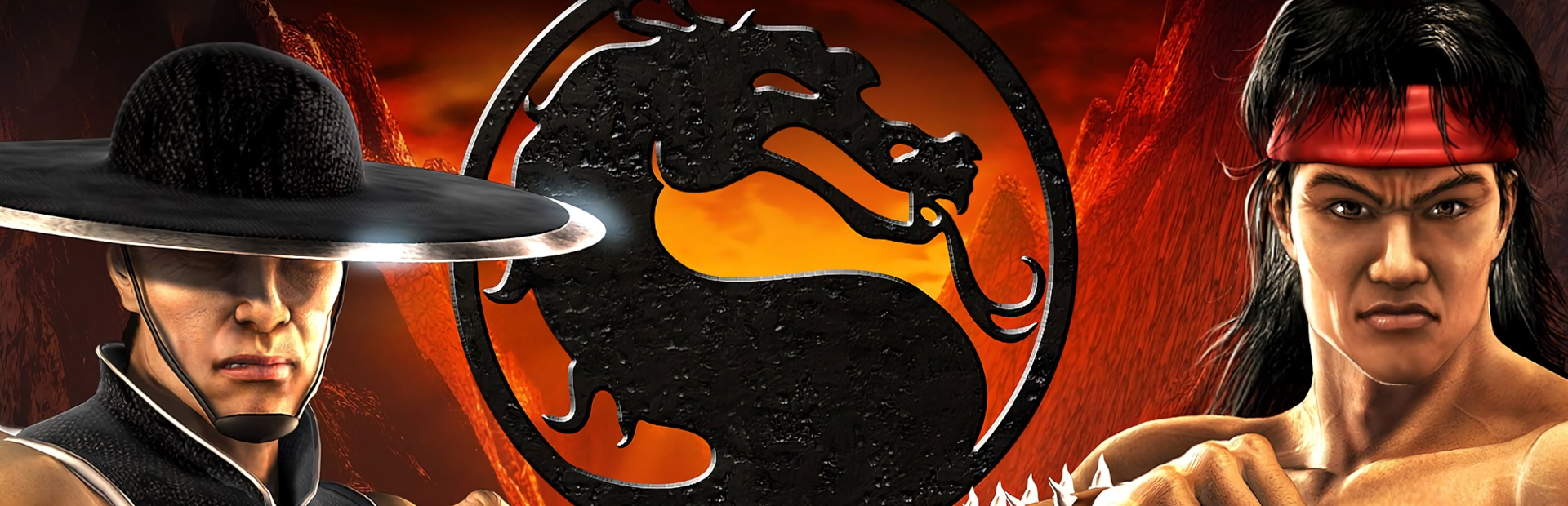
Side games have been very poor when it comes to Mortal Kombat. Shaolin Monks is probably the first good one, but it still isn’t perfect and has many flaws. You play as either Kung-Lao or Liu-Kang, and the game is set in the Mortal Kombat II universe. The two champions run around different worlds, such as the Living Forest, the Wastelands, the Wu-Shi Academy, and even the Soul Tombs. They are trying to stop Shao-Kahn, but the story is pretty stretched out and not very good, even for MK fans. You come across fan favorites such as Baraka, Mileena, Kitana, and even Scorpion.
The game is an action-adventure and has a pretty solid fighting system. There are light attacks, heavy attacks, power attacks, and special attacks. Each character has their own signature power attacks, such as Kang’s flying sidekick, bicycle kick, and fireballs. Lao has his hat toss, among many others. The combat system is responsive and quick and is pretty fun to use. You can accomplish some big combos on the ground. There is the option to unlock new moves via points that you get from killing enemies, and yes, don’t worry, fatalities are present. These are performed by performing combos and building your fatality meter. One full orb lets you do a fatality, two lets you perform a mutality, and three lets you perform brutality. Fatalities can be unlocked by finding hidden red coins (trust me, they are a pain to find without the strategy guide). New fatalities are obtained by finding those red coins and unlocking “Fatality Images,” which are viewed in the concept art area. This can be a bit of a pain, and loading and saving are slow and tedious.
The game has combat puzzles that involve using your abilities. This involves knocking enemies into vicious death traps or testing your might with strength puzzles (MK fans will love this). Each level has different death traps, such as in The Living Forest, where you must feed the tree’s bodies before passing, and in The Soul Tombs, knocking enemies into spiked ceilings or iron maidens. The game is brutal, like MK is known for, and that will satisfy fans. Even the fatalities are awesome, but unlocking the best takes a lot of hunting for those red coins.
Getting through the game has kind of a Metroid feel since you must find certain abilities to reach different parts of the game, like double jumping, pole swinging, wall running, and fists of ruin. This, unfortunately, makes backtracking tiresome. What makes that worse is that some coins aren’t reachable until you get said ability, and this could be really far into the game, and you might forget to go back. This is just one of many flaws the game has. The combat system may be solid, but it’s a bit shallow and could have used some more depth. Most of the flaws revolve around the graphics. They aren’t that great. Even when the game came about in 2005, they weren’t showing the PS2’s true potential, and this is sad. The game is full of low-res textures and models, and it looks worse than the franchise’s staple fighting games. There are collision detection issues and complete hangups that require system restarts. Save points are scarce, and you don’t even have to kill enemies to progress. What’s up with that? There are only a few times where you must kill enemies to progress, but most of the time you can just pass them, and what I truly hate is the fact that they can respawn.
The sounds in the game are okay, but they could have been better. All the MKII sounds are used, so nostalgia sets in, but I would have liked some richer sounds. The voice acting is also terrible, but MK is known for that. The game doesn’t look high-budget, even though Midway (RIP) gives the MK team endless amounts of money to make these. This disappointed me more than anything, along with the super short length. 4-6 is the completion time, and some hardcore players could finish this in one or two sittings. What makes up for some of the shortcomings is the Ko-op mode, however, and this also makes those damn red coins more of a pain to obtain since some can only be obtained via Ko-op.
The game has fun boss fights, lots of secrets, and tons of MKII references, and using that universe will make fans happy. If you can see past the shortcomings underneath, this is a solid MK side game that I hope sees a sequel with a bigger budget. You can find this game for less than $10 in most places, so its bargain bin price point is just more of a reason for people to play this game.
Well, here it is. After waiting 3 years, we finally get the ending to one of the best video game series ever created. The biggest question that people have is whether the game is enough to stand on its own out of the other next-generation games. The answer is yes, so let’s get down to it.
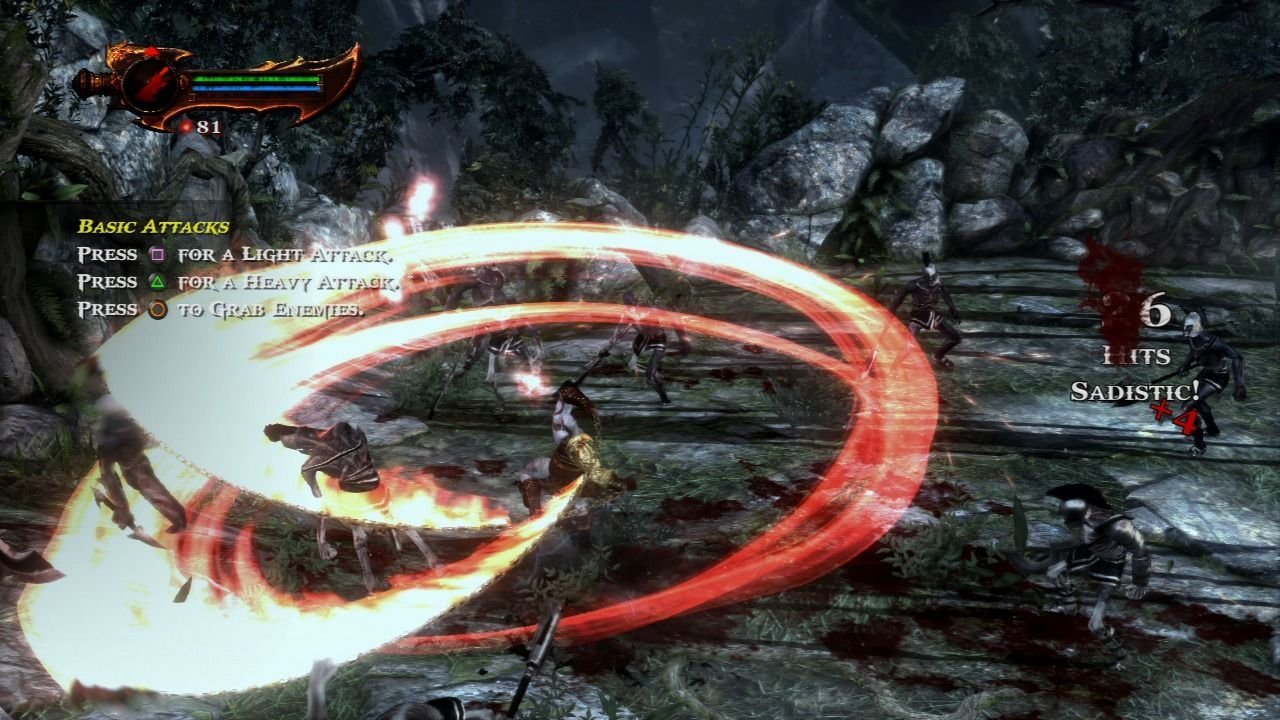
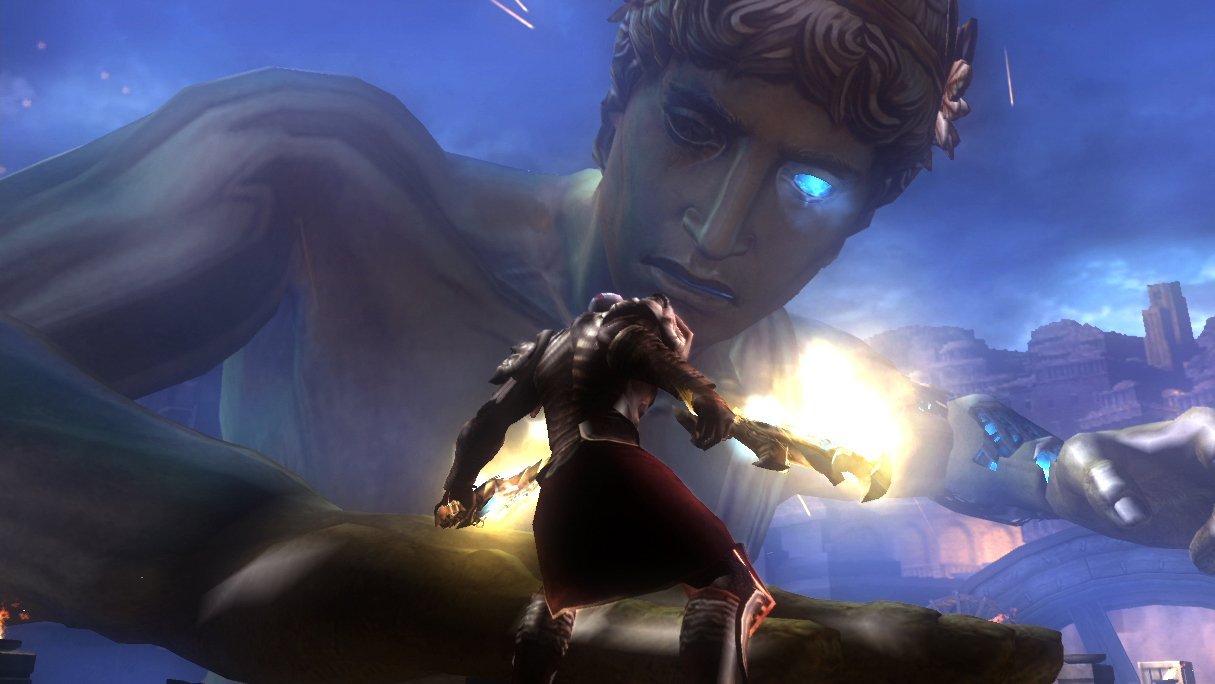
The game’s story picks up right after God of War II, with Kratos riding on the back of Gaia and climbing Mount Olympus. The game starts out on the back of Gaia, with Kratos fighting hordes of monsters (and learning the controls). The game starts out more epic than ever with an epic boss fight with Poseidon. Giant water serpents come up and try to kill Gaia, so not only do you have to kill Poseidon, but you have to protect Gaia as well. The boss fights are bigger and more epic than ever with Titans that are miles high (fighting Cronos is the most epic of all), and you really feel like you’re taking these beasts down with satisfying results.
I have to first talk about how the game looks. Yes, God of War III is probably the best-looking game made to date, and it really shows in every aspect. The sweeping camera angles, the high-resolution textures, and the models. The gorgeous lighting effects and everything just feel updated and like it should on the PS3. You can see the pores and details in every character, the animation is more fluid, and the combat even feels better and more fluid, especially if you just played the God of War Collection. I can’t really describe just how beautiful this game is. You can see and feel the passion and detail every artist put into the game, from the creatures, levels, and even small things like blood, scrapes, and nicks on metal—just everything.
Combat is what has the biggest upgrades. No longer are you confined to having all your magic items come from your magic meter. There are a ton more weapons (four in total) to get, and each weapon has its own magic attack instead of being collected separately. The Blades of Exile (yes, the name has changed again) have the Spartan Army attack; the Nemean Cestus have a pounding attack; Hades Hooks that let you summon different creatures; and a whip-type weapon that sends electric shocks. All the weapons are similar to the Blades of Exile, and the Blade of Olympus is now used during Rage of Sparta mode (yes, it’s changed and everything turns black). There is now an item meter that is used for your bow, Helios head, and Hermes shoes. All these items sound crazy, but let me explain.
The bow lets you set certain things on fire and is mainly used during the beginning of the game, but not so much later on. The Helios head is used to reveal secrets and blind enemies, and the Hermes shoes are used during wall running sections. The grappling hook still exists, but all of these changes let you use all your items and weapons all the time and don’t rely so much on just magic. Some other changes to combat were made, so everything feels more fluid and you never have to stop fighting no matter where you are. You can evade in the air; there is now a grapple attack that pulls you towards your enemy in the air or on the ground. The combat system is just super fun to use now, and all the additions perfect the combat system and make a fitting end to the trilogy.
The QTEs are still intact, but with a bit of a change. They appear on the edge of the screen according to the controller layout, so you can now watch what’s going on. Using your peripheral vision to see these really helps keep you drawn in, so you don’t have to concentrate so much on the buttons. It is a little confusing at first, but after a while, you will get used to it. The QTEs are also better placed, especially during boss fights. You really feel like you’re making the big kill this time around with a new camera angle that lets you see in a POV of the enemy you pummeling or in Kratos’ view. This adds to the cinematic excitement and brutality of that game.
Another thing I need to talk about is just how much more brutal and explicit the game is. The gore is more detailed, with guts hanging out, cuts being visible where you slashed an enemy, skin stretching when heads are pulled, tendons popping, veins breaking, etc. All this is visible thanks to the power of the PS3, and it really makes you wince in sympathy. The game even has a more explicit sex minigame that is about halfway through with Aphrodite. Instead of just panning over to a table with a vase, you see two topless women talking about what Kratos is doing to Aphrodite, and it is both hot to watch and funny.
The puzzles in the game are what you would expect from a God of War game: clever, fun, and unique. Just like all God of War games, some puzzles are an entire level with little puzzles within that, and Daedalus’s labyrinth is one example. They aren’t as confusing as the last two games and are easier to figure out, but they are just as clever, and some puzzles are now part of the environment, so timing and speed are of the essence.
While there are a lot of game changes, like the combat, additional weapons, and even Icarus’ Ascension (which is a flying section where you dodge falling debris), the game stays true to the series. Everything is just bigger, badder, and meaner, but it does have a few slight flaws. The ending story is cut a bit short, there aren’t enough epic boss fights, and the difficulty is highly unbalanced. These are really all I could find, but they aren’t necessarily flaws. If the game were a bit longer and those three issues didn’t exist, it would get a 10. The game is perfect except for that little tic-tac-sized piece that you feel is missing and can never pin. The game has high replay value to unlock trophies, challenges, and costumes, and there are a ton of making-of videos for die-hard fans to watch.
I just can’t describe the improvements in this game unless you play it yourself. It is probably the best PS3 game out there so far, and it is so enjoyable and chock full of excellence that it’s almost too much to contain. The amazing scale, beauty, and vast improvements make the game worth a purchase tenfold. I just wish this weren’t the end of Kratos’ adventures, or is it?
ULTIMATE EDITION: If you pre-ordered a copy or can still find one floating around and want to shell out an extra $40, you can get the Ultimate Edition. It includes a very detailed Pandora’s Box, a code to get the God of War Trilogy OST, the Blood and Metal soundtrack, an hour-long making-of video, and a full-color art book. The package is a bit disappointing since the box is made of hard plastic and not die-cast metal. The soundtracks were a pain to get during launch day since the site was bogged down and wouldn’t load half the time. The Blood & Metal OST is pretty disappointing since it’s nothing special. It has a couple of big names like Trivium and Killswitch Engage, but only three of the songs on the album were any good. I also wish the soundtracks came in physical CD format, but digital is fine. The making of the video is filmed like a History Channel documentary and can be a snooze fest for hardcore fans who already know all about the game. The Trilogy OST is fantastic and is probably the best part of the whole package, along with the detailed art book. Is it worth $40? Sure, if you’re a hardcore fan; otherwise, pass.
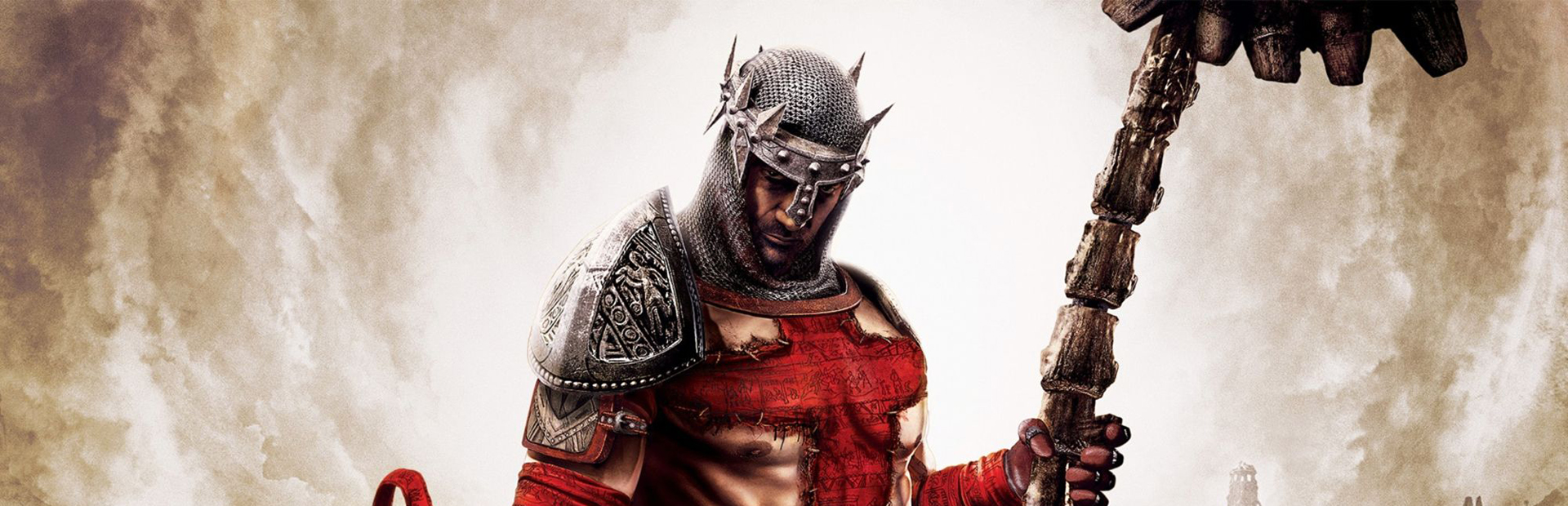
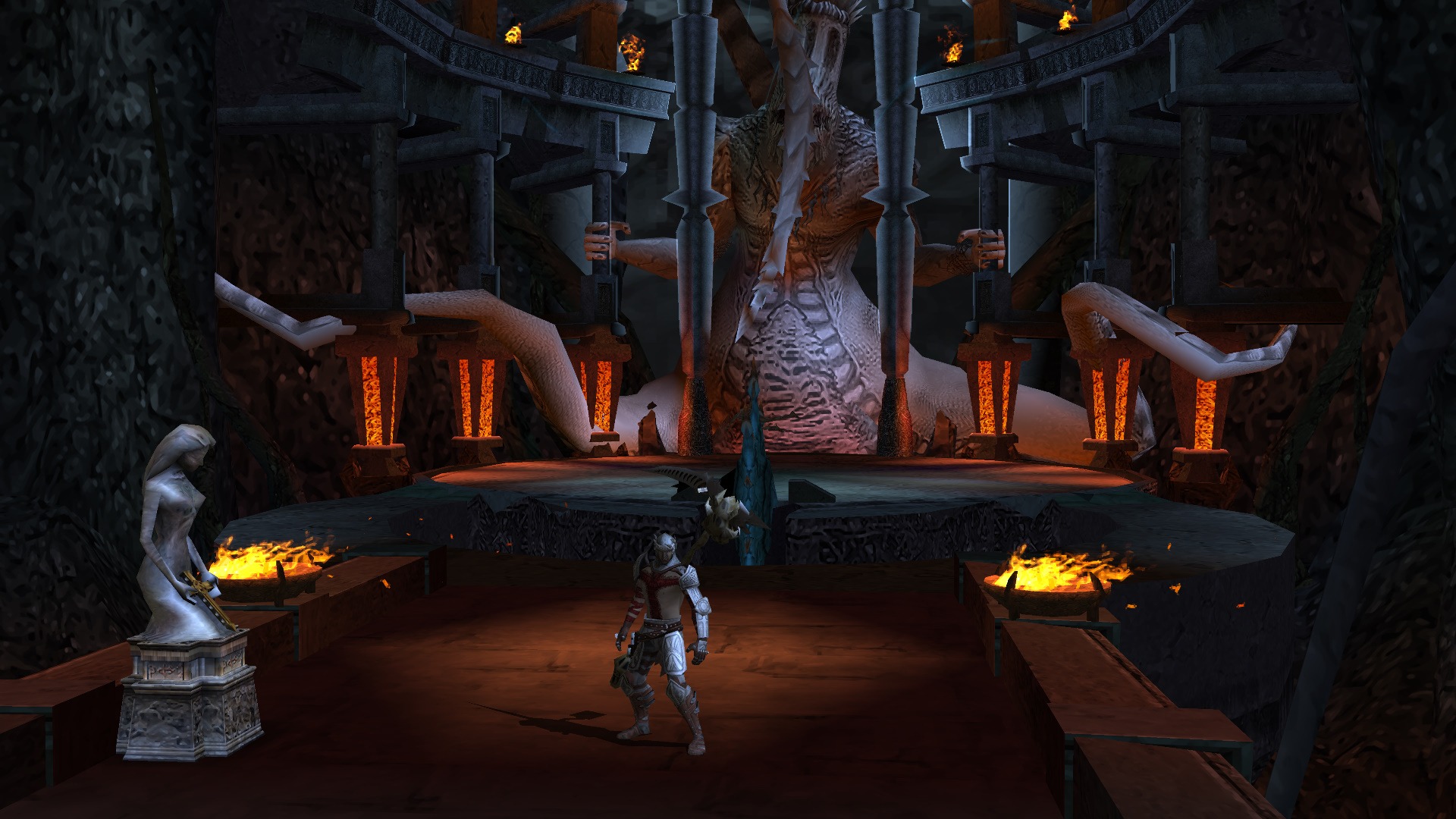
The first thing you will notice when you play Dante’s Inferno is that it’s a bold game. The game is one of the darkest, nastiest, and most mature games ever created, and it makes Christianity look like a damned fool. The game is about a man named Dante, who is a crusader and betrays his love, Beatrice. Upon his return to Florence, he sees her dead and watches as Lucifer takes her into hell, and Dante follows. The story is pretty good and keeps you interested, but it’s predictable. The game goes extremely deep into Christian and Greek mythology and pulls out names only hardcore followers would know, but enough of the story, let’s get to the gameplay.
The game has a pretty damn solid combat system. You use your scythe as your main weapon, and you have a cross-projectile attack. You can do aerial combat, launch enemies into the air, and use your magic. You can unlock moves by following the holy or unholy paths (which don’t actually affect the story), and each tree has a different set of moves. You can have four different magic items equipped, and all are useful and powerful. One of the first elements you’ll find that they took away is the relics. They are gone! These really helped you in the console versions, but they are nowhere to be found here. Anyway, the combat system is fluid, fast, powerful, and very deadly. Another element they took away from combat was the redemption meter. Geez, guys, why did you butcher this?! With those two things aside, the combat is fast and as fluid as it is on the consoles.
When it comes to exploration, Inferno both satisfies and disappoints. The game has you descending into the nine circles of hell, and each is harder, more deadly, and more brutal. Some levels are pretty epic, like The City of Dis and Limbo, and some disappoint, like Lust (just an ascending tower) and Gluttony (just fight Cerberus and a few baddies, and you’re down to the next level). The levels are varied in length, and I wish they would have been fleshed out more. Puzzle-solving is pretty rare, and when you do get some puzzles, they are pretty easy to solve. However, most of the puzzles have been solved for you. Yeah why?! Not only this, but a lot of the game’s intense sections are videos of gameplay from the PS3 version. One example is the part when you kill Charon and ride the giant minotaur up the crumbling bridge. You don’t get to play this part; instead, you watch it.
One thing I have to get straight is that the game is pretty epic. Not a God of Warepic, but enough to keep it very cinematic. There are QTEs in the game, such as when you take down a minotaur to ride it, take down bosses, etc. You can punish or absolve most enemies to get fed your tree paths. There are famous historical figures that you find throughout the game that you can punish or absolve upon reading what they ended up in hell for.
The game’s visual style is very impressive. It’s what you think hell would look like—dark, disgusting, and evil. The gluttony level is a good example since you are walking through the intestines, bile, puke, and so forth. The Lust level has female enemies’ wombs coming out of them to attack you. A giant Cleopatra with tongues coming out of her nipples and evil babies—yes, it’s bizarre, but it works, and it’s amazing to look at. However, on the PSP, it’s obviously downgraded quite a bit, and a lot of the beauty from the consoles is lost in translation.
The game is also extremely difficult, even in an easy setting. Wave after wave of enemies come at you from all directions, bosses are extremely hard to beat, and the game can be very frustrating often. However, the game’s major flaws are mainly the length, difficulty, and the fact that the levels weren’t developed to their fullest potential. So with the flaws of the console still here plus relics, redemption, puzzles, and a lot of other things removed from the game, you still get a solid Dante’s Inferno Lite for people who are on the go or don’t own an Xbox 360 or PS3 (you should!).
The first thing you will notice when you play Dante’s Inferno is that it’s a bold game. The game is one of the darkest, nastiest, and most mature games ever created, and it makes Christianity look like a damned fool. The game is about a man named Dante, who is a crusader and betrays his love, Beatrice. Upon his return to Florence, he sees her dead and watches as Lucifer takes her into hell, and Dante follows. The story is pretty good and keeps you interested, but it’s predictable. The game goes extremely deep into Christian and Greek mythology and pulls out names only hardcore followers would know, but enough of the story, let’s get to the gameplay.
The game has a pretty damn solid combat system. You use your scythe as your main weapon, and you have a cross-projectile attack. You can do aerial combat, launch enemies into the air, and use your magic. You can unlock moves by following the holy or unholy paths (which don’t actually affect the story), and each tree has a different set of moves. You can have four different magic items equipped, and all are useful and powerful. You can also find relics throughout the game that benefit Dante in certain ways. For example, one relic allows Dante to have more powerful throw attacks, one lets him instantly break fountains, one lets him take less damage, etc. These are found by talking to Virgil or in secret areas. Anyway, the combat system is fluid, fast, powerful, and very deadly. If you feel you are getting whomped, you can use your redemption meter, which is kind of like Rage of the Titans in God of War.
When it comes to exploration, Inferno both satisfies and disappoints. The game has you descending into the nine circles of hell, and each is harder, more deadly, and more brutal. Some levels are pretty epic, like The City of Dis and Limbo, and some disappoint, like Lust (just an ascending tower) and Gluttony (just fight Cerberus and a few baddies, and you’re down to the next level). The levels are varied in length, and I wish they would have been fleshed out more. Puzzle-solving is pretty rare, and when you do get some puzzles, they are pretty easy to solve.
One thing I have to get straight is that the game is pretty epic. Not a God of War epic, but enough to keep it very cinematic. There are QTEs in the game, such as when you take down a minotaur to ride it, take down bosses, etc. You can punish or absolve most enemies to get fed your tree paths. There are famous historical figures that you find throughout the game that you can punish or absolve upon reading what they ended up in hell for.
The game’s visual style is very impressive. It’s what you think hell would look like—dark, disgusting, and evil. The gluttony level is a good example since you are walking through the intestines, bile, puke, and so forth. The Lust level has female enemies’ wombs coming out of them to attack you. A giant Cleopatra with tongues coming out of her nipples and evil babies—yes, it’s bizarre, but it works, and it’s amazing to look at. The game is also extremely difficult, even in an easy setting. Wave after wave of enemies come at you from all directions, bosses are extremely hard to beat, and the game can be very frustrating often. However, the game’s major flaws are mainly the length, difficulty, and the fact that the levels weren’t developed to their fullest potential.
DIVINE EDITION: Exclusively to the PS3 is the Divine Edition, which includes a different cover, a fully digital version of Dante’s Inferno, and a free code for the Trials of St. Lucia (which is still not out yet). All of this for the same $60 price tag. The only disappointment was that there was no special book that came with the game that included Inferno. Reading the poem in a small window that is over 30 chapters long is not fun at all.
Norse mythology. That’s what drew me to Darksiders, but don’t just jump into this thinking it’s a God of War clone. In fact, it’s a mix of Zelda exploration and puzzle-solving and combat similar to God of War, but not as good or as epic. The story goes a little something along the lines of you playing as one of the four horsemen, War, who is chosen by the Council to find these broken seals and kill whoever did it to bring back Balance because the bad guys want all the realms aligned and made into one. The story is stretched between the long-winded levels, and it never picks up until the last hour, but by then you have forgotten what has happened because there is a little story between levels. It almost feels as if the story was an afterthought, and Vigil just concentrated on the puzzles and combat.
That being said, there is a lot of puzzle-solving in this game—almost more so than any other I have played. The game takes a lot of ideas from other games, such as God of War, Zelda, and even Portal, and puts them to good use. While the game isn’t 100% original, it does have its originality in certain areas. While starting with the combat, it’s pretty simple. You start out with your Chaoseater sword, which is mapped to the X button. Later on, when you get the scythe, you can map that and any other secondary weapon to Y and your tools to RT. Combat moves can be purchased by using blue souls gained from killing enemies. There are power moves and multiple combos you can pull off, and it’s all fluid and fun to use, so there’s no problem there.
You have a yellow wrath meter, which is war’s “special powers,” and then you have health shields, which are bars of health. Sometimes when you weaken an enemy, you can execute a kill move by pressing B (God of War, anyone?), but no QTE (quick time events) are displayed. Instead, you just watch war butcher the enemy. I love QTEs and would rather participate in the killing than just watch, but some people may prefer this. You can also ride your horse, Ruin, through the last 3/4 of the game and swing your blade while on him to kill and demolish enemies.
Now combat is neat and fluid. I just wish there were QTE events and a more fixed cinematic camera, but after explaining the puzzle-solving, you’ll see why it’s a user-controlled camera. The puzzles are so frequent and so complicated that they drove me nuts. It was just puzzle after puzzle after puzzle, and it was never-ending. While this doesn’t ruin the game, it just feels more and more like Zelda with every hour that passes. You have a free-roaming world that is broken down into sections that you can warp to. You have to find tools such as a grappling hook, a Mask of Shadows (to see hidden objects), and a portal gun (yeah, ripped straight from Portal, but it’s a gauntlet instead of a gun), as well as a glaive (Dark Sector maybe?). As you discover each tool, you use them to solve puzzles accordingly. The portal gauntlet is probably the most unique. There are orange circle plates that you can attack portals with too, and if any portal fans are reading this, you know what happens. However, there are a few unique touches, such as in the Black Throne area (mostly puzzles and hardly any combat), where you guide a beam from across a level through the different rooms and solve those puzzles to allow the beam to pass through more rooms. Yeah, it’s a bit in-depth and complicated, and don’t fret because most puzzles are pretty easy to solve, but there were a few brain scratchers that resulted in a video walkthrough.
A lot of the puzzles are pretty unique, but there are a few things thrown into the game that will surprise you, such as the ride on the dragon and using heavy guns that enemies drop. There is even a pistol that you can use in the game, but it is kind of useless except for the boss in the Ashlands level. Other than that, the pistol was pretty useless. There are just a lot of unique puzzles in the game, and they are pretty fun, but the fact that there are so many makes the game redundant, and that’s why it didn’t score as high as I wanted it to. The combat is pretty repetitive, and there’s nothing outrageous about the gore level; it’s actually pretty mild; it’s nothing close to the gore in God of War III. The kill animations are pretty repetitive since there is only one per enemy, and even the enemies are recycled. While there may be about six or so different enemy types, they are just recycled with different “costumes” and become more powerful as you progress through the game.
The bosses are pretty epic, but they aren’t too hard to beat. They repeat the same pattern over and over, and even the last boss is a pushover after you learn the strategy. The graphics are actually pretty nice. The character details are excellent, but the environments tend to be lacking. There is a lot of aliasing (jaggies), and I know the game could just look a whole lot better. This is also a game for people who like collecting since there is hidden crap all over the game, but I tend to not go searching for this stuff since I’m not good at it, but it’s there for Zelda fanatics to find.
Overall, the game is worth a purchase, but people who want just the action should steer away from it since this game is very puzzle-heavy, as in Zelda-type puzzles. The game gets very redundant after a while, and only the hardcore will continue playing, but Zelda fans and puzzle fans should check this out. You can play anywhere from 10 to 20 hours of gameplay, depending on whether you’re a completionist or not. There is lots to love in this package, but a bit more flare would have been nice. Bottom line: This is an adventure game for men, not elves.
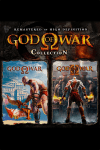
What happens when you put two of the best action-adventure games created on one disc? Ultimate satisfaction. Both God of Wars have been updated in widescreen format with slightly polished visuals for HD display and running at a lightning-fast 60 FPS. If you bought the game new, you will have received a code to download the God of War III demo, but as of now, this code is useless since the demo is now on PSN and the game is due out in just over a week. Other than that, nothing else has changed for the PS3 except trophies, which were the main drive for me to purchase these games all over again. So here is a separate review for each game.
God of War
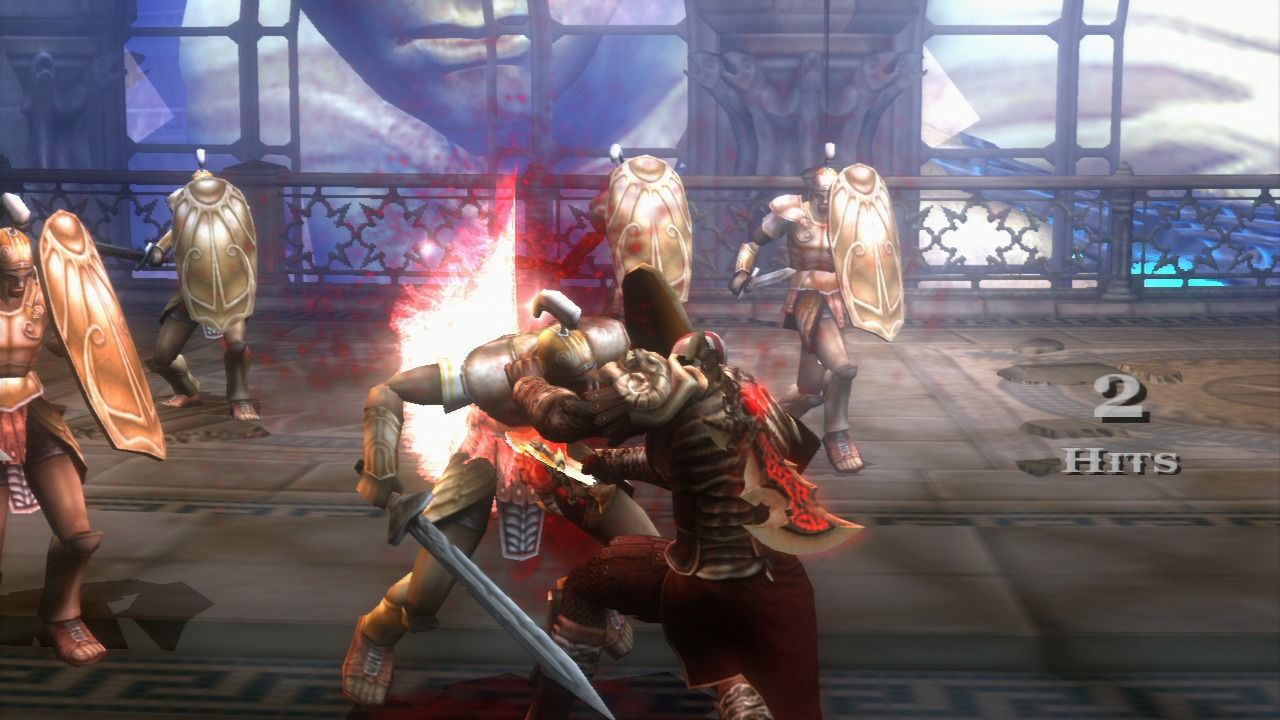
Being released in 2004, it does feel a bit old. There are more flaws in this game than in the first, but let’s start with the good things. Apart from revolutionizing games and the action-adventure genre single-handedly, the game is amazing and epic. The game is full of huge towering bosses, waves, and waves of enemies, a deep, dark story full of Greek mythology, a fluid, almost perfect combat system, and boobs. Yes, that’s right, boobs. At the time of release, I had never seen a game with so much nudity before, but it shouldn’t really shock gamers as much these days. The game also has some very intricate puzzles that end up being whole levels that you have to solve, such as Pandora’s Temple. The combat system is pretty fast and fluid on its own.
With Kratos whipping his Blades of Chaos around, you feel like you have complete control over him. Another combat element that revolutionized games was quick-time events. After weakening an enemy enough, you press the corresponding button (usually a circle) over them, and a series of buttons flash on-screen. If you don’t press it on time, the enemy knocks you down, and you have to start over. Of course, you can just kill them normally if this gets dull for you. The best QTEs, however, are during boss fights. It just feels awesome to plow a mast through a 200-foot-tall Hydra. Now you do need to realize that there is magic here as well. You get four different powers throughout the game, such as Medusa’s Gaze (freeze enemies), Poseidon’s Rage (shock), and Hade’s Army (souls that continuously attack enemies). These, plus your weapons, can be upgraded by collecting red experience orbs. As you upgrade all your items, you get new moves and increased power. If you’re asking about your health and magic, you can collect Phoenix feathers and Gorgon eyes for magic and health, respectively. These are all found in hidden chests throughout the game, so keep an eye out.
The camera is fixed, so it frees up the right analog stick for dodging moves. The camera does a perfect job of following the action without any problems. Sometimes you can scale up walls and even fight there or on ropes. Combat is pretty much anywhere Kratos goes, and this keeps things mixed up. The level’s traps and puzzles are very well designed and require you to really think or be on your toes.
The story is very deep and memorable. We see Kratos as a fallen Spartan leader who gives his life to Ares if he slays the barbarian leader who is about to behead him. Ares makes Kratos his servant for eternity, but Kratos becomes a raging killer who kills the wrong people. He becomes set on a path to free the nightmares from his mind and kill Ares in the process.
If I were to nitpick about what’s bad about the game, it’s that the game looks kind of dated from today. The textures are a bit low-res and blurry, and there are some collision detection problems when jumping around. The game is also extremely difficult to play, even in the normal setting, so God Mode becomes virtually impossible. The game has a decent length of about 8–10 hours, but other than that, the game is great for the first outing. If you finish up the game, you get to unlock hidden costumes, Challenge of the Gods, and some other hidden treasures.
God of War II
If you think the first game was epic, wait until now. With visuals that surpass the first game twofold and even more huge epic bosses, God of War II became the best game to ever grace the PS2. The story follows just after the events of God of War. Kratos is still sent on a warpath to avenge his nightmares and kill Zeus for killing and betraying him. He must find the Sisters of Fate, turn back time to the moment Zeus betrayed him, and kill him.
The combat system is slightly upgraded but pretty much the same. It feels a bit more fluid, and we even get some more moves. The controls are a bit more refined, and we get new powers. We get some new secondary weapons, such as a hammer and staff, that can be upgraded. The puzzles aren’t as hard as in the first game, but there are a lot more of them this time around. The game also seems to be a bit harder, with even tougher enemies. We get a new grapple hook for swinging around, so this adds a lot to the gameplay. The game also feels more fluid and has a lot more epic moments than the first game, but most of these come towards the end of the game.
While God of War II is pretty much like the first, all the new content makes it an epic and thrilling sequel. The only issues with the game are that it looks a bit dated, and the game can be very tough at times as well. The game is about the same length as the first, but the game obviously feels and plays five times better than the first game. There are plenty of extras, as well as a full-length version of the section on the disc for God of War II.
So if you think all this sounds good, you can now pick up the game brand new for $30. $15 apiece for two of the best games ever made is a great bargain to me. With a separate set of trophies for each game, HD resolution, and faster FPS, this is a huge package that is exploding with awesomeness. God of War Collection is probably one of the best deals to grace consoles since The Orange Box, so don’t hesitate; every PS3 owner has to have this collection or you aren’t a true gamer.
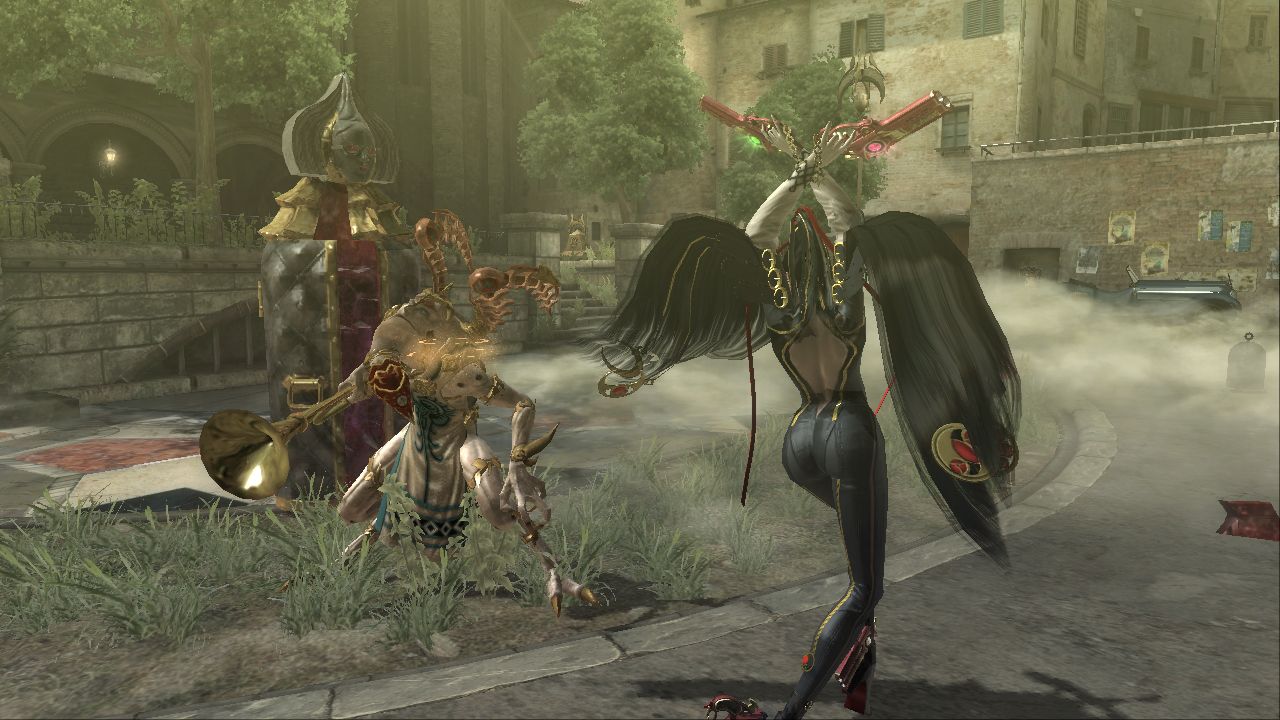
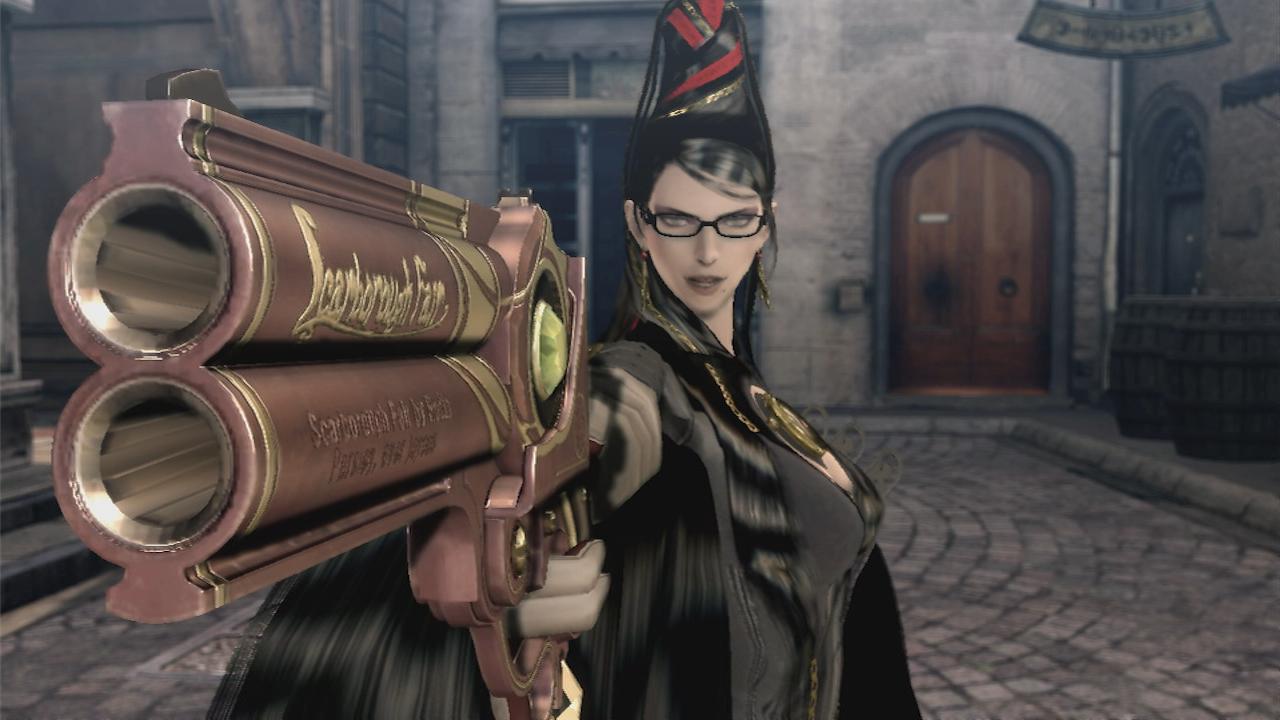
When you think of sexy and video games, they usually don’t mix. There have been a lot of attempts at using sex to sell video games, and while some were successful, such as Dead or Alive, BloodRayne, and Tomb Raider, others weren’t, such as Red Ninja, Cy Girls, and Rumble Roses. Where does this put Bayonetta? On top as queen and as one of (if not THE most) stylish, sexy, and witty female protagonists ever created in any media period.
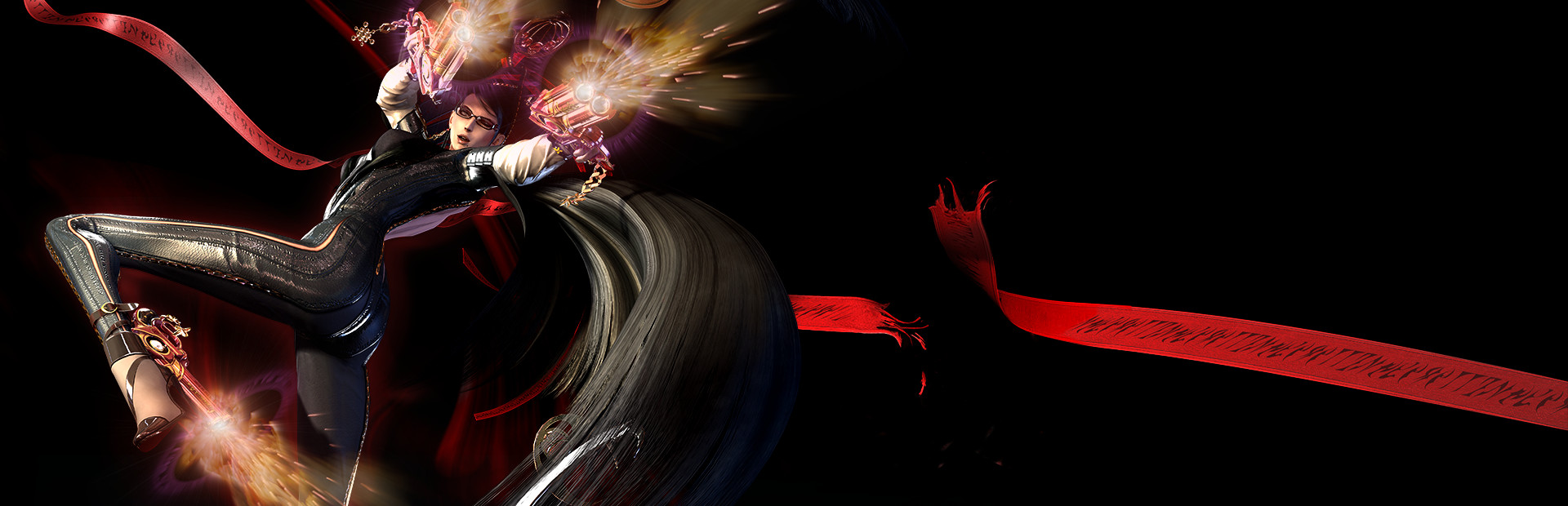
Being a good and bad Umbra witch trying to unlock her past. Bayonetta has witty dialogue and a super-sexy British accent. I can’t describe just how shocking Bayonetta is in terms of design. She is scantily clad in leather with proportionate breasts and has beautifully styled hair and glasses that look good. She just makes your heart throb when you see her, and no other female game character has done that for me. The cinematics in the game are very outlandish, outrageous, and just “I can’t believe they did that.” The game is developed by the lead designers of Devil May Cry and Resident Evil, so if you are a Devil May Cry fan, you know what to expect.
My last note on the design of Bayonetta’s sexiness is just how they incorporate it all into the gameplay, from items to moves to summoning demons. One cut scene I can recall has Bayonetta sweating on a plane, and Luka watches the bead of sweat drip down her breast and drop right off her nipple. All while the camera is zoomed in on this at a side angle. Necessary? Yes. Why? Because that is just what Bayonetta is all about. Nonstop action with sex thrown in.
Getting down to gameplay, you fight the good-bad angels by summoning the Creator to merge all three realms: Purgatorio, Paradiso, and the human realm. All these creatures are amazingly designed, and there are a good 30 or so of them. Bayonetta fights with both her feet and hands. You can equip a normal weapon on her hands and either the shotgun or handgun on her feet. Using the Y button, she uses her hands, and B is her feet. The combos are deep and almost endless since you can hold buttons down to charge weapons or use X to just use the handgun. Using witch time is a unique element that you must use at all times since time slows down for a few seconds if you evade at the right time, and this is key to defeating certain enemies and bosses since some can’t be beaten without it. This is also incorporated into puzzles, but they usually aren’t all that hard to figure out.
Unlocking weapons requires you to find pieces of LPs of angel hymns and bring them back to Rolin in the Gates of Hell bar. Here, you can also buy items, accessories, alternative weapon designs, and more. All items (like in Devil May Cry) give you either health, witch power, or extra life, and you get the idea. Each comes in a small or large form and costs a good amount of halos (the game’s currency). There are only four different weapons: a whip, a sword, guns, and Beowulf-type claws. Thankfully, you can have two different load-outs and switch between them on the fly.
Anyways, when you finish a batch of angels, you will be scored based on your combo style, time, and damage taken, and this affects your overall level score. If anyone is a Devil May Cry fan, you will know this scoring system is brutal and impossible to score perfectly on every level. This is also Bayonetta’s biggest flaw since a lot of the game is hair-tearing, controller throwing, and frustration-inducing ulcers, especially when it comes to boss fights. There are five different medals you can get. Pure platinum, platinum, gold, silver, and bronze. Pure platinum consists of you getting the biggest combo style and killing all enemies in the shortest amount of time with no damage at all. Platinum consists of the same, except you can take a little damage, and so on and so forth. You are then ranked at the end of the level by these medals plus how many items you used and overall damage was taken plus time and combo style. If you do poorly (like I managed), you can get a stone award. Even on normal, I did my best and thought I was smokin’, but I still managed to get stone awards at the end of every level.
On another note, the bosses are fun and out of this world. They are ugly and big, and you just want to kill them. Each one is unique, and one even has you riding around on a piece of debris in the ocean fighting a 200-foot sea creature. Epic? Sure, it is, and every second of the game is. Each boss and each fight consist of a little damage-inducing, button-mashing mini-game using Bayonetta’s demons or torture attacks. For the larger enemies, Bayonetta’s hair turns into demons, and if you didn’t know, her clothes are also part of her hair. She goes into a sexy pose, and her clothes are stripped except for the hair swirling around her sweet spots. You can pulverize the enemy. Smaller enemies have torture attacks that are gruesome, sometimes sexy, and satisfying. This can be done by getting your Witch Power meter all the way up, but take a hit and it goes down. There is no magic in the game, and you won’t even remember since all the elements work well.
On a side note, the gameplay is changed up in almost every level, which leads to epic motorcycle riding levels, jumping across cars in traffic, shooting down enemies on a rocket flying through the air, and a whole lot more. There is even an arcade shooter in between levels that earns you points you can use to get items or exchange for halos. The game is chock-full of neat elements that have never been used in any game before (if so, they are perfected here). If you want stylish, over-the-top, sexy action, then look no further than Bayonetta.
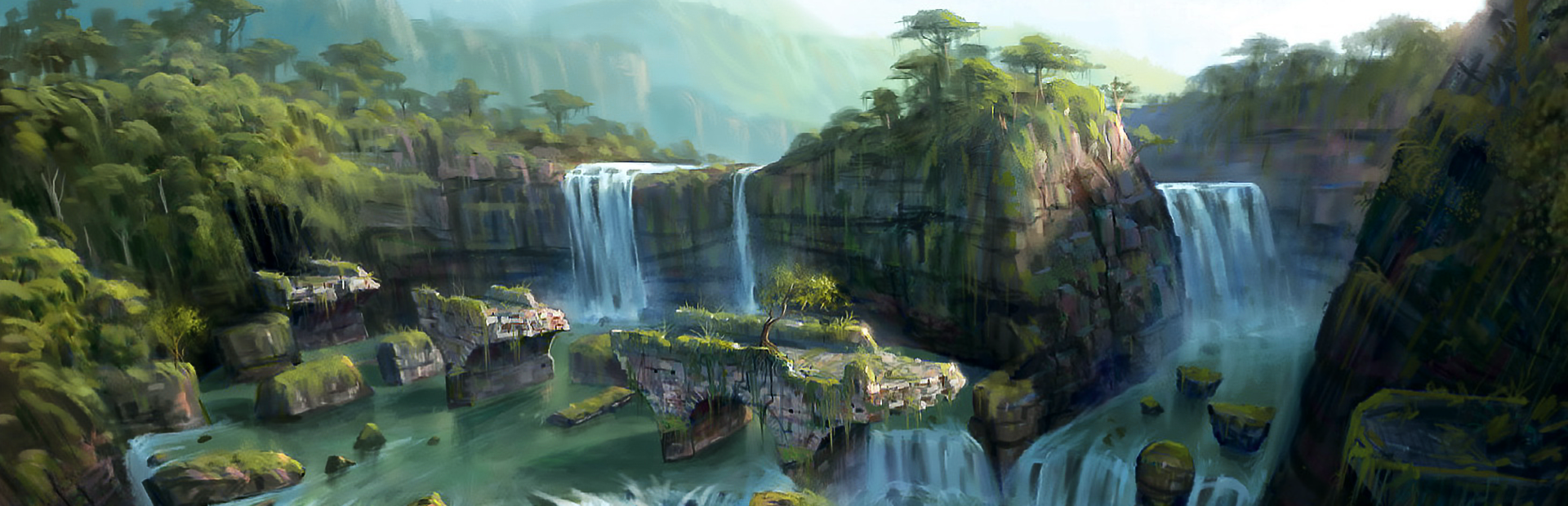
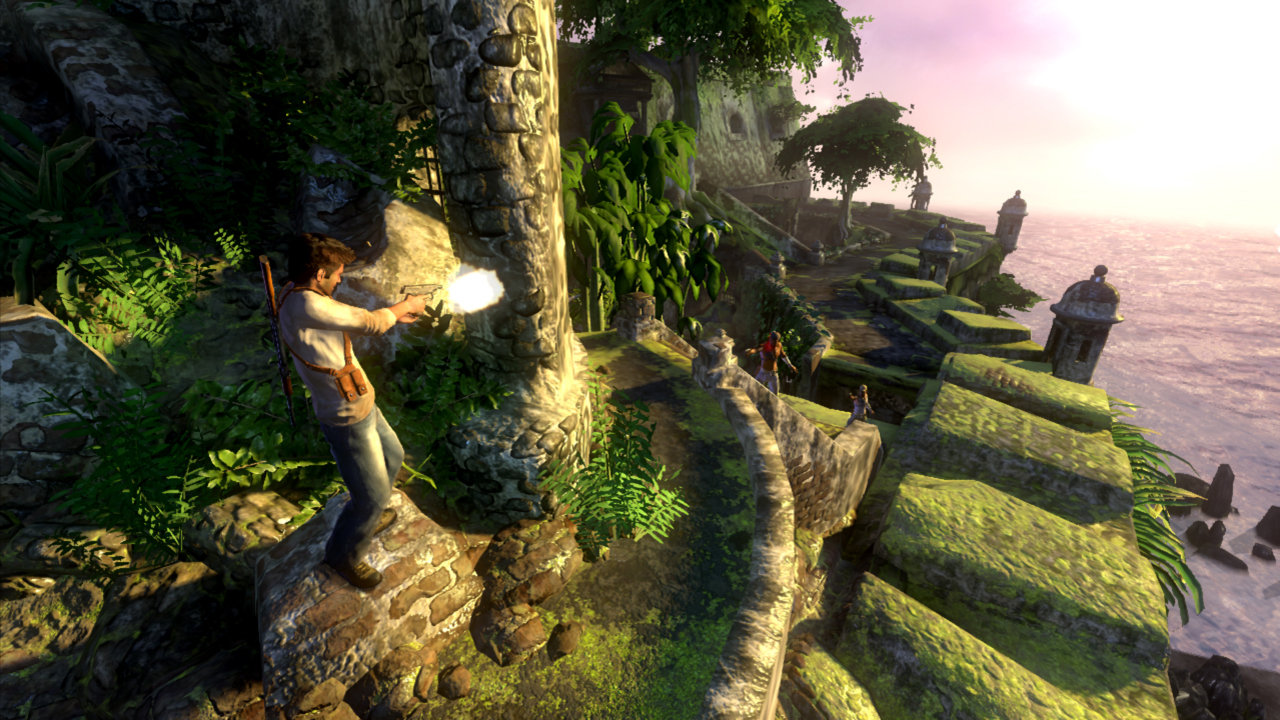
The action/adventure genre seems to be the only genre right now trying to push games forward in terms of gameplay, graphics, and story. Uncharted is one of these, and while it is two years old now and was developed way before the PS3 was announced, it was ahead of its time and still is. On the surface, Uncharted may look like a male version of Tomb Raider, but you are completely wrong. Not only are the visuals some of the best in the industry, but the voice acting and characters are what’s so believable. The people in Uncharted are everyday people who are trying to do heroic deeds and, in turn, show their imperfections, which makes the game much more believable. Searching around for El Dorado and Sir Francis Drake’s footsteps has never been so fun.
There are two main elements to Uncharted: shooting and platforming. There isn’t much in the way of puzzle-solving (the ones that are there are too easy). The shooting mechanics are great since they give you a great sense of desperation thanks to the wonderful animation of Nathan Drake and the way he interacts with the environment. You can see him breathing heavily in panic, ducking with different animations while running, and actually vocally expressing how he is feeling. Third-person shooter mechanics do not need explaining, but you do get a good variety of weapons that you are allowed to carry, including one pistol and one heavy weapon. Grenades can be thrown by changing the arc of the throw with SixAxis, but as far as this is concerned, SixAxis is used very lightly and not very often. The only flaw in the shooting is the number of enemies you are given, which can be way too many in certain situations, so the difficulty is unbalanced.
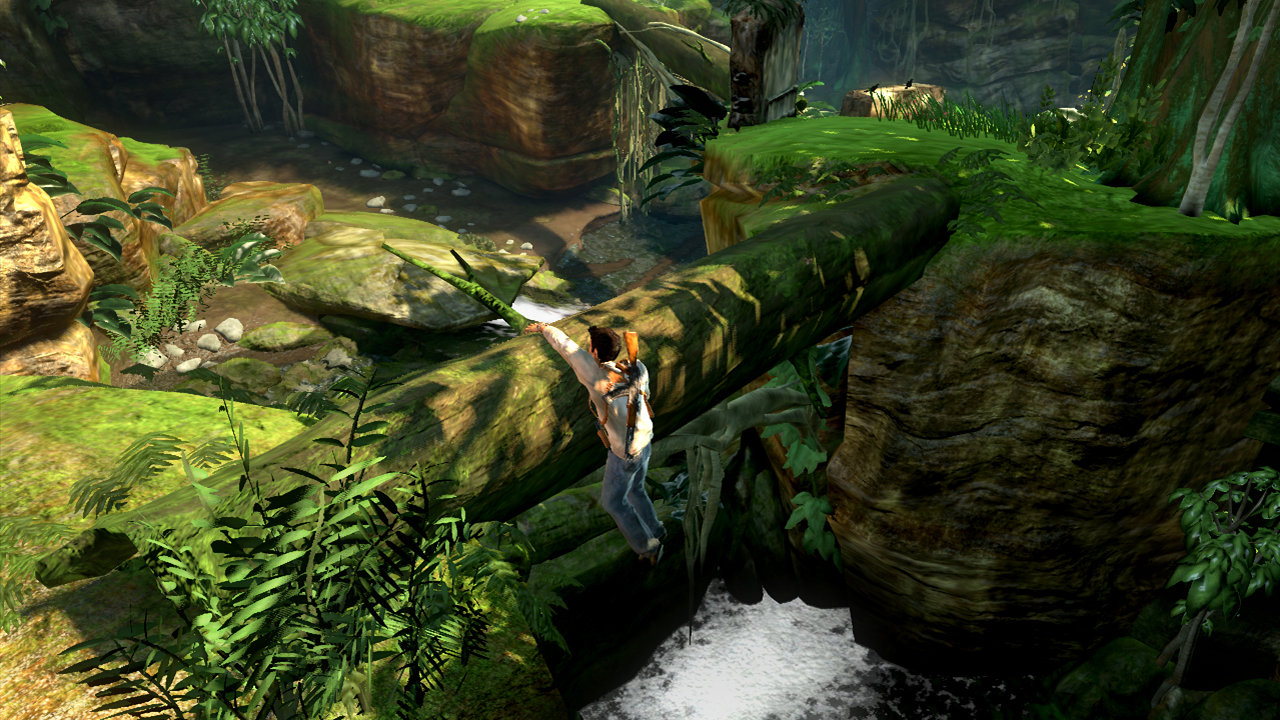
In terms of platforming, this is the best part of the game. Jumping around is pretty easy, but you can pretty much jump on anything you want, and part of Nathan’s imperfections show in this since he’ll slip off edges or just barely make jumps. Swinging on vines and walking through a U-boat submarine could never have felt better. A lot of the gameplay is broken up nicely with vehicle sections. These include a jeep and a jet ski from which you are shooting. The Jeep sections are heart-pounding, and the beautiful jungle scenery flying by adds to the cinematic experience. When you aren’t monkeying around, you can look for up to 60 relics to unlock trophies.
One thing that I can’t express enough is how beautiful the game is. With such high-resolution graphics, beautiful HDR lighting, highly detailed textures, and realistic water, Naughty Dog really created their second-best franchise with this masterpiece. There isn’t much to complain about in Uncharted, except maybe its length. With 22 chapters, the game can be beaten in 8–10 hours, depending on your playstyle. The replay value is good since you will want to go back and collect more relics to unlock trophies.
If I had to really nitpick the game, all I can say is that I wish there would have been more SixAxis integration, a more balanced difficulty, more challenging puzzles, and the game could have been a good 5 hours long, but other than this, it is pretty much flawless. If you are getting a PS3 this holiday, start with Uncharted because it will make you love your PS3 that much more.
















































 thebinarymessiah.com
Try multiplayer. A lot of fun !