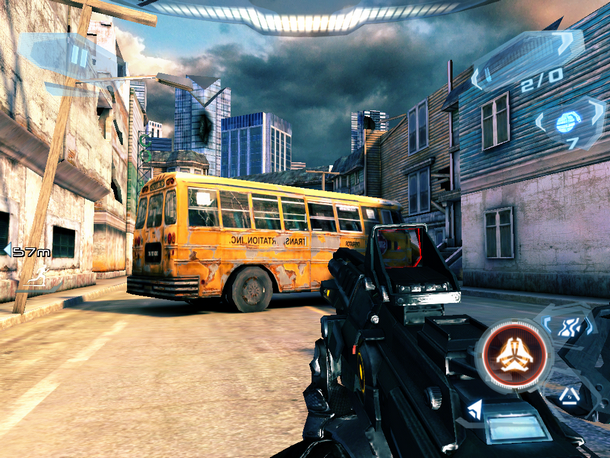
I know I swear up and down that I will never play another crappy Gameloft game again, but N.O.V.A. 3 had me interested due to the excellent graphics. Gameloft may have crappy games, but they can really make games look good on mobile devices. Once I started playing, I realized that the visuals were all that had improved in this Halo-style rip-off FPS series. The story is forgettable, as is any Gameloft game. You’re trying to find some sort of ancient artifact to destroy an evil alien race and save humanity. We haven’t heard that story before.
I was impressed with the first level of the game because there are some cinematic scripted events thrown in here that made me think that Gameloft finally got their act together and did something right. I also noticed how less it looks like Halo and more like Crysis 2. The outfits look almost the same, and even some of the guns look the same. That’s OK because Gameloft is a master copycat, remember? After I started shooting up some bad guys, I realized how much better the guns shoot, but there’s still no life in them. There’s almost no recoil, and the controls are glitchy with random spin-around, not to mention the HUD is cramped. I highly recommend playing this on as large a screen as possible to avoid any further frustrations.
Once I got past the first level, I realized the game felt the same as the last two. The game has cookie-cutter enemies that just stand there and shoot you with a couple of vehicle sections thrown in. The game has no life or soul and just feels like a generic shooter from way back in 2003. The levels are more varied, but the art style is just dull, and there’s not much to really look at. Sure, the graphics look good technically, but artistically, Call of Duty looks like Okami. I just gave up about four levels in because I realized it was the same dull, boring crap. I never had enough ammo, which is weird. Why max out my ammo where I can only take down a few bad guys before switching to another gun? I felt like the ammo sparsity was something for survival horror, not a one-man-army FPS.
Let’s not forget multiplayer. The maps are really large, with only a few players in them, so it feels like you’re always playing hide-and-go-seek rather than Team Deathmatch. The glitchy controls and lifeless weapons don’t help either, so just skip the multiplayer altogether. If you really don’t care about quality, then the N.O.V.A. series is probably right up your alley, along with most Gameloft games. The game looks great, but other than that, you will just find a hollow and soulless shooter that looks, feels, and plays monotonously.
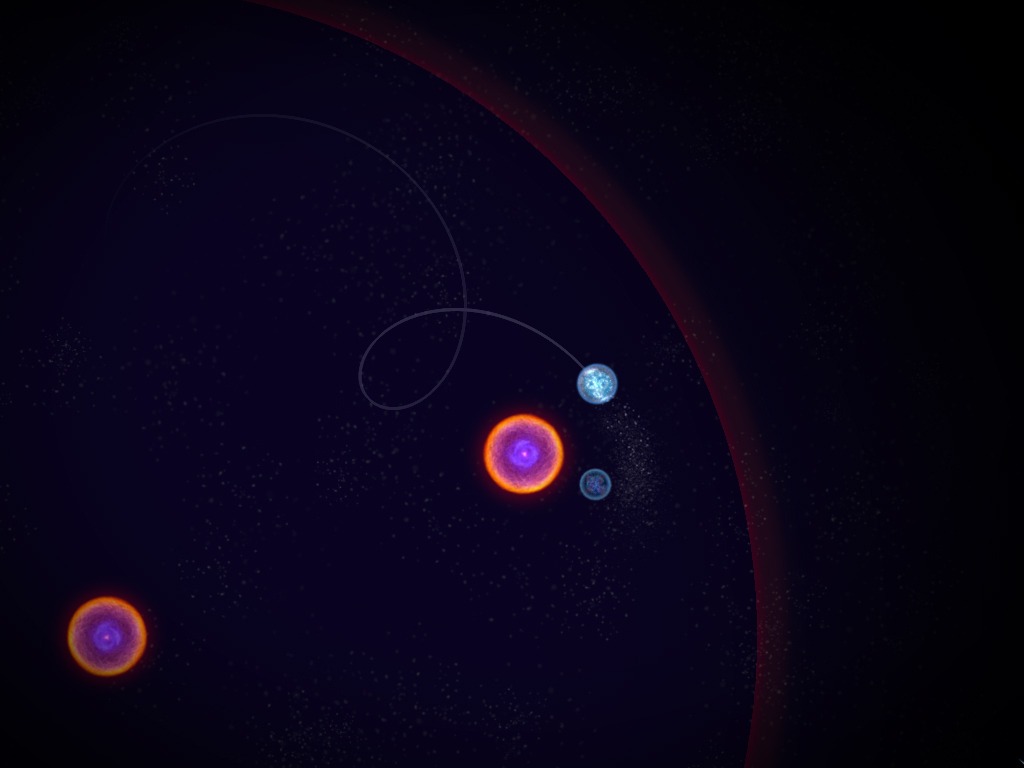
Osmos HD is an upgrade of the physics game where you are an omega trying to become the biggest. The game is very hard, but somehow satisfying when you beat a puzzle. The game requires a lot of concentration and finicky maneuvering, but the game is still enjoyable.
Pushing around the blog requires you to tap around the microbe with the touchscreen. This is like a jet booster, so the faster you tap, the faster it will float around. Around you are red microbes that you must avoid until you are bigger. Eat smaller ones until you consume the biggest one or complete the goal. Sometimes you will be orbiting a giant microbe and must complete the goal before you get sucked up.
The hardest part of the game is tapping just right and keeping good speed. You can slow down time or speed it up by swiping the screen left or right. This allows you to bump bigger microbes out of the way without being consumed. The visuals are pretty decent, and the game has a nice atmospheric soundtrack, but due to the high difficulty, this game is far from relaxing.
Overall, Osmos HD is worth the money, and you can play in the story mode or arcade. I wish there were more modes here, but at least the levels vary, so you won’t get bored. Casual gamers may get turned off by the sheer difficulty of some levels and the amount of concentration and precise movements required to move on. Give the demo a swirl before you buy.
Angry Birds, why are you so popular? Everyone plays this game, and everyone who hasn’t has at least heard of it. It was a digital phenomenon that sent a little indie game developer soaring into the millions. There is every type of merchandise available for a $1 game. Why is it so appealing to everyone? The game struck a perfect balance between hardcore perfection-type gameplay and casual gamer fun. While Rovio put out a Seasons and Rio version of the game, the series was getting tiresome. Space adds a couple new layers of depth to the series.
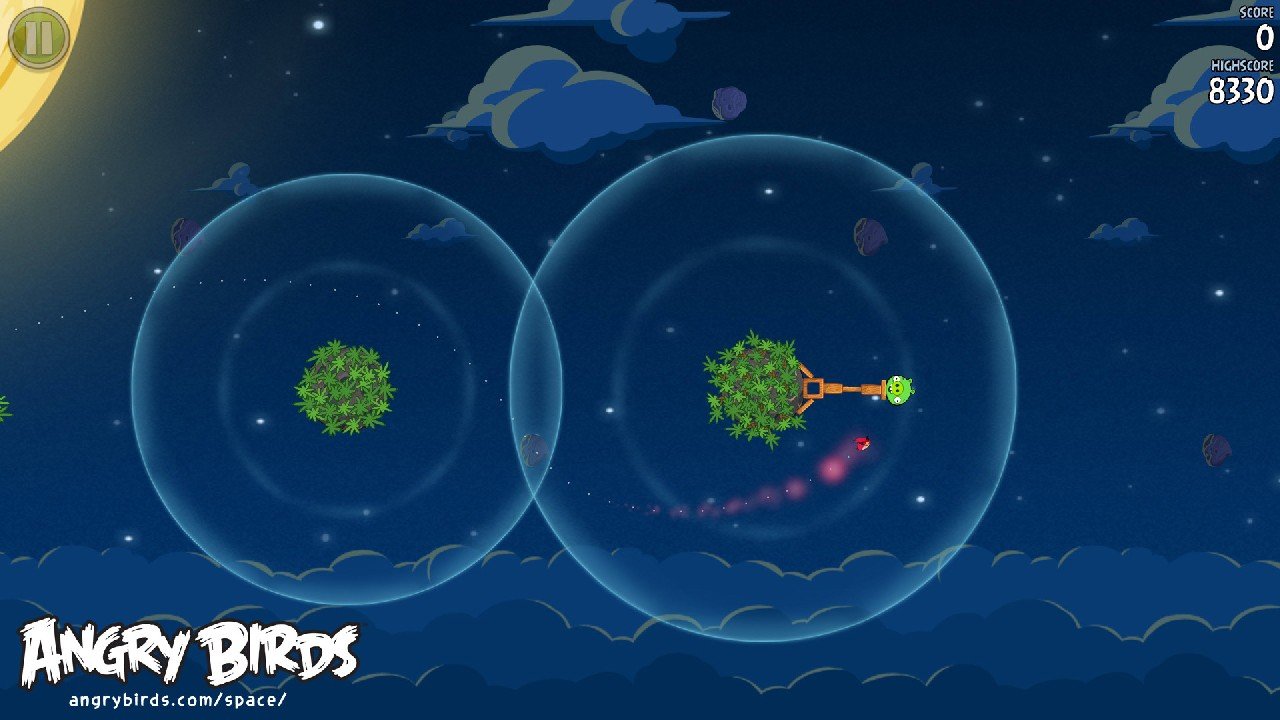
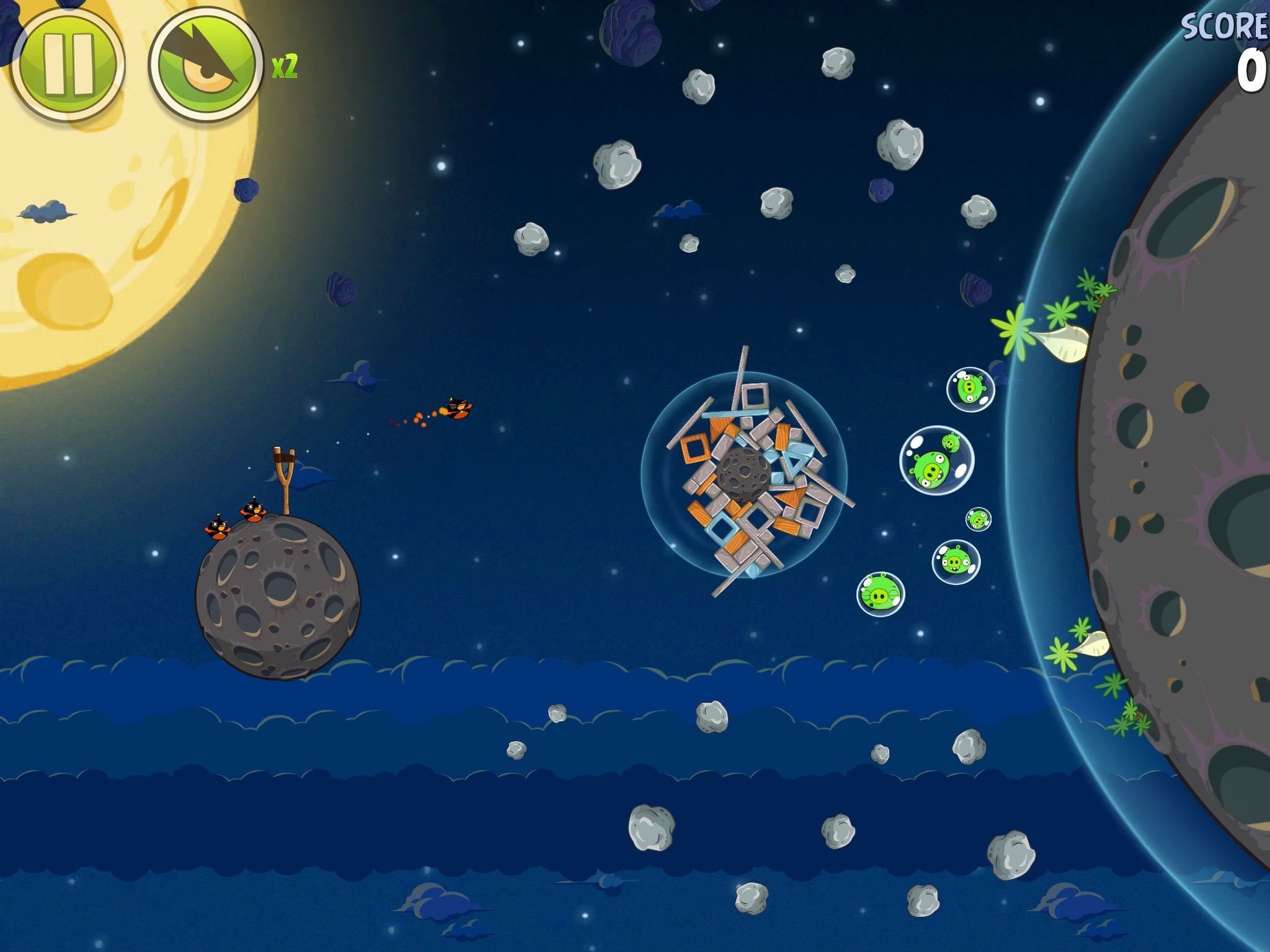
The game involves gravity play, as you would expect. Yes, you are in space, and yes, the game plays differently. You flick your birds across space and try to get them sucked into the gravitational pull of planets, where the usual obstacles and pigs lie. The added layer is that you can approach these puzzles from multiple angles. Have a bunch of blocks on one side of a pig? Flick your bird on the opposite side of the planet, watch it fly around using the pull of the planet, and knock it down. As puzzles get harder, multiple planets are lined up, so trick shots are needed.
The usual birds are back, along with a couple of new ones, like the ice bird, which freezes blocks so they shatter. The new gravity gameplay actually makes the environment a puzzle, so it doesn’t feel like the same type of puzzle over and over again. This also makes the game harder, so if you were afraid of that, it came true. This actually makes the game more engaging, and I could play in longer spurts because each puzzle felt really different. There is a new model that is almost like a Space Invaders clone, where you have to knock through aliens to get to the moving pig at the top. It’s fun but also hard to get to because these levels are hidden golden eggs throughout the game.
Overall, Space adds a much-needed layer of depth using gravity, and I like it a lot. I feel this game is geared more towards core gamers than casual gamers, but both still apply here. There are hundreds of levels to start with, and obviously, more are coming. If you love Angry Birds, then Space is an exciting and long-awaited sequel to a worldwide phenomenon.
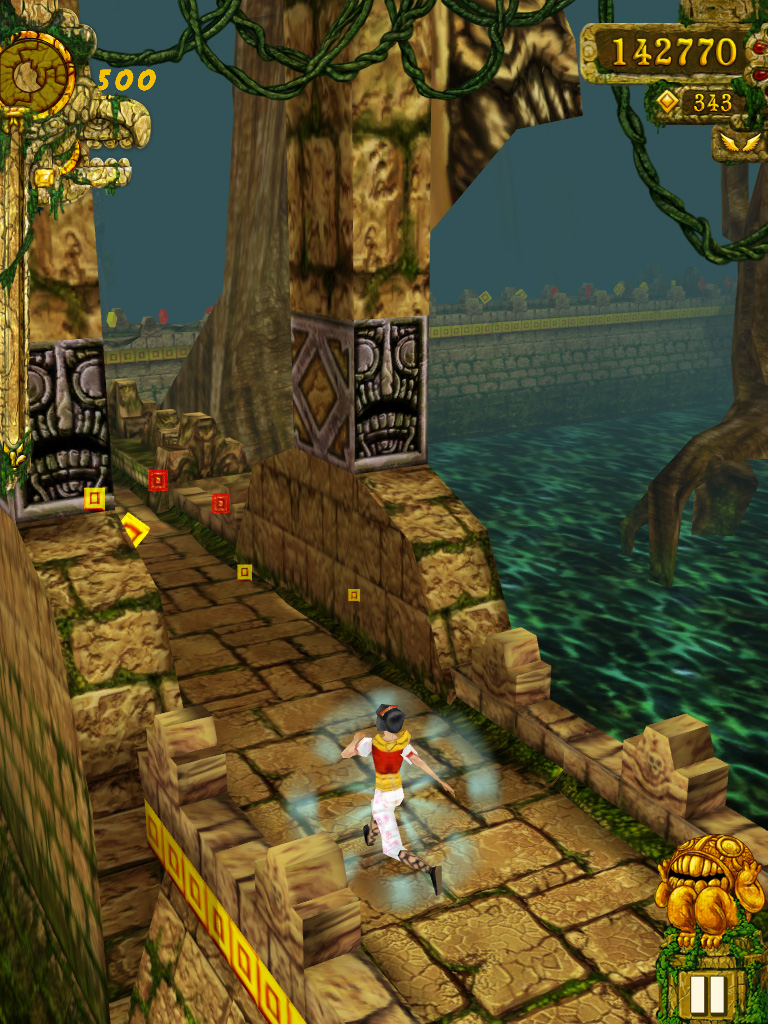
All these “running” games have flooded the mobile market, but they all feel the same. Temple Run is the first to try something different, and it’s actually really fun thanks to one thing: it’s in 3D. Side scroller running games only allow up and down movement, but Temple Run allows left and right movement, plus the game is more fun and exciting in 3D when you can see everything coming at you. The game also uses the phone’s gyroscope to make your character move left and right, and a quick swipe left and right allows you to turn. Swiping up and down allows you to slide and jump, but there are quite a few obstacles to avoid.
Obstacles range from tree roots, fire, gaps, vines, you name it. You can collect coins like in other running games, but in this one, you can actually spend the damn things. Upgrades range from multiplier increases to boosts and even a magnet power-up for collecting coins. You can buy characters, one-time-use items, and even wallpapers (coming soon). This is a running game, and others should follow in the path of Temple Run. The graphics are pretty decent as well, with a nice jungle setting, so it has an Indiana Jones vibe.
There’s obviously no story, which is just fine for these types of games, but running games are only good in short bursts, and Temple Run is no exception. Beating high scores gets addictive, but overall, the new depth is just a welcome addition to the tired running game lineup. This is all wrapped up in a sweet free package, and people with larger screens have the advantage of seeing further ahead than people with smaller phones. Temple Run is a really fun game that all mobile gamers should have.
Strategy games tend to be the best on PC, but with today’s technology, the game is tailored to the controller with ease. This year saw some great strategy games, but only a few really stood out from the rest. A great strategy game doesn’t so much as need a good story, but easy to use menus, lots of useful units, and a way to use them in a tactical and useful way. Upgrading and acquiring new units is key and also needs to flow and tie into the game.
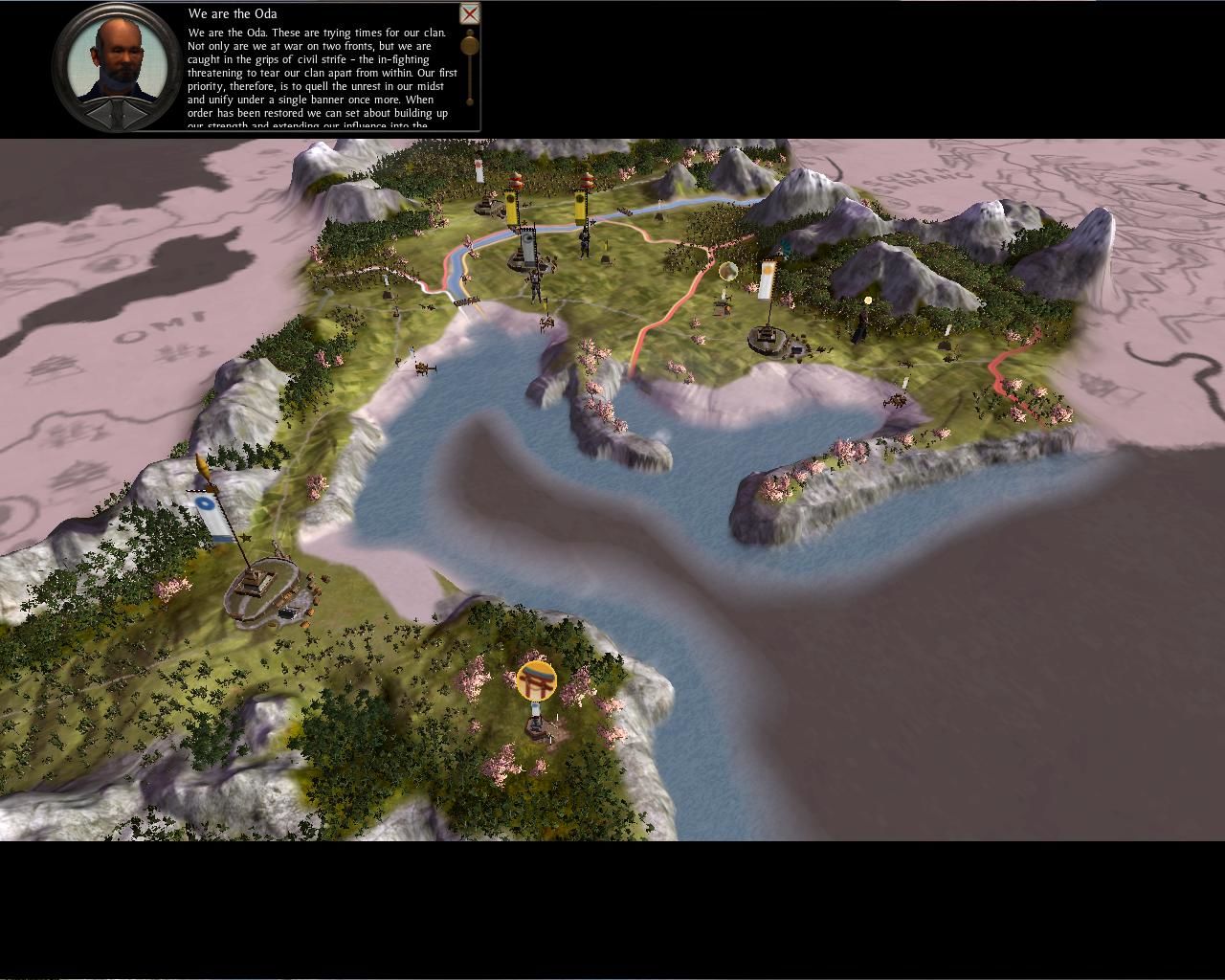
Total War: Shogun 2
This was an easy pick mainly because it completely changes the way people thought about the last game, being this is a new game all on its own. With great units to use, tons of excellent DLC, and great visuals to boot Shogun 2 is a heavy hitter that stays true to the genre and that’s what put it on top.
It really is games like Game Dev Story that truly prove graphics, sound, and pizzazz aren’t everything because GDS is just highly addictive, tongue-in-cheek, and very entertaining. What makes a game-developing simulator fun? Developing games isn’t really fun to begin with, so the game should be as fun as eating stale bread. Kairosoft is a genius, and there’s a lot to be had here.
You start out with a little bit of cash, four employees, and only being able to develop on PC. You hire employees by paying for different job ads. The higher the job and price, the better-skilled people will come into your office. Once you get your four people, you pick a game system (new systems are released regularly but cost tons of money to buy licenses for). The game really tries to emulate the game industry by putting out consoles by three different companies: Intendro, Sonny, and Micro. The game goes by in weeks, months, and years, so certain events trigger at different times.
Once you pick your genre (rated by popularity from A to C), then you pick the type of game. Make sure the two match; otherwise, you will get poor sales. Once you pick the two (you can unlock more by training employees or hiring very skilled ones), you have to choose someone to design the game. Each employee has four types of ratings, ranging from program, scenario, graphics, and sound. The scenario is what you want people designing the game to start with. Once you choose this, they will start pumping icons into a few of the four categories to make your game good: fun, creativity, graphics, and sound. When you start out, your games won’t be very good, but after a few years, they will be.
Once this is all done, and depending on the type of quality you chose for your game (the higher the quality, the more money it costs), your percentage ticker will start climbing. Depending on how skilled your developers are, your four areas will increase. When the game is 40% done, you will be asked to choose someone to boost the graphics. You can use the people you have or hire someone else to do it, and this can cost lots of money if you choose someone with a high graphics rating. When the game is 80% done, you will be asked to boost the sound, and the same applies. Once the game is done, you will start the debugging process, which can add lots of research data (use this to level up employees) and doesn’t really impact you negatively if you have a lot of bugs.
After the game is done, you will be asked to name it, ship it, and then critics will rate your game. When you start out, the game will score low and probably won’t start getting high reviews until your 10th year or so. If you get a score of 31 or higher, it goes into the hall of fame, and you can develop sequels. Once the game ships, your first week of sales will come in, and depending on its chart placement, you will get good sales or not. After a while, the sales drop off, and then it’s off the market. Then you repeat the process. Keep on top of the most popular console to boost sales, as well as choose good advertising methods because you need to keep your popularity up with every age demographic. Every 5 years, the numbers will move down, and you will lose fans if you don’t keep up.
When you start leveling up employees, the games get better and sales go up with high levels of in-game design. During points of the year, you will get to go to Gamedex and accumulate fans to boost sales, as well as the awards show at the end of the year to earn extra prize money. After a while, you will start earning millions of dollars and be able to hire more people and move into bigger offices. Eventually, you can fire people with low skills and start moving higher-skilled people in, and then your scores start going to 9’s and 10’s.
The beauty of the game is the climb to a successful company, and your ability to do checks and balances determines if you fail or not. Starting out is a struggle, but it’s just so addictive and feels true to the game industry. The game may not be much to look at with simulated 8-bit graphics and sound, but I just played this for hours and hours and couldn’t put it down because you keep developing one more game and trying to balance your company out to make big bucks, get the latest systems, have the most fans, hype up your games, and try to win a game of the year. If you love simple simulations like these, you will love Game Dev Story because there’s nothing quite like it.
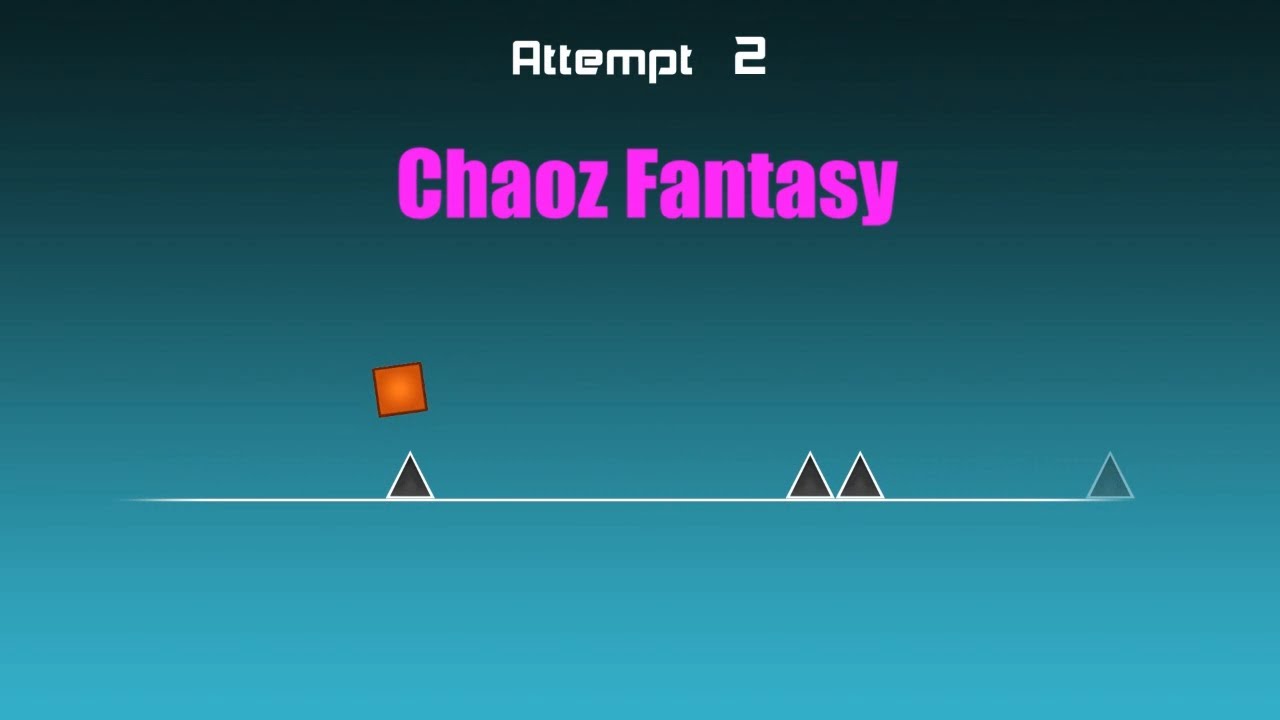
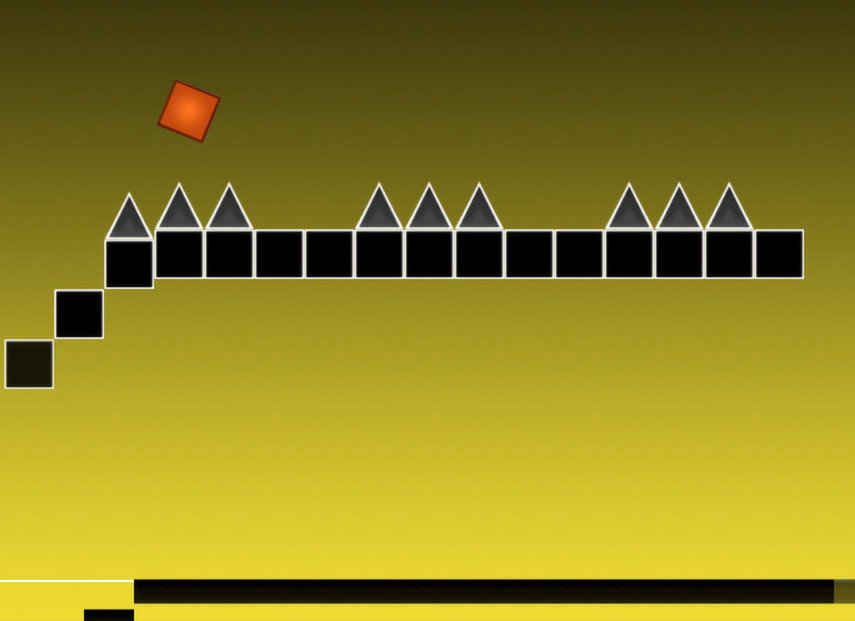
Remember those super-hard games from the 8/16-bit era? Well, it’s come back to haunt with this little game that is so simple in design yet so hard in execution. You guide an orange block over spikes and pits to the end of the level. All you do is tap to jump and hold to do quick jumps. It sounds simple, but the levels are brutally hard because they require precise skill and focus. There is a practice mode that lets you drop the flag with a touch of a button, and when you die, you respawn there instead of at the beginning of the level.
Of course, you can delete these flags if you spawn one in the wrong area, but man, this game is almost impossible! The game has a nice soundtrack that flows with your jumping, but most people will hate this game due to its high difficulty level. All I have to say is that hardcore platformer fans will die for this game and love it. All I wish is that there was an easy mode or something, but there’s a lot of great game here for a buck.
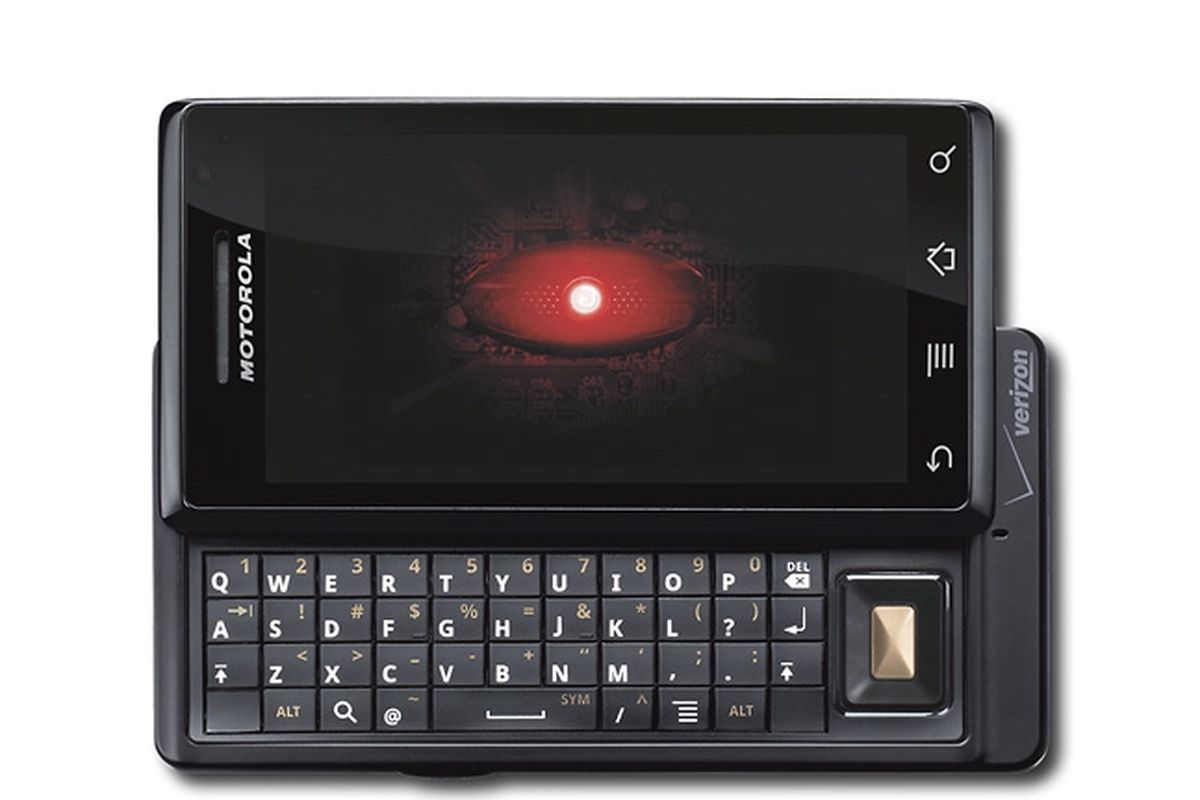
Google has been known for revolutionizing the internet, and now they are with their Android phones. The Motorola DROID (A855) is the newest and most advanced phone on the market right now, and this bad boy does an awful lot. A lot of people are going to compare this phone to the iPhone, but the DROID trumps the iPhone in features and freedom. I will discuss, first, the tech specs and compare them to the iPhone head-to-head so you can see how powerful the DROID truly is.
Techno Babble
The DROID has a 550 MHz processor, specifically the Arm Cortex A8 processor that is also present in the iPhone 3GS by Samsung. The 3GS is clocked only 50 MHz higher and can be overclocked to 800 MHz. To compare, the original Xbox has a 733 MHz processor. So can the drug be overclocked to this as well? Most likely. With a monster processor, the DROID can multitask and has one of the first actual mobile OSs (besides Windows Mobile 7). This also means maintaining processes running in the background to gain battery life, uninstalling apps (not just deleting them), and a lot more, but we’ll get to that later. The iPhone, however, cannot multitask due to the OS running on it, and the processor is only used in games.
When it comes to graphics, the DROID still hasn’t been pushed to its limits. There are very few 3D games on the Android Market, but as of right now, the iPhone stomps the DROID in the graphics department. The DROID has a 200 MHz PowerVR SGX 530 GPU. The iPhone has the same, but due to its slightly better CPU, it can currently outperform the DROID. The iPhone has been on the market for quite some time, so there are bigger, better games available. The DROID should start getting the same quality soon. They both have 256MB of RAM, so under the hood, they are pretty much the same.
The DROID has a slightly bigger screen, sizing in at 3.7″ and the iPhone at 3.5″. Do 2 millimeters matter? Yes, it does. There are a good 2 millimeters on the top of the iPhone that could be a screen, but for some unknown reason, it’s not. The DROID has a higher resolution of 854 x 480 and 265 PPI (pixels per inch). The 3GS has a 320×480 resolution with only 163 PPI, so the DROID has double the resolution of the iPhone. That is great for people wanting to watch high-res movies on their devices.
Both devices have the same inputs, such as the 3-axis accelerometer (tilt sensor), digital compass, multi-touch display, proximity, ambient light sensors, etc. The DROID is a bit heavier than the 3GS, but only by 1.2 oz. The drone wipes the floor with the 3GS camera. The DROID camera is 5 MP compared to the 3GS’s 3 MP. The DROID has dual LED flash and geotagging, and it can even run higher than 30 FPS. The 3GS has all this except the dual-LED flash, which is a huge plus.
When it comes to storage, the DROID wins with its external memory option. You can insert up to a 32GB microSD card, but you’re stuck with the 3GS internal memory and have to pay a huge price for more. The DROID even comes with a 16GB microSD card when you buy the phone. So when it comes to comparing junk under the hood, they both have the same hardware, but the DROID has the extra tidbits that push it over the edge.
GUI: Graphical User Interface
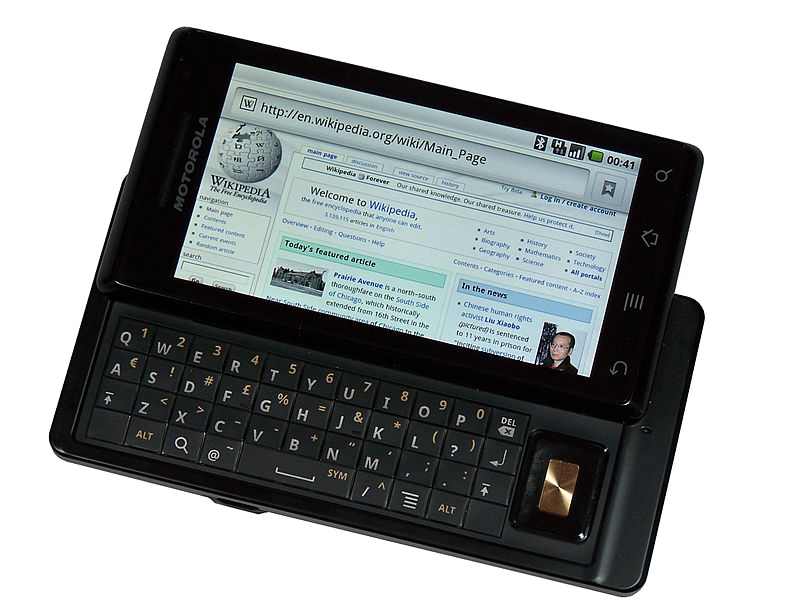
The DROID has an excellent GUI, and the whole marketplace is run by the community. There are programs such as PandaHome, OpenHome, GDEHome, etc. that allow you to change “themes” for a small price or for free. These also change icons, clock widgets, etc. The DROID has a great interface that is more like a computer that gives you a desktop, then a slide-up menu where all your apps are stored. You can drag and drop as you see fit. The iPhone, however, is plagued with the mundane Apple OS that only shows apps in a grid format with a black background. Sure, you can change your “wallpaper,” but this is only when the phone comes out of sleep mode, so it’s rarely seen. This makes every iPhone look the same, so the DROID wins in customization by a long shot. There are four touch buttons located at the bottom of the screen: your back button, menu, home, and search. You will use these buttons a lot, so Motorola and Google were smart to put them here.
Apps: Who’s Better?
It all comes down to the apps. Who has more rights? Well, the iTunes marketplace has hundreds of thousands of apps that the DROID doesn’t have, so the iPhone wins there. However, the Android market is ever-growing, and thanks to the user-run community, a lot of great apps are showing up that the iPhone can’t run. These include a lot of customization apps and loads more. Apps are easier to run on the DROID since there is no iTunes-type program. The app store is run off the phone and downloaded from the phone as well. If you don’t want an app anymore, you go to your settings and uninstall it. Google also allows you to refund anything you buy within 24 hours, and Apple does not support this. While iTunes may have more stuff, Android has better customer service, a better community, and a better setup. There are really no “hardcore” games for the DROID like there are for the iPhone, but it’s getting there. You do not want to get a DROID for a gaming system just yet, for sure; stick with your iPod or phone.
Features: Welcome to Google Town
The DROID has a lot of little things going on in it. You can do everything a touch-screen phone can do, but it also has a slide-out QWERTY keyboard. The buttons were a little flat, and the top row is hard to get at if you have big fingers, but it works well. If you tilt the phone sideways, you can type with a landscape keyboard or use Google text-to-speech. I found this feature extremely useful when typing long messages or writing reviews for apps. Since this is a Google phone, you get all their awesome apps, such as Google Earth (yes, it’s in 3D and you can see every detail) and Google Maps. Switch to your “car app” and press navigation. Speak your selection (i.e., Phoenix, Arizona), and Google will give you directions for a car, bus, or walk (God forbid you to walk that far!). Press Get to Navigate, and the phone will give you the directions. It doesn’t update in real-time, but it does update as you drive down each block.
Google Sky is a fun app that lets you point your phone in the sky, and it will show you, in real-time, where each constellation and the planet are. You get plenty of excellent Google apps, such as Gmail, YouTube (yes, Google owns YouTube), and Google Goggles, which allow you to take pictures of products or objects, and the phone will scan and search them for you. There’s even a Google search bar on the desktop with a text-to-speech button next to it. Brilliant. There are plenty of other apps, such as the Amazon store, eBay, Bank of America, MLIA, FML, and even ShopSavvy. This app allows you to scan a barcode, and it will tell you where you can find it cheaper online or locally. Of course, you have all your social networking apps, like Twitter, Facebook, and MySpace, which run great.
When it comes to things like ringtones, pictures, and videos, the DROID delivers. You can store any MP3 or picture and set them as wallpapers, notifications, or just ringtones. Mount your SD card via USB and just create the folders. There is no need to sync with a program on the PC. Total freedom is what Google gives you, and this is what I love.
Problems: It’s Not Perfect
There are some issues with the drug, but not many, and they are minor. The biggest one is the running processes in the background that can kill your battery even in sleep mode. You have to get the Advanced App Killer app and every so often check everything you don’t want running and kill the apps. Another problem I ran into was that since most of the apps are user-made, they can be glitchy and screw up your phone, so watch out and read reviews before downloading anything. You could say that the major issue is the app store. There are a lot of apps, but some of them are junk. There aren’t any excellent games available, and the app store doesn’t have any sort of feature except Top Paid, Top Free, and Just In.
For a $550 phone (if you pay for it without a plan), the DROID delivers and trumps the iPhone in every direction except the apps. The DROID is a very advanced phone and is for people who love using their phones constantly and want to make them a part of their everyday lives. With a sleek design, excellent features, sturdy hardware, and monster processing power, the DROID should be the #1 phone in 2010.
Update: 10/15/2011
Now that I have had this phone for 18 months, I don’t like it as much. The phone started having issues with serious lag, slowing down, and just hardly responding anymore. The touch screen lost sensitivity after about a year, plus the hardware is ancient compared to what is out now. Due to that, all the apps are now optimized for higher-end phones, so the Droid is left in the dust.
Overall, the phone just doesn’t really work anymore internally. It won’t come out of sleep mode sometimes, won’t answer calls, turns off randomly, and the internet is just impossible to surf due to the now weak processor. Hardware-wise, it has stood the test of time with many drops, slides, fumbles, and kicks. Not a single crack or anything, but thankfully this phone is now discontinued. If you have the original Droid, you are probably finding the same problems even after a factory reset. The phone was great 22 months ago, but now I just absolutely hate this thing. If I were to amend my score, I would give it a 4/10 now, but of course, that’s unfair and should be remembered for how great it was at the time of release. Did I also mention that the appraisal price for the phone is about $20 nowadays?








































 thebinarymessiah.com
Try multiplayer. A lot of fun !